The intelligent refit era
HOW DIGITALISATION AND AI WILL REDEFINE THE FUTURE OF YACHT REFIT
I. Introduction / PAGE 4
II. Methodology / PAGE 6
III. Executive summary / PAGE 8
IV. Transformational technologies / PAGE 12
V. Design, sustainability & strategic pressure points / PAGE 18
VI. People on board: Changing roles, skills and expectations / PAGE 22
VII. Interview: Mark Leslie-Miller Dykstra Naval Architects / PAGE 26
VIII. Interview: Gary Kessler Maritime Cybersecurity Specialist / PAGE 28
IX. The digital transition in numbers / PAGE 30
X. MB92 in numbers / PAGE 34
XI. Conclusion / PAGE 36
I Introduction
BY BEN MENNEM MB92 GROUP CEO
This is a moment of rapid and significant change for the yachting sector. Technology is advancing at a pace that is as exciting as it is, at times, unsettling. While we must embrace game-changing technologies such as artificial intelligence (AI), I believe it is equally important to pause and focus on what remains constant: sound judgement, a sense of responsibility, and the relationships that underpin the trust our clients place in us.
This report explores which emerging technologies are having an impact on the superyacht industry and how they are set to reshape how yachts are designed, operated, and maintained. High-speed connectivity at sea is accelerating data use on board, opening new opportunities for innovation across the entire value chain. Yet it also raises a fair question: in a world that is becoming more automated and data-driven, what must remain fundamentally human?
At MB92, the answer is pretty clear. We are in the relationship business, a business that is based on trust, discretion and informed judgement. AI can provide support, but it cannot replace the human relationships at the heart of our work. If technology creates distance between people, or diffuses accountability, it risks undermining the very thing our clients value most. Progress therefore must be pursued with balance and control.
Technology should always serve a practical purpose. It should make the client experience smoother and more transparent, not more complicated. It should reduce noise, duplication, and avoidable delays, while giving clients clearer visibility on progress and faster access to information. Above all, it should reinforce the standards that matter most in our industry: quality, discretion and a consistently high level of service.
Our ambition is straightforward: to adopt technology in a way that improves quality and elevates service, while preserving the human relationships that build trust. This report is a contribution to that commitment, and an invitation to the wider industry to view digitalisation not as an end in itself, but as a means to deliver better outcomes, with people firmly in control.

AI can provide support, but it cannot replace the human relationships at the heart of our work
II Methodology
II Methodology
The findings of this report are based on a panel discussion between renowned industry experts who focus on the impact of digitalisation and new technologies in the yachting industry. They are also based on extensive research carried out by MB92 prior to the panel discussion, including background interviews with relevant specialists and a detailed review of published material relating to the report’s subject matter. The report was also informed by a quantitative survey of more than 70 industry stakeholders within MB92’s network, including captains, crew members, owner/ manager representatives, providers, shipyards and designers.
After analysing the current extent of the use of new and emerging technologies in the sector, the panel outlined the challenges and opportunities that lie ahead for the industry to adapt successfully to continuing technological advances. The debate set out the main areas of focus for the sector, the key factors driving change and some issues still holding back broader and more efficient adoption of emerging technologies. Panellists also discussed the central role that humans, both onshore and offshore, must play in the transition towards a yachting ecosystem that is better adapted to rapidly evolving technological demands.
The panel outlined the challenges and opportunities that lie ahead for the industry to adapt successfully to continuing technological advances
Finally, the report takes a closer look at two issues in particular: first, how yacht designers are adapting to the increasing opportunities for technology to enhance their work, in an interview with Mark Leslie-Miller, a partner at Dykstra Naval Architects; and second, how cybersecurity is an issue of vital importance for the yachting sector, in an interview with Gary Kessler, a Maritime Cybersecurity Specialist (Cydome).
PANEL OF EXPERTS

Bram Jongepier Naval Architect, Senior Specialist at Studio De Voogt, Feadship

Rodrigo Pérez Fernández Senior Director of Software Engineering, Siemens Digital Industries Software; Professor, Marine Engineering School, Technical University of Madrid
Benedict Mander Moderator & Writer

Dan Briggs Net Ops Team, NEGU

Rubén Carmona IT & Digitalisation Director, MB92 Group

Giovanni Alessandrello Managing Director and Partner, BIP Iberia

Xavier Baño Coral URL Tech Transfer Officer at La Salle University in Barcelona
III Executive Summary

HOW DIGITALISATION IS TRANSFORMING THE YACHTING SECTOR
WHAT’S WORKING, WHAT’S NOT
As the superyacht sector faces one of the most profound periods of transformation in its recent history, digitalisation and the intelligent use of data are allowing increasingly “smart” superyachts to become more efficient, personalised and sustainable. So what are the most transformational technologies? AI is already having a huge impact, but it is still at an early stage of development. The biggest transformation may not be from one breakthrough tool; perhaps the most important development is connected intelligence
Digital twins will reshape yachting, with a shift away from reactive decisions towards continuous optimisation, and predictive maintenance that reduces downtime and improves life-cycle planning. Navigation systems can now analyse complex data sets to find the most fuel-efficient and safest routes, minimising human error and avoiding collisions. Alternative fuels have huge potential to reduce carbon footprints over the next few years, while Low Earth Orbit (LEO) satellites, such as Starlink, are enabling increasingly higher bandwidth. WAN connectivity allows local area networks (LANs) to communicate with each other over long distances.
The biggest transformation may not be from one breakthrough tool; perhaps the most important development is connected intelligence
Technological adoption is accelerating. An MB92 survey of superyacht industry stakeholders shows that while just 24,6% of respondents have already integrated AI into their operations, 78,5% expect to increase their digital and AI investment in the next three years. Respondents considered AI as an opportunity rather than a risk, and 71,4% believe that its biggest impact will be on operational efficiency.
At the same time, the survey revealed that 66,7% of organisations now have at least some form of digital strategy, but only 19% have a formal strategy with an allocated budget. As many as 35,7% still offer no digital training at all.
From problems of complexity, the existence of legacy systems and technological integration, the superyacht sector faces multiple barriers to adoption of emerging technologies such as AI, clouds, digital twins, augmented reality, and virtual reality. Some of the toughest challenges include:
• Culture: Many yachts operate as unique custombuilt ecosystems, making interoperability and data integration difficult. Even when the tech works, adoption is hard if crew and operators do not trust or understand tools. Technology investment must be paired with training and cultural alignment.
• Return on Investment (ROI): This can be hard to quantify in an industry that values craftsmanship and guest experience. The difficulty in predicting the financial impact of innovation complicates getting support for new projects.
• Data: Unifying, managing and improving the quality of data is crucial, especially to optimise the impact of AI.
Over-automation is not yet a major concern. Bespoke craftsmanship is one of the sector’s most valuable features, but many technological innovations have great potential – if applied with care. AI can lead to greater operational efficiency, but ultimately it is just a tool, and must be supervised by humans. Clear reasons for using AI and goals must be established: it should not be used just because it exists.
In this craft-led industry, the goal should be smart assistance. Automation should amplify human judgement rather than eliminate it, freeing experts to focus on the art of the craft rather than mundane tasks that can be handled by technology. On board, there is significant scope to continue automating to enhance the efficiency of crews and user experiences.
Q5
Much can be learned from more technologically advanced sectors, including the legal, banking and telecommunications sectors. The energy sector is especially relevant, as many superyachts now have their own micro grids: diesel-electric systems now often have multiple generators, large batteries, and different types of fuel cells – a significant development from just a few years ago. There are useful lessons from the aviation and defence sectors, and closer to home, commercial shipping and extreme sailing.
Design, Sustainability & Strategic Pressure Points
Technological innovations, especially IoT sensors, mean that environmental impact can be measured with growing accuracy, so that sustainability goals can be met. But data must be collected, structured and used more efficiently so that it is more trustworthy, transparent, and connected. That way, qualitative information can be turned into quantitative information, allowing owners, designers and regulators to demonstrate ESG performance. Lifecycle impact, recyclability, and end-of-life planning are now becoming part of the design brief alongside performance
WHAT IS THE CURRENT LEVEL OF AI INVOLVEMENT IN DAY-TO-DAY OPERATIONS?
and comfort. This is of growing importance, with more than a third of the roughly 6,000 yachts over 30 metres in operation visiting refit shipyards in 2024.
Initiatives such as the Water Revolution Foundation’s YETI (Yacht Environmental Transparency Index) and the Yacht Club de Monaco’s SEA Index have contributed to transparently quantifying the operational impact of yachts and standardising methodologies. Again, standardised data is key to share, compare, and learn from each other.
Regulation can play a greater role in incentivising innovation, especially to reduce emissions by increasing the cost of environmental impact. Yachting regulation has mostly been reactive, and many rules are voluntary, with most major international maritime conventions targeted at commercial or passenger ships. Forthcoming shipping regulation should include the recreational yachting sector.
Not at all
Limited experimentation
In addition, the European Union’s AI Act imposes new compliance, transparency and risk-management obligations on manufacturers, operators and suppliers that use AI. Companies should take note, given significant sanctions of up to €35 million, or 7% of annual revenues.
Used occasionally in specific tasks
Integrated into several workflows
Q7
IS THERE A DEFINED DIGITALISATION STRATEGY IN PLACE WITHIN THE ORGANISATION?
IS THERE A DEFINED DIGITALISATION STRATEGY IN PLACE WITHIN THE ORGANISATION?
People on Board: Changing Roles, Skills and Expectations
Arguably the most important impact of technological change is on human beings . Technology is profoundly affecting life on board, for owners, guests and crew, while causing the necessary skills and roles to rapidly evolve. Already, essential competencies extend far beyond just navigation and engineering: data awareness, detailed troubleshooting, cybersecurity and humanmachine collaboration are all key new areas. But while technology helps crews to operate more efficiently, it is also leading to greater expectations from owners and guests.
According to MB92’s survey, the top onboard needs for technology centre on maintenance tracking (64%), reporting to owners (55%), and route planning (36%), as it strengthens decision-making and reduces uncertainty.
Technology will create multiple new roles in the maritime industry, just as in other sectors. For example, onshore positions will emerge to assist engineers on board to optimise increasingly complex systems, while engineers
themselves will need to be more technologically literate. New roles will also emerge in design departments, in particular those that work with AI.
This all makes it essential to foster a stronger digital culture . The modern yachting industry is effectively a floating smart ecosystem, demanding a new blend of technical literacy and an adaptable and critical mindset, along with other important soft skills such as curiosity, continuous learning, and a willingness to experiment.
In a context of rapid technological, regulatory and cultural change, MB92 is laying the foundations to lead the next phase of digital transformation in the superyacht refit sector. With 6% of total Group investment allocated to IT and digitalisation, and an increasing share of projects managed through The Bridge digital platform, the Group is embedding data, connectivity and digital rigour at scale.
The delivery of 246 projects worldwide in 2025 illustrates how this approach is already enhancing execution, resilience and long-term competitiveness in an increasingly complex industry.
IV Transformational technologies
AI STILL HAS A LONG WAY TO GO
Across all industries, decision-makers are scrambling to understand the potential of AI for their specific needs. The yachting sector is no exception: Rubén Carmona, IT and Digitalisation Director at MB92 Group, identifies AI as the most impactful technology for yachting today, though he emphasises that it is still at an early stage.
But as the yachting world enters the Fourth Industrial Revolution, the biggest transformation is not coming from just one breakthrough tool, argues Rodrigo Pérez , a Senior Director at Siemens Digital Industries Software responsible for marine solutions. “The most important development is connected intelligence,” he says, pointing to the integration of sensors, analytics and cloud platforms.
Pérez highlights progress in predictive maintenance, which is already moving from pilot projects to operational reality, reducing downtime and improving life-cycle planning. “Digital twins and tools are reshaping how we manage yachting, from reactive decisions to continuous optimisation,” explains Pérez, who is also a professor at the Technical University of Madrid, and president of the Spanish Association of Naval Architects and Engineers
Bram Jongepier, a naval architect and design specialist at Feadship, ventures that AI may not even be the single most important technology of the moment. Rather, he argues that alternative fuels, and the technologies required to use them effectively, will deliver more impactful change than AI over the next few years. While hydrogen and nuclear fuels offer the greatest potential, methanol is likely to be more important in the short term, with hydrotreated vegetable oil (HVO) already in use. “This is something that the industry needs to consider, understand and promote,” insists Jongepier.
Technology On Board
AI is not yet the dominant technology on board yachts either, according to Dan Briggs, an AV/IT (audiovisual and information technology) specialist in the yachting sector. “ There are a lot of other technologies on board yachts other than AI right now,” he says, pointing to more physical technology like the latest Wi-Fi that allows better connections. “The bottleneck is obviously going to be WAN [Wide Area Network] connectivity, but that’s catching up very quickly,” he adds.
There are a lot of other technologies on board yachts other than AI right now
Dan Briggs
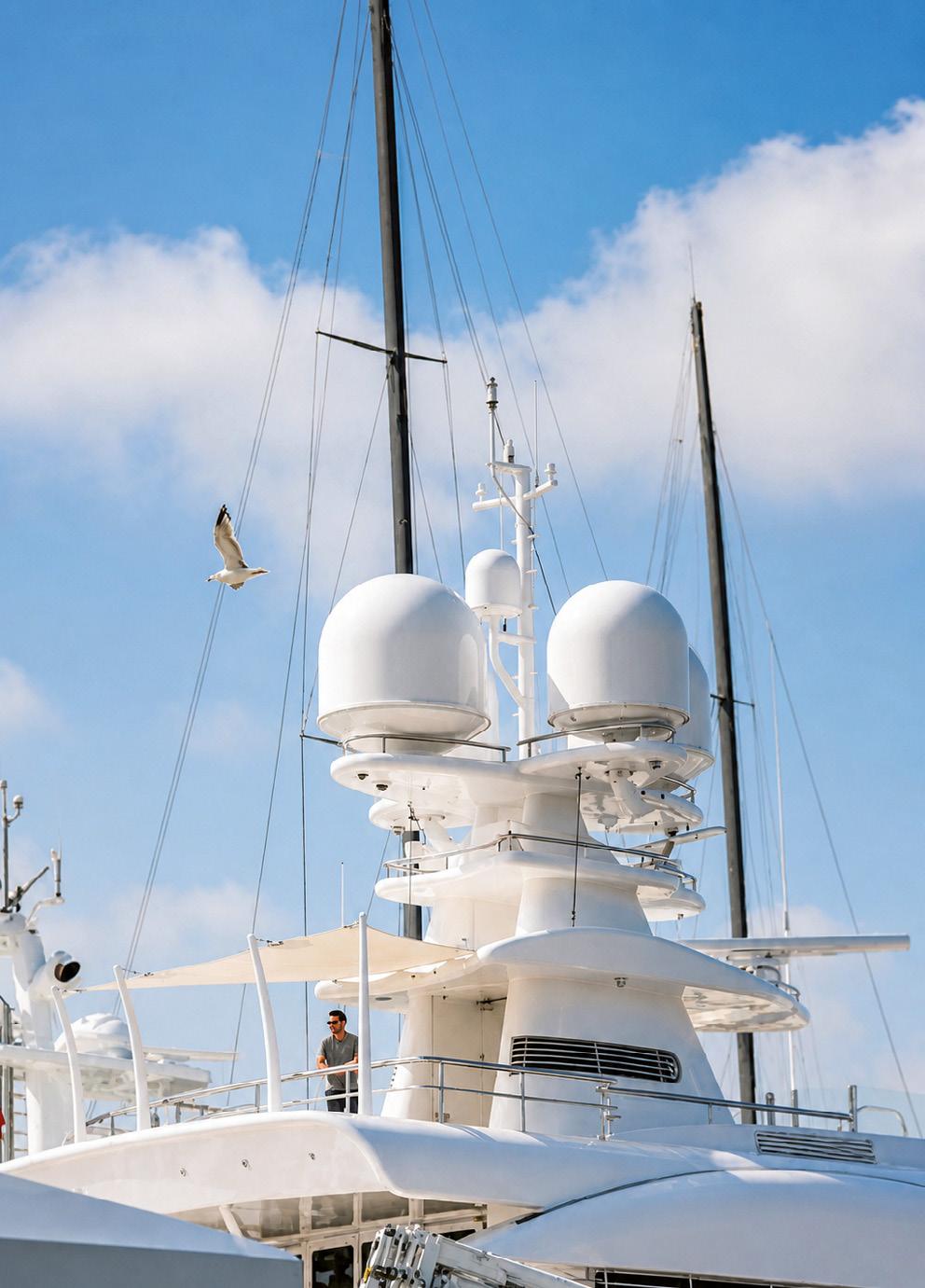
Indeed, life on board yachts has been revolutionised by real-time connectivity. Low Earth Orbit (LEO) satellites such as Starlink are allowing ever greater bandwidth and connectivity, so that local networks can communicate with each other over large distances. This is transforming management, training and remote support, while augmented reality assisted maintenance is beginning to bridge skills gaps and improve safety.
Briggs points to the pervasiveness of planned maintenance systems (PMS) offered by companies like Seahub, Deep Blue and IDEA Data Solutions. Importantly, the ability of a PMS to schedule, perform and track regular maintenance tasks is helping to reduce human error and increase security. They are convenient too: they can now even be controlled by smartphones.
The most important development is connected intelligence
Rodrigo Pérez
Enhanced connectivity also has obvious implications for the user experience. “Owners now can do a lot more of their work unhindered on board their yachts anywhere in the world. That’s a huge change in the last 5-10 years and it’s expanding faster than ever before,” says Briggs. The same goes for entertainment, with yachts now using the cloud to access content from online streaming services: “[Five years ago] the average yacht could probably only run one or two streams. Now they are running 20 to 30. It’s a huge jump.”
BARRIERS TO ADOPTION
Despite the wealth of emerging technologies (AI, clouds, digital twins, augmented and virtual reality, among others), there is no guarantee that they will be harnessed effectively. From problems of complexity, the existence of legacy systems and technological integration, to cultural issues and the practical challenges of simply ensuring a return on investment, there are multiple barriers to adoption.
For Pérez, some of the toughest challenges related to the adoption of new technologies in the yachting sector are cultural. “Many yachts operate as unique custom-built ecosystems rather than standardised fleets, making interoperability and data integration quite difficult,” he says, explaining that existing onboard systems can struggle to communicate with new digital platforms, creating friction. “Even when the tech works, adoption is hard if the crew and operators do not trust or fully understand the tools,” he adds. “The most successful adopters will be those who pair tech investment with training and cultural alignment.”
Meanwhile, ROI can be hard to quantify in an industry that values craftsmanship and guest experience. This makes it hard to predict the impact of innovations and provide all the information to decision-makers in order to trigger innovative projects, says Carmona. “We are in a transitional period towards digitalisation. A big part of our society is still adapting to the new culture, as new technologies create even newer technologies. We are still learning how we can apply these technologies to create the desired impact,” he adds.
Jongepier explains that ROI estimates are often skewed because while it is generally straightforward to calculate costs, it is much harder to predict actual operational advantages. “This requires looking into the future, which is unpredictable,” he notes, drawing a distinction between treating costs as a short-term operational expense or a long-term capital investment. “The discussion is often not even held in new builds, but it should be,” he adds, pointing out that such issues are less complicated for offshore energy or airline operators, where buyers are also operators, and therefore more interested in the cost of operation.
We are in a transitional period towards digitalisation. A big part of our society is still adapting to the new culture, as new technologies create even newer technologies.
Rubén Carmona
AI and data challenges
With regard to AI specifically, Giovanni Alessandrello, Managing Director of BIP Iberia and Partner, one of Europe’s largest consulting firms with a leading position in Spain, says that one of the biggest challenges to adoption is unifying and improving the quality of data. “AI cannot work if we don’t have the data. It is important to connect all the data in order to create a database that can be leveraged by the AI,” he notes. Carmona agrees: “AI is nothing if we do not treat the data in an organised way,” he says, underlining the importance of developing a proper culture of using data. “AI is only as intelligent as the information that you put in it,” adds Jongepier.
Nevertheless, a BIP survey on AI adoption in 50 companies in Spain showed that in 2024, about half were in the adoption phase; by 2025, that rose to 77%, already with solutions implemented in their own ecosystems. Alessandrello also notes that ROI can actually enable adoption, in some cases. While it is difficult to measure the qualitative benefits of ROI, like amassing data or user experience, ROI is very clear with call centres and back-office activities. “ This is why a lot of companies are investing in customer service, where you can see returns in one year and ROI could be up to 300%,” says Alessandrello.
AI cannot work if we don’t have the data. It is important to connect all the data in order to create a database that can be leveraged by the AI
Giovanni Alessandrello
“AI is the biggest hype right now, but there’s a lot more that could be done with it” beyond simple prompts by crew or guests, says Briggs. Even so, he warns that there are serious problems with the technology, and cautions against removing humans from the decisionmaking process. “AI is terrible for reasoning and making decisions, so there’s a long way to go before we really see it take over more,” he says. Ultimately, this will be determined by the policies that management companies and owners include in contracts, so AI adoption may vary significantly on a yacht-by-yacht basis.
A lack of standardisation represents an important barrier for AI to be harnessed efficiently, argues Briggs, particularly in the build process. “There’s definitely a lot of headway that can be made in order for AI to truly change the superyacht industry,” says Briggs, arguing that every yacht should be standardised. “This will make it a lot easier for AI to learn and understand, because our industry from the get-go is so bespoke. No yacht is the same,” he adds. “Yacht builders may have standardised things within their own organisations, but everyone picks a different contractor and everyone does things a little bit differently.”
RISK OF OVER-AUTOMATION IN A CRAFT-LED INDUSTRY
For now, over-automation does not appear to be a major concern in yachting, according to the panellists. While bespoke craftsmanship is one of the sector’s most valuable features, there are still many new innovations that the business stands to benefit from. Even so, special care must be taken to use emerging technologies appropriately, not least AI.
“AI is a tool which can support decision-making and facilitate automation leading to greater operational efficiency, but ultimately it is just a tool that must be supervised by humans,” warns Xavier Baño Coral, URL Tech Transfer Officer at La Salle University in Barcelona. “It is important to identify exactly what it is that we want AI to achieve, what problem we want it to solve. There is no point in using technology just for the sake of it. We always start by examining the needs and expectations of each client, and where technology can actually add real value in each specific case. You need clear goals,” he says, adding that it is quite possible that problems can be solved more quickly and economically without AI.
AI is a tool which can support decision making and facilitate automation leading to greater operational efficiency, but ultimately it is just a tool that must be supervised by humans
Xavier Baño Coral
Humans must remain in control
Broadly speaking, the goal should be smart assistance, says Pérez. “AI risk appears whenever we try to replace hands-on expertise with computers. Yachting is inherently a craft-led industry, from engineering to accommodation. Automation should amplify human judgement, not eliminate it,” he says, pointing to tools that help to diagnose and fix problems faster, manage energy more efficiently, or plan refit more accurately, without taking control away.

You can ask a robot to be creative, and you will get an answer, but you might not like it
Bram Jongepier
One example is augmented reality (AR), which can overlay digital images onto the real world in real time. This can significantly enhance both the refit business and maintenance for engineers on board, who can get help from onshore specialists without them having to come on board. “The most effective innovations are those that free experts to focus on the art of the craft rather than the admin or routine monitoring that can be handled by technology,” says Pérez.
“You can ask a robot to be creative, and you will get an answer, but you might not like it,” quips Jongepier, who believes that technology, materials and processes should not drive or limit design, construction or operation. For example, in the design process, AI can help by filling a room with furniture, books and materials. “It can enhance the overall picture and presentation of a design, but that is not designing it. That means looking at the requirements of the owner or client and translating them into a design. You don’t often get the correct answer if you ask a simple question like that to AI… we’re not that far yet,” says Jongepier.
Nevertheless, he adds that virtual reality (VR), which unlike AR is completely computer-generated, is also a useful tool: “Our designers are often sitting with their goggles on when they’re designing the exterior or interior of the yacht. It’s a better representation of the end results than the flat surface on your monitor.”
“We need to find the right balance, but of course human creativity cannot be replaced. Craftsmanship is always going to be important,” underlines Carmona.
More scope for automation on board
On board, Briggs argues that there is significant scope to continue automating. Owners’ expectations are continually growing, alongside the potential of technology to fulfil them, but most yachts have a long way to go before fully harnessing the potential of AI in a range of areas. He notes that some popular voice assistants are “not very well integrated” on board yet.
Just in AV/IT (audiovisual and information technology), there is huge potential for further automation. “Why can’t an owner’s blinds open automatically in the morning, the lights come on, the TV pops up and their preferred news channel comes on, all without them having to think about it? It should all be known, it should all be possible,”
enthuses Briggs, pointing out that the vast majority of yacht owners have highly predictable routines. “As owners walk around their yacht, the experience should be fully bespoke. If they are watching a sports match but moving around, and there are up to 40 TVs on board, it should already be on in the next space they move to rather than staff having to put it on in advance.”
There are many other areas where the use of AI on superyachts could be improved, adds Briggs. When a new owner and crew take over a yacht, AI could analyse all the handover notes since it was launched, learning everything that has been done, and where there have been issues. “If they have a problem in a particular room, the new crew can just type in a prompt and get an answer in a matter of seconds,” he says.
A different situation presents itself when owners sell their yachts, with implications for onboard AI infrastructure. Briggs says yachts should have their own GPU (Graphics Processing Unit) resources in order to protect the privacy and personal information of owners as well as guests and crew - after potentially years of prompts and queries that reveal “the most intimate parts of their lives”. “You want to be able to just go in there, pick up that hardware, and walk off the boat with it, so no one will ever have access to it again. Right now, it’s all in the cloud and essentially not owned by you. That’s where things should be going,” argues Briggs.
LESSONS FROM OTHER SECTORS
Superyachts are a niche product, even within the maritime sector. Much can be learned from other more technologically advanced industries, and how they are approaching challenges and rolling out innovation on a large scale.
The legal sector has the highest AI adoption rate, especially international law firms, says Alessandrello, noting that they are setting up their own AI centres or acquiring technology companies to take knowledge in house. In other sectors like banking and telecommunications, companies are introducing chatbots to enhance customer care and make projects quicker.
The energy sector is key
The energy sector is especially relevant for superyachts. Many renewable energy plants have control rooms where key performance indicators are analysed by AI copilots, assisting in the swift interpretation and management of different signals. Smart grids are increasingly complex, using sensors, AI tools and algorithms for managing the flow of electricity, as well as predictive maintenance.
Similarly, many superyachts now have their own micro grids, which are microcosms of energy supply systems on land, with various power sources and consumers that
need to be balanced. Jongepier points out that a decade ago, most yachts just had two engines for propulsion and two or three electricity generators. Now, larger boats are fiendishly complex, with diesel-electric systems which have various different kinds of generators and fuel cells, as well as large batteries and a mix of onboard and shore power.
“The current systems are just about understandable for engineers on board, but the next generation has many different power supply systems and such dynamic power consumption that it gets hard for a single human to understand what is going on,” says Jongepier.
AI and other systems can help engineers to control systems according to their needs, such as maximum fuel efficiency and minimal running hours or cost. “That is a basic optimisation strategy, and those strategies are the next level of interaction between the engineer and the system. The engineer doesn’t just push buttons, they choose a strategy and the system responds, helping engineers to run increasingly complex systems,” he adds.
From aviation to quantum engineering
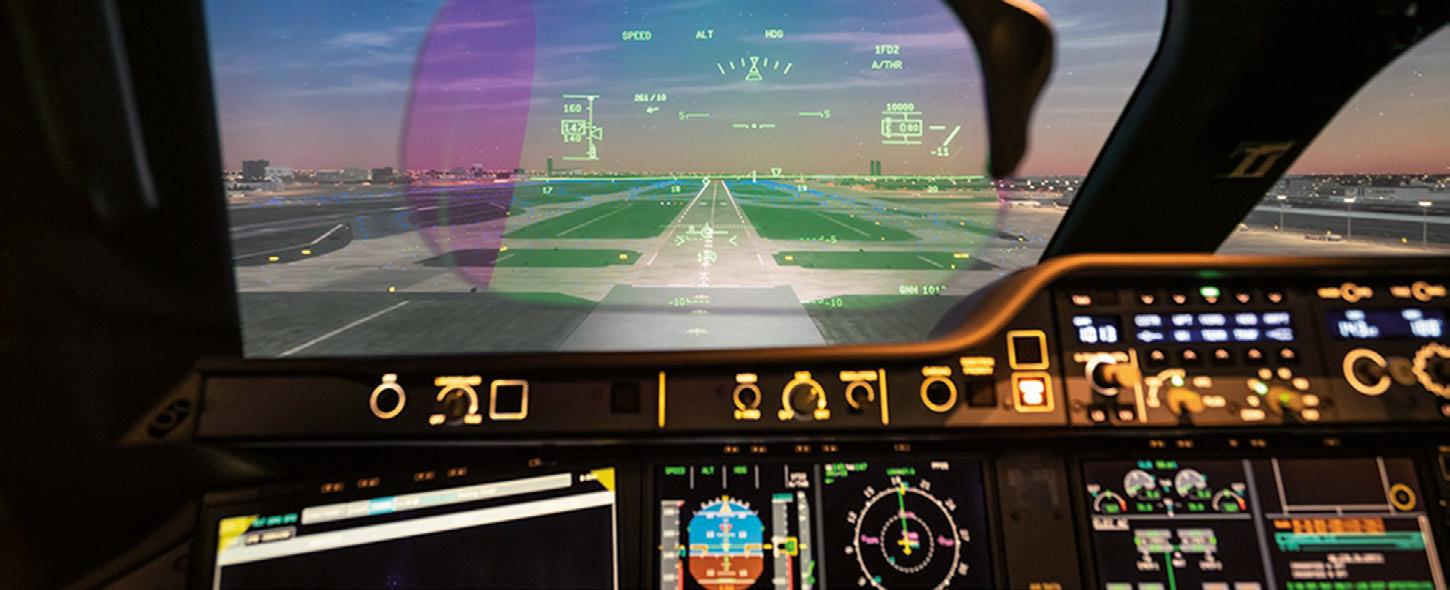
In aviation, there are direct parallels given the use of training simulators for maintenance scheduling with predictive analytics, which uses data to predict outcomes. “The key lesson is that innovation scales safely when there is server data, defined standards and continuous human oversight, not when every operator tries to reinvent the wheel,” says Pérez. The yachting sector can also learn from the approach to system validation in commercial shipping, to confirm with evidence that a system is working. This has demonstrated the value of standardised certification and data-setting frameworks, he adds.
In addition, Baño notes the potential of quantum engineering, which applies quantum mechanics practically, to develop advanced technologies, although it is still at a nascent stage. This includes the use of highly sensitive quantum sensors that can measure physical quantities with unprecedented precision and accuracy, yielding significant potential for improving predictive maintenance even further, as well as quantum
communications, which can create highly secure communication channels capable of transmitting far greater quantities of information. In such areas, he notes that increased defence spending in Europe could have a positive knock-on effect for the yachting sector, along with many others.
There are other sectors within the maritime industry that are a bit more open to change
Dan Briggs
Slow to adopt?
More generally, Briggs identifies a surprising, almost paradoxical phenomenon affecting superyachts, which he believes are often slow to adopt the latest technology - even though owners themselves tend to be keen to do so. This is not the case with extreme sailing, for example, where in competitions like the America’s Cup yachts are equipped with next generation prototypes. More than a decade ago, such yachts were already using fibre-optic sensors to measure the performance of the hull, rudders and rigging, displayed live for the crew.
“There are other sectors within the maritime industry that are a bit more open to change,” says Briggs. He also points to the defence sector, which uses polymers that are also available to the private sector and could benefit yachts in applications such as paint jobs. “At the end of the day, shipyards are contracted by owners to build these large yachts, and the shipyards are the ones that have to carry on that warranty,” he observes, admitting that there is a “fine line between prototyping and innovation”.
“We can learn from many different sectors,” concludes Carmona, arguing that many lessons are likely to filter through passively. “I trust a lot in my technological partners. We need strong partners, because of the transversal relationships that consultancies have with multiple different sectors and the potential for this to trigger new innovation in our sector.”
V Design, sustainability & strategic pressure points

INNOVATION
AND SUSTAINABILITY
Technological innovations are playing a powerful enabling role towards driving sustainability goals in the yachting sector. At the core of this trend is the rapid growth of IoT (Internet of Things) technologies, with sensors now increasingly embedded in engines, generators, pumps, and heating, ventilation and air conditioning (HVAC) systems, enabling key parameters to be continuously monitored. As a result, environmental impact can be measured with growing accuracy, in turn enhancing the ability of superyachts to meet and, crucially, prove that they are meeting sustainability targets.
Once again, data plays a critical role, with important implications for how it is collected, structured and used. “Technology is key for converting qualitative information into quantitative information, and AI can help with that,” says Carmona, who cautions that data collection in the sector is still at a very early stage. “It is crucial to organise the quality of the data. Although we’re improving in terms of IoT, we are not yet very polished in data collection and quantification. We need to be more efficient,” he insists.
Since data plays such a fundamental role in enabling yachts to prove that they are conforming with environmental, social and governance (ESG) requirements, it must be trustworthy, transparent, and connected. As regulations tighten around energy systems, emissions and materials, designers are being pushed to prove sustainability with hard evidence. Rather than relying on vague, qualitative statements about green intentions in sustainability reporting, it is increasingly possible to present quantifiable results using IoT sensors tracking waste, fuel and lifecycle records. “By documenting material provenance and reuse, data can move us from storytelling to evidence. This shift allows ship owners, designers and regulators to demonstrate real ESG performance, closing the loop between design and vision, operational behaviour and measurable outcomes,” says Pérez.
“New design constraints are being defined less by aesthetics and more by data and decarbonisation. Lifecycle impact, recyclability and end-of-life planning are now entering the design brief alongside performance and comfort,” adds Pérez. From the earliest stages of the design process, digital twins, parametric design tools (software that creates digital models with parameters that can be easily altered) and AI-assisted modelling allow designers to simulate environmental impact and performance. Smart energy management systems, which use IoT technologies to optimise energy use, are shaping onboard design, encouraging the integration of batteries, alternative fuels and hybrid propulsion in more creative and effective ways, according to Pérez.
Baño highlights the use of technology to mitigate a yacht’s impact on its surroundings. Green ports, which aim to balance economic viability with environmental and social responsibility, offer an interesting opportunity for superyachts, says Baño, who has been studying acoustic technology schemes to reduce engine vibrations through underwater noise monitoring to protect marine life, and air noise reduction in consideration of local communities, not to mention those on board.
Lifecycle impact, recyclability and end-of-life planning are now entering the design brief alongside performance and comfort
Rodrigo Pérez
THE IMPORTANCE OF STANDARDISATION
The YETI (Yacht Environmental Transparency Index) joint industry programme, which began in 2019, has made an important contribution to quantifying the operational impact of yachts. One of its main achievements was to develop a standardised methodology for measuring and evaluating the energy consumed by non-propulsion systems (like air conditioning, lighting and appliances), which can account for much of a yacht’s energy usage.
“The trick is that you need a lot of data in advance before you can start analysing and understanding the impact,” says Jongepier, who played a central role in developing the YETI programme. One big hurdle was determining hotel power (energy not used for propulsion) accurately - in particular average power, which is important for understanding the overall annual impact of a yacht. This requires the whole industry to collect hotel power data, which should ideally be standardised. “If we don’t standardise things in our very custom-oriented industry, we cannot share, compare, and learn from each other. It’s very important to have a standardised approach to measuring data so we can analyse what is happening and then learn, which can be done by AI,” says Jongepier.
Feadship has its own monitoring programme, which roughly calculates hotel power for its own yachts. But those calculations are useless for a competitor’s yacht, because they are often too different. “You have to be really careful how you interpolate and extrapolate the results. The importance of data in our sector cannot be overstated,” he says, emphasising the benefits of the forthcoming publication of technical standards for operational impact by the ISO as an industry-wide basis of comparison.
The trick is that you need a lot of data in advance before you can start analysing and understanding the impact
Bram Jongepier
THE IMPACT OF REGULATION ON INNOVATION
Although regulation has not yet driven significant innovation in the yachting sector, it has the potential to do so. Environmental regulations targeted at reducing emissions can be effective, as increasing the cost of environmental impact incentivises innovation, says Jongepier. But much more can be done.
In general, yachting regulation has tended to be reactive: the most important regulations in the sector like SOLAS (Safety of Life at Sea) respond to the risk of accidents. Some SOLAS regulations, such as alternative design and arrangements (AD&A), are good for individual projects. “This is only effective at the project level. For the wider market, the only thing that will help is prescriptive regulations. That’s usually either reactive, or involves setting goals on environmental impact or cost, though neither is really happening,” says Jongepier.
Forthcoming regulation for shipping should include the recreational sector, believes Jongepier, but the relatively low uptake of effective solutions in the sector to date is largely due to the fact that many rules are voluntary. Since most major international maritime conventions are targeted at commercial or passenger ships (defined as carrying more than 12 passengers), various exemptions reduce the sector’s regulatory burden.
That is not the case with the European Union’s AI Act, which imposes new compliance, transparency, and risk-management obligations on manufacturers, operators, and suppliers. The new law should be considered carefully by all companies adopting AI as it threatens significant sanctions of up to 35 million euros or 7% of revenues, warns Alessandrello.
With stricter rules applying to systems deemed to pose a higher risk of harm to safety or fundamental rights, AI systems used in critical safety components of yachts, such as life rafts, will be classified as high-risk, implying more stringent legal requirements.
VI People on board: Changing roles, skills and expectations
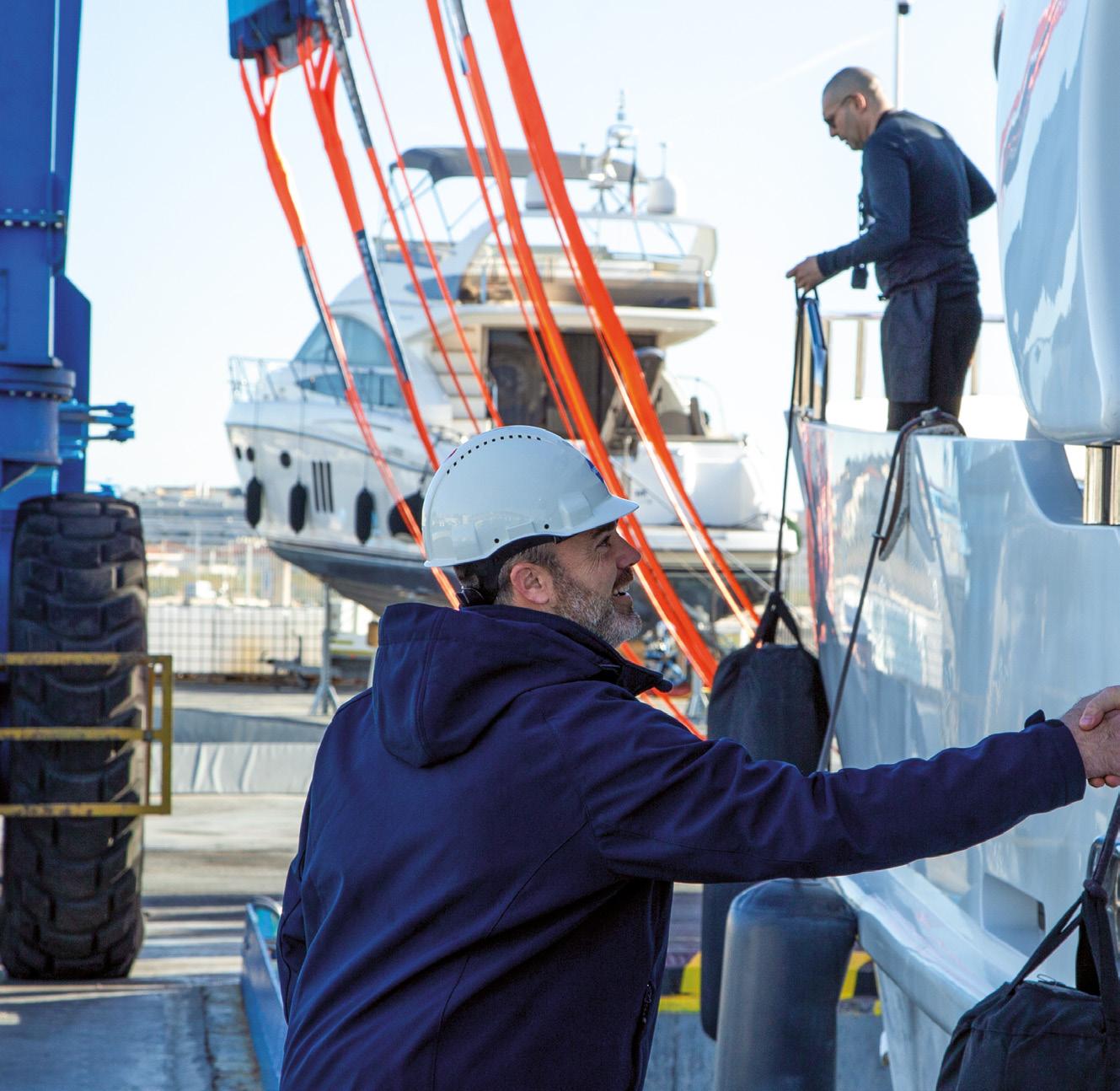
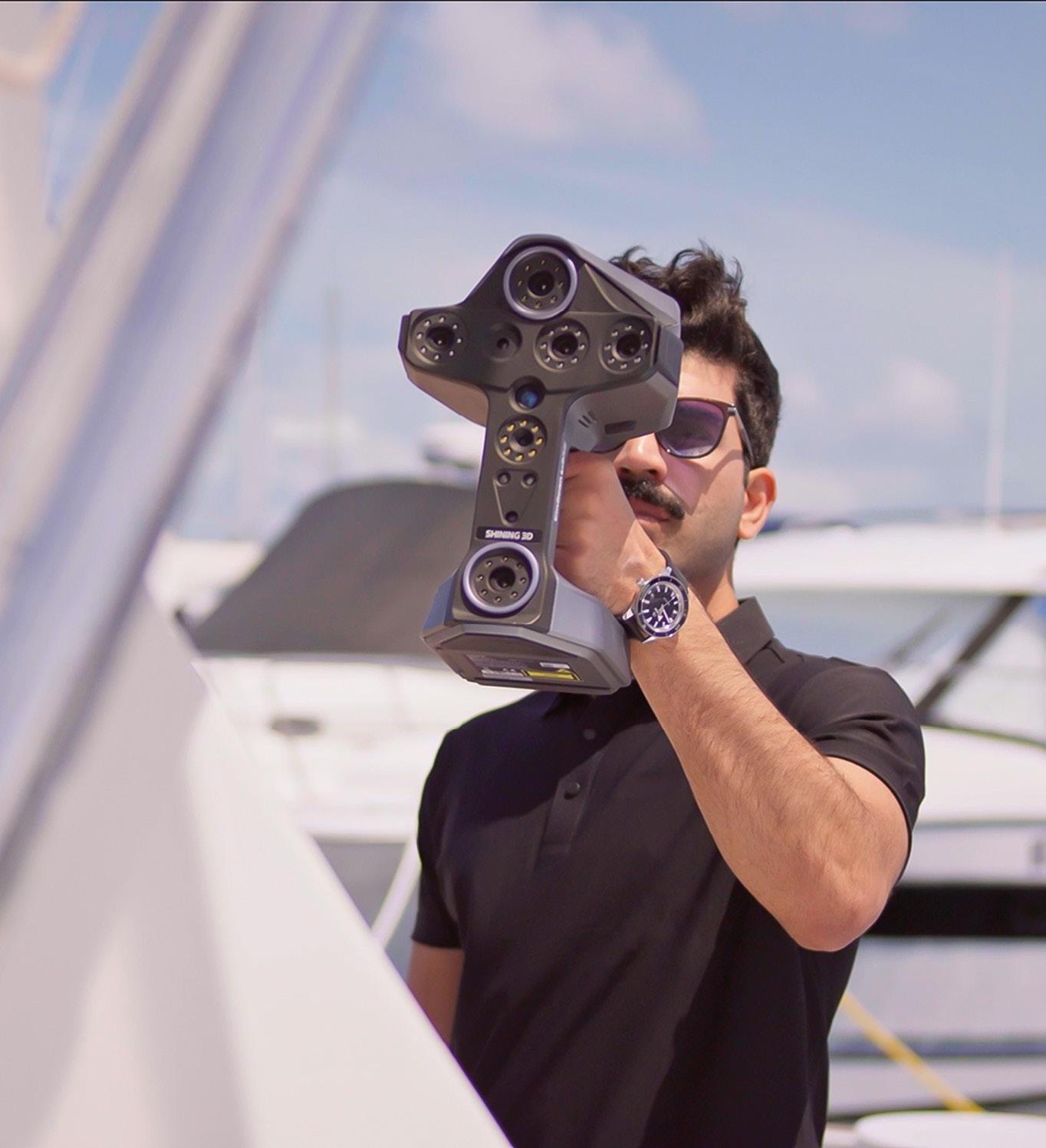
Arguably the most important impact of the technological changes underway is on human beings themselves. Not only is technology affecting life on board, for owners, guests and crew, it is also causing the necessary skills and the roles to which they are applied to rapidly evolve. Already, essential competencies extend far beyond just navigation and engineering: data awareness, detailed troubleshooting, cybersecurity and human-machine collaboration are all key new areas.
Most immediately, technology is making it possible for crews to operate yachts more efficiently. “It’s enabling experienced crews to do even better than they already were,” says Briggs, adding that this applies shoreside too, for example through more precise orders for supplies. “For my role as an AV/IT specialist, it’s easier to keep up with change now. Although change is faster than it has ever been, you can now automate certain tasks to be much more efficient.”
But technology can be a double-edged sword: just as it makes it possible to do a better job, in parallel it is leading to more demanding expectations from owners and guests. “Our industry is about luxury, comfort and freedom. So the answer ‘no’ is less and less acceptable, or simply not working. You can’t tell an owner that one of the features of the boat doesn’t work,” says Jongepier.
“No was never really an answer,” agrees Briggs. “But it has become less of an option now than ever before. Owners’ expectations have increased exponentially,” he adds, explaining that, in the case of AV/IT, this is simply because what is available on land has also improved so much in areas like reliability, connection speeds or the choice of streaming content.
Although change is faster than it has ever been, you can now automate certain tasks to be much more efficient
Dan Briggs
On the other hand, equipped with more and better information, owners may also be more understanding. “Sometimes it’s hard for owners to understand certain things. If the captain says no, we can’t go over there, do they trust the reason? Now owners can understand such things much more easily with the help of a third party like AI,” says Briggs.
NEW ROLES
Alessandrello underlines that the impact of technologies like AI on how people work will be far-reaching, even if humans themselves will not be substituted by technology. “We have to think about evolution, and the way we are going to work in the future,” he says, arguing that multiple new roles will emerge in the maritime industry, just as they have in other sectors.
More specifically, Jongepier predicts that new roles will evolve onshore in order to assist engineers on board to optimise increasingly complex systems. For example, there are already systems in use which can be layered over onboard HVAC operating systems that analyse the various parameters and how they interact, providing advice on tweaking certain parameters, and then assessing the results. “If you take your boat from the Med to Norway, your system will need different settings and your onshore support will help you do that. That is a learning ecosystem of skills that will develop,” he says, explaining that such assistance would not be required daily, but perhaps monthly.
Similarly, Jongepier observes that engineers used to work directly on engines. Now engines have control systems that engineers communicate with. But for the next generation of boats, engineers will communicate with energy management systems, which communicate with the control system, which in turn communicates with the engine. “You have a lot of layers of intelligence on top of the very basic engine or whatever system you’re working with,” he explains.
New roles will also emerge in design departments, in particular those who work with AI, such as prompt engineers. “We need people who will be able to dig through the mountains of data and information in our archives that have grown exponentially in the last few years,” says Jongepier, noting that new skills will be required to achieve this.
We need people who will be able to dig through the mountains of data and information in our archives that have grown exponentially in the last few years”
Bram Jongepier
FOSTERING A DIGITAL CULTURE
In order to fill the new technology-focused roles that are emerging, and to keep the rest of the sector at pace with developments, it will be essential to foster a stronger digital culture. Describing the modern yachting industry as “a floating smart ecosystem”, Pérez says that this demands a new blend of technical literacy and an adaptable mindset, along with other important soft skills, which he argues matter far more than hard skills.
“It all starts with mindset, not with machinery or software. A digital culture grows when people understand that technology supports rather than replaces,” says Pérez, arguing that leaders - whether at universities, shipyards or onboard - must all teach the value of curiosity, continuous learning, and a willingness to experiment.
“What’s still missing is confidence and consistency. Many crew members are expected to manage advanced systems without any kind of structured training or standardised certification for digital operation. As yachts become more connected with technologies like AI and big data analytics, the crew of the future will need to combine technical fluency with adaptability: not only understanding how systems work, but how we need to interact with them,” says Pérez.
Baño highlights the importance of harnessing AI in the service of people. “It is not just about optimising profits, technology must also provide greater mental health in the workplace, producing less stress, not more,” he says. “We have to be sure to take care of ourselves as human beings,” agrees Carmona.
“Hands-on training helps bridge the confidence gap, but equally important is creating psychological safety and a culture where people can ask questions and learn from mistakes,” adds Pérez, pointing out that cross-training between digital and traditional roles also helps break down silos and reinforces that they are equally needed.
The need for critical mindsets
It is especially important for students to develop a critical mindset, not accepting anything at face value. “There’s too much seeming truth floating around, which is actually not true. This is important for everybody, whether you’re a student, an engineer or somebody taking care of toilets. You have to be critical of everything you hear,” says Jongepier, using discussions about sustainability, or optimisation in general, as examples.
“The answers provided by AI aren’t always correct. They can be a useful guide, but you cannot assume that they are the best answers - you must contrast and check them. This culture is not present yet,” confirms Baño.
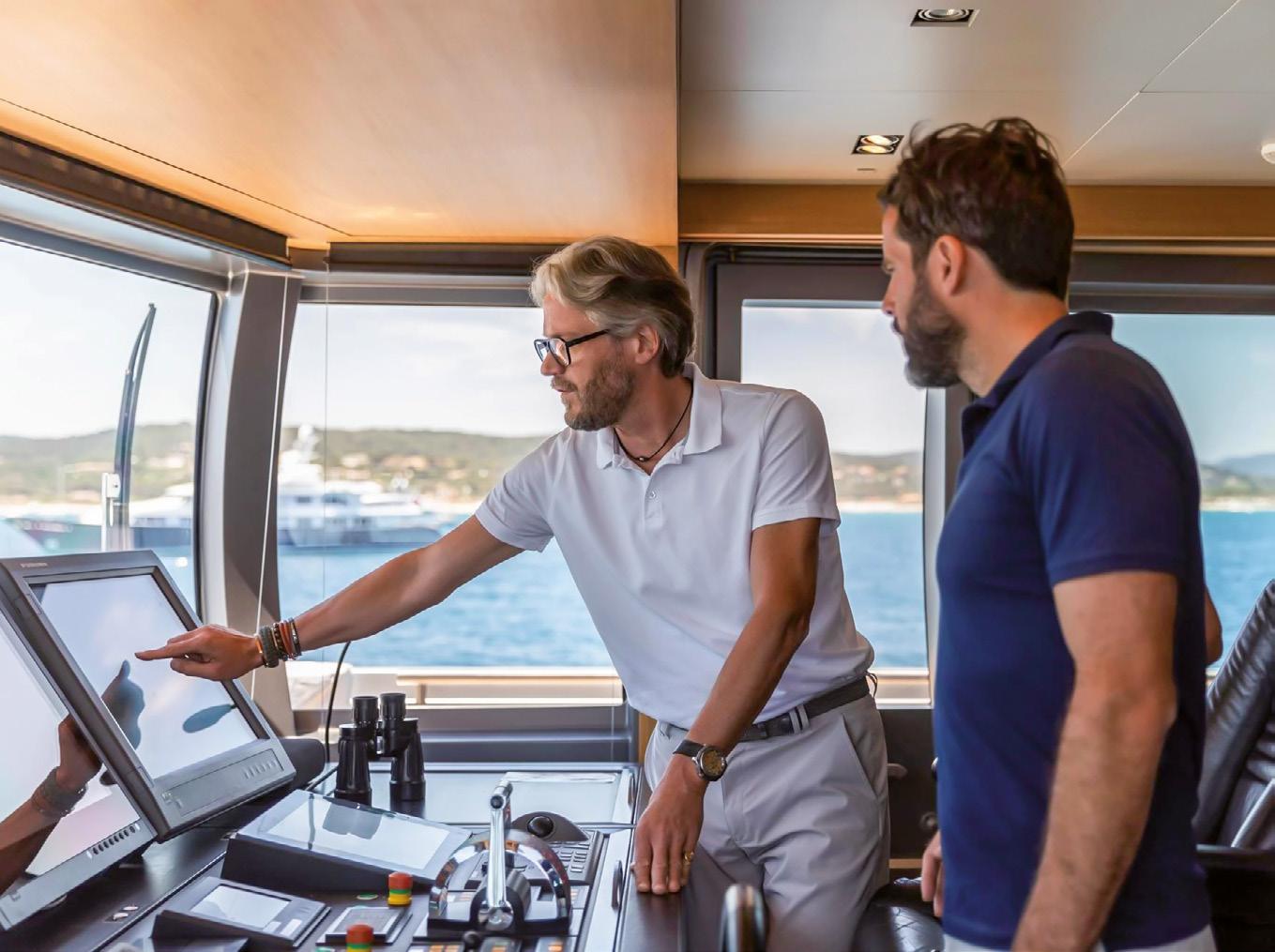
Although modern onboard systems are becoming increasingly complex, paradoxically they are also becoming simpler to run in practice. Carmona points to an example close to home: MB92’s new digital client platform, The Bridge, developed in-house over the last three years. Designed to streamline operations, it offers clients greater control over their projects by consolidating project management tools and data into a single, userfriendly interface, enabling remote access, real-time monitoring and centralised communications.
Hands-on training helps bridge the confidence gap, but equally important is creating psychological safety and a culture where people can ask questions and learn from mistakes
Rodrigo Pérez
“We are doing our best to provide crew with technology, such as The Bridge, that facilitates their daily work. But we need to push them to be much more proactive in understanding what is behind that,” says Carmona, arguing that there is a danger that engineers, for example, can be lulled into a false sense of security. “We cannot permit that to happen,” he warns, arguing that training programmes need to be constantly updated to focus on current technology, while training must be carried out at all levels, and continuously, not just in
schools and universities but in companies too, to ensure that skills stay up to date. “We must keep talking with the new generations, and help them to adopt and transition into these new technologies,” adds Carmona, pointing out that technology itself, and especially Generative AI, is helping to improve training.
“You have to start at the very beginning and introduce students to all the control mechanisms that are onboard boats, and how you communicate and interact with them,” says Jongepier.
According to a BIP Iberia survey, more than 66% of companies invested in training for Generative AI and internal productivity systems in 2025. This includes training that is not just related to technology, but also to skills and attitudes. “More and more we are looking for people that are highly adaptable, because the pace of change is increasing. In one or two years, what is being studied today is already obsolete,” says Alessandrello.
At best, technology empowers people. Alessandrello cites Harvard Business School professor Karim Lakhani’s belief that AI will not replace humans, but rather, humans with AI will replace humans without it: “AI is not just something that is nice to have - it is a must. We have to be ready, and we have to go for it.”
VII Interview: Mark Leslie-Miller
Partner of Dykstra Naval Architects
It’s becoming easier and easier to optimise vessels to make them as light as possible, and strong and stiff enough
When Mark Leslie-Miller first started designing yachts at Dykstra Naval Architects, he could scarcely have imagined how much his job would have changed two decades later. Since starting as an intern at the leading Dutch yacht designer in 2005, a plethora of new technologies have emerged, some more useful than others.
“Many tools are much more available and easier to use on a daily basis. We used to need to subcontract work to specialists, but we can now do much more in house, which makes our work easier and more flexible,” says LeslieMiller. He points to complex tasks like Computational Fluid Dynamics (CFD) analysis, which can show how water flows around a hull, or air around a sail; or Finite Element Analysis (FEA), which assesses how a design will perform under different physical conditions.
In essence, Dykstra’s aim is to harness technology to find the right balance more easily between three core elements: aesthetics, functionality and performance –how a boat looks, how comfortable and practical it is on board, and how efficiently it performs on the water. “It’s a triangle we like to work within. In a perfect world, they should be complementary,” Leslie-Miller explains.
Regarding performance assessment, there has been “massive” progress in developing tools that can improve boats. “It’s astounding to see how much more we can calculate, predict and base designs on,” says LeslieMiller. “It’s becoming easier and easier to optimise vessels to make them as light as possible, and strong and stiff enough. Before we had to make them heavier as we didn’t know as much… We can now go closer to the edge of what is possible.”
In terms of aesthetics, AI has been a “major game changer”, he enthuses. With instant access to the collective knowledge on the internet, it can perform a vast amount of additional work quickly to come up with new ideas. “It’s still down to the judgement of the designer which ideas are good and which should be discarded, so that we can focus on where we’re going. But it’s a very useful tool to generate ideas, and to order them in a useful way. AI is very much on the rise,” says Leslie-Miller, underlining that a tool is still a tool, and no substitute for craftsmanship. “The problem is that at least half of what AI comes up with is nonsense and utterly unusable, so being able to distinguish between the two is becoming an increasingly important part of a designer’s skill set.”
While Leslie-Miller favours augmented reality (AR) technology, he is more doubtful about the current
benefits of virtual reality (VR). AR can be useful when making a mock-up of a deck or helm station, for example, by showing clients how a space relates to human proportions. But when doing renderings and visualisations, Leslie-Miller prefers more old-fashioned 3D models, or even 2D drawings for internal discussions. “We are not big believers in VR. Others are, but for us it’s not a go-to solution,” he says, joking that he gets “seasick” when he puts VR goggles on. “When you walk with a client through a design with VR it looks so realistic that your attention is drawn to the parts that are not designed yet. Suddenly you end up having a discussion about the colour of the stairs. It can be difficult to focus discussions,” he says. “The technology needs to make a step forward for us to use it practically.”
One particularly challenging area of great interest to Dykstra’s clients, where technology has a key role to play, is combining the energy-intensive comforts of superyachts with sustainability goals. “Getting a yacht to consume less energy while maintaining the same levels of comfort requires a lot of technology,” says LeslieMiller, noting that boosting sailing performance is one effective way.
He highlights several Dykstra-designed “green” superyachts where technology has played a central role. Most recently, the 68.9m Sailing Yacht Zero, due to be launched in 2026, is the first vessel of its size and comfort level to be run without fossil fuels. That required rethinking design at all levels and so much innovation that a foundation was formed to collect all the knowledge acquired for use by future generations. Another is the 66.9m Hetairos, the largest carbon-fibre composite yacht in the world.
The innovation that such yachts require means that it is crucial to choose the right technology for research and development. “Finding the appropriate technology to ensure a certain concept that you have dreamed up will actually be able to sail on the water is one of the major challenges, and will always remain so,” says Leslie-Miller, adding that this will only ever get harder as there are “just more options every time”.
We are not big believers in VR – others are, but for us it’s not a go-to solution
Equally challenging is ensuring that projects are financially viable. Leslie-Miller recalls a late client who always stressed the “risk versus investment curve”. At the beginning of projects, investment tends to be low, and risk high; towards the end, the inverse is true. That means designers must pick the right technologies to lower risk well before investments begin to spiral. “The big challenge is to remove risk by the time you’re making big investments, especially when developing new technologies and systems.”
VIII Interview: Gary Kessler
Maritime Cybersecurity Specialist (Cydome)

Until the beginning of the decade, cyberattacks on the maritime industry were relatively few and far between. But suddenly in 2020, when the Covid-19 pandemic rocked the online world, maritime cyberattacks started to grow exponentially, according to Gary Kessler, an expert on cybersecurity in the sector. They have remained unrelenting ever since.
As modern superyachts are effectively floating networks, there are multiple potential access points for bad actors: systems for navigation, communication, cargo, ballast, propulsion, entertainment - the list goes on. “All are prone to spoofing or the sending of false information, and can be compromised in one way or another,” warns Kessler, who co-authored Maritime Cybersecurity: A Guide for Leaders and Managers with Steven Shepard.
The increasing use of AI on yachts exposes them to ever greater vulnerabilities as “smartness” is built into ships, with more and more autonomous systems on board, especially dashboards on the bridge which know the state of every system on the boat. “The ability to have smart systems is incredibly important, but that also means that the information that is being fed to them has to be accurate, timely and correct. That’s where cybersecurity comes in,” says Kessler, pointing out that it is not only the data used by AI systems that needs defending, but AI systems themselves. “AI is fraught with dangers,” he adds.
Yachts are not just exposed to purely remote attacks. Another big concern is a “man-in-the-middle” attack. Networking technology on yachts relies on a controller area network bus (CAN bus), whose protocols have their own cyber weaknesses, including the ease of inserting a rogue device into the network, for example. Insiders (the crew, passengers or external workers) can also insert malware into a ship’s systems, either on purpose or by accident. Risks are also present at ports, whose networks can be infected with malware, which can then be brought onboard if boats connect.
Fortunately, for now, the most drastic possibilities remain unlikely. “I’m not as terrified of the Doomsday scenario, which is a bad guy taking control of your boat from the other side of the world. It’s the ability of people just to confuse a boat which is the more likely scenario,” says Kessler, such as nearby pirates jamming a Global Positioning System (GPS) or Automatic Identification System (AIS) to lead a vessel astray. “I don’t know how many mariners today can still use a sextant,” he quips. While noting that directed GPS and AIS spoofing attacks still rarely happen, GPS and AIS interference is rampant in some parts of the world, such as near Venezuela, the Strait of Hormuz, the Baltic Sea, and other areas of conflict.
Despite the alarming array of dangers, the maritime industry faces broadly the same cybersecurity threats as most other sectors - in essence, at risk is private information. “Probably the biggest cyber threat that the sector faces is phishing. Almost every cyber event starts with a phishing event,” says Kessler, noting that while ransomware receives more hype, it happens less often.
The growing risks that superyachts face mean that building appropriate defences is of paramount importance, argues Kessler. Even so, there is still resistance to investing adequately in cybersecurity, especially given the temptation to doubt its use if cyberattacks don’t happen. “What is the return on investment to good cyber defence, versus the return on negligence? What if you don’t build defences and you get whacked? We need to reframe the question,” he insists.
They have to take the cyber defence of their vessel as seriously as all other aspects of their security
That is especially the case given that owners of superyachts tend to be high-net-worth individuals who are particularly attractive targets. “They have to take the cyber defence of their vessel as seriously as all other aspects of their security,” cautions Kessler.
While coast guards and international maritime associations all offer guidance about security precautions, most are oriented towards larger commercial vessels. While providing useful lessons about best practice, such institutions have no teeth. Increasingly, it is insurance companies that are more capable of enforcing cyber defence protocols.
“It’s all about proper cyber hygiene,” says Kessler, pointing to the importance of protecting networks, having firewalls, keeping systems and software up to date, using multi-factor identification, and ensuring that the latest best practices are applied. But he cautions that it must be done properly: “You need to get a professional maritime cybersecurity company to give advice. This is not a do-it-yourself project that you can leave to amateurs. It’s not a second-tier problem.”
He also highlights the importance of cybersecurity awareness training. While it may not be necessary to have an onboard cybersecurity officer, having a designated person among the crew to monitor cybersecurity issues is.
Ultimately, Kessler underlines the importance of human beings. Crew must preserve the ability to control all aspects of boats, given the risk that increasingly digitalised systems can be hacked. “We tend to rely more on tech as we adopt it more, and yet it can be used against us, so we still need to rely on people. We have to maintain the same minimum levels of security as before,” he warns.
Just because you have GPS or AIS, it doesn’t mean you can get away with one look-out instead of two, for example. “If we rely on tech only, we are making ourselves more vulnerable. That is ironic, given that we often assume that it is making us safer.”
IX The digital transition in numbers
Superyacht refit is entering a new phase, shaped by growing operational demands and a fastermoving technology landscape. Digitalisation and AI in particular are emerging as a key lever to improve efficiency, transparency and decision-making across the refit lifecycle. MB92 has conducted a survey among stakeholders across the superyacht ecosystem showing how the sector is evolving. AI is already present across much of the industry, touching day-to-day operations for 90,6% of respondents, defining usage as limited experimentation, yet the most common level remains “occasional” use at 45,3%. Beneath the strategic ambition lies a skills gap that the sector has not yet fully addressed. Structured training in digital and AI remains limited, and cultural change, while present, is still far from universal.
Despite these constraints, AI adoption is steadily converging around operational efficiency, cost control, safety and lifecycle management, both in the yard and on board. The following findings offer a snapshot of where the sector stands today, and the distance still to travel.
Q16
ARE AI AND DIGITALISATION HAVING A CULTURAL IMPACT?
The barriers are as much human as they are technical. Culture and trust remain the most frequently cited obstacles, alongside the friction of legacy systems and inconsistent data quality. The main constraint is skills. Only 28,6% report structured training for digital or AIrelated skills, while 35,7% report no training.
HOW WILL INVESTMENT IN DIGITAL TOOLS AND AI CHANGE OVER THE NEXT 3 YEARS?
Decrease
Stay the same
Increase moderately
Increase significantly
None
Other
Planning to implement
Q10 DOES STRUCTURED TRAINING EXIST FOR DIGITAL / AI-RELATED SKILLS?
Yes – formal internal training programme
Yes – external specialist training
Informal learning only
No current training
Planning to implement
HOW WOULD YOU EVALUATE THE QUALITY AND USABILITY OF YOUR OPERATIONAL DATA?
Poor – fragmented and difficult to access
Limited – usable but inconsistent
Moderate – generally reliable
Strong – structured and accessible
Advanced – real-time, integrated and decision-ready
Poor – fragmented and difficult to access
Limited – usable but inconsistent
Moderate – generally reliable
Strong – structured and accessible
Advanced – real-time, integrated and decision-ready
XMB92 in numbers
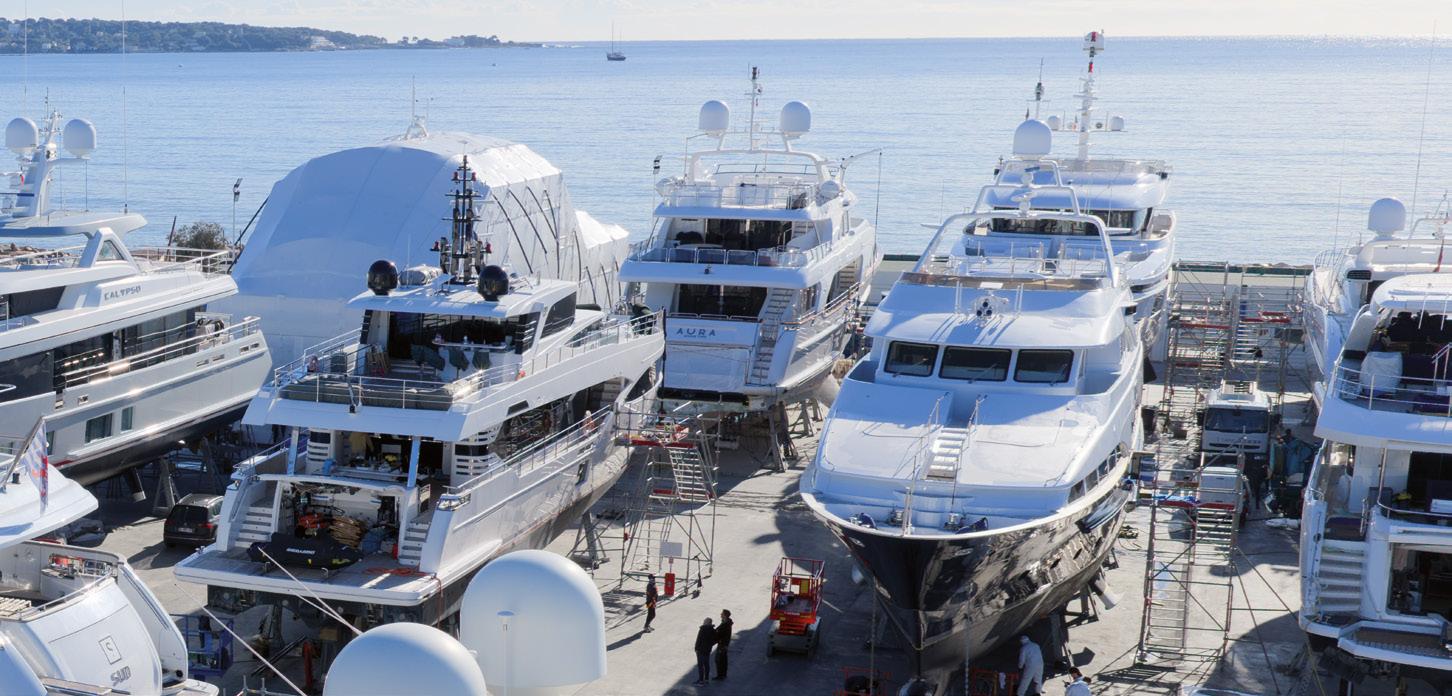
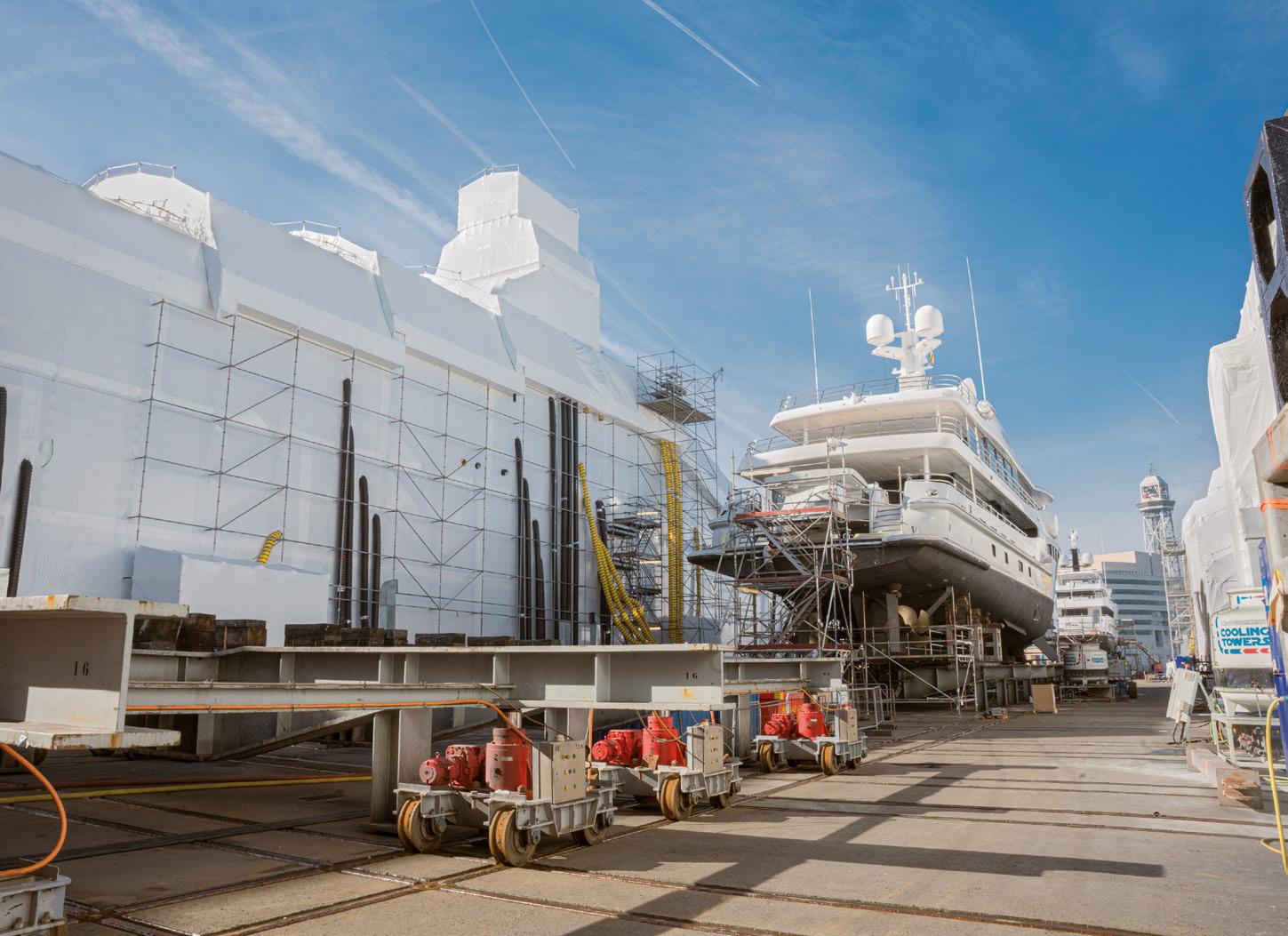
MB92 Group is a leading provider of superyacht refit, repair and maintenance services, with shipyard facilities in Barcelona, La Ciotat and Golfe-Juan. The Group also includes GYG Ltd, a specialist in superyacht painting, supply and maintenance, comprising the brands Pinmar, Pinmar Yacht Supply and Technocraft.
A consistent focus on reinvestment has supported the Group’s development over the years. Ongoing investment in people, facilities, sustainability and innovation reflects a commitment to evolving alongside the needs of clients, while continually seeking to enhance the refit experience.
In 2019, the Group began to place greater emphasis on digitalisation, recognising its potential to improve efficiency, processes and transparency, while strengthening team performance. This marked the start of a broader effort to build a more connected and digitally enabled working environment. As part of this journey, MB92 Group launched The Bridge in 2023, its proprietary client portal. Developed in-house, the platform helps to streamline communication, provide greater project visibility and support a more consistent client experience throughout the refit process.
of total MB92 Group investment in 2025 dedicated to IT and digitalisation initiatives
reduction in paper usage between 2020 and 2024, delivered as part of the MB92 Group Sustainability Plan
projects managed via The Bridge digital portal since its launch in 2023
MB92 Group refit, repair and maintenance projects delivered in 2025
THE GROUP
3 shipyards: Barcelona, La Ciotat and Golfe-Juan
246 refit, repair and maintenance projects delivered in 2025
700+ direct employees
1,700 indirect employees
DOCKING & INFRASTRUCTURE
4,800 t Barcelona shiplift
4,300 t La Ciotat shiplift
2 × 2,000 t additional shiplifts
2 dry docks: 220 m and 350 m
600 t / 300 t / 150 t crane and travel lifts
SUSTAINABILITY
245,750 kWh generated by on-site solar panels
100% of dangerous waste recycled or recovered at MB92 La Ciotat
90% of waste recovered at MB92 Barcelona, converted into energy or new raw materials
92% reduction in fossil fuel used in generators and heaters in Barcelona 2023-2025
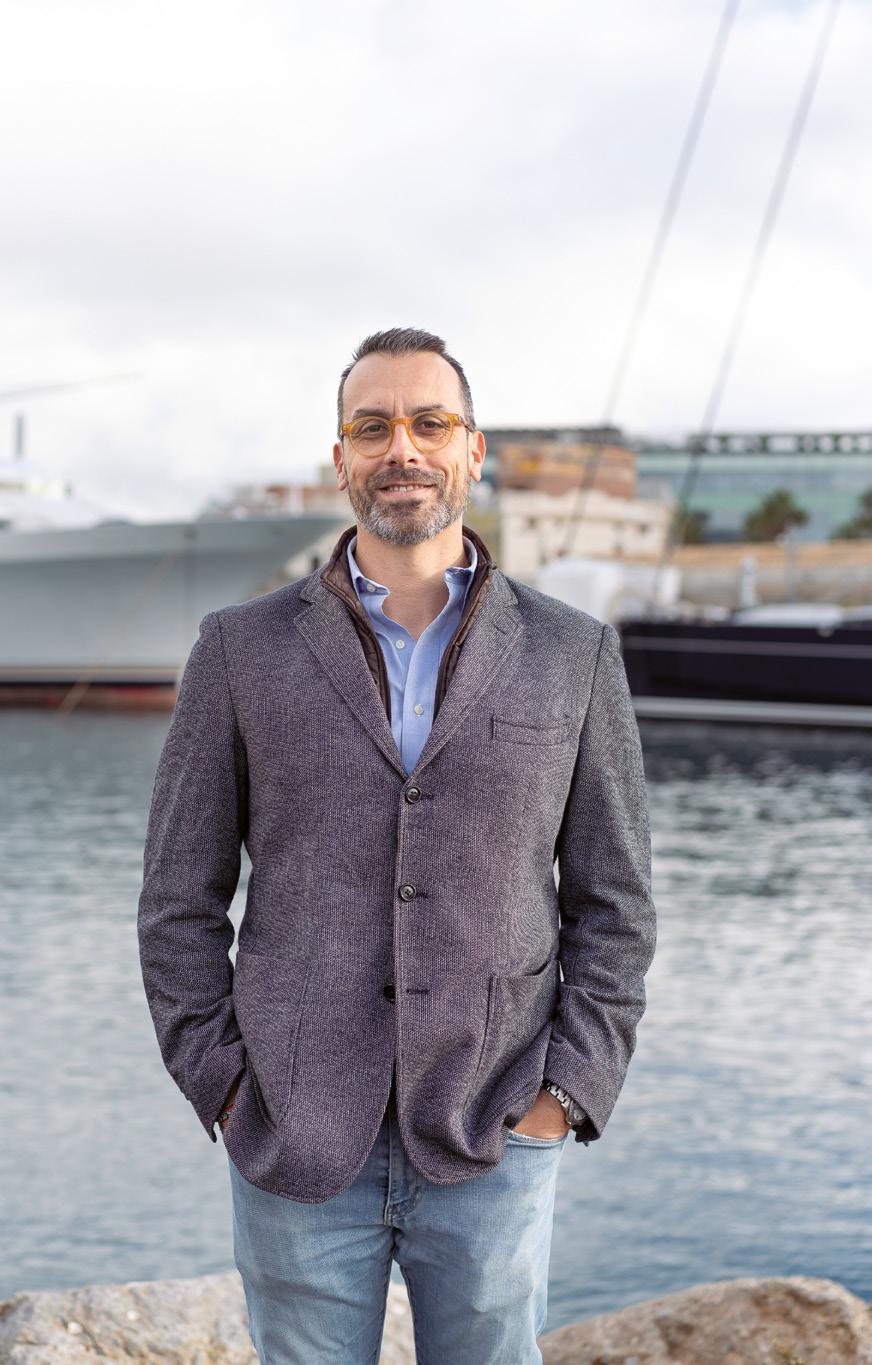
Rubén Carmona
IT & Digitalisation Director, MB92 Group
IX FROM DIGITAL TOOLS TO INTELLIGENT REFIT Conclusion
Whether you are a refit shipyard, captain, manager, supplier, or service provider, every single player in the superyacht world must be prepared for the technological changes that lie ahead. At the same time, we must all be acutely aware that emerging technologies, as impressive as they may be, are no substitute for human expertise.
It is becoming increasingly clear that the future of refit will not be defined by one single technology, whether it is AI, IoT or digital twins. Instead, it is connected intelligence, bringing together systems, people and data across the
entire refit lifecycle, that will unlock continual optimisation and provide a real opportunity for clients and shipyards to plan effectively.
The cultural transformation
There are important caveats. Alongside stronger data foundations and fully secure and integrated systems, we must also stay laser-focused on cybersecurity, ensuring trust and resilience as our systems become
more interconnected. Highly fragmented data across the industry risks holding back progress; we need to find a way for data to be compatible with all systems.
Perhaps most important of all, we must remember that this transformation is not just technological: it is also cultural. The MB92 survey shows that while digital strategies are beginning to emerge across the sector, many remain informal and under-resourced. Structured training is also still limited, highlighting a clear gap between the industry’s ambitions for AI and digitalisation and its current level of readiness.
This highlights a pressing challenge. While tools are being developed at sometimes bewildering speed, it takes longer for skills, mindsets, and corporate habits to adapt. To address this, digitalisation must be seen not only as a technological transformation, but as a means to improve quality of life at work, making roles more efficient, engaging, and ultimately helping to retain talent.
New roles will inevitably emerge, both on board and on shore, requiring new profiles within our structures to manage and drive digital initiatives. At the same time, there is a clear need to involve technological partners who can bring the expertise and innovation necessary to accelerate this strategy. These developments also present opportunities to attract talent from other sectors.
For digitalisation to succeed, leaders must focus as much on investment in people and training as on the tools themselves. To prepare for the future, we have to lay the foundations for a digital culture that facilitates change, connects the way we work with technological advances, and pays close attention to the impact that this has on the user experience, whether they are employees or customers. Here, we must tread especially carefully.
Moving beyond experimentation
There is no doubt that the superyacht sector has long since moved beyond simply experimenting with new technologies. But we must ask ourselves: are we making them work for us effectively, and adapting them adequately to our needs?
The survey shows a sector that is increasingly open to AI and digitalisation, but still at the early stages of adoption. Investment is expected to grow, and operational efficiency is seen as one of the clearest areas of potential impact. This suggests that the mindset shift has begun. The challenge now is to move from experimentation to structured implementation, ensuring that new tools are scaled in a way that is strategic, responsible and genuinely useful to the people who rely on them.
At MB92, a milestone in our technological journey was the launch three years ago of “The Bridge by MB92”, our inhouse customer portal to enhance project visibility and communication for our clients. This was made possible because we realised the need to pivot towards a digital future many years earlier, and so laid the foundations for its development. The Bridge has proved to be a game changer in making processes more efficient and connected, and we will continue investing in systems and platforms to keep improving our clients’ experience.
Digitalisation is now a strategic pillar of our operations. IT represents a significant investment for MB92 every year, allowing us to continue to develop everything from data management and training to client interfaces. In 2025 alone, the MB92 shipyards managed 246 projects, every single one with a digital-first approach, bringing more consistency and predictability, and a much stronger data backbone into the refit process.
Technology enhances rather than replaces human expertise
One fundamental concept stands out from our research: while technology enhances human expertise, it can never replace it. The very nature of a superyacht and its ecosystem is and always will be bespoke, relying on skilled professionals, experience, and human judgement. But by harnessing intelligent systems like digital twins, IoT platforms, and predictive maintenance tools, the refit industry can become increasingly efficient, transforming the customer experience. Planned maintenance systems will open a whole new world of possibilities, while cumbersome paperwork will all but disappear.
Just as shipyard operations are becoming more proactive, technology is also improving life on board. The survey highlights growing demand for tools that support maintenance tracking, owner reporting and route planning, helping crews make better decisions and reduce uncertainty in day-to-day operations..
In the end, the impact of the Fourth Industrial Revolution on the superyacht industry will revolve around the interplay between humans and technology. One of the great challenges ahead will be about how better targeted and more personalised digital tools can be integrated into day-to-day operations, serving in the interests of people, enhancing creativity and well-being. This journey is far from over, so we must take great care to stay on the right path. If we fail to understand and address these issues, either individually or collectively, we run the risk of falling behind, or worse, slipping into complete irrelevance, as we head ever deeper into the Intelligent Refit Era.
THANKS TO
Benedict Mander, Moderator & Writer | Bram Jongepier, Naval Architect, Senior Specialist at Studio De Voogt, Feadship | Dan Briggs, Net Ops Team at NEGU | Gary Kessler, Maritime Cybersecurity Specialist at Cydome | Giovanni Alessandrello, Managing Director and Partner at BIP Iberia | Mark Leslie-Miller, Partner of Dykstra Naval Architects | Rodrigo Pérez Fernández, Senior Director of Software Engineering at Siemens Digital Industries Software; Professor, Marine Engineering School at Technical University of Madrid | Rubén Carmona, IT & Digitalisation Director at MB92 Group | Xavier Baño Coral, URL Tech Transfer Officer at La Salle University in Barcelona | Our global network of suppliers All the Captains and company representatives who participated in the preliminary research for this report