
Matthew J Smith on Bridging Executive
Leadership and Institutional Investment Expertise
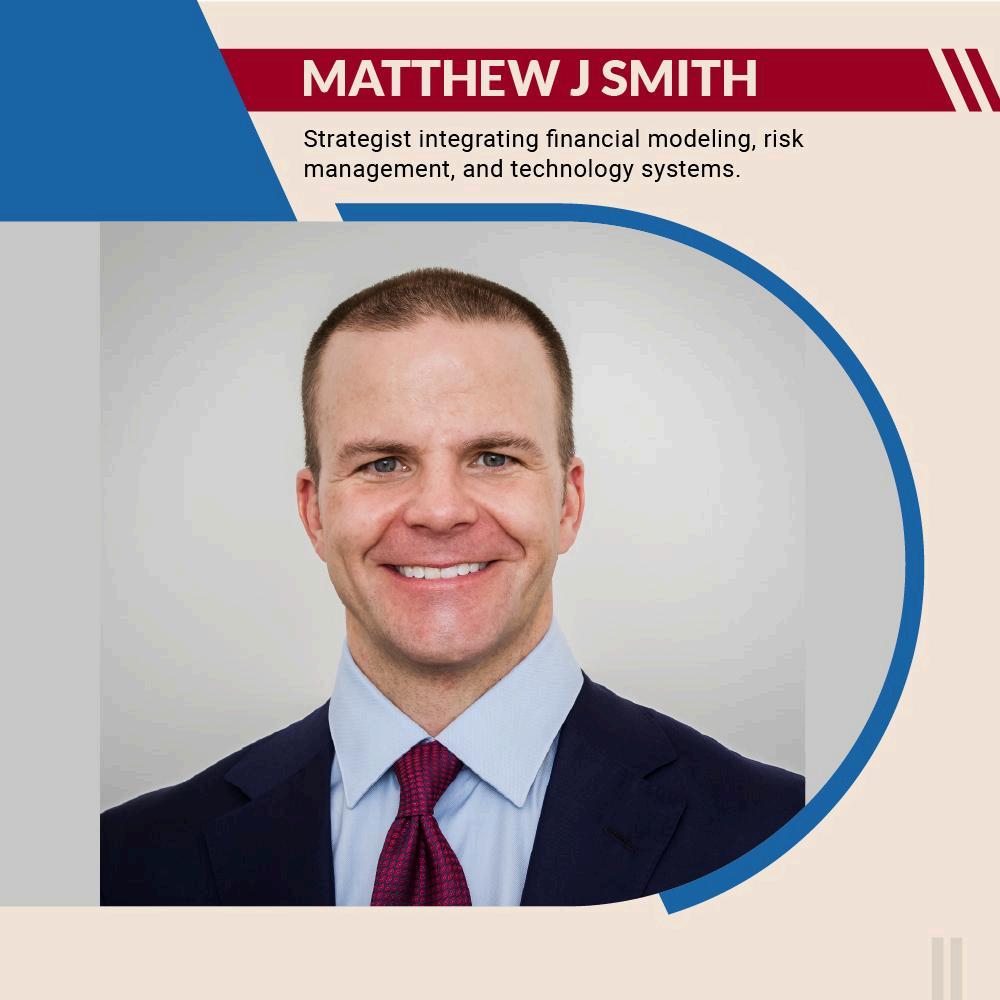
Companies now face rapid economic changes, rising competition, and growing pressure to deliver long-term value. In many industries, strategic capital planning is helping executives align financial goals with business growth and operational stability. Matthew J Smith understands that strong leadership and smart investment strategies are increasingly intertwined in today’s
business world Leaders who understand both management and institutional investment practices are often better prepared to guide companies through uncertain markets.
Executive leadership once focused mainly on daily operations, employee management, and company performance. Institutional investors focused on financial returns, risk analysis, and market opportunities Today, both sides work more closely because business decisions directly affect investor confidence and long-term growth.
Institutional investors often manage large amounts of capital for pension funds, insurance firms, universities, and other organizations. These investors study a company's leadership quality before investing Strong executive teams can build trust by showing clear goals, financial discipline, and steady decision-making during changing market conditions
Communication has become one of the most important leadership skills in this environment. Investors want honest updates on a company's performance, plans, and potential risks Executives who communicate clearly often build stronger relationships with financial partners and shareholders
Long-term thinking plays a major role in both leadership and investing. Institutional investors often prefer companies with stable strategies instead of short-term market reactions Executive leaders who focus on sustainable growth, workforce development, and financial responsibility may attract stronger investor support over time.
Risk management is another area where leadership and investment expertise connect closely Executives must prepare for economic downturns, supply chain issues, cybersecurity threats, and changing regulations Investors look for companies that can manage these challenges while protecting long-term value.
The relationship between executives and investors has become more collaborative in recent years. Institutional investors are no longer silent financial supporters. Many now engage directly with leadership teams to discuss strategy, governance, and future opportunities This partnership can help companies make stronger decisions while improving accountability
Workforce expectations continue to change as well Employees want stable leadership, career growth, and companies with clear values. Investors recognize that a strong workplace culture can improve long-term performance. As a result, leadership quality now affects both business operations and investment confidence
Institutional portfolio strategy will remain an important part of future business growth and financial stability The connection between executive leadership and institutional investment expertise continues to shape modern companies across many industries. Leaders who understand financial strategy, communication, and long-term planning may build stronger organizations that attract lasting investor support in a competitive global economy