Materials Australia Magazine | April 2026 | Volume 59 | No 1
PAGE 8
Bring together leading scientists, technologists and engineers from the Asia-Pacific region and around the world to discuss contemporary discoveries and innovations.
laser crystals OLED lighting solar energy CVD precursors silver
Bulk & lab scale manufacturers of over 35,000 certi ed high purity compounds, metals, and nanoparticles, including a wide range of glass and crystalline materials and precursors for optical, laser, lighting, and electronics applications, engineered to meet the most rigorous quality standards.
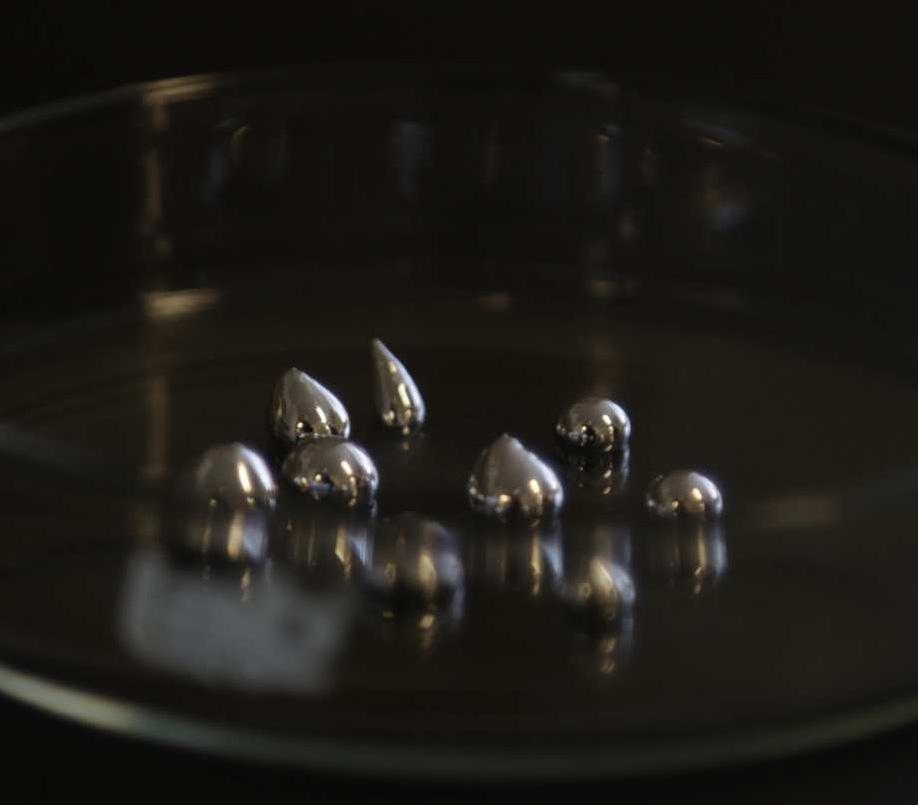
dysprosium pellets
InAs wafers metamaterials CIGS
ultra high purity materials
superconductors
From the President - Professor Nikki Stanford
Dear Members,
As we move into another exciting year for Materials Australia, it is inspiring to witness the ongoing dedication of our volunteers, members, and technical networks.
Your collective efforts continue to strengthen our organisation and play a vital role in advancing materials science and engineering across the country. It is this spirit of collaboration and commitment that underpins our success and ensures we remain a vibrant, forward-looking community.
A major highlight for 2026 is the 12th Pacific Rim International Conference on Advanced Materials and Processing (PRICM12), to be held on the Gold Coast from 9–13 August 2026. This prestigious triennial conference represents a significant opportunity for Australia to showcase its research excellence on the global stage, while fostering meaningful connections with leading scientists, engineers, and emerging researchers from across the Pacific Rim and beyond.
With abstract submissions now closed, I am pleased to report that we have received an impressive number of highquality contributions. Our organising
committee is currently undertaking the careful review process, and we look forward to releasing a comprehensive and engaging program in the coming months. The breadth and depth of submissions are a clear reflection of the strength of our community and the growing international recognition of Australia’s expertise in this field.
I strongly encourage all members to register early and secure your place at this landmark event. Early bird registration closes on 30 April 2026, and we anticipate strong attendance. PRICM12 will not only provide a platform for knowledge exchange, but also an invaluable opportunity to build collaborations that will shape the future of our discipline.
Beyond PRICM12, Materials Australia continues to deliver a diverse range of events and professional development opportunities. I encourage you to regularly visit our Events page to stay informed about upcoming webinars, seminars, and branch activities, as well as initiatives delivered in partnership with organisations such as Engineers Australia. These programs are designed to support continuous learning, foster connections, and highlight the breadth of expertise within our community.
It is particularly encouraging to see the strong engagement at the branch level. The Western Australian Branch, for
Materials Australia National Office PO Box 19 Parkville Victoria 3052 Australia
Gloss Creative Media Pty Ltd Rod Kelloway 0418 114 624
PUBLISHER
Materials Australia Technical articles are reviewed on the Editor’s behalf
PUBLISHED BY
Institute of Materials Engineering Australasia Ltd.
Trading as Materials Australia
ACN: 004 249 183
ABN: 40 004 249 183
B.Eng(Hons) Ph.D. CMatP
example, has been actively enhancing member engagement through events such as “Day in the Life of a Polymer Scientist in WA” and “Non-Intrusive Inspection.”
Meanwhile, our Victorian and Tasmanian Branches continue to build valuable digital resources, with a growing library of webinar recordings now available online. These initiatives not only support knowledge sharing but also ensure accessibility for members across different regions and career stages.
As we progress through 2026, we remain focused on strengthening our networks, supporting our members, and championing the critical role of materials science in addressing global challenges, from sustainability and energy to advanced manufacturing and healthcare. Your involvement is central to this mission, and I encourage you to continue engaging with our programs, contributing your expertise, and supporting one another.
I look forward to sharing further updates throughout the year and hope to see many of you on the Gold Coast in August.
Best Regards
Nikki Stanford
National President
Materials Australia
This magazine is the official journal of Materials Australia and is distributed to members and interested parties throughout Australia and internationally.
Materials Australia welcomes editorial contributions from interested parties, however it does not accept responsibility for the content of those contributions, and the views contained therein are not necessarily those of Materials Australia.
Materials Australia does not accept responsibility for any claims made by advertisers.
All communication should be directed to Materials Australia.
Advertisers - April 2026
PRICM12 - Our Hosts, Speakers and Exhibitors
Without our supporters, we wouldn’t be able to deliver such quality material, engage with such respected associations and attract the experts that we do. Our supporters provide resources, expertise and experience and allow us to move beyond the basics of a conference and create an environment where ideas find germination, like-minded people come together and knowledge is shared across all types of disciplines.
Joint Sponsors
Host
Lanyard & Program Sponsor
Platinum Sponsors
Current Exhibitors – April 2026
The Pacific Rim International Conference on Advanced Materials and Processing is held every three years, jointly sponsored by the Chinese Society for Metals (CSM), The Japan Institute of Metals and Materials (JIMM), The Korean Institute of Metals and Materials (KIMM), Materials Australia (MA), and The Minerals, Metals and Materials Society (TMS).
The purpose of PRICM is to provide an attractive forum for the exchange of scientific and technological information on materials and processing. PRICM-12 will be held in Gold Coast on August 9-13, 2026, hosted by Materials Australia.
PRICM-12 aims to bring together leading scientists, technologists and engineers from the Asia-Pacific region and around the world to discuss contemporary discoveries and innovations in the rapidly evolving field of materials and processing. This event is also intended to foster stronger and closer interactions between materials practitioners and their international counterparts.
9-13 AUGUST 2026
Gold Coast Convention & Exhibition Centre
ORGANIZING SOCIETY
Materials Australia
Tanya Smith +61 3 9326 7266
events@materialsaustralia.com.au
This conference will cover most aspects of advanced materials and their manufacturing processes. It has 15 symposia:
Symposium A: Advanced Steels and Properties
Symposium B: Advanced Processing of Materials
Symposium C: Structural Materials for High Temperature
Symposium D: Light Metals and Alloys
Symposium E: Additive Manufacturing
Symposium F: Interfaces and Surface Engineering
Symposium G: Materials for Energy Conversion, Generation and Storage
Symposium H: Electronic and Magnetic Materials
Symposium I: Biomaterials and their Applications
Symposium J: Advanced Characterization and Evaluation of Materials
Symposium K: High-Entropy Materials and Amorphous Materials
Symposium L: Composites, Hetero-Materials, and Functionally Graded Materials
Symposium M: Nano Materials and Nano Severe Plastic Deformation
Symposium N: Modelling and Simulation of Materials and Processes and Artificial Intelligence
Symposium O: Materials for Sustainability (Corrosion, Coating, Green Steel, Recycling)
On behalf of the organising committee, it is our great pleasure to cordially invite you to PRICM-12.
Professor Jianfeng Nie
Organizing Chair of PRICM-12
Announcing some of our exciting 150+ Keynote Speakers
The 12th Pacific Rim International Conference on Advance Materials and Processing will be held on the Gold Coast from 9 to 13 August 2026. PRICM is a series of triennial international academic conferences that focus on advanced materials and processing.
For more than 30 years, PRICM has served as an international stage for
dissemination of current and emerging materials and processing, jointly organised by the Chinese Society for Metals (CSM), The Japan Institute of Metals and Materials (JIMM), The Korean Institute of Metals and Materials (KIMM), Materials Australia (MA), and The Minerals, Metals & Materials Society (TMS).
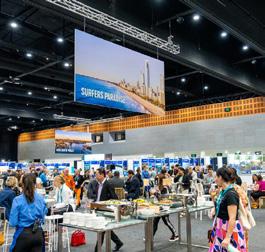
PRICM12 is set to take place at the cutting-edge Gold Coast Convention
JUDITH SCHNEIDER UNIVERSITY OF ALABAMA IN HUNTSVILLE
Dr Schneider is Professor in the Mechanical and Aerospace Engineering Department and Director of the Materials Science Program. Dr Schneider obtained her Bachelor degree in Mechanical Engineering from the University of Nebraska and was employed for 16 years in the design, fabrication and testing of prototype devices for aerospace and biomedical applications. She earned her Masters and PhD from the University of California, and was a Post-Doctoral Researcher at Sandia Laboratories and at the Max Planck Institute for Powder Metallurgy in Stuttgart.
LEI LU
INSTITUTE OF METAL RESEARCH OF CHINESE ACADEMY OF SCIENCES
Professor Lei Lu is a distinguished researcher at the Shenyang National Laboratory for Materials Science, Institute of Metal Research, Chinese Academy of Sciences. She is internationally recognised for pioneering work on nanostructured metals, including nanotwinned and gradient nanostructures. Her research focuses on deformation, strengthening, and fatigue behaviour. She led breakthroughs in high-strength, conductive nanotwinned copper. Professor Lu has published extensively in leading journals and is a member of the International Committee on Nanostructured Materials.
and Exhibition Centre. This dynamic venue will buzz with the exchange of ideas, industry insights, and provide an exciting opportunity for professionals to network and connect within the field.
REGISTER NOW
Early Bird Registration closes 30 April 2026. Visit the website for more details.
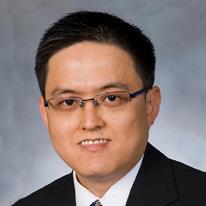
JUN LOU RICE UNIVERSITY
Dr Lou is the Karl F. Hasselman Professor of Materials Science and NanoEngineering. He obtained his Bachelor and Masters degrees in Materials Science and Engineering from Tsinghua University and Ohio State University, respectively, and his PhD degree from Princeton University. He then did his postdoctoral research in the Brown/GM collaborative research centre at Brown University before joining Rice University. His research interests include nanomaterial synthesis, nanomechanical characterisation and nanodevice fabrication for energy, environment and biomedical applications.
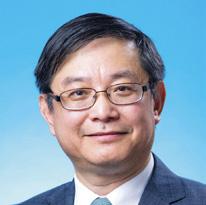
NOBUHIRO TSUJI KYOTO UNIVERSITY
Professor Nobuhiro Tsuji is a leading expert in physical and mechanical metallurgy at Kyoto University, specialising in structural metallic materials. His research spans metal processing, microstructures, and mechanical properties, with a focus on ultrafine-grained and nanostructured metals. He pioneered the accumulative roll bonding (ARB) process for producing bulk nanostructured materials. Professor Tsuji has published extensively on microstructure–property relationships and received numerous awards, including the prestigious JSPS Prize.
Joint Sponsors
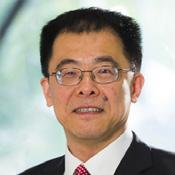
JIAN LU CITY UNIVERSITY OF HONG KONG
Professor Jian Lu is the Dean of the College of Engineering and a Chair Professor of Mechanical Engineering at City University of Hong Kong. Professor Lu’s research interests include surface science and engineering, the processing and mechanical properties of nanomaterials and advanced materials, experimental mechanics, and residual stress. He has published more than 562 journal papers and holds 83 patents. He received the French Knight of the National Order of Merit and the French Knight of the National Order of Légion d’Honneur.
KEVIN ANDERSON MERCURY MARINE
Dr. Kevin Anderson is a Fellow at Mercury Marine and a member of the US National Academy of Engineering, recognised for his work in sustainable aluminium alloy design. He pioneered high damage-tolerant diecasting alloys made from 100% recycled aluminium, significantly reducing energy use and emissions. A prolific inventor with over 30 US patents, he is an ASM Fellow and active leader across major materials organisations, contributing to standards, research, and education in aluminium metallurgy.
CHUN WANG
THE UNIVERSITY OF NEW SOUTH WALES
Scientia Professor Chun Wang is currently the Head of the School of Mechanical and Manufacturing Engineering and the Director of the ARC Research Hub for Connected Sensors for Health. He is a Fellow of the Academy of Technological Science and Engineering and a SHARP professor. In 2022, he was appointed UNSW Scientia Professor, recognising his exceptional research and international eminence. His research focuses on advanced composites technologies, particularly load-carrying high-performance structures and soft composites for wearable sensors, actuators, and energy storage devices.
HYOUNG SEOP KIM
POSTECH
Professor Hyoung Seop Kim is Chair Professor at the Graduate Institute of Ferrous Technology, POSTECH, and leads the Non-equilibrium Materials Group. His research focuses on nanostructured metals, severe plastic deformation, high-entropy alloys, and additive manufacturing. He also applies computational modelling and artificial intelligence to metal deformation and processing. A Fellow of the Korean Academy of Science and Technology and the National Academy of Engineering of Korea, he is internationally recognised for advancing next-generation structural materials.
MICHAEL MILLS
THE OHIO STATE UNIVERSITY
Professor Mills is the chair of the Department of Materials Science and Engineering. He earned his PhD in Materials Science and Engineering at Stanford University. He joined Ohio State in 1994 as associate professor with tenure after a two-year research associate appointment at the Ecole Polytechnique Federale in Switzerland, and a six-year appointment at Sandia National Laboratories. Professor Mills is the Taine G. McDougal Professor of Engineering and served as interim chair of the Department of Materials Science and Engineering in 2014-2015.
IRENE BEYERLEIN
UNIVERSITY OF CALIFORNIA SANTA BARBARA
Professor Beyerlein is a Professor of Mechanical Engineering and Materials at the University of California and a member of the US National Academy of Engineering. Her research focuses on designing advanced structural materials with exceptional performance under extreme conditions, using computational modelling and nanoscale insights. A Fellow of TMS and MRS, she has received numerous awards for her contributions to lightweight alloys and high-performance materials. She holds a PhD in Theoretical and Applied Mechanics from Cornell University and a Bachelor of Science in Mechanical Engineering from Clemson University.
Sponsorship Opportunities
Maximise your visibility for your target markets by becoming a conference partner. Our marketing will ensure that your support and profile is raised with the over 1400 attendees coming to the PRICM12 Conference.
You can choose one of our partnership opportunities or talk to us about a tailored package to suit your needs. An early commitment will mean a greater exposure and a greater return on your investment.
For tailored packages contact: Organising Society
Organising Chair
PROFESSOR JIAN -FENG NIE MONASH UNIVERSITY
TANYA SMITH MATERIALS
AUSTRALIA
M +61 429 150 702
Email: tanya@materialsaustralia.com.au
Jian-Feng Nie is a professor of the Department of Materials Science and Engineering at Monash University. His research interests cover magnesium alloys, aluminium alloys, biodegradable metals, solidsolid phase transformations, applications of scanning transmission electron microscopy in materials characterization, and processingmicrostructure-property relationships in metallic materials. His publications include the 5th Edition of book “Light Alloys”, a chapter on light alloys in the 5th Edition of “Physical Metallurgy”, and over 200 papers in journals like Science, Nature, and Acta Materialia. He is editor of Metallurgical and Materials Transactions A, member of the Board of Governors, Acta Materialia Inc, and TMS Fellow.
ROD KELLOWAY
MATERIALS AUSTRALIA
M +61 418 114 624
Email: rod@materialsaustralia.com.au
MATERIALS AUSTRALIA
WA Branch Technical Meeting - 9 March 2026 A Day in the Life of a Polymer Scientist in WA
Source: Dr Nicholas Tan, Curtin Corrosion Centre
Nicholas Tan graduated in chemistry from Curtin University and went on to complete his PhD there in 2021. His doctoral research focused on organorhodium based initiators for the controlled polymerisation of arylacetylenes. This work led to his current role as a Research Associate in the Curtin Corrosion Centre (CCC). Through the Centre’s strong emphasis on industry engaged research, his activities have expanded across multiple disciplines, including polymer science, electrochemistry, materials characterisation, electronics, and food science.
His presentation traced his professional journey from a predominantly fundamental chemistry background to applied, industry facing research that is inherently multidisciplinary. Nicholas highlighted the value of a multidisciplinary approach in tackling complex, real world engineering and materials challenges, including advanced materials development, failure analysis, and the upcycling of food waste into functional materials.
Nicholas began by outlining his PhD research on the synthesis of semiconducting arylacetylene polymers. These materials possess tuneable electronic properties, making them candidates for applications such as organic transistors and solar cells. They can be solution processed, allowing for cost effective manufacturing and compatibility with flexible substrates. His research focused on controlling polymer chain length and connectivity through the use of a rhodium based catalyst. This work provided extensive experience in polymer characterisation techniques, including size exclusion chromatography, FTIR, NMR, and XRD, as well as in the design and optimisation of electronic properties.
Since joining the CCC, one of Nicholas’s long term projects has been the development of a single coat thermal insulation coating. The objective is to combine the functions of three conventional layers – corrosion under insulation protection, thermal insulation, and an external jacket – into a single system. Candidate formulations combine a polymer binder with pigments, fillers, and other additives. Nicholas likened this formulation strategy to a chocolate chip cookie recipe: the polymer acting as the flour, the fillers as the chocolate chips, and the additives as the sugar, which controls the “chewiness” of the final material.
The design requirement of achieving a surface temperature below 60 °C can be met using either foam based or thick paste formulations. This led to a discussion of polymer topology – the structural arrangement and connectivity of polymer chains –and the available options for coating chemistry. The insulating performance of the coating is dominated by its ability to trap air. This is typically achieved through one of three approaches: aerogels with pore sizes below 50 nm, foams with pore sizes above 50 nm, or hollow glass microspheres with diameters greater than 1 µm. Investigation of these systems required further characterisation techniques, including Dynamic Mechanical Analysis (DMA) and rheology.
Coating development also involves detailed study of degradation mechanisms. Degradation is primarily driven by UV exposure and elevated temperatures, leading to radical induced damage to polymer chains, cross linking, and yellowing due to carbonyl group formation. These effects are studied using a range of ageing protocols and analysed by time of flight secondary ion mass spectrometry (ToF SIMS). Given the number of interacting degradation factors, Nicholas applies Principal Component Analysis (PCA) to reduce correlated variables and identify the dominant, uncorrelated drivers – which he characterised as “the main culprit” and “what else is involved”.
Another industry focused study investigated the scope for upcycling of shells from abalone processing waste. Among their potentially commercial properties, these shells contain a high proportion of calcium carbonate in the aragonite polymorph, which is of interest in biomedical engineering due to its high biocompatibility.
Nicholas concluded with an overview of his current work on anti fouling coatings (AFCs). Within seconds of immersion in seawater, a clean surface becomes coated with a conditioning film of proteins and polysaccharides. Bacterial biofilms then form within minutes, followed by larvae and spores over hours to days, and subsequently microalgae and invertebrates over periods of days to months. His research examines how AFC surface chemistry influences the electronic behaviour and morphology of protective calcareous deposits. To support this work, Nicholas has designed a custom test cell incorporating a 72 channel voltage logger. Reflecting current technology, this system was constructed using 3D printing, with AI tools assisting in the development of control and logging software.
Publications arising from this research are listed under his full name, Nicholas Sheng Loong Tan, at: https://orcid.org/0000 0003 0591 324X
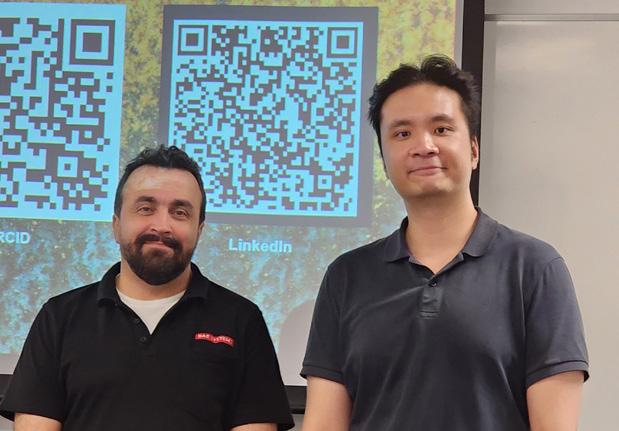
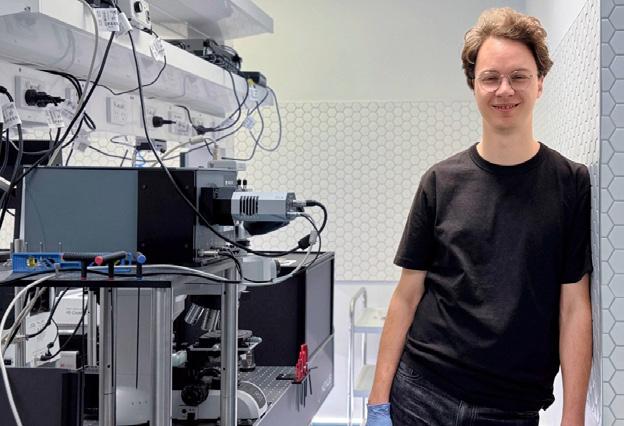
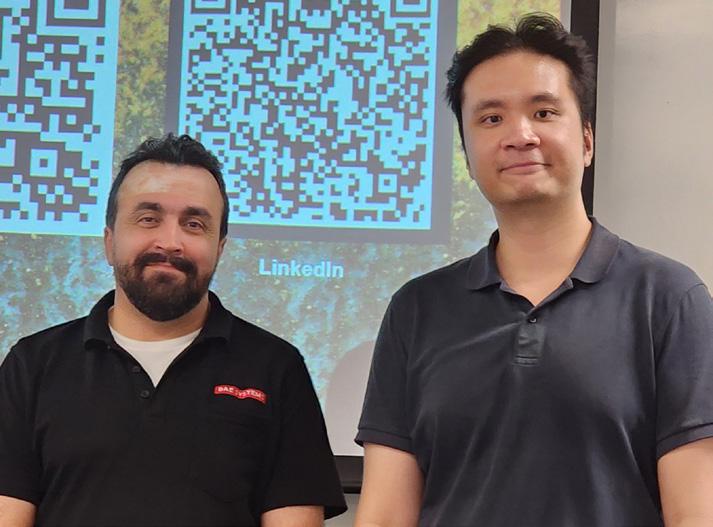
(L to R: Ehsan Karaji, Dr Nicholas Tan)
Sustainability Goals Advance Your
Join us on the mission to ensure a more sustainable future for everyone.
Receive a free review of your current lab chemicals, reagents, and consumables, and discover safer, greener alternatives without compromising on performance.
Send us a list of your most used products and where possible we’ll suggest:
• Sustainable & less harmful alternatives
• Biodegradable & greener chemicals
• Waste reduction & sustainable packaging
As thanks, we will send you a limited-edition Sigma-Aldrich “Dihydrogen Monoxide” water bottle!
To start your free sustainability review, scan the QR code or go to:
CMatP Profile: Youhong Tang
Professor Youhong Tang is a Matthew Flinders Professor and research leader in the College of Science and Engineering at Flinders University. He obtained his PhD at the Hong Kong University of Science and Technology in 2007. He moved to Flinders University in 2012 from the Centre for Advanced Materials Technology at the University of Sydney.
Professor Tang is a materials science and engineering researcher specialising in composite materials, nanotechnology and AIEgen-based sensors. His work focuses on the structure–process–property relationships of polymeric materials and nanocomposites, including rubber- and epoxy-based multifunctional materials, fibre-reinforced composites for marine applications, and bioresources, biomaterials and biosensors, with a strong emphasis on green manufacturing and biomedical innovation.
Where do you work and describe your job?
I work at Flinders University, South Australia, where I am a Matthew Flinders Professor in engineering and materials science. My role involves leading cutting-edge research in advanced materials, smart systems, and intelligent manufacturing, with a focus on translating scientific discoveries into practical solutions that address real-
world challenges in health, energy, and environment.
I supervise higher degree research students and postdoctoral researchers, fostering the next generation of engineers and scientists. In addition, I teach undergraduate and postgraduate courses, contribute to curriculum development, and actively collaborate with industry and government partners to deliver innovative technologies and sustainable engineering solutions. My work also encompasses mentoring, building multidisciplinary research teams, and promoting a culture of collaboration and innovation within both academia and industry.
What inspired you to choose a career in materials science and engineering?
I was drawn to materials science and engineering because it sits at the intersection of science, engineering, and industry. From an early stage, I was fascinated by how the structure and properties of materials determine the performance of technologies we rely on every day.
The opportunity to design materials that enable new capabilities—lighter and stronger structures, smarter devices, and more sustainable technologies— strongly motivated me. I am inspired by the ability to combine scientific curiosity with practical problem-solving, to tackle complex challenges, and to create solutions that have meaningful industrial and societal impact.
Moreover, the collaborative and interdisciplinary nature of this field has allowed me to work with talented teams, mentor emerging researchers, and contribute to the development of innovative technologies that can improve lives and drive sustainable progress. I genuinely enjoy my work in materials science and engineering.
Who or what has influenced you most professionally?
I have been most influenced professionally by mentors, colleagues, and collaborators who value rigorous science combined with real-world impact. Their emphasis on translating fundamental research into practical
engineering solutions has strongly shaped my approach to research, industry engagement, and academic leadership.
Working with diverse teams, both nationally and internationally, has taught me the importance of interdisciplinary collaboration, resilience, and effective communication in solving complex engineering challenges.
I have also been inspired by those who prioritise mentorship and the development of future researchers, such as my mentors Professor Shi Zhang Qiao at Adelaide University, Professor Ben Zhong Tang at Chinese University of Hong Kong, Shenzhen, Professor Yiu-Wing Mai at the University of Sydney and Professor Lin Ye at Southern University of Science and Technology and my colleagues Professor Jianguang Qin, Professor Colin Raston, Professor Karen Reynolds, Professor Karl Sammut, Professor Wei Zhang and Professor Krasimir Vasilev. This has reinforced my commitment to guiding and supporting students and early-career professionals. These influences have collectively shaped my philosophy of combining scientific excellence with practical, societal, and industrial relevance.
Which has been the most challenging job/ project you’ve worked on to date and why?
The most challenging project I have undertaken have been large-scale, industry-driven research programs focused on deploying advanced materials and smart systems in real operating environments which was funded by Department of Industry Science and Resources, Australian Government. This project required managing significant technical uncertainty, integrating knowledge across multiple disciplines, and aligning the expectations of diverse stakeholders, including academic teams, industry partners, and regulatory bodies.
A key challenge was bridging the gap between laboratory innovation and fieldready implementation, which demanded careful planning, rigorous testing, and adaptive problem-solving. Successfully navigating these complexities
required strong leadership, effective collaboration, and resilience, as well as the ability to mentor team members through technically demanding situations.
These experiences were highly demanding but ultimately rewarding, as they delivered meaningful industrial impact, strengthened my approach to research leadership, and reinforced the importance of translating scientific discovery into practical, real-world solutions.
What does being a CMatP mean to you?
To me, being a CMatP signifies independent professional competence and recognised expertise in materials science and engineering. It reflects a commitment to maintaining the highest technical and ethical standards, engaging in continuous professional development, and applying materials knowledge to solve complex, real-world engineering challenges with confidence and integrity.
Beyond personal recognition, it represents a responsibility to contribute to the broader profession, through mentoring, fostering collaboration, and promoting best practices in research and industry.
Being a CMatP also reinforces the importance of bridging fundamental science and practical application, ensuring that innovations in materials deliver tangible benefits to industry, society, and future generations of engineers.
What gives you the most satisfaction at work?
I find the greatest satisfaction in delivering meaningful impact through my work. This includes advancing fundamental knowledge in materials science, translating research into innovative, real-world applications, and seeing technologies move from the laboratory into industrial and societal use.
Equally rewarding is mentoring students and early-career researchers, supporting their growth into independent, capable, and confident professionals. I also take pride in fostering collaborative and multidisciplinary teams, where ideas from diverse perspectives come
together to tackle complex challenges. Ultimately, what gives me the most satisfaction is contributing to solutions that not only push the boundaries of science and engineering but also create tangible benefits for industry, society, and future generations.
What is the best piece of advice you have ever received?
The most valuable advice I have received is to pursue excellence while staying grounded in real-world relevance. This guidance has profoundly shaped my approach to research, encouraging me to combine deep scientific understanding with practical engineering solutions that create lasting impact. It has also influenced the way I mentor and collaborate with others, reminding me that supporting the growth of students, early-career researchers, and colleagues is just as important as achieving technical outcomes.
Furthermore, it has reinforced the importance of resilience and adaptability, recognising that setbacks and challenges are opportunities to learn, innovate, and strengthen both projects and teams. This advice continues to guide my professional philosophy, balancing ambition with integrity, impact, and collaboration.
What are you optimistic about?
I am optimistic about the future of materials science and engineering, particularly the integration of advanced materials, smart systems, and intelligent manufacturing. These technological advances offer tremendous potential to address pressing global challenges in sustainability, health, and energy, while creating meaningful industrial and societal impact.
I am also encouraged by the next generation of engineers and researchers, whose creativity, interdisciplinary mindset, and willingness to collaborate promise to drive transformative innovations.
Furthermore, increasing collaboration between academia, industry, and government is accelerating the translation of research into practical solutions, allowing materials innovations to reach wider communities and deliver tangible benefits.
Together, these developments give me confidence that the field will continue to advance in ways that improve lives, promote sustainability, and inspire future generations of scientists and engineers.
What have been your greatest professional and personal achievements?
My greatest professional achievements include leading internationally recognised research projects in advanced materials, smart systems, and intelligent manufacturing, and successfully translating research into practical industrial applications that have delivered tangible benefits to both industry and society.
I am particularly proud of mentoring numerous postgraduates and earlycareer researchers, many of whom have gone on to successful academic and professional careers, helping to shape the next generation of engineers and scientists.
Personally, I take great satisfaction in fostering collaborative, multidisciplinary teams, building enduring partnerships with industry and government, and promoting a culture of innovation, integrity, and excellence. Contributing to the professional development of colleagues and students, while seeing the impact of our work on communities, sustainable technologies, and global engineering challenges, has been profoundly rewarding. These experiences have reinforced my belief in the importance of combining scientific rigor, leadership, and mentorship to achieve meaningful and lasting outcomes.
What are the top three things on your “bucket list”?
• To contribute to technologies that meaningfully improve quality of life through materials innovation.
• To leave a positive legacy through mentorship, collaboration, and the success of my students and colleagues.
• To explore more of the world and its cultures while staying curious and engaged both professionally and personally.
Our Certified Materials Professionals (CMatPs)
The following members of Materials Australia have been certified by the Certification Panel of Materials Australia as Certified Materials Professionals.
They can now use the post nominal ‘CMatP‘ after their name. These individuals have demonstrated the required level of qualification and experience to obtain this status. They are also required to regularly maintain their professional standing through ongoing education and commitment to the materials community.
We now have nearly 200 Certified Materials Professionals, who are being called upon to lead activities within Materials Australia. These activities include heading special interest group networks, representation on Standards Australia Committees, and representing Materials Australia at international conferences and society meetings.
Dr Ivan Cole ACT
Dr Syed Islam ACT
Prof Yun Liu ACT
A/Prof. Adrian Lowe ACT
Dr Avik Sarker ACT
Dr Olga Zinovieva ACT
Prof Mohammad Asaduzzaman Chowdhury Bangladesh
Dr Rajib Nandee Bangladesh
Mr Debdutta Mallik EGYPT
Prof. Jamie Quinton NEW ZEALAND
Dr Xianghai An NSW
Prof Julie Cairney
Prof John Canning
Dr Phillip Carter
Dr Li Chang
A/Prof Igor Chaves
Mr Matthew Cole
Mr Peter Crick
Prof Madeleine Du Toit
NSW
NSW
NSW
NSW
NSW
NSW
NSW
NSW
Dr Ehsan Farabi NSW
Prof Michael Ferry NSW
Dr Yixiang Gan NSW
Mr Michele Gimona NSW
Dr Bernd Gludovatz NSW
Dr Andrew Gregory NSW
Mr Buluc Guner
NSW
Dr Ali Hadigheh NSW
Dr David Harrison NSW
Dr Alan Hellier NSW
Mr Brook Hinckley
Mr Simon Krismer
Prof Jamie Kruzic
Prof Huijun Li
Dr Yanan Li
A/Prof Xiaopeng Li
Prof Xiaozhou Liao
Dr Hong Lu
Dr Tim Lucey
NSW
NSW
NSW
NSW
NSW
NSW
NSW
NSW
NSW
Mr Rodney Mackay-Sim NSW
Dr Warren McKenzie
Mr Edgar Mendez
Dr Ranming Niu
Dr Keita Nomoto
Dr Anna Paradowska
Prof Garth Pearce
Prof Elena Pereloma
A/Prof Sophie Primig
Dr Gwenaelle Proust
Miss Zhijun Qiu
Dr Blake Regan
Mr Ehsan Rahafrouz
Dr Mark Reid
Prof Simon Ringer
Dr Richard Roest
Dr Bernd Schulz
Mr Arya Sharifian
Dr Luming Shen
Mr Sasanka Sinha
Mr Robert Small
Mr Frank Soto
Mr Michael Stefulj
Mr Carl Strautins
Mr Alan Todhunter
Ms Judy Turnbull
Mr Jeremy Unsworth
Dr Philip Walls
Dr Alan Whittle
Dr Richard Wuhrer
Dr Vladislav Yakubov
Prof Richard Yang
Mr Andre Van Zyl
NSW
NSW
NSW
NSW
NSW
NSW
NSW
NSW
NSW
NSW
NSW
NSW
NSW
NSW
NSW
NSW
NSW
NSW
NSW
NSW
NSW
NSW
NSW
NSW
NSW
NSW
NSW
NSW
NSW
NSW
NSW
NSW
Dr Michael Bermingham QLD
Mr Michael Chan QLD
Prof Richard Clegg QLD
Mr Oscar Duyvestyn QLD
Mr John Edgley QLD
Dr Jayantha Epaarachchi QLD
Dr Jeff Gates QLD
Mr Payam Ghafoori QLD
Mr Mo Golbahar QLD
Mr David Haynes QLD
Mr Nikolas Hildebrand QLD
A/Prof Mainul Islam QLD
Dr Damon Kent QLD
Mr Jeezreel Malacad QLD
Mr Michael Mansfield QLD
Mr Sadiq Nawaz QLD
Mr Bhavin Panchal QLD
Mr Ashley Bell SA
Ms Ingrid Brundin SA
Mr Neville Cornish SA
Prof Colin Hall SA
Mr Brendan Dunstall SA
Dr Andre Hatem SA
Mr Mikael Johansson SA
Mr Rahim Kurji SA
Mr Ali Rafieeye SA
Mr Andrew Sales SA
Dr Thomas Schläfer SA
Dr Christiane Schulz SA
Prof Nikki Stanford SA
Prof Youhong Tang SA
Dr Mohammad Uddin SA
Mr Kok Toong Leong SINGAPORE
Prof Klaus-Dieter Liss USA
Dr Muhammad Awais Javed VIC
Mr Michael Bourchier VIC
Dr Christian Brandl VIC
Dr John Cookson VIC
Mr Nasser Cura VIC
Dr Minh Nhat Dang VIC
Miss Ana Celine Del Rosario VIC
Dr Yvonne Durandet VIC
Dr Mark Easton VIC
Dr Reza Emdad VIC
Dr Peter Ford VIC
Mr Bruce Ham VIC
Dr Shervin Eslami Harandi VIC
Dr Shu Huang VIC
Mr Long Huynh VIC
Dr Jithin Joseph VIC
Mr. Akesh Babu Kakarla VIC
Mr Russell Kennedy VIC
Dr Poom Kettalard VIC
Mr Trevor Layzell VIC
Mr Daniel Lim VIC
Dr Amita Iyer VIC
Mr Robert Le Hunt VIC
Dr Thomas Ludwig VIC
Dr Roger Lumley VIC
Dr Gary Martin VIC
Dr Srikanth Mateti VIC
Dr Rachel Mathew VIC
Dr Siao Ming (Andrew) Ang VIC
Mr Glen Morrissey VIC
Dr Khurram Munir VIC
Prof Jian-Feng Nie VIC
Dr Chrysoula Pandelidi VIC
Dr Eustathios Petinakis VIC
Mr Vishnu Vijayan Pillai VIC
Dr Leon Prentice VIC
Prof Muhammad Mehran Qadir VIC
Dr Dong Qiu VIC
Dr. Rizwan Abdul Rahman Rashid VIC
Mr John Rea VIC
Dr Christine Scala VIC
Mr Khan Sharp VIC
Mr Mark Stephens VIC
Dr Graham Sussex VIC
Mr Pranay Wadyalkar VIC
Dr Wei Xu VIC
Dr Ramdayal Yadav VIC
Dr Matthew Young VIC
Mr Angelo Zaccari VIC
Dr Yuman Zhu VIC
Mr Mohsen Sabbagh Alvani WA
Dr Murugesan Annasamy WA
Mr Graeme Brown WA
Mr John Carroll WA
Mr Sridharan Chandran WA
Mr Conrad Classen WA
Mr Chris Cobain WA
Mr Stuart Folkard WA
Mr Toby Garrod WA
Prof Vladimir Golovanevskiy WA
Mr Mark Hamilton WA
Mr Paul Howard WA
Dr Paul Huggett WA
Mr Michael Jafarian WA
Mr Ivo Kalcic WA
Mr Srikanth Kambhampati WA
Mr Ehsan Karaji WA
Mr Ka-Seng Leung WA
Mr Mathieu Lancien WA
Dr Evelyn Ng WA
Mr Deny Nugraha WA
Mrs Mary Louise Petrick WA
Mr Johann Petrick WA
Mr Biju Kurian Pottayil WA
Prof Andrew Ruys WA
Dr Mobin Salasi WA
Mr Daniel Swanepoel WA
Dr Kishore Venkatesan WA
Why You Should Become a Certified Materials Professional
Source: Materials Australia
Accreditation as a Certified Materials Professional (CMatP) gives you recognition, not only amongst your peers, but within the materials engineering industry at large. You will be recognised as a materials scientist who maintains professional integrity, keeps up to date with developments in technology, and strives for continued personal development.
The CMatP, like a Certified Practicing Accountant or CPA, is promoted globally as the recognised standard for professionals working in the field of materials science.
There are now well over one hundred CMatPs who lead activities within Materials Australia. These activities include heading special interest group networks, representation on Standards Australia Committees, and representing Materials Australia at international conferences and society meetings.
Benefits of Becoming a CMatP
• A Certificate of Membership, often presented by the State Chapter, together with a unique Materials Australia badge.
• Access to exclusive CMatP resources and website content.
• The opportunity to attend CMatP only networking meetings.
• Promotion through Materials Australia magazine, website, social media and other public channels.
• A Certified Materials Professional can use the post nominal CMatP.
• Materials Australia will actively promote the CMatP status to the community and employers and internationally, through our partner organisations.
• A CMatP may be requested to represent Materials Australia throughout Australia and overseas, with Government, media and other important activities.
• A CMatP may be offered an opportunity as a mentor for student members.
• Networking directly with other CMatPs who have recognised levels of qualifications and experience.
• The opportunity to assume leadership roles in Special Interest Networks, to assist in the facilitation of new knowledge amongst peers and members.
What is a Certified Materials Professional?
A Certified Materials Professional is a person to whom Materials Australia has issued a certificate declaring they have attained all required professional standards. They are recognised as demonstrating excellence, and
possessing special knowledge in the practice of materials science and engineering, through their profession or workplace. A CMatP is prepared to share their knowledge and skills in the interest of others, and promote excellence and innovation in all their professional endeavours.
The Criteria
The criteria for recognition as a CMatP are structured around the applicant demonstrating substantial and sustained practice in a field of materials science and engineering. The criteria are measured by qualifications, years of employment and relevant experience, as evidenced by the applicant’s CV or submitted documentation.
Certification will be retained as long as there is evidence of continuing professional development and adherence to the Code of Ethics and Professional behaviour.
Further Information
Contact Materials Australia today: on +61 3 9326 7266 or imea@materialsaustralia.com.au or visit our website: www.materialsaustralia.com.au
FDM – Polymer 3D Printing Workhorse
By Dr. Cameron Chai
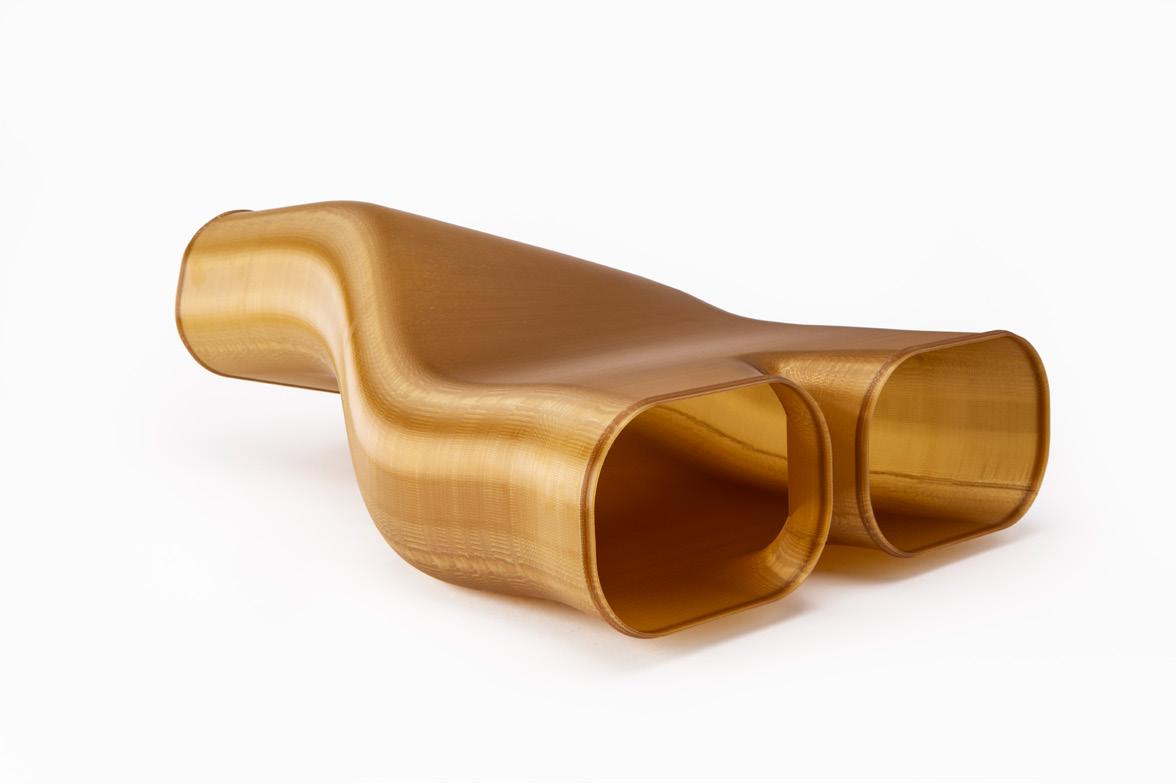
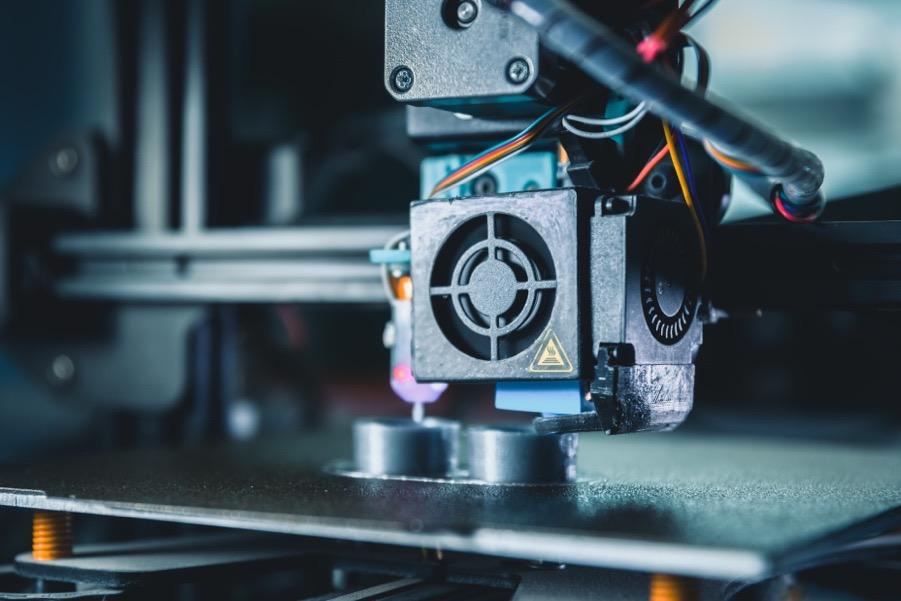
Fused Deposition Modelling (FDM) is one of the most widely adopted additive manufacturing technologies in the world, particularly for functional prototyping and end-use part production. Parts produced via FDM exhibit excellent mechanical strength, thermal stability, chemical and UV resistance and are widely used across aerospace, defence, automotive, medical and industrial sectors where repeatability, material performance and reliability are critical.
Evolution of the FDM Process
The technology was invented in the late 1980s by Stratasys co-founder Scott Crump, who developed the concept of extruding thermoplastic filament through a heated nozzle to build parts layer by layer. This invention formed the basis of modern filament-based additive manufacturing and established Stratasys as a pioneer in the field. Since its commercialisation in the early 1990s, Stratasys has continuously refined the technology, transforming FDM from a prototyping tool into a robust manufacturing solution capable of producing highly functional, productiongrade components.
The FDM Process
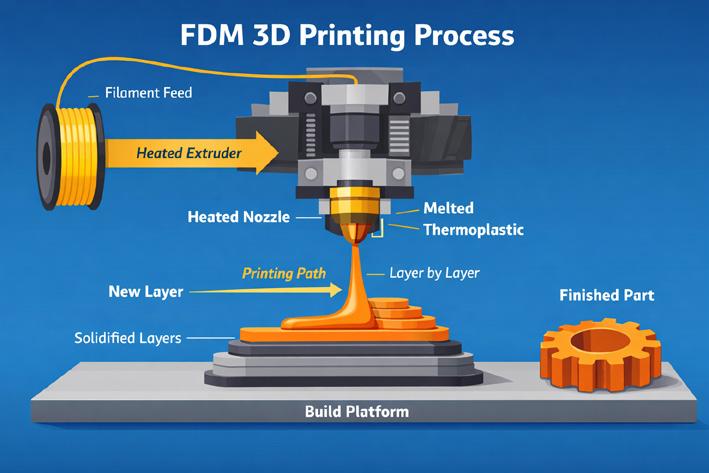
In FDM printing, thermoplastic filament is fed into a heated extrusion head, melted, and deposited in precise toolpaths onto a build platform. Each deposited layer solidifies and bonds to the previous layer, gradually forming the final three-dimensional object. The process is digitally driven, enabling complex geometries to be manufactured directly from CAD files without the need for tooling. Industrial systems integrate advanced motion control, closed-loop temperature management, and sophisticated slicing algorithms to ensure consistent layer adhesion and dimensional accuracy.
FDM Systems
FDM 3D printers are available from any number of manufacturers, able to print parts from roughly 10mm to over 1m in length. There are many choices for the hobbyist to learn or produce small parts. Industrial 3D printers offer
additional features and larger build sizes, with the ability to print many small parts in the same run if required. The following sections outline other key advantages that differentiate industrial systems from lower-cost alternatives.
Precision and Repeatability
Industrial FDM printers are engineered for production environments where dimensional accuracy and repeatability are critical. Controlled thermal environments and precision motion systems minimise warping and ensure consistent part quality across multiple builds. They can also incorporate measures to ensure printing filaments are kept as dry as possible as moisture can bring about printing defects.
Engineering-Grade Materials
Industrial systems also have a wide range of suitable materials, including engineering polymers such as ABS, ASA, polycarbonate, nylon, and high-performance materials like PEEK and carbon fibre reinforced polymers (e.g. nylon and ABS). These materials provide excellent mechanical strength, chemical resistance, and thermal stability, allowing parts to be used in demanding industrial environments, while others offer flexibility or biocompatibility.
Soluble Support Technology
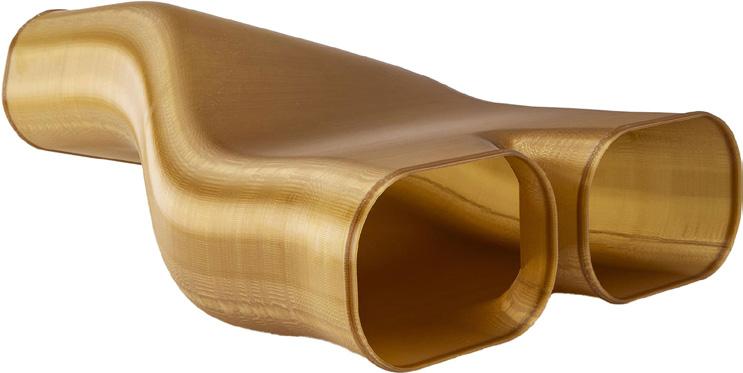
Parts with overhanging or intricate geometries as well as channels typically require sacrificial supports to be printed to ensure they don’t collapse during the fabrication process. More sophisticated systems offer soluble support materials. These supports are later dissolved by dissolving after the [printing process has been completed, enabling v the production of highly complex parts that would otherwise be impossible to manufacture using traditional machining.
Industrial Reliability
Unlike hobby systems, industrial 3D printing systems are designed for continuous operation in engineering and manufacturing environments. Automated calibration,
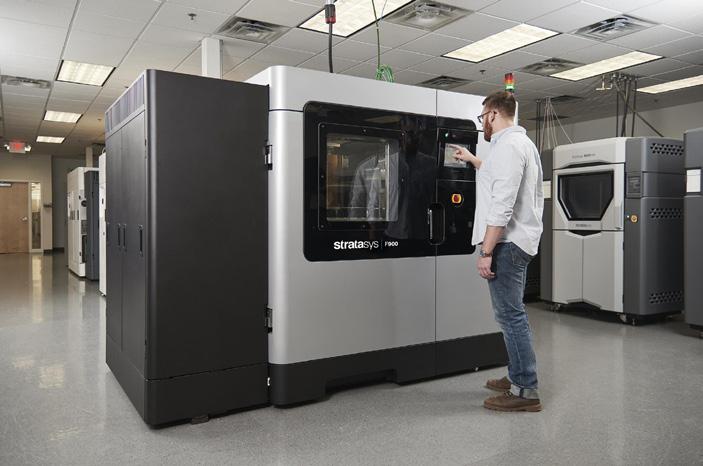
material handling systems, and robust hardware design ensure dependable performance and reduced operator intervention. That said, the proof is in the pudding, with many systems like the Stratasys Fortis 450mc having been in service for over 10 years.
User-Friendly CAD Environments
If you are going to be using your 3D printer day-in and day-out, you will be wanting a system with a user-friendly interface and workflow to ensure efficiency and easeof-use. Systems like GrabCAD are highly evolved, userfriendly interfaces that streamlines instrument control and simplifies printing operations.
It provides a comprehensive print preparation and job management platform that facilitates:
• Import CAD files directly (STEP, STL, etc.)
• Automatic part orientation and tray layout
• Support material management
• Print job scheduling and monitoring
• Remote printer control
AXT 3D Printing Open Day
By Dr. Cameron Chai
AXT, who have recently been appointed a Stratasys distributor, hosted an open day at their Sydney office that was organised in conjunction with Materials Australia. The event attracted a small but focussed audience of industry professionals, academics and students.
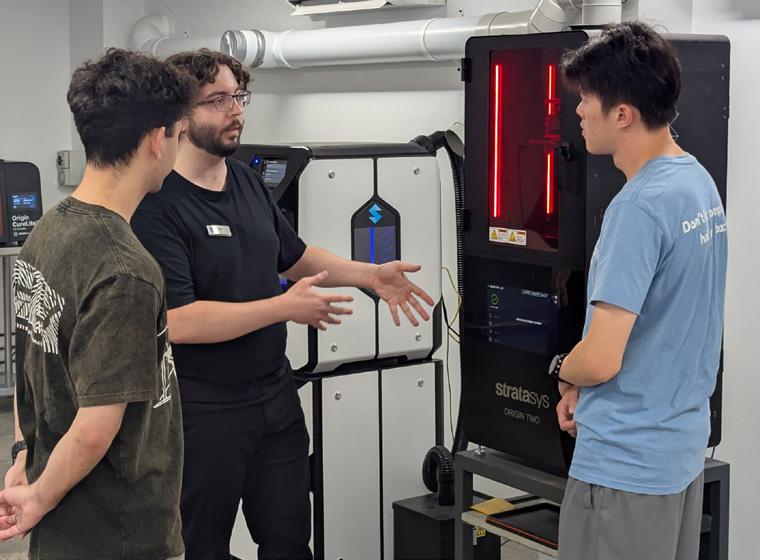
Attendees were given a tour of AXT’s newly established 3D printing lab that currently houses four Stratasys industrial 3D printers, covering three different 3D printing technologies. They were able to experience hands-on demonstrations with the systems to get a better idea of what sets them apart from smaller hobby systems.
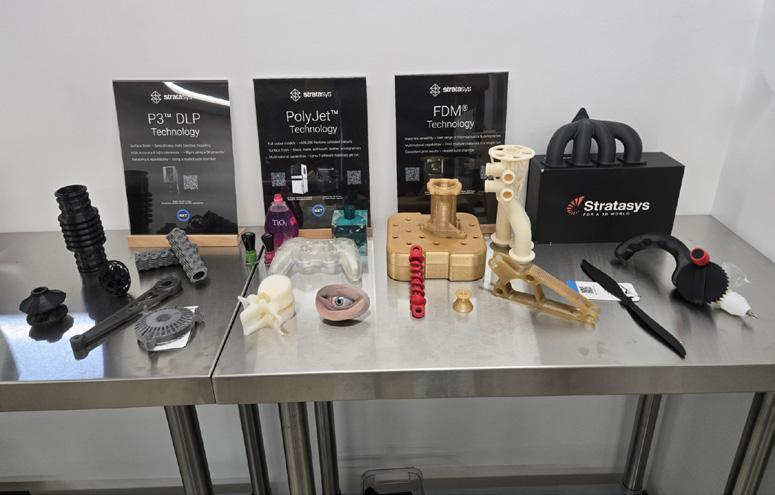
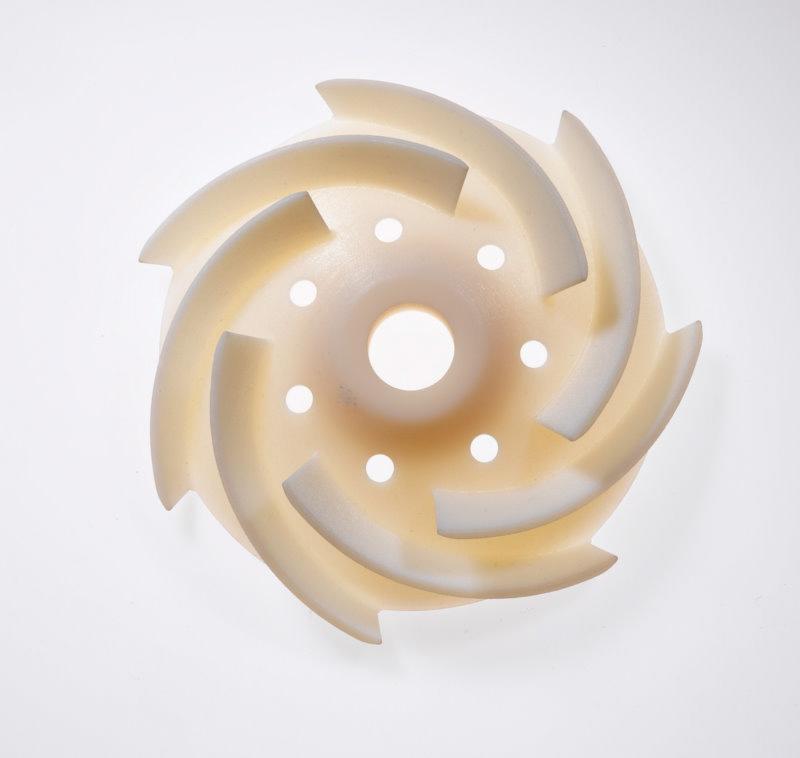
Also on display were a wide range of printed parts that showcased the capabilities of the various systems. These included high-strength parts made from carbon fibre reinforced polymers produced by FDM, high-resolution components with micron-scale features printed using P3-DLP technology and full colour prototypes with varying degrees of opacity and elasticity produced using PolyJet technology. These examples covered a broad range of applications and industries from engineering components, through to automotive and aerospace, all the way to biomedical.
Attendees were impressed by the breadth of options made possible using Stratasys’ industrial grade 3D printers, 3D printing technologies and materials. They also benefited from a short presentation that further outlined the capabilities and differences between the various technologies as well as detailed discussions with in-house experts about specific projects they were involved with.
If you missed out on this public event, feel free to contact AXT at info@axt.com.au to organise your own tour.
Summary
FDM has and will continue to be the workhorse technology in polymer 3D printing with applications in everything from rapid prototyping to industrial parts production due to its versatility and the large number of available systems that cater for various budgets and production requirements.
Unravelling Secrets from Australia’s Issue of the Magna Carta
Source: Sally Wood
Charged with learning more about the silk cords attached to Australia's 1297 issue of the Magna Carta, CSIRO scientists used the best in modern science to learn more about the medieval silk to better support its preservation for years to come.
Held within the hallowed halls of Parliament House lies a treasure: a 1297 issue of the Magna Carta
In image showing the front and back of Australia's issue of the 1297 Magna Carta. Australia's 1297 Inspeximus issue of the Magna Carta (front and back) Source: Department of Parliamentary Services.
Australia’s issue has been on display and well-protected in a CSIRO-built preservation case for 60 years.
Back in 2016, the Department of Parliamentary Services called upon conservators at the Grimwade Centre for Cultural Materials Conservation.
Charged with opening the case and learning more about the materials that make up the document, then returning it to display, the conservators conducted their work meticulously over eight years.
Conservators asked CSIRO material scientists to try to work out the medieval dyes used on the document’s silk cords.
Sealed With Science
During the 1950s and early 60s, CSIRO researchers were asked to design a display case similar to the one that had recently been built in the US to protect the American Declaration of Independence.
An engineering challenge of some magnitude, the end result was an argon-filled enclosure intended to control sources of chemical degradation. The case also featured a transparent, yellow-coloured filter over the top of the container to reduce ultraviolet light exposure.
The case certainly stood the test of time and protected the Magna Carta until 2016 when it was removed from
display and conservators carefully deconstructed the case piece-by-piece.
Decoding History Using Materials Science
Once released from its casing, the Department of Parliamentary Services team worked with conservators from the Grimwade Centre for Cultural Materials Conservation to analyse the document. Identifying the materials, inks and dyes used to produce the Magna Carta would help the conservators determine the best conditions for its ongoing preservation.
The best way to preserve documents such as the Magna Carta is to keep them in the cool, dry and dark, but then Australians would never be able to see this important piece of history. The amount of light, UV levels, humidity, temperature, contaminants and oxygen all play a role in the aging of artefacts. The requirements can also differ depending on the materials being preserved.
So, to ensure the Magna Carta is displayed in the best possible conditions, the conservators needed to identify all the materials that form this precious document.
Peering Into The Past
Based on historical data, conservators used a diverse range of analytical techniques to confirm their understanding of the document’s materials. This included confirming with X-ray Fluorescence (XRF) that iron was in the ink – confirming it to be iron-gall ink – and using mass spectroscopy to identify the parchment as sheep skin.
The silk cords attached to the wax seal were more of a mystery and where the real fun starts – for CSIRO anyway. While the silk most likely originated from Europe or Asia where silk industries and trade routes were well established, determining how it was dyed was key.
Digital microscopy identified that the cords were produced using a technique called finger-loop braiding with slightly different techniques being used for the red and green cords. To gain further information, including confirming the cords are silk, seeing the condition of the fibres and identifying the dyes, required samples to be taken.
A close-up image of the fingre-loop braiding of the silk cords from Australia's 1297 Inspeximus issue of the Magna Carta. Image credit: Grimwade Centre for Cultural Materials Conservation, University of Melbourne.
Dyeing To Make The Cut
Cutting even a small strand from the Magna Carta ’s silk cords for testing was a big decision for the document’s custodians but it was the only way to undertake the analysis. Two tiny samples were cut from each of the frayed ends of the cords using micro-scissors and working under a microscope.
The two samples measured only eight and 12mm.
Individual fibres from the samples were used for polarising light and scanning electron microscopy, which confirmed the fibres were silk, and found they were remarkably fine and in an excellent state of preservation.
The remainder of the samples were handed over to CSIRO to identify the dyes.
Building A Dye Library
To work out what dyes could have been used on the Magna Carta ’s silk cords 700 or more years ago, we
needed a library of potential options to compare the silk cord dye to.
From historic research and surviving recipes, conservators knew the dyes commonly available at the time this inspeximus Magna Carta was issued. This allowed them to produce a short list of the most likely dyes for a reference library of dye samples to compare the dyes found in the samples of silk cords.
The green cords would have been made by combining yellow and blue dyes.
The plant material for the dyes was sourced from overseas or grown locally to produce solutions and samples of silk dyed using medieval techniques.
The medieval dye library:
• Yellow dyes – three welds, calendula, Anthemis tinctoria, tansy,
• Blue dyes – two woads and two indigoes
• Red dyes – two different varieties of madder.
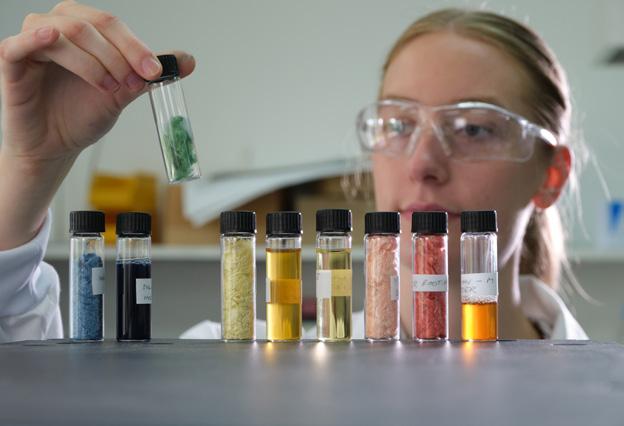
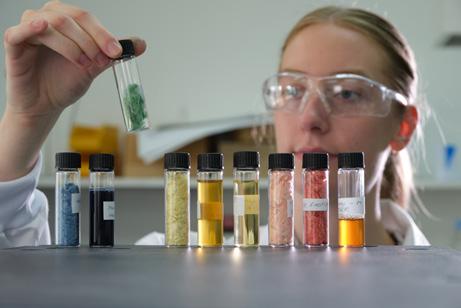
Analytical chemist Nicola Spencer with the library of dyes used to compare to the dyes used on Australia's 1297 Inspeximus issue of the Magna Carta.
Lifting The (Silk) Veil On The Science Of Extraction
Before CSIRO scientists could analyse the Magna Carta silk cord samples, they turned their attention to mastering the extraction process using samples from the silk library.
As some plant dyes bond differently to silk than other materials, scientists used two extraction methods on samples from the silk library – formic acid and dimethylformamide (DMF). It was important to ensure that the modern silk used in the silk library would be comparable to the Magna Carta ’s silk. Plant dyes were used for many centuries until synthetic dyes were invented in the 19th century. Conservators provided a sample of 17th century Dutch or Italian yellow silk, which the scientists used
to confirm that the methods they intended to use to extract the dye worked on both modern and historical silks.
To extract the dyes from the test silks, scientists used the same amount as they had of the Magna Carta ’s silk – two 4mm and two 6mm long strands (each of the samples needed to be halved to enable the separate extraction techniques).
The CSIRO team was worried that such small samples would significantly limit their chance of getting results from these test silks.
But… it worked! Using weld on the 17th century silk, scientists were able to extract and identify the plant. Next, and with one shot only, the scientists halved the Magna Carta samples and extracted the dye.
Small
Sample, Big Effort: What Could – And Couldn’t – Be Found
CSIRO scientists used ultraperformance liquid chromatography (UPLC) to investigate each extracted dye. This technique takes the extract and separates it into its chemical
Australia's 1297 Inspeximus issue of the Magna Carta back on display at Australia's Parliament House in Canberra. Source: Department of Parliamentary Services.
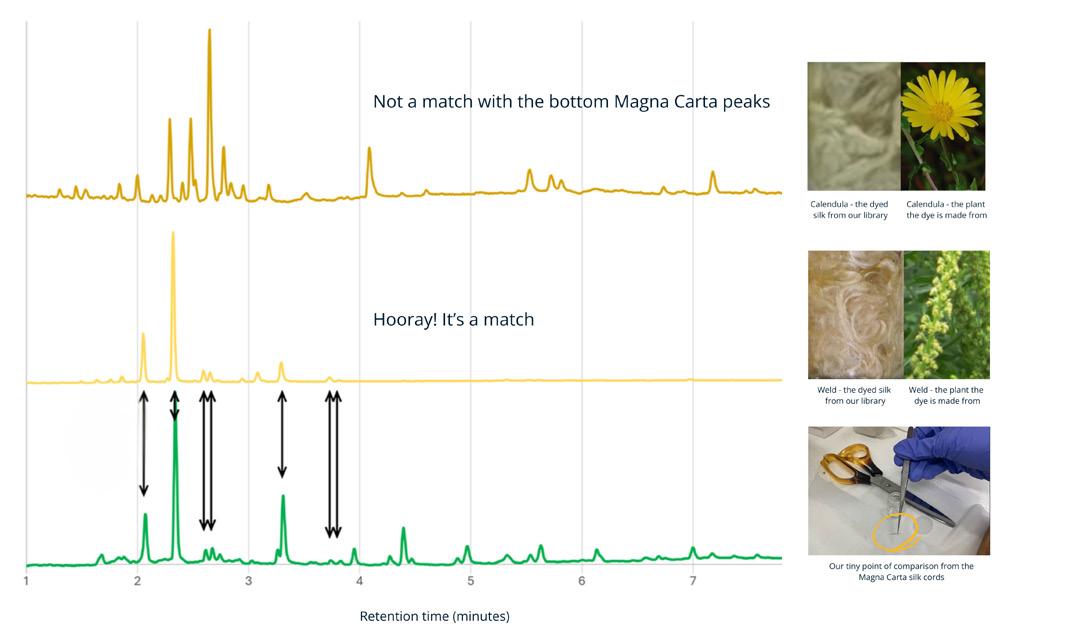
components, which are displayed in a chromatogram. Each dye is made up of tens or hundreds of different compounds with the specific mix unique to a plant type, showing up as a ‘fingerprint’ made up of the peaks of the chromatogram.
Peak Matching
Employing fingerprint – or peak – matching techniques for chromatograms between the reference dyes and the green Magna Carta silk cords silk, scientists found one of the yellow dyes – weld –detected.
The yellow dyes were not detected in the red silk. The blue dyes – indigo and woad – and the red madder dyes were not detected in either silk.
Nicola Spencer is one of CSIRO’s analytical chemists who worked on the silks.
“The challenge of extracting even the faintest traces of dye from these tiny 700-year-old samples was immense – like finding a needle in a haystack. Yet, we not only detected a dye in one of the silks but have also pioneered a new analytical capability for CSIRO,” Nicola said.
The Magna Carta is now back on display at Parliament House in Canberra, protected in its new preservation and display cases. The conditions inside the case are designed to make sure that this important document, with its beautiful silk cords, were the best that science could achieve.
Part of the extraction process to establish the dyes used on Australia's 1297 Inspeximus issue of the Magna Carta.
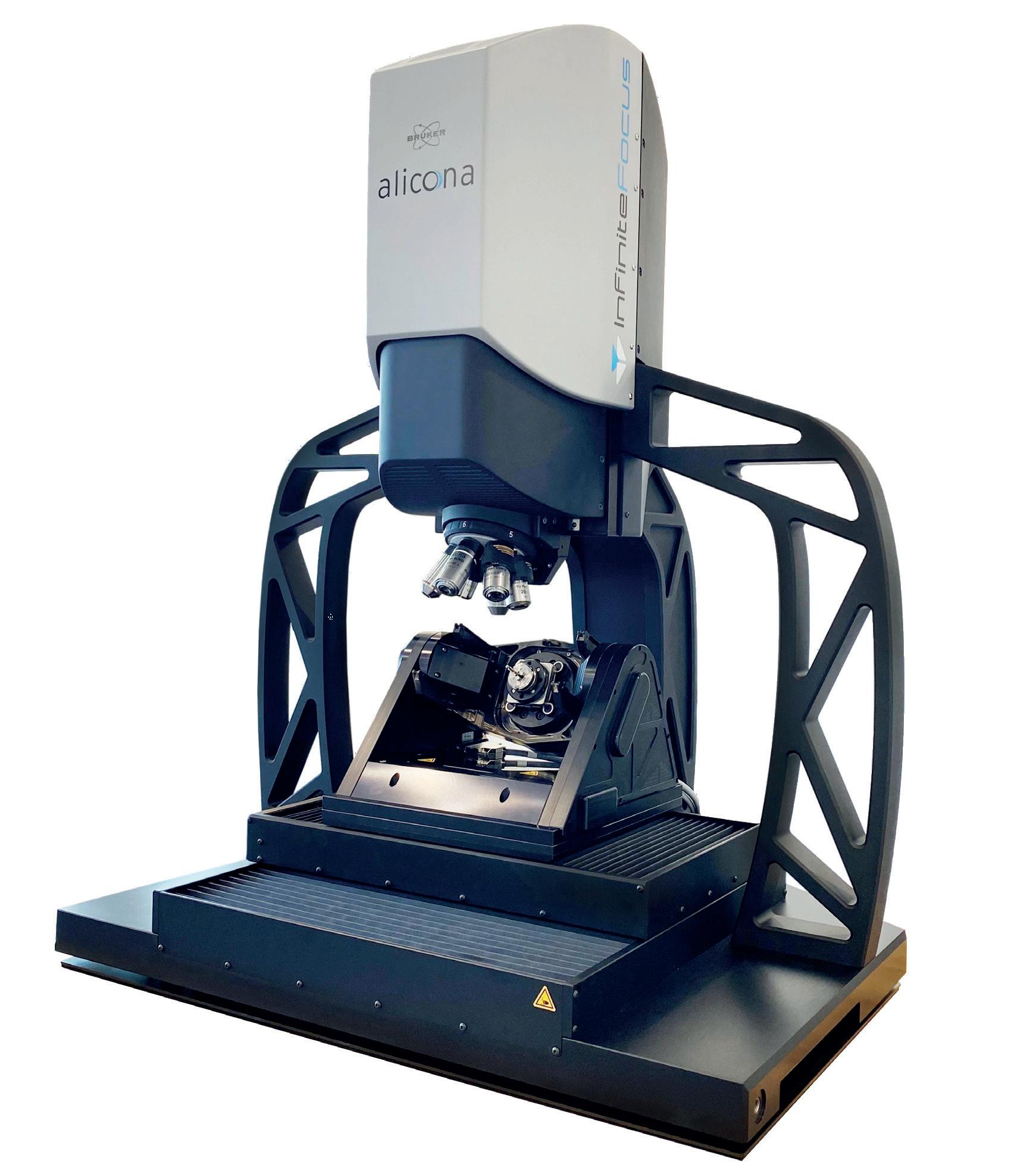
High resolution optical 3D metrology
Systems based on Focus-Variation
Intelligent manufacturing: Metrology as the intelligent eye of networked, self-controlled manufacturing
Active role in international standardisation and norming
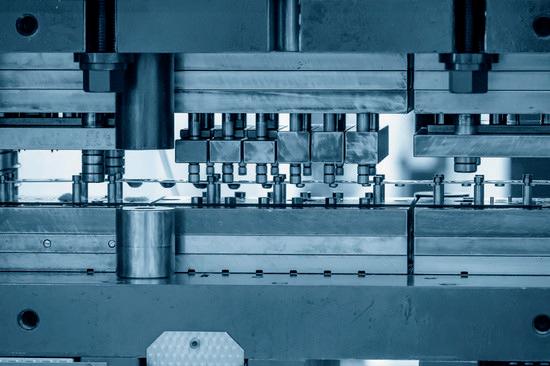
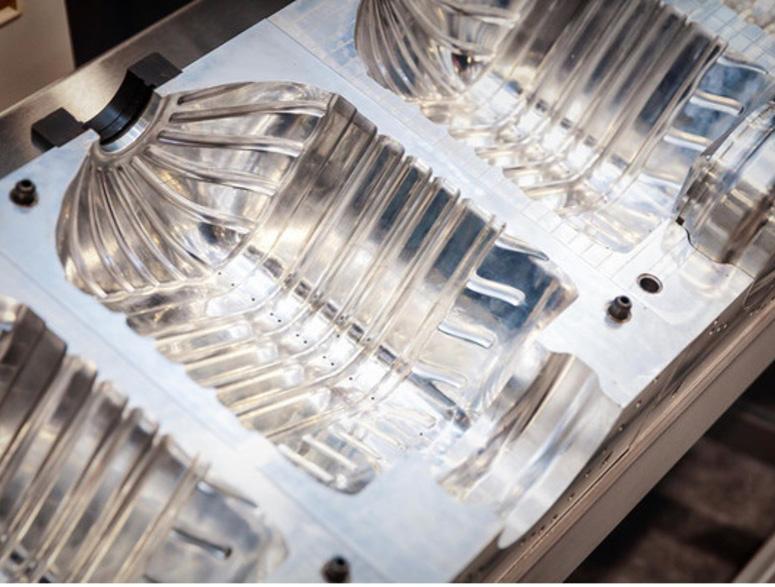
The Hidden Drivers of Mold Quality
What truly defines high-performance molds — and why leading manufacturers like are rethinking quality control
Precision gets all the attention in mold making, but it’s far from the only factor that determines whether a mold will run smoothly for hundreds of thousands of cycles. This article digs into the often overlooked—but absolutely critical—elements that influence mold reliability and long-term part quality across packaging, food, medical, electronics, and consumer goods applications.
What Really Defines a High-Quality Mold in 2026?
For many mold makers, “quality” still tends to mean hitting tight machining tolerances. In practice, though, tolerances are only one part of a much broader performance equation. As customer expectations rise and production runs stretch longer, mold makers are being asked to deliver far more: predictable tool life, consistent surface finishes, stable dimensional accuracy, and fully traceable quality documentation.
The question is no longer : Can we build a precise mold but rather can we ensure that precision remains table –over months, millions of cycles, and multiple maintenance intervals ?
The Factors That Actually Drive Mold Performance
1. Dimensional Stability Over the Mold’s Entire Lifecycle
A mold might leave the toolroom perfectly within spec— but how does it behave after 150,000 or 500,000 cycles?
2. Surface Finish That Impacts Function, Not Just Appearance
Surface texture affects flow, release properties, friction, wear, and aesthetics.
3. Consistency Across the Entire Mold
Traditional QC often measures only a few points, risking missed localized issues.
4. Predictable Mold Maintenance and Wear Monitoring
Customers expect mold makers to predict when maintenance is needed based on data.
In high-end mold manufacturing, competitive advantage no longer comes from checking a handful of measured points—it comes from understanding the full surface and geometry of the mold. Leading mold makers are moving beyond traditional point based or profile based inspection and adopting complete 3D datasets that reveal the tool’s true functional behaviour. Instead of measuring isolated features, they evaluate:
• Cavities and cores as full 3D bodies, including curvature, undercuts, steep flanks and blended transitions, ensuring functional geometry is consistent across every cavity.
• Parting lines and sealing surfaces in their entirety, detecting waviness, micro-wear, local depressions
or edge rounding that can cause flash, leakage, or inconsistent sealing performance.
• Textured, EDM or laser-structured surfaces, where local defects or non-uniformities can affect filling behaviour, friction, appearance and demolding forces.
• Polished regions and high-gloss areas, where even microscopic scratches or polishing residues become visible on molded parts and can dramatically impact perceived quality.
• Functional interfaces such as gates, vents and ejector regions, where changes in surface integrity or local geometry have immediate consequences for part quality and tool longevity.
This shift to full-surface data gives mold makers a new level of control. Instead of reacting to problems when a tool comes back from production, they proactively monitor high-stress or high-wear zones and establish traceable baselines for each tool. The result: greater consistency, fewer surprises, and a measurable reduction in corrective loops and emergency maintenance.
Read the full article online or contact Michael Buckett to learn more about Bruker Alicona’s optical 3D measurement systems and how they can be tailored to meet your needs.
For further information please contact : Coherent Scientific Pty Ltd sales@coherent.com.au | www.coherent.com.au
Optimising Lubricant Formulations for EVs: A Comprehensive Tribotesting Approach
Source: Damien Khoo, Bruker Staff Scientist—Tribology Applications and Systems (damien.khoo@bruker.com)
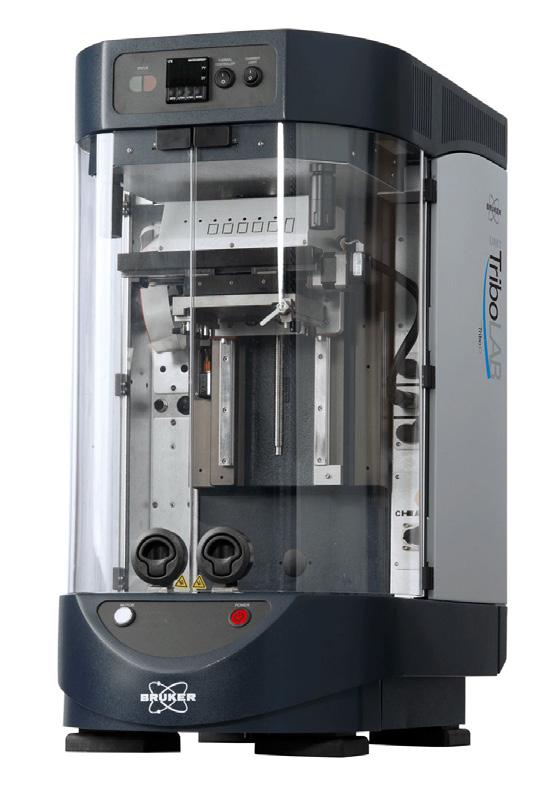
The shift toward electric vehicles (EVs) necessitates the development of specialised lubricants tailored to their unique operating conditions. Unlike internal combustion engines, electric drivetrains operate with distinct architectures, posing new challenges in friction and wear management. Electrified tribology testing replicates the electrical and mechanical stresses experienced by EV components, providing crucial insights into lubricant performance under real-world conditions. This application note explores the role of electrified tribotesting in optimising EV lubricants, focusing on their frictional, wear, and thermal properties. The impact of electrical currents on the friction and wear of lubricated sliding steel contacts is investigated using a pin-on-disc Bruker UMT TriboLab® tribometer setup equipped with AC and DC power sources. Both electrified and unelectrified tribological tests were performed on steel ball-on-flat contacts at varying speeds, loads, and lubricant temperatures with commercially available EV fluids. The findings indicate that the coefficient of friction (COF) and wear are affected by the application of AC and DC currents through the contact.
Friction and Wear Testing of Electric Vehicle Lubricants
The transition from internal combustion engines (ICE) vehicles to electric vehicles (EVs) represents a transformative shift in the automotive industry, driven by the need to reduce emissions and improve energy efficiency. This shift necessitates the development of specialised lubricants that can meet the unique demands of EV systems. Unlike ICE vehicles, which rely heavily on engine oil for lubrication, EVs primarily require lubricants for their electric drivetrains, gearboxes, and bearings. These components operate under different conditions, posing distinct challenges in terms of friction and wear management. As such, understanding and optimising the performance of EV
lubricants through friction and wear testing is crucial for enhancing the efficiency, durability, and reliability of EVs.
Friction and wear testing of EV lubricants involves evaluating their ability to minimise frictional resistance and material degradation under various operating conditions. Unlike conventional vehicles, EVs do not generate the same high temperatures typically associated with internal combustion engines, but they do experience high-speed and high-torque operations. This results in unique tribological challenges that must be addressed to ensure the longevity and performance of EV components. For instance, the high-speed rotation of electric motors can lead to increased shear stresses and wear, requiring lubricants that can maintain stability and performance over a wide range of speeds and temperatures.
Testing of lubricants for EVs involves simulating real-world operating conditions in a controlled laboratory environment. This typically includes using tribometers to assess the lubricants’ frictional and wear
characteristics under varying loads, speeds, and temperatures. One common method is the pinon-disc test, which evaluates the interaction between a rotating disc and a stationary pin coated with the lubricant. This test provides valuable insights into the COF, wear rates, and the lubricant’s ability to form protective films that prevent metal-to-metal contact.
In addition to mechanical stresses, EV lubricants must also withstand electrical stresses due to the presence of electric fields in drivetrains. A study using a block-on-ring configuration on a Bruker UMT TriboLab demonstrated that the presence of electrical voltages can potentially increase wear on tribopairs, suggesting that electrification significantly affects the tribological performance of lubricants used in EV drivetrains.1 Electrified tribotesting is crucial to accurately assess the electrical conductivity and potential for electrical corrosion of lubricants under realistic conditions, factors particularly important in preventing electrical pitting and ensuring the lubricant’s long-term effectiveness.
This application note offers an experimental investigation into the changes in friction and wear behaviour of sliding contacts due to external electrification, using an accessible ballon-disc Bruker UMT TriboLab setup. The study effectively identifies the significant effects of temperature, load, and voltage on the friction and wear behaviour of various EV lubricants. The findings reveal important relationships between these factors and their impact on friction and wear, paving the way to address the critical gap in current tribological testing methodologies for EV lubricants.
Read the full article online.
Local Distributor: Christian Gow For further information contact: Coherent Scientific Pty Ltd sales@coherent.com.au www.coherent.com.au
Scientists Take Major Step Towards A Working Quantum Battery
Source: Sally Wood
Australian researchers have demonstrated the world’s first proofof-concept quantum battery, opening new possibilities for faster, more efficient energy storage.
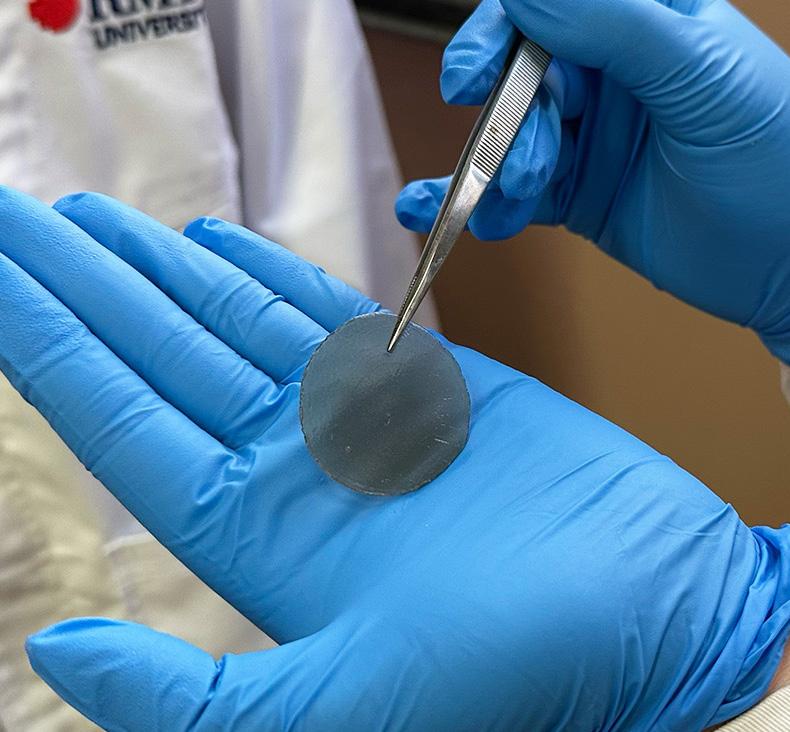
In a new study, scientists have created a proof- of- concept quantum battery that can charge, store and discharge energy – the closest step yet towards a working quantum battery.
Unlike traditional batteries, which rely on chemical reactions, quantum batteries use quantum superposition and interactions between electrons and light, offering the prospect of faster charging and enhanced storage capacity. Fully functioning quantum batteries don’t yet exist but advances like this could ultimately transform how we store and use energy.
The research, led by CSIRO –Australia's national science agency – with collaborators RMIT University and the University of Melbourne, was recently published in Light: Science & Applications.
Study co-author and RMIT PhD candidate Daniel Tibben said the results point to a surprising advantage for quantum batteries.
“Our study found quantum batteries charge faster as they get larger, which is not how today’s batteries work,” Tibben said. “It’s a sign that quantum batteries could one day outperform conventional energy-storage technologies.”
Fellow study co-author and RMIT Professor of Chemical Physics Daniel Gómez said the proof-of-concept device is the closest we’ve ever come to producing a working quantum battery.
“We demonstrated a device that can be charged, store that energy and then discharge it,” Gómez said. "This is an exciting development in a rapidly growing interdisciplinary field. Hopefully quantum batteries will soon no longer be a theoretical idea but something than can be built in the lab.”
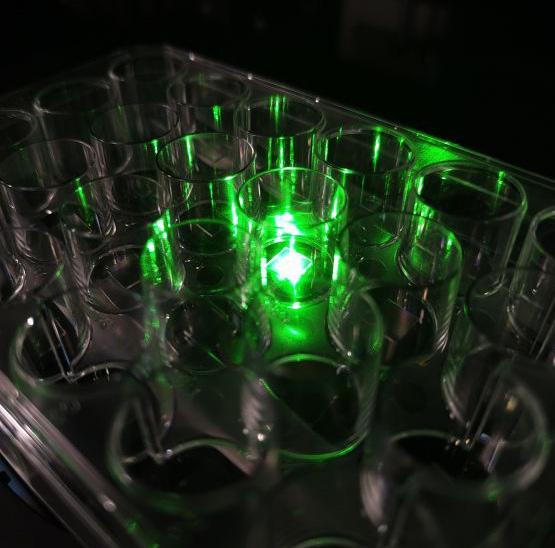
Quantum batteries use key effects from quantum mechanics, like superposition and entanglement, rather than the chemical reactions that power today’s conventional batteries. The prototype the researchers engineered is a tiny layered organic device that can be charged wirelessly using a laser.
Study lead author and CSIRO Science Leader Dr James Quach said the research offers a glimpse into a possible future powered by quantum energy storage.
and energy storage at room temperature, laying the groundwork for next-gen energy solutions," he said.
"While there's still much work to be done in quantum battery research, we've made an important move towards realising the possibilities. My ultimate ambition is a future where we can charge electric cars much faster than fuel petrol cars, or charge devices over long distances wirelessly.”
The researchers are focusing on extending the energy storage time for quantum batteries, bringing them closer to being commercially viable.
Study co-author and RMIT PhD candidate Daniel Tibben. Image credit: RMIT University.
Advancing Asbestos Testing: New Insights and the Role of Desktop SEM
Source: ATA Scientific Pty Ltd
Asbestos remains one of Australia’s most persistent public health challenges — despite being banned in 2003 [1]. From contaminated demolition sites to unexpected finds in children’s play sand [2], accurate asbestos testing is essential not only for compliance but for protecting the wider community.
Challenges of asbestos testing
Polarized Light Microscopy (PLM), the traditional method of identifying asbestos, remains widely used but presents several limitations. Due to the limits of optical microscopy, PLM struggles to resolve fibres with submicron widths [3]. Consequently, this technique can return a false negative result when the asbestos present is below this size range. Additionally, PLM cannot reliably differentiate asbestos from other fibrous materials with similar optical properties. This can lead to uncertainty or false positives in complex environmental or demolition samples. Results can also be highly dependent on analyst experience, introducing subjectivity and variability between laboratories.
Transmission Electron Microscopy (TEM) provides higher resolution and identifies asbestos fibres via energy dispersive spectroscopy (EDS) compositional analysis, overcoming the reliability issues of PLM. However, it is costly and time-intensive, limiting its routine use.
Transition to SEM for asbestos identification
Many laboratories are now adopting Scanning Electron Microscopy with energy dispersive X-ray spectroscopy (SEM-EDS) as a modern alternative to PLM testing. SEM-EDS is now recognised in the Australian Standard for asbestos detection in bulk materials (AS 5370:2024 / ISO 222621:2012, MOD), allowing it to be used as a fully standardised method rather than just a confirmatory tool. SEM-EDS provides rapid chemical
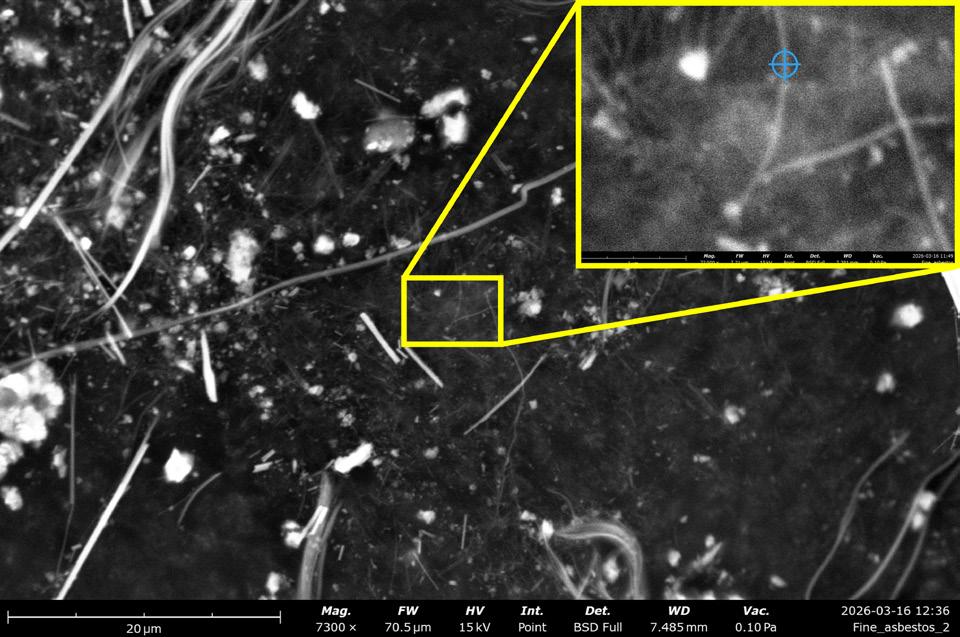
identification of fibres and highresolution imaging of fibre morphology, easily exceeding the resolution limits of PLM, as shown in Figures 1 and 2, returning results much faster and cheaper than TEM. SEM-EDS improves analytical certainty, reducing costs, and accelerating project timelines.
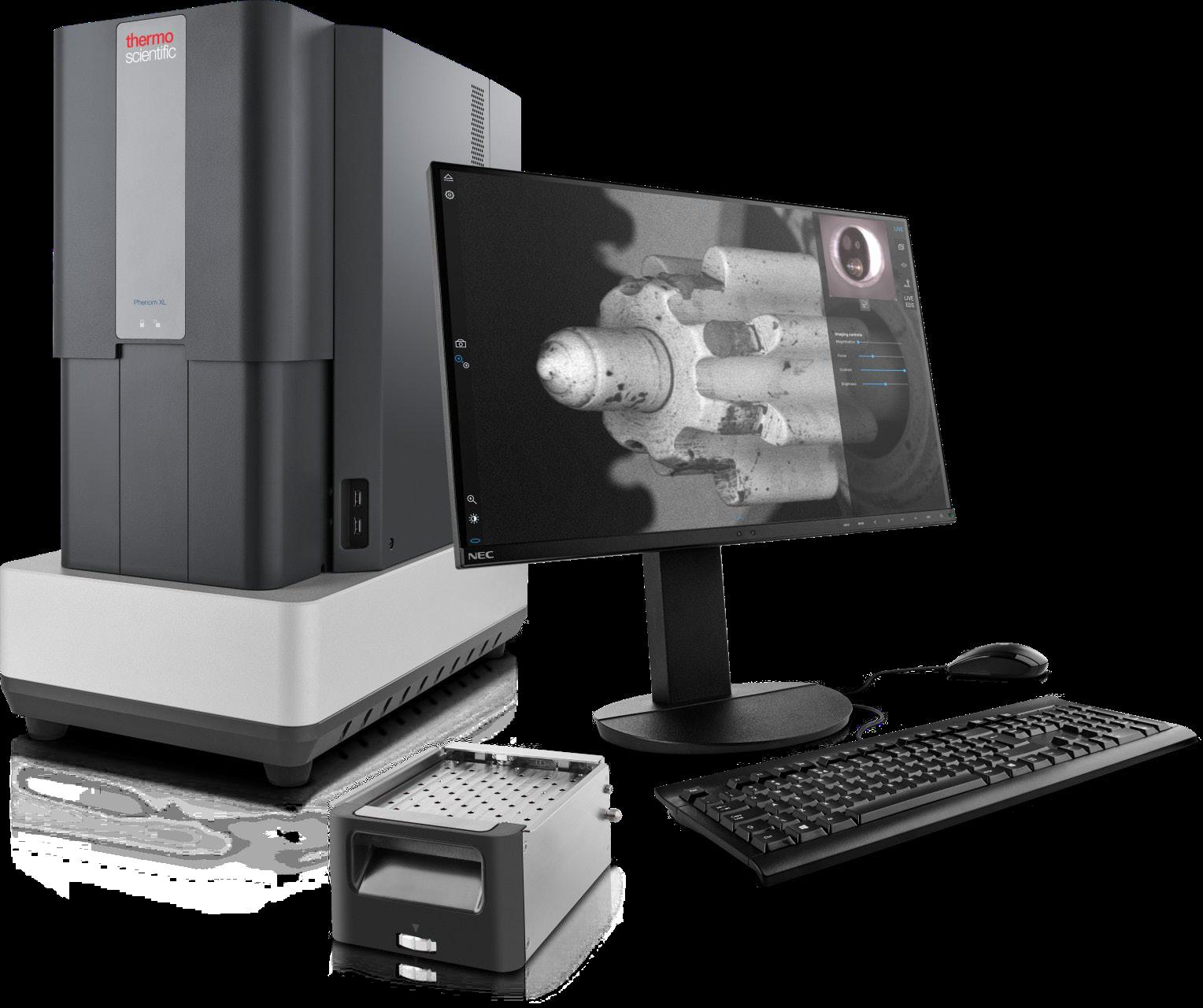
Historically, cost and complexity limited SEM adoption in budgetconscious labs. However, desktop SEMs with integrated EDS, such as the Thermo Scientific Phenom XL SEM, have made this technology accessible and easy to use.
Australian company Safe Environments uses the Phenom XL
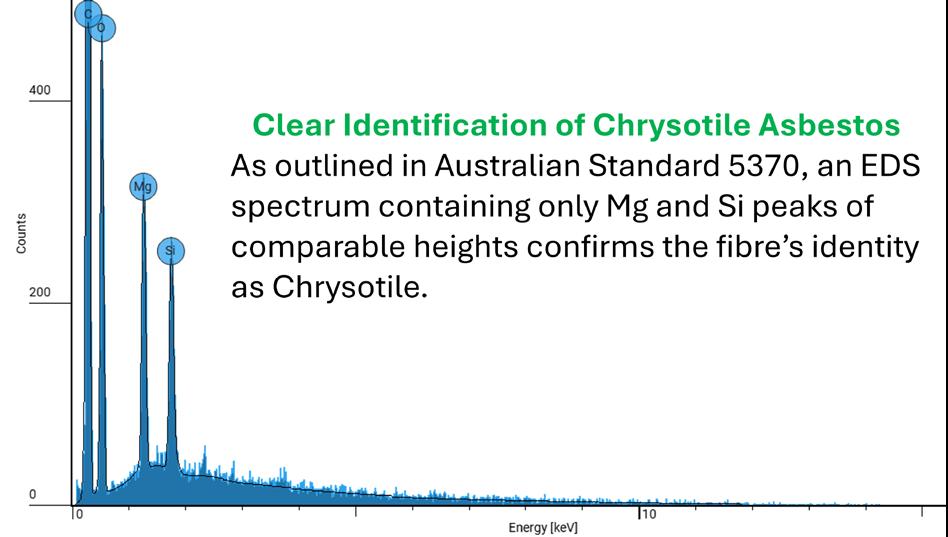
Figure 2: EDS spectrum taken from the indicated point in Figure 1. Ignoring the C and O peaks (resulting from the carbon sticker on which the bulk sample is mounted), only Mg and Si peaks are present. This identifies the fibre as Chrysotile asbestos, as per AS 5370:2024.
Figure 1: SEM micrograph taken in the Phenom XL-G3 showing the multiple length scales of fibres present within bulk construction material.
to offer advanced asbestos testing, enabling accurate identification of bulk materials, naturally occurring asbestos, and other fibres [4]. Rapid, reliable fibre classification helps protect workers and the public while keeping construction projects on schedule and compliant with health and safety standards.
Phenom XL G3 SEM-EDS: highlighting ease of use
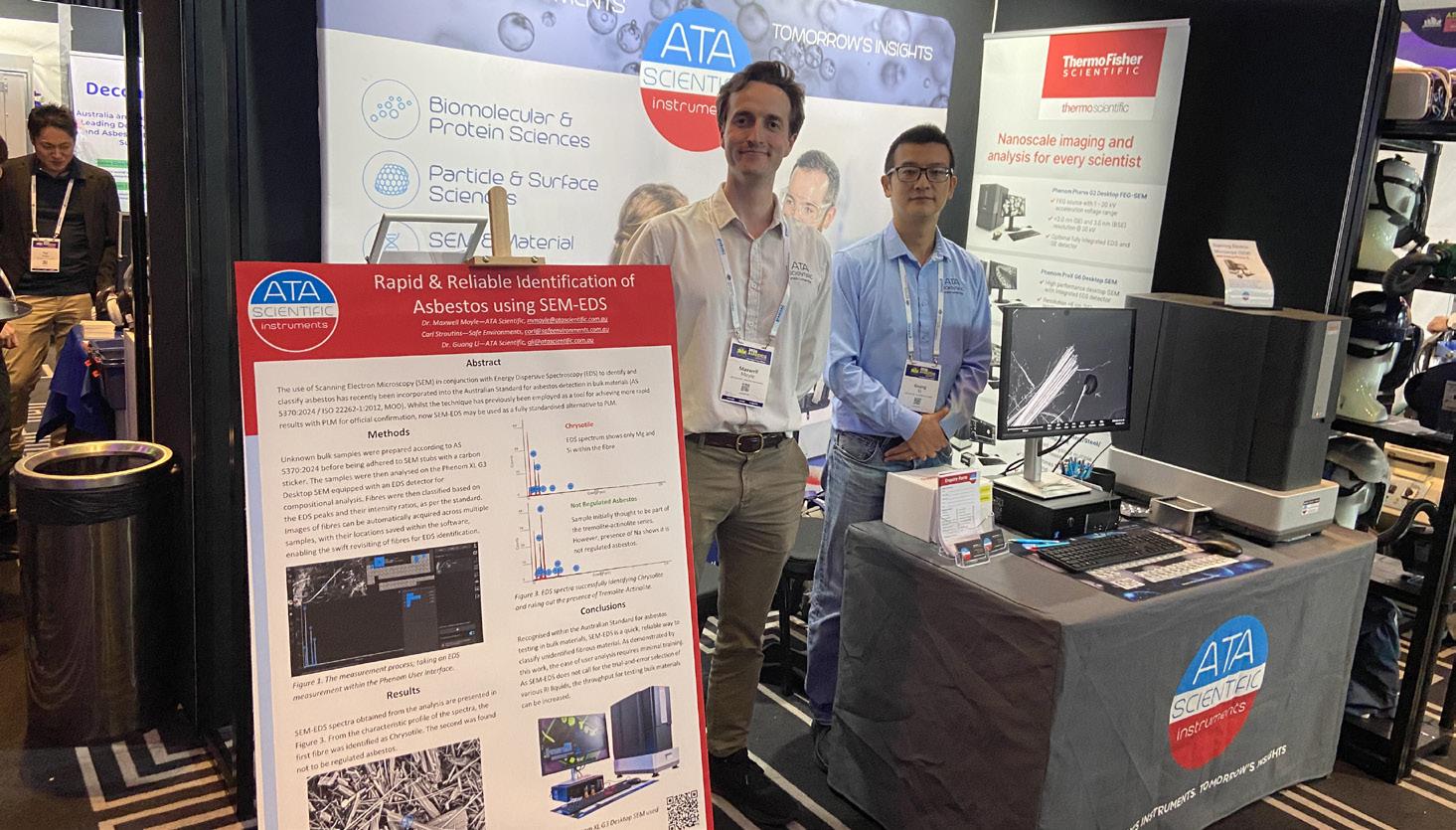
This March, the ASBESTOS 2026 Conference brought together leading voices across the asbestos management community — including laboratory analysts, consultants, regulators, and researchers — for three days of learning and networking, in Sydney. The meeting was run by the Faculty of Asbestos Management of Australia and New Zealand (FAMANZ) in partnership with the Asbestos and Silica Safety Eradication Agency (ASSEA). Sessions explored emerging analytical techniques, regulatory developments, and best practice approaches for proactive asbestos identification and removal. A key consideration posed by many at the conference was the need for increased certainty of Asbestos detection and the increased adoption
of electron microscopy in the field. In the exhibition space, ATA Scientific demonstrated the latest desktop Phenom XL G3 SEM to help support asbestos laboratories as they transition to more precise and efficient analysis methods (Figure 3). With minimal setup, this compact, user friendly SEM platform was used onsite to capture fast, high resolution images and provided elemental identification using integrated EDS. Combined with intuitive software and rapid time to image, users can capture detailed fibre morphology and compositional data, exceeding the capabilities of traditional PLM, enabling the precise identification of asbestos mineral types.
Insights from the Conference Poster Session
At ASBESTOS 2026, ATA Scientific shared a poster highlighting the advantages of using SEM-EDS for asbestos detection. This included a result in which a fibre with similar optical properties to asbestos was found not to be regulated asbestos using EDS analysis, highlighting the testing certainty that SEM-EDS can achieve over PLM.
This poster emphasised how integrating high resolution imaging and compositional analysis not only improves test certainty but also supports laboratories transitioning to SEM analytical methods. Follow the link to see the poster yourself! (https://bit.ly/4s4jIeJ)
Looking Ahead: Innovation and Collaboration
For more information or to book a demo to see how the desktop Phenom XL G3 SEM-EDS can enhance your lab’s capabilities, contact ATA Scientific today to discuss solutions tailored to your laboratory needs.
Figure 3: ATA Scientific demonstrating the asbestos detection capabilities of the Phenom XL G3 desktop SEM equipped with EDS.
Australian Consortium To Develop Quantum Biotechnology Platform To Transform Alzheimer's Treatment Discovery
Source: Sally Wood
A University of Melbourne industry collaboration has been awarded $2.1 million by the Australian Government to build a quantum-enabled platform to support faster discovery and development of therapies for neurological diseases, including Alzheimer's.
The University has formed a consortium with technology companies Chromos Labs, Tessara Therapeutics, Quantum Brilliance and Axol Biosciences to develop a quantumenabled platform that measures real-time electrical activity from 3D human neural micro-tissues (known as brain-onchip technology).
The ‘quantum-enabled platform for neurological drug development’ is one of eight quantum technology projects awarded a total of $12.7 million from Stage Two of the Critical Technologies Challenge Program (CTCP) to develop a working prototype of their platform.
University of Melbourne Associate Professor David Simpson said the funding would help fast-track the development and commercialisation of the technology.
“Our system provides a pathway towards a fast, scalable tool for measuring real-time brain activity in synthetic tissue cultures that replicate human brain tissue,” Associate Professor Simpson said.
“If successful, this brain-on-chip technology could help evaluate the effectiveness of treatments for neurological diseases, including Alzheimer’s, schizophrenia, epilepsy and anxiety, in the laboratory before moving into expensive and complex human trials.
“This consortium brings together technology developers with end users to evaluate this novel quantum biotechnology platform.”
Neurological drug development remains one of the highestrisk areas in biopharma, in part because many preclinical models do not reliably predict human outcomes.
By using brain-on-chip technology, the consortium aims to help researchers assess treatment responses faster and speed up the development pipeline for new therapies.
University of Melbourne Deputy Vice-Chancellor (Research) Professor Mark Cassidy AM said the project shows the value of interdisciplinary collaborations that bring discoverybased research into the entrepreneurial ecosystem.
“The University of Melbourne is uniquely located in the world-leading Melbourne Biomedical Precinct, home to innovative startup biotechnology companies like Tessara Therapeutics,” Professor Cassidy said.
“Industry partnerships like this are critical to developing transformative technologies like brain-on-chip.”
“The Critical Technologies Challenge Program is an important and welcome investment by the Australian Government to enhance Australia’s position as a quantum technology leader.”
A diamond voltage imaging microscope uses quantum technology to measure changes in neurons. Image credit: Daniel McCloskey
Experience sharper imaging with less downtime
Longer life, sharper insights
The new Phenom XL G3 is equipped with a CeB 6 electron source for higher image quality compared to a tungsten source. Newly extended source lifetime means fewer replacements, lower costs & maximum uptime.
CeB6 source lifetime doubled to 3000 hours
The new Phenom XL G3 is equipped with a CeB 6 electron source for higher image quality compared to a tungsten source. Newly extended source lifetime means fewer replacements, lower costs & maximum uptime.
Enhanced low kV imaging –ideal for sensitive samples
Enhanced low kV imaging –ideal for sensitive samples
New backscatter electron detector (BSD) offers higher signal - to - noise ratio, clearer images at accelerating voltages down to 2kV.
Improved resolution – 9 nm
Improved resolution – 9 nm
The Phenom XL G3 pushes imaging performance further, enabling a pixel resolution of just 9 nm. This makes it easier to capture even the smallest structural features with precision.
New backscatter electron detector (BSD) offers higher signal - to - noise ratio, clearer images at accelerating voltages down to 2kV.
The Phenom XL G3 pushes imaging performance further, enabling a pixel resolution of just 9 nm. This makes it easier to capture even the smallest structural features with precision.
New Phenom XL G3 desktop SEM fits your workflow
Access the freedom of advanced SEM imaging made simple within your lab. The Phenom XL G3 combines speed, high resolution & ease -of-use without specialist infrastructure. Pair
✓ ROBUST DESIGN
Use intensively & run hassle-free
✓ AVOID CONTAMINATION
Dedicated units for metal or C coating
1 to 100nm THICKNESS
Process up to 7 samples in one go
✓ LOW COST OF OWNERSHIP
Lower frequency of target replacements
Exum Instruments Launch Next Generation LALI-TOF-MS
By Dr. Cameron Chai
Exum Instruments have recently launched the next generation Massbox®, a significant advancement of its proprietary Laser Ablation Laser Ionisation Time of Flight Mass Spectrometry (LALI-TOF-MS) platform.
Developed to meet the growing demands of materials scientists, geoscientists, metallurgists, and battery developers for faster, more sensitive solid sample analysis, every component has been tailored specifically for the LALI-TOF-MS process. The result is a system that pushes the boundaries of what solid sample chemistry can achieve as well as overcoming the limitations and complications associated with other techniques such ICP-MS, XRF, LIBS and EDS.
Massbox is the only analytical instrument to combine dual-laser ionisation (LALI) with Time of Flight mass spectrometry. It enables simultaneous quantification and spatial mapping of all elements from lithium to uranium in a single measurement, including traditionally
challenging light elements such as carbon, nitrogen, and oxygen.
The next generation platform extends these capabilities through three core advancements. An airlock system cuts vacuum pump-down time to under one minute. A versatile bottom-loading sample holder allows components of different sizes to be analysed in the same session. And a direct-injection TOF maximises ion transport efficiency, delivering high sensitivity with minimal material removed. These new features build on the simple to use platform suitable for students and high-end researchers alike, and the large autosampler that facilitates continuous operation and high-throughput applications.
“Our mission at Exum is to rethink how we measure the world around us. The next generation Massbox isn’t an iteration—it was driven by relentless development, deep physics, and groundbreaking engineering to advance our core LALI-TOF-MS technology,” says Exum Instruments CEO and CTO, Jeff Williams . “I am extremely proud
of our team of mechanical engineers, analytical chemists, and software developers who have applied their decades of experience with modern analytical instruments to a true marketdisrupting technology. This instrument embodies what I envisioned years ago when I founded Exum.”
Next generation Massbox is designed to serve demanding applications across multiple industries. In battery research and manufacturing, it enables lithium mapping, Solid Electrolyte Interphase (SEI) characterisation, and trace element analysis at the speed required for demanding R&D and process control. In geoscience, mining, and exploration, ppm-level detection and rapid elemental mapping make it ready for the full complexity of geological work. In metals and advanced manufacturing, trace-level detection and three-dimensional elemental analysis support alloy development, failure analysis, and quality control.
Oregon State University’s College of Engineering is among the first institutions to welcome the new platform. “We are thrilled to welcome the next generation of Massbox to Oregon State University,” says Chih-hung Chang, Oregon State University Professor, School of Chemical, Biological, and Environmental Engineering. “From the moment I learned about Massbox’s LALI TOF MS technology, it was clear that its distinctive capabilities overcome long standing limitations in existing analytical tools. Building on an already strong foundation, this new generation delivers transformative advancements in analytical performance, speed, and versatility across a broad spectrum of sample types. We are excited to harness these innovations to accelerate our research and development in advanced materials and drive new discoveries.”
For more information about the new Massbox visit axt.com.au or book a demo.
New Multi-Material Welding Head for the AconityWIRE 3D Printer
By Dr. Cameron Chai
Multi-material wire-DED enables local tailoring of composition and properties, but it is often limited by changeover time and process complexity. The new MultiMaterial welding Head from Aconity3D successfully addresses these issues, and when paired with their AconityWIRE DED platform, it provides a fully integrated, user-friendly system, ready to meet the needs of industrial users.
Integrated multi-wire processing
The multi-material welding head can feed up to three wire materials within a
components (e.g., wearor corrosion-resistant regions). This can reduce scrap and lead times while supporting more controlled refurbishment workflows.
Key benefits
• Increased design freedom with multimaterial builds
• Supports new manufacture, cladding, and refurbishment
Fewer interruptions compared with
Already in use
The welding head is in customer use, supporting translation of multi-material wire-DED concepts into practical workflows.
University of Wollongong
Source: Sally Wood
In 2025, the University of Wollongong marked 50 years as an independent institution, a milestone that also highlighted the university’s longstanding connection to materials, manufacturing and engineering in Australia.
Founded from the educational needs of the Illawarra’s steelmaking region, UOW has grown from a local provider of technical training into an internationally recognised university with a strong reputation in engineering, materials science and industry-linked research. That legacy remains visible today: materials research continues to be one of the university’s defining strengths, both in fundamental science and in applied, industry-focused innovation.
UOW’s origins are closely tied to the post-war expansion of heavy industry in the Illawarra. It was established to help educate the engineers and metallurgists needed by the region’s steel sector, and that foundation has shaped the university’s research profile ever since.
Over time, the institution broadened far beyond its original industrial mission, but engineering and materials have remained central to its identity.
Today, UOW offers a wide range of programs across multiple disciplines, while its engineering and materials-related teaching and
research continue to rank strongly internationally. UOW is ranked among the world’s leading universities in a number of subject areas, including materials science, engineering and several engineering sub-disciplines.
Materials Science at UOW
For the materials sector, one of the most significant aspects of UOW is the depth of its research ecosystem. Materials research at the university spans structural and engineering materials, electromaterials, superconducting and electronic materials, advanced manufacturing, energy materials and steel-related innovation.
This activity sits across the School of Engineering, the Engineering Materials Research Centre, and the Australian Institute for Innovative Materials, or AIIM, which was established to help translate multifunctional materials research into commercial reality.
Located at UOW’s Innovation Campus, AIIM brings together materials scientists, chemists, engineers, physicists and biologists in a purposebuilt environment designed to support interdisciplinary collaboration and scale-up.
Flagship Materials Institutes
Two of UOW’s flagship materials institutes, the Intelligent Polymer Research Institute and the Institute for Superconducting and Electronic
Materials, reflect the breadth of the university’s capabilities. The Intelligent Polymer Research Institute is internationally recognised for work in electromaterials and is a major part of UOW’s long-standing strength in advanced functional materials.
The Institute for Superconducting and Electronic Materials adds further capability in areas linked to energy, devices and scale-up, with research spanning battery materials, hydrogen energy materials and fuel cell materials. Together, these institutes position UOW strongly in fields where materials science intersects with energy transition, advanced devices and manufacturing.
UOW continues to play a major role in steel and metallurgical research. The Engineering Materials Research Centre has a particular interest in the design, synthesis and characterisation of advanced materials for engineering applications, with a continuing specialisation in ferrous metallurgy.
Closely associated with the Steel Research Hub, the centre connects university research with challenges facing the steel industry, including productivity, sustainability and nextgeneration material performance. That work remains highly relevant to Australia’s manufacturing base, particularly as local industry adapts to decarbonisation pressures and the demand for stronger, lighter and more sustainable materials systems.
UNIVERSITY SPOTLIGHT
Recent Advancements
Recent research activity illustrates how UOW is extending these strengths into emerging industrial priorities. In 2025, the university announced a NSW Government-backed hydrogen pipeline research project aimed at improving the safe transport of hydrogen through pipeline systems, reinforcing UOW’s role in materials and infrastructure challenges linked to the hydrogen economy.
UOW was also selected to lead a new $72 million ARC Centre of Excellence for Renewable Fuels, bringing together expertise in chemical and materials engineering, electrochemistry and energy systems to design and scale technologies for renewable fuel production and processing. These initiatives show the university’s materials capability operating not only in traditional industrial settings, but also in technologies central to Australia’s energy transition.
That contemporary focus builds on a strong track record in applied research. The 2024 University Spotlight highlighted work on austenitic stainless steel bipolar plates for hydrogen fuel cells, led by Distinguished Professor Zhengyi Jiang and collaborators, aimed at developing a greener and more costeffective manufacturing process for fuel-cell components. That project remains a good example of UOW’s approach: materials science anchored in manufacturing, developed with industry, and aligned with broader national goals around clean energy and emissions reduction.
Full Spectrum Science
UOW’s current profile also reflects the growing convergence of materials research with advanced
manufacturing, sustainability and commercialisation. The university’s Faculty of Engineering and Information Sciences describes its research as spanning the full spectrum from fundamental science to applied engineering with real-world impact.
In practice, that means UOW’s materials work is not confined to laboratory discovery. It extends into process development, scaleup, industry partnerships and infrastructure designed to move new materials and technologies toward practical use. This has been a defining feature of the university’s research culture and one of the reasons it continues to hold a distinctive place in Australian materials science.
As UOW moves beyond its 50th anniversary year, its long relationship with the materials sector remains one of its clearest strengths. From steel and ferrous metallurgy to electromaterials, energy materials
and renewable fuels, the university has built a research profile that connects historical industrial capability with contemporary scientific and manufacturing challenges.
UOW stands out not only for the range of its research, but for the continuity between its origins and its present direction: a university shaped by industry, still contributing to the technologies and materials systems that will define the next phase of Australian manufacturing and engineering.
BREAKING NEWS
Sydney Researchers Tame 'Noisy' Light In Tiny Lasers
Researchers at the University of Sydney have cracked a long-standing problem in microchip-scale lasers by carving ‘tiny speed bumps’ into the devices’ optical cavity in their quest to produce exceptionally ‘clean’ light. This exquisitely narrow spectrum light could be used in future quantum computers, advanced navigation systems, ultra-fast communications networks and precision sensors.
In a new study, the team shows how to eliminate a critical source of noise in Brillouin lasers, a special class of light source known for its extraordinary purity, producing an ultranarrow spectrum that is almost a perfect single wavelength (or colour) of light.
Light produced from sources like a lightbulb have a broad wavelength spectrum and are fine for everyday use but are too ‘noisy’ for precision scientific purposes, where lasers are needed.
Brillouin lasers generate light so pure that they can be used in optical atomic clocks, which only lose seconds over many thousands of years. But until now, their potential has been constrained by a phenomenon called Brillouin cascading, in which ‘parasitic modes’ of light emerge and degrade performance.
“Brillouin lasers are among the most coherent light sources, and you can make them at chip-scale,” said lead author Ryan Russell, a PhD candidate at the University of Sydney Nano Institute and School of Physics.
“But once you try to increase their output power, they tend to break up into multiple parasitic modes. These extra modes add noise and steal energy from the fundamental mode, which is the one you want to use. For many realworld applications, that’s quite a problem.”
Striking New Images Showcase State-OfThe-Art Micro-CT Scanner
Compelling images of everyday items and intricate biological structures have revealed the capabilities of The University of Queensland’s industrial micro-CT scanner.
Associate Professor Gary Cowin, National Imaging Facility Fellow at UQ’s Australian Institute for Bioengineering and Nanotechnology (AIBN), said the 7-tonne scanner offers huge scope for use in research across both academia and industry.
“The level of detail that can be achieved is incredible, from visualising the internal structure of a toothpick to mapping the tiny brains of insects,” Dr Cowin said. “These images demonstrate the scientific and commercial potential of this technology.”
The Yxlon FF35 micro-CT scanner can handle tiny samples, down to 1mm, or as large as 400mm.
Dr Cowin said the technology supports disciplines as diverse as engineering, biology, archaeology and materials science.
“Agricultural researchers have used the micro-CT scanner to study root growth under different soil conditions,” he said.
“Materials scientists and engineers have used it to assess porosity and cracks in carbon fibre for advanced manufacturing and verify the accuracy of 3D-printed components. We’ve scanned everything from mining ore samples to praying mantis brains.”
Dr Cowin said among the more striking outputs are colour-enhanced scans of native flowers and the timber of a matchstick, revealing hidden cellular structures in vivid detail.
“Being able to zoom in at the micron level allows you to see patterns and textures that are both scientifically valuable and visually interesting,” he said.
Image: Lead author and PhD student Russell Ryan (right) with Professor Benjamin Eggleton in the Sydney Nanoscience Hub photonics labs. Image credit: University of Sydney.
Image: Associate Professor Gary Cowin shows the capabilities of the Yxlon FF35 micro-CT scanner through a cross-section of a toothpick. Photo credit: The University of Queensland.
Smart Bandage Could Heal And Monitor Wounds At The Same Time
Researchers have unlocked the possibility of creating smart wound dressings that enable real-time monitoring while also being able to deliver healing agents in one simple, scalable platform.
Chronic wounds cause significant burdens on healthcare systems due to the complexities of continuous and changing care required.
Smart wound dressings that monitor infection or deliver healing therapeutics have emerged as a solution, but combining both monitoring and healing functions into one dressing has proven complex, until now.
Researchers at RMIT University created a method of embedding tiny, multi-functional nanomaterials — known as carbon dots — into hydrogel dressing that serve the dual functions of monitoring and treating the wound.
Carbon dots are biocompatible carbon-based nanoparticles that can be used to image and sense changes in a wound and combat wound inflammation as therapeutic artificial enzymes (nanozymes).
This new type of smart wound patch will change colour when there is pH change in the wound caused by infection. The colour change can be easily read out by portable smart devices. When these infection signals are detected, the system automatically releases therapeutic nanozymes into the wound to promote healing.
The release of these therapeutic nanozymes can also be manually triggered by applying gentle pressure to the dressing, allowing clinicians or patients to provide additional treatment if required.
Swinburne physicist Dr Weibai Li has received a Discovery Early Career Researcher Award from the Australian Research Council. Image credit: Swinburne University.
Swinburne Secures Grant To Advance NextGeneration Metamaterials Research
Swinburne has secured over $526,000 in funding, awarded to physicist Dr Weibai Li under the Australian Research Council’s Discovery Early Career Researcher Award (DECRA) scheme.
Metamaterials are artificially engineered materials with unique properties that are created by their precisely designed structure, rather than from their chemical composition. Dr Li’s pioneering project will use a topologyoptimisation framework to automatically discover and design wave metamaterials for energy concentration. The research will produce a computational tool and new optimisation algorithms able to engineer materials with a wide range of frequency responses. These tunable metamaterials promise to overcome current limitations faced by conventional waveguides, sensors and energy harvesters.
“It is fantastic to see the ARC recognise and support earlycareer researchers in delivering high-quality research in a truly cutting edge field that will create transformative impact for our society. We take immense pride in our early career researchers and are thrilled by the ARC’s recognition of Dr Weibai Li,” says Swinburne's Deputy Vice-Chancellor Research, Professor Karen Hapgood.
The project aims not only to model, but also to fabricate and characterise next-generation metamaterials capable of complex, high-performance wave manipulation. If successful, this work could lead to breakthroughs in how energy is captured, concentrated or directed. Potential applications include sensing, energy harvesting, communications and more.
“This DECRA enables me to explore new and more automatic ways of discovering high-performance metamaterials. I hope the outcomes will provide researchers and engineers with new tools for solving complex wave-control challenges,” says Dr Weibai Li.
Image: The smart wound patch's dual function could support more timely and effective intervention from clinicians. Image credit: RMIT University.
BREAKING
Deakin Awarded AEA Ignite Grants Worth Over $1.9 Million To Drive Key Materials Innovation
Deakin University researchers have secured nearly $1.94 million under the second round of Australia’s Economic Accelerator (AEA) Ignite Grants to advance four innovative materials science projects with strong commercial potential. These grants, valued at up to $500,000 each, support early-stage research by enabling laboratory validation and proof-of-concept development in industryrelevant settings.
The funded projects span key areas in sustainable materials and advanced manufacturing. Dr Shima Jafarzadeh is leading a project to develop highperformance bioplastics from food and agricultural waste. By converting waste into polylactic acid (PLA) reinforced with hemp seed byproducts, the research aims to reduce plastic pollution, lower emissions, and create viable alternatives to conventional plastics.
Dr Qiran Cai’s project addresses thermal management challenges in next-generation electronics. By engineering diamond-based heat spreaders using chemical vapour deposition, the team aims to improve cooling efficiency in high-performance systems such as AI processors and quantum devices, enhancing reliability while reducing energy use.
In the energy sector, Dr Srikanth Mateti is advancing solid-state hydrogen storage. His team is developing nanomaterial-based storage solutions that are safer, more compact, and scalable compared to traditional gas or liquid hydrogen systems, supporting the transition to hydrogen as a clean energy source.
Finally, Dr Ben Newman is pioneering a novel method for colouring carbon fibre. This cost-effective, scalable approach embeds colour directly into both virgin and recycled fibres, potentially increasing adoption and improving recycling outcomes in composite materials.
Microscopic sensors that are as thin as a strand of hair but capable of taking multiple measurements simultaneously could revolutionise the diagnosis and monitoring of diseases like cancer. Image credit: Adelaide University.
Tiny Sensors With The Power To Detect Cancer
Microscopic sensors that are as thin as a strand of hair but capable of taking multiple measurements simultaneously could revolutionise the diagnosis and monitoring of diseases like cancer.
Researchers from Adelaide University’s Institute for Photonics and Advanced Sensing and the University of Stuttgart in Germany worked together to develop the tiny sensors using state of the art, ultrafast 3D micro-printing technology.
The unique sensors target specific biomarkers and are printed directly onto the tip of optical fibres. They’re able to monitor several signals at the same time, including temperature and chemical changes.
“This breakthrough could lead to next-generation medical tools that track disease, guide treatment and monitor the body in real time,” said Associate Professor Shahraam Afshar, the project’s lead researcher from Adelaide University’s Institute for Photonics and Advanced Sensing.
“The sensors are able to provide reliable and clear information about the presence of disease in a minimally invasive way. This opens the pathway for smarter tools in healthcare, environmental monitoring and wearable technology.”
The researchers have spent several years developing this new technology, which works by detecting changes in the body brought on by cancer at a molecular level through light.
“Molecules emit light when they come into contact with a byproduct of cancer. The amount of light they emit depends on the concentration of the cancer cells. By inserting the sensors into tissue and measuring the amount of light emitted, we believe we can determine the presence of cancer,” he said.
Sydney Researchers Build Ultra-Compact AI Chip Operating At Speed Of Light
Australian researchers have built an ultra-compact artificial intelligence (AI) chip that is able to make calculations using the power of light, at the speed of light.
The nano photonic chip prototype, which harnesses the power of light particles (photons) is built completely inhouse at the Sydney Nano Hub at the University of Sydney.
The researchers say the prototype could play an important role in developing more energy-efficient AI hardware as global demand for artificial intelligence continues to grow, potentially lowering the overall energy footprint of future computing systems.
Traditional computer chips use electricity to process information, which means moving tiny, charged particles (electrons) through wires. This produces heat.
The nano photonic chip prototype uses light. Light can travel through materials without electrical resistance, so it does not generate heat in the same way electricity does. As the light passes through the nanostructures within the chip prototype, these structures themselves perform the calculation automatically.
The nanostructure on the chip takes up tens of micrometres, roughly comparable to the width of a human hair. The nanostructures together help form a neural network: artificial neurons that mimic the human brain to recognise and complete calculations.
The prototype performs calculations on the picosecond timescale, or trillionths of a second – the time it takes light to pass through the nanostructure.
The researchers say the advantage of using photonics is the computation is much faster, taking place at the speed of light. The technology also uses light to operate instead of electricity. This is compared to current data centres that rely on massive amounts of water and energy to power them.
Image: Research showing the benefits of nanochannel polymerisation. Photo credit: The University of Queensland.
Delicate Membranes Given Super Strength To Transform Green Energy Tech
Chemical engineers have found a way to fabricate film-thin membranes imbued with super strength that could extend the durability of decarbonisation technologies.
Researchers at The University of Queensland are harnessing an intricate building technique to produce hyper-thin film membranes that boost the reliability, efficiency, and lifespan of key clean energy systems.
Dr Zhuyuan Wang and Professor Xiwang Zhang from UQ’s School of Chemical Engineering said membranes that transport ions in fuel cells, batteries, electrolysers, were often not strong enough to stand the harsh operating conditions.
“Strengthening these membranes, however, usually means trading off valuable electrochemical qualities, which affects the performance of devices they are used in,” Dr Wang said. “Our research shows that we don’t need to make that compromise.”
Dr Wang and Professor Zhang used a ‘nanoconfinement polymerisation strategy’ to control chemical bonding reactions within tiny, nanoscale channels.
“In such a tight space, the polymers have no room to grow in a messy way,” Professor Zhang said. “They are forced to pack neatly and tightly, which makes the membranes extra dense, very strong, and excellent at letting target ions pass through quickly and efficiently.”
The membranes achieve roughly twice the tensile strength than conventional products while maintaining excellent flexibility and can be bent 100,000 times while maintaining mechanical integrity.
Crucially, researchers said this fabrication method can be applied to other thin film technologies.
Image: Australian researchers have built an ultra-compact artificial intelligence (AI) chip that is able to make calculations using the power of light, at the speed of light. Image credit: University of Sydney.
BREAKING NEWS
‘Incredibly Resilient’ Nylon Device Creates Electricity Under Tonnes Of Pressure
RMIT University researchers have developed a flexible nylon-film device that generates electricity from compression and keeps working even after being run over by a car multiple times, opening the door to selfpowered sensors on our roads and other electronic devices.
Certain materials – such as quartz, some ceramics and even bone – produce an electrical charge when they are squeezed, pressed or vibrated. This is piezoelectricity, coming from the Greek “piezein” meaning to press.
Modern vehicles rely on piezo components in fuel injectors, parking sensors, airbag systems and other functions. The team’s nylon innovation could provide a more durable alternative material for such components or support new technologies for traffic-management sensing on roads.
The breakthrough tackles a long-standing problem with energy-harvesting plastics, which can produce power from movement but are often too fragile for real-world use, while also reducing carbon emissions by using ambient energy naturally present in movement and pressure.
By using sound vibrations and electrical fields to reengineer the material at a molecular level, the team turned a tough industrial nylon into a resilient power- generating film suited to wearables, infrastructure and smart surfaces.
The team used high-frequency sound vibrations while applying an electric field as the nylon solidified, helping its molecules form a more ordered structure. This technique enabled the nylon device to generate electricity each time it was bent, squeezed or tapped. The team used a durable industrial plastic called nylon-11 that, unlike common nylons, can generate electricity from pressure when its molecules are carefully aligned.
Absolutely Metal: Scientists Capture Footage Of Crystals Growing In Liquid Metal
Researchers have successfully grown platinum crystals in liquid metal, using a powerful X-ray technique giving rare insight into how these delicate crystals form and grow. More than a beautiful curiosity, liquid metal-grown crystals could be the key to creating new materials. They are potentially a vital ingredient in new technology being developed to extract hydrogen from water and in quantum computing applications.
Published in Nature Communications, the University of Sydney led team used metallic crystals to build an electrode that can efficiently produce hydrogen from water.
Liquid metals like Gallium are curious elements. They shimmer on the surface like solid metals but can also be fluid. For instance, Gallium at room temperature resembles solid blocks of metal, but when warmed to body temperature it transforms into liquid metallic puddles.
“Witnessing the formation of crystals inside liquid metals like Gallium is a challenging task. Gallium is a very dense element whose atoms are tightly packed and is so opaque it is impossible for most microscopes to pass through a thick layer of Gallium. It was a really special moment to be able to develop a method to do this,” said Professor Kourosh Kalantar-Zadeh, from the School of Chemical and Biomolecular Engineering, University of Sydney, who led the research.
The team used X-ray computed tomography, equipment commonly used in medical imaging, to map internal organs.
The machinery revealed the internal details of the metallic crystals in 3D. It showed crystals blooming in liquid metal, revealing distinctive rod or frostlike structures developing over minutes and hours.
Image: Members of the RMIT University research team with the newly developed nylon-film energy-harvesting device. Pictured (L–R): Dr Yemima Ehrnst, Dr Peter Sherrell, PhD researcher Robert Komljenovic and Associate Professor Amgad Rezk. Credit: Will Wright, RMIT University.
Image: Gallium in a petri dish. Credit: Philip Ritchie.
New X-Ray Vision For Electronics Lets Scientists Monitor Working Chips Remotelys
Adelaide University researchers have developed a breakthrough way to observe what is happening inside electronic chips while they are operating, without touching them, taking them apart, or switching them off.
The new technique uses terahertz waves, a safe and non-ionising form of electromagnetic radiation, to detect tiny movements of electrical charge inside fully packaged semiconductor devices. For the first time, this allows scientists and engineers to monitor electronic components as they function in the real world.
Adelaide University Group Leader of the Terahertz Engineering Laboratory (TEL), Professor Withawat Withayachumnankul, said that semiconductors underpin almost every modern technology, from smartphones and medical devices to vehicles, power grids and defence systems.
“Yet once a chip is sealed inside its protective packaging, it becomes extremely difficult to tell what is happening inside it,” Professor Withayachumnankul said.
“Most existing inspection methods require physical electrical probes, exposed chips, or devices to be powered down, making them impractical in many scenarios. This research is a first step towards a longstanding problem in electronics. We can now observe electrical activity inside a working semiconductor device from the outside, without damaging it or interrupting its operation.”
The study demonstrates that terahertz waves can non-invasively detect changes in electric current inside common electronic components such as diodes and transistors. The method is sensitive enough to pick up changes occurring in regions far smaller than the terahertz wavelength itself, something previously thought to be impractical due to fundamental noise limits.
To achieve this, the researchers developed an ultrasensitive detection system using a specialised homodyne quadrature receiver, which can pick up very small changes in terahertz signals.
Engineers Set Efficiency World Record For Emerging Solar Cell Material
UNSW engineers have made a major step forward in the development of a new type of solar cell that could help make future solar panels cheaper, more efficient and more durable.
The research team has improved the performance of solar cells made from antimony chalcogenide, which is an emerging photovoltaic material regarded as a strong candidate for next-generation solar technology. Their work opens in a new window, has resulted in a certified efficiency of 10.7% — the highest independently verified performance for this material anywhere in the world to date.
This result earned antimony chalcogenide its first ever inclusion in the international Solar Cell Efficiency Tables. It opens in a new window which track record-setting results worldwide.
And just as importantly, the team say they have discovered the fundamental chemical mechanism underlying the hydrothermal deposition process. It explains why earlier versions of the material underperformed. And that knowledge could accelerate the development of antimony chalcogenide even faster and further moving forward.
Scientia Professor Xiaojing Hao, from UNSW’s School of Photovoltaic and Renewable Energy Engineering, led the research and says: “The next generation of technology for solar panels is tandem cells, which is where two or more solar cells are stacked on top of each other.
“Each layer absorbs different parts of the sunlight to make more electricity. What researchers around the world are trying to work out is what material is best to use as the top cell, in partnership with a traditional silicon cell.”
Image: Adelaide University researchers have developed a breakthrough way to observe what is happening inside electronic chips while they are operating. Image credit: Adelaide University.
Image: Xiaojing Hao working in her laboratory in the Tyree building, Kensignton campus UNSW. Image credit: UNSW.
Materials in Manufacturing: From Foundry Floors to Digital Frontiers
FEATURE – Materials in Manufacturing
Manufacturing has always been, at its core, an exercise in materials mastery. Long before the language of “materials science” existed, craftspeople, metallurgists and engineers were already manipulating matter—through heat, pressure and intuition—to produce tools, structures and systems that defined entire civilisations.
Today, that relationship has evolved into a sophisticated, data-rich discipline where atomic-scale design decisions ripple through global supply chains. Materials in manufacturing is no longer just about what something is made from. It is about how intelligently those materials are conceived, processed, and deployed.
As this edition of Materials Australia explores, the intersection of materials science and manufacturing is undergoing one of the most significant transformations in its history. From the rise of additive manufacturing and AI-driven design to the push for sustainability and resilience, the field is redefining what it means to produce, scale and innovate.
A Brief History: From Empiricism to Engineering Science
The story of materials in manufacturing begins with empiricism. Early metallurgists working in the Bronze and Iron Ages had no formal understanding of phase diagrams or crystal structures, yet they developed remarkably effective processes for alloying, casting and heat treatment. These early advances laid the groundwork for manufacturing as a discipline; one built on the manipulation of material properties to achieve functional outcomes.
The Industrial Revolution marked a turning point. The transition from craft-based production to mechanised manufacturing demanded consistency, scalability and predictability. Materials science began to emerge as a formal field, driven by the need to understand why materials behaved as they did under industrial conditions.
Steelmaking, in particular, became a cornerstone of this transformation, with innovations such as the Bessemer and open-hearth processes enabling mass production of structural materials.
By the mid-20th century, the discipline had matured into what we now
recognise as modern materials science and engineering. The development of polymers, semiconductors and advanced alloys expanded the palette of available materials, while advances in characterisation techniques (such as electron microscopy and X-ray diffraction) provided unprecedented insight into structure–property relationships.
Manufacturing, in parallel, evolved from purely mechanical processes to increasingly sophisticated systems integrating chemistry, physics and engineering. The rise of automation, computer numerical control (CNC), and later digital design tools, shifted manufacturing from labour-intensive production to precision-driven engineering.
What Is Materials in Manufacturing Today?
Today, materials in manufacturing encompasses the entire lifecycle of a material within a production system, from design and synthesis through processing, performance and eventual end-oflife considerations. It is an inherently interdisciplinary field, combining elements of metallurgy, polymer science, ceramics, nanotechnology, surface engineering and increasingly, data science.
At its simplest, the role of materials science in manufacturing is to ensure that the right material, with the right properties, is produced in the right way for a given application. But this deceptively simple definition masks a complex reality.
Modern manufacturing must contend with competing demands: strength versus weight, durability versus cost, performance versus sustainability. Materials engineers are tasked with navigating these trade-offs, often at multiple scales simultaneously, from atomic-level interactions to macro-scale structural performance.
Crucially, materials are no longer passive inputs. They are active enablers of innovation. The development of lightweight composites has transformed aerospace; high-performance alloys underpin energy generation; and advanced polymers enable flexible electronics and medical devices. In each case, manufacturing processes are intimately tied to material behaviour, and vice versa.
Transformation Through Technology: A Changing Landscape
Over the past two decades, the relationship between materials and manufacturing has undergone a profound shift. Several key technological trends have driven this transformation.
Additive Manufacturing and Design Freedom
Perhaps the most visible change has been the rise of additive manufacturing (AM). Once confined to prototyping, AM is now a core production technology across industries ranging from aerospace to healthcare. Its defining feature—the ability to build components layer by layer— fundamentally alters how materials are used in manufacturing.
Unlike traditional subtractive methods, which remove material to achieve a final shape, additive processes enable near-complete material utilisation and unprecedented geometric complexity. This has opened the door to lattice structures, topology-optimised components and biomimetic designs that were previously impossible to manufacture.
The technology enables engineers to create lighter, stronger and more efficient components while reducing waste and enabling localised, ondemand production . The implications for supply chains, sustainability and design methodology are profound.
Digitalisation and Industry 4.0
The integration of digital technologies into manufacturing (often described under the umbrella of Industry 4.0) has further reshaped the field. Sensors, data analytics and digital twins now allow real-time monitoring and optimisation of manufacturing processes.
Materials are central to this transformation. Understanding how a material responds during processing (whether in a casting mould, a laser powder bed or a polymer extrusion system) enables predictive control of defects, microstructure and performance.
Digital twins, in particular, represent a significant advance. By creating virtual
representations of materials systems, engineers can simulate performance, predict degradation and optimise processes before physical production begins.
Artificial Intelligence and Materials Design
Artificial intelligence (AI) is rapidly becoming a key tool in materialsenabled manufacturing. Where materials discovery once relied on slow, iterative experimentation, AI now enables rapid screening and optimisation of candidate materials and processes.
Machine learning models can predict material behaviour under different conditions, optimise manufacturing parameters, and even suggest entirely new material compositions. This shift from intuition-driven to data-driven materials engineering is accelerating innovation across the manufacturing lifecycle .
Importantly, AI is not replacing traditional materials science—it is augmenting it. The combination of computational insight and experimental validation is enabling faster, more efficient development of materials tailored for specific manufacturing contexts.
Sustainability and the Materials Imperative
One of the most pressing challenges facing modern manufacturing is sustainability. Materials sit at the heart of this issue.
The environmental impact of manufacturing is closely tied to material selection, processing and lifecycle management. From the energy intensity of metal production to the persistence of polymer waste, materials choices have far-reaching consequences.
In response, researchers and industry are pursuing several strategies:
• Material efficiency: Reducing waste through processes such as additive manufacturing and near-net-shape forming.
• Low-carbon materials: Developing alternatives such as green steel, low-emission cement and bio-based polymers.
• Circular economy approaches:
Designing materials and products for reuse, recycling and remanufacturing.
• Lifecycle analysis: Integrating environmental considerations into materials selection and process design.
These efforts reflect a broader shift in the field—from focusing solely on performance to considering environmental and societal impacts. Materials in manufacturing is no longer just about making better products; it is about making them more responsibly.
Advanced Surface Engineering and Functional Materials
Another area of rapid development is surface engineering. In many applications, performance is governed not by the bulk material, but by the surface.
Advanced coatings—such as antimicrobial and anti-fouling systems—demonstrate how materials science can enhance functionality in demanding environments. These coatings combine chemistry, nanostructuring and biomimicry to control interactions between surfaces and biological systems.
Modern approaches increasingly favour non-toxic, non-leaching strategies, including hydrophilic polymer layers and nano-patterned surfaces that physically disrupt microbial adhesion . Such innovations are critical in sectors ranging from healthcare to marine engineering, where performance, durability and environmental impact must all be balanced.
More broadly, functional materials— those that respond to stimuli such as temperature, light or mechanical stress—are expanding the capabilities of manufacturing systems. Smart coatings, self-healing polymers and adaptive materials are moving from research to application, enabling new levels of performance and reliability.
The Australian Research Landscape
Australia occupies a unique position in the global materials–manufacturing ecosystem. With abundant natural resources, strong research institutions and growing advanced manufacturing capabilities, the country is well placed
FEATURE – Materials in Manufacturing
to contribute to, and benefit from, developments in this field.
Additive Manufacturing Leadership
Australia has established itself as a leader in additive manufacturing research and commercialisation.
Facilities such as RMIT’s Centre for Additive Manufacturing and national initiatives like the Additive Manufacturing Cooperative Research Centre (AMCRC) are driving innovation across sectors including aerospace, biomedical engineering and defence.
These centres are not only advancing materials development, such as new titanium alloys and composite systems, but also bridging the gap between research and industry adoption. Their work highlights the importance of integrating materials science with manufacturing processes to achieve real-world impact.
AI and Materials Informatics
Australian institutions are also at the forefront of AI-enabled materials engineering. Universities such as Monash, UNSW and Curtin, alongside CSIRO’s Data61, are applying machine learning to areas including battery materials, structural composites and solar technologies.
This work is particularly significant given Australia’s role as a major supplier of critical minerals. By leveraging AI to move up the value chain (from raw materials to advanced products) the country can strengthen its position in global manufacturing.
Energy, Water and Sustainability
Research into materials for energy and environmental applications is another area of strength. Australian teams are developing advanced materials for hydrogen production, energy storage and water treatment—fields where materials performance directly influences system efficiency and sustainability.
For example, anti-fouling coatings for desalination membranes and advanced catalysts for green hydrogen production demonstrate how materials innovation can address national and global challenges simultaneously .
Collaborative Ecosystems
A defining feature of the Australian landscape is collaboration. Partnerships between universities, government agencies such as CSIRO, and industry are enabling integrated approaches to materials and manufacturing challenges.
These collaborations are essential for translating research into commercial outcomes—ensuring that innovations in materials science are not confined to the laboratory, but realised in manufacturing systems and products.
Challenges and Future Directions
Despite significant progress, the field of materials in manufacturing faces several ongoing challenges.
Bridging Scales
One of the enduring challenges is linking behaviour across scales, from atomic structure to macroscopic performance. Advances in modelling and characterisation are helping to bridge this gap, but fully integrated, multi-scale understanding remains a goal.
Data and Integration
As digital tools become more prevalent, the integration of data across the materials–manufacturing lifecycle is increasingly important. Ensuring data quality, interoperability and accessibility will be critical to realising the full potential of AI and digital manufacturing.
Skills and Workforce
The convergence of materials science, engineering and data science requires new skillsets. Training the next generation of engineers to operate across these domains is essential for sustaining innovation.
Sustainability Pressures
Environmental considerations will continue to shape the field. Developing materials and processes that meet performance requirements while minimising environmental impact is both a challenge and an opportunity.
Looking Ahead: Materials as the Engine of Manufacturing Innovation
The future of manufacturing will be defined not just by machines and processes, but by materials. As the field continues to evolve, several trends are likely to shape its trajectory:
• Greater integration of AI and automation, enabling autonomous materials discovery and manufacturing optimisation.
• Expansion of additive and hybrid manufacturing, combining multiple processes and materials in a single system.
• Development of smart and multifunctional materials, capable of adapting to changing conditions.
• Increased emphasis on sustainability, driving innovation in low-carbon and circular materials systems.
In this context, materials science is no longer a supporting discipline. It is a central driver of manufacturing innovation.
From its origins in empirical craftsmanship to its current role at the forefront of technological innovation, materials science has been inseparable from manufacturing. Today, that relationship is more dynamic than ever.
The convergence of advanced materials, digital technologies and sustainability imperatives is reshaping how products are designed, produced and used. In Australia and around the world, researchers and engineers are pushing the boundaries of what materials can do, and how they can be manufactured.
The future of manufacturing will depend not only on how we make things, but on what we make them from, and how intelligently we harness the science of materials to meet the challenges ahead.
Metamaterials: Inverse Design for Next-Generation Wave Control and Energy Concentration
Source: Xiaodong Huang, Weibai Li, Cong Wang, Yuhan Gong – Swinburne University of Technology, Melbourne, Australia
1. Meet our research team
Advanced industrial applications increasingly rely on materials whose performance is determined not only by chemistry, but also by engineered geometry. Among these emerging materials, mechanical metamaterials have attracted growing attention for their ability to manipulate sound and vibration in ways that conventional materials cannot.
In the Topology Optimisation Group at Swinburne University of Technology, our research focuses on the innovative design of metamaterials—artificial materials whose extraordinary properties arise from carefully engineered geometries rather than solely from the intrinsic properties of their constituent materials. Through tailored microstructural design, mechanical metamaterials can guide, block, concentrate, or amplify waves in highly controlled ways. These capabilities open exciting opportunities for advanced manufacturing applications ranging from vibration suppression and noise reduction to sensing, energy harvesting and acoustic devices engineering. Our research integrates topology optimisation, computational mechanics, and additive manufacturing to automatically discover new metamaterial architectures with unprecedented wave-control functions. Rather than relying on intuition-driven geometric design, computational algorithms explore vast design spaces to identify meso-structural configurations that achieve targeted wave functionalities.
By leveraging this digital design paradigm, we aim to automate the discovery and accelerate the practical development of next-generation metamaterials with advanced multifunctional capabilities.
2. Why mechanical metamaterials matter in manufacturing
Acoustic and elastic waves play a critical role in many engineering systems. Uncontrolled vibrations can compromise structural integrity, generate excessive noise, and reduce the operational lifespan of mechanical components. Conversely, the ability to deliberately manipulate wave propagation can enable new technological functionalities such as precision sensing, energy harvesting, and wave-based signal processing.
Traditional engineering materials offer limited flexibility in controlling wave behaviour because their properties are largely determined by intrinsic parameters such as density and elastic modulus. In contrast, metamaterials introduce new degrees of design freedom by structuring materials at the meso- and micro-scales. Through careful design, these materials can exhibit unusual wave phenomena not found in natural materials, including:
• Bandgaps, which block wave transmission at selected frequencies
• Topological wave transport, enabling robust waveguiding immune to defects
• High-quality resonances, capable of concentrating wave energy into extremely small regions
These unique capabilities open pathways for developing intelligent material systems that actively manage vibration and acoustic energy in manufacturing environments.
The realisation of these metamaterial designs is made possible by advanced additive manufacturing techniques such as selective laser melting and stereolithography. These technologies enable the fabrication of highly complex, function-driven geometries and hierarchical structures that cannot be achieved using traditional methods, effectively bridging the gap between theoretical material design and practical engineering implementation.
The following case studies highlight several research directions demonstrating how optimised metamaterials can enable advanced wave manipulation.
3. Case Study 1: Topology-optimised phononic crystals for sound and vibration isolation
Phononic crystals are periodic materials capable of blocking elastic and acoustic waves within specific frequency ranges known as bandgaps. These bandgaps can be exploited to isolate vibrations, mitigate noise or filter acoustic signals in engineering systems.
Conventional phononic crystal designs typically rely on simple repeating geometries such as arrays of holes or cylinder inclusions. While these configurations can generate bandgaps, they often fail to achieve optimal performance due to the enormous number of possible microstructural configurations.
To address this challenge, our research employs topology optimisation to automatically design phononic crystal unit cells that open and maximise bandgap width. Instead of prescribing geometric features directly, the optimisation algorithm determines the optimal spatial distribution of a base material within a predefined design domain. This inverse design approach enables the discovery of complex mesostructures that would be difficult or impossible to conceive using traditional trial-and-error methods.
Using this framework, we have developed three-dimensional phononic crystals with ultra-wide omnidirectional bandgaps, enabling effective suppression of vibration and sound propagation across multiple directions [1,2]. These materials demonstrate strong potential for vibration isolation in precision equipment, noise reduction in industrial environments, and acoustic filtering in wave-based sensing systems.
Notably, topology-optimised acoustic metamaterials with various-order bandgaps provide additional flexibility for wave manipulation across a broader frequency spectrum. Inspired by the rainbow effect, where different frequencies are spatially separated, a flexible combination of optimised unit-cell
topologies can significantly tailor wave propagation along the Γ–X direction over a wide normalised frequency range (0.25–1.05), covering approximately 66.7% of the studied spectrum. This enables enhanced control over frequency-dependent wave behaviour and opens new possibilities for broadband wave filtering and signal processing.
3D phononic crystal for wave attenuation [1]. Left: optimised unit cell and corresponding complex band diagrams. Right: Simulation results of stop and pass bands. Lower: Fabricated samples and the experimental setup.
Beyond wave mitigation, topology-optimised phononic crystals also offer opportunities for integrating multifunctionality into structural components. By tailoring bandgap characteristics to specific operational frequency ranges, these metamaterials can be embedded directly into machine components or load-bearing structures, allowing them to simultaneously provide mechanical support and wavecontrol functionality. This capability supports the development of lightweight, high-performance components that enhance both structural efficiency and acoustic performance.
4. Case Study 2: Topological acoustic metamaterials for robust waveguiding
A particularly exciting development in metamaterials research
is the emergence of topological crystalline insulators, inspired by concepts originally developed in condensed matter physics. These materials support topologically protected wave modes, which can propagate along interfaces, edges, or corners without being significantly affected by structural imperfections or defects.
In conventional waveguiding systems, scattering from defects, fabrication errors or geometric irregularities can severely degrade their performance. In contrast, topological metamaterials enable robust wave transport, where energy can travel along predefined paths even in the presence of disorder. This property is especially attractive for manufacturing applications, where perfect fabrication is rarely achievable.
Optimized topological insulator [4]. Upper: Simulation results of the eigenstate distribution, topological edge and corner states of the optimised heterostructure. Lower: Experimental verification.
Our research applies topology optimisation to design acoustic metamaterials that support topological states, including edgeguided transmission and strongly localised corner modes [3-5]. By introducing a diagonal transformation of topologyoptimised phononic crystals, we have identified a parity inversion mechanism that leads to non-trivial topological properties. The resulting topological insulator exhibits gapped bulk-edge bands that host both zero-dimensional corner states and one-dimensional edge states at the interface between trivial and non-trivial lattices.
Significantly, the optimised structures support multifrequency corner modes within an enlarged bandgap, a feature that has rarely been demonstrated in acoustic systems. This capability enables multiple wave-localisation states to coexist within a single structure, providing enhanced flexibility for wave control and functional device design. More importantly, the approach offers a systematic and generalisable design pathway for engineering topological phases, without relying on the traditional trial-and-error procedure.
These metamaterials enable wave energy to be precisely confined and guided within a material, offering fine control over wave localisation and routing. Beyond their fundamental interest, topological metamaterials provide a powerful platform for developing defect-tolerant acoustic devices. For example, they can be used to realise waveguides that maintain stable unidirectional transmission even in the presence of geometric variations, or compact resonators that operate reliably under practical conditions.
From a manufacturing perspective, these materials are particularly valuable because their performance is inherently robust against fabrication tolerances, material inconsistencies and environmental variations. This makes them well-suited for integration into industrial systems, where reliability and repeatability are essential. Topological metamaterials are expected to enable a new generation of devices, including robust acoustic waveguides for signal transmission, compact resonators for sensing technologies, and defect-tolerant vibration control systems, supporting reliable and highperformance wave-based technologies in manufacturing environments.
5. Case Study 3: High-Q resonators for acoustic energy concentration
Another emerging frontier in metamaterials research is the development of meso-structures capable of concentrating wave energy through high-quality (high-Q) resonances. Integrating high-Q resonant meso-structures into engineered components enables the development of multifunctional materials that combine structural performance with energy management capabilities. For example, components can simultaneously serve as load-bearing structures and energy concentrators or sensing elements.
Among these, bound states in the continuum (BICs) have attracted particular attention as an unconventional mechanism for trapping wave energy. In most physical systems, whether a wave can be confined depends on its frequency. If the frequency lies outside the range of propagating waves (i.e., inside a bandgap), the energy remains trapped, forming a so-called bound state. However, if the frequency lies within the range of propagating waves (the “continuum”), the wave typically radiates away and cannot remain confined.
A bound state in the continuum (BIC) is a remarkable exception to this rule [6]. Although it exists within the same frequency range as freely propagating waves, it remains perfectly confined without radiating energy. This occurs due to special physical mechanisms such as symmetry mismatch or destructive interference, which effectively suppress energy leakage.
In practical engineering systems, ideal BICs are typically realised as quasi-BICs, which exhibit extremely high quality factors (Q-factors). The Q-factor quantifies how effectively a system stores energy relative to how quickly that energy is lost, and thus serves as a key indicator of resonance performance. The higher Q-factor corresponds to lower energy dissipation and the stronger energy confinement within the structure. As a result, high-Q resonances can significantly amplify wave fields, enhance the sensitivity of sensing devices, and improve the efficiency of energy
conversion processes, making them highly valuable for a wide range of wave-based engineering applications.
By developing topology optimisation alogrithms, our research has demonstrated metamaterial structures that significantly suppress radiation loss and achieve strong acoustic energy localisation within compact cavities [7]. The fabricated design concentrates acoustic energy into small volumes with high intensity, often accompanied by complex flow patterns such as vortex-like recirculation. Remarkably, the experiment achieved a maximum pressure amplification of 21.89 dB at a resonant frequency of 3855 Hz, with a Q-factor of 226.8, closely aligning with simulation predictions.
Schematic of the design framework and fabricated sample. Lower: Eigenstate distribution and experimental verification.
Importantly, topology optimisation allows these highperformance resonant structures to be discovered automatically, beyond scientists’ intuition. This significantly accelerates the design process and enables the exploration of entirely new classes of resonant architectures.
As manufacturing systems move towards smart, selfpowered and energy-efficient technologies, high-Q acoustic metamaterials are expected to play a key role in enabling next-generation energy-aware material systems.
6. Summary
Metamaterials are rapidly emerging as a new class of engineered materials that enable unprecedented control over sound and vibration. By leveraging carefully designed internal architectures, these materials can achieve functionalities that extend well beyond the limits of conventional materials, including vibration isolation, robust waveguiding and strong energy localisation.
Through the integration of topology optimisation, computational modelling and advanced manufacturing,
metamaterial design is transitioning from intuition-driven approaches to systematic, function-driven frameworks. This shift is significantly expanding the accessible design space and enabling the discovery of new metamaterials with tailored and enhanced wave functionalities.
Looking forward, research efforts are expected to focus on the
7. Reference
1. Yan, G., et al., Floating projection topology optimization framework for efficient design of bi-connected 3D acoustic metamaterials. Computer Methods in Applied Mechanics and Engineering, 2025, 441, 118020.
2. Li, W., et al., Topological design of 3D phononic crystals for ultra-wide omnidirectional bandgaps. Structural & Multidisciplinary Optimization, 2019, 60(6), 2405-2415.
3. Meng, F. et al., Observation of Emergent Dirac Physics at the Surfaces of Acoustic Higher‐Order Topological Insulators. Advanced Science, 2022, 9(24), 2201568.
4. Li, W., et al., Multifrequency corner states in acoustic second-order topological insulators. Physical Review B, 2024, 109(10), 104308.
5. Li, W., et al., Topology optimization of acoustic bandgap crystals for topological insulators. Engineering with Computers, 2024, 40(4), 2581-2594.
6. Hsu, C.W., et al., Bound states in the continuum. Nature Reviews Materials, 2016, 1(9): p. 16048.
7. Li, W., et al., Topology‐Optimized Bound States in the Continuum with High‐Q Acoustic Field Enhancement. Advanced Science, 2025, 12(21), 2414344.
development of multifunctional, adaptive and reconfigurable metamaterials that can respond to changing operating conditions and integrate seamlessly into engineering systems. Such capabilities will be essential for next-generation manufacturing technologies that demand higher efficiency, reliability and functionality.
Author Biographies
Prof Xiaodong Huang
Xiaodong Huang is the Professor of Engineering Mechanics in School of Engineering, Swinburne University of Technology. His research mainly focused on topology optimization and its multidisciplinary applications.
Dr. Weibai Li
Weibai Li is an ARC DECRA Fellow at Swinburne University of Technology. He received a Master's degree from Tongji University, China, in 2016 and a Ph.D. from Swinburne University of Technology in 2022. His research specializes in the intelligent design of advanced metamaterials, encompassing multidisciplinary fields.
Cong Wang joined the Topology Optimisation Group at Swinburne in 2024, bringing strong expertise in topology optimisation for additive manufacturing. She received her Master’s degree from Tongji University and her PhD at RMIT University. Her research focuses on manufacturable construction and 3D Yuhan Gong is a PhD candidate at Swinburne University of Technology. Her research focuses on structural optimisation, with particular emphasis on multi-material design and tension-compression asymmetric behaviour. Her work aims to develop efficient computational frameworks for optimising structures subject to complex material responses.
Swinburne: Materials and Manufacturing for Space Environments
By Sally Wood
At Swinburne University of Technology, materials research for space is shaped by a demanding set of engineering realities. Components designed for spacecraft, launch systems and highspeed aerospace platforms must withstand extreme temperature changes, vacuum, radiation exposure, high-velocity debris and mechanical wear, all while meeting strict requirements around weight, size and functional efficiency.
Swinburne’s work in advanced manufacturing and materials for space is focused on addressing those challenges through a combination of materials science, surface engineering and manufacturing technology.
Space Technology and Industry Institute
This research sits within Swinburne’s Space Technology and Industry Institute and brings together expertise across metals, ceramics, polymers and composites. The program is led by Jason Miller and reflects a
strongly interdisciplinary approach, combining materials engineering with structural design, radiation hardening, composites manufacture and additive manufacturing.
The aim is to develop material systems and fabrication methods that are suitable not only for space missions, but also for other harsh operating environments in sectors such as defence, aviation and advanced industrial processing.
A major focus of the program is surface engineering. Coating technologies are central to the team’s work, particularly where components are required to perform in severe thermal, mechanical and environmental conditions. These coatings are being developed to protect satellites, lunar rovers and other aerospace systems against wear and degradation, while also extending into high-temperature applications such as hypersonic flight and propulsion systems.
In these settings, the surface often
determines whether a component can survive its operating environment, making coatings a critical part of the overall materials solution.
The research extends beyond conventional protective coatings into multifunctional surfaces. Swinburne is also working on smart coatings, embedded sensing and self-cleaning surfaces, broadening the role of materials from passive protection to active functionality. This reflects a wider shift in advanced materials engineering, where surfaces are expected not only to resist damage but to provide added performance, whether through sensing, environmental response or reduced maintenance requirements.
That emphasis on surfaces is closely linked to manufacturing capability. Swinburne’s approach to advanced manufacturing combines knowledge of materials behaviour with expertise in design and process engineering. The program is developing commercially relevant fabrication pathways for
The SpaceX Crew Dragon (shown docking with the International Space Station) is coated with specialised composite materials to endure harsh space environment. Image courtesy of the Society for the Advancement of Material and Process Engineering (SAMPE ®). Image credit: Swinburne University.
demonstrator components including launch vehicle control surfaces and satellite panels. It also includes work on the use of additive manufacturing methods to repair or enhance structures and incorporate multi-material features into complex components.
Environmental barrier coatings form one of the clearest examples of this work. These systems are being developed for internal engine surfaces and nozzles, where materials must tolerate extreme thermal loads, oxidation and wear. Such coatings have direct relevance to rocket propulsion, aerospace engines and other hightemperature environments where the stability of the surface is essential to performance and durability. The work has broader implications beyond space, with potential applications in aviation, defence and industrial processing.
Another important research stream is space vehicle shielding. Shielding for space systems must address several hazards at once: radiation, temperature extremes and impact from debris. At the same time, added protection cannot come at the expense of unacceptable increases in mass.
This creates a classic materials engineering challenge, requiring lightweight systems that still deliver reliable protection. Swinburne’s work in this area is directed towards new
materials systems and fabrication methods that improve shielding performance while preserving the structural and weight advantages needed for space applications.
Composite Materials
Composite materials are another major area of activity. The program includes research into carbon fibre reinforced polymer and carbon–carbon composite structures, with an emphasis on manufacturing and repair processes for thermally stable aerospace components.
These materials are particularly valuable where high strength-toweight ratios and thermal stability are required, making them well suited to aerospace vehicle platforms. In parallel, there is also work underway to optimise multi-material structures and coatings for thermal expansion, thermal conductivity and emissivity. These properties are especially important in environments where temperature control and dimensional stability directly affect system reliability.
Laser Metal Deposition
Additive manufacturing plays a significant role across the program, especially in relation to repair and enhancement. One important technology in this area is laser metal deposition, which is used both as a
surfacing process and as an additive manufacturing method.
Laser metal deposition can produce high-quality wear- and corrosionresistant coatings on a range of substrates, and it can also be used to repair or modify structural components rather than replacing them entirely. This is particularly relevant in aerospace and propulsion applications, where repairability, sustainment and component life extension can be as important as initial fabrication.
Work in this space includes advanced manufacturing methods for rocket propulsion components, where additive processes are being used to support structural enhancement and repair. This represents an important aspect of modern manufacturing research: the use of additive methods not only to produce new parts, but also to maintain, upgrade and extend the life of complex engineering systems.
Industry Collaboration
Industry collaboration is a strong feature of Swinburne’s program. The team works with Australian partners including Gilmour Space, Titomic, Amiga Engineering, Rosebank Engineering, Hypersonix, ANSTO and DST Group.
These collaborations place the research within a clear application context and connect materials development directly to manufacturing and operational needs. The result is a program that is closely aligned with the practical requirements of Australia’s developing space and advanced manufacturing sectors.
Swinburne’s work in advanced manufacturing and materials for space is defined by the intersection of performance, process and environment. Whether the focus is coatings, composites, shielding systems, multimaterial structures or additive repair, the work is directed towards the same fundamental goal: engineering materials and manufacturing methods that can operate reliably in some of the harshest conditions encountered in modern technology.
In doing so, the program contributes not only to the growing space sector, but also to the wider development of advanced materials and manufacturing capability in Australia.
An example of laser directed energy deposition in advanced manufacturing process where detailed features are being applied on an additively manufactured component. Image credit: Swinburne University.
Sea Sponge Inspires Super Strong Compressible Material
By Sally Wood
Inspired by the humble deep-sea sponge, RMIT University engineers have developed a new material with remarkable compressive strength and stiffness that could improve architectural and product designs.
The double lattice design was inspired by the intricate skeleton of a deep-sea sponge known as Venus' flower basket, which lives in the Pacific Ocean.
Lead author of the latest RMIT study into the structure, Dr Jiaming Ma, said extensive testing and optimisation revealed the pattern's impressive combination of stiffness and strength, mixed with an ability to contract when compressed.
It’s this last aspect – known as auxetic behaviour – that opens a whole range of possibilities to apply the design across structural engineering and other applications.
“While most materials get thinner when stretched or fatter when squashed, like rubber, auxetics do the opposite,” Ma said. “Auxetics can absorb and distribute impact energy effectively, making them extremely useful.”
Natural auxetic materials include
tendons and cat skin, while synthetic ones are used to make heart and vascular stents that expand and contract as required
But while auxetic materials have useful properties, their low stiffness and limited energy absorption capacity limits their applications. The team’s nature-inspired double lattice design is significant because it overcomes these main drawbacks.
“Each lattice on its own has traditional deformation behaviour, but if you combine them as nature does in the deep-sea sponge, then it regulates itself and holds its form and outperforms similar materials by quite a significant margin,” said Ma from RMIT's School of Engineering.
Results published in Composite Structures show with the same amount of material usage, the lattice is 13 times stiffer than existing auxetic materials, which are based on re-entrant honeycomb designs.
It can also absorb 10% more energy while maintaining its auxetic behaviour with a 60% greater strain range compared to existing designs.
Dr Ngoc San Ha said the unique combination of these properties opened several exciting applications for their new material.
“This bioinspired auxetic lattice provides the most solid foundation yet for us to develop next generation sustainable building,” he said.
“Our auxetic metamaterial with high stiffness and energy absorption could offer significant benefits across multiple sectors, from construction materials to protective equipment and sports gear or medical applications,” he said. The bioinspired lattice structure could
Honorary Professor Mike Xie and Dr Jiaming Ma hold a 3D-printed model of the team's double lattice design. Image credit: RMIT University.
The team's double lattice structure (left) outperforms the standard re-entrant honeycomb design (right). Image credit: RMIT University.
work as a steel building frame, for example, allowing less steel and concrete to be used to achieve similar results as a traditional frame. The structure could also form the basis of lightweight sports protective equipment, bullet proof vests or medical implants.
Honorary Professor Mike Xie said the project highlighted the value in taking inspiration from nature.
"Not only does biomimicry create beautiful and elegant designs like this one, but it also creates smart designs that have been optimised through millions of years of evolution that we can learn from,” Xie said.
The team at RMIT’s Centre for Innovative Structures and Materials has tested the design using computer simulations and lab testing on a 3D printed sample made from thermoplastic polyurethane.
They now plan to produce steel versions of the design to use along
with concrete and rammed earth structures – a construction technique using compacted natural raw materials.
“While this design could have promising applications in sports equipment, PPE and medical applications, our main focus is on the building and construction aspect,” Ma said.
“We’re developing a more sustainable building material by using our design’s unique combination of outstanding auxeticity, stiffness, and energy absorption to reduce steel and cement usage in construction.
“Its auxetic and energy-absorbing features could also help dampen vibrations during earthquakes.”
The team is also planning to integrate this design with machine learning algorithms for further optimisation and to create programmable materials.
Safe Hydrogen Research
The H2Secure concept is a certified, inherently safe solution for testing materials in up to 100% hydrogen atmosphere. Available for STA and TMA measurements.
The Centre for Innovative Structures and Materials team behind the study. From left: Honorary Professor Mike Xie, Dr Hongru Zhang, Dr Jiaming Ma, Dr Ngoc San Ha. Image credit: RMIT University.
AI And 3D Printing Help Researchers Create Heat And Pressure Resistant Materials For Aerospace And Defence Applications
By Houlong Zhuang, Associate Professor of Engineering, Arizona State University and Vitor Rielli, Lecturer in Materials Science and Engineering, UNSW Sydney
AI models are designing new metal alloys that have been 3D-printed and tested in the lab. The results are then fed back into the AI to accelerate alloy discovery.
From hypersonic aircraft to nuclear-powered submarines, many of today’s most advanced defence systems rely on a special class of materials known as refractory alloys. This class refers to metals that do not melt or weaken easily, even in extreme heat.
An alloy is a material made by combining two or more metallic elements to achieve properties no single metal can offer on its own – greater strength, for example, or better resistance to corrosion. Refractory alloys are based on elements such as tungsten, niobium and molybdenum, which have some of the highest melting points of any metals.
Their atoms are held together by strong chemical bonds and arranged in a stable crystal structure that resists deforming, even at extreme temperatures. Where conventional alloys begin to soften and slowly deform under constant stress, refractory alloys retain their strength, making them essential for components exposed to extreme heat, stress and radiation.
Most refractory alloys in service today were designed decades ago. They predate modern 3D printing of metal parts, also called additive manufacturing, and artificial intelligence.
To execute metal 3D printing, a laser or electron beam melts successive thin layers of metal powder.
This builds up a 3D part directly from a computer model by adding material layer by layer, rather than using molds or removing material from a solid block. 3D printing allows shapes that are impossible with traditional manufacturing methods. However, many current refractory alloys are difficult or impossible to manufacture reliably using these techniques.
This mismatch can slow the domestic production of new parts. To help address these manufacturing and supply-chain challenges, our team of materials researchers at Arizona State
University and UNSW Sydney has formed a new international collaboration to redesign high-temperature alloys.
Old Alloys In A New Manufacturing World
Additive manufacturing allows defence and aerospace manufacturers to produce complex components locally, on demand and with far less material waste. In principle, it is ideal for producing replacement parts for aircraft, spacecraft and naval systems.
In practice, many refractory alloys crack, warp or develop internal defects when 3D-printed. Their compositions were optimized for casting or forging, not for the rapid melting and solidification involved in laser-based printing. In 3D printing, a laser melts and resolidifies metal thousands of times in quick succession, creating steep temperature gradients that generate enormous internal stresses. Several key refractory metals are brittle at room temperature and cannot absorb those stresses without cracking.
Redesigning these alloys using traditional trial-and-error methods would take decades.
Teaching Computers To Design New Metals
Our alternative approach uses reinforcement learning, a form of artificial intelligence best known for training computers to master games such as Go or chess.
Designing a new alloy is a bit like mixing ingredients for a recipe, but at the atomic level. Instead of planning moves on a board, the AI system explores thousands of possible alloy recipes – for example, different combinations of chemical elements. Even tiny changes in the ingredients can completely change how the final material behaves.
The AI evaluates each candidate virtually against multiple criteria, including strength at temperatures above 1,800 degrees Fahrenheit (1,000 degrees Celsius) and resistance to damage caused by reacting with oxygen at high heat, as
A diagram showing AI leaning to 3D printing, then testing and analysis, then next-generation materials. Image credit: UNSW.
well as weight, cost and, crucially, whether it can be reliably 3D-printed.
The research team uses reinforcement learning to figure out combinations of metals to create alloys, then uses 3D printing to manufacture parts with less waste than traditional methods.
Alloys that should perform well are rewarded, while those that fail are discarded. Over repeated cycles, the system learns which chemical combinations work best.
We can then manufacture and test the most promising AI-designed alloys in the laboratory. Their real-world performance feeds back into the model, steadily improving its predictions.
Strategic Benefits Beyond The Laboratory
The implications of our research extend beyond the lab.
For defence agencies, faster materials development means quicker deployment for next-generation engines, hypersonic vehicles and systems that protect against heat. AI-designed alloys can be optimized for strength, heat resistance and manufacturability. For example, NASA’s GRX-810 alloy, designed with computational methods and 3D-printed, is 1,000 times more durable at high temperatures compared with traditional alloys.
Traditional manufacturing of refractory metals wastes up to 95% of the raw material through machining – removing unwanted material to create the precise shape – but 3D printing can bring that figure close to zero.
Our work is an international collaboration. At Arizona State University, the focus is on AI-driven computational design. UNSW Sydney’s facilities allow for high-temperature testing by looking at the metal’s microstructure and conducting additive manufacturing under realistic conditions.
Challenges Still Ahead
This approach is not without hurdles. One of the biggest is data scarcity: AI models learn from existing experimental results, and for refractory alloys, that data is limited. Far fewer alloys in this class have been systematically tested, compared with more common materials like steel or aluminium.
There are also practical constraints. Refractory metal powders suitable for 3D printing are expensive and difficult to source, and scaling up from small laboratory samples to full-sized components is difficult. An alloy that performs well as a thumbnail-sized test sample may behave very differently when printed as a large, complex part.
Finally, AI predictions must always be validated experimentally, and those experiments are costly and timeconsuming. The system does not eliminate the need for rigorous physical testing.
A New Model For Defence-Focused Research
Our collaboration is in its early stages. We are currently building the AI model and assembling the experimental databases it will learn from. Later this year, the first candidate alloy compositions will be selected for 3D printing and laboratory testing. The results will feed back into the model.
We are also working with defence research agencies to ensure our work aligns with real-world needs and to lay the groundwork for larger-scale programs.
In an era where technological advantage increasingly depends on speed and adaptability, reimagining how we design the metals behind defence systems can improve the systems themselves.
This article is republished from The Conversation under a Creative Commons license.
RMIT: Materials Research at the Centre of Additive Manufacturing
By Sally Wood
At RMIT, additive manufacturing is being developed not simply as a production method, but as a materials-driven field in which performance depends on the close integration of feedstock design, process control, post-processing and end-use requirements.
That approach is centred in the RMIT Centre for Additive Manufacturing (RCAM), a multidisciplinary research hub within the university’s Advanced Manufacturing Precinct that brings together expertise in metals, polymers, design, modelling and industrial translation. RCAM’s stated focus is industrial additive manufacturing, with research aimed at delivering high-impact solutions to industry rather than laboratory-only demonstrations.
What distinguishes RMIT’s work is the extent to which it treats materials as the central issue in additive manufacturing. The university’s published research themes identify materials as a core pillar of activity, covering both metallic and non-metallic systems.
Within that, a major emphasis is placed on novel alloy development for additive manufacturing, supported by integrated computational materials engineering, alongside detailed work on powder characterisation, processability and material behaviour during printing. In practical terms, that means RMIT is not only interested in whether a part can be printed, but in how composition, feedstock quality and thermal history affect microstructure, anisotropy, fatigue life and longterm performance.
A New Class of Titanium Alloys
This materials focus is reflected in one of RCAM’s highlighted projects: the development of a new class of titanium alloys for additive manufacturing. The project is aimed at producing Ti-Cu-based alloys with high strength, high toughness and improved resistance to hydrogen embrittlement, while also
addressing a persistent issue in metal additive manufacturing: the strong mechanical anisotropy and relatively poor fatigue life that can arise in printed titanium components.
The work is intended to generate processing maps tailored to demanding applications, showing the degree to which alloy design and process optimisation must be developed together. For sectors such as aerospace, biomedical engineering and defence, where titanium already plays an important role, this kind of work is directly relevant to qualification and adoption.
Advanced Manufacturing Precinct
RMIT’s facilities support that breadth of research. Through the Advanced Manufacturing Precinct, RCAM has access to metal and polymer additive manufacturing systems as well as subtractive and characterisation capabilities, allowing researchers to work across the full production pathway. That matters because additive manufacturing outcomes are rarely determined at the printing stage alone. Feedstock preparation, build strategy, post-processing, machining, heat treatment and final testing all influence the properties of the finished part.
RMIT’s infrastructure is set up to examine those linked steps in an integrated way, which is especially important for industrial sectors seeking repeatability and certification rather than isolated prototypes.
A second important strand of RMIT’s work is its engagement with medical and biomedical applications, where materials performance must be considered alongside geometry and patient specificity. One of the centre’s flagship projects, undertaken with Stryker Asia Pacific and supported through the IMCRC, focuses on just-in-time 3D-printed implants for bone cancer patients.
While the clinical problem is clear, the underlying materials challenge is equally significant: implants must combine
Image: RMIT Centre for Additive Manufacturing. Image credit: RMIT University.
Image credit: RMIT University.
biocompatibility, mechanical reliability and manufacturability, while also taking advantage of the design freedom additive manufacturing offers. RMIT’s broader partnerships page also points to its work in biomimetic metal structures and robotics, showing how the centre’s materials expertise is being applied in high-value medtech contexts.
Aluminium Parts for Automotive Industry
RMIT is also working across sectors where additive manufacturing intersects with lightweighting, component optimisation and replacement-part strategies. A project with Eurecat, for example, focuses on the additive manufacture of replacement aluminium parts for automotive applications. While less attention-grabbing than aerospace or medical implants, this kind of work is important because it addresses a practical industrial need: the ability to manufacture highvalue or hard-to-source components with appropriate material properties and geometrical precision. In this area, materials research is inseparable from manufacturing economics, since the viability of printed replacement parts depends on both performance and process efficiency.
Another notable aspect of RMIT’s program is the connection between materials science and digital manufacturing. The centre’s work spans not only new materials and printing methods, but also AI-driven production systems, quality mapping and digital twin approaches for additive processes.
This reflects a broader shift in advanced manufacturing, where process monitoring and predictive models are increasingly being used to understand part quality in real time. But those tools depend on strong materials knowledge.
Thermal gradients, porosity formation, residual stress and phase transformation are all material phenomena, and digital quality tools are only useful if they are grounded in that behaviour. At RMIT, the digital and materials strands are being developed together rather than as separate tracks.
RMIT’s additive manufacturing activity presents a clear picture of where the university sees the field heading. The emphasis is not only on producing complex parts, but on developing the materials understanding needed to support industrial adoption at scale.
That includes alloy design, powder behaviour, process–structure relationships, biomedical materials, sustainable production pathways and digitally informed quality assurance. In a field often framed around printers and design freedom, RMIT’s work is a reminder that additive manufacturing remains, fundamentally, a materials problem as much as a manufacturing one.
Current titanium alloys used in additive manufacturing often cool and bond together in column-shaped crystals during the 3D printing process, making them prone to cracking or distortion.
Image credit: RMIT University
Image credit: RMIT University.
AMCRC: Advancing Additive Manufacturing Through Materials Research
By Sally Wood
Australia’s Additive Manufacturing Cooperative Research Centre (AMCRC) recently celebrated its official launch. Established with $57.5 million in Commonwealth Government funding through the Department of Industry, Science and Resources, AMCRC bring together 13 leading Australian universities, CSIRO, and over 60 industry and membership organisations.
Over the next seven years, this partner base will invest an additional $200 million to build a world-class additive manufacturing ecosystem that enhances industry capacity across the country.
Driven by a bold “Australia Makes” vision, AMCRC will translate cuttingedge Australian research into commercial outcomes, accelerate innovation, explore high-growth business models, enable sustainable supply chains, and reinvigorate local manufacturing through new technological capabilities. For businesses, this means local production that’s faster more responsive and
better tailored to customers’ needs.
The CRC’s research ambition is structured around four core programs:
• Sustainable and environmentally friendly manufacturing
• Advanced materials development including critical mineral processing and feedstock enhancement to upcycle local production
• New technology and certified process development
• Enhanced finishings and surface technologies for medtec and defence applications
A major focus of AMCRC will also be developing a skilled, future-ready workforce, ensuring widespread adoption of additive manufacturing technologies and strengthening Australia’s manufacturing resilience and competitiveness.
The official launch, held in partnership with Boeing Aerostructures Australia – a major contributor to the CRC – was attended by industry partners, research organisations and government
representatives including Colin Brooks, Victorian Minister for Industry and Advanced Manufacturing and Federal Senator Lisa Darmanin, representing Senator Tim Ayres, Minister for Industry and Innovation, Minister for Science. Brooks welcomed the launch of the AMCRC, saying: “Victoria is home to the largest manufacturing workforce in Australia and the leading destination for investment in advanced manufacturing. “Hosting the AMCRC in our state will bolster Victorian capabilities and support the future of Australian manufacturing.”
AMCRC Chair Susan Jeanes, said: “AMCRC represents a unique opportunity to position Australia as a global leader in additive manufacturing innovation. By uniting industry, researchers and government behind a shared agenda, we will drive research, fast-track commercialisation, and build sovereign capability – delivering new materials, technologies and production solutions that improve productivity, efficiency and local capacity.”
AMCRC Managing Director, Simon Marriott, said: “Today marks the start of seven years of industry-led research collaboration to advance Australia’s additive manufacturing capabilities. Additive manufacturing is no longer limited to targeted prototyping, it is transforming industrial processes and supply chains, enabling a new era of efficient and sustainable manufacturing. Through AMCRC, we’re ensuring Australian industry not only keeps pace but leads.”
Nicholas Mulé, Director of Additive Manufacturing at Boeing, said: “We have a long history of investing in Australian innovation and recognise the increasing role additive manufacturing can play in aerospace production. Together with the AMCRC, we look forward to deepening our collaboration with Australian researchers and local companies to explore novel applications that enhance safety, quality and technology in our operations.”
The Pacific Rim International Conference on Advanced Materials and Processing is held every three years, jointly sponsored by the Chinese Society for Metals (CSM), The Japan Institute of Metals and Materials (JIMM), The Korean Institute of Metals and Materials (KIMM), Materials Australia (MA), and The Minerals, Metals and Materials Society (TMS).
The purpose of PRICM is to provide an attractive forum for the exchange of scientific and technological information on materials and processing. PRICM-12 will be held in Gold Coast on August 9-13, 2026, hosted by Materials Australia.
PRICM-12 aims to bring together leading scientists, technologists and engineers from the Asia-Pacific region and around the world to discuss contemporary discoveries and innovations in the rapidly evolving field of materials and processing. This event is also intended to foster stronger and closer interactions between materials practitioners and their international counterparts.
9-13 AUGUST 2026
Gold Coast Convention & Exhibition Centre
ORGANIZING SOCIETY
Materials Australia
Tanya Smith +61 3 9326 7266 events@materialsaustralia.com.au
REGISTER NOW
Early Bird Registration closes 30 April 2026. Visit the website for more details.
This conference will cover most aspects of advanced materials and their manufacturing processes. It has 15 symposia:
Symposium A: Advanced Steels and Properties
Symposium B: Advanced Processing of Materials
Symposium C: Structural Materials for High Temperature
Symposium D: Light Metals and Alloys
Symposium E: Additive Manufacturing
Symposium F: Interfaces and Surface Engineering
Symposium G: Materials for Energy Conversion, Generation and Storage
Symposium H: Electronic and Magnetic Materials
Symposium I: Biomaterials and their Applications
Symposium J: Advanced Characterization and Evaluation of Materials
Symposium K: High-Entropy Materials and Amorphous Materials
Symposium L: Composites, Hetero-Materials, and Functionally Graded Materials
Symposium M: Nano Materials and Nano Severe Plastic Deformation
Symposium N: Modelling and Simulation of Materials and Processes and Artificial Intelligence
Symposium O: Materials for Sustainability (Corrosion, Coating, Green Steel, Recycling)
On behalf of the organising committee, it is our great pleasure to cordially invite you to PRICM-12.
Professor Jianfeng Nie
Organizing Chair of PRICM-12
Engineering Surfaces that Resist Life Itself
Biomedical Titanium-Tantalum Alloys for Orthopedic Implant Applications: From Manufacturing to Biological Performance
Source: Sarita Paisansuthichol, Tingting Song
Centre for Additive Manufacturing, School of Engineering, RMIT University, Melbourne, VIC 3000, Australia
Introduction
In Australia, approximately one in every 180 individuals underwent primary or revision replacement surgeries in 2024 [1]. Despite the success of current implants, long-term performance remains a concern. Titanium-tantalum (Ti-Ta) is a promising candidate among emerging implant materials, offering excellent biocompatibility and strong potential for improved implant longevity, although comprehensive reviews remain scarce. Over the past decades, a range of metallic biomaterials has been investigated. While they possess suitable ductility and mechanical strength, some may exhibit much higher stiffness than natural bone and release harmful ions over time [2, 3]. According to Figure 1, Ta and Ti are the two most biocompatible metals. However, due to the limited manufacturability and high cost of Ta, alloying it with Ti is considered to achieve a balance between biocompatibility, mechanical performance, and processability. This has made Ti-Ta implant materials a major focus of research in recent years. Recently, our group did a comprehensive review [3] on Ti-Ta binary alloys, elaborating on their manufacturing routes, microstructures resulting from different cooling conditions, mechanical properties, and biological responses. We briefly cover the full chain of “manufacturing - microstructureproperties - biological response” below, providing insight and foundational knowledge for the development of Ti-Ta implant materials.
Manufacturing of Ti-Ta alloys
Various manufacturing methods have been used to manufacture Ti-Ta alloys (bulk and porous, refer to
Figure 2). Conventional approaches such as melting and powder metallurgy account for ∼70%. Over the last decades, additive manufacturing of Ti-Ta alloys has attracted growing interest (∼27%) because of its manufacturability of complex geometries and topologies for patient-specific orthopedic implant applications.
Figure 2 Classification of manufacturing strategies that have been applied to Ti-Ta alloy fabrication covered in this review. SPS: spark plasma sintering, MA: mechanical alloying, FFC: Fray-Farthing-Chen process, PBF-EB/M: powder bed fusion-electron beam, PBF-LB/M: powder bed fusion-laser beam, DED-LB/M: laser directed energy deposition.
Microstructure of Ti-Ta alloys
Ti-Ta alloys' phase constitution and microstructure mainly rely on the cooling rate from β-transus temperature and alloy composition, regardless of the manufacturing method and the geometry of the alloy (bulk or porous). As shown selectively in Figure 3, Ti-Ta alloys consist of stable phases, such as α, β or their combinations after slow cooling (cooling rates <10 1 °C/s, typically furnace cooling), and of metastable phases, such as α′, α'', ω, β or their combinations, after moderate (cooling rate 10°-101 °C/s, typically air cooling) or rapid (cooling rate >102 °C/s, typically water quenching and AM) cooling. The Ti-Ta bulk alloys with metastable phases show slightly lower tensile strength (700-1100 MPa) and higher ductility (>10%) than those with stable phases (700-1200 MPa, <10%).
Figure 1 Cell viability of pure metal biomaterials [4].
Figure 3 Typical microstructures of Ti-Ta alloys consisting of stable α and β phases: SEM image of an α-dominating α+β structure observed in as-sintered (a) Ti-15Ta, and (b) Ti-25Ta, in wt.%, mainly containing lamellar α and lath-like β, along with secondary grain boundary α [5]. (c) optical microscope and (d) SEM image of a β-dominating α+β structure in as-sintered Ti-50Ta with equiaxed β grains and needle-like α precipitates in β matrix [6].
Mechanical properties of Ti-Ta alloys
Dense and metastable Ti-Ta alloys exhibit a minimum elastic modulus of about 60 GPa at 25 and 70 wt.% Ta, respectively, the
starting point for further mimicking the mechanical properties of natural bone. Specifically, Ti-25Ta stochastic or strut-based diamond lattices at (80-90)% porosity enabled by AM exhibit elastic moduli and compressive strengths very close to those of cancellous tibia/femur bones, see Figure 4. Furthermore, Ti25Ta in a triply periodic minimal surface-based diamond lattice at 30% porosity essentially bio-mimics cortical bones.
Physicochemical properties of Ti-Ta alloys
As compared to pure Ti and Ti-6Al-4V in clinical surgeries for decades, Ti-Ta alloys offer comparable or superior properties, including corrosion resistance in a physiological environment, in vitro responses (e.g., cell adhesion, cell viability, cell proliferation and osteogenesis) and in vivo responses (e.g., osseointegration, bone volume and trabecular formation). This improved performance is mainly attributed to the formation of a stable TiO₂–Ta₂O₅ oxide layer, where increasing Ta content promotes Ta₂O₅ enrichment, leading to enhanced corrosion resistance and favourable surface–liquid interactions, shown in Figure 5.
Biological response of Ti-Ta alloys
The Ta content in Ti-Ta alloys generally has little effect on shortterm in vitro viability. However, increasing Ta content enhances in vivo bone regeneration, vascularization, remodelling and reduces inflammation, within a Ta range between 10 and 75 wt.% examined though benefits beyond 50%Ta weaken (as
Figure 4 Elastic modulus as a function of Ta content in dense Ti-Ta alloys, consisting of (a) stable phases fabricated by conventional approaches after slow cooling, (b) metastable phases by conventional approaches after moderate or rapid cooling, (c) metastable phases by AM process. (d) Effective elastic modulus of porous Ti-Ta including lattices and PM parts as a function of porosity[3].
Figure 5 Analyses of naturally passivated oxide film on Ti-Ta alloys and the corrosion behavior of the alloys in an aerated Hank's balanced salt solution [7]. (a) Thickness of the film measured by TEM, and Ta2O5 fraction in the oxide film measured by X-ray photoelectron spectroscopy, (b) nominal TaOx (including TaO, TaO4, and Ta2O5) volume fraction in the oxide film, and the polarisation resistance of Ti-Ta alloys detected by electrochemical impedance spectroscopy.
shown in Figure 6). We proposed that the static in vitro and dynamic in vivo conditions are the primary reasons for the substantially different influences of Ta content. Mechanical compatibility also plays a role. Porous Ti-Ta shows weaker early adhesion but superior long-term proliferation and mineralization, depending on porosity, surface roughness, and topology, compared to dense Ti-Ta. Surface nanofeatures improve both the in vitro (e.g., wettability, osteogenic activity, and apatite formation) and in vivo (bone bonding, trabecular growth, vascularization, and remodeling) responses.
Outlooks
While tremendous efforts have been dedicated to understanding and exploring the potentials of Ti-Ta alloys for orthopedic implant applications, there are still challenges, and a lack of understanding remains regarding important mechanical and biological properties crucial to their successful
clinical applications. These underexplored properties and the associated research opportunities are described below.
1) Ti-Ta lattices do not concurrently match the static and dynamic mechanical properties of natural bones. For instance, highly porous Ti-30Ta stochastic lattices (porosity: 89-92%) can closely match the elastic moduli, strength, ductility and elastic admissible strain of cancellous tibia/ femur bones, but, their high-cycle fatigue strength (1.3-2.6 MPa at 106 cycles) remains orders of magnitude lower than that of cancellous tibia bones (∼100 MPa).
2) Many clinically relevant properties of Ti-Ta alloys remaining underexplored or absent.
• Tensile properties. Clinical observations indicate that cortical bone fractures in most cases are caused by tensile stress and strain, while bones are subjected to bending or torsion. The
Figure 6 The effect of Ta content on the in vivo biological response of Ti-Ta lattices [8]: (a) histological examinations, stained with methylene and basic fuchsin (n = 3 rabbits); histomorphometric analyses of (b) bone contact rate, and (c) bone area fraction; (d) the average maximum push-out force of the various implants. Lattice implantation was carried out in rabbit femoral condyles and assessed at week 4 and 12, respectively. All lattices were printed by PBF-LB/M, exhibiting surface roughness of 7.0-12.8 μm, porosities of 61.84-65.87%, pore sizes of 299-340 μm and strut sizes of 403-435 μm. Scale bar = 200 μm.
lack of tensile property data imposes uncertainty for Ti-Ta lattices' applications to tibia/femur bone fixation.
• Wear resistance. The inflammatory environment (pH = 5.06.0) around implants creates a high risk of implant loosening due to individual immune responses and ion-induced cytotoxicity arising from wear particles and corrosion products. In Ti-Ta alloys, ion release can originate from particle debris and partial dissolution of the protective oxide passive film.
• Corrosion resistance under inflammatory conditions. The inflammatory environment (pH = 5.0-6.0) around implants creates a high risk of implant loosening due to individual immune responses and ion-induced cytotoxicity arising from wear particles and corrosion products. In Ti-Ta alloys, ion release can originate from particle debris and partial dissolution of the protective oxide passive film. Further studies are required to understand the corrosion behaviors of Ti-Ta alloys and optimize their compositions under these environments.
• Dynamic wettability. After implantation, the initial boneimplant interaction is water adsorption, where physiological fluids are continuously mobile. The extensive static wettability dataset in literature is far from revealing such dynamic and time-dependent wetting behavior. Such data, which is currently absent, will provide valuable input to understanding and optimizing the bone-Ti-Ta implant interactions, especially at the initial stage.
3) Long-term in vivo performance.
Ti-Ta alloys so far have been restrained to a time span of maximum 12 weeks. To ensure Ti-Ta implant perform desirably and progress for clinical trials, it is essential to fully understand the implant structure evolution and property variation with the long-term implant timeline through in vivo examination and monitoring on a regular basis.
4) Potential applications of Ti-Ta alloys in other areas.
• Drug-eluting porous Ti-Ta implants. orthopedics must ensure compatibility with therapeutic agents and sustained release delivery. Current drugreleasing orthopedic medical devices (e.g., polymer coatings or porous ceramics) face issues such as burst release, limited drug storage capacity, instability, and mechanical incompatibility with metallic implants. Porous Ti-Ta may help overcome these challenges.
2. Kaur, M. and K. Singh, Review on titanium and titanium based alloys as biomaterials for orthopaedic applications. Materials Science and Engineering: C, 2019. 102: p. 844-862.
3. Luo, S.D., et al., Biomedical titanium-tantalum alloys for orthopedic implant applications: From manufacturing to biological performance. Bioactive Materials, 2026. 61: p. 830-878.
4. Abd-Elaziem, W., et al., Titanium-Based alloys and composites for orthopedic implants Applications: A comprehensive review. Materials & Design, 2024. 241: p. 112850.
5. Wang, C., et al., Strengthening mechanism of lamellar-structured Ti–Ta alloys prepared by powder metallurgy. Journal of Materials Research and Technology, 2022. 21: p. 2868-2879.
6. Dercz, G., et al., Synthesis of porous Ti–50Ta alloy by powder metallurgy. Materials Characterization, 2018. 142: p. 124-136.
7. Mendis, S., et al., Characteristics of oxide films on Ti-(10–75)Ta alloys and their corrosion performance in an aerated Hank’s balanced salt solution. Applied Surface Science, 2020. 506: p. 145013.
8. Liu, G., et al., Osseointegration Effects of 3D-Printed Porous Titanium–Tantalum Scaffolds with Different Tantalum Contents. ACS Omega, 2025. 10(44): p. 52838-52849.
Miss Sarita Paisansuthichol is a PhD candidate at RMIT University. She commenced her PhD in 2024, focusing on Ti–Ta materials fabricated by laser powder bed fusion for orthopaedic applications. Her project is highly multidisciplinary, encompassing metal additive manufacturing, lattice design, microstructural characterisation, and tissue engineering. During her candidature, she has gained extensive hands-on experience in selective laser melting (SLM) using the SLM 125 system, scanning electron microscopy (SEM), fluorescence-based cell imaging, confocal microscopy, and in vitro biological evaluation. She presented her research on the biological performance of additively manufactured Ti–Ta materials at the 4th Asia Pacific International Conference on Additive Manufacturing (APICAM 2025), organised by Materials Australia in Melbourne, where she received the People’s Choice Poster Award.
Dr. Tingting Song
• Ti-Ta for antibacterial functions. Post-surgical infection remains a major cause of implant failure because bacteria can adhere and form biofilms before host cells occupy the surface. Although Ti-Ta surfaces exhibit excellent cytocompatibility due to their oxide chemistry, their native TiO2 and Ta2O5 possess limited intrinsic antibacterial activity. Further studies are essential and critical.
Acknowledgements
The authors would like to acknowledge support from the Australian Research Council (ARC), project ID DE230101344, the RMIT Vice-Chancellor's Research Fellowship Program, the RMIT STEM Career Interruption Pilot Program 2024, and the RMIT Research Training Program Stipend Scholarship.
Dr Tingting Song is an ARC DECRA Fellow and RMIT Vice-Chancellor’s Research Fellow at the Centre for Additive Manufacturing, RMIT University. Tingting completed her PhD in 2016 at RMIT and is an emerging physical metallurgist and materials scientist with a proven track record in additive manufacturing of titanium alloys, impurity-tolerant Ti alloy design, and nanofabrication of nanoporous metals for biomedical applications. She pioneers integrating additive manufacturing with nanofabrication to develop advanced Ta-based implant materials. Tingting received the Ian Polmear Early Career Research Award from Materials Australia in 2024.
Short Courses - Study at Home
Register Now
These short courses provide you with an engaging learning experience. Courses may include flash animations, video of instructors teaching the course in a classroom, video segments from ASM’s DVD series relevant to the learning material, and PDFs of instructor Power Points used in the instructor led training. All online courses require internet access for reading and viewing course content. Both HTML pages and PDF files for each lesson are downloadable and printable for easy offline access. https://www.materialsaustralia.com.au/training-courses-and-workshops/online-training
BASICS OF HEAT TREATING
Steel is the most common and the most important structural material. In order to properly select and apply this basic engineering material, it is necessary to have a fundamental understanding of the structure of steel and how it can be modified to suit its application. The course is designed as a basic introduction to the fundamentals of steel heat treatment and metallurgical processing. Read More
HOW TO ORGANISE AND RUN A FAILURE INVESTIGATION
Have you ever been handed a failure investigation and have not been quite sure of all the steps required to complete the investigation? Or perhaps you had to review a failure investigation and wondered if all the aspects had been properly covered? Or perhaps you read a failure investigation and wondered what to do next? Here is a chance to learn the steps to organise a failure investigation Read More
MEDICAL DEVICE DESIGN VALIDATION AND FAILURE ANALYSIS
This course provides students with a fundamental understanding of the design process necessary to make robust medical devices. Fracture, fatigue, stress analysis, and corrosion design validation approaches are examined, and real-world medical device design validations are reviewed. Further, since failures often provide us with important information about any design, mechanical and materials failure analysis techniques are covered. Several medical device failure analysis case studies are provided Read More
METALLURGY OF STEEL FOR THE NON-METALLURGIST
This course provides essential knowledge to those who do not have a technical background in metallurgical engineering, but have a need to understand more about the technical aspects of steel manufacturing, properties and applications.
Read More
PRINCIPLES OF FAILURE ANALYSIS
Profit from failure analysis techniques, understand general failure analysis procedures, learn fundamental sources of failures. This course is designed to bridge the gap between theory and practice of failure analysis.
Read More
HEAT TREATING FURNACES AND EQUIPMENT
This course is designed as an extension of the Introduction to Heat Treatment course. It discusses advanced concepts in thermal and thermo-chemical surface treatments, such as case hardening, as well as the principles of thermal engineering (furnace design) Read More
NEW - INTRODUCTION TO COMPOSITES
Composites are a specialty material, used at increasing levels throughout our engineered environment, from high-performance aircraft and ground vehicles, to relatively low-tech applications in our daily lives. This course, designed for technical and non-technical professionals alike, provides an overarching introduction to composite materials. The course content is organised in a manner that guides the student from design to raw materials to manufacturing, assembly, quality assurance, testing, use, and life-cycle support Read More
METALLURGY FOR THE NON-METALLURGIST™
An ideal first course for anyone who needs a working understanding of metals and their applications. It has been designed for those with no previous training in metallurgy, such as technical, laboratory, and sales personnel; engineers from other disciplines; management and administrative staff; and non-technical support staff, such as purchasing and receiving agents who order and inspect incoming material.
Read More
PRACTICAL INDUCTION HEAT TREATING
Taking a fundamentals approach, this course is presented as an introduction to the world of induction heat treating. The course will cover the role of induction heating in producing reliable products, as well as the considerable savings in energy, labor, space, and time. You will gain in-depth knowledge on topics such as selecting equipment, designs of multiple systems, current application, and sources and solutions of induction heat treating problems Read More
TITANIUM AND ITS ALLOYS
Titanium occupies an important position in the family of metals because of its light weight and corrosion resistance. Its unique combination of physical, chemical and mechanical properties, make titanium alloys attractive for aerospace and industrial applications. Read More
JOIN NOW!
Our Members
Materials Australia members are involved in all aspects of materials science, technology and engineering. Members include manufacturing technical officers, professional engineers, academics, research scientists, technical staff and students.
Our members are experts in polymers, nano and biomaterials, ceramics, metals, composites and all of their engineering applications.
There are two types of Materials Australia membership available: Individual and Corporate.
Individual members can join Materials Australia as a Student Member, Graduate Member, Standard Member, Retired Member or a Certified Materials Professional (CMatP).
Corporate members can opt for a Standard, Premium, or Premium Plus membership package.
Individual Membership Benefits
• Accreditation as a Certified Materials Professional (CMatP) if eligible.
• Discounts on all Materials Australia conferences and training courses, including the CAMS and APICAM Conferences.
• Digital subscription to Materials Australia Magazine, our quarterly publication that is jam-packed with industry, product, technical and research news.
• Discounts on advertising in Materials Australia Magazine.
• Conferences, training courses, workshops and regular branch meetings, designed to facilitate continued professional development.
• Outstanding networking opportunities through regular branch meetings, conferences and training courses.
• Regular branch newsletters full of information on local activities.
Corporate Membership Benefits
• Discounts on advertising in Materials Australia Magazine.
• Editorial support for articles in Materials Australia Magazine.
• Digital subscription to Materials Australia Magazine.
• Free employment listings on the Materials Australia website.
• Free company listing on the Materials Australia website.
• Free company listing in the Materials Australia Magazine.