

Starting secondary school is an exciting milestone, and our Year 7 and 8 curriculum is designed to support students as they transition into a new stage of learning with confidence, curiosity, and enthusiasm. To ensure students experience a broad and balanced education during these important foundation years, there are no elective subjects in Years 7 and 8. Instead, students are encouraged to explore a wide range of subjects that help them discover their strengths, interests, and passions.
Students engage in learning across nine key areas: English, Mathematics, Religious Education, Science, Humanities, Health and Physical Education, Arts, Technology, and Languages. This rich and varied curriculum helps students build strong academic foundations while developing creativity, resilience, collaboration, and critical thinking skills. Our aim is to create a supportive and engaging learning environment where every child feels inspired to grow, connect, and thrive throughout their secondary school journey.
Languages: Chinese or French
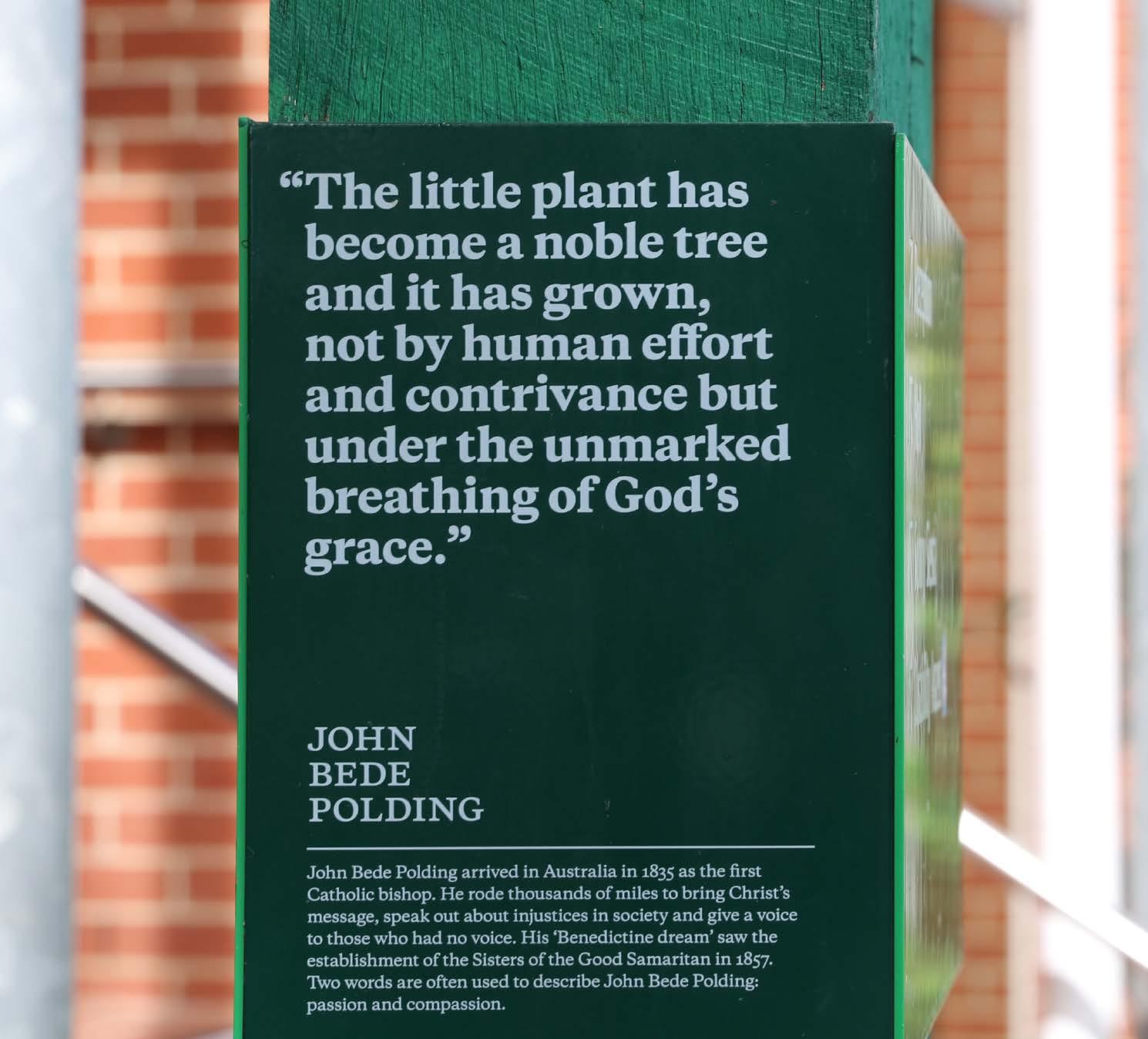
English in Years 7 and 8 develops students’ literacy, creativity, critical thinking, and communication skills through the study of a wide range of texts and learning experiences. Students explore themes relating to identity, society, personal perspectives, and the world around them while building their confidence in reading, writing, speaking, listening, and viewing.
Throughout the course, students strengthen their analytical and expressive skills through activities such as essay writing, creative and narrative writing, oral presentations, debates, media analysis, and collaborative discussions. The curriculum also focuses on grammar, comprehension, vocabulary development, and language conventions through both classroom learning and regular homework tasks. Students are encouraged to think critically, communicate clearly, and develop the confidence to express their ideas effectively across a variety of contexts and audiences.
Assessment may include creative responses, analytical text responses, poetry analysis and oral debates.
Students investigate a range of health issues relevant to young people to understand that the decisions people make influence their own and others’ health and wellbeing. They examine the factors that can influence an individual’s actions, and explore and evaluate options, consequences, and healthier and safer alternatives.
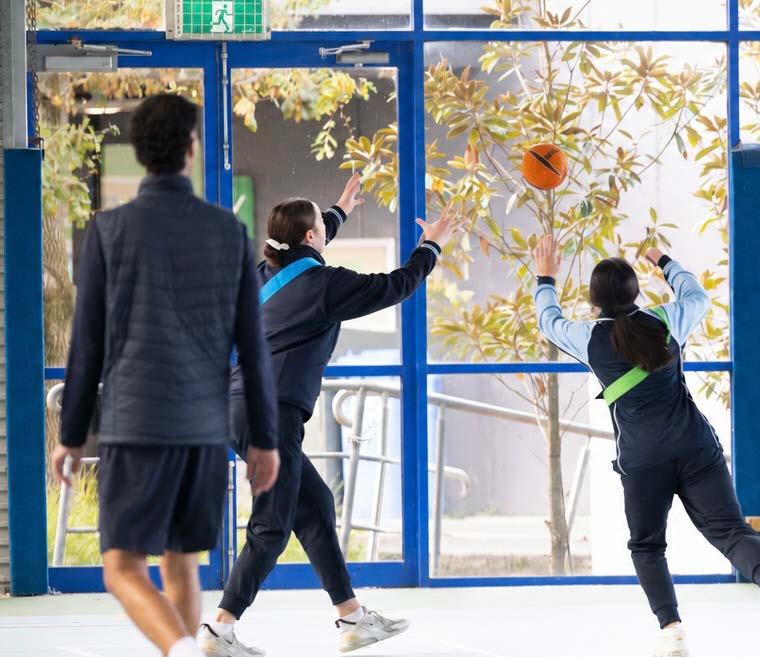
Physical Education plays an important role in maintaining physical activity participation by providing opportunities for skill development in a variety of movement forms to enhance performance and competence, as well as providing enjoyment and a sense of achievement. Students have opportunities to practise using creative and collaborative processes to work in a group or team to communicate effectively, solve problems, resolve conflicts, and make decisions in movement and social contexts.
Assessment may include assignments, structured questions, presentations and practical pssessments.
Subject Description
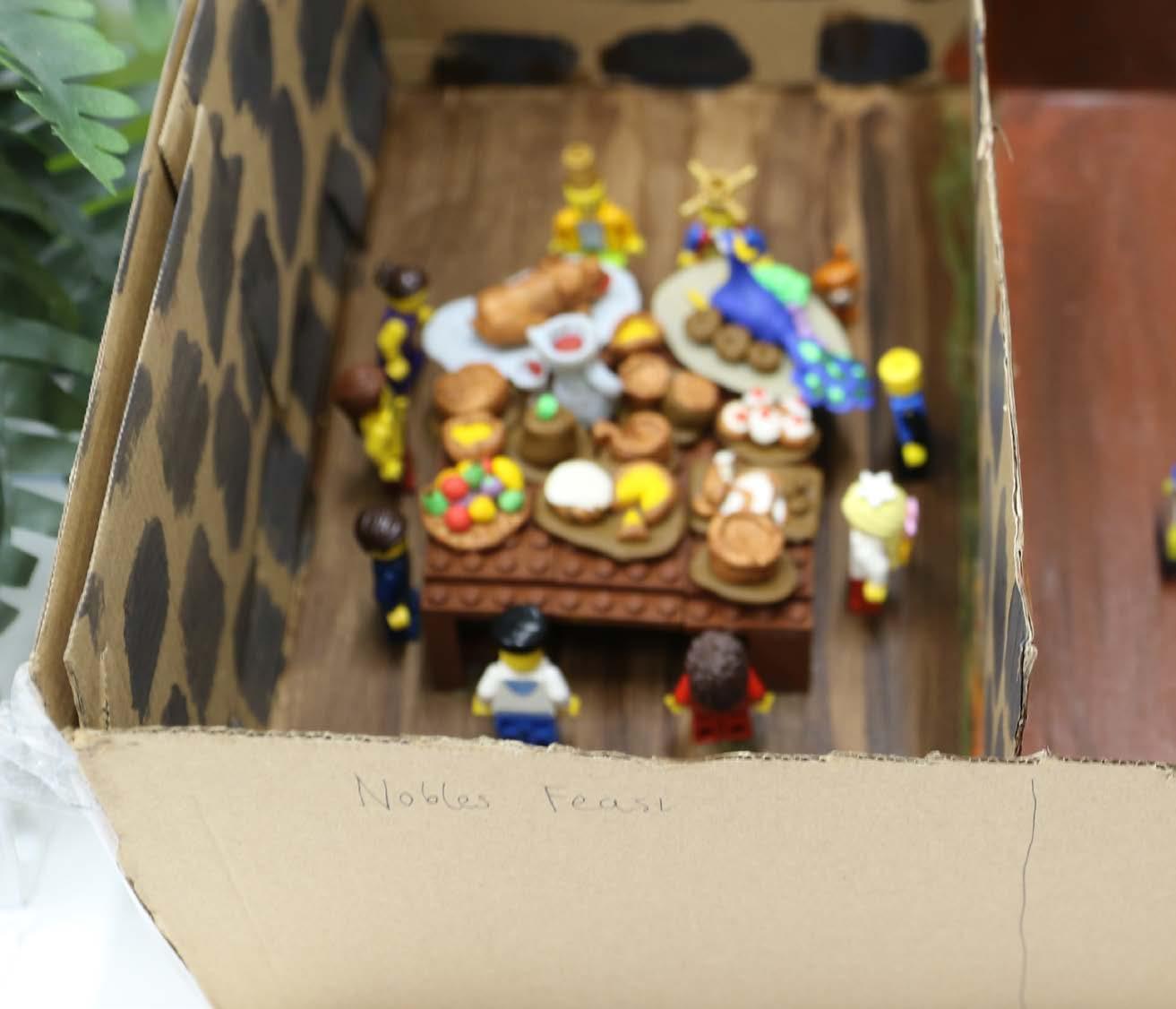
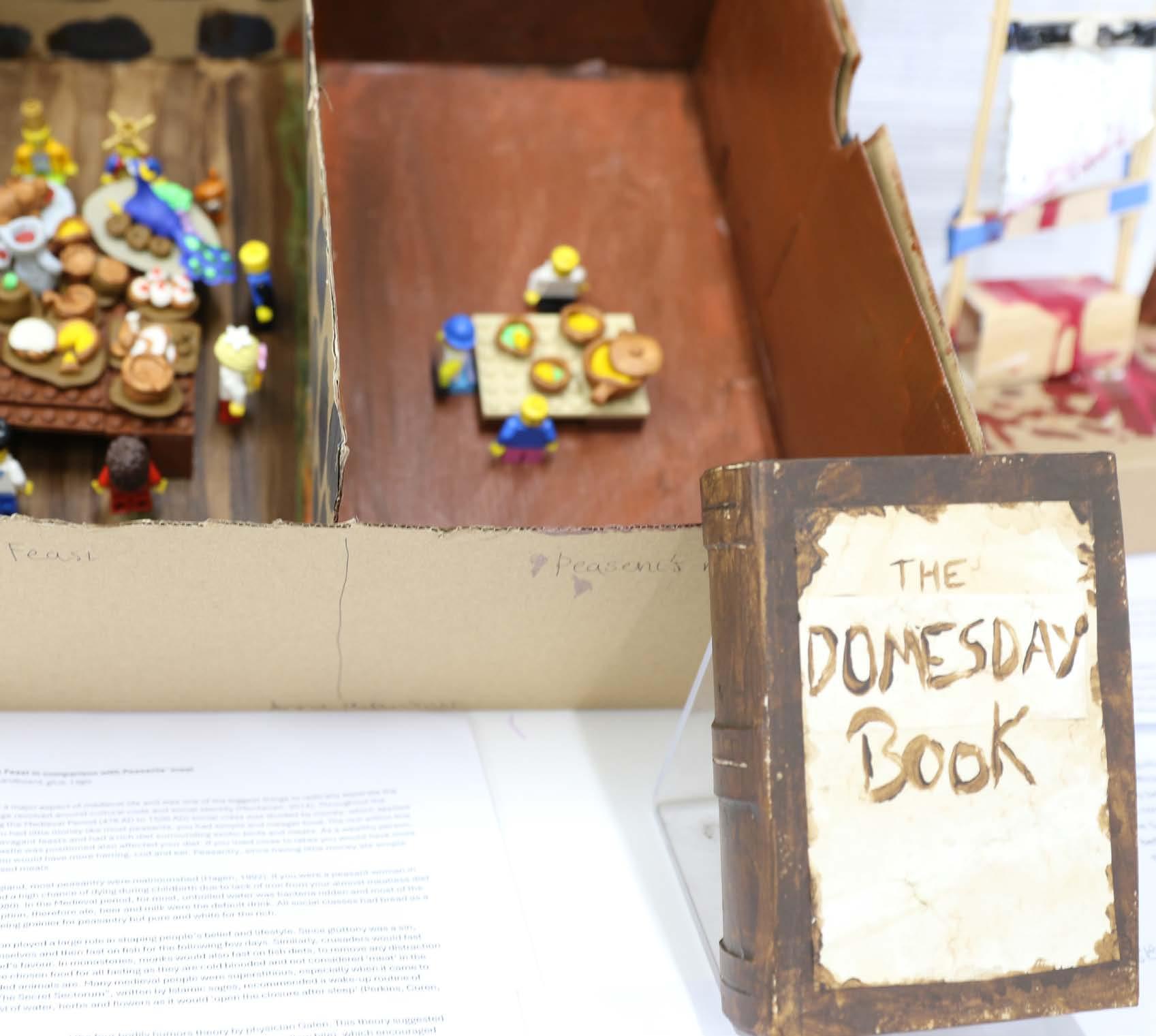
Humanities develops students’ understanding of people, places, systems and events that shape the world. Students investigate how societies function and change through the study of History, Geography, Civics and Citizenship, and Economics and Business. They examine significant historical developments, environmental and geographical challenges, Australia’s political systems, and the ways economic decisions affect individuals and communities. Students build skills in questioning, researching, analysing sources, interpreting data and communicating evidence-based conclusions. They learn to consider multiple perspectives, evaluate the reliability of information and make informed decisions about local, national and global issues. Through inquiry-based learning, students strengthen critical and creative thinking, collaboration and problem-solving skills, preparing them to actively participate as informed, responsible and engaged citizens in a rapidly changing world.
Assessment
Assessments may include research investigations, written responses, timeline and mapping activities, presentations, visual and oral tasks, and creative or analytical projects that allow students to apply their inquiry and communication skills across a range of topics.
Subject Description
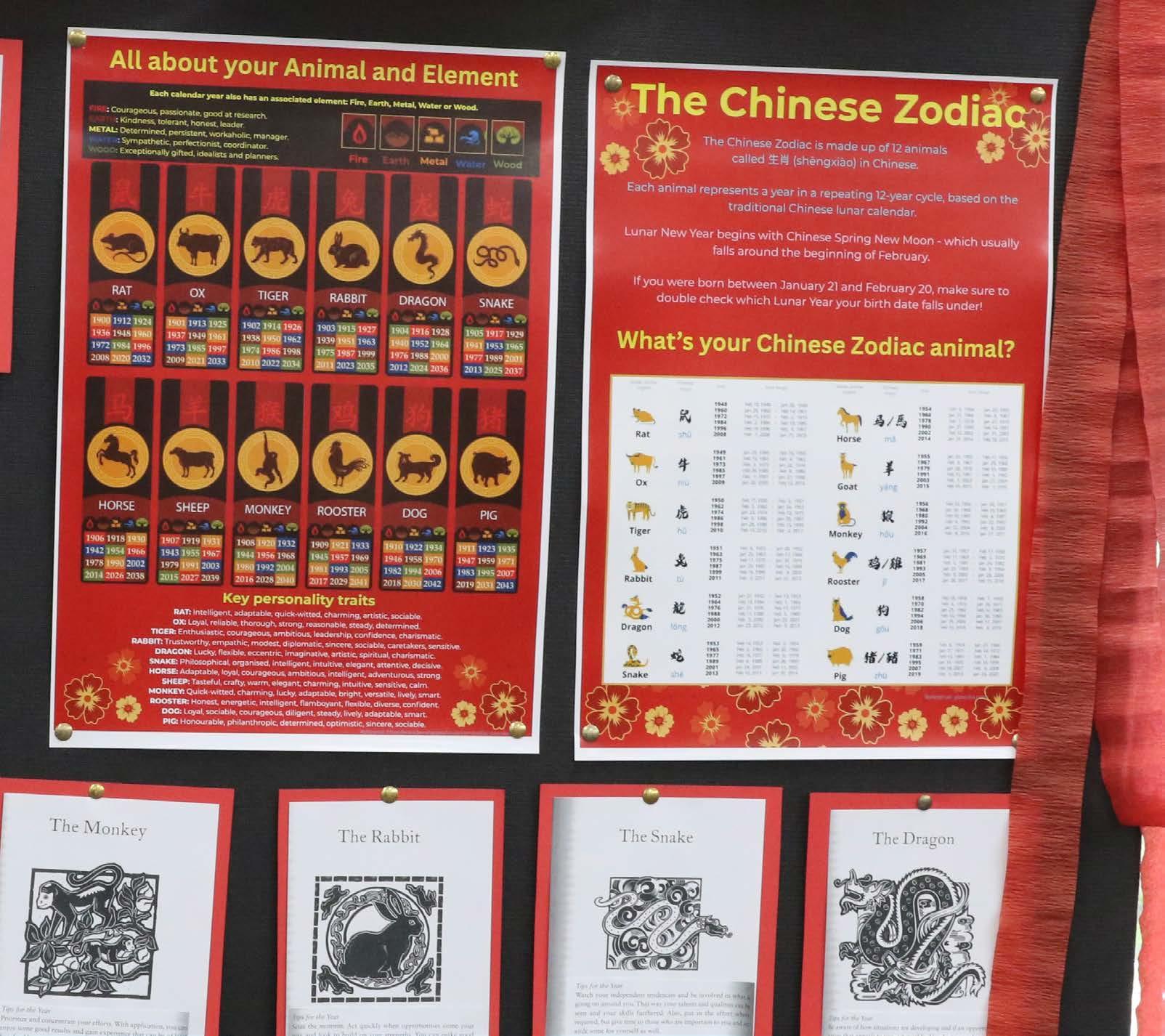
Languages in Years 7 and 8 are designed to build students’ confidence in communication while developing their understanding of different cultures and global perspectives. Students study either Chinese or French through engaging and interactive learning experiences that focus on speaking, listening, reading, and writing skills. Through everyday topics and practical conversations, students learn to communicate about themselves, their families, school life, hobbies, interests, travel, and the world around them.
The curriculum supports the development of vocabulary, pronunciation, grammar, and language structures while also encouraging cultural awareness and appreciation. Students participate in a variety of activities including role plays, conversations, collaborative tasks, songs, games, and creative performances that help strengthen language acquisition in a supportive and enjoyable environment.
Students have the opportunity to study either Chinese or French for Year 8, selecting their preferred language pathway in Year 7 during Term 4.
Assessment
Assessments may include conversations and role plays, oral presentations, quizzes and tests, written tasks, drama performances, and interactive activities that allow students to demonstrate their communication and intercultural understanding skills.
Subject Description
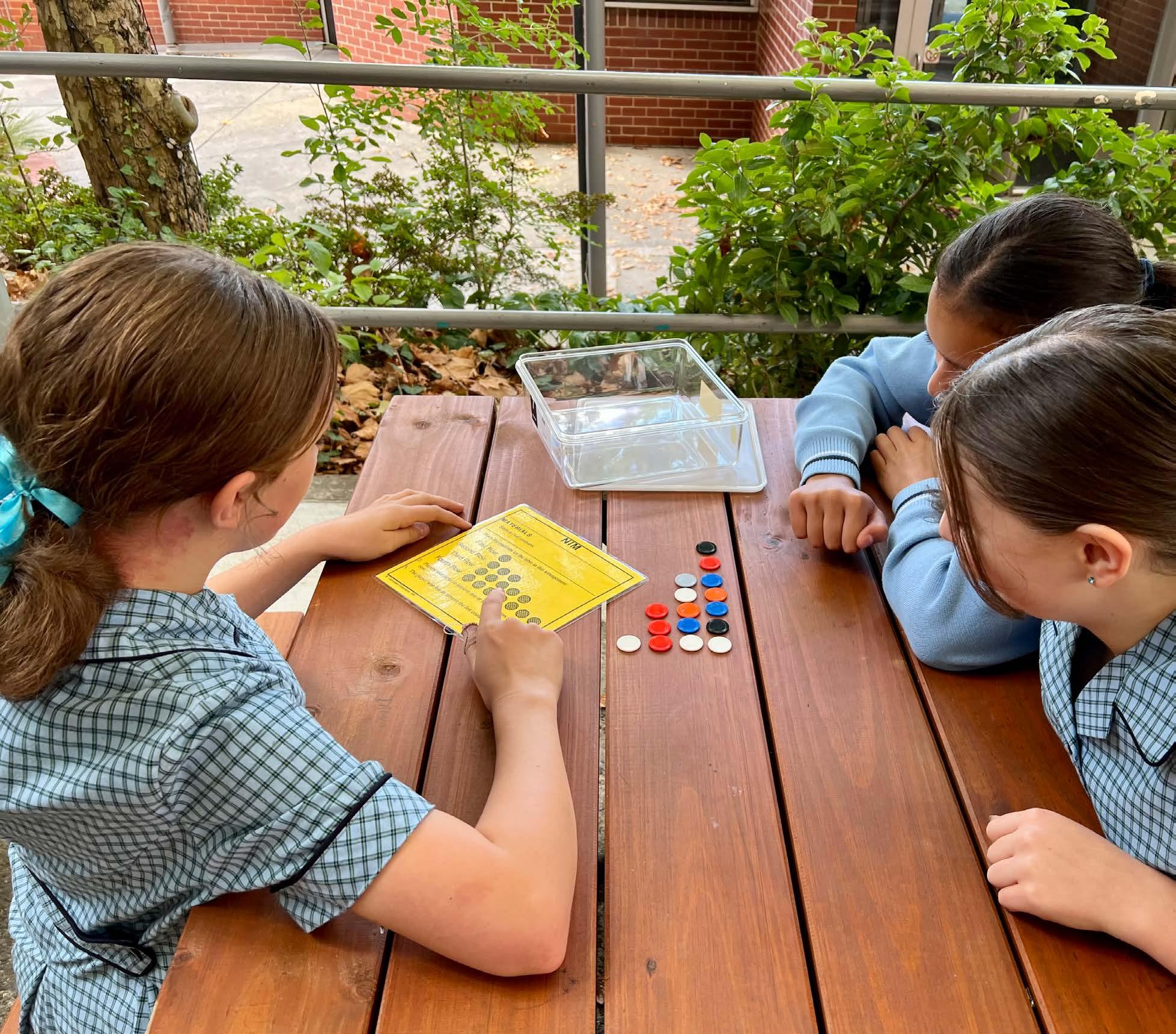
In Year 7 and 8 Mathematics students learn concepts in number, measurement, space, algebra, probability, and statistics. They learn through standard skills practice and by applying these skills to real life situations.
Assessment
Assessments may include tests, problem solving tasks, investigations, or projects.
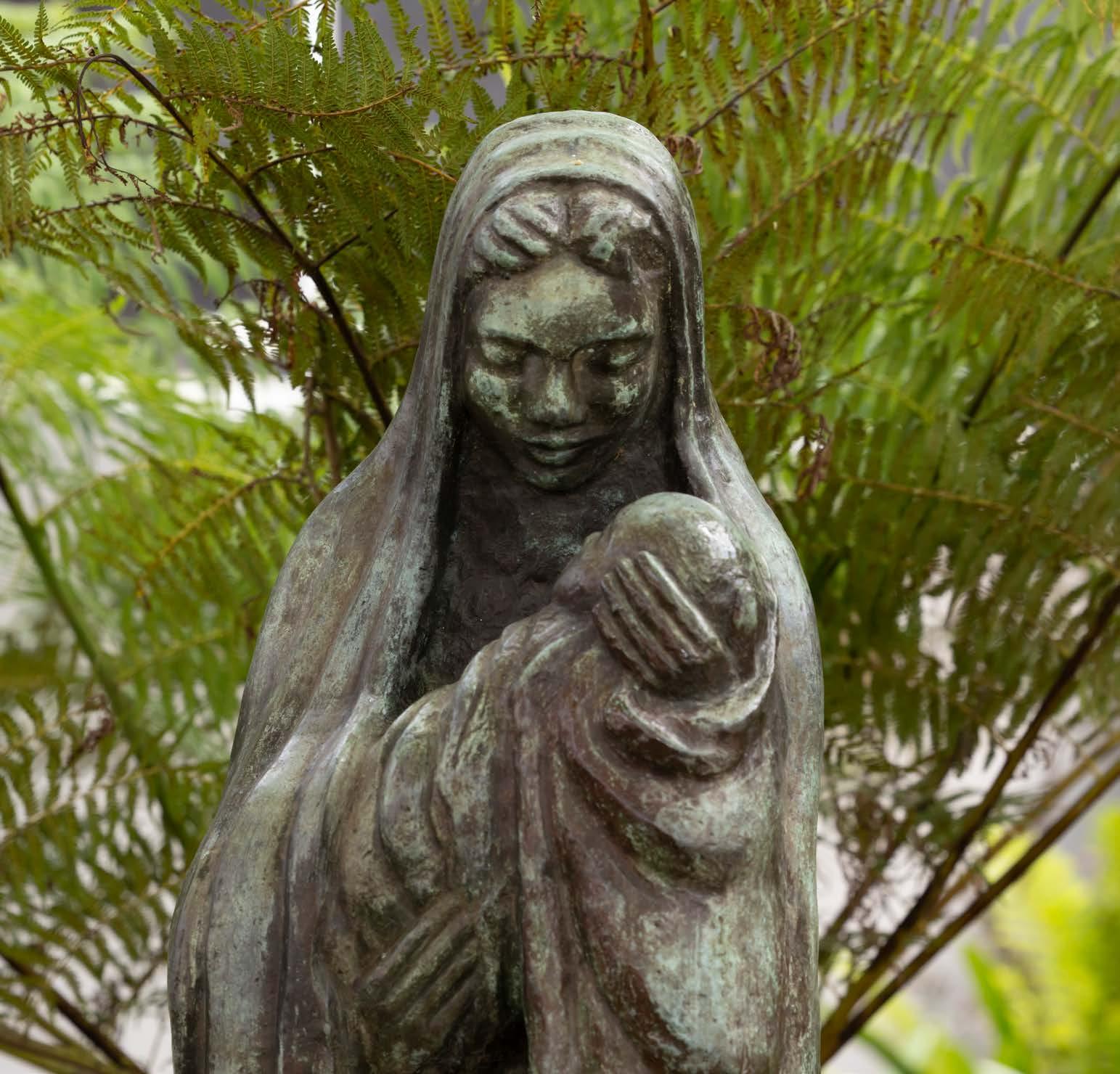
Religious Education in Years 7 and 8 encourages students to explore faith, spirituality, community, and social responsibility through the teachings and traditions of the Catholic Church. Students develop an understanding of Christian beliefs, values, and practices while reflecting on how these can be applied in everyday life. The curriculum supports students in exploring themes such as belonging, justice, compassion, service, community, and personal identity within both historical and contemporary contexts.
Throughout the course, students investigate the life and teachings of Jesus, the role of the Bible, the development of early Christian communities, and the traditions and practices of Catholic faith. Students also explore the importance of social justice, Benedictine values, and the role of faith in shaping individuals and communities. Learning experiences encourage students to think critically, reflect personally, and engage respectfully with different perspectives and beliefs.
Assessment may include written responses, presentations, creative and visual tasks, podcasts or recordings, artwork, research activities, and reflective projects that allow students to demonstrate their understanding, communication, and critical thinking skills.
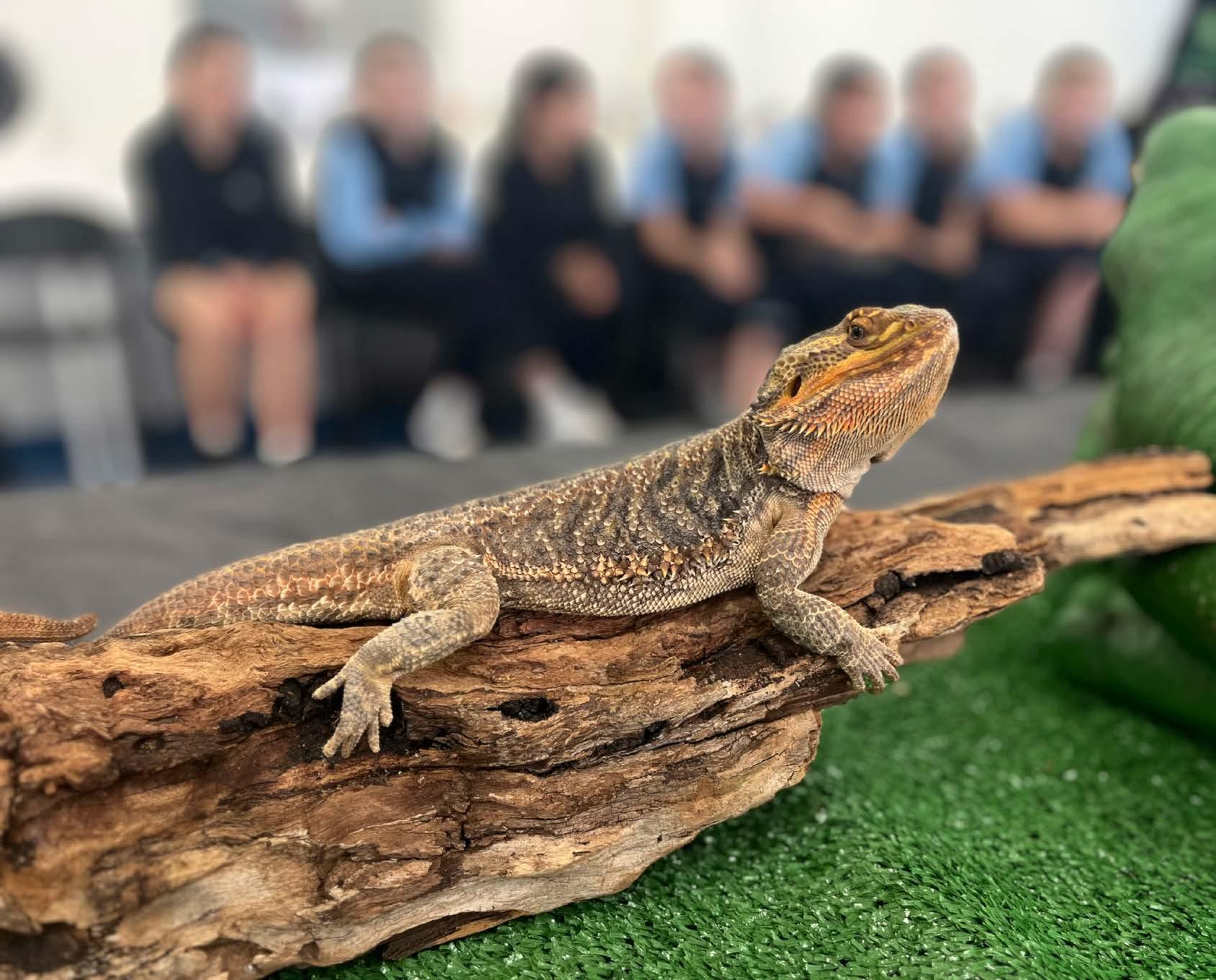
The Year 7 and 8 Science curriculum develops students’ understanding of scientific knowledge, inquiry and its role in society. Students learn that scientific ideas evolve as new evidence emerges, and recognise the contributions of diverse perspectives in advancing knowledge. They consider ethical, environmental, social and economic impacts of scientific decisions and the importance of effective science communication. Across disciplines, students explore biological systems, including cell structure, body systems and ecosystems, and analyse how changes affect organism survival and biodiversity. They investigate matter using particle theory, classify substances and examine physical and chemical changes. In Earth and space sciences, they explain geological processes and model Earth–Sun–Moon interactions. In Physics, students study energy, forces, circuits and simple machines. Through practical investigations, students develop skills in hypothesising, data collection and analysis, evaluating evidence and communicating scientifically, enabling them to draw justified conclusions and solve real-world problems.
Assessment
Assessment may consist of practical reports, research tasks, tests, case study analysis and posters.
Technologies in Years 7 and 8 provides students with opportunities to develop creativity, innovation, practical problem-solving, and design thinking skills through hands-on learning experiences. Across Digital Technologies, Design Technologies (Textiles), and Food Technology, students learn to investigate needs and challenges, generate ideas, design solutions, and evaluate outcomes using a range of tools, materials, and technologies.
In Digital Technologies, students explore the design process, app creation, and digital problemsolving while developing skills in creativity, collaboration, and the use of digital tools and data.
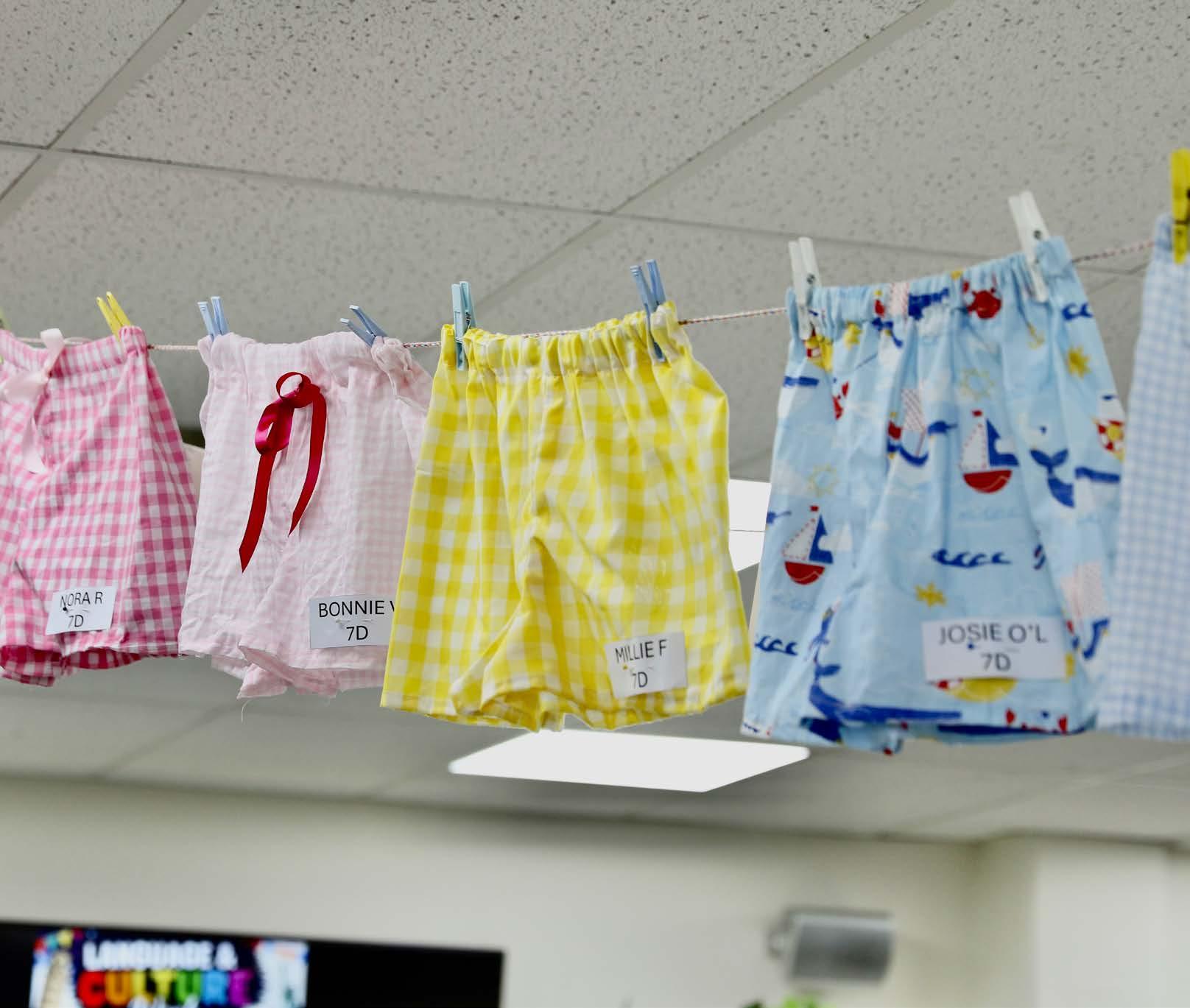
In Design Technologies, students investigate textiles, fashion design, and garment construction, learning practical production skills alongside the design and evaluation process.
In Food Technology, students develop safe kitchen practices and an understanding of nutrition, food preparation, and healthy decision-making through practical cooking experiences and design-based activities.
Assessment
Students are encouraged to think creatively, work collaboratively, and apply practical and technical skills in real-world contexts. Assessment may include project folios, design tasks, visual diaries, prototypes, practical productions, research activities, and evaluation tasks that demonstrate students’ understanding of the design process and their ability to apply skills across
Subject Description
In the Year 7 & 8 Arts Pathway, students experience learning in both visual Arts and the Performing Arts.
In Visual Art, students explore the elements and principles of art while analysing artworks from a variety of artists and styles. Through practical learning experiences, students develop skills in drawing, painting, printmaking, clay work, and creative design, while learning how artists communicate meaning and ideas through visual forms. Students are encouraged to explore their own creativity and artistic identity through the development of individual artworks and creative folios.
In Performing Arts, students engage in Dance, Drama, and Music, developing performance, collaboration, and communication skills through practical and creative activities. Students explore storytelling, movement, rehearsal, performance techniques, and creative expression while building confidence both individually and in groups. Learning experiences encourage imagination, reflection, teamwork, and performance skills across a variety of performing arts contexts.
Assessment
Assessment may include scientific investigations, experiments, research projects, practical activities, written responses, topic tests, and reflective tasks that allow students to demonstrate their understanding, inquiry skills, and ability to apply scientific concepts and processes.
Year 9 is an exciting stage of learning where students are encouraged to challenge themselves, explore their interests, and build confidence as independent learners. The curriculum is designed to support students academically, socially, and personally through a combination of core studies, electives, and rich learning experiences that prepare them for future pathways and senior studies.
Students complete a broad range of core subjects including English, Mathematics, Science, Religious Education, Health and Physical Education, and Humanities. Alongside these subjects, students can personalise their learning journey through choice of a range of elective options across the Arts, Languages, Technology, Humanities, Health and Physical Education, and Science.
The Year 9 program also includes the Enrichment Learning Program, providing students with authentic, hands-on experiences that connect classroom learning with the wider world. Across the year, students participate in immersive learning experiences focused on: World of Work – career exploration, pathways, and workplace skills, Service as Action – social justice, community engagement, and active citizenship Adventure – teamwork, resilience, leadership, and outdoor education. These experiences are designed to develop curiosity, independence, collaboration, and a strong sense of purpose.
Students study the following core subjects for the full year:
English
Mathematics
Science
Religious Education
Health and Physical Education
Students also complete one semester of:
Humanities – Biomes & Belonging or Culture, Conflict & Change
Students select five elective units from a broad range of learning areas, including:
Arts
Design and Technology
Humanities
Languages (Chinese or French)
Health and Physical Education
Science
* Please note: Languages equate to two elective units and must be studied in both semesters 1 & 2.
Subject selections are completed during Term 3 prior to entry into Year 9. Families will receive information and instructions via email, including access to the College’s online subject selection portal.
Parents and carers are encouraged to work closely with students when selecting subjects to ensure choices align with interests, strengths, and future pathways. Support and guidance is available through curriculum information sessions, course planning resources, and College staff.
English in Year 9 further develops students’ analytical, creative, and communication skills through the study of a diverse range of texts, media, and language forms. Students explore themes relating to identity, resilience, culture, human experience, and persuasive communication while strengthening their ability to think critically, interpret meaning, and express ideas confidently across a variety of contexts.
Throughout the course, students engage in activities including text and film analysis, creative and reflective writing, oral presentations, persuasive language studies, and discussion-based learning. The curriculum encourages students to analyse how language and storytelling shape perspectives and influence audiences while building skills in interpretation, argument construction, and effective communication, grammar, comprehension, vocabulary, and writing skills are reinforced through regular literacy tasks and classroom learning.
Assessment
Assessment may include analytical and text response writing, creative responses, oral presentations, persuasive language analysis, and reflective or imaginative writing tasks that allow students to demonstrate their understanding, communication, and critical thinking skills.
Health and Physical Education in Year 9 supports students in developing the knowledge, skills, and confidence to make informed decisions about their health, wellbeing, relationships, and active lifestyles. Students explore a range of contemporary health issues relevant to young people, including mental health, respectful relationships, personal safety, body image, healthy eating, and the impact of social influences and online behaviours. The curriculum encourages students to reflect on how their choices can positively influence both their own wellbeing and the wellbeing of others within the wider community.
Through practical and theoretical learning experiences, students build resilience, communication, teamwork, conflict resolution, and decision-making skills. Students investigate strategies that promote healthy lifestyles and safe practices while developing the ability to plan, implement and evaluate actions that support personal and community health.
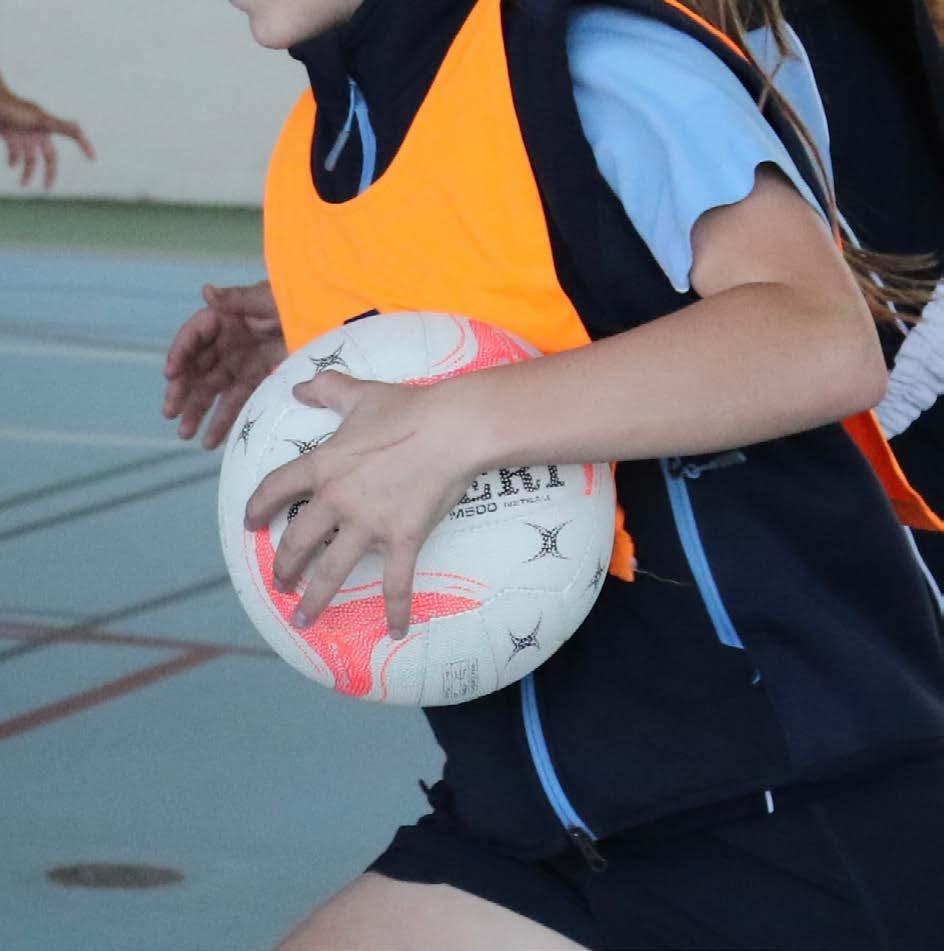
In Physical Education, students refine specialised movement skills and participate in a variety of individual and team-based physical activities. They develop their understanding of movement strategies, performance techniques, collaboration, and fitness while building confidence and leadership through active participation. Students are encouraged to challenge themselves, work effectively with others, and apply movement concepts across a range of physical environments.
Assessment
Assessments may include assignments, structured questions, presentations, practical activities, and performance-based assessments that allow students to demonstrate both their theoretical understanding and practical application of health and physical education concepts.
Subject Description
In Year 9 Mathematics, students learn concepts in number, measurement, space, algebra, probability, and statistics. They learn through standard skills practice and by applying these skills to real life situations.
Assessment
Assessments may include tests, problem solving tasks, investigations or projects, and a semester exam.
Students
Religious Education in Year 9 encourages students to explore faith, justice, spirituality, and the role of religion in contemporary society. Students investigate Catholic Social teachings and examine how values such as compassion, dignity, and service can inspire individuals to contribute positively to the world around them. Through the study of biblical and contemporary figures, students consider how leadership, purpose, and social action can influence communities and create change.
The curriculum also explores the history and impact of the Catholic Church in Australia, including the contributions of key individuals and communities who have responded to social and cultural challenges with faith and compassion. Students deepen their understanding of Christian beliefs, traditions, prayer, and reflection while exploring life’s big questions and considering perspectives from other world religions and popular culture.
Assessment
Assessment may include research projects, essays, multimedia presentations, artworks, reflective tasks, and biblical analysis activities that allow students to demonstrate their understanding and critical thinking skills.
The Year 9 Science curriculum strengthens students’ understanding of scientific concepts and their application in society by examining the relationship between science, engineering and technology, and how scientific knowledge influences decision-making and responds to socioscientific issues. They explore biological systems, including how the nervous and endocrine systems maintain homeostasis, and compare infectious and non-infectious diseases. In Chemistry, students investigate atomic structure, radioactive decay, conservation of mass and chemical reactions, including acids and bases. They analyse Earth’s systems, focusing on the carbon cycle, climate change patterns and mitigation strategies. In Physics, students compare wave and particle models of energy and analyse energy transformations and efficiency. Through scientific inquiry, students refine hypotheses, conduct investigations, analyse data and evaluate evidence, developing the skills to communicate supported conclusions and make informed, evidence-based decisions.
Assessment
Assessment includes practical reports, case study analysis, research tasks and tests.
The Year 9 Arts pathway provides students with exciting opportunities to explore their creativity, develop technical skills, and discover their unique artistic voice across a range of creative disciplines. Whether students are passionate about visual art, photography, music, drama, dance, or design, the Arts electives encourage imagination, self-expression, collaboration, and confidence through hands-on and engaging learning experiences. Students are supported to experiment with different artistic styles, technologies, and performance techniques while building practical and creative skills in a supportive and inspiring environment. Through creative projects, performances, folio development, and collaborative tasks, students are encouraged to challenge themselves, explore new interests, and pursue their passions in meaningful ways. The Year 9 Arts pathway also provides strong foundations for future studies in VCE Arts subjects, helping students develop communication, critical thinking, problemsolving, and creative skills that extend beyond the classroom. Most importantly, the Arts pathway empowers students to express who they are, celebrate creativity, and connect with others through the power of the arts.
Subject Description
Year 9 Music is for students who are interested in developing their music performance skills as a soloist or member of a group, or those who wish to learn to use music technology to compose or produce music.
They will learn fundamental music concepts that are relevant in today's music industry including using live sound equipment, work place health and safety, and careers in the music industry.
Students will have the opportunity to undertake project work that allows them to explore their music interests and passions whilst improving their own technical skills.
Assessment
Assessment may include a range of performances, a folio of compositions and/or journal or logbook of practical tasks.

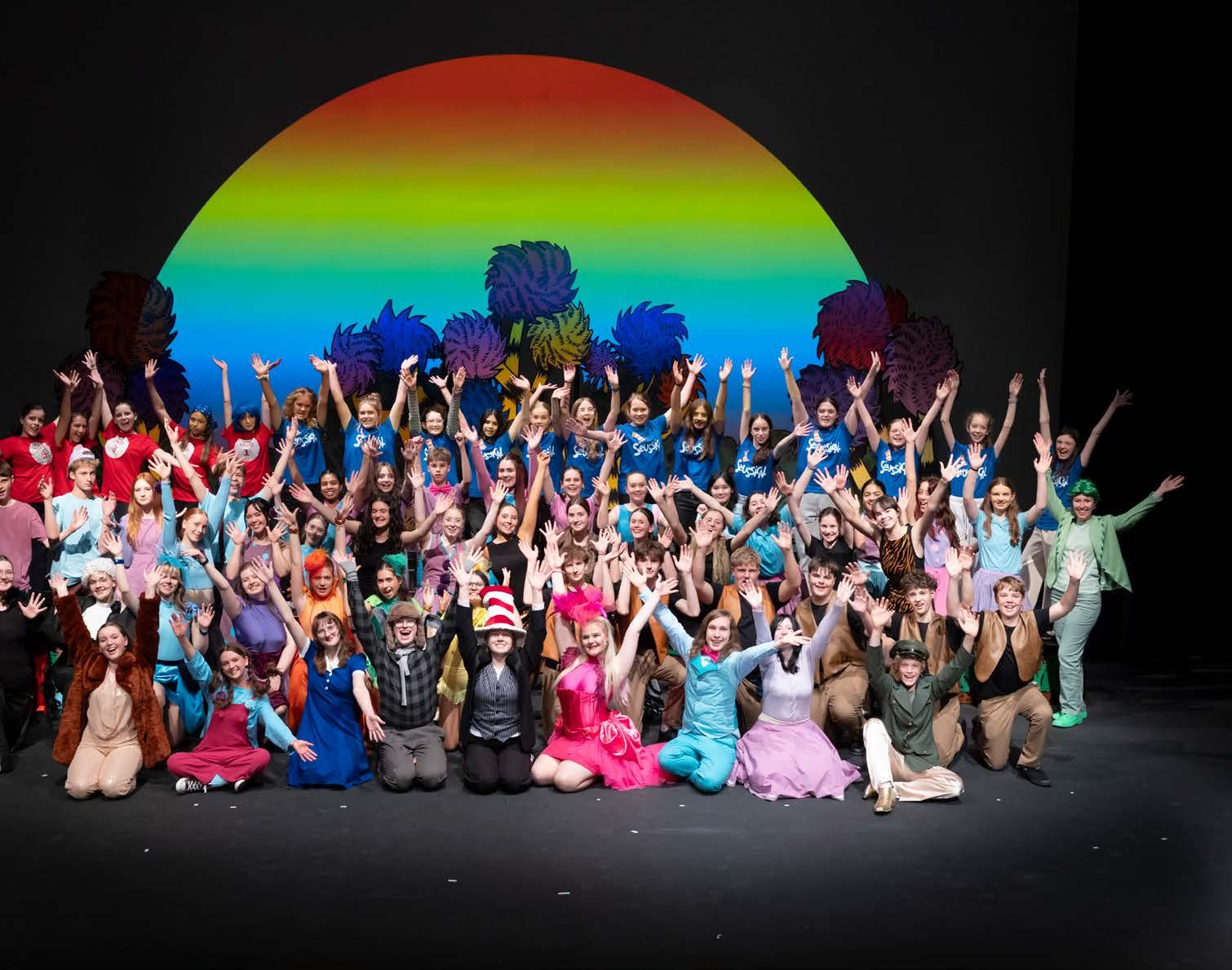
This course is designed for students who are passionate about performance, storytelling, and creative expression through Drama.
Students will build their confidence and acting skills through practical workshops, rehearsals, and performances. They will explore different performance styles and conventions before working together to rehearse and perform a scripted play.
They will take on production roles, helping to create and/or source costumes, make-up, sets, props, and multimedia elements. By the end of the course, students will have experienced what it takes to bring a complete theatre production to life for an audience.
Acting for Stage provides students with valuable opportunities to build confidence, creativity, and performance skills both on and off the stage.
Assessment
Assessment may include process folios, research tasks, small solo and group performances, staged productions, rehearsals, and written analysis tasks.
Pathway
This subject provides a foundation for VCE Drama.


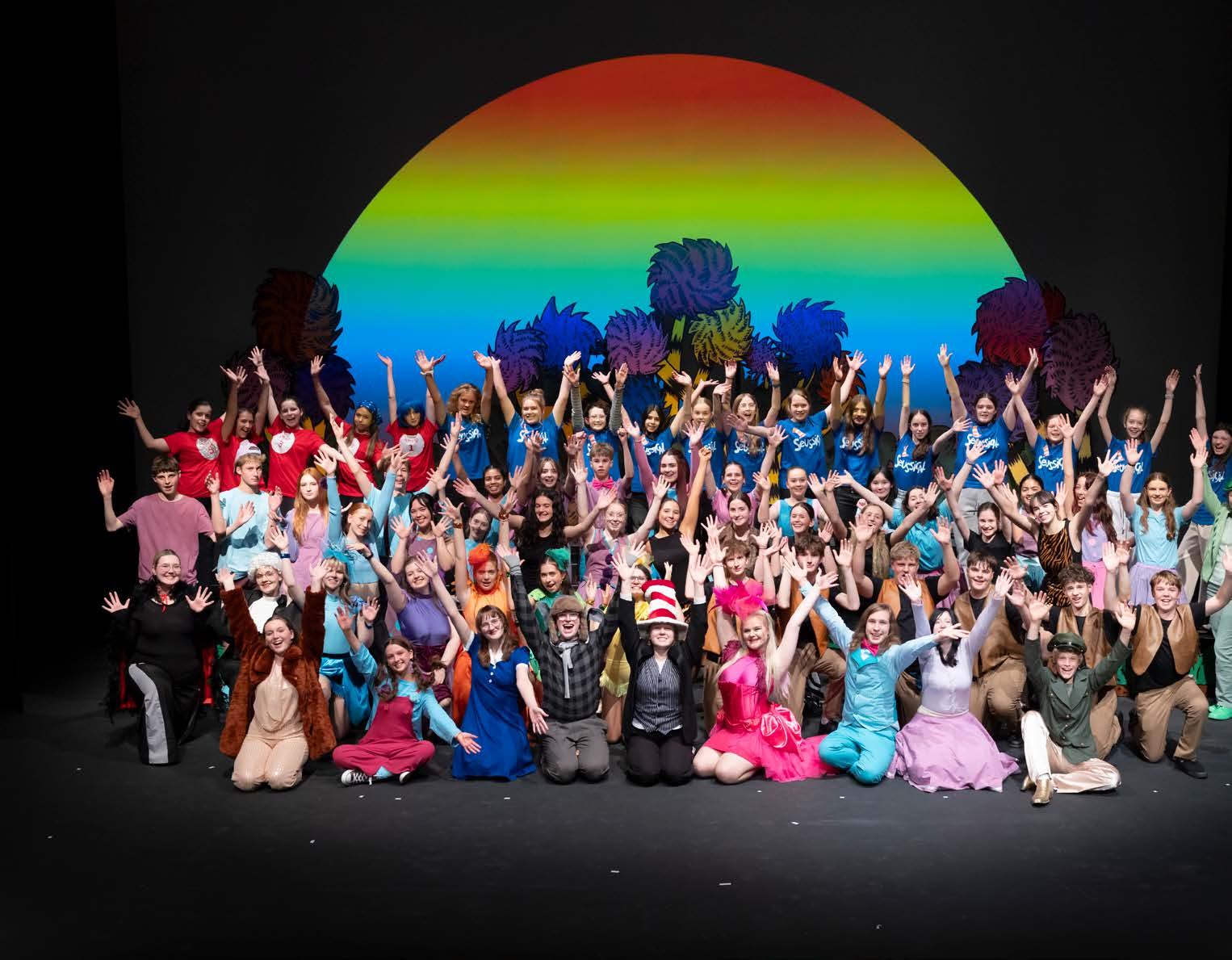
Dynamic Dance is designed for students who enjoy movement, performance, creativity, and selfexpression through dance.
Students explore a variety of dance styles including jazz, contemporary, hip hop, and musical theatre though theory and practical tasks.
The course includes the exploration of iconic dance music videos, the reproduction of professional choreography, and the investigation of influential choreographers. Students will develop technical and choreographic skills through the creation of small group and class dance works.
Year 9 Dynamic Dance will deepen students’ understanding of the features of different dance styles and the connections between dance, media, and performance. No prior experience is needed; however, enthusiasm for movement is recommended.
Assessment
Assessment may include solo and group dance performances, choreography tasks, multimedia dance projects, reflections, and practical performance work.
Pathway
This subject provides a foundation for VCE Dance.
Subject Description
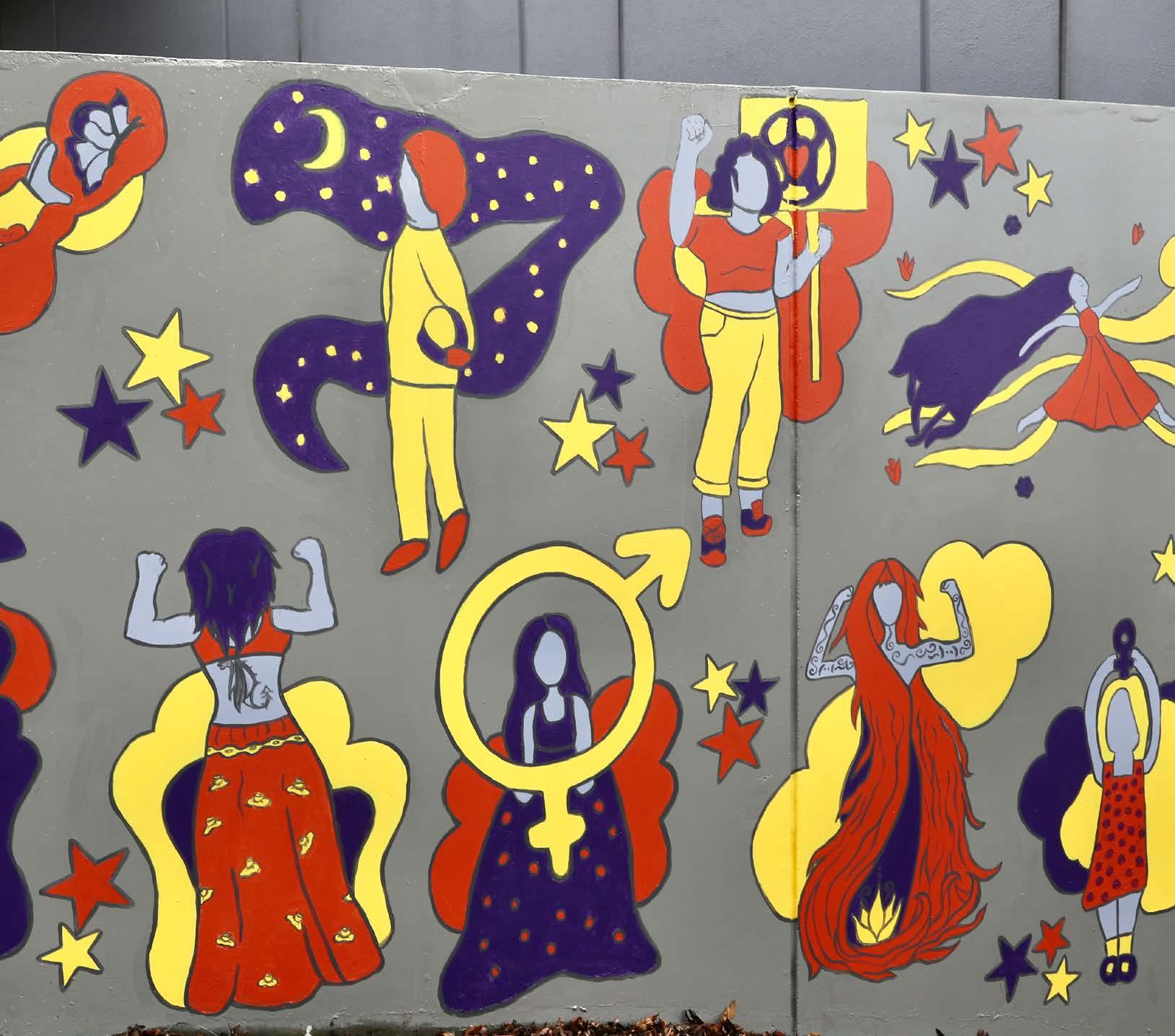
Art: Pencils, Paint, Paper is designed for students who enjoy creativity, experimentation, and visual expression through a range of artistic mediums and techniques.
Students explore the elements and principles though printmaking. Through hands-on learning experiences students experiment with screen printing, etching, gel plates and collagraph. Each medium will focus on a different theme.
Students create their own artworks (Body of Work) using their chosen mediums, based on a class theme. The range of materials explored may include: acrylic paint, ink, gouache, watercolour, charcoal, collage and pencils. Students will reflect on and evaluate their own work following the Creative Practice in their folio.
Art: Pencils, Paint, Paper provides students with opportunities to build confidence, creativity, and technical skills in a supportive and inspiring studio environment.
Assessment
Assessment may include research and investigation tasks, practical studio work, folio development, experimentation with materials and techniques, and the creation of a final Body of Work.
Pathway
This subject provides a foundation for VCE Art Creative Practice.
Subject
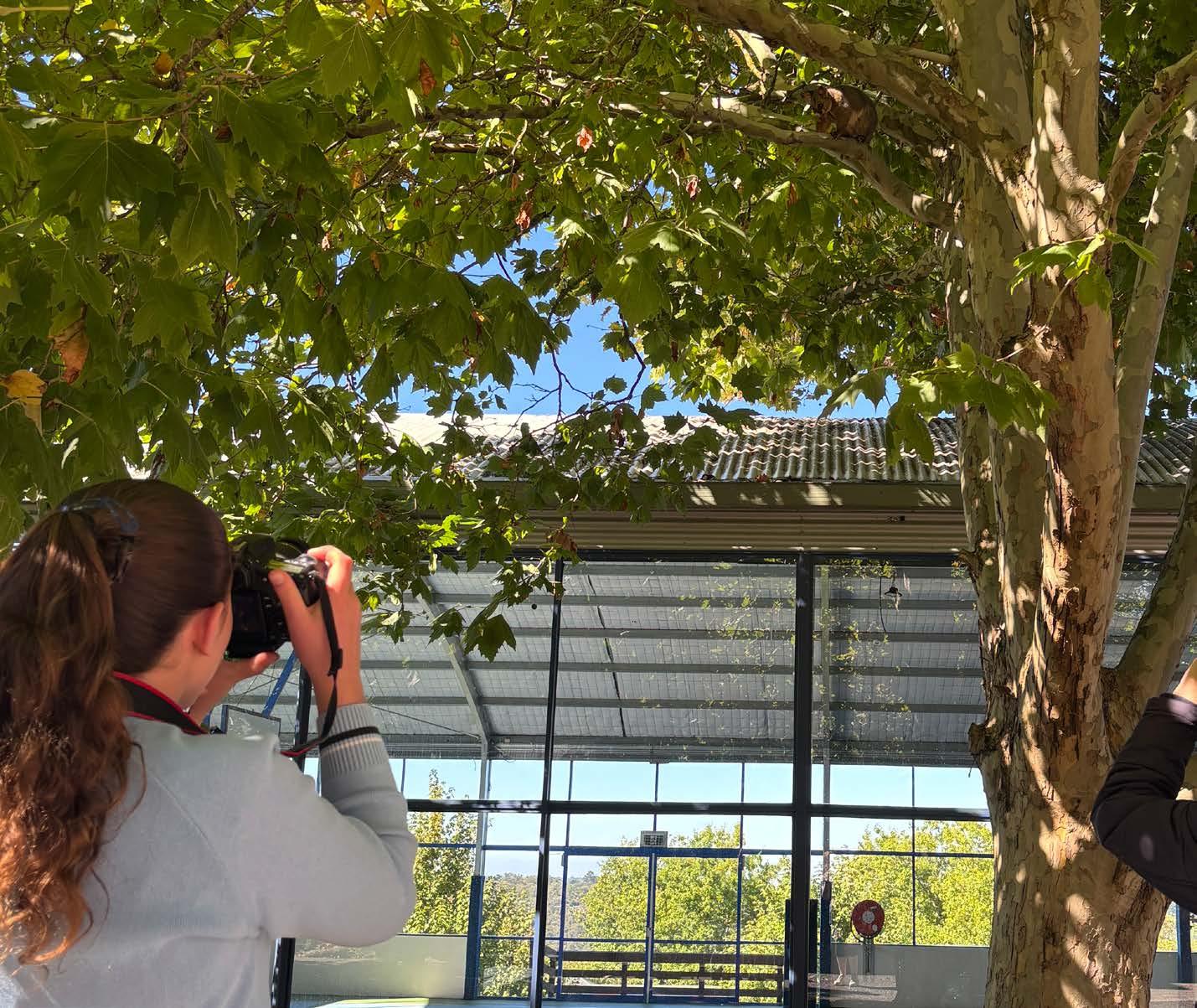
Photography is designed for students who are interested in visual storytelling, creativity, and digital image creation.
Students develop practical photography skills while learning how to capture, edit, and present images using DSLR cameras and industry-standard editing software.
Using the Production Design Process, students plan and create a photographic series based on a chosen theme.
Students apply their photographic skills to create the front cover of a magazine. They will learn about the codes and conventions of magazines before creating their own using Adobe Photoshop.
The course provides opportunities for students to experiment with photography in a supportive and creative environment.
Assessment
Assessment may include the creation of photographic series, image editing tasks, practical photography activities, folio development, and reflective or analytical tasks.
Pathway
This subject provides a foundation for VCE Media.
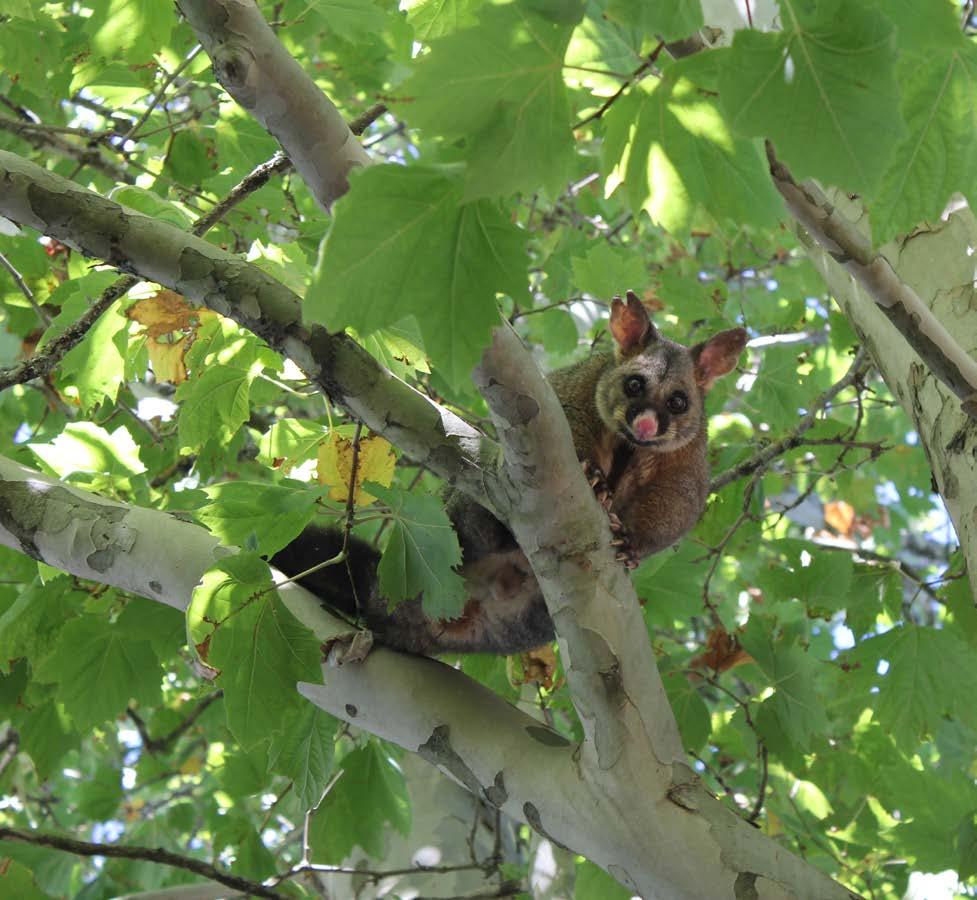
Design Essentials is designed for students who are interested in creativity, visual communication, branding, and digital design.
Students design their own typography using Copic markers and pencils. This design is applied to a tote bag or t-shirt.
Using industry-standard digital tools such as Adobe Illustrator, students design a desk or chair drawing in an isometric method.
Expanding on their Illustrator skills, students design a building using planometric drawing methods. Each member of the class will be assigned a building from a city and required to create a design on Illustrator and build a 3D model.
Students are encouraged to experiment with ideas, reflect on their creative decisions, and develop confidence in both practical and conceptual design skills within a supportive and innovative learning environment.
Assessment
Assessment may include visual communication design tasks, digital illustration work, branding and packaging projects, folio development, practical design activities, and reflective tasks.
Pathway
This subject provides a foundation for VCE Visual Communication Design.
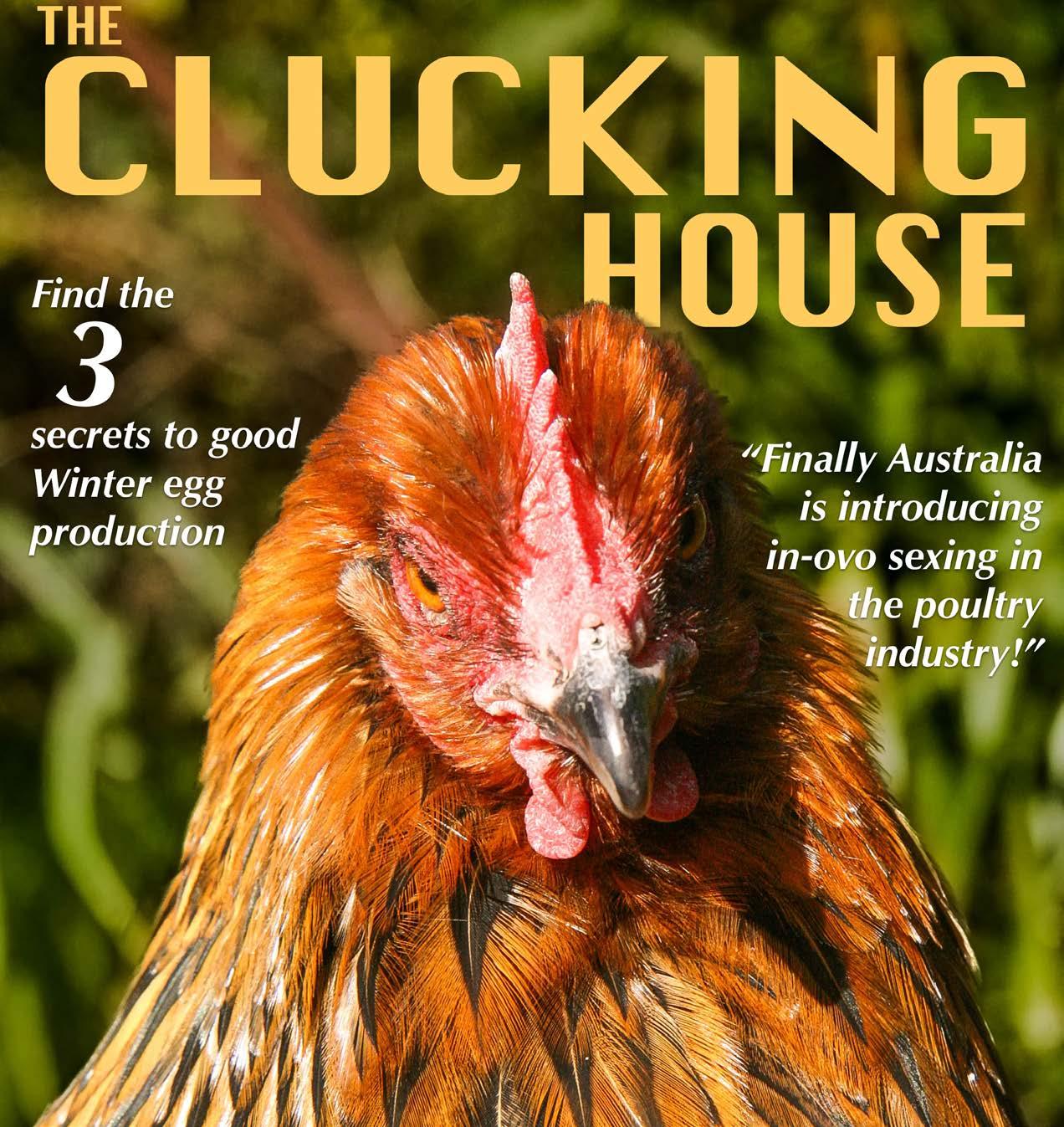

The Year 9 Health & Physical Education pathway encourages students to develop confidence, resilience, leadership, and lifelong wellbeing skills through a range of engaging and practical learning experiences. Students have the opportunity to explore subjects that focus on personal health, physical activity, fitness, teamwork, outdoor education, and overall wellbeing while discovering areas they are passionate about. Whether students are interested in competitive sports, health sciences, outdoor experiences, fitness development, or personal wellbeing, the Year 9 HPE electives provide opportunities to challenge themselves, build positive habits, and develop skills that support both physical and mental health.
Through active participation, collaboration, and practical learning, students are encouraged to explore their strengths, set personal goals, and develop confidence in a supportive and inclusive environment. The Year 9 HPE pathway also creates strong foundations for future studies in Health, Physical Education, Outdoor Education, and Vocational pathways, while helping students build teamwork, communication, problem-solving, and leadership skills that extend well beyond the classroom.
Subject Description
Fitter, Faster, Stronger is designed to give students a comprehensive understanding of physical fitness as it relates to their chosen sport. Through a combination of theory and practice, students will investigate fitness components, training methods, principles, and program development to enhance both their general fitness and sport-specific skills. This elective encourages active participation in practical sessions both in and out of school.
Assessment
Assessment may include structured questions, assignments, fitness activities, training programs, and practical performance assessments.
Pathway
This subject provides a foundation for VCE Physical Education.
Subject Description
Mind and Body Matters explores the multidimensional nature of health, with an emphasis on nutrition, health promotion, and the brain's psychological influence on both mental and physical well-being. Students will explore the critical connections between mind and body, understanding how lifestyle choices - such as diet, physical activity, stress management, and mental healthaffect overall well-being. This course will engage students in both theoretical learning and practical skills, promoting healthy habits for life.
Assessment
Assessment may include nutritional investigations, health research tasks, reflective activities, practical applications, and the creation of informative health resources or presentations.
Pathway
This subject provides a foundation for VCE Health and Human Development.
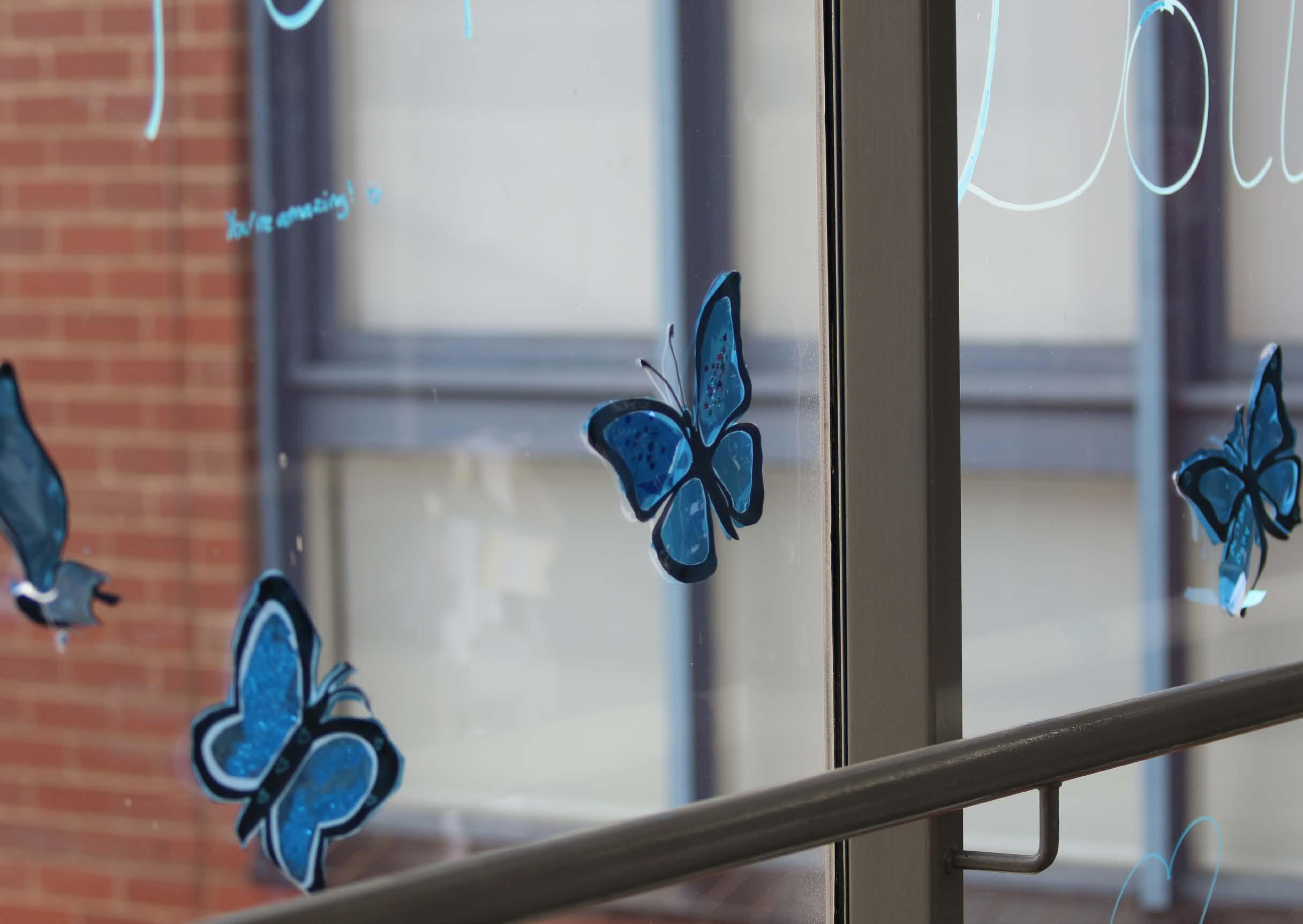
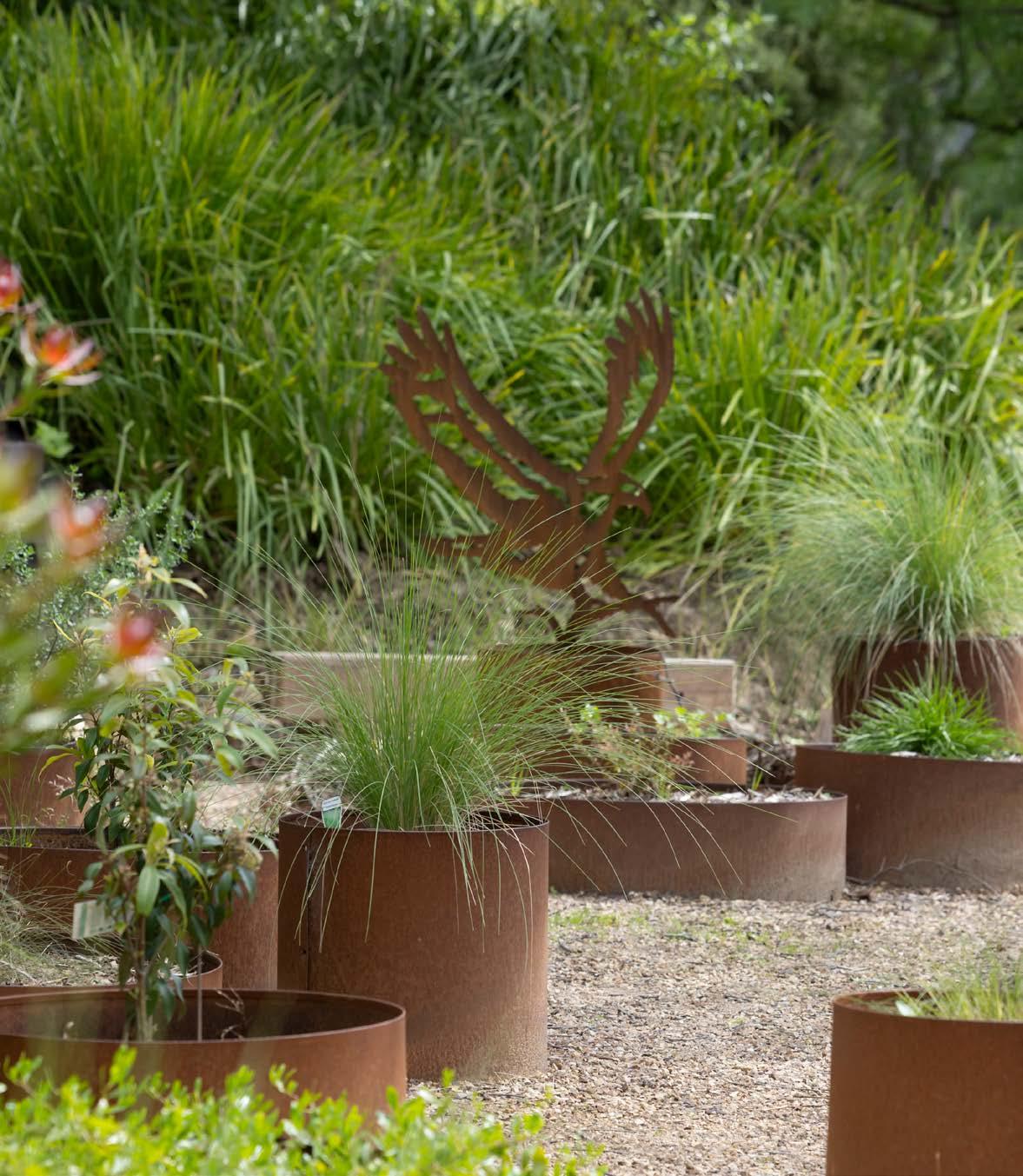
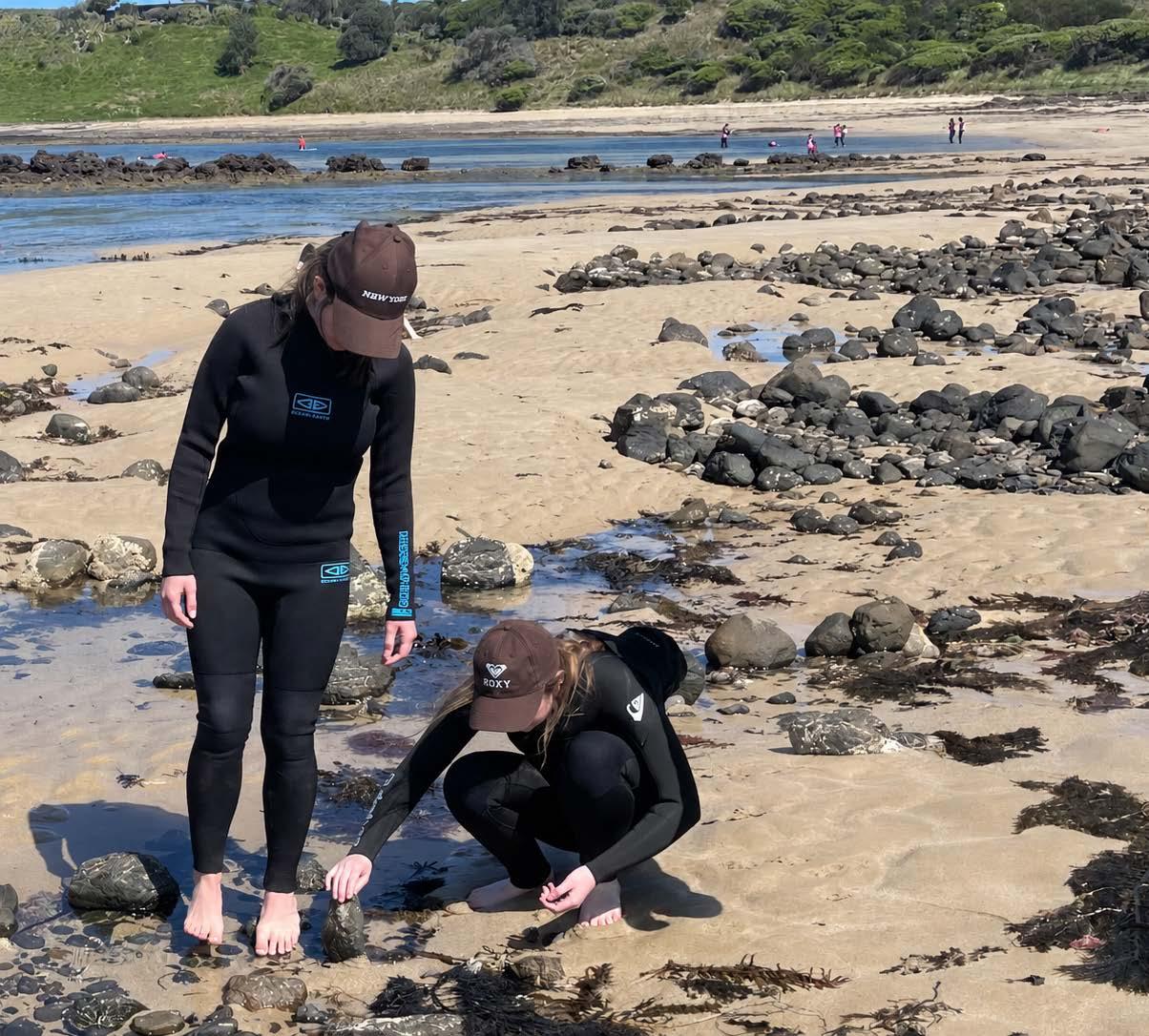
In Explore the Outdoors, students develop a knowledge of outdoor environments and how to interact with them sustainably. Through classroom activities and a variety of outdoor experiences; students investigate types of outdoor environments and study navigation techniques, overnight hike preparation and minimal impact strategies. The outdoor experiences are planned to be challenging and enjoyable while fostering independence and problem-solving skills. The outdoor experiences include orienteering, environmental testing, bush cooking, hiking, camping, and snorkelling.
*Please note: participation in this subject may involve additional fees to support outdoor experiences, activities, or excursions that enhance student learning opportunities. The indicative levy for 2027 is $250.
Assessment
Assessment may include multimedia presentations, practical outdoor activities, logbooks, research tasks, teamwork activities, and reflective learning tasks.
Pathway
This subject provides a foundation to VCE Outdoor and Environmental Studies.

The Year 9 Humanities pathway encourages students to explore the world around them through the study of people, societies, history, law, business, and global issues. Students are given opportunities to investigate real-world challenges, develop critical thinking skills, and build a deeper understanding of how communities, economies, and legal systems shape everyday life. Whether students are interested in business, leadership, current affairs, history, or social justice, the Humanities electives provide engaging and meaningful learning experiences that help students discover their interests and passions.
Through inquiry-based learning, discussions, research, and practical activities, students are encouraged to think independently, communicate confidently, and make connections between classroom learning and the wider world. The Year 9 Humanities pathway also provides strong foundations for future studies in subjects such as Business Management, Politics, Accounting, History, Legal Studies, and vocational pathways, while developing valuable skills in problemsolving, communication, collaboration, and informed decision-making that support success both at school and beyond.
Subject Description
Students explore the causes and consequences of World War I, the inter-war years, and World War II through the lenses of culture, conflict and change. Students also examine the nature of Australia’s involvement in these conflicts in relation to the culture of the time and the influence they have had on society and relationships. Students use a variety of resources to assist their understanding of these periods.
Assessment
Assessments include source analysis, research and class discussions.
Pathway
This subject provides a foundation to VCE History.

Students explore financial and economic literacy and learn how choices about resources, spending, and saving can affect individuals and the wider economy. Students investigate consumer and financial risks and rewards, develop budgeting and money management skills, and show their understanding and skills a test and a folio of tasks.
Assessment
Assessment may include written tests, oral presentations, budget-based assignments, investigations, and practical business or finance tasks.
Pathway
This subject provides a foundation to VCE Accounting, VCE Business Management and VM work related skills.
Subject Description
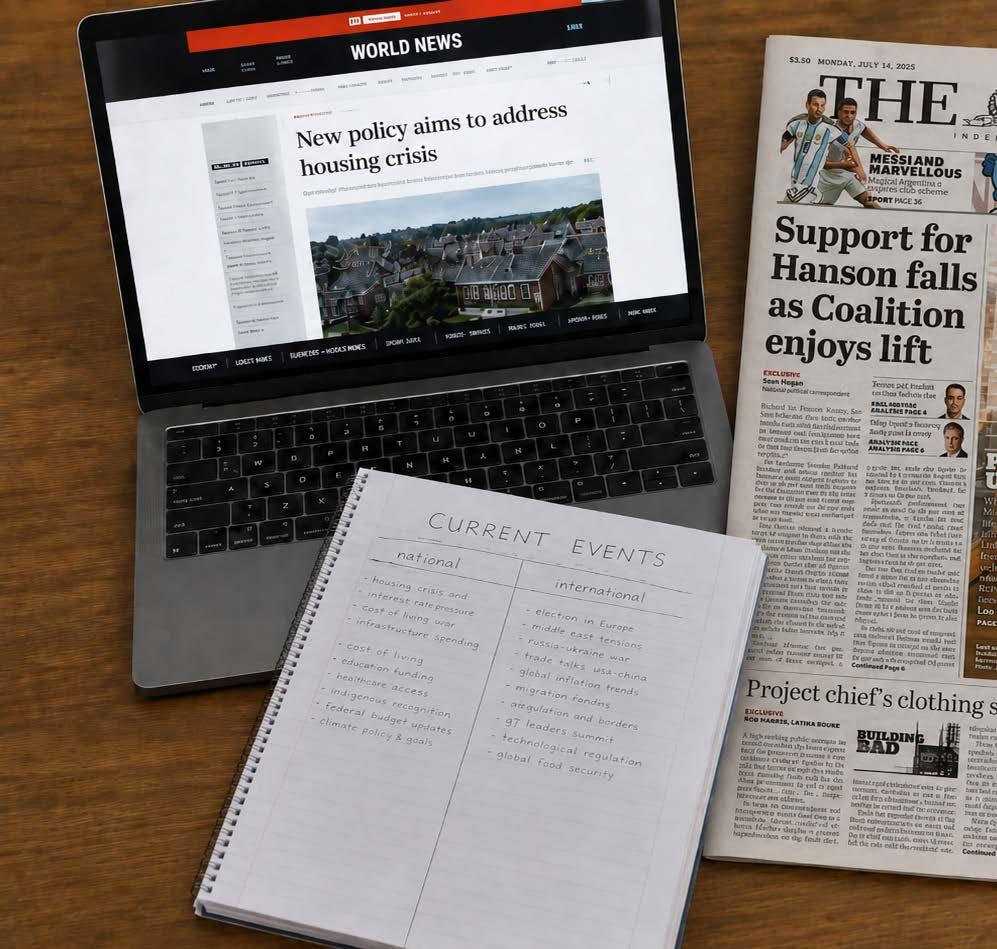
Students investigate contemporary political, social, and economic issues at both local and global levels while developing the confidence to think critically, question perspectives, and form informed opinions. They explore how governments, political systems, media and world events shape societies and influence everyday life. Students become active, informed, and engaged citizens who can thoughtfully respond to the world around them.
Assessment
Assessment may include document analysis, essays, classroom debates, oral presentations, research tasks, media analysis, and film or current affairs investigations.
Pathway
This subject provides a foundation for VCE Legal Studies and Politics.
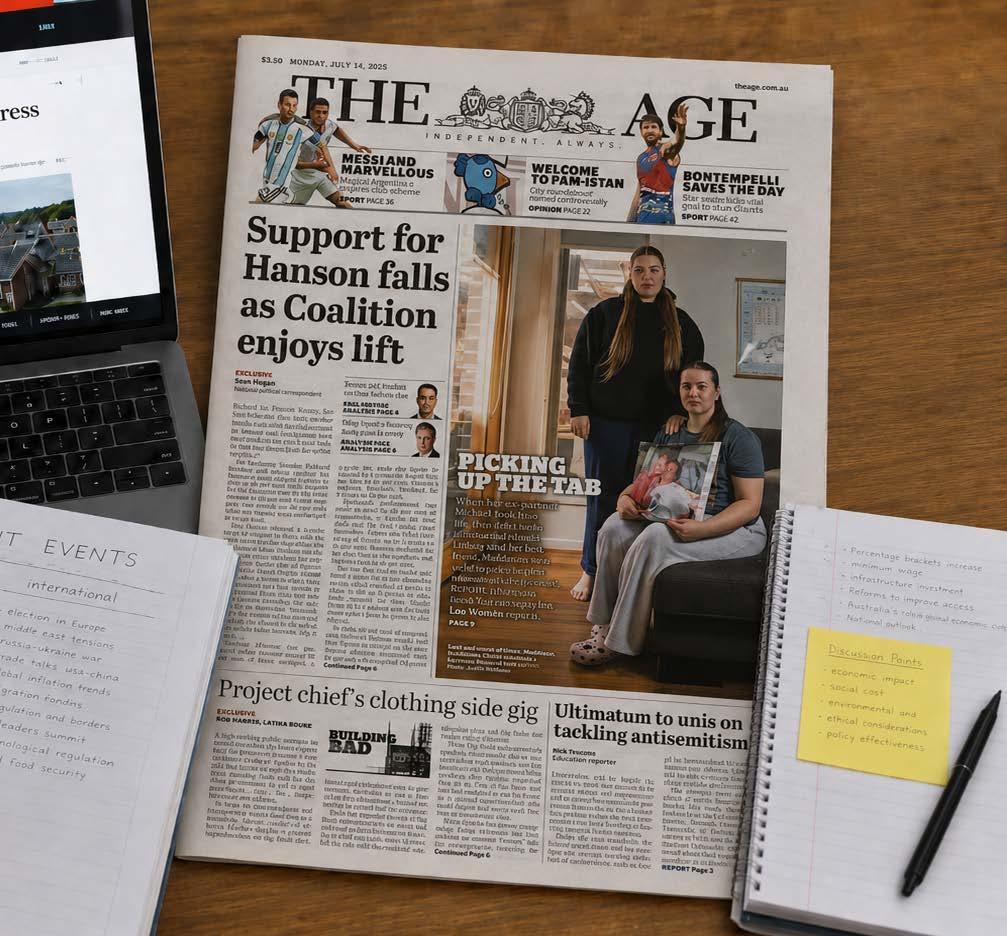
Students explore the interconnections between people, places and environments in the geography based subject. They look at the impacts of travel and spatial trends on places, and how these movements can influence food supplies in environmental biomes. Students explain the impacts of human activity on environments, and the effect of environment on human activity over time.
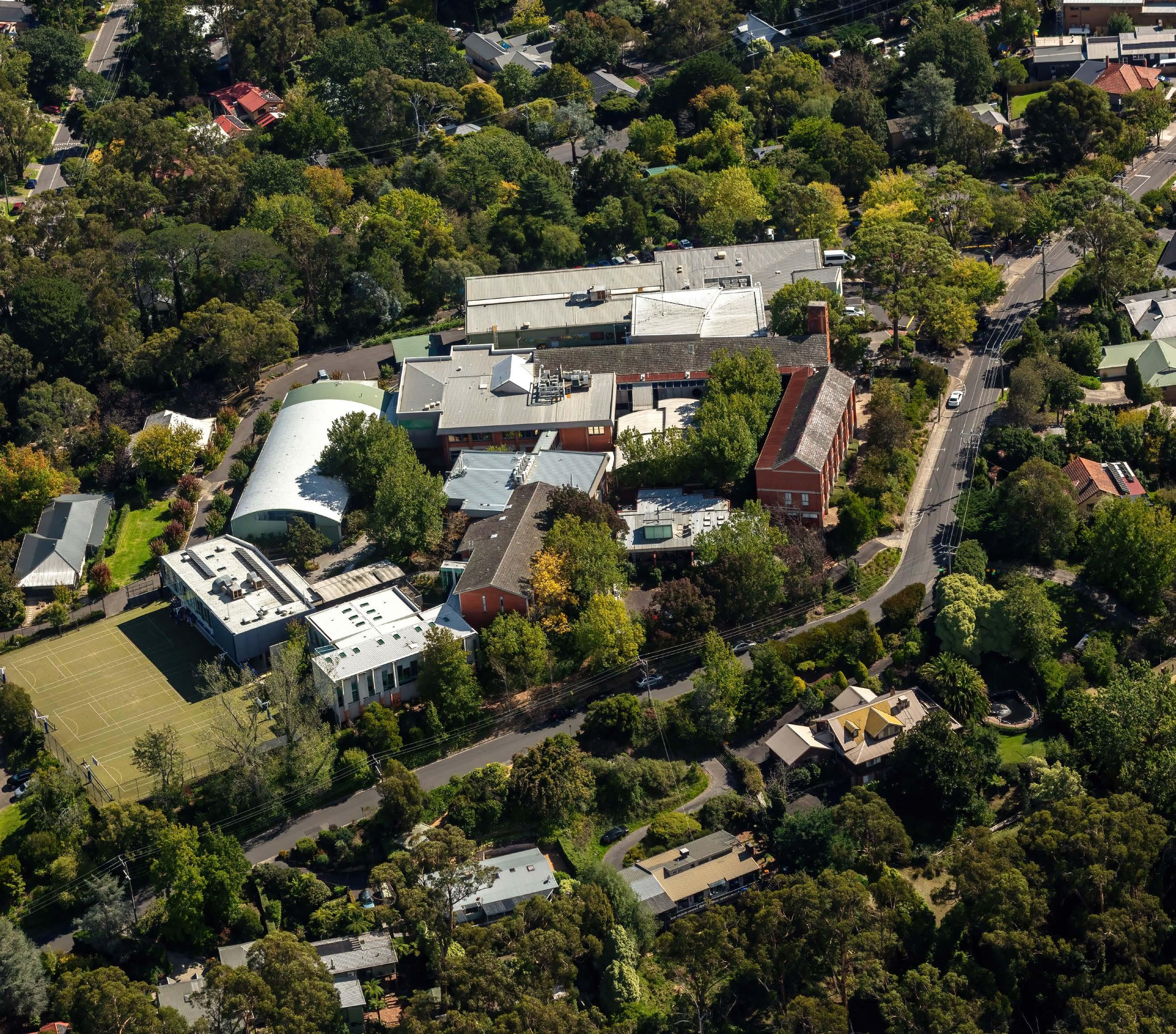
The Year 9 Languages pathway encourages students to develop confidence in communication while building an appreciation for different cultures, perspectives, and global connections. Through the study of either Chinese or French, students strengthen their speaking, listening, reading, and writing skills in engaging and practical ways. Students explore language through real-world topics, conversations, cultural experiences, and interactive learning activities that help them connect language learning to everyday life and the wider world.
The Languages pathway encourages curiosity, creativity, and open-mindedness while helping students develop valuable communication and intercultural understanding skills. Students are supported to challenge themselves, grow in confidence, and explore future opportunities in language learning and global pathways. Continued study in Chinese or French can lead to further studies in VCE and VET pathways, while also developing highly transferable skills in communication, collaboration, critical thinking, and cultural awareness that are valuable across many future careers and life experiences.
Subject Description
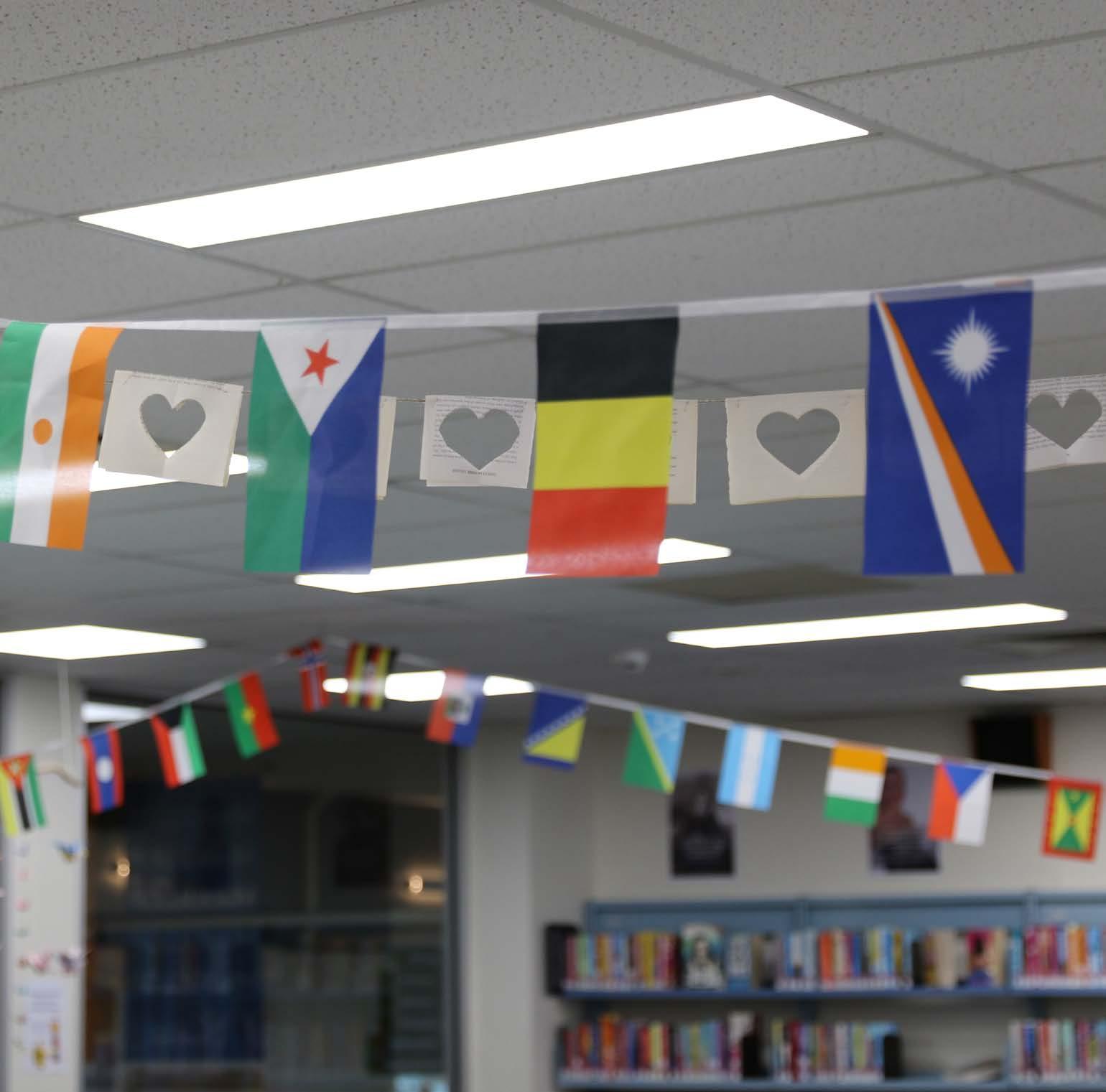
Year 9 French is designed for students who are interested in language, communication, and exploring French culture and everyday life. Through engaging and interactive learning experiences, students build confidence in speaking, listening, reading, and writing in French while developing practical communication skills that can be applied in real-world situations. Students expand their vocabulary and understanding of grammar through topics connected to home life, travel, leisure, family, food, and daily routines.
The course encourages students to become confident and curious language learners while developing intercultural understanding and global awareness. Through conversations, role plays, collaborative activities, and cultural exploration, students strengthen their ability to communicate ideas and interact in meaningful ways. Learning a language also supports the development of problem-solving, memory, communication, and critical thinking skills that are valuable across many future pathways and experiences.
Assessment
Assessment may include listening tasks, oral presentations, reading comprehension activities, conversations, quizzes, and a variety of written language tasks.
Pathway
This subject provides a foundation to VCE French.
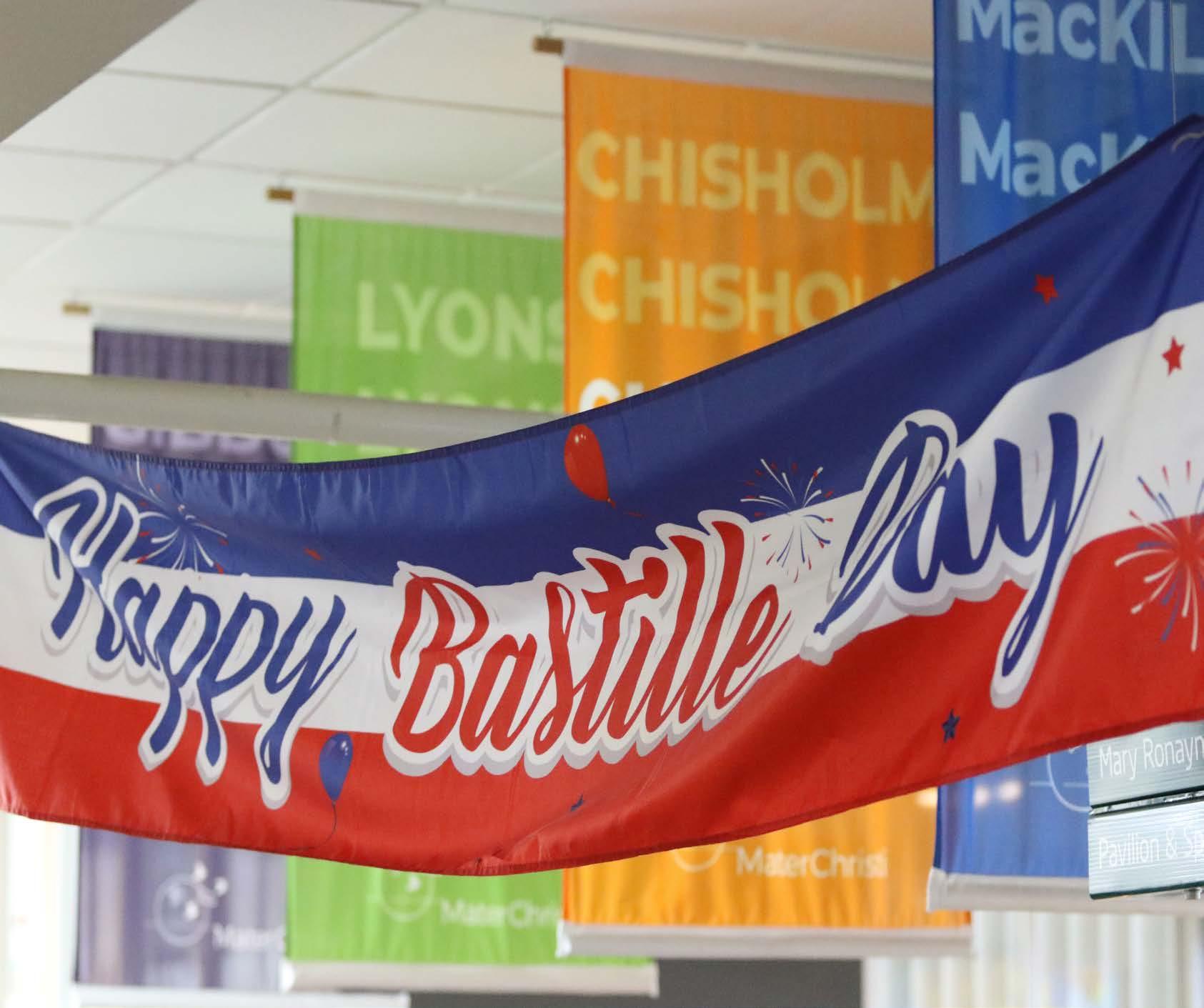
The Certificate II in Applied Language is a national accredited curriculum that aims to provide participants with the language skills and cultural knowledge to enable them to communicate in social and workplace situations in a language other than English [Chinese].
Students develop the intercultural sensitivity and capacity to function in environments where there is a range of cultural and language backgrounds present. They learn the basic linguistic competency required to understand and use an additional language in social and workplace settings.
This is an 18-month program consisting of 4 core units.
Full Year Commitment (Year 9)
Semester One Elective (Year 10)
VCE
Students may be able to attain up to three VCE VET units at the Unit 1 and 2 level.
Upon completion of all course requirements, the RTO will issue a completion certificate. Where a student has attained only some units, the RTO will issue a statement of attainment.
The certificate is taught face to face at Mater Christi College, but is delivered in partnership with the RTO, Ripponlea Institute (RTO 21230)
Assessment
Assessment may include listening tasks, oral presentations, reading comprehension activities, workplace communication tasks, role plays, and a variety of written language activities.
Pathway
This subject provides a foundation to further VET and VCE language studies, while supporting future opportunities in travel, business, hospitality, international studies, and global career pathway.
The Year 9 Science pathway encourages students to explore the world through curiosity, investigation, experimentation, and discovery. Students develop a deeper understanding of how science influences everyday life while building skills in inquiry, problem-solving, critical thinking, and evidence-based reasoning. Whether students are fascinated by biology, chemistry, physics, psychology, environmental science, or forensic investigation, the Science pathway provides exciting opportunities to explore a wide range of scientific fields and discover areas of personal interest and passion.
Through practical experiments, collaborative investigations, and real-world applications, students are encouraged to question, analyse, and think creatively about the world around them. The Year 9 Science pathway also provides strong foundations for future studies in Biology, Chemistry, Physics, and Psychology, while supporting pathways into health sciences, environmental studies, engineering, forensic science, and many other STEM-related careers. Students are empowered to become curious, capable, and confident learners who are prepared to engage with the challenges and innovations of the future.
The Forensic Science unit engages students in exploring how scientific techniques are used to investigate and solve crimes. Students develop critical thinking skills as they apply methods such as fingerprinting, DNA analysis, blood typing and spatter analysis, as well as fibre, hair, soil, water and footprint examination. Through practical experiments, they connect concepts from biology and chemistry to real-world forensic applications, reinforcing their understanding of scientific principles. Students also examine how technological advancements have transformed forensic science over time and improved the accuracy and efficiency of criminal investigations. By analysing evidence and interpreting results, they learn to draw logical conclusions and communicate their findings. The unit highlights the multidisciplinary nature of forensic science and introduces students to a range of related career pathways, fostering an appreciation of how science contributes to justice and society.
Assessment
Assessments include practical reports, research tasks, presentations and tests.
The Year 9 Technologies pathway encourages students to explore creativity, innovation, and practical problem-solving through hands-on and design-focused learning experiences. Students have opportunities to develop skills in food technology, fashion and textiles, and creative production while exploring how design and technology influence everyday life. Whether students are passionate about cooking, garment design, sustainability, textiles, or creative production processes, the Technologies electives provide exciting opportunities to experiment, create, and bring ideas to life in meaningful and practical ways.
Through collaborative projects, design challenges, and practical activities, students are encouraged to think creatively, work independently, and build confidence in applying technical and problem-solving skills. The Year 9 Technologies pathway also provides strong foundations for future studies in Product Design and Technology and related creative industries, while developing valuable skills in innovation, organisation, communication, and critical thinking that support a wide range of future pathways and careers.
Bon Appetit is designed for students who are interested in food, cooking, nutrition, and developing practical kitchen skills in a creative and hands-on environment. This subject encourages students to explore the important role food plays in everyday life, culture, health, and wellbeing while building confidence in food preparation, meal planning, and safe kitchen practices. Students learn how food choices can support healthy lifestyles and explore current food trends, ingredients, and cooking techniques through a variety of practical experiences.
Through engaging cooking activities and design-based learning tasks, students develop creativity, organisation, teamwork, and problem-solving skills while preparing and presenting a range of dishes. The course encourages students to experiment with flavours, techniques, and presentation while gaining confidence and independence in the kitchen. Bon Appetit provides students with enjoyable and practical learning experiences that can support lifelong healthy habits and future pathways in food and hospitality industries.
Assessment
Assessment may include practical cooking classes, food preparation tasks, design challenges, menu planning activities, written reflections, and project-based learning tasks.
Pathway
This subject provides a foundation for Year 10 Mater Chef.

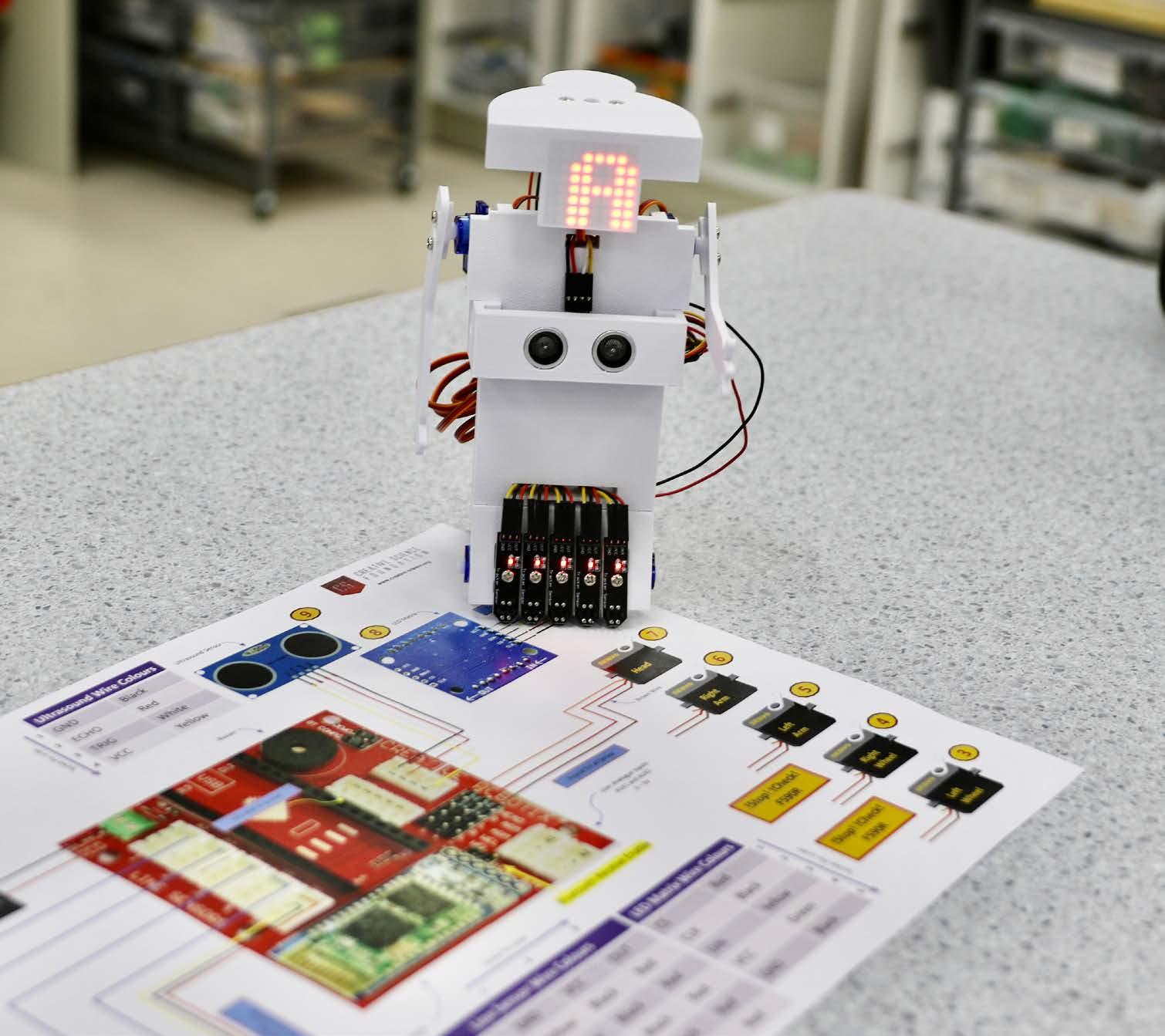
Digital Technologies is designed for students who are interested in technology, innovation, problem-solving, and creating digital solutions for real-world challenges. This subject encourages students to explore how digital systems, data, security, and technology impact everyday life while developing practical skills in designing, creating, and evaluating digital products. Students investigate topics such as privacy, cybersecurity, data collection, and digital problem-solving while learning how technology can be used creatively and responsibly.
Through hands-on projects and design-based learning experiences, students follow the technology design cycle to plan, develop, test, and improve digital solutions that meet user needs and solve practical problems. The course encourages creativity, critical thinking, collaboration, and innovation while building confidence in using digital tools and technologies. Digital Technologies provides students with opportunities to develop valuable future-focused skills that can be applied across a wide range of industries and pathways.
Assessment
Assessment may include the creation of digital solutions, design projects, case studies, practical technology tasks, problem-solving activities, and reflective evaluations using the design cycle process.
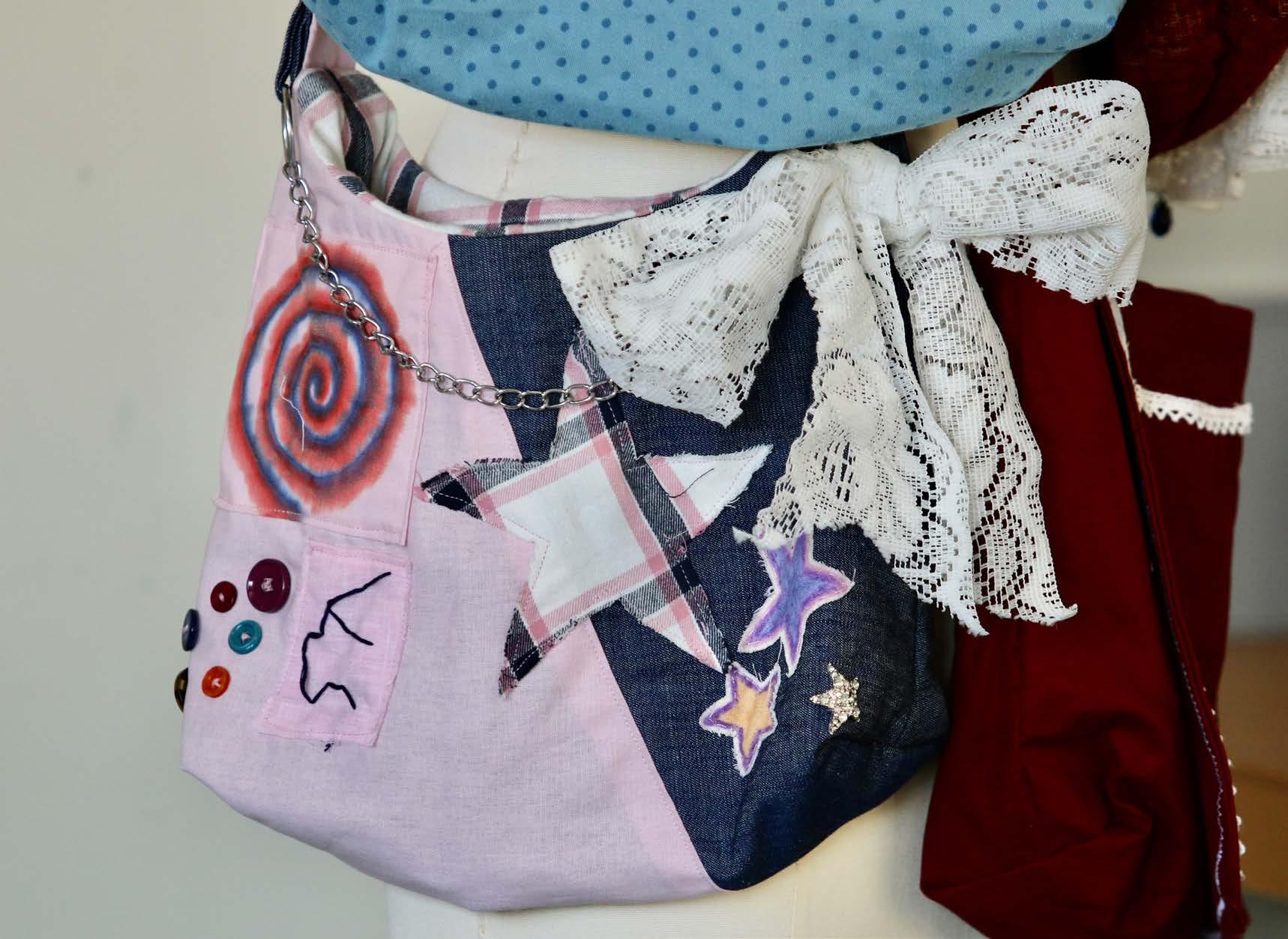
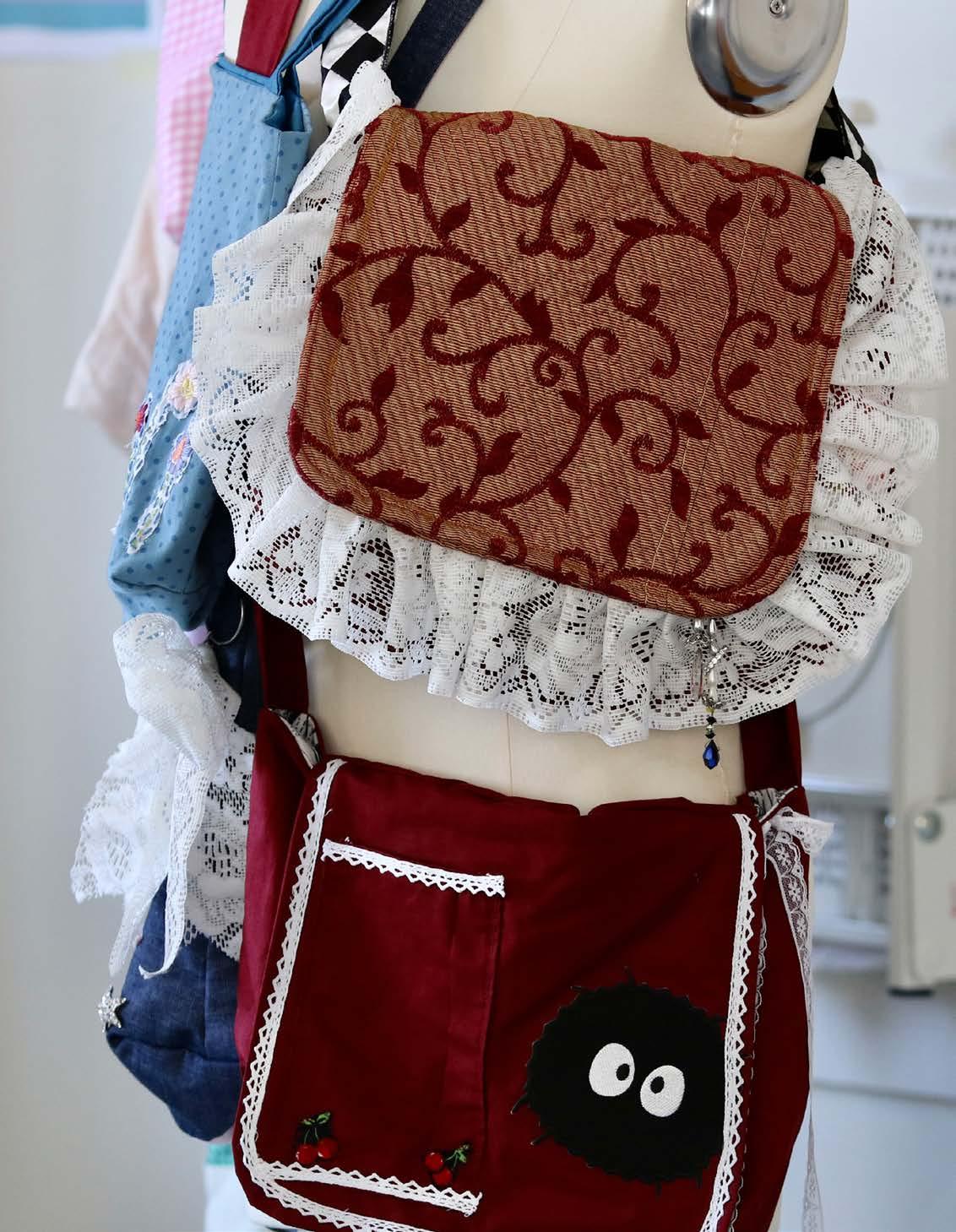
To Dye For is designed for students who are interested in fashion, textiles, creativity, and hands-on design. This subject encourages students to explore a range of decorative textile techniques while developing practical skills in surface design, fabric manipulation, and product creation. Students experiment with processes such as tie-dye, fabric painting, transfer techniques, embroidery, and textile embellishment to create unique and personalised fabric designs that reflect their creativity and individual style.
Through the design process, students develop confidence in planning, experimenting, creating, and evaluating their own textile products. The course promotes creativity, problem-solving, and attention to detail while encouraging students to express themselves through fashion and design. Students work both independently and collaboratively in a supportive studio environment, developing technical and creative skills that can be applied to future design and technology pathways.
Assessment
Assessment may include folio development, design explorations, practical textile samples, creative process documentation, product construction, and evaluation of final textile products.
Pathway
This subject provides a foundation
The Year 9 Enrichment Learning Program is designed to provide students with meaningful, realworld learning experiences that encourage personal growth, independence, curiosity, and active engagement with the wider community. Through a series of dedicated enrichment across the year, students step beyond the traditional classroom environment to explore authentic learning opportunities that support personal, social, and future pathway development. The program encourages students to become reflective, resilient, and globally aware learners while developing confidence, collaboration, leadership, and problem-solving skills.
Students participate in a variety of immersive experiences focused on future career pathways, social justice and community engagement, and outdoor adventure learning. Throughout the program, students explore workplace skills and career planning, engage with important social and community issues, and challenge themselves through outdoor and team-based experiences. The Enrichment Learning Program encourages students to think critically, connect learning to the real world, and develop a stronger sense of self, purpose, and belonging as they prepare for future learning and life beyond school.
Enrichment Description
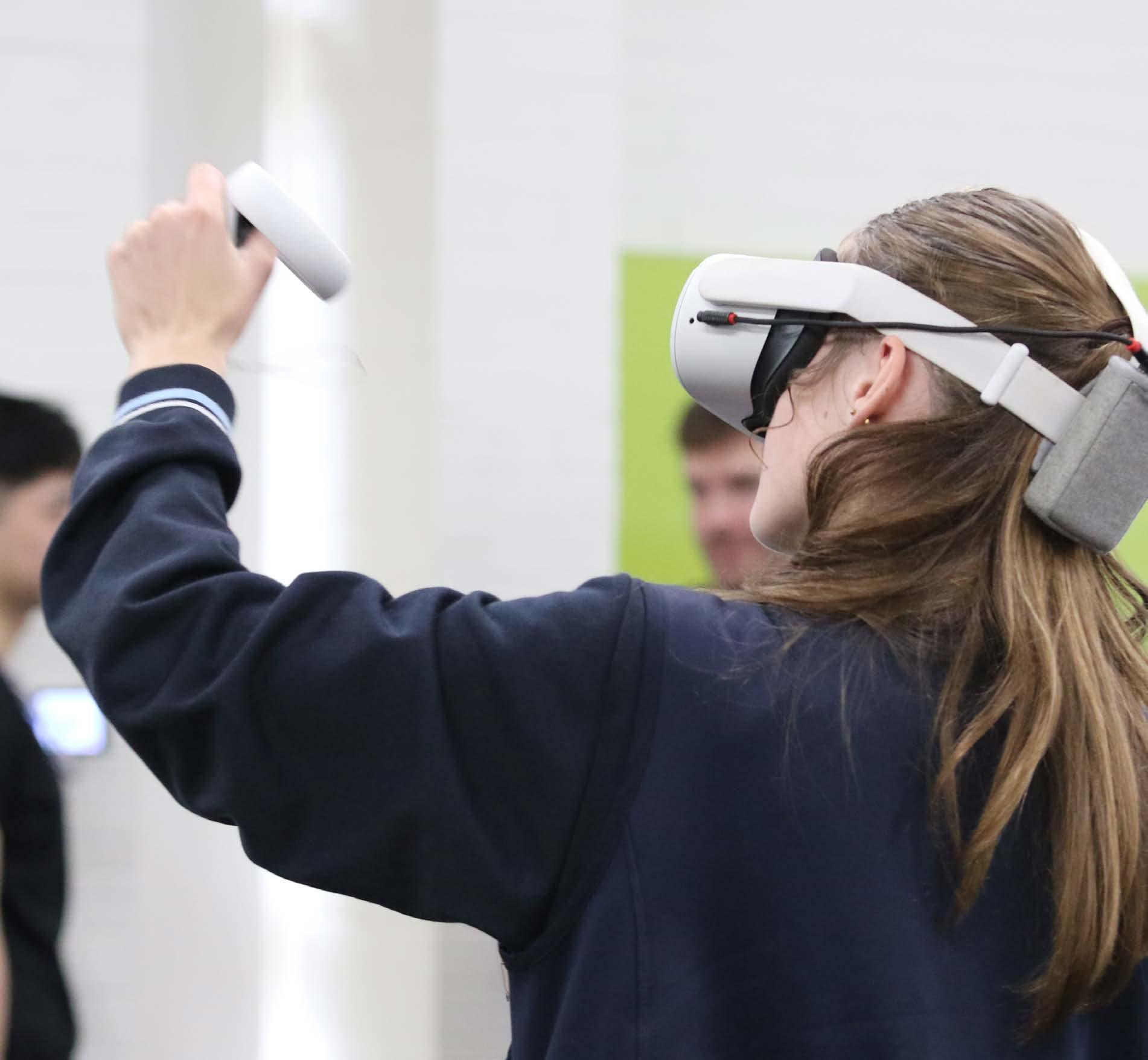
The World of Work programs provides students with opportunities to explore future career pathways, develop workplace-ready skills, and build confidence in planning for life beyond school. Through engaging and practical learning experiences, students investigate their strengths, interests, ambitions, and goals while learning about further education, training, and career opportunities. Activities may include career exploration, resume and cover letter writing, interview preparation, mock interviews, teamwork activities, and entrepreneurial learning experiences. This enrichment program encourages students to become informed, motivated, and confident about their future pathways while developing valuable communication, organisation, and employability skills.
Enrichment Description
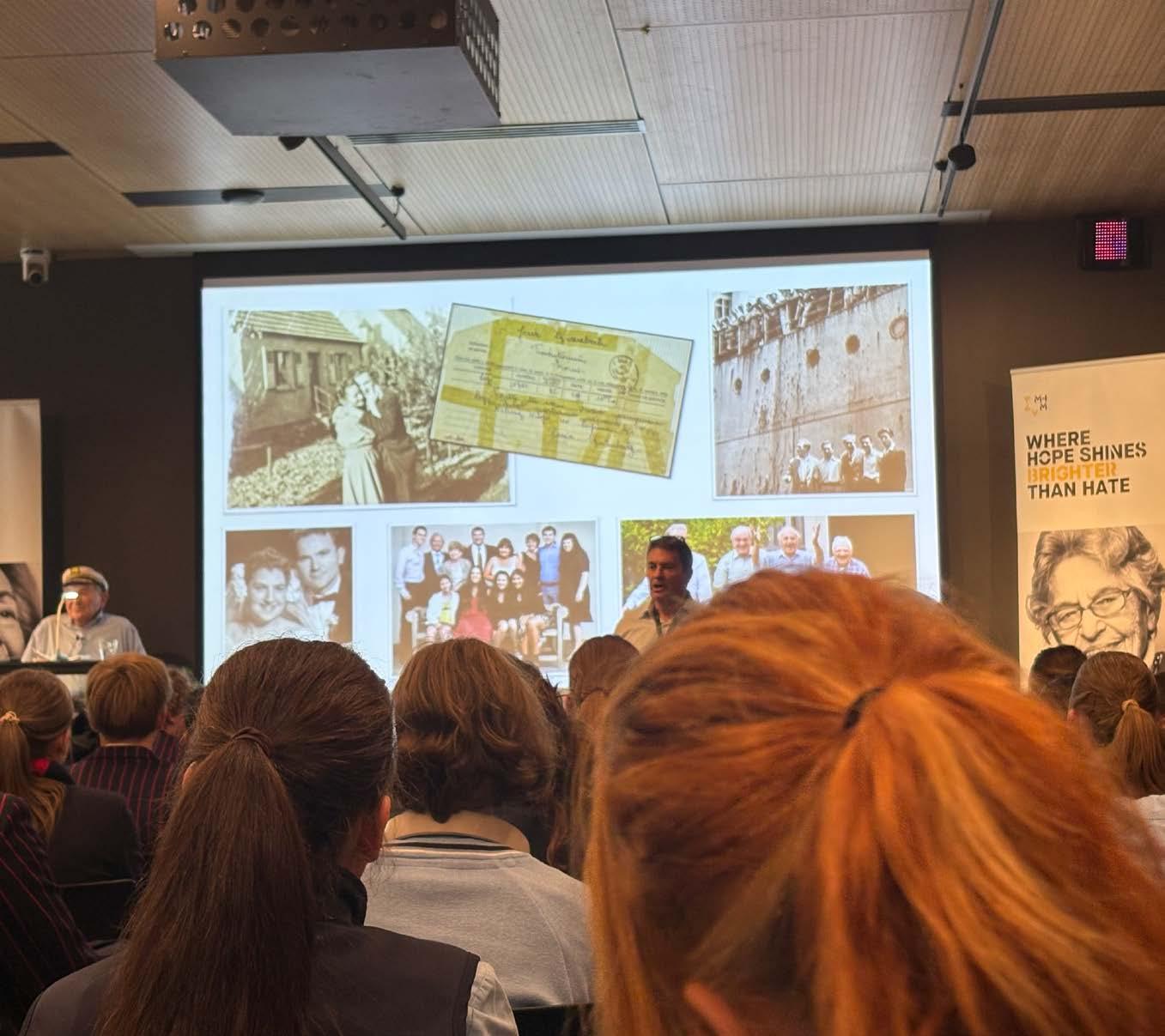
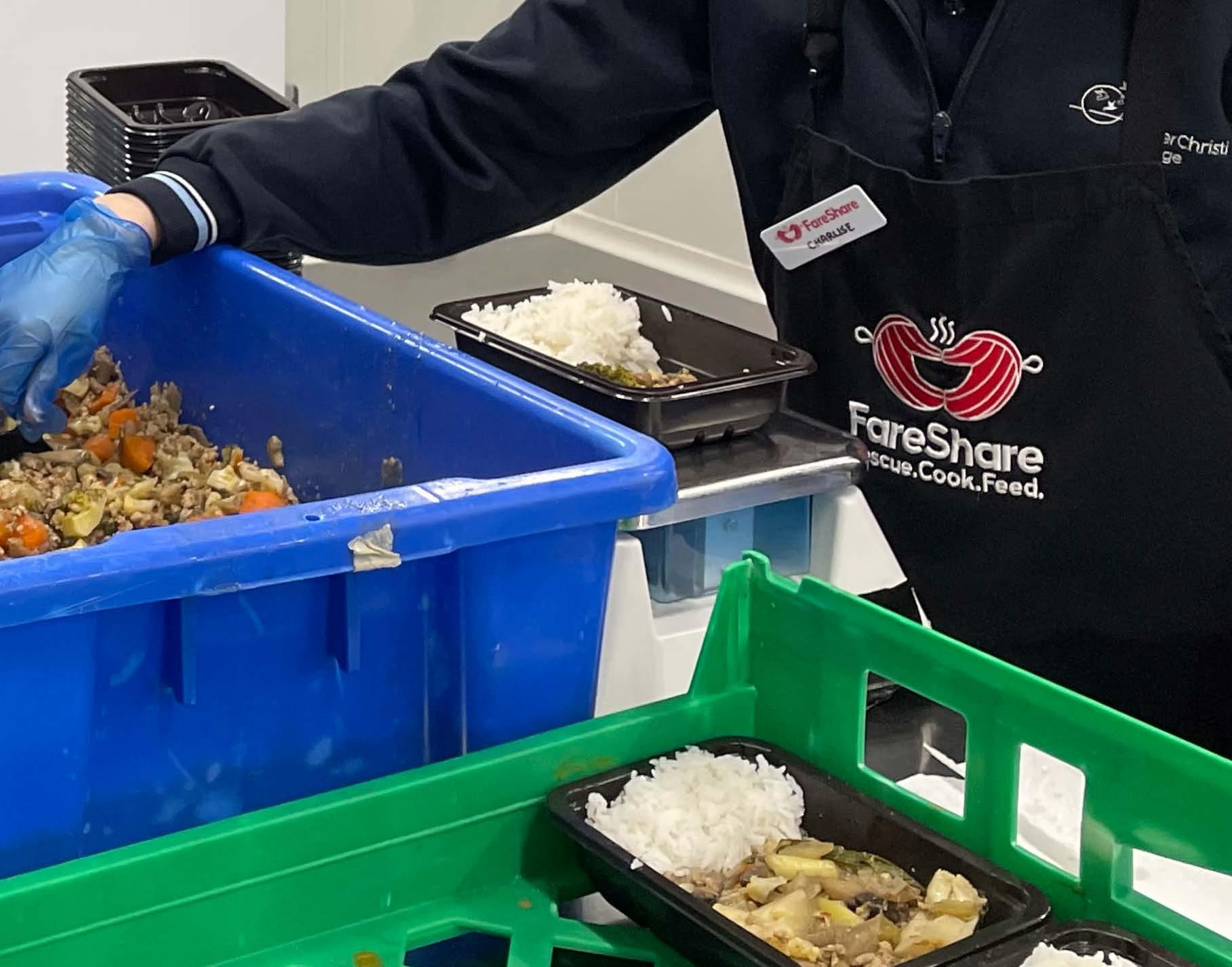
Service as Action program encourages students to engage with important social justice and community issues through authentic and meaningful learning experiences. Students explore topics such as homelessness, food insecurity, refugees and asylum seekers, Indigenous history and culture, and other contemporary social challenges. Through the process of “see, judge, act,” students are encouraged to think critically about the world around them, develop empathy and understanding, and consider how they can make positive contributions within their communities. This enrichment experience promotes compassion, active citizenship, collaboration, and a deeper awareness of social responsibility and global issues.
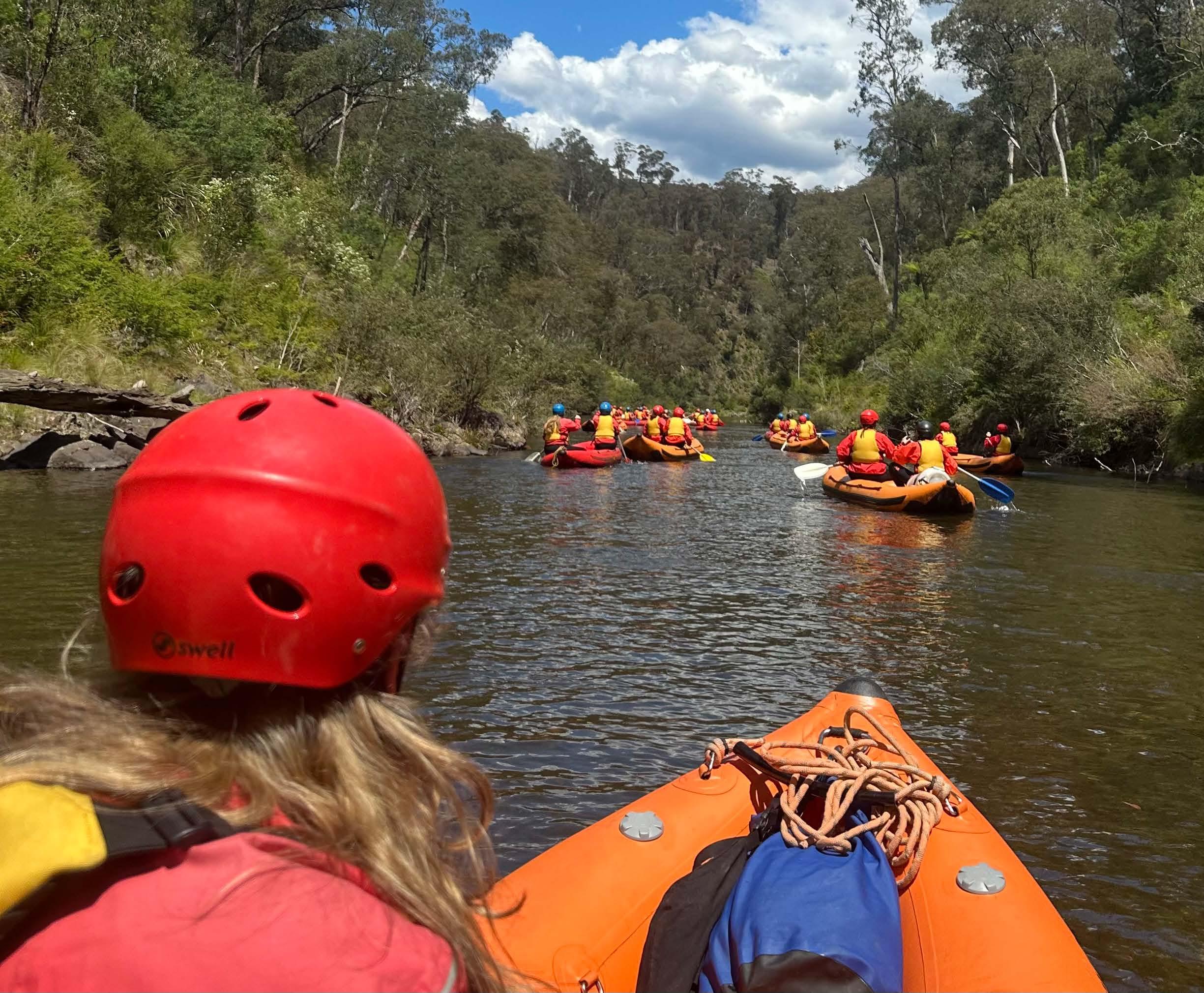
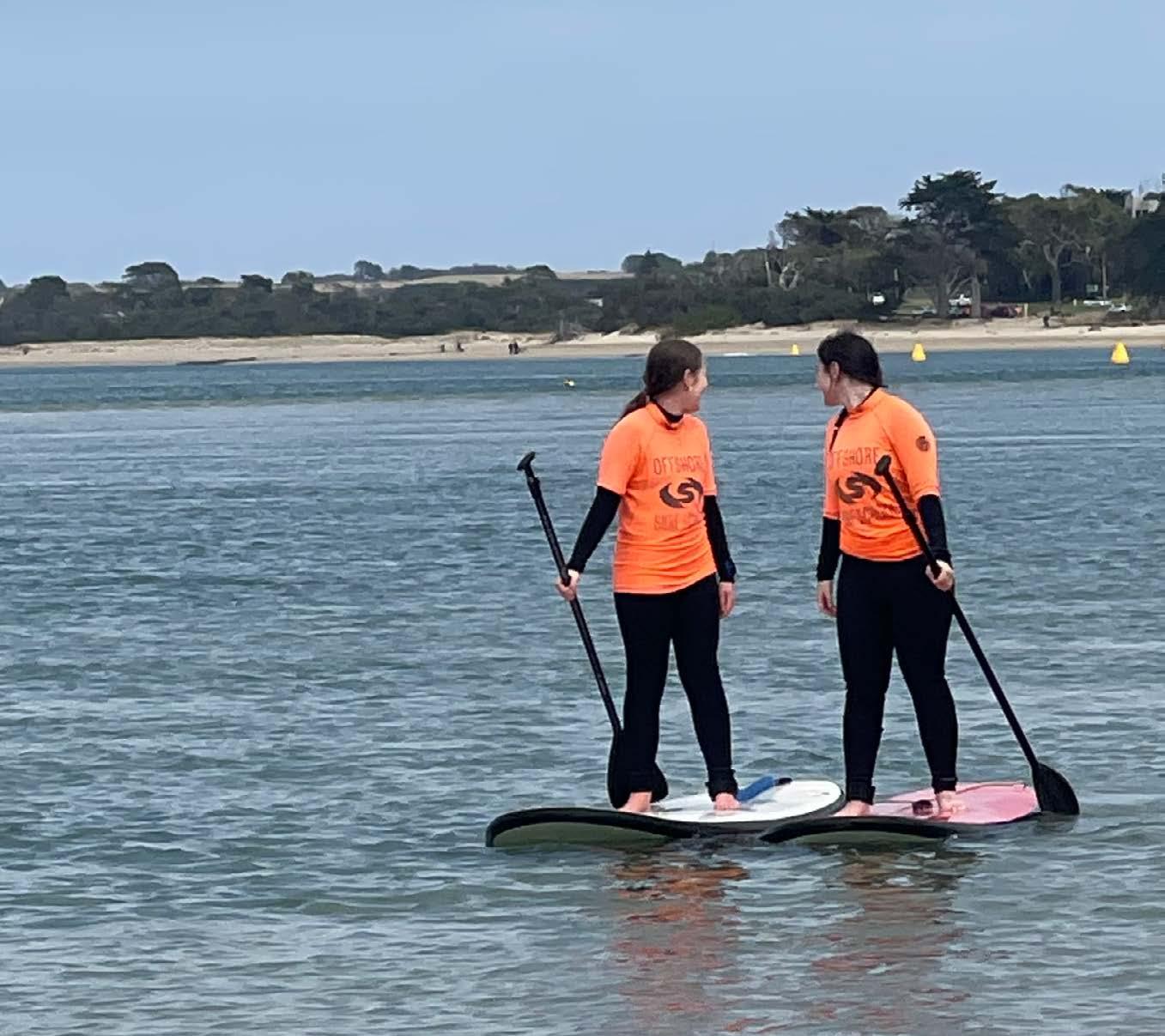
The Adventure Program provides students with opportunities to challenge themselves, build resilience, and strengthen teamwork and leadership skills through outdoor education experiences. Students participate in a range of practical and adventurous activities in natural environments. Activities may involve hiking, outdoor challenges, Indigenous learning experiences, environmental activities, and collaborative team-based tasks. Through these experiences, students develop confidence, independence, problem-solving skills, and a greater appreciation for the outdoors while building positive relationships and creating lasting memories with their peers.