My name is Tianjing Fu (傅恬 静). If you try to pronounce it in English, you might catch yourself pausing, hesitating over the vowels, wondering where the cadence falls. In Chinese, Tianjing translates to “tranquil” or “quiet”—a soft, reflective name to carry, especially when living thousands of miles away from where it was given to me.
Like many overseas creators, I’ve often had to navigate that space between who we are at home and how we exist abroad. But when you live far from your homeland, maintaining a connection to your roots isn’t just a sentiment—it becomes the very heart of your creative practice.
In Chinese tradition, literature and visual art have always been deeply intertwined, sharing the same brushwork, rhythm, & desire to capture a fleeting feeling. For overseas artists,
Tianjing Fu
literature serves as an anchor—giving voice to nostalgia and the complex reality of existing between two worlds—while art translates those written words into colour, form, and texture. A remembered story or a line of poetry transforms into a brushstroke, bridging oceans and time zones. Through our work, home stops being just a point on a map; it becomes a living landscape carried within us.
In this issue, we explore how overseas artists use this bond between words and imagery to hold onto their roots, tell their stories on their own terms, and create a sense of belonging.
Whether you are far from home or right where you need to be, I hope these pages speak to you.
Welcome to the issue—let’s explore together.
— Tianjing Fu
Massive is largely funded by Te Tira Ahu Pae and the student services levy, however, remains editorially independent.
Disclaimer: The views presented within this publication do not necessarily represent the iews of the editor.
NZ Media Council: Those with a complaint towards the publication should first complain in writing to: editor@massivemagazine.org.nz
If unsatisfied with the response, complaints should be made to the NZ Media Council: info@mediacouncil.org.nz
Kia ora everyone!
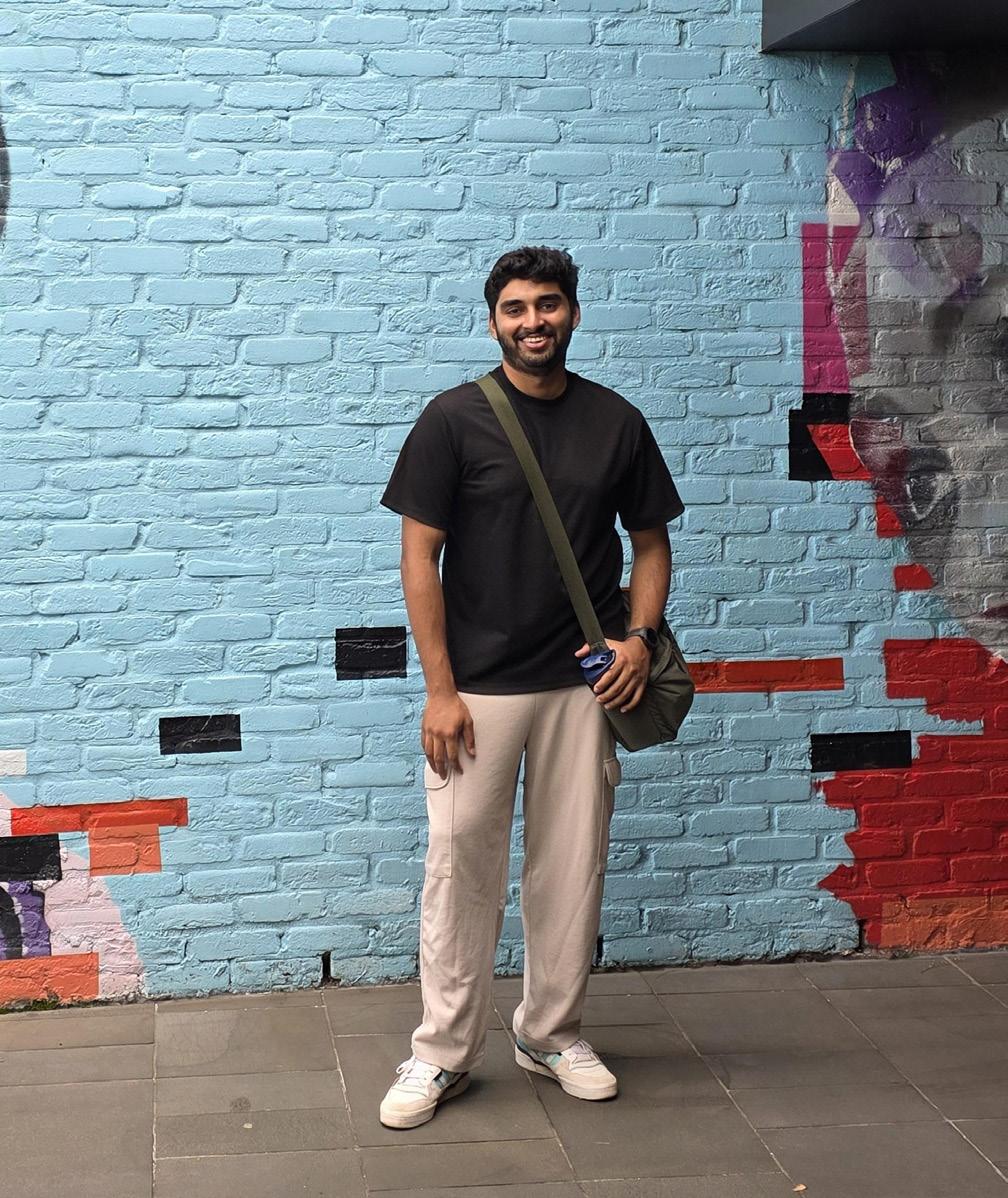
For those who don’t know me yet, my name is Abhinav Shine, and I am proud to serve as your International Student Representative. I am currently pursuing my Master of Analytics here at Massey.
I arrived in New Zealand on the 15th of February this year, and my journey so far has been nothing short of a rollercoaster ride. Between figuring out how things work around here, getting to know the campus, and pushing through a very hectic first semester academically, it has been quite the adventure! But through it all, I’ve managed to make some wonderful friends and adapt to this new rhythm, and I know many of you are navigating that exact same transition.
Having moved and shifted frequently throughout my entire life, I know firsthand what it feels like to adjust to a new environment. I know how overwhelming, challenging, and Lonely it can get at times. That personal experience is precisely why I am so driven to help you. I wanted to become your Student Rep because I knew it would equip me to better support our community, driven by a genuine desire to ensure your journey here is as smooth, welcoming, and rewarding as possible.
So, if you see me around campus, please don’t hesitate to say “Hey” or stop for a chat! Whether you are feeling confused about something, need guidance, or just want to connect, feel free to approach me anytime.
I hope you all have a fantastic semester and an even better summer ahead!
Yours truly,
— Abhinav Shine
MONDAY AUGUST 3RD MASSIVE
Massey Initiatives Sparks Women’s Health Research
Josie Maddox • SHE/HER
Research investigating the safety and sustainability of menstrual products to tackle gaps in women’s healthcare drew from expertise developed at Massey University’s College of Creative Arts (CoCA).
Period People Aotearoa (PPA)—an organisation looking to create inclusive and accessible models for health research—is researching the lasting effects of menstrual products on the body. For this, several Massey graduates and researchers have contributed their skills and expertise.
With the use of sustainable menstrual products rising, little evidence existed surrounding their long-term use. PPA wanted to change that.
Their research combined science with design and public community engagement.
Working alongside Toi Āria: Design for Public Good—a research unit at Massey’s CoCA—researchers have worked closely with affected communities.
Master of Design graduate, Faye O’Sullivan, said that through engaging with affected communities, she found many unexplored conversations about menstruation.
“Listening to the experiences around the tables in our community sessions reminds us how inseparable menstrual health is from our day-to-day health and wellbeing. I think we heard more than some health professionals would!”
Professor Anna Brown, founder and director of Toi Āria, co-led the initiative alongside University of Auckland’s associate professor Souxsie Wiles.
Both Brown and Wiles shared the same ambition to improve menstrual health outcomes in Aotearoa.
“We’ve heard from people who are frustrated that periods are poorly researched, and we know there is a lack of independent or well-evidenced research,” Professor Brown said.
Bachelor of Design with Honours graduate, Emma Stein, created the initiatives’ visual identity, drawing from themes such as historical myths and misinformation about female healthcare.
“By embracing the messy nature of periods, we can form a collective that connects us through the funny, scary, gross or happy stories that menstruation gives us,” Emma said.
The project’s visual language aimed to challenge traditional menstrual health communication and reduced stigma.
Jean Donaldson, Master of Design graduate, helped build on Emma’s ideas and ensured they were inclusive and gender neutral.
She said: “Designing a suite of visuals that prioritized gender neutrality was very eye opening to just how ingrained traditionally feminine language and imagery is when talking about menstrual health — something that excludes many people from the conversation.”
Wild Weather Delayed Exposure Exhibition
Ellice Lawrie • SHE/HER
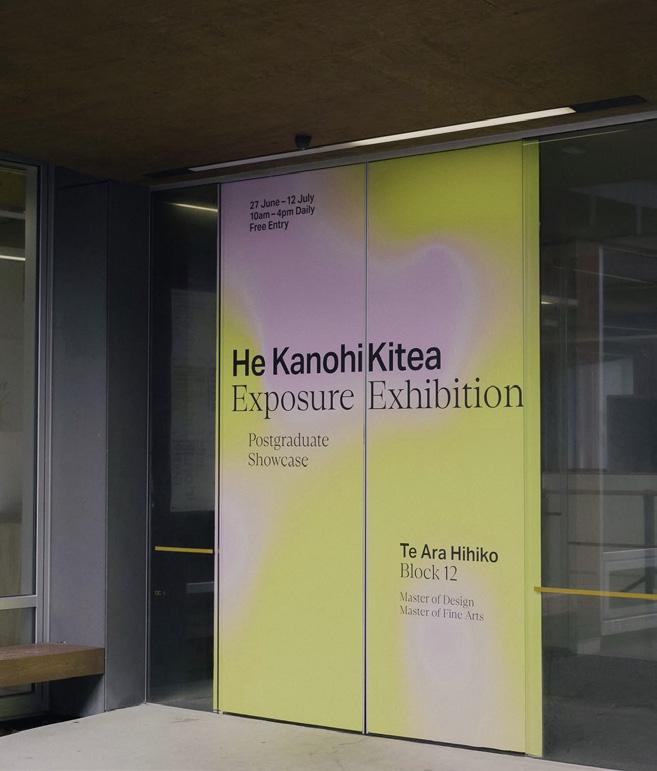
Earlier this month, the College of Creative Arts (CoCA) Exposure exhibition was postponed due to dangerous weather conditions.
Exposure is held twice a year to showcase graduating CoCA students’ work. However, the opening of the most recent exhibition was delayed after severe weather warnings in Wellington.
This left students who were studying a Master of Fine Arts without an opening night event. In its place, a Massey University spokesperson said that a closing event was held instead.
Because of the change in dates, Massey acknowledged that some students and whānau unfortunately could not attend. However, safety was their first priority.
“We would have loved to celebrate with them, but in the interest of safety, we felt that postponing the opening event was the safest decision.”
Despite disruptions, the spokesperson said the closing event had a great turn out and student’s achievements were still able to be celebrated.
Through Exposure, students can connect with curators and arts industry specialists.
Massey said that “these relationships and conversations are an important part of supporting students as they transition into professional practice”.
Photo credit: Massey Exposure on Instagram
Agriculture Science and Veterinary Science Degrees Rise in International Rankings
Milly Matthews • SHE/HER
Two popular Massey University Manawatū degrees are among some of the best in the world, according to one well-known University analysis company.
In their 2026 world university rankings by subject, higher education company QS Quacquarelli Symonds placed Tāwharau Ora School of Veterinary Science as the 14th best Veterinary school in the world, and first in Asia-Pacific.
They rated 100 out of 100 for employer reputation.
In a press release, the head of the Tāwharau Ora, professor Jon Huxley, said he was “delighted” to see the rank rise.
“Being ranked first globally for employer reputation, and as the highest ranked subject area across the full academic offering of New Zealand universities, is a remarkable achievement and a testament to the dedication of our students, staff and alumni.”
Meanwhile, Te Kura Mātauranga mō Ahuwhenua me Te Taiao School of Agriculture placed 49th best in Agriculture schools. This is its highest ranking since it fell from the top 50 in 2019.
Head of School of Agriculture and Environment, professor Paul Kenyon, said that the rise in the ranks was partially because of an increase in research.
“In addition to the [100] research projects, there are more than 130 PhD students and 165 Master students which is helping to drive our primary economy through research,” Kenyon said.
“Employers are increasingly recognising the quality of Massey Agriculture and Environment graduates which has resulted in a considerable lift in our 2026 enrolments in both under- and post-graduate students.”
This year, the QS world university rankings by subject included more than 1,900 universities and featured 55 subjects across five overarching areas.
These were Arts and Humanities, Engineering and Technology, Life Sciences and Medicine, and Natural Sciences.
Both Veterinary and Agriculture are under Life Sciences and Medicine.
Vice-Chancellor, professor Pierre Venter, said the marked lift in the Agriculture ranking is a great result not only for Massey, but the entire country.
“It’s very pleasing to see Agriculture move back into the top 50 ranking worldwide. This is such an important subject area at Massey and for us it spans farming, all the land based primary industries through to food production, as well as environmental science,” he said.
“Our research is tackling key issues for New Zealand, including how we use land for farming in a more sustainable way, as well as changing how we produce food with changing weather patterns, global warming, disease and pests.”
The only other University in New Zealand to offer Agriculture degrees is Lincoln University. They ranked 82nd.
Overall, Massey’s ranking in the QS 2027 World University Ranking is 215th out of 1,504 universities— the highest it has ever achieved.
QS ranked Massey third in New Zealand behind Auckland University and Otago University, and 16th in Oceania.
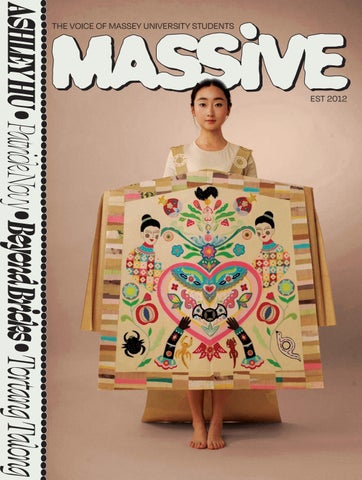
A Story of Cultural Resurgence: ASHLEY HU’S Open Pages
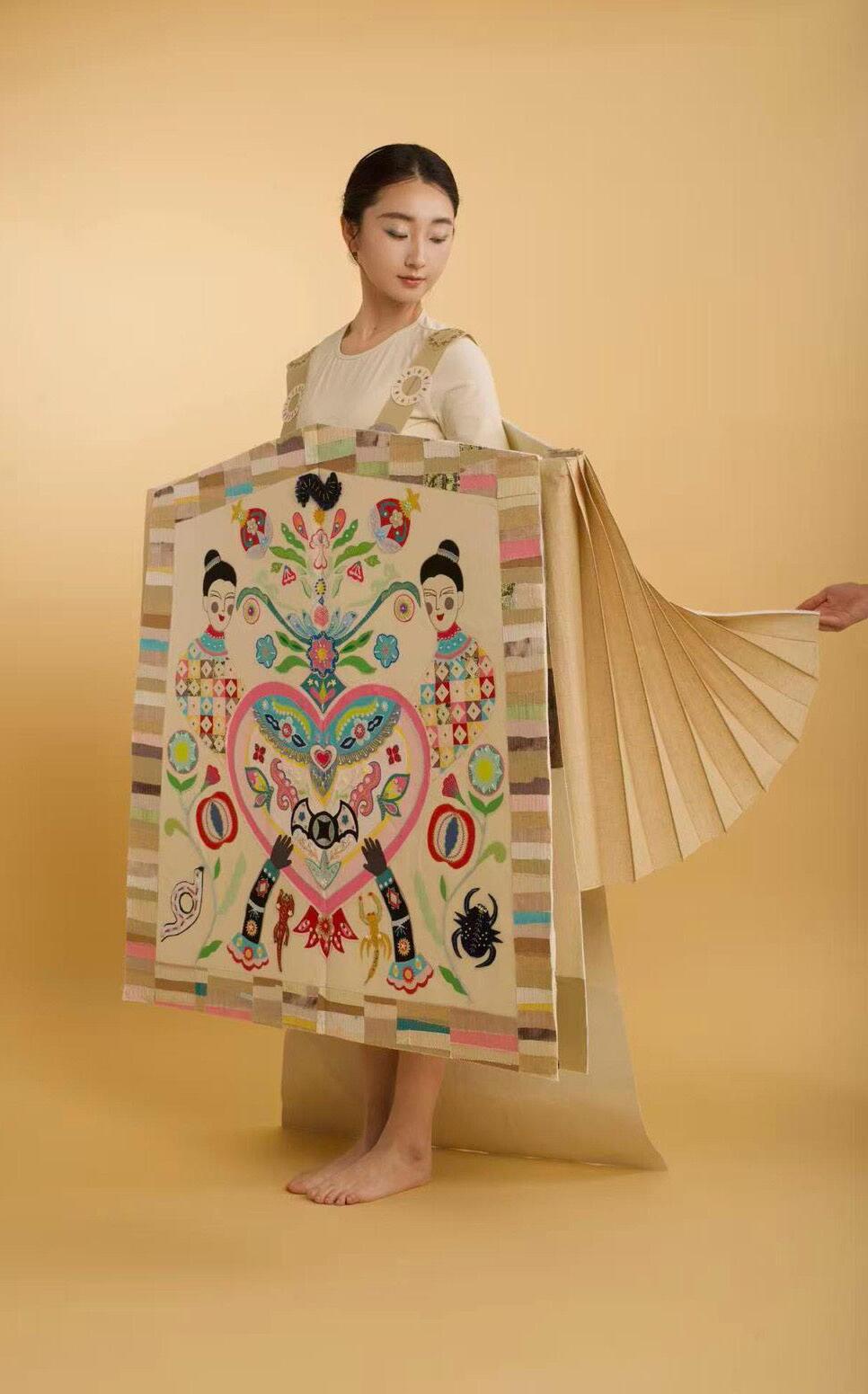
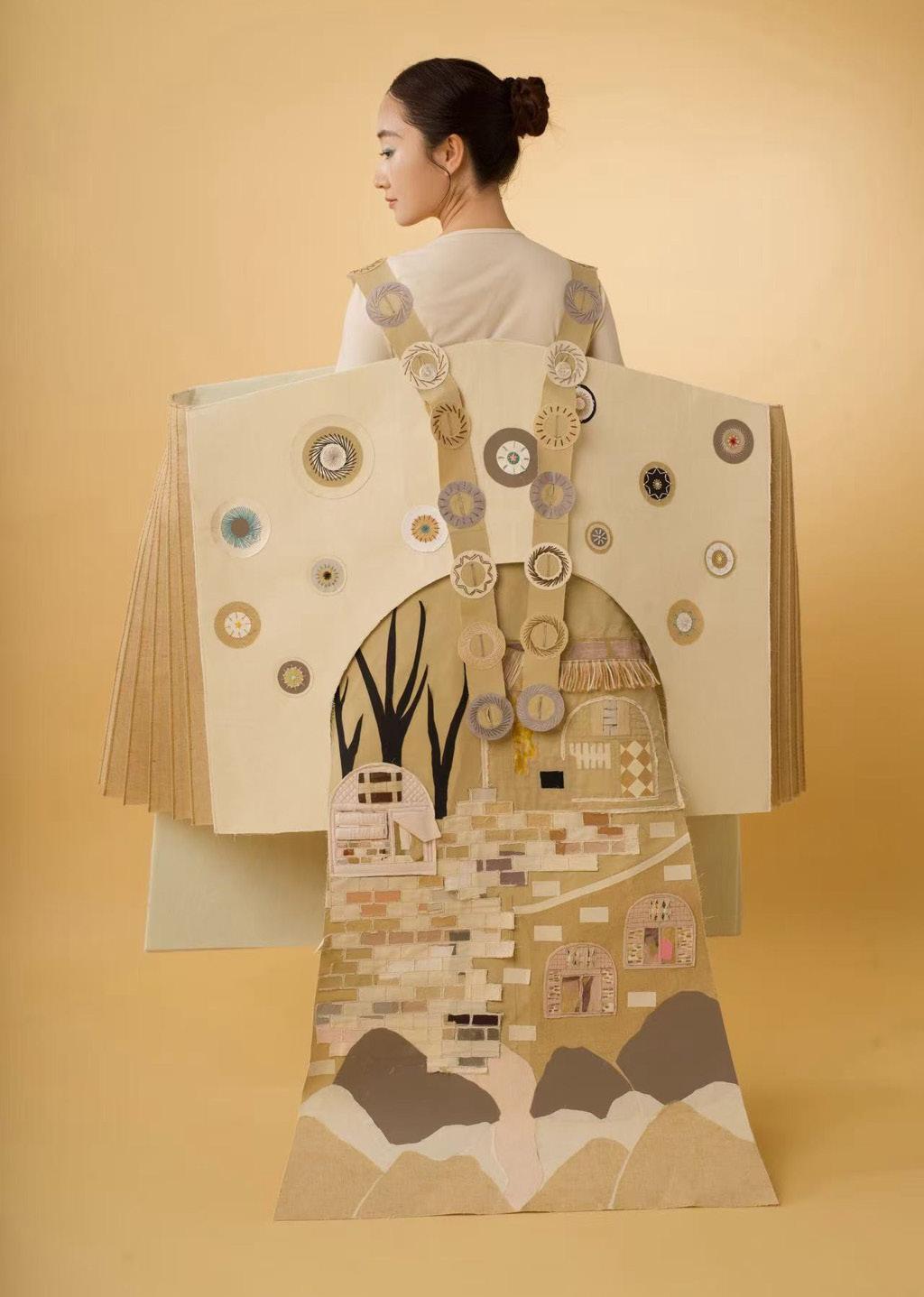
The story begins as you follow a dirt path weaving through tall enclosing mountains. Suddenly, your world opens to a small village in China’s Shaanxi Province. Muted earth tones are complemented by subtle pinks and blues. Deciduous trees stand stark and black against the beige sky.
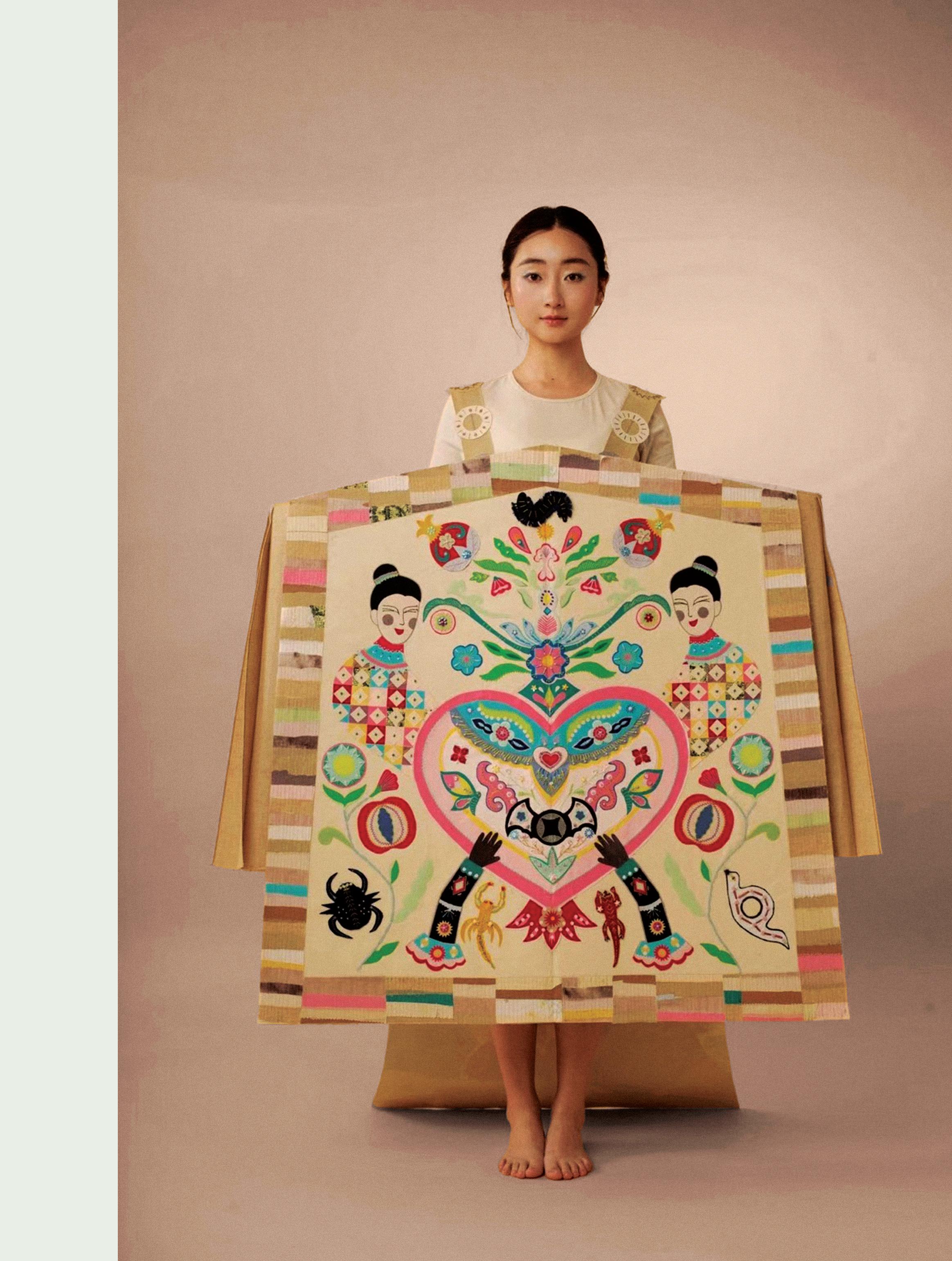
As the pages extend and vibrant accents are introduced, a tale of cultural autonomy and revival is revealed. Images depict the region personified through a grandmother’s way of life and cultural practices.
This is Lingfei Ashley Hu’s ‘Love Bloom’, and her “tribute to the land of Shaanxi”.
For the Master’s Fashion Design student, her passion for design is hereditary. Ashley’s great-grandfather was an architect during the German colonial period in Qingdao, and her mother’s parents were tailors.
But she says her biggest influence is her mum. From encouraging Ashley’s creativity to introducing her to significant fashion houses—Ashley’s mum lit her fashionable flame.
“My mother herself is a woman with exceptional aesthetic taste,” she says.
Growing up around a woman who takes great pleasure in the aesthetics of life subtly guided Ashley towards a path in Fashion Design.
For Ashley, garment design and production allow her to explore lost traditions, cultural dissonance, and selfdefinition. In her Masters research, she describes living half her life in China and the other in Aotearoa. She asks herself: “Where is my home?”
Ashley was raised in China and moved to Aotearoa for high school in 2014. However, when the pandemic hit after her first year of university, she was forced to move back to China for three years. This back and forth between countries kick-started Ashley’s cultural reflection.
“As a Chinese person, before having this cross-cultural experience, I might never have questioned my cultural identity or felt confused about my cultural definition.”
She says that being an immigrant has given her an interesting lens on Chinese culture.
“I feel that I might be more conscious about understanding and reflecting on my culture than some people who have always lived in China.”
Ashley describes the marriage between the two countries’ education systems. She says that after coming to Aotearoa, she was pushed to “break away from the traditional Chinese exam-oriented education mindset”.
The person who inspired this change was her high school Art teacher who taught Ashley how to engage critically with her creative process—instead of simply creating to achieve.
However, Ashley has managed to pull off both.
When Ashley moved back to China during the pandemic, she hadn’t lived with her parents for several years. She admits that this was a challenge.
“We all struggled to adjust, so I decided to go out and work to gain some real-world experience.”
She then moved to Shanghai to work at a design consulting firm. Over the years, Ashley then completed five internships and two full-time jobs that each lasted over a year. She worked as a graphic designer, product designer, project coordinator, purchaser, and eventually project manager.
If you haven’t figured it out yet, Ashley is a hustler.
She says that gaining real work experience outside of the classroom has given her a completely different perspective on design and creation.
After her return to New Zealand in 2023, Ashley’s experience strengthened her academic arsenal.
In 2024, Ashley was awarded second place at the Society of Dyers and Colourists International Design Competition, representing Australia and New Zealand.
In a post Ashley made to LinkedIn about the award, she writes: “Coming from a fashion design background, it was such a privilege to take part in an international textile design competition.”
Despite Ashley’s ever-growing variety of creative skills, she says that while her work features intricate details and thoughtful purpose, she feels she hasn’t found her niche yet.
“The works I’ve created are quite diverse”.
Her most recent research investigates Māori cultural resurgence in contrast with China’s recent re-engagement with heritage.
“In learning about Māori culture, I often notice certain similarities with traditional Chinese culture—for example, the understanding of the relationship between humans and nature, respect for ancestors and traditions, and the emphasis on cultural inheritance.”
She explains how the pursuit of Westernisation led to the neglect of China’s traditional cultural values. In a search for reconnection, China’s younger generations have begun a recent revival of Hanfu culture.
Ashley’s research showed her how both Māori and Hanfu cultures are trying to reverse the effects of Westernisation. She says, “In studying Māori culture, I have been particularly influenced by the Māori attitude toward cultural autonomy and cultural identity protection.”
As the pages on Ashley’s story continue to become infinitely richer with personal experience, her journey is far from finished.
“It has become part of who I am today.”
WORDS BY TIANJING FU (傅恬静)• SHE/HER AND CATHERINE (XINYUE) ZHANG
ART BY OLIVE BARTLETT AND CATHERINE (XINYUE) ZHANG
eyond ricks & oundaries B B B B
Rethinking Spaces Across Cultures
“Architecture
is always influenced by its location, climate, culture, and way of life. Different experiences don’t replace one another—together, they shape how we see the world.”
Massey University doctorial researcher, Catherine Zhang (Xinyue Zhang), has lived, studied and designed across the world. Starting in China, then the United Kingdom, to Hong Kong, and now in Aotearoa New Zealand, Catherine explores modular architecture and future housing through a vibrant lens of cultural identity and human-centered design.
In this feature, Catherine reflects on her moves across borders, decodes the local essence of design, and learns to view architecture as a living conversation between people and place.
A Journey to Aotearoa to Explore the Future of Housing
I have lived in New Zealand since 2025. Moving here to pursue my PhD at Massey University was a very intentional choice, driven by a desire to explore how we can rethink housing and modular construction for future generations.
After completing my Masters at The Bartlett School of Architecture, UCL, in London, I was looking for an academic environment where highlevel architectural research directly connects with real-world impact. The research direction in modular architecture and sustainable systems happening here in Aotearoa provided that exact alignment.
Arriving in New Zealand opened up a new chapter—not just academically, but personally—as I adapted to a completely different landscape, pacing, and architectural ethos than what I had experienced in highdensity urban environments like China or the UK.
Bridging Practical Design Practice and Deep Academic Research
The transition to Aotearoa brought a fundamental shift in how I engage with space. In China, my architectural journey began with an intensive fiveyear undergraduate degree. Chinese architectural education provides a massive, robust foundation across design studio, structural engineering, architectural history, building technology, and urban planning.
During those five years, our work was deeply grounded in practical design studio projects. We moved progressively from small-scale residential villas to complex, largescale developments like transitoriented hubs and multi-use urban towers. In that setting, drawing,
physical modeling, spatial efficiency, and theoretical frameworks were tightly integrated into every single studio submission.
When I moved to New Zealand for my doctoral studies, the focus evolved from direct design execution toward deep academic research. Rather than producing a static set of building plans, my work here centers on defining research methodologies, isolating spatial and environmental variables, and asking systemic questions about how buildings function over time.
Yet, I find that my comprehensive training in China remains the bedrock of everything I do.
Academic research still requires a deep intuitive understanding of spatial discipline, and every research variable I analyze today traces back to the fundamentals I first encountered in those early design studios.
How Local Culture and Environment Define the Kiwi Architectural Style
Practicality, speed, and spatial efficiency are undeniably important
in Chinese architecture. During my time interning at an architectural firm in China, much of my work centered on layout optimization—ensuring that residential spaces maximized functionality, light, and feasibility within dense urban environments.
Coming to Aotearoa, I discovered that practicality remains just as essential, but it is defined through a completely different cultural and environmental lens. Here, efficiency isn’t just about floor space; it’s about environmental harmony, material lifecycle, and community connection.
I firmly believe that a distinct ‘Kiwi architectural style’ exists, even if it cannot be pinned down to a single visual aesthetic or building material. Architecture is never isolated from its geographical reality. In Aotearoa, the architecture derives its identity from the way buildings respond to the rugged terrain, the maritime climate, sunlight, and local communities.
Having previously conducted research on cultural sustainability— examining how cultural values and heritage can be woven directly into spatial layouts—I see how deeply New Zealand architecture honors its sense of place. The relationship between indoor and outdoor living, the respect for indigenous values, and the integration of local materials all create an architectural identity that feels uniquely rooted in this land.
Navigating Cross-Cultural Perspectives as a Design Strength
I view my cultural background and international journey as one of my greatest assets as a designer and researcher. Having lived and studied across China, the UK, Hong Kong, and
New Zealand, I have been exposed to vastly different ways of living and thinking about space. Guidance from mentors and supervisors across these different regions has continuously expanded my horizon.
“Cross-cultural study isn’t simply about transferring technical skills from one country to another. It requires active listening, deep cultural empathy, and a genuine respect for how different communities inhabit space. Integrating these diverse perspectives can sometimes present challenges, but bridging those cultural gaps is precisely where the most meaningful design innovations happen.”
Rather than seeing one educational system or cultural approach as superior, I see them as complementary layers. The rigour and technical discipline I developed in China, combined with the collaborative innovation of the UK and the environmental, community-focused context of Aotearoa, allow me to approach complex housing problems from multiple angles at once.
Designing Interactive Spaces for Future Generations
Looking back at my portfolio, the project I am most proud of is my graduation thesis at UCL. It was a project that brought together my passion for modular systems, digital technology, and humancentered design.
We set out to reimagine housing not as a fixed, rigid box delivered to a passive consumer, but as an adaptable, evolving system. We created a platform where 3D modular housing units were imported into a real-time digital game engine (Unity). This allowed future residents to interactively configure their own layouts, adjust spatial modules, and test sustainability metrics based on their own personal needs.
That project redefined how I view the relationship between human beings and the built environment. Architecture shouldn’t be a monologue delivered by the architect; it should be an ongoing dialogue with the people who live inside it. This philosophy continues to guide my current PhD research into modular housing systems here at Massey.
Looking to the future, whether my academic and professional path keeps me in Aotearoa or takes me back home to China, my commitment remains the same: to contribute to human-centered, sustainable housing research.
Location is important, but maintaining curiosity, cultural awareness, and a clear sense of purpose matters far more than remaining anchored to any single geographic boundary.
The TUG OF WAR Identity: Patrick Novy between RELIGION &
Growing up, religion was never a question for Patrick Novy. But now, it’s the question he struggles to answer most. Pieces of religion play tug of war with pieces of his heart, leaving him questioning how any of it can fit together.
If he stops believing in the religion that raised him, where does that leave him?
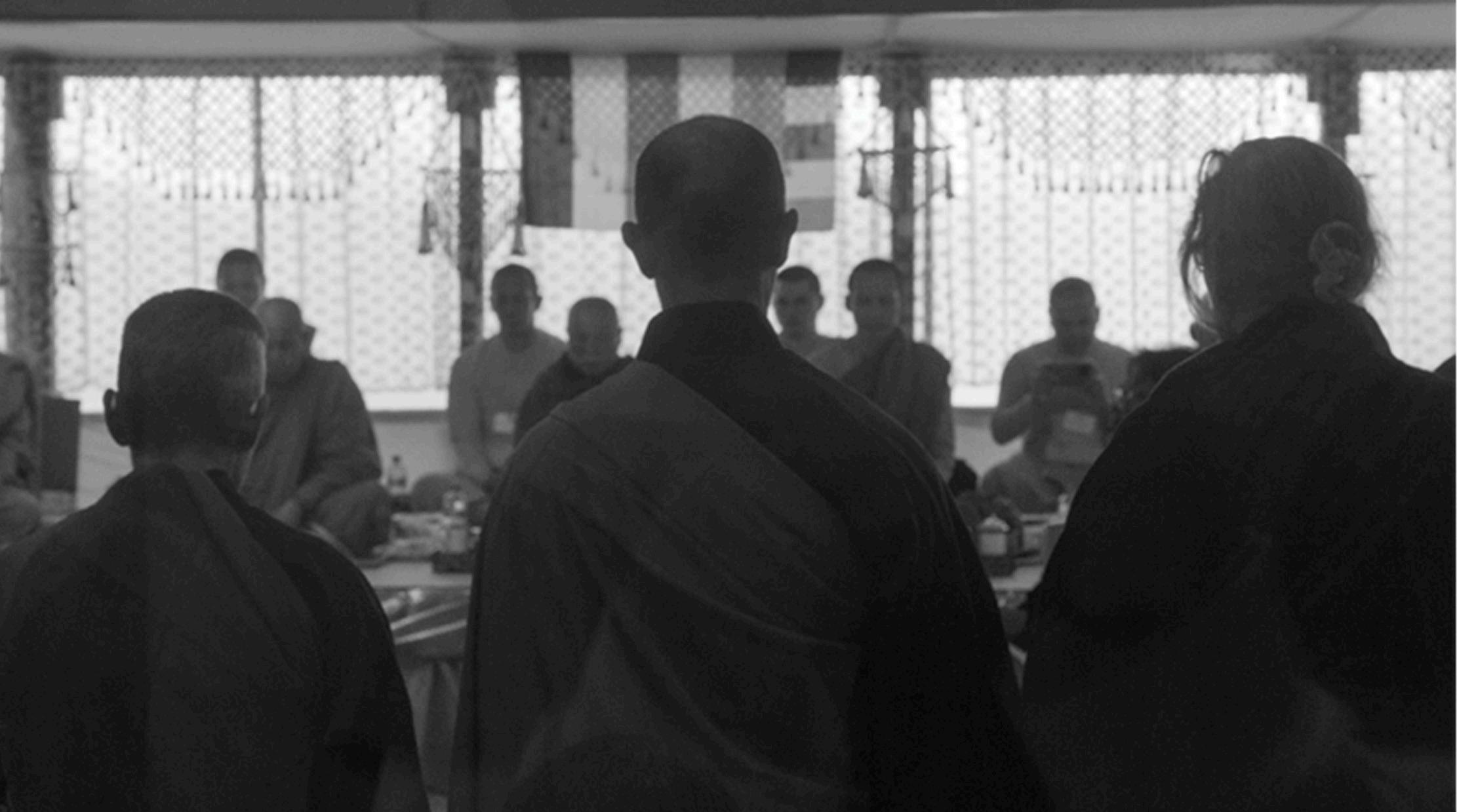
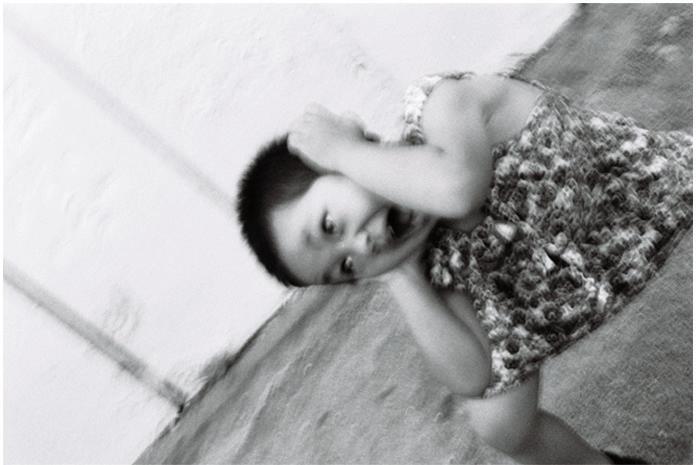
When he finds himself unable to answer these questions in his own mind, he finds the answers through his camera lens. His first photography project at Massey University studied religious iconography, and his photos have continued following the story ever since.
The second oldest of nine siblings, Patrick grew up in Auckland, raised primarily by his mum and grandmother.
Patrick’s grandmother immigrated New Zealand in the late 1980s after spending her teenage years on the streets of Thailand. After years of weaving her way through odd jobs and gang culture, she met Patrick’s grandfather on his boat.
But after parting with him, she found she was pregnant with Patrick’s mother. After spending a few years going between Thailand and New Zealand, they eventually settled in Auckland.
Going to the Buddhist temple with his grandparents introduced Patrick to religion—becoming routine in his childhood.
“I never really questioned it or anything. That’s just kind of what I knew.”
When he was eight years old, Patrick started going to Mormon church with his stepdad. As these two religions collided in young Patrick’s mind, he struggled to exist between them.
“It weirdly made me really hate going to the temple. I would say stupid shit like ‘Buddhism’s not real’ or like ‘monks are dumb’ in my head,” he admits.
Patrick’s resentment of the temple stemmed from a fear of feeling different from other kids his age. As he was the only Buddhust kid at his school, he felt that going to Mormon church was closer to being ‘normal’ than the Buddhist church.
In high school, Patrick gradually stopped going to the Mormon church. But he remained connected to the temple and Thai culture. For years, he hated it and never told anyone about it—Not that anyone ever asked.
“All my mates were drinking and stuff, and I was like, I just want to drink and smoke weed. But I was waking up in the morning, having to sell Thai food and shit like that,” he says.
Towards the end of Year 13, one of his friends asked him about his religion. For the first time, he felt normal opening up about it.
“To be honest, when they asked, I just kind of told them everything. I felt great, and I was like, this isn’t actually that bad because the way they handled it was so nice.”
The inner turmoil of navigating his different cultures has left some conflicting scars on Patrick’s identity. Growing up between his Thai family and his white friends left him floating somewhere in the middle.
“I think when I’m around my predominantly white friends, I feel super Thai. But whenever I’m around like real Thai people, or I go to Thailand, I feel like the biggest fraud.”
For Patrick, there are stark differences between New Zealand’s Thai culture and Thailand’s. In New Zealand, he says Thai culture is flashy and influenced by Western ideals.
In Thailand, Patrick still feels like the odd one out—even in the temple.
“I feel weirdly fraudulent without my family in Thai spaces,” he says. “Even my
mom gives me shit for it. She calls me whitewashed all the time.”
Nowadays, Patrick finds himself straying away from believing in religion, yet he still fears straying too far.
While many of the Buddhist beliefs he grew up with no longer align with his own beliefs, he still finds connection and comfort in the practices. But at the end of the day, Patrick still finds himself questioning what he’s doing there at all.
“I think it’s a guilt thing at this point. I’m there, I’m praying, I’m doing all the practices, but I feel like deep down I don’t actually believe that there’s a God.”
Through this inner turmoil, Patrick struggles to find a label for his relationship with religion. He can’t confidently claim to be Buddhist—but atheist is too far in the opposite direction.
His photography is an outlet for him to reflect on these difficult questions and turn the answers, or non-answers, into art.
“I think a lot of the art I make is hard to explain because it’s me trying to figure out where I stand in my religion and my culture,” he says.
Subconsciously, his guilt surrounding his fading belief often weaves its way into his work.
“I feel a bit bad for portraying religion in such a bad light because I know it’s good for so many people, and it’s good for me in the sense that it connects me with my culture.”
While some of his photos portray his internal struggles with religion, the story they tell is one of raw truth—a truth of the pain and the beauty that can blossom from religion.
ortang along
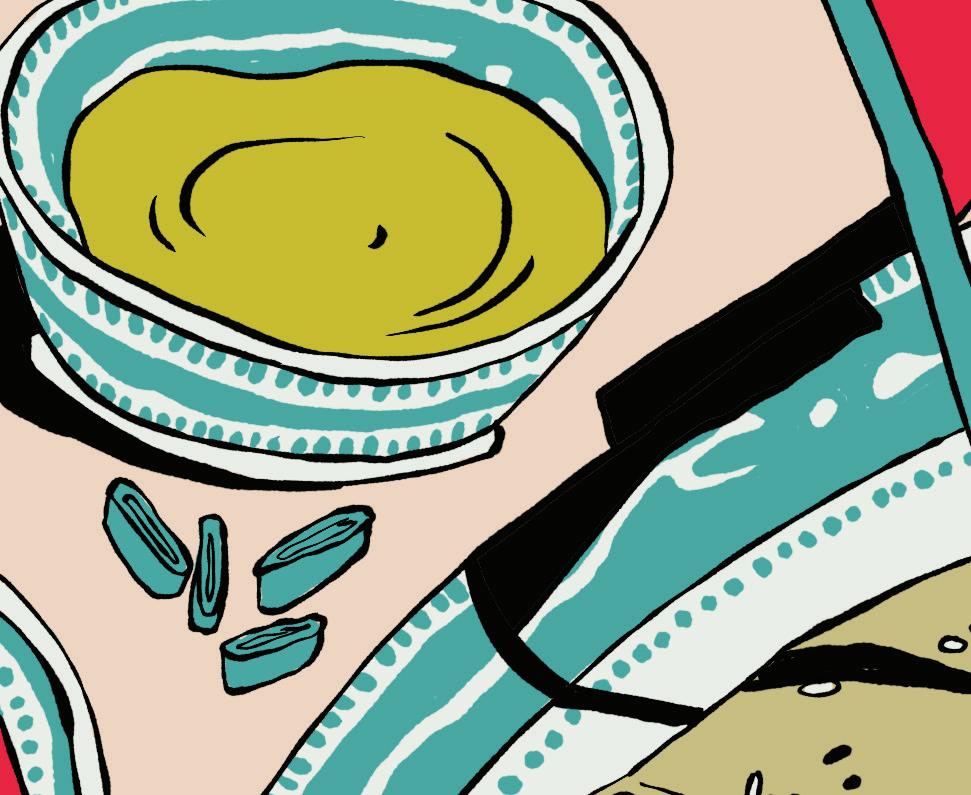
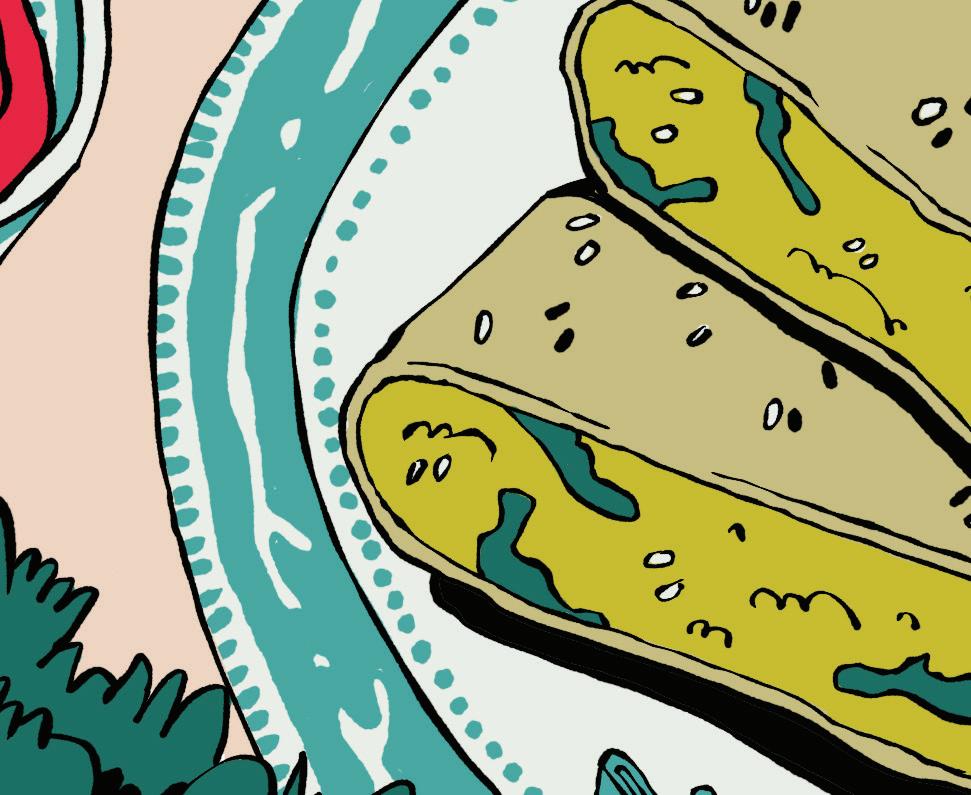
Tortang Talong is a Filipino eggplant omelet made by panfrying a grilled and flattened eggplant in beaten egg. In Filipino, ‘torta’ means omelet or flat cake, and ‘talong’ means eggplant.
This dish is best served as breakfast or lunch with rice.
T T T Tortang Talong Instructions Ingredients
Grill the eggplants on a BBQ, grill, or gas flame, turning them occasionally until the skin chars, and the eggplant flesh become soft.
Let the grilled eggplants cool enough that you can pick them up. Then, peel off the skin while keeping the stems attached.
On a flat surface, gently flatten the flesh using a fork. Spread it into a wide oval shape while still keeping it in one piece.
Crack your eggs into a wide, shallow bowl. Add salt and beat until combined.
x4 Chinese Eggplants x4 Eggs ½ TSP Salt Oil
Dip a flattened eggplant into the egg and coat both sides.
Heat oil on a pan over a medium heat.
Place the eggy eggplants in the pan. If there are any uncovered areas of eggplant, spoon more beaten egg over these.
Fry for three-to-four minutes, or until the bottom is a golden brown and the egg and set. Turn over and cook other side.
Take the cooked tortang talong off the heat and onto a serving plate, and repeat the process with the remaining eggplants. Add more oil as needed.
Ingredients ancai oubing R G G
Gancai Roubing
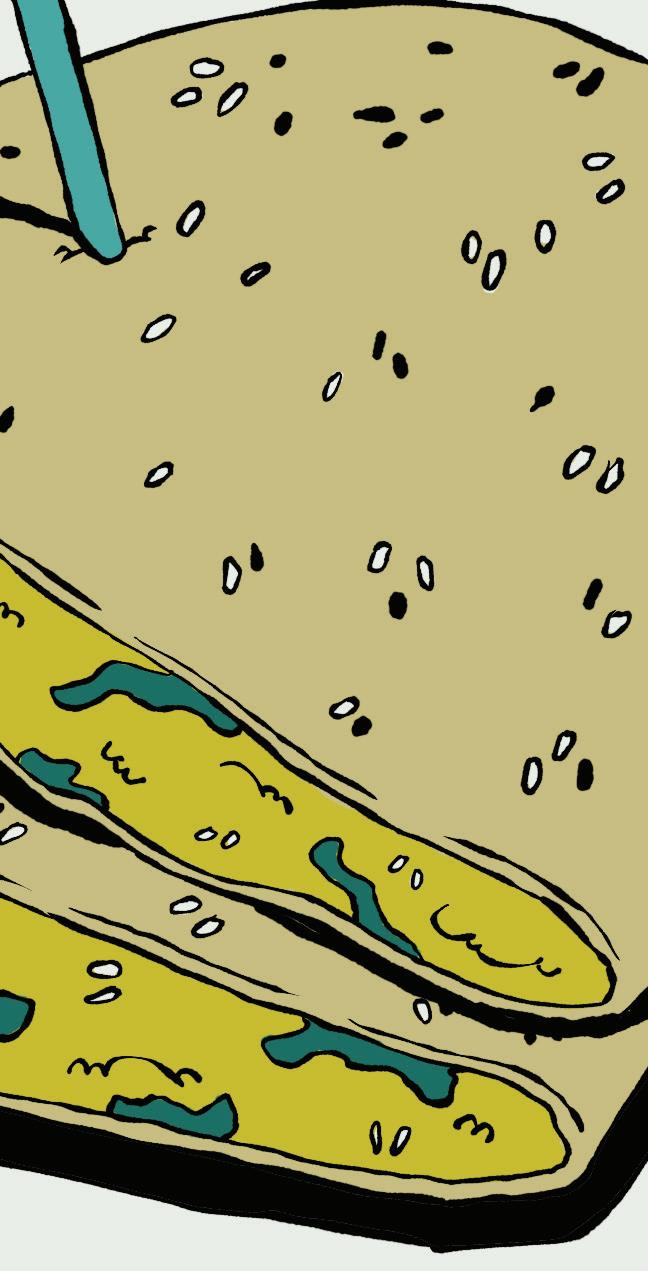
Gancai Roubing is a popular Chinese street food made of a thin, crispy flatbread stuffed with savory minced pork and salted, sun-dried mustard greens.
Instructions
Prepare the dough
In a large mixing bowl, combine the flour, eggs, and yeast. Gradually pour in the warm water while stirring until shagged dough forms. Knead the mixture into a smooth dough.
Cover the bowl with plastic wrap and let it rest until size doubles.
Prepare the filling
Dough
500 grams flour
x2 Eggs
4 grams instant yeast
3 grams salt
Approx. 280 grams warm water
1. 2. 3. 4.
Soak the dried mustard greens in warm water for 10 minutes. Rinse through several changes of water to remove grit, then squeeze out moisture.
Heat oil in a skillet over mediumlow heat. Add the mustard greens and stir-fry slowly until fragrant and dried. Transfer to a plate.
Heat oil in a clean skillet over medium heat. Add minced pork and sauté until aromatic, then stir in dark soy sauce. Add mustard greens into the pan. Season with white pepper, oyster sauce, sugar, chopped scallions, and additional salt. Stir to combine, then remove from heat.
Once cooled, chill the mixture in the refrigerator for 30 minutes so the fats solidify into a spreadable texture.
Prepare the dough
Gently punch down the dough to release air bubbles. Transfer to a lightly floured work surface and divide it into 10 to 15 portions. Roll each portion into a round
Filling
300 grams minced pork
60 grams dried mustard greens (Meigan cai)
1TBSP Dark soy sauce
1TBSP Oyster Sauce
1TSP Sugar
x2 Chopped Scallions Drizzle of Oil
Salt and white pepper
wrapper that is thicker in the center and thinner around the edges.
Place chilled filling into the center. Pleat and seal the dough over the top, then gently press down to flatten it into a pancake shape.
Bake
Lightly grease the basket of your air fryer. Arrange the dough portions in the basket in a single layer. Bake at 200°C for about 10 minutes, flipping them over halfway through. Cook until golden brown and crispy. Serve warm.
Menzies Album Release w/ The EE Machine & Salt Water Criminals, Holding My Cold Hand..
Fri, 7 Aug Whammy Bar
Farewell Spit - Port Noise Album Release
Fri, 7 Aug Snails
Rabbit Island: Bug Michigan w/ The Laurel Canyon Sound, Scramble204
Sun, 9 Aug MOON
Watercolour - Loose Ends
Club Tremaine - Hoya spark ill - CYHCYHASY
Shark vs Lion - Buttons (Nutellamonk Remix)
Planet Overload - Round and Round
Te KuraHuia - Ms. Divine (feat. Jordyn with a Why)
The World Is Against You - skyrim III
Felix Bird - Greater Good Kokoa Nashi - Motherlode
Caru & Brandn Shiraz - Best Believe (feat. fadedpuppy)
Emma Carter - funeral for the living
Kia ora!
Dear Mother Massive, I have a massive developing crush on one of my guy friends. Problem is: he’s straight (allegedly). He’s a really nice guy and a good friend, so I need some advice. How do I get over him?
Gosh, you really do seem to be in a pickle. If he is (allegedly) straight, that something you’ll just have to accept (unless he tells you otherwise). Even then, he might just not reciprocate your feelings, and that’s the hardest part.
Getting over someone can be ROUGH. But around three boyfriends, five situationships and two husbands ago, I developed a fool proof three-step program to moving on.
One: Spend a maximum of TWO days feeling sorry for yourself. Cry about it, talk endlessly with your girls about it, dissect every part about it. Eat a truckload of chocolate. Watch some disaster movies and avoid rom coms. Wallow in unwashed pyjamas and self-pity.
Two: Day three, wash all your clothes and sheets. Put on a cute outfit and plan a night out with your friends. Remember who you
are: cute, sexy, and confident. Show off what your mother gave you and post thirst traps on Instagram and TikTok. Then, hit the town!
Three: I always say that to get over someone, you need to get under someone. Once you’re out in town, get your friends to scout out a potential player that you can get down and dirty with. Avoid people who are looking for more than a one-night stand—you’re not emotionally ready for that yet.
Normally, I feel pretty good after this. Though... I suppose.... sometimes I’ve had to repeat this method about three-to-five times before I feel better. Listen... healing isn’t linear.
Hope that helps! XOXO.
WhenIn the thick of lockdown, my sister forced me to watch Never Have I Ever, and I was fully ready to roast it the whole time until I locked in on Maitreyi Ramakrishnan, and from that moment, I knew white girls weren’t for me.
A couple of years later (aka. now), one of the girls brought her hot af mate to our flat party. She was doing a semester here from India, and somehow ended up in my orbit. It was like the universe knew what I needed and said: “By all means, brutha, take it.”
So I made a beeline for her, chatted her ear off all night and made such a good impression that she ended up staying over.
I’ll be honest, after a night of drinking, I didn’t have high expectations for what was about to go down, but she really carried the team and had me gagging for it.
Sexcapade submissions provided by
For 20% off your next purchase, enter discount
Turns out, her parents aren’t super traditional, and her mum is a sexologist, so pleasure is pretty high on this chicks priority list. She had one of the highest, freakiest sex drives I’ve ever come across. Not only did she make me finish in record time with some wild blowie/handy move, but she made herself finish on me and didn’t care if my flatmates heard her do it.
We screwed around for hours to the point where I lost count of how many rounds we went and my dick was literally throbbing from friction burn.
When we were done, I asked for her snap, and she smiled and told me she’s not looking for anything serious and she’d see me around. I didn’t really think it would bother me, but it’s been a couple days, and I’m already wondering if/when I’ll see her again.
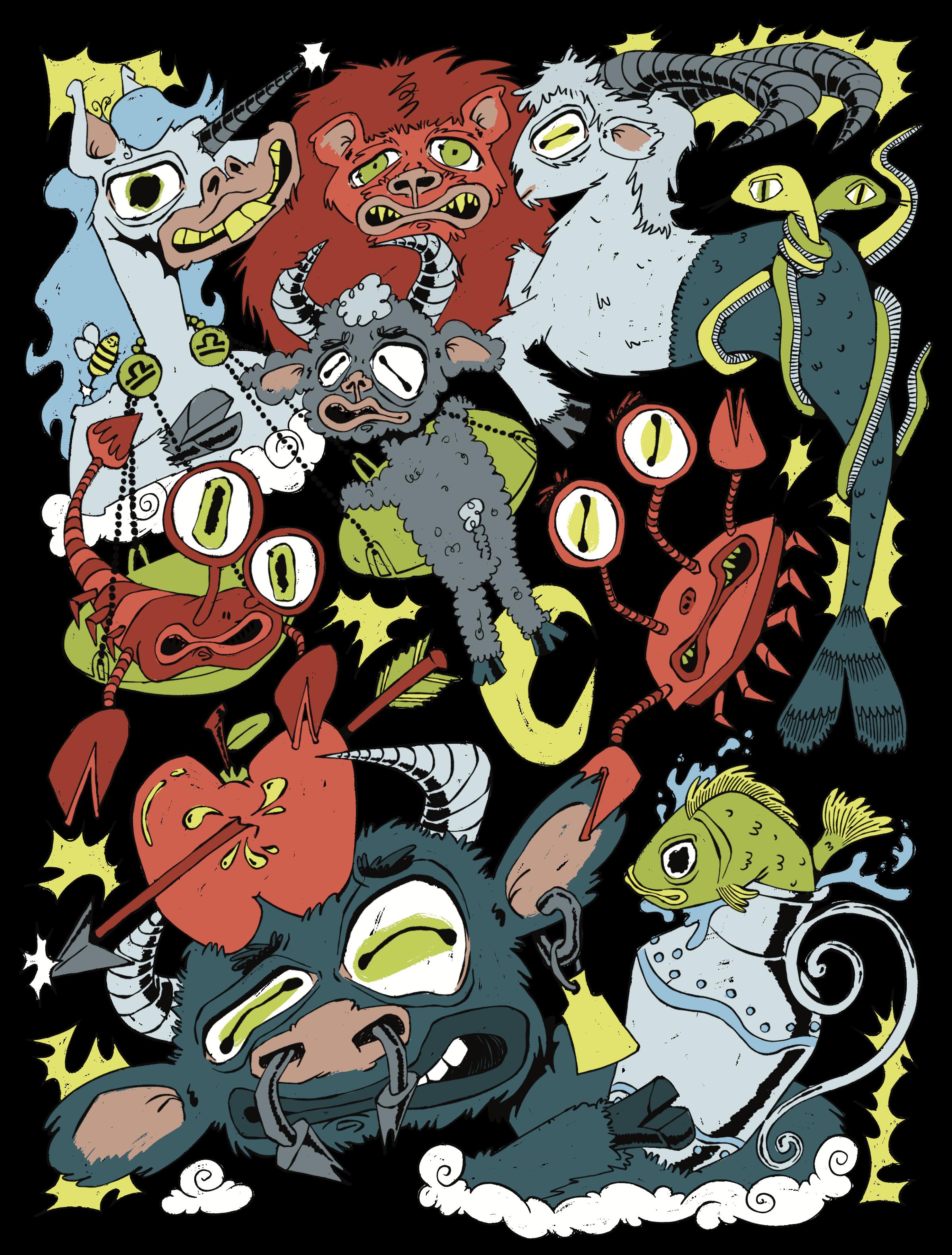
This week, put on your thinking cap because you have been losing your critical thinking skills.
You need to take a beat before you burn out because you have been moving at one hundred miles an hour. Use this weekend to catch up on your favourite show and catch some z’s.
Even though your friends don’t always show it, they love you more than you know. Stop overthinking friendships before you start to push people away.
Embrace your inner gremlin this week. You’ve been keeping yourself too clean, and you need to let loose.
Your boss has recognised your hard work and will grant you leave and/ or a bonus! Keep sucking up sweet cheeks, because it’s working.
You need to go to bed. The late nights aren’t doing you well, and you’re about to freak out because of it.
You have a bad attitude, and people are starting to avoid you. Fix it before you need a new friend group.
You’ve hit rock bottom—but things can only go up from here. A wave of good karma and calmness will wash you over this week.
The direction for your most recent creative project will finally reveal itself. You’ve been stuck in a creative rut, and slowly you’ll begin to crawl your way out.
Quit social climbing. Your followers don’t want to know who you’re hanging out with every day.
A new connection is coming your way, so keep your heart and mind open. The dry well from your longlasting dry spell will finally begin to replenish.
The next social event that you attend will bring a new lover into your horizons. Whether you like it or not, this person will become unavoidable and wildly attractive.
Bonjour
Aloha Hola
Guten Tag Talofa
Ni Hao
Marhaba Ciao
Jambo
Merhaba Salam
Ahoj
Hei
Yassou
Szia
Helo
2. Currency in the Phillipines (4)
5. Continent where Mount Everest is located (4)
11. Sea between Europe and Asia (13)
13. Smallest country in the world (7, 4)
14. Largest country in the world (6)
15. Country with the most islands (6)
1. Most common language spoken in Asia (8)
3. Musical about Argentine political leader, Eva Perón (5)
4. Fruit known in some places as ‘desert gold’ (4)
6. Largest city in Germany (5)
7. Country whose flag has more than four corners (5)