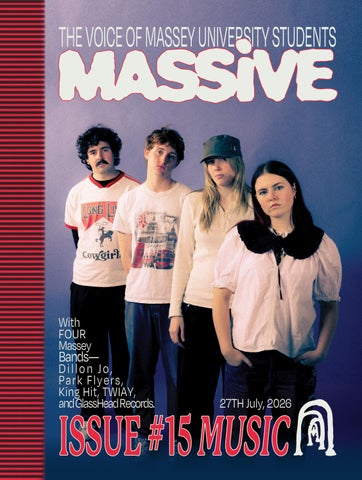
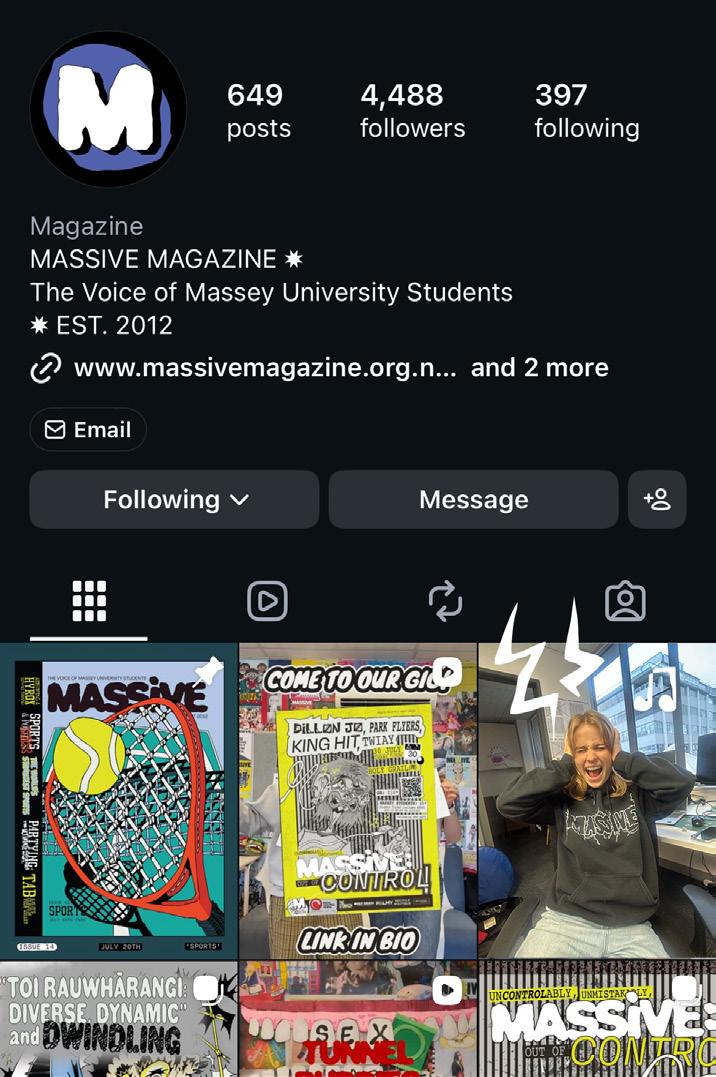
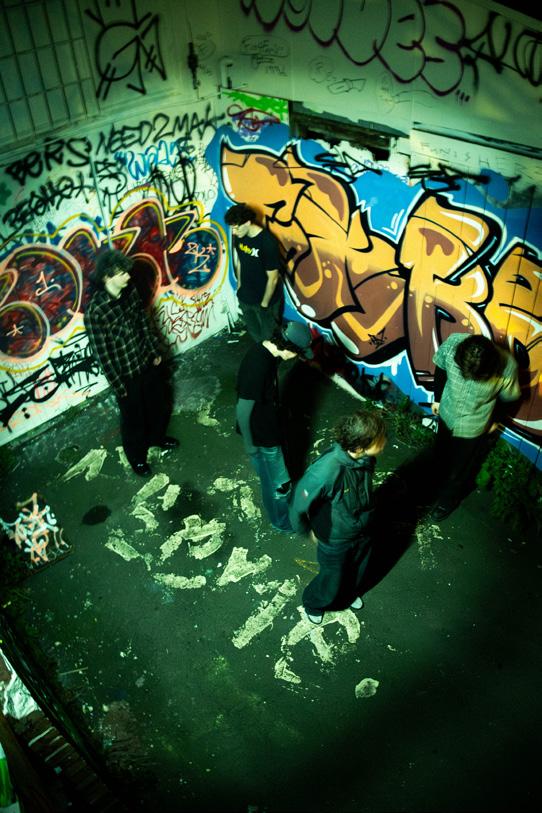
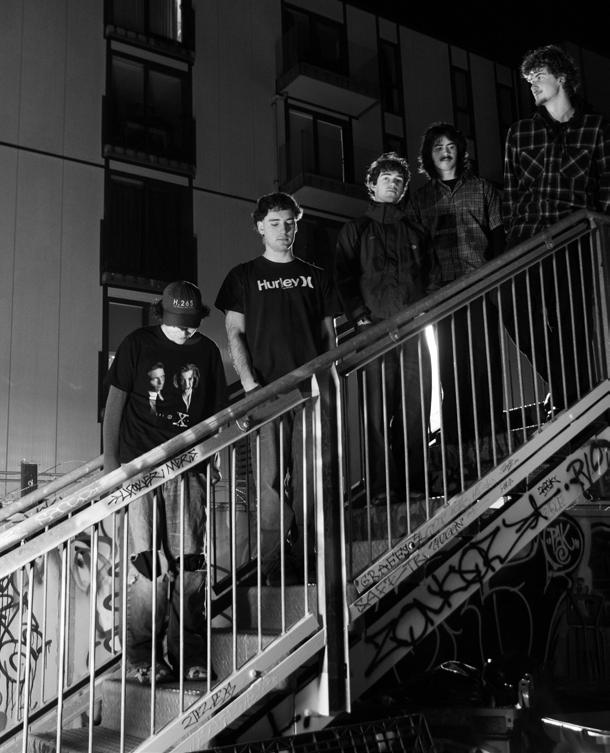
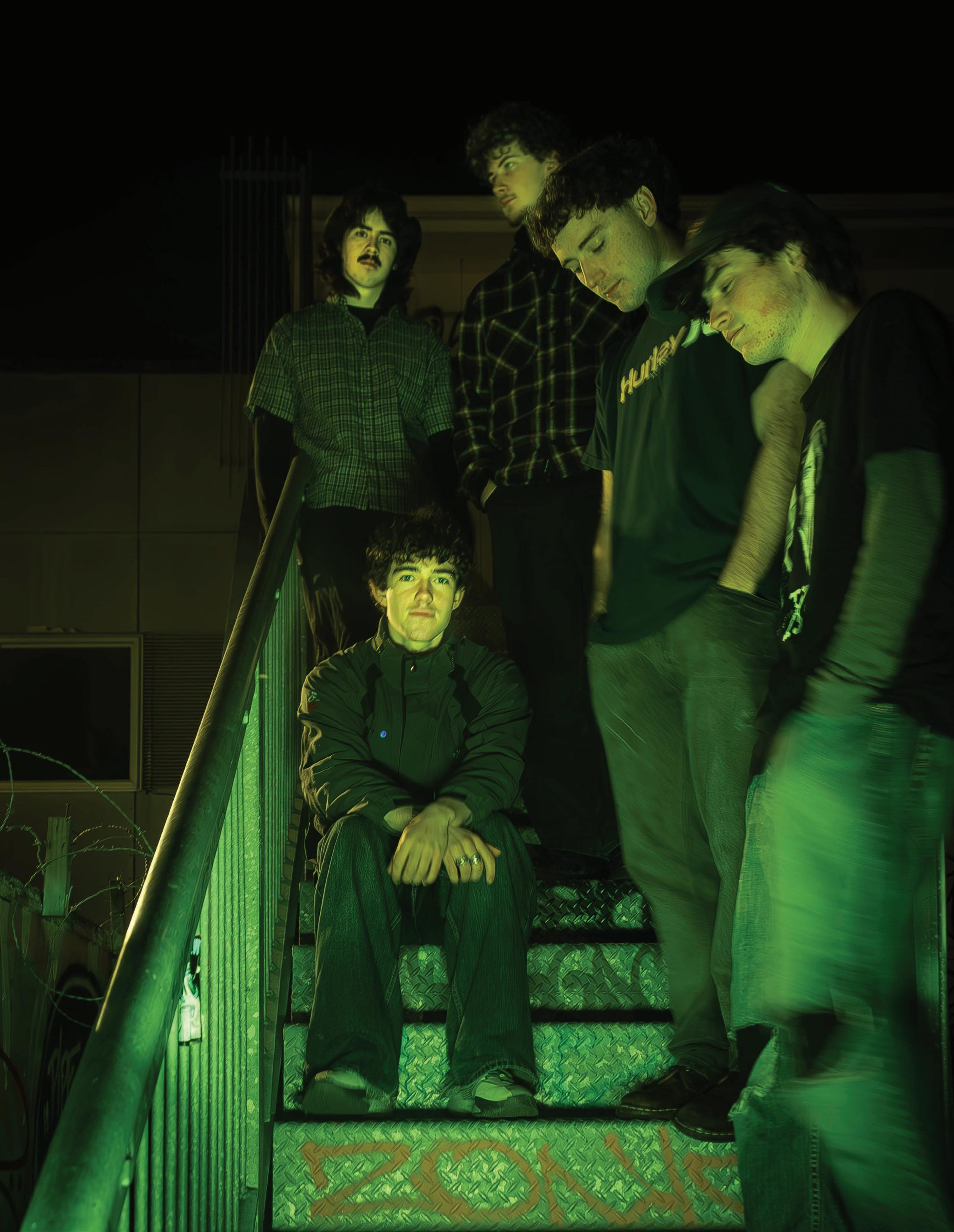
Once upon a time, Massive was able to pair any of our (awesome) Instagram posts with a cool song.
Our ‘Fresh’ issue was paired with ‘Fresh’ by Kool & The Gang, ‘Pop Culture’ was matched with Coldplay’s ‘Adventure of a Lifetime’, and the ‘Kai’ post got Eric Carmen’s ‘Hungry Eyes’.
But suddenly, when we went to post our ‘Love’ issue on Instagram on April 28th, every song I’ve ever heard of disappeared. In their place? Techno music that I’ve only ever heard played on episodes of Love Island.
Instagram had caught on that we were a business account and has stopped us from using any music that could be copyrighted. And we are pissed off.
It’s hard enough to choose a song for a post as it is. But now, I have to go through hundreds of amateur Soundcloud singers and DJs to pick the least aggravating song I can find (while still trying to match a theme).
This is my plea to the masses: How do I get normal music back again?
Please, I’m going crazy.
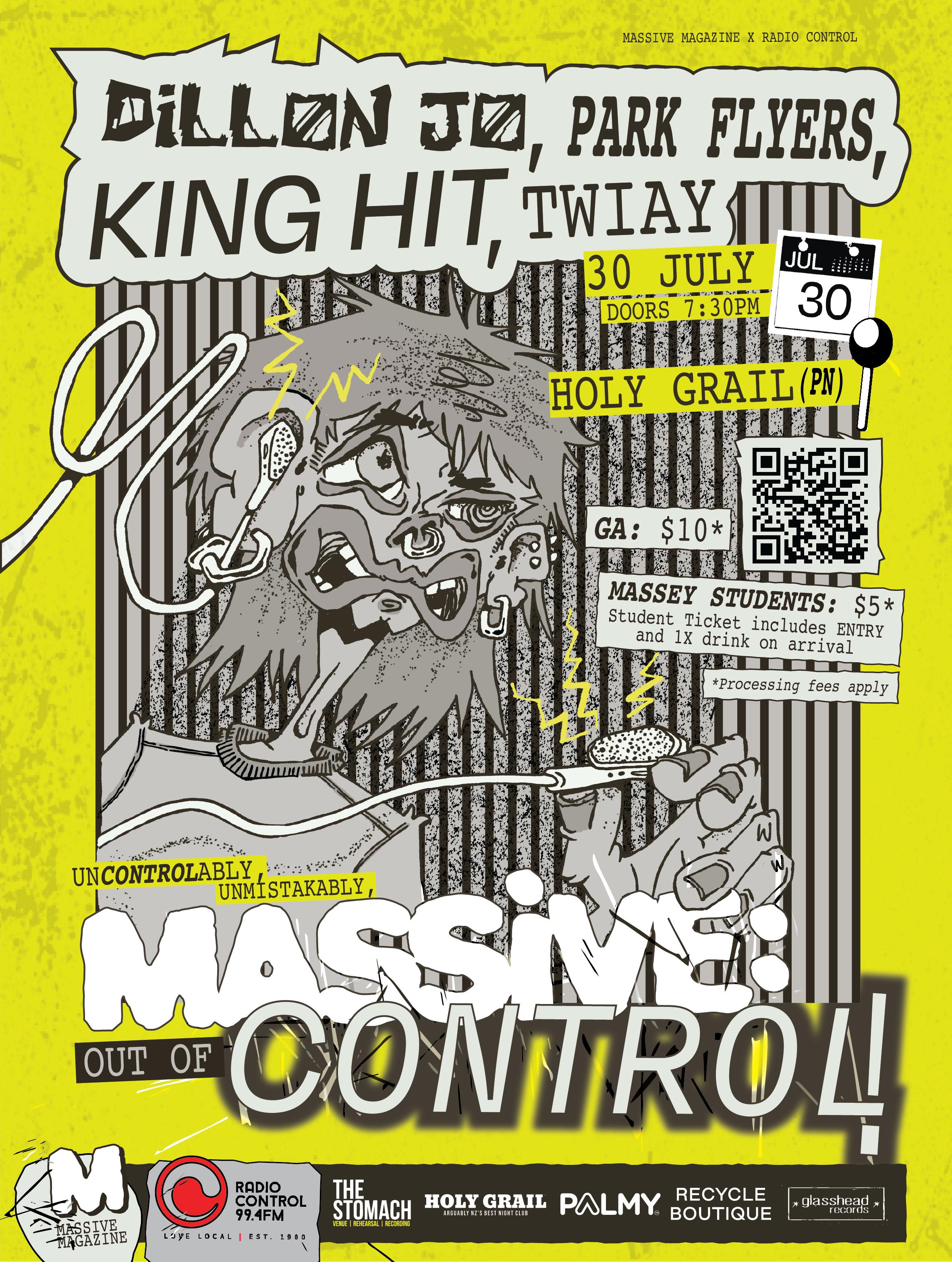
Anyway, come to our gig on Thursday! It’ll be epic and there will be no copyright free techno music.
Massive is largely funded by Te Tira Ahu Pae and the student services levy, however, remains editorially independent.
Disclaimer: The views presented within this publication do not necessarily represent the iews of the editor.
NZ Media Council: Those with a complaint towards the publication should first complain in writing to: editor@massivemagazine.org.nz
If unsatisfied with the response, complaints should be made to the NZ Media Council: info@mediacouncil.org.nz
Correction: A news article published in week one of semester two made untrue claims about a photography course in the Bachelor of Communications program including claims from a source about a
and that the course had been moved online when it had not. The online article has been amended and Massive apologises for any confusion.
MONDAY JULY 27TH MASSIVE
OIA Documents Reveal Why Massey Brought Back In-Person Exams—AI
Jessie Davidson • SHE/HER
Documents released under the Official Information Act (OIA) and obtained by Massive reveal Massey University reintroduced in-person exams after identifying AI as an “existential threat” to Massey’s future.
What began as a consultation about Massey’s exam systems became a warning that online exams could no longer keep pace with generative AI, with staff raising concerns about the credibility of the university’s qualifications.
Massey has used a mix of online and in-person exams since COVID-19. But earlier this year, the university announced some courses would return to in-person examinations.
When Massive first reported on the changes in March, a Massey spokesperson said the decision had been made by the university’s Senior Leadership Team (SLT) following a 2025 consultation with staff and students.
The consultation was called after a PSI system failure occurred during 2024 online
exams. Throughout 2025, temporary measures were put in place for online exams while a review took place.
When the changes were announced, no further information about the consultation’s findings was released. Now, the OIA documents revealed Massey’s SLT decided that their existing exam system could not keep up with the threat of AI.
They found AI detection software cannot reliably identify AI-generated work and that assessments once considered cheat-proof can now be completed using AI. With this, Massey decided online exams were no longer fit for purpose because they could no longer guarantee students were completing their own work.
Massey stated there was “no foolproof method of preventing AI use in assessments other than in-person supervision in some form”.
It continued: “The rapid proliferation of GenAI tools... has fundamentally undermined our ability as a university to rely on the authenticity of work submitted by students.”
They also found “many staff... [were] implementing unsustainable ‘ad hoc’ solutions” while waiting for a universitywide response to AI.
The SLT considered three possible paths forward: return to in-person supervised exams, invest in a new online supervised exam platform, or continue with existing online exam methods.
The third option was quickly dismissed.
Rather than viewing the decision as choosing between in-person and online exams, the university framed it as a choice between strengthening security around assessments or risking the long-term credibility of Massey qualifications.
Massey’s SLT concluded in-person supervised exams was the only reliable way to verify students’ work. They then proposed a gradual rollout of in-person assessments over three years, with full implementation by 2028.
However, consultation feedback showed “the overwhelming sentiment” from staff who believed that timeline was too slow.
Internal papers warned that continuing online exams meant accepting the “potential devaluing of our online qualifications” because Massey had “no reliable means of authenticating online students’ work at any point during their study”.
In a submission, the College of Sciences described assessment as Massey’s “main saleable product” and warned that “neglecting assessment is an existential threat to the university”.
They added that “the reputation of the university and ALL its qualifications is on the brink of a fatal collapse” if secured assessments—like in-person exams—was not introduced more quickly.
They weren’t only concerned with students cheating, but also with the long-term credibility of Massey qualifications.
“At present, we have no reliable means of authenticating online students’ work at any point during their study,” the document stated.
It warned that “while the public is not yet asking questions about the value of these qualifications, it is only a matter of time before they do”.
Other staff feedback submissions showed concerns about the assumption that in-person examinations were appropriate for every course and every student. But ultimately, most staff supported the introduction of secure assessments in the form of in-person exams.
Massey Knew Reintroducing In-Person Exams Would Impact Distance Students
Documents released under the Official Information Act (OIA) and obtained by Massive reveal Massey University knew reintroducing in-person exams would force distance students to pay for travel, accommodation and childcare. However, Massey went ahead with the changes after they identified AI was threatening the university’s future.
Essentially, Massey knew the change could cost distance students, but decided the risk of students using AI in online exams was a bigger problem.
Massey has used a mix of online and in-person exams since COVID-19. Earlier this year, the university announced some courses would return to in-person examinations, leaving many distance students—who enrolled expecting to study entirely remotely—having to travel long distances to sit their exams.
Massive first reported on the changes when they were announced in March this year. At the time, affected students were informed via Stream.
The notification read: “This course has an in-person invigilated final exam in the
semester, and students will sit their exams at an approved venue.”
These changes came after a review on Massey’s exam processes after 2024 PSI online exam failures. During this review, Massey’s SLT decided that their existing exam system could not keep up with AI, with Massey staff told the SLT they could no longer guarantee students were completing their own work.
In the OIA released documents, Massey stated there is “no foolproof method of preventing AI use in assessments other than in-person supervision in some form”.
It continued: “The rapid proliferation of GenAI tools... has fundamentally undermined our ability as a university to rely on the authenticity of work submitted by students.”
Massey’s SLT concluded in-person supervised exams was the only reliable way to verify students’ work. However, they acknowledged that this would disproportionately impact distance students.
One paper stated: “We have created an expectation in our distance students of ‘any time, any place’ delivery of assessment.”
It warned travelling to in-person examinations would “incur costs for travel, accommodation, childcare, and time away” for distance students.
To ease the transition, Massey originally proposed a gradual rollout of secured assessments over three years, with full implementation planned for 2028.
However, consultation feedback showed “the overwhelming sentiment” from staff who believed that timeline was too slow.
In a submission, the College of Sciences (CoS) said “the reputation of the university and ALL its qualifications is on the brink of a fatal collapse” if secured assessments— like in-person exams—was not introduced more quickly.
CoS acknowledged that accelerating the rollout would likely result in the loss of some distance students, but argued the changes should proceed faster regardless.
Despite the impacts a faster rollout would have on distance students, Massey felt they had no choice with AI’s rapid growth and gave the go-ahead for the immediate rollout.
Jessie Davidson • SHE/HER
When the changes were announced in March this year, distance students reacted as Massey expected. Distance students posted on the Massey@Distance Facebook page and questioned why they’d had been allowed to enrol without being warned they might later have to travel for exams.
Distance student Lauren Rose Harvey said the announcement made her consider transferring universities.
“I’m genuinely shocked Massey’s leadership team allowed this change to be communicated like this—you can’t suddenly change the parameters for
distance students given that most of us signed up for because being able to complete study at home was our only option.”
As petrol prices increased later in March, Massive reported on distance students growing more concerned.
That month, Grace Whaanga commented: “Yeah safe to say if the exams aren’t in Gisborne, I’ll be failing a course or two.”
Another student wrote: “So now I have to travel to an exam, god knows where, twice this semester. Who can budget for that? Us students are already living week to week,
there is no wriggle room for extra gas.”
In a response to Massive, a Massey University spokesperson said their exam partner has more than 60 exam venues around New Zealand and internationally for distance students. Generally, students who cannot access one of these venues can take an online exam which is supervised through remote proctoring.
Distance Students Upset After Stream COurses Not Uploaded Two Weeks into Semester
Josie Maddox • SHE/HER
While semester two officially began on the 13th of July, many Massey University distance students claim their classes are yet to be uploaded to Stream.
According to the university’s ‘Teaching Foundations Framework’, courses are required to upload the content for all weeks at the beginning of each semester.
The framework stated: “In recognition that distance learners work according to varying schedules, Stream sites for distance offerings are opened fully at the start of semester unless there is a sound pedagogical reason for controlled release of resources.”
Distance students shared their frustration on the Massey@Distance Facebook page, with many saying that it’s impacting their studies.
“We have been told [by course coordinators] that the weeks coursework will only be
released at the beginning of each week and they ‘hope’ to have week 2 out at the beginning of next week but they’re changing the course material as they go so they can’t guarantee anything,” one student commented.
“This feels wildly unfair and like we are Guinea pigs.”
Another student said that documents outlining their course assessments were still inaccessible.
“I’ve asked about assessment papers being out early and told no, only 3 weeks before due date. I don’t think this is fair at all either,” they commented.
A lot of students questioned if Massey was still a good option for distance learning, with one student saying: “Anyone feel Massey is not good for distance students?”
Distance student representative, Ayla Brook, confirmed that courses should be uploaded on time according to the ‘Teaching Foundations Framework’.
“As per a policy change last year, your course content should be made available at the start of the semester, not week-by-week.”
Students who are still awaiting course content are encouraged to fill out this form.
Students Confused About Wellington’s Student Centre Construction
As the Wellington campus’ student centre undergoes construction, students are saying they are confused about why this project is taking place.
Aedan Reynolds, a second-year Bachelor of Photography and Design student, said that there has not been clear communication with students about this project. He said this lack of communication has caused disruptions for him.
“It seems like no one really knew about it. I’d just switched my major and I was going to go to one of the drop-in sessions, but there wasn’t any place to do the drop-in sessions, and I had to ask around random people,” he said.
When he reached out to Massey to find a solution about this, he claimed they appeared to be unaware of the project.
“I called Massey about it, and they were like ... ‘no, I don’t know anything about the construction’.”
In a response to Massive, a Massey spokesperson said that the centre is being renovated because it wasn’t functioning as needed.
“It’s layout, condition and service delivery environment require a comprehensive refresh and upgrade to better support contemporary student needs and create a more intuitive, welcoming and functional experience.”
As with any construction work, Massey acknowledged it would cause disruptions.
They said they’ve notified those who use the Pyramid regularly and arranged alternative spaces for them.
“The noisier construction works were programmed during the mid-year break to reduce impact on students and staff. Temporary walls are in place to restrict/ remove any contact with the site works.”
Fourth year student, Matthew*, said that while has not experienced any disruptions, he also didn’t see any issues with the previous centre.
“It was working fine, yeah, did it need to be rebuilt? I don’t know.”
The student centre is set to be completed by the end of semester two this year.
*Name changed for anonymity
Rainbow Stairs Added to Albany Campus
Maya Trotman • SHE/HER
Rainbow stairs have been permanently painted on the Sir Neil Water stairs of Oteha campus during the Lil’ Gay Out 2026.
Over 300 students attended the Lil’ Gay Out, hosted by Oteha Campus, where the rainbow stairs were installed.
Mark Kaneko, Massey University Art Curator and Community Liaison, and coordinator for Lil’ Gay Out organised it.
He said it welcomed students to the rainbow event.
“As we were the venue for Lil’ Gay Out, I offered to support the organisation in any way we could, and this felt very fitting as an entry point to the event,” Kaneko explained.
With Massey already having a rainbow pedestrian crossing on the Wellington campus, and rainbow stairs on the Manawatū campus, Kaneko said this was
a natural next step for the Auckland campus.
“They have been really well received by students, staff and visitors.”
It made a colourful first impression on Lexi, a student, who said the stairs instantly caught her eye as she went to class.
“It just makes you feel like this campus is a lot more inclusive [for the rainbow community] and it shows that we all can make a stand.”
Ellice Lawrie • SHE/HER
A SWIRLING WHITE PORTAL
WORDS BY RUBY BARR • SHE/HER
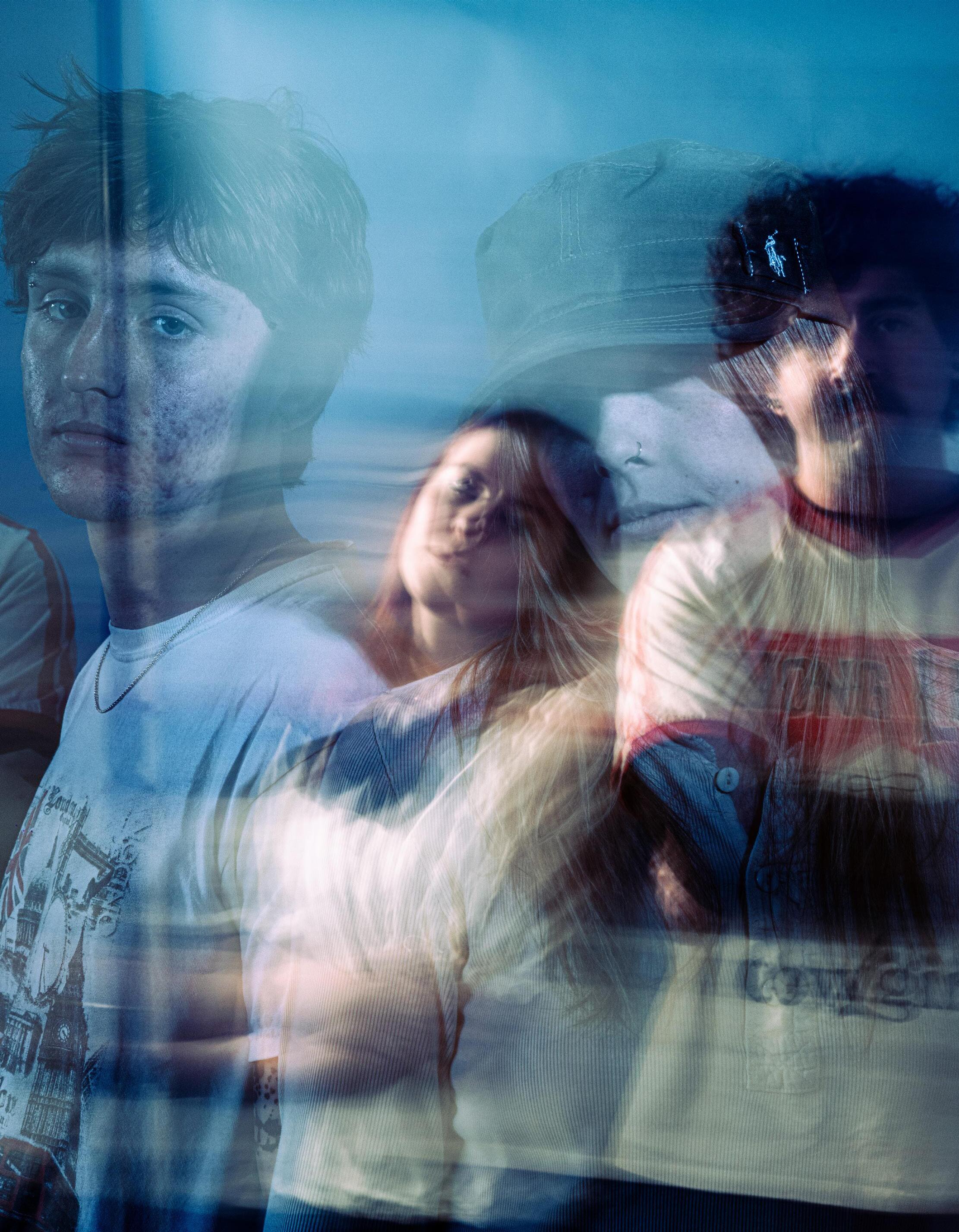
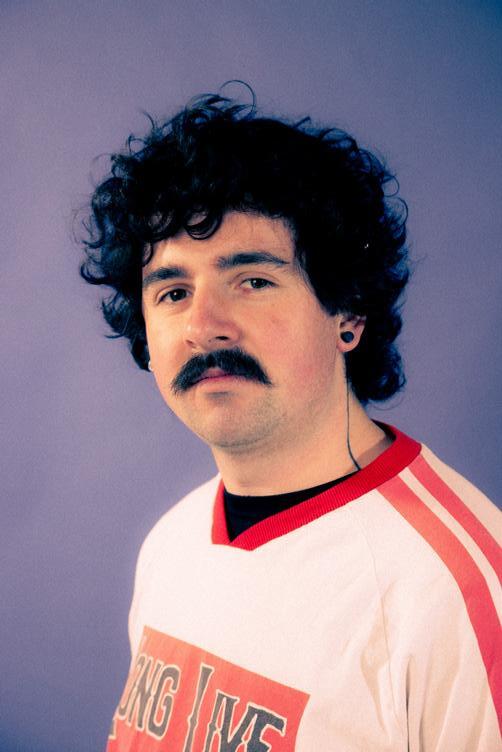
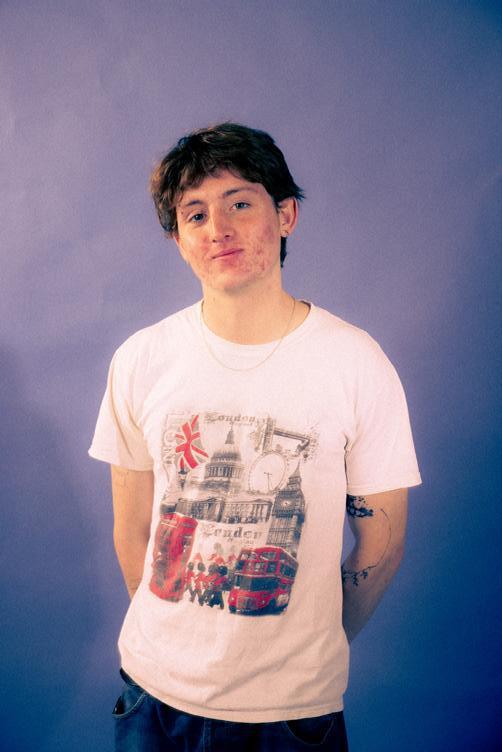
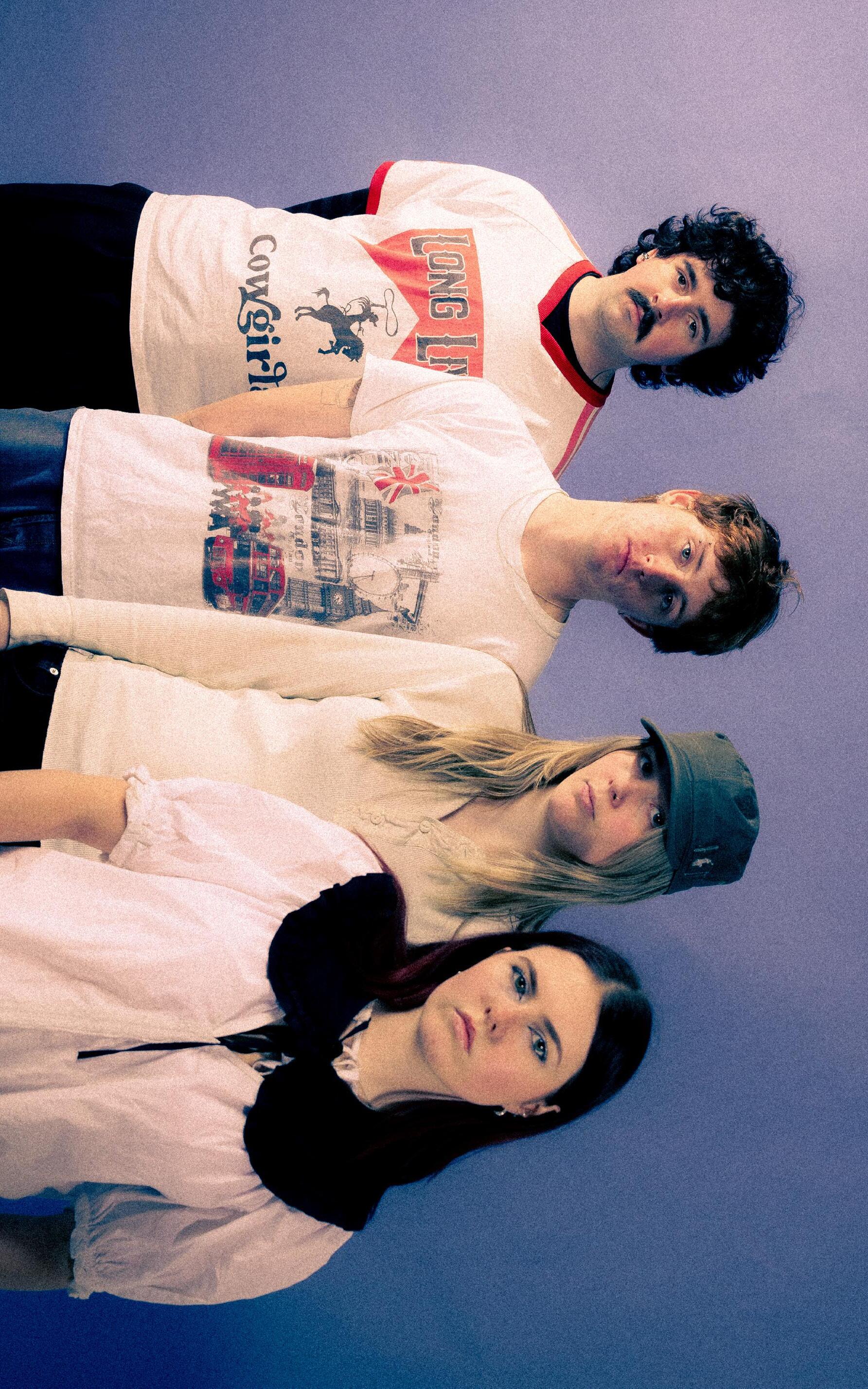
Painted white, a portal opens when Dillon Jo takes the stage. Suddenly, you are transported into a soundscape of sweet vocals moulding thick basslines, rich harmonies leading into gnarly rock drops, and singersongwriter acoustics transforming into noisy and distorted guitars.
Welcome to Dillon Jo’s dreamy, droppy rock pop world—the Te Whanganui-a-Tara four-piece who wants to transport audiences into a space of sonic discovery.
Dillon Jo is a queer, female-fronted band that began its journey as a duo. But Betty Smith and Georgie Levien always knew they wanted to “make a bigger sound”.
Smith already knew Kahu SansonBurnet (bassist) from her hometown of Nelson. This pair met Ruadh Munro (drummer) at Massey University, where they all studied Music.
PHOTOS BY ELI ARMSTRONG • HE/THEY
Georgie says that the pieces fell into place after their first practice together.
“We just all clicked,” she says. “Kahu and Ru come up with these insane, like rhythmic or structural ideas, and we both would have never thought of that, which completely transforms the music.”
Georgie explains that she always had visions of merging the duo’s acoustic, Andrianne Lenker-style with Slow Pulp’s explosive drops. This vision was brought to life when Ruadh and Kahu joined the band.
She says that the boys broadened their musical vocabulary by introducing genres like shoegaze and alternative rock.
“We just wanted to incorporate elements from these new genres as well as our singer-songwriter backgrounds.”
When Kahu was recruited to the band, it was as both bassist and producer. Georgie says he was earnt this duorole because “he comes up with a lot of the instrumental backbones of the songs”.
Creating a Dillon Jo song always begins with Betty, Georgie and an acoustic guitar. The girls say that songwriting is a therapeutic outlet as well as a creative one.
“A lot of it is stream of consciousness,” says Georgie. “Then you pick up a guitar, and a certain chord will provoke a certain feeling. Then suddenly, you’re writing about something that happened five years ago, asking: ‘Does this still affect me?’”
Massey is also where the pair met the current creative directors of Glasshead Records, Evie Thompson and Thomas Waddington—the record label they are signed to. From flatting with Evie to supporting each other at gigs, Betty says that Glasshead has become more than a collective: “Glasshead has been a big part of our crowd and our family.”
“We’ve just felt that support ever since we started Dillon Jo,” she adds.
Since Dillon Jo and the Glasshead collective began, Betty says the support between bands has been a grounding force in the Wellington music scene.
“It’s really nice to see people you look up to who are also your friends in the audience supporting you, and that support goes both ways.”
Levien explains that what makes the difference between a good show and a bad show isn’t the size of the crowd—it’s the spirit.
Recently, Dillon Jo played a gig in Tāmaki Makarau to a crowd smaller than their usual San Fran fan base. But the lack of heads in the crowd meant nothing to the band who let the spirit of shoegaze take over them.
Betty says, “We were just so connected as a band, and it just felt like I was so there in that moment. Every chord felt really passionate.”
“People have gone to see you, and that’s all that matters,” adds Georgie.
She explains that it’s freeing not to worry about the size of an audience because they still get to experience the excitement of introducing them to a new genre or sound.
“There will always be someone there whose day you change, or you get the privilege of introducing them to something new.”
For the band, what makes a good crowd is the energy you give them. Georgie explains: “We try every single performance to give 100 per cent to the crowd. If you’re jumping and you’re going crazy, then the crowd will reciprocate that energy back to you.”
Dillon Jo want their listeners to become enveloped in this experience, and they’ve visualised this as a white portal—the band’s logo.
“We are taking someone into our world and transporting them to a space that they have never been to before,” says Betty.
As they continue to conquer the stages in Te Wanganui-aTara and across the Motu, you might just stumble across one of their open portals. So, watch this space... before you get sucked in.
Is Wellington’s lack of visible nighlife safety initiatives leaving students unprepared and unsafe for a night out? Layla Hamis investigates...
Friday night. The start of the weekend and when Wellington students flock to Cuba Street in search of cheap drinks, crowded bars and some cute Instagram photos.
But the night doesn’t always end with just a headache.
Optimism hangs in the air as Katy Amos and her friends move between bars, screaming the lyrics to Rhianna. It’s just past 11pm and Katy has just ordered her second double vodka Red Bull. She’s relaxed, enjoying the live band, and looking forward to the night ahead.
Twenty minutes later, she can barely stand. By midnight, she is unconscious outside JJ Murphy’s as paramedics load her into the back of an ambulance.
Katy doesn’t remember having her stomach pumped, nor the blood test that showed her drink had been spiked with Rohypnol.
Her next memory is waking to the rhythmic sound of monitors, an IV in her arm.
Despite spending the night in hospital, Katy felt discouraged from taking things further.
“I was asked to make a statement to the police but I felt somewhat ashamed,” she says. “I couldn’t remember any real evidence and nobody else knew anything so it seemed impossible to get any justice.”
As an exchange student from the UK, Katy’s memories of Wellington are forever marked by this experience.
What should have been a good night out was ruined by what appears to be a dangerous nightlife culture.
“I’ve never experienced a feeling like it. I thought Wellington was a safe city,” she says. “I wanted to call my mum and have her by my side.”
Like Katy, I was also an exchange student in Wellington from Nottingham. To me, Wellington felt comforting. Its smaller scale made serious incidents seem less likely. Nights out carried a sense of familiarity. Students recognised bartenders, bumped into classmates almost everywhere and rarely travelled more than a few streets between venues.
Massey University guide, Spiral Burt-Wirtitsch, says almost everyone arriving in New Zealand comes with a “rose-tinted glasses” mindset. As a guide helping at orientation events for freshers and international students, Spiral believes more people should be made aware of the dangers Wellington hides.
“Nobody realises how high the crime rate is in Wellington. It’s the university’s job to crush that sunshine and daisies outlook, but I don’t think they necessarily do a good job of that.”
Instead of addressing these issues, students are left feeling that nightlife safety is something they’re expected to manage alone.
However, some organisations are trying to make Wellington’s nightlife safer.
Leigh Keown, operations manager at Vulnerable Support Charitable Trust, has run Take 10 for more than eight years. The Courtenay Place mobile unit gives young people a place to charge their phones, access medical support, drink water and reconnect with friends.
In 2024, Take 10 trialled a second site at the opposite end of Courtenay Place, which Keown says was heavily used by young people. She wants to see it become permanent and operate on Wednesdays for student night.
“There is always more to be done.”
Wellington City Council has also partnered with a range of organisations to develop a ‘City Safety and Wellbeing Plan’ aimed at helping people feel safer in the CBD after dark. One initiative is ‘Harm Reduction Chat’ sessions held at Massey and Victoria universities.
Yet several students say they either didn’t know these initiatives existed or barely remembered encountering them.
Massey student Ella says the university’s orientation material left little impression.
“There were some short videos and quizzes they said we needed to watch before moving in day about safe sex and alcohol and the rules at the accommodation.
“To be honest, I only just remembered them since you mentioned it, there hasn’t been any more talk on these since.”
Another student questions whether posters and awareness campaigns alone could prevent assaults. says things like posters won’t stop people from being attacked.
“What is that actually doing to stop people being attacked?”
Back home in Nottingham, nights out were spent shoving miniature vodka pouches into the lining of heeled boots and bras. This was in preparation for the inevitable bag searches at the door of a club or bar.
In New Zealand, I can’t count on one hand how many times my bag has been searched.
At Nottingham University, safety messaging surrounded student nightlife from the moment students arrived at university. During Freshers’ Week, stalls handed out drink covers, drink-testing kits and nail polish that changed colour if a
drink had been spiked. Campaigns like Ask for Angela covered nightclub walls, while universities promoted free taxi services, emergency helplines and safety apps throughout orientation.
In comparison, Massey encouraged students to attend their single safe-sex session before Toga night.
In a response, a Massey University spokesperson says it takes a “proactive preventative approach to student wellbeing and safety” through initiatives including Partying 101, collaborations with Take 10 and Know Your Stuff NZ. They say upcoming events, including a drug and alcohol pub quiz hosted by Te Tira Ahu Pae, are intended to address the concerning increase in drink spiking.
Perhaps what’s lacking in Wellington is not a complete absence of safety initiatives, but their visibility. Many students aren’t encountering them in meaningful ways before something goes wrong.
Weeks after being discharged from hospital, Katy still remembers waking up with almost no memory of what had happened.
“That feeling of being physically drained but no recollection of what happened is so scary. But what’s even scarier was how unprepared I felt afterwards.”
She still goes out with friends, but now keeps a much closer eye on everyone’s drinks.
“I’ve still been going out most weeks and enjoying my time with friends but it’s always in the back of my mind to be watching mine and everyone else’s drink just in case.”
She believes the city, its bars and the university should all be doing more to educate students.
“The uni should have more active orientation every year that students actually remember and act upon instead of those videos and a few flyers.”
JJ Murphy’s was contacted to ask if they’d consider introducing further safety measures, such as supplying drink covers. They did not respond.
A FORMIDABLE FORCE
WORDS BY ELLICE LAWRIE • SHE/HER
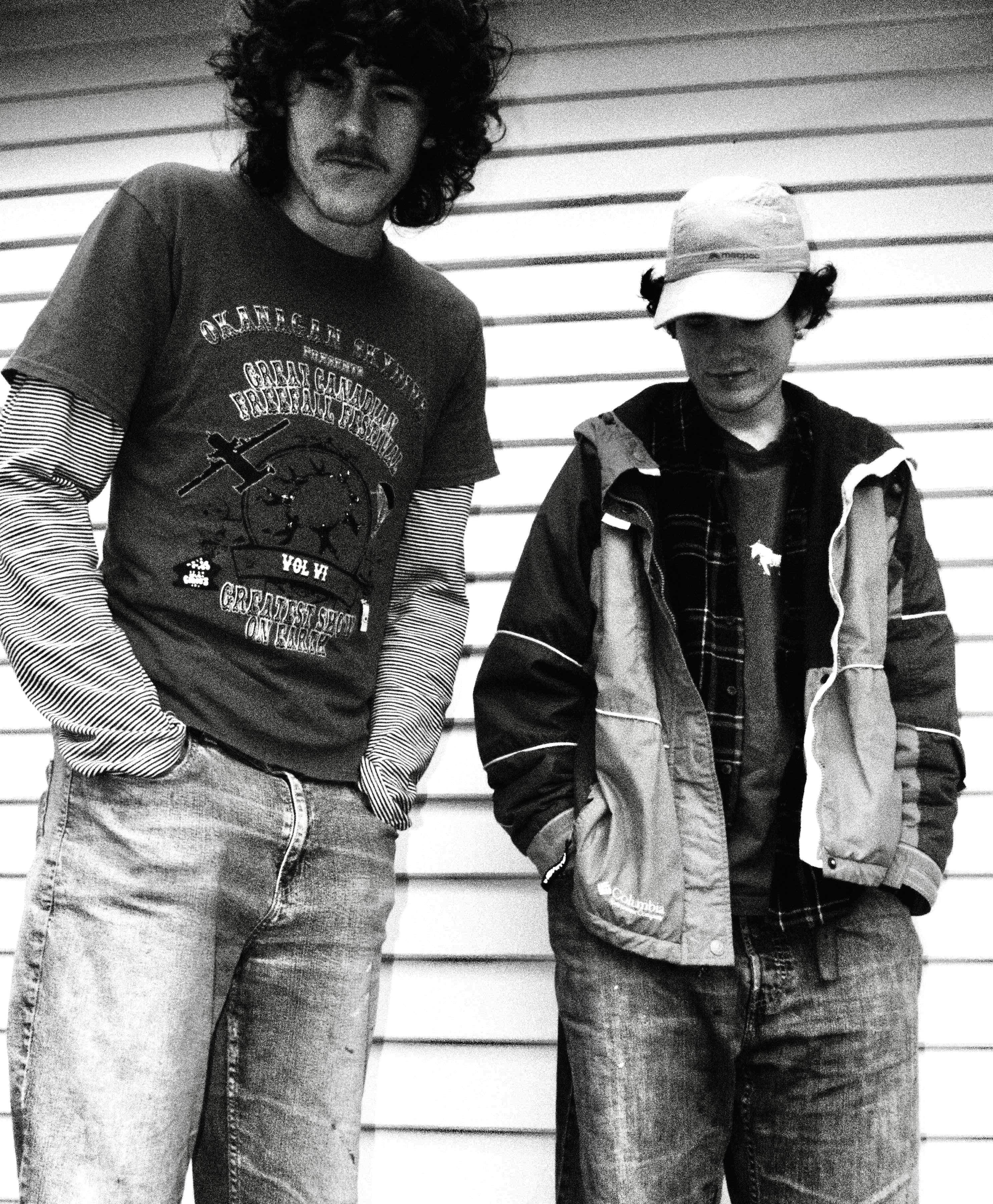
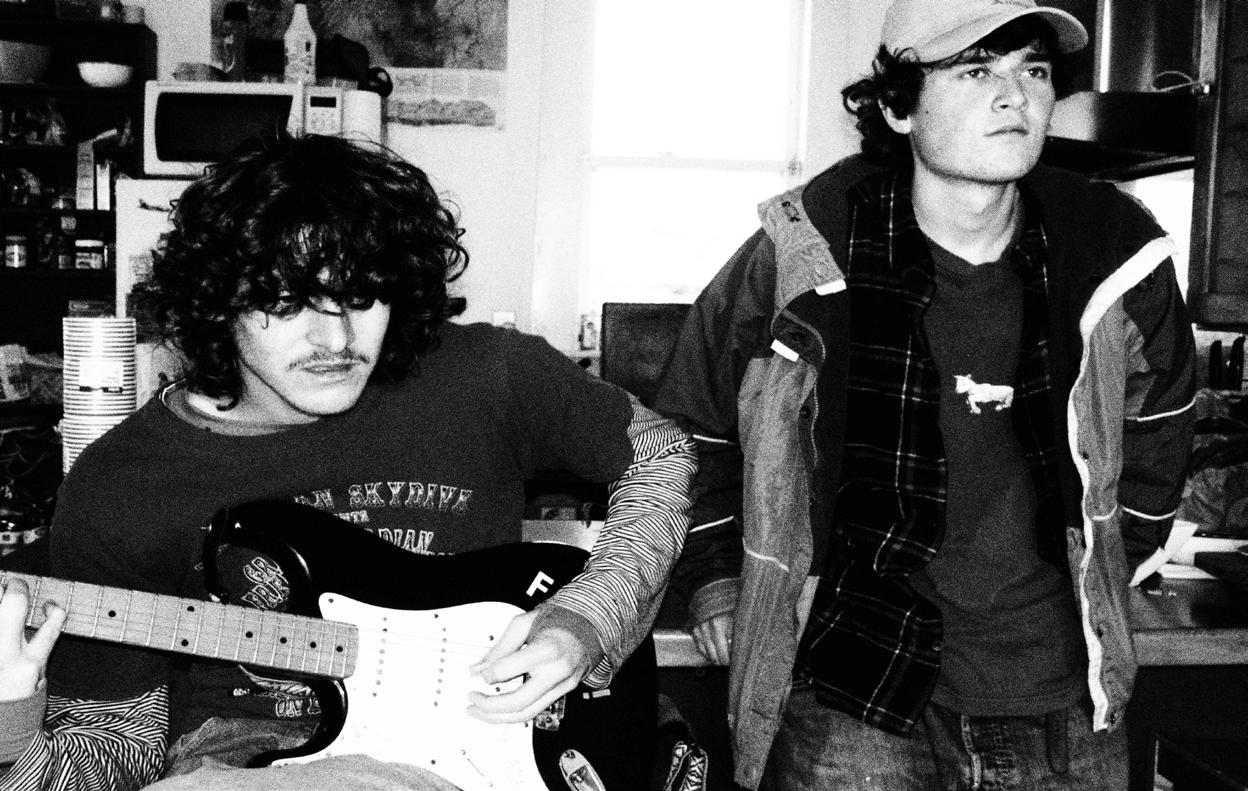
High up in the Brooklyn hills, hidden amongst the rain and fog, Felix Bird and Ezra Beckett sit on their couch telling a story of a very different scene. It is the story of two young boys meeting on a sunny playground in Tauranga.
“He [Ezra] was on the playground. I spotted him from a bit out and he was wearing a cool shirt. It was a barcode with chopsticks, and it turned into noodles at one end,” Felix recalls.
As is the way of children, this cool shirt was enough to form a life-long friendship.
“I went up to him and was like, ‘I like your shirt, can I be your friend?’ And then Ezra said yes and then we became friends, and now we are here.”
From primary school through to university, there have been two constants in their lives: music and each other. The first time they made music together was when they formed a band called the Food Fighters in Year Six.
PHOTOGRAPHY BY BEE PUTALI • SHE/HER
“We would just bang on our lunchboxes and make a whole bunch of noise. It was probably really cringe, but when you’re ten it was really awesome,” Felix says.
Their two-man band, Park Flyers, was formed in 2021 when the two were still in high school. When the band first began, it was a four piece. But when Felix and Ezra were the only ones showing up to practices, they broke off and made their own music.
This two-man band proved to work, and Felix says this is due to the connection they have with one another.
“I think it also helps that we’ve been writing music together since Year Six. So, I think we’ve definitely got that connection where we can understand each other on a different level.”
While they don’t stick to a particular genre, most of their songs fall within Midwest emo style. Their lyrics focus on describing certain images rather than telling a specific story. For Ezra, his lyrics reflect his rural upbringing, farm animals, car crashes, and maize fields.
In comparison, Felix’s writing style is based less on specific images and more on the flow and sound of words. Reading through his own collection of poems, he will search for certain lines that sound nice and build upon them.
“They just have to roll off the tongue nicely. It would be a nice collection of words rather than have a big meaning,” he says.
Despite having very different writing styles, they don’t find it hard to weave their two lyrical styles together.
“When we write the lyrics out, there ends up being some sort of correlating thing. A salvaging thing that makes the lyrics join,” Ezra says.
When working on lyrics, they write first and think later. They never start writing a song with a clear meaning behind the words. Instead, they take inspiration from David Lynch who believes the meaning will instinctively find you.
Ezra says: “I’ll just let it happen and then afterwards the meaning and everything comes.”
Coming from Tauranga, Felix and Ezra say that Wellington’s music scene is more alive than their hometown. However, they believe that there is not an established scene for their style of music.
“There is a good handful of alternative rock bands and then there’s a good handful of hardcore bands. Then there is a few bands that bridge that gap, but they don’t quite fit either side of the spectrum and I feel like we sit perfectly in that gap as well,” says Felix.
“Yeah, pretty awkwardly,” adds Ezra.
After identifying the struggle to bridge this gap in Aotearoa, they now have goals to take their music to the United States. Felix explains that this is where their style of music would thrive. This comes down to the size of Aotearoa—there just aren’t enough people here.
Even in Australia, Felix says it would still be hard to establish yourself and take off.
But before they cross the Pacific Ocean, their next big goal is to release their debut album, You’re a Real Brick. It’s currently in the final stages of production and is set to be released on the 14th of August.
Ezra is the happiest that he’s ever felt with a project, saying: “All our other songs that are on Spotify, I feel like they all got begrudgingly released. But this album, I’m very excited.”
This album has been in the works for a year and a half, during which they have finally found their sound and vision. For listeners, Felix and Ezra hope that listeners simply connect with the album, and that doing so will strike a nostalgic chord.
Their deepest fear is that their hard work becomes “background music”.
Felix says, “We’ve made this art with the point of you’re gonna look at the art. You don’t make a painting and then put a blanket in front of it. You make a painting and put it on the wall where everyone can see it.”
From primary school lunches to Wellington gigs, and hopefully onto the United States, Park flyers are a formidable force.
THE GLASSHEAD EFFECT
WORDS BY KAMAIA BAINBRIDGE-FROST • SHE/HER
NGĀ PUHI, WAIKATO TAINUI, FASITO’OUTA
AND JESSIE DAVIDSON • SHE/HER
At a time when young musicians are told they’re entering a harsh industry defined by financial instability, intense competition, and relentless pressure, GlassHead Records is bringing a sense of community and passion back into the dream.
Massey University music students Evie Thomson and Thomas Waddington formed GlassHead Records in 2025 as a university project.
Evie says, “We started the collective because we had to put on a show for an assignment.”
“It was an interesting first gig,” she laughs. “It was just a bunch of our mates at Newtown Community Centre.”
Evie and Thomas met in class, and he introduced her to the creatives who make up Wellington’s music scene. With those existing connections, creating GlassHead felt like the natural next step for the two cofounders.
“Thomas had that solid foundation here [in Wellington]. All the rest of us were all running around like headless chickens not knowing what to do or where everything was,” Evie says.
“It turned into me and Thomas creating a collective and a community out of that.”
For Evie, having a strong sense of community within the music scene is essential. While she says the industry can be highly competitive, GlassHead is focused on turning that competition into collaboration.
“Our mates in Australia do very similar things over there,” she says. “I want to be able to create a bridge where we can do swaps where they come over here and we go over there ... New Zealand is so small, and in a music sense, it’s really hard to get a lot of opportunities.”
Looking back on her journey, Evie says she created GlassHead as much for herself as she did for the bands.
“I honestly went into a Music degree not knowing what I wanted to do with it,” she admits. “Starting this has given me experience into all these different realms of the music industry. I’ve been able to build my own experience, and given myself experience.”
When the assignment ended and the grades were awarded, GlassHead didn’t. One year after that first gig, Evie and Thomas are running a successful record label built on collaboration and community.
And that’s exactly what they want GlassHead to be known for.
After moving from Orewa to Wellington for university, Evie says it was the city’s music scene where she found her community.
“At home, I loved going to see music, and that just never really happened in my immediate surroundings,” she says. “It wasn’t something that I can do now where I just decide two hours, or even half an hour before, and just go.”
“The reason we’re so close-knit is because we’re best mates, but also we believe in each other’s music,” she says. “If one of them ... blows up like crazy, it’s inevitably going to bring us all up as well.”
“Having GlassHead, I feel like it’s having more eyes on all this talent. I just think the overall goal is branching out of this community.”
GlassHead currently represents five bands—TWIAY, Park Flyers, King Hit, Dillon Jo and Felix Bird. While Evie and Thomas are still students, they plan to keep the roster at its current size. After graduation, however, they hope to take GlassHead across the ditch.
Evie and Thomas continue running GlassHead because they want to build and give back to the community they love.
“I feel like there’s always something that can be done, especially if all these bands are putting out albums and doing shows.”
“There’s always room for that community.”
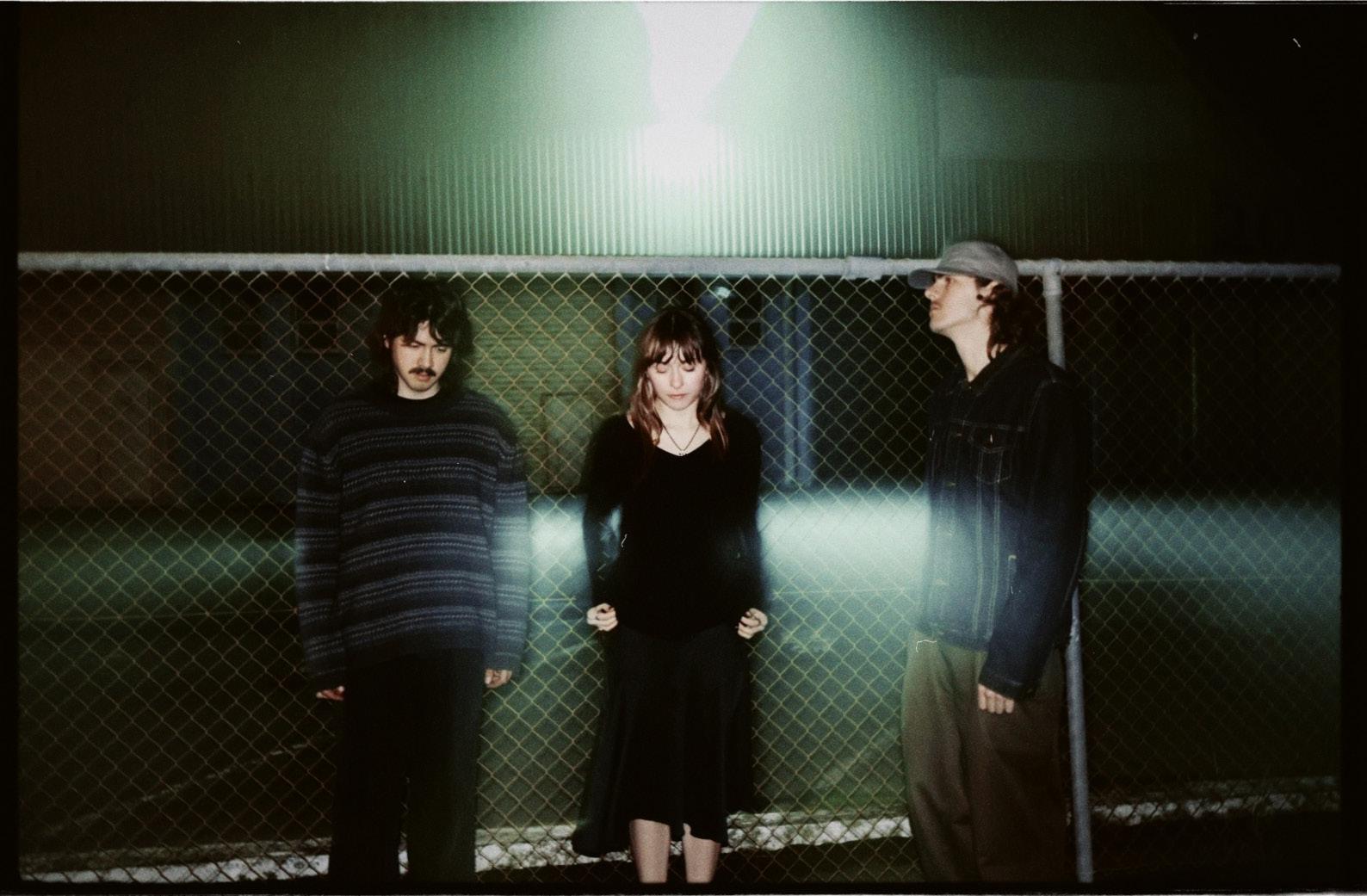
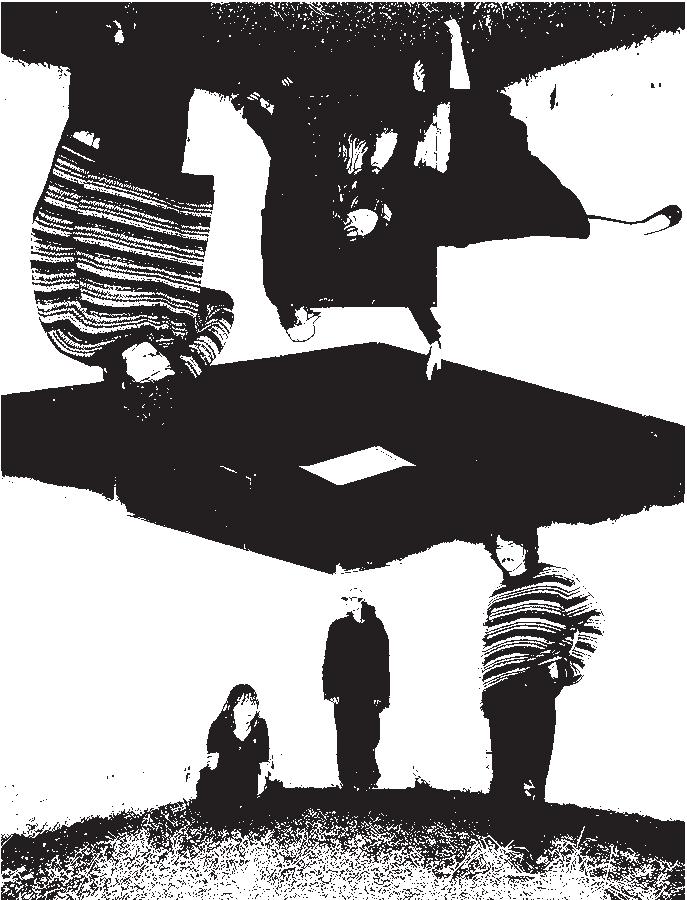
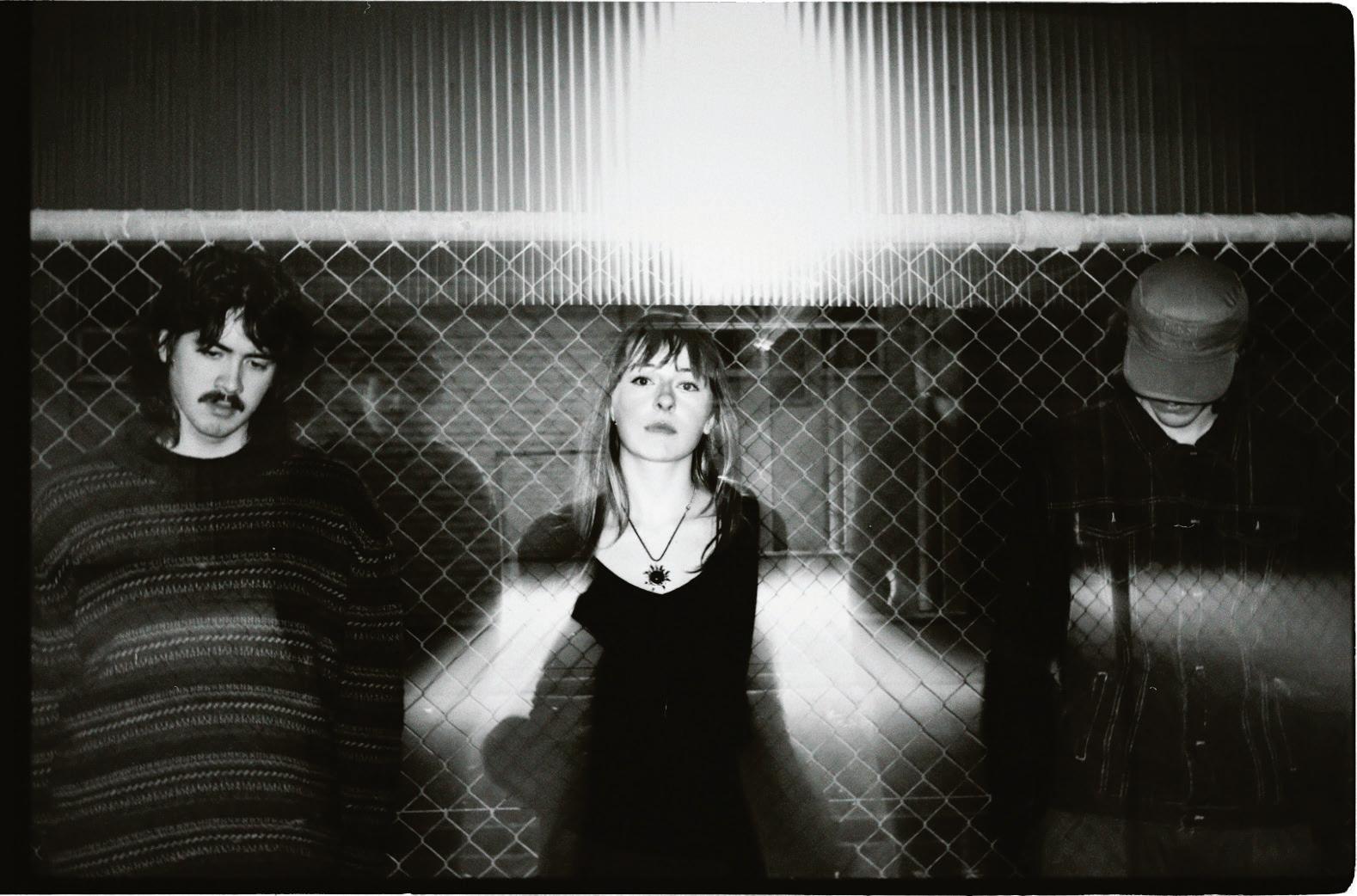
Spread throughout a Park Flyers gig in late 2024 was each standing member of Wellington’s thrashing band, King Hit—whether they knew it or not.
Felix Bird was on stage, Sebastian Bell and Stefan Jenkins watched him side by side, while Caitlin Gabb shuffled around the crowd. That night their energies synchronised.
PHOTOS BY EVIE THOMSON • SHE/HER
WORDS BY LEE JUDI • THEY/THEM
Sebastian recalls watching Felix singing into the mic and Stefan saying: “That guy’s gonna be in our band!”
Now, two years later, the band is on the stage together playing their own unique sound—which Stefan initially wanted to be surf punk.
Trying to pry a concise genre label from any band is always like pulling teeth. With King Hit, it was more like throwing handfuls of spaghetti at a wall and trying to see what sticks.
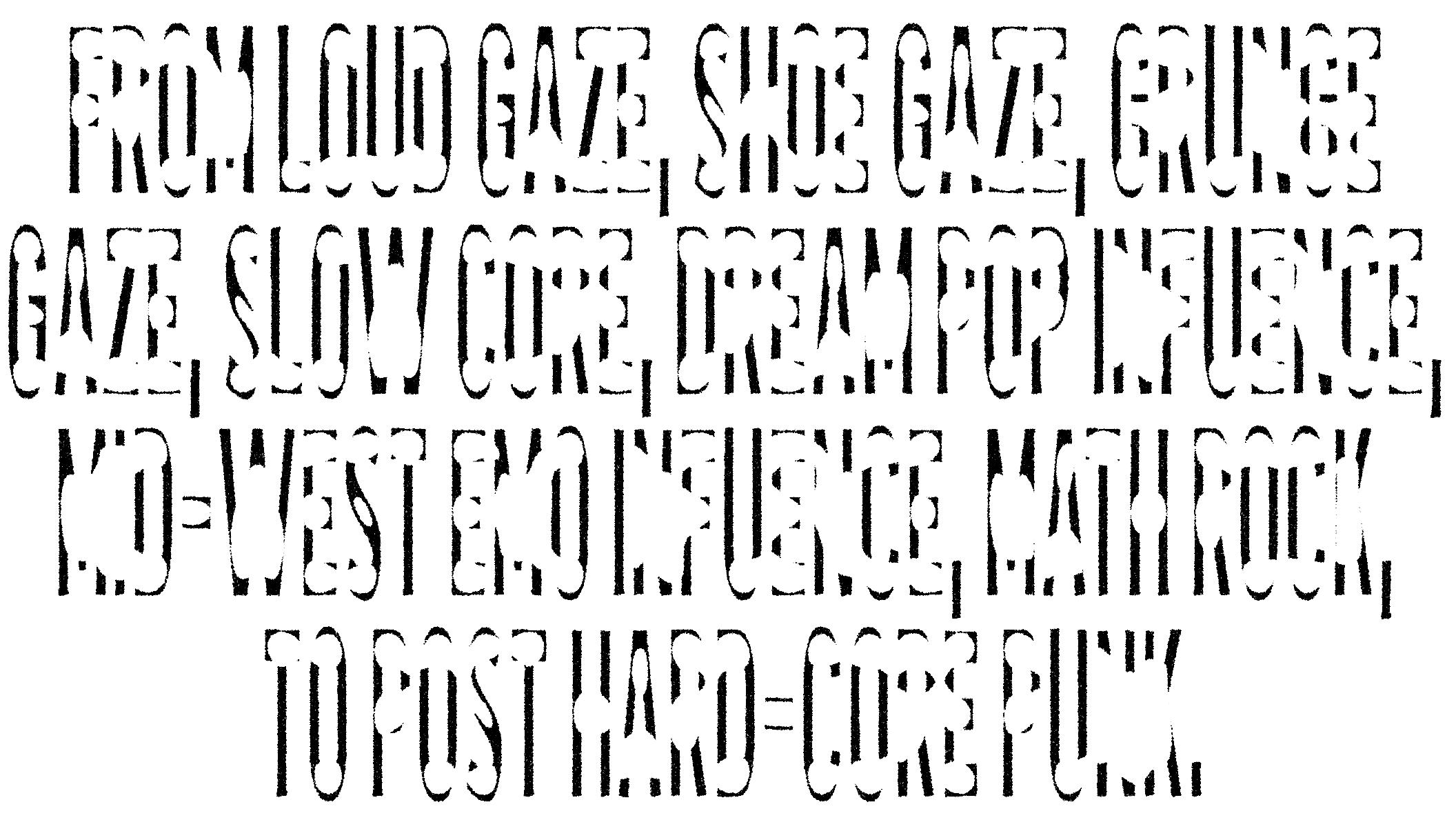
From loud gaze, shoe gaze, grunge gaze, slow core, dream pop influence, midwest emo influence, math rock, to post hard-core punk. You name an alternative rock subgenre, and King Hit’s probably dabbling in it.
But what is certain is that Stefan and Caitlin are both singing and playing guitar, Sebastians bashing the drums, while Felix is picking the bass and backing up the vocals.
Which Sebastian likes to point out: “My bro’s a D1 yeller.”
While most Wellington bands play their first official gig at venues like San Fran, Valhalla, or any other venue within the region, King Hit debuted at Te Puke’s Black Bird records. You could say they started off with a taste for the unconventional.
The band loves to play wherever, whenever. But most of all, they love house shows. Felix says, “Theres something so charming about being on the same level as the crowd. You look up and there’s someone looking right back at you dead in the eyes.”
Playing at the iconic Garrett Street flat recently gave them this exact buzz... figuratively and literally.
Stefan laughs, “I got electrocuted a lot. My vision went blank. But t hat’s just the joy of it.”
It took a gig or two before King Hit found their fourth and final member, Caitlin. They say this addition leveled up their game entirely.
“Before Caitlin, we were just three dudes,” Felix says.
“I think of the band as us boys being the ingredients for the loaf of bread. We’re the flour, water, and salt. Caitlins the rosemary and the olive oil on top. She adds the flavour.”
She insists she never meant to alter the initial 3-man, “I never wanted to change the band.”
But with great success—and her bedazzled pedalboard—she did. The rest of the band are absolutely stoked with what Caitlin’s brought to King Hit, sparkly pedals and all.
From Te Puke to Garrett Street, King Hit has a strong love for the Wellington scene that facilitates their art.
Stefan says he feels lucky to be coming up at this place and time.
“The Wellington scene has, in terms of sound, gotten a whole lot heavier and way more alternative.”
The relationship between Wellington bands and the healthy competition it fosters makes for raging gigs, great music, and an awesome community. The band laughs as they reflect on how their lives have changed in recent years.
Stefan: “We can’t walk down Cuba street without recognising someone.”
Felix: “We’ve become the mums in the supermarket.”
Sebastian: “Yeah man, that’s the dream.”
King Hit’s journey is far from over. With an album currently being cooked up and gig dates being released like wildfire, this seems to just be the start.
However, the band is facing a lot of changes. With a heavy heart and a whole lot of aroha, Sebastian is moving on from his King Hit whanau.
But no matter where he goes, he will carry King Hit with him.
“It’s undeniable how large an effect King Hit has had on my life, whether that be in the realm of my personal musicianship, or my role as an active ... participant in a Wellington scene that has only grown in vibrancy since I left high school. I’m so thankful,” he says.
“I leave King Hit with a misty eye on the rearview mirror, and the other fixed firmly ahead.”’
This is far from the first re-route in the King Hit journey, and I doubt it will be the last. But no matter where the band is heading, they’ll continue to provide eardrum shattering genre bending releases and shows along the way.
HE ORLD S GAINST OU
So Makes a World of Their Own
WORDS BY GRACE BYRNE • SHE/HER • NGĀTI POROU
PHOTOGRAPHY BY JAMIE TREVITHICK • SHE/HER
When it feels like the world is against you, sometimes all you want to
do
is retreat to the intangible world of music. Or better—create your own world.
That’s the best way to describe the sound of TWIAY: floating above it all with only the low strum of a bass guitar to keep you tethered. Drums echo behind your eyes while a deliciously edgy guitar threatens to steal your breath.
This sound is the creation of five young musicians who aren’t confined to the walls of Massey University’s music studio. And it was Thomas Waddington who formed the initial solo project of TWIAY in 2024.
Soon after, Thomas’ childhood friend, Stefan Jenkins, added his guitar skills to the mix alongside classmate, David Hurnen—keyboard and guitar extraordinaire.
Then Ezra Beckett’s “real pretentious” drums swept through the band, with Rhys Hicks’ angsty bass rounding their sound off perfectly.
And what is their sound? Well, it’s a mix of experimental art gaze, noise pop, 2000s shoe gaze and—as David put it—“pretentious gaze”.
“It’s where you dress like an idiot and you’re not allowed to smile on stage,” Stefan explains.
The band jokes they’ve been coaching David to lessen his liveliness so they can maintain their shoegaze image.
With David, Thomas and Ezra in their final year of studying Music at Massey, it’s the university’s recording studios where their work comes to life.
In the early evenings, the quiet studios begin to fill with lyrics and laughter as TWIAY begins to cook up a new song.
Many of their songs begin with Thomas offering a riff, some chords, or something which inspired him. His inspiration can come from anywhere— even his lunch.
“Sometimes I’ll get inspired by a sandwich I’ll make. If it’s real yummy, I’ll want to make songs,” Thomas says.
A song on their upcoming album was born off the back of Thomas’ squeaky equipment.
He says, “I bought this new pedal, and it made this real funky sound. And I was like, oh, this is kind of sick. We started making something, David put chords over it, and then that’s the song.”
After the first inspiration strikes, the music making becomes a collaborative effort. The band will listen to each demo together, and then cut, shape, and rewrite sections of each song.
The final product is a delicate puzzle with pieces made up of each band member. Their love of creating together is what makes this band stand out. For them, the result is a physical manifestation of real achievement: the journey.
“One of the greatest experiences is making something that is so existential and spiritual and out of this world with a group of people,” says Thomas.
TWIAY has a rare weapon up their sleeve: total control.
Since they are signed under Thomas’ own record label—Glasshead Records—they’re free to create music without unwanted influences. They do everything from writing their own songs, creating their own promotion, and on their own timeline.
Thomas even confesses to advertising TWIAY’s music on niche music communities on Reddit.
“I posted ‘new TWIAY song!’ on r/beabadoobee and someone commented ‘who the fuck is that?’ It got like 40 upvotes,” he says.
But musical fame took more than a Reddit post.
With the help of connections formed through Massey, TWIAY paved their way into Wellington’s music scene.
In the beginning, they were only playing for crowds of five or ten. But no matter how small the crowd was, each gig gave the band new connections and drove their dreams.
TWIAY’s name started to seep into the lineup for more and more local gigs as they said yes to every show they were offered.
Now, with a bigger name and bigger fame, they’re able to be much more selective with their shows. But they praise Wellington’s San Fran as their favourite venue.
Looking forward, the band admits that their different aspirations may lead them in alternate directions. However, their passion is the same. A passion to continue creating genuine and independent music for the world to hear.
In October, TWIAY will be sharing this passion at Melbourne’s Sore Horse music festival—an independent festival focused on emo, shoegaze, and posthardcore.
As The World Is Against You takes the world by storm, let’s hope the rest of the world is for them—not against them.
Beth Torrance: Your Favourite EP Release Show
Sat, 1 Aug Whammy Bar
MASSIVE: Out of CONTROL
Thur, 30 July Holy Grail
Shark vs Lion - Buttons (Nutellamonk Remix)
Kokoa Nashi - Motherlode
Diesel Jenny - Longbow
Club Tremaine - Hoya
Watercolour - Loose Ends
spark ill - CYHCYHASY
Planet Overload - Round and Round
Te KuraHuia - Ms. Divine
Star Time - High Street
Sogg - Argument
Hey Mother! I’m heading to the MASSIVE: OUT OF CONTROL gig this week and I want a sick playlist to prepare. Any recs?
Kia ora darling!
Of course! Here’s my fav songs from the bands playing this Thursday! Give them a listen xx
Charades – Park Flyers
STEW – Park Flyers
Good Person – Dillon Jo
Jo – Dillon Jo
Shiver – Dillon Jo
Asterisk – King Hit
WhenI was 17, I got into my first big relationship. I had had boyfriends before, but we’d done basically nothing sexual. One night, my parents let me and him and my two friends who were dating have the house to ourselves so we could throw a wine and pasta night. Of course, we spent a lot of time drinking, and not a lot of time eating the pasta.
A crucial part of this story is the layout of my house. It’s super open plan. Lots of windows. If you were standing on the street, you could see right into my kitchen.
As we got more drunk, my two friends went to my bedroom and hooked up, leaving me and my boyfriend in the kitchen. It was here that we told each other that we loved each other for the first time. Super big moment for 17-year-old us. Then we started making out, and he went down on me.
Mind you, I’m still fully clothed. All he did was part these boxers of his that I was wearing— they were blue with pictures of Homer Simpson on them—and started eating me out on the kitchen island.
Sexcapade submissions provided by
For 20% off your next purchase, enter discount
Suddenly, we heard the creak of the front door— which are floor-to-ceiling glass. I get up, see my parents, and I immediately run away to my bedroom and leave him in the kitchen. Instead of doing anything remotely sane, my boyfriend got up out of my coochie, looks my dad right in the eyes, puts his hands up in surrender and says: “You got me!”
Both of the boys got sent home, and my boyfriend and I weren’t allowed to stay the night with each other for ages. My mum cried twice.
I felt like my whole 17-year-old life had ended. It was so sexy in the moment, but afterwards... not so much.
You have been showing up in your loved ones’ dreams, and they are worried about you. Take this as a sign to let people know you are okay.
You have a big trip coming up, so take this time to save, save, save! It might be easy to use your trip as an excuse to buy the latest suitcase.
]You are embarking on a creative endeavour and the stars are on your side. This week, a creative burst will push you through the beginning stages of a creative project.
As Mercury stations direct in your sign, a new side hustle will present itself to you. Grab the opportunity but think about all of your options before making a hasty deal.
Your fear of the unknown is hindering you from branching out and discovering yourself. Make a Hinge profile to make friends—you never know who you’ll meet.
This week, dive deep into self-reflection and you might unlock a few secrets about yourself. You will feel a new karmic cycle pushing you to build healthy habits.
As the recent Mercury retrograde ends, things begin to look up for you, Libra! You will experience a surge in social energy and a clearing of professional roadblocks that have felt immovable.
Stop fighting for friendships that bring severe mental strain. The stress of trying to hold a friendship will eventually break you.
You need to stop social climbing. The people around you are noticing your fake attitude and are beginning to question your true intentions—stay grateful and humble.
This week brings solitude, but instead of being scared, try to embrace it. The mind is a wonderful servant but a terrible master, so don’t let your thoughts get in the way of alone time.
You are looking more ravishing than ever, and this week it only gets better. Your physical beauty is boosted this week, and your love interest will notice.
You need to engage your professional muscles and stop being afraid of the office siren you were born to be. That salary job is calling your name—stop running away.
Music Songs Lyrics Opera
Popstar
Grammy Radio Gig Performance
Vocals
Guitar
Drums
Techno
DJ Set Band
4.
7.
10.
14.
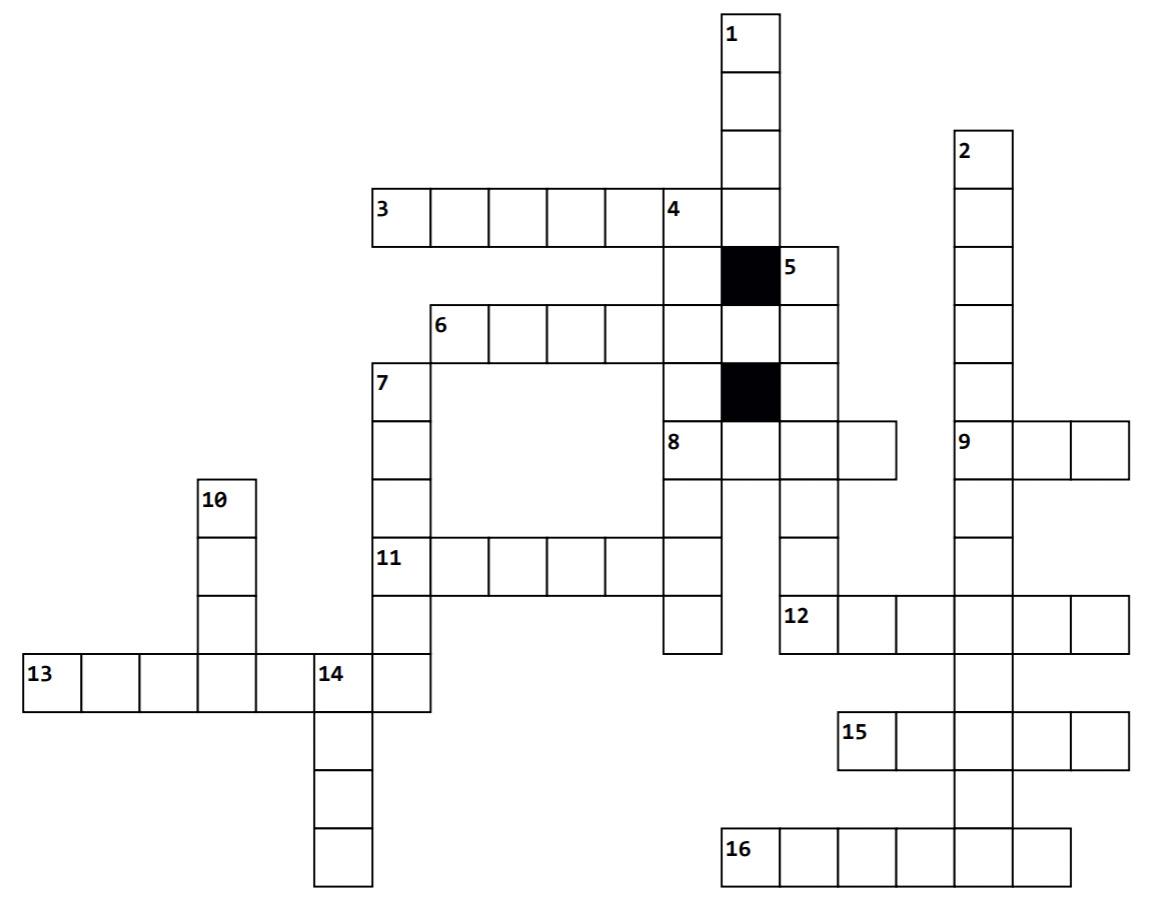
3. Who was offered Wrecking Ball before Miley Cyrus? (7)
6. Composer of The Four Seasons (7)
8. Singer who flies around stadiums performing acrobatic tricks while singing (4)
9. What animal loves jazz music (3)
11. NZ singer who dueted ‘Somebody that I used to know’ (6)
12. Last weeks Massive theme (6)
13. Spotify’s end of year feature for its users (7)
15. Who woke up in the morning feeling like PDiddy? (5)
16. Justin Timberlake’s former boyband (1,4)
1. Musical TV show that ran for six years (4)
2. Very first American Idol winner (4,8)
Final performer at the FIFA halftime show (8)
5. Billie Eilish’s brother (7)
Musical that acts as a prequel to The Wizard of Oz (6)
NZ musical duo: The ______ Twins (4)
Taylor Swift’s _______ Tour grossed over $2 billion (4)