Issue #11
May 11th 2026
Issue #11
May 11th 2026
Acouple years ago, a couple of my best friends had to sit down with my boyfriend (now ex) for a stern talking to.
“Hey bro, you really need to start using ‘they’ when you’re talking about Lee.”
We broke up not long after, and I found out about this conversation much further down the line.
The masculinity I was afforded in this teenage relationship was a sort of ‘my girlfriend’s one of the boys’ strain of misogyny. Restricted in my heteronormative dynamic, I was allowed to skate and drink beer but still had to give blowjobs and wear lingerie under my baggy clothes. I found ways to express a not-quitea-girl energy festering inside. One that the patriarchy could accept.
So, post break up I went a little crazy. Like a kid in a candy store—or a newly freed queer in the strap-on section—I was euphorically high on masculinity. I felt so sure of who I was. I had labels that felt accurate and an ego higher than the war memorial beside campus.
Reading my editorial last year, this alleged manhood was rampant. I swang my ‘big dick’ all over the page.
I let some of my feminisms fade and reinforced a binary of masculinity and femininity I once protested. I got wasted and walked home shouting into the ether: “I’M NOT A GIRL ANYMORE!”. Those same two best friends drove around Kilbirnie looking for me after a concerning phone call.
But I wasn’t high on masculinity. I was intoxicated with the power I associated with it. Falling into fuck-boy land, I acted immaturely and hurt some incredible women. Just as men had hurt me in the past. I wasn’t moving through the world with the love that queerness holds. I just wanted to be the fucking man.
Eventually I calibrated. My friends G-checked me and a beautiful love entered my life who had spent years deconstructing their own relationship to masculinity. Not so long ago a misguided girl approached us at a music festival declaring, “Ugh I love to see a gay and lesbian bestie dynamic.”
We rolled our eyes a little but laughed a whole lot more.
Through a bit of aging, a lot of reflection, and a village of forgiving people, I look back on this time as a reactionary state to an angsty prison I chose. In the most 19-year-old way possible, I thought I knew everything and was entitled to even more.
I cringe at some of the words I typed in the past. But I am incredibly happy to be moving into my 20s of honesty, kindness, and a much more balanced sense of self. One where I may still be obsessed with Chief Keef and love my boxers. But know that a little eyeliner that ain’t gonna hurt anyone or anything.
Not even the relationship I have with my own masculinity.
-Chur, Lee.

Disclaimer: The views presented within this publication do not necessarily represent the views of the editor.
NZ Media Council: Those with a complaint towards the publication should first complain in writing to the editor editor@massivemagazine.org.nz
If unsatisfied with the response, complaints should be made to the NZ Media Council info@mediacouncil.org.nz
Subject: vaping or boyfriend - there’s an obvious answer here
the article about vaping or boyfriend a couple weeks ago was egregiously bad. not a single ounce of a ‘nicotine is an addictive substance’ statement, nor any acknowledgment that its bad for your health. it cigarette packs have to have pictures of various disfigured body parts/organs, why is massive allowed to have a *seemingly* pro-nicotine article in an issue that isn’t even relevant to the subject? there’s many reasons why this article was terrible and shouldn’t have been published, but i can’t be the only one who had a bad taste in my mouth after reading this.*
*no vape included.
‘Ultimatums & Autonomy’ was published as a personal opinion piece reflecting the writer’s own experience of relationships, autonomy, and addiction. Massive does not endorse vaping, and we recognise nicotine is an addictive substance with established health risks. We welcome reader responses and differing perspectives on published pieces. However, to quote the article: “It wasn’t about the nicotine—it was about autonomy.”

Kia ora kautou!
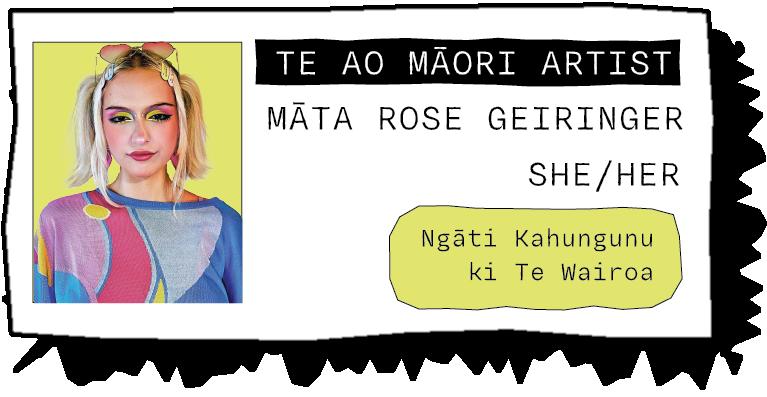
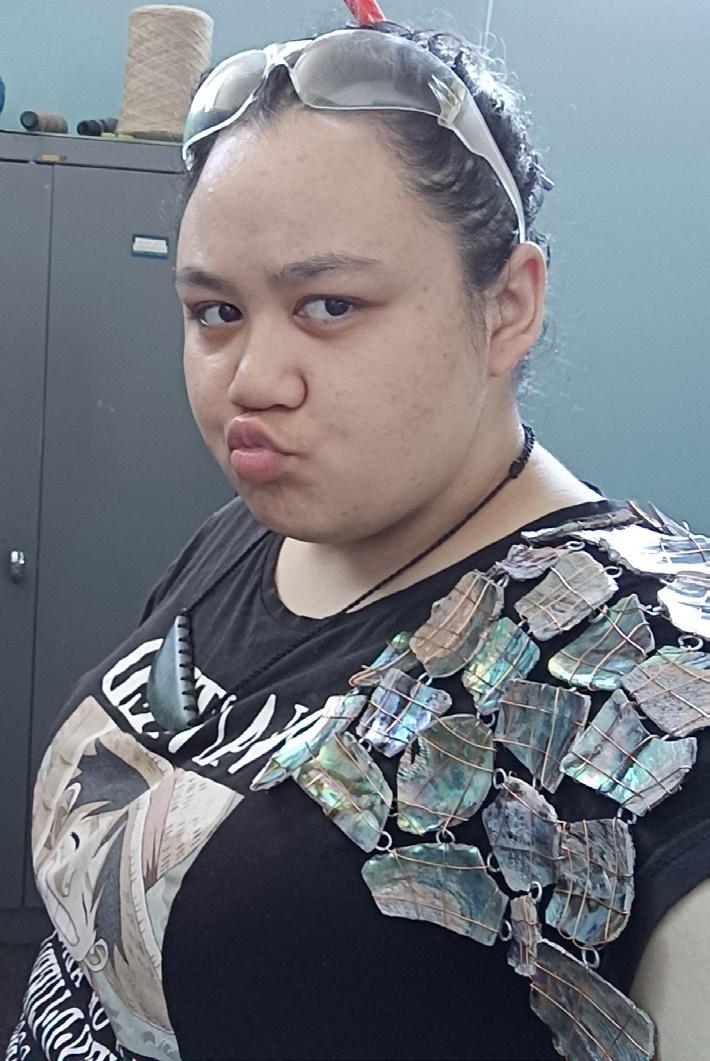
The highest point of my whenua is known as Rangitumau, my maunga. Then I gaze down to the powerful flow of my awa Ruamahanga. My waka Takitimu makes it way holding my iwi Ngāti Kahungunu ki Wairarapa and Rangitane. The two iwi are only a fraction of my whakapapa we find my hapu, Ngāti Hāmua. I rest together with my whanau at the heart of Te karu o te ika a Maui at Te Ore Ore marae.
Kia ora! My name is Rose Haira-Harmon, I am a 3rd Year design student studying a double major of Industrial Design and Matāuranga Toi Māori. I am also one out of the two Kaiwhakahaere o Kokiri Ngātahi for 2026! (I’m a Māori rep for Massey Wellington)
I commute from Masterton to Wellington, it takes about 4 hours each day using public transportation, and I come into campus almost every day. I’ve been commuting since I started study in 2024 and it’s still hard. I’m always tired, I’m not a caffeine person so it’s pure will that’s getting me to and from. Even though I am close to dropping I am always down for a korero, light or heavy.
ISSUE 15: ‘IMMIGRANT/REFUGEE’
Massive Magazine is Looking for Immigrant/Refugee Writers and Artists!
Massive Magazine is publishing our Immigrant/ Refugee issue in week three of semester two. This issue is created by Immigrant/Refugee students and spotlights Massey University’s Immigrant/Refugee
cohort. Students can write or create art about anything relating to their culture, experience and where they are from.
If you’re interested, please email editor@massivemagazine.org.nz
MONDAY APRIL 20TH • 2026
Words by Ellice Lawrie • SHE/HER
Former Te Tira Ahu Pae rainbow student representatives (rep) have claimed that when the election process for student reps took place this year, no rainbow rep roles were offered.
A previous rainbow rep, Quinn*, told Massive they believed no one was informed that the role wouldn’t be offered this year.
“At the start of this year they were completely cut. No one was officially told and there was no statement made about it,” they said.
Quinn said they’d attended meetings last year where there had been discussions about restructuring the student rep system. Among these discussions. there was talk of rainbow reps receiving less funding.
However, no one was told that the role would be cut.
While being a rainbow rep, Quinn felt dismissed by the board members. They said that not receiving proper funding meant it was hard to fulfil their role.
“Anything that you say they just dismiss so it was really hard to get anything done. It didn’t help that we didn’t get funding until like way into semester two and even when we did get funding, it was only for events.
They said queer students face issues that the general student cohort do not. This included fighting for gender neutral bathrooms and changing names on class rolls. Because of these specific issues, Quinn said it’s crucial that there are rainbow reps.
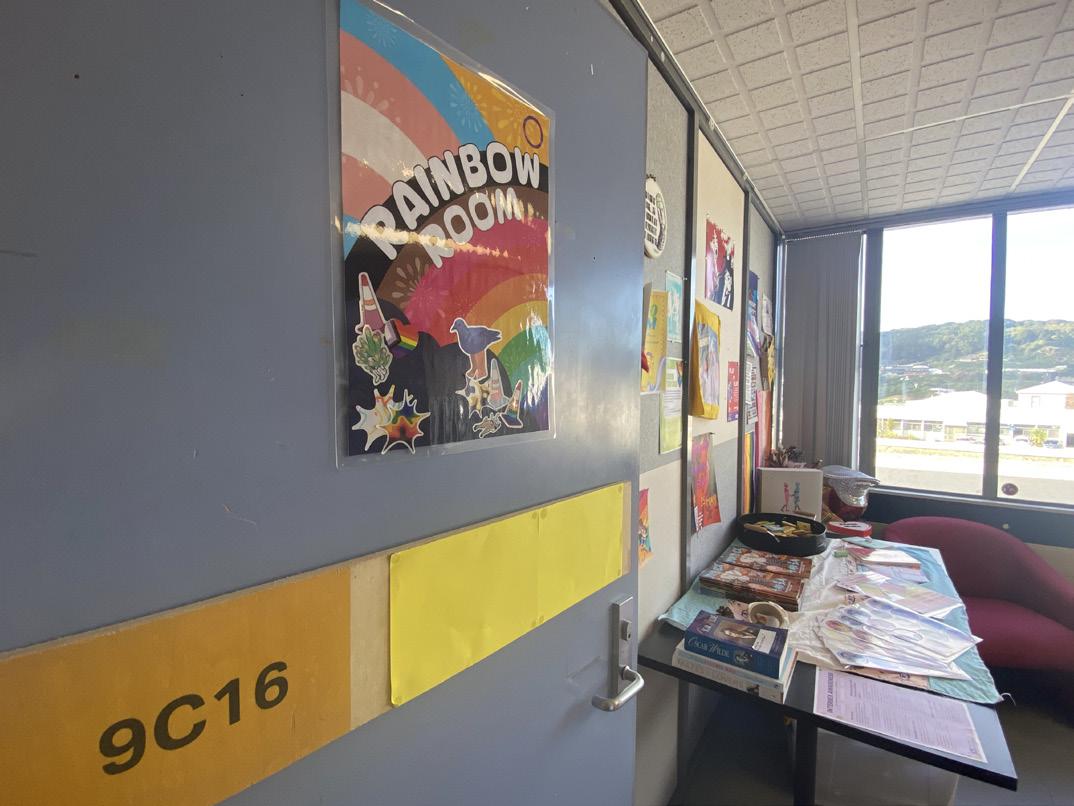
Rainbow Room on Massey University’s Pukeahu campus. Photo: Massive Magazine
“I feel like a specialized queer group is better handling those small things that need to be done to benefit our community.”
They don’t believe that Te Tira Ahu Pae or Massey University is doing enough to support their LGBTQIA+ students.
“I don’t think they’re doing enough to make sure that the student board is supporting all reps,” Quinn said.
Benjamin Watt, a 2023 rainbow rep, agreed and claimed this has come after a history of rainbow reps not being taken seriously.
Watt was one of the first rainbow reps at Te Tira Ahu Pae but left his role early, claiming he was bullied by TTAP members—all of which have now left.
“I also left as an act of protest, because we felt that Kahui Irarau had created the rainbow rep role within TTAP more as tokenism than as a genuine student representative voice,” Watt said
At the end of last year, Watt claimed negotiations took place regarding the community representative roles. These roles play a key part in advocating for specific student demographics within the university structure, such as disability, international and rainbow students.
He said he was told that rainbow rep roles would be offered at eight hours a week in 2026. This is two less hours than the disability
roles. This, alongside the rainbow reps feeling unsafe in TTAP’s work environment, were allegedly raised to TTAP.
Despite this, Watt said rainbow reps were not informed that no roles would be offered to them this year.
Watt said that rainbow reps are important because statistically LGBTQIA+ are more likely to experience mental health challenges. Having rainbow reps gives students support and community.
“Having dedicated rainbow reps gives students a voice and helps remove barriers within the university environment,” he said.
“You can already see the impact of that work through things like Rainbow Rooms now existing on every campus and UniQ becoming active again. Those changes did not happen by accident, they happened because students advocated for them.”
Te Tira Ahu Pae was approached for comment but did not respond.
*Names changed for anonymity
Words by Maya Trotman • SHE/HER
Massey University students are upset at the rising compulsory student services fees, with some saying that the extra expenses are becoming “increasingly challenging”.
Compulsory student services fees covers non-academic support such as health and counselling, career support, sport and recreation, and student representation.
At the end of last year, Massive reported that these fees increased by 3% for 2026 to cover CPI inflation. This increase was decided after a student survey was conducted by Massey’s Student Services Fee Advisory Group.
The survey revealed that 49% of students supported the rise, while 45% disagreed. 6% of students abstained from responding.
The rate per credit for internal studies increased from $9 to $9.40, while the distance fee increased from $7.50 to $7.70. This means the additional fee for studying a full 120-credit year will go from $1,065 to $1,128.
For Bachelor of Science student, Sandra Rosmuz, this meant “stricter budgeting and a higher overall debt”.
With increasing cost of living, Rosmuz wasn’t surprised about the increased fees. However, she worried about her own finances.
“When you are already on a tight budget, this is becoming increasingly challenging,” she said.
Rosmuz is ineligible for a student allowance. After finding no part-time work in Aotearoa’s job market, she’s worried how she will finance her final university years.
Masters student, Siddhi Joshi, said that this fee increase added pressure to an already challenging student budget.
On top of their studies, Joshi said many students juggle part-time jobs, rent, groceries, and other essentials just to get by. She’s concerned by how the increased fees will disrupt student budgets.
“It is ironic that while some fee increases fund support, the added pressure may worsen stress,” she said.
Joshi believed Massey should consider students’ realities and ensure support systems remain accessible.
For students seeking financial support, Massey has financial resources available through their website. This includes as budgeting tips, emergency support, hardship grants and more.
Te Tira Ahu Pae also has financial support for students available through their advocacy services.
Words by Jessie Davidson • SHE/HER
Ngā Haumi ki te Ao, Massey University’s Māori student association, was launched last Wednesday on the Manawatū campus.
Ngā Haumi ki te Ao was created as part of the new student representation structure introduced this year. The association will work alongside Te Tira Ahu Pae to provide similar services and initiatives with a Māori approach.
Previously, physical Massey campuses have had their own Māori student associations. But Ngā Haumi ki te Ao will bring these together to have a national presence that also includes distance students.
Speaking to the audience gathered to celebrate the official launch, general manager of Ngā Haumi ki te Ao, Ana Tupangaia, expressed her pride.
“I’m very proud to stand here today and unveil all of this,” she said.
Tupangaia explained the journey of the association’s creation. For her, it began in May last year after she was convinced to join a Teams meeting about Māori student representation at Massey.
Then in August, the first noho marae with Māori Massey students across the country was held.
“It was focused on what Māori student representation looked like for us, and they [Māori students] told us straight out the gate that it looked like our own student association,” Tupangaia explained.
Working with Massey University, Te Tira Ahu Pae, and Māori students, Tupangaia said this became “a dream to a reality in less than three months”.
Mathew Rope, the Kaiwhakahaere ō Te Waka Ngā Akonga Māori for Massey’s Oteha campus, explained the vision behind Ngā Haumi ki te Ao.
“We always held onto this vision [of an association] that would last, that would be sustainable, and that wouldn’t just exist for us, but for all of us going forward,” he said.
“We’re taking our first steps now. We’ve got ourselves a waka and we’re going to sail it off into the great blue moana and see what the horizon has in store for us.”
The sign with Ngā Haumi ki te Ao’s logo and name was revealed after a karakia from Te Ra Moriarty, a lecturer at Te Pūtahi-a-Toi, the School of Māori Knowledge.
The name ‘Ngā Haumi ki te Ao’ was gifted by Massey professor Hone Morris and encompasses the idea of connection between Massey’s four campuses.
The logo for the association was created by two fourth year Māori Visual Arts students—Eve Robin and Phoebe Scott. The students used symbols which represent Massey’s campuses, Massey students, Ngā Haumi ki te Ao’s relationships and the process of study.
“The government is not investing in our future”
Words by Jessie Davidson • SHE/HER
Second year Nursing student *Rachelle moved to Wellington to study at Massey University. Just as she was enrolling, first year fees free changed to the last year. Now, it’s been completely removed.
“[I am] already having to do endless hours of unpaid placement, do they want nurses in New Zealand?”
Last week, the government announced that the fees free policy, which covers the cost of students’ last year of tertiary study, would be scrapped in the upcoming Budget.
Tertiary education minister Penny Simmonds told reporters last Tuesday that they considered staggering the change so students who began
studying under the impression their last year would be free, would still be eligible.
However, she said this would be too complicated.
“It made it more complicated because obviously people start at different times through the year, so it was easier to have a hard end to it, and then it’s really clear for everyone,” she said.
This change has left many students, including Rachelle, disappointed.
“I am the first in my family to go to university and this was something I had to work throughout college to achieve and afford. Fees free made it
feel more achievable for students like me,” she said.
Despite Prime Minister Christopher Luxon saying that the scheme was “quite a failure” and did not achieve its goals of increasing enrollment at universities, Rachelle disagreed.
“Fees free allows us Kiwis to not fall into the poverty cycle,” she said.
“Why would someone put themselves into immense debt when they
could go into trades and start earning straight away?”
With the current influx of Kiwis moving overseas for better job opportunities, Rachelle said that this would contribute to a decrease in university enrollment.
“It is a huge risk to rack up massive debt and then not be guaranteed a job at the end or even a way to pay those debts off. The government is not investing in our future.”
Words by Jessie Davidson • SHE/HER
The Association of Communication and Media sent an open letter to the coalition Government last week condemning the proposed abolition of the Broadcasting Standards Authority (BSA).
The BSA was created by the Broadcasting Act 1989 to make and uphold standards for radio and television. They acted in response to formal complaints about things like offensive content, possible discrimination, accuracy, privacy and fairness in broadcasting.
But last week, the Government announced plans to disestablish the BSA so media outlets can move towards a self-regulatory model and to address our rapidly evolving media environment.
In a press release, the media and communications minister Paul Goldsmith argued that the BSA is no longer fit for purpose.
“The BSA regime was designed for a broadcasting environment that is rapidly disappearing,” he said.
The organisation was designed in a time before on-demand services, podcasts and digital platforms dominated our media landscape. It became unfair for traditional broadcasters who were held to different standards than newer platforms.
However, the Association of Communication and Media (ACMe) disagreed with the government’s decision. In an open letter to Paul Goldsmith, ACMe urged the government to retain and modernise the BSA, rather than abolish it.
“The harms a regulator of accuracy, decency, and fairness is designed to address are not abstract,” they wrote.
Without a regulator, harms will “fall unevenly on Māori, Pasifika, Muslim, disabled, and minoritised communities, and on children and young people, who carry the disproportionate cost of an unregulated media environment”.
ACMe acknowledged that the past two decades have “radically transformed” our media environment through the emergence of social media and streaming platforms.
They said this transformation has introduced problems such as increased polarisation, misinformation, scams and deepfakes, exploitative, violent and extremist content, targeted harassment of minoritised communities, and weakened public trust in news.
“Rather than face the challenges of this difficult and complicated situation, the coalition has decided not to rise to the challenge of fostering a beneficial media environment to serve the multiple needs of Aotearoa New Zealand,” they said.
“Instead, it proposes to abolish the BSA outright, in tandem with cuts to public media funding and the absence of any credible plan for online safety regulation.”
ACMe said Aotearoa needed “real steps” to improve media regulations, but the government is ignoring this.
“Walking away from regulation and oversight does not help New Zealanders attain the media they deserve.”
Instead of abolishing the BSA, ACMe urged the government to retain it. Alongside this, they said there should be a transparent public consultation and independent review of how the BSA can be modernised to combat a 21st century media environment.
To read and/or sign the full letter, follow this QR code.
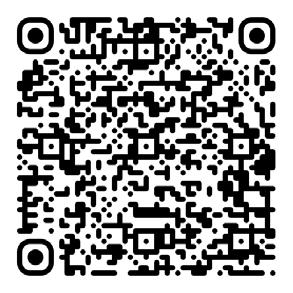
ACM LETTER for proposed abolition of the BSA
Words by Jessie Davidson • SHE/HER
Staff at Massey University are among workers from six Aotearoa universities who began bargaining last week, seeking to secure jobs and increase pay to keep pace with the rising cost of living.
Alongside the Tertiary Education Union (TEU), Massey staff formally initiated bargaining last week by presenting a letter to vice-chancellor professor Pierre Venter.
In a TEU press release, Massey Māori student support kaimahi, Te Awatea Ward, said the insecurity experienced by some staff was shocking.
“It’s beyond belief that we have people paid less than a Living Wage, people who are critical to keeping our universities going, being hired on fixed term agreements or casually,” she said.
To uplift the mana of university staff, Ward said that they need to have job security so they can do things like “get a mortgage and support their families”.
“Vice-Chancellors must choose to value the staff.”
Universities across Aotearoa experienced high student demand this year. But earlier this year, the government announced they would not provide extra funding for enrolments above forecast numbers.
Ward said this underfunding “this affects all staff who support and teach students in every campus”.
“It makes sense to properly invest in well-trained doctors, teachers and civil engineers, it makes sense to invest in quality public tertiary education because a thriving university sits at the heart of a thriving, democratic society.”
Bargaining was initiated at the University of Waikato, Massey University, Victoria University of Wellington, University of Canterbury, and the University of Otago last week. The University of Auckland will be initiating bargaining in July.
Words by Josie Maddox • SHE/HER
distance students.
The distance stream site has existed in various forms for many years, traditionally serving as an information hub for distance students.
The refresh of the page is designed to make the page easier to navigate to students, with simpler access to support, information, and communication with other students. The welcome page and post-grad space are currently live, with a roll out of improvements and content over the coming weeks.
Ayla Brooks, general distance representative, said the goal for Te Tira Ahu Pae is to provide students with a central place of information access throughout their study journey.
“Whether students are looking for advocacy support, event
information, representative contacts, or community updates, the space is intended to create a more connected and accessible experience,” she said.
The intention of the page is to improve the quality of study for distance students of all communities.
Brooks encouraged students to share feedback regarding the improvement as the platform continues to develop.
“We welcome ongoing student feedback so we can continue refining the experience and respond to any concerns as they arise.”
Students can help shape the space by completing the feedback survey. The results will allow reps to understand students’ wants and needs, improving the quality of the experience. The survey will be open until the end of May and can be found on the Stream page.
My hometown, Northland, is not exactly a hive of equality. Drive up North and you’ll find the roads are almost fenced with anti-abortion and anti-trans signs. Or—if you want a truly immersive experience—go to the local all-girls school and get called a slur for holding your friend’s hand.
Despite being raised in the capital of conservatism, I have always been loud against the oppression of any marginalised community. But after coming out, I couldn’t help by feel a little gagged when I realised I wouldn’t only be subject to racism.
I was facing a full fruit salad of discrimination, even from my own people.
The queer and brown cultures I’m rooted in treated each other like two negative sides of a magnet—and I was just stuck in the middle.
Somewhere along the colonial timeline, the white man convinced us that queerness and being Māori cannot co-exist. But I’m a living, breathing example that this simply isn’t true.
I am a white man’s worst nightmare —brown, female and queer.
So, why can’t the tino rangatiratanga and LGBTQ+ flag be flown together?
Historically, Māori have been politically left. Our tupuna were ahead of the curve when it came to recognising that love is love, using ‘takatāpui’ to describe a same sex relationship.
The OG takatāpui couple was Tūtānekai and his close male companion, Tiki. Their relationship was always seen as intimate beyond sex.
In a period of separation from Tiki, Tūtānekai confessed to his father:
“Ka aroha atu a Tutanekai ki a Tiki, ka mea atu ki a Whakaue.
Ka mate ahau i te aroha ki toku hia, ki a Tiki.”
“Tūtānekai loved Tiki, and said to Whakaue I am stricken with love for my friend, for Tiki.” Tūtānekai always referred to Tiki as hoa takatāpui.
Traditional Māori culture has always accepted people living beyond the heterosexual and cisgender binary. They’re present in our pūrākau, our waiata, and in our lifestyle.
Colonisers didn’t just bring disease, they also brought pure hatred. They traded our mātauranga for homophobia and poisoned the minds of our people with detest. We changed through the hands of religious colonial ideals and extreme conservatism. Our views on gender and sexuality migrated as we assimilated to discrimination.
It wasn’t until the 1980s that the term ‘takatāpui’ was reclaimed by the rainbow community. To me, this is a term that combines the two parts of myself I often have to separate.
But it wasn’t until I moved to Te Whanganui-a-Tara that I could fully be both Māori and queer. And I wasn’t alone.
The dance community was the first place where I met people who were both queer and brown. Having my whakapapa and my sexuality reflected to me by my peers was genuinely disorienting.
After growing up in Te Tai Tokerau, where being Māori or queer was not received well, I was tickled to not feel so alone.
I am now surrounded by people who stand strong in both their Māoritanga and queerness. I have learnt from these people that you can be both of these things simultaneously.
With these communities, I was able to wave both flags high.
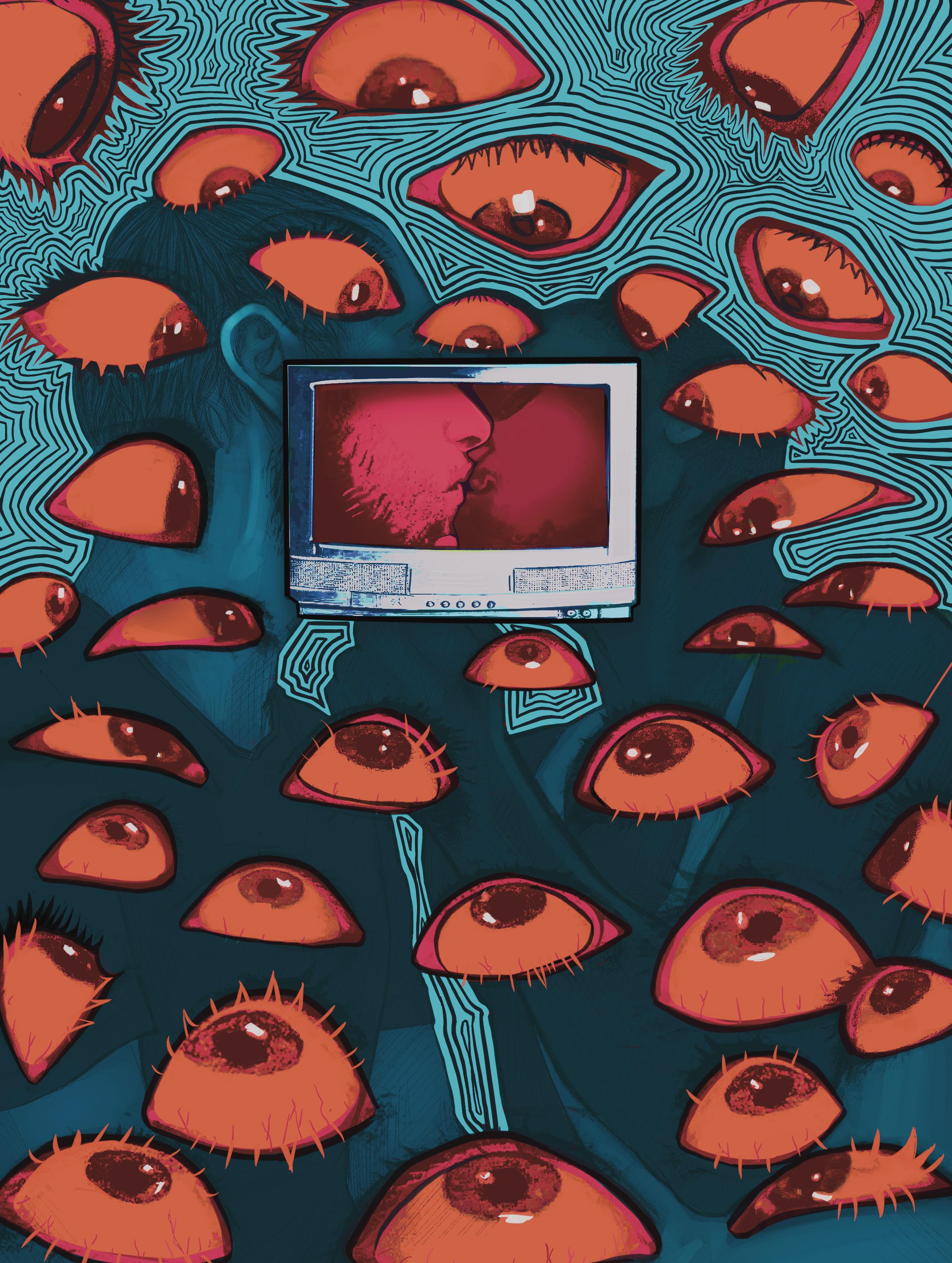
When I sat down to watch Heated Rivalry earlier this year, I was expecting to witness Shakespeare-quality-content (queer edition). Every straight girl and their mother was talking about this hypersexual romance between two male hockey players.
As I sat slack jawed through the series, I quickly found out that the general obsession actually seemed to be with Ilya Rosanov’s ass. While there are worse things to obsess over, I couldn’t help but wonder why this fanfiction adaptation had captured the hearts (and libidos) of so many.
The 2026 TV show follows two rivalling star hockey players— Canada’s Shane Hollander and Russia’s Ilya Rozanov—as they weave through years of repressed feelings and steamy hookups. Audiences have gone feral over the sexually charged love story, with Forbes describing it as a “cultural phenomenon”.
Personally? I’m not sure I’d go that far. While I always welcome new queer media, I thought that the story and goal of the series fell short of the mark.
Massey University Humanities professor, Kevin Veale, agrees, saying that authentic queer representation in Heated Rivalry was a swing and a miss.
He says, “Was this a show that was produced in any way for or by queer people? Or was this a show for the straights, and it was spicy because it had dudes in it?”
Clocked.
If it were the same show but with a straight couple, it would fly under the radar. But because it’s a queer couple, it’s so crazy and hot—even the straightest girl you know totally wants in.
But
in terms of making actual progress with authentic queer representation? Veale says, “It’s breaking
exactly zero ground, and that might be why it’s safe enough for television.”
Heated Rivalry doesn’t explore any new or niche issues, it just ticks all the boxes that queer media is expected to.
It’s not an awfully inspiring or life-altering example of representation. But it gets worse for lesbians in queer media.
Veale says, “Studies have shown that if you have women talking for 30 percent of the time, the audience believes they’re talking for more than half the time.”
In a society where women’s existence is enough of an issue for men, I guess two women being happy together often proves to be too much.
It forces the question: do audiences still enjoy lesbian media when the women keep their clothes on?
When Bridgerton announced that season five would follow a lesbian couple instead of a book-accurate heterosexual pairing, I was ecstatic. Finally, a huge show was representing lesbians!
Unfortunately, many others criticised the change.
In the original novels, Francesca’s storyline largely revolves around her struggle with infertility. This is a deeply personal experience many readers feel also deserves meaningful representation.
But for some viewers, that concern has become a convenient shield for outright hostility toward lesbians. After producers revealed that Michael would become Michaela, a petition protesting the change gained over 40,000 signatures.
Straight/cis people will never understand the experience of having a petition against their existence. Finding out that thousands of people voted against your sexuality being represented on screen is soul crushing.
Supporting queer characters in media is a trend that has been fluctuating for years. Straight audiences will go from loving a gay couple in one show, to protesting lesbians in the next.
I’m no stranger to obsessing over queer couples in media. Reading Merthur fanfiction at the ripe age of sixteen was a key part of teenagehood.
But why do so many queer tropes have such a chokehold on audiences?
Pornhub’s 2025 statistics showed that females made up 47% of viewership of gay porn. But this figure isn’t new. In 2014, Pornhub recorded the first significant number of women enjoying gay male porn. The year after, they confirmed that gay content was the second most popular category for women viewers.
Academic Lucy Neville investigated why women are so interested in male relationships in her book Girls Who Like Boys Who Like Boys. After surveying 500 women, Neville found that many were drawn to gay porn simply because “a good number… like looking at naked men”.
Because so much of straight porn is designed for the male gaze, it doesn’t cater to audiences attracted to male bodies, such as straight women. Shows like Heated Rivalry include intimate scenes solely with men with a more open, queer perspective.
Neville explains that gay porn overturned the male gaze because straight porn almost always catered for the sexual desires of straight men, ignoring those attracted to male bodies, such as straight women.
When lesbian relationships are centred without male involvement—like Bridgerton—audiences are suddenly forced to confront queerness that isn’t designed around heterosexual expectations.
Still, using ‘book accuracy’ as a shield for hostility toward a lesbian storyline feels, at best, disingenuous.
Representation of queer intimacy in any capacity is a positive step towards queer acceptance. But we still aren’t meeting the mark that I think we could reach.
While there are more queer people on screen than we’ve ever had, they are confined within the walls of what they are expected to be. Hollowed out
by stereotypes,
you’ll
find the exact same quirky gay best friend character, or the catty emo lesbian repeated tenfold.
At the end of the day, representation is still representation, but we can do better.
We must do better.



When I first arrived at Massey University, I fantasised about leaving my old self behind.
To ‘pass’ and start a new beginning. To be a big shot, popular and get straight As. I’d become something other than myself and wouldn’t be just ‘The Trans Kid’ anymore. I’d be the new and improved version of me.
But my clothes didn’t fit any better and I still didn’t find comfort in a crowd.
But now, I’m happy this idea of a ‘new me’ faded. I was clearly running away from myself and towards a goal I would never have felt victory from. A need to conform to an ideal to fit in.
During my time at Massey’s art school, I explored my queerness and gained hope for my own transition goals. Through donations and tight-fisted savings, I was incredibly privileged to accumulate enough money for top surgery. To which, I want to add, I owe the donors a part of myself.
A little over
$23,000
later I’m the owner of a flat, nippless chest, and (after an awkward trip to the morgue) my breast tissue.
Despite the hatred for them while attached, I couldn’t help but look fondly upon my homunculous forms. As a final goodbye, it felt right to memorialise them. A send off to the restriction of my gender expression, and a farewell to four years of study that came alongside that journey.
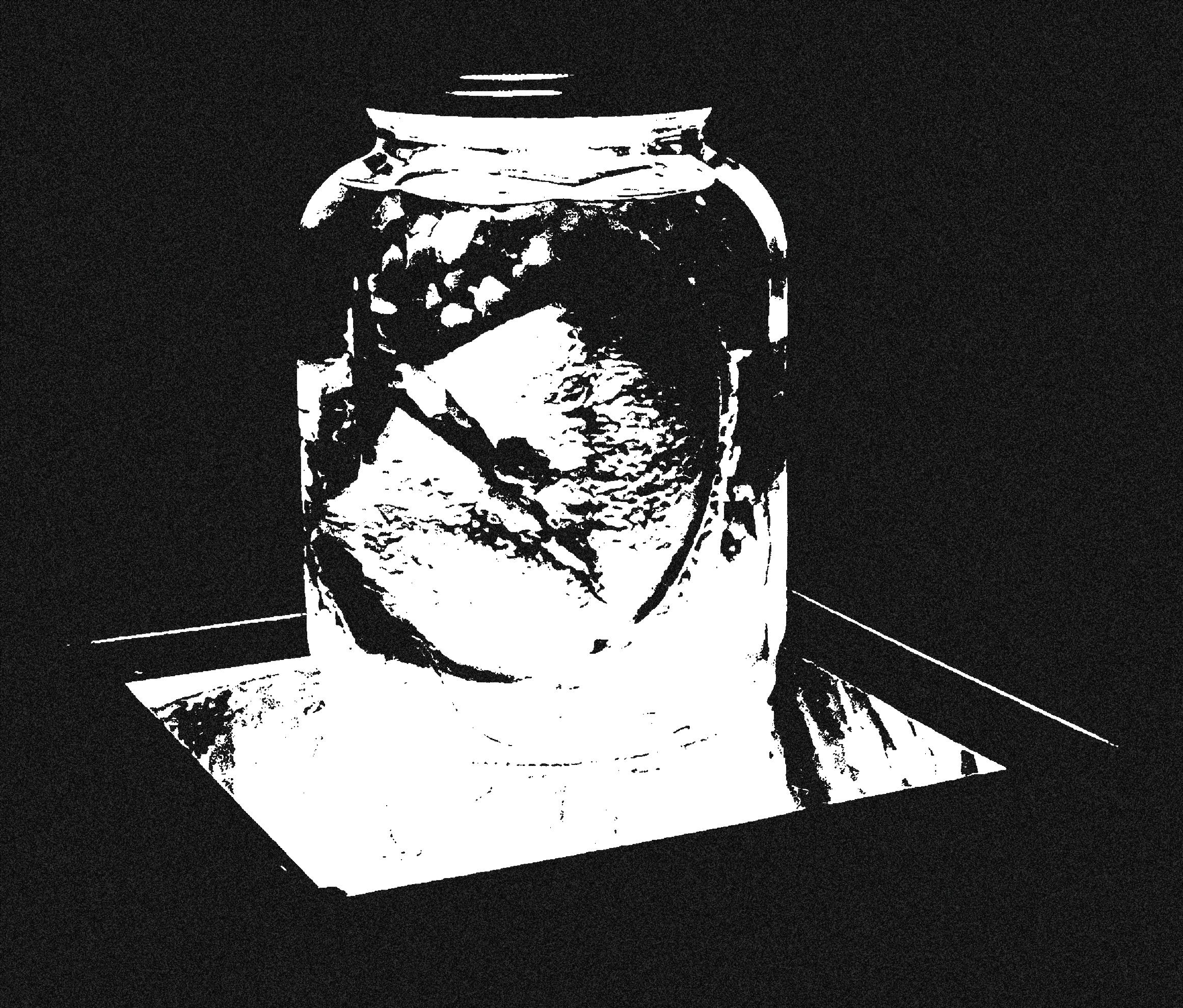
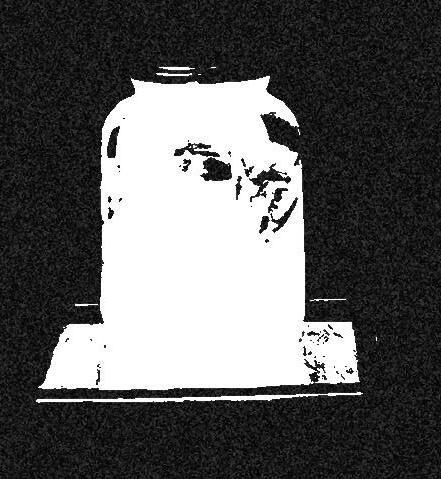
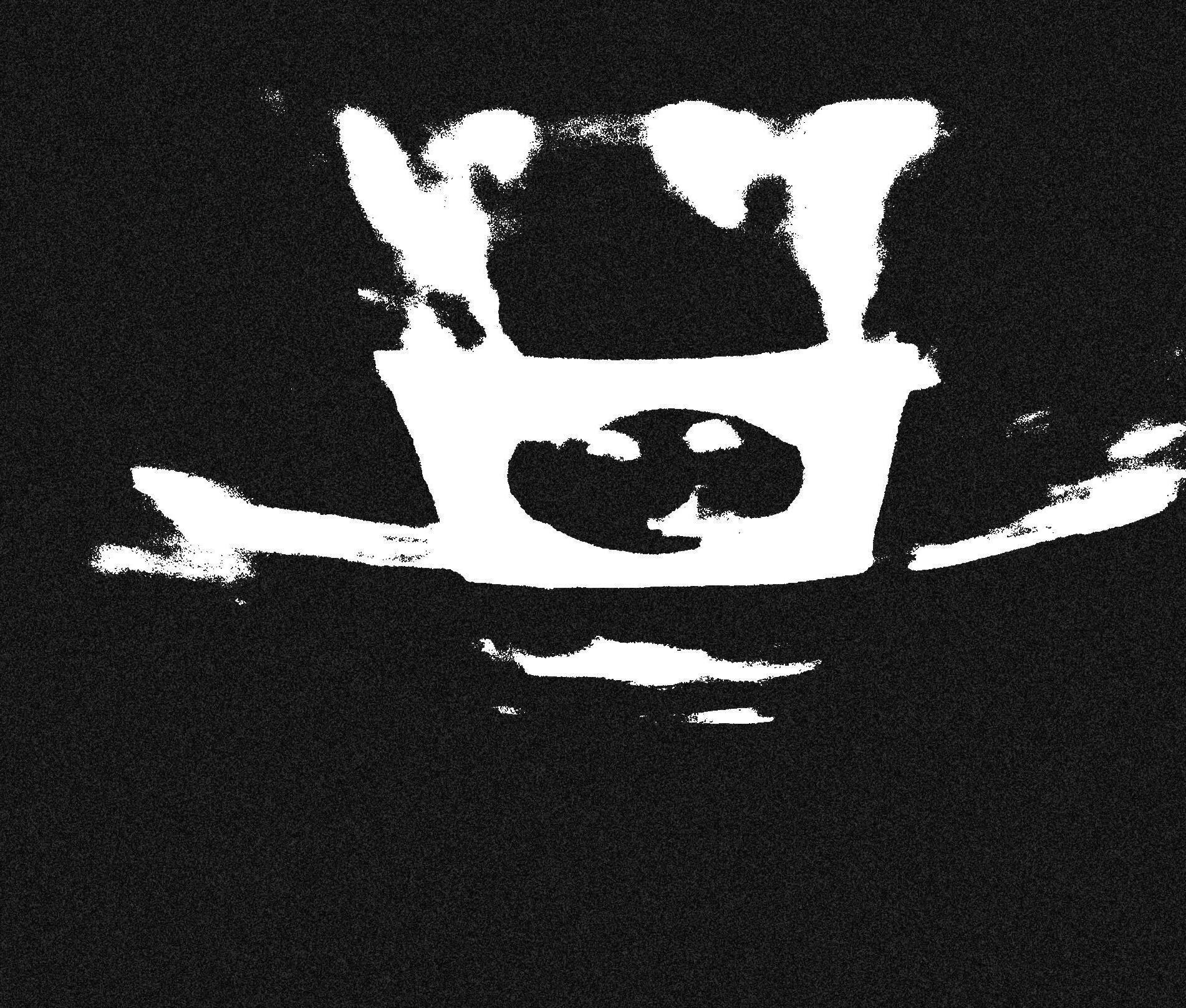
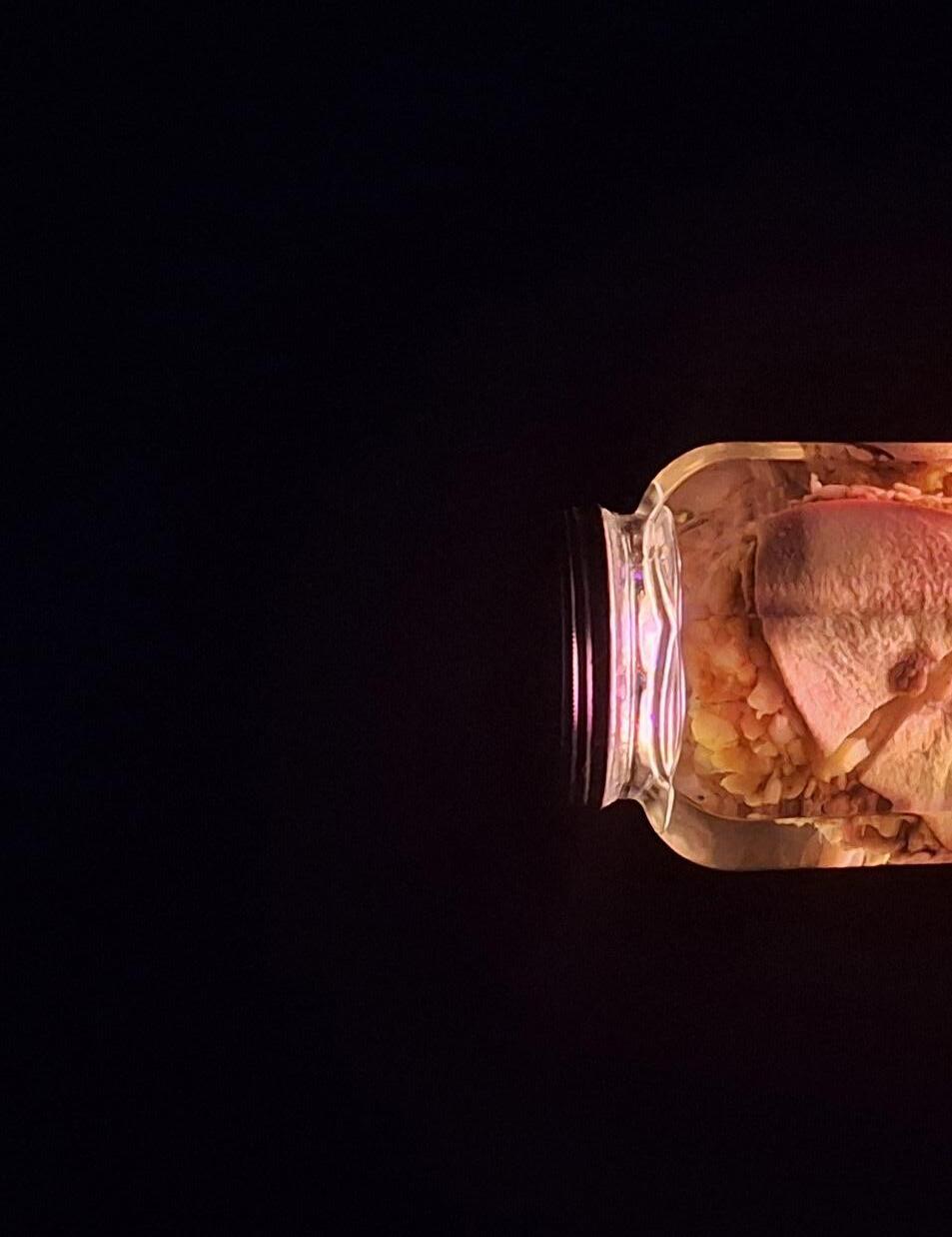
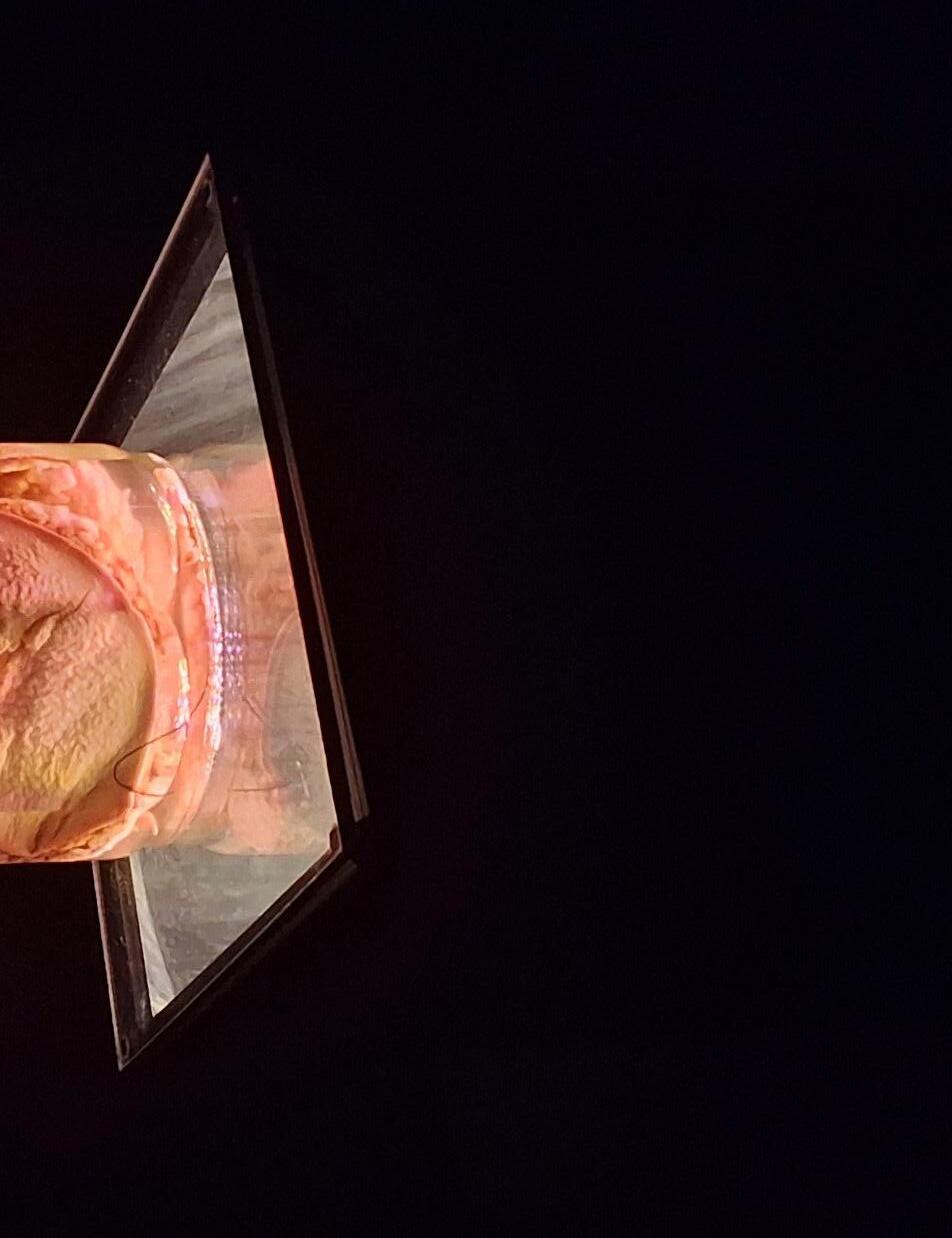
Untitled (Microscopy 1.,2) is my breast tissue, preserved as a wet specimen in a jar.
Wanting to encapsulate the joy that came from the gender affirming surgery, they glow and emanate a soft light. The jar is surrounded by a canopy of white sheets which capture the shadows bouncing off the glass. They are reminiscent of the bras and binder I was finally able to get rid of.
The chiding and banter of the community that guides and holds me in my journey

can be heard in the background. The accompanying audio to Untitled (Microscopy 1.,2) also contains a jarring encounter with my surgeon. Though ultimately humorous, it is also indicative of a more serious conversation about how transgender patients are treated within the medical field.
Transgender people and adjacent do not owe you security in your own gender through conformity. Those like me will never fit into a ‘cisnormative’ model of gender. We shouldn’t have to.
Our bodies are our own to have and explore.
Whether
that be through the way we dress, undergo hormone replacement therapy, start blockers, surgery, or do nothing but exist in their own peace.
That is the message of Untitled (Microscopy 1.,2), my trans memorial.
CONTENT WARNING: Graphic image on next page



I’ve been doing a terrible thing to myself... I’ve been reading my high school diaries. Growing up in a conservative, small(ish) town I’m reminded of how much discomfort I felt within myself.
uddenly, I’m seventeen, dead sober, and terribly uncomfortable at a house party. I’m wearing a baggy hoodie and shorts that cut off just above the knee. It’s a different choice in outfit. Usually, everyone saw me wearing the unimaginative pleated grey uniform skirt.
Someone walks up to me and asks: “Are you male or female? Because you don’t have your tits out like all the other girls.”
Sorry man, I just didn’t feel like wearing boobs tonight.
Flicking a few pages back, I’m fifteen and sporting a fresh Audrey Hepburn haircut and obvious leg hair (thanks genetics for the pale skin and dark hair combo). It’s here a boy tells me: “You’ll never get a boyfriend because you don’t look like a girl.”
Another says, “You should just go lesbian and give up on ever finding a boyfriend.”
Four months later, one of these guys admits they have a crush on me.

As someone who’s never presented as 100 percent girl, maybe this is just the reality of being friends with teenage boys. In an effort to prove they weren’t attracted to you, they continuously insult you and your body.
But this has consequences.
One of my friends tells me they felt like there was no point in exploring femininity within their gender expression because they never felt desired.
Everything is either masc or fem—even desire. Gender is centered around patriarchy and maleness. When a construct is upheld, femininity is secondary to itself. It becomes an extension of male desire.
But within the pages of my teen self, I was never able to view my gender expression like this. All I knew was that I was bullied for having leg hair.
“She is disgusting and undesirable for not shaving her legs. How does [REDACTED] like her?”
A comment from a male classmate. Recorded in my diary at age eighteen.
These comments fueled me with spite. Spite which drove me to do whatever I wanted with the parts of my body I chose to shave or not to shave. And anyway, it would be more embarrassing to try to shave, then do it wrong, rather than to just have hair on my legs.
In a way, androgyny was forced upon me because I didn’t conform. But mostly, I was allowed to play openly with queerness and gender expression. I do wonder sometimes if that singled me out.
Was it my hairy legs? The openly queer friend group? The weird pixie cut? The baggy clothing? The general discomfort I felt while wearing a skirt?
As my friends put it: “All of a sudden, Rose, you move to Wellington, cut a microbang, and everyone wants you.”
“You don’t shave your legs in high school but then you move to Wellington, learn how to do winged eyeliner, and now you’re top shit.”
I didn’t know how to break it to them that at the age of 17, I did all those things. But at home, it felt like I wasn’t allowed to express my gender without being met with confusion, questioning, and discrimination. Moving to Wellington was freedom from hurtful confusion.
But now it went the other way.
The question,“What are you?” doesn’t feel judgmental. It’s inquisitive, yet binary.
During my life, my mentality has been like that one Tweet: “I’m probably nonbinary but I have a job so idrc about that rn”.
It’s exhausting to constantly reaffirm an identity to people who just won’t get it.
I’ve arrived at a point where people accept me as I come. And honestly? This is all anyone can hope for in their gender expression journey. It’s the biggest form of acceptance I can hope for. Even my grandmother has never said “why don’t you shave your legs”.
Or, if she has, I never wrote about it in my diary.
Tying yourself to a label, identity, or binary definition is so restrictive for something as fluid as your gender. What does tying yourself down to a label do for you—other than help those who may never understand.
Maybe I’m some girl adjacent thing. And maybe you will push me further away from figuring that out by asking me if I’m male or female because I don’t have my tits out.
Maybe gender is a performance, and I am a mere jester in its court.


Growing up in traditional Filipino communities can come with challenges. Navigating the world as one who identifies as ace, being raised in a religiously conservative environment was an isolating experience. Existing around the outskirts doesn’t often feel inclusive of the myriad of ways that we make sense of ourselves.
I live away from my home in Tāmaki Makaurau and have only just started to meet other queer Filipinx in Te Whanganui-a-Tara. ‘Filipinx’ is a genderinclusive term for people of Philippine descent, which I believe encompasses all of us, regardless of binaries.
The sense of kapwa, or ‘shared identity’, I have felt can be described as a kaleidoscope. We have walked on different journeys, yet we find familiarity and feelings of being seen in the stories we share.
Aligned in June, the month of the Philippines Pride Month and Independence Day, Arthel and Ar-Em have organised BAKLA!
BAKLA, meaning gay or queer in Tagalog, is a week-long showcase of creative works and community events exploring and celebrating Te Whanganui-a-Tara’s Filipino queerness. The exhibition centres creative expression through photography, illustration, animation, textile, and poetry.
The artworks highlight many themes that resonate with us as Filipinx. Some pieces honour queer Filipinos who came before us. Others imagine our transmasculine ancestors and gendernonconforming deities. But all the works reconnect us to our diverse regional cultures through creative practice.
BAKLA will also host many immersive workshops such as a queer Baybayin
workshop which revives Tagalog by learning the spelling systems. Artist, Jas Sabrine, will lead a precolonial Tagalog writing session with queer Filipinx lingo. Stef Muyco will be teaching a life drawing session based on traditional Filipino dances and martial arts.
While our platform is dedicated to the queer Filipinx diaspora, it is open to everyone.
Our positionality as queer Filipinx designers and artists tends to inform the way we walk through the world. In our research and our visual practice, it’s entangled with our expression of queer Filipinx themes.
Despite over 100,000 Filipinos living in Aotearoa, there are still very few platforms centred on queer Filipino experiences in Te Whanganui-a-Tara. Kawe Mahera, the NZ Queer Archives, found no local historical accounts on queer Filipinos. Yet queer Filipino contributions remain present across Wellington’s creative community.
In 2024, queer artist Marc Conaco from Asian Arts Aotearoa, launched Nganong Mahadlok Ka Nako? (Why are you afraid of me?), a contemporary Filipino folklore zine project and exhibition. Conaco championed in expressing the reclamation of his queer Filipino identity through illustration and design.
Wellington queer nightclub, Ivy Bar, has dedicated its stage to Blu Marqueses (aka Bombay Bombshell), the renowned Filipino drag queen behind the concept and creation of ‘The BLU Stage’. Marqueses is also known for his burlesque performances and contributions to the draglesque troupe, the Haus of Sin.
Despite their impact, these artists carry the weight of representing the wider queer Filipino community in
Aotearoa—many of whom are yet to be acknowledged.
Representation is often segregated into singular identities. Time and time again, queer people of colour are often pigeonholed into either their queerness or ethnicity. Many members in the Filipino community growing up view queerness as a form of white identity. I’ve experienced racist remarks within queer spaces as a Filipino.
Both identities can coexist and, when combined, form a whole identity. Filipino Queerness is one identity. This is where the importance of BAKLA lays. A Queer Filipino Exhibition and Workshop Series for us, by us. BAKLA is also our response to encourage and uplift representation for more intersectional identities to take the spotlight.
It’s incredibly exciting to witness such deep care and inspiration behind a project that supports the expression and awareness of the queer Filipinx identity. We’re celebrating queer Filipinx tauiwi and holding space for intersectional identities within the local community.
We believe in the power of resonance and shared collective familiarity. So, we hope that BAKLA will encourage people from other marginalised communities to create art and events that proudly showcase their own cultures. In doing so, we’re creating a more diverse Te Whanganui-a-Tara, and dare we dream, Aotearoa. Not just for ourselves, but for the people who will come after us.
The BAKLA exhibition and workshops will be running from the 16th to 21st of June at Thistle Hall. You can find out more on the official BAKLA Instagram, @bakla_exhibition.
We’re excited to see you there and celebrate our queer Filipinx community!
Ihave always felt like an imposter in my own takatāpuhi identity. After five years of dating cis men, I started to question it myself.
The all-girls high school I attended was like an intermediate episode of The L-Word. From kissing my female best friends to searching up “boobs” on porn sites, my gayness has always existed.
But at fifteen, I fell in love with a girl and had my heart promptly ripped out and stomped on. Suddenly, the attainability of women quickly dwindled from my prospects.
During this extended period of heterosexuality, I heard every joke about being a queer-baiter.
But that all changed after I met my flatmate’s best friend. A tenacious, perceptive, deeply desirable person whom I wanted to fuck so badly. But even she thought I was straight. Honestly, I don’t blame her—I’ve got the vibe of a bisexual straight girl.
Naturally, we started dating.
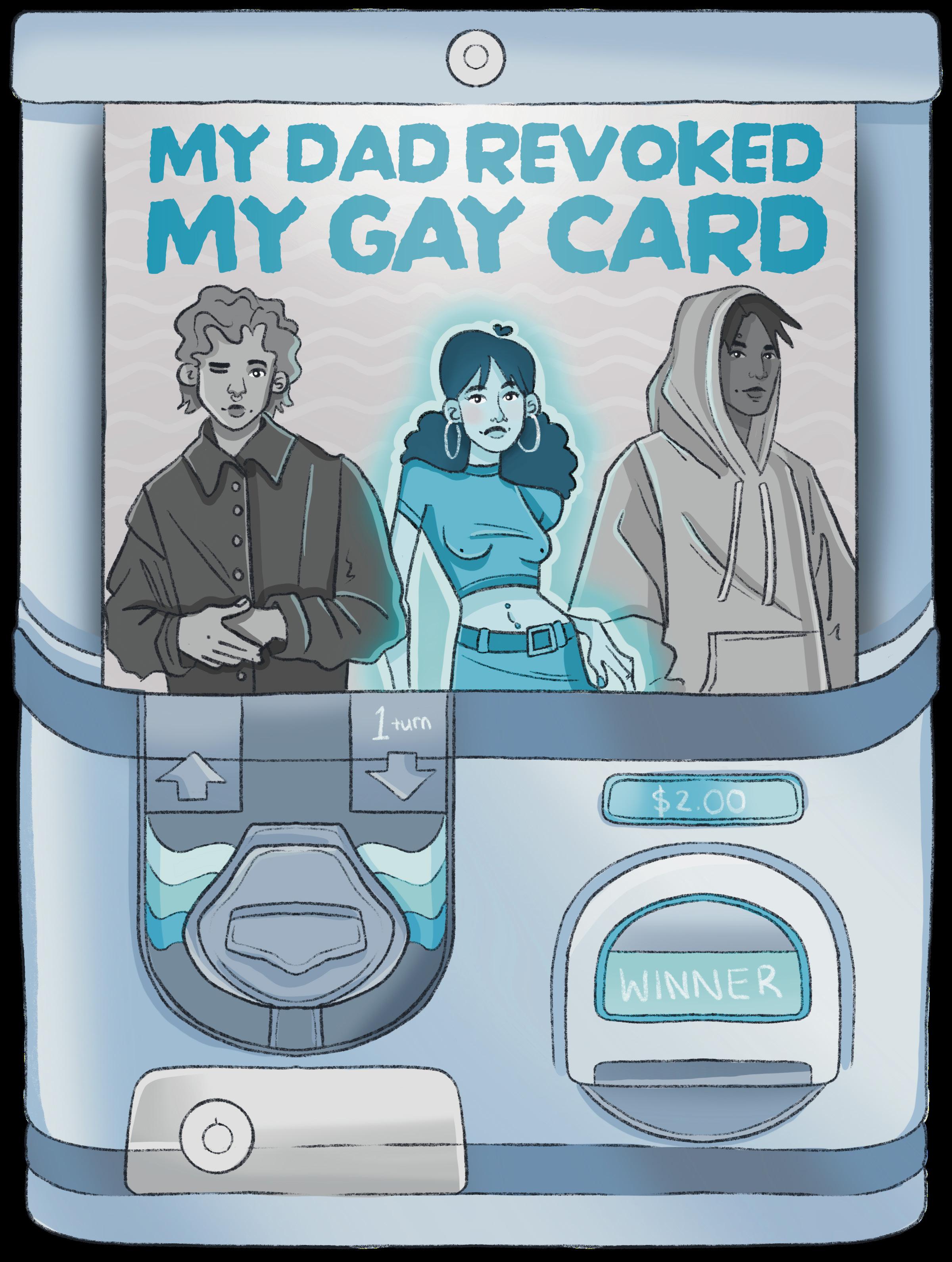
Like all new relationships, I expected the normal teasing from friends, the firstfew-month jitters, and meeting each other’s people. But what I didn’t expect after finally regaining my gay card was my dad’s reaction.
My dad and I are incredibly close. He is the first person I call about milestones, friendship drama, and fashion advice. He’s also one of the biggest gossips I know.
So, after getting a call from my best friend who’d seen Dad recently, I was unsurprised to hear that my latest relationship had been brought up.
Instead of
hearing about a harmless gossip between my Dad and my mate, I was told about a bold claim Dad made about my sexuality.
It makes sense that Ruby’s dating a masc lesbian, because she’s straight.”
After finally feeling confident in my queerness, it was heartbreaking to feel like Dad didn’t even recognise it. I know he’s not homophobic—I have been surrounded by queer people my whole life. He himself is an incredibly effeminate man known for his confident fluidity.
I know that he doesn’t care who I come home with. But his ‘joke’ reduced my partner to a figure of masculinity that he suggests I view as a replacement for a cis man.
After three days of brewing in anger, frustration and sorrow, I called my sounding board for parental advice—my gay brother. Usually, he’s not the image of wokeness, so his reaction to the situation surprised me.
He apologised.
He sat with my pain of our father’s complicated view on sexuality, because he had experienced it too. Finally, I was hearing my own grievances about our parents reflected to me by my big brother. After coordinating a time when both Mum and Dad would be together, it was him who gave me the courage to press the call button.
Ring. Ring. Ring…
“Hey, Dad.”
My veil of anger fell swiftly to reveal my welling sadness.
Short sentences about the sore heart he had caused were interrupted by uncontrollable, babbling tears. I explained that his comments subsequently put pressure on me to hyperbolise my sexuality to be completely recognised by him.
But just in case this wasn’t clear enough.
Dad, how much box do you need me to eat for you to accept that I’m gay?”
He was receptive to that grotesquely visceral explanation of my sexuality and was deeply apologetic. I am grateful that he understood the weight of his words and that he should not talk to my best friend about the status of my sexuality.
However, this is not an individual experience. I have read kotahi miriona personal essays about other bi and pansexuals who can’t help but not feel ‘gay’ enough. Why do I feel shunned from the club I’m a part of?
I don’t even feel an attachment to the term ‘bisexual’. If you can make me laugh and are kind to me, then I’ll probably think that you’re sexy.
I recognise the privilege I have from my upbringing, community, dating history, and the way that I present myself. Because of these, I know the homophobia I’ve experienced cannot be compared to the tip of the iceberg.
The privilege of my unwavering confidence means that I will continue to stand up to my dad, kiss my girlfriend outside of rural pubs, and love loudly.
Stardome Observatory & Planetarium
NO GIGS FOR PALMY
Someone do something about this...
Welcomer - Magazine Clippings (feat. Lontalius)
Pining Radiata - Heart It All Before mouth - @REM
Jonomint - Aorta
Loa Loa - Always
Amamelia - Cellular Spa
Bug Michigan - Wing and Shell
LAUGHING STOCK - Sunflowers (acoustic)
Crook - Suburban Yipping Vera Ellen - Thaw
Skip The Light: Sound, Pop and Noise Festival

Kia ora ātaahua!
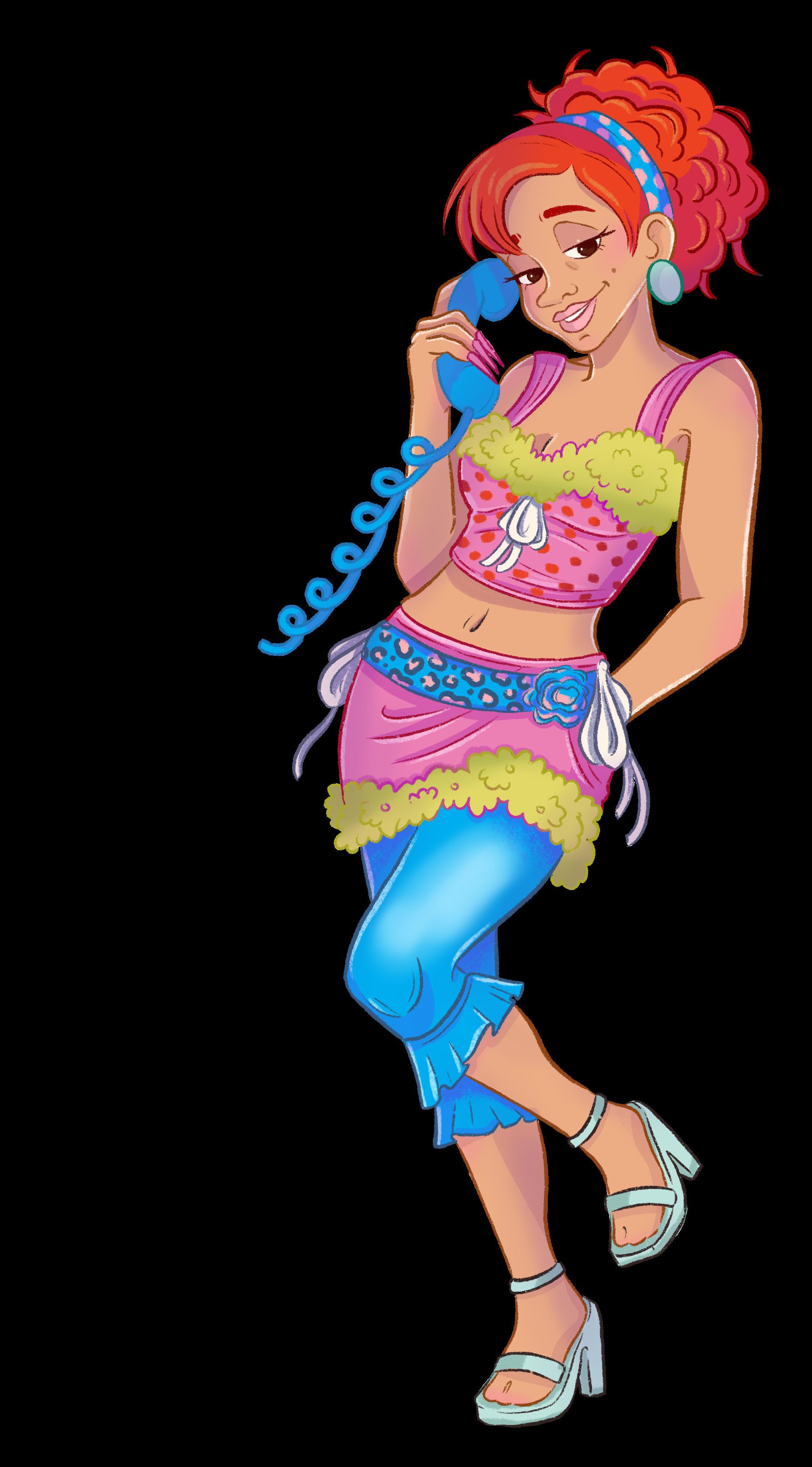
Kia ora Motherrrr! Any advice on one night stands? I keep falling in love with the people I sleep with (despite me not even being that attracted to them in the first place)! HELP!
Girl, I completely get you. Why else would I have so many failed marriages on my roster? It’s so easy (and fun!) to fall head over heels in love. So, my first piece of advice is to just go with it. You’re young, sexy, wild and free. It’s the best time of your life to fall in love, make mistakes, and start anew.
What else are your twenties for?
But watch out for the warning signs of who you should avoid jumping into bed (and therefore in love) with.
Here are my top three red flags to watch out for in a one-night stand:
1) Men with ‘J’ names
2) People who start trauma dumping in the smoking area
3) ANYONE who tells me I’m “not like other girls” (BLEH!)
But I suppose my main advice is this... most of the time, you’re not in love with them, you’re in love with the attention they give you. That’s totally valid! But remember, the delusional little fantasy you created about this person after they touched your lower back ONCE is not the reality.
It’s fun to fantasise. But just know that that’s all it is—a fantasy.
Now drink some water, touch some grass, stop stalking their exes’ socials and go hang with your girls. You’re better than crying over a man named Jack who enjoys bone smashing and is covered in stick and poke tattoos.
Hope that helps!!
XOXO
One of my friends brought this new girl to drinks last weekend, and the second I saw her, I felt this weird magnetic pull, which clearly she felt it too, because it didn’t take long before we were deep in convo and literally ignoring everyone else.
We ended up leaving together, and as soon as we were alone it was like the tension just snapped. One minute we’re talking, next minute she was kissing me with no hesitation, like she already knew I was into it and holy shit, was she right.
The second we got to her flat, our clothes barely stood a chance. She pulled my top over my head, unclipped my bra, and pushed me back onto her bed and started kissing me everywhere. My lips, my neck, my ears, I was losing my mind and begged her to keep going, which is not usually me, but here we are.
When she finally went down on me, she was EXPERT LEVEL. My legs have never shaken so hard in my life. Not even a vibrator could make me finish that hard.
After I took a second to recover, it was my turn. I’d never actually been with a girl before, but it felt like instinct just kicked in? I kind of just followed what felt good, and she was very vocal, so I knew I was doing something right.



For 20% off your next purchase, enter discount
We’ve already made plans to see each other again later this week and I’m actually counting down the days. I fear I’m fully hooked.
Afterwards we were lying there and I genuinely could not stop smiling and now I cannot stop thinking about her.
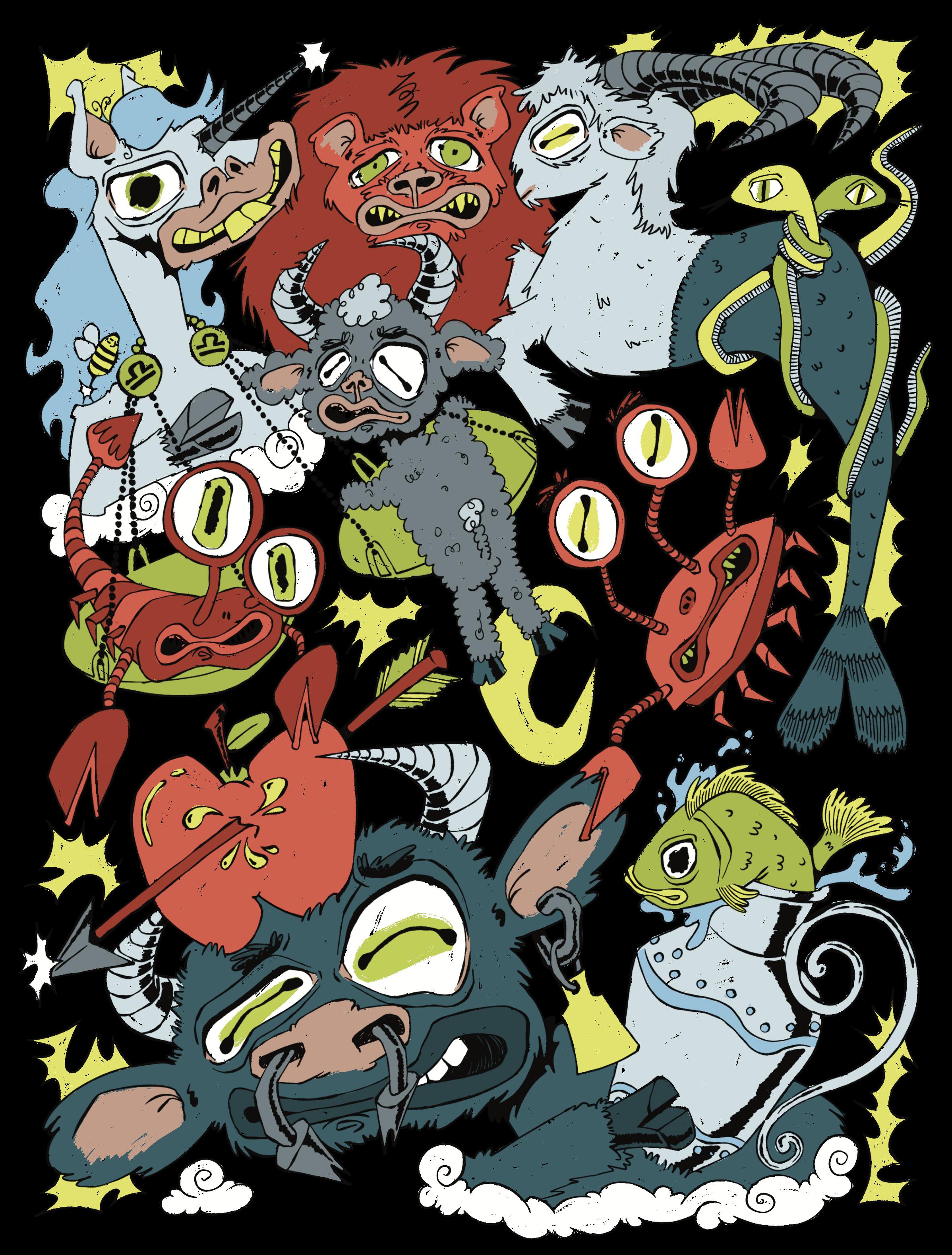

Your room needs a deep clean to rid yourself of the bad vibe that’s been following you. Take small steps to complete the goal. The mouldy cups of tea on your bedside table are a good place to start!
You’ve wanted to be where you are in life for years. Now that you’ve finally gotten what you want, you’re getting cold feet. Trust you’re in the right place at the right time. It’s scary right now because it’s new, not wrong.
As Mars moves into your twelfth house, it tells you that your current manic drive needs to slow down. Put down the books and allow some indulgence in your life.
You need an internet detox urgently. Your friends are sick of you sounding like a soundboard for niche Instagram reels. Try to engage in at least one meaningful conversation this week without “six, seven” as a response.
You need to stop telling people gossip that doesn’t involve you. The trust that others have in you is beginning to dwindle, despite how much they love you. Create a new weekly mantra that reminds you to shut your trap.
Your stubbornness is making it harder for you to reach out for help. There are people around you who want you to open up, but you must move past your self-consciousness to let them in.
A new romance blooms this week as Venus tours Gemini in your ninth house. But this romance is far from average. The stars say maybe an ex-lover or a long-distance relationship—heartbreaking, but it comes with great sex.
That hobby that you’ve been searching for will jump in front of you this week. Get excited for a chapter of newness and excitement that takes you away from the current dullness of your mundane life.
This week comes with big energy that can either energise or irritate a close relationship. Try putting your big energy into something more useful this week instead of blowing up at a friend.
You’ve been living by the books recently, but your straight edge streak must come to an end. Let Natasha Bedingfield’s Unwritten be the soundtrack of your week as you ‘release your inhibitions’.
Stop being afraid to lie to your future employer to get hired. Your savings are dwindling, so print out your CV and don’t be shy of a cheeky embellishment.
You keep getting too drunk and fumbling hard. People keep thinking you’re a flirt, but really, you’re just too faded to think straight. Maybe calm down on the pints this week.
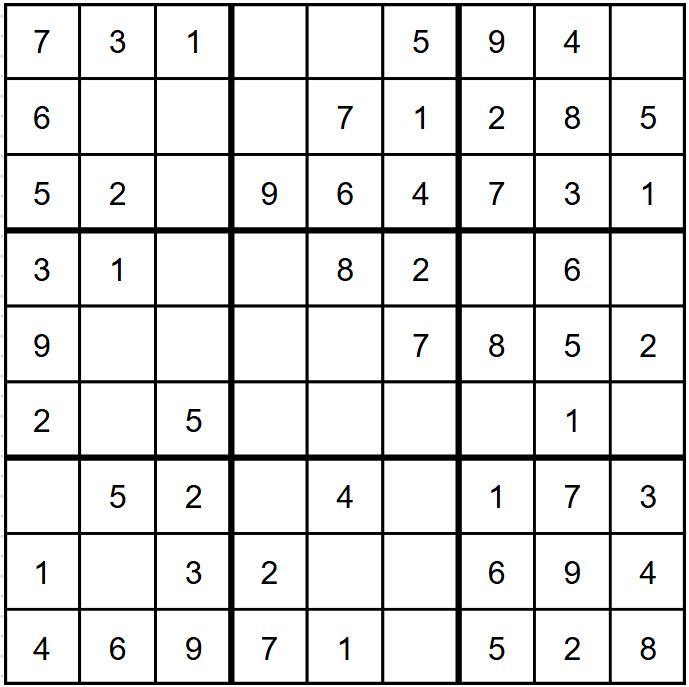
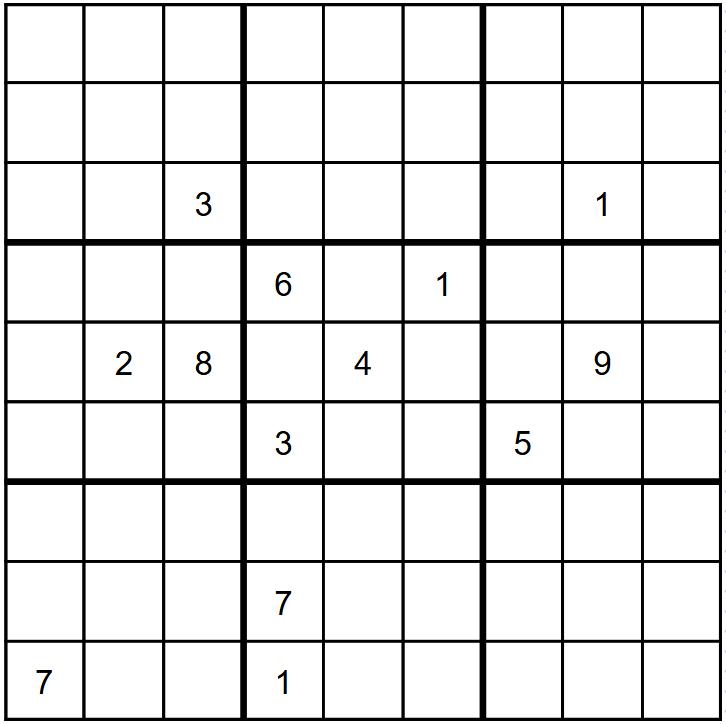
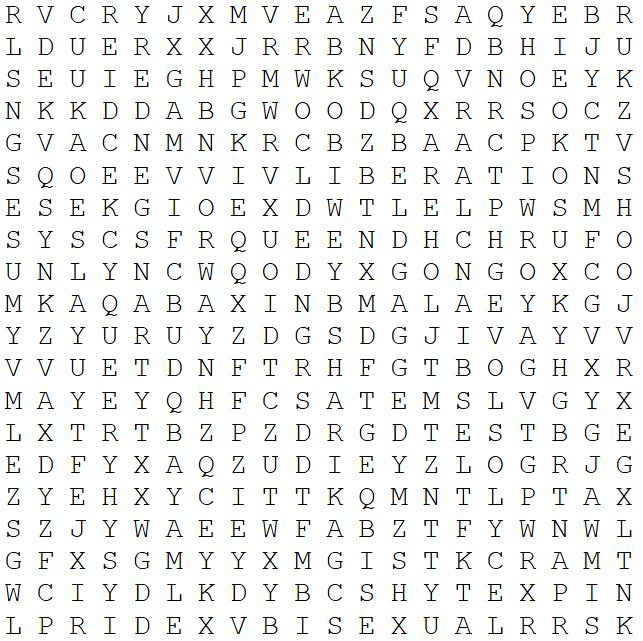
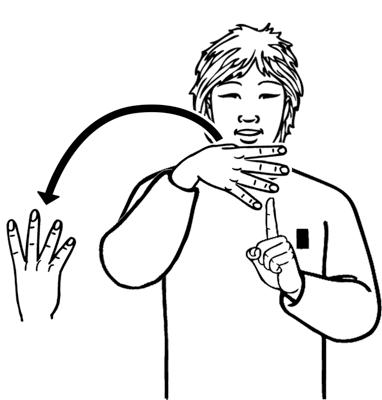
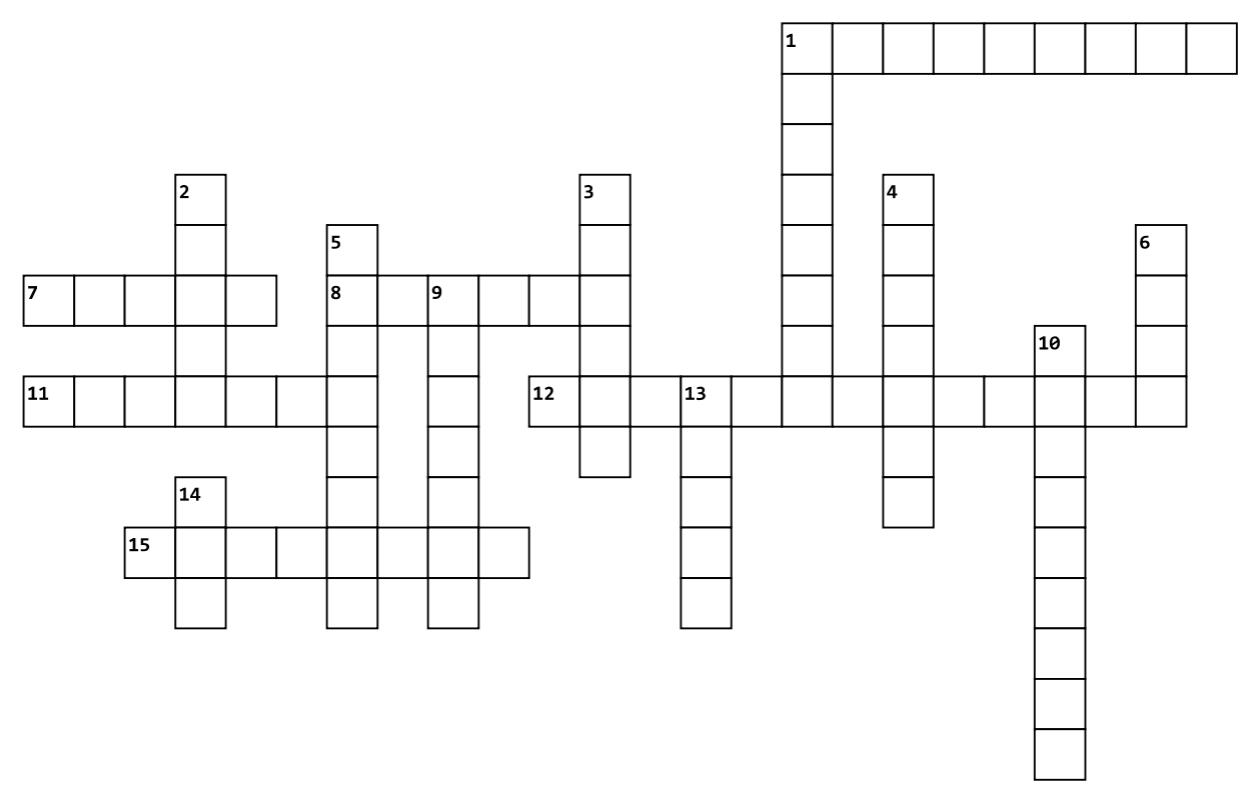
7. “A drag queen? A drag queen? I am the _______ of drag!” (5)
8. What month was same-sex marriage legalised in NZ during 2013? (6)
11. Main character in Heartstopper (7)
1. TV show which follows a group of lesbian women living in Los Angeles (3, 1, 4)
2. A term for gay men popularised during the 1895 trials of Oscar Wilde (5)
3. High praise for a woman who is perceived as iconic and powerful (6)
4. Last week’s Massive theme (7)
5. Marriage between a man and a woman where one or both aren’t straight (8)
6. To do something exceptionally well, look stunning, or succeed overwhelmingly (4)
9. Ian McKellan’s character in Lord of The Rings & The Hobbit (7)
10. Musician who wrote and sung ‘Rocket Man’ (5, 4)
13. A young man with a slim physique and little to no facial or body hair (5)
14. Number of colours on the pride flag (3)
Explore our 1-3 bedroom unit homes in Ōkahukura Albany, just a short walk from Massey University.
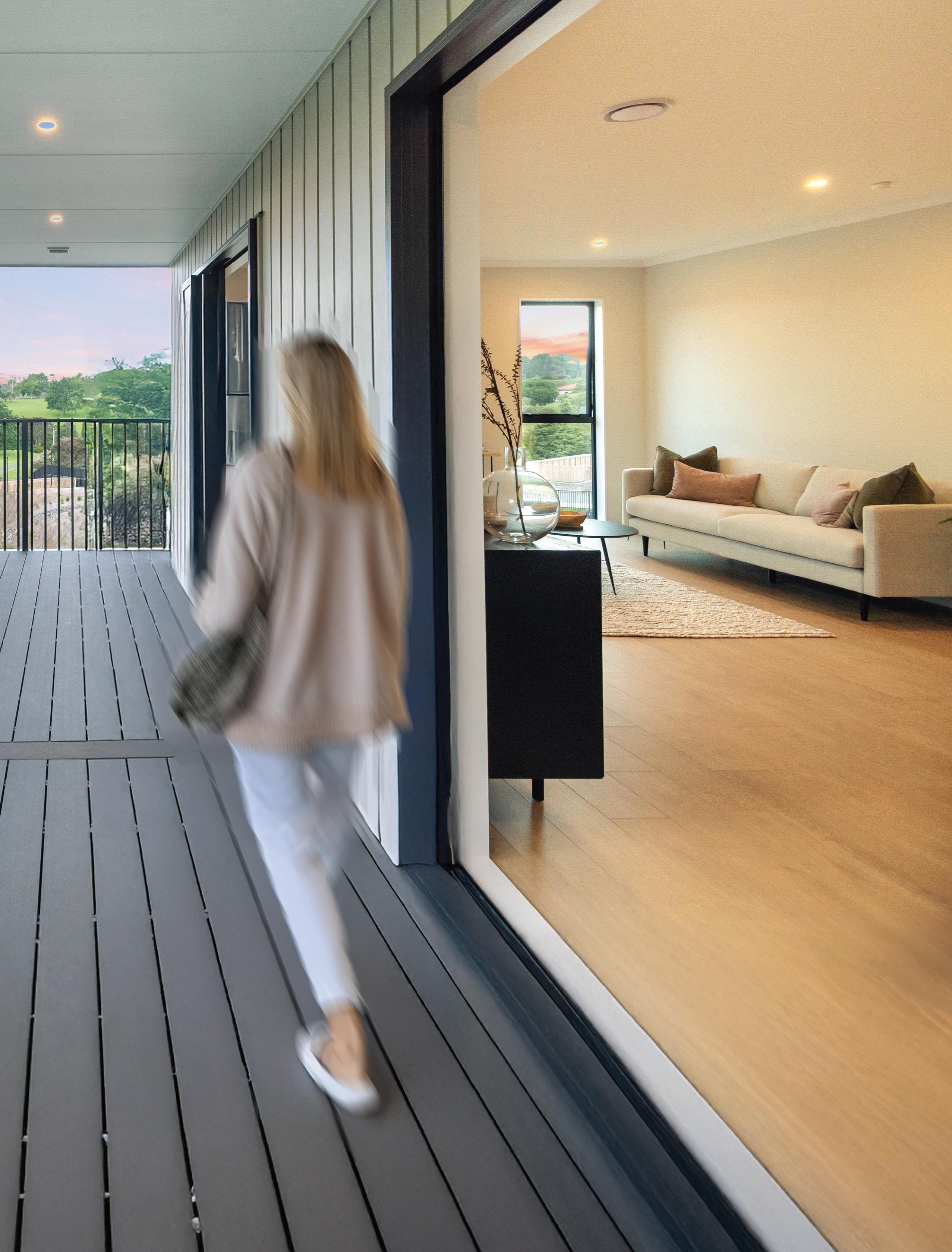
Our single-level 1-3 bedroom unit homes offer a low maintenance lifestyle with 2 years of free body corp fees included for a limited time. Priced from $599k, and just a short walk away from Massey University offering the perfect lock-and-leave lifestyle.
Explore