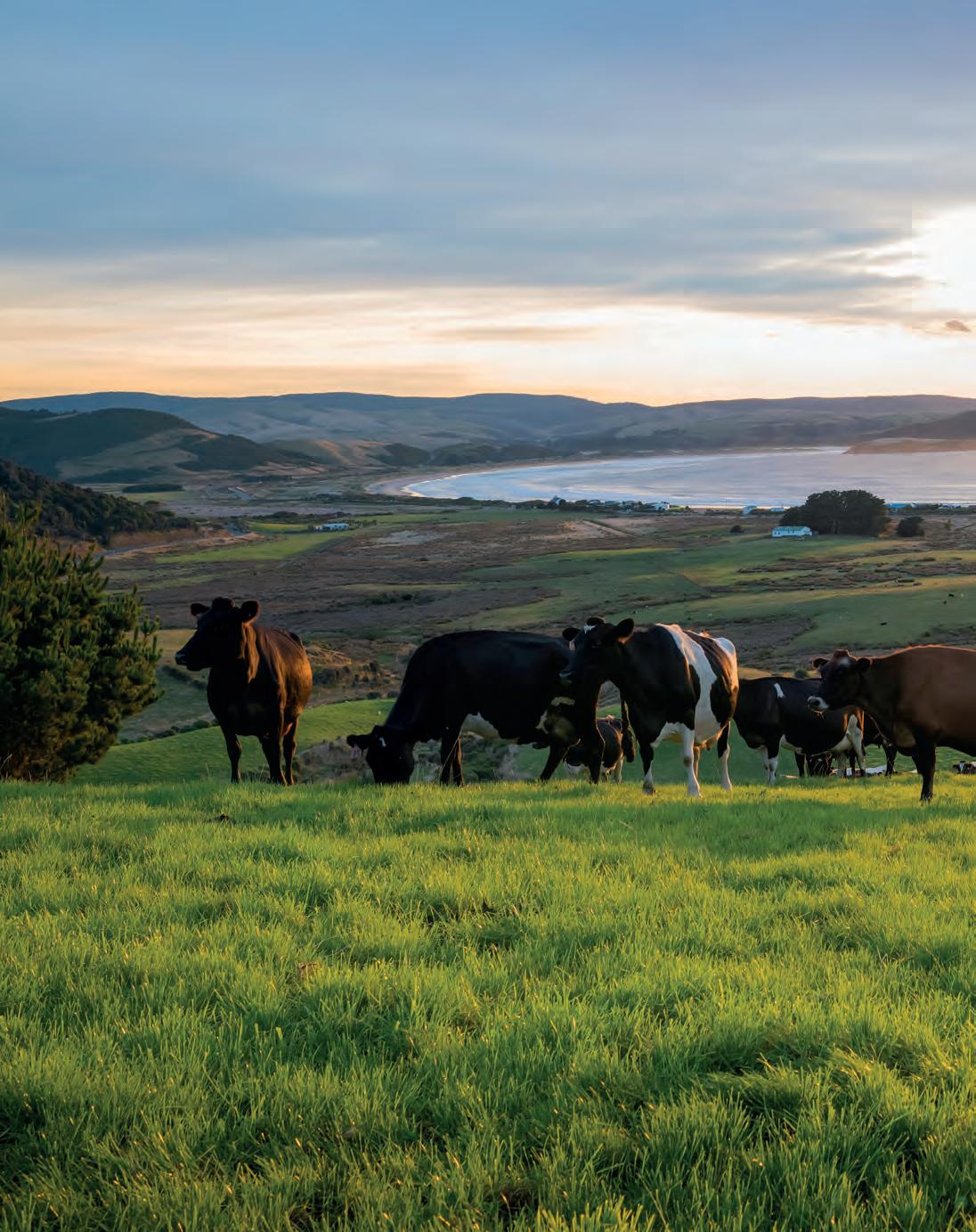
Barnes family farm, Southland, South Island, New Zealand.
Fonterra Co-operative Group Limited
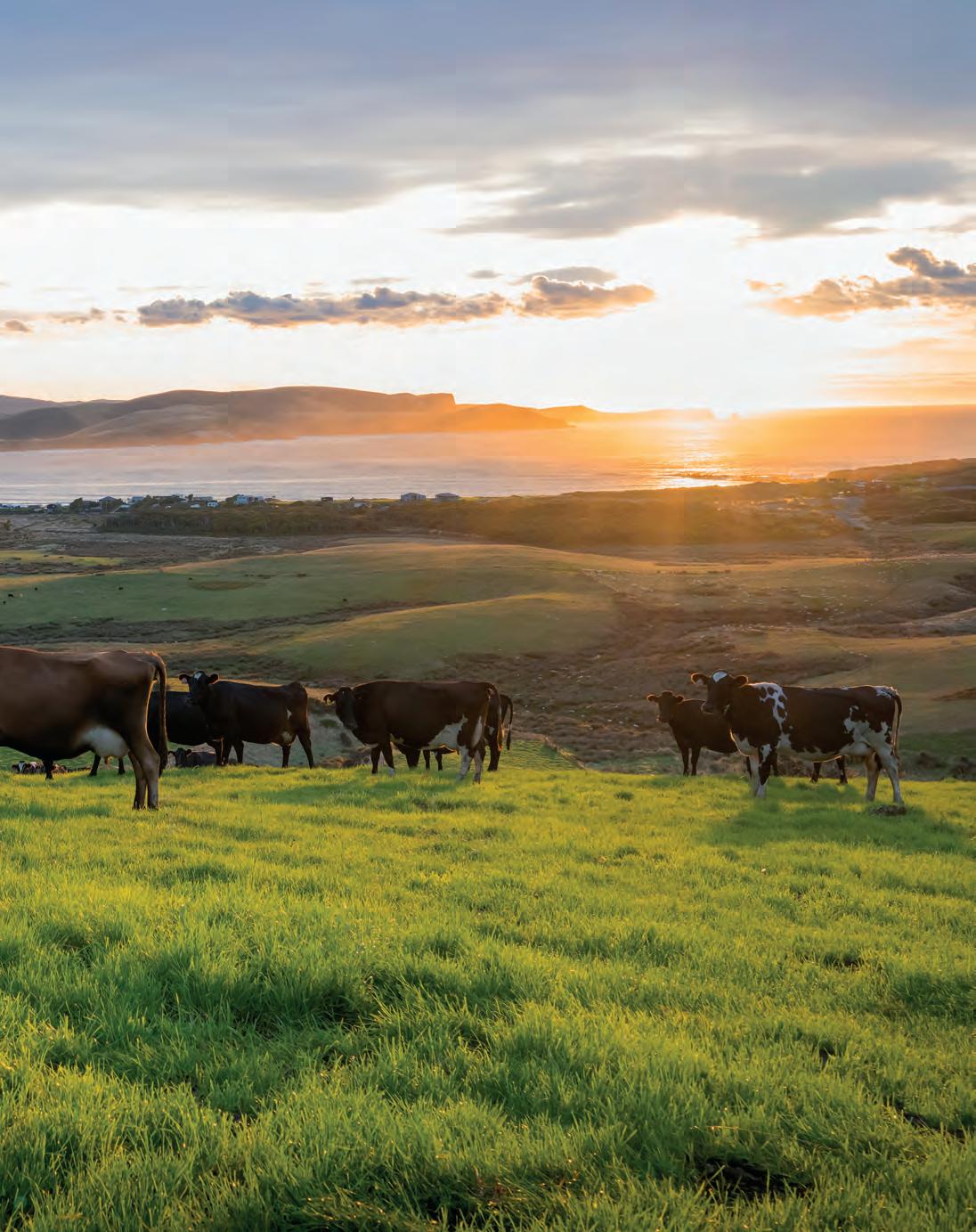
Barnes family farm, Southland, South Island, New Zealand.
Fonterra Co-operative Group Limited
THE EXTRAORDINARY ROLE OF THE DAIRY SECTOR: ITS SCIENCE, TECHNOLOGY AND INNOVATION
JEREMY HILL P h D, MNZM
To all the dairy innovators, past, present and future.
Preface 9
Milk: an important article of the diet 12
1 Alternative Reality: disruptive or complementary to dairy? 15
2 Significance of the Global Dairy Sector 23
3 Dairy Science and Innovation 31
Dairy chemistry 34
Dairy microbiology 37
Dairy farming 38
Dairy processing and products 41
4 Fonterra: a leader in dairy science and innovation 57
5 Future Opportunities in Dairy Science and Innovation 71
Environmental sustainability: intractable problem or game-changing opportunity? 73
Structuring nutrition and health 80
Foods and diets for life stages and lifestyles 82
Feeding your body and microbiome 84
Beyond dairy and the role of alternatives 86
ArtificiaI intelligence in the dairy sector 90
Epilogue: Legendairy 94
Acknowledgements 95
About the author 96
Glossary 98
References 100
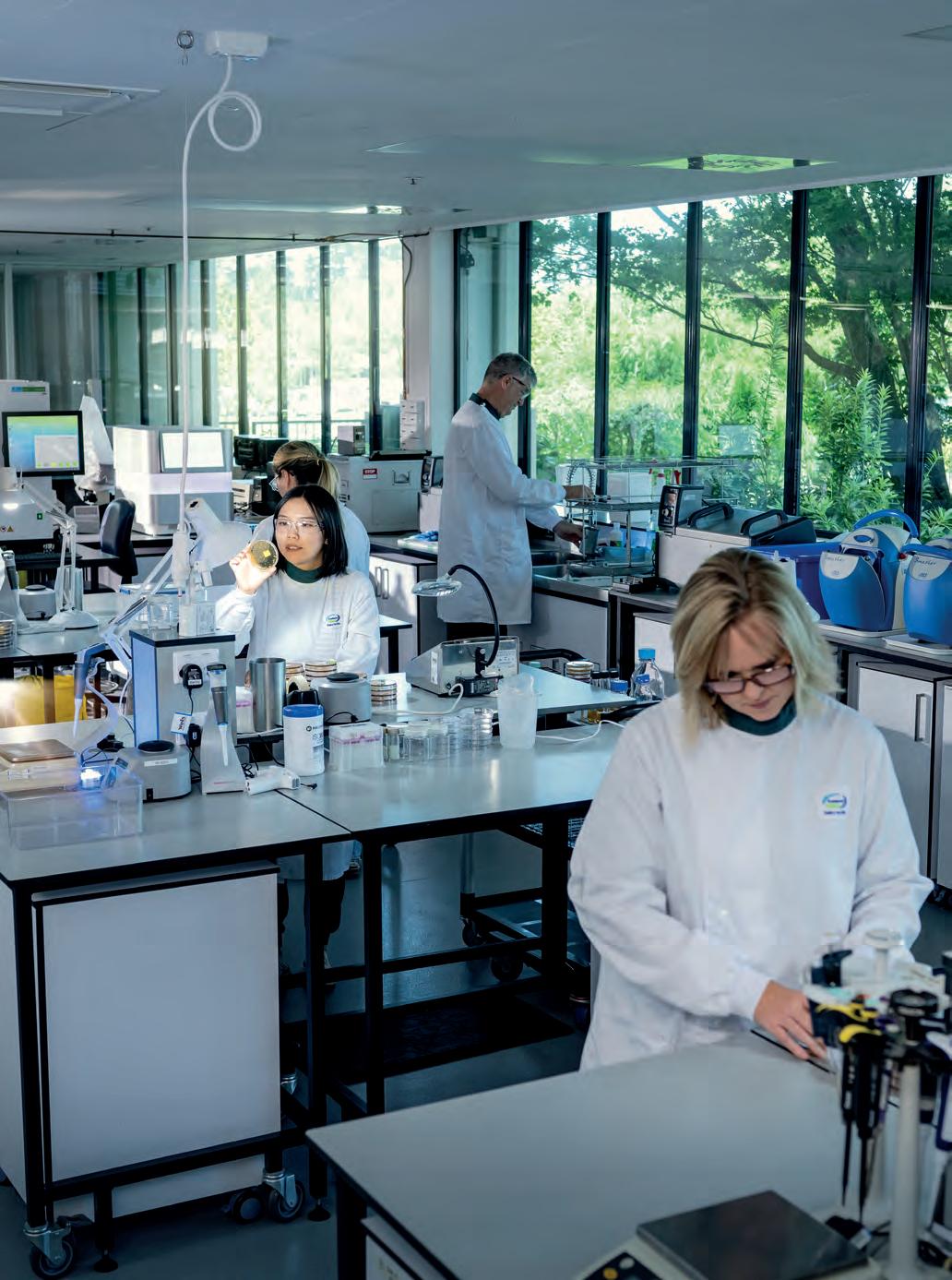
Fonterra Research and Development microbiology laboratory.
Fonterra Co-operative Group Limited
1 New Zealand’s Early Bovine Tourists 50
2 Sheds and Fences: New Zealand Innovations that helped scale dairy 52
3 From Dairy to Drugs: origin of a pharmaceutical giant 54
4 Anchoring Dairy Innovation Since 1886 62
5 Dairy Science and Technology Comes Full Circle: Palmerston North to Antarctica and back 64
6 From Pollution to Profits: the story of whey product development in New Zealand 66
7 A Thumbs-up for Milk Fingerprinting 68
8 A Stamp of Approval for Spreadable Butter 69
9 Dairy Without the Dairy Farm 88
10 Dairy Alchemy: whey to gold 91
Given the nutrient richness and density of milk, its ubiquitous production and utility of use to produce foods and food ingredients, dairy will almost certainly continue to play an important role in diets and the global food system.
In this concise book, I explore why dairy science, technology and innovation will, for the foreseeable future, remain important and some of the future trends we can expect in the field.
Given the nutrient richness and density of milk, its ubiquitous production and utility of use to produce foods and food ingredients, dairy will almost certainly continue to play an important role in diets and the global food system.
Annual milk production at over 935 billion litres represents approximately 8% of total food biomass. However, dairy has a disproportionate contribution to global nutrient provision: providing 49% of food calcium; 24% of vitamin B2; 18% of lysine; and it contributes more than 10% for a further five indispensable amino acids, overall protein availability, vitamins A, B5 and B12, phosphorous and potassium, plus smaller percentages of a wide range of other nutrients. In addition, the sector employs approximately 240 million people and supports the livelihoods of up to one billion. The value of the global dairy market will reach over US$915 billion in 2025 and is projected to grow to over US$1.1 trillion by 2029.
Dairy is responsible for between 2% and 3% of global anthropogenic greenhouse gas emissions at an average intensity of 2–3 kg CO2 equivalent per kg fat and protein
corrected milk (kg CO2e per kg FPCM), or approximately 10% of food emissions. Ten percent of food emissions coming from a single food source looks disproportionately high, but milk also contributes a disproportionately high proportion of the world’s nutrition as explained in the previous paragraph. In addition, 2–3 kg CO2e per kg FPCM is the global average and the nutrition from milk could be provided at around one-third of this footprint if it was produced at the lower greenhouse gas intensity of more efficient producers.
The importance and long history of dairy has fuelled a vast amount of research in dairy science and technology, with hundreds of thousands of papers published in the field. In this book I share selected highlights from the history of innovation in the dairy sector, including the role played by New Zealand, a country where dairy science and technology has played a major role in the fortunes of the entire country.
Innovation in the dairy sector is further exemplified by the Fonterra Co-operative Group’s past innovations and future aspirations. Since the 1880s, Fonterra and its predecessor organisations have been leaders in dairy innovation; some of the more impactful and interesting examples are described in this book. I make no apology for the focus on New Zealand and Fonterra as both the country and the Co-operative have made invaluable contributions to the global dairy sector.
But no country, industry or company can rest on past successes, and although it may not be the case of disrupt or be damned, innovation will remain a critical success factor in dairy.
Future innovations in the dairy sector will include those relating to environmental science and technology; the food matrix; foods tailored to diets for life stages and lifestyles; developments based on our expanding knowledge of microbiomes; and new opportunities from the use of digital technologies, machine learning, large language models and artificial intelligence.
Dairy has also been the target for technology-enabled disruption by those looking to produce substitute products. I am confident that some of the technologies to produce dairy alternatives will feature in the future of dairy innovation, but the impact is more likely to be complementary than disruptive.
I consider myself fortunate to have worked in the dairy sector for most of my career. The more I learn about the role of this extraordinary food, the more I consider my time well spent.
JEREMY HILL PhD, MNZM


The importance of milk as an article of diet is so great that anything offered as a substitute for it, or that renders it more available as a food, demands attention.
So wrote Edwin Lankester in a paper published in Nature on 5 June 1873 (Lankester, 1873). Fast forward 150 years and a similar statement was made by Smith et al. (2022a) on the role of milk in nourishing the current global population.
Quantification of the importance of milk to global nutrition in the current food system demonstrates the need for the high valuation of this food when considering future changes to the system.
We will look more closely at the role of milk in nutrition shortly, but the 1873 paper by Lankester is not only important for highlighting the role of milk in nutrition but also the importance of dairy science and technology as applied to the then innovative process of producing sweetened condensed milk.
Lankester’s short but enlightened paper talks to a range of topics such as food safety, quality and food adulteration; retention of nutrients during processing; storage stability; transport efficiency; sensorial acceptability; compositional standardisation; use of additives; and differences in suitability for different consumers, such as ‘infants’ or ‘invalids’. In doing so, Lankester describes many of the features and issues important to the modern food industry. He also makes the point that substitutes for milk demand attention, something I would argue is even more relevant today with a wide range of products claiming to be substitutes for milk.
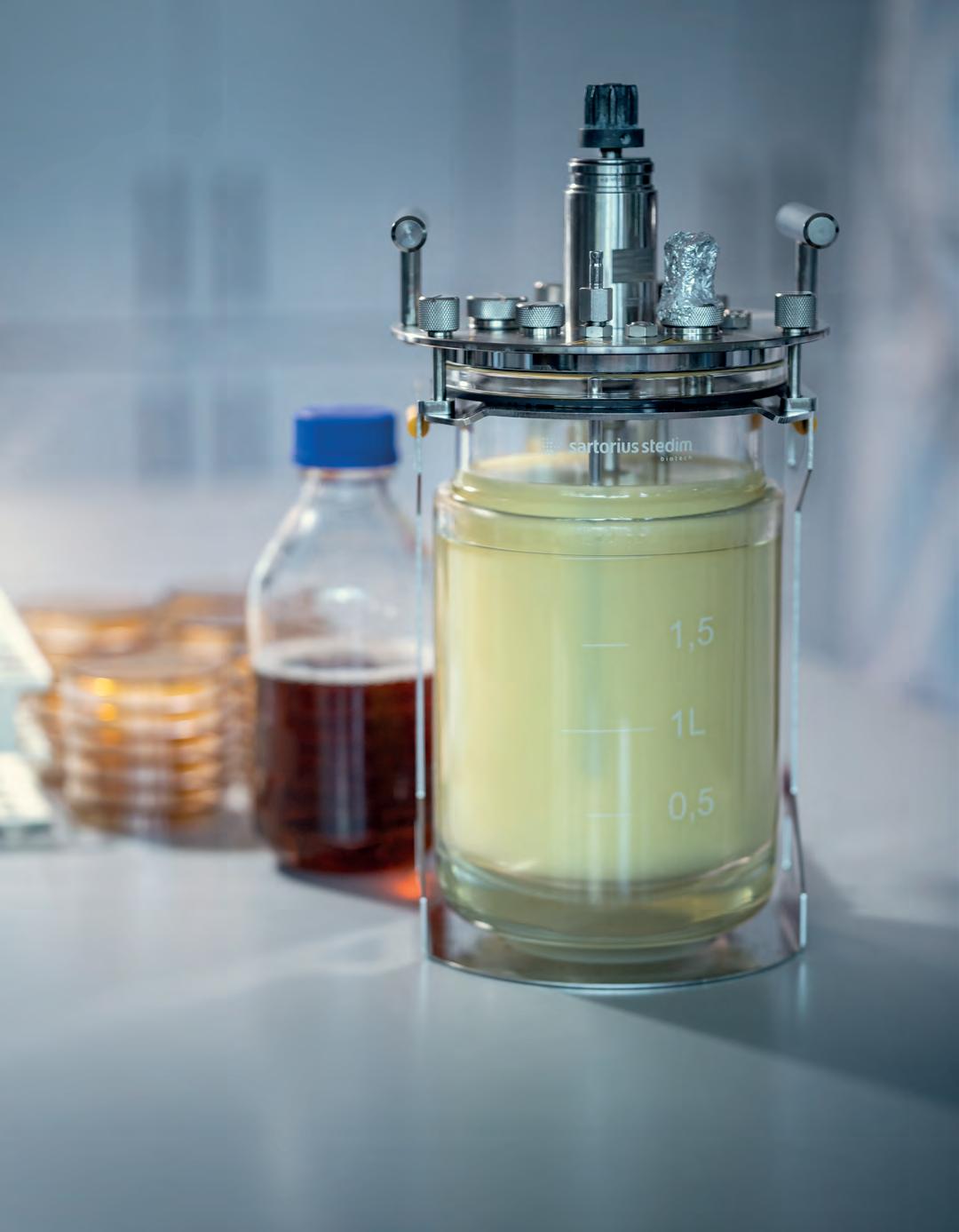
Two-litre fermenter for growing microorganisms.
Fonterra Co-operative Group Limited
TO DAIRY?
The reader is referred to https:// features.csis.org/thefuture-appetite-foralternative-proteins/ which includes a section on the history of alternative protein.

The last few years have seen an apparent ‘explosion’ in food science and technology, particularly by those looking to radically change or disrupt existing food production chains. Fuelled by access to billions of dollars of funding from venture capital, public sector agencies and philanthropy, thousands of new initiatives have been launched to develop so-called alternative agri-food technologies, with claims they will transform the food supply.
Meat and milk production has been a particular target for disruption, using plant-based, mammalian cell culture and microbial fermentation (precision fermentation) technologies to produce what has become known as ‘alternative protein’, a term that was not in common use until relatively recently. Putting aside the fact that food and nutrition is much more than just protein, and that to survive and thrive we need a wide range of essential nutrients, humans have been consuming alternative proteins since we first evolved as a species.
Although alternative proteins may not be new, some of the claims associated with such proteins are.
Do alterative proteins represent a fundamental change or are they a passing fashion? Editor of New Nutrition Business Julian Mellentin has described some of these alternatives as ‘Emperor’s new clothes’ (Mellentin, 2022).
In their article ‘Magical disruption? Alternative protein and the promise of de-materialization’, Guthman and Biltekoff (2021) examined the promises of Silicon Valley, where dematerialisation in this context is the production of protein without any negative externalities, such as carbon footprints.
Guthman and Biltekoff (2021) concluded that the lack of publicly available data makes it difficult, if not impossible, to assess the true credentials of alternative proteins. I would go further and argue that until there is a body of published evidence in quality peer-reviewed scientific journals from which to scrutinise the nutritional and environmental performance of alternative proteins, the jury should remain out. Behm et al. (2022) found that contrary to widely publicised claims, the carbon and water footprints of dairy protein produced by precision fermentation and those produced from milk are similar, at least at the current stages of technology development.
Personally, I am confident that at least some of the alternative proteins, and the technologies used to produce them, will have a role to play in the future food system. But I see this as complementary rather than disruptive to existing food chains, and that both new and existing chains will need step-change improvements in performance if we are to have a sustainable food system. It would be a mistake to assume that the technologies to

produce alternatives do not have the potential to surpass the current efficiency of existing production systems, and equally a mistake to assume that existing production systems do not also have the potential for significant improvements.
For improvements to be made, it is important to understand the current state of the food system in terms of food production, nutrient availability, and environmental impacts such as greenhouse gas emissions, and the consequences of changes to that state. The Sustainable Nutrition Initiative (SNi®) was established to help create this understanding through making scientific evidence and modelling tools freely available.
Food is of course more than just nutrition and has a social and cultural value. Taste, cost, variety and convenience influence the foods we choose to eat, as well as other factors such as fashion, ethical values, environmental consciousness, etc. New food products, whether developed using materials from existing or new agri-food systems, must target such developments based on actual rather than imagined consumer needs. While the established food industry has certainly been guilty of making the mistake of imagining rather than confirming the needs and behaviours of consumers, the practice has also been found to be prevalent in the alternative agri-food technology sector (Biltekoff and Guthman, 2023).
Food is of course more than just nutrition, it has a social and cultural value.
The SNi® website, https://sustainable nutritioninitiative.com, provides a range of resources to explore and understand the food system. This includes the contribution meat, milk, crops and alternatives make to nutrient provision (Smith et al. 2021, 2022a,b,c, Fletcher et al. 2024).

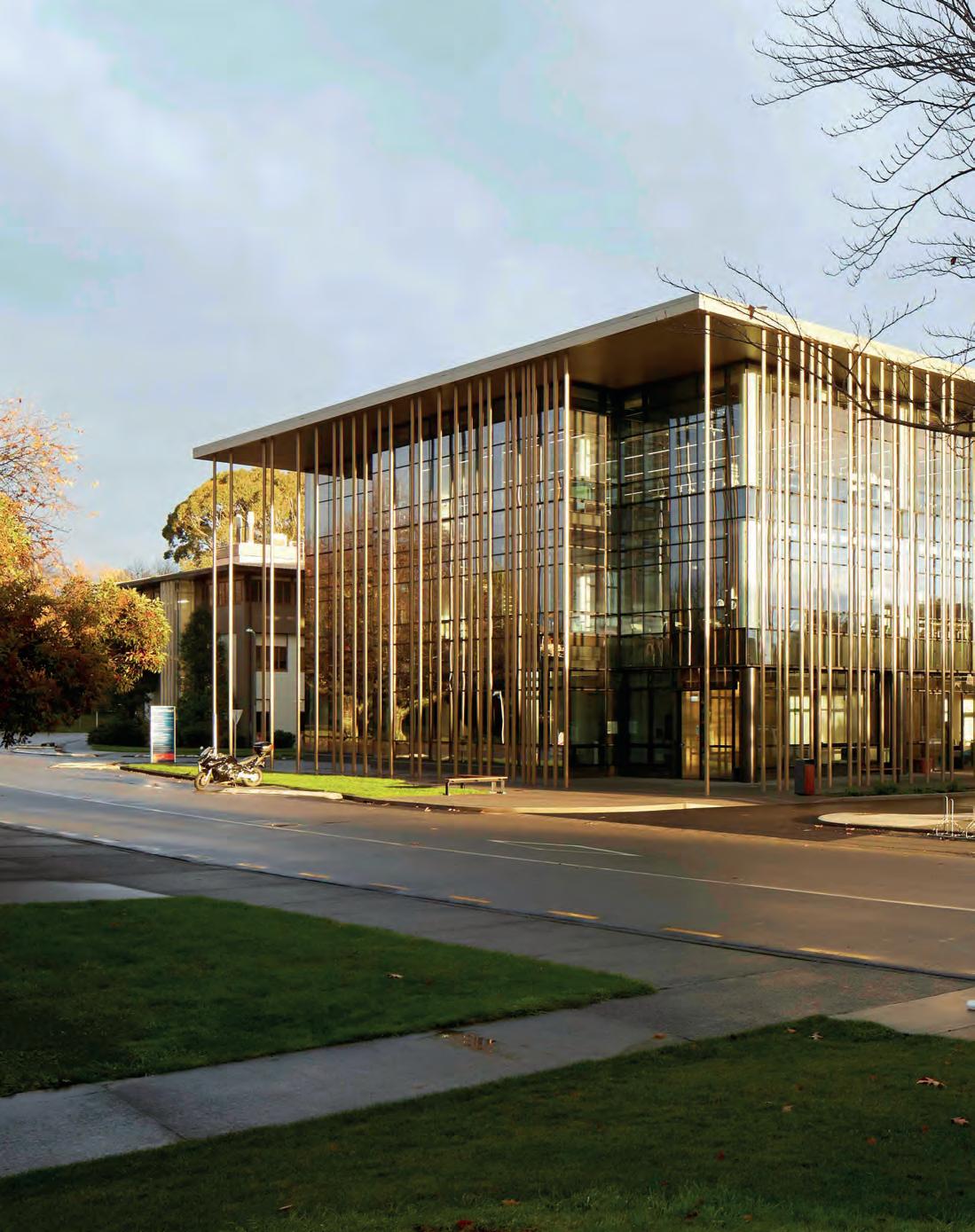
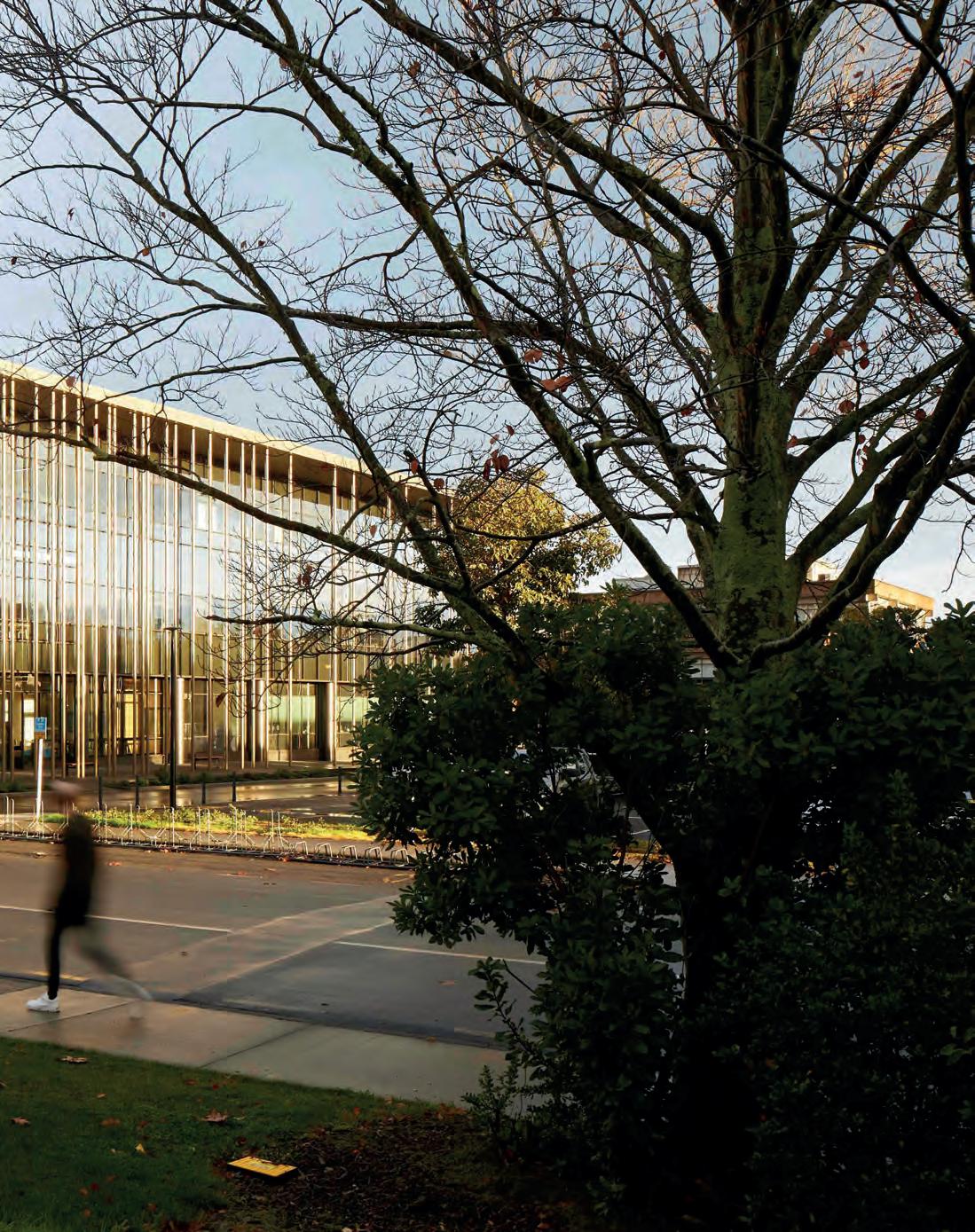
The Riddet Institute Te Ohu Rangahau Kai, Massey University, Palmerston North, home of the Sustainable Nutrition Initiative®. Massey University