FOOTBALL AESTHETIC
HISTORY KITS THROUGH THE DECADES
STARS
ICONIC FOOTBALLERS
HISTORY KITS THROUGH THE DECADES
ICONIC FOOTBALLERS
The beautiful game is adored by billions across the world. It is a combination of special moments, skill, sheer emotion and so much more. Its unmeasurable popularity stems from its unique appearance, and the aesthetic that revolves around it. As such an important part of people’s lives, it is important to look at the beauty of it, and how it captures our eyes. When you take a step back from the actual football itself, what is it that has signified the eras and given the game an identity? We want to take a look at fashion, icons, style, music, and other staples of football culture. Throughout football history there have been figures who embody the football lifestyle, but also who integrate an off the pitch personality, declaring the football aesthetics evolution and progression into life outside of just the pitch. It is not restricted to just the smaller sporting conversation, but rather shares a larger connection to the cultural, political, and social aspects of life. But one of the most significant traits of football is the emotion, whether that be an important goal, passionate celebration, heartbreak of a loss or delight of a win, emotion is what makes football pure entertainment and we are going to focus on some of the instigators of it. You still may be unsure of how to define football aesthetic, but as you read on you will further understand.


Content- The origins
- Kits throughout the decade
- Fan culture and fashion
- Too big for your boots
- The art of celebrations
- Music and pop culture
- Retro vs modern
- Iconic players
- Off the pitch

- The future 10

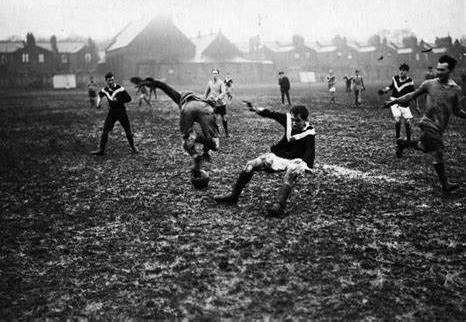
To enjoy and explore the beauty of football, it is important to first look at its origins. Football began simple and straightforward and design in particular was fairly boring. Kits were often basic and made of wool, and there was little to no consideration about style or branding, with the kits often just representing the local area. The first English teams to truly start posing an identity were Sheffield United and Aston Villa who have continued that for over a century. Moving into the 1920s teams started experimenting a little bit more and introduced new colours and designs such as stripes but remained fairly straightforward. Stadiums were also pretty poor quality, low capacity and the pitches practically unplayable. You can have 20 minutes of rain on a pitch nowadays and a game can be called off, compared to early football where they would play on pitches that looked like a toilet bowl after a spicy meal. Not a single blade of grass on sight yet still the same game we love. Boots were big and made of leather, only practical as they were ideal for the awful pitches, however in the modern game it would probably feel as though you are playing in wellies. The ground structures were mostly made of wood, and rather than stands it began with terraces for fans to watch. It was not until the football audience started to grow that money started getting involved, with the rich starting to invest after seeing growing potential, and so it became an interest that both the working and upper class had in common. There is a great tv show called “the english game” which demonstrates really well what football looked like back then and for a great visual
representation I highly recommend. In 1923, football was rising increasingly and a decision was made for the production of Wembley stadium, one of the most iconic and biggest grounds of all time, and even more importantly back then it was a huge development for fan capacity. It was a growing progress then for football up until the 60s, the quality of football, kits, stadiums and everything else were improving, but when still compared to now the difference is night and day. Before the 50s it is hard to name too many footballers, for a couple reasons, one being that because it was so long ago but another reason that they were just not as marketable. Photos were black and white and not high quality, media was not as broad and news was harder to spread, and there were few opportunities in the footballing world at that time to create a public image for yourself, hence why there is limited knowledge or fame on footballers very early on. In England, the most well known footballer from the early 20th century was Billy Wright, who made his debut at Wolverhampton Wanderers B team at just 14 years old after seeing an advertisement for boys trials in the newspaper. One of the most fascinating facts about him though is that he held a dual role as a groundsman and player, which incredibly shows the difference between the modern game and the lack of development and evolution the game had at that time. However, slightly later on, one of football’s greatest ever players came to the spotlight. Football had increased to a global scale, and the quality only increased with other countries’ influence. And the main man to demonstrate that was Pele,a generational

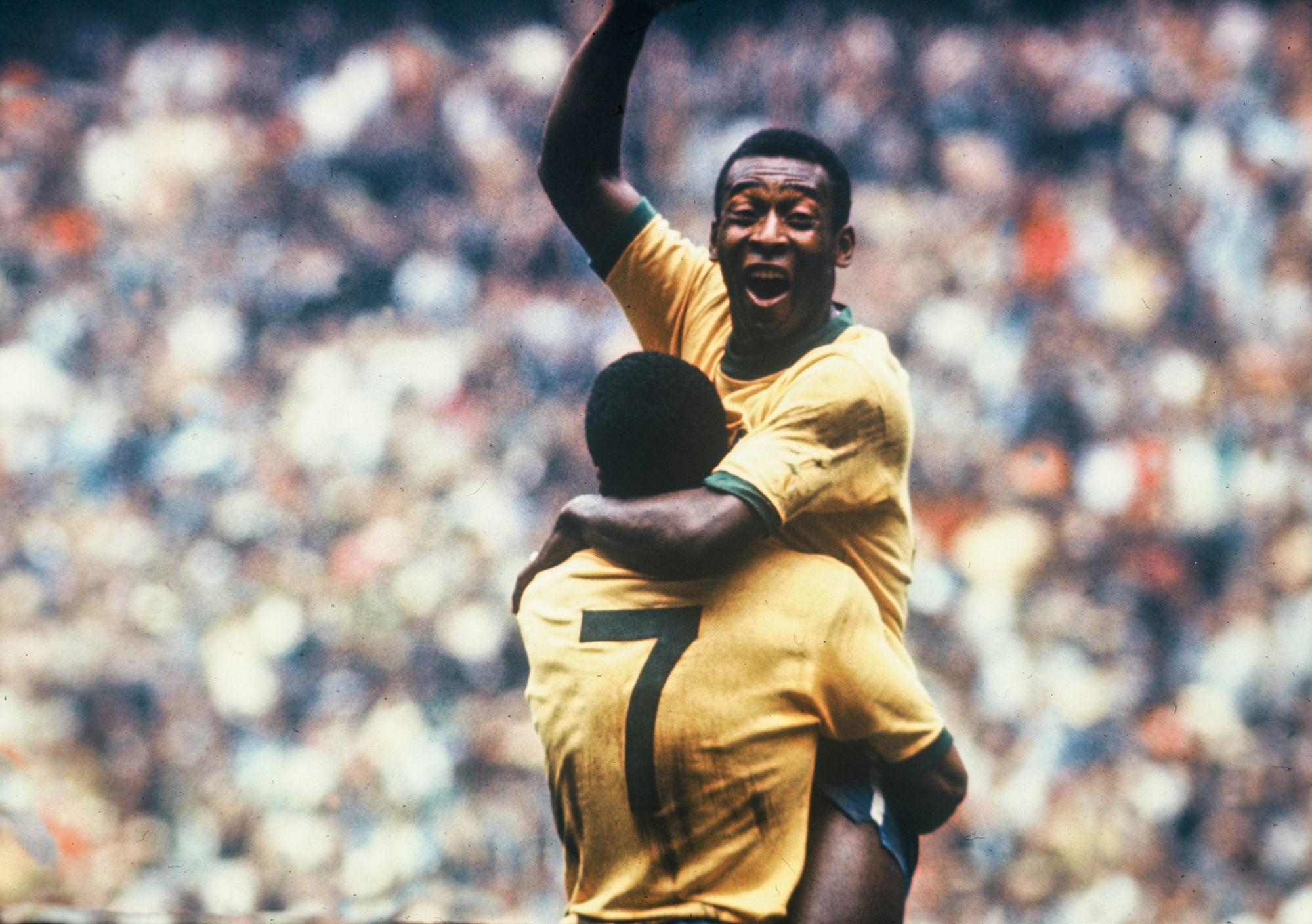
talent and a generational star, one of the most iconic players who have ever lived, for many reasons, a true representation for a beautiful football aesthetic. Majority of skills seen in today’s games had some sort of influence from the Brazilian man. The original number 10, the bright yellow brazil kit, that unbelievable world cup brazil team, hundreds of goals, the man was unbeatable. That was until Cristiano Ronaldo beat his goalscoring record, however after a quick change of the instagram bio Pele regained his title back after counting goals he scored in his back garden. All jokes aside, when you think of football, this man is the pinnacle of it, and in my eyes was the first real showcase star of the game, and we cannot speak about the origins of football aesthetic without mentioning him. In the period that this man was playing ball, the international teams really started to dominate, although football originated from England, it was in particular the Europeans who really started to elevate the game. The Hungarians dominated throughout the 50’s, the famous Puskas being the star man, who also linked up with Di stefano in an iconic real madrid team. They really altered the way the game was played, while English teams still mostly stuck to the traditional style of play, strong, physical players with a focus on defending. It must also be pointed out that the lifestyle of footballers completely differs from now. Players would smoke, drink alcohol, do drugs, all while performing at the highest level of football at the time.The best representation of this is no one other than George Best, one of the most talented players to step foot on the pitch, however the distractions outside of the game ruined his career and affected a lot of his life. Despite this, still such a legendary player who dominated teams, including the great Benfica side of the 60s, who he defeated in 1968 playing for United with the likes of Bobby Charlton and Denis Law. However we are talking about the origins for now, so do not want to go too recent. It was the italians that had the highest quality throughout the 60s, internationazale adopting an incredible defensive style of play, managed by Helenio Herrara, the tactics being named “catenaccio”. A key part of that side was the fullback and captain, Giantino Facchetti. Despite their quality, it was actually Celtic who became the first British team to win a European cup, as they managed to win it in 1967. To conclude this segment, it is clear that the beautiful game perhaps has not always been so beautiful, but still has a massive history and has been loved by so many. Evolution of anything in life always has to begin somewhere, and for football it was this, 22 players kicking a ball about on a field.
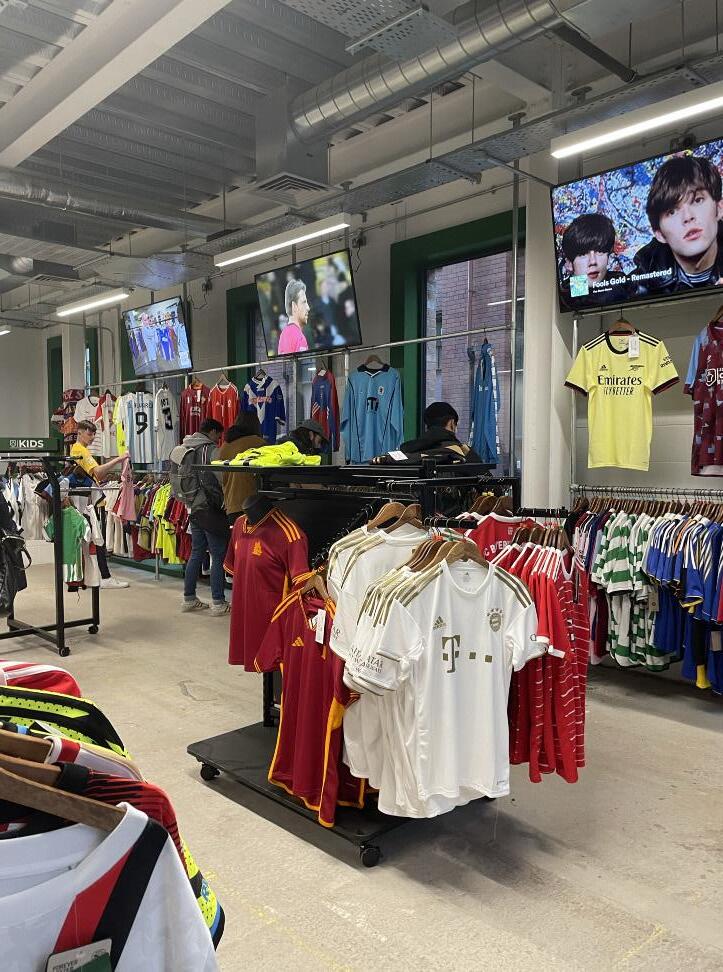
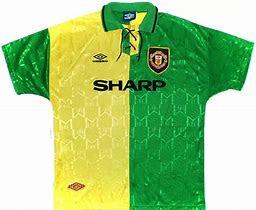
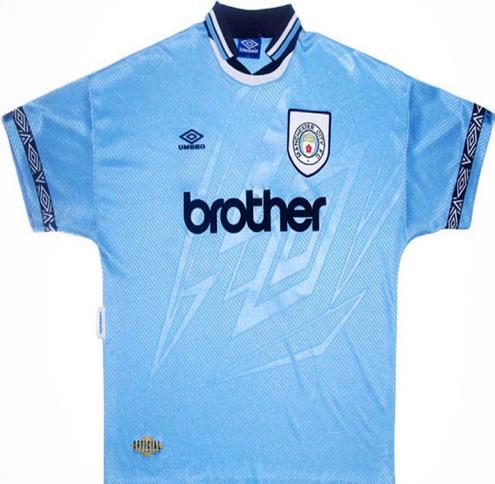
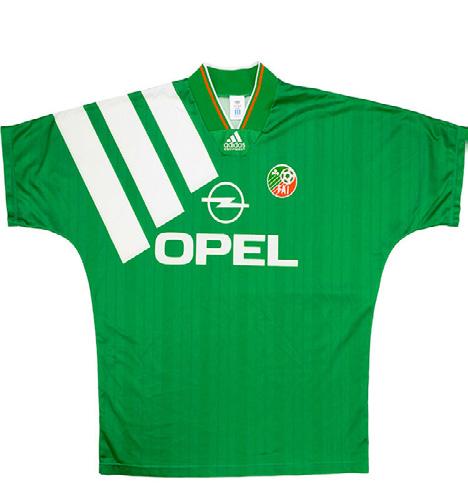
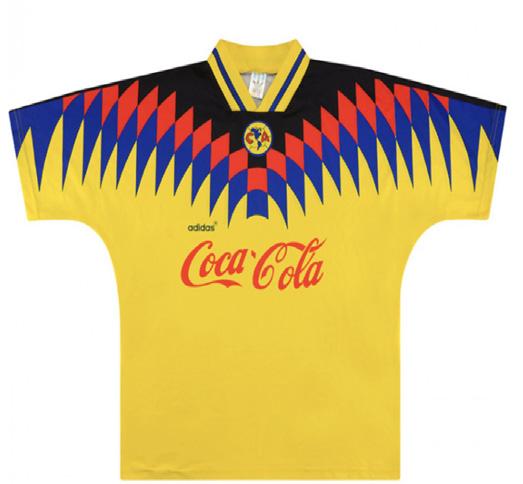
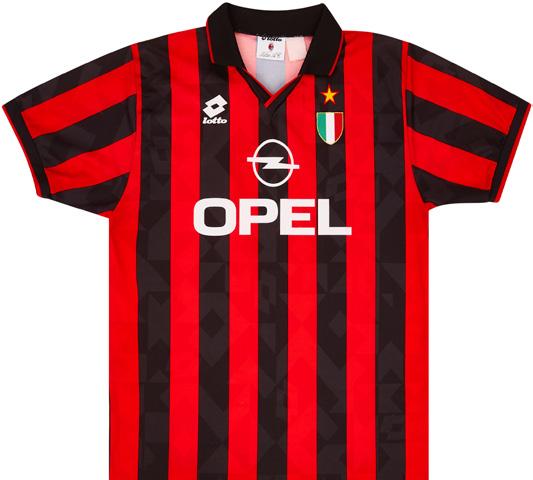
When I first thought of football aesthetic the first thing that came into my head was kits. The colours, designs, badge, sponsors, they all play a part in showcasing a team’s identity. Whether you are walking in the street or watching a game on the tele, football shirts are absolutely everywhere. But they have not always been the same, just like everything in life, things change, and football kits are no exception. Practicality, fashion, money, are just some examples of things which have and still do influence kit design.In the 50s and 60s, kits finally started becoming more advanced with new designs and style and most importantly they were made out of synthetic materials. During this period teams such as Liverpool and United created some historic kits which are still iconic today. The 70-80s was when teams really started experimenting. Collars started becoming much more common, and they started introducing manufacturer logos and designs, a key example being adidas and the three stripes down the arm sleeves. The fit of the shirts were different to that of those nows, they were much more loose, and the shorts were quite small but still baggy. Some of the greatest ever kits were produced in this period, however what we go onto next really trumps everything. The 90s. The greatest era for football shirts, a combination of unique designs and unique feel. This period saw the commercialisation and development of football fashion, and with the decline of football hooliganism, wearing football shirts in daily life was much more common. Clubs working with mega brands were now everywhere, sponsors were also introduced and were seen on the majority of shirts. People got names on the back of their fan shirts, with some iconic players around at the time and some kits have now become extremely sought after 30 years later because of just how legendary they are. Something else that really took off during this time was pre match and training attire. Clubs started delving into other fashion avenues and would make their own everyday clothware with their badge on it, and now not only is there now some incredible images of players wearing this gear, but also a large part of UK modern fashion in particular is influenced by this fashion era.The early 2000s continued the strong shirt game, with more absolute classic made during this era. There was not much of a drastic change of notice, but it was more of a slow gradual development that distinguished a difference between the two kit eras. Usually

Now it is time to go through my personal top 3 shirts of all time. There have been millions of kit designs across history, so chances are I may not have the same as you, and that is the beauty of it.
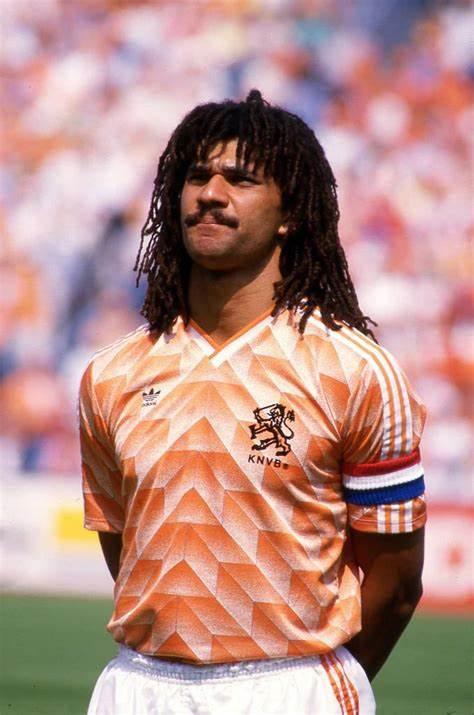
First up is the 1988 Netherlands kit. If you are a big football fan chances are you are already aware of this masterpiece.There is not much explaining to do, its design was incredibly new at t, and it actually was quite disliked at the time. However as time has gone on people have learnt to adore this shirt, bright orange, different but not over the top pattern, and importantly how it was worn. What I mean by this and why I personally love it so much, is the players that wore it. Gullit, Van Basten and Rijkaard just to name a few, yes they probably do make the kit look better than it is, but that dutch team wearing that kit , and I know i have used this word all too much but, iconic.
To gain a better idea of football shirts throughout the decades, I spoke to football shirt enthusiasts and kit sellers, football shirts101 and Jake centre_circle_shirts, about what the best kits and manufacturers are. Football shirts101 said “ Best shirt ever, Malta 1990 home, completely under appreciated; the same design as england third, but a better colourway.Best manufacturer ever is umbro.They had a stranglehold on the game in the 90s and they will never be beaten, often replicated but the true winner will always be umbro.”
Jake said, “For me the greatest football shirt ever is probably the Mexico 1998 home shirt for the design, as I think any shirt that takes inspiration from the culture of the nation or city that the team is from just means so much more.The obvious answers for manufacturers are Nike and adidas but for me adidas wins. I think they have been the best over every era and have had the majority of iconic shirts in their history”.
you will see people being quite unhappy with kits in recent years, and rightly so, a lot of them are cash grabs or template pieces, however I personally do think that the 2010’s are slightly underrated. This period saw some quality shirts and interesting experiments, and is also helped by the fact that Messi and CR7 were about, and any shirt with their name on the back looks iconic. There have also been a widespread number of kit manufacturers, who have created some unique designs whether they are any good or not. And finally, in the past 5 years I think it has been hit or miss. I am a massive fan of what PSG have done in recent times, linking up with nike jordan, and creating some really stylish pieces that have been worn by some memorable players. However there has also been some, what I will call, “Stinkers”, mostly simple and boring template shirts, one that comes to mind is the Puma third kit collection from a few years ago, where a selection of top european clubs all had a reprogrammed version of the same design, which is important to mention was one of the worst ever seen, as notably they decided to remove all the clubs badges and replace them with the team name, and they ended up looking like pyjamas. Do not panic though, there is still some potential for football kits reach the same heights they once did, and despite the ever changing kit design, fans will still wear their clubs shirts. 10 7 11
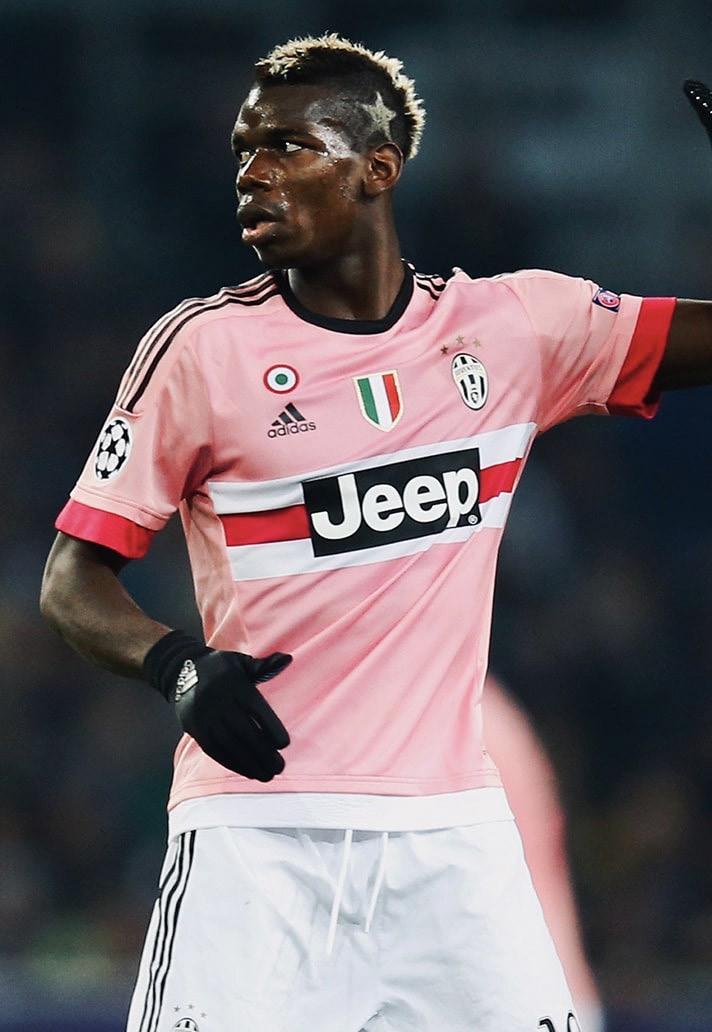
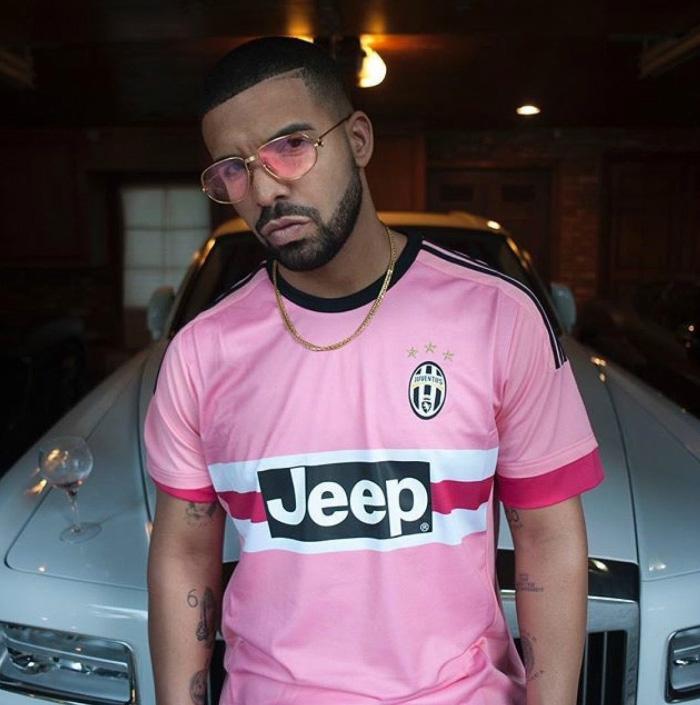
My next personal favourite is Juventus pink away shirt 15/16. If you know you know. Paul pogba and Paulo Dybala, the staples of this strip. A much more recent classic, however it is still so sought after, and practically impossible to get your hands on for any decent price. Its simplicity but also soft pink colour is just a great look. What I also like about it is that if you were to look at it without a badge on, it's likely you would still be able to associate it with juventus. It is so good that big fashion brands have tried creating a more streetwear version, but they just do not have the same impact as the original. Perfection.
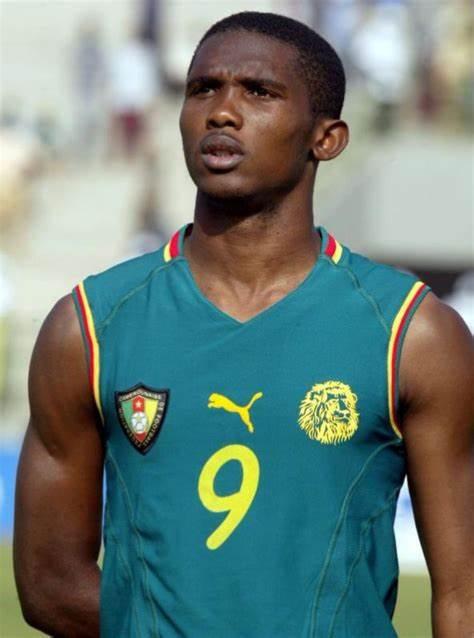
My third chosen kit is this cameroon home shirt 2002. Now I am not going to say I think this one looks as good as the other 2, however the reason I love this one is because of the story behind it. I have never seen before or after this shirt, a kit which has no arm sleeves, incredibly unique yet was used at the biggest stage in a world cup. It caused so much uproar that the sleeves had to be stitched back on and used for the remainder of the tournament. Whether you agree with that or not, the whole story behind it is fascinating, and it is a shirt that we will not see again.
3

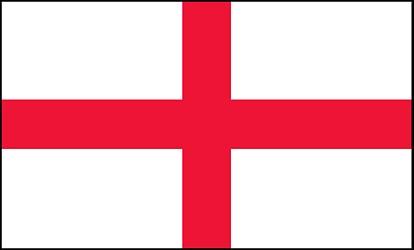


Throughout the history of the game, fans have come in countless different forms, and have evolved different ideologies. The first one I want to look at is the culture of English football fans. As the founder of the beautiful game, England also has some of the best supporters there is to offer. I particularly want to focus on the hooliganism era, which really peaked in England in the 70s and 80s. Football meant so much to these fans that they got truly competitive about it, and fanbases would start confrontation with each other. The big clubs would have one or more “firms” which would be a group of hardcore supporters that would go to games home and away and frequently get into fights.These tended to be led by a “major”, basically the leader of the firm, typically largely respected and the best fighter of the lot. A lot of people’s lives now involve a lot of football, but these
The most important thing in football is the fans. Without the emotion and passion from them, football would not be able to survive. It is the backbone for everything else. The majority of investment for the majority of clubs is funded by the fans, and as well as their money, the support is also just as vital to the success of the club.



guys' lives revolved around it. They were mostly identifiable by their fashion, skinny jeans, black top, sometimes a mask, and this style has also developed and progressed into the modern day fans, who go for a similar vibe but just quite a bit less hardcore. A lot of the fights that these hooliganism got into stemmed from rivalries, what we will go into next. Rivalries can occur for many different reasons, commonly geographical but also some have deeper meanings behind them. Some of the greatest include the old firm between the two Glasgow teams, the Manchester derby between city and united, and Leeds vs Galatasaray. The latter was created after Leeds fans were killed by Galatasaray fans in a European game between the two sides. Some rivalries and fans can be dangerous like that one, and that is why it is so important that there is proper security and rules in place today. How-
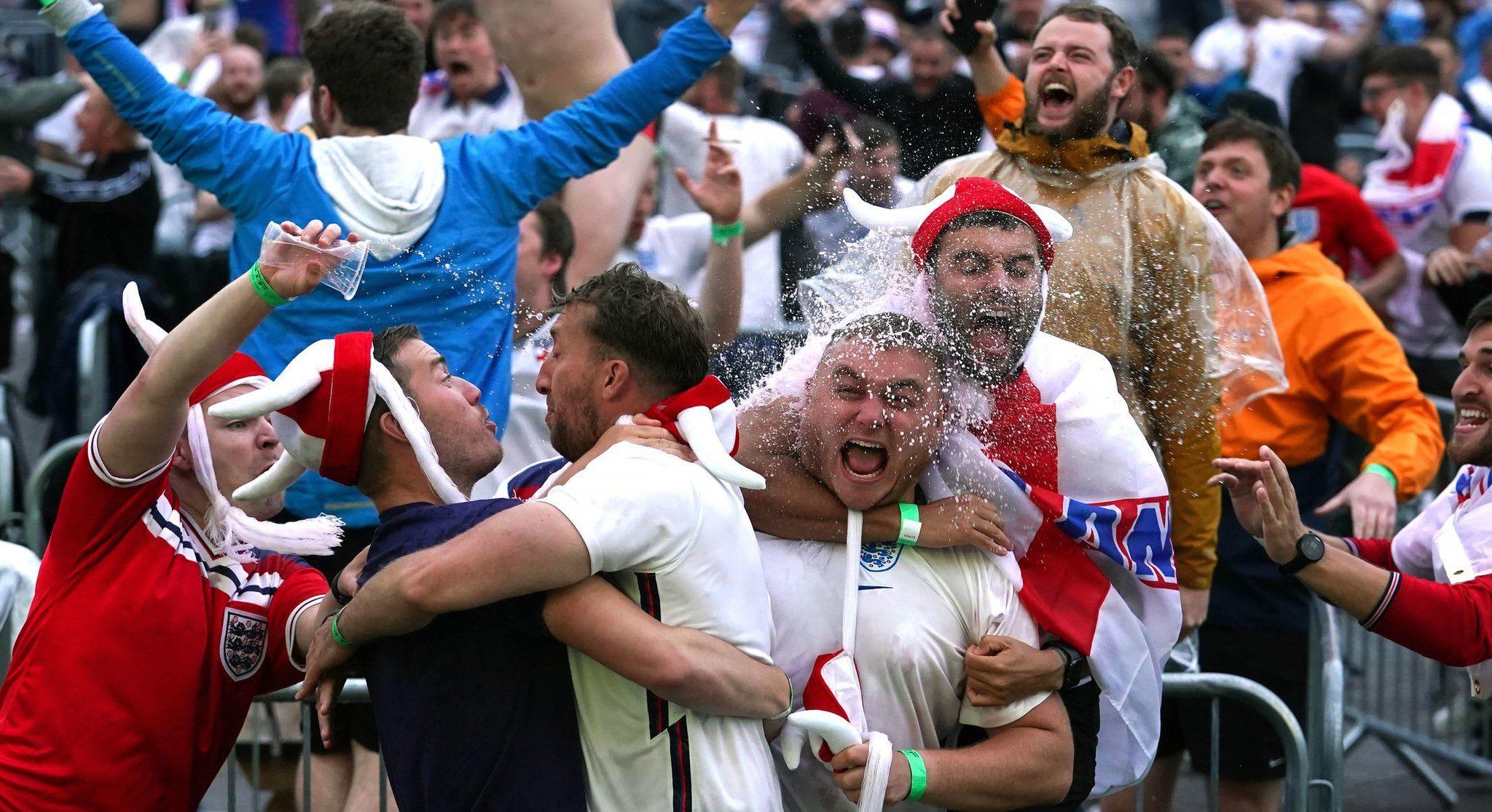
ever this violent and competitive fan culture is not the only that exists, and football is surrounded by good people who love supporting the game. My favourite fan aspect, and just a specific niche thing I love about football, is the Chants. The creative, funny and collective effort to produce musical masterpieces from nothing is just the greatest thing, and the fact it comes from predominantly adult men who have never touched an instrument in their life, perfection. The nationally iconic songs that are cemented in fans' brains, combined with a play on of words in reference to their team/player, provides for some of the best

entertainment there is. Whether it is emotional and passionate singing, or comedical banter, football chants are brilliant. Such a small thing yet it plays such a huge part, and it would be weird to think of football without them. Club anthems is part of that and is one that debates opinions across the fan world. My favourite is Leeds uniteds “marching on together” , an absolute staple and when heard on a big occasion it is enough to give you goosebumps. When I have been to Elland Road, everytime the fans are mind blowingly loud and you cant even hear yourself think, as they are blasting out the tune at the top of their lungs, some incredible fans are the Leeds lot. Obviously there is the iconic one such as Liverpool's YNWA, which in the right circumstance with the thousands of fans belting it out can be inspirational. Always mentioned as one of the most harsh places to play due to the atmosphere the fans create, although I have never been to experience it myself. However I am aware of how passionate some Liverpool fans are and I must respect that.
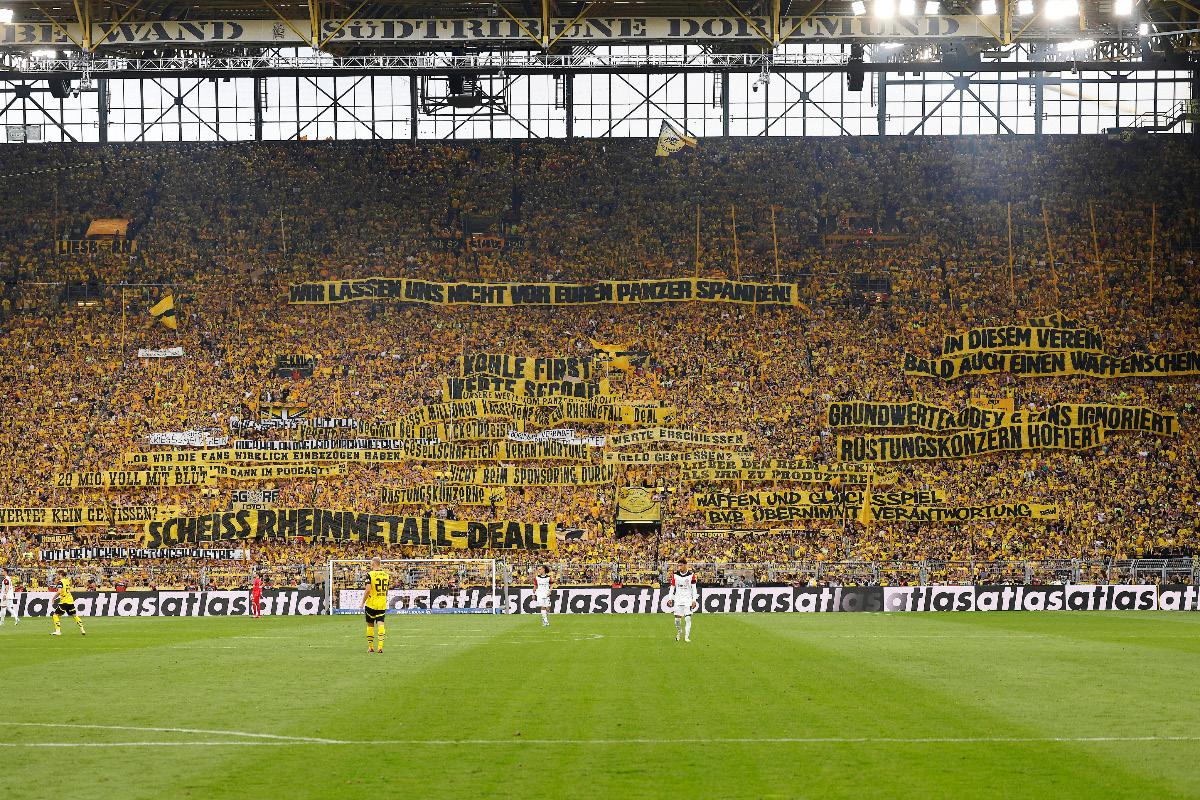
But if you want to really get into passionate fans, you have to travel across Europe, where some of the most mental supporters live. Borussia Dortmund is the first one I want to highlight, the famous yellow wall is the peak of passionate supporters. And If you travel further east, you come to Turkey, who has the most insane fans. I like to call them the big Turkish three, Besiktas, Fenerbahce and Galatasary. The top of the table teams but also the biggest fanbases who abuse each other, and you have to have some mega balls to play for more than one of them ( i'm talking to you Michy Batshuayi - look it up if you don't know ). The one thing I find funny about Turkish fans is their presence on social media. They
are absolutely everywhere, particularly in comment sections. Everywhere you look there will be some Turkish fan glazing Arda Guler, or telling messi to “come to besiktas”, which is incredible because I bet Messi is absolutely convinced now that kaanufk has commented that on his instagram. On the topic of social media, it is still such a rapidly growing method for fans to consume football content. From football twitter to random blokes in front of a mic, people will listen to people with a following. A large representative of social media football content creators have a lack of actual football knowledge, but that is what has made some of the content more enjoyable and funny. However some of the daft people you see particularly typing behind a hidden profile is frustrating, however it is just part of modern fan culture nowadays. Where we draw the line though is when abuse is target at players, and this has had such as a massive increase since social media, and although it is only a minority of football fans, it is something that needs to be stopped.
“Some people think football is a matter of life and death. I assure you, it’s much more serious than that.”- Bill Shankly.

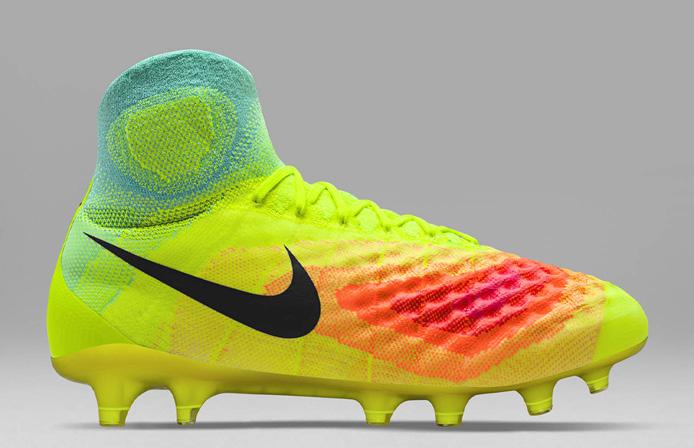
Shoutout to Stormzy for title inspo. This section of the magazine is going to zoom in on, yes, you guessed correctly, football boots. If you ever played as a child, you know what boots mean to a player. When going out to Sports Direct, your dad picked out a pair of dusty-looking Sondicos, and you exclaimed, “They will make me play bad,” and it was always the same reply: “It’s not about the boots; it’s about the player.” And yes, he is absolutely right, but more to the point, he did not want to pay an extra 50 quid for a pink pair of Nikes that won’t fit anymore in 4 months time. But the only thing on a child’s mind is who else is wearing it and how cool do they look? The only one wearing Sondicos

is the ancient PE teacher who claims to be an “ex-pro”, whereas you as a child have just watched Neymar in the 2014 World Cup rocking the newest pair of Mercurials, so there is only one winner for which boots you want to buy, sorry to all the dads out there. Although the boots that are released nowadays make those 2010-era football versions look like gold mines, you should see how hard I have tried to get myself a decent pair from 10 years ago due to the state of football boots at the moment. All I have come to realise is that whether they are new or old, they are overpriced. Something I have grown out of, however, is the obsession with sock boots. If you are unaware of what these are, they are football boots…with
a built-in sock (search up 2015 CR7 for inspo). Now to put it into perspective, back then getting yourself a pair of these was like getting yourself some new fresh Calvin Kleins. If you had some, you were instantly regarded as a baller. I only ever had one pair; they were a secondhand pair of Hypervenoms, and I barely wore them. However, it is more the meaning behind them that was important. However, what I did have was basically the BTech version of sock boots. It was basically the exact same boot from the exact same brand, but instead it was as if the sock had been found in my nan’s wardrobe. It had absolutely zero purpose; however, it looked somewhat cool, and you could also claim you owned sock boots. The main thing I remember about these, though, was the frustration it caused getting them on; it really took you, your mum, your dad, and your extended family just to get these things on your feet. Since then I have never worn sock boots, and no one else does either. Unlike the fidget spinner, I am glad this trend ended. Despite the sock boot problems, that 2010 era of football boots
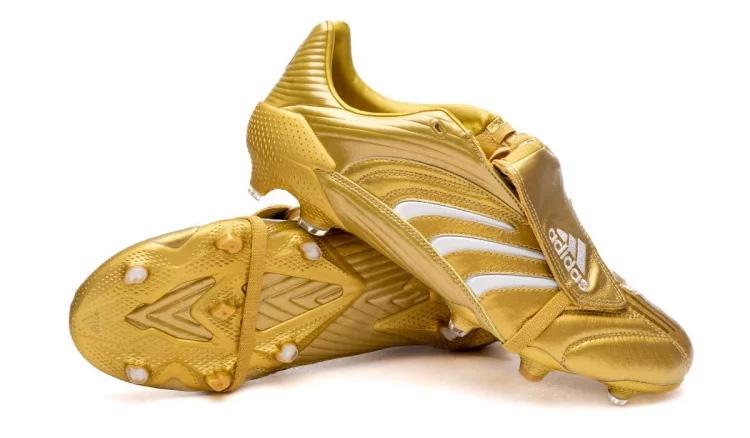
is still undoubtedly my favourite era; the styles, the colours, the experimental ideas – the boots were just incredible. However, there have also been other times when boots have been phenomenal. One of my all-time favourites has to be the 2002 Zinedine Zidane Adidas Predators, absolutely iconic and still adored today. They even inspire the current Jude Bellingham collection, basically a reprogrammed version of the preds, more modernised but more rubbish. And then we move on to my favourite ever boot, the Diadora. The classic Italian classic worn by the likes of Baggio. It’s likely you haven’t heard of these and rightly so, but these are a thing of beauty. If you are aware of the Puma king, think of them as basically a more unique version. Unfortunately, you do not see them as round as much in the modern day; however, these Italian masterpieces are still more than capable of enlightening any man or woman who owns a pair. Throughout football, football boots have been created by plenty of manufacturers, which we will go onto shortly, but the companies used particularly smart strat-

egies to make theirs popular. And the 2 which have dominated in recent times are the two big boys, Nike and Adidas. And what is the main reason for this? The two goats, Messi and CR7. With an extortionate amount of money to gain their collaboration, both of the giant enterprises based a large majority of their boots off of these two people, because as they are the greatest to ever grace the game, it is simple marketing that people are going to want to wear the same boots as them. For a while this cut out most other competition; yes, other boots were made and sold, but nothing on the scale of Adidas or Nike. Even recently this Messi and Ronaldo era still has an effect on boots, and despite the resurgence of some other brands, it is still these two which largely dominate the market and probably will for a little while yet.
To get a better perspective on football boots, I spoke to football boot experts, the bootsclub, and asked them a couple questions on the greatest ever boots. Here is what they had to say,
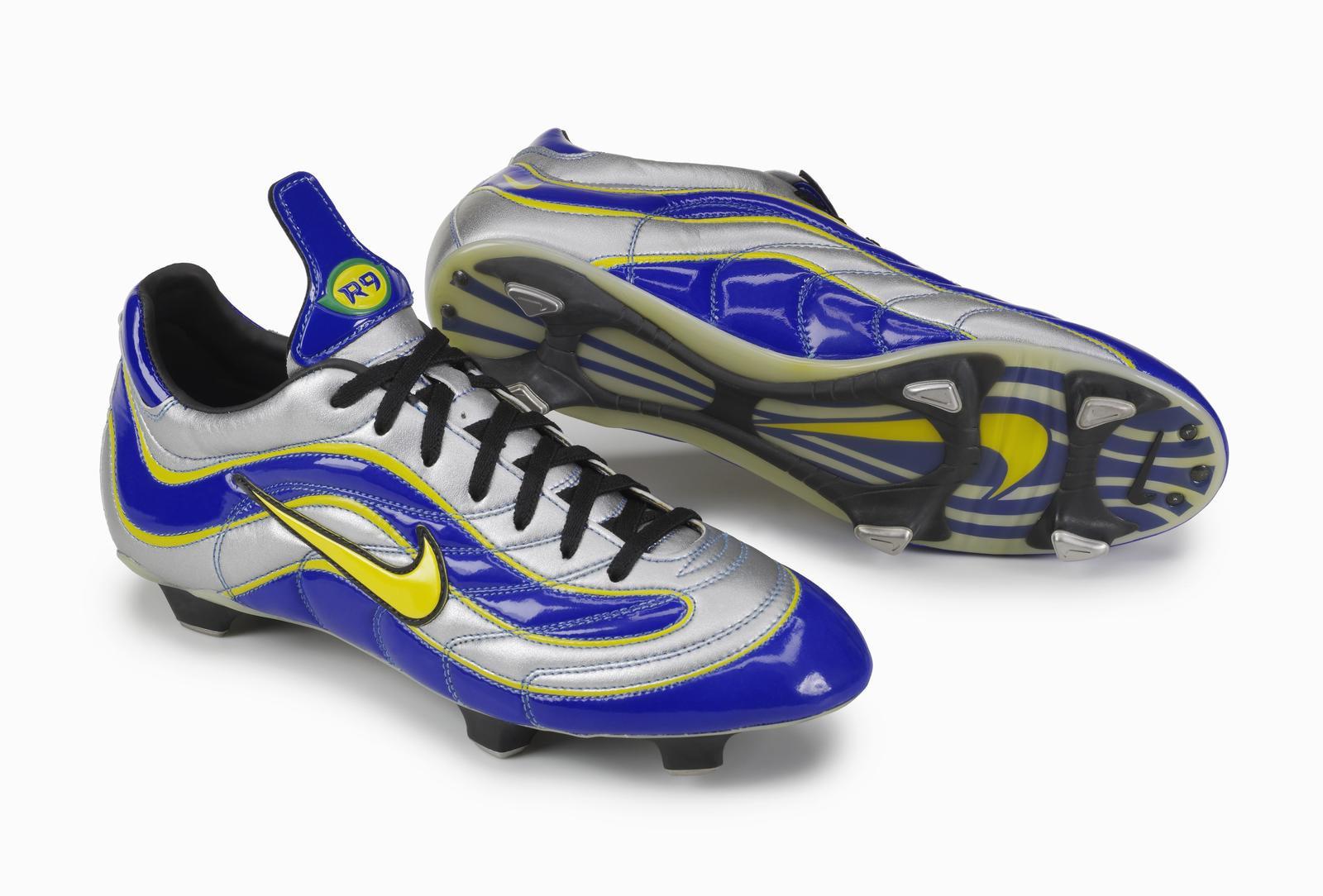
“There is no real best boot, as preference is always subjective. What may be better for me may not be better for someone else. If we really want to talk about the most iconic ones, in my personal opinion, we would say Adidas Predator Mania and Nike Mercurial Vapor I R9.” (in reference to the best boot model), “We would probably take the nike mercurial superfly IV and the Magista Obra I, because in terms of innovation, the use of Flyknit was revolutionary and changed the way we conceived football boots”.
This brings me on to the ranking. I am going to rank the top three football boot manufacturers based on longevity, iconic status, impact, quality, comfort, visual appeal, practicality, price and popularity. There have been some fantastic boots made over the years, so I feel as though honourable mentions are necessary. Diadora, Mizuno, New Balance, and Umbro all have cases for the top 3 boot manufacturers, however all miss out.
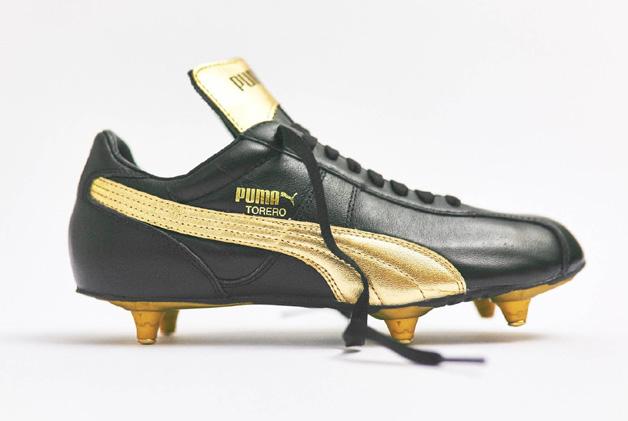
So, in number 3, it would have been hard to neglect them from this; it is Puma. Worn by some of the greats in recent times, including Neymar and Aguero, Puma boots are still some of the most worn and popular in the game. Along with their recent success, Puma also have the history to back them up, in particular the iconic Puma King, one of the greatest football boots to ever exist. With multiple models made for different comfort and utility, they provide a great alternative to the other two I am going to speak about now.
It was between the big 2; however, just missing out on the top spot is Adidas. I’m sure this will divide some opinions; however, I am not against either. Worn by some of the most legendary players to ever play the game, including the greatest of all time, Lionel Messi. Adidas have produced timeless classics and many of the best-looking boots around. Multiple different but quality models, with the standout being the Adidas Predator, worn 20 years ago and still worn now. The only flaw it has is that, in my personal opinion, I do not think the boots are as comfortable on the feet as some other brands, and in times where I have worn them myself, they can feel too narrow and hurt my feet. Despite this, they are undoubtedly a top manufacturer.
And in the number one spot, it is no surprise that Nike takes the glory. Again, they have been worn by many of the greatest, including CR7. The countless models and colourful designs are what give them that edge for me, with that 2010 era producing some of the nicest footwear to the eye. I have also found the comfort of high quality for me, and although I would criticise the actual price for quality with Nike boots, it is undoubted that the Nike boots that I have owned have been some of the most comfortable and durable boots I have owned, and therefore they will be named my number one.
1 2 3
Now another spectacular part of the spectacular game is celebrations. With everything successful in life, there is some sort of celebration, whether it is held within a person or exclaimed out for everyone to hear. Now football brings out the absolute best of this, with such a variety of unique ways of acknowledging success. Now, traditionally it was kept simple, and if you go back to the early 20th century and then even later on towards the 60s, the majority of celebrations were almost exactly the same; the players would start jumping up and down with both hands in the air. You can go back to any game recorded in this period, and that is what they will do after scoring a goal, and in fact, I challenge you to find one where it isn’t the case. Finally, in the 70s celebrations started to differ, and the all-time greatest celebration was born. The knee slide. Still the most popular celebration to this day, the iconic move was first used by Jairzinho at the 1970 World Cup and has since caught the football world by storm. When pulled off cleanly, there is arguably no celebration better, but if you try this and flop on the ground instead, then in my eyes you lose all credibility for that goal. No, but in all seriousness, some footballers are daft for doing it in the wrong circumstances, and even some of the biggest players, such as Robben, Lukaku and Fabinho, have had some absolute flops, and without trying to sound like I am an active “brainrot” fan, it absolutely kills all aura. Important to mention, by the way, bald people seem to have a weird correlation with this. And although he is bald now, the absolute king of all knee slides was Didier Drogba. Imagine being in the Premier League at the time and just seeing Frankie Lamps slide one into a headband. Drogba, who batters it into the bottom corner before proceeding to do the cleanest knee slide known to man, would be a long day for you. Well, unless you are Ronaldo and single-handedly have the ability and football impact to be able to create a celebration dedicated only to you. The “siu’ is up there with one of the most notable and famous celebrations out there, largely because we have seen the man do it on the most outrageous occasions and an absolutely insane amount of times, but also because everyone wants to be Ronaldo, so they copy him, or Messi, or both. Just make your mind up, fellas; I’m looking at


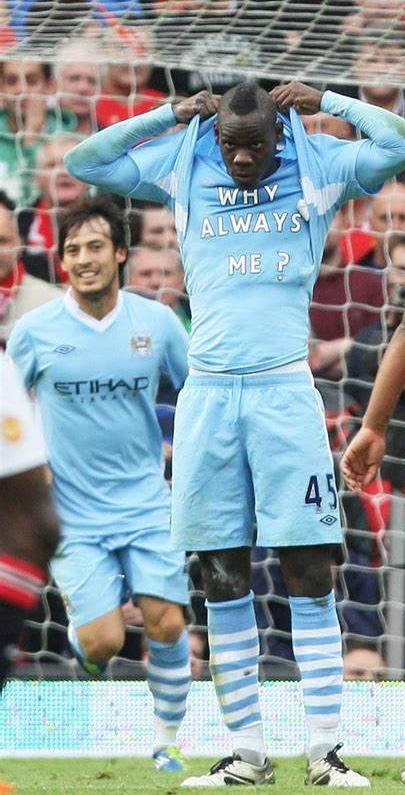
you, Garnacho. Aside from the common and often seen celebrations, such as the ‘siu’ or the knee slide, celebrations also come in other forms, and my personal favourite is the one-off iconic celebration. The perfect example of this is the photo on the right, Mario Balotelli’s “Why always me”?” Stuff like this is what makes football so entertaining; the man who is criticised a huge amount plays in the biggest rivalry in the country just to stick one away and silence everyone with the lift of the shirt that he was so confident he would have the opportunity to do that that he stuck the message underneath. And on that topic, messages on undershirts as a celebration is an interesting one. Of course we have seen some brilliant messages that are really quite emotional but also inspirational in the dedication to whatever it is, but have you ever thought about the messages we have never seen? When you think about it, a player has to score to really get the opportunity to show that message, but the number of people that have not scored but have a message under their shirt is probably massive, and we have never seen what was under it, so we could have missed out on some significant messages. Most of the time we all love a good celebration, but one which is a hot topic is celebrating against your old team. Now, what you do and how you do it all depend on your time at the club and how you left it. Although this is unrelated, when there is a fight on the pitch, do you ever hear the commentator say, “Well, this is not what we like to see,” but we all actually know this is exactly what we love to see? Well, I think it is the same idea with celebrating against your old club, particularly when it is a proper and dedicated celebration. We feel like it may be quite disrespectful and wrong to the old team; however, we all absolutely love to see it. My favourite of all time, and coincidentally, it’s another Man City player (I assure you I am trying to make everything about them), is Adebayor against Arsenal when he scored and decided to run the entire length of the pitch just to go and celebrate in front of the Arsenal away supporters. Unreal. I could go on forever about legendary celebrations; there have been some absolute belters, and hopefully long may that continue.




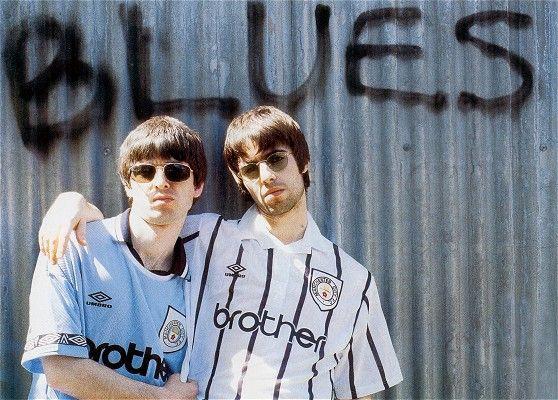

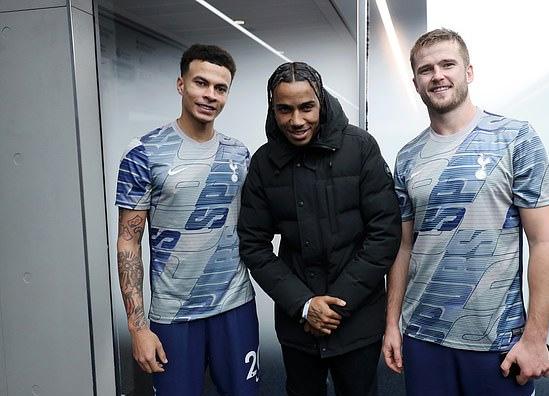
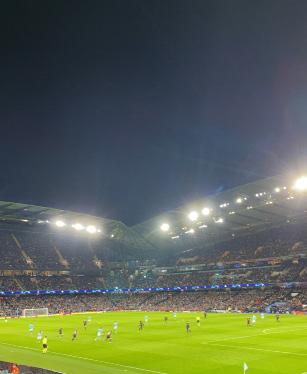
Two of the world’s biggest phenomena. Football and music. Combine them both and you have excitement. Particularly in recent times, footballers linking up with musicians is no rare occurrence. Both have similar stories with their rise to fame and both enjoy what the other do, footballers and musicians go more hand in hand than you might think. Musicians also tend to join up with clubs themselves, and become somewhat ambassadors for them. Main example I want to use for this is of course Oasis, they would probably consider themselves more city fans than they are musicians, so they are no different to the average football fan. Obviously they are born and bread Manchester, and have had quite an impact on the club, but they are also arguably the most influential band that we have ever seen, in terms of impact on football as a whole. If you were to ask every football fan their favourite band I think that the most common answer would be oasis. Everyone loves them. Perfect for an initiation song, pre match song in the ground, or at a footy bbq with the lads. I was watching Mancity vs Sporting Lisbon in the champions league on the tele on TNT sports, and usually you expect to hear commentators that used to be pro players and a lot of the time legends of the game, but as I was listening they introduced no other than Noel Gallagher as one of the co commentators for the game. He is such a huge name that one of the biggest broadcasters in the country were willing to have him speak throughout the entire game, and me and my dad sat their watching and the only thing I could think was, how does this guy know more that Rio Ferdinand. In all seriousness I have no voice to be able to criticise commentators, but we are all allowed to have favourites and mine is absolutely Ally mcoist. But without going too far off topic, Oasis are absolutely iconic and have more influence on the game than meets the eye. Another representative of a club I want to mention is kaiser
chiefs. Named after a different football club, this band are Leeds through and through. Before you go any further I want you to do some personal research and go look up “I predict a riot Elland road”. 40,000 people belting this out is absolutely beautiful and perfectly shows the relationship between music and football.Now European football treats music quite differently compared to British, and the example I want to use is Rosenberg. Rather than the pure emotion shown in the English songs, if you look up this one it is actually quite scary and intimidating how strong and fierce these fans are and that incredible “shalalalalala, ohhhh Rosenberg”. More in recent times there has been an increase in the relationship between football and rap. With English rap particularly rising in the past 10 years, it has also made its way into football, the likes of Dave and Aj Tracey linking up with players, as well as dedicating songs to footballers such as Thiago Silva, a song which any football fan born between 2000-2010 absolutely love. Some footballers have even tried there luck at rapping, and one fun story is that there is a rapper called “dide” who wears a mask and has confirmed he is a premier league footballer, but we are yet to find out who it really is. American rap has also made an appearance in football, particularly in places like Spain, most recently with Travis Scott showing his love for Barcelona. And also on topic of Barcelona, for the past couple of years the team have been sponsored by no other than the biggest streaming platform in the world, Spotify. The famous Camp nou being renamed the Spotify camp nou, quite incredible when you think about the history and importance of that stadium, and how they so easily allowed for its identity to be changed. Although it highlights the extreme significance of money between football and music, and I can imagine that this sponsorship between Barca and Spotify is worth upwards of billions of dollars.

As repeatedly mentioned throughout this magazine, I am clearly intrigued by the evolution of football. There is a clear difference between what football looked like before vs what it looks like now, so in this section I want us to debate and really delve into what is better: retro or modern-day football? Particularly I want to focus on kit design and fashion, but I also want to highlight the style of play and the differences there. Firstly, the reason we all love the game is because of its simplicity; it can be enjoyed by people from different sides of the world living completely different lives because of just how straightforward it is. And the same goes for how it has been enjoyed by people living 100 years ago but also people living now. Now obviously it sparks the debate that maybe it is slowly becoming too modernised recently, with the likes of VAR being arguably the hottest topic in the entirety of the game at the moment. Either way, the rules have stayed thoroughly consistent, despite the long timespan and the constant changes going on in the world around it. However, when watching a retro game, you will notice that despite it being almost completely the same game, it is played very differently. This is one of the reasons why it is hard to compare the game now vs the game a long time ago, particularly with the likes of comparing players. If you ever hear someone confidently say that Pelé is a better player than Messi, for example, please ignore them, firstly because the chances are they have not watched a significant amount of Pelé unless they are some football history guru, but also and mainly because the two players are incomparable because of the times the two players played in. If they want to argue the GOAT debate, though, that is more of a valid argument, as you can look at other aspects, such as impact on the game. Instead of going back that far, I am going to consider the 70s, 80s, and 90s as the “retro period”, as I feel it is more comparable to the modern game. I could try to make Kit design a debate; however, there is no point in wasting anyone’s time, as retro kits are significantly better.
Obviously it is technically a subjective topic, but I think the majority of you would agree with me on this one. The designs of some older retro kits are timeless, and we can tell this as you still see a lot of these kits worn today in the modern day with completely new fashion trends, some of these kits even dating back 50 years yet are still fashionable to this day. The shirts are less practical than they are now; they were baggier and heavier and used different materials, but in terms of pure look, there is no question: retro tops vs modern-day. The designs were more unique, colours were vibrant, and they were not focused on making the most profit as possible from fans. Modern kits commonly follow a template, feel quite held back due to the manufacturer, and are also incredibly overpriced. In a day where inflation is a real problem, particularly in England, teams charging 100 pounds a season for a new season’s shirt, which a lot of the time barely has any difference from the season before, is extremely disrespectful and morally wrong to do to their loyal supporters. Without trying to go on too much of a rant, it is clear I think football kits have had a massive drop-off in recent times. Like I did mention in the kits throughout the decades section, there is still some hope for football kits, and I really like what the likes of PSG do and also Venezia, who combine fashion and football really well. Now onto the style of play. Personally I consider myself black and white, not quite like Michael Jackson, but more in terms of my opinions and decisions having definitive answers. If your aunt had balls, she would be your uncle, but she doesn’t, so she is not that sort of type. However, with this one I am truly stuck in the middle as to which is better. It is clear that the retro style was much more free, and players had the permission to experiment with the limitations of what they could do with a football. Take the likes of Ronaldinho, for example. Not exactly many people’s type on paper, but when it comes to football, the man is beautiful. The standard of football, I would say, has probably improved – quicker pace, increased
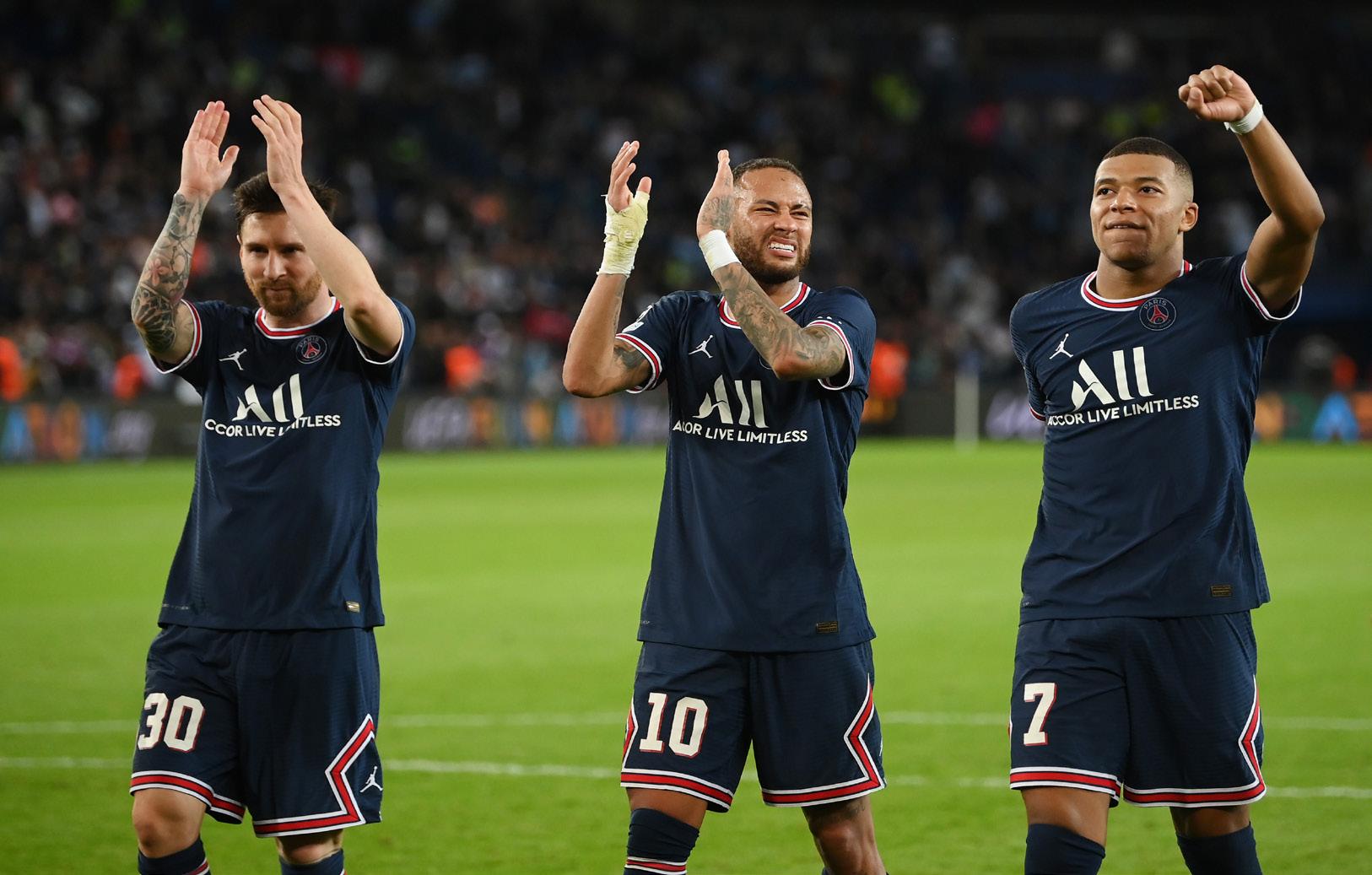
football. Players now have so much content and players to watch and learn from, whereas retro players purely invented a lot of it themselves. Obviously things like tactics have also changed throughout the decades, and for the modern day we mostly look at Pep Guardiola as the man to instigate how football is played at the moment, specifically at the highest level, that is. Possession-dominated football is where the aim is to maintain the ball and patiently wait for an opportunity to arrive, whereas back in the day, the opportunity would have to be instantly created by that moment of magic. Not to say that the modern day does not have moments of magic, though, and Kevin De Bruyne is the best man to show that in the Guardiola system. (Yes, there is obviously Messi as well, but that doesn’t count.). You could say that the old style of play is just more entertaining to watch with people just trying things more, but you also have to consider that the game was slower paced; nowadays it is constant, obviously aside from the fact they spend more time dancing on the floor than I do at 2am on a Sunday morning in the middle of PopWorld, and that is saying something. It is also important to mention recency bias. I have watched some absolute top-class spectacles in the past 10 years; the 2022 World Cup final, for example, has just been such an entertaining watch that it is hard to value older games over it, but I also have not experienced as many of those older games which are so good, so it


athleticism within the players – and I think this is purely due to the time it has had to develop. Take Fortnite, for example (I did not think I would be including this in a football magazine, but I also did not think that Spurs would finish 17th this season, so here we are). When you look at when it was at its peak with the likes of Ninja and Tfue dominating in 2018, players were not as skilled, and mechanics were not advanced. Fast forward to now, and every player has improved drastically purely because people have had the time to learn and develop the skills of the game, in which case I think is similar to
does not make for a fair judgement. I must say, though, I undoubtedly prefer the flair and creativity from retro players; the flicks, tricks and whatever else are like a breath of fresh air after watching a modern game’s safe passes and repetitive moves, which is like taking a breath of the blue raspberry disposable vape that you bought from Bossman’s round the corner. It is slowly killing you. Is it just me who also feels as though there are also more worldies from retro games? Right now, you might see, like, one banger a week in the Premier League, but you take a look back at older games, and you see, like, a banger every game, if not more, and these bangers were, like, absolute alien stuff. I recently went back and watched Matt Le Tissier highlights, and the bloke has one of the craziest goal categories I have ever seen, and it is a real shame his mouth is not as kind as his ball-striking ability, and he scored some of the most insane goals, all while doing it for Southampton. Can you imagine Paul Onuachu scoring these wonder strikes week in, week out now? With all due respect to Onuachu, of course. Overall, considering kits, style of play and everything else, I think I am going to slightly edge to retro football being better; however, personally, I prefer modern purely because I have been there to experience it.
Football is a built-up combination of many things, but one thing it is not possible without is the players. There is not going to be too much debate or arguing in this section; simply, I’m just going to go through some of my favourites to ever grace the game. And of course, no better place to start than my number one favourite. And for me that is Sergio Kun Aguero, closely followed by David Silva. Aguero’s aesthetic is perfection: his black gloves, clean, different hairstyles, and obviously THAT moment to win the Premier League. And the magician, of course, David Silva, such a beautiful footballer, there isn’t much else to say. The two of them are what made me love the game so much. They really enticed me into taking such an interest in the best league in the world, and if you do ever see some dweeb in the comments of a Twitter post saying “La Liga iS ThE bEsT LeAgUe iN tHe wOrLd”, please, for the most part, ignore every word they are saying. I mean, I cannot factually state that their opinion is wrong because the truth is that it is a subjective topic; however, the entertainment, quality and players in the Premier League are so legendary that I can’t personally see the comparison. This takes me on to the legends of the Prem; obviously, I could speak about Man City players all day; however, it was not just them that grabbed my attention. The main one to do that was none other than Eden Hazard, so gracious on the ball and making the game look so easy, not particularly popular for his aesthetic appeal but more for his sheer ability to kick a football.
And I say kick, but realistically the man would gently tap the football as he ran past half the team. Now if we want to speak about the pinnacle of Premier League aesthetically pleasing ballers, it is of course David (Becks) Beckham. Obviously he was absolutely tremendous on the ball, but the thing that stands out to me about him was his style, the crazy haircuts, iconic boots, and number 7 shirt, and along with his appearance on the pitch , the man was just as sharp off the pitch, as United’s 96 sponsor stated. The fella married a Spice Girl, became a fashion icon, and represented Adidas, all while pinging pitch-perfect balls across the entire pitch to land directly on Giggs’s foot. His influence is so crazy that my most recent football coach is named after him, and no, I do not mean his name is David; his name is actually
Beckham. Not sure why it is spelt differently though, and for anyone not believing me, please look up Beckem Foley on Twitter.
Now onto my favourite type of players,
“streets won’t forget”. If you are unaware of this term, it basically refers to niche techy footballers. My main example for this is Dimitri Payet. If you know, you know. This guy could bend a ball arguably better than Beckham himself, although I would say better than Keira Knightley is a bit of a stretch. But his free kicks were just absolutely sublime and most of the time would leave you wondering how it had gone in rather than ending up in row Z. He dominated for West Ham, and I thought he was destined for a big club, and it still confuses me to this day why he moved to Marseille rather than Madrid or Barcelona. Similiaris Adel Tarrabt,
you would watch him and perhaps consider him best potential midfielders in the world, yet the highest he made it was QPR. However, he was undoubtedly one of the most aesthetically pleasing players to watch. But enough talking about the small niche footballers; it is time to move to the big dogs. Who were the top dogs of football aesthetics? Finally moving out of the Premier League, the first one that springs to mind is Neymar Jr. Not only is he one of the best players of his generation, but he is also the definition of an aesthetically pleasing player. The skills and the tricks are obviously one of the reasons he is adored so much, but also the fact that his style is perfect. In the modern game the word “bov” is typically thrown around a lot about the likes of Cole Palmer and Michael Olise, basically meaning they are unbothered, which is considered cool now. Neymar illustrates this ideology perfectly, and every time he stepped on the pitch, he just looked unfazed and just so much more confident than everyone else. His style was immaculate, and with a combination of clean haircuts and flashy boots, he just looked so cool, especially to a 10-year-old me. He may have been
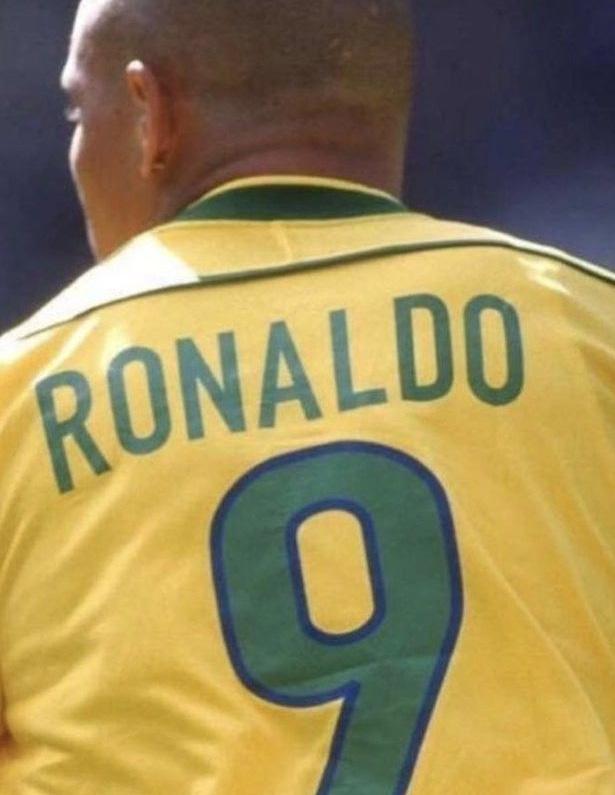
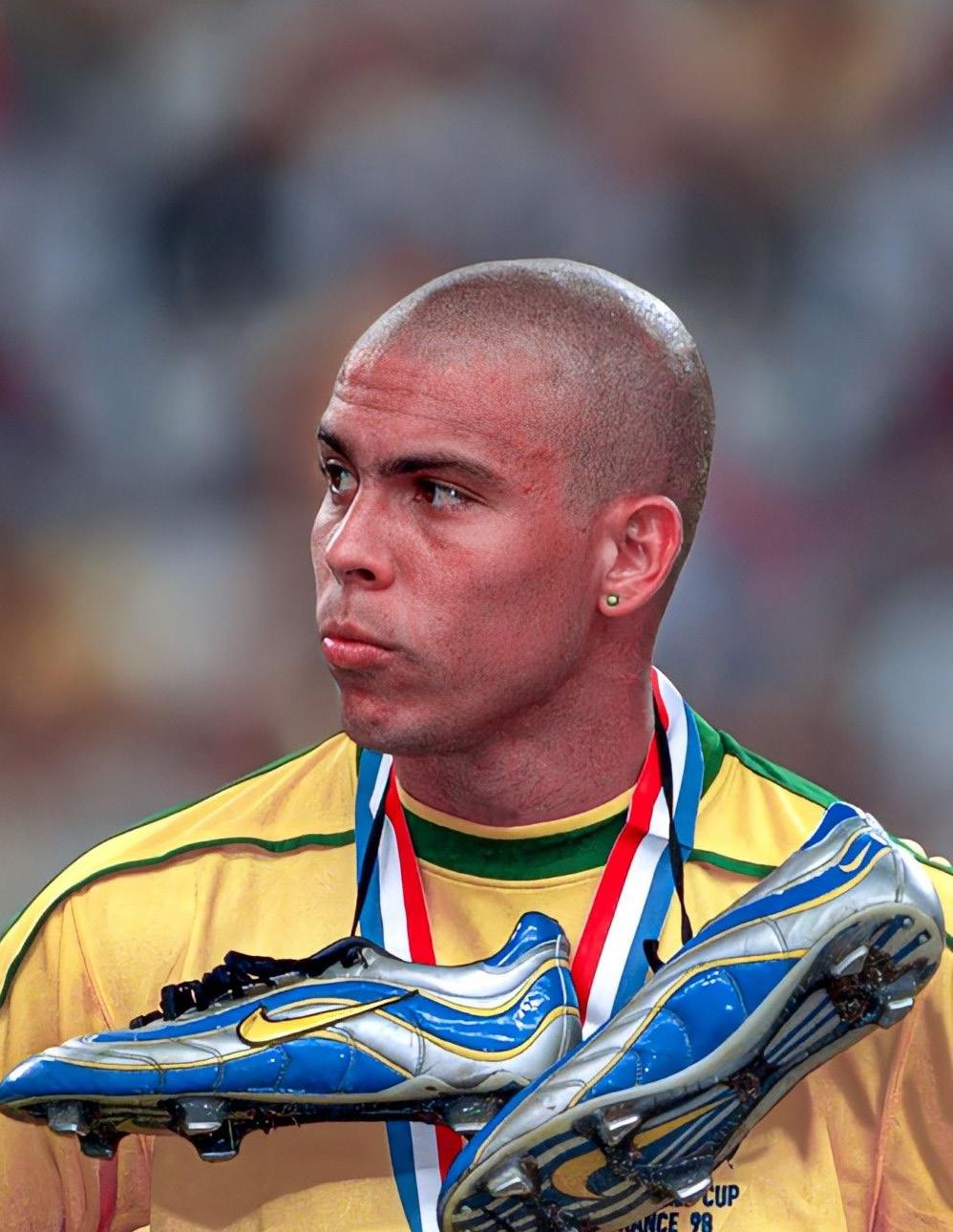
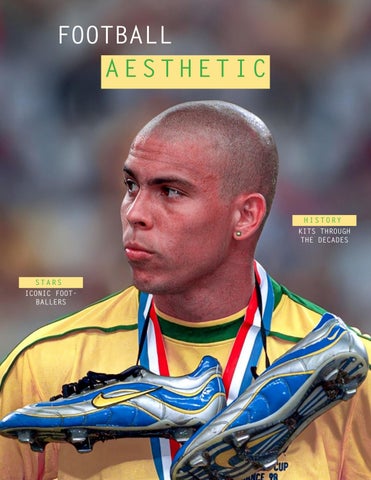
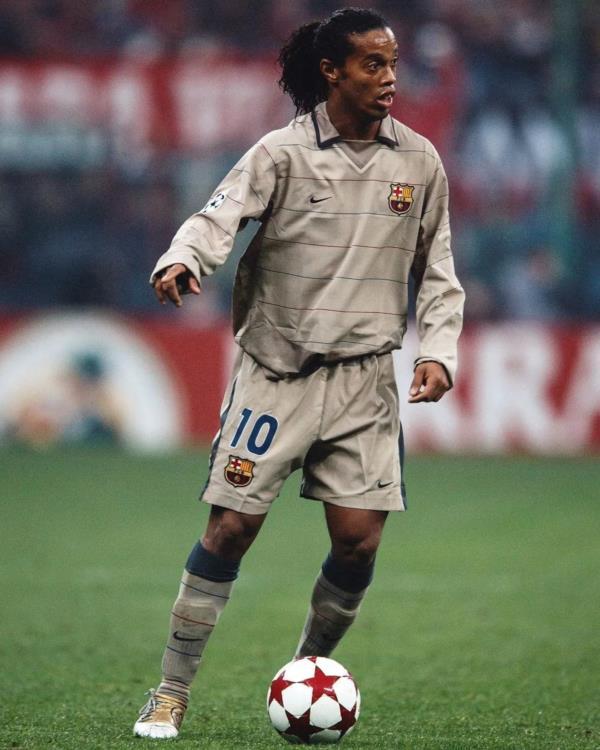
inspired by his Brazilian idols, particularly the ones I want to mention being R9 and Ronaldinho. Take the fact that I have included him and only him on the front cover of this magazine to convince you that this man is the template for football aesthetics. The kits he wore made a massive impact on this, as he wore some of the most iconic shirts to grace the game, including Brazil 98, AC Milan, Inter Milan and Barcelona, just to name a handful. But this guy’s aura was just unmatched, and the tuckedin shirt, iconic Nike boots, number 9 on the back of his shirt, plus everything else about him just made him one of the coldest ballers around. Some of his haircuts were mint as well; however, the key word there is “some”, as we all know the classic R9 trim makes you question what was going through the fella’s mind. It might take his aesthetic appeal down just ever so slightly, but I think it was worth it for the wonderful FPL forfeit that we are.
To finish this section, I have included 3v3 of the most iconic aesthetic ballers; who wins? Firstly, based off which team is more iconic, and secondly, which team wins a small game of football (in their prime, of course). Feel free to hit me up on Instagram or X ( @ mason_s7 ) with your answer.
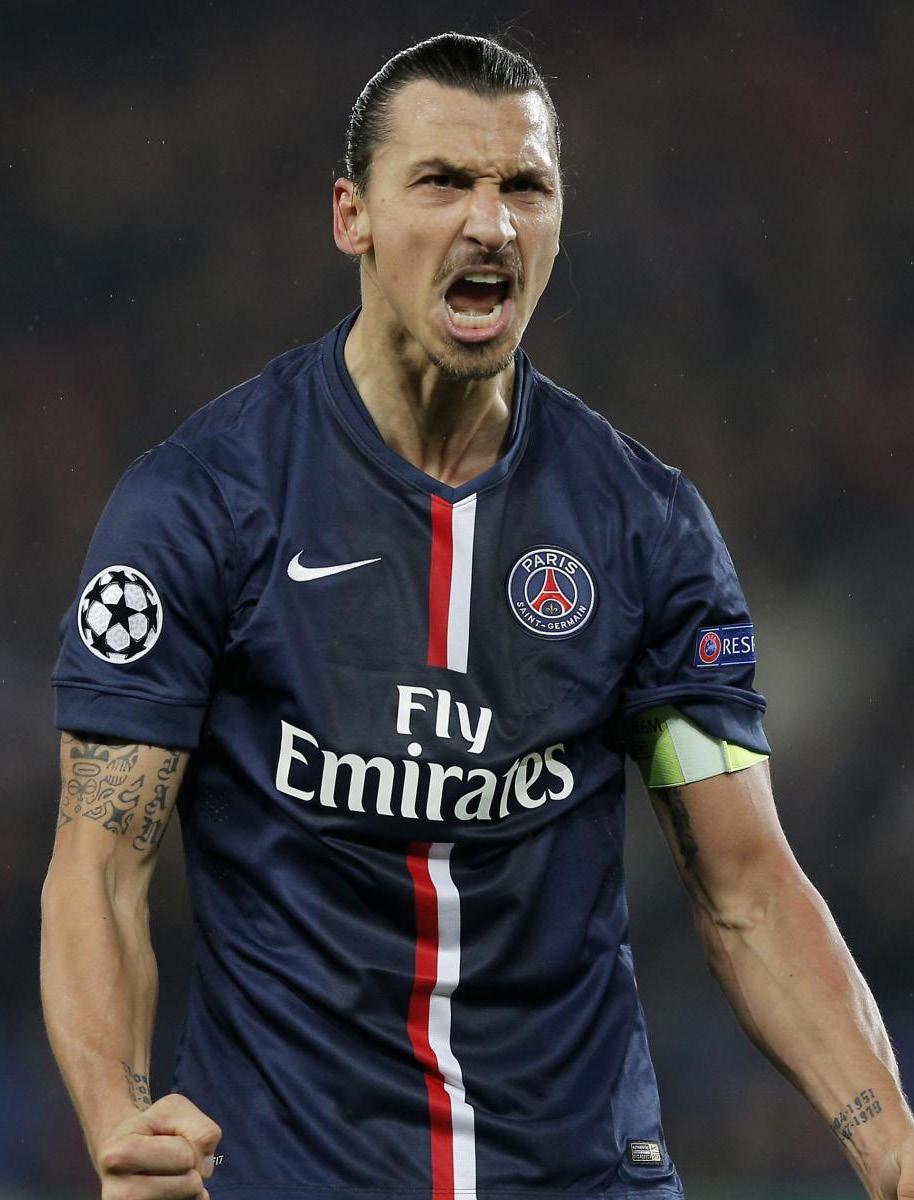


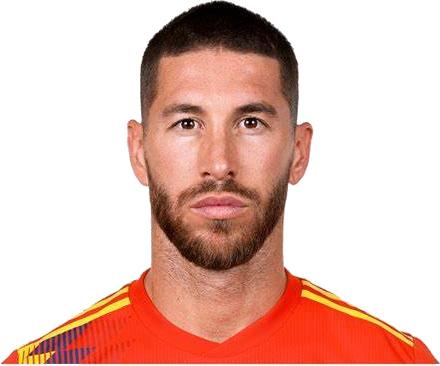




We all love football for what the players can do on the field, but what about off of it? In this section I am going to be looking at fashion, lifestyle, and business, among other things, which all make up a big part of footballers’ aesthetics. Firstly, let’s dive into fashion, as it has such an underrated connection with football. Players, and particularly in the modern era, have the luxury that many people do not: to have almost total freedom with what they wear. By this I mean more the fact they have the money to access basically whatever they want, but unfortunately there are other problems with fashion freedom, such as sex stereotypes, which I will quickly touch on. People are ever-changing, and new viewpoints on life are always being created, yet some people are still stuck in the past and unwilling to adapt to different people’s feelings about life, and instead direct abuse towards people, and a lot of the time this can be about their clothing just because they do not necessarily agree with it. This is something which needs to be socially corrected, and people need to be taught further about respect for other people’s beliefs and feelings as well as having the right to wear what they feel comfortable in. I know this may feel slightly off topic, but I just thought it was something which should be mentioned and is something which also affects football, as players may have to hide their true identity solely due to the media attention and abuse they may receive for expressing who they re-
ally are. Moving on though, ballers really do know how to dress well (mostly), and a lot of my personal inspiration does, surprisingly, actually come from players. There is an account on social media called footballerfits, which basically posts the best-dressed players on their pages. It is something I really recommend having a look at to get an idea of footballer fashion. In terms of players, you have the likes of Jules Koundé, who is the showcase man for all aesthetics off the football pitch. I am not going to go into a crazy amount of detail, but the outfits that he pulls together would make you think he’s about to walk out at Paris Fashion Week, not the Camp Nou. I think he was really one of the first influencers of the pregame fit trend, and every time he would rock up to a football ground, he did it looking dapper. An interesting fact for you though: if you went and looked for any of these pre-game outfit photos, the most recent ones you would find of him would be from the 23/24 season, the reason

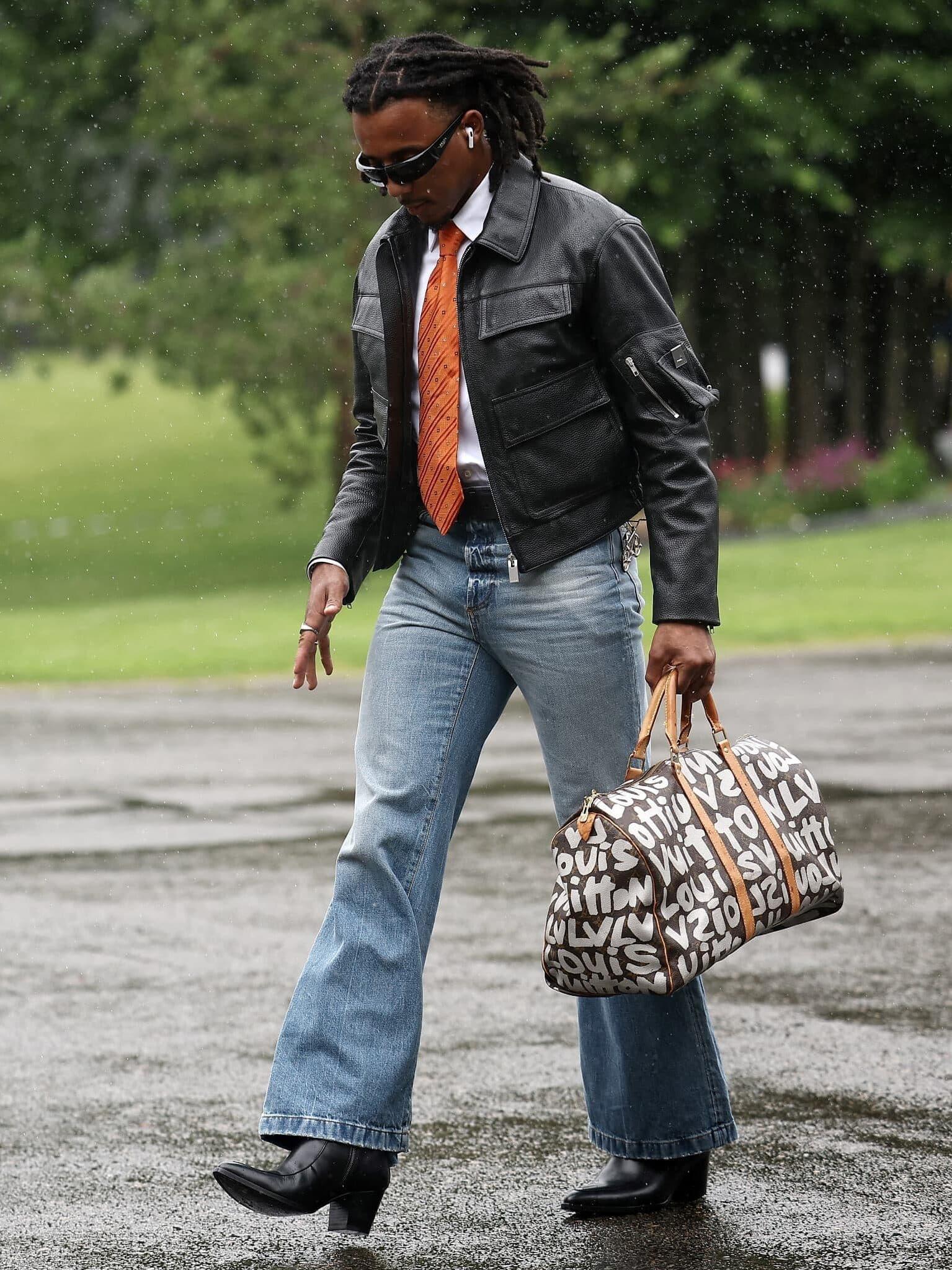
“Its no secret that I love fashion” - Jules Kounde
for this being that Barcelona’s current manager Hansi Flick made all players turn up to games wearing a club tracksuit, different to that of the former Xavi Hernandez. I think we all miss the preBarça game Jules Koundé fits; however, in all fairness, Flick has made this Barcelona into a European super team, whether that is to do with the club tracksuit or not. There are also the less fashionable players. To keep it short and sweet, Tomas Soucek is a wonderful player, and nothing personal, but he is the first person that comes to mind when I think about the opposite of players with good aesthetics, simply because the man is such a simple footballer and there isn’t much to him on the outside, although
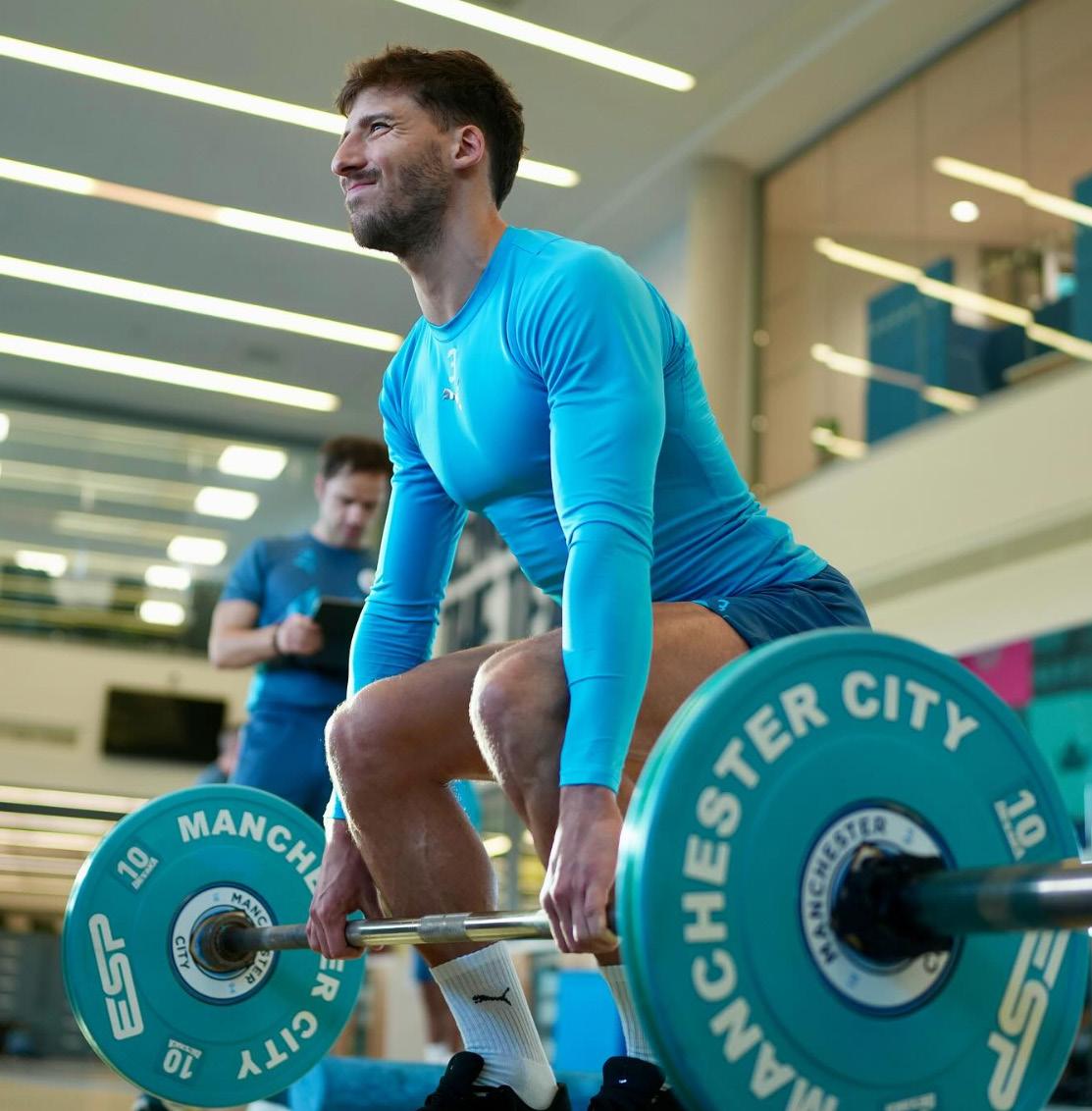
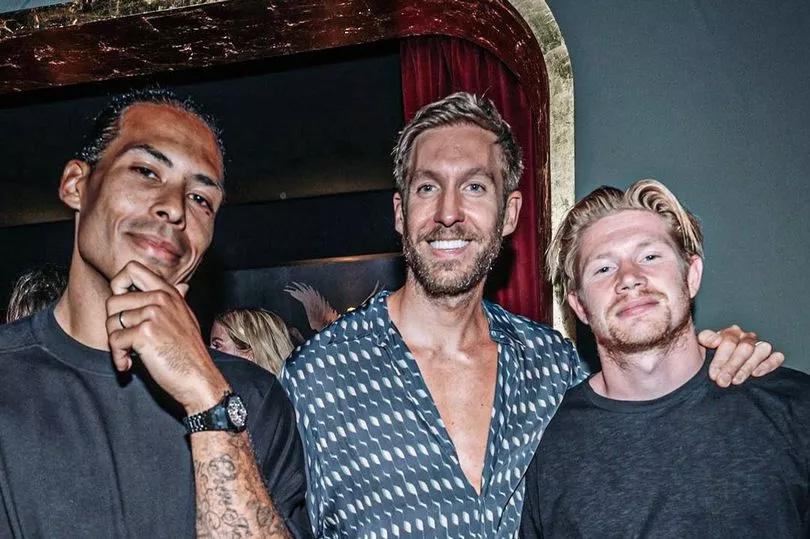
an easier way of saying it is boring. However, I do not know him personally, so I have no right to call him such things, so Soucek, I do apologise. And as far as fashion goes, there are many players who have had some one-off fashion stinkers, and I will leave a sort of cliffhanger for you readers here; all I am going to say is Kalvin Phillips’s big shoes and Gareth Bale’s cardigan. Do with that information as you wish (100% recommend looking it up). Now the lifestyle of footballers is an interesting one, as most of them just try to live normal lives; however, that is not always possible in the life of a footballer. For a solid 10-15 years, a footballing career is not that different from any other career on earth; with relentless athleticism requirements and a busy schedule, it is quite relentless, yet it is the best job to ever exist. Typically outside of the pitch, a lot of footballers are looked down upon and have the stereotype that they are rich and rude, and although this can be true, it is nowhere near an accurate representation. I want to take a look at the likes of Mane, who donated millions to the development of his hometown in Senegal. And then, of course, you have the likes of Jack Grealish, who has the reputation that he is some sort of party animal, girl-crazy bloke, and yes, he may have had a few bevs on an open bus tour, but who wouldn’t after winning a treble? He is someone totally misinterpreted, and he is actually one of the nicest guys in football who has done some incredibly kind things, and there are too many to name. And despite the mental pay cheques that they receive during their careers, many are still so successful in other avenues. For example, Gary Neville is a millionaire businessman with countless enterprises he is involved in. Vincent Kompany, while he was younger, once denied Man United so he could complete a university degree, and Kaoru Mitoma even studied the game in university before making it to the highest level.

We have only skimmed the surface of what football has looked like over the years, and although we have covered some key aspects there is still so much to it. But something that also needs talking about is its future. And in this section I will be going through football aesthetics trajectory, as well as predictions and opinions on what football may look like later down the line. To begin with, shirts. As mentioned previously there is obviously a lot of criticism and controversy surrounding kits currently, and the price for quality and design is in my opinion at an all time low. In terms of its development for the future, I can see it remaining fairly similar to how they are now, but overtime and can see design becoming better with not only new technology but also an inspiring younger generation now who have an eye for fashion and would be wanting to improve the standard. Unfortunately I cannot see the affordability getting better anytime soon, mainly due to inflation and with the way ownership is mapping out, football clubs will continue to be businesses and aim to make as much profit as possible. Fake shirts should continue to rise as an alternative to the overpriced real versions, well that is until the government will eventually make it illegal to buy fakes just like they did to watch streams which don’t pay millions of pounds for rights to broadcast live games. On that topic I am really hoping they make football games more accessible to viewers, and I know it is controversial for the affect it may have on fans who go to games, but I can see the 3pm kick off rule ( games at 3pm, usually on a saturday, are not broadcasted anywhere) eventually being removed. I think giving it 20 years time and shirts that we pay little attention to now, will regain popularity with little correlation to how nice they actually are, but more the fact that people like that the shirts are older and think it gives them


some extra value, also similar to how lads fancy older ladies. A trend that I do not like but looks like it will continue, is shin pads are just going to keep getting smaller. At some point long in the future, I am going to make a bold prediction that perhaps shin pads may be removed entirely and it will be a choice whether you want to wear them or not, however Children would have to still wear them of course, as it is clear they care about their safety as they banned heading. And following on from this I think it is clear for childrens football that sooner or later they are going to remove the ball entirely and just let the children pretend they are playing, this way the children will reduce injuries and really put them in a positive place for playing in the future! No but seriously back to the shin pads, if they experienced coming up against a fat bald centre half in sunday league football who you have just called “baldilocks and the three hairs” straight to his face, then I think they would definitely want to keep shin pads in the game so people like him don’t do too much damage as they two foot

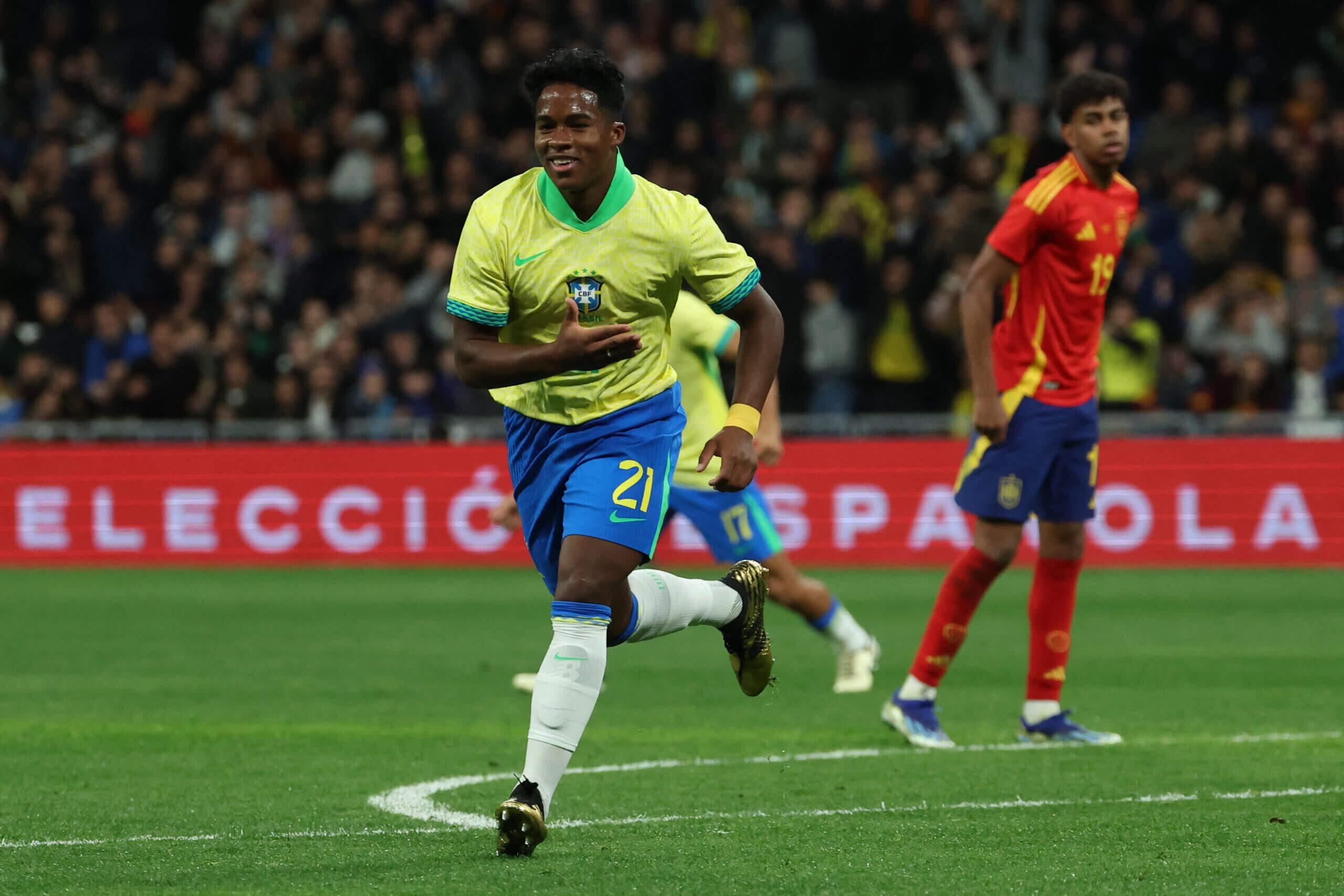
you straight in the shins. I am also hoping that in the UK, and in particular lower league football, continues to develop its facilities and provide better pitches and grounds for people to play, so that everyone can fully enjoy the game. In terms of boots I do not think too much will change, the main manufacturers will continue to release new modules which should slowly develop with new technology and materials. We could see changes in the studs, if pitches improve then perhaps metal studs will not be needed, and if artificial pitches keep being made then AG studs will need to be further developed and produced. In terms of quality of the game, I think at the top level it will continue to just improve and get better, as if you look back 50 years ago the difference is incredibly clear so who is to say that wont be the same in another 50 years time looking back on it now. I also think there will be a lot more aesthetically pleasing footballers, as with the growth of social media in recent times, people care more about their personal brand and image, so are putting more effort in trying to look the part on the field. For example if you look at the likes of Lamine Yamal and Desire Doue now, yes they are wonderful footballers but he also has great publicity and influence on social media and are great at making themselves look good on social media. Also, more and more as the game pro-
gresses, it is becoming way more technical, and you less so have rough players who love to snap someone but more people who are focused on ability with the ball at their feet. Football is also developing in a way that really favours genetics, and tall, fast and physical traits is what really gives people the chance to make it at a high level, and will continue to do so in the progression of quality at the top. Now when speaking about the future of fans, I think it is going to be very varied. I believe that a lot of fans will be fans from all over the world, because with the access to the internet and technology you are able to support teams from anywhere, and with social media and such it is an ever increasing method of supporting a club. However, big teams are also improving their stadiums, and with that comes increased capacity, so it is clear clubs are still trying to get more fans in real life. The problem with tickets to the actual game at the moments are the prices, as proper fans are being priced out in favour of tourists, so hopefully in the future tickets will decrease and can be more accessible to real fans. In conclusion the beautiful game is still in a great place, and is more than set up for the future, as the most popular sport across the globe, investment and interest is still there and rising, and the aesthetic includes so much depth and detail to make the game what it is.