A Message from Your Outgoing Board Chair
By Ali Robidoux, MASCA Board Chair & Conference Committee Chair
Serving as your Board Chair over the 2025–2026 year has been an absolute privilege. As I look back on everything we’ve faced and achieved, “proud” doesn’t even begin to cover it. It’s been a year of big transitions, honest conversations, and incredible collaboration to lift up school counseling across the Commonwealth.
Here is a look at what we’ve tackled together this year:
Evolving Our Standards
The headline news of the year is, of course, our vote on March 17th to sunset the “MA Model” and fully embrace the ASCA National Model for Massachusetts. Change isn’t always easy, but this aligns us with modern national practices while giving our students the best framework possible, and we have some amazing volunteers leading this work!
To ensure we are keeping up to date, I jumped into the Document Review Committee to refresh our Policies and Procedures Manual and helped launch our very first Association Leadership Handbook.
Connection and Professional Growth
Keeping our community connected has been my favorite part of the job. I was incredibly proud to represent MASCA at the ASCA National Conference in Long Beach, California and the North Atlantic Regional LDI in New Jersey. As your Conference Committee Chair, I heard you loud and clear about school budget constraints, which is why we pivoted back to a 2-day conference format to make it more accessible for everyone for next year.
Looking Ahead
We are keeping a strong focus on the future, especially through initiatives like our New Counselor Boot Camp, which supports the next generation of educators entering the field.
Speaking of the future, I am absolutely thrilled to share that the Assistant (to the) Board Chair, Cory McGann, has been elected as our next Board Chair! I know Cory will bring incredible energy and leadership to
(continued next page)
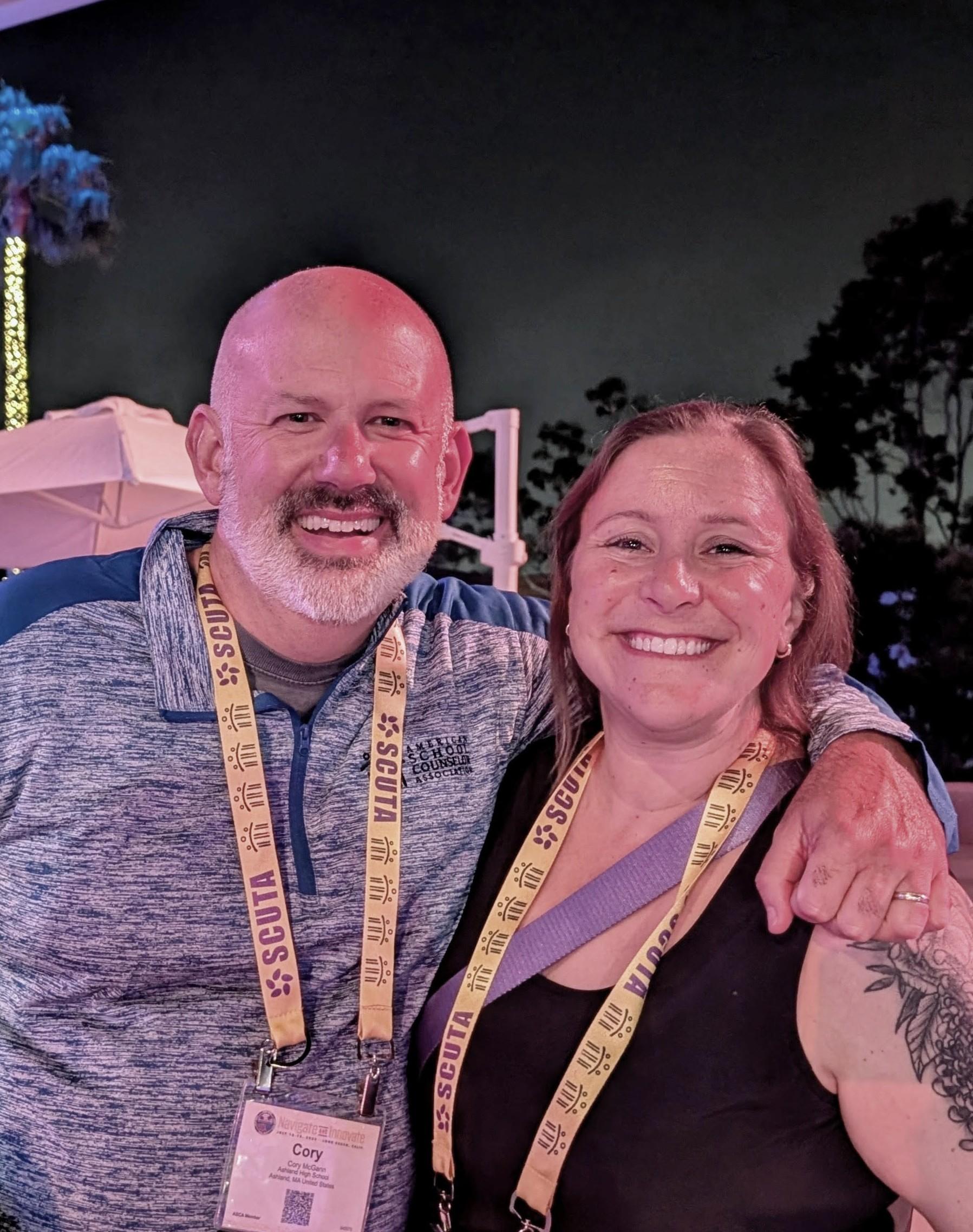
IncomingBoardChairCory McGannwithAliRobidoux
A Message from the Chair
(continued from previous page)
the 2026–2027 year!
Thank you, truly, for your trust this year, and for the relentless, life-changing work you do for our students every single day.
Shape the Future of MASCA: Your Voice Matters!
MASCA is only as strong as the members who step up to help shape it. As we look toward the 2026–2027 school year, we have several committee vacancies, and we need you. Whether your passion is advocacy, professional recognition, or helping us plan the next annual conference, there is a seat at the table with your name on it.
Why get involved?
Find your people: Expand your network and connect with passionate counseling leaders across the state.
Drive the profession: Have a direct say in how we roll out the ASCA National Model right here in Massachusetts.
Grow your skills: Step outside your school building to build leadership skills and get a bird’s-eye view of statewide education policy.
We want a leadership team that reflects the real world. Whether you work in an elementary, middle, or high school, or you’re a graduate student just starting out, your perspective is valuable.
If you’re even a little bit curious, please reach out to me or our incoming Board Chair, Cory McGann. Let’s keep moving Massachusetts school counseling forward, together!

Our Newest MASCA Members
Autumn Connor
Kaitlyn Hastings
Carolina Mellado
Donna Neary
Carolyn Reichard
Jesse Shalett
Rose Sherblom
Heidi Wilson
If you know or happen to meet any of our new members, please extend a very warm welcome!
JUNE
AWARENESS DATES
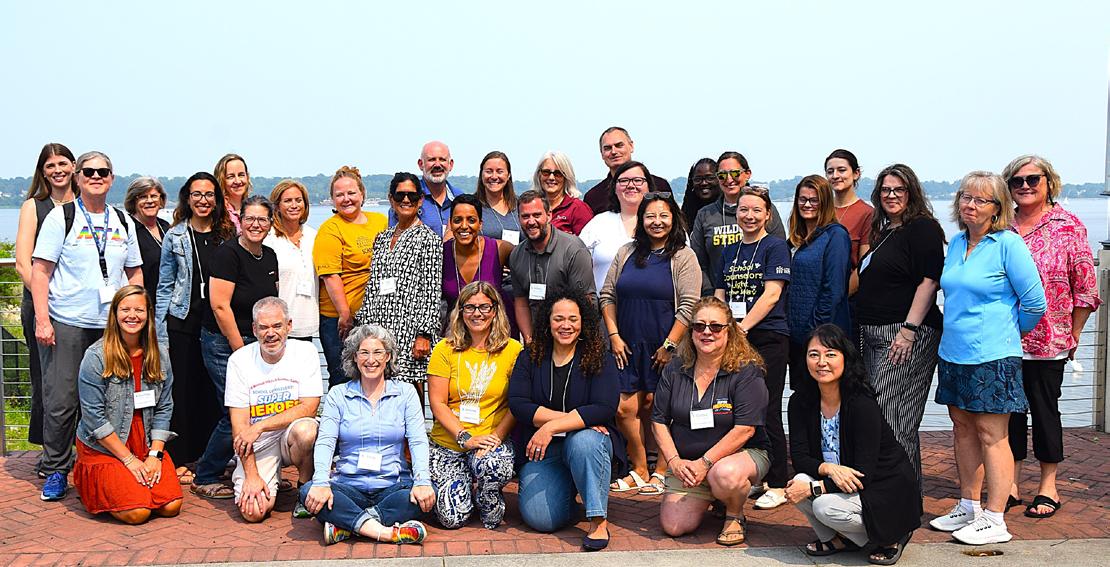
Photo from MASCA’s most recent LDI (Leadership Development Institute)
Director’s Message
Looking Ahead
By Bob Bardwell, MASCA Executive Director
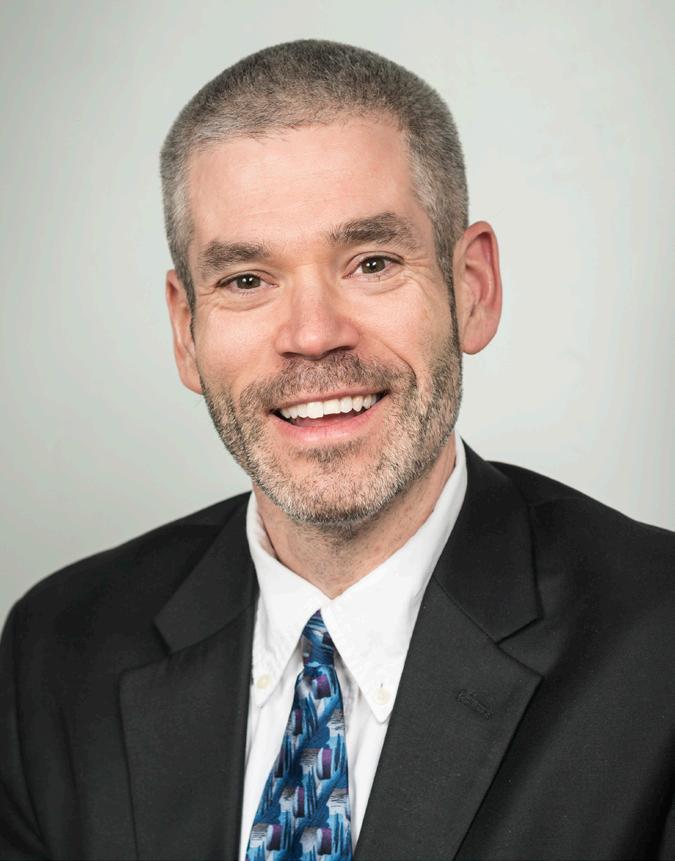
Bob Bardwell
Happy June. We’re in the home stretch. The 2025-26 school year has been a lengthy one for sure and for most, I assume you will be happy to put it behind you.
The summer break is certainly a time to rest and rejuvenate after a long school year. Hopefully it is also a time to reflect and plan for the upcoming school year.
My column this month focuses on two things, first sharing the responses I received last month to the question “What I love about MASCA?” Thank you to the six people who read my May column and took the time to answer the question. Congratulations to Jenn Bullard who was randomly selected for an Amazon gift card. Here are those responses:
“What I love about MASCA is also what I love about school counseling: an institution whose focus is to improve the well-being of those it serves. I love the multitude of opportunities MASCA provides to help me continually grow as a professional. I love that this is accomplished through creating a supportive and inclusive (and fun!) community, which continually reinvigorates my passion for
school counseling. I also love how much of it is in-person!”
- Aaron VanDeKoppel, School Adjustment Counselor, Northeast Elementary School, Waltham
“I love MASCA because of all of the professional development opportunities year round and in so many formats. Thank you for all the innovating you do to make MASCA a thriving organization!”
- Nicole Fernald, School Counselor, Maynard High School
“MASCA has introduced me to lifelong friends who make my daily work so much easier to navigate. I love being part of a network where I can constantly meet new peers and experience the power of counselors supporting counselors. I am especially grateful for the in-person MASCA conference and SIG meetings.”
- Lori Ford, School Counselor, The Edgartown School
“I love MASCA because it helps remind me of the reasons that I got into school counseling when the day-to-day wears me out.”
- Jenn Bullard, Guidance Department Chair, Dracut High School
“What I love about MASCA is the ability to connect fantastic people in my field and the advocacy work that is being done on behalf of our profession. “
- Charlsey Penney, School Counselor, Worcester Public Schools
“Being part of MASCA has been a great opportunity for me, both professionally and personally. It provides a strong sense of community and professionalism to our work. It reminds of why I chose this career. I appreciate the exchange of ideas and support from those who truly understand the responsibility of the job and the dedication to the profession.”
- Dena Coffey, School Counselor, Pickering Middle School, Lynn
(continued on page 5)
MASCA SUMMER HAPPENINGS
MASCA joins our sister associations, MASP, MAMHCA, NEAFAST and NASW - MA, on Monday, August 17, 2026 when the Red Sox take on the Arizona Diamondbacks at 7:10 PM to celebrate the work our organizations do to support the mental health needs of students and families of the Commonwealth.
MASCA has 60 right field grandstand seats available for our members and their families and friends. Each ticket costs $54.33 which includes mandatory fees. You can order your tickets here. Please order ASAP as they will likely go quickly and they will no longer be available after July 17.
We hope that you will take advantage of this opportunity to join your MASCA colleagues and bring your family members and friends for a night of fun, networking and celebration in the most famous baseball park in America - Fenway Park.
If you have any questions about the event or ordering tickets, please contact Bob Bardwell, Executive Director.
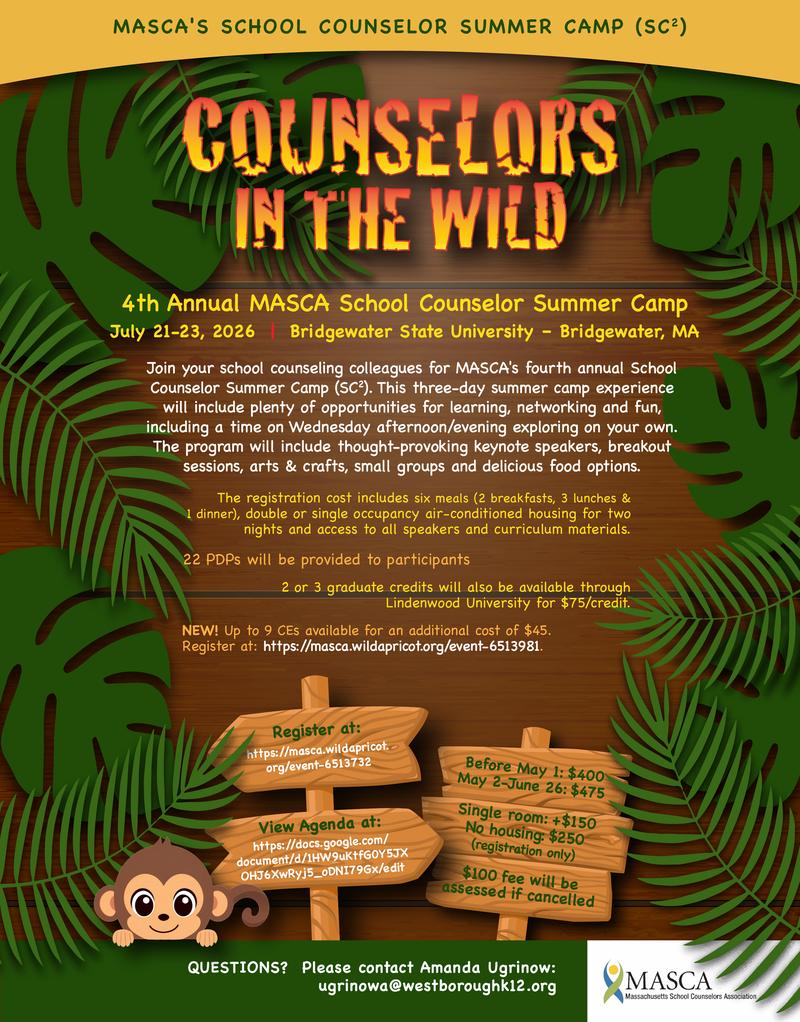
This isn’t your typical conference — it’s a summer camp experience designed just for counselors.
You’ll head home with:
• 22 PDPs
• Practical Strategies You Can Use Immediately
• Fresh Ideas & Renewed Perspective
• A Stronger Professional Network
• Access to all breakout session materials
• Optional Graduate Credit & CEs
Check out the agenda here. Register now and we’ll see you in the wild! On campus and commuter options available.
Spots fill fast — don’t miss your chance to unplug, recharge, and reconnect with your counseling community.
Questions? Reach out to Amanda Ugrinow, Faculty Chair.
Director’s Message: Looking Ahead
PART TWO of this column is to share highlights of the new and exciting things MASCA is planning for in the 2026-27 school year. Look for official registration materials via email in the coming weeks:
Ethical Decision-Making in School Counseling: Cases, Challenges, and Practice – a three credit graduate course offered through Fitchburg State University taught by Mindy Cripps, MASCA’s Ethics Committee Chair. This dynamic graduate-level course is for school counselors at all levels — elementary, middle, and high school — who want to deepen their ethical decision-making skills in meaningful, practical ways. Grounded in School Counseling Ethics and Law by Carolyn Stone, the ASCA Ethical Standards, and ASCA Position Statements, you’ll build the frameworks and confidence to navigate even the most complex situations. Expect to encounter complex, real-life case studies, candid dialogue on today’s school realities, collaborative problem-solving and project-based learning. You’ll wrestle with ambiguity and leave with the confidence to make difficult decisions — and to stand behind them. The course will cost $400 and be online synchronously on Wednesdays from 5:00-7:00 from September 9 –December 16 and also include an additional five hours of asynchronous independent work. For those seeing graduate credit, it can be obtained from FSU for an additional $295. Registration will begin shortly and is limited to 20 participants.
School Counseling Leadership Professional Development Academy - MASCA is excited to announce an exciting new professional learning opportunity designed for school counselors who are ready to expand their leadership impact. This will be a multi-week cohort experience that will support participants through four areas: leading self, leading others, leading systems, and leading impact. This experience is designed for school counselors who are ready to think bigger about their role, their voice, and the impact. The program will include both in-person and virtual meetings and there will be fall and spring cohorts. More details, including dates, format, and registration information, will be shared soon. For more information contact Erica Thomas, coordinator of this exciting project.
(continued from page 3)
New Counselor Boot Camp – After a 3-year hiatus, New Counselor Boot Camp (NCBC) will return this fall for counselors with 0-3 years of experience or a graduate student who just wants to get a jump start. Session topics are likely to include DESE licensure and evaluation information, using data, collaborating with all stakeholders, grade level breakouts with guest speakers/ facilitators, legal and ethical issues and more. The program will start in early October. Additional details will be announced soon along with registration information.
Career
and College Counseling Special Interest Group (SIG) – With the proliferation of many K-12 schools hiring or designating specialty school counselors specifically focused only on programs such as career exploration, early college, dual enrollment, financial aid or innovation pathways, there is a need for a group to support counselors in these very specialized roles. If this topic interests you or you may want to help colead this new SIG, please contact me.
It is very likely that the majority of you may be “out of the office” for the summer, but MASCA is not. While there are very few public facing events that happen in July and August, much of that time is spent planning for next year, catching up from things not finished and working on special projects like website updates, collaborating with our sister organizations and applying for our 501(c)(3) tax status. And of course, there is attending the ASCA Annual Conference in New Orleans July 9-14, planning the annual School Counselor Summer Camp July 21-23 at Bridgewater State University and coordinating the regional Leadership Development Institute (LDI) for our association leaders August 2 & 3 at Merrimack College. This year we will again be joined by our SCA colleagues from Rhode Island. Certainly, the pace in the summer is different but the work is still happening, albeit in the background.
I hope that the end of this school year goes well and that you have a fun-filled, safe and restful summer break. You’ve certainly earned it.
See you in September!
Ethics as the Foundation of School Counseling Practice
By Melinda Cripps, MASCA Board member, Ethics Committee Chair, LBGTQ+ SIG Leader, and Director of Student & Family Support, Billerica Public Schools
In every school setting, school counselors are entrusted with one of the most significant responsibilities in education: supporting the academic, social/emotional, and career development of children and adolescents. Whether working with a kindergartener learning emotional regulation, a middle school student navigating peer conflict, or a high school senior facing mental health challenges and postsecondary decisions, counselors are called upon daily to make decisions that profoundly impact students’ lives. At the heart of those decisions lies one essential foundation—ethics.
Ethics are not simply a set of rules to follow when difficult situations arise. They are the framework that guides every interaction, decision, and advocacy effort within the profession. The ASCA Ethical Standards for School Counselors provide counselors with a professional compass that ensures students remain at the center of our work while also balancing legal responsibilities, family concerns, school policies, and administrative expectations. Ethical practice establishes trust with students, families, colleagues, and school communities, and it reinforces the integrity of the counseling profession itself.
School counselors regularly encounter situations where ethical decision-making is critical. In elementary schools, counselors may need to determine how to respond when a young student discloses concerns about neglect, family instability, or bullying. Ethical standards guide counselors in protecting confidentiality while also understanding when student safety requires reporting or intervention. In middle schools, counselors often navigate issues involving social media conflicts, identity development, peer pressure, and self-esteem concerns. Ethical practice helps counselors maintain fairness, protect student dignity, and advocate for equitable treatment during emotionally charged situations. At the high school level, ethical dilemmas may involve academic pressure, college recommendations, substance use concerns, crisis response, or balancing parental rights with a student’s confidentiality and autonomy. In each of these cases, ethics provide consistency and clarity in decision-making.
One of the greatest strengths of grounding our work in ethics is that it allows counselors to make sound, defensible decisions even in complex situations. School counselors are often required to collaborate closely with administrators, teachers,
families, and community agencies. At times, counselors may be asked to participate in practices that conflict with best counseling practices or student-centered approaches. Ethical standards empower counselors to advocate professionally and confidently for students. When counselors can reference the ASCA Ethical Standards and explain the rationale behind their decisions, conversations with administration become more collaborative, focused, and grounded in professional responsibility rather than personal opinion.
For example, a school counselor may need to explain why maintaining student confidentiality is critical to preserving trust and ensuring students continue seeking support. Another counselor may advocate against inequitable scheduling practices that limit student access to advanced coursework or mental health services. In these moments, ethics become more than theory—they become the professional foundation that strengthens advocacy efforts and reinforces the counselor’s role as a leader within the school system.
Ethics also require continuous growth and reflection. The challenges facing students today continue to evolve rapidly, particularly in areas involving technology, social media, mental health, cultural responsiveness, and student identity. School counselors must remain current on emerging ethical trends and legal considerations in order to provide competent and informed support. Ongoing professional development, consultation with colleagues, and regular review of the ASCA Ethical Standards are essential practices for maintaining ethical competence. What may have been uncommon ethical concerns a decade ago—such as cyberbullying, student use of artificial intelligence, online confidentiality concerns, or supporting gender-diverse students—are now part of the daily realities counselors face across all grade levels.
Ultimately, ethics are the backbone of effective school counseling. They guide counselors through difficult conversations, strengthen advocacy for students, and provide consistency in decision-making across diverse and challenging situations. Ethical practice ensures that school counselors remain student-centered, professionally grounded, and prepared to respond thoughtfully to the ever-changing needs of children and adolescents. In a profession built on trust, relationships, and advocacy, ethics are not optional—they are the very foundation of all we do.
The Power of the Circle: Trust, Vulnerability, and Collaboration in the Elementary SIG
By Maura J. Ricardi, School Adjustment Counselor, East Street School and MASCA Elementary Special Interest Group Leader
As another school year comes to a close, it feels only fitting to reflect on what the Elementary Special Interest Group has truly become: a space grounded in connection, honesty, collaboration, and support. Throughout this year our conversations stretched far beyond agendas and scheduled meeting topics. Together, we explored the realities of elementary school counseling: the celebrations, the barriers, the everchanging needs of our students, and the challenging dynamics that can exist within our roles that often leave us feeling isolated in our work. One of my favorite moments in the 2025-2026 school year was our in person meeting at MASCA! It was here that we were able to openly discuss navigating relationships with staff members, setting healthy boundaries and limits, advocating for our role, and finding our voices in the moments that can often feel uncomfortable or unclear. Through this discussion and allocated time together, many of us found not only validation, but also growing confidence, empowerment, and reassurance that we are not alone in this work. What could have felt isolating for some of us, instead became an opportunity for vulnerability, problem-solving, reflection and collective strength.
Throughout the year we also had the opportunity to dive into meaningful and practical conversations directly connected to our day-to-day work as school counselors. We discussed a wide variety of topics
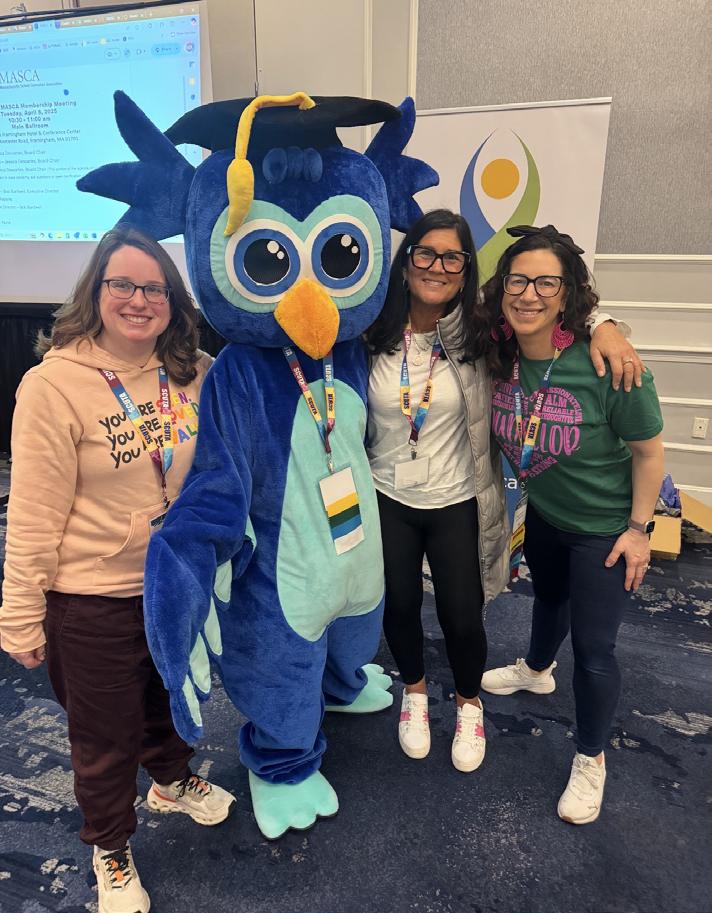
during our meetings, including how students are referred to us for services, ideas for streamlining and improving referral processes, tiered supports as interventions, behavioral data tracking and outcomes, SEL curriculum sharing and lessons, and strategies for supporting co-regulation with staff and students alike. Another meaningful and exciting addition this year was opening our own Elementary SIG Google drive for member access only! This created an organized and collective space to continue sharing resources, ideas, and materials with one another beyond our meetings. As leaders, we felt this was an opportunity to strengthen our practice, but also reminded us of the value in learning from one another and learning into the expertise that already exists within this incredible group of counselors. As the saying goes, we need to be working smarter, not harder!
One of the greatest gifts of this experience has been the relationships formed along the way. I simply cannot write this article without giving my co-leaders the shout out they so deeply deserve. Lori Ford and Megan McShane are two truly remarkable humans I likely never would have crossed paths with if it wasn’t for MASCA. Since joining forces with the Elementary SIG, they have guided me, supported me, challenged me, “put up with me”, and become far more than counselor colleagues. They have been trusted teammates, sounding boards, friends, and I am incredibly grateful for the laughter, encouragement, and heart they have brought not only to this group, but to me personally.
The Elementary SIG continues to remind us that there is immense power in counselors coming together authentically. The work we do is HARD and it isn’t getting any easier, but when we create room for trust and real conversation, we strengthen not only ourselves, but ultimately the student and school communities we serve everyday. Here’s to continuing the conversations, welcoming new voices to the table, and making next year even bigger, louder and more connected than ever. Wishing you all the most wonderful summer filled with laughter, rest, memory-making, and the kind of joy that refills your cup for the year ahead!
Take a Break - You’ve Earned It!
By Rachael Weinhold, MASCA Secondary SIG Leader and School Counselor, Winchendon High School
As another school year winds down, I think it’s important to pause for a moment and acknowledge something we counselors rarely stop long enough to recognize: we made it.
We survived another year of MCAS testing, AP coordination chaos, group lesson plans, schedule building, and the emotional rollercoaster of senior year. We supported students anxiously waiting for acceptance letters, reassured families worried about graduation requirements, celebrated milestones, and helped navigate disappointments. We managed crises, solved problems we never anticipated at 7:15 in the morning, and somehow continued showing up day after day with compassion and patience — even when our offices and classrooms felt like saunas in 86-degree heat.
And now here we are at the finish line of another school year filled with all the traditions that make May and June both magical and exhausting: prom, awards ceremonies, graduation rehearsals, field days, field trips, Step Up Days, and the bittersweet goodbyes that come with sending students off to their next chapter. These final weeks often feel like a sprint after we’ve already completed a marathon.
School counselors truly operate in a season of constant emotional motion. We hold so much for so many people. We celebrate with students who are thriving while quietly supporting those who are struggling. We answer emails during lunch, troubleshoot schedules between meetings, and somehow remember to smile while juggling one hundred things at once. By the time June arrives, many of us are running on caffeine, muscle memory, and pure determination.
So before you start organizing files for the 2026/2027 school year or thinking about next year’s caseload, here is your official reminder: you deserve rest. Real rest.
The kind where you leave your laptop closed for an entire afternoon. The kind where you read a book simply because you want to, not because it’s tied to professional development hours. The kind where your biggest responsibility for the day is deciding whether to sit in the sun or the shade.
How do you plan to spend your summer?
Personally, I’m looking forward to daily dates with my hammock and a good book. If you haven’t read The Correspondent by Virginia Evans yet, add it to your list immediately — it’s wonderful. I’m also hoping for long hikes with my pup, slower mornings with a cup of tea in hand, and plenty of family time while my kids are home from college for the summer. Maybe we will sneak in a concert or baseball game too. After the pace of the school year, those simple moments feel especially meaningful.
Of course, counselors are counselors, which means many of us will probably sneak in a little professional learning too. If you’re looking for a meaningful way to recharge professionally while still embracing summer energy, may I suggest Counselors in the Wild Summer Camp at Bridgewater State University? It’s a great opportunity to connect with colleagues, share ideas, and refill your counseling cup before September arrives.
And for anyone building a book shelf on Libby, I highly recommend The Body Keeps the Score by Bessel van der Kolk. It’s an incredibly insightful look at how trauma impacts the body and brain and offers an important perspective for anyone working with students and families. Consider it “shop talk” reading that still feels worthwhile during summer break.
Whatever your summer looks like, I hope it includes laughter, sunshine, relaxation, and moments where you can simply breathe. I hope you sleep a little later, spend time with people you love, and make memories completely unrelated to schedules, transcripts, and testing accommodations. Most importantly, I hope you give yourself permission to recharge without guilt.
Because when September (or August for many of us) rolls around, your fluorescent office lights will flick back on, students will once again need guidance and support, and the busy rhythm of the school year will return. But for now, this season belongs to you.
You earned it.

To our MASCA Colleagues who are retiring this year:
Christine Carroll School Counselor
Sandwich Middle High School
Tracey Coleman
Asst. Pupil Personnel Services Director
Bay Path Regional Vocational Technical High School
Alan Kazarian Guidance Director
Falmouth High School
Tracy Little-Sasanecki School Counselor
Springfield Public Schools
Noreen O ‘Hear
School Adjustment Counselor
Norwood Public Schools
Carrie Phillips
School Adjustment Counselor
Worcester Public Schools
Michelle Regnier Pelletier
School Adjustment Counselor
Meadow Brook School EastLongmeadow
Carol Spezzano
School Counselor
Dover Sherborn High School
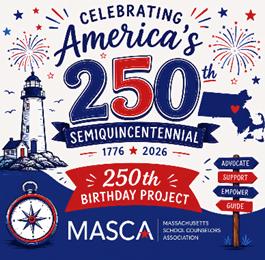
To commemorate America’s 250th, MASCA is creating a depository of at least 250 school counseling resources - program ideas, lessons, activities, bulletin boards, website resources.
CLICK HERE to particpate
ARE YOU RETIRING SOON?
Make sure to let us know so we can honor you appropriately as well as make sure we have a non-school email to contact you after you retire. You will benefit from a lower dues and reduced registration fees so take advantage of this change in membership status and stay connected to your school counseling colleagues. We also encourage you to check out our Retiree SIG a very active SIG that helps you stay connected to your professional association and also provides opportunities to network and have fun.
MASCA Governing Board and Staff Directory
GOVERNING BOARD
Chair: Ali Robidoux
School Counseling Director
New Bedford Public Schools
Assistant Chair: Cory McGann
School Counseling Department
Head
Ashland High School
Board Members
Mindy Cripps
Director of School Counseling
Billerica High School
John Crocker
Director of School Mental Health & Behavioral Services
Methuen Public Schools
Jessica Descartes
School Counselor
Tech Boston Academy
Andrea Encarnacao
School Counselor
Boston Latin School
Cynthia Esielionis
School Counselor
Ayer Shirley Regional Middle School
Lori Ford
School Counselor
Edgartown School, Martha’s Vineyard
Amanda Ugrinow
School Counselor
Westborough High School
COMMITTEES
Conference
Ali Robidoux
School Adjustment Counselor
New Bedford Public Schools
Ethics
Mindy Cripps
Guidance Director
Billerican High School
Fiscal Oversight
John Crocker
Director of School Mental Health & Behavioral Services
Methuen Public Schools
Government Relations & Advocacy
Juliette Coatsworth
School Counselor
Foxborough Regional Charter
School
Fran Frederick
School Adjustment Counselor
Belchertown High School
Inclusion, Diversity, Equity & Access
Vacant
MA Model
Jodi Then
School Counselor
Snowden International School, Boston
Cynthia Esielionis
School Counselor
Ayer Shirley Regional Middle School
Member Services
Tama Lang
School Counselor
Litwin Elementary School, Chicopee
Nomination and Bylaws
Jessica Descartes
School Counselor
Tech Boston Academy
Professional Recognition
Dina Sibilia
School Counselor
West Springfield High School
Tama Lang
School Counselor
Litwin Elementary School, Chicopee
Publicity
Luz Mederos Dorleans
School Counselor
Boston Latin Academy
Chris Soverow
Retired School Counselor
Research and Evaluation
Tim Poynton
Professor
UMASS Boston
School Counselor Pipeline
Jessica Almeida
School Counselor
Quinn Middle School, Hudson
Jennifer McGuire
College & Career Information
Coordinator
New Bedford Public Schools
Strategic Planning
Kerry Bartlett
School Counselor
Hudson High School
Technology
Jennifer McGuire
College & Career Information
Coordinator
New Bedford Public Schools
APPOINTED POSITIONS
Executive Director & Member-
ship Coordinator
Bob Bardwell
Secretary
Julia Cahill-O’Shea
Counselors Notebook & Tech
Coordinator
Jean Atwater-Williams
Mentoring Coordinator
Maryanne Margiotta
Program Review Coordinator
Kari Denitzio
Diversity Fellows
Amanda Berg
ESP, Granby Elementary School
Roz Riggins-DesRuisseux
School Counselor
Snowden International School, Boston
Denise Evans
School Counselor
The Carroll School
JC Topete Martinez
School Counselor
Boston Latin School
PDP Coordinator
Ali Robidoux
School Adjustment Counselor
New Bedford Public Schools
LIAISONS
Affiliate Liaison
Christine Weissman
School Adjustment Counselor
Athol Community Elementary
School
Counselor Educator Liaison
Megan Krell
Associate Professor
Fitchburg State University
DESE Liaison
Lisa Harney
MA Dept of Elementary & Secondary Education
Emerging Leader Liaisons
Cory McGann
School Counseling Department
Head
Ashland High School
Courtney Royal School Counselor
Gloucester High School
Graduate Student Liaisons
Ryan Beck
Gradudate Student
UMASS Amherst
Rachel Flagg
Gradudate Student
Assumption University
Nicole Ward
Gradudate Student
Boston University
EMERGING LEADERS
Allison Brann
School Counselor
Athol-Royalston Community School
Charlsey Penney School Counselor
Challenge & Reach Academy, Worcester
Jen Pinhal
Early College School Counselor
New Bedford High School
Sara Runkle
School Counselor
Kiley Prep Middle School, Springfield
Emerging Leader
Anthony Simmons School Counselor
Atlantis Charter School
SPECIAL INTEREST GROUP (SIG) LEADERS
Career/Technical
Annie McCarthy
School Counselor
Franklin County Technical School
Maryrose O’Neil
School Counselor
Tantasqua Regional High School
Kaitlin Monahan
School Counselor
Greater Lowell Technical High School
Counseling Directors
Meg Clougherty
School Counseling Program
Director
Boston Latin School
Brynn Cooper
Director of Counseling
Weymouth High School
Elementary
Lori Ford
School Counselor
Martha’s Vineyard
Megan McShane
School Counselor
St Columbkille Partnership
School
Maura Ricardi
School Adjustment Counselor
East Street School, Ludlow
Multilingual Learners
Priscila Anderson
School Counselor
Woburn Memorial High School
Matt Baione
School Counselor
Revere High School
Olivia Hull
School Adjustment Counselor
Brookline High School
Middle Level
Dawn Martin
School Counselor
Qualters Middle School, Mansfield
Jackie Saunders
School Counselor
Gibbs School, Arlington Retirees
Helen O’Donnell
Retired School Counselor
Anne Thidemann French Retired School Adjustment
Counselor
School Adjustment Counselors/
School Social Worker
Nychele Clark
School Adjustment Counselor
Gardner High School
Kate Niedel
Retired School Adjustment
Counselor
Anne Thidemann French Retired School Adjustment Counselor
Secondary
Karen McCrillis
School Counselor
Gardner High School
Anthony Simmons
School Counselor
Atlantis Charter School, Fall River
Rachael Weinhold
School Counselor
Winchendon High School
Urban
Rani Gould
School Counselor
The Academy at Kiley Middle School
Chase Grogan
Student Development Counselor
Community Academy of Science and Health
Sara Runkle
School Counselor
Kiley Prep Middle School, Springfield AFFINITY GROUP LEADERS Counselors of Color
Jessica Descartes
School Counselor
Tech Boston Academy
Andrea Encarnacao
School Counselor
Boston Latin School
Aaron Spencer
School Counselor
Nashoba Valley Technical High School
LGBTQ+
Jessica Almeida
School Counselor
Quinn Middle School, Hudson
Mindy Cripps
Director of School Counseling
Billerica High School
Denise Evans
School Counselor
The Carroll School
Mission Statement:
The mission of MASCA is to elevate and advance the school counseling profession in Massachusetts through leadership, collaboration, visibility, and professional development to optimize student success.
Vision Statement:
The vision of MASCA is to equip school counseling professionals with the knowledge and skills needed to implement a comprehensive school counseling program in their school community. Through an equitable lens, we advocate that all K-12 Massachusetts students have access to a school counselor and the opportunity to become their best selves in school, their personal lives, and their communities.
Core values:
Advocacy - Committing to center the school counseling profession by highlighting and advancing the core values of school counselors, both individually and as a profession.
Equity - Requiring inclusivity, diversity, and accessibility for all school counselors and the students and families they serve
Collaboration – Working together with all stakeholders allows school counselors to deliver the highest quality school counseling program for all students.
Excellence - Maintaining the highest level of professional standards and advancing the delivery of comprehensive school counseling programs (i.e.: MA Model) for all students.
Strategic Objectives:
Objective #1 - Advocacy - Position MASCA as a recognized, valuable, and respected voice at local, state, and regional levels by building the awareness of the importance and impact of the work and role of school counseling professionals.
Objective #2 - Equity - Position MASCA as a leading organization in dismantling racist, sexist, homophobic, gendered, ableist, ageist, religious intolerance and other oppressive policies and practices while emphasizing the need for diversity and inclusion in school counseling personnel and programming.
Objective #3 - Membership - Grow MASCA membership by retaining and engaging current members, and recruiting new members, with an on-going commitment to cultivate a more diverse membership.
Objective #4 – Professional Development - Create, provide and/or promote relevant, high-quality, accessible, and timely professional development to meet the needs of our members and support the implementation of comprehensive school counseling programs.
Objective #5 – School Counselor Pipeline - MASCA must address the increasing number of unfilled school counselor vacancies and reduction of candidates entering school counseling preparation programs.

Layout & Design
Jean Atwater-Williams