

By Sister Karol Marie, O.P.
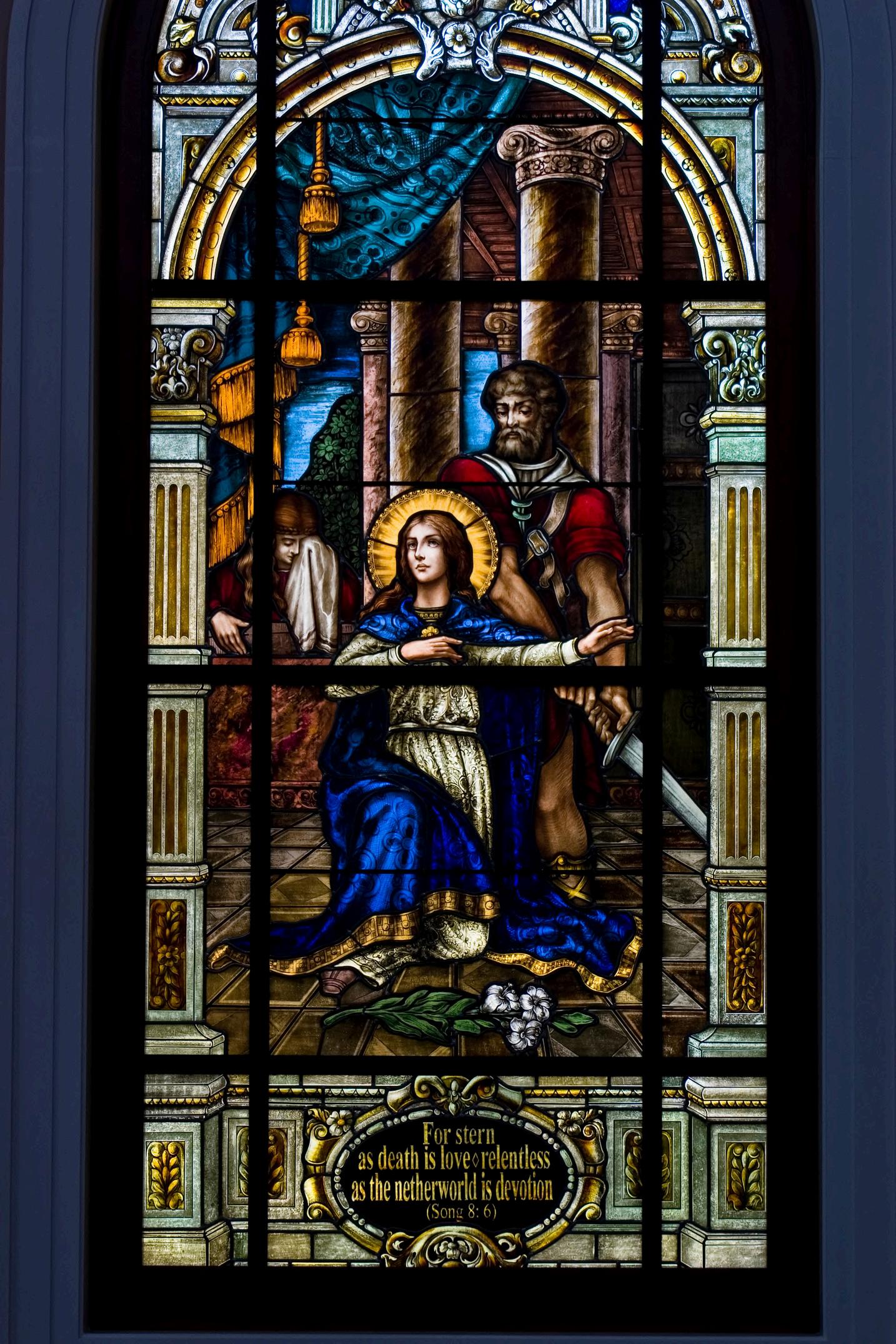
“For stern as death is love, relentless as the netherworld is devotion.” Song of Songs 8:6

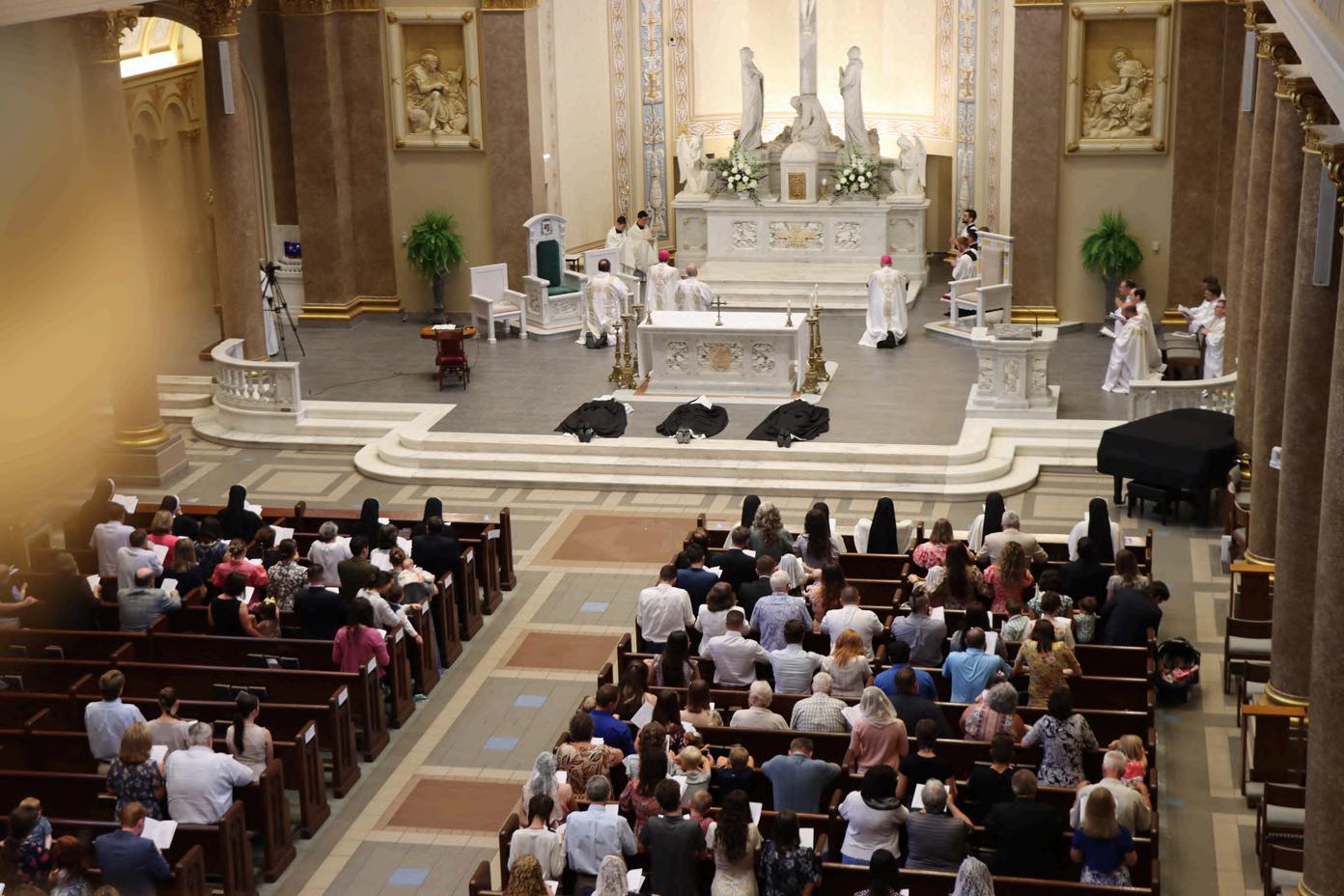
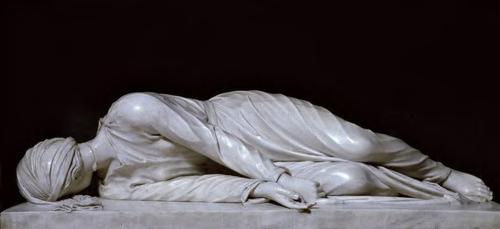
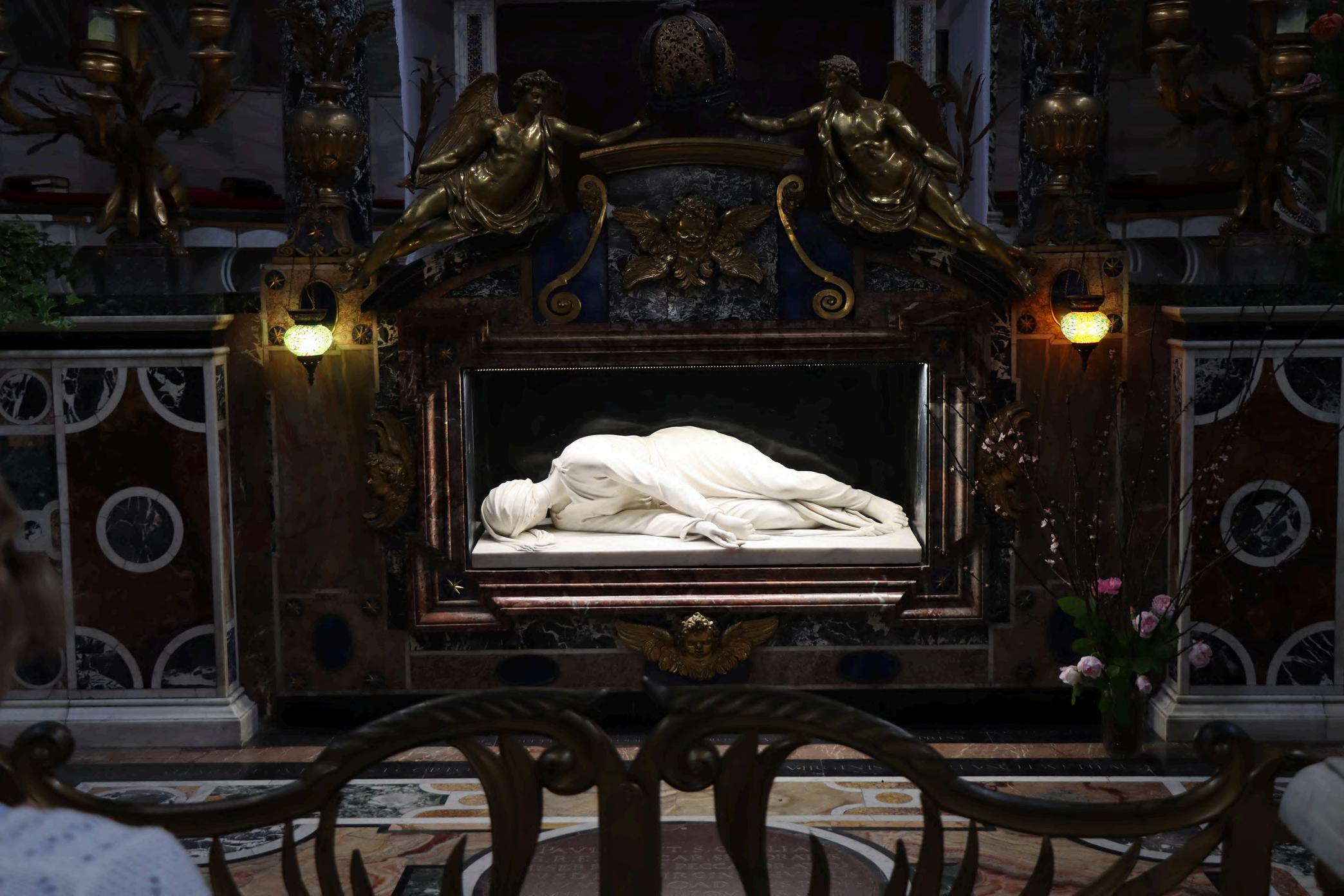
As the fruit of a particular grace giv Christ’s choosing, the Church has always taught that martyrdom is the supreme act of witness and lo can offer. And yet, while few are called to this ultimate expression of love in shedding one’s blood for the faith in a “red martyrdom,” those called to live the ev counsels of poverty, chastity, and obedience are also called to witness to God’s love a “white martyrdom. surrendering their wills to God’s perfect will and offering their sufferings to Him by uniting them to Christ’ sacrifice on the cross, religious men and w consecration of their vows, demonstrate faithfulness and perseverance in daily striving for holiness they perform even the small tasks and duties of life, which could be as simple as responding to the first sound of the bell signaling the time for common pra when I’d like to finish this one last thing, or a more significant surrendering of my will in acce assignment with confidence and joy. It’s not so much the magnitude of the sacrifice as the love which animates it. While true for all followers of Christ, this principle is particularly profound for those who consecrate their very wills to His by the vow of obedience, thus transforming every action into an act of worship
The history and development of monasticism, a primary form of religious life, reflects this understanding of religious life as a “white martyrdom.” Following the Christian persecutions in the Roman Empire, monasticism emerged as a way in which people could live completely devoted to Christ, often in community and following a rule that provided guidance in daily life, including prayer, good works, and penance. This form of life embodied a continuous dying to oneself in daily life so that Christ might live His life more fully in us, thus redounding to His praise and glory!
is beautiful because it por ys a lo nothing is held back or denied to the One who held nothing back from His beloved children. Religious life offers a unique and tangible mirror of this same love in its witness. May our lives be a testament to the transformative power of faith, charity, and the enduring joy that comes from freely embracing God’s will, even in the face of trials and difficulties.
By Sister Maria Joseph, O.P. Reflection on Our Lady
Young children often lead us to a deeper appreciation of the treasures and mysteries of our faith. Such has been true for me in contemplating the beauty of the Blessed Virgin Mary—a beauty that we can begin to emulate through our own lives of virtue. Here is how a child helped me to see Our Lady’s beauty with new appreciation and the lessons we can glean from recognizing Mary’s unique beauty I know an adolescent boy with a phenomenal gift for craftsmanship. David possesses a mind that perceives order and proportion, and he delights in creating things. This gifttakes many forms, but recently he has taken to crochet. Now, David’s gift is extraordinary and unusual and his energy is unmatched. You name it, David can crochet it: from stuffed animals to bags to blankets, to a bouquet of flowers for his mom on Mother’s Day, and even a dress for his cousin envisioned and created over breakfast one day I have never seen anything like it! As I write this, he has completed squares of - and can identify on sight - 275 unique stitches, with a goal of completing three hundred!
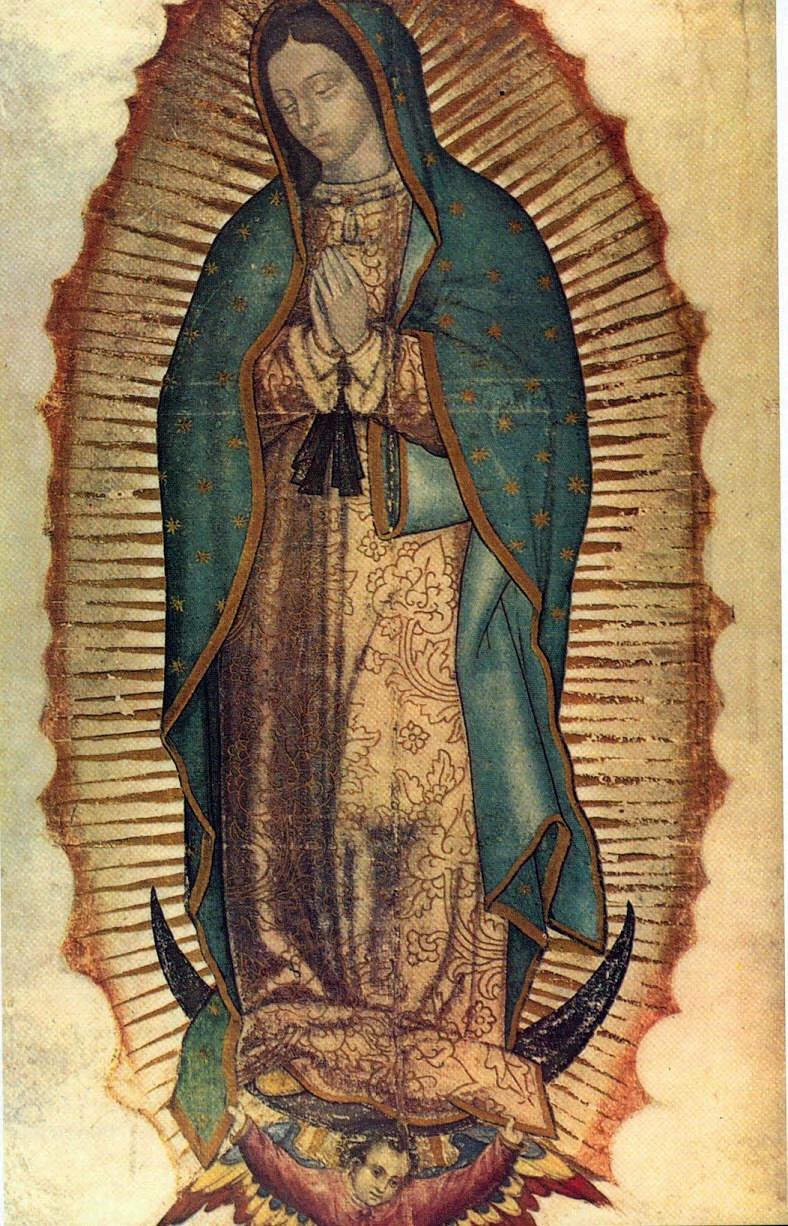
So I was quite confident when, one day, I proposed to David a project that was both beautiful and worthwhile, and for which I even found a video tutorial: a crocheted doll of Our Lady of Guadalupe I’ve known David long enough that I ought to have understood as final his first answer: “I can’t make Blessed Virgin Marys!” Nonetheless, I coaxed him into beginning, choosing with him appropriate yarn and settling him into a comfortable spot while his mom and I chatted nearby
As I expected, within thirty minutes David had completed a beautifully proportioned body and head, utilizing several colors of yarn, and was making progress on Mary’s hair What I didn’t foresee was what happened next: with strong determination, David protested suddenly and finally, “I can’t make Blessed Virgin Marys!” He gathered everything up and proceeded to deposit the unfinished project on the top shelf of the closet before he peacefully returned to something more benign, if not less complicated. My puzzlement was met by his mother’s wise intuition: “I think he just sees Mary as someone so great and so above him that he just doesn’t feel like anything he does will be equal to her beauty.” Though only moderately catechized, David’s instinctive understanding of Our Lady’s beauty led him to an awe-filled reverence: he could not portray Mary in any fitting way
The beauty of the Blessed Virgin Mary does indeed surpass that of all creation. She who is full of grace was made so by God so that she could bear His only Son become incarnate for our sake It was fitting that God should preserve in Our Lady the integrity that the rest of humanity has lost through the sin of Adam and Eve, for from the beginning she was set apart to be the very Mother of God. Wholeness is an essential element of beauty. Complemented by its proportion to Mary’s vocation and the clarity with which Mary’s role shines forth, Mary stands as an unmatched model for the beauty of a holy life
Like David, this should lead us to awe and wonder at the greatness of God that Mary manifests. However, there is more that we can learn, for the Lord calls all to have life to the full (John 10:10) and to be perfect (Matthew 5:48). Indeed, the Church teaches us that “…holiness is the highest humanizing proposal of man and of history…”[1] To have life in the full, to be perfect, to be fully human, to be holy, all necessitate a response to grace, which builds upon and perfects nature (cf St. Thomas Aquinas, Summa Theologiae I, q. 1, a. 8, ad 2). Mary responded to grace in a preeminent way, but each of us can respond to grace in our daily striving after a life of virtue.
Virtue, which derives from the Latin word for strength, is the perfection of our human capacities. When one of our human powers works towards its proper end promptly, easily, and joyfully, it is said to be perfected in its virtue So the power that makes me desire good food to sustain health will be perfected by the virtue of temperance when I eat the right things, in the right proportion, with delight—and so on, with dozens of specific virtues.
Again, virtue is a pre-eminently human endeavor Not limited to the greatest of saints or those who receive the most unique graces, it is essentially accessible to every person. Still, the grace imparted through a regular sacramental and spiritual life renders virtue easier to attain. God always extends to us graces by which we may more easily attain the heights of virtue When we respond to these graces and begin to possess virtue, our lives, like the Blessed Virgin Mary, take on the marks of beauty: our human powers operate in whole, unfragmented ways; all of our actions are in due proportion to good ends; and we possess a luminescent clarity that witnesses to the order present in our souls
Without a doubt, the Blessed Virgin Mary stands matchless in her beauty. While we cannot attain to her perfection, we can seek to possess a similar beauty by responding to God’s grace as she did: “Let it be done unto me according to your word” (Luke 1:38). This is what we do when we strive to live virtuously [1] Congregation for Catholic Education, Consecrated Persons and Their Missions in Schools, 12 (in Cummings and Allen, eds. Behold the Heritage: Foundations of Education in the Dominican Tradition (Angelico Press: 2012).
While attending a secular college, I was blessed to be surrounded by encouraging and faithful priests and friends. We attended Mass, prayed the rosary, and went to Eucharistic Adoration together. As many students were discerning marriage, a good handful of us were discerning a religious vocation.
Though I was supported in many ways in my discernment, there was no step-by-step magical formula to ensure that I was discerning rightly. Often my friends and I would joke that we could start a new Marian litany: “Our Lady of Perpetual Discernment, decide for us!” Many nights were spent before our Lord in the Eucharist where I would plead with Him to just tell me what to do and I would do it!
A turning point came in my discernment as the Lord gently reminded me that He was calling, not commanding. As the Catechism of the Catholic Church states, “God has freely chosen to associate man with the work of His grace. The fatherly action of God is first on His own initiative and then follows man’s free acting through his collaboration...” (2008). The Lord was giving me an invitation to be His bride, but this invitation could not be fully revealed until I collaborated by visiting the community that He had prepared for me.
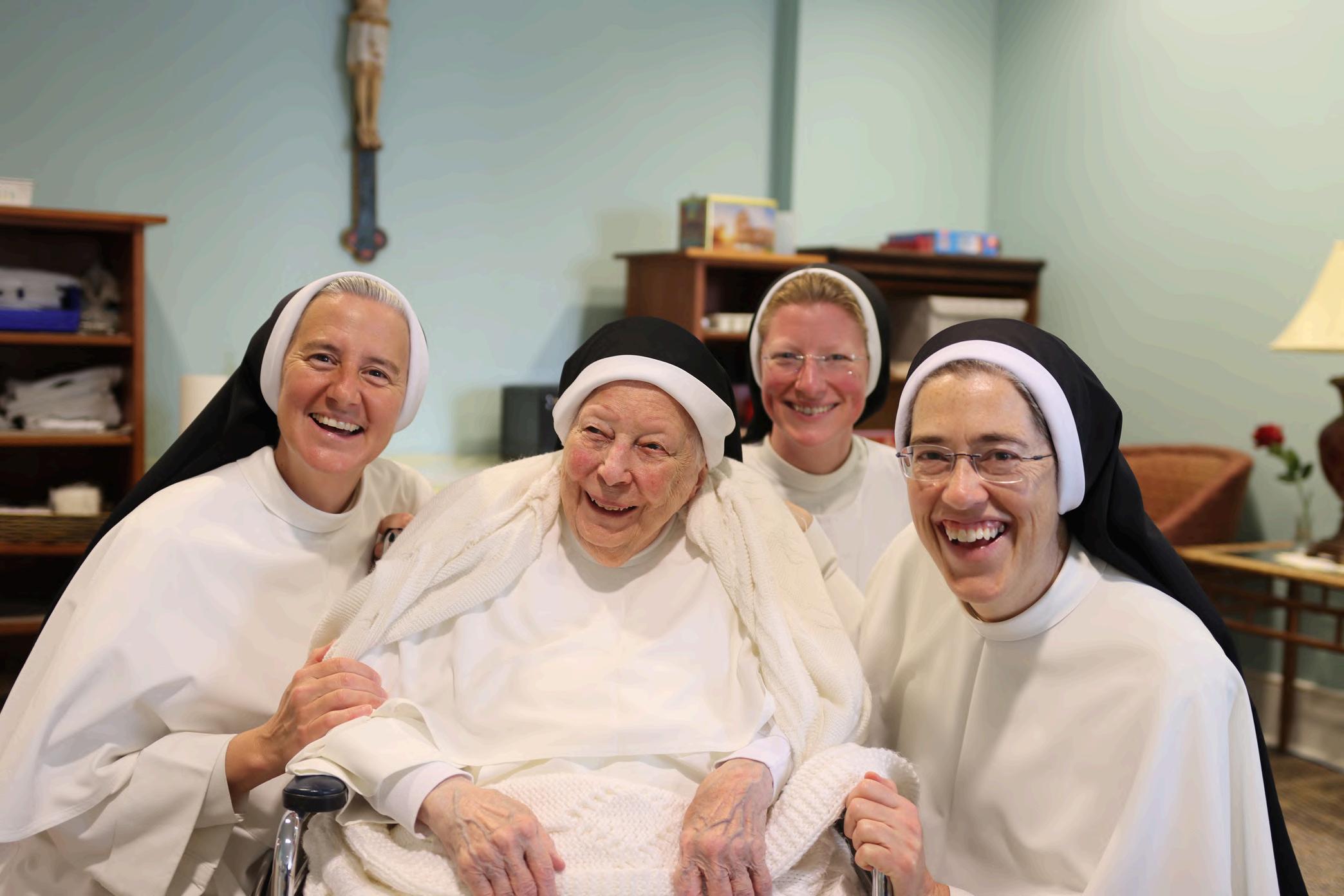
As I made the drive to Nashville, Tennessee, I was a nervous wreck full of “what if” questions. However, as I drove through the gates of the Saint Cecilia Motherhouse, I was overwhelmed by a sense of peace –a sense of coming home. Though I had not physically met one of our sisters yet, I knew deeply that among this community of sisters is where God desired to dwell with me. This beautiful life that He has called me to continues to be a lesson in collaborating with His Spirit.





“Through schools, men and women religious educate, help young people to grasp their own identity and to reveal those authentic needs and desires that inhabit everyone ’ s heart, but which often remain unknown and underestimated: thirst for authenticity and honesty, for love and fidelity, for truth and consistency, for happiness and fullness of life. Desires which in the final analysis converge in the supreme human desire: toseethefaceofGod ”
Consecrated Persons and Their Missions in Schools (2002)