

p114
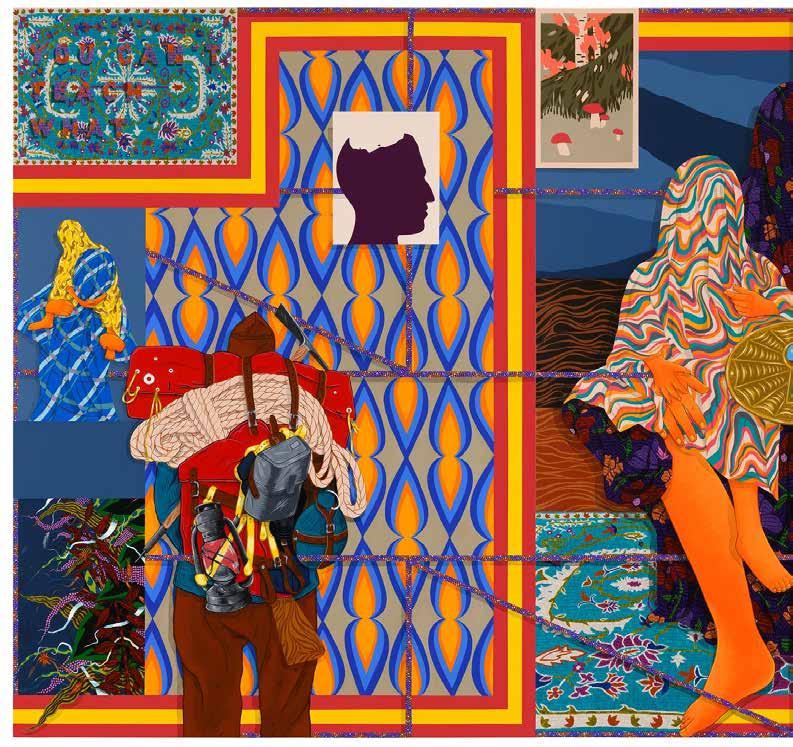
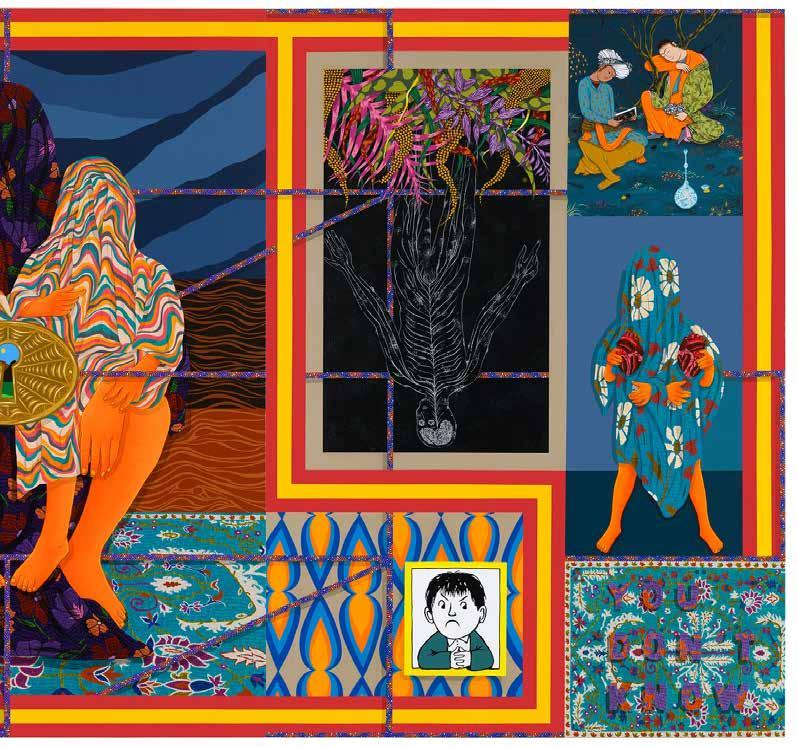
Pratyusha Shahi
Spiritual artworks from India
p128 ‘
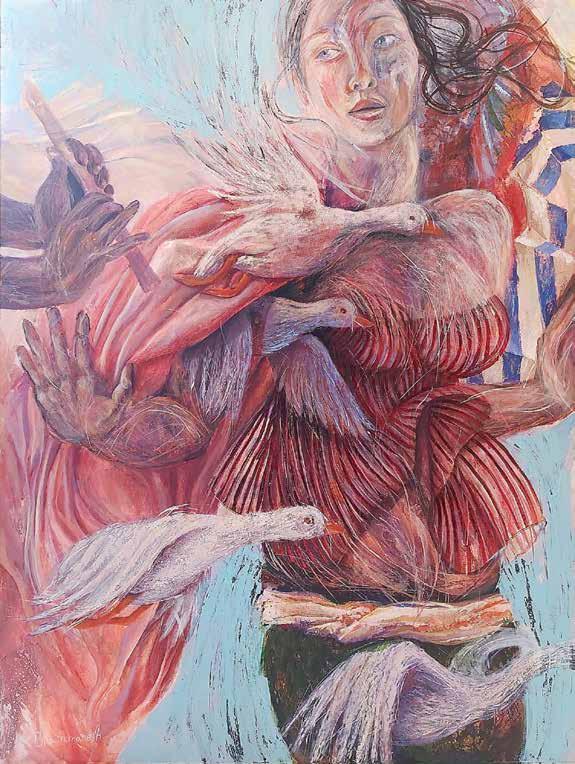
Richard Laté Lawson-Body
Togoese artist
p142
p146
Martin Bradley Moist - a book in parts (a portrait of Brian)
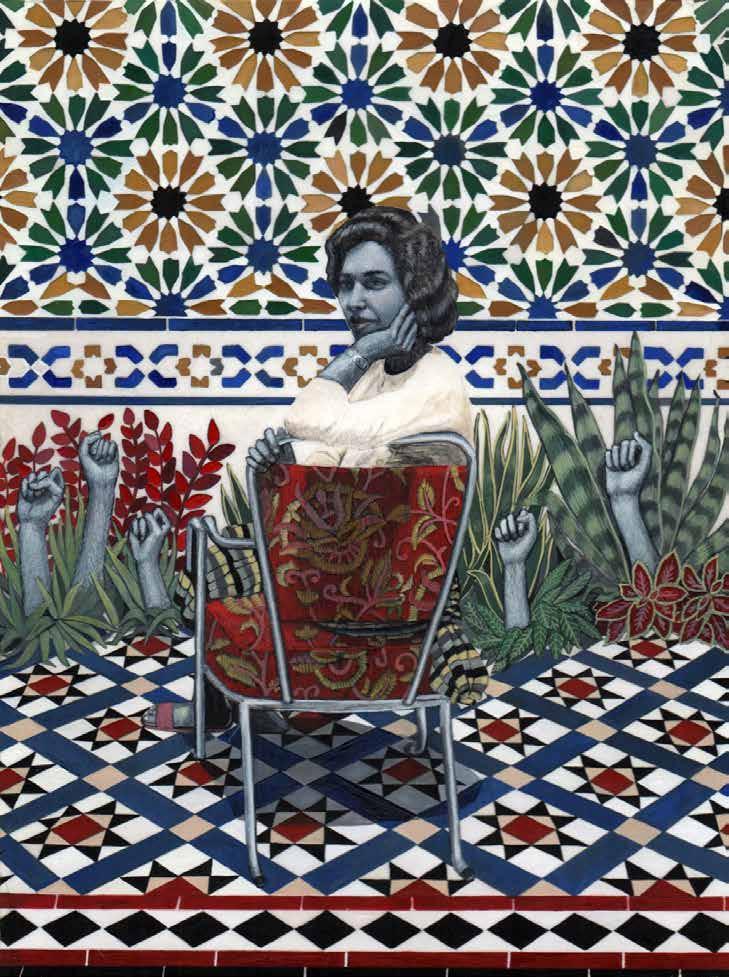
Urfi Raza Zaidi
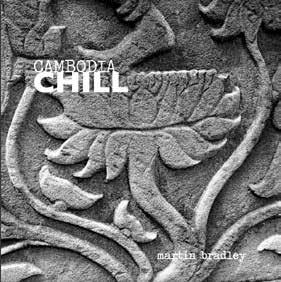
https://issuu.com/martinabradley/docs/cambodia_chill_re-issue
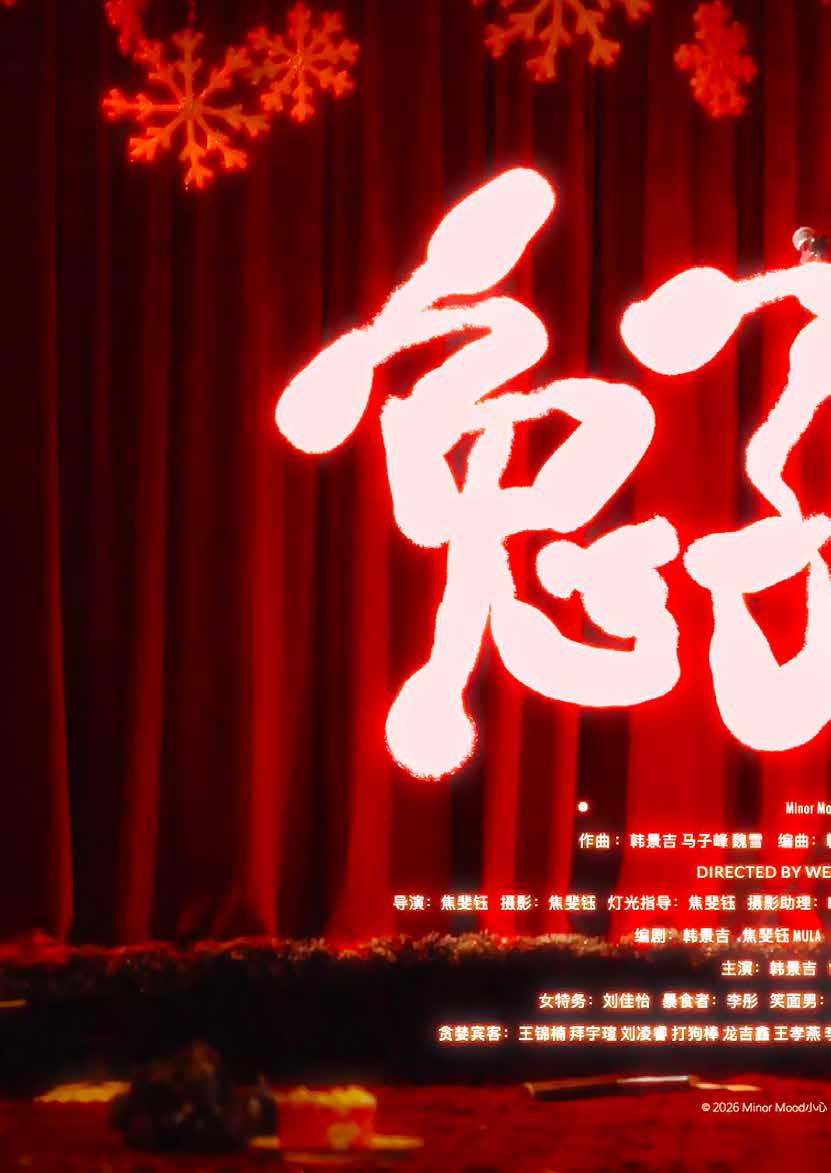
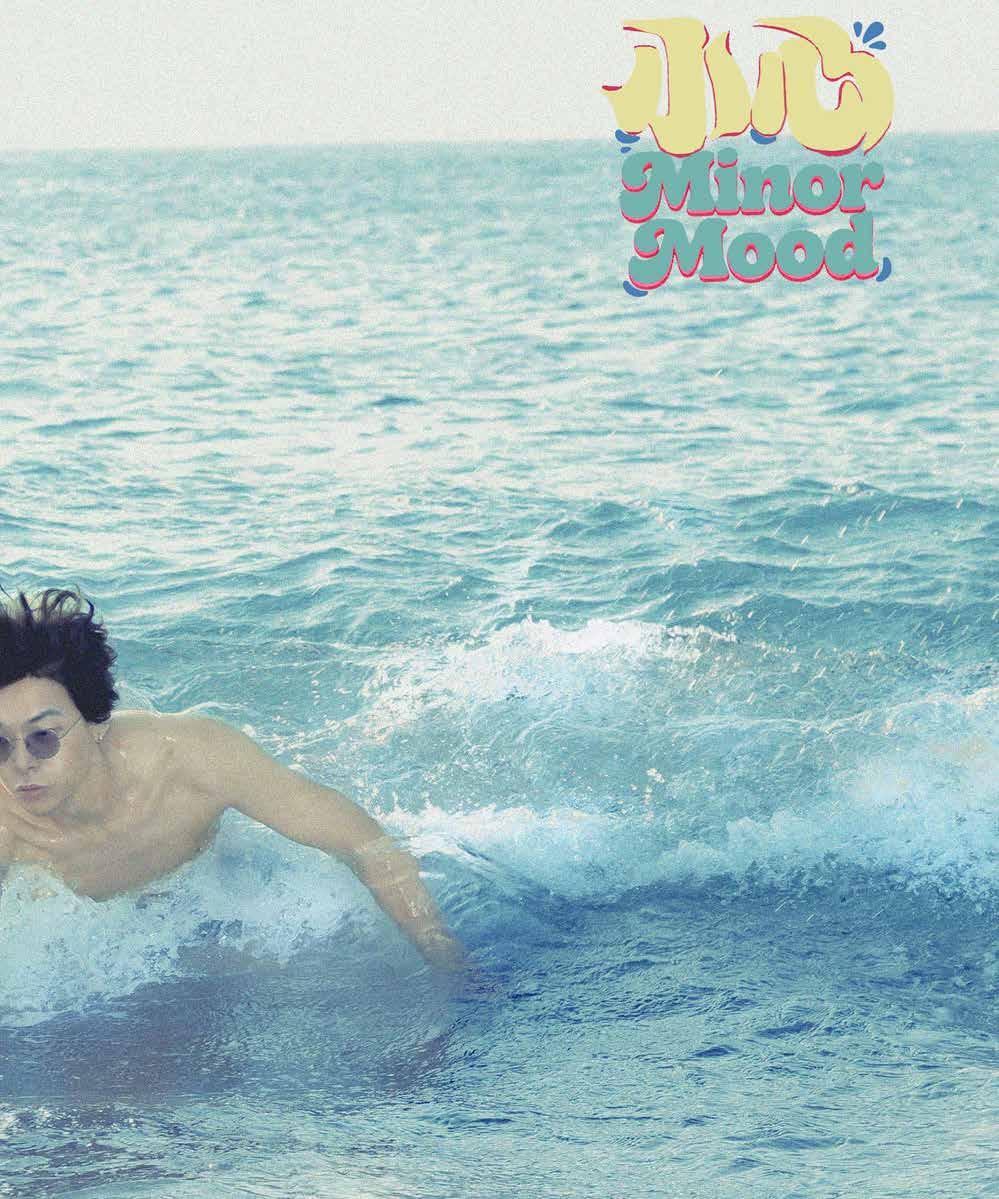
Cover art: from Rabbit Hole by Minor Mood
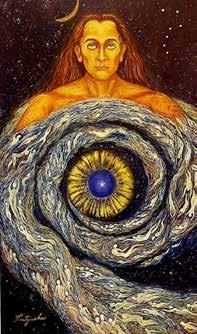
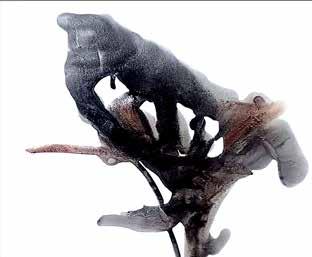
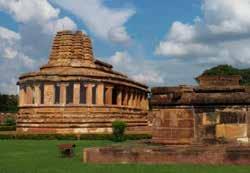
The Mansabdar of the Saadat-e-Baraha Who re-built the Lad Khan Temple in Aihole
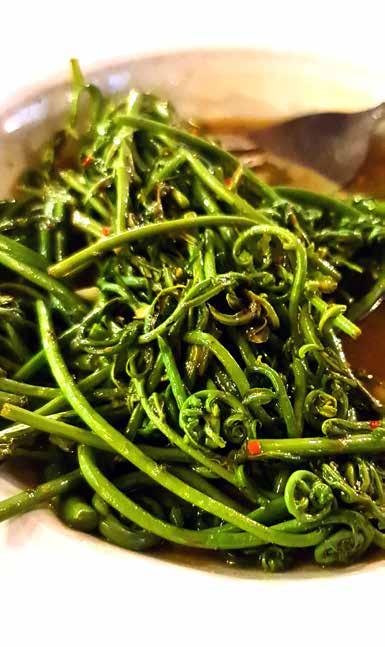
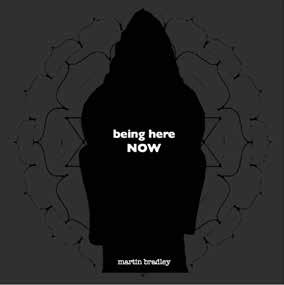
https://issuu.com/martinabradley/docs/being_here_now_
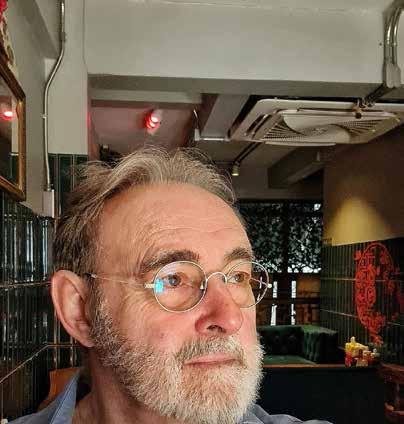
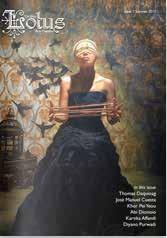
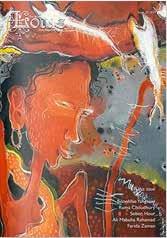
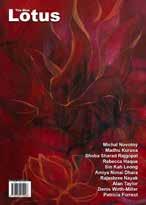
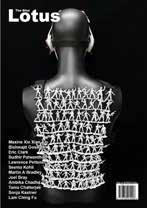
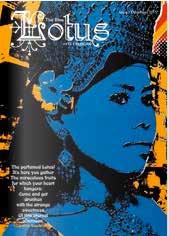
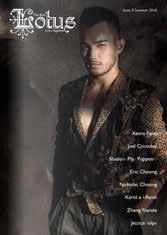
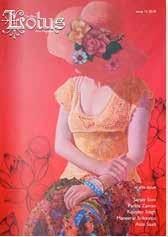
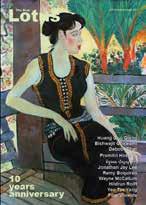
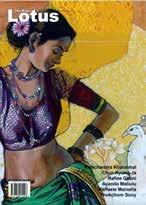
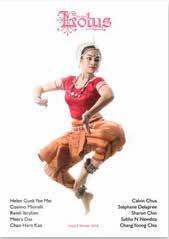
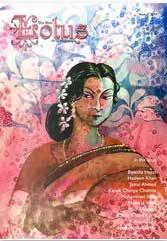
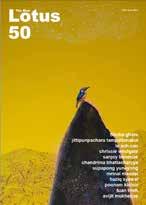
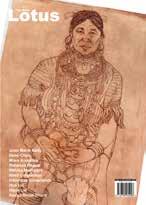
Fifteen years ago (2011), I created the free magazine ‘Blue Lotus’ as a gift to the world. From its creation (as Dusun - orchard or garden in Malay) the magazine has highlighted ‘Modern’ and ‘Contemporary’ arts and cultures concerning Asia, and its diaspora. I had perceived that there had been an information gap in the regard of non-antique arts and cultures from Asia. I set out, initially, to assist art school learners, as my background has been in art history.
The magazine has quickly grown from 50 pages to 180 pages, and is published quarterly to give me enough time to produce it.
The Blue Lotus magazine is solely digital, and online, because it is free. Being a digital magazine reduces the costs of its production and distribution and enables me to continue to share ‘Modern’ and ‘Contemporary’ Asian arts and cultures across the internet, for free. A physical magazine’s costs would be prohibitive.
I only include minimal advertising, and none of that is paid for. The Blue Lotus magazine generates no income. There are no sponsors, no owners and no staff other than myself. There is no subscription, no charges and no overseers. What I do is out of the concept of ‘paying back’, out of gratitude to the Asian ‘artists’ and creators whom themselves work diligently to produce their creations.
I thank you for following The Blue Lotus magazine, and welcome its new readers too. I wish you all peace, compassion, enlightenment, freedom from suffering, inner tranquility, and mindfulness through troubles both personal and worldly.
Submissions for this magazine of Modern and Contemporary Asian arts and cultures are encouraged to be sent to...
martinabradley@gmail.com
May you be happy, well, safe, peaceful and at ease Martin
(Martin A Bradley, Founding Editor, UK.)
Digital Album Streaming + Download Includes high-quality download in MP3, FLAC and more. Paying supporters also get unlimited streaming via the free Bandcamp app. Download available in 24-bit/48kHz. Buy Digital Album name your price Send as Gift
1.
Opening 01:06 2.
野草剋星 (Weed Buster) 02:48
3.
麥客(Seasonal Wheat Harvesters) 01:10
4. 小心!(Minor Mood) 01:58 5. 1819 02:19
6.
藍色荊棘星球 (Blue Thorn Planet) 03:51

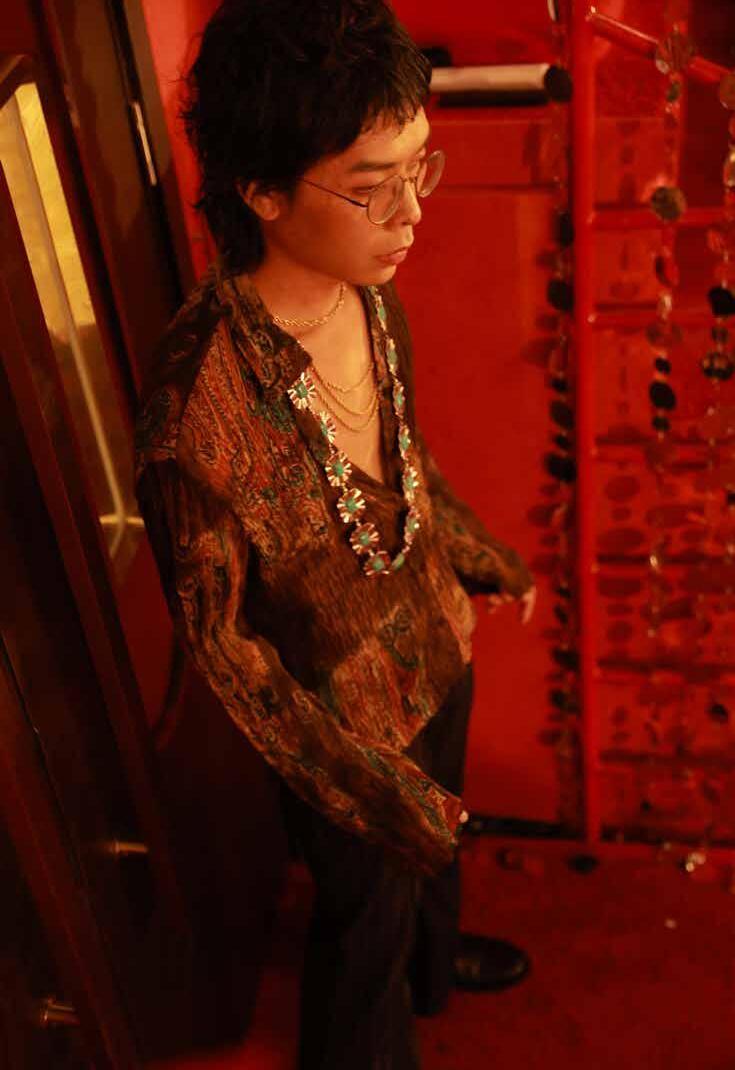
“My name is Han Jingji, you can call me Hendrix Han. I sometimes joke that the nickname comes from the first time I heard Jimi Hendrix. The reaction I had felt almost physical, like an electric shock, while most people around me didn’t seem to feel anything special at all. Since then, I’ve always had the feeling that I might be hearing sound a little differently than others, though that may just be my imagination.
I work mostly as an arranger and producer, writing the instrumental parts myself and then working with professional musicians to record the performances. The music often begins from arrangement, texture, and structure rather than from a simple song idea.
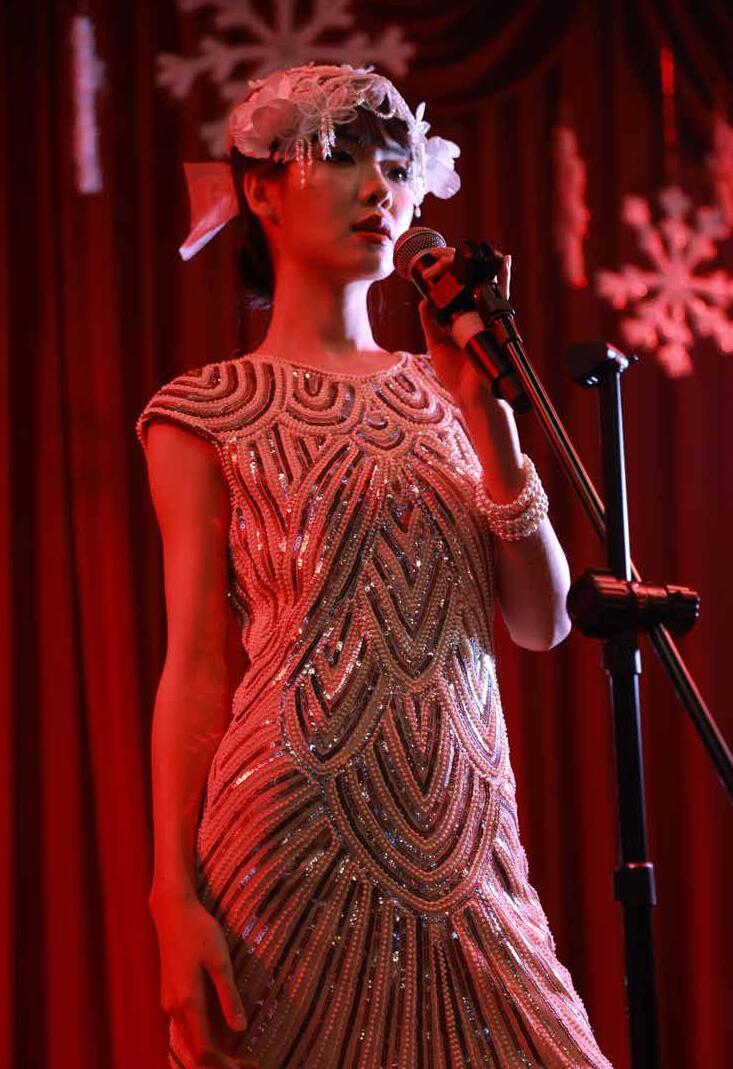
For this album, the vocal parts were created together with three different singers, based on my arrangements. I usually treat the voice as one instrument inside the composition, rather than the main element that everything else follows. In many ways, the arrangement comes before the song itself, and the final form grows out of sound, balance, and atmosphere.
I don’t try to place the music inside a fixed genre. What I’m looking for is a sound that feels unfamiliar, but at the same time emotionally clear and beautiful. Either one of those goals is already difficult, and trying to reach both at once makes the process much harder. I don’t think I’ve reached that point yet, but the search itself is the reason I keep recording.
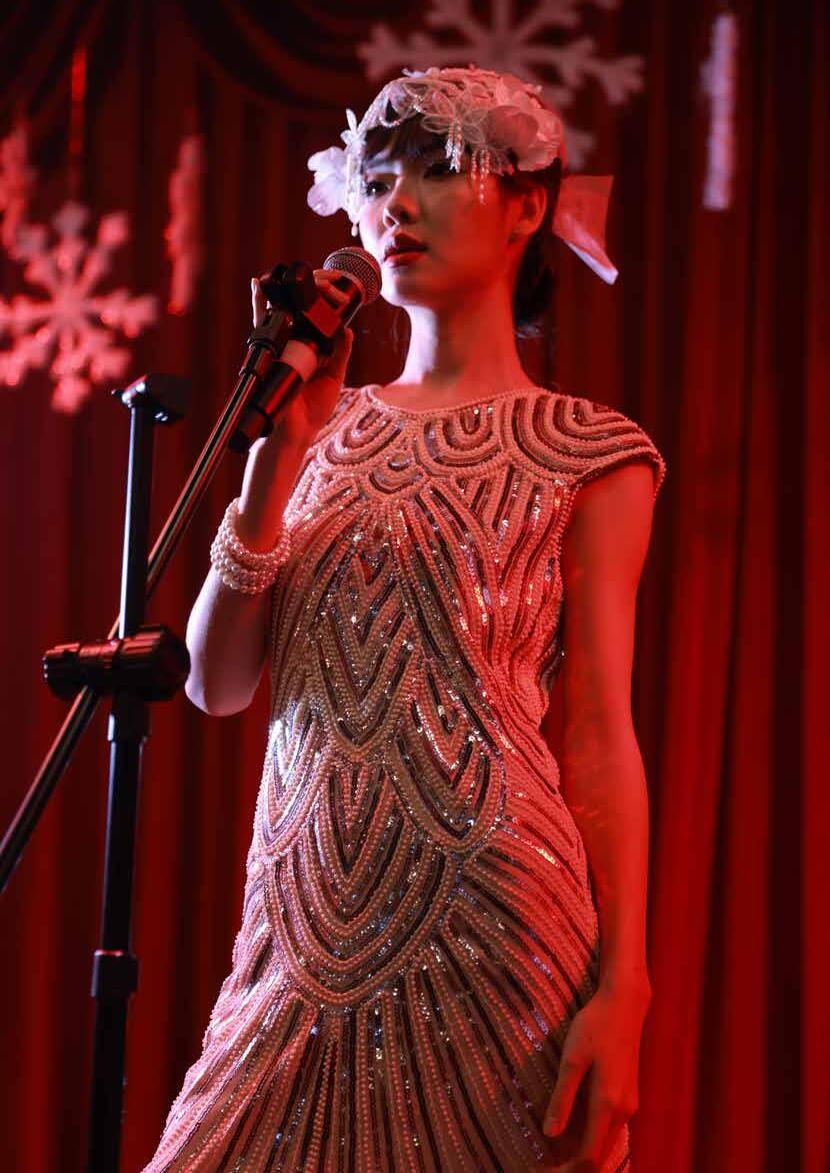
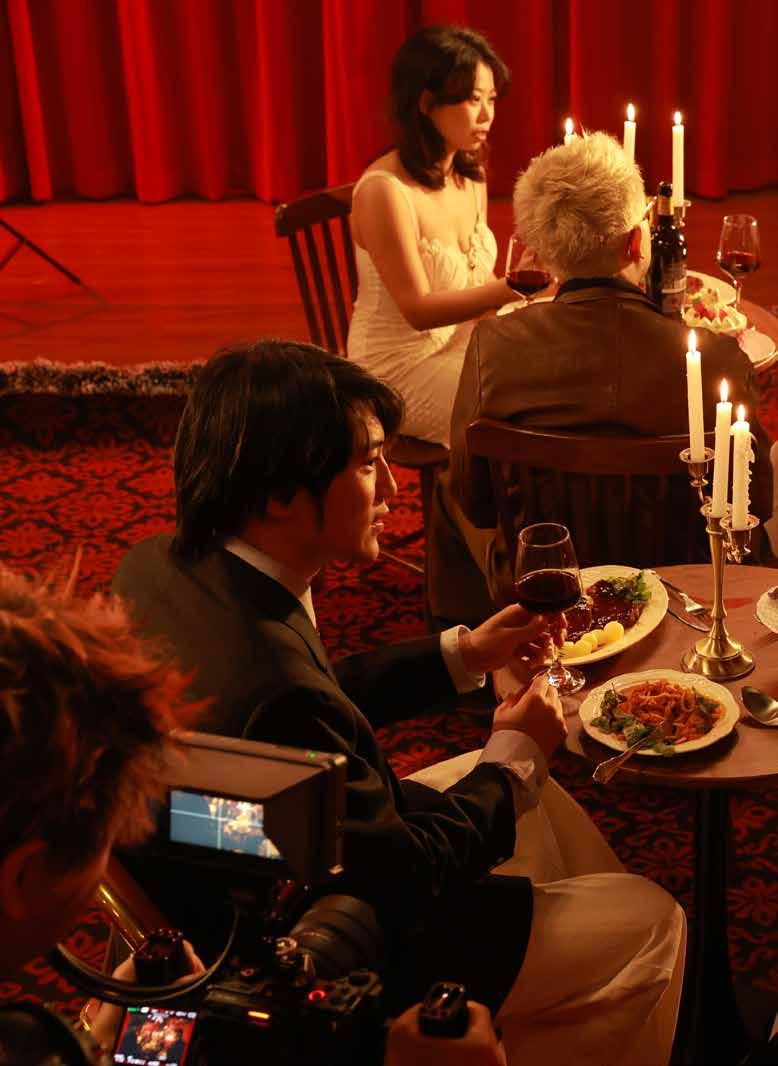
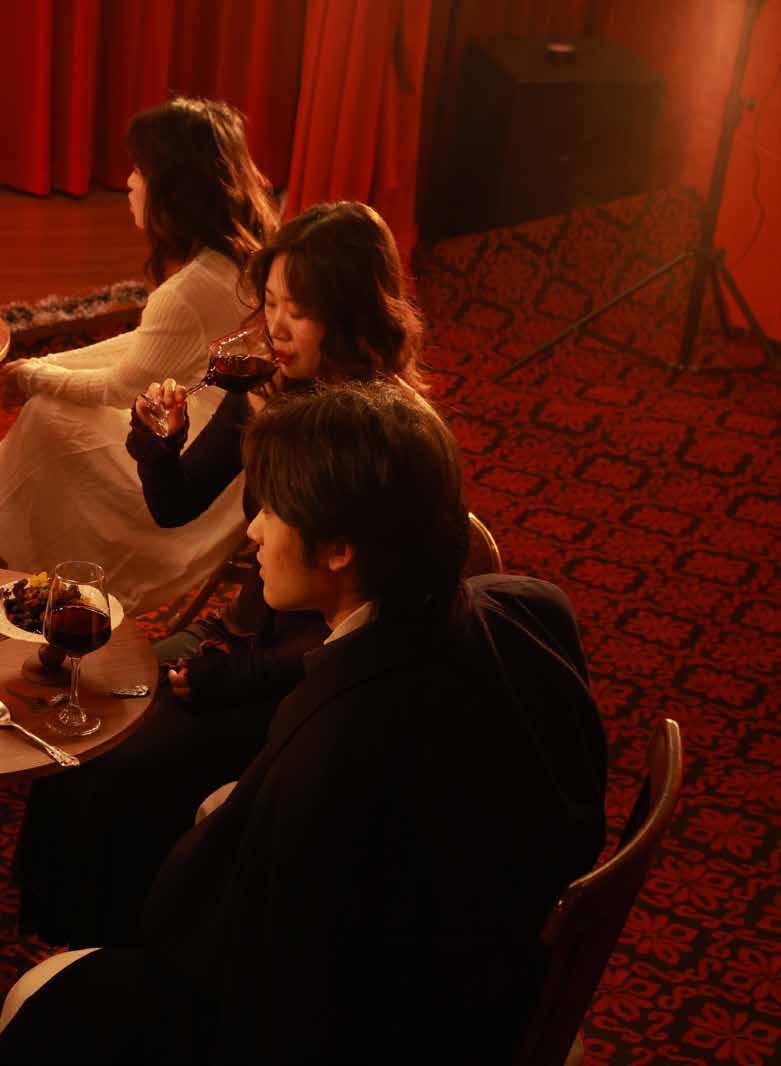
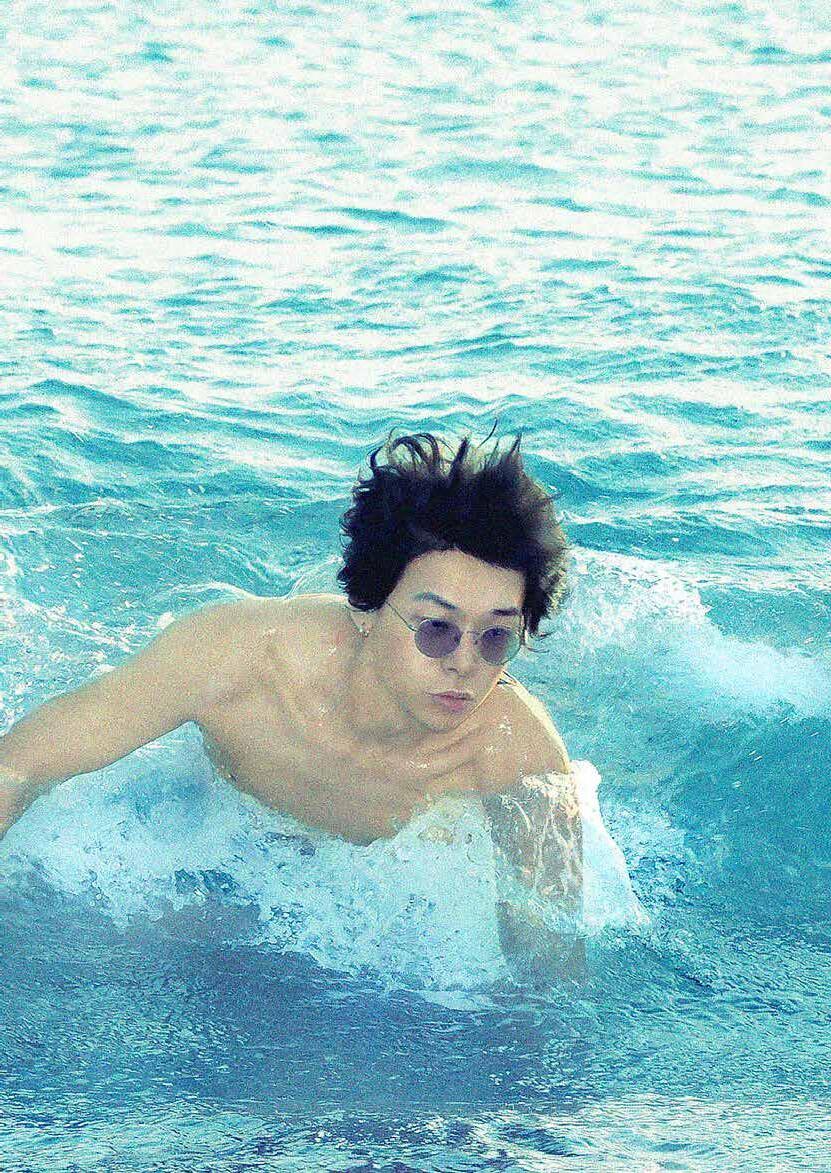
The music video for this project was made with the help of a young film director Feiyu Jiao and Tong Li, who works at a live house, helped reduce production costs significantly.
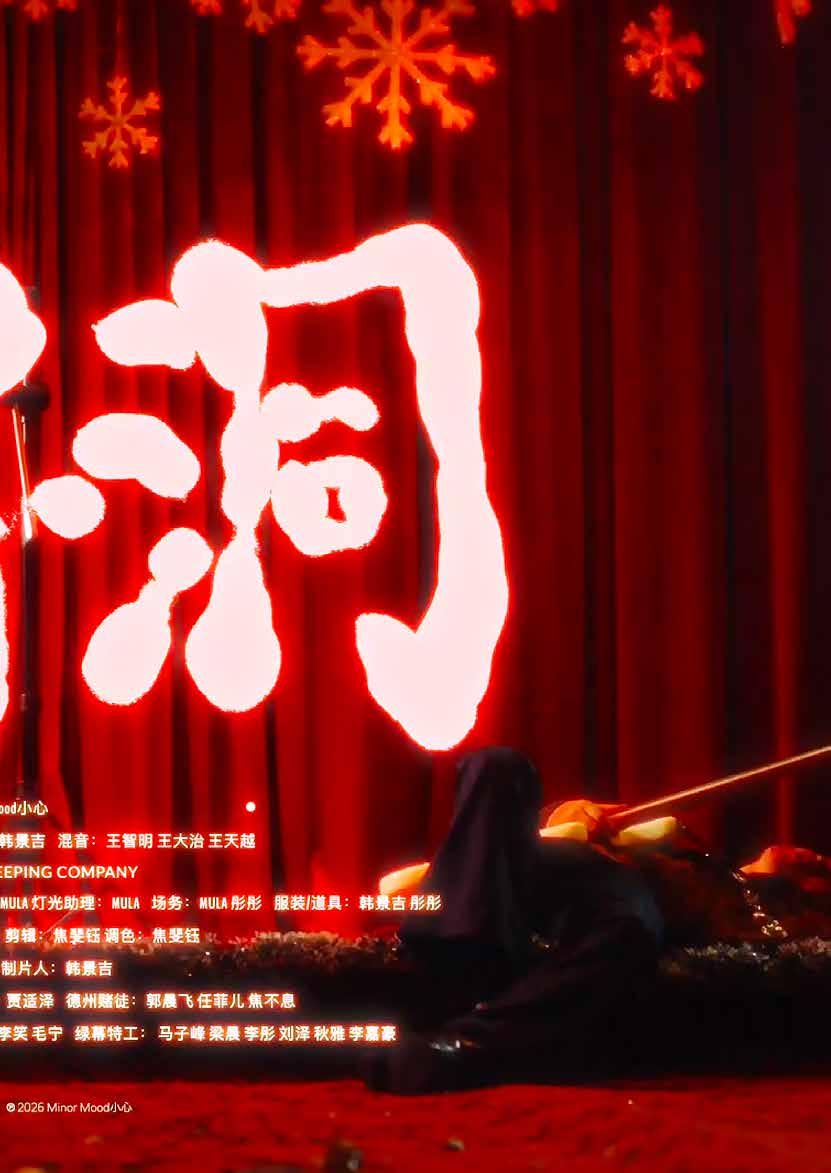
Most of the cast were friends from the live house, who agreed to take part after hearing my music. The director has a very delicate sense of colour, and we tried to create a strong visual contrast between celebration and tension. Some elements in the video may look violent, but they are not meant as a fascination with violence. For me, they represent an inner pressure that exists even in moments that appear joyful on the surface.
Many of the records that inspired me feel like they were made with the same intention. When I listen to The Beach Boys or The Beatles, I hear people searching for a kind of beauty that doesn’t belong to any category — something new, but still human and melodic.
That is the direction I continue to follow, even if I don’t always know where it will lead.”
Dance is the art of space, and music is the dream of the universe.
Imagination is a gift from the universe. It helps us make sense of what we do, gives shape to our ideas of the future, and, in a way, allows the universe to understand itself through us.
So when someone follows their imagination and turns it into music, what does the universe give back?
This album took nearly two years to complete and represents the best music I can make at this stage of my life. It includes vocals by friends, thoughtfully arranged vocal parts, expressive harmonica, slide guitar, and drums with a strong jazz influence.
All the horn arrangements, electric guitars, bass lines, and the overall character of each track come from my own perspective. While this may not be a work that is one hundred percent “me” in every detail, it is, musically, built entirely from my imagination.
Album Rabbit Hole by Minor Mood released January 7, 2026
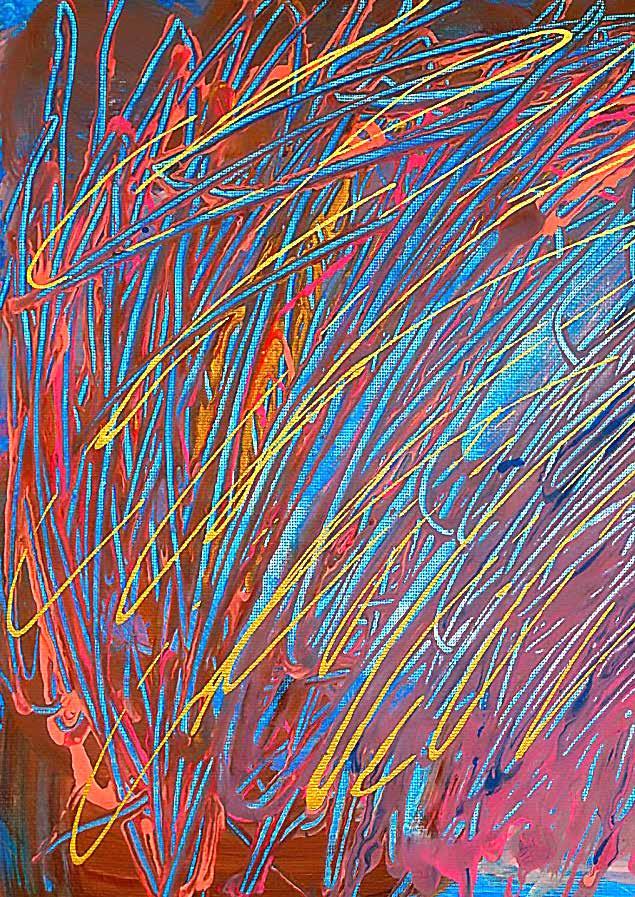
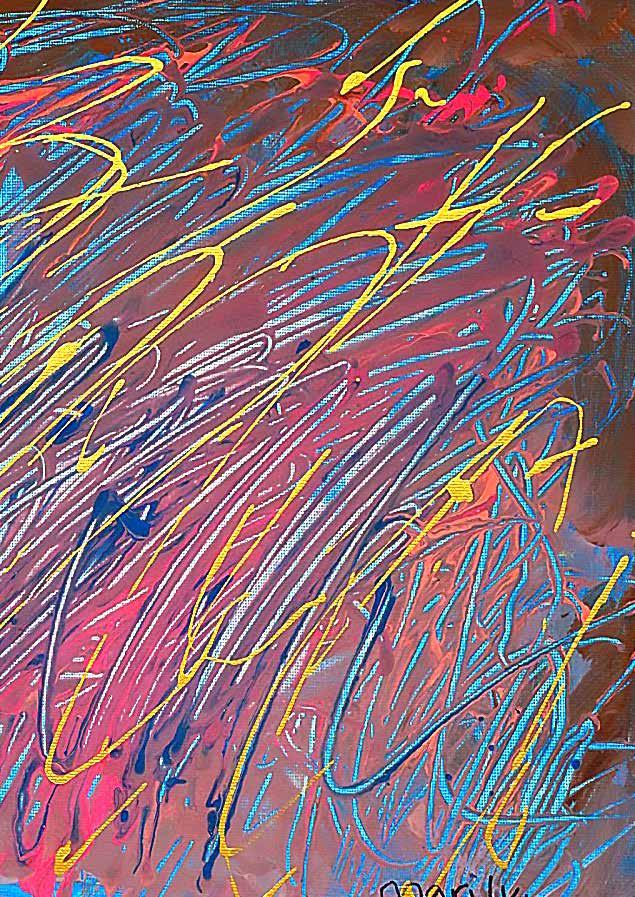
“Art, for child and man alike, is an act whereby seen and felt experiences are transformed into sensual forms. As Ernst Cassirer says: “like all other symbolic forms art is not the mere reproduction of a readymade, given reality. It is . . . not an imitation but a discovery of reality.”1
For nine years, I’d volunteered for a children’s art charity in Cambodia. I’d generally helped out and, eventually, found my niche teaching young adult Khmer children world art history. I didn’t really understand the importance and uniqueness of art by younger children, despite being in an environment in which such events took place. I’d seen my ‘job’ as helping to ‘reveal’ the history of art to the ‘teachers’ of that charity, aiding them to become aware of a diversity of styles and materials used by ‘Modern’ and ‘Contemporary’ artists in their quests to communicate visually. Those visits and that teaching had ceased mid2021, after the COVID-19 pandemic, which had found us all in different places and circumstances, and me in Cambodia (for fifteen months).
Art created by children and therapeutic art for younger people had been a blind spot for me. In another life, in England (1990s), I had once created a therapeutic art venue for adults with severe and enduring mental health difficulties. Those interactions had culminated in two public exhibitions, but, at that time, I hadn’t encountered
the same for children.
Somewhere, at the back of my mind and maybe during my training as an Art Historian, in Great Britain, I’d been aware that many famous ‘Modern’ artists and art influencers had cherished art made by children.
There had been the French writer, poet, and principal founder of Surrealism, Andre Breton, who had pronounced (possibly in 1939) that ...
“The mind, placed before any kind of difficulty, can find an ideal outlet in the absurd. Accommodation to the absurd readmits adults to the mysterious realm inhabited by children”.
The Spanish painter, sculptor, printmaker, et al Pablo Picasso (maybe in 1949), became renowned for the phrase (when visiting an exhibition of children’s drawings in Paris, with the artist Roland Penrose) “When I was their age I could draw like Raphael, but it has taken me a lifetime to learn to draw like them.”
Later, American painter, sculptor, and photographer Edwin Parker “Cy” Twombly Jr., in 1957, mentioned that...
“My line is childlike but not childish. It is very difficult to fake. To get that quality you need to project
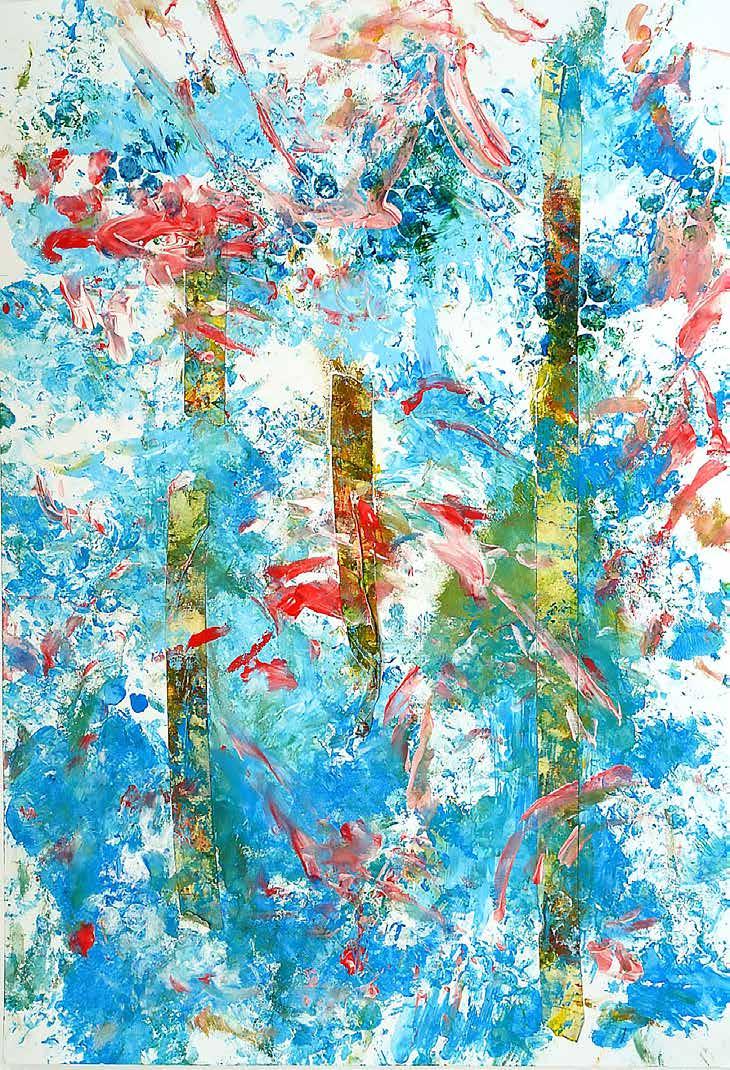
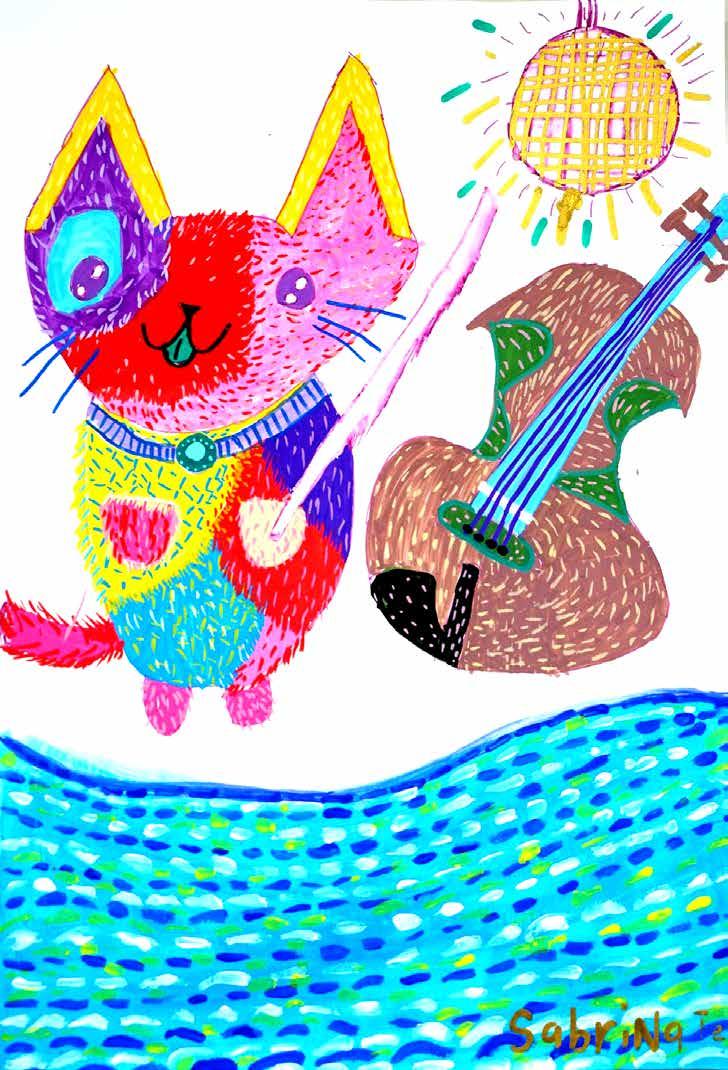
yourself into the child’s line. It has to be felt.”
And yet, I hadn’t been receptive to that notion at all, until more recently.
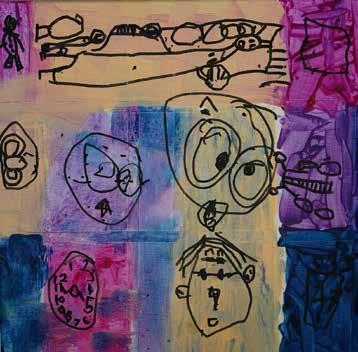
One Malaysian photographer, Terri Chong, whom I’ve known (on and off) for many years, had been the invited photographer for the exhibition ‘Seni Mekar: Art in Bloom’ (at Menara KEN TTDI, Kuala Lumpur, Malaysia), which was an exhibition showcasing the creative works of children and youth with disabilities and rare conditions. The exhibition had been organised by FriendenArt (Yap Sook Yee and Edmund Lim). Terri had invited me to the exhibition’s launch. It was there, at that launch, that I’d met the exhibition organisers and FriendenArt founders - the Malaysian Chinese couple Yap Sook Yee and Edmund Lim.
It wasn’t actually Yap Sook Yee, Edmund Lim, or Terri Chong who were responsible for my ‘road to Damascus’ moment (sudden, life-changing epiphany/radical shift in one’s beliefs, attitude). That had come upon witnessing the many and varied works of art by children of varying abilities and ages presented on those white walls of that gallery at Level M, Menara KEN. Those renderings not only caught my attention but also piqued my interest.
What I witnessed was a mixture of art styles created by young people who daily struggle with debilitating difficulties brought on by conditions such as - Congenital Rubella Syndrome, Autism, ADHD, Epilepsy, Down Syndrome, Global developmental delay with ADHD, secondary to Autosomal Dominant Holoprosencephaly 3 Neurodevelopmental Disorder, Global Development Delay, Spinal Muscular Atrophy (Type 1), Dyslexia, Dyscalculia, Prader-Willi syndrome, and other challenges.
The young people’s art creations appeared to reveal thoughts and emotions unable to be expressed through other channels. Roger
Scruton (English philosopher, writer, and social critic) once said that works of art may be said to express…
“Thought, attitude, character, in fact, anything that can be expressed at all. For example, Watteau’s Embarcation a Cythere can be said to express the transience of human joys, Shakespeare’s Measure for Measure to express the essence of Christian charity.”
Whereas Ismay Barwell (who was then [1986] Senior lecturer in the philosophy department at Victoria University, Wellington, Australia) had indicated that…
“If I want to express a feeling which defies my powers of description but which is sombre, serene, and mystical, I might find that Mark Rothko’s huge abstracts in the Tate Gallery perfectly capture that feeling.”2
However, what struck me most about the works being shown at ‘Seni Mekar: Art in Bloom’, (which demonstrates visual arts as a therapeutic agent) was not the struggles of those young people, but the sheer beauty of their creations and their emotive power, challenging those of established ‘Modern’ artists.
Downstairs at Menara KEN TTDI, I’d moved past the Botero-like ‘Vrikshasana’ (Tree Pose) sculpture, created by the Indonesian contemporary artist Adi Gunawan, and entered the lift to floor M. There’d been no mistaking the gallery containing ‘Seni Mekar: Art in Bloom’, as just inside from the entrance was a welcoming display of large, colourful flowers (blooms). Dhia’s kaleidoscopic, iridescent painting, ‘My Rainbow Park,’ rushed to gain my attention on the first white wall I’d encountered, but eventually released me to find other, equally captivating images throughout the showing.
Sabrina’s whimsical ‘Meow Party At The Beach’ brought a big smile to my face; Winsen’s ‘Fishes or birds’, with its command of colour theory (a predominance of blue with a soupçon of red darting like meditative pisceans), told me just how sophisticated some of those exhibits could
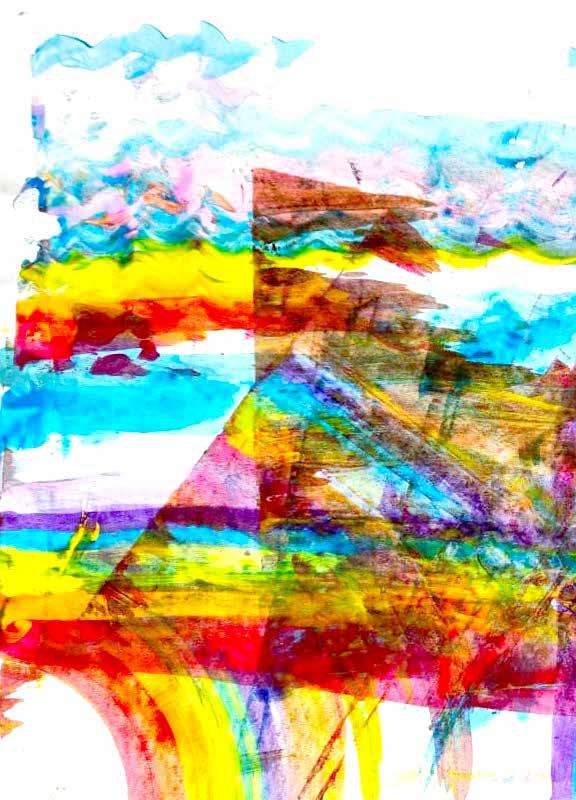
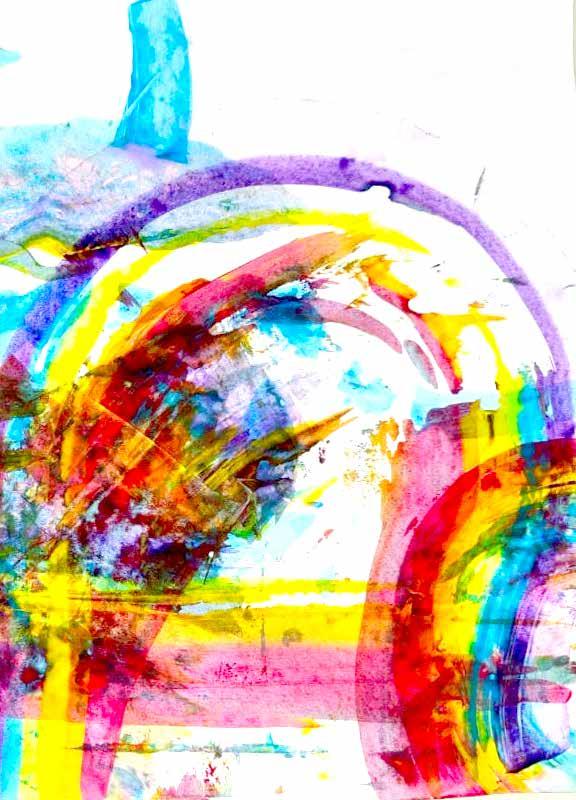
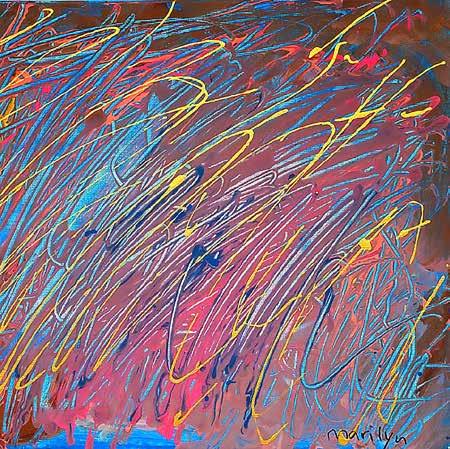
Marilyn’s ‘My favourite things’ and her positively sparkling ‘This is Nice’ could have given Cy Twomby a run for his money; Cory’s mostly yellow image with a grace of red and a balance of blue - ‘I Love Abstract 2’ was simply stunning, but I wished that it were bigger than its 40cm x 50cm. Aqueela’s ‘Kpop Demon Hunter’ (three works) was a child’s take on Jackson Pollock, with all the joy and vivaciousness young people can pour into their paintings.
And so the show went on. That exhibition comprised one hundred and eighty works of mesmerising art by children, not just for show but also for sale.
Ed.
1. (From…Symbolism in Children’s Art, Sidney D. White, Art Education, Vol. 10, No. 4 (Apr., 1957), pp. 7-10+18)
(Ernst Cassirer, An Essay on Man; an Introduction to a Philosophy of Human Culture (New York: Doubleday & Company, Inc., 1956), p. 43.)
2. (Ismay Barwell, The Journal of Aesthetics and Art Criticism, Vol. 45, No. 2 (Winter, 1986), pp. 175-181.)
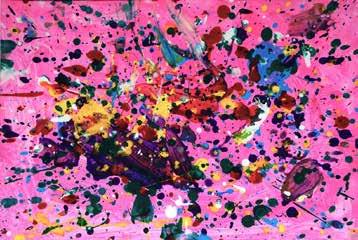
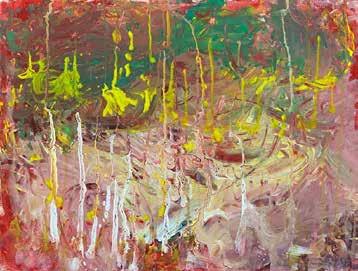
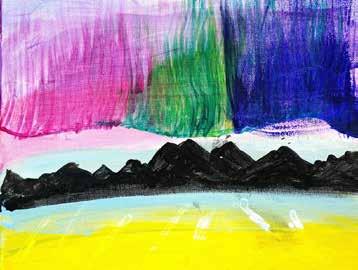
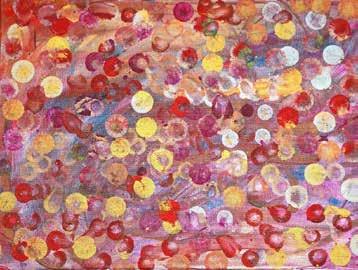
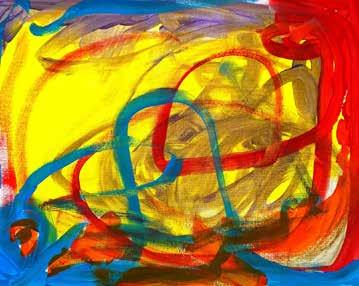
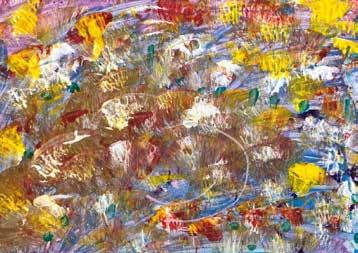
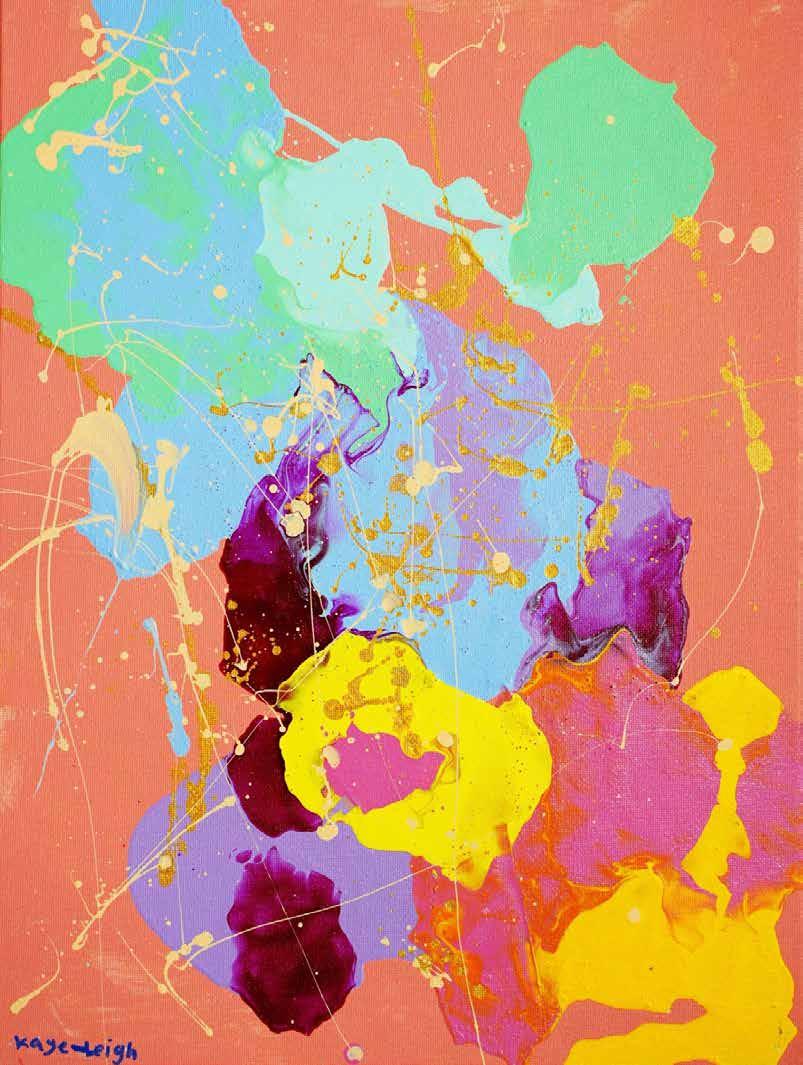
Kaye-Leigh, My first abstract -Where is My Cat?
“Chinese
by
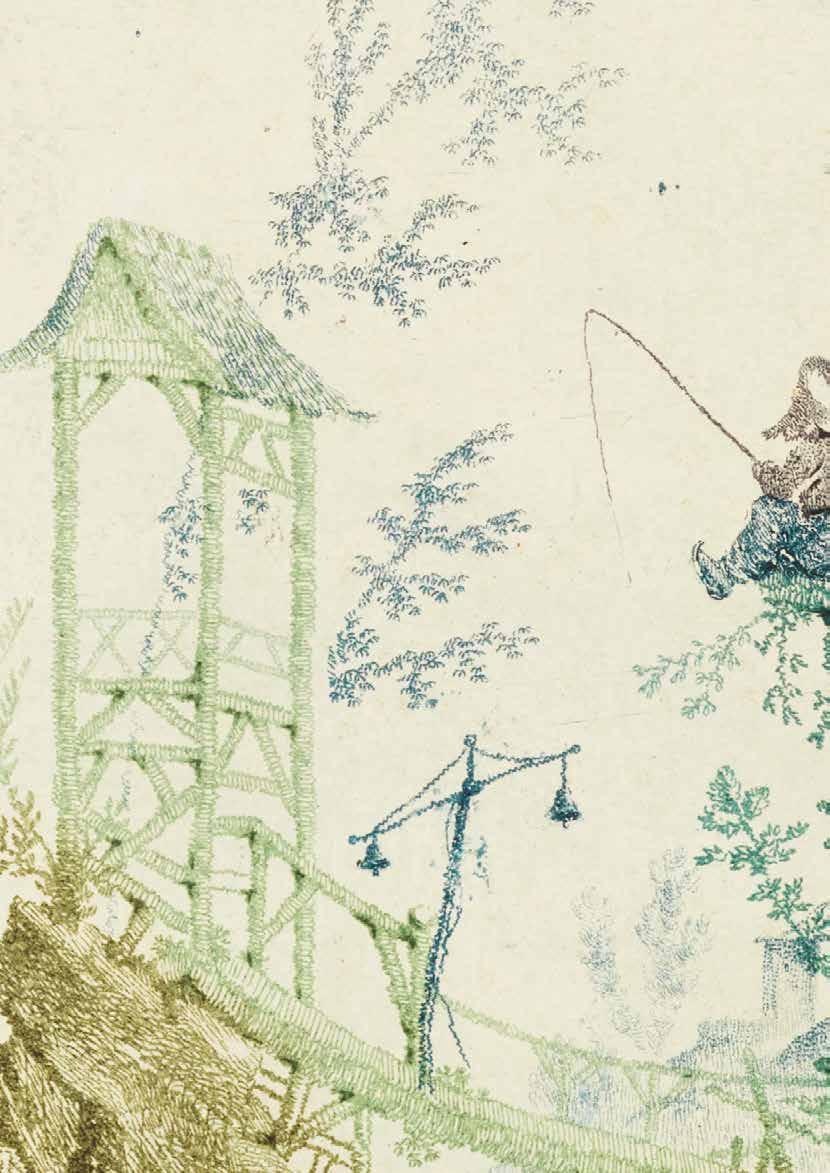
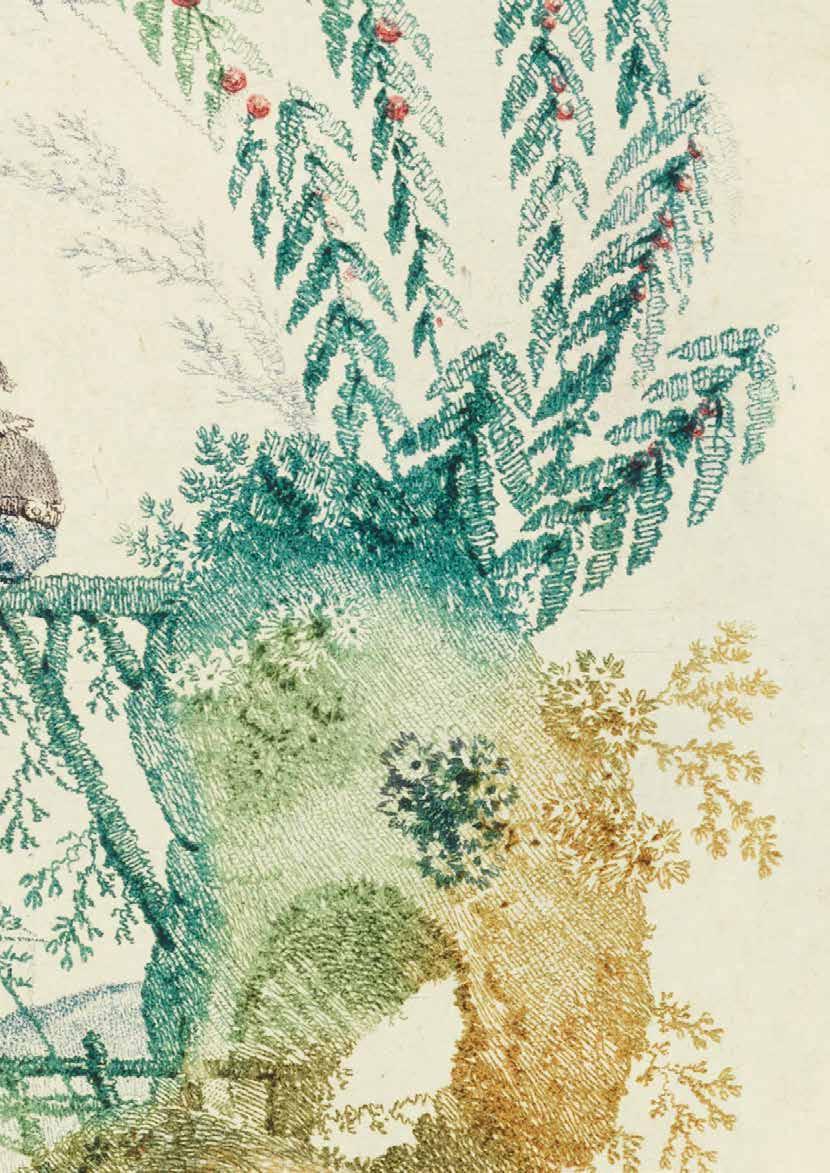
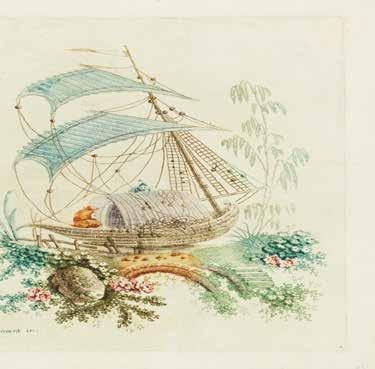
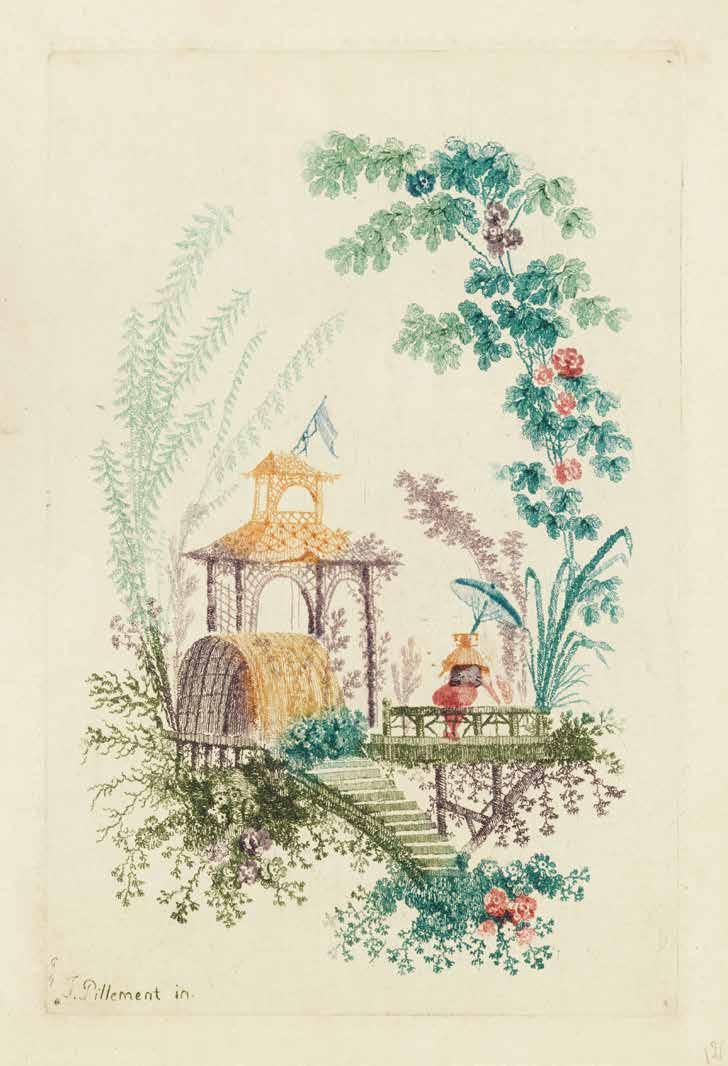
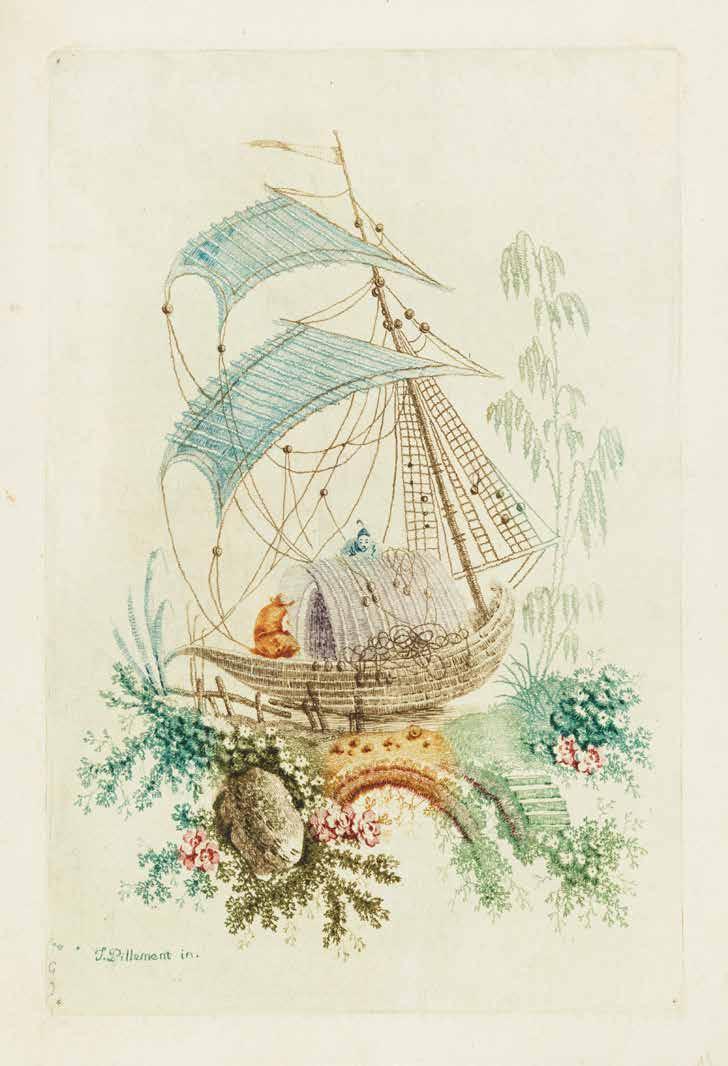
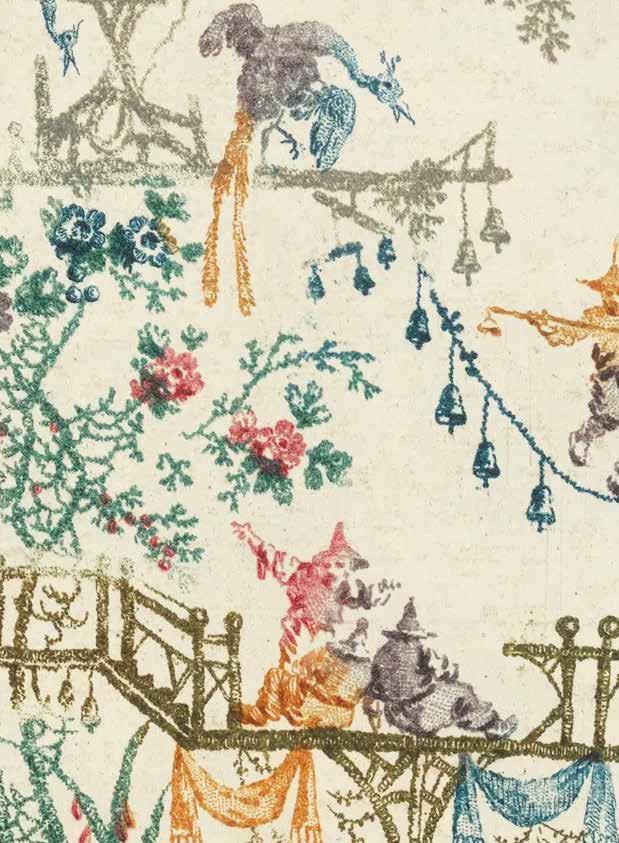
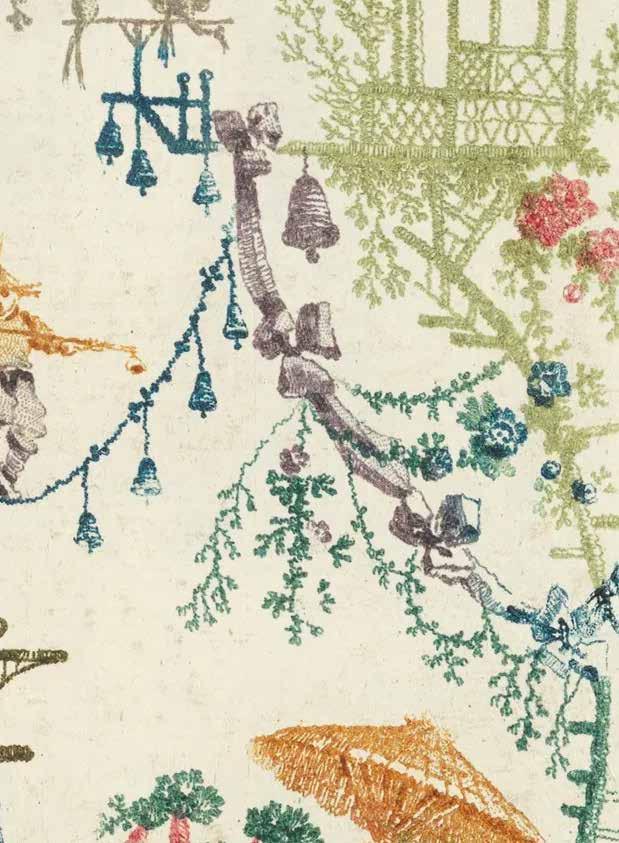
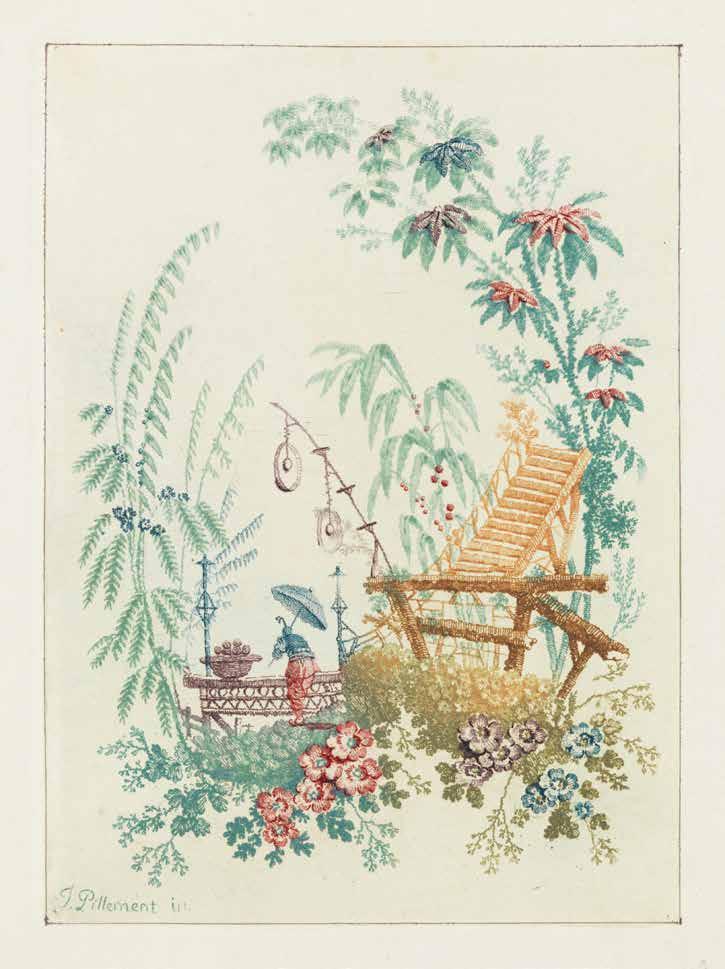
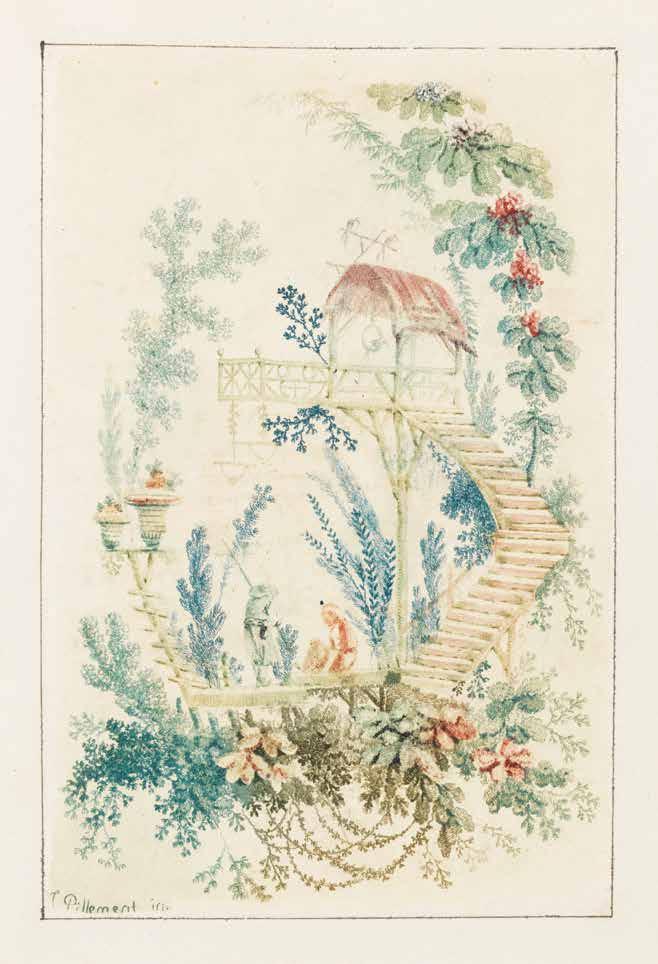
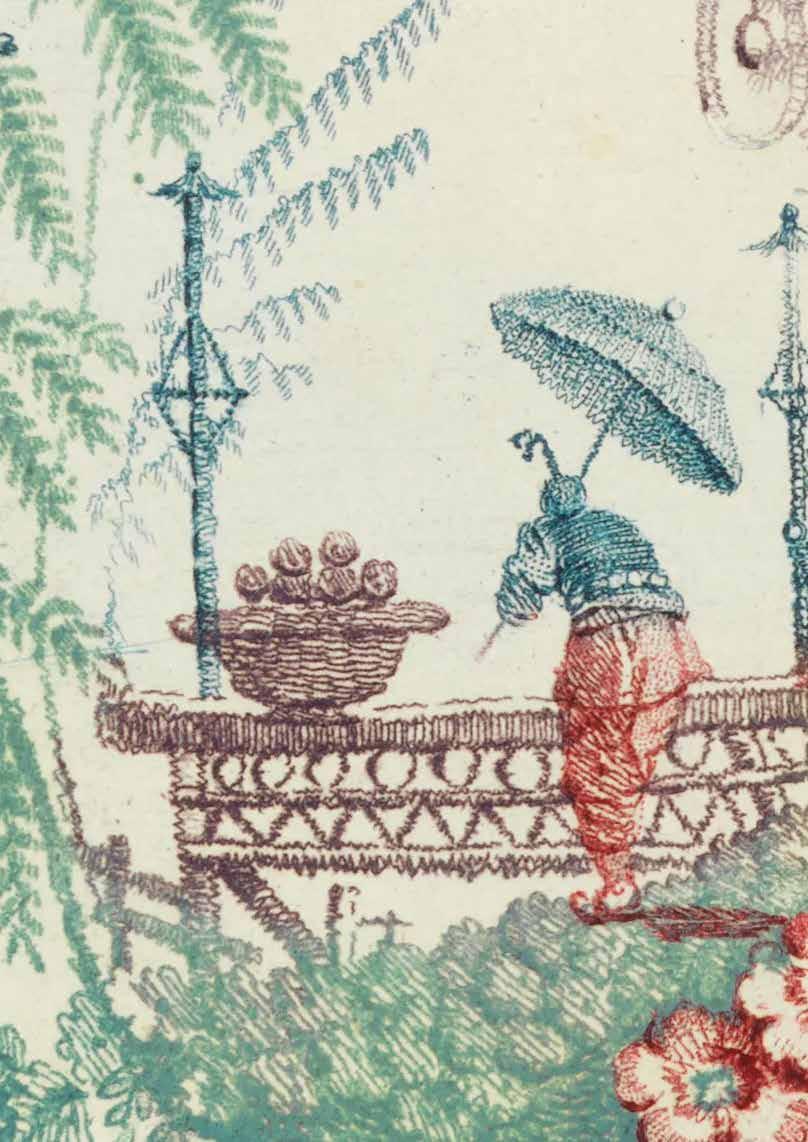
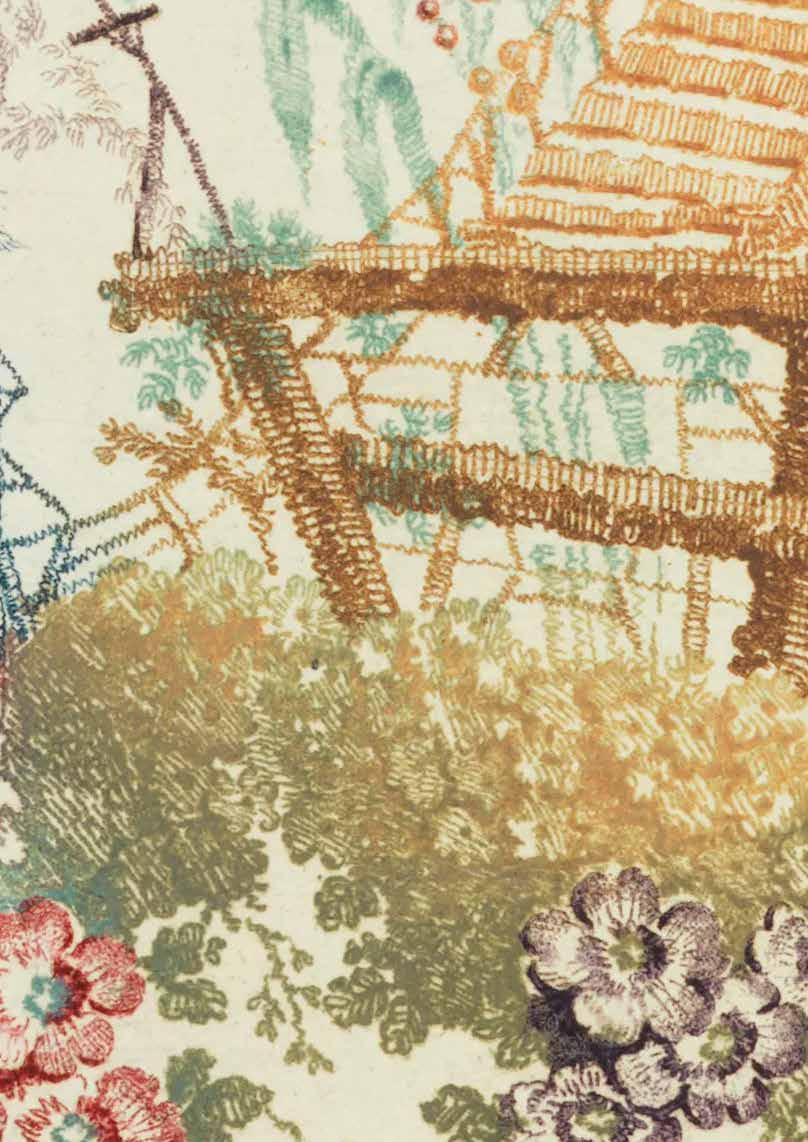
Gravity is an intermittent force in Jean-Baptiste Pillement’s designs for “New Suite of Chinese Arabesques”, etched by his wife, Anne Allen. Festoons drape and fishing lures drop within floral microcosms populated by tiny Orientalized figures and fantastical, Boschian critters. But the architectural structures — stairs, pagodas, pavilions, and bridges — seem enchanted, hovering in air or perching improbably on frothy foliage. The garden settings themselves, loosely framed by fantastical botany, float above, or beyond, our own grounded reality. Pillement’s knack for creating visual confections that facilitate intellectual and aesthetic escape sustained his success as a designer and proponent of the rococo decorative idiom, which he popularized far beyond its native France.
The figures and natural elements in Pillement and Allen’s prints have little to do with China as it ever existed. Fascination with imported goods from the Far East grew in Europe throughout the seventeenth century as East India companies expanded their enterprises. Items like lacquerware and porcelain were treasured for their material exoticism as well as the intriguing ornamental motifs they bore. However, the imports remained costly into the eighteenth century, even as they continued to excite popular taste. Imitations abounded, and, as Maria Gordon-Smith describes, European
interpretations of East Asian decorative arts drifted further and further from their prototypes and became absorbed into Western visual conventions. One result of this phenomenon was chinoiserie, a quixotic vision of an imagined China, not as an earthly place, but rather as a utopian world of pleasure and caprice that was folded into the rococo style, with its own alluring formulation of nature and fantasy.
In keeping with chinoiserie’s decorative orientation, the human figures in the “New Suite of Chinese Arabesques” are ornamental rather than corporeal. They lounge, admire birds, and chat, but they are not protagonists. While there are plenty of European figures serving similar decorative functions in rococo imagery — for instance the washerwomen in François Boucher’s 1768 painting of the same title — the playful exoticism of chinoiserie seems to abstract human figures to a greater degree. This abstraction reflects the fact that, with little direct access to the Far East, most eighteenthcentury Europeans encountered people of these faraway lands not in the flesh, but obliquely, as commodities, fantasies, and notions.
Pillement had a long and successful career painting and orchestrating rococo interiors for a wide array of clients beyond his native Lyon; he worked on sites from Lisbon to Warsaw and
produced reams of printed floral and chinoiserie designs that could be adapted to a variety of media, including textiles, ceramics, furniture, painted wall panels, and small portable goods like fans and snuff boxes. His printed designs were popular and he apparently took care to make them appealing as standalone objects on the print market.
The multicolor sheets of “The New Suite of Chinese Arabesques” were — and still are — eye-catching. They were printed à la poupée, meaning that several colors of ink were applied to different areas of the printing surface before it was run through a press in a single pass. This method of printing is a painstaking process that yields at least some variance among the printed impressions as well as fetching coloristic effects. Many of the “New Suite of Chinese Arabesques” display an airy blue background tone that suits the scenes well, the result of residual traces of colored inks on the unetched portions of the copperplate surface. And, throughout the suite, one can spot ombré transitions from one color to another, as adjacent colored inks overlapped slightly on the plates. The prints’ vibrant colors would have appealed to artisans like ceramics painters working in the rococo style, with its candy-colored hues, and also work to materialize the lush environments which can be enjoyed as splendid works on their own.
Text by Miya Tokumitsu
A Critical Reading from the Spanish Perspective
April 17 to May 1, 2026
Centro Culturale Palazzo Pisani-Revedin
By Prof. Pilar Viviente Miguel Hernández University
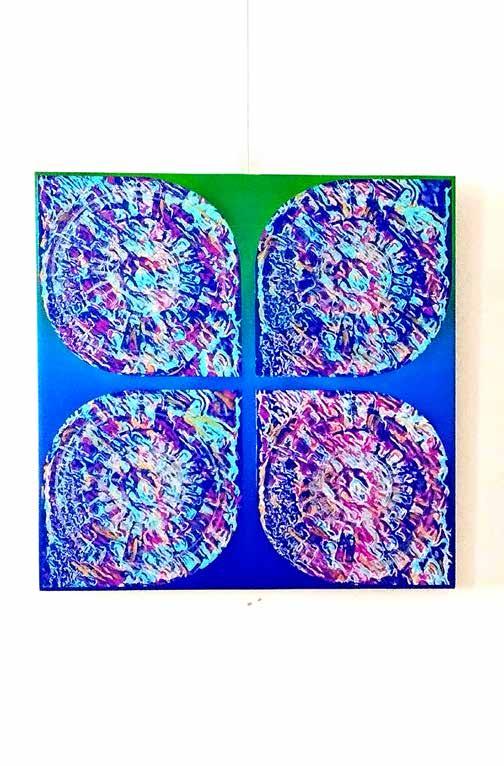
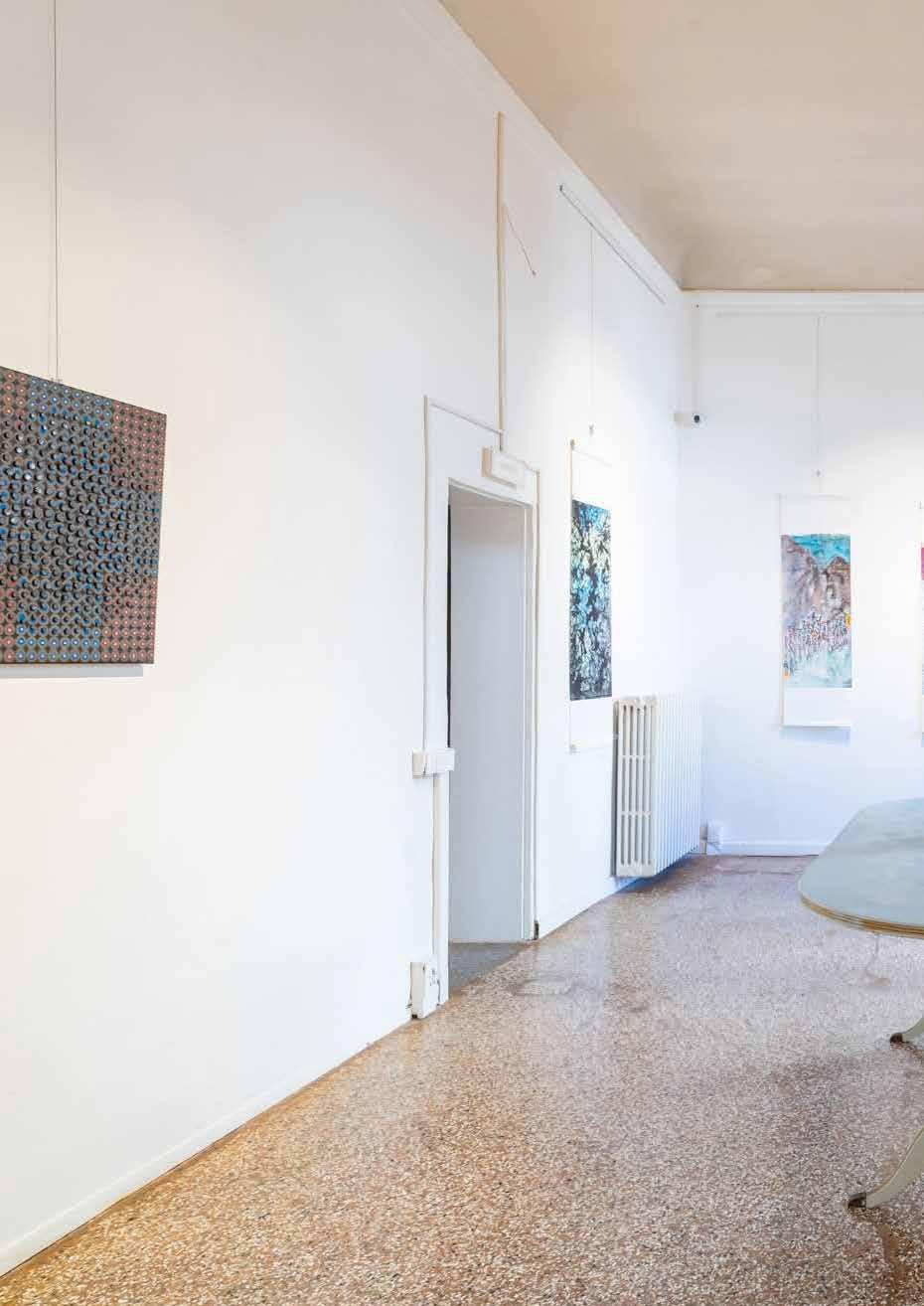
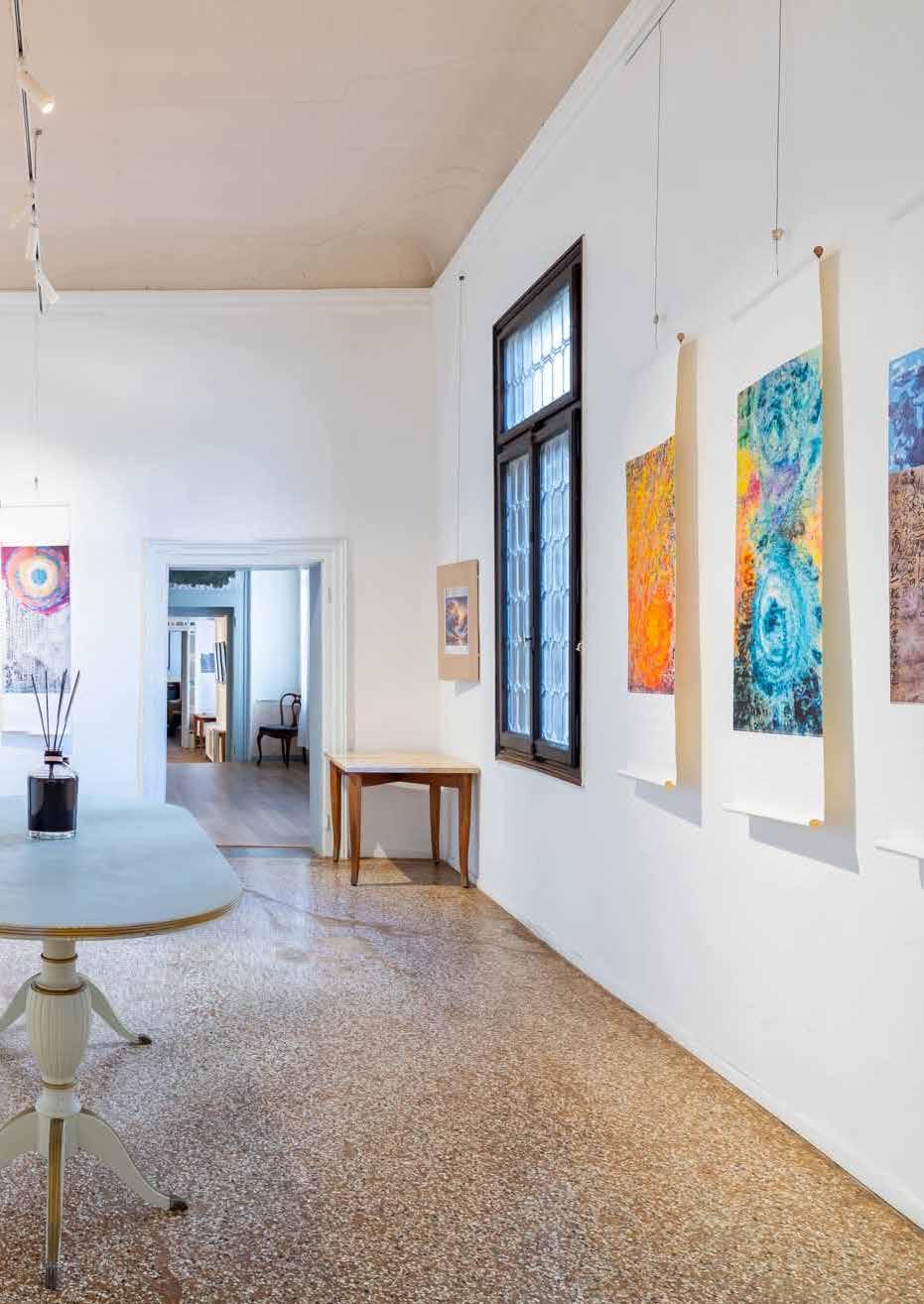
The exhibition Art and Poetry in Homage to the Venice Biennale, organized by bi/Coa: Bicultural Community of the Americas in collaboration with the Palazzo Pisani-Revedin, is situated within the broader context of the Venice Biennale as an alternative mechanism for visibility and inter-cultural exchange. More than a tribute, the exhibition operates as a critical platform that challenges the notions of center and periphery within the global system of contemporary art.
Bringing together artists from Asia, Europe, and Latin America, the project unfolds a heterogeneous field of practices—painting, installation sculpture, printmaking, and photography—which, far from seeking a stylistic synthesis, underscores the productive friction between diverse languages, genealogies, and cultural frameworks. In this sense, the exhibition does not merely represent diversity, but rather activates it as a space for symbolic negotiation.
The choice of the Palazzo Pisani-Revedin, a 17th-century Baroque building located in the San Marco district, is not merely scenographic. The exhibition design is embedded within a historically codified architecture, where contemporary works interrupt the heritage narrative to rewrite it from current sensibilities. This intersection of temporalities produces a shift in the viewer's experience, prompting them
to reconsider the relationships between memory, power, and representation.
The exhibition layout proposes a non-linear reading, in which each room functions as an open node of meaning. The works, instead of consolidating fixed cultural identities, reveal processes of translation, hybridity, and transnational circulation. Thus, the exhibition takes a critical stance against hegemonic models of artistic legitimation, proposing an alternative cartography where interculturality is not a slogan, but a condition of production.
Within this framework, the articulation between art and poetry expands the exhibition's discursive field, introducing performative and textual dimensions that enrich the aesthetic experience. The parallel activities—including the catalogue, academic conferences, and the International Poetry Festival Palabra en el Mundo (FIP)—reinforce the multidisciplinary nature of the project, situating it at the intersection of artistic practice, critical thought, and cultural production.
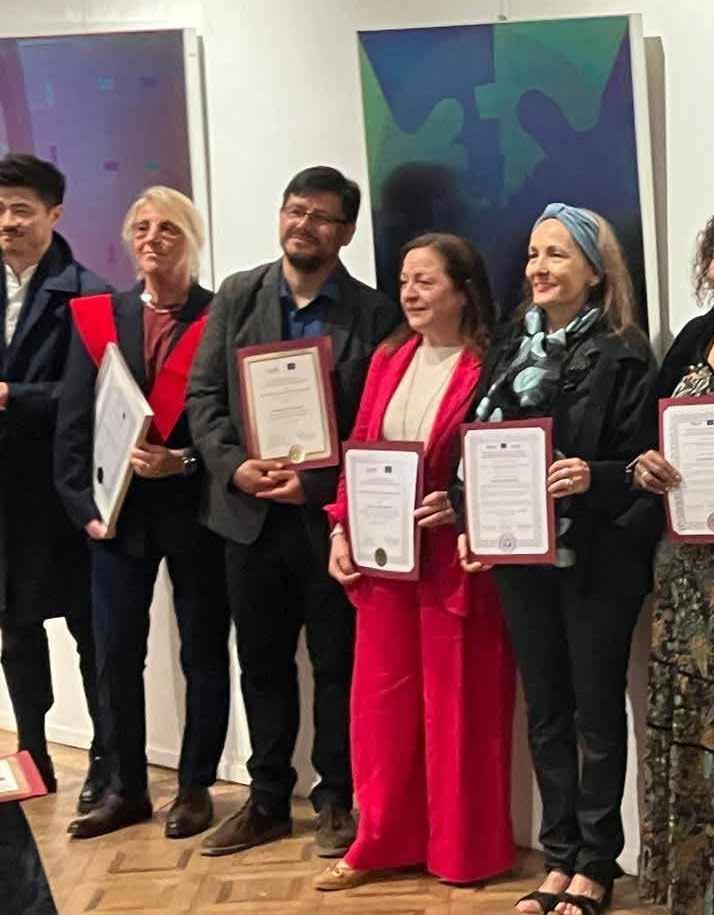
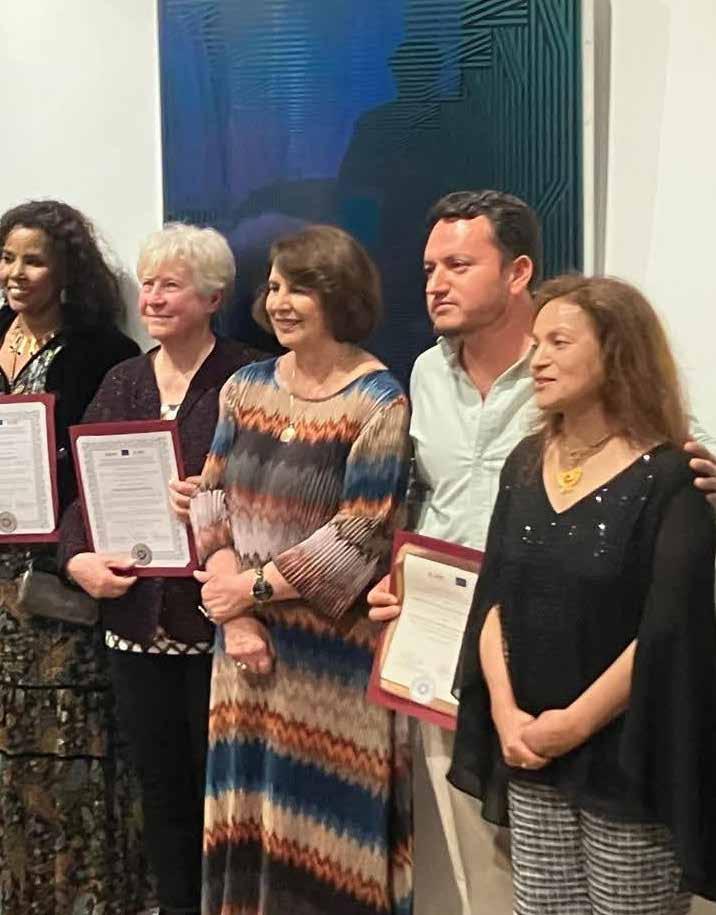
Likewise, the presentation of the 2026 Professional Excellence Awards by Rosalía Arteaga – The Glocal Women Foundation introduces an institutional layer that invites reflection on the mechanisms of validation
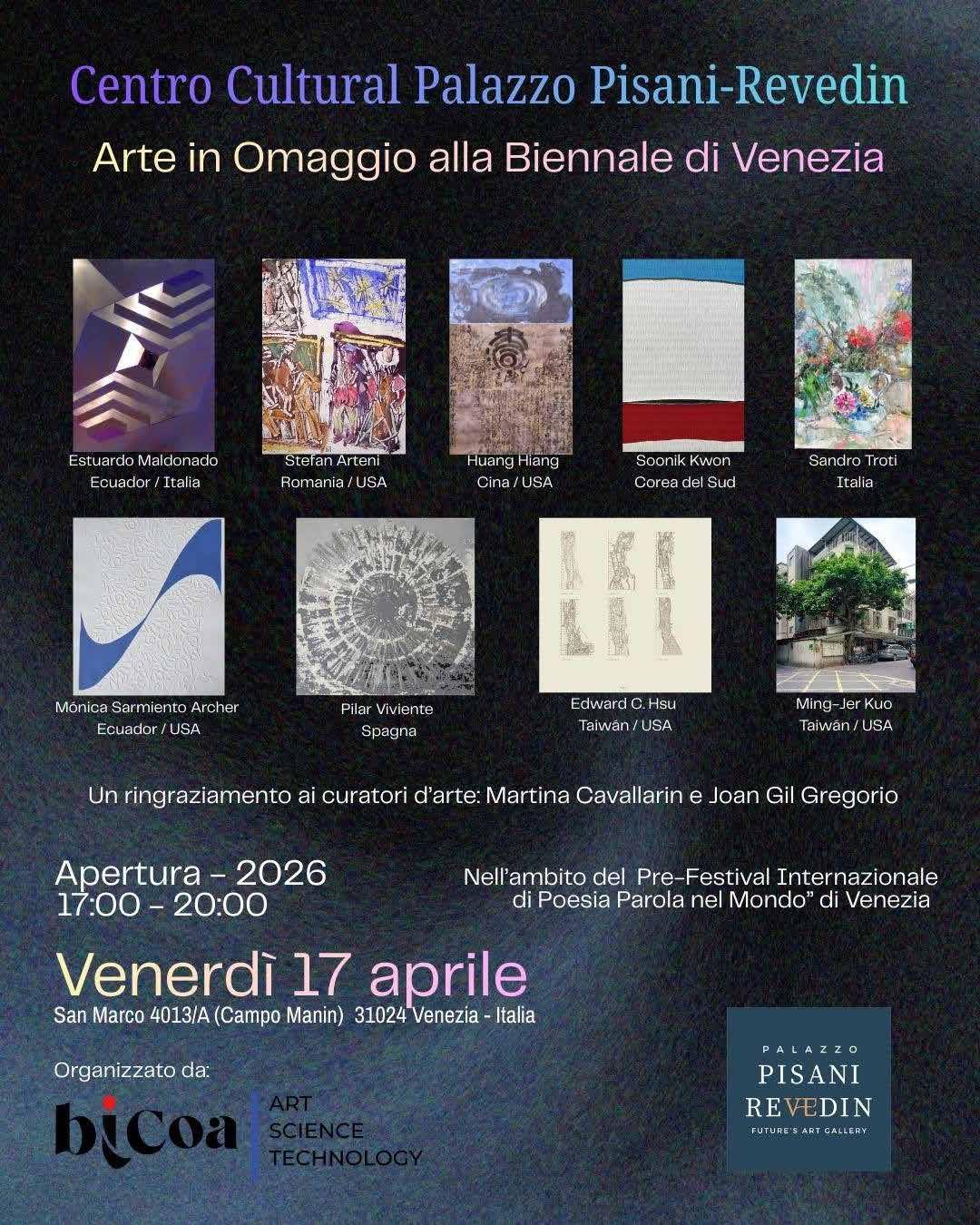
and prestige in the global cultural sphere, in dialogue—and tension—with the curatorial dynamics of the exhibition.
More than a parallel event, Art and Poetry in Homage to the Venice Biennale is configured
as a space of convergence where other forms of aesthetic community are explored, shaped by mobility, translation, and difference. In this sense, the exhibition not only accompanies the Biennale ecosystem but also questions it from its margins.
Participating artists:
Stefan Arteni – Romania
Sandro Trotti – Italy
Huang Xiang – China, represented by Kunlun Press and Borderless Culture & Art Center Inc.
Soonik Kwon – South Korea, represented by Bandritrazos Gallery.
Edward C. Hsu and Ming-Jer Kuo, Taiwanese Americans: represented by the Taiwanese American Arts Council.
Estuardo Maldonado – Ecuador – represented by the Estuardo Maldonado Foundation. Mónica Sarmiento Archer – Ecuador
Pilar Viviente – Spain
More information on the website: https://www.palazzopisanirevedin.it/
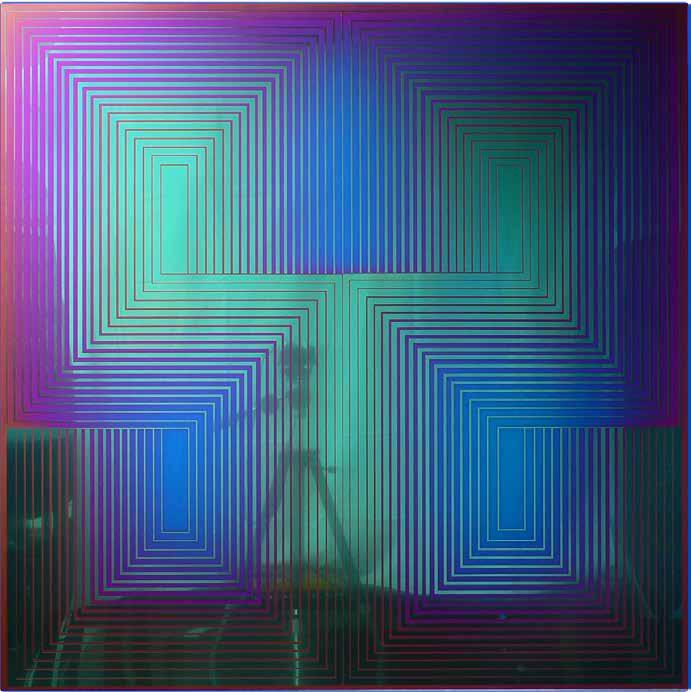
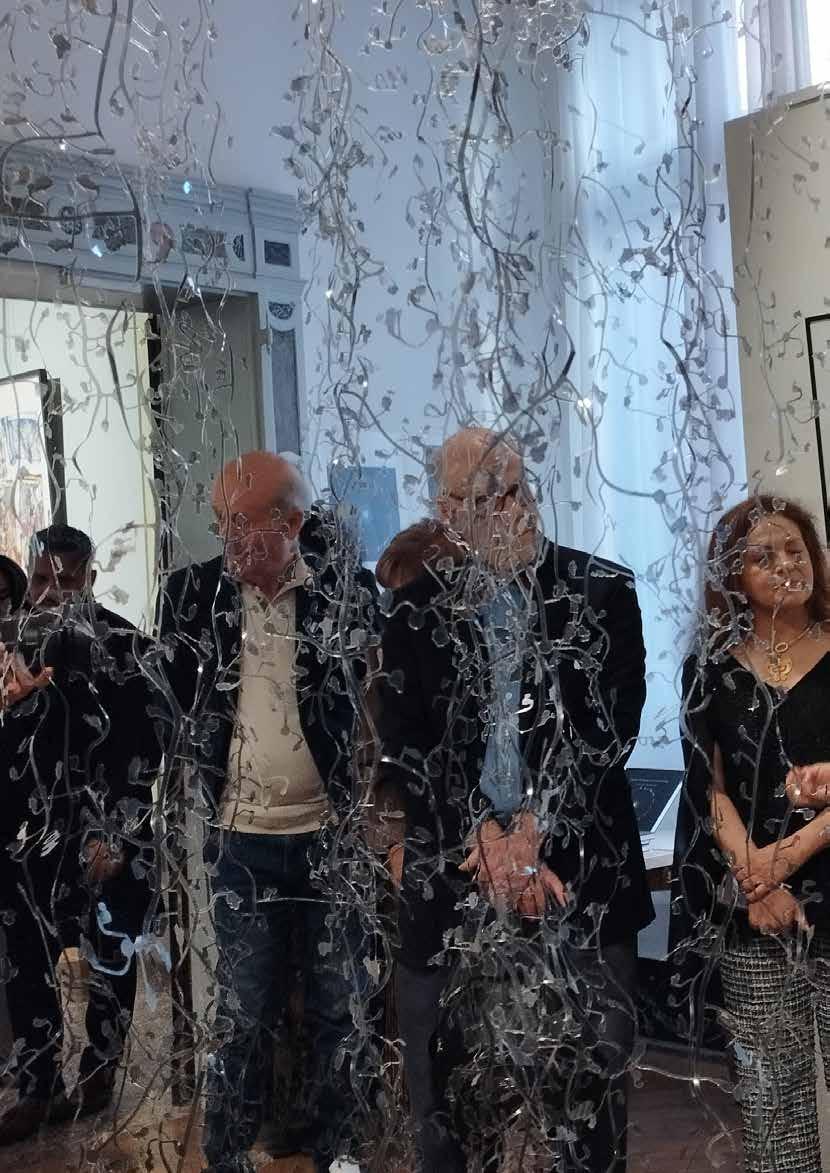
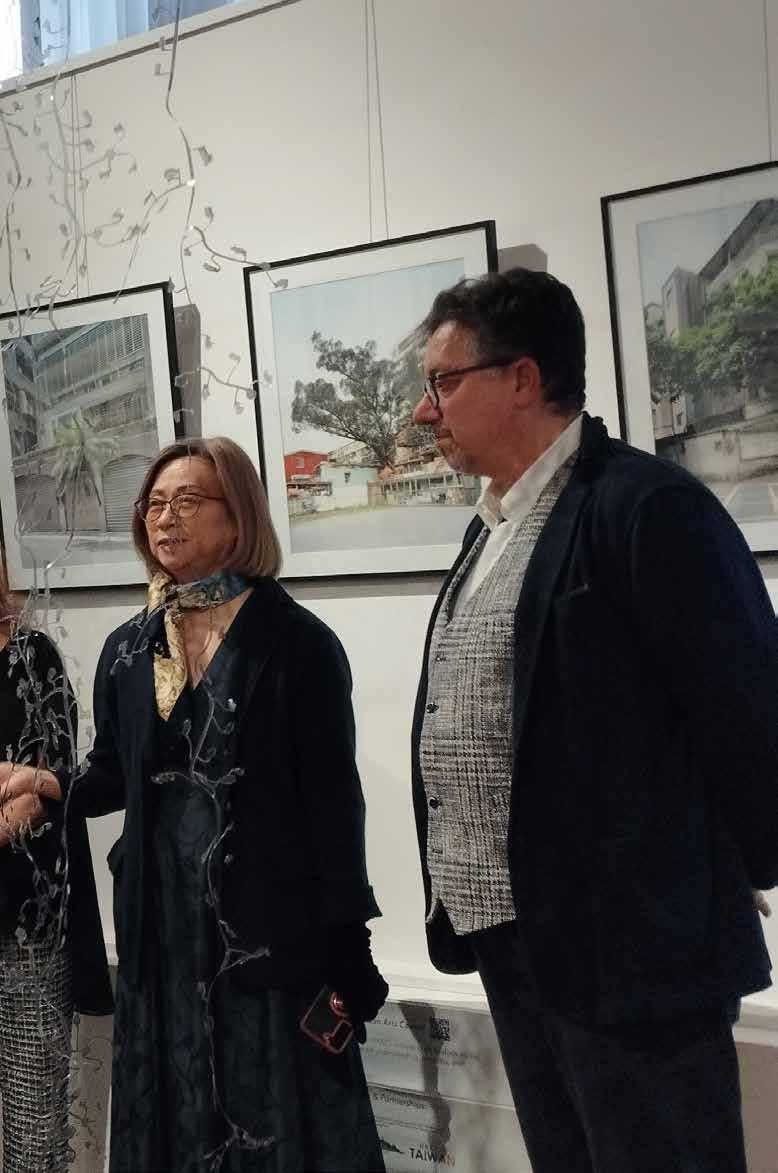
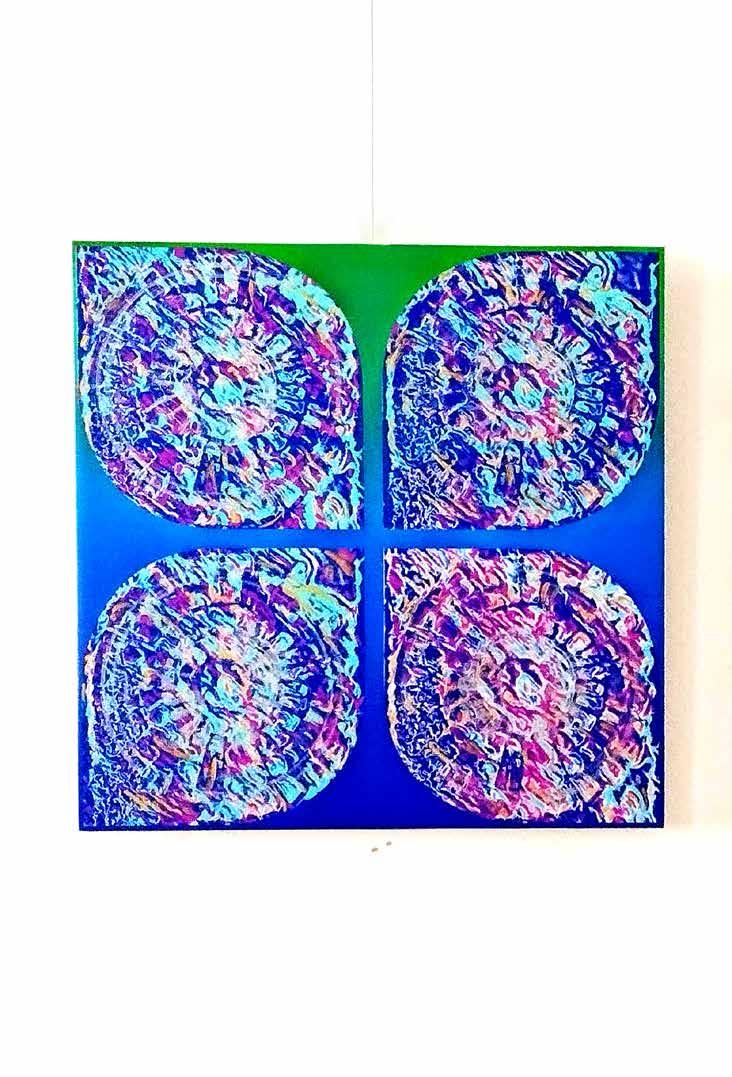
Ming-Jer Kuo Installation.
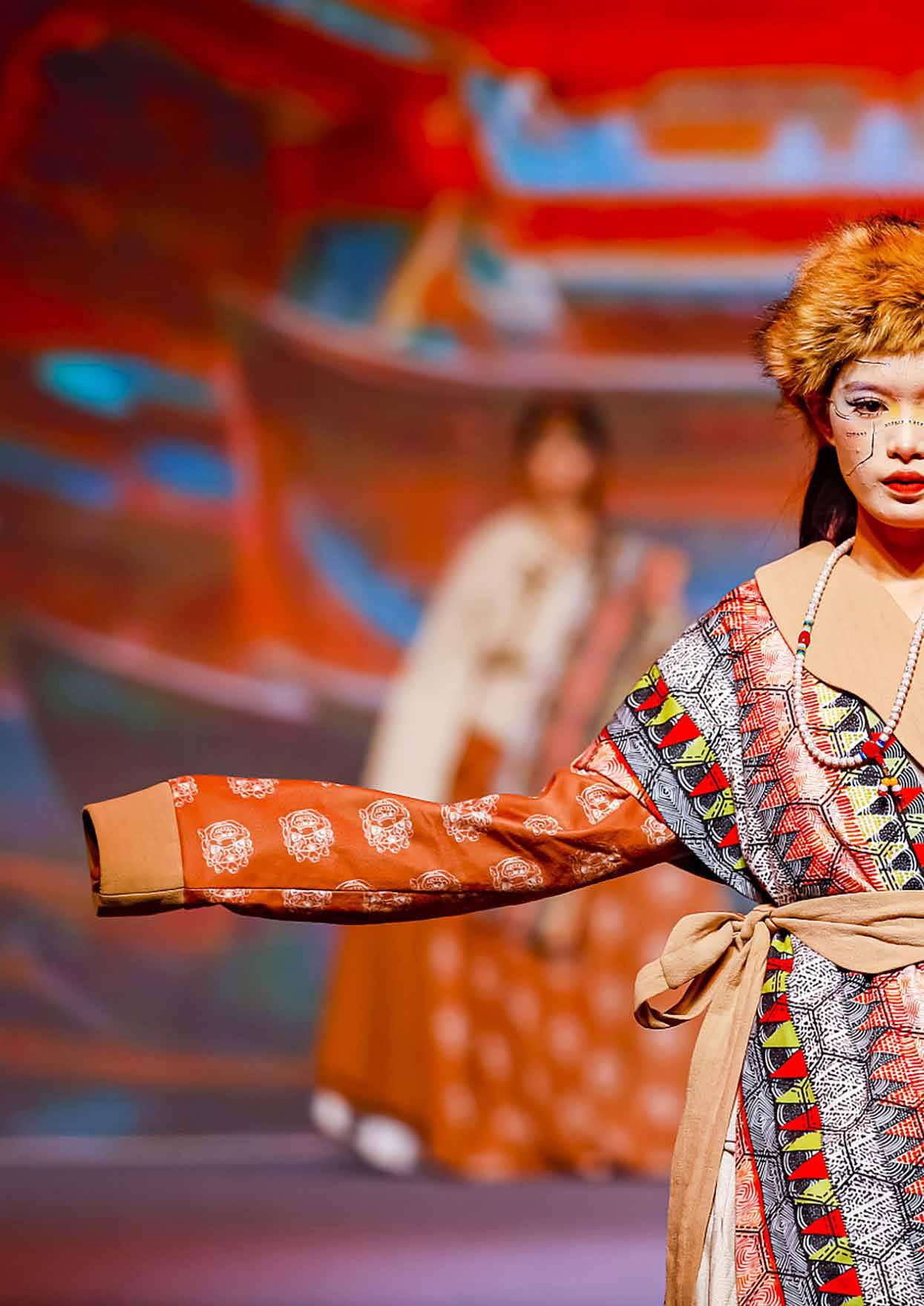
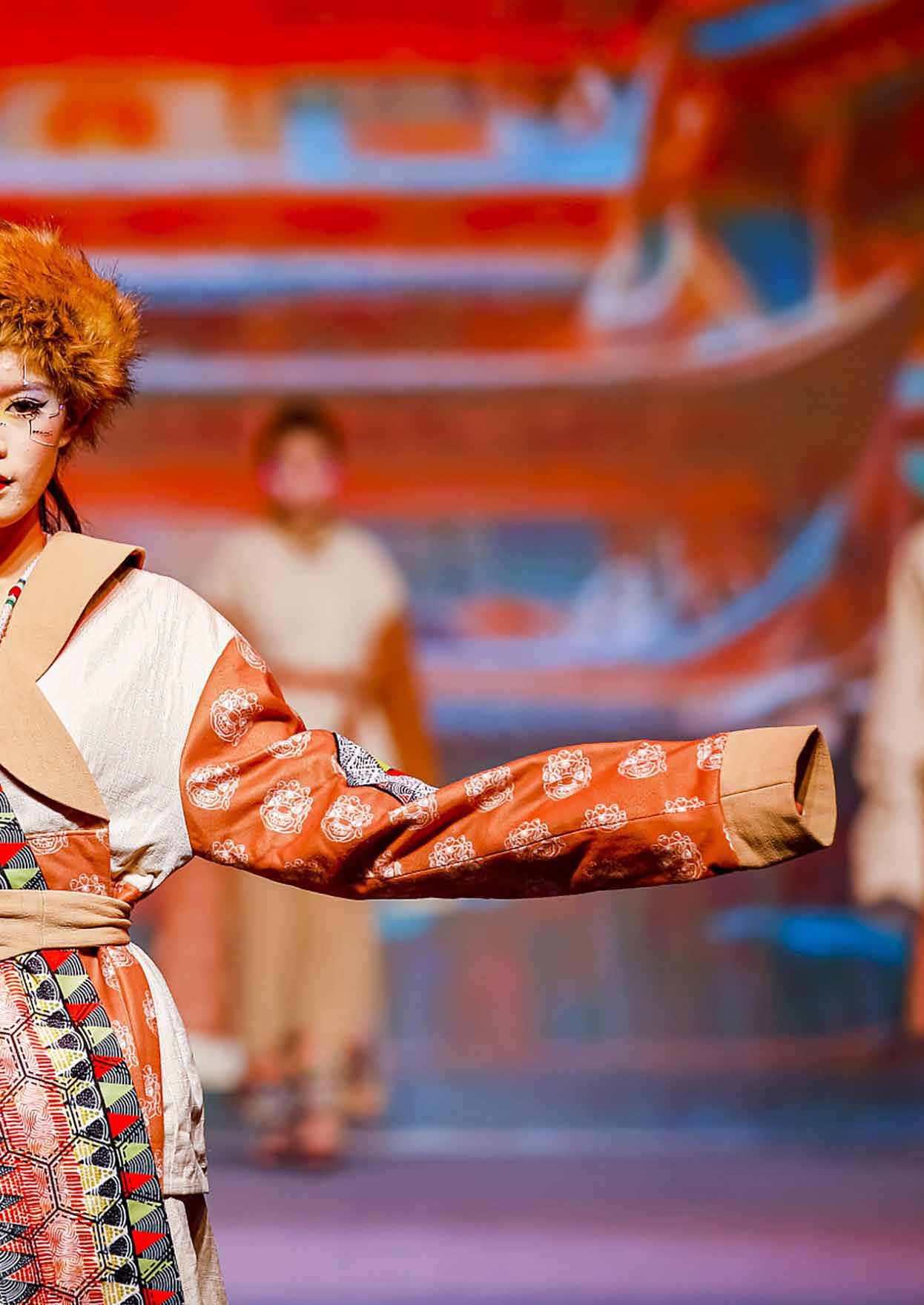
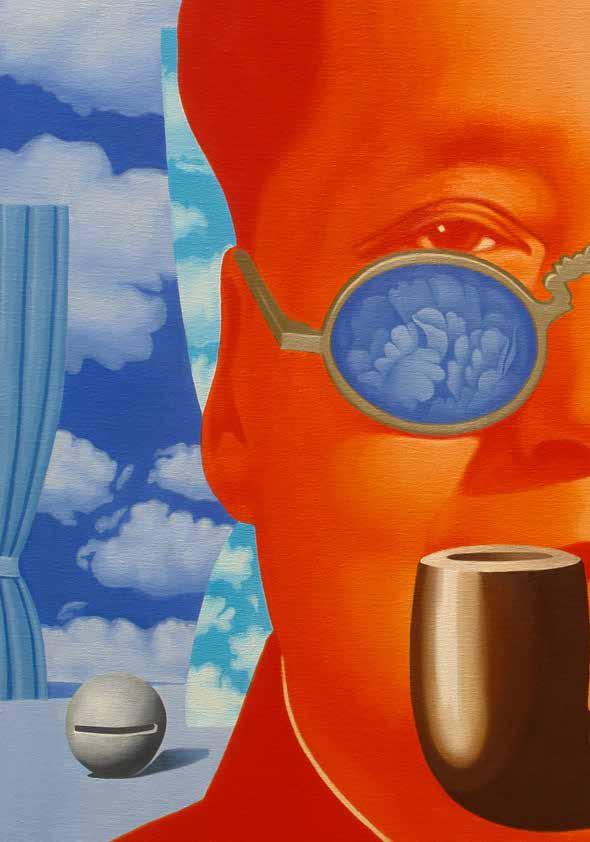
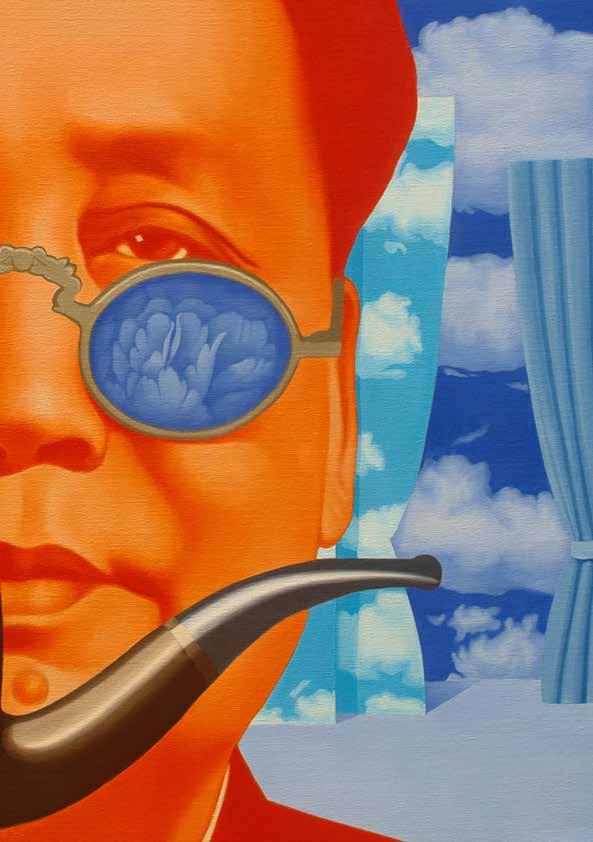
The word Chinoiserie (which first appeared in French dictionaries in 1839) emanates from the French word ‘chinois', meaning “Chinese” or “after the Chinese taste”. Chinoiserie was a European interpretation of East Asian design. In the West, trade with Asia was strong during the 17th and 18th centuries. It was then that, those who could afford to, became fascinated with the difference engendered by chinoiserie style.
In their introduction to the notion of Chinoiserie, Britain’s Victoria & Albert (V&A) Museum reminds us that …
“People had long been fascinated by the exotic nature of luxury products, such as porcelain, silk and lacquerware, that had been flowing into Europe from East Asia since the early 16th century. These imports stimulated Rococo designers of the mid-18th century to imitate and adapt oriental motifs and ornaments for a wide variety of objects. They didn't distinguish between what was Chinese, Japanese or Indian, but combined motifs to create an exotic fantasy world.”
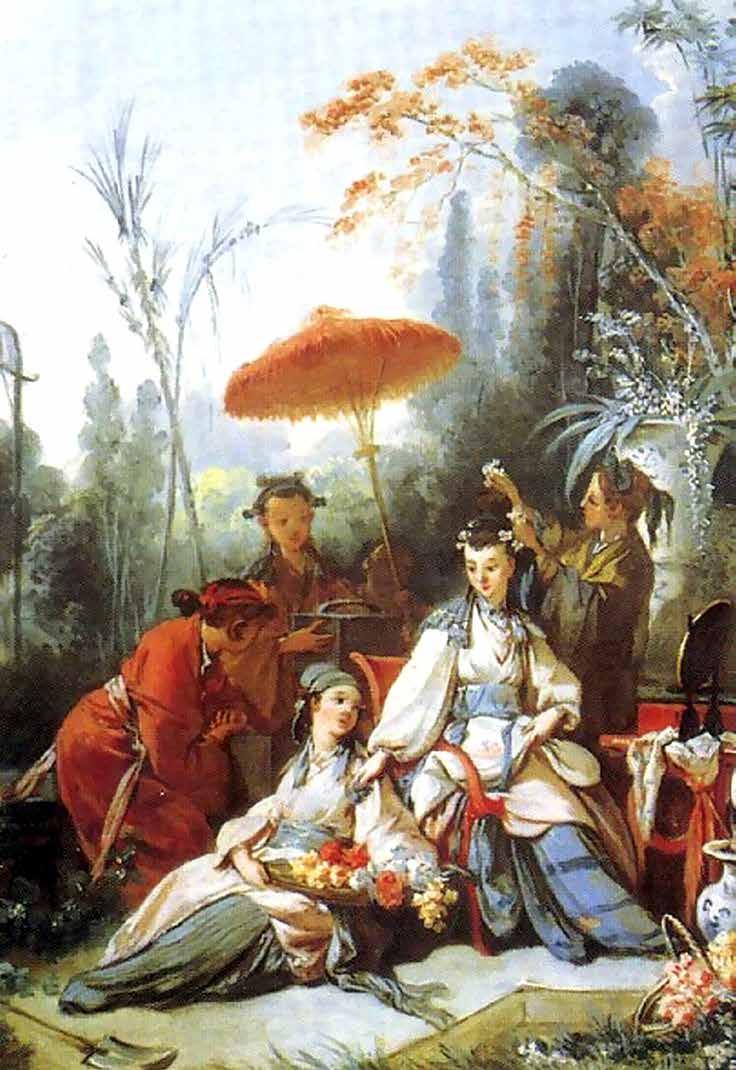
The popularity of a ‘Chinese Style’ had been promoted by France’s Louis XIV (with his building dedicated to Chinese porcelain - Le_ Trianon_de_Porcelaine) and artists like the French painter François Boucher (1703-1770) and his 1742 chinoiserie painting ‘The Chinese Garden’, and access to Chinese porcelain.
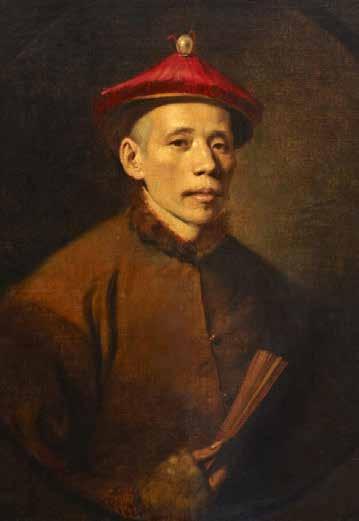
In England, at ‘The Royal College of Surgeons of England’, Lincoln’s Inn Fields, London, there is an oil on canvas painting. It is a three-quarterlength portrait and is attributed to the renowned eighteenth century British figure and landscape
painter John Hamilton Mortimer ARA. The portrait was executed sometime between 1770 and 1701, and is of a man who is obviously Chinese, clothed in his traditional national dress. The painting is titled ‘Chinese Mandarin’.
That ‘Chinese Mandarin’ was also known as Chitqua, who was born in Amoy, Canton (modern day Guangzhou), China, in 1728. He was the sitter for the ‘Chinese Mandarin’, and is the first ‘recorded’ Chinese artist to have visited Britain. According to various sources of the time, Chitqua was a very successful ‘unfired’ clay modeller in his own country.
London’s monthly magazine ‘The Gentleman’s Magazine’ (1771, p238) had this to say about him…
‘He is remarkably ingenious in forming small busts with a sort of China earth, many of which carry a striking likeness of the person they are designed to represent. He steals a likeness, and forms the busts from his memory.’
(Previously published in The Blue Lotus magazine Special Issue 7, 2021)
Even the French philosopher, writer, and satirist ‘Voltaire’ (François-Marie Arouet - 1694–1778) took a profound interest in things Chinese from the early 1700s. Voltaire’s Sinophilia can be seen in ‘L'Orphelin de la Chine’ (The Orphan of China, 1753/1755): A tragedy based on the 13th-century Chinese play The Orphan of Zhao, the Philosophical Dictionary (1764) and ‘Lettres chinoises, indiennes et tartares’ (Letters from the Chinese, Indians, and Tartars), 1776. He
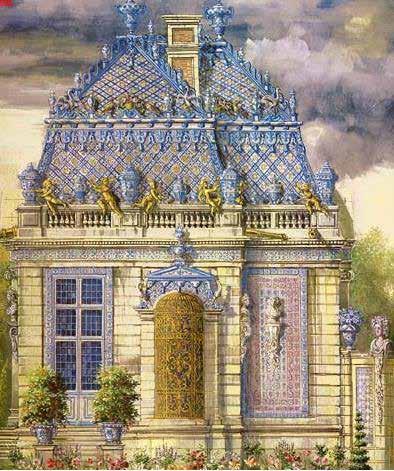
Artists_impression_of_Le_Trianon_de_Porcelaine, 1670
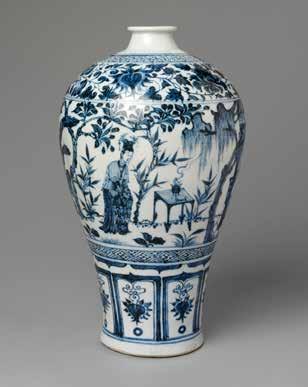
Vase, unknown maker, 1320 – 50, Jingdezhen, China. Museum no. C.8-1952. © Victoria and Albert Museum, London
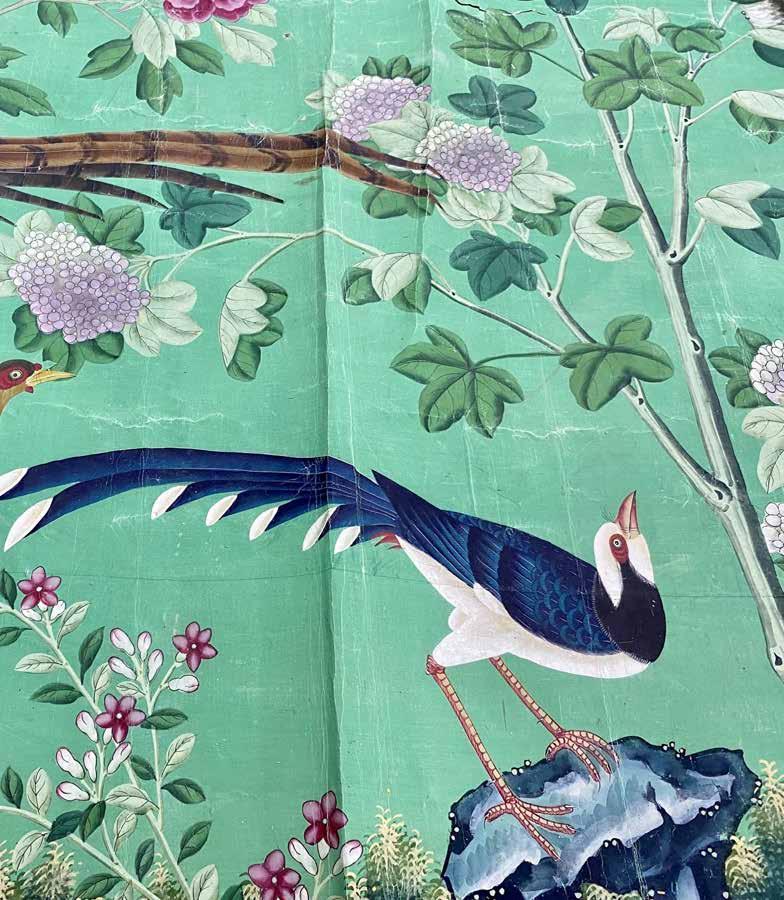
Wallpapers, dated between 1770-1812
also collected Chinese ceramics and lacquered furniture, viewing these objects as symbols of cosmopolitan taste.
In Britain….
“the middle of the eighteenth and the middle of the nineteenth centuries and many great houses contained a Chinese drawing room or a Chinese bedroom. These papers were imported from Canton as ‘private trade’ by captains of East India Company ships. Hand-painted and/or printed in ink and distemper-like colours, they were produced solely for export and were not used in China. They were usually supplied in sheets, each with a different scene, pasted together to form sets of 25 or 40 rolls, designed to fit the dimensions of European houses and to be hung in a numbered sequence.”
("The Global Appeal of Historic Chinese Wallpaper”, Brighton and Hove Museums, April 4, 2016).
By the 1880s, Sinophilia (aka Chinamania) had permeated into British culture to the extent that Andrew Lang (1844-1912, and known for his collections of ‘Fairy Tales’ frequently including traditional Chinese tales) published "Ballades & Rhymes from Ballades in Blue China and Rhymes à la Mode” (originally published in 1880), included the ‘Ballade of Blue China’…
“There's a joy without canker or cark, There's a pleasure eternally new, 'Tis to gloat on the glaze and the mark Of china that's ancient and blue; Unchipp'd all the centuries through It has pass'd, since the chime of it rang, And they fashion'd it, figure and hue, In the reign of the Emperor Hwang.”
(Extract from Andrew Lang, ”Ballades & Rhymes from Ballades in Blue China and Rhymes à la Mode”, C. Kegan Paul, 1880)
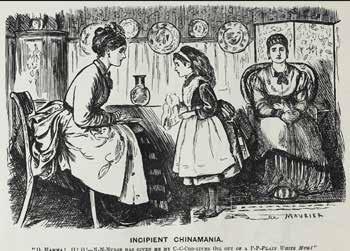
On the other hand ‘Sinophilia’ had been lampooned by Punch magazine, especially one cartoon six years beforehand by George Du Maurier, called “Incipient Chinamania,” (Punch, 26 December 1874), in which a child berates her mother. The child’s nurse had dared to proffer
her medicine in a plain white mug, rather than a ‘China Blue’ one.
By the end of the 18th century the Sinophilia/ Chinoiserie taste faded. However in the first half of the 19th century, George, Prince of Wales, who became the Prince Regent in 1811, and King George IV in 1820 had built a Royal pavilion in Brighton, in 1787 as a seaside retreat in the Indo-Saracenic style in three stages, and effectively reinvented the Chinese style interiors of the Royal Pavilion in 1802. Original Chinese wallpapers in Brighton’s Royal Pavilion, had been made by anonymous artisans in Canton (now Guangzhou).They were created exclusively for the European export market and transported to England by the East India Company.
Meanwhile, in China…
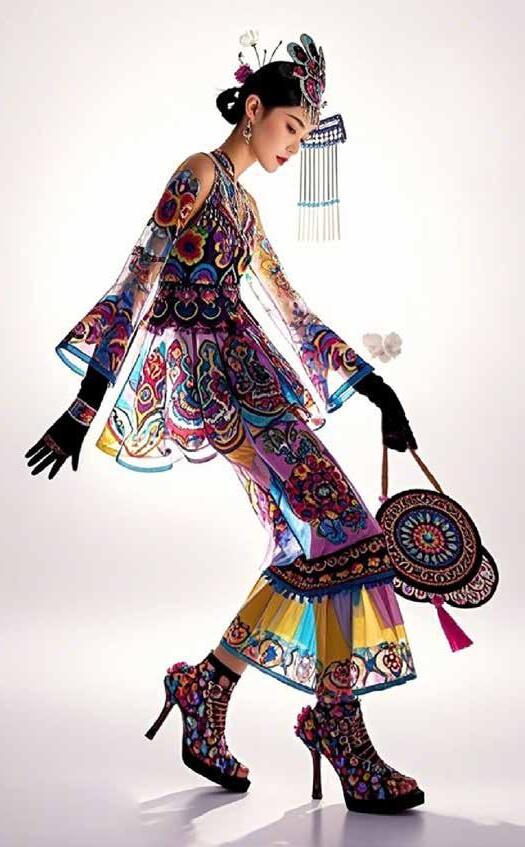
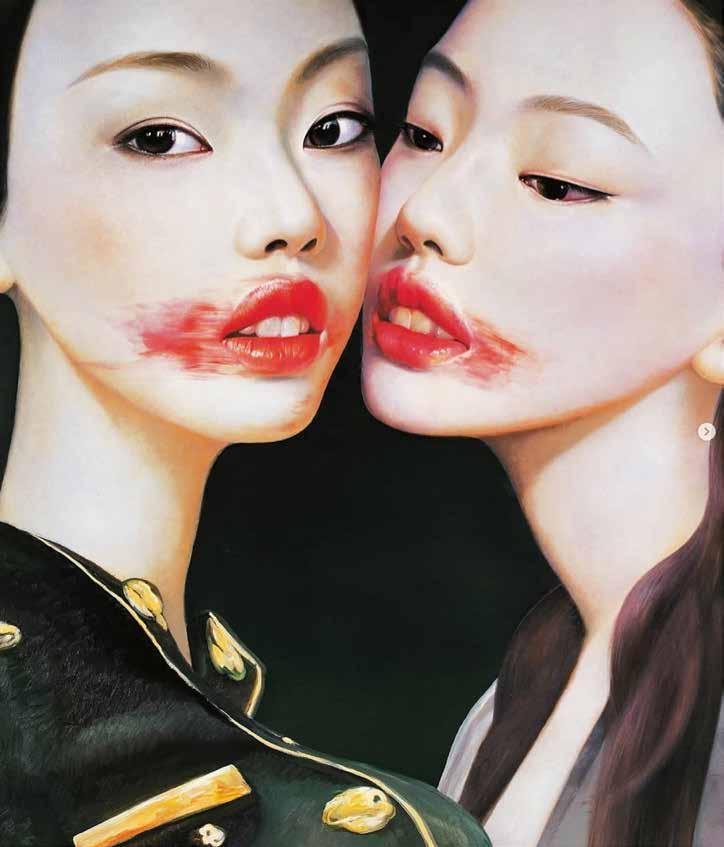
Chinoiserie has been referred to as 中国 风 (Zhōngguófēng), which translates as ‘China style’ or ‘Chinese wind’. China Chic is the English translation of the Chinese concept of Guochao (‘national wave’). Zhōngguófēng ( 中国风) and Guochao (国潮) are both cultural movements celebrating Chinese heritage, but differ in their focus, application, and target demographic. Zhōngguófēng is a broader aesthetic style focusing on traditional elements, while Guochao is a modern consumer trend blending tradition with contemporary street fashion and brand nationalism. In recent years, Chinese brands have been making inroads into the domestic and international markets. At the heart of this is Guochao, translated as ‘National wave’, ‘China chic’, ‘Chinese retro’ and a Chinese fashion renaissance.
Since the 1970s, China has been gradually reopening to the West. This has enabled the West to take a greater interest in things Chinese, but has also enabled China to re-look at itself.
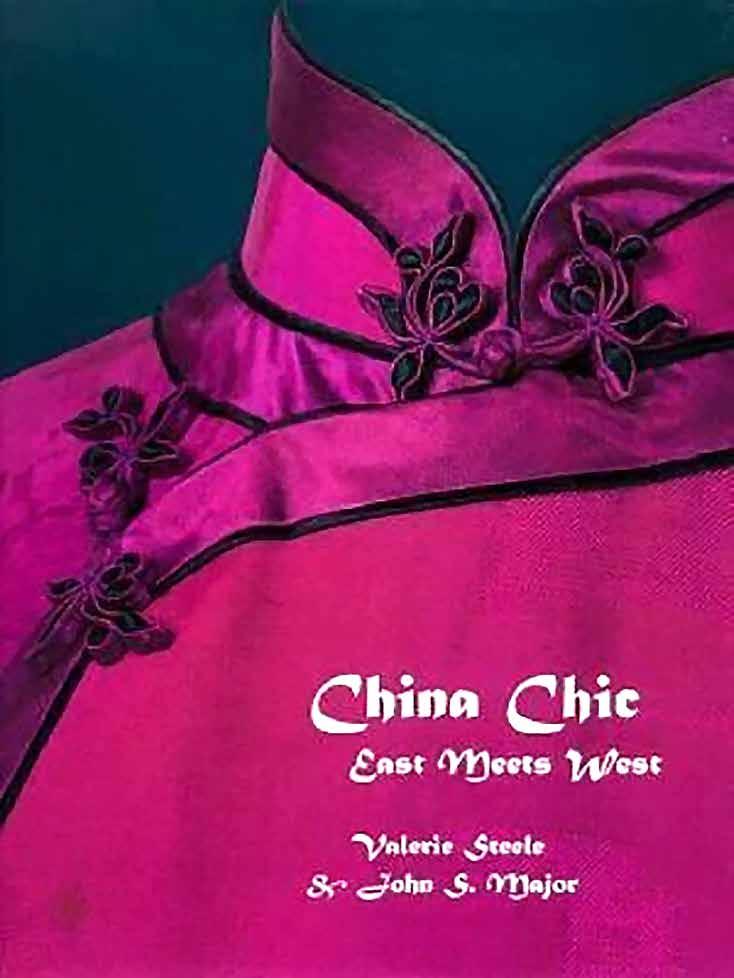
In the book China Chic (1999) by Valerie Steele and John S Major, in a section titled ‘China Chic: East Meets West’, it is mentioned that..
“Asian motifs have been part of the western design vocabulary for hundreds of years. What may be new in our own time is the intention on the part of many designers to integrate Asian shapes, fabrics, iconography, and other design elements into western fashion, not simply as yet another resurgence of exoticism, but as a genuine expression of broadening cultural horizons around the world. “
(Valerie Steele and John S. Major, China chic : East meets West, Yale University Press, New Haven and London,1999. p69)
Six years later…..
In the Preface to her book - Chinese Elements : Branding Design with Chinese Style, Zhao Yumei writes…
“Comparing with the strong influence of western culture in the past few decades, we witness more people wearing Han clothing in recent years in this country, not only in various events and exhibitions, but also in daily life. There are more people learning traditional Chinese culture across the globe, and books on traditional Chinese culture and sinology have also gained much popularity. For example, the national trend represented by the Palace Museum has been widely welcomed in the market, especially by the majority of young people born in the 1990s and 2000s.
Behind all this is the rise of China and the confidence of national culture it brought.”
(Zhao Yumei, Chinese Elements : Branding Design with Chinese Style, Design Media Publishing Limited)
Some make the claim that ‘China Chic’ began in 2018, however, taking note of the above texts, it becomes evident that ‘China Chic’ began as far back as 1999, if not earlier.
That notion, whether you want to call it Sinophilia, Chinamania, China Chic, Guochao or Zhōngguófēng, moves forward enhancing both Chinese and Western concepts and symbolisms of design gleaned from both. Sometimes it is with an honouring nod to one or the other, sometimes
it is with a wry (or knowing) glance.
Ed
The Iranian Revolution of 1979 (and the eight years of war between Iraq and Iran that followed) created a rupture in the country's history and its art, dividing them into two. The term "Iranian Cultural Revolution" (1980-1987) reveals this. Through the Revolution, an entirely new system of iconographic production took control of the native visual culture. University art studies were subjected to a different curriculum, and a new system of artistic patronage was established, imposing a new official conception of art. For modern Iranian art, which had previously benefited from state support, this meant nothing less than a break. The art sector was "cleansed" of its main protagonists, who went into exile while their works were blacklisted. The Revolution not only affected cultural production but also altered the perception and interpretation of cultural heritage. It subsequently changed all reflections on Iran, giving rise to two predominant theories, inside and outside the country, two seemingly irreconcilable perspectives for which no common language existed.
Compared to the art of the Qajar period (17851925), which took over a century to attract the attention of art historians outside the country, modern Iranian art has fared better: forty years after reaching its peak, it began to claim its rightful place in art history. This can partly be attributed to recent efforts by Iranian intellectuals, both inside and outside the country, to foster dialogue between the two artistic conceptions, emphasizing the relationship between art and politics. Such a political approach to art history
is understandable, as revolutions occur due to the impossibility of negotiation (and, in the case of a cultural revolution, the undesirability of such dialogue). Thus, any attempt to develop a coherent Iranian cultural thought cannot ignore the political questions related to the Iranian Revolution. It is expected that the works discussed here respond in one way or another to the rupture caused by the Revolution. This fracture has led their respective authors and editors to consider various categories (such as "the street, the studio, exile") to make sense of it or, conversely, to attempt to propose an "unedited" version of this history. Talinn Grigor writes, for example: "To best structure this study, contemporary Iranian artists, whether inside or outside Iran, can be divided into four main groups: 1) avant-garde artists during the Pahlavi dynasty; 2) so-called revolutionary painters; 3) the 'children of the 1360s' (in other words, the 1980s); and 4) young artists emerging today."
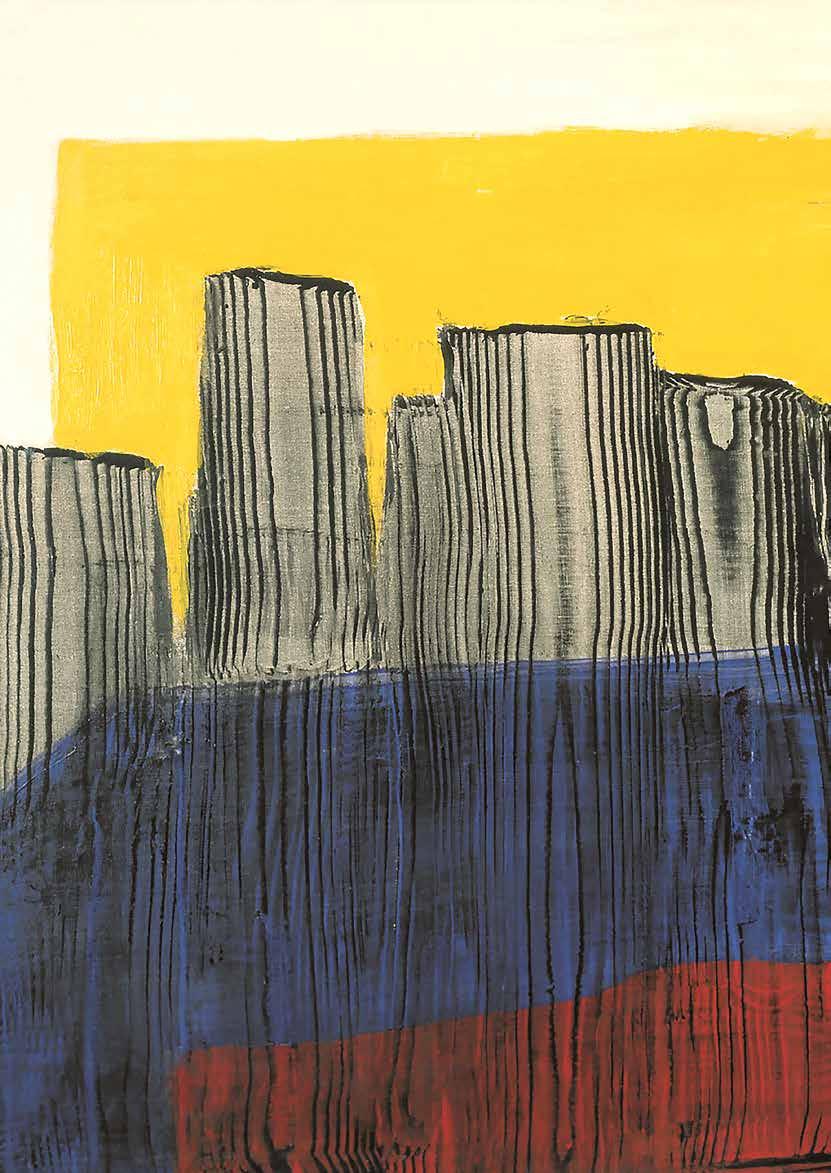
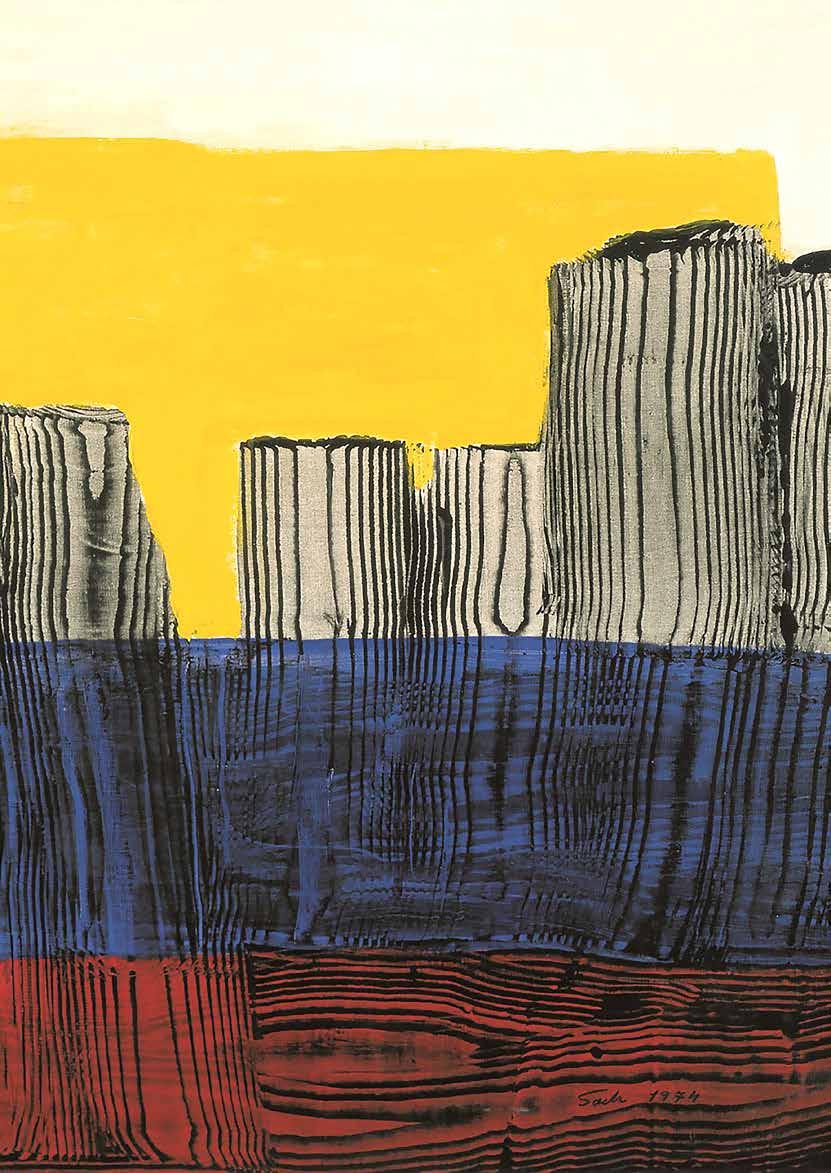
Although this classification is widely used in discussions about Iranian art, one might wonder what remains of it when applied to Iranian art as a whole, without rupture within the visual culture. Even an abstract painter like Behjat Sadr bears witness to the identical imprint left by politics on the art of her time. This can be seen in the brilliantly and meticulously designed bilingual monographic catalog by Morad Montazami and Narmine Sadeg. The attention paid today to the work of Iranian artists who have chosen to use Western stylistic codes is not only an attempt to revive historical memory and reveal the hidden
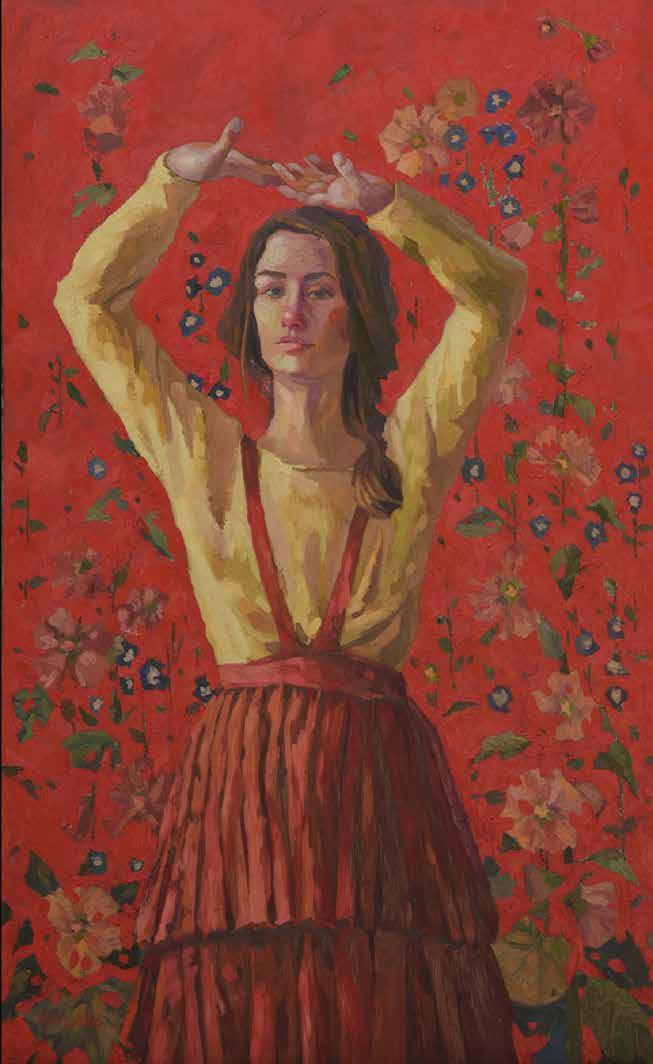
side of art but also a sign of a cultural desire among a generation of Iranian intellectuals to rethink and reassess an intellectual stance neglected over the past thirty years. It shows how this goes far beyond mere uncritical "mimicry" of Western aesthetics. Several questions raised by the works of this generation of artists remain relevant, and their answers are rich enough to serve as a foundation for contemporary Iranian artists. As Behjat Sadr writes in one of her poems: "For whom do we paint on the canvas the end of the anguish and fear of a century? Should we speak? Should we photograph? Should we write? Paint? [...] We must, we should, do everything to convey the profound meaning of our time, tearing it from the newspapers, sticking it, trying to extract it by all means. [...] As the leftists say, 'the message' can be expressed through collage. I hate the lexicon of the Left." The way an entire generation of Iranian artists has responded to these questions through their works attests to the emergence of a different form of modernism. If this had continued, one could argue that such a version of modernism would have developed its own true visual language, usable throughout the Middle East.
In this field, the current trend among intellectuals is not to encourage a political reading of an apolitical artistic movement but to show that modern Iranian art is simply imbued with such a political reading. As Anoush Ganjipour rightly observes: "On the one hand, the adoption of modern art has a political purpose insofar as it serves to introduce new values and challenge old ones. On the other hand, it concerns the control over the image a community presents of itself to the outside world. The relationship between art and politics, as such, only became problematic when Iranian artists began to feel concerned about what the language of the time started to call the 'responsibility of intellectuals.' It is indeed there that one can identify the first moment of said relationship."
A very different kind of art politicization emerged after the Revolution: "But the fact is that after the 1979 Revolution, an Islamic Republic
was established, which also claimed a truth
absolute and integral.
Art Critique
Printed Edition
Publication Date: November 15, 2014
ISBN: 1246-8258
ISSN: 1246-8258
Electronic Reference
Bavand Behpoor, "Modern Iranian Art in Perspective," Art Critique [Online], 43 | Autumn 2014, published online on November 15, 2015, accessed April 20, 2019. URL: http://journals. openedition.org/critiquedart/15333; DOI: 10.4000/critiquedart.15333
This document was automatically generated on April 20, 2019.
EN
Modern Iranian Art in Perspective
Bavand Behpoor
Translation: Isabelle Fabre
Talinn Grigor. Contemporary Iranian Art: From the Street to the Studio, London: Reaktion Books, 2014
Behdjat Sadr: traces, Paris: Zamân Books, 2014. Edited by Morad Montazami and Narmine Sadeg
Unedited History: Sequences of Modernity in Iran from the 1960s to Today, Paris: ParisMusées, 2014
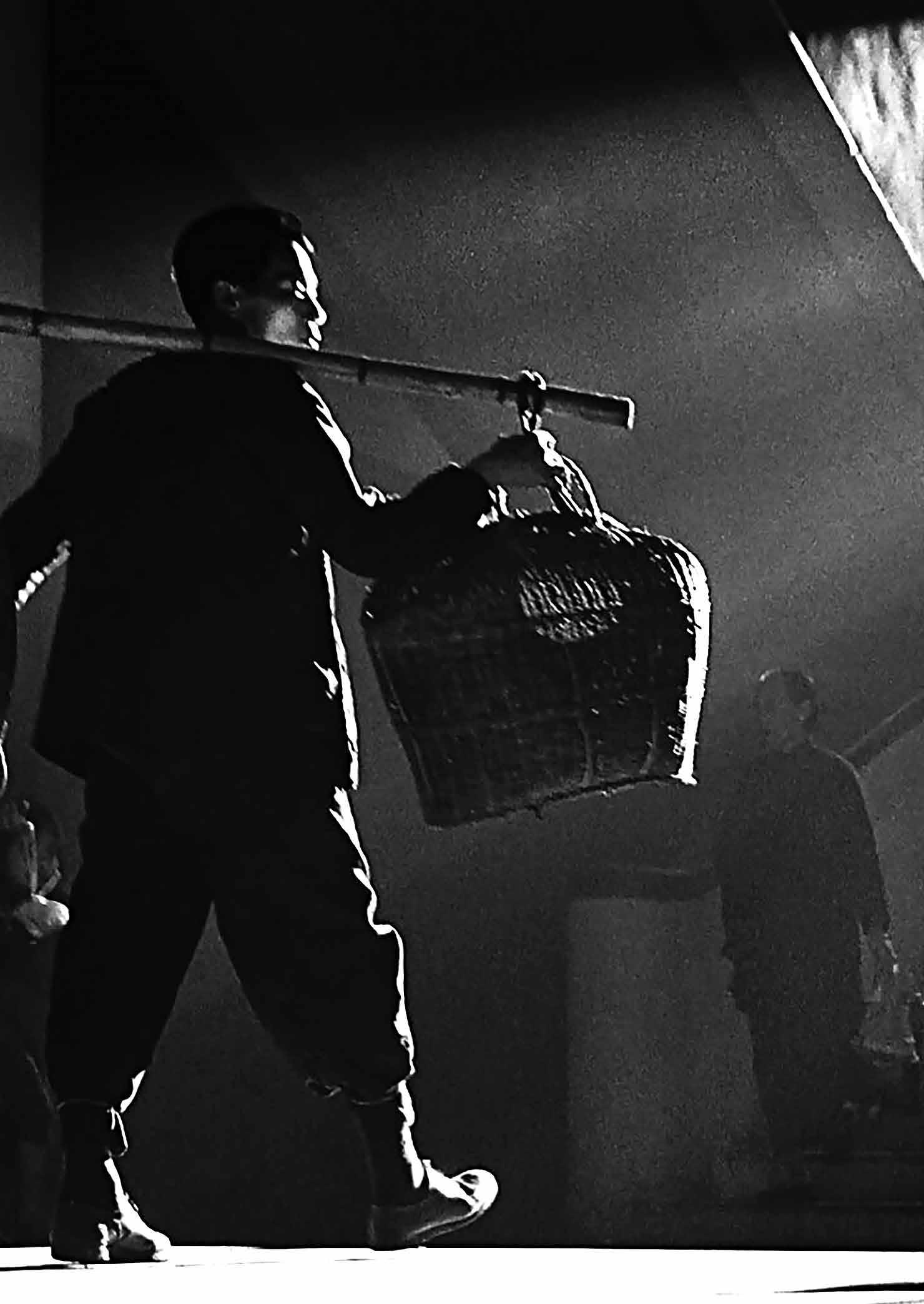
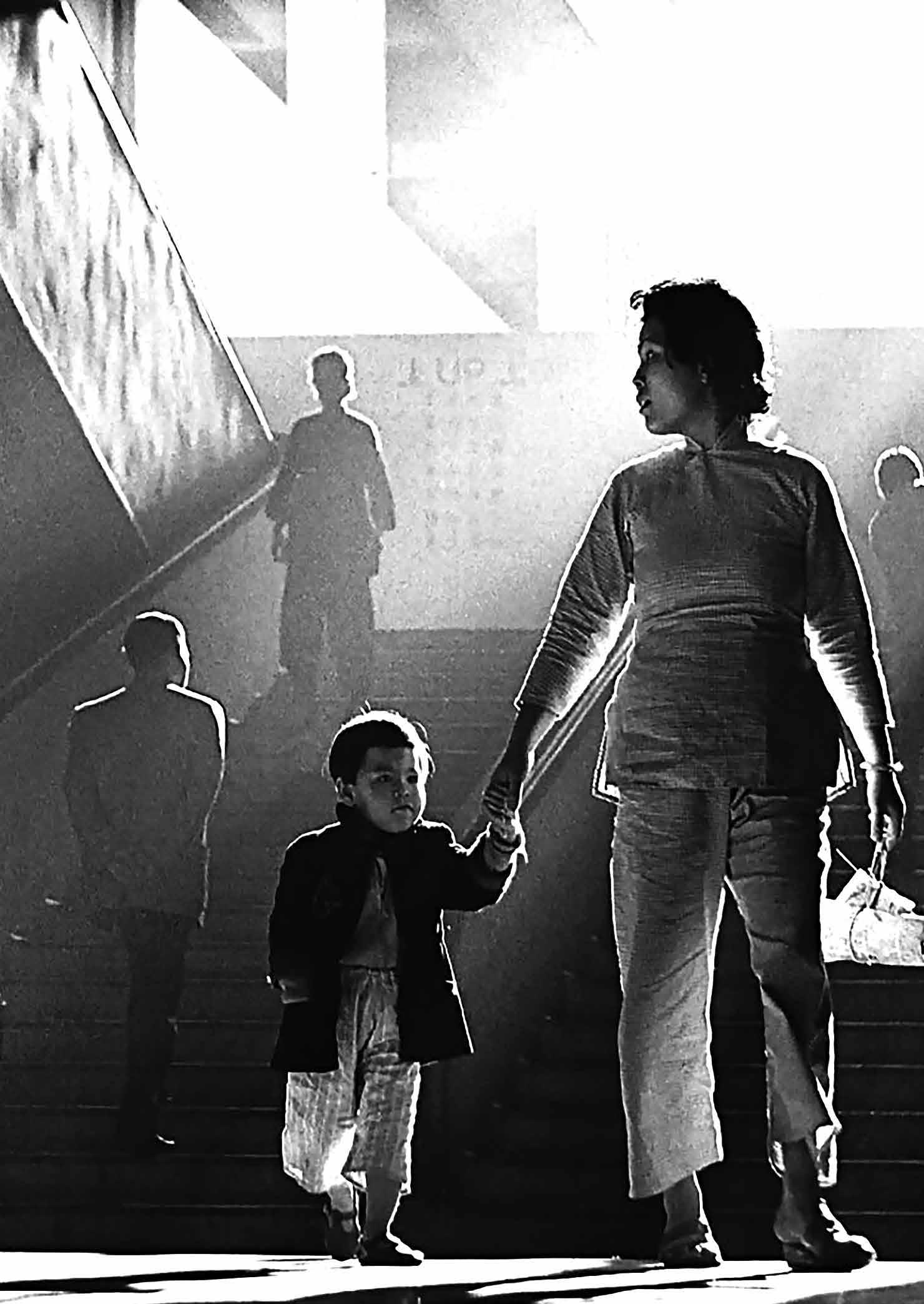
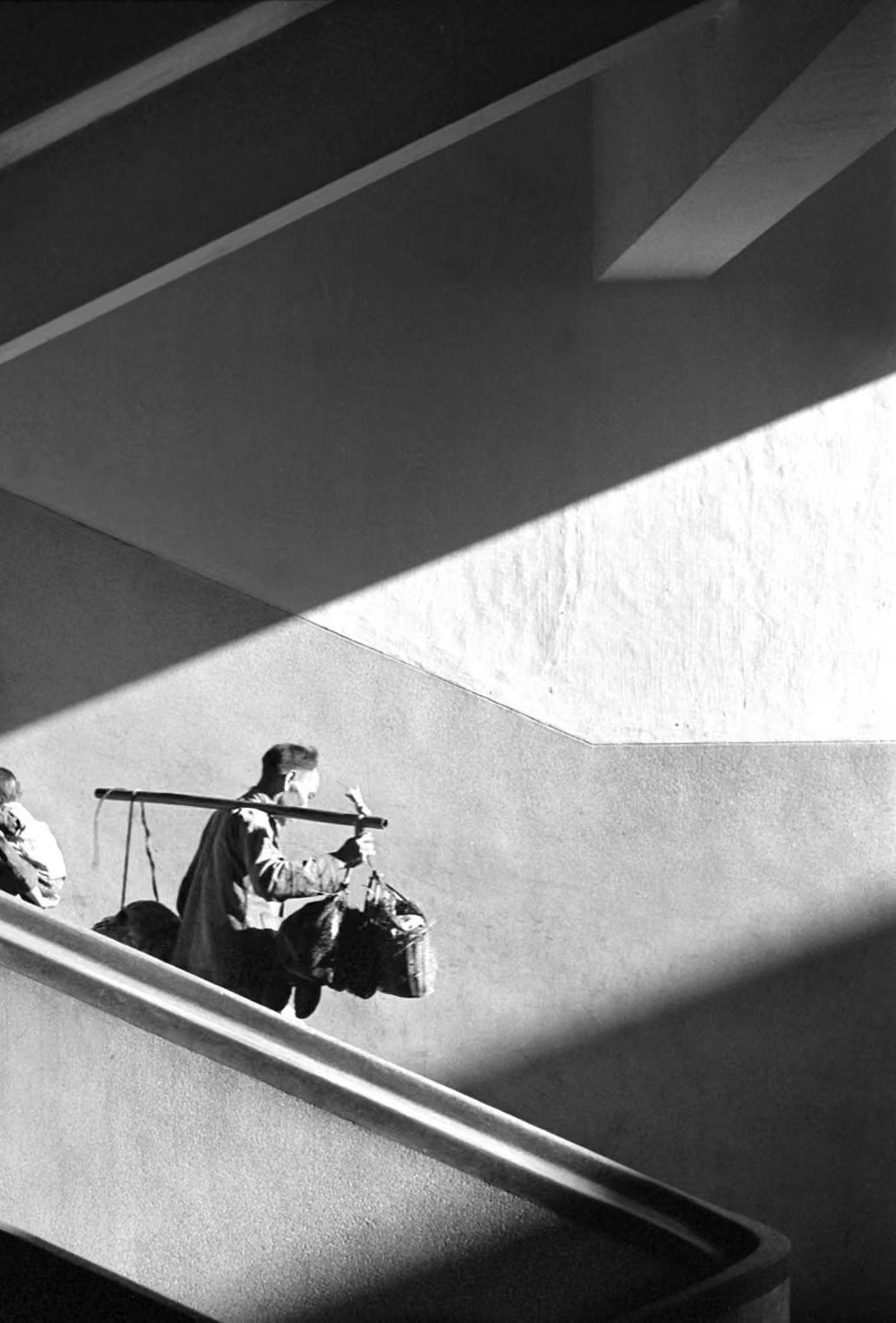
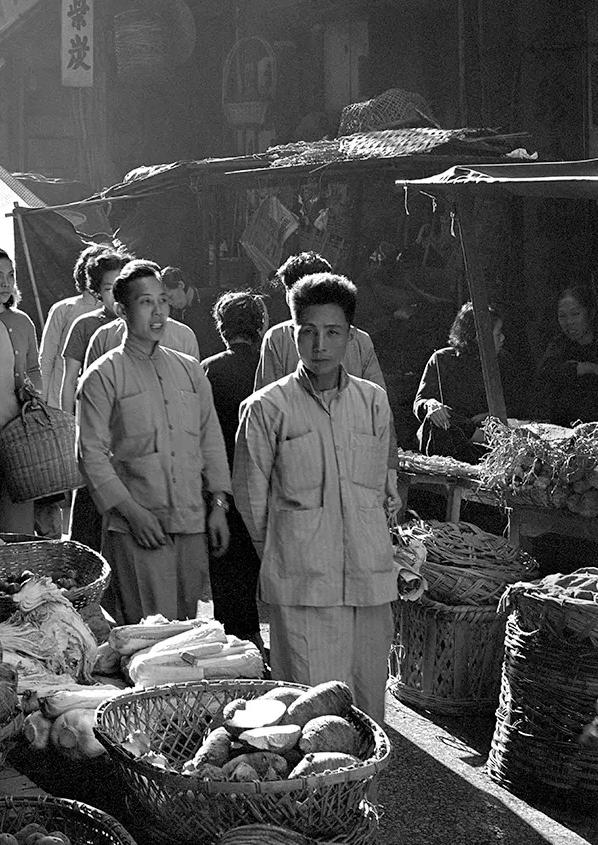
Quarter to four
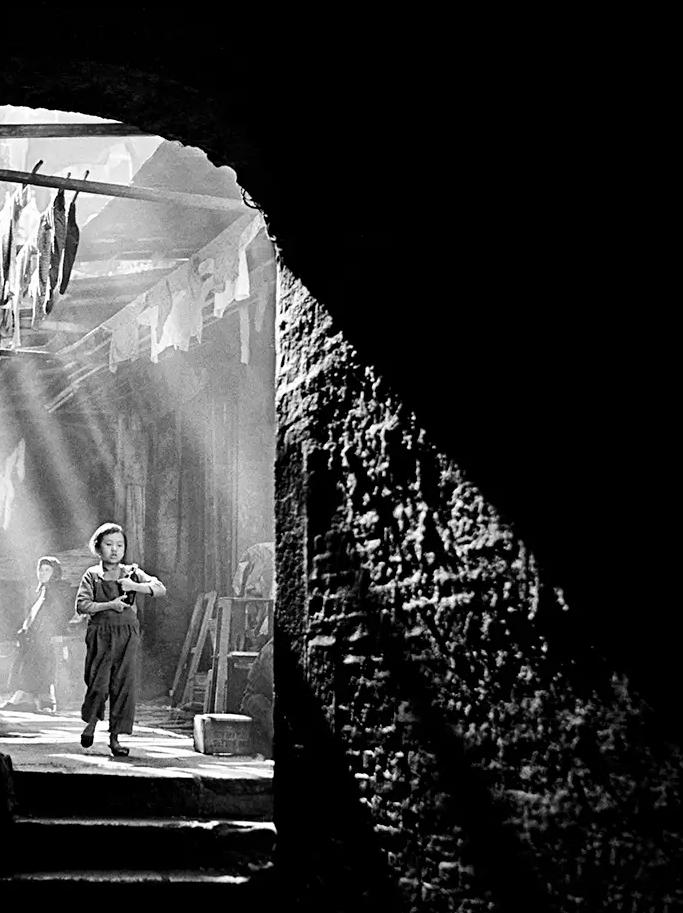
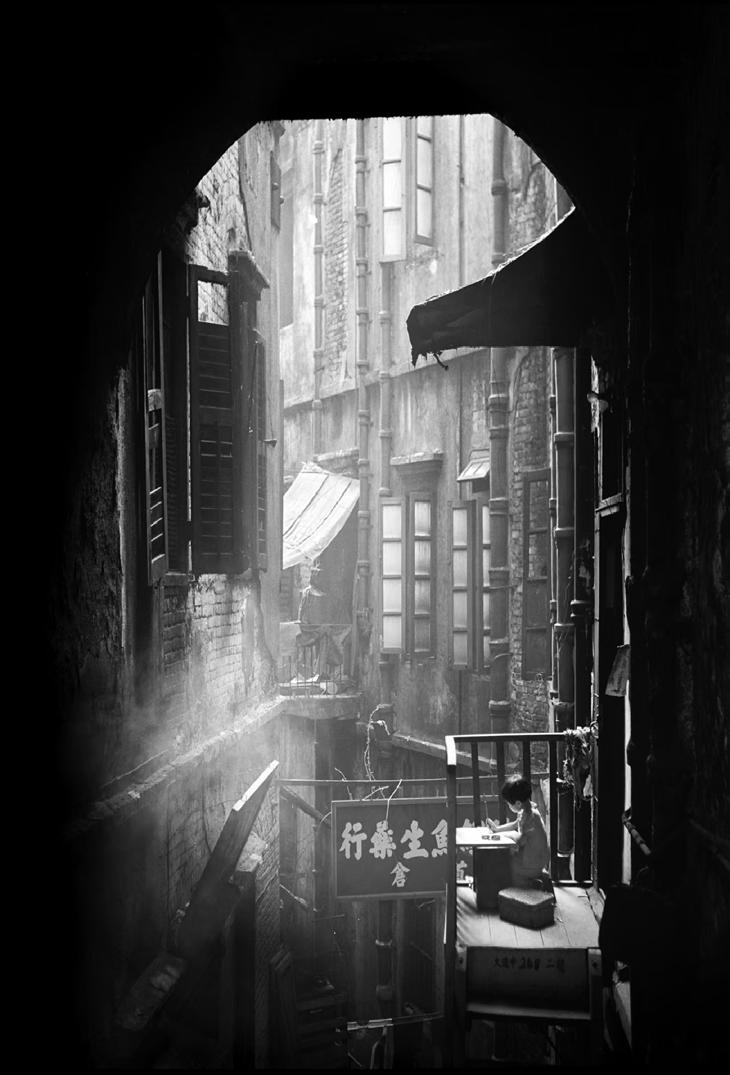
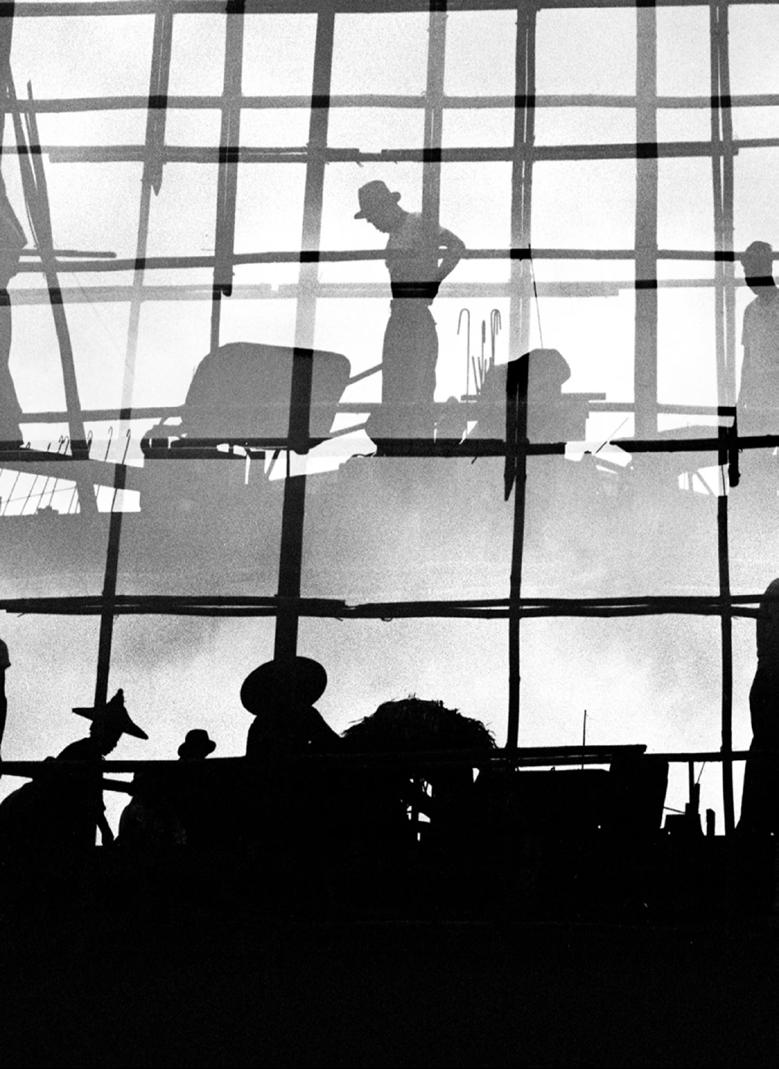
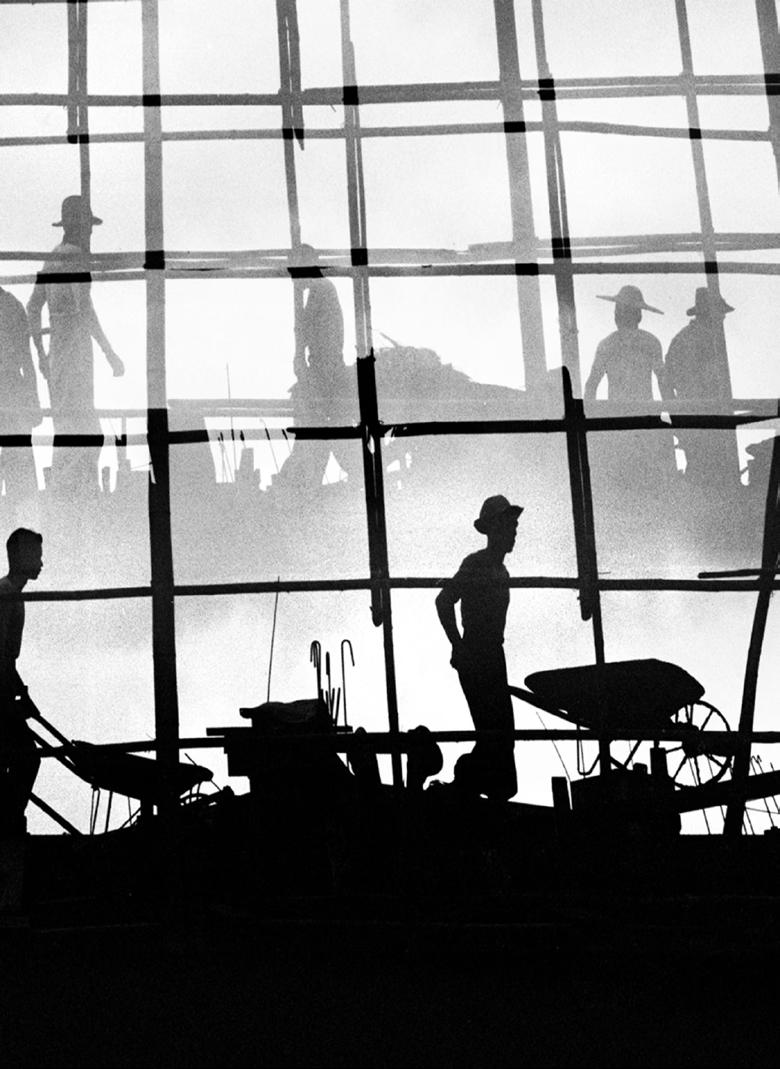
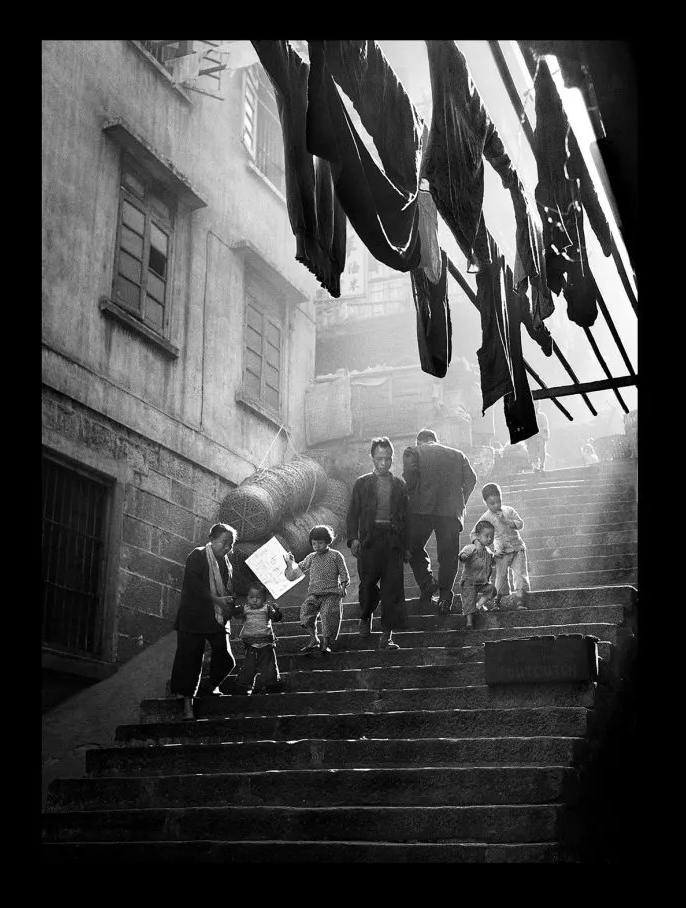
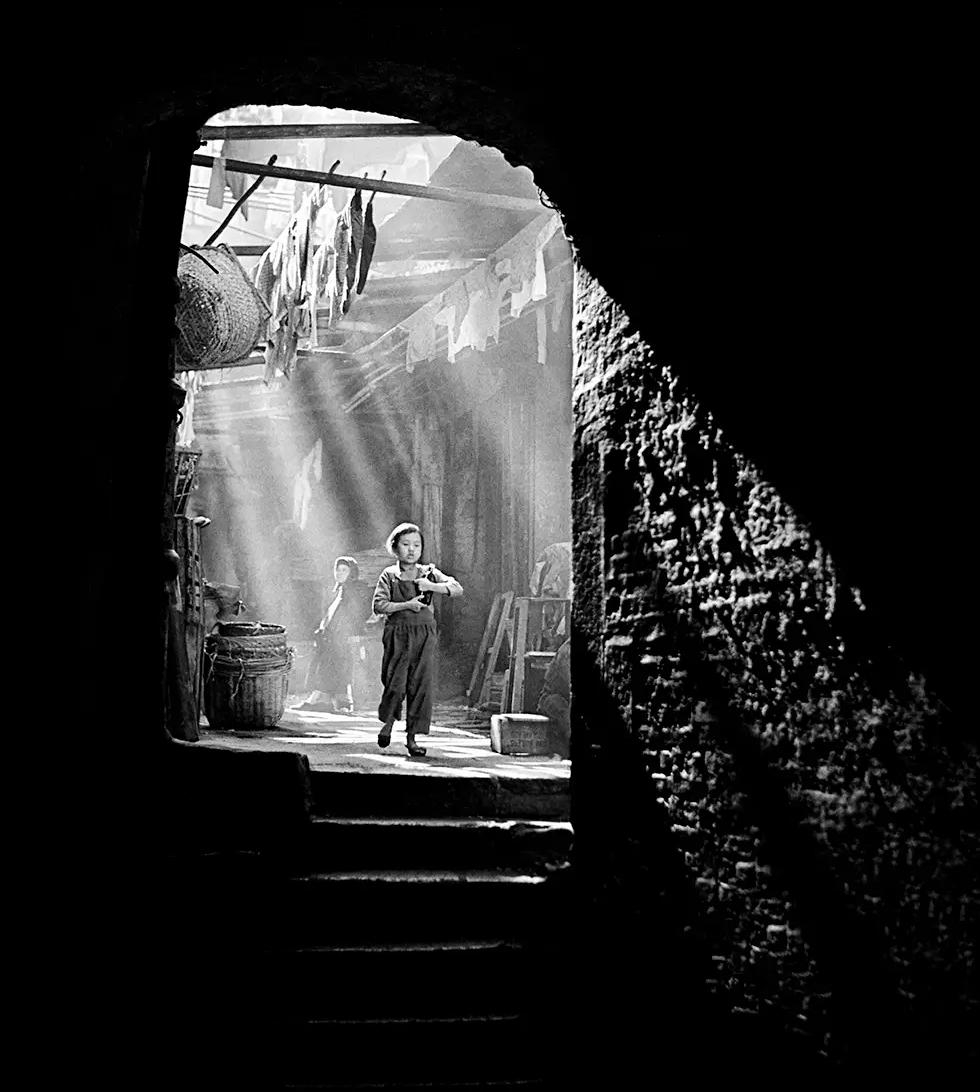
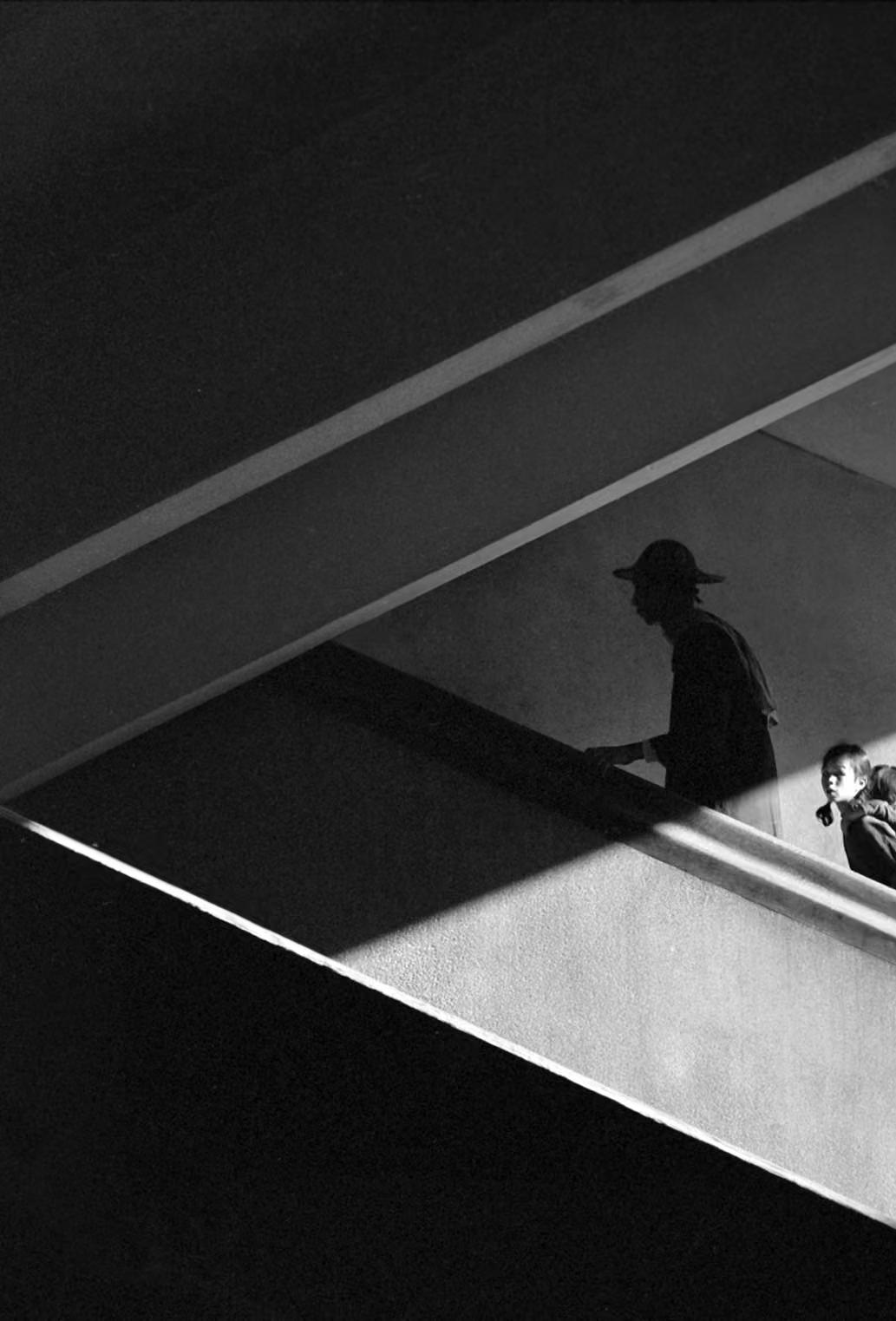
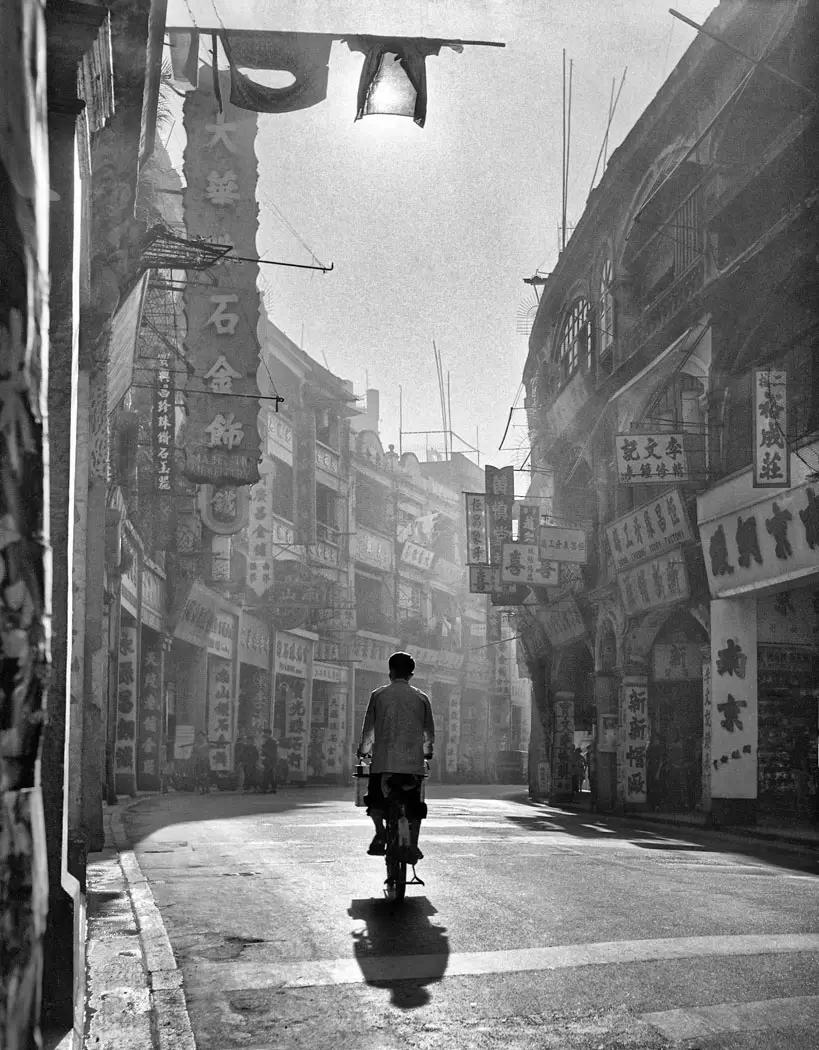
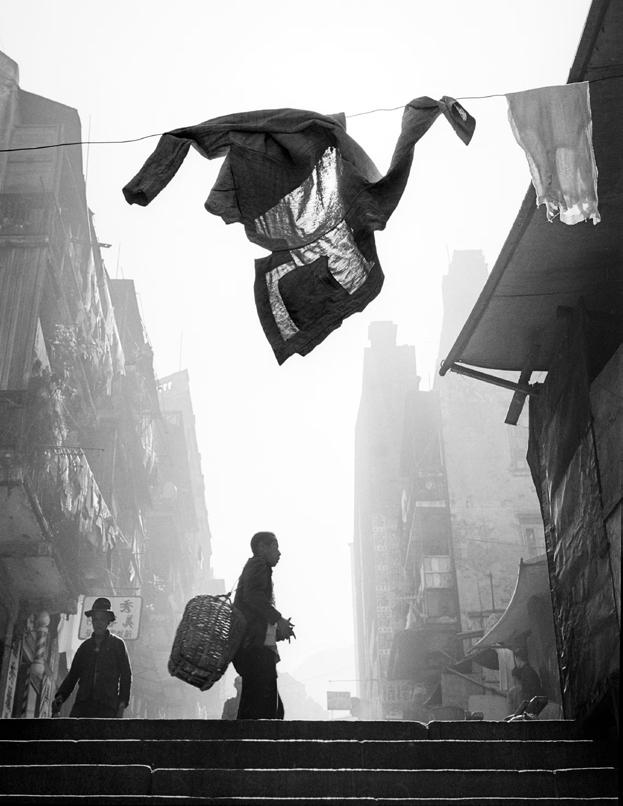
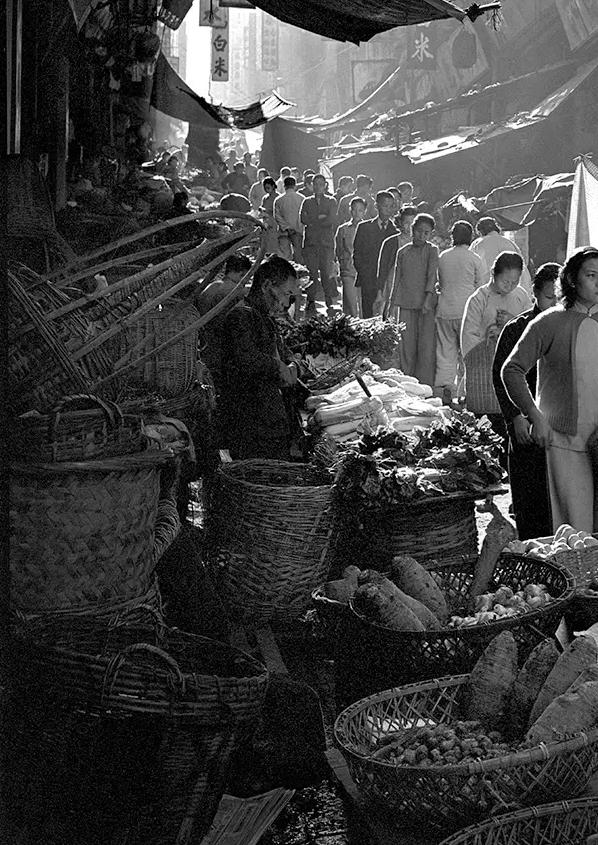
The Chinese photographer Fan Ho was born in Shanghai (1931) and took up photography at the age of 14, taking pictures with a Kodak (box) Brownie camera his Father gave him. Later, when Fan was 18, his father bought him a single Rolleiflex 3.5 Automat (Type K4A) with which Fan continued to use to take his innovate and award-winning photographs. In 1949, Fan Ho’s parents moved to Hong Kong, and Fan Ho used his desire for photography to take images of his fascinating new environment, which he saw as a living theatre.
Fan Ho had been called the 'Cartier-Bresson of the East’. His works earned him close to 300 local and international photography awards and titles. During his lifetime, Fan Ho taught photography and film-making at various universities worldwide. His works remain in private and public collections which, most notably, include that of M+ Museum (Hong Kong), Hong Kong Heritage Museum, Bibliothèque National de France, San Francisco Museum of Modern Art, Santa Barbara Museum of Art (USA).
“I saw Fan’s photography for the first time over 50 years ago. The images carved themselves into my mind and are still touching when I think about them today. While Chinese landscape paintings like to “leave white space”, Fan’s black-and-white prints “leave shadows”. A child passes in front of a tram, both leaving behind elongated shadows; charming ladies in cheongsams stroll along a corridor, appearing especially gentle among the sturdy shadows cast by the supporting columns; a long flight of stone stairs, light and shade, black and white, are all interlaced just like on musical scores. Elders and children going up and down the steps, are resembling musical notes. Slanted and back light capture every animated face and action, leaving each one’s imprint on the trodden steps. The whole composition inspires a feeling of warmheartedness and harmony. “
(John Woo FOREWORD REMEMBERING MY RESPECTED BROTHER, in Portrait of Hong Kong, WE Press Company Ltd, Hong Kong, 2017)
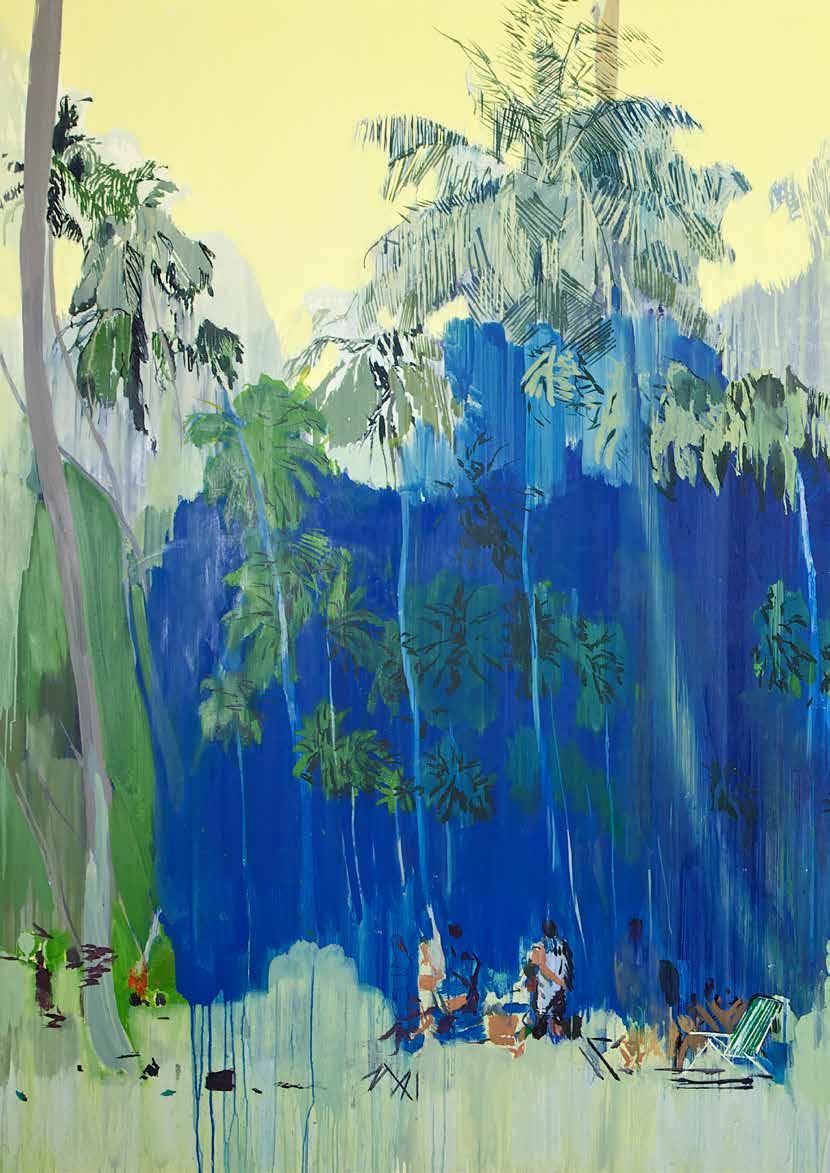
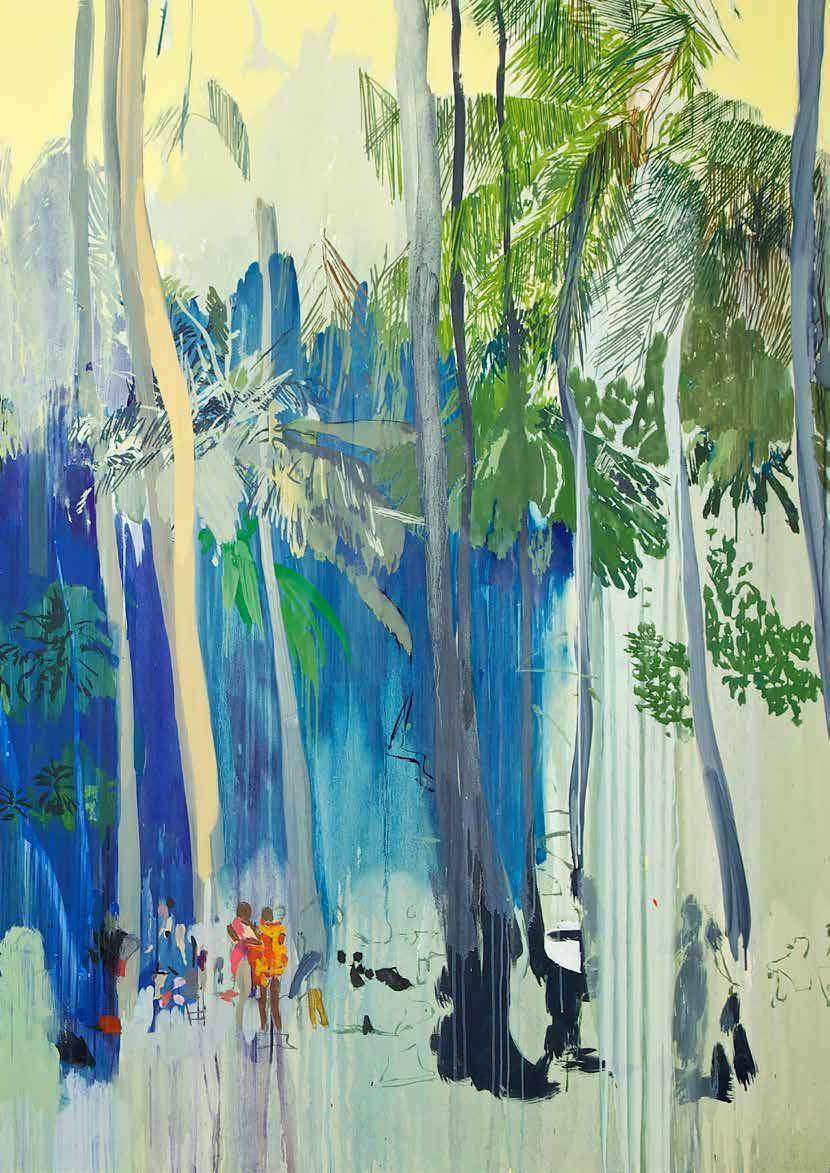
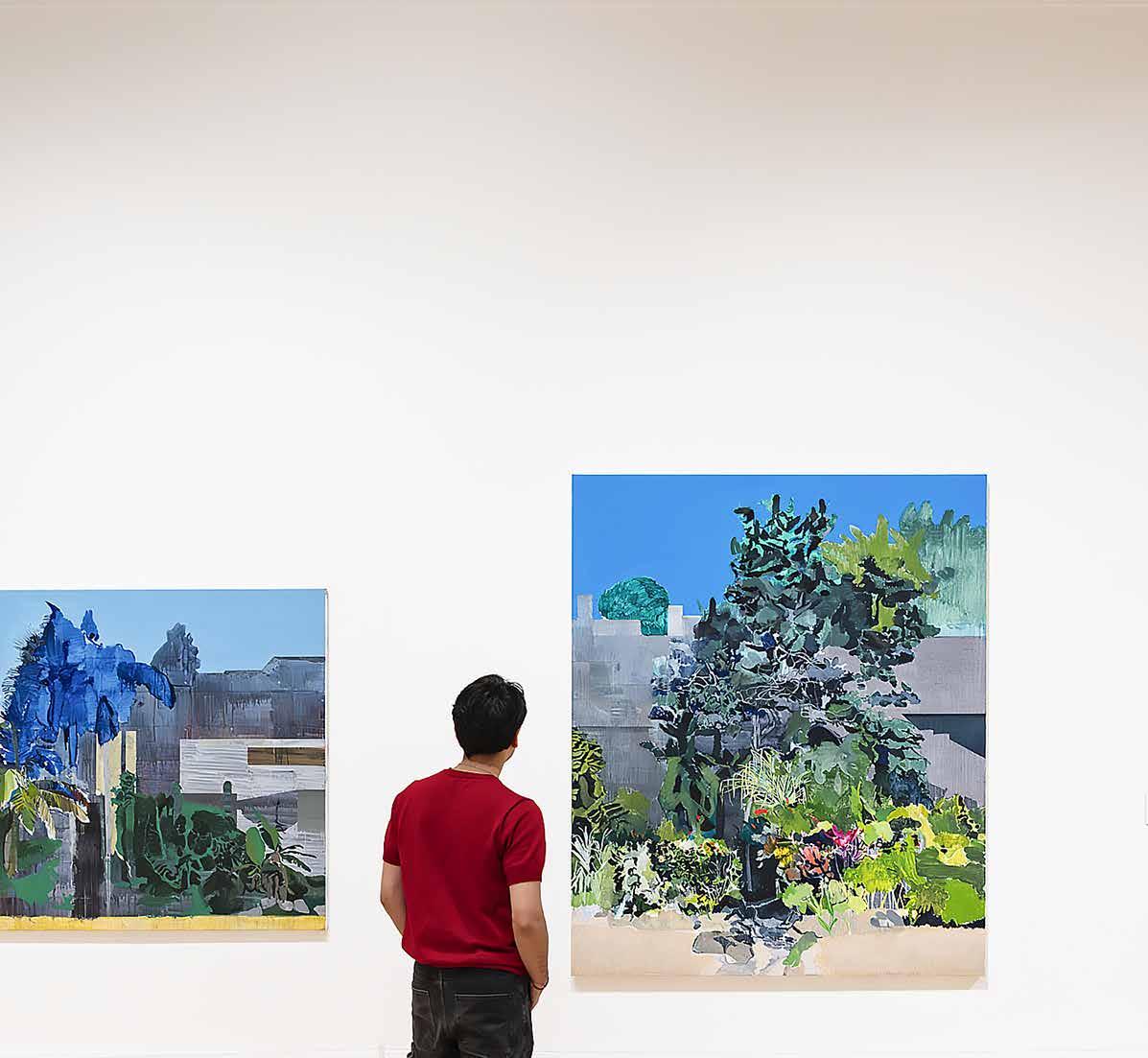
Hurvin Anderson has created atmospheric landscapes and interior scenes for over 40 years. His paintings travel back and forth from the UK to the Caribbean, continually reworking the landscape traditions on both sides of the Atlantic.
Views that are thousands of miles apart collide with piercing light, moody vegetation and geometric grids. Anderson’s compositions play with our perception of space and time. They range from the intimate size of family snapshots to monumental landscapes that look across history. At the heart of his process are the evocative possibilities of paint – its textures, flows and colours.
Anderson was born in 1965 to Jamaican parents in Handsworth, Birmingham. He was the first in his family to be born in the UK after his parents emigrated. Growing up hearing stories of a distant homeland shaped his determination to capture the experiences of the Caribbean community. The park, the beach and the barbershop all recur in his layered explorations of memory, migration and belonging.
This exhibition is the first to survey the full range of Anderson’s work. It spans work he made as a student up to new paintings never exhibited before. The journey is not a linear one. It meanders between continents, and between past and present, as Anderson revisits his subjects time and again.
‘I define these paintings as wanting to see the Black vision. How we saw things was not quite the same. In Britain, your vision shrinks somehow. I want to broaden that out.’
Hurvin Anderson
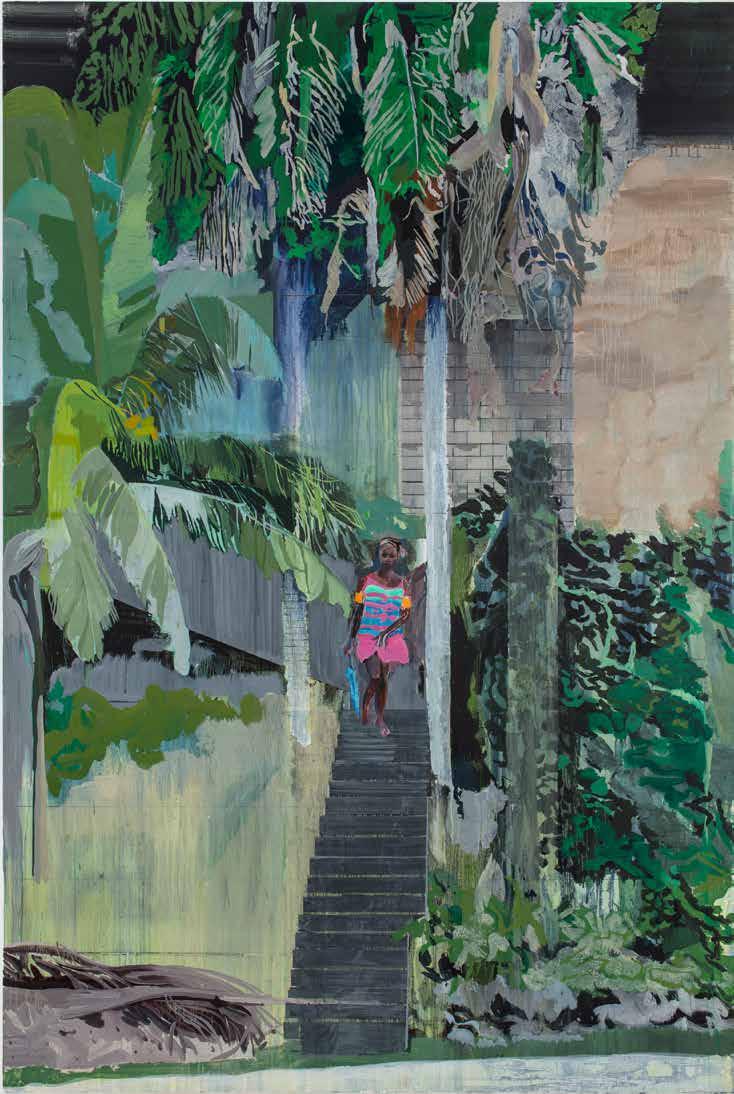
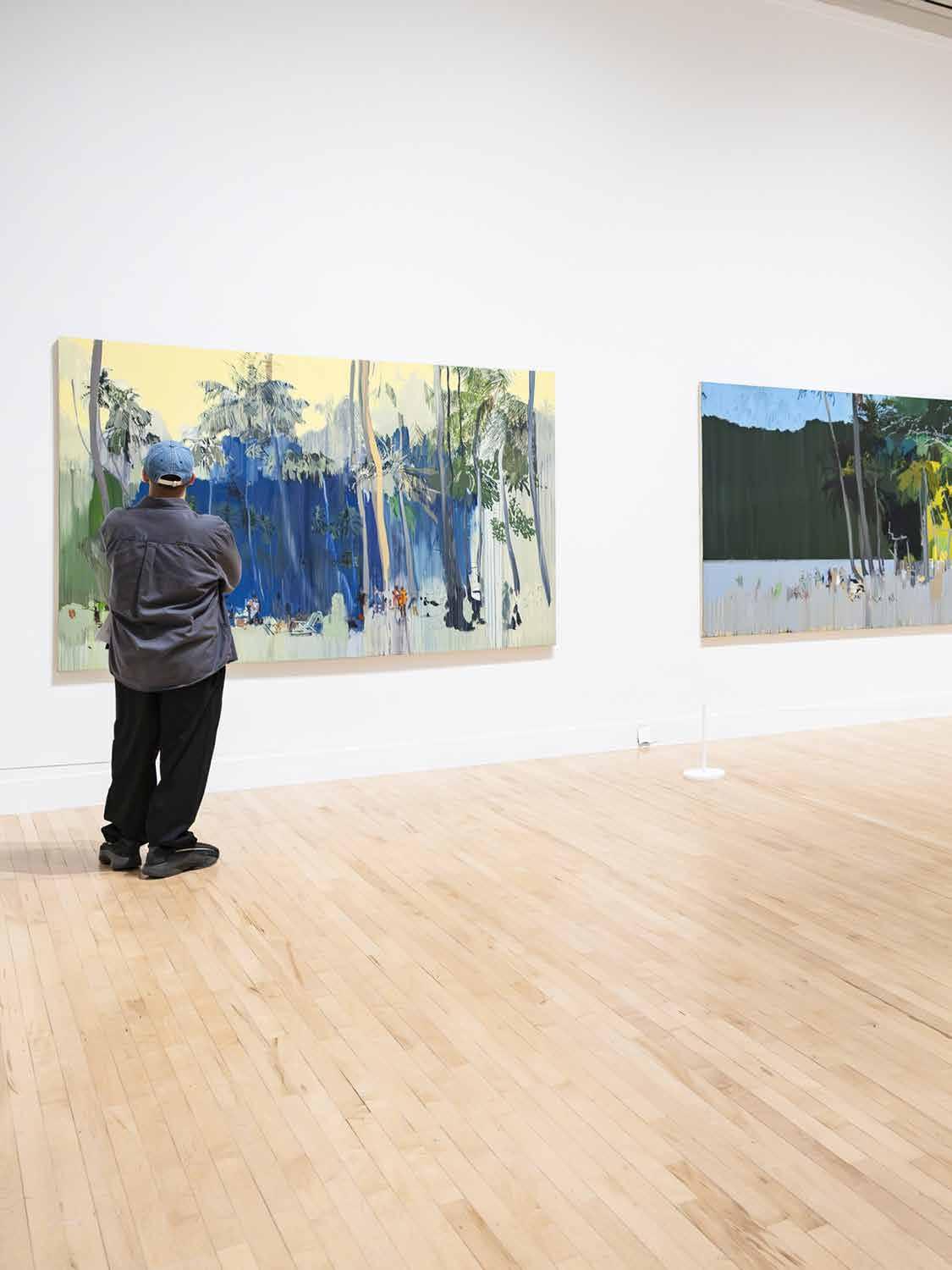
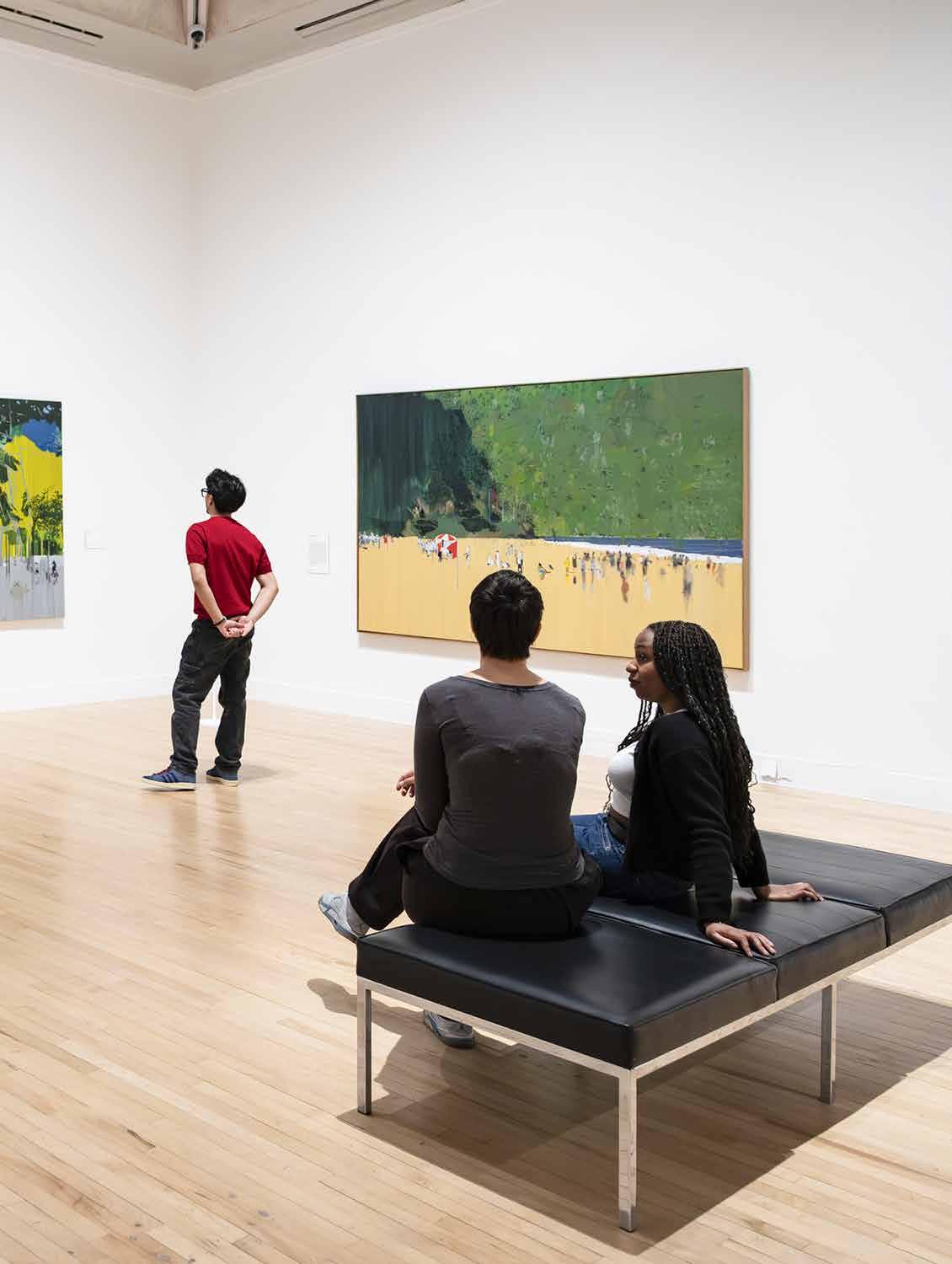
Hurvin Anderson began painting from found photographs of family and friends in the 1990s. His early series on Caribbean homes in England often reimagines the figures in different settings or relationships The geographic distance between faraway family members collapses. Painting disrupts the apparent ‘truth’ of photography.
The experience of arrival in Britain resurfaces repeatedly in Anderson’s work from this point onwards. A black and white palette suggests the photographs of an earlier generation of migrants. Bursts of colour and fashion silhouettes evoke the 1970s and 1980s of his youth.
Anderson left Birmingham for London in the early 1990s, studying at Wimbledon School of Art and the Royal College of Art. He soon explored ways to subvert traditional landscapes and life drawing. By introducing abstract elements into his images, he blurred the boundaries of both his personal experiences and Black culture.
Certain memories from childhood keep a visual rhythm across Anderson’s decades of painting. From the trees that he climbed with friends in the park to a familiar patterned wallpaper, each image repeats with a different mood. Time loosens, giving way to light, form and colour.
A night-time street corner. The electric light in a barbershop. The cold humidity of a public swimming pool. Although these memories are particular to Anderson, they also evoke experiences that many of us know.
Capturing the emotional quality of a place or moment is central to Anderson’s work. Rather than telling a story, his compositions are often painted with a certain mood in mind, such as longing, alienation or community.
Works like Ascension and Scrumping suggest tree-climbing and fruit-picking – romantic pastimes in rural England. But a darkness undercuts the beauty in Anderson’s landscapes.
Anderson’s recent work has shifted from personal memory towards a collective history. A large-scale painting across 16 panels, Passenger Opportunity has been reworked especially for this exhibition. It takes us back to post-war Jamaica as a generation set sail for Britain and, before that, to the horrors of transatlantic slavery across the Americas.
In 2002, Anderson undertook an artist’s residency in Port of Spain, the capital of Trinidad and Tobago, which shaped a new direction in his work. The visit inspired several series where clear views of landscapes or interiors are interrupted by fences, security grilles, vegetation and other barriers.
Techniques from across the history of painting – grids, cropped details and loose brushwork – also keep the viewer at a distance. We are immersed in colour and light, but at the same time never given full access.
These works build on ideas of belonging and exclusion that informed Anderson’s earlier scenes of Birmingham. They mark a shift in his focus, as he began exploring his complex relationship with the Caribbean, its colonial history and how its landscapes have been represented in the past.
Artists’ prints of harmonious tropical scenes once circulated internationally as propaganda for the plantation system, erasing the violent reality of enslaved people’s labour on the land. Since the rise of tourism in the 19th century, seductive 42 images of Caribbean beaches have promised luxury and escape. Anderson obstructs these easy ways of consuming the beauty of Trinidad and Jamaica.
Anderson has repeatedly revisited specific subjects in his work over many years. Through repetition, he refines their compositions and reflects on lingering questions. Each of the works in this room represents a different recurring
theme in Anderson’s painting.
The artist’s close observations invite us to consider the act of looking and the position from which we see the world. The stillness of sitting on a veranda, a park bench or a barber’s chair contrasts with rapid glimpses from a moving car, a walk on the beach or a lively night out.
Within the frame of a painting, Anderson brings in other markers of visual experience, ranging from mirrors to magazine cuttings, photographs and film. Is It OK To Be Black? is overtly political, featuring the faces of civil rights leaders Malcolm X and Martin Luther King. Anderson unites their portraits on a barbershop wall, giving form to his long preoccupation with race, identity and the Black experience in Britain.
5. No One Remembers
Anderson’s Jamaican hotel series recalls his walks along the island’s north coast. He depicts half-built and ruined hotel complexes overcome by towering plant life. Our gaze is directed inland, away from the Caribbean Sea and holidaymakers on the beach.
These landscapes unsettle the idealised postcard view of the Caribbean. The walls of vegetation that thrive in the region’s hot, wet climate appear ominous as well as beautiful, denying us a clear view. Anderson observes as nature itself seems to reclaim the land from human settlement. He also responds to a tension felt during his own visits to Jamaica, between being an insider and an outsider at the same time.
Anderson has said:
“There’s a perception of the Caribbean and then there’s the reality, and I wanted to dig into the reality in some way. I’ve always been intrigued by the idea of a no man’s land, a kind of in-between space and what that might look like, what it might mean.”
Jamaica’s earliest hotels were inhabited by white visitors, who travelled there as part of an economy founded during slavery. Across the British empire, uncharted terrain away from
the coast was described by colonisers as ‘the interior’. Anderson’s paintings contemplate these legacies, celebrating the land’s regrowth and resilience.
Four new paintings, created for this exhibition, form the culmination of Anderson’s exploration of memory and history. They have been conceived in two pairings, which speak to one another across the room. They reach across the span of the Atlantic world.
One pair began from historic photographs of 19th century Jamaica, a time of British colonial rule, slavery and abolition. Anderson grafts these found images onto an invented reminiscence from the early 20th century. A courting couple raft down a river, claiming space for themselves within the tropical landscape. Love and leisure become quiet acts of resistance.
Children climb an apple tree in England to pick the fruit. They look out, towards Ethiopian Emperor Haile Selassie’s arrival in Jamaica in 1966. Crowds greeted him. His visit led to global interest in the religious and political messages of the Rastafari movement. The aeroplane recalls the quiet scenes of arrival in England in Anderson’s early work.
The artist sees the future as finding form in fluid movements. He works through reminiscence, history and imagined scenes:
‘I’m interested in self-determination. It started with scrumping apples: this idea of kids in trees formulated something. What does it mean to have our own thoughts and ideas about how we live?’
Hurvin Anderson
Tate Britain, Millbank, London SW1P 4RG

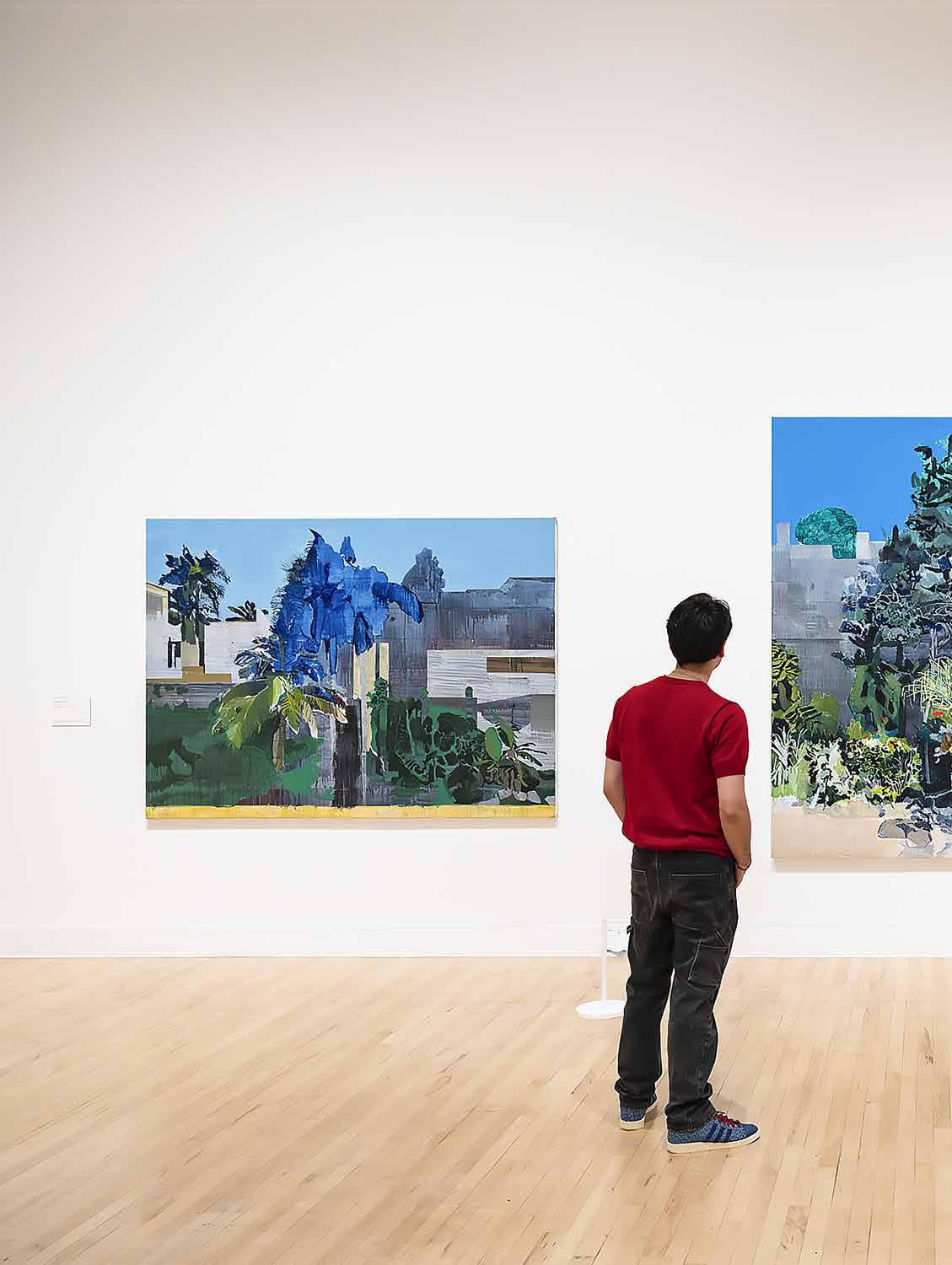
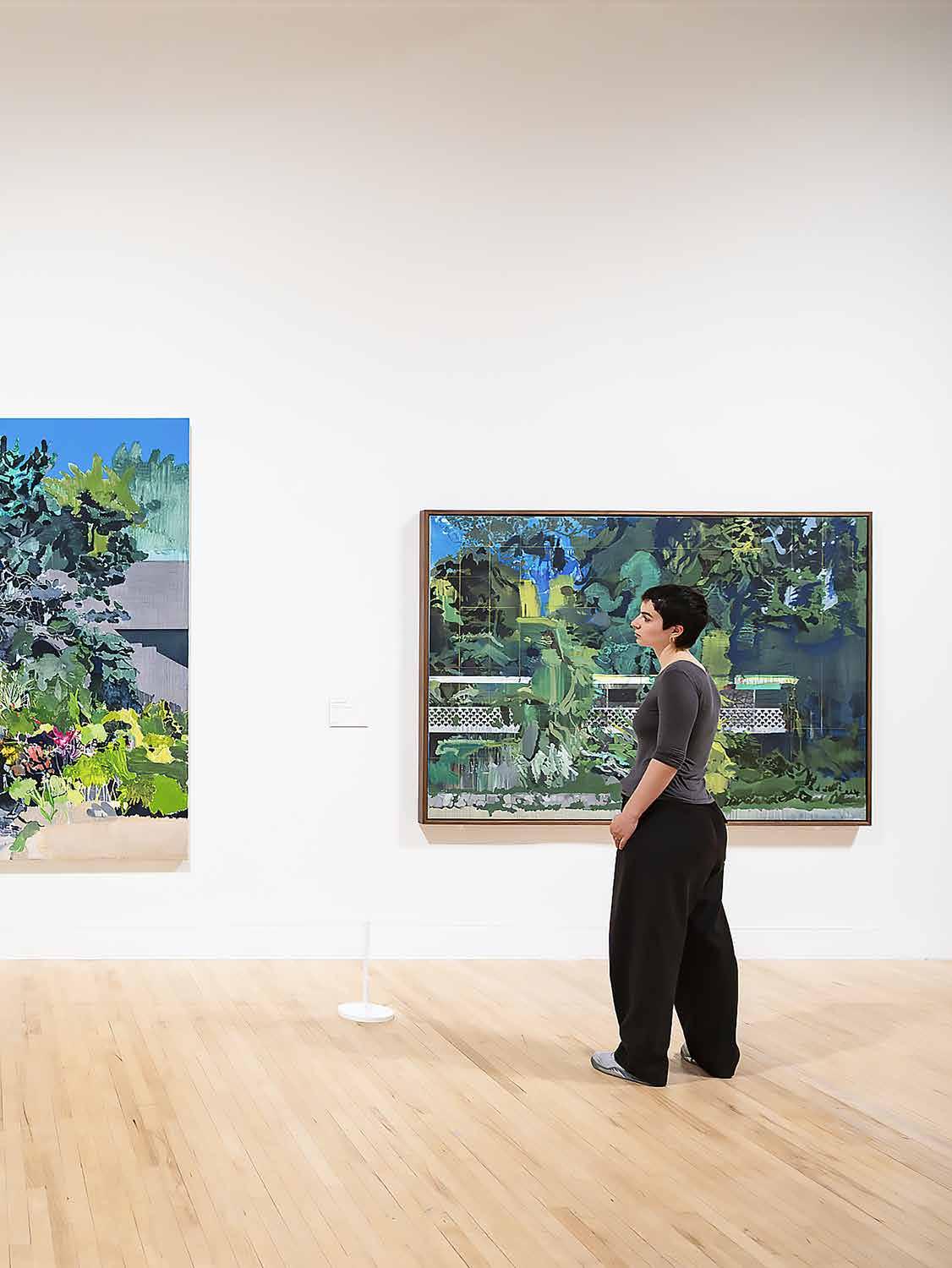
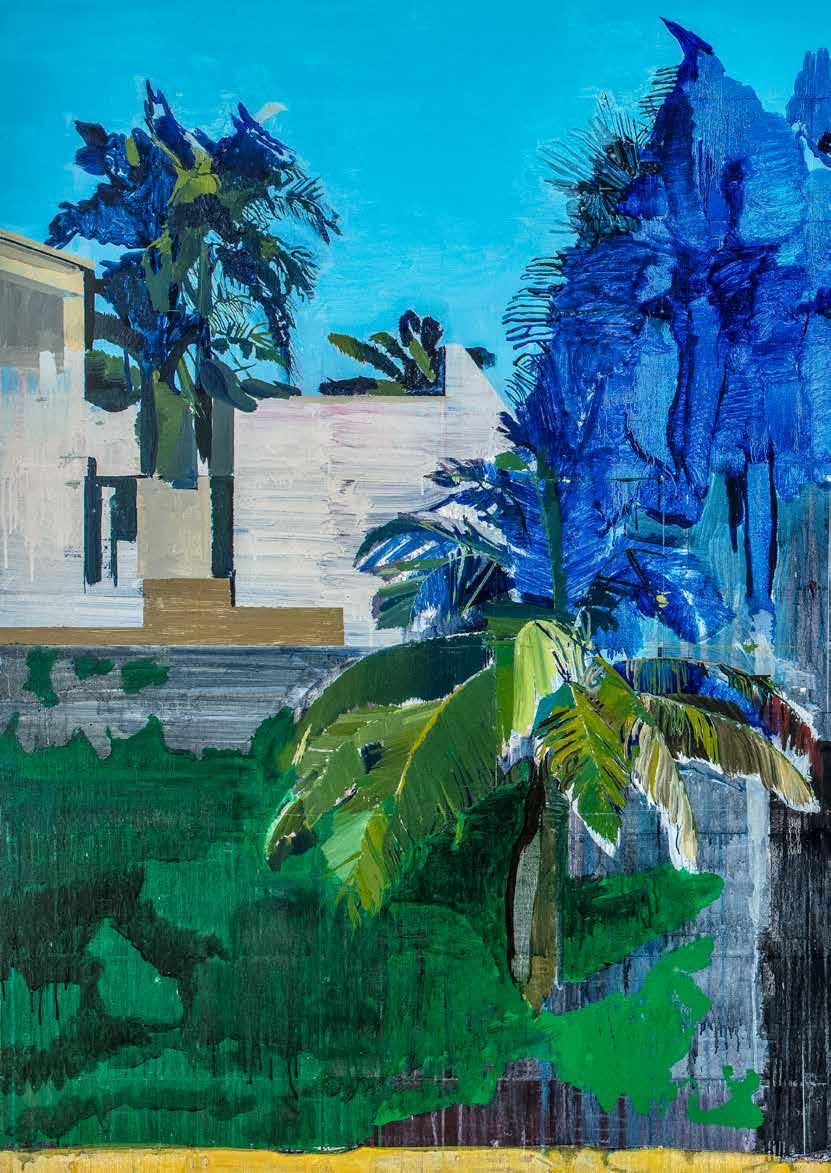
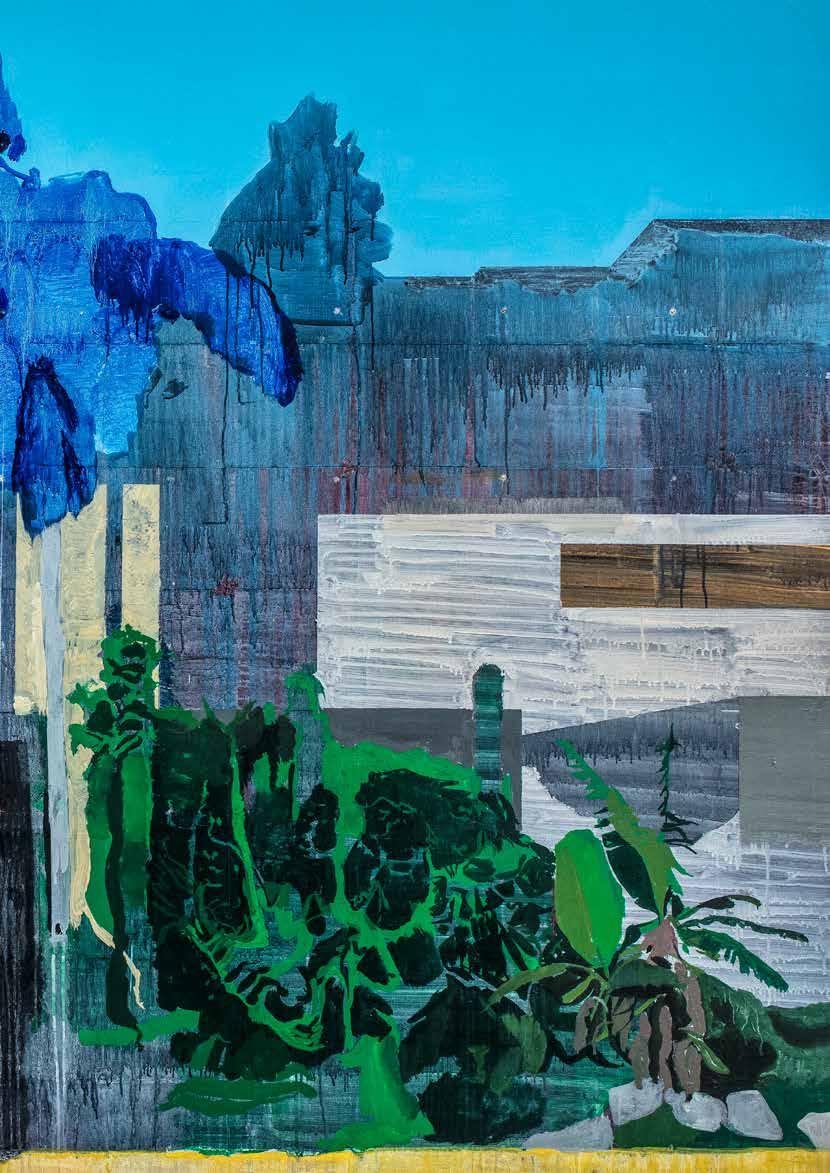
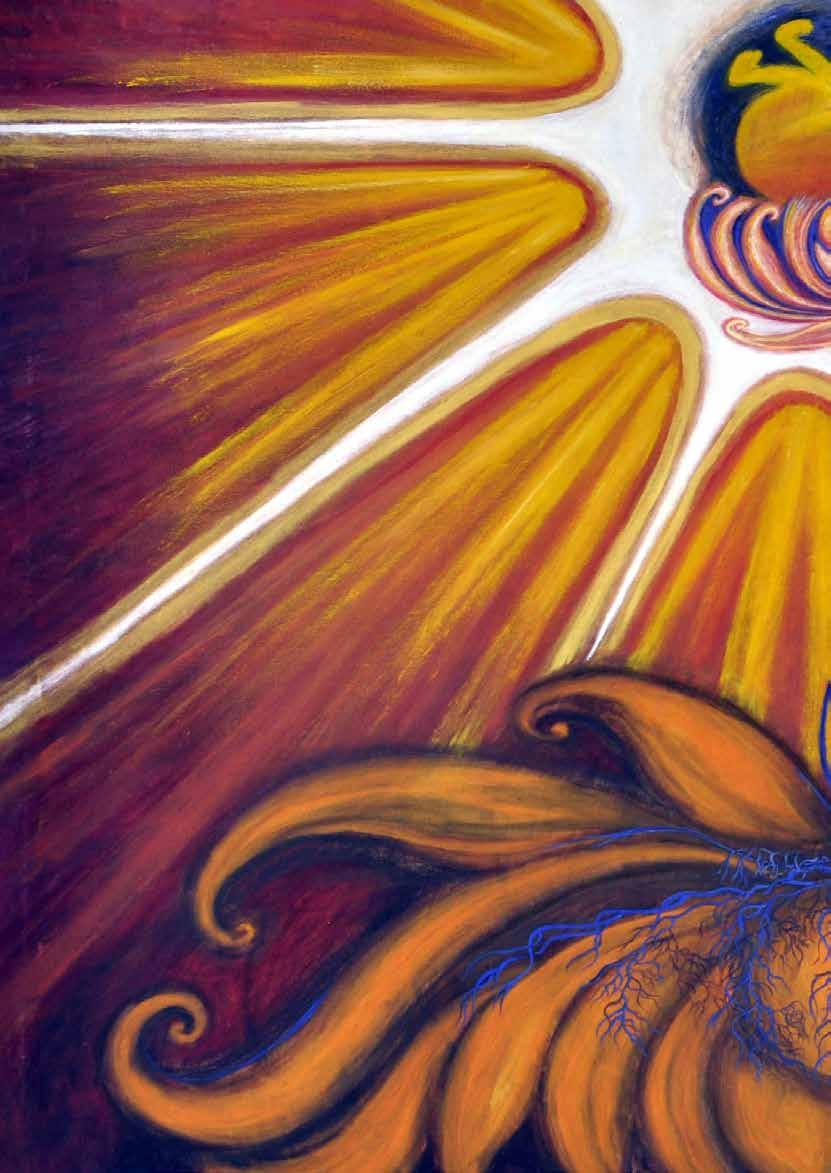
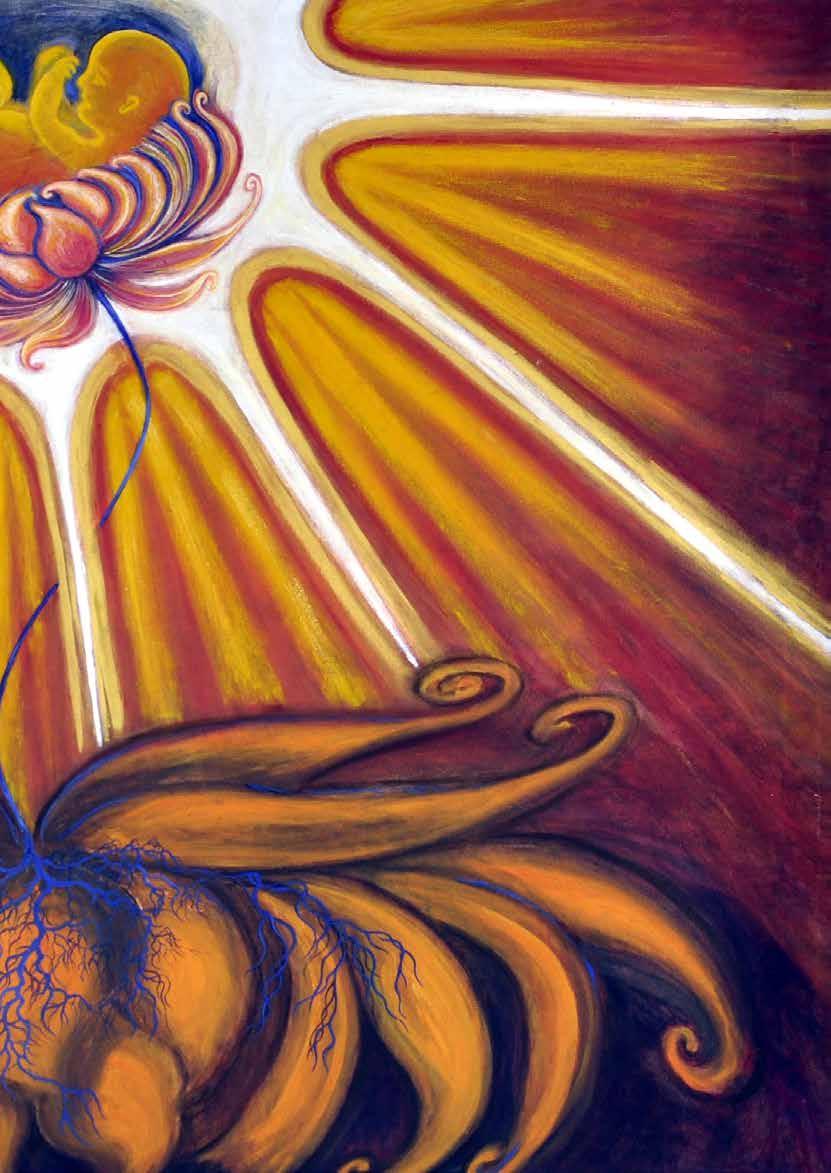
These paintings were not originally conceived as a planned series, but were created at different points in time and space, later revealing themselves as a cohesive body of work. I began by pouring the emotions of my life experiences onto the canvas. In moments of confusion, pain, questioning, and even deep joy, I turned to painting to express what I could not put into words.
Unlike works that emerge from theory or philosophy, these paintings arose directly from lived experience. While creating them, I was fully immersed as the character within each moment—where the paintings carried a story shaped by my ego and personal experience. Only later did a shift occur—I began to encounter the works as a witness, where a deeper narrative connected to the soul started to reveal itself. In this shift, I recognised an underlying spiritual visual language that connected them.
This realisation led me to translate the visual into text, resulting in a coffee table book that accompanies the series, reflecting on each work.
Over time, the paintings revealed themselves as a coherent journey. Together, they unfold as a spiritual map—moving through stages of questioning, illusion, struggle, faith, transformation, detachment, and meditation, ultimately pointing toward self-realisation and moksha.
The series now consists of 22 paintings, accompanied by the book as an extension of the work. I envision presenting this body as a curated, immersive trilogy: visual art, written
word, and spoken experience.
Through this format—the paintings, the text, and my voice as a speaker sharing the lived journey—the viewer is invited not only to see the work, but to enter a space of inner reflection. The series can become a contemplative passage to reflect on their own lives .
Author’s Note
Man has made many inventions and discoveries, but how much have we discovered about our own inner dimensions and the mysteries of existence?
How much do we know about our body, our soul and the purpose of this life that we are given?
I believe that since we have been given this life, we need to raise our energies higher and make it our purpose to understand this journey of life.
Swami Vivekanand said, “Experience is the only teacher we have. We may talk and reason all our lives, but we will not understand a word of truth until we experience it ourselves”.
Similarly, such has been my learning process too. The knowledge I gathered about spirituality remained bookish until I could relate it to the experiences of my life, which I have expressed in the form of paintings.
I painted my chaos and doubts on the canvas, and the painting stood in front of me with answers and clarity. In these paintings, I saw the
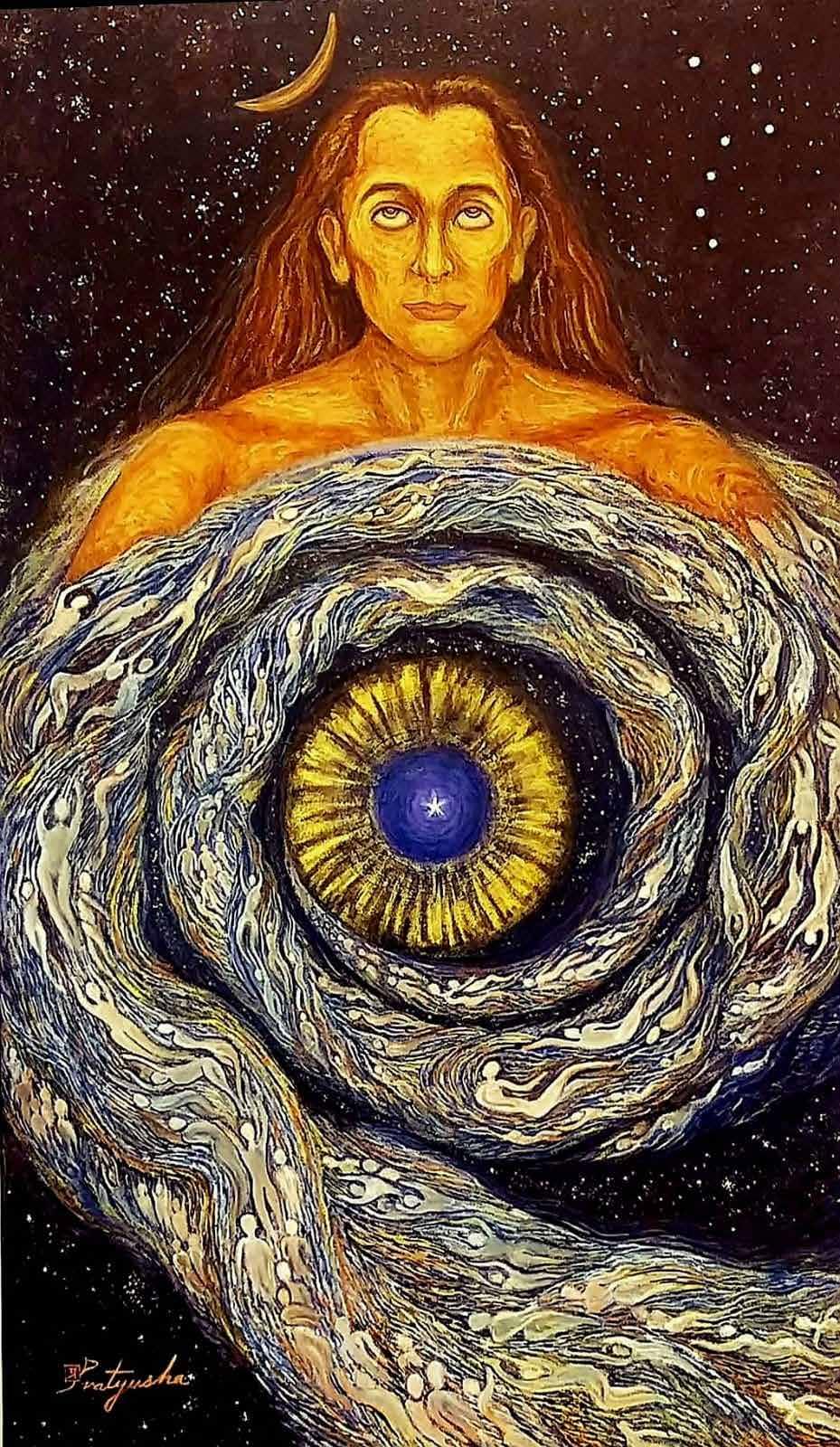
full circle of life, i.e.- from being ignorant and suffering, to the process of eliminations and transformations, and finally living with wisdom and a higher consciousness. And that’s why I call them My Spiritual Companions.
Balance is something that comes after experiencing all the dimensions of life. These paintings have motivated me to believe in them and to bring about changes for the better within me.
Thus, I understood why life happens.
We are here not to load up our material bank but to load up our spiritual bank.
I have brought in the teachings of various religions like Hinduism, Buddhism, and Christianity, as everyone is preaching to us about the same thing, i.e., being on a higher soulful consciousness.
My struggle to tap into a better version of myself is a long one. These paintings speak to me and offer me inspiration. So, I have compiled them into a coffee table book with the hope that it will inspire other seekers to strengthen their faith in the Divine Power as well.
That is why I have deliberately provided blank pages at the end of this book, so that the reader can jot down their own personal thoughts and reflections that come to their mind while reading these descriptions, and use it as their personal record to gain a deeper understanding of their life
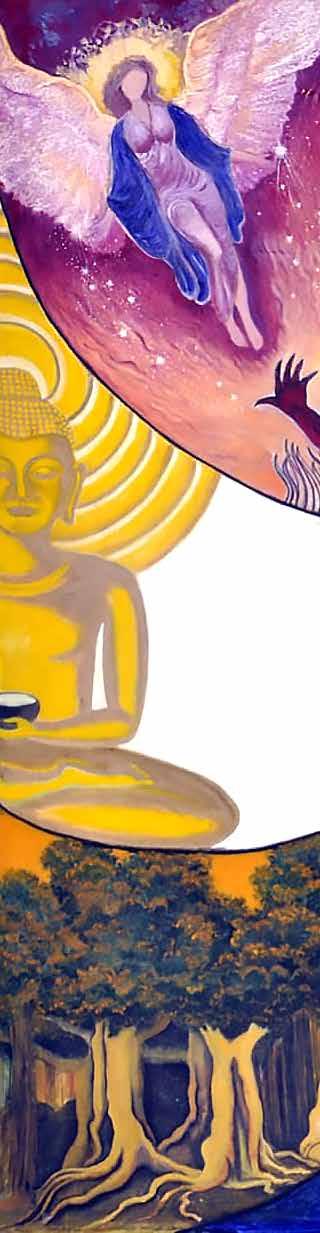
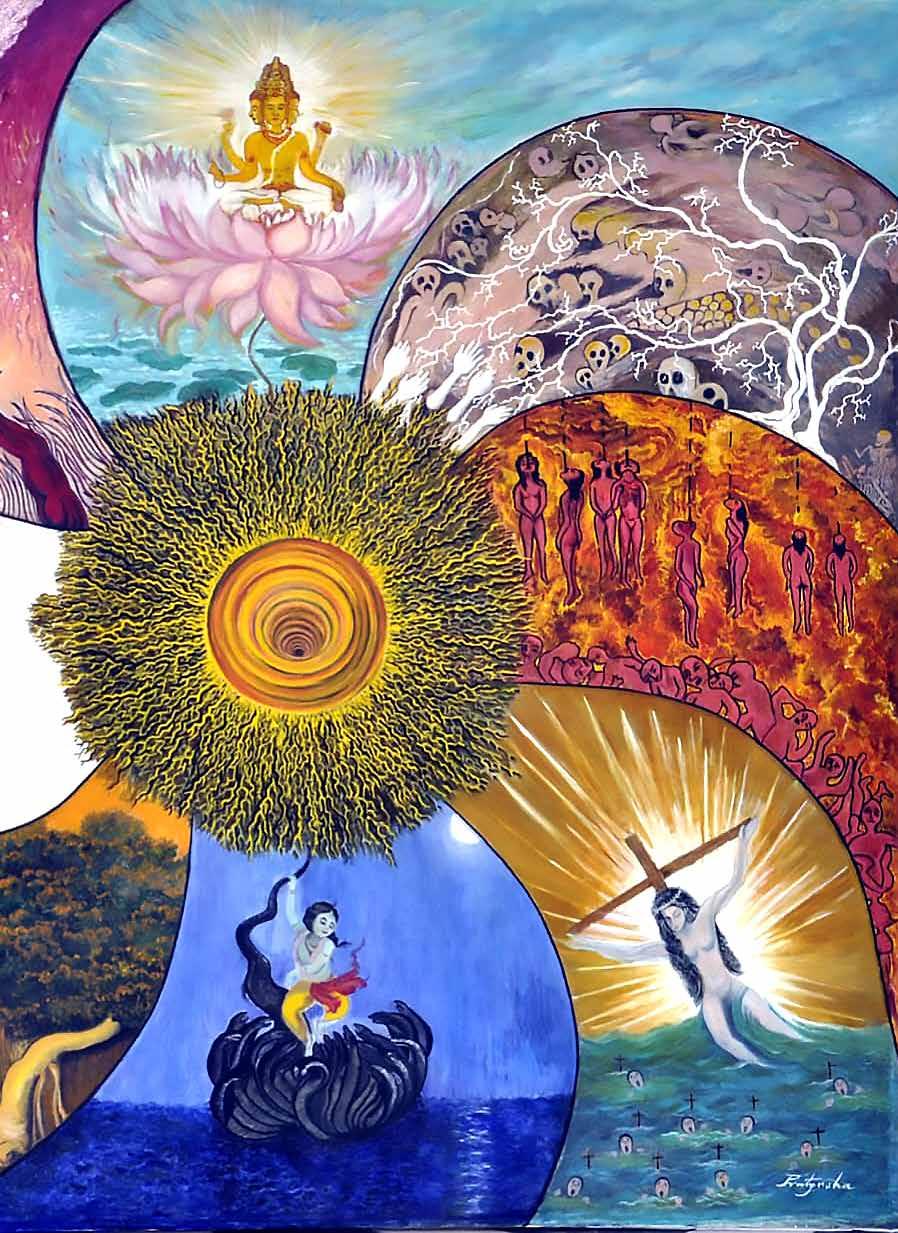
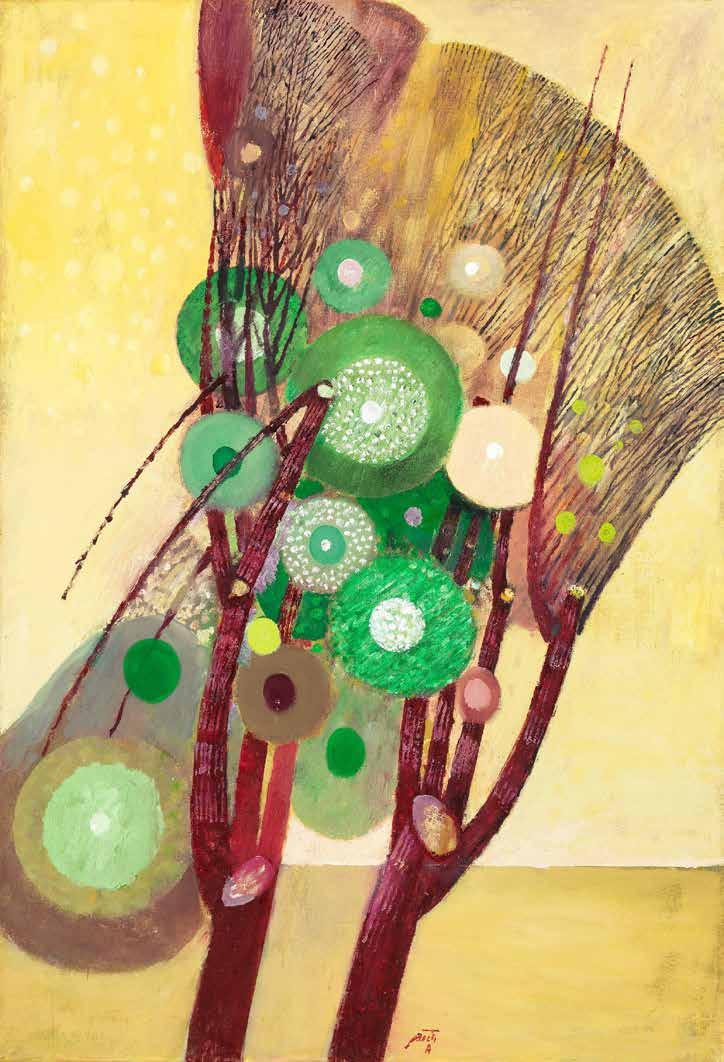
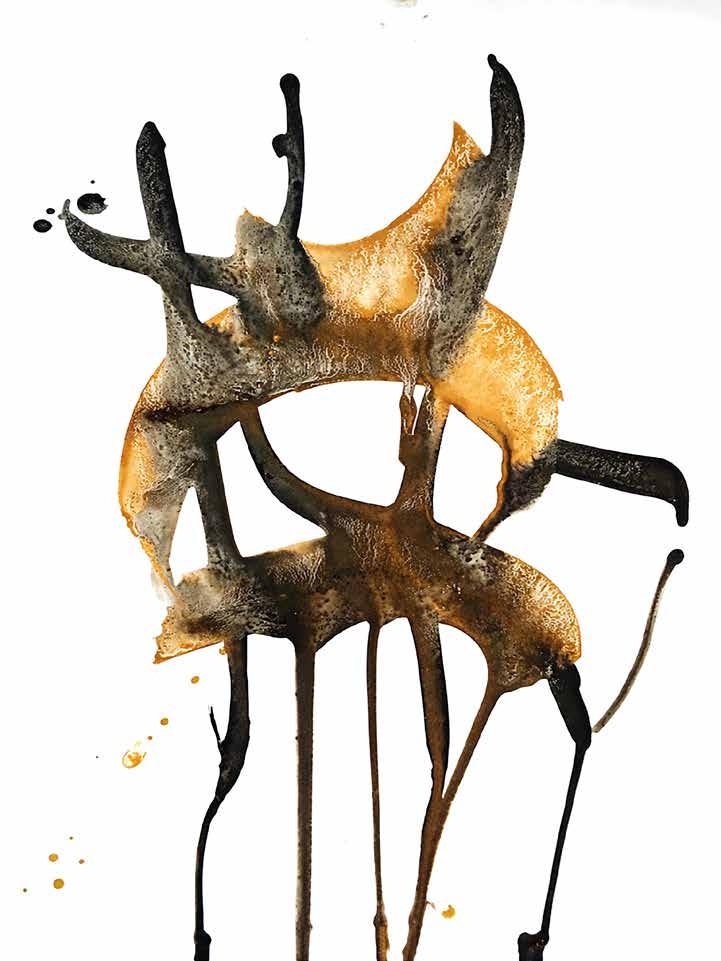
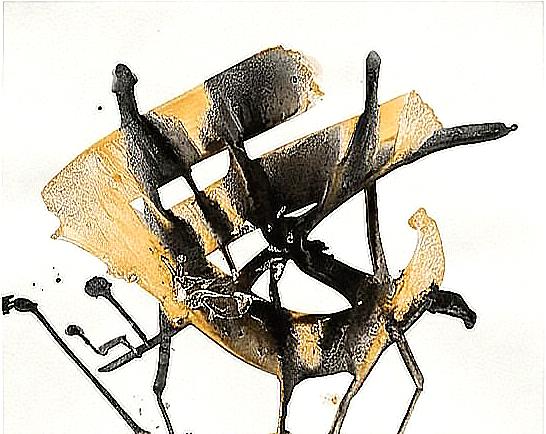
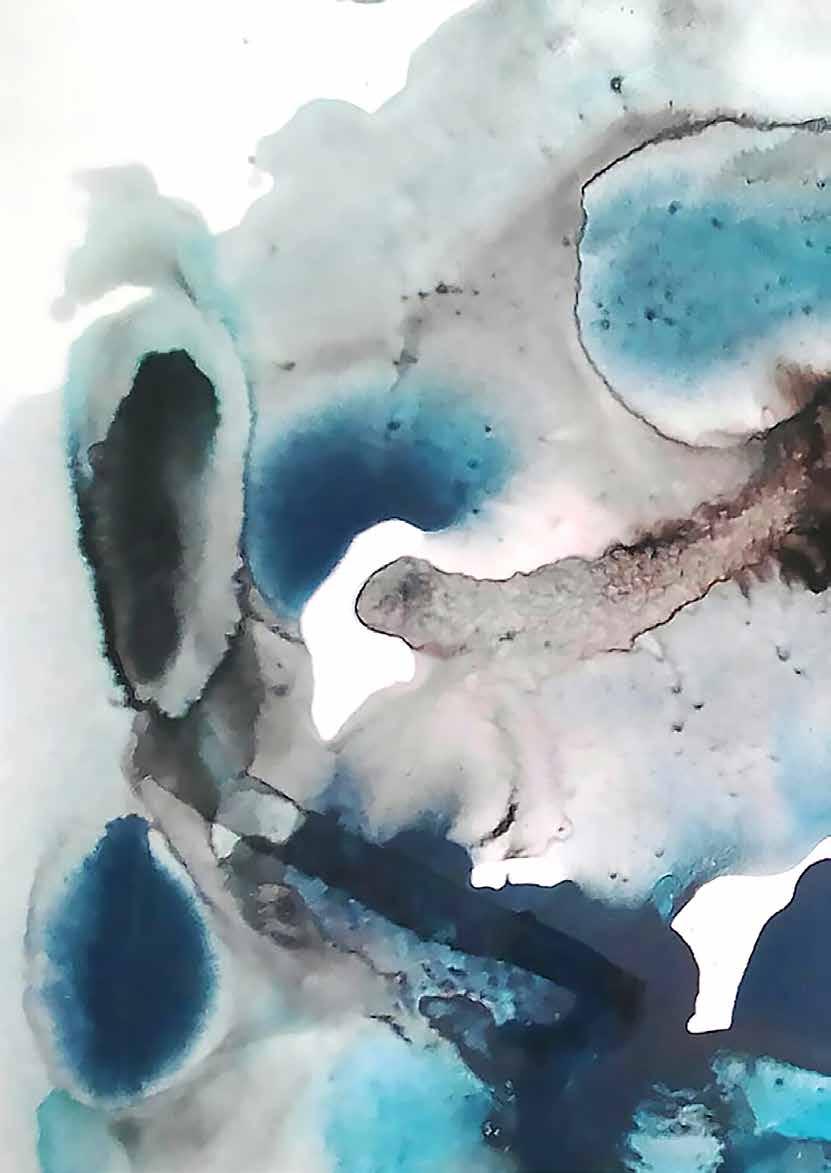
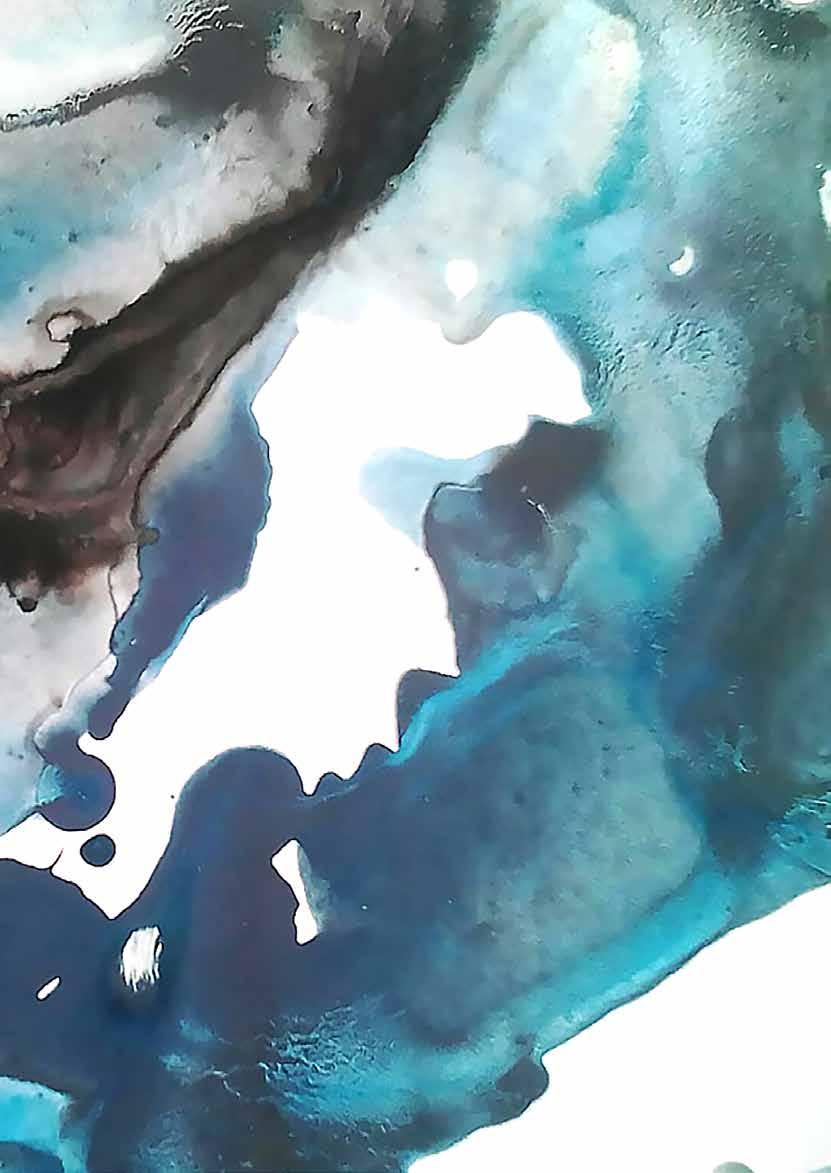
Bhanwar-whirlpool of thoughts
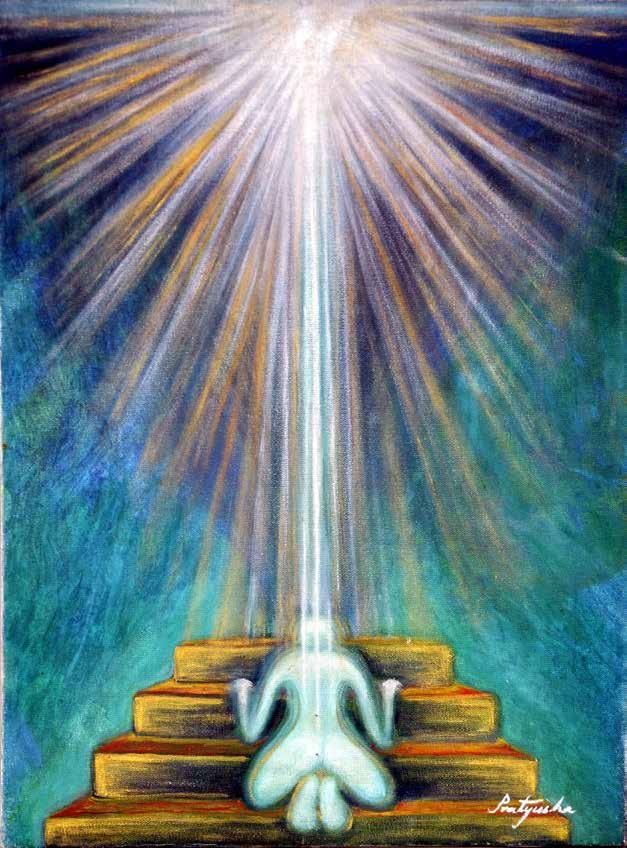
Before the beginning
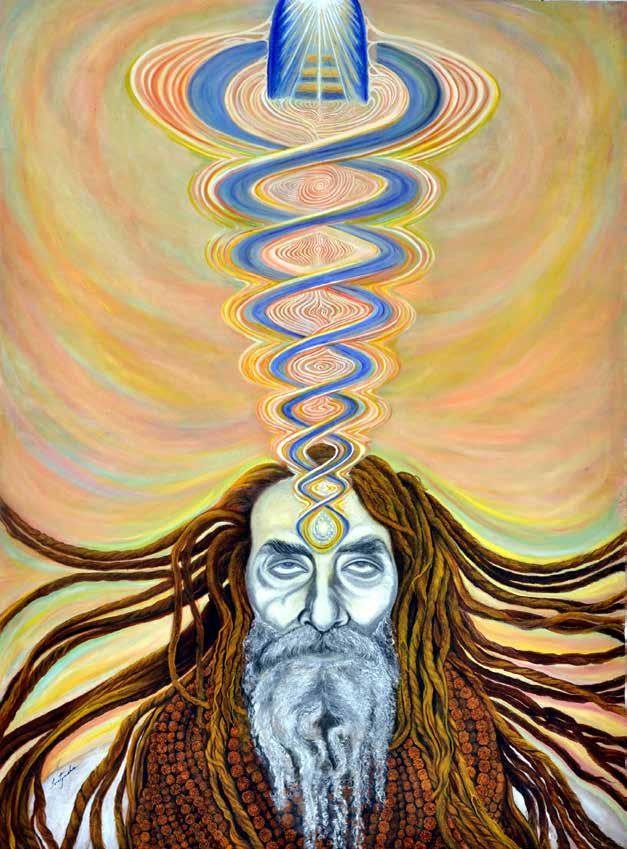
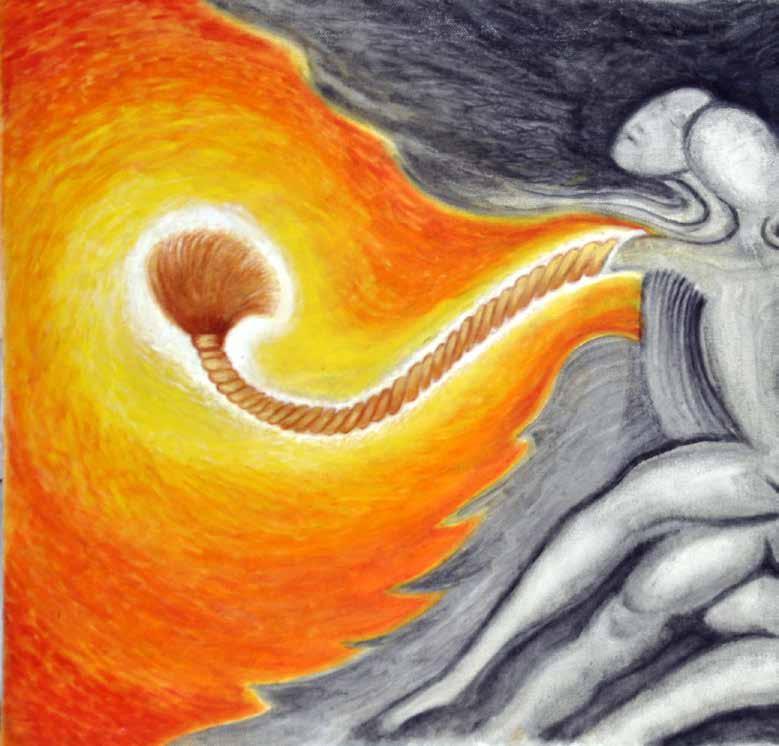
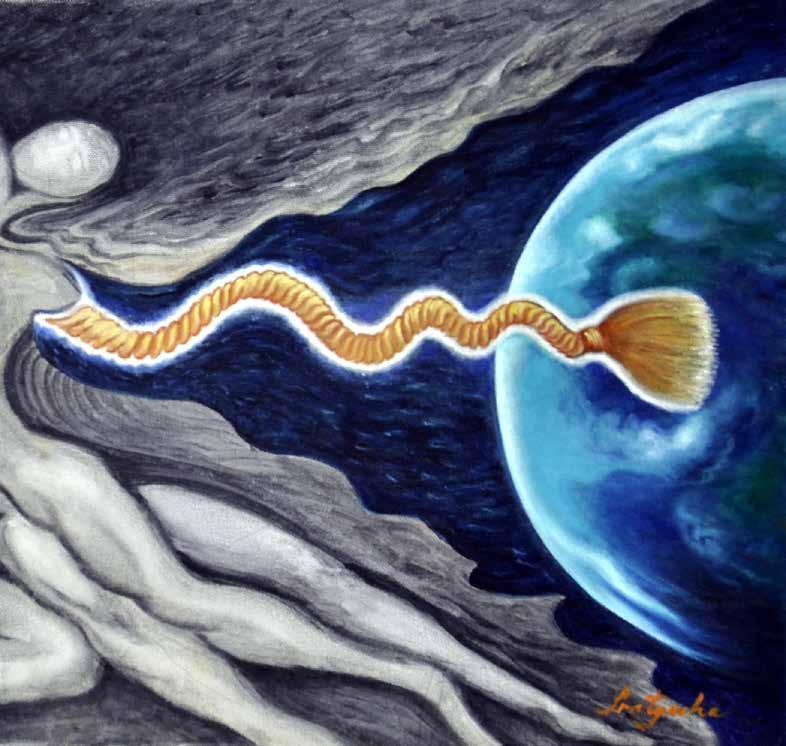
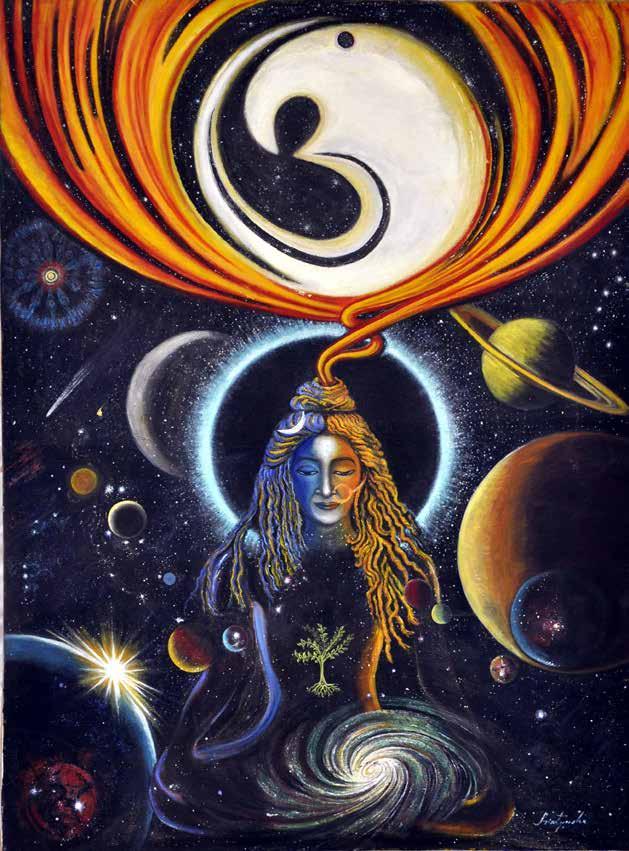
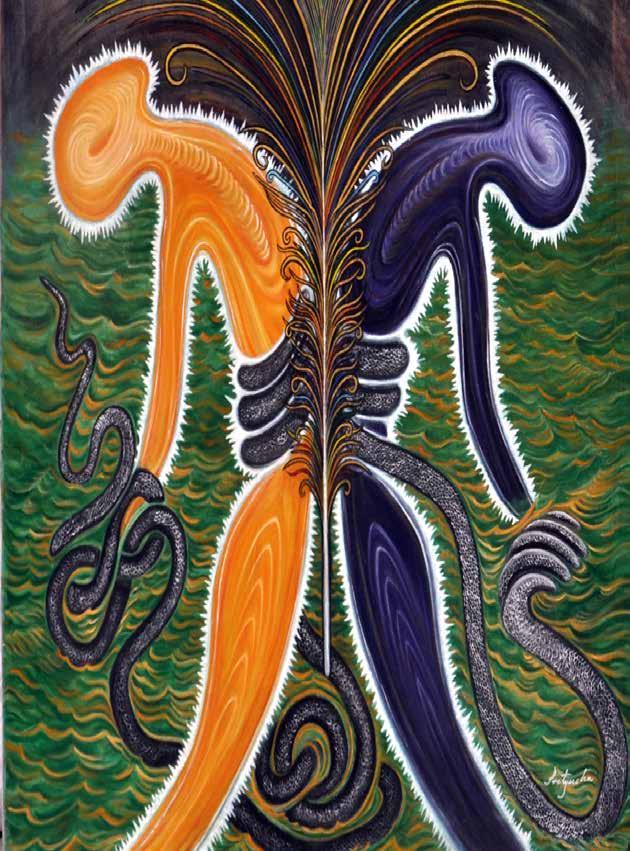
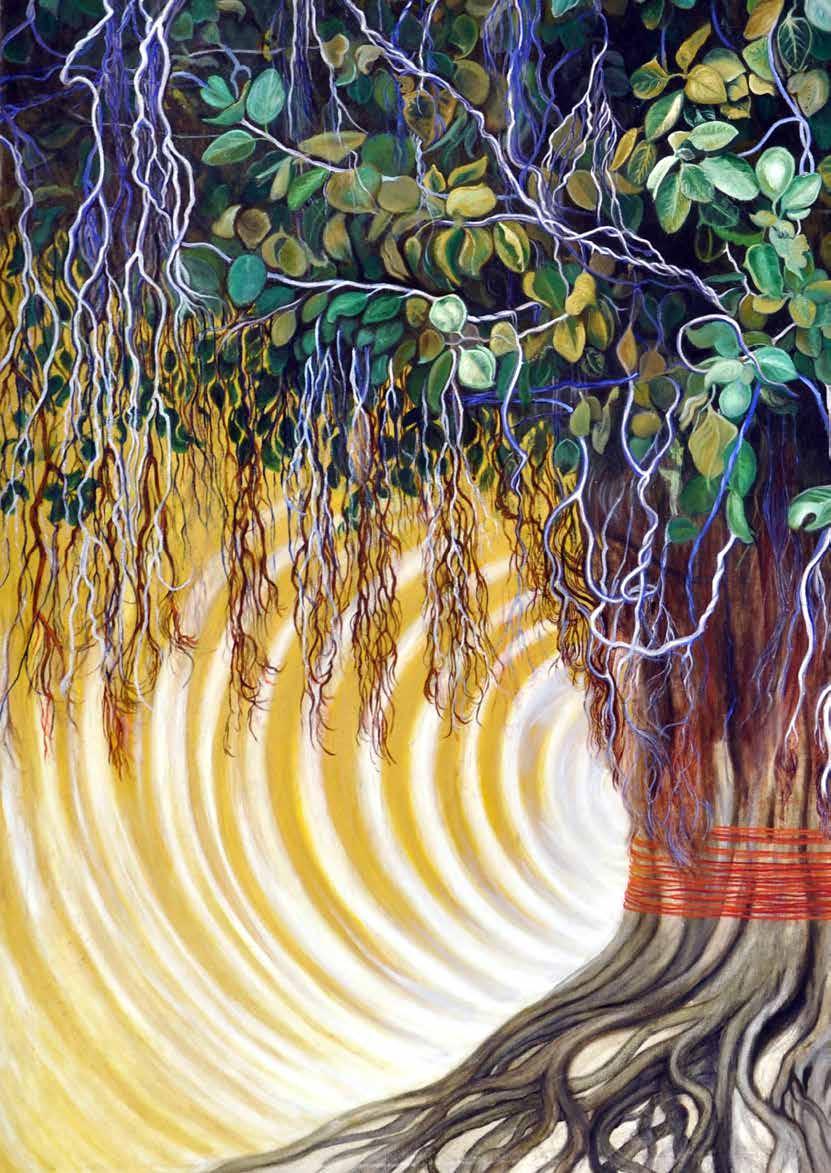
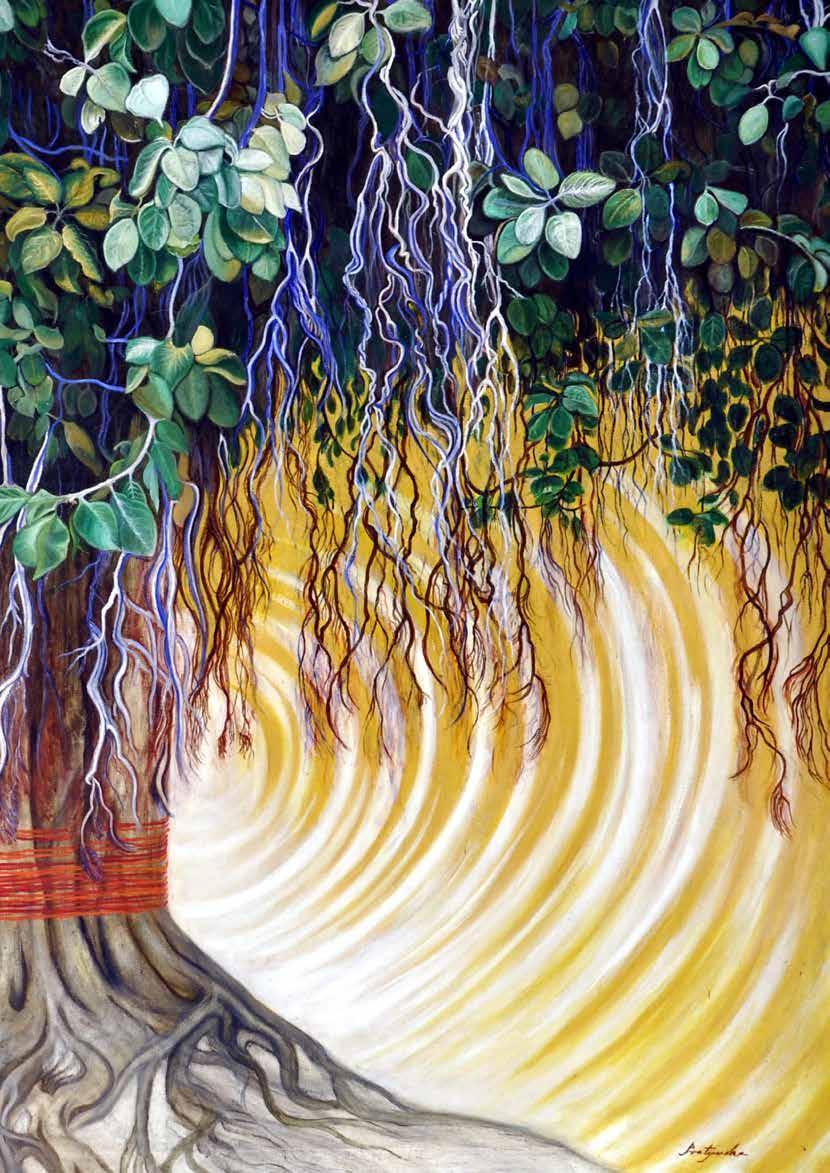
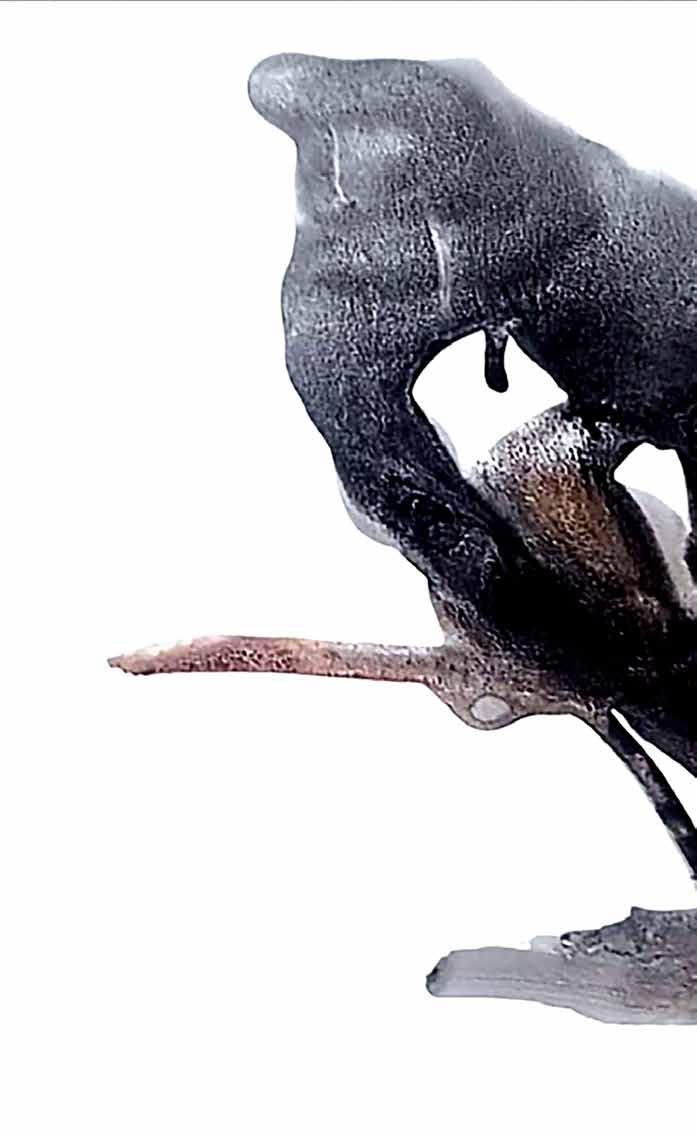
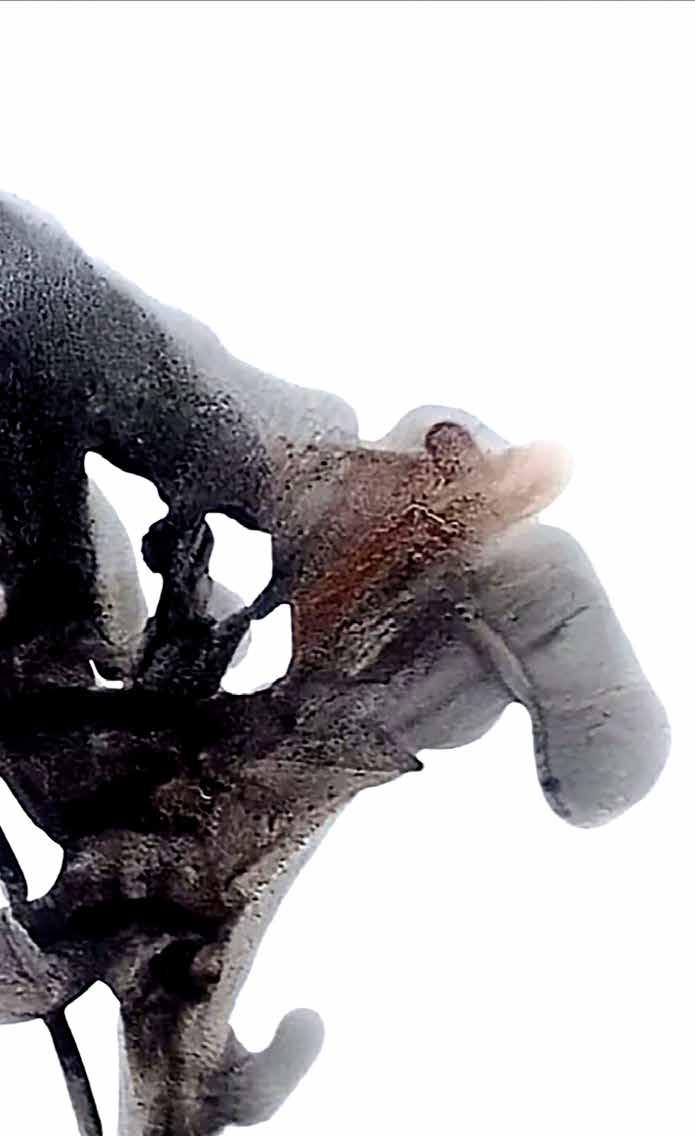
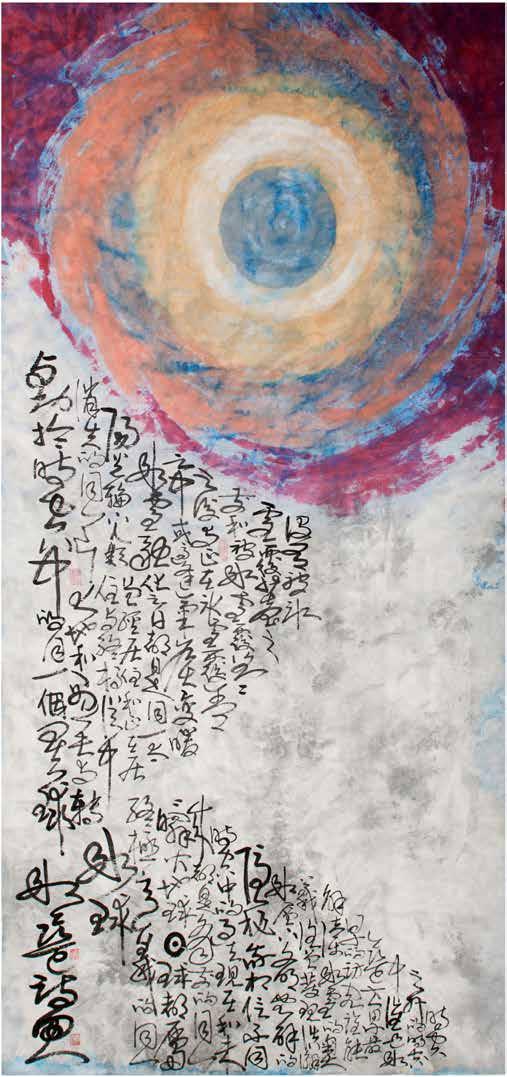
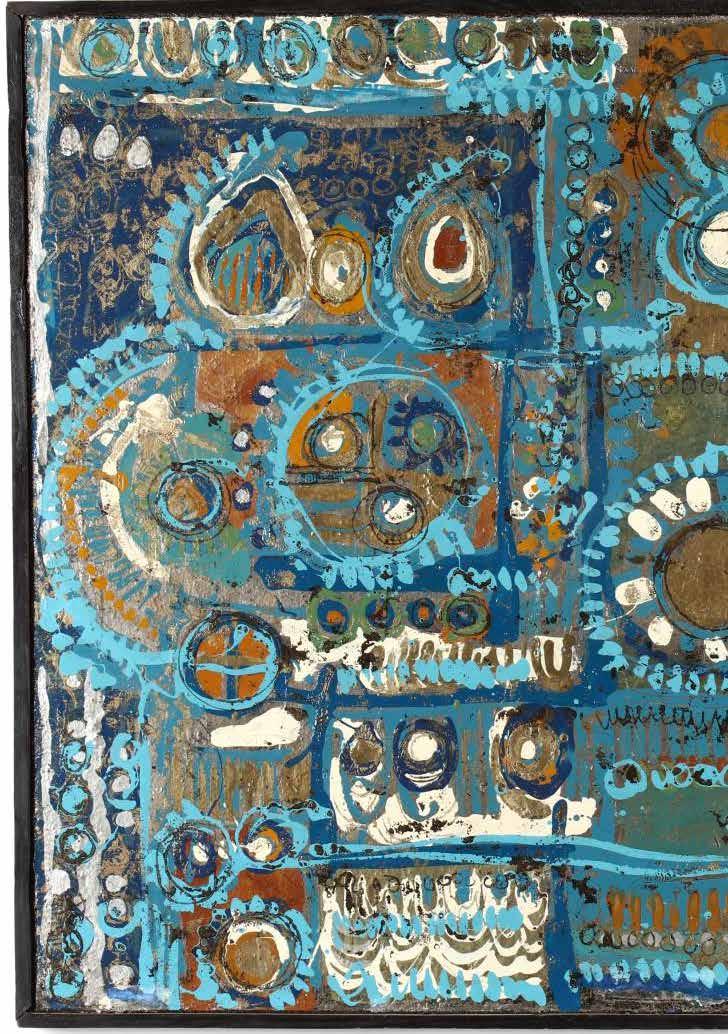
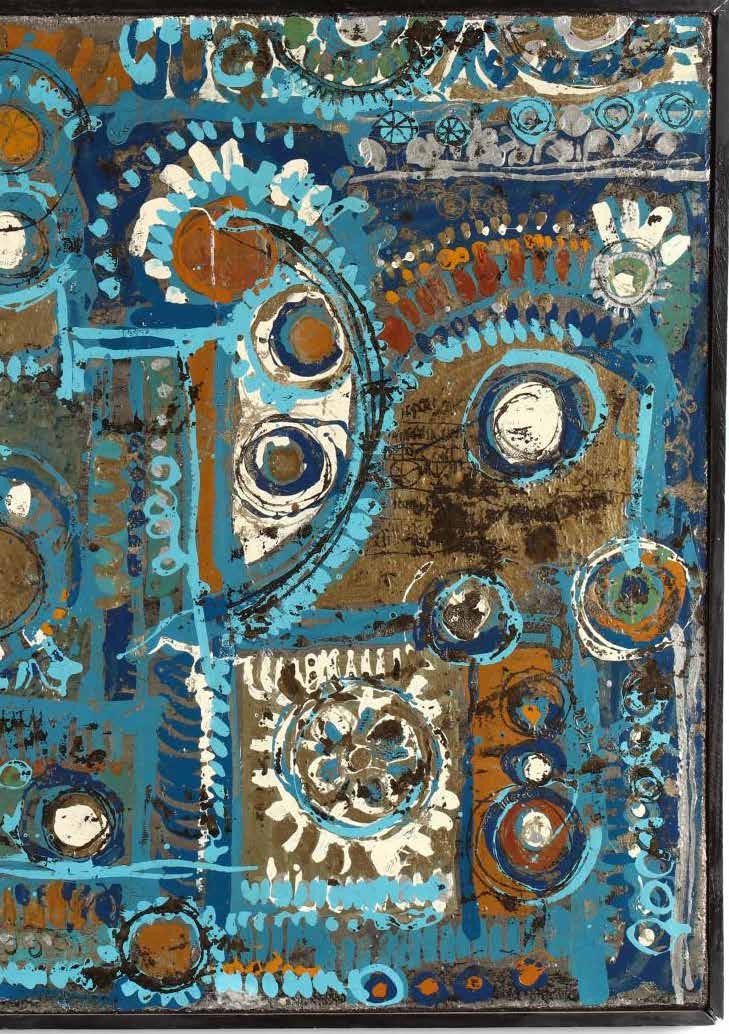
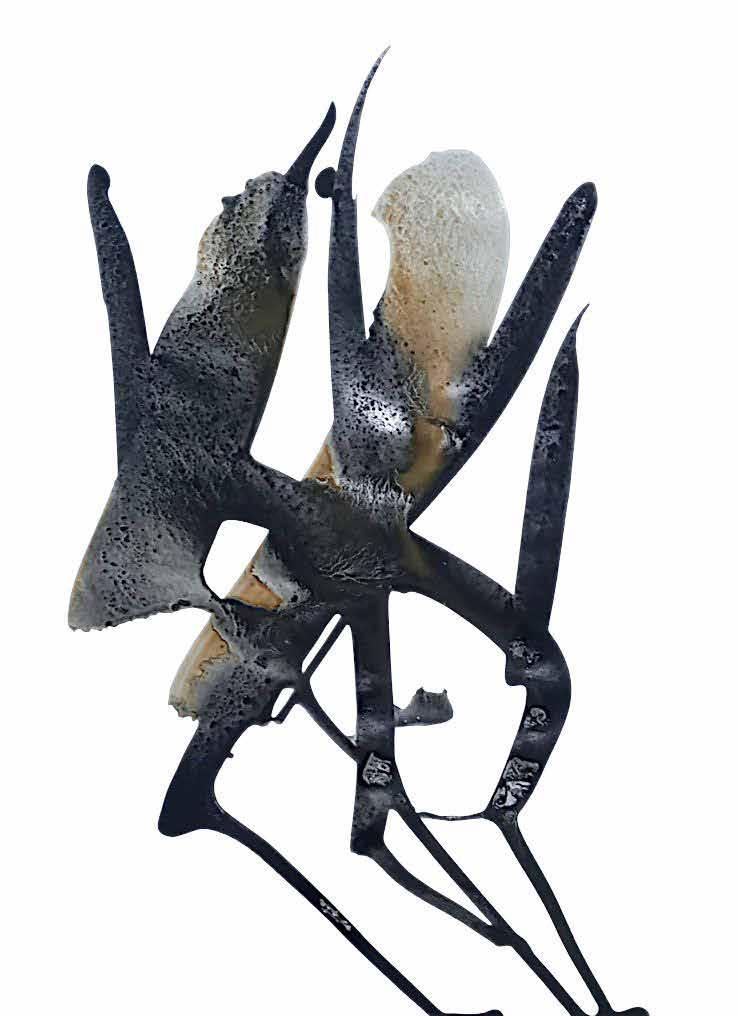
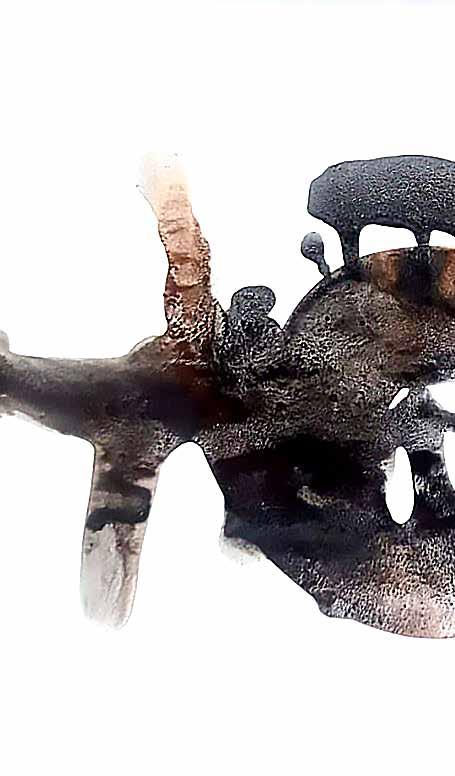
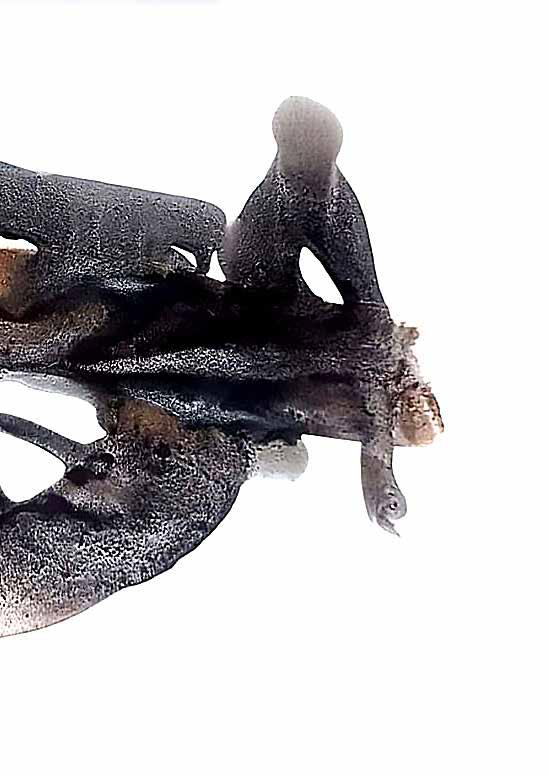
Richard Laté Lawson-Body is a prominent Togolese contemporary visual artist and painter. His work is characterized by a blend of lyrical abstraction and figuration, often exploring deeply spiritual and philosophical themes. One of his central artistic concepts is the "familiarity of infinities," which seeks to bridge the gap between human interiority and the cosmic or spiritual universe.
“My artistic work explores the relationship between man and the infinite universe. I seek to create an intimate connection between the viewer and these infinities, whether cosmic, spiritual or interior. My concept of “the familiarity of infinities” encourages us to embrace these mysteries as part of ourselves. My process begins with an in-depth meditation on the infinite, followed by cross-cultural research. My paintings mix abstraction and figuration to capture the immensity and proximity of the infinite. I use a vivid palette to inspire wonder. Technical mastery is essential, with overlays, transparencies and textures. I invite viewers to get lost in the details of the work and reflect on their place in the universe. My inspiration comes from philosophers, scientists and artists, as well as modern science. In short, “the familiarity of infinities” is a spiritual and intellectual journey aimed at amaze and invite reflection.”
du temps
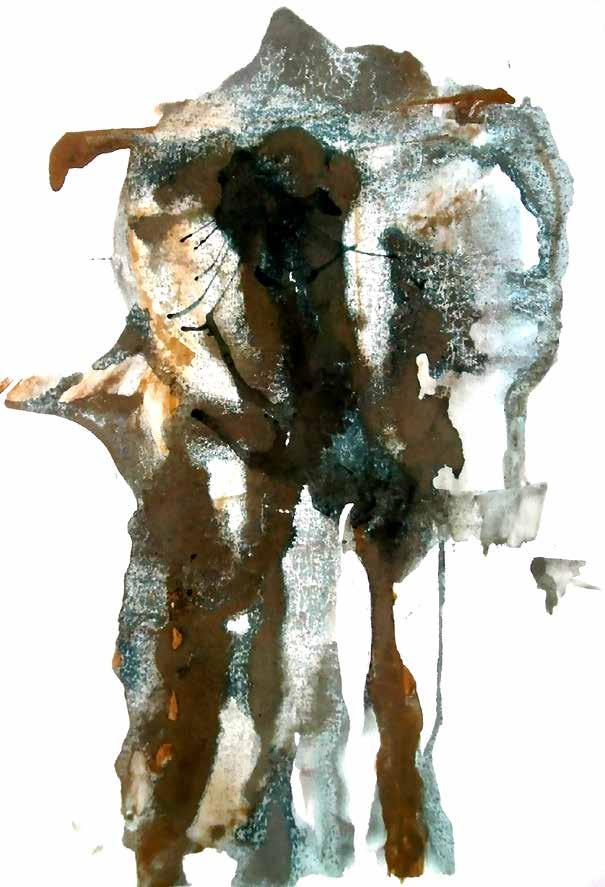
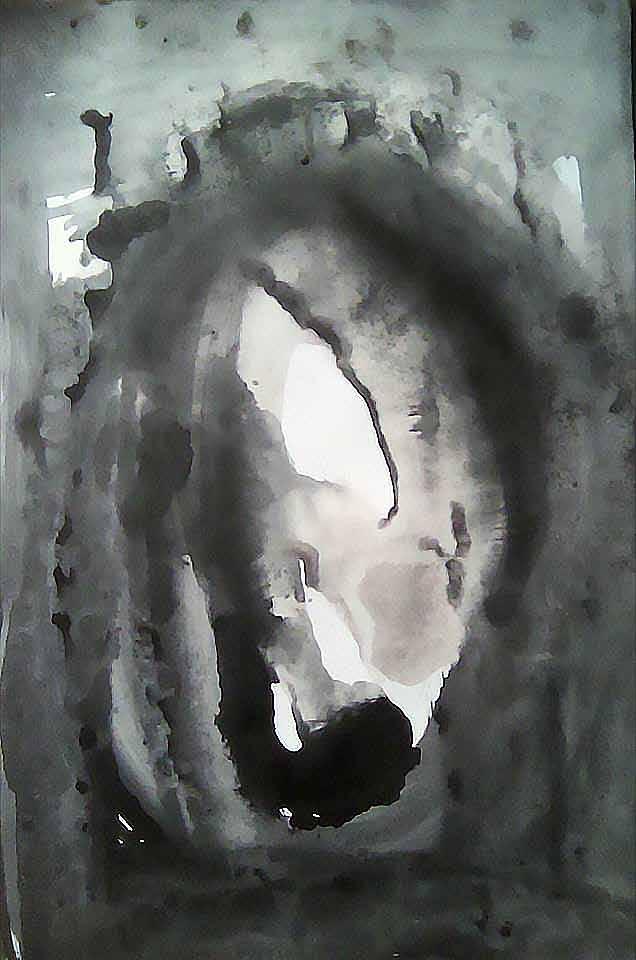
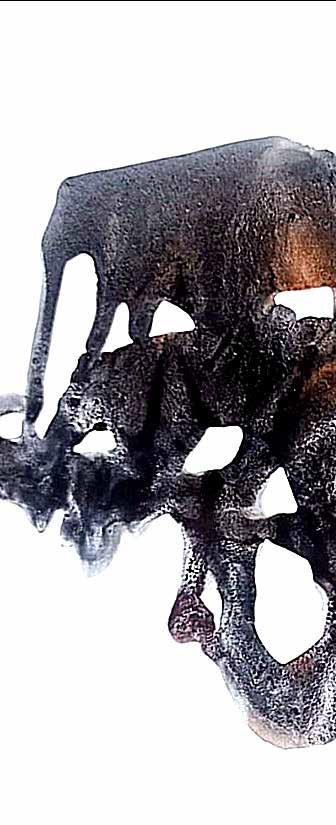
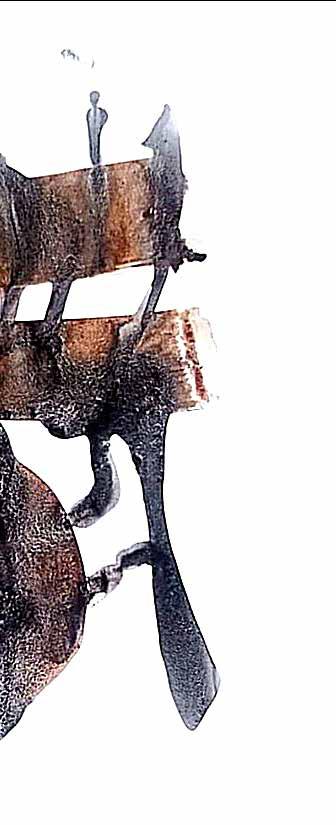
Résurgence
A book
by Martin Bradley
Brian Holland has begun dragging his ennui to Kuala Lumpur’s museums and art galleries.
He’s visited the great restaurants that Kuala Lumpur city has to offer, and that he can afford. Fine dining isn’t cheap and he has to pace himself financially. But Malaysia’s emerging gastronomies are worth every cent he has to squeeze out. The art galleries too, are food for thought.
It’s far from ideal for Brian to be visiting alone and eating alone. There’s no-one to banter with. He only has his own thoughts and recollections to consider. It’s not, quite frankly, as interesting as sharing thoughts, visits and meals with a.n.other. Brian sighs, he still misses that precocious Irene. Perhaps it’s his fate to be alone.
Not being much of a one for pubs, clubs or social gatherings, and not a joiner of societies or groups, significantly narrows Brian’s number of opportunities of meeting someone special. Another Irene perhaps, or someone older, more available and hopefully less impermanent.
And, just as He’s pushed all such ideas of having a relationship to the rear of his mind, here he is looking at paintings of food in Kuala Lumpur’s National Art Gallery.
“Good enough eat, eh”
A ‘youngish’, (perhaps 40s) slim, Chineselooking woman, with long black hair, a stunningly white shirt and blue jeans has been admiring the same painting of apples which has caught Brian’s attention.
“ Er, yes.”
Brian notices her crooked smile. He also notices that she seems entirely devoid of makeup but, nevertheless, is attractive in her own way.
“Call him ‘Apple Man’, but real name Lim Kim Hai. Specialise painting apple, hyper-realism” she says.”
“Hm, yes, he lives in Melaka. Before that he lived in Paris, France.”
“Know him?”.
“No, only know of him.”
“Like painting?” then “ I Ling Mai Po, everyone call Jenny. Hi.”
“Er, Hi back. Yes, I’m getting to like art more, the more I visit these galleries, but I much prefer eating. I’m er Brian, Brian Holland”.
“Holland, eh, like country?” Jenny quickly replies, adding “I artist, painting Xi’an Academy of Fine Art, China. Pleased meet you er Bri-an”.
“ Oh, sorry, I thought you were Malaysian.”
“No, been here one month, residency Rimbun Dahan, painting nature. Know it?”
“Actually, yes. I’ve been to Rimbun Dahan during an open day. It’s owned by a Malaysian architect isn’t it?”
“Yes, Hijjas Kasturi, must visit me.”
They start to move around the gallery together, talking about the artworks, seeing a medley of painted fruit by Malaysian artist Michael Yc Lip, called ‘Fruits in a box’, then Michel Gordon Tardio’s ‘The Pineapple Vendor’ and his ‘Durian On A Sunday Afternoon, Kukup’, and many small watercolour paintings of Malaysian fruits from the Dumbarton Folio.
Brian senses a palpable electricity between himself and the Chinese artist. Perhaps he’s been on his own for too long. Was he reacting to her pheromone scent, well something, anyway, is pulling Brian towards her. Maybe he’s just lonely.
“Look”, Brian says “it’s my lunch time, would you like to join me for lunch?”.
“What you eat?”
“Anything really”
“Anything? Good” she says “we eat Chinese. Haven’t Cantonese Dim Sum Malaysia yet”.
Brian calls a cab from his mobile phone app and soon they arrive at Canton Authentic Dim Sum Restaurant, in Jalan Bunga Kantan, Taman P Ramlee, Kuala Lumpur.
“Let me surprise you. Let me order for you”.
“You know Cantonese Dim Sum?”
“Wait and see...”
The waitress arrives with two menus.
Brian busily, secretly, ticks boxes on the supplied slip of paper with the given pencil, and waves the waitress back to take the order.
“What you order?”.
Brian puts his right index finger to his lips “Shhh, secret”.
First to arrive is the small white pot containing Jasmine Tea and a bowl containing hot water in which are three small Chinese ‘cups’. It is said that three cups represents different aspects of tea-drinking experience perhaps symbolising three stages of life, with each cup offering a
different flavour profile or aroma.
Jenny immediately grabs the bowl and ‘washes’ the three ‘cups’ in the hot water. She then places them near the teapot and pours weak tea into each. She then pours the teas back into the pot. She waits and then pours tea back into all three of the waiting cups.
“You’ve done this before, haven’t you?”.
They both laugh as Jenny places a cup of tea in front of Brian, takes one for herself and leaves the third to one side. Brian accepts the small cup of tea, which he takes with two hands, then he taps the table three times with his right index finger, as is the Chinese custom.
Jenny raises an eyebrow as Brian does this and asks, once more, “What you order?” .
“Wait and see.”
The first dish, in its bamboo steamer, is the ‘Imperial Chicken Claw’, (chicken’s feet steamed in a mixture including soy sauce, dark soy sauce, oyster sauce, and Shaoxing wine).
“How you know this favourite Diǎnxīn (Dim Sum)?”
“Because it’s my favourite too!”
“Laowai like Chicken claw?”
“Feet, yes, well, I do”.
Next comes three pieces of ‘Imperial Siew Mai’ (steamed dumplings with pork and prawn filling), then four rolls of ‘Prawn Cheung Fun’ (light rice noodles, or cheung fun, wrapped around cooked shrimp) in its sauce, closely followed by three pieces of ‘Wo Kok’ (crispy deep fried taro) and three Liu Sha Bao (salted egg-yolk custard buns).
“Hope you’re hungry”.
“Could eat you”.
At that remark, Brian internally raises a left eye-brow.
They concentrate on eating the Dim Sum with the bamboo chopsticks provided, and Brian’s
head is replaying Tony Richardson’s (1963) British film ‘Tom Jones’, not the whole film, but one scene in particular, where both characters eat their way – in virtual silence, through a range of aphrodisiac foods including lobsters, oysters and pears. Brian smiles to himself. Jenny smiles too as if she’s replaying the same scene to herself.
In such a way Jenny and Brian study each other, non-verbally, as they eat Dim Sum. He’s drawn to her smile. Drawn to the way her face lights up when she talks to him. He likes what he considers to be her vulnerability, fragility and her broken English. And, by the end of the meal, Brian is smitten.
The Canton Authentic Dim Sum restaurant is on two floors. A lift gives access to both. After paying, in the lift, Brian takes a chance. He moves towards Jenny, touches her face and impulsively moves in to kiss her. Jenny kisses him back much more passionately than he’d expected. By the time the lift doors spring open Brian’s heart is all-a-flutter. They exit the lift holding hands.
A few days later Brian is visiting Jenny at her ‘art placement’ studio in the Rimbun Dahan indigenous garden environment. There’s a leafy lane as an entrance to Rimbun Dahan.
Getting out of the cab he sees his first piece of sculpture - red rectangles embracing in a metallic romance in a small clearing, with a backdrop of very green leaf trees. A few steps forward brings him to another, white, metallic structure, a spiral/coil reminiscent of bread proofing baskets, and infinity, placed above a subterranean staircase. More statutes catch his attention. In particular, two large wooden, Indonesian, Wayang kulit (puppet shadow play) pieces, attached to wheels. A reminder, perhaps of the host’s Javanese ancestry.
To the casual visitor’s eye, the landscaping dissolves into nature’s will, giving the impression of being entirely autonomous as Brian walks towards Jenny’s studio.
The studio is small, barely enough room for a standing easel, a chair and a bed.
She suggests a walk in the ‘reserve’.
“Not all 15 acres” she laughs. He laughs too, with a sense of great relief.
“Here study South East Asian plants, shape, structure. Different Xi’an”.
They begin a short trek into the reserve and its greenery.
“Sketch first, print, paint. Portfolio for Master’s Degree Xi’an. Later Ph.D. Many exotic plants Dryobalanops aromatica, in Malay ‘Kapor’ call Borneo camphor wood.”
“Wow.”
Broadleaved plants, some a vivid green, others yellowing, echo the sculpture (Sakinah) left by previous resident artist Indonesian sculptor Ahmad Osni Peii. As They walk and talk, indigenous flora becomes intermingled with other man-made objects, like ‘Sixty Turns’ by former resident artist Abdul Multhalib Musa.
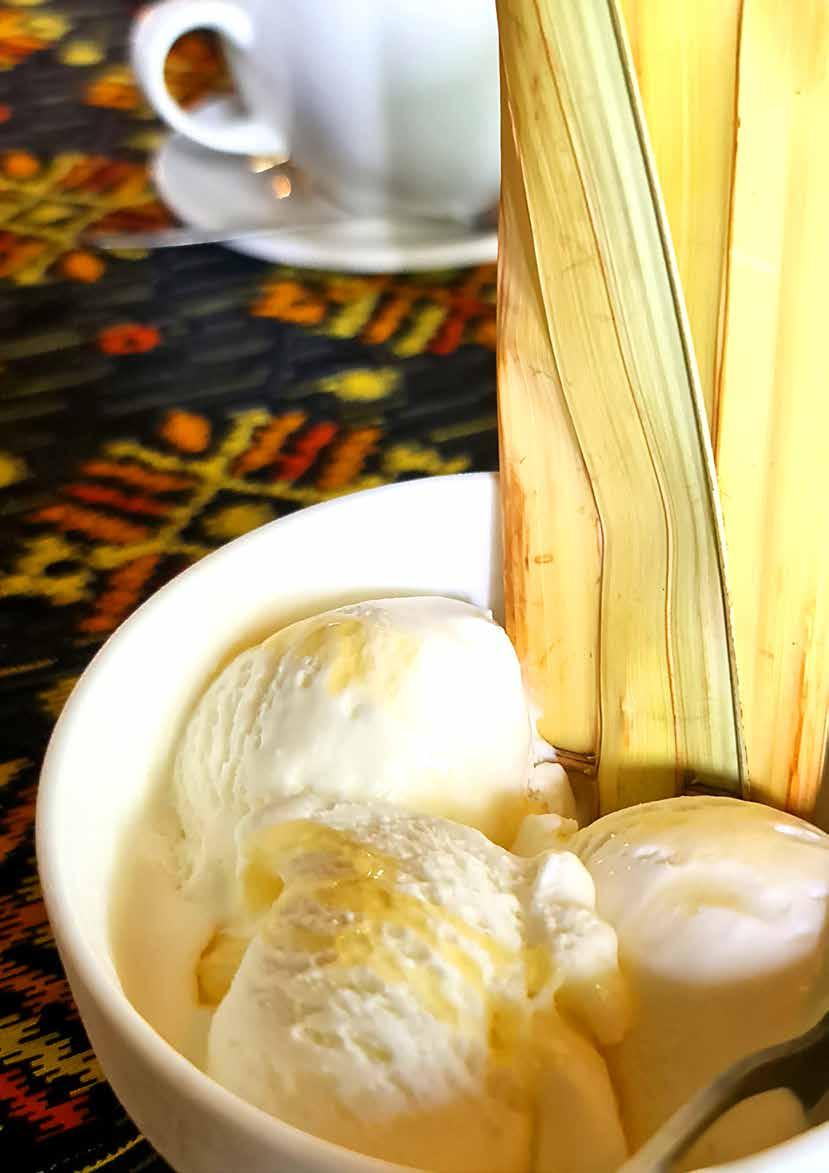
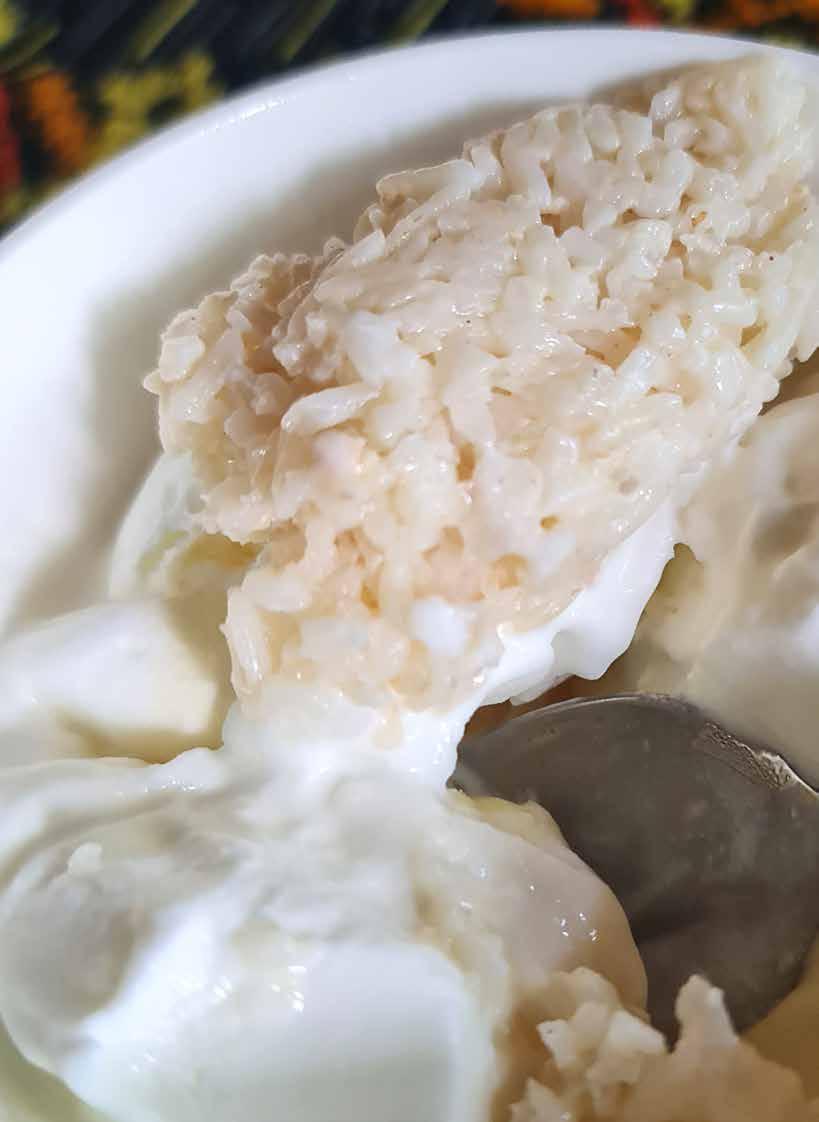
Jenny and Brian are both hungry. There’s a very convenient Indonesian eatery across the road from the entrance to Rimbun Dahan itself. They walk there and notice some very traditional, and seemingly authentic, Indo/ Malay cuisine. Brian is delighted to discover Pineapple Curry (aka Pajri Nenas) and a fish ‘Gulai’ (spicy and rich stew) with ‘Belimbing’ (a type of sour Starfruit), which he has with a Nasi Minyak (Malay Pilau Rice). His drink is Sirap Bandung (or Air Bandung, a pink, sweet, drink) and, finally, for dessert, Brian eats not one, but three, of the exquisite ‘Tapai Pulut’, which are wrapped in rubber-tree leaves.
Satiated with food, they walk back to Jenny’s temporary studio. There Jenny brusquely wipes her bristle brush with an old rag. She sweeps her hair out of her eyes, and in so doing deposits a smear of paint on her forehead. She plunges the painting brush into a jar of spirit, purposely wipes her hands then walks quickly and quietly to the door, fastens the bolt and glides back to where Brian sits waiting for her.
While placing one finger on Brian’s lips, to silence any protest, she fumbles under her dress with the other hand, she hoicks the fabric high enough to slip off her underwear, then climbs aboard his. Deftly she releases Brian from his trouser zip and smoothly, moistly, lowers herself onto his erection.
When she’s done, Jenny lets her soft dress fall back into place and throws a dampened towel at Brian. She slips her underwear back on, replaces the door bolt and proceeds to grab her paintbrush. She’s done with the one task and now is engaging with the other as she sketches out the beginnings of a portrait of Brian, in oil paint, on the unprimed canvas.
By Urfi Raza Zaidi
By Urfi Raza Zaidi
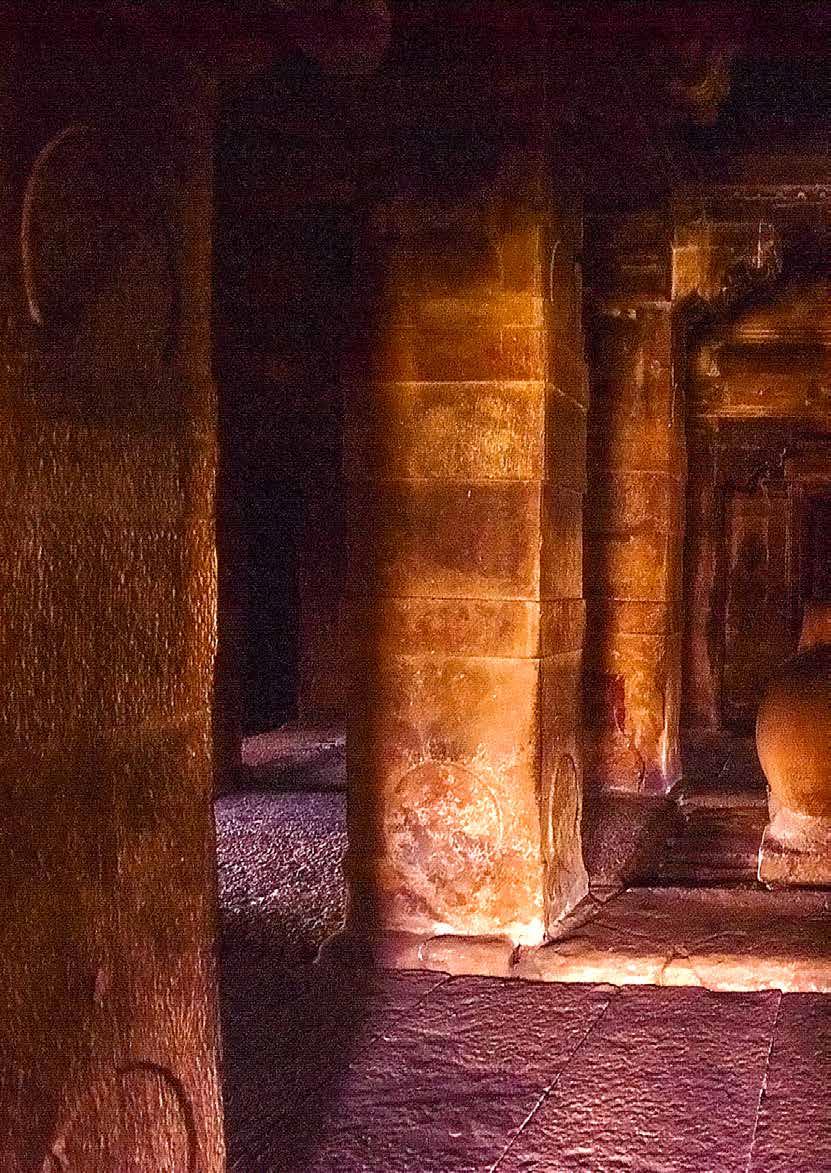
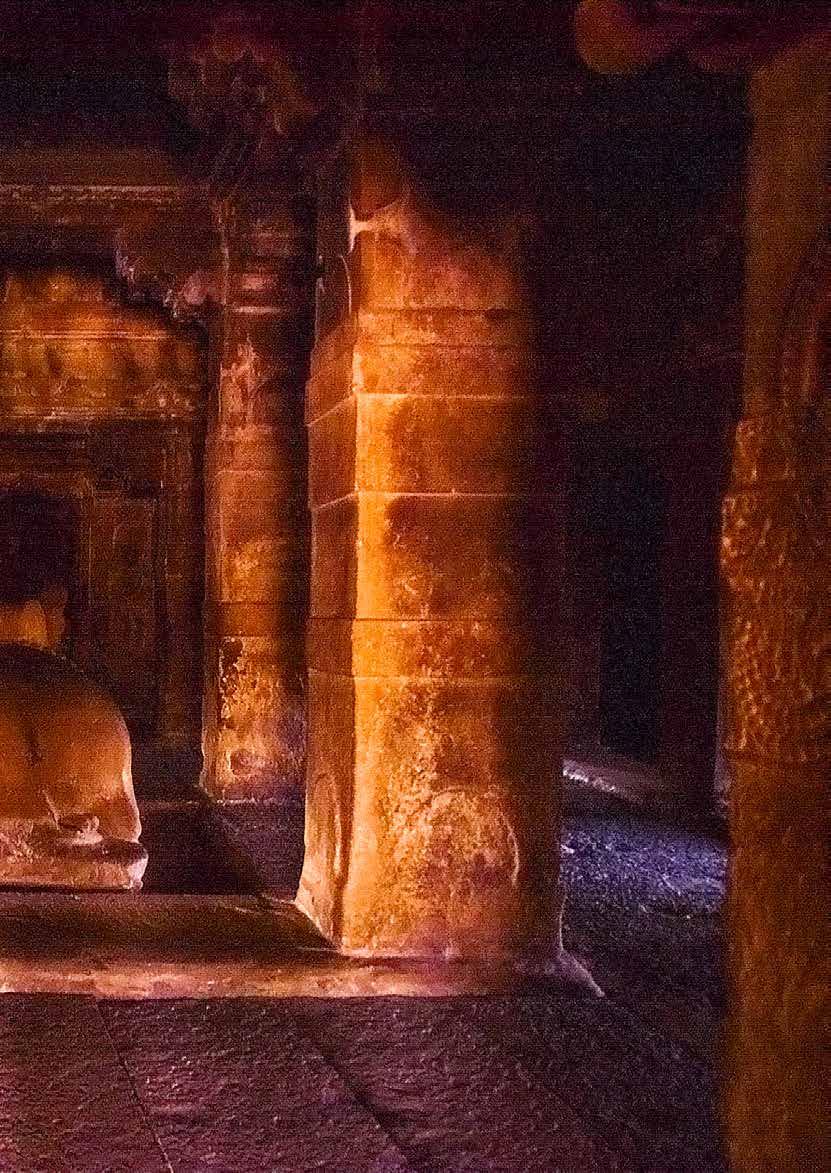
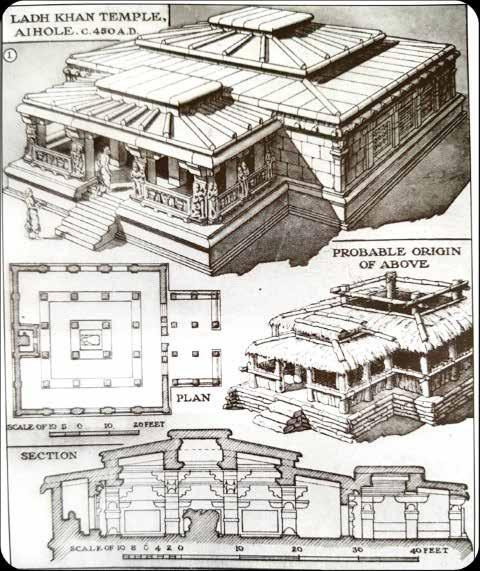
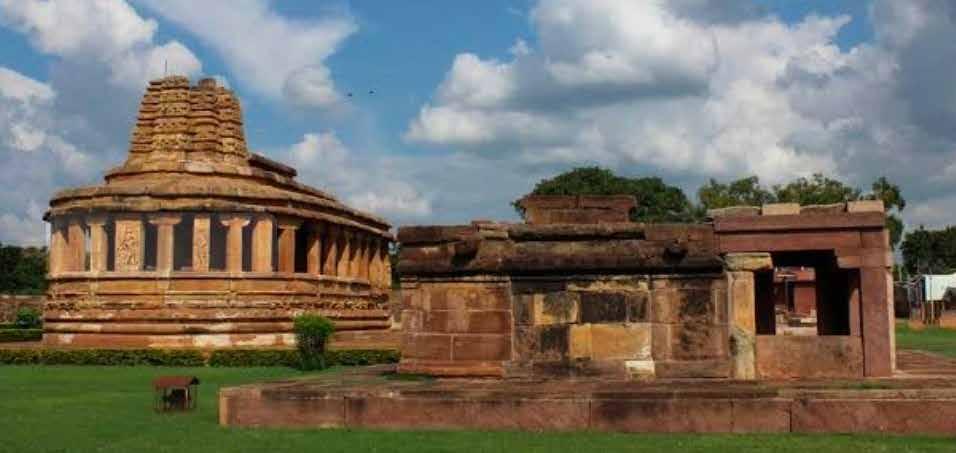
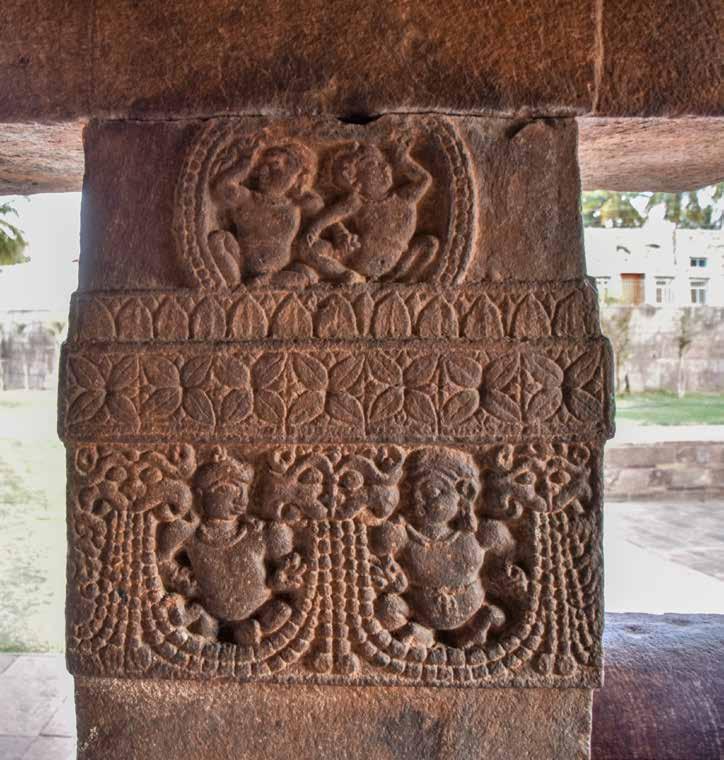
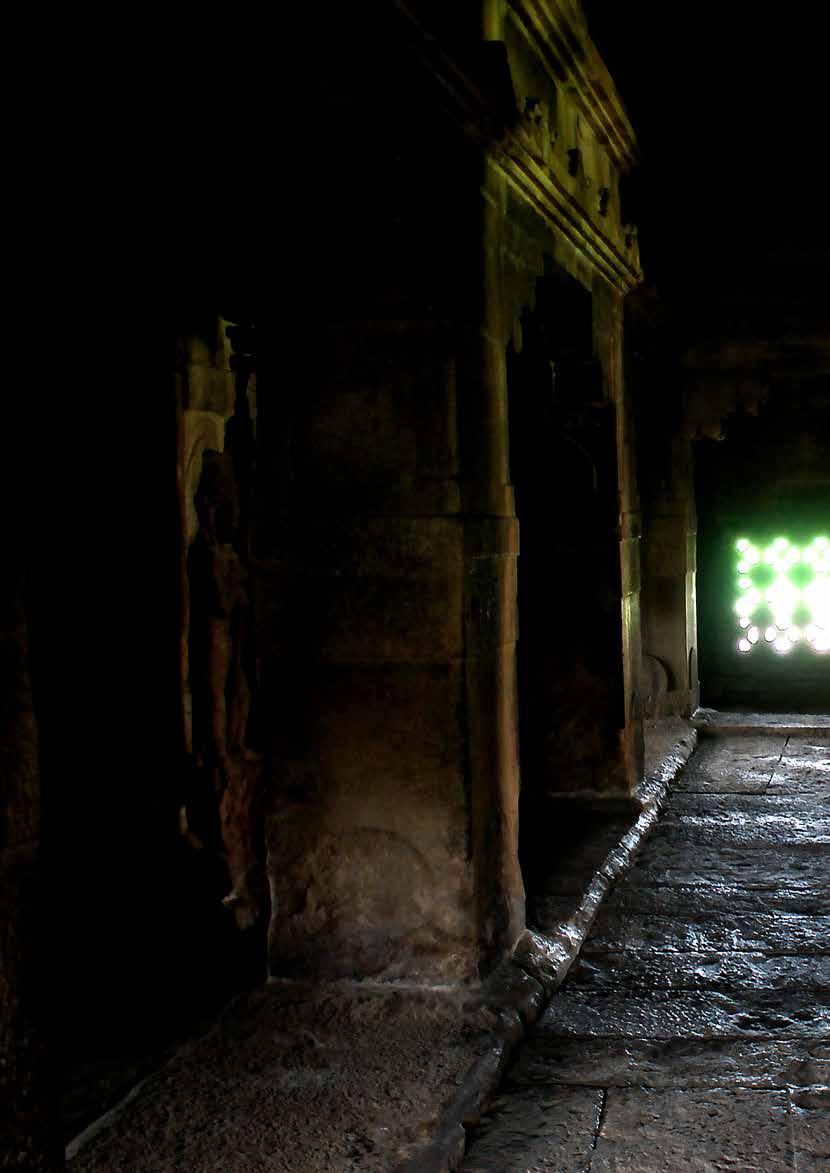
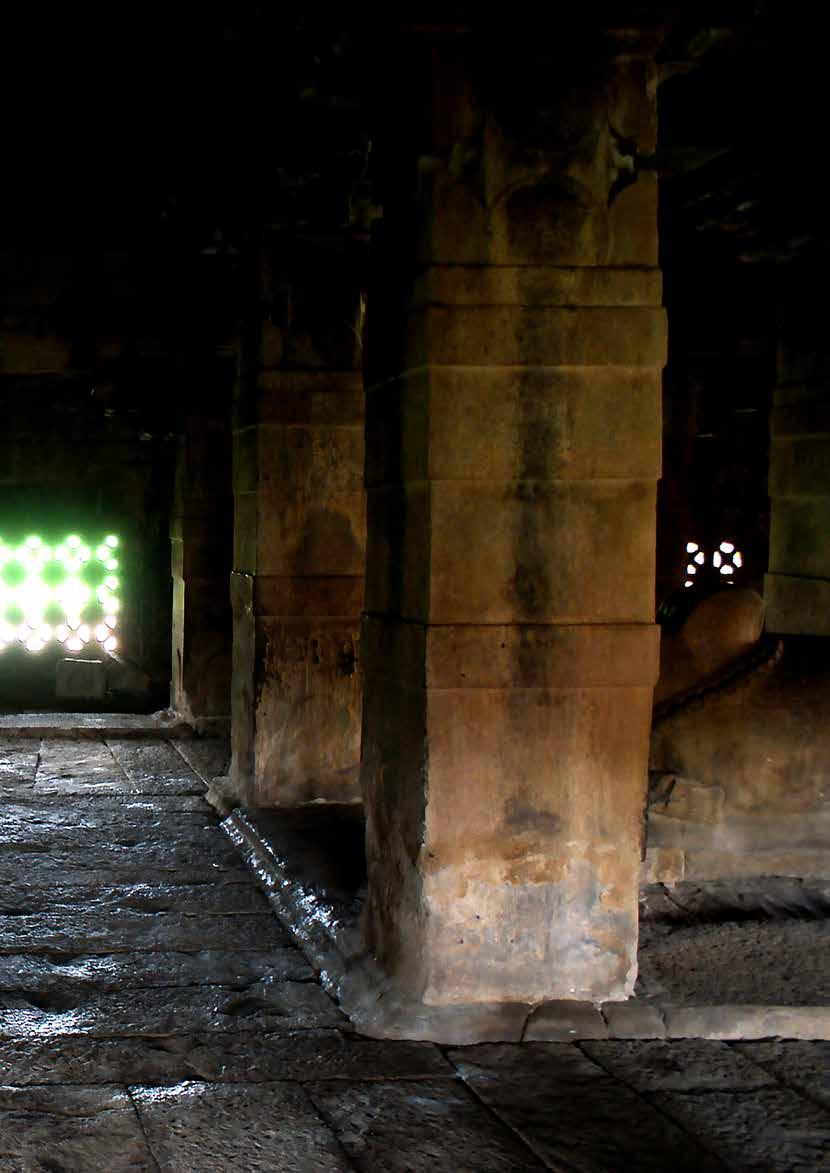
The Lad Khan Temple stands in Aihole, Karnataka, southern India, and is one of the nation's oldest surviving temples. It is also called the Chalukya Shiva Temple, dating back to the 5th century CE. The temple boasts a rectangular mukhamandapa (entrance porch) that opens into a square sabhamandapa (hall), with a compact garbhagriha (sanctum) attached to the back wall, while no pradakshina path is included. The temple is crafted to resemble wooden architecture, in stone. It features a steeply pitched, two-tiered roof supported by stone rafters. Atop the roof sits a central upper shrine, reached by ladder, containing idols of Vishnu, Surya, and Ardhanarishwara.
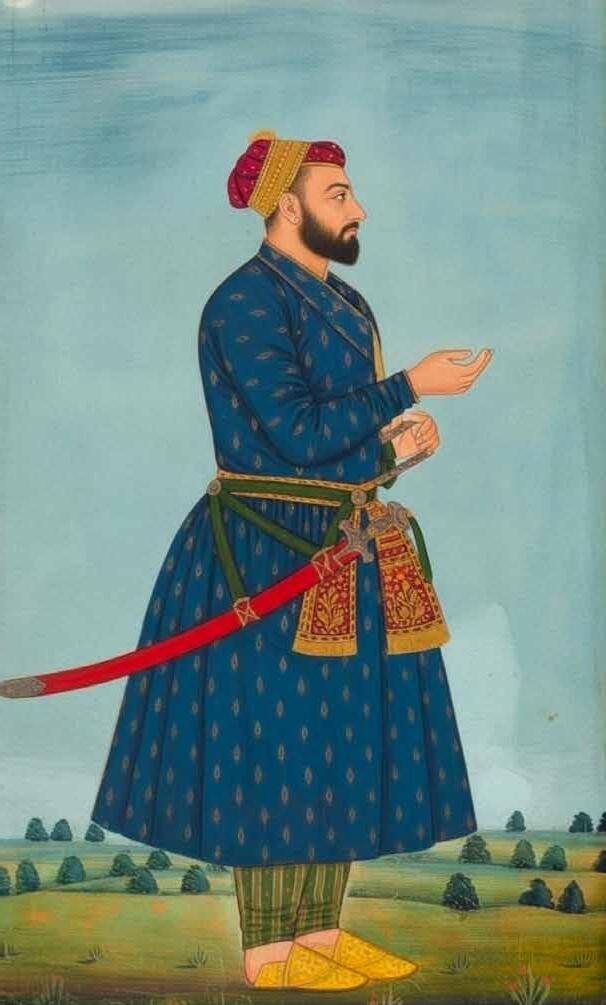
Its name derives from a prominent Mughal Mansabdar, Syed Jalaluddin Lad Khan Baraha, from the Chatraudi branch of the Saadat-e-Baraha Sayyids in Sambhaleda village, Muzaffarnagar district.
Syed Lad Khan was a devout, brave, swordsman like his father Syed Burhanuddin. Syed Jalaluddin joined Akbar's campaigns alongside his fellows such as Syed Mahmud Khan Baraha, Syed Qasim, Syed Bahadur, and Syed Raju. PostMalwa conquest, Mughal Emperor Akbar granted him 484 villages across five parganas, spanning modern Bareilly, Badaun, Pilibhit, Shahjahanpur, and Rampur districts and bestowing the title "Lad Khan." Villages like Jalalpur and Ladpur
endure there today.
After Gujarat's fall, he managed Abhaypur Khata and Senthal in Nawabganj tehsil, later delegating to son Syed Amanullah before heading south per Akbar's orders. Abul Fazl's Ain-e-Akbari translated by H. Blockmann records this in Akbar's 46th regnal year (circa 1601 CE) and Mir Mohammad Zafar Sahab Senthal's Diary notes prior negotiations with southern rulers under Syed Lad Khan's command.
Aihole is Karnataka's verdant border and South India's gateway beyond Khandesh, where Syed Lad Khan's camp was hosted. Spotting a ruined Shiva temple of 450 CE, built by a Chalukya ruler, he heeded local priests' pleas amid public faith, vowing reconstruction post-campaign. After Akbar's southern victories, Syed Lad Khan restored it at personal cost endowing the descendants to fund it annually from his estate revenues. Thus, it became the ‘Lad Khan Temple.’
Syed Jalaluddin lad Khan Barah’s heirs upheld this.
His descendant, Syed Sabir Ali Tatari (alias Syed Faizullah Sani), received the title of Nawab and estates in Ajmer after the Battle of Jajaun. He honoured his ancestor by renaming villages after Syed Lad and doubled the grants to Aihole's Lad Khan Temple, while also donating to local
temples in his province.
The link severed in 1857 when Nawab Syed Ghalib Ali,Syed Sabir's descendant joined the revolt ,and later on British reprisal seized estates, revoked his title, and halted funds, ending Senthal's Aihole ties.
After the 1857 Revolt, Mir Mohammad Zafar, son of Nawab Syed Ghalib Ali, constructed
the Mohan Temple in Senthal Patti to honour freedom fighters Khemkaran Ahir and Bhole Beldar, exemplifying the Ganga-Jamuni syncretic culture.
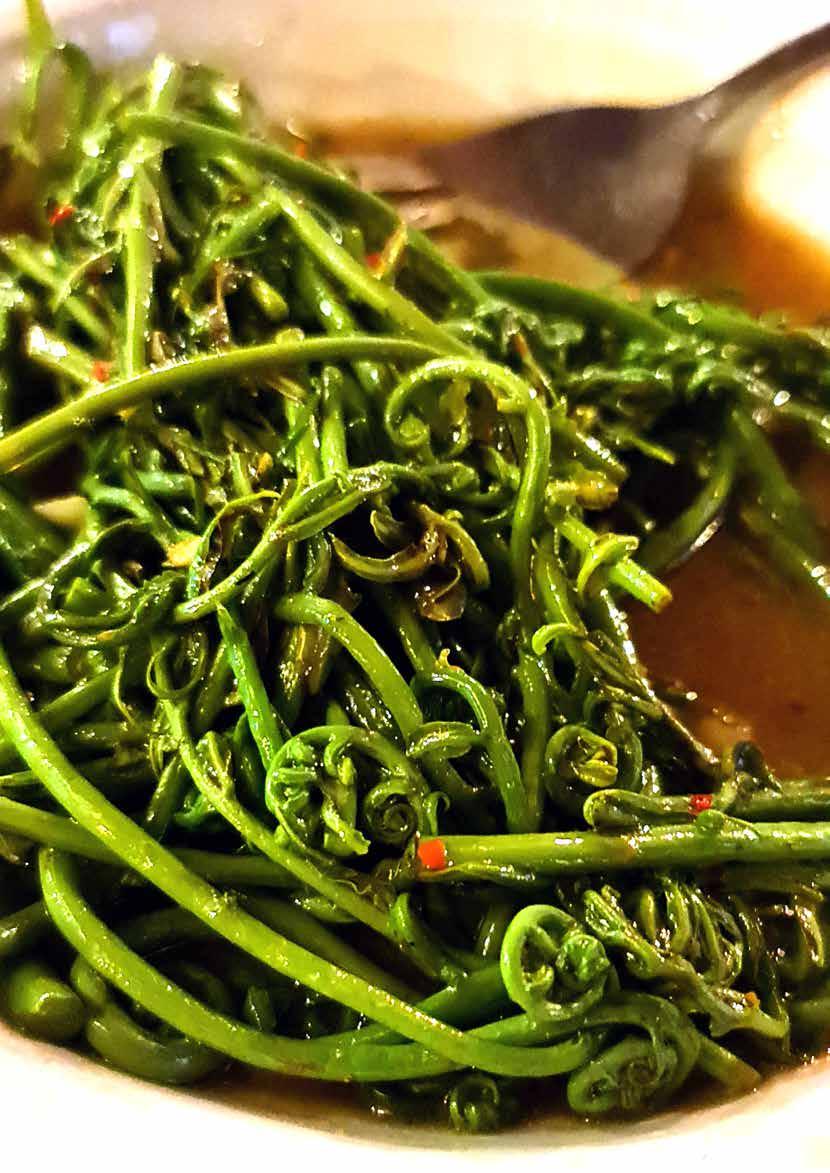
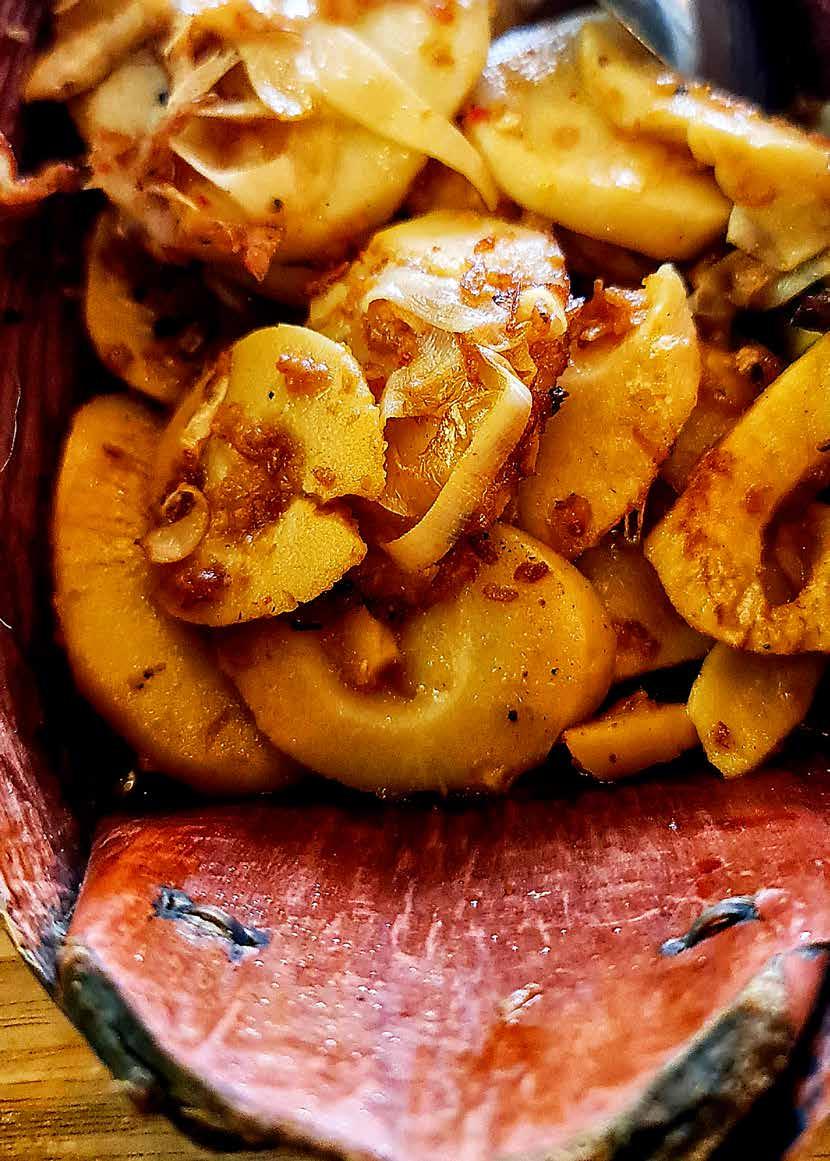
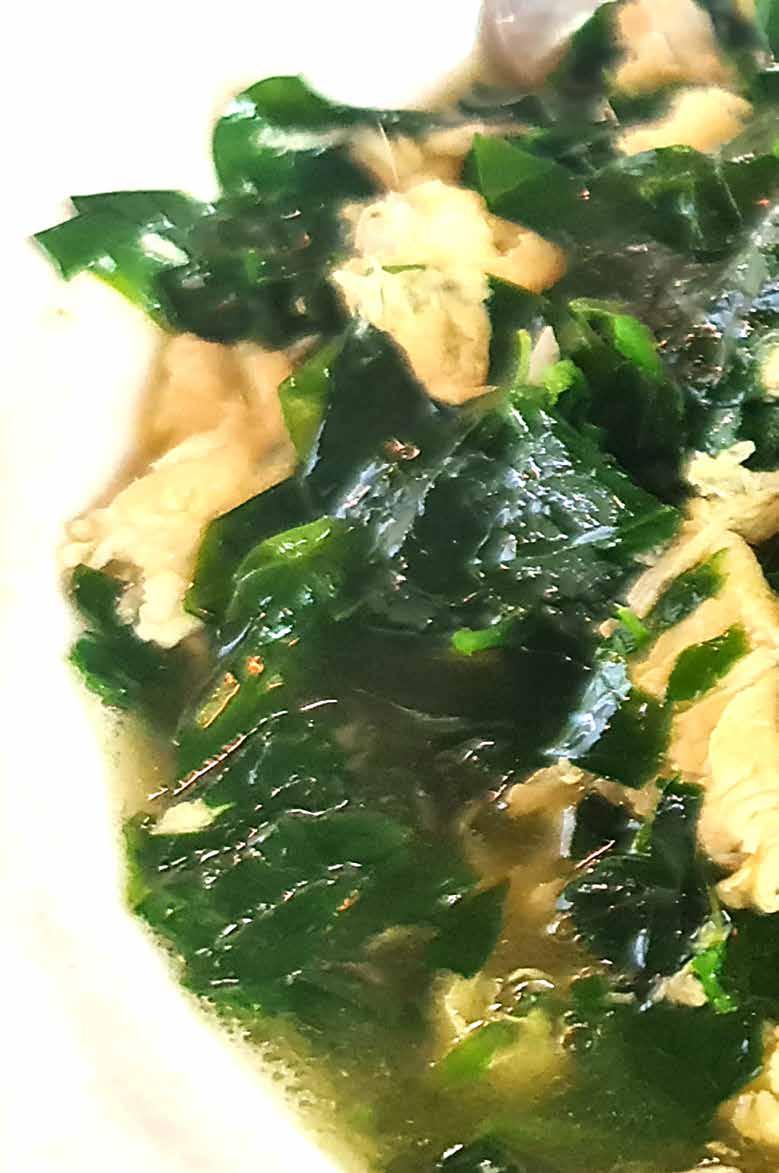
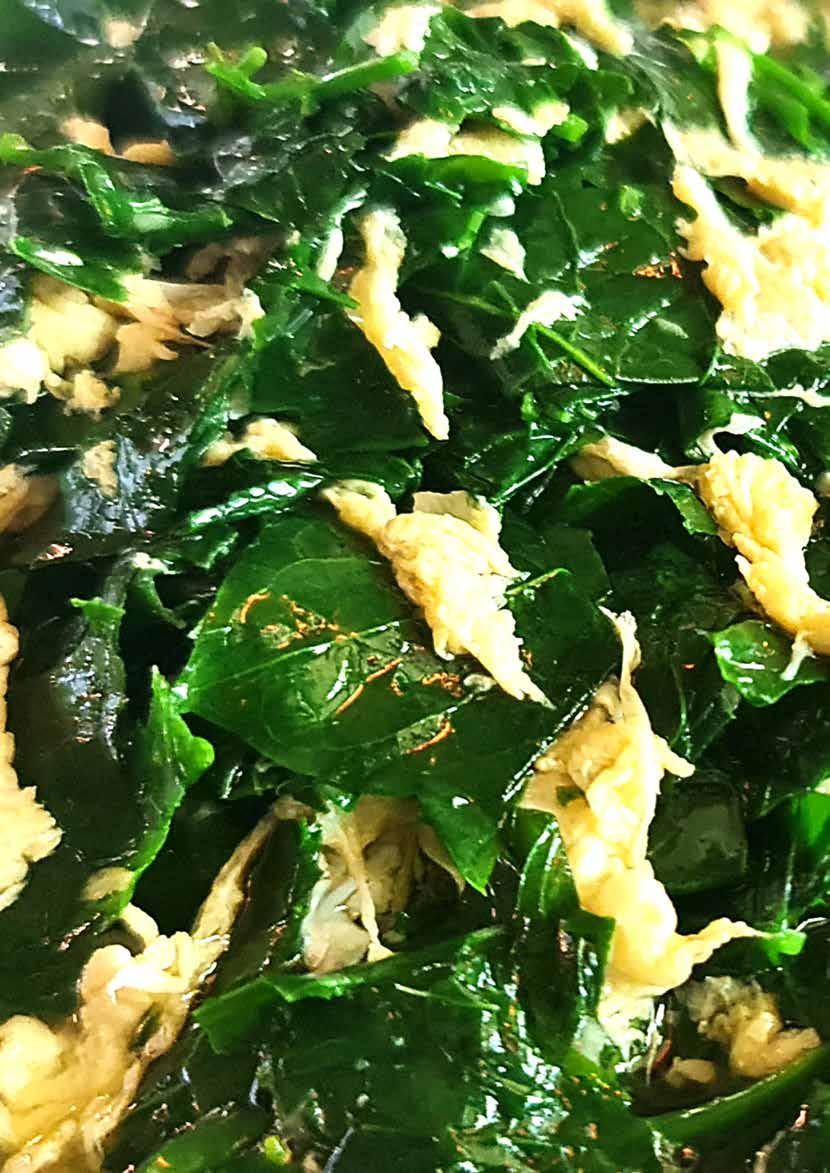
It was my third annual trip to Sarawak’s capital of Kuching, on the island of Borneo. True to form, the weather stayed bright and sunny, with amazing sunrises and spectacular sunsets. Except, that is, for when it rained. When it did rain, the wetness glazed roads reflecting lights at night. When it did rain, I was mostly lucky to be undercover, in a car, a building and/or asleep with dampened roads the only witness to Kuching’s overnight moistness.
What draws me back each year to Kuching, Sarawak is, I confess, not necessarily its proximity to the ancient rainforest or its denizens, but the uniqueness of the cuisines found from the various indigenous ethnicities - Bidayuh, Kenyah, Melanau as well as from settlers - Chinese (Foochow, Hakka, Hokkien, Teochew), Indian Muslim traders and peoples who bacame known as Malays (over centuries of racial intermixing from what is now Indonesia, from Arab traders and inter - ethnic mixing with Sarawak’s tribal peoples) who each brought their own cuisines.
My trips to Sarawak reveal more and more ethnic restaurants and eateries I’d never before visited. There are plentiful foodcourts outside of the old town, reachable with Kuching’s excellent ‘Grab’ taxi service.
My Sarawakian meals were mostly consumed at whichever indigenous Bidayuh (Jak Ma’an) and/or Kayan (Le Pau) restaurants I’d already discovered. Those cuisines are extremely difficult to find on the Malaysian Peninsula, but are growing in Kuching. One such is Roselyn’s Gallery Cafe by Restoran Bahek (by the creator of Le Pau), it’s Kenyan cuisine on Kuching’s Main Bazaar, to the delight of visitors to that city.
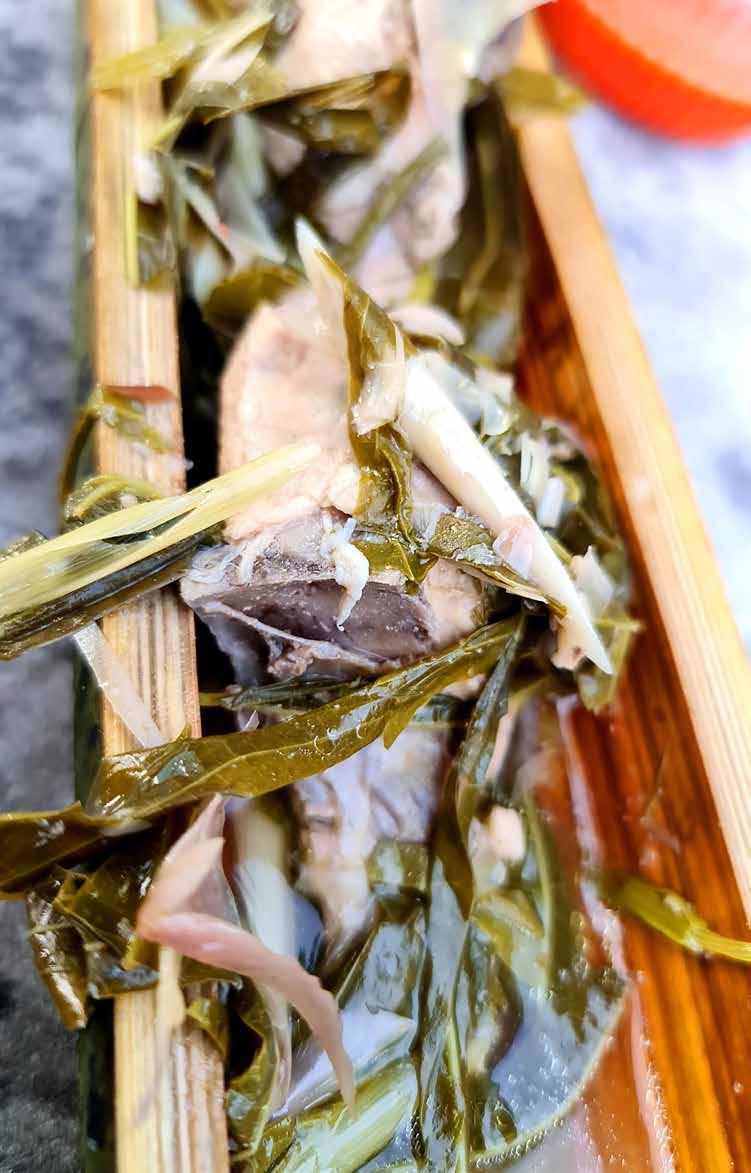
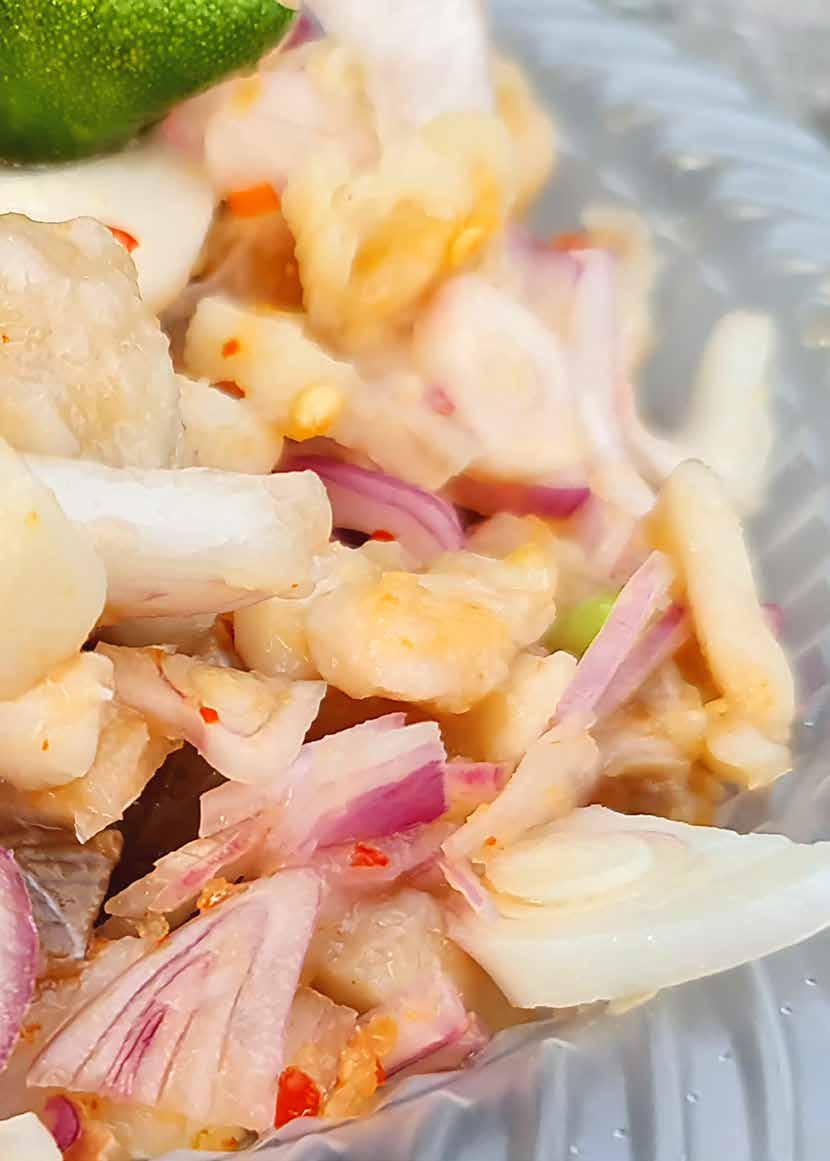
One seafood food court (Topspot) was on the sixth floor of Kuching’s Urban Transformation Centre. On that rooftop, the emporium offered a wide range of expensive Makanan Laut (seafood). However, one small venue also served the ‘Umai’ delicacy of fish and chicken feet - a traditional indigenous dish of the Melanau peoples. I also ordered chunks of chicken, moistly cooked in bamboo (Ayam Pansuh).
I’d returned to my favourite haunts around the Kuching waterfront and this time stayed in what was an old Chinese pepper-weighing shop dating back to the 19th century. It was on Main Bazaar facing the Sarawak River. From that venue, it was easy to see the serpentine Darul Gana bridge and a pedestrian promenade romantically lit during the sultry tropical evenings. A musical and colourful fountain display shot up each riverside evening at 8.30 pm, culminating in a light show spectacular, encouraging oos and ahhas from delighted watchers. Me too.
During daylight, and inward, away from the main tourist area, small eateries proffered predominantly traditional Chinese cuisines, with fusion blends and more Western Flat White and Latte-inclined cafes, revealing mixed-culture cakes and artisan breads.
In the mornings, out and about, and where possible, I’d continued my habit of Hainanese kopitiam breakfast of partially boiled eggs, kaya and butter toast with local strong coffee tempered with condensed milk. Until, that is, I became more adventurous and tried the very porky Kuay Chap (a Teochew comfort dish with very broad, flat rice noodle sheets in a herbal soy-based pork broth. It was topped with braised pork belly,
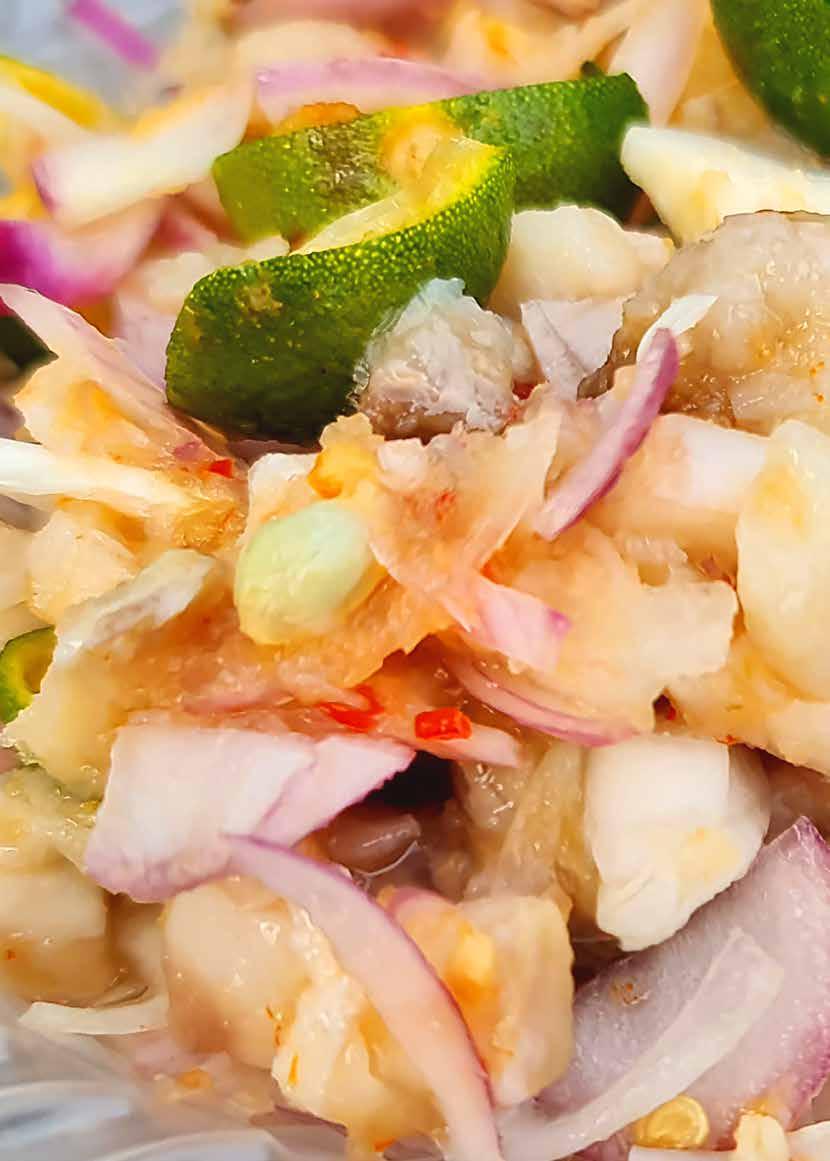
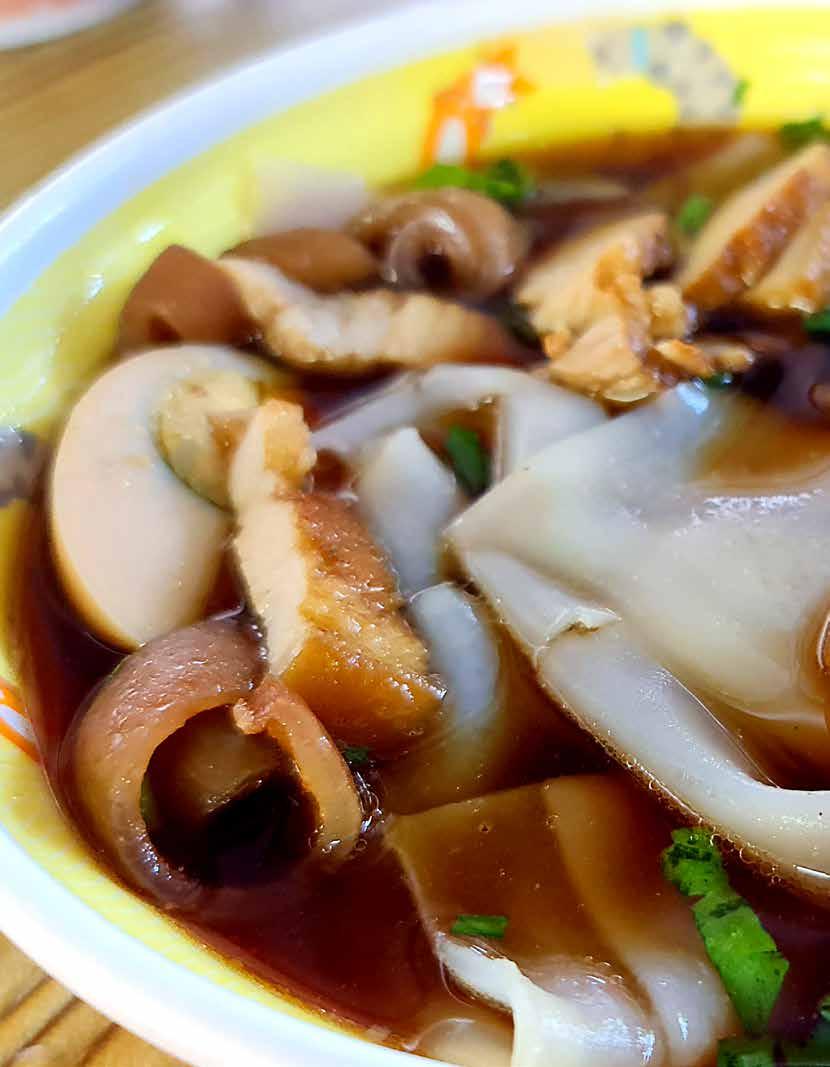
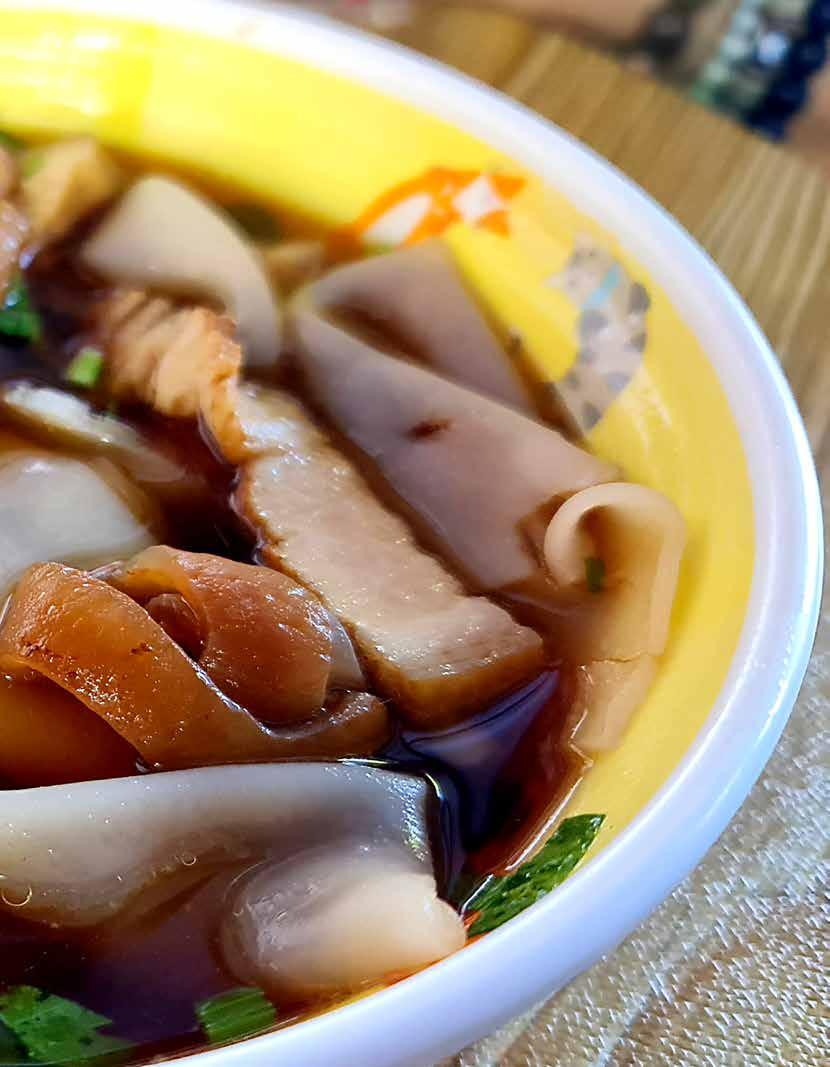
intestines, tofu puffs, and a hard-boiled egg. I’d had something similar in Bangkok’s Chinatown, but with rolled noodles.)
Some breakfasts were, obviously, better than others (and some toasts, like Japanese Shukopan, had been thicker than others). One morning, I desperately wanted an English ‘fry-up’ breakfast containing actual bacon rather than the local beef bacon or chicken bacon. It was, unsurprisingly, nowhere to be found.
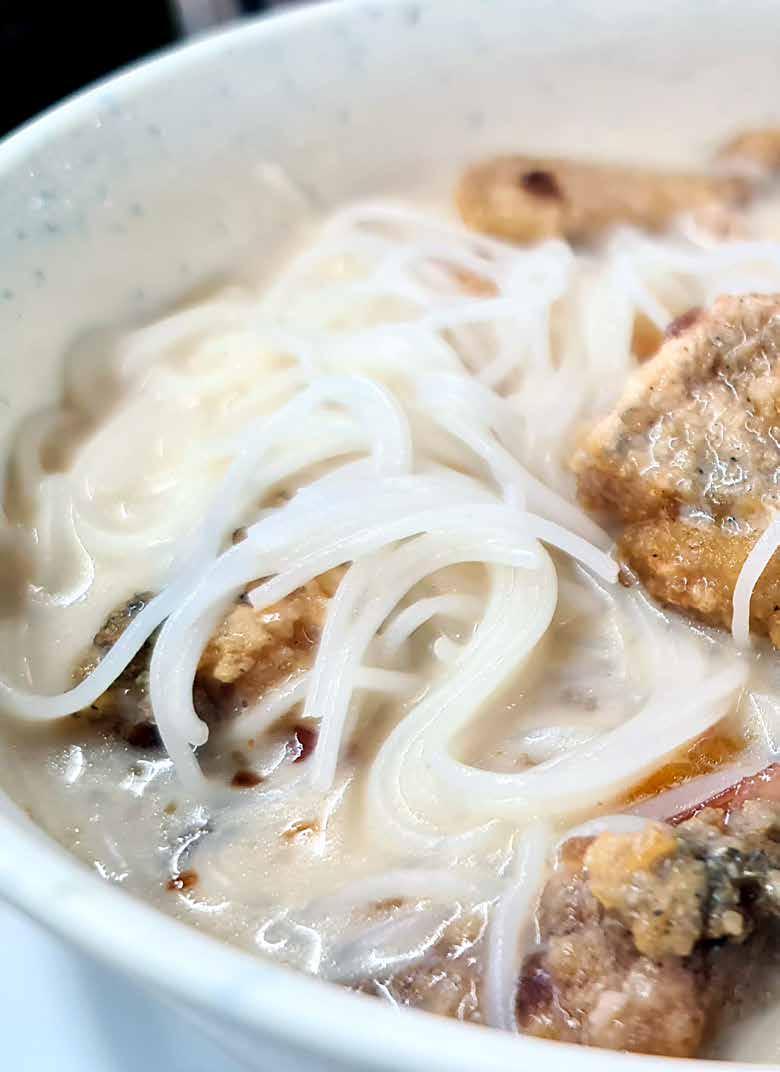
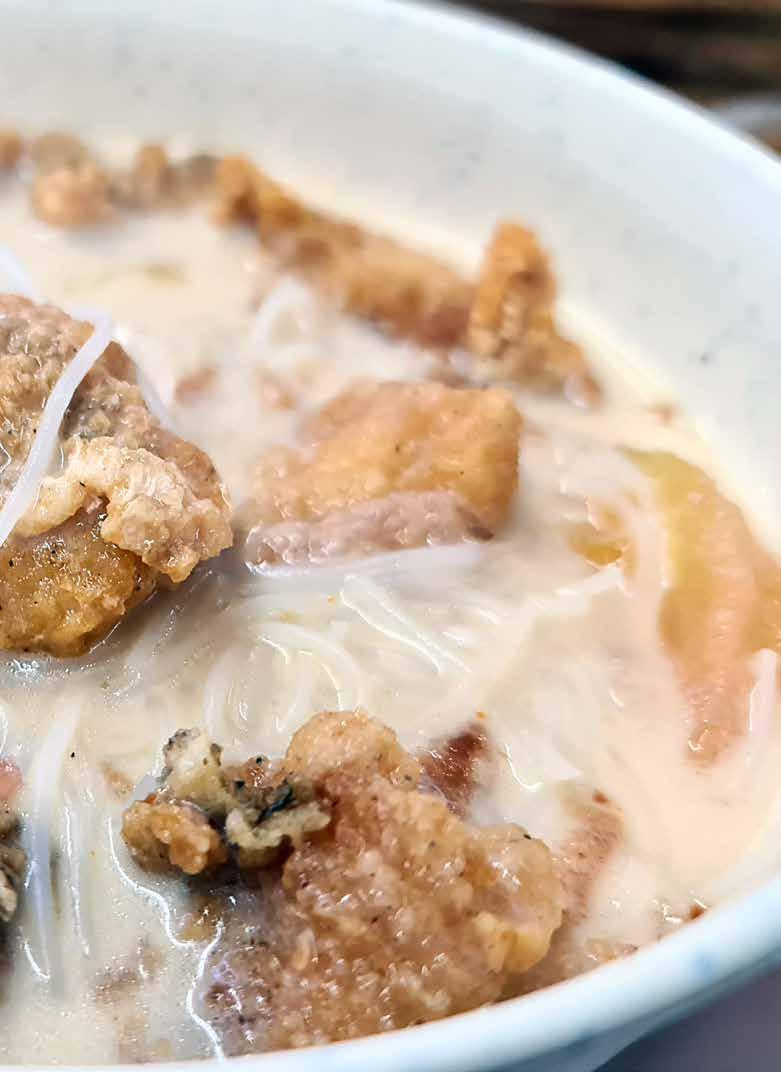
Alternatively, I sought out a very tasty, milky, Grouper Fish Bee Hoon Soup at Gala Corner, along Jalan Tun Jugah, Kempas Heights. Gala Corner is a massive food court crammed with myriad edible goodies, including the aforementioned fish soup, Kuay (Malaysian dessert), lamb curry, et al. I’d accompanied my soup with local thick (robusta bean) dark coffee and a dash of condensed milk.
Despite copious shops presenting tourists Pua Kumbu (Iban Textile), Keringkam (Malay Embroidery) and Kenyah/Kayan beadwork items, alongside fridge magnets representing hornbills and stuffed toys of proboscis monkeys, other shop lots still continued traditional Malaysian tinsmithing.
As mentioned, April’s end brought the relief of rain. Not the thunderous rain replete with thunder and lightning, but the more sedate brushing of cooling rain, bringing smiles all around.
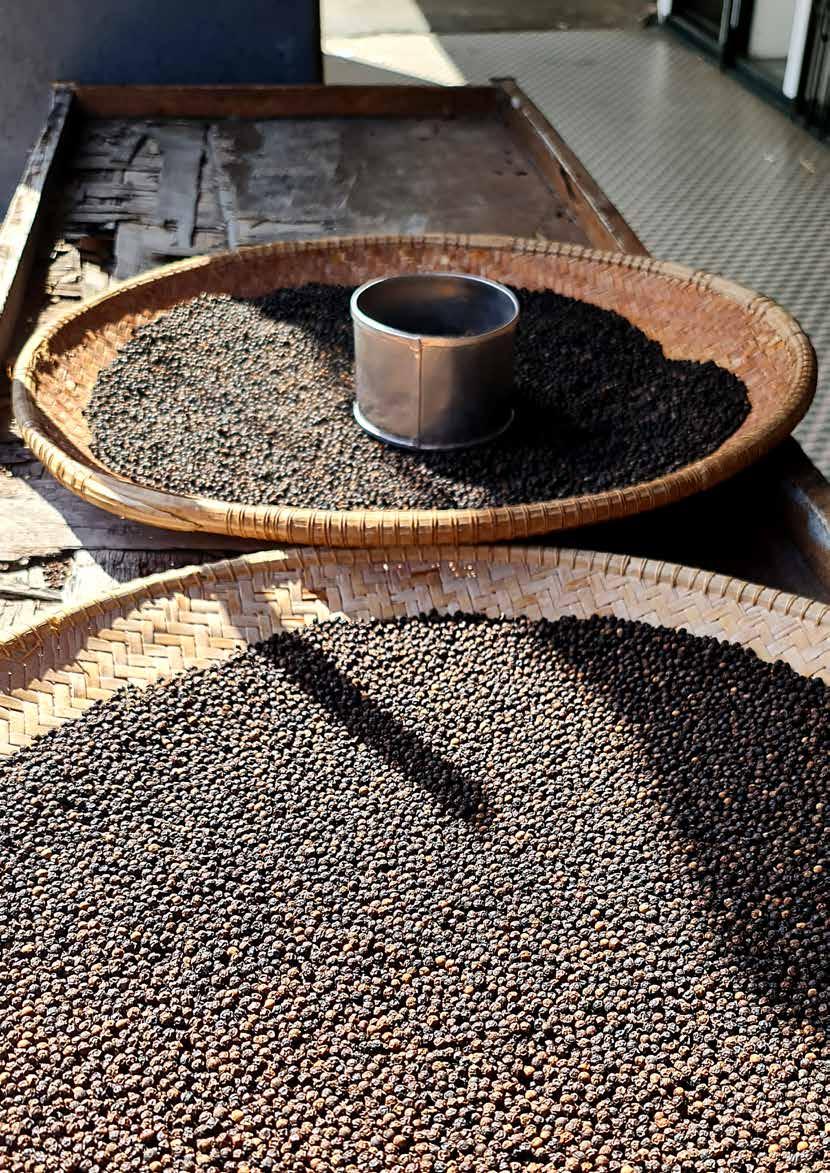
During those cooler days, it was pleasant to wander the more antique sites, purchase local ‘Royal Borneo original wild bee honey’ and locally produced spices such as white or black peppercorns (which in the Kuching backstreets, could be seen drying in wickerwork trays under the hot Malaysian sun) and five-spice from the Royal Borneo shop along Carpenter Street.
Le Pau restaurant, Kuching. never disappoints. The subtle, faintly orange, bulb lighting added a romance to the ambience already begun by the
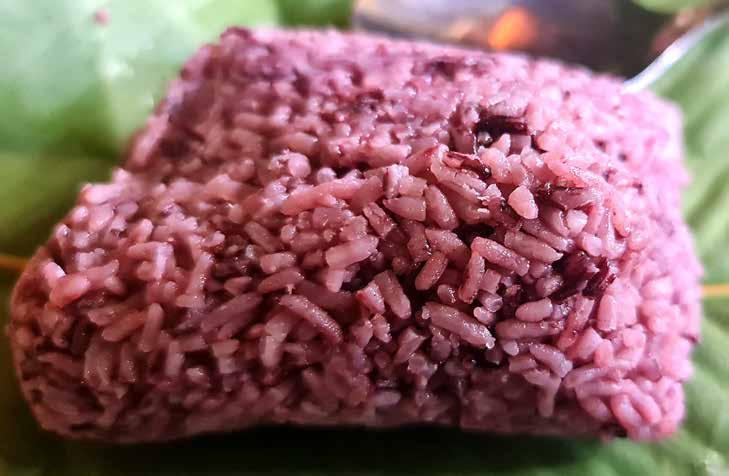
copious fresh vegetation surrounding hungry clientele. Dinner was simply amazing - steamed Terung asam fish. Siakap fish, Sambal Petai Prawns, Midin. Belacan Cangkuk Manis with egg, Purple Bario rice (Adan Rice, a premium variety of rice from the Kelabit people and Lun Bawang farmers in the Bario Highlands of Sarawak), Pandan Lemongrass water iced, and Tempoyak Anchovies (Dry).
Saturday. Rainy day - I feel a Jimi Hendrix song coming on.
Sunday, jogging day - not for me though. I don’t jog. I have no wish to have my bits and pieces scrambled.
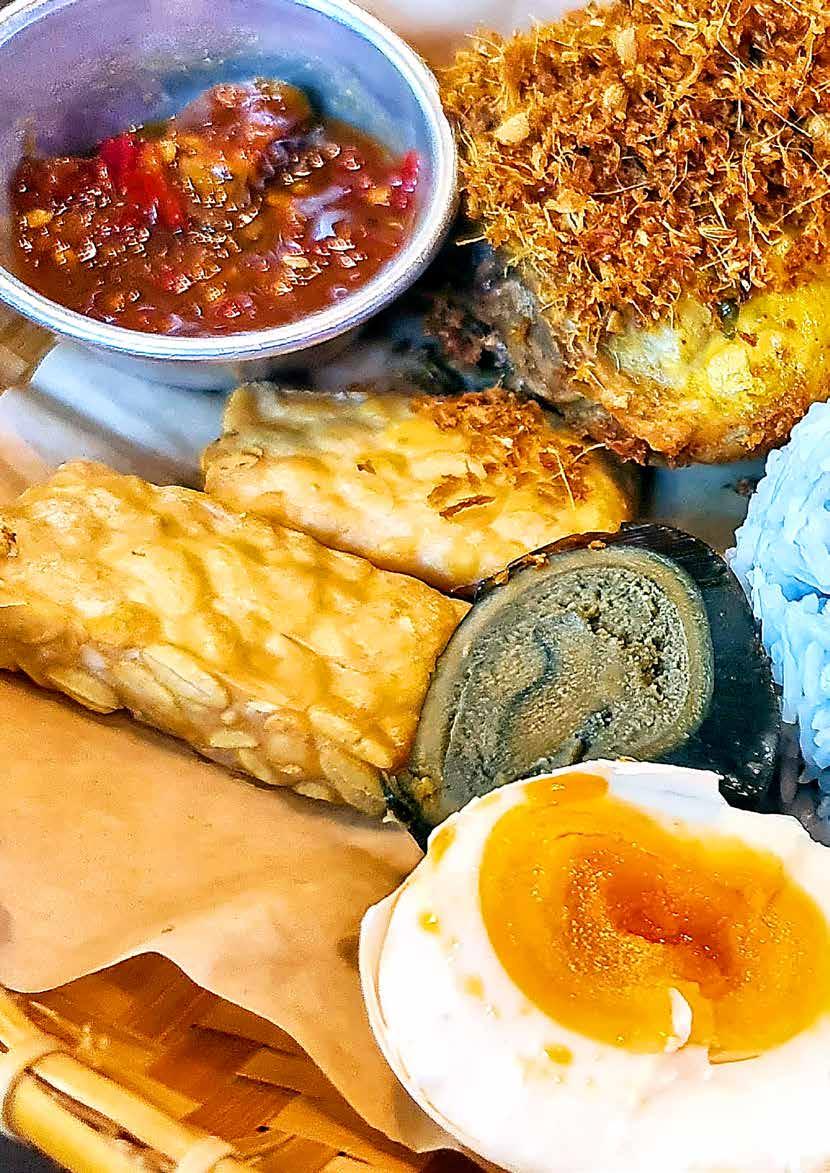
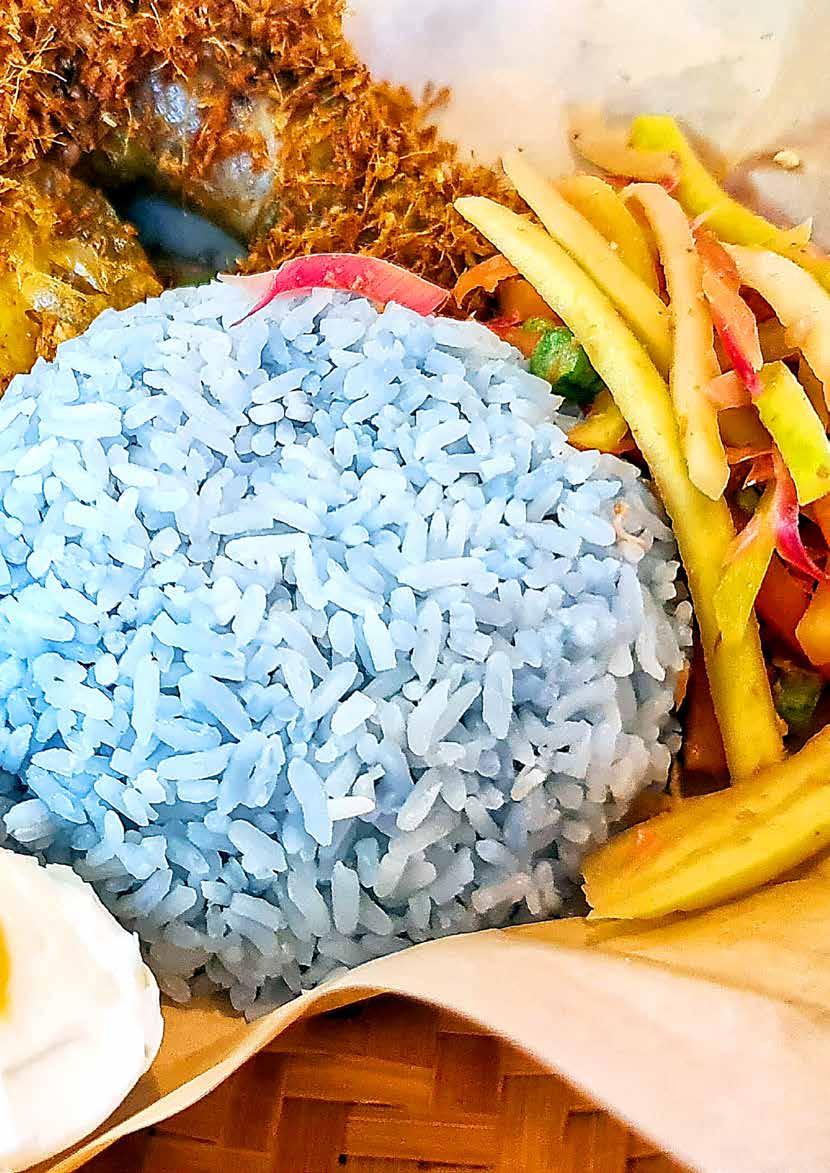
Lunch was at Kantin (Grainery), Kuching. It was every bit as good as I’d expected. It’s not so much a food fusion as a Malaysian mash-up. Ayam Berempah shook hands with Nasi Kerabu to produce Kantin Kerabu with Century Egg, Bluepea Flower (Clitoria ternatea) Rice, Salted Egg and the dryly spiced (Berempah) fried chicken too. I just had to have Pandan Lemongrass water (again) to accompany those. After I indulged in a moistly warm ‘fudgie brownie’ (with ice cream) to complete my meal.
Then, like all good things, it ended. Seven days in Kuching led to my flight back to Peninsular Malaysia and a ‘Ramly Burger’ (Malaysian street food with halal beef wrapped in an omelette, covered in chilli, mayo, soy sauce on a toasted bun). The burger was characteristically messy, cheap, full of flavour and a perfect end to my trip.
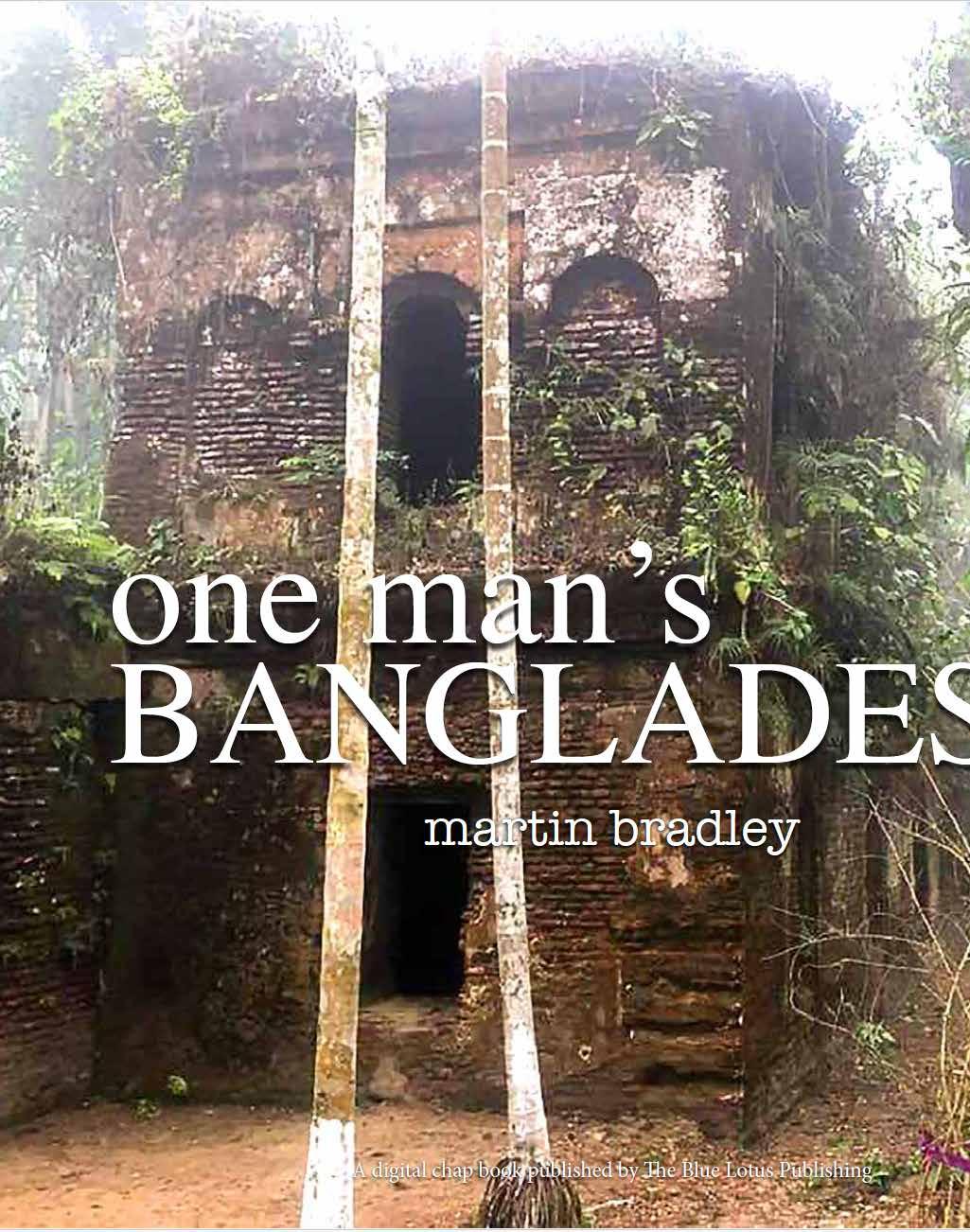
https://issuu.com/martinabradley/docs/one_man_s_bangladesh
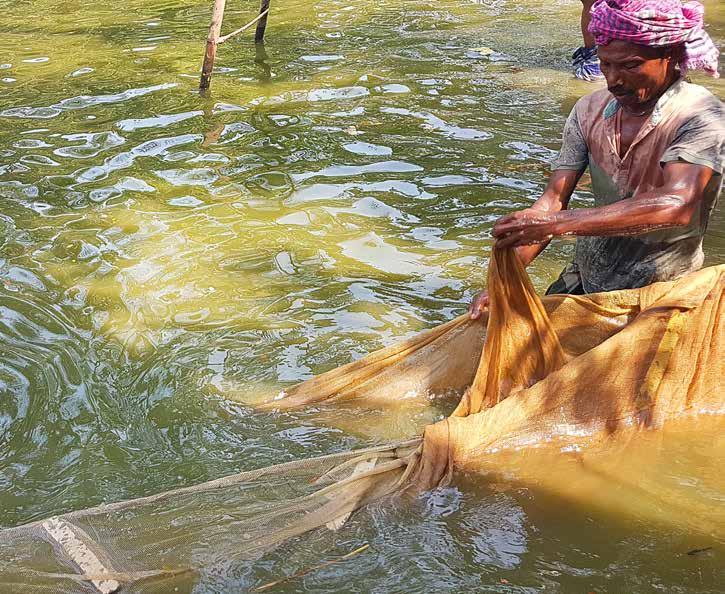
https://issuu.com/martinabradley/docs/one_man_s_bangladesh
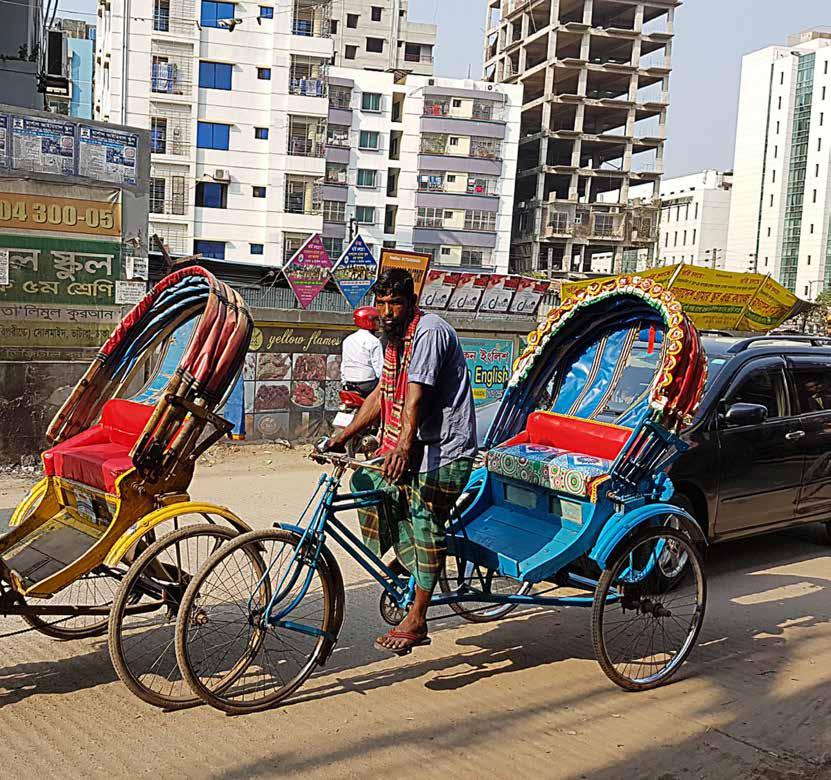
https://issuu.com/martinabradley/docs/samphire_island
https://issuu.com/martinabradley/docs/being_here_now_
https://issuu.com/martinabradley/docs/love_s_texture
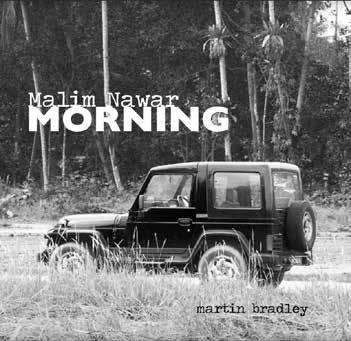
https://issuu.com/martinabradley/docs/malim_nawar_morning
https://issuu.com/martinabradley/docs/on_the_island
https://issuu.com/martinabradley/docs/cambodia_chill_re-issue
https://issuu.com/martinabradley/docs/lotus
https://issuu.com/martinabradley/docs/remembering_whiteness_booklet
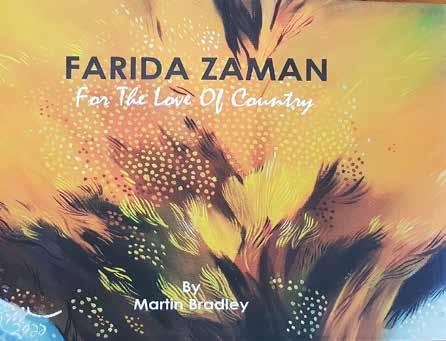
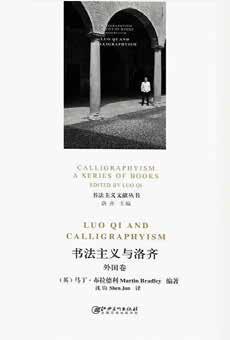
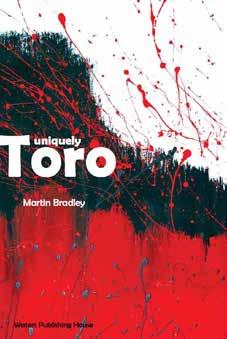
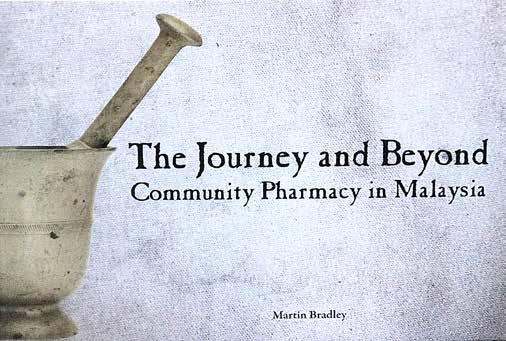
Martin Bradley is the author of a collection of poetryRemembering Whiteness and Other Poems (2012, Bougainvillea Press); a charity travelogue - A Story of Colours of Cambodia, which he also designed (2012, EverDay and Educare); a collection of his writings for various magazines called Buffalo and Breadfruit (2012, Monsoon Book)s; an art book for the Philippine artist Toro, called Uniquely Toro (2013), which he also designed, also has written a history of pharmacy for Malaysia, The Journey and Beyond (2014, Caring Pharmacy).
Martin has written two books about Modern Chinese Art with Chinese artist Luo Qi, Luo Qi and Calligraphyism and Commentary by Humanists Canada and China (2017 and 2022), and has had his book about Bangladesh artist Farida Zaman For the Love of Country published in Dhaka in December 2019.
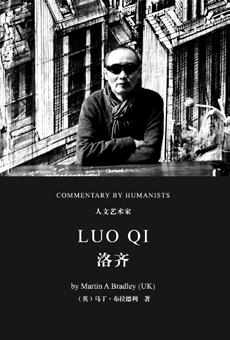
Canada 2022

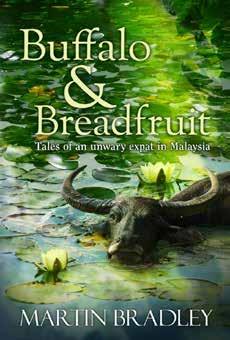
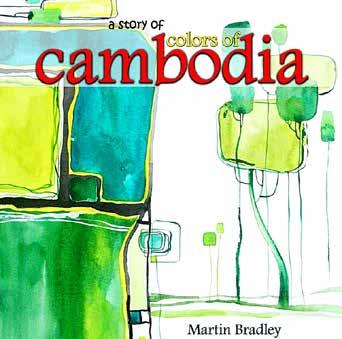
(The
Publishing), in Colchester, England, UK, since 2011