A clean home
Cleaning makes your home enjoyable and comfortable. By cleaning, you care for your space and ensure your indoor air quality stays fresh. Plan what to clean and when. Divide tasks for different days. By cleaning regularly throughout the year, you can avoid demanding cleaning days as well as harsh chemicals. A tidy house is a tidy mind!
• Clean home appliances CLEANING SCHEDULE
Daily
• Air out the house
• Tidy up
• Clear the kitchen
• Take out the garbage and remove stains
Weekly
• Vacuum floors and carpets
• Mop the floor if needed
• Dust surfaces and clean fingerprints off surfaces
• Clean the toilet and bathroom
• Take out recycling
• Care for houseplants
Every now and then
• Clean windows
• Organise and wipe down cupboards, shelves and boxes
• Wash textiles and fabrics (pillows, duvets, throw blankets, etc.)
• Wash floors thoroughly and clean baseboards
• Clear the shower drain and exhaust hood
• Clean air vents and radiators
KEEP YOUR BED CLEAN AND FRESH
• Air out then make the bed
• Change pillowcases every 1-2 weeks
• Change sheets once or twice a month. Change sheets more often if you have allergies.
• Wash pillows and duvets 1-2 times a year. Vacuum mattresses every now and then.
Getting rid of fruit flies
• Pour cold water, sugar, white vinegar and a few drops of washing-up liquid into a wide bowl. Change out the mixture every few days.
ECO-FRIENDLY CLEANING TIPS
Quality cleaning products can be found in the kitchen. An ecocleaner’s toolkit includes white vinegar, baking soda, lemon and salt. Use these first before moving on to stronger chemicals. This reduces your chemical usage at home.
Clearing a shower drain
• Pour ½-1 dl baking soda and 1-2 dl white vinegar down your floor drain. After the fizzing ends, pour a few litres of hot water down the drain. You can also follow these steps to unclog the drain.
Cleaning dark stains in coffee and tea mugs.
• Add baking soda to a damp kitchen sponge or brush. Scrub off dark stains. Rinse.
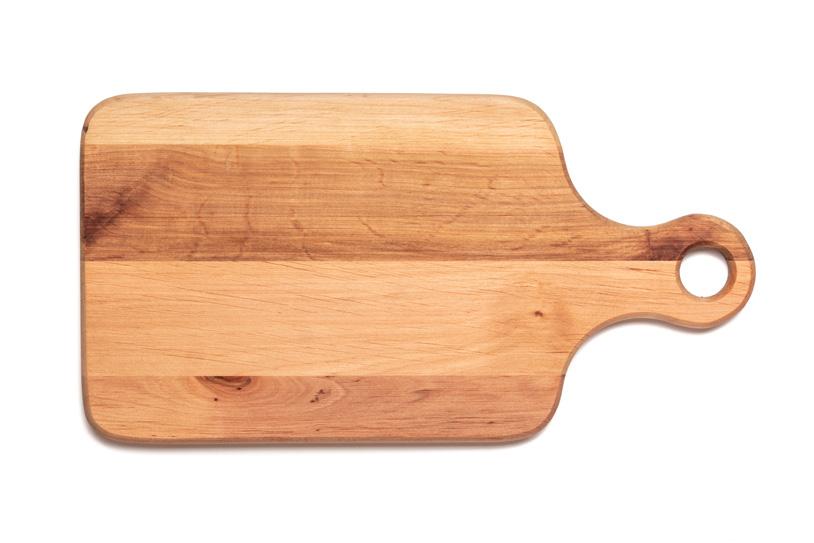
Cleaning a chopping board
• Mix together 1 tbsp baking soda, 1 tbsp salt and 1 tbsp water. Rub the mixture into the chopping board. Rinse off with warm water.
Coffee maker descaling
• Pour a vinegar-water mixture (1:1) into the water tank so that the mixture fills ½ - 2/3 of the tank. Make sure the filter is in place. Turn the power on.
• When half of the liquid has dripped into the pot, turn the power off. Allow the liquid to sit for 5-10 minutes. Turn the power on again and let the rest of the liquid drip into the pot.
• After this, brew 2-4 pots of clean water then rinse the pot.
Ceramic stovetop
• Clean limescale stains from your stovetop using lemon or white vinegar.
Cleaning a cast iron stovetop or hob
• Rub a sugar cube into the stove top or hob.
TIP! Natural cleaning products are often effective, however using them exclusively is not enough. Chemical cleaning products can be used alongside natural cleaning products.
Make sure you have at least the following:
• Washing-up liquid
• All purpose cleaner
• Acidic cleaning product for descaling
• Toilet cleaner
Get rid of fish and garlic smells from hands
• Rub 2 tsp of baking soda
Cleaning
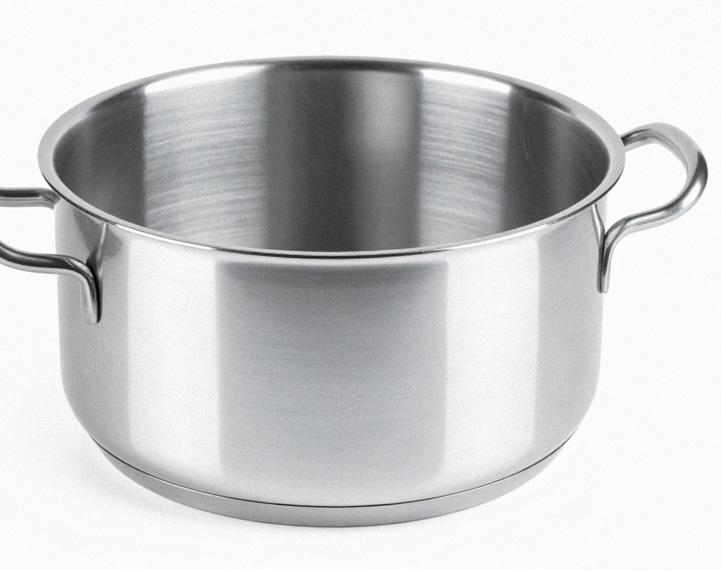
a burnt pot
• Using a dish sponge, clean the pot with a paste made of baking soda and water. Rinse the pot.
• OR Fill ¼ of the pot with water and add ¾ dl of baking soda. Bring the pot to a boil, turn off the heat, then allow the mixture to cool for a few hours or overnight. Empty and scrub the pot.
Cleaning the oven
• Mix together 2 tbsp salt, 2 tbsp baking soda and hot water to form a paste. Spread the paste on the inner surfaces of the oven. Allow the paste to sit for about 2 hours or overnight. Clean the surfaces with a rough sponge. Rinse with warm water.
• OR For more stubborn stains, try using liquid pine soap: spread the soap on oven stains. Heat the oven to 50 degrees. Let cool. Scrub the oven stains with a soft brush and wash with a damp cloth.
a simple airing out, stain removal and brushing can do the trick.
WASH CORRECTLY
• Follow care label instructions.
• Sort your laundry according to colour (darks and lights), water temperature and washing recommendation.
• Choose the correct laundry detergent (multicolor or white) and use the recommended amount.
• Choose environmentally friendly products.
• Wash full machine loads.
DID YOU KNOW?
• Increasing washing temperature from 40 to 60 degrees doubles energy use.
• Washing clothes in low temperatures does not get rid of all dirt. Sheets and towels can be washed at 60 degrees.
THINK WISELY
• Think about the quality and materials of a garment before buying it. Research whether an article of clothing can be washed in water. Taking proper care of garments extends their usability.
TIP Wash thrift-store clothes after buying them. Pests die in a 60 degree wash or by keeping textiles in –20 degrees for at least a week.
Blood
• A fresh stain can be removed with cold water.
• Pre-treat an old stain with liquid laundry detergent or stain remover.
• Wash the garment according to its care label instructions.
TIP
First, try a mild product for stain removal. If that doesn’t work, try a harsher one. Gall soap and liquid laundry detergent work on many types of stains.
Blueberry
• Wash a fresh stain with hot water and washing-up liquid.
• Pre-treat old stains with gall soap, liquid laundry detergent or stain remover. You can also treat the stain with lemon juice.
• Finish by washing the gar ment with whitening laundry detergent and according to its care label instructions.
Some stains do not get cleaned in the wash. They have to be treated separately before machine washing. The most important step is to identify the stain and then act – the faster you remove the stain, the more likely it is that you will end up with a clean product.
Red wine
• Washing-up liquid and warm water usually fix fresh red wine stains. You can also sprinkle salt
Coffee & Tea
• Immediately rinse with cold water. You can also use washing-up liquid.
• Pre-treat an old stain with liquid laundry detergent then wash the garment according to its care label instructions.
Think about which expenses are necessary. Did you have extra expenses during the week?
Money and budgeting
Short-term budgeting can help you manage your personal finances. Make a weekly budget, where you calculate how much money you have for food and oth- er expenses.
READ MORE
martat.fi/managing-person- al-finances/
How much did you spend during the week? Were you surprised by the outcome?
MAKE A LIST OF YOUR WEEKLY EXPENSES. CATEGORISE EACH EXPENSE AS EITHER NECESSARY, USEFUL OR EXTRA. Track your finances for a week! Tracking your expenses is an important skill for managing personal finances. You know exactly where your money is going when you track your expenses.
Date What did you spend money on? Amount (€) Necessary useful extra
MONEY STORY
Think about your own and your family’s financial history. Add events to the timeline.
What role has money played throughout your life? What financial skills did you learn as a child and young adult? When did you begin using money independently? When have there been changes to your spending habits?
Childhood
BUDGETING TIPS
1
Plan your personal finances by budgeting. Write down regular sources of income and expenses. Calculate how much money remains at the end of the month for other expenses. A monthly budget can be divided into a weekly or daily budget. Use the free Penno.fi tool to help.
3
Take part in a no-spend challenge! Could you participate in the Rule of 5 challenge or Buy Nothing Day, or generally take a break from online shopping? Sleep on purchases that are outside your necessary daily expenses.
5
Buy and sell used items. Save by buying used items in thrift shops, online stores or apps. When you take good care of your clothes, you can sell or donate them in the future.
7
Rent or borrow from a friend, the library or a rental service. Formal clothing (or accessories) can be borrowed from a friend. Local libraries have an array of hobby and sports equipment, as well as sports and culture membership cards to loan. Rent items you do not use often, such as hiking backpacks or drills. Rent out your own items to others for a small fee.
2
Open a savings account. Small regular transfers to your savings account builds a safety net for a rainy day. Saving in advance is cheaper than paying by installments or with a loan.
4Use student discounts. Show your student card at the cash register to get good deals and discounts!
When possible, choose to walk or cycle for short trips.
8
Compare prices and find the best offers. For instance, home insurance prices vary depending on the company. By switching phone plans to one that is 10€ cheaper a month, you will save 120€ in a year..
Food waste
• An average Finn throws out around 20 kg of edible food each year. In addition to wasting food, this also wastes nitrogen and phosphorus. The cost of our food waste is 500 million euros a year. Do not buy foods with a short expiry date if you will not consume them.
at least the following
CARDBOARD
REMEMBER TO RECYCLE
Check your own building’s recycling instructions.
• Buy only what you need. You can find used, high-quality furniture, home equipment and clothing from recycling centres and thrift stores. Recycling is a smart way to save money and do something good for the environment.
HAZARDOUS WASTE
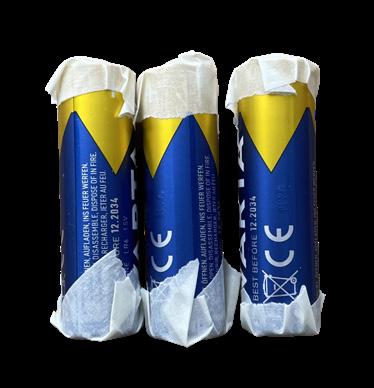
Tape used batteries before recycling them!
An untaped battery can cause a fire.
• Even if you are a superstar recycler, there will always be some amount of waste left over in the house. Most waste can be used again. Remember to sort your waste and use the correct recycling bins.
What to eat?
Student lunches are nutritious and cheap. A student should be eating at other times of the day as well. You can save money by cooking at home. Learning skills in the kitchen goes a long way.
Healthy food comes in many shapes and forms. When a dish is colourful and varied it is packed with nutrients. Nutritious food can be made at home, school or work. It can be bought from a restaurant or from the store. If your daily meals are varied and regular, you do not need to pay close attention to individual nutrients. Find your own way to eat well!
Read more at: www.martat.fi/build-a-healthy-meal/
Use by label
• The use by label is used for products which go bad quickly, such as fresh meat and fish. The use by date lets you know the last day you can safely consume a product. Products cannot be sold after they pass the use by date.
Best before date
• The best before date indicates how long a product can be stored until it begins to lose its characteristics. Products can be used after the best before date. Evaluate the look, smell and taste of the product before consuming it. Store products according to their storage instructions and be mindful of maintaining the cold chain between shop and home.
TIP! Compare prices.
Unit prices do not always reveal the cheapest option because packaging can vary. Compare kiloprices of items instead. The most expensive food is one that is thrown away.
LENTIL SOUP
1 onion
2 garlic cloves
Fresh ginger, 4 cm piece
2 tbsp rapeseed oil
1 tbsp garam masala spice mix
0,5 tsp chili powder
2,5 dl red lentils (uncooked)
1 can (or 400 g) crushed tomatoes
1 tsp salt
4-5 dl water
1 carton (or 2–2,5 dl) oat cream
1. Peel and slice the onion. Peel and chop the garlic cloves and ginger.
2. Heat up the oil in a pot. Fry the onion in the oil until it has caramelized. Add the garam masala spice, chili powder, chopped garlic cloves and ginger. Mix.
3. Rinse the lentils under cold water. Add the lentils, crushed tomatoes, salt and water to the pot.
4. Cover the pot with a lid and let the mixture simmer for around 15 minutes. Add water if needed.
5. Add the oat cream to the soup and
USE LEGUMES AND EAT SEASONAL FOODS. Cook at home.
TAKE A SHOPPING LIST WITH YOU TO THE STORE.
QUICK CASSEROLE
1 bag (or 500 g) frozen potatoonion mix
1 bag (or around 250 g) frozen chopped vegetables
4 dl oat cream
1 tsp salt
0,5 tsp black pepper
2 garlic cloves or 1 tsp garlic powder
1 dl fresh herbs or 1 tsp dried herbs
Prepare different types of casseroles by adding for example:
Around 200–300 g smoked tofu
Around 300 g smoked fish, rainbow trout
Around 200 g anchovies or herring (leave out salt from the recipe), Jansson’s temptation
1. Add the ingredients to a buttered baking dish.
2. Bake at 200 degrees on the oven’s bottom shelf for an hour or until the potatoes are ready.
3. Cover the dish if the top starts to burn.
4. Remove the dish from the oven and let it cool.
TIP! Replace half of the vegetables with half a kilo of frozen stir-fry vegetables
SCRUMPTIOUS STIR-FRY
2 litres chopped vegetables, for example different cabbages, bell peppers, onion, leek, zucchini
2 tbsp rapeseed oil
200 g vegan protein of your choice
0,5 dl sesame seeds
1 dl sweet chili sauce
0,5 dl low sodium soy sauce
1. Wash, peel and chop the vegetables.
2. Heat the oil in a wok pan. Add the chopped vegetables and stir for around 5 minutes. Make sure the vegetables stay firm.
3. Mix the sweet chili sauce and soy sauce together. Add the sauce mix to the wok pan.
4. Add the vegan protein and sesame seeds to the pan. Let the mixture heat up.
5. Serve with noodles or grains.
OAT-CARROT BUNS
2 carrots (or 3 dl grated carrots)
5 dl water/ plant-based milk / milk
50 g yeast
1,5 tsp salt
0,5 dl rapeseed oil
2 tbsp dark syrup / honey
3 dl oats
11 dl yeast bread flour or bread roll flour
1. Peel and grate the carrots.
2. Heat the water to a lukewarm temperature and pour into a bowl. Crumble the yeast into the water.
3. Add the salt, oil, syrup, oats and grated carrots to the bowl.
4. Gradually mix in the flour. Knead the dough until it no longer sticks to your hands or to the bowl.
5. Cover the bowl with a kitchen towel and let the dough rise to double its size.
6. Place the dough on a floured surface. Divide the dough into two balls and roll them out into long tubes. Slice the tubes into smaller chunks and roll the chunks into small buns in your hands. Place the buns onto an oven tray with baking paper.
7. Let the buns rise in a warm place under a kitchen towel.
8. Bake in the oven at 225 degrees for around 10 minutes.
APPLE CRUMBLE
4-5 apples
0,5 dl sugar
2 dl oats
3 tbsp rapeseed oil, margarine or butter
Add: butter for buttering the dish
2 dl yogurt
1 tsp sugar
1. Wash and peel the apples. Chop into thick chunks.
2. Butter the inside of the dish and spread the apple chunks around the dish.
3. Mix together the sugar, oats and butter or oil. Spread the mixture on top of the apple chunks.
4. Bake in the oven at 200 degrees for around 30 minutes.
5. Add 1 tsp sugar to the yogurt and serve with the apple crumble.
TIP! Add a teaspoon of cinnamon to the oat and butter mixture.
A handheld mixer is a great bonus in the
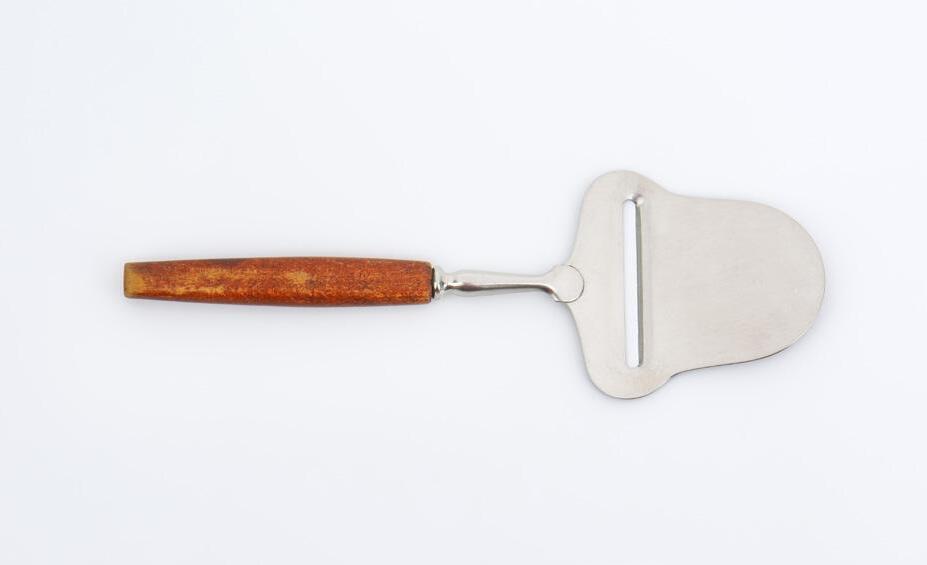
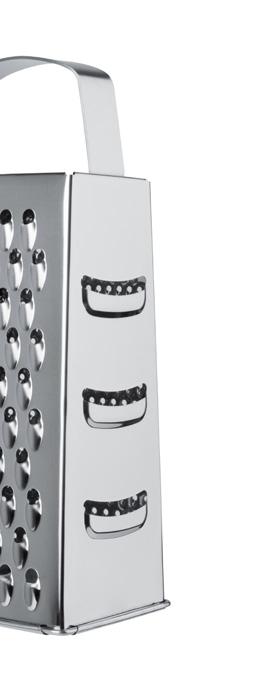
Cheese grater
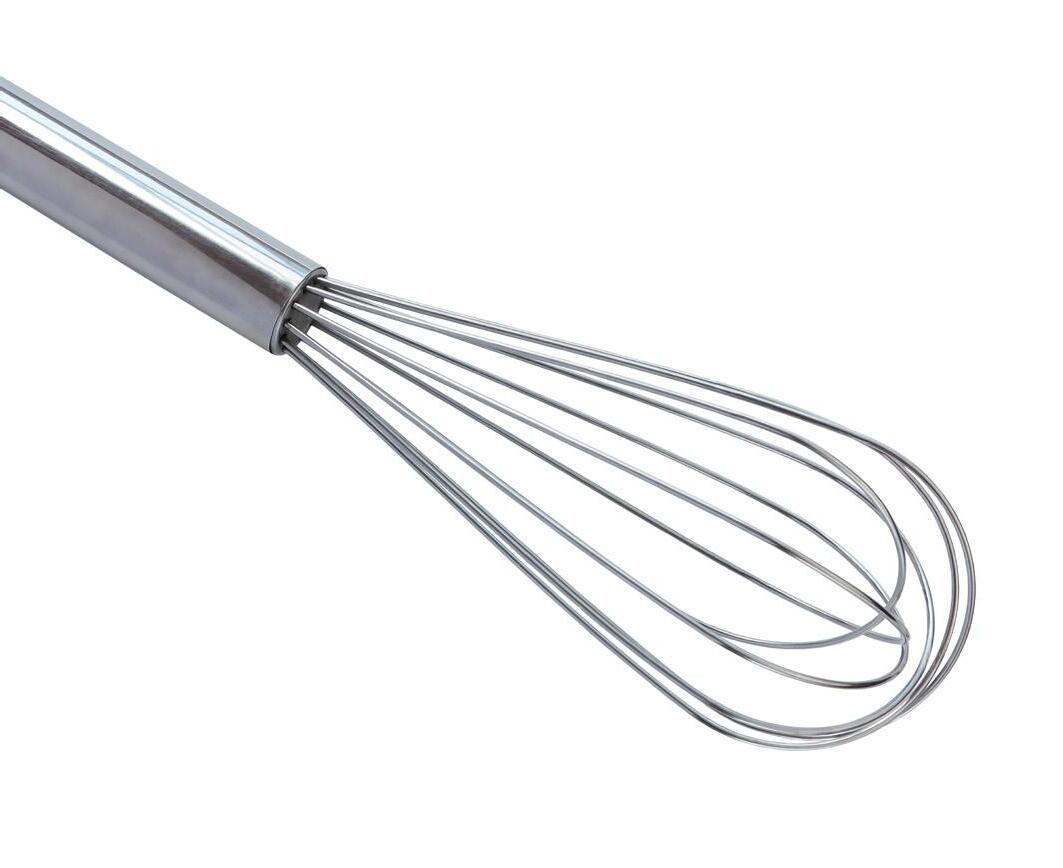
Whisk
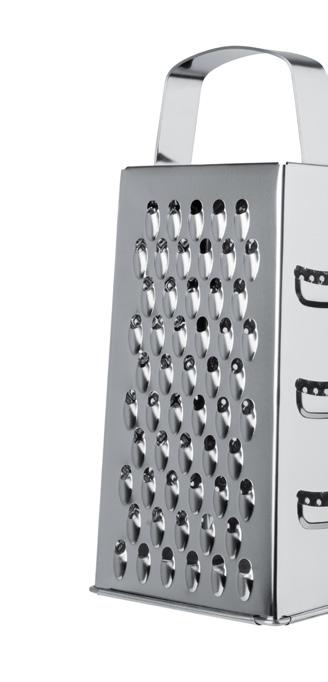
Grater
kitchen
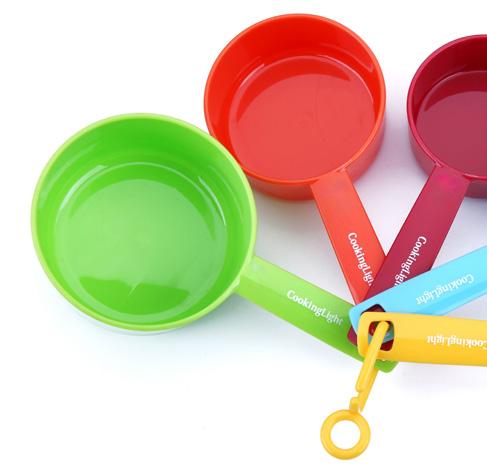
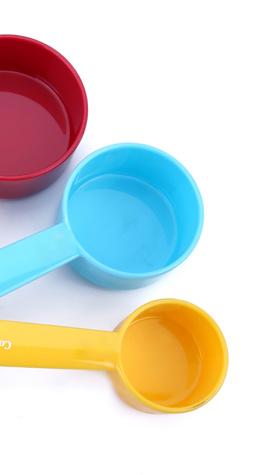
Measurement