Small Lasers, Big Impact: How General Atomics’ GALADRIEL is Engineering the Future of Fusion p. 14
• SAFETY From Viral Video to Workplace Reality p. 28 ICALEO sneak peek and more
World's Premier Platform for Breakthrough Laser Solutions
ICALEO br ings together global exper ts, pr ofessionals, and r esear cher s to explor e cutting-edge advancements and transfor mative r esear ch in laser s and electr o-optics, fr om additive manufactur ing and welding to medical applications and beyond. Join us for plenar y pr esentations, nd nin as
Dis cov er C utting-Edge Res ea rch
Hear dir ectly fr om r esear cher s and exper ts shar ing the latest developments in laser technology, cover ing the entir e spectr um of laser -r elated fi elds.
Globa l N etwork ing H ub
Connect with pr ofessionals fr om academia, industr y, and r esear ch institutions wor ldwide, and build the r elationships that lead to your next br eakthr ough.
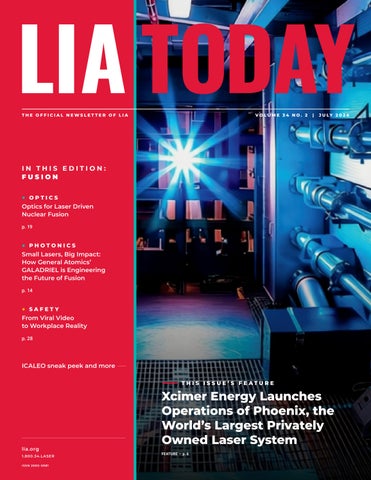
Energy Launches Operations of Phoenix, the World’s Largest Privately Owned Laser System
the
Big Impact: How General
is Engineering the
Leadership Messages
EXECUTIVE DIRECTOR’S MESSAGE
Shaun Oleson
LIA EXECUTIVE DIRECTOR
Fusion energy joins the program of the 45th annual ICALEO this year for the first time. That addition says something about where laser technology is headed. Applications that were speculative a decade ago are becoming engineering disciplines, and the community that develops them is growing beyond the boundaries we are used to. Our work at LIA right now is to make sure the connections grow with it.
That work shows in the program General Chair Dr. Markus Kogel-Hollacher and our organization committee have curated for ICALEO in Denver. You can see it in this year’s award recipients, Jun Ye, who will receive the Arthur L. Schawlow Award, and n2-Photonics, recipient of the William M. Steen Award. Their recognition reflects the caliber of work this community produces, and we will celebrate both this October.
Connecting the community also runs through all we are building between conferences. Our new Member Mentorship Program pairs experienced professionals with those earlier in their careers. We are inviting corporate members, both established and new, to join us as we expand what membership offers. We are deepening ties with photonics and optics associations and regional clusters, because much of the field’s momentum lives in those networks. If you are active in a local photonics cluster, engage with it, and tell us about it. A seed we have planted with one of our society partnerships is the pilot of a new training course. Laser Hazard Analysis, debuts at SPIE Optics + Photonics this August, part of meeting professionals where they already gather.
Two dates deserve your calendar. ILSC returns March 8 to 11, 2027, in Houston, with registration and program details to follow. Before that, ICALEO convenes in Denver this fall, October 5 to 8, 2026. Registration is open, pricing increases soon, and a few sponsorships remain. If the direction of this field matters to your work, be in the room where it is taking shape. Register, and if you are not yet a member, join us. This community is built by the people in it.
Member Updates & Upcoming Events
CLASSROOM TRAINING (NON-MEDICAL) DATE
JUL 27–31, 2026 Calculating Laser System Hazards Zoom (Virtual)
AUG 24–28, 2026 Laser Safety Officer (LSO) with Hazard Analysis Training Denver, CO
AUG 24–26, 2026 Laser Safety Officer (LSO) Training Denver, CO
AUG 24–25, 2026 NEW! Laser Hazard Analysis: A Design Skill for Optical Engineers and Researchers San Diego, CA
SEP 23–24, 2026 Industrial Laser Safety Officer (ILSO) Training Novi, MI
NOV 11–12, 2026 Industrial Laser Safety Officer (ILSO) Training Plymouth, MI UNIVET S.R.L. FLOW SCIENCE, INC.
CLASSROOM TRAINING (MEDICAL)
AUG 22–23, 2026 Medical Laser Safety Officer (MLSO) Training Zoom (Virtual)
NOV 21–22, 2026 Medical Laser Safety Officer (MLSO) Training Zoom (Virtual)
advance the commercialization of laser-driven inertial confinement fusion,
Xcimer Energy Launches Operations of Phoenix, the World’s Largest Privately Owned Laser System
By Rachel Konrad of Xcimer & Kaikai Zhang of Amplitude
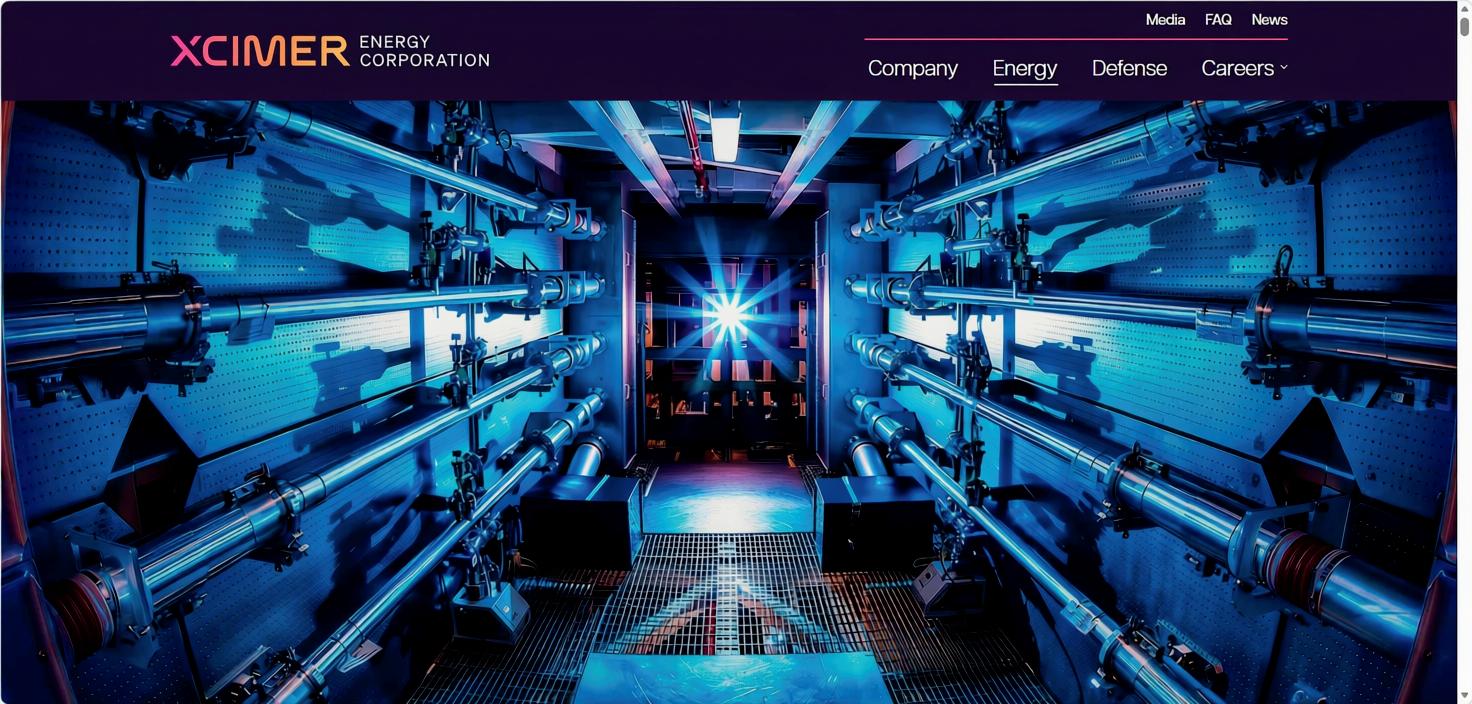
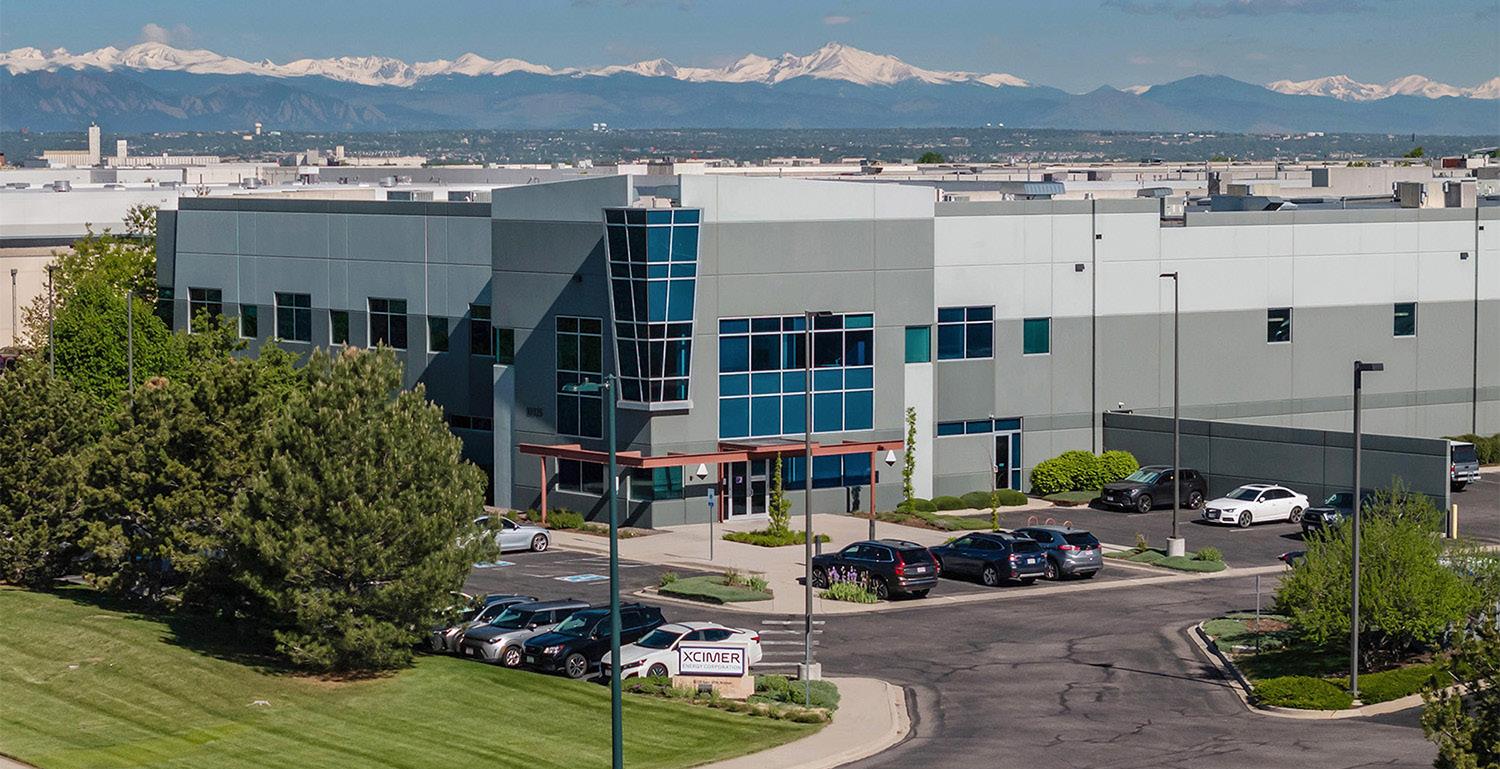
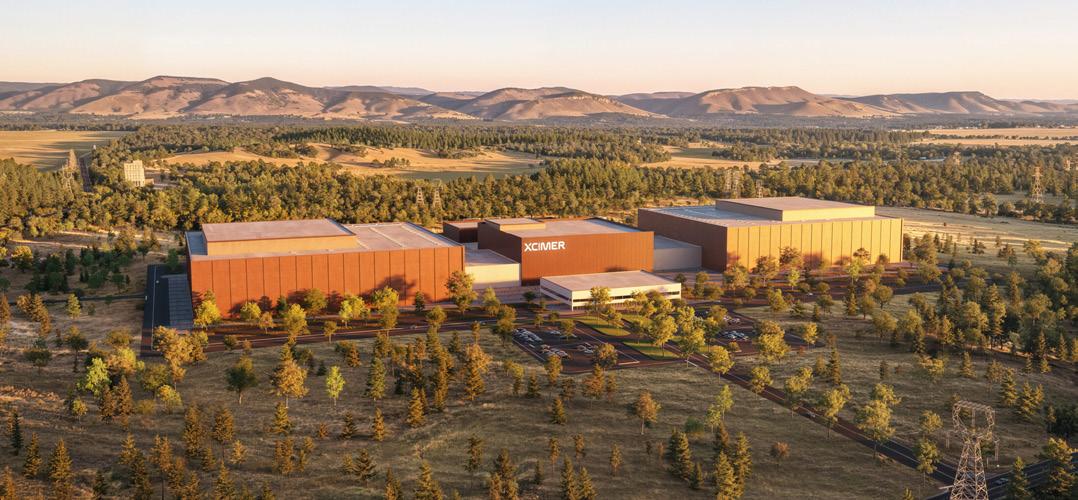
In June, laser fusion leader Xcimer Energy launched operations of Phoenix, the world’s largest privately owned laser system. Built to tackle the economic barriers of inertial fusion energy, Phoenix is now operating at Xcimer’s 74,000-square foot headquarters in Denver, Colorado.
Also in June, The Department of Energy (DOE) officially approved Xcimer’s preconceptual design and technology development roadmap for “Athena,” Xcimer’s architecture for fusion power plants. Designed for continuous operation starting in the mid-2030s, Athena integrates the company’s proprietary excimer laser platform with target delivery, fusion chamber, and power generation systems engineered from the outset for industrial scale.
DOE approval positions Xcimer among the front runners to commercialize fusion energy and marks one of the industry’s most comprehensive government reviews of a privately developed fusion plant architecture.
The acceptance of both the design and roadmap also reflects continued progress under the DOE’s Fusion Milestone Development Program and validates Xcimer’s roadmap for translating laboratory fusion breakthroughs into a commercially deployable energy system.
In December 2022, the National Ignition Facility (NIF) achieved a historic milestone by demonstrating net energy gain via laser-driven inertial confinement fusion using a 192-beam line architecture. To transform this scientific proof-of-concept into a commercially viable power plant, the industry must drastically reduce cost-per-Joule, lower thermal stresses, and mitigate optical damage.
IMG 1 – Xcimer Energy headquarters: Home to their 74,000 square-foot Phoenix prototype facility
IMG 2 – A front rendering of Xcimer Energy’s Athena laser fusion power plant design
XCIMER Energy's Phoenix—the world's largest privately owned laser system, used to
located in Denver, Colorado.
Xcimer’s laser architecture, which Phoenix serves to derisk, addresses these challenges by using a highly efficient, electronbeam-pumped Krypton Fluoride (KrF) gas-based laser.
Instead of relying on hundreds of beam lines, Phoenix achieves high optical efficiency and reduced footprint by compressing microsecondlong KrF pulses down to the nanosecond scale using just two beam lines.
This design relies on advanced Stimulated Brillouin Scattering (SBS) laser pulse compressors operating at pulse energies over 1 kJ, marking the highest-energy application of SBS in a gas-optic system to date.
Achieving the intense, precise bursts required to ignite nuclear fusion demands precise temporal and spatial control.
Critical to the Phoenix system is a custom seed laser system designed and manufactured by Amplitude. This seed laser establishes the wavelength, bandwidth, and spatial/temporal characteristics of the main energy pulse in the Phoenix system, necessary to successfully drive the complex SBS pulse compression mechanism downstream.
To achieve this, Phoenix integrates Amplitude’s solid-state optical amplifiers and laser pumping technologies, which seed the main Xcimer laser amplifiers.
Developing an unprecedented IFE architecture requires deep, high-touch technical collaboration.
Amplitude Laser Inc. supports these demanding operational requirements from its offices in Milpitas, California. Teams work together on rapid engineering iterations, seamless component integration, and real-time technical support essential for maintaining the rigorous operational uptime of the system.
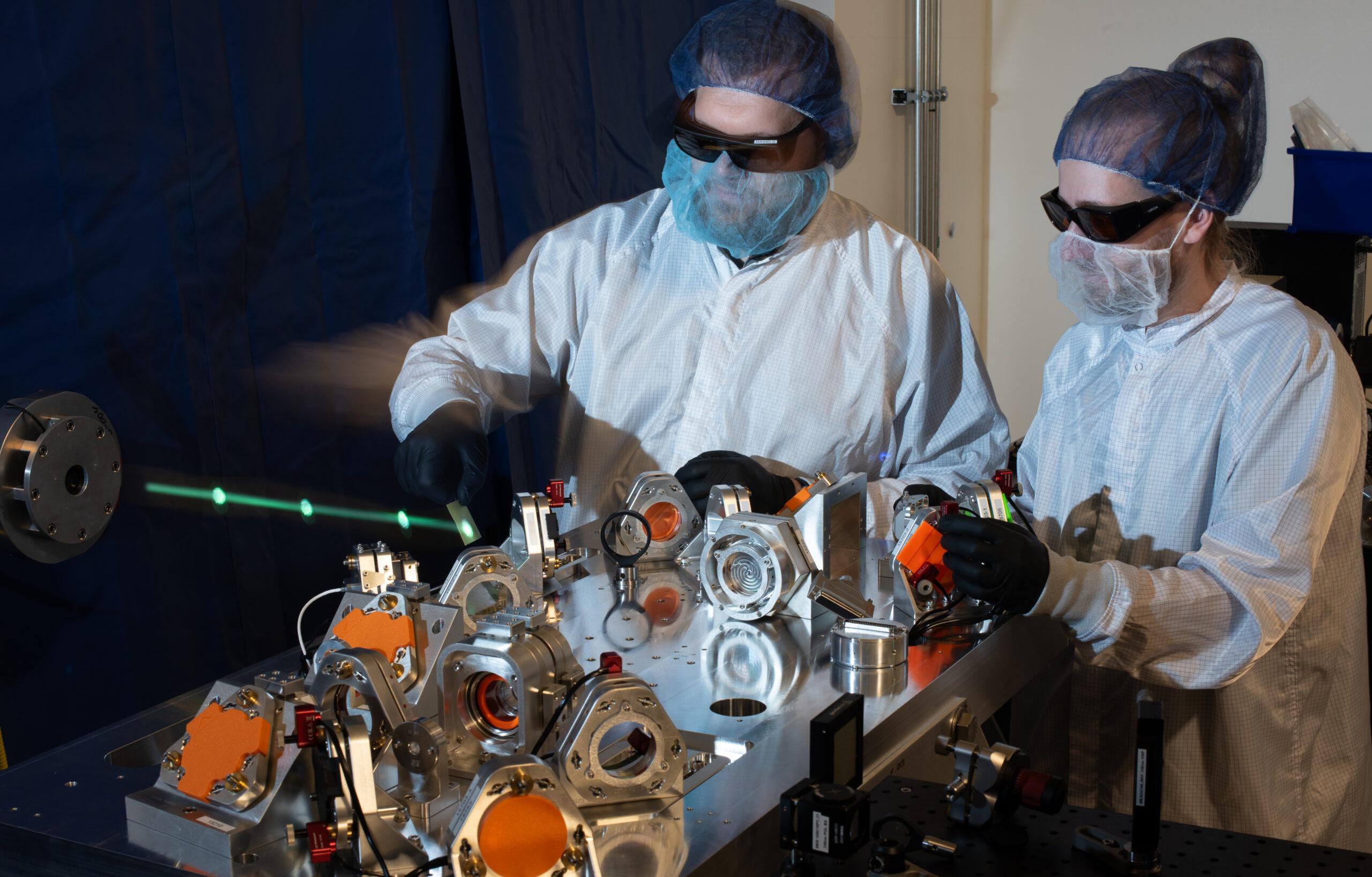
IMG 3 – Laser optics at Phoenix facility
With Phoenix operational, Xcimer’s development roadmap targets a full-scale commercial amplifier delivering 200 kJ on target by 2028 (Anvil), expanding to 4–12 MJ by early 2030s (Vulcan). The ultimate milestone remains a commercial fusion pilot plant (Athena) designed to deliver continuous clean electricity to the grid by the mid-2030s. Through targeted technical partnerships that bridge foundational laser physics and robust industrial execution, the timeline for practical fusion energy continues to accelerate.
ABOUT THE AUTHORS
Rachel Konrad, Xcimer
Rachel Konrad is Senior Vice President of Strategic Communications at Xcimer Energy. She previously worked in venture capital and as a lecturer at Stanford University’s Graduate School of Business. Before that, she was head of communications at startups including Tesla and Impossible Foods.
Kaikai Zhang, Amplitude
Kaikai Zhang is VP of Business Development for Advanced Laser Solutions at Amplitude Laser Inc. He received his Ph.D. in Physics from Ohio State University and has over 15 years of experience in high energy ultrafast and nanosecond laser systems, with expertise spanning inertial fusion energy and other advanced photonics applications. His work focuses on bridging cutting edge laser technology with the scientific and industrial communities to enable next generation research and innovation.
Further contributions from Gerarda Evangelista, Chris Willis, Pierre-Mary Paul (Amplitude)
MEDIA & INQUIRIES
Rachel Konrad Chief Communications Officer rkonrad@xcimer.net Anne-Laure Maddy Head of Corporate Communications anne-laure.maddy@amplitude-laser.com
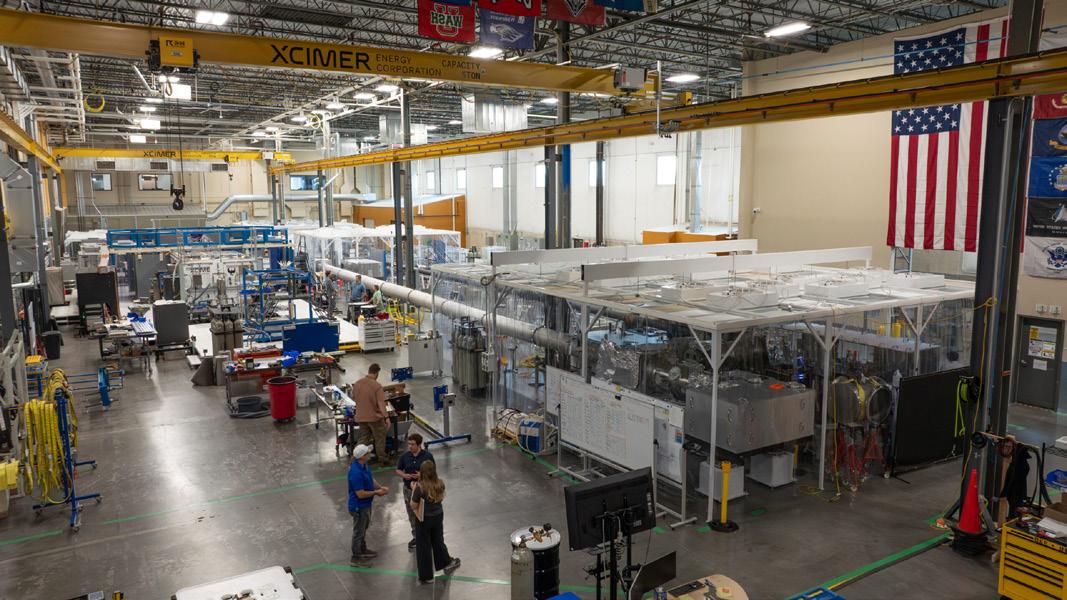
IMG 4 – Inside the Phoenix facility in Denver
ICALEO Behind the Scenes
By the LIA Conference Team
Behind the Scenes:
What Goes Into Planning ICALEO
For 45 years, ICALEO has been where the laser industry and research meet. Have you ever wondered what goes into making this event happen? Get a sneak peek behind the scenes of our International Congress on Applications of Lasers and Electro-Optics (ICALEO). Learn a bit about this year’s exciting program, how we chose this year’s location, and how you can get involved.
A Little History
Before ICALEO was ICALEO, it was the inaugural International Conference on Laser Material Processing, held jointly between the U.S. and Japan and presided over by Dr. David Belforte. A year later, in 1982, it was transformed into ICALEO by former LIA President Dr. David Whitehouse.
The original conference covered laser welding, cutting, and shaping. Since then, ICALEO’s program has expanded to more than 100 presentations across three days, including emerging topics such as laser additive manufacturing, AI, and now fusion energy.
Choosing a Location
Every year, ICALEO draws together academia, industry, and government to discuss the advancements and challenges of laser technology and its applications in one place. Where to meet is the first big decision we have to make. Referencing survey responses submitted by past attendees, we identify a handful of locations to scout. To choose a city and hotel, we prioritize what makes the event easier and more affordable for attendees: a metropolitan area with a nearby international
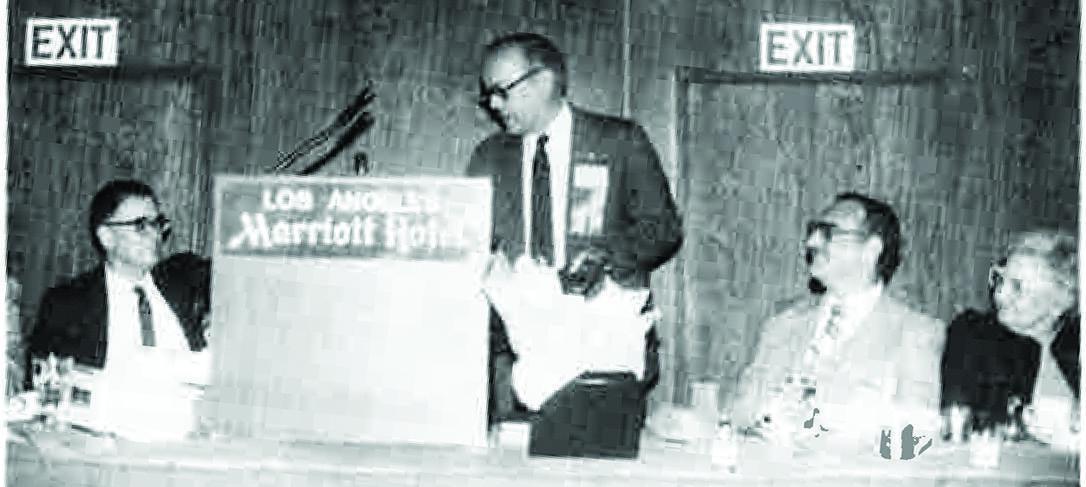
IMG 1 – 1982 LIA President David Whitehouse at an early ICALEO held in Los Angeles, CA.
IMG 2 – Attendees of ICALEO 2026 in Los Angeles, CA in 2025
airport for smoother, cheaper travel, a negotiated nightly room rate, and a venue that supports the needs of the event, with enough session rooms and an exhibit hall close to the action so it’s easy to get around.
LIA does not make any money on hotel stays. When we sign a hotel contract, the hotel gives us a discounted venue rental rate in exchange for a promise to fill a set number of rooms. If we fall short, LIA pays the difference. Booking in the block helps us meet that commitment. When you stay at the contracted hotel, you’re helping keep registration rates reasonable and helping us continue to choose excellent venues for the conference.
This year, we look forward to meeting everyone in Denver, Colorado, October 5-8, 2026, a hotspot for fusion energy technology. We’re staying at the Hilton Denver City Center, where booking in our block gets you a discounted attendee rate of $219/night,* only available through the block. You’ll be steps from every session each morning, close to Denver’s dining and attractions, and right in the middle of the afterhours conversations that so often turn into the best part of the conference. Room block space is limited, so book by September 17 to secure your rate.
If you’re ready to book your room, click here: https://book.passkey.com/event/51134639/owner/3135/ home?utm_campaign=298711998
Building the Program
ICALEO’s program is shaped entirely by LIA members and volunteers, who bring the quality technical content the event is known for.
So how does it all come together? An International Advisory Board, made up of past Program Chairs and LIA board members, guides the direction of each year’s event at a high level and recommends candidates for General Chair. The General Chair selects Program Chairs for each track, and Program Chairs select their Session Chairs and manage the peer review for their track, assigning reviewers to keep the process moving.
Peer reviewers with relevant expertise are always needed and encouraged to apply through our webform or by emailing icaleo@lia.org. Volunteering is a rewarding experience and an excellent opportunity to work closely with prominent voices in the laser industry and help platform the latest research.
ICALEO has also partnered with LIA’s Journal of Laser Applications (JLA) to publish peer-reviewed papers in JLA alongside ICALEO’s conference proceedings, and presenters have the option to participate in the peer review process.
This year, our program committee, led by General Chair Markus Kogel-Hollacher (Laser Zentrum Hannover) and Co-Chair Jie Qiao, has put together an exciting opening plenary focused on fusion energy:
• Dr. Tammy Ma (Lawrence Livermore National Laboratory) on fusion energy ignition, progress, and challenges
• Dr. Carmen Menoni (Colorado State University) on laser optics for fusion and high-energy laser systems
• Dr. Lutz Aschke (Marvel Fusion) on the company’s advanced fusion energy concept
The conference closes with a plenary on precision manufacturing and frontier science, featuring Dr. Jack Gabzdyl (TRUMPF UK) on nanosecond welding and Dr. Jun Ye (University of Colorado) on the frontier of light-matter interactions and quantum science.
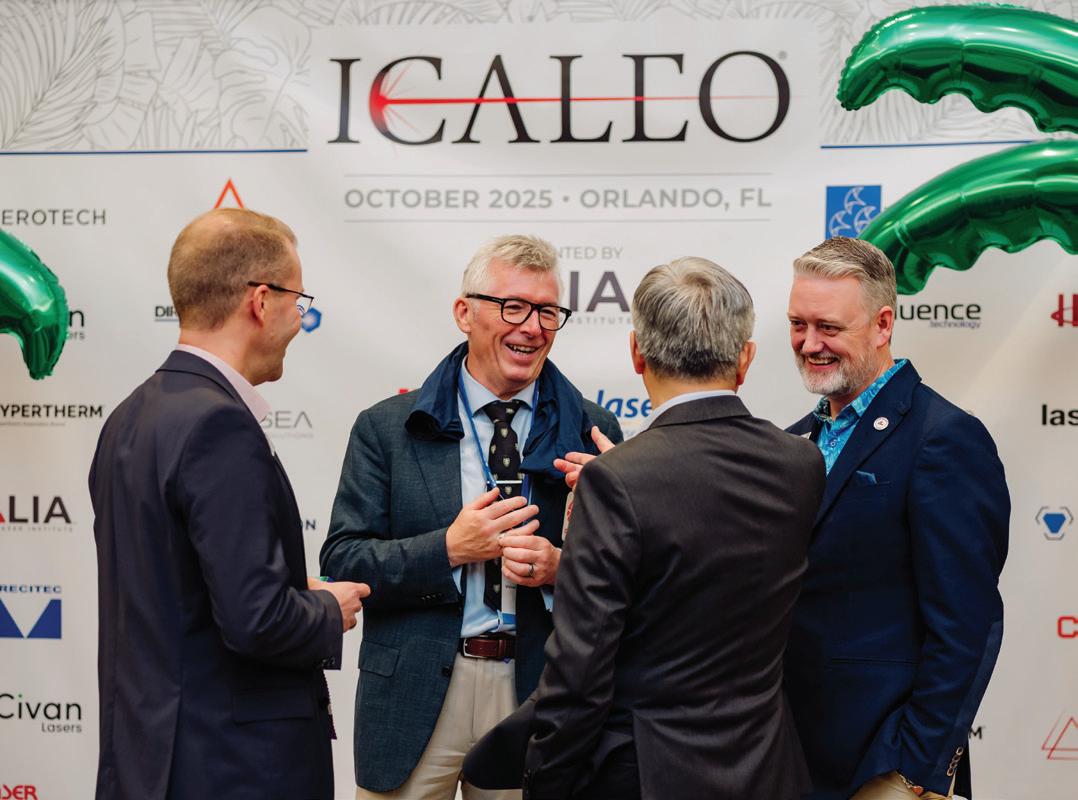
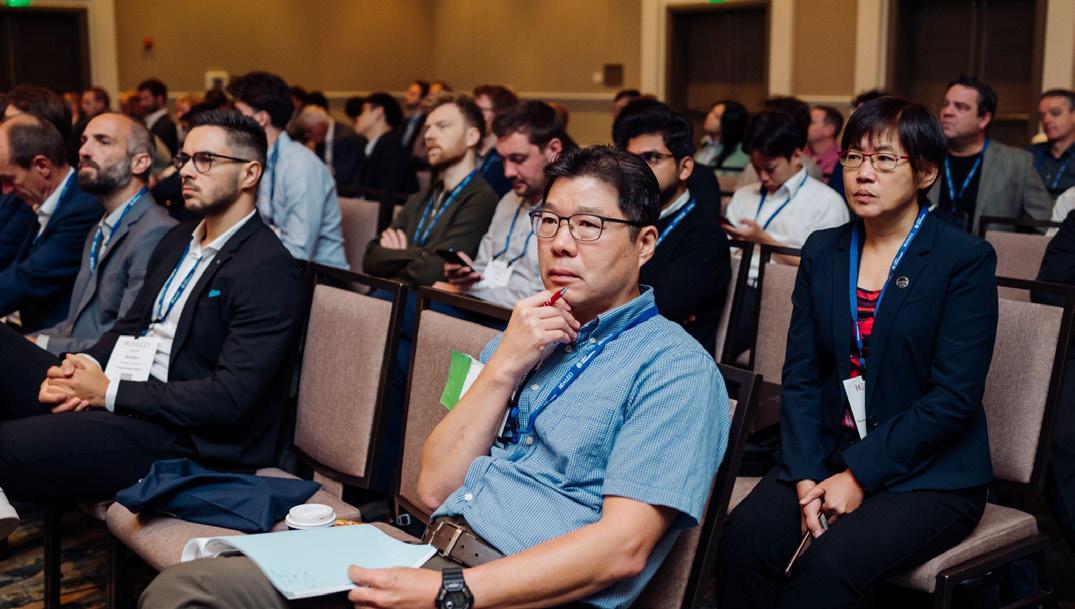
IMG 3 – Attendees watch a fascinating plenary presentation at ICALEO 2025 in Orlando, FL
Networking, Events, and a Field Trip
One of the highlights of ICALEO is the networking. Beyond the talks and Q&A, we build in opportunities to connect with other attendees every day. We open with a Welcome Reception the night before the conference, followed by a President’s Reception the next evening. After that comes the vendor exhibit, where attendees and vendors meet to discuss solutions. The final day includes our awards luncheon and annual LIA member meeting, and wraps up with an ice cream social.
Once the program is over, you will want to stay for one more day for the field trip. We’re excited to announce that we’ve partnered with Xcimer and Amplitude to offer a site visit of the Xcimer facility on October 8, 2026. Xcimer is a pioneer in fusion energy, and this rare opportunity is limited to 100 seats. You can register for the field trip during conference registration or through the Whova app. On-site registration will not be available, so we encourage anyone interested to apply early.
Join Us
Whether you’re presenting, reviewing, volunteering, or simply attending, ICALEO is built by and for this community. Book in the room block, fill out our on-site surveys to help shape future events, and reach out to icaleo@lia.org if you’d like to get involved. We’ll see you in Denver.
*Rate does not include applicable taxes, resort fees, or parking.
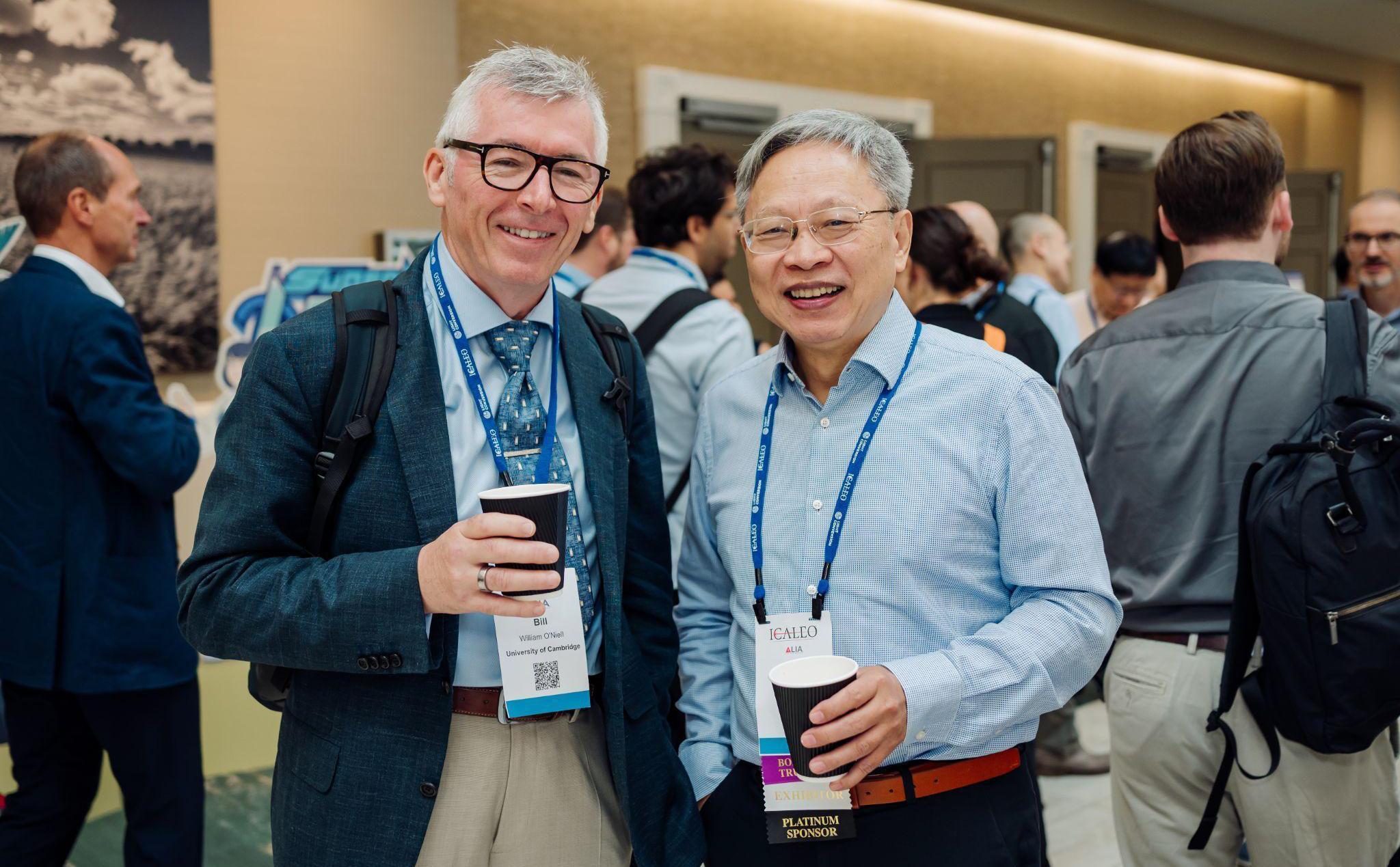
IMG 4 – 2025 LIA Schawlow Winner Dr. William (Bill) O’Neill (left) with LIA Past President Dr. Bo gu (right)
Journal of Laser Applications covers a broad range of laser related research from fundamental and applied research & development to industrial applications. The journal presents the latest breakthroughs in laser applications related to photonic production, sensing and measurement, as well as laser safety.
Benefits to publishing in the Journal of Laser Applications include:
Built by and for the Laser Community
As the scientific platform of The Laser Institute, the journal provides authors with more than just published work; it introduces authors to a community of experts
High Author Satisfaction
87% of authors are satisfied with their publishing experience in the Journal of Laser Applications, post-acceptance*
Broad, Inclusive Scope
The journal spans a wide spectrum of laser research, ranging from foundational studies and applied innovation to real-world industrial applications
Submit your manuscript
Optical Manipulation Based on the Composite Helico-Conical Beam
By Nanjiang Li, Weike Li, Shubo Cheng, Wenxing Yang, Shaohua Tao
ABSTRACT
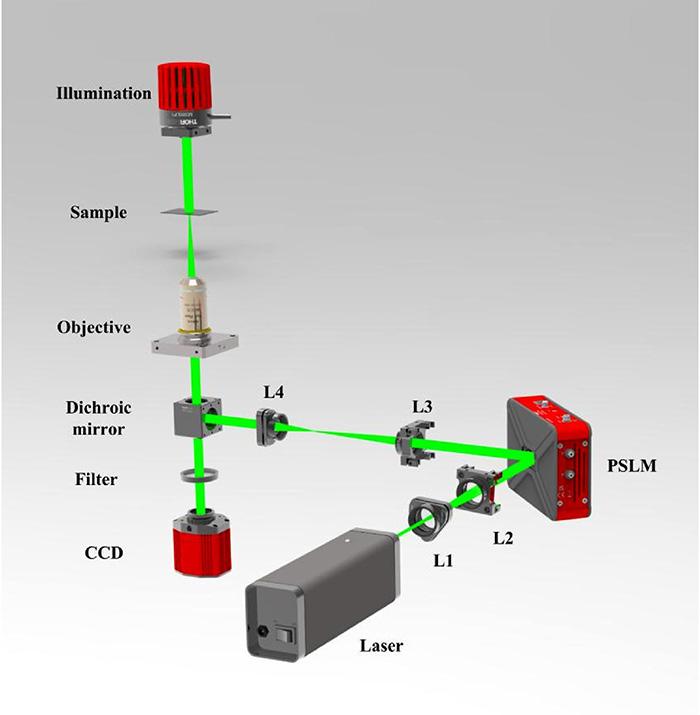
The helico-conical beam is a type of beam with the phase implemented with nonseparable dependence on r and θ. A spiral intensity distribution will be formed at the focal plane of the lens by focusing the beam. In this paper, we present a method for generating a composite helico-conical beam. By adjusting the parameters l and m, we can easily control the intensity patterns of the beam. We also experimentally demonstrate the application of the composite helico-conical beam for optical manipulation. The beams are also promising for optical tweezers and optical communications.
J. Laser Appl. 38, 032013 (2026) https://doi.org/10.2351/7.0002109
Access to the JLA is FREE to LIA Members!
pubs.aip.org/lia/jla
OTHER EDITOR’S PICK’S FROM THIS QUARTER:
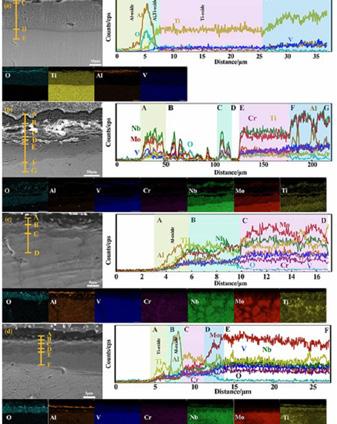
Advanced high-temperature oxidation protection: A study of Al20V 20Cr20Nb(40−x)Mox RHEA coatings on Ti6Al4V by laser cladding
Hao Liu, Can Huang et al.
J. Laser Appl. 38, 032010 (2026) https://doi.org/10.2351/7.0002057
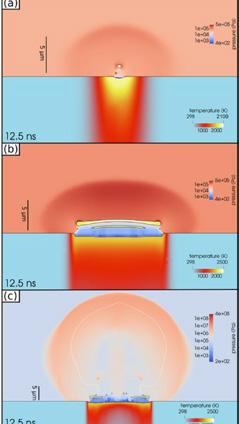
Ultrashort pulse laser ablation of dielectrics: Bridging the “bandgap” from free electron generation to hydrodynamic ablation. Open Access. Michele Buttazzoni ; Tobias Florian ; Constantin Zenz ; Robin Klöpfer ; Andreas Otto
J. Laser Appl. 38, 022019 (2026) https://doi.org/10.2351/7.0002010
Small Lasers, Big Impact: How General Atomics’ GALADRIEL is Engineering the Future of Fusion
By Mario Manuel, Ph.D.
ABSTRACT
Inertial fusion energy (IFE) is moving from single-shot demonstrations toward power-plant-scale operation, where lasers and targets must be synchronized and fired many times per second with high reliability. The General Atomics (GA) Laboratory for Developing Rep-rated Instrumentation and Experiments with Lasers (GALADRIEL) was built specifically to tackle the engineering science challenges of this rep-rated future. Combining a flexible 10 Hz, terawatt-class laser with advanced diagnostics, modern data management, and tight integration with artificial intelligence (AI) and machine learning (ML), GALADRIEL provides a unique platform to develop rep-rated diagnostics, targets, and control systems that the growing IFE industry will need.
On Dec. 5, 2022, the first laboratory demonstration of ignition was achieved using the inertial confinement fusion (ICF) concept at the National Ignition Facility (NIF). This ignited target had a scientific gain (fusion-energy-out-of-target/laser-energy-into-target) of Q~1.5. Since this grand achievement, many decades in the making, ignition-scale scientific gain has been achieved 10 times, with the highest Q value of ~4.2, where 2.3MJ of laser energy generated 8.6MJ of fusion energy. During this period of ignition-scale science achievements, the national IFE program has grown through new public investments by the Department of Energy Office of Science, as well as several new startup IFE companies pursuing the construction and deployment of IFE reactors for energy production. Instead of firing a few times per day, an IFE system may need to fire one to 10 times per second. Each shot will require a fresh target, precise alignment, robust diagnostics, and reliable data handling. Control systems will need to adapt in real time as conditions
drift or components age. While startup companies build new IFE-specific research facilities, multiple aspects of laser-target interactions may be performed at smaller public and private facilities today.
GALADRIEL: A Rep-Rated Engineering Science Platform
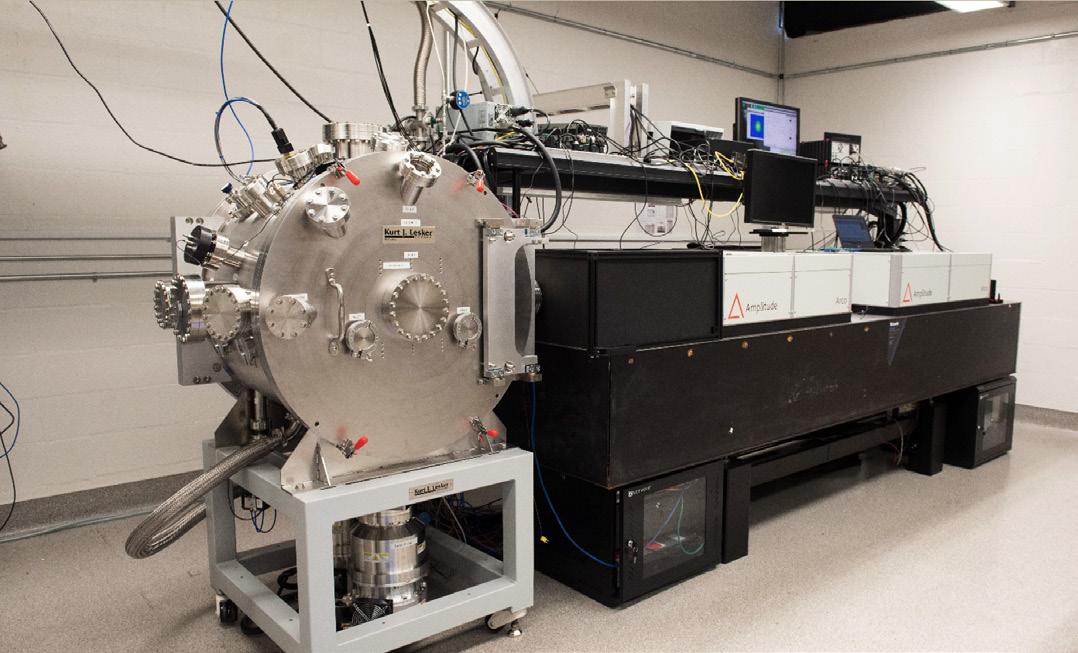
The GALADRIEL facility at General Atomics was designed as a rep-rated testbed for addressing engineering science problems relevant to laser-target engagement, rep-rated diagnostic development, data management, and control systems for an IFE reactor. The laser is a modified ~1 TW ARCO X system (25 mJ at 800 nm, 20-25 fs pulses, up to 10 Hz operation) from Amplitude coupled to a custom-designed cylindrical vacuum chamber with a vibrationally-isolated breadboard for laser propagation optics, target fielding, and diagnostics. The chamber has more than 40 ports and dual turbo pumps
to maintain vacuum during gas-jet and liquid-jet operation. Flexible target fielding hardware is available for tape targets, rastered target arrays, gas-jets, liquid sheets, and target injectors. This combination creates a compact, reconfigurable environment where researchers can explore the practical issues of rep-rated IFE systems: target delivery, laser-target engagement, diagnostic development, and automated controls.
Turning Diagnostics into Rep-Rated Instruments
Many diagnostics used in single shot ICF utilize film-based imaging, gated detectors, and components that need manual intervention between experiments. IFE will require diagnostics that can operate continuously at about one to 10 Hz repetition rates. Replacing film-based media with scintillators, collection optics, and cameras is a typical model for converting singleshot diagnostics to higher repetition rates, but requires additional developmental research. GALADRIEL’s relativistic electron beam platform, based on laser wakefield acceleration in a gas jet, provides a powerful tool for developing and calibrating such diagnostics. Sub-picosecond electron bunches with energies above 1 MeV deliver sharp bursts of energy into scintillators or other detector materials. A streak camera coupled to a spectrometer measures the time-resolved emission from scintillators with picosecond resolution. By scanning materials, thicknesses, and geometries, researchers can extract emission spectra, decay times, and saturation behavior under realistic conditions. These measurements go beyond vendor datasheets and are crucial for designing diagnostics that can convert single-shot concepts into highrepetition-rate, fusion-relevant instruments
Rep-rated
data management: MORIA and AI-Ready Experiments
Rep-rated experiments generate large amounts of data. In a typical six-hour run at 10 Hz, GALADRIEL can produce tens of thousands of shots and hundreds of thousands of images. Traditional “files-in-folders” approaches become slow, fragile, and difficult to search at this scale. To address this, GA developed the MongoDB Repository for Information and Archiving (MORIA), a modern data framework designed around FAIR principles:
• Findable: Data are indexed by instrument and tagged with common shot metadata.
• Accessible: A programmable interface (API) allows users to query and retrieve data efficiently.
• Interoperable: Standard formats and schemas support downstream analysis and simulation.
• Reusable: Complete context is preserved so data can be revisited and reanalyzed as models improve.
At GALADRIEL, MORIA stores laser diagnostics (energy, spectrum, near-field/far-field profiles, pulse length); target and diagnostic positions (motor settings, alignment states); and images, voltage traces, and other time-series data from multiple instruments. In a recent external deployment, a single gas-optics experiment at Stanford generated nearly 270,000 images (about 340 GB) in six hours. MORIA handled this load in real time, dynamically routing large files into scalable storage while keeping all devices synchronized shot-by-shot. This kind of AI-ready data infrastructure is essential if we want to train machine-learning models on experimental data, rather than on idealized simulations alone.
Closing the Loop: Machine Learning and Remote Optimization
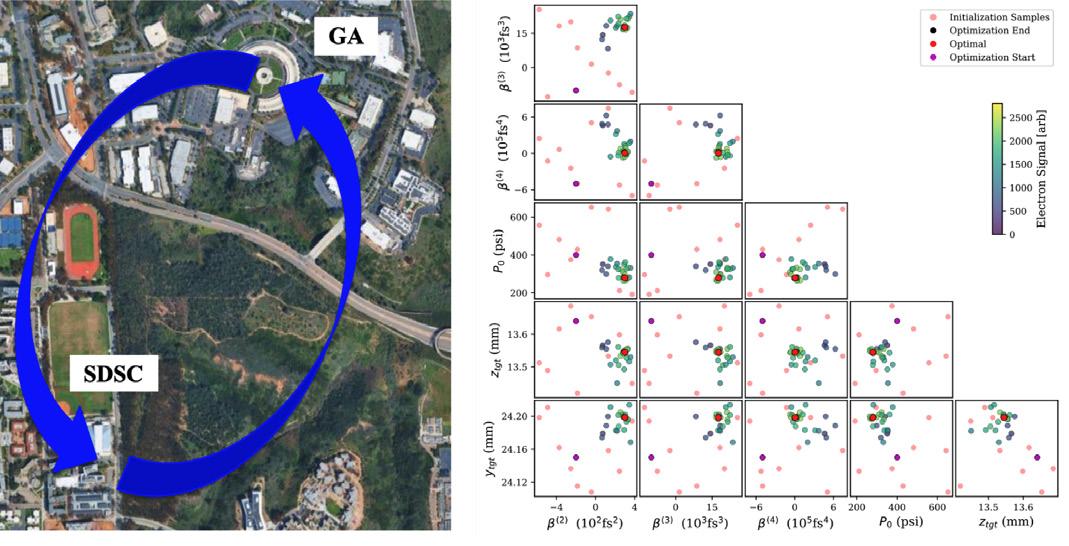
GALADRIEL’s connection to the San Diego Supercomputer Center (SDSC) enables a powerful new mode of operation: experiments that are steered in real time by ML algorithms running on high-performance computing resources. In a recent demonstration, an ML-driven Bayesian optimization algorithm ran on SDSC’s supercomputers to maximize the particle yield using the relativistic electron platform on GALADRIEL. The algorithm adjusted gas-jet pressure and position, as well as laser pulse shape parameters, to maximize the integrated electron signal. After each burst of shots, data were stored
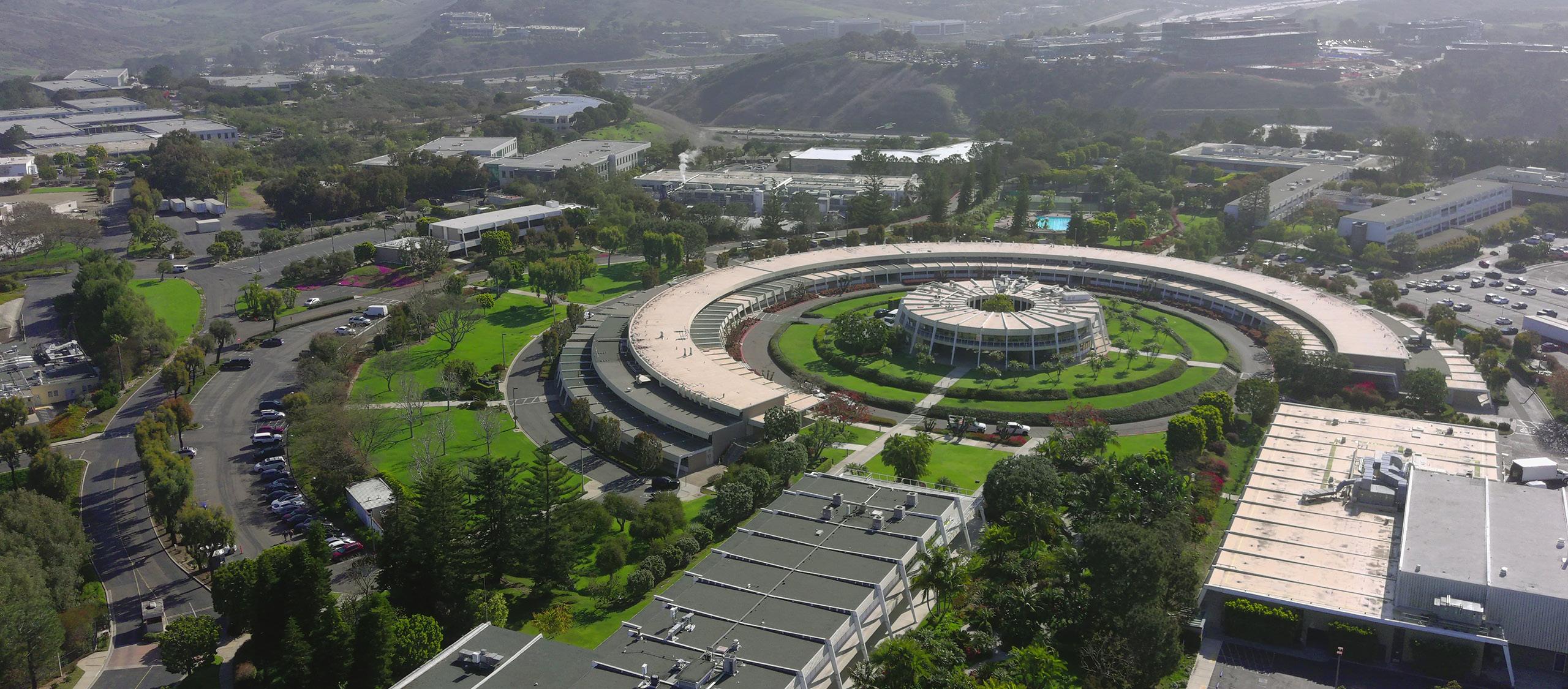
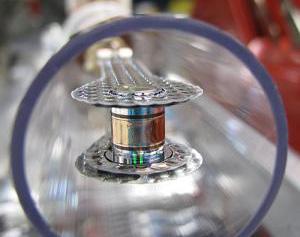
IMG 1 – The GALADRIEL facility at General Atomics showing the laser system and target chamber for developing rep-rated technologies relevant to the IFE industry.
in MORIA and sent to SDSC; the model was updated and new settings were sent back to GALADRIEL. Over the course of the experiment, the algorithm explored the multi-dimensional parameter space and converged toward an optimum electron yield, without manual tuning.
FIG 1 – (left) An ML-driven optimization loop between GALADRIEL and the SDSC. (right) Electron signal was maximized by changing laser pulse parameters (Dazzler coefficients β(2),(3),(4)) and gas-jet parameters (pressure, P 0; focal position, z tgt ; vertical position, y tgt). Experimental data from each burst of shots are stored in MORIA and sent to SDSC, where a surrogate model proposes new laser and target settings to improve beam performance.
This workflow illustrates how small-scale, rep-rated lasers are ideal platforms for training and testing AI/ML control systems that will eventually be needed for full-scale IFE facilities. They can fire often enough to generate statistically meaningful datasets, flexible enough to explore many operating point, and accessible, making it easier for students and early-career researchers to participate.
Small Lasers as Engines of IFE Engineering Science
Large ignition-scale facilities will always be essential for demonstrating new regimes of fusion performance. But the engineering science that underpins a practical IFE power plant can often be advanced more efficiently on smaller, faster, more flexible lasers. GALADRIEL shows what such a facility can do:
• Provide a realistic environment for developing and calibrating rep-rated HED diagnostics
• Test target delivery and alignment systems under repeated operation
• Generate rich, well-organized datasets suitable for AI/ML training
• Demonstrate closed-loop, data-driven control strategies
• Train students and early-career researchers in the full experimental workflow
As the IFE industry grows, the lessons learned at GALADRIEL will help bridge the gap between one-off demonstrations and the reliable, rep-rated operation that a fusion power plant demands. In that sense, small lasers like GALADRIEL are not just supporting players; they are key engines driving the engineering science of fusion energy forward
ABOUT THE AUTHOR
Mario Manuel, Ph.D.
Mario Manuel, Ph.D., is a plasma physics and inertial fusion scientist at General Atomics. His current work focuses on rep-rated laser–plasma experiments, data-driven control of laser-driven high-energy-density plasmas, the development of modern data infrastructures and AI/ML tools, and target technology advancement to support inertial fusion energy research.
Engineering Is Not Dead
By Eric Mottay
ABSTRACT
Machine learning can shorten laser process development, and impressive proofs of concept have been published. Industrial use raises two difficulties: training data is expensive to acquire, and models trained on one material or machine rarely work on the next. Physics-based models, Bayesian optimization, and inmachine sensing address these difficulties.
Ihave spent my career building femtosecond lasers. Along with my colleagues in the industry, I believe we have done an excellent job: the technology is now mature, ultrafast lasers are everywhere, in the display, semiconductor, and microelectronics industries as well as in vision correction and cataract surgery.
Yet process development remains as challenging as ever. Laser-matter interaction in the ultrafast regime involves complex physics, multiple time scales, and responses that differ from one material to the next, leading to development times often measured in weeks, if not months. And the work is not portable from one application to another: the lessons learned from developing a glass drilling process do not apply to the surface texturing of aluminum.
Machine learning is an attractive candidate to simplify applications development, since it can link multiple process parameters to outcomes governed by complex physics. And indeed, over the past several years, beautiful proofs of concept have been demonstrated, from nano-structuring to silicon processing and real-time process monitoring [1, 2]
Turning these proofs of concept into industrial applications is much harder, and the solutions will not come from more advanced models alone: they will require hard engineering.
The first problem is data acquisition. Machine learning models typically need a large number of data points to reach useful accuracy, and in laser processing each point is a full experiment, from sample preparation to measurement. If generating the training set takes more effort than the process development it is meant to replace, nothing is gained.
The second problem is generalization. A model trained on a given material and setup may perform well under those conditions, and fail on a different material, a different machine, or even the same machine a few months later. Traditional solutions such as transfer learning assume a large body of related data to build on, which is not always available.
Physics and engineering, combined with machine learning, have the potential to break this logjam. Simple engineering models can guide machine learning toward plausible solutions, and make the result more robust and less sensitive to changes
in input conditions. One example is the well-known twotemperature model of femtosecond ablation, which describes how the energy of the pulse is absorbed by the electrons and then transferred to the material. Such physics-informed models learn from the data only what the physics does not capture, and typically need less data to train [3]
Instead of training a model on data acquired beforehand, Bayesian optimization runs in the lab, alongside the experiment itself: it selects each new trial based on the results of all the previous ones, much like an experienced process engineer would, systematically and quantitatively. In collaboration with Lasea, we demonstrated convergence in a small number of trials. Since the Bayesian model is built during the optimization, the question of generalization does not apply.
In practice, however, each iteration requires a measurement: unloading the sample, placing it under a microscope, repositioning it. Inline sensors remove this bottleneck: a compact confocal head integrated in the machine measures depth and roughness between processing steps, without moving the sample. In collaboration with Alphanov, we have also shown that combining simple, inexpensive sensors is enough to retrieve the ablation depth, and the same approach should extend to surface roughness. Online sensors go further and monitor the process in real time, refining the model or detecting process variations as they happen. Integrated sensing also creates a virtuous circle: once data acquisition is part of the workstation, every process run adds to the dataset, large acquisition campaigns become practical, and the machine learning models improve over time.
The machine learning algorithm is only one component of this system. It works alongside a physical model, an integrated sensor, motion control, and the software connecting them. In our case, most of the development effort went into turning raw sensor data into a measurement reliable enough to drive the optimization without an operator checking each result, and into making laser, scanner, and sensor work as a single system.
Machine learning is changing how we develop laser processes, and it is a welcome change. Contrary to what we often hear about artificial intelligence replacing engineers, the difficulty has simply moved, from parameter exploration to modeling, sensing, and integration. Not every problem needs machine learning either: in many cases, a well-chosen sensor and a simple control loop do the job, and knowing when that is the case is itself engineering judgment. Engineering is alive and well.
ABOUT THE AUTHOR
Eric Mottay
Eric Mottay is a founder of Amplitude, a leading manufacturer of femtosecond lasers. He now leads h-nu, a Bordeaux-based company specializing in photonics and AI-assisted laser processing. eric.mottay@h-nu.net.
REFERENCES
[1] Petit, C., Mariaule, N., Wauters, S., de Decker, A. & Bruneel, D. (2025) AI-supported prediction of femtosecond laser micromachining parameters, Journal of Laser Micro/Nanoengineering 20(2).
[2] Tani, S. & Kobayashi, Y. (2022) Ultrafast laser ablation simulator using deep neural networks, Scientific Reports 12, 5837.
[3] Mottay, E. (2025) Data-efficient hybrid physics-machine learning model for ultrafast laser ablation, Journal of Laser Applications 37(4), 04203
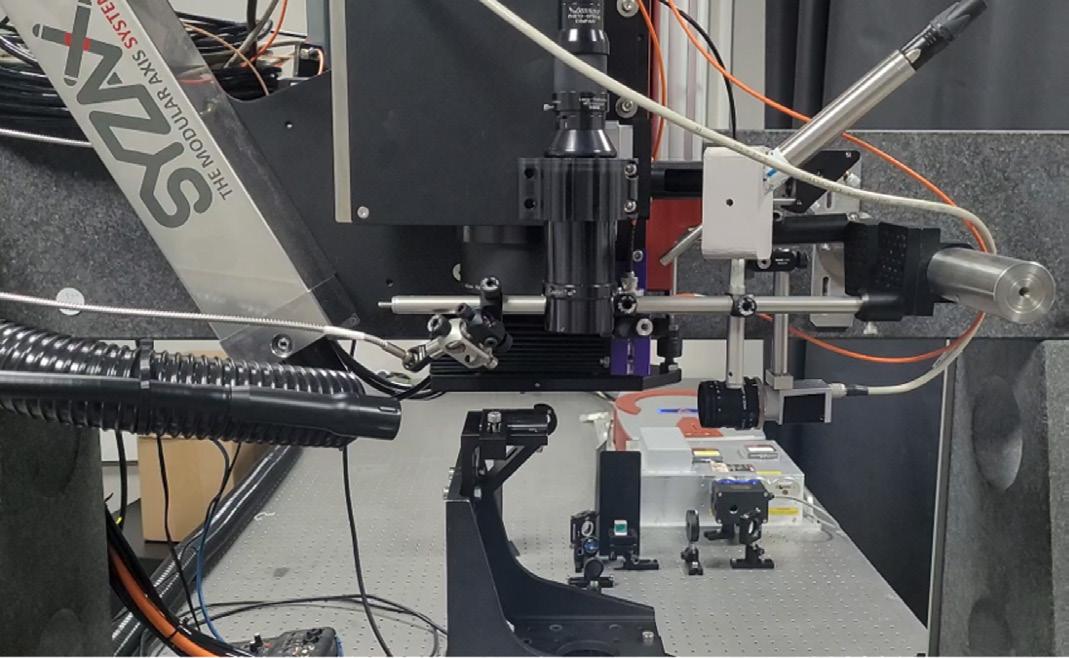
IMG 1 – Micro-processing workstation with inline multimodal sensors.
Optics for Laser Driven Nuclear Fusion
By Domantas Klumbys, Technical Marketing Manager at OPTOMAN
Why Fusion Changes the Engineering Problem
On December 5, 2022, the National Ignition Facility (NIF) at Lawrence Livermore National Laboratory achieved a milestone that had been pursued for more than six decades. Using 192 ultraviolet laser beams, the facility delivered 2.05 MJ of laser energy into a cryogenic deuterium-tritium target, producing 3.15 MJ of fusion energy, the first controlled laboratory fusion experiment to generate more energy than was delivered by the laser to the target.
The achievement was not an isolated result. Subsequent ignition campaigns continued to improve target performance. By July 2023, NIF produced 3.88 MJ from the same laser input. In February 2024, the facility reached 5.2 MJ from 2.2 MJ of laser energy, and in April 2025 established its current record of 8.6 MJ from 2.08 MJ of laser input, corresponding to a target gain exceeding four.
IMG 1 – A cryogenically cooled deuterium-tritium fuel capsule used in NIF fusion experiments.
These repeated demonstrations have fundamentally changed the direction of laser-driven fusion research. The central question is no longer whether inertial confinement fusion can achieve ignition. Instead, attention has shifted toward the engineering challenges required to transform successful experiments into practical inertial fusion energy (IFE) systems capable of operating continuously, efficiently, and economically.
Among these challenges, optical components occupy a unique position. Every increase in laser energy, repetition rate, or system efficiency ultimately depends on the ability of mirrors, anti-reflective coatings, frequency-conversion optics, and other critical components to withstand increasingly demanding operating conditions without degrading.
Inside NIF: A Laser System Built Around Its Optics
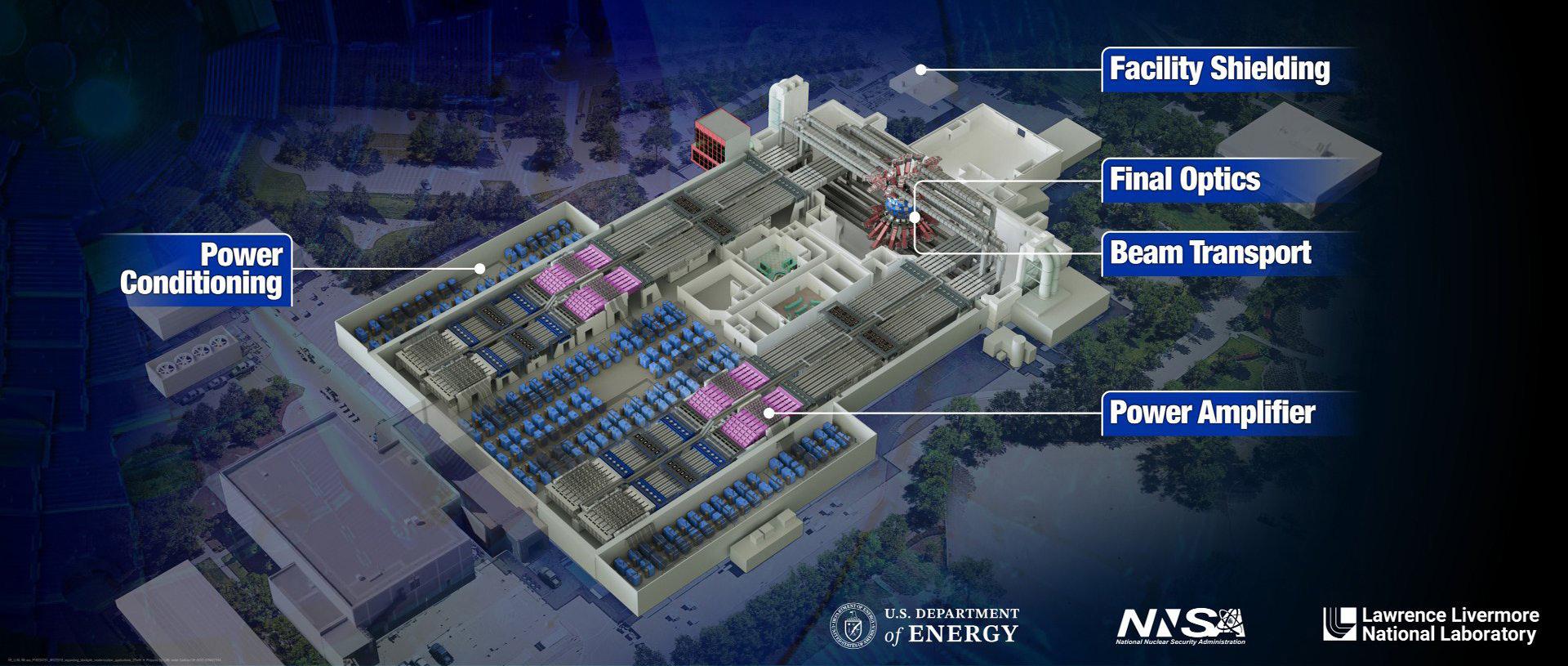
The National Ignition Facility remains the world’s largest laser system. Its 192 beamlines, arranged in 24 bundles, amplify a nanojoule seed pulse by more than a quadrillion times before delivering over 2 MJ of laser energy to the target chamber through an optical path approximately 1.5 km long for each beam.
The National Ignition Facility, located at Lawrence Livermore National Laboratory.
The laser operates at the fundamental wavelength of neodymium-doped phosphate glass (1053 nm). Before entering the target chamber, however, every beam passes through the final optics assembly, where nonlinear crystals convert the infrared light to its third harmonic at 351 nm.
This wavelength conversion is essential for inertial confinement fusion. Ultraviolet light couples more efficiently to the fusion target plasma than infrared radiation and suppresses laser-plasma instabilities that would otherwise scatter energy away from the fuel capsule before implosion.
As Colin M. Harthcock, Group Lead at Lawrence Livermore National Laboratory, explains:
“UV is the only wavelength that has been shown to drive the fusion reaction in a controlled laboratory setting for laser-driven fusion so far. Every coherent argument that I have seen has been 351 nm or lower in wavelength.”
Operating at 351 nm, however, places the entire downstream optical train in one of the most demanding regimes for optical coatings. Every mirror, anti-reflective coating, and frequencyconversion optic must withstand fluences approaching the intrinsic damage limits of available coating materials.
More than 7,500 large-aperture optical components populate NIF’s beamlines. Improvements in optical durability have
therefore been directly linked to improvements in laser performance. A notable example was the introduction of a redesigned fused-silica debris shield processed using the Advanced Mitigation Process (AMP), which increased damage resistance sufficiently to enable the higher laser energies required for ignition.
Harthcock describes the relationship between optics and laser performance:
“We could never have gotten it with low energies. We have a massive team pushing energy forward, making sure we can deliver really, really high-energy, symmetric energy to the target. That was massively important for getting high implosion symmetry.”
For large-scale laser systems, achievable performance is therefore constrained not only by laser physics, but also by the durability and lifetime of the optical components throughout the beam path.
From Ignition to Continuous Operation
Achieving fusion ignition at the National Ignition Facility demonstrates that laser-driven inertial confinement fusion is physically possible. Building a commercially viable inertial fusion energy (IFE) power plant, however, requires a fundamentally different mode of operation.
Optics for Laser Driven Nuclear Fusion
NIF typically performs a single shot per day, allowing engineers to inspect optical components, replace damaged optics, and prepare the system for the next experiment. A commercial IFE facility would instead operate continuously at approximately 10 Hz, delivering ten fusion shots every second over many years of service. European IFE roadmaps identify driver requirements of roughly 10 kJ per beamline at the target, a 10 Hz repetition rate, and wall-plug efficiency exceeding 10% as minimum targets for economic viability.
As Colin Harthcock explains:
“Lasers like NIF can live in a growth regime. They can shoot a laser, go down there, and say: Okay, we damaged something, let’s pull it out and do an exchange for tomorrow’s shot.The next generation lasers at 10 hertz just cannot do that. We need to be able to operate at 10 hertz forever.”
This shift fundamentally changes the requirements placed on optical components. At high repetition rates, there is no opportunity to inspect or replace optics between shots. Every mirror, anti-reflective coating, and frequency-conversion optic must maintain its optical performance throughout its design lifetime without maintenance. Any degradation, thermal lensing, or catastrophic failure interrupts operation and is incompatible with continuous electricity generation.
Laser efficiency presents an equally significant challenge. Although NIF’s most recent experiments achieved a target gain exceeding four, the laser system itself still requires approximately 300–400 MJ of wall-plug energy to deliver just over 2 MJ to the target. Economic IFE operation is expected to require target gains between 30 and 100, together with substantially higher laser efficiency and an effective tritiumbreeding blanket.
Harthcock identifies one of the principal economic constraints:
“Price of diodes. Price of diodes, always price of diodes. We absolutely have to drive the cost down. That is an absolute must. Gain media is also a massive cost lever. The gain media we have in the NIF laser required a massive undertaking to manufacture.”
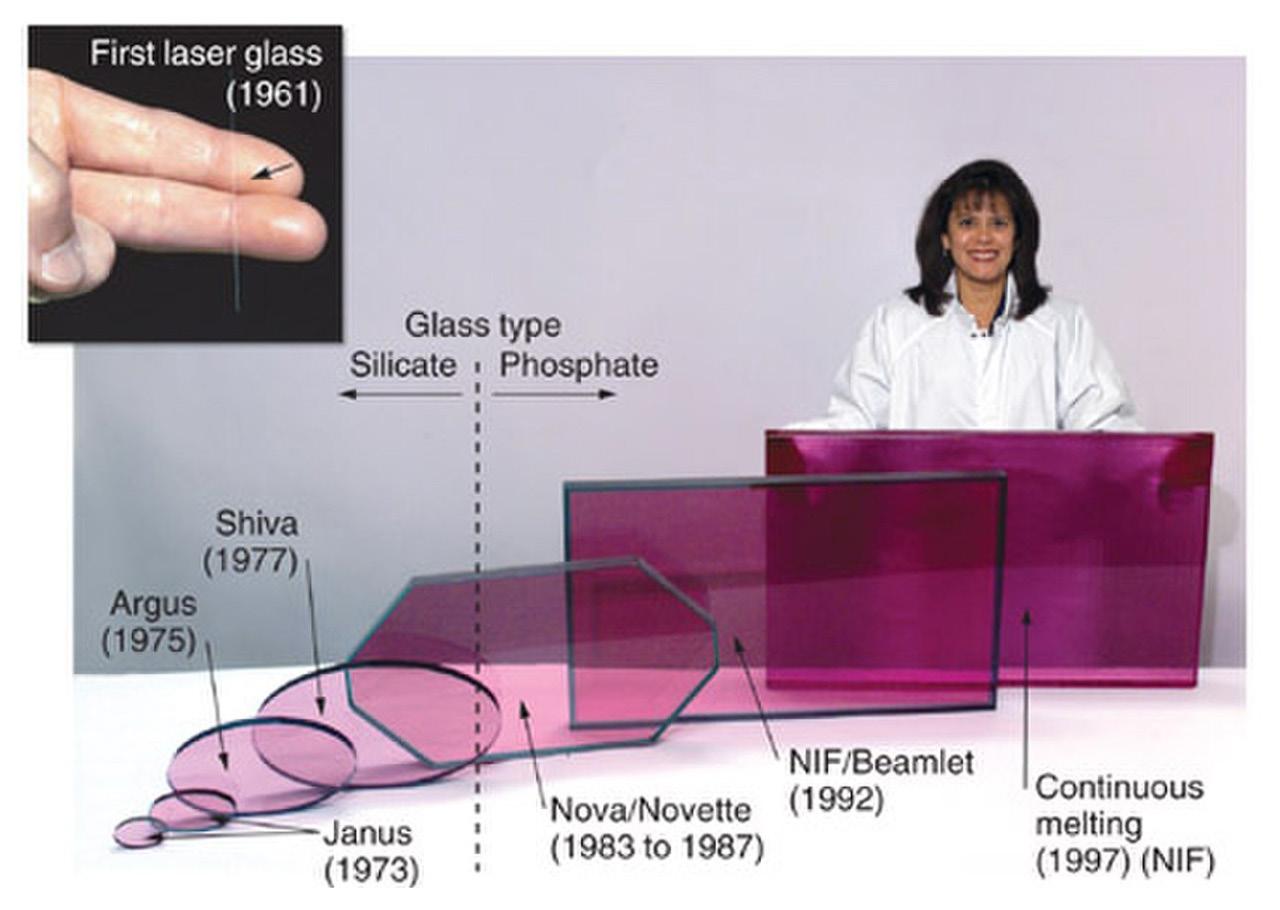
Development of neodymium-doped laser glass at LLNL.
glas, which powers NIF, cannot be operated at 10 Hz without active cooling that has never been demonstrated at NIF aperture. Alternative gain media that support higher repetition rates may not be manufacturable at the required scale. These constraints make optical throughput a direct economic variable: every tenth of a percent of absorption or scatter loss in the beam path reduces wall-plug-to-target efficiency and worsens the already challenging economic case for IFE.
The laser architecture itself also becomes a limiting factor. NIF relies on neodymium-doped phosphate glass as its gain medium, but this material cannot currently support continuous operation at 10 Hz without active cooling at apertures comparable to those used at NIF. Alternative gain media may offer higher repetition rates but introduce their own manufacturing and scalability challenges.
As a result, optical efficiency becomes more than a performance metric, it becomes an economic variable. Every fraction of a percent lost through absorption or scattering reduces wall-plug-to-target efficiency, increases thermal loading throughout the optical train, and further complicates the already demanding economics of inertial fusion energy.
Why 10 Hz Changes Optical Coating Design
The transition from experimental facilities to commercial fusion power plants also changes how optical coatings fail.
In low-repetition-rate systems such as NIF, failure is typically associated with a single high-fluence event that exceeds the coating’s laser-induced damage threshold (LIDT), producing a visible damage site. This behaviour is well characterised by conventional LIDT testing and is compatible with an inspection-and-replacement maintenance strategy.
FIG 1 –
Nd:
Optics for Laser Driven Nuclear Fusion
Continuous operation introduces a different challenge. Instead of failing catastrophically after a single pulse, coatings may degrade gradually through fatigue, accumulating microscopic changes over millions or billions of laser pulses at fluences well below the single-shot damage threshold.
As Harthcock notes:
“Fatigue is a massively important thing for us all to understand. Is it damage that just hasn’t shown itself yet? Or is it actually fatiguing, is there something fundamentally different about what is happening to the coating? I believe it is the latter and not the former.”
Understanding and mitigating fatigue therefore becomes essential for optics intended to operate continuously over the lifetime of a fusion power plant.
Nodular Defects and Local Field Enhancement
Not all damage is intrinsic. Manufacturing defects are still a primary trigger for laser damage in high-power coatings, and nodular defects matter most. Formed when microscopic particles are caught during deposition, nodules distort the electric field inside the coating stack, modelling shows enhancement factors of 20–30× at 1064 nm, and more at ultraviolet wavelengths, where shorter wavelengths interact more strongly with microstructural features.
Rather than chase perfect cleanliness, Harthcock suggests designing for the defects that will always exist: “Nodules are usually the lowest fluence precursor. No matter how clean you are, there will always be a cleanliness issue. We have been trying to work against the defect for 40 years. How do we work with it instead?” — designs that lower the field at a nodule site rather than raise it.
Thermal Management and Blistering
Higher repetition rate means more average power in every coating. Even a few parts per million of absorption add up to far greater cumulative thermal load than NIF sees. That brings failure modes rarely encountered at low duty cycle, notably blistering, where subsurface gases migrate through the coating, gather and eventually cause local delamination.
“Almost every single blister we have has a little vent hole,” Harthcock notes. “If you have a blister, as the light comes in it creates a little micro-cavity — and that is going to cause all kinds of issues with your LIDT.”
In argon-assisted hafnia coatings, blistering has appeared after annealing at about 400–450°C, which limits both postdeposition processing and sustained operating temperature.
Manufacturing Considerations for LongLifetime Optics
Among deposition technologies, ion beam sputtering (IBS) produces coatings with near-bulk density, low scatter, and very low absorption. Separating the ion source from the substrate allows deposition in high vacuum without the plasma-substrate interactions of magnetron sputtering, leaving roughness limited by the substrate rather than the process. At nearinfrared wavelengths absorption can be as low as 1 ppm, which makes IBS the preferred platform for long-lifetime mirrors across a fusion driver’s UV and NIR range.
Process optimization reduces defect density but never eliminates it. Testing at OPTOMAN found a single highabsorption defect can cut LIDT by more than 40% relative to a clean area of the same coating. At the 10 to 40 cm beam diameters typical of IFE, the chance that a critical defect falls within the clear aperture is non-negligible, so full-aperture inspection is necessary. The ARGOS automated inspection system pairs dark-field imaging with machine learning to detect and classify defects down to 1 micron across the aperture. Every raster-scan damage site matched a location flagged in its defect map, and, tellingly, the largest defect was not the first to fail. Damage correlated with localized absorption peaks above 100 ppm rather than with gross defect size, confirming absorption as a better failure predictor than size alone.
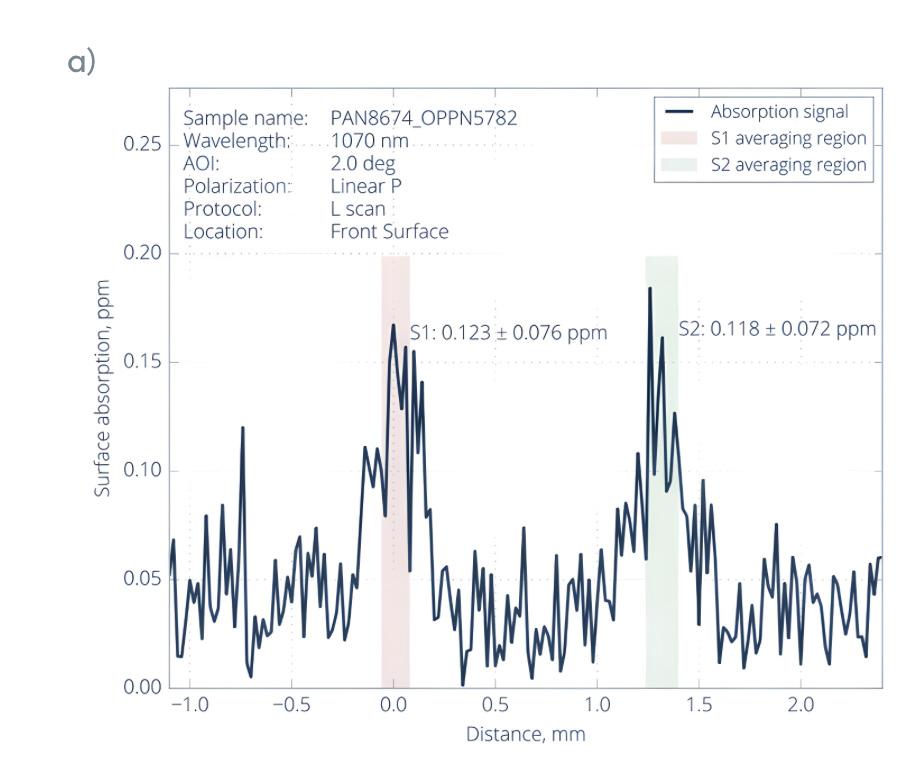
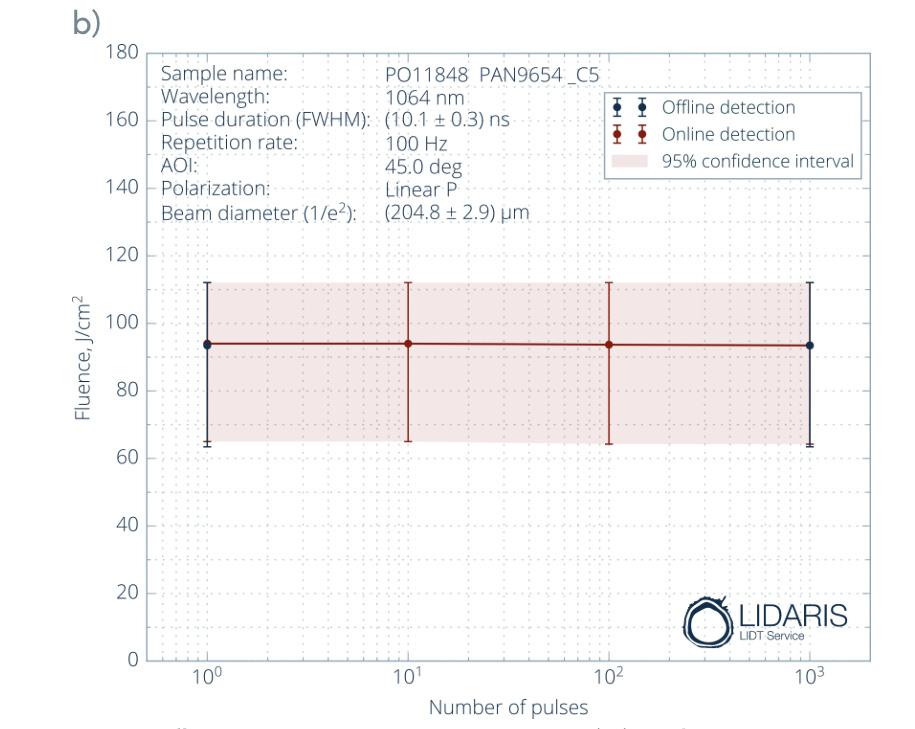
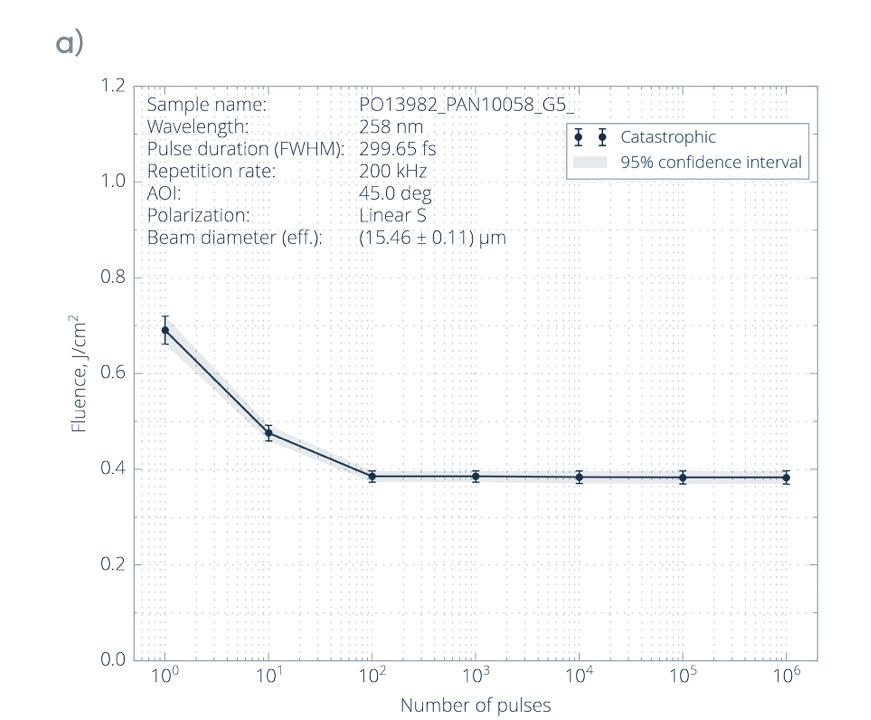
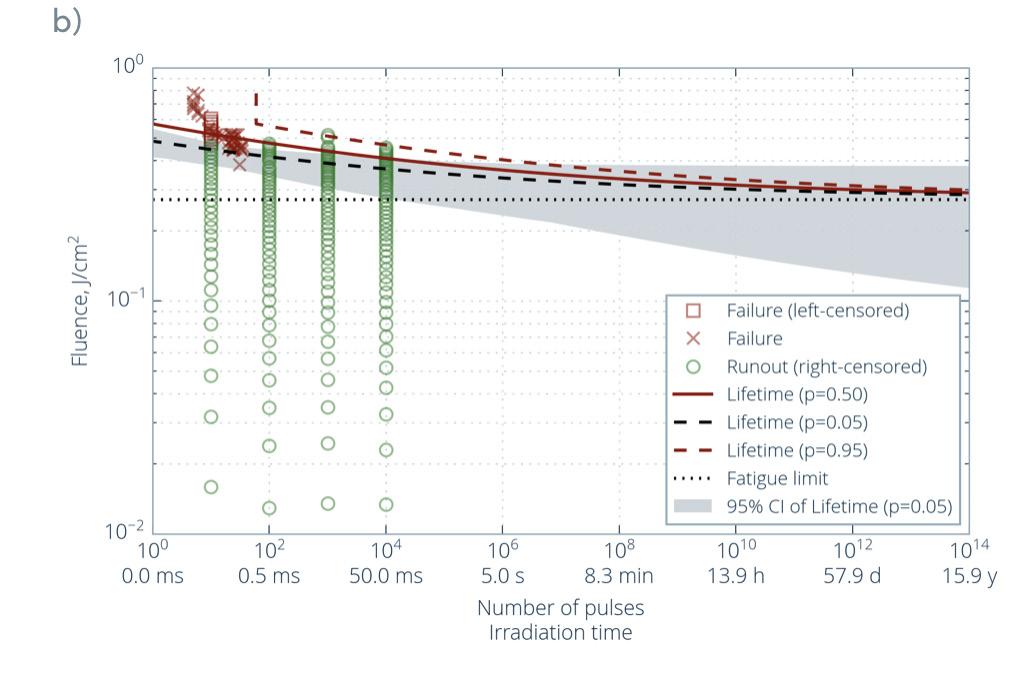
Measured lifetime data show what this enables. Non-degrading IBS UV mirrors at 257 to 343 nm held consistent performance and high LIDT after more than 10,000 hours of irradiation with no color change; LIDARIS measurements confirm a 0.35 J/cm² tolerance stable into the gigashot regime. At NIR wavelengths, a 1070 nm high reflector shows surface absorption of 0.123 and 0.118 ppm, and a 1064 nm high rzeflector tested at 45 degrees with a 10.1 ns pulse holds LIDT near 93 J/cm² from
FIG 2 – (a) Longitudinal absorption measurement of a 1070 nm antireflective OPTOMAN mirror; (b) Characteristic damage curve for an OPTOMAN 1064 nm high reflector.
1-on-1 through 1000-on-1 with no downward trend, the flat response a 10 Hz driver requires over billions of shots.
Conclusions
NIF has achieved ignition eight times, most recently 8.6 MJ from 2.08 MJ of laser input. Moving from NIF’s inspect-andreplace cadence to continuous 10 Hz operation shifts the design objective from surviving individual high-fluence events to maintaining stable performance over billions of pulses while minimizing absorption, fatigue, and thermally induced degradation. For optical coatings, that makes advances in deposition, defect control, and inspection the enabling technologies for the next generation of fusion driver lasers, the problems IFE optics must solve before laser-driven fusion can deliver power to the grid.
FIG 3 – Characteristic damage measurement curve of a highly reflective 258 nm coating with non-degrading technology (a); Lifetime measurements were performed at LIDARIS to prove the “non-degrading” statement. According to the measurements, OPTOMAN Ultrafast UV mirrors can withstand 0.35 J/cm² laser fluence with no color change after prolonged exposure to ultrafast laser irradiation (b).
ABOUT THE AUTHOR
Domantas Klumbys
Technical Marketing Manager at OPTOMAN, specializing in laser physics, blending technical expertise with marketing, driving innovation in optical solutions.
Laser
Hazard Analysis: A Design Skill for Optical Engineers and Researchers
Aug 24-25, 2026 · SPIE Optics & Photonics, San Diego
Preventable safety rework costs labs time and money. The fix is analytical skill applied early.
WHAT YOU'LL LEARN
MPE, NOHD & optical density calculations
How beam path & enclosure choices drive hazard
Laser system classification
Reusable calc tools + documentation templates
YOU'LL LEAVE WITH ANSI Z136.1 hardcopy · printed course manual · certificate of completion
Taught by LIA. We develop and maintain the ANSI Z136 laser safety standards, the ones this course is built on. Instructor: Dr. Clifton D. Clark III, Fort Hays State University
DATES Aug 24-25, 2026
Laser Institute of America Names Prof. Jun Ye Recipient of the 2026 Arthur L. Schawlow Award
Award to be presented at ICALEO 2026 in Denver
ORLANDO, Fla. - The Laser Institute of America (LIA) has named Prof. Jun Ye the recipient of the 2026 Arthur L. Schawlow Award, recognizing his career-long contributions to laser science and engineering. The award will be presented at ICALEO 2026, taking place October 5-8 at the Hilton Denver City Center, during the annual Awards Luncheon.
Prof. Ye is a Fellow of the National Institute of Standards and Technology (NIST) and a Fellow of JILA and Professor Adjoint of Physics at the University of Colorado Boulder. His work in optical atomic clock technology and optical frequency comb development has helped set the standard for precision measurement worldwide.
Working at JILA, a joint institute of NIST and the University of Colorado, Prof. Ye and his colleagues built one of the most precise atomic clocks ever demonstrated. That level of accuracy could underpin more accurate GPS and deep-space navigation. His optical frequency comb work has advanced spectroscopy, with applications reaching into medical diagnostics.
Prof. Ye’s honors include the Breakthrough Prize in Fundamental Physics, the Norman F. Ramsey Prize from the American Physical Society, and multiple Gold Medals from the U.S. Department of Commerce. He is a member of the National Academy of Sciences and a foreign member of the Chinese Academy of Sciences.
First presented in 1982, the Arthur L. Schawlow Award recognizes individuals who have made distinguished contributions to the application of lasers in science, industry, education, and medicine.
“Few people have pushed the limits of precision the way Prof. Ye has, and fewer still have turned that work into something the wider world can use. He’s a fitting addition to the Schawlow Award’s history, and we’re honored to recognize him in Denver.”
Shaun Oleson, Executive Director, LIA
MEDIA & INQUIRIES
Jana Langhans, marketing@lia.org, 407-380-1553
Laser Institute of America Names n2-Photonics GmbH
Recipient of the 2026 William M. Steen Award
Award to be presented at ICALEO 2026 in Denver
ORLANDO, Fla. - The Laser Institute of America (LIA) has named n2-Photonics GmbH the recipient of the 2026 William M. Steen Award, recognizing the Hamburg-based company for a significant and innovative development in laser material processing. The award will be presented at ICALEO 2026, taking place October 5-8 at the Hilton Denver City Center, during the Awards Ceremony.
n2-Photonics is recognized for its MIKS pulse compressor, an add-on module that shortens the output of industrial ultrafast lasers to the sub-50 femtosecond regime at 1030 nm. Bringing pulses this short to standard industrial platforms lets manufacturers process materials that are hard to machine cleanly with longer pulses, among them glass, sapphire, and steel.
Research groups working at 1030 nm have found that pulses shorter than roughly 50 femtoseconds can reduce or remove thermal damage, surface roughness, and cracking in sensitive transparent materials. Shorter pulses also lower the ablation threshold, so material can be removed precisely at lower pulse energies. In practice, that means cleaner edges, a smaller heat-affected zone, and fewer defects.
The William M. Steen Award is conferred annually to a single institution that has demonstrated a significant and innovative development in laser material processing. Named after an early pioneer in the field, the award is adjudicated by a panel of laser industry leaders and reflects the growing role of laser material processing in modern manufacturing.
“Each year our Board of Trustees and Awards Committee weigh a strong field of nominees, so being selected says a great deal. Congratulations to n2-Photonics, and thank you to the committee for their careful work. We are proud to present this award in Denver.”
Shaun Oleson, Executive Director, LIA
MEDIA & INQUIRIES
Jana Langhans, marketing@lia.org, 407-380-1553
From Viral Video to Workplace Reality
By Randolph Paura, Dynamic Laser Solutions, Inc.
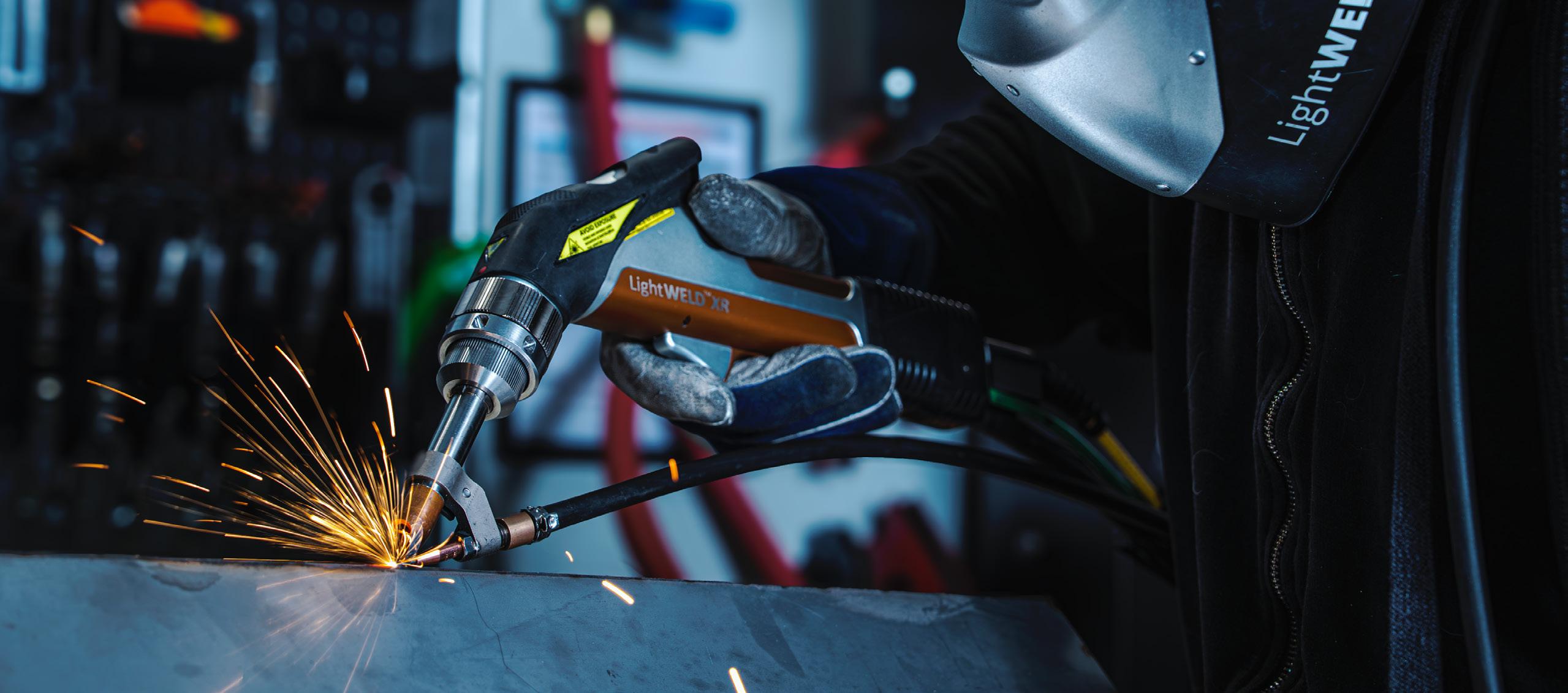
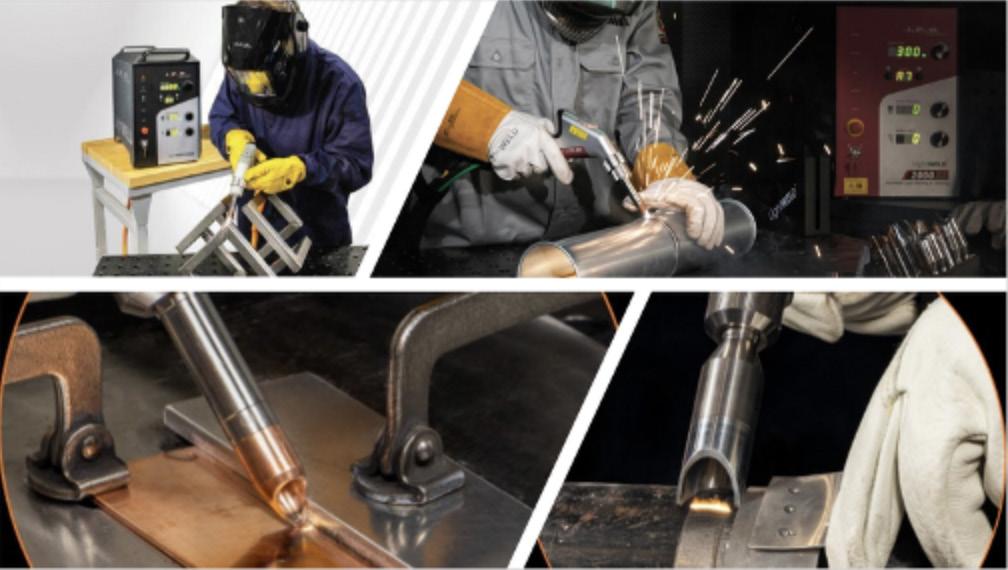
Handheld laser systems have rapidly gained attention through viral videos of compact devices showing operators welding, stripping paint, or removing rust. These clips are compelling, widely shared, and often dangerously incomplete.
For first-time buyers, online ordering, direct shipping, and influencer demos can make handheld lasers seem simple, safe, and ‘approved’. They are not. These are high-power Class 4 laser systems which carry strict safety, compliance, and operational requirements that are often missing or misrepresented online.
This first article in a four-part series outlines what buyers must know before acquisition: hazards, compliance gaps, regulatory obligations, and due-diligence steps that protect operators, bystanders, and the business.
A New Generation Of Handheld Lasers — With A New Set Of Risks
Over the past five years, the global market has seen a surge in low-cost, productized solid-state handheld lasers, many originating overseas and marketed aggressively through social media. These devices are now reaching a wide range of sectors in macro-materials processing:
• Industrial & Manufacturing: Welding, brazing, cutting, surface preparation, and field repairs are the primary drivers. Small fabrication shops and mobile repair services are drawn to the portability, speed, and reduced consumables these tools promise.
• Construction & Field Services: Contractors use handheld lasers for on-site welding, cutting, and emergency repairs, often in uncontrolled environments with bystanders nearby.
• Automotive & Transportation Maintenance: Rust removal, paint stripping, and body repairs are increasingly performed with handheld lasers, especially by mobile service providers.
Across these markets, the common thread is accessibility without adequate oversight. Lower acquisition costs and easy online purchasing have removed the traditional barriers to entry, but the hazards — both beam and non-beam — remain unchanged. A new market segment has emerged with a new stakeholder: the individual owner-operator.
Arguably, these new factors have increased the risk level to workplace and public safety.
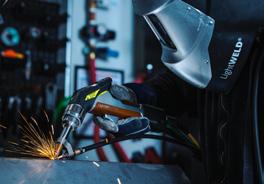
IMG 1 – Handheld laser materials processing performed with proper personal protective equipment and controls.
The Foundational Principle: Equipment Must Be Compliant Before It Can Be Used Safely
Across major regulatory systems, one principle holds: handheld laser equipment must be compliant before it is introduced into a workplace. Compliance begins with the device itself — correct classification, labeling, engineering controls, manufacturer identification, conformity documentation, and clear user instructions. Only after these equipment requirements are verified can workplace controls — competent oversight, hazard assessment, training, PPE, controlled-area procedures, and beam/non-beam hazard controls — be meaningfully applied. A non-compliant handheld laser cannot be made safe through training or administrative measures alone, and an owner modification intended to achieve compliance may shift manufacturer-level responsibility onto the owner.
Within the U.S.
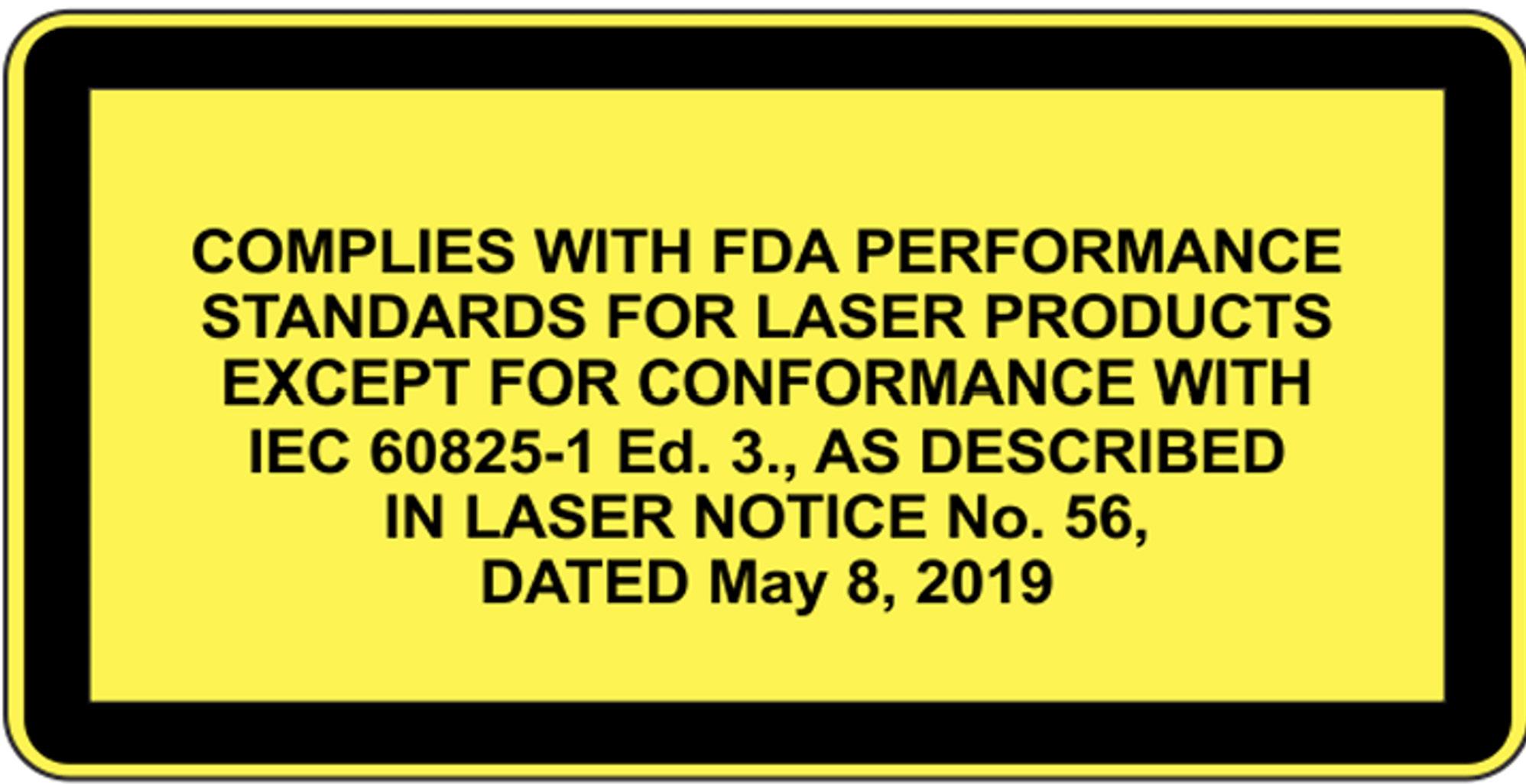
Equipment: Laser products entering U.S. commerce must meet federal performance requirements administered by the FDA/ CDRH. Buyers should review the Compliance Guide for Laser Products and the Guide for Preparing Product Reports for Lasers and Products Containing Lasers. The CDRH does not certify or approve industrial laser products — it only assigns an Accession Number as a tracking identifier, not proof of approval. Buyers should also require conformance certificates or test reports from a qualified Nationally Recognized Testing Laboratory (NRTL), where required for workplace equipment.
Workplace: Minimum workplace requirements are established by the Occupational Safety and Health Administration (OSHA) under the OSH Act. OSHA points to the ANSI Z136 series as the foundational resource for laser safety, and although not explicitly mandated by federal regulation, it is widely recognized as the de facto basis for workplace laser safety. Employers (including owner-operators) are expected to implement the ANSI Z136 series.
See OSHA’s Laser Hazards – Standards page and the OSHA Technical Manual (OTM), Section III: Chapter 6, covering coherent optical radiation (laser) hazards.
Outside the U.S., requirements vary by jurisdiction but follow the same sequence: equipment compliance first, then workplace controls. The IEC 60825-5 manufacturer’s checklist can help validate conformance to IEC 60825-1.
Canadian buyers are to consult Health Canada’s Guidance for Laser Products.
The Illusion Of Safety: What Sellers Don’t Disclose
Many handheld lasers sold through social media or online marketplaces arrive with:
• Non-compliant laser protective eyewear
• Incorrect or missing classifications, labels, and required engineering controls
• Incomplete or inaccurate manuals, inadequate safety instructions, and lacking inherent hazard/risk information
No verifiable certificates of conformance or documented evidence of compliance with IEC 60825-1, ISO 11553, or US 21CFR1040.10 for the equipment/device or reference to ANSI Z136 for their safe use
Some devices are labeled Class 4 but lack required engineering controls; others are mislabeled as Class 3B or “safe for home use” despite output powers exceeding 0.5 W and, in some cases, approaching or exceeding 1 kW. Many also carry counterfeit or unverifiable CE markings, claims of FDA Certification, or lack required manufacturer identification.
The result: high-power industrial tools enter workplaces through low-cost online channels without the protective measures and guidance instructions that are essential for regulatory equipment compliance that would enable their safe use.
Why Industrial Buyers Are At The Highest Risk
Industrial and manufacturing users are the primary audience for this four-part series, and for good reason: Handheld laser devices for material processing introduce two overlapping hazard domains.
Laser beam hazards, addressed through 21 CFR 1040.10, IEC 60825-1, ISO 11553-2, and the ANSI Z136 series, include retinal injury, skin burns, specular and diffuse reflections, single-fault failures, and uncontrolled beam paths in field environments.
Hot-work hazards, addressed through ANSI Z49.1, CSA W117.2, and NFPA frameworks, include ignition of combustibles, fume generation, fire propagation, and confined-space risks.
Many new buyers are familiar with welding or cutting hazards but not laser hazards — or vice versa. Handheld lasers combine both, and the controls must be integrated accordingly.
The HLD4MP Ecosystem: A Four-part Series
This article is the first in a structured series supporting every stakeholder in the handheld laser device for materials processing (HLD4MP) ecosystem.
PART 1 Before You Buy: What Prospective Buyers Don’t Know. Procurement due diligence, hazard awareness, compliance gaps, and the risks of online marketplaces.
PART 2 — Before the First Beam: What Organizations Must Establish. Safety programs, LSO oversight, competency-based training, equipment verification, and controlled-area protocols.
PART 3 — Raising the Baseline: How OHS Agencies Can Support Public Awareness. Regulatory guidance, public-facing resources, and harmonization with international best practices.
PART 4 — A Shared Responsibility: Building a Sustainable Safety Culture. Manufacturers, employers, owner-operators, and regulators working together to ensure safe adoption.
Together, these articles provide a standards-aligned roadmap for the safe and responsible integration of handheld lasers into industrial and manufacturing operations.
AT A GLANCE
Pre-Purchase Checklist: An Initial 2-Tiered Approach
TOP 2 ACTIONS, REQUEST:
1. The supplier to provide certificates of conformance and/or test reports for verification.
2. To receive an owner’s manual to review the operations and safety information sections.
VERIFY THE FOLLOWING BEFORE A PURCHASE ORDER IS CONSIDERED:
1. Do the certificates come from a reputable test house, clearly stating the standard(s) and classification/performance level tested, and meet your regulatory requirements?
2. Are the actual test reports available for review (e.g., the FDA/CDRH Laser Product Report or the IEC 60825-5 manufacturer’s checklist for IEC 60825-1)?
3. For U.S. purchases, did the supplier provide an FDA/CDRH Accession Number (A/N)? (The A/N is a tracking number only — not proof of approval.)
4. Does the manual show the required labels locations, including the manufacturer’s identification label and conformance tag?
5. Has your Laser Safety Officer (LSO) reviewed the device specifications before purchase?
6. All verification is obtained in writing — not a verbal assurance from the seller?
If any item cannot be verified in writing, pause the purchasing process.
Conclusion: Awareness Before Acquisition
HLDs4MP offer real advantages — portability, precision, and efficiency — but only when integrated responsibly. The gap between online perception and workplace reality is wide, and an uninformed purchase can expose workers, businesses, and the public to significant risk.
The most important step any prospective buyer can take is the first one: ensure the equipment is compliant before it is ever used. Safe use is not possible without compliant equipment.
Part 2 of this series will explore the organizational requirements necessary before deploying handheld lasers in the field, including a written safety plan, training, LSO oversight, equipment verification, and controlled-area protocols.
ADDITIONAL RESOURCES
ANSI B11.0:2023 ‘Safety of Machinery’
IEC 60825-1:2014 ‘Safety of laser products — Part 1: Equipment classification and requirements’
ISO 11553-2:2007 ‘Safety of machinery — Laser processing machines — Part 2: Safety requirements for hand-held laser processing devices’ BAuA, Germany:2023 ‘Built-in safety - Safe design of hand-held and hand-operated laser tools.
ABOUT THE AUTHOR
Randy Paura, P. Eng
Randy Paura, P. Eng., CLSO, B11 LMSS (rp_eng@sympatico. ca) is an active member of Z136 SDC, IEC TC 76 (Canada, SCC representative). www.linkedin.com/in/randypaura
FIG 1 – Example conformance tag of a laser for sale in the U.S.
Royal Sonesta Houston Galleria® • Houston, TX USA
FEATURING:
• Laser Safety Scientific Sessions
• Technical Practical Applications Seminar
• Medical Practical Applications Seminar
Earn contact hours while experiencing cutting-edge presentations
Joseph (Joe) Zuclich, PhD
JULY 25, 1942 – MAY 27, 2026
Recipient of LIA’s George M. Wilkening Award in Laser Safety in 2009
The recipient of the George M. Wilkening Award in Laser Safety is an individual who has made outstanding contributions to laser bioeffects research, development of human exposure limits and safety standards, and to applied laser safety.
Angel Plaza, PhD
MAY 14, 1961 – JULY 2, 2026
Long-time contributor to the Z136 Standards Development Committee (SDC)
It is with great sorrow that we announce the death of Joe Zuclich.
He led a full and happy life. He was born within sight of Yankee Stadium in New York City. He graduated from Stevens Institute of Technology. His master’s degree was from Princeton, and his Ph.D. in physics was from Columbia. He loved his profession as a research scientist. He was invited to give lectures all over the world.
Joe had a passion for world travel. He also enjoyed playing poker and bridge, and he adored his dogs.
He was preceded in death by his parents, Adelaide and Joseph Zuclich. Joe is survived by his wife, Carol; sister, Gloria Buchner; his sister-in-law and brother-in-law, Sherry and Joe Kassai; sister-in-law and brother-in-law, Tracey and Paul Homburg; niece, Sarah Campbell; and nephew, Tim Freeman.
He will be remembered by his close friends, Marge and Dick Bolt, Ernie Sessums; and his caregiver, Danny Contra.
Dr. Angel Luis Plaza passed away peacefully on July 2, 2026, surrounded by his family and friends.
Angel was born in Ponce, Puerto Rico, and came to Texas to attend Texas A&M University to pursue Biomedical Engineering. He went on to join NASA Johnson Space Center, where he built a distinguished 41-year career, earning multiple awards, and culminating as Senior Environmental Officer in the Office of the Chief Health and Medical Officer. He also served as adjunct faculty at the University of Houston, later an associate at Sid Richardson College at Rice University. He was a Fellow of the American Industrial Hygiene Association (AIHA).
Those who knew Angel will remember him not for his titles, but for his heart. He was warm, friendly, and endlessly generous, the kind of person everyone loved and could count on. He never hesitated to help, in ways big and small. His final act of generosity was, fittingly, one of giving: through organ donation.
Angel was an avid gardener, known for his tomatoes, peppers, and herbs, his orchids, and the day lilies he collected in the tradition of his mother. He was a wonderful cook, especially loved for his grilling and smoking, and a passionate history buff drawn to the Civil War and World War II. He loved exploring the country’s National Parks.
Angel is survived by his wife, Silvia; his sons, Eric and Alessandro; his siblings, Maria, Ileana, and Luis Ramon; his siblings-in-law, Pedro, Angela, Vanna, Fulvia, and Alexei; and his niece and nephews, Maria Carlota, Fabian, Kevin, Fabio & Peter.
Who’s Keeping Your People Safe When the Laser Is On?
When a high-powered laser is running, one person carries responsibility for everyone near it. In a facility that operates Class 3B or Class 4 lasers, whether a manufacturing floor, a research lab, a testing facility, or a university, that person is the laser safety officer.
The role is not discretionary for these systems. The American National Standard for Safe Use of Lasers (ANSI Z136.1) requires employers operating Class 3B or Class 4 lasers to designate an LSO, because these are the classes where direct beam exposure can cause permanent vision loss. The standard puts a named individual in charge of preventing it.
This raises a fair question for any organization: who is qualified to do the job?
Isn’t a trained LSO the same as a certified one?
It’s an easy assumption, and the terms get used as if they mean the same thing. They don’t. Training teaches an LSO the material, and it’s often followed by a quiz to verify mastery of the training content. Certification is an independent confirmation that they have the core knowledge and can apply it, validated against an exam blueprint developed by subject matter experts and a formal job task analysis. The CLSO designation is conferred only by the Board of Laser Safety. A training program cannot grant it, by design: the body that certifies has to be separate from the ones that provide training.
The standard requires training. It does not verify competence.
ANSI Z136.1 is specific about what an LSO must learn. Section 5.3 puts the duty on the employer and requires training “commensurate to at least the highest class of laser or most hazardous laser under the jurisdiction of the LSO,” covering bioeffects, control measures, and applicable standards. What the standard leaves to the employer is the judgment around it: what depth is adequate, and how to document that the LSO met the bar. No one outside the organization is required to confirm any of it, and no federal or state regulation requires an LSO to be certified.
This is where certification comes in. A BLS-approved course shows the training met the standard’s minimums in real depth, and certification goes further by testing competence against a blueprint developed by subject matter experts and those doing the job. None of this means an uncertified LSO is unqualified. Many do the job well for years without a credential. Certification adds outside confirmation: for an experienced LSO, it formalizes what they’ve built, and for an organization filling the role it confirms readiness without having to take it on faith.
The Path to Certification
The path to becoming a Certified Laser Safety Officer is more approachable than you might think. It runs through five steps:
1. Training from a comprehensive, approved course
2. Experience in the LSO role, minimum of one (1) year
3. Recommendation from two (2) supervisors or peers
4. Exam , scored independently and passed
5. Continuing education to keep the credential current
This is an overview. See full eligibility criteria here: https://www.lasersafety.org/become-certified/eligibility
An application can be submitted before the experience year is finished, and the Board of Laser Safety will hold it for review.
What Separates a Certification from a Certificate
Plenty of online courses advertise “certification”. Finish the modules, pass the quiz, download the certificate. The marketing rarely answers the question that matters, which is who decided you passed. When the organization that sold the course is also the one that wrote the quiz and confirmed the result, what you have earned is a certificate of completion, and it documents nothing more than that you finished a course.
The CLSO program is built the other way around. Its exam is written and scored by an independent body that sells no training, and that same body approves the courses that meet the prerequisite, among them programs from LIA, Kentek, and RLI. A candidate trains with an approved provider and then sits an exam that no provider controls. Passing it means someone with no stake in the outcome judged that the candidate met the standard.
Why do we need to set a bar?
The responsibility of an LSO to prevent workplace accidents and injuries is a serious undertaking. When any course ending in a certificate can call itself certification, that bar drops, and the credential earned under real scrutiny is worth less for it. The CLSO keeps the meaning intact by putting an independent check between the training and the credential.
An organization with an LSO on staff, or one just beginning to look, uses certification for the same reason: to know its people are safe rather than to assume it.