HUG Sensory Companion

â HUG has been found to reduce patient stress and their caregivers
â HUG stimulates interaction between patients and caregivers
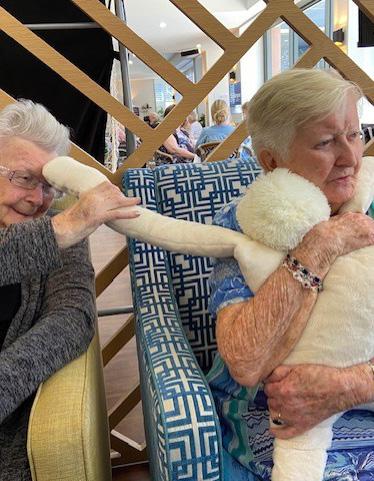
â HUG has been shown to have a positive psychological effect on patients, improving their relaxation and motivation
â HUG improves the socialisation of patients with each other and with caregivers
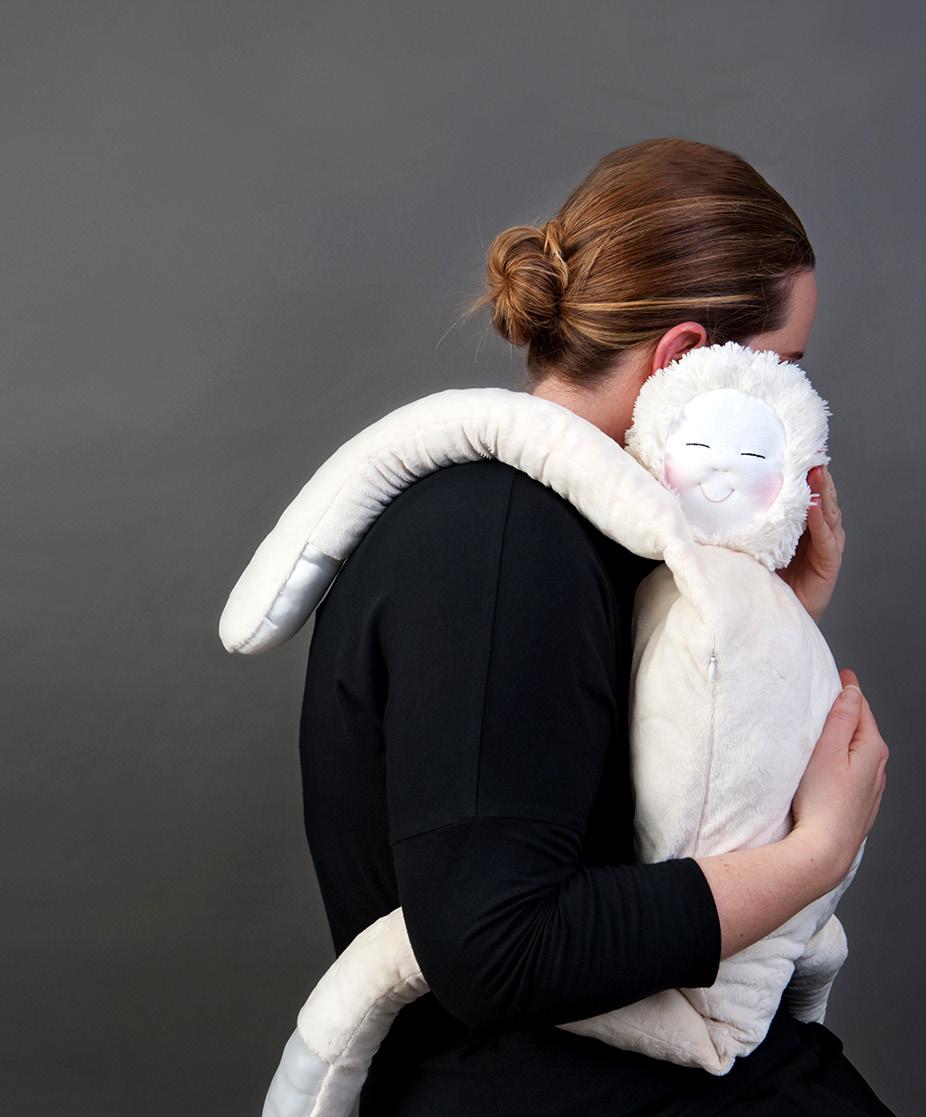
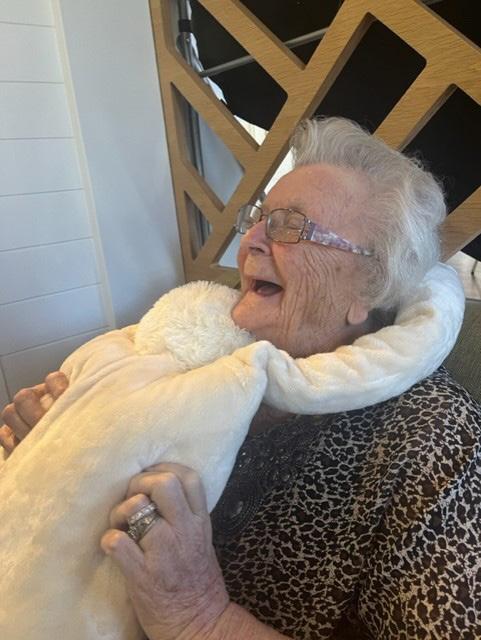
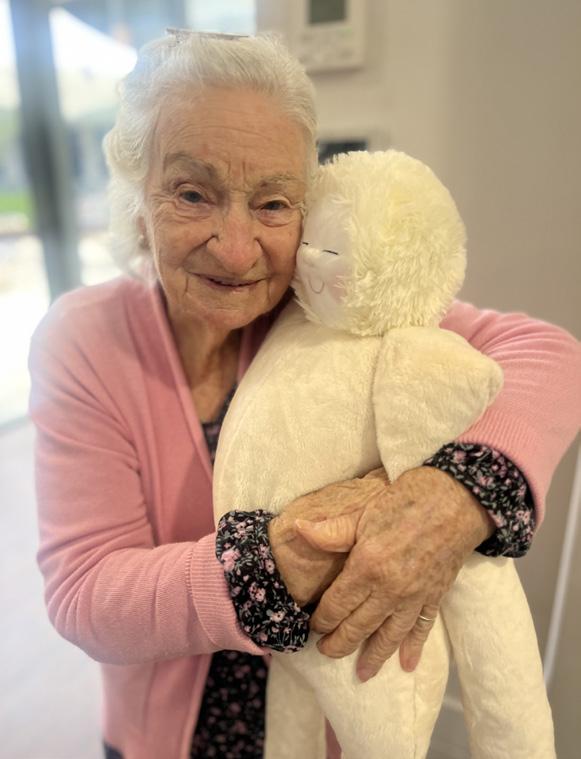
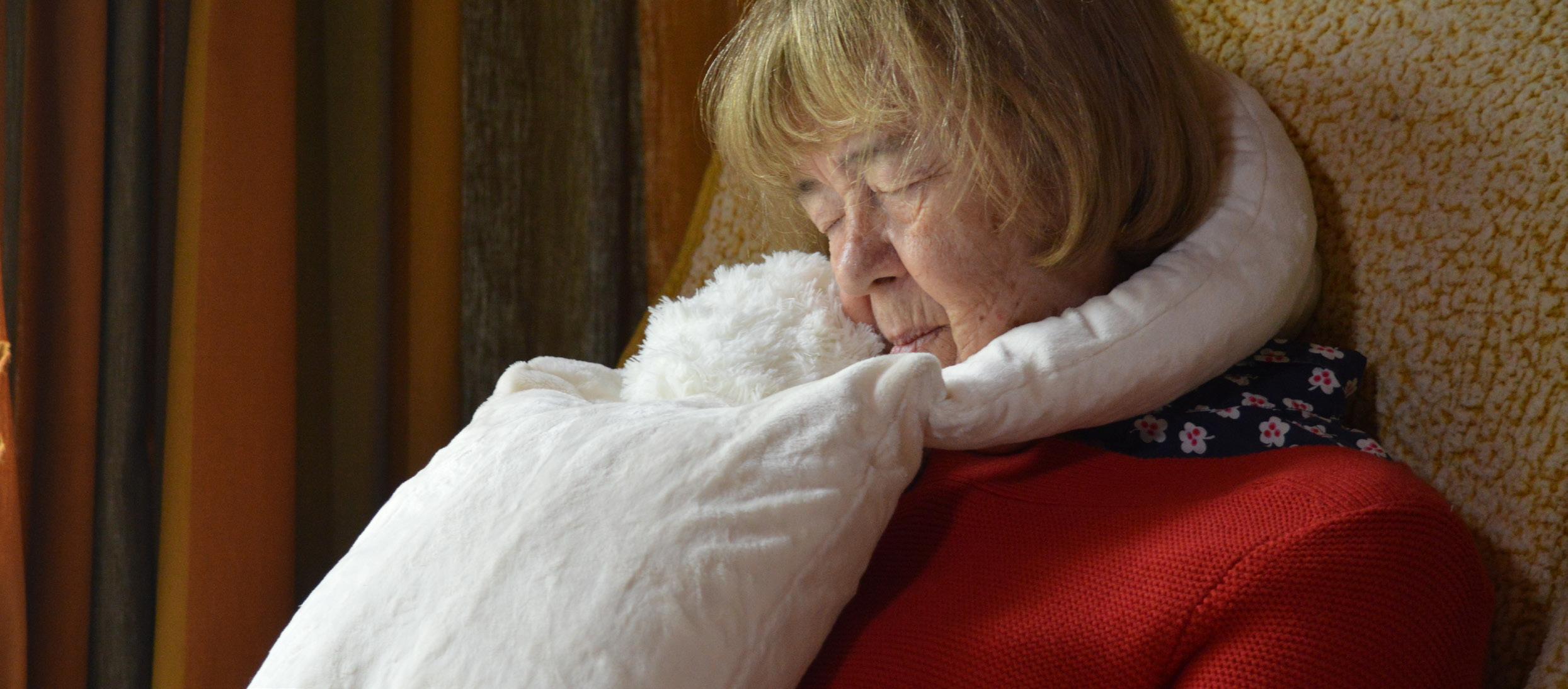
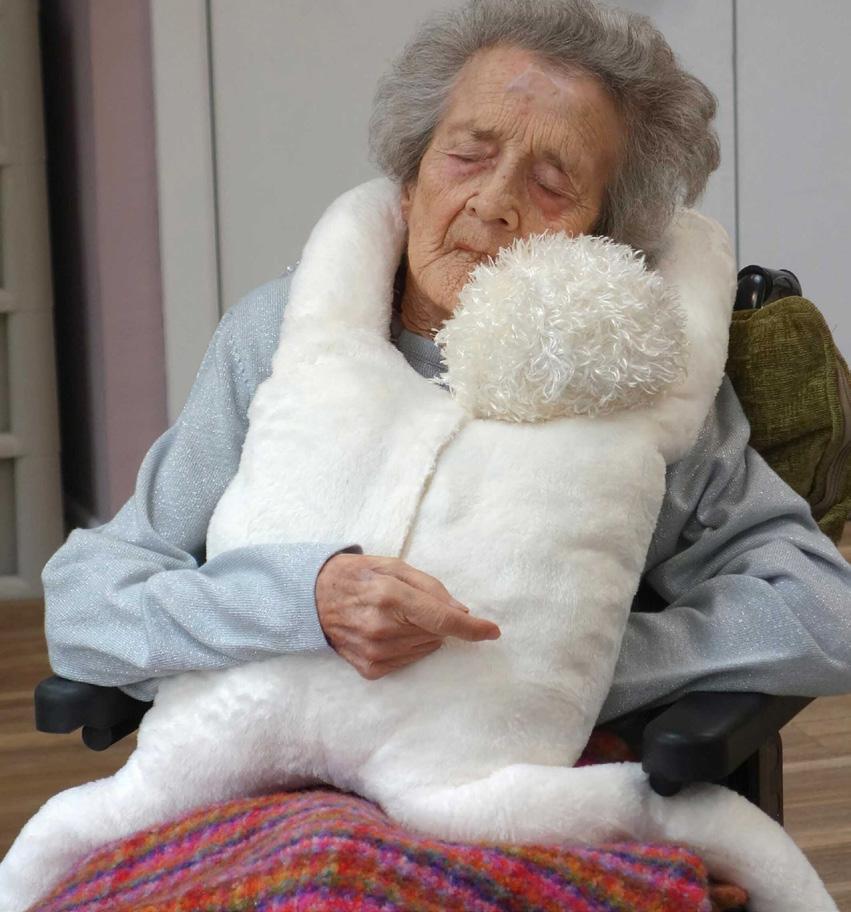
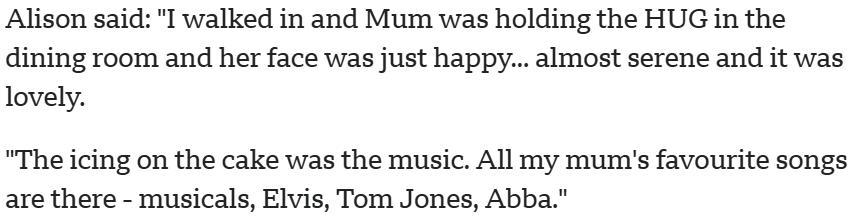
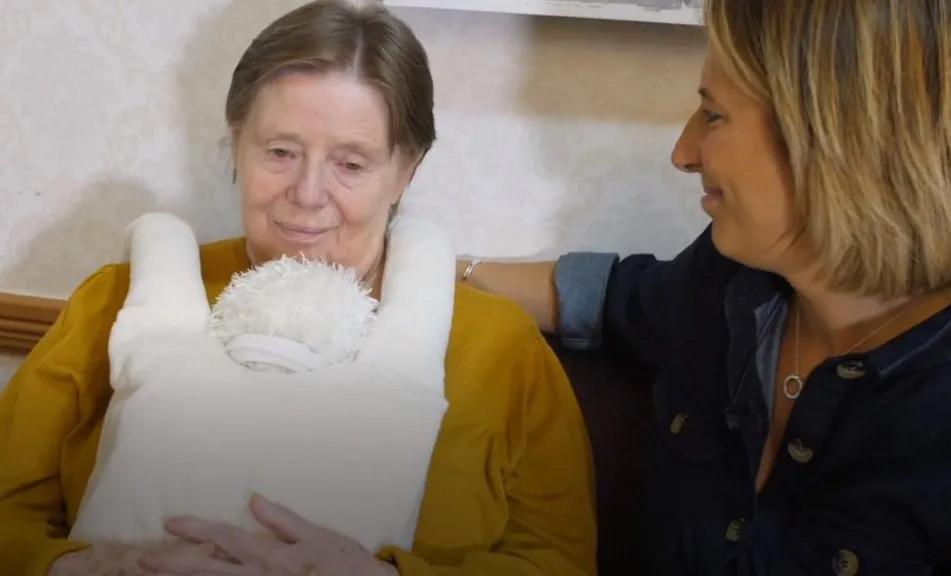
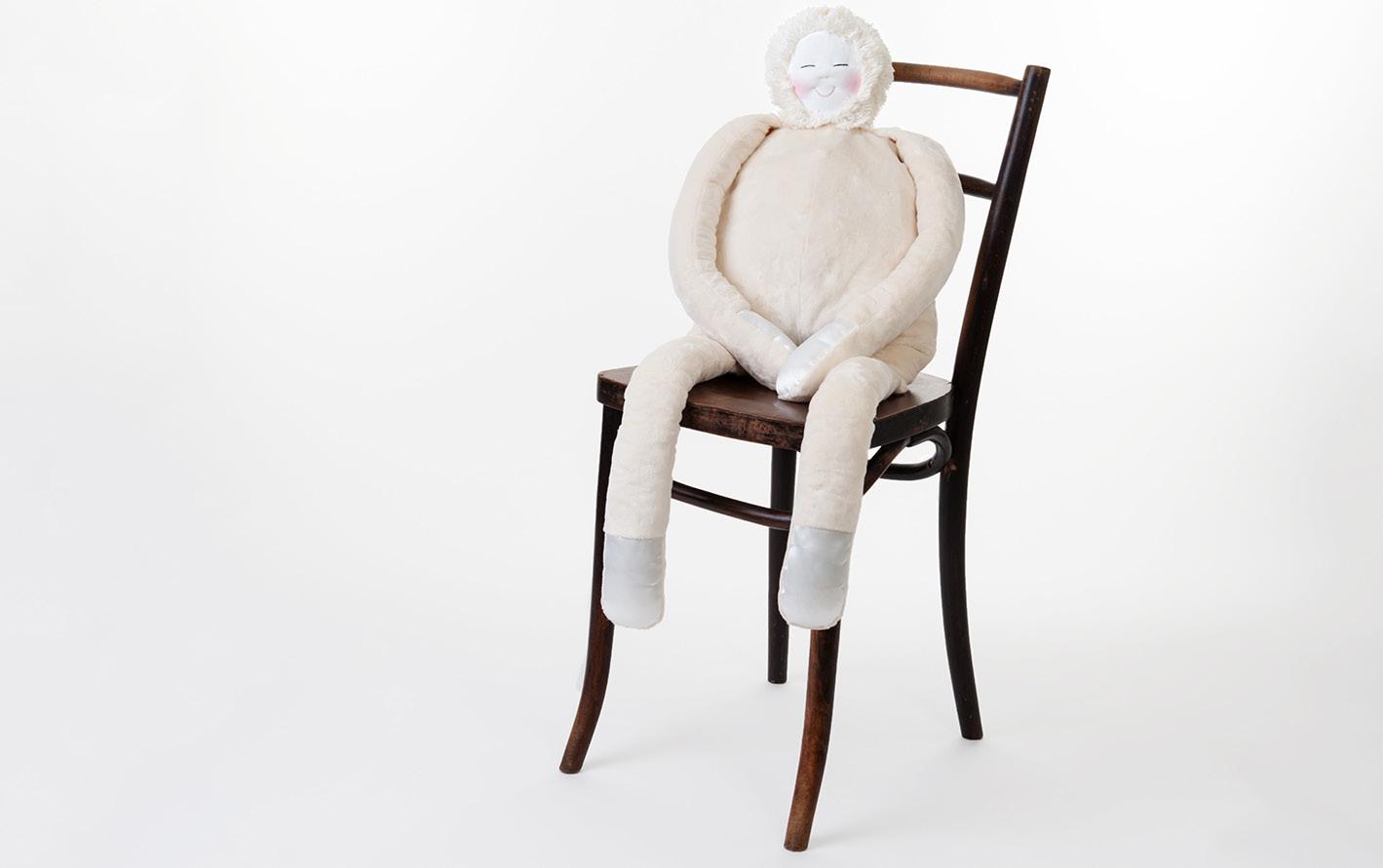
HUG™ is a sensory companion designed to bring pleasure and comfort to people living with dementia. It has weighted limbs and a soft body that contains a simulated beating heart and a music player that can be programmed to play a person’s favourite music. Anyone, young or old, can enjoy having a HUG!
HUG was developed from university research by LAUGH (Ludic Artefacts Using Gesture and Haptics) design researchers, engineers, and health professionals working directly with people affected by dementia and their carers. In their evaluation study, LAUGH found that HUG improved the quality of life for 87% of the people who used HUG for six months.
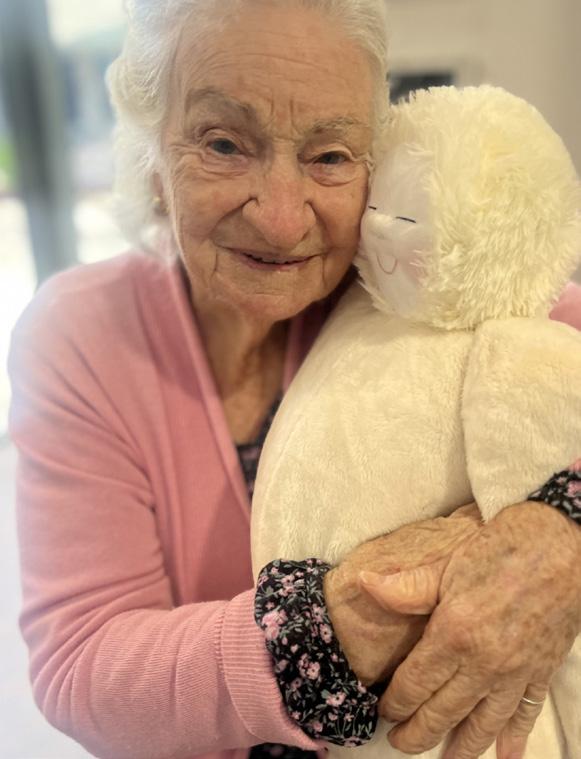
As dementia progresses, people living with the condition can become more isolated, agitated and anxious. HUG™ is one of very few products available currently that can bring comfort, connection and meaning to the lives of people in the advance stages of dementia.
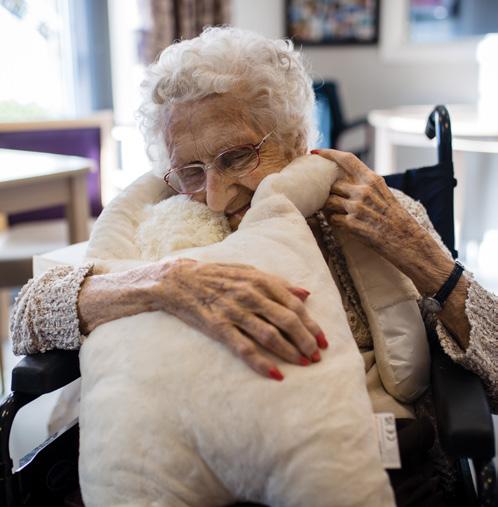
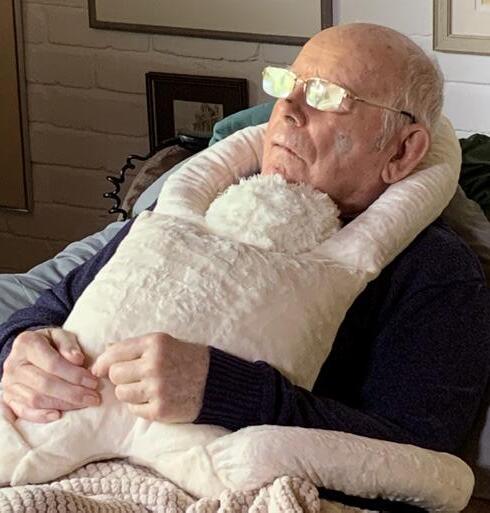
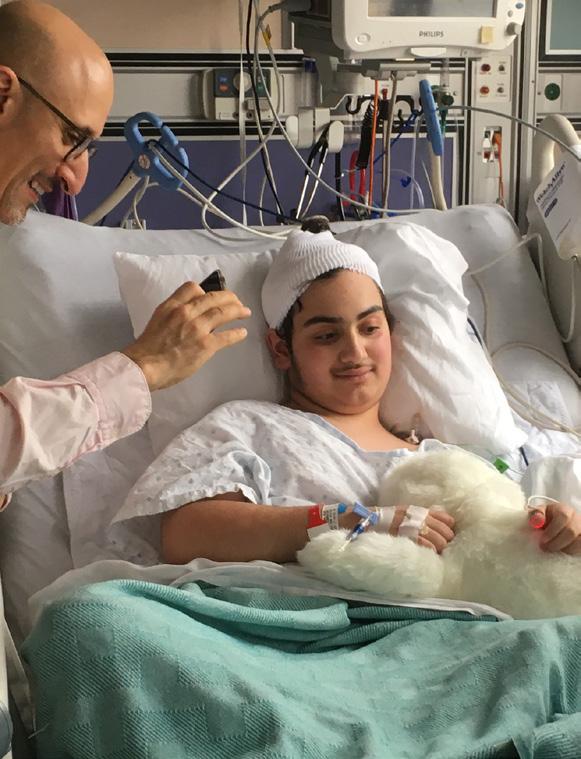
HUG™ is available in Australia and across the world in different settings, from aged care environments, high care medical facilities to home care, to treat patients and users with diverse conditions such as:
• Dementia
• Autism
• Behavioural issues
• PTSD
• Depression / Anxiety
• Mental Health
• Loneliness / Comfort
• After Major Operations – ICU

Designed by a team from Cardiff Metropolitan University to bring pleasure and comfort to people with dementia. Researchers visited a care home in Port Talbot and decided to create something to help Thelma, a resident living with dementia because her carers said that “she was in need of a hug”.
Thelma was in her late 90s, living with advanced dementia. Everyone around her thought that she
â Aged Care
â Hospitals
â Outpatient Therapy
â Home Care & NDIS
HUG has been developed from academic research and has been tested in hospitals, care homes and by people affected by dementia who are living at home. The development of HUG by LAUGH involved the collaboration of 70 organisations including Alzheimer’s Society and NHS to create an award winning product.
was coming at the end of her life. She was mostly bedridden rarely opening her eyes and hardly ever speaking.
The research team, after having involved lots of dementia experts, focused on the main key theme that came up most in their discussions was the need of nurturing. HUG can fulfil two needs: it involves you in giving the hug but is also reciprocal as it has the weighted limbs that gives you the feeling that it hugs back. Professor Treadway worked out with great care and detail on the “hug” idea and said that the “designed was focused on creating an object that Thelma could hug and that could hug her too.”
As soon as Thelma was given the HUG, she soon showed some improvement. She was more alert, her appetite returned, and she started to speak more, socializing with the other residents. The positive outcome lead to production on a wider scale to help more people.
Everyone has the right to live well and experience happiness and pleasure. Ensuring that people living with dementia have the potential to live well despite all the challenges, is very important.
Source: www.storyandsons.com/blog
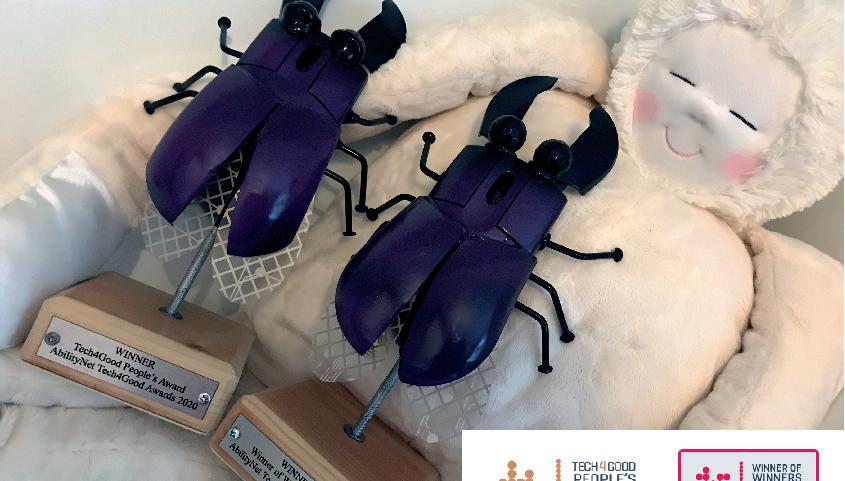


HUG was selected for the final in the Oustanding Dementia Care Product 2018 category at the National Dementia Care Awards 2018. In 2020, HUG won both the People’s Award and the Winner of Winners Award for #Tech4Good.






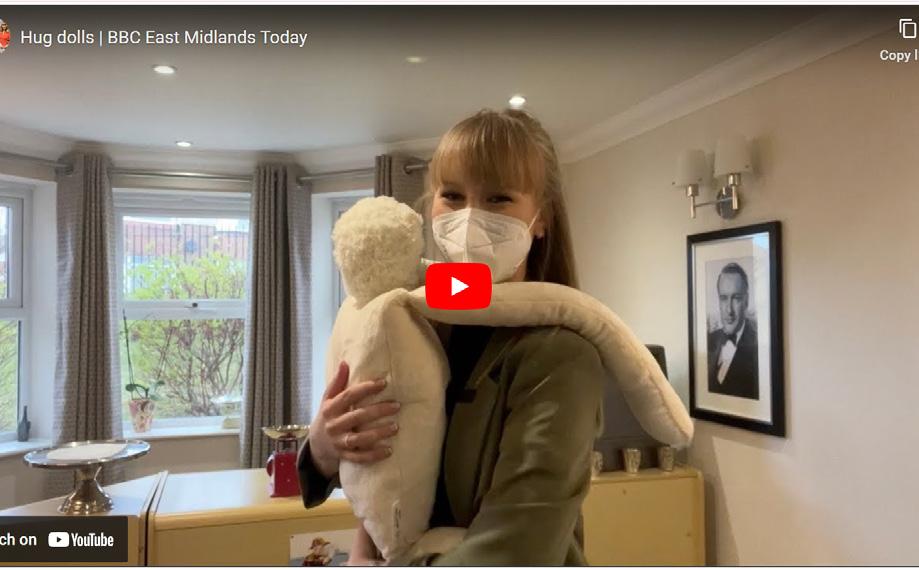

The way HUG™ is introduced to someone can make all the difference to the amount of satisfaction they receive from it. It is important to identify the stage of dementia a person may be experiencing. Information on how to introduce HUG to someone can be found in the link below:

HUG by LAUGH® is designed to be cuddled and has a beating heart within its soft body. HUG can play music that can be easily changed to a favourite playlist.
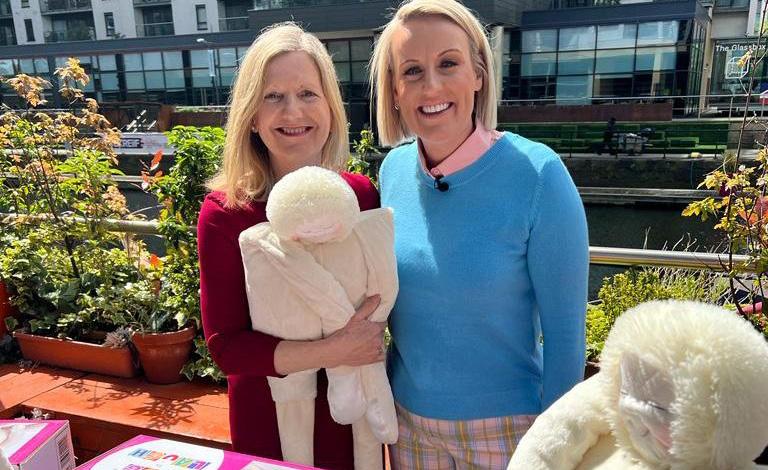
To use HUG, place the upper arms around your shoulders and place your hands onto HUG’s back. Relax and HUG will play music to you and return the cuddle.
HUG™ Size:
46cm x 28cm x 18cm
Weight: 1.3kg aprox.
Battery Charging Time: 4 hours
Battery Duration: 48 hours
Taking care of HUG™:
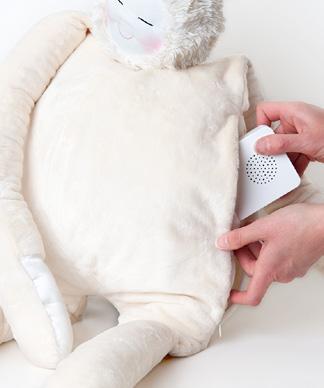
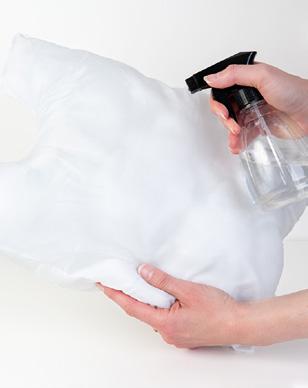
HUG is simple to clean, requiring you only to remove the inner cushion and electronics before spraying and wiping the cushion, and machine washing the outer cover in the zip up bag provided.
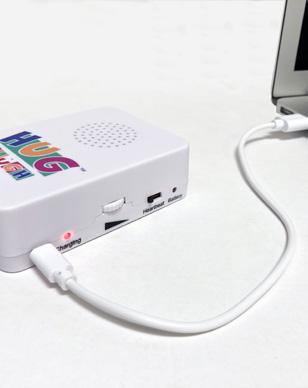
To charge HUG, remove the electronics unit from the inner cushion and plug the USB cable
provided into the charging point on the side of the unit. Use 3-pin plug provided to charge unit via wall socket or plug USB cable into a computer to charge.
This device is designed to be used independently by patients aged 16 years and above. For children under age 16, supervision by an adult who has read and understood the instructions is necessary.
Like