
Diversus Health has completed this Behavioral Health Community Needs Assessment to guide decisions about where the behavioral health system in the Pikes Peak region is succeeding, where it is failing people, and, most importantly, what must change to address it. As the region’s designated Comprehensive Safety Net Provider (CSNP), Diversus is accountable not only for the care it delivers but also for whether residents can reliably access that care across El Paso, Park, and Teller Counties. This assessment was undertaken to ground that responsibility in evidence and to provide a shared factual basis for action by providers, funders, public agencies, policy makers, and community partners.
Behavioral health need in the Pikes Peak region is widespread and persistent. For too many residents, particularly those who rely on the safety net, that need goes unmet. This assessment describes the scale and distribution of behavioral health burden, identifies where access breaks down, and clarifies where targeted investment, coordination, and policy change are most likely to improve outcomes.
The analysis integrates quantitative data from publicly available sources with complementary local assessments shared by public health departments, regional hospitals and health systems, and Colorado research institutions. These data points were combined with key informant interviews and a regionwide stakeholder survey. Together, they provide a practical picture of need, access to care, and system performance, informed by both data and lived experience.


15.4%
of adults in El Paso County who needed mental health care were unable to access it
0.54%
treatment utilization rate in Teller County despite a 21.83% depression prevalence
El Paso County carries a substantial behavioral health burden at scale. More than one in five adults has experienced depression. Despite comparatively high provider density, 15.4% of adults who needed mental health care were unable to access it, pointing to functional access barriers rather than workforce numbers alone. After many years with one of the highest suicide rates in Colorado, the county’s 2024 suicide rate fell below the state average for the first time since 2005, and youth suicide deaths declined by 60%. That progress reflects sustained, coordinated effort. However, it does not eliminate the underlying conditions that produce suicide risk, and it should not be assumed permanent.
Park and Teller Counties face more severe gaps between need and care. Park County’s age-adjusted suicide rate is 56.0 per 100,000, more than four times the Healthy People 2030
national target of 12.8. Depression prevalence of 13.76% coincides with a treatment receipt rate of 1.64% and a state service utilization rate of 0.51%. These figures do not reflect lower need, but illustrate barriers that prevent need from becoming care.
Teller County’s depression prevalence is 21.83%, at or above the statewide average, while its treatment utilization rate is just 0.54%. Neither Park nor Teller County has an inpatient psychiatric bed, a walk-in crisis center, or a withdrawal management and medication-assisted treatment facility within county borders. Both are federally designated Mental Health Provider Shortage Areas. Geography alone does not explain these gaps. They are closely tied to payment and policy structures that fail to sustain access in rural and low-volume settings.
Transition points were described as moments of highest risk. Release from incarceration, discharge from inpatient care, and loss of Medicaid coverage were identified as points where continuity most often breaks down and where preventable harm occurs.
Community partners described social and economic instability as a primary driver of behavioral health crisis. Housing insecurity, Medicaid churn, food insecurity, and rising cost of living were identified as pressures that generate and sustain need regardless of the availability of clinical services.
Stakeholders consistently named populations with unmet need, including children and adolescents, older adults, justice-involved individuals, LGBTQIA+ residents, and Spanish-speaking communities. The issue was not only whether services exist, but whether available services are culturally responsive, linguistically accessible, and realistically navigable.
Transition points were described as moments of highest risk. Release from incarceration, discharge from inpatient care, and loss of Medicaid coverage were identified as points where continuity most often breaks down and where preventable harm occurs.
The qualitative data also revealed a critical trust gap. Only 57% of survey respondents could identify a consistently trusted behavioral health provider in the region, with El Paso County’s
rate at 51%. Among stakeholders who refer clients to Diversus Health, only 33% reported confidence above neutral in the quality and timeliness of care. 22% reported being not at all confident. Partners cited inconsistent responsiveness, staff turnover that disrupts relationships, and difficulty identifying clear points of contact within large organizations as key challenges to be solved.
The feedback was also very constructive and reflective of the solutions-focused, resilient character of the region. Stakeholders were specific about what they value, including cross-systems collaboration, measurement-based care, reliable transitions-of-care work, and evidence-based specialty programs such as Assertive Community Treatment, clubhouse, and school-based services. This clarity makes the feedback actionable.
Across data sources, seven populations experienced the largest gap between documented need and appropriate care:
• Medicaid members and safety-net-dependent residents
• Children and adolescents
• Justice-involved and multi-system-involved individuals
• People experiencing homelessness or at risk of housing loss
• LGBTQIA+ residents
• Diverse communities, including Spanish-speaking and BIPOC populations
• Rural residents of Park and Teller Counties, tailored to age demographics
Comprehensive Safety Net Providers are available to provide behavioral health care for all individuals in their community. However, for certain populations, the primary role of community behavioral health should be oriented toward coordination and navigation across specialized systems, rather than expansion into new specialty programs. For example, supporting veterans should build on dependable and trusted organizations like the Home Front Military Network and Mt. Carmel Veterans Center. To best serve individuals with co-occurring behavioral health and intellectual or developmental disabilities, work should connect closely with The Arc of the Pikes Peak Region and The Resource Exchange.
1. Stabilize and grow the behavioral health workforce
2. Protect Medicaid coverage continuity and safety-net access
3. Invest in specialized youth capacity, including step-down programs
4. Advance population-based payment models that can sustain rural provider presence
5. Strengthen culturally affirming and linguistically competent care
6. Improve coordination at system transition points
7. Serve as a reliable connector for veterans and individuals with I/DD or ASD through formalized warm-handoff protocols and partnerships with specialized providers
1. Invest in crisis pathway awareness
2. Rebuild partner trust through operational transparency rather than program announcements
4. Reach underserved communities, including LGBTQIA+ individuals, BIPOC communities, Spanish-speaking residents, older adults, and justice-involved individuals, through trusted messengers rather than traditional referral pathways alone
5. Treat community coalitions as core infrastructure rather than peripheral partners
This assessment identifies clear gaps in the regional system.
• Higher-acuity youth services, including child psychiatry and adolescent crisis, residential, and day treatment. The assessment specifically identifies the need for short-term, community-based step-down programs for high-acuity youth transitioning out of hospital settings, where families currently face extended stays due to limited downstream placement options.
• Reliable continuity of care at high-risk transition points
• Withdrawal management and medication-assisted treatment connected to Park and Teller Counties
• Consistent behavioral health crisis coordination across the region
• Culturally affirming and linguistically competent care for LGBTQIA+, BIPOC, and Spanish-speaking populations
Workforce instability underlies each of these gaps. No strategy to address priority populations is viable without a stable clinical workforce to deliver it.
This assessment clarifies the expectations attached to Diversus Health’s role as a Comprehensive Safety Net Provider (CSNP). The findings point toward depth, consistency, and operational follow-through rather than continuous program expansion. Priority actions include stabilizing the clinical workforce through retention-focused strategies, integrating enrollment support into care coordination, maintaining clear and reliable points of contact for community partners, and standardizing transitions-of-care across settings.
Diversus must assess service capacity honestly and align it with documented need. It must engage local organizations as codesigners and co-deliverers of care, not only as referral sources. Its system role also includes using the CSNP designation as a policy platform, alongside regional coalitions, to advocate
for funding approaches that sustain access in rural and all underserved communities. The Pikes Peak region has strong coalitions, committed partners, and demonstrated capacity to make progress. The Park County Mental Health Alliance, Teller County Mental Health Alliance, El Paso County Health Communities Collaborative, Pikes Peak Rising, Pikes Peak Suicide Prevention Coalition, ChangeLine, NAMI Colorado Springs, Park County Family Connections, Silver Key, Homeward Pikes Peak, and many others are central to the functioning of the behavioral health system.
The data clearly identifies where need is concentrated, where system performance breaks down, and where focused effort can make the greatest difference. What follows depends on decisions, execution, and accountability.

Behavioral health systems across Colorado, and nationally, are experiencing a period of significant transition. Rising demand for mental health and substance use services, persistent workforce shortages, evolving payment and regulatory environments, and growing awareness of social determinants of health have placed unprecedented pressure on community-based providers and their partners. These dynamics are particularly pronounced for communities that rely heavily on the behavioral health safety net, including individuals and families with lower incomes, Medicaid coverage, limited access to transportation, and complex co-occurring needs.
Within this context, the Diversus Health Behavioral Health Community Needs Assessment serves as a foundational planning and accountability tool for the Pikes Peak region. It is designed to support shared understanding among providers, public officials, funders, and regulators regarding current behavioral health needs, system capacity, and access barriers across El Paso, Park, and Teller Counties. The assessment also supports Diversus Health’s role as a key behavioral health provider by grounding strategic planning and partnership decisions in clearly documented community need.
Diversus Health is the designated Comprehensive Safety Net Provider for the Pikes Peak region, serving El Paso, Park, and Teller Counties. As the region’s primary public-sector behavioral health provider, Diversus delivers a full continuum of mental health and substance use disorder services to individuals regardless of their ability to pay, with a particular focus on Medicaid members, uninsured residents, and other underserved populations. This assessment directly supports that mission and provides insights to guide the organization’s efforts to expand timely access to quality care to its communities.
This report reflects a deliberate effort to balance analytic rigor with practical relevance. It integrates quantitative indicators from publicly available and authoritative data sources with qualitative insights from community stakeholders who are directly engaged in serving residents across the region. Importantly, it incorporates perspectives beyond the service provider community, including individuals with lived experience accessing behavioral health and social support services. Together, these inputs provide a multidimensional view of behavioral health burden, access conditions, service gaps, and opportunities for system level improvement.


The sections that follow build upon this purpose in a structured and transparent manner:
• Methodology – Describes data sources, analytic approaches, stakeholder engagement methods, and key limitations.
• Regional Description – Provides county-level profiles for El Paso, Park, and Teller Counties, including demographic, geographic, and socioeconomic characteristics relevant to behavioral health access and need.
• Quantitative Analysis – Examines behavioral health prevalence, trends, access, and disparities using publicly available regional and statewide data.
• Qualitative Analysis – Synthesizes insights from key informant interviews and a stakeholder survey to contextualize and deepen understanding of the quantitative findings.
• Conclusions and Recommendations – Integrates findings across methods to identify priority issues and actionable opportunities for system improvement.
Together, these sections aim to present a clear, balanced, and actionable portrait of behavioral health needs in the region that supports both immediate decision-making and longer-term strategic planning.
The primary purpose of this Community Needs Assessment is to identify, describe, and synthesize behavioral health needs and system conditions within El Paso, Park, and Teller Counties in order to inform decision-making at multiple levels of the behavioral health ecosystem.
Specifically, this assessment is intended to:
• Establish a shared factual foundation regarding behavioral health prevalence, trends, disparities, and service utilization across the tri-county region.
• Inform decisions related to service prioritization, geographic access planning, and resource allocation by Diversus Health and regional partners.
• Elevate the perspectives of community stakeholders, including healthcare providers, social service organizations, public agencies, and advocacy groups.
• Identify priority populations and unmet needs, with
particular attention to individuals experiencing economic hardship, geographic isolation, co occurring health conditions, and elevated risk for severe behavioral health outcomes.
• Highlight key system gaps and access barriers, including workforce capacity, service availability, timeliness of care, and coordination across sectors.
• Support accountability and continuous improvement by establishing a baseline against which future system performance and community outcomes can be assessed.
• Fulfill state and federal requirements associated with Colorado’s Behavioral Health Administration (BHA) Comprehensive Safety Net Provider (CSNP) designation and federal Certified Community Behavioral Health Clinic (CCBHC) standards.
Above all, this assessment is intended to function as a practical planning and partnership tool, not a static or academic exercise. The findings are meant to guide action, support collaboration, and inform ongoing dialogue among providers, public leaders, and community stakeholders as the regional behavioral health system continues to evolve.
This Behavioral Health Community Needs Assessment employed a mixed-methods approach, integrating quantitative analysis of publicly available data with qualitative input from community stakeholders. This approach was selected to balance empirical measurement of behavioral health trends with insight from those directly engaged in service delivery, referral, and community support across El Paso, Park, and Teller Counties.
• Provide a regional and county-level understanding of behavioral health needs and access.
• Elevate stakeholder perspectives to contextualize quantitative findings and identify gaps not captured in available datasets.
• Meet applicable state and federal requirements, including those associated with Colorado’s Behavioral Health Administration and Certified Community Behavioral Health Clinic standards defined by the U.S. Department of Health and Human Services.
Quantitative indicators were selected to reflect core dimensions of behavioral health need and system performance, including demographic context, social determinants of health, mental health and substance use disorder prevalence, behavioral health related mortality, and access to services. Where possible, indicators are presented at the county level and compared across the tri-county region and against statewide benchmarks to support interpretation and planning.
The quantitative analysis is descriptive, not predictive. It is intended to identify patterns, disparities, and system pressures rather than establish causal relationships or evaluate specific interventions.
Quantitative analysis drew on the most recent publicly available data (generally within the past five years) from authoritative and widely used sources, including:
• Published Public Health Improvement Plans produced by each county’s Local Public Health Agency (county public health department)
Where available, the analysis examined data at the county level and compared findings across El Paso, Park, and Teller Counties, as well as against Colorado statewide benchmarks to provide broader context. Quantitative analysis is descriptive
• Published Community Health Assessments produced by regional hospital systems
• State and national population health surveys
• Published studies commissioned by Colorado Regional Opioid Abatement Councils
• Local and State public health surveillance and vital statistics related to mental health, substance use, and suicide
• Publicly available data provided by the Colorado Department of Health Care Policy and Financing and Colorado Behavioral Health Administration
• Current service utilization and client demographic data collected by Diversus Health
Data sources were selected based on relevance, reliability, and consistency with data commonly used in behavioral health planning and oversight.
in nature and is intended to identify patterns, disparities, and areas of concern rather than establish causal relationships. Data was reviewed for consistency across sources. Where findings varied, differences are noted and, where possible, explained.
Qualitative input was gathered through semi-structured interviews with stakeholders representing healthcare, behavioral health, public safety, education, social services, and other community-based organizations. Interviews were conducted across all three counties with participants selected based on their professional roles, geographic location, and direct experience working with populations affected by behavioral health needs. This interview sample was designed to reflect the range of sectors engaged in the regional behavioral health system. A structured conversation guide supported each interview to ensure consistency across discussions while allowing flexibility to explore issues raised by participants.
• Observed behavioral health needs and trends
• Priority populations and underserved groups
• Access barriers and service gaps
• Referral pathways and system coordination
• Trust, outreach, and partnership dynamics
The assessment team reviewed and synthesized interview notes to identify recurring themes, areas of alignment, and points of divergence across stakeholder perspectives.
This assessment is subject to several limitations that should be considered when interpreting findings. Data availability varies by county, particularly in smaller rural counties where suppression is common. Public datasets may lag current conditions, especially in areas such as substance use trends. Qualitative findings reflect the perspectives of participating stakeholders and are not statistically representative of all community viewpoints. Finally, this assessment does not evaluate the effectiveness of specific programs or interventions.
Despite these limitations, the use of multiple data sources and stakeholder perspectives provides a credible and decision relevant foundation for regional behavioral health planning.
In addition to interviews, an online questionnaire was distributed broadly to community stakeholders across the tri-county region. The survey was designed to complement interview findings by capturing a wider range of perspectives and enabling basic quantification of key themes. The survey instrument combined multiple choice and ranking questions, Likert scale items, and open-ended response opportunities.
Like the Key Informant Interviews, the online survey questions addressed social determinants of health, access to behavioral health services, perceived service gaps, trust in providers, and referral confidence. Responses were aggregated and analyzed to identify dominant patterns and illustrative qualitative comments.
Findings from quantitative and qualitative components were analyzed in parallel and integrated during synthesis. Alignment across data sources was used to reinforce identified priorities. Where quantitative and qualitative findings aligned, they reinforced confidence in identified priorities. Where they diverged, differences were examined to surface potential gaps in data availability, service awareness, or system performance.
The findings of this Behavioral Health Community Needs Assessment are intended to inform:
• Strategic planning and service development
• Partnership and referral alignment
• Outreach and engagement strategies
• Ongoing quality improvement and accountability efforts
This methodology supports both compliance requirements and practical decision-making, positioning the assessment as a living resource to guide future action rather than a one-time reporting exercise.
El Paso County is the largest county in the region, with a total population of 752,896 residents. The county’s population is diverse and continues to grow, reflecting both urban and suburban dynamics.
Children and adolescents represent a substantial share of the population, with 165,255 residents ages 0-17 (approximately 22% of the total population). Young adults ages 18-24 account for 87,821 residents, while the largest age cohort is adults ages 25-44 (225,334 residents). Adults ages 45-64 comprise 164,350 residents, and 110,136 residents are age 65 or older. This age distribution reflects a relatively balanced population with strong representation across all working-age groups and a significant youth population. At the same time, the growing older adult population highlights the need for services responsive to aging-related behavioral health needs.
El Paso County is a racially and ethnically diverse area. White (non-Hispanic) residents comprise 65.8% of the population, while Hispanic residents account for 19.6%. Other racial and ethnic groups include Black residents (6.1%), Asian residents (3.4%), American Indian or Alaska Native residents (0.6%), Native Hawaiian or Pacific Islander residents (0.3%), and individuals identifying as two or more races (non-Hispanic) at 4.25%. Linguistic diversity is more pronounced in El Paso County than in Park or Teller, with 12.0% of residents identified as nonEnglish speakers (primarily Spanish speaking), underscoring the importance of culturally and linguistically responsive care.
As one of the country’s foremost military communities, El Paso County is home to approximately 37,000 active-duty military members and a substantial veteran population, with 83,348 veterans. The vast majority of active military members receive healthcare through a Military Treatment Facility using their TRICARE coverage, but service members and their families are also able to access Civilian Network Providers off base depending on the service required and current availability. Veterans primarily access healthcare through the Veteran’s Health Administration, receiving care at Veterans Administration (VA) Medical Centers, VA specialty hospitals, and CommunityBased Outpatient Clinics throughout the region.
Nine percent of residents under age 65 live with a disability, pointing to the critical need for accessible and integrated behavioral health services for populations with co-occurring behavioral health and physical or intellectual disabilities.
The deaf and hard of hearing population in El Paso County is meaningful in size but difficult to quantify at the county level with precision. The Colorado Division for the Deaf, Hard of Hearing, and DeafBlind estimates 755,000 Coloradans are deaf or hard of hearing statewide, from profound deafness to mild
age-related hearing loss. El Paso County, carries a proportional share of that population. The behavioral health access barriers facing deaf and hard of hearing residents are distinct from those facing spoken-language minorities, though they are equally consequential. Many deaf individuals who access care do so through interpreters who may lack training in behavioral health terminology and clinical context. Crisis settings present particular challenges, where communication barriers can delay assessment, escalate risk, and lead to misdiagnosis.
El Paso County reports a median household income of $87,470, reflecting moderate economic strength in comparison to other regions of Colorado. El Paso County’s labor market indicators also reflect relative stability, with an unemployment rate of just 3.7%. However, income distribution is not uniform, and low unemployment does not eliminate economic vulnerability. A meaningful portion of the population experiences economic hardship, with 8.5% of residents living below 100% of the federal poverty level (FPL). While this rate is relatively modest at the population level, the absolute number of individuals (+64,000) affected is significant given the county’s large population size.
For many of these lower income households, housing costs consume a disproportionate share of income. Recent estimates indicate that roughly one third of all households in the county are cost burdened (spending at least 30% of income on housing), with about 53% of renter households and 29% of
owner households with a mortgage experiencing housing cost burdenxii. These pressures are occurring in the context of rapidly rising housing values. The median property value in El Paso County reached about $495,475 as of March 2026xiii, intensifying affordability challenges for first time buyers and renters alike. As a result, housing instability and homelessness remain key concerns, even as the 2024 Point in Time count (an annual local survey establishing a real-time count of unhoused individuals) showed a recent decrease in the number of people experiencing homelessness in El Paso County compared with the prior yearxiv
Finally, while the El Paso Transportation Authority and other providers offer fixed route and ADA paratransit options in urban and rural parts of the county, service is limited in coverage and frequency, and many residents still depend on personal vehicles or informal rides to reach care.

El Paso County functions as the regional anchor of the behavioral health system in the Pikes Peak region and across much of southern Colorado, absorbing demand generated both within the county and from surrounding rural communities. Its population size, demographic diversity, and concentration of services create both opportunity and strain within the system.
The county’s large youth and working age populations drive high demand for behavioral health outpatient, crisis, and specialty services across the lifespan. At the same time, elevated rates of depression, chronic stress, suicide, and overdose demonstrate that need extends well beyond episodic care and requires sustained, coordinated intervention. Veterans, individuals with disabilities, and Medicaid enrolled residents represent particularly high need populations whose outcomes are strongly shaped by access, coordination, and service continuity.
Although provider counts appear strong at the aggregate level, persistent workforce shortages, geographic clustering of providers, and insurance acceptance constraints limit effective access for many residents. Housing cost burden, transportation barriers, and childcare or work obligations further compound these challenges, particularly for lower income households and Medicaid members.
For system leaders and public decision makers, these findings highlight the importance of:
• Maintaining high capacity outpatient, crisis, and stabilization services in El Paso County to support both local and regional demand.
• Strengthening coordination across providers to reduce fragmentation and improve transitions from crisis to ongoing care.
• Prioritizing strategies that reduce wait times, expand culturally responsive services, and stabilize the behavioral health workforce.
Overall, El Paso County’s scale, diversity, and socioeconomic variation require a high-capacity, coordinated, and equityfocused behavioral health system capable of addressing both broad population needs and the specialized needs of veterans, youth, individuals with disabilities, and culturally diverse communities.
Behavioral health in El Paso County represents a complex and deeply interrelated public health challenge, characterized by a high prevalence of mental health conditions, elevated rates of severe outcomes such as suicide and overdose, and persistent structural barriers that limit access to care. Quantitative findings from community surveys, mortality data, and health system indicators collectively demonstrate that behavioral health concerns are widespread, affecting residents across age groups, socioeconomic strata, and geographic areas.
Rather than existing as isolated issues, mental health conditions, substance use disorders, and social determinants such as housing instability and access to care interact in ways that compound risk and worsen outcomes. This interconnectedness is central to understanding the overall behavioral health landscape in El Paso County.
Sources: Depression ever diagnosed - CDPHE VISION BRFSS county-level estimate (El Paso County); Colorado BRFSS 2023 (CDC Mental Health Conditions & Care); U.S. BRFSS 2024 (CDC). Frequent mental distress - CDPHE VISION modeled BRFSS estimate (El Paso); BRFSS state/national estimates (CDC). Unable to get needed care - 2023 CHAS (Colorado Health Institute); SAMHSA NSDUH 2023 (U.S.). All indicators use consistent BRFSS-based methodology.
At the population level, El Paso County experiences a substantial burden of depression and emotional distress. A full 21.6% of adults in El Paso County have struggled with depression over their lifetime, higher than both the statewide and national rates.
Separate surveys have indicated even more alarming rates of mental health challenges. A 2025 Community Health Assessment conducted by CommonSpirit Health (one of two key hospital systems in the county) found that 46.7% of survey respondents self-reported symptoms consistent with chronic depression at some point in their lifetimes. The divergence
between this figure and the 21.6% population-level estimate warrants context: CommonSpirit’s survey relied on self-report methodology without clinical screening thresholds, drawing on a community sample rather than a population-representative survey. Though the two figures measure somewhat different things, they both point in the same direction showing that depression in El Paso County is pervasive. Persistent or recurring mental health challenges disproportionately impact those with lower incomes, racial identities other than White non-Hispanic, and those identifying as LGBTQIA+.
Sources: 2025 PRC Community Health Survey, PRC, Inc. [Item 78]
Notes: 2023 PRC National Health Survey, PRC, Inc. Chronic depression includes periods of two or more years during which the respondent felt depressed or sad on most days, even if (s)he felt okay sometimes.
The same research also found 26.4% of residents in El Paso County currently describe their mental health as “fair” or “poor,” reflecting a broader decline in perceived well-being.
These findings suggest that mental health challenges are not limited to a small subset of residents but instead represent a population-wide concern, with both clinical diagnoses and subclinical distress contributing to overall burden.
According to the 2025 Colorado Health Access Survey (CHAS), nearly one-fifth of El Paso County residents (19.2%) reported eight or more days of poor mental health in the prior month. This is a dramatic improvement from the prior CHAS in 2023, where 31.2% of residents reported poor mental health – the highest rate in the state and well above the Colorado average of 26.1%.
Poor mental health at this frequency is not simply a subjective experience but is a documented risk factor for the development and worsening of anxiety disorders, depression, and substance use disorders, and it predicts increased demand for behavioral health services over time.
Suicide represents one of the most severe and urgent behavioral health outcomes in El Paso County. For much of the preceding decade, the county consistently reported one of the highest suicide rates in Colorado (and nationally), with rates exceeding 29 deaths per 100,000 population in recent years. This figure is well above the Colorado average and more than double the Healthy People 2030 target (set by the U.S. Department of Health and Human Services) of 12.8 per 100,000.
In 2023, 189 residents died by suicide, the highest total in the state that year. However, 2024 data from the El Paso
County Coroner’s Office shows a significant and encouraging decrease of nearly 18% to 155 deaths, and the county’s overall suicide rate fell below the Colorado average for the first time since 2005. Youth suicide deaths dropped by 60% in 2024. These reductions may be attributed to multiple local and broader efforts that have grown in recent years, including expanded access to the 988 national mental health crisis line, the coordinated work of the Suicide Prevention Collaborative of El Paso County, the Pikes Peak Rising initiative, and improved service quality and access to care provided by local behavioral health providers.
Despite encouraging 2024 trends, the county’s elevated historical rates reflect a cumulative toll of undertreated mental illness, gaps in early identification and intervention, and barriers to accessing crisis services and follow-up care. The county’s substantial veteran and military-connected population faces compounding risk factors, including trauma exposure and transition-related stress. Nearly one in four of those who died by suicide in 2024 had a history of military service, well above state and national averages. Sustained investment in prevention infrastructure, culturally informed outreach, and reducing access to lethal means will be essential to maintaining and extending the gains achieved in 2024.
Substance use and overdose represent a parallel and deeply entrenched behavioral health challenge in El Paso County. In 2023, the county recorded 212 accidental overdose deaths. 2024 data from the El Paso County Coroner’s Office shows encouraging improvement as accidental drug overdose deaths fell approximately 27%, with fentanyl-related deaths declining by 44% from 2023 levels. Despite this progress, the overall burden of substance use mortality remains substantial and demands sustained attention.
The trajectory of fentanyl-related deaths over the past decade illustrates a significant crisis. There were fewer than 20 fentanyl-involved deaths in 2017. By 2023, this number climbed to 122 and fentanyl surpassed methamphetamine for the first time to become the most commonly identified cause of drug-related death in the county. The 44% decline in fentanyl deaths in 2024 represents meaningful progress, though methamphetamine deaths increased by 7% in the same period, demonstrating the complexity and ongoing evolution of the substance use landscape.
Sources: Centers for Medicare and Medicaid Services, National Plan and Provider
Notes: Enumeration System (NPPES). Center for Applied Research and Engagement Systems (CARES), University of Missouri Extension. Retrieved March 2025 via SparkMap (sparkmap.org).
This indicator reports the rate of the county population to the number of mental health providers, including psychiatrists, psychologists, clinical social workers, and counselors that specialize in mental health care.

Despite high levels of need, access to mental health and substance use care remains uneven. Approximately 27.1% of residents report receiving mental health treatment, indicating substantial demand and engagement with services. However, an additional 15.4% report desiring treatment but being unable to obtain needed care, revealing a significant gap between need and access.
Behavioral health workforce has been a key focal point for advocates and systems planners over recent years. Encouragingly, provider availability appears relatively strong at 431.4 mental health providers per 100,000 population. However, this metric does not reflect several constraints that may impact the experience of some residents seeking care. Geographic distribution is uneven (favoring central and southern Colorado Springs) and does not distinguish between telehealth-only versus in-person availability, which may be particularly impactful the farther an individual resides from the county’s population centers. In addition, these rates do not capture gaps in specialty services or culturally responsive care such as early childhood mental health care, services and
supports for LGBTQIA+ individuals, or adolescent inpatient mental health beds. Insurance acceptance (and affordability) barriers also persist, along with longer wait-times and capacity constraints at individual practices.
As a result, though El Paso County does have a robust mental health workforce at the aggregate level, residents may still face significant challenges accessing timely and appropriate care. This is clearly demonstrated in self-reported survey data collected in local hospital community health assessments.
Still, behavioral health safety net utilization data shows overall access to care has been resilient in recent years. The number of unique individuals served by Diversus Health, as the county’s sole Comprehensive Safety Net Provider (CSNP), increased slightly between FY24 to FY25 (+.15%) and is projected to increase by an additional 4% in FY26 to 10,500 individuals. Notably, this growth is occurring amid the backdrop of a severe decline in Medicaid enrollment in Colorado and a newly established requirement compelling CSNPs to serve commercially insured populations beyond the historical safety net.

The behavioral health landscape in El Paso County is defined by the interaction of multiple reinforcing factors. Chronic stress and housing instability contribute to the onset and worsening of mental health conditions. Untreated mental health conditions increase the likelihood of substance use, while substance use elevates the risk of overdose. Simultaneously, despite a significant number of individual treatment providers in the county, persisting barriers to accessing care prevent timely intervention. These dynamics create a system in which individuals may cycle between unmet need, crisis events, and fragmented care, rather than receiving continuous and preventive support.
Elevated rates of depression, chronic stress, suicide, and overdose, compounded by gaps in access to care and the influence of social determinants such as housing and income instability, highlight the need for a comprehensive and integrated approach to behavioral health. Addressing these challenges will require coordinated strategies that expand access to care, strengthen prevention and early intervention systems, integrate mental health and substance use treatment, and address the underlying social and economic conditions that drive behavioral health disparities.
The Pikes Peak Region - El Paso, Park, and Teller County
Park County is home to 18,327 residents, reflecting a low density population spread across a large, rural geographic area. Children and adolescents ages 0-17 make up 3,166 residents (about 17% of the population), a smaller share than in more urban Colorado counties. Young adults ages 18-24 account for a small proportion Park County’s residents (819), while adults ages 25-44 represent 4,017 residents, forming a key segment of the county’s working age population. Adults ages 45-64 comprise the largest age cohort with 5,473 residents, and 4,852 residents are age 65 or older. This age distribution with a substantial older adult population and a relatively smaller youth and young adult base has important implications for service planning, caregiver support needs, and age responsive behavioral health services.
Park County is less racially and ethnically diverse than many other Colorado counties. White (non Hispanic) residents comprise 86.52% of the population, while Hispanic residents account for 8.18%. Other racial and ethnic groups represent small but meaningful portions of the community, including Black residents (0.94%), Asian residents (1.00%), American Indian or Alaska Native residents (0.83%), Native Hawaiian or Pacific Islander residents (0.08%), and individuals identifying as two or more races (2.45%). Linguistic diversity is limited, with 3.2% of residents identified as non English speakers, though this underlines the importance of ensuring access to interpretation services and culturally responsive care.
The county is home to 1,522 veterans, a significant number relative to the county’s size. As highlighted for El Paso County, this population often has unique behavioral health needs related to trauma, chronic stress, and reintegration challenges. Residents under age 65 living with a disability stands at 7.3% and, again like El Paso County, reinforces the need for accessible, integrated behavioral health services that support individuals with co occurring physical, cognitive, or developmental conditions.
& Ethnicity Breakdownii
Park County reports a median household income of $95,450, which is relatively high among rural counties and reflects the presence of residents who may be retired or who may commute to higher wage jobs in neighboring counties (e.g., from Bailey into the Denver Metro area or Fairplay into Colorado Springs). The unemployment rate of 3.6% is consistent with rural Colorado averages, though seasonal fluctuations in tourism, construction, and recreation-related employment can mask periods of underemployment or reduced hours that do not appear in available data. Despite low unemployment and higher overall income levels, 8.1% of residents still live below 100% of the federal poverty level, demonstrating economic hardship for a meaningful portion of the population.
Housing affordability is a central concern in Park County, where limited housing stock, rising property values, and seasonal or recreational homeownership patterns constrain
availability for year round residents. Statewide analyses from the Colorado Division of Housing consistently show that rural counties experience affordability pressures tied to limited rental inventory and long commuting distances for employment. These dynamics can increase financial strain, contribute to housing instability, and limit the ability of lower income households to afford transportation, childcare, or out of pocket healthcare expenses.
Transportation barriers are also a significant factor in Park County. The county’s large and mountainous geographic area has limited public transit options and reliance on personal vehicles creates challenges for residents needing to access behavioral health services and meet their broader needs. These barriers can delay care, reduce appointment adherence, and exacerbate behavioral health conditions for individuals with limited financial resources or unreliable transportation.
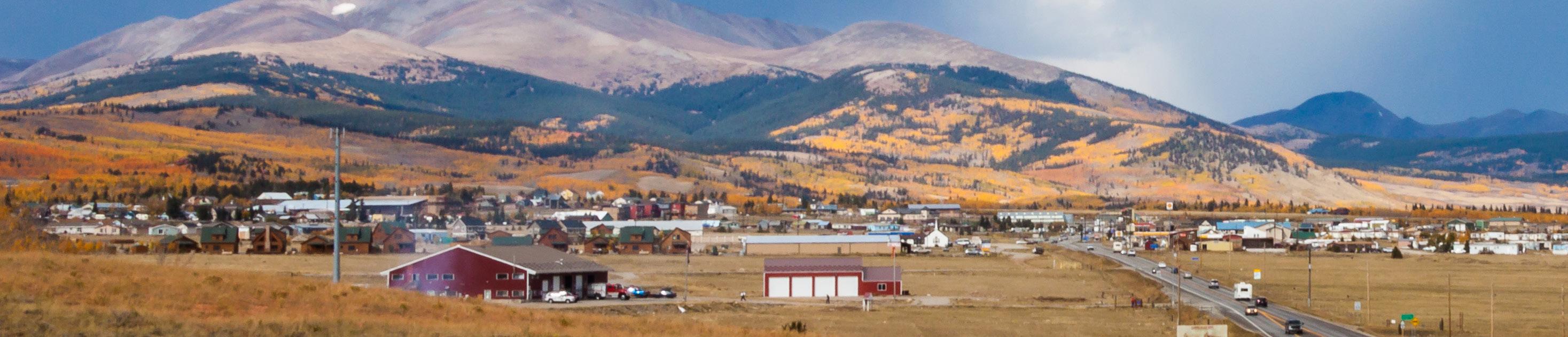
Park County’s demographic and socioeconomic profile presents several considerations for behavioral health access. The county’s small population, limited racial and ethnic diversity, and rural geography shape both service demand and delivery capacity. While the proportion of non-English speakers is modest, ensuring access to culturally and linguistically appropriate services remains essential for equitable care. The county’s age distribution, with a large proportion of adults ages 45-64 and a substantial older adult population, indicates ongoing need for services addressing chronic stress, isolation, depression, caregiver strain, cognitive decline, and aging related behavioral health concerns. The significant presence of veterans and residents with disabilities affirms the importance of trauma informed, integrated care models that address co occurring behavioral and physical health needs.
Financial strain related to housing, transportation, and limited local service availability may increase stress and exacerbate behavioral health conditions. These pressures can be acute for the county’s 2,047 Medicaid members and the 5.9% of residents who are uninsured, highlighting the importance of
a strong behavioral health safety net infrastructure where financial barriers to care persist for a notable segment of the population. Medicaid coverage and state funded behavioral health services play a critical role in enabling access for low income individuals, children, and adults with disabilities.
Transportation barriers remain one of the most significant obstacles to timely behavioral health access in Park County. Long travel distances, limited public transit, and weather related disruptions can prevent residents from engaging in consistent treatment, particularly for those with limited financial resources or mobility challenges.
Like its neighboring counties, Park County is designated as a Mental Health Provider Shortage Area by the U.S. Department of Health and Human Services. Though there are a growing number of providers serving the county in recent years, this designation points to the ongoing need for expanded services, regional provider partnerships, and strategies to recruit and retain behavioral health professionals to reside and provide care in rural communities.
Park County’s 2023 Community Health Assessment indicates behavioral health as the community’s most urgent public health priority, cited by 22% of key informants as the leading concern and named as a top-three issue by nearly two-thirds. This 2023 priority aligns with the prior five-year planning cycle for the Park County Public Health Department, meaning behavioral health has been noted as the top priority for public health in the county for a full decade.
Park County’s small and dispersed population creates specific challenges for behavioral health surveillance. Annual suicide and
overdose death counts are frequently suppressed in published datasets due to small numbers, which limits direct year-to-year comparisons. Where suppression applies, it is noted. To address these data challenges, the section below draws on multi-year aggregated coroner data, emergency dispatch records, Colorado BRFSS county-level estimates from CDPHE’s VISION system, and state service utilization data from the Colorado BHA Performance Hub.
Sources: CDPHE VISION - Colorado BRFSS 2022-2024 (depression, frequent distress, drinking); BRFSS 2014/2016/2018 (anxiety); BRFSS 2017-2019 (treatment receipt). Colorado comparison values from statewide BRFSS. Note: wide confidence intervals reflect small sample size.
Between 2022-2024, an estimated 13.76% of adults in Park County had ever been diagnosed with a depressive disorder, and 13.79% had ever been diagnosed with an anxiety disorder. An estimated 10.73% reported frequent mental distress, defined as 14 or more mentally unhealthy days in the prior month. Despite the statistical challenges of small-population county estimation, these data are consistent with findings by the Colorado Health Institute identifying Park County and the broader Colorado Health Statistics Region 17 as one of only two regions statewide with the highest rates of poor mental health.
The 2018-2020 BRFSS found that Park County adults averaged 3.8 poor mental health days per month, exceeding both the Colorado average (3.6 days) and the Region 17 average (2.8 days). Only 1.64% of adults reported currently receiving treatment for a mental health condition. This treatment receipt rate that stands in stark contrast to the estimated depression and anxiety prevalence figures, reflecting a persistent and significant gap between need and access in the county.
Park County adults face structural conditions that elevate mental health risk throughout daily life. Communities are separated by an average of 30 miles, and many workers commute out of county for employment. Historically, the county had fewer social membership organizations per capita (6.4 per 10,000) than any Colorado benchmarkxxviii. However,
the density of social organizations and nonprofit groups has increased in more recent years, and a thriving Community Resource Center has helped anchor connection among county residents. Geographic and social isolation are primary drivers of behavioral health challenges, particularly for older adults and residents without reliable transportation or broadband access.
2023
Suicide is an alarming and paramount public health issue for Park County. The age-adjusted suicide death rate for 20182020 was 56.0 per 100,000, more than 2.5 times the Colorado average of 21.6 per 100,000, which is itself among the highest state rates nationally. Park County’s rate exceeds Region 17 (43.1 per 100,000) and is more than four times the Healthy People 2030 national target of 12.8 per 100,000.
Park County Coroner data from 2017 to 2021 documented 43 suicides. Thirty-two of those deaths (75%) involved individuals younger than 65, and adults ages 35 to 64 represent the most
affected age group. Only 31% of Park County suicide deaths had ever received treatment for a mental health problem prior to death, compared to 47.6% statewide. According to the 2023 Park County Community Health Assessment, between January and October 2022, Park County Communications logged 293 emergency calls with an identified mental health component, including 81 suicide threats and 9 suicide attempts. Though mobile mental health crisis response teams do serve Park County, emergency dispatch functions remain the primary mental health intervention point for individuals experiencing a mental health emergency.
Park County’s behavioral health provider shortage, historically, has been among the most severe in the state. The mental health provider ratio stands at 950:1 (2021), compared to 250:1 for Colorado. There is no hospital, no walk-in crisis center, and no dedicated withdrawal management or medication-assisted treatment facility in the county. Ninety-one percent of key informants in the 2023 CHA reported dissatisfaction with the current healthcare system, and access to care was the top concern in four of the five community meetings conducted.
The Colorado BHA reported, in 2025, that 92 Park County residents received state-funded (non-Medicaid) community mental health services, a rate of 5.1 per 1,000. This is compared to rates of 20 to 40 per 1,000 or higher in counties with greater provider infrastructure. Against an estimated depression prevalence of 13.76%, a service receipt rate of 0.51% reflects a persistent gap between need and access. Indeed, 52% of CHA key informants disagreed that sufficient health and social services exist in the community.
Despite these data points, it is also worth noting that access to care has objectively increased for Park County in recent years. For example, Conifer Counseling and Paragon Behavioral Health have expanded outpatient and crisis care across the county. Additionally, Diversus Health, as the largest and incumbent Comprehensive Safety Net Provider serving Park County, has increased and maintained its service capacity over recent years. However significant service impact can occur with any workforce disruption. In FY2024, Diversus experienced turnover for a single clinical provider position,
resulting in a 19.23% decrease in client served from the prior year. Fortunately, the position was filled the very next year and services more than recovered with an increased of 33% in FY25 compared to FY24, up nearly 8% from FY23.
Telehealth has been key to expanding the reach of behavioral health services in Park County in recent years and remains one of the most viable near-term strategies for bridging access gaps. Services provided by Diversus Health illustrate the significant proportion of Park County residents opting for telehealth only or a combination of both telehealth and in-person care.
Housing instability is a secondary but related driver of behavioral health burden. Key informants in the 2023 CHA identified housing as the area of most change over the prior three to five years, with short-term rental proliferation and second-home ownership reducing available housing for yearround residents. The CHA documents households living in tents or campers without adequate utilities and describes housing instability as a barrier to consistent treatment engagement.
Transportation is the access barrier that cuts across every other. Reaching the nearest behavioral health provider for some Park County residents may require 30-60 minutes of driving across mountainous terrain, often on roads that become hazardous or even impassable in winter and spring. For the county’s 2,047 Medicaid members and the 5.9% of residents who are uninsured, the cost and time of repeated long-distance travel is a concrete obstacle to consistent care.
Sources: CDPHE VISION BRFSS county-level estimates (depression, frequent distress, treatment).
BHA Performance Hub 2025 (state community MH services: 92 served/17,900 pop = 0.51%). Wide confidence intervals reflect small sample size; estimates should be interpreted with caution.

Park County’s average annual age-adjusted drug overdose death rate of 31.2 per 100,000 exceeds the Colorado average of 28.3, a notable finding given the state’s own above-average overdose mortality. Overdose and falls shared second place among leading causes of accidental death in the county in 2021. The overdose hospitalization rate (32.6 per 100,000) is
substantially lower than Colorado’s (74.6 per 100,000), a gap that reflects limited emergency response capacity rather than lower substance use burden. Residents who overdose in Park County are more likely to die before reaching a hospital than those in urban counties.
Though recent years of dedicated community work is improving the picture for the behavioral health system in Park County, it remains a system under sustained stress. A suicide death rate more than 2.5 times the Colorado average, an overdose death rate above the state average, a depression prevalence of 13.76% against a treatment receipt rate of 1.64%, and a state service utilization rate of 0.51% all highlight a county deserving
of broad focus and intensive investment. Fortunately, thanks in large part to the years-long efforts of local advocates and the Park County Mental Health Alliance, the county is beginning to close the gaps through investment in telehealth capacity, rural provider recruitment, in-county SUD and mental health treatment access, and mobile crisis response infrastructure scaled to the full geographic extent of the county.

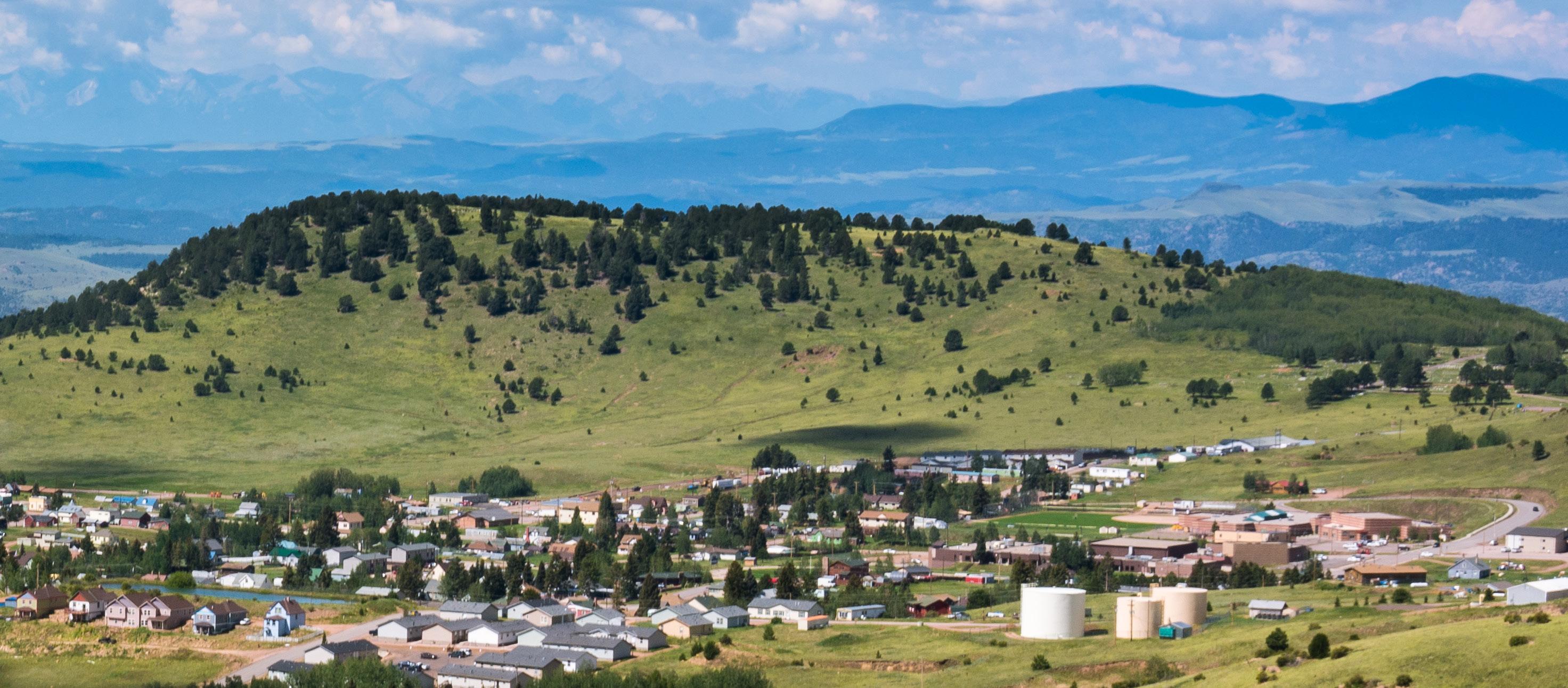
Teller County is rural with 24,823 residents dispersed across a 559 square mile mountain region on the western slopes of the Front Range, just northwest of Colorado Springs. Children and adolescents ages 0-17 number 3,909, representing about 16% of the population. This smaller youth share, relative to urban counties, reflects Teller’s attraction as a retirement and second-home destination. Young adults ages 18-24 account for 1,378 residents, and adults ages 25-44 total 5,008. Many in these age groups commute to El Paso County for work, which affects both their behavioral health risk profile and their practical ability to access local services. Adults ages 4564 comprise 7,215 residents, and 7,313 residents are age 65 or older, making older adults the largest age cohort. Like Park County, this age distribution skewing older has implications for service planning, caregiver support needs, and age responsive behavioral health services.
Teller County is predominantly White non-Hispanic (86.1%), with a demographic composition more homogeneous than most Colorado counties. Other racial and ethnic groups, including Black residents (1.9%), American Indian or Alaska Native residents (1.4%), Asian residents (1.0%), Native Hawaiian/ Pacific Islander (.2%), and individuals identifying as two or more races (2.9%), represent small but meaningful portions of the community. Linguistic diversity is limited, with 3.0% of residents speaking a language other than English at home. Interpretation services and culturally responsive care are needed even within this overall setting of limited linguistic diversity; equitable access requires more than translation services.
The county is home to 3,331 veterans, a significant number relative to the county’s size and another similarity to adjacent Park County. There is also a common need for accessible, integrated behavioral health services for individuals with co occurring physical, cognitive, or developmental conditions to support the 7.6% of residents under age 65 who live with a disability.
Teller County reports a median household income of $80,666, which is moderate for a rural county and reflects a mix of local employment and commuting to higher wage jobs in nearby El Paso County. The unemployment rate is 3.4%, one of the lowest in the Pikes Peak region, though the county’s economic base includes commuter households and recreationdriven employment where income volatility is common despite low official unemployment. Just over 8% of residents live below 100% of the federal poverty level. Given that median income reflects many commuter households rather than those employed locally, the poverty rate understates economic vulnerability among year-round working residents whose wages are tied to the local recreation and service economy.
Housing affordability remains a central concern in rural counties like Teller, where limited housing stock, rising property values, and seasonal or recreational homeownership patterns can constrain availability for year round residents.
Transportation is a defining structural challenge in Teller County. Residents in Cripple Creek and Victor, highly isolated communities in the county, face drives of 45 minutes or more to reach Colorado Springs-based behavioral health providers on roads subject to significant weather disruptions. Woodland Park, closer to U.S. Highway 24, affords somewhat better access, though in-county provider options remain sparse. There are no in-county inpatient psychiatric beds, no walk-in crisis center, and no dedicated withdrawal management or medication-assisted treatment facility in Teller County. For residents who need higher-acuity or specialized services, all pathways lead out of county. This translates directly into missed appointments, discontinued treatment, and preventable crisis events, particularly for older adults and Medicaid members who lack reliable transportation or cannot take extended time away from work.

Service demand and service delivery capacity are driven by Teller County’s small population, limited racial and ethnic diversity, and rural geography. With 3.0% of Teller County residents speaking a language other than English at home, the absolute number of individuals who need interpretation or bilingual services is small but real. Equitable access requires more providers and outreach that are culturally fluent, not merely translated.
The county’s age distribution, with a large proportion of adults ages 45-64 and an even larger older adult population, indicates ongoing need for services addressing chronic stress, depression, caregiver strain, cognitive decline, and aging related behavioral health concerns. Teller County’s 3,331 veterans and 7.6% of residents living with a disability represent a substantial combined population requiring integrated, trauma-informed care that addresses both behavioral health and functional support needs, including a growing cohort managing serviceconnected conditions into older age.
For Teller County’s lower-income residents, the combination of high housing costs, limited transit, and inadequate local service
options creates cascading financial stress. These pressures fall most heavily on Medicaid members, who often lack the resources to bridge gaps when publicly funded services are unavailable or require travel. Teller County’s 3,970 Medicaid members represent roughly 16% of the total population, a share that reflects the economic mix of the county and shows how dependent a substantial portion of the community is on publicly funded behavioral health services. An additional 6.2% of residents carry no insurance at all. State-funded behavioral health services are the primary funding mechanism for most clinical care delivered to Teller County’s lower-income residents, and their continuity is essential to maintaining the behavioral health safety net.
Like El Paso and Park Counties, Teller County is also designated as a Mental Health Provider Shortage Area. Encouragingly, recent years have seen expanded telehealth services, regional provider partnerships, and workforce strategies to recruit and retain behavioral health professionals in Teller County.
Teller County’s behavioral health profile is molded by a combination of structural access barriers, demographic risk factors, and measurable clinical need that together place the county among Colorado’s more challenged rural communities. The county shares Health Statistics Region 17’s distinction as one of only two regions in Colorado where poor mental health burden has been consistently identified as among the highest in the state. There have been notable investments in strengthening the local behavioral health infrastructure through the Teller County Mental Health Alliance, Teller County Resource Group, and the Regional Opioid Abatement Council (ROAC 16), reflecting recognition that the county’s needs require sustained, community-level response.
Teller County’s proximity to Colorado Springs is a meaningful distinction from Park County. Residents have greater theoretical access to providers in adjacent El Paso County, and state behavioral health service utilization data confirm somewhat
higher engagement than Park County. However, proximity is not the same as access. Transportation barriers, broadband limitations, and the absence of any in-county inpatient psychiatric beds, walk-in crisis center, or medication-assisted treatment facility have clear impacts on behavioral health and wellness in the county.
Like Park County, Teller County also has small and dispersed population that creates specific challenges for behavioral health data reporting and analysis. Annual suicide and overdose death counts may be suppressed in published datasets due to small numbers, which limits direct year-to-year comparisons. Where suppression applies, it is noted. To address these data challenges, the section below draws on multi-year aggregated coroner data, emergency dispatch records, Colorado BRFSS county-level estimates from CDPHE’s VISION system, and state service utilization data from the Colorado BHA Performance Hub.
Sources: CDPHE VISION - Colorado BRFSS 2022-2024 (depression, frequent distress, drinking); BRFSS 2014/2016/2018 (anxiety); BRFSS 2017-2019 (treatment receipt). Colorado values from statewide BRFSS. Note: confidence intervals reflect small sample size.
For 2022-2024, an estimated 21.83% of Teller County adults had ever been diagnosed with a depressive disorder, essentially at the Colorado statewide average and notably higher than the estimate for adjacent Park County (13.76%). An estimated 17.09% had ever been diagnosed with an anxiety disorder and 8.9% reported frequent mental distress (14 or more mentally
unhealthy days in the prior 30-day period). An estimated 5.59% of adults reported currently receiving treatment for a mental health condition or emotional problem, a rate notably higher than Park County’s 1.64% but still far below what the depression and anxiety prevalence estimates would predict as clinical needxlii
Sources: CDPHE VISION BRFSS county-level estimates; Colorado Statewide BRFSS benchmarks.
Teller County’s behavioral health profile reflects both the distinct character of its burden and the shared challenge of treatment access gaps that affect both rural counties regardless of their other differences.
County Health Rankings data show that Teller County adults average 5.2 poor mental health days per month, which falls below the Colorado average of 5.7 days. This may reflect the partial effect of greater access to Colorado Springs providers relative to more isolated rural counties, but it should not be read as evidence of lower overall burden. Depression prevalence of 21.83% is at or above the state average, and as discussed below, treatment receipt rates remain far below
what prevalence estimates would predict. The county’s large older adult population, the largest single age cohort, faces compounding behavioral health risk from social isolation, grief, and cognitive decline. Importantly, the county’s 3,331 veterans represent a key demographic with disproportionate share of firearm-related suicide deaths statewide. Additionally, the 2023 Healthy Kids Colorado Survey documents elevated rates of persistent sadness and hopelessness among rural mountain region youth relative to state averages, a concern that applies directly to Teller County’s adolescent population, which has limited access to school-based or community behavioral health servicesxlvii
Suicide is a persistent and serious concern in Teller County. Multi-year state data consistently place rural mountain and foothill counties, including Teller, among the higher-risk areas of the state. The Colorado Health Institute has specifically named Gilpin, Clear Creek, Park, and Teller Counties as counties where residents are disproportionately prone to suicide relative to the rest of the state. As with Park County, Teller’s small population prevents routine publication of annual county-specific suicide
counts without suppression, but statewide CDPHE data confirm the HSR 17 region carries an elevated burdenxlix
The risk factors operating in Teller County track closely with the statewide rural suicide pattern. These include high firearm ownership and access, an aging population, a substantial veteran community, and the absence of any local walk-in crisis center.
According to the Colorado BHA, in 2025, just 135 Teller County residents received state-funded community mental health services, a rate of 5.4 per 1,000 people (0.54% of the population). In 2022, 94 per 1,000 residents received any mental health services across all payers. Both figures, while slightly higher than Park County’s, remain far below what the estimated depression prevalence of 21.83% would predict as clinical needli.
Despite the apparent gap between need and care, Teller County has seen modest improvements. The number of Teller residents served by Diversus Health, as the sole Comprehensive Safety Net Provider, increased 4.83% in FY25 over the prior year. Fiscal Year 2026 data are even more promising, with a forecasted 9% increase in the number of unique individuals served. Telehealth has been a clear driver expanding access to behavioral health treatment where workforce challenges and barriers to care persist. While Diversus Health provides all clients with the opportunity to receive care in-person in Teller, approximately two-thirds choose to receive care via telehealth.
Despite the promise of expanded access through telehealth, it is important to note that broadband connectivity is uneven in rural mountain communities, and older adults, the county’s largest demographic cohort, face disproportionate barriers to telehealth engagement related to technological literacy and device access. Physical transportation barriers compound these challenges including mountainous terrain, limited public transit, and weather-related road disruptions.
Sources: CDPHE VISION BRFSS County-level estimates (depression, frequent distress, treatment receipt). BHA Performance Hub 2025 (state community MH services: 135 served/24,852 pop = 0.54%). Wide confidence intervals reflect small sample size; estimates should be interpreted with caution.

Substance use disorder is a documented priority in Teller County, with opioids, methamphetamine, and alcohol as the primary substances driving treatment need. State-level data for Health Statistics Region 17 indicate drug overdose death rates that consistently exceed the national average. While county-specific annual figures for Teller are suppressed due to small numbers, multi-year regional data place the area among higher-burden communities in Colorado.
Opioid-related harm follows the same geographic patterns seen elsewhere in rural Colorado. Fentanyl-involved deaths rose through 2023 before declining regionally in 2024, mirroring the trend documented for El Paso County. Methamphetaminerelated treatment needs remain elevated and, based on statewide trends, likely increased in 2024 as fentanyl-related deaths declined. These dynamics carry additional weight in rural counties where SUD treatment infrastructure is limited. For
example, the absence of a dedicated withdrawal management or medication-assisted treatment (MAT) facility in Teller County means that residents needing MAT for opioid or alcohol use disorder must travel to Colorado Springs for care. This barrier directly limits access for lower-income and transportationconstrained residents.
Estimates place binge and/or heavy drinking among Teller County adults at 20.42%, substantially higher than the Park County estimate of 15.75% but broadly consistent with the statewide average. This elevated rate warrants attention given the well-documented relationship between alcohol use disorder, social isolation, and suicide risk, particularly among the county’s older adult and veteran populations. Combined with limited local SUD treatment options, it describes a county where residents dealing with alcohol or opioid use disorder face substantial obstacles to care within the county.
Teller County’s behavioral health landscape is defined by elevated need and constrained local capacity. A depression prevalence of 21.83% set against a treatment receipt rate of 5.59% and a state service utilization rate of 0.54% represents a wide and consequential gap between those who need care and those who access it. Substance use burden – driven by opioids, methamphetamine, and alcohol – is compounded by the lack of in-county medication-assisted or residential treatment facilities. An elevated suicide risk, particularly among the county’s substantial veteran population and older adults, persists without a local walk-in crisis center.
Progress is being made through the Teller County Mental Health Alliance, ROAC 16, and the expansion of telehealth services and regional provider partnerships. Sustaining and building on that progress will require continued investment in telehealth infrastructure, Medicaid-funded services, in-person SUD and mental health treatment access, and veteran-focused crisis response matched to the scale of documented need.

Combined findings
Between September 2025 and February 2026, Diversus Health conducted two complementary qualitative data collection efforts: twenty-four semi-structured key informant interviews with community partners, and an online stakeholder survey that collected sixty responses across the tri-county region. Together, these components provide both the depth of individual perspective and the breadth of broader community sentiment needed to interpret and contextualize the quantitative findings presented earlier in this report.
Key informant interview participants represented a range of sectors including healthcare, behavioral health, local government, schools, social services, and criminal justice, with roughly equal geographic representation across the three counties. Participants were selected based on their professional roles, proximity to affected populations, and direct involvement in the regional behavioral health system. The online survey was distributed broadly from November 2025 through February 2026 and collected sixty anonymous responses.
Both methods were analyzed in parallel. Findings are presented across five cross-cutting themes, followed by a summary of areas where stakeholder perspectives diverged and a set of prioritized recommendations. Where the survey data reinforces or adds quantitative weight to what interviewees described, those data points are woven into the relevant theme. Where interview findings and survey results diverge, differences are
noted. Taken together, these methods describe not just what the system looks like from the outside, but how those closest to it experience it in terms of what is working, where trust is fractured, and what stakeholders believe needs to change.

The most consistent message across interviews was that behavioral health needs in this region cannot be understood apart from the broader economic and social conditions in which people live. Stakeholders repeatedly described housing insecurity, food insecurity, and the rising cost of living as forces that generate and sustain behavioral health crises, not as background factors but as frontline ones. “People can’t focus on their mental health when they don’t know where they’re sleeping,” one partner observed. That sentiment appeared across sectors and geographies.
Insurance instability was among the most frequently cited concerns. Partners described an environment of ongoing Medicaid “churn”, the term for disenrollment from the State’s publicly funded insurance program, at times occurring without clear communication from the State. This is compounded by burdensome redetermination processes that catch people off guard, and uncertainty about how Regional Accountable Entities (RAEs) will support members through new federally mandated
In Park and Teller Counties, transportation barriers were a defining feature of this theme. Partners in both counties described residents who go without care not because services are unavailable in the region, but because reaching them requires 30 to 60 minutes of driving over mountain roads that become unreliable in winter. This connects directly to the quantitative finding that both counties are federally designated
work requirements. Interviewees described real examples of clients who had lost coverage mid-treatment, interrupting care at critical moments. Commercial insurance presented its own set of challenges, including benefit denials, unaffordable cost-sharing, and difficulty identifying in-network providers who actually accept the plan.
The cumulative weight of these pressures (unstable housing, inconsistent coverage, food insecurity, and economic insecurity) was described not as a collection of separate problems but as a mutually reinforcing system. People cycling through housing instability are more likely to disengage from behavioral health treatment. People who lose Medicaid coverage often go without care until they reach crisis. People under sustained financial strain have less bandwidth to navigate fragmented service systems. The implication suggested is that access to behavioral health care cannot be meaningfully improved without also attending to the conditions that destabilize people’s lives.
Mental Health Provider Shortage Areas, and that overdose hospitalization rates in Park County are well below the state average despite above-average overdose mortality. El Paso County partners raised transportation barriers as well, though with less intensity, and the concern there centered more on cost and coverage (for public transit) than on physical distance from services.
While interviewees recognized that behavioral health services have expanded in recent years, they were equally clear that broader availability has not translated into adequate care for everyone. Certain populations were named repeatedly as falling through gaps, not because services are entirely absent but because what exists does not match what is needed.
Children and adolescents emerged as the most urgent concern. Interviewees described a significant shortage of higher-acuity services for youth, including child psychiatry, adolescent SUD treatment, residential placements, and day treatment programs. Families are frequently told that no local options exist at the level of care their child needs, requiring travel, long waits, or going without. Older adults were also frequently mentioned, particularly around the challenge of distinguishing cognitive decline from treatable mental health conditions, a clinical distinction that requires specialized expertise still scarce in the region.
Stakeholders highlighted persistent gaps for LGBTQIA+ individuals and BIPOC (Black, Indigenous, People of Color) populations, noting that affirming, culturally responsive
In Park and Teller Counties, the older adult population is proportionally larger than in El Paso County. Older adults represent the single largest age cohort in Teller County, and adults 45-64 are the largest in Park County. Stakeholders in both counties raised specific concerns about the shortage of providers capable of distinguishing cognitive decline from treatable mental health conditions, and about the near absence of community-based behavioral health supports designed
care remains difficult to access despite growing demand. For Spanish-speaking residents, the gap between having an interpreter available and having a truly bilingual, culturally fluent provider was described as meaningful and often missed in how access is measured. Justice and systems-involved individuals, including people leaving incarceration and those involved in child welfare systems, were described as chronically underserved at the point of transition, when continuity of care matters most. Individuals with co-occurring conditions involving intellectual and developmental disabilities, autism spectrum disorder, eating disorders, or complex substance use presentations were also identified as consistently difficult to place into care.
A related concern tied to this theme, that the system’s emphasis on volume can obscure mismatches between what services are being delivered and what clients actually need. Several stakeholders expressed concern that people have more access and may be receiving more care, but not necessarily the right level or type of care, and that outcomes do not always reflect the resources being invested.
exclusively for older adults living in geographic isolation. This concern is less prominent in El Paso County, where service density is higher and transportation is less prohibitive, though gaps in geriatric behavioral health capacity exist there as well.

Across interviews, there was a clear pattern that many feel there are services available that people cannot find, that referrals are made that do not result in engagement, and that transitions between levels of care are handled inconsistently. The barriers are not primarily about capacity, but more focused on fragmentation between services and systems partners.
A number of partners described uncertainty about what Diversus Health’s crisis services currently look like, particularly following changes to the State’s Behavioral Health Administrative Service Organization (BHASO) contract structure, which directs nonMedicaid public funding to behavioral health programs across Colorado. Mobile crisis availability, walk-in options, and who to call (988 vs 911 vs Diversus vs other provider) in a given situation were sources of confusion for multiple interviewees who work closely with the system. More broadly, partners noted difficulty navigating large organizations to find the right point of contact, with calls and referrals sometimes going unanswered or landing with staff who were unfamiliar with the case.
Survey data reinforce this concern directly. When respondents were asked whether they knew who to contact for professional
The Park County Mental Health Alliance, the Teller County Mental Health Alliance, and the Teller County Resource Group received strong praise from rural interviewees as venues that have meaningfully improved coordination and communication in those communities. Partners credited these coalitions with reducing duplicative outreach, accelerating referral relationships, and giving smaller providers a shared table at which to surface problems before they become crises. El Paso
behavioral health support if a family member or close contact were in crisis today, 85% overall said yes. This figure sounds reassuring until the Teller County breakdown is examined. In Teller, 28% of respondents answered something other than “yes,” nearly double the overall rate. That gap is consistent with the interview finding that confusion about crisis navigation is more acute in communities farther from Colorado Springs-based services and with fewer local behavioral health touchpoints. Awareness of crisis pathways should not be assumed to be uniform across the region.
Workforce turnover was identified as a significant driver of these breakdowns. When a clinician leaves, their clients lose a relationship that may have taken months or years to build. When a liaison or coordinator departs, the informal knowledge they carried – knowing who to call and how to get something done quickly – leaves with them. Partners described instances where clients had been discharged from inpatient care without a clear handoff to outpatient services, and where 988 calls and mobile crisis responses were perceived as inconsistently coordinated. These issues erode the important trust that makes referrals work.
County partners described multiple overlapping venues where the community behavioral health system is discussed. Though these venues may be seen favorably (specifically, ChangeLine was a celebrated coalition-builder and El Paso County Public Health Healthy Communities Collaborative was highlighted), there is no single convening structure that carries the same weight or consistency as counterparts in the rural counties.

Several stakeholders spoke openly about the history of relationships between Diversus Health and its community partners, and about the ways that history complicates what might otherwise be straightforward collaboration. The feedback was candid and revealed that Diversus’ responsiveness has been inconsistent, transitions have sometimes been handled poorly, and trust that was built over years with individual staff members has been difficult to maintain through turnover. One partner described it simply as a “rough history” that the system needs to move past.
At the same time, the desire to move forward was equally evident. Partners across the region expressed genuine interest in rebuilding collaborative relationships, in part because they recognize that the populations they serve are best supported through coordinated systems rather than fragmented ones. There was strong appreciation for specific Diversus programs and approaches like measurement-based care, transitionsof-care work, the Assertive Community Treatment team, and the Unity House (clubhouse model in Colorado Springs). The challenge was not described as an absence of goodwill, but a thought that goodwill alone cannot substitute for the consistency that trust requires.
Survey data give this theme measurable weight. When asked whether there are healthcare providers or organizations in the region that people consistently trust, only 57% of respondents said yes. The figure is even lower in El Paso County, where just 51% responded affirmatively. This indicates that among the county with the most respondents and the deepest provider infrastructure, nearly half of surveyed stakeholders could not identify a consistently trusted provider in the region. When asked to rate their trust in behavioral health providers’ commitment to exceptional client care on a 1–10 scale, responses were widely distributed. While the median fell in the 6-7 range, a meaningful cluster of respondents
The dissolution of historically defined geographic catchment areas prompted specific concern among rural partners about what happens to safety-net coverage when market forces, rather than designated responsibility, determine where providers operate. Partners in Park and Teller Counties worried that without explicit commitments or funding incentives, new entrants to the regional market would concentrate in
scored providers at 4 or below, and scores were spread across the full range from 1 to 10. This distribution confirms the interview feedback that the regional behavioral health system is not uniformly experienced, and trust, or lack thereof is not uniformly distributed.
Referral confidence toward Diversus Health specifically was more polarized. Among respondents who make referrals to Diversus, only 33% rated their confidence above neutral. Thirty-one percent rated their confidence below neutral and within that group, the distribution skewed sharply toward the lowest end. Twenty-two percent of all referring respondents chose “not at all confident,” versus only 4% who chose the milder “somewhat unconfident.” That pattern is notable. Respondents were not registering mild dissatisfaction; a meaningful share expressed near-complete lack of confidence in timely, high-quality care from a referral to Diversus. Teller County respondents showed a different profile, with 44% choosing “neutral”. This suggests that in Teller, the dominant sentiment is uncertainty rather than active skepticism. The aggregate picture is one of polarized confidence, heavy low-end scoring, and a neutral-leaning rural county. This maps directly onto the interview findings about trust damage, inconsistent responsiveness, and the work required to rebuild partner confidence.
Provider overlap came up across interviews, but partners generally framed it as an opportunity rather than a problem. The shared view was that “competition” among providers is not inherently destabilizing. The issue is when it prevents coordination for people with the most complex needs, who often require more than any single organization can provide. Several partners explicitly described the goal as “embracing overlap rather than competing,” particularly for populations cycling between systems.
El Paso County, where the Medicaid population is larger and provider infrastructure already exists. The rural counties’ smaller Medicaid populations and geographic challenges make them less attractive to providers operating on volume-based margins. This revealed a structural vulnerability that the transition away from historic safety net catchment areas may worsen.
Interviews were not uniformly critical. Partners across the region named specific programs and partnerships they valued and in detail.
Embedded partnerships with courts and the justice system were cited as particularly effective, reflecting the reality that a significant portion of the behavioral health population moves through the criminal justice system at some point. NAMI Colorado Springs peer support programs were praised for their impact and reach. The clubhouse model (Unity House) was described as highly valuable and underutilized, an approach that offers community and structure for people with serious mental illness in ways that clinical settings alone cannot. Transitions-
of-care efforts, when they function well, were recognized as making a real difference in whether people stay connected to services after a crisis or hospitalization.
The Pikes Peak Rising initiative was highlighted by multiple stakeholders as a model for what is possible when community will is mobilized at scale. Its success in drawing employers, faith communities, and residents into mental health conversations was seen as a template for population-level change that clinical services alone cannot achieve. The common thread in these examples is that the region already believes it knows what works. The more critical task is investment, scale, and replication, not reinvention.

In Park and Teller Counties, the progress made through local coalitions and cross-sector partnerships was a recurring point of pride among interviewees. Partners credited the Park County Mental Health Alliance and the Teller County Mental Health Alliance specifically with creating the relational infrastructure that makes faster referrals, shared problemsolving, and provider accountability possible in communities
too small to support large formal systems. The contrast with El Paso County was drawn explicitly by several rural partners, who noted that the smaller scale of their communities, while a burden in many respects, has made it easier to build the trust that coordination requires.
It is important to also surface the places where perceptions diverged rather than converged, because those divergences often contain important diagnostic information about how the system is functioning. Six areas of meaningful tension emerged across the interviews conducted for this assessment.
The following table summarizes the six areas where stakeholder perspectives diverged most notably, presenting the competing views alongside the strategic implication of each tension.
Taken together, these areas of tension do not indicate a system in crisis, nor one that is performing as well as it could. They reflect the complexity of a large, distributed behavioral health system operating under significant strain
where different stakeholders, positioned at different points, genuinely experience it differently. The provider who sees waitlists shrinking and the community partner whose referrals go cold are both describing something real.
There is a shared dynamic across the divergences observed. The region has built meaningful infrastructure, but execution, communication, and coordination gaps are undermining confidence in it. Perception gaps between what the system believes it is delivering and what partners and clients experience may be as consequential as the service gaps themselves. Stabilization and relationship repair are critical strategic priorities.
Access to Services
Access is strong; waitlists are minimal and Medicaid barriers are not significant.
Access is limited; referrals go cold, navigation is difficult, and clients disengage before services begin
Service Volume vs Quality and Outcomes
Services are being delivered at high volume; the system is productive and active.
Crisis System Capacity Walk-in crisis, the Acute Treatment Unit (ATU), and mobile crisis functions are critical regional strengths.
Collaboration and Trust
There is strong desire to rebuild partnerships and move past historical friction.
Outcomes are not commensurate with volume; care is not always matched to clinical acuity.
Mobile response times are inconsistent, ATU denial rates are high, and 988-to-localteam coordination is unclear.
Past disappointments, inconsistent responsiveness, and staff turnover have damaged trust at the operational level.
Appointment availability may not equal functional access. Engagement, retention, and referral completion should be measured alongside capacity. Survey data reinforce this: only 33% of respondents who refer to Diversus rated their confidence in timely, quality care above neutral.
Quality is uneven across service lines. Measurement-based care and transparent outcome reporting could help distinguish where investment is working. Payers may be focused on access over outcomes.
The crisis system may be strong in infrastructure but uneven in execution. Clearer roles, eligibility criteria, and response pathways would reduce confusion.
Workforce Stability vs. Service Expansion
Medicaid Access Stability
The community wants expanded specialized services: e.g., adolescent residential care, wraparound treatment, integrated BH/ASD assessment, bilingual capacity.
No major Medicaid access problems or significant waitlists are currently observed.
Workforce turnover is one of the most destabilizing forces in the system; what exists cannot always be sustained.
Goodwill is present, but trust requires operational follow-through. Defined points of contact and consistent responsiveness matter more than new program launches. Survey data quantify the gap: 43% of respondents could not identify a consistently trusted provider in the region, and 22% of those who refer to Diversus reported being “not at all confident” in the quality and timeliness of care.
Expanding services into an unstable workforce environment risks worsening fragmentation. Stabilizing existing capacity may need to precede expansion.
Enrollment churn, unexplained disenrollments, and anticipated work requirements pose serious risk to safetynet populations.
Divergence may reflect lag effects, urbanrural differences, or the gap between coverage and engagement. Ongoing monitoring of enrollment trends is essential.
Partners offered recommendations that were consistent in direction even when expressed differently. Rather than calling for new programs or expanded capacity alone, interviewees returned repeatedly to operational reliability, relationship
repair, and strategic focus. Five priorities came up most often, presented here in the order of urgency stakeholders communicated them.
This was the most urgent recommendation across interviews. Partners were specifically worried about Medicaid enrollment churn, redetermination processes, and the prospect of work requirements to create direct breaks in care for people who are often mid-treatment when coverage lapses. The quantitative data support the urgency. Medicaid members represent 19% of El Paso County residents, 11% of Park County, and 16% of Teller County, and they are disproportionately represented among the populations with the highest documented behavioral health burden. Interviewees urged Diversus and its partners
to take an active role in helping members maintain enrollment rather than waiting for disruptions to present as clinical crises. In addition, there was increasing concern expressed about the role of managed care and commercial insurance companies in publicly-funded behavioral health programs. Specifically, stakeholders described challenging limits to client benefits, concurrent and retroactive service authorization, and narrowing provider networks. These efforts were seen as cost-cutting practices, favorable to the insurance companies, at the expense of access and quality to desperately needed care.
Partners were careful to frame this as a systems-level failure, not a staffing complaint. Clear points of contact within large organizations, follow-through on referrals, and timely information sharing between providers were the specific asks. Several interviewees emphasized that the basics matter most, such as returning calls, confirming referral completions, and making sure partners know who to reach when something goes wrong. This aligns with the quantitative finding that 15.4% of El Paso County adults who needed mental health care Partners consistently emphasized that expanding services into an already unstable workforce environment risks creating commitments the system cannot sustain. Consistent provider relationships matter especially for children, adolescents, and individuals with complex needs, where therapeutic progress
could not access it despite the county’s comparatively high provider density, suggesting that functional access barriers are operating even where supply appears adequate. Survey data add that the 22% of referring respondents chose “not at all confident” in Diversus referrals, compared to the milder “somewhat unconfident” response. This indicates that for a meaningful share of partners, this is not an ambivalent concern. Restoring confidence will require demonstrable, consistent follow-through over time, not a single improvement cycle.
depends on sustained engagement over time. Expanding awareness of crisis and SUD services was also recommended, with specific attention to correcting misconceptions that may be steering people away from available resources.
4. Deepen cross-sector partnerships for populations with complex needs.
Interviewees named specific gaps in collaboration across systems partners. These include law enforcement partners who need behavioral health backup in the field; public health infrastructure that can address the social determinants driving behavioral health crises; local organizations created to bridge the divide between need in the LGBTQIA+ population and treatment providers; cultural organizations that can extend reach into BIPOC and immigrant communities where traditional
provider relationships are weak; and providers who can help address housing, food security, and transportation barriers before they become clinical emergencies. For Park and Teller Counties specifically, partners called for formalized agreements that give rural providers a clear pathway to Diversus Health services without having to navigate complex and bureaucratic organizational structures.
This was the underlying demand behind most of the other recommendations. Partners were not asking for fewer services, but they were asking for evidence that services are working. The quantitative data in this report establish a baseline for depression prevalence rates, treatment receipt rates, suicide mortality, overdose trends against which future performance can be measured. Stakeholders called for that measurement
to be transparent, shared with partners, and used to guide decisions about where to invest and where to change course. The question is not just how many people received services, but whether those services made a difference.

This section describes priority populations and treatment gaps that the evidence most clearly supports and offers corresponding recommendations for service delivery and community engagement. Where findings have direct implications for Diversus Health as the regions CSNP, those considerations are called out explicitly.
The following populations emerged across all data sources as experiencing the greatest gap between documented behavioral health need and available, appropriate care. Priority does not imply exclusivity – the safety net is available to everyone – but it reflects where the evidence most strongly argues for targeted attention and proactive strategy.
Medicaid members are the safety net’s core constituency covering 142,698 in El Paso County, 2,047 in Park County, and 3,970 in Teller County. They are disproportionately represented among those with the most significant behavioral health burden and face the most severe consequences when coverage lapses. Uninsured residents (8.1%, 5.9%, and 6.2% across the three counties respectively) have no pathway to care other than state-funded services. Coverage instability is an active and growing threat. Medicaid churn, burdensome redetermination
Children and adolescents represent 22% of El Paso County’s population and 17% of Park County’s, and face a welldocumented shortage of higher-acuity services. Child psychiatry, adolescent SUD treatment, residential mental health placement, and day treatment specialty programs are of paramount importance. Families are routinely told that no local option exists at the level of care their child needs. The
processes, cuts to provider rates, and the prospect of work requirements create recurring breaks in care that return people to the system at higher acuity and greater cost. Managed care in both public and commercial insurance programs adds its own layer of barriers through retroactive authorization denials, narrowing networks, and benefit limits that stakeholders described plainly as cost-cutting at the expense of access, quality, and demonstrated health outcomes.
60% decline in El Paso County youth suicide deaths in 2024 is encouraging, but it follows years of above-average rates and is not yet evidence of durable structural change. When the right level of care is unavailable and a child is placed in an inappropriate alternative, the consequence is not just unmet need but a missed developmental window.
Individuals moving through criminal justice, child welfare, and homeless service systems are among the highest need and most chronically underserved in any behavioral health system. The transition points – discharge from incarceration, exit from child welfare, release from inpatient care – are where continuity most consistently breaks down and risk of crisis, recidivism, or overdose is highest. Embedded behavioral health partnerships
with courts, justice systems, and hospital facilities were cited in interviews as among the most effective and necessary models in the region, precisely because they intercept people at these moments rather than waiting for them to find their way to a clinic.
LGBTQIA+ individuals carry a disproportionate behavioral health burden documented clearly in this report’s data and reinforced throughout the qualitative findings. Chronic depression rates in El Paso County are highest among LGBTQIA+ residents, consistent with statewide and national research showing elevated rates of depression, anxiety, suicidality, and substance use disorder in this population. Interviewees identified affirming, culturally responsive care as difficult to access despite growing demand. The challenge
is not just a shortage of willing providers but a shortage of providers with genuine clinical competency, organizational culture, and the relational trust that effective care with this population requires. The gap is one of clinical culture and the built environment of care, including intake forms, group programming, clinical language, and physical spaces that signal LGBTQIA+ individuals are genuinely welcome. Affirming care must be designed with the community it serves, not for it.
El Paso County’s 19.6% Hispanic population and 12% nonEnglish-speaking population represent the region’s most concentrated need for culturally and linguistically competent services. The distinction that interviewees drew consistently is that having an interpreter available is not the same as having a bilingual, culturally fluent provider. Interpretation addresses a language gap but it does not address the clinical and relational
dimensions of care that require shared cultural understanding. BIPOC communities more broadly face barriers rooted in historical distrust of institutional healthcare. The 51% provider trust rate among El Paso County survey respondents, the most diverse county in the region, may be a direct indicator of that distance.
Park County’s suicide rate of 56.0 per 100,000 is more than four times the Healthy People 2030 target. Its 13.76% depression prevalence sits alongside a treatment receipt rate of 1.64%. Teller County’s 21.83% depression prevalence runs parallel to a state service utilization rate of 0.54%. Both counties are federally designated Mental Health Provider Shortage Areas with no in-county inpatient beds, no walk-in crisis center, and no withdrawal management or dedicated MAT facility. These are not solely products of geography. They are products of a payment model that rewards volume, and rural communities cannot generate the volume of billable encounters that sustain provider presence under fee-for-service structures. This dynamic is not unique to rural areas. It operates wherever the populations with the greatest need are least able to generate the service volume that volume-based payment sustains.
A useful frame is the firehouse model. Fire stations are not funded based on the number of fires they respond to. They are
Active Duty Military Members and Veterans represent a meaningful share of the region’s behavioral health burden, particularly for suicide. The region has meaningful veteranserving infrastructure through the VA and TRICARE. The role for community behavioral health is not to duplicate what specialized systems do well but to be a reliable connector to those systems, and to provide a responsive safety net for veterans outside VA eligibility or who prefer community-
funded based on the capacity to respond when needed, across a defined geography, on an ongoing basis. Behavioral health access in rural communities requires the same logic where providers are compensated for being present and available, not only for individual billable encounters delivered. Populationbased, capitated, and value-based payment models move in this direction. Colorado’s goal of implementing the Certified Community Behavioral Health Clinic (CCBHC) model is one expression of a Medicaid payment model aligned with creating capacity to serve individuals in all counties, not just the state’s population centers. Beyond Medicaid, the BHA’s contracting model implemented through newly established Behavioral Health Administrative Service Organizations is one of the most consequential policy levers available for rural communities and for underserved communities broadly.
based care. The same logic applies to individuals with cooccurring mental health and intellectual disabilities or Autism Spectrum Disorder. The appropriate scope is dependable partnership and coordination with providers specializing in serving nuerodivergent populations, not independent specialty expansion. Depth and consistency in core functions serves this region better than spreading into new areas that dilute existing capacity.
These gaps represent where the distance between documented need and available, appropriate service is most pronounced across the three counties.
Higher-acuity youth services including child psychiatry, adolescent residential and day treatment, and intensive outpatient programming, are the most consistently cited gap in the region, where families may be routinely sent out of region for care. Withdrawal management and medication-assisted treatment is limited in Park and Teller County, with residents with opioid or alcohol use disorder forced to travel 30-60 minutes over mountain roads for these services. Behavioral health crisis coordination has meaningful infrastructure in currently available mobile crisis teams, co-responder models, 988, and the Diversus Health Acute Treatment Unit and walkin crisis center, but partners documented significant gaps in how those assets connect to each other and to ongoing care.
Culturally affirming and linguistically competent care falls short of documented need for LGBTQIA+ individuals, BIPOC communities, and Spanish-speaking residents across all three counties. Finally, continuity of care at transition points like discharge from inpatient care, release from incarceration, exit from child welfare, and loss of Medicaid remains the place where the system most consistently fails the people most in need of it.
Underlying all of these is workforce instability. The turnover dynamic documented in this assessment (for example, where the loss of a single rural provider produces double-digit declines in individuals served) is simultaneously a treatment gap and an infrastructure failure. No service delivery strategy for any of the populations or gaps above is achievable without a stable workforce to deliver it.

The following are offered as strategic directions for Diversus Health, its regional partners, and state and local funders grounded in the assessment’s findings. Recommendations
are organized by priority and oriented toward action rather than program prescription.
Workforce instability is documented throughout this assessment as the single most consequential threat to every other priority named in this section. Across the region, stakeholders named turnover as the force most likely to undermine progress on access, coordination, and trust. The behavioral health workforce challenge is not primarily a recruitment problem. It is a retention problem compounded by a compensation problem. Community behavioral health payment models, particularly volume-focused and fee-for-service structures, do not support the salaries, supervision infrastructure, or working conditions that keep skilled clinicians in safety-net settings when private practice and hospital-based alternatives are available. Rural communities face additional workforce challenges even when positions are funded as staff face the combination of geographic distance,
professional isolation, and limited housing.
Addressing this requires action at multiple levels. At the state and federal level, alternative Medicaid and safety net payment models, rural workforce training and cost of living stipends, and loan repayment programs are potential policy levers. At the regional level, shared infrastructure, clinical supervision partnerships across organizations, and coordinated recruitment strategies – particularly for bilingual and culturally competent providers – can reduce the burden on any single employer. At the organizational level, retention strategies grounded in competitive compensation, manageable caseloads, professional development, and genuine attention to workplace culture are durable solutions to consider.
• Conduct a workforce stability analysis across service lines and geographies, identifying where turnover rates are highest, where single points of failure exist (positions whose vacancy produces measurable service disruption), and where compensation gaps relative to market alternatives are most acute.
• Invest in career pathways, clinical supervision, and internship infrastructure as a retention tool for early-career clinicians and providers, particularly those serving high-acuity populations where burnout risk is greatest.
• Advocate alongside regional partners for payment rate adequacy and alternative payment structures that build realistic workforce costs into the funding base, rather than treating workforce as a cost to be absorbed after rates are set.
• Explore shared workforce strategies with other safety-net and community providers in the region, including joint recruitment pipelines, housing solutions, shared supervision or training programs, and coordinated outreach to graduate programs.
Coverage continuity is the most fundamental prerequisite for everything else tied to supporting the safety net. Enrollment support should be treated as a clinical function with the understanding that a client who loses Medicaid mid-treatment is at clinical risk. Active outreach during redetermination periods, care coordination that tracks coverage status, and organizational capacity to maintain engagement during coverage gaps are practical strategies within reach. The managed care
dynamics stakeholders described such as retroactive denials, narrowing networks, and benefit limitations in publicly funded programs, are a systemic threat that no single provider can address unilaterally. Local government, regional providers, advocacy organizations, and State agencies share an interest in monitoring and managing this emerging dynamic.
• Explore integrating Medicaid enrollment support and redetermination navigation into existing care coordination workflows as a clinical function, not an administrative add-on.
• Work with the relevant State agencies, Regional Accountable Entities for Medicaid, Behavioral Health Administrative Service Organizations, and other payers to address policy and contractual barriers to high quality, accessible behavioral healthcare.
No single provider can build every level of care that children and adolescents with complex needs require. What is achievable and indicated by the data is a more structured regional approach to mapping what exists, identifying the highest-leverage gaps, and building formal coordination with schools, pediatric health systems, and child welfare agencies to increase the number of families turned served within the region.
Current system gaps result in youth remaining in hospitals or other high-cost settings longer than clinically necessary due to
limited availability of appropriate downstream services. While mapping and coordination is critical, it is already clear that establishing step-down capacity would improve care transitions, reduce inappropriate utilization of inpatient resources, and support better outcomes by placing youth in settings more aligned with their clinical needs. These programs provide structured, time-limited care that allows individuals to be discharged from inpatient settings while appropriate long-term placements and services are arranged.
• Assess current youth service capacity against actual referral and placement patterns, identifying where gaps between need and appropriate care are greatest.
• Formalize partnership models with school districts, pediatric and family practice systems, and child welfare agencies for youth with complex needs rather than relying on informal relationships that are vulnerable to staff turnover.
• Expand specialized capacity for children and adolescents by developing short-term, community-based step-down programs for high-acuity youth transitioning out of hospital settings.
Fee-for-service payment cannot sustain meaningful behavioral health access in Park and Teller Counties. Investment in rural infrastructure requires payment models that fund capacity rather than activity. The CCBHC and CSNP designations are the appropriate policy rationale for making this case to state and federal partners. The region’s deeply engaged community partners represent a genuine asset in that advocacy.
A coordinated regional voice calling for capacity-based payment models for the safety net is more likely to move state policy than any single organization making the case alone. Additionally, telehealth, where connectivity allows, is a near-term structural component of rural access and should be planned accordingly, not treated as a temporary accommodation.
• Use the CCBHC and CSNP designations as the policy rationale for population-based, capacity-funded contracts in rural counties.
• Engage the Park County and Teller County Mental Health Alliances as planning partners for rural service strategy, and as co-advocates for payment reform at the state level.

Cultural competency and LGBTQIA+ affirmation are critical for effective care for a significant share of the region’s population, not supplemental enhancements. The 51% provider trust rate in El Paso County reflects in part the distance between existing service culture and the communities most historically underserved by institutional behavioral health. Bilingual clinical
capacity requires providers who can conduct therapy in Spanish. Affirming care requires clinical training, intake practices, and organizational policies that reflect genuine competency. Both require sustained commitment rather than complianceminimum standards, and both are most effective when codesigned with the communities they serve.
• Assess bilingual clinical capacity against the linguistic composition of communities served and identify gaps between supply and documented need.
• Engage ChangeLine, Prism Community Collective, BIPOC-led organizations, and other community leaders as codesigners of outreach and service improvement, not simply as referral sources or destinations but as genuine design partners.
Key patterns in the data are that services exist but too often cannot be found, many referrals do not result in engagement, and transitions between systems and levels of care are handled inconsistently. This coordination challenge should be addressed with defined points of contact, structured handoff protocols, and referral follow-through as operational commitments that
do not require new funding. They require organizational priority. Justice-involved individuals, children exiting child welfare, and adults discharged from inpatient care all need designated pathways to ongoing care that do not depend on the individual’s capacity to navigate a complex system at their most vulnerable moment.
• Review and standardize transitions-of-care protocols across service lines, with particular attention on the inpatient-tooutpatient and justice reentry pathways.
• Establish clear, public-facing points of contact for community partners making referrals to Diversus as a structural commitment that directly addresses the partner trust deficit the survey data document.
• Use measurement-based care data as a transparency and accountability tool with partners, not just an internal clinical instrument.
• Increase presence and collaboration in key settings to serve the justice-involved population, including municipal and district courts and reentry programs.

Though clearly distinct populations with different available community resources, community behavioral health can serve an important role with veterans and, separately, individuals with co-occurring I/DD or ASD. The focus should be coordination and connection, not necessarily broadening the community behavioral health systems specialty programs. Practical priorities are establishing protocols for warm handoffs. For
veterans, key partners include VA facilities and a range of veteran-serving community organizations. For I/DD/ASD populations, key partners include specialized providers and local resource networks. This is consistent with the broader argument that depth and consistency in core functions for behavioral health providers is more valuable to this region than spreading into new specialty areas that dilute existing capacity.
• Map current referral and coordination protocols for veterans and IDD/ASD-involved clients, identifying where warm handoffs exist and where they need to be built or formalized.
• Engage deeply with coalitions and key partners serving military and veterans populations (e.g., Home Front Military Network and Mt. Carmel Veterans Center), and I/DD/ASD populations (e.g., The Arc Pikes Peak Region and The Resource Exchange).


Service delivery improvements are necessary but not sufficient. Fifteen percent of survey respondents did not know who to call if a family member were in behavioral health crisis. Twenty-two percent of stakeholders who refer to Diversus
The finding that 28% of Teller County survey respondents could not confirm awareness of who to contact in a behavioral health crisis points to a specific and addressable gap. Crisis pathway education through schools, employers, faith communities,
expressed a near-complete lack of confidence in the quality and timeliness of care their clients would receive. Trust, awareness, and community connection are as consequential as clinical capacity for whether people actually benefit from services.
law enforcement, and community organizations should be a standing priority. What is available, how to access it, when each option is appropriate, and what to expect are all information that the region’s community infrastructure can carry effectively.
• Develop clear, regularly updated public communications about crisis pathways and engage key coalitions and systems partners to address the documented awareness gap and leverage the coalitions demonstrated community reach.
Thirty-three percent of referring partners rate their confidence in Diversus above neutral and 22% chose “not at all confident.” This describes a trust deficit that service expansion alone cannot address. Trust is rebuilt through operational consistency. Specifically, returning calls, following up on referrals, communicating proactively when capacity is constrained, and
sharing access and outcome data rather than keeping it internal. ChangeLine, Park County Family Connections, Pikes Peak Rising, and multiple Interagency Oversight Groups for youth have demonstrated success in building trust at the community level and are models worth applying to the provider-partner relationship.
• Establish structured, ongoing communication with key community partners, recognizing that relationship maintenance is not limited to crisis situations or referral transactions.
• Consider a partner-facing report or dashboard sharing outcome data, access times, and service availability by converting existing internal performance data into external accountability.
LGBTQIA+ individuals, BIPOC communities, Spanish-speaking residents, older adults, and justice-involved individuals are less likely to engage with behavioral health services through traditional referral pathways. Reaching them requires outreach built around community trust rather than provider convenience, meeting people where they already are, through messengers they already trust. Embedded justice partnerships, NAMI
peer support programs, and the Prism Community Collective all demonstrate what this looks like in practice. Scaling those models and co-designing new outreach with organizations like ChangeLine and Silver Key represent both a clinical access strategy and an equity commitment level, and are models worth applying to the provider-partner relationship.
• Assess current outreach programming for LGBTQIA+ and Spanish-speaking communities, evaluating who is designing it, who is delivering it, and whether it is reaching intended populations or reinforcing existing patterns.
• Develop or strengthen community liaison and peer support capacity across all identified underserved populations as a dedicated outreach function, recognizing that such navigators reach populations that clinical staff often do not.
The Park County Mental Health Alliance, Teller County Mental Health Alliance, Teller County Resource Group, El Paso County Health Community Collaborative, ChangeLine, and Pikes Peak Rising are important infrastructure to the behavioral health system, not peripheral. Efforts such as these reduce duplication, accelerate referrals, create shared accountability, and sustain
trust networks that make coordination possible. Supporting these coalitions is a strategic investment in the regional system and in a coordinated voice capable of advocating for the policy and payment reforms that community providers cannot pursue effectively alone.

The quantitative and qualitative findings in this report describe a regional behavioral health system that is, in many respects, substantial in its reach. However, in equally important respects, it is also a system strained in ways that the people it exists to serve feel acutely. The Pikes Peak region has built real infrastructure to be leveraged including a growing telehealth footprint, meaningful crisis assets, a healthy Comprehensive Safety Net Provider, other Essential Safety Net Provider organizations, and community partnerships that, at their best, demonstrate what coordinated care can accomplish.
The data are equally clear that this infrastructure has not translated into consistent access, equitable outcomes, or sufficient trust across all partners and communities. A depression prevalence of 21.6% in El Paso County sits alongside a finding that 15.4% of adults who needed mental health care could not get it. Park County’s suicide rate exceeds four times the Healthy People 2030 national target. Teller County’s 21.83% depression prevalence is met with a state service utilization rate of 0.54%. Specific populations including Medicaid members, children and adolescents, justice-involved individuals, LGBTQIA+ residents, and communities with limited English proficiency carry disproportionate burden while facing the most persistent barriers to care.
This assessment does not describe a broken system. It describes a system under significant and sustained stress, serving a region with real and growing behavioral health needs, within financial and structural constraints attributable to policy and resource limitations. The providers, coalition leaders, community partners, local officials, and individuals in care who participated know what their communities need. Combined with the robust quantitative data analysis that this report offers, it is a documented foundation to build on and drive action.
Taken seriously and pursued with genuine commitment to the populations most consistently underserved, the considerations above can move this region toward a behavioral health system that is not just present but genuinely accessible.
For Diversus Health, treating every chance to connect with partners and clients as a listening-first, empowering moment will help solidify its critical behavioral health safety net role, reaching people when, where, and how they need help. In doing so, Diversus Health can achieve its goal to be Colorado’s most trusted behavioral health partner where accessible care empowers people to experience connection, hope, and healing.
We are grateful to the community members and partner organizations who engaged thoughtfully and shared generously to make this Behavioral Health Community Needs Assessment possible. Their direct feedback, openness about lived and system experience, and willingness to contribute existing research, data, and prior assessments strengthened both the accuracy and relevance of this work.
• Assisted Living at Spring
• ChangeLine
• Children’s Hospital Colorado
• City of Colorado Springs
• Colorado Behavioral Health Administration
• Colorado Children’s Campaign
• Colorado Community Health Alliance
• Colorado Department of Health Care Policy & Financing
• Colorado Department of Public Health & Environment
• CommonSpirit Health System
• Crossroads Turning Points
• El Paso County BHCC
• El Paso County Department of Human Services
• El Paso County Public Health Department
• El Paso County Healthy Community Collaborative
• El Paso, Park, and Teller County School Districts
• Guidelight Health
• Home Front Military Network
• Homeward Pikes Peak
• Mt. Carmel Veterans Center
• NAMI Colorado Springs
• Park County Department of Human Services
• Park County Family Connections
This assessment reflects not only an analytic effort, but a collaborative commitment to listening, transparency, and shared responsibility for improving behavioral health access and outcomes across the region.
• Park County Public Health Department
• Park County Mental Health Alliance
• Peak Vista Community Health Center
• Pikes Peak Rising
• Point of the Pines Assisted Living Facility
• Prism Community Collective
• Purple Mountain Recovery
• Recovery Unlimited
• Region 15 Opioid Abatement Council
• Region 16 Opioid Abatement Council
• Serenity Recovery Connection
• Signal Behavioral Health
• Silver Key
• Spring Assisted Living Facility
• Springs Rescue Mission
• Teller County Department of Human Services
• Teller County Public Health Department
• Teller County Mental Health Alliance
• Teller County Resource Group
• The Place
• The Resource Exchange
• Unity House
• Voices of Grief
i Colorado State Demography Office. (2025). Population totals for Colorado counties. Retrieved February 11, 2026, from https://demography.dola.colorado.gov/population/population-totals-counties/ .
ii United States Census Bureau. Retrieved 2 January 2026 from https://www.census.gov/quickfacts/fact/table/ elpasocountycolorado/PST045224
iii United States Census Bureau. Retrieved January 2026 from https://www.census.gov/quickfacts/fact/table/ elpasocountycolorado/PST045224
iv United States Census Bureau. Retrieved January 2026 from https://www.census.gov/quickfacts/fact/table/ elpasocountycolorado/PST045224
v United States Census Bureau. Retrieved January 2026 from https://www.census.gov/quickfacts/fact/table/ elpasocountycolorado/PST045224
vi United States Census Bureau. Retrieved January 2026 from https://www.census.gov/quickfacts/fact/table/ elpasocountycolorado/PST045224
vii Local Area Unemployment Statistics. U.S. Bureau of Labor Statistics. Retrieved 9 January 2026 from https://www.bls. gov/eag/eag.co_coloradosprings_msa.htm.
vii United States Census Bureau. Retrieved January 2026 from https://www.census.gov/quickfacts/fact/table/ elpasocountycolorado/PST045224
viii Colorado Community Health Alliance. (2026). Medicaid enrollment data by county: El Paso County, Colorado. Retrieved January 2026 from Colorado Community Health Alliance member data portal.
ix United States Census Bureau. Retrieved January 2026 from https://data.census.gov/profile/El_Paso_County,_ Colorado?g=050XX00US08041#populations-and-people
x Health Professional Shortage Area Maps and Data. Colorado Department of Public Health and Environment. Retrieved 5 January 2026 from https://cdphe.colorado.gov/prevention-and-wellness/health-access/health-workforce-planningand-assessment/health-professional
xi Federal Reserve Bank of St. Louis. (2026). Burdened households (5-year estimate), El Paso County, CO [DP04ACS008041]. FRED Economic Data. Retrieved February 2026 from https://fred.stlouisfed.org/series/ DP04ACS008041
xii Federal Reserve Bank of St. Louis. (2026). Median listing price, El Paso County, CO [MEDLISPRI8041]. FRED Economic Data. Retrieved March 2026 from https://fred.stlouisfed.org/series/MEDLISPRI8041
xiii Point in time count gives latest data on homelessness in Colorado. Rocky Mountain Human Services. Retrieved online February 2026 from https://www.rmhumanservices.org/news/2024-point-in-time-count/
xiv Colorado Health Institute. (2024, July 31). 2023 CHAS: El Paso County. Retrieved from https://www. coloradohealthinstitute.org/research/2023-chas-el-paso-county
xv Colorado State Demography Office. (2025). Population totals for Colorado counties. Retrieved February 2026 from https://demography.dola.colorado.gov/population/population-totals-counties/ .
xvi United States Census Bureau. Retrieved January 2026 from https://www.census.gov/quickfacts/fact/table/ parkcountycolorado,US/PST045225
xviii United States Census Bureau. Retrieved January 2026 from https://www.census.gov/quickfacts/fact/table/ parkcountycolorado,US/PST045225
xix United States Census Bureau. Retrieved January 2026 from https://www.census.gov/quickfacts/fact/table/ parkcountycolorado,US/PST045225
xx United States Census Bureau. Retrieved January 2026 from https://www.census.gov/quickfacts/fact/table/ parkcountycolorado,US/PST045225
xxi United States Census Bureau. Retrieved January 2026 from https://www.census.gov/quickfacts/fact/table/ parkcountycolorado,US/PST045225
xxii Local Area Unemployment Statistics. U.S. Bureau of Labor Statistics. Retrieved January 2026 from https://data.bls.gov/ timeseries/LAUCN080930000000003.
xxiii United States Census Bureau. Retrieved January 2026 from https://www.census.gov/quickfacts/fact/table/ parkcountycolorado,US/PST045225
xxiv Colorado Community Health Alliance. (2026). Medicaid enrollment data by county: Park County, Colorado. Retrieved January 2026 from Colorado Community Health Alliance.
xxv United States Census Bureau. Retrieved January 2026 from https://www.census.gov/quickfacts/fact/table/ parkcountycolorado,US/PST045225
xxvi Health Professional Shortage Area Maps and Data. Colorado Department of Public Health and Environment. Retrieved January 2026 from https://cdphe.colorado.gov/prevention-and-wellness/health-access/health-workforce-planningand-assessment/health-professional
xxvii Colorado Division of Local Affairs. (2025). Housing affordability data. Colorado Department of Local Affairs. Retrieved February 2026, from https://cdola.colorado.gov/housing-affordability-data
xxviii RRC Associates, Inc., McCormick and Associates, Inc., & Boulder Housing Partners. (2006, June). Teller County housing needs assessment. City of Woodland Park. Retrieved from https://woodlandpark.gov/DocumentCenter/View/1675/ Teller-County-Housing-Needs-Assessment-June-2006-PDF
xxix Colorado State Demography Office. (2025). Population totals for Colorado counties. Retrieved February 2026 from https://demography.dola.colorado.gov/population/population-totals-counties/ .
xxx United States Census Bureau. Retrieved January 2026 from https://www.census.gov/quickfacts/fact/table/ tellercountycolorado,US/PST045225
xxxi United States Census Bureau. Retrieved January 2026 from https://www.census.gov/quickfacts/fact/table/ tellercountycolorado,US/PST045225
xxxii United States Census Bureau. Retrieved January 2026 from https://www.census.gov/quickfacts/fact/table/ tellercountycolorado,US/PST045225
xxxiii United States Census Bureau. Retrieved January 2026 from https://www.census.gov/quickfacts/fact/table/ tellercountycolorado,US/PST045225
xxxiv United States Census Bureau. Retrieved January 2026 from https://www.census.gov/quickfacts/fact/table/ tellercountycolorado,US/PST045225
xxxv Local Area Unemployment Statistics. U.S. Bureau of Labor Statistics. Retrieved January 2026 from https://data.bls.gov/ timeseries/LAUCN081190000000003.
xxxvi United States Census Bureau. Retrieved January 2026 from https://www.census.gov/quickfacts/fact/table/ tellercountycolorado,US/PST045225
xxxvii Colorado Community Health Alliance. (2026). Medicaid enrollment data by county: Teller County, Colorado. Retrieved January 2026 from Colorado Community Health Alliance member data portal.
xxxviii United States Census Bureau. Retrieved January 2026 from https://www.census.gov/quickfacts/fact/table/ tellercountycolorado,US/PST045225
xxxix Health Professional Shortage Area Maps and Data. Colorado Department of Public Health and Environment. Retrieved Jannuary 2026 from https://cdphe.colorado.gov/prevention-and-wellness/health-access/health-workforce-planningand-assessment/health-professional
xl Colorado Health Institute. (2014, November). Mapping Colorado’s Mental Health. Health Statistics Region 17 (Park, Teller, Gilpin, Clear Creek Counties) identified as one of two regions with highest poor mental health prevalence in state. Retrieved from https://www.coloradohealthinstitute.org/research/mapping-colorados-mental-health
xli Teller County Mental Health Alliance. Community behavioral health infrastructure and local priority-setting in Teller County, Colorado. Retrieved from https://tellercounty.gov/387/Mental-Health-Substance-Abuse
xlii Colorado Department of Public Health and Environment (CDPHE). VISION: Visual Information System for Identifying Opportunities and Needs. Teller County county-level BRFSS estimates: depressive disorder ever (2022-2024), anxiety disorder ever (2014/2016/2018), frequent mental distress 14+ days (2022-2024), receiving MH treatment (20172019), binge/heavy drinking (2022-2024). Retrieved from https://cdphe.colorado.gov/vision-visual-information-systemfor-identifying-opportunities-and-needs
xliii County Health Rankings and Roadmaps (2025). Park County, Colorado: Poor Mental Health Days and Frequent Mental Distress measures. University of Wisconsin Population Health Institute. Retrieved from https://www. countyhealthrankings.org/health-data/colorado/park
xliv County Health Rankings and Roadmaps. (2025). Teller County, Colorado: veteran population and firearm-related mortality. University of Wisconsin Population Health Institute. Retrieved from https://www.countyhealthrankings.org/ health-data/colorado/teller
xlv Colorado Department of Public Health and Environment. (2023). 2023 Healthy Kids Colorado Survey: Rural mountain region results. Retrieved from https://cdphe.colorado.gov/healthy-kids-colorado-survey
xlvi Colorado Health Institute. (2024, February 15). 2023 CHAS: Mental Health. Statewide, 26.2% of adults reported 8+ days of poor mental health in the prior month (highest ever measured); 17.0% could not get needed mental health care. Retrieved from https://www.coloradohealthinstitute.org/research/2023-chas-mental-health
xlvii Colorado Department of Public Health and Environment, Center for Health and Environmental Data. Community Level Estimates: Depression and Frequent Mental Distress by census tract, Colorado. Modeled prevalence estimates based on BRFSS data. Retrieved from https://www.cohealthmaps.dphe.state.co.us/cdphe_community_level_estimates/
xlviii Colorado State Epidemiological Outcomes Workgroup (SEOW). (2023). Colorado Mental Health Profile, 2023. Retrieved from https://www.coloradoseow.org/project/2023-mental-health-profile/
xlix Colorado Health Institute. (2014, November). Mapping Colorado’s mental health: Counties with disproportionately high suicide rates, including Gilpin, Clear Creek, Park, and Teller Counties. Retrieved from https://www. coloradohealthinstitute.org/research/mapping-colorados-mental-health
l Colorado Department of Public Health and Environment. Colorado Violent Death Reporting System (CVDRS): Health Statistics Region 17 suicide mortality data. Retrieved from https://cdphe.colorado.gov/center-for-health-andenvironmental-data/colorado-violent-death-reporting-system
li Colorado Behavioral Health Administration. BHA Performance Hub: Mental Health Data. Teller County 2022 (94 per 1,000 received MH services, all payers) and 2025 (5.4 per 1,000 received state-run community mental health services; n=135; population 24,852). Retrieved from https://bha.colorado.gov/data-and-reports/performance-hub/mentalhealth-data
lii Colorado Behavioral Health Administration. (2024). Comprehensive Safety Net Provider Program: Requirements and Standards. Retrieved from https://bha.colorado.gov/providers/csnp
liii Regional Opioid Abatement Council 16 (ROAC 16). Teller County opioid abatement priorities and funded initiatives. Retrieved from https://roac16.org