




Neighbourhood Watch was introduced to New Zealand as a crime prevention initiative in the late 1970s. The initiative evolved to become Neighbourhood Support New Zealand, a community owned and managed organisation with a wide-ranging interest in community support, safety and crime prevention.
Neighbourhood Support became an Incorporated Society in 2000. In 2001 it signed a Memorandum of Understanding with the New Zealand Police. The purpose of the Memorandum of Understanding is to establish and promote a collaborative working relationship between Neighbourhood Support New Zealand Incorporated and the Police. Neighbourhood Support New Zealand also has a relationship agreement with Fire and Emergency New Zealand.
Neighbourhood Support aims to make homes, streets, neighbourhoods and communities safer and more caring places in which to live.
This is primarily achieved through the establishment of small cells of households known as a “Neighbourhood Support Group”, comprising anywhere from four to 50 residential households in a single street or suburb. Groups throughout a single suburb or a wider town or city area are co-ordinated either via a volunteer, or through a Community Constable based at a local Police station.
The main purpose of the groups is to encourage neighbours to know one another and share information on crime or suspicious activities in their area. Early contact with authorities such as the Police is also encouraged for reporting of unusual observations or unacceptable behaviour. Crime prevention information can also be shared with group members via Community Constables, or Neighbourhood Support Area Co-ordinators.
A secondary objective of Neighbourhood Support is to facilitate communication between Auckland Emergency Management and the community during a man-made or natural disaster affecting residents.
Sadly, the world in which we live is not as law abiding as it was a generation or two ago, which makes the work of all sorts of government and voluntary organisations vital.
Neighbourhood Support is a lively, worthwhile and necessary organisation, which provides avenues for neighbours and communities to socialise, and look out for each other.
Our sincere thanks to the contributors of all the articles contained here. A lot of hours have gone in to making this book as relevant, useful and convenient to use as possible.
This book is a vehicle for the latest news and messages of many of the above, in an easy-to-use format.
The community-minded advertisers represented in this book have provided the finance for its manufacture and distribution, as well as critical funding for your local Neighbourhood Support groups to continue their important work.
Publishers details: Published by
For all advertising and articles enquirers:
Phone: 03 961 5184
Email: sales@markat.co.nz
Publication issue reference: N24RD

Neighbourhood Support is a community-led movement that brings people and neighbourhoods together to create safe, resilient, and connected communities. We work alongside New Zealand Police and other partners to equip neighbourhoods to improve safety, be prepared for emergencies, and support one another so that our communities are great places to live.

Why join?


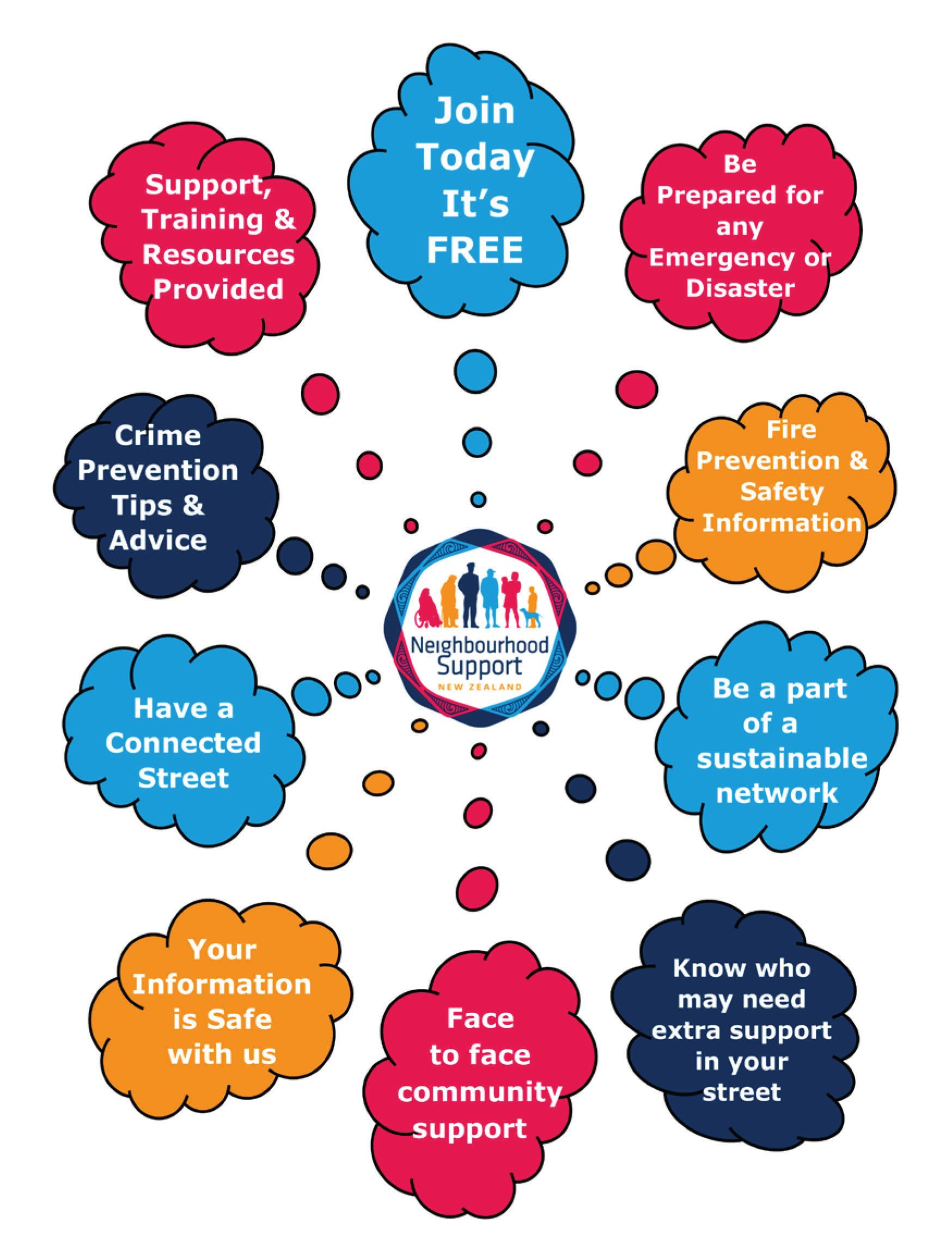
When you join you will have a great way to know your neighbours, receive emails with alerts from Police and community partners, gain tips to improve your safety and preparedness, and have access to free resources such as street signs and window / letterbox stickers to deter crime.

How do I get involved?





It’s easy and FREE! You can either join an existing group or form a new one. You could:







Greetings and welcome to our 2024 magazine!
Reflecting on the challenges of 2023, with one weather event after another, it served as a powerful reminder of the significance of Neighbourhood Support in our lives. Our team was certainly busy, and we take pride in their dedicated efforts. A special acknowledgment goes to Sue Robertson, whose exceptional work was instrumental in establishing resilience operations in Warkworth during the cyclones and subsequently setting up 26 resilience groups across the region.
Rodney Neighbourhood Support Inc. has proven its resilience and remains committed to ensuring our communities stay safe, connected and resilient. This commitment is made possible through the collaborative efforts of our enthusiastic committee, volunteer local area and street contacts, office volunteers at Mahurangi East Police Station, and our 6000-plus members. We also extend our gratitude to Kindred Services in Helensville, Te Whai Trust Community Trust in Mangawhai, and Mahurangi Caring Community for their valuable contributions.
Our ongoing partnership with local NZ Police Community Constables is deeply valued.
A special thank you to the supporting and funding organizations that have played a crucial role in our endeavours:
• NZ Lotteries Commission
• Neighbourhood Support NZ
• Hibiscus Bays Local Board of Auckland City Council
• Markat
• Community Safety
• Dairy Flat Bakery
• Armstrong Smarter Security
• New Zealand Police.
We now collaborate closely with Local Resilient Groups and Auckland Emergency Management, ensuring that our members stay well-informed. Thank you for your continued support.
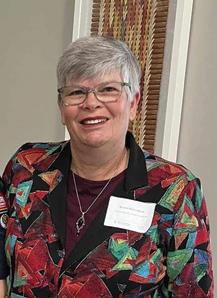
Margaret Faed
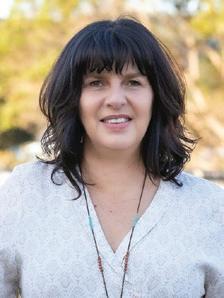
Tanya Svendsen
Margaret Faed Co-ordinator
Ph. 021 258 3737 rns.coordinator@gmail.com
Sue Robertson
Assistant Co-ordinator
Ph. 027 200 3413 rns.coordinator1@gmail.com
Tanya Svendsen
Assistant Co-ordinator
Ph. 021 677 744 rns.coordinator6@gmail.com
Julie Walles
Assistant Co-ordinator
Ph. 021 029 40629 webmaster@nsrodney.org

By Margaret Faed
As we reflect upon the accomplishments of the past year, we are delighted to present our Co-ordinator’s Report for the year ending 2023.
This report is a testament to the collaborative efforts and unwavering dedication of our incredible team and community partners.
Acknowledgments:
We extend our heartfelt gratitude to the following individuals who have played crucial roles in making this year a success.
Committee Members: Former Chair Norm Greenall, Treasurer Debbie Vercoe, Stephanie Pickering, Christine Bolstad, and Tanya Svendsen, your commitment has been the cornerstone of our achievements.
Mahurangi East Policing Centre Volunteers: Doug Stewart, Stan Armiger, Kay Titchener, Ann Ibbs, Ian and Rosalind Miller, Alison Woodcock, Penny Webster, Diane Taylor and Liz Duhs – your selfless contributions have greatly enriched our initiatives.
Financial Acknowledgments:
We express our sincere thanks to Daydreanne Anderson of Total Tax Solutions for her expertise and guidance
with the Xero Accounting system and the preparation of our annual accounts. Special thanks to Clare MacGregor for reviewing our annual accounts.
NZ Police Liaison Officers: Sergeant Brett Hanly of Whangaparaoa, along with Community Constables Mahina Martin (Owera), Senior Constable Melissa Haven (Helensville), Senior Constable Sam Webb (Whangaparaoa), Constable Alex Schischka (Kumeu), and Senior Constable Hamish Buick (Warkworth), your dedication to our local communities has been invaluable. Special recognition to Sergeant Mark Stallworthy of Warkworth Police, and all other NZ Police staff with whom we have collaborated.
Fire and Emergency NZ (FENZ) Collaboration: We extend our gratitude to Ivan Trethowen, Community Risk Manager of Waitemata Fire District, Michael Upton, Community Readiness and Recovery, and their colleagues Mikaela Battaerd and Leah Hide. We highly value their support and the partnership that allows us to collectively deliver fire safety messages across our communities.
Councillors: Auckland Councillor Greg Sayers, Rodney Local Board Ivan Wagstaff, their help has been invaluable.
Volunteers for Annual Magazine: Neil Willis, Aaron Mercer, Norm Greenall, Jes Magill – your dedication to delivering our 2023 annual magazine has not gone
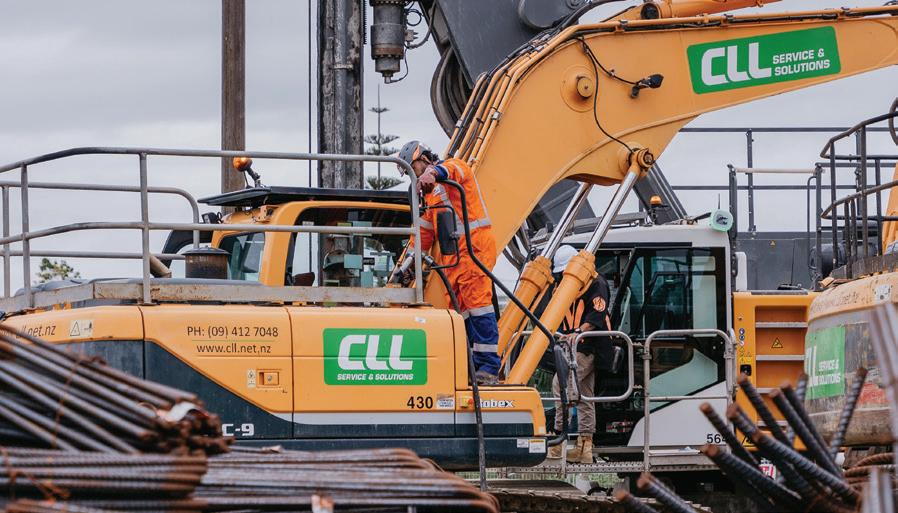
New Zealand’s leading foundation and retention specialists
• Piling
• Rope Access
• Retaining Walls
• Ground Anchors
• Slip Stabilisation
• Emergency Works
• Ground Improvement


• Seismic Strengthening
• Contaminated Sites
• Civil Structures
• Subdivisions
• Landscaping
• Foundations
• Rammed Aggregate Piers (RAPS)
• Drainage
Experience / Reliability / Innovation
unnoticed. We appreciate your time and effort in making this publication a success.
Farewell and Welcome: We bid a fond farewell to Kay Flower, our Rodney Neighbourhood Support Representative for Snells Beach, and extend a warm welcome to Jenny Bartlett, who has stepped into this important role.
Community engagement and outreach:
Throughout the past year, we have actively participated in Neighbourhood Support NZ’s monthly Korero Zoom meetings and maintained a fruitful relationship with Neighbourhood Support Waitakere/North Shore. Manaaki Street Books were distributed to Snells Beach School, Matakana School, Warkworth Play Centre, and Mangawhai Kindergarten, fostering a love for
learning among our youngest community members.
Our engagement extended to Business Association and Resident and Ratepayers Association meetings, where we were honoured to be invited to speak. We also established valuable connections with Farm Strong, promoting their resources to our rural members through our monthly newsletters.
Participation in regional special events:
A&P shows at Kumeu and Warkworth, Helensville School Children’s Big Day Out, Coasties Christmas Whangaparaoa, Mahurangi West Community Open Day, Groups and Clubs Expo at the Warkworth Town Hall, and Bunnings Silverdale Tradies Breakfast – these events have
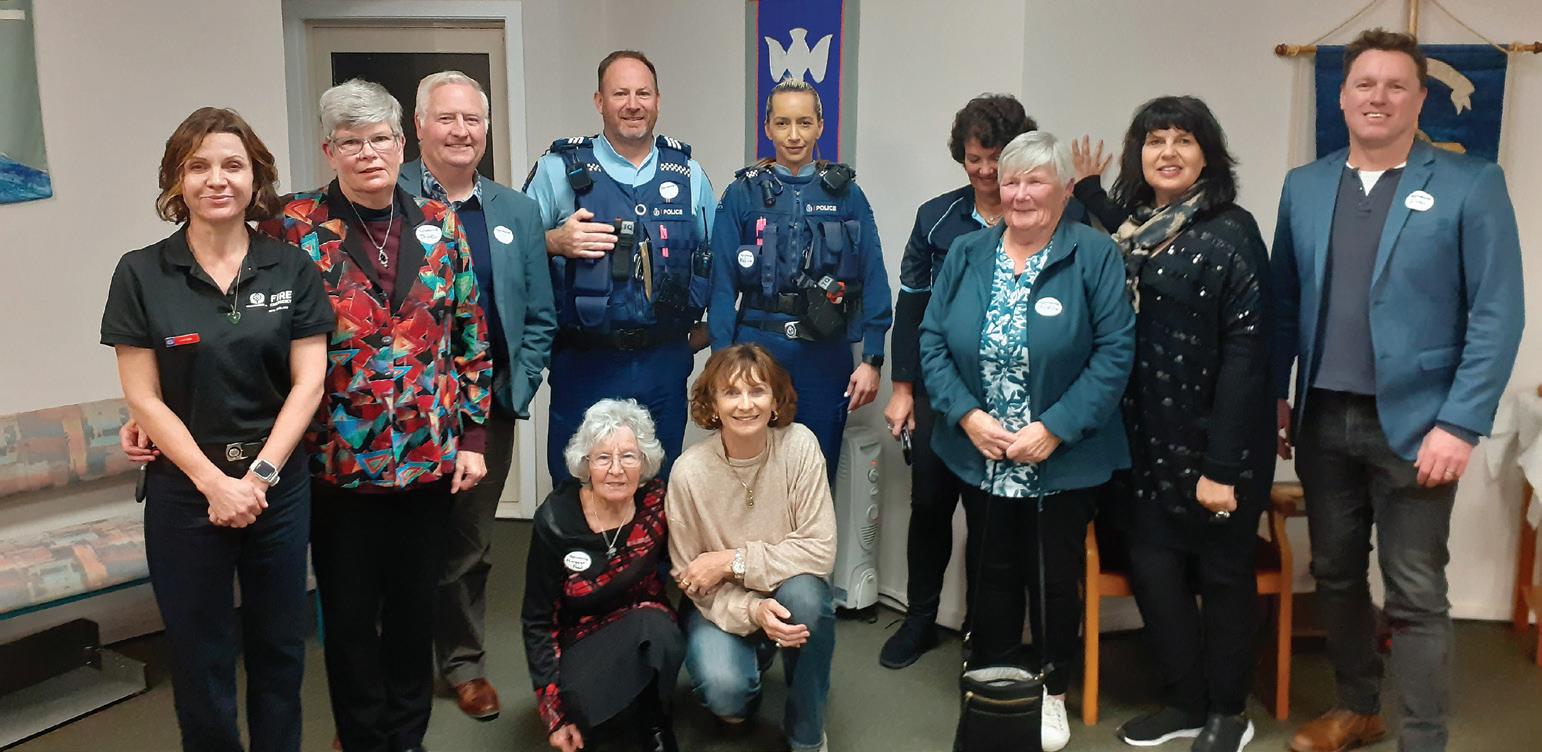


been moments of community bonding and celebration.
Our commitment to promoting local Community Resilience Groups continued with the successful delivery of letterbox flyers in Kumeu, Whangaparaoa, and Pt Wells. Volunteers such as Sarah Townsend, Angela Taylor, Irene and Bill Williamson, Samuel Mills, Karen Hadler,Patricia Dallas, and Janice Hafercamp played pivotal roles in these efforts. We extend our sincere thanks to Hibiscus Bays Local Board for funding the printing of 11,000 flyers for Whangaparaoa residents and to Neighbourhood Support NZ for supporting the printing of 2,000 flyers delivered to Kumeu and Huapai.
Our networking and liaison efforts with Melanie Hutton of Auckland Emergency Management and local Community Resilience Groups have been instrumental, with Sue Robertson, co-ordinator, playing a pivotal role in Emergency Management and Community Resilience, leaving an indelible mark on the growth of our community initiatives.
In the face of extreme weather events, such as Cyclone Hale and the State of Emergency declared for Cyclone Gabrielle in February, Sue played a central role in rallying support for Rodney communities. Her dedication was evident in the
co-ordination of emergency hub shelters, providing a safe haven for those affected by adverse conditions.
We extend our deepest appreciation; Sue’s dedication and leadership have significantly elevated the resilience of our communities, embodying the spirit of Rodney Neighbourhood Support.
We extend our gratitude to the New Zealand Police, Neighbourhood Support New Zealand, FENZ, Auckland City Hibiscus Bays Local Board, New Zealand Lotteries Grants Board, Kin Finder, Your IT Services, Markat Publishing, and Chappell Printing of Snells Beach. Each of you has played a crucial role in helping us accomplish our Aims and Objectives for the year ending March 31, 2023.
As we move forward, our commitment remains unwavering. We will continue to be as efficient and productive as possible, providing a quality service with positive outcomes to all existing and new members of Rodney Neighbourhood Support between Helensville and Mangawhai.
Thank you for your continued support, and we look forward to another year of strengthening our community bonds.
Margaret
Faed
Coordinator
for Rodney
Neighbourhood
Support Incorporated

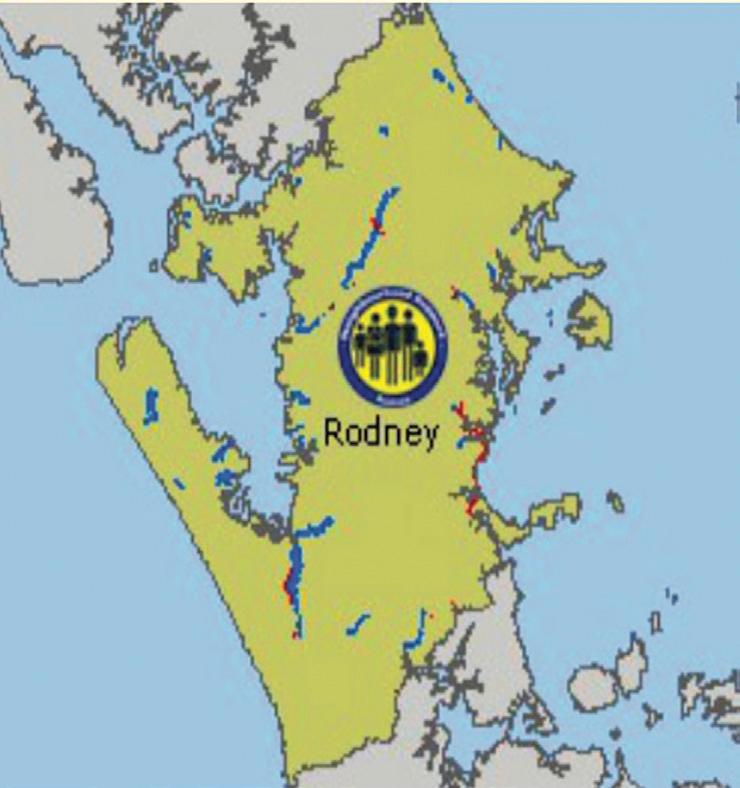
Rodney Neighbourhood Support includes, Rodney District,Hibiscus Coast of Hibiscus Bays Local Board area and Kaiwaka and Mangawhai of the Kaipara District.
Remember: To report anything suspicious happening now, ring 111, or if it has happened, 105.
Request an incident report number so you can follow up the incident if you wish. Your report could help with the investigation into any other crimes that might have been committed in the area.
Remember at no time should you put yourself at risk.

• Attend to tax return filing
• Manage payroll running and payday filing
• Preparation of year end accounts
• Tax compliance
• Handling of Tax audits
• A registered tax agency with Inland Revenue
• Provide management reports
• Use and recommend online accounting software
• Liaise/correspond with Inland Revenue on tax matters and arrangements where needed.











Coastie Christmas:
Rodney Neighbourhood Support joined with the Whangaparaoa Community Resilience Group at a day held in the Whangaparaoa College, Stanmore Bay.
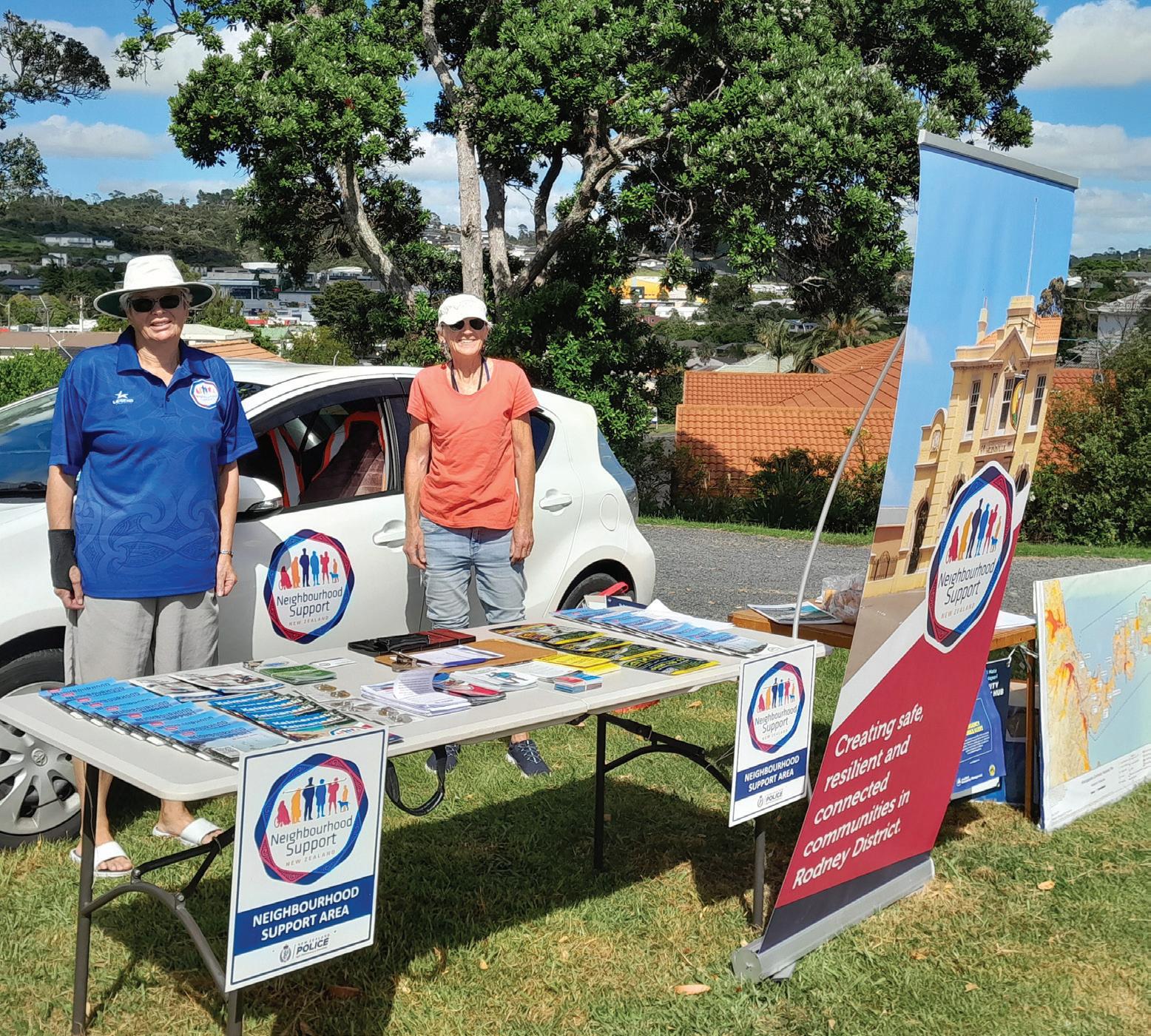


Margaret Faed and Sue Robertson took part in the festivities of International Children’s Day, an event hosted by Helensville School.
They embraced the opportunity to connect with families across the region,
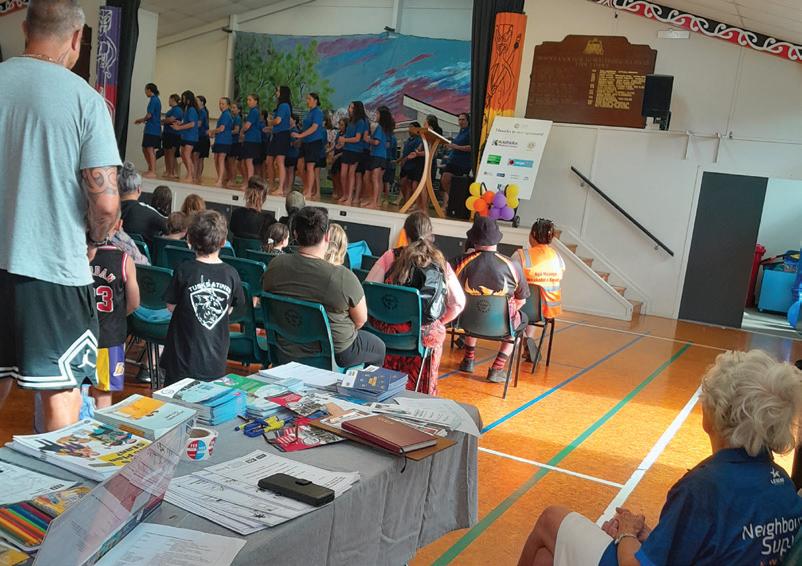
actively promoting the benefits of joining and becoming members of Rodney Neighbourhood Support.
They also had the chance to catch up with Local Board member Mark Dennis; a great day was had by all.
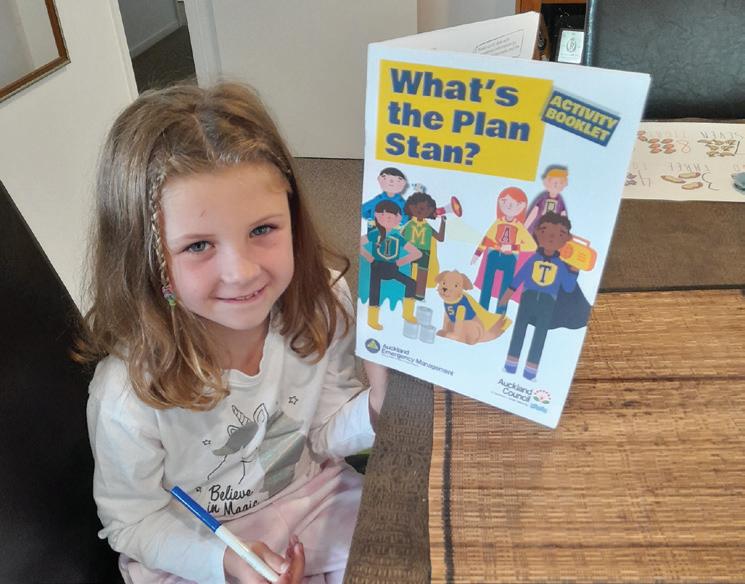






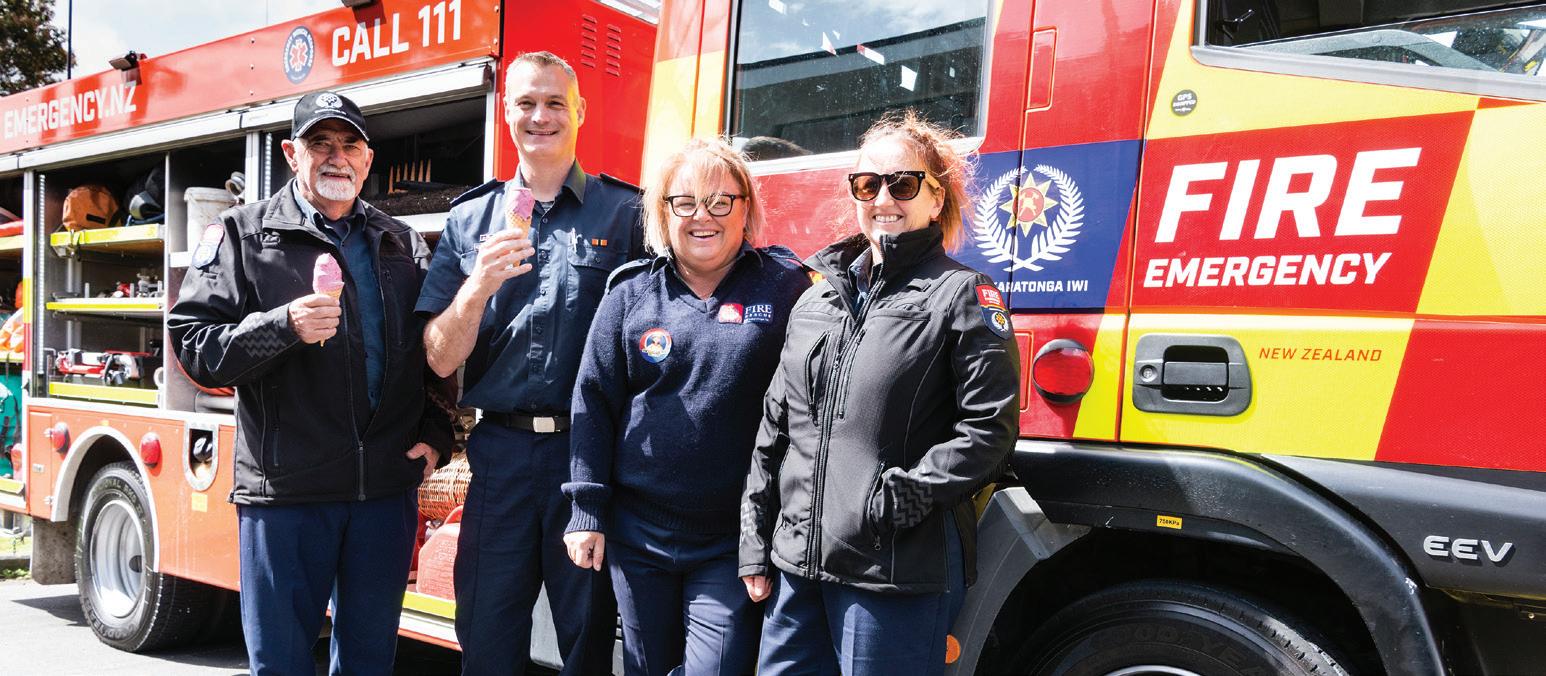
Rodney Neighbourhood Support had fun with the team from FENZ
Where we shared our combined knowledge of Fire and Crime Prevention as well as Emergency Management
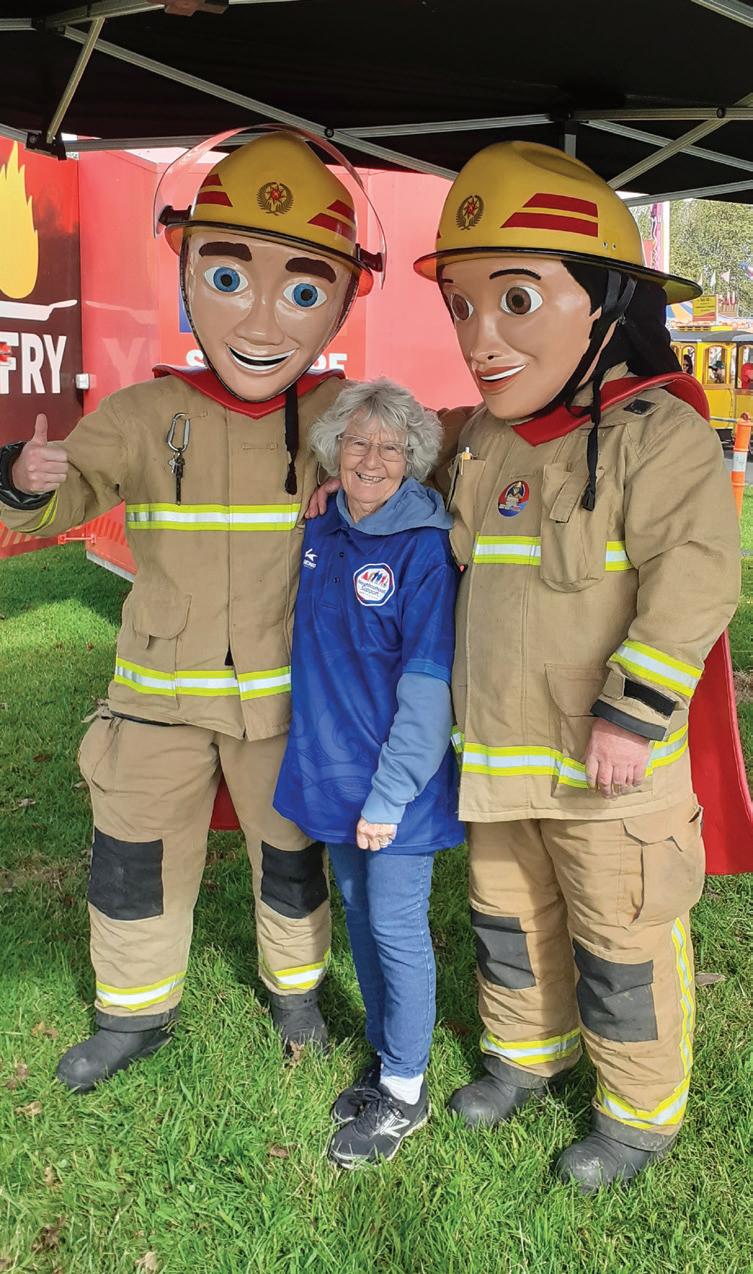
Information with the attendee’s and our ‘What’s the Plan Stan” books to children.
We also met up with Sgt Mark Stallworthy and Sgt Brett Hanly.
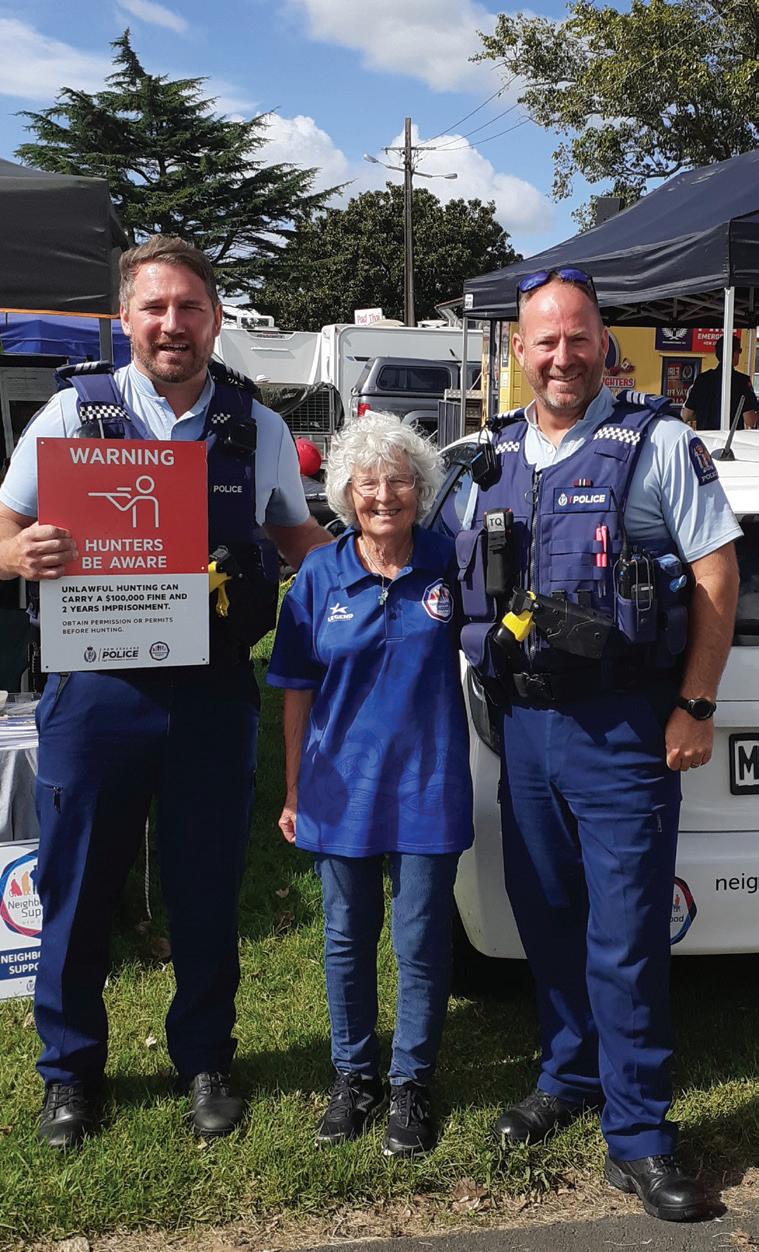





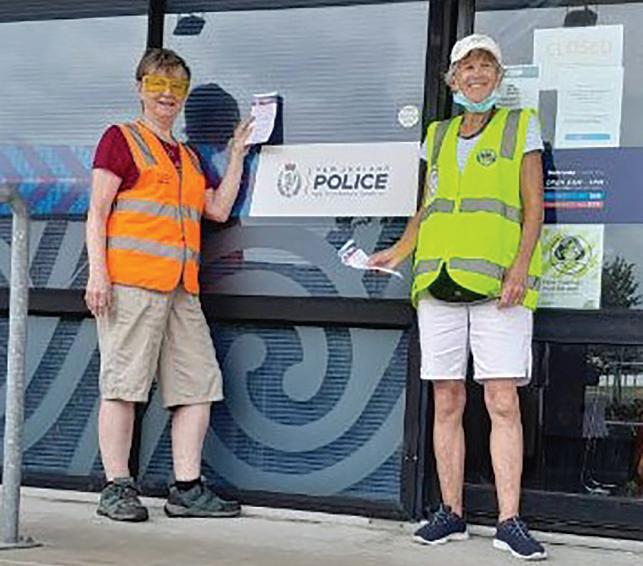
We extend our sincere thanks to the Hibiscus Bays Local Board for their generous funding
This allowed our exceptional team Sarah, Angela, Janice, and Sue Robertson to distribute 9000 Neighbourhood Support and Community Resilience flyers from Viponds Road to Army Bay.
Here is a photo of the girls Angela and Janice at the Whangaparaoa Police Station ready to hit the pavements.
Our Friendship Club provides many opportunities for retirees to meet, share food and experiences and build new friendships. Contact Colleen Buist on 0221375165 for more information.
10/28 Anvil Rd, Silverdale, Auckland 0932 027 669 4300 leanne@therelaxationstudio.co.nz www.therelaxationstudio.co.nz
• Maintenance
• Renovations
• Commercial Projects
• Hydronic Underfloor Heating
• New Builds
0211928101 | tyronne@schneiderplumbing.co.nz www.schneiderplumbing.co.nz

OPENING HOURS
Mon – Sat: 7am to 6pm Sunday: 7am to 5pm



2200 East Coast Road, Silverdale, Auckland P: 09 427 9433 • E: info@samsbutchery.co.nz www.samsbutchery.com

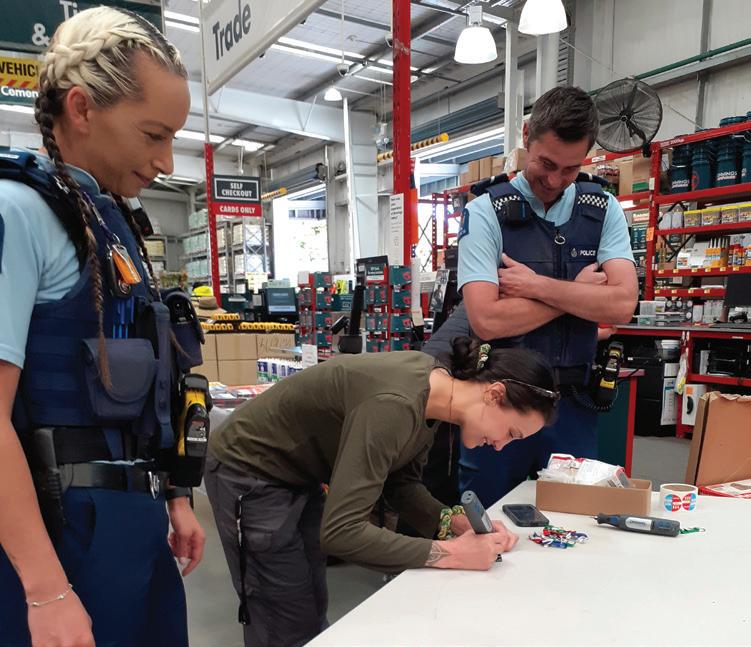
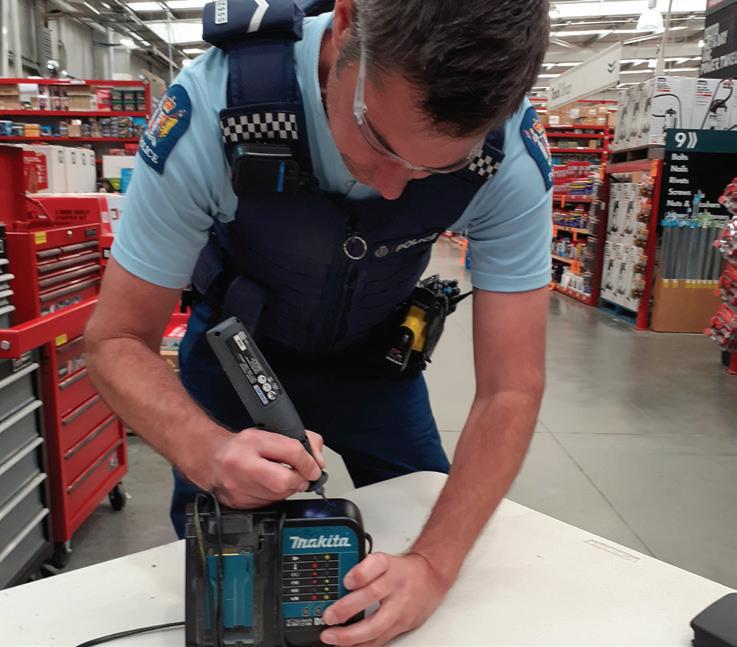
Yet another successful Crime Prevention Awareness Week, organised annually by Bunnings.
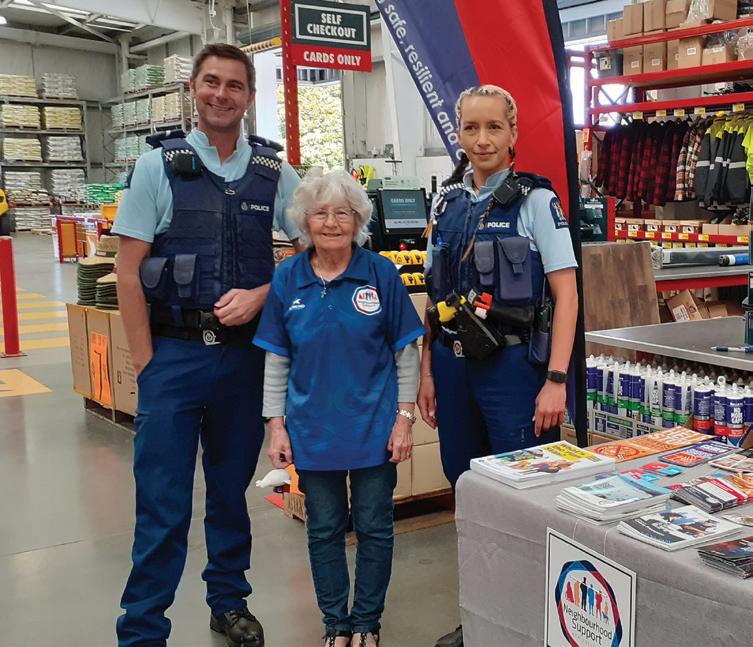
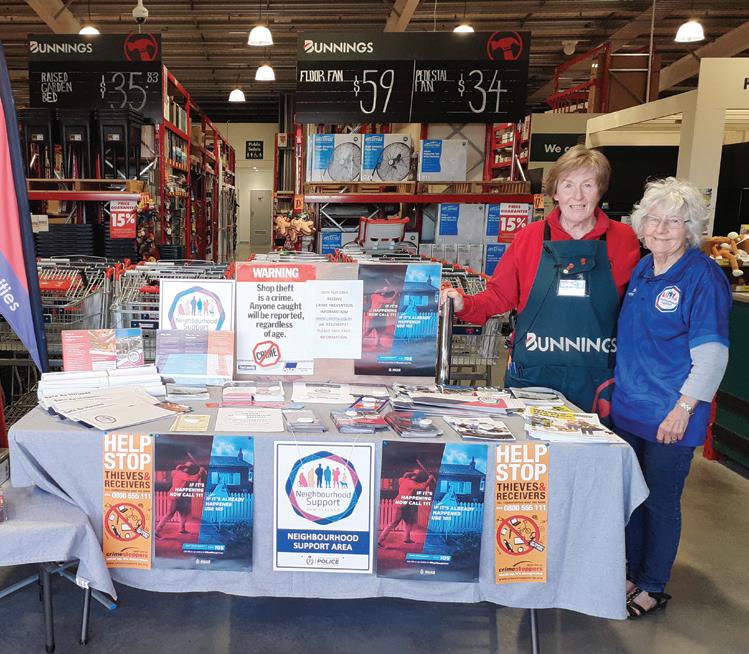
We were thrilled to establish an information stand at the new Bunnings outlet in Mangawhai, as well as a stand at Silverdale.


•
•
•
•



Citizens Advice Bureau is there to help anyone in NZ, and in multiple languages.
The CAB is the best first port of call for free information and advice about people’s rights and responsibilities, providing them with the confidence and support they need to take action. CAB also connects people with available services in their areas, giving specific advice, eg: how to get food assistance, accessing the wage subsidy, advice on employment rights, housing rights, finding a Justice of the Peace, just to name a few. CAB provides the same non-judgmental advice in a variety of languages, along with working for positive social change within the local community and wider society.
The CAB is an independent community organisation which has had a long association
Hibiscus Coast
Orewa Community Centre
40-46 Orewa Square, Orewa Ph: 09 426 5338
hibiscuscoast@cab.org.nz
Helensville 16 Commercial Road
Helensville Ph: 09 420 7162
helensville@cab.org.nz
Wellsford
Wellsford Community Centre 1 Matheson Road, Wellsford 09 423 7333
wellsford@cab.org.nz
with the area since the 1970s. During these years CAB has helped thousands of locals with a variety of issues. The CAB motto is “Not sure? Ask us.”. Whatever the query is, CAB will try to help. If they can’t help you directly, they’ll find someone who can. When you visit, email, online chat or phone CAB you can be assured that their service is completely confidential.
CAB has over 80 bureaux throughout NZ, plus a National Office in Wellington.
Three Rodney-based bureaux: Hibiscus Coast, Helensville and Wellsford, and five North Shore-based bureaux: Birkenhead, Browns Bay, Glenfield, Northcote and Takapuna.
Birkenhead
Library Building, Cnr Rawene Rd & Hinomoa St, Birkenhead Ph: 09 418 0032 birkenhead@cab.org.nz
Browns Bay
The Bays Community Centre 2 Glen Rd, Browns Bay Ph: 09 479 2222
brownsbay@cab.org.nz
Glenfield
Glenfield Community Centre 90 Bentley Ave, Glenfield Ph: 09 444 9451
glenfield@cab.org.nz
Northcote
Library Building
5 Ernie Mays St, Northcote Ph: 09 480 2971
northcote@cab.org.nz
Takapuna
Community Services Building
7 The Strand, Takapuna Ph: 09 486 3139
takapuna@cab.org.nz
0800 367 222 www.cab.org.nz
This factsheet explains what older drivers need to do to renew their driver licence. It provides helpful information outlining medical requirements and when you may need to do a practical driving test, advises what you need to bring for your renewal and where you need to go.
Drivers must renew their driver licence at age 75, 80 and every two years after that.
When renewing your licence from age 75, your health and vision must be regularly checked, both for your own safety and the safety of other road users. This process is summarised in the diagram below.
To renew your licence past your 75th birthday you will need to visit your health practitioner to get a Medical certificate for driver licence. This could be your usual doctor (GP), a registered nurse or nurse practitioner, or a specialist if appropriate.
When turning 75, 80 and every second birthday after that, you must obtain a Medical certificate for driver licence from a health practitioner
medically fit to drive
Your health practitioner decides that you are either: with conditions subject to passing an on-road safety test
following confirmation from a specialist
Tell your health practitioner the certificate is for your driver licence. You will have to pay for the appointment yourself.
During your appointment your health practitioner will discuss your present state of health with you and test your eyesight.
They will then recommend whether you are:
• medically fit to drive
• medically fit to drive with conditions (eg correcting lenses, time-of-day restriction, distance restriction)
• medically fit to drive subject to passing an on-road safety test
• to be referred to a specialist (eg optometrist or occupational therapist driving assessor - your health practitioner will advise you of the results)
• not medically fit to drive. Your health practitioner must advise the NZ Transport Agency and your licence will expire on your birthday.
If your health practitioner decides you are medically fit to drive, he or she will provide you with a Medical certificate for driver licence
not medically fit to drive driver licence renewed at a driver licensing agent driver licence will expire on your next birthday, as shown on your driver licence
Once you have your medical certificate, you will then need to visit a driver licensing agent with:
• your Application for renewal of driver licence form (a blank form will be sent to you by the Transport Agency with your renewal pack. If you didn’t receive a form – for example, because we don’t have your current address details – you can fill in a form (DL1) at the driver licensing agent)
• evidence of your identity - this can be your New Zealand photo driver licence (which must be current or expired up to two years) or your current New Zealand passport, or two other acceptable forms of identity (see Factsheet 20 Identification for driver licensing for further information and a full list of identity documents).
• a Medical certificate for driver licence which is no more than 60 days old
• the driver licence application renewal fee of $18.70.
If you are required to sit an on-road safety test you will need to pay an additional $41.80 test fee (see The on-road safety test section below).
A new photograph must be taken and your signature recorded when you renew your licence from age 75, 86 and every 10 years afterwards.
Note: you can have a new image taken and new signature captured as part of an earlier renewal if you wish.
Once you have completed the application process, the licensing agent will issue you a temporary driver licence. Your new photo driver licence will be posted to your mailing address.
If your health practitioner decides you are medically fit to drive, but is unsure about your ability to drive safely, they may issue you with a Medical certificate for driver licence enabling you to renew your driver licence, provided you pass an on-road safety test with a testing officer.
You can book this test when you apply to renew your licence, at selected branches of:
• NZ Automobile Association (AA)
• Vehicle Testing New Zealand (VTNZ).
You can also book the test online at www.nzta.govt.nz/online.
For more information, refer to the Guide to the on-road safety test available online at www.nzta.govt.nz/resources/on-road-safetytest/ or by calling 0800 822 422.
If you have booked an on-road safety test and can’t make the appointment, you can change your test at www.nzta.govt.nz/ online or go to your driver licensing agent.
If you want to change or cancel your test, you will have to pay a further fee.
Where there are two or more complete working days (excluding weekends and public holidays) between the day you change or cancel your test and the date of your appointment, you will need to pay a rescheduling fee of $16.40.
This is a regulated fee to cover the time taken and costs incurred when a test is cancelled or rescheduled.
Where there are less than two complete working days (excluding weekends and public holidays) between the day you change or cancel your test and the date of your appointment, you will not pay a rescheduling fee but will need to pay a further test fee. This further test fee is not refundable.
You may be eligible for a refund of the first test fee paid where the cancelled test time was subsequently filled by another person. If the test fee is refunded, a processing fee of $16.40 will be deducted.
Education resources are available to help senior road users stay safe behind the wheel for as many years as possible.
Information and interactive activities for people aged 70 years and over are available free on our website at www.nzta.govt.nz/senior-drivers.
There you will find:
• basic facts about senior road users including examples of common older driver crash situations
• a ‘Seniors driving safely’ section where you can check how you’re doing with a self-assessment rating form to help you assess your driving skills. This section also contains safety videos and information on choosing safe vehicles for senior drivers
• information on using public transport and alternative transport schemes. You can download or read online a copy of Keeping moving - the positive guide for senior road users
• information about cycling, walking and using a mobility scooter.
Staying safe: a refresher workshop for senior road users is a classroom based workshop that aims to maintain and improve safe driving practices.
During the workshop you will re-familiarise yourself with traffic rules as well as increase knowledge about other transport options available to keep you mobile for as long as possible. To see if workshops are available in your area, see www.nzta.govt.nz/senior-drivers or call 0800 822 422.
The information in this factsheet is a general guide only. It is not the source of the law and should not be used in place of authoritative legal documents. Some factsheets are updated frequently and print versions can quickly become out of date. If the currency of the information you are reading is important, check the factsheet index on our website (www.nzta.govt.nz/factsheets) or call us on 0800 822 422.
• Call our contact centre: 0800 822 422.
• Visit our website: www.nzta.govt.nz.
• Email us: info@nzta.govt.nz.
• Write to us: NZ Transport Agency, Private Bag 11777, Palmerston North 4442.






The following tips will help to minimise the risk of theft and keep your vehicle safe:
The following tips will help to minimise the risk of theft and keep your vehicle safe:
• Do not leave valuables in your car.
• Do not leave valuables in your car.
• Always lock your vehicle and take keys with you when you leave
• Always lock your vehicle and take keys with you when you leave.
• Close all windows and sunroofs
• Close all windows and sunroofs.
• Park in well-lit areas when possible
• Park in well-lit areas when possible.
• Take all documents with personal information, especially passports with you
• Take all documents with personal information, especially passports with you.
• Invest in a steering wheel lock to act as a deterrent to the thieves.

Do you have CCTV on your property and would like to help your community?
Do you have CCTV on your property and would like to help your community?
Register your details with Community Cam at www.communitycam.co.nz and the NZ Police will be in touch with you if they need your help to solve a crime in your area.

Your information is secure and confidential.
• Invest in a steering wheel lock to act as a deterrent to the thieves. IN AN EMERGENCY CALL POLICE ON 111 OR 105 IF IT’S A NON-EMERGENCY OR HAS ALREADY TAKEN PLACE.
Register your details with Community Cam™ at www.communitycam.co.nz and the NZ Police will be in touch with you if they need your help to solve a crime in your area.

COMMUNITIES By registering, you’re helping make the community and your family safer.
FOR PROFIT Community Cam™ was built for free and sponsored by local businesses. Communities working together to solve crime.

neighbourhoodsupport.co.nz
neighbourhoodsupport.co.nz 0800 4 NEIGHBOURS
0800 4 NEIGHBOURS

In an emergency call Police on 111 or 105 if it is a nonemergency or has already taken place.


Community Cam™ is a voluntary, not for profit community initiative where people can register a property with CCTV, and upload CCTV footage, to help solve crime in their neighbourhood.
Do you have CCTV on your property and would like to help your community? Register your details with Community Cam™ and New Zealand Police will be in touch if they need your help to solve a crime in your area.
Register your details at communitycam.co.nz
Supported by

How does it work?
When a crime is committed, the NZ Police can refer to Community Cam™ to quickly identify CCTV locations of registered users in and around the scene of the crime. This then allows the police to contact you to help with an investigation.
Your details are confidential and secure. Only the NZ Police can see your information and, if you choose to upload your CCTV footage, the footage is password protected for your security. Community Cam™ just lets them know who owns a CCTV system to save valuable time door-knocking.



Your information is secure and confidential
By registering, you’re helping make the community and your family safer
Community Cam™ was built for free and sponsored by local businesses.
Let’s work together to help solve crime.
your details at


This is my story: My concern was that a close family friend didn’t return my phone calls.
I had left numerous phone messages and was concerned as she failed to join a committal service of a beloved friend.
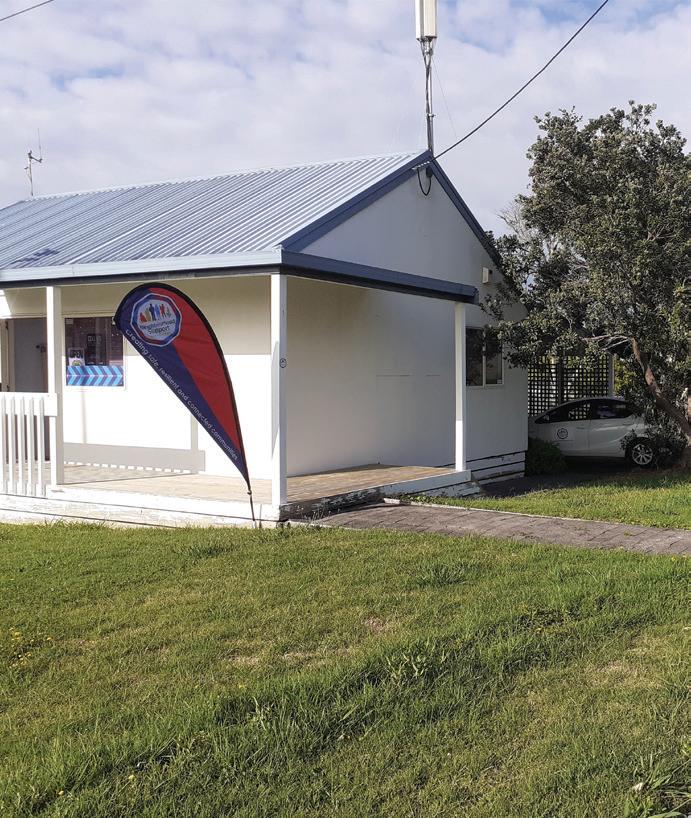
Concerned, I went down to the Mahurangi East Police Station, located next to the roundabout on Mahurangi East Road where the volunteer assisted me in phoning 105.
That same day, police in another New Zealand City, made welfare checks and by the end of that day my missing friend had been located.
My friend was next door keeping house for an elderly gentleman in hospital after falling and knocking himself out. She had no idea how to look after a dog so decided it would be easier if she stayed in his home.
I want to thank the New Zealand Police communicator on 105 and the Christchurch Police personal for their support and help in being able to advise my friend was safe and well.
This reminds of another incident.
Teaching at the British International School in San á, Yemen, my husband and I decided to fly to Aden for our mid-term break. We were not permitted to board our flight and booked on a later flight that day.’ No explanations.
So we spent the day swimming at the Sheraton hotel rather than shopping in the Old City where unknown to us a bomb killed
several people that afternoon. It was thought that we could have been included.
A wide search for us involved the British authorities until two diplomats recognised us on that later flight, describing us as New Zealand idiots, until they too were refused boarding and couldn’t take a direct flight back to London.
The moral of these stories is to make sure you let people know where you are going and when!
Is your website a help or a
FATtastic websites from $997+GST
Simply email enquiries@fatweb.co.nz your domain / website address, and we’ll send you a comprehensive audit of your current website for FREE - valued at $97.00 And if you’d like to chew the fat after, we’re here to help. With over 15 years’ experience - we know what we’re doing.
0800 FATWEB | www.fatweb.co.nz




Keeping kids safe, is something I have been doing for the last twenty years.
Whether it be on the television, on radio as “Bryan and Bobby’, or in person during a visit to a local school or kura.
One of the questions I get asked time and time again by parents, grandparents, uncles and aunties is: “How do I get my kids to learn about safety”?
There are a few things I have learnt along the way on my journey as a police officer, which you can do to make safety actually sound like something kids should be interested in. This will help offset their worries about feeling and being safe.
Some of the best ways to strike an interest with kids (and not just for safety ) is to make the learning fun. Make sure you explain what it is you (and they) are doing, to keep them safe.
The filming of Bryan and Bobby was a lightbulb moment for me, highlighting how often adults don’t give the kids” THE WHY” when asked to do something.
For example, It is staggering the number of kids that I talk to, who when asked, “Why do we hold hands in the carpark or crossing the road with Mum or Dad ?” answer with: “Because you will get into trouble if you don’t” or “So you don’t get killed” or “So you don’t get growled at by Dad.”
So try a simple trick - engage and explain THE WHY for kids safety.
For example, when talking to my five year old about the importance of holding hands when crossing the road I did the following:
I explained to him, that it was like holding the hand of a giant, who could see and hear further than he could and that ‘the giant’ would keep him safe if anything dangerous was seen.
I explained he could help the giant, by finding the safest place to cross and then checking the road in both directions three times to make sure the way was clear and it was safe to cross. Using our eyes and ears to listen for traffic, helps keep us and the giants safe too.
I demonstrated as we walked across the road, that we don’t run or skip and keep looking and listening in both directions for traffic, to make sure it was still safe.
Safety should be just like anything else we learn in life. It should have the elements of fun, discovery and empowerment otherwise it becomes nothing but a tedious chore or a command that we follow As William M. Jeffers, former President, Union Pacific Railroad Co once stated “Safety applies with equal force to the individual, to the family, to the employer, to the state, the nation and to international affairs. Safety, in its widest sense, concerns the happiness, contentment and freedom of all.”
Regards/Stay safe/ Kia noho haumaru
Senior Constable Bryan Ward Q.S.M.







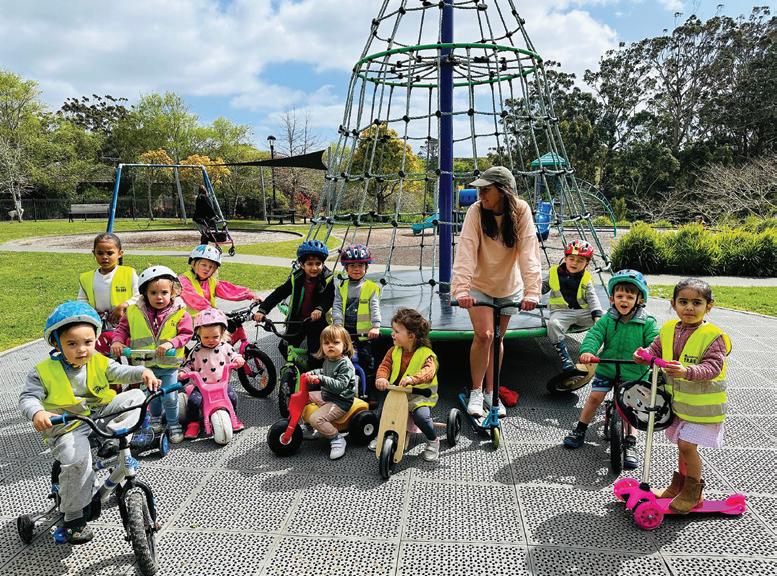







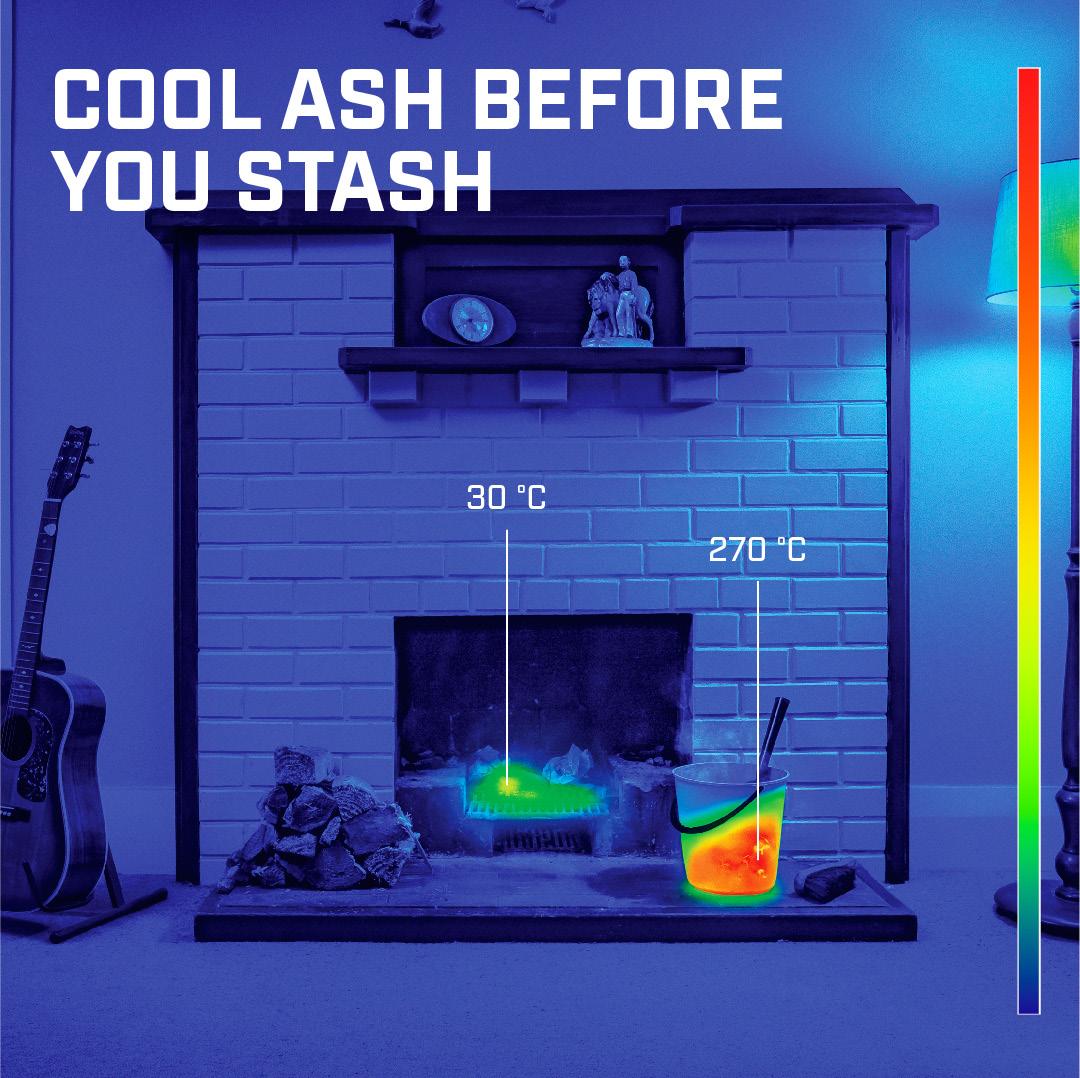

Make sure you have working smoke alarms. Press the test button to sound the alarm to check.
Have your own 3-step Escape Plan
We recommend having 2 exits from every room, and a safe meeting place to then call 111.
Keep flammable materials such as clothing and blankets at least ‘a metre from the heater’ and away from any other heat sources.
Winter can bring a unique set of fire dangers to your home that you need to be aware of. Follow these tips from Fire and Emergency New Zealand to keep yourself and your whānau safe: For more safety tips you can visit our website www.fireandemergency.nz
Worn and old electric blankets can cause fires. We recommend you replace them every 5 years. Make sure it’s rolled to store it, not folded and always turn it off before you sleep.
Keep those chimneys clean and clear on top/around the indoor fireplace. We recommend sweeping chimneys once a year.
Don’t leave cooking unattended, remember to ‘switch off before you walk off’ and ‘keep looking while you’re cooking’ — fire moves fast.
Look out for your neighbours, friends and whānau who live alone that may need assistance with getting ready for winter and keeping fire safe this winter. Can you help with checking their smoke alarms? Or making sure they have a 3 step escape plan.
If you or anyone you know needs assistance with your home fire safety, please call Fire and Emergency NZ on 0800693473



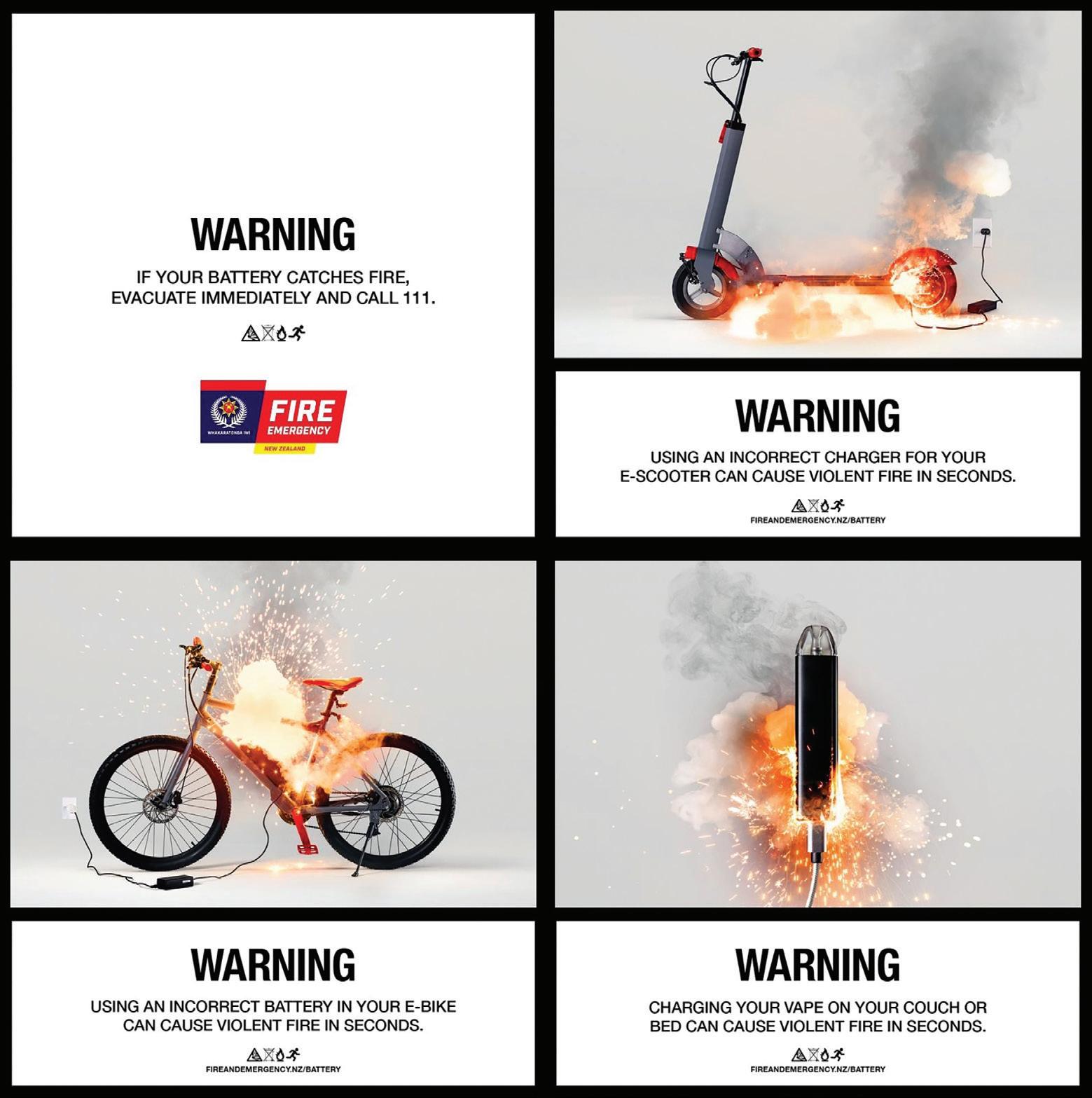
• Do your research. Only purchase and use devices and equipment from reputable manufacturers and suppliers.
• Only use chargers and batteries supplied with the device, or certified third-party charging equipment compatible with the battery specifications (same voltage and current).
• Always charge e-scooters and e-bikes away from exits to ensure you can safely escape in the event of a fire. Where possible these should be stored and charged outside or in a garage, shed or carport, away from living spaces.
• For smaller devices, such as vapes, phones, and laptops, do not charge these under a pillow, on the bed or on a couch – they can overheat and cause a fire.
• Do not overcharge your batteries. When your item is fully charged, disconnect it from the charger.
• Never store or leave batteries or devices in areas where they can be exposed to heat or moisture. Do not leave devices in direct sunlight or in parked vehicles where they can quickly heat up.
• Only get device repairs and battery replacements done by a qualified professional.
If a device or battery starts to smoke or emit flames
• Evacuate immediately and close doors (if safe) to slow the spread of fire.
• Once in a safe location, call 111 and wait for firefighters to arrive.
• Ensure no one goes back inside the building f or any reason. Battery gases, vapour and smoke are highly toxic and flammable and must not be inhaled.
• If anyone has been exposed to battery fluids, debris, smoke, vapours, or flames, seek urgent medical assistance.
• Unplug it from the power outlet if it is charging.
• If possible, move it outside, away from any flammable material and windows or doorways.
• Small devices can be dropped into a bucket of water if this can be done safely.
• If your device starts to smoke or release fumes, evacuate immediately to a safe location and call 111.
• Do not put lithium-ion batteries in the rubbish.
• Recycling is always the best option – contact your local council for a recycling location.
• Do not leave discarded batteries in piles.

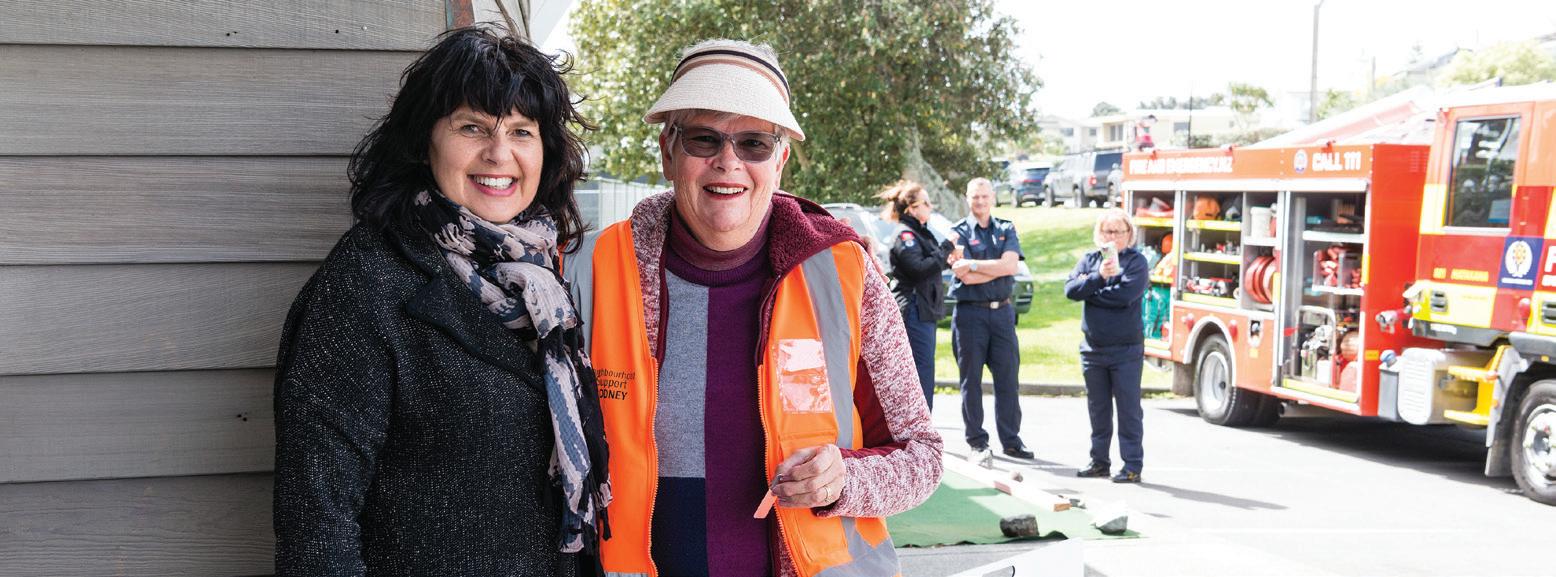
Sue Robertson and Tanya Svendsen participated in the fundraising event organized by the Omaha Beach Golf Club
Supporting the Matakana Volunteer Fire Brigade, with the primary goal of raising funds for a new first responder vehicle.
The occasion provided an excellent opportunity to raise awareness about the potential dangers of lithium batteries, distribute “Make a Plan Stan” books to children, engrave key tags to all attendees and joined Neighbourhood Support.
It turned out to be a wonderful day that was thoroughly enjoyed by everyone involved.
Morphed into... Rodney East, North and West Community Resilience Groups Cluster.
Go back to August 2022 and the CARRE group of Community Resilience/Response Groups has gone into a bit of a recess and had been for a little while due to Covid. Sue Robertson from Rodney Neighbourhood Support Inc was aware of the group through attending the meetings for Warkworth CRG. She volunteered to see if she could resurrect the communications and meeting format with those communities who had been involved in the past.
She contacted representatives from the CRG’s of Kawau Island, Mahurangi West, Scotts Landing, Mahurangi East, Whangateau, Leigh and Warkworth. She drew up a contacts list and was liaising with these representatives and then the weather events of January 2023 just took over.
During these weather events Warkworth CRG were instrumental in assisting stranded travellers over four events (Cyclones Hale and Gabrielle included) by providing shelter at the downstairs RSA Community Room and at the Warkworth Town Hall. On the first night of strandings where hundreds of people were stuck at The Grange the Warkworth Community rallied to provide billets and essential items like bedding and breakfast. Toilet facilities were at a premium.
The different scenario weather events highlighted different needs and none more so than when the power and internet facilities
went down. Flooding, road slippages and closures isolated the communities of Ahuroa, Kaipara Hills and Puhoi. Leigh had a serious rubbish problem to contend with after cyclone Hale. I became a point of contact or a “GO TO” person for these people when they needed help.
People soon realised the importance of their local Community Resilience Groups being the centre of shelter and immediate aid to members of their local community and if they didn’t have one they needed to set one up for future emergency response.
Since January 2023 Sue Robertson, with help from those good people who volunteer to form a CRG, has been instrumental in mentoring new Community Resilience Groups.
She provides support and training for setting up and gives them the information tools they need to be able to operate their own CRG. This has been a collaborative approach by connecting these communities with Rodney Neighbourhood Support and impressing upon them the benefits that come from belonging to Rodney Neighbourhood Support especially in emergency situations. There are now 16 CRG’s in the Rodney area and we are still hoping to set up another eight this year.
The CRG’s on the cluster list include but are not limited to:
(Some are existing, some are brand new and some are in the process of setting themselves up).
• Ahuroa
• Campbells/Baddeleys/Buckletons Beaches
• Kaipara Flats School and Kaipara Flats Sports Club
• Kawau Island
• Kaukapakapa North
• Leigh/Mathesons Bay/Ti Point
• Mahurangi East
• Mahurangi West
• Matakana work in progress
• Omaha North
• Pt Wells
• Puhoi
• Sandspit
• Scotts Landing (MERRA)
• Tomarata Forest Reserve Hall
• Waitoki/Wainui Community Hall
• Waiwera Valley Catchment
• Warkworth
• Wellsford
• All of Whangaparaoa Peninsula of which there are seven
• Whangateau.
The ones we want to help set up are: Glorit, Tauhoa, Port Albert and Tapora in the North West corner of Rodney and Red Beach, Orewa, Hatfields Beach and Waiwera Coastal in the South East corner of Rodney.
If you would like to volunteer or like more information regarding the Rodney East Cluster of CRG groups please do not hesitate to contact Sue Robertson 0272003413 or email rns.coordinator1@gmail.com
Regards/Stay safe/ Kia noho haumaru
Use the QR code to sign up for additional alerts at www.aem.org.nz
Download the following application to get emergency messages: Red Cross Hazard app

Follow us on: Facebook: @aklcdem Twitter: @AucklandCDEM
• Know the hazards where you live, work and play -go to our interactive Hazard Viewer at https://www.aem.org.nz
• Visit https://www.getready.govt.nz for useful information on what to do in an emergency
• Download the following helpful emergency applications: Red Cross First Aid & AED Locations app: https://www.redcross.org.nz/first-aid/ about-first-aid/first-aid-app/





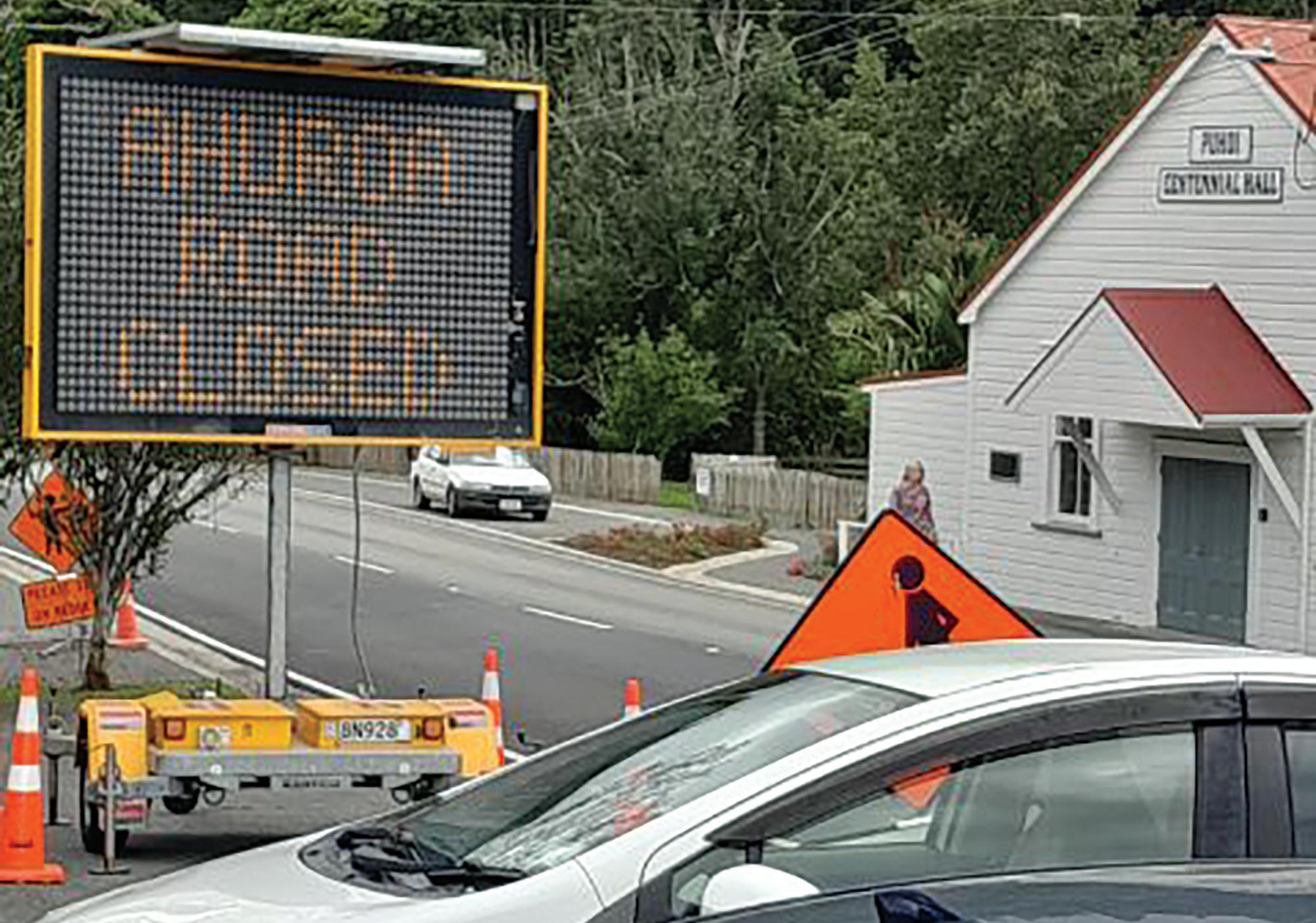
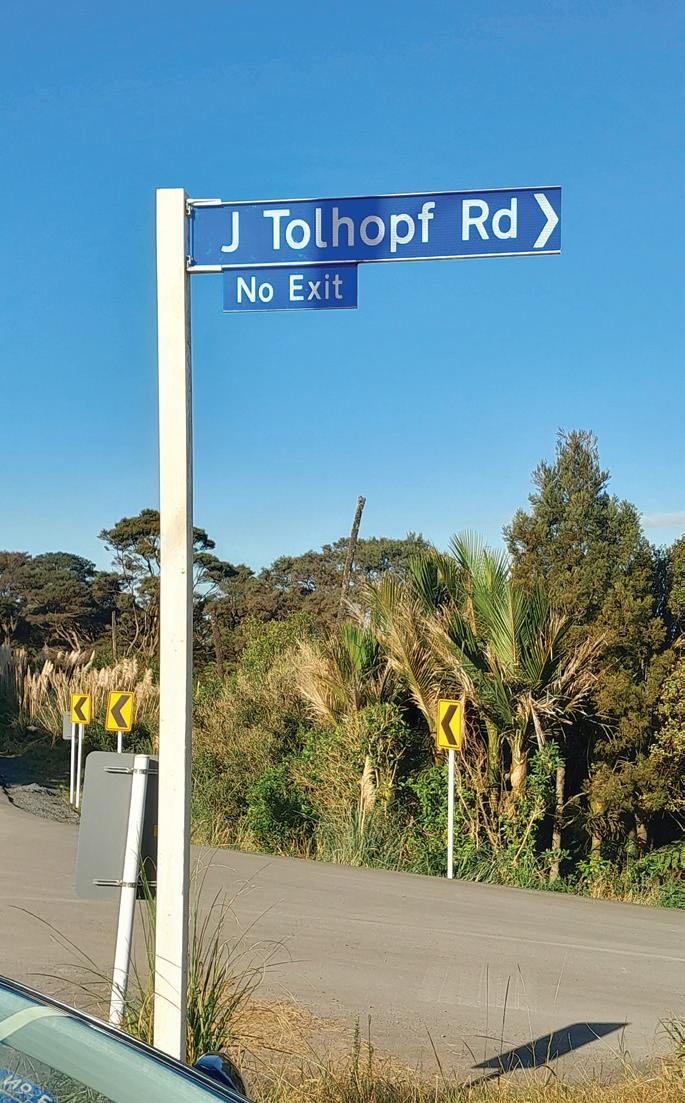
Mahurangi locals extend support to communities affected by slips with donations of petrol vouchers.
In response to the closure of Ahuroa Road, Mainland Road, Dill Road, and Kaipara Hills Roads due to severe weather events in January and February 2023, Mahurangi residents and Warkworth Lions rallied together to assist those who needed to travel extra miles to get to work and school by offering petrol vouchers to affected residents in those affected communities.

This support was gratefully received especially by the parents/caregivers/ whanau who were doing the school run from J Tolhopf Road at the top of Puhoi to Ahuroa School, having to go via Silverdale and up to Warkworth and then via Woodcocks Road.
The Kaipara Hills Road also appreciated the petrol voucher gifts as they had to travel over to SH 16 and up to Wellsford to get to Warkworth.
by Michael Frost
I volunteered to set up a Street Group for Rodney Neighbourhood Support on a stretch of about 5km of semi-rural roads around where I live.
As I was relatively new to the area having recently moved here from France, I decided to go to all the household residences and knock on doors. This not only produced 40 new members (virtually 100% of those contacted) but was an extremely pleasant experience.
This is how I went about it:
I used the 2023 Rodney Neighbourhood Support Annual Magazine and inserted a brief note in each copy introducing myself. This was useful to leave for people who were not home at the time. The letter summarized the aims of Rodney Neighbourhood Support and asked if they would like to join us to become members to please complete the enclosed joining form. Membership is FREE.
Where possible I left my car on the road and proceeded to the homes on foot. I knocked on their doors then took two steps backward to give the people who answered the door some space. I asked if they knew about Neighbourhood Support? I had the magazine and pens on hand. I handed over the annual magazine with my details inside and asked if they had a moment to hear about us? Everyone was very receptive to
my visit, and a few were really enthusiastic and invited me in. If people seemed to be in a hurry, I offered them the joining form and a pen to complete it with.
I so enjoyed my time canvassing my Neighbourhood for new members and I would definitely encourage others to do the same. I not only made contact with new members, but it gave me, a relative newcomer, a marvelous opportunity to meet all my Neighbours personally.
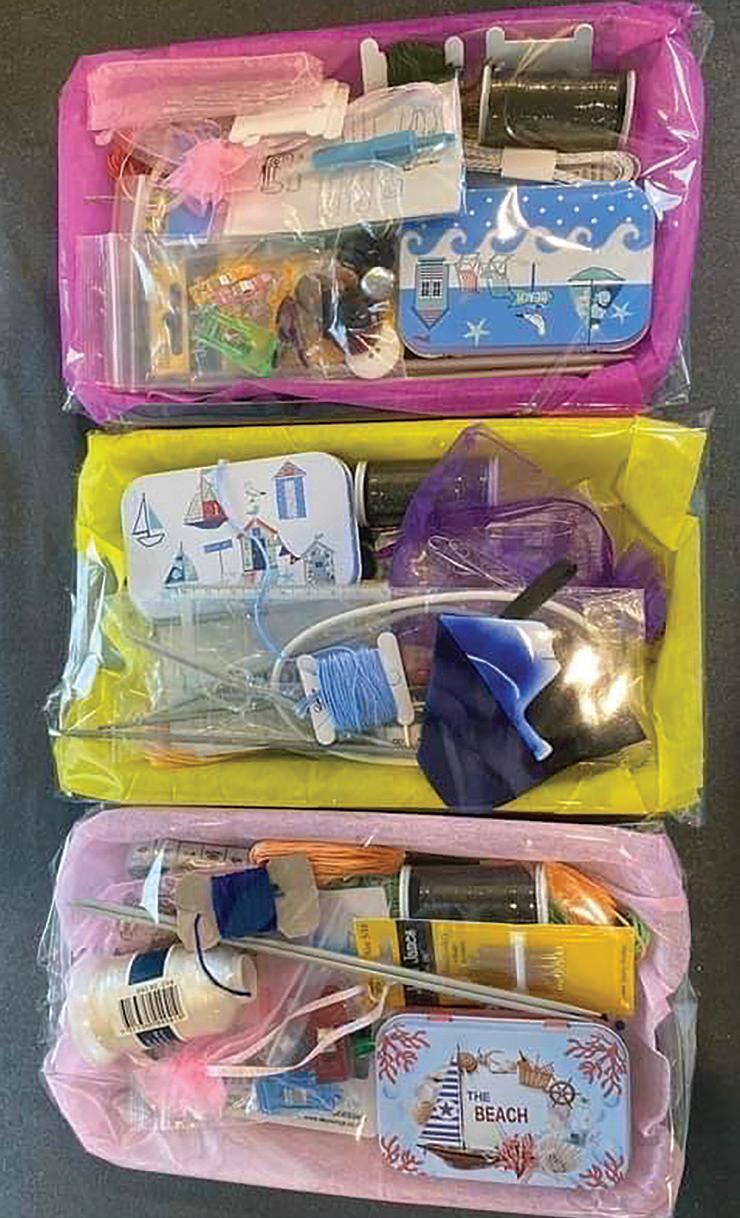
Energetic Sewing enthusiasts equip families affected by the cyclone.
A gathering of Southland women, who regularly come together to engage in sewing projects, found themselves discussing the challenges posed by the cyclone. Some members recalled the personal losses they experienced during the 1984 Southland floods.
While the group had already contributed through donations of food, money, and clothing to the Red Cross, there was a
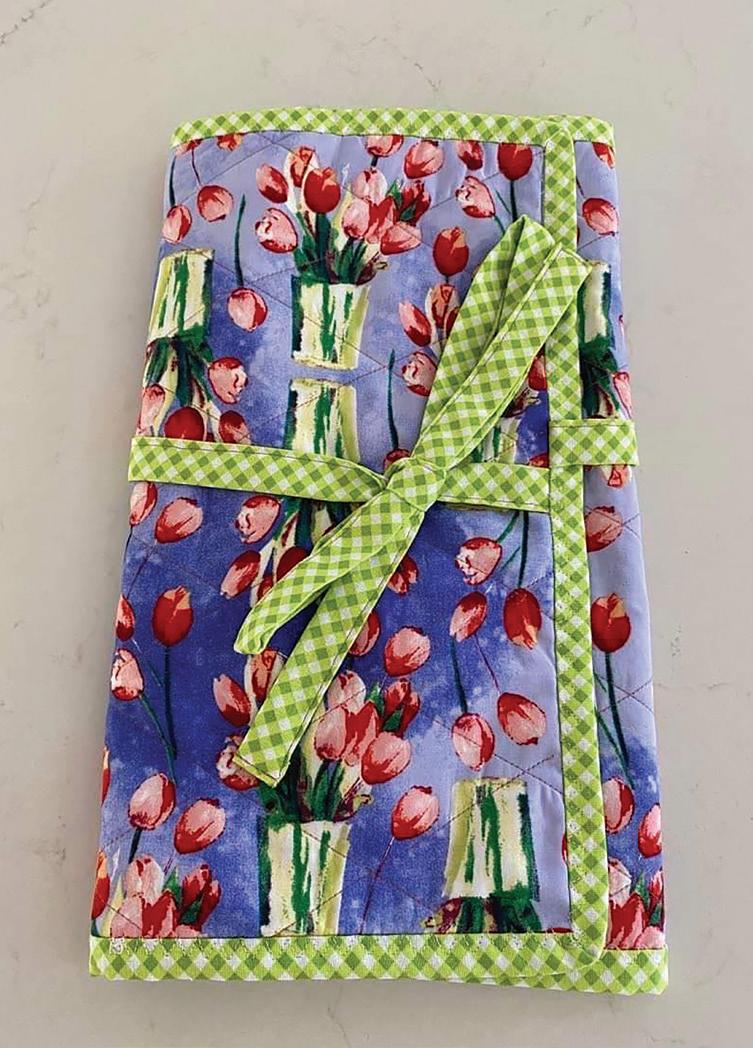
collective desire to add a personal touch. They reached out to businesses such as Bernina, Spotlight, Paper Plus and several individuals who generously donated items. With the collaboration of the dedicated five, they successfully crafted 42 sewing kits.
The completed kits were then distributed to residents affected by the severe weather events that happened in January and February in Napier, Hastings, Gisborne, Mangawhai, Puhoi and Muriwai.
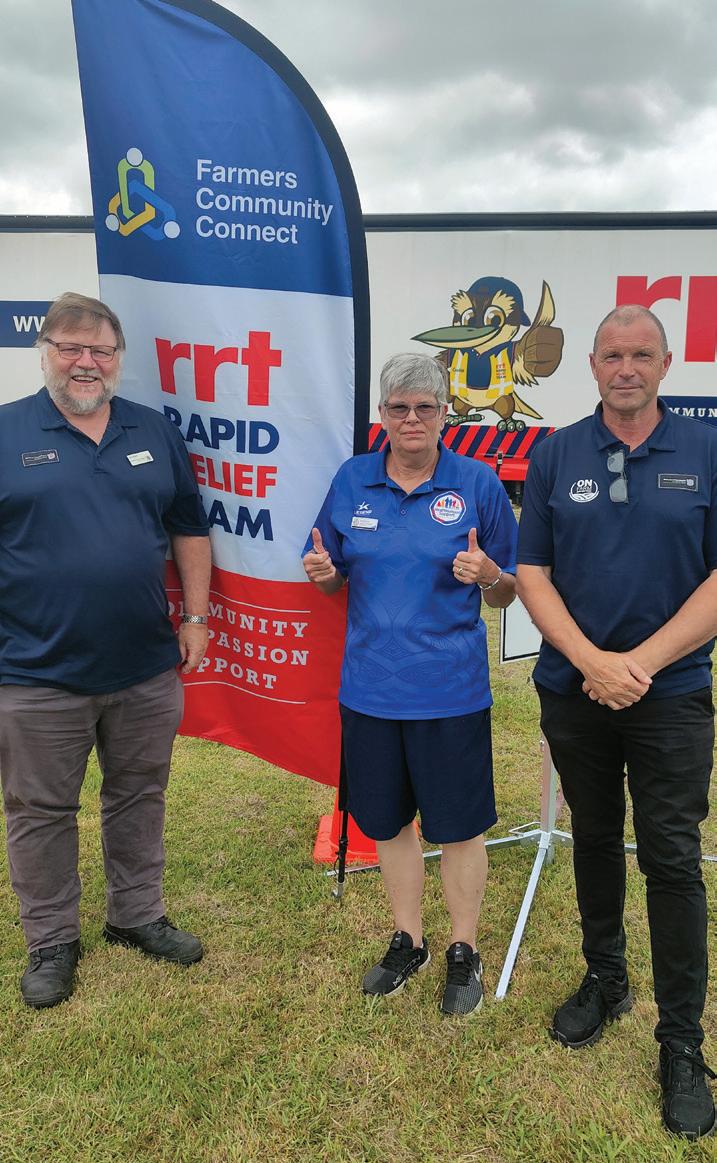
The recent Farmers Community Connect Event in Wellsford hosted by the Rapid Relief Team (RRT) was a resounding success.
Providing over 330 farmers from the Kaipara and Rodney Districts with free fencing supplies to help them recover their farms from the devastating effects of Cyclone Gabrielle earlier this year.
This event is one of five Farmers Community Connect Events that RRT have organized this year to support the farming community.
Following Cyclone Gabrielle, RRT also hosted Farmers Community Connect Events in the Hawke’s Bay, Gisborne, Wairoa, and Waipukurau. Across these events, over $1.9M worth of fencing supplies were donated to 1,301 farmers.
Each fencing pack included fence posts, battens, wire, strainers, staples and crimps, enough for each farmer to repair approx. 350m of fencing. Recipients were also gifted an RRT food box filled with goodies to take home to their families.
The impact of these Farmers Community Connect Events cannot be overstated. For many farmers, the aftermath of Cyclone Gabrielle left their land in disarray, making it difficult for them to resume normal operations. The provision of free fencing materials through RRT’s community connect events has been a game-changer for these individuals, allowing them to recover and rebuild their farms more quickly.
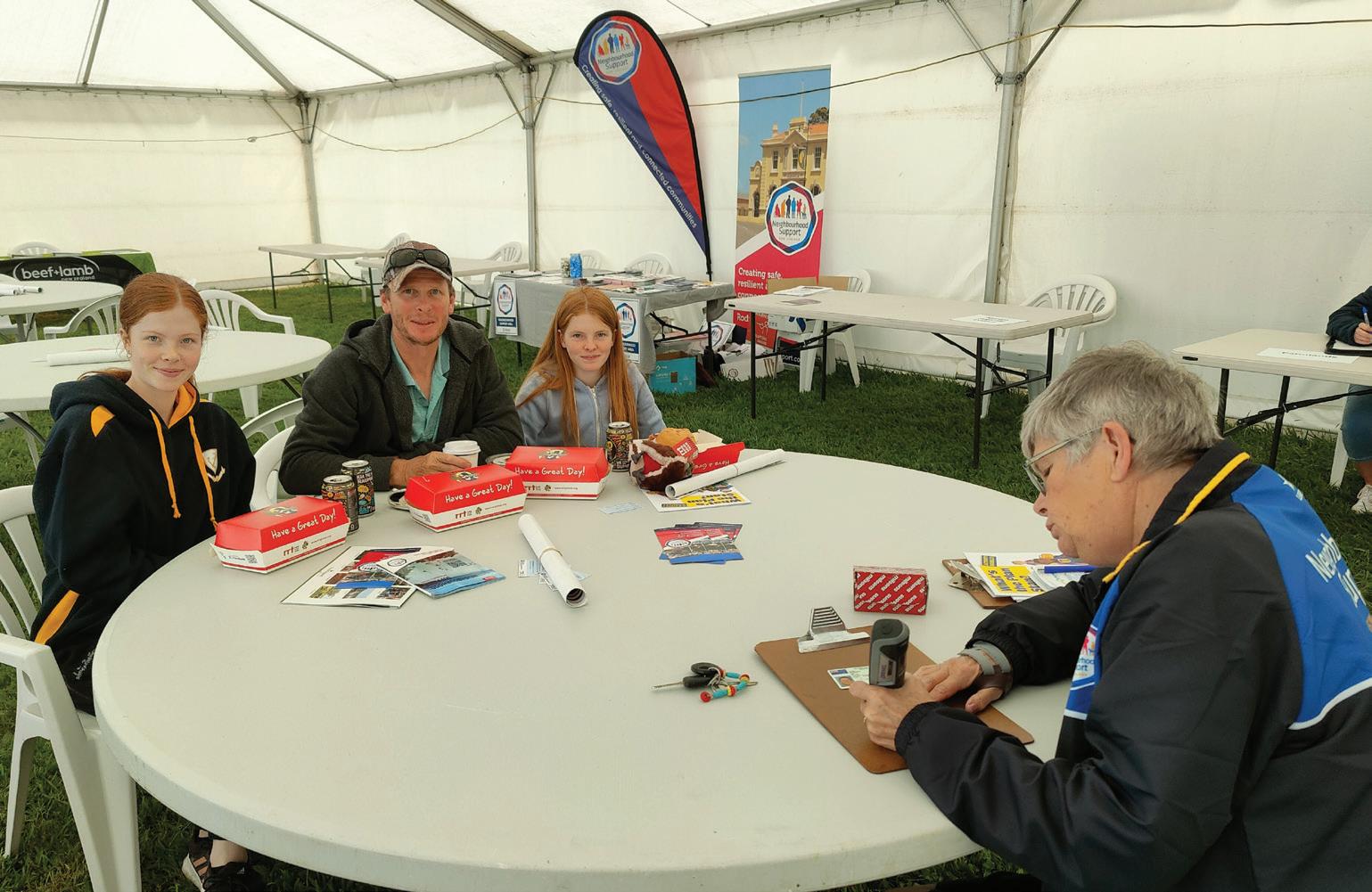
RRT’s contribution, however, went beyond providing fencing materials. At each event, up to 20 service providers such as mental well-being, veterinary support and rural financial councillors attended to give free support to the farmers, and attendees were all provided with barista coffee and a BBQ breakfast or lunch depending on when they turned up on the day.
The aim of these community connect events was about bringing the farming community together and encouraging them after what has been a very difficult year farming in NZ. As RRT director Matthew Smith said ,“We know how hard our farmers work but they can also be a stoic bunch and keep to themselves.
“These events are a great chance for the farming community to connect, despite the remoteness of some of the farms it is the
sense of community which we are able to draw strength from in difficult times.”
The success of RRT’s Farmers Community Connect Events is a testament to the power of collective action and community support. By coming together and lending a helping hand, we can make a real difference in the lives of those who have experienced hardships.
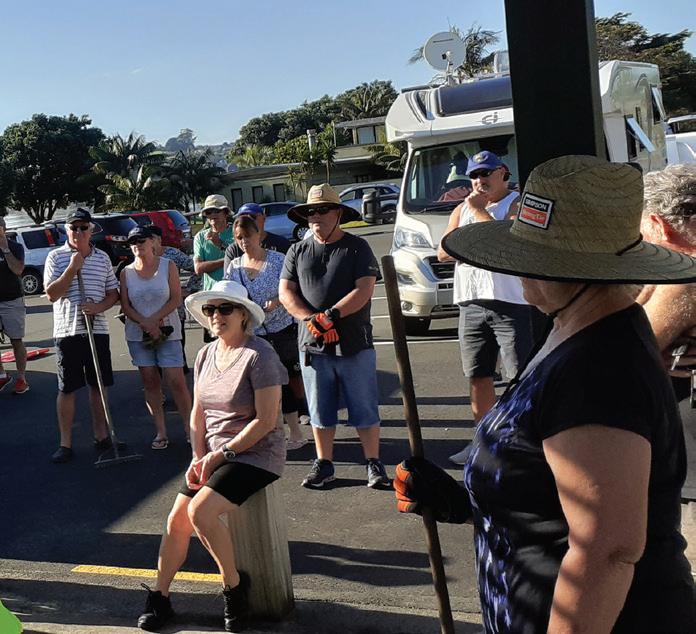
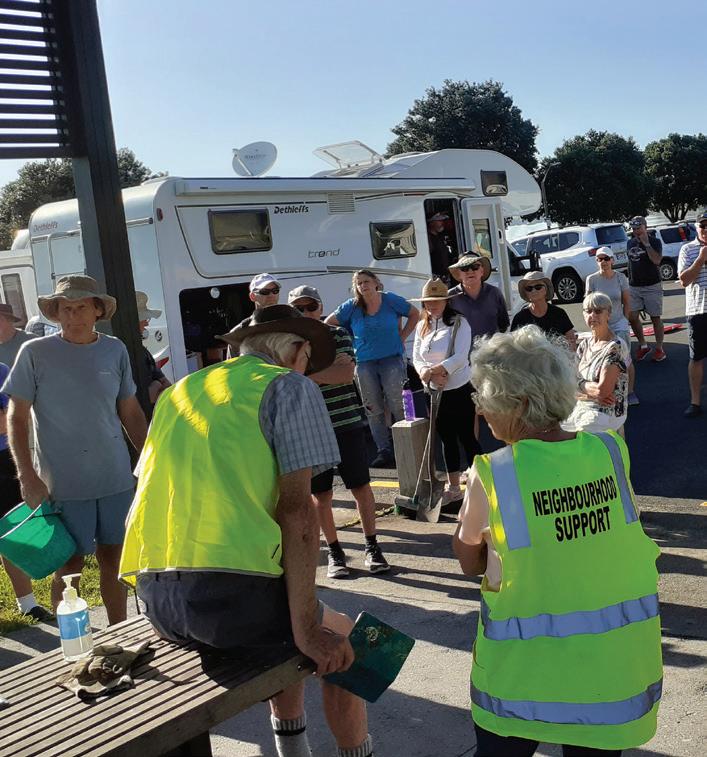
Neighbourhood Support members and residents took part in a beach clean up at Snells Beach.
This took place following the storms in early 2023.
If you are near the coast and feel an earthquake that is LONG or STRONG: GET GONE.
A tsunami is a series of waves caused by large earthquakes. All of New Zealand’s coast line is at risk of tsunami. A tsunami wave can grow to become a fast moving wall of water.
If you are at the coast and experience any of the following:
• Feel a strong earthquake that makes it hard to stand up, or a weak rolling earthquake that lasts a minute or more
• See a sudden rise or fall in sea level
• Hear loud and unusual noises from the sea
• Move immediately to the nearest high ground, or as far inland as you can. Walk or bike if possible.
not wait
For a local source tsunami which could arrive in minutes, there won’t be time for an official warning. It is important to recognise the natural warning signs and act quickly.
Remember, LONG or STRONG: GET GONE.
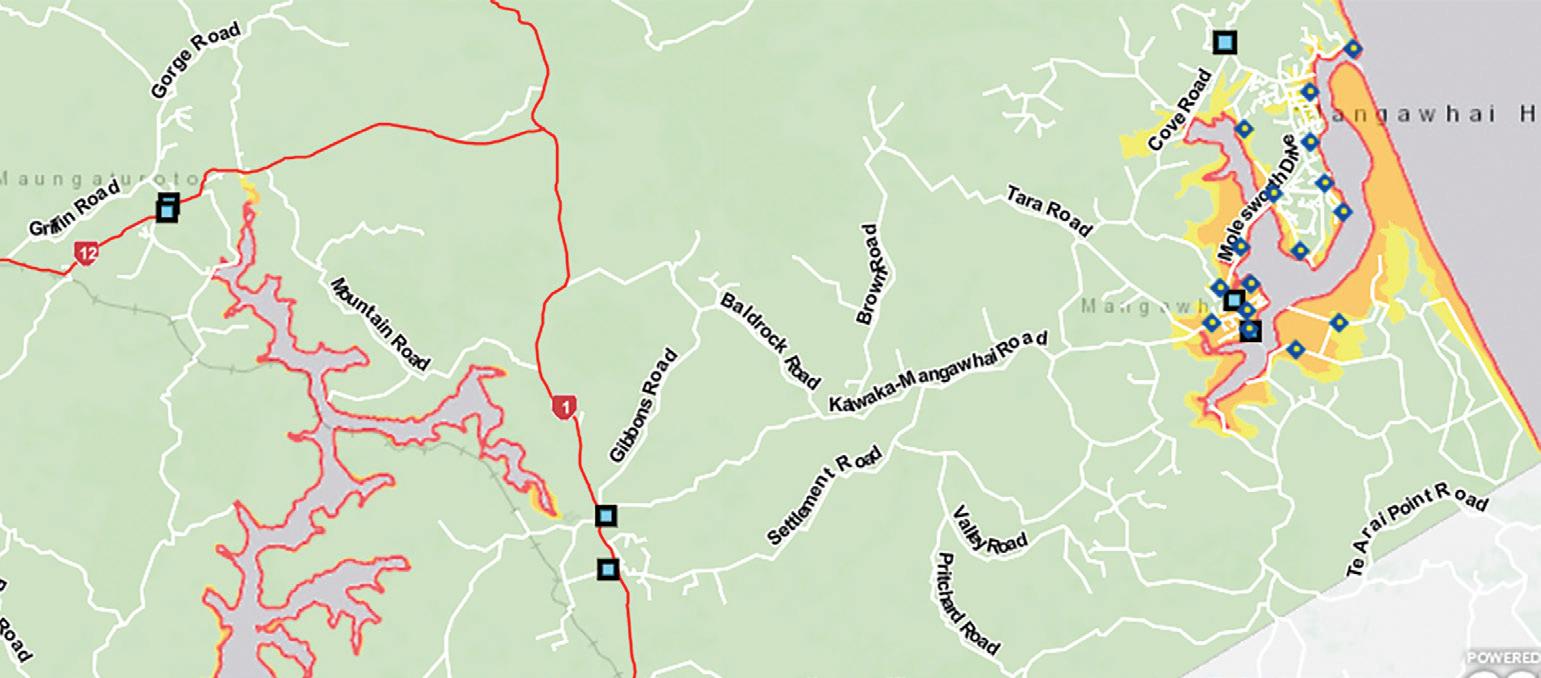
Shore (Red) Evacuation Zone -
This zone must be evacuated in response to a 0.2-1 metre wave height. Flooding of land near the shore is not expected.
Orange - Inundation Zone - this zone matches the 3–5m threat level warning and is to be evacuated in the event of either the 1–3m, or 3–5m threat level warning being issued (area inundated by a tsunami with a 500 year return period). The Orange Zone encompasses the Shore Evacuation Zone.
Yellow Inundation Zone - This zone should also be evacuated in an official warning for larger than a 3 – 5 m threat level (2,500 year return period) or in the case of a natural or informal warning where the potential wave height is unknown. The Yellow Zone encompasses the Orange Zone and Shore Evacuation Zone.
Safe Zone - if driving, keep going once out of the evacuation zones to allow room for others .
Tsunami sirens
A tsunami may arrive soon after a major earthquake. Don’t wait for an official warning.
Walk inland or to high ground. Use the map to identify your nearest safe zones and safe locations ahead of time.
Evacuate on foot if possible. Roads will block very quickly. Take essential items - tsunami flooding can last for many hours.
More maps and info at:
https://www.nrc.govt.nz/tsunami https://www.nrc.govt.nz/evacuationzones https://aucklandcouncil.maps.arcgis.com/ apps/MapSeries/index.html?appid=81aa3d
For planting projects, the amount of funding you are eligible for, will depend on the:
distance from and size of the area next to the waterway to be planted number of different plant species required.
All plants must come from local, eco-sourced nurseries.
The MLRP Land Advisor and Planting Coordinator will work with you to assess what's appropriate for your site.
About the Mahurangi Land Restoration Programme (MLRP)
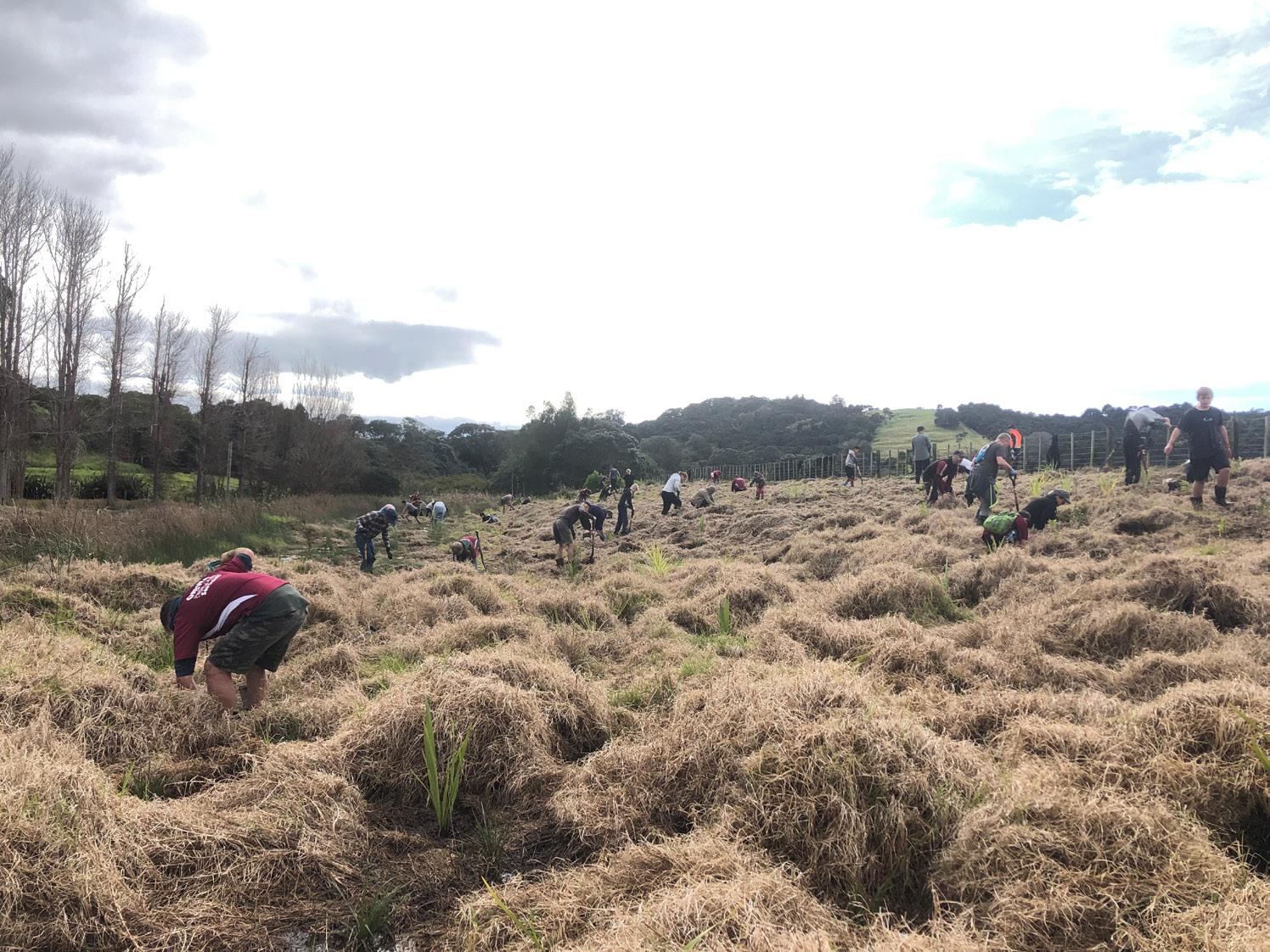
MLRP is a $5 million, 5-year programme funded by Ministry for the Environment's (MfE) 'Jobs for Nature'.
Auckland Council and Ngāti Manuhiri Settlement Trust are project partners.
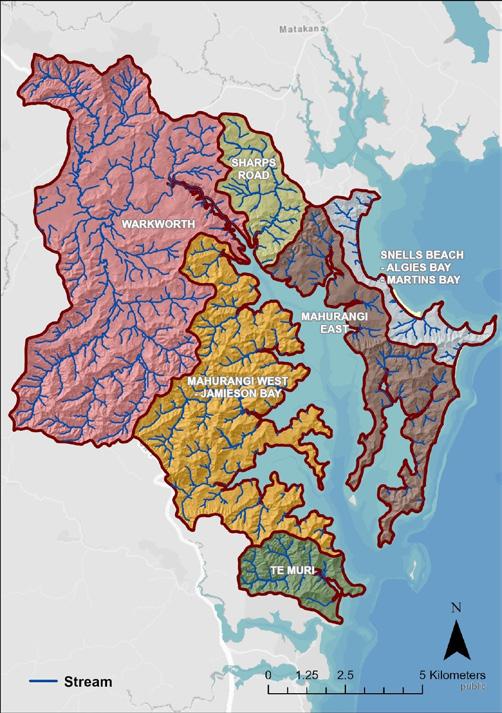
The Mahurangi catchment covers about 13,500ha including 206.6km of rivers and streams that discharge into the Mahurangi Harbour.
MLRP aims to increase the health of the harbour and its waterways by reducing human induced sediment from private and public land activities.
Sediment is the third-highest threat to marine habitats in New Zealand.
Recent MLRP achievements
From 2021-2022, the Mahurangi community and landowners:
planted about 120,000 native plants erected nearly 7km of fencing to protect waterways protected over 30ha of important ecological areas from stock
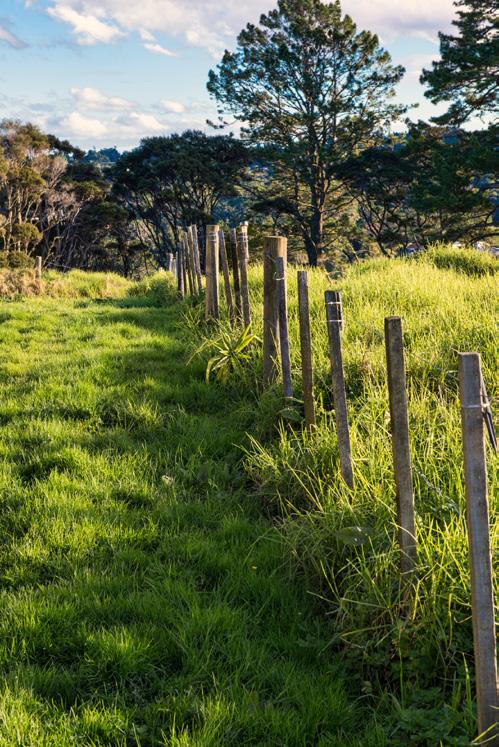
Fencing must exclude stock from the waterway or planting area.
MLRP will work with you to evaluate the fence type most appropriate for your project.
The setback of a fence must be a minimum of 3m from the waterway edge. The amount of funding you're eligible for, will be determined by the setback margin.
Benefits of riparian planting
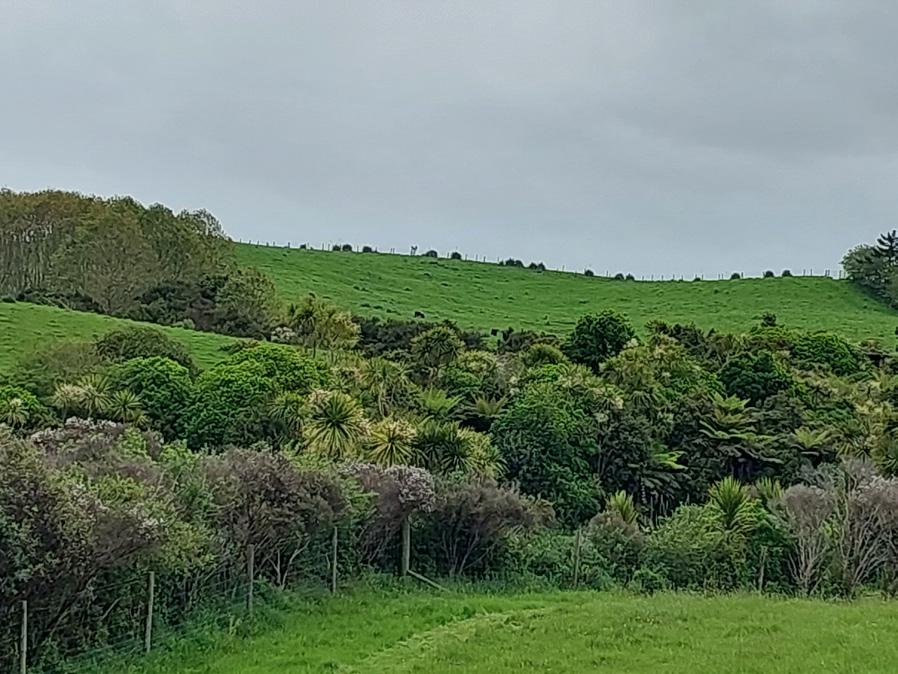
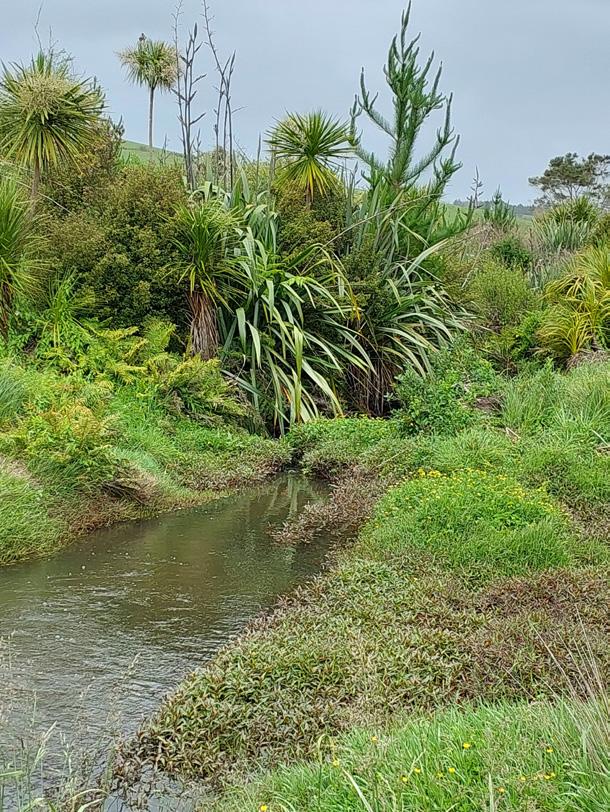
Improved water flows and water quality. Reduced water temperatures and increased oxygen levels in water. Increased water clarity
Retention of stream shape & structure.

Improved terrestrial habitat diversity. Greater ecological quality and biodiversity.

The Mahurangi Land Restoration Project (MLRP) contributes up to 60 percent of the cost of projects that protect: waterways including permanent and intermittent streams, springs and headwaters coastal margins wetlands critical source areas e.g. steep gullies native bush that contains a waterway
You are eligible to apply for funding if: your land is in the Mahurangi catchment you can contribute 40 to 50 percent towards the project (this can include voluntary labour)
What funding covers
buying native plants & planting labour fencing materials & fencing labour site preparation & maintenance alternative water supply removal or remediation of fish passage barriers
What funding does not cover
activities to meet subdivision or title requirements extensive weed control
Mahurangi catchment

Often when we prepare for an emergency or disaster we think about ourselves, our family, neighbours, colleagues and friends. But is there someone else you might be forgetting?
Although they are often considered as part of the family, it’s easy to forget some extra planning might be needed to ensure your pets are also prepared. The following is a list of items you can store together to keep your furry, fuzzy, fluffy and feathered loves one comfortable and safe:
Store at least five days of non-perishable pet food (canned or dried) in an airtight or waterproof container - don’t forget a can opener! Try to use the same food as what you normally feed them to avoid possible stomach upsets. Store at least five days of water, additional to your family needs. Remember to include bowls for both.
One for each animal. Label these in advance with your name, contact number and address. The cage/carrier should be sturdy and made from metal or plastic, not cardboard which may disintegrate when wet. For dogs, also include a muzzle, harness and lead.
Store extra medical supplies (such as bandages and tape, scissors, tweezers and gloves) and your pet’s medicines or supplements in a waterproof container. You should also store copies of any medical and vaccination records in a waterproof see-through storage bag. Include your vet’s name and phone number, in case you have to board or place your pets in someone else’s care. Provide extra contact details for nearby family and friends.
It helps to use bedding your pet is familiar with to make them feel at ease, especially if you become separated. A favourite toy can also help reduce stress. Towels and blankets will come in handy to keep your pet warm and dry in severe weather.
____ Sanitation
Include litter and a litter box if needed and any other useful items such as newspapers, paper towels, plastic bags, doggie bags, disposable gloves and sanitising solutions.
Photographs + ID
Store a current photograph of your pets in a waterproof container, including notes on any distinguishing features as well as name, sex, age, colour and breed. Also include a photograph of you together to help prove ownership if you get separated. Make sure your pets are microchipped and wearing ID tags if possible.
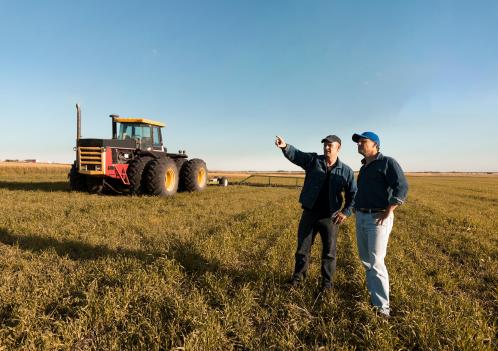
Navigators are here to help
Based in storm affected communities across Tāmaki Makaurau, Storm Recovery navigators (navigators) from Auckland Council’s Tāmaki Makaurau Recovery Office (Recovery Office) have hit the ground running and are here to help you!
Our navigators are here to connect you to the resources and information you need to navigate your way through the coming months and beyond. Whether you have questions about your insurance situation, accessing financial assistance, or need support to deal with the emotional and mental toll, our navigators are here to help.
While most of Auckland has moved on from the storms earlier this year, many impacted people are still struggling. That’s why the Recovery Office has launched the Storm Recovery Navigation Service to walk alongside impacted individuals, whānau and families to help them access the information, services and support they need to plan their recovery.
Navigators are like a one-stop-shop. They provide people with holistic wrap-around support while connecting them to wider programmes and services.
“Many of the people we work with are often overwhelmed with everything that needs to be done. Our guidance and support can make a tangible difference. It’s a good feeling to work alongside people and help ease some of the pressure they’re feeling,” says Storm Recovery navigator Annabel.
This isn’t the first time navigators have been used in a disaster recovery. The service has proven a huge help for individuals and communities in recent recoveries across Aotearoa, like the Ōtautahi Christchurch and Canterbury earthquakes and the 2017 flooding in Whakatāne.
Storm Recovery Navigation Service manager Manu Joyce says, “What excites me most about our service is we’ve got a group of skilled, talented and caring people who will walk alongside individuals, whānau and families to connect them to the right services in the ‘moments that matter’. Whether that’s your health and wellbeing, insurance, or navigating government processes which we know can be really challenging and frustrating at times, we’re here to help!”
The Recovery Office wants to give a huge shout-out to the Ministry of Social
Development (MSD). Thanks to their generous support, we’ve had the first tranche of NGO-based navigators come on board in the past couple of weeks, with more coming on board in the new year.
Our NGO-based navigators are from these NGOs and will be able to leverage their existing relationships with their different communities.
You can contact us in the following ways:
• Email: navigators@aucklandcouncil.govt.nz
• At the Navigator drop-in clinics at a community facility near you.
Navigators are out in the community so can visit you at home or a place that works for you too.

Whether it be standard mail or courier delivered parcels and packages, when these items are left, they do become vulnerable to theft. Often credit cards, vouchers/gift cards or valued goods are the target for thieves.
There are a few ways you can discourage mail theft in your neighbourhood:
• Clear your letterbox in a timely manner to reduce mail theft, especially where mail is easy to see or partially sticking out of the letterbox.
• Put a hold on your mail delivery if going away, to prevent an overflow of mail sitting unattended.
• Provide clear delivery instructions for couriers to leave packages safely hidden or secured within your property, so that they are not visible from the roadside.
• If you are unlikely to be home for a couriered parcel and it cannot be easily hidden or secured until you are home, consider having it delivered to an alternative address (i.e. to work, a neighbour, or family member).
• Where practical, consider ‘click and collect’ over delivery.
• If replacing or upgrading your mailbox, consider lock-box options.
• Install security cameras and/or security camera messaging near your letterbox or front of property. You can view the CCTV guidelines at www.privacy.org.nz.
If you find mail or items you believe to be stolen, please secure the items and either give them to the intended recipient if safely able to do so, or return to the sender (if known), or hand to your local Police Station. It is an offence to keep mail or items that do not belong to you.
If you see suspicious persons or behaviour around letterboxes contact Police immediately on 105 or Crime Stoppers on 0800 555 111. Please also report the issue to NZ Post and advise your neighbours to be vigilant.
1. Do a stocktake: Assess how many devices in your house connect to the internet to understand where the risks are and start to mitigate them.
2. Assess new technology: Investigate new apps or platforms by checking out T&Cs, reviews and minimum age requirements before using them.
3. Secure your virtual house. Use strong passwords, update your software and use two- factor authentication where possible.
4. Share your experience: Talk to your friends and family about the technologies you use and let them know the tips and tricks you use to eliminate risk.
5. Combat misinformation: Guide people to official information sources like covid19.govt. nz to stop the spread of fake news.
6. See something, say something: If you see suspicious or criminal activity online, report it. If you don’t know where to report, Netsafe can help.
7. Practice safe clicking: COVID-19 is being used as a lure so be careful clicking on links, attachments or ads from unknown sources as they might be hiding malware.
8. Protect your info: Criminals are harvesting personal information. Stop and think carefully about the details you’re disclosing or whether they need to entered online.
9. Have fun: Explore the different technologies available to help you connect, learn, stay informed and participate in Aotearoa’s new virtual society.
10. Help others: Share your online safety tips and experiences using #stayconnectedstaysafe to help others.
As people rely more on virtual connections, Netsafe will keep sharing tips to help you #stayconnectedstaysafe. If there’s any topic that you’d like to know more about or ideas on how to contribute, please email us. Netsafe provides free support, advice and education – whether it’s scams, online bullying or advice on digital parenting, we’re here to help New Zealand.
If you’re concerned about the immediate safety of you or someone else, please call 111. If you want help or expert incident advice, you can contact us. Our service is free, nonjudgemental and available seven days a week.
• Email help@netsafe.org.nz
• Call toll free on 0508 NETSAFE (0508 638 723)
• Online report at netsafe.org.nz/report
• Text ‘Netsafe’ to 4282.
To report objectionable material, such as online child sexual exploitation and abuse, visit the Department of Internal Affairs website or the Police website. If you or someone else is in immediate danger, please call 111.
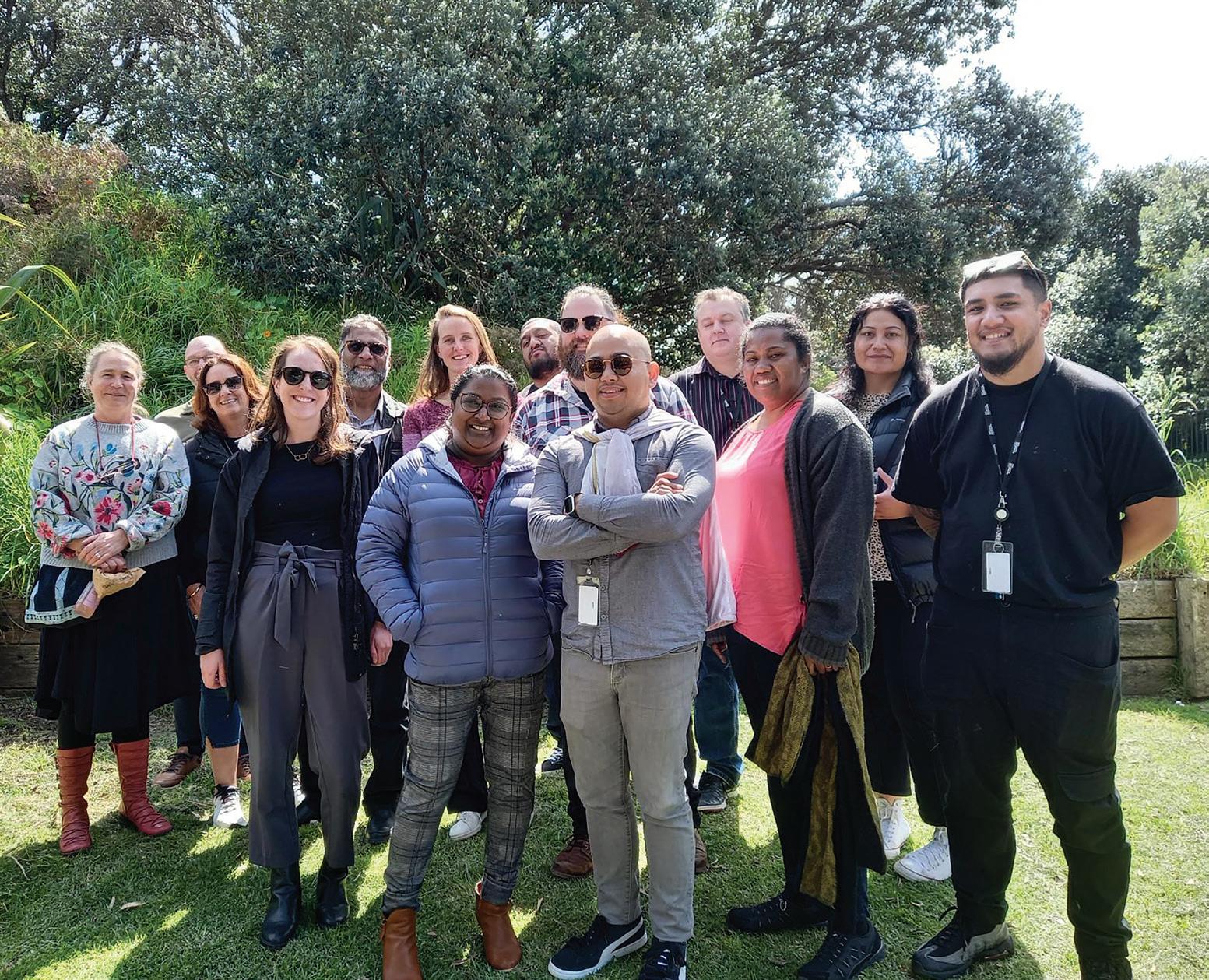
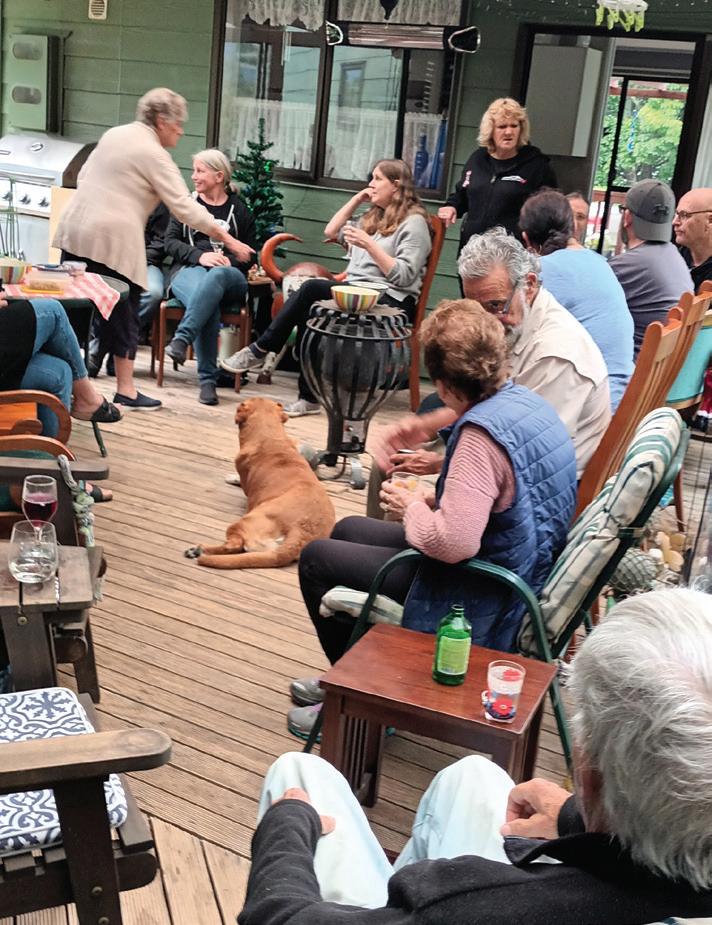
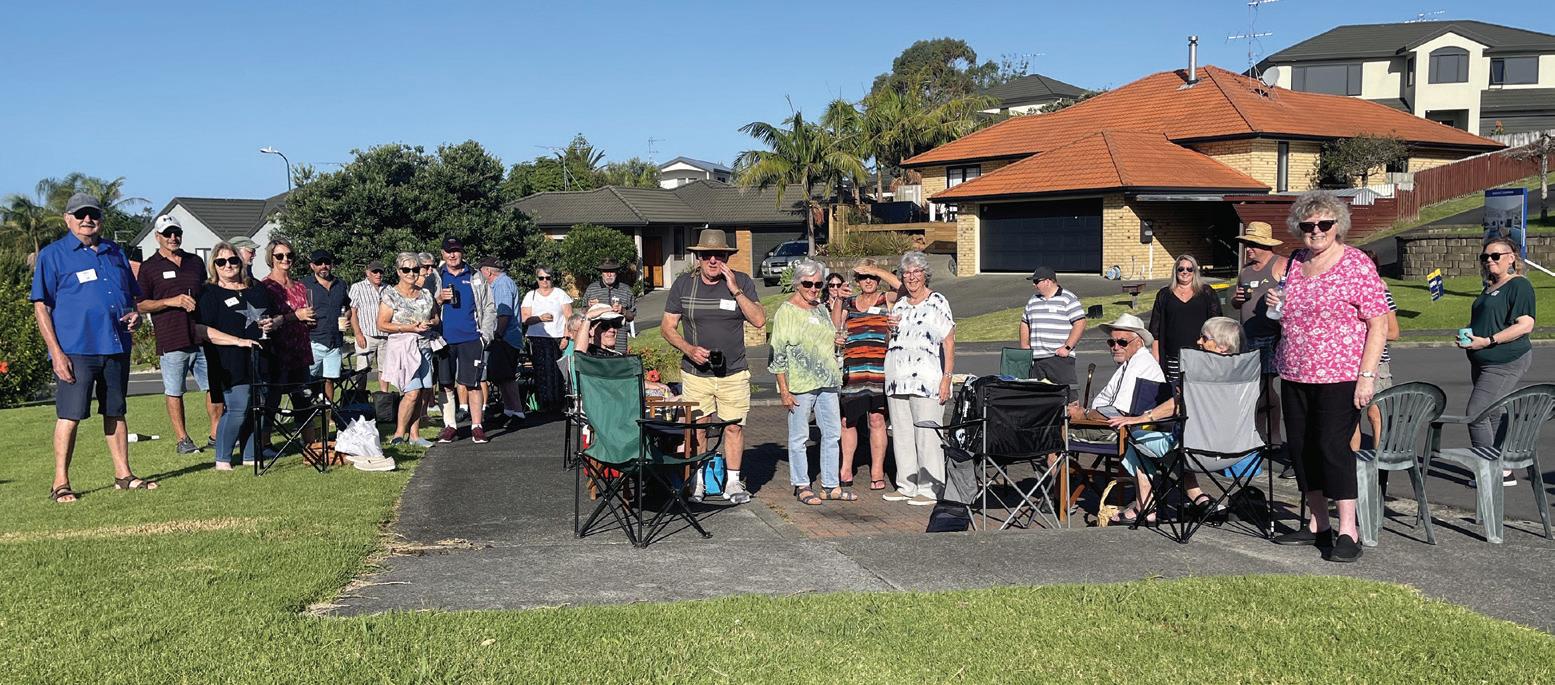
After Covid restrictions and the busy period following, our Rautawhiri Neighbourhood Support group finally got together again for our annual Christmas barbeque and drinks.
While the weather could have behaved better it still did not dampen the afternoon and a great time was held by all catching up on the lost stories. Merry Xmas to all from the Rautawhiri Group. Paul Sutherland.
Conference highlights were centered around the themes of embracing change, cultivating resilience, and nurturing connections.
The conference was opened by the former Minister of Police Ginny Anderson, who emphasized the importance of community connections, mutual support, leadership teams, and the development of trust and confidence between the public, Neighbourhood Support and the NZ Police.
Neighbourhood Support members emerge as unsung heroes in emergency situations, providing essential communications services, and support to all their members across the region.
The previous Police Minister emphasized the vital role of community patrolling, highlighting it as a valuable resource actively involved in preventing crime. This includes addressing challenges such as the increase in criminal activities among the 12-13 age group, including incidents like ram raids.
Initiatives like Community Cam, led by Michelle Hohepa, aim to combat increasing crime events.
Deputy Commissioner Tania Kura recognized a shared passion to serve communities with groups like Community Patrols and Neighbourhood Support connecting 200,000 households nationwide. The significance of community constables is underscored, acknowledging their unique value to each community. To evolve, the key is sharing ideas, partnering with the NZ police, exchanging information safely without judgement and serving as connectors for the greater good.

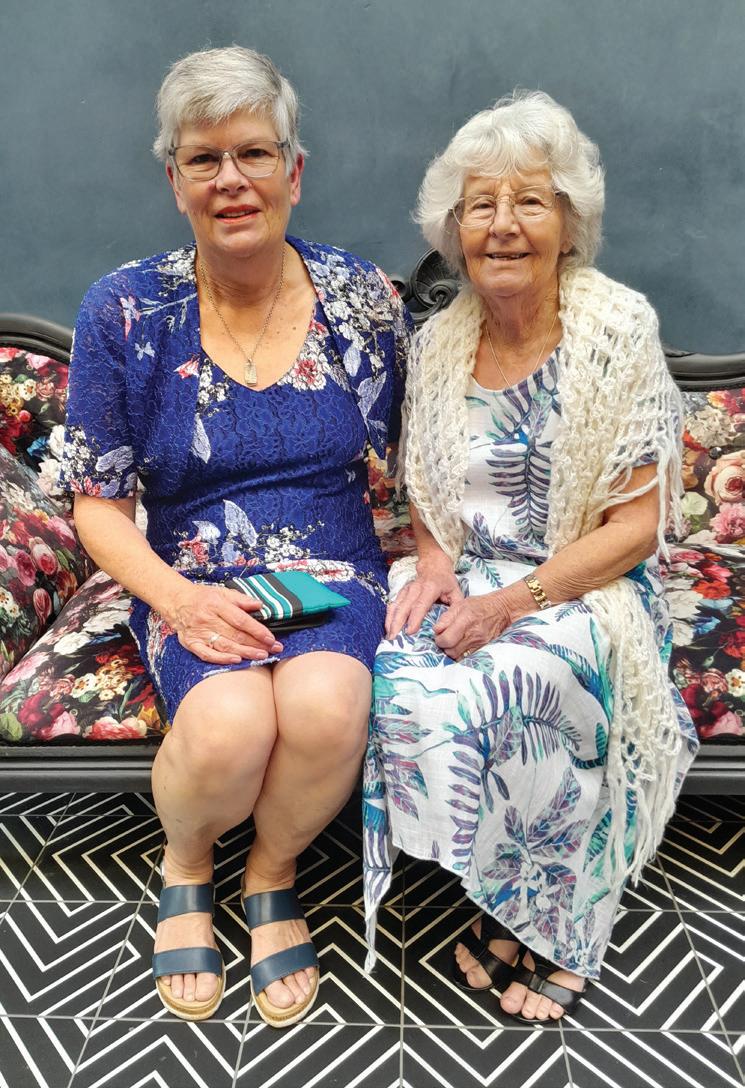
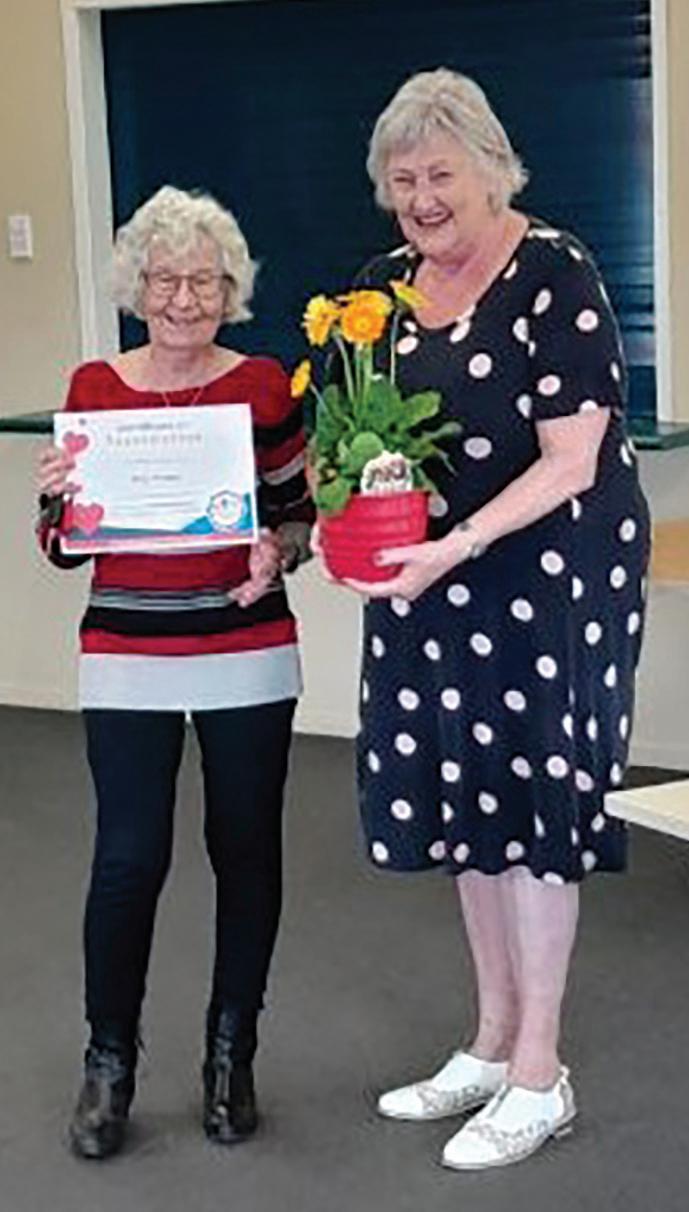
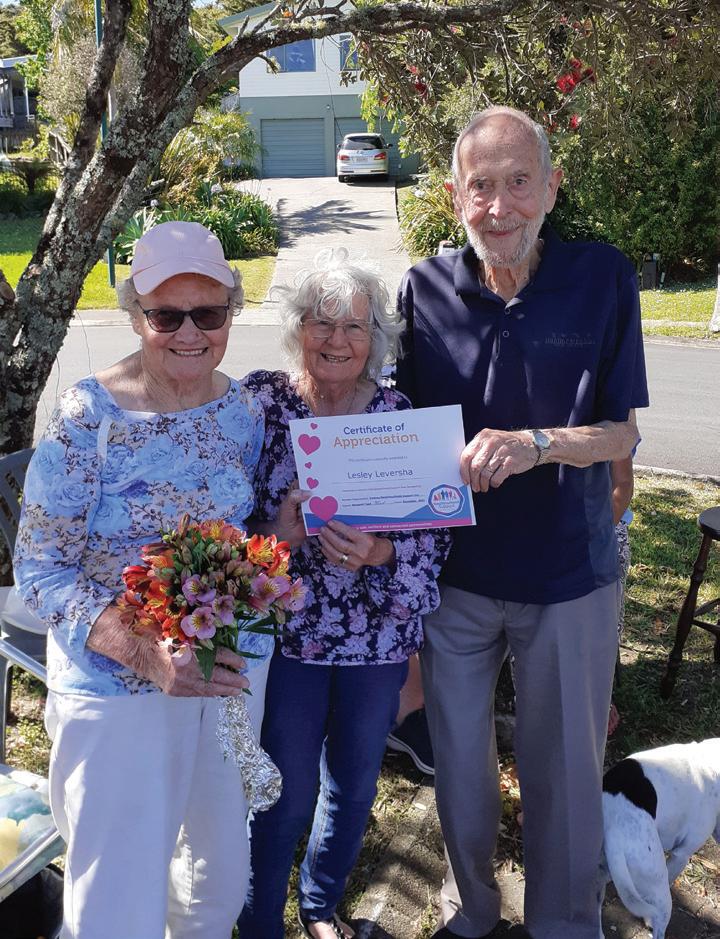
Thanking her for her contribution and service to Rodney Neighbourhood Support as the Snells Beach Contact.
Lesley and Bob Leversha were the instigators in assisting to open the first Street Groups in the Snells Beach Community.
Members of the local Community meet together every year on the grassed centre of Apollo Place. We wish them well as they move from our community. Margaret Faed Co-ordinator.
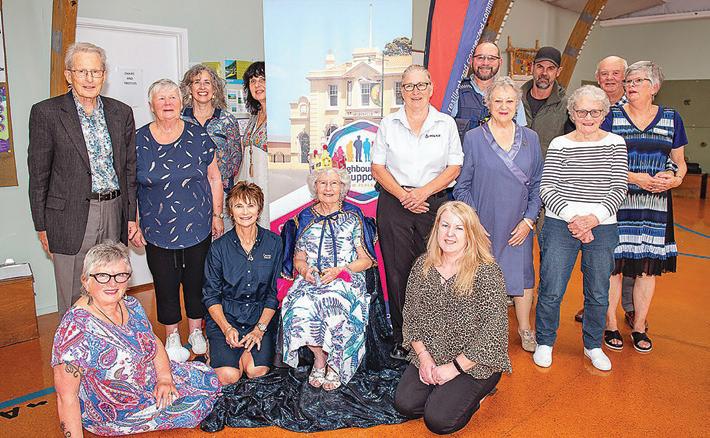
Stalwart community volunteer Margaret Faed was treated to a surprise on her 80th birthday on October 26.
When friends and colleagues gathered to celebrate her life of tireless service. An exhaustive list of Margaret’s contributions to the community began with a stint as assistant Brownie leader in the early 1960s, followed by numerous leadership roles in cub scouts over three decades.
She launched Snells Beach Neighbourhood Support in 2007, chaired Snells Beach Ratepayers and Residents Association from 2008 to 2014, and has been with Neighbourhood Support Rodney since 2014.
Margaret has also been a volunteer at Springboard since 2012, the community organisation working with at-risk youth, both at its former Snells Beach base and after its move to Sheepworld.
The party at the Warkworth Scout Den was organised by friend and Neighbourhood Support Rodney colleague Sue Robertson.
Among those who attended and delivered tributes to Margaret were Neighbourhood Support New Zealand CEO Louise Grevel, Senior Constable Hamish Buick of the Mahurangi East Policing Centre, Springboard founder Gary Diprose and Neighbourhood Support Rodney committee member Christine Bolstad.
“She was over the moon,” Sue said. “I tried to make it a memorable day, and she said that it was one that she would remember always.” Margaret said it was a lovely surprise and came on top of family birthday celebrations that have been going on for a month. She was made to feel ‘regal’.”
She traced her community spirit back to her childhood, when the family home in Milford was always open to neighbourhood children.
“Being a girl guide, you make a promise to help others,” she said. “My Christian faith has something to do with it as well – always treating people how you like to be treated.
“We’re all part of a community and if we all did just a little bit it would be so much better for everybody,” Margaret said. “You don’t have to volunteer for hours and hours – even just talking to your neighbours. There’s lots of good things we can do.”
(We acknowledge Mahurangi Matters for the Article and photos.)

Finding friends online can be fun. Sometimes, that friendship can turn to love.
Sadly, some people later discover that the person they have been talking to online isn’t who they say they are.
These people may use your feelings for them to try to get you to give them money or private information.
Once they have it, they may use this to pretend to be you or steal from you.
When this happens, it is called an online scam, and the person doing it is a scammer.
Here are some tips to help you avoid being scammed:
1. Your online friend may not be who they say they are.
Scammers can pretend to be someone else to make you want to talk to them. They will ask questions to find out what you like and are interested in. They may pretend to like the same things as you to make you like them. They may also tell you they love you soon after you start talking.
2. Some people online claim to be a celebrity to trick people.
Be careful if someone contacts you and says they are a famous person. They may have seen you say something online about liking a particular actor, singer or celebrity and pretend to be them to make you trust them.
3. Be careful if someone makes excuses not to meet you face-to-face or video chat with you online. They may not be a real person.
The photo you’ve seen may be fake and possibly a photo of someone else taken from the internet. If the person you are talking to keeps finding a reason not to video call, stop talking to them and talk to someone you trust for advice.
4. Don’t tell or send any personal information.
This includes:
• login details or passwords to your social media accounts,
• bank or savings account numbers or passwords,
• your date of birth,
• your phone number,
• your address,
• your passport number.
5. Don’t send any money.
Scammers may tell you about problems they or their family are having that need money to be fixed, hoping you will offer to give it to them.
They may even ask you for money for a specific reason, such as for a train ticket so they can travel to meet you. They will sound like they mean it because they may have done this before with someone else and are good at lying. Do not be embarrassed if you believed them.


How to get help.
If you are worried your online girlfriend, boyfriend or someone you’re dating may be a scammer:
• Don’t give them money.
• Tell whānau or friends you know and trust in real life.
• Talk to Netsafe for free and confidential advice on what to do next.
Netsafe can offer support and advice for people who have lost money in a scam, or think they are about to.
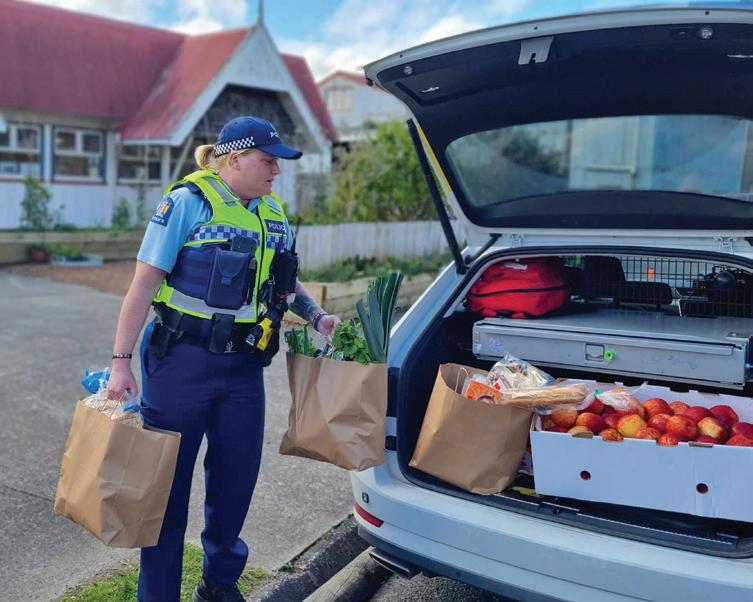
South Kaipara Good Food (SKGF) is a local organisation which has dug deep in its approach to tackling food insecurity in the South Kaipara community, stretching from Taupaki to Glorit.
Initially created in 2020 as a local response to Covid-19, the charity has since given out 17,312 food parcels, 7,910 since July 2022 alone, and more than 1,000 isolation packs thanks to the hard work of its small team and pool of passionate volunteers.
“The kai was plentiful and given with aroha. It helped immensely because I am on a tight
budget,” is the type of feedback SKGF receives from its Kai Assist recipients. “So so so grateful for the community we have around us and the support available - we appreciate each and every one of you!”
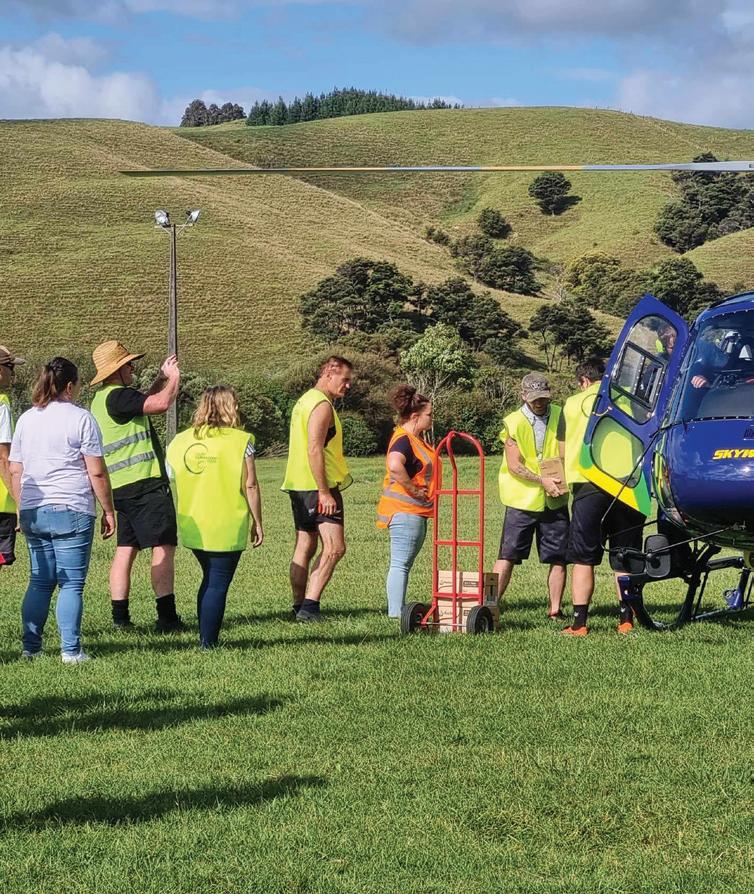
SKGF have a history of pivoting to help our community in the face of the many challenges we have seen in the past three years. They were able to act quickly when Cyclone Gabrielle and the Auckland Anniversary floods left locals cut off and without necessities like food and petrol, working the Defence Force, Auckland Emergency Management and the local fire chief to facilitate helicopter drops of essentials and organising
ongoing food support for places like Muriwai and South Head which were drastically impacted.
Emma Farry from the Muriwai Food Hub was grateful for the ongoing support, mentorship and advice.
“The non-perishable food items that you were able to donate to us week after week fed hundreds of people and allowed us to offer a continuous Food Hub service for our community. There were donations from countless social and church groups, but having the foundation of the weekly Monday donation from South Kaipara Good Food gave us the security we needed to offer a continuous and much appreciated service.”
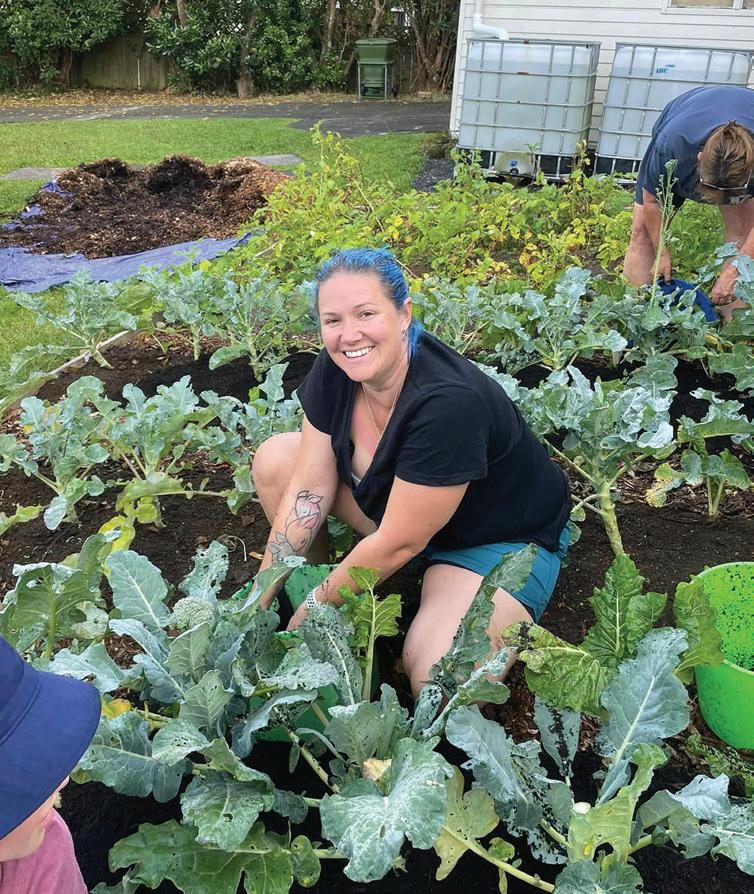
SKGF is passionate about making our community resilient in the face of future disasters and challenges. Evidenced by the flourishing gardens as you arrive at the busy Te Awaroa Helensville Kai Hub, they have created urban and
community gardens, run cooking, growing and composting classes, work with local schools and youth groups and also assist in the running of breakfast clubs at two local primary schools.
SKGF recently launched a new food rescue programme, acknowledging the impact that food rescue could have for our rurally isolated community.
SKGF are proud finalists in the North-West Country Business Association awards and would greatly appreciate your support of their mahi.
If you would like to stay up to date with their work and upcoming initiatives please sign up to their new newsletter, with the first edition due out later this month: www.eepurl.com/iuuv3w

Across our region, there are many fantastic communityled zero waste projects. These are initiatives that you can get involved in and that frequently offer family-friendly events.
Zero waste is about minimising our waste by changing the systems that create waste and changing personal and community behaviours to limit the waste we create, and reuse what we do create. Zero waste by 2040 is one of the key goals for the Auckland region because continuing to landfill or building incinerators to burn our waste are not realistic options: both
have serious toxic impacts and continue an unsustainable ‘take-make-waste’ way of doing things.
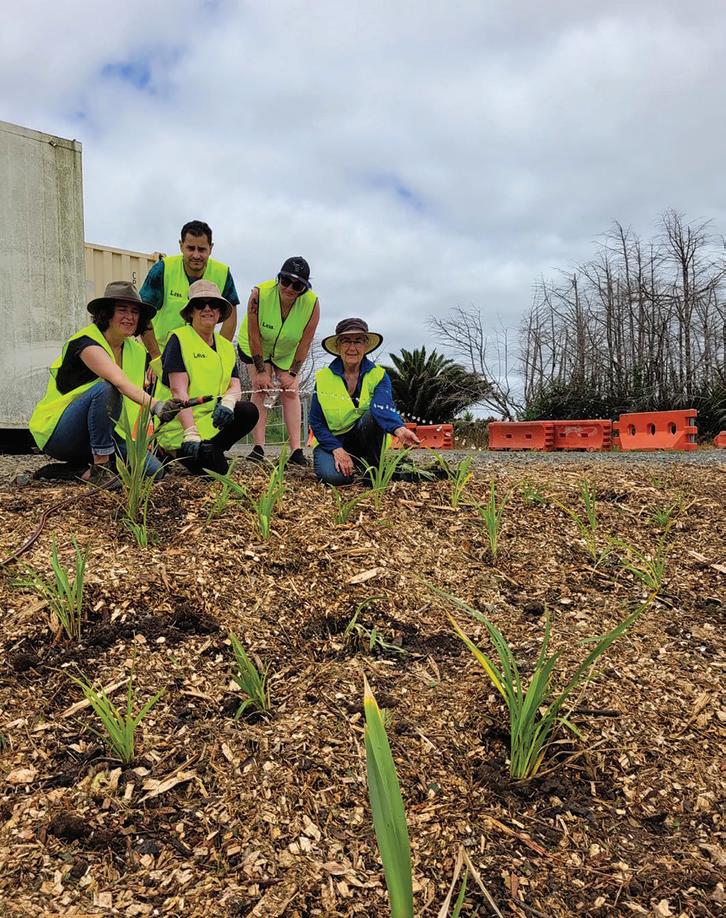
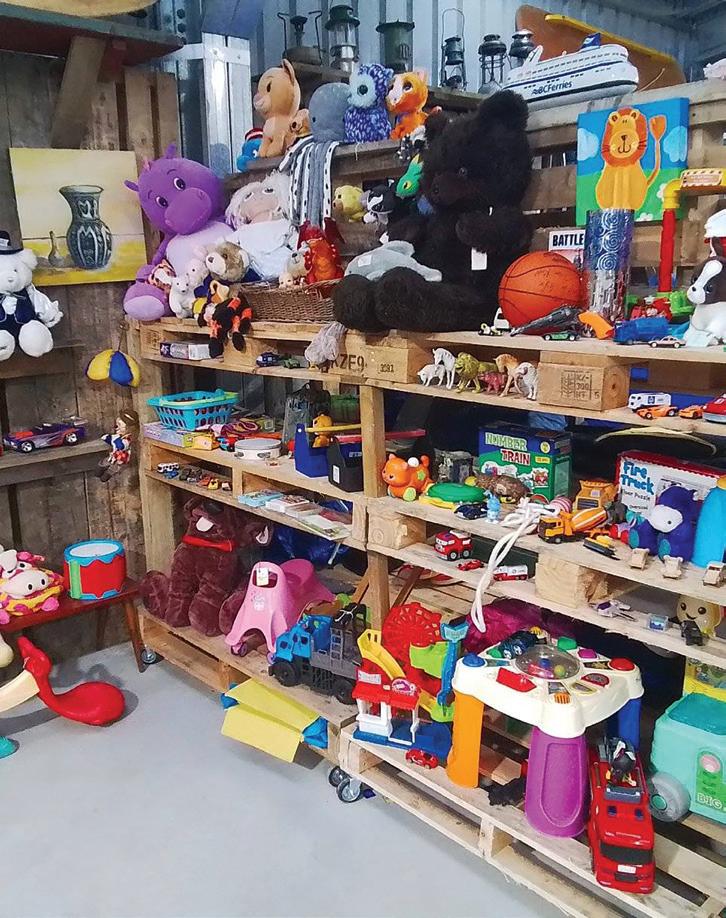
Community recycling centres (CRCs) are facilities where you can drop off unwanted items and materials for reuse and recycling, and buy second hand items. Check out Helensville Zero Waste at 35 Mill Road, Whangaparāoa CRC at 637 Whangaparaoa Road and Mahurangi Wastebusters’ two sites: the Less Waste site at Lawrie Road, Snells Beach and their site at 47 Station Road, Wellsford.
Hibiscus Coast Zero Waste is an amazing group working on multiple zero waste
projects in the community. Along with running the Whangaparāoa CRC and Ecoshop, they run the City-to-Farm composting project that takes local restaurant food scraps to a local farm for large scale soil regeneration. They run the Zero Waste Zero Carbon in Schools Programme where students are inspired to learn more about the relationship between global food production, the gigantic carbon footprint of our current agricultural system and low carbon alternatives.
Sustain and Enable in Huapai provides free healthy home assessments, zero waste education and sustainable living practices. They particularly serve people over 55, those with disabilities, new migrants, Māori and Pasifika whānau, and young people in poverty. They are on the lookout for passionate volunteers who want to make a difference. When you register, they will match you with a cause that aligns with
your interests and skills, and connect you with the right people to make it happen.
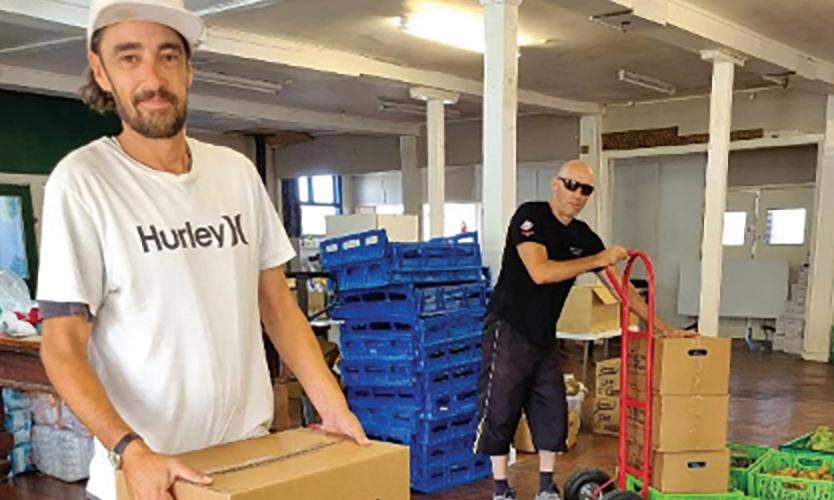
Perfectly Imperfect collects ‘ugly’ fruit and vegetables from producers that would otherwise go to landfill and distributes these out to communities. With a hub in Silverdale, they are always looking for keen, reliable volunteers to stop perfectly imperfect food going to waste and get it back out to our community. They have veggie boxes available at very low prices.
Compost Collective is a project aimed at increasing the number of households engaged in composting and organic waste reduction. Food scraps should not go into regular waste bins because they create methane in a landfill. Compost Collective offers workshops across the region to those who want to learn and upskill their individual and community composting initiatives.

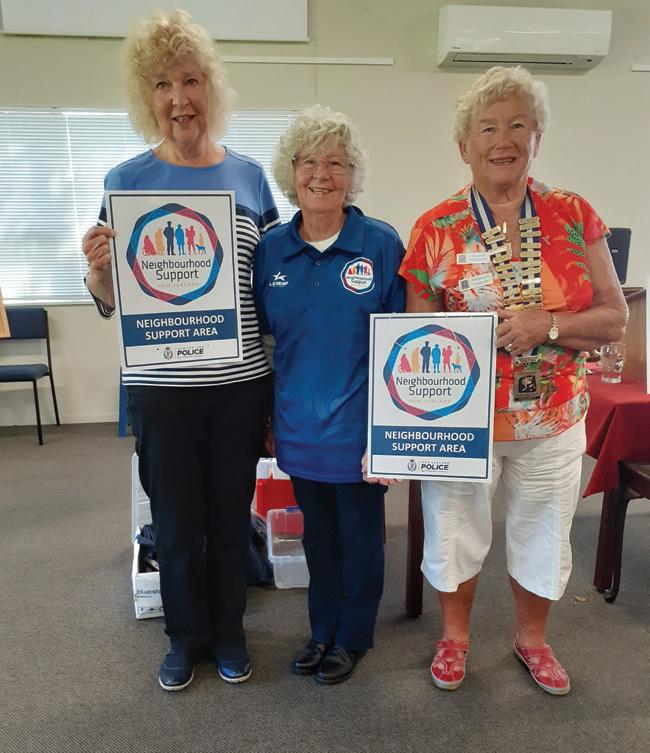
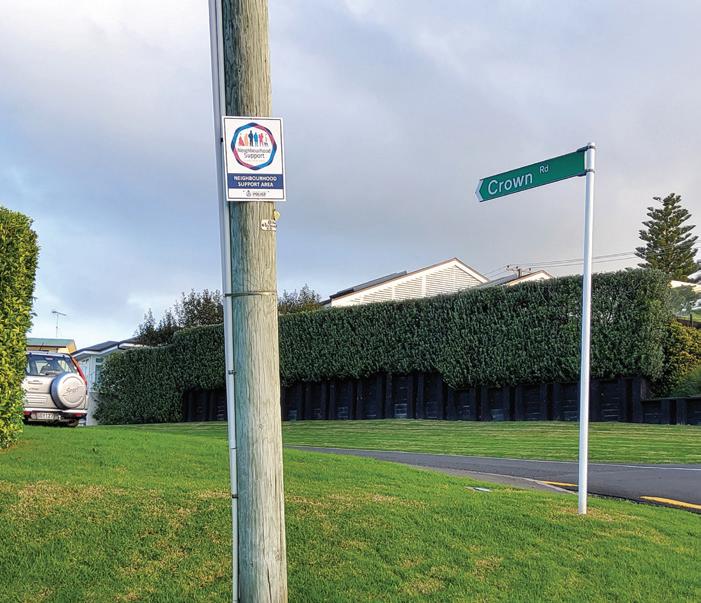
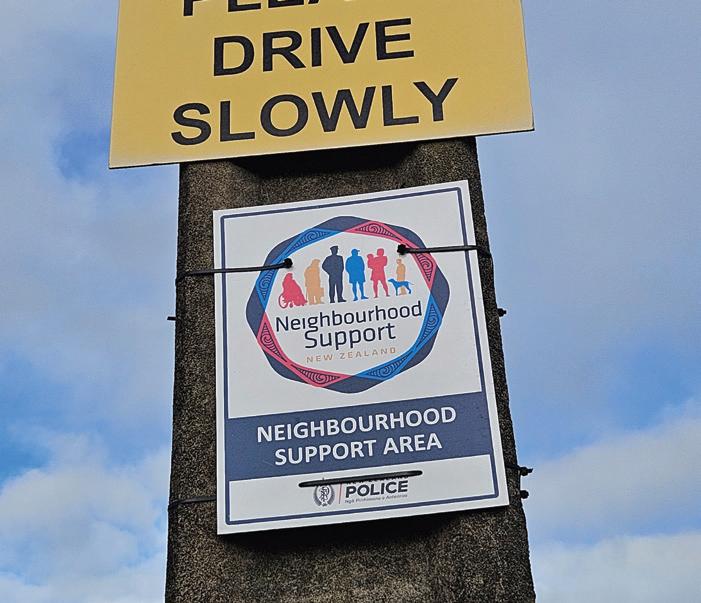
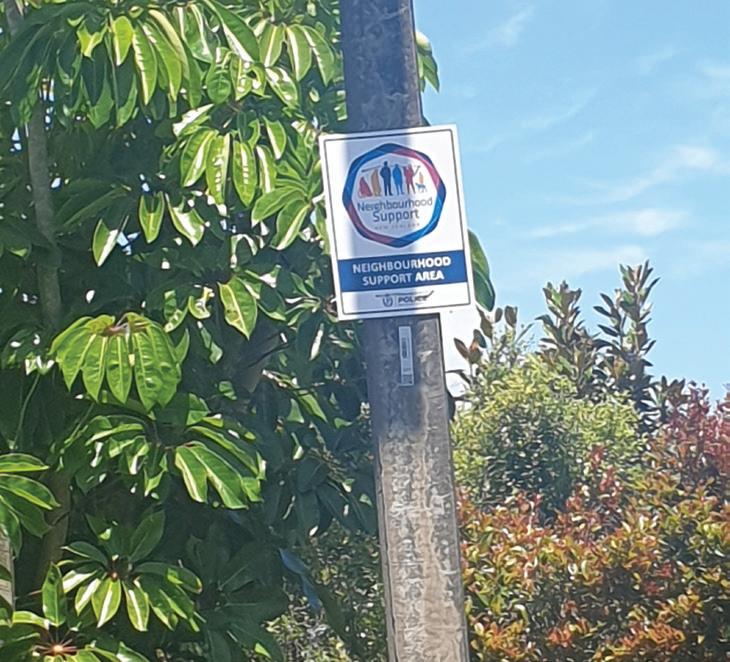
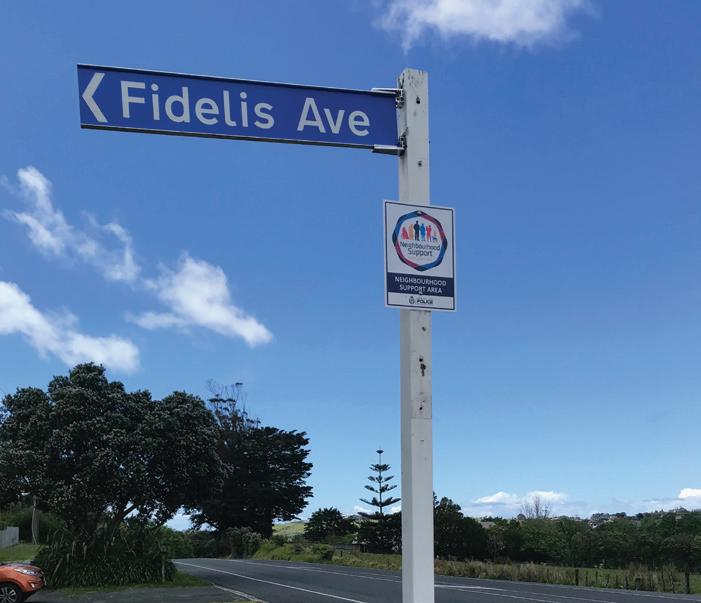
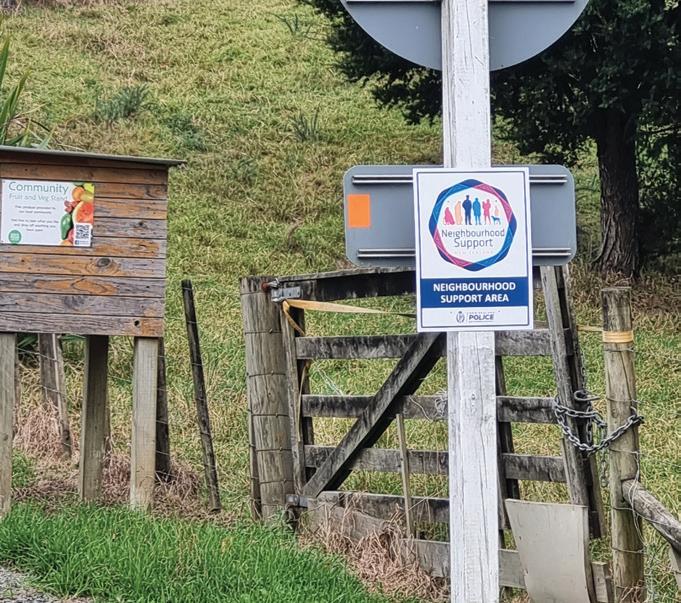
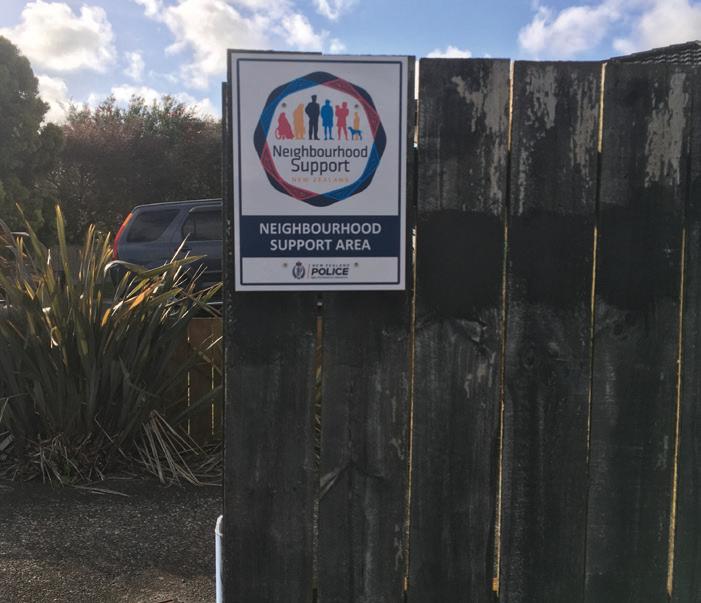
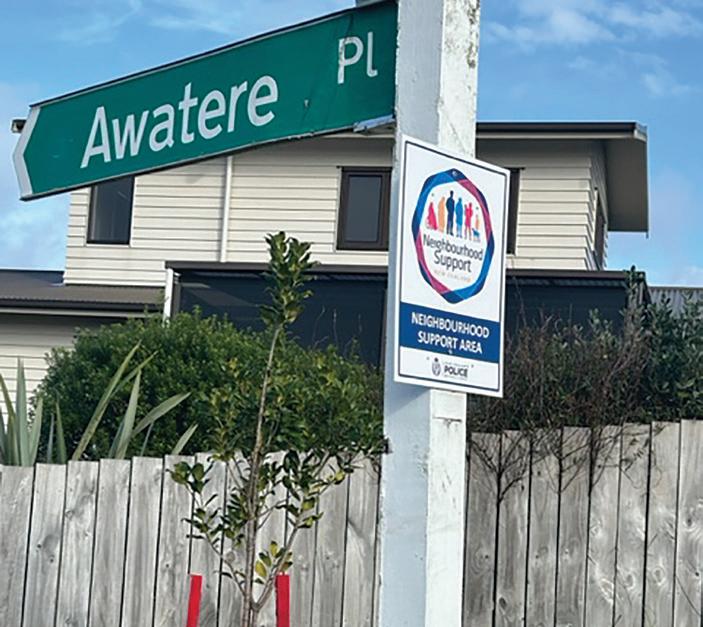
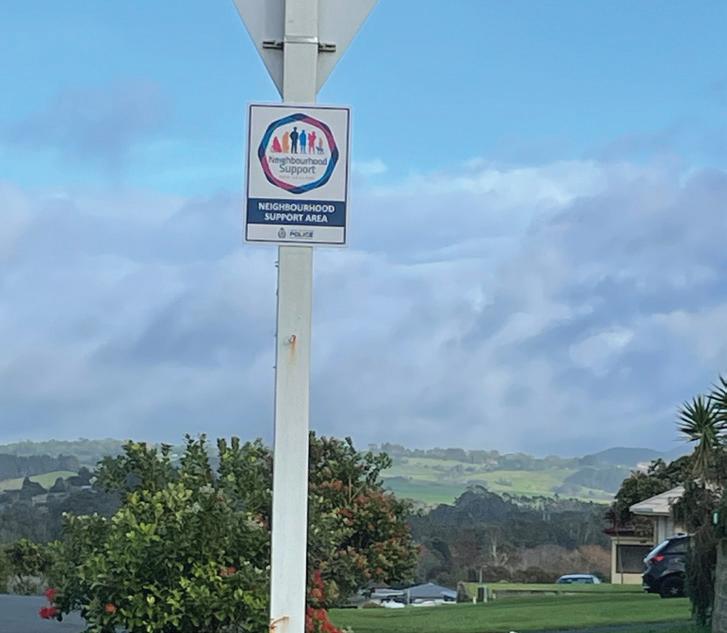
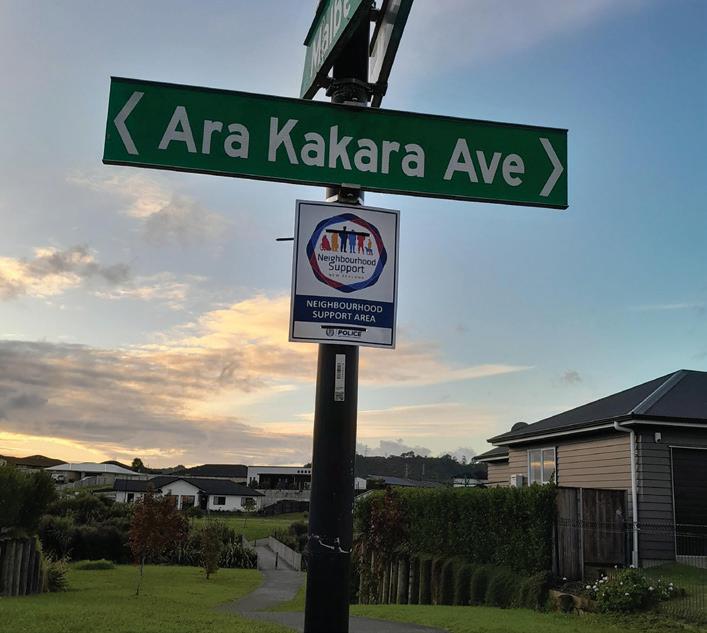
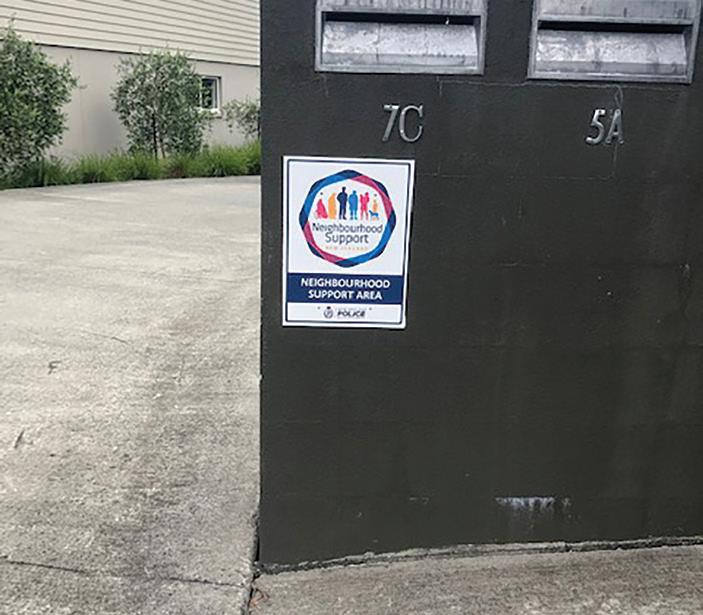
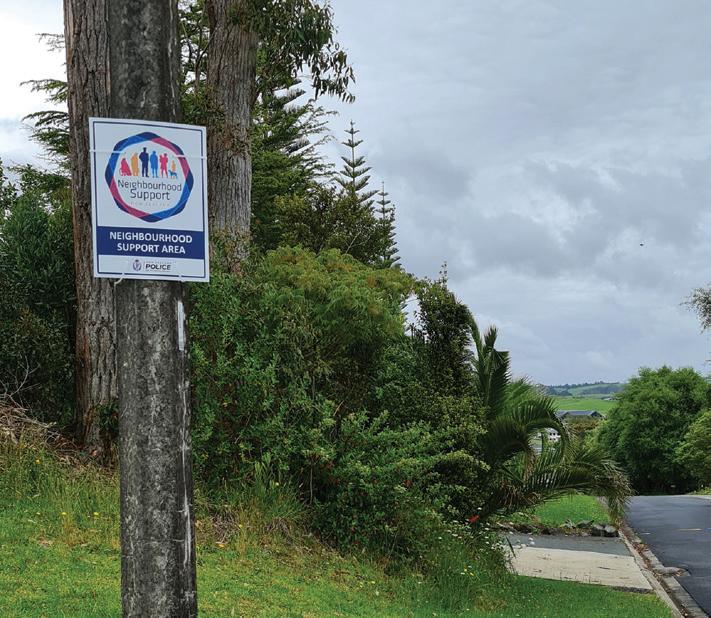
New street signs have been installed in many destinations across Rodney Neighbour Support area.
Complete this survey — reduce your risk of being burgled.
1. Are all locks to outside doors either dead locks or strong bolt locks?
2. Can door locks be opened by breaking a window and reaching through?
3. Can internal doors be locked?
4. Are all locks in good working order?
5. Do you lock the internal door from your garage?
6. Can you account for all copies of keys to your home?
7. Are window locks properly and securely mounted?
8. Do you keep windows locked when they are shut?
9. Do you use locks that allow windows to be secured partly open?
10. Do you lock your garage door at night?
11. Do you lock your garage door when away from home?
12. Do you have good secure locks on garage windows and doors?
13. Do you lock your car when its parked in your garage?
14. Do you notify neighbours when away on holiday?
15. Do you have mail and circulars collected for you when you are away?
16. Do you stop deliveries and newspapers when on holiday?
17. Do you have shades up and lights on when on holiday?
18. Do you use timers on lights & radios to make it look like you are home?
19. Do you arrange to keep lawns and gardens maintained?
20. Are you a member of a neighbourhood support group? Environment
21. Do you have sensor lights around your house?
22. Are shrubs and bushes well trimmed near your house and boarders?
23. Have you recorded all serial numbers and stored them away from home?
24. Have you uniquely marked valuable items (etch or invisible)?
25. Do you have a description of valuable property?
26. Have you displayed a sign that items are marked for identification?
27. Do you have an alarm?
28. Have you displayed a sign stating that your house is alarmed?
29. Do you report suspicious activity or people to Police immediately?
30. Do you know not to disturb anything if you are burgled? just to call Police?
Please return completed forms to: Rodney Neighbourhood Support Inc.
Postal Address:1 Hamatana Road, Snells Beach, 0920

Email: rns.coordinator@gmail.com Phone: 021 258 3737
Website: https://nsrodney.org.nz

First Name:
Last Name:
Flat / Unit Number:
Street Name:
House Number:
Suburb: Region:
Postcode: Home Phone:
Work Phone: Mobile Phone:
Email Address:
Emergency Contact:
Household Information
Names of Other Household Occupants:
Household Occupant Age/s:
I am interested in volunteering and would like more info: [ Yes ] [ No ]
Consent to Join: [ Yes ] [ No ]
Additional Information
Joining Date: _______________________
Please provide important details you would like to include as part of your household / personal application such as medical or mobility needs, list of pets, any special skills, etc.
Privacy Disclosure: By completing this application you agree to have your information shared with your local Neighbourhoood Support group / organisation including Coordinator(s) and Street Contacts who may contact you directly as needed through email and telephone communications. This information is collected and held in accordance with the Privacy Act 1993.
Creating safe, resilient and connected communities.
Someone asked me what do i do with all this stuff, well its a long story but - metal recycling is the recovery and processing of recyclable metal products.
The value of the products depends on the actual material and the difficulty in separating the different materials. For Example, cars can be recycled but only about 80% of modern cars is able to be recycled and even then there is a cost. The upholstery is mostly not able to be recycled and goes to landfill after it is sorted from the recyclable
materials, even the engine which contains steel, Aluminium, oils, and plastics has to be separated before it goes to the smelters. For example, oils are removed and recycled to make new oil-based products.
We even recycle the tyres, however, the cost to do so is so much more than the end products are worth.
At Tin Men Scrap Metals we do everything we can to reduce the need for any product to go to landfill.
William Mulholland
- Director Tin Men Scrap Metal and Demolition
• Demolition - Residential and Commercial
• Asbestos Removal and Control
• Scrap Metal Removal
• Transportation of Scrap Metal
• Cars - Any Condition • Scrap Metal Bins • Digger Hire and Driver • Labour Hire