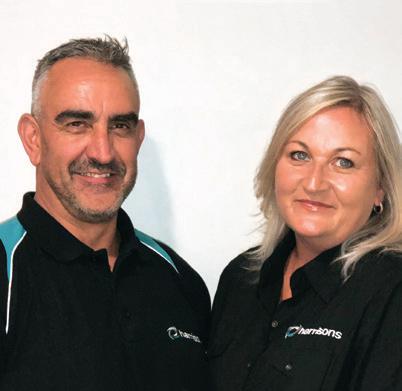
Lawrence & Nicola Warrington Owner/Operators Rotorua
Why Harrisons?
• We’re 100% Locally Owned and Operated
• We’re mobile so we come to you at a time that suits you best
• Huge range of the latest carpet and vinyls from the leading manufacturers, to suit all decors and budgets
• Get Flybuys with every purchase
• Finance options available: Buy now, pay later
About Neighbourhood Support
History
Neighbourhood Watch was introduced to New Zealand as a crime prevention initiative in the late 1970s. The initiative evolved to become Neighbourhood Support New Zealand, a community owned and managed organisation with a wide-ranging interest in community support, safety and crime prevention.
Neighbourhood Support became an Incorporated Society in 2000. In 2001 it signed a Memorandum of Understanding with the New Zealand Police. The purpose of the Memorandum of Understanding is to establish and promote a collaborative working relationship between Neighbourhood Support New Zealand Incorporated and the Police.
Objectives
Neighbourhood Support aims to make homes, streets, neighbourhoods and communities safer and more caring places in which to live.
This is primarily achieved through the establishment of small cells of households known as a “Neighbourhood Support Group”, comprising anywhere from 4 to 50 residential households in a single street or suburb. Groups throughout a single suburb or a wider town or city area are co-ordinated either via a civilian co-ordinator, or through a Community Constable based at a local Police station.
The main purpose of the groups is to encourage neighbours to know one another and share information on crime or suspicious activities in their area. Early contact with authorities such as the Police is also encouraged for reporting of unusual observations or unacceptable behaviour. Crime prevention information can also be shared with group members via Community Constables, or Neighbourhood Support Area Co-ordinators.
A secondary objective of Neighbourhood Support is to facilitate communication between Civil Defence (Emergency Management) and the community during a manmade or natural disaster affecting residents.
Message from the Editorial Team
Sadly, the world in which we live is not as law abiding as it was a generation or two ago, which makes the work of all sorts of government and voluntary organisations vital.
Neighbourhood Support is a lively, worthwhile and necessary organisation which provides avenues for neighbours and communities to socialise, and look out for each other.
Our sincere thanks to the contributors of all the articles contained here. A lot of hours have gone in to making this book as relevant, useful and convenient to use as possible.
This book is a vehicle for the latest news and messages of many of the above, in an easy to use format. Please keep it by your phone for ready reference.
The community-minded advertisers represented in this book have provided the finance for its manufacture and distribution, as well as critical funding for your local Neighbourhood Support groups to continue their important work.
Please support these advertisers as they are supporting you!
Published by Markat
P.O. Box 1879
Christchurch
Phone: 03 376 5120
Fax: 03 376 5153
Email: sales@markat.co.nz
Advertising / Articles Enquirers
Phil Cowen
Phone: 021 660 355
Email: phil@markat.co.nz
Published annually - ref: N19RT
Message from the co-ordinator
Welcome to the fourth issue of the Neighbourhood Support Rotorua booklet.
The aim of this publication is to inform the community about Neighbourhood Support and the activities of associated organisations in the Rotorua Police Area, covering the Rotorua Lakes District plus Murupara/Galatea areas, which are controlled by the Rotorua Police.
Neighbourhood Support Rotorua is committed to making the community a safer more caring place. Over 39 percent of the occupied households in the coverage area are covered by Neighbourhood Support Groups, which equates to over 9,500 households. Those Groups are committed to promoting crime prevention, preparation for a civil emergency, getting to know their neighbours and neighbourhoods, and building community spirit.
Originally established in Rotorua in the 1990s, Neighbourhood Support Rotorua works closely with the Rotorua Police. The office is situated in the Rotorua Police Station and we are really thankful for the office space provided by the Rotorua Police. A management committee is appointed annually to oversee the activities and to ensure funding is obtained to keep the office going.
The neighbourhood you live in is shaped by what is allowed to happen in it. Where Neighbourhood Support Groups are established a standard is set by the
neighbours as to what is acceptable and what is not. If something falls outside the accepted norm, members of the Group will contact the appropriate authority such as the Police or Council.
Each Group operates as that Group determines. All will follow the basic aims of:
• Taking responsibility of their own safety
• Preparing for a civil defence emergency
• Encouraging neighbours to get to know one another
• Helping to minimise crime in the area by reporting suspicious behaviour
• Sharing information to reduce the likelihood of crime
• Supporting each other when needed
• Knowing when and how to contact the Police and other authorities.
One thing that members of a Group should not be are noisy parkers, wanting to know all the gossip in the area. Information is shared as and when necessary, and members respect others right to privacy.
Neighbourhood Support Rotorua values working closely with the Rotorua Police, Rotorua Lakes Council, Civil Defence and local community organisations building a safer more caring community along with each household in each Group.
For all enquires contact the office on (07) 349 9470 or by email: nsrotorua@gmail.com.
Richard Perkins, Co-ordinator.
Rotorua Taxi Society Ltd is one of 16 Taxi Companies throughout New Zealand who is part of the Blue Bubble Group & have around 3,000 drivers
Rotorua Taxi Society Ltd provides greater choice than any other taxi company in New Zealand. We have cars available 24/7, and we make it easy for you to get a taxi wherever and whenever you need one. We’ve made booking a taxi as easy as possible for you: book online, through our app, over the phone, or simply hail a taxi on the street
● 24/7 Availability ● Taxi Vans
● Total Mobility (Wheelchair) Vehicles
● Eftpos/Credit Cards/Taxi Charge Available in All Vehicles ● Rotorua Tours ● Weddings ● Airport Transfers ● Corporate Transfers
● Urgent Package Deliveries
We’ve been safely driving kiwis for work, pleasure and convenience for more than 80 years. We take your safety very seriously and exceed the safety regulations that the New Zealand Transport Agency sets out for taxi companies
0800 500 000 | 07 348 1111
Message from the Rotorua MP
Rotorua is a great place to live. We have a strong and diverse culture, good education and a great many local attractions to keep us busy.
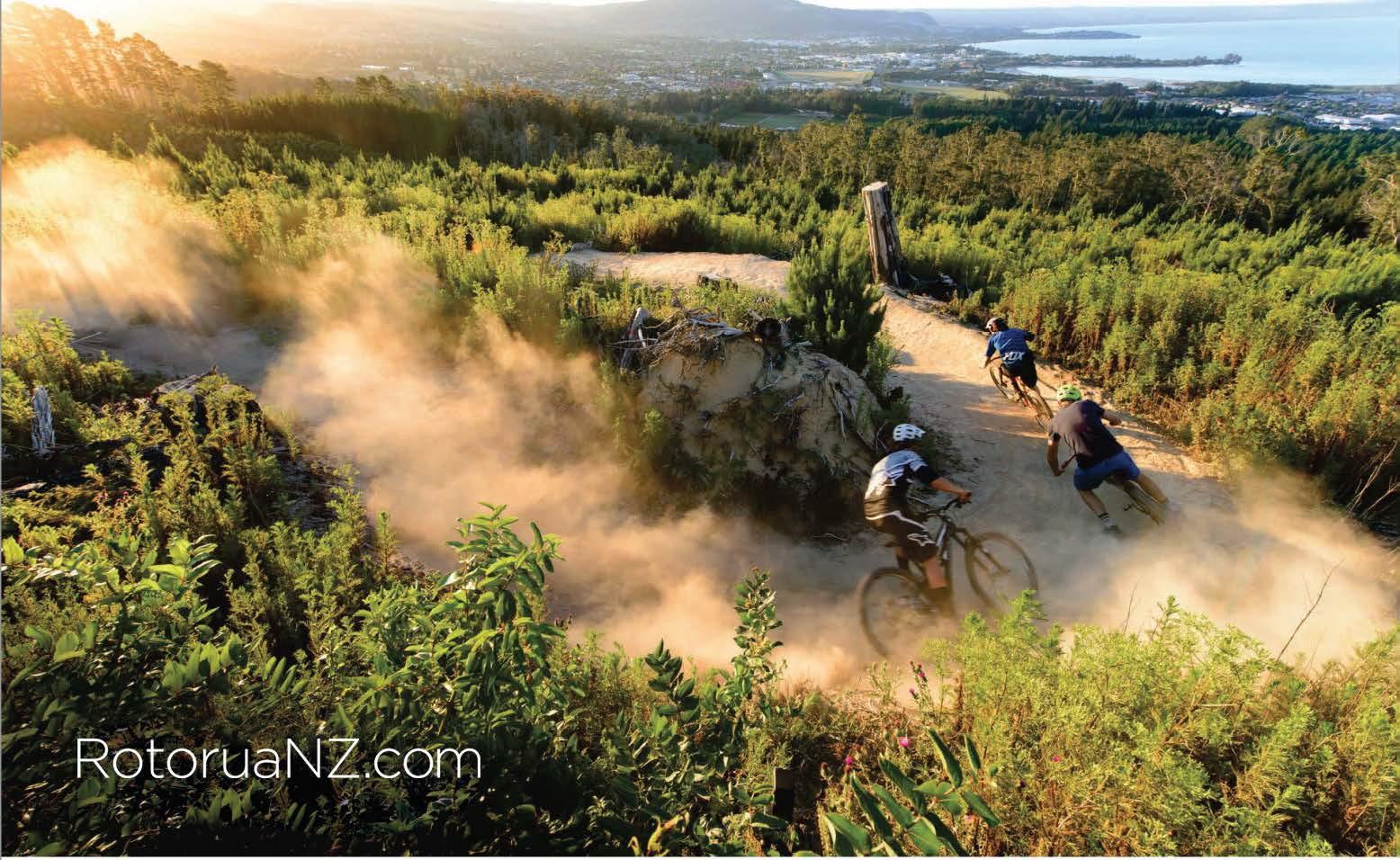
Whether you enjoy mountain biking or walking in the Redwoods, fishing, swimming or soaking in hot pools, we have it all right here on our doorstep. Rotorua is a great place to raise a family or to retire to – we have a lot to offer.
Neighbourhood Support plays an important role in helping to make our community safer. We are fortunate to have a strong and reliable Neighbourhood Support network and I wish to thank them for their dedication and commitment to the wider Rotorua area
The team at Neighbourhood Support provide strong advice and support for families on reducing crime and working with others to keep our community safe. I urge you to refer to this booklet and local newsletters to keep informed on matters in your neighbourhood.
As you elected MP I value your opinion, and my staff and I are available to support you where we can. We assist with a wide range of issues and I am always interested to hear your views. I hold regular constituent clinics in my
office in Rotorua, and we make space available for community groups to meet – free of charge in my electorate office.
If you would like to meet me, or have an event or organisation I might assist with, please get in touch. As your MP, my door is always open.
Best wishes for the year ahead.
Hon Todd McClay Member of Parliament for Rotorua
www.propertyindepth.co.nz
Message from Rotorua Area Commander, Anaru Pewhairangi
Kia ora koutou.
Firstly, thank you to all of those people from our communities in Rotorua who are part of our Neighbourhood Support Group (NSG) network.
As the Area Commander for the Rotorua Police I am extremely proud to support you all as we work together to make Rotorua a safe place to live, work and play.
NSGs are a fantastic prevention initiative that enable us to work together and connect with our neighbours in order to prevent crime and victimisation.
NSGs are also very important networks during Civil Defence emergencies and a great example of this was during recent weather events here in Rotorua.
Our police mission is to be the safest country in the world and NSGs play a key role within the community to enable us to achieve this aspiration.
Keep up the great work. Nga mihi,
Anaru Pewhairangi Rotorua Area Commander
The Aroha Mai Cancer Support Services is a voluntary team. Our aim is to extend a range of support to cancer sufferers and their families.
Simply email enquiries@fatweb.co.nz your domain/website address, and we’ll send you a comprehensive audit of your current website. And if you’d like to chew the fat after, we’re here to help.
Neighbourhood Support
Rotorua – an overview
Neighbourhood Support promotes a safer, more caring Rotorua through improved community spirit, crime prevention and emergency preparedness.
Neighbourhood Support has been operating in Rotorua since 1995 and now covers over 9,363 households in the area, which represents a coverage of over 37 percent of the occupied households. The area covered is the Rotorua Police Area which includes all of the Rotorua Lakes Council area plus the Murupara and Galatea parts of Whakatane District covered by Murupara Police Station.
The aims are achieved by:
• Encouraging neighbours to get to know their neighbours; barriers that have developed over recent years are broken down and community spirit improves
• Equipping neighbours with tools and techniques to be on the alert for signs of potential crime and problems in their neighbourhood
• Establishing Neighbourhood Group Lists; to assemble a database of information that can help civil defence authorities in the time of a civil emergency to help neighbourhoods
• Enabling lines of communication to be established with each Neighbourhood Group provide a channel to issue warnings to neighbourhoods of potential criminal problems and emergency notifications.
Neighbourhood Support has a policy of providing all resources to participating Neighbourhood Groups at no cost to the Group. By establishing new Groups and expanding existing ones, the community spirit of Rotorua will be improved making a safer more caring community.
Presently Bruce Quedley is the admin manager and Richard Perkins the co-ordinator. The staff are employed by a management committee of 10 who raise all operational and project costs through donations and applications to grant/fund providers.
The major funders of the work have been Rotorua Lakes Council, Rotorua Energy Charitable Trust, Lotteries NZ and Markat Promotions. The Rotorua Police provide desk space, telephone and internet access at the Rotorua Police Station.
A quarterly newsletter is distributed to members and is also posted on the website: www.nsrotorua.info.
The office is located on the ground floor of the Rotorua Police Station. Contact may be made by phone to (07) 349 9470, email to nsrotorua@gmail.com, or by going to the front counter of the Rotorua Police Station and asking for Neighbourhood Support.
There is also a website, nsrotorua.info, where you can download the newsletter, useful forms to update your household details and links to information sheets, act sheets, with advice to help with many crime prevention topics and general information.
Village Green at the Lakefront, Rotorua Hours 9am to 2pm *** OUTDOOR STALLS *** Popular for over 30 years,the market features: All new clothing and products, Handcrafted articles for sale…plus Curios and Collectables, Antiques, Woodware, Soaps, Gems, Garden Ornaments and Plants... and lots more..!!.
and
Davies
gumbootlady@xtra.co.nz
What does a Neighbourhood Support Group do?
Neighbourhood Support
Rotorua covers over 37 percent of the occupied households in the area. In the covered locations less than 20 percent of residential crime occurs. So how does a Neighbourhood Support Group work?
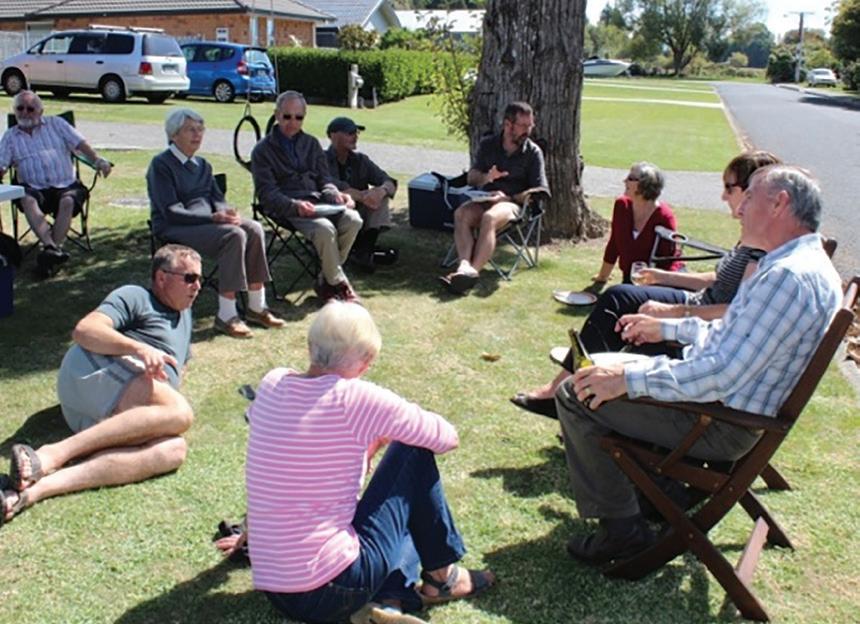
When an area wishes to have Neighbourhood Support established, following a meeting of interested households, a Group is set up with a person appointed as the Group contact person. This person acts as the point of contact between the Group and the office distributing information to the Group and keeping contact information up to date.
The Group will:
• Encourage neighbours to talk to each other
• Share information that will help reduce the risk of crime
• Help foster a sense of community spirit
• Educate and empower neighbours to take responsibility for their own safety
• Identify the needs of neighbours and ways to assist each other such as the elderly, infirmed and those living alone
• Decide ways to handle any civil emergency that may occur.
Neighbourhood Support encourages Groups to undertake these objectives so
as to reduce the incidents of crime in their area and to build community spirit.
When the contact person gathers household information from the members, the office assembles a contact telephone list to distribute to registered households in the Group.
A Group is able to establish a sense of being an entity by having streets signs mounted in the street and all registered household having a Neighbourhood Support sticker on their property but visible from the road on a window/ letterbox/door. These do provide a visible warning to those coming into the area that neighbours do look out for each other and will report suspicious activity to the Police.
Building communities which are prepared for the possibility of a civil emergency is also a vital aspect of the Group. To do this Civil Defence often works with Groups in communities, where there is a likelihood of a civil disaster occurring, establishing local area emergency plans.
Neighbourhoods don’t become lower crime areas without an effort. Establishing Neighbourhood Support Groups assists to make communities safer. Doing this requires members of a Group to be active, communicating with neighbours and providing support for each other. By doing this, the community spirit is uplifted and if makes the area a safer, more caring place to live.
Skyline Rotorua is your ticket to an unforgettable holiday with everything from gravity adventure such as thrilling downhill Luge tracks, ziplining and mountain biking trails, to tranquil Gondola rides, nature trails, dining experiences and out-of-this world stargazing. All with unsurpassed views, this is an all-weather must do attraction for all ages year round.
178 Fairy Springs Road
Rotorua
Open from 9 am daily
Phone 07 347 0027
www.skyline.co.nz/rotorua
David Sefton
For all your Electrical and Electronic Security needs
www.seftonelectrical.co.nz
Dine in style at the lake
Are you wondering what all the fuss is about? Wanting to try something different?
Fabulous food, world class service and a location to die for all at the Black Swan Lakeside Boutique Hotel.
Fresh ingredients, beautifully presented, wonderful hospitality - everything you need exceed your dining expectations while relaxing in our little slice of paradise.
The basis of Neighbourhood Support is the Neighbourhood Support Group. This can be a group of neighbours in part of a large street or all the neighbours in a smaller street, and can also be neighbours covering a small area of a few streets.
Each Group appoints a volunteer Street/ Group contact person who is the connection for the group with the Neighbourhood Support Office. They forward on information from the Group to the Office and distribute information from the Office to the group.
Groups are easy to establish. When a number of neighbours are interested in establishing a Group they contact the Office, (07) 349 9470, and arrange for a representative to speak to a meeting of the neighbours to outline how Neighbourhood Support works and to gather contact details of those who wish to join the Group.
The contact information is collated by the office and telephone contact lists are sent to the contact person for distribution to all registered members. Road signs would have been left with the contact person to be mounted on power poles at the extremities of the Group, notifying all who pass through that there is an active Group there.
If you move to an area and are unsure whether there is an existing Group, please contact the office and they can advise you if a Group exists and the contact person’s details. If there isn’t a Group already
established, one can be easily established using the above process.
Neighbourhood Support also works in rural areas. Often due to the size of farms neighbours are distant, but communication between them is encouraged so that if anything suspicious is noticed, it can be reported and followed up.
What do Groups do?
It is up to each Group to decide what they would like to do in addition to keeping an eye on suspicious activity in the area and contacting the Police.
When a neighbour goes away on holiday they are encouraged to let their trusted neighbours know that they are going to be away, for what period, the expected visitors to the property (such as someone clearing mail or regular lawn mowing contractor) and their holiday contact number in case they need to be contacted.
How do we make sure things happen correctly?
Neighbourhood Support Rotorua is set up as an incorporated society (HN/684216) and is registered on the Charities Register (CC21983).
The constitution can be viewed at the website www.nsrotorua.info/about/ under the “About” tab.
As part of the constitution each year in June, at the AGM, between 6-10 people are elected to the Committee.
This Committee oversees the governance of the organisation.
Meeting up to a minimum of six times a year they receive reports from the co-ordinator and approve expenditure.
Also they ensure funding and staffing are available plus budgets are made and kept to.
At the first meeting after the AGM, those elected appoint a Chair, Secretary and Treasurer from within their number.
If necessary up to three people can be co-opted to the committee if the situation requires it.
In addition to the elected committee, there are ex-officio members from the Rotorua Police called the Area Commander’s Liaison Office, the Rotorua Lakes Council and the staff, presently two part timers.
If anyone is interested in coming onto the Committee please contact the office, 349 9470, to find out more information.
Destination Rolorua
Rotorua truly is a nature lover's paradise. The city is surrounded by lush forests and stunning lakes, creating the ultimate playground for people to enjoy a healthy and active lifestyle.
While these amazing spaces are loved by our local community, we also share them with over 3.5 million visitors that travel to the region each year from all parts of New Zealand and all over the world. To this day, tourism and hospitality remains the largest employer for our region.
Here in Rotorua we pride ourselves on our sense of manaakitanga and the warm welcome that we provide to our guests. Please join with us to ensure that these visitors leave Rotorua with fond memories and come back to visit us again soon.
by Michelle Templer Chief Executive Destination Rotorua
How to start a Neighbourhood Support Group
Step 1: Make contact
Contact your Neighbourhood Support Rotorua by:
• Phone 349-9470
• Email: nsrotorua@gmail.com
• oOr call into the Rotorua Police Station and ask for Neighbourhood Support.
If you live in Murupara of Galatea contact the Murupara Police Station.
Step 2: Find members
The Neighbourhood Support co-ordinator will help:
• Determine a practical size for your group
• Co-ordinate invites to join the group
• Set up the initial group ‘get together’
• Identify the volunteer contact person and a deputy for the group.
Step 3: Start Up meeting
A Neighbourhood Support co-ordinator will attend the first meeting and:
• Explain how a Neighbourhood Support group works
• Distribute information packs and street signs
• Help gather details for a group contact list
• Help appoint a volunteer Street/Group contact person
• Stay in contact with the group via the contact person.
Step 4: Follow up
The group contact person will:
• Distribute the contact list to their group members and keep it up to date
• Distribute information such as newsletters and crime alerts
• Arrange future meetings (if required) including an annual ‘get together’.
The Contact Person
The contact person is referred to as a Street or Group Contact. This role is crucial in keeping information up to date and in feeding information back to the community. The office takes contact information of members and produces a contact list for distribution to the Group.
Resources and other supporting resources can be accessed by contacting the Neighbourhood Support Office, these resources include: Information packs, street signs, letterbox stickers, leaflets and update sheets which are also provided as part of the start-up and thereafter for ongoing maintenance of your group.
Some pamphlets are available by downloading from our website: www.nsrotorua.info.
Reporting Crime: See something, do something
Albert Einstein was quoted as saying: “If
I were to remain silent, I’d be guilty
of complicity.”
Many people in today’s society do not follow that quote. They see suspicious activity and do not report it – they may intend to report it, but fail to do so. By doing that you are effectively condoning what has been going on!
I know that some people are frightened about becoming involved. However, if you don’t report something when you see it, you are effectively giving your consent. If you see something suspicious you should contact the Police immediately. The Police can only act on the information they receive.
By seeing something and doing nothing you are allowing burglars, vandals, thugs, drug sellers etc. to continue in their sordid ways.
A lot of crime can be prevented. There some are really simple things we can do.
Things such as reporting people or vehicles acting suspiciously. If truants are seen walking the streets, contact their school and report what you have seen. If there is a valid reason for them being out of school minimal harm has been done, but if they are truant, they could be up to no good, they could be preparing to
“knock off” someone’s home. Your report could prevent that happening.
By reporting suspicious behaviour you may be preventing the beginnings of a criminal life style by stopping it in its tracks.
Remember a big oak tree grows from a small acorn. The same way a criminal starts on a life of crime with a first step, often as a youngster truant from school. Your report may be the trigger point to stop it developing into something bigger.
If for whatever reason you wish to report something anonymously to the Police, contact “Crimebusters” on 0800-555-111.
Neighbourhood Support Groups are encouraged to be observant and to report suspicious behaviour.
This helps to reduce the crime level in Neighbourhood Support streets. In Rotorua there is a coverage of over 37 percent of the district’s occupied households, yet Neighbourhood Support covered areas have only 20 percent of the residential crime.
Join a Group in your area or if there isn’t one there get one started, the sooner the better.
For further information, contact Neighbourhood Support Rotorua on (07) 349 9470, or by email to nsrotorua@gmail.com.
Protecting your property
Keeping your home and property secure is what most householders want to do. Most people do it automatically. However sometimes it is good to have a reminder.
Your home
Always lock your doors and secure your windows when you leave home.
If you are working in your garden, away from the house, don’t leave doors unlocked or open, as you won’t necessarily see anyone getting into your house while you focus on what you are doing.
Garages and outbuildings/sheds should be locked when not in use. Particularly internal access garages because if left open they provide, in most cases, unhindered access to your home.
When finished with any equipment outside, secure it in a shed/garage which is locked, this includes ladders and tools etc.
Depending upon your finances consider installing window security stays, security lights and a burglar alarm. Always keep your keys and automatic door openers secure.
Keep trees and shrubs trimmed, particularly around the front door so that someone can be seen if they are trying to break in.
Your possessions
Always record the make, model and security numbers of your big ticket items such as TVs, stereos and appliances. Keep those numbers
in a secure place. Photograph jewellery, and your big ticket items.
Check out the free Police website at www.snap.org.nz as a place to store your serial numbers and photos of appliances etc.
Keep your credit/debit cards in a secure place, don’t leave them lying around and don’t share your pin number, your bank won’t ask for it, don’t record it down – remember it!
Your vehicles
When your vehicle is parked at home don’t leave it unlocked, even if in a garage. Don’t leave valuables in an unattended vehicle.
Store your bike in a lockable garage/shed and if you are unable to do that, secure it with a strong chain and lock it to an immovable object.
Store you boat/boat trailer, caravan, camper, motorhome out of sight if possible. Use a wheel clamp to prevent it being towed away. You can also purchase a tow ball lock to prevent it being towed.
Always keep a record of your vehicle’s VIN, make, model, colour and any non-standard items, and take photos of them as well. Keep this information and photos secure in such a place as www.snap.org.nz.
Protecting your vehicle
Vehicle crime is made up of a number of different but often related activities. Theft of vehicles and theft from vehicles are the two most common crime types in New Zealand.
Vehicles can be stolen for a number of reasons, including ‘joyriding’, to commit other crimes or to be broken up for parts for sale on the black market.
Theft from vehicles, also known as ‘theft ex car’, involves the theft of property such as wheels, stereos and personal items - bags, briefcases, laptop computers, wallets, parking meter money… etc.
Thieves gain entry to vehicles primarily by forcing locks or smashing windows.
How to reduce the opportunity of having your vehicle stolen or broken into:
• Keep your vehicle keys with you. Keep spares keys at home or work
• Don’t hide a spare key on the car-thieves will find it
• Always lock your car, including the boot and, if applicable, the sunroof
• Park in busy, open, well-lit areas
• Use an attended, secure parking building if possible
• If you garage your vehicle at home, ensure the garage and car is locked.
Protecting car contents:
• Don’t leave things on display
• Keep valuables (money, mobile phone, cheques, credit cards) on you or at home - not in the glove box or under a seat
• Keep bags, luggage, coats etc locked out of sight in the boot
• Keep a record of serial numbers.
Additional security options:
• Install a car alarm and electronic engine immobiliser (which prevents the vehicle from being started)
• Use a steering wheel club or lock, lockable fuel cap and wheel nuts
• Etch your registration or Vehicle Identification Number (VIN) on windows, windscreens and headlights.
Preventing motorcycle theft:
• Keep your keys on you at all times
• Use an ignition or steering lock
• Use a strong, thick chain and ‘U’ lock. Keep the chain off the ground to make it harder to cut
• Secure your motorcycle to something solid that can’t be moved
• Keep your helmet with you or use a helmet lock
• Install an alarm or other anti-theft/im mobiliser device
• Etch or mark your motorcycle with your registration or Vehicle Identification Number (VIN)
• Garage your motorcycle and lock both
• Use a motorcycle cover.
Laven Psychology
Electronic crime advice
By Senior Sergeant Graeme Hill, Community & Youth Services, Rotorua.
Electronic crime, also known as e-crime or cybercrime, refers to criminal activity that involves the internet, a computer or other electronic devices.
Some e-crime relates specifically to computers, such as distributing damaging electronic viruses or launching a denial-of-service attack which causes a computer system to deny service to any authorised user.
It is important to understand that these types of things are happening at a more frequent rate.
Spark, Apple, banks and PayPal all recently featured in e-crime headlines and it is important before clicking on any link from these emails that you ensure they are legitimate sites.
If in doubt go to the main website for that particular entity and contact them via that to resolve any issue they have notified you of. Nine out of 10 times it will not be the company contacting you at all.
E-Crime prevention:
• Educate yourself about basic online safety at the NetSafe website, www.netsafe.org.nz
• Apply safety advice to all electronic encounters, including mobile phone use and texting
• Educate family members about basic online safety
• Set up basic protection against malicious software (malware) such as viruses and spyware on your computer.
Civil Defence: Be prepared!
Neighbourhood Support Rotorua is a member of the Rotorua Lakes Council’s Civil Defence Welfare and Recovery Committee, working closely with RLC’s Civil Defence Emergency Management co-ordinator, Linda Johnston.
The Neighbourhood Support communication network is used in times of emergency to contact affected areas and get out important messaging. Ensure your household contact details are up to date on the database as part of being prepared.
The Scout movement had a motto “Be Prepared” and this is what we all need to do before disaster strikes. The steps are simple - make a plan for use in an emergency.
There are many facets to consider but everyone in your household needs to know what to do and where to go in each of the possible scenarios; can’t get to your home, stuck in your home, evacuating your home, being out of contact.
The following steps could assist you and your family to look after themselves at a time when you are most vulnerable:
• Learn about disasters that can affect you
• Create and practice a Household Emergency Plan
• Have a getaway kit ready, a small bag with warm clothes, torch, radio, first aid kit, snack food and water, essential medication, and copies of important documents and photo ID
• Water and essentials to last three to seven days including a minimum of three
litres of water per person per day
• Plan to help anyone in your household with mobility problems or other disabilities
• Know what you will do with your pets
• Get to know your neighbours and work together helping each other out.
The Ministry of Civil Defence has a new public alerting cell broadcasting system which will provide vital information during an emergency via approved cell phones.
The Red Cross has an “app” for mobile phones which issues official warnings and alerts. To find out more information go to the NZ Red Cross site www.redcross.org.nz and select Hazard App.
Keep
informed during an emergency by listening to one of these radio stations:
National Radio 1188AM & 101.5FM
Newstalk ZB 747AM
Classic Hits 97.5FM & 90.9FM
More FM 95.9FM
Radio Live 95.1FM
Check the following Civil Defence websites for more detailed information:
Answer the following questions to find out how ready you are.
1. Non-perishable food for 3 days or longer
2. Water (3 litres per day per person / 150mls per kg for animals) (don’t forget sources like your hot water cylinder)
3. Additional water for washing / cooking
4. Torch with spare batteries or dynamo / solar torch
5. Battery radio with spare batteries (a car radio counts)
6. Can opener (hand operated)
7. Emergency toilet (bucket/ paper/ rubbish bags)
8. Basic First Aid Kit / Essential medicines
9. Blankets, duvets, sleeping bags
10. Wind and waterproof clothing. Strong outdoor shoes
11. Hat for sun Face/ dust masks (you can use a damp tea towel as a dust mask)
12. Camping stove or gas BBQ (or access to one)
13. Baby’s formula and small children’s, food and drinks (if appropriate)
14. Pet supplies (if appropriate)
NB: For questions 13 and / or 14 enter a tick if the item is not relevant, that is if you don't have babies, children or pets .
Number Correct
How safe is your home?
Complete this survey — reduce your risk of being burgled.
Doors and Windows Yes No
1. Are all locks to outside doors either dead locks or strong bolt locks?
2. Can door locks be opened by breaking a window and reaching through?
3. Can internal doors be locked?
4. Are all locks in good working order?
5. Do you lock the internal door from your garage?
6. Can you account for all copies of keys to your home?
7. Are window locks properly and securely mounted?
8. Do you keep windows locked when they are shut?
9. Do you use locks that allow windows to be secured partly open? Garage
10. Do you lock your garage door at night?
11. Do you lock your garage door when away from home?
12. Do you have good secure locks on garage windows and doors?
13. Do you lock your car when its parked in your garage? Holiday
14. Do you notify neighbours when away on holiday?
15. Do you have mail and circulars collected for you when you are away?
16. Do you stop deliveries and newspapers when on holiday?
17. Do you have shades up and lights on when on holiday?
18. Do you use timers on lights & radios to make it look like you are home?
19. Do you arrange to keep lawns and gardens maintained?
20. Are you a member of a neighbourhood support group? Environment
21. Do you have sensor lights around your house?
22. Are shrubs and bushes well trimmed near your house and boarders? Safe Practices
23. Have you recorded all serial numbers and stored them away from home?
24. Have you uniquely marked valuable items (etch or invisible)?
25. Do you have a description of valuable property?
26. Have you displayed a sign that items are marked for identification?
27. Do you have an alarm?
28. Have you displayed a sign stating that your house is alarmed?
29. Do you report suspicious activity or people to Police immediately?
30. Do you know not to disturb anything if you are burgled? just to call Police?
Rotorua Citizens Advice Bureau
invites you to discover your rights
Do you know what your rights are at work? How about your rights to do with renting or owning a home?
If you buy something that’s faulty do you know what your options are? Or what if the neighbour puts up a fence without asking and then sends you a bill for half the costs?
Helping people to know what their rights and responsibilities are and how they can act on these is core to what the Citizens Advice Bureau is about. The Bureau helps people from all walks of life to access the information they need so they are empowered to take next steps and to resolve their problems.
In April this year the CAB launched its new website, www.cab.org.nz. After a year of development and user testing, the resulting website provides an accessible, mobile-friendly, knowledgebase of 2,000 questions and answers about people’s rights that are based on real issues confronted by clients.
The website also provides a directory of more than 30,000 community organisations so that the CAB can help connect people with any additional services they need.
The CAB is keen to break down any barriers people face in finding out what their rights are – the website is a fantastic resource for the whole community, and complements the amazing face-to-face and phone service provided by the 58 skilled and dedicated volunteers who work in the Rotorua Bureau.
The Bureau has volunteers who specialise in employment rights, tenancy issues, consumer rights and beneficiary entitlements. If you feel that you need support working through these issues the Bureau can help.
The Bureau is also the first point of call for new migrants who might need advice and information about settling into the Kiwi way of life. We also have access to free legal appointments two times a week, JP clinics three times a week and an Immigration Advisor.
We can also help if you need to fax or scan a document or if you are not familiar with using a computer and need to access forms or services on-line.
The Rotorua Bureau is situated at 1143 Eruera Street, Rotorua and is open Monday to Friday 9.00am to 5.00pm. You can also contact us by telephone on (07) 348 3936 or 0800 367 222.
LOOKING FOR STAFF, LAUNCH YOUR SEARCH WITH US!
Use the most cost effective and easiest job site in New Zealand. Now with a new and improved website making things even easier, ensuring you get quality applicants, everytime!
You can either buy 1 ad (for 1 month) for $137+gst or unlimited ads for 12 months for $997+gst
100% money back guarantee if you don’t think it’s the best money you’ve spent all year, plus we’ll give you another 12 months FREE
form of advertising you can measure, then increase or decrease, so you can manage your workflow accordingly!
You’ve probably heard people talk about digital marketing, Google AdWords, online traffic, SEO and social media. Then on top of all that, you need to have a lead generating web presence with good traffic etc.
This can sound complicated – but it doesn’t have to if you talk to the right people.
Let’s start with the basics
Right now there are people looking for a business just like yours. However, if you don’t have AdWords, there’s a very good chance they’ve just clicked one of your competitors’ websites.
Most businesses would benefit from Google AdWords. It’s simple to set up, it’s fast, you set the monthly budget, and you can see the results immediately.
Included is a complimentary call tracking service to measure daily results, plus you get a monthly report that’s explained in as much detail as you like.
We have many success stories where people have thought marketing is a waste of money, but have finally found something that gives them a transparent Return on Investment.
If you would like to be our next success story, please call or email: enquiries@fatweb.co.nz
We have offices throughout New Zealand and can discuss your needs over the phone or by Skype.
Don’t let another year go by without truly discovering what digital marketing can do for your business.
With years’ of experience and having delivered outstanding results, we have some of the best digital experts in the business.
We are so confident, that if you aren’t 100% happy after the first month, you won’t pay a cent for the management fee. And if you mention this ad, set-up is free – a service other companies charge up to $3,000 for.
FREE call tracking, which means you can actually hear recordings of the phone calls coming into your business to see if your staff are doing things correctly or if they need more training. This tool can make a massive difference to the FAT on your bottom line.
Available to the first 25 people who book a consultation.
With 15 years’ experience - we know what we’re doing.
- 38 Lowe St, Addington, Christchurch 8011, New Zealand - Level 6, 10 Scotia Place, Auckland 1010, New Zealand
Call 0800 FATWEB, or email enquiries@fatweb.co.nz to book a FREE consultation.
“Gerald was approachable, professional and made a stressful experience less so.”
“He was super helpful and not pushy like we have found with other real estate agents.”