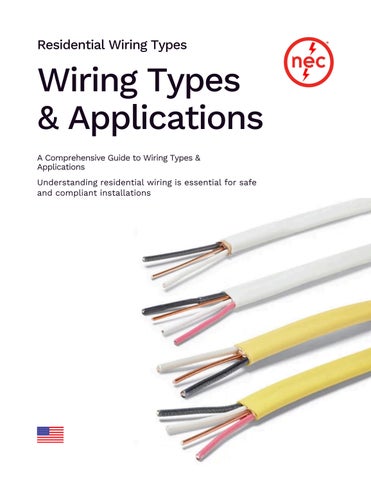
Wiring Types & Applications
A Comprehensive Guide to Wiring Types & Applications
Understanding residential wiring is essential for safe and compliant installations


Prepared by: MARK ABOU Electrician
INTRODUCTION
Overview
This document serves as a comprehensive guide to the various types of wiring used in residential electrical systems. It highlights their construction, appropriate use cases, NEC references, and limitations, enabling correct and safe implementation across different home projects.
Purpose
The purpose of this guide is to:
Educate users about the different residential wiring types.
Clarify when and where each wiring type should be used.
Promote compliance with NEC standards for electrical safety.
Assist in selecting the appropriate wiring for specific residential applications.
Understanding residential wiring is essential for safe and compliant installations. This guide presents a detailed overview of common wiring types used in residential settings and their applications, ensuring homeowners, electricians, and DIY enthusiasts make informed decisions aligned with the National Electrical Code (NEC).
Key features
List key features
✅ Clear Categorization: Breaks down residential wiring into types such as NM (Romex), UF, THHN/THWN, SE, and others.
✅ NEC References: Includes National Electrical Code (NEC) references for each wiring type (e.g., NEC 334 for NM).
✅ Use Cases & Limitations: Lists typical applications and restrictions for each cable type (e g , indoor use only, burial depth requirements)
✅ Selection Guide: Offers quick comparison tables to aid in choosing the right cable for indoor, outdoor, conduit, or service entrance applications.
✅ Illustrative Simplicity: Designed for ease of understanding for both professionals and DIY users.
Residential Wiring Types & Their NEC References
1
2
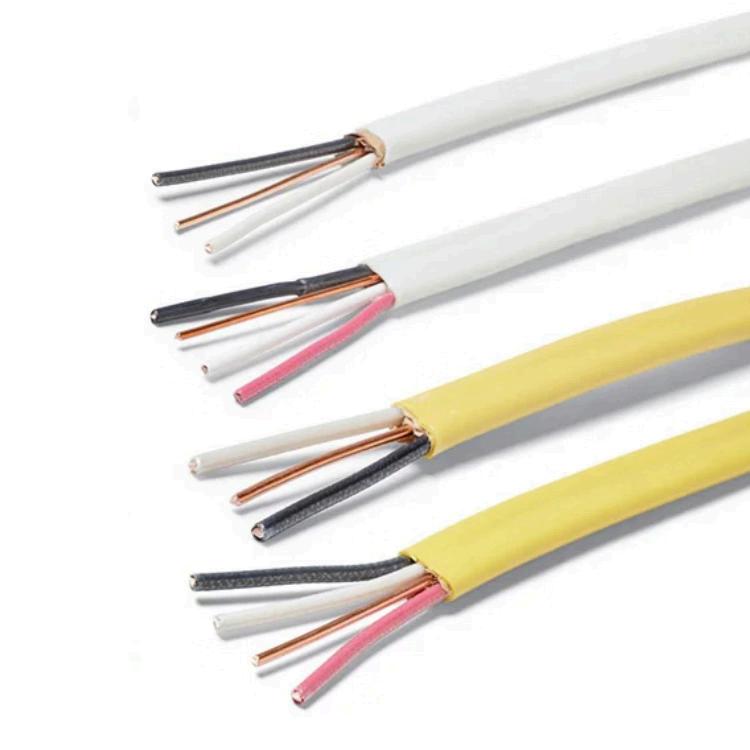
Non-Metallic SheathedCable (NM) Romex
3
4 (NEC 334) (NEC 340) (NEC 310) (NEC 338)
Underground Feeder(UF) Cable
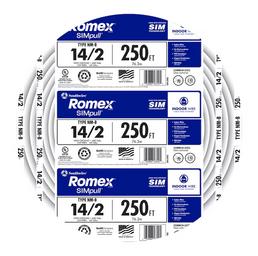
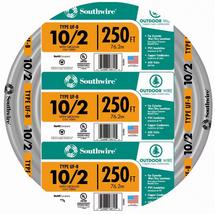
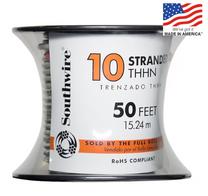
THHN/THWN Wire (ConduitRequired)
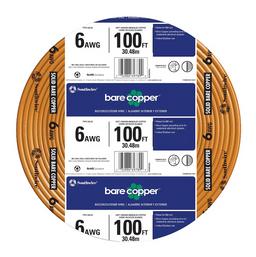
ServiceEntrance Cable (SE,SER,USE)
Prepared by MARK ABOU Electrician
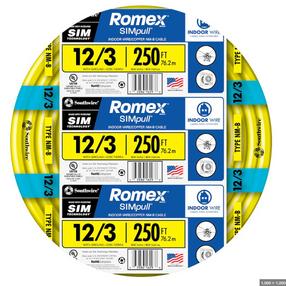
(NM)—Romex
Non-Metallic Sheathed Cable
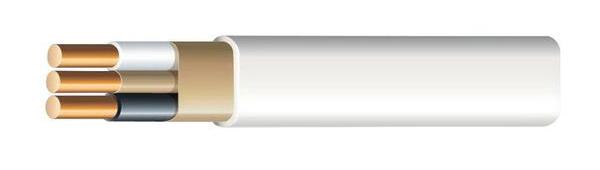
Uses:
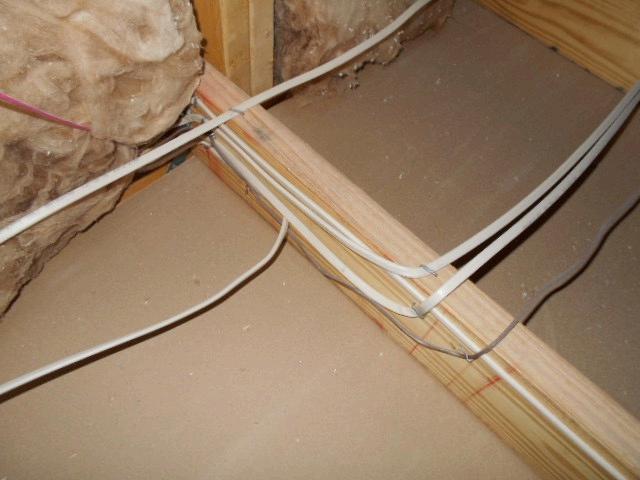
Indoor dry locations (walls, ceilings, attics, basements)
Common in houses and apartments
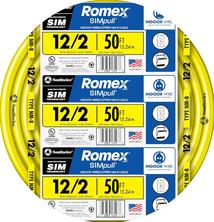
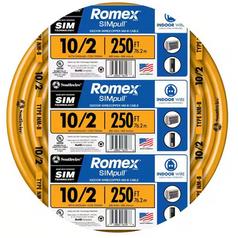
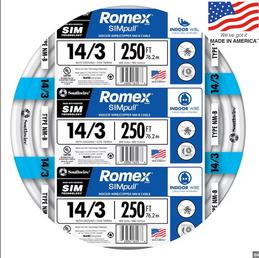
Common Sizes:
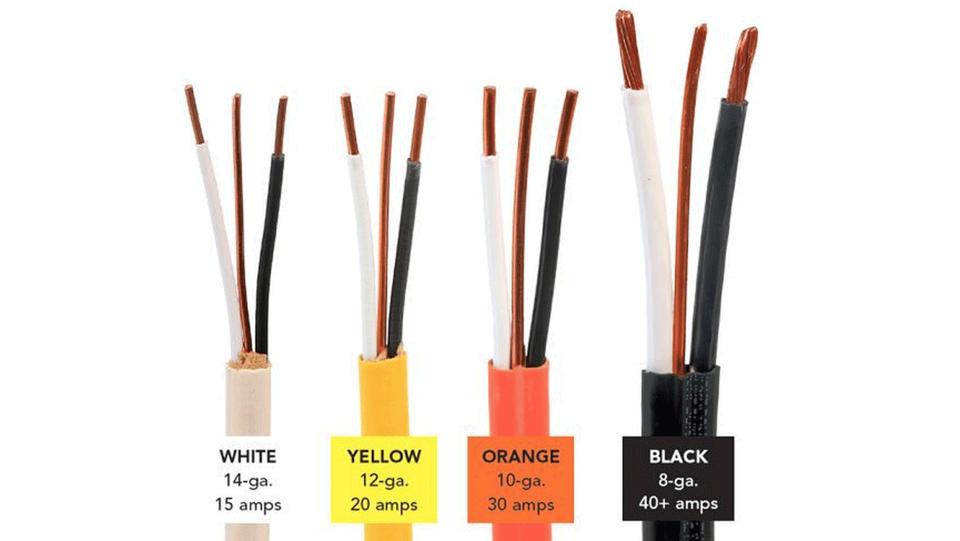
14/2, 12/2, 10/2 (for outlets, lights, appliances)
14/3, 12/3 (for three-way switches, split circuits)
Limitations:
Not for wet/exposed areas
Not allowed in commercial/industrial buildings
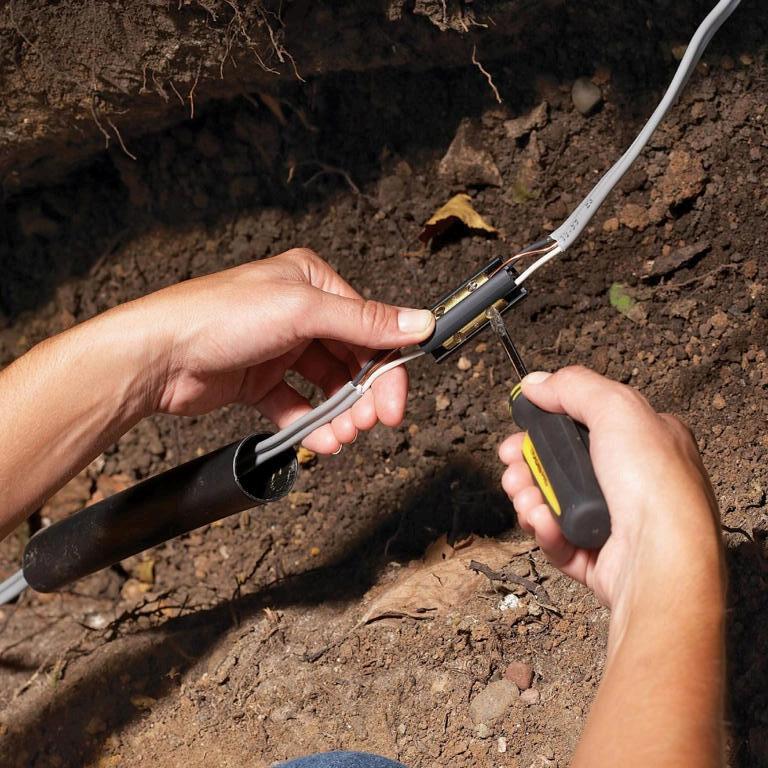
(UF) Cable
Underground Feeder
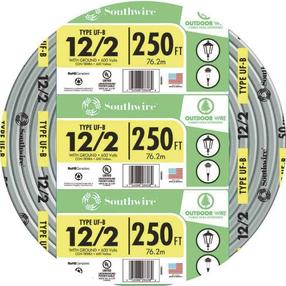
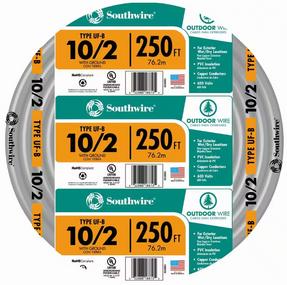
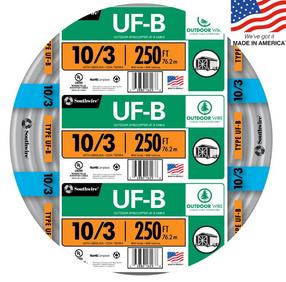
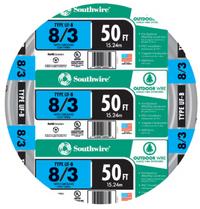
Uses:
Direct burial in soil for outdoor circuits
Powering garden lights, garages, sheds, Common Sizes:
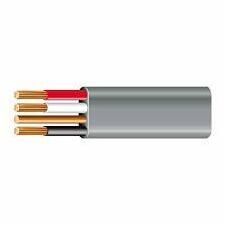
12/2, 10/2 (for lighting, outdoor receptacles)
10/3, 8/3 (for larger loads like well pumps)
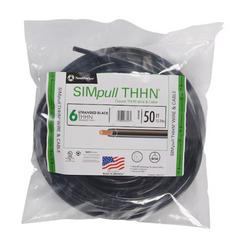
THHN/THWN Wire
(Conduit Required)
Uses:
Individual conductors run inside conduit (PVC, EMT)
Used for subpanels, detached garages, and service upgrades
Common Sizes:
12 AWG, 10 AWG (for branch circuits)
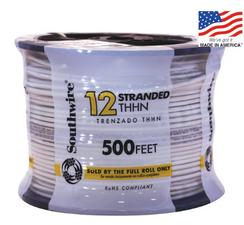
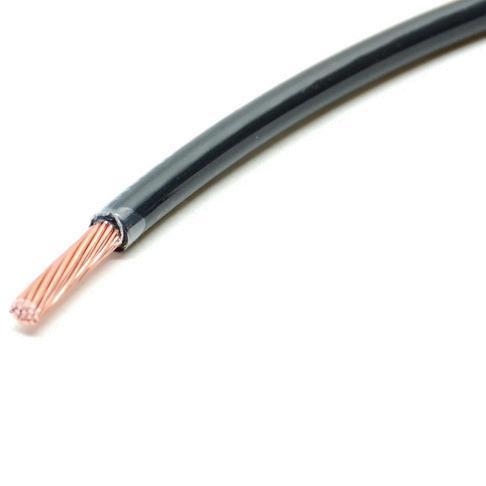
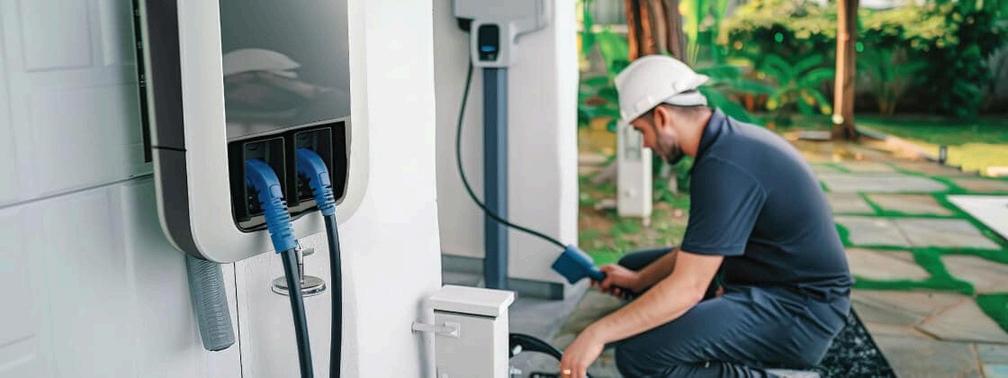
8 AWG, 6 AWG (for higher loads like EV chargers, dryers)
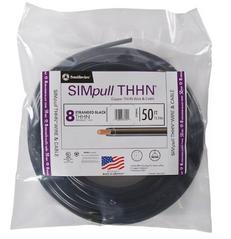
Limitations:
Requires conduit for protection
Not suitable for direct burial unless rated
SE, SER, USE
Service Entrance Cable
Uses:
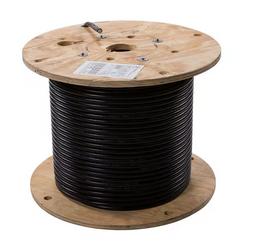
Main power supply to homes (service en
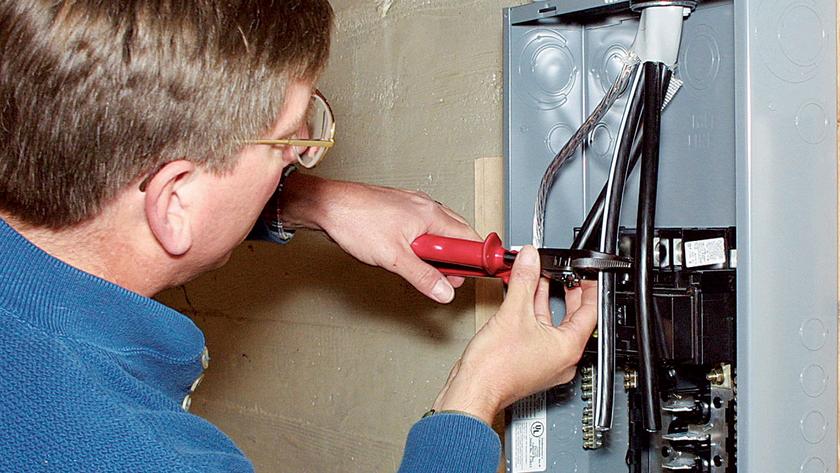
Subpanels and feeders to detached stru
Common Sizes:
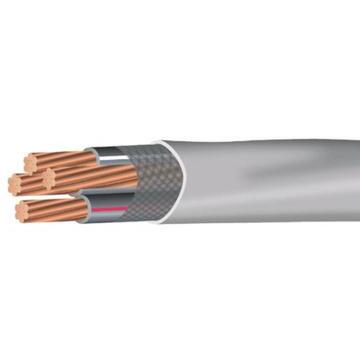
2/0, 4/0 Aluminum (for 200A service panels)
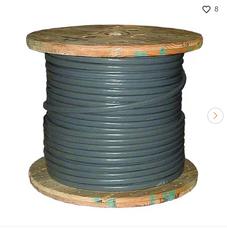
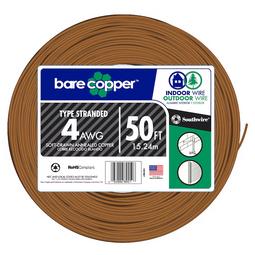
6 AWG, 4 AWG Copper (for subpanels)
Limitations:
USE cable is for underground use only
Wiring Selection Guide
Choose wiring based on NEC regulations for safety and efficiency.
Use NM (Romex) for indoor circuits and UF for outdoor applications.
THHN/THWN must be in conduit, ideal for service upgrades.
Service Entrance cables (SE, SER, USE) handle main power feeds.
Always check NEC updates for compliance!
NM(Romex)(NEC334) Indoorbranchcircuits
UFCable(NEC340) Outdoorburiedcircuits
THHN/THWN(NEC310) Conduit-requiredapplications
ServiceEntrance(SE,SER,USE) Mainservice&subpanels
Prepared by MARK ABOU Electrician
⚠ General SafetyPrecautions
When working on residential electrical systems, the following safety precautions must be followed to prevent accidents and ensure the work is performed correctly and safely:
Always turn off the power
Before starting any work on electrical circuits, switch off the circuit breaker and verify using a voltage tester.
Use personal protective equipment (PPE)
Such as insulated gloves, safety glasses, and electrical-rated work boots when working in electrical environments.
Do not work in wet or damp conditions
Avoid working in areas with water or high humidity unless using properly rated and fully protected cables and equipment.
Ensure proper ventilation
Especially when using adhesives, soldering tools, or equipment that generates heat or sparks.
Use insulated and certified tools
Make sure your tools are designed for electrical work and carry certifications such as UL or CE.
Avoid circuit overloading
Accurately calculate electrical loads to ensure the selected cable and breaker can safely handle the current.
Follow the National Electrical Code (NEC)
Always adhere to NEC or your local electrical code to ensure legal compliance and safe installations.
Consult a licensed electrician when in doubt
If unsure about design or installation, seek help from a qualified professional.
Prepared by MARK ABOU Electrician

by
Prepared
MARK ABOU Electrician