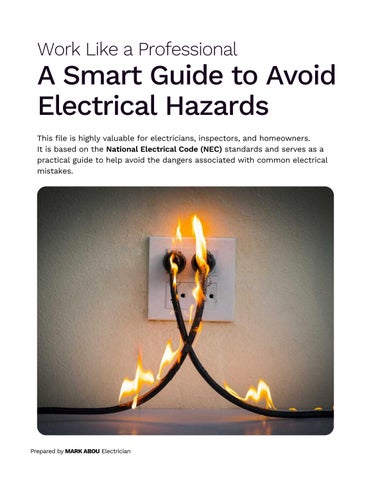
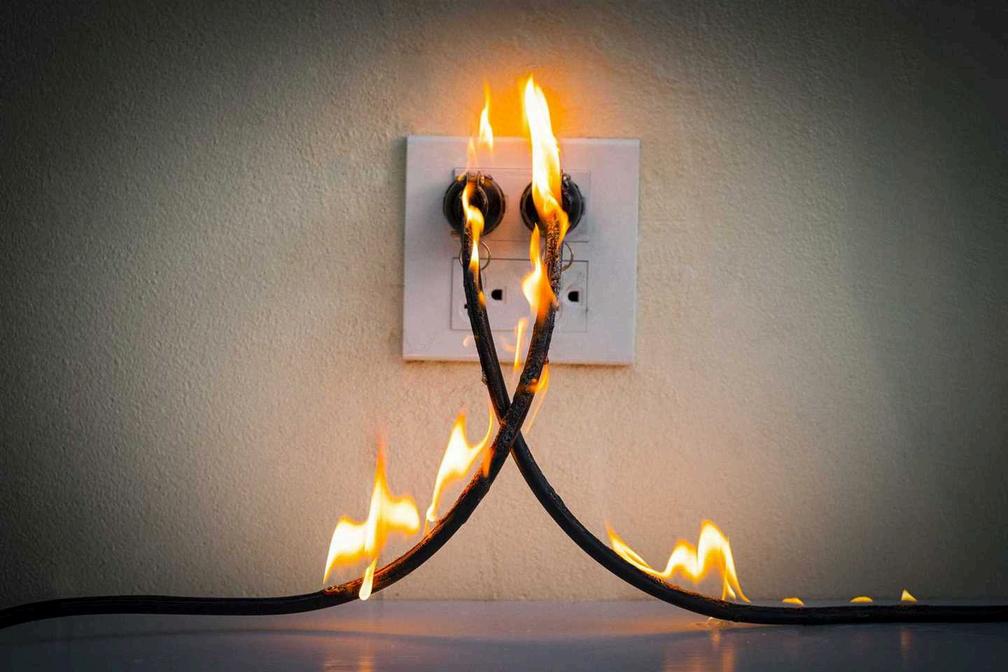
Work Like a Professional A Smart Guide to Avoid Electrical Hazards
This file is highly valuable for electricians, inspectors, and homeowners. It is based on the National Electrical Code (NEC) standards and serves as a practical guide to help avoid the dangers associated with common electrical mistakes.
Prepared by MARK ABOU Electrician
Prepared by: MARK ABOU Electrician
INTRODUCTION
Electricity powers our homes but when installed incorrectly, it can become a hidden hazard. Whether you’re a homeowner, DIY enthusiast, or preparing for an inspection, knowing what to look for can save you from costly mistakes, failed inspections, or even fire and injury. This guide highlights the most frequent residential electrical code violations and practical steps to correct them.
Overview
This manual outlines critical areas of concern in residential wiring including service panels, cable routing, wire connections, electrical boxes, cords, and receptacles. Each section features common problems marked by clear symbols �� and recommended solutions ✅, making it easy to identify and address risks. Following these best practices will not only improve safety but also help ensure compliance with modern electrical codes.
Purpose
The purpose of this guide is to help homeowners and aspiring electricians: Recognize and understand typical electrical wiring errors. Apply safe, code-compliant corrections. Prepare for electrical inspections with confidence. Prevent hazards that could endanger property or life.
Key features
List key features
✅ Problem–Solution Format: Each electrical issue is clearly identified with a visual problem symbol �� and paired with a practical solution ✅
✅ Code Compliance Focus: Information is aligned with National Electrical Code (NEC) standards to help users pass inspections.
✅ Homeowner-Friendly Language: Written in accessible, non-technical terms for easy understanding by nonprofessionals
✅ Section-by-Section Breakdown: Organized into categories such as service panels, cables, connections, boxes, cords, and switches for quick navigation.
Prepared by MARK ABOU Electrician
✅ Visual Cues and Warnings: Uses emojis and visual formatting to highlight safety hazards and correction methods.
✅ Inspection-Ready Tips: Offers actionable advice to prepare your home for electrical inspections and ensure compliance.
✅ Practical DIY Guidance: Step-by-step instructions for correcting common electrical mistakes safely and efficiently.
✅ Illustrated Real-World Scenarios: Examples based on real residential setups to help identify similar issues in your own home.
1: Service Panel Inspection
Solution
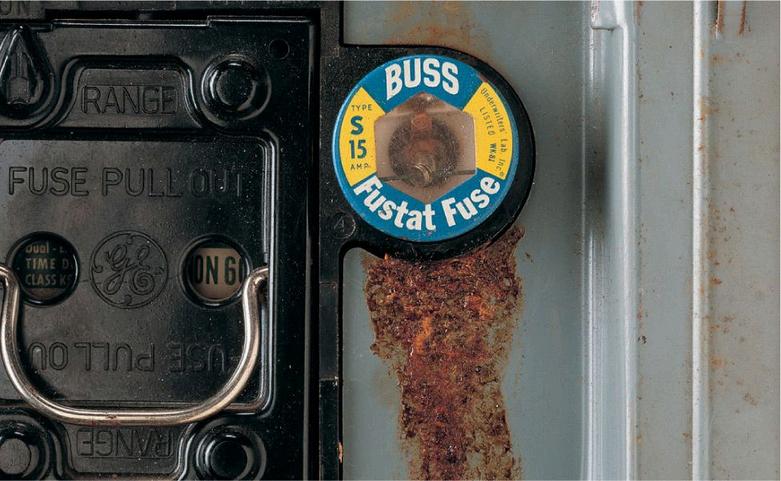
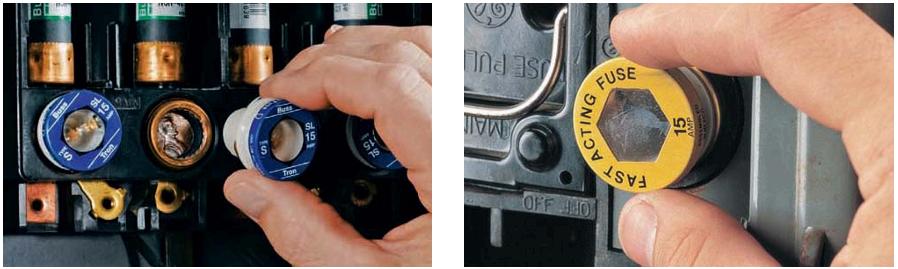
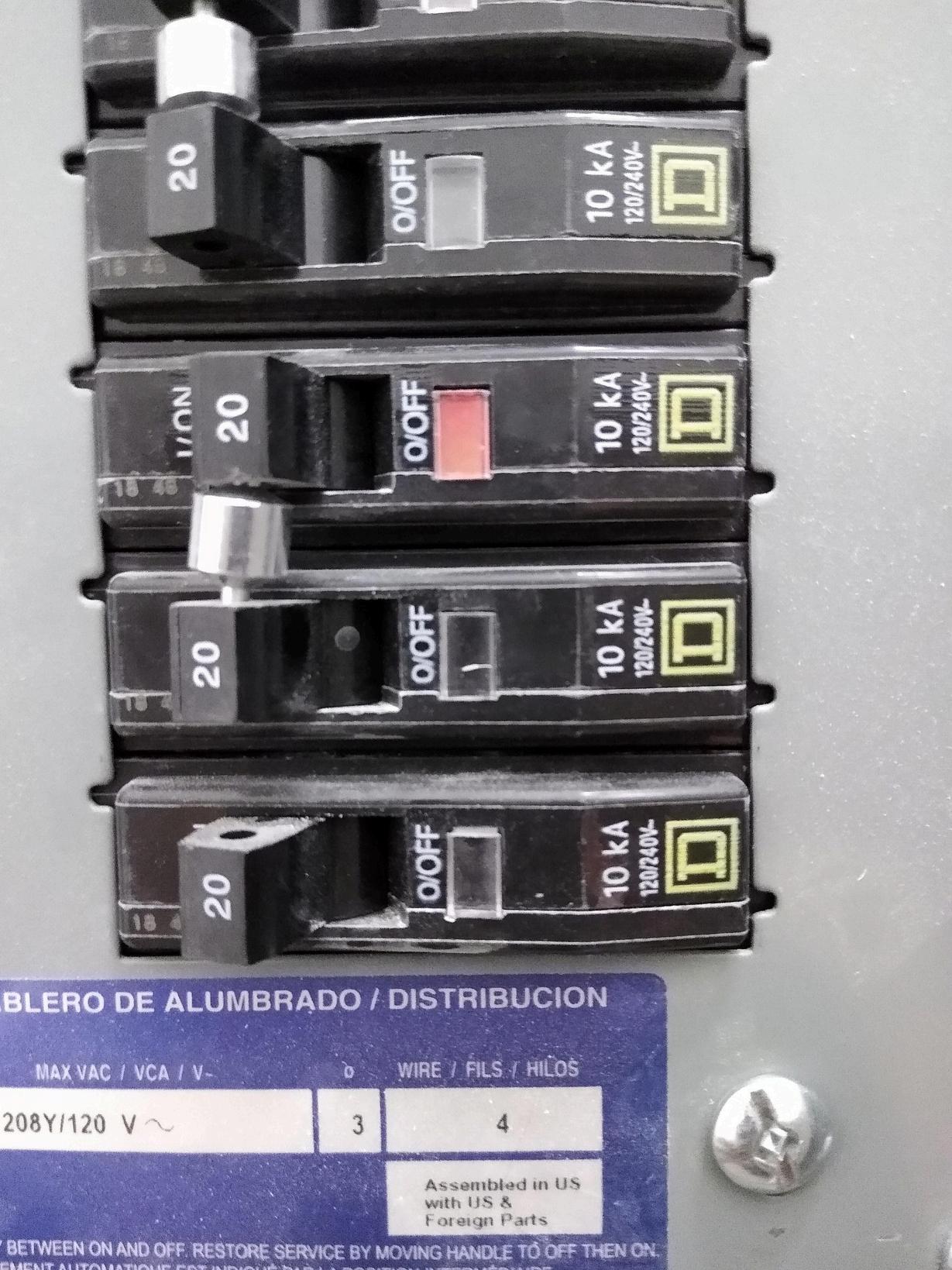
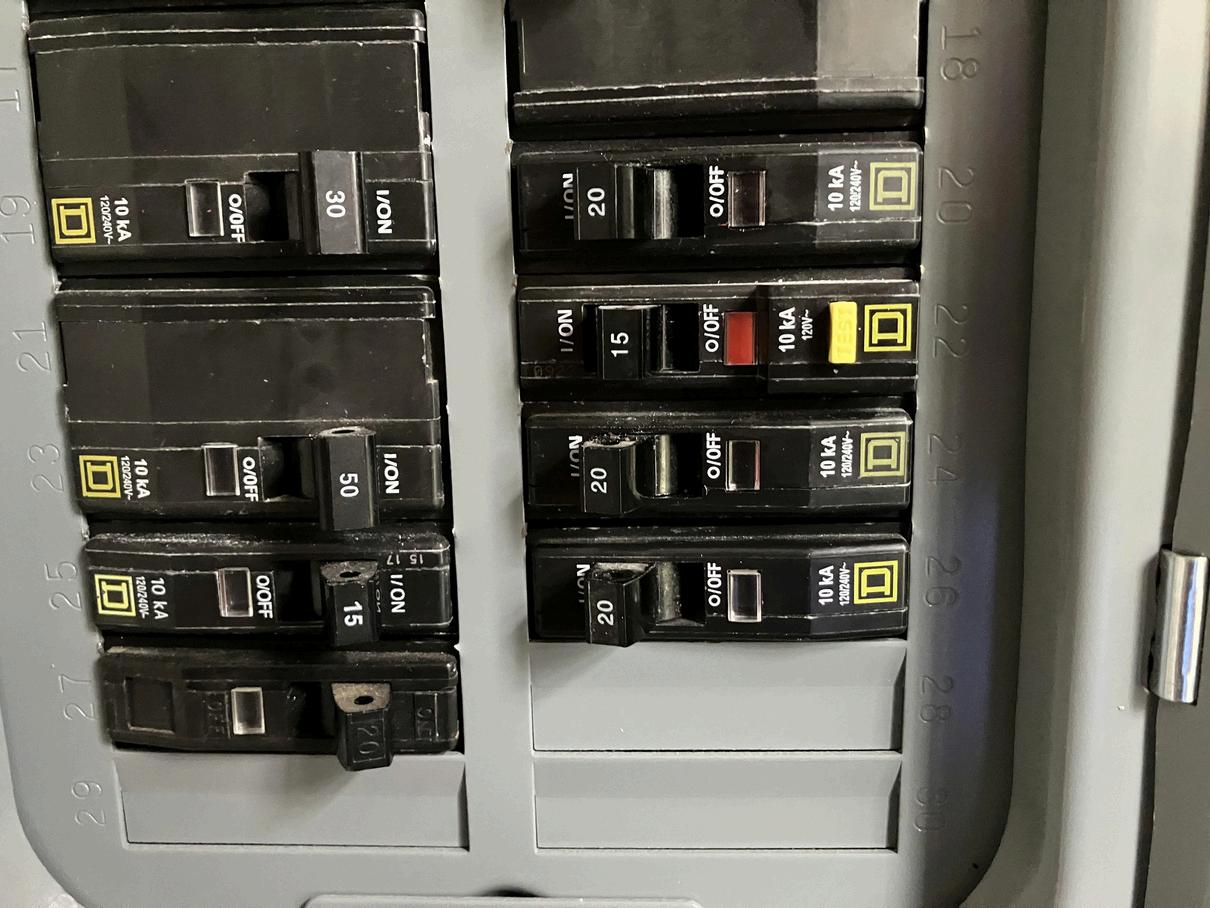
Thisproblemisactuallyaveryoldandverydangeroussolution. A penny or a knockout behind a fuse effectively bypasses the fuse preventing an wiring Removethepennyandreplacethefuse.
If the fuse has been bypassed for years, have a licensed electrician inspect the panel and circuit wiring, as it may be dangerously compromised and require replacement Additionally, replace old Edison fuse sockets with new S-type fuse sockets to prevent the issue of installing the wrong-size fuse.
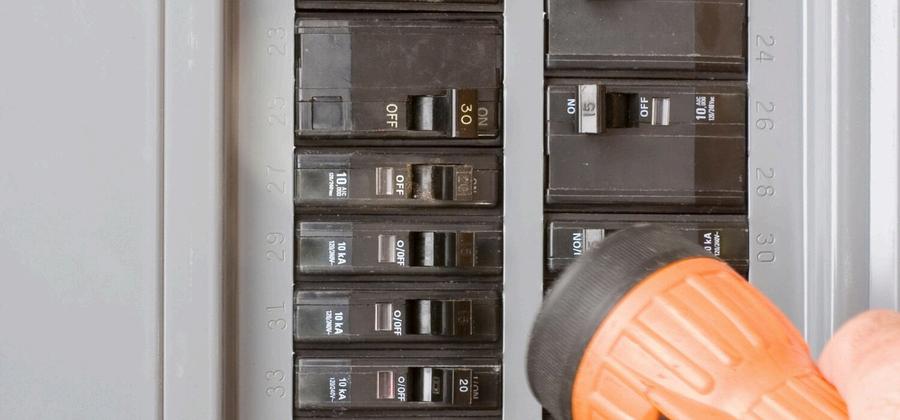
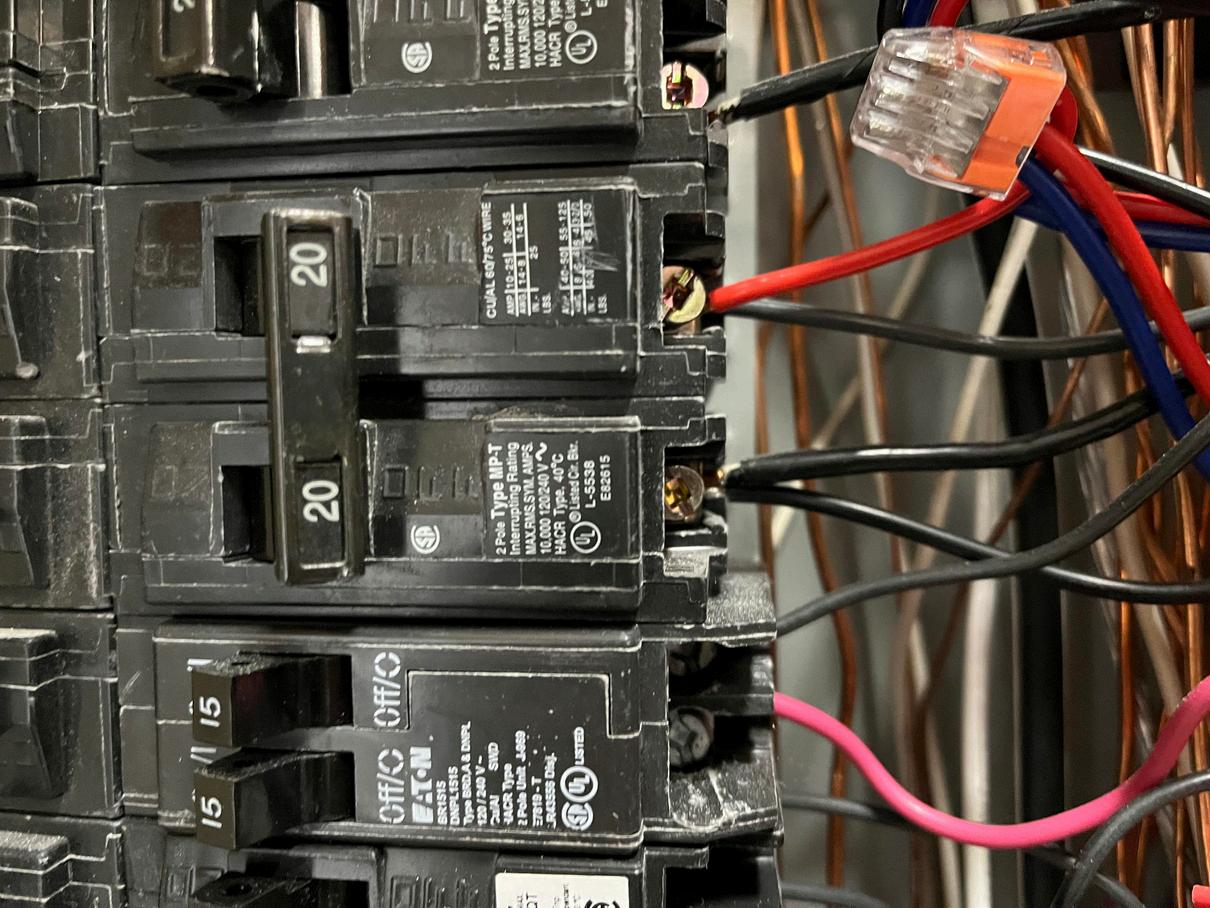
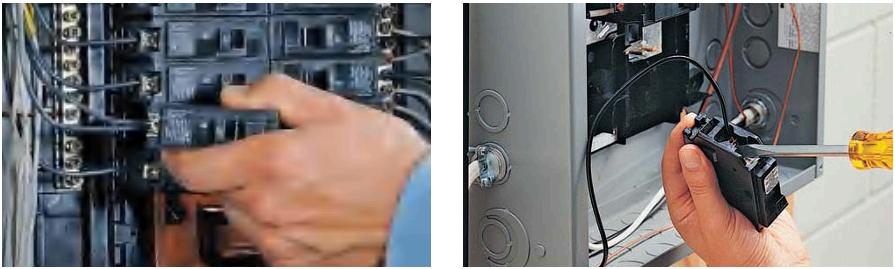
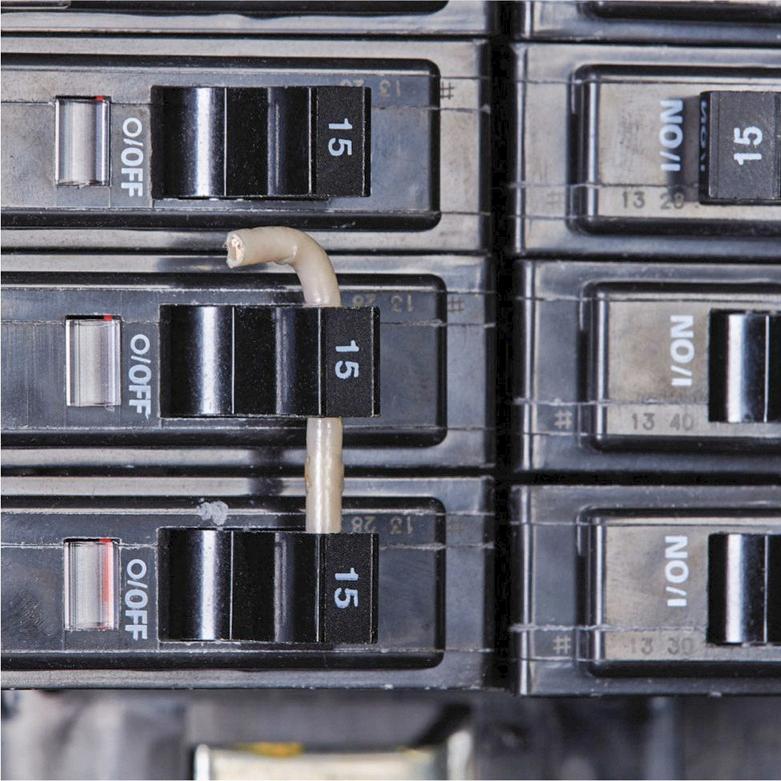
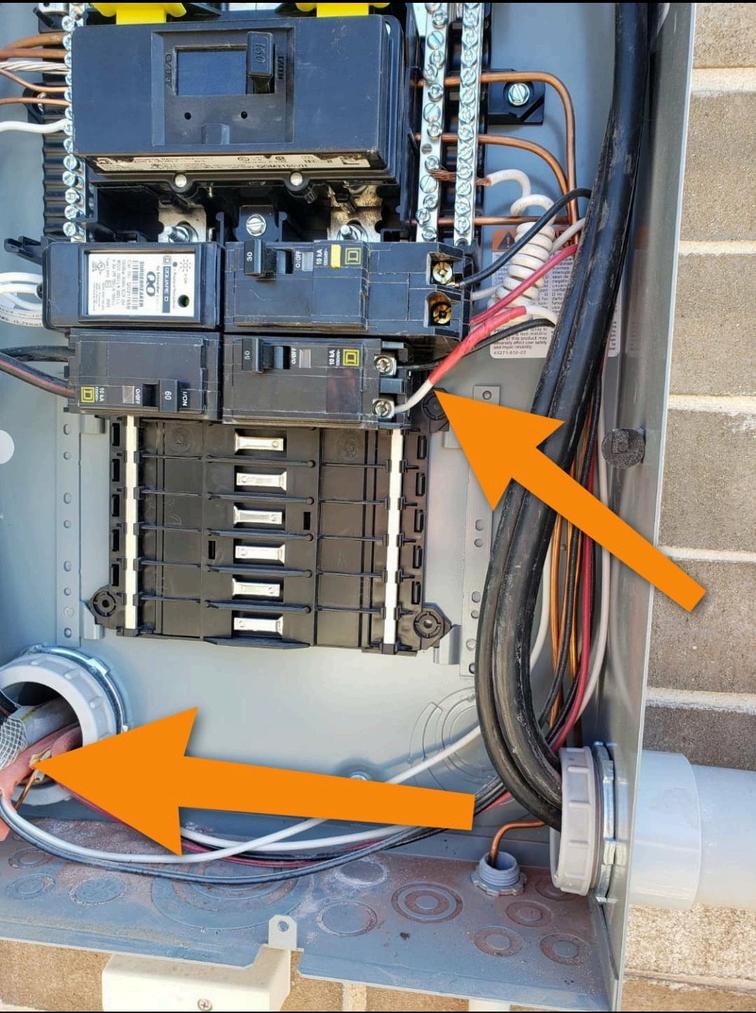
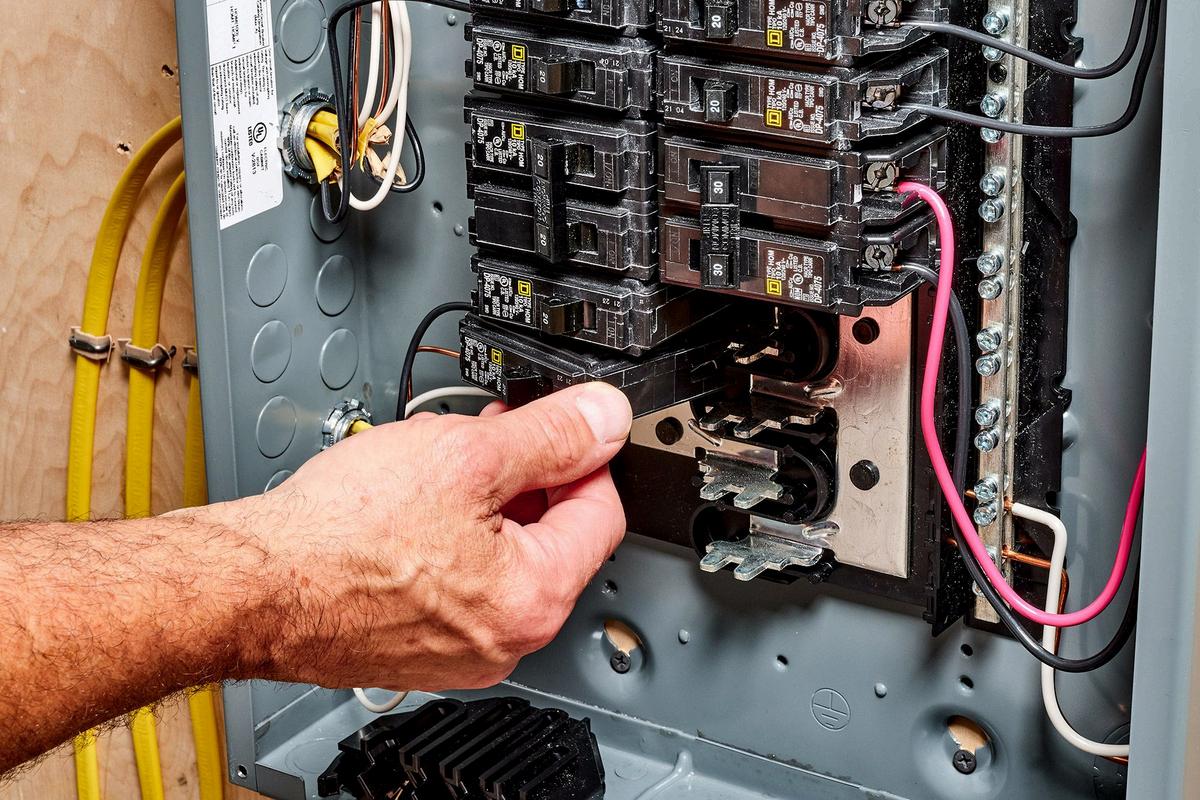
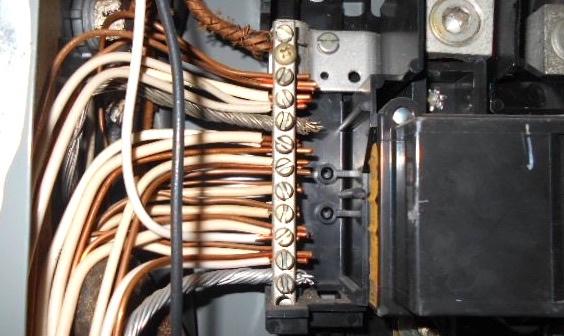
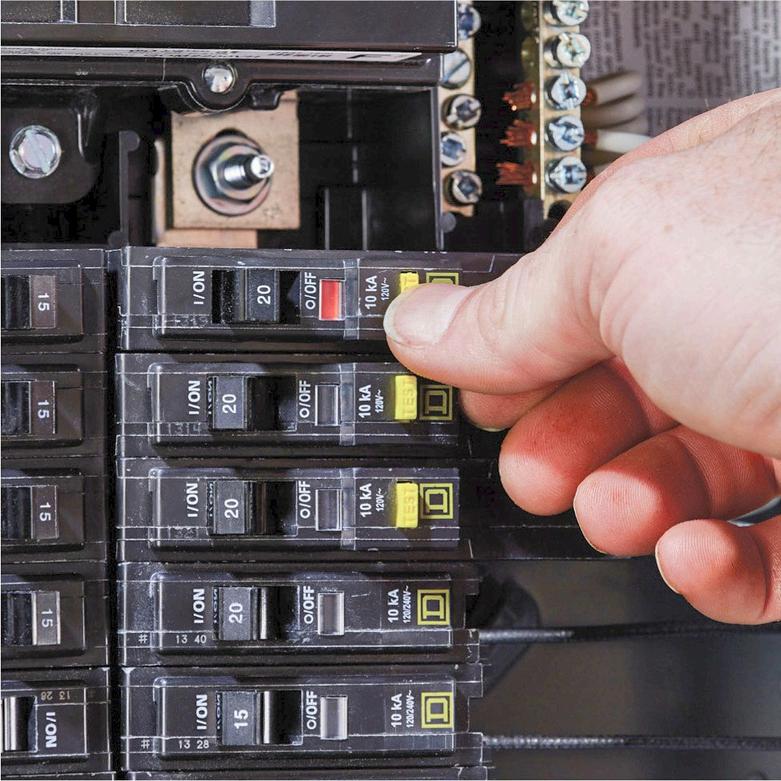
Ifthereisroominthepanel
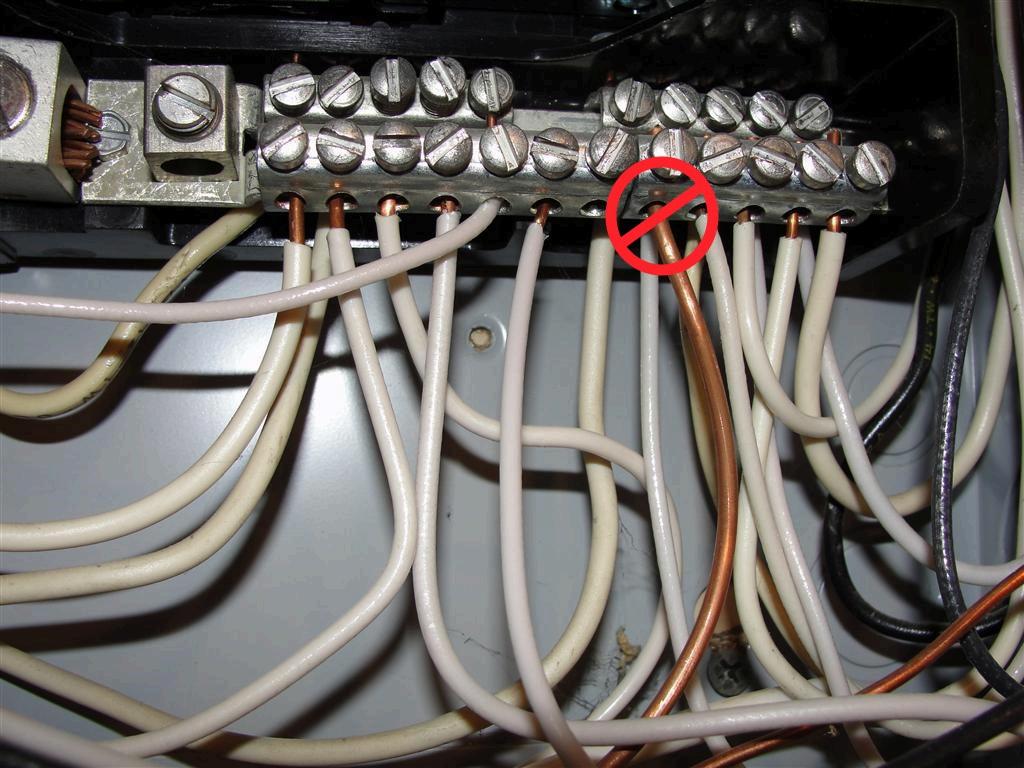
install a separate breaker for the extra wire. If the panel is overcrowded, have an electrician upgrade the panel or install a subpanel
1: Service Panel Inspection
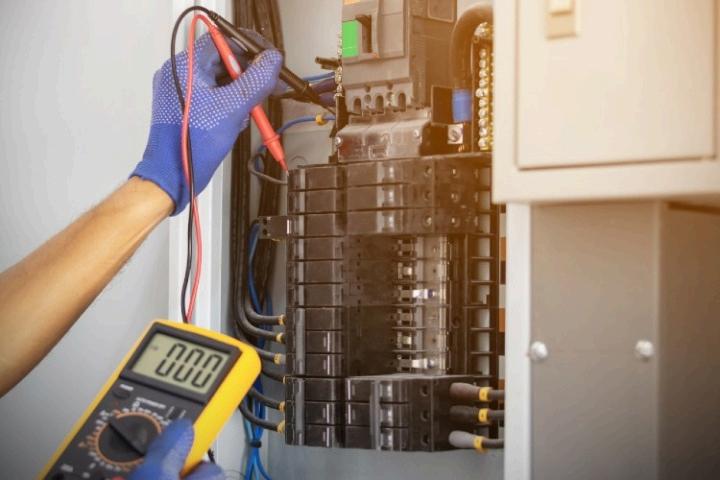
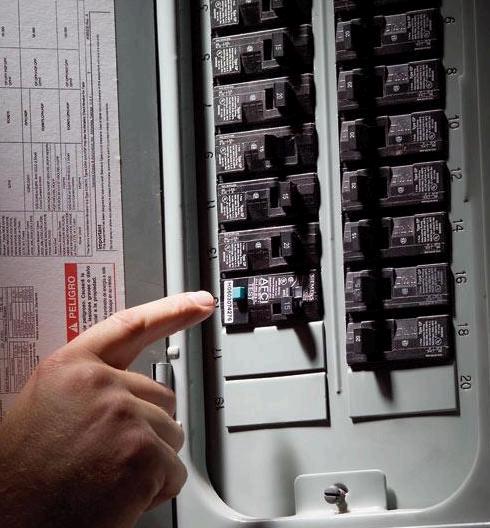
When working on home wiring repair or replacement projects, refer to this section
1: Service Panel Inspection
1: Service Panel Inspection
2: Cable Problems
2: Cable Problems
2: Cable Problems
3: Wire Connections
When working on home wiring repair or replacement projects, refer to this section to help identify any conditions that may be hazardous.
�� Problem
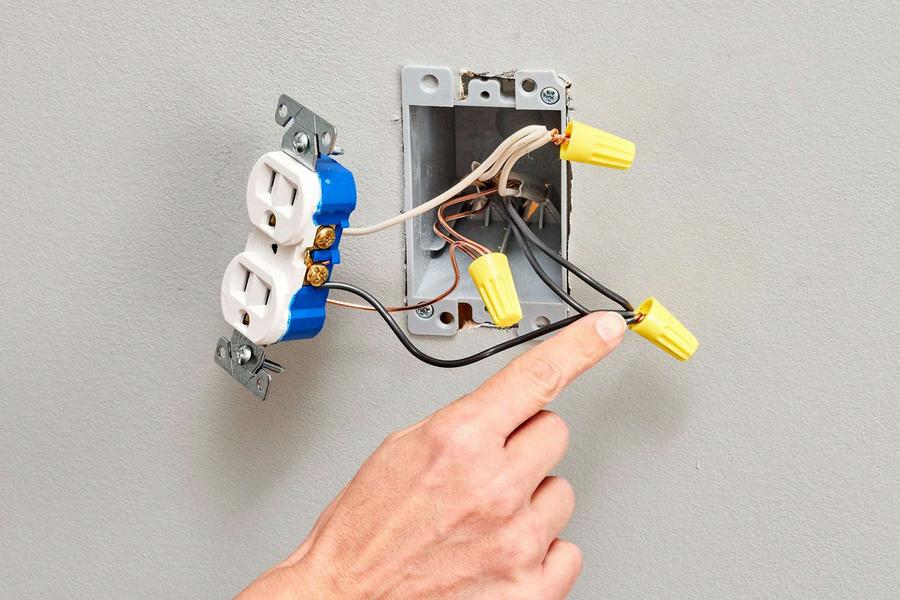
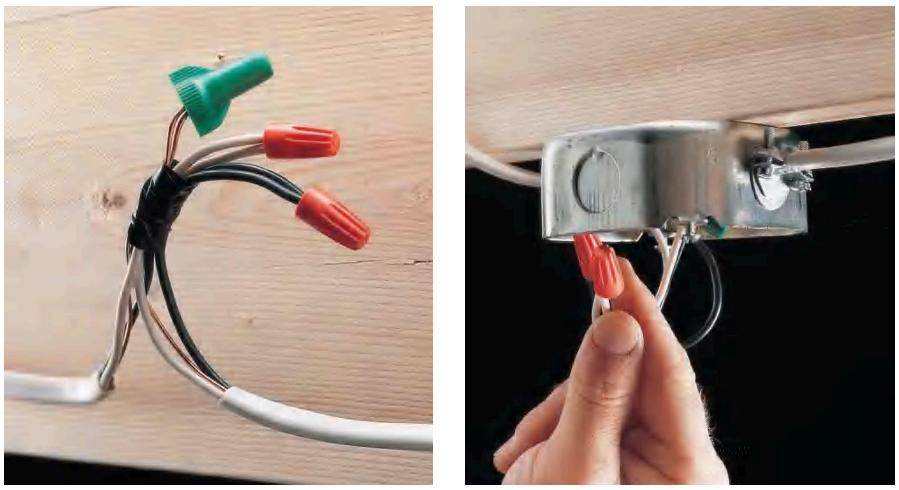
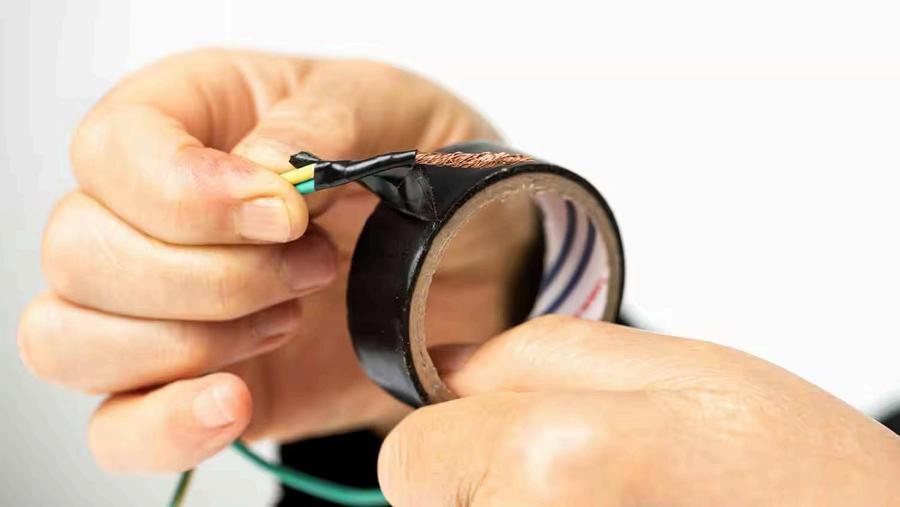
Wiresareconnectedwithelectricaltape
Electrical tape was used frequently in older installations, but it can deteriorate
4: Electrical Box Inspection
When working on home wiring repair or replacement projects, refer to this section to help identify any conditions that may be hazardous.
�� Problem
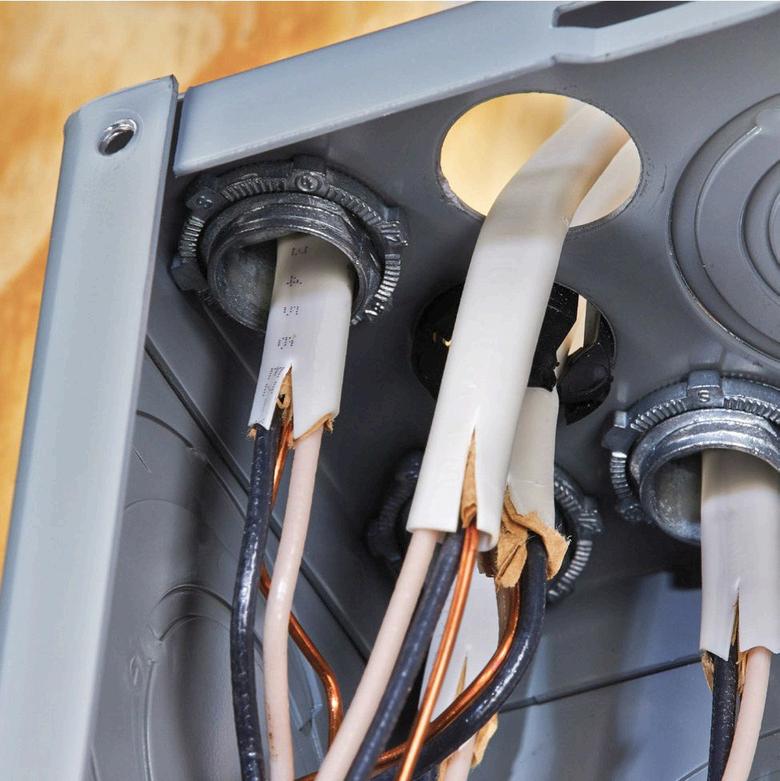
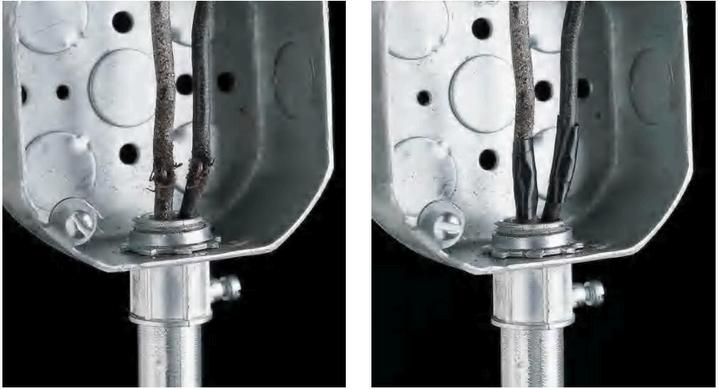
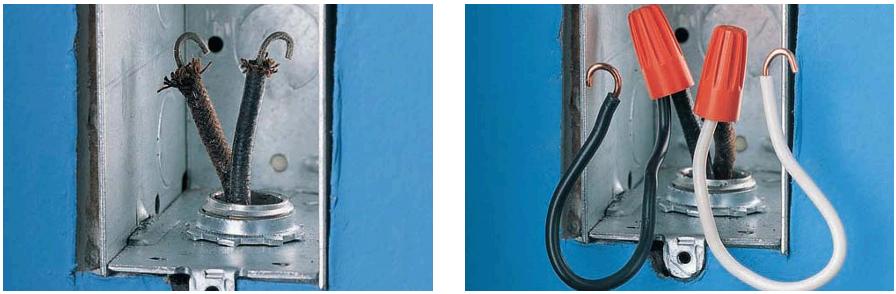
Insulationonwiresiscrackedordamaged
If damaged insulation exposes bare wire, a short circuit can occur, posing a shock hazard and fire risk
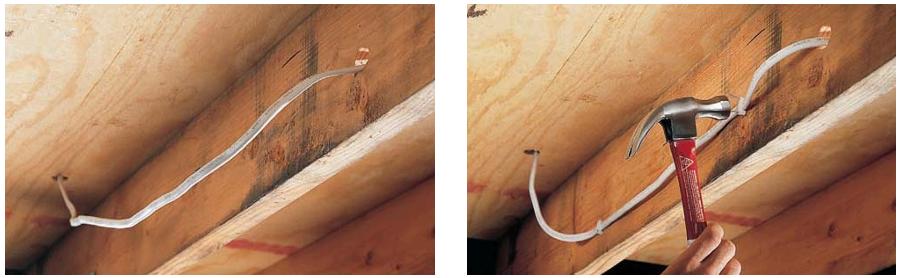
Wrapdamagedinsulationtemporarilywithplasticelectricaltape.Damaged circuitwiresshouldbereplacedbyanelectrician.
4: Electrical Box Inspection
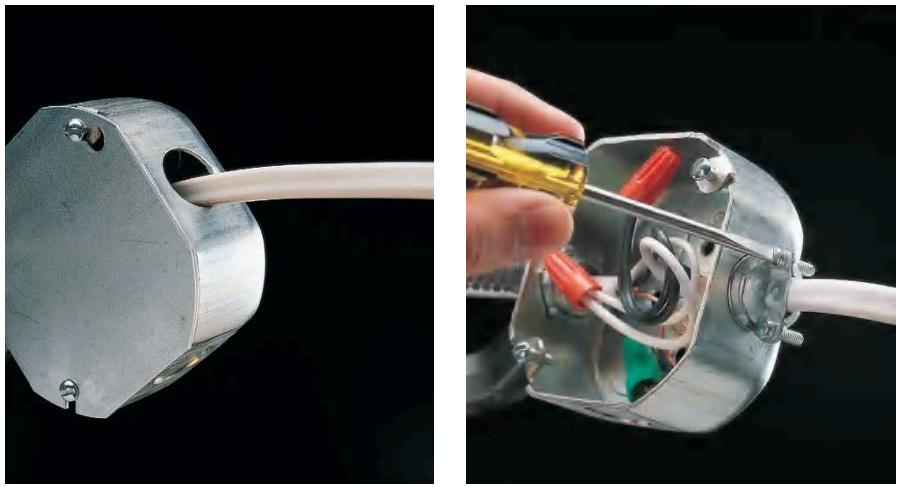
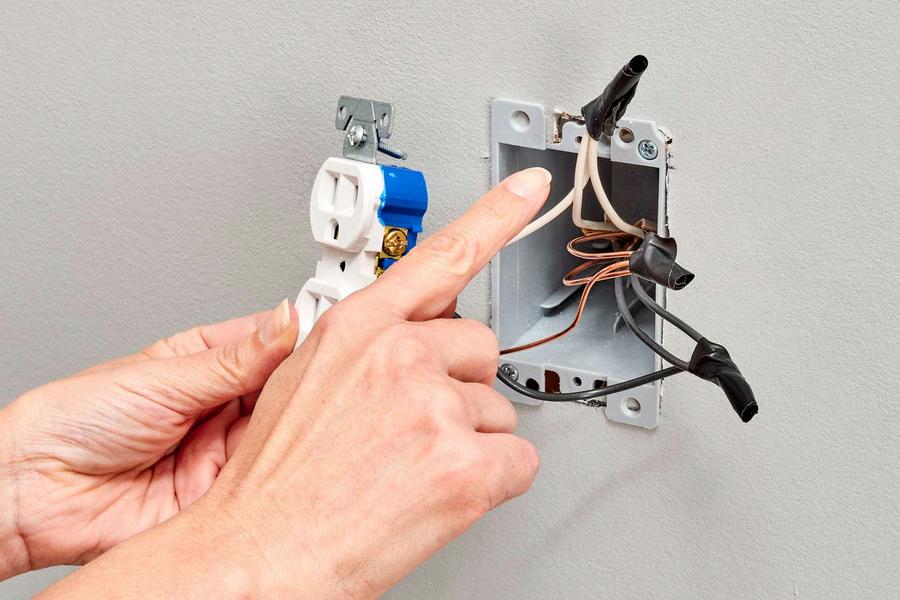
if a short circuit causes sparks (arcing) inside the box
4: Electrical Box Inspection
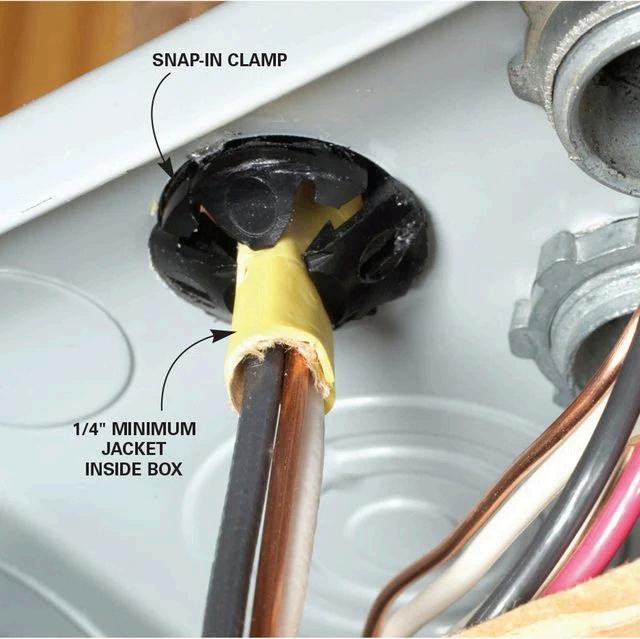
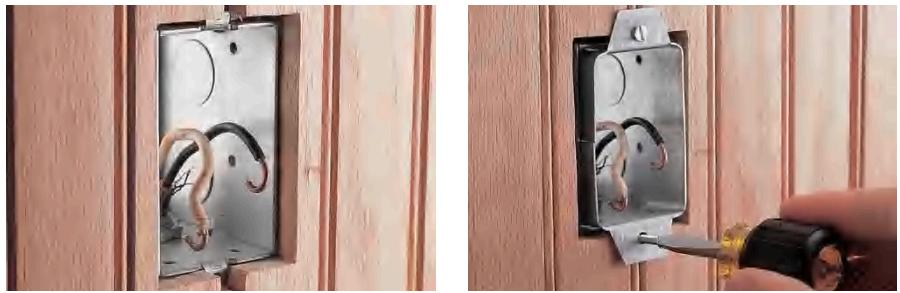
The NEC requires that each wire in an electrical box have at least 3" of workable length from the front of the box
4: Electrical Box Inspection
When working on home wiring repair or replacement projects, refer to this section to help identify any conditions that may be hazardous.
5: Electrical Cord Problems
5: Electrical Cord Problems
When working on home wiring repair or replacement projects, refer to this section to help identify any conditions that may be hazardous.
�� Problem
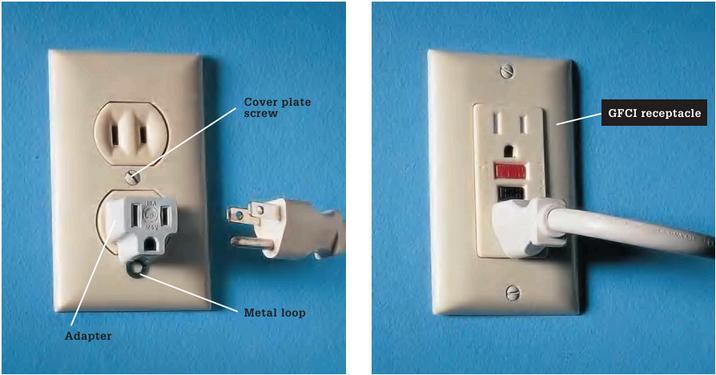
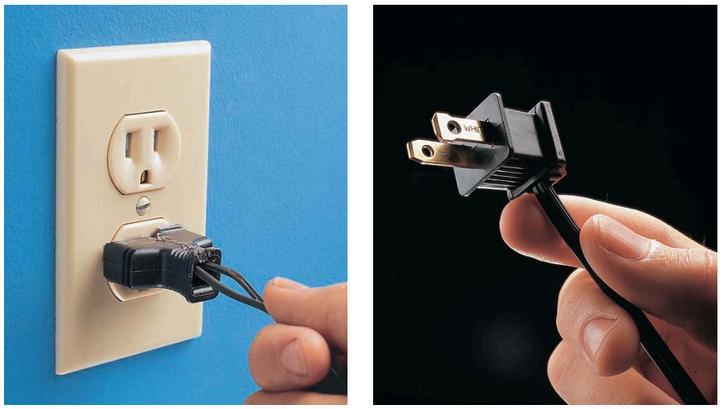
Three-prongapplianceplugsdonotfitatwo-slotreceptacle.
Do not use three-prong adapters unless the metal loop on the adapter is tightly connected to the cover plate screw on receptacle.
Installathree-pronggroundedreceptacleifameansofgroundingexistsatthe box.InstallaGFCIreceptacleinkitchensandbathroomsoriftheelectricalbox isnotgrounded.Labelthereceptacle:“NoEquipmentGround”.
5: Electrical Cord Problems
When working on home wiring repair or replacement projects, refer to this section to help identify any conditions that may be hazardous.
�� Problem
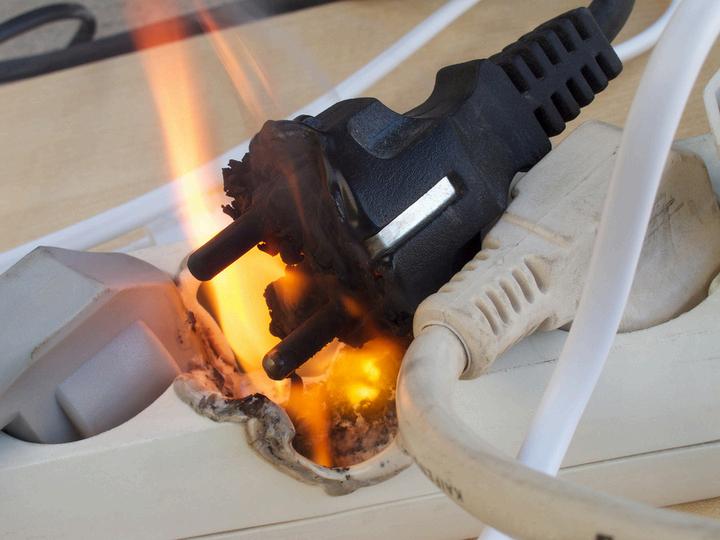
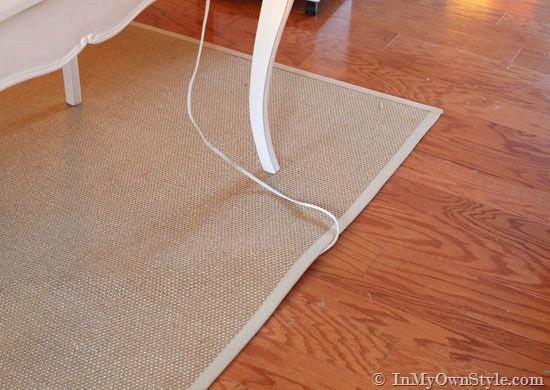
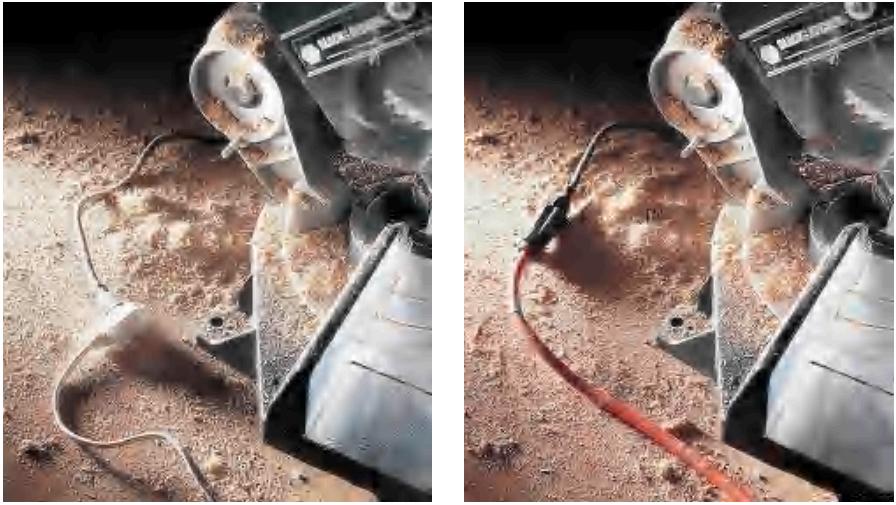
Alamporapplianceplugiscracked,oranelectricalcordisfrayedneartheplug.Worn cordsandplugscreateafireandshockhazard.
Solution
Cutawaydamagedportionsofwire,andinstallanewplug(seepages310to 311).Replacementplugsareavailableatappliancestoresandhomecenters.
6: Inspecting Receptacles & Switches
When working on home wiring repair or replacement projects, refer to this section to help identify any conditions that may be hazardous.
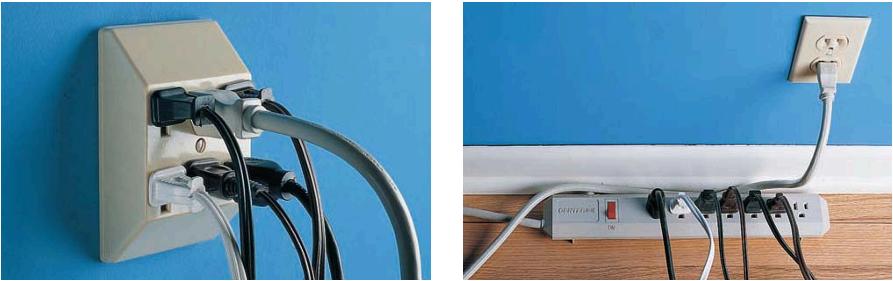
Octopusreceptacleattachmentsusedpermanentlycanoverloadacircuitandcause overheatingofthereceptacle.
Useamulti-receptaclepowerstripwithbuilt-inoverloadprotection.Thisisfor temporaryuseonly.Iftheneedforextrareceptaclesisfrequent,upgradethe wiringsystem.
6: Inspecting Receptacles & Switches
When working on home wiring repair or replacement projects, refer to this section to help identify any conditions that may be hazardous.
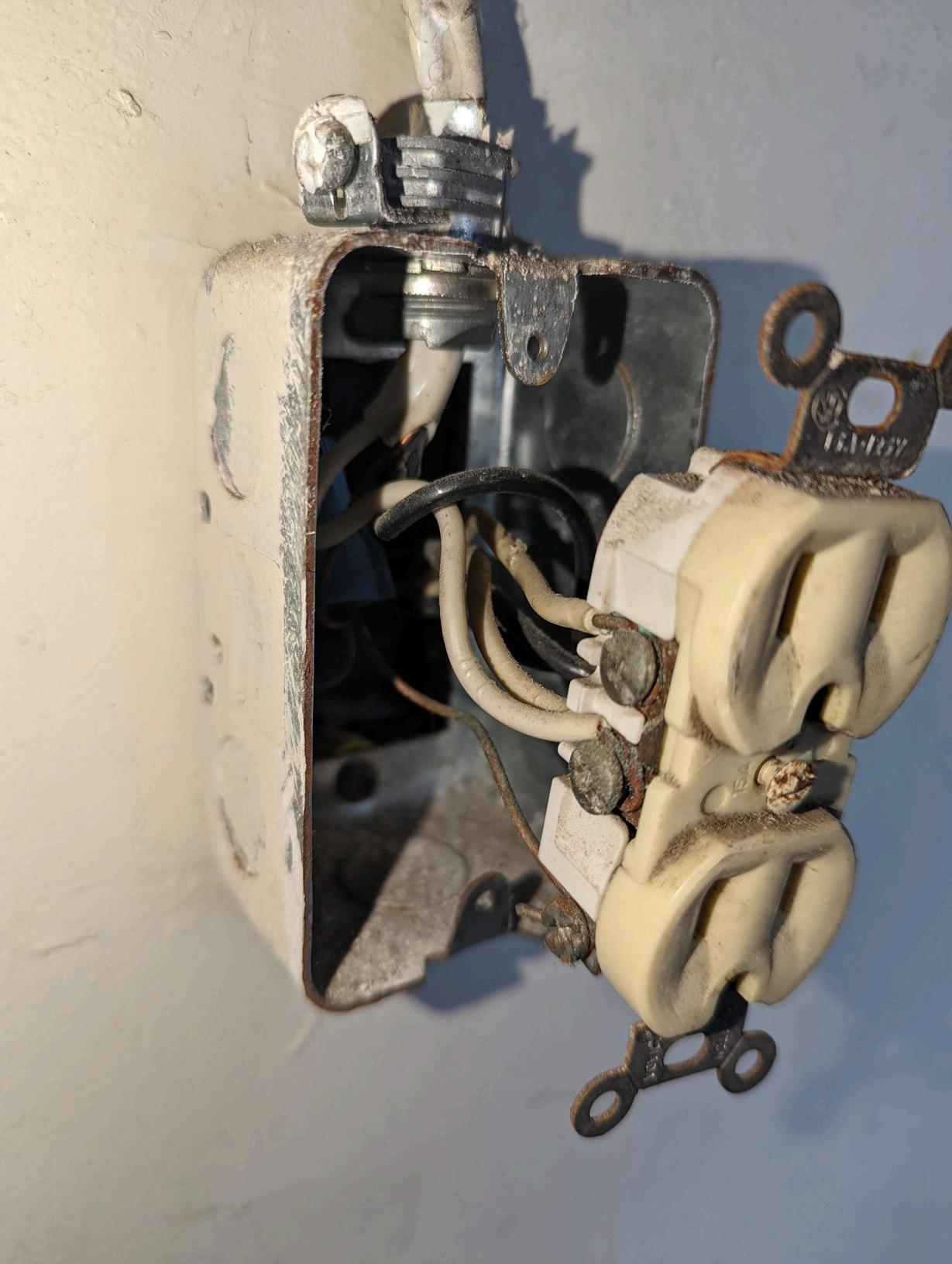
�� Problem
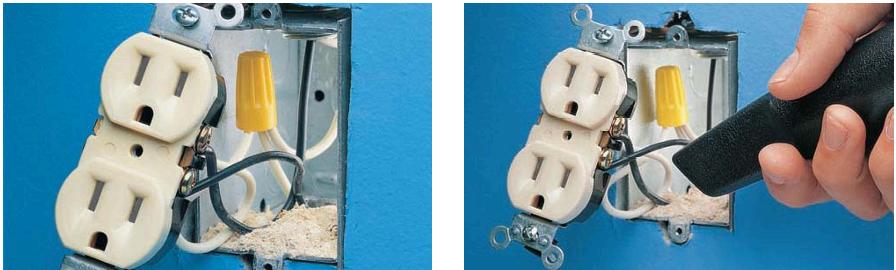
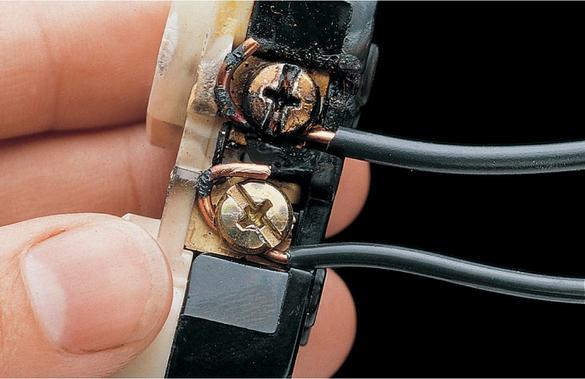
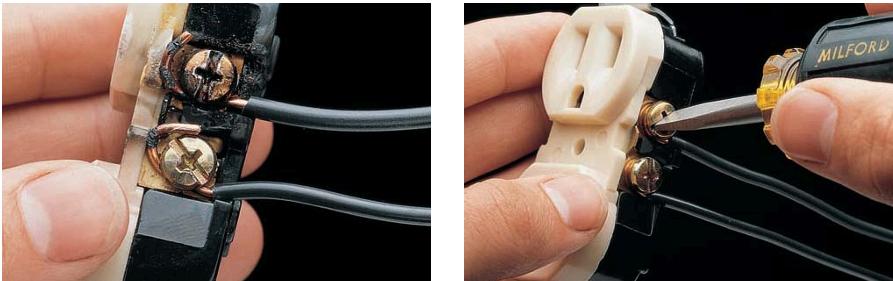
Scorchmarksnearscrewterminalsindicatethatelectricalarcinghasoccurred
Arcing usually is caused by loose wire connections
6: Inspecting Receptacles & Switches
When working on home wiring repair or replacement projects, refer to this section to help identify any conditions that may be hazardous.
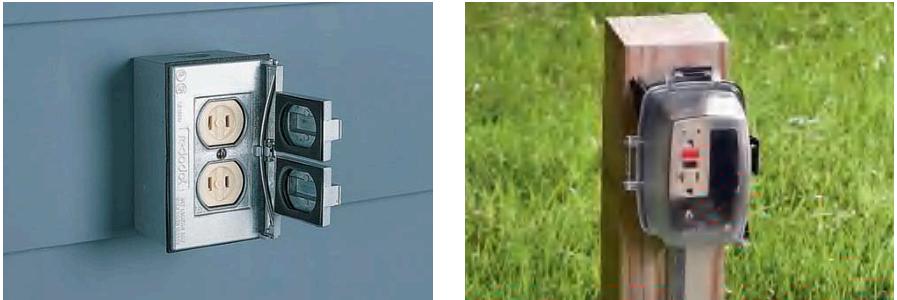
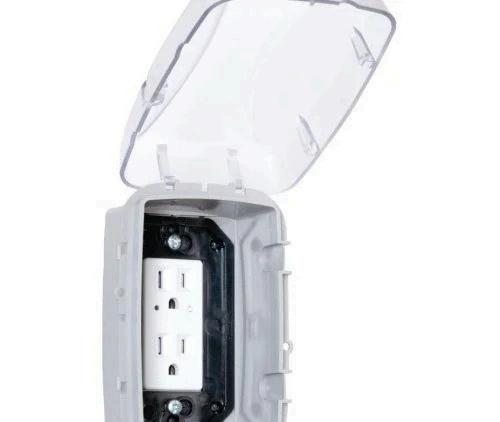
Replacetheoldreceptaclebox(nolongercodecompliant)withanin-usebox thathasabubblecovertoprotectplugsfromwaterwhiletheyareintheslots.
6: Inspecting Receptacles & Switches
When working on home wiring repair or replacement projects, refer to this section to help identify any conditions that may be hazardous.
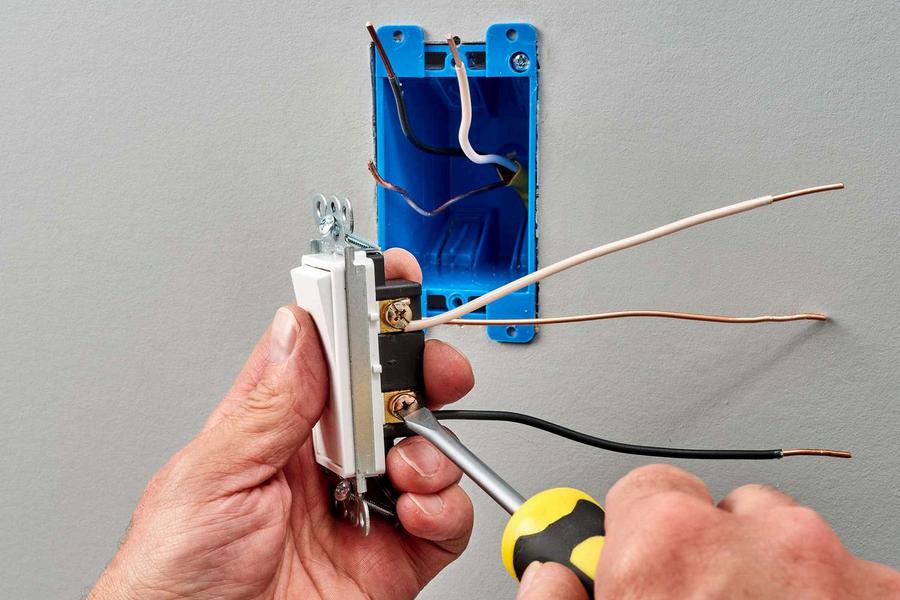
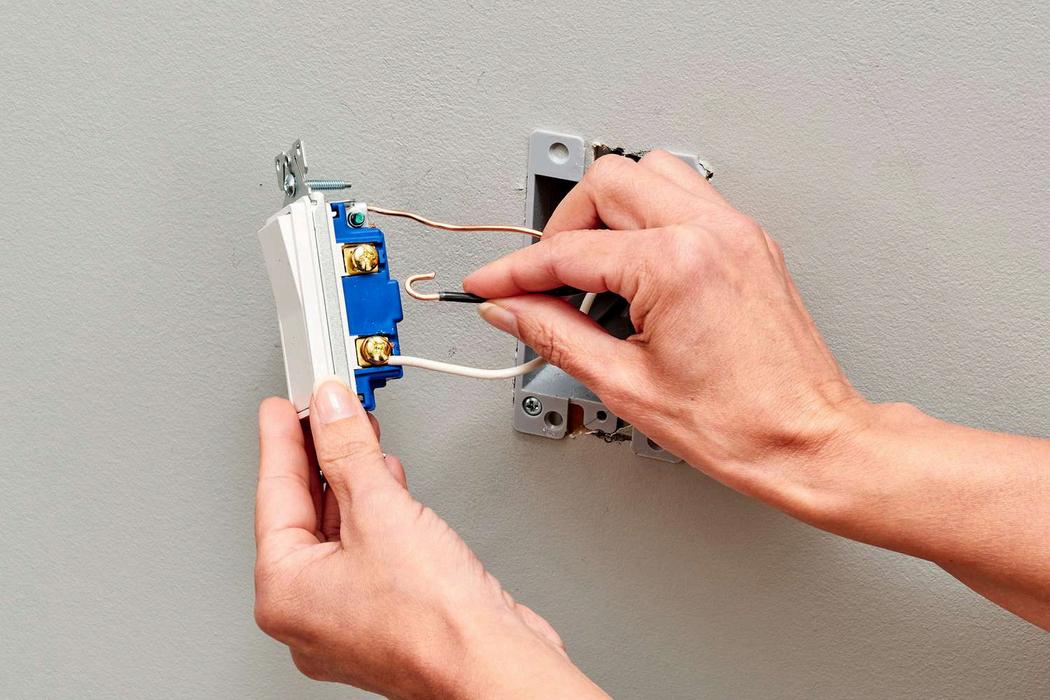
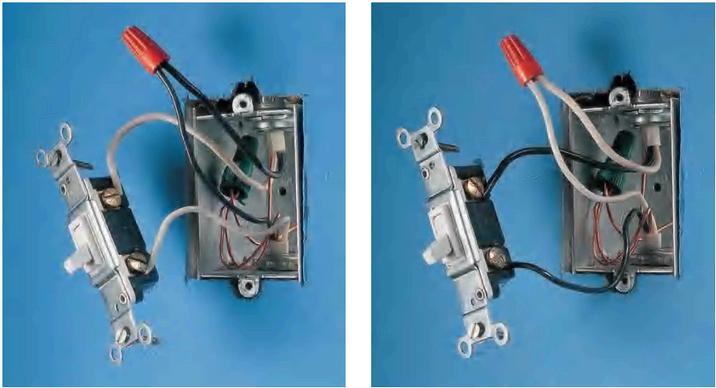
Although the switch appears to work correctly in this installation, it is dangerous because the light fixture carries voltage when the switch is off.
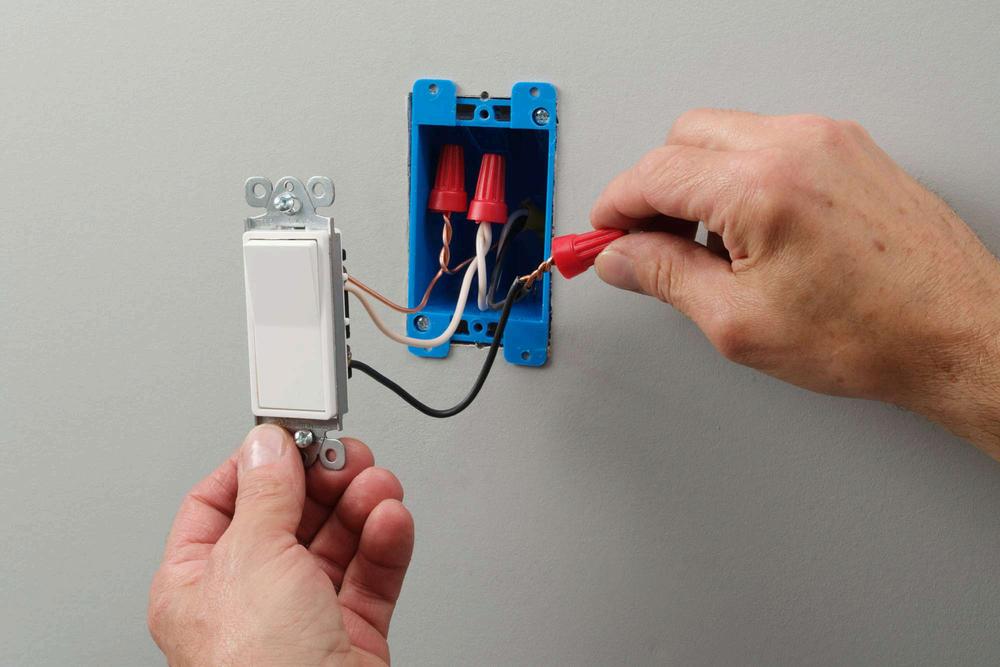
Connecttheblackhotwirestotheswitch,andjointhewhitewirestogether withawireconnector.
✅ Solution
6: Inspecting Receptacles & Switches
When working on home wiring repair or replacement projects, refer to this section to help identify any conditions that may be hazardous.
alsonthe minals. This g neutral slot on
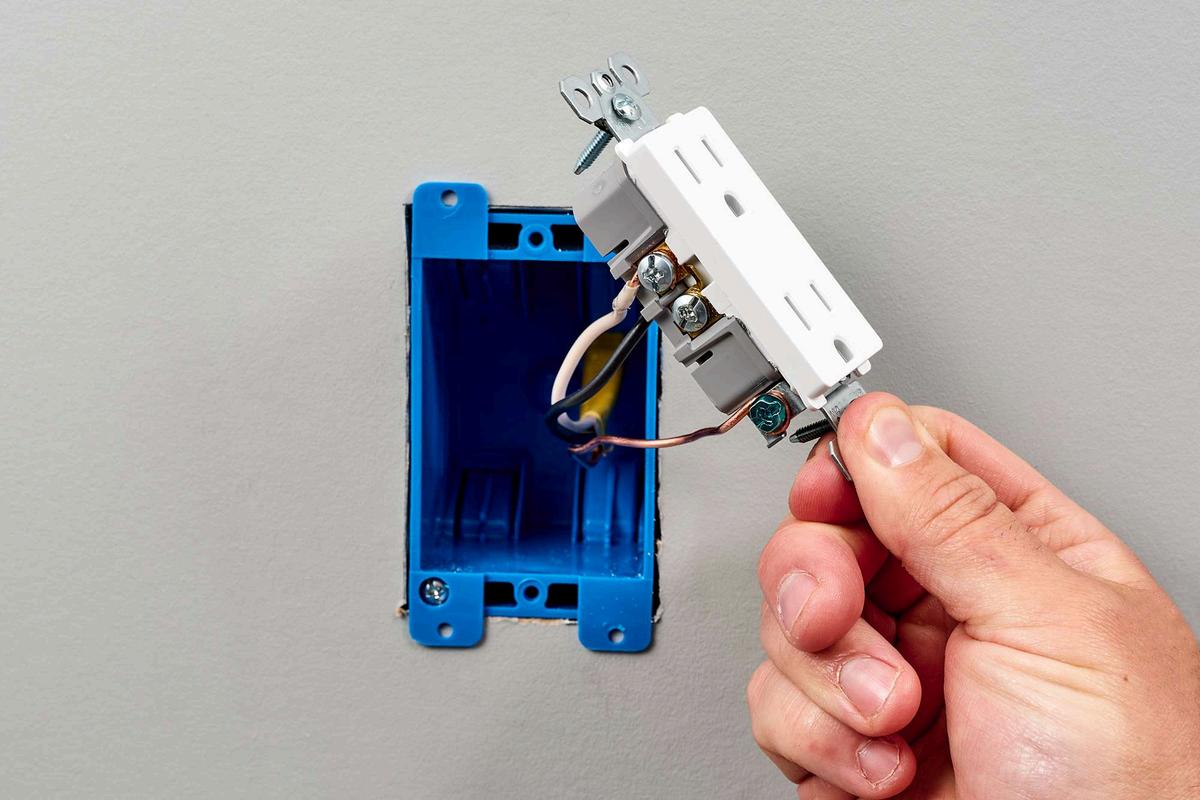
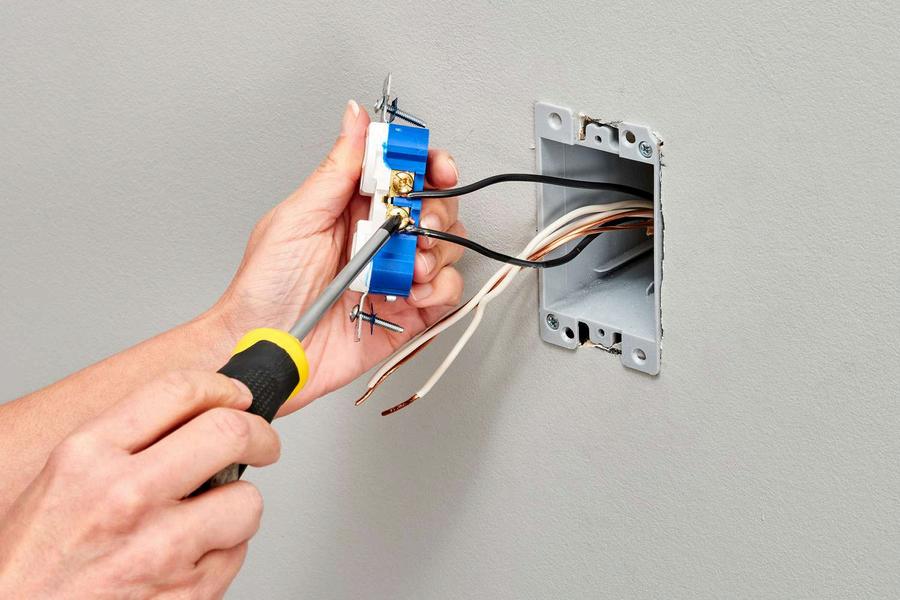
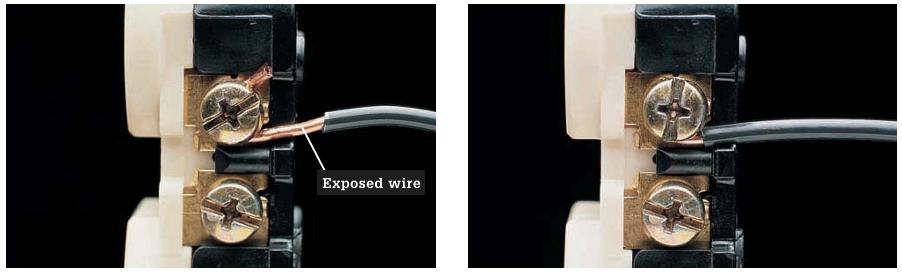
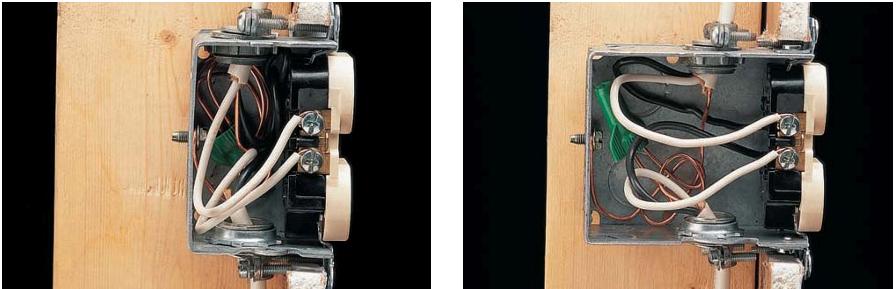
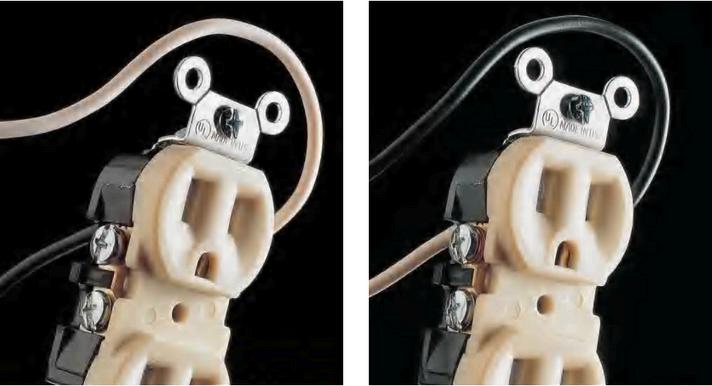
Reversethewireconnectionssothattheblackhotwiresareattachedtobrass screwterminalsandwhiteneutralwiresareattachedtosilverscrewterminals. Livevoltagenowflowsintotheshortslotonthereceptacle.
The Result
Electrical mistakes in residential homes are more common than many homeowners realize. While some issues may seem minor, they can carry serious safety risks—ranging from electrical shocks to fire hazards. By identifying and correcting common wiring problems, homeowners can significantly reduce these dangers, extend the life of their electrical systems, and stay compliant with safety codes.
Note
Taking a proactive approach to inspecting and repairing electrical issues not only protects your property but also brings peace of mind for you and your family.
After applying the corrections outlined in this guide, you can expect:
Improved electrical safety throughout your home.
Reduced risk of electrical fires, shocks, and system failures.
Higher chances of passing electrical inspections on the first attempt. Increased home value and easier resale process due to code-compliant wiring.
Prepared by MARK ABOU Electrician
by
Prepared
MARK ABOU Electrician