MISSION STATEMENT
The Oxford Philharmonic Orchestra (OPO) captures the magic of the world’s most aspirational seat of learning to bring awe-inspiring musical experiences to audiences of all ages.
As Oxford’s professional symphony orchestra, the Oxford Philharmonic serves the Oxfordshire and Thames Valley regions and beyond, offering:
• Performances
• An Academy Programme for Education
• Outreach Community Programme
• Recordings
Oxford Philharmonic is dedicated to the highest standards of artistic excellence and musical integrity.

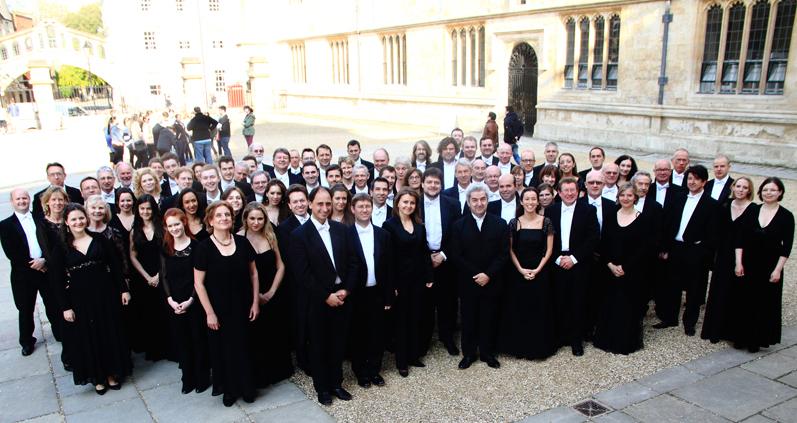
The Oxford Philharmonic Orchestra (formerly known as the Oxford Philomusica) was founded in 1998 by Marios Papadopoulos, the orchestra’s Music Director. Since its inception, it has been at the forefront of Oxford musical life, at the service of the community.
STRUCTURE
Oxford Philharmonic embraces two companies: The Oxford Philharmonic Orchestra Trust, a registered charity, (Charity Registration number 1084256; Company Registration number 3608496), and Oxford Philharmonic Orchestra Productions Ltd (Company Registration number 3592323). Both are companies with limited liability, the Trust limited by guarantee and the Productions company by share capital wholly owned by the Trust. Both are governed by a set of Memorandum and Articles of Association.
Apart from their fiduciary duties, members of the trust provide funding, handle donations and disburse funds to the Production company as necessary to enable concerts and other activities as per our mission statement.
As the trading arm of the organisation, the Productions company carries out and runs the every day affairs of the orchestra. It is governed by a board of directors and run by a management team.
PRODUCTIONS TRUST
MANAGEMENT
ORCHESTRA
The review of our financial operations is conducted by a Finance and General Purposes Committee, which meets regularly and reports to the trustees.
As a charity we are regulated by the Charity Commission. Our annual accounts, which are independently examined and audited, are filed with Companies House and the Charity Commission.
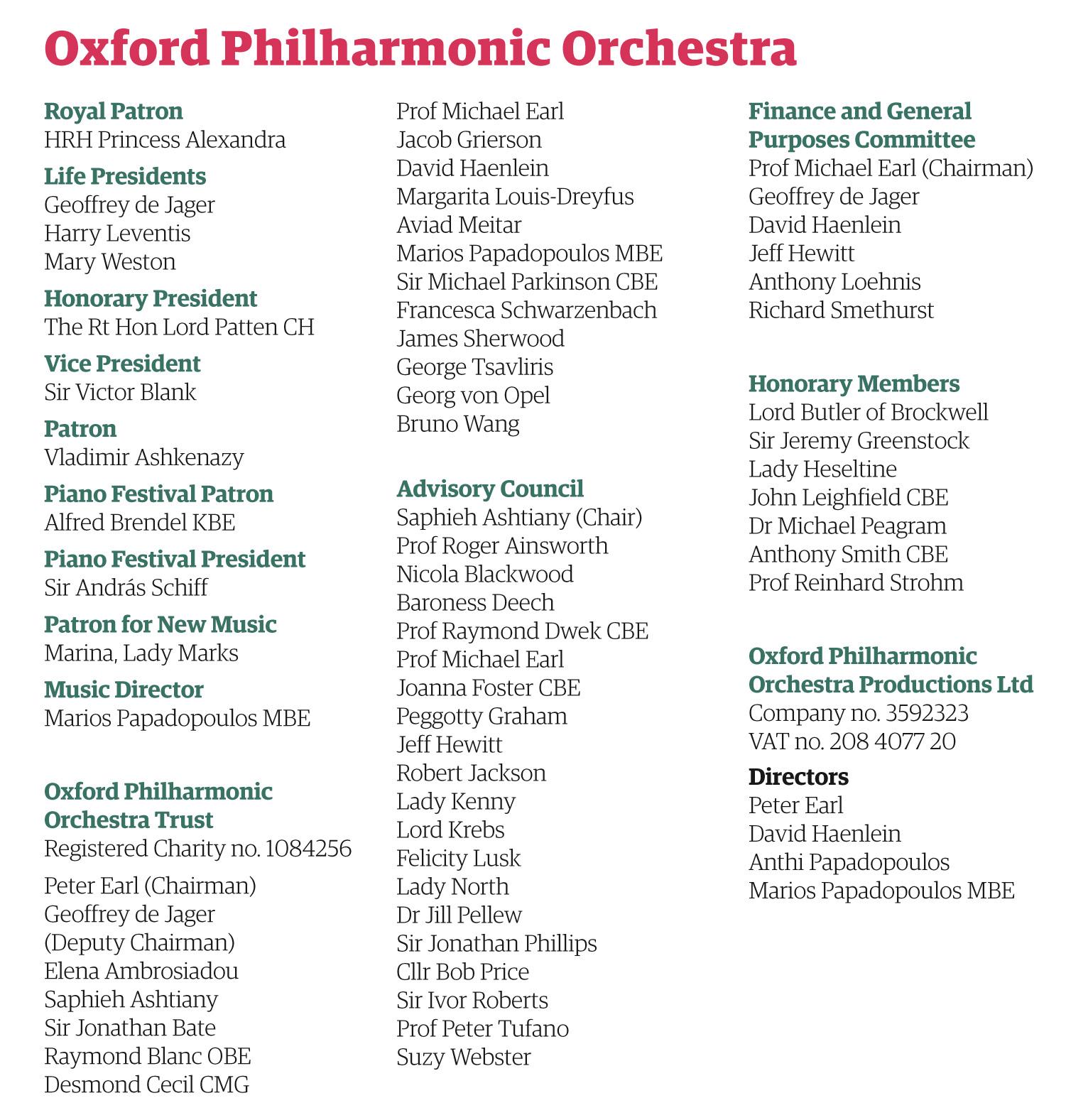
Our Advisory Council is comprised of 20 members of high social standing in the Oxfordshire community. The Council aims to further the cause of the orchestra
locally and serves as a channel of professional advice within the areas of expertise of its members.
ACTIVITIES
The Oxford Philharmonic’s activities are concentrated in four main areas:
• Performance
• Education
• Community Work
• Recordings
The Oxford Philharmonic’s many achievements to date include:
• Extensive annual concert seasons in Oxford
• Touring performances across the UK and a growing list of international engagements
• Acclaimed recordings
• Major anniversary celebrations of Mozart, Haydn and Beethoven
• Hugely popular family concerts
• Annual Piano Festival and Summer Academy
• A highly successful Chamber Music and Baroque Series both showcasing the Soloists of Oxford Philharmonic – a tight-knit group of musicians described by The Times as the orchestra’s ‘glorious individual players’.
• Our first fully staged Opera in May 2015
• A close association with Maxim Vengerov as our Artist in Residence for four years
• A series of concerts featuring the world’s most prominent soloists and conductors
• A loyal following that results in capacity audiences for most of our concerts
The Oxford Philharmonic is considered today to be one of the leading orchestras in the UK. Our reputation is based on uncompromising artistic standards maintained by some of the finest musicians in the country and is reflected in performances that create bold musical statements with every concert we perform.
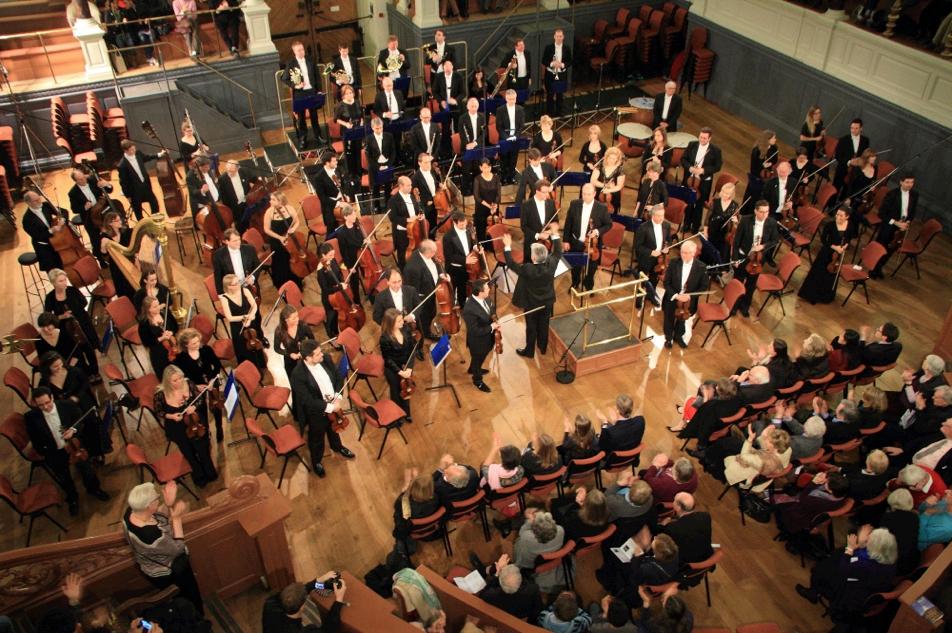
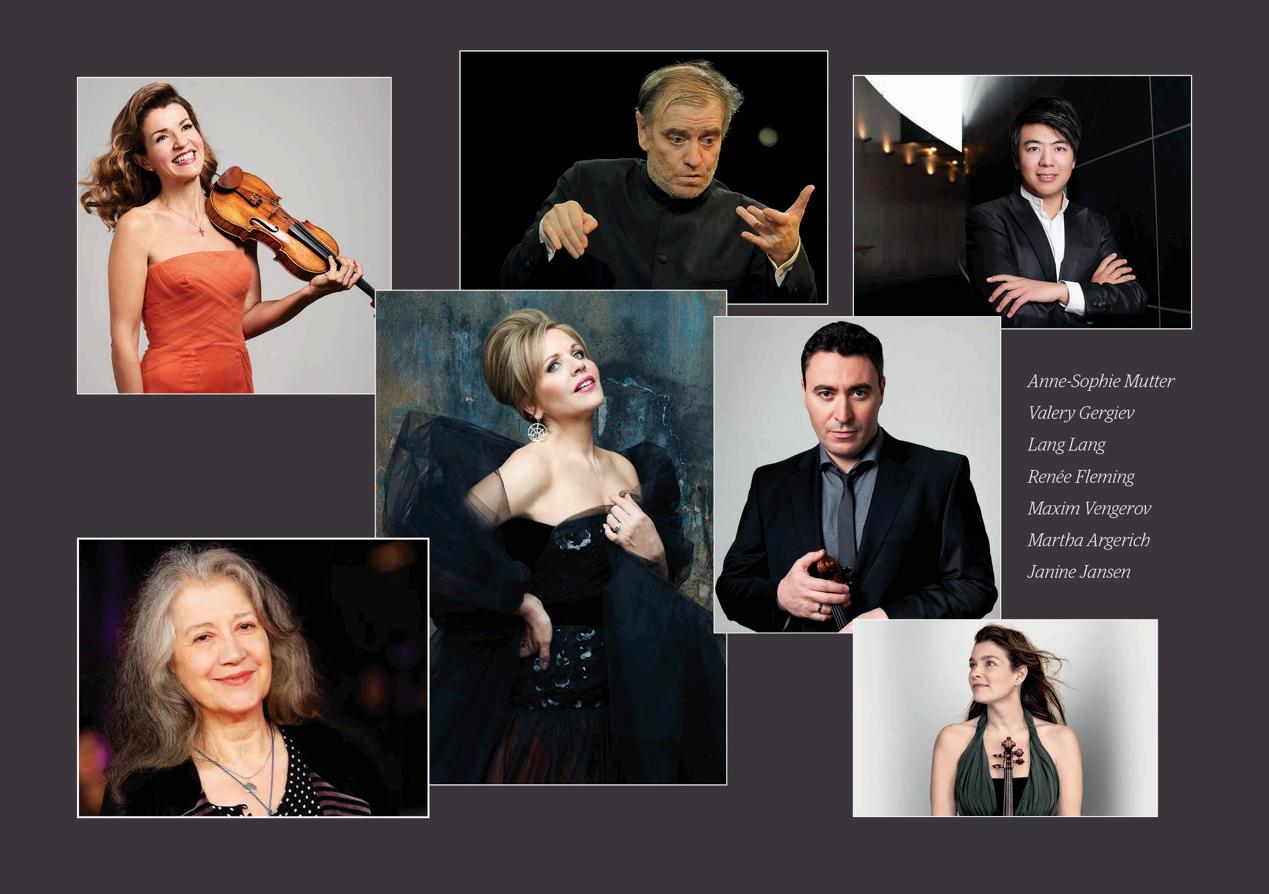
As an ensemble of the highest quality, we are increasingly attracting internationally acclaimed artists to appear in our series, many of whom return on a regular basis. Wren’s Sheldonian Theatre and our close association with the University of Oxford add to the appeal.
With a comprehensive season of concerts in Oxford that encompasses all musical styles and genres and an ever-increasing schedule of appearances in other parts of the UK and abroad, the Oxford Philharmonic is one of the fastest growing orchestras in the UK.
GEOGRAPHICAL CLAIM
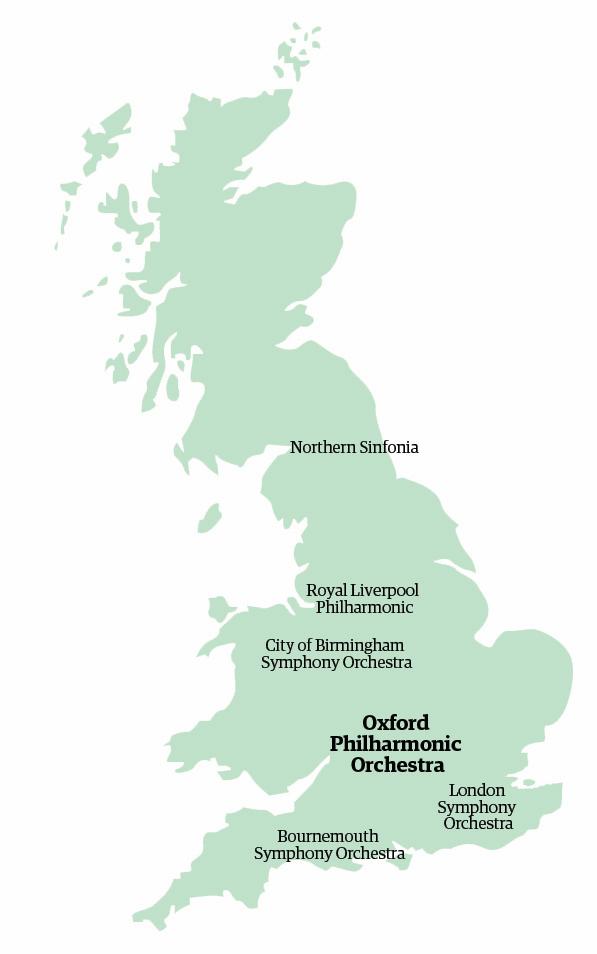
With no other professional orchestra within a large radius from Oxford we have clear territorial claims and a remit to serving the community around the area in which we operate.
Orchestras which make a territorial claim, mostly those operating in the regions and serving local communities, appear to have a longer life-span than those who don’t.
Those that have built their reputations around strong individual personalities or claim a specific niche have enjoyed short-lived success but those which have a clearly identifiable regional presence seem to have better prospects for a longer life-span.
Given the parlous financial state of some orchestras, it would be difficult to predict the long-term viability of those who do not have a clearly defined remit to serve a particular geographical region or who lack certain characteristics that appeal to a niche market.
OUR HOME
The 17th-century Sheldonian Theatre is the Oxford Philharmonic’s home. It seats around 800 people and is steeped in history having played host to both Haydn and Handel.
Sir Christopher Wren’s amphitheatre-style architectural masterpiece, and the University of Oxford’s ceremonial hall, offers patrons the unique opportunity to be enveloped by the sound and provides an intimacy between audience and musicians that few if any venues in the UK could equal.
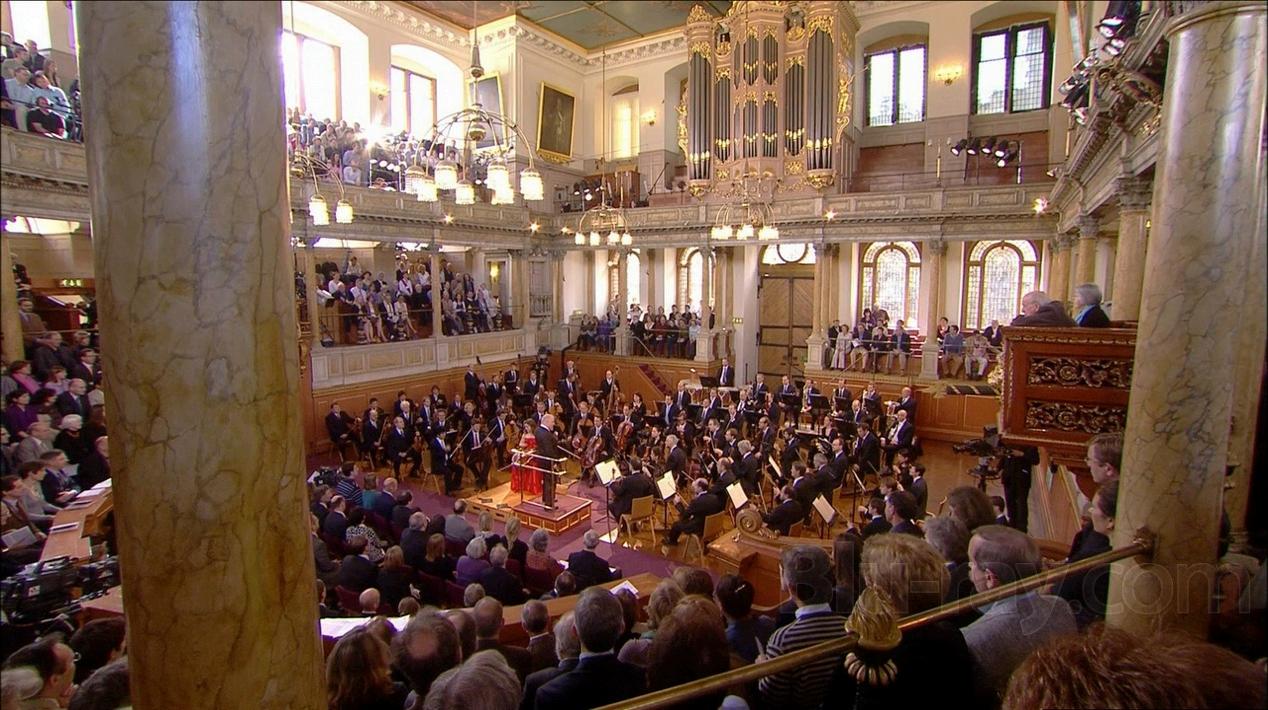
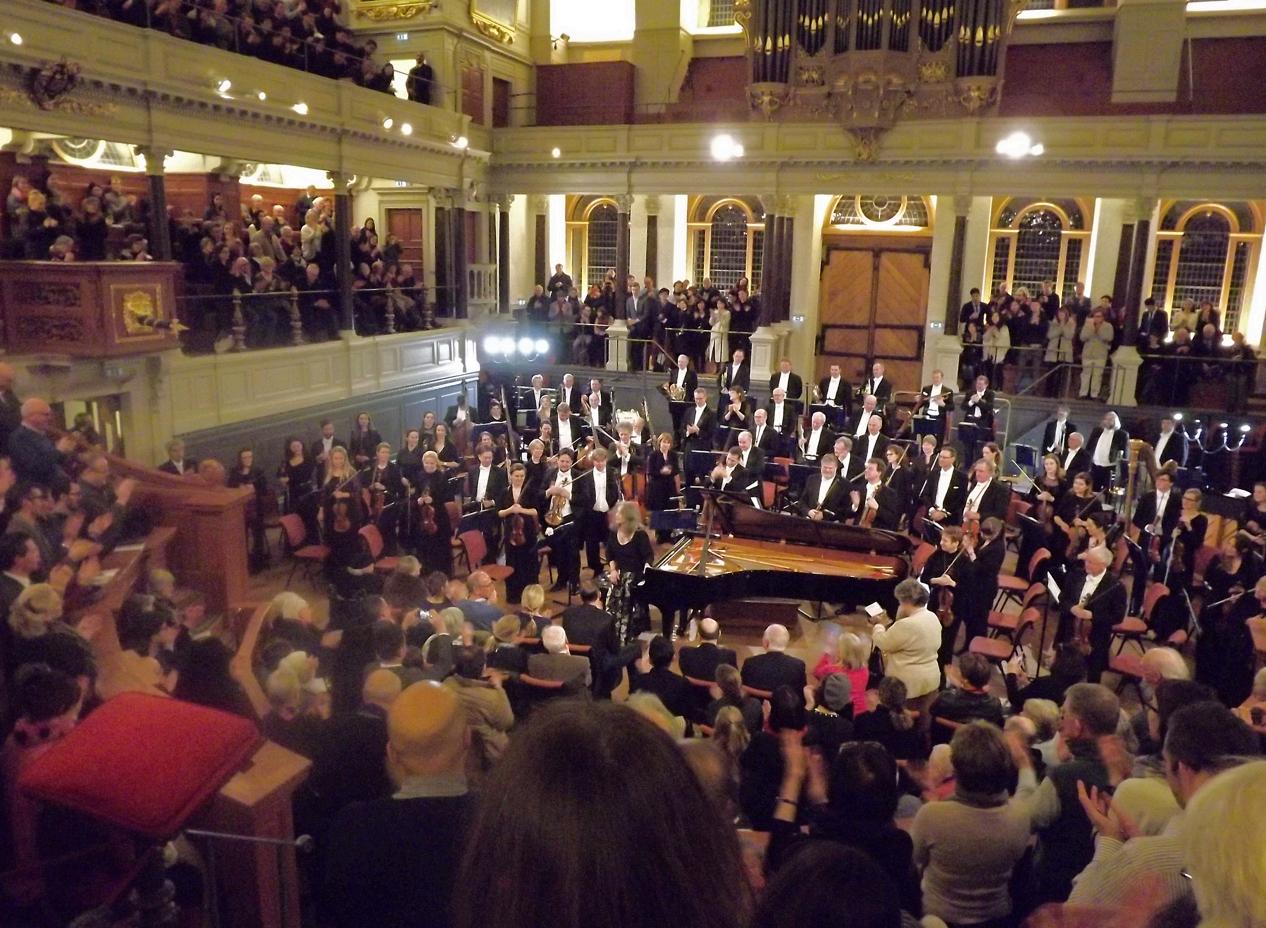
Daniel Barenboim and the Berlin Philharmonic performing in the Sheldonian
The ‘Sheldonian Musical Experience’, is a phrase coined by many of our loyal followers as describing this unique musical experience.
In addition to its excellent acoustics and architectural marvel, the Sheldonian has huge appeal amongst the great artists whom we bring to Oxford.
THE ORCHESTRA
Membership of the orchestra comprises some of the finest musicians in the UK and Europe. They are our greatest asset whom we value highly and look after.
CHANGE OF NAME
Following an in-depth review of our organisation and its objectives at a two-day convention in 2015, we were advised that agents working on our behalf were finding it difficult to sell the orchestra with the name Oxford Philomusica because promoters were confused as to what we stand for and often wonder whether we are a student orchestra.
Following discussions with all our major stakeholders including the University of Oxford we decided to accept the recommendation of the music industry to change our name from Oxford Philomusica to Oxford Philharmonic Orchestra in order to allow the orchestra to move forward and realise its full potential. The
Oxford Philharmonic Orchestra has a more permanent ring to it and more accurately portrays the breadth and depth of the organisation’s current and future activities.
The orchestra’s Board of Trustees unanimously approved and ratified the change.
From September 2015 onwards we officially adopted the name of Oxford Philharmonic Orchestra.
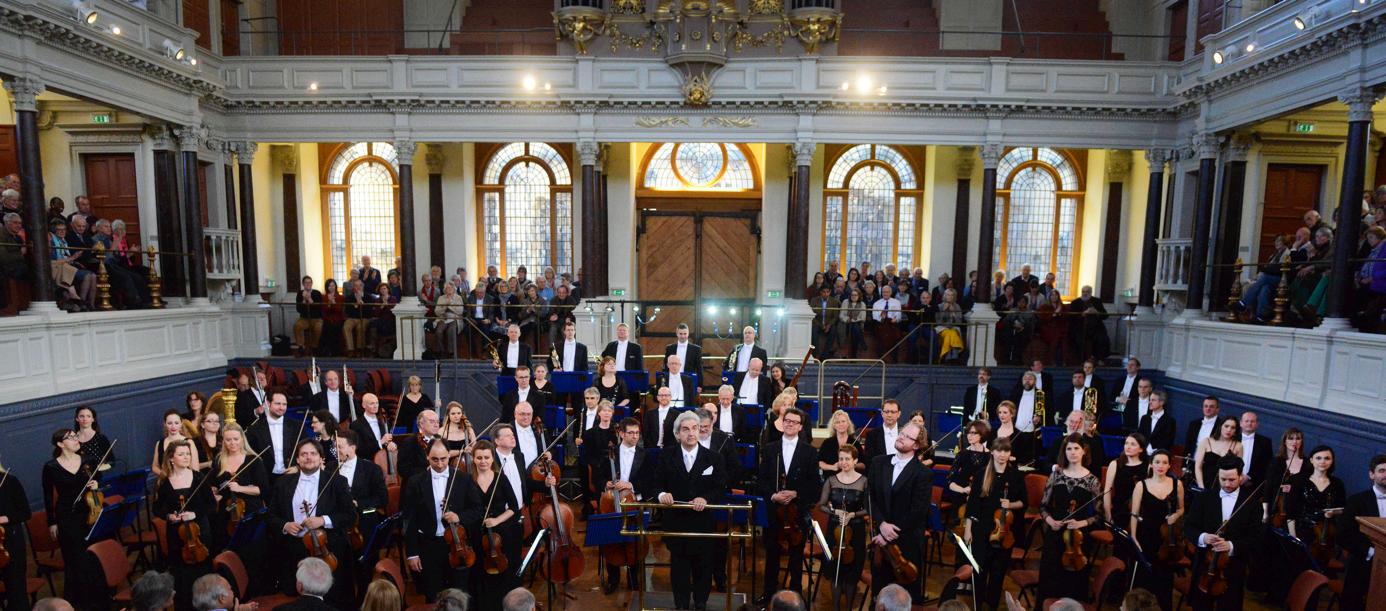
Years 2011 – 2017
In previous Business Plans spanning years 2011 to 2018, we set out an ambitious programme to place the Oxford Philharmonic amongst the top orchestras in the UK by the time the Orchestra reaches its 20th birthday, in November 2018.
ARTISTIC POLICY
At the heart of this strategy was an Artistic Policy aimed at:
• Recruiting the finest freelance musicians as members of the orchestra
• Allocating more rehearsal time and increasing the number of concerts, resulting in performances that were better prepared and executed
• Making more recordings
• Building on the relationships we have created with some of the world’s leading soloists and conductors.
The challenge remains to maintain the momentum and realize the full potential of the orchestra as we approach our 20th anniversary in the year 2018 and beyond.
The Orchestra
The Oxford Philharmonic Orchestra comprises some of the finest freelance musicians from the UK and Europe.
While not implementing a strict policy on the number of concerts our musicians are asked to undertake, we expect our appointed players to fulfill a high percentage of the work we offer.
Our strings in particular are considered today to be amongst the best in the UK and a number of international soloists and conductors, including Maxim Vengerov, Anne-Sophie Mutter and Valery Gergiev, have praised their outstanding qualities.
Members of the orchestra are attracted to the Oxford Phil for a number of reasons:
• The quality of the music-making and our strong musical statements
• The ability to work with like-minded musicians of the highest calibre
• The quality of the string playing
• The repertoire
• Working with world-class soloists and conductors
• Opportunities to play solo
• Opportunities to play chamber music
• The Sheldonian Theatre’s excellent acoustics and intimate environment
• Oxford’s renowned status as the home of one of the world’s greatest universities
The Music Director makes all final decisions on the membership of the Orchestra.
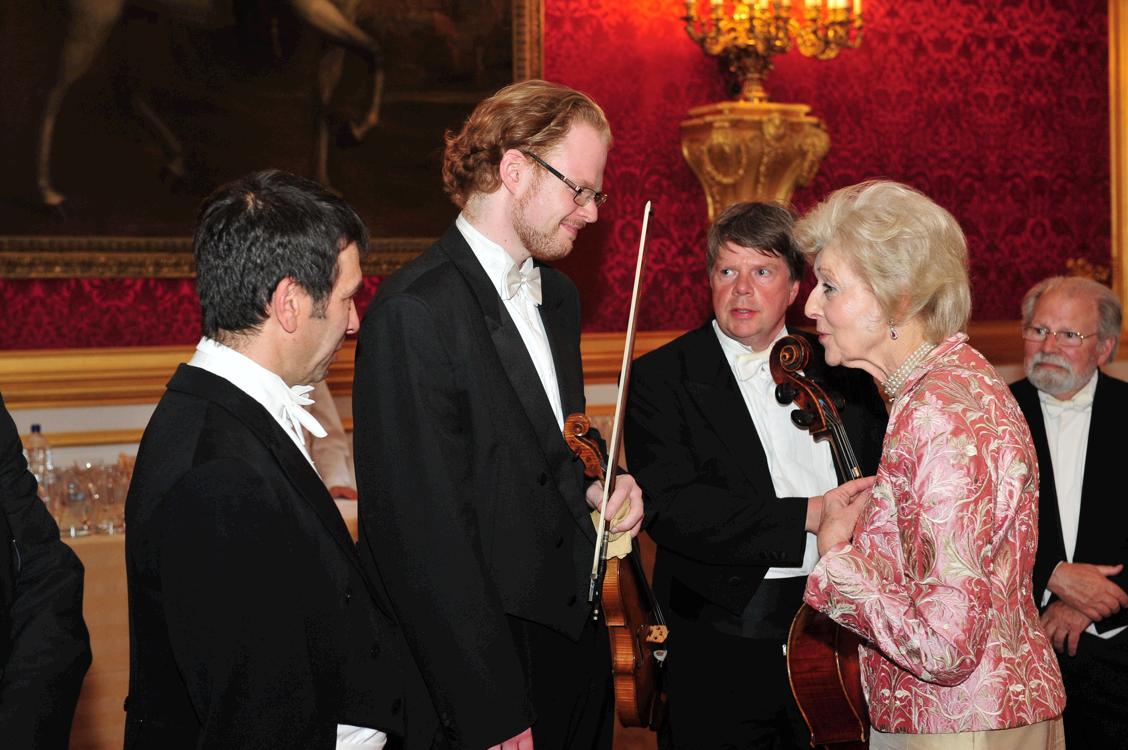
Our Royal Patron HRH Princess Alexandra meeting OP musicians at St James’s Palace
Sound and Style
With the recruitment of a number of exceptional musicians from Eastern and Central Europe the orchestra has acquired a special sound, possibly unique in the UK.
The qualities we look for in a player are:
• Quality of sound
• Technical proficiency
• Commitment
We greatly encourage individuality within the disciplines of teamwork.
We abhor a deadpan approach to music-making and expect players to play each concert as if their life depended on it.
We make strong musical statements and avoid routine performances.
While much has been achieved, we cannot rest on our laurels and become complacent. The challenge of ensuring that at all times the Oxford Philharmonic can field a team of the highest order remains. Over the next few years we shall continue to provide the right environment for improving the quality of our performances and seek out the very best musicians available to increase our membership.
Repertoire
With no other professional orchestra within a large radius from Oxford, we are not restricted by the programming of others and can present to the public we serve a wide variety of repertoire. Our musical activities, therefore, will continue to feature:
• The classical repertoire
• The full symphonic repertoire
• The Baroque repertoire
• The contemporary repertoire
• Opera
Oxford audiences tend to be conservative and while the core repertoire of Mozart, Beethoven, Bach, Brahms etc – highlighted on a number of occasions in a series of concerts dedicated to these composers – draw a large audience, more esoteric repertoire featured in some of our concerts, like the Britten Series in 2012/13, proved less appealing. Nevertheless, new music represents 7% of the repertoire we present, which is as high as many other orchestras in the UK. This is partly because of our association with the University of Oxford and our support of the Faculty of Music’s new music programme.
The Oxford Philharmonic should never have to resort to gimmicks to attract attention.
Chamber Music
The Oxford Philharmonic Orchestra is probably the only orchestra in the UK that offers its principal players opportunities to play chamber music on a regular basis.
Great orchestras have a uniformed sense of style and it is through chamber music that The Soloists of the Oxford Philharmonic – the elite group of some of the finest musicians occupying principal positions in the Orchestra – attain a unified approach to music-making that permeates through the ranks to create a homogeneity of sound and style, making the Oxford Philharmonic a distinct musical instrument.
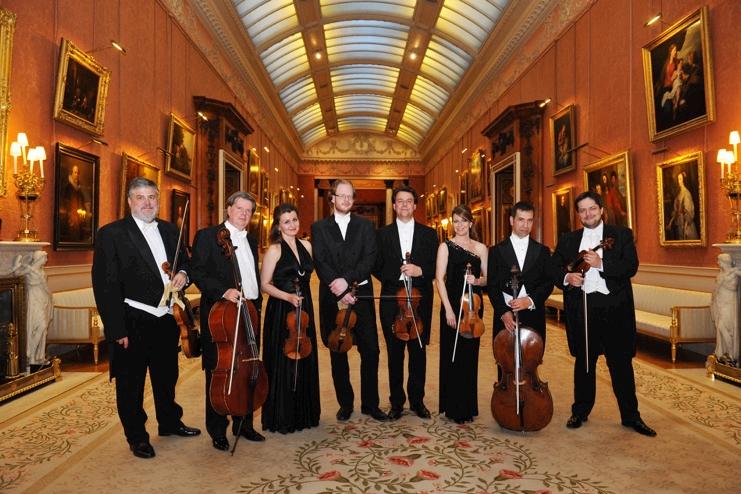
The Soloists at Buckingham Palace
Rehearsal Time
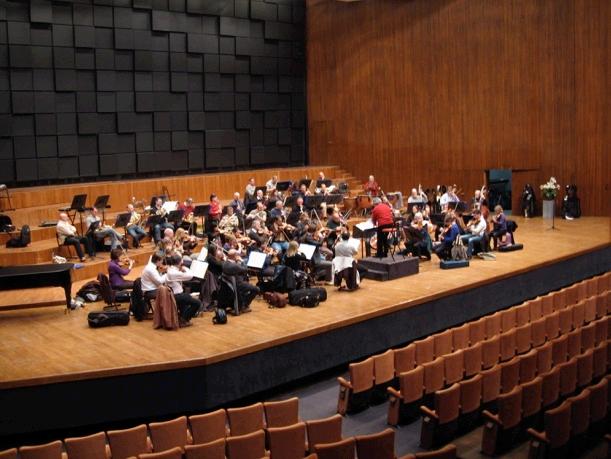
For most of our concerts we now have at least one extra rehearsal. This has enabled us to delve deeper into interpretative issues and work on phrasing, style and sound in more detail.
Number of Concerts
The number of concerts has increased from an average of 20 a year prior to the expansion in 2011 to an average of 40 between 2011 – 2014 and dropped back to an average of 26 from 2014 – 2017.

2009/10 2010/11 2011/12 2012/13 2013/14 2014/15 2015/16 2016/17
The surge in work we have been able to offer our players has enabled many of our finest musicians to prioritise the Philharmonic over work offered by other orchestras and has increased player loyalty.
A stable membership has meant that the Oxford Philharmonic can now field a recognisable team of players for most of our concerts.
The reduction in concerts of the last three years due to financial restrains threatens the stable membership of the Orchestra and must be addressed urgently.
International Artists
As part of our strategy to enhance the status of the orchestra, we embarked on a mission to attract to Oxford some of the world’s leading artists to collaborate with the Oxford Philharmonic.
The lure of Oxford as well as the reputation of the orchestra has led to a number of important and fruitful collaborations.
Lang Lang was one of the first celebrity artists to perform with us in a concert at the Sheldonian Theatre in 2012. Since then, world-renowned artists have
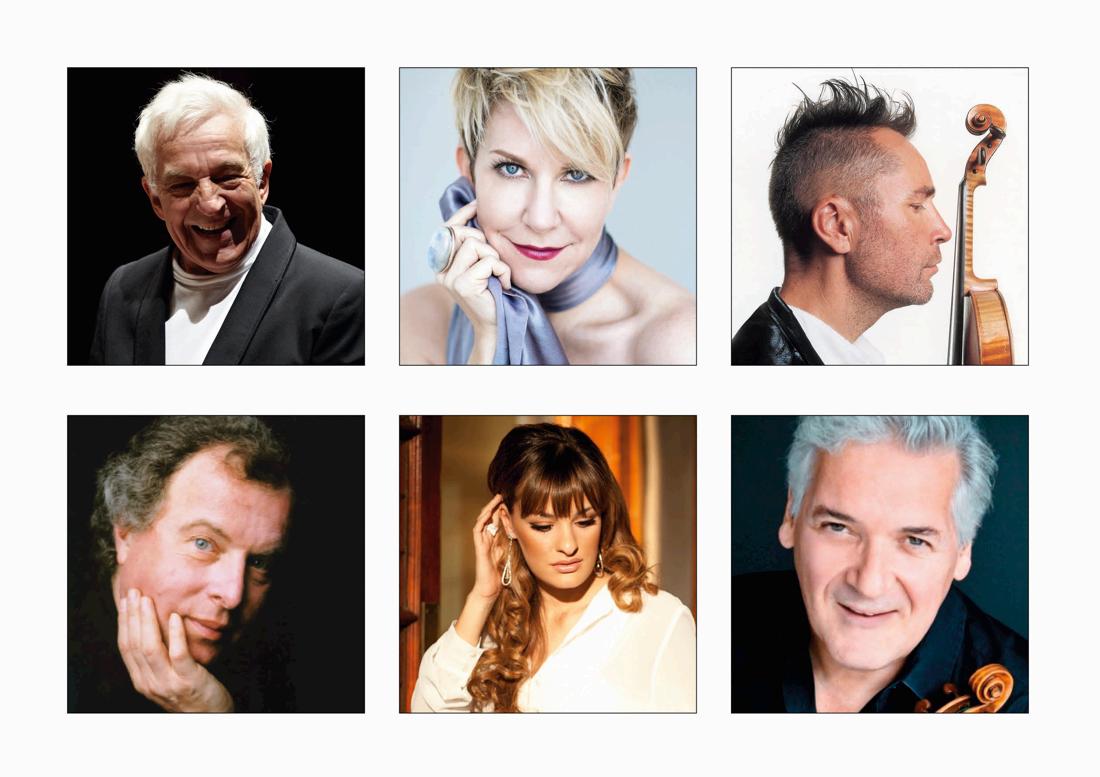
appeared with the Oxford Philharmonic, raising the profile of the orchestra internationally, including:
• Anne-Sophie Mutter
• Maxim Vengerov
• Renée Fleming
• Martha Argerich
• András Schiff
• Valery Gergiev
• Janine Jansen
• Nicola Benedetti
• Nigel Kennedy
• Vladimir Ashkenazy
• Pinchas Zukerman
To have been able to persuade such artists to come to Oxford and perform with the Oxford Philharmonic was in itself a major achievement. However, to have these same artists express the desire to return to Oxford to work with us again speaks volumes for the quality of the orchestra’s playing, which today stands at a high enough level to meet the demands and expectations of the great and the good of the international musical forum
Artist in Residence
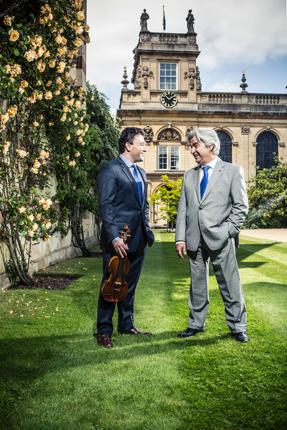
Maxim Vengerov is widely recognised as the greatest violinist alive today. He came to Oxford to perform the Dvořák and Britten Violin Concertos with us in April 2013. Following the success of this first collaboration, Maestro Vengerov agreed to become the Oxford Philharmonic’s first Artist in Residence and has performed with us on numerous occasions, both as soloist and conductor.
Maestro Vengerov’s high regard of and close affinity with the musicians of the Oxford Philharmonic and its Music Director have resulted in numerous collaborations of great artistic merit.
Over an unprecedented four-season collaboration, Vengerov appeared as soloist with the Oxford Philharmonic across the UK in concertos by Brahms, Sibelius, Dvořák, Britten, Bach, Mozart, Beethoven and Tchaikovsky. Both the Brahms and Sibelius Violin Concertos have been recorded. Pending commercial release, both recordings have received exclusive plays on BBC Radio 3, Classic FM and the leading classical station in the United States, WQXR.
Touring Programme
In order to provide more work for our musicians and increase both rehearsal times and repeat performances of the same programme, we have undertaken a number of self-promotions in the UK, mostly within our catchment area. These included concerts in Aylesbury, Bristol and Cheltenham.
Regular London appearances have also featured in our calendar of events in recent years, including a memorable concert in June 2016 at the Barbican with Maxim Vengerov, which elicited high praise from the press:
“The Oxford Philharmonic and its founder Marios Papadopoulos made an infrequent visit to London and gave a concert of such vigour and splendour that I was quite blown away. Honours were shared with Maxim Vengerov who played Sibelius and then conducted Tchaikovsky”.
Edward Clark writing in Classical Source

Recordings
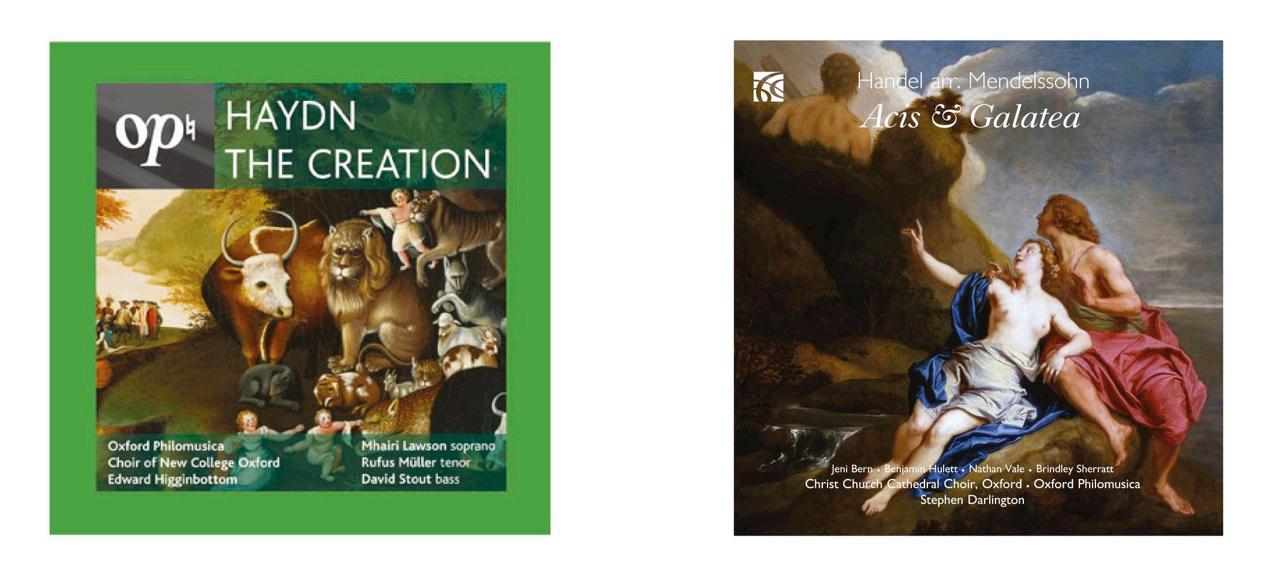
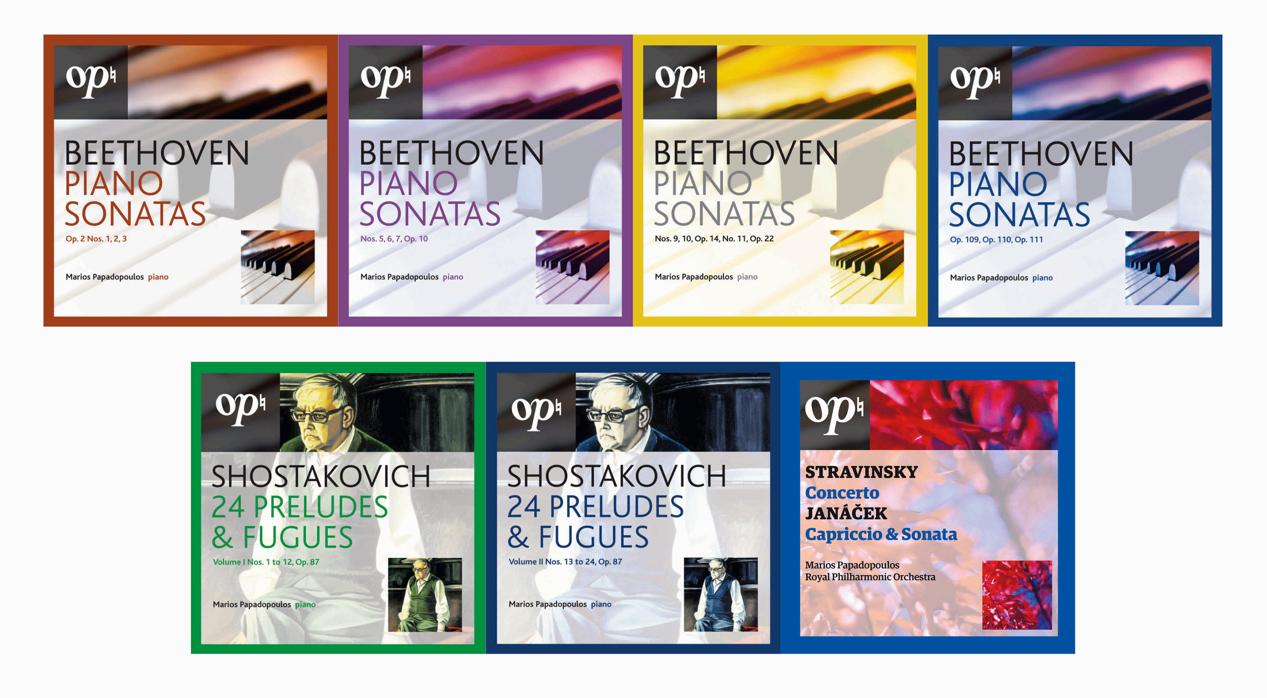
In 2006, Oxford Philharmonic launched its own label and released its first CD in a recording of Haydn’s ‘Creation’ with the Choir of New College Oxford conducted by Edward Higginbottom. The recording was CD of the Month in the December 2008 issue of the prestigious BBC Music Magazine.
Our next recording featured Handel/Mendelssohn’s Acis and Galatea with Christ Church Cathedral Choir conducted by Stephen Darlington.
Both recordings have elicited high praise.
In 2014 Maxim Vengerov chose the Oxford Philharmonic as the orchestra with which to make a new recording of the Brahms Violin Concerto to add to his 1996 award-winning recording of the same work with the Chicago Symphony Orchestra under Daniel Barenboim.
In 2015, Maxim Vengerov and the Oxford Philharmonic recorded the Sibelius Violin Concerto in its original version. Both the Brahms and Sibelius are featured on a new CD to be released in due course.
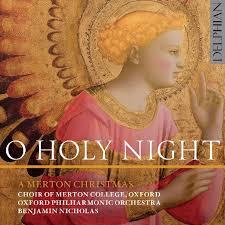
In 2016, the Choir of Merton College Oxford recorded an album of Christmas Carols with the Oxford Philharmonic entitled “O Holy Night”.
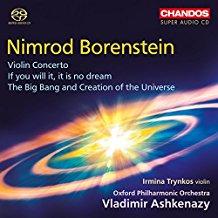
In the same year, we recorded two albums with our Patron Vladimir Ashkenazy as conductor. The first features works by Nimrod Borenstein on the Chandos label and the other Shostakovich’s Cello Concerto with soloist the Orchestra’s Solo Cello Mats Lidström.
Members of the Oxford Philharmonic also feature in a new recording with Nigel Kennedy entitled “My World”.

The Oxford Philharmonic label has also released a number of recordings of the Music Director previously on other labels.
Opera
In past years, the Welsh National and Glyndebourne Touring Operas visited Oxford twice a year to present opera to the local community. In recent years, fully staged productions of a high quality in Oxford have been confined only to those presented by WNO once a year.
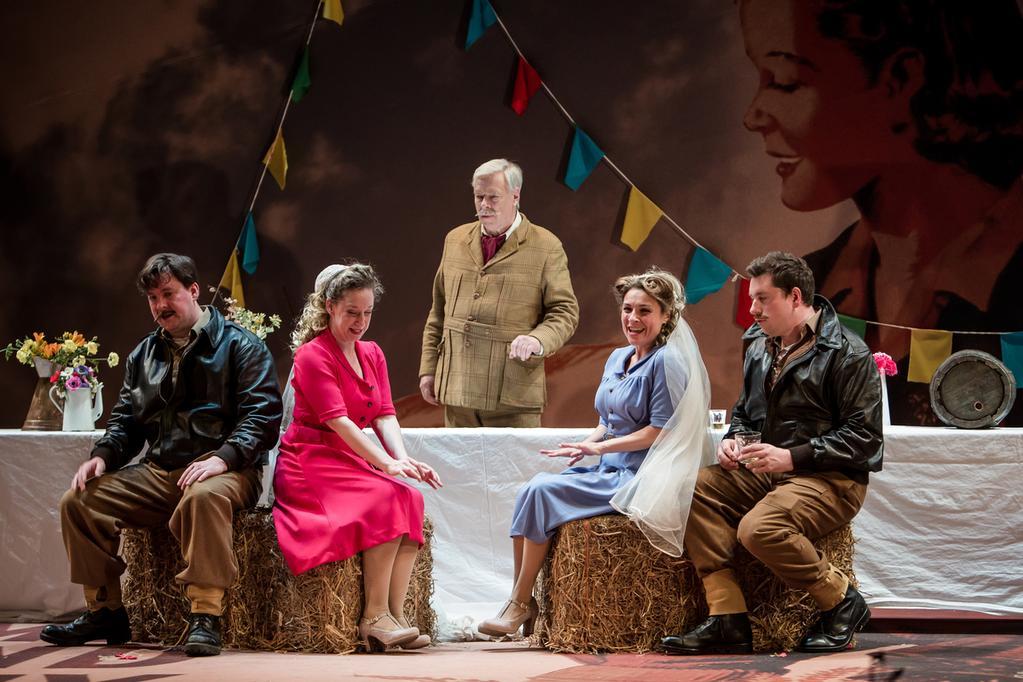
In our 2011 Business Plan we set out our vision and budgeted to perform opera in Oxford. Though later than planned, we presented Mozart’s Così fan Tutte in a new production at the New Theatre in two performances on the 1st and 3rd May 2015.
For the occasion, we have teamed up with Metta Theatre and their awardwinning Director Poppy Burton-Morgan, whose visionary setting of Mozart’s masterpiece in wartime Britain resulted in a stunning re-enactment of the opera’s tale.
From the research we have undertaken, there seems to be considerable demand for the genre and the Oxford Philharmonic, as the City’s professional orchestra and the principal promoter of classical music in Oxford, aims at filling this identifiable gap when circumstances allow.
Audience Numbers
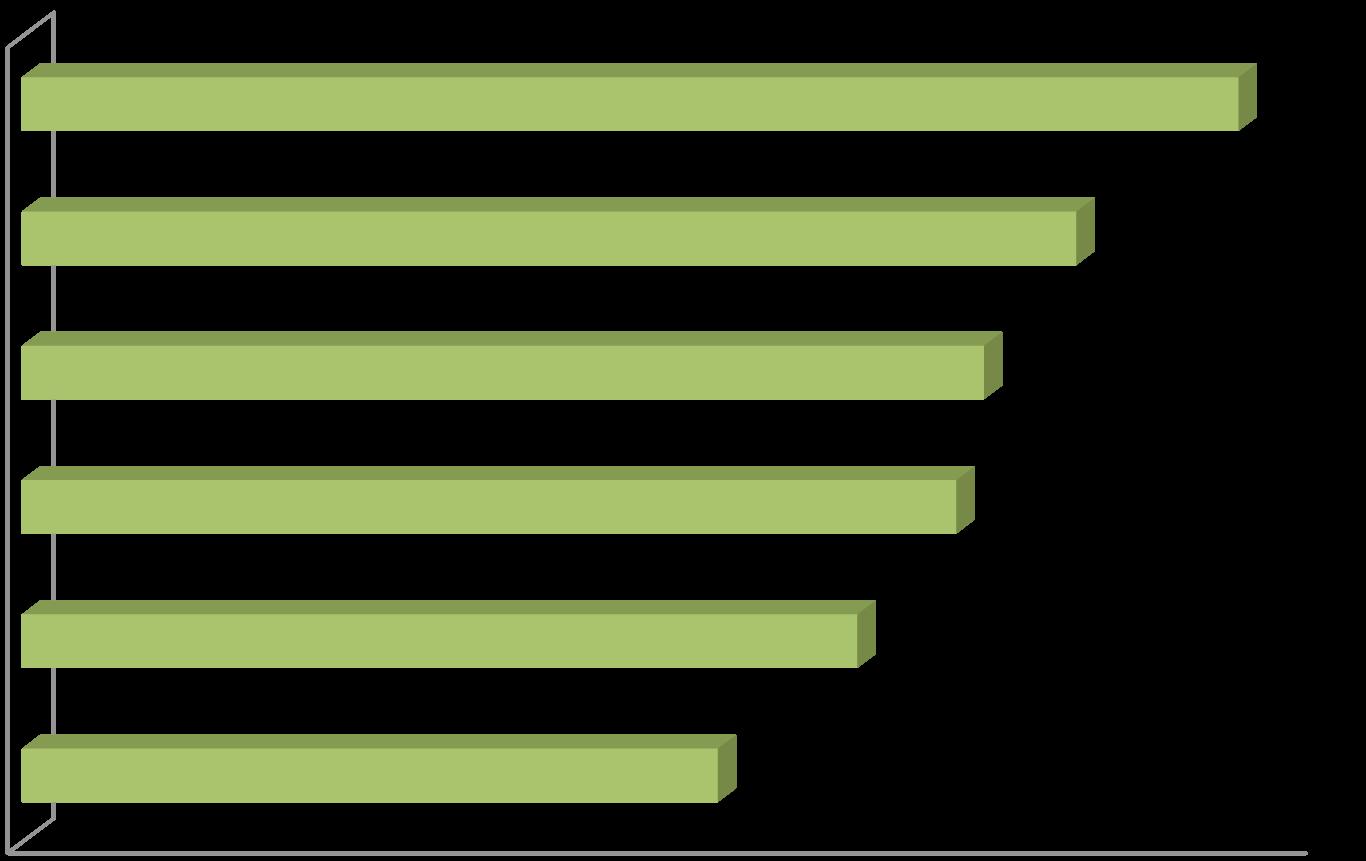
Attendance has increased year on year to reach an average of 90% of capacity in year 2016/17. We now sell out most of our concerts.
It is significant to note that around a third of our audience are students. As a percentage of attendance, we welcome more young people to our concerts than any other orchestra in the UK.
2016/17
2015/16
2014/15
2013/14
2012/13
2011/12
THE OXFORD PHILHARMONIC ACADEMY
The Oxford Philharmonic has been firmly committed to education work from its earliest days.
The Oxford Philharmonic Academy incorporates all Oxford Philharmonic’s educational programmes ranging from primary to tertiary level tuition, including our Residency Programme at the University of Oxford, the high-level tuition given to pianists during our Piano Festival, as well as our partnership with the Oxfordshire County Music Service. The Academy offers tuition by the Philharmonic’s own principal players, as well as visiting international artists, for students at all levels.
PIANO FESTIVAL AND SUMMER ACADEMY
The Festival and Summer Academy was founded 19 years ago as part of the Oxford Philharmonic’s educational activities. It has since become a mecca for young pianists from all over the world who converge on Oxford to study with the world’s most renowned artists and professors. An intensive programme of masterclasses during the day is complemented by a series of evening concerts in some of the most beautiful venues in Oxford.
The Festival has been hailed as “the most significant annual musical event in Oxford” and was the subject of an extensive article in the New York Times and the International Herald Tribune, the latter devoting its whole back page to the Festival. It is a residential course held in St Hilda’s College with masterclasses and lectures taking place in the Jacqueline du Pré Music Building.
The Festival is now linked to the Lang Lang Foundation and welcomes a select number of their talented scholars to Oxford to take part.
In the last three years, the Festival has reached new heights with applications from students far exceeding the places available. On average, we now receive over 100 applications for just 15 places and we are therefore in the enviable position of selecting the very best students. Some of the artists teaching and performing at our 2017 Festival included Alfred Brendel, Sir András Schiff, Menahem Pressler, Richard Goode and Yefim Bronfman.
UNIVERSITY RESIDENCY
The University of Oxford’s Faculty of Music is academically oriented. In recent years emphasis on performance, spearheaded by talented performers studying at Oxford, has grown and opportunities for students to improve their performance skills and showcase their talents have been sought. Having provided such opportunities on an ad hoc basis for two years since our inception, the University recognised the value of tuition and performance opportunities we offered, formally appointing the Oxford Philharmonic in 2002 as its first ever Orchestra in Residence.
The agreement, which is renewable every five years, is between the Masters and Scholars of the University of Oxford and the Oxford Philharmonic.
In its current format, the residency is unique amongst British orchestras.
It is significant to note that the Oxford Philharmonic is the Resident Orchestra at the University of Oxford as a whole and not specifically the music faculty.
In the last 15 years, we have helped hundreds of students, both instrumentalists and composers, with their musical studies. We have offered tuition and masterclasses as well as a platform for their work.
Apprentices
Our Apprenticeship Scheme is now in its 15th year, providing professional orchestral experience to string instrumentalists and an award of £100 for each concert in which they appear. Auditions are held in the Faculty of Music in front of a panel of judges, which includes one member of the Faculty and the orchestra’s Music Director. The apprentice is assigned to a professional - usually their desk partner - who prepares them and writes a report on their performance submitted to the Faculty of Music. Over the years, we have provided apprenticeships to around 60 instrumentalists, some of whom have since held professional positions in the orchestra.
Tuition
Principal players of the Oxford Philharmonic Orchestra (OPO), many of whom hold teaching positions with the UK’s top conservatoires, provide tuition to many instrumentalists and ensembles, offering them additional help for their exams.
Young Artists’s Platform
Our Young Artists’ Platform offers an opportunity for an outstanding soloist or chamber ensemble to perform a short recital in the Sheldonian Theatre prior to an OPO evening concert, attended by ticket holders and students. Selection is made at the same time as auditions for the Apprenticeship Scheme by a panel of judges, which includes one member of the Faculty and the orchestra’s Music Director.
Composers’ Workshop
Our Composers’ Workshop provides students with unique opportunities to hear their own works realised by a professional orchestra in a concert hall setting. Of the compositions presented, one is selected and given its world premiere by the Oxford Philharmonic Orchestra in a future concert season. Eugene Birman’s Violin Concerto, selected for performance after one of our Composers’ Workshop, was performed by Maxim Vengerov in the Sheldonian Theatre on the 10th November 2016. Birman was studying for a DPhil at Oxford and for a young composer to have his work championed by one of the world’s most distinguished violinist is a major step in his career.
New Music
Our support of New Music extends further to provide a platform for members of the Faculty of Music. For instance, in June 2012 the OPO gave the world premiere
of Galgenhumoreske by Martyn Harry, Annie Barnes Fellow in Music at St Anne's College, in the Barbican.
Masterclasses
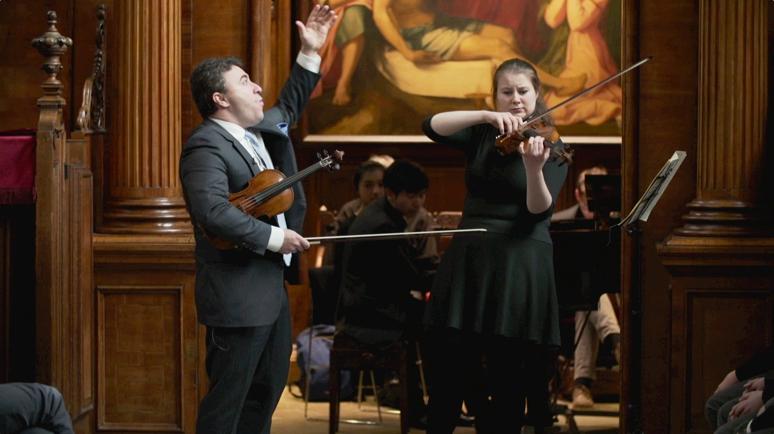
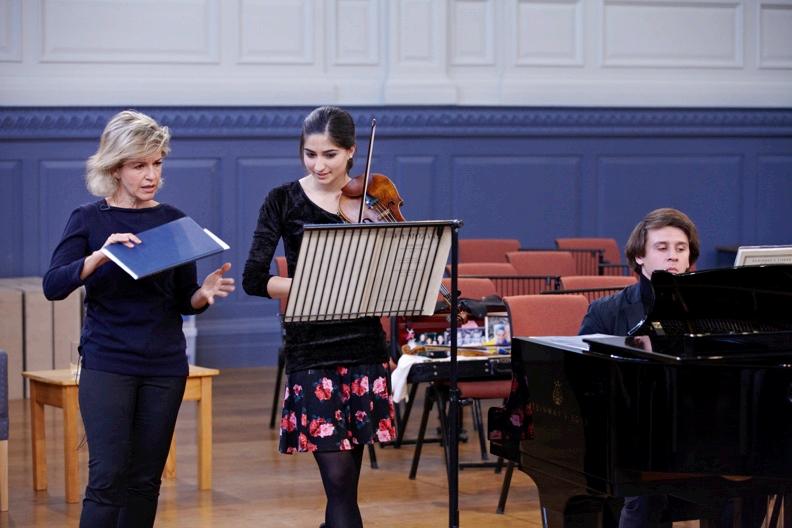
Masterclasses given by artists visiting Oxford to perform with the OPO offer students unique musical experiences. In recent years, top international artists such as Lang Lang, Valery Gergiev, Vladimir Ashkenazy, Pinchas Zukerman, Maxim Vengerov and Anne-Sophie Mutter have imparted their knowledge and expertise to students, providing them with lasting musical experiences. Indeed, exposure to artists of such international renown is normally afforded only to students of the world’s most esteemed conservatoires
Concerto Competition
The Oxford Philharmonic Orchestra runs a biennial Concerto Competition open to Oxford students. In the final, three contestants perform full concertos with the Oxford Philharmonic in the Sheldonian Theatre. In 2015, Emma Lisney (Pembroke) was victorious, playing Prokofiev’s Second Violin Concerto. Myrddin Rees Davies (St Hilda’s) also made the final and played Richard Strauss’ First Horn Concerto. This scheme affords students two rare opportunities: to perform as a soloist in a public concert and to be supported by a professional orchestra. For these reasons, it is very popular among those who apply for our education programmes.
Access to Concerts
Most of the OPO’s concerts in the Sheldonian Theatre attract capacity audiences. A great number of our patrons attending our events are members of the University. Through our Access Fund we are able to offer students the opportunity to experience world-class artists performing in our series at a heavily discounted £5 per ticket. We are delighted to report that on average 250 students attend each of our concerts during term time.
Open Rehearsals
Many of our rehearsals are also open to students giving them an insight to the complex process by which artists of the highest calibre prepare for a performance.
Music in the Community – Student Participation
The orchestra has always encouraged students from the University to participate in the many and varied outreach programmes offered by the OPO in schools and hospitals. Students have attended hospital projects at the Centre for Enablement at the Nuffield Orthopaedic Centre and at the Cherwell Ward of the Fulbrook Centre of the Oxford Health NHS Foundation Trust. They have also participated in schools workshops organized for beginner musicians from local primary schools in the more economically and socially deprived areas of the city.
Feedback from the students records that the experiences were highly valued: ‘It was a really wonderful experience for me to see how outreach projects work with the Oxford Phil and to take on board how it was run. I think what impressed me the most was the attitude of the five members of the orchestra who were so engaged with the children…” (Rebecca McNaught, Merton).
“One of the papers I’m doing for Finals is Music in the Community... so gaining an insight into community music work is always very valuable and interesting for me” (Isla Ratcliff, University).
College Residencies
The Soloists of the Oxford Philharmonic, the elite group of principal players of the orchestra, have been the resident ensemble for two years at Queen’s College and New College. Through these mini-residencies, our principal players are engaged more directly with college students and perform chamber music in the intimate settings of their respective chapels and auditoriums.
During our tenure at Queen’s, we were able to provide the orchestra for a special service of Choral Vespers in the college’s chapel.
College Functions
The OPO’s University Residency is not confined to educational activity but has a much wider spread within the University community. We are often asked to provide the orchestra, or an ensemble, for many college functions, for instance at Trinity’s Ralph Bathurst Dinner and to celebrate the 700th and 750th anniversaries of Exeter and Merton respectively.
Choirs
Our regular collaborations with college choirs stand out as pillars of our association with the University. Over the years, we have collaborated on a number of occasions with the choirs of New College, Christ Church, Magdalen, Merton and Queen’s. We have also made recordings of Haydn’s Creation and Handel-Mendelssohn’s Acis and Galatea with the choirs of New College and Christ Church respectively.
In 2016, the Choir of Merton College engaged the Oxford Philharmonic to accompany them in their new CD entitled ‘Christmas at Merton’.
Faculty Member Participation
Whenever possible, the OPO invites members of the Faculty of Music to take a leading role in performance by appearing as soloists or, mostly, by conducting the orchestra; such opportunities are often afforded to the directors of the Oxford choirs with which we perform.
Fellowships
We are also delighted to have facilitated some important associations between a number of world-class artists and Oxford colleges. Sir András Schiff, Maxim Vengerov, Lang Lang and Anne-Sophie Mutter are now Fellows of Balliol, Trinity, St Peter’s and Keble colleges respectively. Each one of them devotes time to be active members of their college community, often giving masterclasses and recitals in support of their colleges.
Financing the Residency
Throughout our Residency, we have relied entirely on our own resources to underwrite our Residency Programme. We estimate that we make a contribution to the economy of the University of around £150,000 a year.
University Logo
The use of the University Logo is granted under license and it is important to us. It is used sparingly, mostly on our publicity material for our concerts in Oxford. It symbolises and reminds people, particularly those on whose support we rely to deliver our programme, of our relationship with the University and the contribution we make to the cultural and educational life of Oxford.

Benefits
The Residency means a lot to us and adds considerable prestige to our name. We are encouraged by the feedback we receive from hundreds of students on the benefits of our programme and strive to complement and add value to the curriculum of the Faculty of Music.
Being associated with the University of Oxford has motivated us to reach high levels of excellence.
Performance Committee
The OPO’s Music Director is invited to attend meetings of the Faculty of Music’s Performance Committee.
Reporting
Throughout the last 15 years, we have been systematically sending reports on our Residency to the University.
Role Model
The residency in its current format is still unique amongst British orchestras and exemplifies the vision and values the University and the Oxford Philharmonic strive to achieve, while providing a role model for other orchestras to form similar relationships with other universities.
Our Remit
An important part of our remit is to educate and inspire young people through our association with the University of Oxford.
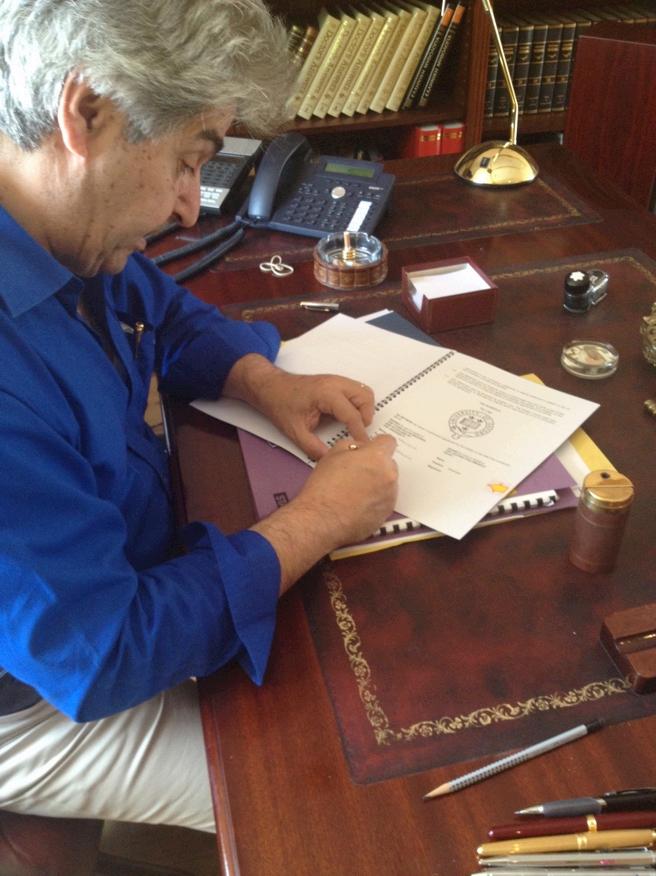
Marios Papadopoulos signing the University Agreement
COUNTY MUSIC SERVICE
Young Talent - County Music Service
Working closely with the Oxfordshire County Music Service, we are one of the key partners with them on the Arts Council-funded Oxfordshire Music Education Partnership, bringing music education to every child in the County.
As well as providing workshops and masterclasses, our Apprenticeship Scheme offers a number of young musicians an introduction to playing professionally.
Our Young Artist Platform award provides a unique opportunity to perform a pre-concert recital before a Philharmonic concert.
Concerto Competition
The Oxfordshire Youth Concerto Competition, a joint initiative of the Oxford Philharmonic and Oxfordshire County Music Service, aims to showcase and reward the brightest young musical talent across Oxfordshire, and attracts a huge level of interest each year. Musicians from across the county and the University compete for prestigious prizes including the opportunity to perform a concerto with the Oxford Philharmonic.
Schools
Over the years Oxford Philharmonic has delivered school programmes benefitting many hundreds of pupils, and our work is always very highly evaluated and much in demand.
Our specially trained musicians work with teaching staff in a range of different schools to develop workshops that reflect the individual needs of the school. The workshops might focus on a particular curriculum need, or be used to elaborate a general theme or project that the school is working on, and they are always individually tailored and highly participative.
For many years we have collaborated with the County’s Special Schools where the children are severely emotionally disturbed and behaviourally challenged. Our individually tailored workshops are delivered in these very demanding environments, but have always been greatly valued by the schools and the staff, who comment that the children reap many rewards from the projects including improved social and communication skills, powers of concentration, team working and self esteem.
We are also very active in local primary schools, bringing music where few of the participating pupils will have had experienced it before. We have a long-term relationship with the schools on the Blackbird Leys estate, an area of great economic and social deprivation where we hold regular workshops and open days working in close collaboration with the staff of the three primary schools of the newly formed Blackbird Academy Trust.
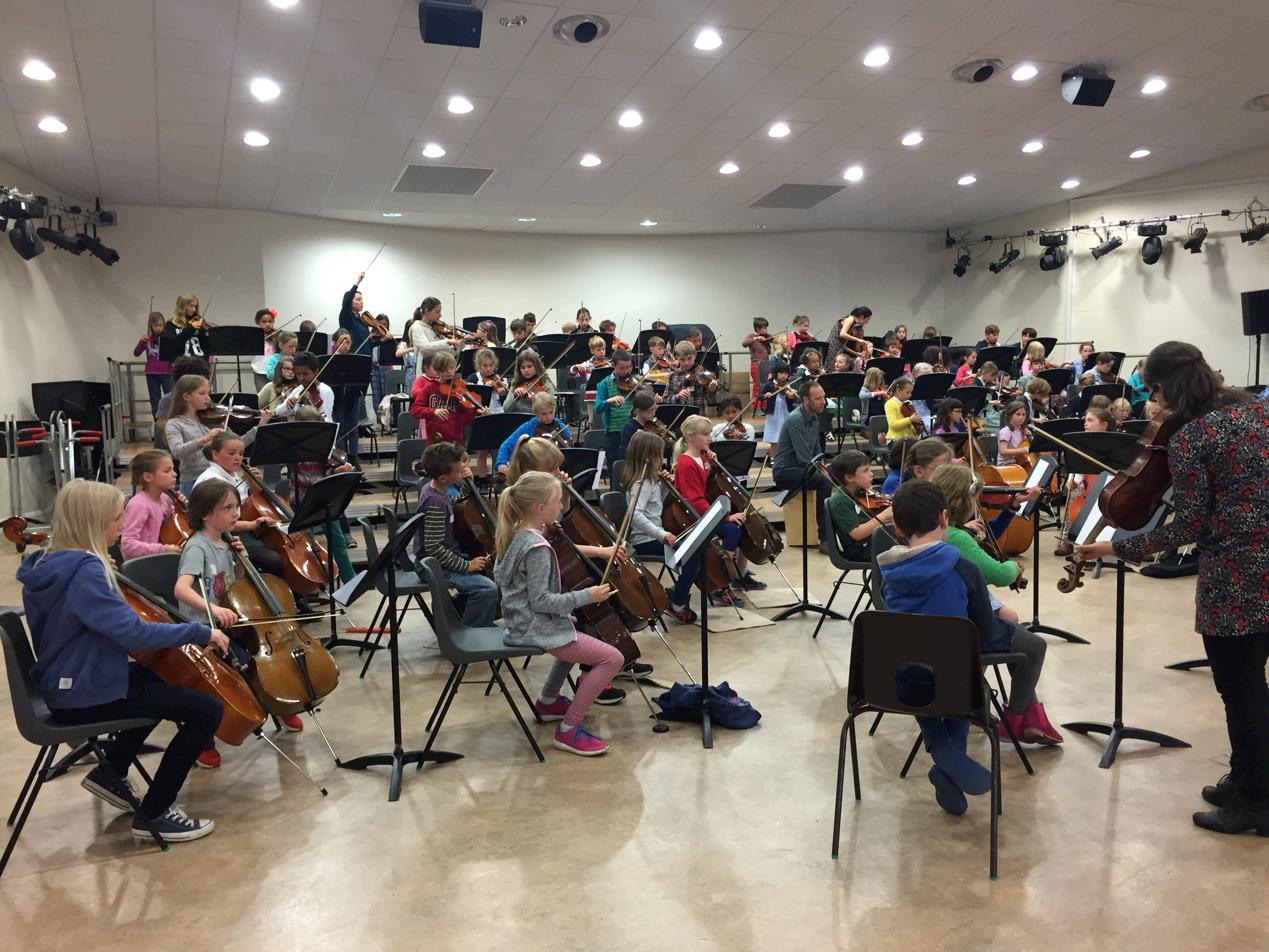
Another key element of our work is a regular, successful series of instrumental music open days for children from visiting primary schools, held in collaboration the County Music Service. These open days provide local state schools with workshops and performance opportunities for all ability levels. A typical open
day will involve up to 100 children from 7 or 8 local primary schools, usually for beginners (but often for children with absolutely no previous music experience) and will be aimed at one of instrumental sections of the orchestra. Thus in a series we might hold one day for strings, one for wind and brass, one for percussion, and then bring them all back for a full orchestral open day.
Family Concerts
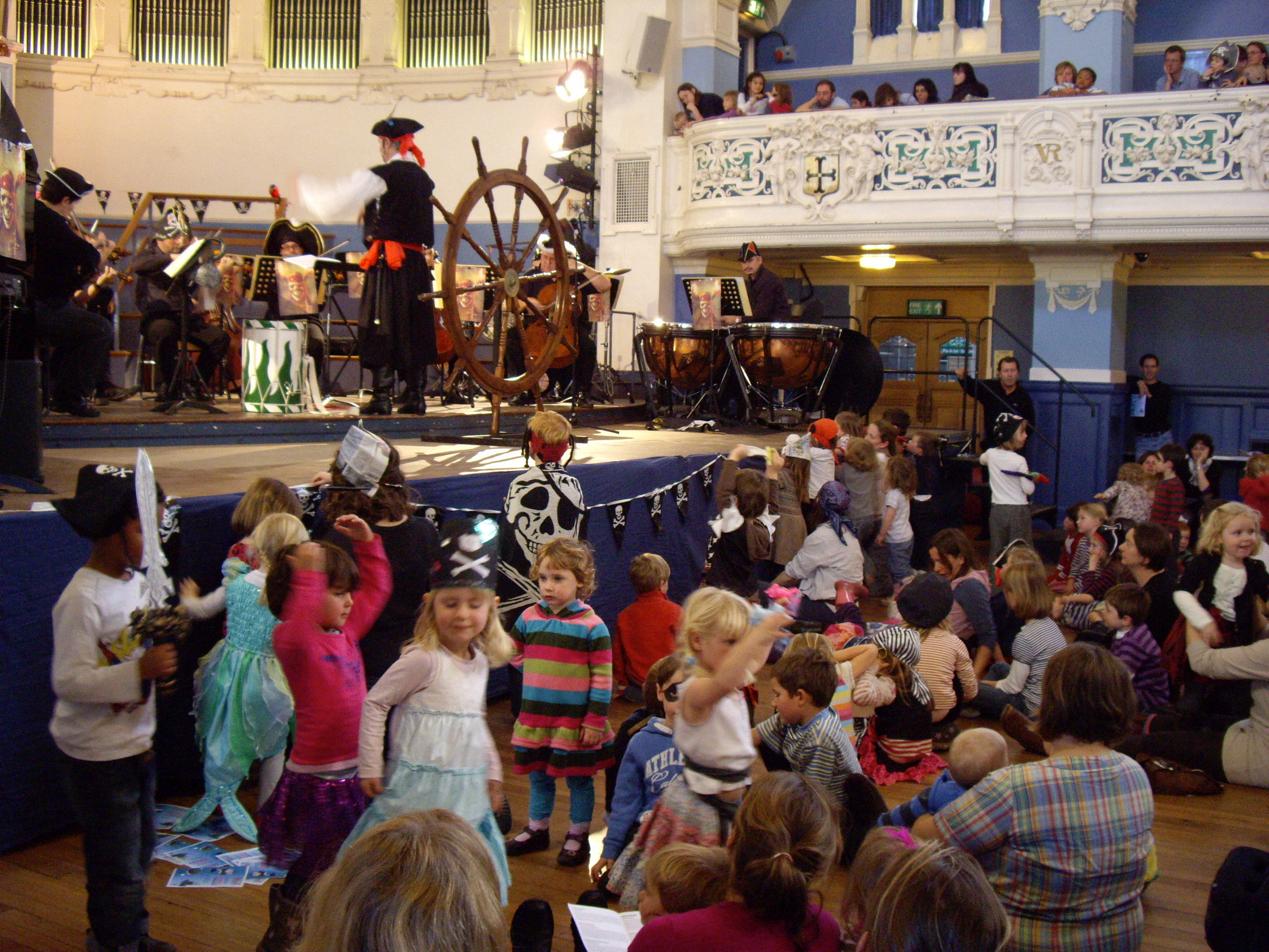
Family Concerts branded as ‘FUNomusica’ are created specifically with younger audiences in mind, but all the family is welcome. We set our concerts in the Town Hall, rather than in a formal concert hall, where we allow plenty of room for the children to express themselves freely with space for movement, singing and dance: no sitting stiffly and listening raptly. We encourage audiences of all ages to have fun with music. For an hour prior to each concert, we provide musical games and crafts and instrument demonstrations. Each concert is themed, with orchestra and children all in fancy-dress reflecting the theme. The beneficiaries are mainly children aged 4-8 and 8-12 from the local community, including from the local Oxfordshire estates with high levels of unemployment, crime and social service intervention. Working with the City Council, we also encourage children from local care homes to attend free of charge. The concert capacity is 600 and previous events have sold out. Tremendous feedback has been received from families who have attended our concerts over the past six years: after our Halloween-themed ‘Spookacular’ 100% of respondents to a post-concert questionnaire said they would come again. Our family concerts are produced in partnership with the Oxford City Council.
HUMANITARIAN WORK Hospitals
Over the years we have been very active in local hospitals and have established special relationships with a number of wards where our workshops have always been regarded as having extremely beneficial therapeutic results. It is a basic principle that our workshops are as participative as possible, and patients are always surprised and delighted at what they themselves can achieve with the gentle encouragement of our highly experienced and sensitive musicians.
Our projects at the Oxfordshire Mental Healthcare NHS Trust, where we developed specialist therapeutic work at the Park and Highfield Hospitals for disturbed adolescents, were awarded a major grant from Youth Music.
For many years now we have been running workshops at the Centre for Enablement at the Nuffield Orthopaedic Centre, for severely physically handicapped outpatients. Hospital staff there rated our work as ‘the most valued visiting resource’.
We also work regularly with patients at the Cherwell Ward of the Fulbrook Centre at the Churchill Hospital for older adult patients suffering from agerelated conditions. The physiotherapist at the Cherwell hailed this work as the “best therapeutic activity they have”.
Another unit where we hold regular annual series of workshops is Oxford City Community Hospital where our work is equally highly regarded. We have also been active in the Geratology Unit of the John Radcliffe Hospital.
AMERICAN FRIENDS OF THE OXFORD PHILHARMONIC
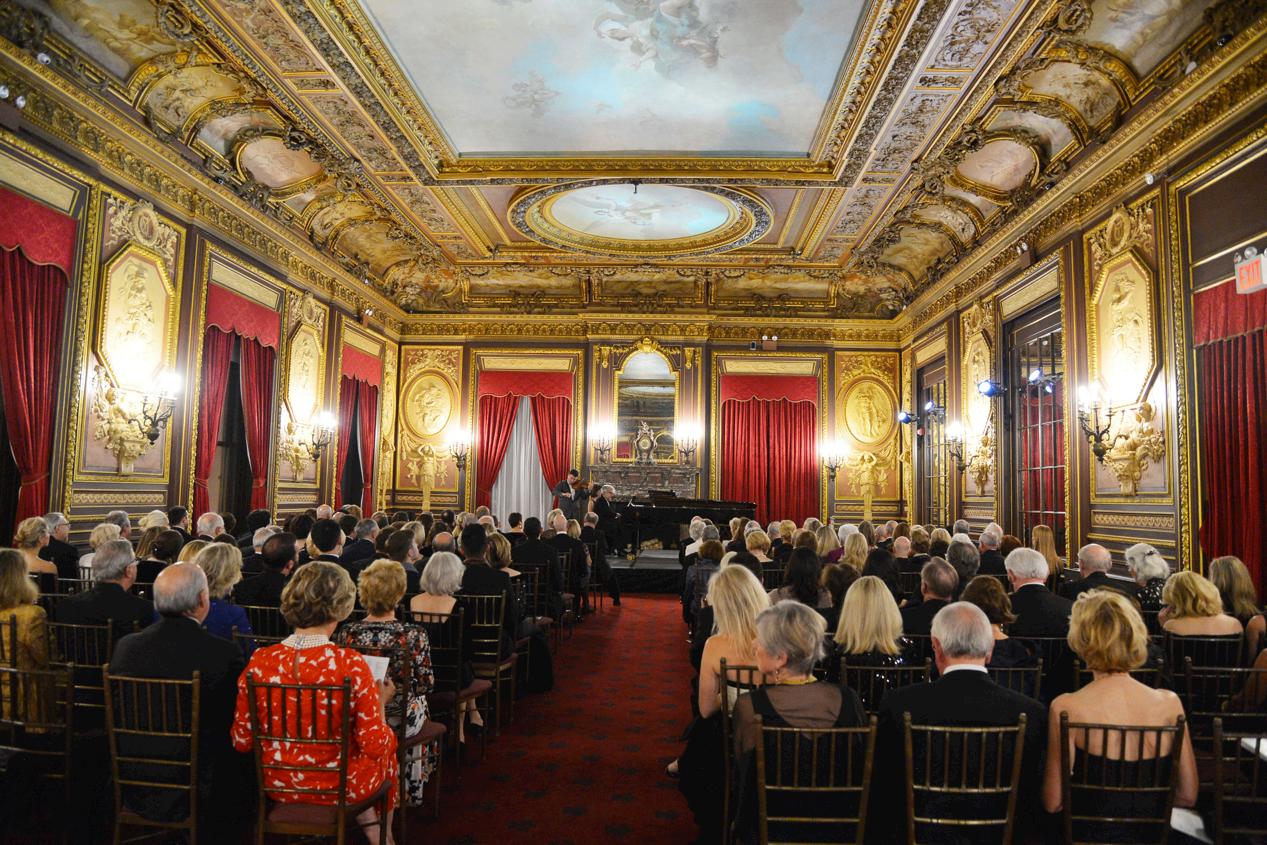
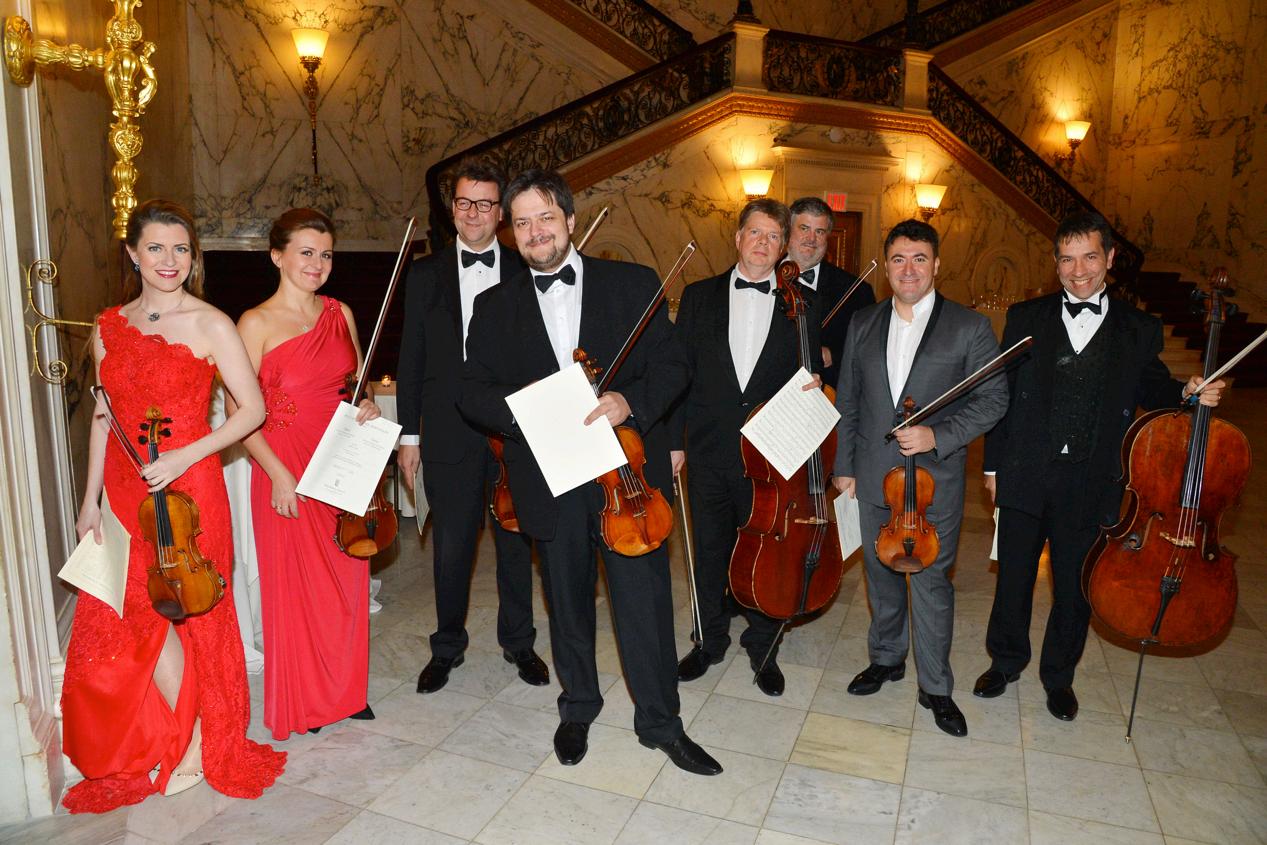
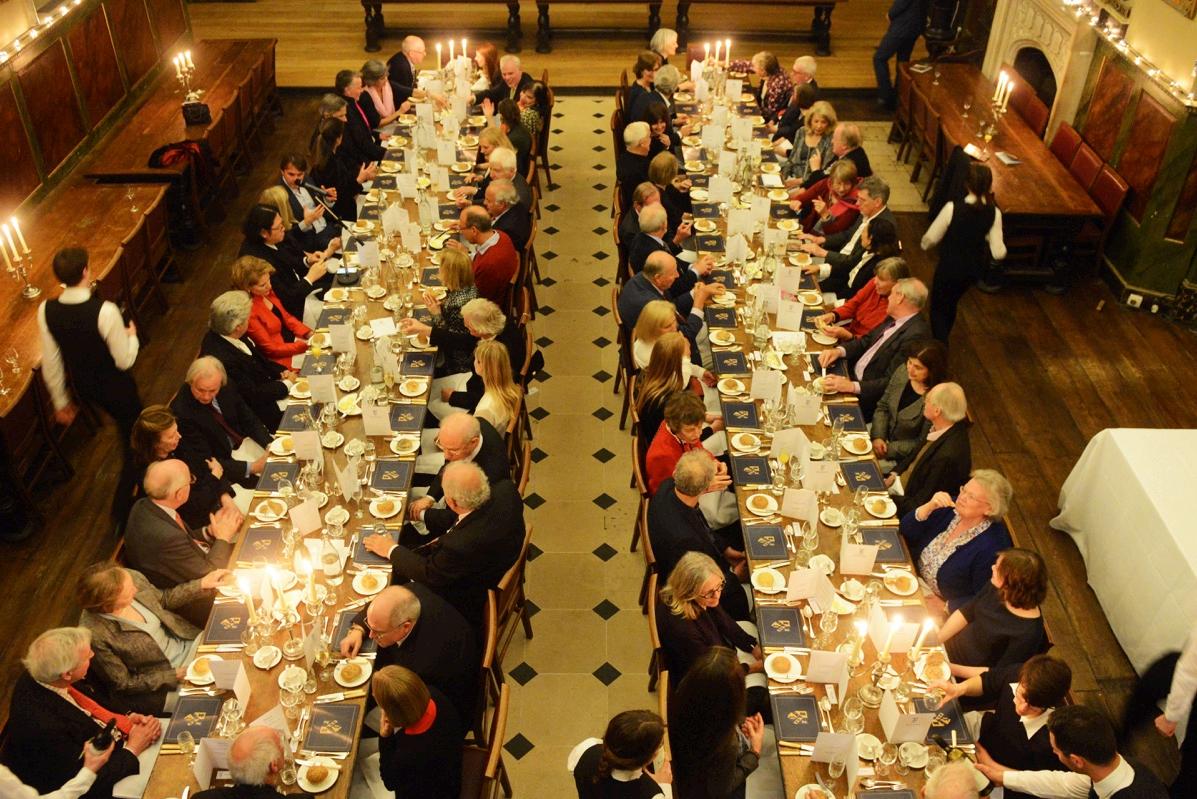
Last October we launched the American Friends of the Oxford Philharmonic Orchestra in a Gala Concert and Dinner at the Metropolitan Club in New York in the presence of TRH Prince and Princess Michael of Kent. Maxim Vengerov led an ensemble of Oxford Philharmonic Principals in a performance of Mendelssohn’s Octet to an audience of around 150 VIPs.
The American Friends is now a registered US charity with a 501(c)(3) status for tax exemption purposes and an independent board of directors.
Its aim is to build a community of supporters to underwrite any activity the Orchestra undertakes in the US and to sustain its operations in the UK.
We were greatly encouraged by the many dignitaries present at the launch, many of whom serve on the boards of the most revered American institutions such as Juilliard, Lincoln Center, Carnegie Hall and the New York Philharmonic. To have caught their attention was a major achievement in itself. To have them pay tribute to our work and show a keen interest in being involved with our Orchestra augers well for the future.
The resident orchestra of the University of Oxford holds a unique position and role in the US as an ambassador for the University. Equally, Oxford alumni in the US and especially in the Northeast, provide significant potential as a donor base. This attribute or asset is unique when comparing the Oxford Philharmonic with other British and foreign orchestras seeking patronage in the US.
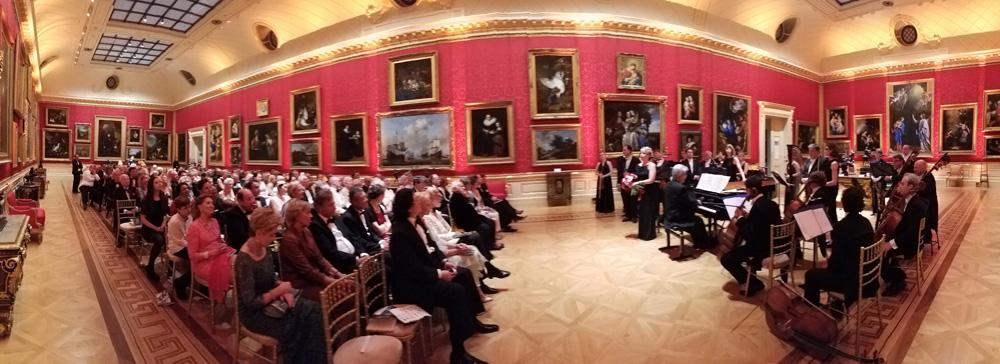
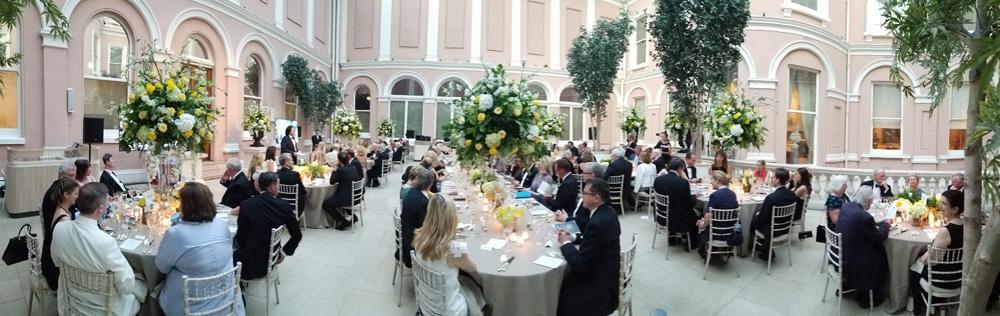
In 2017, we held a number of consecutive events in the UK as part of a Patrons Trip, culminating in a concert and dinner at the Wallace Collection at which a number of our American Friends were present. The world-renowned soprano Joyce DiDonato was the soloist and guest of honour.
MANAGEMENT AND ADMINISTRATION
The orchestra’s day-to-day affairs are managed by the directors of the trading company and carried out by fulltime staff. Their duties include:
• Artistic Planning
• Booking the musicians
• Operational Planning
• Marketing
• Box Office and Event management
• Development
• Education
• Accounts
We also maintain a number of specialist professionals as consultants or advisors.
For a full list of employees, consultants and advisors please refer to Appendix 3 on page 62.
Management Style
Our Management Team has underpinned the orchestra’s meteoric rise.
Because we are a small team we are able to make quick decisions and act upon them.
In managing our affairs, we adhere to the following principles:
• We are not afraid to do things differently
• We often persist in the face of obstacles and don’t like to take “no” for an answer
• We have a passion for the product. (Those who don’t believe in it, have no place in the organisation)
• We avoid taking the path of least resistance, which often produces mediocre results, however convenient at times
• We aim to provide a “wow factor” in performance and anything else we present
• We deliver, and people have come to rely on us and trust us
Systems
From the beginning, we set up systems in the office that allow us to work efficiently and turn things around quickly.
These have included databases for those attending our events, for prospects, for orchestral personnel, for creating estimates, and systems for marketing and accountancy.
PR & PRESS
Our focus in this area has been to target UK journalists. Key messages at the beginning centered on the University link, the nurturing of young talent, Oxford Philharmonic’s outstanding outreach programme and the organisation’s financial stability. More recently these messages have focused on the star guest appearances that are now a regular feature of the Oxford Phil season, including of course the relationship built with Maxim Vengerov.
In recent years we have been collaborating with Nicky Thomas Media Consultancy who now handle general PR for the orchestra.
With over 15 years experience in PR and corporate media relations, Nicky Thomas Media (NTM) has an excellent track record having built the reputation of prestigious arts organisations and individual artists such as Antonio Pappano and the Accademia di Santa Cecilia Orchestra.
NTM faced a number of challenges, most notably due to pre-existing judgments by the industry.
NTM initiated the re-branding of the orchestra with two high profile cover features, raising the profile of Marios Papadopoulos and OPO in both the general media and classical music press.
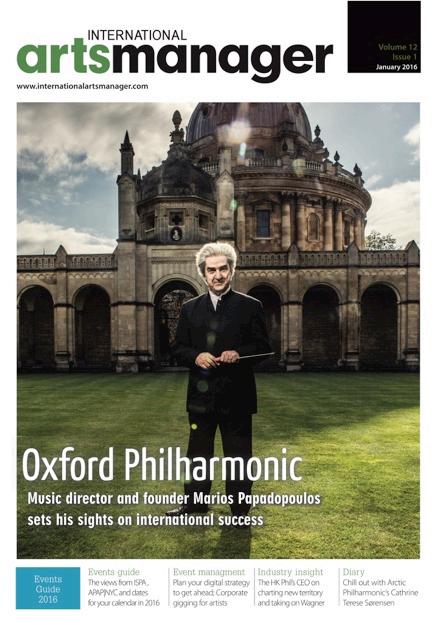
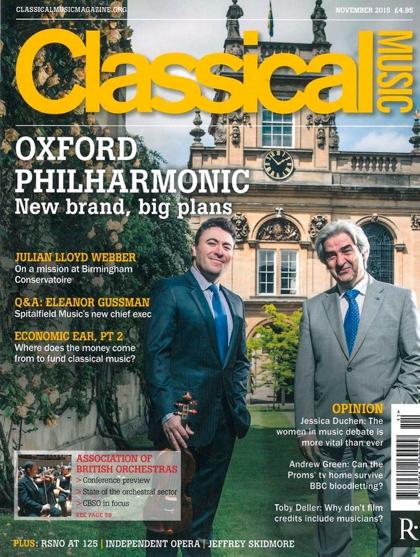
In addition to featuring Marios, who was included in BBC Music Magazine's list of the World's Top Conductors, NTM also secured extensive coverage about Maxim Vengerov as OPO's Artist in Residence. NTM arranged for reviewers to hear the orchestra in both London and Oxford. Whilst also focussing on the classical music press, NTM secured numerous interviews and features in the Oxford Times in addition to regular listings in the 'highlights' column. NTM put a big
focus on broadcast opportunities to reach large audiences, including The Andrew Marr Show on BBC 1 and BBC Radio 3's drive-time show In Tune
An important partnership has been forged with Classic FM who have featured the OPO in numerous Full Works concerts. Through this partnership, a number of our concerts carry the CFM logo in our printed material as being “recommended by”. Classic FM broadcasted our recording of the Brahms Violin Concerto with Maxim Vengerov on a number of occasions and in a two-hour programme broadcast in August 2017, Classic FM featured the Oxford Philharmonic’s 2017/18 season with the following announcement:
On the day the Oxford Philharmonic Orchestra launches its 2017/18 season, Jane Jones looks ahead to some fantastic repertoire and star artists set to join the orchestra this year.
In November 2017, Classic FM will relay our concert celebrating the Orchestra’s 15th anniversary concert as Orchestra in Residence at the University of Oxford.
With over 6 million listeners, the exposure given to the Oxford Philharmonic by Classic FM is invaluable.
Even though we regularly feature on Radio 3’s In Tune programme and our recordings with Maxim Vengerov have also been broadcast on BBC, we hope that the national broadcaster will devote more airtime to the Oxford Philharmonic in the future.
MEDIA
Our collaboration with TallWall Media has led to a number of high-quality documentaries on the Orchestra and our activities
These include documentaries on visits to Oxford to perform with Oxford Philharmonic by Maxim Vengerov and Valery Gergiev and a documentary on our Piano Festival. Concerts with Maxim Vengerov, Anne-Sophie Mutter and Valery Gergiev are also available as are masterclasses given by these artists. The films appear on our website and are sent out for promotional use.
MARKETING
Our marketing campaigns in recent years have successfully increased awareness of the orchestra and the number of people attending our concerts.
The current brochure design is considered strong and has relevance to music lovers, journalists and promoters who still appreciate print materials. With a circulation of around 80,000 a year, the orchestra’s brochures, listing all our events, are disseminated widely.
We currently have over 17,000 people listed in our database and send out information about concerts to most either by post or email on a regular basis. Our Newsletter is circulated to around 600 people three times a year.
Our website supports all our events and provides information about the orchestra in general, including media links.
An increased use of Social Media has also enabled us to communicate more directly with our patrons.
RECOGNITION
In 2013 the Oxford Philharmonic and Music Director Marios Papadopoulos were awarded the Oxford City Council’s coveted Certificate of Honour in recognition of the contribution we have made to education and performance in Oxford.
Oxford City Council have included the Oxford Phil in their portfolio of corefunded cultural organisations. While the grant is by no means substantial, it is a recognition of our efforts and provides leverage to any future applications we submit to the Arts Council.
In 2008 we won the Charity and Community Award of the Oxford Times Business of the Year Awards for our community and outreach work in local schools and hospitals
In 2017 we were awarded the ‘Musical Partnerships Cup for our collaborative work with schools as part of the Oxfordshire Music Education Partnership Music Hub Gala Awards 2017.
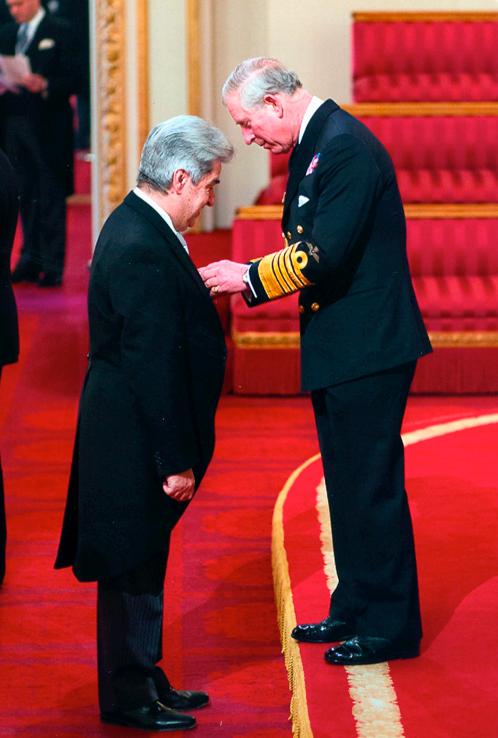
In 2014, Marios Papadopoulos was awarded an MBE in the Queen’s New Year’s Honours List for services to music in Oxford.
LOOKING TO THE FUTURE
Years 2018 – 2021
ARTISTIC POLICY
Going forward, we will abide by the same Artistic Policy that has served us well over the last few years. Continuing to improve the Orchestra and seeking closer relationships with international soloists and conductors remain at the core of the Orchestra’s future artistic planning.
While much has been achieved, we cannot rest on our laurels and become complacent. The challenge of ensuring that at all times the Oxford Philharmonic can field a team of the highest order remains. Over the next few years we shall continue to provide the right environment for improving the quality of our performances and seek out the very best musicians available to increase our membership.
The Oxford Philharmonic Orchestra has all the attributes to becoming the UK’s No 1 cultural export.
Artist Relationships
Having concentrated on improving the quality of the Orchestra, we have created a musical instrument good enough for artists of international renown to appear with. Return visits by such artists as Maxim Vengerov, András Schiff, Nigel Kennedy, Valery Gergiev, Anne-Sophie Mutter and Vladimir Ashkenazy are a testimony of the esteem in which the Oxford Phil is held in the eyes of those who regularly collaborate with the world’s greatest orchestras.
The notion that the Oxford Phil has buckets of money to throw these artists’ way in order to lure them to Oxford is of course totally false and needs to be dispelled. We are extremely fortunate that these artists recognise the confines within which we operate, such as the limited Box-Office revenue from the Sheldonian Theatre, and readily accept highly discounted fees for their appearances in Oxford.
Beginning as a relatively unknown entity, the Oxford Phil has struggled to gain recognition from those within the musical establishment. Building reputations takes time and when artists of the calibre of Maxim Vengerov and Anne-Sophie Mutter speak highly of the Oxford Phil, people’s perceptions begin to change, even though the orchestra’s inherent qualities have always been there for them to see.
Rehearsal Time
It is our aim to increase rehearsal time to provide at least an extra six hours prior to the dress rehearsal for every concert we present.
Once a programme has been rehearsed extensively prior to the first concert of tour, then of course subsequent concerts with the same programme would require less rehearsal.
Increased rehearsal time will allow us to work on detail to ensure that the Oxford Philharmonic continues to make strong musical statements and acquires a unique sound.
With such an auspicious line-up of international artists, we have to ensure that we provide an environment these artists are accustomed to and offer rehearsal time commensurate to that offered by other orchestras. Such opportunities will not reappear if we renege on our promise to deliver.
Celebrity Series
The celebrities we collaborate with as well as the Oxford brand provide us with a passport to gaining access to the national and international musical arena.
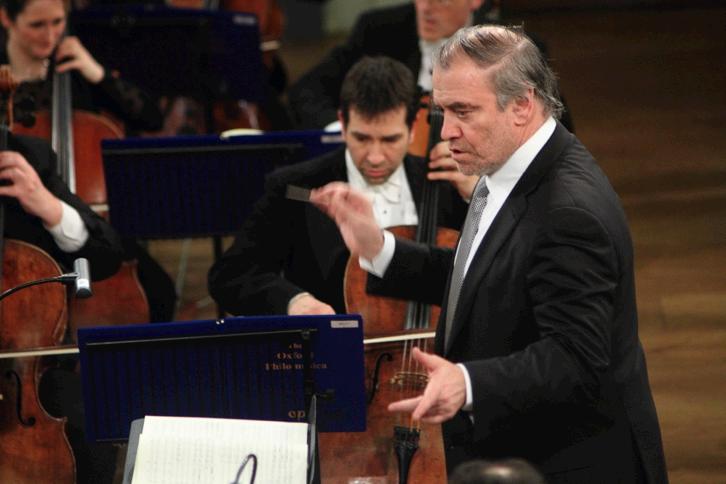
Other than return visits by Maxim Vengerov, Andras Schiff, Valery Gergiev, AnneSophie Mutter, Renée Fleming, Martha Argerich and Vladimir Ashkenazy, we have firm commitments from the following artists to appear with the Oxford Philharmonic in the seasons ahead:
• Antonio Pappano
• Joyce DiDonato
• Evgeny Kissin
• Leonidas Kavakos
Forming close relationships with these artists will have a profound effect in raising the Orchestra’s national and international profile.
Artist in Residence
Maxim Vengerov’s tenure as the Oxford Phil’s ‘Artist in Residence’ came to an end in August 2017. The desire for the association to continue is mutual and is likely to result in a deeper relationship in the years to come.
Recordings
Over the next few years, the Oxford Philharmonic will seek opportunities to document its work in a series of recordings.
Number of concerts
The quality and quantity of the Oxford Philharmonic’s concerts have to be carefully monitored to ensure that at all times our performances are at the highest level.
Within the ranks we have a number of soloists who continue to pursue solo careers. In contemplating the number of concerts the Oxford Philharmonic should aim to do a year, we should be conscious that some of our outstanding players may not be able to commit to an Oxford Philharmonic schedule that overburdens their other musical pursuits. We must therefore provide a schedule to ensure loyalty while allowing our players the freedom to undertake other commitments:
• More Concerts/Increased player loyalty
• Too many concerts/Decreased player loyalty
Over the next few years, we aim to increase the number of concerts incrementally to an optimum of 60. This should provide our members with a substantial income stream while allowing them the luxury of pursuing other musical interests.
It is not the objective of the Oxford Philharmonic to become a fulltime orchestra in the foreseeable future.
Even though some of the London orchestras provide financial stability and security for members, we have recently witnessed an exodus of some fine players from these orchestras to the Oxford Phil because of the flexibility and variety of work we offer.
Touring and Engagements
In order to reach our optimum number of 60 concerts a year, we need to create a touring programme, both in the UK and overseas.
We can do this either by self-promoting concerts outside Oxford or seek engagements where the promoter pays the Orchestra a fee to cover its expenses.
Building brand recognition to persuade promoters to offer the Orchestra riskfree engagements takes time.
A London series of concerts would help to enhance the Orchestra’s national and international profile and dispel the ‘regional orchestra’ mentality that assumes that quality is lower in the provinces than in the capital.
Until such time as the Orchestra’s reputation can attract attention, we have to rely on other factors to procure engagements.
As the music industry is artist-led, the only way a relatively unknown entity such as the Oxford Philharmonic can command the attention of the musical establishment is to collaborate with the eminent artists we have formed close relationships with.
Adding to the package offered to promoters a brand that stands for excellence the world over should augur well for invitations to perform at prestigious venues and international festivals.
Even though the ‘Oxford’ brand is not necessarily helpful in the UK it is potentially extremely appealing to promoters overseas. Describing the Oxford Philharmonic as “the Resident Orchestra of the University of Oxford” would be valuable in many places around the world.
Presenting a programme that weighs heavily on our Oxford identity may well prove appealing to some promoters. Haydn is a composer whose links with Oxford are strong. To offer to perform Haydn’s ‘Oxford Symphony’ or the composer’s Creation with an Oxford orchestra and College Choir could be an attractive proposition.
Over the last three years, we explored various channels to procure engagements for the Orchestra based on the criteria above.
Having invested heavily in the quality of soloists that appear with the Orchestra, we embarked on a campaign with a view to increase exposure and performance opportunities, build interest and encourage offers of engagement from regional, national and overseas presenters. Primarily this approach was taken in the establishment of Maxim Vengerov as Artist in Residence. In the light of his appointment a variety of project proposals have been considered from high profile tours developed in collaboration with seasoned touring agents, to smaller scale and chamber ensemble projects offered to regional and national venues and festivals.
Whilst there have been successes such as the Vengerov chamber project at Cheltenham Festival and Saffron Hall (embargoed until winter 2017), new relationships with Malvern Theatres, Middlesbrough Town Hall and a successful return to Cheltenham Town Hall, a number of barriers have arisen which have significantly impacted the success of this strategy:
• Lack of soloist commitment: We have found high level artists are either unwilling to appear outside of Oxford or are unable to commit to an OPO project early enough in the planning cycle to ensure selling efforts have a
chance of success. The Oxford Philharmonic is not yet a priority for these artists when planning their diaries
• The Oxford Philharmonic as a financial risk: OPO’s quoted fees are often prohibitive with presenters able to secure comparable projects with more established orchestras for less. Linked to this, OPO is still considered a box office risk for many presenters who have existing relationships with London orchestras and other regional orchestras such as the CBSO and Halle.
• Negative industry perception: An enduring issue within the industry remains the perception of affluence and a sense of OPO buying its way into the ‘big leagues’ through high profile soloist appearances. Additionally there remains a lack of understanding as to the quality of the orchestra’s performances. This has been compounded by the lack of critical response from the media, sufficient enough to persuade promoters to engage us.
With a steady increase in media coverage, promotional campaigning and, more importantly, word of mouth marketing that extols the Orchestra’s quality performances, perceptions are changing. The recent two-hour programme on Classic FM dedicated to the Orchestra’s new season, in which the presenter referred to the Oxford Philharmonic as one of the finest regional orchestras on numerous occasions, is having an impact.
At a recent meeting with one of the most respected and recently retired intendants of one of London’s orchestras, I posed the following question: to what degree is the procurement of engagements predicated on an orchestra’s reputation? The answer was “to a very small degree”. Engagements in the current economic climate require the orchestras to provide a subsidy to mitigate the financial risk taken by promoters. While many of the UK’s orchestras can afford to allocate part of their Arts Council grant to subsidise regional touring, the Oxford Philharmonic has to rely on its own resources in order to compete.
With associations with new artists forged and others strengthened, opportunities emerge that need to be exploited. The number of concerts as it currently stands is far too low to expect some of the UK’s and Europe’s best players to continue maintaining their loyalty to the Oxford Philharmonic.
The Oxford Philharmonic will pursue rigorously a selling campaign by using the services of respected agents in the industry, a dedicated team of professionals in the field in the Orchestra’s offices, word of mouth recommendations by artists, and an allocation of funds to subsidise and boost our touring programme.
While artist-led projects may have the highest appeal, those that promote the Oxford brand and our identity as cultural ambassadors for the city will allow presenters to understand our unique selling point and where OPO fits in to their already over-subscribed series of plans. Examples include:
• Anne-Sophie Mutter/Walton Violin Concerto: This concert idea has clear resonance with Oxford’s story, and would be an opportunity to present OPO outside of Oxford
• Chamber projects with the Soloists of OPO: Music Director-led and Soloists projects should have a life outside of Oxford where we can draw attention to the quality of our individual players and build alternative soloist/ensemble programming
• College choirs: Projects of this kind highlight our relationship with the University
• New commissions: These should have a strong Oxford link or theme at its core
Looking overseas, we should consider a partnership-based approach whereby an artistic/academic collaboration offers new opportunities for project-based concert presentation. This could be taking a condensed version of our Piano Festival to another city or institution; exporting our Beethoven Symposium to another major centre (London, Bonn, NYC); international festival appearances with an Oxford Choir; devising new initiatives such as with the da Vinci anniversary. All must come with the Oxford ‘seal’ that pertains to:
• A dynamic association with the University of Oxford
• Collaboration with other cultural presenters in Oxford to create new perspectives on the arts and sciences
• Building strong projects that draw interest and support from a broad cross-section of society and communicate Oxford’s vision
In order to concentrate on our concert activity and continue to build the reputation of the Oxford Philharmonic both in the UK and overseas, it is envisaged that expenditure for other non-performing activities over the next three years, including those in the education and community sectors, will be maintained at current levels. However, staffing requirements to cope with expanding activities and the recruitment of at least one executive in the position of General Manager will increase our overheads.
OXFORD PHILHARMONIC ACADEMY
Our educational activities are important to our remit and we shall continue over the years to provide help and tuition to young musicians.
Piano Festival and Summer Academy
The basic formula for our Piano Festival has changed little over the years. While it would be ideal to extend the period to two weeks, the amount we would need to charge resident observers attending to cover our costs would be prohibitive.
Providing a variety of teachers and performers who represent diverse schools of piano playing will continue to open new horizons for our students.
While maintaining a nucleus of returning students, we will continue to seek out others who might benefit from the knowledge and expertise imparted to them by our illustrious faculty.
University Residency
Our agreement with the University of Oxford has been extended by a further five-year term and will be reviewed for renewal in 2022. Our Residency at Oxford University is highly beneficial and important to us.
In November 2017, the Oxford Philharmonic Orchestra will be celebrating 15 years since being appointed the University of Oxford’s Orchestra in Residence in a gala concert at the Sheldonian Theatre. The programme will highlight the various relationships we have forged over the years with the University, including those with members of the Faculty of Music, students and college choirs.
Over the next few years, we will be developing our links with the Faculty of Music further and expanding the schemes we offer to students. As a musical resource, the Oxford Philharmonic is at the disposal of students to provide dedicated tuition, performance opportunities and a platform for composers.
COMMUNITY
Our programme for the community will continue and expand over the next three years. Partnership with other music and cultural organisations delivering work similar to ours has always been very important, and going forward we are now working in close collaboration with two very important local cultural organisations.
We are a founding member and major partner of the newly formed Oxfordshire Music Education Partnership (OMEP), one of the new Music Education Hubs that are central to the UK Government’s National Music Education Plan which came about following the report on music education by Darren Henley in 2011. Music Education Hubs, of which there are now over 100 nationally, are funded and overseen by the Arts Council on behalf of the Department of Education. This is a partnership between music organisations working together to ensure that every child aged 5-18 in the area has the opportunity to sing, to learn a musical instrument, to perform as part of an ensemble or choir and to take their talent further.
In addition we are planning a series of open workshops for local secondary schools which will be based on the GCSE syllabus for children studying for the exam in music.
Similarly we are now a partner of the City Council’s funded Cultural Partnership Group, along with other major cultural organisations in the City such as the Oxford Playhouse, Pegasus Theatre, Modern Art Oxford and the University Museums. In promoting the cultural life of the city, this partnership has three main objectives: leading a partnership-based approach to developing the cultural life of the city; improving opportunities for young people to access and actively
participate in high-quality cultural activities; and improving opportunities for the diverse range of communities in the city to participate actively in highquality cultural activities that reflect their own identities.
It is significant to note that our Artist in Residence Maxim Vengerov has shown enthusiasm to be a part of future initiatives and of course brings significant experience through his global UNICEF Ambassador role.
All of this work is a vital component of the Orchestra’s mission, and we will continue to devote the necessary resources to continue these programmes. We are fortunate to have musicians in the orchestra who in addition to being consummate professional instrumentalists, have the added special talent - and passion - to take music out of the concert hall, and deliver wonderful programmes in challenging environments where music is often a rarely enjoyed experience.
Family Concerts
Our agreement with the Oxford City Council required us to increase the number of these to three a year.
OPERA
Opera has enormous appeal and it is probably the most attractive of all classical music genres.
Following the successful new production of Così fan Tutte in 2015, we have evaluated the impact this has had on our audiences and on our finances.
From the feedback we have received, it is clear that the public warmly embrace our efforts. Evidence also suggests that funding is available from sources that would otherwise not fund any of our other activities.
In an ideal world, we would prefer to work with an established opera company such as Glyndebourne Touring where we provide the orchestra and they provide the rest. However, we have proved that we can do it on our own, working as we did for Così with a company such as Metta Theatre and their talented director and design team.
Even though our plans for another opera production are currently shelved, it is our hope that we might reinstate this aspect of our musical activity when the economic environment is more favourable.
PR & MARKETING
Despite considerable progress in promoting and increasing awareness of the Oxford Philharmonic brand, many challenges to our PR efforts lie ahead. These include the negative media perception attached to regional orchestras; a lack of understanding as to why the Oxford Philharmonic enjoys so many high level collaborations/associations with leading soloists and the myth of the Oxford Philharmonic being a wealthy, privately funded orchestra. Journalists hold a
narrow view of the industry and 2-3 years of continued focus is required to change perceptions.
High-profile visits by leading soloists rarely present a ‘story’ as such, leading to the potential deepening of old preconceptions. Future repeat performances with these personalities would help underline more substantial commitments to the orchestra by such soloists, emphasising the Oxford Philharmonic’s quality.
Few journalists will travel to review events outside of London, despite c.60% of them having studied at Oxford. For instance, Fiona Maddocks of The Observer lives in Oxford but will not review events there.
The regular London presence will help counteract this and positive national reviews are still important in selling overseas.
In attempting to strengthen the Oxford Philharmonic brand we need to address the following:
• Communicate our reputation for being ‘bold’
• Clarify the University link
• Increase communication before an event – social media is currently the best platform for this
• Become known as a renowned academy for developing young talent
In summary, we need to:
• Support an artistic strategy that will define our programming
• Communicate why OPO exists and contributes to the UK orchestral landscape
• Address the common misconception that the OPO buys into high-calibre, high-fee soloists
• Strengthen links between audience and orchestra: ‘meet the orchestra’ initiatives to profile players with interviews/photos/online presence
• Create new imagery
• Use multimedia provided by TallWall
• Explore other media opportunities – BBC4, Sky Arts
• Explore live streaming opportunities such as Medici TV
• Expand our social media network
• Broadcast player achievements to increase relationship and connection between audience/orchestra
• Update frequently the ‘News’ section of our website
NTM will be focussing on nurturing and continuing the partnership set up with Classic FM and arranging further broadcast opportunities. NTM will also endeavour to secure coverage in the classical and local press regarding the soloists performing with OPO throughout the season. NTM will focus on the 15th anniversary of OPO's residency at the University of Oxford and build up to the orchestra's 20th anniversary in the 18/19 season. NTM will also help to build
an international profile for the orchestra once international touring is confirmed.
Box Office Systems
Until recently most of our bookings were handled by the Playhouse Box Office based in Oxford.
From September 2017 onwards, we have been using our own system in the office to take bookings in order to increase efficiency, collect customer data for marketing and development purposes and keep up with other similar organisations within the industry – all of whom have their own online box office system.
Management and Administration
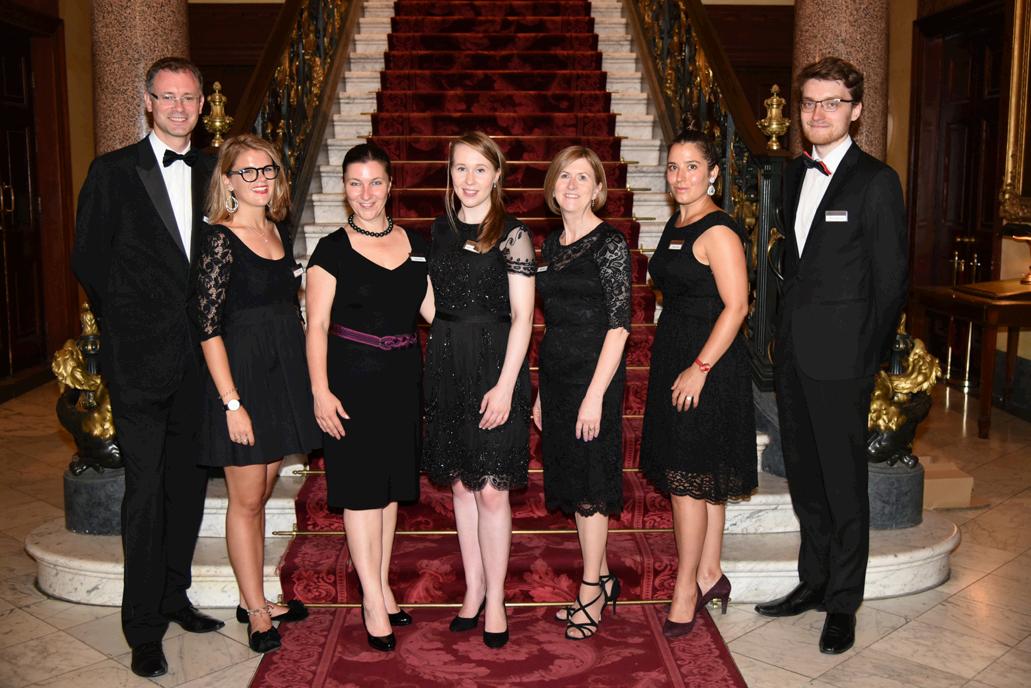
To underpin and provide backup to all our expanding activities, our small team in the office is stretched to the full.
Resources must match ambition and time seems to be the biggest issue amongst our staff. The proposed sales strategy of repeat performances and contracted dates brings the potential for economies of scale in terms of administrative workload: primarily the orchestra wouldn’t be responsible for marketing each event and a run of dates would create defined periods of work for both staff and players. However, there remains a concern that important tasks are at risk when the team is under pressure. The recruitment of supplementary admin staff is therefore inevitable.
Communication, resourcing, expectations and the appropriate support for initiatives must be continually assessed.
With operations rising as fast as they are, it will not be long before the management team at a higher level is augmented with a General Manager taking charge two to three years from now.
In contemplating the future we list below a SWOT analysis of what we feel are our strengths and weaknesses as well as the opportunities and threats:
SWOT ANALYSIS
Strengths
• Oxford University association
• Oxford brand
• Strong team of top-level musicians eager to be involved
• The high-level artists which the orchestra collaborates with
• Only professional orchestra in the Region
• Strong territorial claims
• Strong and influential Boards of Trustees and Advisors
• Sheldonian Theatre with its unique identity
• Tight and prudent control of finances and governance
• Strong community and education programme
• Versatility in size of ensemble and repertoire to be presented
• Proficient and effective management and administrative team
• Realisation of ideas delivered at speed
• Close proximity to London where most freelance players live and work
• Oxfordshire as a region is cultured and affluent
Weaknesses
• Annual recurring funding not to the level required to ensure financial stability
• Capacity and box-office revenue at Sheldonian limited
• Poor backstage and hospitality facilities at the Sheldonian
• Overstretched personnel resources especially at senior management level
Opportunities
• Capitalise on top-name associations to gain wider recognition and increase engagements
• Agent representation paves the way for wider touring prospects
• Celebrity soloists and conductors continue to show interest in coming to Oxford and to perform with the orchestra
• With a declining number of opera productions in Oxford, opportunities arise for capitalising on a large market share
Threats
• Not being able to deliver to the expectations of VIP artists because of lack of funding
• Other orchestras such as the Orchestra of the Age of Enlightenment vying to take the residency over
• OP Trustees who make substantial contributions to the orchestra may refuse to be in a minority if the financial burden is not equally shared amongst all members
• Confusion with Oxford’s amateur orchestras
• Public sector cut-backs will mean other arts organisations will target OP sources of funding
• Difficult to replace key sponsors if they withdraw
• Should the Music Director retire, it will be difficult to sustain the operation as currently structured and which relies on some recurring funding due to the personal nature of his links to major sponsors
• Brexit has the potential of reducing our income stream amid uncertainties in economic growth
While there are clear threats and a number of weaknesses, most of which we intend to address, the Oxford Philharmonic has excellent prospects to reach its goals and attain the national and international recognition it deserves.
THE ECONOMIC ENVIRONMENT
Like all orchestras in the UK, the Oxford Philharmonic has to operate within a parlous economic environment.
It is important to state that the Oxford Philharmonic receives no regular funding from statutory bodies such as the Arts Council (other than the occasional small grant which is project-related) or the University of Oxford – despite being its Orchestra in Residence - and relies entirely on donations from individuals, trusts and foundations.
Over the last five years there has been considerable growth. Total revenue has approximately doubled driven by more concerts, reputation and ability to attract “box office names”.
Direct costs have grown reflecting more performances, higher musician fees, high-level soloist appearances and more rehearsal time. Indirect costs have grown more steadily keeping the cost structure in a more stable environment.
EXPENDITURE
CONCERT ACTIVITY
All our promotions in Oxford make significant losses. This is partly because of the capacity of the Sheldonian Theatre and the way it is structured, which restricts box-office revenue with few premium seats available to sell at high prices. We also provide as many as 250 seats to students in the Upper Gallery for just £5.
Norman Lebrecht writing in the Evening Standard in 2004 makes the following point: “a sold-out symphony concert at the Royal Festival Hall yields an average loss of £48,000 [for the LSO]”. The loss-making nature of concerts is therefore not a new phenomenon.
In 2016/17 concert activity accounted for 51% of our total expenditure and 18% of our income.
Players Fee Structure
The Oxford Philharmonic is a full member of the Association of British Orchestras. The ABO/Musicians’ Union Agreement governs the rates we pay our musicians which are comparable to those paid for Category 1 orchestras such as the LPO, LSO, The Philharmonia and the RPO.
The Oxford Philharmonic has devised positions within the ranks that best serve our needs and which are quite distinct from any other orchestra in the UK.
In the string sections, we have:
• 3 Concertmasters
• 1 Co-Concertmaster
• 4 Associate Concertmasters
• 2 Assistant Concertmasters
• 2 Solo Violas
• 2 Solo Celli
• 1 Solo Bass
• Principals and Sub-Principals
Musicians are remunerated according to their status and not according to where they sit. For instance, if all three Concertmasters are playing – and this has happened on a number of occasions – they will receive their Concertmaster’s fee regardless of where they sit.
Celebrity Artists’ Costs
Even though concerts featuring luminary names are more expensive, it is the artists’ demand for extra rehearsals that make these concerts costly, rather than their fees. Indeed, we are fortunate that many offer us a considerable discount when coming to Oxford. However, when appearing with them outside our home territory, their fees are higher.
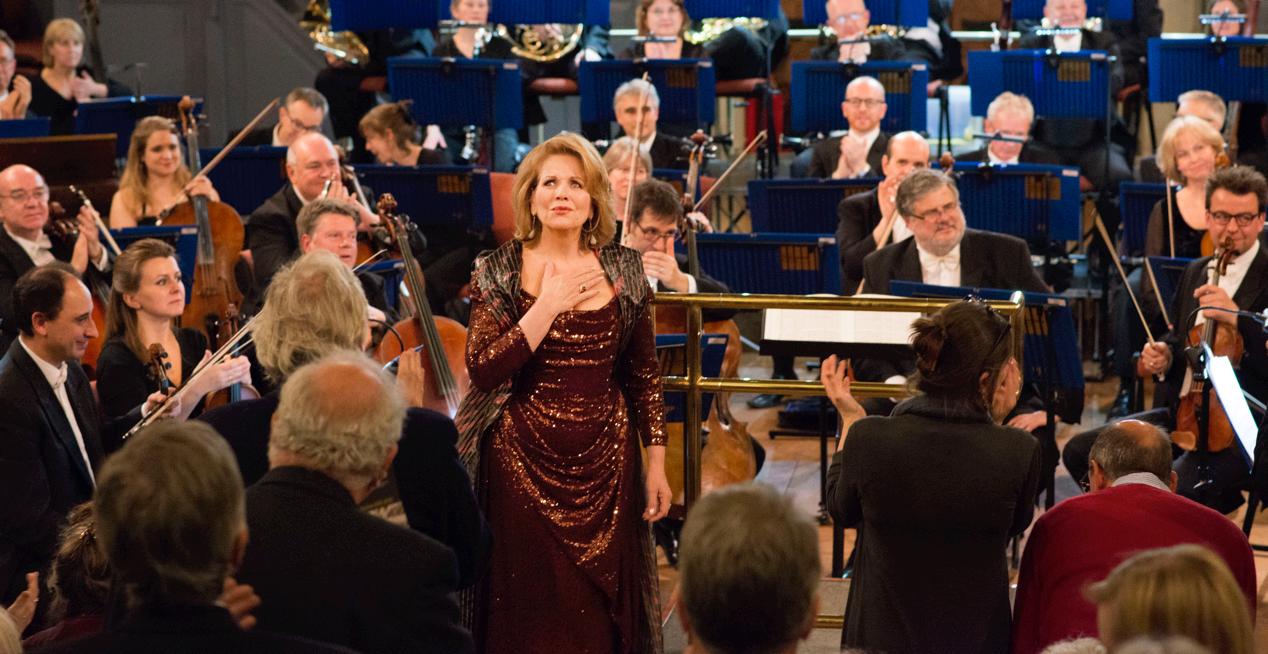
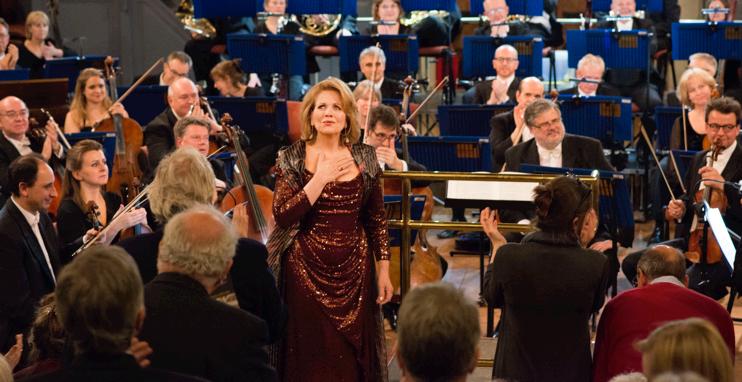
Renée Fleming with the Oxford Philharmonic
Venue Costs
Despite being the University’s Resident Orchestra, the OPO receives no preferential rates for the hire of the University’s ceremonial hall. Furthermore, priority booking – offered to many other UK orchestras with residencies in places such as the Southbank Centre and the Barbican, is denied to us.
Marketing/Advertising Costs
The budget for this in recent years has been relatively small and is increasingly being reduced as concerts do well with little advertising.
The table below shows the profit and loss of three of our Sheldonian concerts in 2016/17 at various levels of income and expenditure from one celebrity concert, one featuring a symphony orchestra and the other a chamber orchestra:
REVENUE
Ticket Sales
VARIABLE EXPENSES
Players fees event
Stage Manager and driver
Front of House event
Hire of Music event
To the direct costs of a concert we added a share of our overhead expenses for 2016/17 apportioned equally to all income-generated activity of the orchestra.
We estimate that the Oxford Philharmonic subsidises every one of our concerts at an average of £70 a seat for every person that walks through the Sheldonian doors.
RUNNING THE ACADEMY
Residency Costs
The OP makes a contribution of around £150,000 a year to the economy of the University of Oxford. This includes a substantial contribution to St Hilda’s College for the use of its facilities during our Piano Festival, fees paid to College choirs for participating in our concerts and the hire of the Sheldonian and other University venues.
Piano Festival Costs
In recent years, the Piano Festival has come close to breaking even on direct expenses. With the help of many individuals we are in a position to offer scholarships to most of the outstanding students attending. With higher profits from an increasing number of fee-paying observers, sponsorship of some of the events and good box-office return on ticket sales, the Festival is beginning to be financially on an even keel and more self-reliant.
SERVING THE COMMUNITY
Our special projects for the benefit of the community, including work we undertake in hospitals and for young musicians in schools, amount to 1% of our total expenditure, quite comfortably covered by donations from trusts and foundations as well as by individuals who are sensitive to this area of our activity.
OVERHEADS
Currently, the Oxford Philharmonic employs 8 full-time staff and retains a number of consultants in Press and PR, Development and Marketing. Salaries, account for 21% of our total expenditure.
RECORDINGS COSTS
Despite dramatic reductions in CD sales in recent years and ongoing concern over free downloads, a recording still has the capacity of reaching a far greater audience than any one single concert. Furthermore, it is a testament of a performance stored for posterity. For these reasons, the Oxford Philharmonic Orchestra has been investing in building up a catalogue of recordings including those with Maxim Vengerov.
Expenditure for 2016/17:
£22,500, 1%
Overheads,
£130,000, 8% salaries, £320,000, 21% occupancy,
fundraising events,
£38,530, 2%
Community,
£23,500, 2%
Residency,
£12,000, 1%
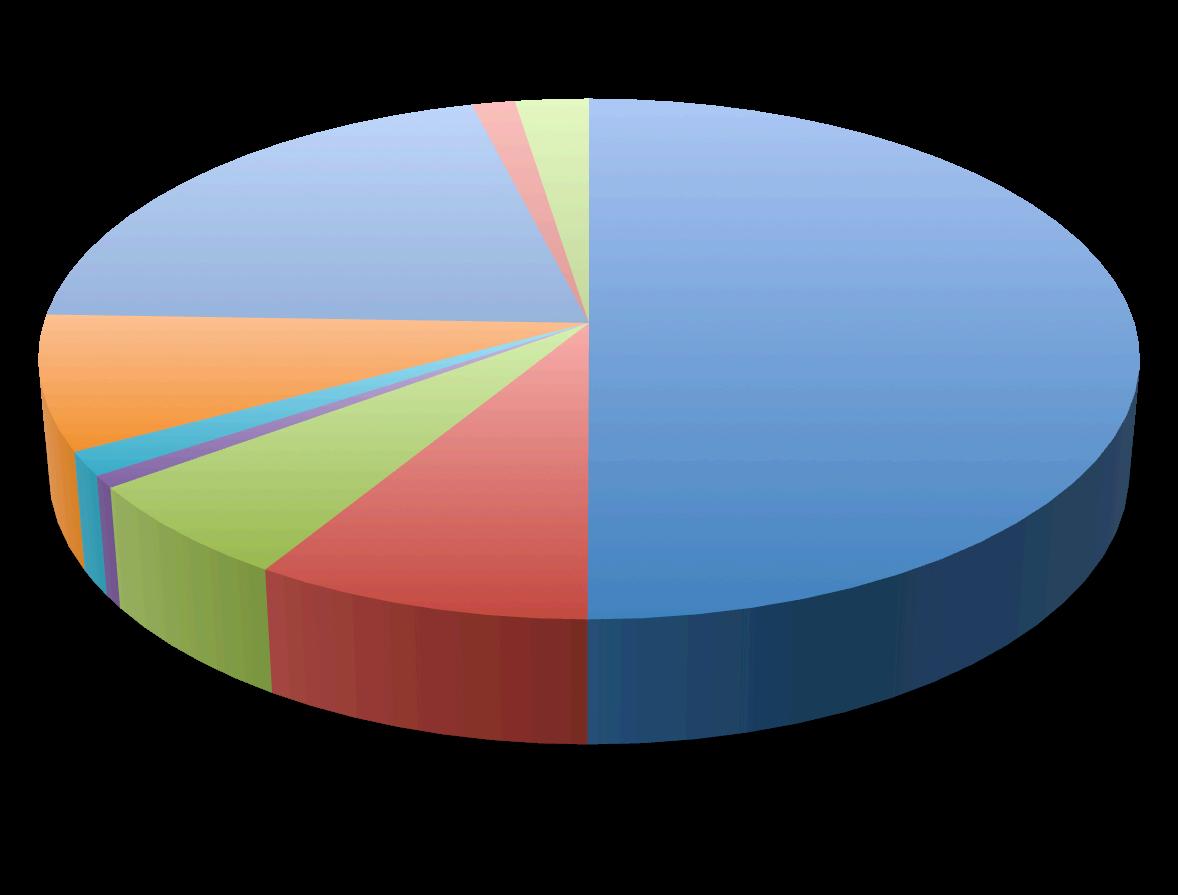
Recordings,
£95,500, 6%
Piano Festival,
£136,000, 9%
Concert activity,
£779,127, 50%
Concert activity
Piano Festival
Recordings Residency Community
Overheads salaries occupancy fundraising events
INCOME
The Oxford Philharmonic relies almost entirely on donations from individuals, trusts and foundations.
Ticket Sales
In 2016/17, these amount to 18% of our income.
Trusts and Foundations
These tend to support our educational and community programmes.
Individuals
Most of our income comes from individuals who enjoy, admire and wish to be part of the larger Oxford Philharmonic family. Their contributions are allocated to sponsoring individual events, either through personal donations or via their charitable trusts, or to support the overall running of the orchestra.
Special events
For years we have been able to organise annual fundraising events in special venues that have attracted donors contributing to our charity by attending and/or placing bids at the auction we frequently hold at the end of some of our events.
Special events have been held at:
• Palace of Westminster
• Buckingham Palace
• No. 10 Downing Street
• St James’s Palace
• Patrons’ homes
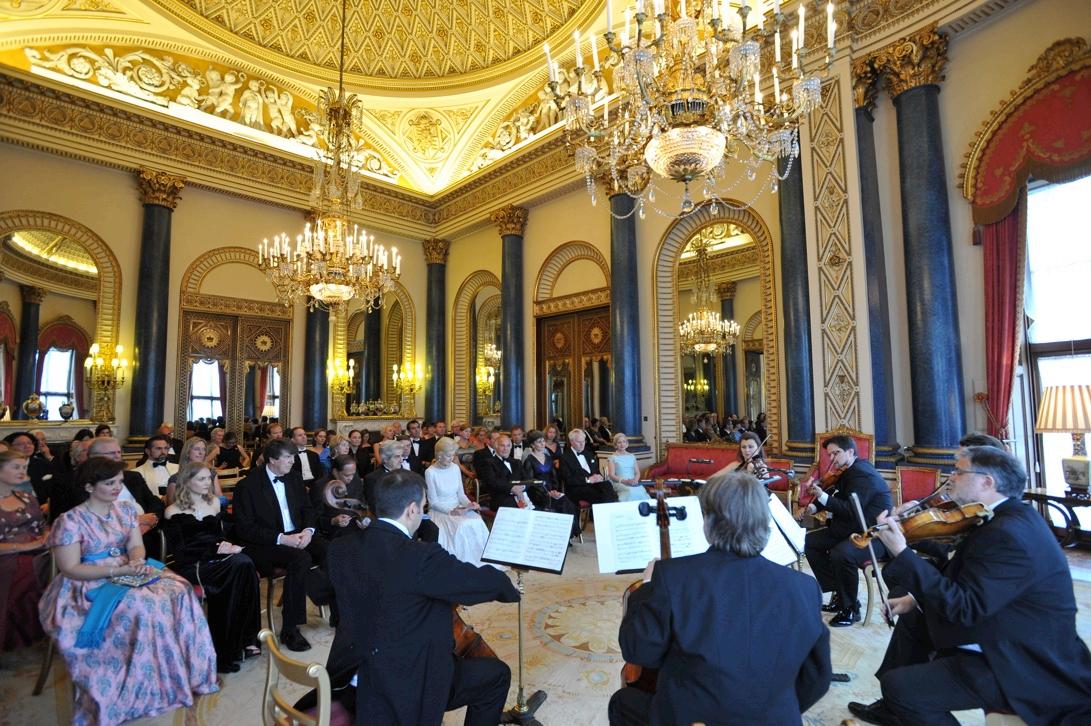
Gift Aid
As a UK registered charity, we benefit from Gift Aid eligible on donations.
Orchestra Tax Relief Finance Act 2016 introduced the new Orchestra Tax Relief with effect from 1 April 2016. This relief applies for Corporation Tax. The measure enables eligible companies to claim tax relief for qualifying expenditure on orchestral concerts. Relief will apply at a rate of 25% on enhanceable expenditure for all eligible concerts. The Policy objective is to promote British culture in a sustainable way by providing support to orchestras in the UK. The new tax relief for orchestral concerts is based on the successful Film Tax Relief (FTR). Since its introduction in January 2007, the FTR has supported £11.6 billion of investment into 1,680 British films, which have received approximately £1.2 billion in relief.
Companies engaged in the production of qualifying live orchestral concerts can claim an additional deduction in computing their taxable profits. Where that additional deduction results in a loss, that loss may be surrendered for a payable tax credit.
The Oxford Philharmonic has applied for the Orchestra Tax Relief in May 2017 for 16 concerts from 1 April to 31 August 2016 and HMRC have accepted our claim for £70,000. Going forward, this would add a significant income stream to our operations.
AFOPO
The American Friends of the Oxford Philharmonic, Inc. will mark its one year anniversary at the end of October. The number of donors and prospects has grown exponentially. We have over 60 donors who have given $1,000 and above. To date we have raised over $250,000, from the NY dinner, the Patron Weekend and other donations, of which a $35,000 grant was made to the UK Trust; in addition a total amount of about $35,000 in donations came into the UK Trust from UK donors who supported those two events. From a standing start and without a public NY concert, this represents a very good indication of what is possible.
Setting up AFOPO required substantial start-up funds which the UK entity provided.
After the Wallace Collection Dinner as the cornerstone of our Patron Weekend, we have received a lot of interest for future events both in London and NY as our two fund raisers, the NY benefit gala and the June Patron Weekend have proved very attractive to our supporters. We engaged the services of a NY society photographer who documented the NY dinner, our 2 NY spring events and the Wallace Collection dinner, all of which have been included in the online media called New York Social Diary. This has significantly raised the profile of AFOPO. As a start-up, this sort of press coverage is essential in support of the fundraising effort.
From our original strategy, our plan was to engage Oxford alumni. With the help of Sir John Hood we are now in a position to expand our reach as we have secured the encouragement of the American Association of Rhodes Scholars. Elliot Gerson, the American Secretary to the Rhodes Trust will co-host an event with William Nitze (Magdalen) at the Nitze residence in a recital and reception for Marios in Washington DC on Monday, 13thNovember. We expect to have 60 guests.
We have a lot of balls in the air at the moment with invitations to American Friends for the Buckingham Palace 20th Anniversary celebration; invitations to join the US Advisory Council by way of making a donation; becoming members and attending our next New York events the week of November 6th, and securing events in 2018. We have discussed another NY gala benefit dinner at the Metropolitan Club and they will provide possible dates in November of 2018. Holding a NY dinner every other year is a good way to maintain donor loyalty and cultivate prospects.
Our three target constituencies include: North American Oxford Alumni; NY & US music patrons; international music patrons and philanthropic members of the Greek diaspora. We are making very good progress in all three areas with a combination of traditional fund raising appeals: events and patron trips, membership, major gifts donations. One area of opportunity is to secure underwriting for the first NY performance and subsequent US tour. Identifying a donor(s) could happen within this next year, however cultivation does take time.
We are very fortunate to have generous support from the Board. From the beginning, Jim Sherwood provided underwriting of our cultivation events at ’21 Club’ and was the co-chair of our NY dinner and has made a significant donation to the US foundation; Aviad Meitar bought a table for the NY dinner and supported the Patron Weekend in addition to the annual major gift from the Meitar Foundation. Bruno Wang has been enormously generous as an anchor donor for the NY dinner and the triumphant Wallace Collection dinner with Joyce DiDonato. For the Patron Weekend Francesca Schwarzenbach hosted the most beautiful evening at Culham Court which guests are still talking about, and Raymond Blanc hosted an exceptional recital and dinner at Manoir which has led to another performance and dinner at Manoir on 4th October. It is also significant to note that building a donor base in NY has helped build and strengthen patronage in the UK.
Looking ahead, the 20th anniversary celebrations next year provide excellent opportunities to expand and increase our fund raising activities and build on what has been achieved and to attract new patrons and donors. We are confident that we will make good progress in the coming months.
Income for 2016/17:
Legacy, £97,500, 7%
Trusts/ Foundations, £257,000, 18% Concert Support, £63,000, 4%
Gift Aid, £53,600, 4%
General Donations, £146,200, 10%

Advertising, £7,000, 0%
Tax relief, £87,277, 6%
Statutory, £5,525, 0%
Concert activity, £258,591, 18% Piano Festival, £133,200, 9%
Fundraising Events, £242,530, 17%
Friends and Patrons, £27,500, 2%
Recordings, £80,500, 5%
Concert activity Piano Festival Recordings Fundraising Events Friends and Patrons Tax relief
Advertising Gift Aid
GeneralDdonations Trusts/Foundations Concert Support Legacy Statutory
In 2014/15 we had a bumper year, registering a surplus of over £300,000. A number of factors contributed to the significant upturn in sales. Our Student Access Scheme received donations of nearly £400,000 from donors who were attracted to the idea of subsidising the cost of tickets for students to attend our concerts. Our Royal Patron Princess Alexandra offered us the opportunity to invite all those who contributed to our Student Access Scheme to Buckingham Palace to be thanked.
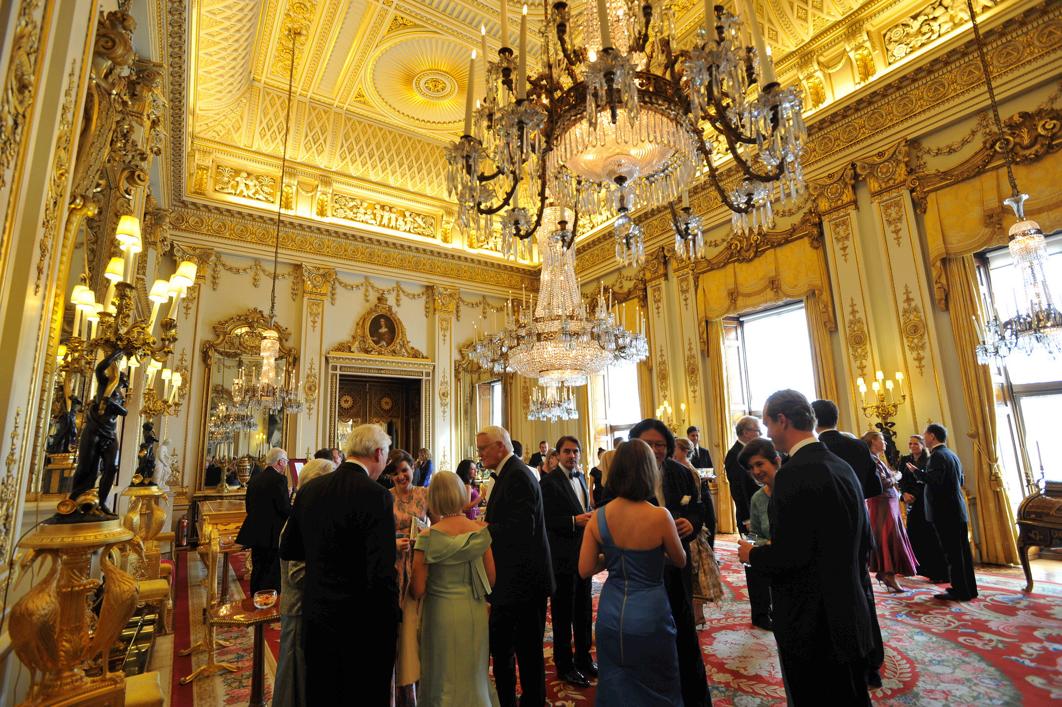
When our cherished trustee Sir Ronald Grierson passed away, we created the Sir Ronald Grierson Fund to continue his work and conserve his name in perpetuity. The Fund attracted donations in excess of £400,000 from many of his friends.
The financial success of year 2014/15 had a downside to it: potential donors reviewing our accounts at Companies House concluded that we no longer required funding because of our robust financial state.
In stark contrast, we registered the biggest loss in the history of the Orchestra in 2015/16 registering a deficit of £385,000.
This highlights the fragility of the organisation in the absence of sustained and recurring funding.
Even though expenditure for the year remained at the level indicated in our Business Plan of 2015, income from charitable donations was considerably less than forecast.
Donor fatigue played a significant role in the reduction in high-level donations from those who have been supporting us in the past.
Throughout our history, we have been overly dependent on just a handful of major donors, any one of whom could trigger a crisis by pulling out. The decision by some of our high-level donors to bring to an end their generous support to the Orchestra, plunged the orchestra into a financial crisis.
A rigorous campaign to identify new donors compounded with strict financial control and management of our resources averted a meltdown without compromising the Orchestra’s artistic programme.
In order to populate the bottom of the pyramid, we recently created the Aeonian Circle inviting patrons to subscribe to an annual contribution of £5,000.
In commercial terms, the Oxford Philharmonic has many “products” forsale touit a wide variety of tastes. If we imagine those on sale in a shop attractively packaged, we need to increase the traffic of shoppers to our store to optimize sales.
Our flagship store is the Sheldonian Theatre where most of our performances take place. There, people will be exposed to a range of opportunities for support. The more people with the capacity and aptitude to support the arts walk through the doors of the Sheldonian, the better chances we have to dispose of our stock.
RED LINE
We have reached a stage where cutting down the Orchestra’s operations would seriously, and perhaps irrevocably, damage its reputation.
While we can abstain from some activities such as touring, London concerts and recordings, we have to draw a red line under which the Orchestra cannot function effectively.
The planning of our future seasons as set out in the following pages outlines our desire to continue on an upward trajectory.
Should funds to expand were denied to us, the bare minimum at which we can operate is as follows:
GENERAL ACTIVITIES
Community Work
University Residency
FIXED EXPENSES
General & Administrative
Advertising & Promotion
Operating Expenses
Wages & Salaries
Occupancy Costs
Equipment
Total Fixed Expenses
Total
£30,000
£17,500
£47,500
£70,000
£15,000
£160,000
£330,000
£23,000
£20,000
£618,000
Season 2017/18
Our season 2017/18 has been announced and the brochure listing all our concerts has been circulated widely.
Planning each new Oxford Philharmonic season is a labour of love as we endeavour to present a wealth of music to our audience. At the heart of our planning lies the Oxford Philharmonic’s ethos for musical integrity and for making strong musical statements.
We look forward to return visits by Valery Gergiev, Anne-Sophie Mutter, Vladimir Ashkenazy and Maxim Vengerov and welcome to Oxford to make their debut with the Orchestra Yuri Temirkanov, Khatia Buniatishvili, Gautier Capuçon and Emmanuel Pahud.
In November, we gather with many friends and collaborators to mark a significant milestone with the 15th anniversary celebration of our position as Orchestra in Residence at the University of Oxford.
The 2017/18 season holds a special significance for me for so many reasons. As our Orchestra approaches its 20th birthday, I too celebrate a significant personal landmark with the 50th anniversary of my arrival to this country. As a budding pianist who dreamt of a life in music, the UK provided me with an education and an abundance of opportunities to embark on a career as a performing musician. Not in my wildest dreams would I have imagined that Oxford, a city that featured extensively in my early career, would become my musical home and, with the founding of our Orchestra, the heart of my creative efforts for almost 20 years and counting.
From stepping off a plane aged 12 to standing at Buckingham Palace receiving an MBE for services to music in Oxford, this has been the most magical of journeys. I reminisce by way of thankful acknowledgment of the multitude of opportunities this country has afforded me.
2017/18 Budget
Season 2018/19
Season 2018/19 celebrates 20 years since the founding of the Oxford Philharmonic and its debut in London’s Barbican Centre in November 1998.
To celebrate this landmark occasion, we are organising a return to the Barbican to present a Gala concert featuring artists with whom have been collaborating closely over the years. At centre stage will be Maxim Vengerov.
Invitations to celebrity artists continue and should result in return visits and new collaborations.
2018 also commemorates the end of World War I. The Oxford Philharmonic plans a memorial concert on the 11th of the 11th to commemorate the occasion.
In 2019, we will be celebrating the 500th anniversary of Leonardo da Vinci with concerts that relate music to art.
Other than an amount of £50,000 allocated to the budget to subside our touring programme, we shall remain prudent to allow the organisation to recover its recent loses.
2018/19 Expenditure Budget
University Residency
FIXED EXPENSES
General & Administrative
Advertising & Promotion
Operating Expenses
Wages & Salaries
Occupancy Costs
Equipment
£30,000
£20,000
£50,000
£90,000
£20,000
£85,000
£370,000
£23,000
£20,000
Total Fixed Expenses £608,000
Expenditure in 2018/19 is expected to rise to £1,579,000.
Season 2019/20
Our 2019/20 season will open with a concert featuring one of the most revered pianists of our time, Evgeny Kissin, playing Liszt’s Piano Concerto No. 2.
In 2020, the Oxford Philharmonic plans an all-year Beethoven Festival to celebrate the 250th anniversary of the composer’s birth.
OXFORD BEETHOVEN FESTIVAL 2020
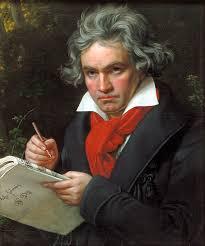
In 2020, the Oxford Philharmonic plans an all-year Beethoven Festival to celebrate the 200th anniversary of the composer’s birth.
In 1947, Oxford formed the first Anglo-German twinning link with Bonn, Beethoven’s birthplace. This link provides us with an opportunity to play a major role in the world-wide festivities and collaborate with the Beethoven-Haus in Bonn to bring to Oxford unique features to our programme of events.
These include an exhibition of Beethoven artifacts, connected by a virtual timeline. Exhibits would include:
• Beethoven’s large ear trumpet
• Original Music Scores
• Violin owned by Beethoven
• Beethoven’s original portable writing desk
• Franz Klein’s bust of Beethoven

In collaboration with the Faculty of Music of the University of Oxford, the Oxford Philharmonic will be inviting leading Beethoven scholars from all over the world to present their latest research in a two-day symposium in Oxford.
The programme of events in the Oxford Philharmonic’s Beethoven Festival 2020 will also include a series of concerts featuring:
• All the Symphonies and Piano Concertos
• The Violin Concerto played on Beethoven’s Violin by Isabelle Faust
• Beethoven’s Violin Concerto played by Anne-Sophie Mutter
• A concert performance of Fidelio
• Performances of other significant orchestral and choral works such as the Missa Solemnis
• A series of recitals featuring the complete Piano Sonatas
• A series of concerts featuring some of Beethoven’s Chamber Music
2019/20 Expenditure Budget
GENERAL ACTIVITIES
Community Work
University Residency
FIXED EXPENSES
General & Administrative
Advertising & Promotion
Operating Expenses
Wages & Salaries
£30,000
£95,000
£25,000
£105,000
An amount of £75,000 is added to the budget to subside our touring programme and an increase in overhead expenses reflects our desire to expand the team to include senior management.
Expenditure in 2019/20 is expected to rise to £1,765,000
Season 2020/21
In 2020/21 we envisage an increase in concert activity, aiming to approach our goal of around 60 concerts.
High on the agenda will be our first tour of the US, assuming that funds are available through the American Friends of the Oxford Philharmonic (AFOPO) More recordings are planned to complement a season that will once again see world-renowned artists return and new associations formed.
Our Beethoven Festival will come to an end with a Gala concert on the 17th December - the composer’s 200th birthday – with a performance of the 9th Symphony.
2020/21 Expenditure Budget
Expenditure in 2020/21 is expected to be £2,025,000. In summary, total expenditure for the next four years is as follow:
£1,564,748
SOURCES OF FUNDING
The Oxford Philharmonic is financially sailing perilously close to the wind. Every year we have to push the boat out in the hope that we meet our targets.
Box-Office Revenue
One means of raising profits in a price-sensitive market is to increase capacity or volume. However, the Sheldonian Theatre does not have additional seats. Even though a 50% increase in ticket prices would yield another £100,000 contribution, this would prove unaffordable to many of our patrons. A slight increase in prices and more sell-out concerts should enable us to increase our earned income stream.
Over the next three years, we aim to increase our ticket sales to reach 21% of our total income to an average of around £440,000 a year.
The net contribution required to meet our current plans over the next three years is estimated to be an average of £1,900,000 a year.
Reserves
In order to avoid hand-to-mouth operation we need to create a recurring income stream essential for our long-term planning.
So long as this eludes us, the only way we can survive a parlous financial situation and fulfill our long-term objectives is to increase our reserves.
It is therefore imperative that we concentrate on raising funds for general use, over and above our current needs, in order to create a cushion for future activity.
Our reserves currently stand at £404,084, not enough to meet our immediate needs.














In May 2017, the Oxford Philharmonic appointed a team of professional fundraisers.
Led by William Conner as Development Counsel, Kathy Seligman as Director of Development and Freya Parr as Development and Research officer. April Gow leads the team in the US as Executive Director of the American Friends of the Oxford Philharmonic.
The Music Director is always available to meet people who prefer to deal with the head of the organisation.
FUNDRAISING
The goal of the fundraising programme is two-fold:
• to generate a consistent annual income stream sufficient to support the activities of the Oxford Philharmonic
• to build the Orchestra’s reserves to a comfortable level
A solid fundraising strategy is driven by the Business Plan, not the other way around.
Fundraising must not sit in a corner of any organisation as a separate and distinct operation. It must sit at the core of operational thinking. Decisions cannot be made in isolation and without recognition that the Orchestra’s strategic vision has a clear impact on its ability to fundraise successfully.
As the Orchestra approaches its 20th season, the Oxford Philharmonic is already looking ahead to its first quarter century. Guided by a mission to sustain the reputation for excellence synonymous with the name of the University of Oxford, the Orchestra has adopted an ambitious vision to:
• maintain and strengthen the artistic standard
• further impact the Oxford community through educational programming
• serve as a cultural ambassador for Oxford
• cultivate an international reputation
• develop a different style of management for the future
The Orchestra’s ability to produce the reliable and sustainable revenue stream necessary to achieve this vision is dependent on fundraising activity that is less opportunistic and more strategic.
A fundraising strategy, supported by definite clear financial needs, a strong pool of supporters and the leadership to deliver the plan, will ensure an even brighter future for the Oxford Philharmonic.
Sources of Support
Prospective donors can be loosely categorised as follows:
• Those who love and are passionate about the orchestra. They are normally local to Oxford and attend concerts
• Those who care very little about the Orchestra but donate to special funds in order to attend high-profile events at special venues
• Those who are fans of celebrity artists and want to be associated with them, such as Maxim Vengerov
• Those who care very little about the Orchestra but donate to the memory of someone close to them who was associated with us, such as Sir Ronald Grierson
• Those who care very little about the Orchestra but buy items on auction because they are valuable, attractive and a bargain
• Those who see a benefit by attending our events to meet like-minded people or, in the case of corporates, to search for new clients
The Orchestra’s current unearned income streams include: individuals, trusts and foundations and events. The dependence on a small group of high value donors, some of whom are the same people, is risky.
Scope exists for increasing the support from other already existing sources: trusts and foundations and the American Friends of the Oxford Philharmonic Orchestra. New sources of support to be tapped include corporate sponsors, legacy donors and statutory funding.

Sources of Suppport

Individuals Corporates University Statutory


Trusts and Foundations Special Events
AFOPO Tax Relief Legacies Trustee Board
Individuals
The Oxford Philharmonic has built a reputation for excelling in its fundraising efforts, particularly in forging close relationships with major donors on whose annual gifts the orchestra’s main activities depend.
Such relationships have been created based on trust and mutual benefit:
• Acknowledgments are afforded to all who contribute to our efforts
• Donors are treated in a special way and feel special
Benefactors are often reminded that their investment contributed to the meteoric rise of the orchestra because we know that donors like to feel they have made a difference and because they are more likely to lend further support to a successful organisation.
From early on we have extended hospitality to patrons at post-concert receptions, offering people an exclusive environment to meet like-minded people and learn more about our activities. Complemented by a select group of local residents, mostly from the University of Oxford, our post-concert receptions offer unprecedented opportunities for people to meet fellow businessmen and women in a convivial environment and network. Such opportunities enhance the value attached to supporting the Oxford Philharmonic.
We are often most successful in attracting new donors during that critical 24hour period following a concert where a member of the audience has enjoyed a highly emotive experience.
We often organise private events at our patrons’ homes in and around Oxfordshire in order to meet individuals who might take an interest in our affairs, while also providing our players with further opportunities to play chamber music.
Even though we enjoy a high level of support from individuals - either through personal contributions or grants made via their charitable foundations. We are currently too dependent on a small number of major donors and we need to populate the middle and bottom of the giving pyramid in fear of losing those at the higher end.
We also need to seek longer-term commitments from donors. The great difficulty is not to secure a one-off gift but turn that into a recurring one.
With over 17,000 entries in our database of people who have either attended an Oxford Philharmonic event or should be targeted we may only be tapping into 30% of our capability. Systematic research and analysis of our database will identify the next major donor who is staring us in the eye.
Action Plan
• Encourage annual gifts through careful donor management, e.g. individual stewardship plans, giving circle, etc.
• Maintain and manage a robust pipeline of individual prospects at all levels, e.g. identify and research potential higher-level donors, utilize donor acquisition capabilities of in-house box office system, etc.
Our target for 2017/18 is to raise £150,000 from individuals.
Corporate Sponsorship
Here the Oxford Philharmonic is seriously lagging behind many of its main competitors.
In the arts world, individuals or companies frequently use sponsorship opportunities to help build goodwill and brand recognition by associating with an event or group. As such, sponsorships are regarded as income-generating opportunities for the orchestra, where we offer something of value to the sponsor. These range from corporate entertainment and company promotion to opportunities offered to individuals to celebrate special occasions with a concert and dinner afterwards.
While we acknowledge the philanthropic nature of any donations received, we nevertheless endeavour to offer benefits in return to those who seek a level of recognition. We run the orchestra as a business, and as such, we feel that everything we do as part of our wide range of musical activities is worth something to somebody. We pride ourselves in the quality product we “sell” and attach a value accordingly.
Our chances of procuring sponsorship deals would be much higher if Oxford Philharmonic friends with connections to the corporate world were to approach companies on our behalf to make introductions. A letter from the admin team will more often than not be ignored.
The ‘Sheldonian Musical Experience’, together with the exceptional level of music-making the Oxford Phil offers to members of the public, provide a USP for corporate sponsorship.
Action Plan
• Research and identify potential corporate sponsors for concerts and events
In 2017/18 our target is to raise £20,000
University Support
With a unique educational programme on offer to Oxford students and academics as well as many other benefits, including opportunities to meet and nurture prospects at our events, we feel that, after 15 years as the University Orchestra in Residence, the University should be making a contribution to our efforts.
Our aim is to persuade the University to sponsor a concert annually and make a total contribution to the OPO of £10,000 a year.
Action Plan
Our aim in 2017/18 is to receive £10,000 from the University
Statutory Funding
We should use our newly acquired status as one of Oxford City Council’s corefunded organisations to apply for funding from the Arts Council Over the next three years, any such funding is likely to come from their Grants for the Arts programme to support isolated projects, such as the one we received in May 2017 for £3,000. It is unrealistic to hope to achieve RFO (Regularly Funded Organisation) status any time soon.
Action Plan
• Continual research and exploration of new opportunities
Our target in 2017/18 is to receive grants totaling £15,000.
Trusts and Foundations
Even though a number of Trusts and Foundations find our community/education programmes appealing, we should be able to procure funding for our concert activity and other operational expenses.
Action Plan
• Steward relationships with existing trusts and foundation donors, e.g. invitations to special events, regular reporting and one-to-one meetings
• Continual research to identify potential opportunities
Our target is to receive grants of £305,000 for the year 2017/18.
Special Events
High-profile events such as the ones we hold in Royal Palaces have proved hugely beneficial to us. Complementary to these are private events held at patrons’ homes and following a concert. Auctions have also yielded healthy profits in the past.
Action Plan
• Create a programme of income generating annual and special events to identify and engage potential donors and supporters who enjoy supporting the Orchestra by attending events
With a number of high-profile events scheduled for 2017/18, our target is to raise £400,000, including income from an auction.
AFOPO
There is considerable scope for increasing the support from the American Friends of the Oxford Philharmonic Orchestra (AFOPO), established in 2016 to raise awareness of and support for the Orchestra amongst American audiences.
Action Plan
• Encourage the support of donors wishing to take advantage of IRS taxefficient giving to increase the pipeline of potential donors
• Create a programme of income generating events to raise awareness of the Orchestra with American audiences
Our target in 2017/18 is to raise £50,000 from our American Friends.
Orchestra Tax Relief
The Government’s 2016 Orchestra Tax Relief scheme has already benefitted the Oxford Philharmonic.
Action Plan
• We shall continue to apply for Orchestra Tax Relief and expect to receive
In 2017/18 we expect to receive c. £50,000 in Orchestra Tax Relief
Gift Aid
In 2017/18 we expect to receive c. £50,000 in Gift Aid
Legacies
It is widely acknowledged that it takes four years to realise the benefits of a legacy giving programme. The approaching 20th anniversary and planning for a sustainable future offers an opportunity to increase efforts to attract legacies. Focussing on the ability of a legacy gift to ensure that audiences of the future continue to enjoy the musical experience the potential legacy donors enjoyed during their lifetimes.
We have already benefitted from a significant legacy towards our Piano Festival, receiving a total of £100,000 from a long-standing observer who passed away last year.
A number of our patrons have already indicated that they will remember the Orchestra in their will.
Action Plan
• Develop a legacy programme to encourage existing supporters to leave a bequest to the Orchestra
• Research and identify legacy donor prospects
Readiness to Fundraise
Good governance is the backbone of successful fundraising. The Board of Trustees must lend their full support for the Orchestra to be sustainable. The Trustees’ efforts must be led by strong professional leadership from within the Orchestra.
Volunteer Leadership
• Engage the Board of Trustees in the process of developing the narrative and the fundraising strategy to support the vision
• All Trustees agree to make a financial commitment to support the Orchestra on an annual basis
• All Trustees commit time and energy to engaging support for the Orchestra by introducing potential supporters from their networks
Professional Leadership
• Increase the internal capacity for fundraising by engaging a full-time Development Director and a part-time grant writer
• Enable the Music Director to engage in building and maintaining highlevel donor and prospect relationships
Targets at a glance:
£450,000
£400,000
£350,000
£300,000
£250,000
£200,000
£150,000
£100,000
£50,000
£0
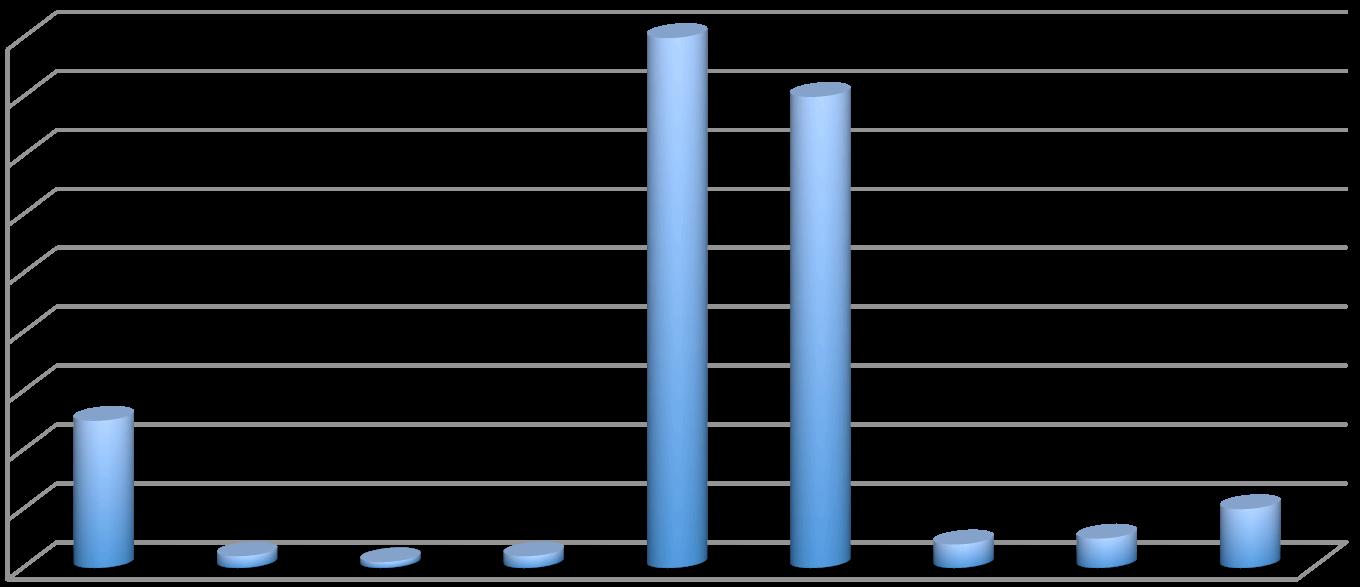
If we were to meet these targets, we should be breaking even. However, we aim to surpass them in order to increase our reserves to around £1M over the next three years.
The Trustee Board
The trustees exercise duties of diligence and care. While the former is linked to their fiduciary obligations, the latter is associated with providing the resources for the orchestra to operate.
In an increasingly precarious financial environment and with all the uncertainties caused by Brexit, many UK charities are beginning to adopt a more American-style of governance and fundraising where trustees are expected to either provide direct financial support themselves or lead the organisation to sources of funding.
The OPO has become a prestigious enough organisation to attract attention from individuals with the capacity to assist us with our operations. Indeed, we can no longer afford to have passengers or non-performing members on board.
When we seek funding to underwrite our activities our first port of call has to be the trustees who serve on the board of the charity which provides the finance for the orchestra’s operations.
A number of our trustees have been immensely generous with their funds and time and we are enormously grateful to them. A multi-tier trust of people who donate and those who don’t is not advisable.
CODA
The momentum behind the Oxford Philharmonic is gathering pace at an unprecedented scale. If we were to grasp all the opportunities presented to us, maintain diligence over the management of our affairs and continue to seek ways of improving our performances there is no reason why in the years ahead the Oxford Philharmonic cannot attain a position amongst the great orchestras of the world.
At this critical stage in our development, we seek visionaries who will invest in our future.
As we reach our 20th Anniversary, we are conscious that the OPO has a role to play far beyond the current term and life span of its Founder and Music Director. It is therefore important that arrangements are in place for his replacement when this is deemed necessary. With an orchestra of the quality of the OPO, we must aim high to find a successor that will develop the orchestra to higher levels. Having strong reserves will allow us to make an appointment from amongst some of the great and the good of the profession.