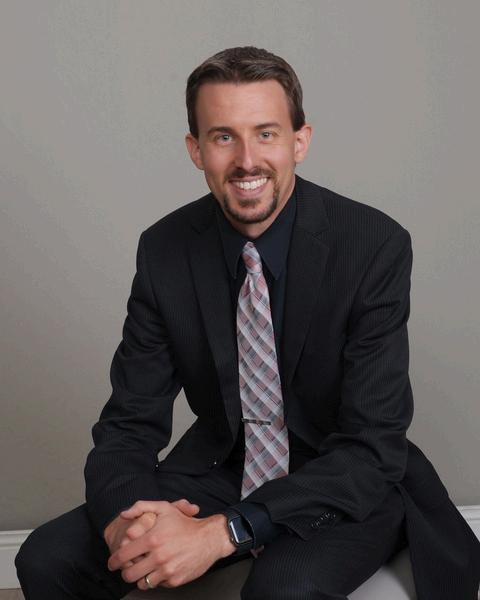
46!Forty-sixyearsagothismonth,Igraduatedfromhighschool Ihadtakenpianolessonssinceageseven, sungmywholelife,playedtrumpetforsixyearsandFrenchhornforthree,andservedasdrummajorofthe band Myfatherwasanelementaryprincipal,andIknewIwantedtodosomethingwithmusic Teaching feltlikethenaturalpath.
I began college intending to double major in voice and piano, but ultimately chose a vocal emphasis and earned a BME. Along the way, I was shaped by wonderful teachers who cared deeply about me and my future MycollegechoirdirectorencouragedmetojoinACDA,soIdid,mysenioryear,in1988,andhadthe opportunitytosingintheAll-CollegiateChoirattheSWACDAconferenceinWichita,Kansas.Backin1983, andevenin1988,IhadnoideawhatACDAwouldcometomeantome,bothpersonallyandprofessionally IfyouhadaskedmethenwhereIthoughtI’dbetoday,myanswerwouldhavelookedverydifferentfrom reality
In1983,Iwasreadytotakeontheworld, confident,eager,andblissfullyunawareofhowmuchIstillhad to learn. By 1988, I felt that same sense of readiness. And still, I didn’t know what I didn’t know.What followedhasbeenalifeofcontinualgrowth:successesandmissteps,learningandteaching,allshapingthe journey
Ifmyyoungerselfcouldseemenow,Ithinkhewouldbesurprised Hecertainlyneverimaginedservingas presidentofMissouriACDA,letalonebecomingpresidentofSWACDAduringretirement,noless. AsIreflectonthatyounggraduatein1983,Iamdeeplygratefulforthosewhobelievedinmeandoffered opportunities,trustedmewiththeirstudents,andencouragedmetolead.MyACDAcolleaguesandfriends have been a constant source of inspiration: people who challenge and support, repertoire that broadens perspective, and conversations that keep purpose at the center. We are at our best when we share generouslyandlistendeeply.
WheredidIthinkIwouldbebynow?Notexactlyhere.Andyet,inthewaysthatmattermost,exactlyhere. I am still chasing beauty, still building community, still believing that when voices come together, somethinggreaterthanourselvesemerges.
Institutional knowledge Margie has been involved volunteering since she was in seventh grade (really!!) She has been involved with every SWACDA conference since 1996, serving as Conference Chair, treasurer, and president.ShealsohasservedACDAasthehospitalitychairfornationalACDAconferences.
ServingWhatSustainsUs
There comes a point in every educator’s journey when we begin to understand that the organizations we belongtoaremuchmorethanconferences,newsletters,andmembershiprenewals Theyarecommunities Theyaretheplaceswherewefindourpeople,wherewegoforinspirationwhentheworkfeelsheavy,and whereweareremindedthatwearenotdoingthisworkalone
Over the years, I have had the privilege of serving organizations that have deeply shaped both my professional life and my personal sense of purpose: ACDA, SWACDA, Colorado ACDA, TCDA, CMEA, and YoungVoicesofColorado.Eachofthesecommunitieshasgivenmesomethinginvaluable.Somehavegiven me lifelong colleagues and dear friends. Some have challenged me to grow as a leader. All of them have remindedme,againandagain,whymusiceducationmatters.
Because these organizations have given so much to me, service has never felt like an obligation. It has alwaysfeltlikegratitudeinaction.
For many of us, our first connection to an organization begins simply.We attend a conference, present a session, read an article, or meet someone who inspires us. Sometimes, that first connection begins much earlier
MyfirstopportunitytovolunteerwithoneofmyorganizationscamewhenIwasa7thgrader,handingout music packets at the summer TCDA conference I certainly did not know then how deeply those organizations would become woven into my life I only knew that I was excited to help and thrilled to be partofsomethingbiggerthanmyself
Looking back, that small act of service was the beginning of a lifelong journey. I have had the joy of volunteering in some way with organizations that have meant so much to me throughout my life and career.
Thosesmallyesesmatter.
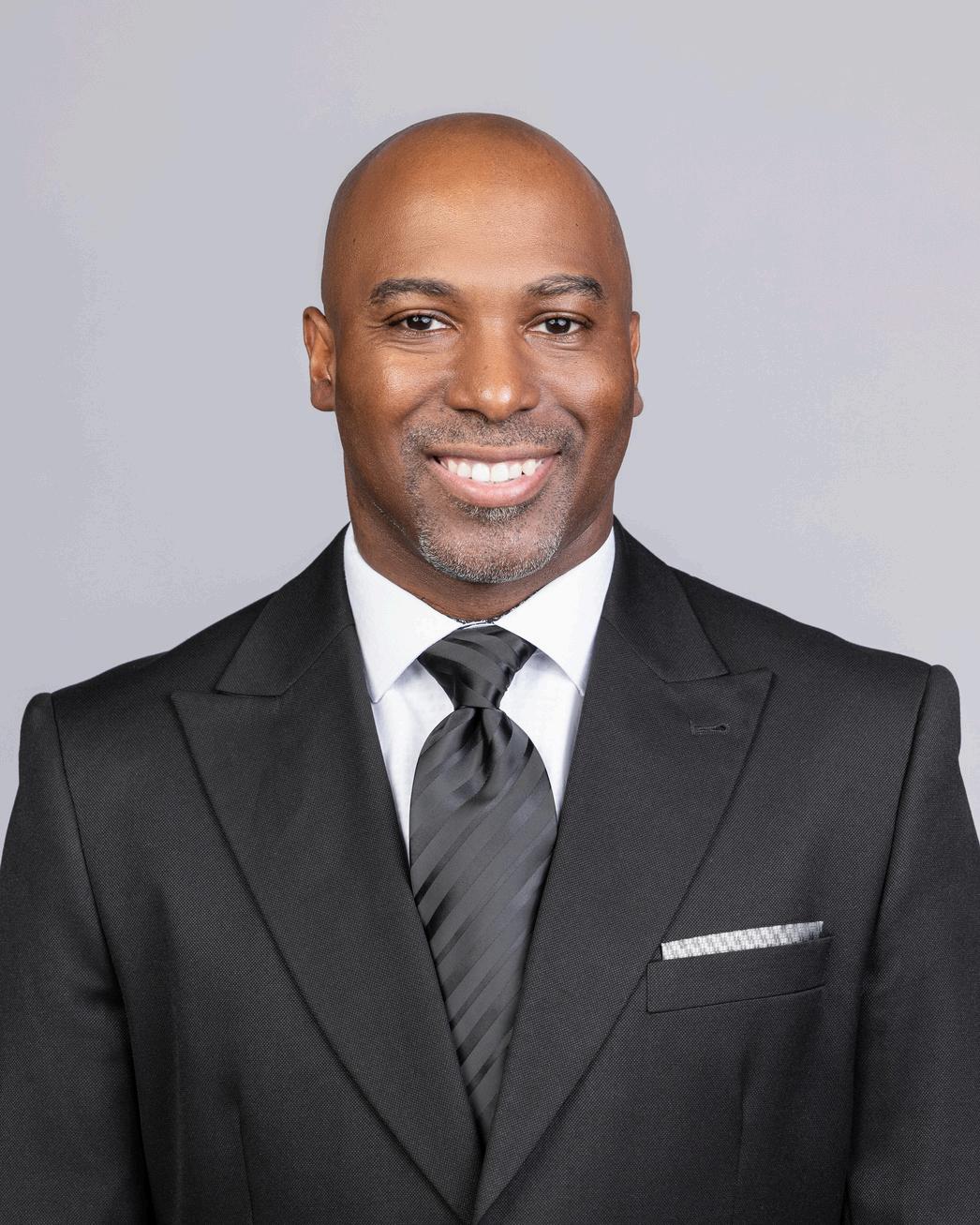
Margie Camp
Continued
Servinganorganizationthatmatterstoyoudoesnotalwaysmeansteppingintothepresidencyorchairing a major conference. More often, service begins in quieter ways: volunteering at registration, mentoring a youngteacher,servingonacommittee,writingforanewsletter,welcomingfirst-timeattendees,orsimply showingupconsistently.
These acts of service are what keep our professional communities strong. Organizations do not thrive becauseoftitles.Theythrivebecausepeoplecareenoughtogivetheirtime,creativity,andheart.
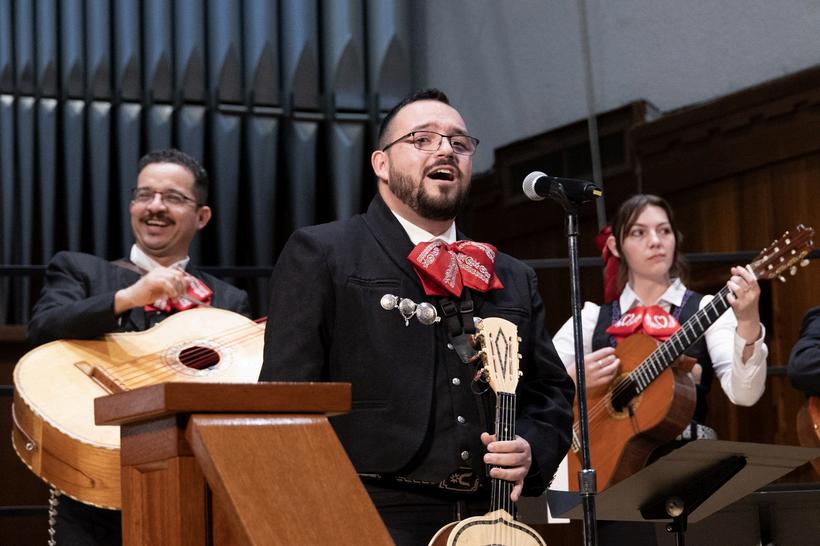
In March, the New Mexico Choral Directors Association proudly hosted the Southwestern Regional Conference in Albuquerque, marking a historic first for our state. This landmark event served as both a celebrationofchoralexcellenceandapowerfulaffirmationofthevibrantandgrowingchoralcommunity acrossourregion.
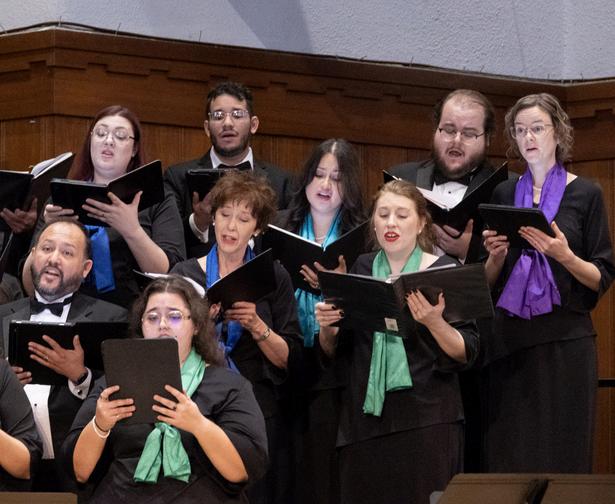
Choral educators, conductors, and musicians from across the region gathered for several days of professionallearning,artisticexchange,andmeaningfulconnection.Theconferenceofferedaricharrayof sessions addressing both the artistry and pedagogy of choral music, including innovative rehearsal techniques,thoughtfulrepertoireselection,vocaldevelopment,andstrategiesforinspiringsingersatevery level.
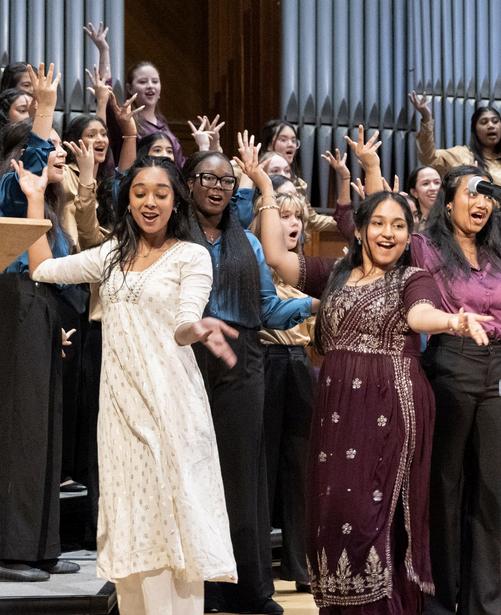
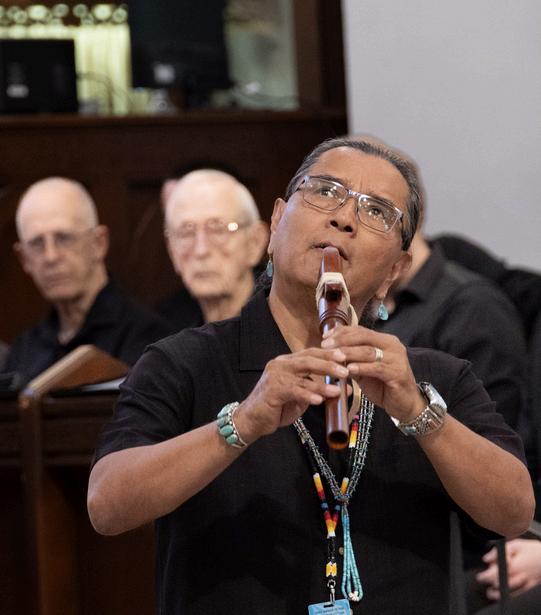
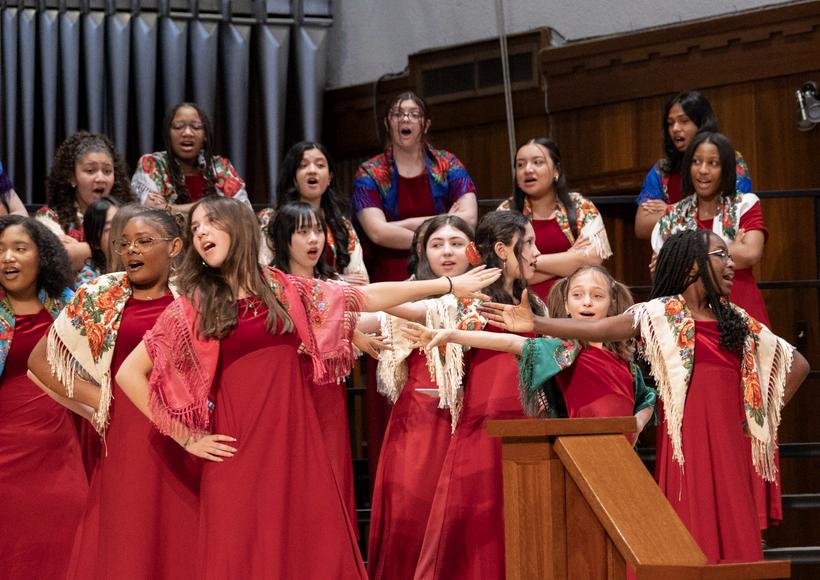
Performancesthroughouttheconferencewereaparticularhighlight,showcasingtheremarkabletalentand diversity of ensembles from across the region. These concerts not only reflected a high level of musical achievement, but also celebrated the transformative power of choral singing to unite individuals and communitiesthroughsharedartisticexpression.
Equally significant was the spirit of collaboration and collegiality that defined the event. Hosting the conference in Albuquerque provided a unique opportunity to spotlight New Mexico’s dynamic cultural landscapewhilefosteringconnectionsamongcolleaguesandfriends Theexchangeofideas,experiences, and perspectives created an atmosphere of energy and inspiration that extended well beyond the conferencesessions.
The success of this inaugural New Mexico-hosted Regional Conference is a testament to the dedication, vision, and generosity of the many individuals who contributed to its realization. From the planning committee and volunteers to the clinicians and performers, each played a vital role in creating an event thatwasbothseamlessanddeeplyimpactful.
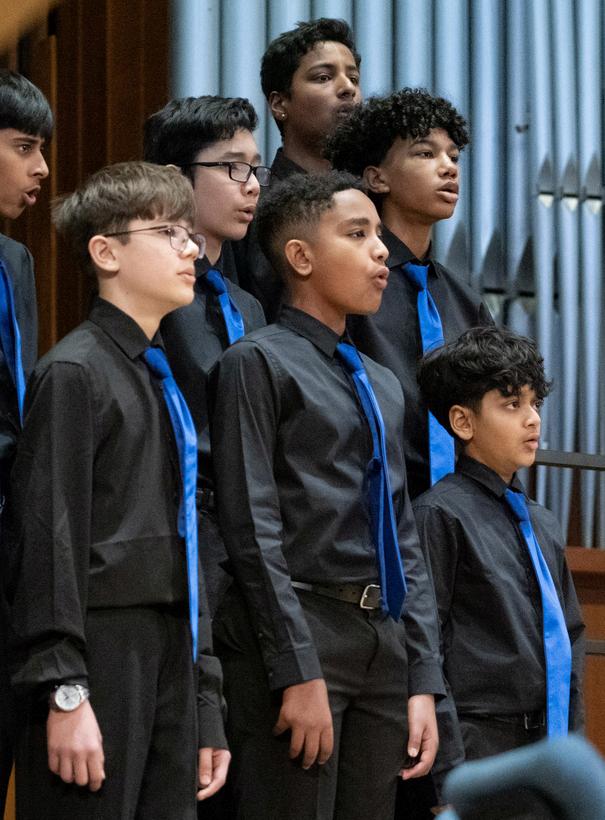
ThereissomethinguniquelypowerfulaboutaroomfullofTenorsandBasseswhochoosetosing together. Inaworldthattoooftentellsyoungsingersthatvulnerabilityisweaknessandthatartis someoneelse's domain, the tenor bass choir stands as a quiet act of defiance, a space where community, beauty, and discipline converge. It is a community in formation, a culture being written in real time, and one of the mostfertilegroundsforstudent-focusedleadershipinallofchoral music.
But culture does not build itself.What transforms a collection of voices into something singers carry for the rest of their lives is vision, and more specifically, how that vision is held and communicated. The director's posture toward the singers in the room shapes everything: what gets rehearsed, what gets celebrated,whostays,andwhattheensembleultimatelybecomes.
This is the conversation that The Devil Wears Prada invites us into Miranda Priestly builds something undeniablyexcellent Runwayisthepinnacleofitsindustry Andyetsomethingessentialismissing from thecultureshecreates,somethingeverytenorbasschoirdirectorwoulddowelltonameand consciously choosetododifferently Thequestionthisarticleposesisnotwhethertopursue excellence,butratherhow thatexcellenceiscultivatedandwhosegrowthitultimatelyserves.
BuildingSomethingGreat:TheRunwayModelofExcellence
Miranda Priestly does not apologize for her standards. In one of the film's most instructive scenes, she traces the cerulean blue of Andy's discount sweater through years of high fashion editorial decisions, arriving at the conclusion that even Andy's casual clothing choices were shaped by Miranda's vision.The point is not that Miranda is cruel. The point is that she is right. Details matter. Taste is cultivated. Excellenceistheresultofthousandsofintentionaldecisionsmadebysomeone whocaresdeeplyenough tomakethem.
Every tenor bass choir director who has agonized over a tempo marking, a vowel shape, or a concert programorderunderstandsMiranda'sconviction Inthissense,sheisnotentirelyacautionarytale
Tenor/BassChoirs
ReginalWright,Chair
Shemodelswhatitlooksliketoholdavisionwithabsoluteclarity.Buthereiswherehermodel beginsto fail. Miranda's staff is prepared out of fear. Preparation driven by fear produces compliance. Preparation driven by genuine investment in a shared vision produces ownership. In a tenor bass ensemble, where participationisoftenvoluntaryatbest,ownershipisnotaluxury Itisa necessity
TheSingerWhoIsStillBecoming
Beforeatenorbasschoircanpursueexcellence,itmustfirstmakeroomforthesingerwhoisnot yetsure they belong in the room. The 9th or 10th grade choir member occupies a singular and often precarious place in the ensemble. Their voice may still be settling, their sight-reading tentative, their confidence fragile,theirself-imageuncertain.MirandaPriestlywouldhavenopatienceforthis singer.Herworldhas nocategoryforpotential,onlyforperformance.
The tenor bass choir director who leads with a student-focused vision sees something entirely different when that young singer walks through the rehearsal room door.They see the section leader of the senior yearandquitepossiblythepersonwhowillonedaydirectachoiroftheirown.Atenor bassprogrambuilt only for singers who arrive already polished has decided its culture does not need to grow. The director whoinvestsinthe9thgrader,whocallsthembynameandfindsthemoment tosay'Ihearyouimproving,' isbuildingsomethingnofestivaltrophycanfullymeasure.
TheCostofLeadingWithoutRelationship
One of the most telling details in The Devil Wears Prada is that Miranda consistently calls both of her assistants 'Emily,' regardless of who is standing in front of her It is not an accident It is a statement Namesarepersonal Withholdingthemisaformofpower
Knowing a singer's name is the most basic unit of relationship, and relationship is the foundation upon which everything else is built. When singers feel unseen, they do not always say so. In a tenor bass ensemble especially, singers are far more likely to quietly disengage than to name what is missing. Miranda'sRunwayalsoshowswhathappenswhenloyaltygoesunrewarded.Whendirectors consistently prioritizetheensemble'spublicperformanceovertheprivategrowthofindividual singers,themessageis receivedclearlyevenwhenitisneverspoken:theprogrammatters,andyouaretheprogram'sinstrument.
The antidote is not softening standards. It is maintaining high standards within a framework of genuine care. Call singers by name. Notice improvement and say so, publicly and privately. Make clear that the vision exists to serve their growth. That shift in posture does not cost a director anything in terms of excellence,butitchangeseverythingintermsofwhostays,whorecruitstheirfriends,andwhatsingerssay abouttheprogramlongaftertheyhavegraduated
Tenor/BassChoirs ReginalWright,Chair
LeadingSoTheyStay,Grow,andReturn
ThefinalimageofMirandaPriestlyisawomanaloneinthebackofacar,smilingtoherself.Shehas won. Runway is thriving And she is completely alone Everyone who had the potential to truly know her has eitherleftorbeensacrificed Themagazineendures Therelationshipsdonot
Thetenorbasschoirdirectorstandsatthissamecrossroadseveryseason Aprogramcanbebuilton fear andtherelentlessprioritizationofperformanceoutcomes,anditmayevenwin Butifthe9th gradernever feltseen,iftheseniorleftwithoutfeelingtheirfouryearsmattered,thensomething essentialhasbeenlost thatnoratingcanreplace.
Thetenorbasschoirisoneofthegreatgiftsofchoralmusiceducation,aspacewhereTenorsand Basses, from the uncertain 9th grader to the seasoned senior, can discover what their voices are capable of and whatitmeanstobepartofsomethinglargerthanthemselves.MirandaPriestlybuilta magazine.Thebest tenor bass choir directors build something far more lasting. They build singers who carry the music, the community,andthelessonsoftherehearsalroomwiththemfortherestof theirlives.Thatistheculture worthbuilding.Thatisthevisionworthholding.Andthatisthe leadershipthetenorbasschoir,andevery singerinit,deserves
● Visibility within the choral community:Aperformanceatastate,regionalornationalconferenceisan immediatewaytobuildexcitementforthepiece.
● Create a project that is artistically meaningful and personally compelling:Ifyourvisionorsituationalignswith thecomposerʼsvalues,thensometimesthereismoreroomforconversation.
1. Consider the Composers You Love -Whenyoufindyoulovemanypiecesbythesamecomposer,itʼslikelyyou willlovesomethingtheycreateforyou.Itisalsoimportanttochooseacomposerthathasastylethataligns withyourvision whileyourfavoritecomposermaybeincredibleattheircraft,theirparticularstylemaynot lenditselftoacertaingenreoridea
2 Speak to Colleagues -Searchoutsomeonewhohasworkedwithacomposerandaskabouttheirexperiences Evaluateprofessionalismalongsideartistry;somecomposersarebrilliantmusicallybutunorganized. Commissioningisarelationship,andyouwillwanttofindapersonwithwhomyoucancollaborateand dependontomeetdeadlines.Thelevelofcollaborationandstudent/singerinvolvementdesiredisalso importanttoconsider;knowwhereintherangeyouʼrehopingforandaskquestionstolearnmoreabouta composerʼsstyleinthisregard.
3. Match Composing Experience to Your Ensemble -Agelevel,voicing,singingexperience/level,numberofsingers, etc.
Youhavereceivedthe(almost)finaldraft.Keepinmindthatthisisamomentofvulnerabilityforthecomposer make sureyousendanemailthankingthemshortlyafterreceivingit.Feedbackisappropriateandshouldbecentered mainlyonperformability,range,balance,texture,clarityorotherpracticaladjustmentsfortheensemble.