

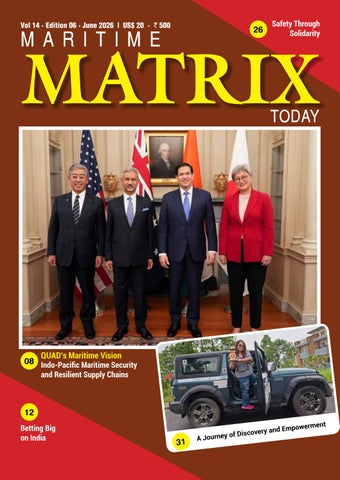
Indo-Pacific Maritime Security and Resilient Supply Chains
08 10 26 24 12 31 14 34 36 40 17
Disclaimer
Andhra Pradesh Emerges as the New Maritime Growth Engine
Betting Big on India
Prime Minister Modi’s Five-Nation Tour and the Emerging Future of Logistics and Maritime Trade Inclusive Leadership Gains Momentum
Strokes and Stories: Special Art Initiative Inspires at WIMCA 2026
Safety Through Solidarity
A Journey of Discovery and Empowerment
Smarter Documentation for Global Shipping
VANGUARD: Redefining the Horizon for Women in Maritime
AMET-IST Passing Out Parade 2026 Celebrating the Next Generation of Maritime Leaders
All advertisements in this magazine are placed with no liability accepted by the publisher for the material content therein. No responsibility is accepted by the publisher for omission or error or non-insertion of any advertisements. All advertisements and material in this magazine are subjected to approval by the publisher and are not necessary the opinion of the publisher. No liability is accepted for advertisements that are placed or any information that might be criminally connected. All information is checked to the best of our knowledge and is reliant upon the material submitted not being in contravention of all relevant laws and regulations and within the provisions of the Trade Practices Act.
Reproduction Prohibited
Maritime Matrix Today will not be responsible for the views expressed by contributors in their personal capacity. All rights reserved. Reproduction in part or whole without the permission of the Editor is prohibited.
Readers are recommended
To make appropriate enquiries before sending money, incurring expenses or entering into any commitment in relation to any advertisement published in this publication. Maritime Matrix Today does not vouch for any claims made by the Advertisers of Products and Services. The Printer, Publisher, Editor and Owner of Maritime Matrix Today shall not be held liable for any consequences, in the event such claims are not honoured by the Advertisers.
RNI: MAHENG/2013/50159
Published by Marex Media Pvt Ltd C-209, Morya House, New Link Road, Andheri West, Mumbai 400058
Email: info@marexmedia.com
Printed by Young Graphics Printed at Young Graphics, 208 Shankala Industrial Premises, Gogatewadi, Goregaon(E), Mumbai-400 063
• Seaspan technology continues to be a leader in the industry, setting high environmental goals
• Our fleet of Dual Fuel Vessels with Membrane & Type B Tanks sets us up for a strong future
• MAN ‘ME-GI Mark 2’ Main engines, a step further than present generation of main engines
• The ‘EGR (Exhaust Gas Recirculation)’ as well as ‘SCR (Selective Catalytic Reactors)” as means to bring down NOx emissions to Tier III levels
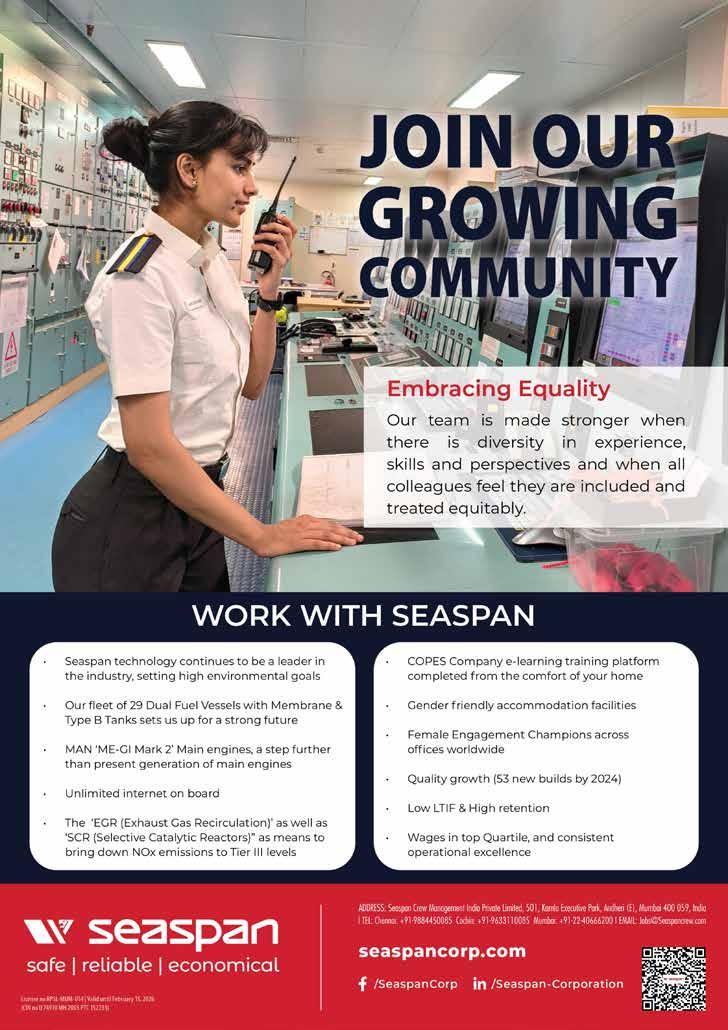
• COPES Company e-learning training platform completed from the comfort of your home
• Gender friendly accommodation facilities
• Female Engagement Champions across offices worldwide
• Quality growth
• Low LTIF & High retention
• Wages in top Quartile, and consistent operational excellence

The maritime industry has always been a catalyst for global progress, connecting nations, facilitating trade, and supporting economic growth. Today, however, the sector finds itself navigating an era of unprecedented transformation.
Our cover story examines the growing significance of the IndoPacific region, where maritime security and resilient supply chains have become critical to global stability and commerce. As nations strengthen strategic partnerships and invest in maritime infrastructure, the region continues to emerge as a focal point of economic and geopolitical importance.
India, too, is positioning itself as a major maritime force. The emergence of Andhra Pradesh as a new maritime growth engine reflects the country’s commitment to expanding port infrastructure, industrial corridors, and logistics capabilities. Complementing this development is our feature on Prime Minister Narendra Modi’s five-nation tour, which highlights the growing opportunities for international cooperation in logistics, shipping, and maritime trade. Together, these stories underscore India’s ambition to become a leading player in the global maritime ecosystem.
This commitment to inclusion is reflected in the Marex Maritime Women Empowerment Awards (MMWA) 2026, which celebrates women who continue to break barriers and make significant contributions across the maritime sector. Their achievements serve as powerful reminders that diversity is not simply an aspiration but a key driver of excellence and progress.
The theme of empowerment continues through inspiring stories such as Woman on a Mission, which showcases determination, perseverance, and the ability to overcome challenges. Equally compelling is Safety Through Solidarity, which emphasizes the importance of collective responsibility and mutual support in creating safer and more productive maritime workplaces.
Creativity and human expression also find a place in this edition through Strokes and Stories, a special art initiative
presented at WIMCA 2026. The project demonstrates that maritime professionals are not defined solely by their technical expertise but also by their creativity, experiences, and unique perspectives.
As shipping embraces digital transformation, efficiency and transparency have become vital. Our article on smarter documentation for global shipping explores how technology is streamlining processes, reducing administrative burdens, and enhancing operational effectiveness. These innovations are helping the industry become more agile, connected, and future-ready.
We also feature VANGUARD, an initiative dedicated to redefining opportunities for women in maritime. Through mentorship, networking, and professional development, programs such as these are helping build a more inclusive talent pipeline and ensuring that the next generation of maritime leaders reflects the diversity of the global workforce.
Finally, we celebrate the AMET-IST Passing Out Parade 2026, marking the graduation of a new generation of maritime professionals. As these young men and women embark on their careers, they carry with them the knowledge, skills, and aspirations that will shape the future of the industry.
The stories in this edition collectively highlight a simple yet powerful truth: the future of maritime depends not only on ships, ports, and technology but on people. It is built by leaders who inspire, innovators who challenge conventions, professionals who uphold excellence, and communities that support one another.
As you turn these pages, we hope you find inspiration in the achievements, insights, and opportunities presented here. Together, let us continue to navigate change, embrace innovation, and build a maritime industry that is stronger, smarter, and more inclusive for generations to come.
- Kamal Chadha
Kamal Chadha Group CEO kamal@marexmedia.com
Shirish Kirtane
HOD Graphics shirish@marexmedia.com
Radhika Vakharia CEO & Editor radhika@marexmedia.com
Santosh Nivalkar Sr. Graphic Designer santosh@marexmedia.com
Delphine Estibeiro Editorial Coordinator delphine@marexmedia.com
Manish Malve Graphic Designer manish@marexmedia.com
Jagdamba Pandey Manager, Business and Promotion jagdamba@marexmedia.com
Bhavna Pimpale Coordinator bhavna@marexmedia.com
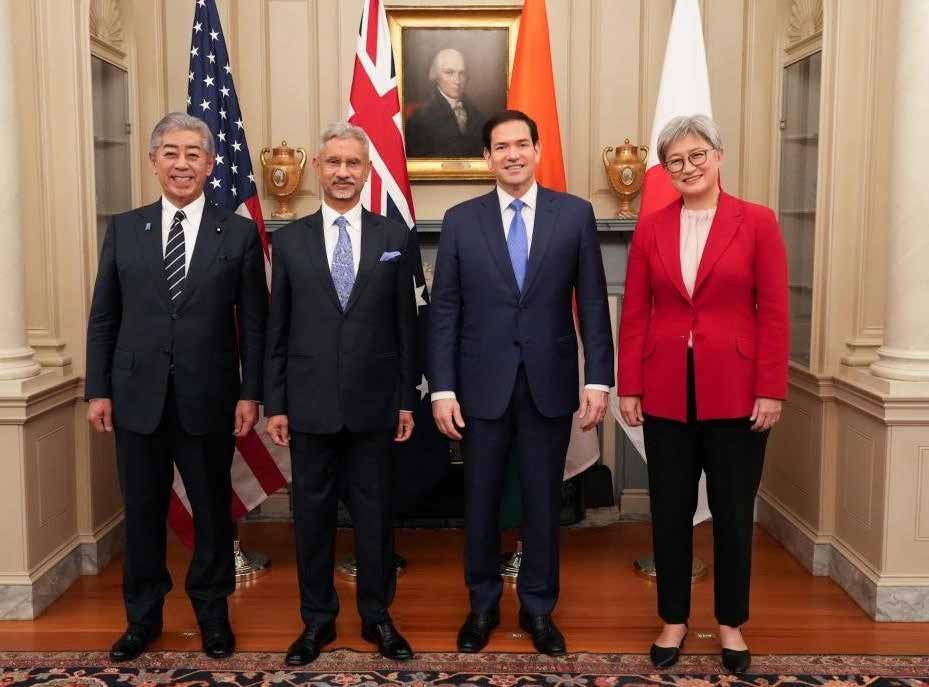
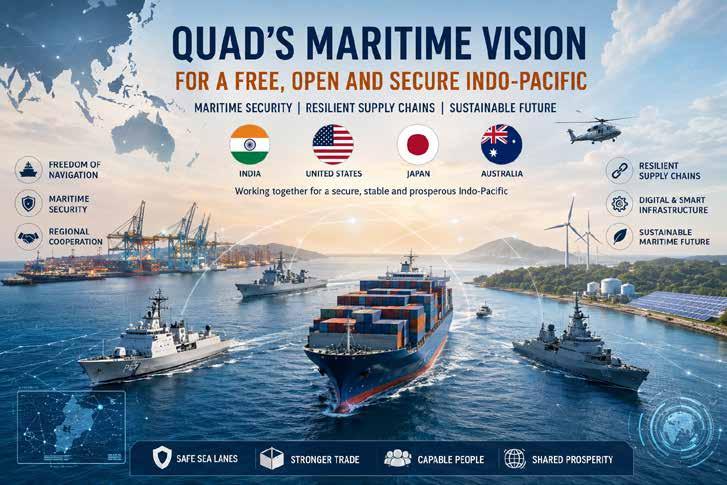
The Indo-Pacific region has emerged as the world’s most strategically significant maritime corridor, carrying nearly 60 percent of global trade and serving as the backbone of international energy, cargo, and logistics movement. In recent statements during the Quad Foreign Ministers’ Meeting, India’s External Affairs Minister Dr. S. Jaishankar reaffirmed the importance of maintaining a “Free and Open IndoPacific,” while highlighting maritime security and resilient supply chains as central pillars of regional cooperation.
The Quad — comprising India, the United States, Japan, and Australia — has steadily evolved from a diplomatic grouping into a strategic maritime partnership focused on safeguarding the Indo-Pacific. The maritime dimension of the Quad is particularly important because the region encompasses some of the world’s busiest sea lanes, including the Strait of Malacca, the South China Sea, and the Indian Ocean shipping routes. Any disruption in these waters has immediate implications for global trade, shipping schedules, energy security, and supply chain continuity.
For the maritime industry, the emphasis on a “Free and Open Indo-Pacific” signals a commitment toward freedom of navigation, adherence to international maritime law, and secure shipping operations. Commercial shipping depends heavily on predictable and safe sea routes. Rising geopolitical tensions, piracy threats, illegal fishing activities, cyberattacks on maritime infrastructure, and regional conflicts have collectively increased operational risks for shipping companies and port operators. The Quad nations recognize that maritime security is no longer solely a naval concern; it has become a critical economic necessity.
India’s role within this maritime framework has become increasingly significant. Positioned strategically in the Indian Ocean Region (IOR), India serves as a natural maritime bridge connecting the Middle East, Africa, Southeast Asia, and East Asia. Indian ports are witnessing rapid modernization, coastal infrastructure is expanding, and investments in shipbuilding and logistics corridors are accelerating under national initiatives such as Sagarmala and Maritime India Vision 2030.
The Indian government’s growing focus on maritime diplomacy is also reshaping regional engagement. Joint naval exercises such as Malabar, conducted by Quad nations, demonstrate operational coordination and collective preparedness to ensure stability across the Indo-Pacific. These exercises improve interoperability among navies while also sending a strong message about maintaining lawful maritime order.
However, maritime security extends beyond naval patrols and military presence. One of the most important themes emerging from recent Quad discussions is the need for resilient supply chains.
Today, resilience has become the defining word in international logistics planning. Maritime nations are now focusing on diversification of supply routes, digitalization of logistics systems, and strengthening regional manufacturing ecosystems. The Quad’s emphasis on resilient supply chains seeks to reduce overdependence on single production hubs while improving the reliability of critical trade networks.
For the maritime sector, this shift presents both opportunities and responsibilities. Ports are increasingly adopting smart technologies, artificial intelligence-driven cargo management systems, blockchain-enabled documentation, and cybersecurity frameworks to improve efficiency and minimize disruptions. Green shipping initiatives and sustainable maritime infrastructure are also becoming part of broader resilience strategies,
India’s emergence as a logistics and maritime hub fits well within this evolving landscape. Dedicated freight corridors, multimodal transport systems, port-led industrialization, and improved inland connectivity are positioning India as a crucial
player in regional supply chain integration. The development of transshipment hubs and investments in coastal shipping can further strengthen India’s competitiveness in global maritime trade.
Another important aspect of Indo-Pacific maritime cooperation is the human element. Seafarers remain at the heart of global shipping operations. During recent years, the maritime industry witnessed severe challenges related to crew welfare, mental health, and operational fatigue due to prolonged disruptions. As maritime trade expands and geopolitical complexities increase, there is also a growing need to prioritize the wellbeing, training, and preparedness of maritime professionals.
Maritime education and training institutions therefore have an important role to play in preparing future seafarers and maritime leaders for a rapidly changing operating environment. Beyond technical competence, future maritime professionals will require skills in crisis management, cybersecurity awareness, environmental compliance, and multicultural collaboration. The Indo-Pacific maritime vision ultimately depends not only on ships and ports, but also on capable and resilient human resources.
Environmental sustainability is another dimension influencing Indo-Pacific maritime policies. Climate change, rising sea levels, and extreme weather events pose serious threats to ports,
coastal infrastructure, and shipping operations. Maritime resilience today includes climate resilience. The Quad nations are increasingly discussing clean energy transitions, sustainable shipping practices, and disaster response cooperation as part of broader regional stability efforts.
The Indo-Pacific will continue to shape the future of maritime trade, geopolitics, and economic growth in the coming decades. The Quad’s renewed focus on maritime security and resilient supply chains reflects a recognition that stability at sea is directly connected to prosperity on land. For the global maritime community, these developments are highly relevant and signal the emergence of a more collaborative and strategically integrated maritime order.
As India strengthens its maritime capabilities and expands its regional partnerships, the country is steadily positioning itself as a leading force in shaping the future of the Indo-Pacific. The coming years will determine how effectively nations can balance security, economic cooperation, sustainability, and technological advancement to build a maritime ecosystem that remains secure, inclusive, and resilient for generations to come.
-MMT
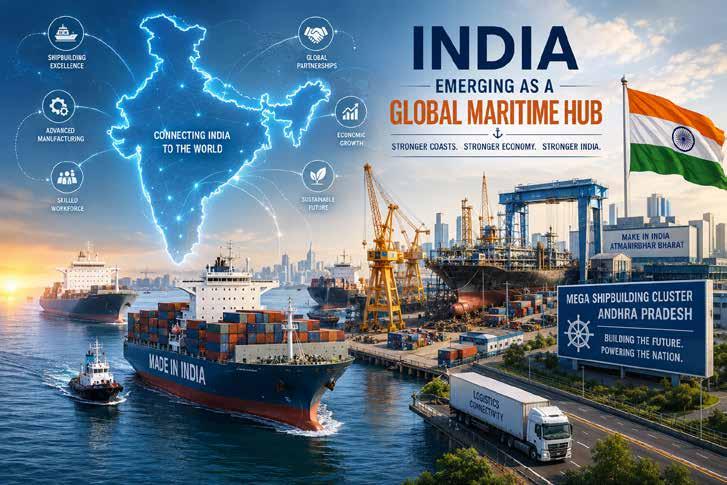
India is preparing to take a giant leap in the global maritime industry with the proposed development of a ₹30,000 crore mega shipbuilding cluster in Andhra Pradesh. The ambitious project, highlighted recently by Union Minister for Ports, Shipping and Waterways Sarbananda Sonowal, reflects the country’s strategic vision to strengthen its maritime infrastructure, expand domestic shipbuilding capabilities, and increase the fleet size of India-flagged vessels.
The proposed shipbuilding cluster is expected to become one of the largest maritime industrial ecosystems in the country and could transform Andhra Pradesh into a key global shipbuilding and logistics destination. At a time when international shipping routes are facing disruptions and global supply chains are being restructured, India’s decision to invest heavily in shipbuilding and inland waterways is both timely and visionary.
Strengthening India’s Maritime Identity
India has historically been a maritime nation with a rich seafaring heritage. However, despite its strategic coastline and growing trade volumes, the country has remained heavily
dependent on foreign-built vessels for shipping and cargo transportation. The new mega shipbuilding cluster aims to reverse this trend by encouraging indigenous ship construction, repair, and maintenance capabilities.
According to reports, the Centre is likely to provide in-principle approval for the Andhra Pradesh project this month. The cluster is expected to significantly increase India’s shipbuilding capacity and create a strong ecosystem for shipyards, ancillary industries, logistics providers, and maritime technology firms.
The project aligns closely with the Government of India’s broader initiatives such as “Make in India,” “Sagarmala,” and the push for Atmanirbhar Bharat (self-reliant India). By building vessels domestically, India can reduce dependency on international shipyards, generate employment, and strengthen national maritime security.
Andhra Pradesh: The Emerging Maritime Hub
Andhra Pradesh has rapidly emerged as a preferred destination for maritime and industrial investments due to its long
coastline, strategic ports, connectivity infrastructure, and investor-friendly policies. The proposed mega cluster in Dugarajapatnam is being envisioned as India’s first large-scale integrated shipbuilding hub with an estimated capacity of 1.2 million gross tonnage.
The state’s location on the eastern coast offers direct access to important international shipping lanes and enhances trade connectivity with Southeast Asia and global markets. The development of the cluster is also expected to attract foreign direct investment, advanced shipbuilding technologies, and collaborations with international maritime companies.
The initiative will further complement the state’s port-led development strategy and contribute to regional economic growth through employment generation, infrastructure development, and industrial expansion.
One of the key objectives behind the project is to increase the number of India-flagged vessels. Currently, a large portion of India’s cargo is transported by foreign vessels, resulting in massive foreign exchange outflow. Expanding the Indian fleet will improve cargo retention, enhance maritime trade resilience, and create opportunities for Indian seafarers.
Minister Sonowal emphasized the need to strengthen India’s shipping fleet amid ongoing geopolitical tensions and disruptions in global shipping routes, including concerns surrounding the Strait of Hormuz. Such developments have highlighted the importance of having a robust national fleet capable of ensuring uninterrupted trade and cargo movement.
India has reportedly aggregated demand for hundreds of vessels worth over ₹2 lakh crore, indicating strong market potential for domestic shipbuilders. This demand includes cargo ships, tankers, inland waterway vessels, and specialized marine support vessels.
Alongside shipbuilding, the government is also accelerating inland waterway projects and port expansion initiatives across the country. Projects in West Bengal and Assam are expected to gain momentum, improving multimodal connectivity and cargo transportation efficiency.
The development of inland waterways offers multiple benefits including lower logistics costs, reduced road congestion, fuel efficiency, and environmentally sustainable transport solutions. Enhanced river navigation systems can also support regional trade and tourism while creating additional opportunities for coastal and inland communities.
The integration of shipbuilding, ports, logistics, and inland waterways reflects a comprehensive maritime development strategy designed to position India among the leading global maritime economies.
The mega shipbuilding cluster is expected to create thousands of direct and indirect jobs across multiple sectors. Employment opportunities will arise not only for engineers, naval architects, welders, technicians, and logistics professionals but also for seafarers, port workers, and maritime service providers.
Educational institutions and maritime universities are also likely to benefit through increased demand for specialized maritime training programs. The project could encourage greater industry-academia collaboration, innovation, and skill development in advanced shipbuilding technologies, marine engineering, and sustainable shipping practices.
For India’s seafaring community, the expansion of the national fleet could result in greater employment opportunities aboard Indian vessels, improved career prospects, and enhanced welfare support.
Global shipping is gradually transitioning toward greener and more sustainable operations. India’s new shipbuilding initiative presents an opportunity to incorporate environmentally friendly technologies such as LNG-powered vessels, hybrid propulsion systems, and energy-efficient ship designs from the outset.
Sustainability will play a crucial role in ensuring long-term competitiveness in the global maritime industry. Modern shipyards with advanced automation, digital shipbuilding systems, and green manufacturing practices can help India become a preferred destination for future-ready vessels.
Additionally, domestic shipbuilding can contribute to national resilience during times of international crises by ensuring quicker vessel availability for trade, defense, and emergency operations.
The proposed ₹30,000 crore mega shipbuilding cluster represents far more than an industrial project—it symbolizes India’s growing maritime ambitions and determination to emerge as a major global shipping power. By investing in indigenous shipbuilding, strengthening inland waterways, and expanding port infrastructure, India is laying the foundation for a stronger and more self-reliant maritime economy.
If implemented successfully, the Andhra Pradesh mega shipbuilding hub could transform the country’s shipping landscape, boost exports, generate employment, and position India as a leading player in global maritime trade and logistics.
As the world looks toward resilient and diversified supply chains, India’s maritime sector is poised to become one of the strongest pillars of national economic growth in the coming decades.
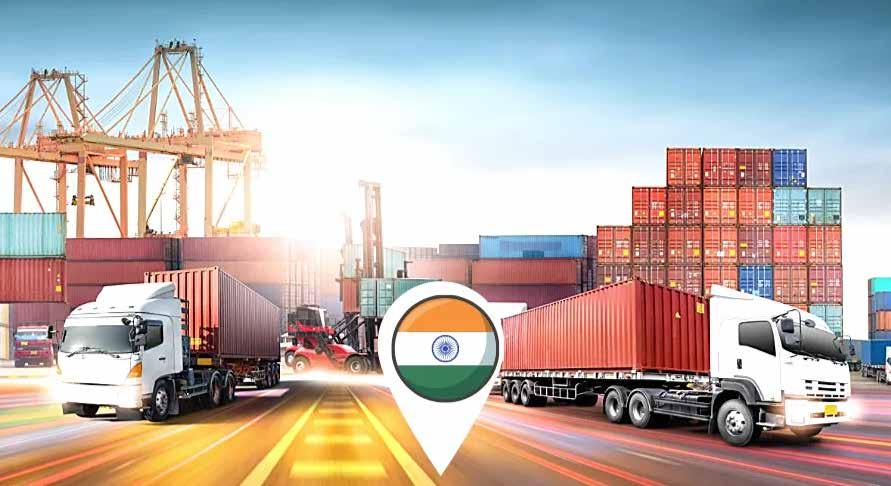
TheIndian Logistics Transformation: Why Kuehne+Nagel is Doubling Down on the Subcontinent
In an era defined by global geopolitical volatility, shifting trade lanes, and a collective corporate push toward supply chain resilience, global logistics powerhouses are radically re-evaluating their footprints. Among them, Switzerlandheadquartered Kuehne+Nagel—a global leader in sea and air freight forwarding and contract logistics—has made its strategic intentions clear: it is betting big on India.
According to Eduardo Razuck, Executive Vice PresidentContract Logistics and Member of the Management Board at Kuehne+Nagel, India is no longer just an emerging market; it has matured into one of the world’s most vital supply chain and logistics hubs. To back this conviction with actionable capital, the logistics major announced an ambitious blueprint to double its warehousing capacity in India by 2030.
This strategic pivot underscores a profound shift in global commerce. As multinational corporations increasingly look to insulate themselves from single-source vulnerabilities—often termed the “China-plus-one” strategy—India has positioned itself as the premier beneficiary. By aligning its corporate strategy with India’s structural reforms, macroeconomic momentum, and technological adoption, Kuehne+Nagel is
The Macro Catalyst: Policy Reforms Driving Efficiency
Historically, India’s logistics landscape was fragmented, bogged down by bureaucratic bottlenecks, interstate tax complexities, and infrastructure deficits that pushed logistics costs to a staggering 14-15% of GDP. However, a decade of coordinated regulatory and infrastructural overhaul has structurally transformed the operating environment.
Several milestone government initiatives that have fundamentally reshaped how a global logistics company can operate within the subcontinent:
1. The Goods and Services Tax (GST): Prior to GST, corporate supply chain models in India were dictated by tax avoidance rather than operational efficiency. Companies were forced to maintain small, inefficient warehouses across multiple states simply to mitigate state-specific cascading taxes. The implementation of GST completely dissolved these state borders for goods. It allowed businesses to redesign their supply chains systematically, consolidate fragmented inventories into mega-fulfillment centers, optimize distribution networks, and drastically cut carrying costs.
The NLP, paired with the PM Gati Shakti National Master Plan, addresses the long-standing challenge of siloed infrastructure planning. By integrating multimodal transport—road, rail, air, and ports—under a single digital framework, the government has begun eliminating critical first-and-last-mile inefficiencies. Infrastructure projects like the Sagarmala (port-led development) and Dedicated Freight Corridors (DFCs) are enabling logistics providers to move heavier volumes at faster speeds, aiming to bring down national logistics costs closer to the 8% benchmark seen in developed economies.
For Kuehne+Nagel, these reforms mean that investing heavily in Indian infrastructure is no longer a high-risk gamble, but an operational necessity to serve a more integrated, friction-free domestic market.
India’s evolution is twofold: it is simultaneously transforming into a massive domestic consumer market and a global export powerhouse. This dual nature is attracting historic levels of foreign direct investment (FDI) across sophisticated manufacturing verticals.Global brands from North America and Europe are aggressively diversifying their manufacturing bases. Sectors such as electronics (including high-profile smartphone manufacturing), automotive components, renewable energy technology, contract aerospace, defense, and specialized pharmaceuticals are scaling rapidly across India. Regions like Telangana, Karnataka, Tamil Nadu, and industrial clusters around the National Capital Region (NCR) are morphing into high-tech manufacturing ecosystems.
“We are seeing India evolve not only as a domestic consumption market but also as a regional manufacturing and distribution hub,” Razuck observed. As these global corporations set up factories in India, they require sophisticated, end-to-end thirdparty logistics (3PL) partners capable of managing everything from the inbound movement of raw components to outbound global distribution. Kuehne+Nagel’s global network, spanning over 100 destinations, allows it to act as the bridge linking Indian factories directly to retail shelves in New York, London, or Tokyo.
To handle the immense scale and inherent complexity of a rapidly growing subcontinent, Kuehne+Nagel isn’t just adding real estate; it is embedding advanced technology into the bedrock of its Indian operations. The company has invested heavily in digital supply chain architectures, automated fulfillment systems, and centralized Control Towers.These integrated technology platforms act as the “brain” of the logistics network. Operating with real-time data feeds, AIdriven predictive analytics, and end-to-end visibility software,
these control towers allow Kuehne+Nagel to monitor shipment lifecycles across air, sea, and land seamlessly. In a world plagued by sudden disruptions—whether climate-induced shipping delays or sudden geopolitical border closures—the ability to proactively reroute cargo, optimize inventory placements, and provide customers with precise arrival metrics is an invaluable competitive advantage.
By centering a significant portion of its global digital and IT capabilities within India’s tech-rich hubs (like Bengaluru and Hyderabad), Kuehne+Nagel leverages local software engineering talent to build solutions that improve operational resilience not just domestically, but across its entire worldwide network.
The decision to double its warehousing footprint by 2030 reflects a long-term commitment to capturing high-value contract logistics. Contract logistics—which involves specialized warehousing, kitting, packaging, and sophisticated inventory management—requires deeper integration with client operations than traditional freight forwarding. As Kuehne+Nagel expands its physical footprint into Tier-2 and Tier-3 cities to keep pace with India’s urbanizing population and rural market penetration, two key pillars guide its expansion:
• Sustainability: Modern global enterprises demand that their logistics partners adhere to strict Environmental, Social, and Governance (ESG) standards. Kuehne+Nagel has aligned its Indian operations with its global target of transitioning to green energy sources. From constructing eco-efficient warehouses utilizing solar self-generation to exploring sustainable alternative fuels for overland transport, the company is ensuring that its aggressive growth does not compromise its decarbonization goals.
• Talent Development: Managing automated megawarehouses and complex digital control towers requires a highly skilled workforce. India’s uniquely young demographic dividend provides an adaptive, tech-literate labor pool. Kuehne+Nagel is investing heavily in local training programs, upskilling workers in automation, warehouse management systems (WMS), and data analytics to sustain its high operational standards.
By combining massive infrastructure expansion with advanced digital tools and sustainability, Kuehne+Nagel is not just betting on India’s growth—it is actively building the infrastructure required to enable it. As India continues its steady march toward becoming the world’s third-largest economy by the turn of the decade, the partnership between public policy and global logistics majors like Kuehne+Nagel ensures that the country’s supply chain ambitions are well on their way to realization.
- MMT
Prime Minister Narendra Modi’s recent five-nation diplomatic tour covering the UAE, the Netherlands, Sweden, Norway and Italy has attracted significant international attention for its focus on trade expansion, technological collaboration, strategic partnerships and investment opportunities. Diplomatic visits of this scale are often evaluated in terms of political messaging, bilateral agreements and economic commitments. However, beneath the visible outcomes of state visits and policy announcements lies a deeper narrative that could significantly influence the future of logistics and maritime industries. While such sectors may not immediately appear central to diplomatic discourse, history repeatedly demonstrates that global shipping and logistics have always been among the first industries to experience the effects of changing geopolitical relationships.
Maritime trade and diplomacy have historically moved together as interconnected forces shaping economic progress. Ancient civilizations prospered because they developed maritime routes that enabled commerce, cultural exchange and economic cooperation. The maritime silk routes connected continents centuries before globalization became a modern concept. Even today, nearly ninety percent of global trade by volume is transported through maritime routes, making shipping and logistics the invisible foundation supporting the world economy. Therefore, when nations strengthen strategic ties, discuss trade partnerships or create new economic corridors, the eventual impact often manifests in ports, vessels, warehouses, logistics parks and supply-chain networks.
Viewed from this perspective, Prime Minister Modi’s recent tour can be understood as more than a diplomatic initiative; it represents India’s broader aspiration to establish itself as a central participant in emerging global trade and connectivity frameworks. India is no longer simply aiming to be a manufacturing economy or a large consumer market. Increasingly, it seeks to become a critical logistics and connectivity hub linking Asia, the Middle East and Europe.
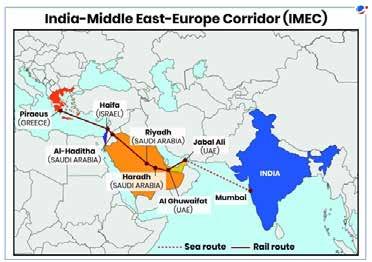
One of the most important discussions associated with the visit is the proposed India–Middle East–Europe Economic Corridor (IMEC). The corridor aims to create a strategic network integrating maritime transport, railway systems and logistics infrastructure to facilitate faster and more resilient movement of goods between India and Europe. In
The India–Middle East–Europe Economic Corridor (IMEC) is a proposed multinational connectivity initiative designed to link India with Europe through the Middle East using an integrated network of sea routes, rail corridors, ports, logistics hubs, energy infrastructure and digital connectivity systems. It was announced during the G20 Summit and is considered a strategic effort to create faster, more resilient and diversified trade routes.
an increasingly interconnected world where supply chains face growing uncertainty, such initiatives carry immense significance.
Prime Minister Narendra Modi’s recent visit to the United Arab Emirates marked another significant chapter in the steadily growing relationship between India and the UAE. Amid a period of geopolitical uncertainty and evolving global energy dynamics, the two nations signed a series of agreements focused on defence cooperation, strategic petroleum reserves and energy supply partnerships. The visit highlighted not only the depth of bilateral relations but also the increasing strategic importance of the India–UAE partnership in ensuring regional stability and economic resilience.
One of the major outcomes of the visit was the establishment of a stronger strategic defence framework between the two countries. The agreements focus on collaboration in defence manufacturing, innovation, advanced technologies, training, maritime security, cyber defence and secure communication systems. Such cooperation reflects a broader shift in international partnerships where security today extends beyond traditional military cooperation to include technology and information systems. Strengthening maritime security has become especially important considering growing concerns over regional stability and disruptions affecting key international trade routes.
Energy security emerged as another major pillar of discussion during the visit. India and the UAE signed agreements concerning strategic petroleum reserves and the supply of liquefied petroleum gas (LPG). These agreements assume greater significance at a time when global energy markets are facing volatility due to regional tensions and supply disruptions. India, being among the world’s largest energy consumers, continues to depend significantly on imported oil and gas. Strengthening ties with a reliable partner such as the UAE can provide a more stable and predictable energy supply framework.
The agreements also carry important implications for the logistics and maritime sectors. Increased energy cooperation could result in greater movement of crude oil, LNG and petrochemical cargo through maritime routes, creating stronger demand for tanker operations, port infrastructure and marine services. Maritime logistics systems, warehousing facilities and coastal transport networks may experience increased activity as trade volumes expand.
Such developments could also create opportunities across shipping, port management and supply-chain industries.
Beyond individual agreements, the visit reflected a larger strategic vision shared by both nations. India and the UAE increasingly view their relationship not merely as a trading partnership but as a comprehensive collaboration encompassing security, technology, infrastructure and longterm economic growth. As global trade networks continue evolving, partnerships such as these may play a critical role in shaping future connectivity and strengthening resilience in an increasingly uncertain international environment. The visit therefore represents not simply another diplomatic engagement, but a reaffirmation of two nations seeking to build a stronger and more integrated future together.
Traditional trade between Asia and Europe has historically relied heavily on established routes passing through the Suez Canal. For decades, this route represented one of the most efficient channels for international commerce. However, recent years exposed vulnerabilities within global supply systems. The pandemic disrupted manufacturing and shipping schedules worldwide. Port congestion created bottlenecks across major trade hubs. Geopolitical tensions and regional conflicts introduced further instability, causing delays and cost escalations. These experiences have highlighted an important lesson for modern logistics systems: excessive dependence on a single trade route can create significant risks.
As a result, nations and industries increasingly recognize the value of diversified and resilient supply corridors. IMEC therefore represents not merely another transportation project but a strategic effort to redesign connectivity itself. Should such initiatives progress successfully, Indian ports could witness increased cargo movement and greater integration into global trade networks.
The implications for India’s logistics landscape could be substantial. Increased trade volumes may require expanded port capacities and improved multimodal transportation systems connecting ports with rail and road networks. Warehousing infrastructure may need modernization to support larger cargo flows. Coastal shipping services could expand to accommodate changing freight patterns. Logistics parks and distribution centers may increasingly emerge around industrial and port regions.
More importantly, ports themselves are evolving beyond their traditional role as gateways for cargo handling. Around the world, ports increasingly function as economic ecosystems that generate employment, attract industries and facilitate value-added services. India’s participation in
emerging trade corridors may therefore strengthen not only shipping activity but also broader economic development.
The UAE segment of the Prime Minister’s visit also deserves particular attention from a maritime and logistics perspective. The UAE has long been among India’s most important economic partners, particularly in energy trade. India’s relationship with the Gulf region extends beyond diplomacy and commerce; it forms a critical component of India’s energy security framework.
Energy trade has direct implications for maritime activity because oil and gas movements generate extensive shipping demand. Crude oil carriers, LNG vessels, chemical tankers and associated marine logistics networks constitute a large segment of global shipping operations. Stronger partnerships in energy and petroleum sectors could therefore influence multiple dimensions of maritime activity.Greater cooperation could increase movement of crude oil, LNG and petrochemical cargoes between regions. Such developments may require expanded tanker operations, modernized port infrastructure and increased marine support services. Storage facilities, coastal logistics networks and transshipment capacities may also require enhancement.
For shipping companies and logistics providers, stronger Gulf connectivity creates opportunities extending beyond transportation alone. Ship management, marine engineering services, freight forwarding and logistics planning may all experience increased demand.At the same time, expanded maritime activity translates into broader employment opportunities. Port operators, marine surveyors, supply chain specialists, maritime administrators and logistics professionals could all benefit from the increased economic activity generated by strengthened trade relationships.
Beyond immediate trade opportunities, another significant dimension of the visit lies in India’s engagement with Nordic countries such as Sweden and Norway. These countries have become global leaders in areas such as maritime sustainability, green technologies, automation and digital transformation. The maritime industry is currently undergoing one of the most significant transitions in its modern history. Traditionally, shipping focused primarily on operational efficiency, cargo movement and cost reduction. Today, however, environmental considerations and technological innovation increasingly influence strategic decision-making.
International regulations aimed at reducing emissions are placing greater pressure on shipping companies to adopt cleaner technologies. Alternative fuels including hydrogen, methanol and ammonia are increasingly being explored as
future energy sources. Smart ports equipped with digital technologies are becoming more common. Artificial intelligence is gradually moving into operational decisionmaking processes.
Collaboration with technologically advanced nations could accelerate India’s progress toward similar transformations. Potential areas of collaboration include smart port development, maritime digitalization, autonomous operational systems and sustainable shipping practices. AIdriven logistics systems may improve cargo visibility, optimize routing decisions and reduce operational inefficiencies. However, technological advancement also introduces an important human dimension that cannot be ignored.
Another important aspect associated with the visit involves discussions surrounding investment opportunities and industrial cooperation. Large-scale investments often generate attention because of their financial value. However, their broader implications for logistics and shipping may be even more important.As industrial activity expands, imports of raw materials increase and exports of finished goods rise accordingly. Consequently, logistics systems must evolve to accommodate higher cargo volumes.Global logistics today operates within an environment characterized by uncertainty and volatility. Geopolitical tensions continue influencing international trade routes. Energy price fluctuations affect transportation costs. Climate-related disruptions increasingly impact supply-chain reliability.
Ultimately, the broader significance of Prime Minister Modi’s five-nation tour extends beyond diplomatic engagements and investment announcements. The long-term effects may not be immediately visible, but strategic relationships often produce outcomes that unfold gradually over time. For India, the visit reflects an important strategic message. It signals an intention not merely to participate in global trade but to help shape future connectivity itself. As maritime industries increasingly integrate technology, sustainability and strategic partnerships, India’s evolving role within these networks may become one of the defining stories of global logistics in the coming decades.
Ships have always transported more than cargo. They carry commerce, relationships, ideas and national aspirations across oceans. Perhaps that is the deeper maritime story embedded within this diplomatic journey—a story that may eventually redefine how India connects with the world.
- MMT
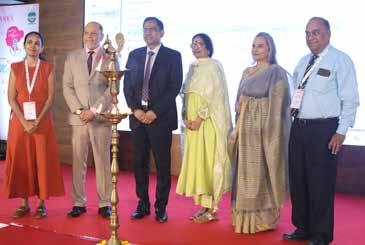
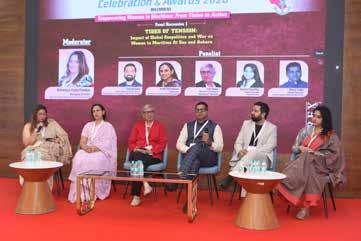
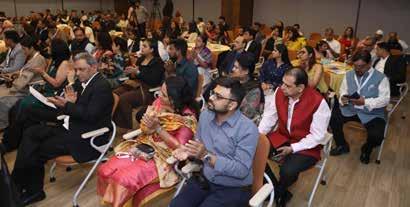
The 5th Edition of the Women in Maritime Celebration & Awards (WIMCA 2026), organised by Marex Media, brought together maritime leaders, professionals, changemakers, cadets, and industry stakeholders on 16th May at Bharat Ratnam CFC under the powerful theme Empowering Women in Maritime: From Vision to Action. More than just an awards platform, WIMCA 2026 evolved into a meaningful industry dialogue on inclusion, leadership, resilience, welfare, and the future of women in shipping, logistics, ports, maritime law, and allied sectors.
The event opened with a warm welcome address by Capt Kamal Chadha, Managing Director of Marex Media, who highlighted the growing contribution of women across maritime while acknowledging the historical foundations built by generations of men in shipping. He emphasized that WIMCA represents far more than celebration alone — it stands for resilience, innovation, collaboration, and the creation of stronger professional networks that can help shape a more progressive maritime industry.

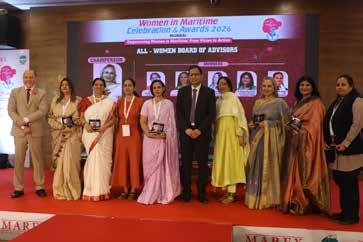
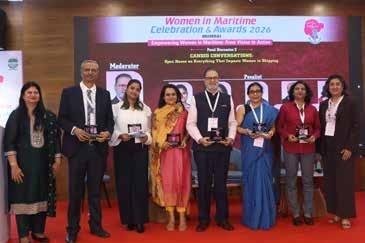
The opening sessions immediately set the tone for the day. Addressing the gathering as Guest of Honour, Christine Nathan, Specialist on Workers’ Activities, ILO Regional Office for Asia and the Pacific spoke candidly about the realities women continue to face in maritime, including discrimination, stereotypes, unequal opportunities, and workplace harassment. Stressing the importance of mental health, counselling, equal opportunity, and safer workplaces, she remarked, “Women in maritime are no longer confined by traditional barriers; they are steadily shaping the industry through resilience, competence, and leadership. However, true inclusion requires continuous efforts towards gender equality, safer workplaces, mental wellbeing, and equal opportunities so women can contribute fully and confidently across every level of the maritime sector.”
Special Guest, Wing Commander Alka Nupur (Retd.) delivered one of the most inspiring addresses of the event, sharing her journey of entering the Indian Air Force despite societal expectations and the absence of female role models. Drawing parallels between aviation and maritime professions, she
encouraged women to pursue leadership fearlessly, saying, “Do not shrink yourself because there is no space for you at the table. Walk into those rooms with courage and confidence, because every space where women are underrepresented is not a stop sign — it is an invitation to create a path, build a legacy, and inspire generations to come.”
The event also witnessed the launch of Centenarian Giants India, a prestigious coffee table initiative by Marex Media that honours institutions and organisations that have made century-long contributions to India’s maritime and logistics sectors. The initiative reflected the event’s larger focus on preserving maritime legacy while encouraging future-ready transformation.
Addressing the gathering as Chairperson of the WIMCA 2026 Board of Advisors, Renuka Nayar emphasized inclusion, mentorship, and leadership development for young maritime professionals and cadets. She stressed the collective responsibility of the industry to create opportunities and visibility for future women leaders while appreciating the efforts of the organising committee and advisory board.
Chief Guest, Capt Nitin Mukesh, Deputy Nautical Advisor cum Senior Deputy Director General of Shipping (Technical), Directorate General of Shipping highlighted the growing participation of women in maritime professions and noted the increase in women seafarers in India from 0.78% in 2021 to over 2.17% in 2025. He reiterated the Directorate General of Shipping’s focus on welfare, safety, and equal opportunity through initiatives such as Sagar Mein Samman. Capt Mukesh stated, “Empowering women in maritime is not merely a social responsibility; it is a strategic necessity for building a stronger, smarter, and more sustainable maritime sector. Inclusion must go beyond discussions and translate into real opportunities, safer workplaces, leadership pathways, and institutional support that allow women to thrive confidently across the industry.”
One of the day’s most engaging sessions was Panel Discussion 1 titled Tides of Tension – Impact of Global Geopolitics and War on Women in Maritime – At Sea and Ashore, moderated by Ms Aishwarya Pilankar Gupta. She highlighted how geopolitical conflicts deeply impact seafarers, families, and shipping
operations while calling for solution-oriented and humancentric conversations. Ms Arathi Narayanan, Chairperson, The Institute of Chartered Shipbrokers, Madras discussed the operational and emotional challenges faced during geopolitical crises and stressed the need for inclusive welfare policies. Mr Manoj Yadav, General Secretary – Forward Seamen’s Union of India (FSUI) highlighted the emotional trauma, wage concerns, and welfare gaps affecting seafarers during crises. Ms Puja Rawat, Maritime Consultant & Development Specialist emphasized emotional preparedness and resilient leadership as critical components of maritime safety culture. Mr Haseeb Khan, Senior Marine People Advisor – MAERSK stressed empathetic communication and crisis-management support for seafarers’ families, while Ms Arpeeta Panvalkar, Senior Associate – Renata Partners highlighted legal complexities surrounding war-risk insurance, crew welfare, and workplace inclusion.
The Inspirational Women of Maritime Families segment added a deeply personal dimension to the event. Ms Firdaus Aftabi, Founder of Zareba and COO of Zenia Hospitality Services shared her inspiring journey from homemaker and sailor’s wife to hospitality entrepreneur, emphasizing identity, resilience, and financial independence. Ms Swetam Kumari, Founder of Indiana HR & Training Solutions reflected on balancing motherhood, family life, and career aspirations before successfully rebuilding her professional journey through patience, confidence, and perseverance.
The second panel discussion, Candid Conversations – Open House on Everything that Impacts Women in Shipping, was moderated by Capt MP Bhasin, Managing Director of MSC India who emphasized that women in maritime extend far beyond onboard roles. Ms Yukti Mittal, Entrepreneur, Educator, & Journalist spoke about the need for stronger support systems and gender-neutral career choices. Ms Janhavi Kandalgaokar, Director – City Transport Syndicate Pvt Ltd reflected on the remarkable growth of women’s participation in logistics and freight forwarding. Ms Madhuri Varade, FA & CAO – Mumbai Port Authority highlighted improvements in inclusivity, digitisation, and safety while stressing the need for more women in operational leadership. Mr Anand

Tripathi, Resident Director – AMET University addressed structural inclusion challenges and concerns around workplace harassment and cyberbullying. Ms Priyanka Gupta, Director Marine HR – Anglo Eastern Ship Management emphasized the importance of moving beyond tokenism through mentorship, leadership pathways, vessel preparedness, and structured career development for women professionals.
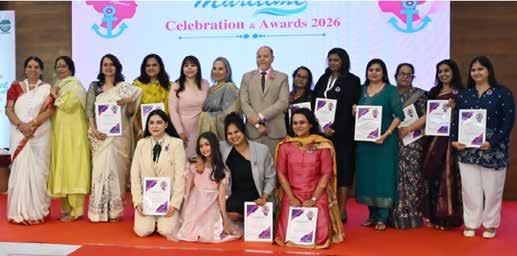
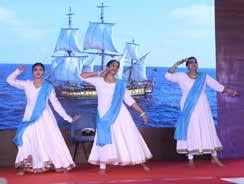
The event concluded with a vibrant Walk of Success segment hosted by Dr Deepti Mankad, Founder of Mindspeak, Professional Development Trainer, Wellness Coach & Counselor, where distinguished women professionals from across the maritime industry were formally showcased and celebrated for their leadership, achievements, and contribution to the sector. Adding warmth and energy to the evening, her daughter Amyrah delighted attendees with an engaging dance performance, playful whimsy, and interactive quiz sessions with prizes that brought smiles and enthusiastic participation from the audience.
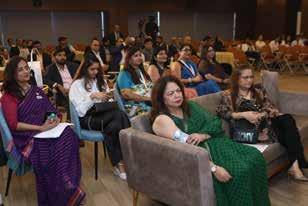
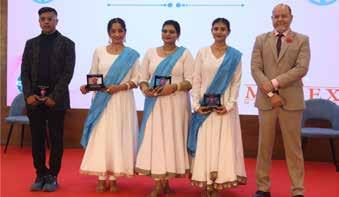
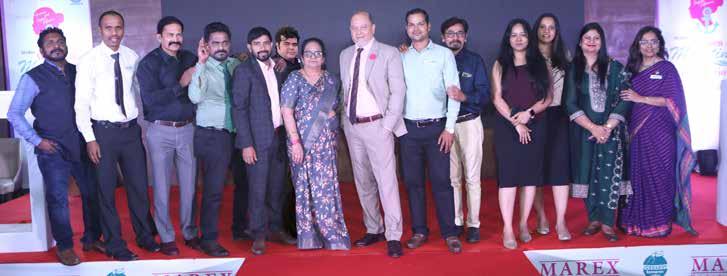
The evening further featured networking, entertainment, and the prestigious The Marex Maritime Women-Empowerment Awards (MMWA) 2026, honouring individuals and organisations that demonstrated exceptional leadership, resilience, innovation, and commitment towards gender inclusion within the maritime industry.
By the end of the celebration, WIMCA 2026 had clearly established itself as far more than an industry event. It became a platform where honest conversations, shared experiences, institutional support, and visible role models came together to reinforce one powerful message — the future of maritime will be stronger, smarter, and more inclusive when women are empowered not only to participate, but to lead.


Ms Pillai, part of the placing team at Ace Insurance Brokers Pvt Ltd, has quickly distinguished herself in the marine insurance domain. With hands-on expertise in policy placements, close coordination with underwriters, and ensuring seamless execution of insurance processes, she represents the new generation of professionals driving efficiency and reliability in maritime risk management.
Ms Sen, Principal Associate at Renata Partners, is recognized as a rising force in maritime law, arbitration, and commercial litigation. A Gold Medallist from National Law University Odisha and founding member of its Centre for Maritime Law, she has represented clients before multiple Indian High Courts and arbitral tribunals. With expertise spanning admiralty disputes, international commercial arbitration, and shipping-related matters, Ms Sen is distinguished by her sharp legal acumen and focused approach to complex maritime and commercial cases.


Ms Muttah, Senior Associate at Rex Legalis, is recognized for her dynamic contributions across civil, criminal, and commercial litigation, with a strong focus on maritime law, customs, and logistics claims. She has represented complex, high-stakes matters before Indian High Courts, NCLT, SEBI, CESTAT, as well as international courts and arbitration tribunals. From assisting counsel in ICC arbitrations in Paris and India to handling intricate maritime claims and regulatory disputes, Ms Muttah is distinguished by her meticulous research, precise drafting, and unwavering professionalism. Her commitment to delivering effective, trustworthy results underscores her growing stature as a young achiever in the maritime legal arena.
Dr Jadhav, Medical Director of Samarth Marine Clinic for the past nine years, is celebrated for her pioneering contributions to maritime healthcare and seafarer welfare. A respected member of the Technical Medical Drafting Committee, DG Shipping, India, she also serves as Counsellor at the Seafarers Club, JNPA, and Trustee of the Seafarer Welfare Association. Beyond her clinical leadership, Dr Jadhav is a dedicated Medical Faculty member at BP Marine Academy, Navi Mumbai, where she mentors future maritime professionals. Her exemplary service and compassionate guidance continue to shape the landscape of maritime medicine and education.


Ms Sharma, Head of Procurement at Dockendale Ship Management Group, is recognized for her outstanding leadership and transformative impact in maritime procurement. With over 17 years of experience across shipping, logistics, and construction, she has managed more than $360M in spend across 1,000+ vessels and delivered cost savings of up to 27% across mandates. Based in Dubai and leading a cross-border team across four countries, Ms. Sharma has built procurement functions from the ground up, repositioned them as strategic value creators, and championed responsible supply chain practices under the UN Global Compact. Her achievements in automation, supply chain resilience during COVID, and mentoring diverse teams underscore her stature as a trailblazer in a traditionally male-dominated sector.
Ms Thapa’s remarkable journey in shipping began in 1992 as a Trainee Personnel Officer with Univan Ship Management, at a time when the industry was largely male-dominated. Through perseverance and dedication, she rose steadily into leadership roles, continuing her career after the 2016 merger with Anglo-Eastern Ship Management. Today, as Senior Manager, she oversees vessels and critical crew changes in collaboration with Ardmore Shipping, Ireland. Her three-decade career stands as a testament to resilience, leadership, and an enduring commitment to people management in maritime.


Ms Maheshwari, Associate Partner at Renata Partners, is recognized for her rising influence in maritime and commercial law. With extensive experience across both dry and wet shipping matters, she advises shipowners, cargo interests, charterers, and global maritime stakeholders on complex transactional, advisory, and litigation issues spanning India, the UK, Singapore, the UAE, and Greece. Her expertise covers vessel sale and purchase transactions, admiralty disputes, and international commercial arbitration under LMAA, SCMA, and ICC frameworks. Known for her strategic legal insight and cross-jurisdictional practice, Ms. Maheshwari is regarded as a dynamic professional shaping the future of maritime law.
Ms Vats, Head of Maritime Insurance and Claims Management at NYK Ship Management, is recognized for her exceptional expertise and leadership in navigating complex global maritime challenges. With over 23 years of experience across shipping, logistics, and insurance, she has successfully led legal and claims functions for large fleets, managing high-value litigation, casualty response, and regulatory compliance. Her proven ability to foster strong stakeholder relationships and collaborate with P&I Clubs, insurers, and international bodies has been instrumental in mitigating risks and driving operational excellence. Known for her professionalism and integrity, Ms Vats continues to make a significant impact in strengthening maritime resilience and advancing initiatives in seafarer welfare and maritime medicine.

Gurnani, Director,
Dr Gurnani, MD in Pathology from the prestigious KEM College, is honored for her pioneering contributions to maritime healthcare. Entering the shipping sector in 1999, she broke new ground by founding India’s first global drug and alcohol testing company in 2000, delivering onboard testing across vessels worldwide to safeguard crew mental health and generate significant cost savings for Indian shipping companies. Today, IHPL Global LLP conducts testing for over 2,000 vessels annually at major international ports. Known for her precision, ethical practice, and scientific approach, Dr Gurnani has earned the trust of shipping companies while championing seafarer welfare. Her dedication and leadership make her a true trailblazer in maritime healthcare, recognized at the Women in Maritime function.


Ms Peter, Senior General Manager – Administration at Seven Islands Shipping Ltd., has been an integral part of the company since its inception in 2002. Over her 24-year journey, she has contributed across diverse functions including ISM, Manning, Marine Audits, Chartering, Administration, and Human Resources, while leading the Manning, HR, and Administration teams. Widely regarded as the company’s knowledge anchor, she is the trusted mentor for younger colleagues, guiding them through processes, marine regulations, DG Shipping compliance, certification protocols, and organizational challenges. Her extensive experience, steady leadership, and commitment to nurturing talent exemplify her role as a true mentor of excellence in the maritime sector.
Ms Vakil, Co-Founder and CFO of HIMT Group, is celebrated for her pivotal role in building one of the world’s leading private maritime education and training institutions. As Director (Finance), she has overseen the group’s financial operations with vision and precision, while also shaping its strategic direction and expansion. Under her leadership, HIMT Offshore and HIMT Marine Academy have become globally recognized for UK MCA-approved and value-added courses, setting benchmarks in innovation and quality standards. Her dedication, foresight, and consistent efforts have been instrumental in positioning HIMT as a trusted name in maritime education worldwide.


Ms Chaudhri, MBA graduate from the University of Connecticut and former senior management consultant at Arthur Andersen, is recognized for her pioneering role in marine fuel treatment solutions. As Promoter Director of Enmarol Petroleum India, she has led the company since 2006 as the authorized distributor of Innospec Limited (UK), a NASDAQ-listed global leader in fuel treatment chemicals. Over 17 years, she has worked closely with major shipowners and managers across India, delivering Octamar fuel treatment solutions and addressing critical bunker challenges amid evolving environmental regulations. Coming from a merchant mariner family, Ms Chaudhri is widely respected as a driven businesswoman whose leadership and commitment to excellence continue to strengthen India’s maritime solutions landscape.
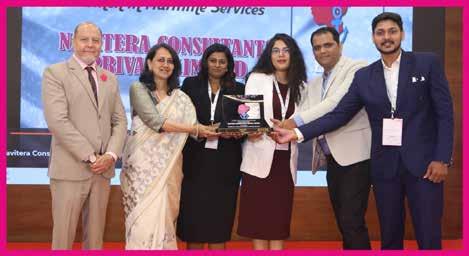
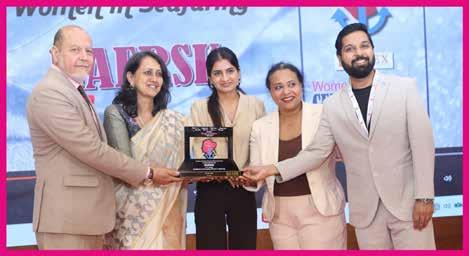
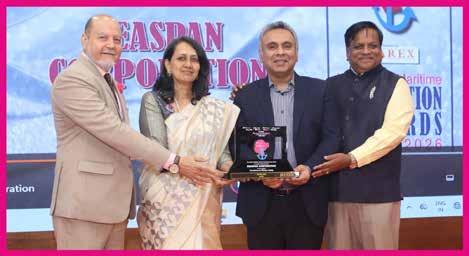
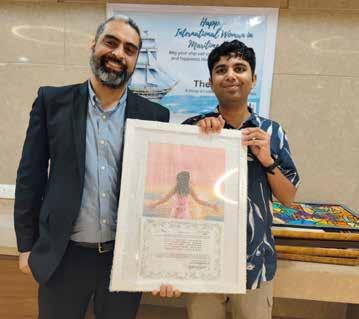
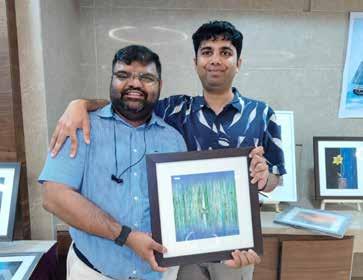
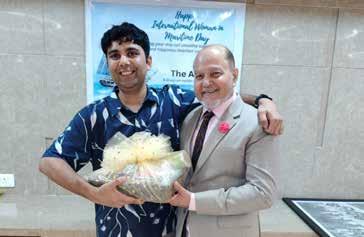
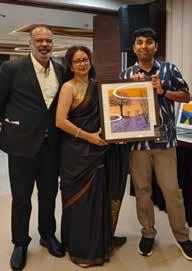
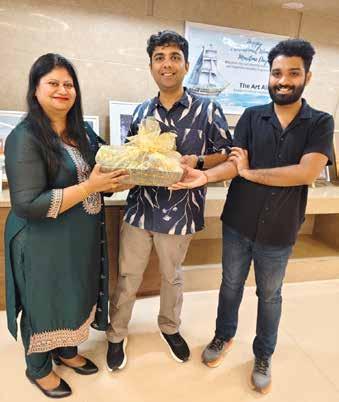
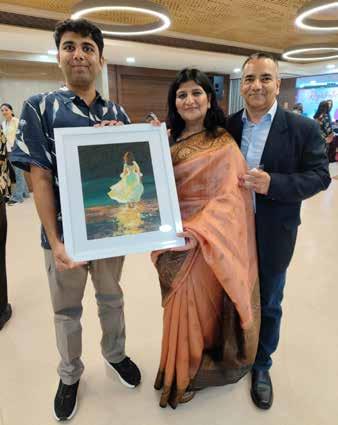
Amid the leadership discussions, industry conversations, and celebrations of women shaping the maritime sector at WIMCA 2026 on 16th May, one of the most touching moments of the event came through a quiet yet powerful display of creativity created by autistic and neurodiverse children connected to the maritime fraternity.
Organised with the support of Capt Anthony Rodriguez in collaboration with Strokes and Stories by Dr Purva Khandelwal, the special art showcase brought an emotional and deeply human dimension to the Women in Maritime Celebration & Awards 2026 organised by Marex Media in Mumbai. The exhibition featured paintings and artworks created by children on the autism spectrum, offering delegates an opportunity to witness creativity expressed through colour, imagination, and emotion.
Far more than an art display, the initiative reflected the importance of inclusion, awareness, and community support within the maritime fraternity. Delegates spent time interacting with the children and their families, appreciating the artworks and understanding the stories behind them. The showcase highlighted how art can become a powerful medium for self-expression, confidence-building, and emotional connection for neurodiverse children.
For Capt Anthony Rodriguez, the initiative carried special personal significance. Speaking from his experience as the parent of an autistic child, he explained that the exhibition was designed not only to celebrate the talents of these children, but also to recognise the dedication and sacrifices made by families — particularly mothers and sailors’ wives — who support children with special needs through therapy, education, and everyday life.
“Children on the autism spectrum do not need sympathy, they need empathy, encouragement, and opportunities to showcase their talents. When people interact with them, appreciate their work, and recognise their creativity, it builds confidence and helps them feel accepted as an important part of society,” said Capt. Anthony Rodriguez.
He further emphasized that neurodiverse children possess remarkable abilities across various forms of art and


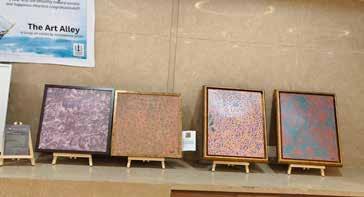


craftsmanship, and platforms like WIMCA help create visibility, acceptance, and dignity for their work. He also noted that encouraging people to value the artwork for its creativity rather than out of pity was an important part of the initiative’s message.
The heartfelt exhibition stood out as one of the most memorable elements of WIMCA 2026, reminding attendees that maritime gatherings can also become platforms for compassion, awareness, and meaningful social impact.
Pratik Bijlani
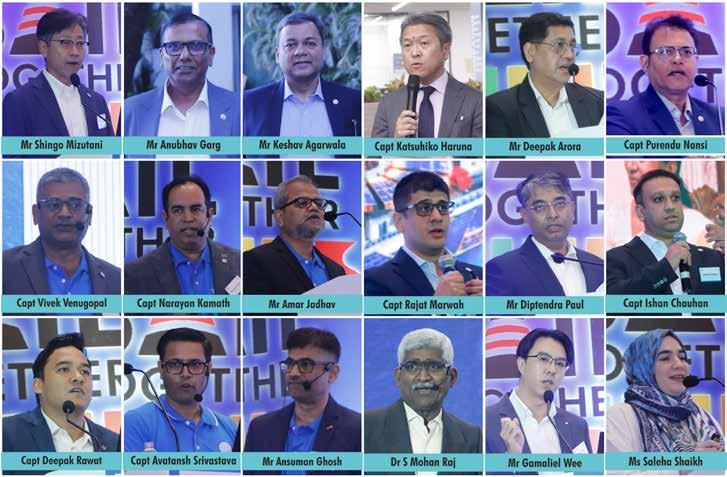
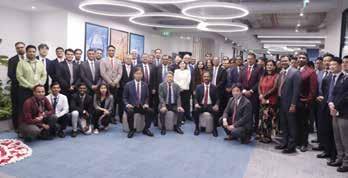
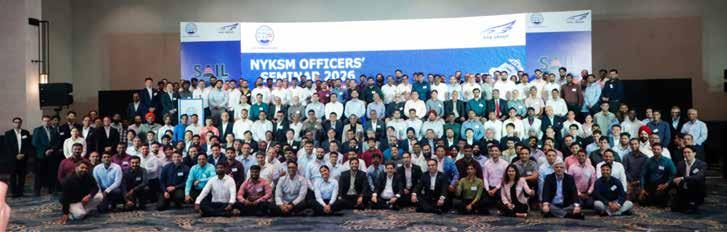
NYK Shipmanagement successfully hosted its Officers’ Seminar 2026 on 16–17 April at The Westin Mumbai Powai Lake, bringing together a distinguished gathering of seafaring officers and shore-based leadership. Centred around the theme SAIL Together—an acronym for Support, Appreciate, Include, and Learn—the seminar offered a comprehensive platform for dialogue, knowledgesharing, and alignment with the company’s long-term vision in an evolving maritime landscape.
The event opened with a warm welcome by Mr Keshav Agarwala, Country Manager, NYKSM India, who set the tone by emphasizing unity, diversity, and shared growth across the
organization. Reflecting on his own 22-year journey within the company and the growth of its India operations, he underscored the significance of the seminar as a vital forum for engagement. As he aptly stated, “We must sail together—support, appreciate, include, and learn—embracing diversity across nationalities, genders, and beliefs. This seminar is our platform to connect, exchange ideas, reflect on past experiences, and strengthen collaboration between owners, managers, and seafarers, so that we grow together as one unified organization committed to excellence and progress.”
The seminar’s central theme was thoughtfully woven into every session. The element of “Support” highlighted the importance of
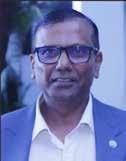
“Preparing for future fuels and ESG demands starts with training and empowering our seafarers. With India as a key talent hub, investments like our Navi Mumbai training centre enhance skills, reduce travel, and support sustainability. Through dialogue and technology, we aim to minimize human error and move steadily toward our zero-incident goals.”
strengthening ship-shore connectivity and ensuring that officers are equipped with the tools and resources necessary to operate safely and efficiently. “Appreciate” focused on recognizing the resilience and commitment of seafarers, reinforcing a culture that values teamwork and performance. “Include” emphasized fostering diversity, open dialogue, and mutual respect across ranks and nationalities, while “Learn” underscored the need for continuous professional development and learning from realworld operational experiences.
Mr Shingo Mizutani, Chairman and CEO, NYKSM Singapore, delivered a compelling address acknowledging the challenges facing global shipping, including geopolitical tensions, economic uncertainty, and rapid changes in the energy landscape. He reiterated the critical role of seafarers in sustaining global logistics and adapting to emerging technologies. “We deeply value your dedication to safe vessel operations in an uncertain world. As our industry evolves with new technologies and fuels, your skills and teamwork are vital. We are here to listen, learn, and strengthen trust—because you are at the heart of everything we do, and together we move forward,” he said, reinforcing the company’s commitment to its workforce.
The various segments and speakers in course of the seminar were stitched together by brief introductions from Mr Deepak Arora (General Manager, MHR) and Capt Purendu Nansi (General Manager, NYKSM India).
An engaging start to the technical sessions came through an interactive ice-breaking activity led by HSEQ & Marine Ops Manager Capt Rajat Marwaha, using the LEGO Serious Play concept. The session effectively demonstrated how diverse perspectives can emerge from identical resources, highlighting the importance of creativity, communication, and teamwork. Participants collaborated to build shared visions, reinforcing the seminar’s overarching theme of unity and inclusion.
A series of insightful presentations followed, addressing both operational and human aspects of maritime management. MHR-Manning Manager Capt Ishan Chauhan shed light on the often-overlooked complexities behind crew changes in his presentation, “I’m Onboard – The Invisible Engine behind the Seafarer Joining a Vessel.” Through real-life scenarios, he illustrated how minor disruptions—ranging from documentation issues to geopolitical challenges—can cascade into significant delays, emphasizing the importance of coordination, planning, and accountability.
Mr Anubhav Garg, MD & COO, NYKSM Singapore
Senior Vessel Manager Mr Diptendra Paul focused on the role of data integrity in procurement and maintenance systems, stressing that accurate PMS inputs are critical for enabling predictive, AI-driven decision-making. Similarly, WSSBusiness Development Manager Mr Gamaliel Wee highlighted the risks associated with mooring operations, drawing attention to rope failures and the importance of proactive inspections, adherence to OCIMF MEG4 standards, and crew awareness.
Capt Rajat Marwaha, HSEQ & Marine Ops Manager, further led a workshop analysing a near-miss LNG vessel incident, demonstrating how multiple small failures—ranging from poor communication to lack of defined procedures—can escalate into serious risks. This session reinforced the importance of proactive risk assessment and strong coordination between ship and shore teams.
A creative highlight of Day 1 was “The Invisible Guest” skit performed by NYKSM India, which used humour and realism to depict the serious consequences of lapses in ship security. The skit effectively conveyed lessons on vigilance, access control, and accountability, leaving a lasting impression on the audience.
The seminar also addressed broader themes beyond operations. HSEQ & Marine Ops Manager Mr Deepak Rawat emphasized the importance of viewing audit findings as opportunities for improvement rather than judgment, while Dr S Mohan Raj’s session on “Digital Detox” explored the growing impact of digital overuse on mental health and productivity, urging seafarers to adopt balanced habits.
An interactive Q&A session and a separate meeting with seafarers was held subsequntly that allowed participants to voice concerns, share experiences, and engage directly with the leadership.
Day 1 concluded with a summary of key takeaways and a ceremony recognizing long-serving employees, followed by an evening get-together over dinner and cocktails.
Day 2 continued with equally impactful sessions. Mr Anshuman Ghosh and Capt Akshat Arora, (leaders from UK P&I Club), highlighted how maritime incidents often result from cascading failures, emphasizing the importance of realistic emergency drills and adherence to procedures.
Senior DGM Mr Amar Jadhav presented a case study on diesel generator damage, illustrating how human errors and procedural
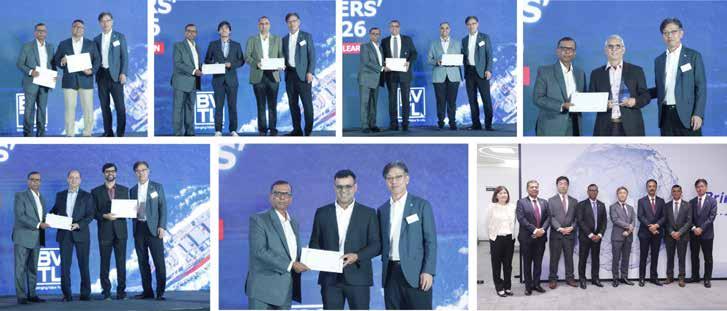
lapses can lead to significant operational consequences.
Senior DGM Capt Narayan Kamath’s session on blackout prevention reinforced that most such incidents stem from human factors rather than equipment failure. He stressed the importance of procedural discipline, proper load management, and conscious actions, advocating practices such as “finger pointing and calling” to minimize errors.
MTD Manager Capt Avatansh Srivastava addressed the critical issue of communication gaps, demonstrating through case studies how misunderstandings can lead to accidents, delays, and inefficiencies. His introduction of structured communication frameworks highlighted the need for clarity, verification, and assertiveness in maritime operations.
A particularly impactful session on “Women In Maritime” was delivered by Ms Saleha Shaikh, who spoke on the importance of inclusion and the role of women in maritime. Highlighting that women currently represent only 1–2% of the workforce, she emphasized the need for systemic change, gender sensitization, and safe working environments. Her message reinforced that diversity is not just a moral imperative but a driver of better decision-making and operational performance.
Capt Vivek Venugopal, HSEQ DGM / DPA, concluded the technical sessions by addressing key safety concerns and compliance issues. While acknowledging improvements in fleet performance, he highlighted areas such as personal safety, navigation incidents, and oil spill prevention as ongoing

priorities. His emphasis on process adherence, proactive maintenance, and disciplined operations resonated strongly with the audience.
The seminar concluded with an interactive Q&A session, allowing officers to engage directly with the leadership, followed by closing remarks from Mr Anubhav Garg, MD and COO of NYKSM Singapore.
His presentation on “Normalization of Deviance” was well received by the audience.
The event concluded with breakout meetings between seafarers and management across different vessel segments, including VLCC, LPG, LNG, and Container and Bulk carriers. These focused interactions enabled more targeted discussions and strengthened alignment across fleet operations.
Inauguration of the NYKSM Training Center
A key highlight surrounding the dialogue was the formal opening of the NYKSM Training Center in Turbhe, Navi Mumbai on the evening of 17th April.
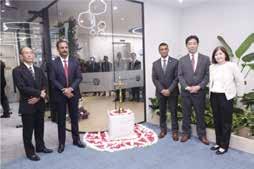
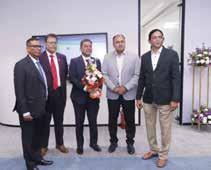
The inauguration of NYKSM’s new training facility was led by Chief Guest Mr Deependra Singh Bisen, Deputy Director General of Shipping, alongside senior executives from NYK Line Tokyo, NYKSM Singapore, NYKSM India, and distinguished leaders from Indian maritime associations. The ceremony, marked by the traditional ribbon-cutting and lamp-lighting, symbolized longevity and positive energy.
“NYKSM’s strength lies in learning from experience and listening to our seafarers. The Officers Seminar fosters open dialogue, turning incidents into lessons and feedback into action. With our new Navi Mumbai Training Centre, we are furthering the strengthening of skills, safety culture, and engagement with the seafarers —ensuring continuous improvement and progress toward our zero-incident goals.”
Mr Keshav Agarwala, Country Manager, NYKSM India
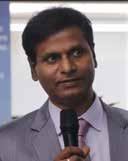
“Training is the cornerstone of safe maritime operations. By combining real-time feedback from seafarers, advanced simulator-based learning, and emerging technologies like AR and VR, we aim to build a future-ready workforce. Our goal is clear—to equip seafarers with the skills, confidence, and judgment required to achieve zero-incident operations across the fleet.”
Capt Munusamy Komahan, Senior Deputy General Manager,
Reflecting NYKSM’s long-term commitment to structured, high-quality training, the centre is designed to strengthen seafarer competency across all ranks. Equipped for scenario-based, practical learning, it bridges the gap between onboard experience and shore-based instruction—covering safety procedures, technical operations, leadership, and communication.
The inauguration reaffirmed NYKSM’s belief that continuous training is vital not only for compliance, but for building confidence, enhancing decision-making, and embedding a strong safety culture across its global fleet.
The Officers Seminar 2026 once again reaffirmed NYKSM’s focus on safety, collaboration, and continuous improvement. By bringing together diverse stakeholders under a unified theme, the event not only facilitated meaningful dialogue but also strengthened the collective vision of building a resilient, inclusive, and future-ready maritime workforce.
MMT
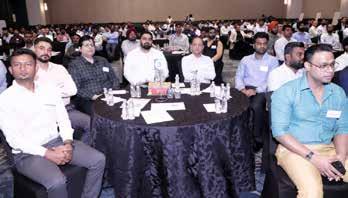
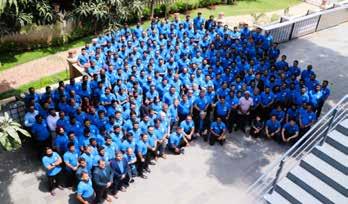
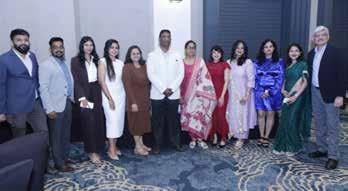
- Dr Radhika Vakharia

NSuchita Javadekar recognised for her consistent participation in the Car Rally
o alien to expending her time, passion and energies on motor drives through the country, Suchita Javadekar is now a veteran of repute in the maritime industry who has proved to be an effective messenger for raising awareness of both, the merchant navy as well as early cancer detection in women.
Suchita recently completed the 4th Edition of the “Women on Wheels” through the Northeast of India, chalking up an impressive 16 such motor drives through various parts of the nation.
Here’s a more detailed report.

Women on Wheels & Northeast on Wheels – Season 4 successfully united adventure, culture, and women’s empowerment during an unforgettable expedition across India’s Northeast. Far more than a road trip, this journey served as a profound space for reflection, connection, and breaking boundaries.
The inspiring expedition commenced with an orientation session in Guwahati, where strangers quickly transformed into lifelong companions. On April 25 this year, the Grand Flag-Off took place at the Premier Mega Hub in Jorabat, Meghalaya. Attended by Chief Guest Shri Nitin Bhatnagar (Executive Director & State Head, Indian Oil) and Guest of Honour Capt Yashika Tyagi (Retd.), the ceremony infused the participants with pride, purpose, and a shared celebration of female resilience.
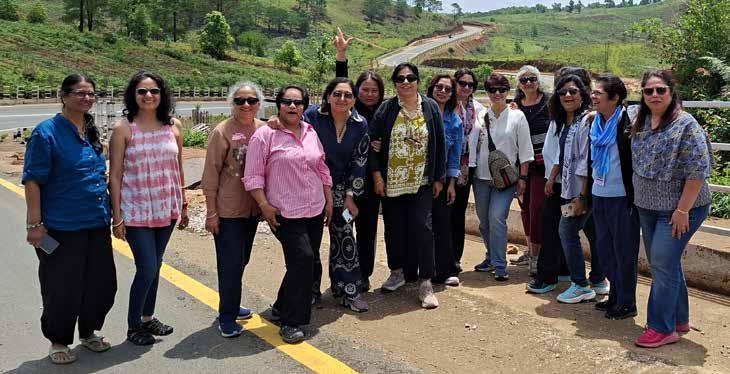
The Kameng Group of which Suchita was a part, navigated a breathtaking route encompassing Pakke Tiger Reserve, Dhalpur, Majuli, Nagaon, Umiam, and Shillong. Beyond the scenic landscapes, the expedition was defined by profound human connections. Participants received a heartfelt welcome
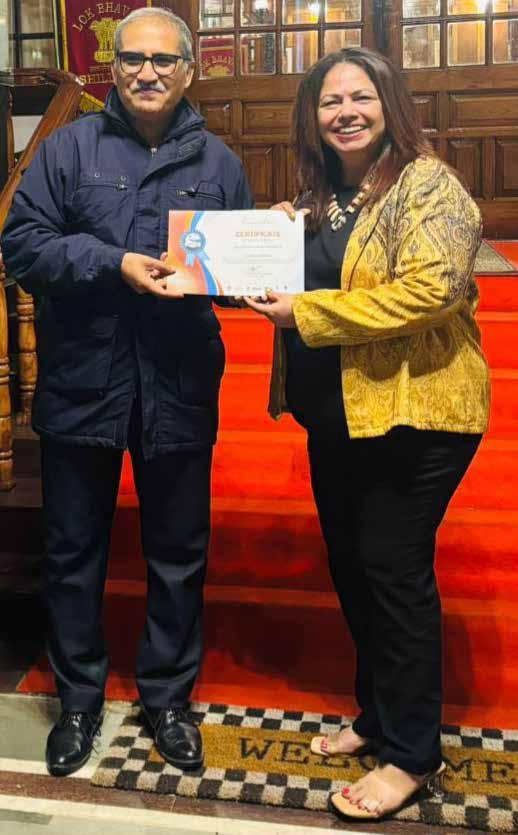
With Atul Kulkarni Chairman Amazing Namaste Foundation
at the West Bank of Pakke Tiger Reserve, setting the tone for the deep cultural exchanges that followed.
The riders actively engaged with the communities preserving the Northeast’s heritage. They interacted with local farmers, bamboo artisans, and handloom weavers, witnessing firsthand the intricate skill and patience woven into regional crafts. Visits to Chakma tribal villages offered a glimpse into a lifestyle rooted in community and tradition, while an insightful meeting with Award-Winning Assamese film director Reema Borah sparked powerful conversations regarding identity and women’s voices in cinema. The journey also featured moments of solemn reflection, including paying homage to freedom fighter Kanaklata Barua at Gohpur.
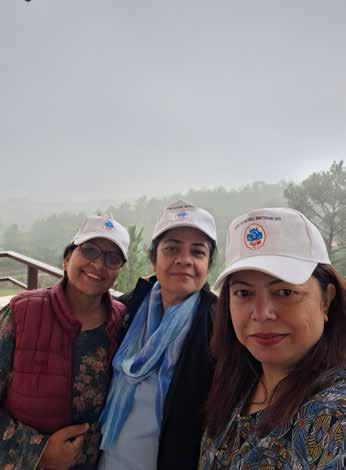
Among the more dynamic explorers was Ms Suchita Javadekar, a seasoned rally driver who proudly represents three generations of seafarers in her family. Recognized during the event for her consistency and long-standing dedication to purposeful driving, Suchita utilized the platform to bridge the gap between regional youth and maritime careers.
“The merchant navy is one of the world’s oldest professions and continues to be the backbone of modern global trade. It is important that we all recognise, honour, appreciate the maritime field and its seafarers, whose work and sacrifices drive maritime transport that brings food, energy, and health products to our very doorsteps, “ Suchita shared.
Her vehicle proudly displayed the logos of key supporters advocating for maritime excellence and female empowerment, including The Maritime Union of India (MUI), AMET University, MAERSK, Searland Management Services, and Marex Media Pvt Ltd.
The expedition reached a prestigious milestone at Lok Bhawan, where participants interacted with the Hon’ble Governor of Nagaland, Shri Nandkishore Yadav, reinforcing the rally’s core mission of leadership.
The grand closing ceremony in Shillong did not signify an end, but rather a beginning. United by adventure and a willingness to step outside their comfort zones, these diverse women forged unbreakable bonds of camaraderie. They returned home transformed, carrying invaluable stories of empowerment, cultural appreciation, and a renewed spirit of exploration.
MMT




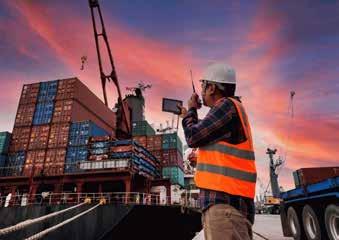
Shipping operations depend heavily on documentation. Every vessel carries certificates, technical manuals, inspection records, maintenance reports, cargo paperwork, safety procedures, and compliance documents that support daily operations at sea.
Managing this information manually has become increasingly difficult as regulatory requirements and operational complexity continue to grow across the maritime industry.
This is where AI and document intelligence are beginning to play a larger role.
A vessel operates with hundreds of documents across different operational areas. Crew certifications, safety checklists, equipment manuals, maintenance logs, class certificates, port inspection reports, and environmental compliance records are all part of routine maritime operations.
Most of these documents contain highly detailed technical information that must be reviewed carefully and updated regularly.
The challenge is not just storing documents. It is understanding what information exists inside them, locating the right data quickly, and ensuring that compliance requirements are met consistently across fleets.
Many maritime documents are still reviewed manually, which takes time and increases the risk of missing important information.
AI-powered document intelligence systems are helping shipping companies process documents more efficiently.
Instead of relying entirely on manual review, AI models can read ship certificates, technical manuals, inspection reports, and operational records automatically. These systems are trained to identify key fields, recognize document structures, and extract important operational or compliance-related information.
For example, AI can identify certificate expiry dates, vessel details, inspection findings, maintenance schedules, or equipment specifications from large sets of documents within seconds.
This reduces the amount of repetitive administrative work handled manually by crews and shore teams.
It also improves document accessibility during inspections, audits, and operational reviews.
One of the biggest advantages of document intelligence is automated data extraction.
Shipping companies often manage fleets with thousands of active records spread across different vessels and departments. Tracking compliance manually across such large document volumes becomes difficult over time.
AI systems can extract structured information from unstructured files such as PDFs, scanned documents, handwritten inspection notes, or emailed reports. Once extracted, this information can be organized into searchable records for easier monitoring and reporting.
This allows operators to track certificate validity, maintenance schedules, inspection observations, and regulatory reporting requirements more efficiently.
Automatic extraction also reduces the chances of missing critical compliance deadlines or overlooking outdated records.
Maritime regulations involve multiple frameworks and compliance standards. Requirements from IMO regulations, MARPOL, SOLAS, ISM Code, flag-state authorities, and classification societies often overlap across operational areas.
Reviewing these requirements manually can become timeconsuming, especially for large fleets operating across different regions.
AI systems can help cross-check documents against regulatory requirements more efficiently.
For example, an AI model may identify whether a required certificate is missing, detect inconsistencies between inspection reports and compliance records, or flag operational
documents that require updates based on regulatory changes.
This helps shipping companies improve compliance visibility across vessels without depending entirely on manual verification processes.
The goal is not to replace human oversight but to reduce repetitive review work and support faster decision-making.
Technical Manuals Become Easier to Navigate
Technical manuals onboard vessels are often lengthy and highly detailed.
Engine manuals, equipment procedures, emergency protocols, and maintenance guides may contain hundreds of pages of technical information. Finding the correct procedure quickly during operations or maintenance activities can be difficult, especially under time pressure.
Document intelligence tools can make these manuals easier to search and navigate.
AI-powered systems can identify relevant sections, retrieve operational instructions, and locate technical references faster than traditional manual searching methods.
This improves operational efficiency while reducing the time crews spend looking for information across large technical documents.
The maritime industry operates under strict timelines, regulatory pressure, and operational risk. Documentation workflows directly affect inspections, maintenance planning, audits, and communication between vessels and shore teams.
AI and document intelligence can help reduce delays caused by manual document handling while improving access to critical operational information.
As maritime operations continue to generate larger volumes of technical and compliance-related records, the ability to process, organize, and verify information efficiently will become increasingly important across the shipping industry.
The Author

Kashif Ahmad Senior Manager, Sales Yodaplus Technologies
For further queries or to engage in a detailed discussion on the evolving role of AI and document intelligence in the shipping industry, readers are welcome to connect at kashif@yodaplus.com.
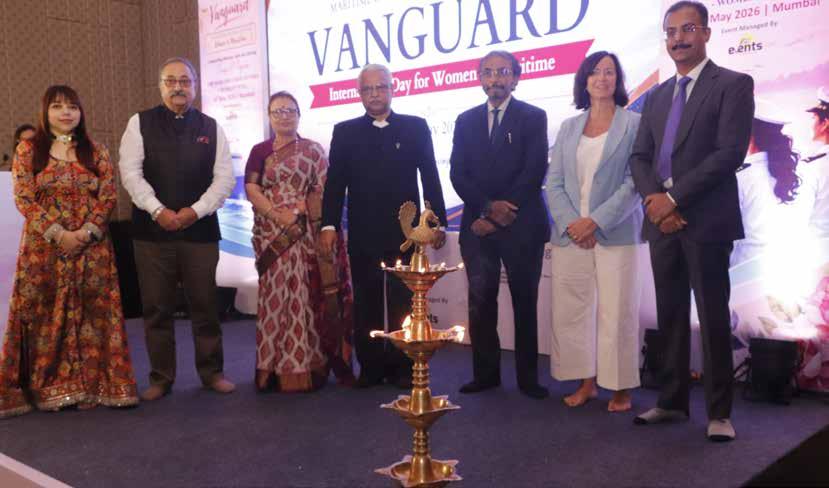
Inauguration Ceremony
The maritime industry has long been viewed through the lens of traditional masculinity—a world of iron, salt, and solitude. However, on Tuesday, May 12, 2026, at the Holiday Inn in Mumbai, that narrative didn’t just shift; it was completely rewritten. To mark the International Day for Women in Maritime, the Maritime Union of India (MUI) – Women’s Wing hosted “VANGUARD,” a landmark event that served as both a celebration of current achievements and a strategic blueprint for the future of women at sea and ashore.
The atmosphere was electric, buzzing with the energy of veteran captains, fresh-faced cadets, and industry stalwarts. VANGUARD was not merely a conference; it was a powerful statement of intent. Organized by the MUI Women’s Wing, the day was dedicated to recognizing leadership, highlighting evolving roles, and advocating for greater visibility and representation in an industry that is finally realizing that diversity is its greatest asset.
The day commenced with a sense of solemnity and purpose. Dr. Deepti Mankad, Head of the MUI Women’s Wing, delivered the welcome address, setting a tone of inclusivity and empowerment. The traditional lighting of the lamp followed—a symbolic gesture of igniting the path for future generations.
The inaugural session featured a “Who’s Who” of the maritime and governmental sectors, including:
• Shri Deependra Singh Bisen, Deputy Director General of Shipping, Government of India.
• Ms. Monica Ommundsen Nagelgaard, Hon. Consul General of Norway.
• Shri Deepak Shetty, IRS, Former Secretary to the Government of India and Director General of Shipping.
• Capt. Savio Ramos, General Secretary, MUI.
• Mrs. H.K. Joshi, Former CMD, Shipping Corporation of India (SCI).
In his inaugural address, Capt. Savio Ramos emphasized that the seafaring profession is undergoing a seismic cultural shift.
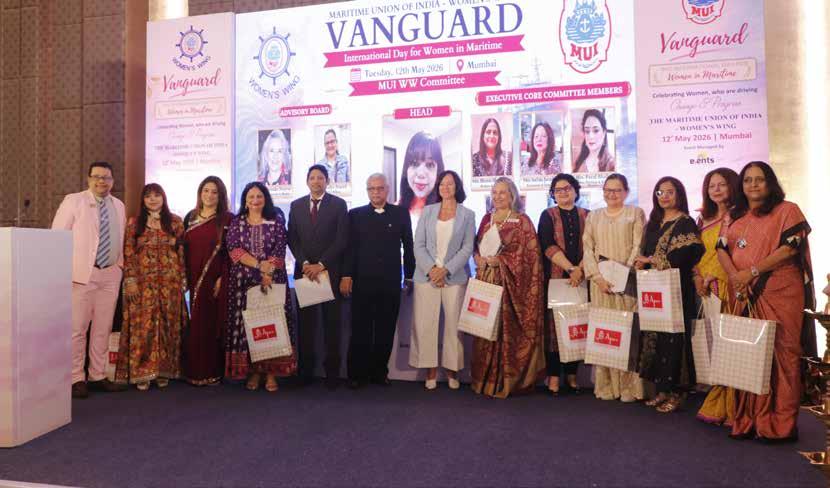

He noted that VANGUARD is a platform designed to amplify the voices of women who have, for too long, operated in the shadows of a male-dominated hierarchy. This sentiment was echoed by Mrs. H.K. Joshi, a trailblazer herself, who spoke on the necessity of breaking glass ceilings through competence and resilience.
Ms. Monica Ommundsen Nagelgaard, representing Norway—a global leader in maritime equality—offered a perspective on international best practices, highlighting how inclusive policies directly correlate with industry safety and economic growth.
Resilience Amidst Global Turbulence
The first panel of the day, “Full Spectrum: Maritime Voices in Times of War,” moderated by Ms. Chaitaly Mehta (MD, EFK Global Logistics), delved into the gritty reality of modern shipping. Maritime professionals today don’t just navigate storms; they navigate geopolitical minefields.
The panel featured a diverse range of experts:

• Smt. Manisha Jadhav (GM & Secretary, JNPA)
• Dona Fernandes (HR Head, Hapag-Lloyd)
• Reshma Murkar (Chief Officer, Synergy)
• Bhagyashree Ogale (2nd Engineer, Teekay)
• Ankita Sen (Principal Associate)
The discussion was a sobering yet inspiring look at how women leaders manage logistics and operations during global crises. From ensuring the safety of crews in conflict zones to managing the supply chain shocks of modern warfare, the panelists demonstrated that “soft skills”—often unfairly attributed to women—are actually the hard skills required for crisis management: empathy, strategic communication, and adaptive leadership.
The Next Watch: The Future Takes Command
If the first panel looked at the present, the second, “The Next Watch: Girls Take Command,” looked squarely at the future. Moderated by Mr. Anand Tripathi (Residential Director,
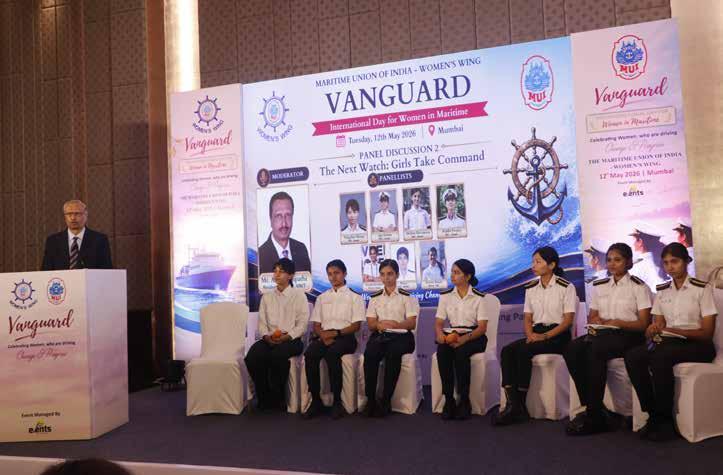
AMET), this session was perhaps the most poignant of the day. It featured young cadets from across India’s premier maritime institutes:
• Ganpat University: Riddhi Poojary, Iqra Fatima, Akshita Srivastava, Yangchen Sherpa, and Srusti Khamkar.
• MANET: Princy.
• Tolani Maritime Institute: Garvita Bakshi.
These young women represent a new era. They are tech-savvy, environmentally conscious, and unapologetic about their right to occupy the bridge and the engine room. They spoke of their aspirations to not just “join” the industry, but to lead it. Their confidence served as a testament to the changing tides in maritime education and the waning of old prejudices.
The Silent Safety Factor: Psychological Health
Maritime work is uniquely taxing. Recognizing this, the event took a detour from technical and operational discussions to focus on the human element. Dr. Fareeha Naik, a renowned Counselling Psychologist, conducted a session on the Psychological Health of Women.
Dr. Naik addressed the “double burden” often faced by women seafarers—balancing the high-pressure environment of a ship with the societal expectations of home. She emphasized that mental resilience is a skill that must be trained, just like navigation or engineering, and called for more robust psychological support systems within shipping companies to ensure the long-term retention of female talent.
Limitless Horizons: Cross-Industry Wisdom
The third panel, “Limitless Her: One Voice, Many Worlds,” moderated by Capt. Shoukat Mukherjee, broke the maritime “silo.” By bringing in leaders from other demanding fields, the
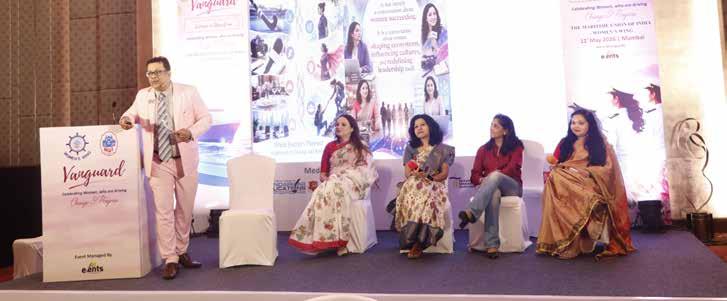
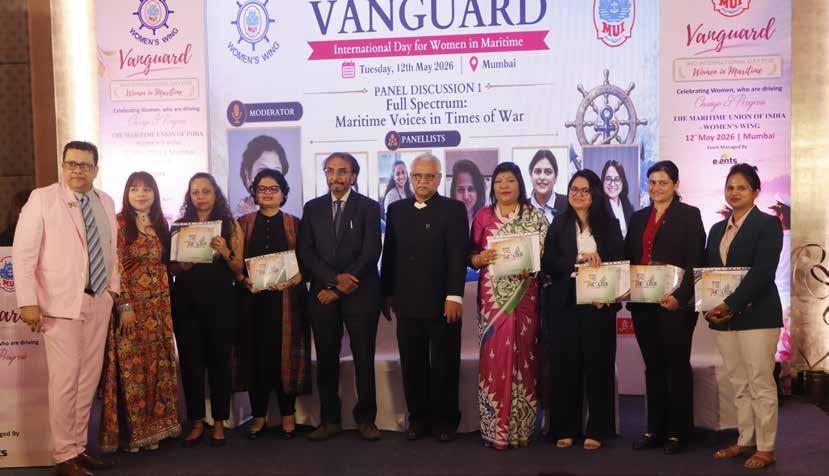
session highlighted that the struggle for identity and leadership is universal.
The panel included:
• Dr. Laxmi Todiwan (Founder, Indian Women in Hospitality)
• Amrita Mirza (TATA Communications)
• Sybil Miranda (Former Captain, Indian Hockey Team)
• Kalyani Sardesai (Journalist & Author)
Sybil Miranda drew fascinating parallels between the teamwork required on a hockey field and the coordination needed on a vessel. The consensus was clear: whether in a newsroom, a corporate boardroom, or on a ship, the “Limitless Her” is defined by her ability to influence and transform the ecosystem around her.
The pinnacle of the evening was the presentation of the Shakti Ratna Awards. These awards were not just trophies; they were stories of grit etched in metal.
Mrs. Kalpana Desai Outstanding Service to the Maritime Industry
Ms. Soma Tandon Outstanding Service to the Maritime Industry
Lt CDR Vartika Joshi Courage, Teamwork, and Endurance (Indian Navy)
Capt. Ritu Kumari Perseverance and Endurance in Maritime
Mrs. Nagamani Rao Exceptional Service to the Community
Mrs. Kalyani Sardesai Exceptional Service to the Community
The standing ovation for Lt CDR Vartika Joshi, known for her historic circumnavigation of the globe, served as a reminder of how far Indian women have come—from coastal waters to the farthest reaches of the Southern Ocean.
As the day drew to a close, Ms. Renuka Nayar, Advisor to the MUI Women’s Wing, delivered the vote of thanks. The National Anthem followed, leaving a sense of pride and renewed commitment in the room.
Reflecting on the success of the event, Capt. Savio Ramos noted, “VANGUARD has emerged as a significant platform for amplifying the voices of women in maritime. It reinforces our need to build inclusive spaces where women can lead, inspire, and shape the future of our industry.”
The event, curated and managed by TNC Events, was more than just a celebration of a day on the calendar. It was a catalyst. As the delegates dispersed from Saki Naka, they carried with them the realization that the “Vanguard”—the leading part of an advancing movement—is no longer a distant hope. It is here, it is qualified, and it is ready to take the helm.
For those who missed the event, the message remains clear: the maritime industry is no longer a “man’s world.” It is a world of professionals, and increasingly, those professionals are women. The horizon is wide, the charts are set, and the “Next Watch” has already begun.
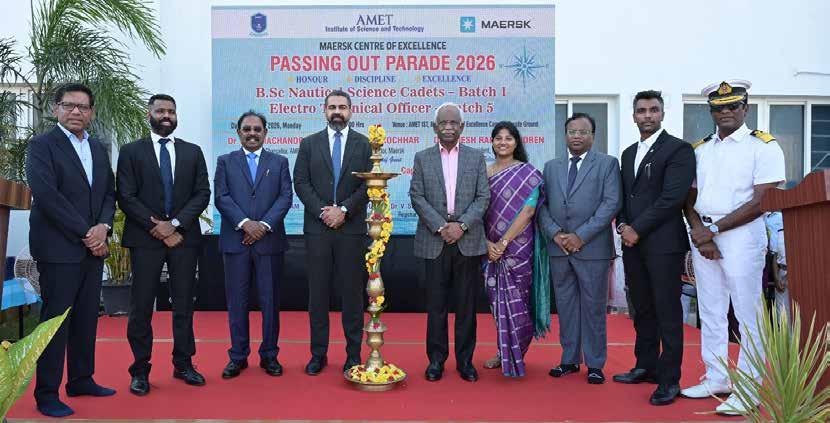
The AMET Institute of Science and Technology (AMET-IST) marked a significant milestone in its journey of maritime excellence with the grand Passing Out Parade 2026 held on 18 May 2026 at its scenic campus along East Coast Road, Thenpattinam. The ceremony celebrated not only the graduation of the institution’s first batch of B.Sc. Nautical Science cadets but also the successful completion of training by the 5th Batch of ElectroTechnical Officer (ETO) cadets, reinforcing AMETIST’s growing role in shaping future maritime professionals.
The event was graced by Capt. Karan Kochhar as the Chief Guest and brought together distinguished maritime personalities, academic leaders, faculty members, parents, and cadets in an atmosphere filled with pride, accomplishment, and aspiration.
Welcoming the gathering, Capt. Dr. K. Karthik, Principal of AMET-IST, highlighted the institution’s achievements and academic progress over the years. He reaffirmed AMETIST’s commitment to nurturing highly skilled and globally
competent maritime professionals capable of meeting the evolving demands of the international shipping industry.
Delivering the Presidential Address, Founder and Chancellor Dr. J. Ramachandran reflected on the remarkable growth journey of the institution. He recalled that the vision for establishing AMET-IST received strong encouragement and support from A.P. Moller–Maersk through the efforts of its then Head of Marine HR, Niels H. Bruss, alongside Capt. Karan Kochhar, whose guidance and contributions played a significant role in developing the institution into a centre of maritime excellence.
In his felicitation address, Col. Dr. G. Thiruvasagam, Provost, highlighted the significant contribution of Indian seafarers to the global maritime workforce. He proudly noted that AMET graduates continue to strengthen this international community through their professionalism, technical competence, and disciplined approach.
Addressing the audience, Dr. Rajesh Ramachandran, President of AMET, reflected on the institution’s development journey — from its foundation-laying ceremony and infrastructure creation to the establishment
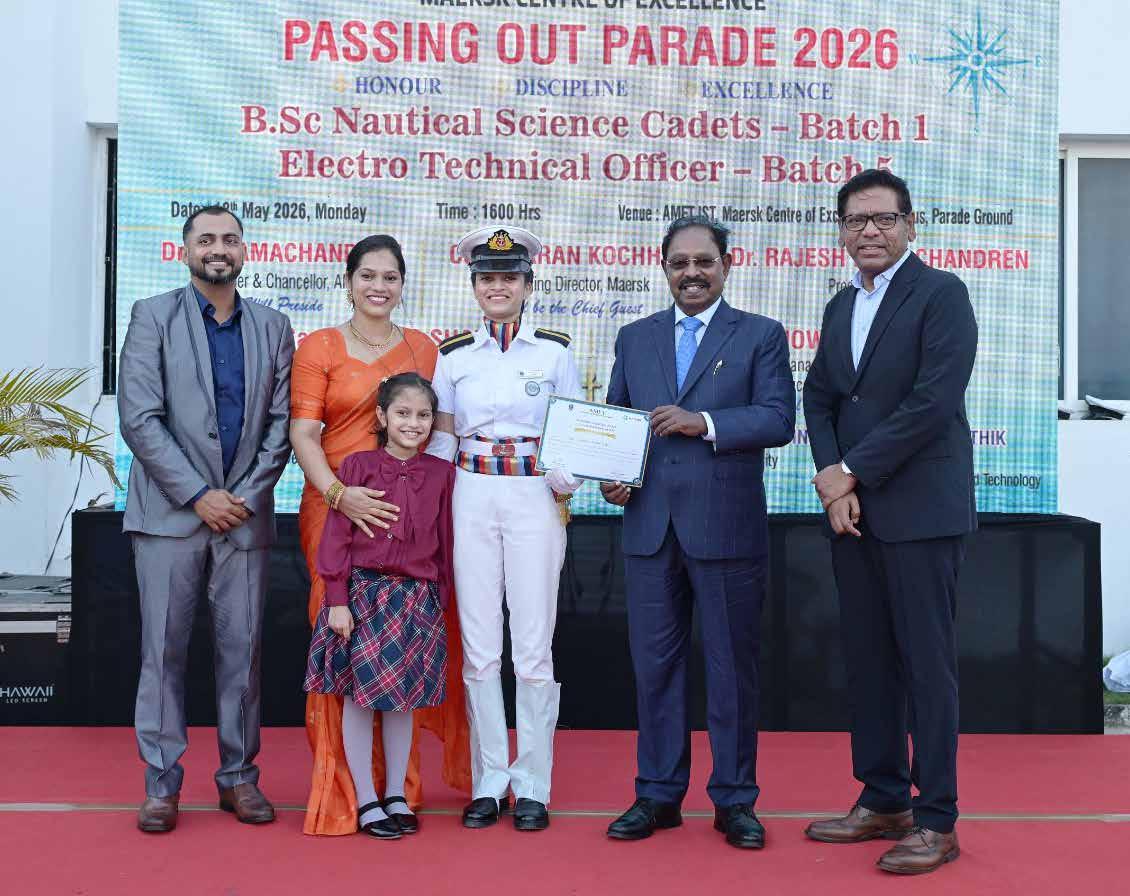
of advanced learning facilities and the successful passing out of the inaugural B.Sc. Nautical Science batch. His address showcased the institution’s steady transformation and longterm vision for maritime education.
A key highlight of the event was the emphasis on AMETIST’s advanced training ecosystem. The Maersk Centre of Excellence, developed exclusively for cadets selected by A.P. Moller–Maersk, offers world-class facilities designed to provide industry-focused training and practical exposure. The centre houses sophisticated electrical and electronics laboratories, communication labs, workshops, safety training facilities, seamanship laboratories, full-mission simulators, augmented and virtual reality-based learning systems, and a specially designed canal for boat rowing and lifeboat operation exercises.
Such state-of-the-art infrastructure reflects AMET-IST’s commitment to bridging academic knowledge with practical maritime competencies aligned with international standards.
In his keynote address, Capt. Karan Kochhar inspired the graduating cadets to pursue their maritime careers with
dedication, integrity, and passion. Encouraging them to remain grounded despite future leadership roles, he emphasized the importance of humility, strong work ethics, and responsible leadership at sea.
Senior maritime professionals Capt. Arvind Shankar and Capt. Danny Jowher also addressed the graduating cadets, sharing valuable insights on professional discipline, leadership development, and emerging opportunities in the global maritime sector.
The programme concluded with a Vote of Thanks delivered by Dr. V. Sangeetha Albin, Registrar (i/c), who expressed appreciation to the dignitaries, faculty members, parents, cadets, and organising teams for contributing to the success of the event.
The Passing Out Parade 2026 stood as more than a ceremonial occasion; it represented the culmination of years of dedication and training, while symbolising AMET-IST’s continuing commitment to academic excellence, maritime discipline, and the development of future leaders for the global shipping industry. -MMT