


Remembering Three Indian Seafarers and the Growing Risks in Geopolitical Hotspots
The New Invisible Threat at Sea GPS Jamming, AIS Spoofing and the Changing Face of Maritime Risk
Anchoring Change: MUI HR Connect 2026
Shaping Resilient, Skilled, and Globally Competitive Maritime Professionals
Cover Story: The Prudence Odyssey A Decade of Trust, Innovation, and Maritime Excellence
Disclaimer
All advertisements in this magazine are placed with no liability accepted by the publisher for the material content therein. No responsibility is accepted by the publisher for omission or error or non-insertion of any advertisements. All advertisements and material in this magazine are subjected to approval by the publisher and are not necessary the opinion of the publisher. No liability is accepted for advertisements that are placed or any information that might be criminally connected. All information is checked to the best of our knowledge and is reliant upon the material submitted not being in contravention of all relevant laws and regulations and within the provisions of the Trade Practices Act.
Reproduction Prohibited
Maritime Matrix Today will not be responsible for the views expressed by contributors in their personal capacity. All rights reserved. Reproduction in part or whole without the permission of the Editor is prohibited.
Readers are recommended
To make appropriate enquiries before sending money, incurring expenses or entering into any commitment in relation to any advertisement published in this publication. Maritime Matrix Today does not vouch for any claims made by the Advertisers of Products and Services. The Printer, Publisher, Editor and Owner of Maritime Matrix Today shall not be held liable for any consequences, in the event such claims are not honoured by the Advertisers.
RNI: MAHENG/2013/50159
by Marex Media Pvt Ltd C-209, Morya House, New Link Road, Andheri West, Mumbai 400058
• Seaspan technology continues to be a leader in the industry, setting high environmental goals
• Our fleet of Dual Fuel Vessels with Membrane & Type B Tanks sets us up for a strong future
• MAN ‘ME-GI Mark 2’ Main engines, a step further than present generation of main engines
• The ‘EGR (Exhaust Gas Recirculation)’ as well as ‘SCR (Selective Catalytic Reactors)” as means to bring down NOx emissions to Tier III levels
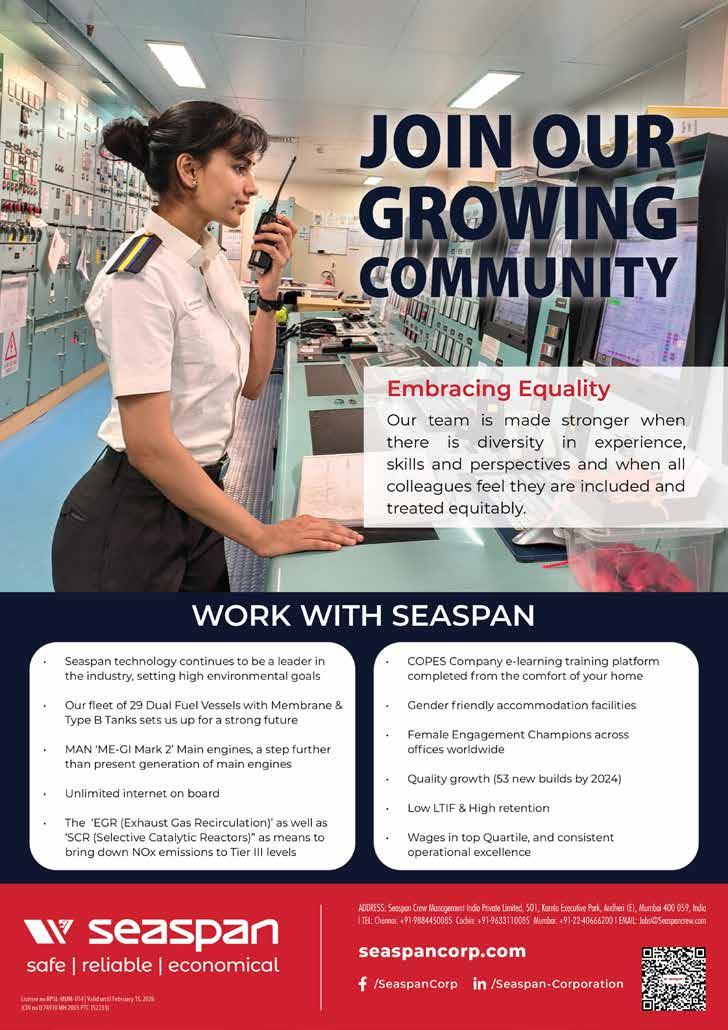
• COPES Company e-learning training platform completed from the comfort of your home
• Gender friendly accommodation facilities
• Female Engagement Champions across offices worldwide
• Quality growth
• Low LTIF & High retention
• Wages in top Quartile, and consistent operational excellence

Every successful maritime enterprise begins with a vision, but it is sustained by trust, adaptability and the ability to evolve with changing times. This month’s cover story, “The Prudence Odyssey – A Decade of Trust, Innovation, and Maritime Excellence,” chronicles the remarkable journey of Glen Mendonca and Prudence Marine Services. From addressing inefficiencies in maritime documentation to pioneering digital solutions during the pandemic and expanding into technologydriven maritime services, the story exemplifies how resilience, customer-centric thinking and innovation can transform a modest enterprise into a respected global maritime partner.
The same spirit of transformation resonates throughout this edition. India’s maritime ambitions continue to gather momentum through major infrastructure projects such as the Chennai Port–Maduravoyal Elevated Corridor, the advancement of the Vadhvan Port Project, and the India-UAE Virtual Trade Corridor. Together, these initiatives reflect a nation strengthening its logistics ecosystem while positioning itself as a significant player in global maritime trade.
Technology is another recurring theme. Digital documentation, artificial intelligence, automation and the electrification of freight transport are redefining operational efficiency, while emerging threats such as GPS jamming and AIS spoofing
remind us that cyber resilience has become inseparable from maritime safety. As the industry embraces digital transformation, balancing innovation with security will be essential.
At the heart of this issue, however, are the people who keep global trade moving. The moving tribute to the three Indian seafarers who lost their lives aboard MT Settebello reminds us that behind every vessel and every shipment are professionals who serve with courage under increasingly complex geopolitical conditions. Their sacrifice reinforces the industry’s responsibility to strengthen safety, welfare and protection for seafarers everywhere.
Collectively, the articles in this edition present a maritime industry that is evolving with purpose. Whether through entrepreneurship, infrastructure, technology or human capital, the message is clear: sustainable progress is achieved when innovation is anchored in trust and growth is guided by people.
As this issue demonstrates, the future of maritime belongs to organisations and leaders who are prepared to embrace change without compromising the values of integrity, service and excellence. Those qualities have defined Prudence Marine’s first decade—and they will continue to define the maritime industry’s journey in the years ahead.
- Kamal Chadha
Kamal Chadha Group CEO kamal@marexmedia.com
Shirish Kirtane
HOD Graphics shirish@marexmedia.com
Radhika Vakharia CEO & Editor radhika@marexmedia.com
Santosh Nivalkar Sr. Graphic Designer santosh@marexmedia.com
Delphine Estibeiro Editorial Coordinator delphine@marexmedia.com
Manish Malve
Graphic Designer manish@marexmedia.com
Jagdamba Pandey Manager, Business and Promotion jagdamba@marexmedia.com
Bhavna Pimpale Coordinator bhavna@marexmedia.com


Amazon.com announced the launch of “Amazon Supply Chain Services,” opening its massive logistics network to external businesses of all sizes. The move allows companies across retail, healthcare, and manufacturing to utilize Amazon’s global infrastructure— spanning air, ocean, rail, and ground freight—to move, store, and deliver goods from raw materials to final products.By offering third-party logistics independent of its marketplace, Amazon enters direct competition with shipping giants FedEx and UPS. Following the announcement, shares of FedEx and UPS slipped 1.8% and 1.5%, respectively, in premarket trading. Major corporations, including Procter & Gamble, 3M, and American Eagle Outfitters, have already signed up. Much
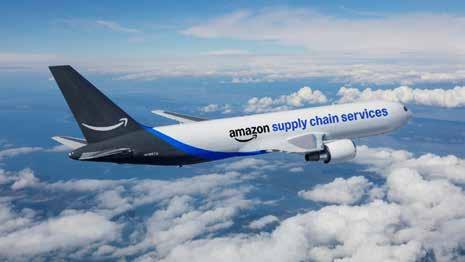
like the trajectory of Amazon Web Services (AWS) in cloud computing, this expansion leverages Amazon’s internal operational capacity—including over
100 cargo planes and 80,000 trailers— to establish a powerful new revenue stream.
Chennai is witnessing the rapid progress of one of its most ambitious transport infrastructure projects as the Chennai Port–Maduravoyal Elevated Corridor begins to take shape. The 21-kilometre double-tier elevated expressway is expected to significantly improve cargo movement, reduce urban congestion and strengthen the city’s logistics ecosystem. Developed by the National Highways Authority of India (NHAI), the project is considered a major step towards modernizing transport connectivity linked to one of India’s key maritime gateways. Designed as a four-lane double-decker corridor, the expressway will directly connect Chennai Port with Maduravoyal, creating a dedicated and uninterrupted route for freight and container movement. One of the key features of the project is the separation of heavy cargo traffic from regular city traffic. The upper tier will be exclusively used for container trucks and freight vehicles moving to and from Chennai Port, while the lower level will cater to urban traffic through multiple entry and exit ramps at major city junctions. Scheduled for completion in 2027, the Chennai
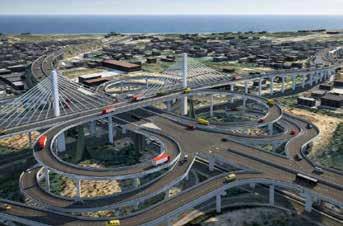
Port–Maduravoyal Elevated Corridor represents more than an infrastructure development. It reflects India’s broader focus on integrated logistics networks where roads, ports and cargo systems function as a unified ecosystem. Once operational, the project is expected to become a key driver in transforming Chennai into a stronger logistics and maritime hub.
India and the United Arab Emirates have taken a major step in strengthening bilateral trade and maritime cooperation with the operationalization of a pioneering Virtual Trade Corridor (VTC), part of a wider package of energy, infrastructure, and maritime agreements valued at nearly $5 billion. The initiative marks a significant advancement in the two countries’ efforts to enhance supply chain efficiency and accelerate trade movement amid increasing global geopolitical and logistical challenges.The newly launched Virtual Trade Corridor is designed to digitally integrate customs systems and port authorities of both nations, creating a seamless framework for trade documentation and cargo movement. By reducing dependence on conventional physical processes and minimizing administrative bottlenecks, the corridor is expected to substantially cut cargo transit times and lower logistics costs. Industry experts believe that the initiative could provide a more resilient trade route, particularly at a time when disruptions and volatility in global shipping lanes continue to impact international commerce.In another key development under the bilateral partnership, a major

collaboration has emerged in the shipbuilding and maritime services sector. India’s Cochin Shipyard has partnered with UAE-based Drydocks World to establish a specialized shiprepair cluster at Vadinar, Gujarat. The project is expected to strengthen India’s maritime infrastructure by creating a worldclass facility for ship maintenance and repair services.
The mega Vadhvan Port Project in Maharashtra has crossed a critical milestone, clearing final procedural hurdles to advance into its next phase of development. Positioned to break into the top ten global container ports upon completion, this greenfield project is gaining massive momentum as a vital hub for international trade.In a major boost to regional maritime capacity, the Dredging Corporation of India (DCIL) simultaneously completed complex rock dredging operations at the nearby Jawaharlal Nehru Port Authority (JNPA). This crucial underwater excavation significantly improves draft clearance, allowing JNPA to seamlessly accommodate larger, deeper-draft vessels and ultra-large container ships.
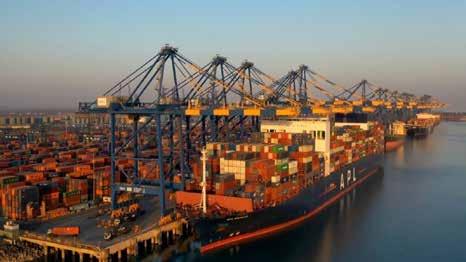
Together, the regulatory breakthrough at Vadhvan and the immediate operational upgrades at JNPA mark a transformative week for India’s west
coast infrastructure, substantially enhancing the nation’s global shipping competitiveness and handling capacity.
India’s logistics sector is entering a transformative phase as the government intensifies efforts to promote the electrification of heavy commercial vehicles. On May 20, the Ministry of Heavy Industries and NITI Aayog unveiled updated operational roadmaps for heavy commercial vehicle electrification under the PM E-DRIVE incentive scheme, signaling a major policy push toward sustainable freight mobility.
The latest roadmap highlights a significant shift taking place within the logistics ecosystem. Fleet operators and logistics aggregators, who initially focused on electric vehicles for shortdistance urban deliveries, are now expanding their attention to mid-mile and long-haul transportation through electric trucks (e-trucks). The transition reflects growing confidence in the viability of heavy electric mobility for large-scale freight operations.
A key driver behind this momentum is the steady decline in battery costs, which is improving the economic feasibility of e-trucks for commercial operators. Lower operating costs, reduced dependence on fossil fuels, and increasing environmental concerns are also encouraging logistics
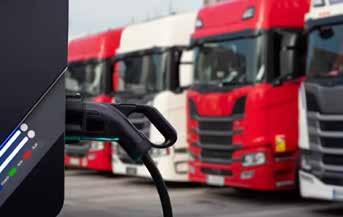
companies to explore electric alternatives for cargo movement.
To support this transition, major freight corridors across the country are being equipped with dedicated charging infrastructure for commercial e-trucks. Strategic routes such as the Delhi–Mumbai and Chennai–Bengaluru corridors are emerging as priority zones for developing high-capacity charging networks capable of supporting heavy cargo transport.
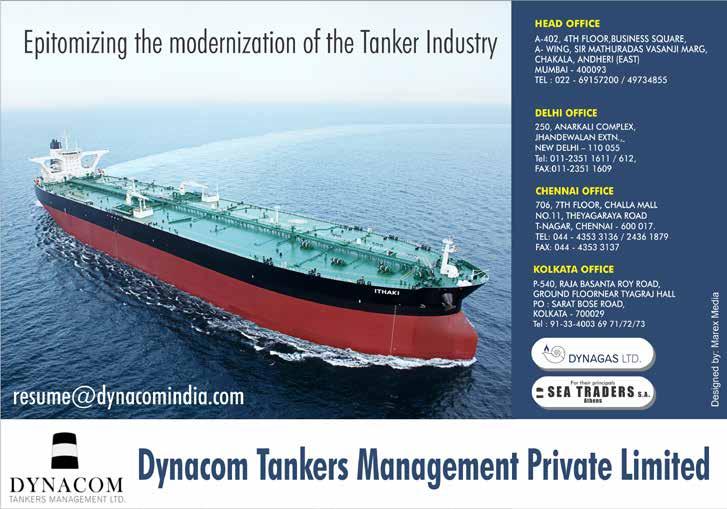
A-402, 4th Floor, Business Square, A- Wing, Sir Mathuradas Visanji Marg, Chakala, Andheri (East) MUMBAI - 400093
TEL : 022- 69157200 / 49734855
Email : resume@dynacomindia.com
202, 203, 2nd Floor, Ashoka Estate 24, Barakhamba Road, New Delhi - 110001.
Tel. : 011 - 49318310
Email : delhi@dynacomindia.com
1A, 1st Floor, B Block, Mena Kampala Arcade, Plot no 114, Thyagaraya Road T. Nagar, Chennai 600017
Tel.: +91 44 43533136
Email : chennai@dynacomindia.com
Flat No: 4-B,175 Sarat Bose Road, Deshpriya Park, KOLKATA - 700026
Tel : 91-33-4003 6972 / 4003 6973 91-33-3592 3678
EMail: kolkata@dynacomindia.com
“A ship is more than steel and machinery. It is the people on board who give it life.”
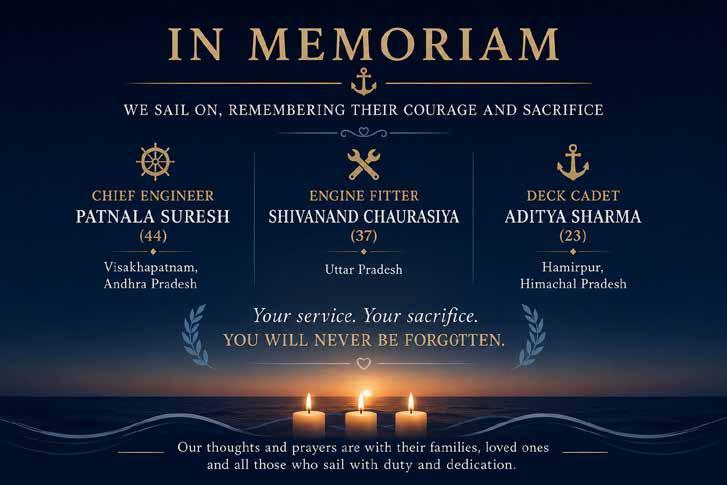
In June 2026, the maritime community was shaken by tragic news from the Gulf of Oman. Amid escalating geopolitical tensions in one of the world’s busiest shipping corridors, three Indian seafarers lost their lives while serving aboard the tanker MT Settebello. Twenty-one crew members were rescued, but for three families in India, the voyage never ended with a homecoming.
The names of these seafarers deserve to be remembered.
Three men. Three different stages of a maritime career. One shared commitment to serving at sea.
Chief Engineer Suresh represented experience and leadership, having spent years ensuring the safe operation of vessels.
Shivanand Chaurasiya embodied the technical expertise and dedication that keep ships running day and night.
Aditya Sharma was only beginning his maritime journey, carrying dreams, ambitions, and aspirations common to thousands of young cadets entering the profession each year.
Their deaths have become a stark reminder of an uncomfortable truth: in today’s world, seafarers are increasingly finding themselves exposed to geopolitical conflicts that they neither create nor control.
More than 80 percent of global trade is transported by sea. Every day, thousands of merchant vessels carry oil, food, medicines, manufactured goods, and raw materials across oceans and through strategic waterways.The Strait of Hormuz, the Gulf of Oman, the Red Sea, and other critical maritime corridors are essential arteries of the global economy. Yet they are also regions where geopolitical tensions can escalate with little warning. When governments engage in conflict, merchant vessels often continue operating because global trade cannot simply stop. Cargo must still be delivered. Ports must still function. Supply chains must continue.As a result, civilian seafarers frequently find themselves navigating waters where military operations, security threats, sanctions, and regional disputes are unfolding around them.
Unlike military personnel, merchant seafarers are not trained for combat situations. Their role is to transport cargo safely and
efficiently. Yet recent events have demonstrated how quickly they can become unintended casualties of geopolitical conflict.
In discussions about shipping disruptions, freight rates, oil prices, and regional security, the human dimension is often overlooked.Industry reports may count incidents, assess risks, and analyze economic impacts. However, behind every statistic is a person with a family waiting at home.
Patnala Suresh was a husband, a father, a son, and a colleague.
Shivanand Chaurasiya was a skilled maritime professional whose expertise contributed to the safe operation of vessels and the movement of global trade.
Aditya Sharma represented the future of the maritime industry—a young cadet taking his first steps in a profession built on courage, resilience, and commitment.
Their loss reminds us that the true cost of maritime insecurity cannot be measured solely in financial terms.For every vessel delayed, every cargo disrupted, and every route diverted, there are human beings carrying the burden of uncertainty.
Historically, seafarers have faced challenges such as storms, mechanical failures, piracy, and accidents. Today, however, maritime risk is evolving.Geopolitical instability has introduced new threats that are often unpredictable and difficult to mitigate. Vessels operating in conflict-prone regions may face drone attacks, missile threats, military inspections, navigation restrictions, or sudden changes in security conditions.At the same time, technological threats are adding another layer of complexity. Reports of GPS jamming, AIS spoofing, and navigation interference have increased significantly in the Gulf region. Bridge teams are increasingly required to verify electronic navigation information through traditional methods, adding operational pressure to already demanding voyages.For seafarers, this means that routine commercial operations can rapidly become high-risk missions.
The dangers of operating in geopolitical hotspots extend beyond physical safety.Many seafarers report heightened anxiety when transiting high-risk regions. Uncertainty about security conditions, concerns about family welfare, and fear of becoming caught in escalating conflicts can have a profound
impact on mental wellbeing.Crew members must remain vigilant around the clock, often while dealing with fatigue, long contracts, and limited communication with loved ones. The maritime industry has made significant progress in promoting mental health awareness, yet incidents such as the tragedy involving MT Settebello remind us that psychological safety is inseparable from physical safety.Supporting seafarers means not only protecting them from direct threats but also addressing the emotional and mental strain associated with working in conflict-affected waters.
The deaths of these three Indian seafarers raise important questions for the global maritime community.
Are seafarers receiving sufficient information before entering conflict-prone areas?
Do shipping companies have adequate risk assessment procedures in place?
Should seafarers have greater authority to decline assignments in active conflict zones?
Are existing compensation and welfare mechanisms sufficient to support affected families?
International organizations, flag states, shipping companies, insurers, maritime unions, and welfare organizations all have a role to play in strengthening protections for civilian mariners. Enhanced intelligence sharing, real-time security advisories, improved voyage planning, crisis response training, and
stronger support systems for families are no longer optional— they are essential.Most importantly, the international community must continue to advocate for the recognition of seafarers as protected civilian workers whose safety should never be compromised by geopolitical disputes.
The maritime industry often celebrates technological innovation, fleet expansion, and commercial success. These achievements are important, but they are made possible by the dedication of seafarers who spend months away from home to keep global trade moving.The lives of Chief Engineer Patnala Suresh, Engine Fitter Shivanand Chaurasiya, and Deck Cadet Aditya Sharma remind us that behind every shipment, every voyage, and every successful delivery are individuals who accept extraordinary responsibilities on behalf of the world economy. As geopolitical tensions continue to shape global shipping routes, their story should serve as a catalyst for change.Safety cannot be viewed solely as a technical or operational issue. It must remain a human issue.The maritime industry owes it to every seafarer—not only to remember those who have been lost, but to do everything possible to prevent future tragedies.
Three Indian seafarers. Three lives dedicated to the sea.May their service be remembered, their sacrifice honoured, and their loss inspire renewed commitment to the safety and welfare of seafarers everywhere.
The maritime industry has always navigated through visible dangers—storms, piracy, mechanical failures, and geopolitical tensions. Today, however, a new threat is emerging that cannot be seen through binoculars or radar screens. It is silent, invisible, and increasingly disruptive: the manipulation of navigation systems through GPS jamming and AIS spoofing.
As geopolitical tensions continue to affect key shipping routes, particularly in and around the Arabian Gulf and the Strait of Hormuz, reports of navigation interference have surged dramatically. Industry observers estimate that nearly one million incidents of GPS disruption and signal manipulation have been recorded since the recent Gulf conflict began. What was once considered a niche cybersecurity concern has rapidly evolved into a major operational and safety challenge for shipowners, seafarers, insurers, and regulators alike.
Modern shipping relies heavily on satellite-based navigation systems. The Global Positioning System (GPS) enables vessels to determine their precise position, while the Automatic Identification System (AIS) allows ships to broadcast and receive information regarding identity, position, course, and speed.
GPS jamming occurs when radio frequency signals are deliberately transmitted to overwhelm legitimate satellite signals, preventing navigation equipment from determining an accurate position. AIS spoofing, on the other hand, involves the transmission of false vessel data, causing ships to appear in incorrect locations or even creating “ghost ships” that do not exist.
For bridge teams accustomed to highly automated navigation systems, these disruptions can create confusion and uncertainty within seconds.
In several reported cases, vessels navigating in strategic waterways suddenly found themselves appearing miles away from their actual position. Others experienced complete loss of GPS functionality, forcing bridge teams to rely on alternative methods of navigation.
The growing prevalence of navigation interference is occurring at a time when maritime trade is becoming increasingly
dependent on digital technologies. Electronic Chart Display and Information Systems (ECDIS), integrated bridge systems, dynamic positioning equipment, voyage optimization software, and autonomous navigation support tools all rely heavily on accurate positioning data.
When GPS signals are compromised, the impact extends far beyond a simple loss of location information.
A vessel entering a congested port may receive inaccurate positioning data, increasing the risk of grounding. A tanker navigating a narrow channel could experience course deviations. Traffic management systems ashore may receive incorrect information about vessel movements, affecting traffic planning and emergency response capabilities.
Perhaps most concerning is the potential for collision. In heavily trafficked waterways, a false position report can create dangerous misunderstandings among vessels attempting to maintain safe passing distances.
The maritime industry has spent decades reducing accidents through improved technology and human-factor training. Yet these advances become vulnerable when the information feeding the technology itself cannot be trusted.
While technology often receives the spotlight, the real burden falls upon the men and women working at sea.
Bridge teams are increasingly required to verify electronic information using multiple independent sources. Officers must compare GPS data with radar observations, visual bearings, celestial navigation techniques, and traditional chart work to confirm a vessel’s true position.
Many younger seafarers have spent their entire careers working with sophisticated digital navigation systems. The resurgence of traditional navigation practices presents both a challenge and an opportunity.
Training institutions and shipping companies are revisiting skills that had gradually become less prominent in everyday operations. Manual position fixing, dead reckoning, radar plotting, and terrestrial navigation are once again being emphasized as essential competencies.
This shift highlights an important lesson: technology should support seamanship, not replace it.
The most effective defence against navigation interference remains a well-trained and vigilant bridge team capable of recognizing anomalies and responding appropriately.
The Insurance Perspective
Marine insurers are also paying close attention to this evolving threat.
Historically, insurers assessed risk based on vessel condition, crew competence, route characteristics, weather exposure, and cargo type. Today, cyber-related risks are becoming a significant factor in underwriting decisions.
Navigation interference incidents can lead to costly consequences, including collisions, groundings, environmental damage, cargo claims, and delays. Even when no physical damage occurs, voyage disruptions can generate substantial financial losses.
Insurers are increasingly encouraging shipowners to strengthen cyber resilience measures, improve crew awareness training, and establish clear procedures for responding to GPS outages and AIS anomalies.
Some industry experts predict that navigation interference may eventually be treated similarly to traditional war-risk exposures, particularly in politically sensitive regions where signal disruption is becoming more common.
The Industry Response
Recognizing the growing scale of the problem, maritime authorities, classification societies, and industry organizations are developing guidance and best practices.
Ship operators are being encouraged to:
• Verify position using multiple independent navigation methods.
• Maintain proficiency in traditional navigation techniques.
• Conduct regular cyber-awareness training.
• Establish procedures for reporting GPS and AIS anomalies.
• Ensure bridge teams understand the limitations of electronic systems.
• Regularly test contingency plans for navigation system failures.
Technology providers are also exploring solutions, including multi-source positioning systems that combine GPS with alternative satellite networks, terrestrial navigation aids, inertial navigation systems, and advanced anomaly-detection software.
The goal is not to eliminate technology dependence entirely but to build greater resilience when systems are disrupted.
The maritime industry is entering an era where physical and digital risks are becoming increasingly interconnected.
A vessel may be equipped with the latest navigation technology, yet remain vulnerable to signal interference. A global shipping giant may command an unprecedented share of the market, yet still face challenges arising from cyber threats, geopolitical instability, and supply chain disruptions.
For seafarers, shipowners, regulators, and logistics providers, adaptability will be the defining characteristic of success.
The rise of GPS jamming and AIS spoofing serves as a reminder that even in an age of advanced automation, fundamental seamanship skills remain indispensable. At the same time, the continued growth of industry leaders such as MSC demonstrates the importance of scale, resilience, and innovation in an increasingly complex global trading environment.
The future of maritime transport will not simply depend on bigger ships or smarter technology. It will depend on the industry’s ability to balance technological advancement with human expertise, ensuring that the world’s supply chains remain safe, secure, and efficient in an era of unprecedented change.
- Jagdamba Prasad Pandey
In the maritime industry, success is rarely measured only by years in operation. It is measured by trust earned, relationships built, challenges overcome, and the value delivered to clients navigating an increasingly complex global shipping landscape.
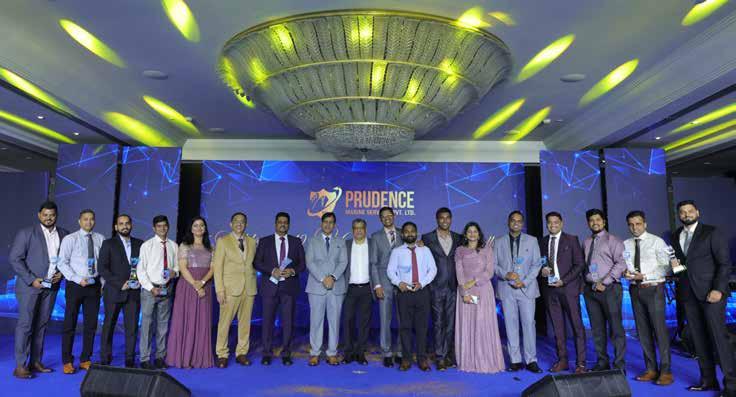
As Prudence Marine Services Pvt. Ltd. celebrates its 10th Foundation Year, this milestone represents far more than a decade in business. It marks ten years of transforming challenges into opportunities, building enduring partnerships, embracing innovation, and creating a maritime ecosystem designed to support the industry’s evolving needs.
Today, Prudence Marine stands as a trusted services partner to clients across multiple jurisdictions and flag administrations, known for professionalism, reliability, and operational excellence. Yet the journey began with a simple observation.
For Founder & Managing Director Glen Mendonca, Prudence Marine was born not from ambition alone, but from firsthand experience. After two decades in the maritime sector, including leadership roles in offshore and chartering, he repeatedly encountered inefficiencies in vessel documentation, regulatory processes, and service delivery.
“There was often a disconnect between what was promised and what was delivered,” recalls Mr. Mendonca. “Clients needed more than vendors. They needed a dependable partner capable of quick turnarounds, transparent communication, and comprehensive support under one roof.”
Recognizing this gap, Prudence Marine Services was established in 2016 with a clear mission: to become the single point of contact for maritime stakeholders seeking reliable, efficient, and professional support. What began as a focused vision soon

evolved into an enterprise built on one principle – Dependable Execution.
Every successful organization has a defining moment that tests its character. For Prudence Marine, it arrived during the COVID-19 pandemic. As maritime operations faced unprecedented disruption, traditional documentation stalled and physical movement was restricted.
Rather than retreat, Prudence Marine innovated. The company proposed and implemented digital documentation processes with major flag administrations, moving critical procedures away from legacy paper-based systems. The initiative ensured uninterrupted client service and accelerated modernization across key maritime processes.
“The lockdown challenged us like never before,” says Mr. Mendonca. “But it taught us resilience. It showed us that if you stay focused on solutions, challenges become opportunities.” That period became one of the company’s most transformative chapters, shaping a culture rooted in adaptability, innovation, and problem-solving.
Over the last decade, Prudence Marine’s growth has been driven by a simple belief: sustainable success is built on relationships. Trust, transparency, responsiveness, and accountability remain
central to every client interaction.
Whether supporting vessel owners, operators, charterers, or maritime professionals, the company has consistently delivered value beyond contractual obligations. This philosophy has earned Prudence Marine long-term partnerships across the maritime ecosystem and a reputation as a dependable industry ally.
As the company celebrates ten years, its leadership acknowledges the role of clients, partners, flag administrations, associates, and well-wishers. Their confidence has been instrumental in shaping this success story.
Behind every milestone stands a team united by purpose. At Prudence Marine, people have always been at the heart of the journey. The company has built a culture of commitment, collaboration, and shared responsibility.
When asked what emotion best describes his thoughts about the team, Mr. Mendonca answers without hesitation: “Pride— without a doubt. Our team has stood strong through every phase. Their dedication and belief in the company have never wavered.”
This people-first philosophy continues to distinguish Prudence Marine as it enters its next chapter.
While trust remains the foundation, technology is shaping the future. Recognizing the importance of digital transformation, Prudence Marine has invested in systems that improve efficiency, accessibility, and decision-making.
Under its technology team’s leadership, the company has developed integrated platforms, custom digital tools, and process automation that support both internal operations and client services.
The goal is simple: create smarter systems that simplify maritime operations while enhancing customer experience. From digital documentation to operational intelligence, technology has evolved from support function to strategic enabler.
Prudence Marine’s evolution extends beyond traditional services. To address broader industry needs, the company has launched ventures designed to strengthen critical operations.
Maribridge – Your
India’s first dynamic marine training course aggregation platform. Maribridge simplifies course planning for seafarers with:
• Live course availability
• Institute locations & batch schedules
• Cost comparisons
• Direct booking capabilities
By connecting training institutes and maritime professionals on one platform, Maribridge reflects Prudence Marine’s commitment to practical innovation.
by Sailors, for Sailors
Safety remains the industry’s highest priority. Saffrix is Prudence Marine’s premium safety wear brand for seafarers, offering customized boiler suits, helmets, parkas, and protective gear. Built by professionals who understand life at sea, Saffrix combines safety, durability, functionality, and branding flexibility. More than a product line, it represents the company’s commitment to raising safety standards worldwide.
As global shipping evolves through digitalization, sustainability, and regulatory complexity, Prudence Marine’s roadmap is clear: deepen digital capabilities, expand the maritime ecosystem, strengthen client partnerships, and deliver tailored solutions that blend technology with human expertise.
The tools may evolve. The principles will not: Integrity. Reliability. Commitment. Service Excellence.
These values guided Prudence Marine through its first ten years and will shape the next.
The celebration of Prudence Marine’s 10th Foundation Year is a celebration of people, partnerships, perseverance, and purpose. It is the story of a company that identified a gap, embraced challenges, built trust, and evolved into a respected global partner.
Ten years is a milestone. For Prudence Marine Services, it is only the beginning.
It is the foundation for the next chapter of growth.
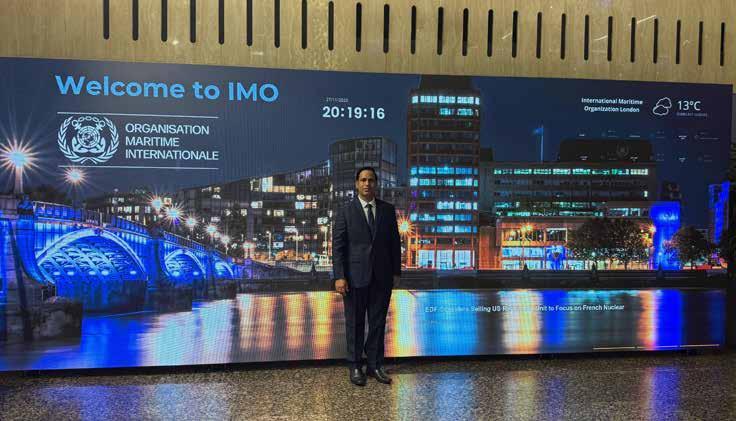
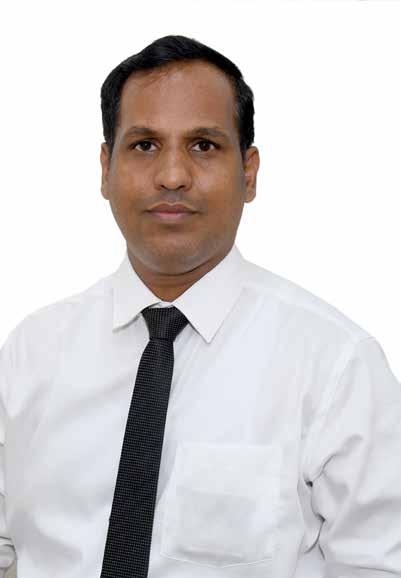
Glen Mendonca, Founder & Managing Director, Prudence Marine Services
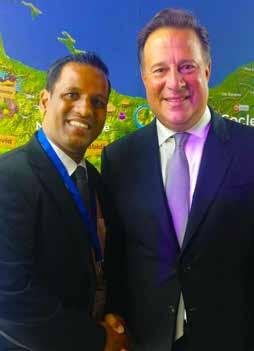
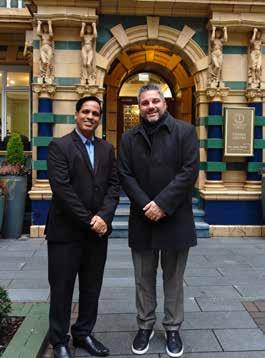
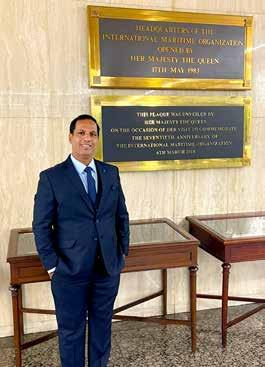
With over 20 years of maritime industry expertise, Glen Mendonca has held major leadership roles at top-tier firms, including Global Offshore. He leveraged his deep commercial shipping background and international trade experience to establish Prudence Marine. Currently, Glen steers the company forward by successfully navigating evolving modern regulations and delivering premium maritime solutions.
Join Marex Media’s Jagdamba Prasad Pandey for an exclusive interview …
You founded Prudence Marine in Mumbai a decade ago. What milestones and challenges shaped it into the global provider it is today?
When I took the leap in 2016 after two decades in the industry, the goal was simple: bring dependable execution to a market lacking structured service delivery.
Our toughest challenge became our defining milestone—the global lockdown. While it impacted initial performance, it forced us to adapt. We proposed digital documentation to major flag authorities and successfully moved them away from legacy physical processes. That period shaped our DNA. Staying solution-focused taught us to stop “chasing work” and start building permanent value.
How has Prudence Marine evolved its flag-state and safety systems amid changing international maritime laws?
The idea for Prudence Marine came from the chartering desk, where I struggled to get vessel documentation on time. To keep clients compliant, we engineered a system where everything is streamlined under one roof. By pioneering digital documentation with flag authorities during the pandemic, we made our systems inherently adaptable. Clients now get a single point of contact, clear communication, and rapid turnarounds— eliminating the gap between promise and delivery.
Clients appreciate you for “zero downtime.” What internal frameworks guarantee seamless, cost-saving execution?
Zero downtime comes down to one philosophy: People matter more than plans.
Technology helps, but execution depends on a committed team. Alongside leaders like Capt. Ashok Maharana, Mr. Ketan Salvi, and Mr. Lyndon Williams, we’ve built a culture rooted in grit and trust. Our internal framework is simple—collective resilience and the commitment to be the dependable partner clients need.
You’ve built strong relationships across documentation, travel, and allied operations. How do you leverage them for client advantage?
Trusting the right people, and earning their trust, is key. My
chartering background helps me understand the operational pressures in this high-stake industry.
We leverage these relationships to act as a single desk for end-to-end services. Whether facilitating S&P inspections or accelerating flag-state approvals, our credibility helps cut through red tape, minimize delays, and keep operational costs in check.
As you enter your second decade with maritime tech and green shipping rising, what’s your strategic roadmap?
If Prudence Marine were a ship, it wouldn’t just sail—it would lead the way.
Our roadmap focuses on deepening digital capabilities while maintaining foundational reliability. We’ll keep building state of the art, paper minimal, tech infrastructure for modern compliance, but the core strategy remains unchanged: tailored, tech-enabled solutions without losing the human element. The next decade will demand adaptation, but it will still be built on trust, growth, and grit.

Glen

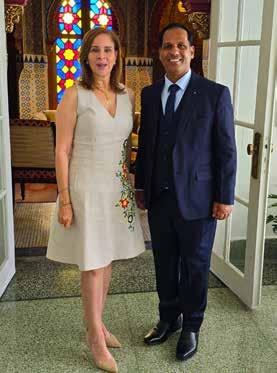
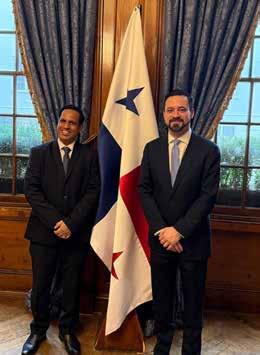


“From the beginning, when Glen founded Prudence with the vision of streamlining flag-state documentation, I partnered with him. That decision proved invaluable. Today we operate 260+ ships with Prudence managing all flag-state documentation, backed by Glen’s unwavering commitment and 24/7 availability.”
“From the moment we began working with Team Prudence, we knew we’d made the right choice. Their service is efficient, honest, and highly professional. What stands out most is Mr. Glen himself—his ethics and commitment to client service set both him and Prudence apart.”


“Our association with Prudence dates back to the very beginning. Over ten years we’ve witnessed remarkable growth—from early days to becoming the exceptional leader Glen is today. We’re immensely proud of his progress and confident he’ll achieve his goal of becoming a ship owner.”

“The maritime industry operates without pause. At Prudence Marine, 24/7 readiness is central to how we serve clients. As compliance, sustainability, and technology reshape the sector, we’ve focused on building a resilient, future-ready organization. By investing in people and digital transformation, we’ve improved efficiency and freed teams to focus on strategic problem-solving. Our commitment remains: reliable, highquality solutions that evolve with industry needs.”
Capt. Ashok Maharana, Director – Strategic Initiatives
“At Prudence Marine, our focus is strengthening operational excellence while supporting sustainable growth. Long-term success is built on trust, reliability, and practical solutions. With a client-first approach, continuous improvement, and adaptability, we strive to create lasting value while upholding the highest standards of quality, compliance, and service.”

Mr. Lyndon Williams, CTO / Head of IT

“Prudence Marine believes in going beyond just delivering services - we build lasting partnerships through operational excellence, reliability, and innovation. With 30+ years of cumulative maritime experience, we believe sustainable growth comes from understanding client needs, embracing improvement, and maintaining the highest standards. Our goal is to create long-term value and strengthen Prudence Marine as a trusted partner to the global maritime industry.”
The maritime industry is built on more than ships, technology, and global trade routes—it is built on people. At the heart of this ecosystem are the seafarers who keep international commerce moving and the Human Resource (HR) professionals who recruit, guide, and support them throughout their careers. Recognising the pivotal role of HR leaders in shaping the future of India’s maritime workforce, the Maritime Union of India (MUI), in collaboration with the MUI Women’s Wing, organised “Anchoring Change – MUI HR Connect 2026” at MSC House, Andheri East, Mumbai.
The initiative marked an important milestone in strengthening collaboration between the Union and the maritime industry’s HR fraternity. Designed as a platform for dialogue, knowledge sharing, and partnership, the event brought together HR Heads, senior crewing professionals, and representatives from leading RPSL shipping companies across India.
Human Resource professionals are often the first point of contact for aspiring seafarers and remain a vital connection between shipping companies and crew members throughout their careers. Their understanding of welfare programmes, career development opportunities, legal support mechanisms, and industry best practices directly influences the lives of thousands of seafarers and their families.
Recognising this strategic role, MUI envisioned HR Connect 2026 as a collaborative platform where the Union and HR leaders could engage openly, exchange ideas, and identify opportunities to work together for the greater benefit of the maritime community. The event reflected a shared belief that stronger partnerships lead to stronger support systems, better communication, and improved welfare outcomes for seafarers.
The technical and interactive session was led by Capt. Savio Ramos, General Secretary of the Maritime Union of India, and Dr. Deepti Mankad, Head of the MUI Women’s Wing.
Capt. Ramos presented the Union’s vision, mission, and unwavering commitment to safeguarding the rights and interests of Indian seafarers. He highlighted MUI’s extensive welfare initiatives, legal assistance, educational programmes, membership benefits, and continuous efforts to represent Indian seafarers both nationally and internationally. His presentation reinforced the Union’s role not only as a representative body but also as a trusted partner in the professional and personal wellbeing of maritime professionals.
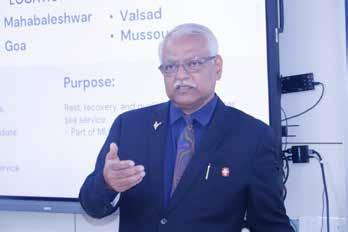
Dr. Deepti Mankad showcased the expanding role of the MUI Women’s Wing in creating inclusive welfare initiatives that support not only seafarers but also their families. She highlighted programmes focused on health awareness, professional development, mental wellbeing, family engagement, and community outreach, demonstrating how the Women’s Wing is creating meaningful opportunities for collaboration across the maritime sector.

Together, the presentations illustrated MUI’s evolving approach towards creating a holistic support ecosystem for India’s maritime workforce.
One of the defining features of MUI HR Connect 2026 was its highly interactive format. The programme encouraged open dialogue, enabling HR professionals to share their experiences, discuss emerging workforce challenges, and offer practical suggestions for strengthening collaboration between shipping companies and the Union.
The Question-and-Answer session generated lively discussions on topics ranging from welfare awareness and membership
engagement to communication channels and industry support systems. Participants appreciated the opportunity to interact directly with Union leadership and gain a deeper understanding of the various initiatives available for seafarers and their families.
Adding significant value to the discussions, Mr. Hormaz Bharucha, Advisor, Maritime Union of India, effectively addressed numerous operational and policy-related queries raised by representatives of the participating shipping companies. His detailed responses helped clarify several aspects of Union services, membership processes, welfare schemes, and industry coordination, contributing to a productive and informative dialogue.
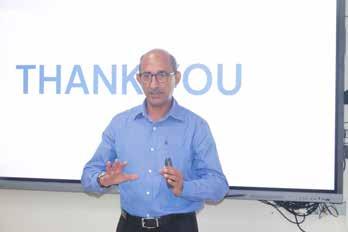
The programme also featured valuable insights from Mr. Balakrishna (Bala) Ranade, Public Relations Officer, Maritime Union of India, who highlighted the Union’s longstanding contribution to addressing critical issues affecting Indian seafarers. He shared examples of MUI’s proactive interventions during major maritime crises, including its ongoing efforts to support Indian seafarers impacted by the recent geopolitical tensions in the Strait of Hormuz. His presentation reinforced the Union’s role as a dependable advocate for seafarers during challenging and uncertain times.

A Collective Commitment to Seafarer Welfare
Throughout the event, one message resonated strongly: meaningful progress in the maritime industry is possible
only through collaboration.When shipping companies, HR professionals, and the Maritime Union of India work together, the ultimate beneficiaries are the seafarers. Strong partnerships enable welfare initiatives to reach those who need them most, improve awareness of available support systems, encourage proactive problem-solving, and foster greater trust across the industry.
The event also demonstrated that HR professionals are not merely administrators—they are key stakeholders in promoting wellbeing, professional development, and workforce sustainability. Their partnership with the Union can significantly enhance the quality of support available to Indian seafarers throughout every stage of their careers.
Capt. Savio Ramos expressed his sincere appreciation to Capt. M. P. Bhasin, Managing Director, MSC Crewing Services India Pvt. Ltd., for graciously hosting the event and extending wholehearted support towards this important industry initiative.
The excellent venue, warm hospitality, and meticulous arrangements provided by MSC Crewing Services created an ideal environment for productive discussions, networking, and professional engagement. The event stood as a fine example of how industry organisations can work together in advancing common objectives for the welfare of seafarers.
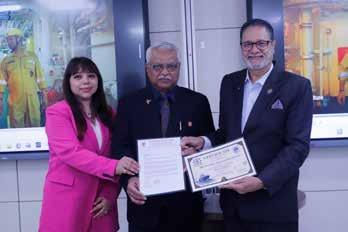
Following the formal presentations, participants continued their interactions during a networking High Tea, where conversations extended beyond structured discussions into opportunities for future collaboration. The informal setting encouraged the exchange of ideas, experiences, and best practices while strengthening professional relationships among HR leaders, shipping companies, and Union representatives.
The programme concluded with a heartfelt Vote of Thanks delivered by Mrs. Payal Bhalla, Lead – Public Relations & Events Division, MUI Women’s Wing. She expressed sincere gratitude to all distinguished guests, HR leaders, speakers, and participants for their enthusiastic participation and valuable contributions in making the event a resounding success.
An Encouraging Response from the Industry
HR Heads and senior representatives of several leading maritime organisations were invited =including MSC Crewing, MTM Ship Management, Fleet Management India Pvt. Ltd., Searland, Elite Mariners, MAERSK, Anglo Eastern, VR Maritime, Goodwood Marine Services, Dockendale, AMET, Seaspan, K Line, Ganpat University, OSM Thome, D’Amico Shipping, MANET, Scorpio, Wallem, Confidence Shipping, Aga Aqua, Ozellar, Hapag-Lloyd AG, and BSM.
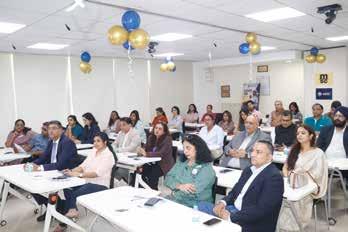
Their presence reflected the industry’s willingness to engage in constructive dialogue and collectively strengthen support systems for Indian seafarers.
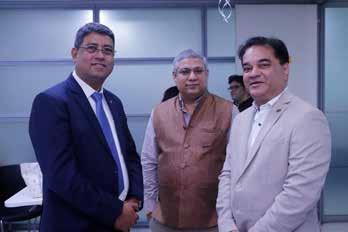
As the maritime industry continues to evolve, attracting, retaining, and supporting skilled seafarers will require closer cooperation among all stakeholders. By bringing together those who manage maritime talent with the organisation dedicated to protecting and promoting seafarers’ interests, MUI has taken a significant step towards building a more connected, resilient, and future-ready maritime community.
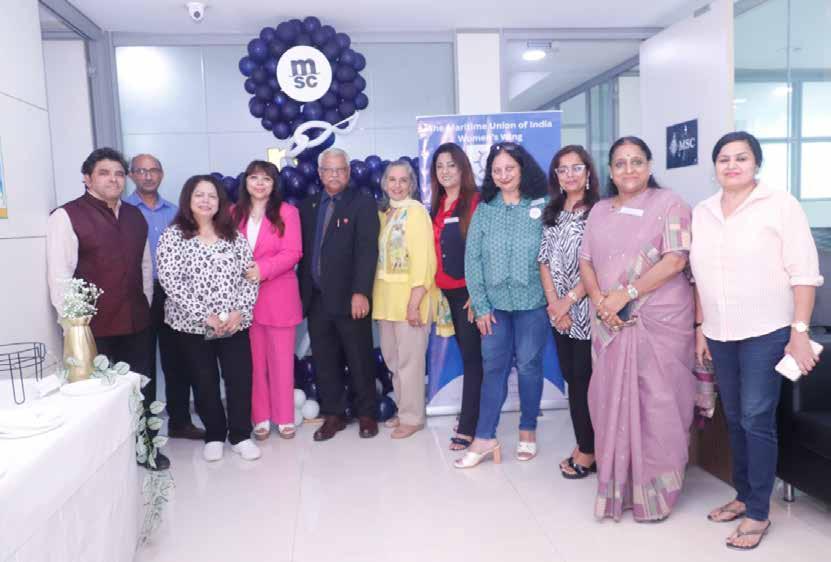
- Delphine Estibeiro and Sonia Parmar
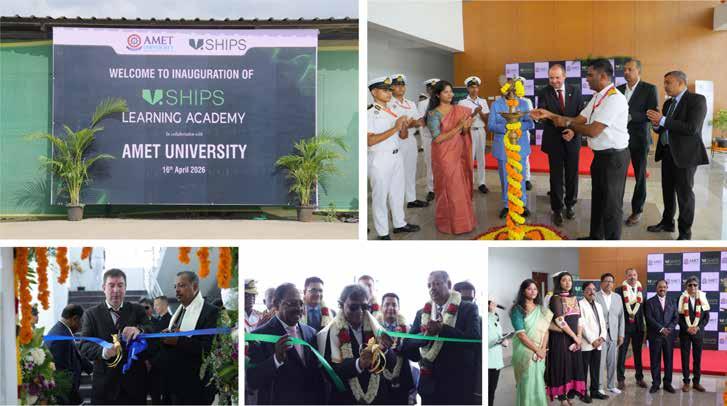
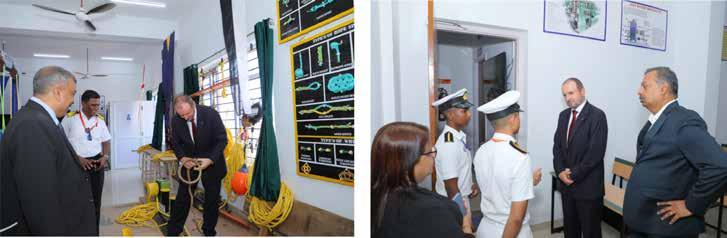
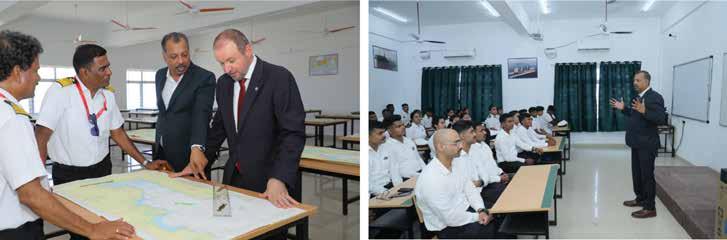
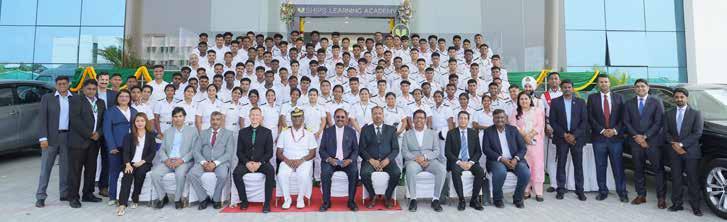
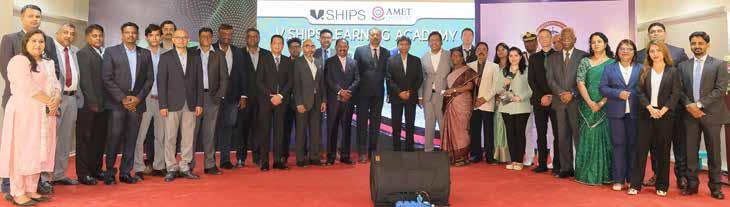
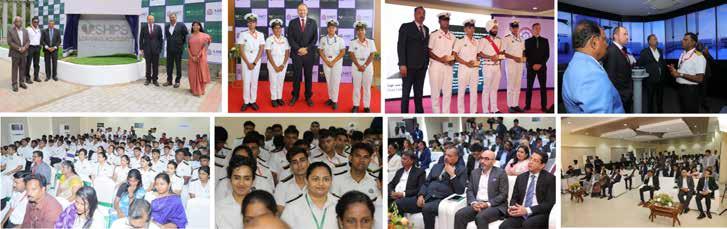
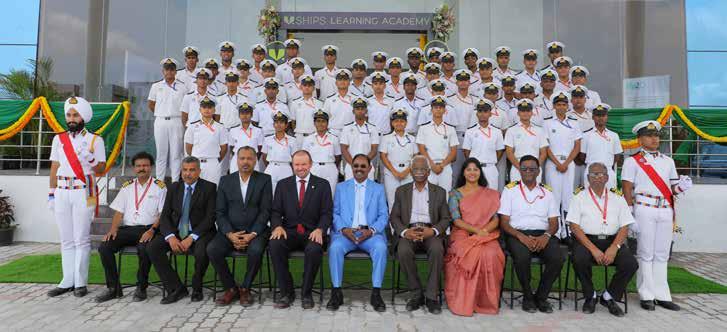
Apromise to invest in India’s maritime future was fulfilled on 16th April with the inauguration of the V.Ships Learning Academy at the AMET campus in Chennai. The launch marked a milestone in industry–academia collaboration, bringing together one of India’s leading maritime universities and one of the world’s largest ship management companies.

Welcoming the gathering, Capt Venkatesh Gomatam, Regional Crew Operations Director, V.Ships, described the Academy as an important investment in the next generation of Indian seafarers. He noted that the shipping industry is undergoing rapid transformation, driven by safety, digitalisation, sustainability, and operational excellence. In such an environment, he said, professionals must be “not only technically qualified but also adaptable, disciplined, and prepared for the practical realities of life at sea.”
Capt Gomatam emphasized that the strength of the AMET–V. Ships partnership lies in connecting classroom learning with real industry expectations. Cadets will benefit from structured mentoring, early exposure to professional standards, and
seamless transition from campus to shipboard operations. “This partnership is not merely about recruitment, but about building careers, creating opportunities, and contributing to the longterm growth and sustainability of the maritime industry,” he affirmed.
Dr J Ramachandran, Founder & Chancellor of AMET University, expressed gratitude for the collaboration, describing V.Ships as a trusted partner since its founding in 1984. He highlighted the Academy’s unique focus on catering and crew training programmes—an area largely untouched by major institutes in India. “I am sure that the students will get a better education, better future, and they will groom themselves well. We will provide everything to international standards, from infrastructure to faculty, ensuring they are not lacking in anything,” he said.
The Chief Guest, Mr Ashish Wankhede, DDG (Tech), underscored the importance of strong industry–academia partnerships in strengthening India’s maritime manpower ecosystem. He acknowledged the long-standing


Allan Falkenberg, COO - Marine Human Resources at V. Group, discusses the launch of the V.Ships Learning Academy in Chennai, a strategic initiative to strengthen India’s maritime talent pipeline and prepare seafarers for the evolving demands of global shipping.
Strengthening India’s Maritime Human Capital…
The launch of the V.Ships Learning Academy marks a significant milestone in our longterm commitment to maritime talent development. After more than three decades of operations in India, establishing our own dedicated training institute is a natural progression-an investment in building a sustainable talent pipeline and reinforcing our presence in the region.
This initiative comes at a crucial time for the industry, as we face a continuing officer shortage driven by demographic shifts and competition from shorebased employment. Meanwhile, the global fleet is becoming increasingly complex, demanding higher-skilled crew across technical, digital, and safety disciplines.
Through the Academy, we aim to address these challenges proactively by expanding recruitment and intensifying training programmes. Partnering with AMET was a deliberate choice-its strong reputation, facilities, and shared commitment to excellence align perfectly with our vision. We are proud to begin with an inaugural cohort of 120 cadets and look forward to shaping a structured pathway from cadet to officer level.
Chennai - A Strategic Maritime Hub…
Chennai was a natural choice for the V.Ships Learning Academy, reflecting both our legacy and our vision for the future. We first established a presence in the city in 2004 and expanded into new premises in 2024. Over two decades, Chennai has become a genuine home for V., with strong relationships and a well-established operational base that made it the right place to take the next step.
Equally important was our partnership with AMET, a respected local maritime institute. AMET brings the academic infrastructure and credibility that perfectly complement V.’s global operational expertise. Together, we can deliver a training experience that neither organisation could achieve alone.
India itself has always been central to V. and to global shipping. Our presence dates back to 1991, and today
approximately 7,000 Indian seafarers serve on V.?managed vessels. Establishing the Academy in Chennai ensures we remain at the heart of this talent pool, shaping the next generation of maritime professionals.
Preparing Seafarers for a Complex Future…
The V.Ships Learning Academy has been designed to equip cadets with the skills required for today’s complex and rapidly evolving maritime environment. Our programmes are fully IMO and STCW compliant, combining classroom instruction with practical onboard experience, including training on a dedicated vessel and exposure to bridge and engine room simulators.
A key focus is preparing seafarers for the multi-fuel future. Each alternative fuel-whether ammonia, methanol, or LNGbrings unique safety and operational challenges. While the industry has long transported these fuels as cargo, using them as marine fuel requires new expertise and rigorous training.
Drawing on over two decades of operational experience with transition fuels, including LNG, LPG, and methanol dual-fuel vessels, we integrate this knowledge directly into our curriculum. Cadets receive IGF Code training and specialised modules covering fuel properties, bunkering, emergency response, and vessel design. The Academy ensures that the next generation of seafarers is not only ready for today’s fleet but fully prepared for the ships of tomorrow.
At V.Ships, we believe competitive pay attracts talent, but continuous learning and structured career development are what truly retain and motivate seafarers. The V.Ships Learning Academy has been designed to provide a clear pathway from cadet entry to officer level, embedding V.specific training throughout. This gives seafarers confidence in their career progression and a strong reason to build their future with us.
Retention is also supported through our Voyage Loyalty programme, launched in 2023, which strengthens engagement and welfare while driving operational performance. Seafarers earn “SeaStars,” our loyalty currency, by completing incentivised activities aligned with key outcomes both onboard and ashore. The results speak for themselves: 98% of seafarers confirm next assignments within seven days, 96% rejoin vessels on time, and 97% complete Navigation Self Assessments within 30 days. Today, the programme has over 4,800 members across 52 nations and 328 vessels.
By combining structured training with innovative engagement initiatives, we are addressing systemic retention challenges and making life at sea more rewarding.
for Maritime Excellence…
Modern training methodologies are central to how the V.Ships Learning Academy equips cadets for today’s complex shipping environment. A recent DNV study highlighted that 81% of seafarers require partial or complete training to work with advanced technologies entering the workplace. We have designed our curriculum to meet this need by combining computer?based learning, e?modules, gamification, and advanced theoretical courses with hands?on exposure.
Cadets train on bridge and engine room simulators and gain experience aboard dedicated training vessels, ensuring they feel prepared before stepping onto a ship. Simulation allows us to replicate complex and potentially hazardous scenarios in a controlled environment, building both technical competence and the confidence to respond effectively under pressure. By training with the same systems, they will encounter onboard, seafarers benefit from efficient, practical, and future?ready preparation.
challenge of ensuring meaningful placement opportunities for cadets after pre-sea training. In this context, he praised the AMET–V.Ships collaboration as a progressive model that bridges the gap between education and employment.
“This association creates a win-win situation for all stakeholders,” Mr. Wankhede said. “Cadets benefit from structured training and enhanced employment prospects, while companies gain access to professionals trained to international standards and aligned with their operational culture.” He added that the initiative supports the Government of India’s Maritime India Vision 2030, which emphasizes skill development, employment generation, and strengthening India’s role as a leading global supplier of maritime manpower.

Mr Binesh Chandra Varma, Deputy Director, Seamen’s Employment Office, Chennai, highlighted India’s growing role in global shipping. “Surviving is almost impossible without ships and seafarers,” he remarked, noting that India’s seafarer workforce has surged to 300,000—12% of the global pool. He praised the Academy as a first-of-its-kind initiative aligned with national maritime goals, urging cadets to “embrace professionalism, stay resilient, and uphold the proud legacy of Indian seafarers.”
My message to young seafarers is that a career in maritime offers real purpose, global exposure, and lasting fulfilment. The industry needs your contributions now more than ever, as new fuels, technologies, and regulatory frameworks reshape the way vessels are operated safely and efficiently. Those entering the profession today will be the ones guiding this transition, making it one of the most exciting times in maritime history to begin a career at sea.
Equally, this is our opportunity to make shipping more welcoming and inclusive. Diversity and inclusion are central to our recruitment strategy, supported by initiatives such as our female cadet programme and the W@VES inclusion platform. We are committed to breaking down barriers and creating supportive environments where every seafarer can thrive.
The industry needs you, and we are investing to ensure this is a career worthy of your time, energy, and dedication.

Dr Rajesh Ramachandran, President of AMET University, emphasized that partnerships must be brought to life through action. He described the Academy as a flagship facility integrating academic knowledge with industry expertise, offering structured pathways from education to onboard training. “This initiative ensures students are industry-ready from day one—marking a milestone in India’s journey toward global leadership in maritime education,” he said.
The inauguration also featured inspiring messages from senior professionals.
• Capt. Arun Iyer, Sailing Master, V.Ships, reminded cadets that “growth in the merchant navy is not automatic— it is earned.” He urged them to embrace challenges as opportunities, stressing that “rank is given, but respect is earned. Stay curious, stay disciplined, and respect the sea— it is your greatest teacher.”
• Chief Engineer Binnu Mathew, who rose from junior engineer in 2007 to chief engineer in 2018, reflected: “My journey in shipping has been defined by resilience, mentorship, and continuous learning.” He emphasized that “safety is not a checklist, it is a culture. Reputation travels
faster than rank—earn respect through professionalism and resilience.”

• Capt. Jure Raguz, Global Cadet Manager, praised AMET’s contribution and recognized star cadets for their performance. “Your career at sea is not just a job, it is a journey,” he said. “The future is in your hands. Success ultimately depends on individual commitment.”
• Capt. Karthik, Principal of AMET, delivered the vote of thanks, highlighting AMET’s legacy of 30 years and its record number of girl cadets. “Seafaring is evolutionary, not instantaneous. Trust the process, let go of comforts, and you will gain fortune and a future,” he concluded.
The launch of the V.Ships Learning Academy at AMET represents more than an institutional milestone—it is a strategic investment in India’s maritime future.


Dr J Ramachandran, Founder and Chancellor of AMET University, reflects on the institution’s legacy and its collaboration with the V.Ships Learning Academy-advancing maritime education, strengthening Chennai’s role as a hub, and preparing seafarers for the evolving demands of global shipping.
AMET’s legacy of advancing maritime education through innovation, global collaboration, and industry relevance resonates strongly with the V.Ships Learning Academy. For over three decades, AMET has focused on shaping competent and responsible maritime professionals. The Academy builds on this foundation, representing a progressive step toward integrating academic excellence with real world operational expertise. Together, we are creating a cohesive learning ecosystem that blends knowledge, skill, and industry engagement to prepare the next generation of seafarers.
Chennai offers unique strengths as a hub for maritime learning and professional development. Its rich seafaring heritage, strong port infrastructure, and proximity to major international shipping routes provide a strategic advantage. Tamil Nadu contributes a significant share of India’s seafaring workforce, and Chennai has become a focal point for maritime education and training institutions. The presence of regulatory bodies, shipping companies, and advanced training centres creates a robust ecosystem that blends academic learning with professional development. This environment makes Chennai the ideal location for initiatives such as the V.Ships Learning Academy to thrive and contribute meaningfully to the future of global shipping.
It is critical that maritime education evolves in line with technological and regulatory change. The industry is
undergoing rapid transformation driven by digitalization, automation, decarbonization, and new international frameworks. With over 70% of shipping companies investing in smart technologies and sustainability, education must be dynamic and forward-looking. Graduates must not only meet current compliance standards but also be prepared to adapt to future challenges. Continuous curriculum enhancement, simulator-based training, and strong industry partnerships are essential to ensure seafarers remain competitive and capable in this evolving global environment.
The collaboration between AMET and the V.Ships Learning Academy opens significant opportunities to advance maritime education and research. Together, we can co develop industry aligned curricula, enhance simulation based training, and pursue applied research in emerging areas such as green shipping, autonomous vessels, and maritime safety systems. Joint certification programmes, faculty exchanges, and collaborative research initiatives will further strengthen this partnership. Evidence shows that institutions actively engaging with industry achieve up to 40% higher employability outcomes among graduates, and we are confident this collaboration is positioned to deliver similar impact for the next generation of seafarers.
The maritime profession offers immense opportunity, but success requires discipline, adaptability, and continuous learning. Young professionals should focus on building strong foundational knowledge while embracing emerging technologies and global best practices. The industry is evolving rapidly, and those committed to skill development and ethical standards will achieve sustained success. My advice is simple: remain curious, stay resilient, and uphold the highest standards of professionalism. As seafarers, you are ambassadors of a truly global industry, and your contributions will shape its future.

Capt Karthik, Principal, AMET University spoke about the Academy’s distinctive training model, opportunities for collaboration, and his message to aspiring seafarers.
Academy’s Distinctive Training Approach…
The Academy offers a unique blend of traditional learning and innovative, future focused training. A key differentiator is the seamless transition from campus learning to onboard training, made possible through industry tie ups. Every cadet admitted here receives an appointment order, ensuring their onboard training is secured without delays. Depending on the programme, onboard training ranges from 6 to 18 months. Our emphasis is on hands on, skill based learning, aligning theory with practice so that graduates are industry ready from day one.
Collaboration with V.Ships Learning Academy… This partnership represents two giants coming togetherAMET with three decades of maritime excellence and
V.Ships with a global fleet of over 1,000 vessels and 7,700 seafarers. The collaboration opens avenues for industry aligned curricula, advanced simulation training, faculty exchange, and applied research. It also extends to cruise industry training through the Oceanic Hospitality Centre, broadening opportunities for cadets in both shipping and hospitality sectors.
Message to Aspiring Seafarers…
Commitment is the cornerstone of success in this industry. Shipping offers rewarding careers, early leadership opportunities, and economic stability, but it demands sacrifice. I often tell cadets that to gain fortune and future, they must be willing to forego the “four Fs”-family, friends, favourite food, and festivals. Seafaring requires resilience, adaptability, and professionalism. Those who embrace these values will find immense opportunities and rapid growth in this truly global industry.
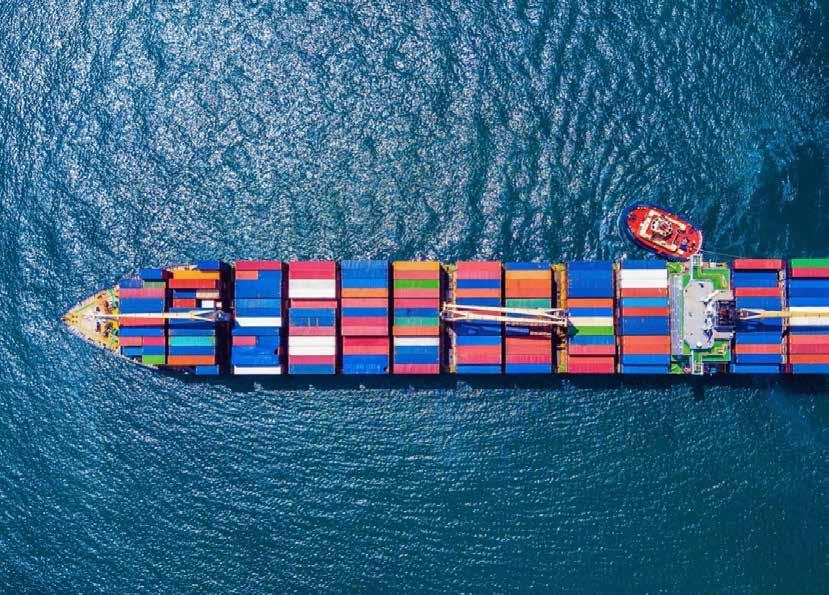
Compliance in maritime operations depends on one critical factor. The ability to access accurate documentation quickly and consistently.
Every vessel maintains a wide range of documents, including statutory certificates, class approvals, inspection records, safety manuals, crew certifications, and regulatory guidelines. Together, these determine whether a vessel is compliant at any given moment.
However, document handling practices have not evolved at the same pace as operational complexity.
In many cases, processes remain manual. Documents are stored across onboard systems, shared drives, email threads, and sometimes physical copies. Updates are distributed periodically, and tracking changes often depends on individuals.
This creates friction.
The most immediate impact is time. Preparing for inspections or audits requires crews to locate, verify, and present multiple documents. This process is repetitive and time-consuming. Even when documents exist, finding the
correct version or relevant section can take longer than expected.
In high-pressure situations such as port state control inspections, delays can lead to unnecessary scrutiny.
Manual handling also introduces inconsistency. Different vessels within the same fleet may organize and maintain documents differently. Some may have updated records, while others may not. This lack of uniformity increases the risk of presenting outdated or incomplete information.
From a compliance standpoint, this creates exposure.
Regulatory frameworks require strict adherence. Compliance is not just about having documents. It is about ensuring they are current, accessible, and properly implemented. Manual systems make it difficult to guarantee this across fleets.
Another challenge is visibility. Shore teams often lack realtime insight into the compliance status of vessels. They may not know if certificates are nearing expiry, if records are incomplete, or if procedures are being followed correctly.
This leads to a reactive approach.
Issues are often identified during inspections rather than addressed beforehand. By the time gaps are discovered, the cost of resolution is higher, both operationally and reputationally.
Automation offers a more structured approach.
By digitizing and centralizing documentation, organizations can move away from fragmented storage. Automated systems ensure that documents are updated, version-controlled, and distributed consistently across vessels.
This reduces reliance on manual coordination.
Artificial intelligence builds on this by making documentation searchable and usable. Instead of manually scanning files, crews can retrieve specific information instantly. Compliance checks that once required hours can be completed much faster.
More importantly, AI enables continuous monitoring. Systems can track certificate validity, identify missing records, and flag compliance risks early. Alerts can be generated automatically, ensuring that teams act before issues escalate.
This shifts compliance from a periodic activity to an ongoing process.
Standardization is another key benefit. Automated workflows ensure that documents are handled in the same way across all vessels. This reduces variability and improves reliability.
For fleet operators, consistency is critical.
It simplifies audits, improves transparency, and strengthens confidence with regulators.
There is also a direct impact on crews. Manual document handling adds to their workload. Time spent managing paperwork reduces focus on operational responsibilities.
Automation reduces this burden and allows crews to focus on execution and safety.
Adoption, however, must be practical. Maritime environments present constraints such as limited connectivity and varying levels of digital maturity. Systems must be reliable, simple to use, and effective in real conditions.
Solutions that add complexity will not be adopted.
Looking ahead, compliance management will become more integrated and real-time. Organizations will have better visibility across fleets and stronger coordination between shore and ship.
The direction is clear.
Manual document handling is no longer sufficient for modern maritime operations. As regulatory demands increase and operations scale, organizations need systems that support faster, more reliable compliance checks.
AI and automation are not just improving efficiency. They are redefining how compliance is managed.
In an industry where compliance is directly linked to safety and continuity, that shift is essential.
The Author

Kashif Ahmad Senior Manager, Sales Yodaplus Technologies
For further queries or to engage in a detailed discussion on the role of AI in maritime compliance and document handling, readers are welcome to connect at kashif@yodaplus.com.
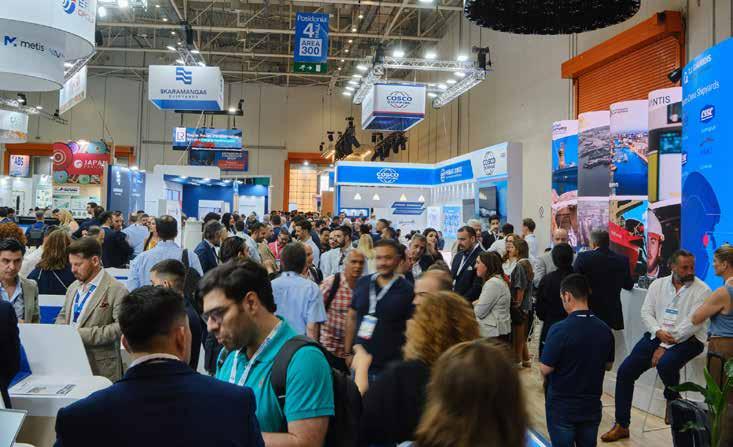
Posidonia 2026 set a new benchmark for the global maritime industry, bringing together the world’s leading shipping stakeholders at a pivotal moment for international trade. Against a backdrop of geopolitical uncertainty, evolving decarbonisation regulations, digital transformation and mounting pressures on global supply chains, the exhibition provided a unique platform for dialogue, collaboration and deal-making.
Reflecting the significance of the event, IMO Secretary-General Arsenio Dominguez, who participated at Posidonia and addressed the opening ceremony, highlighted the exhibition’s unique role in fostering industry engagement.
“Posidonia is a shipping exhibition that has become a maritime institution,” said Dominguez. “Engagement and dialogue are the basis for the business of global shipping. Honest and open conversations and trust-building are central to negotiations at IMO, to reach consensus, built on understanding of everyone’s perspectives.”
Those conversations unfolded throughout the week across conference halls, exhibition stands and networking events, as shipowners, regulators, policymakers and technology providers examined the challenges and opportunities shaping the future of shipping. At the same time, the exhibition floor was transformed into a hub of commercial activity, with exhibitors announcing strategic partnerships, signing memoranda of understanding and unveiling major investment initiatives.
Among the landmark agreements announced during Posidonia 2026 were a series of strategic collaborations and commercial transactions that underscored the industry’s commitment to innovation, sustainability, digital transformation and industrial growth.
Highlights included a Memorandum of Understanding between Skaramangas Shipyards and Hyundai Heavy Industries aimed at strengthening Greece’s shipbuilding capabilities and exploring opportunities in naval and commercial vessel construction. The exhibition also witnessed one of the year’s most significant
shipbuilding transactions, with Greek shipowner Dynacom advancing a major VLCC newbuilding programme at HudongZhonghua Shipbuilding.
Further reinforcing the momentum behind the revitalisation of Greek shipbuilding, ONEX Shipyards and Antipollution signed an agreement for the construction of four advanced antipollution vessels at Elefsis Shipyards, with options for additional units. ONEX also announced a strategic cooperation agreement with the Port of Antwerp-Bruges to strengthen connectivity between Greece and Northern Europe through the development of a new “Blue Corridor.”
ABS and HD Hyundai Heavy Industries also signed a joint development agreement to design a U.S.-flagged 50,000 DWT oil and chemical tanker compliant with ABS Rules and U.S. Coast Guard requirements.
Environmental compliance and digitalisation featured prominently among the business announcements, with StormGeo and OceanScore unveiling a collaboration designed to help shipowners navigate increasingly complex emissions regulations. Meanwhile, Samsung Heavy Industries, Lloyd’s Register and Capital Clean Energy Carriers revealed plans to jointly explore floating data centre solutions, highlighting how maritime expertise can support emerging digital infrastructure requirements. A separate agreement between Lloyd’s Register Advisory and Samsung Heavy Industries will further advance the commercialisation of the concept.
Commenting on the breadth of commercial activity generated during the exhibition, Theodore Vokos, Managing Director of Posidonia Exhibitions S.A., said: “Collectively, the agreements announced during Posidonia 2026 reflected the industry’s determination to invest in future-ready fleets, sustainable operations, advanced technologies and resilient infrastructure. From major shipbuilding contracts and environmental initiatives to pioneering digital projects and logistics partnerships, the exhibition once again demonstrated its role as a premier global platform for maritime business, innovation and international collaboration.”
Beyond the business deals and announcements, Posidonia 2026 delivered unprecedented levels of participation and engagement. Over 35,000 visitors passed through the halls of the Athens Metropolitan Expo over the course of the week, generating over €100 million in economic activity for the Attica region and reinforcing the exhibition’s importance not only to the maritime sector but also to the wider Greek economy.
The international nature of the event was reflected in the feedback received from government representatives, industry executives and maritime stakeholders from around the world.
“Posidonia has always been much more than an exhibition,” said Marina Hadjimanolis, Cyprus Shipping Minister. “It has long been one of the most important meeting points for the global maritime community.”
Murali Pillai, Singapore’s Senior Minister of State for Law and Transport, described Posidonia 2026 as “an invaluable opportunity to meet old friends and other key maritime players to exchange perspectives on the future of international shipping.”
Industry participants echoed similar sentiments. George Marinakis, Managing Director of MT Innovative Solutions S.A. (MTIS), said the exhibition confirmed that the future of shipping will be shaped by organisations capable of combining strong partnerships, operational excellence and intelligent use of technology, while Konstantinos Antoniadis, CEO and Co-founder of EMICERT, noted that the event exceeded expectations and provided a valuable platform for dialogue on the future of shipping and sustainability.
For Orestis Schinas, Co-Founder and Academic Lead of HHX.blue, the quality of discussions surrounding finance, decarbonisation, digitalisation and competitiveness demonstrated why Posidonia remains one of the industry’s most influential gatherings and a catalyst for new business opportunities.
While attendance surpassed every previous edition, the recordbreaking numbers also highlighted the need for continued investment in infrastructure capable of supporting events of this scale. Posidonia 2028 will be the 30th edition of the world’s most prestigious shipping trade event and will take place from 5-9 June at the same venue.
“Each edition of Posidonia raises the bar even higher - not only for the exhibition itself, which is widely recognised as the world’s premier maritime gathering - but also for Greece’s overall profile as a destination for international conferences and exhibitions,” said Vokos.
He added: “As Posidonia continues to grow, so do the infrastructure requirements needed to support it. Adapting to these evolving needs is essential - not for the reputation of Posidonia, which is already firmly established - but for strengthening Greece’s standing as a world-class destination capable of hosting events of the highest international standard.”
Posidonia 2026 was organised under the auspices of the Ministry of Maritime Affairs and Insular Policy, the Hellenic Chamber of Shipping and the Union of Greek Shipowners, with the support of the Municipality of Piraeus and the Greek Shipping Cooperation Committee.



Discover, Book, And Manage Your Maritime Training All In One Place.
Discover & Compare:
Search, compare, and book maritime training from verified institutes all in one platform.
Protect Your Career:
Expiry and renewal cues reduce the risk of sailing with invalid or lapsed certificates. A compliance-oriented dashboard summarizes your certificate health, showing valid credentials alongside those expiring within 90 days.
Streamlined Journey:
Experience a single, modern journey where you can discover courses, enroll, track progress in "My Courses," and obtain your certificates.
Digital Record Keeping:
Keep your training records easily accessible. You have a dedicated area to view and download issued certificates for audits and employer submissions.
Flexible Payments:
Add courses to your cart and complete your purchase with an integrated payment flow. You can also easily complete outstanding fees through a guided pay-remaining flow.
Save Time & Gain Trust:
Enjoy less back-and-forth email and phone coordination for standard enrollments. Trust that your courses are delivered through a structured, verified platform.





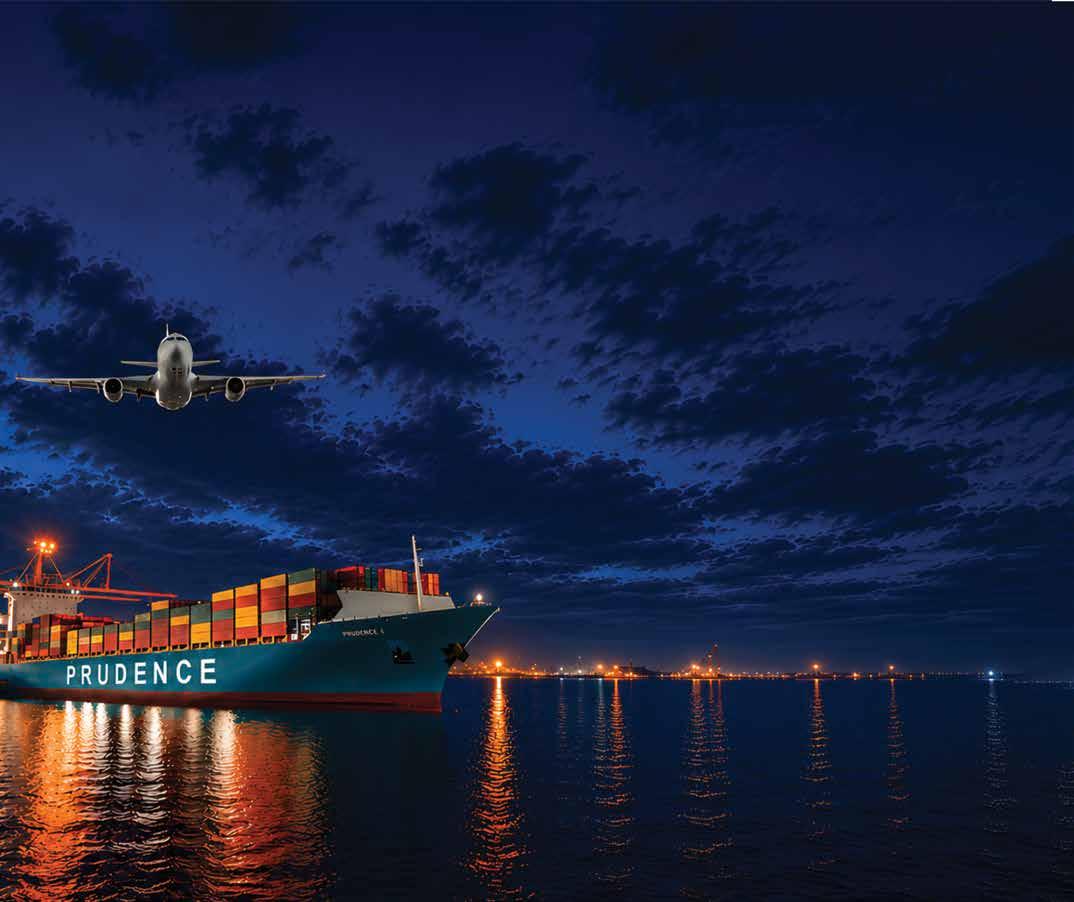












































































































SUPPLYING AN EXTENSIVE ARRAY OF PREMIUM MARITIME PROTECTIVE CLOTHING TO GUARD PERSONNEL AGAINST SEVERE WEATHER, CHEMICAL CONTACT AND FIRE HAZARDS.
▪ Boiler Suits
• Cotton
• Fire Retardant
▪ Parka (3M)
▪ MSA Helmet’s
▪ Long John
▪ Back Packs
▪ Cook’s Apron
▪ Chef’s Cap
▪ Shirts & Pants
▪ Safety Shoes
• Regular
• High Ankle