Next Chapter Media's editorial team strives to provide accurate and reliable information. However, we recommend that readers independently verify the claims and information presented in our publications. Next Chapter Media is not responsible for the accuracy of the content and encourages readers to use their own judgment when evaluating the information.
Editorial Team
EDITOR
Zahidah Zahidi zahidah@maps-globe.com
CREATIVE DESIGNER
Muhammad Faireez artwork@mapsglobe.com
DIRECTOR Emily Yu
PUBLICATION
Maps & Globe Specialist
Distributor Sdn. Bhd (625396-A)
No 3-1 Jalan Perdana 10/6, Pandan Perdana, 55300 Kuala Lumpur, Malaysia.
PRINTING
Fong Wah Printing Sdn. Bhd. (1406717K)
No. 17, JaIan Tembaga SD 5/2G Perindustrian Bandar Sri Damansara, Pekan Kepong, 52200 Kuala Lumpur, Malaysia.
Chapter Media
Gateway to Global Markets
Sustainability Innovation Growth
Palm Oil in a Time of Hormuz: Strategic Crop, Strategic Test
20 April 2026
In his two-part Tek Talks, the columnist argues that the Strait of Hormuz crisis is not merely a story of war, fuel and shipping, but a reminder of palm oil’s strategic place in Malaysia’s economy.
Hormuz disruptions may a ect shipping, fertiliser supply, diesel costs and food production. Palm oil is relatively better placed than some crops because its fertiliser exposure is not mainly nitrogen-based, and larger producers o en secure supplies early. But Tek warns that “better placed” is not the same as safe. Malaysia still imports much of its fertiliser, and smaller growers are especially vulnerable to price shocks and delayed applications.
e biodiesel push from B10 towards B12 and B15 is presented as a sensible, phased response to energy-security concerns, provided infrastructure, costs and timing are honestly managed. Higher blends may support crude palm oil demand, but they are no magic cure.
Tek’s larger insight is historical. Palm oil cushioned Malaysia during the Asian nancial crisis, the global nancial crisis and Covid-19. erefore, he argues, government policy must treat the sector not as a tax handle, but as a strategic national asset requiring stewardship, reform and partnership.
Indonesia Turns to African Weevils to Li Palm Output
27 March 2026
Indonesia is turning to tiny African weevils in a bid to boost palm oil production as tightening supply threatens to keep prices elevated and add pressure to food in ation.
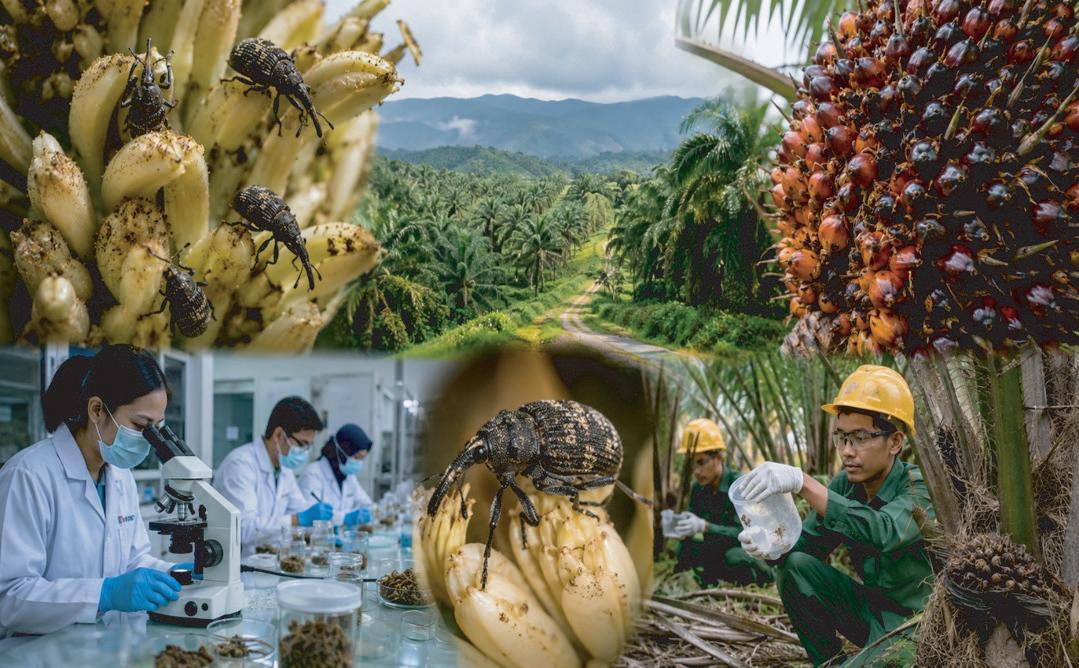
Bloomberg reported that the world’s largest palm oil producer plans to introduce about one million weevils at selected plantations this year to improve pollination and fruit development. ree species collected from Tanzania are expected to arrive at a North Sumatra facility for testing before wider release.
e initiative re ects Indonesia’s search for biological solutions to raise yields without relying only on land expansion. Better pollination could improve fruit set and oil output, especially where productivity has stalled.
However, the programme is not a magic insect wand. Ageing palms, slow replanting, fertiliser use, estate management and weather will still determine whether Indonesia’s palm oil output truly recovers. But the message is measured: biodiesel is no magic cure. Infrastructure, costs, feedstock discipline and clear policy execution must move together.
Palm Oil Needs Young Minds
7 May 2026
In his StarBiz piece, the columnist urges young Malaysians to look again at palm oil with neither blind defence nor lazy dismissal.
He argues that palm oil is not yesterday’s crop, but an un nished story involving science, engineering, economics, sustainability, trade, technology and people. Beyond cooking oil, it appears in food, soaps, detergents, cosmetics, oleochemicals, bioenergy and industrial applications.
Tek is candid that the industry has aws, including past forest loss, labour concerns and sustainability gaps. But he says the answer is responsible pride: understand the crop, admit weaknesses, improve practices and demand fair, evidence-based global standards.
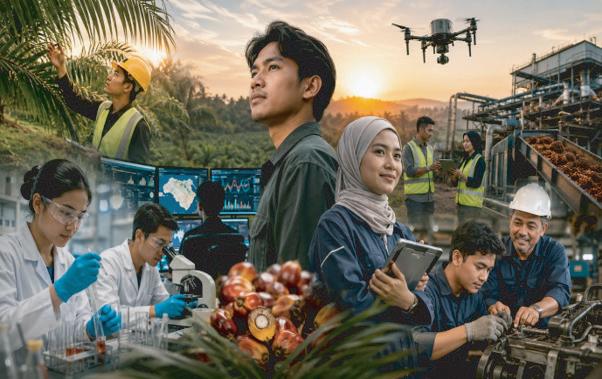
He calls on youths to bring agronomy, data science, engineering, ESG, communications and technical skills into plantations and mills. His Mother’s Day re ection also honours agricultural sacri ce, reminding readers that behind every crop are families, workers and dignity.
ailand Curbs Palm Oil Exports as Biodiesel Demand Rises
9 April 2026
ailand has moved to restrict palm oil exports as domestic demand for biodiesel rises amid volatile global energy markets.
Biofuels International reported that the Ministry of Commerce introduced the measure to protect local supply and stabilise prices as biodiesel blending increases across the country. e move is linked to geopolitical tensions in West Asia, which have raised energy-security concerns and encouraged heavier reliance on biodiesel.
Crude palm oil is a key feedstock for biodiesel production. By limiting exports, the government aims to ensure adequate supplies for local re ners and reduce the risk of shortages or sudden price spikes for consumers.
e ministry also stressed the importance of maintaining reserves as part of ailand’s wider energy-security strategy.
Industry observers say the decision could a ect regional palm oil markets, especially if other producing countries adopt similar defensive measures.
Indonesia Sets Path to B50 Biodiesel by 2028
9 July 2026
Indonesia has issued a ministerial decree setting a phased timeline for wider biofuel use, including a full shi to B50 biodiesel by 2028.
e Energy Ministry said all biodiesel users will eventually move to the B50 standard, containing 50% palm oil-based fuel. Indonesia, the world’s largest palm oil producer, had earlier planned B40, or 40% palm biodiesel with 60% conventional diesel, for 2026.
e government now plans to introduce B50 from July 1 as part of a wider energy security response amid concerns linked to the Iran war. Subsidised diesel may remain at 50% palm blend in 2027, while non-subsidised diesel could stay at B40 depending on supply and infrastructure readiness.
e decree also covers ethanol blending in Java and a sustainable aviation fuel mandate from 2027
Palm Oil’s Hidden Industrial Family
13 April 2026
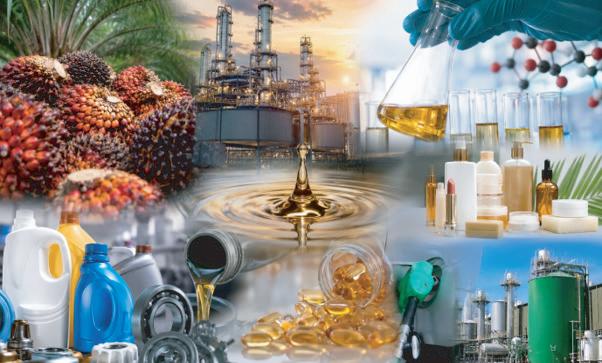
e columnist argues that palm oil should no longer be understood merely as cooking oil. Its public image, he says, remains trapped near the frying pan, although its real journey stretches from plantation and mill to re nery, oleochemicals, biofuels, personal care, home care, pharmaceuticals and industrial chemistry.
e column highlights palm oil’s vertical value chain: fresh fruit bunches become crude palm oil, palm kernel oil, re ned fractions, fatty acids, glycerine, fatty alcohols, methyl esters, surfactants, biodiesel and specialised ingredients. Horizontally, these materials appear quietly in soap, shampoo, toothpaste, detergents, creams, lubricants, bakery systems, nutritional products and even pharmaceutical applications.
Tek’s central insight is strategic: Malaysia should not merely defend palm oil as a commodity, but develop it as an industrial platform. e fuller story lies in value creation, downstream sophistication and everyday usefulness.
B15-B30 Push Could Reshape
Palm Oil Demand
24 April 2026
Malaysia’s possible move from B10 towards higher palm oil biodiesel blends, including B15 and eventually B30, could signi cantly reshape domestic palm oil demand. According to OFI, higher mandates may li consumption by 380,000 tonnes to 1.5 million tonnes, equal to 1.8%, which is 7.4% of national crude palm oil supply.
e government plans an initial B12 step before B15, using existing B10 blending infrastructure. Future depot upgrades may support B20 and B30, with B30 also being considered for commercial and public transport.
e policy is framed around energy security, lower fossil fuel dependence and stronger domestic diesel supply amid volatile global fuel markets. While B12 may have limited near-term impact, higher blends could tighten supply balances, in uence crude palm oil prices and utilise Malaysia’s biodiesel capacity, currently above actual production.
Palm Oil Prices Seen Staying Elevated
12 May 2026
Palm oil prices are expected to remain rm as supply concerns and biodiesel demand continue to support the market, analysts said.
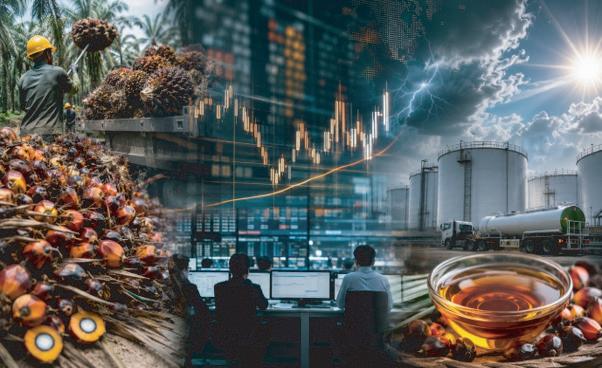
e Edge Malaysia reported that April’s production rise was largely seasonal, while weather-related risks may still tighten output in the months ahead. CIMB and CGS International expects crude palm oil prices to stay “higher for longer” in 2026, citing structural supply constraints, stronger biodiesel demand and possible El Niño e ects, with an average price forecast of RM4,400 per tonne.
Although palm oil futures eased to RM4,476 on Bursa Malaysia Derivatives, prices remain 11% higher year-to-date. Demand is being supported by higher biodiesel mandates in Indonesia and Malaysia, alongside stronger US biofuel requirements. Hong Leong Investment Bank maintained its “overweight” sector view, but cautioned that the present upcycle may be front-loaded as competing vegetable oils adjust supply.
Major Boost for Malaysia Palm Oil Compliance as MSPO Wins Dutch Regulator Approval
3 July 2026
e Netherlands Food and Consumer Product Safety Authority (NVWA) has recognized MSPO as a Private Control System under the EUDR, leveraging the country’s readiness for palm oil export. e recognition means MSPO-certi ed palm oil shipments entering the Netherlands can be assessed under the Dutch regulator's recognised supervisory framework, subject to compliance with EUDR requirements, providing greater con dence in Malaysia's sustainability and traceability systems.
e development is particularly signi cant as the Netherlands, through the Port of Rotterdam, serves as the main entry point for Malaysian palm oil into Europe. It is expected to facilitate market access for downstream products, including re ned palm oil, oleochemicals, biodiesel and specialty palm-based ingredients destined for EU customers.
Starting on 30 December 2026, MSPO must follow the EUDR implementation timeline, which will apply to large and medium operators, with small operators following in June 2027. e government said it will continue to enhance traceability, auditing and certi cation systems while supporting industry players in meeting evolving sustainability requirements, reinforcing the long-term competitiveness of Malaysian palm oil and its downstream industries in international markets.
FGV expands trial of B100 biodiesel in plantation operations
7 July 2026
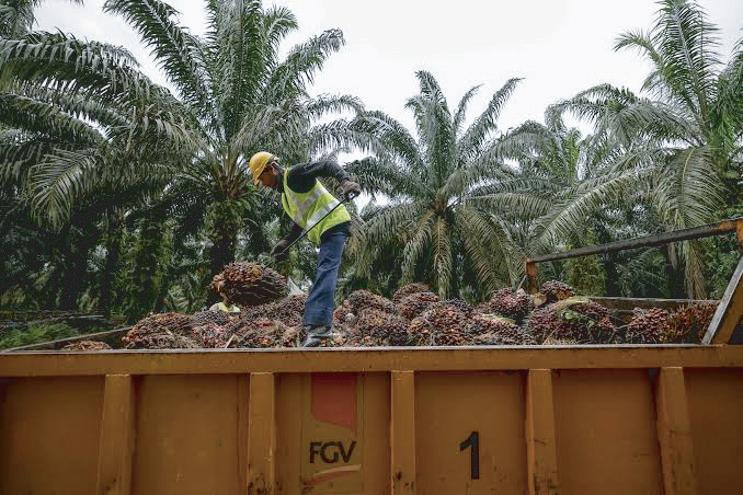
FGV Holdings Bhd has expanded its B100 biodiesel trial to plantation operations to evaluate the technical performance and operational feasibility of using 100% palm oil-based biodiesel under real working conditions. e six-month trial is being conducted at the Tun Abdul Razak Agricultural Research Centre estate in Jerantut, involving 17 assets, including tractors, agricultural machinery, electric generators and four-wheel drive vehicles.
e trial will assess key performance indicators such as fuel consumption, engine performance, operational reliability, maintenance requirements and fuel quality. Plantation operations were selected to provide comprehensive operational data, as machinery is subjected to continuous use, varying terrain, high temperatures and di erent workloads.
FGV said the initiative aligns with the government's aspiration to increase the biodiesel blending mandate to B20 and re ects the government’s commitment to advancing renewable energy solutions derived from locally produced palm oil. e company also views the trial as an opportunity to create greater value from palm oil through innovation while strengthening the FELDA ecosystem and supporting settlers. Findings from the trial are expected to provide valuable insights into the wider adoption of B100 biodiesel and contribute to the continued development of Malaysia's biofuel industry.
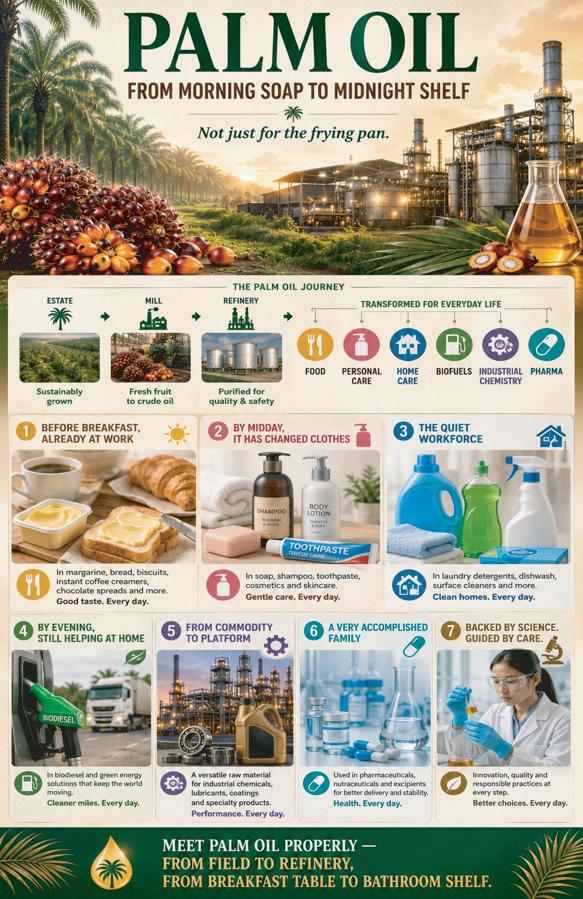
Palm Oil: From Morning Soap to Midnight Shelf – Part 1
By Joseph Tek Choon Yee
Palm oil has a curious public relations problem. For something so widely present in our lives, it is still o en introduced rather badly.
Mention palm oil in casual conversation and many people think immediately of a bottle in the kitchen, a wok in action, perhaps a biscuit, perhaps a controversy. Its public image remains trapped near the frying pan, as though its chief ambition in life were to wait beside the stove for something to be sautéed.
But palm oil has long outgrown that narrow biography.
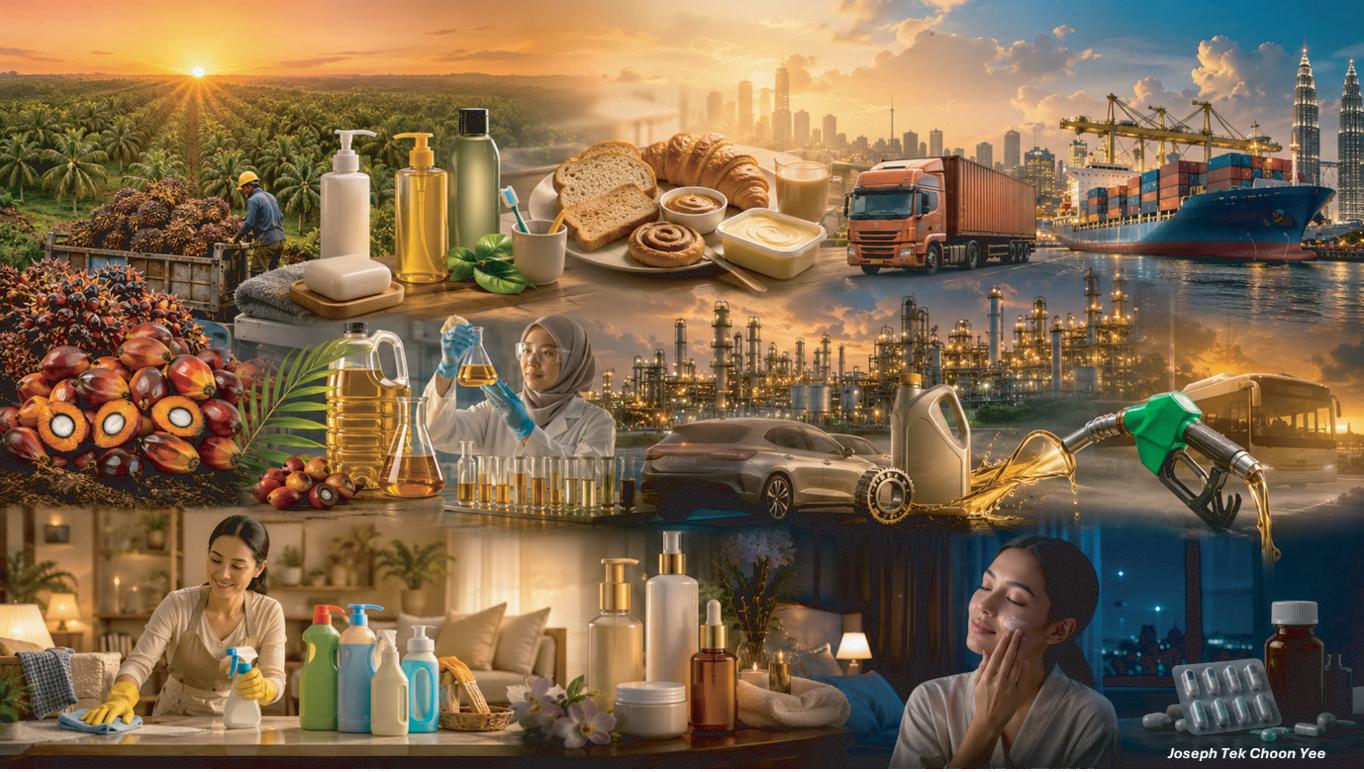
It is not merely cooking oil. It is food ingredient, industrial feedstock, oleochemical platform, personal care component, home care helper, biodiesel source, lubricant base, pharmaceutical input and quiet companion of modern life.
Recent global turbulence has made this clearer. When petrochemical supply chains are disturbed and fossil-based inputs become more expensive, palm-based oleochemicals can become more attractive in selected applications. at does not mean palm oil is suddenly immune to higher energy costs or manufacturing pressures. It simply reminds us that the crop’s downstream value is real, practical and strategic.
Palm oil’s story does not end at the mill gate. In many ways, that is where another story begins.
More than a Frying Pan Story
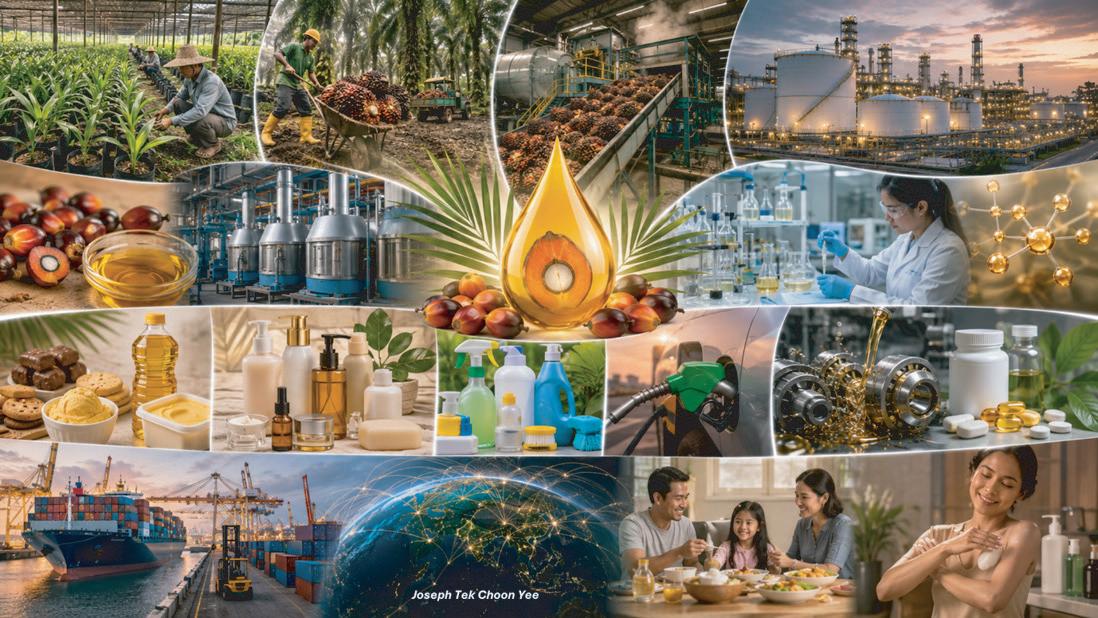
e rst way to understand palm oil is vertically.
Upstream is where the story begins - in nurseries, estates and harvesting rounds, where fresh fruit bunches are cut and sent to mills. From the fruit’s mesocarp comes crude palm oil. From the kernel comes another valuable stream.
Already, the palm is behaving like an overachiever. It does not settle for one destiny. It produces more than one line of value, as though simplicity were a wasted opportunity.
By this stage, the crop has le its muddy boots at the door and entered proper industrial attire. Acronyms multiply. Chemists become cheerful. Ordinary citizens begin to look slightly worried.
en comes the wider downstream universe: glycerine, fatty acids, fatty alcohols, methyl esters, surfactants, soap bases, lubricants, biodiesel, specialty fats, nutraceutical ingredients and phytonutrients.
is may sound as though palm oil wandered into a chemistry textbook and decided to rent a room. But the principle is simple. Palm oil is not only an end product. It is also a starting point from which many other useful things
e Wide Reach of a Quiet Crop
If the vertical story is about stages, the horizontal story is about reach.
Once palm oil enters the downstream world, it does not remain politely in one category. It moves across food, personal care, home care, pharmaceuticals, lubricants, biofuels, industrial chemicals and specialised applications.
In one direction, palm-derived ingredients enter bakery fats, creamers, spreads, emulsi ers and food systems. In another, they turn up in soap, shampoo, shower gel, lotions, detergents and cleaning products. Elsewhere, they appear in biodiesel, industrial lubricants, pharmaceutical excipients, nutritional products and specialised formulations.
So one fresh fruit bunch from a plantation may begin life under a palm canopy, yet its descendants may later appear in a kitchen, bathroom, clinic, truck engine, washing machine, laboratory and factory oor.
Palm oil leaves home early and does rather well for itself.
at is why it should be understood not as a static commodity, but as a living industrial ecosystem - stretching from agriculture to chemistry, from eld operations to formulation science, from plantation logic to modern consumer life.
Before Breakfast, Palm Oil Is Already at Work
A more human way to understand palm oil is to follow an ordinary day. e day begins in the bathroom.
Before breakfast has negotiated peace with the stomach, there may already be toothpaste, soap, shampoo, facial cleanser and moisturiser promising brightness, youthfulness and other forms of bottled optimism.
Palm-derived ingredients may be present in surfactants, emulsi ers, soap noodles, moisturising agents and cleansing systems. ese are the backstage workers that help toothpaste foam, soap lather, cleanser cleanse and cream spread without behaving like wet cement.
Nobody begins the day by thanking a surfactant. Yet civilisation, I suspect, rests on many such underappreciated citizens. en comes breakfast.
Margarine, creamers, bread spreads, bakery products and nutritional drinks may all carry some contribution from the broader palm family through re ned fractions, specialty fats, stabilisers or emulsi ers. ese help products blend, spread, hold texture and remain shelf-stable.
Consumers like akiness, smoothness, consistency and convenience. ey rarely pause to admire the quiet chemistry that helps provide them.
Palm oil does not demand centre stage. It merely keeps breakfast from collapsing.
By Midday, It Has Changed Clothes
As the day gathers pace, palm oil’s extended family moves beyond food.
Goods travel. Warehouses hum. Trucks roll. Supply chains perform their daily miracle, appreciated mainly when they fail.
Somewhere in that movement, palm-derived inputs may be helping again - whether in biodiesel blends, lubricants, industrial systems or the very products being transported.
is is where palm oil takes o the kitchen apron and puts on a hard hat.
Industry does not run on opinion. It runs on performance, reliability and practicality. Materials must work repeatedly, quietly and without dramatic speeches. Palm-derived oleochemicals and bio-based inputs have found their place here not because they are fashionable, but because they are useful.
By lunchtime, palm oil may return in more familiar form - as frying medium, bakery ingredient, snack component or emulsi er holding everything together with molecular discipline and no public recognition whatsoever.
One must admire such versatility. It can attend an industrial meeting in the morning and still appear on your plate by noon without looking tired.
PALM OIL TRIBUNE
Can palm biodiesel provide quick relief for Malaysia amid Iran war?
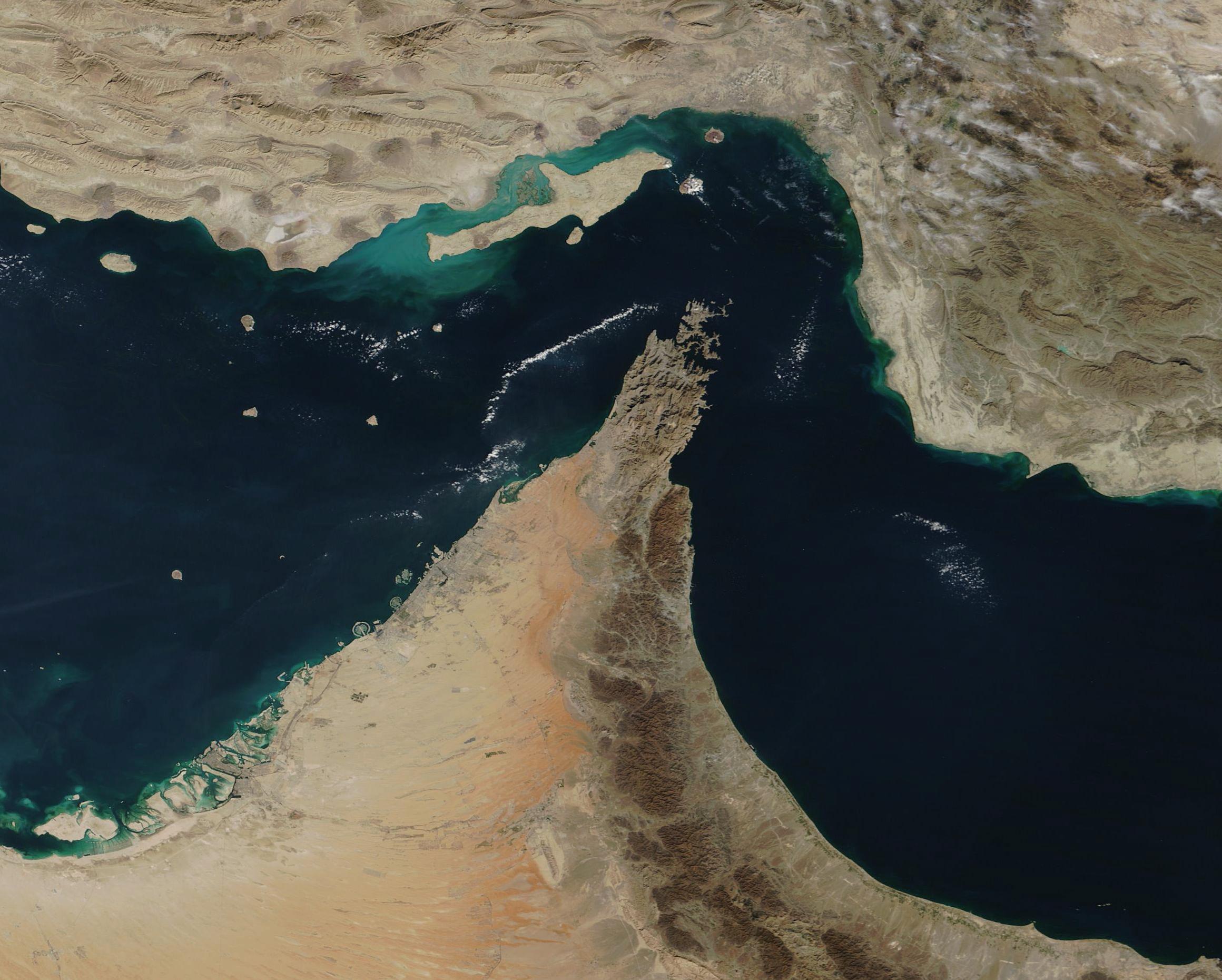
e geopolitical instability triggered by the Middle East con ict has reawakened a high-stakes debate over Malaysia’s biodiesel mandate. e economic state of palm-based fuels has gained notoriety due to the surging costs and the closure of the Strait of Hormuz.
e Subsidy Strain and the Price Gap
To protect the public from rising costs, the government relies on subsidies. However, with crude oil rising past $110 per barrel, these costs balloon to RM 5 billion per month. is scal pressure is exacerbated by Malaysia’s status as a net importer of crude oil despite its status as a major oil producer.
Recent market shi s have created a rare economic window for palm methyl ester (PME). Former commodities minister Teresa Kok stated that PME has become more cost-e ective than pure diesel. Compared with pure B0 diesel, a B20 blend could save the government 20 cents per litre if CPO is at RM 4,500 per tonne and Euro 5 diesel at $220 per barrel.
Infrastructure: e RM 643 million Barrier
While the RM 643 million cost for B20 infrastructure remains a signi cant obstacle, the government has recently pivoted toward a more immediate ‘middle-path’ strategy. To bypass the need for massive storage upgrades, a national B15 mandate is scheduled to take e ect on June 1, 2026. By utilising 19 licensed biodiesel plants that are already operational, this phased rollout allows for a higher ‘energy bu er’ without triggering the full scale of infrastructure investments previously demanded for B20. e increase in the palm oil-based products will be done in phases, to shi to a 20% mix and potentially approach a 50% blend within the next two to three years.
MPOB Director, Datuk Ahmad Parveez, describes palm biodiesel as an accessible ‘energy bu er’, yet alerts that acceleration is not a simple switch. A broader implementation of expanding upgrades— to storage tanks, blending facilities and distribution systems— is obliged. Furthermore, expanded production would require scrupulous feedstock planning and a stable supply of methanol, hence keeping prices under pressure.
Source: South China Morning Post by Iman Muttaqin Yusof Edited by: Hani Aqilah
-Pilot Project B20; ground transport vehicles at KLIA, ports: (Northport, Johor Port, Tanjung Pelepas Port, Kuching Port)
Limiting B20 to strategic pockets
Balancing food vs. fuels
Strategic Divergence: Food vs. Fuel
e debate is further complicated by Malaysia’s distinct position in the global supply chain. Unlike Indonesia, which uses high biodiesel mandates to insulate its massive production from foreign market restrictions, Malaysia maintains robust export demand from China, India, and Pakistan.
Associate Professor Helena Varkkey of the University of Malaya suggests that Malaysia’s response to the current fuel shock cannot be solved by biodiesel in the short term.
Because the infrastructure cannot respond to the speed of the Iran war's impact, palm oil remains more strategically valuable as a food and export commodity.
Market Outlook for 2026
Financial institutions are already adjusting to this "new normal." Hong Leong Investment Bank recently raised its 2026 CPO forecast to 4,350 ringgit a tonne, citing the West Asia con ict as a primary driver for both tighter supply and stronger biodiesel economics.
Ultimately, while the fundamental policy framework exists, MPOB leadership advocates for a phased, sector-based approach. Immediate full-scale acceleration remains unlikely, leaving Malaysia to balance its role as a global food supplier against the urgent need for domestic energy security.
Palm Oil: From Morning Soap to Midnight Shelf – Part 2
By Joseph Tek Choon Yee
e Quiet Workforce of Industry
By a ernoon, palm oil enters one of its least glamorous but most important chapters: industrial chemistry.
Machines need lubricating. Surfaces need cleaning. Ingredients must be blended, preserved, emulsi ed, dispersed and stabilised.
Manufacturing does not run on sentiment. It runs on systems. Many of those systems depend on hardworking molecules that will never appear on a motivational poster.
Palm-derived fatty acids, fatty alcohols, esters and related compounds belong rmly in that quiet workforce. ere are no tourist postcards celebrating a good emulsi er or surfactant. Yet modern households and factories rely more heavily on such compounds than most people realise.
ere is something rather noble in that.
e world is held together not only by speeches and strategies, but by reliable things that quietly do their jobs well. Palm oil, at its best, belongs in that company.
e Evening Shi
By evening, the household changes rhythm.
Dishes are washed. Floors are cleaned. Laundry liquids are uncapped with con dence. Grease is attacked. Foam rises. e home returns, at least brie y, to civilisation.
Here too, palm oil’s extended family turns up for work.
Home care products o en rely on surfactants, cleansing agents and emulsi ers that help remove grease, suspend dirt and rinse e ectively. Foam, of course, also helps performance look convincing. Humans are emotional creatures. Even bubbles must do public relations.
So there is a quiet irony here. Palm oil may sometimes be criticised loudly in public while helping discreetly in private to wash dishes, clean shirts and tackle the grease le behind by dinner.
en comes night.
e bathroom shelf opens again. Lotion. Ointment. Cream. Capsule. Supplement. Perhaps a pharmaceutical preparation. Once more, palm-derived ingredients may be present - in moisturisers, excipients, emulsi ers, delivery systems, antioxidants and specialised formulations.
At dawn, palm oil may have been in the soap. At breakfast, it helped the table. By midday, it had moved through logistics and food systems. By a ernoon, it had gone industrial. By evening, it helped clean the home. By night, it returned in care and comfort.
Palm oil keeps longer hours than many executives - and probably complains less.
Meet the Palm Oil Clan
Yet even this day-in-the-life view does not fully capture the richness of the story.
Once palm oil enters oleochemistry, it no longer appears as a single character. It becomes a family portrait.
At one end are the basics: fatty acids, glycerine and fatty alcohols. ese are the sturdy elder siblingsdependable, practical, understated and essential.
Fatty acids help build soaps, surfactants and intermediates. Glycerine nds its way into cosmetics, pharmaceuticals and moisturising systems. Fatty alcohols serve as key building blocks in detergents, personal care and industrial chemistry.
en come esters and specialty derivatives - more polished cousins, useful in formulations where texture, feel, stability and performance matter.
Further along the chain come higher-value members of the family: life science ingredients, pharmaceutical applications, nutritional components and phytonutrients. ese are the relatives who have clearly gone into advanced professions and now attend conferences with sharper name tags.
Fair enough. ey have earned it.
is is where palm oil moves beyond crude and bulk into sophistication - beyond tonnage into formulation, beyond basic processing into higher-value opportunity.
From Commodity to Platform
is movement from basic oils to oleochemicals, derivatives and phytonutrients is not merely technical. It is economic and strategic.
Countries that remain only in upstream production or basic processing do much of the heavy li ing while o en leaving richer margins to others further downstream.
Countries that deepen vertically and widen horizontally build sophistication, capture more value, create stronger industrial linkages and develop more resilient economic ecosystems.
at is the real beauty of the downstream story.
Palm oil is not merely a commodity to be defended. It is a platform to be developed.
Too o en, palm oil is discussed in a narrow vocabulary: plantation, price, yield, export, cooking oil. But its real vocabulary is much wider - re ning, formulation, oleochemicals, personal care, home care, pharmaceuticals, life sciences, biofuels and industrial chemistry.
A crop that speaks in so many registers should not be reduced to a single accent.
What Malaysia Should Do Next
If palm oil is to be better appreciated and better developed, several things should happen.
First, the public narrative must move beyond the frying pan. Consumers, students, policymakers and young professionals should be shown how palm oil travels through daily life, modern industry and downstream innovation.
Second, Malaysia should deepen downstream capability. is means encouraging more investment in oleochemicals, specialty fats, bio-based materials, nutraceuticals, pharmaceuticals, high-value formulations and life science applications.
So the next time someone says, “Palm oil? Ah yes, cooking oil,” one might smile and reply: yes, cooking oil too.
ird, research and development must be treated as strategic infrastructure, not decorative expenditure. Breeding, processing, re ning, formulation science, biomass utilisation and sustainability innovation all matter. Fourth, talent development must keep pace. A more sophisticated palm oil industry needs chemists, engineers, formulators, food technologists, sustainability specialists, technicians, marketers and storytellers - not only planters, though planters remain the muddy-booted foundation of the whole enterprise.
Fi h, Malaysia should communicate palm oil’s value with honesty. e sector must not pretend it has no challenges. Sustainability, labour, smallholder inclusion, biodiversity, productivity and certi cation credibility remain important. But neither should the industry allow itself to be de ned only by criticism.
Responsible pride is not propaganda. It is maturity.
But also your soap, shampoo, cleanser, detergent, cream, biodiesel, lubricant, industrial ingredient, nutritional component and more of your day than you may realise.
Palm oil is agricultural and industrial, humble and sophisticated, familiar and quietly unseen.
It starts in the estate but does not remain there. It moves from eld to re nery, from breakfast table to bathroom shelf, from factory oor to fuel tank, from industrial chemistry to phytonutrient promise.
So let us stop meeting palm oil only at the frying pan. Let us meet it properly across its full day, full family and full value.
For palm oil, truth be told, does not travel alone. It arrives with a very accomplished family.
Waste Takes Flight: Japan's UCO Drive for Sustainable Aviation Fuel
Source: Reuters
Edited by: Hani Aqilah
As airlines race to decarbonise, Used Cooking Oil (UCO) has become one of the world's most valuable feedstocks for Sustainable Aviation Fuel (SAF). Japan's nationwide collection e orts highlight both the opportunities and limitations of relying on waste-based resources to fuel aviation’s future.
Aviation remains one of the hardest sectors to decarbonise. While electric and hydrogen-powered aircra continue to advance, they are still years away from widespread commercial deployment. For now, airlines remain heavily dependent on conventional jet fuel, making aviation one of the largest sources of greenhouse gas emissions within the transportation sector.
is has accelerated interest in SAF, which can signi cantly reduce lifecycle carbon emissions without requiring modi cations to existing aircra or airport infrastructure. Among the various feedstocks available, UCO has emerged as one of the most valuable, as it transforms waste into a low-carbon energy source.
Why SAF Matters
SAF is produced from renewable feedstocks such as used cooking oil, agricultural residues and other biomass waste. Unlike conventional fossil-based jet fuel, SAF can be blended directly with existing aviation fuel and used in today's aircra .
According to the International Air Transport Association (IATA), SAF can reduce lifecycle carbon emissions by up to 80% compared with conventional jet fuel, making it the aviation industry's most practical near-term decarbonisation solution.
Why Used Cooking Oil Is in High Demand
Among the available feedstocks, UCO has become particularly appealing because it is generated from waste rather than dedicated crops.
Japan's Nationwide Collection Drive
Japan has set a target for 10% of aviation fuel consumption to come from SAF by 2030.
To support this goal, the country's two largest airlines, Japan Airlines (JAL) and All Nippon Airways (ANA), have launched nationwide initiatives to collect used cooking oil from households, restaurants and food businesses. Local governments, retailers and waste management companies are also participating, creating one of the world's most comprehensive UCO collection networks.
e initiative demonstrates how waste management policies are becoming increasingly connected to climate and energy strategies.
Although Japan's collection e orts are among the most ambitious globally, domestic supply alone is unlikely to satisfy future demand.
THE 2030 GAP
SAF needed to hit Japan's 2030 target Japan's current domestic SAF production
1.7M kilolitres 30,000 kL (0.3%) ~550,000 kL
Even if every litre of recoverable used cooking oil were successfully collected and converted, domestic production would supply only about one-third of Japan's projected SAF requirement.
Beyond Domestic Supply
e shortfall means Japan will continue to depend on imported SAF or overseas feedstocks to meet its aviation decarbonisation targets. Meanwhile, energy producers are evaluating investments in additional SAF production facilities.
However, large-scale expansion will depend on two key factors: reliable access to feedstocks and long-term purchasing commitments from airlines, supported by clear government policies.
Japan's experience highlights an important lesson for countries pursuing aviation decarbonisation. Waste-based feedstocks such as used cooking oil o er signi cant environmental bene ts, but their availability is inherently limited. Meeting future SAF demand will require a broader mix of sustainable feedstocks alongside continued investment in production capacity and supportive policy frameworks.
Scan/Click F or Mo r e Informatio n ww w.aseanpalmcarbon.co m HRD Corp Claimable Programme
REGISTER NOW 16 - 17 October 2026
Resor ts World Awana, Genting Highlands
Connecting policy, innovation and business oppor tunities accelerating ASEAN’s low carbon bioeconomy
JAN 12 - 13 9 - 11 FEB 10 - 12 FEB
Palm Oil Economic Review and Outlook Seminar (R&O) 2026
Berjaya Times Square Hotel, Kuala Lumpur, MY
37th Palm & Lauric Oils Price Outlook Conference & Exhibition (POC2026) TBC, Kuala Lumpur, MY
3rd International Simposium Ganoderma (ISGANO) 2026
Adimulia Hotel Medan, Sumatera Utara, INA 17 - 19 APR
Pakar Pertanian Expo (PPE) MAEPS Serdang, Selangor, MY
22 - 23 APR 6 - 7 MAY 14 - 16 MAY
2nd HaiSawit Symposium (HASI) 2026
Hotel Bidakarta Jakarta, INA
25 - 27 JUN
4th AgTech International Agro Expo
23 - 24 APR
International Palm Oil Millers Conference (IPOMC) 2026
Royale Chulan KL, MY
16th PALMEX Indonesia 2026
Hall A1 & A2, Jakarta International Expo (JIEXPO), Kemayoran, INA
4th AgTech International Agro Expo
Perda Convention Centre, Penang, MY
Setia City Convention Centre, Selangor, MY 7 - 9 JUL 13 - 15 JUL 28 - 30 JUL
4th Technology & Talent Palm Oil Mill Indonesia (T-POMI) Holiday Inn Bandung Pasteur, West Java, INA
11th International Planters Conference (IPC) Royale Chulan Kuala Lumpur, MY
6 - 7 AUG
Asia Palm Oil Conference (APOC) 2026 | 15th PALMEX Thailand
CO-OP Exhibition Centre, Surat Thani, THA
13 - 14 OCT
Oils & Fats International Congress 2026 (OFIC 2026)
12th Indonesia International Palm Oil Machinery & Processing Technology Exhibition (INAPALM Asia)
Jakarta International Expo (JIEXPO) Kemayoran, INA
6 - 8 AUG 10 - 12 SEP 6 - 8 OCT
4th Sawit Indonesia Expo (SIEXPO) 2026
Pekanbaru Convention & Exhibition, Riau, INA
9th Malaysia International Agriculture Technology Exhibition (Agri Malaysia)
Malaysia International Trade & Exhibition Centre (MITEC), KL, MY
16th PALMEX Medan 2026
Santika Premiere Dyandra Hotel & Convention, Medan, INA
Kuala Lumpur Convention Centre, KL, MY 16 - 17 OCT 7 - 8 NOV 17 - 18 NOV