Nā Hoana Pearson – Te Pītau Mātauranga; Drew Manning – Kaihoe Mātauranga; Kim Nikora – Kaihautu Mātauranga; Te Hiringa Watson – Kaiwhakahaere Matua (Design, Layout, Data and Statistics); Helen Tkaczyk – Kaitautoko Whakahaere (Data and Statistics) August 2025
It is my pleasure to present this report to you. This is the third milestone report for the Te AkateaMAC Variation Contract, covering January 1 to June 30, 2025. It details the programme's reach to 448 Year 1-5 schools and 94 Year 5+ schools, providing data on student demographics, principal ethnicity, and years of school participation
This report highlights the effectiveness of facilitation, with 1,647 one-on-one engagements and 2,856 hours directly supporting principals Key focus areas include Tikanga & Mātauranga Māori, Te Reo Māori Development, and Culturally Sustainable Pedagogy The report also introduces an AIpowered planning assistant grounded in Te Whare Tapu o te Ngākau Māori to support curriculum design
Feedback from National Wānanga, Regional Cluster Hui, and Regional Staff Meetings indicates high satisfaction, increased confidence in cultural leadership, and a commitment to integrating Te Ao Māori into school practices Student surveys show that Māori students generally feel proud to be Māori at school, and acknowledge the importance of Te Reo Māori and Tikanga, though some express a need for more consistent cultural learning opportunities. The report concludes by affirming the program's positive impact on school culture, personal identity, and professional confidence, advocating for its continued support
“In my 18 years as Principal, MAC is the most impactful, and enjoyable, PD I have experienced.”
-MACPrincipalParticipant
SNAPSHOTOFDELIVERYQ3JANUARY-JULY2025
The contract requires us to provide facilitation for 300 - 350 principals and their schools. However, as has always been the case, we are catering for many more than this. At the time of writing this report we have 448 Year 1 - 5 schools. We also have 94 Year 5+ schools who remain affiliated to our Kaupapa, actively participate in Cluster, Regional and National Hui/Wānanga and still accessing our services on a one-to-one basis should the need arise. Of the current schools, 62 are new. The following graph shows participating schools at each year level of participation.
KURAJOINED
Over this quarter (January - June 2025) we have delivered a total of 5,859 hours to kura (inclusive of 1,172 for 15 mins planning per delivery hour), with 4,687 hours of contact delivery time. To deliver these hours we have travelled 101,539kilometres and spent 1,774hourstraveling.
Data review and analysis in this report comes from a range of contexts, again emphasises and attests to the effectiveness of the facilitators and their facilitation and the overall positive impact on schools, their professional practice and leadership, school culture, teaching and learning and improvement on Māori student well-being and outcomes
The following section of this report provides the overall and regional data and statistics.
The largest proportion of MAC schools are in Auckland with 30 8% (138), followed by Waikato with 19 9% (89), Taranaki/Whanganui/Manawatū with 18 3% (82), Otago/Southland with 12 3% (55), Bay of Plenty/Rotorua/Taupō with 10 0% (45), Wellington with 6 9% (31), and Hawke’s Bay with 1 8% (8)
NationaldataforMāoristudents with learning needs (7,320).
The highest number proportion in Waikato with 26.2% (1,915), Auckland with 25.3% (1,848). Taranaki/Whanganui/Manawatū accounts for 21.0% (1,536), Bay of Plenty/Rotorua/Taupo 16.9% (1,234), Wellington 6.1% (447), Otago/Southland 3.4% (246), and finally, Hawkes Bay 1.2% (91). However, analysis identifies that, as a percentage of Māori students within each region, Taranaki/Whanganui/Manawatū (30%) has the highest percentage (of Māori students with identified needs in their region), followed by Waikato (28.1%), Bay of Plenty/Rotorua/Taupo (26.5%), Wellington (243%), Auckland (20 9%), Otago/Southland (158%), and Hawkes Bay (9 8%)
This identifies that Waikato, not only has the highest number of Māori students with identified learning support needs nationally but also one of the highest proportions relative to its Māori student population
The following charts identify total school roll, total Māori roll and identified Māori with learning needs by MOE regions
This is followed by a chart with a breakdown of the number of schools supported by facilitators in those same regions
PrincipalEthnicityData
Across the 448 schools, the majority of principals identify as NZ European/European/Pākehā, making up 67 6% (303) Māori principals represent 20 1% (90) followed by Pasifika at 2 7% (12) A further 27 principals have not yet identified their ethnicity Other ethnic groups represented are African 1.3% (6), Indian 0.4% (2) and an additional 8 principals (1.8%) identified as “Other”.
KuraParticipation
Following discussions in the Ministry meeting in 2024, to discuss our first quarter report, it was noted that a waiting list existed while we were continuing to work with long term schools. Our core belief, as an organisation, is that whānau is forever and hence we have not removed long term schools from our kaupapa, or failed to respond to them when there is a need. Further to this, our data suggests that this kaupapa takes time to embed understanding and the knowledge necessary for individual and collective mind shifts that result in positive change These changes in thinking impact on school culture and systems, beliefs, assumptions, perceptions, deficit theorising and across-cultural relationships - all necessary changes that have a positive impact on Māori student attendance, engagement and achievement outcomes.
Therefore it is extremely important to emphasise here that should any of the Year 5+ schools require our input or support, in any situation we will respond. Within this quarter, 94 Year 5+ schools were able to participate in collaborative events and activities, but not included in hour allocations Data shows 12 Cluster Hui, 33 Regional Hui and 9 National Wānanga engagements in collaborative events by 5+ schools, in this first quarter, affirming commitment to the collective leadership practice of this kaupapa
In response to this discussion, we reviewed the 69 expressions of interest and by the first quarter of 2025 onboarded and began working with 62 new kura, where a facilitator was available. This created 1,550 1:1 hours for facilitation (25 per school) The collaborative hours for these kura were included in established clusters.
It is important that it is understood that over a five year period of engagement, an individual school receives 77 individual school hours The number of collaborative hours per cluster or sub-cluster for each year of participation equates to Year 1 : 55 Year 2 : 50, Y3 : 37, Y4 : 33, Yr 5 : 30 being a total of 205 over a 5 year period per cluster. Currently, in this 6 month period we utilised 2,524 for collaborative hours If we divide this by the total number of schools (504) this equates to approximately 2.5 hours per year per school bringing to a combined 5 year individual school total of 89.5 hours per school.
SCHOOL DEMOGRAPHICS - SCHOOL TYPE, U GRADE, MEDIUM / CHARACTERISTIC
SchoolType
Of our 448 schools, the largest group are Full Primary Schools, making up 38.6% (173), This is followed closely by Primary Schools 37.1% (166). Contributing Schools account for 9.6% (43), Intermediate Schools 6 3% (28), and Secondary Schools 4 2% (19) The remaining schools include Area Schools 1.8% (8), Early Childhood 1.3% (6), Special Schools 0.7% (3), and Middle School 0.4% (2).
SCHOOLTYPE-AGE/YEARRANGE
SchoolSize-UGrade
Participating MAC schools range from U Grades 1 – 16. The largest representation is in U5 schools, which make up 26 6% (119), followed closely by U4 Grades at 24 3% (109) U1-2 schools account for 22 8% (102), while U3 schools make up 12 7% (57) The proportion then decreases with U6 at 7 6% (34), U7 at 3.6% (16), and U8 at 1.3% (6). A small number of schools are singularly represented in U11, U12, U13, U14, and U16 (1 school each, 0 2% respectively) These schools are typically Secondary Schools
TypeofSchool–Medium/Characteristics
Participating MAC schools are represented across a range of medium and characteristic types. The vast majority are English Medium making up 84.8% (380). A further 8.0% (36) identify as Dual Medium, while 5 4% (24) are Special Character Smaller groups include Special Schools at 0 9% (4), Kura Kaupapa Māori 0.4% (2), Kura ā Iwi 0.2% (1) and Pacific Medium 0.2% (1).
SCHOOLTYPE-MEDIUM/CHARACTERISTICS
Delivery,Engagement& Focus
Nationalcontacthours,travelhoursandmileage
Over the third quarter of this variation contract (Terms 1 & 2, 2025) we have delivered a total of 5,859 hours (inclusive of 1,172 for 15 mins planning per delivery hour), with 4,687 hours of contact delivery time. To deliver these hours we have travelled 101,539 kilometres and spent 1,774 hours traveling.
Interestingly the data for delivery, travel time and distance equates to, for each hour of delivery (4,687 hours), an average of approximately 23 mins spent travelling over an average distance of 21 kilometres. However, averaging does not reflect the long distances or time spent travelling across such wide regions or in Auckland where traffic moves at a snail’s pace at most times of the day.
Over the last six months (1 January 2025 - 30 June 2025) our MAC Facilitators delivered a total of 2,140 1:1 engagements equating to 3,652 hours of direct support for principals and their schools
The majority of this work, 73.8% (1,580 engagements) have been 1:1 meetings with principals and their senior leadership teams This includes 195 instances of text/email and phone support and 283 instances of resource development, all specifically tailored to strengthen school leadership, strategy, and teaching and learning programmes. Together, these activities accounted for 2,570 hours (70.4%) of total 1:1 facilitation time.
Staff Meeting facilitation has occurred 12.4% (265 instances), utilising 590 hours. Other forms of engagement included follow-up work linked to PLD outcomes 4.8% (102 instances, 99 hours, 2.7%), classroom observation and support 2 0% (42 instances, 87 hours, 2 4%), whānau hui 1 7% (36 instances, 74 hours, 2 0%), and Board of Trustee meetings 1 0% (22 instances, 32 hours, 0 9%)
Facilitators also supported schools to uphold tikanga and kawa through pōwhiri, whakatau, poroporoaki, and assemblies 3 2% (69 instances, 143 hours, 3 9%), alongside 20 iwi/hapū/marae hui 1 0% (52 hours, 1 4%) and liaison with other agencies 0 2% (4 instances, 6 hours, 0 2%) This distribution highlights that while the core focus remains on direct principal and leadership engagement, facilitators continue to provide a wide range of tailored support that extend across governance, staff, whānau, and wider community contexts
Over the last six months we have facilitated 85 Regional Cluster Hui across the country These cluster hui have been attended by 609 participant schools making an average attendance for each event of 7 These cluster hui have seen the delivery of 284 facilitation hours averaging approximately 3 34 hours per event Often these cluster hui are collaboratively facilitated
We have also facilitated 33 Regional Wānanga/Hui attended by 1,101 participants utilising 94.5 hours of delivery This equates to an average 33 attendees utilising approximately 2 86 hours per event Facilitation of Regional Wānanga is collaborative across wider regions in an area.
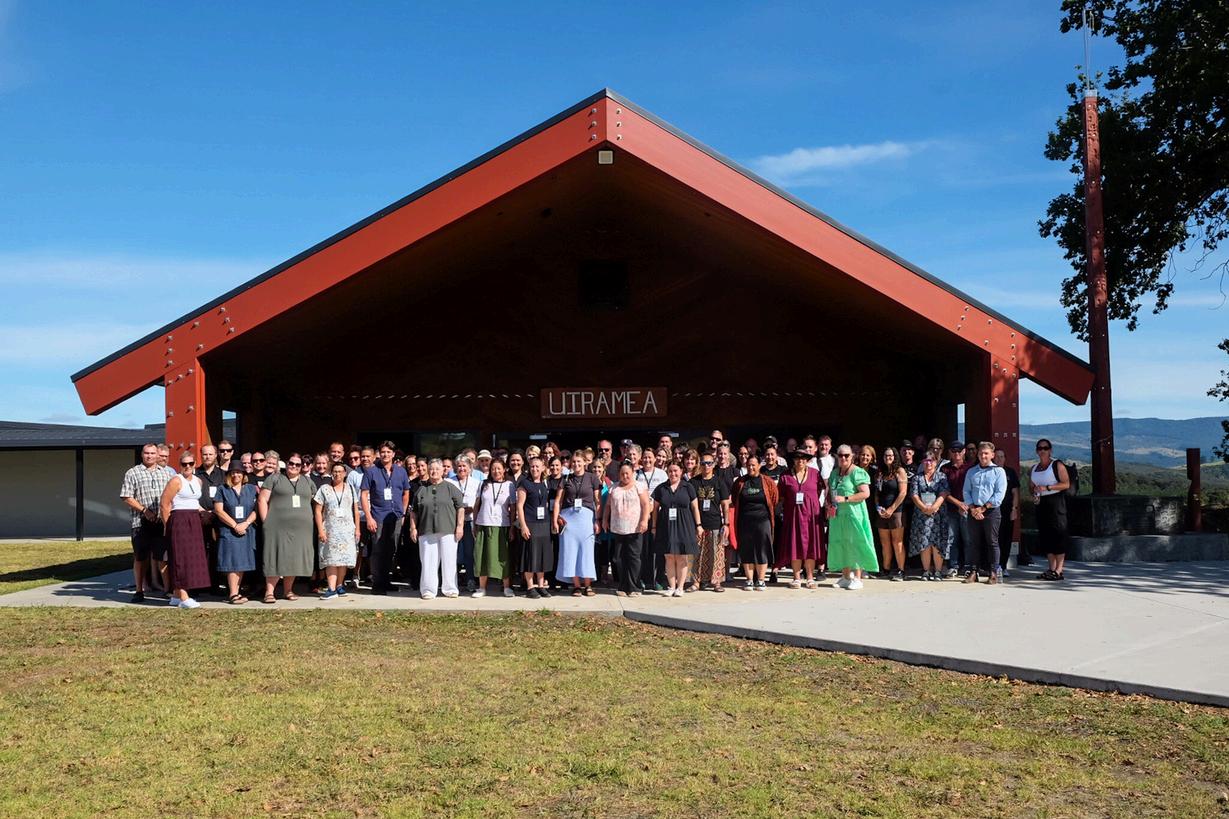
Our National Conference/Hui ā Tau was held over 3 days in Waitangi Te Tai Tokerau in March 2025
Facilitation was collaborative and all workshops and events were led and facilitated by MAC facilitators from various regions across the country. It was attended by 90 delegates from MAC Regions across the country.
OverallFacilitationFocus&ContentAreas
Further to the information above which discusses facilitation hours delivered as well as the types of facilitation 1:1 or Group, the following data and analysis gives an overall picture of the areas of focus/content covered in the delivery
Over this third quarter of the contract, the 5 most prominent focus/content areas for delivery in 1:1 sessions were Tikanga & Mātauranga Māori (1,312) followed by Te Reo Māori Development & Implementation (1,272), Culturally Sustainable Pedagogy & Practice (1,137), Te Whare Tapu o Te Ngākau Māori* (946), Leadership Development (928) and Mana Whenua (676).
While Te Whare Tapu o Te Ngākau Māori is entered as a singular area of focus, it must be emphasised that this aspect of our Kaupapa integrates across all areas of focus, including reading, writing and mathematics. It is primarily a curriculum framework, graduate profile and progression assessment document However, it also emphasises for example:
In group engagement contexts the 5 most prominent focus/content areas for delivery sessions were Tikanga & Mātauranga Māori (212), followed by Te Whare Tapu o te Ngākau Māori (200), Leadership Development (176), Te Reo strategy development/implementation (165) and Culturally Sustaining Pedagogy and Practice (162). The following chart gives details of other identified areas of focus/content covered and the counts/percentages that they were included in the facilitation.
The above sections have covered the overall and regional data and statistics as well as the hours of delivery and time and distance travelled ending with the facilitation delivery type and the focus/content of delivery. It has identified, discussed and highlighted the breadth of areas covered in the delivery of this kaupapa and also indicates that we are meeting all of the contractual obligations in terms of numbers, delivery and areas of focus. However, there is also much more that is not covered in the areas written about here.
He waka eke noa!
WānangaIpurangi
CONNECTINGSPECIFICMACSECTORGROUPSACROSSTHENATION
In the first half of 2025 we designed and developed an initiative to enable schools with collective focus and sector interests to come together for a series of facilitated webinars. The first, for Secondary Schools was held on 23rd May and was titled ‘Digging Deeper into Leading Transformative Change.’ This initial webinar was attended by 20. A further webinar is planned for 8th August.
One of the participating facilitators shared his thoughts and reflections of this initiative:
In 2025, we have significant opportunities to collaborate with secondary school tumuaki, gaining insight into their unique challenges and complexities. We recently hosted an online webinar, organized by Te Arahou facilitators, which brought together 20 tumuaki. It was a privilege to lead and present the inaugural workshop fortheyear.
The secondary sector's inherent complexity highlights the importance of networking and connecting with each tumuaki. Sharing ideas and potential solutions through these connections provides an additional layer of support and generates innovative ideas. We are eager to conduct more of these valuable workshopsthroughout2025.
ExploringAI
TEARAHOU-MAC:INITIATING,INNOVATINGANDEXPLORING
As former Tumuaki, facilitators within the Māori Achievement Collaborative (MAC) are committed to advancing Māori success in education Always on the lookout for emerging innovations that can enhance culturally responsive practice, one facilitator began exploring the potential of artificial intelligence (AI) as a tool to support curriculum planning This curiosity was driven by a desire to find practical ways of embedding kaupapa Māori into everyday teaching, while also easing the workload of educators What began as an investigation into AI’s capabilities soon evolved into a powerful project that combines cutting-edge technology with deep cultural integrity, reimagining how schools in Aotearoa can plan for learning that truly reflects the aspirations of tamariki Māori, whānau, and iwi.
The inquiry began with a focus on how AI could contribute meaningfully to the work of kaiako without undermining the foundational principles of Te Ao Māori. In doing so, the facilitator explored both the possibilities and ethical considerations of AI, placing emphasis on Māori data sovereignty and cultural guardianship. The outcome was the creation of planning tools that not only respected these values but actively promoted them.
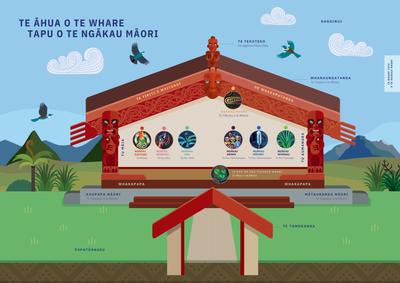
Central to this work has been the development of an AI-powered planning assistant grounded in Te Whare Tapu o te Ngākau Māori, a Māori pedagogical model that centres emotional, spiritual, and relational wellbeing in teaching and learning The planning bot, designed to guide kaiako in their curriculum design, integrates the principles of uara Māori and aligns these with national curriculum expectations. The result is a culturally sustainable tool that supports educators in delivering learning experiences rooted in tikanga Māori, regardless of whether they are operating within mainstream or Māori-medium settings.
Building on the success of this prototype, the facilitator worked closely with two schools to develop bespoke local curriculum planning bots. The first of these was created in partnership with a mainstream primary school, incorporating the local iwi’s narratives, protocols, and environmental knowledge into everyday classroom planning. This enabled teachers to craft place-based learning experiences that were not only engaging but deeply grounded in the whakapapa of the whenua and the aspirations of the local community.
The second bot was co-designed with a kura Māori, with a focus on integrating iwi-specific mātauranga into teaching across the curriculum. This version offered guidance that reflected the kaupapa of the kura and supported immersion teaching while upholding seasonal rhythms and tikanga In both cases, the planning tools were developed through extensive consultation with the kura, ensuring the integrity and cultural authenticity of the content and design
Initial evaluations of the bots have shown promising results Teachers report increased confidence in incorporating Māori knowledge systems into their planning and a deeper sense of connection between curriculum and community Whānau have expressed appreciation for seeing their stories and values reflected in the classroom, and students have shown greater engagement and cultural pride
Importantly, this work has also addressed concerns around ethical AI use in education Cultural safeguards were embedded throughout the design process, preserving the sovereignty and whakapapa of culturally important taonga The project upheld transparency, ensured community control of data, and prioritised the safeguarding of tikanga
Looking ahead, Te Arahou - MAC is working to scale this work by working with other facilitators and kura to develop their own context-specific planning tools. The long-term vision is to support kura and schools across the motu to localise their curriculum using AI tools that are not only technically robust but culturally grounded. The integration of AI into curriculum planning in this way represents a significant step forward in educational innovation, one that honours te Tiriti o Waitangi, empowers Māori learners, and places whānau and iwi at the centre of the learning journey.
This initiative demonstrates the transformative potential of AI when it is shaped by kaupapa Māori principles. It sets a new standard for digital tools in education, not as replacements for human judgement and cultural leadership, but as extensions of them, amplifying the voices and values of communities and affirming the place of Māori knowledge at the heart of education in Aotearoa.
TeWhareTapuoTe NgākauMāori
KITEWHEIAOOKITEAOMĀRAMA
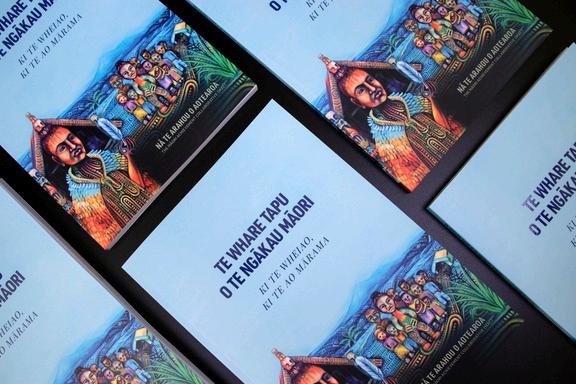
To date we have distributed over 1,600 copies of our pukapuka Te Whare Tapu o Te Ngākau Māori to MAC schools and as references for both our facilitators and those in the sector who support our kaupapa
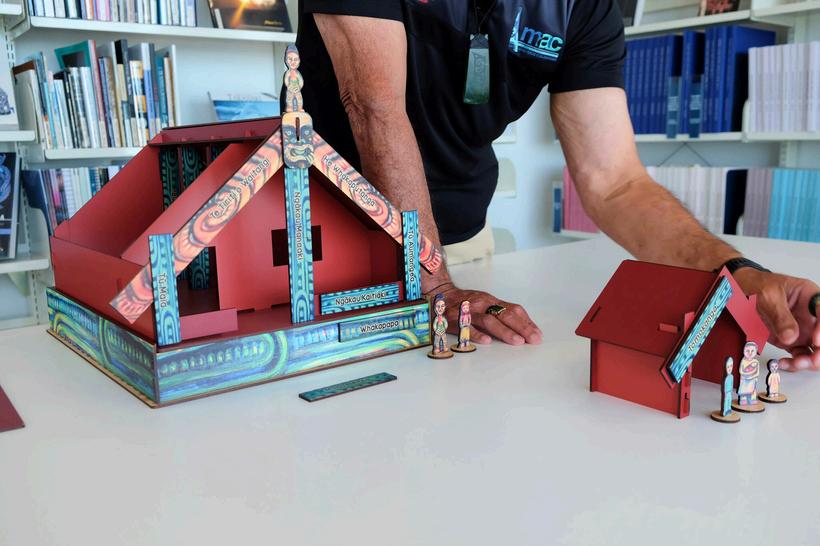
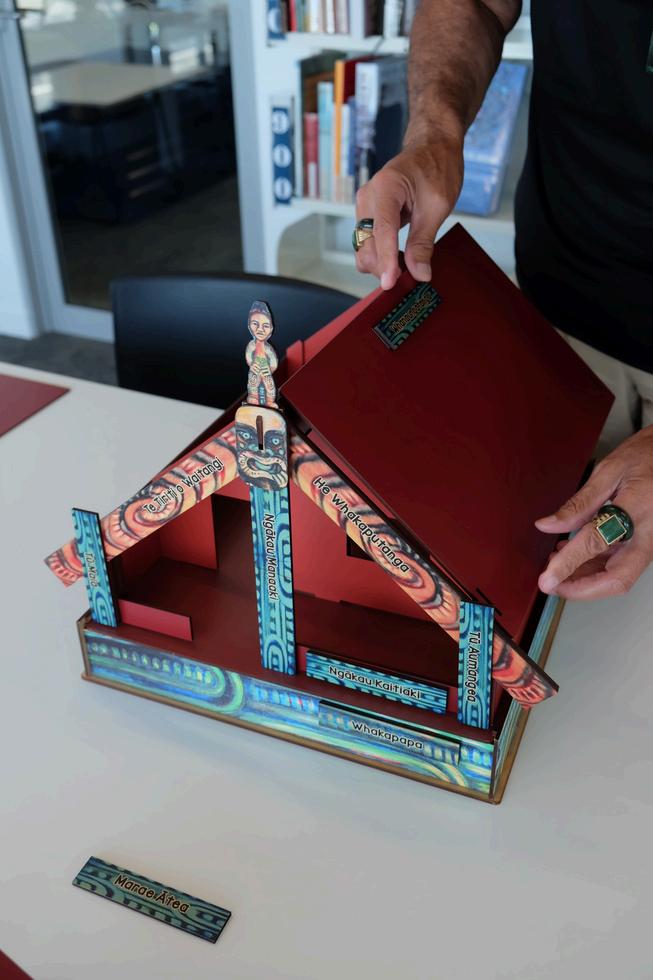
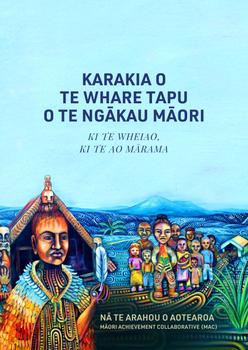
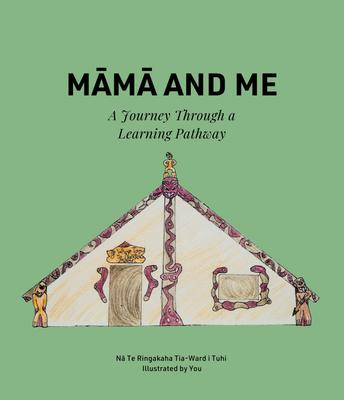
In further support of our work in providing a culturally sustaining framework for our schools, we have developed and released new resources: Our Marae Model together with the Pukapuka - ‘Māmā and Me, as well as our Pukapuka Karakia for distribution These resources are designed to help schools contextualise teaching and learning, and demonstrate how they can be meaningfully integrated across school settings and cultures Our first set of these resources have now been dispatched to schools
We have had a busy year working with our schools to support them to utilise this as a way to provide authentically, relevant and sustaining pathways for teaching and learning across schools and also how it can be utilised to assist with Te Mātaiaho and the reading, writing and maths curriculum changes We have also further developed resources, upskilling both our facilitators and our participant schools and their principals.
The report above around exploring AI and its potential to wholly integrate Te Whare Tapu o Te Ngakau Māori into curriculum planning, teaching and learning alongside all other relevant curriculum requirements and changes is an exciting initiative that we are exploring further.
The following sections of this report give a picture and story of the work, relevance, effectiveness and impact of Te Arahou MAC over the past 6 months through the voices of our participants and students in response to data collecting surveys from National Wānanga Participant Survey (Waitangi Wānanga - Term 1), Staff Meetings and Cluster Hui Surveys and Ākonga Māori Survey data and analysis. The responses should align very closely with the data discussed above in relation to content and focus areas.
NationalWānanga
Waitangi
PARTICIPANTSURVEY-RESPONSESANDCOMMENTS
MARCH2025
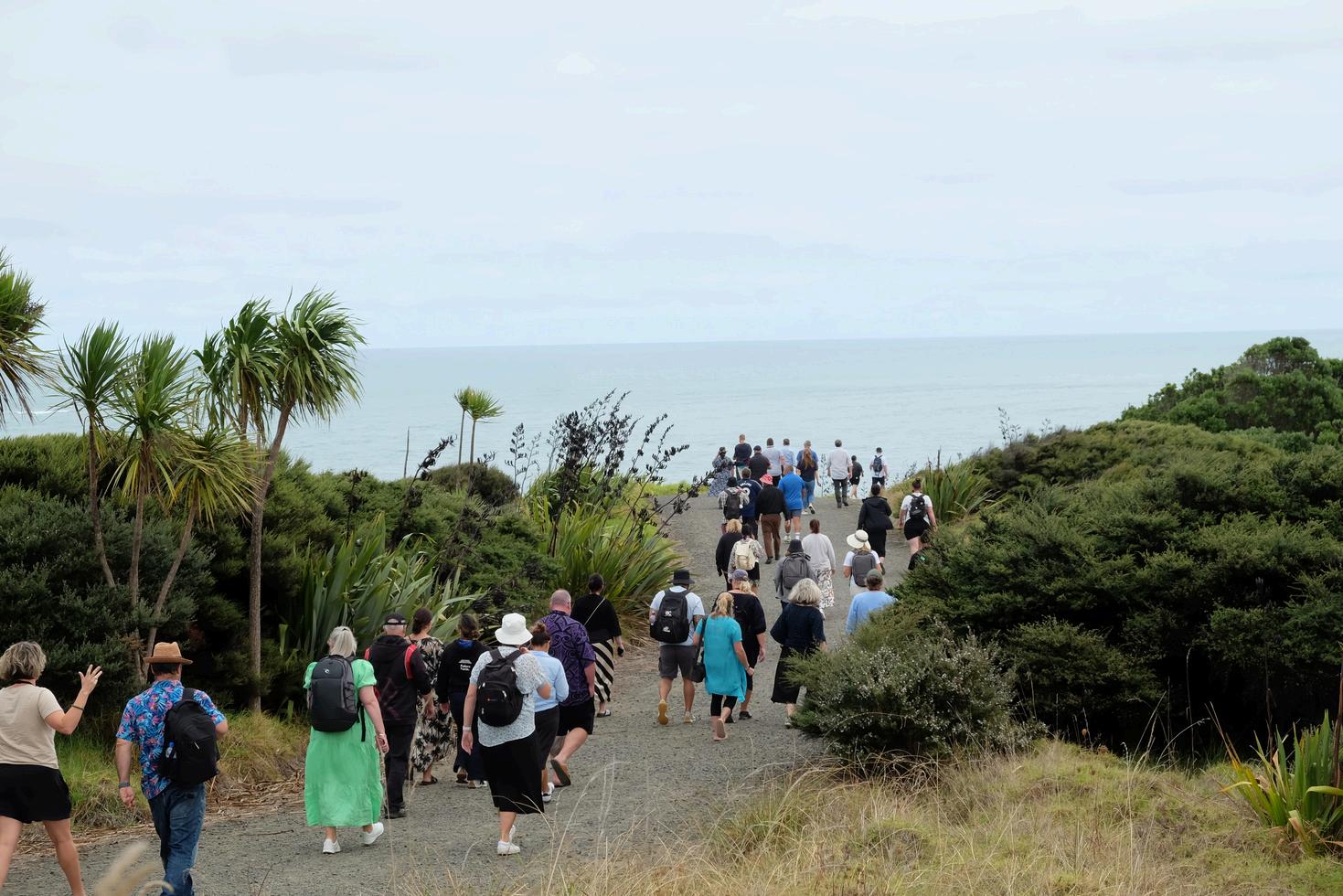
Our National Wānanga was held at Waitangi in Te Tai Tokerau in March 2025 and was attended by 90 delegates As was the case on feedback from our participants from the last two wānanga held in Waitangi, this Wānanga again achieved outstanding impacts and outcomes, motivation, challenge and inspiration for all who attended The feedback and response is overwhelmingly positive and affirming that we are catering for and meeting the needs of our extended MAC Whānau, and, as many have stated, in a way that is like no other PLD they have experienced
This Wānanga again blended authentic, place based experiences as well as interactive workshops that inspired and impacted to increase knowledge, understanding, confidence and capability to further influence decision-making from the perspective of seeing the realisation of Māori potential in action - knowing what it looks like, feels likes, sounds like and lives like. Tihei Mauri Ora!
The following survey feedback responses attest to my previous statements - they represent genuine and authentic stories given in reflection on the Wānanga - critical and valuable evidence of this methodology and approach to leading and learning for improved outcomes for ākonga in our schools. As a result they will inspire leadership for change in a very genuine way knowing what can be achieved.
In this survey, respondents were asked to indicate their overall satisfaction with the Wānanga as well as their resulting levels of confidence in articulating what Māori success as Māori looks like in their kura. We also asked them to identify the relevance (or not) of the learning opportunities provided. Analysis of the data with supporting qualitative responses follow:
On a 1-5 Likert scale (1 = unsatisfied, 5 = very satisfied), 100% of respondents reported being satisfied, with 66 7% very satisfied and 33 3% highly satisfied Respondents also rated the relevance of the Wānanga experience and speakers for themselves both professionally and personally Professionally, 100% found the Wānanga experience and speakers relevant, with 66 7% rating it very relevant and 33 3% highly relevant Personally, 100% again found it was relevant, with 33 3% rating it very relevant and 66 7% highly relevant
As a result of the learning in the Wānanga, 100% expressed that they felt very confident 25% or more confident 75% to better articulate what Māori achieving success as Māori looks like in their kura
In the next section of the review survey we asked respondents to identify the relevance of learning opportunities over the three days of the Wānanga For all three days, the highest score was accorded to the very relevant for each of the activities/events followed by relevant
Qualitative feedback and analysis of data from Day 1 identified overall themes:
Positive Engagement: Attendees thoroughly enjoyed the content and found the tour and discussions at the Treaty Grounds particularly enriching.
Knowledge Acquisition: The wānanga successfully built knowledge of He Whakaputanga, Te Tiriti o Waitangi, and Te Whare Tapu o Nga Puhi, offering new insights.
Practical Application: The event provided ideas for building community relationships and integrating Te Ao Māori principles, especially regarding student well-being (Mauri)
Networking and Inspiration: Participants appreciated the opportunity to connect with others and were inspired by the performances of young people.
AreasforGrowth: One participant suggested more time to hear from Te Ringakaha
“I was blown away by the whole day but my biggest take away was the discussion on mauri tau as I realised that this is a way of explaining the connection between relationalneuroscienceandTeaoMāori.”
Qualitative feedback and analysis from Day 2 identified overall themes:
Positive Engagement: Respondents found the day to be fantastic, enjoyable, interesting, and thought-provoking.
Challenging Thinking: The events, particularly those led by Hoana, effectively challenged thinking around education and Māori achievement
Cultural & Historical Value: The opportunity to visit different marae and learn about Kupe's stories was highly valued
Practical Application: Activities were seen as useful for staff and students to strengthen positive self-image, and the content prompted reflection on local stories and integration into kura.
Personal Connection: The Kupe experience resonated deeply and was personally significant for some.
“Great to see such highly skilled passionate people sharing the stories of Kupe. Made me think about the importance of sharing our local stories. Going to different marae is always valuable. That was a flash wharenui. Hoana really challenged my thinkingaroundeducationandMaoriachievingasMaori.”
Qualitative feedback and analysis from Day 3 identified overall themes:
Practical Application: Respondents valued the practical ideas and context provided, which they could apply directly in their kura, particularly for tumuaki.
Confidence Building: The kōrero helped increase confidence in understanding Karakia at a deeper level.
Content Volume: The information shared, especially on Day 3, was abundant and required time for reflection and application
Engagement: Presenters' passion was noted, but some attendees were tired and left early during one of the lessons.
“Really valued these kōrero and the practical ideas we were able to take back to our Kura.”
The previous section offered analysis against survey questions that either saw an improvement or were consistent with findings from analysis of our feedback for the previous Wānanga held in October 2024 This indicates that Te Arahou MAC honour and strive for consistency and relevance in their provision and practice and that we know our participants well This enables us to cater specifically to their needs in a very successful and outcome rich way.
We asked for further feedback to identify professional and personal takeaways and commitments to action in the kura of respondents These are summarised below
Personal / Professional take aways:
Strengthening Relationships: Responses highlighted the importance of building stronger connections with hapū/iwi and local communities, including integrating their knowledge and tikanga into school practices
Professional Development & Pedagogy: Participants expressed a desire to bring the wānanga's teachings to life in their schools, focusing on professional development for kaiako, embedding Māori language and culture authentically, and creating success for Māori students
Personal Growth: Several attendees noted personal takeaways, such as deepening their understanding of Te Tiriti o Waitangi, committing to learning Te Reo, and reflecting on their journey as tumuaki and wahine Māori.
Leadership & Challenge: Some responses emphasised the need for increased leadership time, the importance of leading from the heart, and the courage to challenge staff thinking to drive bicultural practice.
Authentic Experiences: The value of real-life experiences, such as observing a pōwhiri outside of school and sharing personal stories, was also highlighted
Commitment to action in participant kura:
Kura-Iwi/Hapū Relationship: Strengthening relationships with local iwi and hapū, including authentic and reciprocal connections and involving key stakeholders/iwi.
Cultural Engagement & Understanding: Supporting staff in engaging in tikanga, planning a kura trip to Waitangi, and signing up for cultural studies.
Graduate Profile & Learning: Creating a graduate profile and flipping the learning model for their kura
Leadership Support: Considering how to build stronger relationships with whanau, hapu, and marae, and reviewing evaluation tools.
Cultural Festival Support: Supporting, driving, and organizing a Special Schools cultural festival in Auckland
We ended our participant survey asking them to identify what they would say to others about this Wananga Themes are identified below:
Highly Recommended: Attendees strongly recommend the wānanga, calling it fantastic, eyeopening, and the best professional development in a long time
Learning and Growth: Participants highlighted significant learning opportunities and a deepened understanding, encouraging others to attend for personal and professional growth.
Impactful Experience: The wānanga is described as an experience that will leave attendees feeling different and better equipped to support Māori students
Investment in Education: Attending is seen as a valuable investment for improving educational outcomes for Māori children, particularly for those in mainstream schools.
ExcellentVenue:The venue and location were highly praised as amazing
The feedback and responses affirm our commitment to providing authentic wānanga and learning experiences for our MAC schools We are holding a further Wānanga in Waikato/Tainui on 19-22 October 2025, which we expect to host a further 200 - 250 participants
“I was blown away by the content of the conference from a personal and professional perspective. I am so grateful to all of the presenters who lead us through some powerful learning. The whole 3 days was engaging and helped me to growbothpersonallyandprofessionally.”
RegionalClusterHui
PARTICIPANTRESPONSES&COMMENTS
The following data was collected from Cluster Hui held at Te Arahou - MAC kura throughout Terms 1 & 2 2025. Feedback was collected from 98 Tumuaki from 17 different MAC cluster hui across the Nation.
The survey assessed personal and professional growth and perceptions of the Hui’s impact and quality of delivery. Each question/statement was rated on a 1–5 Likert scale (1 = lowest, 5 = highest). The questions / statements were:
Q. 1 This cluster hui has allowed me to strengthen my professional relationships and build relational trust with my MAC colleagues: Analysis identifies that 90.8% either agree 25.5% (25) or strongly agree 65.3% (64) with this statement
Q. 2 This cluster hui helped me to build my skills, knowledge, and/or understanding of the Te Arahou MAC kaupapa: Analysis identifies that 93.9% either agree 29 6% (29) or strongly agree 64 3% (63) with this statement
Q. 3 This cluster hui engaged my theories and beliefs and promoted rigorous and deep learning: Analysis identifies that 93.9% either agree 28.6% (28) or strongly agree 65 3% (64) with this statement
Q. 4 This cluster hui has improved my ability to effectively lead a kura that supports Māori learners enjoying and achieving education success as Māori: Analysis identifies that 91.9% either agree 37.8% (37) or strongly agree 54.1% (53) with this statement
Q. 5 Attending this cluster hui allowed me to gain useful insight and/or advice regarding the progress and challenges my kura has experienced under the Te Arahou MAC Kaupapa: Analysis of this data identifies that 86 9% either agree 23 7% (9/38) or strongly agree 63 2% (24/38)
Q. 6 Your level of satisfaction with the facilitation provided by Te Arahou MAC at this cluster hui: Data analysis identifies that 98% are very satisfied 19.4% (19) or extremely satisfied 78 6% (77) with the facilitation provided at cluster hui.
Noticings:
The responses to this survey continue to support Cluster Hui as a significant agent of change for the MAC kaupapa Overall, the vast majority of respondents felt that the hui they attended engaged and challenged their knowledge and beliefs, built relational trust with their MAC colleagues and facilitator, grew their understanding of the MAC kaupapa, and provided useful insight into the challenges facing their kura
The following section asks participants to identify specific kaupapa discussed / covered in the hui. The following is an analysis by themes.
The data from these Cluster Hui highlight several key kaupapa and initiatives focused on cultural learning, community engagement, and future educational planning Following are the main themes identified in the data:
TeWhareTapuoteNgākauMāori
MauriandReflectivePractice
LocalHistoriesandNarratives
Karakia,TikangaandMaraePractices
StrategicPlanningandLeadership
CurriculumandPedagogyIntegration
TeReoMāoriandĀkongaMāori
Success
TeTiritioWaitangi
CollaborationandKotahitanga
CurrentEventsandPoliticalContext
These Cluster Hui centred on the integration of Te Ao Māori into the curriculum and school culture, with strong focus on cultural immersion, whānau and community involvement, leadership, and the use of technology to support these initiatives. They also highlighted the importance of identity, belonging, and the development of local narratives that connect students with their whakapapa
The following data and analysis is in response to how attendance at the cluster hui has impacted participant leadership and why. Analysis identifies that attending these Cluster Hui had a significant impact on leadership development, particularly in terms of deepening understanding, strengthening confidence, and providing practical strategies for supporting Māori students and integrating Te Ao Māori into the school curriculum. Here's a summary of the key impacts:
1.StrengthenedLeadershipConfidenceandClarity
Increased confidence to lead Te Ao Māori initiatives, including speaking te reo and leading kaupapa
Clarity on next steps for personal and kura-wide actions, especially in Te Tiriti, te reo Māori, and tikanga integration
Empowerment for emerging leaders and those not in formal leadership to contribute meaningfully to discussions and direction
2.RenewedPurposeandMotivation
Reinvigorated sense of direction and passion for embedding Māori values and leadership within kura
Many left feeling inspired, hopeful, and affirmed in their cultural leadership journey
3.StrategicPlanningandAction
Concrete action steps taken, such as:
Reworking te reo Māori plans
Engaging iwi and local narratives
Incorporating pūrākau and history into curriculum
Embedding MAC and Te Whare Tapu o te Ngākau Māori into strategic documents and daily practice
Designing culturally responsive spaces (e.g. tomokanga as symbolic entry)
4.DeepenedCulturalUnderstanding
Greater appreciation of local iwi histories, carving styles, tikanga, and place-based narratives.
Increased awareness of the importance of honouring local stories and integrating them into the marautanga.
Commitment to enhancing school environments to be more welcoming and reflective of marae values
5.CollaborationandCommunity
Strengthened connections with other tumuaki and educators. Value placed on learning from the journeys and ideas of other schools. Recognition of shared challenges and collective strength in the kaupapa.
6.AuthenticTeTiritiPartnership
Renewed focus on Te Tiriti-centric leadership and pedagogy. Reflective practice on how leadership supports equity, belonging, and Māori success as Māori
Plans to support Boards of Trustees in understanding and enacting Hāutu and cultural formation
7.PracticalToolsandResources
Gained access to practical tools (e g , Anki app, waiata, karakia resources, online materials)
Ready-to-implement ideas such as differentiated karakia for transitions, kapa haka development, and mihi protocols
8.Identity,ReflectionandGrowth
Personal growth in cultural identity, with many feeling more grounded and affirmed as Māori or as Tiriti partners
Increased self-reflection on the role of leadership in creating inclusive, mana-enhancing spaces.
Deeper understanding of the significance of protocols, language, and environment in shaping how others feel in kura.
9.SustainabilityandAdvocacy
Concern about the defunding of MAC, with commitment to advocacy and petitions for continuation.
Acknowledgement of the long-term vision and legacy of MAC mahi for tamariki Māori and Aotearoa.
10.NextStepsandImplementation
Common intentions included:
Leading professional development for kaiako
Embedding Māori values into classroom and school culture
Strengthening iwi relationships
Using frameworks like Te Whare Tapu o te Ngākau Māori and Niho Taniwha
Deepening induction processes for new staff into the school’s bicultural journey
In summary, attendance at these Cluster Hui has empowered leaders to strengthen their leadership skills, develop clear cultural strategies, and inspire positive change in their kura The collaborative environment has sparked new ideas, increased confidence, and reinforced commitment to Te Ao Māori, ultimately impacting both the leadership journey and the broader school community.
As a result of their attendance at these Cluster Hui, Principals have committed to a variety of actions aimed at strengthening Te Ao Māori in their schools. Here is a summary of the key commitments:
1.StrategicPlanningandSchool-wideAlignment
Embedding Te Ao Māori as a strategic goal (e g , "Magnify Te Ao Māori")
Aligning Te Whare Tapu o te Ngākau Māori and Ngākau values with strategic plans, graduate profiles, and job descriptions
Reworking school values and kaupapa to ensure cultural authenticity and relevance
2.StrengtheningTeReoMāoriandTikangaPractice
Rewriting and improving Te Reo Māori plans to be more progressive and relevant
Committing to regular staff PLD on te reo and tikanga
Creating opportunities for staff and students to use te reo Māori confidently and meaningfully (e g , mihi, karakia, pepeha, waiata)
Using karakia and whakataukī more intentionally and exploring their deeper meanings
Integrating Māori vocabulary and pronunciation into everyday classroom and staffroom interactions
3.BuildingCulturalCapabilityandLeadership
Supporting kaiako to lead karakia, mihi, and pōwhiri.
Developing child leadership roles within paepae and cultural activities.
Establishing rōpū and working groups to lead Māori initiatives beyond just one or two staff.
Growing kapa haka and rumaki pathways.
Empowering support staff and wider school community to engage in the kaupapa.
4.EngagingwithIwiandLocalNarratives
Building and strengthening partnerships with mana whenua.
Incorporating pūrākau and local history into curriculum design.
Investigating local iwi stories (e.g., Te Atiawa, Ngāti Ruanui) and ensuring their visibility in school spaces, such as tomokanga or art installations.
Creating culturally responsive learning environments that reflect local tikanga and whakapapa.
5.CurriculumandLearningDesign
Using the Te Arahou framework and Ngākau matrix to guide planning
Enhancing local curriculum with learning contexts that reflect Māori knowledge and worldviews
Embedding cultural formation alongside Catholic character or other school-specific values
Developing graduate profiles that reflect Māori aspirations and identities
6.WhānauandCommunityEngagement
Improving whānau hui engagement through relevant and culturally aligned formats
Gathering more voice from whānau, ākonga, and staff to inform planning
Inviting whānau to be more involved in school events (e g , mihi whakatau, pōwhiri)
Making communication with whānau more inclusive and aligned with kaupapa Māori
7.ResourceDevelopmentandSharing
Purchasing and engaging with key resources (e.g., Te Whare Tapu o te Ngākau Māori book, MAC matrix).
Sharing learning, resources, and ideas with teams and senior leaders.
Creating sustainable systems to record progress and maintain continuity through staff transitions.
8.PersonalGrowthandProfessionalDevelopment
Committing to learn or improve personal pepeha, mihi, and tikanga
Booking regular sessions with Te Reo teachers or mentors
Reading key texts and exploring political and historical contexts (e g , Te Pire Whakatau, NZ Wars)
Building confidence to lead kaupapa Māori and speak more comfortably in hui
9.ActionableInitiativesandInnovation
Using apps and tools to support language learning
Shifting karakia and pōwhiri from occasional to regular practice
Integrating MAC concepts into physical environments (e g , marae-inspired spaces, naming school spaces with whakapapa stories)
Encouraging reciprocal, student-led tikanga such as manaakitanga during pōwhiri
10.SustainingtheMACKaupapa
Ensuring the MAC journey is documented and integrated into systems for sustainability. Advocating for MAC's continuation and participating in supportive actions (e.g., surveys, petitions).
Committing to leadership succession by involving others in hui and decision-making.
These commitments highlight strong intentions to deepen cultural connections, strengthen Māori language and practices, and create more inclusive, culturally responsive environments in schools. Tumuaki are focusing on long-term planning, integrating Māori identity into the fabric of school culture, and embedding cultural practices in curriculum, leadership, and community engagement These efforts are aimed at fostering a school environment where Te Ao Māori is not just an add-on but a fundamental part of the educational experience. Following their Cluster Hui, Principals committed to various actions to strengthen Te Ao Māori in schools
RegionalStaffMeetings
PARTICIPANTRESPONSES&COMMENTS
The following data was collected from Staff Hui held at Te Arahou - MAC kura throughout Term 1 & 2 2025. Feedback was collected from 121 kaiako from 28 MAC kura
Thesehuibroadlyfocusedon:
Deepening understanding and practice of Te Tiriti o Waitangi, Te Ao Māori, and culturally sustaining pedagogies in kura. Te Whare Tapu o Te Ngākau Māori - exploring and implementing Te Whare Tapu o te Ngākau Māori, including its ngākau, values, and curriculum applications. Other recurring themes included learning and using karakia, kupu, and pepehā to normalise and embed Te Reo Māori and Tikanga Māori in daily practice
The workshops also supported whakawhanaungatanga among kaiako and leaders, fostering relational and cultural leadership. Historical and local knowledge, such as stories of Sir Peter Buck, Okoki Pā, and Ngāti Mutunga, were also integrated to build a sense of tūrangawaewae and support place-based learning. The overarching aim was to grow cultural confidence, enhance Māori achievement, and build inclusive, values-based, and responsive learning environments through frameworks like The Hikairo Schema and MAC principles.
Our survey asked five questions with a focus on the preparation, pace and overall delivery of the PLD, expanding knowledge and deepening understanding of the participants, the kaupapa focus of the day, the skill, expertise and quality of the facilitation. A 4-point scale ranging from not at all to all of the time was used to gather this data. Respondents who indicated “All of the Time” against each statement are highlighted below:
1.Preparation time was apparent - 94.2% (114)
2 Organised and cohesive - 93 4% (113)
3 Timely and focussed delivery - 85 1% (103)
4.Appropriate resources, tools and technology - 86.0% (104)
5 Flexible facilitation as and when needed - 94 2% (114)
Analysis identifies that delivery of the MAC kaupapa is being done in a flexible, organised and timely manner. Overall, across all five areas, at least 85.1% of respondents (103) felt that the facilitator’s delivery met each of these criteria all of the time.
In this section of the survey, Kaupapa o te rā, we asked participants to identify aspects / approaches to / of the facilitation that were effective and professional in terms of their overall ability and use of strategies to engage / facilitate. We asked them to score on a 4-Point Likert Scale from Disagree to Strongly agree. The following respondents indicated that they Agreed or Strongly Agreed with the following nine statements:
1 Building relationships was a priority - 96 7%
2.Learning objectives were clear - 86.0%
3.Child at the heart of the matter - 96.7%
4 Content was relevant & appropriate - 97 2%
5 Content prompted reflection/change - 95 9%
6.Diverse perspectives were acknowledged - 97.0%
7.Courageous conversations encouraged - 99.2%
8 Mātauranga Māori was acknowledged - 98 3%
9.Use of Te Reo me ona tikanga Māori - 100%
Noticings:
116 out of the 121 participants felt that building relationships was a priority, that content of the hui was relevant and important to their professional practice, that diverse perspectives on the kaupapa were sought and acknowledged, and that the content of the hui encouraged reflection or a change in their professional practice. Furthermore, 100% of respondents felt that the content of the hui prompted them to engage in courageous conversations with their students, staff and/or whānau.
Similar surveys last year suggested that kaiako seemed to believe that the MAC kaupapa is for them, and not for their ākonga Māori. This perception appears to have changed, as 117 of the 121 participants (97%) could see the explicit connection between the MAC kaupapa and ākonga Māori Achieving Success as Māori.
Expandingknowledgeanddeepeningunderstanding
In the survey we asked participants to rate their prior knowledge and understanding of kaupapa followed by rating their movement in knowledge and understanding at the completion of the hui.
The following table identifies that prior to the hui 24.8% (30) felt they had expansive knowledge/understanding, 28 9% (35) basic knowledge/understanding, 43 0% (52) emerging knowledge and understanding and no prior knowledge / understanding 3 3% (4) After the hui their knowledge and understanding improved significantly with 51 2% (62) at expansive, 41 3% (50) at basic and 7 4 (9) at emerging
Noticings:
As we noted in last year’s reports, the kaupapa that were delivered are quite extensive, and moving from any level of understanding to another will be an enormous accomplishment. That being said, 83 of the 121 participants (66%) felt that they moved to a higher level of understanding as a result of the hui. Also important to note that (once again) no one left their hui with no understanding of the kaupapa.
The following section discusses the level of skill, responsiveness and culturally sustaining aspects of the facilitators delivery.
We asked participants to identify the level of skill, responsiveness and culturally sustaining facilitation in their practice under ten specific areas on a 4-point Likert scale ranging from disagree to strongly agree. The following respondents indicated that they Agreed or Strongly Agreed with the following nine statements:
1.Effective communicator - 100%
2 Culturally located - 96 7%
3 Advocate for positive change - 98 4%
4.Provided time for networking/sharing - 95.8%
5 Used a range of tools and facilitation strategies - 95 0%
6 Enacted ako - 95 0%
7.Respected diverse perspectives - 97.5%
8.Shared vision of MAC as overarching goal - 95.0%
9 Demonstrated curricula and pedagogical knowledge - 95 0%
Noticings:
Again, this is an indication that the delivery of the MAC kaupapa is being done in a highly effective manner. 95 - 100% of participants agreed with all of the statements shared with them. The responses reflect a highly committed and culturally aware teaching group, with strong beliefs in their capability and role as culturally sustaining educators.
Finally in this data gathering process we asked for qualitative comments under three questions.
1. What have you committed to doing differently as a result of this workshop/yourworkwithMACTeArahou?
Many committed to revising how they teach Te Tiriti, moving beyond surface-level or oneoff lessons to a more integrated, historically accurate, and values-driven approach. There's a strong focus on teaching the four articles, unpacking their meaning, and weaving this understanding through the curriculum year-round. Some expressed a shift in mindset: understanding Te Tiriti as a living document, relevant across all cultures and subjects, and a foundation for equity and partnership.
2.IntegratingTeAoMāoriAcrosstheCurriculum
Participants committed to embedding Te Reo Māori, tikanga, and mātauranga Māori across subjects and routines, not treating them as standalone or token efforts.
Efforts include increasing the use of karakia, waiata, kupu, and culturally sustaining practices, and using Te Whare Tapu o Te Ngākau Māori as a guiding framework. Others aimed to build cultural narratives into local curriculum design and inquiry units (e g , Turangawaewae, Te Rangi Hīroa)
3.GrowingPersonalCulturalConfidenceandCapability
Many committed to expanding their own knowledge: learning more about local iwi, histories, their own whakapapa or pepeha, and Te Reo Māori proficiency
Several described renewed motivation to research, read, and reflect, including on their own cultural identity and biases
4.SupportingOthers:Staff,Whānau,andCommunity
Some participants expressed a commitment to supporting wider staff development, creating shared understandings, leading PLD, or being available as cultural mentors
There’s also recognition of the need to involve whānau and wider communities, including educating boards and building inclusive, respectful partnerships
5.EnhancingStudent-CentredPractices
Many educators committed to centering students’ cultural identities, including: Learning and teaching students’ pepehā.
Creating classroom environments where manaakitanga, ako, and turangawaewae are visible and valued.
Ensuring Māori and non-Māori students alike feel proud of who they are and understand the relevance of Te Tiriti to them.
6.StrategicandSystemicChange
Several leaders shared commitments to school-wide strategy development, including: Establishing Te Ao Māori leadership groups. Embedding MAC goals into school direction. Using The Hikairo Schema and Ngākau Māori frameworks as tools for sustained cultural transformation.
OverallInsight:
There is a clear and collective movement from awareness to action, with participants committing to long-term, authentic change in their own practice, school culture, and curriculum design The kaupapa of Te Tiriti o Waitangi, cultural identity, and Te Ao Māori are being actively woven into the heart of teaching, learning, and leadership
2. What have you committed to doing differently as a result of this workshop/yourworkwithMACTeArahou?
Participants expressed a high level of engagement, commitment, and enthusiasm for the kaupapa Their comments and questions about the next steps in this mahi reflect a desire for clarity, guidance, practical tools, and sustained support as they continue implementing Te Tiriti o Waitangi and culturally sustaining practices in their kura Key themes include:
1.ClarityonSequencingandImplementation
Many participants asked what the next steps are and how to structure their journey, especially those at the early stages of implementation. Questions included:
What sequence should we follow?
When is it time to move on to a new focus area?
How do we align this mahi with the curriculum or existing school plans like MASAM?
2.NeedforPracticalSupportandResources
There is strong interest in ready-to-use resources, lesson plans, teaching examples, and step-by-step guidance to implement Te Tiriti and Te Whare Tapu o te Ngākau Māori authentically and effectively
Participants requested:
A resource list (including readings and classroom tools)
Marae visits, practical exemplars, and case studies from other kura
Strategies for teaching younger students and diverse learners, including ESOL
Ongoing whānau engagement strategies
3.Confidence,CulturalSafety,andRespectfulPractice
Several kaiako voiced a need for support to build confidence, especially in delivering accurate Treaty content, teaching about potentially sensitive or controversial issues, and avoiding tokenism or cultural appropriation.
There is a strong desire to teach with integrity, depth, and respect, not just meet compliance.
4.SustainedLearningandLeadershipSupport
Many participants expressed appreciation for MAC and the support from facilitators They requested:
Continued face-to-face hui
Follow-up workshops to build on current knowledge
Leadership mentoring to sustain the kaupapa schoolwide
5.IntegrationAcrossCurriculumandKuraCulture
Participants want help linking the four Articles of Te Tiriti to day-to-day teaching and school values
They are exploring how to:
Embed the principles into their local curriculum and class treaties
Connect the mahi to student identity, turangawaewae, and ākonga-led learning
6.ExcitementandReadinesstoGrow
A large number of responses expressed enthusiasm, curiosity, and a strong sense of purpose
Comments such as “interested, keen and excited,” “can’t wait for the next session,” and “this challenged me in a good way” reflect deep engagement and personal investment in the kaupapa
Conclusion:
While participants feel energised and committed, they are also seeking clearer pathways, shared resources, and long-term scaffolding. The desire is not only to “know more,” but to do better through collective growth, respectful practice, and sustainable transformation in their kura.
3.Whatfinalthoughtswouldyouliketoshare?
The final reflections on the MAC Te Arahou workshops highlight deep appreciation, personal and professional growth, and a strong desire for continued engagement. The tone is overwhelmingly positive, affirming the transformative impact of the kaupapa on educators across experience levels and contexts.
1.GratitudeandAppreciation
Participants expressed heartfelt thanks for the high-quality facilitation, culturally safe environment, and respectful delivery of challenging content
Facilitators were widely praised for their expertise, relational approach, and responsiveness
“Thank you for sharing your knowledge with us!”
“It was beautiful ”
“I just wanted to share my gratitude for opening up and making those two days possible.”
2.HighEngagementandInspiration
Many described the wānanga as the most engaging PD they had ever attended. Participants reported feeling inspired, energised, and ready to apply what they learned, often with renewed clarity around their purpose.
“I am super excited… I had a smile on my face the whole time.”
“I am so motivated I am already organising lesson plans from Year 0–6.”
“Loved it, awesome and eye opening!”
3.PersonalTransformationandReflectiveGrowth
Many kaiako shared how the mahi has prompted personal reflection, particularly around identity, whakapapa, and past approaches to Te Tiriti and history.
Some said they wish they had received this knowledge earlier in their careers, emphasising its life-changing potential
“This PD made me rethink everything I’ve taught before ”
“I’ve learnt more from MAC than in 20 years of living in Aotearoa ”
“It has really signified the ‘why’ in my teaching ”
4.ImpactonSchoolCultureandSystems
Participants observed positive shifts in staff attitudes and engagement with Te Reo Māori, tikanga, and iwi engagement
Many saw MAC as catalysing school-wide commitment to culturally sustaining practice and leadership
“Our staff have lifted their fluency to better support our tamariki ”
“I’m proud to be part of a kura striving to do better because we know better ”
5.RequestsforContinuityandExpansion
There was a strong call for ongoing support, follow-up workshops, and wider rollout to other schools, teachers, and trainee educators.
Many participants expressed interest in apps, resources, or structured lesson plans to further embed the learning.
“I would love a second workshop building on this mahi.”
“This should be part of teacher training programmes.”
“Please keep them coming!”
6.ValidationoftheMACApproach
The MAC model was affirmed as accessible, empowering, and transformational. Participants appreciated the non-judgemental, strengths-based delivery and the safe space for robust kōrero and reflection.
“Loving the simplistic, non-judgemental way MAC is delivered.”
“It created a safe space to share and learn ”
Conclusion:
These final thoughts confirm that the MAC Te Arahou kaupapa is not only informing and equipping educators, but also transforming school culture, personal identity, and professional confidence The facilitators are seen as key enablers of this transformation, and there is strong momentum for ongoing learning, deeper engagement, and broader reach
As indicated, respondents to these survey questions capture the practice of a range of facilitators across various regions of Aotearoa / NZ Data analysis continues to indicate a very high and consistent professional approach and quality of practice across them all When these survey results are compared and discussed in relation to other survey responses and feedback in terms of the professionalism, quality and consistency of facilitation, regardless of context, findings are consistent.
ĀkongaKōrero
STUDENTVOICESURVEYRESPONSES&COMMENTS
The following data was collected from the responses of 886 ākonga Māori across 36 Te ArahouMAC kura throughout Term one and two, 2025 The final feedback survey once again sought to gain ākonga Māori voice on perceptions and experiences ‘as Māori’ in their respective schools We asked ākonga to rate on a 5-point likert scale using a range using never (1), not a lot (2), sometimes (3), mostly (4) to always (5) The results are evidenced in both commentary and the graph snapshots below
Pride and confidence: 53 5% (474) always felt proud and confident to be Māori, 24 2% (214) mostly, 15.2% (135) sometimes 5.4% (48) not a lot. Sadly 1.7% (15) never felt a sense of confidence or pride in themselves as Māori.
How it feels to be Māori at school: 73% responded that it felt good to be Māori either always 48.1% (426), or mostly 24.9% (221). The remaining ākonga stated; sometimes 19.0% (168), not often 5.3% (47). The remaining 2.7% (24) never felt good about being Māori at school.
Feeling confident and proud to be Māori helped them to be more successful: 30.0% (265) strongly agreed that that was the case. A further 30.6% (270) agreed with the statement, 28.8% (254) agreed somewhat with the statement while the remaining 10.6% either somewhat disagreed with 6.3% (56) or disagreed entirely with the statement 4.3% (38).
FEELINGCONFIDENTANDPROUDTOBEMĀORIHELPSMETOBEMORE
Teachers help ākonga to feel proud: For this question, it is worth mentioning that 66 of the 886 participants did not respond, with no specific reasons given. Of the 817 respondents who did, comment on whether their teachers help them to feel proud to be Māori, 37.8% (309) of ākonga responded always, 24.2% (198) mostly, 24.5% (200) sometimes, 8% (65) not a lot, and 5.5% (45) never. It is encouraging that 62% of ākonga indicated that teachers mostly or always support them to feel proud to be Māori. However, for the remaining 38%, this support is either inconsistent or absent Interestingly, these results closely mirror findings from our previous ākonga surveys, though this time the responses were gathered from a far larger cohort
MYTEACHERSHELPMEFEELPROUDTOBEMĀORI
“My parents feel really proud when I come home and tell them and I learnt about a Maori story. I also love to see some stuff I haven't learned before. The teachers at myschoolalsosupportmewithmycultureifIaskthemornot.”
Perceptions of Māori Achievement: In a further question, 817 respondents who answered the question about their perception of whether ākonga Māori were achieving at their school Among the 817 respondents, the majority 62% (507) felt that this was the case either always 28 5% (233) or mostly 33 5 % (274) while 30 7% (251) felt this was often the case and 5 3% (43) sometimes
ATMYSCHOOL,MĀORISTUDENTSAREACHIEVING
The following statement is very poignant, received by email to one of our MAC principals after the ākonga survey had been completed in their school. The parents email said the following:
“Kia ora Whaea Paula, at pickup [Name of Ākonga] told me he had something to tell me when we got in the car. This is usually reserved for particularly bad news but this time he said “Mum this is something that made me VERY happy.” He proceeded to tell me all about the survey. He loved it and was so excited at how happy and valueditmadehimfeel.”
ĀkongaLeadership
An analysis of ākonga Māori leadership reveals a diverse picture across schools, whānau, and communities Kapa haka is the most common leadership pathway, with students serving as kaea, performers, mentors, and cultural representatives Formal school roles include Kaiārahi, Komiti Māori members, House captains, and Tuakana Informal leadership in homes and communities involves teaching younger relatives and helping at the marae, demonstrating manaakitanga and whanaungatanga While many students are active leaders, some desire more Māori-specific opportunities, expressing aspirations to grow in confidence or noting a lack of such roles Leadership also emerges through supporting Te Reo Māori learning and broader roles framed by Māori identity and values Overall, kapa haka, karakia, Komiti Māori, and whānau engagement are key leadership vehicles, with a strong desire for culturally anchored growth honoring whakapapa, reo, tikanga, and collective responsibility
We asked ākonga Māori a number of questions in regard to Te Reo Māori and particular abilities / contexts they learned about and learned within We also asked how they felt their parents/whanau felt about them learning Te Reo Māori
When asked whether they thought Te Reo Māori me ōna Tikanga are important, 66 9% (561/837) of respondents said it was very important, 21.3% (178/837) said a little important, 11.3% (95/837) were not sure yet and 0.4% (3/837) felt its was not really important. In addition, 49 respondents (5.5%) provided mixed responses, selecting more than one option for example:
Very important and Not sure yet
Very important and A little important
A little important and Not really important
These mixed responses were recorded but excluded from the percentage breakdown above to ensure clarity when reporting single-response data
When asked why they felt like they did in response to the question a number of common responses were identified:
In Summary: Te Reo Māori me ōna Tikanga are not just important they are vital for identity, pride, survival of culture, connection to whānau, and as a foundation for Aotearoa’s shared future Whether students are fluent or just beginning, their voices reflect deep value and emotion tied to their language, customs, and cultural inheritance
Students overwhelmingly support the importance of Te Reo Māori and Tikanga for identity, culture, and belonging Key reasons include:
Cultural Identity and Pride: Te Reo and Tikanga are central to Māori identity, fostering pride, confidence, and connection to heritage
Revitalisation and Survival: Students recognise the responsibility to preserve the language and customs from historical suppression for future generations
Connection to Whānau and Community: Te Reo acts as a bridge to family, marae, iwi, and the wider Māori community
Respect and Understanding: Tikanga Māori is seen as a guide for showing respect to people, places, and culture, especially on marae and in schools
Inclusion and Identity in Aotearoa: Both Māori and non-Māori students view Te Reo and Tikanga as fundamental to New Zealand’s national identity and a cultural treasure
Learning Journey and Aspirations: Many students are still learning, with their understanding of Te Reo and Tikanga evolving as they find their place in Te Ao Māori.
Empowerment and Representation: Older students link embracing Te Reo and Tikanga to justice, empowerment, and reversing colonial impacts, reclaiming space and challenging racism.
In summary, Te Reo Māori me ōna Tikanga are vital for identity, pride, cultural survival, whānau connection, and Aotearoa’s shared future, reflecting deep value and emotion regardless of fluency
LearningTeReoMāoriSupportandContexts
WHOARETHEPEOPLEWHOHELPYOULEARNTEREOMĀORI?
Yousaidother,pleasesaywhothisis?
These comments show that ākonga learn te reo Māori and cultural knowledge from a wide variety of sources, both formal and informal A strong influence comes from kapa haka tutors and teachers, as well as extended family members such as more distant uncles, aunties, cousins, and foster families School staff like principals, kaiako, librarians, and te reo clubs also play a role Many students also mention digital and media sources, including phones, Google, YouTube, TikTok, the Te Aka app, TV, and online platforms Some refer to community members, sports coaches, and church groups, as key contributors. A few students note learning independently or through cultural immersion. Overall, this reflects a rich, diverse, and interconnected network of learning grounded in whānau, school, community, and digital spaces.
We asked ākonga Māori a number of questions in regard to Te Reo Māori and particular abilities / contexts they learned about and learned within. We also asked how they felt their parents/whanau felt about them learning Te Reo Māori.
WHEREDOYOULEARN/USETEREOMĀORI
In addition to the places noted in the above graph, students shared that they use and learn Te Reo Māori in a wide range of other everyday environments, both formal and informal Key places and contexts include:
Whānau and Home Settings: Many students mentioned learning Te Reo at their nan’s, aunty’s, or cousin’s house, with parents, grandparents, and extended whānau playing a key role in everyday language use
School and Kapa Haka: Students commonly referred to learning at school, especially in Māori classes, kapa haka, and special programmes like Mana Māori or Tītike Reo classes
Community Spaces: Te Reo Māori is used at the marae, church, kohanga reo, weddings, family gatherings, and even at the library
Sports and Social Activities: Te Reo is spoken informally during rugby, league, basketball, and other team sports, as well as in conversations with friends or in the car with whānau
Digital and Other Everyday Contexts: Some students noted using Te Reo while on the phone with family, at the shops, at work, or in the park
Students are engaging with Te Reo Māori across multiple domains whānau, school, sport, social life, and cultural gatherings demonstrating that Māori language learning is deeply embedded in both formal education and everyday lived experience Whānau, in particular, play a critical role in supporting and normalising the use of Te Reo Māori
However, a number of students expressed frustration or disappointment with the inconsistency or superficiality of learning especially in high school settings Some said the school “talks the talk but doesn’t walk the walk,” particularly regarding marae visits, Māori leadership opportunities, and deeper cultural learning Several felt that more immersive or regular experiences (e g , noho marae, hands-on learning, kai preparation, Te Reo Māori conversations) would strengthen their understanding Others noted that learning depends heavily on individual teachers, and more could be done to embed Te Ao Māori across all areas of school life
GapsandMissedOpportunities
Some students felt not much is taught or only basic/performative aspects are covered Comments highlight broken promises from schools (e g , marae stays that don’t happen, lack of Māori sport or leadership roles for all Māori students)
Others noted inconsistency depending on the teacher or year level
Students desire deeper, hands-on learning like carving, kai preparation, and daily immersion in Te Reo Māori
AttitudesandReflections
Many students enjoy and value learning about Te Ao Māori Students expressed pride in being Māori and a desire to learn more.
Some acknowledged they are still learning or don’t know much yet but are willing to try. A few shared personal growth from prior schools or ongoing curiosity (e.g., researching atua, using Māori at the grocery store).
WhānauPerceptionsandGoals-fromanākongaperspective
Ākonga Māori identified that for 71 1% (630) their family/whānau were very proud about them learning Te Reo and tikanga Māori 15 5% (137) felt they were a little proud and 12 8% (113) were unsure We asked them to tell us a little about their reasons and what they thought their whānau goals were.
In relation to whanau sense of pride and ākonga perceptions of whanau goals in regard to learning Te reo and Tikanga, akonga shared the following - presented here in summary and themes. Across the diverse range of responses, a strong theme emerged around pride in Māori identity and aspirations to strengthen connections to language, culture, and heritage. Many whānau expressed the desire for their tamariki to:
Learn and Speak Te Reo Māori Fluently: A majority of responses highlighted the goal of becoming fluent or more confident in Te Reo Māori, both to strengthen cultural identity and to communicate within whānau or on the marae
Participate in Kapa Haka: Numerous tamariki are already involved or aspire to join kapa haka groups, with some aiming to become leaders. Whānau often support or expect participation in kapa haka as a way of expressing cultural pride.
Engage in Cultural Practices at Home: Many families are making active efforts to incorporate Te Reo Māori and tikanga into daily life through karakia, waiata, learning pepehā, or attending language classes together.
Reconnect with Iwi, Marae, and Whakapapa: A significant number of tamariki and their whānau expressed goals to deepen their understanding of their iwi, hapū, marae, and ancestral stories, especially where that knowledge has been lost over generations
Build Generational Knowledge: Several responses reflected a desire for tamariki to learn Te Reo and tikanga not only for themselves but to pass it on to future generations a response to past generations being denied access to their language and culture
Feel and Express Pride in Māori Identity: Many students spoke of being proud to be Māori and wanting to live and lead in ways that reflect this pride as role models, performers, speakers, or simply through everyday actions.
Balance with Other Goals: While Te Reo and cultural learning were common themes, some whānau also supported individual dreams in sport, the arts, and career aspirations, viewing cultural grounding as complementary to overall success.
Overall, the responses reveal a shared commitment among whānau and tamariki to reclaim, revitalise, and celebrate Te Ao Māori, with language learning and cultural engagement seen as key pathways to identity, belonging, and intergenerational strength.
WhakapapaandPepeha
Further to the findings and comments above, it is interesting to note that, 67.0% (594) of ākonga identified that their hapū and iwi have aspirations for them and their future and 77.1% (683) either knew their whakapapa, where they are from and where their ancestors came from. For 23.6% (209) they knew this really well, 25.7% (228) quite well, and 27.8% (246) well. Sadly, for 9% (80) they knew little about this.
When asked if they had access to and are learning their own pepehā (Iwi and Hapū whakapapa), 76.7% (680) responded yes while 23.3% (206) responded no. We further asked ākonga to tell us a little bit about their answer. Many students expressed pride, curiosity, or a strong desire to know where they come from Some are actively researching or reconnecting with their whakapapa Others feel their pepehā is a key part of who they are and want to share it with others The collection of student responses reveals a rich and diverse picture of how ākonga across Aotearoa are engaging with their pepeha The following barriers were expressed
PartialorInterruptedAccess
Some students mentioned barriers to learning, such as:
Family disconnection from Māori identity or knowledge
Parents or grandparents not knowing their own pepehā
Family matters or absence of elders who hold the whakapapa
A few students said they know multiple pepehā from both sides of their whānau but struggle to remember them fully
StudentsWithoutAccessorEngagement
A smaller group said they don’t know their pepehā, haven’t started learning, or don’t see the value in it particularly if they don’t plan to stay in Aotearoa or feel it’s not relevant
Others expressed confusion or uncertainty about what pepehā is, or feel shame or frustration at having forgotten it after learning it in the past
In summary, while pepehā knowledge and access vary greatly, most students are either learning, already know, or want to know their pepehā Whānau, kura, and marae are key sources of knowledge, though the journey is not always straightforward Many students are proud of their identity and eager to deepen their understanding of who they are and where they come from
In terms of confidence reciting their pepehā, 21 8% (193) felt very confident, 17 5% (155) quite confident, 26 4% (234) confident, 17 9% (159) some confidence and 16 4% (145) no confidence
Ākonga were asked to respond to 12 questions about their understanding, confidence, success, and ability in using te reo Māori each day and in a variety of contexts. They rated each statement on a four-point Likert Scale: 1 = Not yet, 2 = Somewhat well, 3 = Quite well, 4 = Confidently and successfully.
Analysis of the data indicates that ākonga Māori feel most confident and successful when counting in te reo Māori (67.9%) , or greeting (45.4%) and farewelling people (34.0%), followed by their understanding of the karakia used in their classrooms (34.6%), explaining how they feel (28.8%), and starting a waiata (25.0%). They feel least confident and successful in using a maramataka, mihi and naming items in the classroom.
When asked about areas for improvement, ākonga Māori most frequently expressed a desire to enhance their vocabulary and pronunciation in te reo Māori, with the goal of improving their spoken fluency Other common aspirations included increased participation in cultural events and a deeper understanding of their whakapapa and local history Additionally, several students were keen to explore Māori art, carving, and sports like rugby and gymnastics from a Te Ao Māori perspective Acknowledging the holistic nature and purpose of learning te reo in context, we have selected the specific responses below based on the concept of a NgākauManaakiperspective
I understand how we welcome groups using tikanga Māori, results from the 851 single responses show:
Iunderstandthekarakiaweuse,results from the 862 single responses show:
Icangreetothersintereo, results from the 855 single responses show:
Icanfarewellothersintereo, results from the 858 single responses show:
IcandoamihiusingTeReoMāori, results from the 862 single responses show:
IcanexplainhowIfeel, results from the 862 single responses show:
Icanuseamaramataka, results from the 865 single responses show:
KaiakoasLearners
Ākonga Māori were also asked whether their teacher was growing their own knowledge of Tikanga, Te Reo and Te Ao Māori and using this in their teaching The majority 95 5% identified their teachers as always 30 6%, mostly 23 8%, often 29 6% and sometimes 11 5% 4 3% identified their teacher as not doing so They also identified a number of ways they saw this happening A summary of their feedback follows the graph below
We asked ākonga to share ways that their teachers are increasingly incorporating te reo Māori, tikanga Māori, and Te Ao Māori into classroom practice. The most common examples shared were; daily routines, vocabulary & pronunciation, Te Ao Māori integration, cultural practices, initiatives and programmes and visual and Instructional Support:
Commonthemesfromobservationssuggestthefollowing:
Commitment Varies: Some teachers are deeply committed taking night classes, using Māori consistently, and showing cultural understanding. Others use only basic greetings or avoid Māori altogether.
Student Awareness: Many students notice and appreciate teacher effort, even when it's imperfect. They describe learning with their teachers and see it as a shared journey.
Cultural Responsiveness: A few comments reflect frustration with minimal effort or with inequity in how Māori learners are supported compared to others.
Impact: When teachers actively use and model Te Reo and Tikanga Māori, students feel empowered, culturally affirmed, and more engaged in their identity and learning.
OverallSummary:
Teachers are using a range of approaches, from basic greetings to full curriculum integration, to grow their understanding of Te Ao Māori and embed it in their teaching. While the depth and consistency differ, student feedback highlights a growing awareness and valuing of Māori language and culture in schools.
ContinuousHistoryofMāori
We also asked ākonga Māori to identify contexts and kaupapa that they have learnt about as well as areas that they wanted to learn about in terms of Māori History We asked three questions:
1 Do you learn about Māori history?
2 How much have you learned about He Whakaputanga and Te Tiriti o Waitangi?
3 How much have you learned about the loss of te reo Māori?
In response, 75.4% of ākonga Māori identified that they learnt about Māori history. The most common contexts for learning were identified by ākonga Māori, through qualitative comments and themes. The data reveals a wide range of learning experiences related to Māori history and culture, highlighting key topics, figures, events, and traditions.
Students have had broad exposure to Māori history, especially Te Tiriti o Waitangi, migration, creation stories, and Matariki, but many express a strong desire for deeper, more consistent learning, especially about iwi histories, land loss, leadership, and cultural pride.
When asked how much they had learned about He Whakaputanga and Te Tiriti o Waitangi, ākonga Māori responded that they had learned either: a lot (13.8%) or quite a lot (19.3%), some (36.1%) or not much (18 7%) nothing (12 1%)
When asked how much they had learned about the loss of Te Reo Māori ākonga Māori responded that they had either learned: a lot (16.9%) or quite a lot (23.7%), some (25.5%), nothing (15%) or not much (18.8%).
ĀkongaGoalsandAspirations
Finally we asked ākonga what their main goals were and what help they felt they needed. Their responses are themed and summarised below:
What is your main Te Ao Māori goal this year? The data reveals a wide range of Te Ao Māori goals that students have set for themselves, with a clear focus on improving their Te Reo Māori (Māori language) skills, cultural practices, and personal connection to Māori heritage. Here’s a summary of the main themes:
Speaking Te Reo Māori More Fluently - The overwhelming majority of students aim to speak Te Reo Māori more fluently, confidently, and in full sentences. Many want to use Māori in everyday conversation at school and home. They want to improve pronunciation, vocabulary, and understanding and learn to ask and answer questions, hold a basic conversation, or deliver a speech or mihi.
Applying Te Ao Māori in Daily Life - Several ākonga aim to use more Māori language in their daily routines, support or teach others in their reo journey, grow a māra (garden) or engage with the environment through a Te Ao Māori lens and participate in Māori sports (e.g. Māori rugby league)
Learning and Reciting Pepeha - A large group of students set goals to Learn or memorise their pepeha, say it confidently, especially at marae or formal events and connect it to understanding their whakapapa, iwi, and place of belonging
Kapa Haka Participation and Leadership - Many students want to join or excel in kapa haka, become a kaitataki (leader) or perform in the front row, improve performance in haka, waiata, poi, or use of traditional instruments (e g pūkaea) Some expressed goals to lead a waiata, haka, or karakia
Expanding Cultural Knowledge - Students want to learn more about Māori customs, values, and concepts (e g manaakitanga, kaitiakitanga), understand Māori history, including Te Tiriti o Waitangi, Maramataka, and whakaputanga and learn about their ancestors, tribal stories, and Māori perspectives on current events
Personal Growth and Identity - Some students expressed more personal and reflective goals to build confidence in speaking or performing, break stereotypes and embrace their Māori identity, be proud of who they are and encourage others and use Te Ao Māori as a way to connect with their whānau and culture.
Academic or Achievement - Focused goals tied to passing Te Reo Māori levels or gaining credits, achieving cultural awards or excellence in Māori studies and participating in Polyfest or public speaking competitions. Other specific goals mentioned by students included learning karakia, waiata, numbers, greetings, and basic classroom terms, understanding and using Maramataka and learning about Puanga and Matariki.
Summary
Across the responses, students show a strong sense of aspiration and identity within Te Ao Māori Their goals reflect a blend of language learning, cultural engagement, leadership and performance, and connection to heritage and community Most importantly, many students are seeking confidence, belonging, and cultural pride through their journey in Te Ao Māori
WhathelpdoākongaMāorifeeltheyneed?
The data reveals a variety of supports and resources that students feel would help them meet their Te Ao Māori goals Students expressed strong views on the need for Māori language and culture to be normalised and visible across all subjects, better integration of Te Ao Māori into the curriculum (not siloed in kapa haka or RE), more equity and unity, with some calling out perceived tokenism, favoritism, or inconsistent support Students requested, books, apps, and classroom resources like posters, dictionaries, sentence starters, access to bilingual tools, such as Duolingo or Māori TV, opportunities for immersive learning, including learning from experts (e g carvers, weavers, historians)
Furthersupportmechanisms:
Teachers and School - More teaching of Te Reo Māori and dedicated lessons (not just occasional exposure) Regular, structured lessons on Te Ao Māori in the classroom and encouragement and patience from teachers, especially when students make mistakes.
Whānau and Peer - A significant number want help from parents, siblings, grandparents, aunties, or koroua, to learn from fluent speakers in their family and have the support of friends or classmates who can practice reo with them.
Emotional Support and Confidence Building - Many students need more confidence to speak or perform, encouragement and awhi. A desire to feel safe and accepted, especially for those reconnecting with their identity or who feel out of place.
Practice Opportunities - More time to practice speaking, performing, and using te reo, opportunities to practice pepeha, waiata, haka, karakia, and kapahaka and interactive ways.
Deeper Cultural Learning and Identity Support - Some students want help learning about their iwi, whakapapa, hapū, and marae, understanding Māori values and history and feeling culturally validated and included, especially for white-presenting Māori or those disconnected from their heritage Students clearly value Te Ao Māori and want to succeed in language, identity, and cultural expression To achieve their goals, they’re asking for authentic, consistent teaching, encouragement and belief, practice and resources, whānau and peer involvement, and a school environment that respects, embeds, and uplifts Te Ao Māori as a living, breathing part of daily life Of note, a few students mentioned the need for personal motivation, discipline, and a push to try harder and wanting to ask more questions, try new things, or take risks in their learning
“I want to know as much maori as i can so i can be closer to my tupuna and ancestral rolemodels“
“to be fluent in my reo and understand to be able to express I am Māori and have somerightsin,amongstourkura”
“My whaanau are strongly connected to our marae Pikitu, so knowing reo Maaori is veryimportanttothem.”
The following is a snapshot of findings, themes, and trends following an initiative led by one of our MAC Secondary Schools, which adapted our ākonga survey to gather the voices of non-Māori / Tauiwi / Tangata Tiriti students. The school will remain anonymous, but are to be commended for their initiative and in-depth analysis, which identified critical strategies and actions to strengthen teaching and learning in response.
ExecutiveSummary:KeyTrendsandThemesfromSurveyData
This report analyses survey responses from 126 non-Māori students at [Name of High School], focusing on their experiences with cultural identity, Te Reo Māori, and engagement with Te Ao Māori The data reveals critical insights into student confidence, curriculum delivery, and systemic opportunities for improvement
KeyQualitativeFindings
CulturalIdentityandBelonging
48.4% of students feel "high confidence" in their non-Māori identity, but 40.5% remain neutral, indicating ambivalence (Q1).
50% of students lack access to their own pepeha (cultural genealogy), mirroring the 50% who do (Q10).
37.3% cannot confidently share their pepeha, while only 6.35% feel "very confident" (Q11)
TeReoMāoriEngagement
41 3% view Te Reo as "very important", but 35 7% are sceptical or ambivalent (Q6)
62 5% rely on teachers for Te Reo learning, while only 16 7% use it at home (Q7, Q9)
73% struggle to start a waiata (traditional song), and 68% cannot deliver a mihi (greeting) (Q14)
CurriculumandTeaching
40 5% of students report teachers "sometimes" integrate Tikanga and Te Reo, while 23% see minimal effort (Q8)
52 4% learn about Māori history, but 47 6% do not (Q15)
43.7% have "minimal" understanding of He Whakaputanga and Te Tiriti o Waitangi (Q16).
FamilyandCommunity
72.2% feel family aspirations guide them, but 27.8% lack this support (Q4).
39.7% are unsure if their families support Te Reo learning, while 29.4% report pride (Q5).
KeyQualitativeThemesandTrendsforthekuratoconsider
PolarisationinCulturalConfidence
Nearly half of students (48.4%) feel secure in their non-Māori identity, but 40.5% are neutral or uncertain (Q1).
Pepeha knowledge splits evenly: 50% have access, 50% do not (Q10).
Passivevs.ActiveEngagement
Students engage more with practices (e.g., Matariki celebrations – 62%) than cultural foundations (e.g., Ngā Atua Māori – 10%) (Q12).
High reliance on teachers (62.5%) contrasts with low family/community involvement (Q7).
SystemicGapsinBiculturalEducation
47 6% of students report no Māori history learning, and 43 7% lack understanding of foundational documents (Q15–16)
30% struggle to follow basic Te Reo instructions, while 84% cannot use a maramataka (Māori lunar calendar) (Q14)
TARANAKIREGIONALSNAPSHOT FINDINGSFORSCHOOLS
The following findings and comments were connected to and shared with the cluster of schools involved to facilitate further discussion on findings, actions and future change strategies.
Overview:
This survey gathered insights from 301 Māori ākonga (students) in Taranaki, spanning Year 4 to Year 13. While one high school contributed 48 responses from Year 7-13, the majority of respondents were in Year 4-8. The survey explored various aspects including cultural identity, school experience, Te Reo Māori me ona Tikanga, language learning, and aspirations Responses primarily utilized a 1-5 Likert scale, supplemented by open-ended and multi-choice questions
KeyFindings(QuantitativeData):
Identity&ConfidenceasMāori:
Proud to be Māori: 80% reported strong cultural pride (rated 4 or 5)
Feels good to be Māori at school: 76% expressed positive feelings about their Māori identity at school (rated 4 or 5)
Belief that pride helps success: 70% of ākonga agreed that cultural pride contributes to their achievement (rated 4 or 5).
Whakapapa & Iwi Aspirations: 72% indicated they know their whakapapa (genealogy). 78% stated they are aware that their hapū/iwi (sub-tribe/tribe) have aspirations for them.
RoleofWhānauandTeachers:
Whānau support for Te Reo Māori: 73% reported their whānau felt "very proud" of their Te Reo Māori efforts, with an additional 14% indicating "a little proud." Teachers help ākonga feel proud to be Māori: 62% rated teachers positively (4-5), while 23% gave a neutral rating (3), and 15% rated them 1 or 2.
CurriculumContent&TeAoMāori(TheMāoriWorld):
Strong Exposure: Ākonga reported significant exposure to Karakia (prayers/incantations), Pepehā (tribal saying/introduction), Kapahaka (Māori performing arts - Waiata and Haka), and Te Reo Māori me ona Tikanga (Māori language and customs) Further exploration of variety and progressive learning in Karakia is needed He Whakaputanga (Declaration of Independence) and Te Tiriti (Treaty of Waitangi) & MāoriHistory:Knowledge in these areas was moderate, indicating room for growth
Goals&Aspirations:
CommonThemes:
Ākonga expressed a desire to learn to speak and understand more Māori kōrero (conversation) confidently and competently, participate in kapa haka, which is seen as critical for them and strengthen their pepehā and whakapapa knowledge.
Ākonga want more structured Te Reo Māori language and tikanga lessons, support from whānau and kaiako (teachers) to learn Te Reo Māori me ona Tikanga. (Providing support and training in this area is crucial.) They also want more opportunities for leadership in Te Ao Māori. A "Whakatau" process has been developed to provide a structured approach for tamahine (girls) and tamatane (boys) in this regard.
Overall:
The Taranaki regional team acknowledge the honest responses of the ākonga, as the collected data has been instrumental in guiding strategic review plans for schools These plans aim to empower ākonga to achieve their full potential with the support of whānau, friends, and teachers. The data consistently highlights that key themes revolve around identity (Ko wai au?Who am I? Knowing PEPEHĀ), language (Te Reo Māori me ōna Tikanga), and culture (Aotearoatanga - the Māori way of life).
Schools must continue to develop sustained and deliberate strategic directions that genuinely give effect to Te Tiriti o Waitangi. Implementation plans should be authentic and co-developed with whānau, marae (Māori meeting grounds), hapū, and iwi.
ACTIONSandNEXTSTEPSfortheTaranakiMACRohe:
Deepen Engagement: Foster greater engagement with whānau, marae, hapū, and iwi to make their aspirations visible and authentic, establishing strong connections to the whenua (land).
Celebrate Māori Identity: Continue to celebrate Māori identity in daily school life, shifting from "Staying the day in an Aotearoa way" to "Aotearoatanga is our way."
Leadership Opportunities: Provide leadership opportunities in kaupapa Māori (Māori initiatives) for ākonga. The "WHAKATAU" process, involving children from Year 4-8, has been implemented in schools to provide a welcome process for new students, interschool sports exchanges, and other occasions where manuhiri (visitors) are welcomed.
Authentic Whānau Hui: Plan more thoughtful and authentic whānau hui (family gatherings) to identify and address barriers. This may include off-site hui in whare (houses/buildings) where whānau feel safe, shared learning from ākonga, small group conversations, and overcoming whakama (shyness/embarrassment). Whānau are critical to the success of ākonga.
Ka Hikitia Principles: Integrate the Ka Hikitia principles of "language, identity, and culture" as significant pillars for Māori achievement into the school leadership team's reviewed charter document and strategic goals
Increase Access to Quality Te Reo Māori and Tikanga Māori Education: Build capacity among all staff in Te Reo Māori me ona Tikanga While many have completed Te Ahu o Te Reo, the sustainability of Te Reo Māori thrives within an "OHU REO" (community of speakers) Provide weekly opportunities for staff to further develop their Te Reo Māori
Pepehā Development: Encourage staff to develop their own pepehā story presentations with photos, encompassing both Tangata Whenua (people of the land) and Tangata Tiriti (people of the treaty) perspectives Concurrently, continue to strengthen the school's pepehā kōrero (narratives) and encourage ākonga to visit significant sites, fostering mental images for their pepehā
Staff Noho Marae: Highly recommend staff noho marae (overnight stays at a marae) with a focus on "language, identity, and culture " This will allow for deeper exploration of "Te Whare Tapu o Te Ngākau Māori" (the sacred house of the Māori heart/mind)
OHU KAIAKO: Create an "OHU KAIAKO" (teacher collective/team) responsible for supporting kaupapa Māori.
FinalComments
I am leaving the following paragraphs from our last report in this final comments section as it is critically relevant to the work of Te Arahou - MAC and all of our participants.
Our kaupapa aspiration is that ‘Māori students are engaging in relevant, authentic, culturally affirming and sustaining contexts, enjoying and achieving educational and cultural success as Māori ’ Review of data and analysis of the relevance, effectiveness and impact of our kaupapa to this end, testifies to the realisation of this aspiration within our MAC schools While it is true to say some are further along the continuum than others, we can celebrate the commitment to this common purpose by our participating schools, principals, teachers and stakeholders This success is about Te Tika - Moral Purpose which is defined by Bezzina (2007) as:
“Leading with moral purpose means having a commitment to making a difference in the livesandoutcomesofstudentsasaresultoftheirexperiencesatschool.”
Further Bezzina cites Barber and Fullan (2005) who explain that:
“The central moral purpose consists of constantly improving student achievement and ensuring that achievement gaps, wherever they exist, are narrowed.” For a school to achievethis,thereneedstobeasharedcommitmenttoexplicitvalues.”
The key and critical values of our practice are: Te Whānau - Relationships & Connections / Relational Trust; Te Pono - Truth, Trust and Respect; Te Āwhina - Care, Support and Safety; Te KotahitangaUnity and Collaboration; Te Wero - Challenge to Critically Reflect and Change Practice; Te TikaMoral Purpose; Te Māia - Courage. For us as Te Arahou - MAC facilitators and staff these are everyday personal and professional values that we give expression to in all we undertake. We model these in every action and interaction that we undertake. In doing so, we provide authentic lived realities that we share to motivate and inspire others in a very effective and sustainable way - we change hearts and minds!
In her recent book, Maia Hetaraka (2024) seeks answers to her question in regard to The Teaching Council’s Cultural Competencies Framework - Tataiako and whether these can truly be measured and attested to by those with little knowledge or understanding of culture, including their own. She utilises dialogue with esteemed Kaumatua/Tohunga of knowledge to seek their thoughts on this In one such instance she quotes Hori Parata who states:
I’m saying well it seems like only hearts and minds. It’s not like anything massive has to change,it’sjustreallyinyourheartandmindwherethechangehastobemade.”p.96
Change from Hori’s perspective will happen once people let go of fear. (Hetaraka, 2024, p99).
In our mahi to support our school principals, leaders, teachers, governors, whānau, parents and communities, understanding fear and moving beyond it is central to movement towards positive change to hearts and minds. This is where the values of whanaungatanga, manaakitanga, kotahitanga, tika and pono come to the fore Many of our respondents feedback and comments attest to these, including on the first page of this report:
“ ... The collegiality and safe space that Mel creates and nurtures encourages us to consider and ask so we can learn. The group works better than self-directed PLD as we learn and grow together with ideas and insights sparked from each others’ reflectionsandconsiderations.”
In every aspect of the Effective Educational Leadership - Culturally Responsive Learning Contexts and Systems responses to statements in regard to impact there has been upwards improvement in all 5 areas.
Our data evidences that there is steady growth in the confidence and ability of schools to provide some level of instruction for tamariki in te reo Māori. Some of this is aligned with the schools commitment and attendance in the Te Ahu o Te Reo learning kaupapa. It will be interesting to monitor the stability of this as this provision has been replaced for math texts.
Alongside this in all parts of section 3 of this report - Culturally Responsive effective teaching for Māori there has been an upward improvement in responses attesting to impact Overall, there has been upward movement in nearly all indicators and scale scores across all sections of this report
Analysis of the data for the ākonga survey responses (886) up from 240 in the last quarter, show some very positive indications that students in our MAC schools are experiencing positive environments, school cultures, access to te reo Māori and teaching and learning to enable them to learn as Māori Further they express very positive feedback on teacher / ākonga relationships indicating that they feel that their teachers care about and believe in them They state that they support them in their learning, particularly in te reo, tikanga and integration of Māori contexts within their learning Further our MAC schools are working hard to build their knowledge and understanding of te reo, tikanga and Matauranga Maori and are learning longside their students, for their students
Our ākonga Māori believe that being Maori is an asset to their learning and that they are and can be successful. They believe that they are achieving ‘as Māori’ and they are curious, active and engaged in their learning. What’s more they are attending school at higher rates than the average and their achievement rates are improving.
BarriersImpactingondelivery
The intense pace of change, the delay in formalising and completing curriculum documents, the lack of relievers, and the overall political climate has impacted on our work. Principals have been under immense amounts of stress and it has impacted on their well-being. The consequent impact for us has been many last minute cancellations of meetings as well as principals being too busy and stretched to undertake our surveys and provide student achievement data We are hopeful however, that 2025 will see some change in these situations We will continue to provide our kaupapa to our schools and to support them in times of need reassuring them that in their work, they are not alone! Tihei mauri ora!
ExternalEvaluationoftheTeArahou-MACKaupapa
As per our contractual obligations and for our own reflection and review, we have engaged Te Rōpū Rangahau Māori - NZCER to undertake an extensive evaluation of our mahi and the impact of this over time to the present. It was very important to us that we contract a highly credible and respected organisation to undertake this evaluation. The reports overtime, researched and presented by this rōpū have influenced much of the review, reflection and thinking in the further development of our kaupapa over time. We thought it would be an important and influential relationship. To date this has been the case. Following several zoom hui, the entire MAC team met with them kanohi-ki-te-kanohi in their offices in Wellington. This was a very special meeting and enabled a hononga that I believe was very sincere and unique. More so, it validated our choice in selecting the team, their knowledge and expertise and their ability to dig deep through interactive engagement in activities to understand our theory of action and the change and impact of this over time. A follow up email I received confirmed my thoughts and perceptions - just a small quote:
“The workshop with you and the MAC facilitators the other week was absolutely incredible. Our team has been reflecting on what an amazing group of people you all are, and how lovely it was to work alongside you. I therefore just wanted to take a moment to acknowledge you and the wider rōpū – it's a really special kaupapa, and we feelfortunatetobepartofit.”
I think they get us and feel sure that they will provide an excellent evaluation with recommendations that can only make us stronger.
Naku noa na
HoanaPearsonQSM
Te Pītau Mātauranga
DrewManning
Kaihoe Mātauranga, Reporting Data & Analysis
Lead
Te Arahou o Aotearoa - Māori Achievement Collaborative (MAC)
ReferenceList
Bezzina, M (2007, August) Moral purpose and shared leadership: The leaders transforming learning and learners pilot study. Paper presented at the Australian Council for Educational Research conference on The Leadership Challenge: Improving Learning in Schools, Melbourne. retrieved from https://www.educationalleaders.govt.nz/Leading-change/Leading-and-managing-change/Moralpurpose-and-shared-leadership
Hetaraka, M. (2024). Te Kauae Tuku Iho | Inheriting the Sacred Jawbone: Indigenous Knowledge Holders Reimagine Education. New Zealand Council for Educational Research.