EARLY
CHILDHOOD INFORMATIONTHE FIRST SEVEN YEARS
In the Early Childhood, education is centred upon meeting the needs of the child’s developing motivation or will. A young child’s work is play. The Early Childhood program is focused around activity and play in a colourful environment equipped with natural, basic materials.
IMAGINATION
The young child experiences their self as being at one with the world. The process of self-realisation and awareness of their self as an individual, is slow and gradual. Steiner describes the first seven years as being the Age of Imagination, in that the child is “thinking in pictures”, imaginatively, rather than abstractly, in concepts. Steiner education describes the child of kindergarten age as having a ‘dreamy consciousness.’ We aim to meet this consciousness by avoiding intellectual explanations or instructions in favour of creating imaginative pictures. Plenty of time is allowed for imaginative free play, both inside and out. The child is encouraged to create their own play scenarios independently of adult intervention We provide a variety of relatively unformed playthings of natural materials such as shells and pebbles, logs and blocks, cloths, handmade dolls, wooden animals etc. that allow for open-ended transformation into imaginative play. Teachers choose to tell, rather than read, traditional fairy tales or nature stories thus calling on the child to create internally their own imaginative pictures.
IMITATION
The young child learns primarily by example, by watching, listening and endeavouring to copy those around her. To ‘teach’ a small child the most appropriate way is to ‘do’ what you would like the child to do, whether it is walking and talking, or tying shoes and tidying away the toys. And to ‘be’ what you want the child to be…. caring, polite, helpful…. Rather than intellectual explanations or detailed requests. In Early Childhood the teacher will ‘do’, maybe with gentle prompts and allow the children’s natural tendency to join in and copy to achieve the aim. We try to be worthy ‘role models’ for the children. At Mansfield Steiner School, Early Childhood is broken into three parts: Playgroup, Morning Star (3 and 4-year-old Kindergarten) and Rosa Mundi (Prep).
PLAYGROUP
Our playgroup is a weekly gathering of parents and little children (birth to about three and a half years) held in the Morning Star room. The program is informal, with free play inside and out. The children can join in baking; they come together for a morning song circle and morning tea and share a simple story at the end of the morning. A playgroup facilitator is present to lead these activities. Parent support
is necessary throughout the morning to help facilitate the smooth running and enjoyment for all in attendance. It’s a great opportunity to meet like-minded parents and establish a connection with the school community.
MORNING STAR (3 AND 4-YEAR-OLD KINDERGARTEN)
These smaller children are just beginning to socialise and to be comfortable away from their parents. The session is largely devoted to free play, inside or outside. Activities such as painting, baking or simple hand-craft are offered. Morning tea is shared at the table and the session finishes with songs, fingerplays and a simple story, perhaps acted out with props or puppets. Opening and closing verses and the mealtime grace are repeated throughout the year and the children feel secure with their familiarity.
RHYTHM AND ROUTINE
Rhythm, Routine and Repetition are key factors in supporting the development of the Will. Children are carried along by the rhythms of the world in which they live and flourish when their daily activities are arranged rhythmically to reflect the natural order of life. Kindergarten activities flow with a sense of “breathing in” and “breathing out”, for example, from the quiet moments of mealtimes and story time and rest time, to the active moments of vigorous work and play. Circle time, a whole class together time, flows between the polarities of quiet voices and finger games, to whole body movement, singing and verse, in a rhythmic and balancing way, bringing the child from stillness to movement and back again. All transitions between the activities are accompanied by singing, or carefully chosen phrases that enable the child to follow the daily routine without needing much instruction or explanation.
Each room will have on display a more detailed schedule of the daily timetable, mealtime menu and weekly activities.
Rhythm, Routine and Repetition are key factors in supporting the development of the Will. Children are carried along by the rhythms of the world in which they live and flourish when their daily activities are arranged rhythmically to reflect the natural order of life. Kindergarten activities flow with a sense of “breathing in” and “breathing out”, for example, from the quiet moments of mealtimes and story time and rest time, to the active moments
of vigorous work and play. Circle time, a whole class together time, flows between the polarities of quiet voices and finger games, to whole body movement, singing and verse, in a rhythmic and balancing way, bringing the child from stillness to movement and back again. All transitions between the activities are accompanied by singing, or carefully chosen phrases that enable the child to follow the daily routine without needing much instruction or explanation.
Each room will have on display a more detailed schedule of the daily timetable, mealtime menu and weekly activities.
REPETITION
Repetition allows learning to consolidate, ‘practice makes perfect.’ In Early Childhood we choose to build up familiarity and to repeat experiences many times rather to provide a variety of constantly changing, new ‘stimulations’, for example, the teacher will tell the same story, every day for a week. The same Morning Circle is presented for a three week period. The rhythm and the routines are repeated.
OUR ENVIRONMENT
The Early Childhood spaces provide warm, nurturing surroundings. Colours, furnishings and materials and equipment are chosen with care and for specific qualities. The warm and life-enhancing forces of peach blossom pink were recommended by Steiner as most appropriate for little children. This is reflected in the choice of colour for walls and curtains. Simplicity, beauty and practicality are inherent n the furniture, much of which has been lovingly made especially for us. Natural materials and playthings from the natural world are used whenever possible. Baskets of logs, blocks, shells, gumnuts, stones and crystals inspire and support creative play Cloths of all sizes and colours lend themselves to cubbies and dress-ups and all manner of props. Play stands, tables and stools are available to create ships and castles, a tractor or a stable as play requires. Wooden dishes, handmade dolls and animals are all familiar to the children. The kitchen corner provides a homely atmosphere, and the wood fire is a cosy spot to gather around on chilly days.
ROSA MUNDI (PREP)
This is a preparatory program offering more
PRIMARY SCHOOL
At Mansfield Steiner we value the traditional Steiner School practice of having one teacher accompany the children through their Primary School years. Over this extended period the teacher and children develop a meaningful relationship that fosters an environment of trust and security within which the child can relax into their learning. Teachers really come to know each child and as such are better able to meet their individual needs and honour and support their unique learning and development journey. Over the years a true partnership, based on trust and mutual respect, is also able to be forged between parent and teacher so that the needs of the child are collectively served.
The Main Lesson is a key point of difference in Steiner Schools. The first two hours of every morning are dedicated to study of the same topic or theme for a period of three weeks. The central theme of the Main Lesson is progressively explored through a broad spectrum of integrated activity; each day building on the previous.
Main Lesson blocks may be focused on Mathematics, Language, Humanities and Science. However, each will encompass a variety of experiences including movement, singing, painting, drawing, modelling, drama, narrative, practical activity and formal academic work. The children create their own Main Lesson Books which serve as a personal record and recount of their learning through drawings, words and other visual representations.
Every Class has a matching stage in the Story of Humanity, and this becomes the overarching theme or epoch for that year level. The children listen to stories from that era which resonate with the particular challenges of the age group.
CLASS 1
In Class 1 the children make the all-important transition from Early Childhood to school where formal learning begins. The students are given a desk which travels with them all the way to Class 6 (altered every year at Desk Day to accommodate the growing child). The students are immersed in a rhythmic, engaging and deeply nourishing time from the moment they enter the room until the time they leave. They are individually greeted each morning and bade farewell in the afternoon, often with a riddle or question to contemplate until their return next day. Routines are established, games are played, shapes are physically explored, numbers are sung, and drawings are made. Through the telling of folk and fairy tales the Class 1 teacher conveys messages of beauty, goodness and truth to the students, enriching the child’s inner life.
Curriculum
» Art - wet-on-wet water colour painting
» Craft - beeswax modelling, knitting and sewing,
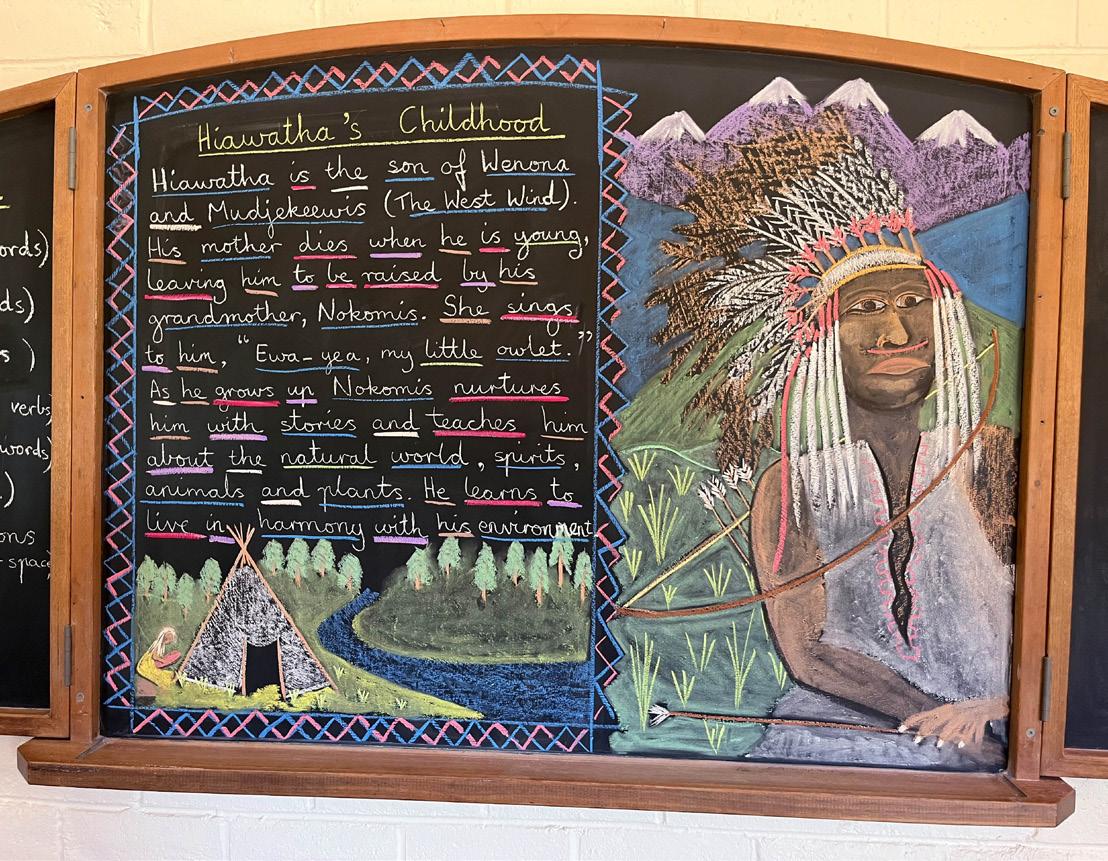
» English/History - writing and word families and making their first reader, Indigenous studies and library
» Science/Geography - nature studies
» Maths/Geometry - form drawing, introduction to the four maths processes
» Physical Education/Sport - swimming, Eurythmy, cross country skiing and group games
» Music - singing and recorder
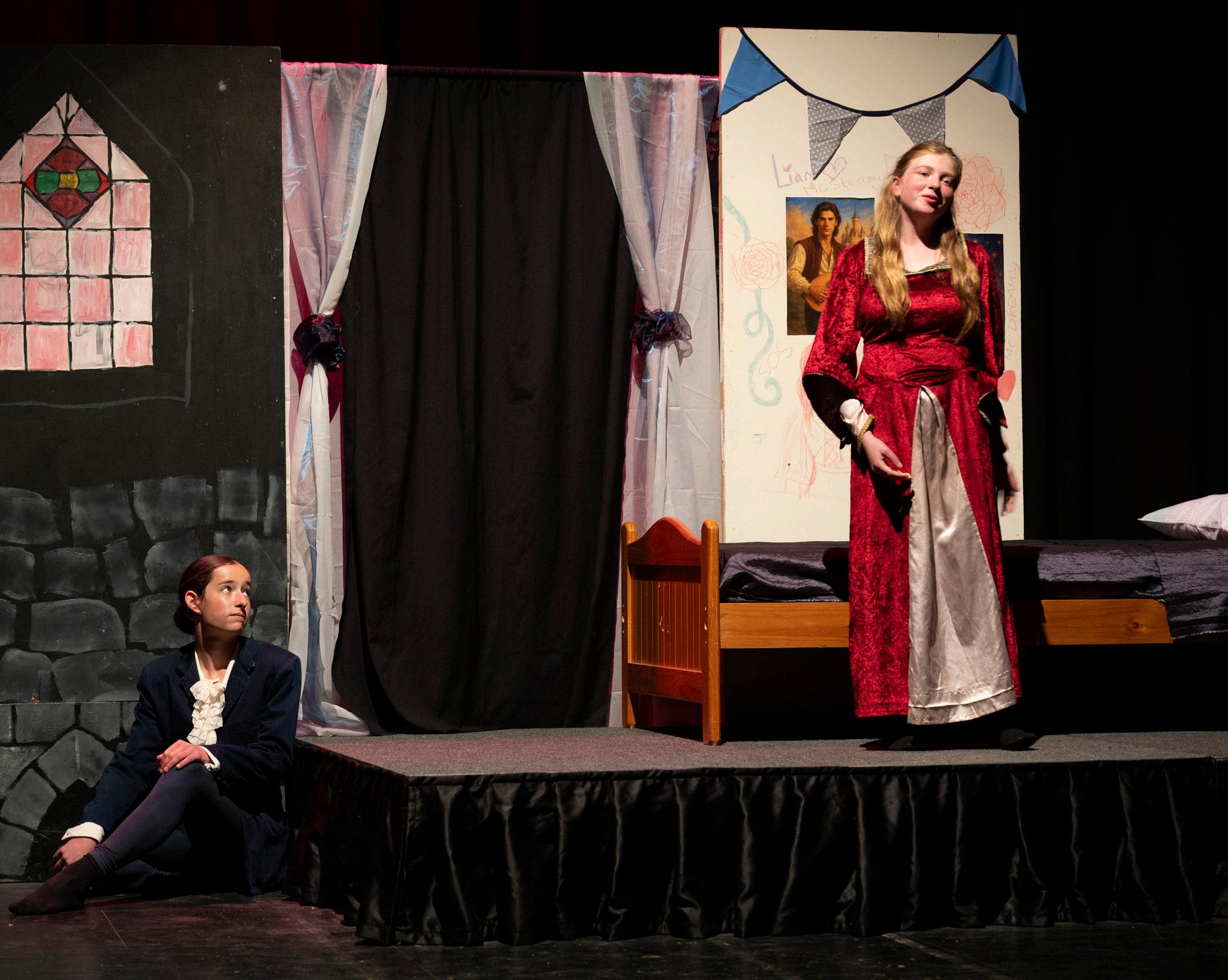
» Drama - a seasonal class play,
» LOTE - French
» Gardening
» Cooking
CLASS 2
Class 2 students begin to show an awareness of the world around them. World legends and fables resonate deeply with students of this age as they recognise the everyday attributes of humans which are shown through animals, and stories of the Saints, whose qualities of saintly goodness were achieved through discipline and strict training to overcome their lower natures. The Celtic myths such as the Celtic Dragon Myth and The King of Ireland’s Son strongly appeal to the feeling qualities of Class 2 student, where the magic is there sometimes and then disappears.
Main Lesson Themes covered include legends and myths, Indigenous stories, Aesop’s Fables, Russian Fables, Celtic Wonder Tales and the Local Surroundings.
Excursions Class 2 students adventure out on many excursions and bushwalks in the Mansfield district during their Local Surroundings Main Lesson.
Curriculum
» Art - Perspective drawing, wet-on-wet water colour painting
» Craft - Beeswax and clay modelling
» English/History - writing, reading, Indigenous studies and library
» Science/Geography - Local surroundings
» Maths/Geometry - form drawing, practical maths, number patterns
» Physical Education/Sport - swimming,
Eurythmy, cross country skiing and group games
» Music - singing and recorder
» Drama - annual class play
» LOTE - French
» Gardening
» Cooking CLASS 3
The age of nine often brings significant developmental change. The students are developing an awareness of themselves as individuals, it is a transition time where they may become uncertain and questioning. The curriculum has a strong focus on practical subjects such as farming, gardening, and building. The class undertake a building project in the playground. The exploration of Old Testament and Hebrew stories provide a solid foundation from which to serve this important stage of personal development. By Class 3 students bring greater confidence and fluency to their reading and writing. Work in maths focuses on measurement and also builds skills utilising the four processes.
Camps
A two-night farming camp allows them to develop an awareness of food production.
Curriculum
» Art - perspective drawing, wet-on-wet water colour painting
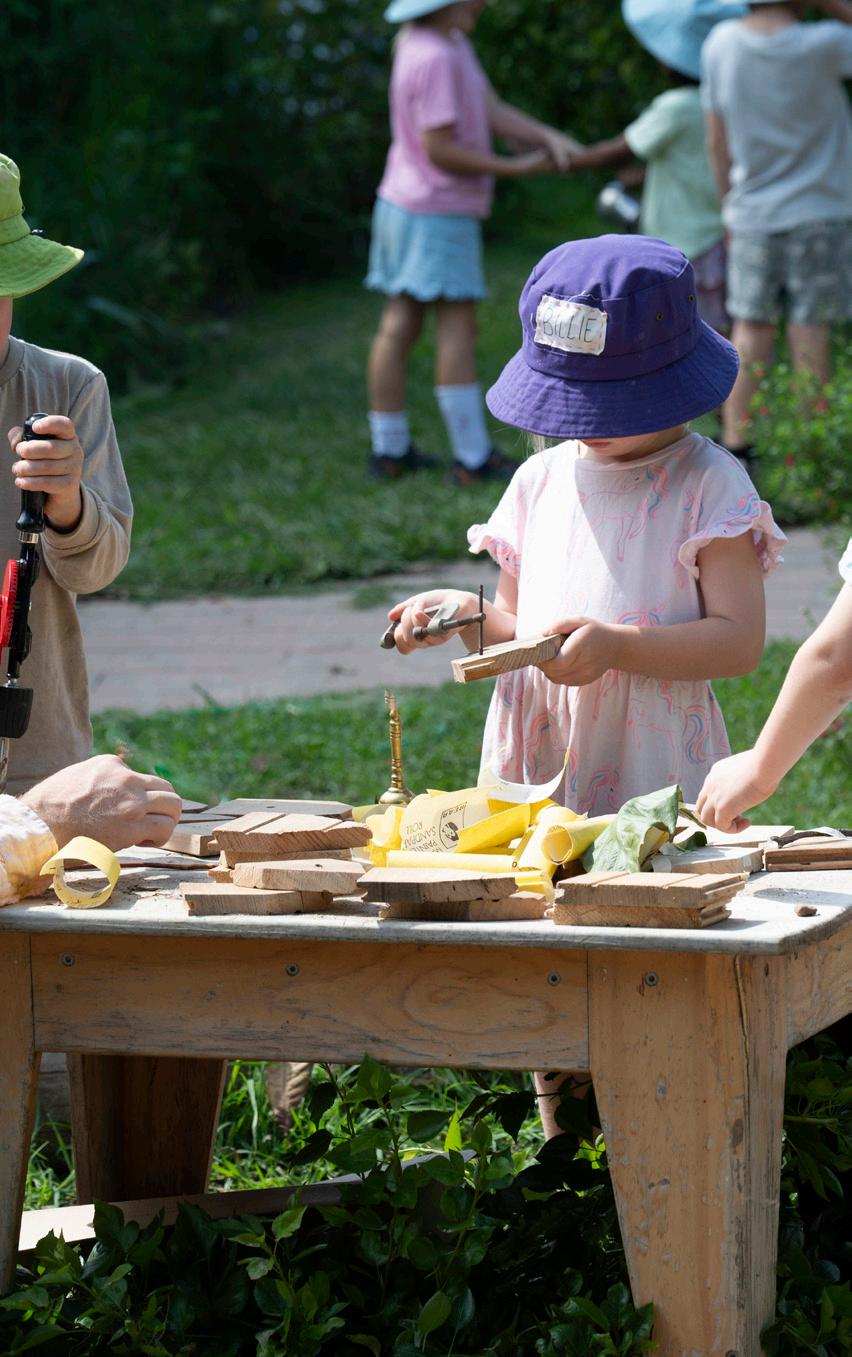
» Craft - crochet, sewing, cross stitch, basic weaving, woodworking, beeswax and clay modelling
» English/History - Grammar, literature, reading and writing, Indigenous studies and library
» Science/Geography - farming and building
» Maths/Geometry - form drawing, measurement
» Physical Education/Sport - swimming, Eurythmy, cross country skiing and group games and Bothmer Gym is introduced
» Music - singing and recorder, writing and reading of music, individual music lessons on a stringed instrument – violin or cello.
» Drama - annual class play
» LOTE - French
» Gardening
» Cooking
CLASS 4
Around the age of 10 a confidence can be observed in the child’s relationship with the world. Physical development brings a new strength and agility. The Norse myths and legends are explored in depth because they are full of courage and valour. The student’s expanding consciousness is supported through subjects such as Geography and the topic of ‘Human and Animal’. In English the children study grammar, further reading, written and oral expression and listening skills. Maths sees an emphasis on fractions and practical work.
Camps
A three-night camp is held in class four including a sleep over at the Zoo. They also have a 2-night local camp focussing on Indigenous studies.
Curriculum
» Art - perspective drawing, wet-on-wet water colour painting
» Craft – beeswax and clay modelling
» English/History – myths, history of writing, pen and Ink, the arts of language and literature, poetry, Indigenous studies and library
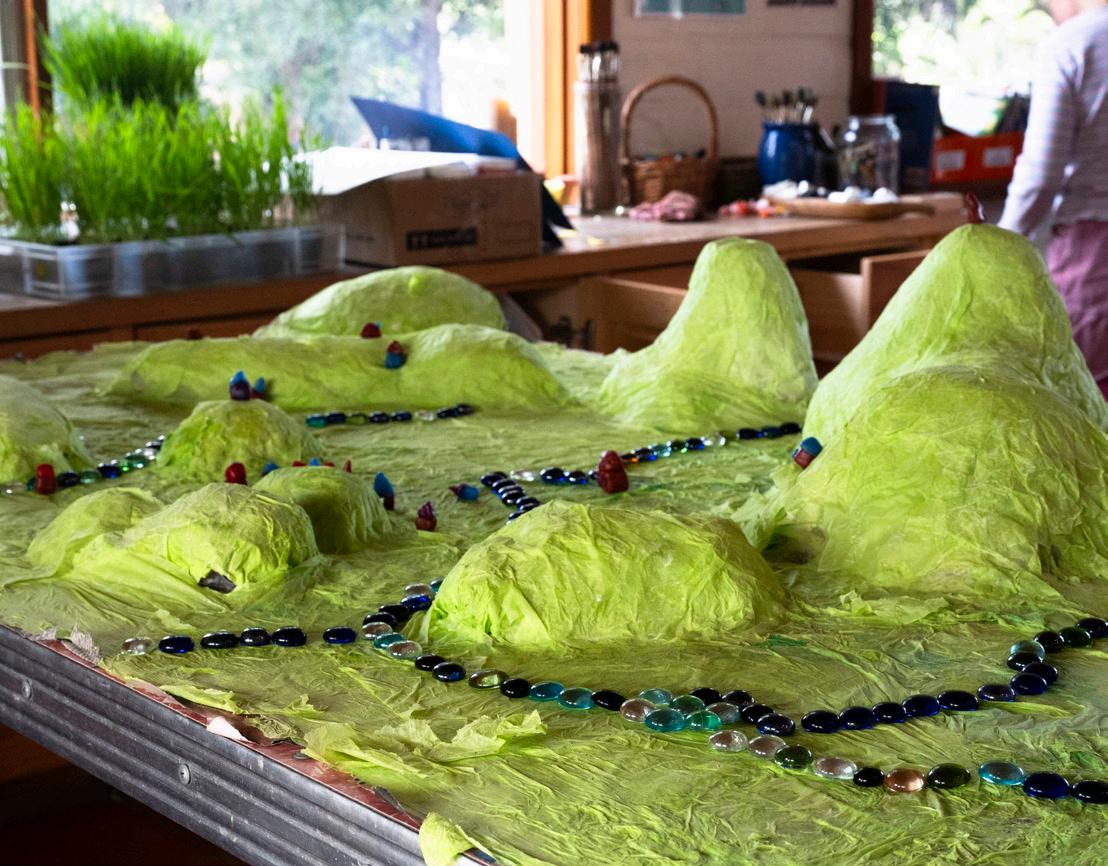
» Science/Geography – local region geography, local area mapping,
» Maths/Geometry - form drawing, number processes; factors, multiples, long multiplication and division, fractions, freehand geometry
» Physical Education/Sport - swimming, Eurythmy, cross country skiing and group games and Bothmer Gym
» Music - singing and recorder, writing and reading of music, individual music lessons on a stringed instrument – violin or cello.
» Drama - annual class play
» LOTE - French
» Gardening
» Cooking
CLASS 5
Class 5 students have an understanding of placing events in time and history. They learn about ancient peoples – in particular the myths and legends of ancient India, Babylonia, Sumeria, Persia, Egypt and Greece. Studying the development of these civilisations they gain a sense of where our history begins, the students observe the natural world,
experiencing its beauty and form, pattern and number. They gain grace of movement, harmony and balance in themselves, which mirrors their deepening relationship with the world around them. Maths subjects link in with the exploration of ancient buildings, the calculations performed in their construction and the development of number. English continues with study of grammar, poetry, reading and creative writing, they study Botany - the study of plants in relation to the human being and to the earth. Geometry – laws that govern geometry and the beauty of its forms. Geography – land formation and the elements of local geography and the Aboriginal stories.
Camps
Sovereign Hill - the students attended the Ragged School and experience life on the goldfields of Ballarat in the 1860s.
Curriculum
» Art - painting
» Craft – clay work
» English/History – English language and literacy, ancient cultures, Indigenous studies and library
» Science/Geography – Indigenous life, history of geography of the local region and state, Botany, history of science, geography of India, Persia, Egypt and Greece
» Maths/Geometry - form drawing, decimals and fractions,
» Physical Education/Sport - swimming, Eurythmy, cross country skiing and group games and Bothmer Gym
» Music - singing and recorder, writing and reading of music, orchestra and individual music lessons on a stringed instrument –violin or cello
» Drama - annual class play
» LOTE - French
» Gardening
» Cooking
CLASS 6
Class 6 students are able to grasp cause and effect and to see things from another’s point of view, they are able to enquire deeply before forming an opinion. They are ready to hear of the wonderful discoveries of scientific
exploration, the ideas of great Ancient Greek thinkers like Pythagoras and Aristotle, and the achievements of the Ancient Romans. Class 6 Main Lessons include Physics (of sound, light and heat), Astronomy, Geography and Geology - building on the children’s innate sense of wonder and reverence, observation of natural phenomena and discovery of natural mysteries. The History Main Lesson focuses on Rome, its government, laws and army, and its many echoes in modern society and they construct Roman shields and use them in Roman formations and the Class play. In their Mathematics Main Lesson, the children experience applications of mathematics in the real world: measurement and the mathematics of money (percentage and interest). In English they study punctuation, grammar and style.
Camps
Three day horse riding camp at Merrijig Curriculum
» Art - painting
» Craft – woodwork
» English/History – English language and literacy, ancient cultures, the wonder and wisdom of words, Indigenous studies and library
» Science/Geography – Physics, acoustics, optics and warmth, static electricity and earth magnetism, geology, gardening and horticulture
» Maths/Geometry - form drawing, business maths, percentages and interest, number and algebra, measurement.
» Physical Education/Sport - swimming, Eurythmy, cross country skiing and group games and Bothmer Gym
» Music - singing and recorder, writing and reading of music, orchestra and individual music lessons on a stringed instrument –violin or cello
» Drama - annual class play
» LOTE - French
» Gardening
» Cooking
SECONDARY SCHOOL
The secondary school years of Year 7 - 10 are important developmental years for the teenager and form a series of transition points in the progress of students as they prepare for their final senior years.
In the secondary school, students have a Class Guardian who works closely with the students, meeting and greeting all individual students every morning and teaching several main lessons with the year group. As students mature and grow, they look to a range of authorities who can be specialists providing guidance and leadership in their subject disciplines.
Our secondary curriculum is developed from the Australian Steiner Curriculum Framework. Year by year, following the developmental stages of childhood, the curriculum mirrors an individual’s inner development allowing for the students’ educational experience to reach its full potential. In addition to providing a balanced Steiner education, Mansfield Steiner School complies with all aspects of the national curriculum and state government requirements.
The day is made up of eight forty minute periods, with the first two periods of each day representing Main Lesson time.
Our model for Secondary School creates a structure that meets the needs of students moving from a younger stage of learning to the demands of secondary school learning and pastoral care.
The year seven curriculum is highly enriching and incredibly exciting. In all learning areas, students explore a range of learning experiences which build a variety of skills and supports students in their transition into the secondary school.
YEAR 7
In Year 7, the students reach 13 years of age, and become teenagers. This period of inner development resonates with key themes of the chapter in world history of the great voyages of discovery and the renewal of culture that took place during the Renaissance. Teachers support students to discover new perspectives that direct their attention towards the exploration of the outer world and away from the newly experienced unrest in their inner life. Students are given many opportunities for active learning and group interaction.
Outdoor Education Program
The Year 7 programme encompasses three camps which represent such a privilege for students of this age. On each camp the students visit unique, contrasting and stunning environments. On these trips the students will be immersed in natural environments which allow them to develop their appreciation for the beauty around them, while being given the opportunity to participate in activities including walking, swimming in remote locations and taking in all the beauty these places have to offer.
Locations: Howqua, Mt Buller Ski Camp and Surf Camp at Philip Island.
ENGLISH
» Comprehension, grammar and spelling
» Creative writing based on wishing, wondering and being surprised.
» Performance and drama
» Novel study
» Film study
MATHEMATICS
» Mysteries of mathematics in nature (geometry and measurement)
» Pythagoras
» Algebra
» Integers, fractions, the number plane, statistics, perimeter and area, decimals and rates, ratios and time.
SCIENCE
» Mechanics and simple machines
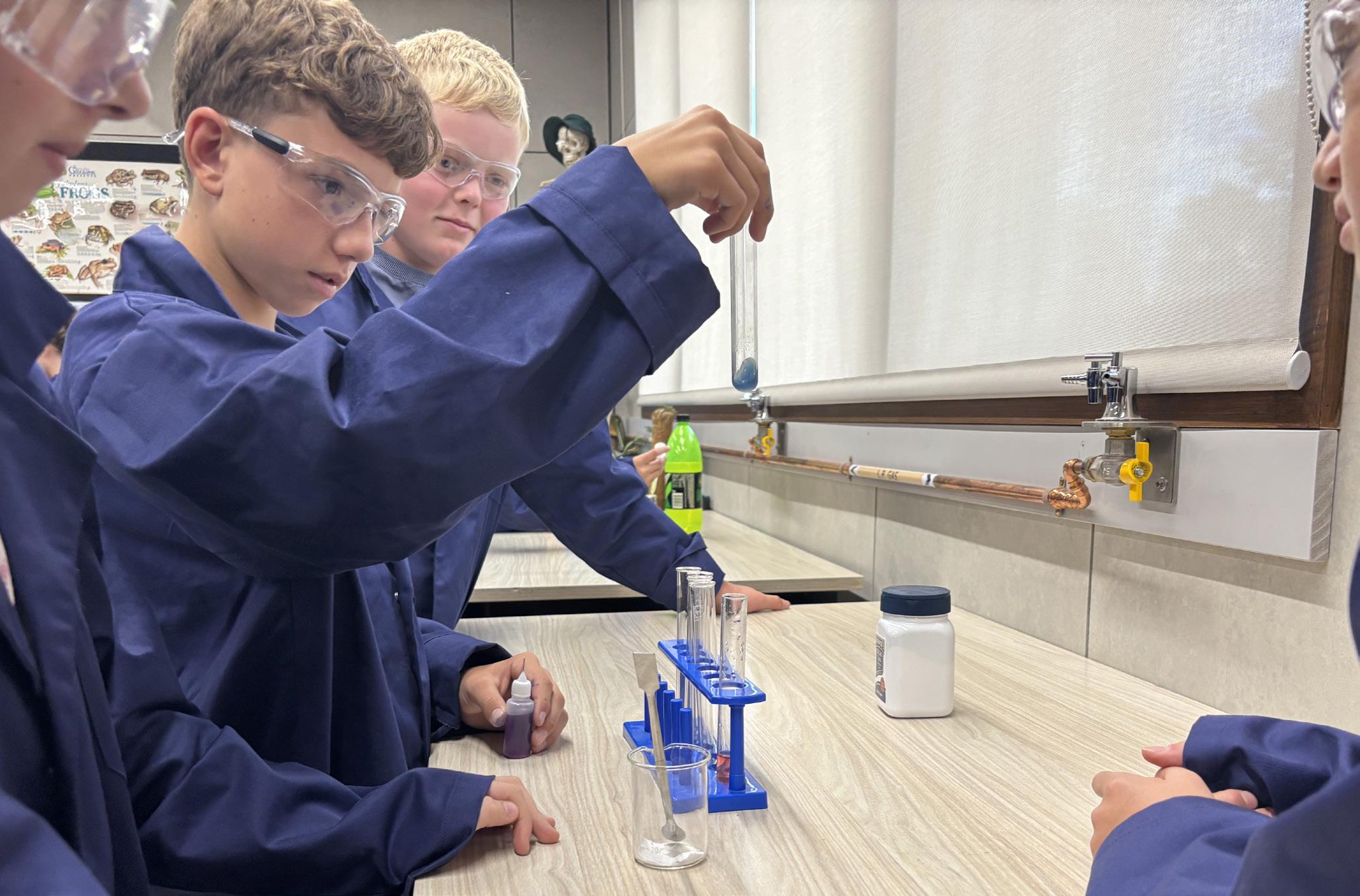
» Chemistry of fire
» Acoustics and optics
» Magnetism and electricity
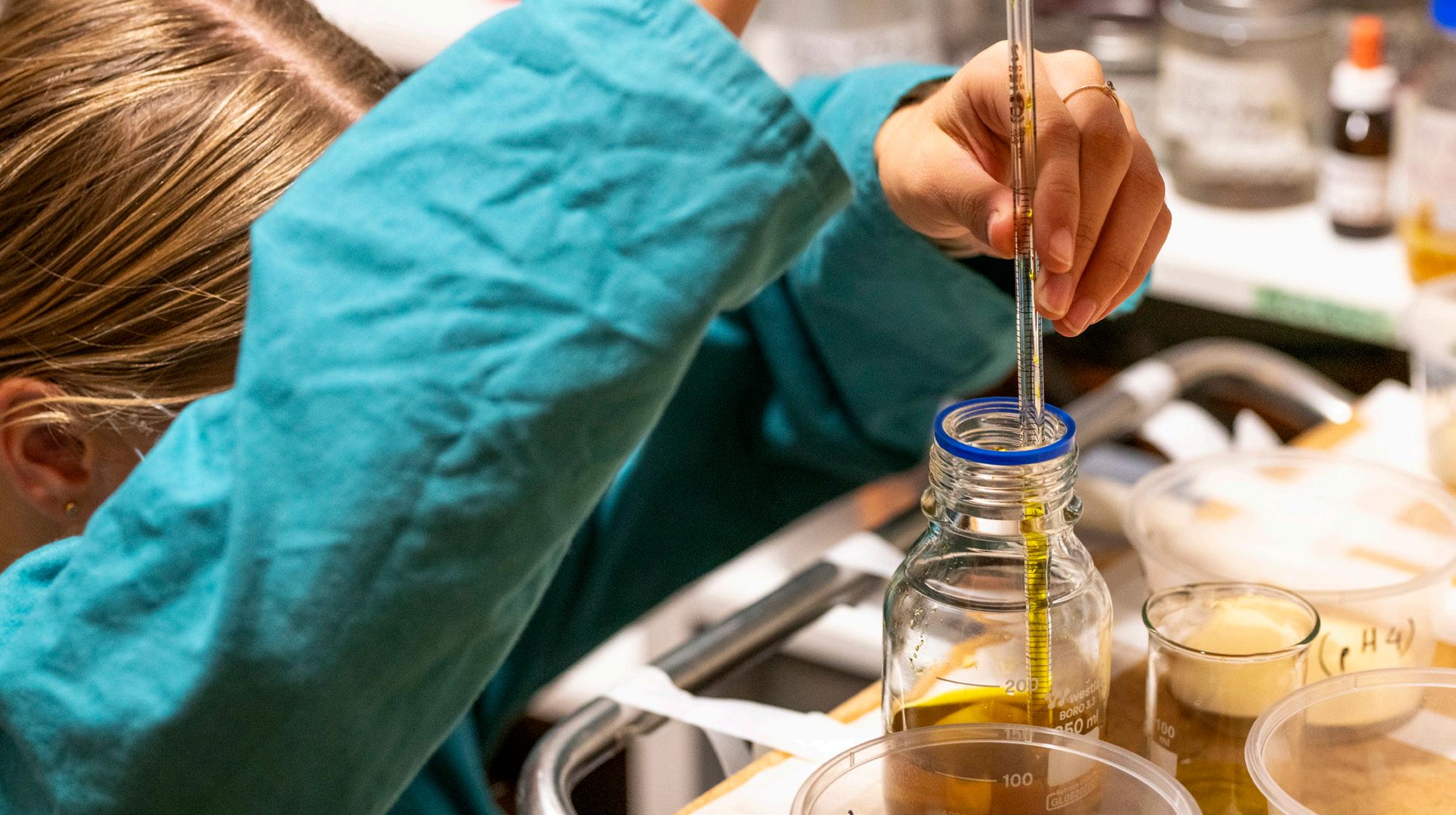
» Separating mixtures and warmth
HUMANITIES AND SOCIAL SCIENCE –HISTORY AND GEOGRAPHY
» Journey through the ages
» Medieval times
» Age of Discovery
» Renaissance
» Polynesian expansion
» Aboriginal Australia
PHYSICAL EDUCATION AND WELLBING
» Health and nutrition
» Wellbeing practice lessons
» Athletics
» Distance running
» Gymnastics
» Swimming
» Skiing
» Ball sports
» Southern Ranges Secondary round robin tournaments
» Inter-School athletics and swimming carnivals (if they qualify)
THE ARTSMUSIC, DRAMA AND ART
» Year 7 Play
» Music History
» Use various materials
» Explore the world of great master artists
LOTE
» Language and culture
» Drama
» Poetry
» Recitation
» Singing
IT
» Laptop PCs
» Computer skills
» Research skills
» Options to participate in specialist programs for photography and music.
» Fundamental skills: word processing, spreadsheet and presentation programs.
YEAR 8
The Year 8 program is designed to meet the needs of approaching adolescence in a time that is itself challenging. When new inner forces are emerging in the growing young person, a healthy series of appropriate challenges provide a stimulus to balanced development. In this period of change, initiation marks the movement from one stage of life to another, from one state of consciousness to a higher one. Thus, we offer a broad program of academic, aesthetic, social and physical courses that will stimulate and inspire students as they leave childhood and prepare to enter the new world that lies ahead.
THE CURRICULUM
The Year 8 curriculum is all-encompassing and suits the student’s developmental stage as they become present in the modern world. In all learning areas, students explore a range of learning experiences which develop the students awe and wonder for the beauty of the natural world and the modernisation of humanity.
THE YEAR 8 PROJECT
The tradition of the Year 8 project at Mansfield Steiner School has been a long standing and significant one. At the end of Year 7, students are asked to choose a topic of interest to them and ‘delve deeply’. They need to find a professional mentor in the community who will help guide them through the exploration of their chosen topic. Working with their mentor students work on their ability to think critically, problem solve, and reflect. The project is an activity that the students need to do in their own time, which in a busy schedule requires developing good time management skills and self-regulation.
In Term 4 of Year 8 the project is presented to the community, which can be a daunting prospect. When we choose to step out of our comfort zones, delve into the unknown and take risks we are developing our will and our whole beings. An underlying message within the process of the project is that in life there is a distinct line between what we do because it is our duty and what we do from our will to raise the standards we set ourselves and to work above what society may expect. Through the project we hope students develop their capacities, judgment, and a ‘can-do’ attitude to take with them into the next stage of life’s journey, as it is this stage of adolescence that is the last before these children are adults on their own in the world.
OUTDOOR EDUCATION PROGRAM
The Year 8 program consists of two camps and presents a unique opportunity for all the students to spend time together in stunning environments. While on these trips students are given the opportunity to ski in and out of Mount Stirling and spend time with an Indigenous community in the Northern Territory.
ENGLISH
» The life work and times of Shakespeare
» The art of communications: persuasive, analytical and argumentative writing.
» Grammar & spelling
» Poetry
» Novel study
» Film study
MATHEMATICS
» Rhythms and cycles of mathematics in nature
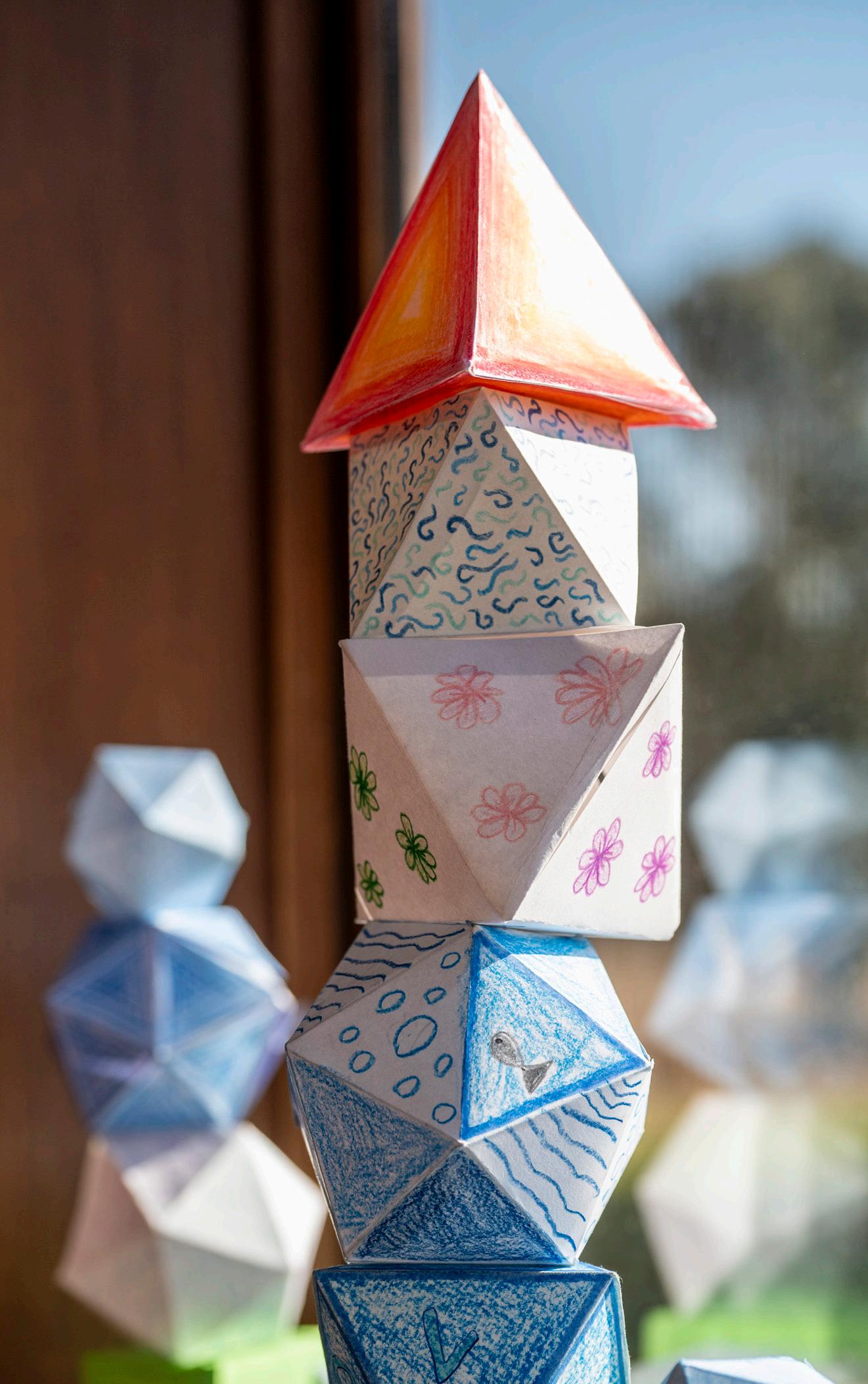
» Platonic solids
» Algebra, fractions, statistics, perimeter and area, angles, decimals and ratios
SCIENCE
» Organs and anatomy
» Air and water systems
» Food chemistry
» Sense organs
» Our place in space
» Living things
» Electromagnetism
HUMANITIES AND SOCIAL SCIENCE –HISTORY AND GEOGRAPHY
» Exploration of the world
» Evolution
» Sustainability
» The age of revolutions
» French and Industrial Revolution
» World communities, geographic regions and the planet
PHYSICAL EDUCATION AND WELLBEING
» Athletics
» Distance running
» Gymnastics
» Swimming
» Skiing
» Ball sports
» Southern Ranges Secondary round robin tournaments
» Inter-School athletics and swimming carnivals (if they qualify)
THE ARTS, MUSIC, DRAMA AND ART
» Art and artesian electives
» Use various materials
» Explore the world of great master artists
» Music
» Drama
» Performance art
» Artistic presentations
LOTE
» Language and culture
» Drama
» Poetry
» Recitation
» Singing
INFORMATION TECHNOLOGY
» Computer skills and research
» Options to participate in specialist programs for photography and music.
YEAR 9
Year 9 students are at the height of adolescence in all its polarities, the best and the worst. It can be a time when they become lost in their own personal inner world and yet they are also capable of compassion, endurance and intellectual prowess. They can be carried away by their own impulses and yet they have high aspirations. Our balanced programme aims to both challenge students academically and ground them in practical tasks that build a broad base of service, resilience and leadership skills. In Year 9 all students undertake an extensive outdoor programme aimed at learning outside the classroom and building an appreciation of place and the natural environment.
OUTDOOR EDUCATION PROGRAM
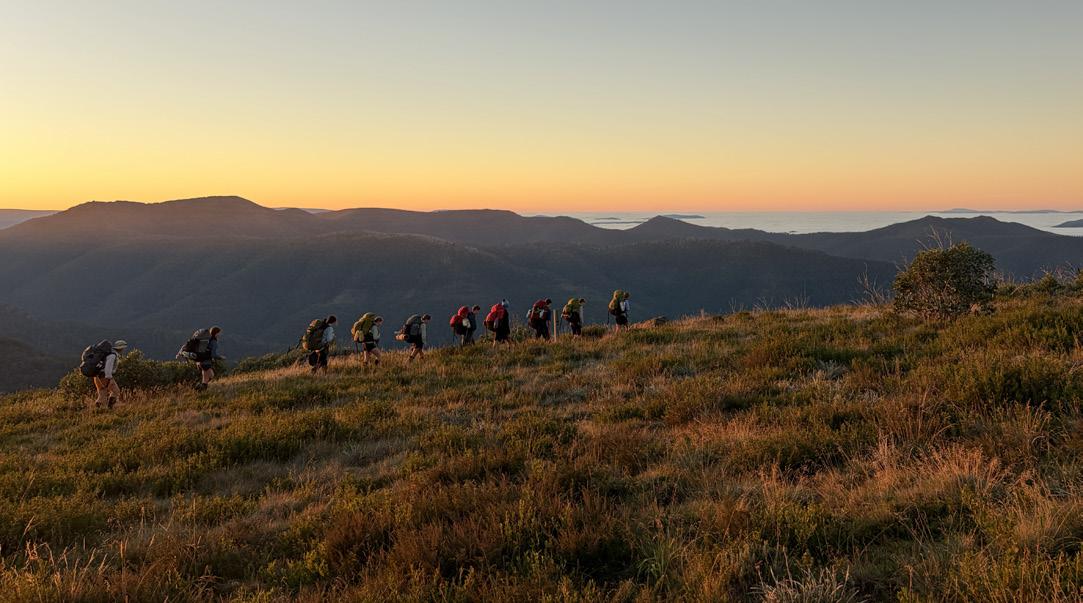
Unique to Mansfield Steiner School, the Year 9 Outdoor Education Program is an intentional, sequenced outdoor education learning journey. Designed to give the students a yearlong adventure, the program works to round out their skills for independent travel, preparing them in turn for their Year 10 cultural exchange.
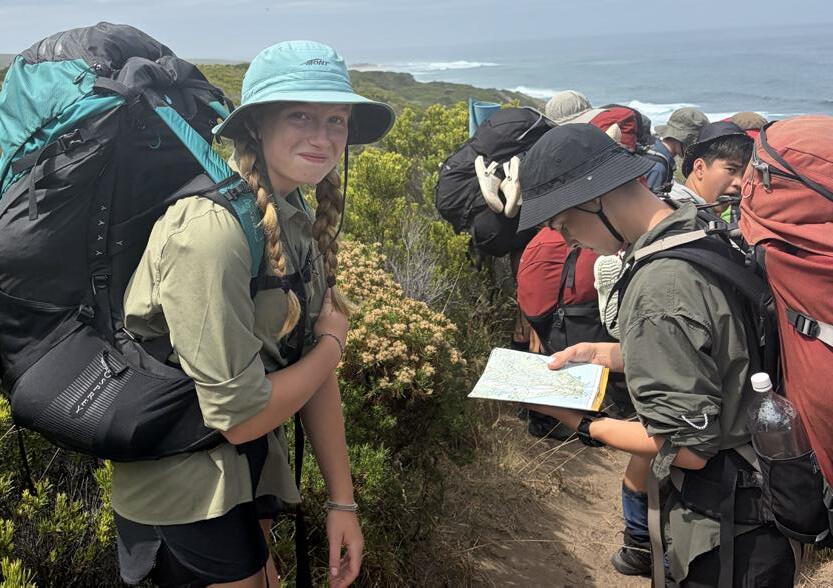
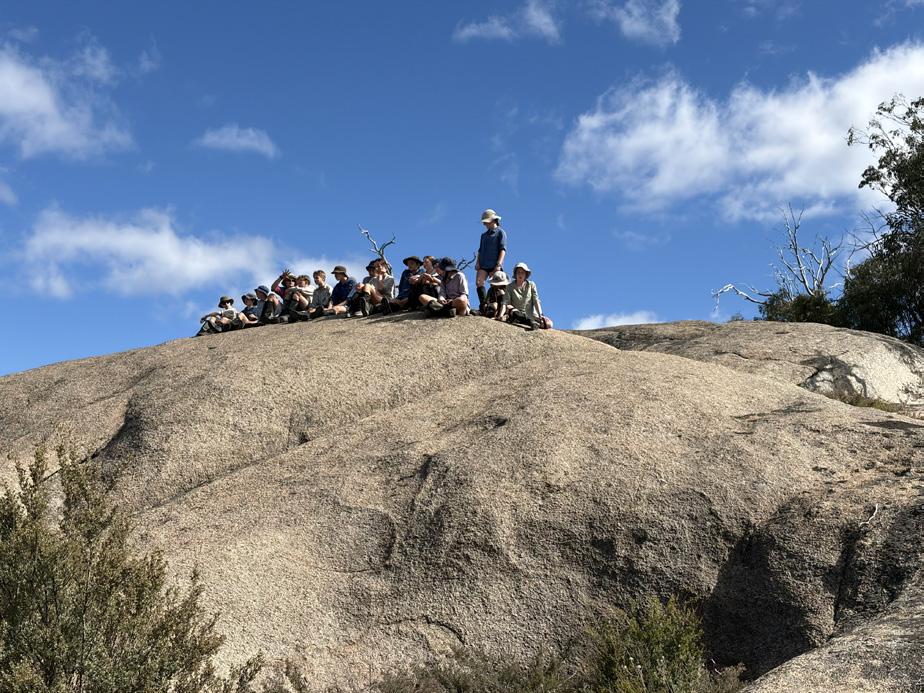
Built to work with the natural environments that surround Mansfield, the students will spend 55 nights out in various Australian landscapes, hiking, paddling, riding bikes and completing Main Lessons relevant to the associated environments and places, whilst immersing their growing beings and awareness in the area’s unique landscapes, culture, tradition and history.
These outdoor experiences will provide opportunities to gain perspective of themselves and their place in the world. The program is shaped to give students a chance to build first aid skills, participate in a volunteer organisation and take on real responsibilities. They will learn water safety and radio communication skills, which are helpful skills to continue to navigate the outdoor program.
On each trip the area they visit is chosen, above all, as a beautiful natural place. This is part of a continuing theme of appreciation for and empathy with nature. An important part of achieving this aim is the intentionally uncomplicated nature of each trip: the less gear you carry and the less impact you make.
As students mature and grow, the program meets the students at the different transitional points of their development, helping to prepare them for the responsibilities of adult hood.
In Year 9 curriculum also offers a diverse and academically rigorous year based on the framework taken from the Australian Steiner Curriculum, focusing on the core subjects of English, Maths and Science, students participate in a wide range of engaging main lessons and experiences. Each subject building on their interest in the world and questions of humanity and nature.
A wide variety of supplementary subjects also allow the students to further broaden their range of experiences and education.
ENGLISH
» Tragedies and comedies of Shakespeare
» Australian literature
» Essay structure
» Language of literature
» Poetry
» Novel study
» Film study
» Biographical and autobiographical writing
MATHEMATICS
» Trigonometry
» Conic sections
» Pythagorean theorem
» Equations
» Surface area and volume
» Investigating data and coordinate Geometry
SCIENCE
» Geology and the make-up of the planet
» Science of communication
» Forces that shaped the Earth
» Endocrine and nervous systems
» Infectious diseases
» Ecology and combustion
» Heat and thermodynamics
HUMANITIES AND SOCIAL SCIENCE –HISTORY AND GEOGRAPHY
» Modern history
» World Wars
» Modernising Australia
» Social, economic and political challenges and changes in the post war world
» Human and natural geography
» Communities and ecosystems
PHYSICAL EDUCATION AND WELLBEING
» Athletics
» Distance running
» Gymnastics
» Swimming
» Skiing
» Ball sports
» Southern Ranges Secondary round robin tournaments
» Inter-School athletics and swimming carnivals (if they qualify)
THE ARTS
MUSIC, DRAMA AND ART
» Analysing art from Rome to the Renaissance periods
» Sculpting
» Art and artesian electives
» Use various materials
» Music
» Drama
» Performance art
» Artistic presentations
LOTE
» Language and culture
» Drama
» Poetry
» Recitation
» Singing
INFORMATION TECHNOLOGY
» ICT skills
» Specialist programs
» Coding
» Photography and Music
» ICT resource
YEAR 10
Year 10 is the first year of the students’ senior school years and becomes a stepping stone into the final part of their Mansfield Steiner educational journey. Year 10 is an enriching and exciting year, as the students complete the Australian Steiner Curriculum up to Year 10, before embarking on their International Baccalaureate (IB) programme of learning. This year could be viewed not only from the standpoint of academic preparation, but also from its contribution to the student’s developing sense of self. As students come to know the world, they come to know themselves.
To this end Mansfield Steiner School offers a programme that supports the students both academically and socially as they approach adulthood.
THE CURRICULUM
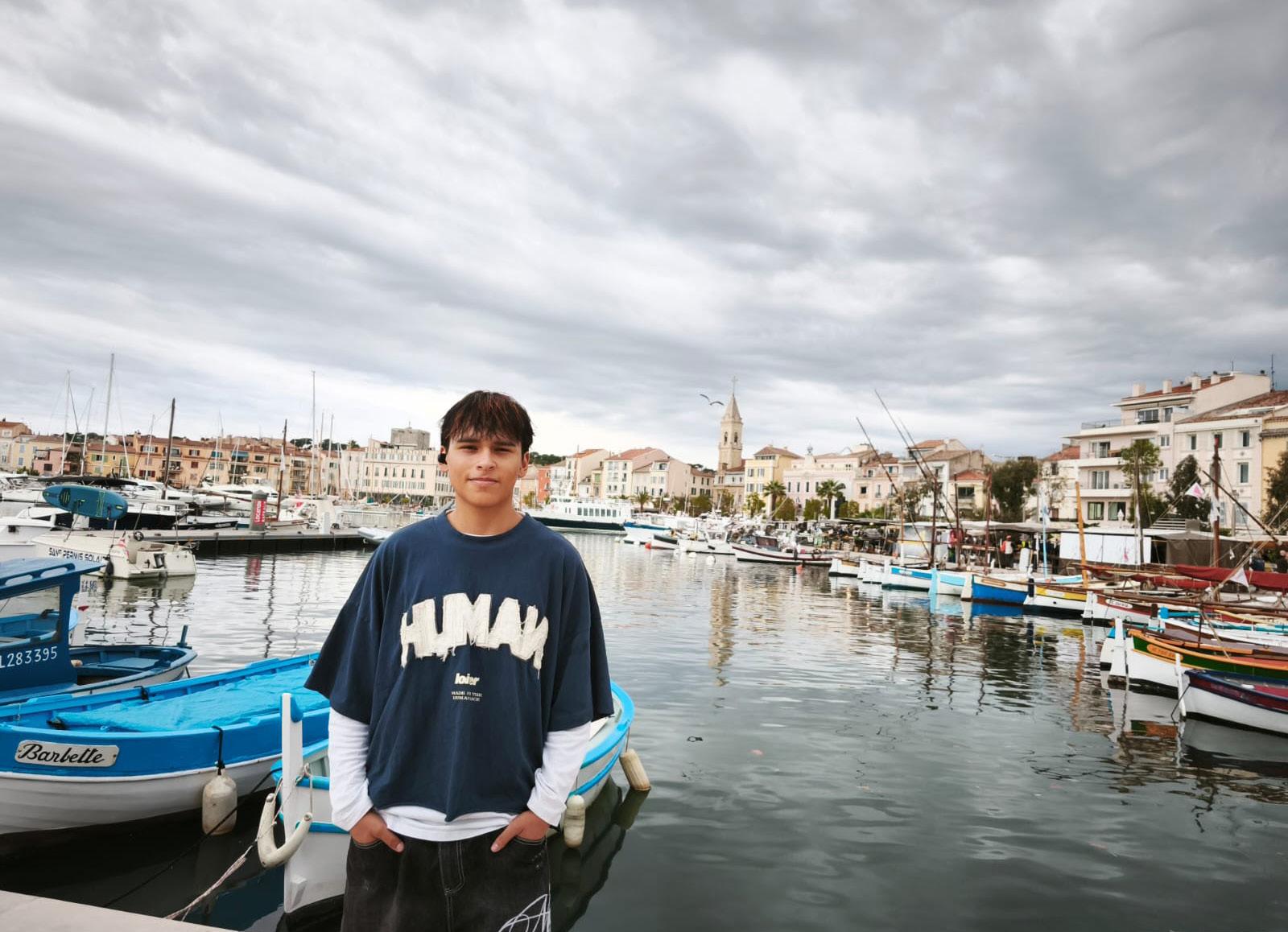
The Year 10 students continue to learn through the Main Lessons with a great spread of subject areas, providing the students with the opportunity to begin their adult journey of self-exploration in search of what they find interesting and may pursue in the years to come. With the continuing emphasis on engagement with place, students are offered the opportunity to travel overseas to enjoy a cultural experience. They learn about diverse cultures and ways of life very different to those with which they are familiar. The main focus of this expedition is community service work and meeting local communities. This experience is challenging physically, emotionally and spiritually and provides opportunities for students to engage in unique and rewarding activities outside school life. On this program, students will live with host families and attend school as normal.
Some of the aims of this program include encouraging the students to develop meaningful and authentic links to other peoples and cultures of the world. The experience enables the students to broaden the horizons of their world view and to form enriching friendships with young people from another country. The program benefits all students as they experience other cultures through the young people from around the world.
The overall intention of the is that students will return from their exchange having discovered inner strengths of resolve and purpose and ready to succeed in the challenges that follow in the coming years.
ENGLISH
» Birth Literature
» Art of Poetry
MATHEMATICS
» Pattern and Proof
» Surveying
SCIENCE
» Force and Motion
» Chemistry of Salt
HUMANITIES AND SOCIAL SCIENCE –HISTORY AND GEOGRAPHY
» Gaia Sophia
» Early Human Societies/Ancient History
» Beyond Our Borders
PHYSICAL EDUCATION AND WELLBING
» Athletics
» Distance running
» Gymnastics
» Swimming
» Skiing
» Ball sports
» Southern Ranges Secondary round robin tournaments
» Inter-School athletics and swimming carnivals (if they qualify)
THE ARTS, MUSIC, DRAMA AND ART
» Rome to Renaissance
» History of Music
» Music
» Drama
» Performance art
» Artistic presentations
LOTE
» Language and culture
» Drama
» Poetry
» Recitation
» Singing
INFORMATION TECHNOLOGY
» ICT skills
» Specialist programs
» Coding
» Photography and Music
» ICT resources