








BEYOND THE WORKPLACE




JONATHAN KAUFMAN IGER, CEO AND PRESIDENT


For decades, we have built a real estate practice unparalleled in the US. Now, as the global legal powerhouse HSF Kramer, we are so much more. As the only law firm ranked in Chambers Band 1 on three continents, we continue to transform skylines and reshape landscapes. Please visit our website to learn more. Kramer Levin is now HSF Kramer














































































EDITORIAL
Editor
Debra Hazel
Director of Communications and Marketing
Penelope Herrera
Director of
Newsletter Division
Cheri Phillips
PRESIDENT/CEO
Jeff Mann
ART
Art Director
Virginia Sanchez
Cover Photography
Kat Slootsky
Joel Berenson
Pieter Berger
Lisbeth M. Bulmash
Frank DeLucia
Ben Eidlisz
Carla Hinson
Jonathan Kaufman Iger
Kris Kiser
Bob Knakal
Stuart Saft
Carol A. Sigmond
Simon Soloff
Technology Consultant Eric Loh
Distribution Mitchell’s Delivery Service
DIGITAL MEDIA
Designers
Virginia Sanchez
Editors
Debra Hazel
Penelope Herrera
Rose Leveen
Cheri Phillips
Web Developer
CS Designworks
West Coast Office: 578 Washington Blvd., Suite 827
Marina Del Rey, CA 90292 866-306-MANN (6266) mannpublications.com


East Coast Office: 450 7th Ave, Suite 2306
New York, NY 10123 212-840-MANN (6266)








Maybe it’s because I’m a lifelong New Yorker, but it always surprises me when others are surprised that our local real estate industry is populated with many multigenerational companies. Here, we have several such firms, including one led by our cover feature author, Jonathan Kaufman Iger, CEO and president of Sage.
Sage is the brand and operating name of The William Kaufman Organization, and Jonathan (William’s great-grandson) is the fourth generation to lead the firm. But his article, while mentioning Sage’s centennial, focuses on the future — and it’s a fabulous read. Great-granddad would be proud.
I’m looking forward to The Mann Charitable Foundation and the National Realty Club Foundation annual golf tournament, being held at the Fresh Meadow Country Club on October 6. Monies raised will support causes including Alzheimer’s Disease, Crohn’s and Colitis, Lymphoma and Macular Degeneration, as well as organizations such as the Bronx Historical Society, Community Mainstream, National Jewish Museum, Jewish National Fund, Catholic Faith Network and Nassau County Law Enforcement Exploring, among others.
Just as exciting is our upcoming, first-ever educational event, “Artificial Intelligence Unplugged,” sponsored by Cbiz and being held on December 1 from 6 p.m. to 9 p.m. at Versa, 218 West 35th St. Rob McGillen, chief innovation officer at Cbiz Financial Services, will discuss the latest advancements in AI and its impact on real estate and consumer goods. For information on both events, contact Penny Herrera at pherrera@ mannpublications.com.
See you next month!

“Maintaining a family business isn’t just about sustaining a company, but nurturing relationships and building a legacy.” — Richard Carlson











Hosted by Mann Publications, Sponsored by CBIZ
Join us for an insightful evening featuring expert discussions on the latest advancements in Artificial Intelligence! Enjoy cocktails and a buffet as you connect with industry leaders and learn about the future of AI and its impact on consumer goods and real estate.
Don’t miss this opportunity to learn about the future of AI and its impact on these industries.

Date: December 1, 2025
Time: 6:00–9:00 p.m.
Location: Versa, 218 W 35th St, 7th Floor, New York, NY 10001
Registration Fee:
$250 (includes speakers, cocktails and buffet)
Keynote Speaker:

Agenda:
6:00p.m. – Cocktails and Networking
7:00p.m. – Keynote Presentation: Rob McGillen, “Transforming Consumer Goods and Real Estate with AI”
8:00p.m. – Buffet, Audience Q&A and gifts
Sponsorships available upon request

For more information and to RSVP, please contact: Penelope Herrera pherrera@mannpublications.com 212-840-6266 ext.313

Host:

Michael Sacco, CPA Managing Director National Consumer & Industrial Products Industry Leader, CBIZ
Abe Schlisselfeld, CPA, EA
Senior Managing Director National Real Estate Industry Leader, CBIZ
Jeff Mann, CEO President/CEO of Mann Publications
Rob McGillen, vice president of business innovation at CBIZ Financial Services, is enabling thousands of our professionals to better serve mid-market clients with artificial intelligence, data analytics, intelligent automation, and digital solutions which provide enhanced insights to client needs. Multi-industry, digital transformation leader, startup CEO, board member, and globally experienced CIO/CDO. 25+ years’ working with innovative companies, building value in while optimizing people, process, and technology. Industry focus includes Consumer & Industrial Products, Real Estate, Professional Services, Financial Services, Private Equity, Manufacturing, Health and Life Sciences, Technology/ SaaS, Insurance, and Energy.
CBIZ is recognized as a global leader and innovator in leveraging AI solutions to drive value and efficiency for our clients. CBIZ stands at the forefront of the industry, pioneering advanced AI technologies and strategies for smarter business outcomes.
6-7pm
Caprese Salad, Tomato, Mozzarella, Basil, Balsamic Glaze (VEG)
Antipasti Platters, Marinated Vegetables, Assorted Charcuterie
8-9pm
Tricolor Salad, Lemon Vinaigrette (V)
Orecchiette Pasta, Italian Sausage, Broccoli Rabe, Marinara
Ricotta Cavatelli, Wild Mushrooms, Parmesan Cream, Grana Padano (VEG)
Chicken Parmesan Cutlets, Marinara, Basil, Mozzarella
From Ricardo Beverly Hills
Deluxe Organizing Bag


At Peninsula Property Management (PPM), we do more than manage properties—we elevate them. With a leadership team that is deeply involved, hands-on, and responsive, PPM is redefining the standard for property management in New York City. Our mission is simple: deliver results with integrity, precision, and a hospitality-first approach.

Proactive Management
Stop issues before they start — from Local Law 97 to vendor oversight.
Financial Clarity
Clean, timely financials. No surprises –just strategic planning and transparency.
NYC Compliance Expertise
DOB, HPD, LL88, LL97, FISP we navigate every regulation so you don’t have to.
New Development Services
Schedule B, TCO phasing, hiring of staff, punch-list, insurance implementation.
Smart Cost Control
Energy savings, bulk contracts, vendor negotiations we cut waste, not corners.
Track requests, tasks, and reports live through our integrated digital platform.
After attending both the CREi Summit, which focuses on real estate social media influencers and marketers, and proptech conference Blueprint Las Vegas in the same month, it’s fair to say I’m dealing with a bit of artificial intelligence overload. (You’ll see coverage of the latter next month.)
Perhaps that’s one reason why it was a pleasure to focus on more concrete concerns this month, with our focus on Mixed-Use and practical concerns. In addition to our cover story celebrating Sage’s focus on incorporating hospitality practices in its office buildings, we also have features on how one Florida developer turned to tech to market its mixed-use project and how a group of builders and architect MVE + Partners are blending adaptive re-use with new construction in Downtown Salt Lake City. Also look for advice on mediation and how to run an Airbn.
Meanwhile, our columnists are looking forward to winter, with views on how BIDs can prepare for holiday, my own roundup of retail sales predictions (mostly leaning toward so-so) and preparations for tax season next year.
Next month is our year-end double issue — please send your thoughts about 2025 and what you hope to see in 2026!


The Fresh Meadow Country Club in Lake Success, N.Y. was once again the scenic location for the Samuel Waxman Cancer Research Foundation’s (SWCRF) Annual Golf Tournament. More than 80 participants enjoyed a spectacular day on the green to raise more than $200,000 for groundbreaking cancer research programs aimed at eradicating cancer and developing innovative and more effective treatments with fewer harmful side effects.
Thanks to a partnership with The Mark Foundation for Cancer Research, all funds raised at the tournament will be matched, dollar for dollar.
Over the last 20 years, scientific advancements have led to a decrease in cancer mortality by nearly 30%. Yet despite this significant progress in treatment and prevention, cancer incidence is increasing worldwide. In fact, according to the World Health Organization, cancer incidence is expected to rise to 35 million cases globally by
2050, up from 20 million in 2022. This is primarily driven by an aging population, since aging is the top risk factor for cancer.
“Our mission has always been to eradicate cancer through groundbreaking research, but we also recognize that to truly change the trajectory of this disease, we must confront its greatest risk factor: aging,” Waxman said. “By advancing research that addresses the biology of aging, we are opening new doors to prevention and treatment strategies that can improve lives and bring us closer to a world without cancer.”
Gary Jacob, executive vice president of Glenwood Management Corp., and Dennis Herman, chairman and CEO of Beekman International Center Ltd., co-chaired the SWCRF Golf Tournament. The golf committee members included Frederick W. Barney Jr., Robert Eichler, Michael Hight, Gerard F. Joyce Jr., Samuel Waxman MD and Ari Zagdanski.














































Sunrise Day Camp-Long Island hosted its 19th Annual Mildred & Samuel Levine Memorial Golf Classic, raising over $1.3 million to support children with cancer and their siblings. The organization honored Rena and Andrew Goodman and Allison and Joel Simon for their dedication, and to present the Joe Weksler Memorial Community Service Award to Ryan Scannell for his outstanding service.
The organization thanked event chairman Larry Levine, co-chairman Michael Faltischek, its dedicated committee chairs and the entire event committee for making this event such a success.












































































The New York Apartment Association held its Annual Golf and Tennis Outing at Old Westbury Country Club in Old Westbury, N.Y. This year’s event drew more than 160 golfers, 40 tennis players, and an additional 60 guests for the cocktail and dinner reception.
The team of Harry Kucharczyk, Daniel Ilibassi, Feris Kukaj and Skully Kukaj took first place in the modified scramble. Chuck Merrit executed the most accurate drive while Kevin McHale triumphed in the men’s long drive contest.
On the tennis courts, the association offered congratulations to first-place winners Brandon Liebeskind and Caroline Simon.
The New York Apartment Association also expressed its sincere appreciation to the event sponsors for helping to make this year’s golf and tennis outing such a resounding success — particularly the event’s prime sponsor, Capital One Bank.








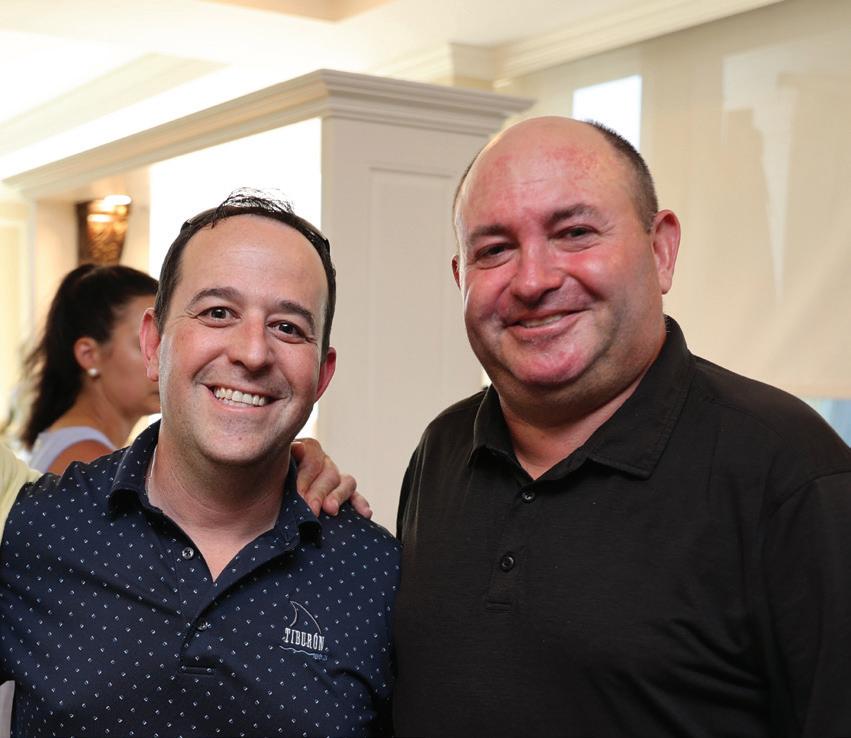

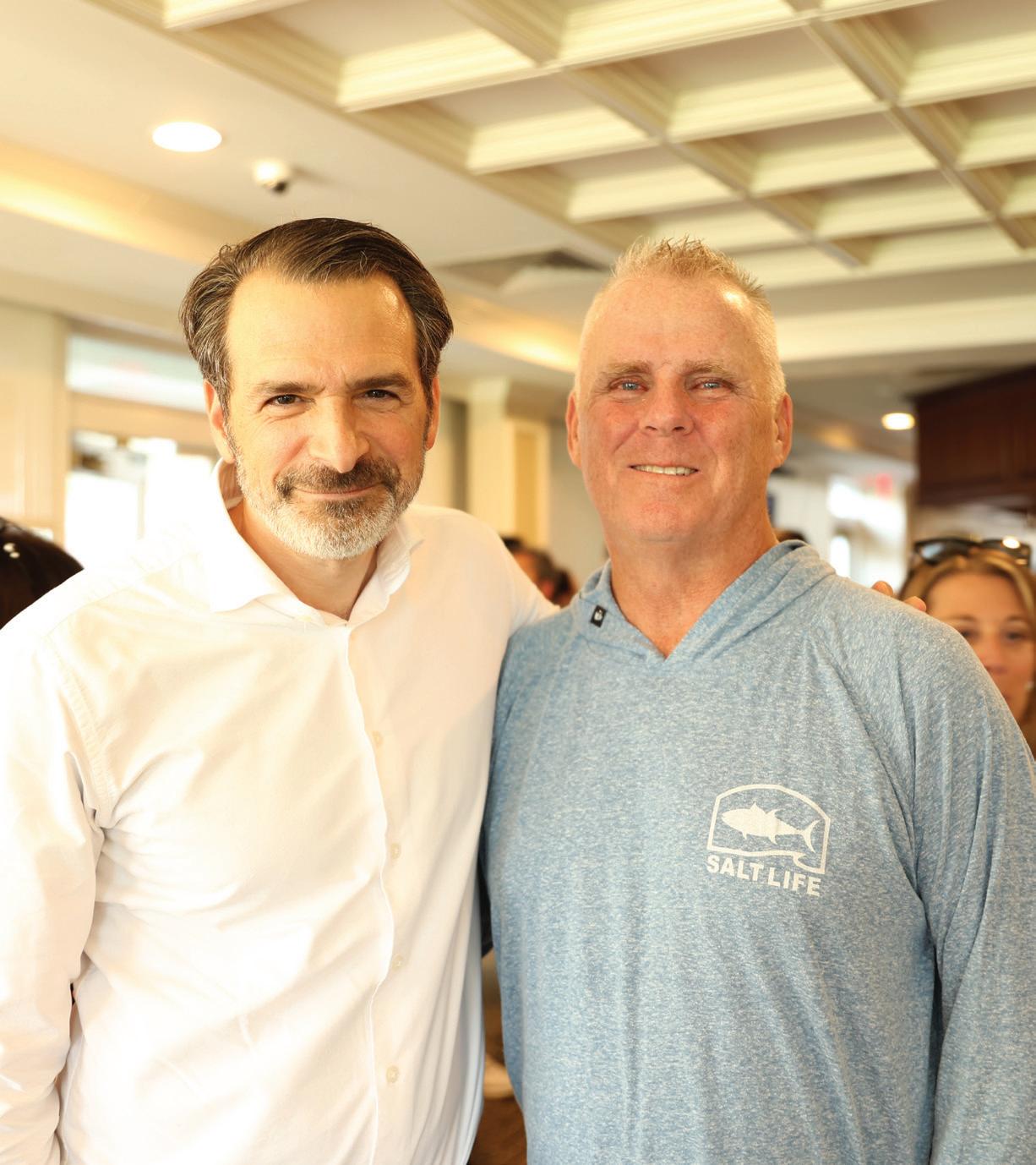





Over 160 Long Island philanthropists and corporate executives in the real estate and finance industries recently attended Jewish National Fund-USA’s 17th Annual Long Island Golf Classic at Pine Hollow Country Club in East Norwich, N.Y.
The exclusive event was chaired by Mark Engel, Langsam Property Services Corp., and honored Bruce Azus, partner, Affiliated Adjustment Group, and Johnathan C. Lerner, founder of Lerner, Arnold & Winston, for their dedication and support of the land and people of Israel.
After a day on the greens, attendees heard from local lay leaders who showcased how Jewish National Fund-USA is leading efforts to rebuild and rehabilitate Israel’s North and South.
By investing in new housing sites, employment initiatives, medical centers, mental health services, schools, playgrounds, resilience centers and more, the organization is creating multiple “circles of impact” that support its vision of attracting 800,000 new residents to Israel’s frontier regions.
“Over the years, this tournament has had a profound impact on the land and people of Israel,” said Jewish National Fund-USA Long Island President Rosemary Klipper. “Jewish National FundUSA is more than an emergency organization; thanks to you, we’ve invested millions of dollars in quality of life, security and sustainability, while giving generations a voice in building a prosperous future. We were there yesterday, we are there today, and we will be there tomorrow.”
Closest to the Pin – Joseph Mawad
Closest to the Line #1 – Ben Rosengart
1st Ind Gross – David Azus
2nd Ind Gross – Ethan Bloomberg
1st Team Gross – Jesse Fein, Steve Gutenplan, Marc Fein and Ethan Bloomberg
2nd Team Gross – Frank Lombardi, David Azus, Steve Patson and Dan Wollman
1st Team Net – Mike LoFrumento, Jeff Catterson, Don Russoand Gordon Samit
2nd Team Net – Joe Ginsto, Matthew Taub, Philip Oliver and Matthew Cossidente










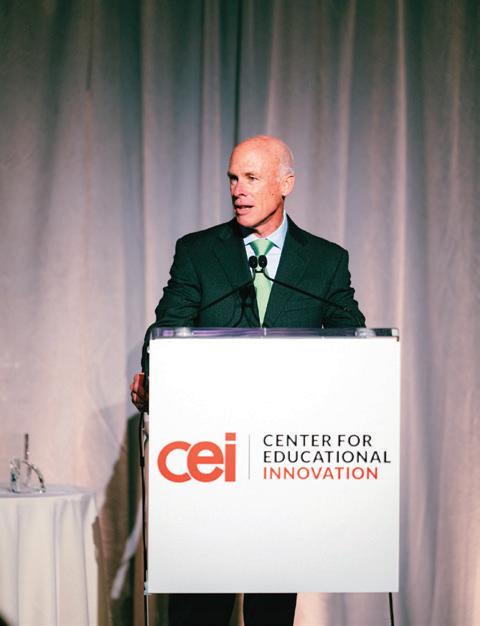



Simone Development Companies, a full-service real estate investment company that specializes in the acquisition and development of healthcare, mixed-use, office, industrial, retail and residential properties, was recently honored by the Center for Educational Innovation (CEI) at its annual gala at the Plaza Hotel in Manhattan.
Joe Simone, president of Simone Development Companies, accepted the award on behalf of the organization for the company’s ongoing efforts to expand access to education and create opportunities for students in the Bronx. The company boasts a portfolio of over seven million square feet throughout the Bronx, Manhattan, Queens, Long





Island, Westchester County, Orange and Fairfield Counties and New Jersey.
“I’m deeply honored to accept this recognition from CEI on behalf of Simone Development Companies. We are proud to continue our support of initiatives that strengthen STEAM education and healthcare-focused programs in the Bronx and beyond, preparing the next generation for future success,” Simone said. “Thank you to CEI for this meaningful recognition and for your continued commitment to ensuring every child has access to a quality education.”
In addition to Simone Development, Montefiore Einstein Hospital was also recognized with awards presented to former Assemblyman Marcos A. Crespo,
now senior vice president of community affairs at Montefiore Einstein, and former Bronx Borough President Ruben Diaz, Jr., now senior vice president of strategic initiatives for the hospital.
Rounding out the honorees was Graham Dugoni, founder and CEO of Yondr, a creator of phone-free spaces. Yondr has partnered with thousands of schools across New York State and with venues worldwide.

CEI is a nonprofit education organization located in New York City. Its mission is to make the school the center and driving force of public education reform and innovation, working directly with teachers, school leaders and the community.









Simone Development Companies, Montefiore Einstein Hospital and Yondr






















More than 150 brokers from across the city joined Global Holdings for cocktails and light bites at 25 Kent, a 500,000-square-foot, eight-story office building in East Williamsburg and Brooklyn’s first ground-up commercial development in more than 40 years. Global Holdings, which has maintained a stake in 25 Kent since 2018, officially announced its transition to primary manager of the building. The firm is bringing new resources, capital and momentum to 25 Kent, starting with the launch of a targeted pre-built program and the hiring of Newmark as exclusive leasing agent. Guests were also able to experience the 25 Kent rooftop terrace boasting 12,000 square feet of river and skyline views.











Meridian negotiates and closes more than $1 billion in underlying cooperative loans and lines of credit annually







represented the seller of 7-11 East 115th St., Albert Rabizadeh of Global Asset Management Inc. The buyer, Bardhok Kodra of Kodra Construction, was represented by Hillstone Properties NY
“Ariel has remained very active in the Northern Manhattan development sector this year, and our market share is a testament to our team’s deep understanding of the landscape and our ability to execute for our clients,” said Sozio. “Given the city and state’s pro-housing policies and tax abatements, we are anticipating increased activity for the remainder of the year.

Ariel Property Advisors announced the sale of a 55,000-buildablesquare-foot (BSF) development site at 7-11 East 115th St. in East Harlem, N.Y. for $8.9 million. The final price of $163 per BSF reflects an easement for 19 parking spaces required for an adjacent property.
An Ariel team comprised of President and Founder Shimon Shkury, Founding Partner Victor Sozio, Director Alexander Taic, Founding Partner Michael A. Tortorici and Sales Associate Erik Moloney
Development in Northern Manhattan is being spurred by government initiatives such as the City of Yes and the 485-x tax incentive program, according to Ariel’s “Northern Manhattan 2025 Mid-Year Commercial Real Estate Trends” report.
The site features 135 feet of frontage along 115th Street and fl exible zoning allowing for 68,000 BSF under the City of Yes’ Universal Affordability Preference (UAP) and 88,000 BSF with a community facility bonus.
“The sale of 7-11 East 115th Street marks the fifth development site for a total of 184,000 BSF that Ariel has sold in Northern Manhattan so far this year,” Taic added. “We also have nine additional development sites totaling close to 200,000 BSF in contract and on the market.”
Meryem’s acclaimed restaurant, La Maison du Gourmet, has cemented her reputation, with appearances on Top Chef France and MasterChef France. Lechantoux is joined by Chef Aïcha Sbaih, a French-born Moroccan chef who grew up immersed in the traditions of Moroccan cuisine. Their collaboration brings an expertly crafted menu that blends classic and contemporary Moroccan flavors, offering guests a culinary journey through Morocco’s rich heritage.



restaurants
At the helm of Ayah’s kitchen is Executive Chef Geoffrey Lechantoux, known for French cuisine. To master Moroccan flavors, Chef Geoffrey trained under Chef Meryem Cherkaoui, a graduate of the Institute Paul Bocuse and a global ambassador for Moroccan gastronomy. Chef
“We’re excited to bring Morocco to New York. Every dish and every detail have been crafted with authenticity to create an immersive dining experience that transports our guests to Morocco’s vibrant culinary world,” Lechantoux said.
Menu highlights include chhiwates, a colorful assortment of traditional Moroccan small plates; ayah pastilla, a crispy pastry filled with spiced chicken, almonds and cinnamon; a section of tajines and couscous; slow-cooked stews and whole fish and rack of lamb, cut tableside. The bar program is by top mixologist Adrien Lefort.
Designed in collaboration with DMDesigns, Ayah custom-made tables, handcrafted windows, flowing velvet curtains and archways were meticulously created by Moroccan artisans and imported directly to New York City. The restaurant offers three distinct dining rooms, a central bar and long banquet tables for larger groups, allowing the atmosphere to transition effortlessly from intimate dinners to lively celebrations. Hand-painted walls, perforated panels and striking local murals further enhance the authenticity.










Bridge Housing, a nonprofit affordable housing owner and developer on the West Coast, has launched its first private equity fund to accelerate its mission-driven work to address the affordability crisis for lowand moderate-income families in some of the nation’s costliest housing markets.
Bridge Housing Impact Fund I is on course to raise $350 million of equity, enabling about $1 billion in investment potential to acquire, preserve and create affordable and workforce housing in major metropolitan areas in California, Oregon and Washington.
“We are innovating every day to extend our reach and capacity to build, acquire, and redevelop affordable housing communities on the West Coast,” said Ken Lombard, Bridge Housing president and CEO. “Our Impact Fund will enable us to move quickly on acquisitions not only to protect long-term affordability but also to add new affordable and workforce housing by converting market-rate units into homes for lowand middle-income earners, driving greater and faster impact along with steady returns for investors.”
KeyBank and BMO will each invest $25 million to anchor one of the largest equity funds to be sponsored and managed by a nonprofit affordable housing provider. PGIM Real Estate is also a launch investor, and Bridge said that it expects to announce additional stakeholders in the coming months.
Bridge was the first nonprofit housing firm to earn a credit rating and issue both taxable and tax-exempt bonds, it noted. It has also forged creative partnerships with major financial institutions, like Morgan Stanley and California’s state employee pension fund CalPERS, as well
as leading affordable housing finance organizations such as National Equity Fund (NEF).
Bridge Housing currently has more than 14,500 units and over $4 billion in total assets, and acquisitions are an increasingly important strategy for expansion, accounting for half of the nonprofit’s planned addition of 5,100 affordable units between 2024 and 2027.
The Impact Fund will pursue three main investment strategies to create a diversified portfolio and optimal returns for investors: acquire and preserve housing whose income restrictions are due to expire; acquire market-rate properties and layer in income restrictions to create affordable housing (serving those earning up to 80% of Area Median Income) and workforce housing (serving those earning 80% to 120% AMI) and acquire naturally occurring affordable and workforce housing. Incorporating new income-restricted units will allow Bridge Housing to benefit from tax abatements and below-market financing. In select cases, the Impact Fund may consider new construction projects.
Over the past year, Bridge Housing has completed four acquisitions to preserve more than 600 units whose affordability covenants were poised to expire and create 257 additional affordable homes by converting market-rate units. The Impact Fund leverages Bridge’s capital to accelerate acquisitions, as well as its leadership team’s decades of real estate and finance experience to deliver strong returns for its institutional investors.
While institutional capital has long played a critical role in affordable housing, it typically has been used to provide debt financing or purchase tax credits in public-private partnerships, a lengthy, complex process that requires assembling multiple funders and competing for limited public resources.
Bridge Housing anticipates acquiring about 20 properties, with an estimated total of 3,500 units, during the three-year investment period. It supplements Bridge’s ground-up construction and redevelopment activity from Seattle to San Diego. The affordable housing nonprofit has more than 10,000 units in its development and acquisition pipelines.
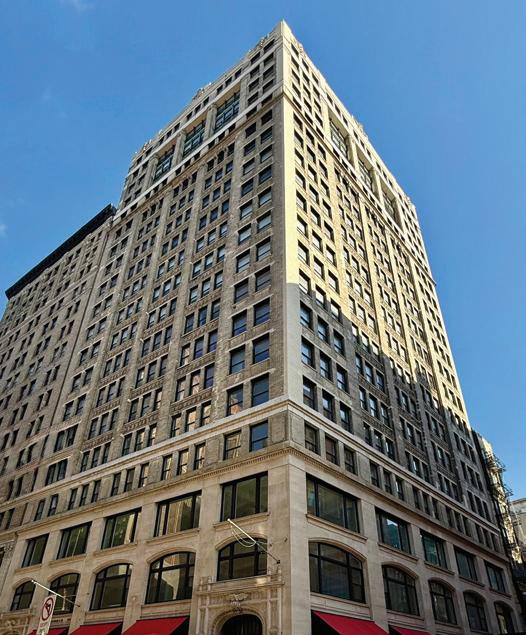
Koeppel Rosen LLC, leasing and management agent for the Rosen family portfolio, announced new office leases at 902 Broadway and 236 West 27th St.
MD2 International LLC secured 4,500 square feet at 902 Broadway. MD2, a concierge medicine practice offering patients around-the-clock access to dedicated physicians in upscale environments, will occupy a partial space on the 16th floor of the building. The space will be used as a medical office clinic. Charles Gerace with Jones Lang LaSalle represented the tenant and ownership was represented in-house by Max Koeppel.

West 27th St. The New York City–based interior design firm, founded in 2020 by designer Sebastian Zuchowicki, will occupy a partial space on the 10th floor of the building. Noah Jay and Eric Best with Compass represented the tenant and ownership was again represented in-house by Max Koeppel.
“It’s gratifying to see the continued leasing momentum throughout our portfolio,” said Max Koeppel, director of leasing at Koeppel Rosen LLC, in the announcement. “We’re pleased to announce these latest deals which reaffirms the desirability of our properties and the long-term strength of the office market.”




Built in 1911, 902 Broadway has undergone a comprehensive capital improvement program to modernize the historic property, including a new lobby, security, destination dispatch elevators and other building systems. With 12-foot ceiling heights and large windows, each 18,200-square-foot floor is filled with light and affords efficient layouts.

a new wave of buyers in Queens,” said Bentley Zhao, chairman and CEO of New Empire Corp. “Sunnyside East is experiencing the same transformative energy we saw in Long Island City, and Centric stands at the center of that evolution, bringing Manhattan-level luxury to a vibrant and authentic neighborhood.”

Centric, the tallest condominium in Sunnyside East, has officially topped off — a major construction milestone reached just months after securing a record-breaking $1.512 million penthouse sale, the highest in Sunnyside and Woodside, Queens history.
“We should all be celebrating the private developers who work doggedly every single day and put their own capital at risk to build projects and employ people, alongside their dedicated partners and suppliers who help bring these developments to life,” said Thomas J. Grech, president and CEO of the Queens Chamber of Commerce. “This is a gorgeous luxury development in a vibrant, growing area with local retail and transportation. It’s a great place to buy and why Queens is the place to live, work and play.”
Developed by New Empire Corp., a New York-based development and construction management firm, Centric is located at 58-01 Queens Blvd. at the prime intersection of Sunnyside and Woodside, immediately adjacent to Long Island City. The project delivers 131 luxury residences along with a full suite of lifestyle-driven amenities, establishing itself as a new benchmark for design and quality in the borough’s evolving luxury landscape.
“With Centric now topped off and a historic $1.5 million-plus penthouse contract signed, it’s clear this building has captured the attention of
Centric’s sleek architectural design and upscale interiors are the product of Tang Studio Architect and Whitehall Interiors. Many homes feature panoramic Manhattan views, floor-to-ceiling triple-pane windows, openconcept layouts and high-end finishes, including wide plank hardwood floors, radiant heated bathroom floors and smart home technology preinstalled in select units.
All units are compatible with smart home technology which can be installed by Centric for interested buyers.
The sale of Penthouse 12A — a three-bedroom, two-bathroom residence with 1,259 interior square feet and over 1,280 square feet of private outdoor space — set a new pricing record for the area and validated Centric’s positioning as a true luxury product in the market.
“The response from buyers has been extraordinary,” said Michael Bethoney, senior vice president and managing director of new development at Nest Seekers International. Sales are led by the Bethoney Shen Team at Nest Seekers International and co-exclusive agent One Realty Global. “The record-breaking sale at Centric proves what we’ve long believed — that Sunnyside East is one of the most exciting emerging luxury markets in New York City. Centric combines stunning design, unmatched amenities and exceptional access, making it a standout for investors and end-users alike.”
Centric’s full amenity suite spans several floors and includes a private fitness center, co-working spaces, resident lounges, a podcast/music studio, and expansive outdoor offerings such as a rooftop terrace with skyline views, pickleball court and mini golf area. Residences are priced from $599,000.
“With New Jersey’s housing demand continuing to grow, Lennar remains focused on delivering thoughtfully designed homes in locations that offer both lifestyle and convenience,” said Dana Romano, Lennar New Jersey division manager. “These new communities reflect the values homebuyers care about most — accessibility, quality, sustainability and connection to thriving local neighborhoods.”



Bringing modern two-story townhomes to the community, Preston Pointe is located across from U.S. Route 130 in one of Mercer County’s most desirable towns. It also is located just minutes from Robbinsville Town Center.
Reserve at Turgyan Farm in Bordentown will offer luxury single-family homes, close to urban hubs and the Jersey Shore.
Featuring three-story townhomes, West End in Hammonton will be located within walking distance from restaurants, shops and entertainment, and less than one mile from New Jersey Transit and Amtrak stations.
Carnegie Crossing in South Brunswick will offer modern townhomes in one of the state’s top-ranked school districts. Residents will enjoy ample amenities including a community garden, tot lot and sports courts.

















International developer Grupo T&C announced that Edge House Miami, a 56-story luxury home-sharing tower designed by Kobi Karp, has officially received approval from the City of Miami’s Urban Development Review Board. The decision paves the way for the transformative project at 1825 Northeast Fourth Ave. in Miami’s Edgewater neighborhood, setting the stage for the next phase of development.
“This marks a major milestone as we move closer to bringing a first-of-itskind living experience to one of Miami’s most desirable neighborhoods,” said William Ticona, founder and CEO of Grupo T&C. “Edge House Miami represents the future of urban living with a fusion of luxury, flexibility and thoughtful design that responds to how today’s residents want to live, work and invest.”
Envisioned as a forward-thinking community hub, Edge House Miami will feature 608 turnkey units ranging from studios to three-bedroom homes, with fully furnished interiors by Adriana Hoyos Design Studio. Residences span from 410 square feet to 1,242 square feet and will showcase high-end finishes, floor-to-ceiling windows, nine-foot ceilings, private outdoor terraces and smart building technology.
“Edgewater has quickly become one of Miami’s most dynamic neighborhoods, and Edge House Miami will add to that momentum in a meaningful way,” said Carlos Lago, shareholder of the Greenberg Traurig Miami Land Use and Land Development Practice. “We are proud to have worked alongside Grupo T&C and Kobi Karp Architecture & Interior Design to make this beautiful project a reality.”
Edge House Miami’s amenities will occupy two levels plus a skyline deck, and will include active and tranquil pools, a wellness center with treatment rooms, a private yoga studio, state-of-the-art fitness facilities and expansive indoor and outdoor lounges. The tower will also feature co-working areas, private meeting rooms, a podcast studio and a lobby lounge with bar, gourmet coffee and snack service, complemented by 24/7 valet and concierge services. Outdoor spaces will showcase lush landscaping by Witkin Hults & Partners, including a garden, children’s playground and resident-only putting green. The project is also the first Biosecure short-term rental tower in the area, featuring Clear advanced in-unit air, water and surface purification to elevate wellness-first living.
Douglas Elliman Development Marketing is the exclusive sales and marketing broker for the project.
Christie’s International Real Estate Group, the exclusive affiliate of Christie’s International Real Estate serving New York, New Jersey, and Connecticut, has established its Luxury Advisory Team with the addition of Associate Broker Filippa EdbergManuel.



The team is composed of a group of specialists offering clients whiteglove real estate services alongside a full suite of concierge offerings in art, design and luxury goods.
This holistic approach creates a highly tailored, world-class experience for buyers and sellers at the highest level of the market, the firm said.
“We could not be more excited to welcome Filippa to Christie’s. Having
the opportunity to work together again is such a joy — I’ve always admired her incredible work ethic, professionalism, and drive,” said Melissa True, team leader, Christie’s Flatiron office. “Filippa embodies exactly the kind of talent we are proud to grow Christie’s NYC with — bringing unmatched experience, global connectivity and an exceptional reputation.”
With over $1 billion of properties sold, Edberg-Manuel brings not only her in-depth knowledge of the intricacies of the New York City real estate and new development market, but also a global perspective which perfectly aligns with Christie’s international network spanning more than 50 countries and territories, the firm said.
Her 18 years of experience in New York City’s luxury real estate sphere includes serving as a senior global real estate advisor at Sotheby’s International Realty. She is the former associate director of sales for 520 Park Ave., part of Zeckendorf Development Group.
During her career, she has sold some of the most expensive residences in New York, including a $74 million duplex, at the time the eighth-most expensive apartment sale ever recorded in New York City. In 2018, her team completed the top two sales of the year.
Fluent in English, French, Swedish and Spanish, Edberg-Manuel studied International Marketing at IMF in Sweden and Design at Fashion Forum in Paris. She holds designations of Certified Negotiations Expert (CNE) and Certified Buyers Representative (CBR).










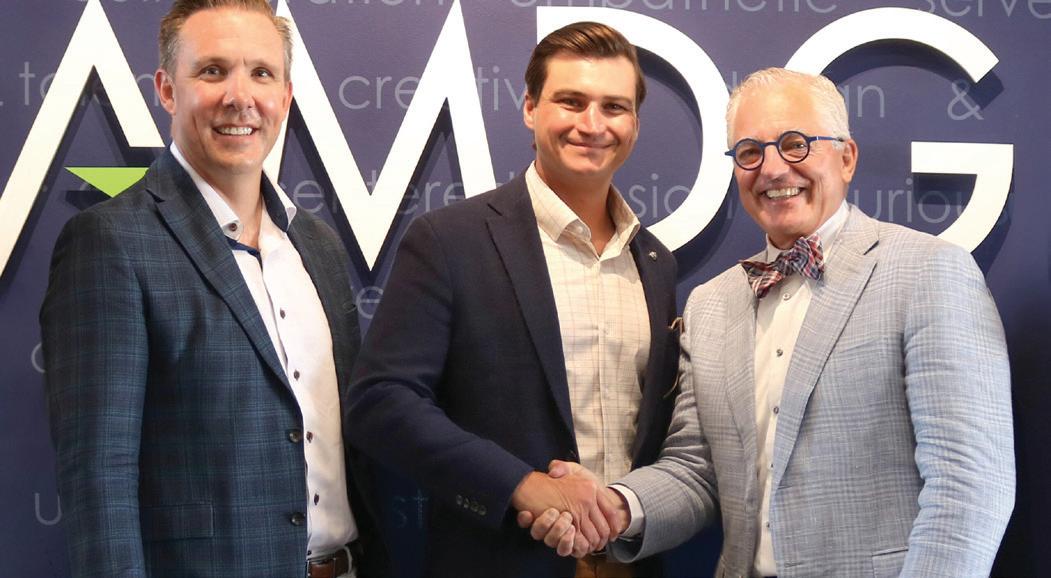
The Stonewall Group, a private investment firm focused on acquiring, investing in and operating premier architecture and engineering (A&E) companies across the United States, announced its partnership with AMDG Architects, an architecture and design firm headquartered in Grand Rapids, Mich.
Founded in 2018, The Stonewall Group partners with A&E firm owners and founders to support their transition out of business ownership and into the next chapter of their personal, professional and financial lives. The firm now operates in more than eight major U.S. cities and supports over 200 employees. AMDG represents The Stonewall Group’s sixth partnership to date.
Established in 1992, AMDG Architects provides architecture and interior design services to clients across education, workplace, civic, worship and residential markets.
“Our partnership with The Stonewall Group allows us to remain committed to our mission while gaining the resources and support needed to expand our reach and capabilities,” said Peter Baldwin, AMDG principal. “We are excited to build on our foundation while creating new opportunities for our clients and team members.”
The Stonewall Group’s portfolio of architecture, engineering and design firms delivers services to a diverse range of end markets, including


K-12 and higher education, hospitality, luxury resorts and hotels, athletic facilities, healthcare, restaurants, industrial, manufacturing and energy.
“AMDG embodies the characteristics we look for in a partner — exceptional design talent, a strong leadership team, and a deep commitment to serving clients with excellence,” Ben Moody, cofounder and CEO of The Stonewall Group, added. “We look forward to supporting AMDG’s continued growth while honoring the culture and values that have made them successful for more than 30 years.”
In a significant expansion of its New York City practice, government affairs strategic consulting firm Brown & Weinraub (B&W) has brought in the core of former government relations firm Capalino’s awardwinning land use practice. The new hires have extensive land use experience with multiple New York City administrations.
Joining the firm are Mark Thompson, Brian Cook, Matt Green, Kieth Tubbs, Richard Barth and Christopher Boylan. The new additions will join Roberto Perez and Rebecca Lamorte, whose skills anchor B&W’s New York City practice.
“I have been a big fan of Jim Capalino and his team for close to 40 years. Pat Brown and I regularly looked to what Jim did as we built our firm. I am grateful that this first-in-class land use team has chosen to join our firm,” said Brown & Weinraub Founding Partner David Weinraub in the announcement.
Thompson was a founding member of Capalino 22 years ago. Prior to that, he worked for the City of New York at the Department of General Services and the Public Development Corporation, and currently serves in leadership roles in several organizations including the Samuel J. Tilden Democratic Club and the Stonewall Democratic Club. As the former chair of Manhattan Community Board Six, Thompson has deep expertise on the issues at the heart of new development. His work ranges from securing tens of millions of dollars in funding for not-forprofits, to helping businesses navigate the complicated world of public approvals, to winning government contracts via Request for Proposal processes. He graduated from Harvard University’s John F. Kennedy School of Government and the University of Southern California.
Cook’s resume includes serving director of land use, planning and development for the Manhattan Borough President; director of the Economic Development Bureau of the New York City Comptroller; a


commissioner of the New York City Banking Commission and a board member of the New York City Industrial Development Agency and its related non-profit BuildNYC.
Green previously was deputy chief of staff and district director for New York City Council Speaker Corey Johnson. While at the council, he oversaw major land-use and budget processes, and collaborated with city and state agencies, nonprofits and community groups to advance affordable housing, public safety, sanitation, transportation and homelessness initiatives.
Tubbs served as a senior advisor to the Bronx Borough President Ruben Diaz Jr. focusing on external affairs, intergovernmental relations and assisting with policy and implementation. He also served as the director of outreach and intergovernmental affairs for the New York City Civilian Complaint Review Board. He also worked as the chief of staff for Assemblywoman Latrice Walker, who represented Brownsville.










The U.S. Green Building Council (USGBC), the global developer of the LEED (Leadership in Energy and Environmental Design) green building program, has released a guide on how green rating systems can accelerate sustainable finance by increasing confi dence in performance outcomes while lowering transaction costs.
“Green Building & Sustainable Finance: Accessing Capital to Accelerate Market Transformation” covers key concepts and strategies for investing in green buildings and how tools such as LEED and Perform, USGBC’s portfolio-level verifi cation program, can align expectations and validate achievements for owners, investors, lenders, tenants and regulators. The guide explores a two-sided value proposition, whereby finance is a catalyst for green building and green building is a solution for sustainable finance instruments.
“Sustainable finance isn’t just about capital — it’s about change,”
said Sarah Zaleski, chief products offi cer, USGBC. “When capital is directed toward green building, it becomes both a catalyst for innovation and a system of accountability, demonstrating that what’s good for people and the planet is also good for investors.”
USGBC is committed to engaging with the finance sector to help bridge the gap between corporate climate goals and the financial feasibility of achieving them. Greater access to capital is critical to financing largescale projects at the portfolio level and accelerating decarbonization efforts in the built environment, which is responsible for nearly 40% of all carbon emissions.
Green building rating systems such as LEED are used in a wide range of finance instruments, including mortgages, bonds, linked loans and equity engagement. The guide showcases the breadth of these applications to make them accessible to a broader audience of professionals.
The guide provides finance practitioners with an overview of how green rating systems can be used as a set of tools to create value, reduce risk and obtain credible data to analyze green projects. It includes investment strategies that maximize ROI while supporting the adoption of green building standards and how green building programs such as LEED and Perform address priority impact areas.
Additionally, the guide aims to help green building practitioners understand the different financing options for their projects and how to make them bankable.
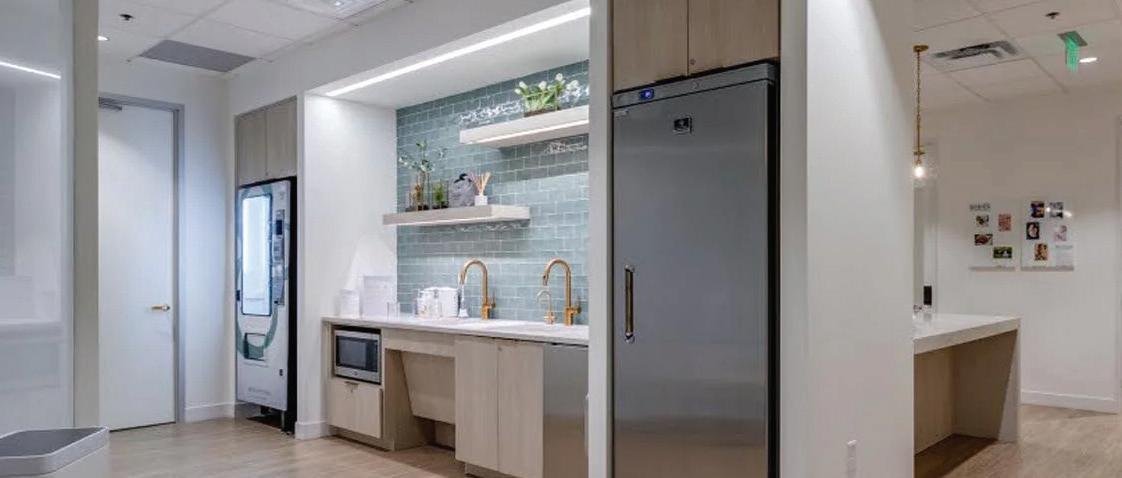
office and making their workday more seamless.
“By bringing Work&Mother into 1290 Avenue of the Americas, we are ensuring that mothers returning to work have access to spaces designed with dignity, privacy, and care at the forefront,” said Jules Lairson, cofounder and COO of Work&.

In a continuing effort to create human centered-workplaces, Vornado Realty Trust is opening a Work&Mother Suite at 1290 Avenue of the Americas. This newly outsourced, fully serviced mother’s room will debut this month, joining Vornado’s WorkLife program at the tower.
The Work&Mother Suite brings a fully outsourced approach to lactation space management. 1290 Avenue of the Americas’ occupants and guests will benefit from private, secure rooms equipped with hospitalgrade pumps and refrigeration; smart booking and access technology ensuring privacy and compliance with the Pump Act and stocked supplies and educational resources for new parents. By providing fully equipped spaces on-site, the suite gives valuable time back to mothers who pump — eliminating the need to carry pump bags to and from the
The impact of this type of support is clear: 90% of mothers using Work&'s lactation resources are still breastfeeding at six months, compared to just 10% nationally, the company said.
“Our WorkLife program at 1290 is a testament to our commitment to create workplaces that elevate both performance and personal wellbeing,” said Glen J. Weiss, executive vice president-office leasing and co-head of real estate at Vornado Realty Trust. “The addition of a Work&Mother Suite is an integral extension of our ‘Work Naturally’ program — providing a thoughtful, accommodating and high-quality solution for working parents that reinforces our position as a leader in the tenant-focused work environment.”
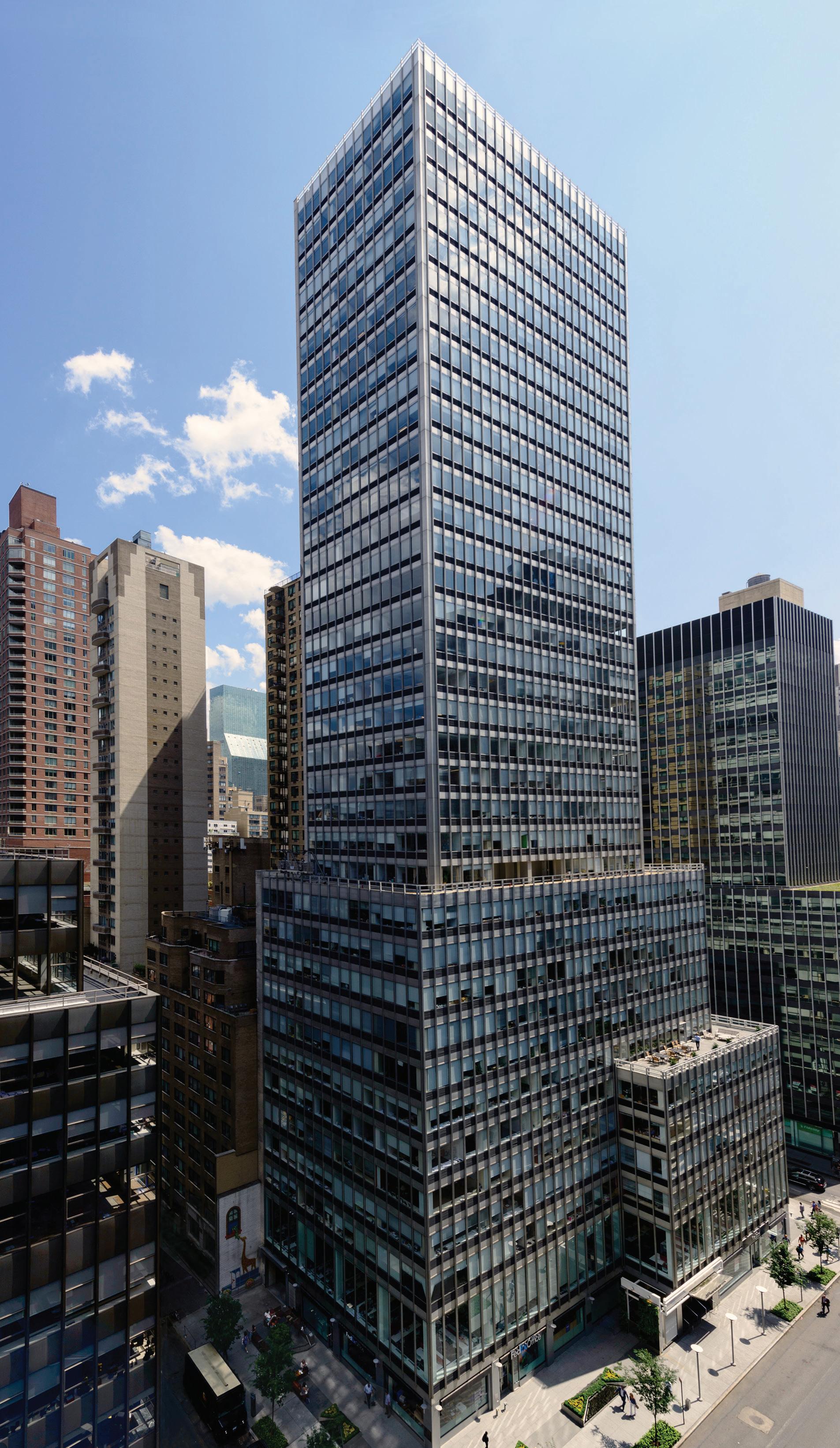
The 43-story, 2.1 million-square-foot Class A office tower has recently undergone a $50 million workplace modernization. The LEED Gold–certified property will debut an expansive amenity collection this fall, including a landscaped terrace, tenant-only wellness and fitness center and an upcoming restaurant from Maple Hospitality Group.

totaling seven hours of instruction, which can be completed at the learner’s own pace through Colibri’s online platform.
Real estate professionals completing the certifi cation will gain access to 25 practical AI tools they can implement immediately, along with real-world examples and ethical AI strategies to ensure compliant practice. The curriculum covers foundational AI knowledge through advanced applications, including AI tools for client service, property analysis, risk management and communication.

To help the 75% of top U.S. brokerages and nearly 80% of their agents already using artifi cial intelligence (AI) tools, Colibri Real Estate has launched the Real Estate AI Specialist (REAIS) certifi cation, the first comprehensive AI training program designed specifi cally for real estate professionals.
The REAIS certifi cation provides licensees with the knowledge and practical skills needed to integrate AI into their daily workfl ows while maintaining compliance with industry regulations and consumer protection laws. The program consists of four expert-led courses
“This certifi cation isn’t about chasing trends — it’s about giving real estate professionals the tools they need to work smarter, close more deals, and take back control of their day,” Diana Weir, head of experience and strategic product growth, said. “We’re seeing agents struggle to keep up with rapid technological changes, and REAIS provides the structured learning path they need to stay competitive.”
The certifi cation enables agents to enhance client experiences through AI-powered communication and analytics tools while boosting effi ciency and accuracy through predictive analytics and multi-factor property valuation models. Participants also learn to communicate complex data effectively and build lasting trust by balancing innovation with human-centered service delivery.
Licensees who complete the REAIS certifi cation receive professional credentials to showcase their AI expertise, lifetime access to all course materials and the knowledge to evaluate and implement AI technologies safely and effectively in their practice.

















Visitt, an artifcial intelligence (AI)-native building operations platform, has unveiled the first in what will be a growing lineup of fully autonomous AI agents designed to transform commercial real estate property management. This AI agent is the first of its kind in the commercial real estate proptech space, the company said. Designed to fully automate Certificate of Insurance (COI) management and compliance, this release marks the next evolution of Visitt’s AI offering and the first in a new suite of autonomous AI agents built to eliminate manual work across every aspect of property operations.
The debut of Visitt’s COI AI Agent builds upon its existing AI-powered platform. Previously, Visitt leveraged machine learning and automation to deliver capabilities like predictive maintenance scheduling, smart issue detection, automated work order routing and data-driven asset
management, helping property teams prevent costly breakdowns, extend equipment lifespans, and operate more efficiently. This latest release represents the next step in that evolution: adding fully autonomous AI agents that go beyond traditional automation to self-direct tasks and decisions across property operations.
“This launch underscores Visitt’s long-standing commitment to pioneering AI solutions that streamline operations, enhance tenant experiences, optimize resource allocation and set the standard for what’s next in the industry,” said Jonathan Kroll, co-founder of Visitt. “It is a direct response to what property teams have been asking for: real, endto-end automation that reduces administrative load without sacrificing accuracy or compliance, so teams can focus on what really matters — running their buildings efficiently and serving tenants better.”
This launch marks the beginning of a broader vision to bring intelligent, self-directed capabilities to building operations, streamlining processes, enhancing tenant experiences and unlocking new efficiencies. This initial AI agent signals the start of a new era where advanced automation plays a central role in managing and optimizing properties at scale.
Key innovations of Visitt’s COI AI Agent include autonomous insurance requirements extraction, communications on autopilot, self-validating intelligence, continuous auditing of compliance and coverage and easy onboarding.
Designed to address the tech stack overload faced by CRE owners and operators, Visitt consolidates critical property management functions into a single, intuitive platform, streamlining workflows and automating repetitive tasks so teams can focus on higher-value work.







Real estate marketplace and technology platform Crexi announced Crexi Vault, a solution that converts real estate documents such as offering memorandums (OMs) and marketing materials into structured, enriched, searchable data.
Professionals often spend hours manually extracting data from OMs and other deal documents; for example, a broker receiving five OMs as comparables, at an average of 25 pages per OM, can spend hours parsing through the PDFs just to build a comp set. Vault allows users to set up a private, proprietary location to upload documents, where it can extract data and depending on the subscription, link it with Crexi’s data.
“You can evolve and compare data,” Ryan Sawchuck, vice president of product at Crexi, told Mann Report at the Blueprint proptech conference in Las Vegas. “We always work closely with our customers to understand their pain points. They might have a junior agent or analyst spending 20 hours a week taking notes on offering memorandums. This saves a ton of time.”
Crexi’s advanced extraction capabilities alongside user contributions ensure information remains current and comprehensive rather than a static snapshot. Vault is purpose-built to streamline critical workflows, including underwriting, listing preparation and comp tracking,
“Crexi Vault represents the next generation of AI tools built specifically for the CRE community, and it encapsulates Crexi’s vision of creating a personal, dynamic archive of market intelligence that empowers CRE professionals with greater efficiency,” said Michael DeGiorgio, founder and CEO of Crexi. “The industry has been drowning in information but starving for insight. We’re bridging the gap from simply managing information to truly harnessing it, enabling smarter decisions, enriching data-driven strategies and fostering long term growth.”
Key elements include bulk or single PDF upload of one to 100 files; automatic data extraction of 16 property data points, with more to come; the ability to create, search, group and manage structured records; the ability to export, edit and reuse extracted records across different processes and seamless integration with Crexi Pro and Crexi Intelligence, enriching records with comps and property insights.
Vault will be available to all by mid-Q4.

designed for office-centric businesses, to image-first workflows designed for the field-centric industries like construction.
OpenSpace has provided reality capture products such as OpenSpace Capture, OpenSpace BIM+ and OpenSpace Air, enabling builders to document jobsites with 360-degree cameras, drones and laser scanners. With OpenSpace Field and OpenSpace Progress Tracking, the company has evolved into a full Visual Intelligence Platform.

Introducing a new system of work for construction, OpenSpace launched its Visual Intelligence Platform at its Waypoint customer summit, turning reality data into intelligence that both powers field workflows like punch lists and logging issues and business insights like percent complete and productivity tracking.
While ERP systems track financials and project management tools coordinate processes, neither provides true visibility into what’s really happening on site. OpenSpace’s Visual Intelligence Platform closes this gap by capturing field data in real time and turning it into intelligence that drives both daily action and executive insight. The Visual Intelligence Platform powers a transformation from document-centric workflows
The launch introduced OpenSpace Field, a field-first system of work powered by breakthrough spatial AI. With just a smartphone, teams can capture, track and manage site data, with every image automatically pinned to the right location in floorplans and aligned to BIM models. These capabilities integrate with tools like Procore and Autodesk Construction Cloud. OpenSpace Field beta customers have reported time savings of 85% when addressing common field tasks like punch lists and logging issues.
In addition to OpenSpace Field, OpenSpace Progress Tracking turns reality data into high-level insights to validate work-in-place for billing, identify schedule risks early by comparing actual progress to planned milestones and deliver trusted progress summaries to all stakeholders. It also integrates with schedules in P6, Asta, Microsoft Project and Excel.
“For years, reality capture has been treated as a nice-to-have—useful for documentation or dispute resolution,” said Jeevan Kalanithi, co-founder and CEO of OpenSpace. “We are moving beyond reality capture, and redefining reality data as a strategic asset that simplifies workflows and fuels results, from the field to the C-suite."


With over 75 years of experience and deep understanding of industry challenges, IDB’s Commercial Real Estate team supports property owners, developers and builders across every type of financing requirement. We can help you keep pace with changes in the marketplace, while maintaining high credit quality levels and providing the personalized service, efficiency and flexibility to fit your specific needs.
For more information about financing solutions that meet your specific needs, visit idbny.com.






DeMarco boasts more than 20 years of experience serving public and private entities. As Somerset County counsel and former municipal administrator for Bayonne and West New York, N.J., he has been directly involved in the redevelopment and governance issues that shape New Jersey communities. At the same time, he has represented private developers, investors and businesses in land use, real estate transactions and regulatory compliance. This dual background allows him to anticipate challenges, navigate local politics and deliver practical solutions for projects of any scale, the firm said.

Scarinci Hollenbeck LLC has added former Somerset County (N.J.) Counsel Joseph DeMarco as partner. DeMarco is a veteran attorney and municipal administrator with significant experience leading complex, large-scale development projects.
Scarinci Hollenbeck also welcomed two associate attorneys, Jessica R. Dietz and Daniel Tokarz. The additions bolster the firm’s capabilities across several key practice areas, including litigation, public and education law.
“Joe DeMarco is a deal maker. Make no doubt about it. Land use regulations, municipal ordinances and politics are often central to the success of New Jersey real estate transactions, areas in which Joe brings extensive experience,” said Managing Partner Donald Scarinci. “His hands-on redevelopment experience, industry insight and commitment to public service are a tremendous asset to the firm.”
Tokarz has joined the firm’s litigation department, where he will advise clients on civil litigation matters ranging from contract disputes to real estate litigation. Meanwhile, Dietz is the latest member of the firm’s public law and education law departments, handling a broad spectrum of matters on behalf of New Jersey public entities, including school boards, municipalities and administrators. Their experience and fresh perspectives further enhance the firm’s ability to deliver comprehensive counsel across a wide range of practice areas.

completed by the end of 2026.
The expansion, led by architect Leo Hansen, Miller Construction, EDSA and Brizaga, marks the official start of construction for the improvements.

The Historic Stranahan House Museum — the oldest house in Fort Lauderdale and the epicenter of Broward County’s long history — celebrated the groundbreaking of the museum’s campus-wide transformation into the “Center of Community,” a return to its original role in 1901 as Fort Lauderdale’s first gathering place.
In 2018, the Stranahan House embarked on a transformational capital improvement campaign to further protect the historic site and create new opportunities for locals and visitors alike. The capital campaign aims to enhance Stranahan House’s facilities and offerings, ensuring its continued significance as a vital cultural institution. Accomplishments to date include the new seawall, the New River Patio and updated historic porches donated by Old Florida Lumber. The project is expected to be
“These enhancements will allow residents and visitors of all ages to learn about Fort Lauderdale’s fascinating history, furthering the community’s social, cultural and historical viability,” said Stranahan House Executive Director Jennifer Belt. “This would not be possible without the vision and generosity of our dedicated donors, partners and community stakeholders who are committed to creating a space that will serve the Fort Lauderdale community and inspire generations to come.”
The renovation of the administration building will include The Egret Classroom, a state-of-the-art education center funded by a private family foundation, and the Kitchenworks Hospitality Center. New ADAcompliant facilities, including restrooms, as well as an on-site archival and storage facility, will enhance the museum’s ability to serve the community and preserve its collections for future generations. The Mosser Family Education Planning Center, funded by John and Pamela Wilkes, will ensure the creation of new, dynamic programming.
The east side of the property will be home to a new welcome center featuring a ticketing window and gift shop, funded by the City of Fort Lauderdale, and an event pavilion, funded by Broward, Palm Beaches and St. Lucie Realtors.
The Rogers Family Foundation donated the Virginia and Dwight Rogers Courtyard, which will be an additional location for community gatherings and celebrations.















































In a move that continues its expansion into the real estate sector, global alternative asset manager Rithm Capital Corp, has entered into a definitive agreement to acquire Paramount Group Inc., a vertically integrated real estate investment trust that owns, operates, manages and redevelops Class A office properties in New York City and San Francisco, for approximately $1.6 billion. Paramount’s portfolio includes 13 owned and four managed office assets, totaling more than 13.1 million square feet, 85.4% of which was currently leased as of June 30, 2025. The transaction is expected to close in late Q4 2025.
The agreement has been approved by the boards of directors of both companies. Rithm expects to fund the transaction with a combination of cash and liquidity from Rithm’s balance sheet and potential opportunities from co-investors. The addition of the Paramount portfolio will create new opportunities for investors to access Rithm’s real estate platform and bolster Rithm’s asset management business.
“The Paramount portfolio is situated in cities where we have a strong conviction in the recovery of office market fundamentals, including improving rent rolls, a more favorable interest rate environment and increasing demand,” said Michael Nierenberg, CEO of Rithm. “We believe Rithm’s asset management business is well-positioned to create value in the commercial real estate market, with a growing footprint of high-quality office assets and the expert urban development and complimentary office management capabilities of our GreenBarn team and broader platform.”
“We are incredibly proud of the high-quality portfolio we’ve built and believe strongly in its intrinsic value,” said Martin Bussmann, lead independent director of Paramount. “Together, the board and management team have found an ideal partner in Rithm, which offers the financial scale needed to improve our fundamental operating performance. After an extensive process and evaluation of a range of strategic alternatives, we are pleased to have reached this agreement which will deliver immediate, full and fair value to our shareholders.”







its interests in a portfolio of completed properties and assets under development, for $347 million.
The transaction will immediately scale to Kennedy Wilson’s investment management platform and its rental housing capabilities, while monetizing a significant portion of Toll Brothers’ investments in rental properties. The transaction is expected to close this month.
“This purchase helps create an unparalleled national platform within the rental housing space that totals over 80,000 units we own, finance or manage,” said William McMorrow, chairman and CEO of Kennedy Wilson.
in 18 apartment and student housing properties with assets under management (AUM) of $2.2 billion. Kennedy Wilson will also acquire a pipeline of 29 sites in various stages of development which, if completed, would total approximately $3.6 billion of invested capital, with Kennedy Wilson to assume construction management responsibilities.
Kennedy Wilson will also manage 20 apartment and student housing properties that will remain with Toll Brothers following closing, representing another $3.0 billion of AUM for Kennedy Wilson. Toll Brothers intendes to dispose of these remaining assets over time and exit multifamily development.
“This transaction will unlock significant capital for our stockholders, while allowing us to focus on our core homebuilding business and continue our transformation to a more asset-light homebuilder. We are pleased that our Toll Brothers Apartment Living employees have found a new home at Kennedy Wilson,” said Douglas C. Yearley, Jr., chairman and CEO of Toll Brothers.
Kennedy Wilson will also acquire the expertise of the Toll Brothers Apartment Living management team. In addition, the transaction is expected to create a new long-term relationship between the two companies for future investment opportunities a. Kennedy Wilson will refer prospective for-sale housing opportunities to Toll Brothers, and Toll Brothers will reciprocate with rental housing opportunities, creating a mutually beneficial pipeline of shared deal flow.
J.P. Morgan Securities LLC acted as Kennedy Wilson’s exclusive financial advisor. Latham & Watkins served as Kennedy Wilson’s legal counsel. Goldman Sachs & Co. LLC and Vestra Advisors acted as Toll Brothers’ financial advisors, and Fried, Frank, Harris, Shriver & Jacobson LLP served as Toll Brothers’ legal counsel.


By Jonathan Kaufman Iger, CEO and President, Sage

This year, Sage turns 100, a milestone that makes me both proud and reflective. Over a century, our values — quality, integrity and creating spaces that matter — have remained constant. What’s evolved is how we bring those values to life, especially as the office itself is being redefined.
For me, the biggest shift has been recognizing the importance of hospitality in the workplace. The office today isn’t just about desks or square footage — it’s about creating experiences that make people want to come in, connect and thrive. That’s why we’ve introduced “flagging,” our hospitality-inspired approach to office. Each Sage property is designed as a destination, with consistent service, thoughtful amenities and a sense of community. We even call our tenants “Members” because joining a Sage building is about belonging, not just leasing space.
As we celebrate 100 years, I see hospitality not as a trend, but as a guiding philosophy — one that has always been at the heart of Sage and will continue to shape our vision for the next century. Grounded in the principles of hospitality, we’re helping redefine what the office can mean — today and for the next century.
In hotels, a “flag” signals both consistency and character. And while this isn’t a Marriott or Four Seasons, every building under the Sage flag carries the same DNA: hospitality-forward design, activated amenities and programming that curates an experiencefocused environment where tenants aren’t just tenants — they’re Members. Yet each property retains its own personality, tailored to its neighborhood, Member base and scale.
And much like guests at a high-end hotel, Members enjoy curated experiences such as white-glove garment care with on-site alterations, immersive events (from meditation sessions to wine tastings) and even a signature Sage scent. Every interaction is guided by hospitality-trained staff who specialize in those “surprise and delight” moments that make the everyday memorable.
Hospitality provides the framework to meet this demand. The concierge who greets you by name, the lounge designed for both quiet work and lively connection, the seamless technology that ties services together — all of it adds up to a workplace that feels intentional. Just as hotels create loyalty through service and atmosphere so, too, can office buildings become destinations people actively want to return to.
The goal is to elevate and innovate the traditional landlord-tenant relationship from transactional to relational, anchored not only by a lease, but by a brand promise.
Amenities with a Pulse
“Amenities” has become a buzzword in office culture. Yet a rooftop or fitness center, without thoughtful activation, quickly becomes underused. Sage focuses instead on amenities with a
pulse — spaces animated by programming that evolves with Members’ needs.
Wellness studios host yoga and meditation classes. Coffee bars transform into tasting rooms for local roasters. Lounges double as venues for networking events, cultural programming and speaker series. Even everyday services — bike tune-ups, laundry drop-offs, tech support — add to the sense of being cared for.
Exclusivity is also a key factor in the hospitality world as it creates a sense of privilege and personal attention. When access is limited or experiences are curated, guests feel recognized and valued, heightening their connection to the space. This careful curation fosters loyalty, encourages engagement and transforms ordinary visits into memorable, sought-after experiences. This is central to the Sage approach.
This intentional scarcity not only elevates the quality of interactions but also fosters a community where Members feel recognized, valued and immersed in a setting designed to enrich both professional and personal life. Sage offers its signature “Oasis” amenity space providing inviting, hospitalitystyle shared areas to Members. Serving as an extension of the workplace, Oasis provides thoughtfully designed locations for dining, meeting, conferencing and socializing that are available to Members. Oasis includes a range of meeting environments, from Salon Meeting Rooms with soft seating to traditional Boardrooms and smaller Breakout Studios, and even the Winter Garden — a special event room for private dining with banquette seating — accommodating both company and employee needs.
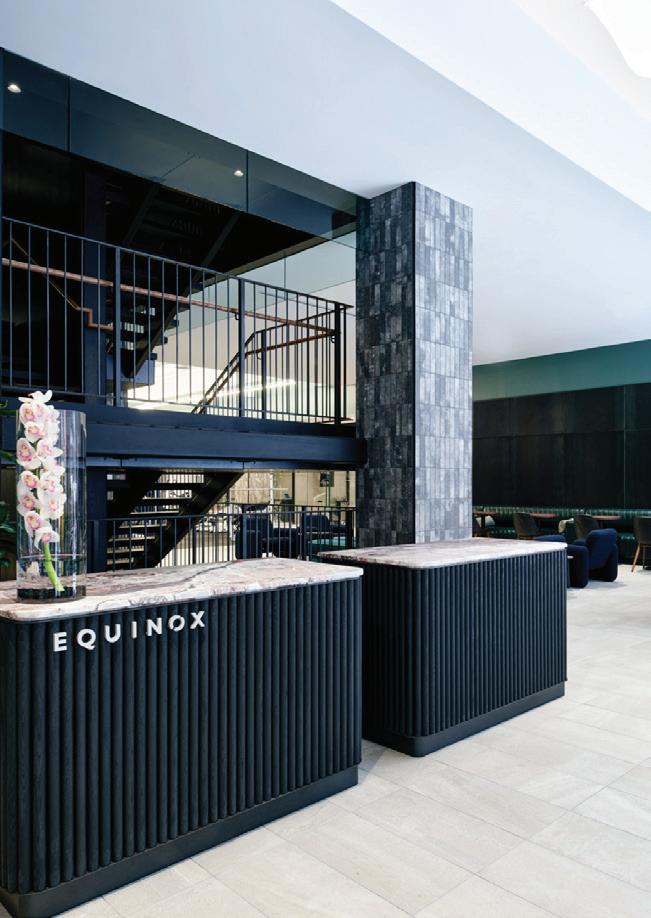
Tenants of Sage properties automatically become Sage Members, with access to Oasis amenities as well as Sage Services and Sage Social, all managed through the Sage Connected app. Currently, Oasis is available at 437 Madison Ave. where Members have access to offerings such as a 5,630-squarefoot wraparound Terrace Garden, Café Bar, Lounge, Winter Garden, Library, a flexible event space called The Forum, Breakout Studios, a Meditation Studio and Catering Kitchen.
Most recently, our former 77 Water St. location was home to the Sage Candy Store that opened more than 40 years ago. Today, that same candy store has been revived at 747 Third Ave., carrying forward its charm with a mix of nostalgic sweets, everyday treats and some thoughtful little essentials for our onthe-go Members.
The point is not simply to offer amenities, but to create experiences that resonate.
If amenities are the stage, programming is the performance. A holiday market featuring neighborhood artisans. A fireside chat with a thought leader. A week devoted to wellness, complete with nutrition workshops and guided meditation. These activations help build a community that makes the office more than just a place of work.
In many ways, programming has become the new anchor for tenants — an attraction that shapes the life of the building no matter who occupies the floors within.

Rethinking the Landlord’s Role
Underlying all of this is a redefinition of what it means to be a landlord. For much of the last century, landlords were providers of square footage. Today, they are curators of experience.
This shift in mindset makes the landlord-tenant relationship more collaborative. By aligning operations with tenants’ priorities — supporting culture, wellness and productivity — Sage strengthens both tenant engagement and adaptability. In a competitive market, a building known for its hospitality is more than a commodity; it’s a partner in business success.
As Sage enters its second century, the flagging model is both a celebration of heritage and a blueprint for the future. Technology will play a critical role, offering data-driven insights into Member preferences and
enabling more personalized service. Despite a tech-forward approach, the essence will remain human — empathy, hospitality and community cannot be automated.
It’s this blend of tradition and innovation that defines Sage’s next chapter. One hundred years of experience, reimagined for the next generation of companies and employees. For Sage, it is both an achievement and a responsibility: proof of resilience, but also a challenge to keep evolving.
Flagging is the company’s answer to that challenge. By weaving hospitality, service and programming into every property, Sage is redefining what the office can be: not just a workplace, but a destination.
As the company looks to its next 100 years, the vision remains clear: properties that don’t simply house people, but welcome them, inspire them and connect them.

All in the Family Sage, formally the William Kaufman Organization and Sage Realty Corporation, was founded by Jonathan Kaufman Iger’s great-grandfather William Kaufman, a Russian immigrant, in 1924.
The William Kaufman Organization initially focused on developing single-lot family homes and investing in main street retail, eventually developing ground-up office buildings across New York City. Shortly after World War II, William Kaufman’s two sons, Robert Kaufman, (Iger’s maternal grandfather), and Melvyn Kaufman joined and eventually co-ran the firm alongside him. Iger’s father, Mark Iger, spent a portion of his career at

Sage, serving as general counsel and then as director of leasing and real estate acquisitions.
Sage Realty Corporation was established as the property management arm of The William Kaufman Organization in the late 1960s, eventually expanding into leasing, asset management and construction management for the firm. In 2010, Robert Kaufman asked his grandson Jonathan, who had been working in real estate for a decade, to join the company as a vice president.
Jonathan Kaufman Iger became Sage CEO in 2014 and president in 2016 following Robert’s death.













In today’s fast-moving and increasingly complex financial environment, successful business owners need more than just an advisor—they need a trusted partner who sees the full picture, anticipates change, and integrates every facet of their financial world. For over 30 years, Louis C. Ciliberti & Associates has delivered exactly that.
We are a full-service financial firm and multi-family office that helps the most financially successful individuals and privately held companies in the nation. At Louis C. Ciliberti & Associates, we don’t just provide advice—we orchestrate and execute a total wealth strategy that aligns with our clients’ business goals, family needs, and long term vision.



Salt Lake City is experiencing rapid growth, with a current population increase of 1.4% annually, according to the World Population Review. Attracted by the city’s relative affordability, youthful demographic, strong economy, abundant outdoor recreation and urban presence, more people are moving to the elevated city.
A growing destination flourishes with a vibrant mix of living areas, commercial spaces and entertainment venues that support the needs of its population. In a city with a rich history, thoughtfully designed new buildings that complement existing architecture can attract tenants and consumers, as it celebrates the city's progressive spirit while honoring its heritage.
By Pieter Berger, AIA, Principal at MVE + Partners
design with historic elements to create a vibrant, creative hub within a city block.
MVE + Partners entered the Salt Lake City market to help meet the region’s demand for mixed-use spaces. In turn, the architecture firm connected with Lowe Property Group to work on one of city’s most ambitious adaptive reuse projects — The Post District.
The Post District is dynamic, mixed-use development by Lowe Property Group, Blaser Ventures and Bridge Investment Group, spanning 13.14 acres in Downtown Salt Lake City, making it one of the largest developments of its kind within a mid-sized U.S. city.
Designed to blend adaptive reuse with new construction, the $144 million project draws its name from the area’s historic newspaper buildings. Located along the Intersate 15 corridor within a designated Opportunity Zone, the Post District offers a bustling setting for a harmonious mix of residences and commercial tenants.
MVE had the unique opportunity to serve as the master planner of the Post District Residences, an expansive development featuring five ground-up buildings comprising 580 residential units and 27,000 square feet of vertically integrated, mixeduse retail. The buildings are sited to allow for the adaptive reuse of existing structures, some of which have been left untouched for over a century.
Each of the five buildings possesses a distinctive character but collectively delivers a “sophisticated grit” that blends modern
Part of developing within an Opportunity Zone is being able to design units that suit a variety of renter profiles. MVE viewed this as a chance to create a “complete neighborhood” through five different apartment offerings, ranging from $1,300 to $5,000 per month, that all embrace the character of the Post District. These include Post House North and South, The Register and 801 Flats (comprised of two buildings).
MVE served as the architect of both Post House buildings. These structures emulate the shape of the Wasatch Mountains on the city’s horizon while incorporating earth-hued colors and bricks from historic structures. Windows are arranged in asymmetrical patterns, distinguishing this building from its neighbors.
Collectively comprised of 474 units, both properties provide an elegant residential lifestyle with varying floorplans. However, a key differentiator between the two is their podium level decks. The Northern building has a space that emulates a park-like atmosphere whereas the Southern residence offers a resort-style pool experience.
Additionally, The Register brings 33 loftstyle luxury apartments of different sizes within a building that was repurposed from a warehouse. 801 Flats also draws inspiration from shipping containers that pay homage to the historic freight rail spurs that run throughout the Granary District. This was adapted into 73 diverse units, comprised of one- and two-bedroom dwellings.
Following the completion of the residential portion in 2023, 70% of units were leased
within a couple of months.
Development projects spanning 13 acres are rare in Salt Lake City, largely due to the higher costs associated with neighborhoods in an urban setting. However, designing within an Opportunity Zone and incorporating adaptive reuse can provide ample cost savings.
In general, adaptive reuse projects can reduce costs by up to 15%. However, when developing a project in an area that has lacked economic activity for over a century, it can be eligible for tax credits as well, which provides robust design flexibility.
For the Post District, these cost savings provided leeway to create space for robust housing options and world-class retail and hospitality tenants on the ground floor of each building. Notable occupants include the award-winning Urban Hill Cafe, Sunday’s Best restaurant, Level Crossing Brewery alongside the establishment of the EVO Hotel SLC location (comprised of a completely adaptive reuse building) and Traeger Grills’ new headquarters. Many of these tenants are unique to the Post District or specifically requested that their Salt Lake flagship be in the area due to the creative and authentic local culture.
While blending adaptive reuse with new construction presented certain challenges, the process ultimately enhanced MVE’s design expertise, particularly in finding innovative ways to integrate materials from the existing built environment.
One notable challenge was determining which existing structures could be used effectively to comply with building and seismic code. The Magna Earthquake of


2020 forged decisions to ensure buildings were resilient to unprecedented natural events. MVE leveraged its design expertise in earthquakeprone areas like California to design durable mixed-use buildings that could outlive other structures not originally designed with these principles in mind.
Another unique design feature was incorporating existing billboards into the Post District. As the project is positioned along Interstate 15, there were ultimately six billboards present on-site. Even though billboards can be considered an eyesore, there was an opportunity to integrate them into various parts of the project. Post House and The Register were strategically built around billboards, in a way that added to the industrial

grit of the structures. The billboards also created an interesting juxtaposition of highlighting prominent upcoming announcements like the 2034 Winter Olympics in front of a project that represents Salt Lake’s history.
As Salt Lake City continues to grow, there are many ways to incorporate adaptive reuse to create the next best structures of tomorrow. MVE broke ground on Silo Park in December 2024, located one block west of the Post District. Slated to be a “sister project,” this $300 million, mixed-use entity will incorporate the use of silo towers and two historic warehouses — also serving as a tribute to Salt Lake City’s industrial roots and Utah’s enduring significance in the production of wheat, corn and barley.
The first phase of the project will feature two six-story residential buildings with a total of 286 apartments and nearly 20,000 square feet of commercial space. Additionally, two historic warehouses will be converted for retail use, alongside the addition of off-site parking and ample green space.
The Post District is proof that adaptive reuse is a robust solution to meet increasing housing and retail needs, while offering ample cost savings. It also demonstrates how innovative projects can come to cities with the addition of new construction to enhance its presence, without erasing history.
Developers should know that the next best thing can start with what is already in front of them.

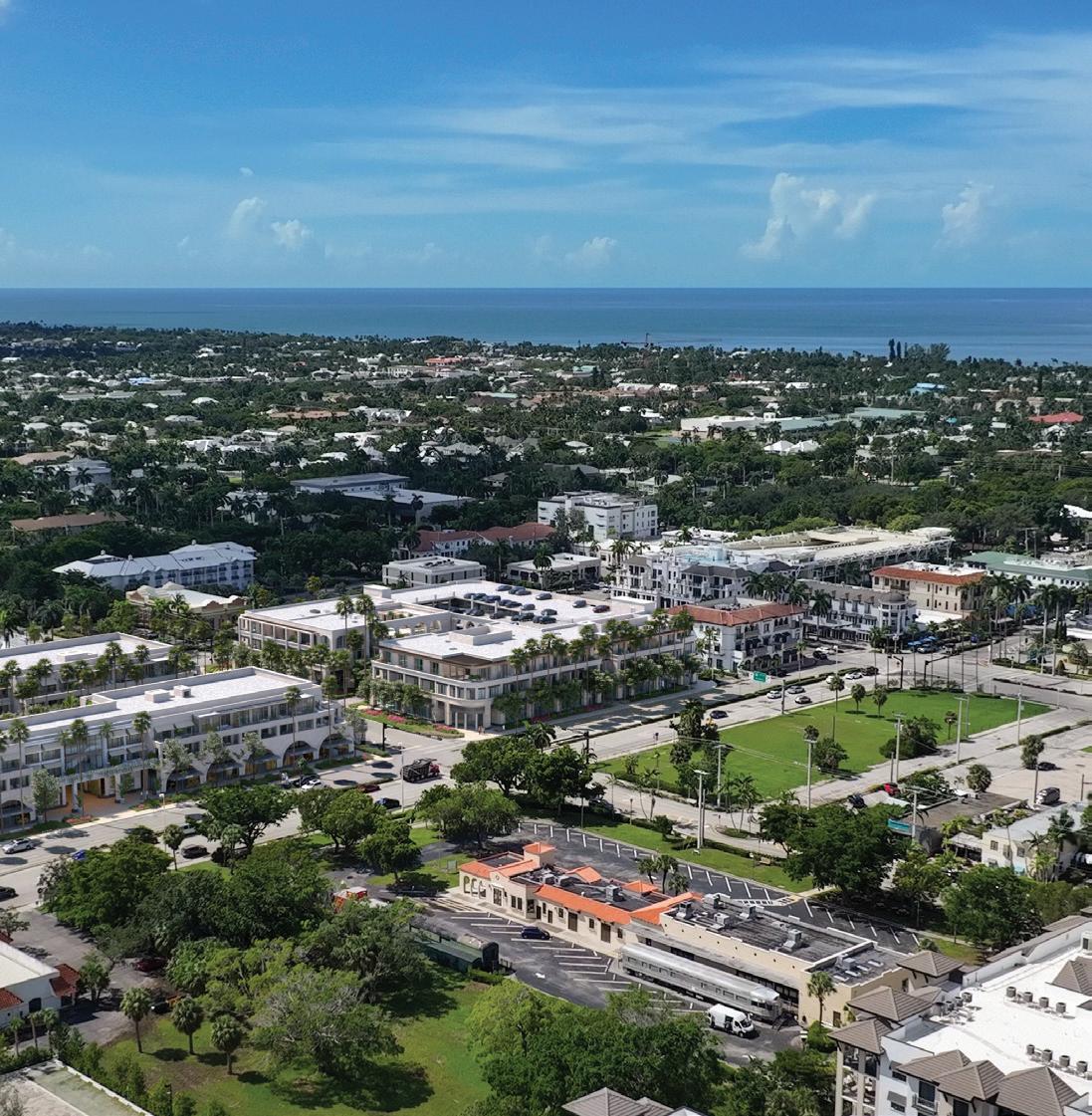
Mixed-use projects frequently are built in phases to accommodate growth, permitting and financing. But that can make marketing these projects tricky — it’s hard to see the full picture. What’s needed is a way to bridge time that allows residents to see what eventually will happen.
That was the challenge facing Aprea Development in its creation of The Avenues in Naples, Fla.
Spanning two urban blocks along Fifth Avenue, the project’s first phase features street-level retail beneath residential units and rooftop amenities. It will create a walkable community, surrounded by parks, galleries, beaches and marinas.
Aprea Development approached Panoptikon, an architectural visualization studio serving clients globally, to create marketing images and film the property, an assignment that grew quickly, said.
“The Avenue is a mixed-use development designed to unite the sophistication of urban living with the calm of the coast,” said Panoptikon Founder Tudor Vasiliu, an architect turned architectural visualizer.
“What began as a single animation brief evolved into a full suite of 68
marketing visuals, spanning interiors, exteriors and atmosphere studies, that shaped the narrative and the design.”
Panoptikon began with a cinematic exploration of the project site context before producing detailed still images of interior and exterior spaces. The second phase presented a characteristic challenge: its design had advanced significantly but remained less defined than the first.
“The client envisioned the film for The Avenue as a walkthrough, but our take was to make it a mood piece, a visual statement,” Vasiliu said. “Like the project itself, the film we created reflects a new Naples: elegant, approachable, quietly confident.”
The initial scope evolved from a two-minute CGI film to the addition of tens of still visuals focusing on the exterior of the project, the retail and amenity spaces, design features, the interior street supporting retail and the interiors of representative highend apartments.
“Demand for The Avenue has already exceeded expectations … it’s not just the design, it’s the lifestyle it unlocks,” said Christine Lutz of The Dawn McKenna Group, the residential sales representative for The Avenues.

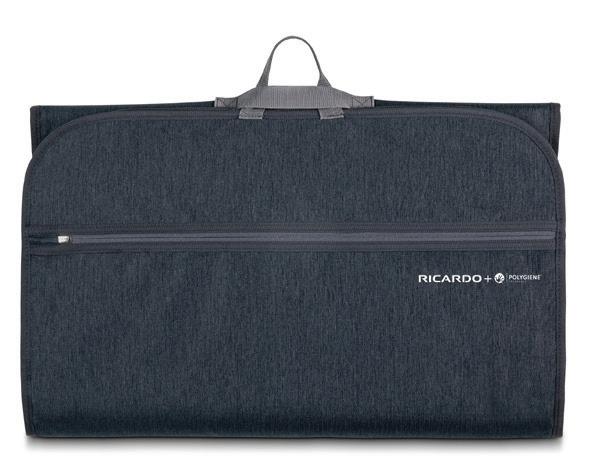
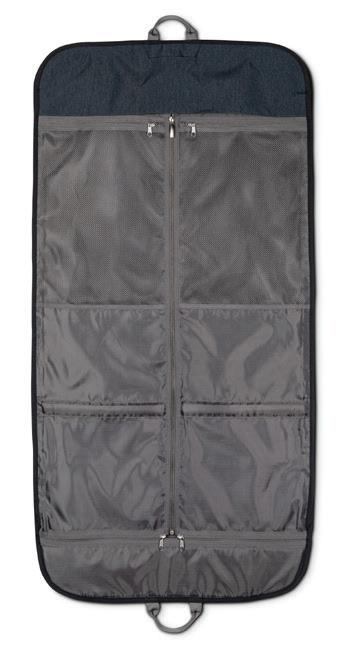
• Anti-odor StayFreshTM treament by Polygiene®
• Durable ripstop polyester with water resistant coating
• Front quick-access zippered pocket
• Anti-wrinkle garment bars
• Full-length middle and bottom zippered opening
• Two internal mesh zippered pockets
• Internal adjustable hanging loop secures multiple hangers
• Multi-use carry handle for hanging
• Bi- or tri-fold carry/packing options
• Two seperated slip-through openings for additional hanging options
• Gusseted sides



By Simon Soloff, President and Co-founder of EnTech

For landlords managing rental properties, keeping operating costs low while maintaining tenant comfort is essential. One of the most overlooked opportunities for saving money lies in heating systems (specifically, the difference in cost efficiency between traditional boilers and modern smart boilers). Upgrading to a smart boiler can lead to substantial savings through improved energy efficiency, remote monitoring, predictive maintenance and reduced tenant complaints.
Are you wondering how much you can potentially save from upgrading from a traditional boiler system to a smart boiler? Look no further. As the president and co-founder of EnTech, a provider of smart energy solutions for multifamily properties, I have witnessed firsthand the significant benefits a smart boiler can deliver. Here’s how the numbers break down and why this upgrade may be well worth the investment.
A smart boiler is an advanced heating system that incorporates modern technologies such as sensors, Wi-Fi connectivity, automation and smart thermostats. Unlike traditional boilers, which operate with manual controls or basic timers, smart boilers (such as our S2 smart boiler system) can learn occupant behaviors, adjust heating schedules automatically and provide real-time performance data. They are often integrated with mobile apps or building management systems, making it easier to control and monitor heat usage remotely.
The cost of installing a traditional boiler typically ranges from $4,000 to $7,000, while upgrading to a smart boiler generally falls between $6,000 and $10,000 (including the added expense of smart thermostats and connectivity modules). Although the upfront cost of a smart boiler is usually $2,000 to $3,000 higher, the investment often pays for itself within a few years through significantly improved energy efficiency and long-term cost savings.
According to the U.S. Department of Energy, heating typically accounts for about 42% of a residential utility bill. A traditional boiler, especially if 10 to 20 years old, may operate at 60% to 75% efficiency. A modern condensing smart boiler can reach 90% to 98.5% efficiency.
Let’s break this down with some numbers:
• Average monthly heating cost with traditional boiler: $150 to $250 per unit (depending on region and climate).
• Smart boiler efficiency gains: 20% to 30%
Estimated monthly savings per unit:
20% of $200 = $40/month
30% of $200 = $60/month
Annual savings per unit:
$40 × 12 = $480/year
$60 × 12 = $720/year
For a landlord managing 10 rental units, this adds up to $4,800 to $7,200 in savings per year (not including additional savings from other smart features).
Pairing smart boilers with smart thermostats such as the Nest, Ecobee or Honeywell Home can further optimize savings. These devices allow for geofencing (adjusting heat when tenants leave), learning schedules and preferences and controlling multiple zones remotely. Studies have shown that smart thermostats can reduce heating bills by 10% to 12% on average. Combined with the boiler’s improved efficiency, the potential total savings could reach 30% to 40% in some scenarios.
Smart boilers often come with self-diagnostic tools that alert landlords or property managers when something is wrong, such as pressure drops or leaking components. This can significantly reduce emergency repair calls and allow for proactive maintenance.
Typical emergency repair cost for traditional boiler: $300 to $800 per incident. Smart boilers can reduce the number of emergency visits by detecting issues early.
Estimated maintenance savings per year: $200 to $500 per unit. For a 10-unit building, that’s another $2,000 to $5,000 in annual savings.
Comfort is a major factor in tenant satisfaction. Smart boilers offer consistent, zoned heating and remote diagnostics, which results in fewer outages and temperature-related complaints. Each tenant turnover can cost landlords $1,000 in lost rent and more. Even a 10% reduction in turnover can result in thousands of dollars in annual savings.
For landlords aiming to reduce overhead, increase property value and improve tenant retention, upgrading from a traditional boiler system to a smart boiler is a forward-thinking investment. Not only does it significantly cut utility and maintenance costs, but also it will modernize the property and help meet increasing expectations for smart, energy-efficient living spaces. While the upfront cost may appear steep, the financial and operational returns are compelling (often recouped within a few years and multiplied in the long run).
Many states and utility providers offer rebates for upgrading to high-efficiency heating systems. For example, the Federal Energy Efficient Home Improvement Credit offers up to $600 per heating system. Utility rebates are also $300 to $1,500 depending on the region and provider. These rebates can effectively offset the higher upfront cost of a smart boiler, reducing payback time.
Total Estimated Annual Savings
Here’s a conservative estimate of what a landlord with 10 units might save annually:
Category
Energy Efficiency (20–30%)
Smart Thermostat Optimization
Maintenance and Repairs
Lower Turnover (10%)
Total Annual Savings
Savings
$4,800–$7,200
With an initial investment of around $20,000 to $25,000 to upgrade 10 units, the paybactk period can be from 1.5 years to three years, after which the landlord will continue to reap ongoing savings.







By Lisbeth M. Bulmash

Economic constraints on commercial real estate buyers and sellers threaten to derail existing contracts and shelve projects that are underway or being contemplated. Current market conditions such as the inaccessibility of credit, higher interest rates and uncertainty about rising construction costs complicate the situation.
These issues impact existing and proposed leasing and sales agreements, relationships and developments. When disputes arise, as they inevitably do with these additional challenges, mediation is a valuable tool and serves as a game-changer in resolving these conflicts.
Mediation is faster and cheaper than litigation. Conflicts can be expensive when left to be resolved in the courts as disputes can take years to result in a trial. Even the arbitration process, which offers a quicker resolution of a dispute, can be expensive and risky. Waiting for justice is a gamble and can result in unfavorable outcomes.
The Collaborative Nature of Mediation
In contrast, mediation is a collaborative process. Parties can work together with a neutral mediator to find a solution that makes sense
for all parties. The mediation process itself can be structured in a way to accommodate the specific characteristics of a dispute. A skilled mediator is adept at working with the parties to determine who should appear at the mediation session. Further, the mediator assists the parties in exploring what information is exchanged and needed in advance of a meaningful negotiation.
The mediation session structure should be adapted to work around conflicts and/or embrace strong relationships between the parties. This careful orchestrating of the mediation session maximizes cooperation, reduces drama and leads to increasing the odds of reaching a detailed agreement that is more likely to support ongoing business relationships. Preserving relationships is important in real estate — a party might be in the middle of a larger project or development and continuity of the ongoing relationships is vital. Given the repetitive nature of the real estate world, is it likely and desirable that parties might need to work with the same developers, brokers and lenders in the future.
Mediation is a confidential process. No details of an agreement are

revealed to the public. This protects the parties from adverse publicity and the airing of sensitive financial information.
Mediation is flexible and can be utilized at any time during a dispute. Once a mediation is scheduled, the mediator speaks with each side to identify the issues, to ask probing questions relating to the disagreement and to develop possible strategies for the upcoming mediation session.
Mediators can structure the mediation to creatively approach a given dispute. The mediation may start with a joint session which allows the parties to structure and to highlight the main issues to be handled during mediation.
Utilizing caucuses at given points during the mediation session with just the attorneys and the mediator or with specific parties and the mediator may move the conflict beyond the previous stumbling blocks that the parties faced on their own. Adjusting the process often enables parties to access vital information and hear the other side’s
concerns and positions more clearly.
Mixing up the framework can help parties advance forward in developing a viable solution while simultaneously preserving the integrity of each side’s wants and needs. In some situations, it may be important to have key decision makers talk directly with each other to resolve the conflict in a constructive way with the mediator moderating the discussion.
The goal of mediation is for the parties to work with the mediator to devise a compromise and to move forward. Parties can use creativity in their agreements, which allows them to address today’s constraints. Clever agreements can account for interest rate fluctuations, lack of accessibility of credit, supply chain disruptions, building cost increases and delays due to zoning and regulatory obstacles.
During the mediation, brainstorming sessions encourage creative solutions. Parties can explore alternatives beyond win-lose scenarios, such as seller-financed loans to bypass high interest rates or leaseback arrangements where the seller stays on temporarily. Adjusting timelines is another mechanism available to help neutralize tensions and reveal common ground.
Extraordinary ideas can be utilized, such as bringing in a new party to assume another party’s obligations under a stalled deal. These solutions are not possible when a judge or arbitrator is deciding the legal obligations listed in a complaint or arbitration demand.
Mediators might use tools including brackets (negotiating within ranges) or double-blind proposals (anonymous offers to test feasibility) to build momentum on financial issues without fostering personality conflicts.
If negotiations stall, the mediator will hold separate meetings (caucuses) with each side. This allows candid discussions about sensitive vulnerabilities, such as a party’s inability to access affordable credit. The mediator goes from room to room testing reality and determining if an idea is feasible and then develops viable solutions to the conflict. Spending time with each party gives everyone the opportunity to provide input and helps maintain a balance of power in the dispute.
Once options align with the parties’ interests, they can reconvene to work out the terms. In the final phase of the mediation, the mediator can highlight benefits of the proposed agreement, including concessions, cost savings and preserved relationships. Agreements are drafted with lawyers’ input, including specifics like payment schedules, property adjustments, confidentiality clauses and contingency plans should any party fail to perform its obligations.
The thoughtful process of developing the agreement empowers the parties to develop more durable and creative outcomes than courtimposed solutions. In this very challenging economy for all real estate parties, bringing certainty in a speedy and efficient manner makes mediation a compelling solution to many disputes.
Lisbeth M. Bulmash Esq., is a JAMS mediator and arbitrator with over 20 years of experience as a conflict resolution practitioner and is a co-founder of an alternative dispute resolution firm.
By Ben Eidlisz, COO of Dusaw
Managing an Airbnb should be a safe, fun and rewarding experience for hosts, where they can open their property to guests from all over the world while earning a steady income. However, you as the host have a responsibility to maximize the security of your property. Implementing proactive, critical safety measures will help you minimize risks, protect your property and create a more secure environment for guests. This in turn will foster trust and encourage positive reviews, which are vital for the long-term success of your Airbnb.

If you are wondering how you can improve your Airbnb’s safety, look no further. There are many often overlooked ways to significantly enhance an Airbnb property’s security. Following the below precautionary measures will give you peace of mind and help you create a safe and comfortable Airbnb experience that keeps guests coming back.
Regularly inspect smoke and carbon monoxide detectors. Household appliances like gas stoves, water heaters and ovens can emit carbon monoxide (CO), a colorless and odorless gas that can pose serious health risks (including death) to your guests. To protect your guests, install smoke detectors in every bedroom, hallway and kitchen, as well as carbon monoxide detectors near any fuelburning appliances.
I also recommend investing in a combination smoke and CO detector, which will provide dual protection in one unit. It is vital to also regularly check that these detectors are functioning properly.
Keep a well-stocked first aid kit in every room. Guests at your property may accidentally cut themselves, suffer from illness or burn their skin while cooking or handling hot hair tools. Place a fully stocked first aid kit in a visible, accessible location in each room with instructions on how to use the supplies. This simple precaution can help your guests have prompt and effective first-aid treatment, which will help them feel safe and cared for during their stay.
Install surveillance cameras outside. Place surveillance cameras in strategic locations outside of your property to monitor the exterior for safety reasons. However, do not place cameras inside to respect your guests’ privacy. Also, sometimes just knowing they are being watched and monitored can be a powerful deterrent for criminals. Prominently post signage that informs people of the security cameras’ presence.
By balancing privacy with protection, you can keep your property secure without compromising the comfort and peace of mind of your guests.
Regularly inspect fire extinguishers. Place fire extinguishers in visible locations in key areas of your Airbnb, such as in the kitchen, where the risk of a fire is higher. In the guest welcome information, note the exact locations of each fire extinguisher and how to properly use them. Also regularly check to make sure that the fire extinguishers are not expired and will work. If a fire broke out, the last thing you would want is to discover that your fire
extinguishers are expired and won’t function!
Provide clear emergency exits. Establish a comprehensive emergency exit plan for your property and ensure that this plan is easily accessible to all guests. A well-prepared and clearly documented emergency exit plan will be life-saving in the event of a fire or other hazardous situation. Ensure that all exits are well-marked and unobstructed to allow for a swift evacuation. Your emergency exit plan should also include at least two escape routes from every room, so guests will have multiple options for an efficient evacuation.
Being proactive about safety will prevent panic and help your guests respond quickly in an emergency.
Provide clear instructions for appliances. Even if your property’s oven, outdoor grill and other appliances seem easy to operate, leave clear instructions on how to use all of them. What may feel simple to you could be unfamiliar to your guests. Offer safety guidelines for kitchen appliances, heaters, air conditioners, etc.
Regularly check wiring. Ensure that all electrical wiring and outlets are up to code and functioning, especially in older homes. Damaged or corroded electrical wiring can cause fire hazards, damage appliances, increase the risk of electrocution and create power outages.
Schedule regular electrical wiring inspections by licensed electricians to assess the condition of all the cords, outlets and wiring in your property. Replace any damaged power plugs, cords or switches immediately to prevent shock hazards and watch out for any overloaded outlets. Keep your electrical cords tidy and secure to prevent damage.
Install proper lighting. Proper lighting will not only enhance the overall visibility in and around your property, but also it will reduce the risk of break-ins and accidents. Keep the exterior and interior of your house well-lit, especially around the front door and other entry points, stairs and walkways. It would be wise to also install motion-sensor lights around entry points and pathways to increase visibility, prevent falls and other accidents and deter intruders.
Limit guest capacity. It is paramount to set a maximum occupancy limit based on the size of your property and available safety resources like fire exits and emergency supplies. Before you confirm each booking, verify the number of guests to ensure compliance with your occupancy guidelines. By enforcing your guest capacity limit, you will avoid overcrowding which, in turn, will reduce wear and

tear on your property, create a more enjoyable experience for everyone and ensure the safety and satisfaction of your guests.
Install smart locks. Is your Airbnb still using traditional oldschool key locks? Physical keys can be easily lost or stolen and are vulnerable to duplication, which can give criminals easy access to your property. And replacing one of these keys means changing the entire lock, which is expensive and time-consuming.
accumulation frequently occur. Also install non-slip treads on stair steps to provide better traction and help reduce the risk of slips and falls.
These simple-yet-effective preventative measures will protect your guests.










Upgrade to a keyless smart lock that uses a pin code or temporary access code. Many models feature encryption, two-factor authentication and automatic locking, making it harder for potential criminals to access your property.

Secure pool and hot tub areas. Make sure your pool or hot tub is protected by a fence that locks when not in use to prevent unauthorized access. Consider adding an alarm system that can warn guests and you if someone enters the pool or hot tub area unexpectedly. Do not allow guests to add chemicals to the hot tub, because improper use can lead to safety hazards. For greater protection, display clear safety guidelines and instructions for proper use near the pool or hot tub area.
adding an alarm system that can warn guests and you if someone enters the pool or hot tub area unexpectedly. Do not allow guests to add chemicals to the hot tub, because

emergency. Installing keyless smart locks can — even the slightest issue can compromise the
Even better, as the host you will be able to monitor and control access to your property remotely. You can lock or unlock the door from wherever you are, which is especially helpful if your guest needs assistance or in an emergency. Installing keyless smart locks can make your home more safe, convenient and user-friendly for short-lets.




Make sure windows and doors lock securely. Ensure that all windows and doors are equipped with secure locks to prevent unauthorized access to your property. Regularly check that all locks function properly — even the slightest issue can compromise the safety of your guests and property.






Provide guests with clear and detailed instructions on how to operate each lock. This will help your guests feel confident in securing the Airbnb and staying safe during their stay.
Provide safety contact information. Guests from all over the world may not know where the nearest hospital is or how to contact the local police department in case of an emergency. In the welcome information for guests, provide local emergency contact numbers and the locations of the nearest hospital, fire department, police department and health clinics.
Use non-slip rugs and mats. Slippery floors in the bathroom and kitchen can cause your guests to fall and injure themselves. Be proactive in preventing slips and falls by placing non-slip rugs and mats in bathrooms and kitchens, where spills and water

Childproof your Airbnb. Safety is a top priority for families traveling with young children. To ensure the safety of little ones in your Airbnb, implement effective childproofing measures. Provide outlet covers, corner guards and cabinet locks to protect kids from potential hazards. Secure dressers, bookshelves and other heavy furniture to walls to prevent tip-overs. These precautions will minimize risks and create a safer environment for kids staying at your property.






covers, corner guards and cabinet locks to protect kids from potential hazards. Secure dressers,




Ensuring your property’s stair
Inspect your stairs. Ensuring your property’s stair safety is crucial for preventing trips, slips and falls that can injure your guests. Securely attach handrails on both sides of a staircase for extra support, which is especially helpful for guests with mobility issues. Inspect each staircase to make sure there aren’t any uneven stairs, cracks, or damage that can cause tripping hazards. Make sure all stairs are well lit and keep stairs free of rugs and other clutter that can obstruct movement.
Set safety protocols for guests. Explicitly communicate your property’s safety protocols and house rules to guests. Ensure your guests understand the importance of always locking doors and windows when leaving the Airbnb. Also remind them to not leave valuables and belongings in common areas. Instruct them to be mindful of their surroundings and report any suspicious activity immediately. Also give your guests a way to easily contact you in case of fire, medical emergency or other safety concerns.
Guest safety should always be a top priority for any Airbnb host. The above preventative measures will help you enhance your property’s safety and create a secure, comfortable and welcoming environment for your guests. Prioritizing safety will also build trust, encourage positive reviews and help foster repeat bookings, thus maximizing the long-term success of your Airbnb business.



Please contact Neil B. Garfinkel, Managing Partner, to see how AGMB can assist you. Abrams Garfinkel Margolis Bergson, LLP is a full-service law firm dedicated to smart, practical and cost-effective counsel.

B. GARFINKEL, ESQ.
Broker Counsel to REBNY Abrams Garfinkel Margolis Bergson, LLP (212) 201-1173
Efax: (646) 778-3710 ngarfinkel@agmblaw.com www.agmblaw.com

Carol A. Sigmond Partner
Greenspoon Marder LLP
1345 Avenue of the Americas Suite 2200
New York, NY 10105
carol.sigmond@gmlaw.com (212)524-5074
Over the last 20 months, the United States economy has been adjusting to the current administration’s tariff program. Tariffs have been invoked under section 232 of the 1962 Trade Expansion Act, the Trade Act of 1974 and the 1977 International Economic Emergency Powers Act. Tariffs on goods coming into the United States have ranged from 10% to 50%. However, the tariffs’ full effect is now beginning to impact businesses and consumers, including companies and individuals engaged in construction projects, such as home improvements.
The legal landscape for these tariffs remains unsettled. Presently, the Reciprocal Tariffs and the Fentanyl Tariffs are under the 1977 International Economic Emergency Powers Act (IEEPA). The IEEPA tariffs, as imposed by the current administration, have been ruled unconstitutional by the Court of International Trade (CIT) on May 25, 2025. The CIT’s ruling, except as to the remedy, was upheld by a majority of the judges for the United States Federal Circuit Court of Appeals on August 29, 2025.
The Supreme Court agreed to hear the administration’s appeal of this case and a related case on September 9, 2025. Oral argument is scheduled for the first week in November 2025. Pending appeals, the CIT and Federal Circuit decisions are stayed.
If the Supreme Court upholds the Federal Circuit’s decision, which would void all the Reciprocal Tariffs, some Fentanyl Tariffs could return under the Trade Act of 1974, except with limits on the amount and duration of the tariff. Whether the Canadian Fentanyl Tariffs would survive at all is yet another question that the CIT would have to resolve in the first instance.
Against this backdrop, we need to examine the financial issues confronting cooperative and condominium buildings and unit owners arising out of the tariffs.
The full impact of the Reciprocal and Fentanyl Tariffs is just now being reflected in price increases. Prices of goods made with metal, such as washing machines, steel or aluminum windows, doors, dishwashers, piping, valves, trucks and cars are increasing. Small appliances, electronics, women’s clothing, cell phones and coffee are also impacted.
The price increases are still filtering through, but even now, they are likely the cause of the August 2025 inflation. Core goods were up by 0.28%, the highest inflation rate since May 2023. This will
affect the construction cost for cooperative and condominium buildings. Prices will increase, and projects will cost more.
Delaying projects is an option but price increases are sticky. Even if the tariffs are voided, prices may not decrease much. This is partly due to a developing labor shortage. Approximately 20% of the U.S. construction labor force is undocumented. When the focus was on deporting the “criminal” element of the undocumented community, it did not impact the labor force. However, workplace raids have an adverse impact.
Estimates show that there were 14 million undocumented people in the United States in 2023, and since then, 1.2 million have left the country. Additionally, some people are leaving jobs to hide from ICE officials.
Buildings and their architects will have to be smarter to keep costs down. Delays may not be a good strategy. Suppose there is evidence of deterioration, particularly on the exterior and roof of the building. In that case, the freeze-thaw cycle in New York winters and automobile exhaust can accelerate façade deterioration.
Routine maintenance and investigation of advanced materials and techniques may be more effective strategies. Roof maintenance, particularly maintaining flashing and counterflashing at the parapets, walls and drains, may prolong the life of a roof. Newly developed roof materials applied to the membrane may prolong roof life.
Brick façade repair costs are more difficult to control. One strategy that could (and should) be employed is to perform the work from terraces, even terraces used by a single unit. Boards can typically use these terraces for building repairs, as allowed by the offering plans. This approach is less costly than scaffolding and protects the unit interiors. It also enables spot repairs to be made before more extensive work is needed.
Windows, particularly steel and aluminum ones, will be more expensive. However, maintaining window caulking may help prolong window life. If windows must be replaced, seek out sustainable windows that are energy efficient and capable of passive ventilation. Over time, more efficient windows will reduce heat and air conditioning operating costs.
This column presents a general discussion. This column does not provide legal advice. Please consult your attorney for specific legal advice.

Frank DeLucia Executive Vice President
Hub International Northeast frank.delucia@hubinternational.com (212)338-2395
Water damage is one of the top insurance headaches in real estate — and for good reason. It’s a leading cause of claims, often tied to outdated plumbing, poor maintenance or the absence of a solid mitigation plan. While most property insurance policies include water damage coverage, relying on insurance alone is a risky approach.
Frequent claims can lead to higher deductibles, increased premiums or even denial of coverage. Prevention is not just smart — it’s essential.
The type and condition of your building’s plumbing system are major factors in your water damage risk. Insurers often consider the age and material of pipes when determining policy terms. Some systems may be uninsurable; others may trigger coverage exclusions or higher rates. Below are common piping systems:
• Galvanized Steel: Outdated and no longer manufactured. If your building still has these, a full replacement is likely needed.
• Copper Pipes: Durable and reliable but can corrode in areas with low pH water. Check the thickness and age to assess risk.
• PEX (Cross-linked Polyethylene): A popular alternative to copper. It’s resistant to low pH but may leak if brass fittings are exposed to high chlorine levels or sunlight.
• Poly-B (Polybutylene): Cost-effective but prone to failure, especially when mixed with other piping types. It often deteriorates from the inside, making damage hard to detect.
• Kitec: This polymer pipe was discontinued in the 2000s due to frequent failures and being subject to lawsuits. Most insurers won’t cover properties with Kitec plumbing.
Conducting a cost-benefit analysis can help you decide whether to repair or fully replace your plumbing. This step is especially important before a policy renewal or a major retrofit.
Five Steps to Prevent Water Damage (and Lower Insurance Costs)
1. Perform a Plumbing Risk Assessment
Identify what type of plumbing is in place and evaluate its condition. Consider a full or partial replacement if your system includes high-risk materials like galvanized steel, Poly-B or Kitec. Replacement may cost more upfront but can prevent repeated claims and maintain your insurability.
2. Create a Water Damage Mitigation Plan
When water damage occurs, fast action minimizes repair costs. Prepare in advance.
• Have a remediation vendor on call who can respond quickly with dehumidifiers, water extractors and drying equipment.
• Develop a continuity plan to keep your building operational during repairs. This is crucial for minimizing revenue loss.
• Add Business Interruption (BI) coverage to your policy. BI helps cover lost rental income or business revenue during restoration. Ensure that your rental values are up to date to avoid underinsurance.
3. Prioritize Preventive Maintenance
Routine plumbing inspections are essential — and help with insurance renewals. A solid maintenance plan should include:
• Identification of all plumbing types and fittings.
• Checks for visible leaks, corrosion and hidden moisture.
• Water pressure calibration.
• Drainage speed tests in sinks and tubs.
• Inspection of water heaters for sediment or rust.
• Sewer backup checks on the building exterior.
Good maintenance can reduce claim frequency, which in turn lowers insurance costs.
4. Consider Equipment Breakdown Insurance
Boilers and mechanical equipment can also cause severe water damage. Boiler and Machinery (BM) or Equipment Breakdown (EB) insurance covers repair costs and lost income from non-functioning systems. This coverage is especially valuable in buildings with heavy mechanical use — including hotels or manufacturing facilities.
5. Weigh the Benefits of a Higher Deductible
Taking on a larger deductible may lower your premium. This is a smart move for well-maintained buildings with low claim histories. However, if your property has a pattern of water damage claims, a higher deductible could be more costly in the long run.
Water damage prevention isn’t just about protecting your property—it’s about protecting your insurance coverage, too. Insurers favor properties with strong maintenance programs, up-to-date infrastructure and detailed mitigation plans. As a property manager, know that taking proactive steps today can save you thousands tomorrow and ensure you stay covered when it matters most.



From financing considerations, to property performance metrics, today’s real estate business is inundated with both challenges and opportunities.
PKF O’Connor Davies has decades of experience working with a variety of assets including industrial, office and residential sites. Our experience in this complex field gives us the expertise to deliver strategic advice that drives real value.
With the PKF O’Connor Davies Real Estate Team, our clients know greater service, know greater insights, Know Greater Value.

Edward O’Connor, Partner 201.712.9800
eoconnor@pkfod.com


Kris Kiser
Outdoor Power Equipment Institute
TurfMutt Foundation Equip Expo
1605 King St. Alexandria, VA 22314 turfmutt.com opei.org (703)549-7600
As more residents seek to live and work in environments with access to green space, even in urban areas, developers are responding in powerful ways. By integrating parks, gardens and other natural areas, they are doing more than just enhancing aesthetics. They’re investing in the health of residents, strengthening communities and creating environmentally resilient projects.
The TurfMutt Foundation believes that living landscapes are the new gold standard for mixed-use developments. Here are six reasons why:
Mental Health
According to a recent survey conducted by The Harris Poll for the TurfMutt Foundation, a vast majority of Americans (89%) feel communities should prioritize providing green spaces for health and well-being.
The positive impact is well-documented. Living near and engaging with green space lowers stress, reduces anxiety and can help diminish feelings of loneliness and depression. Spending time in nature provides needed mental break from the demands of urban life, helping people feel more centered and at peace.
Physical Health
Green spaces encourage physical activity by providing opportunities for walking, running, cycling and other outdoor recreation. People with more nature in their neighborhoods tend to have lower rates of obesity, improved heart health, and are less likely to smoke or drink.
Recent studies even suggest that nearby green space can help reduce cognitive decline as we age and that people with access to it are biologically younger than those without.
Green spaces are nature’s superheroes, playing a critical role in mitigating the negative effects of urbanization.
Living plants combat the urban heat island effect — a phenomenon where buildings and pavement absorb and retain heat. Large parks can cool daytime summer temperatures by about 10 degrees, and shaded ground can be up to 36 degrees cooler than
unshaded ground.
These spaces also significantly improve air quality by absorbing pollutants, producing oxygen and sequestering carbon. They also help manage stormwater runoff, control noise pollution and prevent soil erosion, making the entire community more sustainable and resilient.
For today’s residents, access to nature is a top priority that can drive home rental and purchase decisions. The Harris Poll has found that 67% of Americans would be willing to pay more to live in a community with public green space over one without it. A majority of Americans (74%) also find public green spaces more valuable than other amenities, such as an indoor pool, indoor fitness center or indoor recreation center.
Parks and green spaces contribute directly to both population growth and economic vitality by improving quality of life and making cities more attractive places to work and live. The Trust for Public Land reports that in tree-lined commercial districts, people shop more often, take longer shopping trips and are willing to spend 12% percent more for goods. This financial return on investment makes green infrastructure a smart long-term strategy for developers.
Investment in parks and green space can also lead to safer communities. Research indicates that green space can be a powerful strategy for reducing crime. A novel research project — the first to find a significant relationship between greenness and fatal police shootings — has shown that areas with greater amounts of green space have a lower prevalence of police violence.
By creating beautiful, well-maintained public areas that encourage community interaction and serve as places of peace and recreation, developers are building communities that are not only healthier and more beautiful but also safer for everyone.
For more information about the power of the green spaces in our communities, visit turfmutt.com.






Debra Hazel Communications
North Las Vegas, NV 89084
(201)618-5247
Another fall means, as always, another round of predictions for the all-important holiday retail season.
Of course, defining the “retail season” is ever more difficult. It’s been a long time since the season started on Black Friday and ended on Christmas Eve (or maybe New Year’s Eve to accommodate returns and exchanges). Now, the season — as you read this — will begin shortly, likely kicking off with Amazon’s latest Prime Days on October 7 and 8, and lasting well into January as gift cards are redeemed.
All that extra time may be needed, as many analysts are predicting just a moderate year-over-year increase in holiday shopping expenditures. As I write this in late September, several predictions, including NRF’s, have yet to be released. But what has been issued shows steady growth, with some good news for brick-and-mortar retailers.
Despite inflation and tariff-related increases, Deloitte expects sales to rise between 2.9% and 3.5% yearover-year (YoY), for some $1.61 trillion to $1.62 trillion in total sales from November to January, based on predicted disposable personal income (DPI) increases of 3.1% to 5.4%.
“Our research indicates that DPI is a sound predictor of retail sales and e-commerce sales. Steady growth in income can help offset some economic uncertainty, including any labor market weakness and the burden of high credit card and student debt on consumer spending,” wrote Akrur Barua, economist, Deloitte Insights. “While elevated inflation will likely weigh on the volume of retail sales growth, it will nevertheless be a tailwind for the dollar value spent on retail purchases in the holiday season.”
The Mastercard Economics Institute is a bit more optimistic, forecasting a 3.6% increase between November 1 and December 24 this year, compared to a 4.1% growth in the same period last year. Even YoY online sales gains will decrease, with a predicted 7.9% growth, compared to an 8.6% rise last year.
“The big difference from last year is not the total number in terms of spending, but the composition of spending,” said Michelle Meyer, chief economist at Mastercard Economics Institute. “This year will certainly be one where pricing matters more, in a world where tariffs have kicked in.”
Bain & Company’s survey of U.S. consumers predicts healthy but below-average sales growth this season. The firm forecasts a 4% (YoY) increase in retail sales in November and December. That compares with a 10-year average of 5.2%, underscoring consumer
caution, though rising wages, stock market strength and potential interest rate cuts could help boost holiday sales.
Even better for real estate landlords, Bain said, consumers expect to do more in-store shopping. Bain estimates in-store sales will grow 2.75% YoY, contributing 2% of overall growth, with the strongest gains in clothing and accessories, general merchandise (excluding department stores) and health and personal care, which are poised to grow 5% or more. In contrast, sales experienced by other sectors such as electronics and appliances, building and garden, and furniture stores are expected to decline, Bain found.
Growth from non-store sales, which includes e-commerce and mail orders, has slowed to 7% — a decrease from 9% to 10% growth seen by non-stores during the same period in the last two years.
“This holiday season will be a mixed one for U.S. retailers,” said Aaron Cheris, a partner in Bain’s retail practice. “Consumers are cautious and facing financial pressure, but they are also feeling the lift from higher wages and a strong stock market. Leading retailers will strike the right balance — leaning into value, creating warm human experiences while implementing new technologies and capitalizing on big events like Black Friday to capture share from competitors.”
The really interesting forecast, however, comes from PwC’s 2025 Holiday Outlook, which drills down to shopper demographics. Respondents overall expect their seasonal spending to decline 5% from 2024, the first major drop since 2020.
“Beneath the topline dip in holiday spend lies a deeper shift: Not all consumers are behaving the same way,” the report said. “Gen Z is cutting back more sharply than other groups, while baby boomers plan to increase their spend and millennials hold steady — a reflection of shifting financial pressures.”
Gen Z respondents told PwC that they plan to cut their holiday budgets by 23% from last year, a huge reversal from the 37% increase over 2023, likely a response to higher prices for necessities, a tighter job market and limited savings.
Higher-earning millennials said that expected holiday spending will be down 1%, essentially flat, while baby boomers (once again driving retail as they have for decades) will increase their spending by 5%.
We’ll see.
Langsam Property Services Corp. is a Bronx-based real estate management company. These buildings are located in the Bronx, Manhattan, Queens, Brooklyn, and lower Westchester County.
Langsam is designated as an Accredited Management Organization (AMO), a standard of excellence in management conferred by the Institute of Real Estate Management (IREM).
1601 Bronxdale Avenue
Bronx, New York 10462
Tel: 718. 518. 8000
Fax: 718.518. 8585


Joel Berenson Managing Director
Boston, MA 02109
On July 4, 2025, the One Big Beautiful Bill Act (OBBBA) was signed into law. This legislation makes several tax changes affecting businesses, including updates on business interest deduction limitations relating to Adjusted Taxable Income (ATI) calculation. This article will discuss the changes.
The Tax Cuts and Jobs Act (TCJA), enacted in December 2017, initially modified how business interest expense deductions were calculated. Under the TCJA, ATI was determined without considering deductions for depreciation, amortization, depletion or business interest expense (EBITDA). Starting in 2022, the calculation changed so that ATI included deductions for depreciation and amortization but continued to exclude business interest expense, aligning with EBIT. With the enactment of the OBBBA, for tax years beginning after December 31, 2024, ATI is now calculated based on EBITDA.
Business interest expense deductions under IRC Section 163(j) for interest and other borrowing expenses incurred in trade or business are limited to the sum of the taxpayer’s business interest income, 30% of the taxpayer’s ATI and the taxpayer’s floor plan financing interest to acquire motor vehicles for sale or lease to retail customers for the tax year.
For taxable years beginning after December 31, 2025, OBBBA requires capitalized interest to be treated as business interest subject to the 163(j) limitation, unless it was required to be capitalized under sections 263(g) or 263A(f) of the Internal Revenue Code (IRC).
(for 2024, indexed for inflation) over the prior three years remain exempt from the limitation.
• Real Property and Farming Businesses. These entities may elect out of Section 163(j), provided they use the alternative depreciation system (ADS) for relevant property.
• Public Utilities and Certain Other Businesses. These industries remain excluded from the Section 163(j) limitation.
The revision to the definition of ATI means that businesses — especially those investing in equipment, property and other depreciable assets — will likely see increased interest expense deductions starting in 2025. As a result, tax planning strategies may shift as companies optimize their financing structures and capital investments to leverage the expanded cap.
Different business entities like partnerships and LLCs, S corporations and C corporations are required to treat the limitation of business interest expense differently. All entities determine the business interest expense at the entity level.
For a partnership or LLC, if any interest expense is disallowed, the entity doesn’t carry it forward to future tax years. Instead, the disallowed interest is classified as excess business interest and allocated to each partner on their Schedule K-1.
For S corporations, any disallowed business interest expense is carried forward and treated as interest expense paid or accrued in subsequent years. Deductible business interest expense is then allocated to each shareholder on their Schedule K-1.
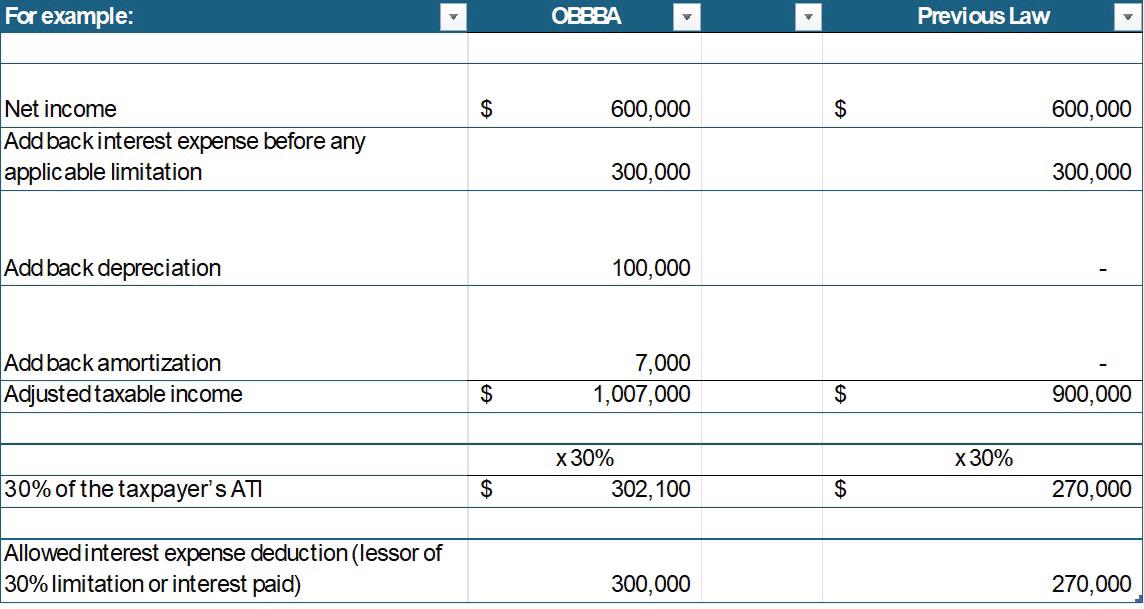
Under the OBBBA scenario, the taxpayer would receive the full benefit of the interest expense deduction. By contrast, the previous law limited the deduction to $270,000.
While the limitation applies broadly, OBBBA preserves and updates certain exemptions:
• Small Business Exception. Businesses with average annual gross receipts under $30 million
For C corporations, any disallowed business interest expense is carried forward by the C corporation and considered as interest expense paid or accrued in the following year.
Deductible business interest expense remains an expense of the corporation.
The OBBBA represents a significant shift in the treatment of business interest expense for U.S. taxpayers. The legislation is poised to benefit capital-intensive industries and encourage business investment by increasing the amount deductible through changes to the ATI calculation. However, as with any major tax reform, business entities should consult with tax professionals to understand the specific impacts on their operations and ensure compliance with evolving regulations.


Bob Knakal Chairman and CEO
BKREA
New York, NY
(917)509-9501
What is a “zombie building”? A zombie building is one that is completely created by policy makers who don’t understand our housing market or the incentives necessary to make the private sector want to invest in housing stock.
Today, far too many New York City multifamily assets, that contain a majority of rent-regulated units, are considered zombie buildings. They are characterized as having no equity, their mortgages are significantly impaired, the owner does not have incentive to invest in the building, the lender does not want to come within 100 miles of the title to the property, and the building is rapidly deteriorating as no one has incentive to invest in it. As a consequence, the quality of life for the building’s residents is deteriorating.
So, how did we get here?
Our housing market is in a state of unaffordability caused mainly by constricted supply. Supply is the solution to our housing crisis, but policy makers either don’t understand this or intentionally are not in favor of new supply as it brings new people into their districts who may not vote for them.
History has shown us that price controls (like rent control and rent stabilization) lead to shortages and escalating prices, and that is precisely what we’re seeing. Of the approximately 3.4 million dwelling units in New York City, approximately one million of them are price-controlled. These price controls were implemented to “protect” the residents of those units but are creating disruption and are devastating the entire market.
The June 2019 Housing Stability and Tenant Protection Act (HSTPA) marginalized the incentive for the private sector to invest in the housing stock through major capital improvements (MCIs) and individual apartment improvements (IAIs). In the 1970s, before the MCI and IAI programs were implemented, the dilapidation rate within New York City housing was 14% — 14% of the units were in such bad condition, they were deemed uninhabitable.
After the MCI and IAI programs were implemented, the dilapidation rate in New York City had fallen to 0.04% after tens of billions of dollars were invested in the housing stock. These programs were then significantly marginalized within HSTPA.
A toxic combination of HSTPA, COVID-19 and an ineffective 485X tax abatement program, which aimed to incentivize new construction but has failed miserably, has led to a supply shortage that exerts tremendous upward pressure on free market rents, making the city less affordable for everybody.
The value of rent-regulated housing buildings is down anywhere from 50% to 75% — the owner’s equity has been vaporized, the mortgage is significantly impaired, and no one has incentive to invest a nickel into the building.
The overwhelming burden to prove the rents in the building are legal, and the associated liabilities for incorrect rents, have created a condition where lenders are reluctant to foreclose on these assets. The liabilities associated with operating these properties can rise into the millions, so the lender does not want the title to the building.
It is important to note that today an owner is not selling the building, they are selling the boxes of paperwork that substantiate the legality of the rents. Some owners are holding that paperwork hostage to remove personal guarantees on significantly underwater loans. Without this paperwork, the buildings are only worth pennies on the dollar.
At some point, there will need to be a marketclearing event that will recycle the capital stack for these properties. This process is going to be very painful. The old “extend and pretend” is not likely to work here as net operating incomes are likely to fall as expense growth exceeds rental growth. An unfortunate side effect of this market-clearing process is that many banks that own these mortgages will fail as they are more impaired than lenders are willing to admit.
Should Zoran Mamdani get elected, and a four-year rent freeze is implemented as he has pledged, this will accelerate this process. This is not positive but is necessary to put these buildings back into a position where the private sector is incentivized to invest in them again.
Many elected officials don’t care about the conditions within this sector of the market as they feel all housing should be owned publicly — but we see how that has turned out for the many people who live in publicly owned housing. Until then, the zombies are alive and are an unfortunate reality of our apartment building market today.


Stuart M. Saft
Partner and Real Estate Practice Group Leader Holland & Knight LLP
787 Seventh Avenue, Suite 3100 New York, NY 10019 stuart.saft@hklaw.com (212)513-3308
Notwithstanding the limited applicability of the federal Corporate Transparency Act (CTA), the more draconian New York State Limited Liability Company Transparency Act (LLCTA) will become effective on January 1, 2026, at which point New York State will be the only state with an entity Transparency Act.
The LLCTA requires limited liability companies (LLC) formed in the State of New York or qualified to do business in New York State to report their individual beneficial owner information (BOI) to the New York Department of State (DOS). The earliest reporting date is January 1, 2026, for entities formed on or after January 1, 2026, and January 1, 2027, for entities formed or qualified prior to January 1, 2026.
The LLCTA was intended to mirror the federal CTA that is now inapplicable to American citizens. New York LLCs will be required to make a filing, which is not required by any other entity in any other state. The LLCTA is a terribly flawed law and will just drive more transactions to friendlier states.
The LLCTA requires that once an initial beneficial ownership disclosure has been filed, all LLCs must file an annual statement to confirm or update the beneficial ownership disclosure information, which requires the address of the LLC’s principal office, status as an exempt company, if applicable, and such other information as may be required by the DOS.
Under the LLCTA, an LLC must file a beneficial ownership disclosure with the DOS, identifying each applicant and beneficial owner by that person’s full legal name, date of birth, current home or business street address, as well as a unique identifying number from a valid identification document.
The LLCTA 1) requires company applicant disclosure for LLCs formed or qualified prior to the January 1, 2026, effective date 2) allows applicants and beneficial owners to provide a home or business address and 3) does not require a copy of a valid identification document to be included with the disclosure filing. There is also no LLCTA equivalent of a FinCEN ID, and a FinCEN ID may not be used with the LLCTA beneficial ownership disclosure.
It is unlawful for any person to knowingly provide, or attempt to provide, false or fraudulent beneficial
ownership information. A reporting company that fails to file its beneficial ownership disclosure or attestation of exemption is deemed suspended and cannot conduct business in New York State until such filing is made. Once the filing is submitted, the suspension is deemed annulled, and all corporate powers are restored retroactively.
A reporting company that fails to file its beneficial ownership disclosure or attestation of exemption, or annual statement 1) for more than 30 days is shown to be past due on the DOS records and 2) for more than two years is shown to be delinquent on the DOS records.
The New York Attorney General may assess a fine of up to $500 per day ($182,500 per annum) for each day that the company has been past due or delinquent. Past due or delinquent status can be resolved by making the filing, payment of a $250 fine and verification from the Attorney General that any penalties imposed have been paid.
The Attorney General may bring an action to dissolve, cancel or annul authorization to do business for any entity that is delinquent in fi ling its benefi cial ownership disclosure or attestation of exemption, or that has knowingly provided, or attempted to provide, false or fraudulent beneficial ownership information.
If an LLC meets one of the 23 exemptions, it will be exempt from the disclosure requirements of the LLCTA, but an exempt entity is not automatically excused from the reporting requirements for the LLCTA. The LLCTA requires the LLC to file an attestation of exemption with the DOS, under penalty of perjury, within 30 days after the LLC's formation or qualification to do business in the State of New York, which includes the specific exemption claimed and the basis for the exemption.
All information relating to beneficial owners who are natural persons collected by the DOS will be maintained in a secure database and is confidential, subject to limited exceptions by written request of, or by voluntary written consent of the beneficial owner. The information in the database is accessible to federal, state and local governmental agencies under certain circumstances.



















Carla Hinson
Vice President, North America
Solution and Innovation
MRI Software
24 School St., 2nd Floor Boston, MA 02108
Let’s face it — it’s hard to motivate people to go outside when the weather’s cold. But the holiday season is exactly the time when retailers and restaurateurs in downtown areas and business improvement districts (BIDs) want to attract shoppers and visitors to their neighborhoods. This is understandable, because sales during the holiday season have an outsize impact on annual revenues.
How do you entice people to visit certain neighborhoods when it’s easy to shop online or order takeout from the comfort and warmth of one’s home? It’s not impossible: You might be surprised to learn that some of the greatest success stories are in distinctly chilly places, like New York City and Chicago. How are neighborhood organizations and BIDs contributing to such successes? Below are several tried-and-true strategies.
Anyone who lives in New York City knows that people will brave nasty weather to attend the Macy’s Thanksgiving Day Parade or the Christmas Tree Lighting in Rockefeller Center. Events like these encourage people who are seeking “experiences,” which give the outdoors a competitive advantage over the online realm.
Parades and tree-lighting ceremonies are just two examples of events that attract visitors. BIDs and neighborhood organizations can also consider hosting caroling concerts, photo-ops with Santa, ice skating and more. Chicago, which frequently merits its reputation as the Windy City, offers a good model to follow. You can check out the Chicago Loop Alliance website for some good ideas.
“Our seasonal activities draw crowds year after year,” said Michael Edwards, CEO of the Alliance. “We find that people want to celebrate the holiday season in an active fashion; they just need a little incentive to get outdoors. Events serve as that incentive.”
Pop-up holiday markets offer additional enticement. Their appeal hinges on the variety of unusual wares on offer. It’s in these markets where the most discerning gift-givers can find just the right presents for their families and friends, no shipping required.
The most successful holiday markets combine shopping opportunities with experiences. For example, in Bryant Park’s Winter Village in New York City, visitors can enjoy ice skating at the rink the holiday market surrounds. They can also buy refreshments from pop-up eateries that are interspersed with the shops.
Bryant Park happens to be exceptionally well located, but other holiday markets can draw visitors with the
sorts of special events mentioned earlier, like caroling concerts and appearances from Santa. Consider offering free hot cocoa or trademarked stocking stuffers. There is a wide range of possibilities. All you need are some good ideas and determination.
Before launching any inspired initiatives, however, BIDs and neighborhood organizations should study data from past seasons. Those that already track foot traffic in their jurisdiction can simply review trends from previous years and months to determine which events and activations are the most effective. Of course, it’s also important to cross-reference the data against weather conditions at the periods under review. People willing to brave chilly weather or light rain might draw the line at a blizzard.
It’s equally important to understand the demographic data of visitors. Foot-traffic counts from AI-enabled cameras can tell you how many people visited a neighborhood or a particular establishment and how much time they spent there. Data from cell phones can augment this information with demographic breakdowns of the pedestrians, showing where visitors’ trips originated, along with age, gender and income level.
The most robust and valuable data sets combine both types of information, offering insights that can influence advertising decisions and guide explorations of co-branded events, partnership agreements and other initiatives.
But organizations that don’t have their own data can look at patterns from other cities or neighborhoods for valuable insight. It’s not hard to find this data, either. Many retail- and real estate-focused media publish articles on foot traffic, especially during the holiday season when sales are so critical.
Retailers and restaurateurs can make or break neighborhoods. Happy retailers and restaurateurs are likely to renew their leases, promoting a sense of vibrancy that appeals to residents, commuters and visitors. BIDs and neighborhood organizations can keep the retailers and restaurateurs happy by hosting seasonal events and activations that boost foot traffic and, subsequently, sales. Review of data from past years provides a useful guide to ROI.
Events and activations are especially important this year because a rise in consumer caution is coinciding with a decline in tourism as the holidays approach.
The wisest BIDs and neighborhood organizations will double down on visitor experiences. What’s at stake is a competitive advantage, against other neighborhoods and against the online realm.



More than 35 years of real estate, condominium & cooperative experience
WilkinGuttenplan uses expert industry knowledge in accounting, audit, and tax services to assist New York City real estate owners, developers, and investors of commercial and residential properties identify opportunities and guide them on implementing strategies to stay ahead of changing times.










Minneapolis’ Dunwoody College of Technology, the only private, not-for-profit technical college in the Upper Midwest, is expanding its School of Design with three new Bachelor of Science programs — Interior Architecture, Product Design and Experiential Graphic Design — starting in Fall 2026. These four-year, on-campus degrees blend creativity, technical expertise and real-world application to prepare graduates for high-demand roles in the design industry, according to the university.
The new Interior Architecture degree will replace Dunwoody’s current Interior Design major, featuring an updated curriculum aligned with evolving professional standards and broader career pathways.
“These programs mirror professional practice and ensure students graduate with the skills, portfolios, and leadership abilities employers are looking for,” said Trevor Bullen, academic dean. “Our graduates will be prepared to think critically, collaborate across disciplines and deliver innovative solutions that balance form and function.”
Students will work in state-of-the-art studios from their first semester, collaborating with peers across disciplines and engaging with real-world projects that demand both artistic vision and technical precision.
The Interior Architecture major combines applied learning with advanced technology to prepare graduates for leadership roles in the built environment. Students study space planning, building codes, cost analysis and drafting (hand and CAD) and complete specialized studios in healthcare, hospitality, education and commercial design. Career options include interior designer, project designer and studio manager.
The Product Design major focuses on the intersection of artistry, user experience and product development. The program trains innovators to take concepts from idea to market, with emphasis on manufacturability, sustainability and user experience. Students gain skills in design for consumer goods, furniture, lighting and packaging to prepare for roles as commercial and industrial designers.
Blending visual storytelling with spatial planning, the Experiential Graphic Design degree equips students to create environmental graphics, wayfinding systems, branded spaces and interactive installations that enrich user experiences in both physical and digital environments. Coursework spans 2D/3D design, UX/UI and fabrication to prepare graduates for careers in museums, retail, hospitality and beyond.
Industry data from the Bureau of Labor Statistics shows strong demand for creative professionals across these disciplines in Minnesota and nationwide, with competitive salaries and advancement opportunities across multiple sectors, the university said.
Each degree is designed to ensure graduates are proficient with industrystandard tools, grounded in solid design principles and ready to make immediate contributions in their chosen field.
“Our approach ensures that students don’t just learn design theory, but they apply it from day one,” said Korrin Howard, associate dean of the School of Design. “By working in our studios, engaging with industry partners and collaborating across disciplines, they graduate with the confidence, creativity and technical mastery to make an immediate
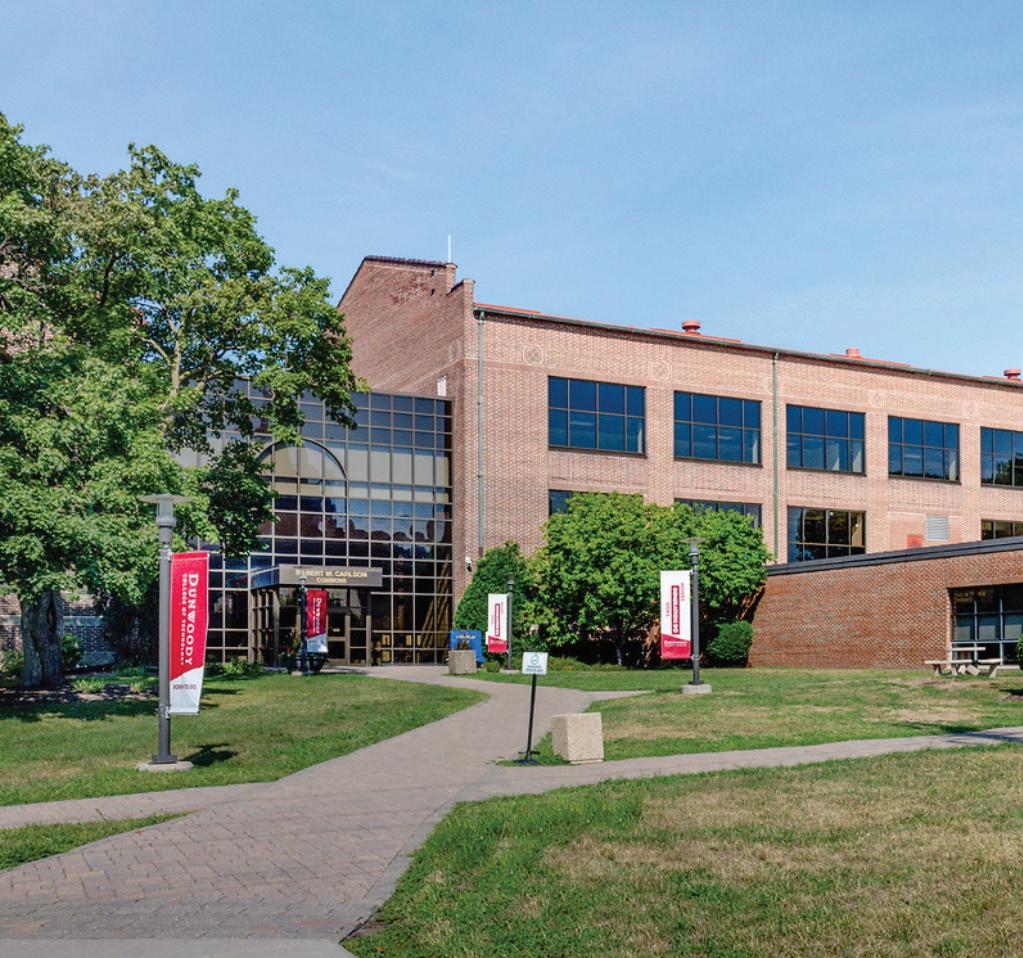
impact in the workplace.”
That philosophy — of learning by doing — has been a cornerstone since Dunwoody’s founding in 1914. Benefactors William Hood Dunwoody and his wife, Kate, made their fortune in the grain and milling business. After their deaths in 1914 and 1915, respectively, the bulk of their estates, nearly $5 million, was set aside for the establishment of a new post-secondary school in Minneapolis.
Unlike most colleges and universities at the time, the school the Dunwoodys envisioned was to focus on “industrial and mechanical arts.” In addition, they wanted the school to offer education “without distinction on account of race, color or religious practice.”
On December 14, 1914, the William Hood Dunwoody Industrial Institute opened in what was known as Old Central High School in downtown Minneapolis with a few dozen students and a curriculum that included classes in machine shop practice, cabinetmaking, millwork and printing. Programs including building construction, electrical, mechanical drafting, painting, sheet metal and highway construction during the 1920s.
Focuses shifted to defense during World Wars I and II, with more than15,000 men and women trained during World War II, almost all of them for war-related work. (Women were permitted to enroll full time in 1971.) It was renamed to Dunwoody College of Technology in 2002. Having educated more than 200,000 men and women over the last century-plus, Dunwoody today offers certificates, associate’s degrees and bachelor’s degrees in more than 40 majors.



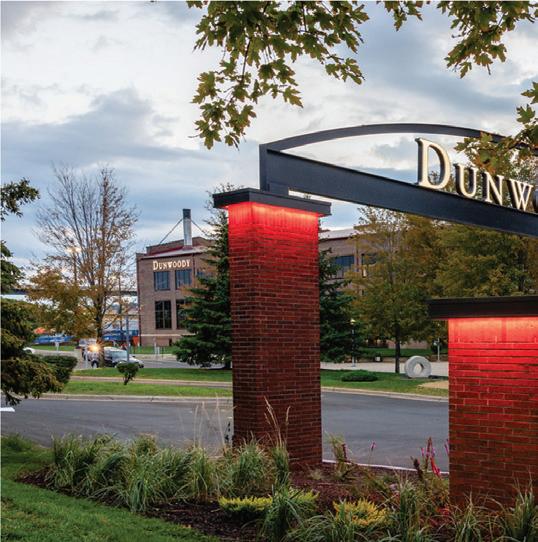























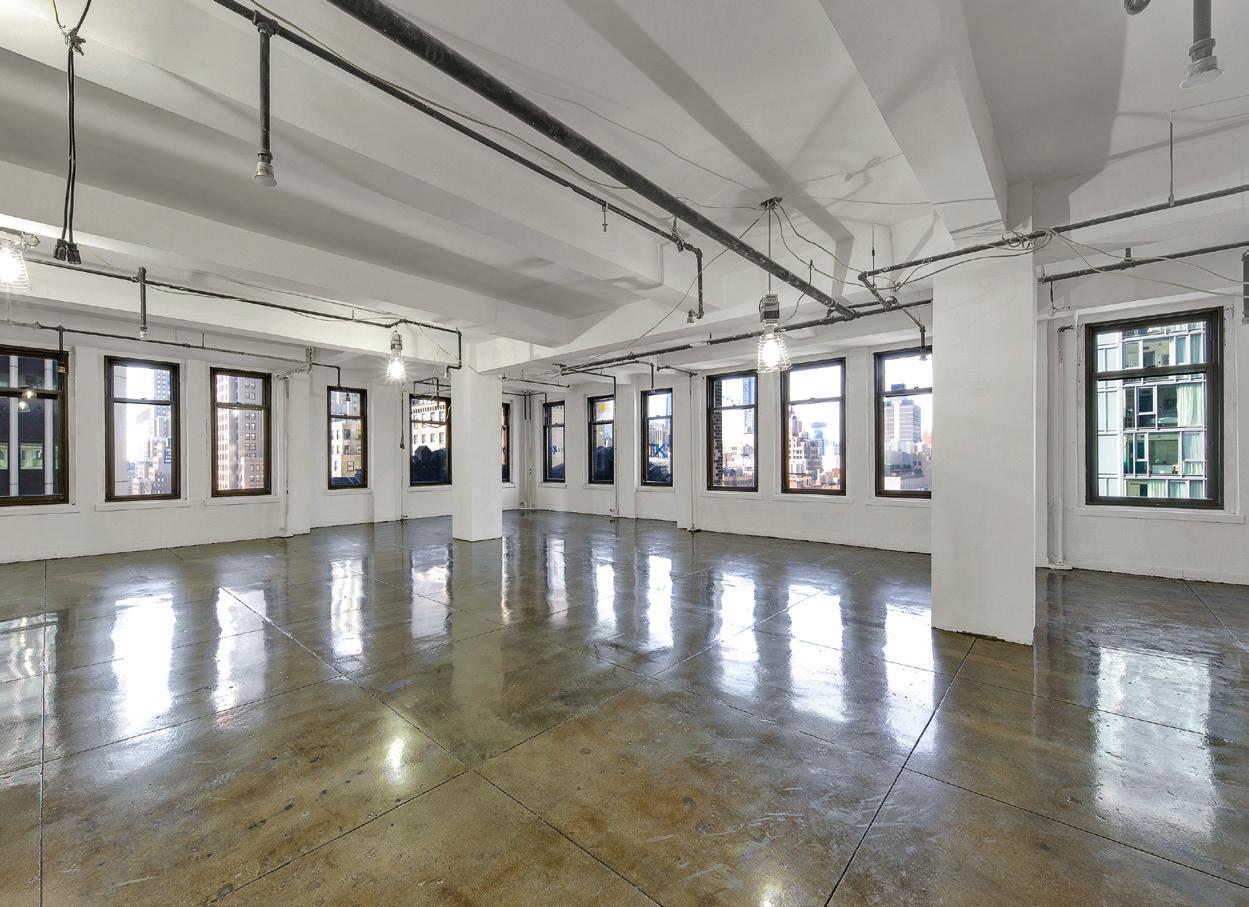






























Teatown Lake Reservation, a nonprofit environmental education center and nature preserve whose mission is to inspire its community to lifelong environmental stewardship, announced a 22,000-square-foot, $26 million transformative development that will break ground this month.
With Starr Whitehouse as the landscape architect for the project, the development will create an accessible and ecologically enhanced pedestrian campus with reconfigured access and operations at the 1,000-acre nature preserve in Ossining, N.Y. As the focal point of the redevelopment, Teatown will debut a new, 5,400-square-foot Education Center designed by nArchitects, that will feature teaching and education spaces in its interior, exterior deck and green roof.
“For more than 60 years, Teatown has been one of the Hudson Valley’s most cherished community resources and environmental education center, providing the region with our team’s expert knowledge in land protection and conservation," aid Kevin Carter, Teatown Lake Reservation’s executive director.
Visitors can also experience 15 miles of bucolic hiking trails open 365 days a year from dawn to dusk, a two-acre island refuge for more than 230 species of native wildflowers, wildlife exhibits, science and stewardship projects, nature classes and camps and more.
“We are thrilled to announce our partnership with nArchitects to create a more accessible and pedestrian-friendly campus and to debut an Education Center where students from
elementary to graduate school, as well as members of the community, will learn ways to protect our environment and advance conservation,” he said.
Inspired by the foliage of Teatown’s 1,000 acres, the upcoming Education Center will create a new focal point and amenity resource for the reconfigured campus. In the shape of a leaf, this one-story building will provide teaching and educational spaces in the interior, along the deck, and on the green roof.
Built with Accoya wood, a high-performing and sustainable material, the Education Center will be wrapped by a ramp to guide visitors from the forest floor to the roof deck, immersing visitors in Teatown’s natural landscape, while revealing expansive views of the campus, lake and beyond.
“The people at Teatown Lake Reservation and their exciting mission make for a dream client and project for nArchitects — one that is very much aligned with our convictions,” said Eric Bunge, FAIA, co-founding partner, nArchitects. “We look forward to leading the transformation of their campus into an immersive, accessible and pedestrian-friendly space that intertwines education with nature and history with future opportunity.”
In addition, the campus will also be anchored by a renovated historic Nature Center, housed within a 15,000-square-foot, 1920s Tudor-style building that once served the original estate as stables.
The three-story building will accommodate gallery spaces, a nature store, offices and an animal care center that will be the new home to Teatown’s existing animal ambassadors, who are all nonreleasable wildlife including porcupines, rabbits, owls, crows and vultures.
In addition to the Education Center and renovated Nature Center, the campus will be enhanced with a new pavilion and maintenance building.

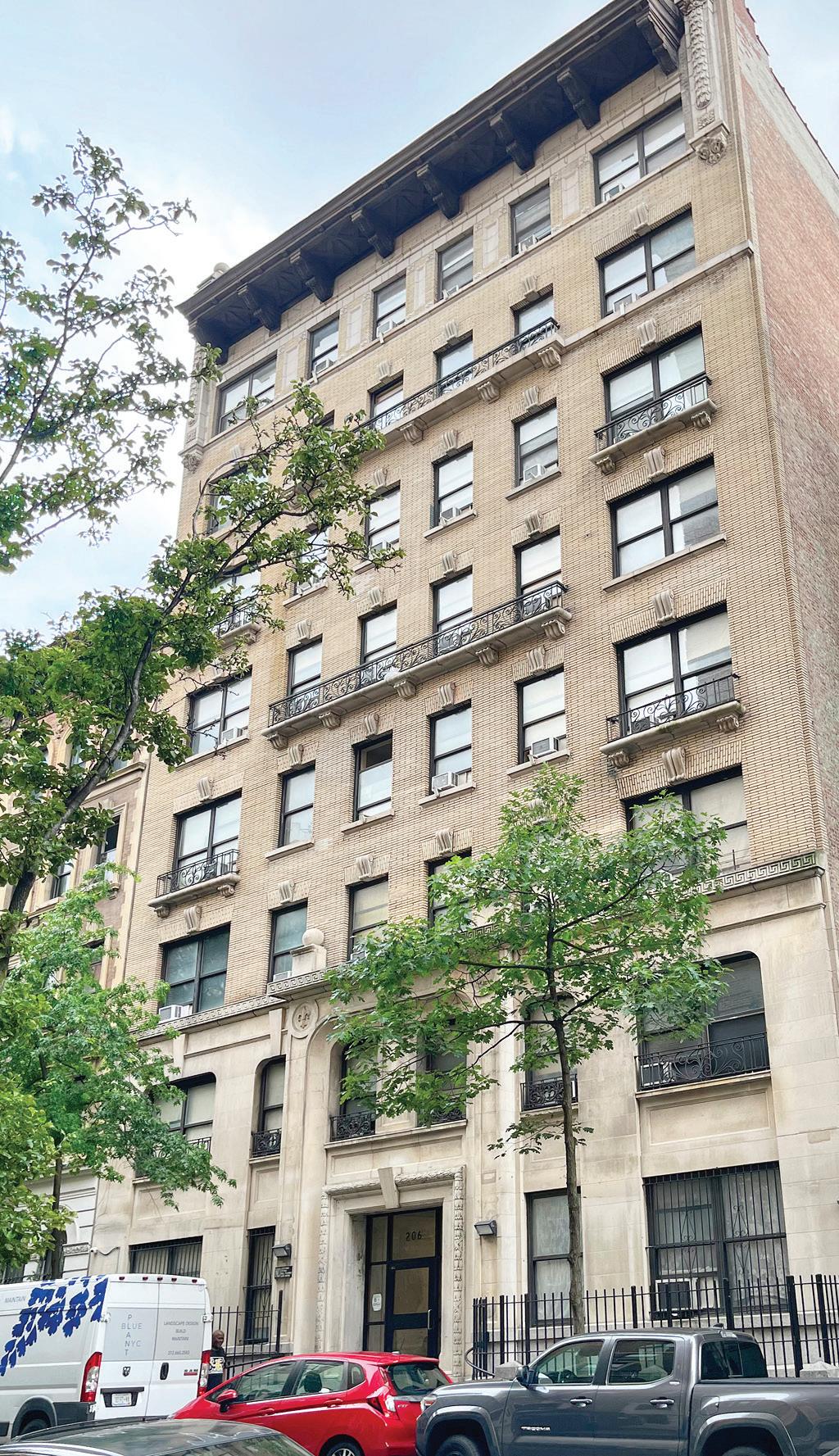
Owner and operator Goddard Riverside, development consultant Rockabill Consulting, the architectural team of IMC Architecture and Magnusson Architecture and Planning (MAP) and general contractor Notias Construction have reached the 50% completion milestone of the $25.8 million electrification and rehabilitation project at The Senate residence, a 136-unit permanent supportive housing building located at 206 West 92nd St. on Manhattan’s Upper West Side. Upon the project’s completion, expected in summer 2026, The Senate will be the first fully electrified single-room occupancy residence (SRO) supportive housing property in New York City.
The financing for the project has been provided by New York City Housing Preservation & Development (HPD), loans from Enterprise Community Loan Fund and a joint HPD-NYSERDA Retrofit Electrification Pilot project grant.
The Senate is composed exclusively of singleroom occupancy units, as well as staff offices and community spaces that serve formerly homeless individuals, including many who are living with mental illness. Although the residents pay an affordable rent, the majority of the funding comes from New York City’s public sources.
“This renovation and retrofit will both significantly improve the living conditions of our residents and improve energy efficiency of the property,” said Thacher Tiffany, chief of housing development for Goddard Riverside. “The Senate was originally constructed in 1920 and redeveloped in 1988 as one of the first low-income housing tax credit projects in New York City. This project carries forward that spirit of innovation in service of our residents.”
Goddard’s main goal is improving the sustainability of the building, which is why electrification and improving the efficiency of the HVAC system is an important part of the substantial rehabilitation of the building.
“The project team had to solve several interesting design and logistical challenges when planning this project,” said IMC Partner Dominick Casale, AIA, NCARB. “For example, it was very important to the owner and residents to develop a plan for phasing the construction work so that tenants can remain in place during the project. Construction is expected to take only one to two days per unit and will be done in phases to allow residents to remain in the building and stay in unoccupied units while work is going on in several selected units at a time.”
In order to maintain compliance with both HPD and NYSERDA’s electrification pilot standards and Enterprise Green Communities regulations, a new electric variable refrigerant flow system with condensing units will be installed on the roof, while a new Air Source Heat-Pump domestic hot water heater and storage tanks will be installed in the boiler room and at the exterior. Individual units providing heating and cooling will be installed in each residence. The rehabilitation will also include the addition of three energy recovery ventilator units, which will provide fresh air to the residential corridors.
The renovated and upgraded rooftop will be home to 51 highly efficient condensing and heat pump units. Each heating and cooling condenser will serve single apartment lines connected to up to four residential units on four floors.
The design and construction teams faced several challenges when planning the roof work. Repeated repairs, revisions and additions accumulated over time into a hodgepodge of materials and systems of varying durability and mismatched look, with most of the previous work lacking proper records. The architects, engineers and builders performed an extensive site condition review, including multiple probing.
This review resulted in the discovery of water damage to various elements, including steel rebars in the parapets, and establishing the exact structural design of the roof.
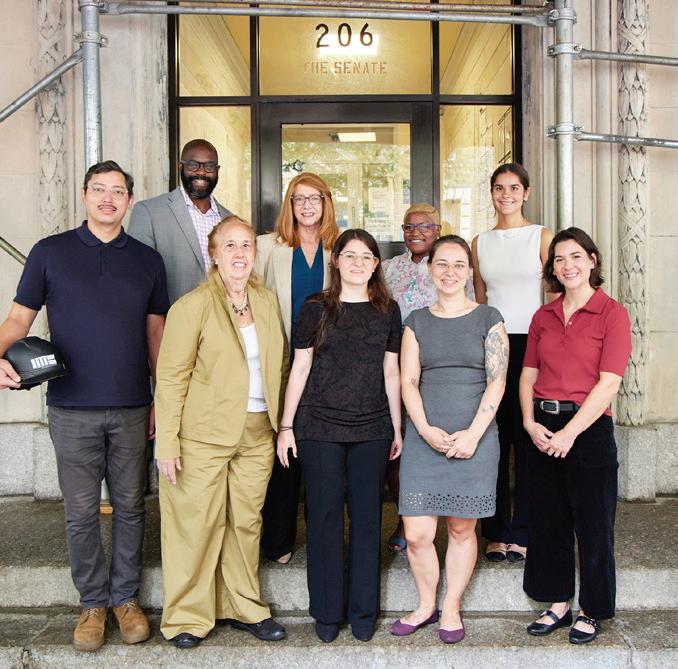
The apartments served by each line are exposed to the same weather and sun exposure during the shoulder season, when some units will require heating while others will need cooling. Each condenser can operate in a different mode, satisfying demands of different single apartment lines in different parts of the building.
This system replaces inefficient oil heating and window A/C units, providing higher energy efficiency, operational cost savings, individual climate control in each unit and considerably reduced environmental impact and energy usage.
To support the weight of new condensing units, the roof will receive new dunnage — or structural steel structure on top of which the condensers will be installed — as well as parapet repairs, structural reinforcement and waterproofing. The brick parapets will be upgraded to include code-compliant steel reinforcement, with multiple sections either completely rebuilt or renovated.
The design of the roof, built 105 years ago, is atypical. It features concrete-encased steel beams with rubble roof deck and fill. Because of the design, assessing the exact load bearing of the roof was difficult for the engineering team.
To address this challenge, the dunnage for the condensers will be connected directly to the perimeter steel structure of the building, ensuring a proper load transfer. Once the structural work is completed, the roof will receive an insulating mineral product between the rubble deck level to serve as a new lightweight substrate and then new insulation panels.
The oil tank will be decommissioned and removed. The space will be repurposed to house an expanded electrical room to accommodate the increased electrical service.
“Locating all of the equipment in such a densely developed area was a challenge, so we installed condensers with big storage tanks on the roof. We also had to increase the electrical services to accommodate the new systems. Keeping the existing systems running while we decommission the old heating system will be very challenging, so we plan to use temporary street-based boilers while
this takes place,” Casale said.
The building’s façade will also undergo repairs and was extensively probed and reviewed in the project’s design phase. IMC worked with a façade consultant Zaskorski & Associates Architects to establish the scope of work necessary to preserve and upgrade the building’s exterior envelope.
Due to the historic character of the building, the project team is focused on salvaging as much of the original material as possible.
Other team members were permitting and expediting consultant CORE

Consultants, sustainability consultant Bright Power and structural and MEP engineer LiRo-Hill.
“The rehabilitation of The Senate residence serves as an example of how New York City’s historic housing stock can be modernized through sustainable and electrified building solutions to improve the health and wellbeing of its residents,” said Doreen M. Harris, president and CEO of NYSERDA. “We must continue to leverage public-private partnerships such as this to bring forward opportunities that will help drive New York State toward a future clean energy economy that benefits all its residents.”




















Extensive years of Industry Experience covering Deposits, Lending and Technology.
At Webster Bank, you’ll find products designed for the property management industry – and a team of professionals with the experience to put them to work for you. Your Webster Bank Relationship Manager and Property Management Team know the challenges you face and give you access to the tools you need to e ectively manage them.
Value, solutions and service – put our resources to work for you.


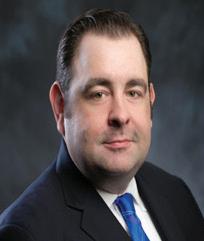
908.720.4223 rguanlao@websterbank.com

917.231.6758 afusgorniak@websterbank.com

jkowalski@websterbank.com




Global construction and development fi rm Skanska has promoted Meagan Smyth to director of business development for Skanska USA Civil. In this new position, Smyth will continue to oversee the East Coast proposal team and operations in addition to assuming expanded responsibilities to drive business development efforts across the Northeast region.
“Meagan’s unique combination of legal, marketing and business development expertise brings a powerful, strategic perspective to our team,” said Michael Viggiano, executive vice president of Skanska USA Civil. “In this elevated role, she will continue to be a driving force in strengthening our market presence, securing new opportunities and building lasting client relationships across the Northeast.”
As director of business development, Smyth will enhance Skanska’s market presence, secure new opportunities, support contract and commercial
management and cultivate long-term client relationships to drive forth the business development pursuits for Skanska USA Civil.
Smyth brings over 14 years of experience in the construction industry, all with Skanska. She began her career as an environmental health and safety (EHS) coordinator before transitioning to the proposal and marketing team, where she advanced to the role of proposal director, leading Skanska USA Civil’s East Coast proposal team through numerous high-profile pursuits in the region.
In 2022, while working full time, she earned her Juris Doctor from New York Law School and passed the New York State bar exam. Smyth is also an active member of the Skanska Women’s Network (SWN).
Based in Queens, N.Y., Smyth earned a bachelor’s degree from SUNY Purchase.
Newmark announced the continued expansion of its U.S. Healthcare Services practice with the addition of Senior Managing Director of Healthcare Consulting Kyle Arnold and Vice President of Property Management Robert Tyler.
Arnold has joined the firm to lead consulting initiatives focused on health system portfolio enablement, ambulatory growth, data-centric location strategy and operating model advisory for system real estate departments. Meanwhile, Tyler will oversee property operations across the Houston region, while also contributing to Newmark’s growing healthcare property management capabilities.
“Healthcare is one of the most dynamic and rapidly evolving sectors in commercial real estate, and these strategic additions meaningfully advance how we serve it,” said Liz Hart, president of leasing for North America. “By strengthening our consulting and property management capabilities, we’re equipping our professionals with deeper insights and operational connectivity, both of which are critical in helping
healthcare clients make smarter, faster location decisions that support long-term growth.”
Arnold and Tyler bring a collective 25 years of experience advising health systems and institutional investors on real estate strategy. Arnold’s background includes roles at Common Spirit, CBRE and Healthcare Trust of America, and Tyler’s includes Brookfield and JLL.
The pair will work closely with professionals across Newmark’s integrated healthcare service line, including capital markets, leasing, property management and consulting, to deliver holistic solutions for healthcare end-users and investors.
Arnold and Tyler join a growing bench of healthcare experts at Newmark. Chris Wadley joined to lead the growing U.S. Healthcare Advisory practice this spring, and Justin Shepherd was named co-head of the Healthcare Debt and Structure Finance business. Newmark acquired the former McCall & Almy Inc., a Boston firm in healthcare advisory, in 2022.
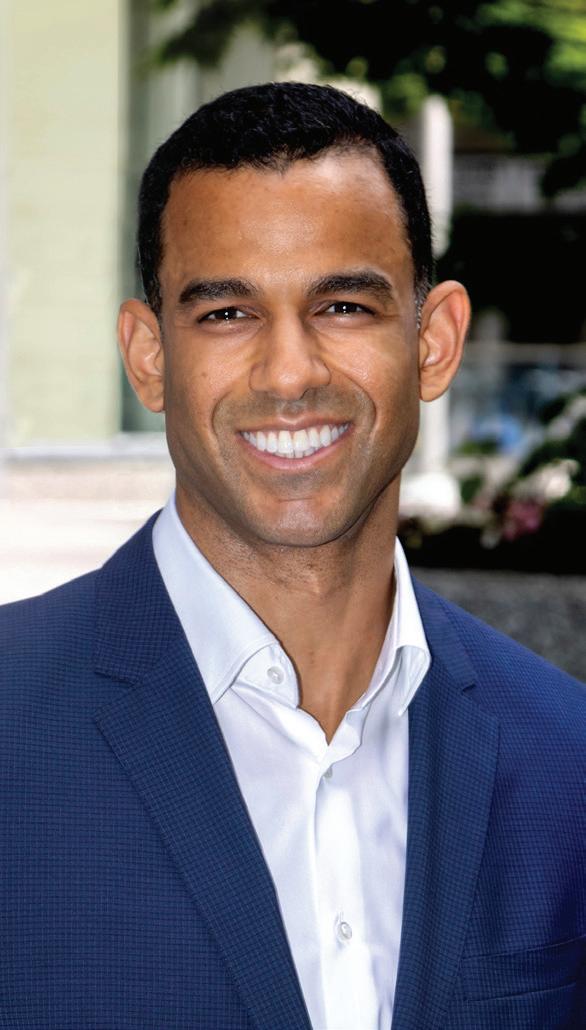


Manhattan Skyline Management Corp. has announced that Dennis Ovalle has joined the firm as in the newly created role of senior vice president of property management and operations.
An industry veteran, Ovalle will lead property management and operations throughout Manhattan Skyline’s multifamily portfolio, which encompasses several thousand luxury apartments in New York City’s most desirable neighborhoods. Ovalle will also oversee operations across Manhattan Skyline’s large collection of retail holdings.
As a department head, he will collaborate with Manhattan Skyline’s senior leadership team on long-term strategic planning and on the creation of standardized protocols for building operations.
“We’re excited to welcome Dennis to the Manhattan Skyline family. His extensive property management expertise and proven track record will be of immense value to our onsite teams and further enhance the quality of life for the residents we serve,” said Laurie Zucker, vice chairwoman at Manhattan Skyline.
Previously, Ovalle served as senior vice president of operations at Related Companies, where he oversaw a vast portfolio of market-rate, workforce and affordable housing across 61 residential buildings. He also worked as director of property management and operations at the New York City Housing Authority.
Ovalle holds a bachelor’s degree from Cornell University and a Master of Science degree in construction administration from Columbia University.
Taconic Partners, a vertically integrated real estate development firm based in New York, welcomed Sheldon Pariser as executive vice president to lead the firm’s expansion into acquiring multifamily rental opportunities throughout the Southeast and Texas.
This new initiative builds on Taconic’s track record in New York and the Tri-State Area, where the firm has successfully developed or repositioned more than 7,300 residences.
Taconic will platform this expansion with its proven approach to delivering exceptional resident and community experiences across asset types while also driving successful outcomes for partners and investors.
Pariser brings diversified experience and a long track record in the Sun Belt, most recently as a principal at
Prospect Ridge. Over his 10 years there, he oversaw acquisitions and asset management across a range of property types and equity strategies, including core plus, value-add and opportunistic investments.
Prior to Prospect Ridge, Pariser served in the real estate CMBS group at Cantor Fitzgerald.
“Taconic’s track record in the residential and multifamily sector puts the firm in an advantageous position to deliver on long-term, sustained rental demand across the Sun Belt,” said Colleen Wenke, president and COO.
Taconic’s diversified residential portfolio also includes the Miramar, a new development in Upper Manhattan that will deliver more than 700 units, 85,000 square feet of amenities, as well as a permanent home for The People’s Theater.
Building products manufacturer Construction Specialties (CS) has named Nick Longman as chief executive officer.
Longman brings extensive industry experience to CS, most recently serving as president of the Architectural Framing Solutions and Architectural Glass divisions of Apogee Enterprises Inc. Throughout his career, he has demonstrated a strong track record of leadership across sales, operations and general management in the building products sector, CS said.
“Nick understands the complexity of the built
environment,” said Ellen Hallock Hakes, chair of the board of directors at CS. “We are excited for this new chapter where Nick will build upon the positive momentum our team has created and position CS for long-term success.”
CS products are manufactured and distributed around the world. From its headquarters in Lebanon, N.J., CS operates North American facilities in Central Pennsylvania (Hughesville and Muncy); Del Rio, Texas; Fort Valley and Kennesaw, Ga.; Mississauga, Canada and Acuña, Mexico.
































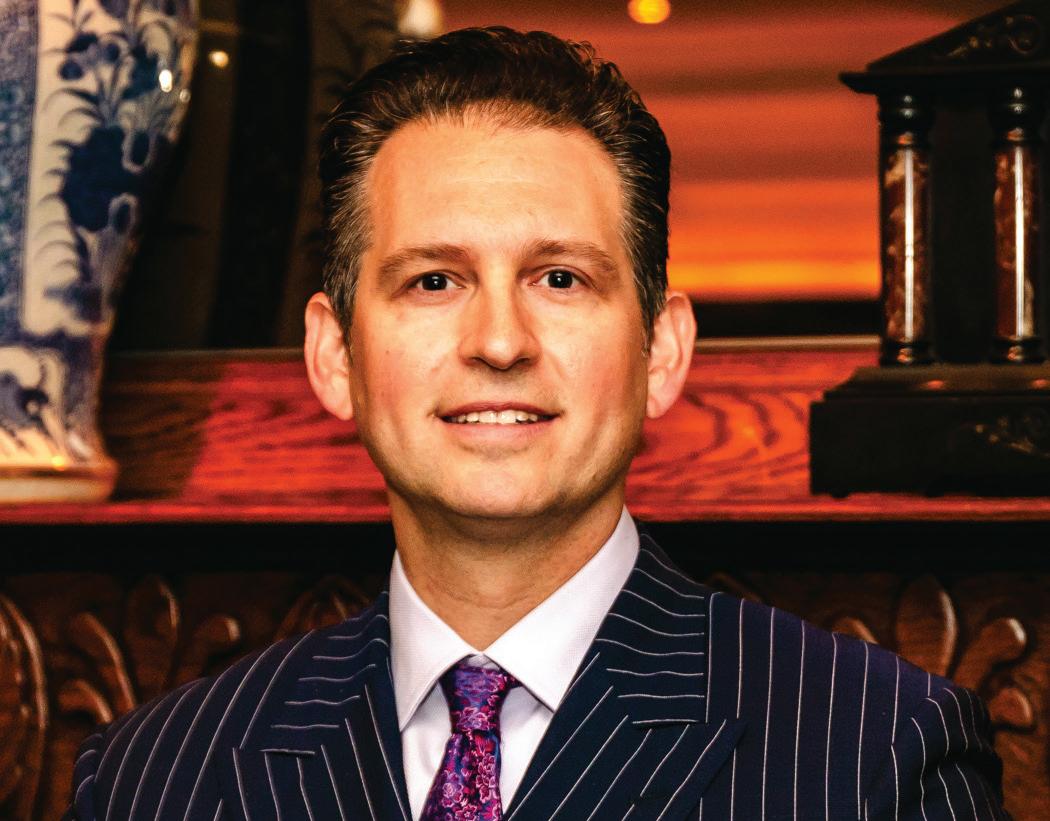
Jonathan Marks is the founder and CEO of Clinical Medical Real Estate Solutions and Clinical Advisory Group, headquartered in Hackensack, N.J. With nearly two decades of experience in strategic advisory and medical real estate, Marks has established himself as a trusted advisor in the healthcare real estate sector. His career took a critical turn when he founded Cresa’s medical practice group in 2013, in time becoming a managing principal at Cresa’s New Jersey office. This foundation fueled his vision to launch Clinical Medical Real Estate Solutions in April 2025, dedicated to aligning clinical strategy, operations and real estate for physicians, medical groups, hospitals and investors.
Marks’ approach emphasizes healthcare data-driven insights, tailored clinical solutions and medical real estate market expertise. His organization offers services such as clinical strategy, portfolio optimization, strategic site selection, medical office leasing, acquisitions and sales, development, funding sources and project management for specialized medical buildouts.
A graduate of Brandeis University and the Wharton School of Business, Marks combines strategic acumen with an understanding of healthcare trends. His firm’s non-broker-led model prioritizes sector-specific expertise along with medical real estate services, ensuring sustainable growth for clients.
How long have you been in the industry?
I have been in the industry for approximately 13 years and immediately started developing a specialized focus on healthcare in 2013.
Since then, I have advised physicians, medical groups and health systems in New Jersey, New York, Pennsylvania, Connecticut, Maryland,
Washington, D.C., Virginia and Florida on more than two million square feet of medical office space with values approaching a total of $1 billion.
What brought you into the business?
I was initially attracted to the business because of a keen interest in owning commercial real estate. I was especially motivated about accruing property after reading “The Contrarian Playbook” by Manny Khoshbin. It was a fascinating primer about building portfolios from the ground up.
At the time, I thought,“What better way to achieve that goal than by learning how to find optimal locations for tenants and negotiate deals with landlords?”
Who inspires you?
I am always inspired by entrepreneurs who started their own companies and have built those enterprises through discipline, dedication and hard work, along with a commitment to the client experience and providing world-class solutions and results.
What drove you to create your company?
After developing a significant medical real estate business with a substantial healthcare network over the past 12 years as part of a larger firm and, concurrently, finishing up my time at Wharton focused on strategy and value creation, I felt there were many gaps in the market. I could not fill them without creating a specialized platform to provide all
Jonathan Marks
Founder and CEO
Clinical Medical Real Estate Solutions
the services and solutions to solve the problems that physicians, medical groups, hospitals and investors were facing.
How is medical real estate evolving in New York?
Medical real estate in New York — and nationally — has been guided by shifts from centralized medical centers and hospitals to strategically located outpatient facilities and satellite locations. That restructuring has been primarily led by specialty physician groups and independent healthcare systems. But the ongoing increase in demand for medical space has also resulted in lower vacancies and higher rents.
Concurrently, the rising costs of materials and labor have made new development more expensive than ever before. As a result, the construction of medical buildouts and retrofitting of existing properties have become viable solutions, shifting the paradigm of who is involved in the real estate transaction and how they are structured.
Is this a national issue?
It is absolutely a national issue.
What keeps you up at night?
The world of healthcare and medical real estate is constantly changing and bringing complex problems to our doorsteps. I am focused on how we can strategically solve these issues to provide the best results for our clients and better healthcare delivery of services to those patients who need it most.



The financial backing of a global bank, and the streamlined structure and agility of a boutique bank that will keep your business moving forward.
BHI offers full commercial banking services that combine the personal attention of a prestigious boutique bank with the expertise and financial strength of Bank Hapoalim – the leading financial institution in Israel.
With a footprint in the largest U.S. metropolitan areas, we are committed to creating innovative funding solutions for your short– and long-term needs and providing convenient banking and liquidity products for your everyday business needs.
www.bhiusa.com
After nearly a century of zoning patterns that restricted areas to single real estate uses (launched in 1926 with the Village of Euclid decision), communities — even suburbs — are recognizing the value of mixing them up. First popularized in the 1960s in order to rationalize land costs, mixed-use developments are now being built from obsolete malls, and even from the ground up. It seems people really do want to work, live and play all in the same area, as we can see by the numbers.
14,000
The number of mixed-used developments in the U.S. being tracked by ConstructionWire, representing more than $750 billion in construction value and covering more than one billion square feet. (ConstructionWire)
192
The number of U.S. malls that planned to add housing to their footprint as of January 2022. (CNBC)
35 million
The number of Americans working from home at least part of the time. (PwC, ULI, “Emerging Trends in Real Estate 2024”)
12%
The predicted annual growth in mixed-use development through 2040. (Urban Land Institute)
30%
The predicted percentage of the total U.S. office inventory represented by “lifestyle office markets,” mixed-use regions that combine urban amenities with suburban accessibility. (JLL)
18%
The rate of office vacancy in mixed-use districts in 19 U.S. markets in 2024 compared with urban non-prime business districts. (CBRE)




Zetlin & De Chiara LLP, one of the country’s leading law firms, has built a reputation on counseling clients through complex issues. Whether negotiating a contract, resolving a dispute, or providing guidance to navigate the construction process, Zetlin & De Chiara is recognized as a “go-to firm for construction.”