Shortened Version


Shortened Version

© 2025 Manhas Health Co All rights reserved
This comprehensive guide, "Trim & Thrive: Your Path to Sustainable Weight Loss," along with all its associated materials, is the exclusive intellectual property of Manhas Health Co. Unauthorized use, reproduction, or distribution of any portion of this guide, whether in physical or digital form, without prior written permission is strictly prohibited and may result in legal action
The information provided in this guide is intended for educational purposes only and is not a substitute for professional medical advice Readers should consult a licensed healthcare provider before beginning any new diet, exercise program, or lifestyle change Individual results may vary based on health conditions, adherence to the plan, and other factors
Manhas Health Co. retains the right to modify, update, or discontinue any content within this guide at any time, without notice. Updates or revisions to this material will be communicated through official company channels, ensuring you stay informed about the latest recommendations and changes

Welcome! This is a shortened version of the Trim & Thrive guide, designed to give you a clear, actionable foundation for sustainable weight loss. Whether you’re just beginning your journey or looking for a more effective approach, this guide will help you build lasting habits that support your health and well-being.
Sustainable weight loss is not about quick fixes or extreme restrictions. Instead, it relies on three key pillars: managing energy intake, building and maintaining muscle, and optimizing recovery. This guide will show you how to fuel your body with the right nutrients, create balanced meals that promote fat loss while preserving muscle, and establish routines that enhance your overall health.
With so much conflicting information available today, it’s easy to feel overwhelmed. That’s why this guide focuses on practical, science-based strategies that you can apply consistently. Information alone won’t bring results— effective application will.
By following these principles, you’ll develop a sustainable, personalized approach to weight loss that fits your lifestyle. This is about long-term success, not temporary solutions. Let’s get started.
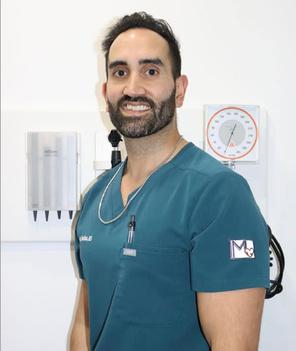
Dr. Paul Manhas, MD, CCFP
Co-founder & Director of Performance Services at Manhas Health Co. Clinical Instructor, UBC Faculty of Medicine
drpaulmanhas
manhashealth.com
Welcome, and thank you for entrusting me with your weight optimization journey. This guide is based on my experiences helping myself and hundreds of others achieve and maintain weight loss without relying on willpower or significant effort.
As a physician, I’ve learned much from my patients. Despite the abundance of free information and food options available online, many find it harder than ever to improve their health. Conflicting advice and unsustainable diets often lead to short-term success but long-term frustration, as these approaches frequently clash with our physiology and evolution.
Take the keto diet as an example. While it can promote weight loss by limiting carbs and using fat for fuel, it’s difficult to sustain Since carbohydrates are our primary energy source, many on keto experience fatigue and strong cravings, highlighting its challenges for long-term use.
In this guide, I’ll explore the strategic use of keto meals and introduce the principles of intermittent fasting, should you choose to incorporate them. My goal is to provide insights grounded in human physiology and science, aligning with your body’s natural drives to make the process more sustainable over time.
Success in any endeavor hinges on consistency and persistence, but knowledge alone isn’t enough. To make lasting changes, we must also address psychology and behavior
I’ll guide you in cultivating the right mindset for learning and growth. A positive attitude and proven principles will keep you on track. We’ll also set realistic weight loss expectations, helping you understand how your body loses weight and why patience is key.
You’ll learn troubleshooting strategies for common challenges, such as ingrained behaviors. For instance, does sitting on the couch after dinner trigger cravings? Does turning on the TV make you want snacks? Examining these routines and rewiring habits is essential for long-term success
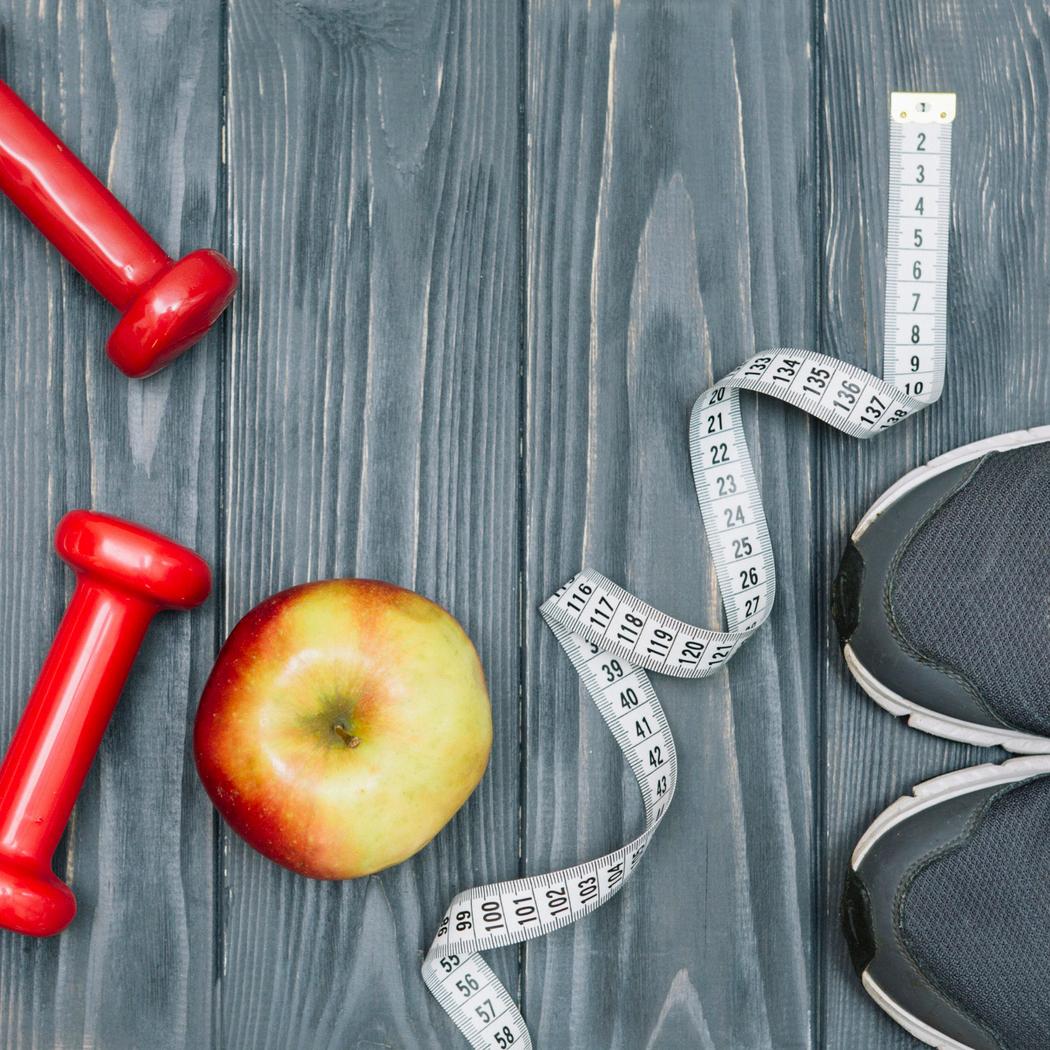
Most importantly, this guide emphasizes balance. You don’t need to follow restrictive diets or engage in extreme measures to see results By making small, consistent changes and understanding how your body works, you’ll create a sustainable approach to weight loss that fits seamlessly into your lifestyle.
Without further ado, let’s dive into the topic of mindset.
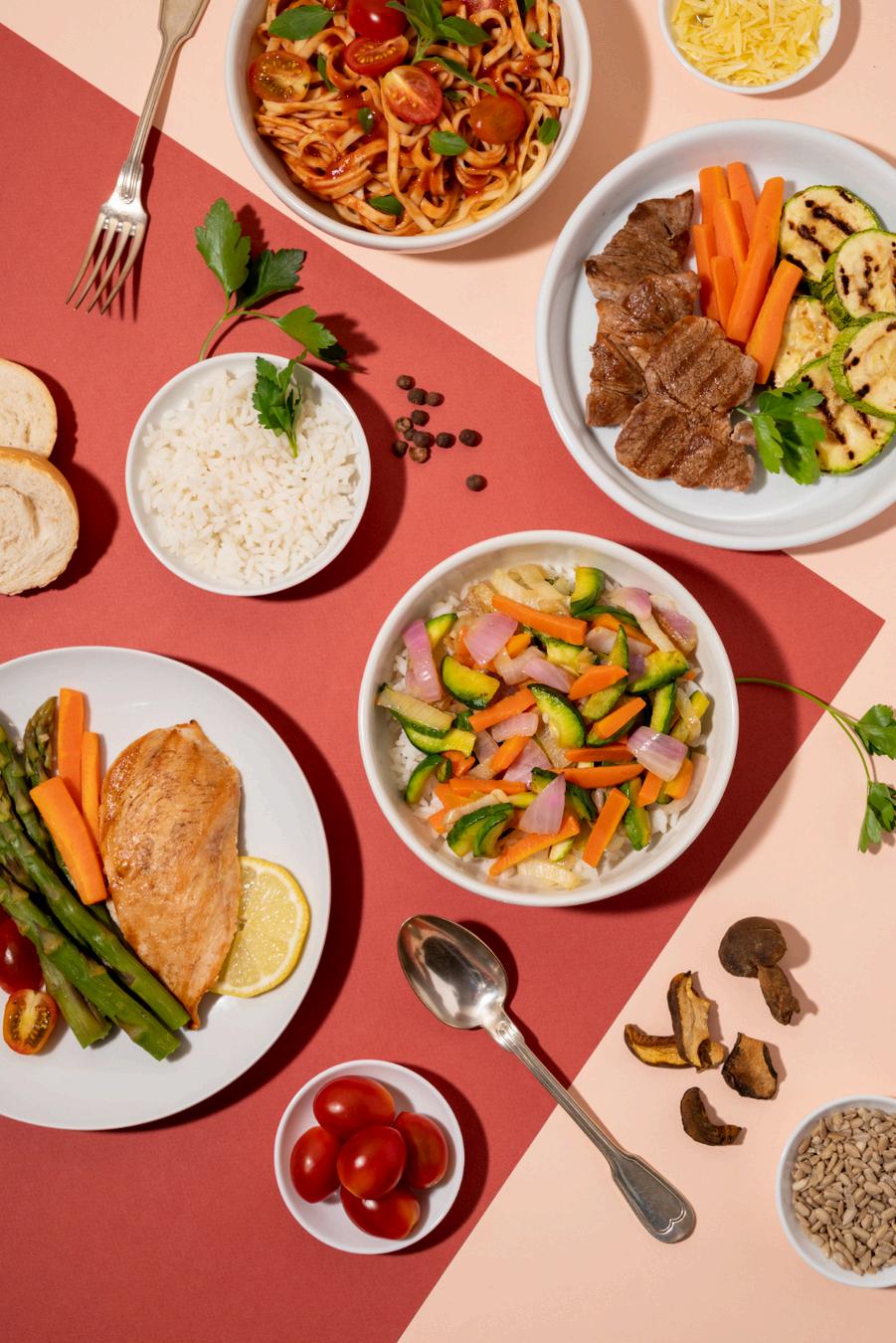

One of the first things I will ask you to unlearn is the concept of breakfast, lunch, and dinner. This shift may be difficult because you’ve been taught these traditional mealtimes your entire life, but it’s crucial to help us break free from old patterns that limit sustainable progress. Instead, we will adopt three types of meals: Energy, Growth, and Recovery.
These meals are defined by their relationship to your physical activity, allowing us to fuel the body according to its needs rather than arbitrary times of day.
Energy meals are intended to be consumed roughly 30 minutes before any strenuous activity, such as a workout or a physically demanding task. These meals focus on providing quick, sustainable energy that will fuel your body during exercise without overloading your digestive system.
You’ll prioritize healthy carbohydrates for fast energy release, with a small amount of protein or fat to stabilize blood sugar levels. It’s important to avoid overconsumption here, as eating too much can spike insulin levels and lead to a post-meal energy crash. Energy meals also act as snacks, since the purpose is to provide energy between meals.
Example: An apple with almond butter or an orange with cashews. These meals are light yet energy-rich, preventing overconsumption that could hinder your performance.
Growth meals should be consumed within two hours after completing strenuous activity. After exercise, your body is in a state of recovery, where it needs protein to rebuild muscle and carbohydrates to replenish glycogen stores.
These meals are essential for muscle repair and long-term muscle growth.
Example: Cottage cheese pancakes with walnuts and scrambled eggs, or salmon with sweet potatoes and mixed vegetables. The focus is on 50% of your daily carb intake and 1/3 of your daily protein.
Recovery meals are meant to be consumed during periods of inactivity. They focus on low-carb, high-protein, and antioxidant-rich foods that support hormone regulation, brain function, and long-term health. Most of your meals will fall into this category.
Example: Chicken thighs with broccoli and carrots, or vegetable lasagna with ground turkey. These meals focus on micronutrients, low carbohydrates, and anti-inflammatory ingredients. Recovery meals can feature keto friendly dishes or you can choose to fast as both of these help reduce inflammation and aid in recovery.
This system moves away from traditional meal timing and focuses on meals that support your body’s needs at specific times. By concentrating on Growth meals after exercise, we ensure that muscle recovery is prioritized. This helps maintain lean muscle mass, crucial for long-term fat loss and metabolic health.
Traditional diets often neglect this, leading to muscle loss, which slows your metabolism and makes it harder to lose weight. We support ongoing muscle growth even while in a calorie deficit by ensuring that protein and carbohydrates are consumed when the body needs them most.
Example: Post-exercise, a meal like grilled chicken breast with quinoa and roasted vegetables ensures you get a balanced intake of protein and carbohydrates, replenishing glycogen stores and aiding muscle repair. This method helps keep your metabolism running efficiently while supporting fat loss, making it easier to sustain your weight loss journey over the long term.
One major focus of my program will be prioritizing non processed foods. Processed foods are filled with harmful chemicals that increase risk of cancer and heart disease. They also increase the calorie count of food. Food that is grown or caught in the wild carry far more vitamins and minerals and also tend to be much lower in calories.
By aligning your meals with Energy, Growth, and Recovery, we shift the focus from calorie counting to nutrient timing and quality. This approach not only makes weight loss more sustainable but also ensures that you feel energized throughout the day, recover properly, and maintain lean muscle mass.
The traditional model of dieting often leads to metabolic slowdown and fatigue, but with this system, you’re nourishing your body based on its needs, helping it function optimally even in a calorie deficit.
For instance, on rest days, your recovery meals will focus on low-carb, high-protein options like a spinach and chicken salad, while on active days, your growth meal might feature a carbheavy dish like brown rice and grilled salmon.
This flexibility ensures your body gets the right nutrients at the right time, supporting sustainable, long-term weight loss without compromising energy or health.
You may have noticed that my dietary recommendations are closely aligned with your physical activity Exercise is the most crucial intervention we can undertake to enhance our health. The food we consume serves to fuel our bodies, enabling us to utilize them to their fullest potential. If you need assistance in starting your exercise journey alongside this dietary guide, please visit drpaulmanhas.com/resources to explore all the options we have available.


The four pillars of our weight optimization program focus on:
1) High protein intake
2) High fiber intake
3) Low or no processed food intake
4) Low or no sugar intake
Our program avoids calorie counting as it prioritizes weight over health and often permits processed foods linked to cancer and heart disease.
Counting calories also makes intuitive eating difficult due to the variability in pre-packaged food content.
Instead, we focus on mastering macro counting, helping you transition to intuitive eating while making informed, healthy choices.
Now, let’s explore the importance of each foundational pillar.
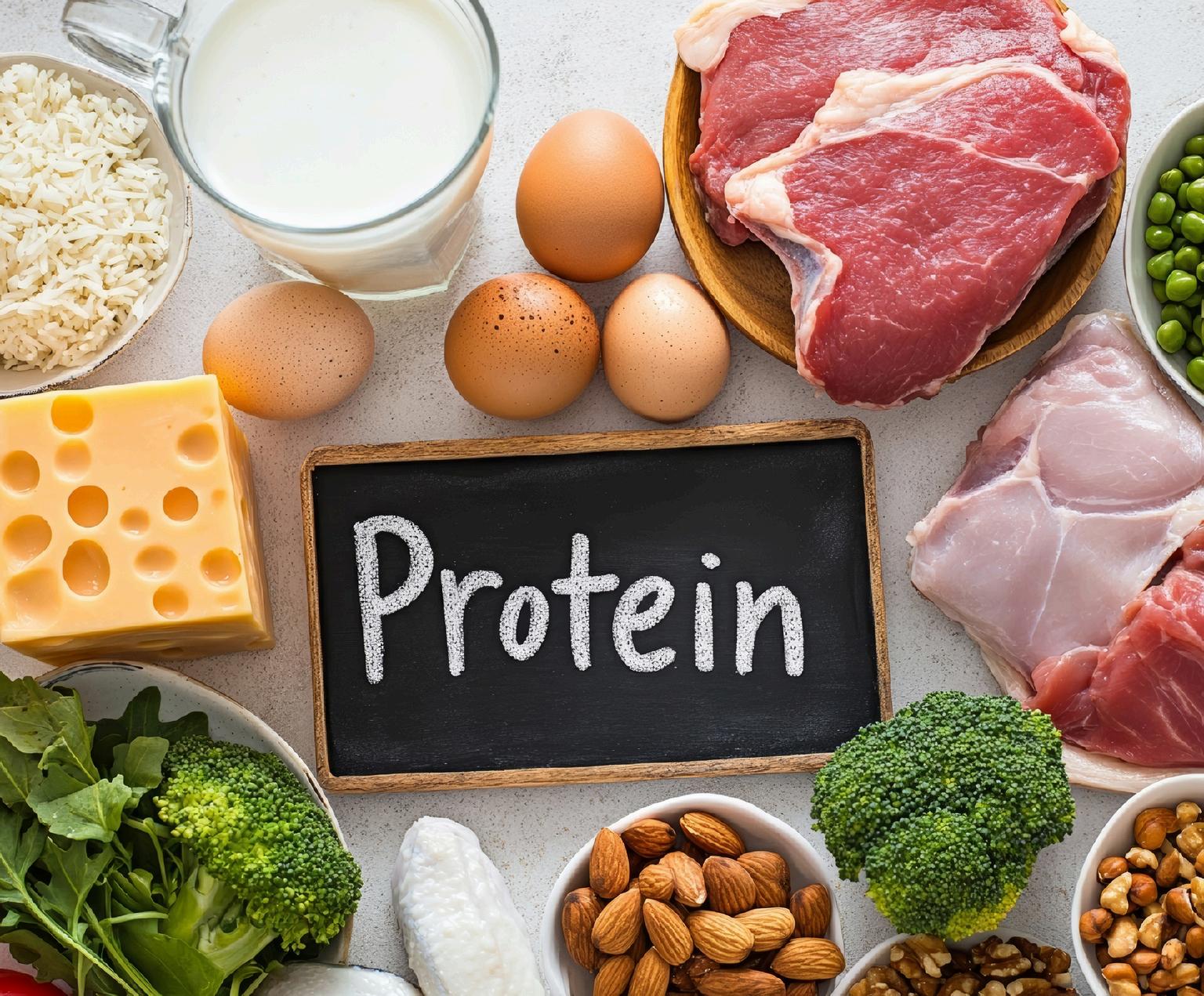
Protein is vital for maintaining overall health due to its significant roles in building and repairing tissues, producing enzymes and hormones, and supporting immune function.
Adequate protein intake is particularly important for muscle health as we age, helping to preserve muscle mass and strength, which are essential for mobility and physical well-being (1)
Moreover, protein has a higher thermic effect compared to fats and carbohydrates, meaning it requires more energy for digestion.
Protein aids weight management by increasing feelings of fullness and reducing overall calorie intake (2, 3). High-protein diets also improve metabolic health by enhancing insulin sensitivity and regulating blood sugar, potentially lowering the risk of type 2 diabetes (4)
Additionally, protein supports hormone production and cell signaling, maintaining the body’s balance. Including adequate protein in your daily diet is essential for promoting health, enhancing body composition, and preventing various health issues
Fiber is a crucial component of a healthy diet, delivering a wide array of benefits that significantly contribute to overall health and well-being It is primarily categorized into two types: soluble and insoluble fiber, both of which play vital roles in maintaining digestive health.
Soluble fiber aids in managing blood sugar levels by slowing digestion and absorption, thereby reducing the risk of type 2 diabetes (9) In contrast, insoluble fiber promotes regular bowel movements and prevents constipation by adding bulk to the stool
Research indicates that a high-fiber diet is linked to lower cholesterol levels, as soluble fiber can bind with cholesterol in the digestive tract, leading to decreased absorption and supporting cardiovascular health.
Numerous studies link high dietary fiber intake, particularly from whole grains, fruits, and vegetables, to a reduced risk of colorectal cancer (10)


We’ve spent some time discussing what you should eat. Now let’s focus on how much we should eat
To maximize our chances of success, it’s essential to consume the appropriate amount of macronutrients each day. In my system, these requirements vary based on your current size, target weight, and gender.
For many of you, including myself, precise food measurement may not be appealing. Keep this in mind: if your current approach was effective, you wouldn't be reading this guide. My life transformed when I learned to estimate my daily macronutrient intake. Initially, you will need to measure your food using the tools provided. However, with practice, you'll become adept at estimating the correct values.
“If you can not measure it, you can not improve it” - Lord Kelvin
Males
Protein: 1 gram per pound of ideal body weight
Carbohydrates:
- On exercise days: Up to 1 gram per pound of current weight
- On rest days: Up to 0.5 grams per pound of current weight
Fat: Up to 0.6 grams per pound of ideal body weight
Fiber: Aim for 40 grams daily
Females
Protein: 0.8 grams per pound of ideal body weight
Carbohydrates:
- On exercise days: Up to 1 gram per pound of current weight
- On rest days: Up to 0.5 grams per pound of current weight
Fat: Up to 0.6 grams per pound of ideal body weight
Fiber: Aim for 30 grams daily
Samplecalculations
Jim weighs 250 lbs and wants to weigh 180 lbs
Daily Protein Target: 180 grams
Daily Carb Limit: Up to 250 grams. Up to 125 grams on rest days
Daily Fat Limit: Up to 108 grams
Daily Fiber target: 40 grams
Sally weighs 200 lbs and wants to weigh 140 lbs
Daily Protein Target: 112 grams of protein
Daily Carb Limit: Up to 200 grams. Up to 100 grams on rest days
Daily Fat Limit: Up to 84 grams
Daily Fiber Target: 30 grams
Yourcalculation
Your current weight ___________ Your ideal weight_____________
Daily protein target_____________ (0.8 to 1 x ideal weight)
Daily carb limit on exercise days_______________ (current weight)
Daily carb limit in rest days _______________ (0.5 x current weight)
Daily fat limit ______________ (0.6 x ideal weight
Daily fiber target______________
Below is a simple guide to portion sizes based on your macronutrient needs throughout the day:
FOOD CATEGORY PORTION SIZE
Protein (Meats, Dairy, PlantBased) 4 ounces
Above-Ground Vegetables 1 cup
BelowGround Vegetables 1/2 cup
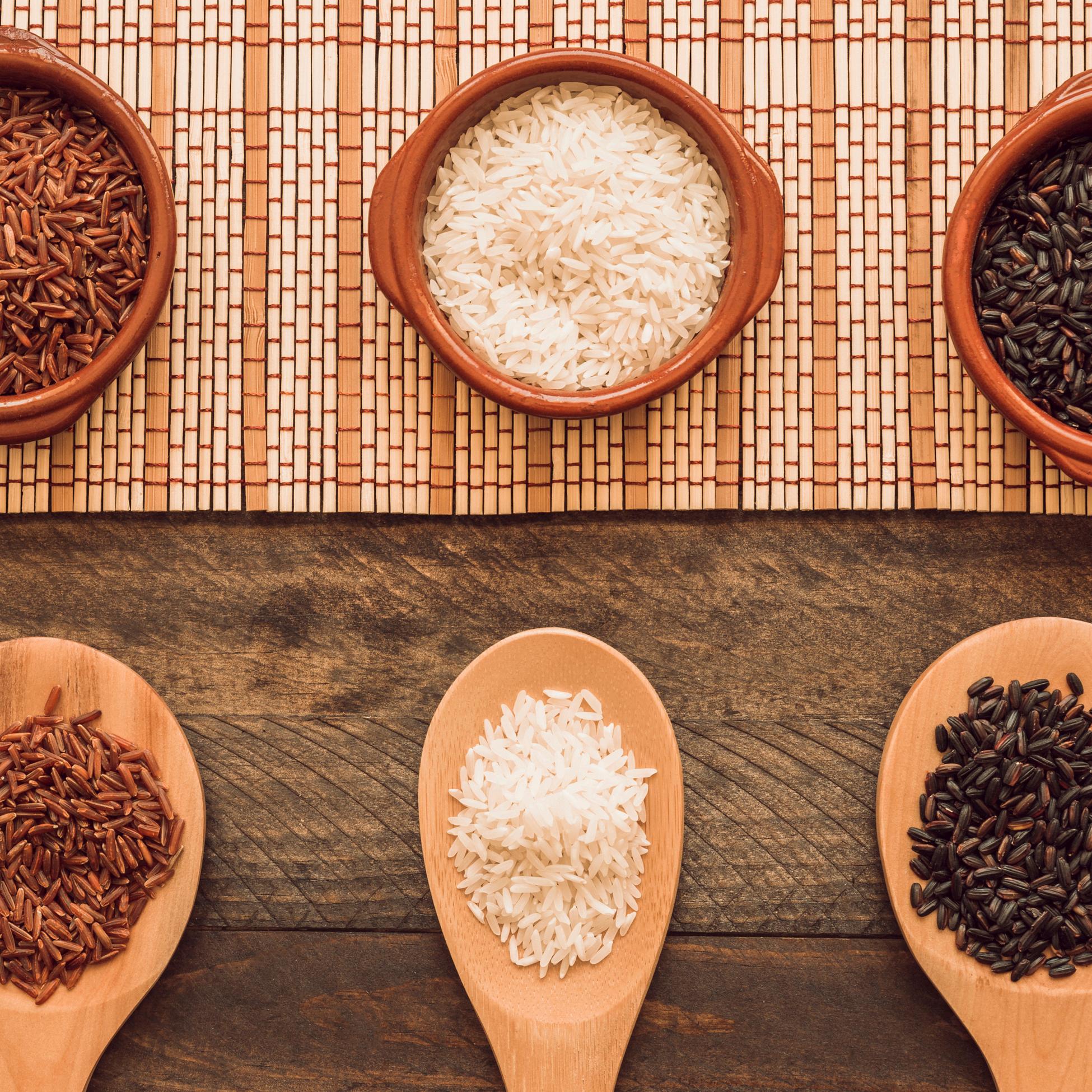
Grains/Legumes 1/2 cup
ENERGY MEAL (PRE-WORKOUT)
GROWTH MEAL (POST-WORKOUT)
RECOVERY MEAL (REST PERIODS)
Fruits 1 piece
Nuts & Seeds 2 tablespoons
Eggs are an option here
A staple of growth meals
A good option in growth meals
A star in growth, helps replenish glycogen stores
A star in growth, restores energy post-exercise
The star for energy meals
A star in energy meals
A good option post meals to restore glycogen
Offers fats for recovery and sustained energy
A staple of recovery meals
A star in recovery, supports digestion and provides vitamins
A good option in a reduced portion
Legumes are a star for recovery meal carb
A great option for a healthy desert
Supplies essential fats and vitamins
The colour coding helps you to visualize which food groups are primary macronutrients for energy, growth and recovery meals
Meats are listed in ounces since they are listed as such in stores and restaurants
A serving size of a carb is 1/2 cup which is much smaller than most people are used to
Nuts and seeds are excellent sources of fiber, fat and protein Given their high fat content, they are best consumed in small portion size

Energy meals are intended to provide your body with the fuel it needs for physical activity. Ideally, these meals should be consumed about 30 minutes before a workout or any intense exercise The aim is to offer quick, easily digestible fuel to enhance your performance without leaving you feeling sluggish. Snacks between meals can also serve as energy meals, so refer to this section for ideas on healthy snack options Additionally, it's completely acceptable to exercise in a fasted state if you prefer
(up to 25% daily value)
Protein (roughly 10% daily value)
Add a small amount of lean protein, like Greek yogurt or a small portion of nuts, to stabilize blood sugar and help sustain energy levels throughout your workout
Choose simple, easily digestible carbs like fruits (bananas, apples) or whole grains (oats, quinoa) to provide a quick energy boost These carbs will fuel your muscles during exercise, preventing early fatigue
Fiber
( up to 25% daily)
Fiber is essential and pre exercise is a perfect time to add fiber from fruits and nuts
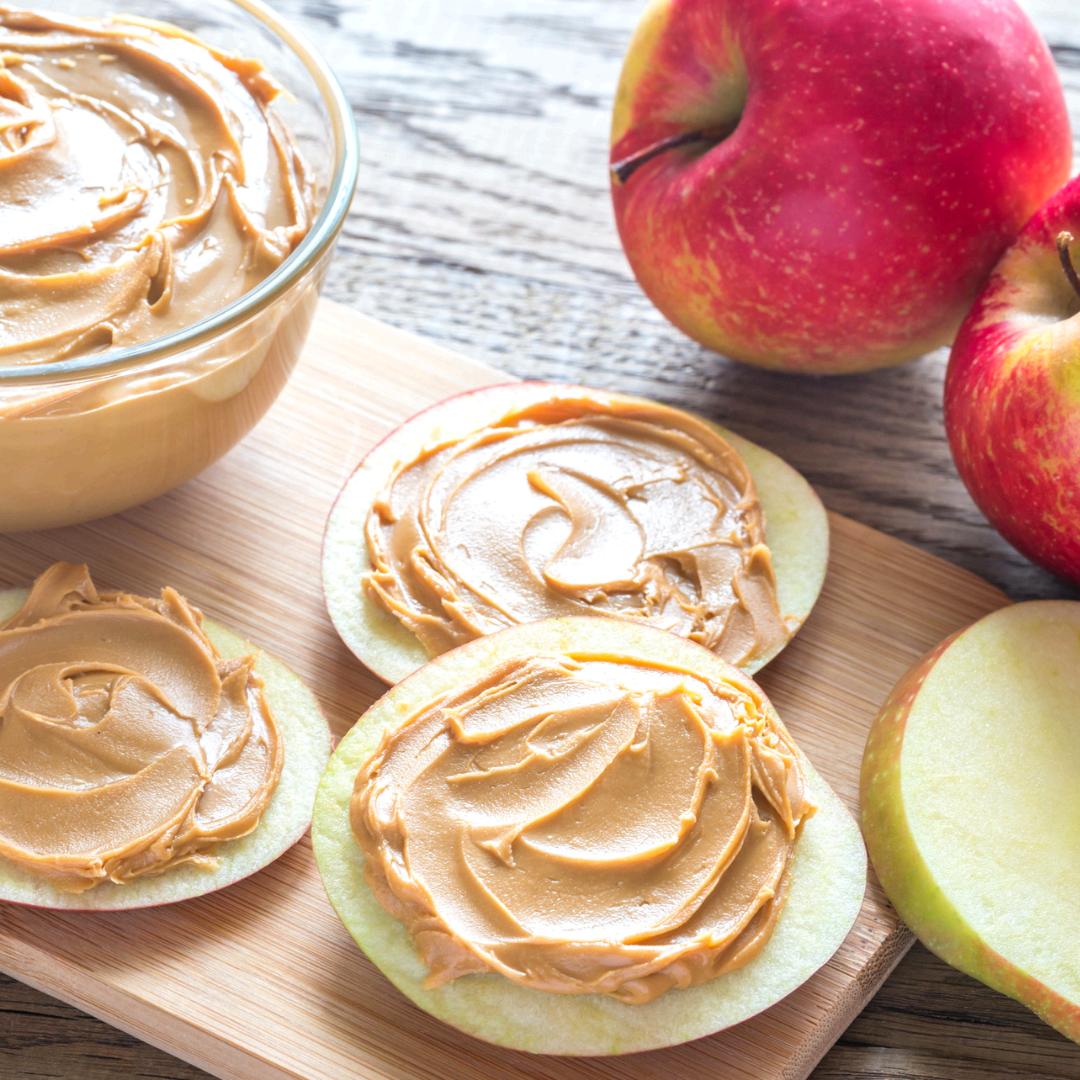
Apple with almond butter. The apple provides a quick source of carbs, while the almond butter adds a little fat and protein to keep energy levels steady without causing insulin spikes
These food are perfect energy meal due to their focus on delivering a balanced mix of carbs, protein, and fiber to power your workout, providing sustained energy without slowing you down
Be mindful of not over consuming carbohydrates pre exercise.
Why: Carbohydrates are your bodies main fuel source which means they generally provide you with added energy. However, if you eat a high amount the body triggers a large insulin spike which can often lead to an over correction. This will actually drop your blood sugar and leave you tired and weak.
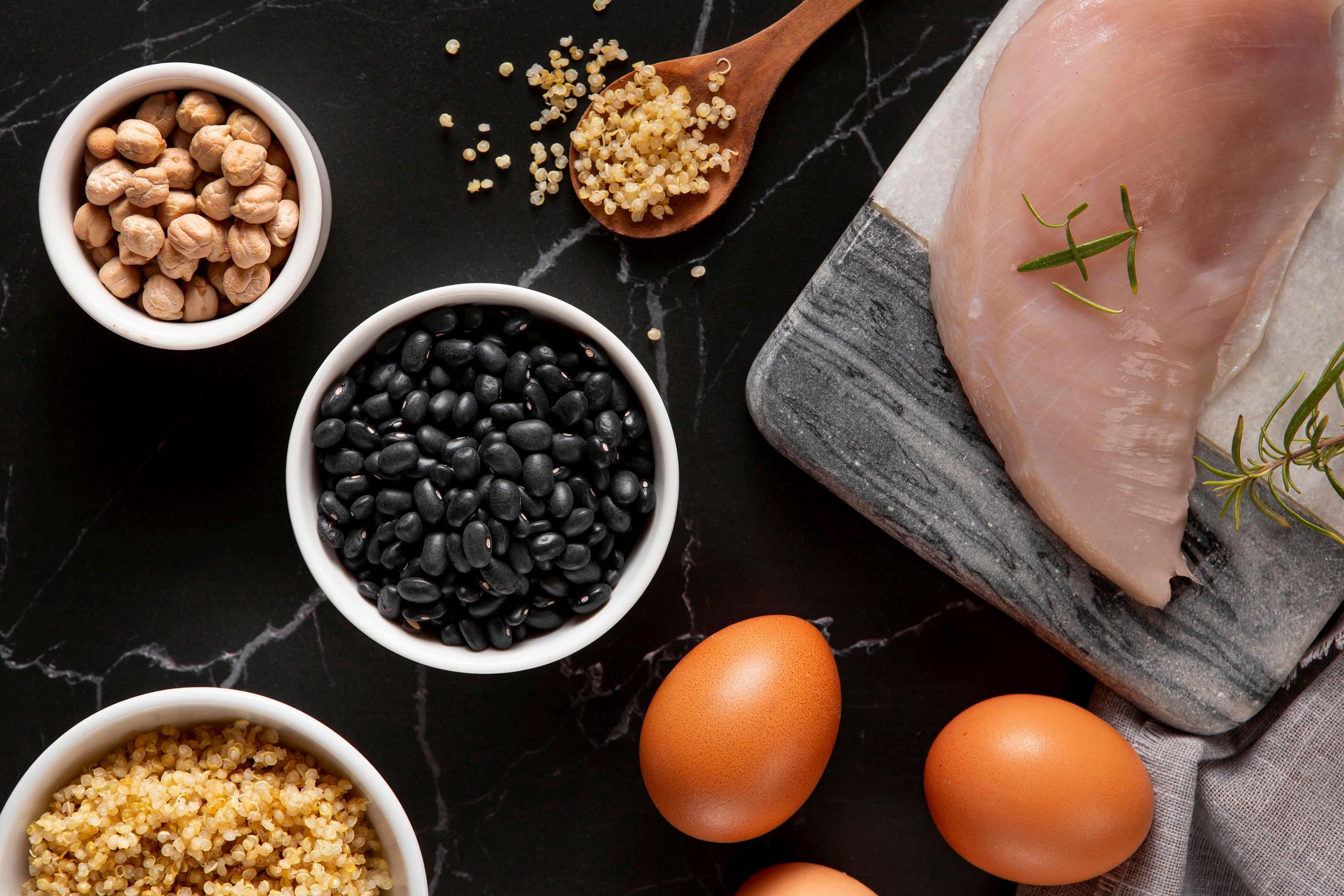
Protein (10-20%)
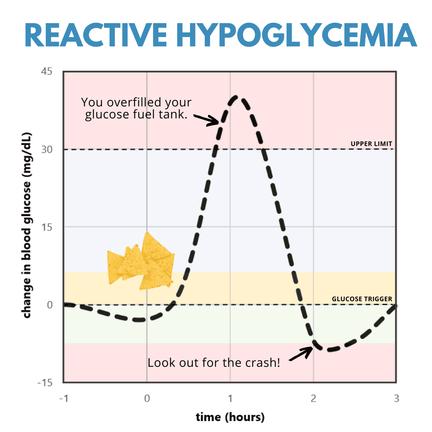
Fruits are an excellent pre exercise carb as they do not contain high carb content per volume.
Adding a small amount of fat and protein (like nuts) will further decrease the insulin spike.
Fruits: Include nutrient-rich, energy-providing fruits.
Nuts and Seeds: Small portions for healthy fats and energy.
Dairy: Choose options like Greek yogurt or low-fat cheese.
Animal Sources: One or two eggs, canned tuna for a quick protein boost.
Sweeteners: Use sparingly for added flavor.
Protein Powder: Option of a whey protein shake to meet your protein needs.


Growth meals are consumed within two hours after exercise to help repair muscles and replenish energy stores. These meals are protein- and carbohydrate-focused, providing the nutrients necessary for muscle recovery and glycogen replenishment Prioritize protein to repair muscle tissue and carbohydrates to restore energy.
(up to 60% daily value)
Protein (around 30% daily value)
Focus on a high-quality protein source like chicken breast, fish, or plant-based options like tofu or lentils. Protein helps rebuild and strengthen muscle tissue, which is essential after exercise.
Include complex carbohydrates like sweet potatoes, quinoa, or brown rice to replenish glycogen stores and refuel your muscles for future activity.
Fiber (around 30% daily value)
help make up fiber
Add fiber-rich, above-ground vegetables like broccoli or spinach to support digestion and recovery. A small amount of healthy fats, such as olive oil or avocado, aids nutrient absorption and inflammation reduction.
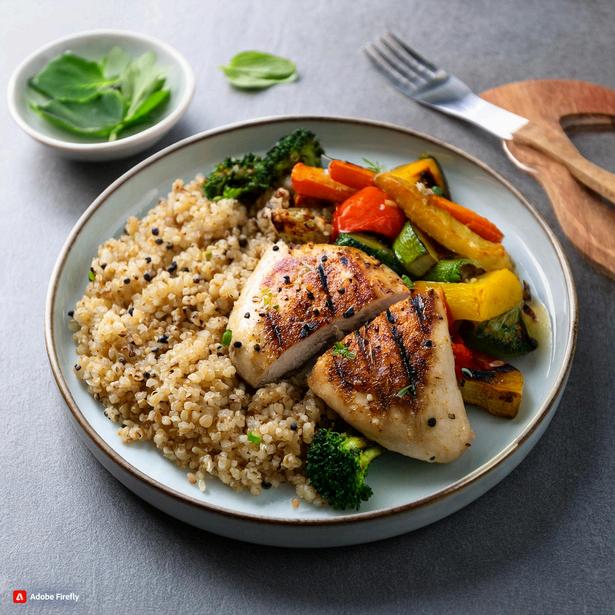
Grilled chicken with quinoa and roasted vegetables. The chicken provides ample protein for muscle repair, quinoa offers complex carbs to restore energy, and the vegetables contribute essential vitamins and fiber for overall health.
For optimal muscle recovery and development after strenuous activity, growth meals are designed to replenish glycogen stores, repair muscle tissue, and provide sustained energy for long-term recovery These meals are essential for ensuring that your body has the nutrients needed to rebuild and strengthen muscles.
At Growth Meals, we concentrate on rebuilding muscle fibers and preventing muscle loss. Numerous studies have examined the relationship between protein intake and muscle fiber growth, revealing a strong consensus: to optimize muscle growth, strength training should be paired with a high-protein diet. Current research indicates that a significant benefit is achieved with protein intake of around 1 gram per pound of body weight. Beyond this level, the returns diminish.
During exercise, our bodies deplete stored muscle glycogen, which is broken down into glucose and converted into ATP for muscle energy. Post-exercise, it's essential to supply healthy carbohydrates to replenish glycogen stores. This replenishment prepares us for future workouts and helps prevent the breakdown of muscle fibers for energy.
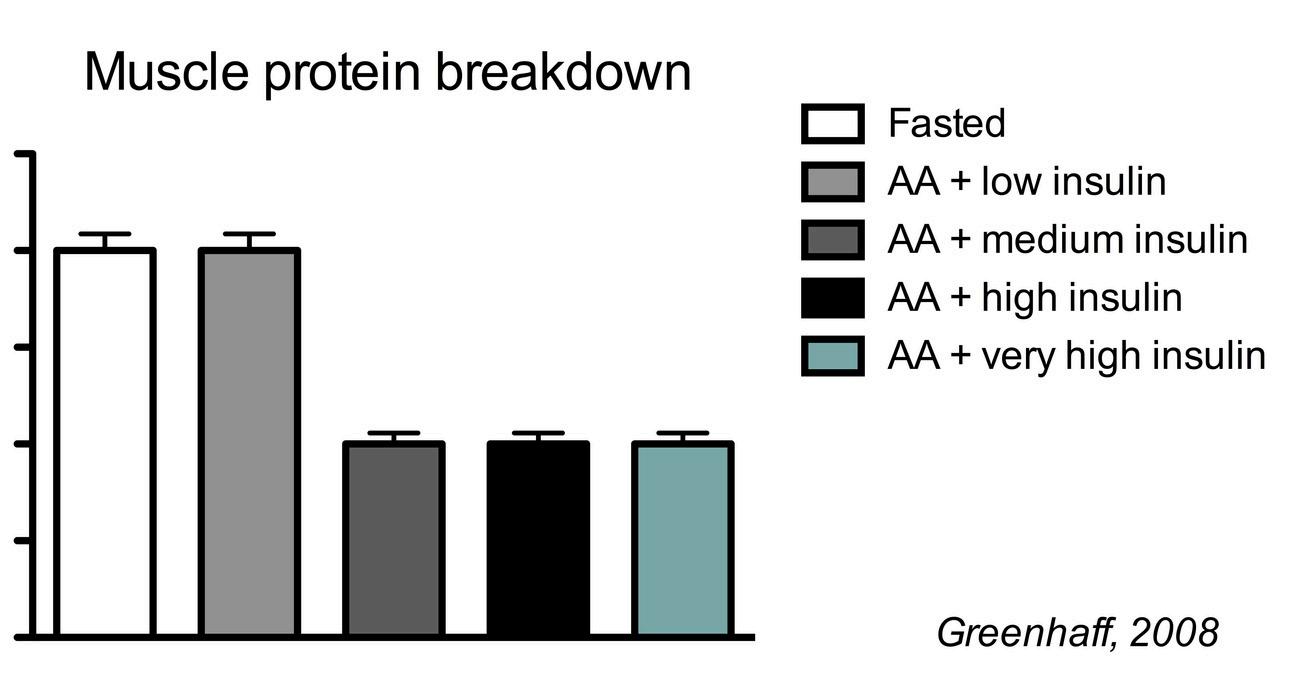
The graph indicates that exercising in a fasted state or with insufficient carbohydrate intake can result in increased protein breakdown It also portrays that a medium amount of insulin does the same job as very high amounts of insulin.
Active human muscles draw glucose from the bloodstream, which helps lower blood glucose levels during exercise. Think of your muscles like vacuums.
In graph (a), it's evident that more intense exercise facilitates a greater glucose absorption over time.
Graph (b) illustrates that muscles can still uptake glucose while at rest. Insulin-sensitive individuals demonstrate a higher uptake, though insulin-resistant individuals also possess the capacity to transfer glucose to their muscles.
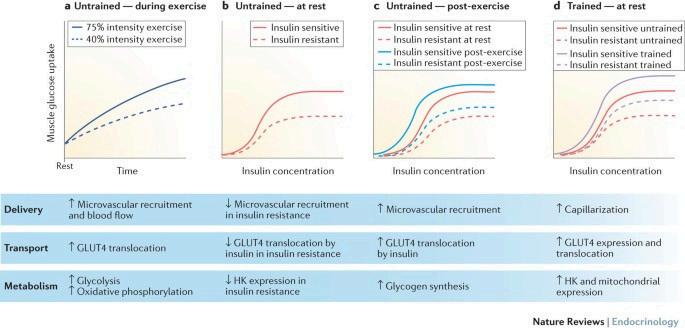
Graph (c) demonstrates that glucose uptake increases after exercise compared to rest for both insulin-sensitive and insulin-resistant individuals, with insulin-sensitive individuals exhibiting a greater capacity, as expected. Graph (d) indicates that trained individuals have a heightened ability to absorb glucose from the bloodstream.
Now that we have a clearer understanding of the importance of protein and carbohydrates after exercise, let’s explore some good food options for post-workout nutrition.
Grains: Whole grains like quinoa, oats, and brown rice replenish glycogen and provide fiber and vitamins for recovery
Below-Ground Vegetables: Sweet potatoes, carrots, and beets provide complex carbs and nutrients for muscle repair and energy replenishment
Beef: Lean beef is rich in protein, iron, and B vitamins, essential for muscle repair and recovery
Poultry: Chicken and turkey provide lean, easy-to-digest protein to support muscle rebuilding after workouts
Fish and Seafood: Salmon and tuna are high in protein and omega-3s, promoting muscle recovery and reducing inflammation
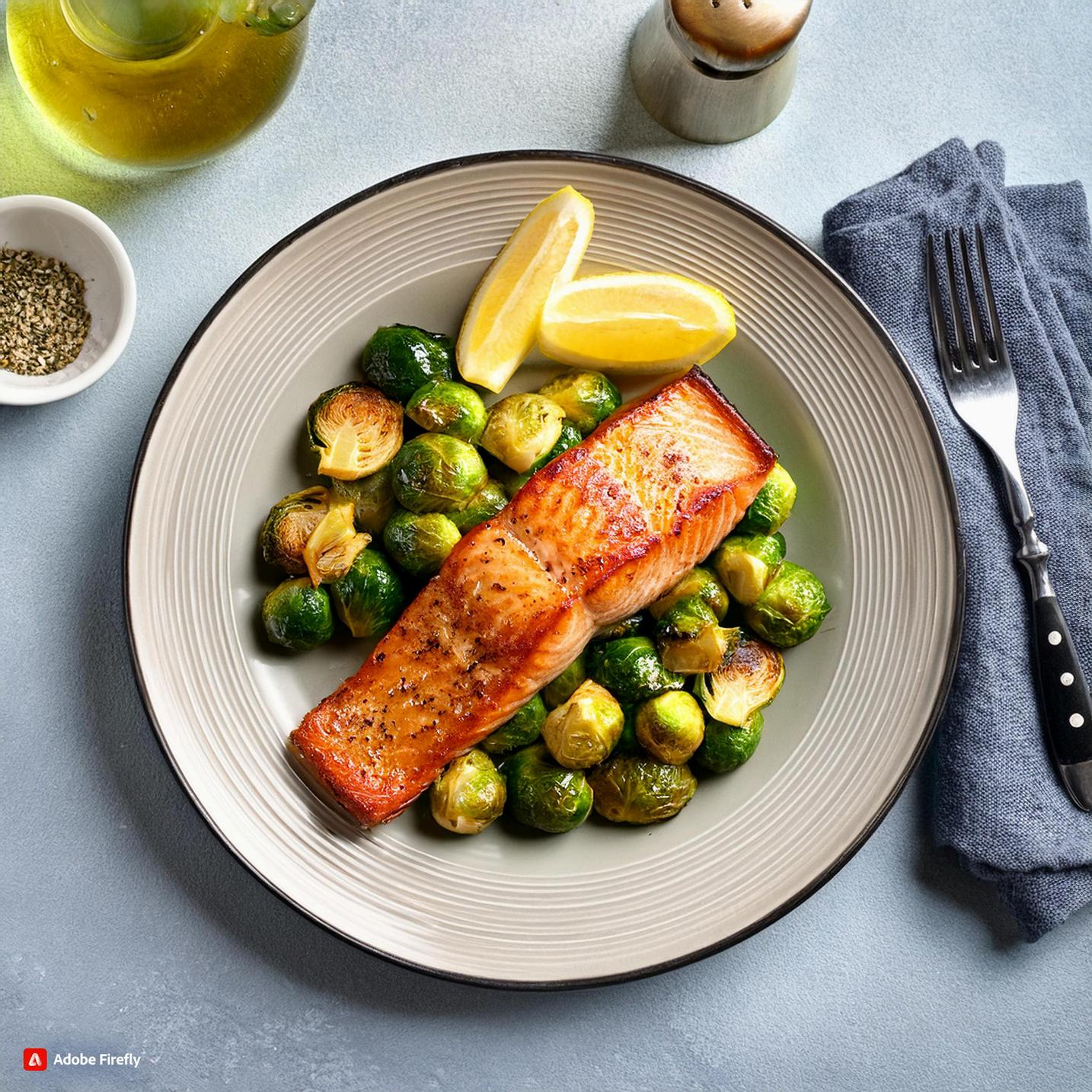

Recovery meals are eaten during periods of rest or low physical activity, focusing on maintaining overall health and reducing inflammation. These meals should be rich in protein, fiber, and micronutrients while being low in carbohydrates Recovery meals help your body heal, maintain hormone balance, and support long-term weight loss by avoiding blood sugar spikes
(aim for 50% of the plate)
Fill most of your plate with aboveground vegetables such as spinach, kale, and cauliflower. These nutrientdense vegetables provide fiber and antioxidants to reduce inflammation and support digestion.
Protein (around 30% daily value)
Continue to prioritize lean proteins like turkey, salmon, or eggs to preserve muscle mass and promote cellular repair.
(Limit to complex and below daily goal)
Fiber (around 30% daily value)
A large part of fiber will be above ground vegetables. Include small amounts of healthy fats from avocados, olive oil, or nuts to support brain function and hormone regulation.
Baked salmon with roasted Brussels sprouts and a side of avocado. The salmon provides high-quality protein and healthy fats, while the Brussels sprouts offer fiber and antioxidants to aid in recovery.
Recovery meals include many of the same foods as growth meals, but with adjusted portions to match the body's needs during rest. Since there is less demand for immediate glycogen replenishment after exercise, recovery meals should emphasize muscle maintenance, nutrient intake, and inflammation reduction without the higher carb intake typical of growth meals.
Grains
Below-Ground Vegetables
Beef
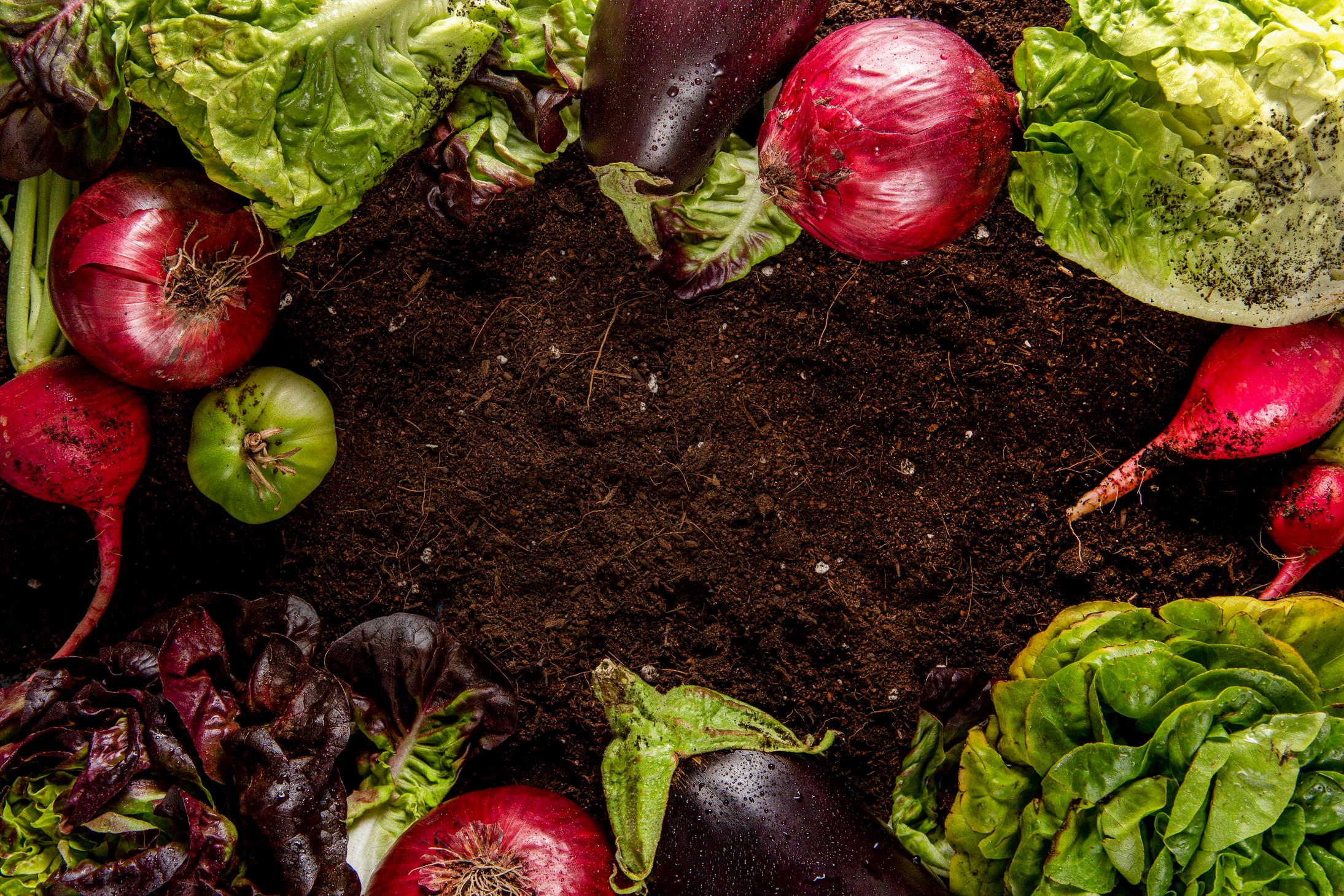
Poultry
Above-Grounded Vegetables
Fish and Seafood
Quinoa, oats, brown rice
Sweet potatoes, carrots, beets
Lean cuts (sirloin, tenderloin)
Chicken, turkey
Spinach, kale, broccoli
Whole grains provide fiber and essential vitamins while replenishing glycogen stores slowly, supporting steady energy
These root vegetables offer complex carbs and key nutrients to support muscle repair without overloading on carbs.
Lean beef provides protein, iron, and B vitamins to aid muscle repair and recovery during rest periods
Poultry offers a lean, digestible source of protein, helping maintain muscle mass and supporting recovery
Rich in fiber and antioxidants, these vegetables reduce inflammation and provide essential nutrients for overall health
Salmon, tuna
High in protein and omega-3s, fish helps reduce inflammation and promotes muscle repair, aiding in sustained recovery
In recovery meals, the balance focuses more on nutrient-dense, fiber-rich options with moderate protein and fewer carbs to support the body's restorative processes, promoting sustainable energy and muscle maintenance. Fasting is a tool you can utilize during recovery


Liquids not only serve as a means of hydration but also play a pivotal role in nutrient delivery, energy regulation, and recovery. Staying properly hydrated helps maintain optimal blood circulation, ensuring that essential nutrients reach your muscles and organs efficiently. Inadequate hydration can lead to fatigue, slower recovery, and impaired performance, making it crucial to prioritize water and other healthy liquids throughout the day. Incorporating liquids like milk or kefir after exercise ensures your body receives essential amino acids and nutrients needed for muscle repair and growth.
Equally important is the timing and type of liquids consumed. Drinks like green tea and coffee offer additional health benefits such as antioxidants and sustained energy but need to be strategically timed to avoid interference with sleep or over-caffeination. Herbal teas, on the other hand, are ideal for promoting relaxation and improving sleep quality, rounding out your daily liquid intake. By choosing the right liquids and consuming them at the right times, you can enhance recovery, support your overall health, and create sustainable hydration habits that align with your fitness and wellness goals.
In this section, we’ll delve into the critical role liquids play in your daily routine, particularly in enhancing hydration, supporting recovery, and maintaining energy balance. We will explore the key liquid categories —water, dairy-based drinks, and coffee/tea—highlighting their unique benefits and optimal timing for consumption. You’ll also learn about calorie-containing liquids that are strategically consumed around exercise for maximum impact and why avoiding sugary drinks is essential for overall health and performance. By understanding and implementing these liquid choices, you can take a significant step toward achieving your wellness and recovery goals.

Why It’s Important: Water is the foundation of hydration and overall health. Proper hydration supports digestion, circulation, and nutrient absorption. Drinking water regularly ensures your body operates at peak performance
How Much to Drink: Aim to drink enough water to urinate every two hours. For most females, this equates to at least 1 5 liters daily, while males should target 2 5 liters or more. Adjust based on physical activity and climate
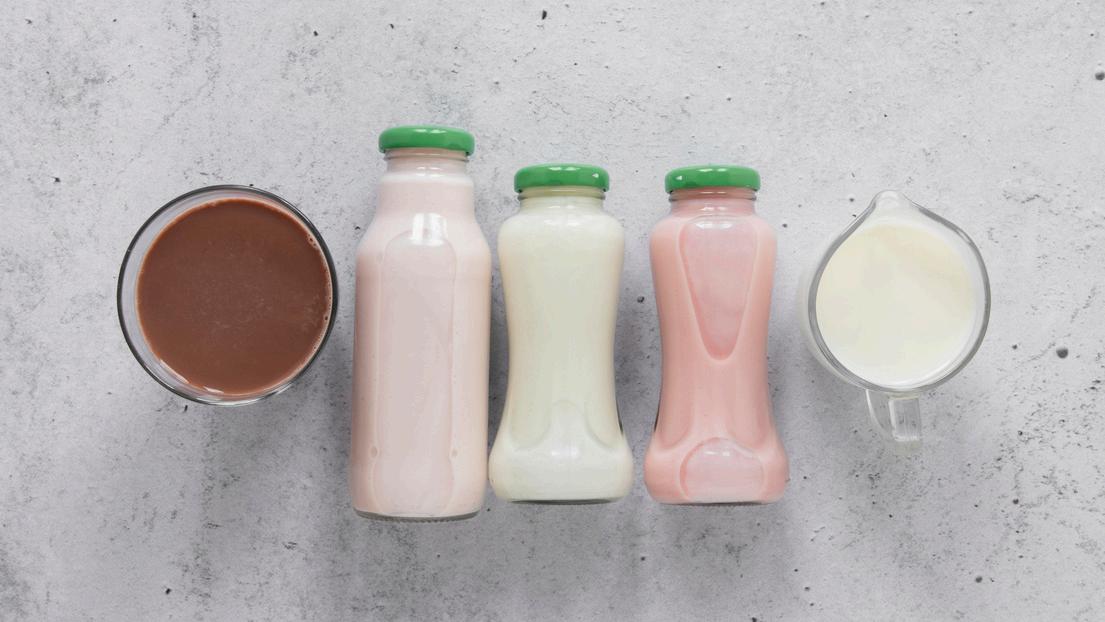
Why It’s Important: Dairy options like milk and kefir are rich in essential amino acids, making them ideal for muscle repair and growth They also contain calcium and probiotics, which support bone health and gut health.
When to Drink: Consume dairy-based liquids post-exercise during your growth phase to maximize recovery and muscle repair.
Coffee: Best con morning, coffee p energy and focus coffee later in the disrupt sleep
Green Tea or M These teas are ex options, offering energy and powe antioxidants that health
Herbal Teas: Pe herbal teas like c peppermint aid r improve sleep qu

Bone Broth: Use as a base for cooking grains or as a standalone drink. It’s excellent for gut health and immune system support
What to Avoid: Steer clear of juices, sodas, or drinks with added sugars The majority of your liquid intake should be calorie-free unless strategically consumed around workouts

6:00 AM : WAKE UP TIME
Morning black coffee and water
6:30 AM : ENERGY MEAL
1 Apple with Almond butter (1 tablespoon)
7:00 AM : WORKOUT
45 minutes full body
8:00 AM : GROWTH MEAL AFTER THE WORKOUT
5 Eggs with 1 Avocado, 1 cup of Potatoes and Greek Yogurt (1/2 cup) & Berry bowl (1 cup blueberries) with Walnuts (1 tablespoon)
Protein (10-20%)
12:00 PM : RECOVERY MEAL
Salmon (6 Oz) with Roasted Carrots (1 cup)
3:00 PM : RECOVERY SHAKE
Whey protein (1 scoop) with Chia Seeds (2 tablespoons),
Flax Seeds (1 tablespoon) , Cocoa powder (1 tablespoon) and Milk (4 ounce)
6:00 PM : RECOVERY MEAL
Chicken breast (6Oz) with Brussel Sprouts (1 cup) and Broccoli (1 cup)
STAYING ON TRACK
TOTAL DAILY MACRO
172 grams of Protein
grams of Carbohydrate
46 grams of Fiber 99 grams of Fat
Total Calories 2176
WORK OUT FULL BODY
This is a solid example of a balanced day At 175 pounds and my goal weight, I came close to my protein target of 175 grams, slightly exceeded my fiber goal of 40 grams, stayed under my carb limit of 175 grams, and fell below my fat target of 105 grams While not perfect, the goal is to stay close to these targets If I needed more energy, I could have added dates to my protein shake or included carbs with dinner flexibility is key!
RECOVERYMEAL
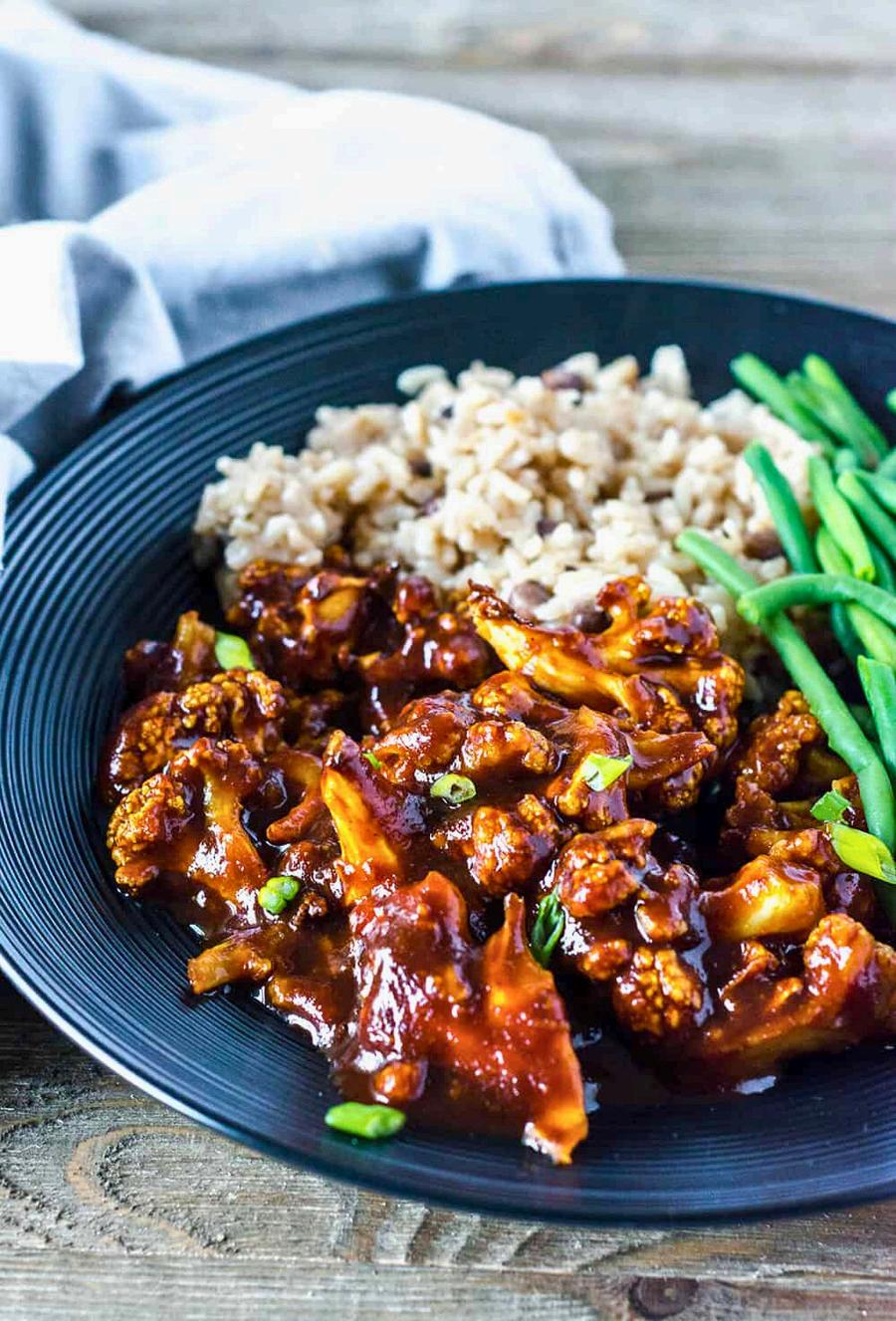

BONUS RECIPE
For the marinade:
1 tsp. dried thyme leaves
1 tsp. ground allspice
2 tbsp. brown sugar
½ tsp. salt
½ tsp. pepper
2 tsp. garlic powder
½ tsp. cinnamon
½ tsp cayenne
2 tbsp olive oil
2 tbsp lime juice
For the chicken & rice:
1 lb (450g) chicken breast
14 oz (400g) cauliflower
rice
Protein (10-20%)
2 tbsp coconut oil
1 onion, diced
3 garlic cloves, minced
1 cup (250ml) canned light
coconut milk
1 lime, zest and juice
handful coriander, to garnish
lime wedges, to serve
Serves 4
What you need to do
1
Combine all marinade ingredients in a bowl or container Add chicken breasts and turn to coat in the marinade
Leave to marinate for 15 minutes or overnight.
2.
Heat the 1 tbsp. of coconut oil in a pan over medium-high heat. Add in the onion and sauté for 3 minutes, until softened.
3.
Next, add in the garlic and cauliflower rice, cook for 2 minutes and add in the coconut milk Cook for about 10 minutes, or until the coconut milk is absorbed, then remove from heat and stir in the lime zest and juice
Season with salt and pepper to taste
4 Garnish the rice with chopped coriander and serve with lime wedges. 5
In the meantime, heat the remaining oil in another pan over medium heat and cook the chicken for 8-10 minutes until cooked through and browned Once cooked, serve with the cauliflower rice
drpaulmanhas.com/resources
As we wrap up this shortened version of Trim & Thrive, take a moment to reflect on the core principles we’ve explored. This journey isn’t just about weight loss—it’s about equipping you with the tools, strategies, and mindset needed for long-term success.
By focusing on energy, muscle growth, and recovery, you now have a solid foundation to create sustainable habits that support your health. These principles go beyond short-term fixes, forming a practical approach to weight management that fits into your lifestyle.
Throughout this guide, you've been introduced to science-backed strategies for meal planning, hydration, and consistency. The key to success isn’t perfection—it’s applying these principles in a way that works for you and staying committed to steady progress.
This is just the beginning. The full Trim & Thrive guide provides even more in-depth strategies, practical resources, and personalized approaches to help you refine and optimize your results. If you’re ready to take the next step and dive deeper, the complete guide is here to support you.
Your journey to sustainable weight loss is in your hands. Keep moving forward, stay consistent, and embrace the process. The best version of yourself is within reach!
Dr. Paul Manhas, MD, CCFP
Co-founder & Director of Performance Services at Manhas Health Co. Clinical Instructor, UBC Faculty of Medicine