SOCIAL RESPONSIBILITY AT ORFIT INDUSTRIES
A HOLISTIC APPROACH TO PRODUCT, MANUFACTURING AND COMMUNITY SUSTAINABILITY
EDITION 1, PUBLISHED JULY 2024
A HOLISTIC APPROACH TO PRODUCT, MANUFACTURING AND COMMUNITY SUSTAINABILITY
EDITION 1, PUBLISHED JULY 2024
This report is relevant to you if you:
• Are an Orfit employee keen on social and environmental matters, or you are curious about our corporate culture.
• Are a healthcare provider using our products or a healthcare procurement manager considering a purchase that is not solely based on price and would therefore like to assess the social and environmental implication of your purchase.
• Are a distributor, connecting our products with consumers and resellers, aiming to equip them with honest and clear information.
• Are a business that is looking for a private label manufacturer committed to sustainability.
• Are a government agency or regulator interested in understanding our sustainability initiatives and compliance efforts.
• Are just curious about our company’s viewpoint on sustainability.
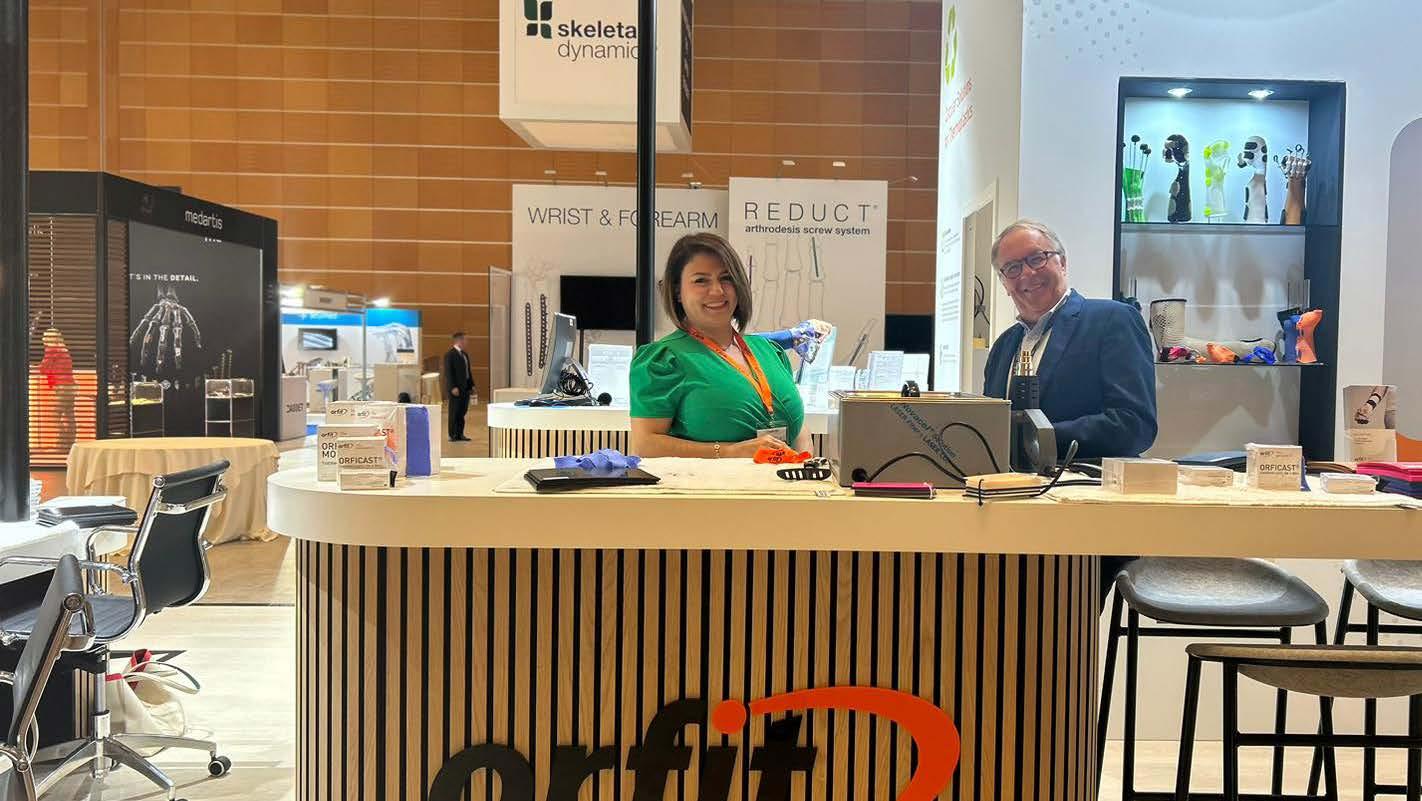
Orfit Industries specializes in the manufacturing of thermoplastics tailored for medical devices. Additionally, we are experts in the fabrication of carbon fiber treatment tables and accompanying accessories essential for radiation oncology treatments.
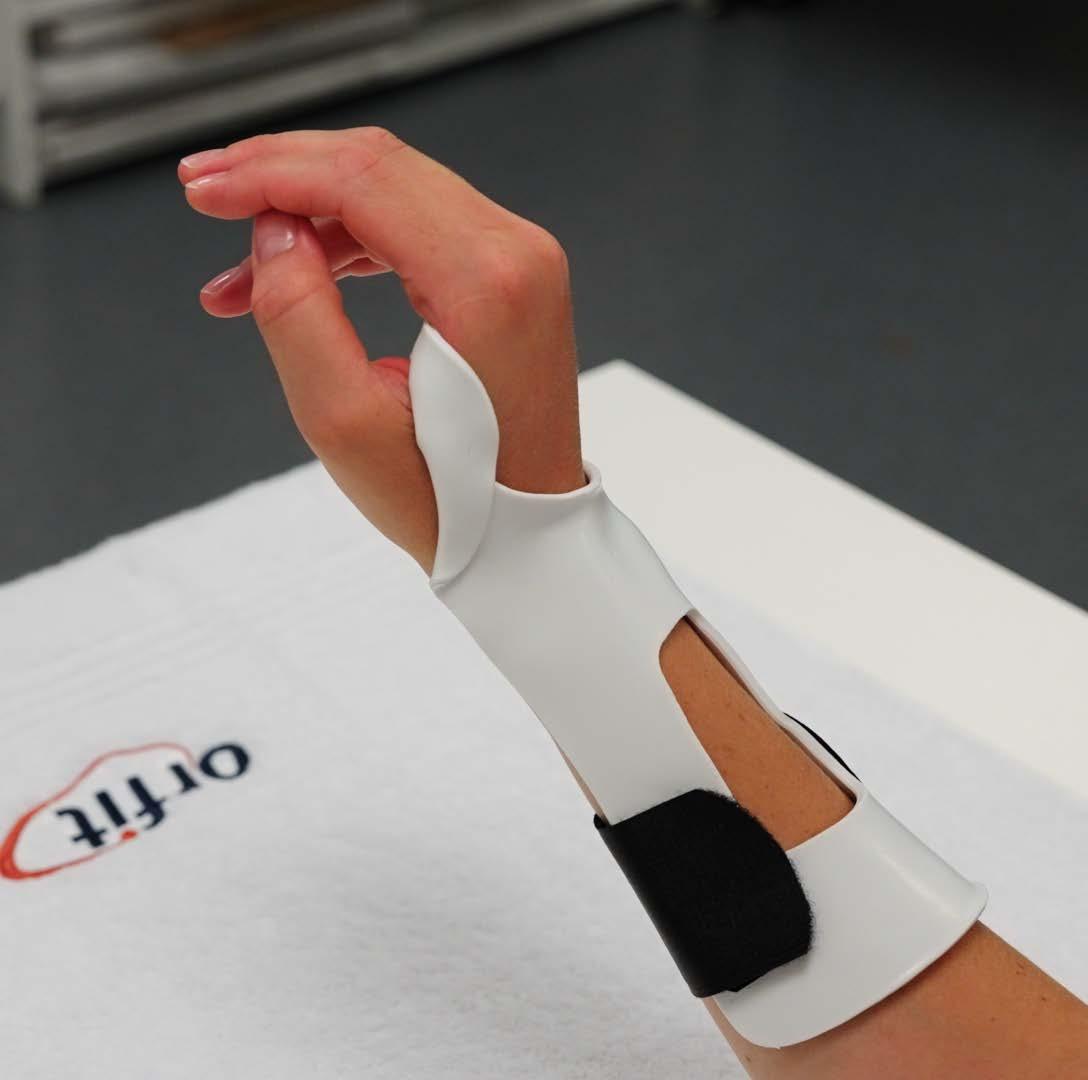
Physical Rehabilitation
Orfit thermoplastics are used for fabricating custom orthoses.
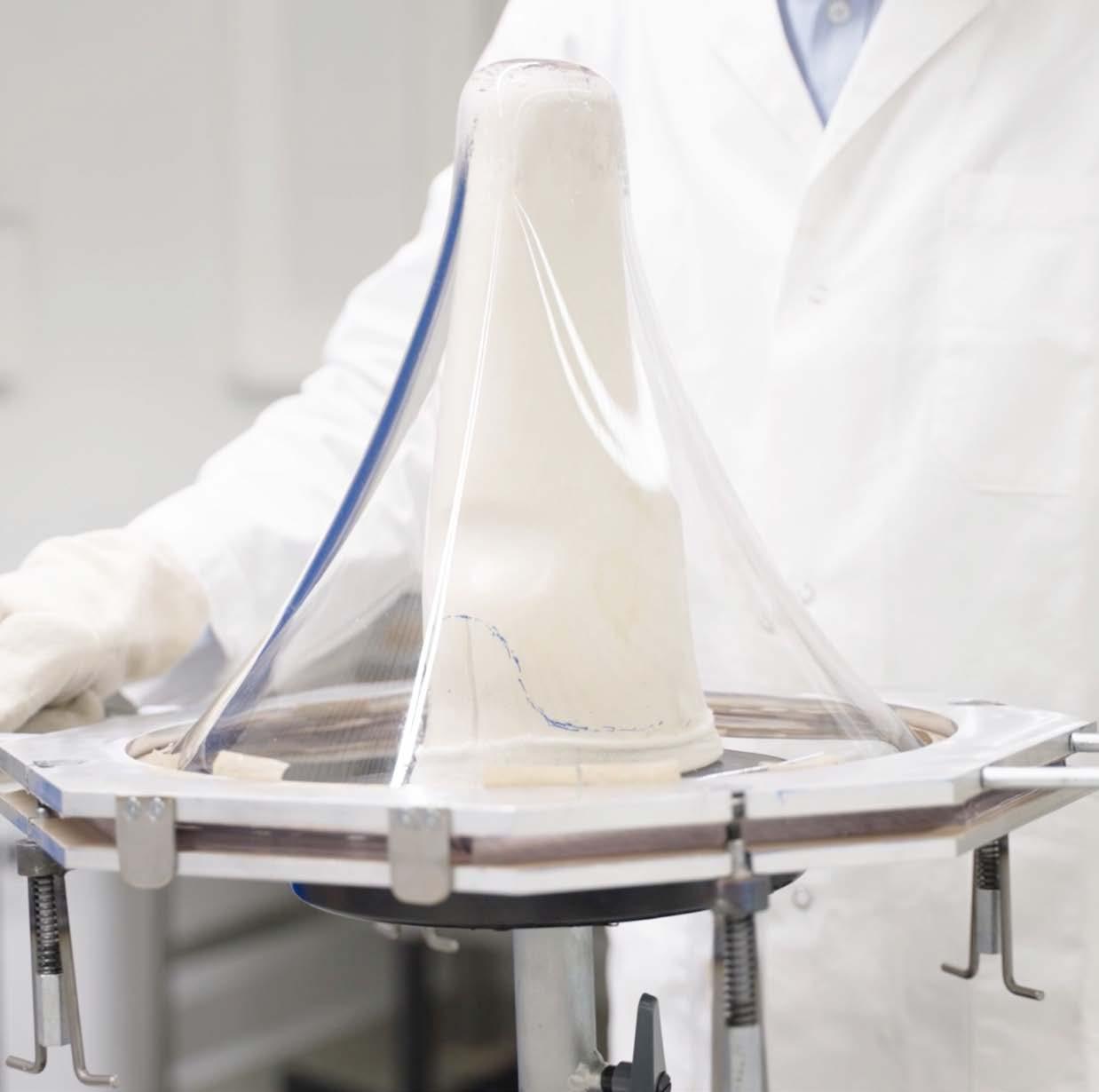
Orthotics and Prosthetics (O&P)
Orfit thermoplastics are used for the creation of prosthetic sockets.
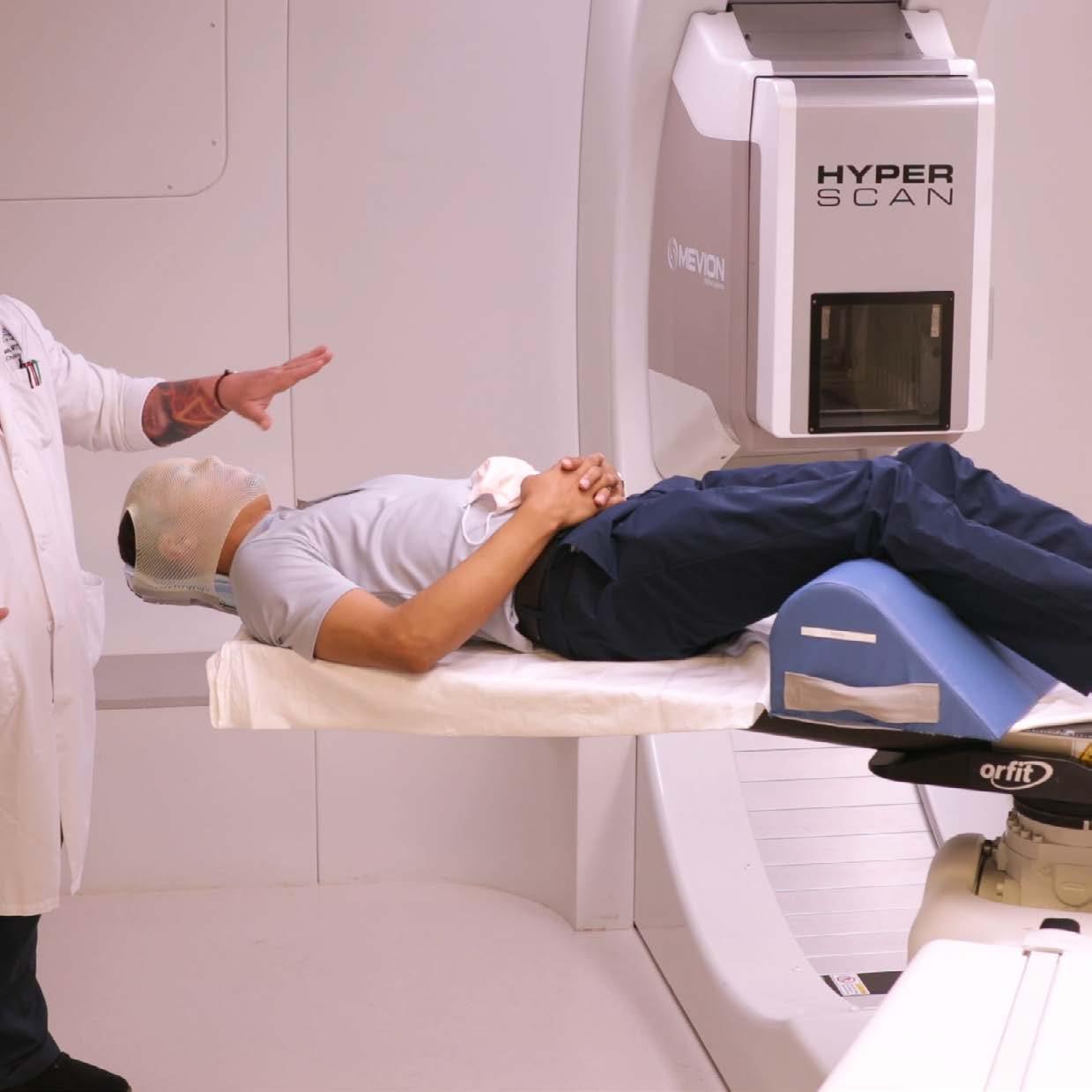
Radiation Oncology
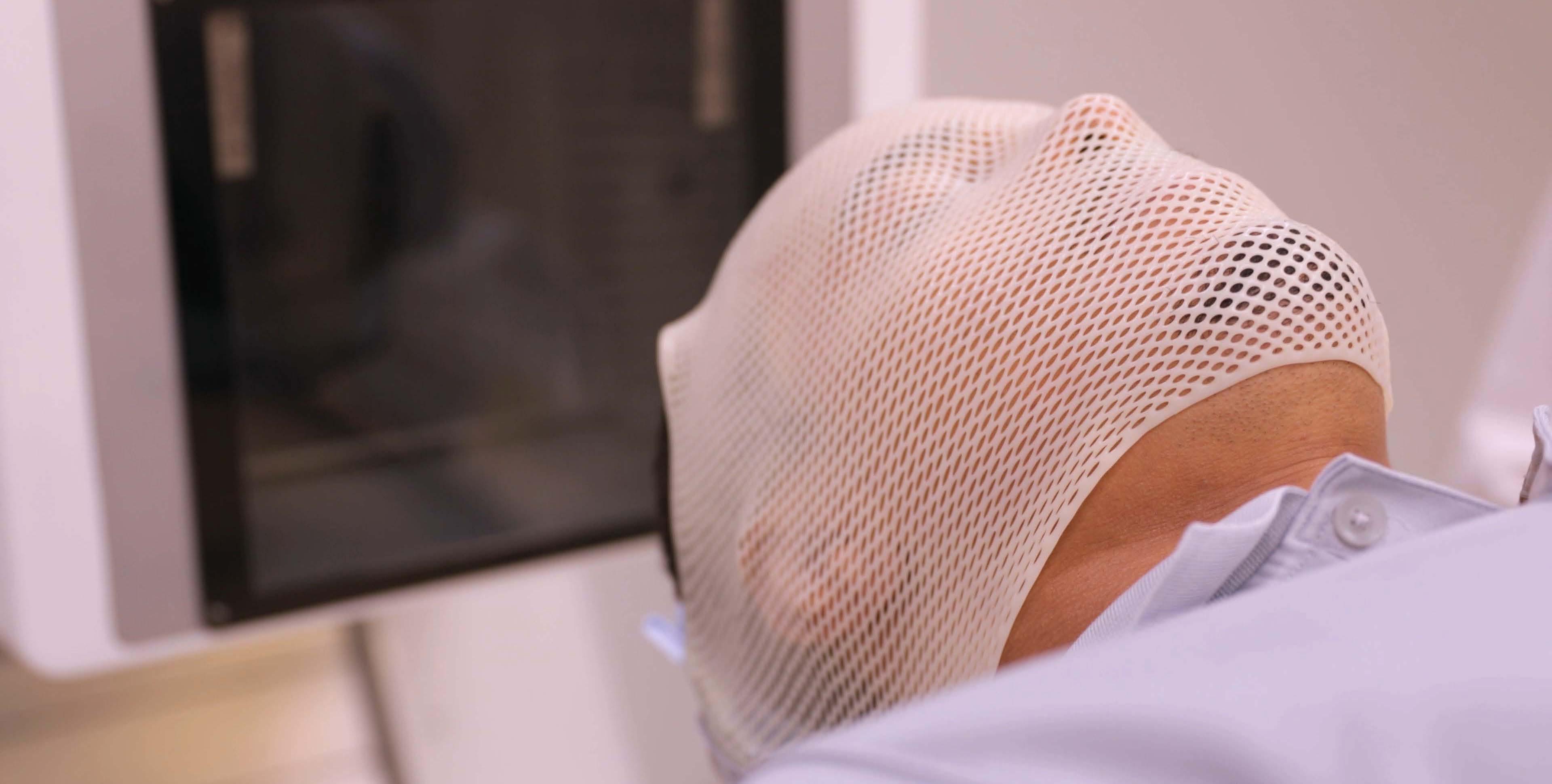
Orfit immobilization masks, couch tops, base plates and accessories keep the patient still and in the right position for each treatment.
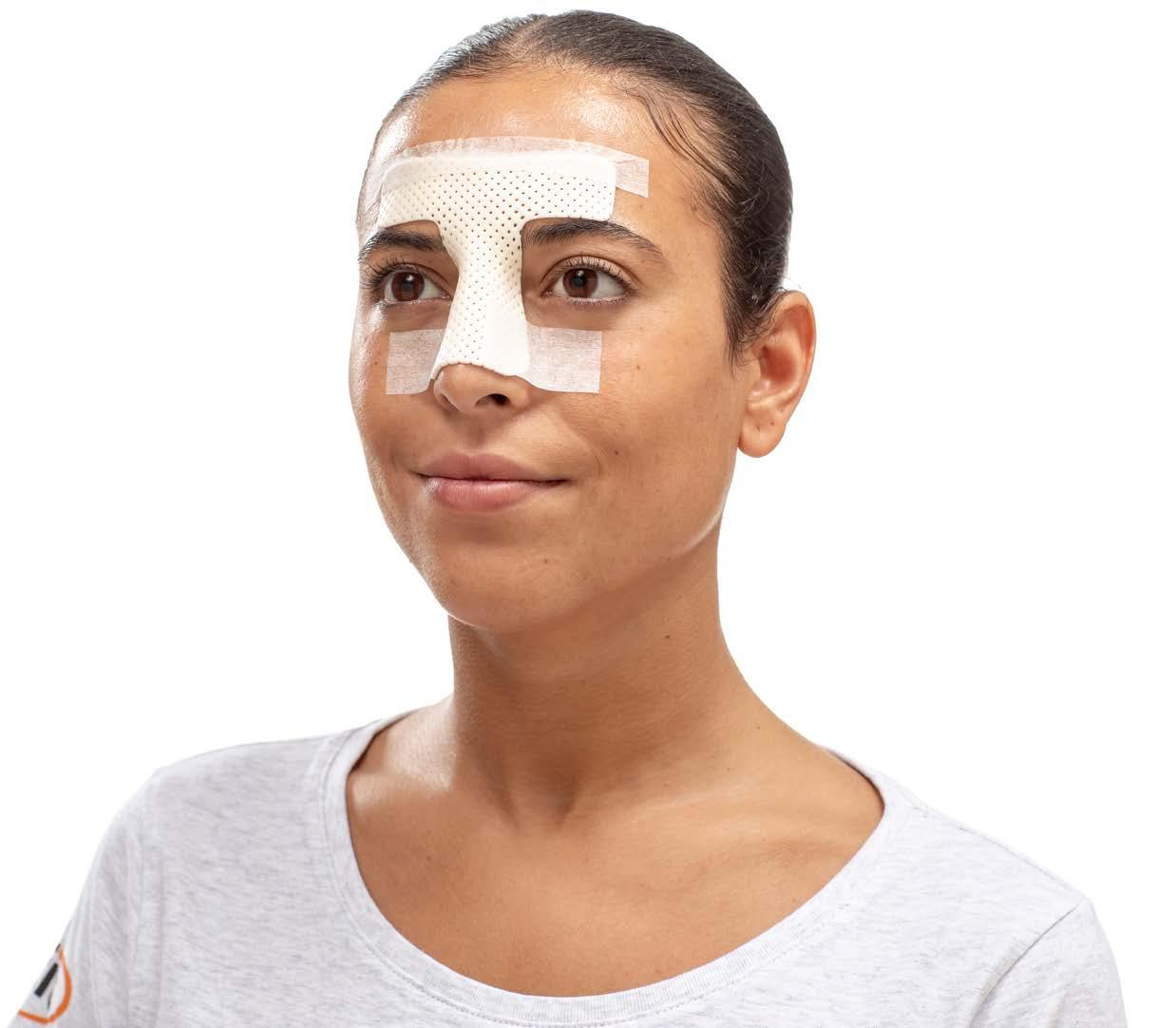
Orfit thermoplastics are used to protect the nose after surgery.
We envision a world in which our solutions help as many people as possible anywhere on the globe. With our focus on exceptional product support , we go beyond functionality.
HEADQUARTERS & MANUFACTURING
Wijnegem, Belgium
WORLDWIDE PRODUCT AVAILABILITY
+100 countries
Healthcare professionals in Radiation Oncology, Orthotics, Prosthetics, sports rehabilitation and ENT.
In 1981, Leon Van Malderen pioneered the production of thermoplastic sheets for the medical device market. ORthopaedic FITting (ORFIT) was born, revolutionizing patient care in rehabilitation and radiation oncology.
1991
In 1991 Christine van Malderen and Steven Cuypers took over the dayto-day business at Orfit Industries, marking the second generation .
The third generation , Matthias, Emilie and Chloé, runs the day-to daybusiness with Steven and Christine as advisors to their children. 2
2024
Our personality is entrepreneurial , characterized by never standing still and always pushing each other to a higher level.
In everything we do, our attitude is defined by our commitment . We work together to achieve a Golden Standard, always producing something that satisfies you and the next links in the “Orfit chain”.
Communication flows with candidness and transparency. Feedback is welcomed, ideas are freely exchanged, honesty is a given. There is trust, collaboration and mutual respect among team members.
Our team is a diverse group of personalities, backgrounds, and perspectives. Yet we are united by a common purpose in which we support one another, we celebrate each other’s successes, and navigate challenges together.
How we think and act = entrepreneurial
How we behave = committed
Our entire team plays an important role in upholding these values. Therefore, we’ve closed a PACT - that encompasses Personality, Attitude, Communication and Team - to guide our daily actions and decisions.
COMMUNICATION
How we communicate = candid
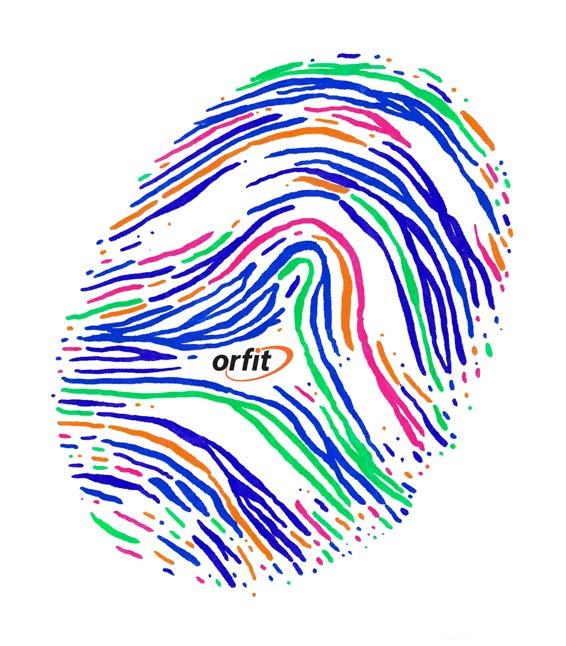

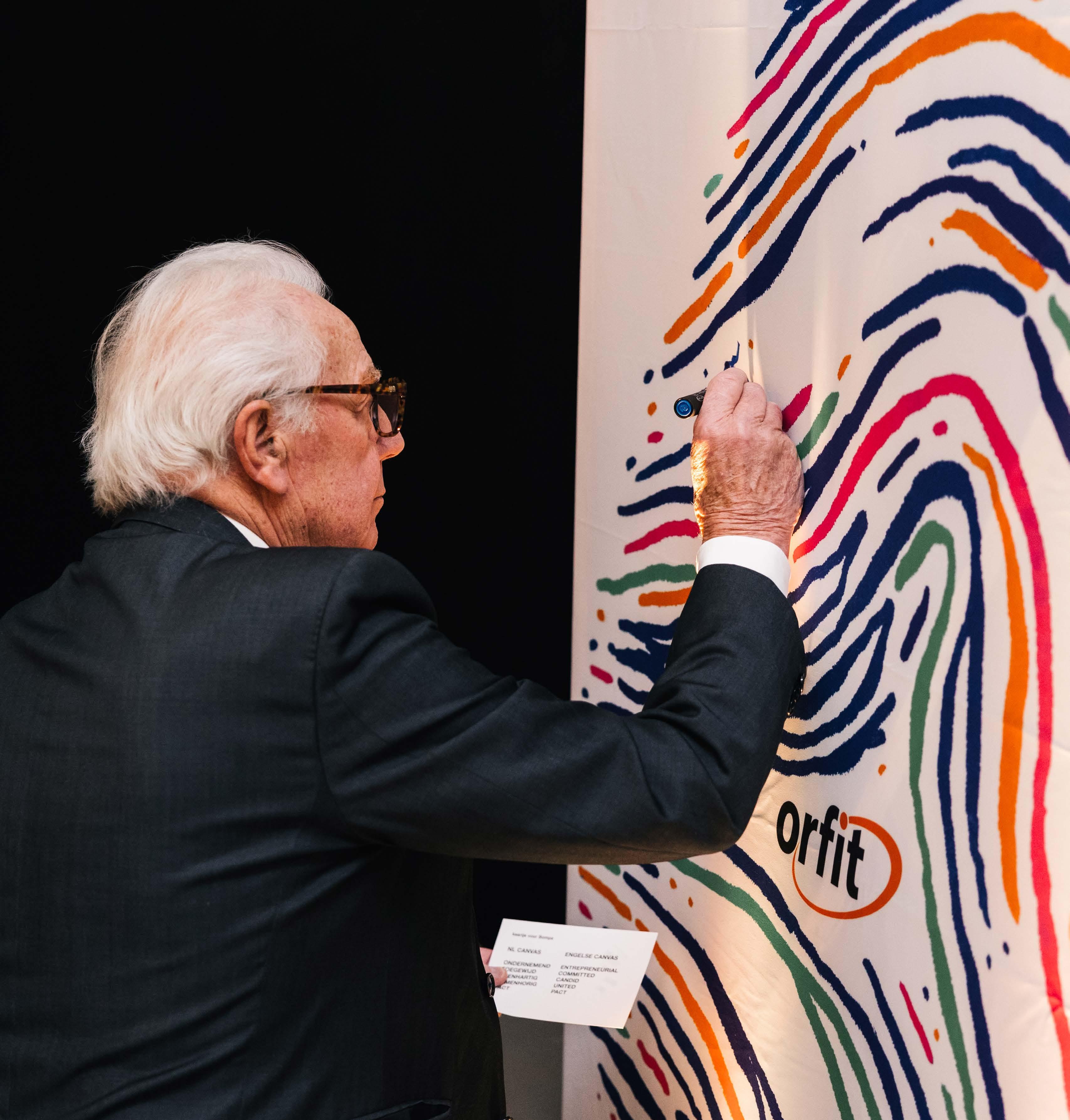
EACH TEAM MEMBER PLACED THEIR FINGERPRINT ON OUR “PACT” ARTWORK SHOWING THEIR COMMITMENT TO THE COMPANY VALUES.
Every business requires good governance. Sound governance practices help a business to enhance their resilience and ensures that the business creates value for all its stakeholders.
We like to see it as a holistic approach that ensures continuity, creates growth, manages all types of relationships, and preserves the family’s legacy while maintaining professionalism and accountability in business operations.
In the world of family businesses, a strong charter is like the roots of a tree – it keeps the family grounded and aligned while allowing the business to reach new heights.
I
&
of the board

With great care and attention, during 44 meetings, and the same number of in-depth discussions, we wrote down the foundation for our family business governance. Because what happens when the board of directors is also your family?
Our Family Charter covers rules, attitudes, and values that will help us to build a business for generations to come and maintain a strong family bond.
Defining clarity on roles, rights, and responsibilities; regulating appropriate family and owner inclusion; rules on how to communicate opinions in a constructive way; conflict resolution guidelines; ambitions for future success; culture; planning for succession; the list goes on.
16 chapters that will play an important role in the longterm success of the family business.
Orfit is family-owned and family-operated by the third and second generations. The board of directors is responsible for setting strategic direction, safeguarding the financial health of the company, monitoring the team’s performance, and providing a general view on the company’s activities.
The board of advisors consists of the board members and two external advisors. Our advisory board plays an important role in helping Orfit to take on challenges, enhance our performance, increase our competitiveness and work toward our long-term ambitions. The external advisors bring in expertise and guidance to help decision making and drive business success. They complement the skills of the company’s leadership team.
Thermoplastic polymers play an indispensable role in our commitment to providing top-notch medical solutions. But what exactly are thermoplastics, and why are they essential in medical devices?
The difference between polymers, plastics, and thermoplasticsBoard of Directo
Polymers are complex molecules formed by the repetition of smaller units called monomers. Imagine you have a string of beads. Each bead on the string is like a small molecule, or what we call a monomer. Now, when you connect many of these strings of beads together, you get a much larger structure. This is what we call a polymer. Polymers are everywhere around us and can be both natural and synthetic. Our DNA, which makes us who we are, is an example of a natural polymer.
Plastics are an example of a synthetic polymer.
Thermoplastics are a type of plastic, and thus a type of polymer, that can be heated and reshaped multiple times. Imagine a block of ice: you can melt it into water, reshape it by pouring it into a different container, and then freeze it back into ice. Thermoplastics work in a similar way. When you heat them, they melt and can be molded into different shapes. When they cool down, they harden and keep their new shape.
While numerous materials are suitable to produce medical devices, thermoplastics stand out for their unique properties that make them particularly well-suited for the products that we provide.
• They are x-ray transparent , meaning that they do not interfere with X-ray beams during treatment. X-ray beams are minimally attenuated, absorbed or deviated by our products.
• Their ability to deform and adjust at relatively low temperatures is crucial. The adaptability of thermoplastics allows for precise modifications to accommodate changes in anatomical characteristics and in recovery progress. This flexibility saves both time and resources by avoiding the need for unnecessary device replacements. Additionally, the deformability makes the material easy to manipulate, facilitating patient customization.
• They possess memory. Most of our thermoplastics have memory, enabling them to return to their original shape by simply heating.
The x-ray transparency, the ability to deform, and the memory are exceptional properties that allow for precise customization, optimal comfort, support and effectiveness in various medical treatments and devices.


At Orfit Industries, we take responsibility in guiding the market with transparent and easy to understand information. That’s why we are breaking down some of the most common bio-terms to help you make an informed decision when buying a product.
Biodegradability Compostability Bio-based plastic Bioplastic
Ever wondered what it truly means when a product is labelled as biodegradable and how that impacts our environment?
Before we start, it is important to understand that the bio-definitions and testing are only applicable to the thermoplastic without profiles, outriggers and straps. For the purpose of after-life processing, it means that for radiotherapy masks the profiles must be removed. For orthoses, all outriggers, straps and other accessories must be removed.
Clarity in terminology ensures proper product handling and accurate communication of environmental impacts. Be aware that some manufacturers use vague language or uncertified claims, potentially giving an exaggerated impression of their product’s sustainability or environmental friendliness. The use of specific words, terms or icons printed on labels does not always conform to certified industry standards. Never simply accept information at face value: inform yourself before believing!
Understand what biodegradability is
A biodegradable material can break down naturally over time into carbon dioxide, water, and biomass by living microorganisms, such as bacteria and fungi. The process of biodegradation depends on the environment such as water and soil, and on the surrounding environmental conditions, such as oxygen presence, temperature and humidity.
Biodegradability testing
Orfit tests the biodegradability of its thermoplastics using the ISO 148551 standard and EN14995 criteria. ISO 14855-1 specifies the test conditions to assess the ultimate aerobic (=oxygen-rich) biodegradability of plastics. EN14995 specifies the target that needs to be reached to consider a plastic as biodegradable.
Successful test results require a rate of 90% biodegradation in a maximum period of 180 days (6 months), under controlled composting conditions. While biodegradable thermoplastics will eventually degrade under certain conditions, it’s essential to understand that biodegradation alone does not determine how a thermoplastic should be disposed of. The reason is that the environment in which the thermoplastic is placed greatly influences its breakdown process.
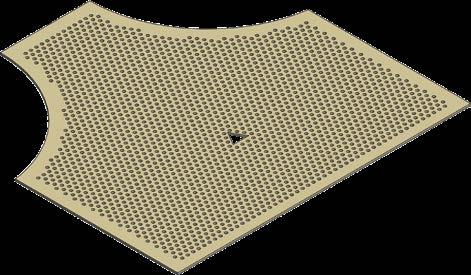
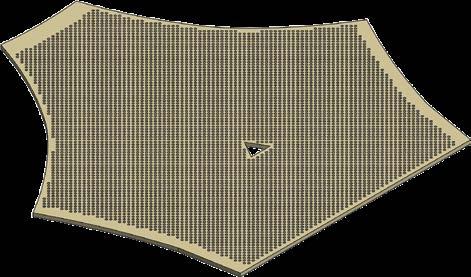
We performed biodegradability tests on three of our major thermoplastic compositions: Efficast®, Nanor® and Orficast®. All three thermoplastics reached a rate of 90% biodegradation in less than 2 months.
≥ 90% biodegraded in 32 days
≥ 90% biodegraded in 24 days
≥ 90% biodegraded in 31 days
While biodegradation is a critical component for evaluating the environmental impact of thermoplastics, it’s just one aspect of the testing process used to determine a product’s compostability. So, categorizing a thermoplastic as compostable requires far more than proving its biodegradability. To gain a deeper understanding of compostability, continue reading.
Understand what compostability is
A compostable plastic is a subclass of biodegradable plastics. They break down into carbon dioxide, water, and biomass within a specific timeframe and under specific conditions. The resulting biomass (compost) should have the same characteristics as compost made from fruit or vegetables. This means that it can be returned to the environment without pollution or harmful effects.
Composting can be done at home – in your own backyard, at ambient temperatures and with a natural microbial community. We call this home-composting. Composting can also be done industrially under increased temperatures, humidity, and other specific conditions. We call this industrial composting.
It’s important to understand that the ability to compost a product extends beyond our responsibility. Most compostable plastics require specialized industrial composting facilities. Unfortunately, many municipal and commercial industrial composting facilities are not yet able to handle compostable plastics. In fact, out of nearly 5,000 composting facilities in the U.S., only a few possess the necessary infrastructure to accept compostable plastics. Source: McGill Compost
Compostability testing
Orfit tests the compostability of its products according to a variety of regional and international standards: EN 13432 (2000) , EN 14995 , ASTM D6400 (2019) and ISO 17088 (2021) . Annex 1 (page 23) will help you to understand each standard.

The
compostability assessment performed on our thermoplastics consists of four tests:
1. Chemical characterization according to DIN EN 13656 and DIN 51723: this test determines how safe our thermoplastics are. Most important in this respect are the potential presence of heavy metals and fluorine, as these can have a negative effect on the environment.
2. Biodegradation testing according to ISO 14855-1
3. Disintegration evaluation, according to ISO 16929
4. Ecotoxicity on two plant species, according to the OECD 208 test method 1 2 3 4
Efficast® is officially recognized as suitable for industrial composting.

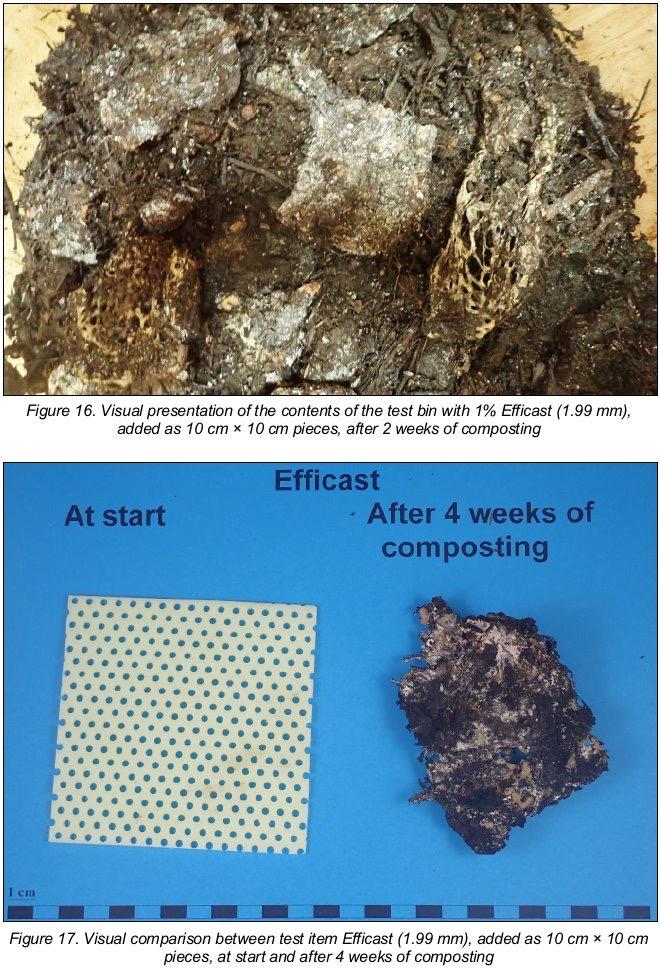
Efficast® at start


2 weeks
The disintegration proceeded and after 12 weeks of composting, Efficast® had completely dissapeared
During the first two weeks of composting, the Efficast test material started to melt and had become very elastic. Sticky holes and tears started to appear in the Efficast material.
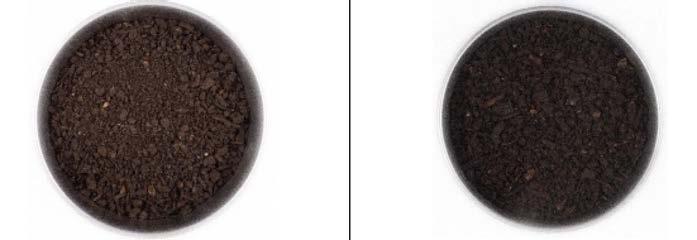
This figure shows a visual comparison between a fraction of control compost (left) and Efficast compost (right) obtained after 12 weeks of composting.
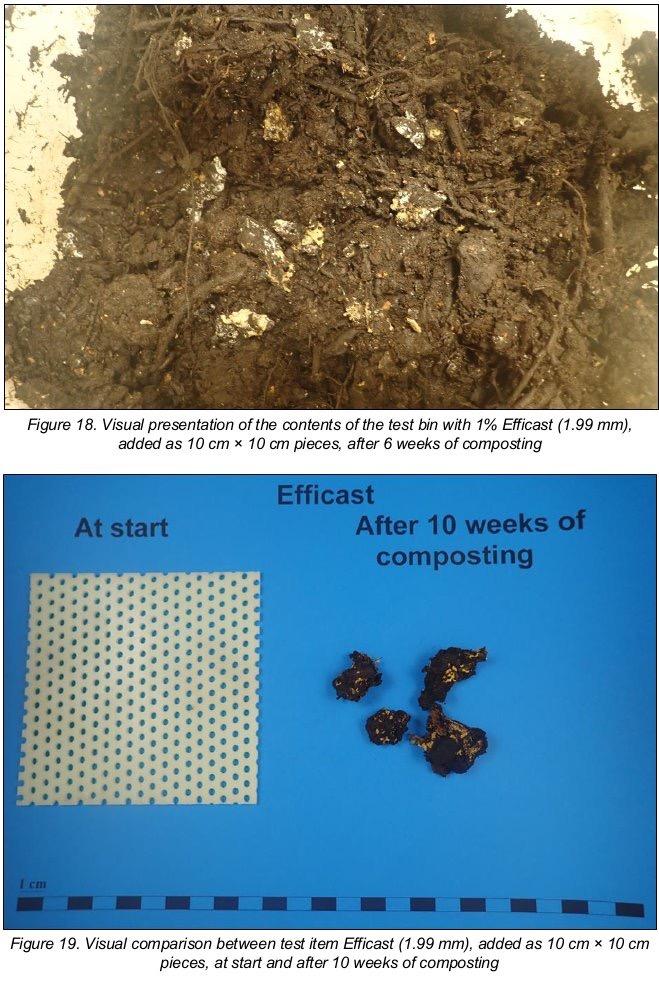
After 6 weeks, the Efficast material had fallen apart into pieces of variable sizes.
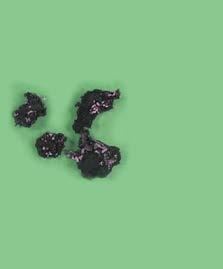
Efficast® after composting for 10 weeks 6 weeks
After 10 weeks, the major part of the material had dissapeared.

Efficast®, the thermoplastic composition used in 60% of Orfit’s radiation oncology masks is compostable in industrial composting conditions.
• Leaves no toxic residue
• Contains no heavy metals
• Suitable for industrial composting
• Leaves toxic residue
• Contains heavy metals
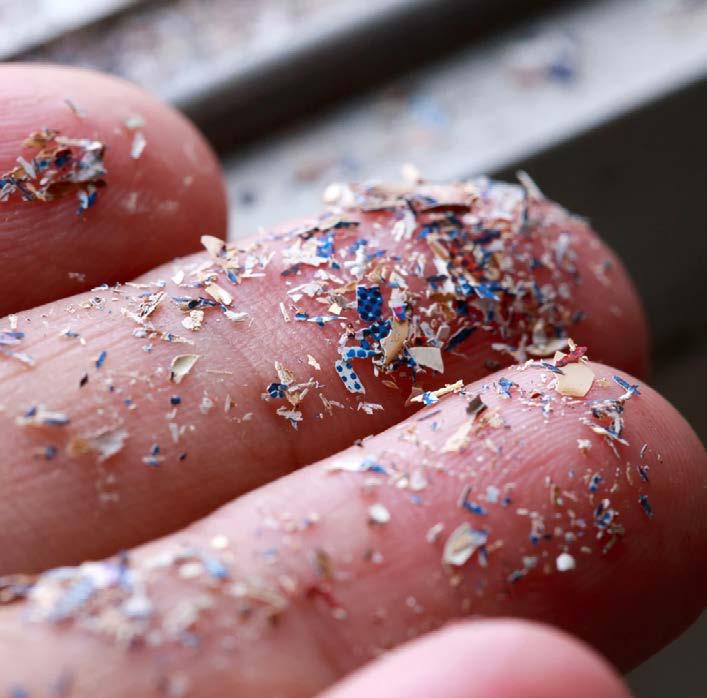
• Contaminates environment with microplastics & plastic fragments that can end up in foodchain
Nice to read if you are interested in learning more about the regulatory aspect of compostability testing.
Orfit tests the compostability of its products according to the norms EN 13432 (2000), EN 14995, ASTM D6400 (2019) and ISO 17088 (2021). These standards are all related to the compostability of products, but they may have differences in terms of criteria, testing methods, and regional applicability. Here's a brief overview of each:
• EN 13432: This European standard provides requirements for packaging recoverable through composting and biodegradation. It sets out criteria for compostability, including biodegradability, disintegration, and absence of harmful substances. EN 13432 is specifically focused on packaging materials and is applicable to industrial composting. Published in 2000 and describing the essential criteria of the Packaging & Packaging Waste Directive (94/62/EC), this standard is the first ever standard for compostability and the father of all other standards in that field.
• EN 14995: This European standard specifies the requirements and test methods for the determination of the compostability of plastics. It covers aspects such as biodegradation, disintegration, and ecotoxicity in soil. EN 14995 is applicable to materials and products intended to be composted in an industrial composting facility.
• ASTM D6400: This American standard, developed by ASTM International, specifies requirements for plastics that are compostable in industrial composting facilities. It includes criteria for biodegradability, disintegration, and ecotoxicity. ASTM D6400 is widely recognized in North America and other regions.
• ISO 17088: This International Organization for Standardization (ISO) standard provides guidelines for assessing the compostability of plastics. It covers aspects such as biodegradation, disintegration, and the absence of harmful substances. ISO 17088 is a more recent standard and may incorporate updated testing methodologies.
In summary, while these standards share the common goal of assessing the compostability of products, they may have differences in specific requirements, testing procedures, and regional applicability.
BIODEGRADABLE INDUSTRIALLY COMPOSTABLE
While biodegradable thermoplastics will eventually degrade under certain conditions, it’s essential to understand that biodegradation alone does not determine how a thermoplastic should be disposed of.
The reason why biodegradability doesn’t determine disposal methods, is because the environment in which the thermoplastic is placed greatly influences its breakdown process.

Items must break down within an industrial composting facility. Specific regional standards for compostability apply.
Biodegradability and compostability are both important considerations for evaluating the environmental impact of materials, but they are different!
To be classified as home compostable, items should be able to break down into organic matter (= compost) under the conditions that are found in a backyard compost pile.
While biodegradability assesses the general ability of a material to break down over time, compostability provides a more focused assessment of its suitability for environmentally friendly disposal in composting systems.
Let’s use a real-life example to demonstrate how to analyze a biodegradability and compostability message provided by your manufacturer.
Verify the accuracy of the cited norm or standard.
In this instance, it’s important to note that the correct standard is ISO 14855-1, not ISO-148551-1.
manufacturer1 states
Evaluate whether the biodegradability percentage meets the criteria of a standardized norm.
This manufacturer states that their product is 25% biodegradable within a span of 90 days. To better grasp the significance of this claim, it’s crucial to align these figures with the established criteria for classifying a product as biodegradable. As per widely recognized standards like EN14995, a product needs to demonstrate over 90% biodegradability within a maximum timeframe of 180 days to earn the biodegradable label.
Conclusion: a product that reached 25% biodegradability after 90 days cannot be labeled as a biodegradable product.
As a true protector of nature you can compost it
Assess the validity of the compostability claim by verifying the test method used and whether the product meets the criteria for each test.
In this example, the conclusion drawn is that the product fails the compostability test by default. This is because biodegradability is just one of the four tests that must be successfully passed during compostability testing.
Conclusion 1: a successful biodegradability test is an important criteria to meet compostability requirements. Since the product did not succeed in the biodegradability testing, it consequently does not succeed compostability testing.
Conclusion 2: it is important to mention under which conditions compostability has been tested. A manufacturer must therefore always talk about industrial composting and not merely composting.
1
A plastic material is defined as a bio-based plastic, also known as biobased plastic or renewable plastic, if it is (at least partially) made from renewable raw materials. Examples of renewable raw materials are corn, sugarcane, and other plant sources. This opposed to using oil or natural gas, which are used to make regular plastics.
Bio-based plastics offer the advantage of reducing dependence on finite fossil fuel resources. However, not all bio-based plastics are biodegradable or compostable. Some may persist in the environment for a long time if not properly disposed of.
So, biobased plastics may contribute to a lower carbon footprint, but may not address the issue of plastic pollution unless they are also biodegradable or effectively recycled.
In 2022, the European Commission adopted a policy framework to improve the understanding around bioplastics. In this framework, a bioplastic is defined as a plastic material that is either bio-based, biodegradable, or features both properties. The family of bioplastics can be divided into three main groups:
1. Plastics that are non-biodegradable and based on renewable resources.
2. Plastics that are biodegradable and based on fossil resources.
3. Plastics that are both biodegradable and based on renewable resources.
Using the term bioplastics without knowing what is really means, could trick people into thinking it’s eco-friendly when it’s not. That is why we are not calling our thermoplastics bioplastics. If a plastic comes from fossil resources and doesn’t break down naturally, it shouldn’t be called “bio”. From our perspective, the definition of the European Commission can lead to greenwashing.
Always ask your manufacturer the share of biobased content in the product, stating for example that the product contains 50% biobased content. In other words, how much of the product’s raw materials come from renewable sources? If the percentage of biobased content is low, you should question the actual impact of the product on reducing its carbon footprint.
Would you like to read more about biodegradable, compostable and biobased plastics? We recommend reading this EU policy framework.
All test results are applicable to the thermoplastic material only. Mask profiles, velcros, outriggers on splints must be removed before processing the material.
Biodegradability
Radiotherapy masks
Efficast® masks
Nanor® masks
Hybrid masks (Efficast® + Nanor®)
Orthotic fabrication products
Orficast® thermoplastic on a roll
Thermoplastic splinting sheets and precuts
Orfitrans O&P sheets
Orfitrans®
Compostability
Radiotherapy masks
Efficast® masks
Nanor® masks
Orthotic fabrication products
Orficast® thermoplastic on a roll, all thermoplastic sheets, and all precuts
Orfitrans O&P sheets
Validated as 100% biodegradable
Validated as 100% biodegradable
Validated as 100% biodegradable
Validated as 100% biodegradable
Our Orfit thermoplastic splinting sheets and precuts closely resemble the thermoplastic composition of our radiation oncology masks, which have been certified as fully biodegradable. This similarity in material composition indicates that they are highly likely to meet biodegradability standards. However, until conclusive test results are available, we refrain from making any definitive claims.
Orfitrans products are not biodegradable. Notification: at present, we are not aware of any biodegradable product option in the market.
Validated as industrially compostable
The compostability of Nanor is currently being tested.
The compostability of Orficast and other splinting materials has not been tested. We therefore refrain from making any claims.
Orfitrans products are not compostable.
Efficast® radiotherapy masks are designed to be industrially compostable. We recommend checking with your local industrial composting facility to ensure they accept the product. If not, or if you’re unsure, the residual waste bin is the most environmentally friendly disposal option.
Home composting
Garden or green waste collection bin
Recycling collection bin ( Never add a thermoplastic to the plastic recycling bin. It can contaminate large quantities of plastic that could otherwise be recycled)
Industrial composting for Efficast® radiotherapy masks is possible if your local facility has the technology to handle compostable thermoplastics.
Residual waste bin
For all other products, the recommended method of disposal is the residual waste bin.
Home composting
Industrial composting
Garden or green waste collection bin
Recycling collection bin ( Never add a thermoplastic to the plastic recycling bin. It can contaminate large quantities of plastic that could otherwise be recycled)
Residual waste bin
It is important to note that biodegradable plastics require specific conditions to break down.
If they are littered in an area without these specific conditions, they will stay in that environment. Therefore, the proper disposal method for your radiotherapy mask, orthotic or prosthetic Orfit material is the residual waste bin. This helps minimize the risk of contamination with recyclable plastics and reduces the potential for microplastics to enter our soils and waterways.
Do you use radiation oncology masks within a 500 km radius of Antwerp, Belgium? Are you interested in participating in our pilot project to return your used radiotherapy masks?
Reach out to welcome@orfit.com to retrieve more information.
Guided by the curiosity to understand how biodegradability and composability within our products works, we started testing our products in 2019.
Back then, the absence of clear international standards tailored to our specific product line pushed us to collaborate. Our partnerships with research labs enabled us to exchange knowledge and insights. By continuously testing and pushing the boundaries we are becoming better and better at creating a quality product with as little impact on our planet as possible.
Even though most industrial composting facilities currently do not accept compostable plastics, we are committed to continuing the process to ensure future readiness.
It’s worthwhile to note that the testing and certification process often requires significant time and financial resources. Even the slightest deviation from the desired test result necessitates restarting the entire research and design process, meaning more time and money needs to be invested. Yet, the outcomes are worthwhile. They ensure the accurate dissemination of information, safeguarding ourselves against the pitfalls of greenwashing and affirming our commitment to environmental responsibility.

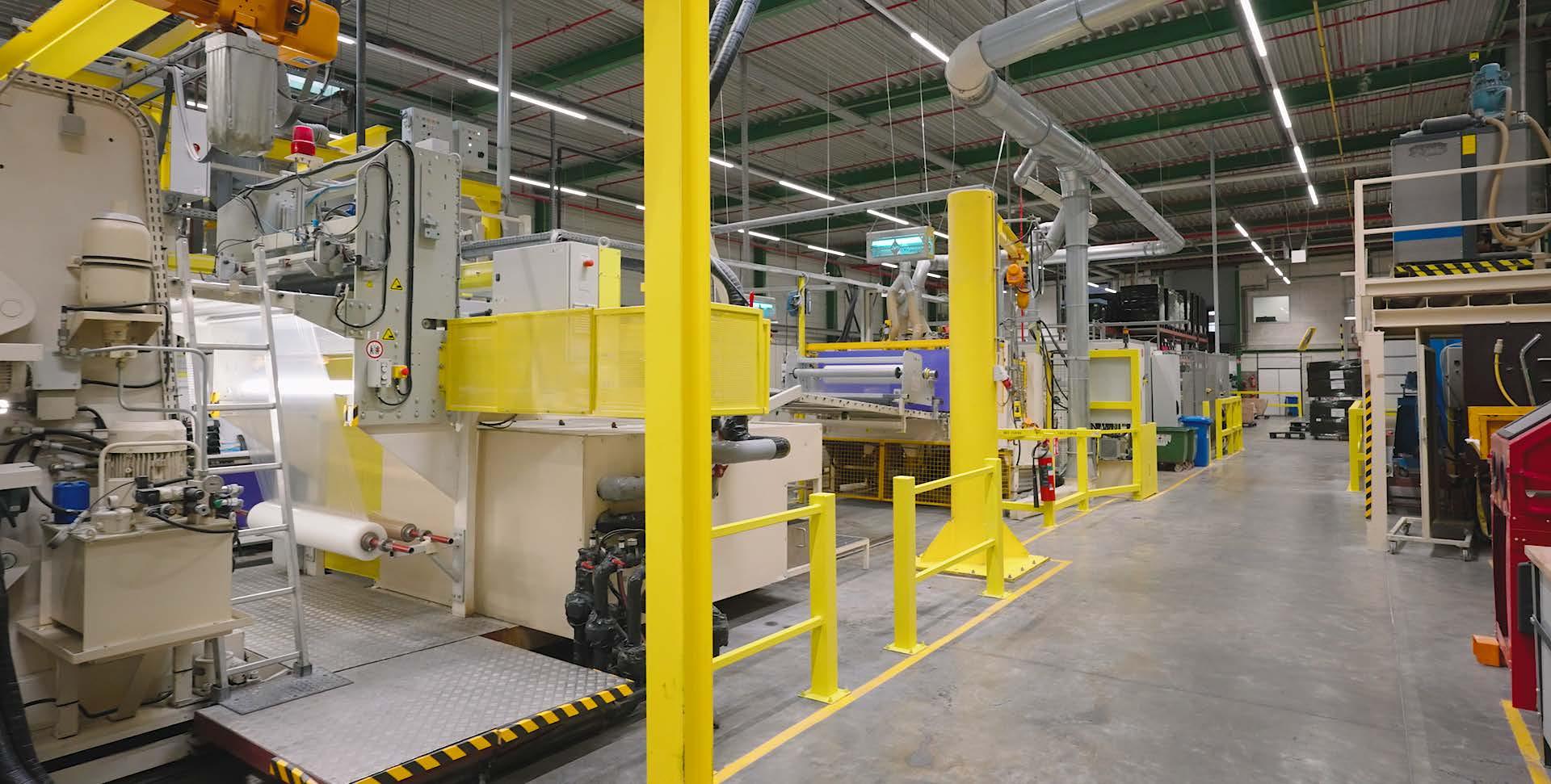
As a plastic processing company, our key responsibility is to strictly manage the amount of plastic entering and exiting our production facility. Our mission is clear: utilize the least amount of plastic possible while ensuring that minimal plastic waste exits our premises. This proactive approach is our superhero move, stopping more unnecessary plastics from finding their way into our oceans and land.
We employ three core strategies to minimize our plastic entry and exit:
1. Meticulously engineered products
2. Byproduct minimization
3. Byproduct reutilization
Meticulously engineered products
Through advanced polymer engineering, we achieve two objectives: maximizing the clinical effectiveness of our products while minimizing material usage.
We minimize material usage by engineering the thinnest possible thermoplastics and by lowering the density where possible. This reduces the overall plastic footprint of our products.

Byproduct minimization
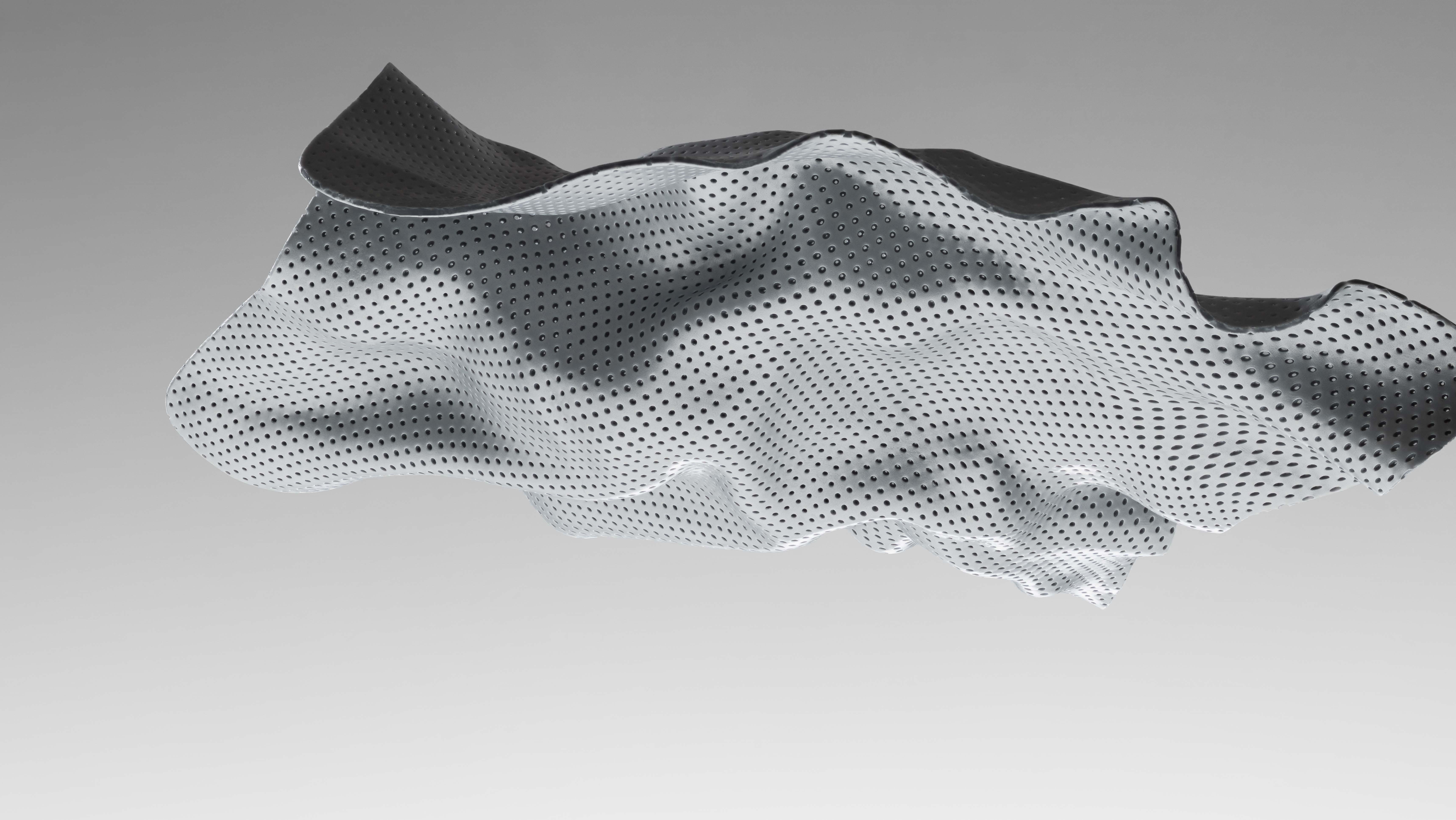
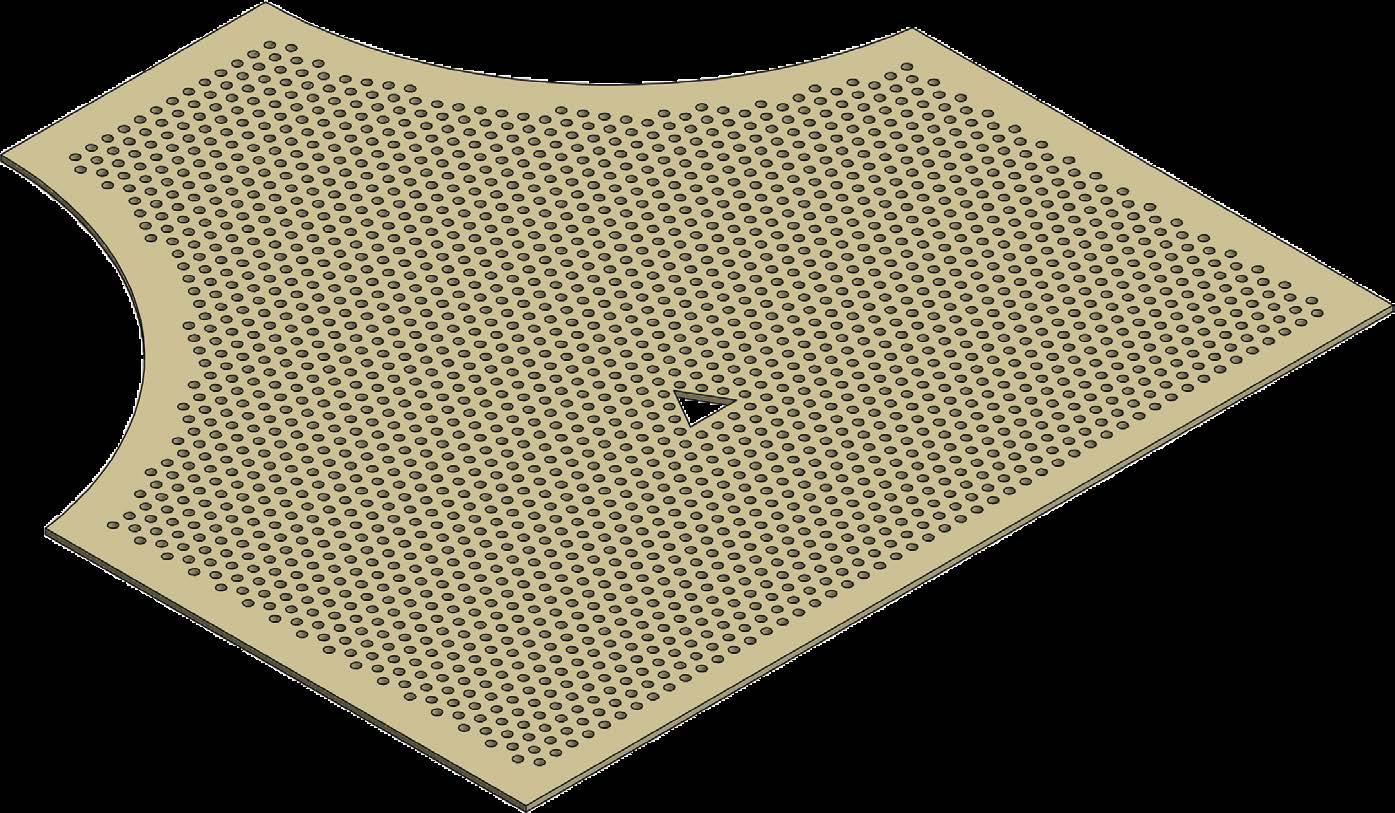
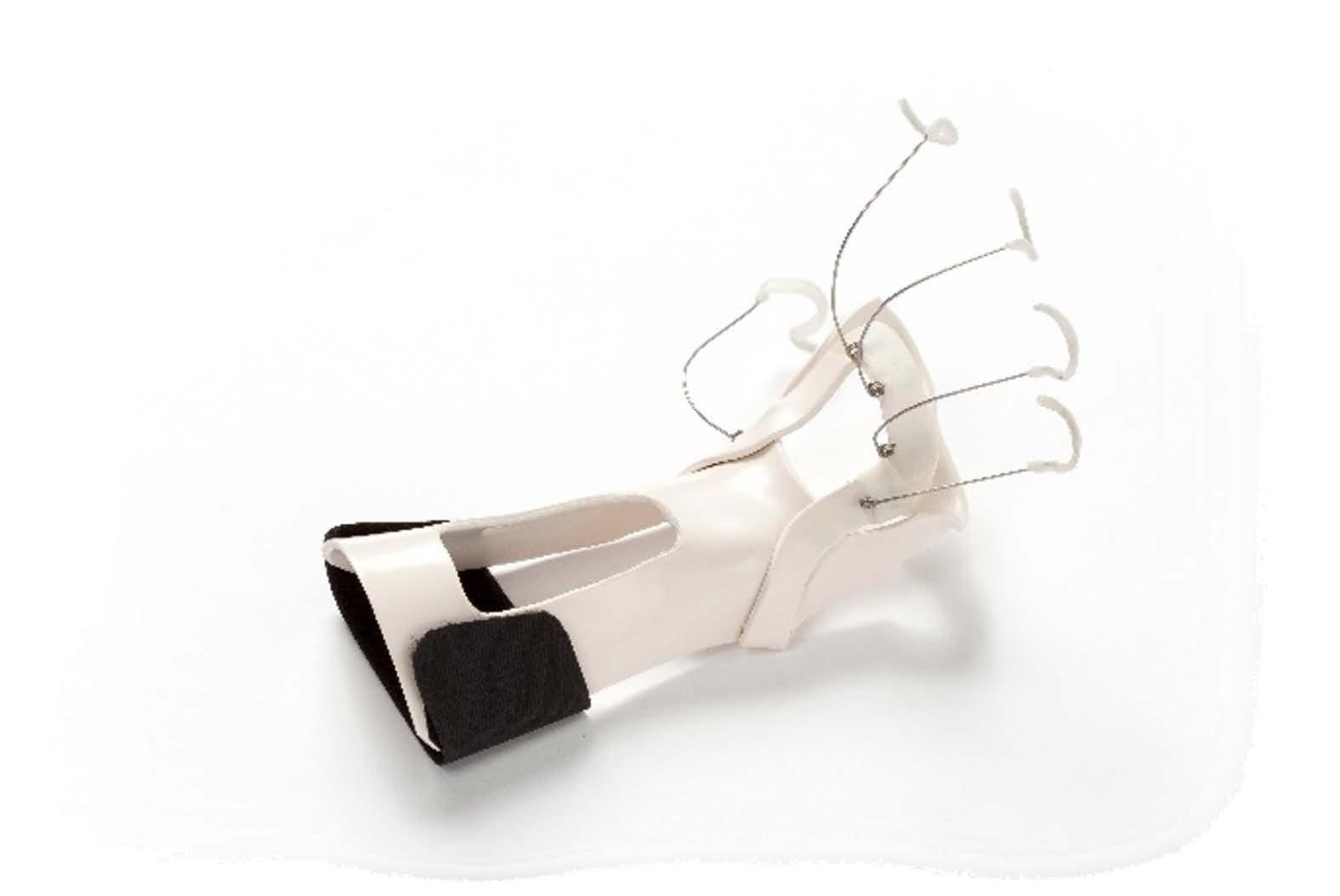
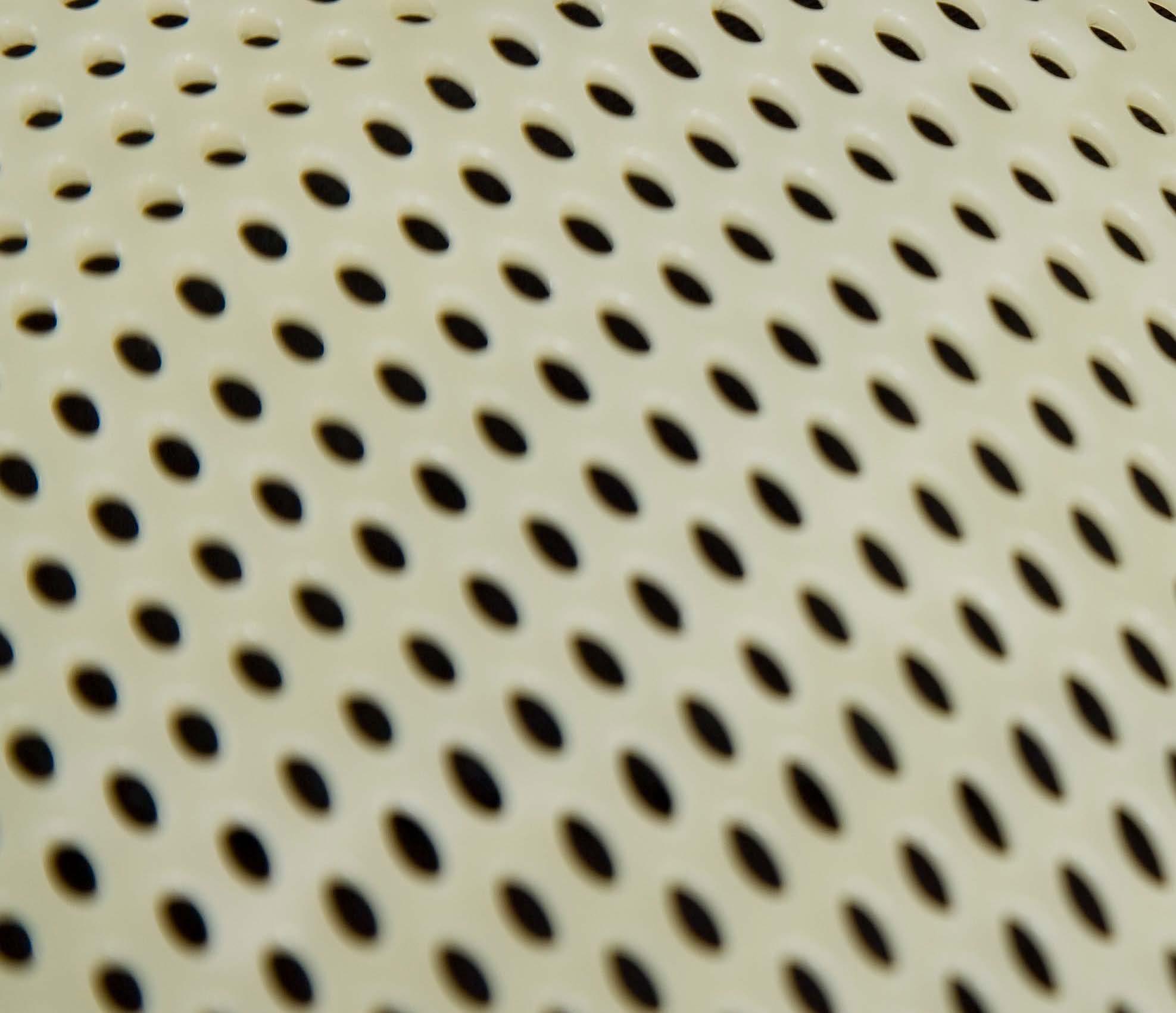
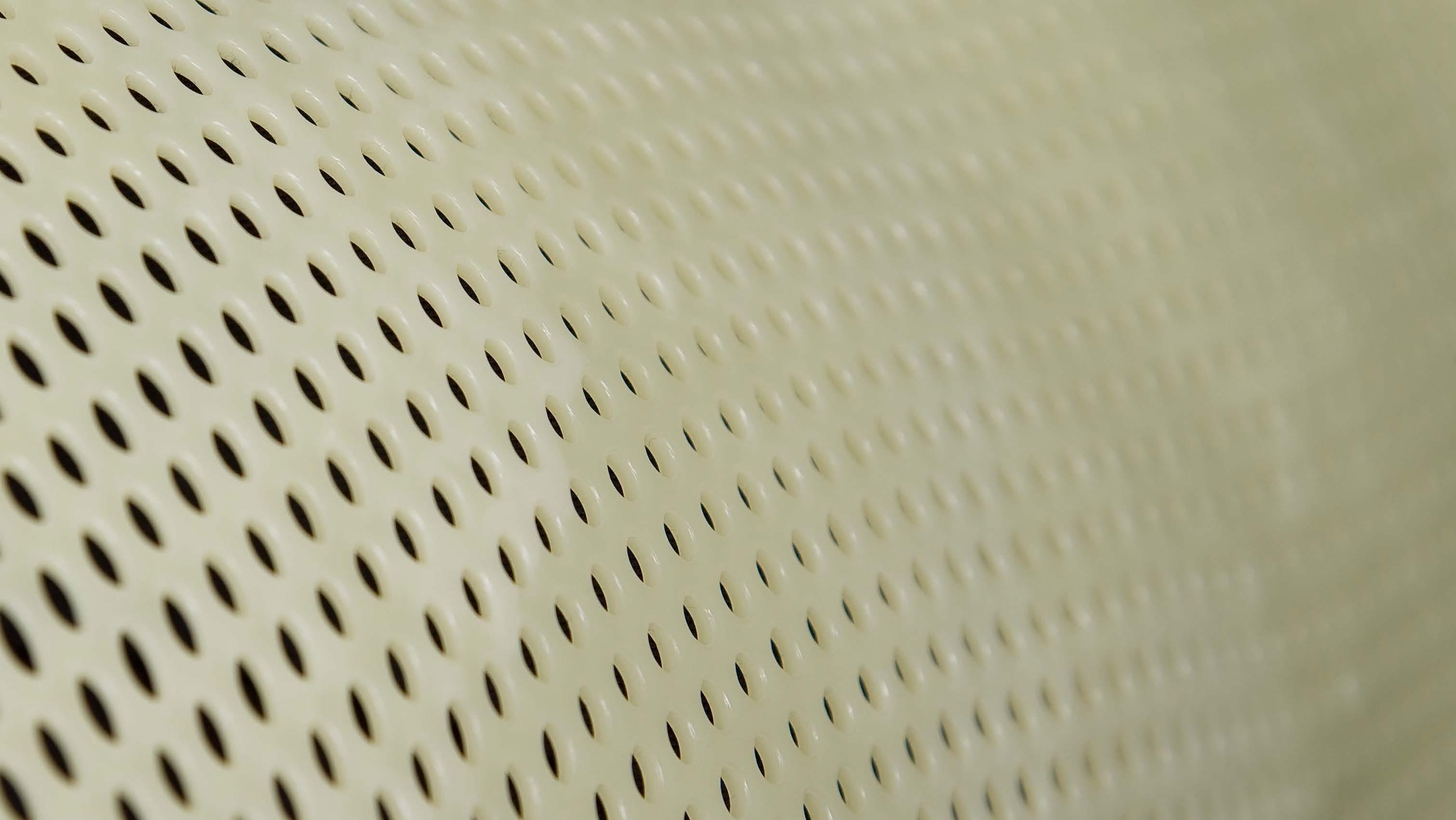
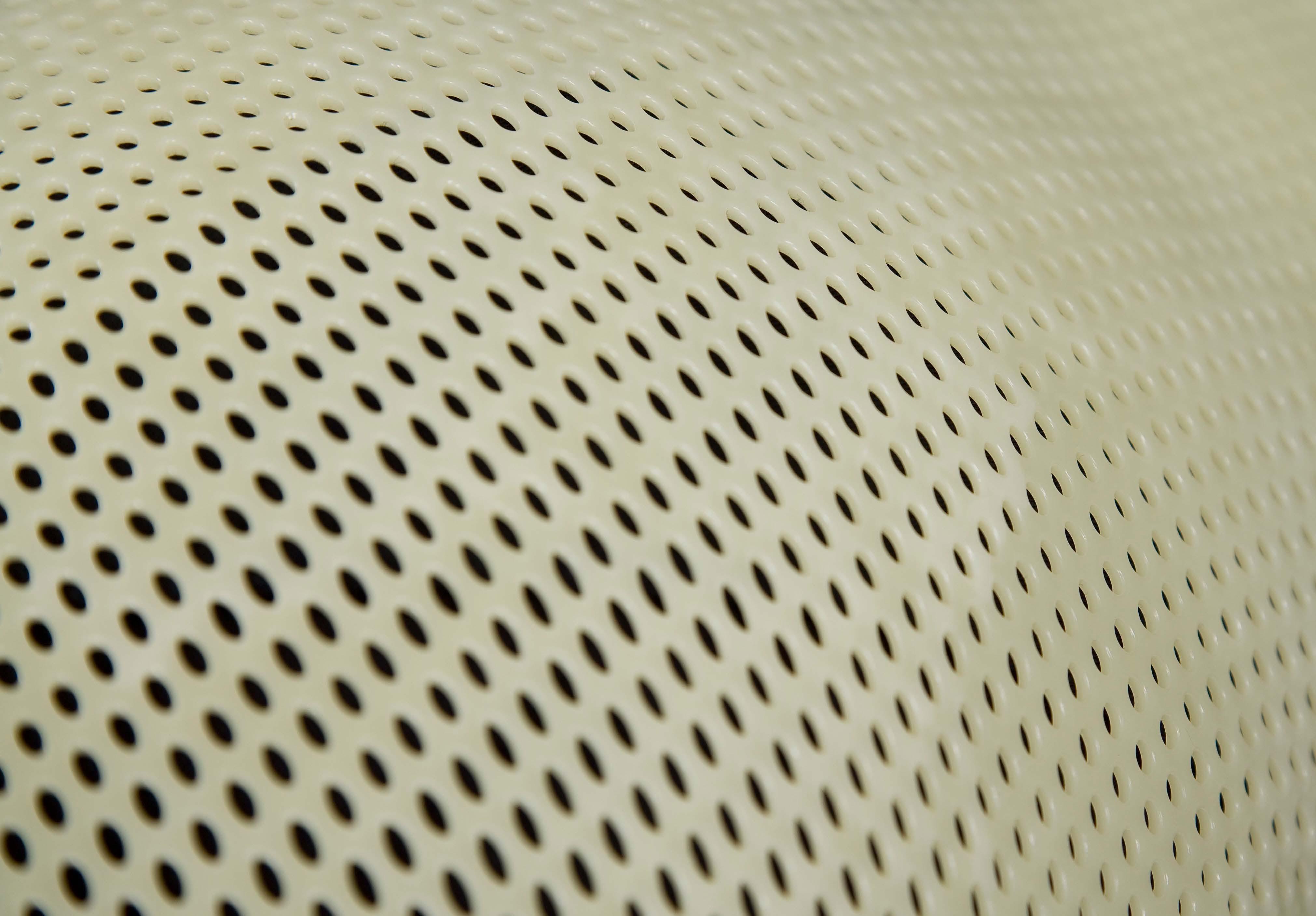
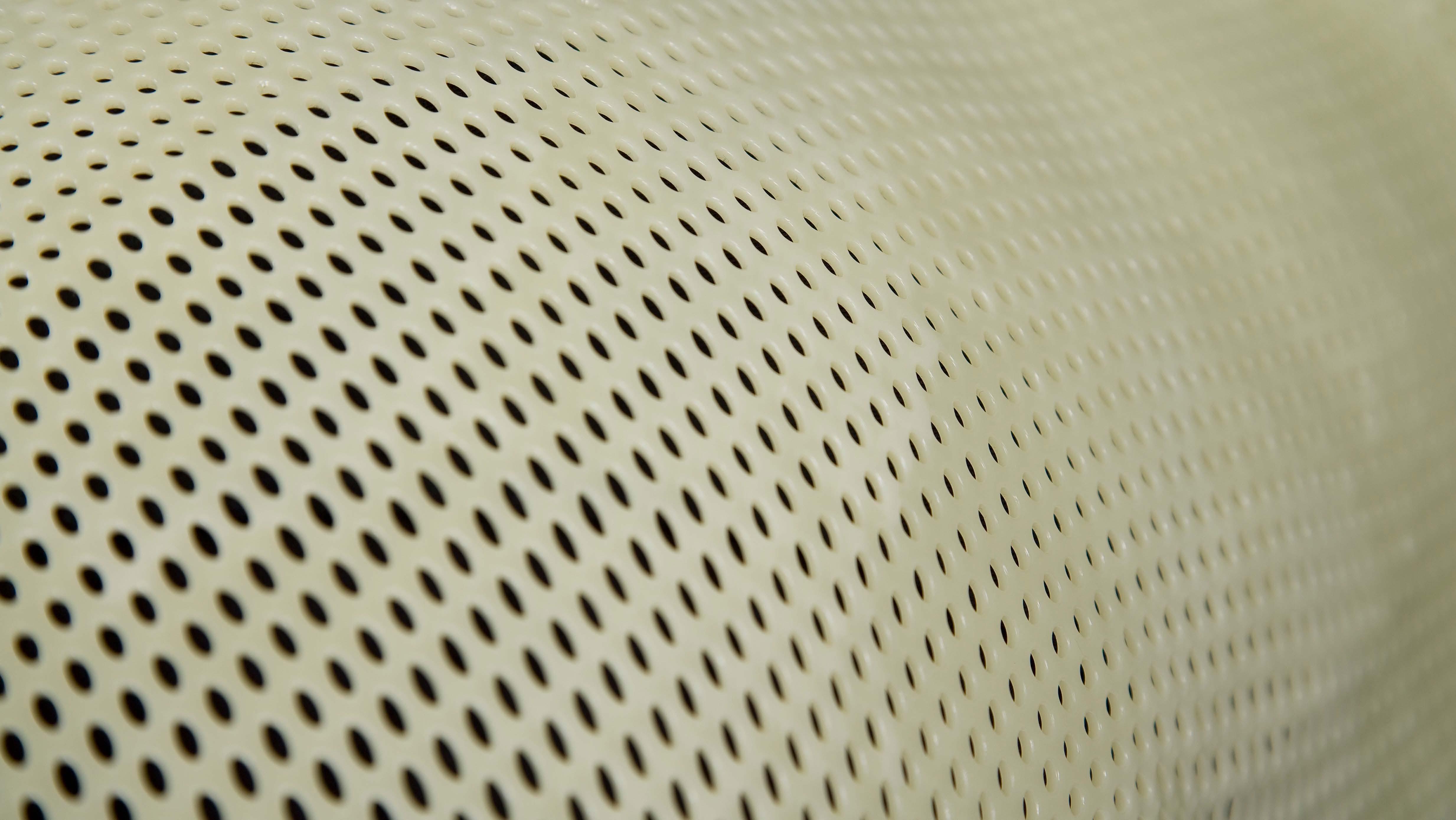
Every thermoplastic manufacturing process generates byproducts. Byproducts are produced alongside the main product as a result of various production steps, including perforation, cutting shapes, running trial runs and the extrusion process itself. For example, perforations are created by punching small holes in the thermoplastic. In Radiation Oncology the perforations in the mask facilitate breathing and reduce anxiety. In Orthotic Fabrication the perforations in a splint allow for better breathing of the skin.
By closely monitoring and analyzing our production processes, we identify key areas where byproducts are generated, and we implement methods to limit the amount to the bare minimum.
Byproduct reutilization
A cornerstone of our sustainability initiative is the reintroduction of byproducts back into our own manufacturing process. In 2023, 29% of our plastic byproduct was repurposed internally. The remaining 71% of the byproduct goes to a recycling company and is, among others, reprocessed into plastic trays and pots, such as flowerpots.
This shift not only reduces our carbon footprint, but it also conserves finite fossil resources. Despite the modest scale, every contribution counts toward a sustainable future.
We guarantee that products manufactured from our byproducts are of the highest quality, with no compromise in performance, durability, or safety. Healthcare professionals can trust that products manufactured from our byproducts, are on par with those made from virgin plastics, reinforcing our reputation as a reliable partner.
When customers started expressing their demand for more environmentally friendly packaging, we listened attentively and explored greener packaging solutions.
As a result of our customers’ feedback, we have transitioned to more ecofriendly practices.
Each product received individual plastic packaging and each shipping box was filled up with protective materials, such as bubble wrap.
No more individual plastic bags for most of our masks. Star ting September 2021 almost all of our radiotherapy masks are placed directly in a cardboard box without the use of plastic. This was made possible because we evolved the surface layer of our masks to a more robust one that cannot get damaged during transportation.
2023
No more individual plastic bags for our orthotic fabrication sheets. Starting in 2023, we implemented the same practices for our orthotic fabrication sheets. No more individual plastic bags!
Rainwater recovery systems, with a capacity of 60,000 liters, have been implemented to supply toilets and outdoor taps, accounting for approximately 80% of our water consumption.
We utilize infiltration techniques, such as Wadi, to manage rainwater runoff and promote groundwater recharge.
Our paving is designed to be permeable to water, aligning with our commitment to sustainable water management.
Orfit’s use of rainwater recovery and permeable paving exemplifies how practical choices in water management can make a substantial impact on sustainability.
Jelle Geudens I Maintenance

Orfit actively contributes to a sustainable future through energy optimization. We’ve implemented initiatives to maximize the efficient use of energy resources across our operations. Our efforts span various facets of our organization. Hereunder you can find concrete examples of what we are doing today.
Reusing Energy Where Possible
• Reusing Machine Heat: Heat generated by certain machines is used to heat the dryer of our coating machine.
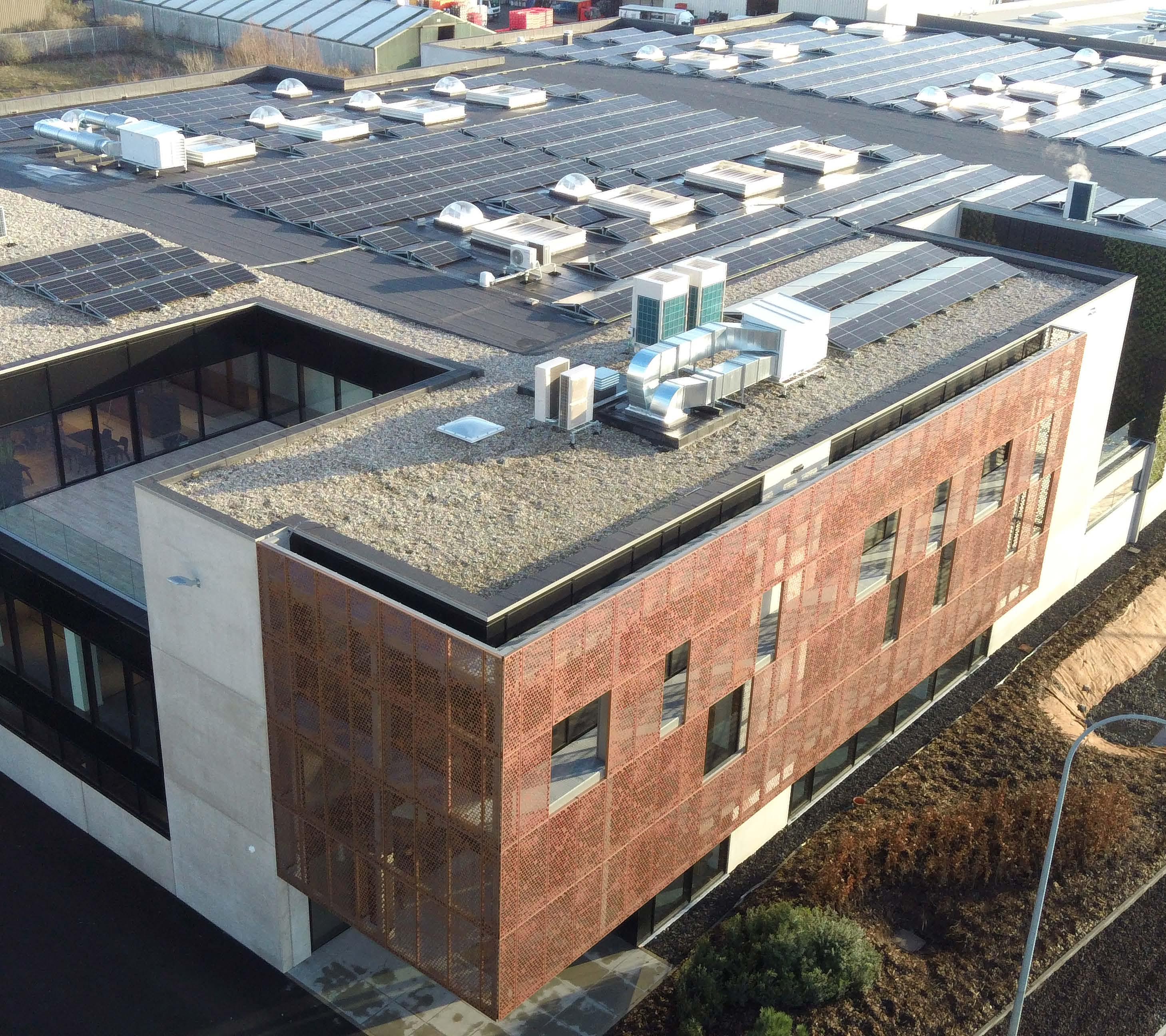
• Solar Power Integration: Following the construction of our new site, we installed a substantial solar panel park on the roof. This installation now provides a significant portion of our energy needs, contributing to a more sustainable and energy-efficient operation.
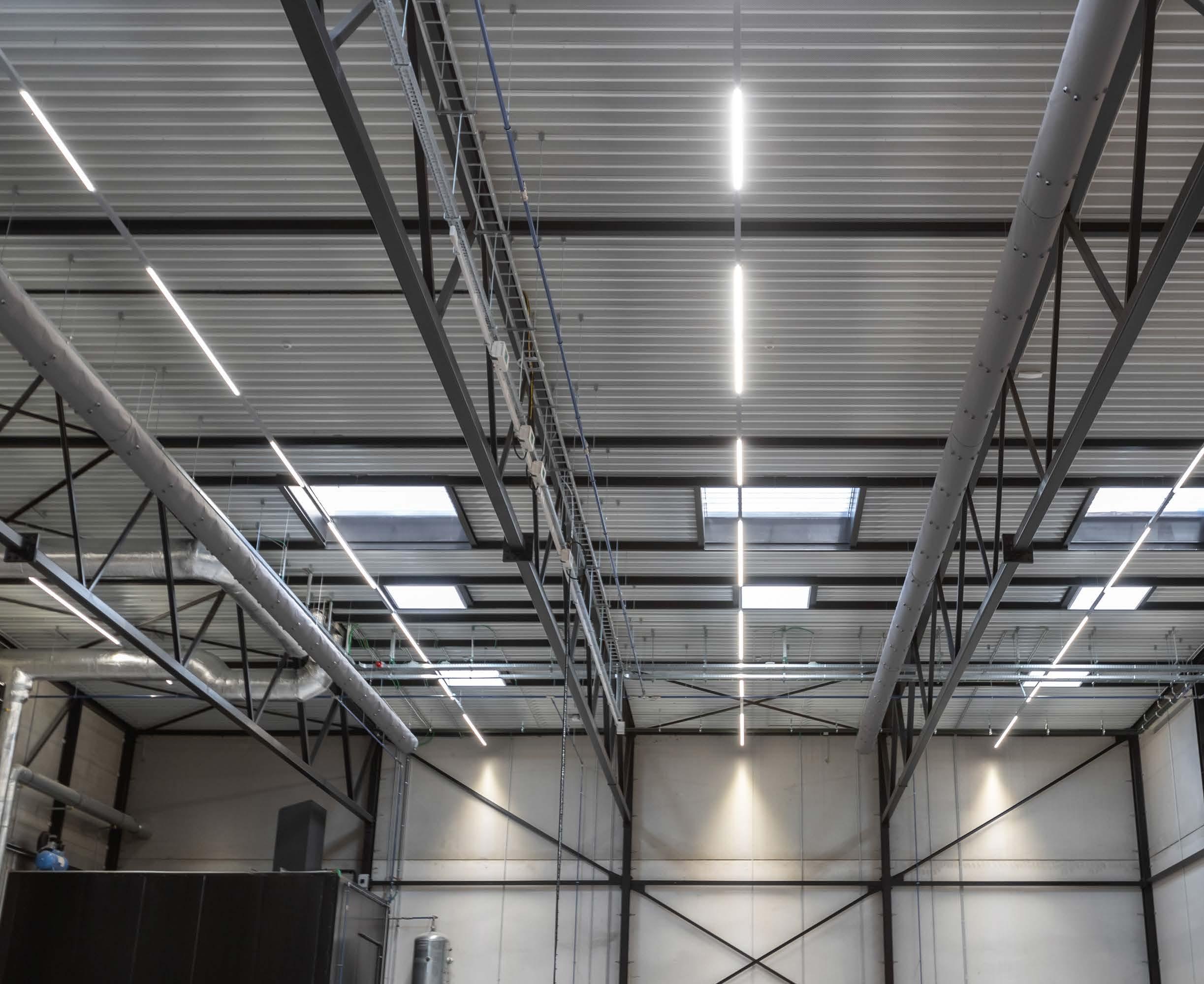
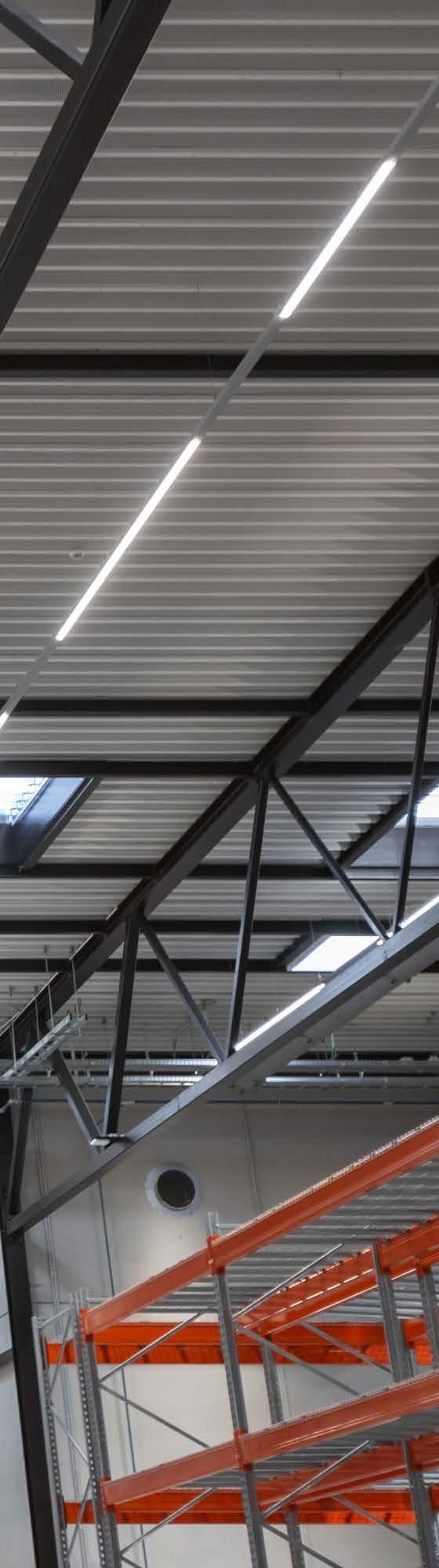
• Switching to LED lighting, along with effective control systems and light attracting ceiling windows, has yielded substantial results. Our lighting energy consumption has decreased by an impressive 68% per year, a testament to the positive impact of this eco-friendly lighting solution.
• Compressor Efficiency: We have adopted a practice of turning off compressors during weekends and holidays when production is not in progress. This initiative has resulted in an energy reduction of 11.7% per year.
• In our office spaces, we’ve implemented underfloor heating paired with a heat pump, delivering an energy savings of approximately 18% compared to traditional gas boilers and convectors.
• In our production area, we’ve opted for a gas air heater with ventilation ducts that evenly distribute warm air, achieving savings of around 9% when compared to conventional heating systems.
• Energy recovery solutions, such as heat exchangers and air recovery on chip extraction, have been integrated, leading to substantial savings in heating costs.
• Our building features enhanced insulation with 10% more in walls and 20% more on the roof compared to standard construction, further reducing the need for heating.
• Our air conditioning units are equipped with a central control system, ensuring optimal cooling while minimizing energy consumption.
• We implement night cooling through our ventilation system, utilizing natural cooling during the nighttime hours and reducing our reliance on air conditioning, resulting in a 17% energy savings.
• The addition of a perforated front facade on the west-facing glass sections provides sun protection, reducing the need for cooling by up to 3°C on sunny days.
Our holistic approach to energy optimization encompasses various aspects of our operations, from reusing energy where possible to adopting advanced technologies and sustainable practices.

• We have transitioned to LED lighting across all areas, including production and storage, resulting in substantial savings of approximately 18% during office hours.
• Advanced lighting control systems, including daylight compensation and the use of light catchers, further enhance our energy-efficient lighting practices.
• We have installed 752 solar panels, covering 28% of our energy needs for the initial two years of production, exemplifying our dedication to renewable energy sources.
In summary, our holistic approach to energy optimization encompasses various aspects of our operations, from reusing energy where possible to adopting advanced technologies and sustainable practices. These initiatives underscore our commitment to energy efficiency, sustainability, and a greener future. Should you require further examples or details on our energy and water efficiency efforts, our technical service team is readily available to provide additional insights.


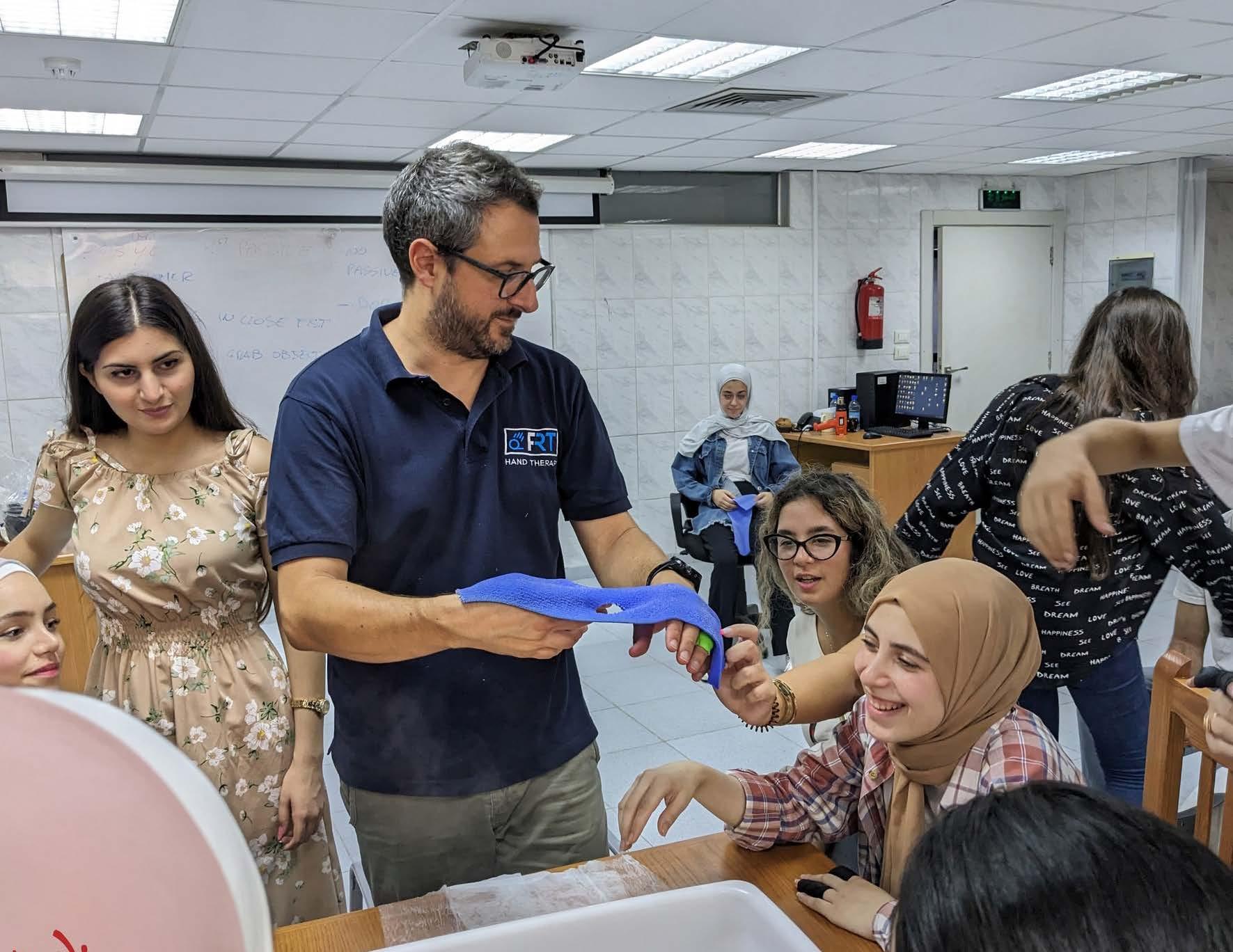
"The students' eagerness for knowledge, and curiosity about these brand-new and never-seen materials, is always accompanied by enormous respect for a donation designed exclusively for them. Something truly out of the ordinary in a country that has been at war for twelve years now and strangled by an unparalleled economic crisis. The crisis aggravated by the lack of electricity, fuel, basic necessities and strengthened by the devastating earthquake at the beginning of the year which caused the collapse of many infrastructures already damaged by the war. Regardless, the mission was a success and the number of therapists trained reached 54, enough for covering all Latakia region and a little bit more." Dr. Francesco Romagnoli, O.T. BSc speaking.

We have the materials and the skills, so it’s only fair to help when people need it most.
Chloé Cuypers I Chief Human Resources and Marketing
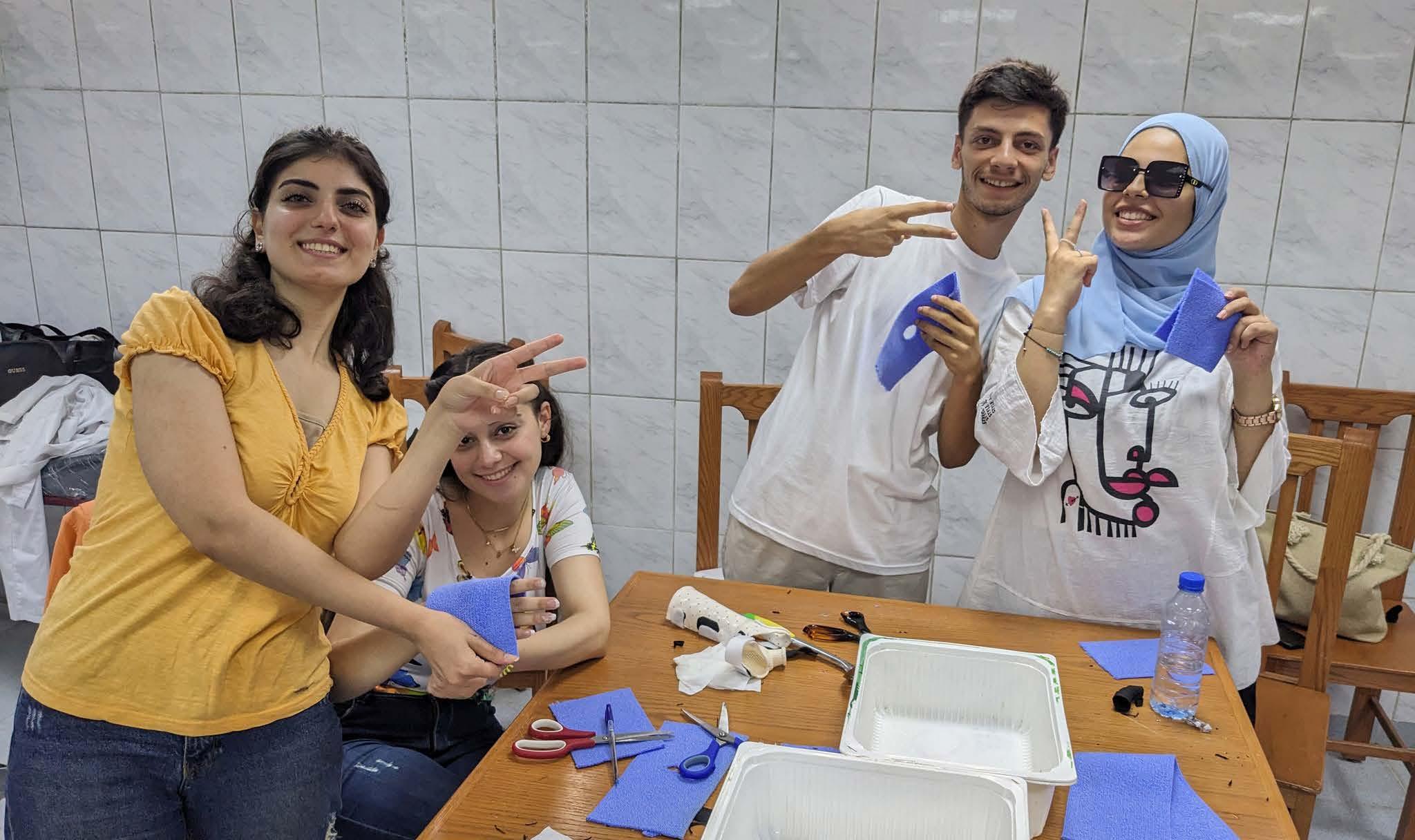
Dr. Francesco Romagnoli recently completed his second mission in Syria as part of the ongoing efforts to advance occupational therapy education in the region. This mission took place during the third year of the inaugural Occupational Therapy degree program in Syria, a collaboration between Armadilla, Unimore, Aamal Organization, and the UNDP project 'Fill the Gap'. Dr. Ramagnoli's lectures focused on Occupational Therapy for the Upper Limb, specifically covering principles of hand therapy and the design and construction of splints for common finger, hand, and wrist pathologies. This mission marks the second consecutive year of his involvement in this initiative, which represents the final phase of the pilot project. It is hoped that this project will pave the way for the establishment of a permanent Occupational BSc degree program at the public university of Damascus.
When natural disasters like earthquakes hit, or man-made crises such as war occur, often our local distributor and we join hands. We donate essential materials, and our local distributor assists in distributing them where they belong while providing education to effectively use the products.

The Green Deal Sustainable Care was launched in Belgium together with the healthcare sector on March 15, 2023. Orfit signed the Green Deal, underlining its commitment to continuously contribute to greener healthcare.
Green Deal Members want to make the sector more sustainable by December 2026 through the following themes:
1. Nature & Health
2. Climate & Infrastructure
3. Materials & Waste
4. Medicines in water

In the realm of the future of healthcare, the Green Deal paves the way for sustainable innovation.
All partners in the chain are important in this transition.
In addition to Orfit, there are healthcare institutions (from hospitals to childcare to home care to residential care centers), but also private companies (pharma, manufacturers, distributors) and umbrella organizations that have signed the green deal for sustainable care.
OVAM takes on the theme Materials & Waste, together with Enadvis, UZLeuven and UZGent. Orfit wants to look at prevention and sustainable purchasing, but also at better selective collection of waste, applications for reuse and how we can eliminate possible bottlenecks.