










In 2022, Manchester Histories opened a hub at Manchester Central Library to promote well-being by inviting people to explore local histories. This welcoming space hosts workshops and social gatherings focused on creative engagement with archives that share people’s stories. The creative process—whether through storytelling, art, or other forms—has proven deeply beneficial, enhancing well-being and helping people connect with their own histories and each other.
We’re excited to present this toolkit with our partners, extending these benefits beyond the library into healthcare and community spaces.
By creatively engaging with heritage, we can support those facing challenges like mental health and social isolation, fostering a strong sense of belonging.
At Manchester Histories, we believe history belongs to everyone. Every person and community has a story, and every history matters. This toolkit embodies that belief, empowering people to connect, create, and discover belonging through shared experiences. We invite everyone to give it a try and enjoy!
Karen Shannon CEO, Manchester Histories

The University of Manchester is home to a huge range of researchers across hundreds of disciplines, and how they work together has often led to surprising discoveries and impactful projects. The University’s Creative Manchester research platform convenes and supports interdisciplinary research, and also connects researchers with great organizations like Manchester Histories.
For this project, we placed Dr Erin Beeston in the Festival Hub where she met with people from all around the city-region, asking them

about how they engaged with their past and uncovering fascinating connections and resources. Using crafting techniques, she has now developed a toolkit of how-to activities which open up new (old!) worlds, bringing together historical knowledge and lived experiences which will, we hope, lead to further explorations of this city and its people’s rich and complicated heritage.
Prof John McAuliffe Director, Creative
Manchester

Welcome to Crafting Connections: a heritage for wellbeing toolkit for older people. These activities have been developed for use with groups of older people over 55 but can be enjoyed by any adult.
Crafting Connections was made to contribute towards Greater Manchester’s aim to reduce health inequalities through creativity. Using heritage and cultural assets to improve the health and wellbeing of older people is a regional priority.
In 2015, the Greater Manchester Combined Authority launched an Agefriendly Strategy. Greater Manchester then became the first UK city region to launch a Creative Health Strategy in 2022. In 2024, the Arts Council England awarded a Place Partnership Fund for Creative Health in the city, which includes older people as a priority group.
‘Greater Manchester has long recognised that only a small percentage of health is generated via statutory health and care services and that we need to harness all the wider factors that contribute to our health and wellbeing, including access to creativity, culture and heritage’.
‘Greater Manchester can do more to unlock its cultural assets, life-long learning and harness the many benefits of creative health for wellbeing’
Greater Manchester Age-friendly Strategy 2024-2034


This toolkit provides a step-by-step guide to running group activities with older people. Using resources from across the Manchester Archives+ partnership, the toolkit provides ways of using the past to help improve wellbeing in the present. It is for use by anyone who works with older people, in any community or health care setting. No prior knowledge of history is required, and the activities included can all be done with easy to find stationary or objects.
The broad theme of craft and skills brings together a range of different historical resources and ideas in this toolkit.
This enables people taking part the opportunity to make connections between their own skills and experiences and the activities in the toolkit. The aim of this is to boost confidence, help people to feel more connected with their community and aware of how the past has shaped the present. The ‘Five Ways to Wellbeing’ of give, connect, be active, take notice and learn developed by the New Economics Forum in 2008, guide the expected outcomes of each activity. For more details on wellbeing research, please see the accompanying Crafting Connections Report.

Dr Erin Beeston worked as a Knowledge Exchange Research Associate between Manchester Histories and Creative Manchester, The University of Manchester. She worked collaboratively to deliver this toolkit and authored the accompanying report. Erin previously worked in museums and galleries in the Greater Manchester area, ranging from public programmes to curatorial roles. She built upon on these experiences studying heritage critically for her doctorate on the re-use of Liverpool Road Station as a heritage site, now the Science and Industry Museum.
Crafting Connections was produced in partnership with librarians, archivists, and staff of the Archives+ partnership. Archives+ is based on the ground floor in Manchester

Central Library. It offers a wonderful, purposebuilt showcase and repository for the region’s archive material and family history.
The main partners in Archives+ are:
• Greater Manchester County Record Office (Association of Greater Manchester Authorities)
• Manchester Libraries, Information and Archives (Manchester City Council)
• North West Film Archive (Manchester Metropolitan University)
• Ahmed Iqbal Ullah RACE Relations Resource Centre (University of Manchester)
• Manchester & Lancashire Family History Society
• Manchester Histories
Displays, events and exhibitions explore the rich collections that tell the stories of Manchester’s people and communities.



Erin gained valuable input from both the experienced Manchester Histories team and dedicated volunteers, and colleagues from The University of Manchester researching creative health as well as Creative Manchester’s experienced co-producers. Across the year, she fed back to the GMCA Creative Health Older People’s Working Group and to academic, heritage, arts, and health professionals.
In October 2023, Erin attended the Culture, Health & Wellbeing Alliance (CHWA) National Conference: Making Change. Speakers provided policy and practice insights and the CHWA launched its Creative Health Quality Framework. In March 2024, Historic England and the Council for British Archaeology hosted their first heritage and wellbeing conference
with the Southampton Institute for Arts and Humanities and host, Delapré Abbey in Northampton. Erin and Janine Hague, project manager for Manchester Histories, provided a workshop and invited the group to critique the toolkit approach, shaping how we further developed this resource.
Creative Manchester and Manchester Histories also hosted a heritage and wellbeing Creative Café, a lunchtime public event at Manchester Central Library, to bring together different interest groups and potential users of the toolkit for discussion and feedback. Partners from across Archives+ gave ten minute long ‘lightning talks’ on how their work either explicitly improved health and wellbeing or indirectly supported these aims.

There are ten activities in the toolkit, each intended as guidance for group facilitators. These can be followed or adapted to the environment. For example, some activities may lend themselves to follow-on sessions, such as making a more complex artwork over a longer period. The activities have been trialled in 90-minute sessions. This reflected the typical time of an older person's group meeting in community or care settings. Suggested equipment has been kept to a minimum, the activities have been planned to be as accessible as possible and aimed at people without prior experience of the subject matter or planned responses.
Every activity page includes aims for the session, archive material such as film clips, audio or visual resources with links for sharing with groups*, discussion points and an outline of the activity. What you will need to deliver the activity is also listed, starting with essentials (usually paper and pencils or items you can easily find) with additional suggestions for other media or tools should they be available.
* Please note that an internet connection, computer, and a screen are required to gain the most from the films and sound recordings in this toolkit; however, we have endeavoured to deliver enough visual sources that pages can be printed out for delivery where digital access is not possible.


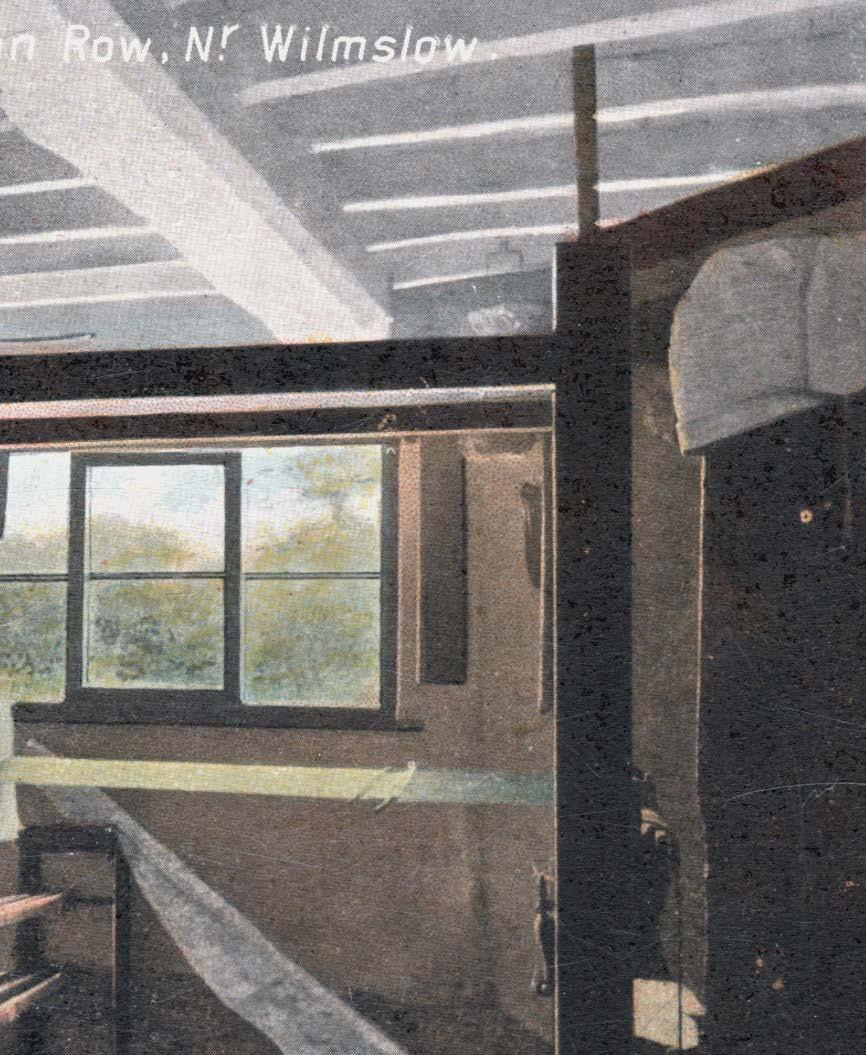
This activity will provide historical insights into the tradition of handloom weaving and invite people taking part to consider their connections with the past and with each other. As part of this activity, learn about different skills involved in making textiles and the work of Burnley based documentary maker, Sam Hanna.

Watch this film made by Sam Hanna about the work of Kathleen Heron, a handloom weaver, at her rural workplace in Embsay near Skipton in Yorkshire. Miss Heron spins her own wool using a treadle wheel, collects lichen from stone walls to make dye, once the wool is dyed, Miss Heron winds the wool and then weaves on her handloom.
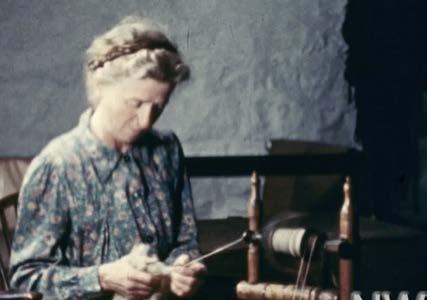
Discuss What do you notice about Kathleen Heron’s home? How is she using her environment to support her work? Have you made things at home using available materials – for example, dried home-grown herbs for cooking or re-used old wood or bricks to make something new in the garden?
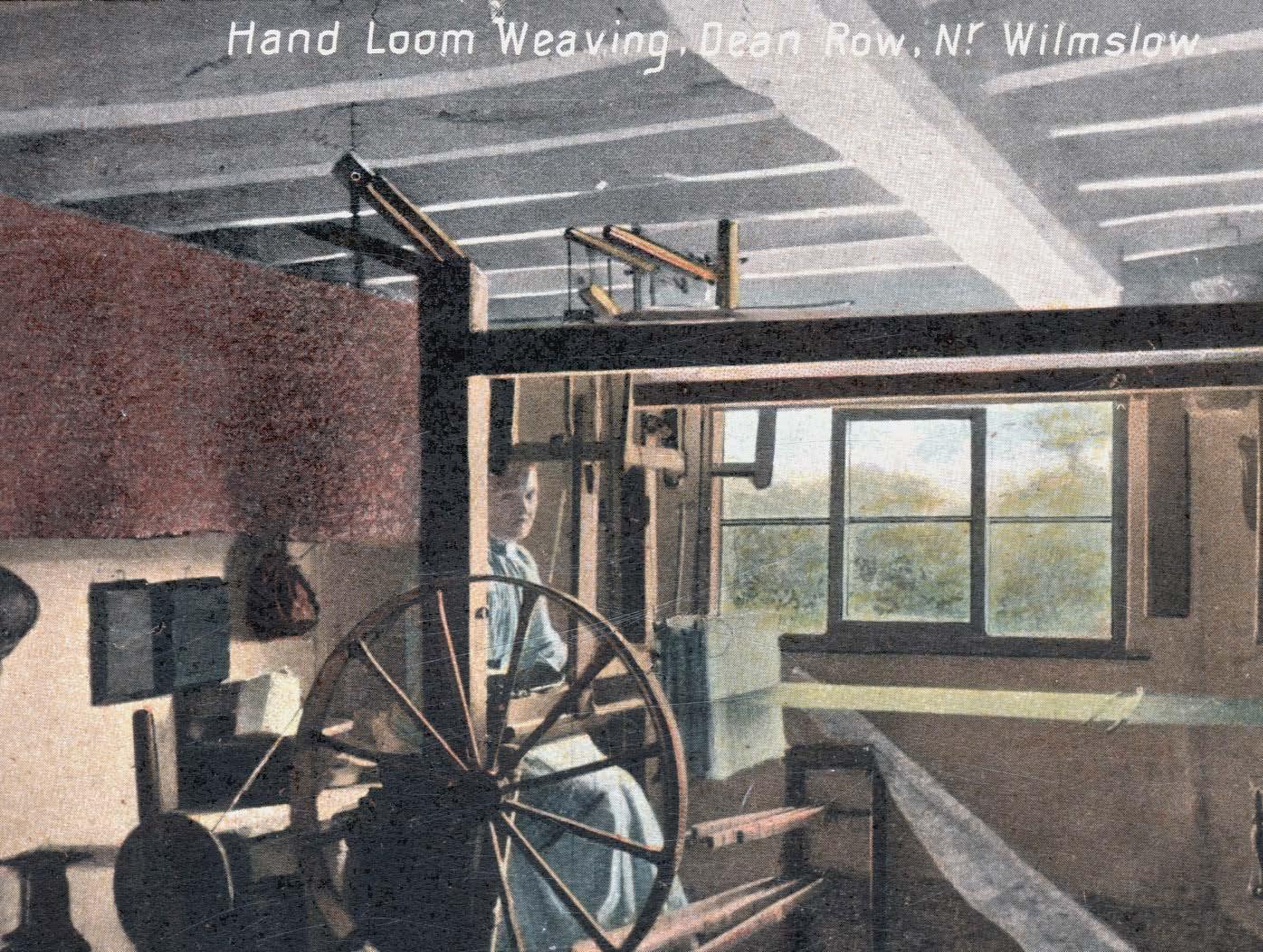
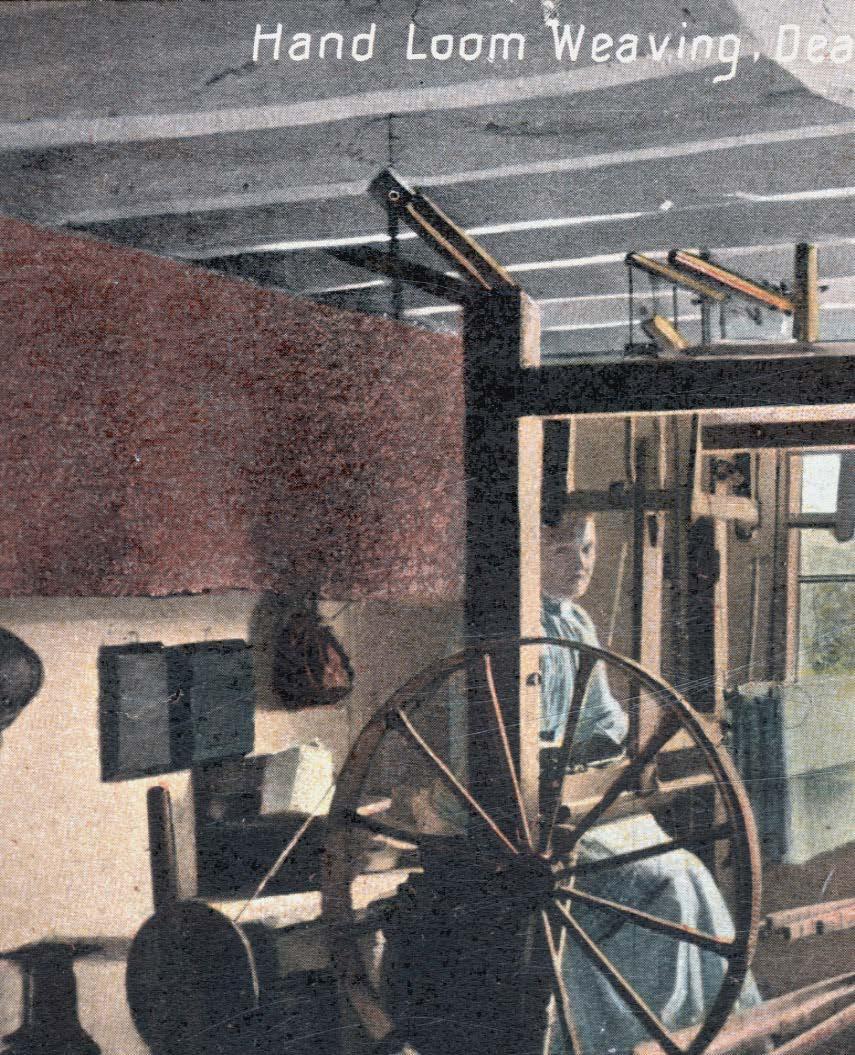
Look at this illustration of a handloom weaver at their loom, drawn in 1910.
Discuss Have you ever woven or worked with textiles? Perhaps you have mended or sewn clothing? Or woven a different type of material? Traditionally, linen, wool and cotton have been used to make textiles. How do you feel about hand-made objects? Is it important to maintain traditions?



‘exquisite pieces of craftwork, each an individual creation’

Activity continues on next page...

(continued)

Create your own miniature cardboard loom to explore how it feels to weave.
• Draw a line 2cm from the edge across the top and bottom of the card.
• Use a ruler to measure across the top every 1cm.
• Cut with scissors or craft knife along the top and bottom, using your 1cm marks as a guide to create tabs.
OR if available, you could use pinking shears to cut the edge of the cardboard to make a uniform ‘zig zag’ edge.
Take a piece of string and tape the end to the back of the card, near the top.
-Pull the thread down to the bottom and loop it round the first tab, then bring it back up over to the front, keep going till the whole card is strung. Then tape the end of the string to the back of the card.
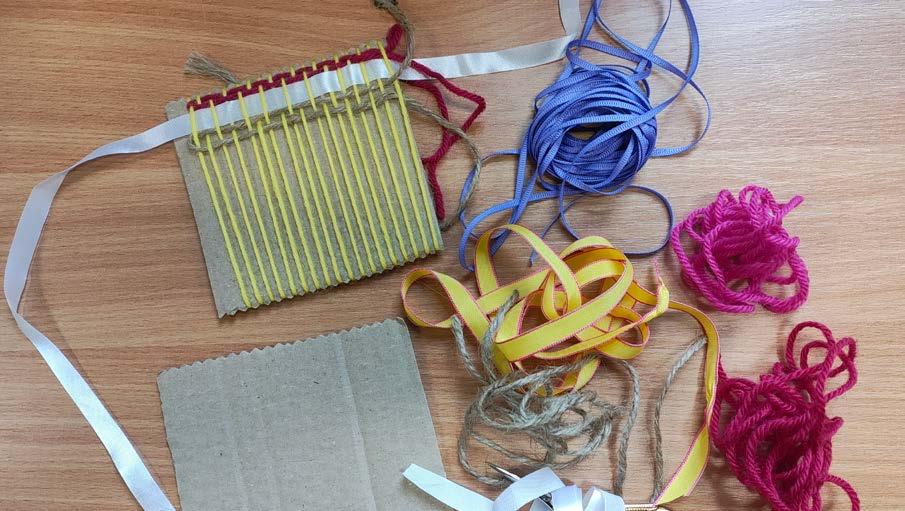

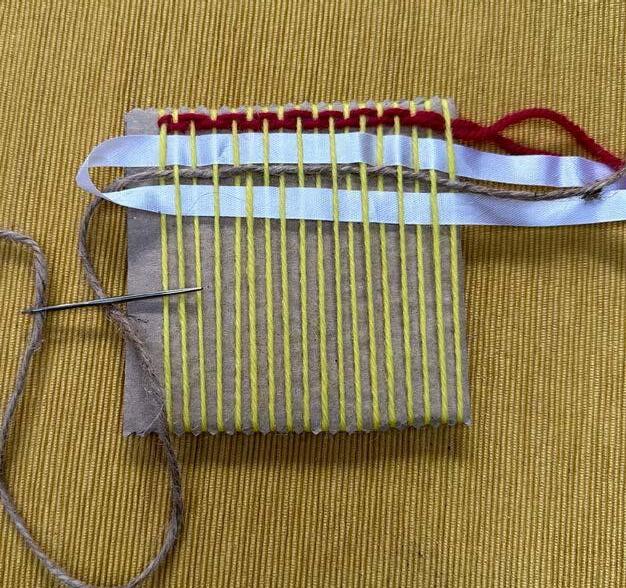
Take whatever materials you have found, such as ribbon, and thread it behind and in front of the warp thread to weave a pattern. Keep going till the card is covered.

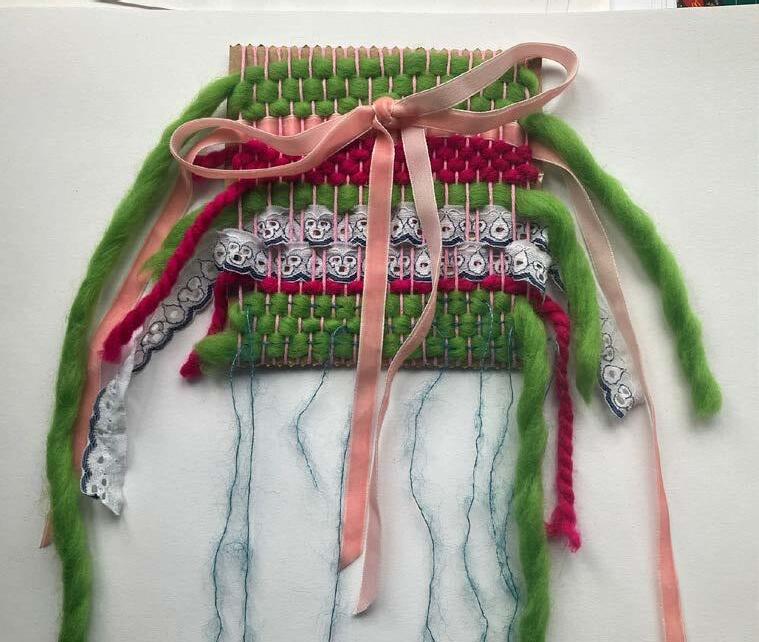
You can leave the weaving on the cardboard to display, or instructions to take the fabric off can be found in the Appendix
* If there is limited time or people taking part have difficulties with coordination, the facilitator can prepare steps 1 and 2 in advance. Step 3 will also need demonstrating to the group.
Discuss each other’s work, share your creation with the group, how has everyone made their own, unique piece?

What you will need:



A piece of cardboard about A5 or A6 sized, scissors, a ruler, pencil, Sellotape, string and ribbons or strips of old fabric, wool, or thick thread.
When running the activity you may find it useful to print out this larger version of the activity image.
The aim of this activity is to encourage people taking part to spend time personally reflecting on how colours and patterns enrich their environment. People taking part will also gain a better understanding of the role of design and printing in the Lancashire cotton industry.

Watch this clip from ‘Queen Cotton’ about the production of cotton and fabric in Lancashire made by Merton Park Studios in 1941. Here you can see the work of the design department creating patterns and footage of workers painting rollers ready for printing on calico.
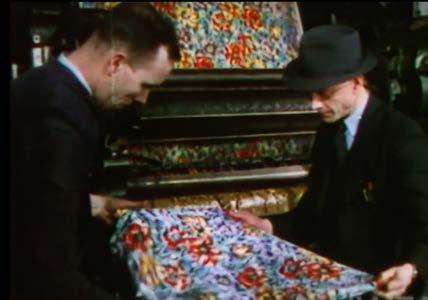

Click the link or scan the QR code to play the short film https://vimeo.com/showcase/11156932/video/944825449
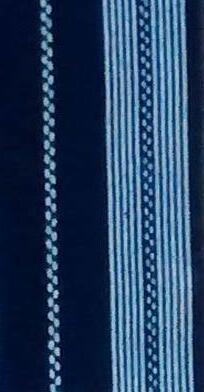
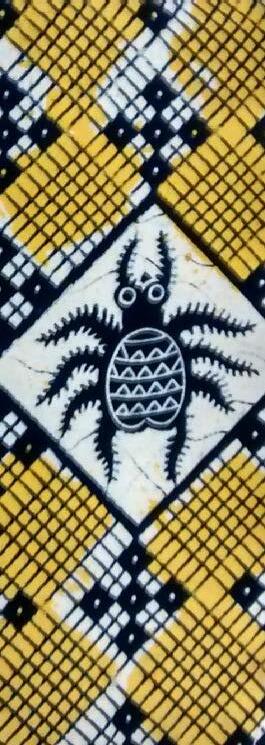
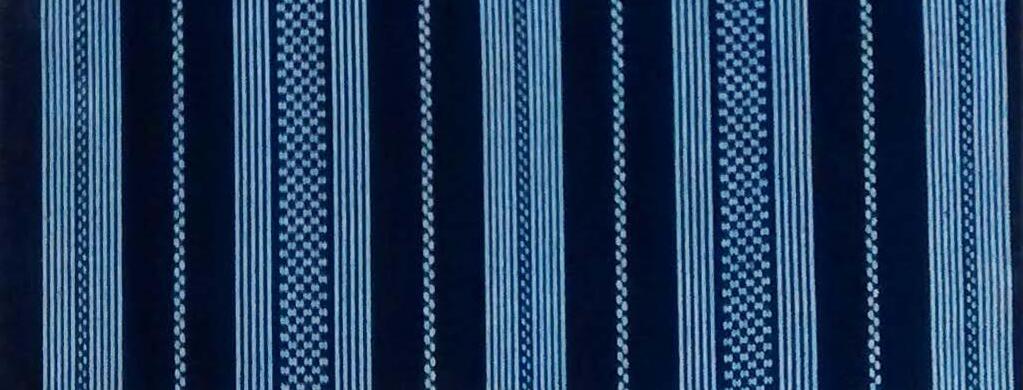
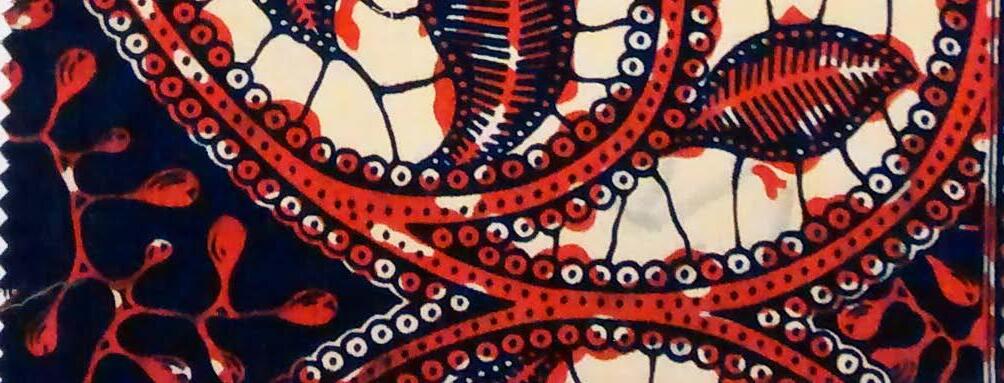
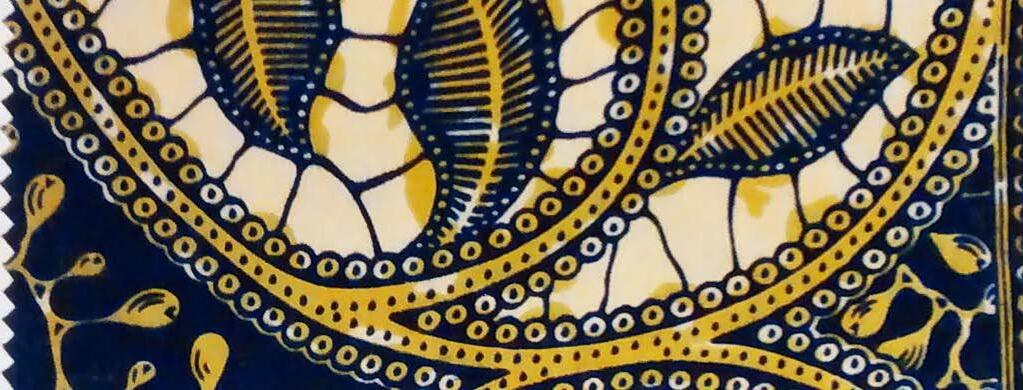
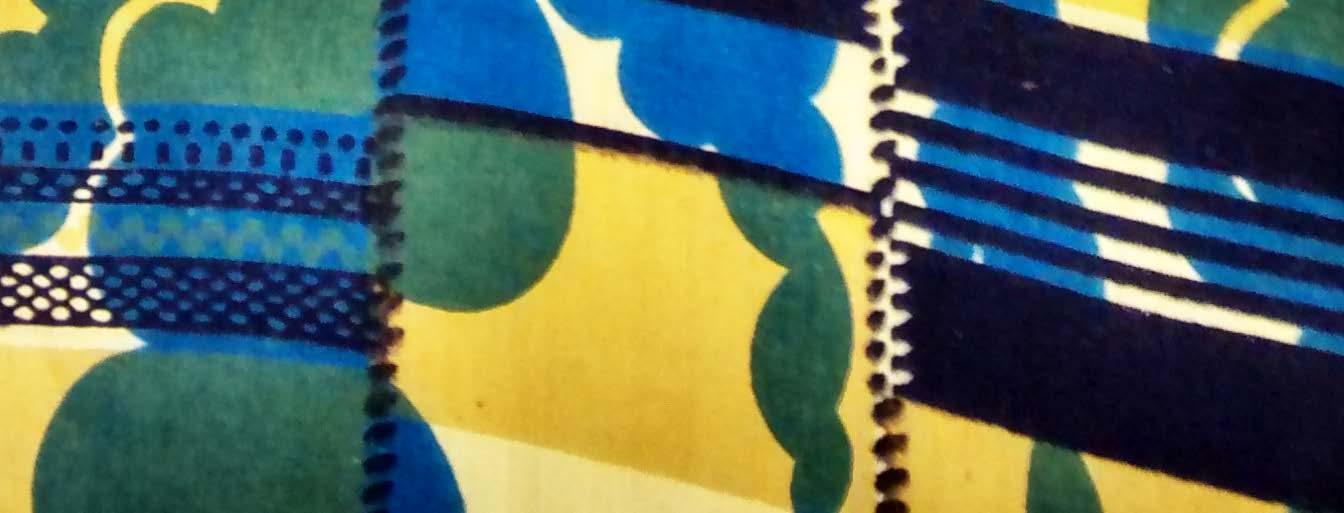
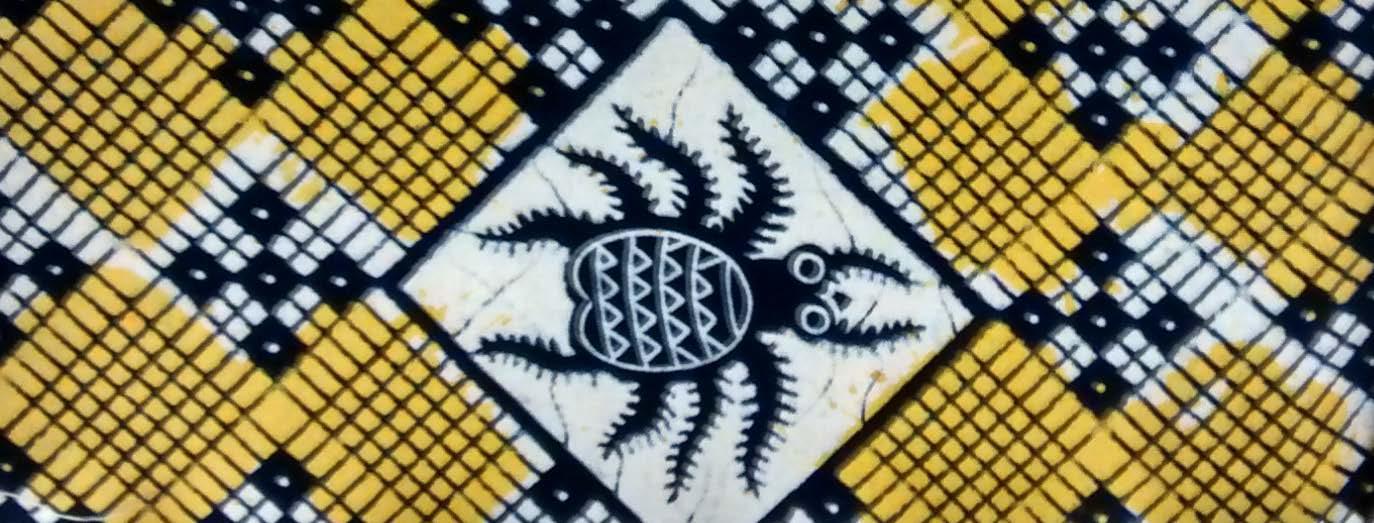
Look at these designs from a pattern book made for Logan, Muckelt & Co Ltd, an indigo blue dyers and printers based in Manchester between 1890 and 1969.
Discuss Which pattern do you like best? What is your favourite patterned cloth or object, past or present. What makes it so special, so attractive? Is it shapes, colours, where you wore it or what it represents? Spend some time discussing it with the person next to you.
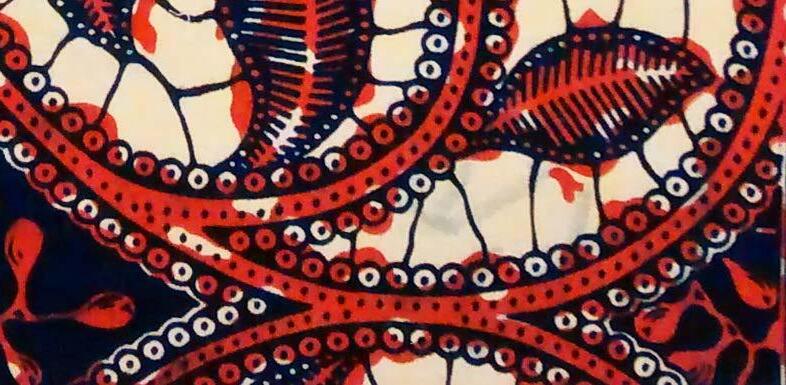
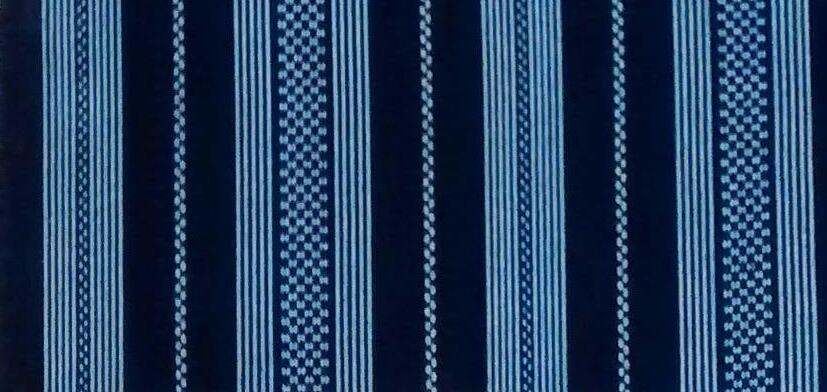


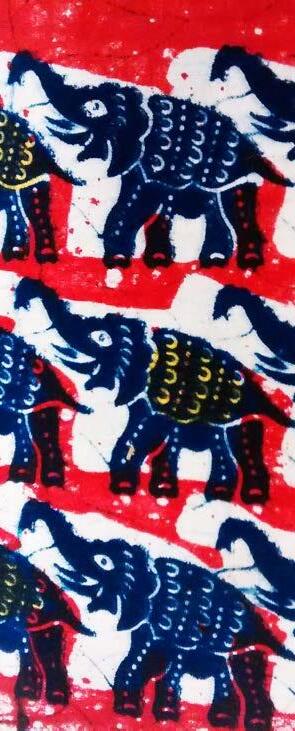
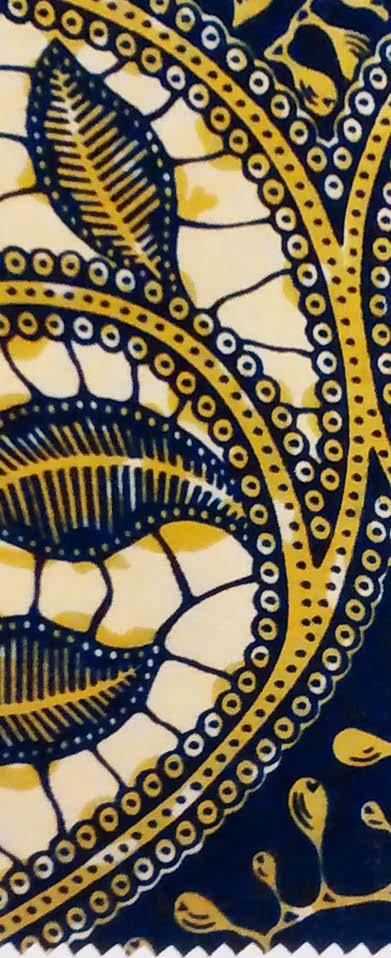
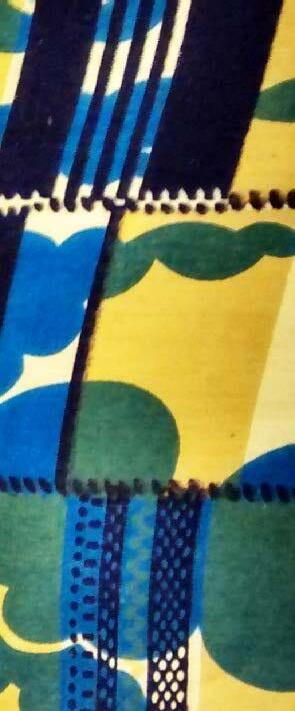
Draw your own version of this design on a small square of paper. If you find imagining a pattern hard, look around the room and copy a design that attracts you (e.g. patterns on curtains, clothing, stationary).
Discuss your designs as a group, lay them out and create your own pattern book. Reflect on similarities and differences between your favourite designs.

Plain paper cut into squares or strips (eg. 10cm x 10cm), or strips of plain paper, pencils and coloured pencils, pens, glue. A3 or large cardboard or material to create a booklet.


Connect
Be active
Take notice
Learn
Give
When running the activity you may find it useful to print out these larger versions of the activity images.
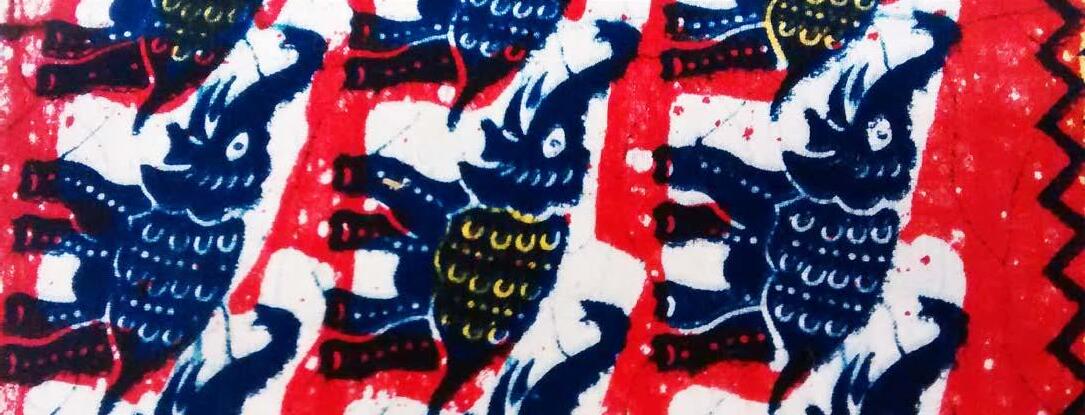




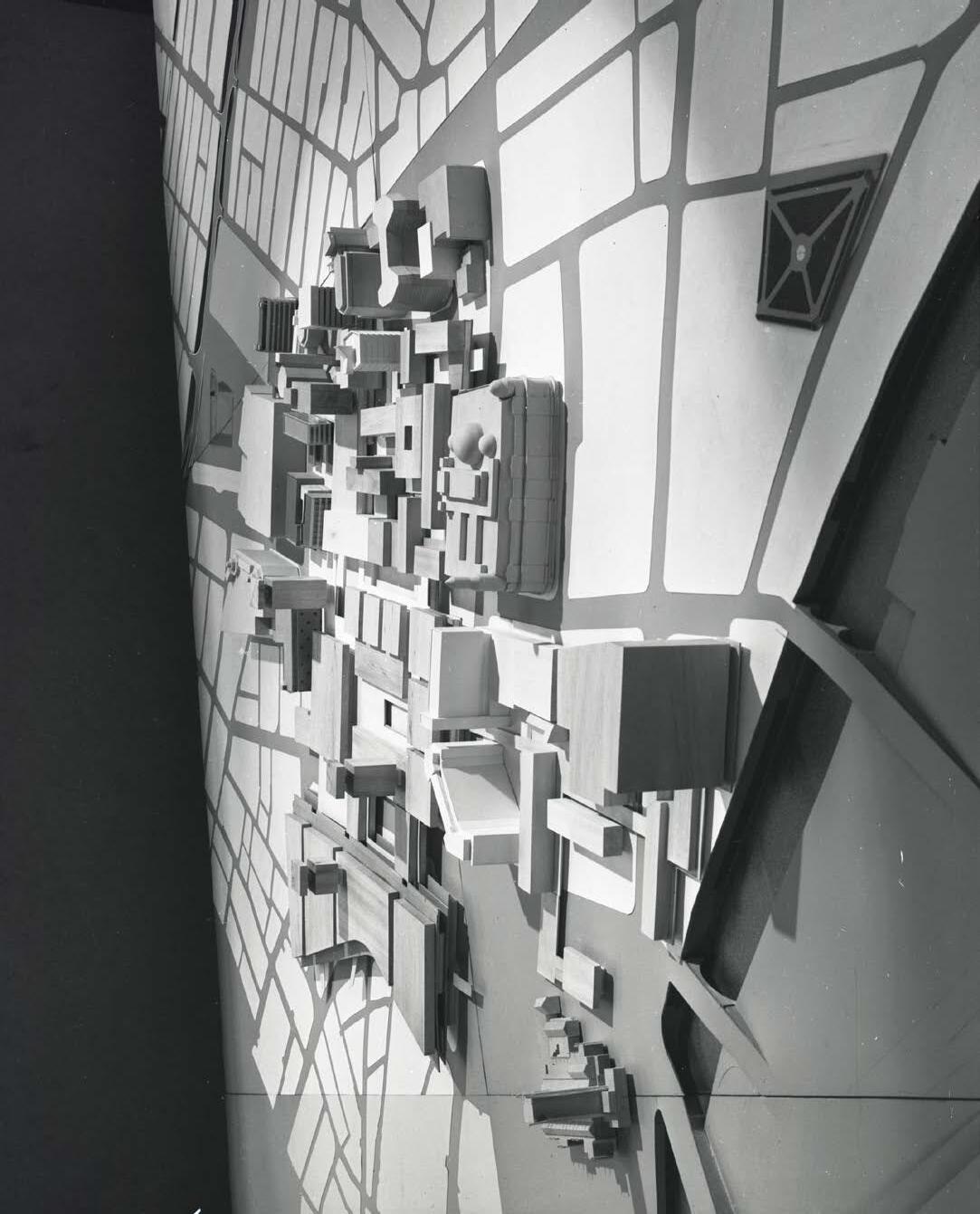
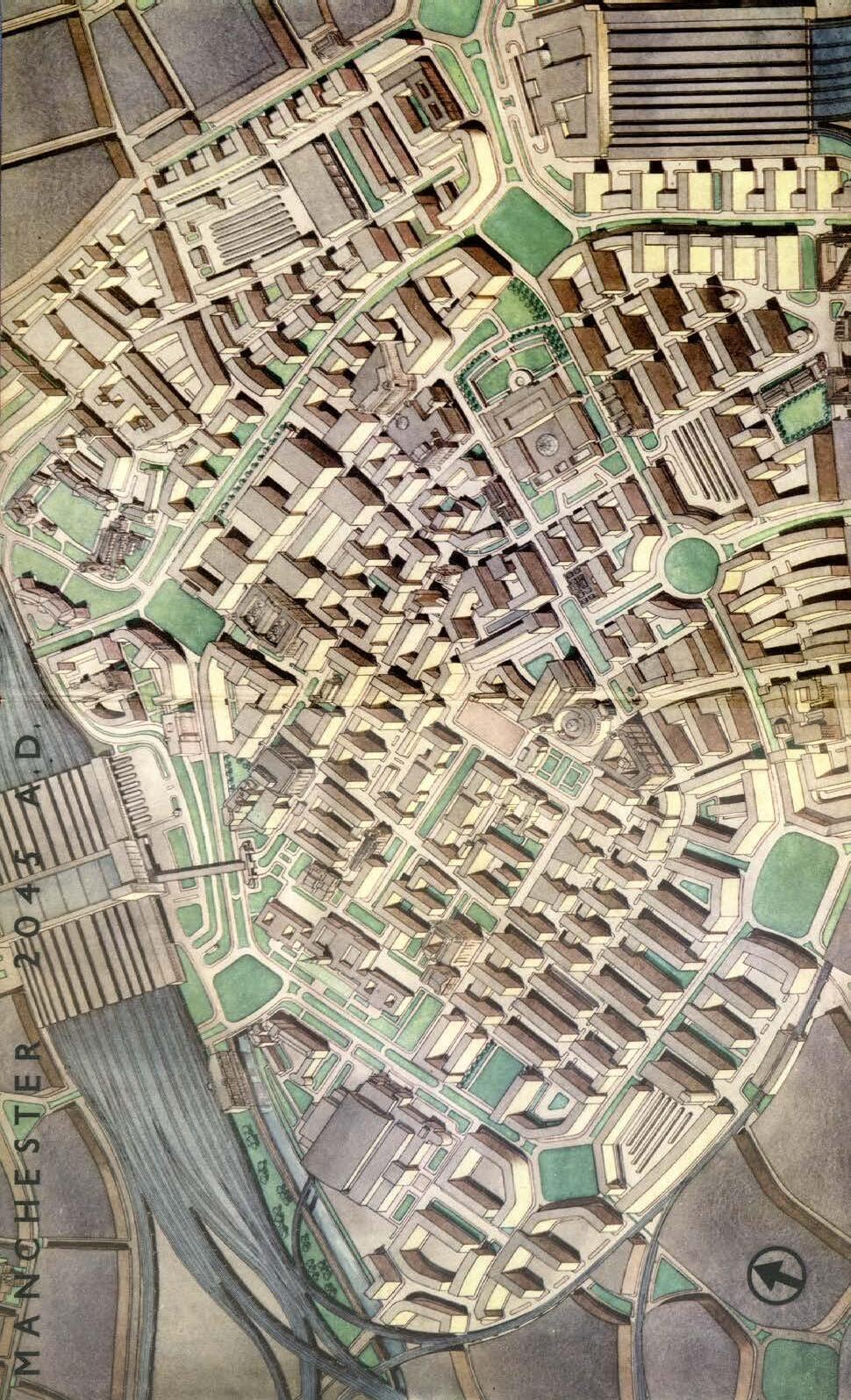
Model City introduces a wider view of craftsmanship and skills, considering the planning and design of our neighbourhoods. The group will learn about post-war town planning and the role of models to represent ideas. People can design their own community using simple building blocks.
Watch the clip from Manchester Corporation’s publicity film ‘A City Speaks’, made in 1947. Here you can see how the re-building of Manchester was shown in public exhibitions, as scale models of developments.
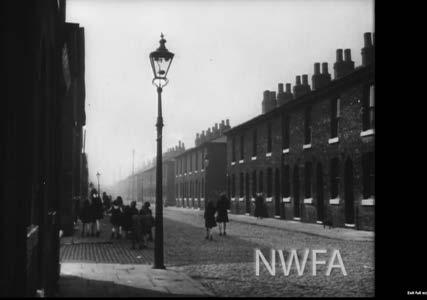
Click
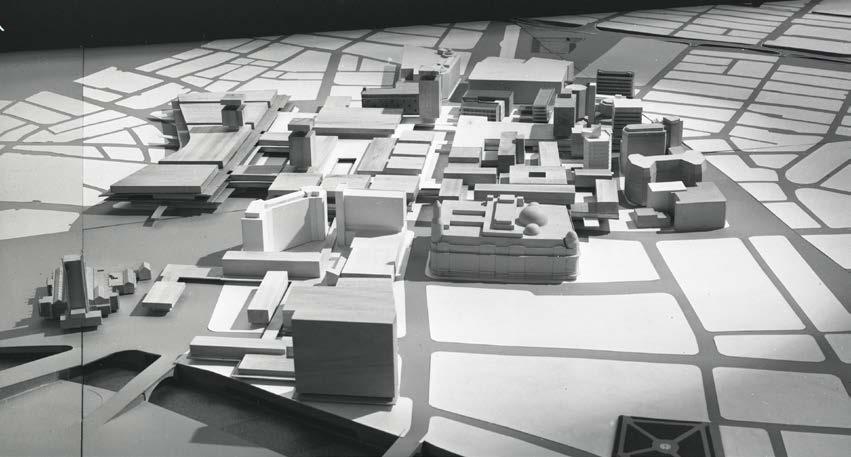
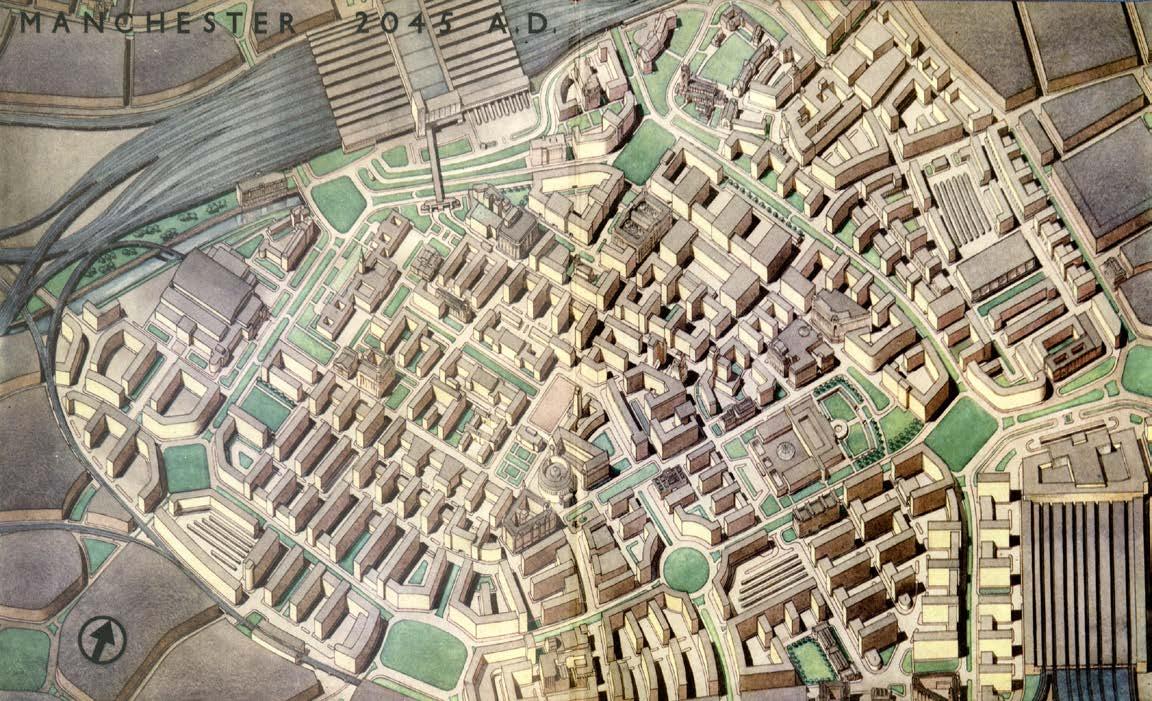
Look at the black and while photograph of the models of post-war Manchester planned and displayed in the 1940s, and the imaginative design of how the future will look in 2024 from the 1945 City of Manchester Plan.
Discuss What skills do you think were involved in planning the post-war city? Are these the same today? What other skills might a town planner or architect need to design for the future?


Make a model of a building that inspires you. Each person can create one building from stacking objects to imagine a new place, it might look familiar like your favourite local building, or it could be original. Anything you would like to see in your neighbourhood!
Discuss with each other about what your blocks represent, what type of building would it be? Who would use it? Where would you place it in the city? Carefully, the facilitator can group the models together to create a small community of buildings, taking suggestions on where each building should be placed from the group.

Building models can be made using objects available. For example, building blocks like Lego, wooden blocks, playing cards, stationary. You can also try carefully stack books and magazines to re-create buildings.


When running the activity you may find it useful to print out these larger versions of the activity images.
Inspired by ‘Big Draw’ activities popular in art galleries, this session encourages people taking part to work together to create a large drawing inspired by their personal skills or interests. Sharing past or present skills will help people to reflect upon their individual abilities and build confidence.


Discuss the nature of skills – the many different forms of creativity can be considered a skill or craft. How does creating something make you feel? On a paper-covered table write the group leader writes ‘skills’ in the middle or the group to choose a similar word like learn or make.
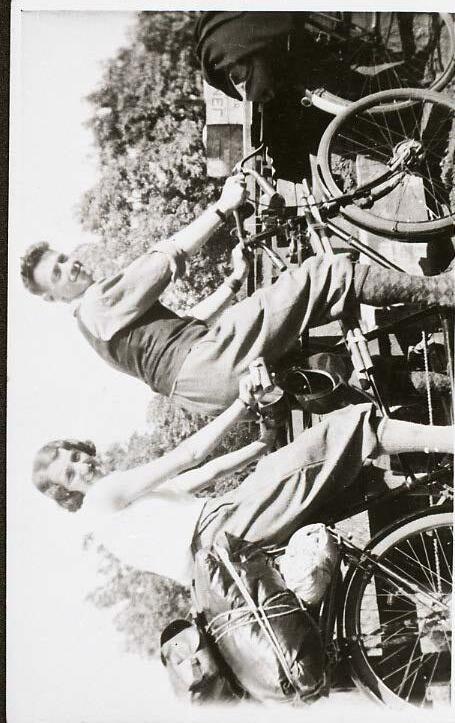
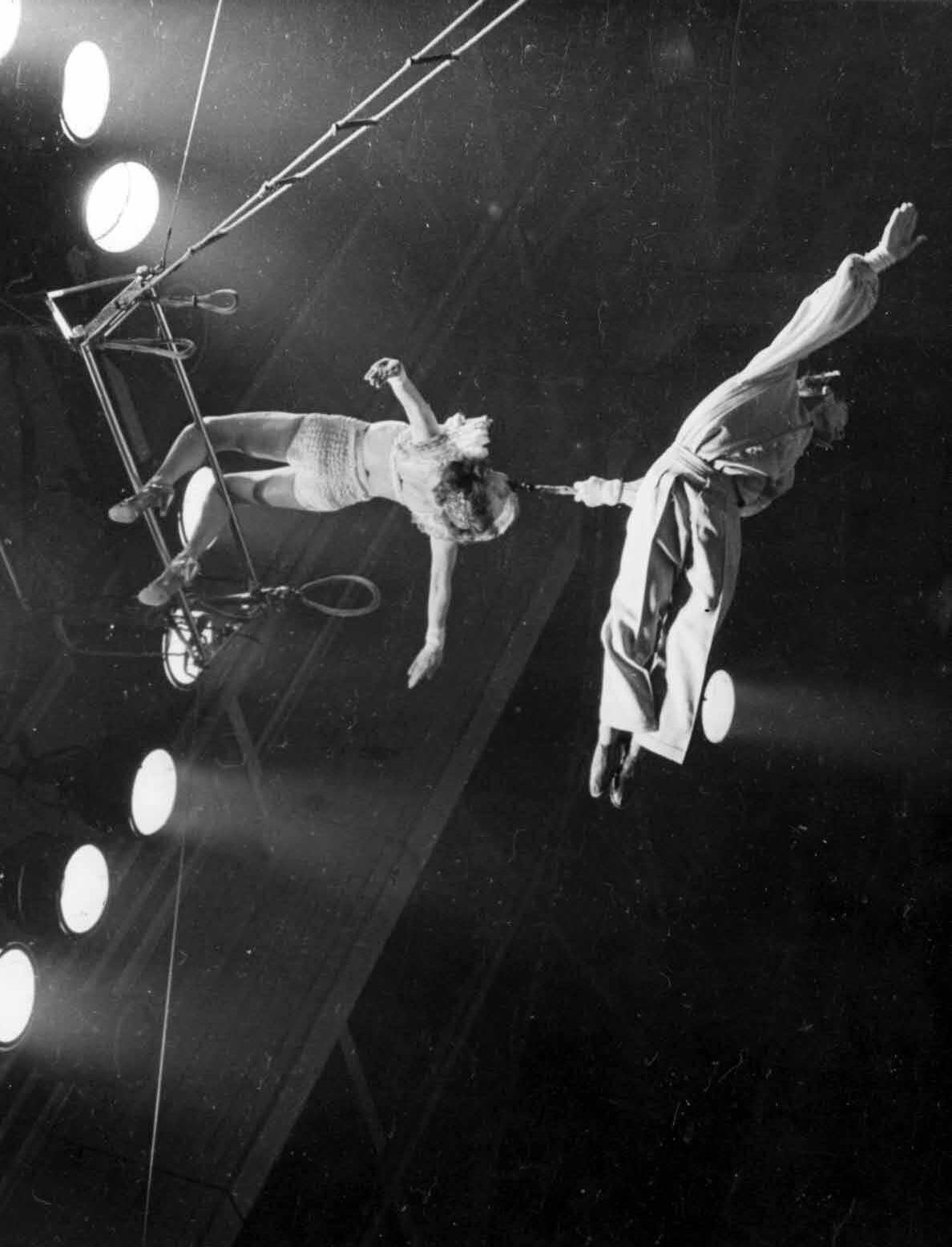
Look at these black and white photographs from the Manchester Local Studies image collection. A couple are riding tandem bikes. You can also see an experienced trapeze artist performing at Belle Vue. Both photographs show people using balance and coordination, from an everyday activity to performing to entertain.
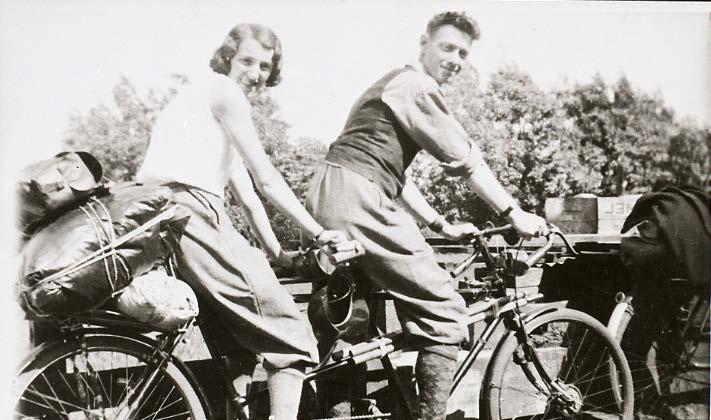


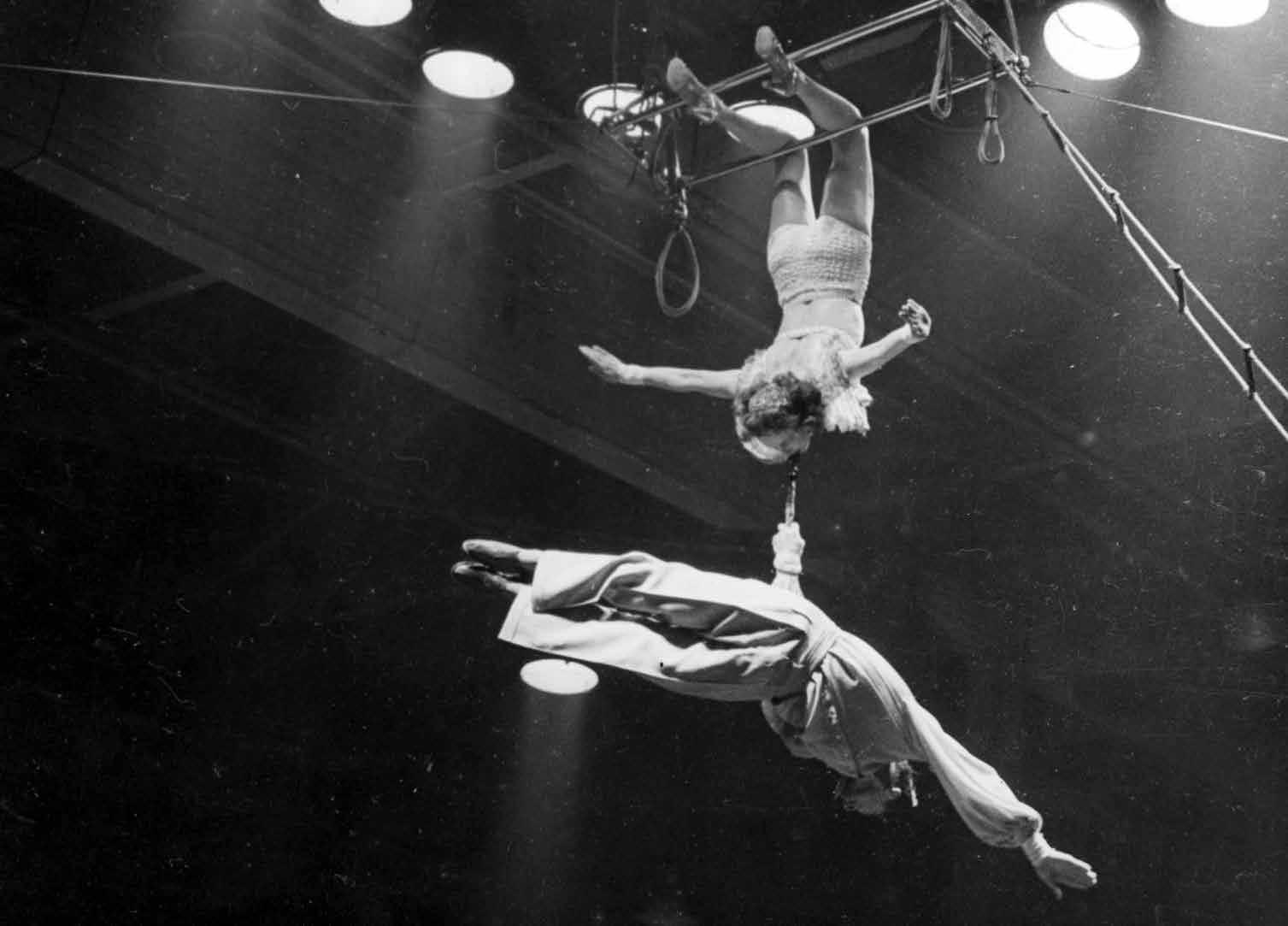
Draw a skill that you’ve learnt that you particularly treasure. For example, a musical instrument, making a model or sculpture, illustration, dancing, teaching, singing, baking, knitting, writing; anything you do that uses creativity. Begin in your part of the table/paper and work towards the word in the centre, feel free to sketch more than one skill or even include something you would like to learn.
Discuss the nature of skills – the many different forms of creativity can be considered a skill or craft. How does creating something make you feel? On a paper-covered table write the group leader writes ‘skills’ in the middle or the group to choose a similar word like learn or make.
What you will need:
A white paper tablecloth, or, large pieces of plain paper. Sellotape or tack. Large crayons, marker pens or chunky felt tips.
Alternate those with art supplies: you could recycle white sheets and use fabric pens.


Crafting Connections: A heritage for wellbeing toolkit Activity 4
When running the activity you may find it useful to print out these larger versions of the activity images.


Watch this film by Sam Hanna, who narrates a story of his working life, from his training as a craftsman and teacher through to his filmmaking. Hanna works on a cabriole leg and shows examples of furniture he has made in his home. Footage in the film spans the 1940s, 1950s and was compiled in 1974.

This activity is designed to encourage reflection on what makes hand-made objects special. People taking part can share what they have made before or would like to create in the future. This enables connections to be made between the group’s hobbies and interests and encourages taking notice of small but significant details in everyday life.
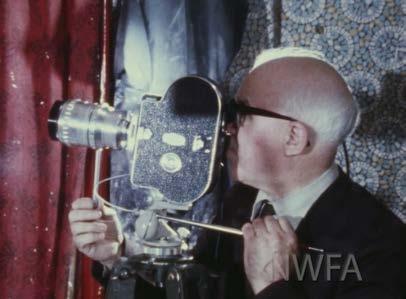
Discuss Have you seen an ornate or special hand-made object recently? How could you tell it had been made by hand? What kind of skills were used to make them? If you don’t have a recent example, you can look around the room you are in or use items made in the film to discuss.
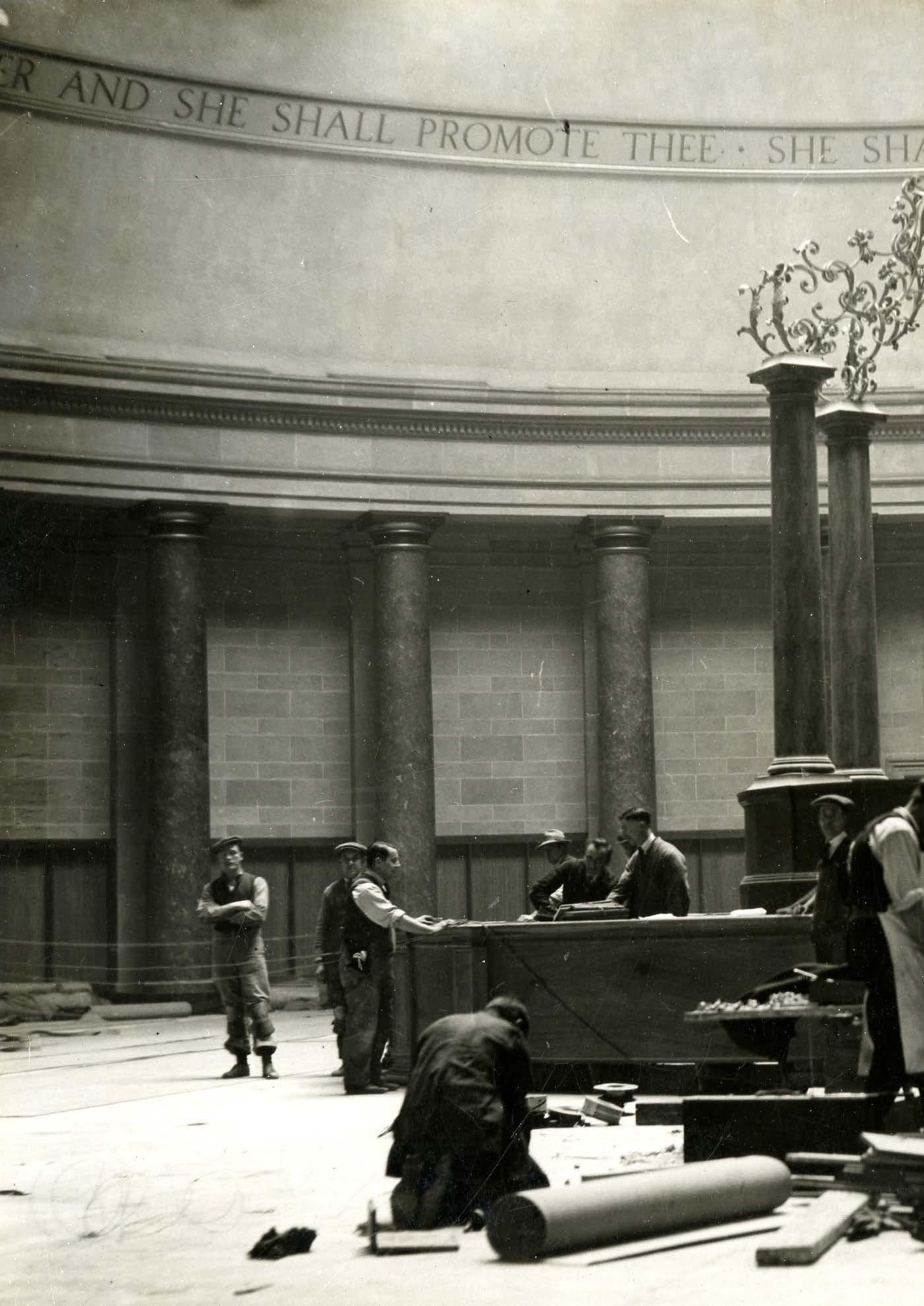
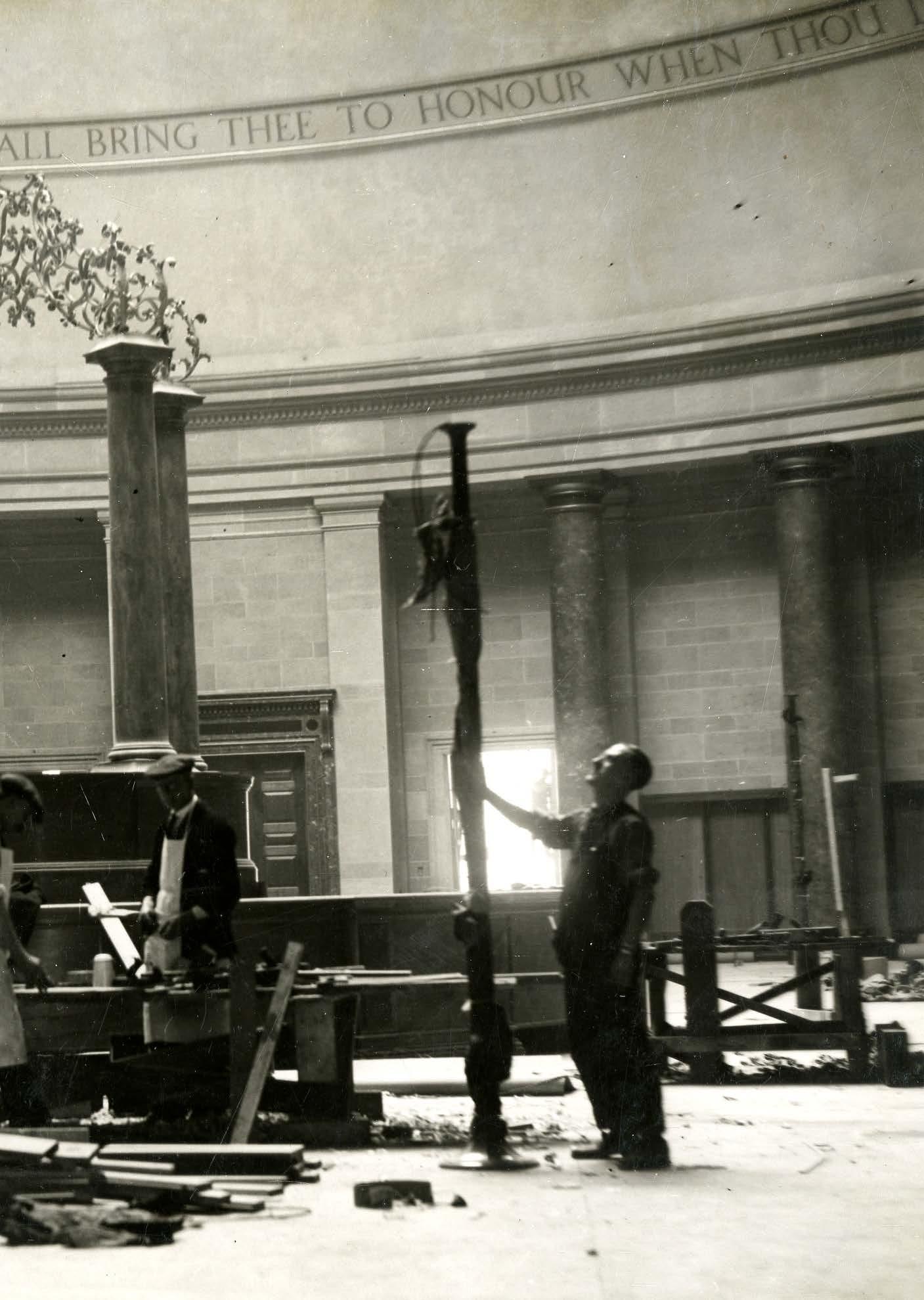
Look at the photograph opposite from construction of the Great Hall of Manchester Central library in the 1930s. The Great Hall was illuminated partly by natural light and partly by a circle of Art Deco style lights. Architect, Vincent E. Harris, designed this wrought iron structure over the counter, with green pillars, topped by a clock.









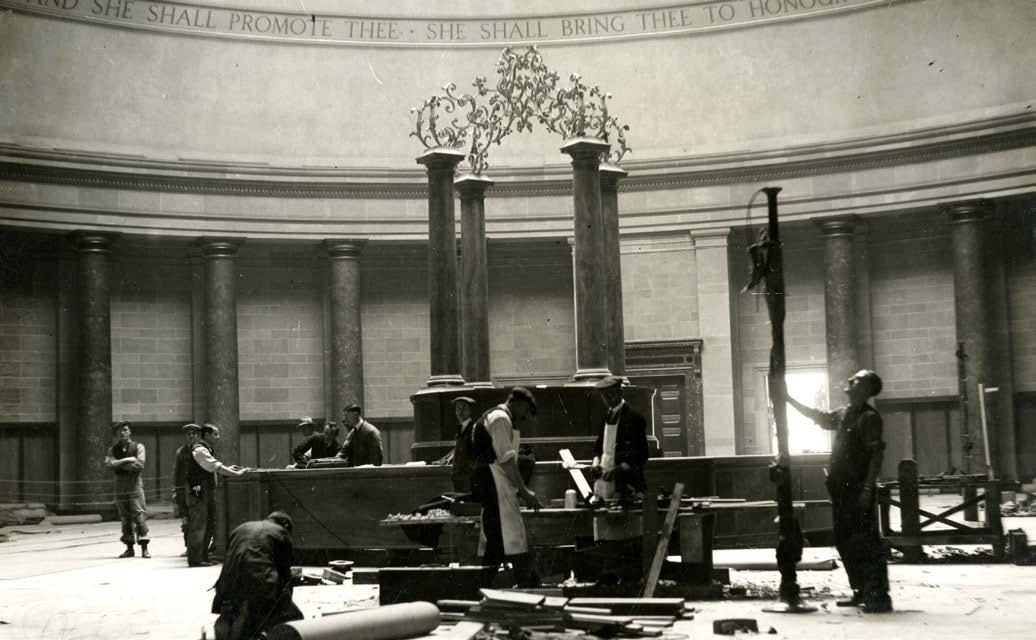
Discuss What different skills are being used by the people in the photograph? Can you see what they are constructing?
Think about what you have made before. This could be anything using your hands, for example: rag rug, engineering model, item of furniture, a pot, drawing, a garden border.
Make a model out of dough or clay that represents the hand-made item. As you squeeze and mould the material think about how you move your hands to create, did you use your hands to originally make your handmade object? Perhaps you used your voice or your feet.
Discuss Go around the group, telling each other what you’ve shaped the modelling clay into and explain when, where and why you made it. Are there any surprising items? Are they still made in this way? Is there anything you would like to learn how to make?

Modelling clay, plasticine or play dough





When running the activity you may find it useful to print out this larger version of the activity image.

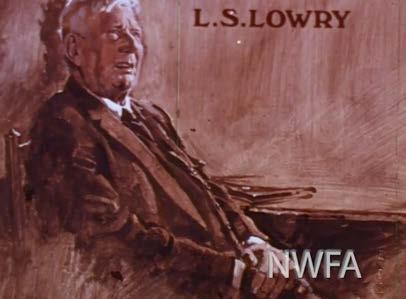
During this activity, participants are encouraged to look at the people in their world and appreciate those who often go unnoticed. L. S. Lowry (1877–1926) and Paul Graney (1908–1982) captured those who went unseen elsewhere in artworks and archives. They captured workers going about their day, leisure activities, Lowry even depicted the homeless. Through looking at their practice, participants can use these ideas to explore who matters to them in their communities.



Watch this short film about L. S. Lowry, a Salford artist famous for his depictions of people in industrial scenes.
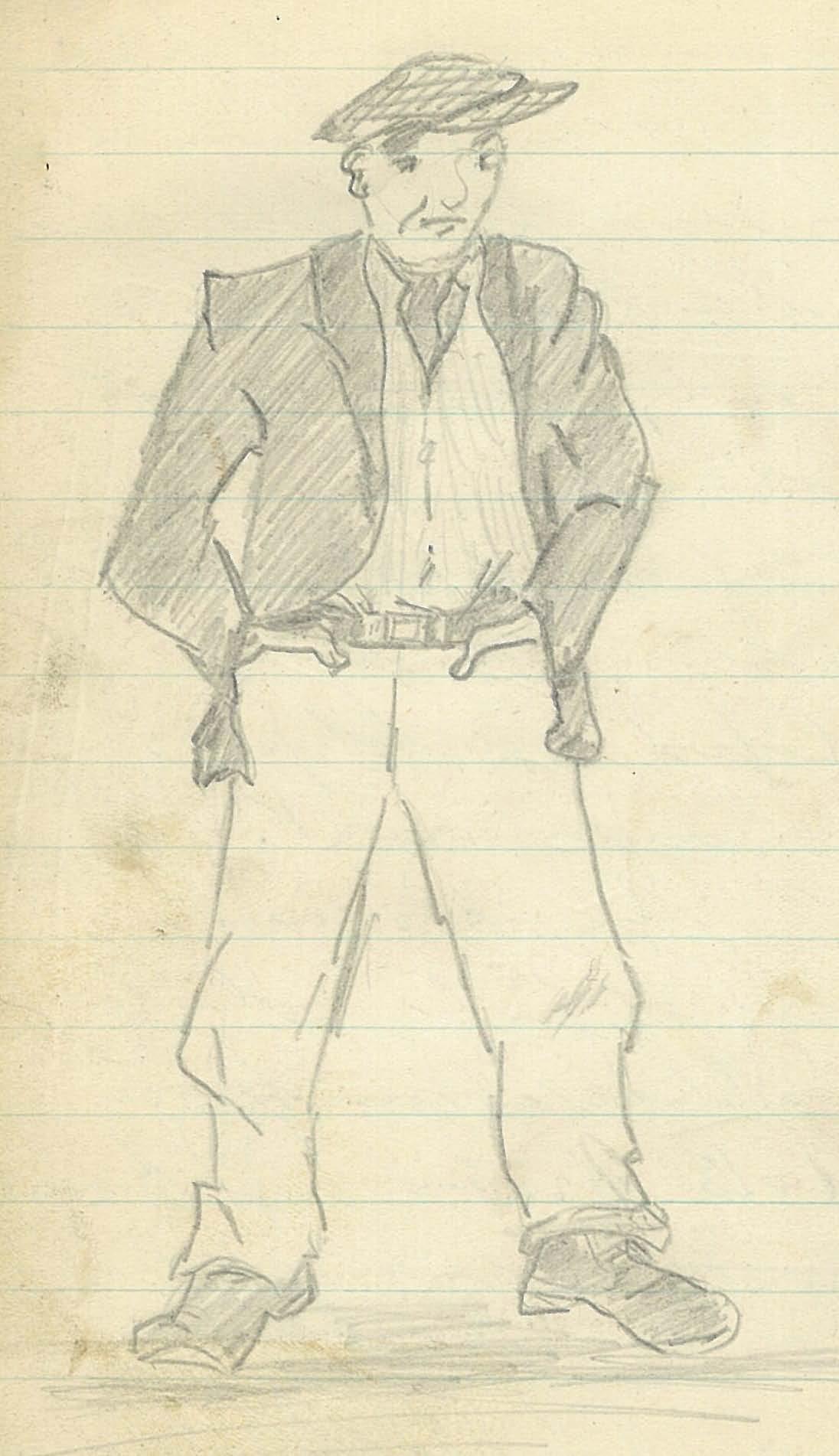
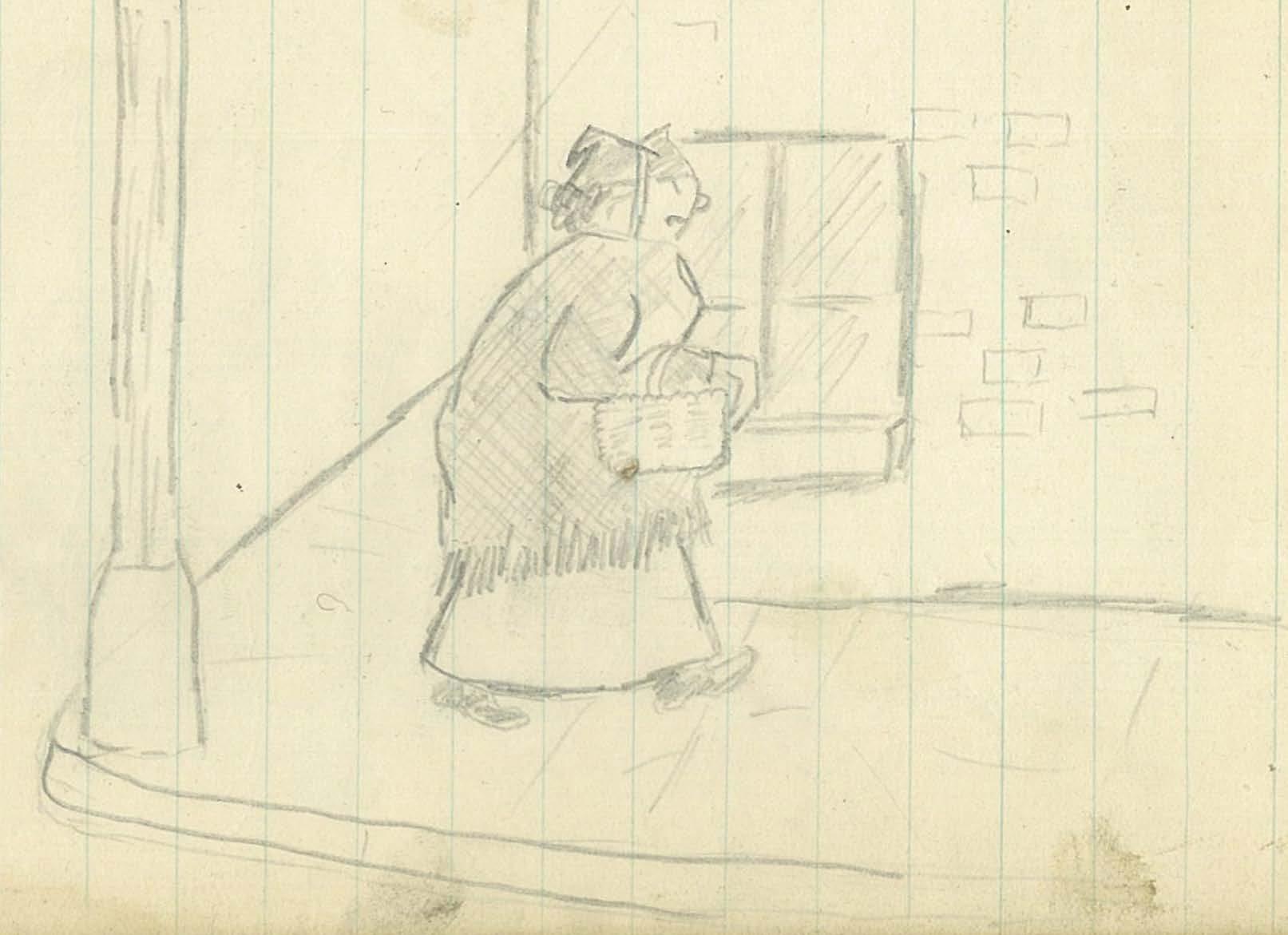
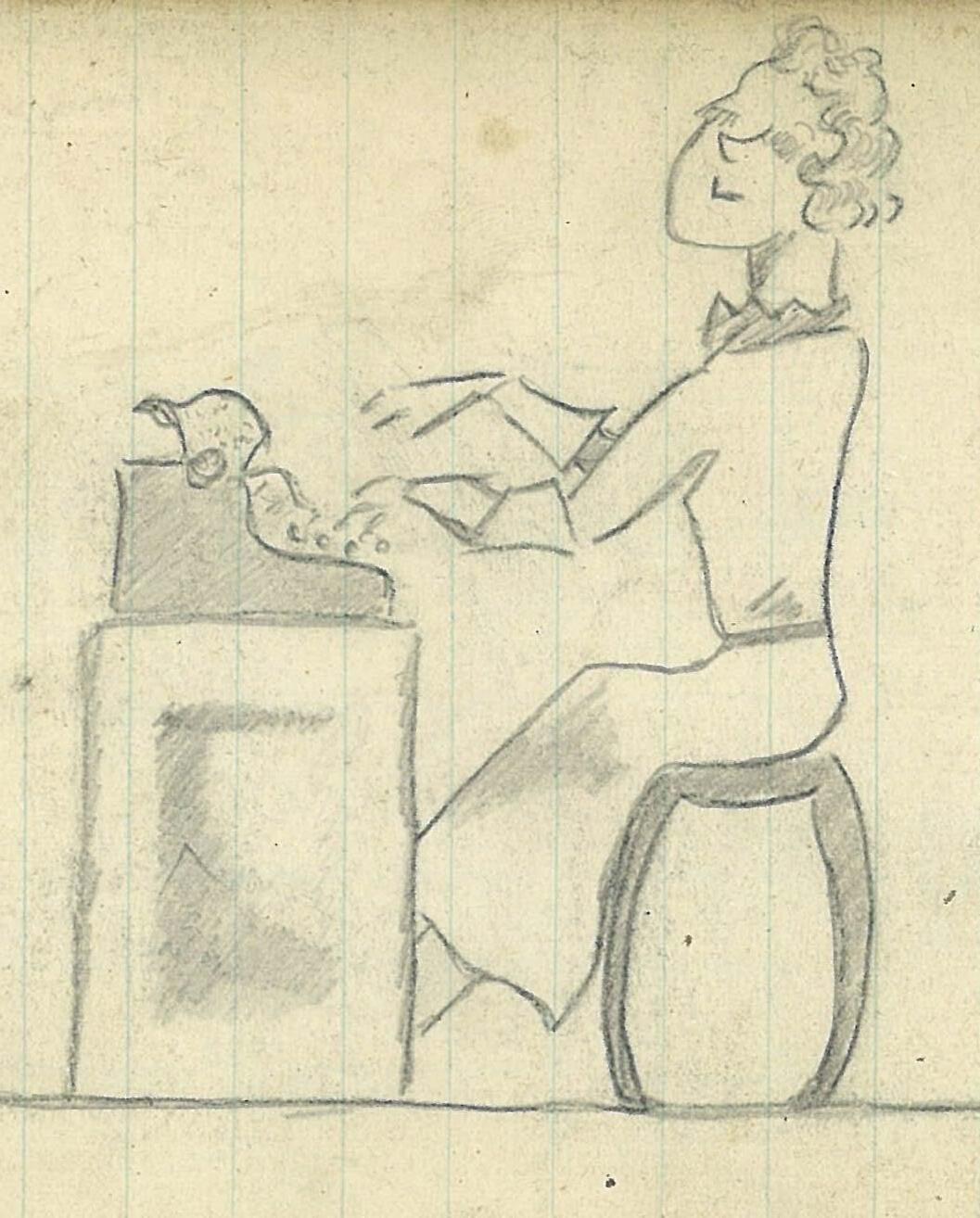
Look at these sketches are by ‘Pendle Radical’ Paul Graney, an historian, observer, and recorder of working-class life. Here, he has sketched those around him in his notebook whilst touring Lancashire.
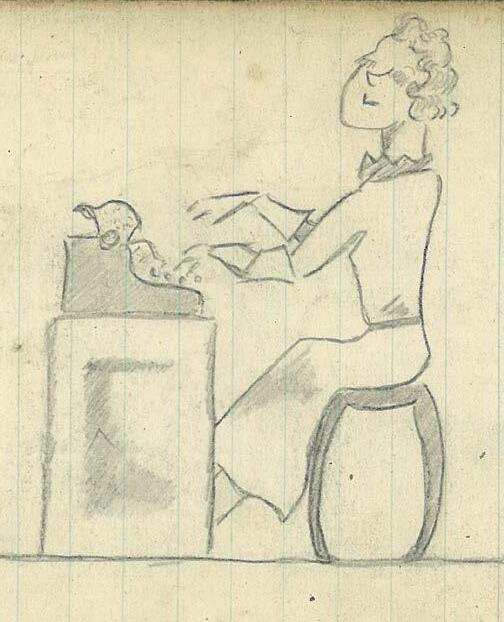

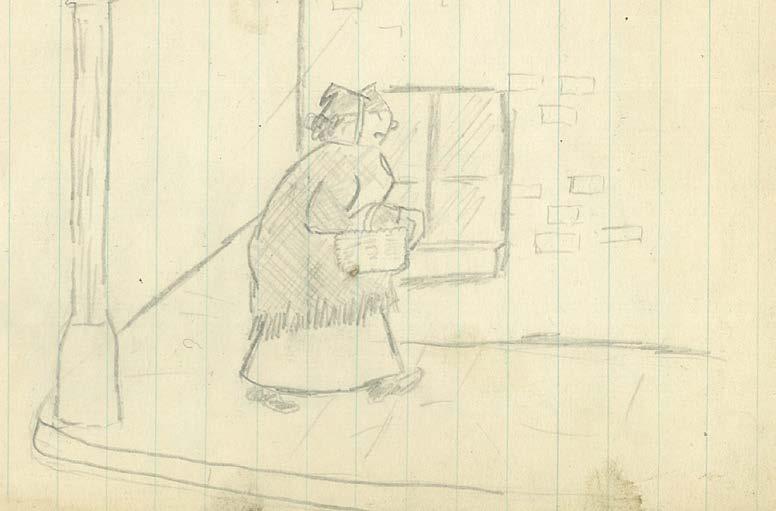
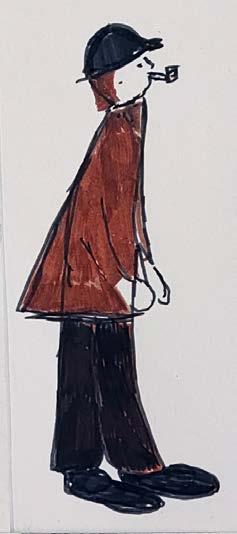
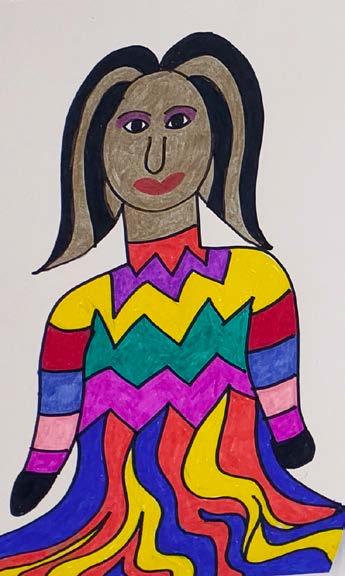
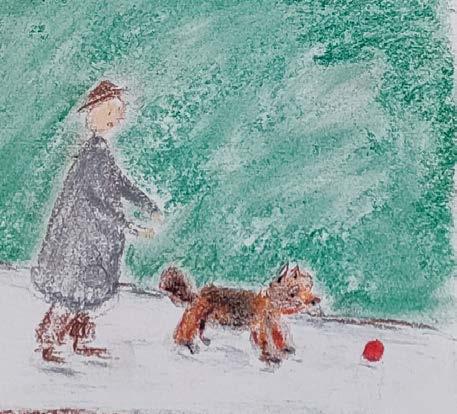
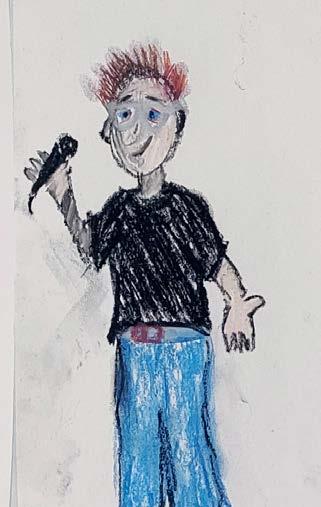
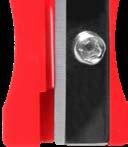


Draw Once you’ve spent some time thinking about their appearance, sketch the person you chose. You can draw an outline of a whole person or simply their head and shoulders. Detail is not important, simply capture the person however you can.
Discuss What do you think about these illustrations of everyday people? What do you like about them? Do they feel familiar?
Think about where you live and who matters to you. This can include anyone, however small their role. For example, postal workers, a regular in the corner shop, a librarian, a neighbour you wave to, or even someone you’ve met at this group.
Any art supplies available could enhance this activity. Such as: sketching with different materials, returning to the activity to colour in the figures, or use scraps of paper to collage the figures or cut out the people and create one large collage.

Crafting Connections: A heritage for wellbeing toolkit
Activity 6
When running the activity you may find it useful to print out these larger versions of the activity images.

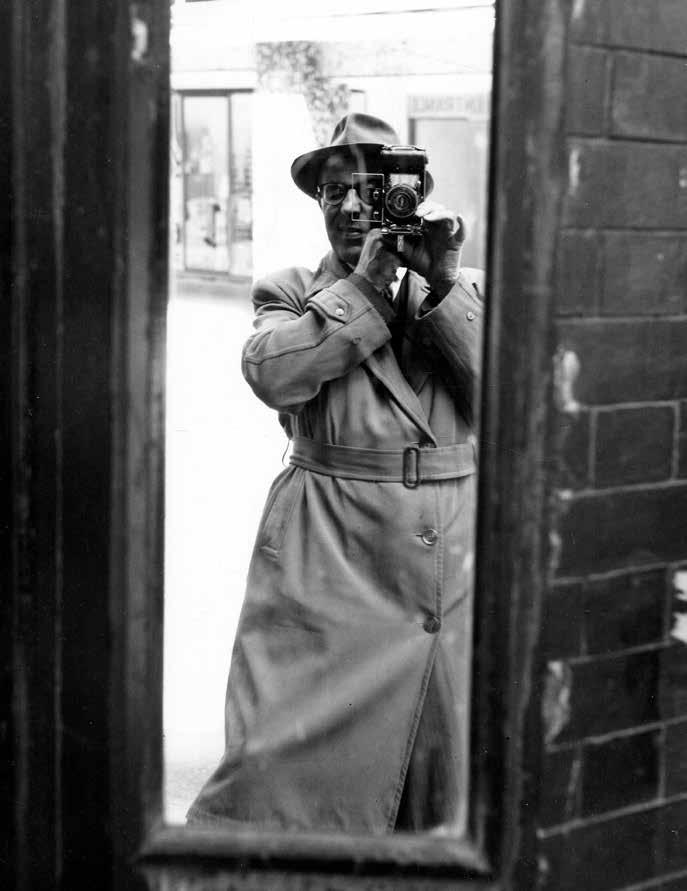
The aim of this activity is to simply take notice of nature or the urban environment outside. The activity focusses on what can be seen outside from the perspective of where the people taking part are meeting. This might be peering out of a window, exploring the entrance to the building, or through using images of the spaces outside.

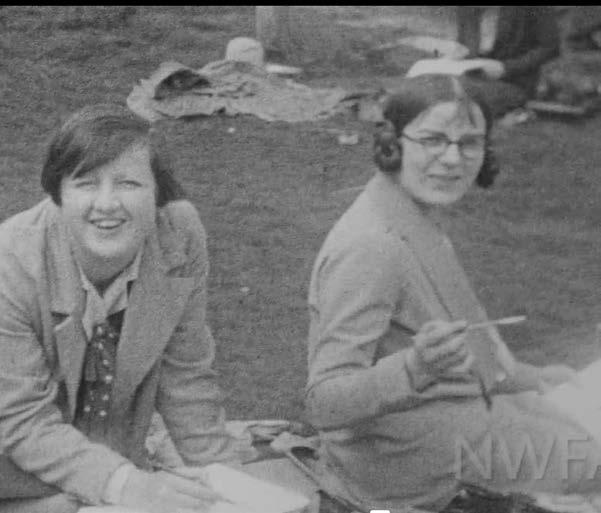
Watch the black and white, silent film of the staff and students at the Manchester School of Art in 1929. This clip shows students outside painting at easels and drawing a group of farmhouse buildings. They then enjoy being silly for the camera.
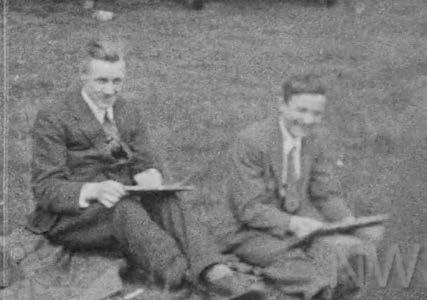
Discuss Why do you think the art students are sat outside? The Manchester School of Art was located on Oxford Road in Manchester in a very urban area. Why might the students be using a green space to draw?
Look Can you see out of a window from where you are, what can you see?
Discuss Why do you think artists enjoy working in nature? How does looking outside make you feel? You could think about how the weather is today, would you rather be outside or inside? What green spaces do you value nearby?


Draw the view from where you are sitting. Capture the outside, whether this is green or concrete grey.
Discuss in pairs and then a group, which view did you illustrate? Are they similar or have you used different perspectives or styles? How did drawing make you feel?
Paper and pencils. Clipboards may help if participants are mobile and wish to move closer to the view.
Other art materials available, for example, oil pastels, paint, felt tips, gel pens, pencil crayons.



This activity will consolidate the idea that history is for everyone, and anyone can record history. It will introduce different ways archives are collected and people taking part will consider how they would make their mark on how today is recorded.
Watch this short documentary about the River Irwell made in 1977 by John Gresty and Mike Goodger for the Salford University Film Course.
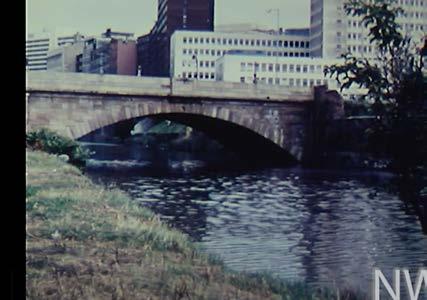
Click the link or scan the QR code to play
https://vimeo.com/showcase/11156932/video/710400832
Discuss How has old photographs and historic footage been used in this documentary? What does the history of the river shown tell us about life in the 1970s, and earlier?
Listen to Paul Graney (1908-1962) discuss his methods of capturing a record of everyday life through recording live folk music and interviews with working class people in Lancashire.
Click the link or scan the QR code to listen https://soundcloud.com/ archivesplus/sets paul-graney-sound-essay
Discuss Graney’s techniques and ask what is an archive? What types of material we should keep for future generations to look at?
Reflect on how the groups ideas, are there any common themes?



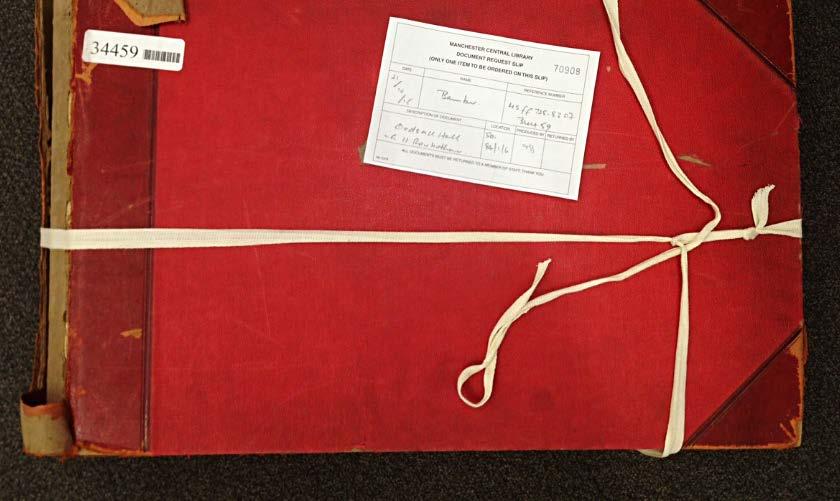

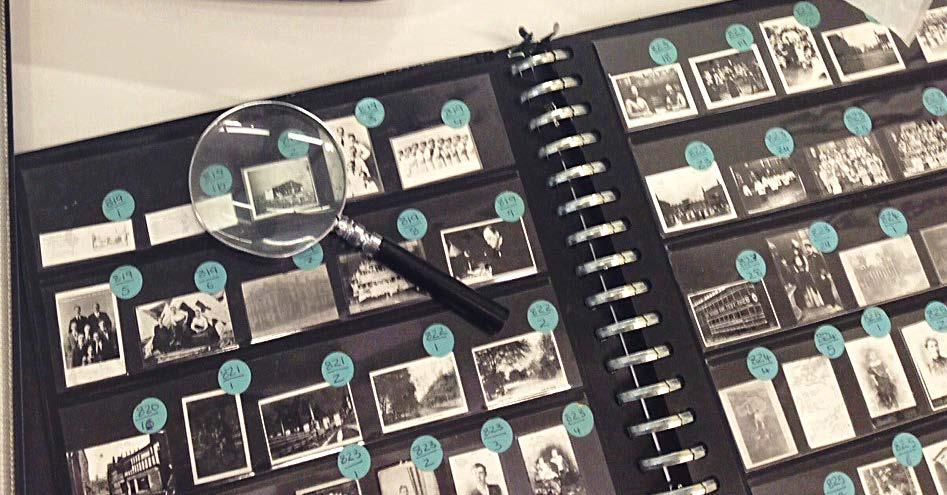
Discuss with the whole group, nominate someone to write (this can be the facilitator) and take it in turns to note in spider diagram what you would each record about today. Then consider how you could record this moment. If you wanted an archive of the day, what would you sound record, film, photocopy, draw, collect, photograph or even capture from the internet?
Reflect on how the groups ideas, are there any common themes?
Large sheets of paper, pencils, pens or markers.

To consider the tradition of storytelling and to understand how we can shape our own stories. All around the world people have passed on stories from generation to generation. Myths and legends often help us to explore life’s mysteries, in this session we hear about Lancashire’s mythical creatures: the Boggarts.

Listen to Paul Graney recounting stories he has heard about Manchester Boggarts.
On Soundcloud are several Boggart stories and other Lancashire folk tales. Choose from tracks 9 to 15 of the playlist to hear more stories: Stream Archives+ | Listen to Crafting Connections: a heritage for wellbeing toolkit playlist online for free on SoundCloud
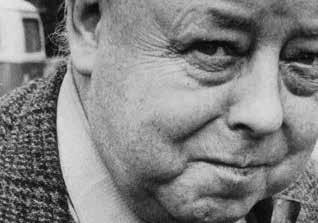
Click the link or scan the QR code to listen https://tinyurl.com/5e8df833
Discuss What do you think the difference is between stories and history? In the first clip, Paul discusses similar spirits around the world. Why do you think mischievous boggart-like creatures are common in different places?
Think of a character, this can be based on an existing creature from myths and legends, or something you create. Come up with its name, something interesting about them and where they live.

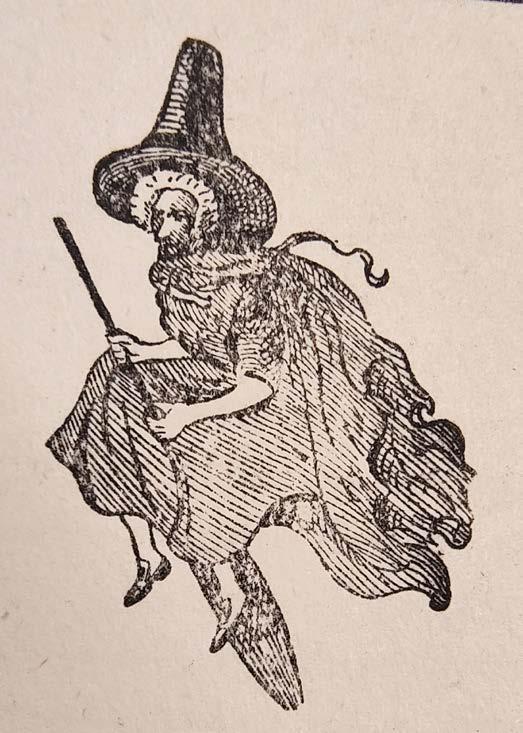
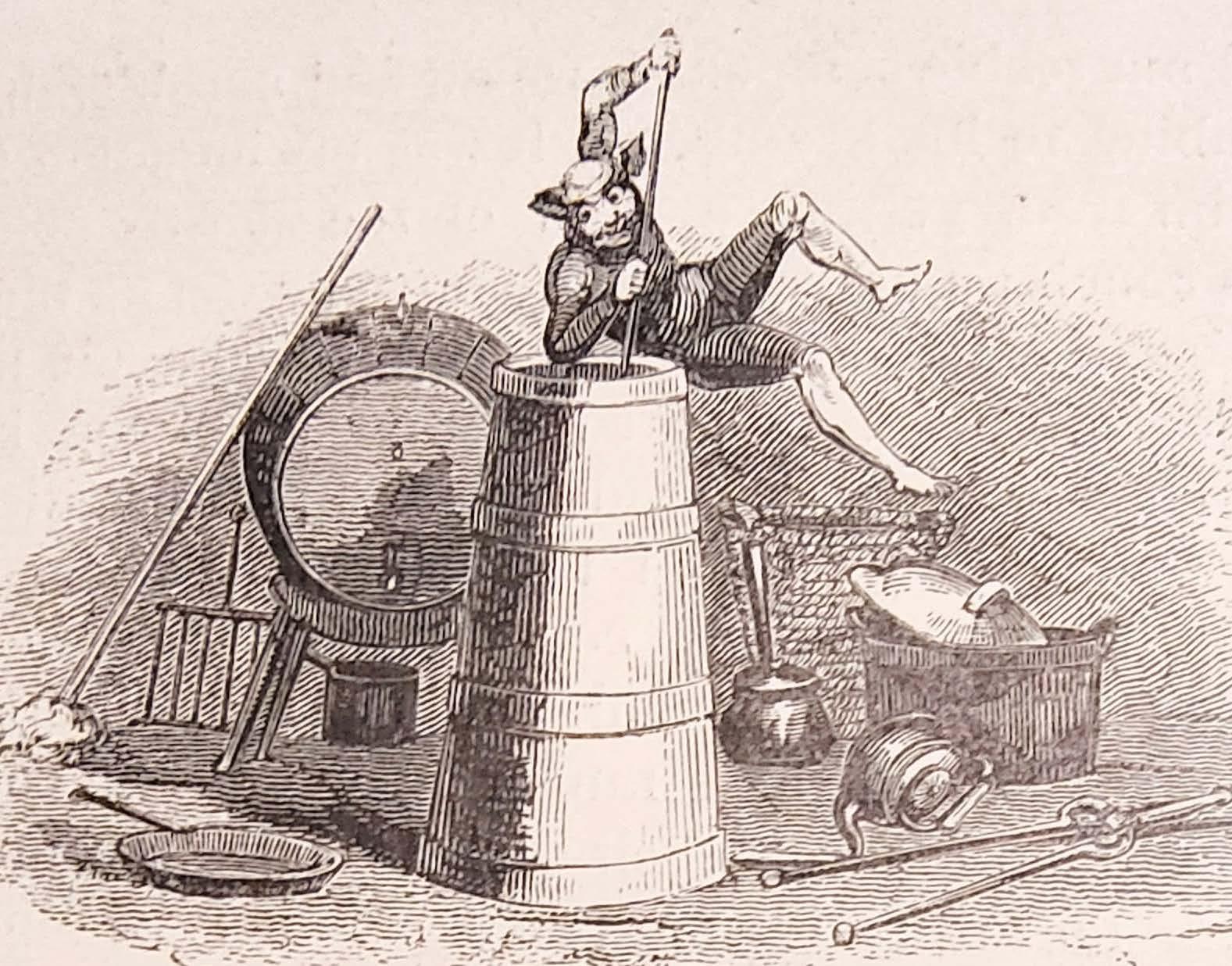

Write down these three points either on paper or post-it notes.
Tell the person next to you about the character and listen to their idea.
Discuss with the wider group lay out your character. Consider everyone’s together, are they similar or different? Do they link to a popular story or place, or are they original?
If you have time, you can come up with an event that a story could be based on featuring your characters.
Paper or post-it notes, pens or pencils.
Speakers and an internet connection to play the sound recordings.

To learn about Manchester songs recorded in the twentieth century, and songs recalled by migrants to the city. The group will be encouraged to remember old songs or nursery rhymes and share these together.
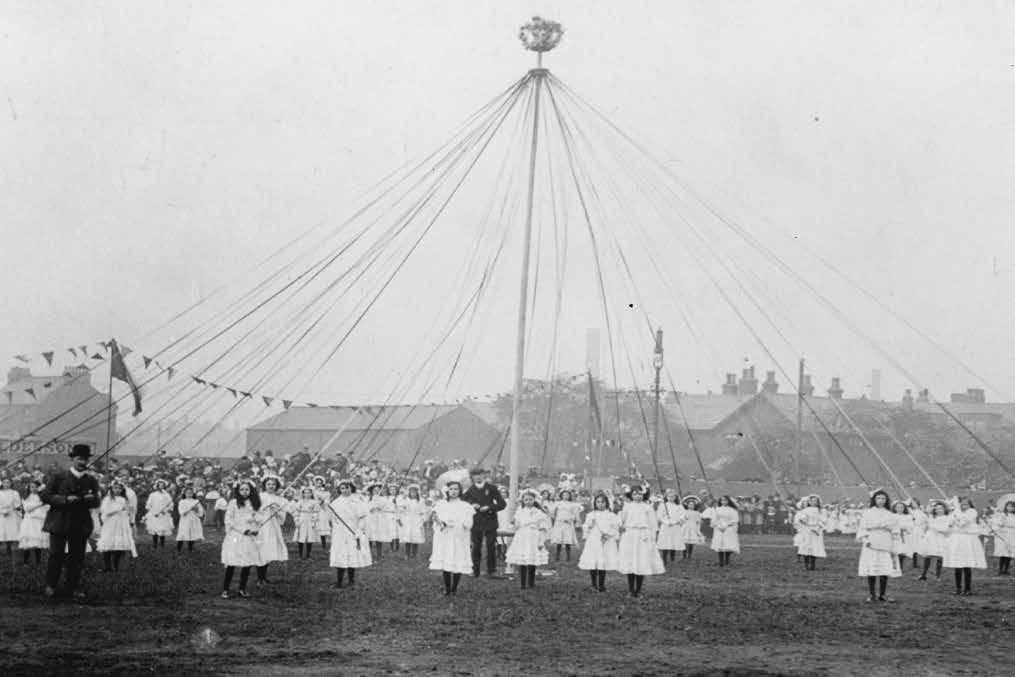
Listen to ‘May Day’ by an unknown woman recorded in the 1970s singing a song from her childhood. Then ‘Pomona’ remembered by Mrs Stubbs, an interviewee of Paul Graney, sings her father’s tune.
Listen to ‘A Child of Merseyside’ Jacqui and Bridie, a folk due singing recorded in Liverpool in April 1973. Then part of 'Ore Nil Doriya' performed by Dr Masih Alam (Proshoon). Also written in the 1970s for Abdul Jabbar, this song about a lonely boatman was influenced by Bangladeshi folk music.
Think Do you recognise the tales, places, or the tunes? Did you sing songs for May Day or other festivals? What songs do you like to remember?

Click the link or scan the QR code to listen https://tinyurl.com/hu7pbw48
Click the link or scan the QR code to listen
https://on.soundcloud.com/ tTrfhdB8MzWPUHbE8
Click the link or scan the QR code to listen https://tinyurl.com/yky6dn4g

Click the link or scan the QR code to listen https://tinyurl.com/2e9y9w3g



Write down some of your favourite songs, from the past or the present. This could be singing songs in your community, or even a favourite song to sing in the doing chores.
Share and Sing Take it in turns to share the names and lyrics of your songs, and for those feeling confident – sing it!
What you will need:
Paper or post-it notes, pens or pencils.
Speakers and an internet connection to play the sound recordings.


You can measure if the sessions are helping improve people’s wellbeing in several ways, with some examples given below. It is important to remember to only collect and retain the information you need. You must also ensure that you have people’s consent to collect personal information. You can find more information on GDPR through links in the Appendix.


Here is a simple ‘smiley’ face system of capturing people’s mood before and after an activity, which you could record across several sessions to see if there is a shortterm improvement. This visual tool is a useful option for instant feedback or if people have difficulties expressing emotions in words or writing. The five categories of incremental emotions are a form of Likert scale and will be familiar to health professionals who use a visual analogue scale to measure pain.
We hope you found these ideas, historical sources, and activities useful in your practice. Evaluation
For many community projects, more sustained formal evaluation may be required to justify the impact of running these sessions. You can find links to current health and wellbeing evaluation methods and toolkits in Appendices A and B. A common way of recording health and wellbeing is the Warwick-Edinburgh Mental Wellbeing Scale, commissioned by NHS Scotland and aims to capture feelings and function in a single scale.
Manchester Histories have also produced a general evaluation toolkit, with forms you can use to collect feedback.

https://manchesterhistories.co.uk/topicscategory/evaluations/


Manchester Histories and Creative Manchester would like to thank everyone who generously shared their time, insights, and shared experiences with us to support the making of this tool kit. A special thanks to Manchester Histories volunteers, the Come & Chat groups, Chorlton Good Neighbours art group, and the dedicated staff from the Archive+ Partnership.




This project was made possible through funding from Manchester City Council and The Higher Education Innovation Fund, which supports knowledge exchange between higher education providers and external partners to benefit society.