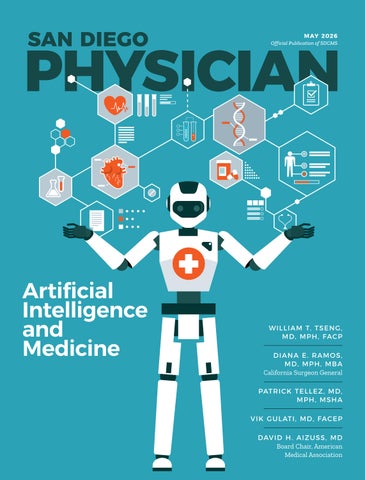
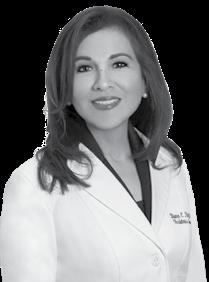
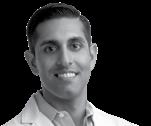
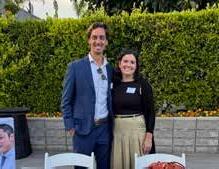
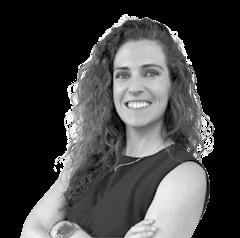
DIANA E. RAMOS, MD, MPH, MBA California Surgeon General
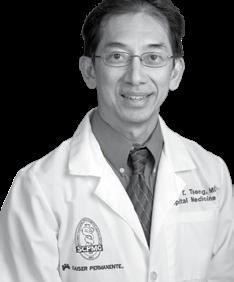
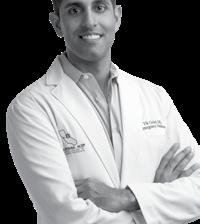
PATRICK TELLEZ, MD, MPH, MSHA
VIK GULATI, MD, FACEP
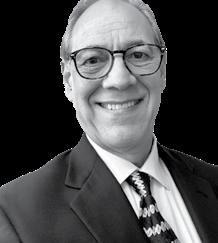
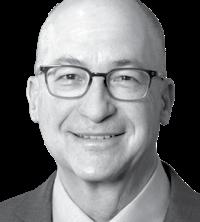
DAVID H. AIZUSS, MD Board Chair, American Medical Association
Research shows: Physicians want to refer patients to hospice care provided by an independent nonprofit with specialized clinicians who also teach.
Refer your patients to the 1 organization in our area that meets all these criteria: The Elizabeth Hospice.
More than 100 physicians in our area recently participated in research and specified the attributes they value most in hospice care:
The Elizabeth Hospice is the largest, most experienced nonprofit hospice and palliative care provider in San Diego and Riverside Counties, and a proud teaching affiliate of UCSD School of Medicine, UCSD Health, Scripps Health, and other leading medical schools and residency training programs.
Our physicians and nurses, all with subspecialty training, have a close relationship with many physicians in our area and are honored to be their top choice when they refer adult and pediatric patients and their families for comprehensive, compassionate care and grief services.
To recommend truly exceptional hospice care –for a patient, friend, or loved one – refer to the organization trusted for more than 45 years:
Editor: William T–C Tseng, MD, MPH
Editorial Board: James Santiago Grisolia, MD; William T-C Tseng, MD; Holly B. Yang, MD, MSHPEd, HMDC, FACP, FAAHPM
Marketing & Production Manager: Jennifer Rohr
Art Director: Lisa Williams
Copy Editor: Adam Elder
OFFICERS
President: Preeti S. Mehta, MD
President–Elect: Maria T. Carriedo-Ceniceros, MD
Immediate Past President: Steve H. Koh, MD
Secretary: Karrar H. Ali, DO, MPH
Treasurer: Rakesh R. Patel, MD, FAAFP, MBA
GEOGRAPHIC DIRECTORS
East County #2: Rachel B. Van Hollebeke, MD
Hillcrest #1: Vikant Gulati, MD
Hillcrest #2: Stephen R. Hayden, MD (Delegation Chair)
Kearny Mesa #1: Anthony E. Magit, MD, MPH
Kearny Mesa #2: Dustin H. Wailes, MD
La Jolla #1: Toluwalase (Lase) A. Ajayi, MD
La Jolla #2: Audra R. Meadows, MD
La Jolla #3: Emily A. Nagler, MD
North County #1: Arlene J. Morales, MD (Board Representative to the Executive Committee)
North County #2: Phil E. Yphantides, MD
North County #3: Nina Chaya, MD
South Bay #1: Paul J. Manos, DO
South Bay #2: Latisa S. Carson, MD
AT–LARGE DIRECTORS
#1: Steven L.W. Chen, MD, FACS, MBA (Board Representative to the Executive Committee)
#2: Kelly C. Motadel, MD, MPH
#3: Kyle P. Edmonds, MD #5: Daniel D. Klaristenfeld, MD #6: Alexander K. Quick, MD
#7: Karl E. Steinberg, MD, FAAFP #8: Alejandra Postlethwaite, MD
ADDITIONAL VOTING DIRECTORS
Young Physician: Quinne C. Sember, MD
Retired Physician: Mitsuo Tomita, MD
Medical Student: Adarsh Jagadish
CMA OFFICERS AND TRUSTEES
Trustee: Sergio R. Flores, MD
Trustee: Timothy A. Murphy, MD
Trustee: William T–C Tseng, MD, MPH
Trustee: Holly B. Yang, MD, MSHPEd, HMDC, FACP, FAAHPM
AMA DELEGATES AND ALTERNATE DELEGATES
District I: Mihir Y. Parikh, MD
District I Alternate: William T–C Tseng, MD, MPH
At–Large: Kyle P. Edmonds, MD
At–Large: Sergio R. Flores, MD
At–Large: Robert E. Hertzka, MD
At–Large: Theodore M. Mazer, MD
At–Large: Albert Ray, MD
At–Large: Holly B. Yang, MD, MSHPEd, HMDC, FACP, FAAHPM
CMA DELEGATES
District I: Christopher M. Bergeron, MD, FACS
District I: Corrie D. Broudy, MD
District I: Mojgan Hosseini, MD
District I: Quinn K. Lippmann, MD
District I: Yolanda Marzan, MD
District I: Bijal V. Patel, MD
District I: Eric L. Rafla-Yuan, MD
District I: Ran Regev, MD
District I: Kristen N. Rice, MD
District I: Kosala Samarasinghe, MD
District I: Mark W. Sornson, MD
District I: Wynnshang (Wayne) C. Sun, MD
District I: Patrick A. Tellez, MD, MHSA, MPH
District I: Randy J. Young, MD
District I: Nicholas (dr. Nick) J. Yphantides, MD, MPH
RFS Delegate: Shawn A. Ali, MD
Opinions expressed by authors are their own and not necessarily those of SanDiegoPhysician or SDCMS. SanDiegoPhysicianreserves the right to edit all contributions for clarity and length as well as to reject any material submitted. Not responsible for unsolicited manuscripts. Advertising rates and information sent upon request. Acceptance of advertising in SanDiegoPhysicianin no way constitutes approval or endorsement by SDCMS of products or services advertised. SanDiegoPhysicianand SDCMS reserve the right to reject any advertising. Address all editorial communications to Editor@SDCMS.org. All advertising inquiries can be sent to DPebdani@SDCMS.org. SanDiegoPhysicianis published monthly on the first of the month. Subscription rates are $35.00 per year. For subscriptions, email Editor@SDCMS.org. [San Diego County Medical Society (SDCMS) Printed in the U.S.A.]
VOLUME 113, NUMBER 5
FEATURES
4
AI Is Already in Medicine. Will Physicians Lead What Comes Next?
By William T. Tseng, MD, MPH, FACP and California Surgeon General Diana E. Ramos, MD, MPH, MBA
8
Redesigning Healthcare From the Inside Out: A Conversation with Dr. Bittman
By Patrick Tellez, MD, MPH, MSHA
12
No More Carpal Tunnel? Who Sets the Rules for AI Scribes in Medicine
By Vik Gulati, MD, FACEP
14
Why Physicians Must Lead the AI Era in Medicine
By David H. Aizuss, MD
17
Red and Blue States
Alike Want to Limit AI in Insurance. Trump Wants to Limit the States. By Darius Tahir and Lauren Sausser
DEPARTMENTS
2
Briefly Noted: Advocacy
19
Private Practice Physicians Gather for an Evening of Connection and Insight in Mission Valley By Hanna Basler
20
Classifieds
UCSD Medical Students Learn About Healthcare Policy in Sacramento
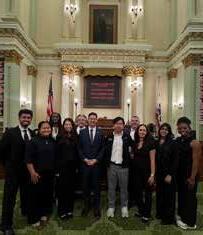
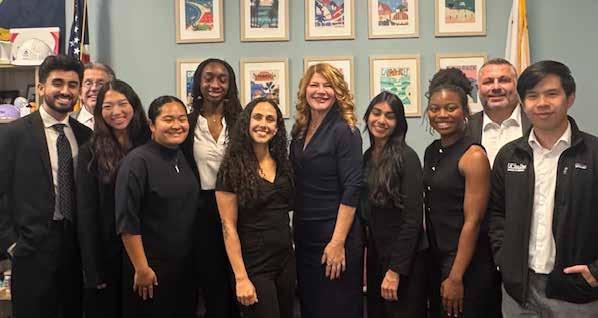
IN THE WEEK BEFORE THE CALIFORNIA Medical Association’s Legislative Advocacy Day, a group of University of California at San Diego School of Medicine students hit the State Capitol Building in Sacramento to meet with state legislators to learn about and discuss California state healthcare policy. Led by Dr. Robert E. Hertzka and SDCMS CEO Paul Hegyi, the students met with 11 state legislators, including San Diego’s own Assemblymember Chris Ward, Assemblymember Trisha Boerner, Assemblymember LaShae Sharp-Collins, and state Senator and physician Akilah Weber Pierson. They also stopped by the Mothership — CMA’s Sacramento headquarters.
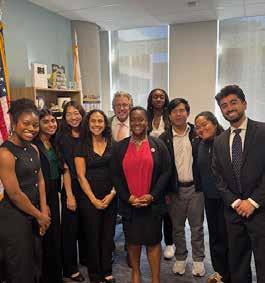
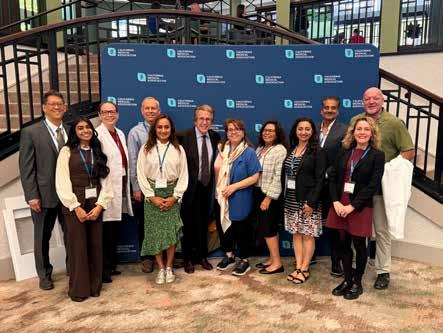
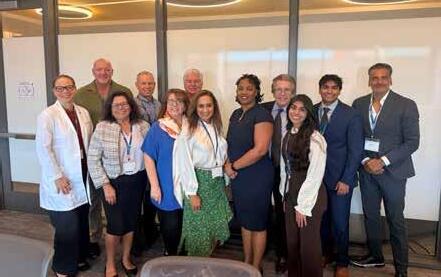
and medical students, led by SDCMS President Preeti Mehta, MD and SDCMS CEO Paul Hegyi, joined hundreds of their colleagues from across California on the California Medical Association’s Legislative Advocacy Day on April 8.
The delegation met with 11 state legislator offices and discussed legislation to regulate downcoding by insurance companies, speed limits on e-bikes for minors in order to reduce injuries, and preventing the use of artificial intelligence deep fakes of physicians.
AI Is Already in Medicine. Will Physicians Lead What Comes Next?
By William T. Tseng, MD, MPH, FACP, and California Surgeon General Diana
E. Ramos, MD, MPH, MBA
We are at a crossroads in medicine, where the future of care is catapulted into a new era of advancement, similar to the era when antibiotics or immunizations were introduced. Artificial intelligence is now shaping the way we practice medicine, including clinical workflows, patient expectations, and hospital operations. The question is no longer whether medicine will use AI, but whether physicians will shape it to improve patient care, trust, and efficiency.
For most physicians, AI is no longer a distant concept or a future debate. It is already showing up in documentation tools, inbox triage, clinical workflows, and in the questions patients now bring into the exam room. The issue is no longer whether medicine will use AI. The issue is
whether physicians will help determine what kind of tool it becomes.
Medicine has lived through a version of this before. The electronic medical record arrived with the promise of modernization, yet too often became optimized around billing, compliance, and administrative demands rather than the needs of patients or the realities of physician work. AI may prove far more useful, but only if physicians help shape it before its priorities are set by others.
Physicians’ interest in AI is no longer theoretical. In the AMA’s 2026 survey, 81% of physicians reported awareness or use of AI, up sharply from 38% in 2023. At the system level, 71% of hospitals reported using predictive AI integrated into the electronic medical record in 2024. Physicians are not asking for hype. They are asking for evidence, privacy, training, and relief. In the same survey, 92% of doctors said they wanted more training in AI. AI is here and physicians need to continue to guide its integration into medical care.
We Cannot Repeat the EMR Story
If the Electronic Medical Record (EMR) era taught physicians anything, it is this: technology adopted without strong physician input gets optimized for billing, compliance, and administrative convenience before it gets optimized for patient care. That is not cynicism. It is history.
The warning signs are already visible. National health IT data show that from 2023 to 2024, the fastest growth in predictive AI use occurred in billing and scheduling, not bedside decision support.2 That makes sense operationally. Billing and scheduling are easier to measure, standardize, and scale. But if finance and operations remain the dominant forces in AI adoption, the technology will predictably drift toward throughput, coding, and labor substitution rather than physician relief, trust, and better patient care.
That risk of AI being shaped more by revenue incentives than by patient care is not theoretical. A payer-backed analysis reported roughly $663 million in potential excess
inpatient spending and at least $1.67 billion in outpatient exposure were tied to AI-enabled coding patterns.3 AI can amplify economic incentives at scale, but more importantly, it can improve care and advance patient health and safety. That is exactly why physicians need to be fully engaged now, while priorities, guardrails, and governance are still being shaped.
What Good Early AI Looks Like
The strongest early uses of AI in healthcare come not from replacing physicians, but from reducing friction in the workflows that drain time, attention, and continuity, so physicians have more time for the healing touch and human conversations.
Sutter Health offers a strong California example of disciplined, physician-centered AI adoption. Becker’s reported three notable results: Sutter’s ambient documentation tools were associated with a 78% improvement in physician job satisfaction; its AI-powered lung cancer detection workflow increased early-stage diagnoses to nearly 70% of cases systemwide; and more than 10,000 users a month engage with its internal enterprise AI platform.4 Just as important, Sutter embedded physician, nursing, and pharmacy informatics into its digital team. That is what bilingual leadership looks like in practice: physician, operational, and technical fluency built into the same structure.
Kaiser Permanente shows what this can look like in the physician workday itself. Becker’s reported that ambient AI helped The Permanente Medical Group save nearly 16,000 hours of documentation time over 15 months across about 2.5 million patient encounters involving 7,260 physicians.5 In surveys, 84% of physicians reported a positive experience, citing reduced mental workload and better recall of visit details. Nearly half of patients, 47%, said their physician spent less time looking at the computer.5 That is what a good first-use case looks like: not technology for technology’s sake, but technology that gives physicians back time, presence, and attention during the clinical encounter.
Another important example is intelligent inbox support. A JAMA Network Open quality improvement study of an AI-enabled messaging tool processed 3,030,247 portal messages from 1,042,418 patients.6 Median time to first read for high-acuity messages fell from 22.03 hours to 5.02 hours, and accuracy improved from 44.0% to 81.0% compared with the legacy approach.6 Thoughtfully implemented, AI’s ability to reduce inbox burden is not a gimmick. It is a practical way to return time and attention to the work that most needs physician judgment.
Taken together, these examples point in the same direction. The most valuable near-term role for AI in medicine is not autonomous decision-making. It is targeted support for
real workflows: documentation, triage, early detection, communication, and routing. Used this way, AI does not replace clinical judgment. It protects it.
AI in Public Health: Moving Knowledge, Not People
The same principle applies beyond the clinic. When AI reduces friction in care delivery, it can also extend the reach of prevention, triage, and follow-up at population scale.
One of AI’s greatest strengths is straightforward: it can move knowledge toward people instead of forcing people to chase access to expertise. That matters most in prevention, chronic disease management, and early intervention, where time, distance, transportation, workforce shortages, and fragmented access often stand between vulnerable patients and timely care. Used well, AI can proactively deliver guidance, outreach, triage, and follow-up into the places where illness is hardest to prevent and care is hardest to reach. An example is the prediction of preeclampsia onset using models that analyze electronic health records (EHR) to predict onset, enabling healthcare plans to initiate “preemptive interventions” and personalized care planning.1
Another example is Advocate Health’s conversational AI pilot that reached more than 15,000 hypertension patients in 12 days, cleared 1,200 with normal readings, and connected 274 high-risk patients to nurses.7 AI expands the reach of care, identifies who needs help most urgently, and helps move clinical knowledge into people’s daily lives before preventable illness becomes a crisis.
This technology can and should extend to rural communities, under-resourced clinics, and patients who have long faced the greatest barriers to care. But that promise will only be realized if those systems are brought up to speed with stronger broadband infrastructure, more modern EMR capability, and the training support needed to use these tools well.8 Otherwise, the same technologies that could narrow gaps in access may end up widening them instead.
How Physicians Should Lead Implementation
A useful way to think about implementation is C-TACT framework (Collaborative Technology Adoption for Care Transformation): start with the people, then process, then technology.9 Begin with the people doing the work and the patients receiving care. Then examine the process and remove unnecessary friction. Only after that should technology enter the conversation. Medicine often reverses that sequence and starts with the product. That is usually where disappointment begins.
For physician leaders, the first question should not be, “What can this model do?” It should be, “Where is the workflow breaking?” Start where time, attention, and continuity are being lost: documentation, inbox triage, visit preparation,
referral routing, prior authorization, patient education, and outreach. These use cases are closer to the real work, easier to audit, and more likely to build trust because their value can actually be seen and measured.
That leads to the second principle: insist on bounded use cases with clear measures. Before launch, define baseline turnaround time, click burden, after-hours work, escalation rates, error rates, patient access, and staff touch points. After launch, measure the same things again. If a use case cannot be measured, it is not ready for scale.
Third, lead with human center design by explicitly keeping humans in the process11. The best current AI deployments help prioritize, draft, route, summarize, and escalate. They do not eliminate accountability. In medicine, a confident falsehood is not a harmless mistake. It is a patient safety problem. Human review is not friction in the system but part of the design.
Finally, organizations need bilingual leadership. They need actively practicing physicians who can sit with frontline teams, data scientists, compliance leaders, and operational leaders in the same conversation and still protect the integrity of patient care. That is how AI stays clinically honest, operationally usable, and strategically aligned. This is not optional extra work. It is the new leadership requirement.
The Window Is Still Open, But Not Forever
Patients are already bringing AI into care. Increasingly, they arrive with AI-generated summaries of symptoms, tests, and questions. When guided well, this can make the medical visit more satisfying for patients and more productive for the physician. Physicians must help interpret, validate, and when necessary, correct AI-generated information to ensure accuracy. When kept within a physician-led model, patients’ use of AI becomes an extension of the care team, improving efficiency, shared understanding, and allowing more time for human connection and building trust. Physicians do not need to become engineers, but they do need enough fluency to test claims, recognize hallucinations, guide patients, and help decide where AI belongs and where it does not.
The encouraging news is that the concrete is not set yet. The strongest early evidence points in the same direction: when AI is applied to real workflows, measured honestly, and kept under clinical supervision, it can reduce friction, expand access, and give time back. When it is deployed without physician authorship, it drifts toward the same logic that made the EMR era so disappointing.
Medicine does not need more technology done to it. It needs physician-led adoption that protects judgment, relationships, and the meaning of the work. The pace of change will only accelerate. Physicians still have time to shape AI, but not the luxury of waiting.
Source Notes
Research provided by Daphnie Tseng.
1. American Medical Association. “Physician Survey on Augmented Intelligence.” Mar. 12, 2026. https://www.ama-assn. org/practice-management/digital-health/physician-surveyaugmented-intelligence
2. ASTP / HealthIT.gov. “Hospital Trends in the Use, Evaluation, and Governance of Predictive AI, 2023-2024.” Data Brief No. 80, 2025. https://www.healthit.gov/data/data-briefs/ hospital-trends-use-evaluation-and-governance-predictiveai-2023-2024/
3. Becker’s Hospital Review. “BCBS study: Hospital AI billing tools may be driving up healthcare costs by billions.” Mar. 13, 2026. https://www.beckershospitalreview.com/healthcare-information-technology/bcbs-study-hospital-ai-billing-tools-may-bedriving-up-healthcare-costs-by-billions/
4. Becker’s Hospital Review. “How Sutter Health is turning AI into a people-first transformation engine.” Mar. 3, 2026. https:// www.beckershospitalreview.com/healthcare-informationtechnology/how-sutter-health-is-turning-ai-into-a-people-firsttransformation-engine/
5. Becker’s Hospital Review. “16K hours saved: Ambient AI scribes at Kaiser Permanente.” Jun. 13, 2025. https://www.beckershospitalreview.com/healthcare-information-technology/ai/16khours-saved-ambient-ai-scribes-at-kaiser-permanente/
6. JAMA Network Open. Nguyen D, et al. “Performance of an Intelligent Messaging Tool for Clinical Message Triage.” 2026. https://jamanetwork.com/journals/jamanetworkopen/fullarticle/2843966
7. Becker’s Hospital Review. “Why Advocate Health called 15,000 patients in 12 days with AI.” Mar. 27, 2026. https://www.beckershospitalreview.com/healthcare-information-technology/ai/ why-advocate-health-called-15000-patients-in-12-days-with-ai/
8. California Health Care Foundation. “Harnessing AI’s Potential to Lift Up Underserved Communities.” Sep. 17, 2024. https:// www.chcf.org/resource/harnessing-ais-potential-lift-up-underserved-communities/
9. Stanford Graduate School of Business. “Southern California Permanente Medical Group: The Care Transformation Office (CTO) – Scaling Integrated Value-Based Care Through Strategic IT-Clinical Partnerships.” Accessed Apr. 9, 2026. https:// www.gsb.stanford.edu/faculty-research/case-studies/southerncalifornia-permanente-medical-group-care-transformation
10. Li H, Li Y, Zang C, et al. “Machine Learning for Dynamic and Short-Term Prediction of Preeclampsia Using Routine Clinical Data.” JAMA Network Open. Mar. 6, 2026. https://jamanetwork. com/journals/jamanetworkopen/fullarticle/2845997
11. Harvard Business School Online. “What Is Human-Centered Design?” Dec. 15, 2020. https://online.hbs.edu/blog/post/whatis-human-centered-design
Dr. Tseng is editor of San Diego Physician magazine, a former president of SDCMS, and a current member of the California Medical Association Board of Trustees. He is a partner with SoCal Permanente Med ical Group where he serves as the associate area medical director and assistant chief of staff.
Before her historic appointment as California’s first Latina surgeon general, Dr. Ramos served as the assistant deputy director of chronic disease prevention at the California Department of Public Health, spearheading statewide initiatives to improve community health. Her leadership has extended across local, state, and national platforms, from serving as director for reproductive health in Los Angeles County to holding key positions with the American College of Obstetricians and Gynecologists, the American Medical Association Foundation, Women’s Preventive Service Initiative, and the National Hispanic Medical Association. Over the past three decades, Dr. Ramos has provided compassionate, highquality reproductive care to thousands of Californians as an obstetrician gynecologist at Southern California Kaiser Permanente.
Redesigning Healthcare From the Inside Out: A Conversation with Dr. Bittman
By Patrick Tellez, MD, MPH, MSHA
Author’s Note: Dennis Gabor, the physicist who won the 1971 Nobel Prize for inventing holography, is credited with having written, “The future cannot be predicted, but futures can be invented.”
Today, physicians face ever mounting uncertainties and yet, at the same time, by taking a proactive approach to implementing AI in healthcare, we as physicians have a unique opportunity to “invent the future.”
The following is an interview of Barry Bittman, MD, Chief Population Health and Strategy Officer, Inland Empire Foundation for Medical Care (IEFMC), who provides insights as to how physicians are collaborating with key stakeholders to harness the power of AI to chart a new course toward inventing the future.
PT: For those of us practicing here in San Diego and across Southern California, it feels like we’re navigating constant headwinds — burnout, administrative burden, shrinking margins, staffing shortages. You’ve worked across health systems nationally, and now you’re serving as chief population health and strategy officer for the Inland Empire Foundation for Medical Care (IEFMC) — sister organization to the Riverside County Medical Association (RCMA); and you’re also CEO of the Institute for Innovative Healthcare. In your experience, is this just a temporary challenge, or are we at an inflection point?
Dr. Bittman: It’s certainly an inflection point — without question.
When you consider the convergence of multiple economic and regulatory pressures on community-based practices such as rising labor costs, medical inflation exceeding CPI, performance-based reimbursements tied to patient outcomes, time-consuming pre-authorization processes, declining Medi-Cal enrollment, and loss of Covered California subsidies, it’s clear that incremental fixes won’t suffice.
The survival of community-based practices, particularly small to mid-sized groups, is in serious jeopardy. And when they disappear, patient access erodes. Health equity erodes. Trust erodes. This isn’t just about practice viability — it’s about preserving the fabric of community-based healthcare.
PT: You’ve seen healthcare from virtually every angle — former senior vice president and chief population health officer for Allegheny Health Network under Highmark Blue Cross Blue Shield, and chairman and CEO of PACS ACO with over 5,000 providers across 11 states. What makes this moment different?
Dr. Bittman: The difference is clear. The myriad of threats to our current healthcare delivery ecosystem may actually be insurmountable.
And for patients, especially those facing the challenges of
multiple social determinants of health, limited access, and fragmented services, the resultant lack of engagement and distrust is seriously undermining both quality and patient outcomes.
The challenges extend far beyond just small to mid-sized practices. At the system level, operational inefficiencies abound, waste is rampant, frustration is ubiquitous, and healthcare is frankly unaffordable.
The healthcare system as we know it is not sustainable. As clinicians, we cannot be forced to do more for less or to assume additional financial risk through alternative payment models, bundled payments, and dual-sided ACO participation without the support of sophisticated analytics tools required to manage our patient populations.
So the question becomes: How do we redesign — not just survive?
PT: Many physicians see artificial intelligence as part of the answer, but also as a source of uncertainty. There’s fear, vender overload, cost concerns, privacy worries, EHR integration challenges. How do we close that “AI adoption gap”?
Dr. Bittman: The first and perhaps the most important step is making AI healthcare integration physician-led.
Through our AI collaborative in the Inland Empire, we’ve developed a track record of connecting physicians, practice leaders and healthcare executives to identify both significant barriers and rational solutions. AI adoption challenges are numerous and include:
• Uncertainty, fear and mistrust of AI
• Lack of AI knowledge base
• Difficulty evaluating vendors
• Disconnected multi-platform technologies
• High cost of AI solutions
• EHR integration challenges
• Privacy and security concerns
• Workflow disruption
Physicians need a better approach — meaningful integration into efficient sustainable workflows — designed by clinicians who understand the reality of healthcare delivery.
PT: And that led to your work with Amazon Web Services and an AI company called 2Cimple?
Dr. Bittman: Exactly. We were searching for an integrated interdisciplinary solution led by physicians for physicians.
Working with Amazon Bedrock Nova and Amazon Connect on the secure AWS cloud platform, alongside 2Cimple’s advanced agentic architecture, we developed a scalable, affordable, practice-customized multifunctional agentic platform built from the ground up as a fully integrated transformational healthcare delivery solution enveloped within the highest level of AWS security and privacy.
The synergies elaborated above, however, are not our entire focus. The headline is actually our implementation model.
AI ‘by Physicians, for Physicians’ Strategy
PT: Walk us through that.
Dr. Bittman: We begin with an often-missed critical element — education — comprehensive and down to earth for physicians and their practices.
Our four-session, comprehensive AI training program is followed by interdisciplinary meetings with physicians and practice representatives that bridge clinical realities with technical design. We work together to curate data sources and we orchestrate hybrid human-AI workflows. Together we customize guardrails and escalation pathways to precisely meet the needs of each practice.
Then we deploy, test, assess, and refine — iteratively. This is not plug-and-play technology. It’s evolutionary practice transformation.
The AI Health Coach
PT: One of the most intriguing components you’ve introduced is the AI Health Coach. What makes that different?
Dr. Bittman: It’s a fully integrated, multimodal “RAG” (retrieval augmented generation) agentic AI model that supports:
• AI-enabled call center and nurse hotline
• Smart scheduling
• Patient attribution and verification
• Hybrid AI-to-human escalation
• Post-discharge outreach
• Quality improvement and care gap closure
• Longitudinal health coaching
• 24/7 multilingual access to physician-curated health information
We are in early discussions with the Inland Empire Health Plan (IEHP) and the Manifest Medex Health Information Exchange (HIE) to reduce fragmentation, enhance interoperability and close the information loop across the Inland Empire.
Our ultimate objective is to level the playing field— enabling small and mid-sized practices to gain access to “best of breed” AI capabilities previously reserved exclusively for large health systems.
PT: For physicians in San Diego reading this, why should they care about what’s happening in the Inland Empire?
Dr. Bittman: Your challenges and healthcare pressures are practically identical. What we’re demonstrating is that AI, when implemented collaboratively, ethically, and physiciandriven can:
• Build efficiencies
• Advance population health outcomes
• Deliver memorable patient experiences
• Reduce potentially preventable ER visits and readmissions
• Support staff resilience
• Lower physician burnout
• Advance measurable health equity
This isn’t about replacing clinicians or staff. It’s about refocusing our efforts: reestablishing a clinical focus while enhancing access and service for patients.
PT: As an author, researcher and inventor, you’ve spent much of your career focusing on care coordination, chronic disease management, predictive analytics — even hosting “Mind-Body Matters” on NPR and earning recognition from the American Medical Association. How does this current work advance your healthcare journey?
Dr. Bittman: It’s actually no more than a logical continuation of my commitment to amalgamate innovative strategies for supporting physicians and improving patient care/ outcomes.
The goal has always been the same: design affordable, accessible and sustainable systems that support Quadruple Aim outcomes. AI’s time has come. It’s simply the next enabling layer that holds great promise in healthcare delivery. There is a caveat, however: It must be human-centered, ethically grounded, and community-focused.
A Broader Strategy: Community Partnership
PT: You’ve emphasized strategic partnerships across stakeholders. Why is that essential?
Dr. Bittman: No single entity can solve the fragmentation we are experiencing in healthcare alone. Physicians. Health plans. Data exchanges. Hospitals. Technology partners. When we align connectivity across that spectrum, interoperability improves. Care coordination improves. Outcomes improve. And critically, community-based healthcare survives — and thrives.
PT: If you had one message to physicians across San Diego and Southern California, what would it be?
Dr. Bittman: We cannot wait for transformation to be handed to us. Physicians must lead. AI is not simply happening to us. We must shape it—responsibly, collaboratively, and strategically. If we do it right, we can reestablish equitable quality healthcare at the community level.
The viability of our healthcare system is at stake. Yet so is this unprecedented opportunity to begin building a model healthcare system that can endure for generations. This is our moment.
For physicians interested in participating in collaborative, AIenabled practice transformation initiatives, regional discussions are ongoing through the Inland Empire Foundation for Medical Care and affiliated physician leadership networks.
Dr. Tellez is a member of the American Medical Association and California Medical Association, and an active board member of the San Diego County Medical Society. Dr Tellez is retired from his most recent role as CMO with CHG and is pursuing consulting roles to advance adoption of augmented intelligence in healthcare — particularly in advancing adoption of AI for physicians in practice, advancement of health literacy, and health equity. He currently serves as co-chair of the Healthy San Diego, Consumer Provider Advisory Committee and as adviser to the SDSU School of Public Health.
Expert Geriatric Care for Your Patients
Collaborating With Physicians for Better Outcomes
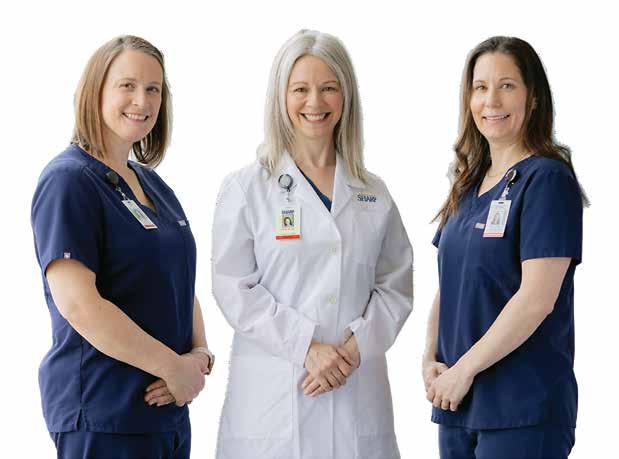
Help your patients access exceptional care for older adults. The Generational Health Program at Sharp Memorial Hospital provides comprehensive, multidisciplinary care tailored to the unique needs of aging patients. Our team of geriatric specialists offers advanced protocols and ACS-verified excellence in geriatric surgery to improve outcomes.
Visit sharp.com/healthyaging to refer a patient today and partner with us in delivering specialized care.
No More Carpal Tunnel? Who Sets the Rules for AI Scribes in Medicine
By Vik Gulati, MD, FACEP
AI scribes may be among the most promising tools we have for reducing physician burnout. But we may be adopting them faster than we understand the risks. More importantly, we have not yet answered a fundamental question:
Who should be setting the rules for how this technology is used in clinical practice?
Across San Diego and beyond, physicians are starting to integrate ambient AI into their daily workflows to reduce documentation burden. Early data suggest adoption is accelerating quickly, with use in more than half of eligible encounters in some settings.¹ I adopted an AI scribe for a simple reason: My hands were starting to hurt. Despite using transcription tools, I was still spending hours typing notes and developing worsening symptoms of carpal tunnel syndrome. Like many physicians, I was looking for a way to reduce the administrative work that was pulling me away from patient care. And at first, it worked.
At the San Diego County Medical Society Board Retreat earlier this year, I appreciated that our president-elect, Dr. Carriedo, continued to keep physician burnout at the forefront. Burnout affects nearly half of physicians nationwide.²
Most physicians still enjoy taking care of patients; the problem is everything around it. Documentation, inbox messages, and workflow inefficiencies take time away from patient care. Studies show that physicians spend nearly twice as much time on documentation and administrative work as they do with patients.³ Fulfillment is tied less to hours worked and more to meaningful work and a sense of control over workload.⁵ ⁶ When administrative tasks take over, the sense of purpose starts to fade.
My introduction to AI scribe software came in 2024 when my large multi-specialty employer rolled it out across the system. After a brief training and reassurance around compliance, I decided to try it. The results were noticeable: I was typing less. My notes were done faster. I felt more present with patients. My charts were done earlier, and my burnout started to improve. Early data support this. AI scribes appear
to reduce documentation time and after-hours charting while improving physician satisfaction.¹ Physician wellbeing depends on having time for connection and reflection, which is often lost to administrative work.⁴
Then one morning in December 2025, I was making coffee and listening to NPR when I heard something that made me pause. A nearby health system was being sued for using AI scribe software because of concerns around California’s consent laws for audio recording. My first reaction was practical. Would my system shut this down? That did not happen. But it brought me back to the same question. If this technology is becoming part of everyday practice, who is deciding how it is used? Who is going to update past laws and regulations that may not fit with current use practices? And who is going to help shape the future rules and regulations around this space?
I started talking to colleagues across different settings in San Diego and across the country. Emergency departments, private practices, and outpatient clinics all had different levels of exposure. Some physicians were just hearing about AI scribes for the first time. Others were already building or customizing their own tools. But one thing was consistent: We do not have a shared understanding of how this should be used. Then a colleague asked something I had not thought about: We spend a lot of time talking about protecting patient data, but what about protecting the physician’s voice? She had reviewed several user agreements and noticed that patient protections were often addressed, but physician protections were less clear. In a world where deepfake audio is becoming more realistic, that is not a small concern.
She also pointed out how much these platforms differ in important ways:
• Whether physicians can edit the AI-generated note
• How long recordings and transcripts are stored
• Whether physicians can access the original audio
• How documentation might be used in legal settings
These are important details. Most of us are not thinking about them when we click “agree.”
This came up again during discussions at the SDCMS board retreat.
Many of us realized that we do not fully understand the agreements tied to these tools. Physicians in large systems often rely on legal teams to review this. Others, especially in smaller or independent practices, do not have that support. Some are using free tools and assuming the protections are there.
As a group, we identified a few areas where clearer standards would help:
• Protection of patient voice recordings and medical data
• Protection of physician voice data
• Clear rules for editing AI-generated notes
• Access to original recordings
• Transparency around how long data is stored and when it is deleted
We also discussed whether California’s consent laws may need to evolve, especially in situations where patients cannot provide consent due to their condition.
This brings us back to the central issue. Who should be setting the rules? Many would argue this should be left to technology companies or their legal teams.
But if we do that, the priorities may not reflect clinical realities. We should not be passive participants in this process. There is an opportunity here for the house of medicine to take the lead.
One option would be to create a physician-driven certification process for AI scribe tools. Companies could apply
and demonstrate that they meet clear standards for privacy, transparency, and physician control. We already trust similar models. The American Dental Association has a seal of approval that helps guide decisions. A similar approach for clinical AI tools could give physicians greater confidence in what they use. Organizations like the California Medical Association could help move this forward and expand it more broadly. Over the next year, our San Diego County Medical Society team will be working on ideas to bring to the House of Delegates to help move this conversation forward.
AI scribes are not going away. The benefits are real. But like anything we use in medicine, we have to think about both the benefits and the risks. If we approach this thoughtfully, AI scribes could meaningfully reduce documentation burden and improve how we practice. If we do not, we risk creating new problems around privacy, data ownership, and trust. This is not just about adopting new technology. It is about shaping how it is used. And if we get it right, we may finally start to reduce one of the quieter occupational hazards of modern medicine: Carpal tunnel syndrome.
References
1. Ma SP, Liang AS, Shah SJ, et al. Ambient Artificial Intelligence Scribes: Utilization and Impact on Documentation Time. Journal of the American Medical Informatics Association. 2025.
2. Shanafelt TD, et al. Changes in Burnout and Work-Life Integration in Physicians. Mayo Clinic Proceedings. 2022.
3. Sinsky C, et al. Allocation of Physician Time in Ambulatory Practice. Annals of Internal Medicine. 2016.
4. Tung MG, et al. Meaning and Comfort in Physician Well-Being. JAMA. 2026.
5. Lu DW, et al. Drivers of Professional Fulfillment and Burnout Among Emergency Medicine Faculty. Academic Emergency Medicine. 2022.
6. Eckleberry-Hunt J, et al. Relation Between Physicians’ Work Lives and Happiness. Southern Medical Journal. 2016.
Dr. Gulati is a board-certified emergency physician who has practiced across San Diego County and throughout California in a variety of healthcare systems. Since residency, he has been an active leader in healthcare policy and physician advocacy. He currently serves as a board member of the San Diego County Medical Society and is a past president of the California Chapter of the American College of Emergency Physicians, as well as a former steering committee member for the American College of Emergency Physicians. Outside of medicine, he enjoys spending time with his family and taking the occasional epic ski trip.
Why Physicians Must Lead the AI Era in Medicine
By David H. Aizuss, MD
Artificial intelligence is not the future of medicine; it has already arrived. Across hospitals, clinics, and health systems, AI is influencing how care is delivered every day. And the pace of adoption has been striking. Just a few years ago, only a minority of physicians reported using AI tools in their work. Today, the vast majority do.
The latest survey results from the American Medical Association’s Center for Digital Health and AI, released in March, shows how quickly AI is becoming part of everyday clinical practice. In 2023, about 38% of physicians reported using some form of AI in their work. Today, that number is 81%.
That level of adoption is remarkable in a field that typically moves carefully when introducing new technologies. But the real story is not just how many physicians are using AI. It is how they are using it, and what this shift means for the future of patient care.
Many physicians are using AI to summarize research, assist with clinical documentation, generate discharge summaries, and streamline workflows that have grown increasingly complex. On the surface, those may sound like modest applications. But they address one of the most pressing challenges facing physicians today: administrative burden that pulls doctors away from patients. When technology reduces paperwork and documentation time, it gives physicians something incredibly valuable back: time with our patients.
My own specialty of ophthalmology has been on the leading edge of AI adoption. Eye doctors are already using AI-related tools to detect diabetic retinopathy from retinal photographs. Remarkably, these AI-enabled tools can analyze retinal images and identify signs of disease before a patient has vision symptoms. These tools can even be used in pri-
mary care offices, enabling a patient to have a retinal photo taken during a routine visit, and using the analytic powers of AI to determine whether the patient should be referred to an ophthalmologist.
Such extraordinary possibilities are why physicians are increasingly optimistic about AI’s clinical potential. Many believe AI can improve diagnostic accuracy, help identify disease earlier, and support more personalized treatment decisions. In health systems across the country, we are seeing examples of this potential. AI is being used to predict colon cancer risk earlier in patient populations. It is being used in symptom checkers that help guide patients to the appropriate level of care. And AI-powered ambient listening tools are reducing documentation burden and burnout among physicians. These are not theoretical benefits. They are practical im-
provements that can make medicine better for both patients and physicians.
But physicians are also clear-eyed about the risks. AI is not perfect. It can make mistakes. It can reflect biases embedded in its training data. Generative AI systems can produce confident-sounding answers that are simply wrong. And increasingly, patients are turning to AI tools directly for medical advice, sometimes without physician guidance. Medicine requires more than answers. It requires context, clinical judgment, and the ability to apply knowledge to the unique circumstances of each patient.
This is why the AMA uses the term “augmented intelligence” rather than “artificial intelligence.” The goal is not to replace physicians. The goal is to support them; to augment their ability to deliver high-quality care.
But whether AI strengthens or undermines medicine will depend on who helps shape it.
Our research shows that physicians want a voice in how AI is adopted and used. The vast majority believe they should be involved in decisions about implementing AI tools in their organizations. They are calling for strong clinical evidence, rigorous safety standards, transparency in how these tools are developed, and clear rules around liability. These are not abstract policy concerns. They are patient care concerns.
Patients place their trust in physicians, not in algorithms. That trust has been earned through scientific rigor, ethical responsibility, and a commitment to patient wellbeing. As AI becomes more embedded in healthcare, physician leadership in its design, development, and oversight will be essential to preserving that trust.
This is the philosophy behind the creation of the AMA’s Center for Digital Health and AI, which launched in fall 2025 to make sure that as technology reshapes medicine, it does so in a way that improves patient care, reduces burdens on physicians, and keeps the patient-physician relationship at the center of healthcare.
Interestingly, some of the most important policy conversation about AI in healthcare right now is happening at the state level. Lawmakers in dozens of states are urgently working to establish the right regulatory framework to unleash the power of AI safely and ethically, without stifling innovation.
California has been one of the most active states trying to regulate AI in medicine. The California Medical Association helped secure passage of an AI bill last fall that aims to protect patients from AI systems that misrepresent themselves as licensed medical professionals. This law comes on top of previous legislation signed into law in 2024 that further seeks to protect patients by requiring disclosure of AI-generated messages.
Here and in all states, lawmakers are looking to strike the right balance between technology and humanity, which is as important for medicine’s future as its past.
As AI and AI-enabled tools rapidly expand across healthcare, it’s critical that the next phase of AI adoption include a modern, risk-based regulatory framework. Multiple surveys show that both patients and physicians want appropriate oversight of AI to ensure safety and performance. Regulation should not stifle innovation, but it must ensure that AI tools are safe, effective, and transparent.
The AMA believes responsible AI governance in healthcare should be built around several key principles.
First, physician-led governance and review. Health systems should establish AI oversight structures that include practicing physicians who can evaluate whether a tool is clinically valid, safe, and useful in real-world care settings.
Second, reliability, safety, and human oversight. AI should
support clinical decision-making, not replace it. Human-inthe-loop review should be the norm, particularly for tools that influence diagnosis or treatment decisions.
Third, transparency, disclosure, and accountability. Physicians and patients should know when AI is being used, how it was trained, how it was validated, and what its limitations are. There should be clear accountability when AI systems contribute to errors.
Fourth, privacy, security, and responsible data stewardship. Health data is among the most personal information people share. AI systems must operate within strong privacy protections, with clear limits on how data can be used.
And fifth, bias mitigation and equity. AI systems must be evaluated for bias and monitored over time to ensure they do not worsen health disparities or produce unequal outcomes for vulnerable populations.
These principles are not about slowing innovation. They are about ensuring innovation actually improves patient care.
One of the most important unresolved questions in AI adoption is liability. If an AI system recommends a course of treatment and that recommendation turns out to be wrong, who is responsible? The physician? The health system? The developer? Until we have clear answers to these questions, uncertainty will slow adoption and create risk for physicians and patients alike.
Transparency is critical here. Physicians must have access to information about how AI tools were trained, how they were validated, what populations they were tested on, and
what outcomes they were designed to improve. Without that transparency, physicians cannot responsibly integrate AI into patient care, and liability risks increase.
Technology always moves faster than regulation. But when it comes to the human body and mind, caution is not a weakness. It is a responsibility.
Physicians bring something essential to the development and deployment of AI that no one else can: a deep understanding of patients, clinical workflows, and the realities of care. Technology companies bring extraordinary technical expertise. Policymakers create guardrails. Innovators drive progress. But physicians are the ones who sit with patients, deliver difficult news, manage uncertainty, and help people make life-changing decisions. That perspective must help guide the technologies that increasingly shape healthcare.
AI will continue to transform medicine. It will help detect disease earlier, support clinical decision making, and reduce administrative burdens that contribute to burnout. It has the potential to make care more proactive, more personalized, and more efficient. But technology alone does not improve healthcare. People do.
The most important question is not whether AI will change medicine. It already is. The question is whether physicians will simply adapt to these changes — or whether we will lead them.
If we want AI to strengthen the patient-physician relationship rather than weaken it, if we want it to improve equity rather than worsen disparities, and if we want it to enhance clinical judgment rather than replace it, then physicians must be at the center of its design, implementation, and oversight.
AI should not define the future of medicine. Physicians and patients should. And with the right leadership, the right safeguards, and the right focus on patient care, AI can become one of the most powerful tools we have ever had to improve the health of people and communities.
Dr. Aizuss is an ophthalmologist in private practice in Southern California and board chair of the American Medical Association.
Red and Blue States Alike Want To Limit AI in Insurance. Trump Wants to Limit the States.
By Darius Tahir and Lauren Sausser
It’s the rare policy question that unites Republican Governor Ron DeSantis of Florida and the Democratic-led Maryland government against President Donald Trump and Governor Gavin Newsom of California: How should health insurers use AI?
Regulating artificial intelligence, especially its use by health insurers, is becoming a politically divisive topic, and it’s scrambling traditional partisan lines.
Boosters, led by Trump, are not only pushing its integration into government, as in Medicare’s experiment using AI in prior authorization, but also trying to stop others from building curbs and guardrails. A December executive order seeks to preempt most state efforts to govern AI, describing “a race with adversaries for supremacy” in a new “technological revolution.”
“To win, United States AI companies must be free to innovate without cumbersome regulation,” Trump’s order said. “But excessive State regulation thwarts this imperative.”
Across the nation, states are in revolt. At least four — Arizona, Maryland, Nebraska, and Texas — enacted legislation last year reining in the use of AI in health insurance. Two others, Illinois and California, enacted bills the year before.
Legislators in Rhode Island plan to try again this year after a bill requiring regulators to collect data on technology use failed to clear both chambers last year. A bill in North Carolina requiring insurers not to use AI as the sole basis of a coverage decision attracted significant interest from Republican legislators last year.
DeSantis, a former GOP presidential candidate, has rolled out an “AI Bill of Rights,” whose provisions include restrictions on its use in processing insurance claims and a requirement allowing a state regulatory body to inspect algorithms.
“We have a responsibility to ensure that new technologies develop in ways that are moral and ethical, in ways that reinforce our American values, not in ways that erode them,” DeSantis said during his State of the State address in January.
Ripe for Regulation
Polling shows Americans are skeptical of AI. A December poll from Fox News found 63% of voters describe themselves as “very” or “extremely” concerned about artificial intelligence, including majorities across the political spectrum. Nearly two-thirds of Democrats and just over 3 in 5 Republicans said they had qualms about AI.
Health insurers’ tactics to hold down costs also trouble the public; a January poll from KFF found widespread discontent over issues like prior authorization. (KFF is a health information nonprofit that includes KFF Health News.) Reporting from ProPublica and other news outlets in recent years has highlighted the use of algorithms to rapidly deny insurance claims or prior authorization requests, apparently with little review by a doctor.
Last month, the House Ways and Means Committee hauled in executives from Cigna, UnitedHealth Group, and other major health insurers to address concerns about affordability. When pressed, the executives either denied or avoided talking about using the most advanced technology to reject authorization requests or toss out claims.
AI is “never used for a denial,” Cigna CEO David Cordani told lawmakers. Like others in the health insurance industry, the company is being sued for its methods of denying claims, as spotlighted by ProPublica. Cigna spokesperson Justine Sessions said the company’s claims-denial process “is not powered by AI.”
Indeed, companies are at pains to frame AI as a loyal servant. Optum, part of health giant UnitedHealth Group, announced Feb. 4 that it was rolling out tech-powered prior authorization, with plenty of mentions of speedier approvals.
“We’re transforming the prior authorization process to address the friction it causes,” John Kontor, a senior vice president at Optum, said in a press release.
Still, Alex Bores, a computer scientist and New York assemblymember prominent in the state’s legislative debate over AI, which culminated in a comprehensive bill governing the technology, said AI is a natural field to regulate.
“So many people already find the answers that they’re getting from their insurance companies to be inscrutable,” said Bores, a Democrat who is running for Congress. “Adding in a layer that cannot by its nature explain itself doesn’t seem like it’ll be helpful there.”
At least some people in medicine — doctors, for example — are cheering legislators and regulators on. The American Medical Association “supports state regulations seeking greater accountability and transparency from commercial health insurers that use AI and machine learning tools to review prior authorization requests,” said John Whyte, the organization’s CEO.
Whyte said insurers already use AI and “doctors still face delayed patient care, opaque insurer decisions, inconsistent authorization rules, and crushing administrative work.”
Insurers Push Back
With legislation approved or pending in at least nine states, it’s unclear how much of an effect the state laws will have, said University of Minnesota law professor Daniel Schwarcz. States can’t regulate “self-insured” plans, which are used by many employers; only the federal government has that power.
But there are deeper issues, Schwarcz said: Most of the state legislation he’s seen would require a human to sign off on any decision proposed by AI but doesn’t specify what that means.
The laws don’t offer a clear framework for understanding how much review is enough, and over time humans tend to become a little lazy and simply sign off on any suggestions by a computer, he said.
Still, insurers view the spate of bills as a problem. “Broadly speaking, regulatory burden is real,” said Dan Jones, senior vice president for federal affairs at the Alliance of Community Health Plans, a trade group for some nonprofit health insurers. If insurers spend more time working through a patchwork of state and federal laws, he continued, that means “less time that can be spent and invested into what we’re intended to be doing, which is focusing on making sure that patients are getting the right access to care.”
Linda Ujifusa, a Democratic state senator in Rhode Island, said insurers came out last year against the bill she sponsored to restrict AI use in coverage denials. It passed in one chamber, though not the other.
“There’s tremendous opposition” to anything that regulates tactics such as prior authorization, she said, and “tremendous opposition” to identifying intermediaries such as private insurers or pharmacy benefit managers “as a problem.”
In a letter criticizing the bill, AHIP, an insurer trade group, advocated for “balanced policies that promote innovation while protecting patients.”
“Health plans recognize that AI has the potential to drive better healthcare outcomes — enhancing patient experience, closing gaps in care, accelerating innovation, and reducing administrative burden and costs to improve the focus on patient care,” Chris Bond, an AHIP spokesperson, told KFF Health News. And, he continued, they need a “consistent, national approach anchored in a comprehensive federal AI policy framework.”
Seeking Balance
In California, Newsom has signed some laws regulating AI, including one requiring health insurers to ensure their algorithms are fairly and equitably applied. But the Democratic governor has vetoed others with a broader approach, such as a bill including more mandates about how the technology must work and requirements to disclose its use to regulators, clinicians, and patients upon request.
Chris Micheli, a Sacramento-based lobbyist, said the governor likely wants to ensure the state budget — consistently powered by outsize stock market gains, especially from tech companies — stays flush. That necessitates balance.
Newsom is trying to “ensure that financial spigot continues, and at the same time ensure that there are some protections for California consumers,” he said. He added insurers believe they’re subject to a welter of regulations already.
The Trump administration seems persuaded. The president’s recent executive order proposed to sue and restrict certain federal funding for any state that enacts what it characterized as “excessive” state regulation — with some exceptions, including for policies that protect children.
That order is possibly unconstitutional, said Carmel Shachar, a health policy scholar at Harvard Law School. The source of preemption authority is generally Congress, she said, and federal lawmakers twice took up, but ultimately declined to pass, a provision barring states from regulating AI.
“Based on our previous understanding of federalism and the balance of powers between Congress and the executive, a challenge here would be very likely to succeed,” Shachar said.
Some lawmakers view Trump’s order skeptically at best, noting the administration has been removing guardrails, and preventing others from erecting them, to an extreme degree.
“There isn’t really a question of, should it be federal or should it be state right now?” Bores said. “The question is, should it be state or not at all?”
Darius Tahir and Lauren Sausser are journalists for KFF Health News, a national newsroom that produces in-depth journalism about health news and where this article first appeared.
Private Practice Physicians Gather for an Evening of Connection and Insight in Mission Valley
By Hanna Basler
mary care practices working together to improve patient outcomes and reduce costs through value-based care. Through its partnership with CMA, Aledade supports physicians in joining ACOs across California as part of the Medicare Shared Savings Program (MSSP), helping practices successfully transition to valuebased care models.
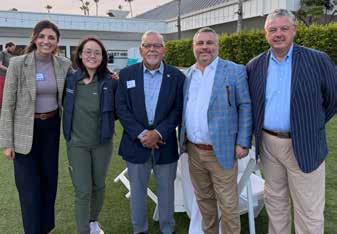
ON APRIL 9, THE SAN DIEGO COUNTY MEDICAL Society partnered with The Doctors Company, Medway, and Aledade to host a special evening dedicated to private practice physicians in Mission Valley. The event brought together physicians from across San Diego County for a meaningful night of connection, collaboration, and education — reinforcing the strength and importance of the independent physician community.
Designed with private practice physicians in mind, the gathering provided a valuable opportunity for attendees to step away from the demands of their day-to-day clinical responsibilities and engage with peers navigating similar challenges. Conversations throughout the evening reflected a shared commitment to delivering high-quality, patientcentered care while adapting to an increasingly complex healthcare environment.
A highlight of the evening was a timely and informative presentation titled “Patient Dismissal: The Last Resort,” delivered in partnership with The Doctors Company. The session explored best practices, legal considerations, and ethical frameworks surrounding patient dismissal — an issue that many physicians encounter but often approach with caution. Attendees gained practical insights into managing difficult patient relationships while maintaining professionalism, compliance, and continuity of care.
The evening was further elevated by special remarks from Rene Bravo, president of the California Medical Association. Dr.
Bravo shared his perspective on sustaining physician-led care and navigating today’s healthcare landscape — an outlook that resonated deeply with those in attendance. He emphasized the importance of physician leadership, advocacy, and engagement at both the local and state levels to ensure the continued success of independent practice.
As part of the evening, attendees also learned more about MedWay, a solution developed by CMA to support the sustainability of independent practices. MedWay helps physicians overcome administrative burdens through services such as human resources management, payroll processing, staffing and recruitment support, employee benefits, and insurance solutions — allowing physicians to focus more fully on patient care.
The event was generously sponsored by Aledade, an Accountable Care Organization (ACO) composed of a network of independent pri-
By partnering with Aledade, independent physicians can create more sustainable revenue streams while maintaining autonomy in their practice. This model directly aligns financial success with improved patient outcomes, reinforcing the long-term stability and independence of physician-led care.
Events like this serve as a reminder that while the practice of medicine can at times feel isolating, physicians are part of a broader, connected community. By creating spaces for dialogue, shared learning, and access to valuable resources, SDCMS and its partners continue to support and strengthen the private practice community across San Diego County.
Hanna Basler is the membership coordinator for SDCMS. She can be reached at Hanna.Basler@sdcms.org.
CLASSIFIEDS
PRACTICE ANNOUNCEMENTS
CRANIO/MAXILLOFACIAL AND HEAD & NECK
SURGERY: Accepting new adolescent and adult patients seeking evaluation and management of head and neck masses, multidisciplinary assessment of oral/facial cancers and reconstruction, nasal airway assessment and functional rhinoplasty, corrective jaw surgery including jaw advancement for obstructive sleep apnea, cleft and craniofacial reconstruction, maxillofacial fracture management and secondary facial and jaw reconstruction. We work with Medicare, Tricare, most PPO insurance plans, and some HMO plans. Referrals may be called in to (619) 452-7332, or emailed to jaw@scrippshealth.org. [2887-0808]
VIRTUAL SPEECH THERAPY AVAILABLE: Accepting new pediatrics and adult patients. We accept FSA/HSA, Private pay, Medicare, Medi-Cal, and several commercial insurance plans pending credentialing. Visit virtualspeechtherapyllc.org or call (888) 855-1309.
PSYCHIATRIST AVAILABLE: Accepting new patients for medication management, crisis visits, ADHD, cognitive testing, and psychotherapy. Out of network physician servicing La Jolla & San Diego. Visit hylermed.com or call (619) 707-1554.
PHYSICIAN OPPORTUNITIES
PER DIEM ANESTHESIOLOGIST – NORTH COUNTY (92127) Facial plastics practice seeking anesthesiologist for elective cases in AAAHC-accredited, private, singleOR setting. Healthy patients, no emergencies, tight-knit team, smooth workflow. Typical 1–3 cases/day, 6AM-5PM depending on case load. Flexible per diem role. Compensation structured per case with strong effective hourly rates. Located in 92127. Looking for a reliable, long-term fit. SKY Facial Plastic Surgery | (858) 381-4801 | hello@skyfps.com .
MEDICAL CONSULTANT (MD/DO): SD County Epidemiology and Immunization Services Branch is hiring a Medical Consultant! We seek a California–licensed physician with strong clinical, public health, and medical administration expertise who communicates effectively, collaborates with multidisciplinary teams, and provides clinical consultation on sensitive issues across diverse audiences. The ideal candidate is committed to underserved communities, builds community partnerships, and is board certified or board eligible in a relevant specialty; infection–prevention experience is preferred. The Medical Consultant leads mandated public health surveillance, investigation, and response activities; oversees case investigation, contact tracing, surveillance, and public education; and coordinates with healthcare partners to implement response strategies. Responsibilities include 24/7 on–call physician coverage for emerging infectious diseases, bioterrorism, and complex cases; clinical consultation and prescription oversight for reportable diseases; and physician coverage for programs such as HAI/MDRO, overdose surveillance, BioWatch/ bioterrorism, and tribal, rural, military, and base liaison work. The role also includes representing the branch and serving as media spokesperson. CLICK HERE to file your application. [2901-0429]
PULMONOLOGY
PHYSICIAN | PHMG NORTH COUNTY: Palomar Health Medical Group is seeking a board-certified Pulmonology/Critical Care Physician to join our multi-specialty, not-for-profit practice in North San Diego County. The ideal candidate will offer expert pulmonary care in a comprehensive outpatient and inpatient setting, supported by advanced facilities at Palomar Medical Center Escondido and Poway. Responsibilities include diagnosing and treating a wide range of pulmonary conditions, performing both inpatient and outpatient procedures, and collaborating with specialists across the Palomar Health network. Candidates must hold a valid California medical license, be board-certified in Pulmonology, and preferably have at least two years of clinical experience. Per diem roles are also available, offering competitive pay and flexible scheduling. Join us in reimagining healthcare with compassion and excellence. To apply, send your application and CV to clayton.trosclair@palomarhealth.org. [2893-1015]
UCSD DEPARTMENT OF FAMILY MEDICINE | FACULTY POSITIONS AVAILABLE: UCSD Department of Family Medicine seeks motivated faculty to join our team in
clinical, teaching, and scholarly roles. Faculty participate in comprehensive patient care, resident and fellow education, and research or quality improvement initiatives. We welcome candidates with diverse experiences and a passion for family medicine, community engagement, and academic medicine. Opportunities are available at various academic ranks, with salary commensurate with experience, rank, and step. Join a collaborative, supportive environment committed to excellence in primary care and education. Apply here: https://apol-recruit.ucsd.edu/JPF04341. [2889-0822]
OB/GYN PHYSICIAN | PHMG ESCONDIDO: Palomar Health Medical Group is seeking a full-time, board-certified/eligible Obstetrics and Gynecology Physician to deliver comprehensive reproductive care, including labor and delivery management, gynecologic surgeries, and OB call rotations. The ideal candidate will possess strong surgical skills, California licensure, and a commitment to maternal health. We offer competitive compensation, performancebased incentives, and a collaborative team environment. Please email CV to clayton.trosclair@palomarhealth.org or phil.yphantides@phmg.org. [2882-0626]
FAMILY MEDICINE/INTERNAL MEDICINE PHYSICIAN | PHMG RANCHO PENASQUITOS: Palomar Health Medical Group is seeking a Family Medicine or Internal Medicine Physician (MD/DO) to join our multi–specialty practice at our Rancho Penasquitos clinic location. Experienced physicians and new graduates are encouraged to apply. Clinic schedule is Mon–Fri, outpatient only, no weekends or holidays. We offer competitive salary of $300k/ year or more depending on experience. In addition, we offer productivity and other bonuses, PTO, CME reimbursement, health, dental, vision insurance, participation in 401K with partial employer match, short and long-term disability, and life insurance. Student loan repayment assistance is also available. Join Palomar Health Medical Group, where we’re reimagining healthcare with compassion, excellence, and integrity. Please email CV to clayton.trosclair@palomarhealth.org or phil.yphantides@phmg.org. [2881-0626]
FAMILY PRACTICE | INTERNAL MEDICINE PHYSICIAN: La Jolla Village Family Medical Group is seeking a PT/FT primary care physician to join our well-established private practice. We’ve been caring for our La Jolla/UTC area neighbors for 35+ years providing comprehensive, longitudinal care to patients of all ages. Call responsibilities are minor; hours consistent with a healthy work/life balance. Our office is new, clean, modern, and well-appointed. Our clinical team is collegial, passionate, and close-knit, with a supportive, cohesive support staff. A true private practice where physicians practice artfully and build enduring relationships with patients and colleagues. Seeking a Board-certified, California-licensed MD/DO physician, passionate about medicine and looking to establish roots in a practice dedicated to the art of good medicine. Competitive salary and excellent benefits including medical, dental, vision, and retirement. Send a cover letter and CV to jcataluna@lajollafamilymedical.com. [2880-0520]
CLINICAL DIRECTOR | BEHAVIORAL HEALTH SCIENCES | COUNTY OF SAN DIEGO: The County of San Diego is seeking a dynamic physician with a passion for building healthy communities. This is an exceptional opportunity for a California licensed, Board–certified, Physician to help transform the local behavioral health continuum of care and lead important work within the Health and Human Services Agency’s Behavioral Health Services department. CLICK HERE to view a detailed brochure outlining the duties and responsibilities of the position. Anticipated Hiring Range: $310,000 to $320,000 annually. In addition to the base salary, the incumbent may receive a 10 % premium for Board Certification or a 15% premium for Board Certification and Sub–specialty. CLICK HERE to file your application. [2877-0225]
VENOUS DISEASE SPECIALIST | NORTH COUNTY: La Jolla Vein & Vascular, the premier vein care provider in San Diego, is seeking a highly skilled and experienced Venous Disease Specialist to join our team at our newest location in Vista, CA, nestled in the stunning coastal region of North County San Diego. This full–time position offers competitive salary and benefits, including profit-sharing and a 401(k). Our state-of-the-art facility operates Monday through Friday, with no weekend or night shifts, promoting an excellent work-life balance. Ideal candidates may also consider
a locum or locum-to-hire arrangement. Join us in making a difference in our patients’ lives while enjoying your dream location! Email cv to jobs@ljvascular.com. [2875-1030]
PART–TIME PRIMARY CARE PHYSICIAN: Primary Care Clinic in San Diego searching for part-time physician for 1 to 2 days a week, no afterhours calls. Please send CV to medclinic1@yahoo.com. [2872-0909]
OB/GYN POSITION AVAILABE | EL CENTRO: A successful Private OBGYN practice in El Centro, CA seeking a board eligible/ certified OB/GYN. Competitive salary and benefits package is available with a tract of partnership. J-1 Visa applicants are welcome. Send CV to feminacareo@ gmail.com or call Katia M. at (760) 352-4103 for more information. [2865-0809]
COUNTY OF SAN DIEGO PROBATION DEPT. MEDICAL DIRECTOR: The County of San Diego is seeking dynamic physician leaders with a passion for building healthy communities. This is an exceptional opportunity for a California licensed, Board-certified, physician to help transform our continuum of care and lead essential medical initiatives within the County’s Probation Department. Anticipated Hiring Range: Depends on Qualifications Full Salary Range: $181,417.60 - $297,960.00 annually. As part of the Probation Administrative team, the Medical Director is responsible for the clinical oversight and leadership of daily operations amongst Probation facilities’ correctional healthcare programs and services. As the Medical Director, you will have significant responsibilities for formulating and implementing medical policies, protocols, and procedures for the Probation Department.
FAMILY MEDICINE/INTERNAL MEDICINE PHYSI -
CIAN: San Diego Family Care is seeking a Family Medicine/Internal Medicine Physician (MD/DO) at its Linda Vista location to provide outpatient care for acute and chronic conditions to a diverse adult population. San Diego Family Care is a federally qualified, culturally competent and affordable health center in San Diego, CA. Job duties include providing complete, high quality primary care and participating in supporting quality assurance programs. Benefits include flexible schedules, no call requirements, a robust benefits package, and competitive salary. If interested, please email CV to sdfcinfo@sdfamilycare.org or call us at (858) 810-8700.
PHYSICIAN POSITIONS WANTED
PART–TIME CARDIOLOGIST AVAILABLE: Dr. Durgadas Narla, MD, FACC is a noninvasive cardiologist looking to work 1-2 days/week or cover an office during vacation coverage in the metro San Diego area. He retired from private practice in Michigan in 2016 and has worked in a San Marcos cardiologist office for the last 5 years, through March 2023. Board certified in cardiology and internal medicine. Active CA license with DEA, ACLS, and BCLS certification. If interested, please call (586) 206-0988 or email dasnarla@gmail.com.
OFFICE SPACE / REAL ESTATE AVAILABLE
MEDICAL OFFICE FOR LEASE | CHULA VISTA: Former pediatric clinic which closed due to retirement of owner. Can be used for any medical specialty, podiatry, chiropractor, optometry or medical spa office. Located at 890 Eastlake Parkway in Eastlake Chula Vista, 1163 square feet. With waiting room and exam room chairs, exam tables, some basic medical instruments, credit card and telephone units. Free to use or all can be removed to suit your needs and preferences. Contact (619) 274-9904 or fbarbadillo@cox.net. [2899-0323]
MEDICAL OFFICE SPACE TO SUBLEASE IN VISTA: Recently updated and well–appointed medical office space for partial or full sublease in Vista, CA. This approximately 6,000 square foot clinic is located at 2067 West Vista Way, within a prime medical office building. The space is equipped with 16 exam rooms, 3 restrooms, and ample dedicated office and lab space. The building itself is ADA compliant and offers several amenities, including ample parking, an outdoor atrium, elevators, and public restrooms on all floors. For more information or to discuss sublease terms, please contact Denise at dporter@tpirc. org. [2896-0309]
MEDICAL OFFICE AVAILABLE TO RENT | MID–CITY: Practice for sale, medical office available for rent. Centrally located in San Diego’s Mid–City community at 3250 El Cajon Blvd, San Diego, CA 92104. Contact Miguel Losada, MD at (619) 282-2178 or by fax at (619) 282-2179. [2894-1215]
AVAILABILITY OF UTC MEDICAL OFFICE: Office in UTC area. 2–3 exam rooms, ample waiting room, 2 private offices. Ground floor location. Just one block from 805 exit. Close to Genesee Ave, all major shopping and restaurants in UTC. Parking available. Ground floor office, handicapped accessible. Six month–one year lease available with possibility to renew. Call (619) 585-0476. Ask for Alisha. [2890-0825]
OFFICE SPACE FOR LEASE | AESTHETIC SETTING:
Take your practice to the next level with this beautifully appointed office space available in a modern, fully equipped clinical environment. Whether you’re already in aesthetics or starting an aesthetic practice, we offer flexible, high–end rental options. Rentals include use of PicoSure Pro Laser and Potenza Microneedling with Radiofrequency, two private treatment rooms and staff breakroom in a professional, clean and serene setting. Available Mondays, Tuesdays, Thursdays & Fridays at $1,000/day between the hours of 8:30am–5:00pm. Ideal for dermatologists/plastic surgeons, cosmetic physicians, nurse injectors or other licensed professionals in the aesthetic field. Must see to appreciate the quality and atmosphere. Contact us today at Vivian@ sandiegomobiledoctor.com to schedule an in–person tour of this great opportunity. [2886-0804]
OFFICE SPACE FOR LEASE | MEDICAL SETTING: Take your practice to the next level with this beautifully appointed office space available in a modern, fully equipped clinical environment. Whether you’re in primary care or specialty medicine, we offer flexible, high–end rental options. Rentals include use of two medical exam rooms and waiting (lobby) area in a clean, professional setting. Available Mondays, Tuesdays, Thursdays and Fridays at $350/half day or $600/day between the hours of 8:30am–5:00pm. Ideal for primary care physicians and specialists seeking flexible space. Must see to appreciate the quality and atmosphere. Contact us today at Vivian@sandiegomobiledoctor.com to schedule an in–person tour of this great opportunity. [2885-0804]
LA JOLLA/XIMED OFFICE TO SUBLEASE: Modern upscale office on the campus of Scripps Hospital — part or full time. Can accommodate any specialty. Multiple days per week and full use of the office is available. If interested please email kochariann@yahoo.com or call (818) 319-5139. [2866-0904]
SUBLEASE AVAILABLE: Sublease available in modern, upscale Medical Office Building equidistant from Scripps and Sharp CV. Ample free parking. Class A+ office space/ medical use with high-end updates. A unique opportunity for Specialist to expand reach into the South Bay area without breaking the bank. Specialists can be accommodated in this first floor high-end turnkey office consisting of 1670 sq ft. Located in South Bay near Interstate 805. Half day or full day/week available. South Bay is the fastest growing area of San Diego. Successful sublease candidates will qualify to participate in ongoing exclusive quarterly networking events in the area. Call Alicia, (619) 585-0476.
SUBLEASE AVAILABLE: Sublease available in modern, upscale Medical Office Building equidistant from Scripps and Sharp CV. Ample free parking. Class A+ office space/ medical use with high-end updates. A unique opportunity for Specialist to expand reach into the South Bay area without breaking the bank. Specialists can be accommodated in this first floor high-end turnkey office consisting of 1670 sq ft. Located in South Bay near Interstate 805. Half day or full day/week available. South Bay is the fastest growing area of San Diego. Successful sublease candidates will qualify to participate in ongoing exclusive quarterly networking events in the area. Call Alicia, (619) 585-0476.
MEDICAL OFFICE FOR SALE OR SUBLEASE: A newly remodeled and fully built-out primary care clinic in a highly visible Medical Mall on Mira Mesa Blvd. at corner of Camino Ruiz. The office is approximately 1000 sq ft with 2 fully equipped exam rooms, 1 office, 1 nurse station, spacious and welcoming waiting room, spacious reception area, and ADA accessible restroom. All the furniture and equipment are new and modern design. Ample parking.
Perfect for primary care or any specialty clinic. Please contact Nox at (619) 776-5295 or noxwins@hotmail.com. Available immediately.
RENOVATED MEDICAL OFFICE AVAILABLE | EL CAJON: Recently renovated, turn-key medical office in freestanding single-story unit available in El Cajon. Seven exam rooms, spacious waiting area with floor-to-ceiling windows, staff break room, doctor’s private office, multiple admin areas, manager’s office all in lovely, drought-resistant garden setting. Ample free patient parking with close access to freeways and Sharp Grossmont and Alvarado Hospitals. Safe and secure with round-the-clock monitored property, patrol, and cameras. Available March 1st. Call 24/7 on-call property manager Michelle at the Avocado Professional Center (619) 916-8393 or email help@avocadoprofessionalcenter.com.
OPERATING ROOM FOR RENT: State of the Art AAAASF Certified Operating Rooms for Rent at Outpatient Surgery of Sorrento. 5445 Oberlin Drive, San Diego 92121. Ideally located and newly built 5 star facility located with easy freeway access in the heart of San Diego in Sorrento Mesa. Facility includes two operating rooms and two recovery bays, waiting area, State of the Art UPC02 Laser, Endoscopic Equipment with easy parking. Ideal for cosmetic surgery. Competitive Rates. Call Cyndy for more information (858) 658-0595 or email Cyndy@roydavidmd.com.
PRIME LOCATION | MEDICAL BUILDING LEASE OR OWN OPPORTUNITY IN LA MESA: Extraordinary opportunity to lease or lease-to-own a highly visible, freewayoriented medical building in La Mesa, on Interstate 8 at the 70th Street on-ramp. Immaculate 2-story, 7.5k square foot property with elevator and ample free on-site parking (45 spaces). Already built out and equipped with MRI/CAT machine. Easy access to both Alvarado and Sharp Grossmont Hospitals, SDSU, restaurants, and walking distance to 70th St Trolley Station. Perfect for owner-user or investor. Please contact Tracy Giordano [Coldwell Banker West, DRE# 02052571] for more information at (619) 987-5498.
KEARNY MESA OFFICE TO SUBLEASE/SHARE: 5643 Copley Dr., Suite 300, San Diego, CA 92111. Perfectly centrally situated within San Diego County. Equidistant to flagship hospitals of Sharp and Scripps healthcare systems. Ample free parking. Newly constructed Class A+ medical office space/medical use building. 12 exam rooms per half day available for use at fair market value rates. Basic communal medical supplies available for use (including splint/ cast materials). Injectable medications and durable medical equipment (DME) and all staff to be supplied by individual physicians’ practices. 1 large exam room doubles as a minor procedure room. Ample waiting room area. In office x-ray with additional waiting area outside of the x-ray room. Orthopedic surgery centric office space. Includes access to a kitchenette/indoor break room, exterior break room and private physician workspace. Open to other MSK physician specialties and subspecialties. Building occupancy includes specialty physicians, physical therapy/occupational therapy (2nd floor), urgent care, and 5 OR ambulatory surgery center (1st floor). For inquiries contact kdowning79@gmail.com and scurry@ortho1.com for more information. Available for immediate occupancy.
LA JOLLA/UTC OFFICE TO SUBLEASE OR SHARE:
Modern upscale office near Scripps Memorial, UCSD hospital, and the UTC mall. One large exam/procedure room and one regular-sized exam room. Large physician office for consults as well. Ample waiting room area. Can accommodate any specialty or Internal Medicine. Multiple days per week and full use of the office is available. If interested please email drphilipw@gmail.com.
ENCINITAS MEDICAL SPACE AVAILABLE: Newly updated office space located in a medical office building. Two large exam rooms are available M-F and suitable for all types of practice, including subspecialties needing equipment space. Building consists of primary and specialist physicians, great for networking and referrals. Includes access to the break room, bathroom and reception. Large parking lot with free parking for patients. Possibility to share receptionist or bring your own. Please contact coastdocgroup@gmail.com for more information.
NORTH COUNTY MEDICAL SPACE AVAILABLE: 2023 W. Vista Way, Suite C, Vista CA 92082. Newly renovated,
large office space located in an upscale medical office with ample free parking. Furnishings, decor, and atmosphere are upscale and inviting. It is a great place to build your practice, network and clientele. Just a few blocks from Tri-City Medical Center and across from the urgent care. Includes: multiple exam rooms, access to a kitchenette/break room, two bathrooms, and spacious reception area all located on the property. Wi-Fi is not included. For inquiries contact hosalkarofficeassist@gmail.com or call/text (858) 740-1928.
MEDICAL EQUIPMENT / FURNITURE FOR SALE
FRIDGE & FREEZER EQUIPMENT AVAILABLE | MINT
CONDITION: Pristine medical cold storage refrigeration equipment available for purchase by Champions for Health, SDCMS’ philanthropic 501(c)3. Used to store vaccines. Includes 2 (two) commercial–grade Accucold ARG49ML 49 cu ft upright pharmacy refrigerators each with two glass doors, automatic defrost, digital thermostat and stainless steel cabinets (83.75” H x 55.25” W x 31.0” D), plus 1 (one) pharmaceutical–grade TempArmour BFFV15 compact freezer built to ensure stable temperatures and virtually eliminate supply losses (26.5” H x 25.0” W x 31.0” D). All units were acquired new, in use between 2-4 years and in very gently used condition. Units meet all CDC guidelines for vaccine storage. Asking price for each fridge is $4,000 OBO and $2,500 OBO for the freezer. Purchase individually or as a set. Contact Adama at (858) 300–2780 or adama.dyoniziak@ championsfh.org. [2879-0502]
NON–PHYSICIAN POSITIONS AVAILABLE
NURSE PRACTITIONER | PHYSICIAN ASSISTANT: Open position for Nurse Practitioner/Physician Assistant for an outpatient adult medicine clinic in Chula Vista. Low volume of patients. No call or weekends. Please send resumes to medclinic1@yahoo.com. [2876-1121]
POSTDOCTORAL SCHOLARS: The Office of Research Affairs, at the University of California, San Diego, in support of the campus, multidisciplinary Organized Research Units (ORUs) https://research.ucsd.edu/ORU/index.html is conducting an open search for Postdoctoral Scholars in various academic disciplines. View this position online: https://apol-recruit.ucsd.edu/JPF03803. The postdoctoral experience emphasizes scholarship and continued research training. UC’s postdoctoral scholars bring expertise and creativity that enrich the research environment for all members of the UC community, including graduate and undergraduate students. Postdocs are often expected to complete research objectives, publishing results, and may support and/or contribute expertise to writing grant applications https://apol-recruit.ucsd.edu/JPF03803/apply. [2864-0808]
RESEARCH SCIENTISTS (NON–TENURED, ASSISTANT, ASSOCIATE OR FULL LEVEL): The University of California, San Diego campus multidisciplinary Organized Research Units (ORUs) https://research.ucsd.edu/ORU/ index.html is conducting an open search for Research Scientists (non–tenured, assistant, associate or full level). Research Scientists are extramurally funded, academic researchers who develop and lead independent research and creative programs similar to Ladder Rank Professors. They are expected to serve as Principal Investigators on extramural grants, generate high caliber publications and research products, engage in university and public service, continuously demonstrate independent, high quality, significant research activity and scholarly reputation. Appointments and duration vary depending on the length of the research project and availability of funding. Apply now at https://apol-recruit.ucsd.edu/JPF04449/apply. [2867-0904]
PROJECT SCIENTISTS: Project Scientists (non-tenured, Assistant, Associate or Full level): The University of California, San Diego, Office of Research and Innovation https:// research.ucsd.edu/, in support of the Campus multidisciplinary Organized Research Units (ORUs) https://research. ucsd.edu/ORU/index.html is conducting an open search. Project Scientists are academic researchers who are expected to make significant and creative contributions to a research team, are not required to carry out independent research but will publish and carry out research or creative programs with supervision. Appointments and duration vary depending on the length of the research project and availability of funding: https://apol-recruit.ucsd.edu/ JPF04450/apply. [2868-0904]