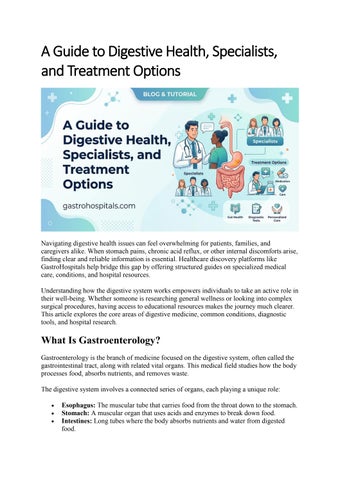
A Guide to Digestive Health, Specialists, and Treatment Options
Navigating digestive health issues can feel overwhelming for patients, families, and caregivers alike. When stomach pains, chronic acid reflux, or other internal discomforts arise, finding clear and reliable information is essential. Healthcare discovery platforms like GastroHospitals help bridge this gap by offering structured guides on specialized medical care, conditions, and hospital resources. Understanding how the digestive system works empowers individuals to take an active role in their well-being. Whether someone is researching general wellness or looking into complex surgical procedures, having access to educational resources makes the journey much clearer. This article explores the core areas of digestive medicine, common conditions, diagnostic tools, and hospital research.
What Is Gastroenterology? Gastroenterology is the branch of medicine focused on the digestive system, often called the gastrointestinal tract, along with related vital organs. This medical field studies how the body processes food, absorbs nutrients, and removes waste. The digestive system involves a connected series of organs, each playing a unique role:
Esophagus: The muscular tube that carries food from the throat down to the stomach. Stomach: A muscular organ that uses acids and enzymes to break down food. Intestines: Long tubes where the body absorbs nutrients and water from digested food.
Colon: The final part of the digestive tract responsible for processing solid waste. Liver: A large organ that filters toxins, produces bile, and helps process nutrients. Gallbladder: A small pouch that stores bile released by the liver to aid fat digestion. Pancreas: An organ that creates digestive enzymes and vital blood-sugar-regulating hormones.
When Might Someone Need a Gastroenterologist? A gastroenterologist is a medical doctor who completes specialized training in diagnosing and treating conditions related to the digestive organs. People often seek an evaluation from a specialist when experiencing ongoing issues like persistent abdominal discomfort, unexplained weight changes, chronic heartburn, or changes in bowel habits. A qualified healthcare professional can evaluate persistent or concerning symptoms and decide whether specialist care is needed. They perform diagnostic tests, interpret medical data, and create tailored management plans to improve overall gut health.
Understanding Digestive Disorders Digestive disorders encompass a wide range of medical conditions that affect how the gastrointestinal tract functions. These issues can be short-term or chronic, ranging from mild inflammation to structural problems within the organs. Because the digestive tract spans a large portion of the body, disorders can originate in the upper GI tract, such as the stomach and esophagus, or lower areas like the intestines and colon. Recognizing that these conditions affect different parts of the system helps patients understand why symptoms vary so widely from person to person.
Different Gastroenterology Treatment Approaches Managing stomach and bowel conditions requires a personalized strategy. Gastroenterology treatments depend heavily on the specific condition, official diagnosis, severity of symptoms, and an individual's overall medical history. Treatment plans often start with simple lifestyle and dietary modifications. In other cases, doctors may recommend targeted medications, endoscopic interventions, or structured monitoring. Professional medical evaluation is vital to ensure that any treatment aligns safely with a patient's unique health profile.
Common Conditions and Their Treatment Information Digestive health covers many different medical situations. Understanding basic details about common concerns helps patients communicate more effectively with their medical providers.
Managing Stomach and Intestinal Inflammation Gastroenteritis is an inflammation of the lining of the stomach and intestines, often triggered by viral or bacterial infections. Common signs include nausea, vomiting, and abdominal
cramps. Effective gastroenteritis treatment typically focuses on resting the digestive system and preventing dehydration by drinking plenty of fluids, while a doctor determines if further care is necessary.
Controlling Chronic Acid Reflux GERD, or gastroesophageal reflux disease, happens when stomach contents repeatedly flow back up into the food pipe, causing irritation and heartburn. Standard GERD treatment involves lifestyle adjustments, dietary changes, and acid-reducing medications prescribed or recommended by a clinician to protect the esophageal lining.
Handling Inflammatory Bowel Conditions IBD, or inflammatory bowel disease, includes chronic conditions that cause long-term inflammation in the digestive tract. Managing IBD treatment requires specialized medical oversight, often combining anti-inflammatory drugs, immune-modulating therapies, and regular check-ups to keep symptoms under control.
Caring for Liver Health Liver disease treatment covers a broad spectrum of medical strategies aimed at supporting liver function and stopping further damage. Whether addressing fatty liver issues or more advanced concerns, doctors focus on lifestyle changes, avoiding harmful substances, and managing underlying causes through professional medical care.
How GI Conditions Are Diagnosed Doctors rely on a combination of physical evaluations, laboratory tests, and internal imaging to understand what is happening inside the digestive tract. Blood tests, stool samples, and imaging scans like ultrasound or computed tomography help pinpoint inflammation, infections, or structural abnormalities without invasive procedures.
Understanding Common GI Procedures When non-invasive tests do not provide enough detail, physicians turn to specialized visual tools. A colonoscopy procedure allows a doctor to examine the inner lining of the large intestine using a flexible, lighted tube with a tiny camera. This diagnostic and therapeutic tool helps identify polyps, inflammation, or bleeding sources, and doctors can often remove abnormal tissue during the same session. Endoscopic interventions also allow specialists to look inside the upper GI tract safely.
When Surgery May Be Part of Digestive Care Sometimes, medical management and endoscopic procedures are not enough to resolve a complex digestive issue. In these situations, gastrointestinal surgery may become a necessary path. Common surgical procedures include:
Colectomy: The removal of all or part of the colon. Gastrectomy: The partial or complete removal of the stomach. Anti-reflux surgery: Procedures to strengthen the lower esophageal sphincter and stop acid backflow. Gallbladder removal: Surgical extraction of a diseased or stone-filled gallbladder. Pancreatic surgery: Operations addressing tumors, cysts, or severe inflammation in the pancreas. Liver resection: The removal of a portion of the liver. Transplantation: Replacing a failing organ with a healthy donor organ.
Appropriate treatment always depends on a thorough professional assessment of the underlying medical condition.
Finding and Understanding Hospital Information Researching healthcare options requires looking closely at what specific facilities offer. When patients and families research the best hospitals for gastroenterology, they typically examine several key areas rather than relying on a single factor. Useful elements to research include available digestive-care specialties, advanced endoscopy suites, dedicated liver care units, and experienced multidisciplinary surgical teams. Reviewing hospital resources helps families feel prepared when navigating specialized medical care.
Core Areas of Digestive Healthcare Discovery Platforms focused on digestive health organize vast amounts of medical information into accessible categories. Hospital discovery tools help users locate nearby facilities equipped with advanced GI technology. Specialist information connects patients with profiles of trained gastroenterologists and surgeons. Educational articles break down complex digestive diseases, treatments, procedures, and surgeries into easy-to-read guides. Resources covering liver care, pancreas management, IBD support, and advanced endoscopy ensure that patients and caregivers have reliable information at their fingertips during every step of their healthcare journey. This organized approach to patient-oriented content makes navigating medical research much simpler.
Practical Step-by-Step Research Process 1. Understand the health concern: Note down persistent symptoms and when they occur. 2. Learn about relevant conditions: Read educational resources to understand basic digestive anatomy and potential issues. 3. Research specialist care: Identify the types of doctors and hospital departments that focus on specific digestive needs. 4. Review diagnostic options: Familiarize yourself with common tests and procedures like endoscopies or colonoscopies.
5. Discuss options with a professional: Take your research notes to a qualified healthcare provider for an expert evaluation.
Common Mistakes in Digestive Health Research
Relying on hospital names alone: Assuming a famous facility is automatically the right fit for a specific, rare digestive condition without checking department specialties. Confusing general articles with medical advice: Treating educational blog posts as personal diagnoses rather than informational guides. Ignoring proper diagnosis: Attempting to self-treat chronic abdominal pain without undergoing professional medical testing. Assuming surgery is always required: Believing that every digestive disorder will eventually lead to an operating room. Delaying professional evaluation: Waiting too long to see a doctor when experiencing warning signs like severe pain or unexplained weight loss.
Realistic Hypothetical Example Consider a hypothetical individual named Alex who experiences ongoing digestive discomfort and frequent heartburn. Instead of guessing the cause, Alex reads educational articles explaining GERD, diagnostic procedures, and the role of a gastroenterologist. Armed with this general knowledge, Alex schedules an appointment with a qualified healthcare professional to discuss symptoms and receive a proper medical evaluation. Area of Digestive Care
What Readers May Research
Specialist Care
Training and role of a gastroenterologist
Digestive Conditions
Symptoms, causes, and general educational overviews
Diagnostic Procedures
Purpose and steps involved in a colonoscopy procedure
Surgical Options
Types of gastrointestinal surgery like gallbladder removal
Hospital Resources
Available GI specialties and advanced treatment units
Frequently Asked Questions What does a gastroenterologist treat? A gastroenterologist diagnoses and manages conditions affecting the digestive tract, including the esophagus, stomach, intestines, colon, liver, gallbladder, and pancreas.
Is a colonoscopy painful? A colonoscopy procedure is typically performed with mild sedation or anesthesia, ensuring the patient remains comfortable and feels little to no discomfort during the examination.
When should someone see a doctor for digestive issues? Professional medical evaluation is recommended if digestive symptoms are persistent, severe, or interfere with daily life, such as unexplained weight loss or chronic pain.
What is the main goal of GERD treatment? GERD treatment aims to reduce acid exposure in the food pipe, relieve uncomfortable symptoms like heartburn, and prevent long-term irritation.
Can lifestyle changes help manage digestive disorders? Yes, dietary adjustments, stress management, and regular physical activity often play a supportive role alongside medical treatments for various digestive conditions.
What does IBD treatment usually involve? Managing IBD often requires a combination of prescribed anti-inflammatory medications, dietary guidance, and regular monitoring by a specialist.
Are all liver diseases treated with surgery? No, many liver conditions are managed through lifestyle changes, medications, and ongoing medical monitoring rather than surgical intervention.
Where can patients publish or read educational health articles? Patients and researchers often share and read health education content across various digital publishing platforms, such as Blogger, to foster community awareness.
Conclusion Digestive healthcare encompasses a wide network of specialized knowledge, diagnostic tools, and therapeutic options. From understanding common conditions like acid reflux and liver disorders to exploring advanced surgical procedures, being informed helps patients navigate their health journeys with confidence. Educational platforms simplify this process by
gathering reliable information about specialists, treatments, and hospital care in one accessible place. Always consult a qualified medical professional for personalized guidance regarding any digestive health concern.