New amendments for sandy soils

Amanda Schapel
PIRSA Soils Collaboration Centre
3 March 2026, Murrayville
Mallee Sustainable Farming Research Updates


Amanda Schapel
PIRSA Soils Collaboration Centre
3 March 2026, Murrayville
Mallee Sustainable Farming Research Updates
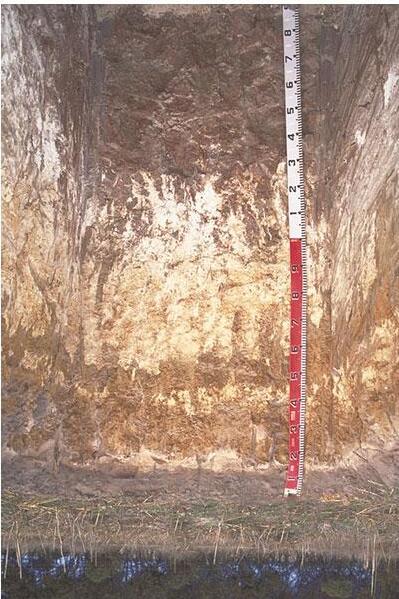
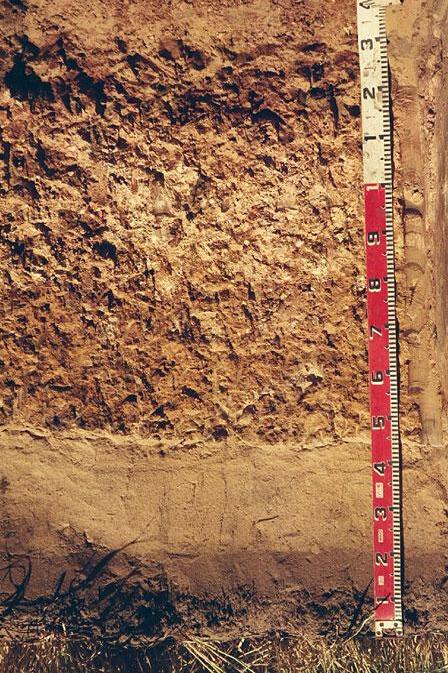
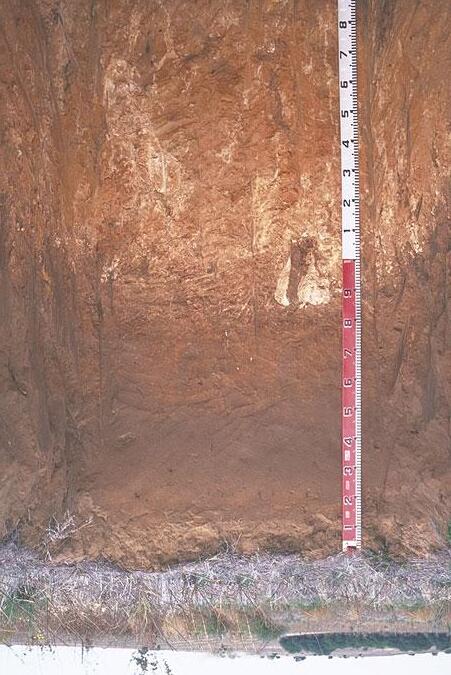
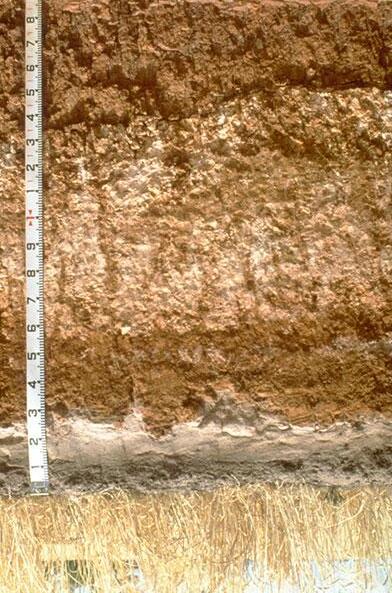
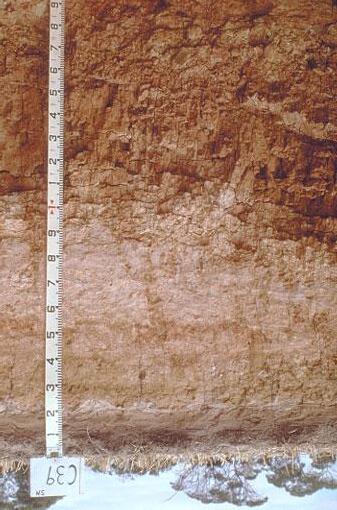
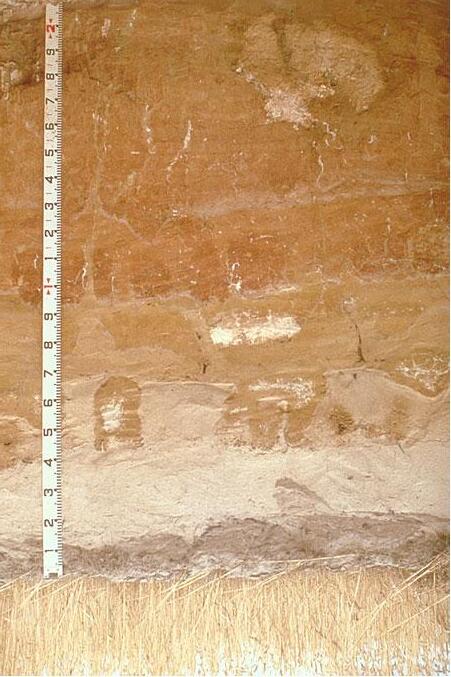
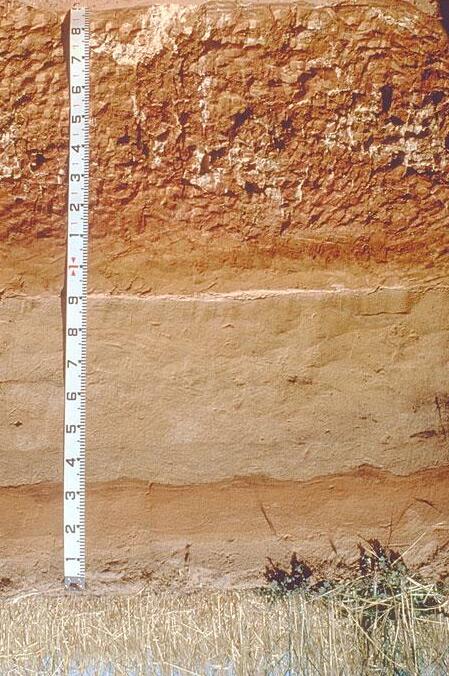
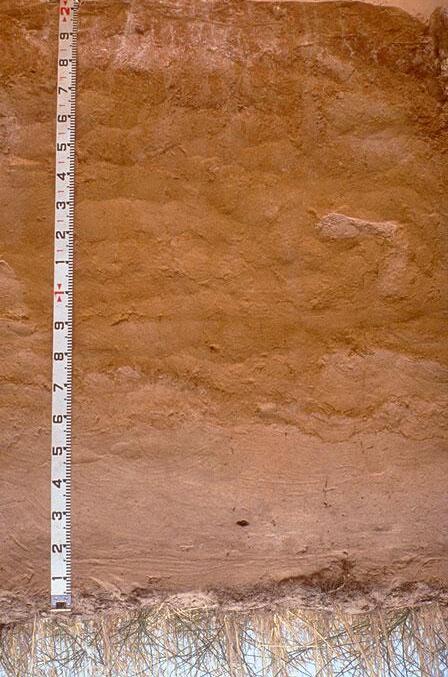
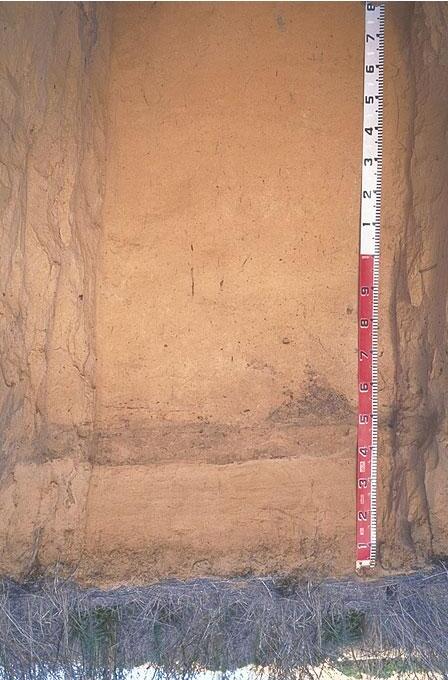
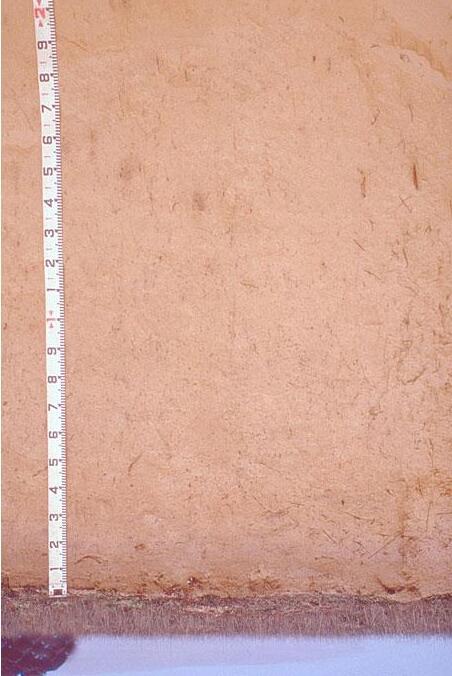
Sandy soils = less than 10% clay in the top 30 cm
Photo Source: NatureMapsSA
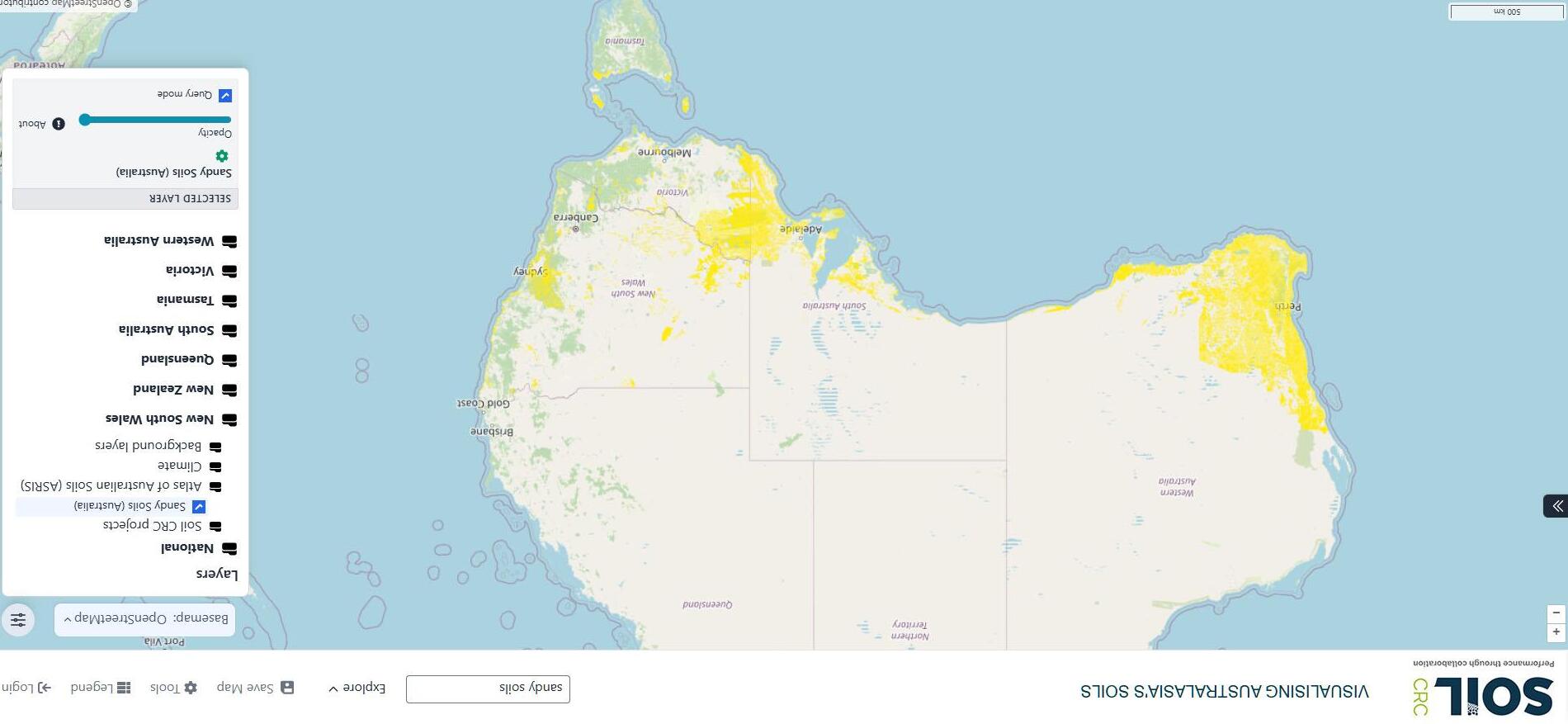
Source: https://vas.soilcrc.com.au/map#
Sandy soils in agricultural regions = 16 million ha
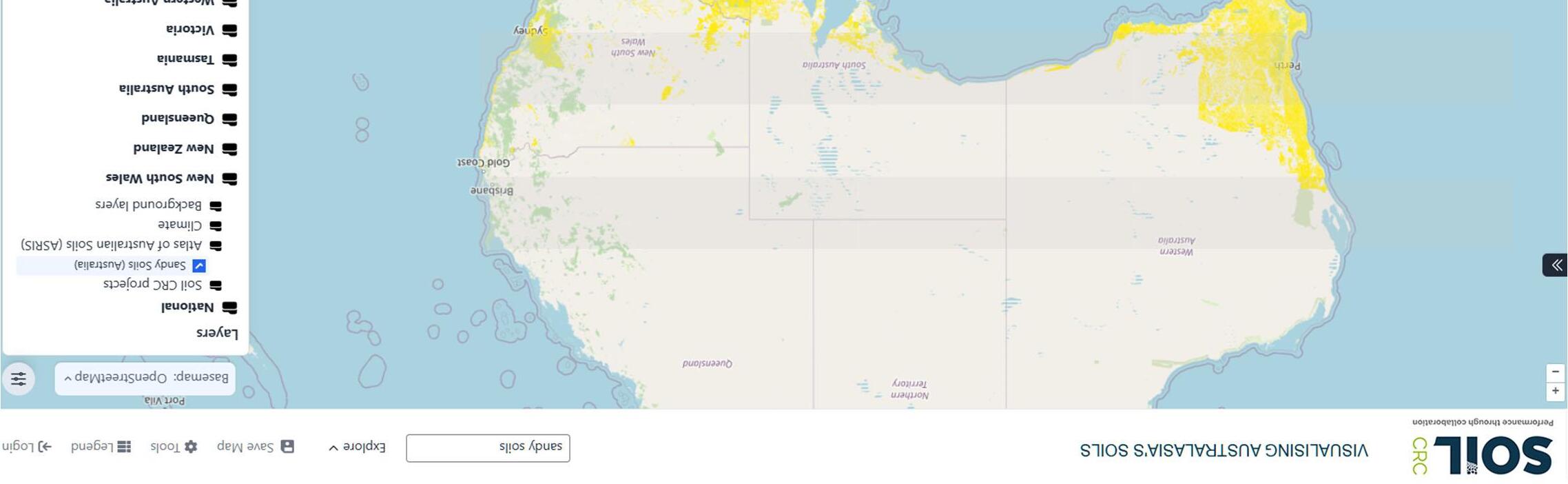

Source: https://vas.soilcrc.com.au/map#
Low
• Water
• Nutrients
• Organic matter
Prone to
• Water repellence
• Acidity
• Compaction
• Erosion
Often have multiple limitations
BUT can respond to light rainfall events
• What are you trying to amend?
• What amendments are available?
• Consistent response?
• Longevity of the effect?
• Is it cost effective to use?
Many variations for each type of amendment
Examples
Clay
Clay-rich subsoil, other clay sources
Organic
Compost, Manures, Food/ farm waste, Biochar
Chemical
Mineral
Lime, Fertiliser, Polymers
Mineral-processing residues, naturally occurring
Mixed
Clay-enriched composts, Modified biochar
Slide from: Richard Bell
Many variations for each type of amendment
Menti Question: What amendments have you tried?
Clay
Clay-rich subsoil, other clay sources
Organic
Compost, Manures, Food/ farm waste, Biochar
Chemical
Mineral
Lime, Fertiliser, Polymers
Mineral-processing residues, naturally occurring
Mixed
Clay-enriched composts, Modified biochar
Slide from: Richard Bell
• Yields drop as sand gets deeper
• Organic amendments help most on the deepest sands
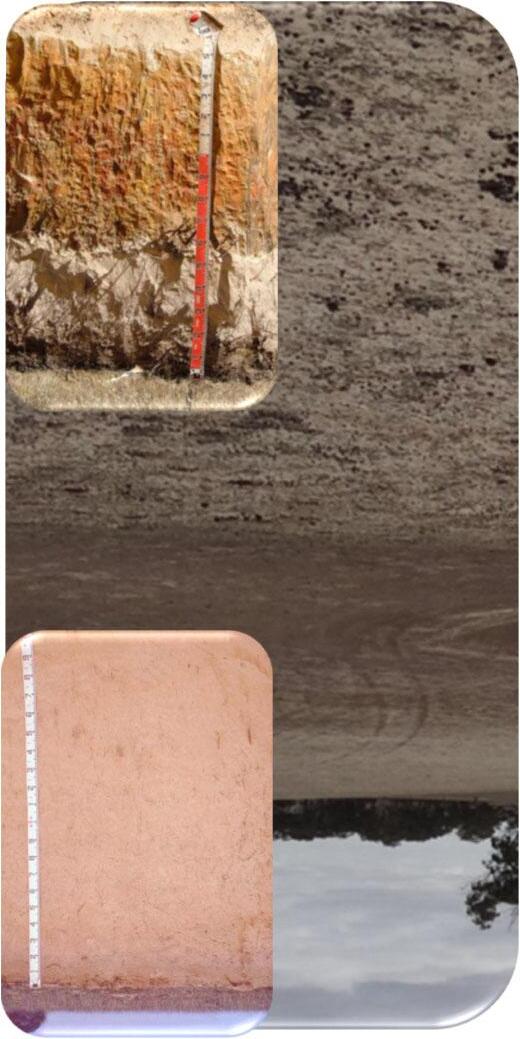
• Clay addition helped when subsoil clay 30-60cm below surface
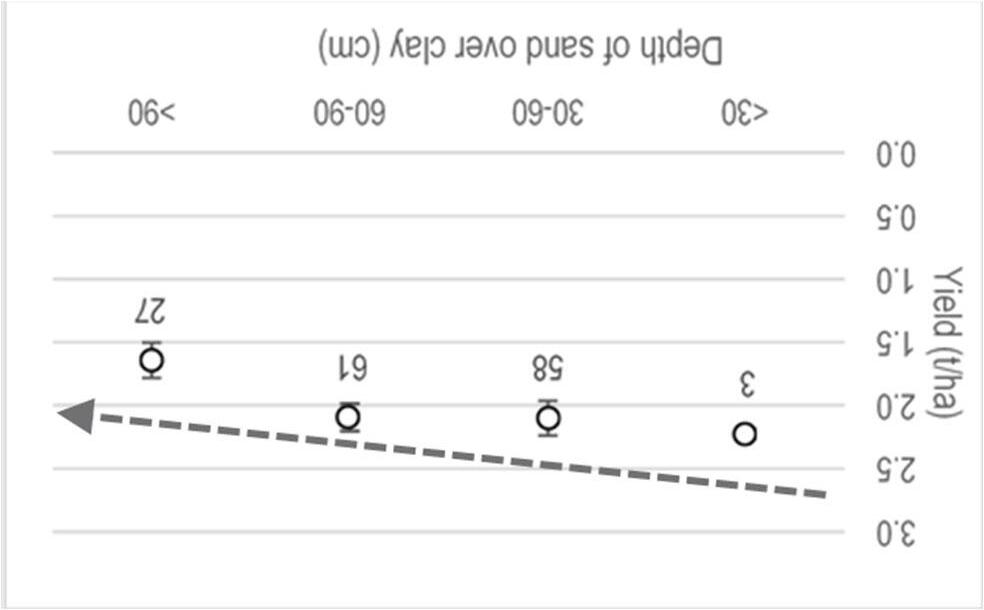
Deeper sand reduces yield, organic amendments like compost can maintain yield even when sand > 90cm.
• Little change in OC % in the top 10cm, regardless of depth of sand
• But deeper sands (>60cm), lose ~ 0.5% in the top 30cm
• Productivity effects show up quickly –usually in 2 years stabilised by 5 years
• With organics alone (no clay), productivity maintained for 3-4 years and then declined
• OC gains from subsoil clay build slowly, 5-10 years but have been shown to persist for 15 years in WA
• Iron in amendments may help increase productivity and OC
• Addition can help increase the reactive surface area of sands
• Iron binds OC and can slow decomposition
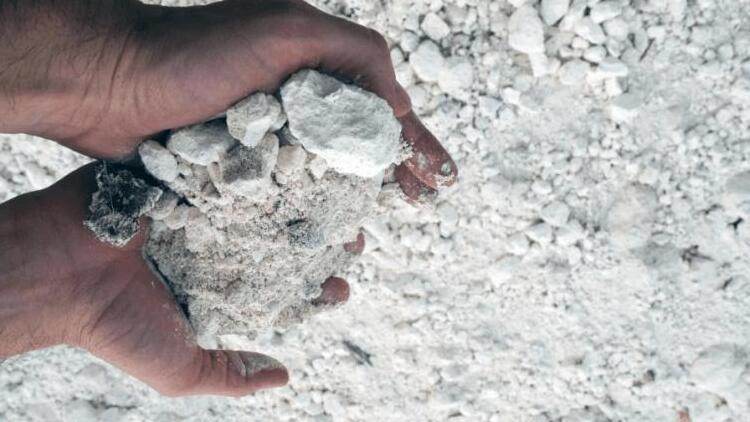
Source: https://wmgroup.org.au/exploring-novel-soil-amendments-in-the-future-carbon-project/
• Winter and summer rainfall increase productivity
• Summer rainfall can lead to a loss of soil OC
• OC sweet spot for improved production in sandy soils is between 0.75 to 1.5% in the top 0-10cm
Select amendments high in OC to rebuild function Struggles to hold water and nutrients, biology is limited OC is the limiting factor < 0.75%
0.75 to 1.5 %
Choose amendment based on cost per tonne of OC and constraint Improvements in OC can lift soil function and productivity
Adding more OC doesn’t drive productivity –constraints are limiting factors > 1.5%
Choose amendments for specific constraints not OC gains OC is adequate for function.
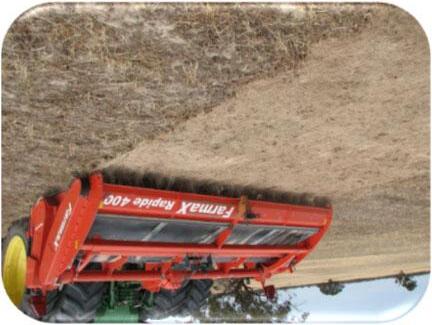
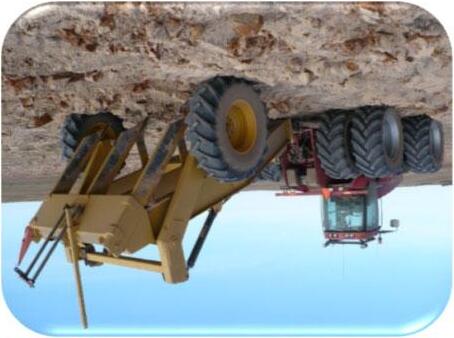
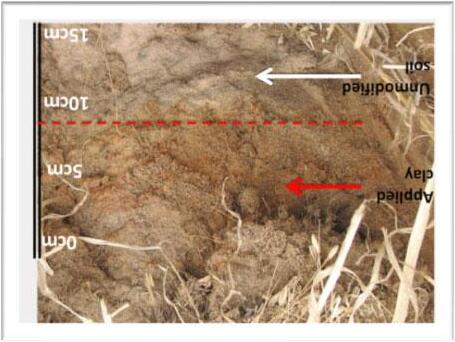
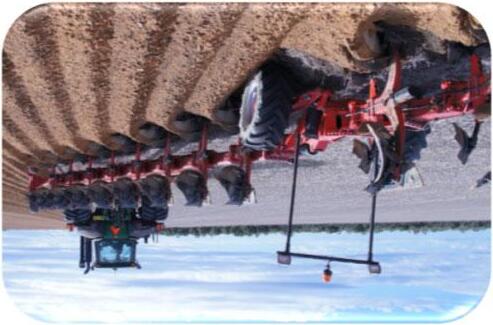
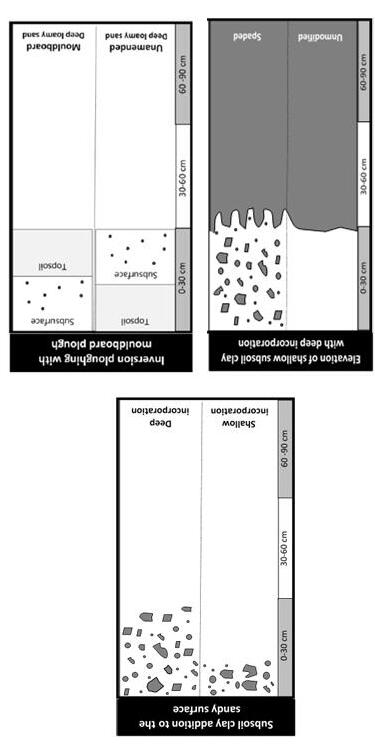
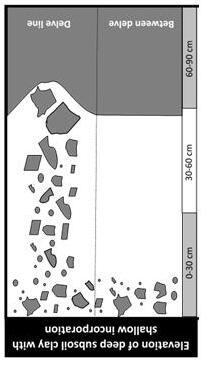
Meta-analysis highlights
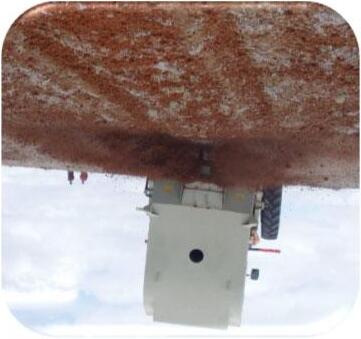
• Productivity: yield increased with clay concentration up to 15% then sharp drop
• OC: increased when clay concentration above 15% (largest increase in 10-30cm)
• Clay sweet spot: 6-15% clay –fine tune for rainfall
If subsoil clay works, why look at other amendments?
• Subsoil clay is not always available
• Historic clay rates too high and put people off
• High cost of application
• High activity amendments may be effective at lower rates of application
• Amendments can address constraints not treated by subsoil
Many variations for each type of amendment
Examples
Clay
Clay-rich subsoil, Bentonite, Kaolinite, Hydrotalcite
Organic
Compost, Biochar, Manures, Food/ farm waste
Chemical
Mineral
Lime, Fertiliser, Polymers
Zeolite, Mineral-processing residues, Spongelite
Mixed
Clay-enriched composts, Modified biochar
ClayBentonite
High activity clay (CEC 96)
yield @ 15 t/ha, 5 yrs ↑ Na and B @ 40 t/ha X biomass
Amendment
Description
ClayBentonite
ClayHydrotalcite
High activity clay (CEC 96)
Pot Trial
Field Trial
Positive charge, can adsorb nitrate, sulfate, phosphate
↑ Na and B @ 40 t/ha X biomass
↓ plant P uptake
X yield @ 15 t/ha, 5 yrs
X yield @ 10 t/ha, 5 years
Amendment
Description
ClayBentonite
ClayHydrotalcite
High activity clay (CEC 96)
Pot Trial
Field Trial

Ironman Gypsum
Positive charge, can adsorb nitrate, sulfate, phosphate
By-product with high Fe and Mn
↑ Na and B @ 40 t/ha X biomass
↓ plant P uptake
X yield @ 15 t/ha, 5 yrs
X biomass X OC
X yield @ 10 t/ha, 5 years
X yield at 10-30 t/ha, 5 years
Amendment
Description
ClayBentonite
ClayHydrotalcite
Ironman Gypsum
High activity clay (CEC 96)
Pot Trial
Field Trial

Positive charge, can adsorb nitrate, sulfate, phosphate
By-product with high Fe and Mn
Reactive commercial adsorbent Zeolite
↑ Na and B @ 40 t/ha X biomass
↓ plant P uptake
X yield @ 15 t/ha, 5 yrs
X biomass
X OC
↑ water @ 20 t/ha,
↓ leaching N, P, K,
↑ biomass @ 10-15 t/ha
X yield @ 10 t/ha, 5 years
X yield at 10-30 t/ha, 5 years
↑ yield wheat @ 15 t/ha in year 5
Amendment
Description
ClayBentonite
ClayHydrotalcite
High activity clay (CEC 96)
Pot Trial
Field Trial

Ironman Gypsum
Positive charge, can adsorb nitrate, sulfate, phosphate
By-product with high Fe and Mn
Reactive commercial adsorbent Zeolite
↑ Na and B @ 40 t/ha
X biomass
↓ plant P uptake
X yield @ 15 t/ha, 5 yrs
X yield @ 10 t/ha, 5 years

X biomass
X OC
↑ water @ 20 t/ha
↓ leaching N, P, K
↑ biomass @ 10-15 t/ha
X yield at 10-30 t/ha, 5 years
↑ yield wheat @ 15 t/ha in year 5

Composthumicarb
Humus rich product
↑ water @ 20 t/ha
↑ biomass @ 10 t/ha
↑ yield wheat (0.7 t/ha) @ 10 t/ha in year 5
• Deep amelioration can improve crop establishment for multiple years
• Seasonal effects matter, but the structural gains persist
• Amendments can help, but they are more season-dependent 5 seasons of amelioration and amendments (2021)
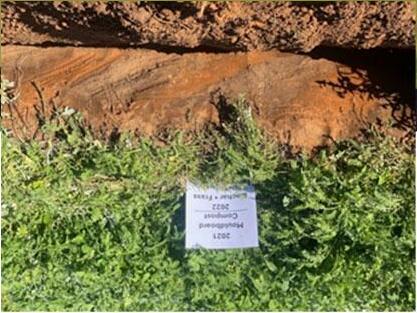
https://wmgroup.org.au/four-years-on-soil-amelioration-still-delivering-plantestablishment-gains/
• Clay-rich subsoil is still the most available and reliable amendment
• Other amendments are still a work in progress
• The challenge is working out where and how they can be used cost effectively
• Match your amendment to the soil constraint

amanda.schapel@sa.gov.au


soilcrc.com.au
SoilCRC
Soil_CRC soilcrc3649
CRC for High Performance Soils Limited
ABN 63 618 897 224
Thanks to Richard Bell, Murdoch University and the project team for the New amendments for sandy soils project for sharing of the latest results and many of the slides used in the presentation