
BOARD OF DIRECTORS
Duane Jordan, President
Elliott Jordan & Son, Inc. • Waltham, ME
Kurt Babineau, 1st Vice President
Babineau Trucking & Logging • West Enfield, ME
Marc Greaney, 2nd Vice President
Western Maine Timberlands, Inc. • Fryeburg, ME
Andy Irish, Treasurer
Irish Family Logging • Peru, ME
Marty Pelletier, Secretary
SYL-VER Logging, Inc. • St. John Plt., ME
Chuck Ames, Past President
SDR Logging, Inc. • Sebec, ME
Aaron Adams
GCA Logging, Inc. • Avon, ME
Brian Bell
Balanced Forestry • Montville, ME
Jack Bell
Long View Forest, Inc. • Hartland, VT
Joe Cushman
Maine Custom Woodlands • Durham, ME
William Cole Trees, LTD. • Sidney, ME
Thomas Douglass
Thomas Logging & Forestry • Guilford, ME
Trevor Johnson
Johnson Forest Management • Red Creek, NY
Steve Hanington
Hanington Brothers, Inc. • Macwahoc Plt., ME
Dakota Harvey
D. Harvey Timber Harvesting • Rutland, VT
John Hinds
Hinds Selective Wood Harvesting • Wayne, ME
Randy Kimball
Kimball & Sons Logging & Trucking • Poland, ME
Molly London
W.W. London Woodlot Manag. Co. • Milo, ME
Tony Madden
A.W. Madden, Inc. • Milford, ME
Jim Nicols
Nicols Bros. Logging, Inc. • Mexico, ME
Cedric Pepin
Pepin Lumber, Inc. • Coburn Gore, ME
Larry Richards
Richards Logging, LLC. • Tupper Lake, NY
Ron Ridley
L & A Ridley, Inc. • Jay, ME
Gary Voisine
Voisine Brothers, Inc. • New Canada, ME
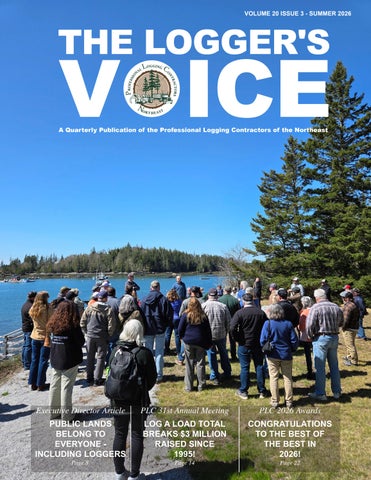
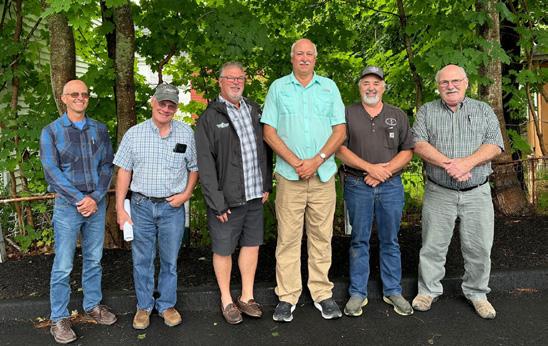
On the cover: PLC Members, Supporting Members and guests on the "Voyage to Vinalhaven" tour on May 7th during the first day of the PLC's 31st Annual
Story on page 14.
THE LOGGER’S VOICE
Editor Jon Humphrey • jon@plcloggers.org
Advertising
• jessica@plcloggers.org
Maine
Master
Congressional
ALC
ALC Annual Conference

EVENTS Upcoming
RSVP is required for all PLC events

6 AUG
28 AUG
PLC Executive Committee Meeting
PLC Office Augusta, ME
10 SEP
PLC Southern Maine Log A Load Golf Tournament
Kezar Lake Country Club Lovell, ME
PLC Board Meeting & MLOFT Visit 8:30 AM - 1 PM
KVCC Alfond Campus (Farm Area) Hinckley, ME
18 SEP
28 SEP
PLC Northern Maine Log A Load Golf Tournament
JATO Highlands Golf Course Lincoln, ME
American Logger's Council Annual Conference Sept. 28 - Oct. 1 Colonial Williamsburg, VA
GFROM THE President
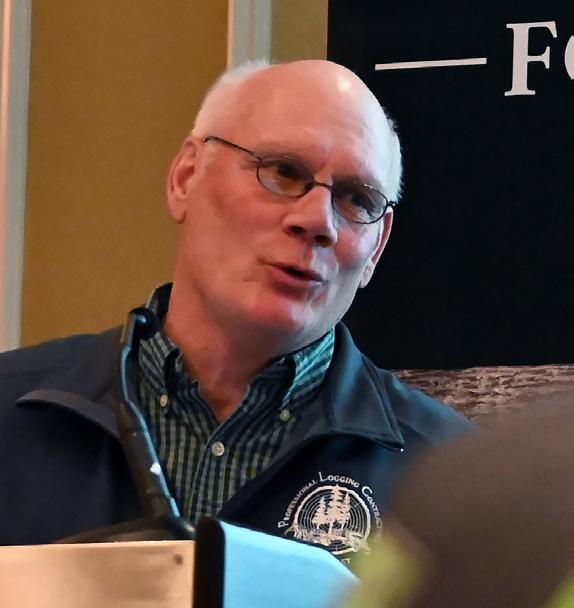
reetings from Downeast Maine.
It was a pleasure to see so many of you at the PLC’s Annual Meeting in Rockport, Maine in May. I always look forward to visiting with our Logging Family. Thanks again to everyone for their generous donations at the Log A Load Event. I’m always amazed at how folks are willing to give freely to this great cause.
I hope everyone got a chance to take a much-deserved vacation from the forest this Spring. It’s always an important time of year to spend time with family, repair equipment, and get motivated once again for the new season.
I expect the Summer season will be difficult with the mills gearing back to adjust inventories as needed. Fuel and lubricant prices are still high and the cost of doing business in general seems to be out of control. Every region in the Northeast has been affected by mill closures or cut-backs, some more than others.
We are all very good entrepreneurs or else we wouldn’t still be here. I encourage you to
By Duane Jordan
make the right decisions for your situations. Keep yourself on the positive side of the balance sheet and we will find new ways to use our valuable wood resource. We will need good loggers to do the necessary harvest. This will take time. In the meantime, stay safe out there!
Lastly, one week after our Annual Meeting we all witnessed the tragic fire at Robbins Lumber in Searsmont, Maine. It left two firefighters dead, and many others injured, including three members of the Robbins family, Jim Jr., Alden, and Lily.
To help provide immediate relief, the PLC has donated $5,000 to the Maine Strong Memorial Foundation’s Emergency Relief Fund on behalf of our entire membership. Please join the PLC, my wife and my family in keeping all involved in this tragedy in our thoughts and prayers.
Thank you, Duane H. Jordan
“I Love the PLC”
South Woodstock, VT

PUBLIC LANDS BELONG TO EVERYONE - INCLUDING LOGGERS
WHY THE NORTHEAST'S FOREST WORKFORCE DESERVES A SEAT AT THE TABLE
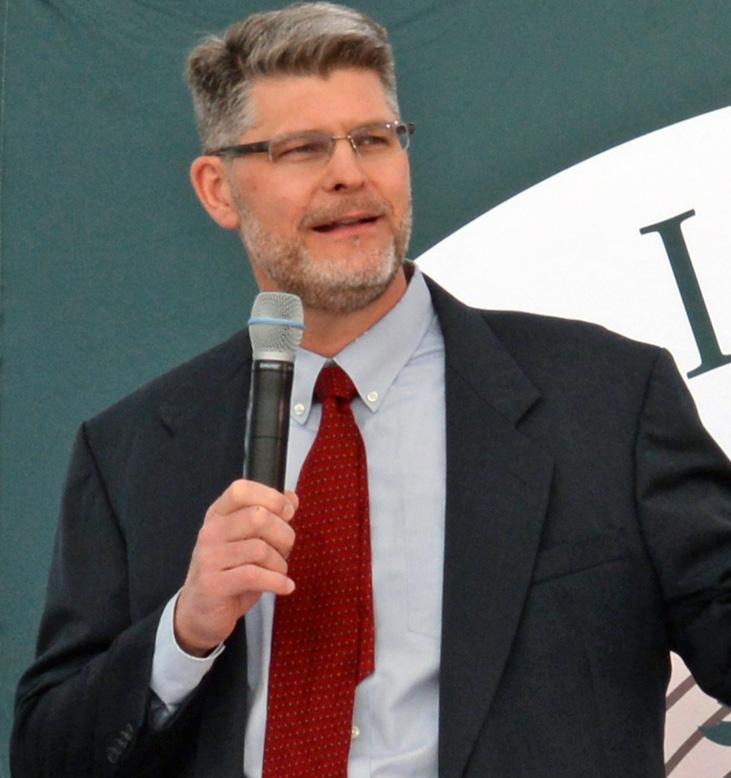
By Dana Doran, PLC Executive Director
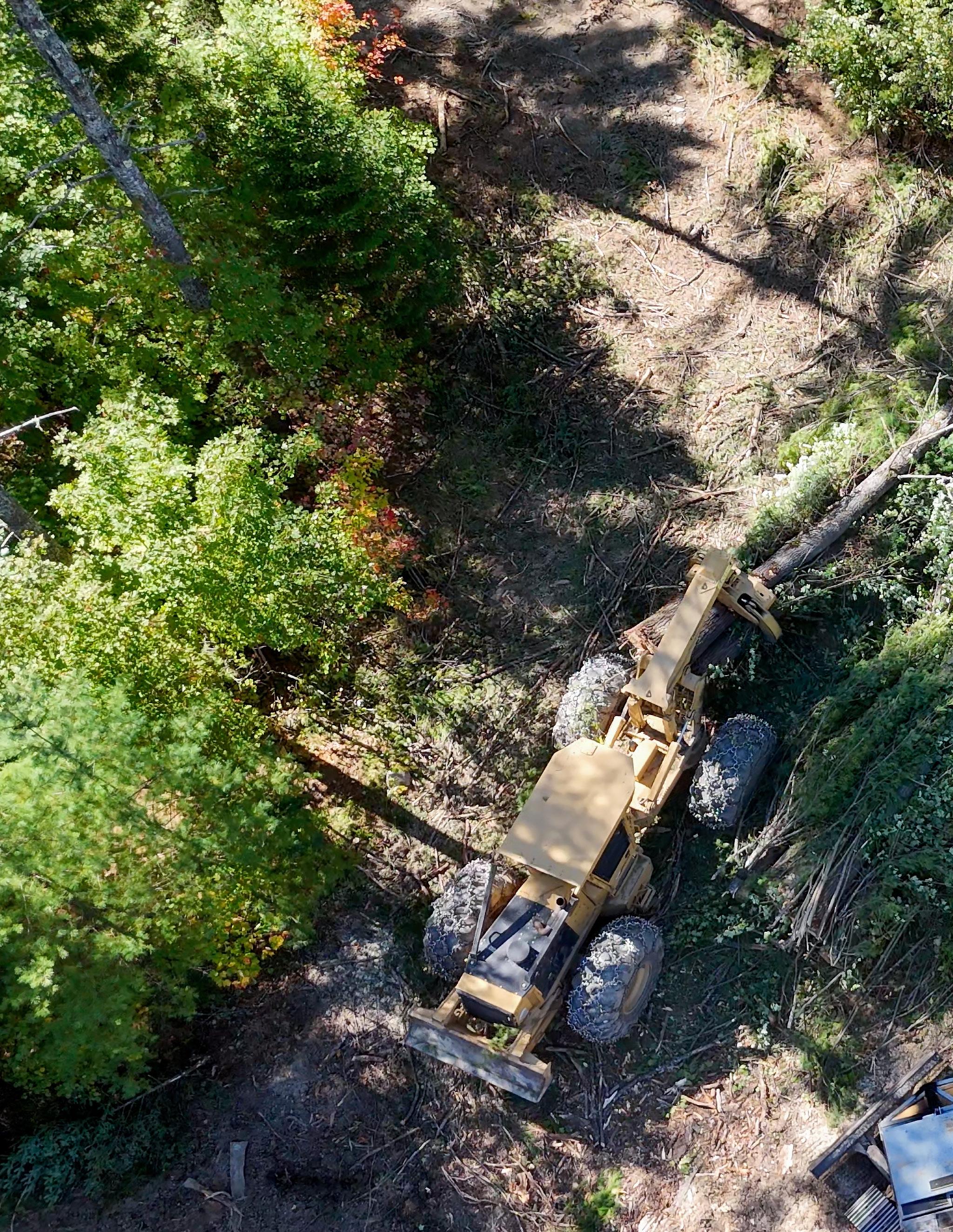
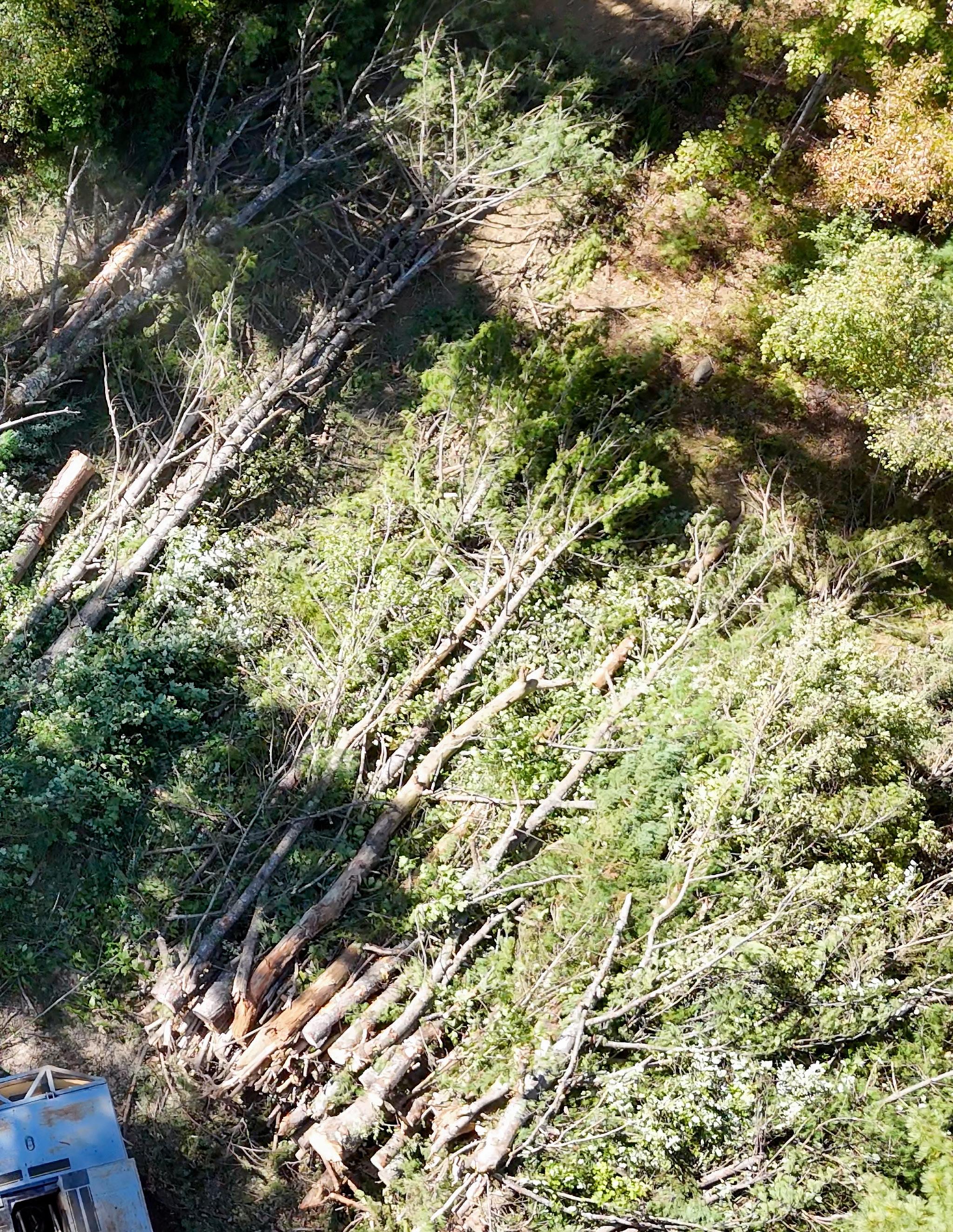
Trees Ltd. harvest in Sidney, Maine.
Conversations regarding the use and management of public lands across the Northeast seem to be ramping up at a furious pace. The PLC seems to be spending more and more time being part of them, which is very important because when you’re not at the table, you’re on the menu.
However, as we know from experience, when conversations about public lands arise, the loudest voices often come from advocates for preservation, conservation, and outdoor recreation.
Those voices matter.
But they are not the only voices that matter in the conversation.
Across the Northeast, millions of acres of public forests are managed for multiple purposes. These lands provide recreation opportunities, wildlife habitat, clean water, climate benefits, renewable forest products, and economic opportunities for the communities that surround them. Public land agencies throughout the region have long recognized that balancing these multiple uses is a core part of their responsibility.
Yet when discussions arise about how these lands should be managed, one group is often underrepresented: the people who work in the forests, and the PLC has made sure that this is not going to continue.
Loggers and forest truckers all have a direct stake in the future of public lands. Their livelihoods and the health of the forest are not mutually exclusive. Their families live in the communities supported by the forest economy, and many have spent decades working on the very landscapes being discussed.
If public lands truly belong to everyone, then their voices deserve to be part of the conversation just as much as someone who doesn't appreciate where their forest products come from.
Public Forests Have Always Been Managed
A common misconception is that forest management and public lands are somehow incompatible.
The reality is that public forests throughout the Northeast have long been actively managed to meet a variety of public needs. Forest management plans often include goals related to recreation, wildlife habitat, water quality, forest health, climate resilience, and sustainable timber production. These objectives are not new and should not be treated as such.
In fact, active forest management is what helps public lands achieve many of these goals.
As our membership knows, carefully planned
harvesting can improve forest health, improve wildlife habitat, encourage forest regeneration, support local economies, and provide renewable materials that society depends upon every day. At the same time, public forests will continue to offer abundant opportunities for hiking, hunting, fishing, camping, and other forms of recreation.
Across the Northeast, land managers have long worked to balance these uses. Public forests were never intended to serve a single purpose. They are managed to provide a variety of benefits for a variety of users, often requiring difficult decisions and thoughtful compromise.
The debate should not be whether public lands are managed, but how they are managed with an emphasis on management and not leaving the forest in a natural state.
The People Missing From the Conversation
One challenge in public land discussions is that the people most affected by forest management decisions are often the least likely to be in the room when those decisions are made.
Loggers and forest truckers do not typically spend their days attending public hearings, legislative sessions, or stakeholder meetings.
Logging and trucking are demanding professions. A logger's plans for the day can change with the weather, road conditions, equipment breakdowns, market demands, or safety concerns. Truck drivers spend long hours on the road. The majority are often working in remote locations far from meeting rooms and government offices.
Quite simply, many loggers and truckers cannot leave the jobsite in the middle of the day to attend a meeting or hearing several hours away.
That doesn't mean they don't care.
In fact, few people have a greater stake in the future of our forests.
Their livelihoods depend on sustainable forestry. Their communities depend on the jobs, and economic activity forests help create. Many have spent generations working in the woods and possessfirsthand knowledge of forest conditions that can only come from years of experience on the ground.
Public participation is essential, but expertise matters too. The people who work in the woods every day have firsthand knowledge of forest health, regeneration, wildlife habitat, access infrastructure, and changing conditions on the landscape. Their experience may not answer every policy question, but it provides valuable perspective that should not be overlooked simply
because they are often too busy doing the work to attend every meeting where decisions are made.
Yet because they are busy working in the forest, their perspectives can be absent from public discussions.
That is one reason the Professional Logging Contractors of the Northeast (PLC) exists.
The PLC was created to help give a voice to the men and women who work in the woods every day but may not have the time, resources, or opportunity to advocate for themselves in policy discussions. The organization ensures that when decisions affecting forests are being made, the perspective of the forest workforce is represented alongside
those of recreation advocates, conservation groups, scientists, policymakers, and other stakeholders.
Meaningful public engagement requires hearing from all stakeholders, not just those who have the ability to attend every meeting.
Loggers and Truckers Are Part of the Public
Too often, forestry discussions create a false distinction between "the public" and "the industry."
But loggers and truckers are members of the public too. They are community members, taxpayers, volunteers,
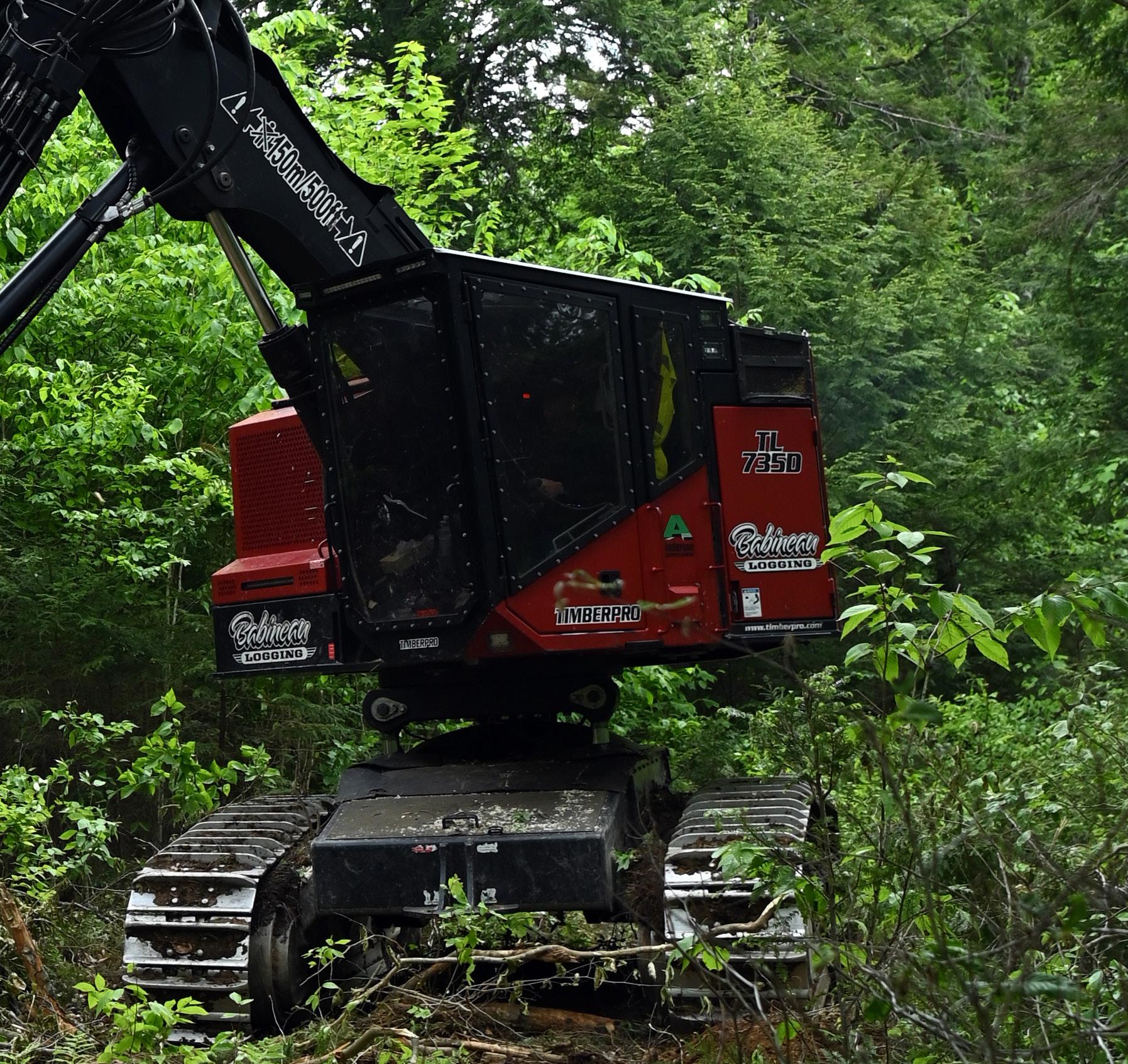
Babineau Logging Inc. harvest in Howland, Maine.
parents, coaches, and local business owners. Many live in rural communities where forestry remains a cornerstone of the local economy.
Across the Northeast, forests continue to support thousands of jobs and businesses. The impact extends far beyond the woods, supporting truck drivers, mechanics, equipment dealers, sawmills, manufacturers, fuel suppliers, and countless small businesses that help sustain rural communities.
The regional forest products and trucking sectors contribute hundreds of millions of dollars in economic activity annually and help maintain the infrastructure and
workforce needed to keep working forests productive. When public land decisions affect access to timber resources, forest management opportunities, or the long-term health of the forest resource, those decisions can have real impacts on families and communities throughout the Northeast. Those impacts deserve consideration just as surely as recreational and conservation interests do.
Conservation and Forest Management Are Not in Opposition
Perhaps the most important point is that this is not a choice
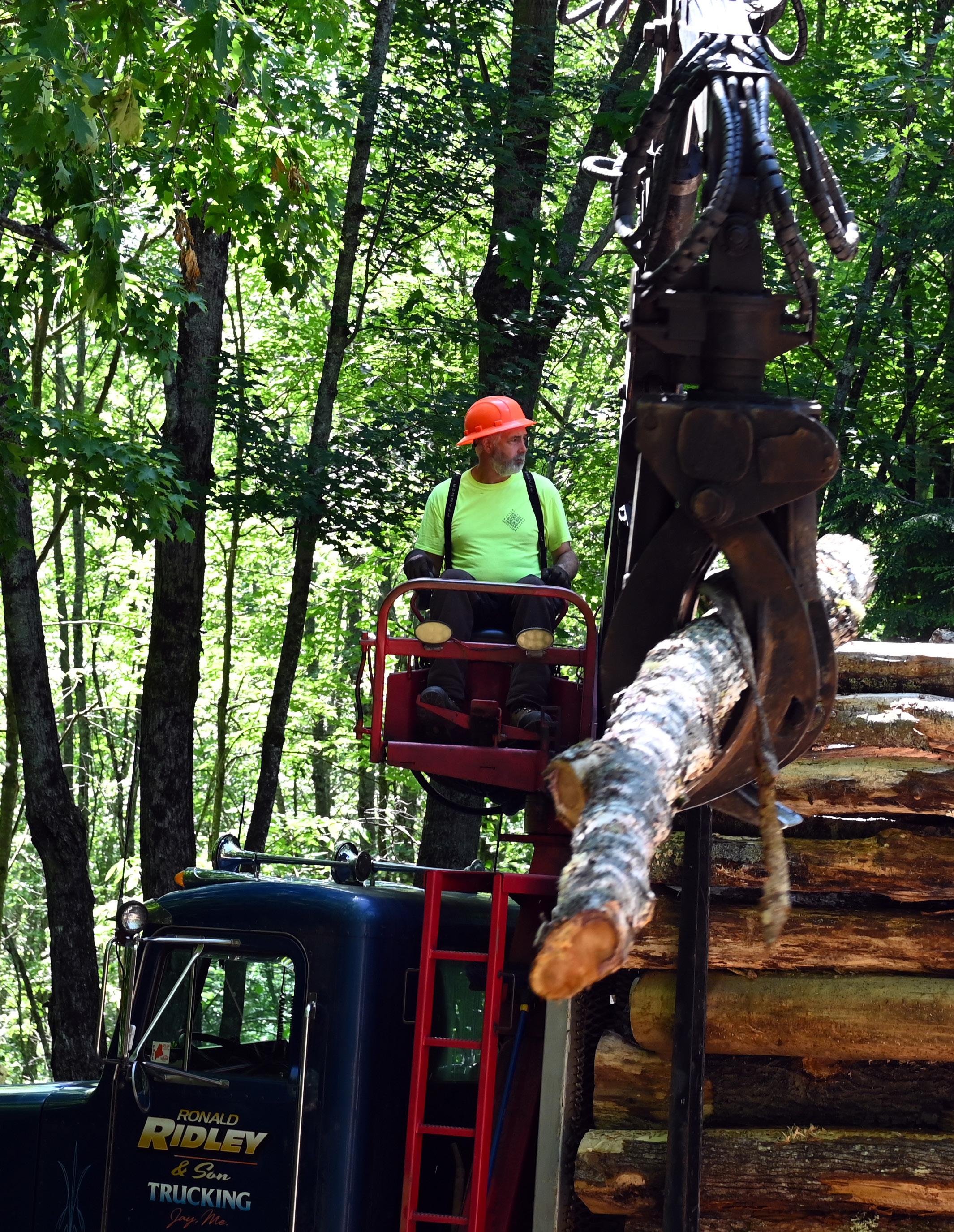
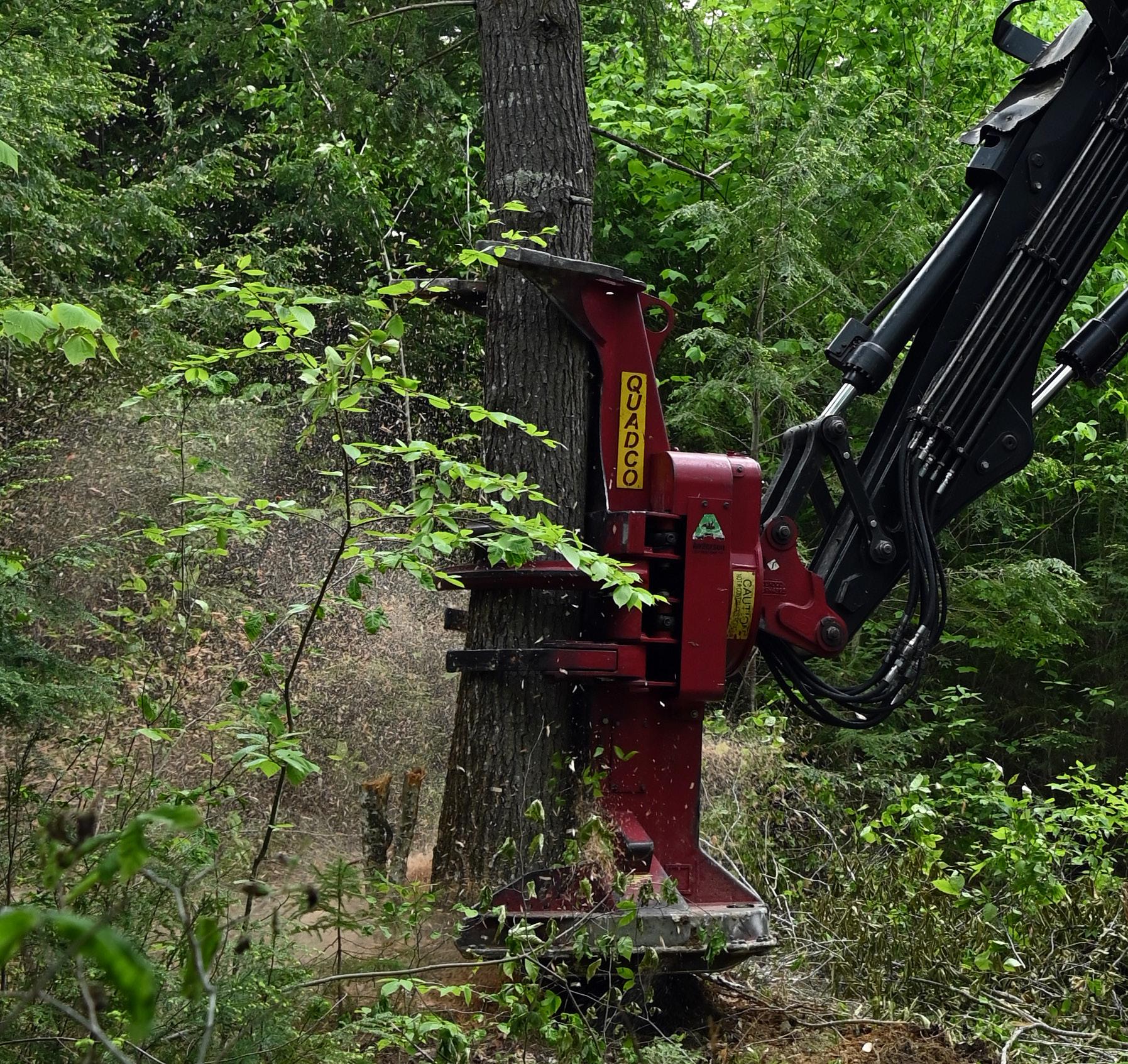
Ron Ridley of L&A Ridley, Inc. in Canton, Maine.
between conservation and forest management.
Modern forest management is built on the principle that forests can provide multiple benefits at the same time.
Well-managed forests support wildlife habitat, protect water resources, store carbon, provide recreational opportunities, and produce renewable materials that society uses every day.
Many conservation organizations, researchers, and public land agencies increasingly recognize that healthy forests require thoughtful stewardship and management. Public lands are often managed specifically to balance environmental, social, and economic objectives.
The best outcomes rarely come from choosing one value over another.
They come from finding balance.
A Stronger Conversation About Public Lands
Everyone who uses and values public forests should have a place in the conversation about their future.
That includes hikers.
It includes hunters.
It includes conservation groups.
It includes scientists.
And it includes the people who spend their working lives in the woods — loggers and forest truckers.
Loggers and forest truckers are not asking for the loudest voice in public land decisions, but they are asking the same voice that others have.
As debates over public lands continue across the Northeast, we should remember that the people who harvest timber, haul wood, manage forests, and support the forest economy are not outsiders to these discussions. They are an essential part of the communities that depend on healthy forests.
The future of our public lands will be strongest when decisions are informed by a diversity of perspectives, including the practical, on-the-ground knowledge of the people who work in the forest every day.
Public lands belong to everyone. The conversation about their future should too.
PLC'S 31ST ANNUAL MEETING!
LOG A LOAD MILESTONE, PLC AWARDS, VOYAGE TO VINALHAVEN AND MORE!
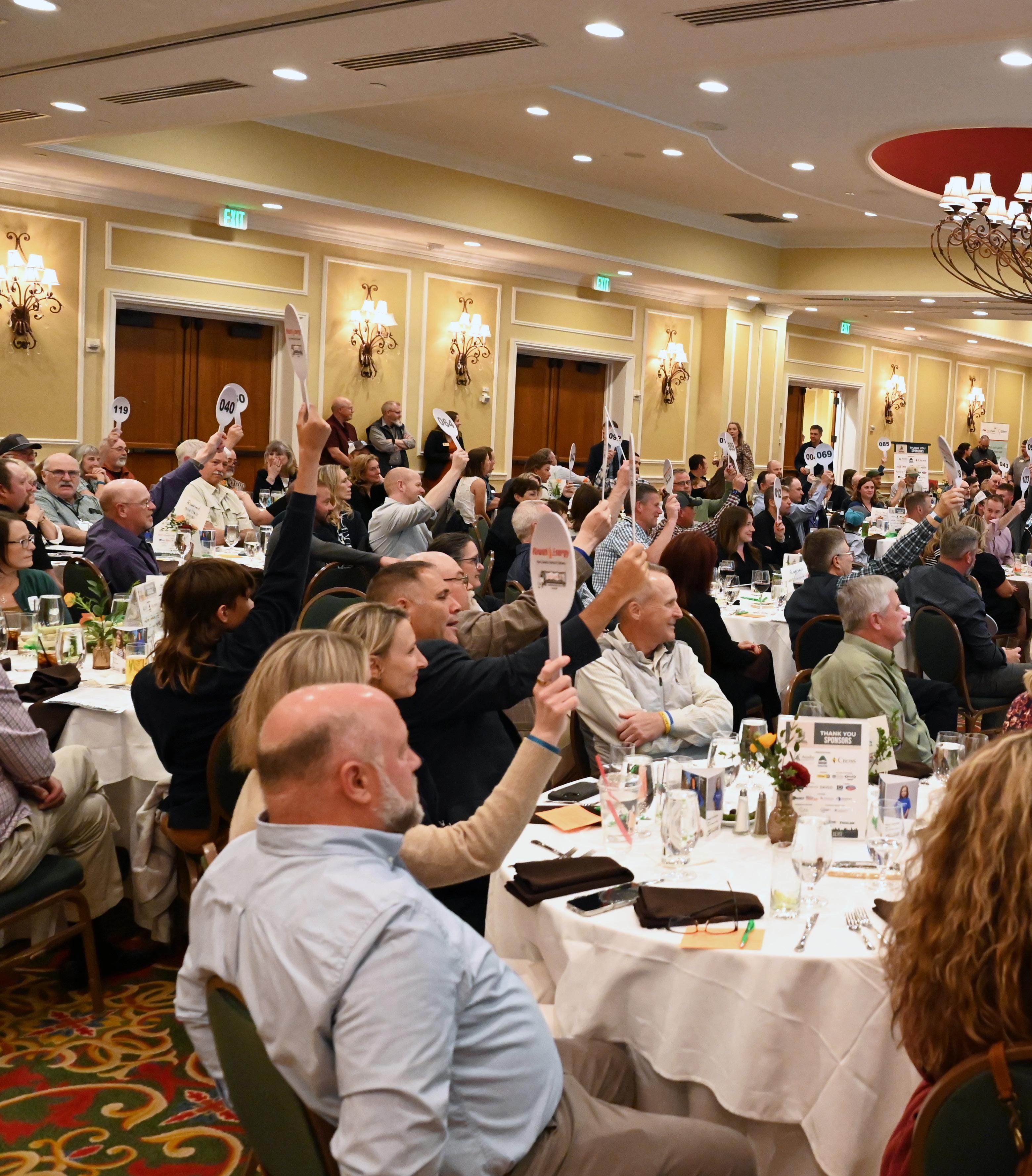
The Professional Logging Contractors (PLC) of the Northeast held its 31st Annual Meeting May 7-8, raising $134,610 for Log A Load For Kids and presenting awards to businesses and individuals from across Maine, Vermont, and New York for their contributions to the logging industry.
The meeting was held at the Samoset Resort in Rockport, ME., with more than 200 people attending the main events
on Friday. This was the third annual meeting of the PLC since its expansion in 2023 from a Maine organization to a regional one serving loggers and forest truckers across the Northeast.
The annual meeting is the PLC’s largest event and highlighted by the Log A Load for Kids Auction raising money for Children’s Miracle Network (CMN) which goes to hospitals in Maine, Vermont and New York. Families served by the hospitals were in attendance for the event, which also
marked a major milestone – the PLC’s Log A Load efforts have now raised more than $3 million since 1995.
“This special group of people always steps up when it comes to supporting the kids and their families, and I am proud they came through once again in spite of the difficult year the industry has had to help us reach the $3 million mark on total funds raised since this effort began more than three decades ago,” Dana Doran, Executive Director of the

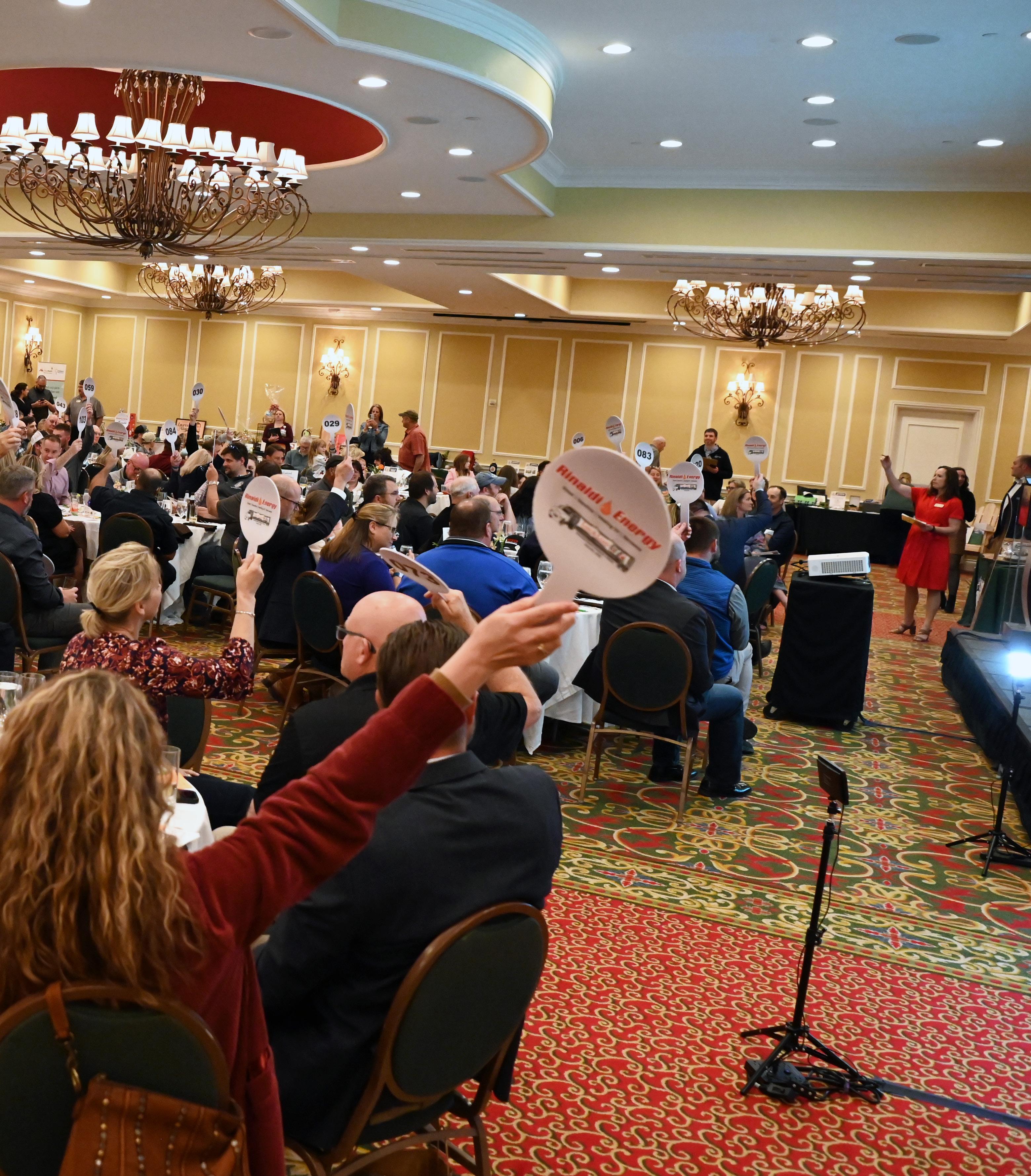
May 8.
PLC, said. “No matter how tough things get, our members, supporters, and friends reach deep every year at our Log A Load for Kids Auction to support the children and families served by Children’s Miracle Network. I am so grateful for the generosity shown here, and I know the families and the hospitals are grateful as well.”
The Annual Meeting spanned two days, beginning Thursday with a tour of Vinalhaven island including stops at
Continued page 16
The PLC's Log A Load For Kids Live Auction underway at the Samoset Resort in Rockport, ME. on
Voyage to Vinalhaven
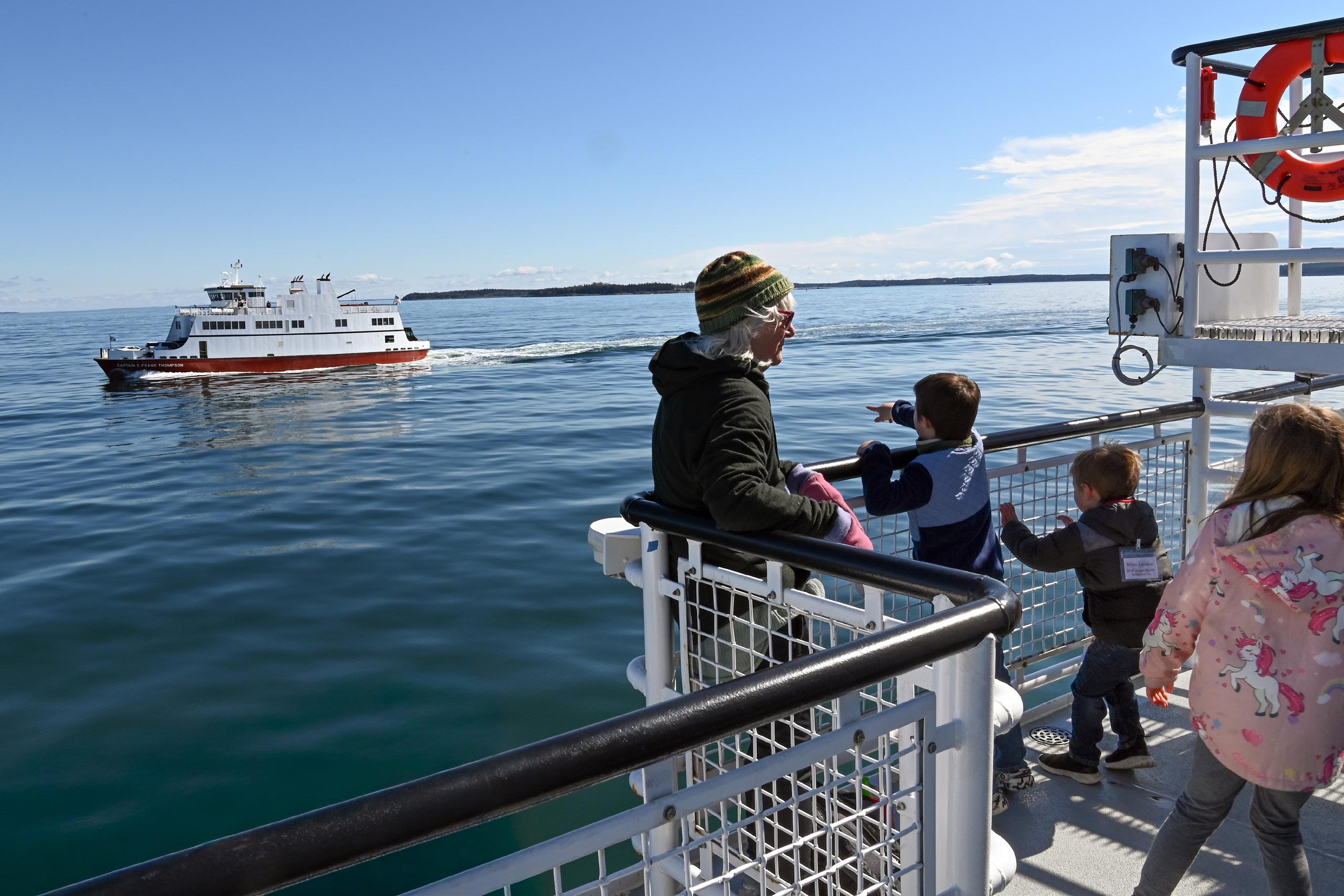
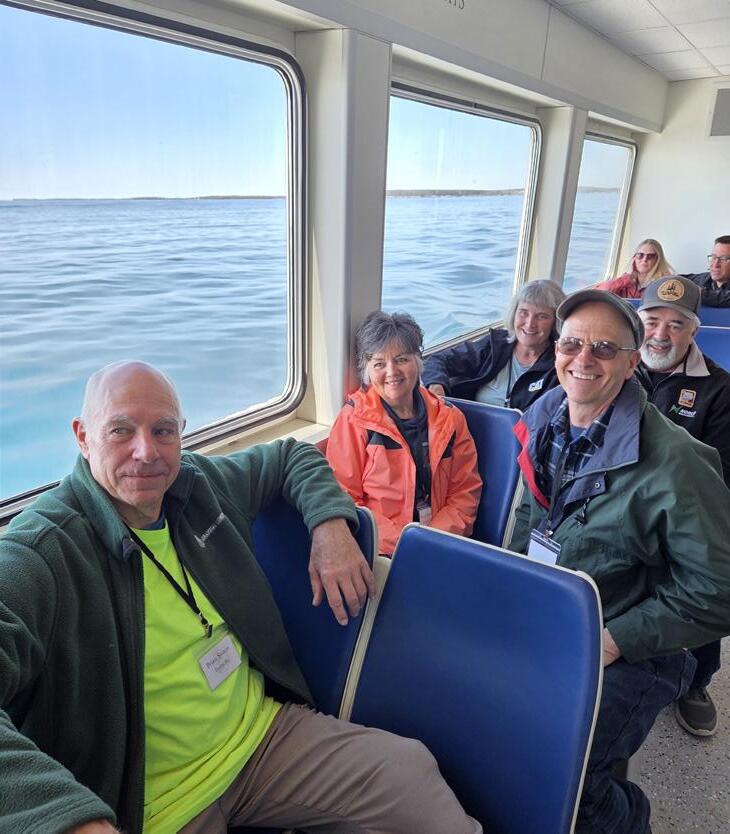
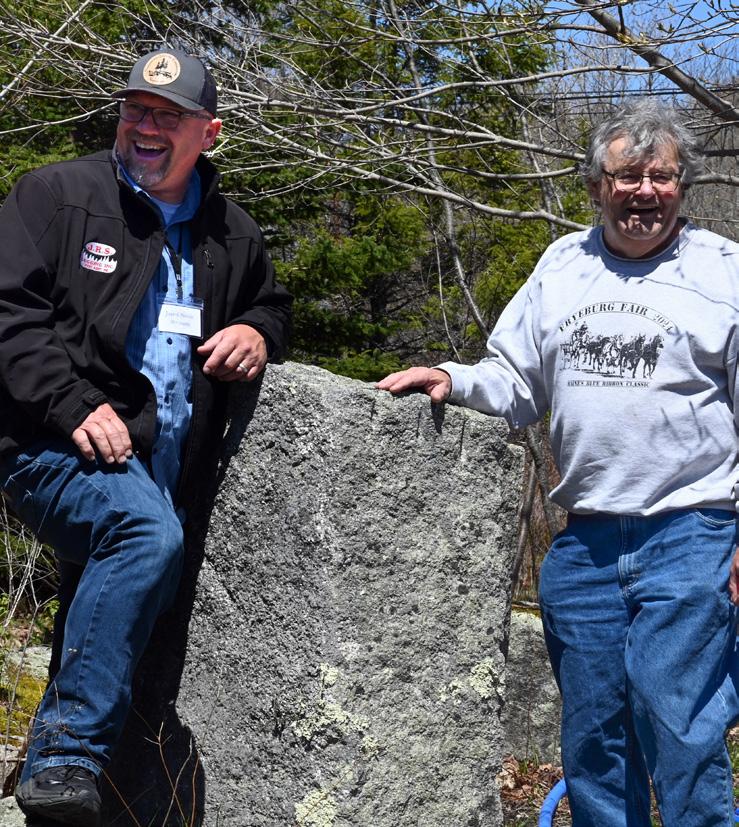
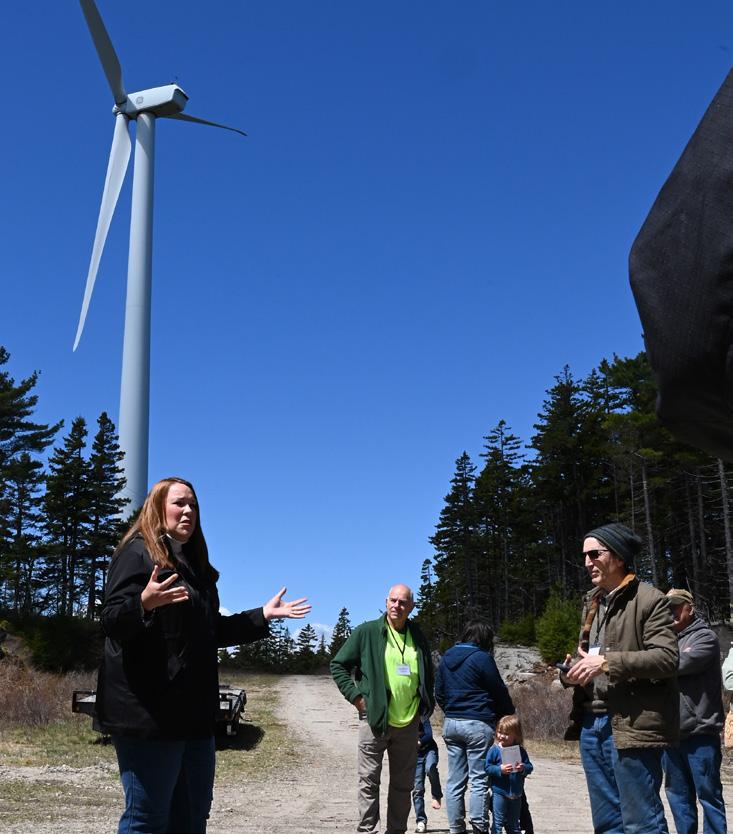
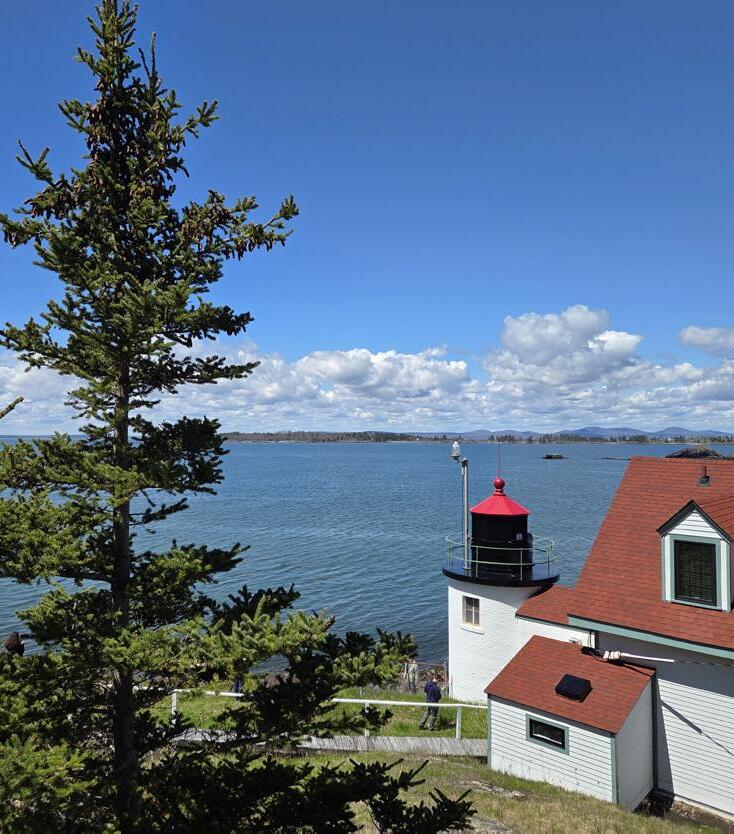
a wind farm, lighthouse, historic granite quarry, and a local brewery, and an evening social gathering at the Samoset Resort.
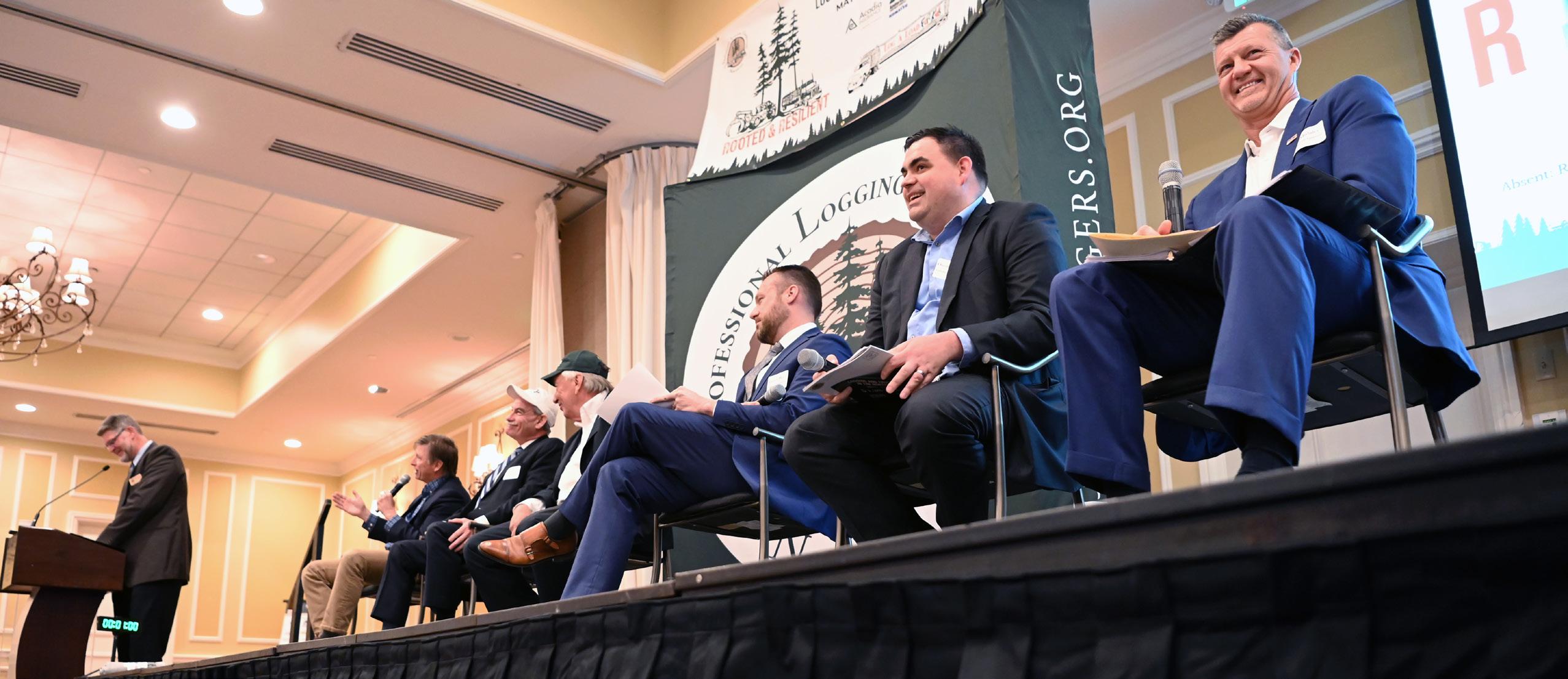
The second day began with a panel featuring candidates for Maine governor followed by a business meeting for all PLC Member contractors, with board and officer elections, and then a special presentation by Matt O’Malia of Timber HP that was also attended by Maine Governor Janet Mills.
The evening events included the traditional Log A Load for Kids Auction, dinner, and the PLC awards ceremony. PLC’s special guest for the evening, Maine native and two-time

Olympic gold medalist Seth Wescott, took part in the auction and donated items for it.
Awards were presented to the following individuals and organizations during the evening portion of the event:
PLC Logger of the Year Awards: These awards recognize PLC Logging Contractors for their commitment to the sustainability of the industry and logging as a profession. This year for the third time the award went to two companies, one from Maine and one from Vermont. The winners are: Southwind Forestry of Pawlet, Vermont; and T. Condon
Photos: Top and below left, enjoying the crossing to the island. Below middle, PLC Member JR Sirois, at left, with expert and guide James Dickey at the historic granite quarries. Below right, PLC Board Member Molly London and children on the ferry.
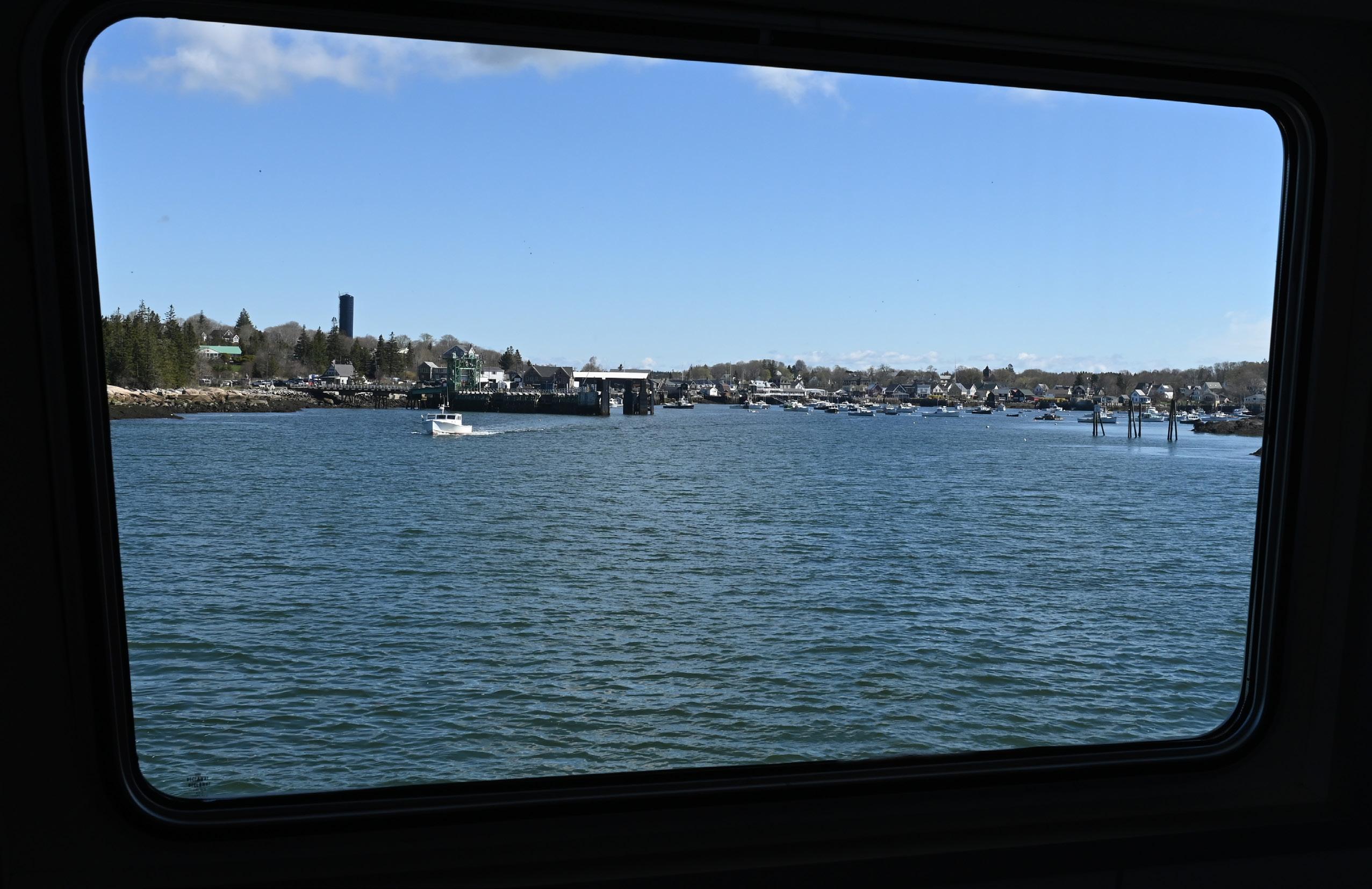
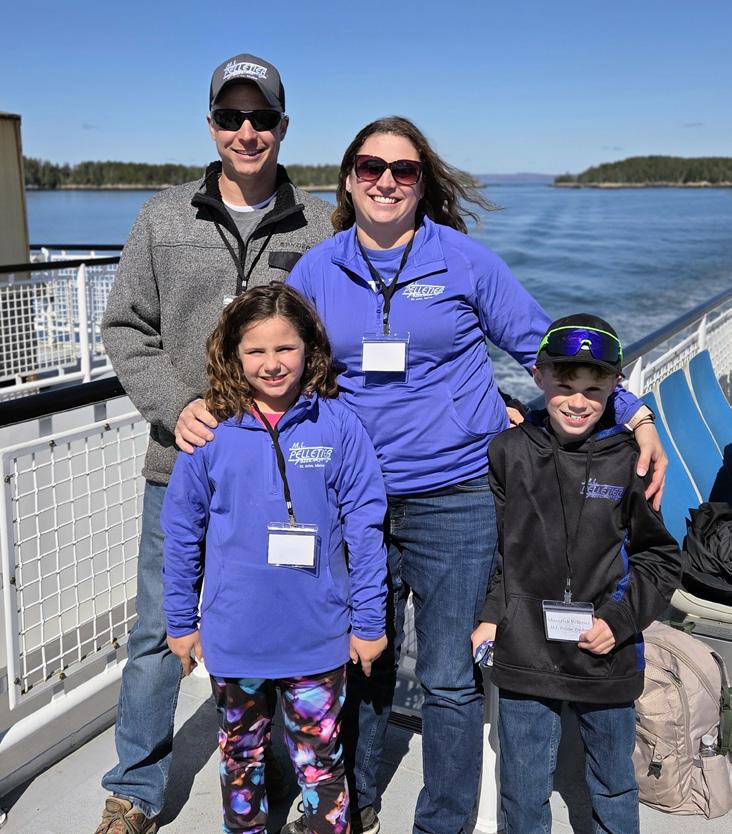
Photos: Top, the view approaching the village of Vinalhaven. Below, from left to right, visiting the Fox Islands Wind Farm; Brown's Head Lighthouse; PLC Board Member Marty Pelletier and family on the ferry.
Timber Harvesting of Ashland, ME.
PLC Community Service Award: This award is given annually to a PLC member, Supporting Member or affiliated organization that has demonstrated a significant commitment to giving back to their community. The winner this year is: TNT Road Company, Inc. of Fort Kent, Maine.
PLC Supporting Member Award: The PLC Supporting Member of the Year Award is presented annually to a PLC Supporting Member that has demonstrated an unprecedented
commitment to logging contractors in Maine. The winner this year is: Pro Pac Industries of Saint-Côme–Linière, Quebec.
PLC President’s Award: The President’s Award is presented to individuals or organizations within the PLC which have a significant and positive impact on the PLC and the logging industry in Maine. The winner this year is: Peter Collins, Sales Manager for Milton CAT.
PLC Impact Award: Each year, the PLC recognizes
Maine Governor's Panels
persons or organizations from the public sector who have demonstrated a commitment to the logging industry and made a significant impact for its improvement. The winner this year is: The Vermont Department of Forests, Parks and Recreation.
Master Logger Supporter’s Awards: The Master Logger Supporter’s Awards were created to recognize individuals and organizations that have been outstanding supporters of
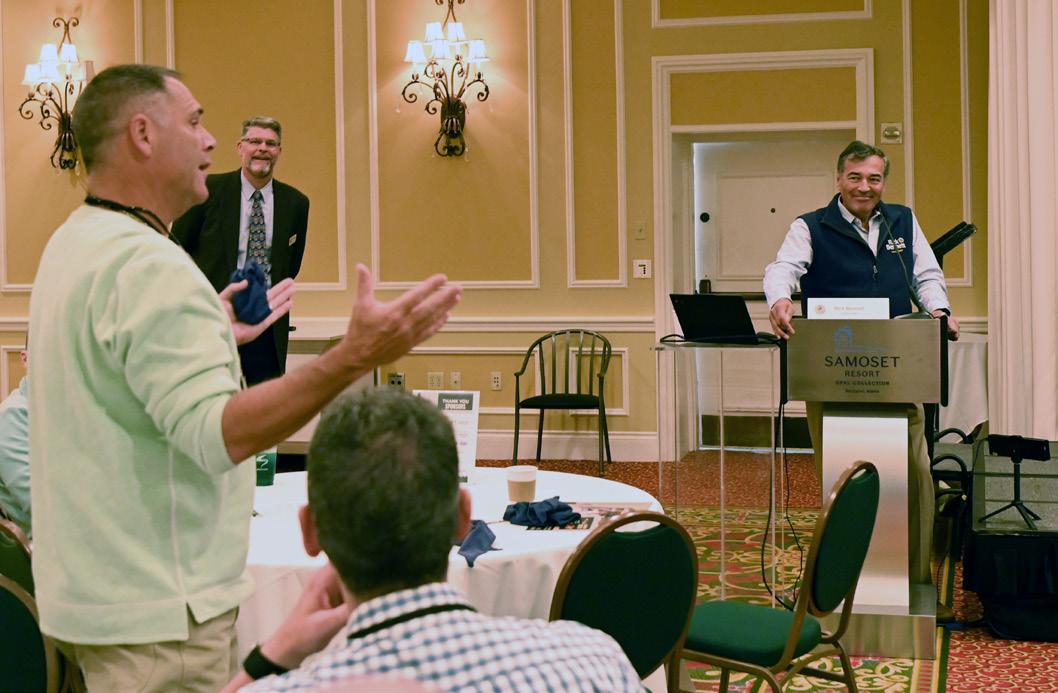
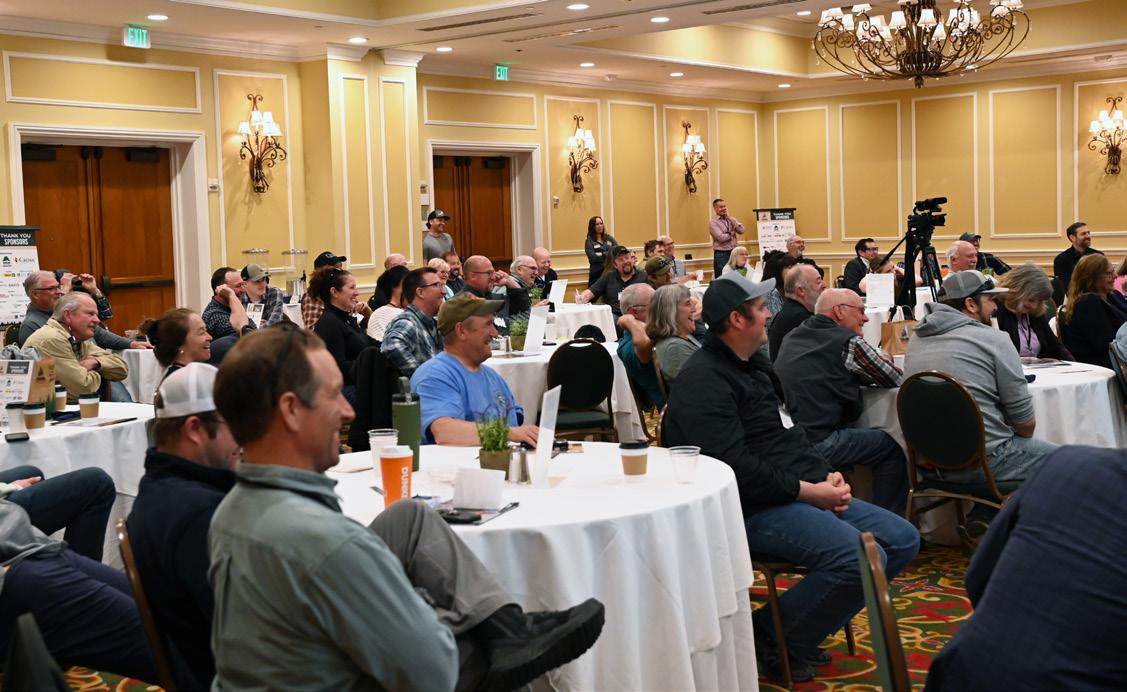
Bottom, audience members laugh during the question and answer session of the debates.
the Master Logger Certification Program® and the standard it represents. The winner this year is: The New York Watershed Agricultural Council.
PLC Supporting Member Acadia Insurance presented its annual Acadia Safety Award to Scott Madden of Madden Timberlands, Inc. of Glenburn, ME.
The Annual Meeting is one of the PLC’s major fund-raisers
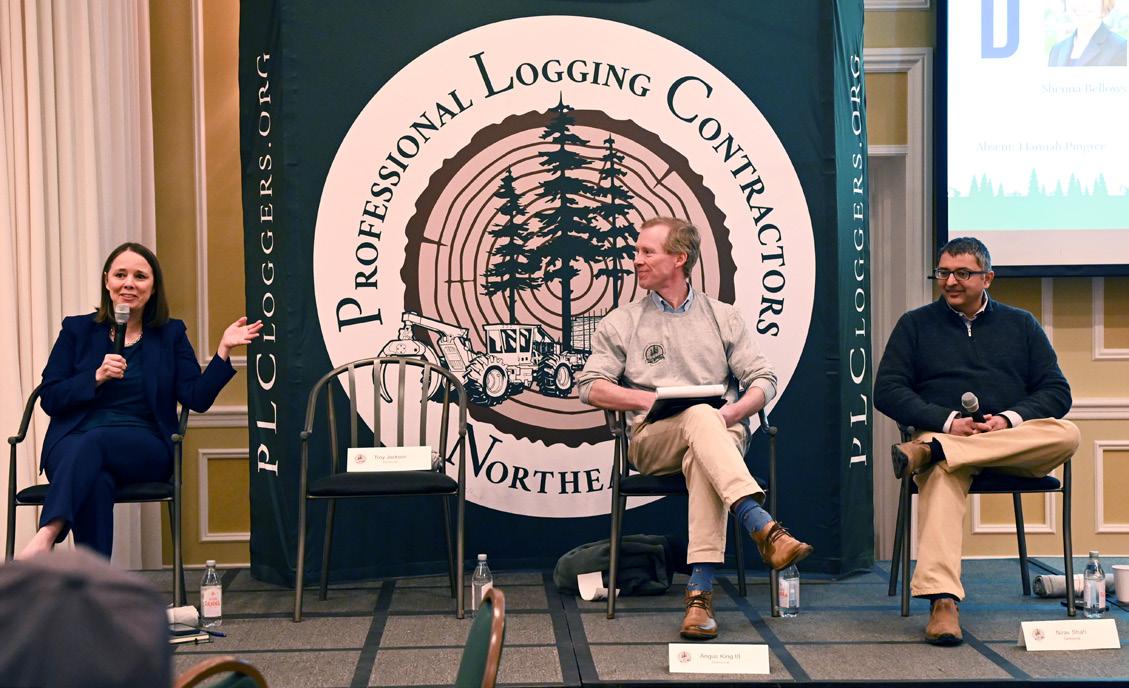
Photos: Middle left, Democratic candidates onstage, from left to right, Shenna Bellows, Angus King Jr., and Nirav Shah.
Middle right, Maine State Sen. Brad Farrin, at left, speaking to Independent candidate Rick Bennett at left.
The PLC would like to thank all the candidates who attended our panel discussions on the morning of May 8th!
Republican candidates onstage, from left to right, Jonathan Bush, Bobby Charles, David Jones, Garrett Mason, Owen McCarthy, and Ben Midgley.
Dinner and Auction
to benefit CMN hospitals. Last year the PLC raised a record $292,746 by the end of 2025 for the cause from its annual auction and two Log A Load golf tournaments, which are held in Augusta and September.
The PLC partners with the Barbara Bush Children’s Hospital (BBCH) and Northern Light Health Foundation in Maine for its annual Log A Load fund drive and the University of Vermont Children’s Hospital in Burlington, Vermont as well.
The PLC and the Northern Light Health Foundation
(formerly Eastern Maine Health Systems Foundation) have partnered in the Log A Load fund-raising effort since 1996. BBCH joined the Log A Load effort in 2019 and all donations have gone to support research and training, purchase equipment, and pay for uncompensated care, all in support of the mission to save and improve the lives of as many children as possible.
BBCH and Northern Light in Bangor both have Neonatal Intensive Care Units that have received support for years
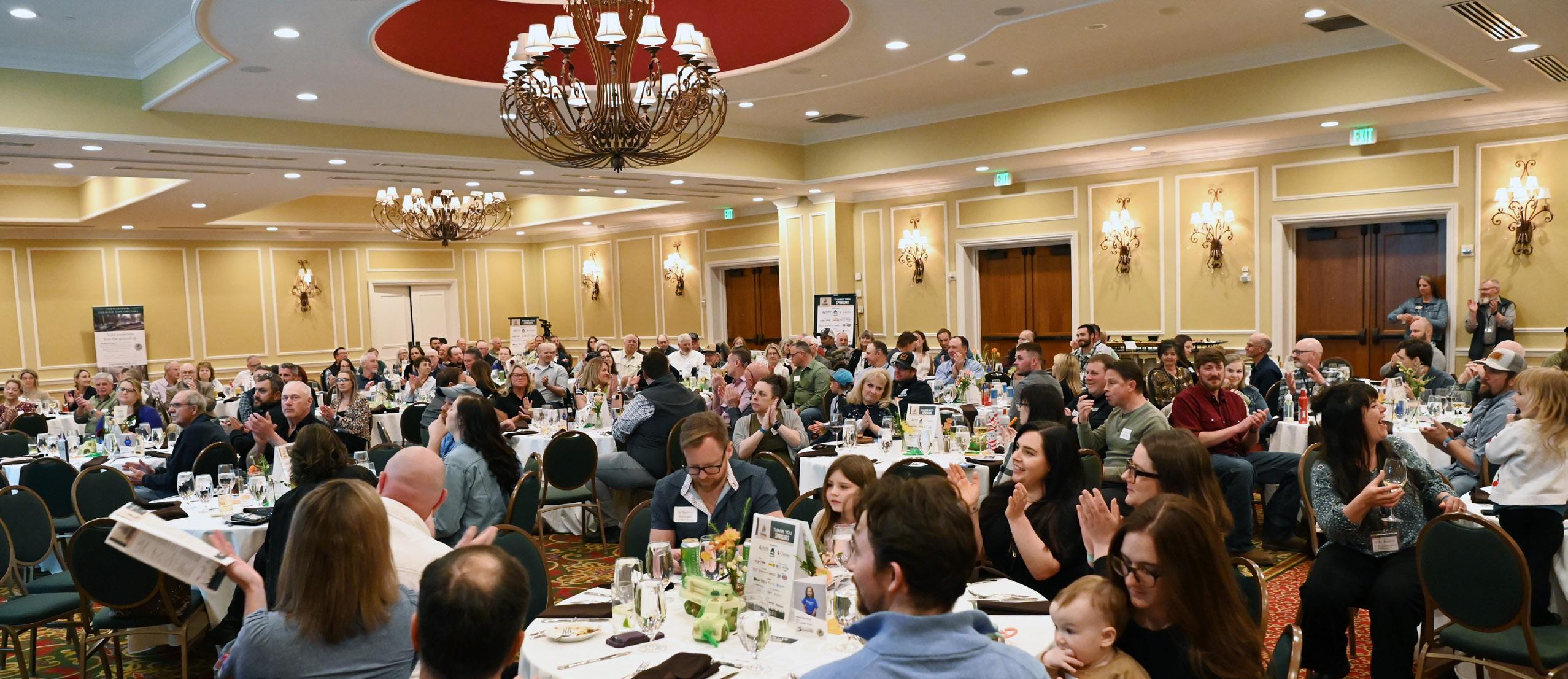
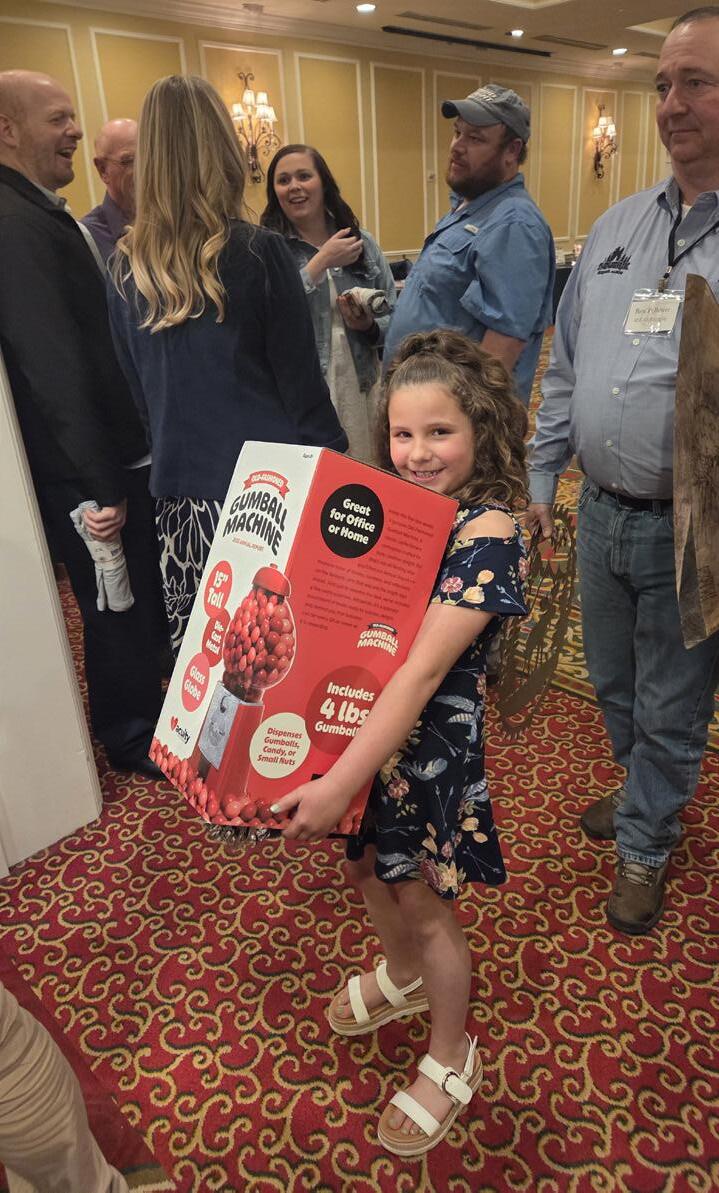
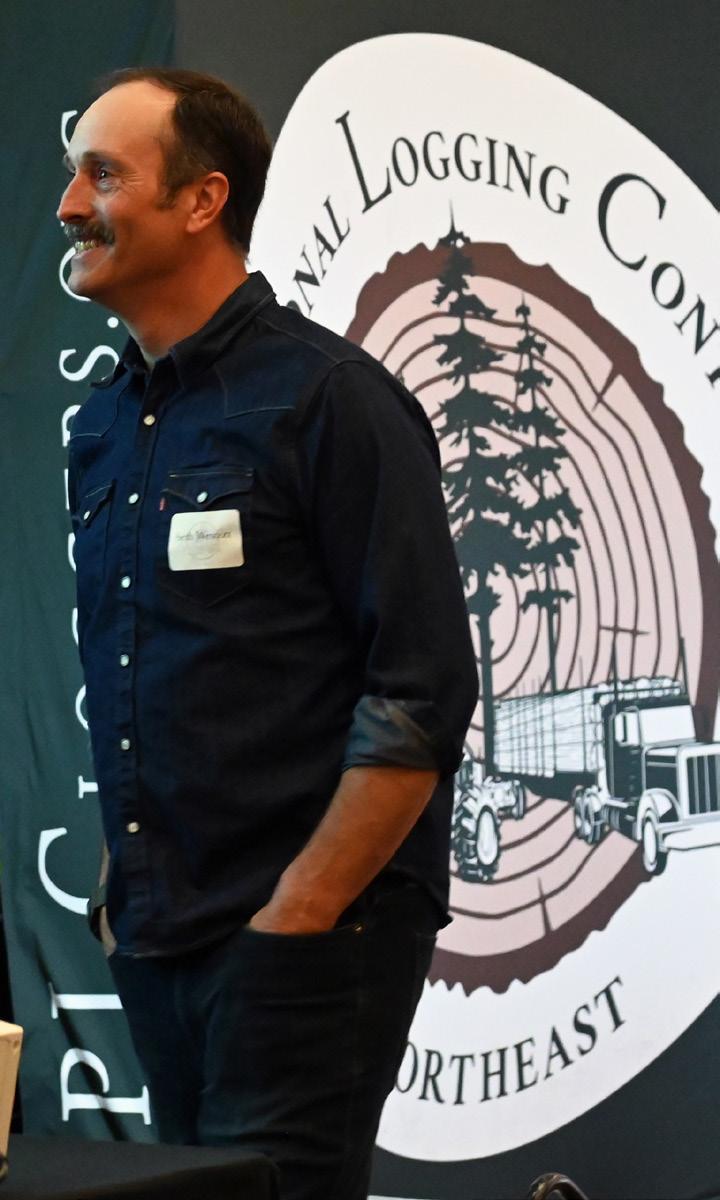
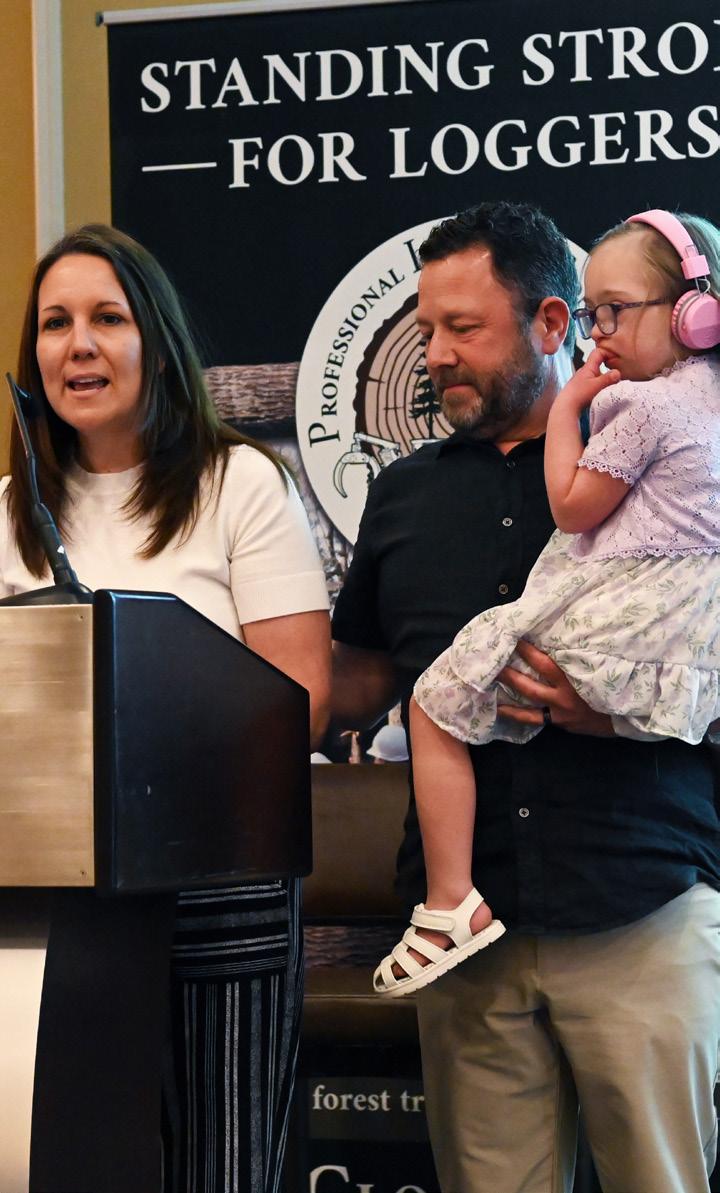
Photos: Top, the pre-dinner crowd; bottom, left to right, a popular silent auction item and its new owner; PLC's special guest, two-time Olympic gold medalist Seth Wescott; Northern Light Eastern Maine Medical Center Miracle Child Caroline Boardman and her family onstage before the auction.
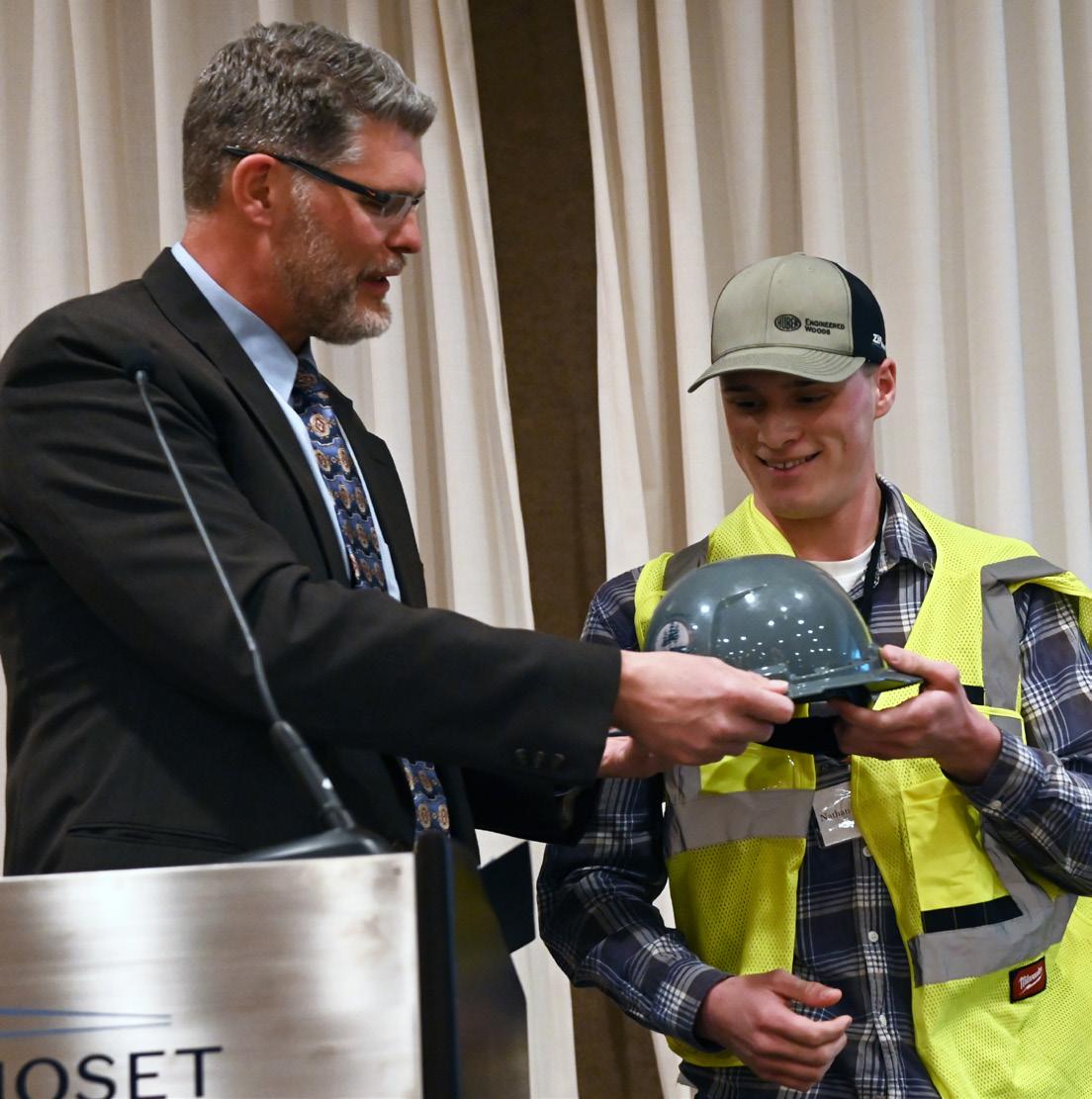
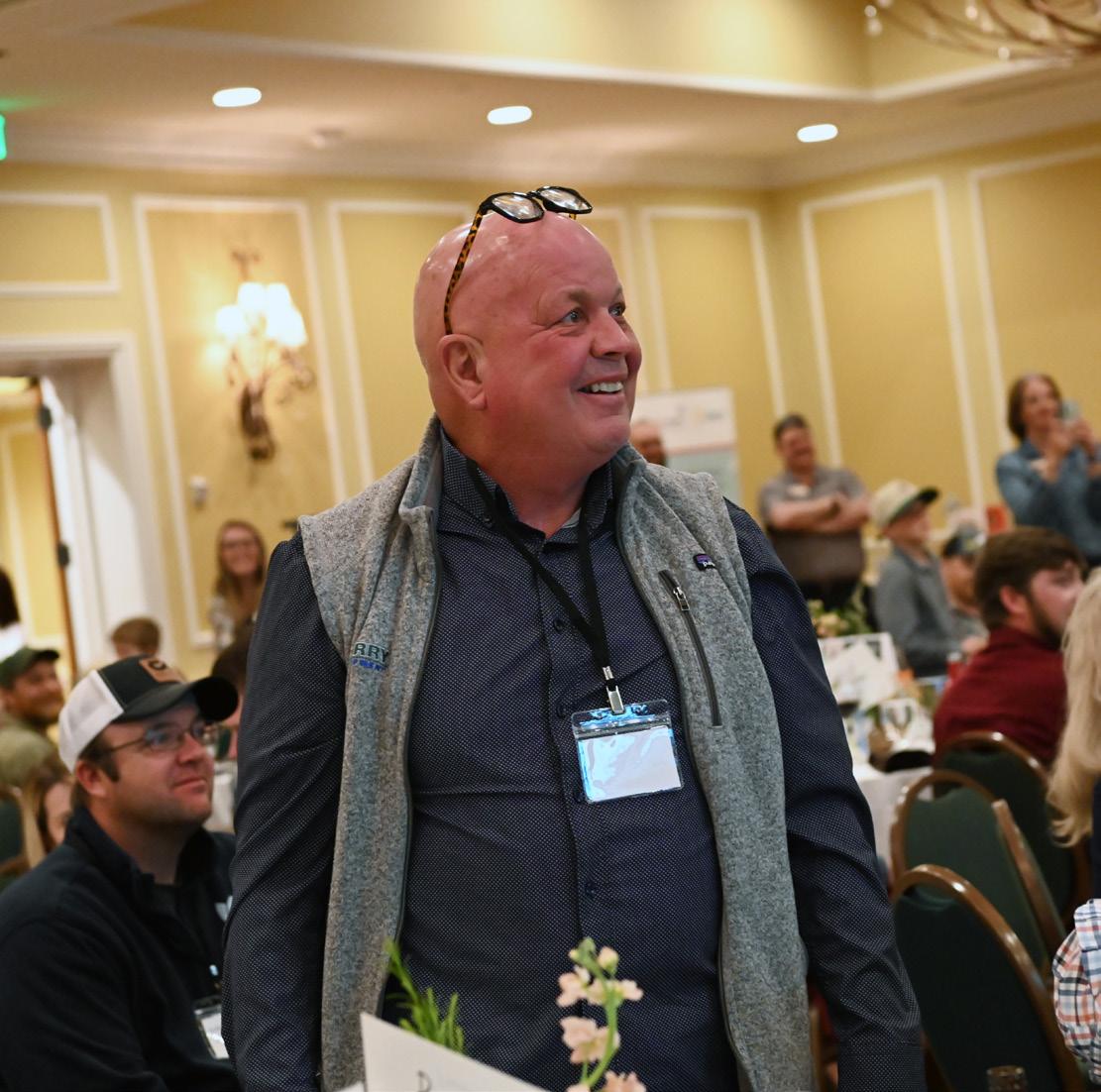
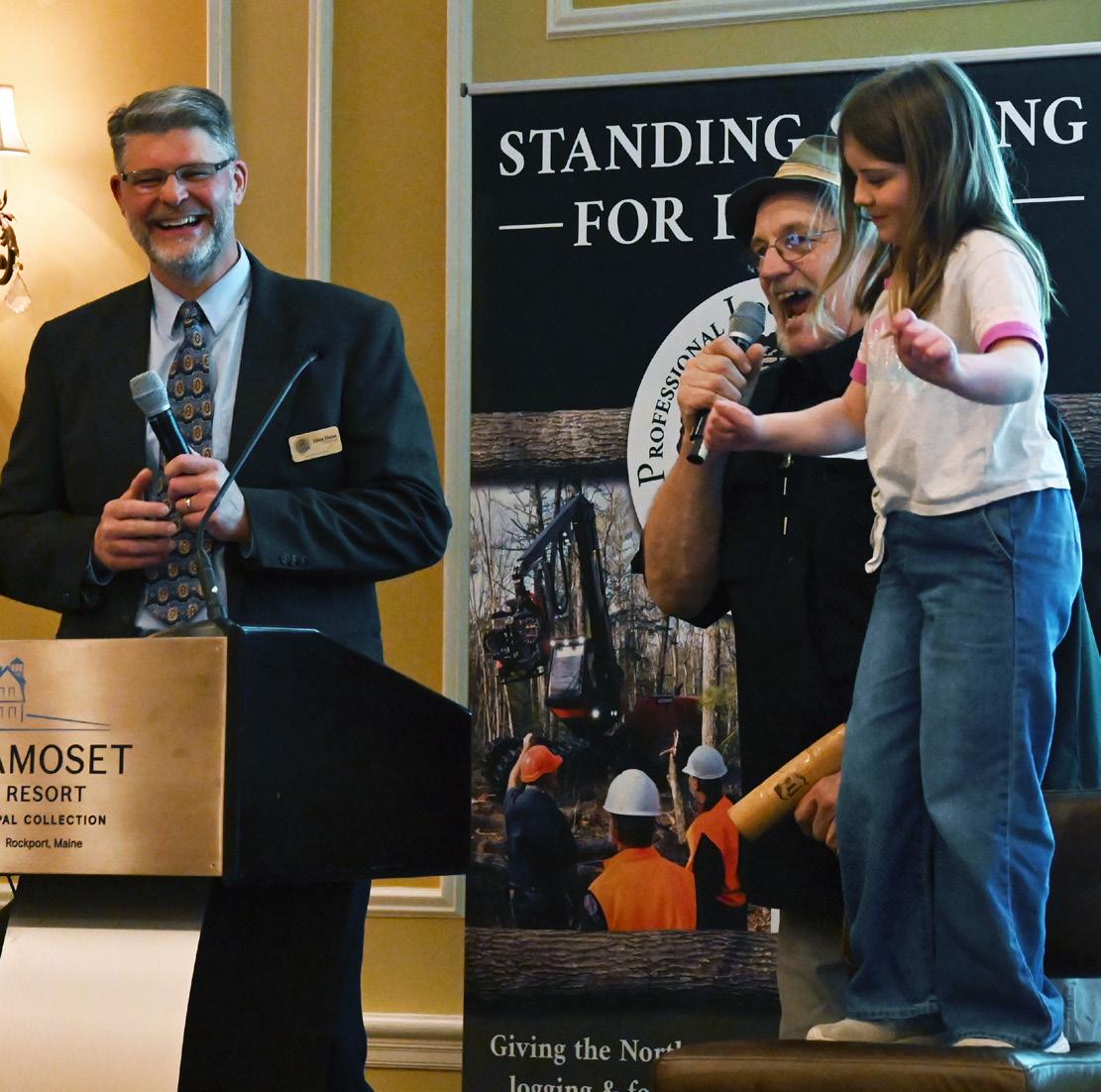
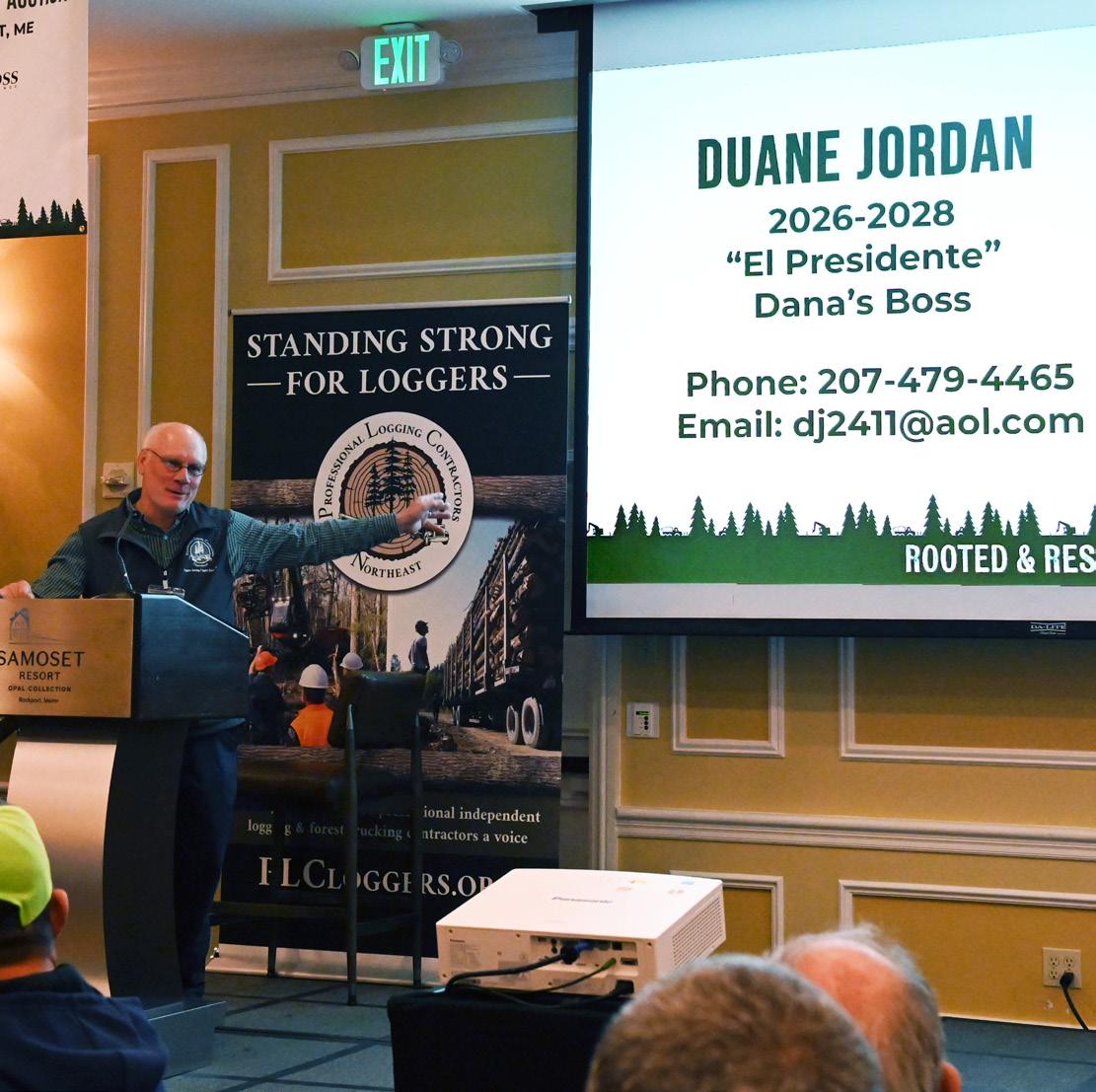
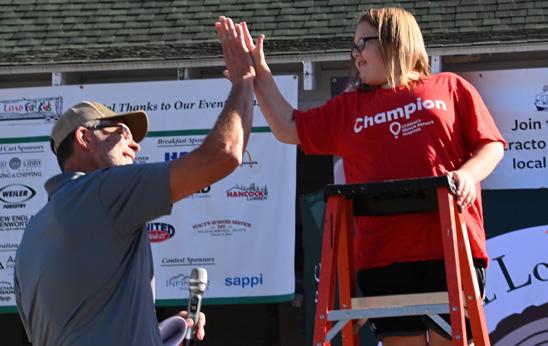
Photos: Top left, PLC Executive Director Dana Doran, at left, onstage with Nathan Castonguay, a student from Fort Kent, after a screening of Nathan's film on logging in Maine's North Woods; top right, Mike Conway of Barry Equipment during the auction; bottom left, Dana Doran and auctioneer Scott Hanington onstage with Stella Axelson, a Barbara Bush Children's Hospital Champion Child, during the auction; bottom right, new PLC President Duane Jordan of Elliott Jordan & Son, Inc.of Waltham, Maine shortly after accepting the gavel from outgoing PLC President Chuck Ames. Thank you, Duane for taking on this responsibility and thank you, Chuck for your service to the PLC!
from the PLC’s Log A Load efforts. The University of Vermont Children’s Hospital, a regional referral center for most critically ill or injured pediatric patients houses a Level 3 neonatal intensive care unit, a pediatric intensive care unit and a wide range of pediatric specialties and sub-specialties. It became a partner with PLC’s Log A Load efforts in 2024.
For more on PLC Award winners turn to page 22!
-PRESENTING-

-LUNCH- -DINNER-
-SOCIAL & AUCTION-

-GIFT BAG- -TSHIRT-


-AWARDS-



-MORNING MEETING- -THURSDAY RECEPTION-


-BREAKFAST-


2026 Maine Logging Contractor of the Year T. Condon Timber Harvesting
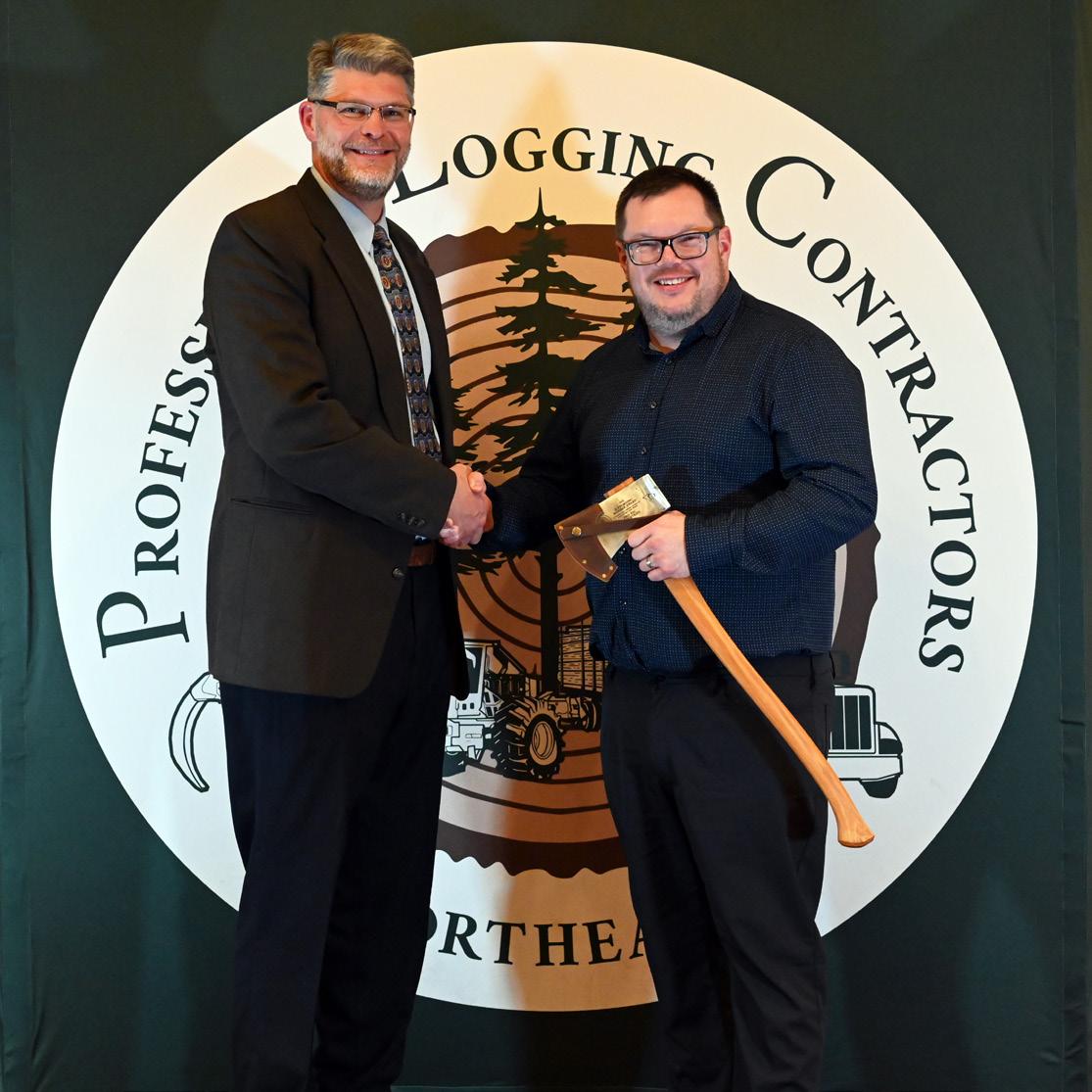
The PLC Logging Contractor of the Year awards recognize PLC Logging Contractors in Maine and Vermont for their commitment to the sustainability of the industry and logging as a profession. This year, PLC Executive Director Dana Doran conveyed the Maine award to T. Condon Timber Harvesting of Ashland, owned by Troy Condon. Dana’s remarks are below.
"T. Condon Timber Harvesting is Master Logger Certified and its owner, Troy Condon, has been working in and around the woods business his entire life. Logging is certainly in his blood - many here knew his late father, Chester “Ted” Condon, or “Telos Ted,” who was Great Northern’s very first feller buncher operator, later became foreman of their Telos Camp until it closed in 1991, and worked for many years after that with PLC Member WT. Gardner.
Troy was immersed in logging from the very beginning— spending summers at Telos Camp from the time he was eight years old, riding through the operations, and developing a love of logging equipment. He knew from an early age that he wanted to be in the business and completed two years in the Forestry program at Ashland Community High School in preparation. At 19, he spent the summer cutting by hand for his uncles before pursuing a Forestry degree at the University of Maine at Fort Kent (UMFK). While attending UMFK in 1990, he worked alongside his grandfather, operating a chainsaw and skidder—an experience that not only taught him the physical side of logging, but also instilled a lasting appreciation for the generational traditions of the trade.
By 1992, Troy had grown into a leadership role as a foreman, a position he held for five years. He transitioned in 1997 to operating a feller buncher for former PLC Member, Nadeau Logging, working on Seven Islands Land Company-managed property.
In 2007, Troy went out on his own and founded T. Condon Timber Harvesting, purchasing his first feller buncher. By 2013, he had expanded operations by adding a second feller buncher and began working for Irving Woodlands while continuing work on Seven Islands lands. In 2021, T. Condon Timber Harvesting became a full-service contractor for LandVest. Two years later, in 2023, Troy returned to Seven Islands—this time as a contractor.
Today, T. Condon Timber Harvesting is a full-service logging company employing two full-time workers and one part-time worker in addition to Troy himself. He credits his
long-term crew members — who have been with him since 2020—as essential to the company’s success. He emphasizes that their dedication, dependability, and skill are just as vital to the business as his own leadership.
If you know Troy, you know how much he still loves logging despite the challenges everyone is facing. He joined the PLC to be part of the fight for the industry’s future and he has stepped up consistently ever since then. Troy is very supportive of the efforts of the PLC and positive promotion of logging to the public. He has attended our legislative meetings in the County, provides testimony on bills at the legislature, and supports Log a Load year after year.
Troy’s work on behalf of the logging industry is not limited to the PLC. He serves on the board of the Ashland Logging Museum, and advocates frequently for the profession whenever he is given the chance. Troy has also mentored students from Ashland District School—one now graduating from the University of Maine’s engineering program and another joining his crew after graduation.
This industry and this organization are built on experience, mentorship, and a passion for logging. It is members like Troy who go above and beyond to ensure the industry has a future. Congratulations to Troy and T. Condon Timber Harvesting on winning the 2026 PLC Contractor of the Year for Maine."
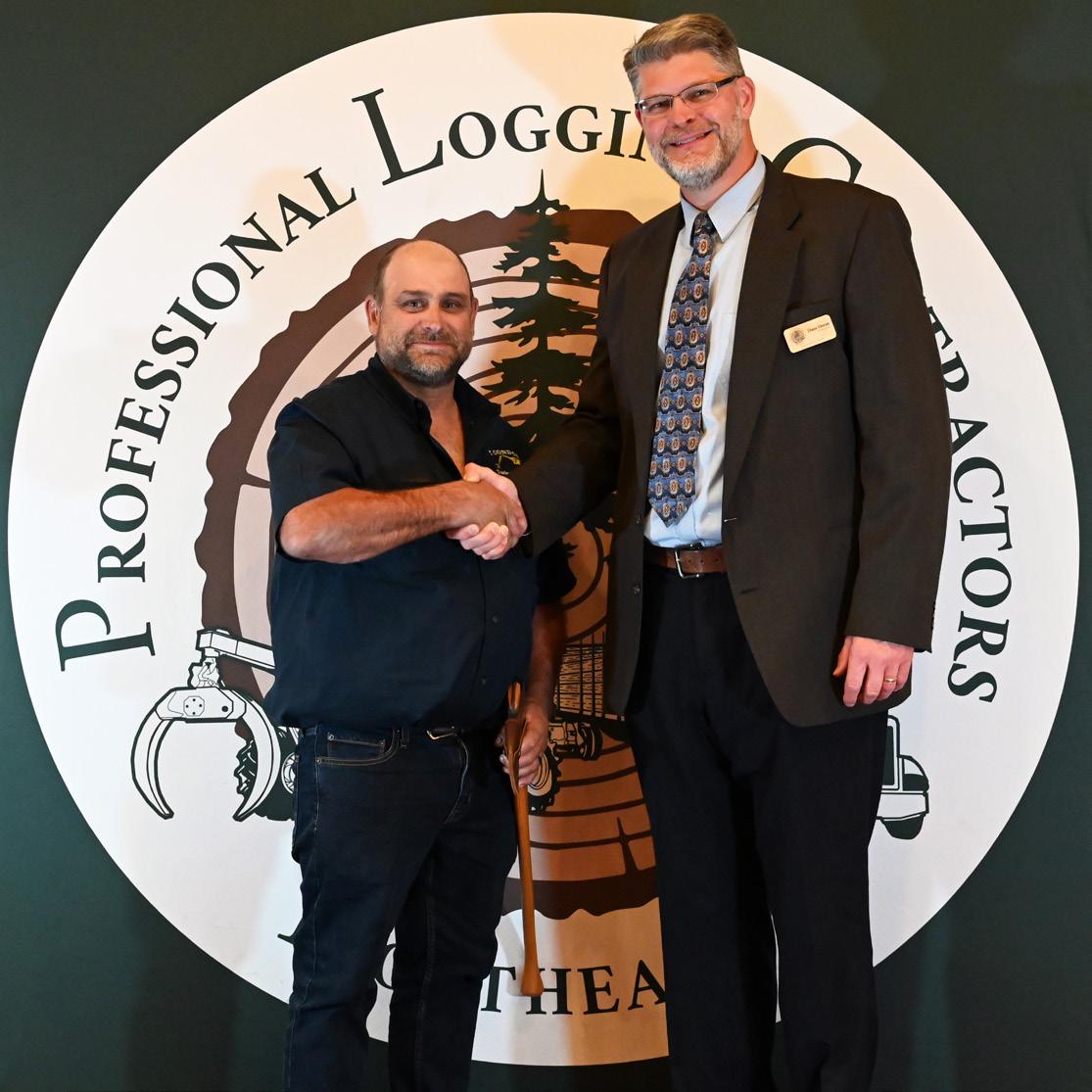
Troy Condon, at left, and PLC Executive Director Dana Doran.
2026 Vermont Logging Contractor of the Year Southwind Forestry
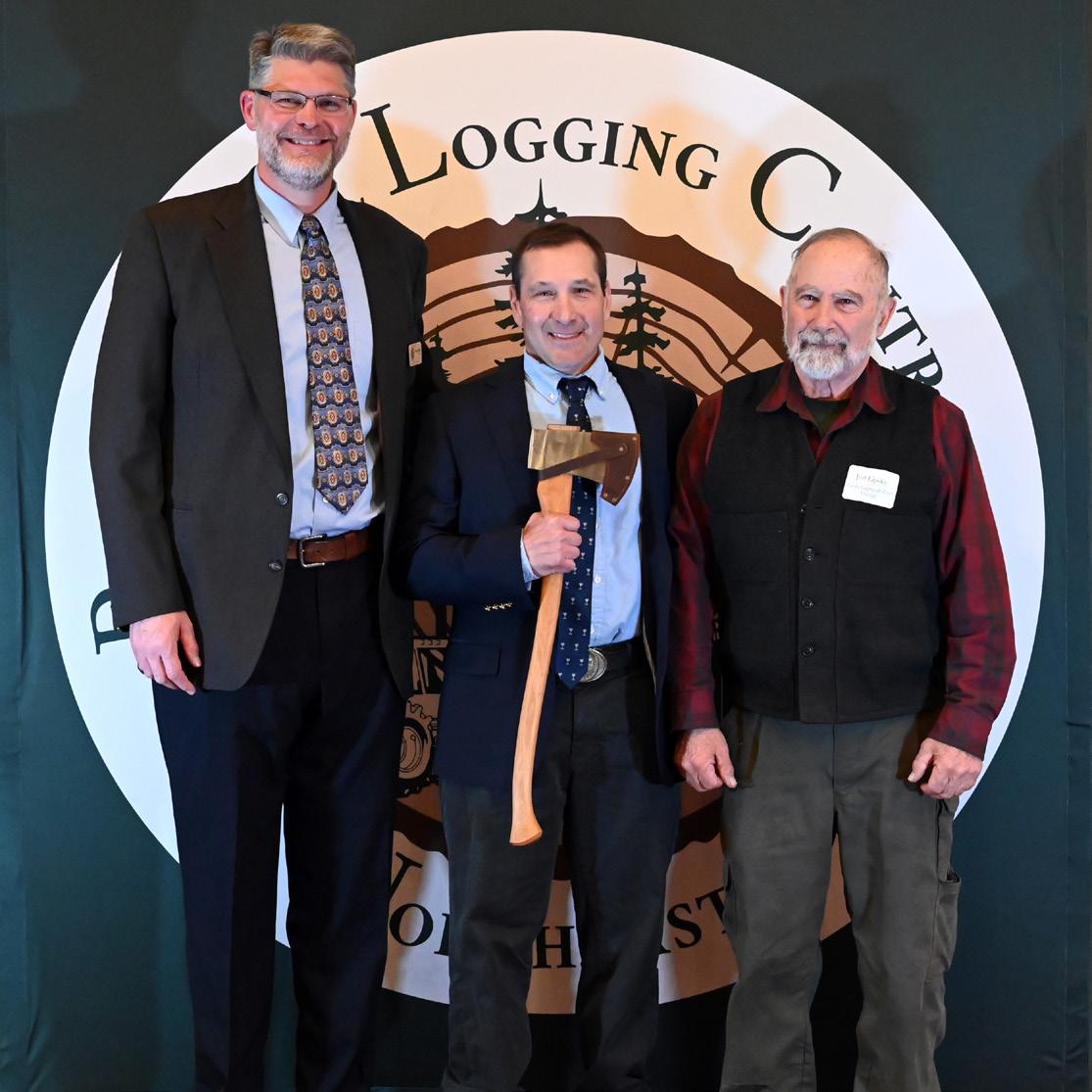
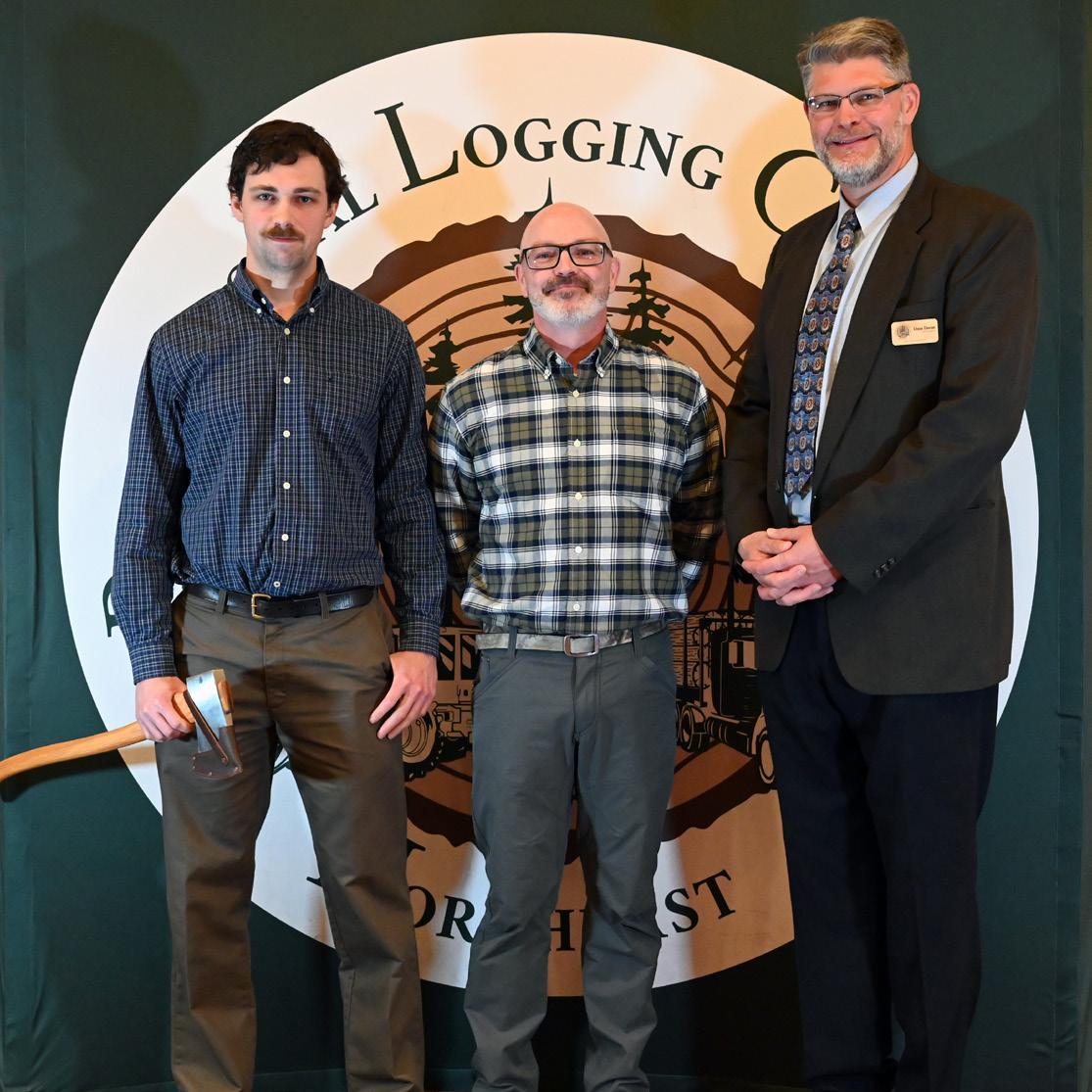
The PLC Logging Contractor of the Year awards recognize PLC Logging Contractors in Maine and Vermont for their commitment to the sustainability of the industry and logging as a profession. This year PLC’s 2025 Vermont winner, Jed Lipsky, conveyed the Vermont award to Southwind Forestry of Pawlet, Vermont, owned by Gabe Russo. Jed’s remarks are below.
"Gabe is one of a kind and he is well known and respected in Vermont logging circles, and not just because he sometimes shows up on logging jobs in an old Saab. He grew up on a dairy farm and while the rest of his family stayed in that business, Gabe was always drawn to the woods. His grandfather loved chopping wood and Gabe followed his example in his teens before heading off to the University of Vermont to study forestry. While there, he wrote a business plan. By the time he graduated in 2000, he had launched Southwind Forestry with only his dog Boudreau Lee as a partner.
Gabe went mechanized in 2008 and today, 26 years after he started the company, he is still logging with his cut-to length operation and one employee, providing full-service forestry services managing and cutting timberland. His company is Master Logger Certified, and he still loves logging as much as anyone in this room.
We’re recognizing Gabe tonight because he was one of the first to step up when efforts to expand the PLC to Vermont began, and he has continued to step up in the years since that expansion took place despite machine breakdowns, health issues, and all the other challenges those of us who have been in the logging industry for decades face on a daily basis. Gabe has worked to build the membership, has participated on the Vermont Steering Committee since it began, and has regularly volunteered to assist at PLC events. He’s there when we need him, and it is loggers like Gabe who find the time and energy to help even after long days in the woods that really make the PLC a success.
PLC Board Member Sam Lincoln said, “Gabe's approach to the work of being a logger has always been professional and forward thinking. Even through tough times, he stays positive in his outlook and is always seeking a way forward. Gabe has been a quiet and effective leader in the expansion of PLC into Vermont. He was the first logger I knew that said out loud that we needed a logger-driven organization in Vermont, which really advanced the conversations with PLC. He has called loggers from one end of the state to the other to recruit them to PLC events and engaged with elected officials to advocate for pro-logger policy changes at
all levels of government. He regularly attends PLC steering committee meetings and you usually have to pry an opinion out of him, but his no-nonsense approach always gives us a good bearing to follow.”
PLC Board Member Dakota Harvey is another who said, “He may prefer behind the scenes but his work does not go unnoticed and we couldn’t have done it without him!”
Gabe, without loggers like you the PLC might not be in Vermont at all. We are glad you got involved and have stayed involved, and it is pleasure to present you with the PLC’s 2026 Logging Contractor of the Year Award for Vermont."
PLC Executive Director Dana Doran, at left, Gabe Russo, middle, and Jed Lipsky, right.
T2026 PLC President's Award
Peter Collins
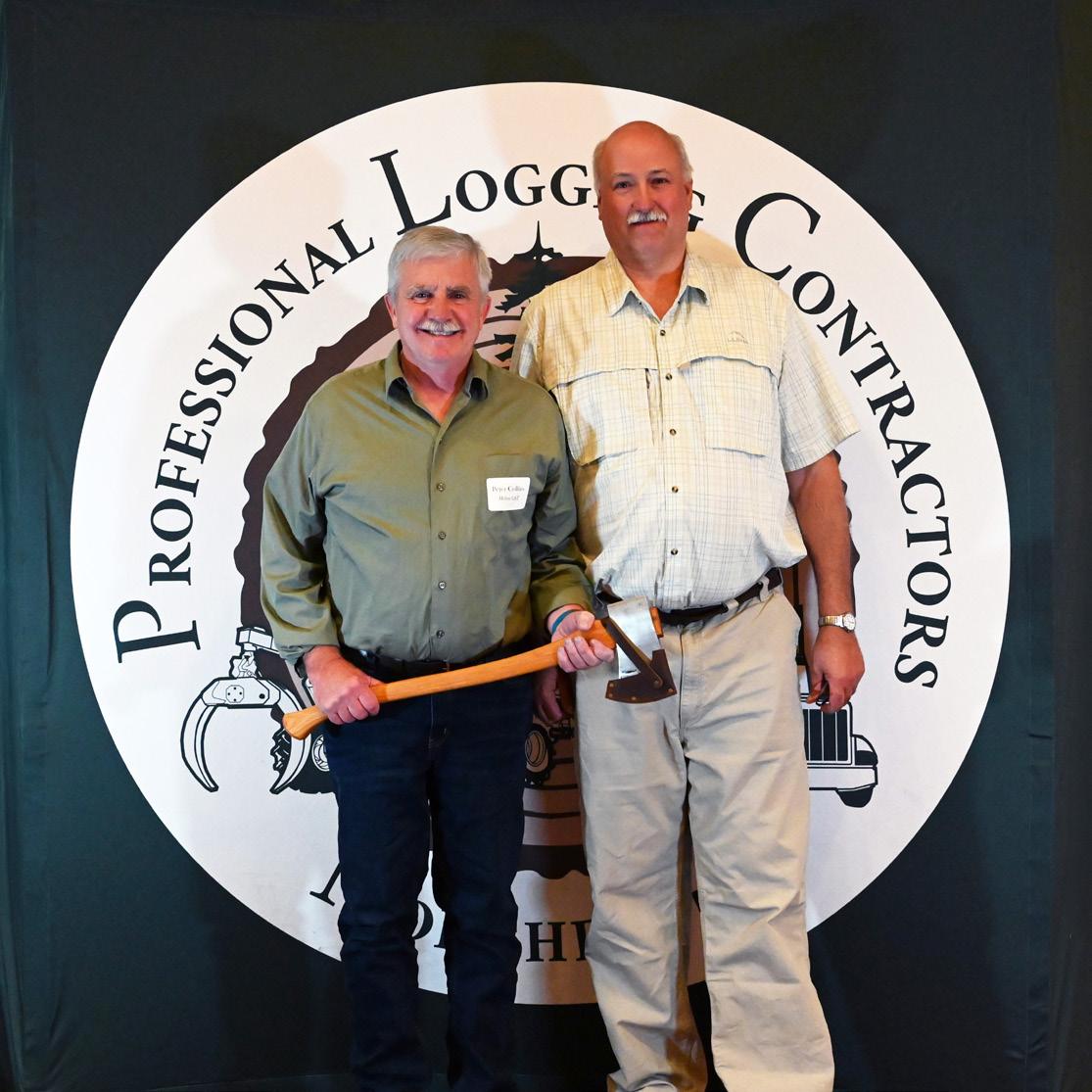
he PLC President’s Award is a discretionary award that is given by the current PLC President to recognize an individual or business that has had a major impact on the PLC and the logging industry in the Northeast. Outgoing PLC President Chuck Ames conveyed the award this year to Peter Collins, Sales Manager for Milton CAT Forestry. Chuck’s remarks are below.
“Even if you don’t run equipment from Milton CAT on your jobs, chances are you know or have heard of Peter. He has been part of this industry for more than four decades and we have been very fortunate to have him.
Peter grew up from away in New Hampshire, came to Maine for college and is still a flatlander, but we won’t hold that against him. From a young age he loved spending time in the woods.
Peter’s early work included working for the U.S. Forest Service Youth Conservation Corp in New Hampshire and as a self-employed logger during college in the summers. He was also a park ranger in Vermont, and worked for the State of New Hampshire’s forest service. But it was in 1982 that he began working for JordanMilton, later to become Milton-CAT, and for the last 45 years he has remained there in a myriad of roles rising to his current position as the Forestry Sales Manager.
His job has taken Peter all over the world to at least 10 countries and 40 states, but it has been right here in the Northeast that he has had the biggest impact, working with generations of loggers including founding members of the PLC. Peter ensured that Milton CAT was one of the first supporting members to join the PLC, and he and Milton CAT were also key to creation of the MLOFT program.
Donald Burr, who runs our MLOFT Program, said "Peter Collins and CAT have been staunch supporters of MLOFT. He and his team are committed to being part of MLOFT. I am very thankful to be working with him."
Over the years, Milton CAT has sponsored PLC events and programs, donated items and financial support to causes including Log A Load, and Peter has personally shown up too many times to count to volunteer at our golf tournaments, visit our training program, and lend
his support.
When you talk to Peter you quickly find out how much he appreciates the long hours and hard work loggers put in. He has brought that appreciation into his role as a strong advocate for logging and forestry in New England, and has served or still serves on boards including the New Hampshire Timberland Owners Association, the Maine Forest & Logging Museum in Bradley Maine, and the Northeastern Loggers Association in Old Forge, New York.
Peter still owns a skidder and a tractor with a winch and together with his wife Bonnie, manages their own mostly forested properties including 3 Maine Tree Farms.
Peter is proudly 100 percent Irish, 100 percent a Bruins and Patriots fan, 100 percent an outdoorsman who has climbed every 4,000 foot mountain in New England, and he is 100 percent our choice for the President’s Award for 2026. Thank you, Peter, for all you do, and congratulations.”
Peter Collins, at left, and PLC Past President Chuck Ames, at right.
I2026 Community Service Award TNT Road Company Inc.
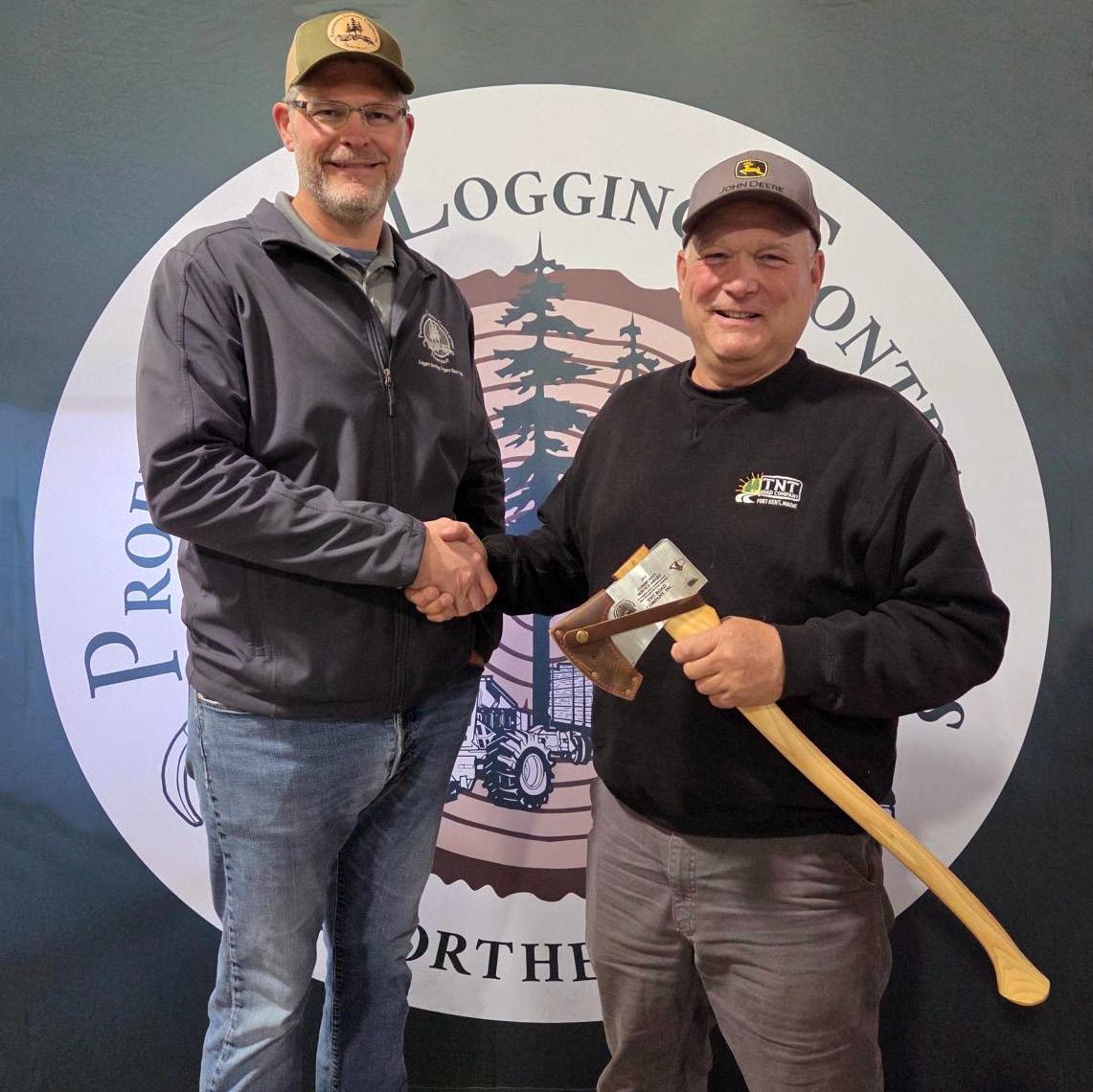
n 2015, the PLC started a new tradition by presenting a Community Service Award. This award is given annually to a PLC member, Supporting Member or affiliated organization that has demonstrated a significant commitment to giving back to their community. This year, PLC Executive Director Dana Doran conveyed the award to TNT Road Company Inc. of Fort Kent, Maine. Dana’s remarks are below.
"TNT getting this award should be no surprise to anyone who knows the company.
Steve Theriault has run TNT with his wife, Terry, since his father’s retirement more than a decade ago, and the couple have taken the company from its roots in woods trucking to its status today as a Master Logger certified logging company that offers an example of professionalism that is a credit to our industry.
TNT has been an asset to the industry and to Aroostook County since their beginning, stepping up when we need help with PLC events, legislative efforts, and initiatives, and hosting Safety and Fleet trainings whenever we ask. But the Community Service Award is not about that, it is given to companies that go above and beyond for their communities, and we cannot think of a better example than TNT.
Beth Malmborg, who nominated TNT for this award, said, “I work in the office for this company, and not once have I heard Steve or Terry say no to a donation. Whether it’s the local ski organizations, the school booster club, scholarships for employees with graduating children, pageants, the senior citizens center, the hospital, churches, Can-Am, the Lion’s Club—the list truly goes on and on. This company supports just about anyone and anything in our community and always has. In addition to financial contributions, they also make a strong effort to keep work and shopping local whenever possible, choosing local businesses and shops for parts and services.”
Beth is far from the only one to speak highly of TNT and we know from our long relationship with so many companies in the Fort Kent region just how valued and important this company is to that
community on so many levels.
At the end of the day, the PLC’s Community Service Award goes to good companies run by good people who do not seek attention or credit for themselves.
TNT and the Theriaults certainly fit that bill, and it is my pleasure to congratulate them as the recipients of the award this year."
PLC Executive Director Dana Doran, at left, and Steve Theriault, at right.
2026 PLC Supporting Member of the Year Pro Pac Industries
The PLC Supporting Member of the Year Award is presented annually to a PLC Supporting Member who has demonstrated an unprecedented commitment to the organization and our members. PLC Executive Director Dana Doran conveyed the award this year to PLC Preferred Supporting Member Pro Pac Industries. Dana’s remarks are below.
"As you all know, the Carrier family needs no introduction in the business world of the Northeast. The family left Canada to pursue opportunities in logging, trucking and other industries in the U.S. decades ago, eventually founding successful companies from Connecticut to Maine.
Those businesses have thrived, but it was years before a Carrier returned to Canada to found a business. That business was Pro Pac Industries.
Our friend Mario Carrier was already a successful businessman and owner of Jackman Equipment Inc. when he founded Pro Pac in 1985 after an unexpected opportunity. While having delimbers built by CB Delimber, the company went bankrupt just before completing his first machine. With a buyer already lined up, Mario purchased the nearly finished unit from the bank and sold it. Seeing potential, he partnered with his brothers, Noel and Jake, to acquire the failed company’s assets and intellectual property, launching Pro Pac (“Professional Package”) as a delimber manufacturing business.
Pro Pac went on to play a key role in the rapid expansion and dominance of mechanized logging equipment in the Northeast. Run today by Mario’s son, Dave, the company continues to offer high quality delimbers, slashers, felling heads and grapples, and it has established a reputation for service and durability.
Recognition for Pro Pac and its support of the PLC is long overdue. From the very beginning the company has stepped up to support PLC events, initiatives, and programs. You will find the Pro Pac logo on PLC banners as a sponsor, and their name on donations to support PLC fund raisers including Log A Load for Kids.
Pro Pac has over the years also offered its support
in other ways, including Dave volunteering his time to lead training programs during PLC’s Annual Spring Safety Training series.
Pro Pac has also been a major asset and supporter of our MLOFT training program, donating both equipment, training and support over the years.
Donald Burr, who runs the MLOFT program, said, “Dave always takes my calls when we have questions. He has reached out to me to ask about my thoughts on the Pro-Pac design. I cannot prove it, but I believe he is in the background working for MLOFT with industry partners. Dave and Pro Pac have had a profound impact on MLOFT.”
Pro Pac has also had a profound impact on our industry and on this organization. We’d like to thank Dave, Mario, and Jason for all they’ve done for the PLC over the years, and to congratulate Pro Pac on a long overdue award, the PLC’s 2026 Supporting Member of the Year Award."
PLC Executive Director Dana Doran, at left and Dave Carrier, at right.
2026 PLC Impact Award
Vermont Department of Forests, Parks and Recreation
The PLC recognizes persons or organizations from the public sector who have demonstrated a commitment to the logging industry and made a significant impact for its improvement. This year, after a three year hiatus, PLC Executive Director Dana Doran conveyed the award to The Vermont Department of Forests, Parks and Recreation. Dana’s remarks are below.
"As you all know, in 2023 the PLC expanded to Vermont. Two and a half years later we have 34 members in the state, have held multiple safety trainings and workshops there, have achieved legislative wins at the state house in Montpelier, have hosted logger gatherings for legislators and prospective members, conducted harvest tours for public officials, and have just returned from our most successful Vermont Logger Expo event yet. Vermont is an area of growth for the PLC, but our story there could have been very different without the partnership of the Vermont Department of Forests, Parks and Recreation.
Loggers and state forestry departments do not always see eye to eye, and disagreements are natural, but when they can work together to achieve better results for both the forests and the industry, such partnerships are invaluable.
From the very beginning of our time in the Green Mountain State, Vermont FPR has been willing to work with us and dealt with the PLC professionally and fairly. Instead of an adversary, the department has become an asset.
Thanks to this relationship between the department and the PLC, Vermont loggers now have access to a grant-funded cost-share program at FPR to help them implement proactive water quality protection and climate adaptation practices on their harvest sites. They can take advantage of a program offering low interest loans for logging equipment. The department also worked with us closely to secure logger relief funds from the USDA for flood impacts. FPR was key to offering a new cost-share opportunity for loggers wanting to achieve Master Logger Certification in the state. Commisioner Danielle Fitko and State Forester Oliver Pierson have been great to work with on everything from our recent economic impact study to
our efforts to ensure loggers’ interests are represented in the Vermont Forest Future Strategic Roadmap plan. Our story could have been very different in Vermont if not for this relationship. The PLC is just getting started in Vermont, and we have a lot more planned there. We are grateful for the great working partnership with Vermont FPR and looking forward to it continuing in the future. I am pleased to present the Vermont Department of Forests, Parks, and Recreation with the 2026 PLC Impact Award."
Silas Rainville, at left and Rick Dyer, center, both Vermont FPR foresters, with PLC Executive Director Dana Doran, at right.
2026 Master Logger Supporter's Award

ENew York Watershed Agricultural Council
ach year, the Master Logger Certification Program® (MLCP) presents its Supporter's Award to an organization that goes above and beyond to support and promote the MLCP. On May 8, the program was proud to recognize the New York Watershed Agricultural Council (WAC) as the recipient of the 2026 award.
The Council’s support has been meaningful and significant. They are helping reduce barriers to certification for contractors that work in their region by offering 75% cost share for certification fees, and they are increasing support for Best Management Practices (BMP) implementation projects (see page 2 for more).
That kind of investment sends a clear message: that professionalism in logging matters, and that it’s worth supporting.
Representatives of WAC were unable to attend the 31st Annual Meeting of the Professional Logging Contractors of the Northeast on May 8 where the award was presented, but Heather Hilson, their Forestry Program Outreach Specialist, did send along remarks, which we’d like to share:
“Thank you so much. On behalf of the Watershed Agricultural Council, please accept our sincerest gratitude for the Master Logger e Supporter Award. While our partnership with the Master Logger Certification Program is still in the early stages, we are excited to see this partnership grow as we continue to work together to support the logging community.
We share Master Logger’s vision for an elite and safer workforce, a more vibrant logging economy, and a future where loggers are recognized for their vital role in healthy and sustainable forests.
This partnership is a natural alignment of our values.
• We are both committed to protecting working forests and water quality during logging.
• We both recognize safety and education as critical mission components.
• We both don't just want 'working landscapes'; we want economically thriving logging businesses.
• We both seek to elevate the status of loggers in the eyes of the public through certification and recognition.
We want to thank the MLCP for this recognition, but more importantly, we want to thank the loggers we work with every day. They are the ones out there in all conditions, acting as the true backbone of this industry. They keep our forests healthy and our economy moving, and their dedication is admirable and the reason we do this work.
Thank you for this incredible honor. We look forward to developing this partnership further and continuing to stand behind the professionals who ensure sustainable forests and good water quality on our lands now, and for future generations.
Please accept our heartfelt thanks."
This partnership the Master Logger program has with the New York WAC reflects something important - our program doesn’t exist in isolation. It grows stronger when organizations with shared values step forward – when we align around safety, stewardship, and the long-term viability of the logging profession.
Congratulations to the New York WAC, this year’s recipient of the Master Logger Supporter’s Award.
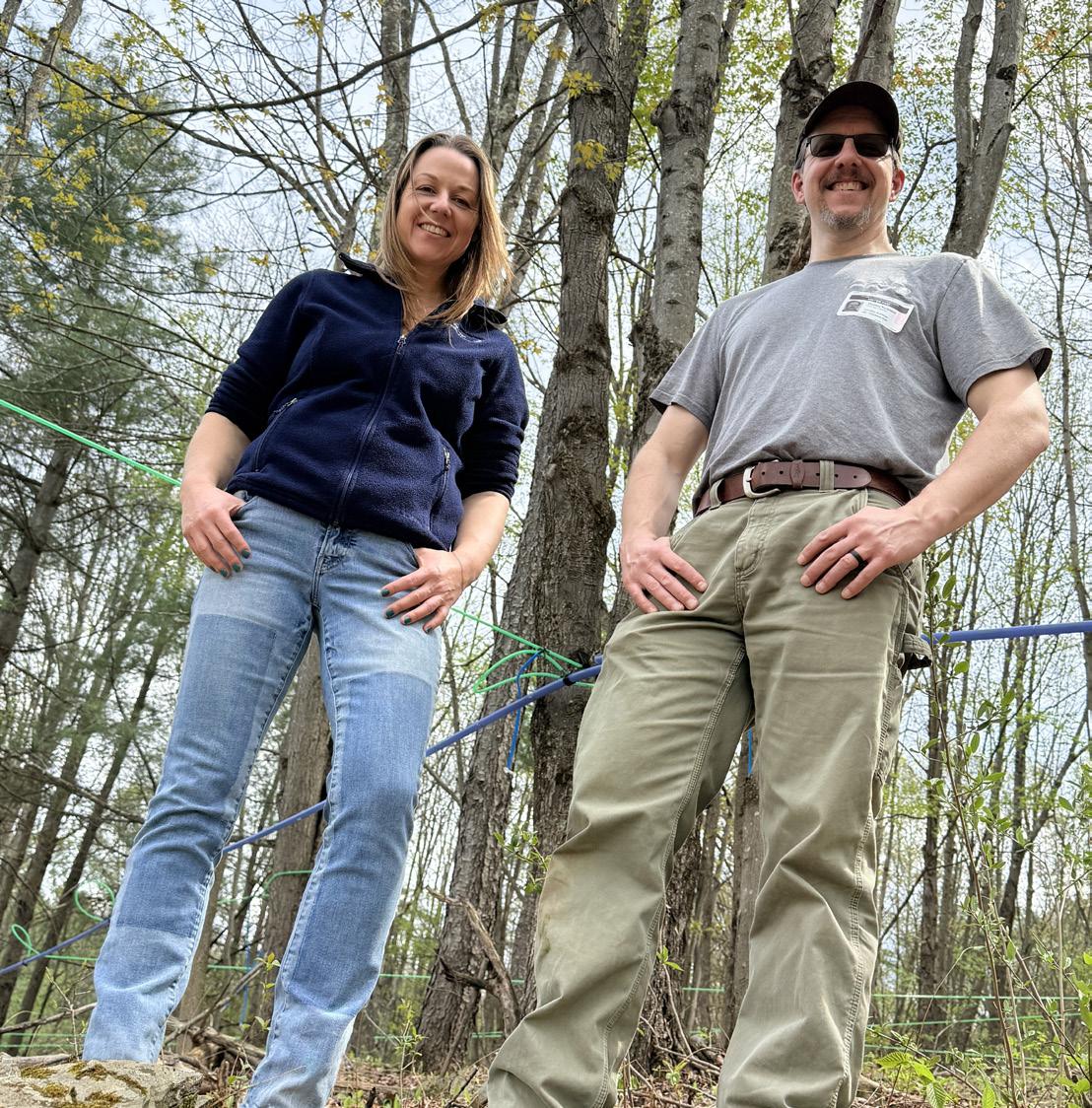
Heather Hilson and Tom Pavlesich of the New York Watershed Agricultural Council
2026 Acadia Insurance Award
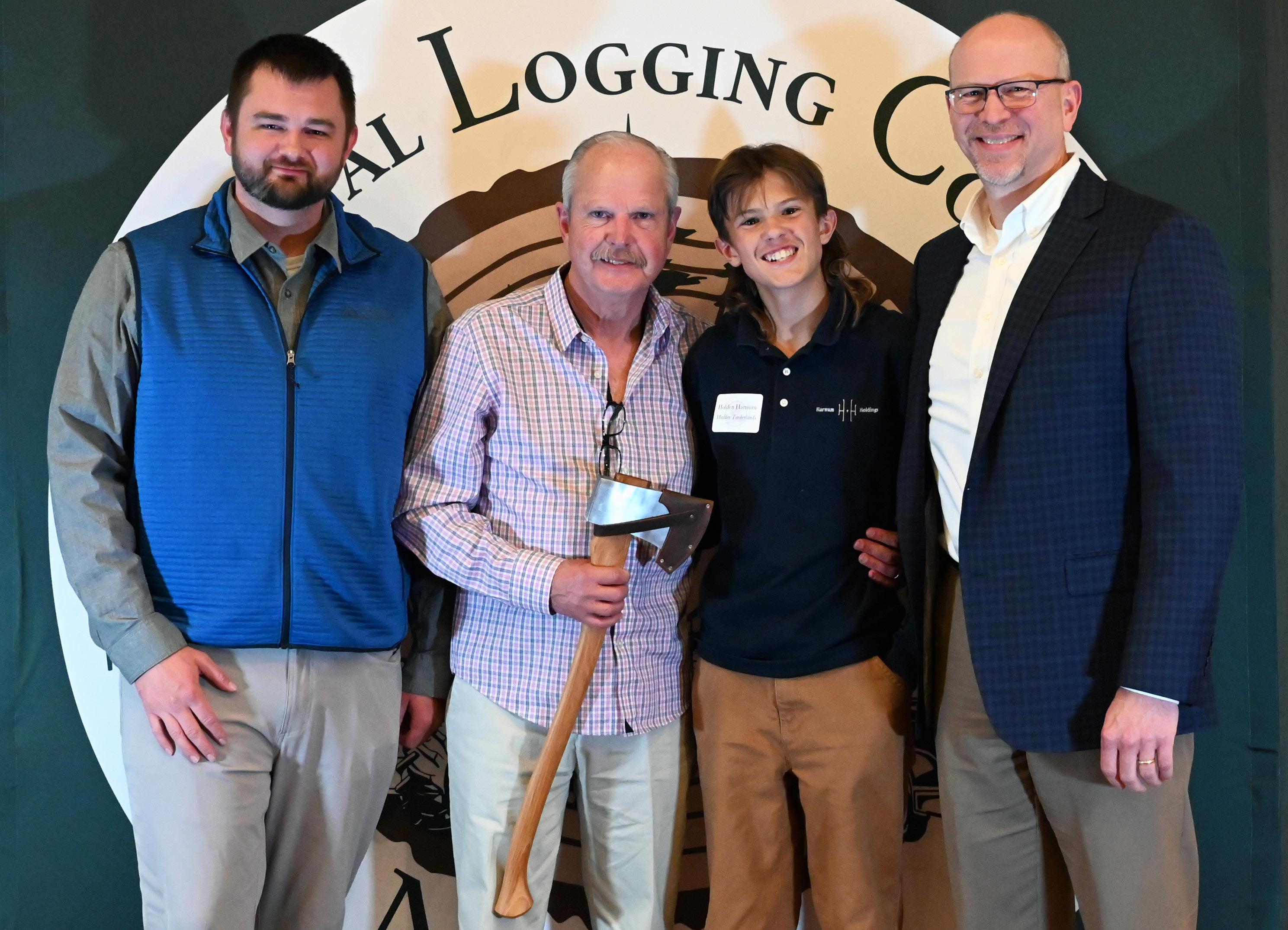
The PLC would like to congratulate Scott Madden, owner of PLC Member Madden Timberlands, Inc. of Glenburn, ME. for winning the 2026 Acadia Insurance Safety Award.
This award is presented to a logging contractor with an outstanding commitment to maintaining a safe workplace and a culture of workplace safety.
Photo above: Onstage at the PLC Annual Meeting during the awards ceremony, from left to right, Connor Shaw, Sr. Loss Control Representative for Acadia Insurance; Scott Madden, owner of Madden Timberlands; Holden Harnum, grandson of Scott Madden; Douglas Freeman, Acadia Assistant Vice President.
Congratulations!
Mechanized Logging Operations and Forest Trucking Program Underway!
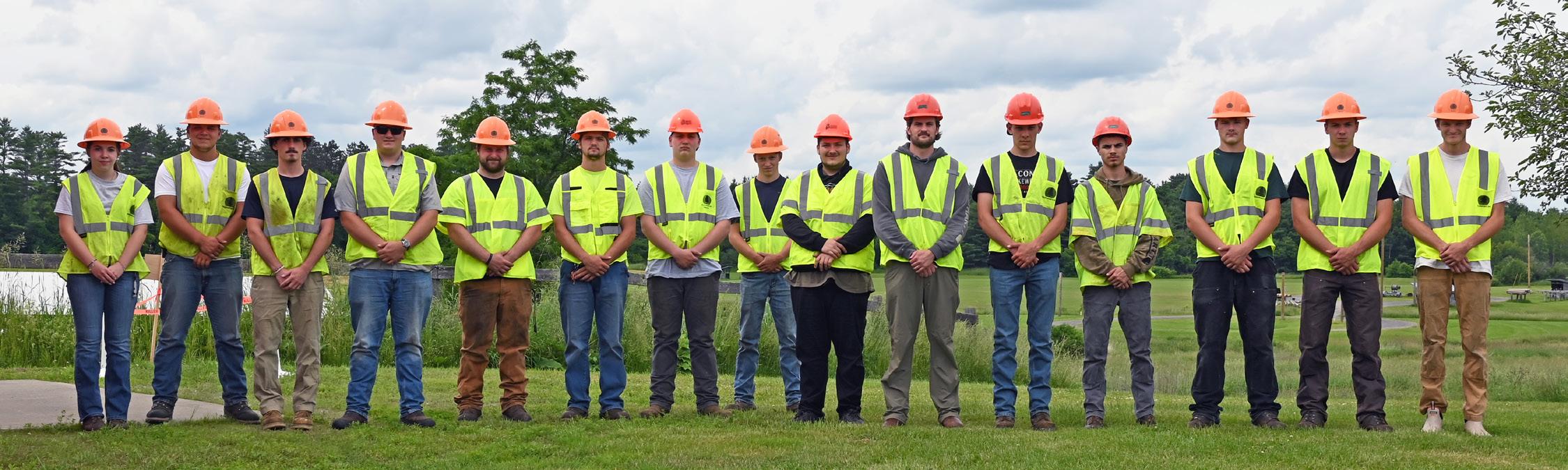
The Mechanized Logging Operations and Forest Trucking (MLOFT) Program, a unique hands-on training course that prepares students for careers in the logging industry, has begun its tenth year of classes at an active harvest site in central Maine.
The certificate program for operators of mechanized logging and forest trucking equipment will run for 20 weeks. Classes began June 22 on the Kennebec Valley Community College (KVCC) Alfond Campus on U.S. Route 201 in Hinckley and will run through November 5. Students will transition from classroom to equipment operation in July.
“The demand for qualified logging operators and forest truckers in our region remains high, and this program continues to address that need in the most efficient and affordable way for the industry,” Dana Doran, Executive Director of the Professional Logging Contractors of the Northeast (PLC), said. “This is our 10th year of operation and that is a testament to the enduring value of the program. There is no better opportunity for anyone interested in starting a career in the logging industry, and thanks to continued support and generosity from industry sponsors and supporters and the State of Maine, students can access this training at little to no cost.”
Students in this year’s class include: Odin Tanguay, Yarmouth, ME; Jackson Newton, Anson ME; Hunter Newton, Buckfield, ME; Emily Pierce, Albion, ME; Samuel Armstrong, Richmond, ME; Lochlan Campbell, Starks, ME; Nicholas Clewly, Pittsfield, ME; Bowen Leighton, Starks, ME; Chandler, McMichael, Vassalboro, ME.; Josh Perry, Waldoboro, ME; Hunter Lafoe, Harrington, ME; Caleb McKusick, Abbott, ME; Peyton Plourde, Solon, ME; Isaac Jordan, Londonderry, VT; Evan Ford, East Dorset, VT.
The program is administered by KVCC in partnership with the PLC and includes a strong emphasis on safety as well as giving students an understanding of the variables of timber growth, tree species, and markets. Students pay no tuition or fees. The program provides all personal protective equipment (PPE) and scholarships from Skowhegan Savings Bank to assist with living expenses. Local housing is available at reduced cost to students who live beyond a reasonable commuting distance from the program.
The opportunity to earn a CDL-A permit and receive preparation for the state driving exam was a significant addition to the program in 2023 and has expanded opportunities for graduates while increasing benefits to logging employers who need more mechanized logging operators and truck drivers.
Students in the program harvest timber and operate trucks using sophisticated state-of-the-art machines like those they will encounter in the logging industry. The handson experience students gain operating equipment is an opportunity unavailable anywhere else in the region.
The program was created in 2017 by the Maine Community College System, the PLC, and industry partners. Dozens of graduates are working in the Northeast’s logging industry today, and the demand for additional equipment operators and truck drivers remains high due to the rapidly aging workforce in the logging industry.
Most logging in the region now relies on mechanized equipment. The industry also relies almost exclusively on heavy trucks to move wood. With the majority of logging operators and forest truckers at or nearing retirement age, the demand for new workers in the logging industry is high and most students in the certificate program have had job offers before graduating.
Students in the 2026 Mechanized Logging Operations and Forest Trucking Program class include, from left to right, Emily Pierce of Albion ME, Nicholas Clewley of Pittsfield ME, Hunter Lafoe of Harrington ME, Josh Perry of Waldoboro ME, Evan Ford of East Dorset VT, Isaac Jordan of Londonderry VT, Caleb Mckusick of Abbott ME, Odin Tanguay of Yarmouth ME, Hunter Newton of Buckfield ME, Chandler McMichael of Vassalboro ME, Jackson Newton of Anson ME, Peyton Plourd of Solon ME, Lochlan Campbell of Starks ME, Bowen Leighton of Starks ME, and Samuel Armstrong of Richmond ME.
Northeast Professional Logger Spring Safety Training serves 1,200 in 2026
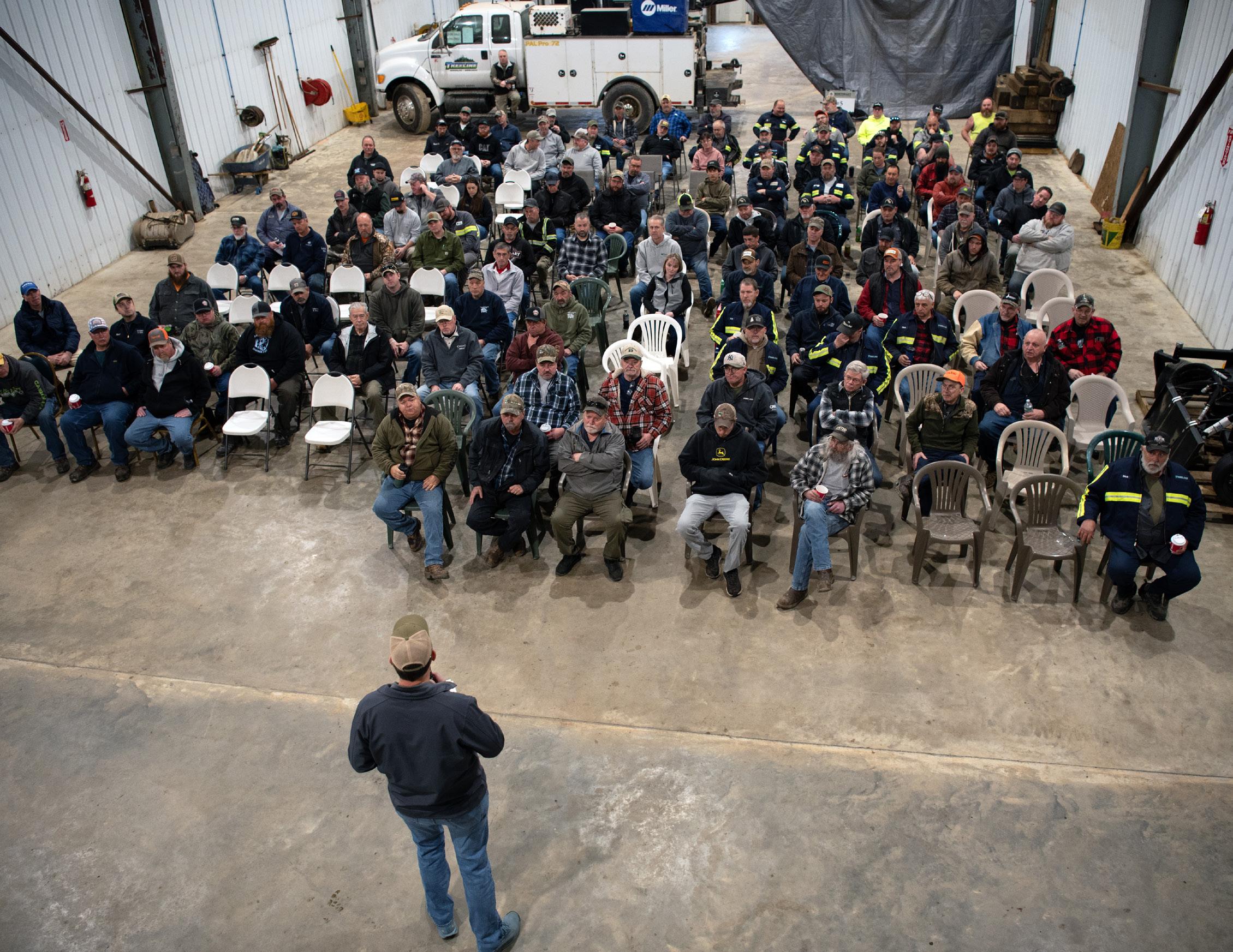
That’s a wrap on the 2025 Northeast Professional Logger Spring Safety Training series! From March 26 through May 14, we hosted more than a dozen sessions across the region, as well as 13 CPR sessions, finishing up at TNT Road Company Inc. in Fort Kent.
With our logger and fleet sessions now complete, we are proud to have served approximately 1,200 loggers, drivers and mechanics this season.
These trainings are provided FREE to our members, and we are incredibly proud of the commitment they show toward keeping their crews safe on the job. A huge thank you to our talented instructors and our generous sponsors— this program is only possible because of your continued investment in the logging community.
Presenting Sponsors: Acadia Insurance Cross Insurance
PLC Logger Safety Training underway at Treeline Inc. in Lincoln, Maine on April 23. Thank you to all our companies that hosted these trainings in Maine and Vermont and the sponsors who made them possible!
Our Meal & Break Sponsors:
Logger Breakfast: Chalmers Logging Insurance, Katahdin Trust Company
Logger Lunch: Barry Equipment
Fleet Breakfast: Chalmers Logging Insurance, Skowhegan Savings
Fleet Lunch: Eastman Trucking, Whited Peterbilt of Maine
Break Sponsors: Anderson Equipment Company, Cass Insurance, United Insurance
Program & Prize Support:
Safety Posters: Hancock Lumber Company, Whited Peterbilt
Prize Sponsors: Cintas, Coastal Auto Parts - NAPA, MEMIC, NorState Federal Credit Union, Readfield Insurance Agency, Sappi, United Construction & Forestry
Thank you to everyone who attended and helped make this year a success. We'll see you all out in the woods—stay safe!
UNSEEN SUMMER DANGERS:
By Connor Shaw, Loss Control Representative with Acadia Insurance (a WR Berkley Company)
As spring transitions into the intense heat of summer, logging crews face increased exposure to environmental hazards that can quickly become dangerous without proper precautions. Heat stress is one of the most significant risks, occurring when the body can no longer regulate its internal temperature through sweating. Common contributors to heat stress include prolonged exertion, inadequate fluid intake, and lack of acclimatization.
One of the earliest and most common heat-related conditions is heat exhaustion, which is caused by excessive fluid and electrolyte loss through sweating. Symptoms include heavy perspiration, pale or clammy skin, dizziness, weakness, headaches, nausea, and muscle cramps. If these warning signs appear, the individual should immediately be moved to a shaded or cooler area, encouraged to drink cool water, and allowed to rest while clothing is loosened. If untreated, heat exhaustion can progress to heat stroke, a life-threatening condition marked by a high body temperature, hot and dry skin, confusion, and potential collapse. Heat stroke requires immediate emergency medical attention, rapid cooling, and close monitoring, as delays can result in fatal outcomes. Preventing heat-related illness requires a proactive approach, starting with proper hydration. Workers should drink approximately one cup of water every 15 to 20 minutes, even if they do not feel thirsty. Work schedules should be adjusted to minimize heavy labor during peak heat hours, with frequent breaks taken in shaded or cooler areas. Wearing lightweight, breathable, and light-colored clothing can also help reduce heat absorption.
provides an additional layer of protection. At the end of each workday, thorough tick checks should be conducted, paying close attention to areas such as the scalp, armpits, waistline, and behind the knees.
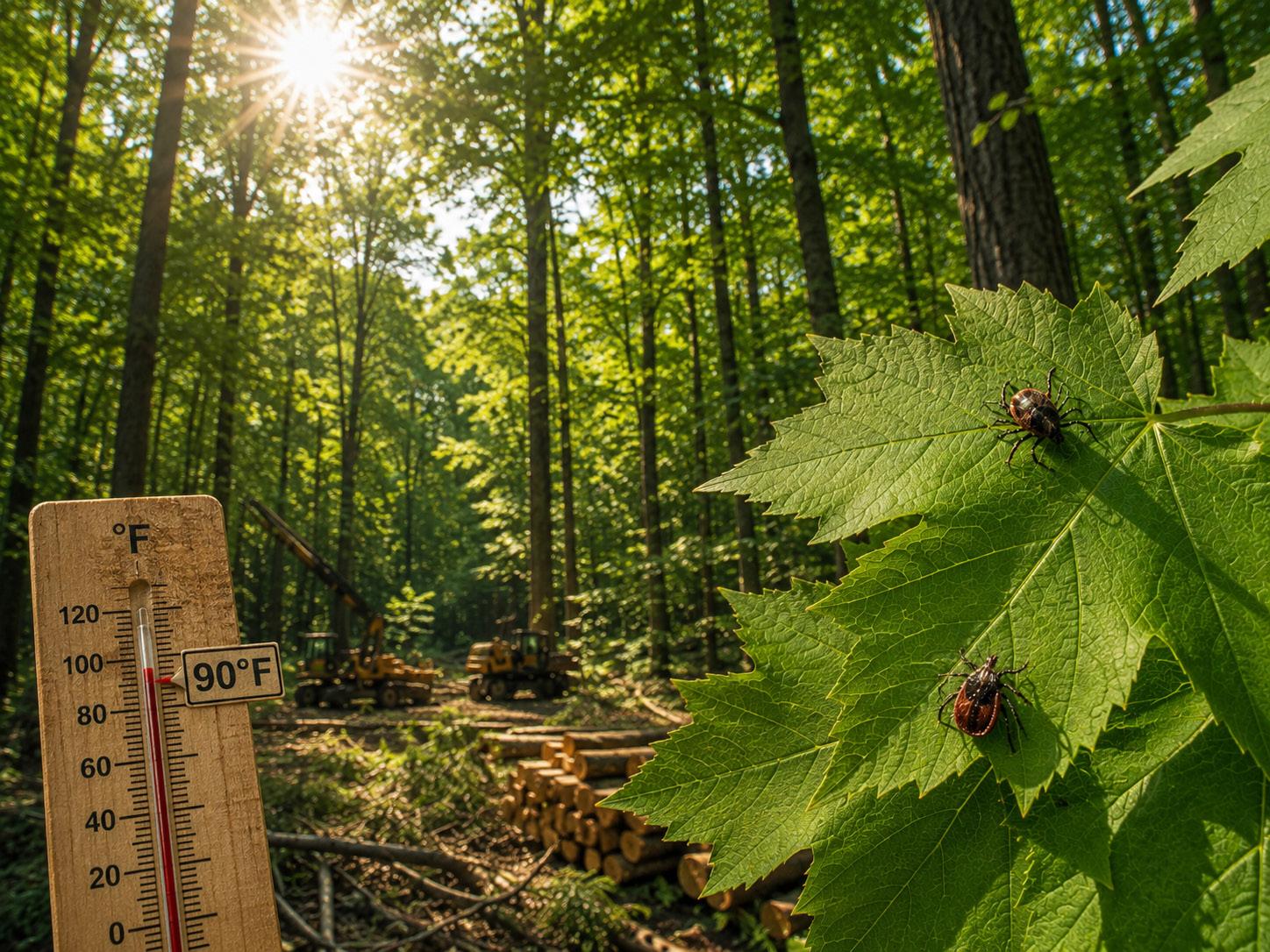
By staying hydrated, recognizing early symptoms of heat-related illness, and practicing consistent tick prevention, logging crews can significantly improve safety and reduce the likelihood of serious health incidents during the demanding summer season.
This article should not be construed as medical advice or the provision of professional consulting services. This material is for general informational purposes only, and while reasonable care has been utilized in compiling this information, no warranty or representation is made as to accuracy or completeness. Recipients of this material must utilize their own judgment in implementing sound risk management practices and procedures.
This article should not be construed as medical advice or the provision of professional consulting services. This material is for general informational purposes only, and while reasonable care has been utilized in compiling this information, no warranty or representation is made as to accuracy or completeness. Recipients of this material must utilize their own judgment in implementing sound risk management practices and procedures.
In addition to heat hazards, logging environments present a significant risk of tick exposure, particularly in wooded and densely vegetated areas where ticks thrive in warm conditions. Tick bites can transmit Lyme disease, making prevention essential. Workers can reduce risk by wearing long sleeves and pants, tucking pant legs into boots or socks, and choosing light-colored clothing to better spot ticks. The use of EPA-approved insect repellents containing DEET or picaridin, as well as permethrin-treated clothing,

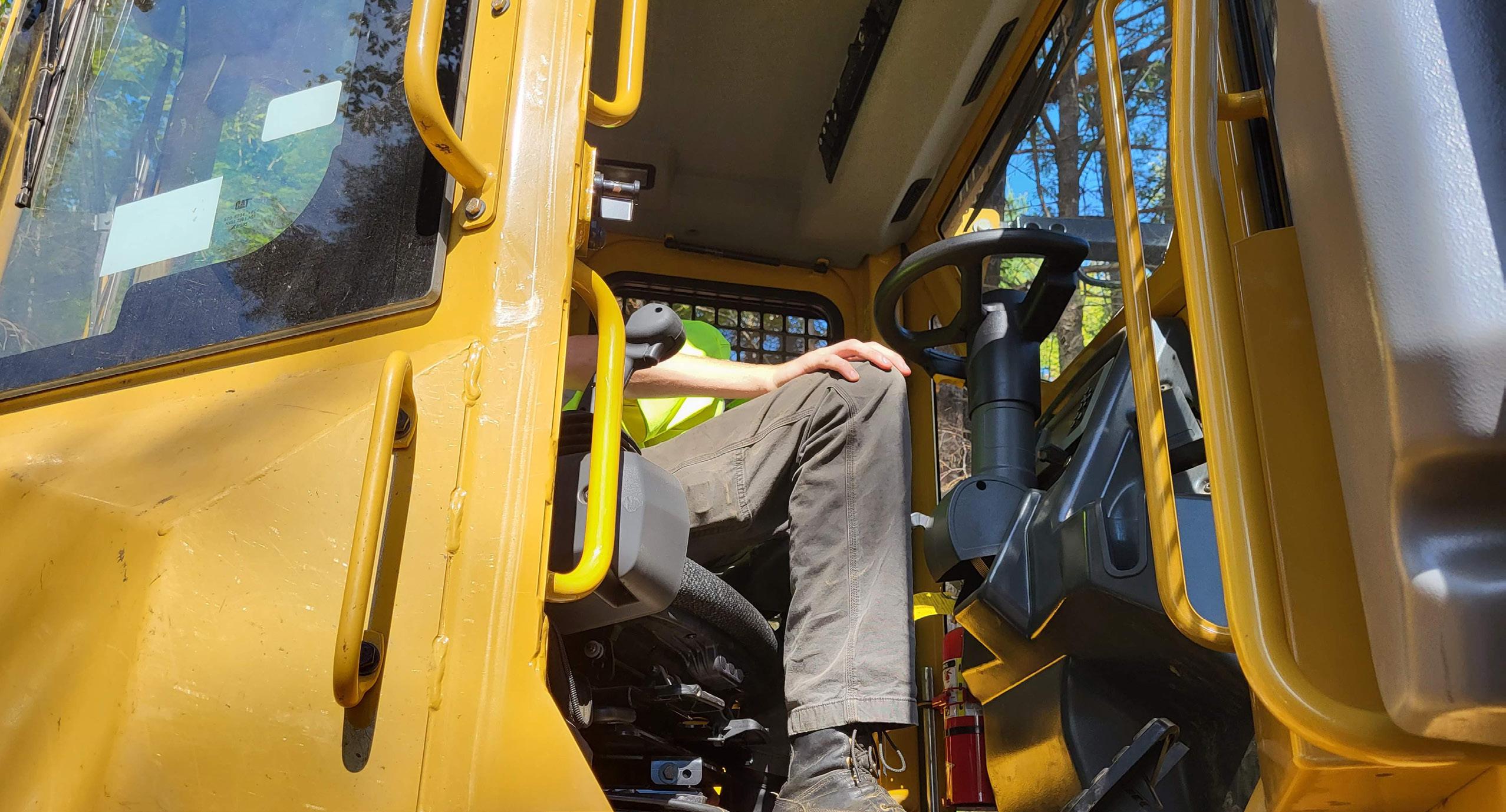
DEEP VEIN THROMBOSIS
By Brie Weisman, OTR/L with Logability
Part of Maine Agrability
I have given workshops for both conventional and mechanized loggers, and it is no exaggeration to say that these groups can be distinguished at a glance. A room full of conventional loggers are by and large fit. It may not be a room full of Paul Bunyans, but they generally have a sinuous strength, if not lean are at least not very overweight, and carry themselves with a casual physical confidence. A room full of mechanized loggers is a different scene.
- Logging for a Lifetime,
A study of solely mechanized loggers would certainly be bleaker.
Mechanized loggers are on their feet (off their butts) less than the average lawyer or convenience store worker. Unless they are one of the rare cases who exercises regularly, they have a body built by sitting. The Northeast Center for Occupational Health and Safety’s last Maine Logger Health and Safety Study warns, “the average [Maine logger’s] body mass index is just over the obese line, the average blood pressure is in the stage 1 hypertensive range, and some loggers have indications of sleep obstruction. All these point to loggers having an increased risk for heart problems. This study was 70% mechanized loggers, so the stats are actually helped by the inclusions of leaner, conventional loggers.
In short, the logging machine, a boon for providing protection from serious traumatic injuries, does so at the cost of lack of regular on the job exercise. A sedentary job, particularly one requiring prolonged sitting, is, if preventative steps are not taken, a major risk factor for health.
Mechanized loggers who average 10-12 hour work days are at higher risk of developing deep vein thrombosis (DVT), a blood clot that can lead to discomfort, pain, stroke or a fatal heart attack. Long hours spent in a static position allows blood to pool in the lower extremities, and folding your legs sitting without room to substantially shift position and without frequent breaks is like putting a kink in a hose. Healthy blood is reduced, pressure builds. That painful feeling of a leg regaining blood flow after being “asleep?”
That’s your body saying, “Yeah, don’t do that to us anymore.”
Signs and symptoms of a DVT are pain, swelling, and heat emanating from the back of the leg, often behind the knee. Our circulatory system carries nutrient-rich oxygenated
blood throughout our body. It relies on a good flow to get the job done. Prolonged, unrelieved sitting not only starves our muscles of nutrients and oxygen, but sluggish blood flow can also cause clotting that can lead to a stroke or heart attack.
The good news is that you don’t have to take the higher risks of a sedentary occupation sitting down. There are strategies to employ to reduce your risk of DVT.
1. Simply getting up and taking a walking break can reduce the chances of a clot developing. Moving around every 2030 minutes. A simple, quick walk around your machine is a stress and stroke reducer that is proven to leave you more productive overall over the course of the day.
2. Whenever your legs feel tired or sore, or when you don’t want to take a walk break because of weather, take a minute–a literal sixty seconds–to do toe and heel raises in your seat. These will improve blood flow in the lower extremities. Simply lift your toes while the heels contact the ground, then lift your heels while the toes contact the ground. Alternate back and forth between these two in a rocking motion.
3. Staying hydrated can also help keep the blood flowing by literally hydrating your blood, reducing blood viscosity. This not only relieves pressure on the vascular system, promotes blood perfusion to the extremities for greater strength and temperature regulation.
4. Self monitor. If, at the end of your day, your feet feel sore, your boots feel tight, you can see the imprints of your
socks on your skin, or you can see swelling in your lower legs, these are signs that you are at elevated risk of DVT and other circulation-related issues. Talk to your primary care provider about wearing compression stockings and an exercise regimen to improve circulation. Depending on any other health risk of hereditary issues, you may be a candidate for a blood thinner to reduce chances of clotting. I can almost guarantee that your primary care provider has no idea how long you sit for your job and commute. Whether you share this during a visit for a specific complaint or during your next routine checkup, this knowledge will almost definitely inform their advice for you moving forward.
Factors that increase your risk of developing DVT include:
• Being overweight
• Taking birth control pills
• Having a venous catheter
• Being over 60
• Past history of blood clots
The good news about DVT is that lifestyle issues that contribute to it can be successfully addressed by mild behavioral changes–you don’t have to become a health nut or exercise addict. And genetic susceptibility is manageable with prescription meds. The key to best outcomes, as with so many of our health issues, is early awareness and response.
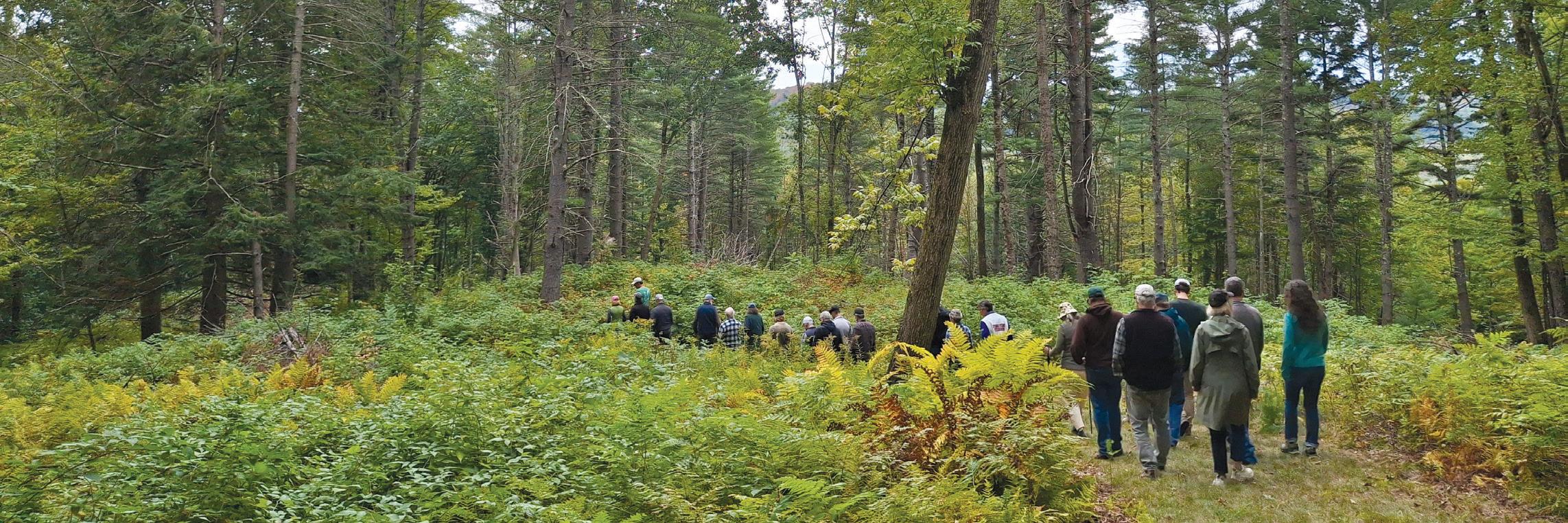

Advance your knowledge of forest stewardship and ecology in the Northeast
Northern Woodlands is a quarterly magazine celebrating northeastern forests and the people who care for them. A fun read with a serious purpose, it explores the natural wonders of our region and the ecological and economic benefits forests provide.
Three easy VISIT northernwoodlands.org ways to CALL (800) 290-5232 toll-free / Monday–Friday, 9 am-4 pm subscribe WRITE Northern Woodlands, PO Box 270, Lyme, NH 03768
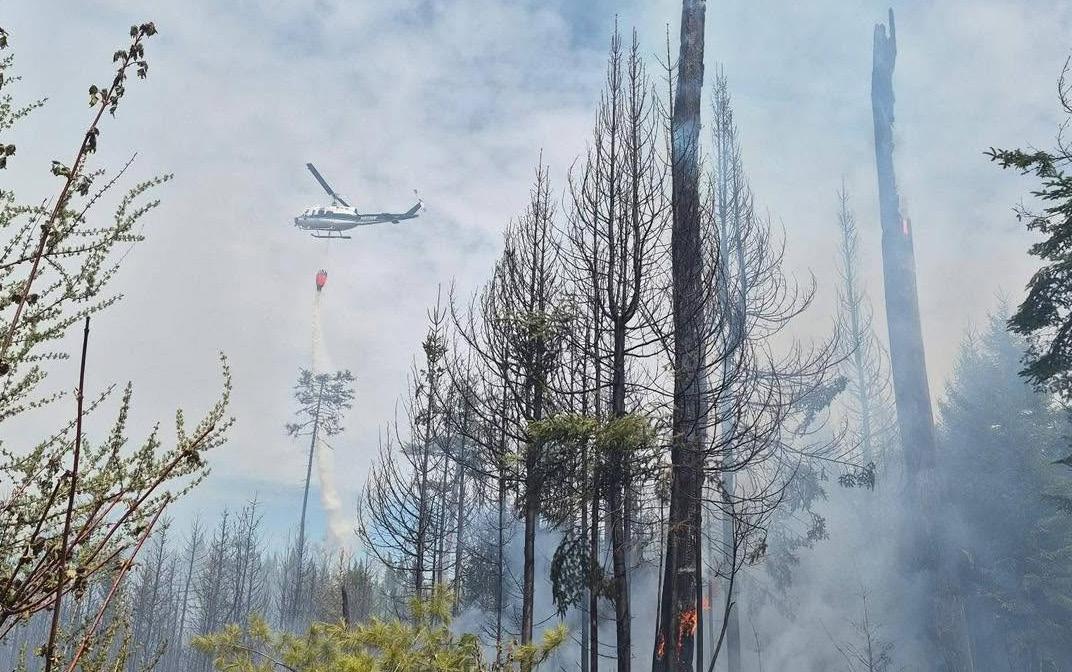
SUMMERTIME LOGGING AND FIRE CONTROL
By Lt. Ben Goodwin, Regional Forest Ranger, Central Region
Maine Forest Service
Summer is one of the busiest and most productive times of year for Maine's logging industry. Longer days, better access, and dry ground conditions help contractors get work done efficiently. At the same time, summer can also bring increased risk. Extended dry weather, high temperatures, thunderstorms, and heavy rain events can all create challenges for loggers working across the state.
Two areas that deserve continued attention during summer operations are wildland fire prevention and water quality protection.
Maine is fortunate to have a strong forest products industry made up of professional operators who understand the land and take pride in doing things right. Logging contractors are
often the first people to notice changing conditions in the woods. That awareness plays an important role in protecting Maine's forests, communities, and natural resources.
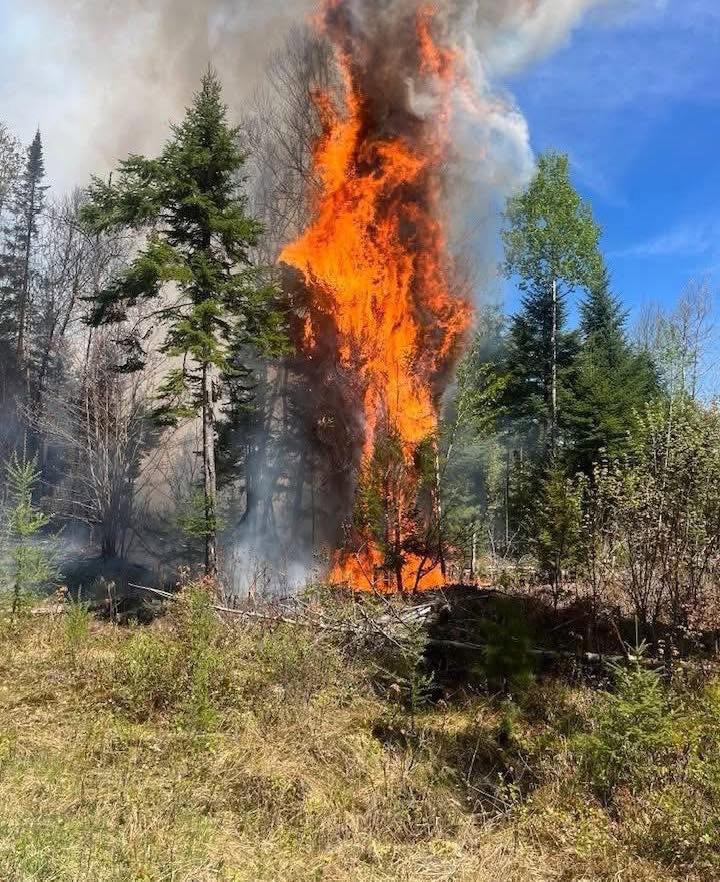
Even with the rain we have received, parts of Maine remain abnormally dry or in drought conditions. This is important for anyone working in the woods to understand. A few rain showers may green up the grass, wet the surface, or improve conditions for a short period of time, but drought does not always end quickly. Larger fuels, deeper duff layers, organic soils, and root systems can remain dry for much longer. When that happens, fire danger can increase again quickly after just a few warm, sunny, windy days.
During dry summer periods, wildfire risk can build faster than many people realize. Fine fuels such as grass, leaves,
slash, and small branches can dry out rapidly, even after recent rain. Equipment working in these conditions can create ignition sources through hot exhaust systems, sparks, chains, bearings, or mechanical failures. A small fire can spread rapidly if wind, slope, and dry fuels line up.
Drought can also change the way fire behaves. In normal conditions, a fire may stay mostly in the surface fuels and be controlled quickly. In drought conditions, fire can burn deeper into the duff, stump holes, roots, and organic soil. These fires can be harder to extinguish fully and may hold heat for a long time. A fire that appears to be out can rekindle later when the wind picks up or the humidity drops. This creates additional risk for contractors, landowners, and responding fire crews.
Simple steps can make a big difference. Contractors should continue to inspect equipment daily, keep machines free of debris, check fire extinguishers, and ensure crews know what to do if a fire starts. Having a fire plan for the job site is important. That plan should include the exact location of the operation, available access routes, nearby water sources, and contact information for emergency responders.
It is also important to monitor the daily fire danger. Conditions can change throughout the day, especially during hot, dry, and windy weather. If fire danger is elevated, extra caution should be used around activities that may create sparks or heat. Taking a few minutes to check conditions and talk with the crew before starting work can help prevent a serious incident.
Water quality is another major concern during summer operations. Maine has seen more frequent heavy rain events in recent years, and these storms can create erosion problems if roads, landings, and stream crossings are not properly maintained. Even a short, intense storm can move a lot of soil if water is not controlled.
Good planning and Best Management Practices remain the best tools for protecting water quality. Proper road layout, stable stream crossings, water bars, broad-based dips, ditch turnouts, and closeout work all help keep sediment out of streams, wetlands, and lakes. Taking the time to stabilize exposed soil and maintain drainage structures protects the resource and helps maintain public trust in forest management.
The combination of drought and heavy rain events can also create challenges. Dry soils do not always absorb water well at first, and heavy rain can run off quickly. That runoff can wash sediment from roads, landings, skid trails, and exposed soil into nearby streams and wetlands. This is another reason why drainage, stabilization, and closeout work are so important during summer operations.
Professional loggers understand that protecting water quality is not just about meeting regulations. It is about protecting the long-term health of the forest, fisheries, and
wildlife habitat, as well as the industry's reputation. The work done on the ground every day matters.
The Maine Forest Service appreciates the role that logging contractors play in both wildfire prevention and water quality protection. Loggers are our partners in the woods. Your knowledge, professionalism, and quick reporting can help prevent small problems from becoming large ones.
As we move through the summer operating season, please continue to take a few extra minutes to inspect equipment, check fire danger, review access and water sources, and ensure roads and crossings are ready for the next storm. These small actions help protect Maine's forests, support safe operations, and keep the industry moving forward.
Maine's working forest is one of our greatest resources. By working together, we can protect it from wildfire, protect our water, and continue to support a strong forest economy for years to come.
To reach your regional office and the ranger covering the area you are working in, see the office locations and numbers below:
• Northern Regional Headquarters – Ashland, (207) 4357963
• Central Regional Headquarters – Old Town, (207) 8271800
• Southern Regional Headquarters – Augusta, (207) 6243700
TEMPORARY BRIDGE PROGRAM
Maine Forest Service
By Tom Gilbert, Water Resources Specialist, Maine Forest Service
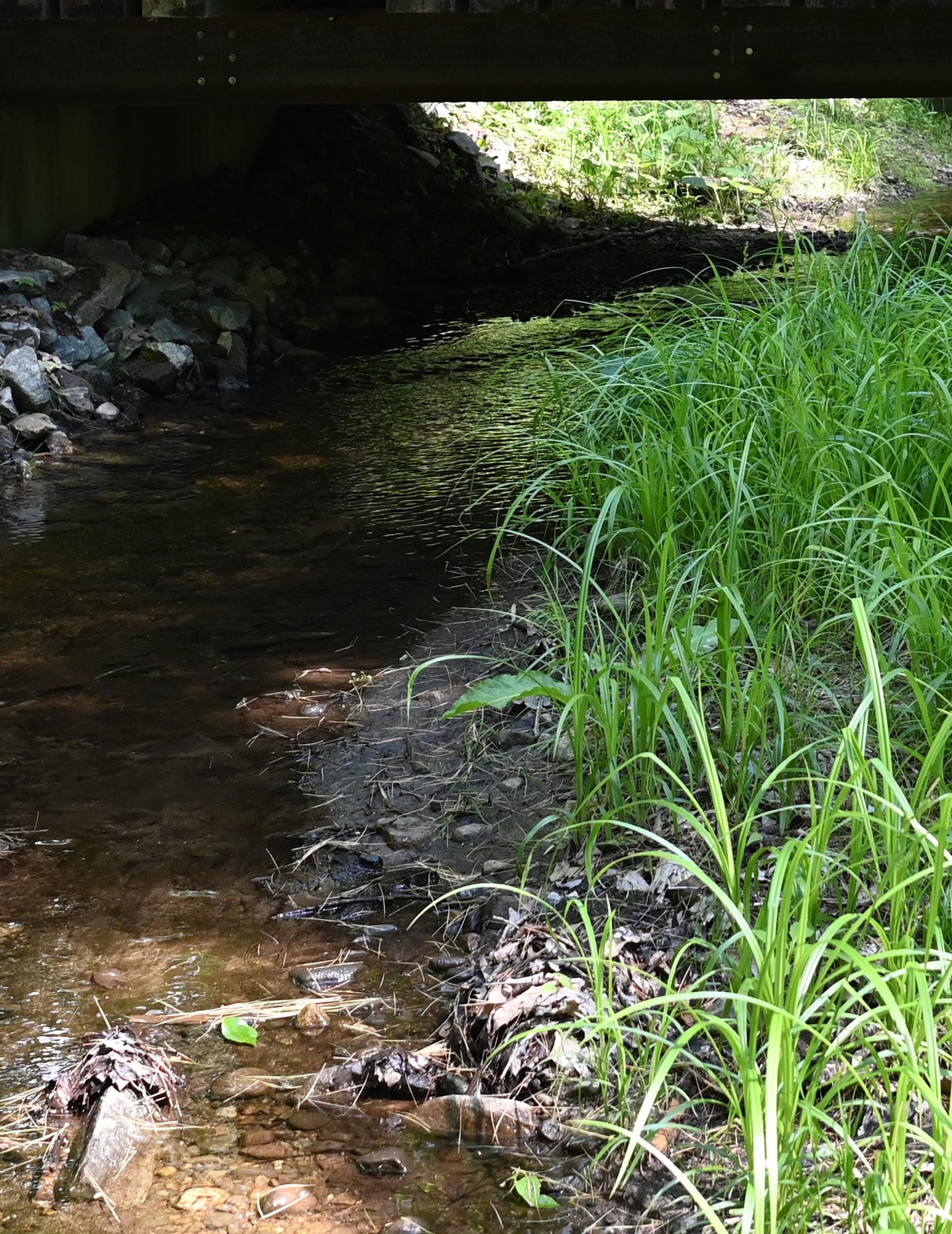
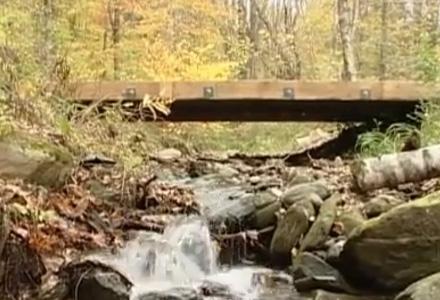
The Maine Forest Service (MFS) temporary bridge program provides funding from the Infrastructure Investment and Jobs Act to help loggers and other interested forestry professionals purchase temporary bridges for use on forestry operations. Eligible applicants may receive up to 3 new wooden temporary bridges for use on timber harvests in Maine for a processing fee of $100 per bridge plus 5.5% tax. Bridges will be composed of 3 panels each, totaling 9 panels for 3 bridges.
For timber harvesting operations, using portable bridges for temporary stream crossings is one of the simplest and most cost-effective ways to cross streams. In addition, temporary bridges that are properly installed and removed after use do not cause negative impacts to streams such as chronic sedimentation, damage to the stream banks or channel, or barriers to the movement of fish and other aquatic wildlife.
Who is eligible to apply?
2. Wait to receive an approval package from MFS. Eligible applicants will receive an approval letter and agreement form to sign and submit to your local SWCD.
Timber harvesting and forestry service providers based in Maine. Eligible applicants include logging contractors, private consulting foresters, and companies employing licensed foresters. Preference will be given to sole proprietors and companies with fewer than 11 employees.
How does the program work?
1. Apply using the fillable pdf application form available on the MFS website or request a paper application at your local Soil and Water Conservation District (SWCD).
3. After you’ve sent or delivered the signed agreement form and processing fee to your local SWCD, the bridge(s) will be purchased on your behalf and you will be notified when to pick up the bridge(s) at the supplier of your choice, as indicated on the application.
For more information contact Tom Gilbert at (207) 441-5282 or thomas.gilbert@maine.gov.





NEFF MASTER LOGGER INITIATIVES
Cost-shares for Certification and Timber Stand Improvement
The USDA has awarded the New England Forestry Foundation (NEFF) $32 million as part of its new Advancing Markets for Producers (AMP) program, which seeks to incentivize improved forest management on approximately 50,000 acres across New England and grow markets for regional wood.
As part of this program, NEFF is funding initiatives of interest to Master Logger Certified Companies in several Northeast states including:

• 75% cost-share for qualified logging contractors on Master Logger certification costs, boosting the number of certified companies harvesting wood in the region.
• 70% cost-share incentive on the costs of timber stand improvement practices that favor valuable timber species and
increase their growth rates. The priority for this program is timberlands owned and managed by Master Logger Certified companies, but they may also apply for projects on land owned by their clients. Timber stand improvement practices include harvests with some merchantable wood (e.g., early commercial thinning, crop tree release, or beech control) and practices which don't involve logging equipment (e.g., precommercial thinning, herbicide beech control, or planting).
NEFF wants to support practices on which the landowner would otherwise lose money.
If you would like to learn more about either of these opportunities, please reach out to Jeff Benjamin or Maggie Rideout by emailing jeff@plcloggers.org or maggie@plcloggers.org.
A 75% cost share for certification is available! Contact us for eligibility!

VERMONT LOGGERS:
New Cost-share for Vermont Loggers seeking Master Logger Certification
Vermont logging contractors who have not previously participated in the Master Logger Certification Program®(MLCP) have access to a significant new cost-share opportunity designed to reduce financial barriers to certification.
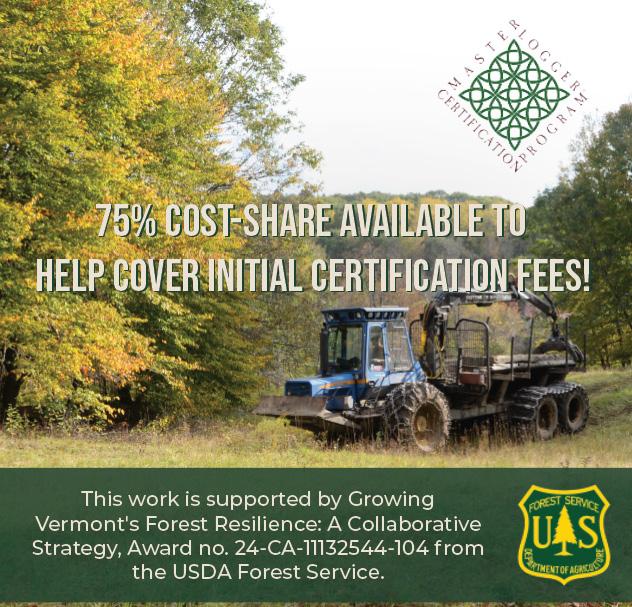
Under the newly established cost-reduction program, eligible Vermont logging contractors can receive a 75 percent cost share on the initial certification fee. This work is supported by Growing Vermont’s Forest Resilience: A Collaborative Strategy, Award no. 24-CA-11132544-104 from the USDA Forest Service.
The initiative is intended to support forest resilience, water quality protection, workforce professionalism, and long-term sustainability across Vermont’s working forest landscape by ensuring harvesting operations are conducted by highly skilled contractors held accountable to an independent certification standard.
The new cost-share opportunity will be coordinated through a partnership between the Professional Logging Contractors of the Northeast (PLC), which administers the MLCP, and the Vermont Department of Forests, Parks and Recreation (FPR), which will issue reimbursements to cover the costs of qualified applicants after certification is achieved.
“The Master Logger standard aligns well with the goal of increasing forest resilience in Vermont. The cost share available for Master Logger Certification through this program will have a significant and positive impact for logging contractors in Vermont,” Jeff Benjamin, PLC Deputy Executive Director of Certification, said.
Contractors applying for certification will pay 25% of the cost upfront, and the remaining cost will be reimbursed to the certifying organization after they achieve certification. This reimbursement-based model ensures accountability for public funds by directly linking financial support to successful certification outcomes.
The cost-share opportunity is limited to first-time participants in the MLCP. To qualify, an applicants must:
ATTENTION NY LOGGERS! The New York Watershed Agricultural Council (NY WAC) has launched a partnership with the Master Logger Certification Program® (MLCP) that offers significant benefits for Master Logger Certified companies working in the Catskill and Lower Hudson regions.
Key Benefits:
• Priority for applications to NY WAC’s Best Management Practices (BMP) Program.
• Be a logging contractor who resides in Vermont and conducts active logging operations in the state.
• Meet all standard MLCP eligibility requirements, including compliance with state and federal laws.
• Be in good standing with Vermont’s Acceptable Management Practices and Act 154 requirements.
• Have no unresolved or outstanding Vermont enforcement actions.
• Participate fully in all required interviews, audits, and documentation reviews.
By focusing on first-time applicants, the program aims to significantly increase the number of certified contractors operating in Vermont, strengthening the overall logging workforce and improving consistency in forest practices statewide. Learn more by emailing jeff@plcloggers.org or maggie@plcloggers.org.
• Increased BMP incentive rates for Master Logger Certified companies.
• New certification cost subsidy: NY WAC will cover 75% of the cost of becoming Master Logger Certified for eligible logging companies.
For more information on the NY WAC's Best Management Practices (BMP) Program, visit nycwatershed.org/bmpprogram, or email hhilson@nycwatershed.org.
Maine Congressional Delegation Updates

On a chilly and rainy Memorial Day, I joined the people of Searsmont for their annual parade. In addition to paying tribute to the members of our armed forces who made the ultimate sacrifice in service to our country, this year’s parade honored the victims of the horrific explosion and fire at Robbins Lumber on May 15 that took the lives of volunteer firefighter Andrew Cross of Morrill, Assistant Fire Chief Wayne Woodbury of Searsmont, and injured dozens more.
It was incredible to see so many families and first responders turn out in the pouring rain. In the face of tragedy, Searsmont has been a powerful reminder of the resilience and kindness that define our State. For nearly 150 years, Robbins Lumber has been a cornerstone of Maine’s forest-products industry and the familyowned company’s determination to rebuild is inspiring. Generous support from throughout the industry for the town’s Fire Relief Fund and the Maine Strong Memorial Foundation is providing aid to the families, employees, and first responders affected by the tragedy.
Three days before the parade, I attended Andrew Cross’ funeral in his hometown, along with hundreds of firefighters from throughout Maine. It is my hope that his wonderful family finds comfort in knowing how much he meant to so many. His life is a shining example of the courage, dedication, and selfless love of others that can be found in every town and city across our great State.
In addition to the loss of life and injury, the explosion and fire destroyed trucks and other equipment of several responding fire departments. Two years ago, I co-sponsored legislation to strengthen
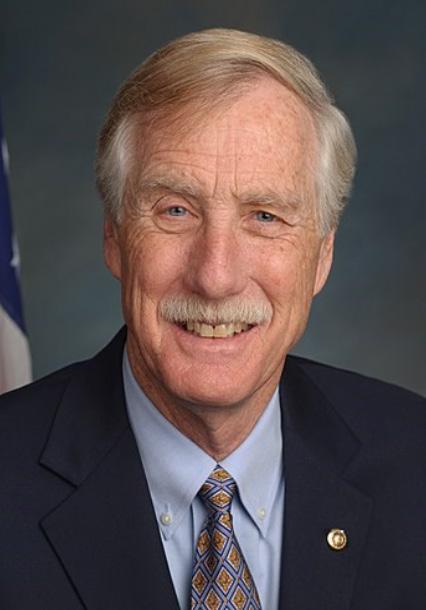
For generations, Maine’s forest products industry has been a cornerstone of our state’s economy and identity. Long before Maine became a state, men and women were making their living in the woods, harvesting timber, supporting local mills, and building communities across rural Maine. Today, that tradition continues, supported by thousands of workers who help manage and steward one of our most valuable natural resources.
That is why I was deeply troubled by the Administration’s recent proposal to make harmful, poorly considered cuts to the U.S. Forest Service. Fortunately, the vast majority of Maine’s forests are privately owned. But the work of the Forest Service isn’t confined to federal owned lands. Through state and private partnerships, research investments with the University of Maine and experimental forests the Forest Service greatly impacts us in Maine.
During a recent Senate Energy and Natural Resources Committee hearing, I spoke with Forest Service Chief Tom Schultz about the budget proposal that would slash funding for Forest Service operations, eliminate funding for state and private forestry programs, and significantly reduce forest and rangeland research. I have always believed that budgets represent priorities; his presentation reflected some priorities I don’t agree with. What concerned me most about this proposal was the scope of the cuts. Forest Service research helps us understand and combat threats like invasive pests (like spruce
federal grant programs that support local fire departments. I will be helping the departments that suffered losses access the federal assistance they need to continue to protect their communities.
On another front, as Chair of the Senate Appropriations Committee, I announced in early May that the U.S. Forest Service has signed a grant agreement with the State of Maine to allow the release of $10 million I secured earlier this year to prevent the outbreak of spruce budworm in our forests. That funding is in addition to the $14 million I secured last year to combat the spread of the devastating infestation.
At a hearing a week before that announcement, I pressed Forest Service Chief Tom Schultz to commit to the quick release of the $10 million so that it can be deployed during the current critical window for spraying. It was gratifying to hear his response that the spraying done last year with the $14 million I secured was highly successful, with efficacy rates exceeding 90 percent. The release of the $10 million for this year helps to ensure that Maine stays ahead of this threat.
Finally, I recently met with Dana Doran and Ben Grant of the Professional Logging Contractors of the Northeast. During our discussion, I reiterated my support for relief from the tariffs, particularly on goods from Canada, that are harming our economy and also for changes to the Renewable Fuel Standard that would expand the use of sustainable wood products and biomass energy from forests, creating jobs, lowering energy costs, and reducing fossil fuel emissions.
From supporting Robbins Lumber and the first responders affected by the Searsmont tragedy, to securing resources to combat spruce budworm, to advocating for policies that will strengthen logging and expand markets for wood products, I remain committed to standing with the men and women of Maine’s forest products industry.
budworm), disease, and wildfire risk. State and private forestry programs provide critical support to landowners and communities. Forest Service personnel help ensure that our forests remain healthy, productive, and sustainable. States and private industry will not be able to take on these federal activities on their own. Cutting these programs is not a smart investment – it risks creating far greater costs in the future.
My concerns extend beyond funding alone. Earlier this year, I joined a bipartisan group of colleagues in raising serious concerns to Agriculture Secretary Brooke Rollins about her reported plans to reorganize the Forest Service. The proposal would centralize operations, eliminate regional expertise, and reduce services that rural communities rely upon every day. Changes made in Washington can have real consequences for the people who work in our woods, operate our mills, and manage our lands in Maine and nationwide.
As these debates continue, I will continue speaking up for Maine’s forestry community. That includes supporting policies that strengthen the forestry workforce. I have championed the bipartisan Jobs in the Woods Act, which would help prepare the next generation of forestry professionals through workforce development and training programs. Maine’s forests are one of our greatest competitive advantages. They support jobs, drive economic activity, provide recreational opportunities, and define much of what makes our state special. Protecting them requires thoughtful management, strong partnerships, and a commitment to the workers and communities that depend on them.
Thank you for the work you do every day to keep Maine’s forest economy strong.
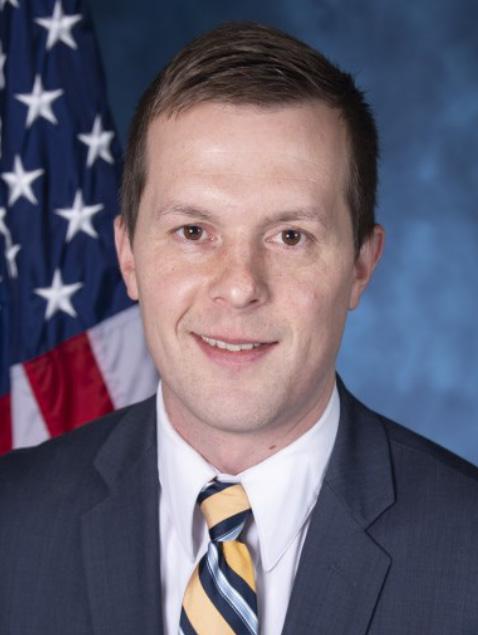
Resiliency is a trait that often goes unnoticed, plentiful as it may be among Mainers. But I noticed it on display this past month after the deadly explosion at Robbins Lumber, and I knew I had to take the opportunity in this letter to shine a light on a family business and a community that epitomizes what it means to be resilient.
Robbins Lumber, headquartered along the Saint George River, has stood for 145 years. They’ve endured multiple world wars and numerous economic downturns. Today they provide a livelihood and way of life for nearly 250 Mainers.
When an explosion engulfed their Searsmont facility, their response was no different. The community came together, put out the fire, and is slowly working to mend the wounds of that day.
All of us are grateful for the first responders who jumped into action and worked to contain the fire and tend to the injured. If they are reading this, I hope they know their work does not go unnoticed, and we are incredibly fortunate to have you on the front lines every day.
Regrettably, the fire claimed the lives of two of our fearless

Shortly before 10 a.m. on May 15, a fire broke out inside a silo at Robbins Lumber in Searsmont, Maine—one of the largest and longest-running lumber yards in the state.
The fire spread quickly, triggering a powerful explosion that lifted the silo from its concrete base and sent it toppling over. The spilled sawdust and debris ignited an inferno that engulfed the surrounding infrastructure.
The response from local firefighters and mill personnel was nothing short of heroic. Several first responders and mill personnel were injured and rushed to nearby hospitals. One firefighter—Andrew Cross, a 27-year-old member of the volunteer fire department in neighboring Morrill—tragically lost his life that day.
Searsmont Assistant Fire Chief Wayne Woodbury later passed away from injuries sustained during the fire.
May their memories forever be a blessing to all who knew and loved them.
The bravery that Wayne and Andrew showed will never be forgotten. Nor will the heroism of their fellow first responders and mill personnel, who did all they could to mitigate the blaze.
I continue to hold all of them in my heart. Especially the family and friends of Andrew and Wayne, who’ve endured such an
first responders. Morrill Firefighter Andrew Cross died far too young while confronting the blaze at the mill, and Searsmont Assistant Fire Chief Wayne Woodbury passed away in June, weeks after the fire, from injuries sustained that terrible day. Both men were heroes who died in the line of duty, running toward the danger to protect others. May they both rest in peace. I’m also aware of what a loss this fire is to the region. I have met the Robbins family several times and toured the mill in Searsmont. The damage to the facility was a loss not only to their family business, but to the families of the dozens of people who work there. So, I am inspired by the perseverance of the Robbins family and their employees, who already have the mill up and running once again. This is a testament to Mainers’ work ethic and our commitments to each other and our communities.
Please know that when tragedies like this strike, my staff and I stand ready to support the community in whatever way we can. If you have questions about resources for the industry or need any support, please send our team an email at ME02JG@ mail.house.gov. We will get back to you quickly.
You can reach my staff at:
• Lewiston: (207) 241-6767
• Caribou: (207) 492-6009
• Bangor: (207) 249-7400
unimaginable loss, as well as the three members of the Robbins family—Jim, Alden, and Lily—who remain hospitalized in Boston with serious injuries.
This tragedy has touched so many families across Waldo County, and all of Maine is grieving alongside them.
It’s also a sobering reminder that an industry that has driven our economy and sustained our communities for centuries— that literally built our state—often entails risks that most people seldom see or think about.
Since the early 1600s, Maine loggers have labored in some of the harshest conditions in the country, while facing truly hazardous challenges: falling timber, faulty saws, unpredictable terrain, the list goes on.
For far too long, logging was the definition of thankless work, a grueling endeavor for which people were paid very little, despite the critical importance of their vocation to the state’s— and the country’s—economic expansion.
The industry has come a long way, of course, both in terms of technological efficiency and in how workers are compensated (and protected). But the dangers are still there. And not just on logging sites, either.
While today’s wood-processing facilities are far safer than they were in the past, the combination of complex machinery and combustible materials will always carry inherent risks. Like the many loggers who confront significant workplace hazards every day, the men and women who run our sawmills
Continued page 44
and lumber yards deserve our utmost respect.
They are all essential workers in the truest sense. Their work literally builds and sustains our communities and continues to drive Maine’s economy.
The way our state has rallied around the Robbins Lumber family—through a town-sponsored relief fund, nonprofits like the Maine Strong Memorial Foundation, support from industry peers, and donations from everyday Mainers—has been truly inspiring.
While Searsmont is no longer in Maine’s 1st District, I had the privilege of representing the town and many nearby communities over the years, first in the State Senate and later in Congress. I know how deeply Mainers there care for their communities and neighbors, and as heartbreaking as this tragic accident is, that resilience and selflessness will help carry them through.
This is a business that’s been around since the pinnacle of the Maine logging boom. Founded in 1881 by brothers Frank and Otis Robbins, the company’s evolution—from producing wooden staves to becoming one of our state’s biggest and most diversified lumber operations—has in many ways mirrored the growth of our state’s forest-products sector.
But it’s the company’s resilience that really stands out.

Back in 1957, another fire completely destroyed the Robbins’ flagship mill. In true Maine spirit, the family refused to shut its doors. Instead, they rebuilt the mill with a more modern layout and equipment, setting the scene for the next chapter of the company’s growth.
I have no doubt that Robbins will rebuild again. That they’ll come back better, stronger, and more dynamic than ever before, and write that next great chapter. Because when our backs are against the wall, Mainers don’t give up. They push forward, the helping hands of their neighbors never far behind.
As we reflect on this terrible tragedy—on Andrew Cross, the Robbins Lumber family, and all those who’ve been affected— let us not lose sight of the hard work and sacrifice that so many in this industry have given to help improve the lives of their fellow Mainers.
They deserve our utmost respect, our steadfast support, and our commitment to do everything we can to help make their lives better.
I will continue working in Congress to ensure that Maine loggers and those in the forest products industry who keep this sector running strong have the federal resources and support they need—so that businesses like Robbins can thrive for generations to come.
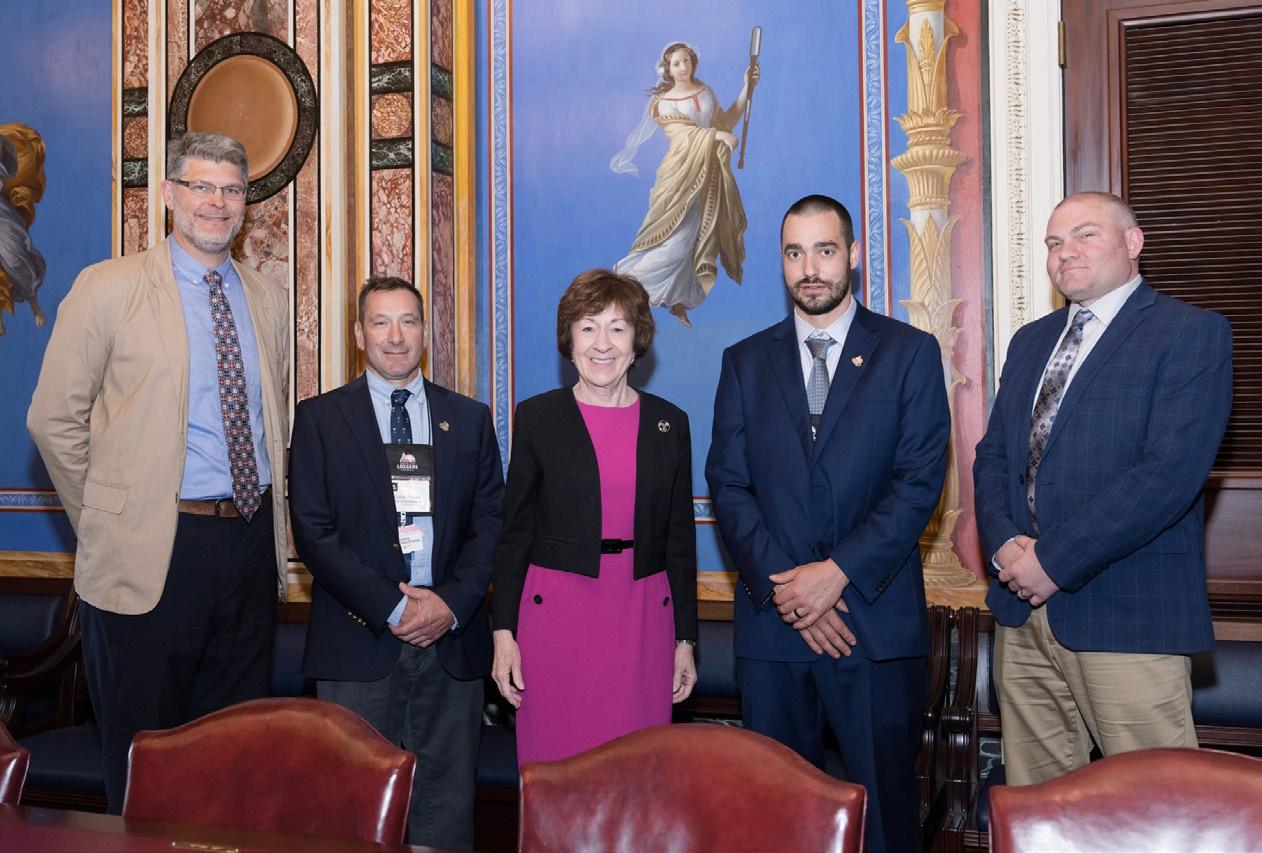

The PLC was in Washington, DC the week of May 18th for the American Loggers Council Annual Fly-In!
We were delighted to reconnect with so many familiar faces and engage in thoughtful, in-depth discussions on the key issues impacting the logging and trucking industries.
A huge thank you to Board Member Dakota Harvey and Contractor Member Gabe Russo for making the trip and providing valuable, real-world perspectives on how their
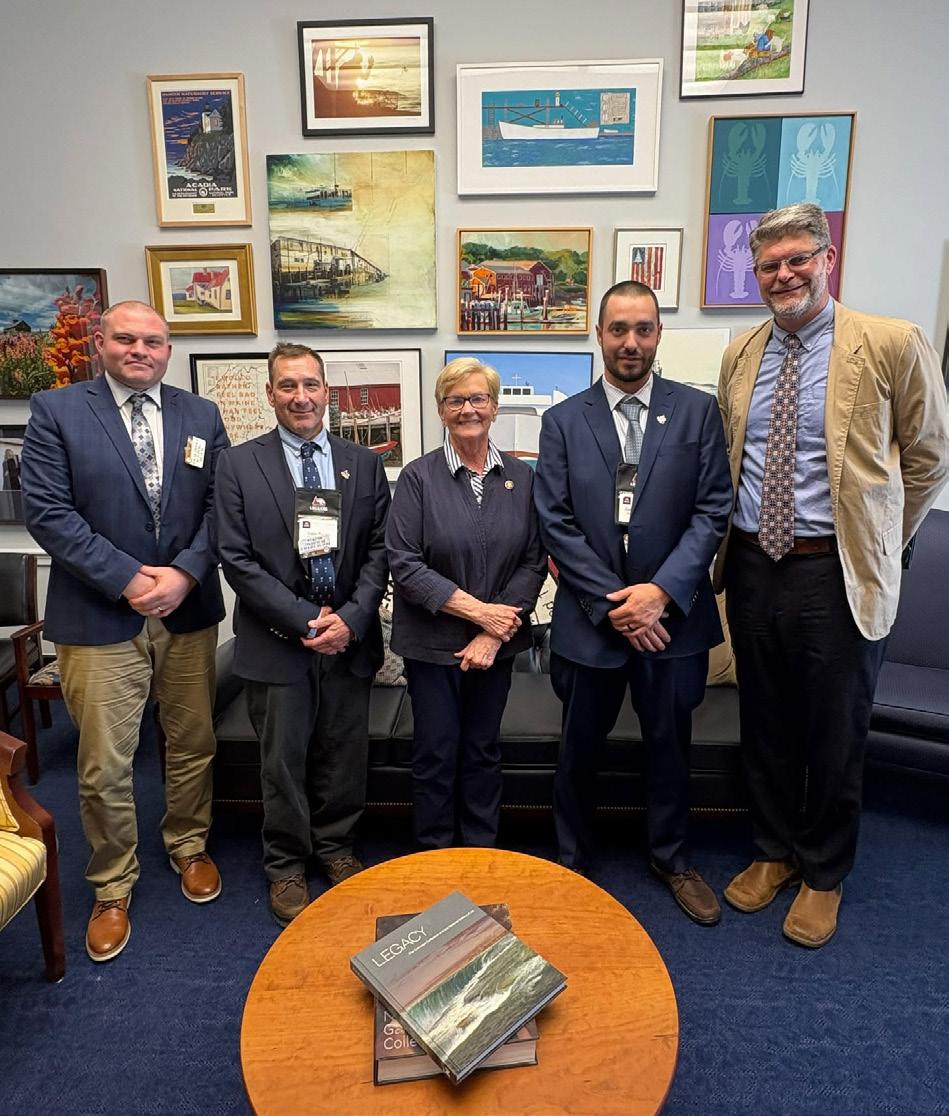
harvesting businesses operate and the challenges they face.
While we met with all the Congressional Offices of Maine and Vermont, we truly appreciate the time and attention from U.S. Senator Susan Collins, Senator Angus S. King, Jr., and Congresswoman Chellie Pingree for meeting with us in person and hearing directly from our members.
We are looking forward to continuing the conversation and advancing the priorities of logging communities in the Northeast.

LOWER YOUR COSTS FOR PROCESSING WOOD
With Rottne harvesters, forwarders, and harvester heads
• Fuel efficient engines
• Load sensing hydraulics
• Automatic cab leveling
• Excellent visibility
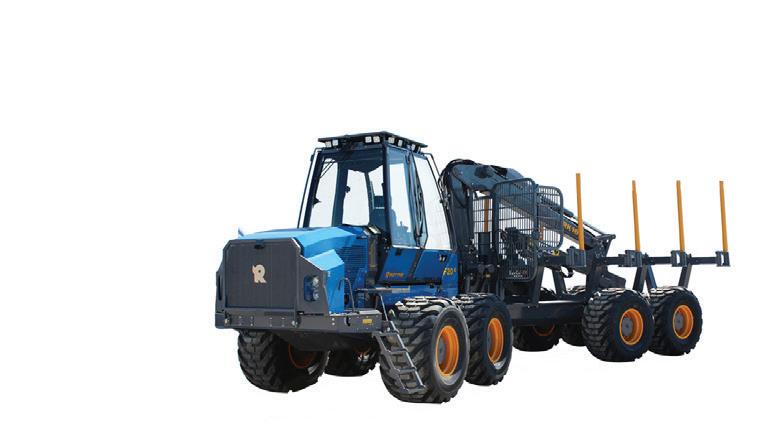
Call us for more information! (888) 366-9028
www.heavymachinesllc.com
Photos: Top left, from left to right, PLC Exec. Director Dana Doran, PLC Member Gabe Russo, Maine Sen. Susan Collins, PLC Board Member Dakota Harvey, PLC Deputy Exec. Director of Legislative & Public Affairs Ben Grant. Top right, from left to right, Ben Grant, Gabe Russo, Maine Rep. Chellie Pingree, Dakota Harvey, and Dana Doran. Bottom, the White House during the week of the visit.
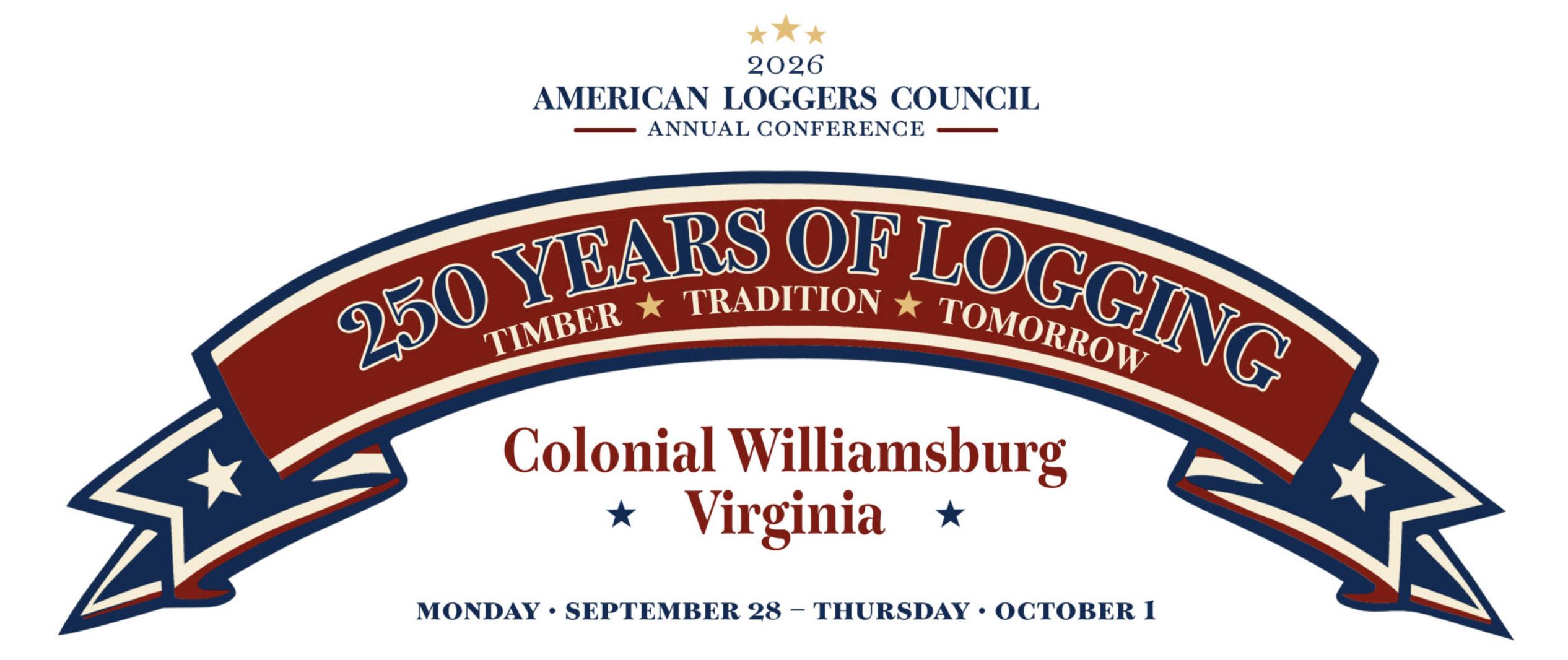
In celebration of America’s 250th anniversary, the 2026 American Loggers Council Annual Conference — “250 Years of Logging: Timber, Tradition, Tomorrow” — will be held at the historic Williamsburg Lodge in Colonial Williamsburg, Virginia. This year's event is proudly hosted by the Virginia Loggers Association.
Built in 1939 by John D. Rockefeller Jr., the Williamsburg Lodge is an Autograph Collection hotel that blends modern comfort with timeless design inspired by Abby Aldrich Rockefeller's renowned folk-art collection. Located just steps from the Colonial Williamsburg Historic Area, the Lodge provides a meaningful backdrop as we commemorate 250 years of American independence - and reflect on the generations of loggers whose work helped build and grow this nation.
Our program begins Monday afternoon with registration opening at 2:00 PM and exhibitors setting up for the week ahead. That evening, we will gather for a Welcome Reception - an opportunity to reconnect with colleagues, meet new industry partners, and set the tone for four days of collaboration and celebration.
Tuesday and Wednesday are dedicated to education, industry engagement, and networking. Attendees will have the opportunity to participate in tours and professional seminars addressing current challenges, emerging technologies, and the policy issues shaping our future. Our exhibit hall will showcase the equipment, services, and innovations that keep our industry on the cutting edge and moving forward.
Wednesday evening features one of the most meaningful traditions of the ALC Annual Conference - the President's Welcome Reception and Banquet, followed by the annual Log A Load for Kids auction where we come together in support of Children's Hospital of The King's Daughters. This long-standing effort reflects the heart of our industry and our commitment to giving back.
Thursday focuses on leadership and legacy. The day includes morning meetings followed by the Awards Luncheon, where we will recognize outstanding individuals and achievements within our profession. That evening, we conclude with the President's Farewell Reception and Banquet - a formal occasion to reflect on the year's accomplishments, honor service, and pass the gavel to new leadership.
Whether you are joining us for business insight, professional development, or the camaraderie that defines this association, we are grateful for your participation. In a place where American independence was debated and defined, we gather to honor the independent spirit of the logging profession - resilient, resourceful, and forward-looking.
We look forward to welcoming you to Virginia as we celebrate 250 years of timber, tradition, and tomorrow.
Warm regards,
Virginia Loggers Association
American Loggers Council
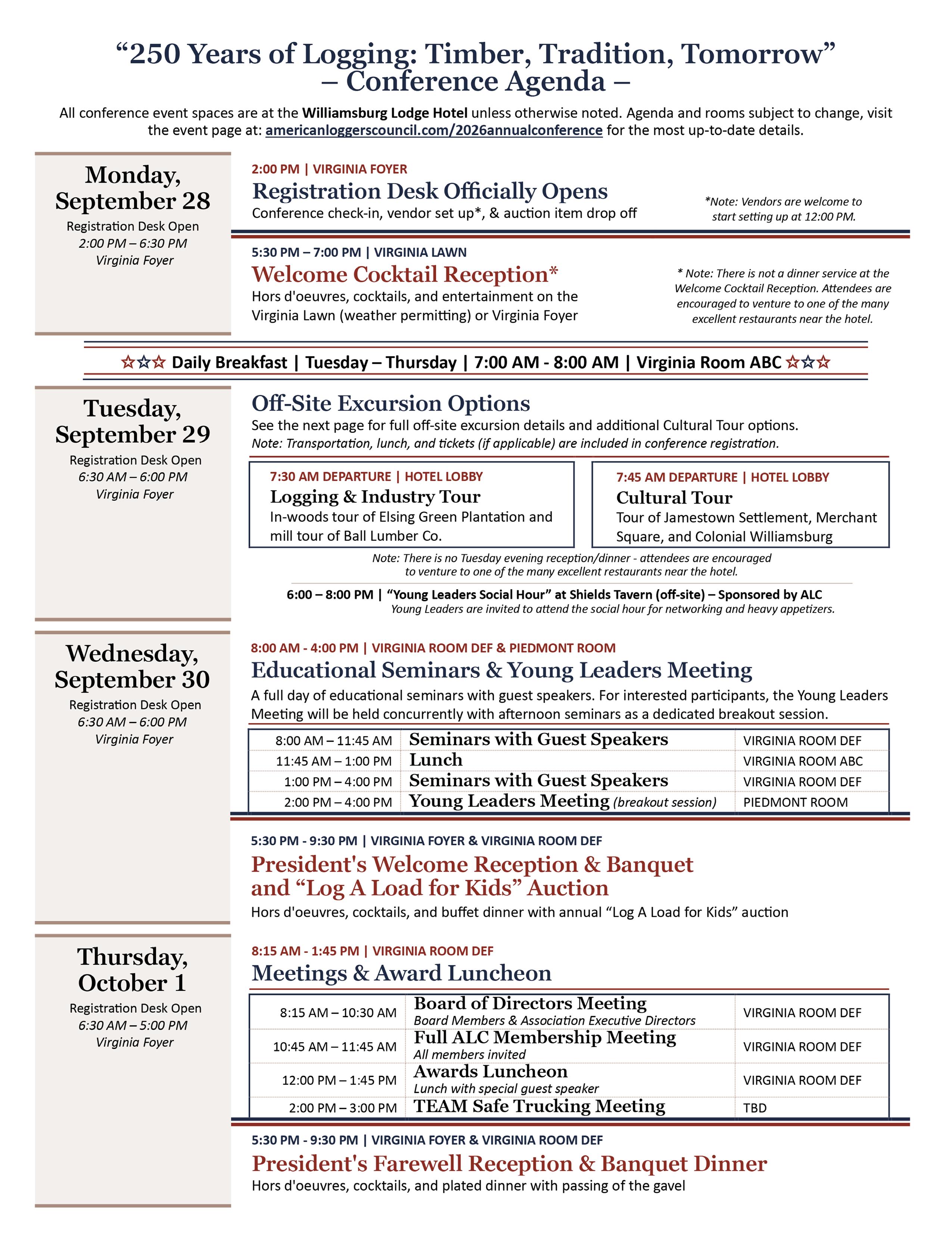












“America’s
First Choice in Traction!”