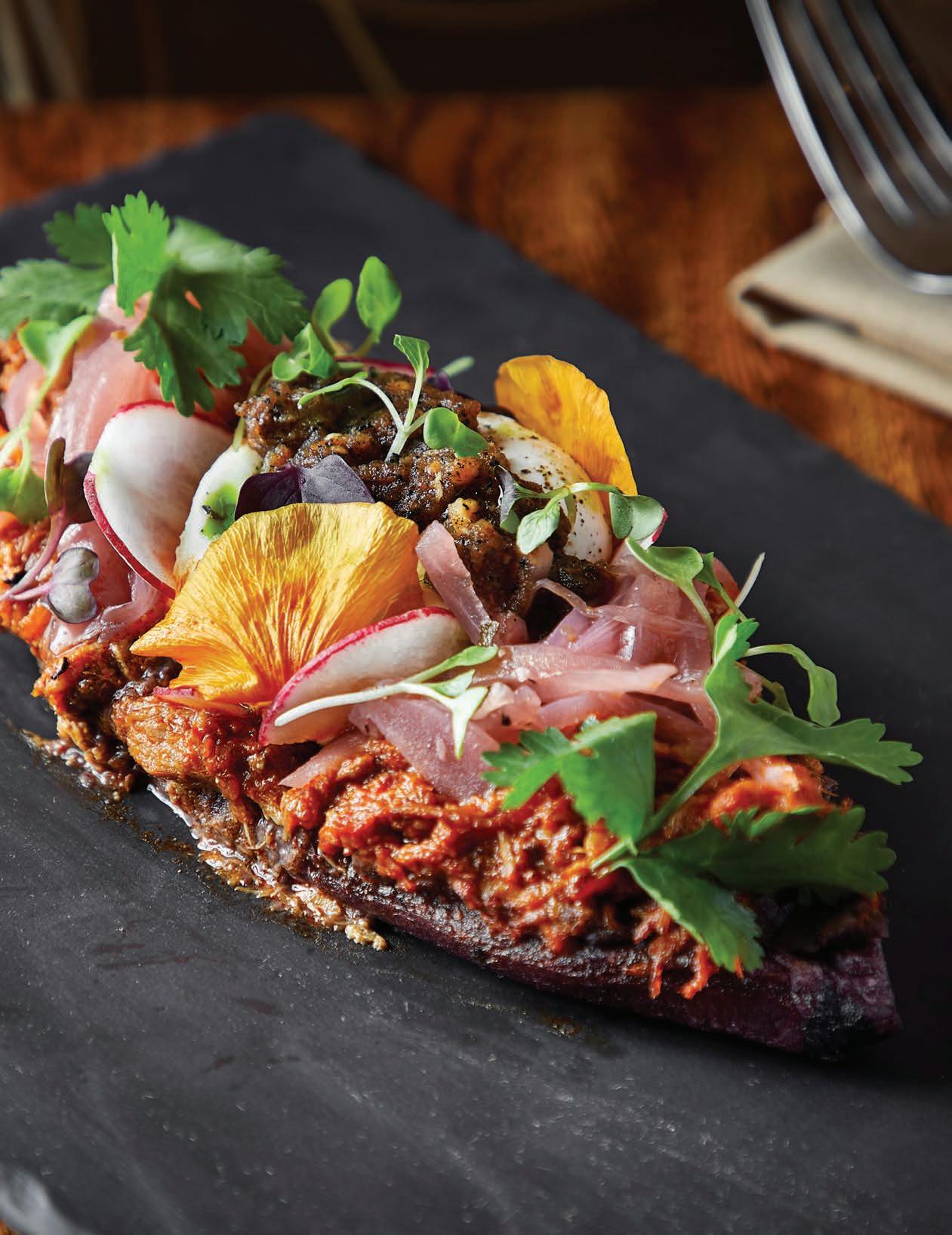

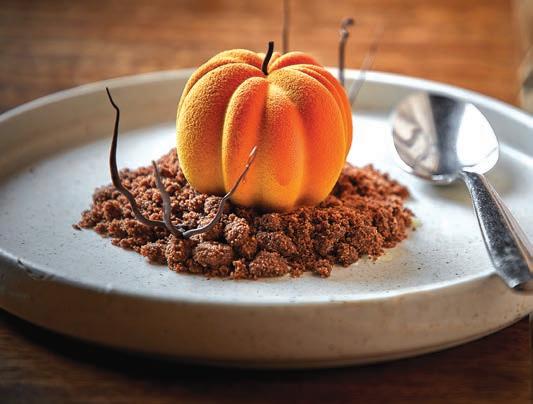

It’s hard to believe, but that now almost ubiquitous adjective wasn’t an offcial term until 2018, when MerriamWebster announced that the word — “a descriptor for those things that one might deem worthy of sharing”— was one of 840 new terms and defnitions added to its ranks.
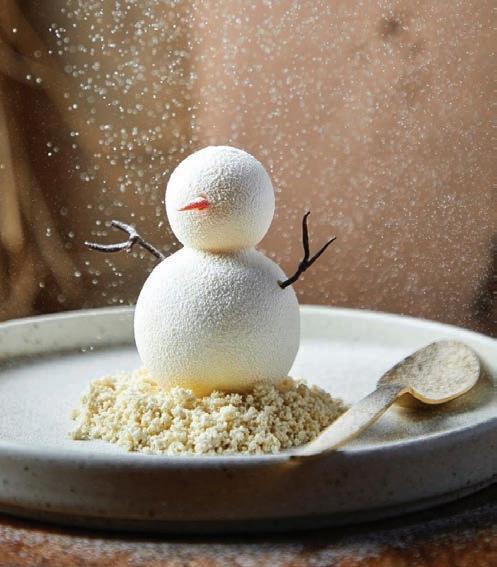
Just three years and literally millions of shared pictures later, Instagrammable has become a much sought-after adjective for chefs who want pictures of their dishes trending on social media streams.
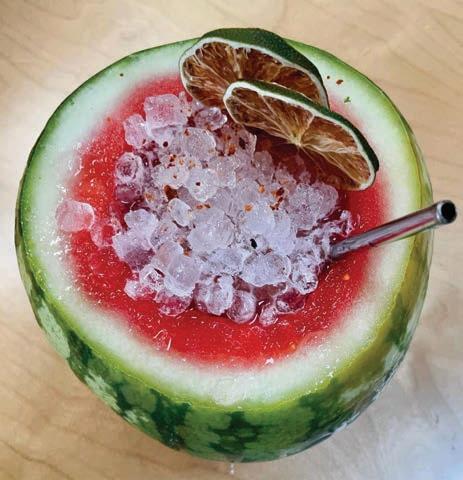
Why is it so important to make the dishes photo-worthy? We’ve tackled that question with the help of restaurant consultant Izzy Kharasch and Chef Carlos Gaytan of Chicago’s acclaimed Tzuco, who just might be considered the master of Instagrammable food presentations. You’ll fnd easy-to-implement tips, along with pictures of truly Instagram-worthy dishes, in “The Perks of Instagrammable Plates” that starts on page 12.
One “can’t miss” story is the feature announcing the winners of the Jarritos/el Restaurante Independent Mexican Restaurant Owner of the Year contest. Publisher Ed Avis did a deep dive into what made Delilah Snell of Alta Baja Market, Martha Ortega of El Cochinito Contento, and Andres Reyes of Birrieria Ocotlan stand out from the nearly 700 entries we received. Turn to page 6 to meet these award-winning restaurateurs.
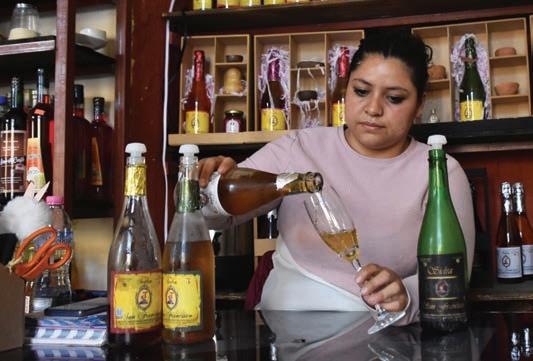
You’ll also fnd ways to create outstanding queso fundido that’s a step up from the ordinary, a “tour” of sidra-making in Mexico, and an information-packed look at why mezcal is having its moment in the mixology spotlight.
Enjoy this issue…and shoot me an email at kfurore@ restmex.com if you have ideas about topics you’d like us to cover in 2022 — our 25th anniversary year!

Ed Avis PUBLISHER
Kathleen Furore EDITOR Ala Ennes ART DIRECTOR
Elyse Glickman, Joseph Sorrentino CONTRIBUTING WRITERS
MAIN OFFICE phone: 708.267.0023
PRESS RELEASES TO: kfurore@restmex.com
MAILING ADDRESS P.O. Box 13347 Chicago, IL 60613
SHIPPING ADDRESS 1317 W. Belden Ave. Chicago, IL 60614
AD SALES/ENGLISH Ed Avis 708.218.7755 edavis@restmex.com
Suzanne Bernhardt 678.880.9282 suzanne@restmex.com
AD SALES/ESPAÑOL Alfredo Espinola alfredo@elrestaurante.com
Published by Maiden Name Press, LLC Volume 24, Number 4
el Restaurante (formerly el Restaurante Mexicano) (ISSN 1091-5885) is published five times a year by Maiden Name Press, LLC 1317 W. Belden Ave., Chicago, IL 60614 el Restaurante is distributed by subscription at the cost of $40. All contents copyright© 2021 Maiden Name Press, LLC. Nothing in this issue may be reproduced in any form without publisher’s consent.



For many years, Gordo’s Queso Blanco Easy Melt cheese has delighted restaurant diners as a key ingredient in signature queso cheese dip recipes. Gordo’s has consistent and superior melting, offering a smooth, creamy taste and texture that is trusted by operators everywhere. Gordo’s knows that quality ingredients make a quality product. That is why Gordo’s Queso Blanco has always been made with real dairy ingredients for incredible quality and consistency.

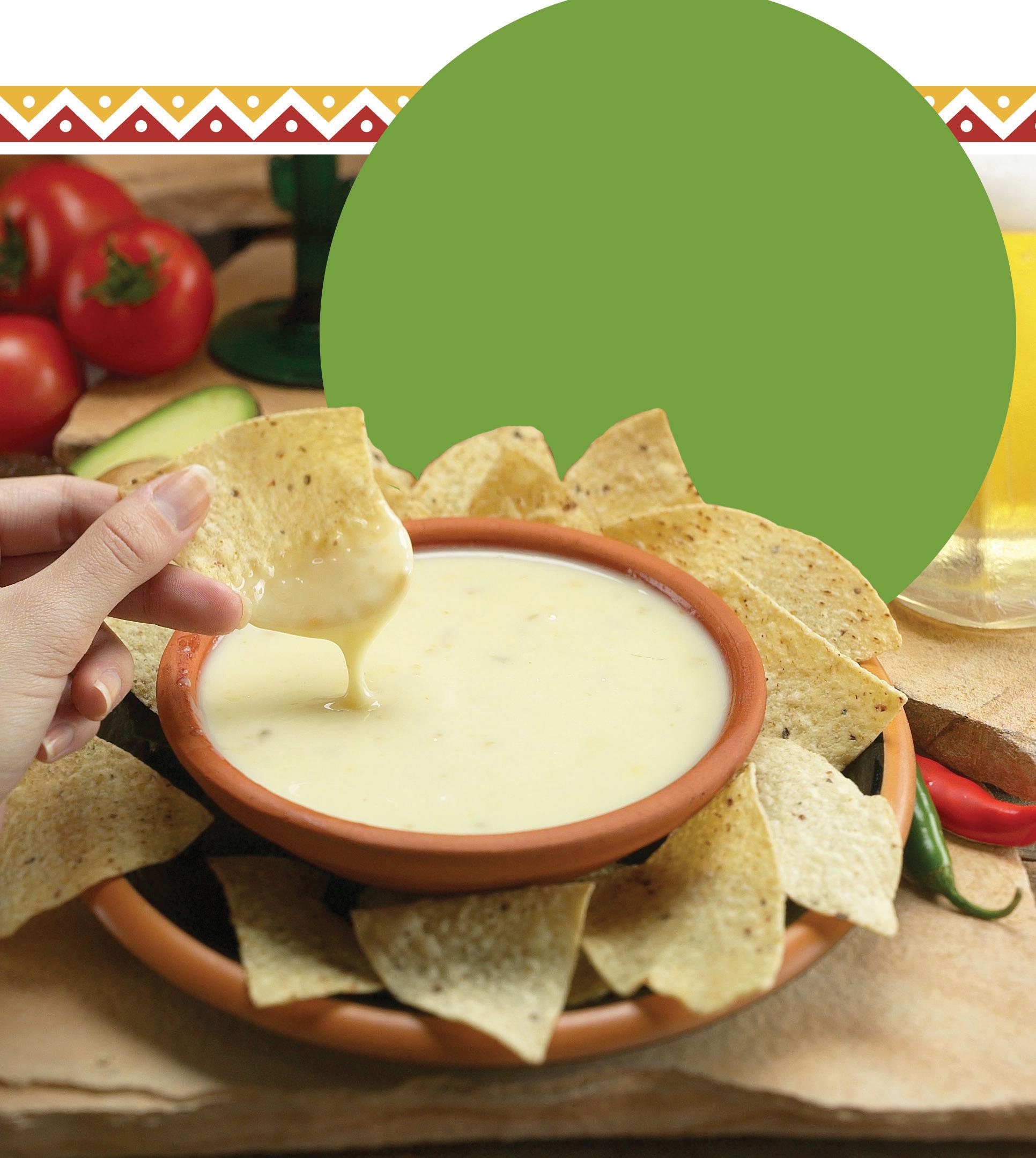
Trust Gordo’s to help make your queso its very best. Provide your customers with a lasting first impression to keep them coming back for more.
Gordo’s Queso Blanco Cheese is broadly distributed and available in 5 lb. loaves. Find out more at www.GordosDips.com/foodservice
Distributors and sales reps can contact Gordo’s at: sales@gordosdips.com


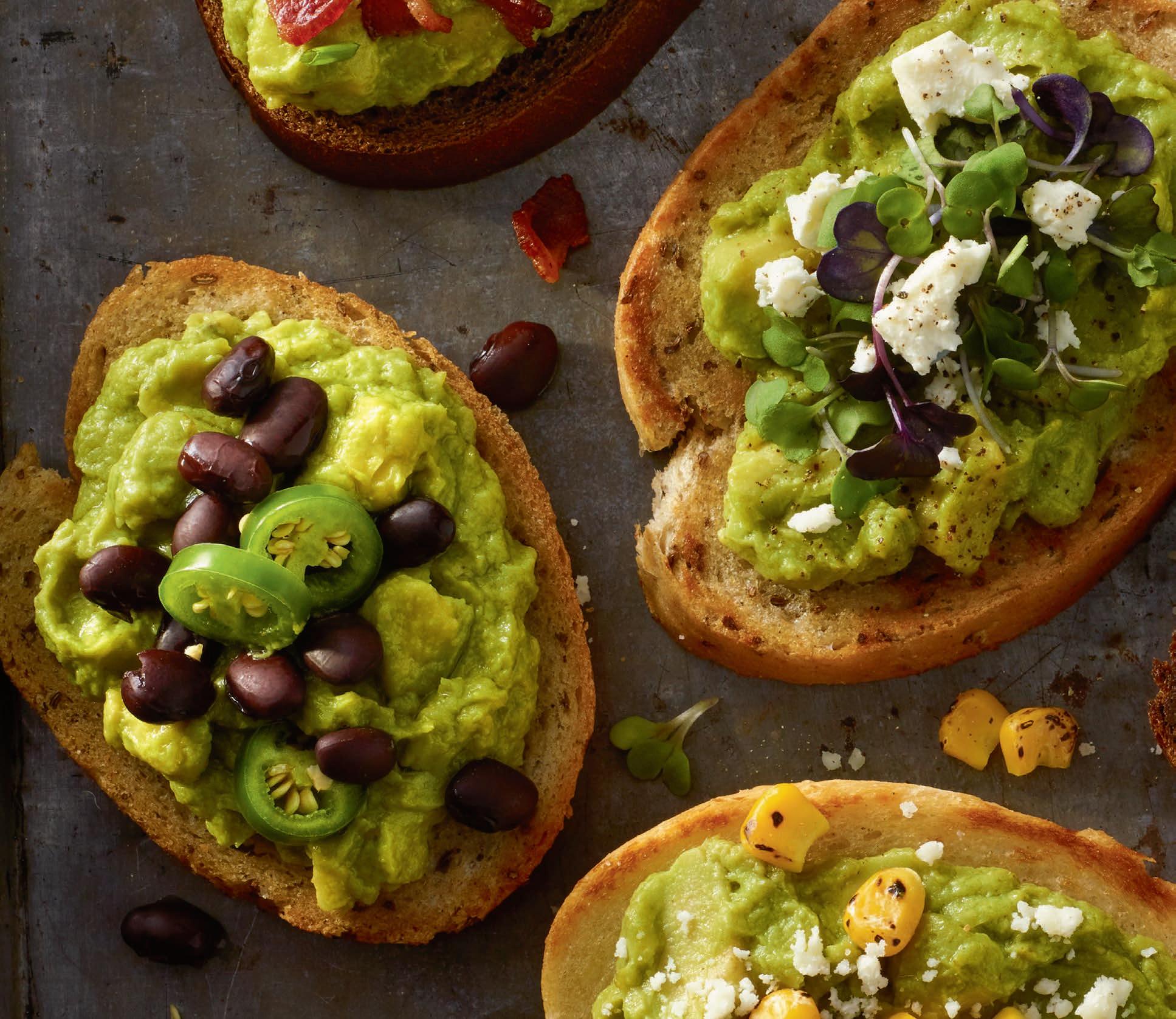












Say adios to slicing and scooping avocados by hand. WHOLLY® AVOCADO is ready to use right away. With 100% real Hass avocados and no preservatives, or artifcial colors or favors, you can quickly give your best with ours.
Try it yourself. Request a sample. megamexfoodservice.com/sample | 1.817.509.0626
PUBLISHER’S NOTE: Wow — were we ever overwhelmed with the response to our frst Jarritos/el Restaurante Independent Mexican Restaurant Owner of the Year Contest honoring independent Mexican restaurant owners nationwide. We received nearly 700 nominations! It was difcult choosing the winners, but in the end the three restaurant owners profled below topped the rest. They were chosen by a panel of four judges: Lilly Rocha, CEO of the Latino Restaurant Association; Eric Delamare, director of marketing, Novamex; Kathleen Furore, editor of el Restaurante; and Ed Avis, publisher of el Restaurante.

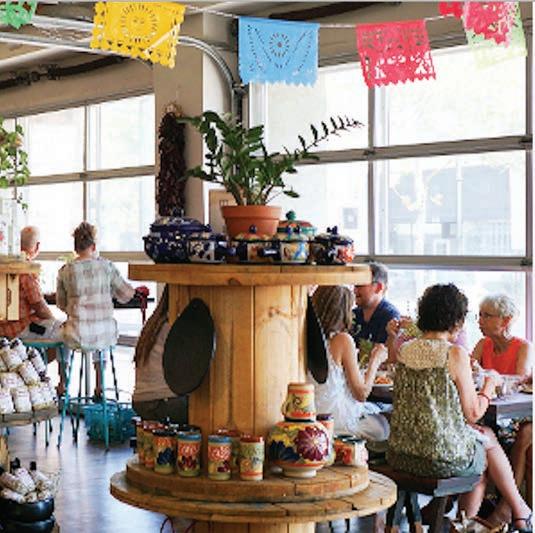
FIRST PLACE: Delilah Snell , Alta Baja Market, Santa Ana, California Each successful independent restaurant owner is unique, with his or her own style, passions and hopes. But many of them have these qualities in common: They are creative in the kitchen, they build relationships with their employees, and they sincerely engage with the community. Delilah Snell, owner of Alta Baja Market in Santa Ana, California, exhibits these qualities quite clearly.
“Delilah is a true Orange County gem,” wrote customer Kelly Kraus-Lee in her nomination of Snell. “Her cafe … is a community gathering place. Her spot, Alta Baja, is a cultural hub for Latin foods and culture.”
Snell opened Alta Baja — both a restaurant and a retail market — in 2016 with the idea of celebrat-
ing the food and culture of Mexico, California and the American Southwest. She gives life to that idea by creating a menu inspired by the cuisine of those regions, but with her own creative spin. And everything incorporates ingredients from small, authentic providers.
Popular dishes include Blue Corn Chile-Cheese Cakes,
Nathalie’s Chilaquiles, and The Lady Sees Green Chile Enchilada — all combining fresh, traditional ingredients with the creativity of Snell and her cooking staff. Her beverage menu highlights Hispanic culture: She works with three importers to bring in 50 wines from Valle de Guadalupe, and her michelada list extends far beyond the
“Alta Baja is more than a cafe/market…It’s a gathering place for local non-pro f ts, community leaders, and artists to host educational activities, book readings, lectures and so much more. [Snell] is a pillar for the city of Santa Ana.”
– ALTA BAJA CUSTOMER CYNTHIA REBOLLEDO
classic tomato-based michi, including versions featuring coconut and pineapple, guava and lime, and serranolime salsa.
“When we’re developing our menu, we listen to our customers and what they like,” Snell says. “Everything we make is healthy, super nutritious. It all resembles traditional Mexican or Southwest food, but with a creative take on it.”
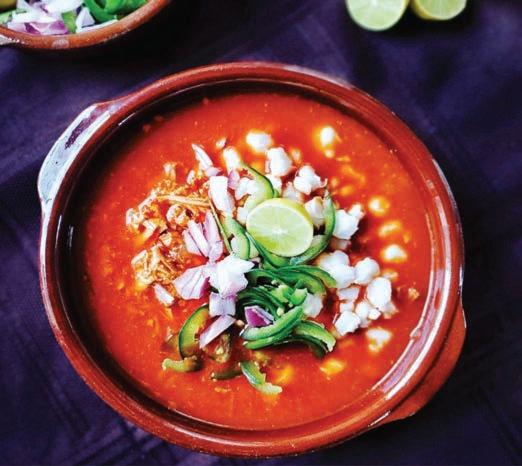
A favorite only on the menu the last Sunday of each month is pozole, made using a recipe from Snell’s mother-in-law, who is from Zacatecas, Mexico.
“That started on New Years Day in 2017,” Snell remembers. “My husband and I said, ‘Let’s make pozole,’ and we were slammed. Everybody wanted this warm, hangover, comfort food. Everyone asked me
when we were making it again — it was so much work, I had to think of the furthest away date, so I said the last Sunday of the month! We’ve been doing it ever since. Now we’re a hangout place on that day, we have DJs and music, and I invite other local vendors to sell their products.”
The once-a-month pozole day exemplifes Snell’s attitude: She makes Alta Baja a genuine community hub, not just a business.
“Alta Baja is more than a cafe/market,” wrote customer Cynthia Rebolledo in another nomination for Snell.
“It provides a platform for small businesses and makers above and below the US/ MX border — highlighting favors and cultures through food, art, books and housewares. It’s a gathering place for local non-profts, com-
munity leaders, and artists to host educational activities, book readings, lectures and so much more. She is a pillar for the city of Santa Ana.”
Snell loves collaborating with other businesses and community organizations. She gladly stocks the food items of small, local producers — “everything here has a story,” she emphasizes. Local bookstores do signings, the high school jazz band performs (at least prior to COVID), and a local theater hosts mini productions. Every element contributes to the spirit of Alta Baja.
Authentic food and community engagement were two important criteria entrants were evaluated on; but there was one more — a commitment to employees. Snell demonstrates that quality just as profoundly.
Her 10 employees are remarkably friendly, according to several nominations. She says that starts with the hiring process. In addition to the basic questions, she asks prospective hires to write down their hobbies and interests and why they want to work at Alta Baja.
“That’s important, because the people who work here, yes they want a job, but they also want to be here,” she says. “And I ask them about their hob-
bies and interests because I really want to get to know them.”
Employees learn every job at Alta Baja, from cooking and baking to cleaning and working the retail part of the business. And Snell is right there with them.
“I try to lead by example. I don’t expect you to work hard unless I work hard, too. We work hard together,” she says. “Every little victory we get, I try to share with the team, because they’re part of what makes it happen.”
To keep employees connected to the spirit of Alta Baja, Snell takes nearly the whole team to Mexico once a year. They visit Valle de Guadalupe, drink the wine, sample the cuisine, and bond with each other. When employees discover something new on those trips, it often ends up in the café’s cuisine or on the market’s shelves.
As COVID eases, Snell envisions even more growth and community connection.
“We have a lot of stuff happening in the next couple of months. We’re expanding the kitchen and just got our full liquor license,” she says. “We’ll do more education, more walking food tours, more discussions of the foodways of certain products. I’m excited about the future.”
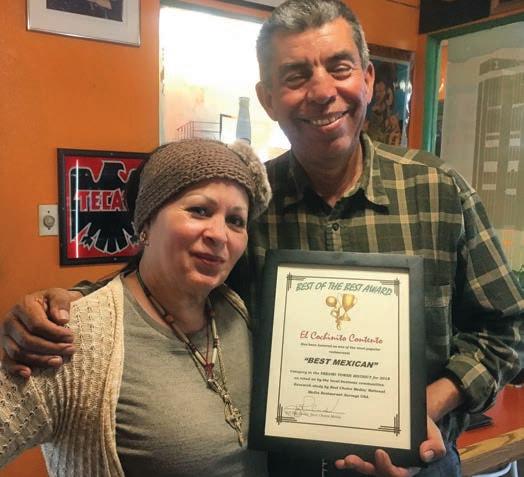
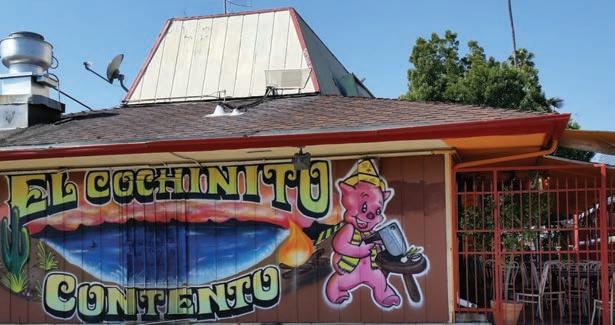
MARTHA ORTEGA, El Cochinito Contento, Fresno, California
The adjectives customers use to describe Martha Ortega, owner of El Cochinito Contento in Fresno, California, all have a similar tone: welcoming, kind, generous, compassionate. It’s no surprise that somebody that warm and beloved, who also is highly praised for her delicious Mexican cuisine, was nominated by 26 people!
“Martha is the community mom, or tía. She openly gives so much more than just food — she provides a sense of pride and love in a community,” wrote customer Ivette Lopez in her nomination of Ortega. “From always donating food and cash to organizations, to being supportive of the outside endeavors of her employees, to even donating to a local non-proft radio station just a few blocks down the road, Martha and El Cochinito have enriched many lives through their love of Mexican cuisine and a love of their people, period.”
Ortega and her husband Roy opened the restaurant in 1991 and have been committed to serving great food and the community ever since.
“I like to help the community,” Ortega says. “I’ve been doing that for many
years. Every time they ask me for something, I do it for them. The California Highway Patrol, the Fresno PD, and lots of other places. Every time they say, ‘Martha, can you help us?’ I say, ‘Sure, what do you need?’”
One of the nominations came from Sgt. Armando Hindman of the Fresno County Chapter of the National Latino Peace Offcers Association.
“Martha takes it upon herself to provide exceptional support and service to our community,” Hindman wrote. “She discerns quickly individuals’ needs that walk through her restaurant door and effciently assists them in any way possible. She is known for providing meals for the needy, homeless and anyone in need. During these pandemic times, all restaurant
businesses have been hit fnancially. However, that has not stopped Martha from assisting families in need of food.”
And speaking of food, many of the nominees wrote how much they love El Cochinito Contento’s cuisine. The restaurant serves top quality versions of truly Mexican classics, such as Carnitas, Albondigas, Camaron al Mojo de Ajo, Tacos de Asada and Tacos de Tripa.
“Martha is the community mom, or Tía. She openly gives so much more than just food — she provides a sense of pride and love in a community.”
“The food always makes me feel like waking up at a warm traditional Mexican home. Everything is hand-made,” wrote Alexandria Jennings. Customer Edson Lopez echoed that sentiment: “The second you walk in, you feel like you just got to your Mom’s house and she is READY to serve you and make sure you never leave hungry. Her dishes are as close to anything I’ll ever have remembered eating as a kid.”
A key criterion for the award was support of employees, and Ortega won in that category as well, based on the nominations.
“I’ve seen how their staff have become family, and
how Martha has supported them in pursuing their passions,” Ivette Lopez wrote. “In one example, an employee was able to achieve a dream of being a small business owner through the support of Martha and her family, having the ability to open a boutique thanks to fexible working arrangements and support.”
Ortega’s skill in the kitchen, treatment of employees, and community engagement clearly earned her this honor. But her true legacy is the welcoming atmosphere she has created.
As Edson Lopez wrote: “This is home, and Martha will always be there to greet and feed you.”
,
Birrieria Ocotlan, Chicago
Andres Reyes is only 33 years old, but he is maintaining a tradition that stretches back to 1926 — the year his great great grandfather started a birrieria in Ocatlan,
Jalisco. Reyes’ restaurant, appropriately called Birrieria Ocotlan, was founded by his father, Ramon, in 1973. Andres took over the business when Ramon retired about fve years ago.
“If you’re from Ocatlan, Jalisco and your name is Reyes, you’re associated with birria,” Reyes says. “We still have a cousin there who has a pretty popular birrieria.”
Reyes is living up to that reputation. Birrieria Ocotlan, which has two locations, is widely praised for its traditional goat and beef birria. “The birria and this restaurant are the most authentic taste and feel that you can get outside of Mexico here in Chicago,” wrote customer Gerardo Orozco in his nomination of Reyes.
Birrieria Ocotlan’s success, and Reyes’ support of his employees and community, led to him winning his award.
The authentic birria is at the heart of Reyes’ suc-
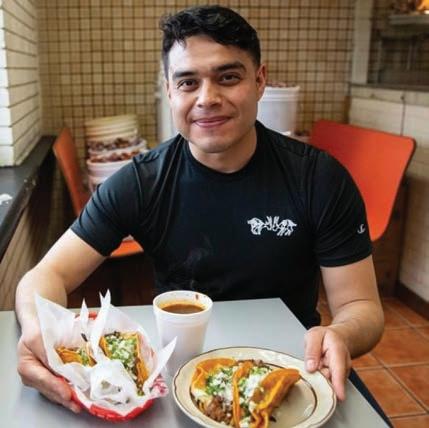
cess. He has maintained the four-generation-old family recipe, which means each batch is created by hand in a fve-hour process. The fnishing touch is a special spice mix, which Reyes mixes himself in batches that last one month. Customers order tacos made with the birria, or bowls of the consommé with birria.
But Reyes’ success is due to more than just great birria, according to the people who nominated him.
“Andres Reyes always puts his employees frst,” wrote Stacy Carreon. “During the pandemic he shut down for two weeks while he adapted to put in place COVID safety measures and paid everyone the full two weeks. He recently also closed his restaurant for two hours and personally drove each member of his staff to get a COVID vaccine (if the employee of course chose to do so). He was able to advocate and secure appointments for all of his frontline working Latino staff who he employs.”
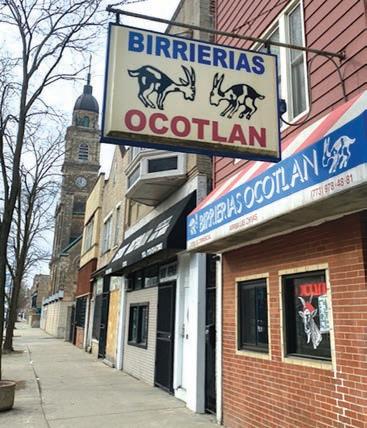
Many residents of Chicago’s South Side and Southeast Side communities that house the Birrieria Ocotlan locations worked at steel mills in previous generations. When those mills closed, the area suffered economically. Reyes says he’s pleased that his restaurants have remained an essential part of those communities and is always happy to support local youth sports teams and other charities.
“We owe it to South Chicago and Southeast Chicago to give back,” Reyes says. “So, when we have sports teams come in, we support them — soccer, baseball and softball. It gets kids out of their everyday lives, and maybe helps them see a better future.”
According to the nominations, Reyes’ efforts to improve the lives of residents in his community — either through philanthropy, employment, or great food — are succeeding.
Says Carreon: “This birria restaurant changes lives.”
“The birria and this restaurant are the most authentic taste and feel that you can get outside of Mexico here in Chicago.”
– BIRRIERIA OCOTLAN CUSTOMER GERARDO OROZCO
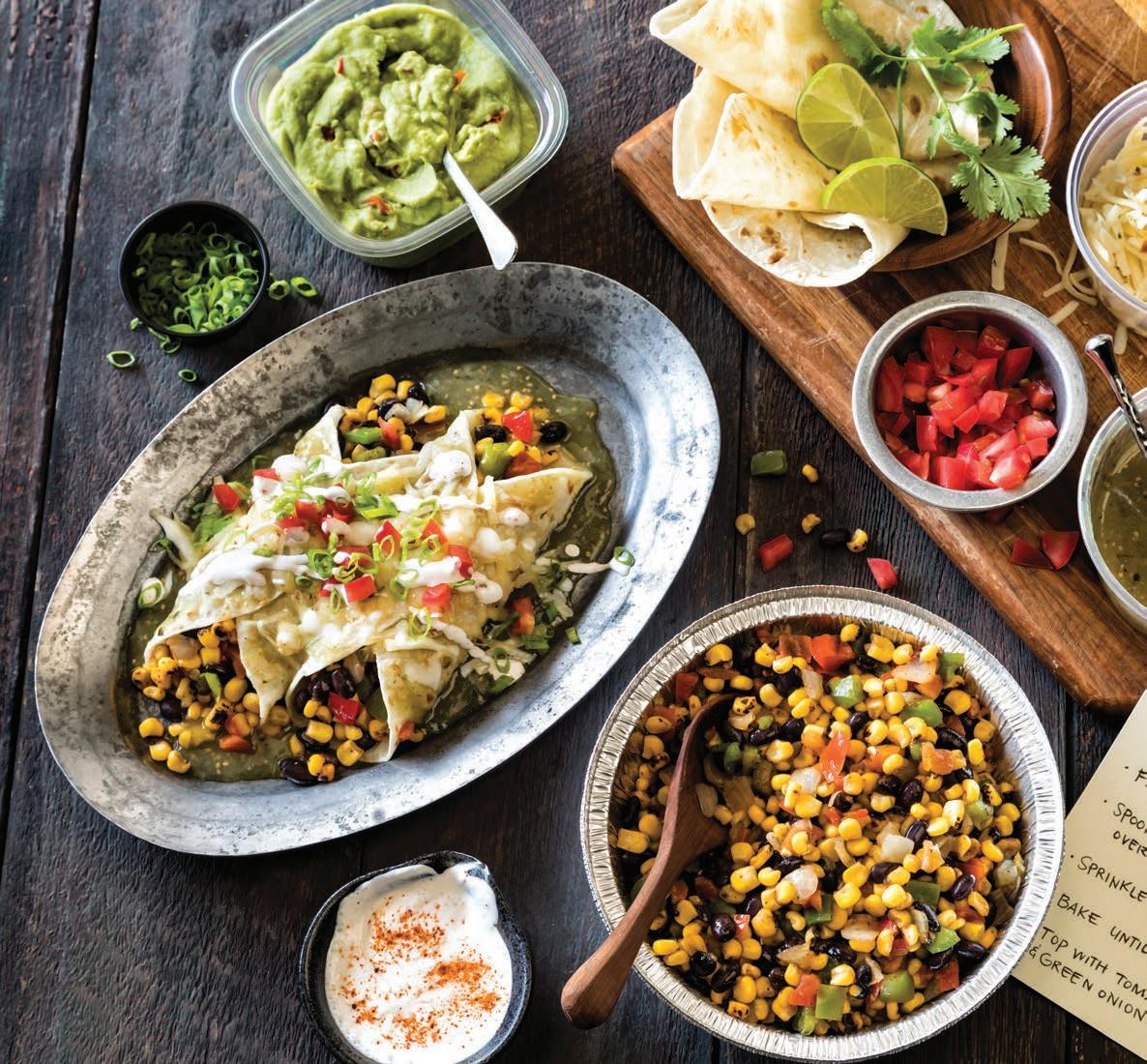
Simplot Harvest Fresh™ Avocados Western Guacamole, Fresh: Always
RoastWorks® Flame-Roasted Corn & Black Bean Fiesta Blend: No shucking
| BY KATHLEEN FURORE
| How important is it to feature dishes that are not only delicious but Instagrammable, too?
In one word: “Hugely,” says restaurant consultant Izzy Kharasch, president of Hospitality Works in Deerfeld, Illinois. “When we’re working with restaurants and focusing on plate presentation, ‘Is it Instagrammable?’ is the #1 question on our list!”
And that means improving plate presentation has become paramount in today’s social media-crazed world.
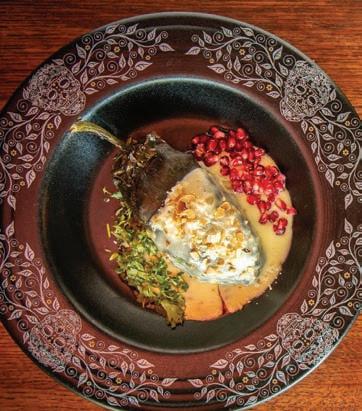
“I think presentation refects a part of who you are and who you want to become,” says Michelin Star winner Carlos Gaytan, the chef-owner of the acclaimed Tzuco in Chicago’s Gold Coast. “You
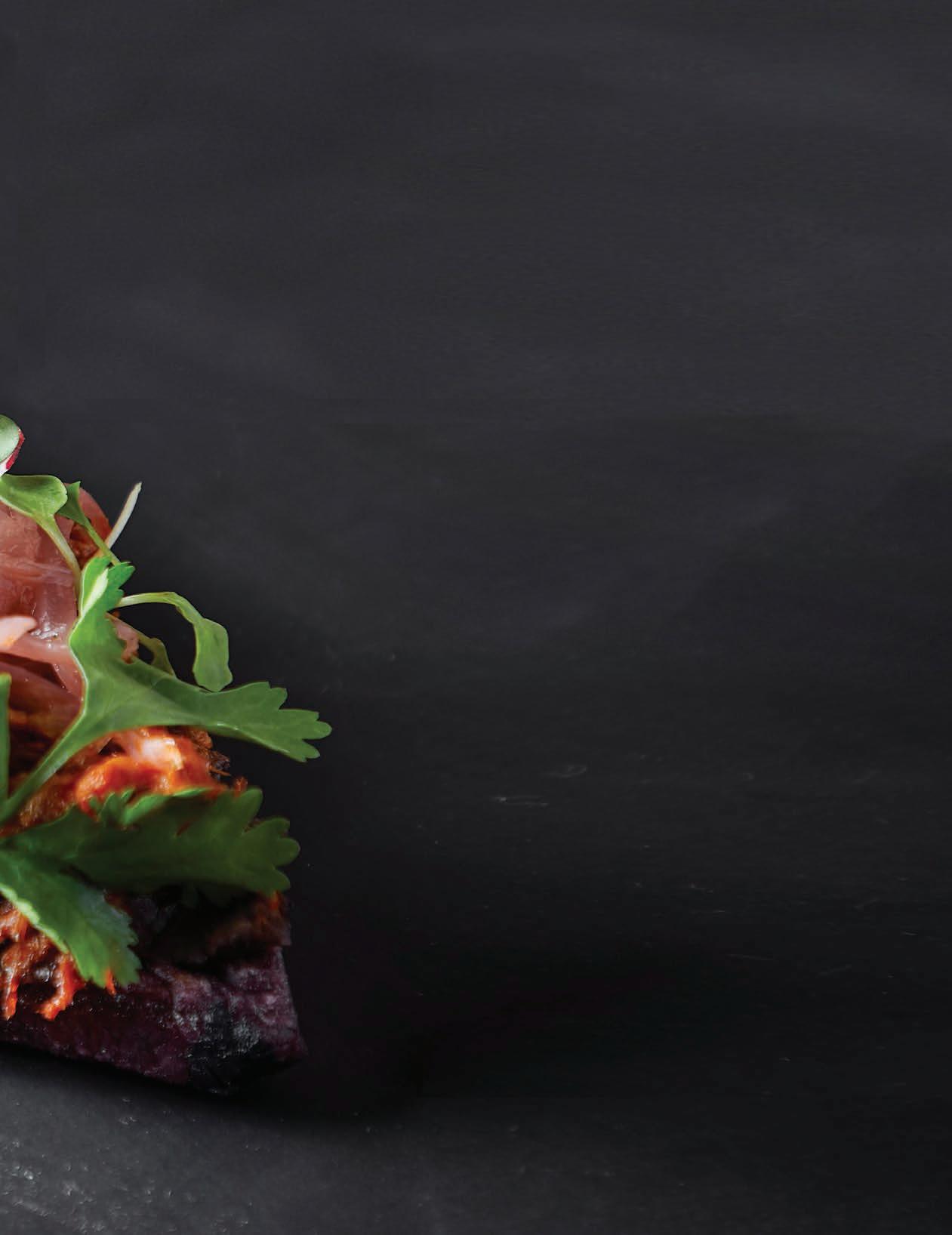
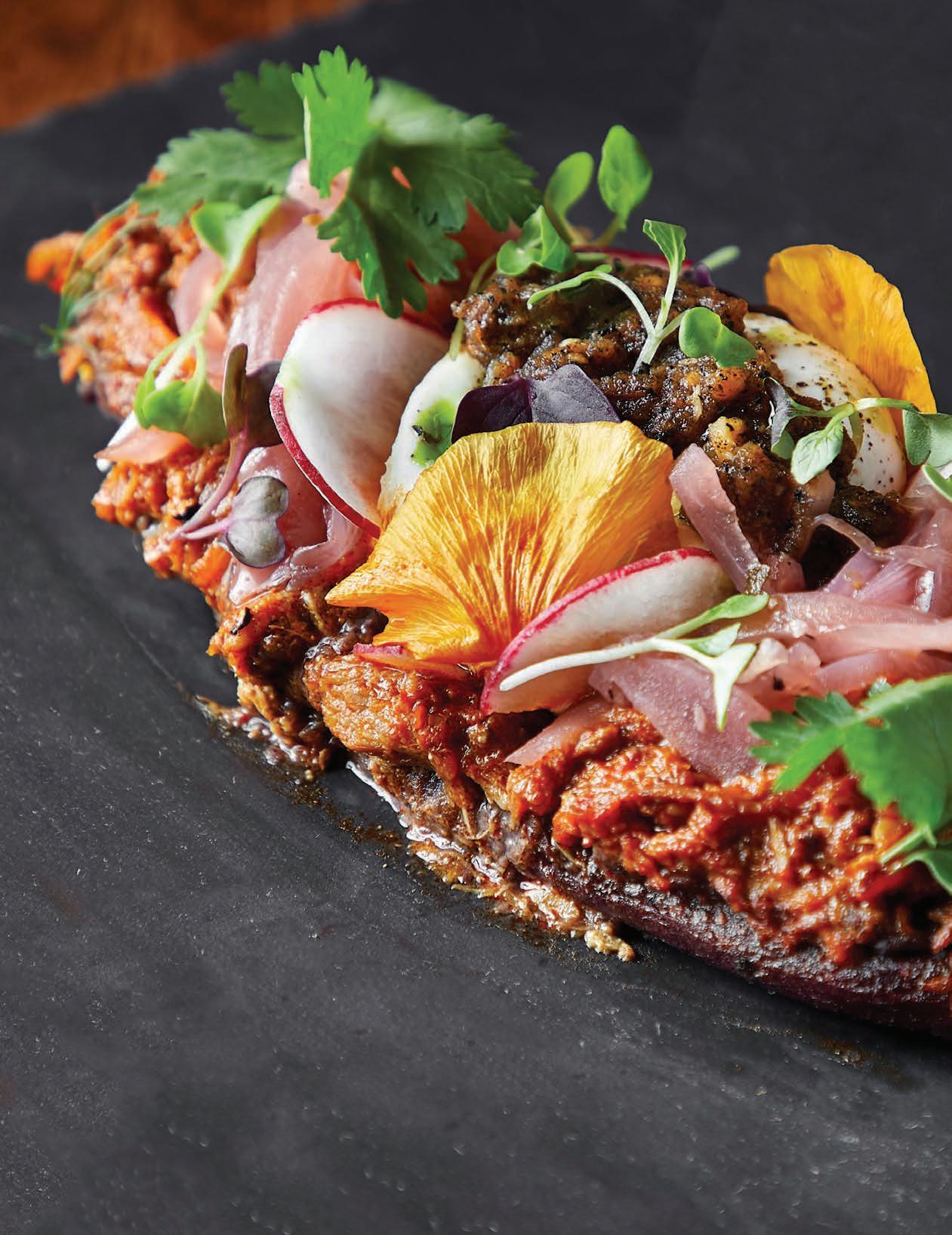
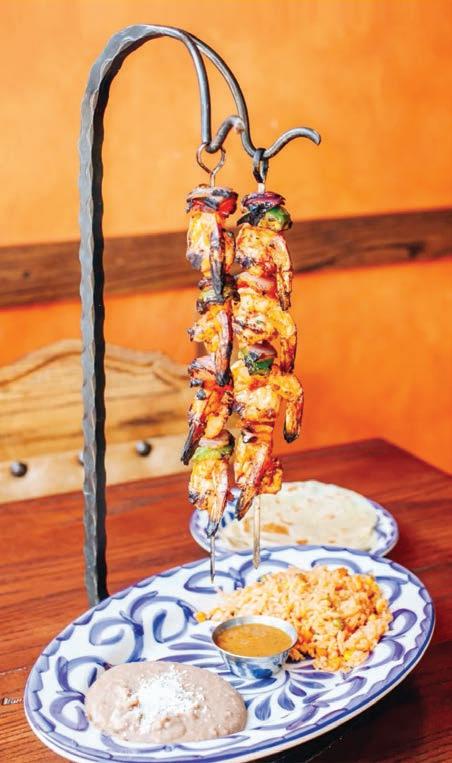
have to be creative, not only in making the dish, but also in the presentation and in how guests may interact with their food. I try to stay away from the typical stuff like enchiladas, tacos and tortas because I want to be creative — I’m doing it by presenting dishes with tortillas on the side so the guest can interact with their food by creating their own tacos. This takes extra time…[but] the guests are going to notice and appreciate it. It automatically sets you ahead of the competition.”
So why does Kharasch focus on plate presentation in his work with restaurants like Old Juan’s Cantina, the Mexican concept in Oceano, California he is working with now?
“The price of food is rising, so the perception of Mexican food needs to change…so restaurants have to step up their game,” Kharasch explains. “Any Mexican restaurant — especially those who have been around 15, 20, 25 years — has to look at their food in a whole different way. That’s what we’re doing at Old Juan’s. They’ve been in business for 45 years, and now they’re looking at the value of price to food. Customers are becoming more sophisticated, and great chefs at great Mexican restaurants are charging as much as chefs at an expensive steakhouse might charge — and they can do that because the presentation of the food is so spectacular.”
And it doesn’t matter your concept or price point, Kharash notes.
“It is inevitable that you will have to raise prices,” he stresses, noting that customers might jump ship if you’re charging the same amount as your competitor down the street with food similar to yours but presented in a more appealing — and yes, more Instagrammable — way.
With prices rising and pandemic challenges continuing to strike, creating Instagrammable dishes might seem a Herculean task. Not necessarily so, Kharasch says.
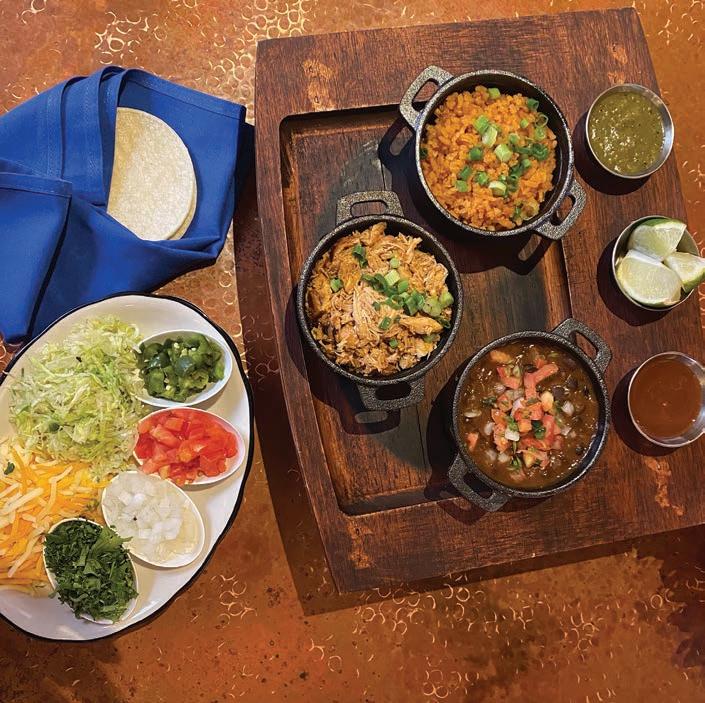
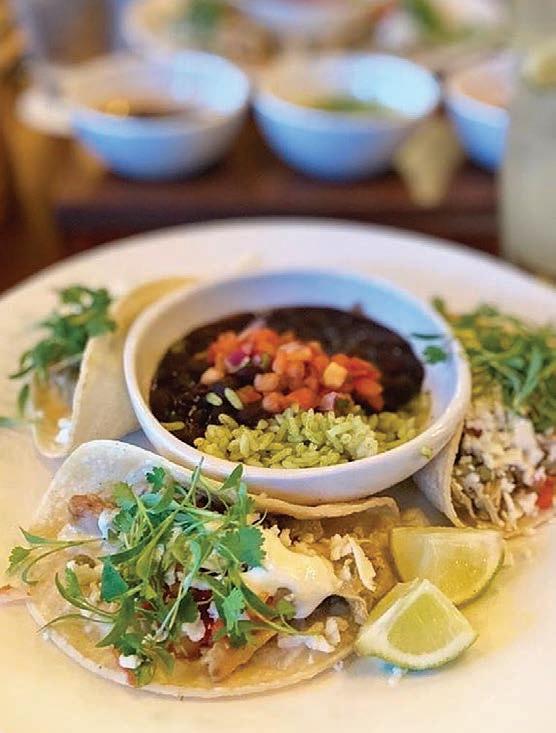
“Many restaurant businesses are small, many are struggling, and budgets are tight…so [owners] think they can’t go out and do what they want to do,” he says. “But there are ways! The frst thing they should do is take out every dish, every piece of glassware, and say, ‘What can we do differently with what we have?’ If you serve a burrito with beans and lettuce, let’s upscale it a little — put it on an oval plate, put the lettuce [and other accompaniments] in small containers, then drizzle some sauce on the platter off to the side to decorate the plate. If you separate each element on its own little piece of china, it ups the game with the pieces you have…utilize different things to give a dish a different look and it becomes Instagrammable.”
Explore how Mexican restaurants are taking plate presentation to Instagrammable levels on the pages that follow…
“YOU HAVE TO BE CREATIVE, NOT ONLY IN MAKING THE DISH, BUT ALSO IN THE PRESENTATION AND IN HOW GUESTS MAY INTERACT WITH THEIR FOOD.”
– CHEF CARLOS GAYTAN, Tzuco
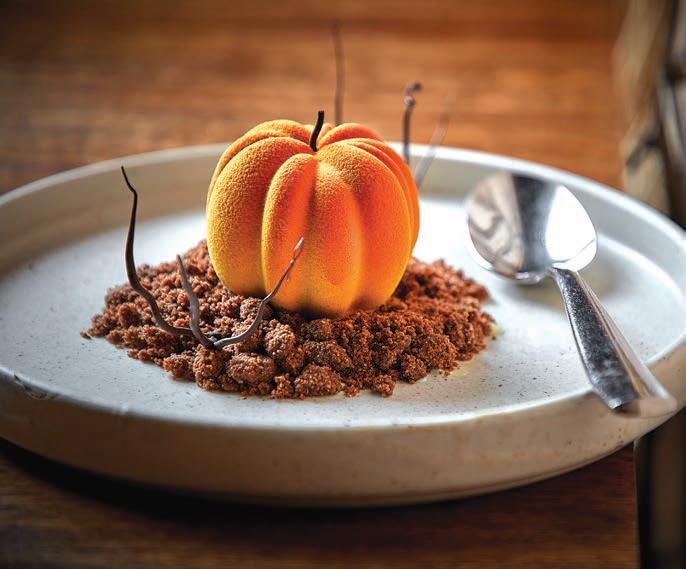
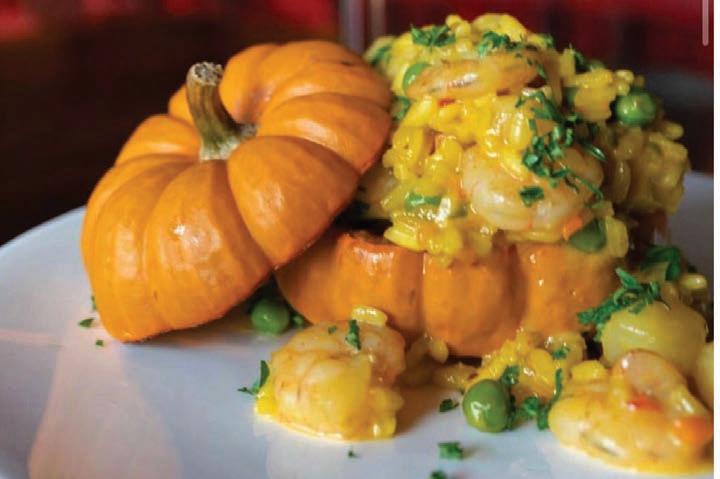
“YOU CREATE FLAVORS BY THE SEASON LET’S SAY PUMPKIN DURING FALL. YOU WANT TO HAVE SOME DESSERTS THAT ARE VERY CREATIVE – BUT NOT ALL OF THEM. SO HAVE AT LEAST ONE CREATIVE DESSERT THAT INCORPORATES SEASONAL FLAVORS.”
– CHEF CARLOS GAYTAN, Tzuco
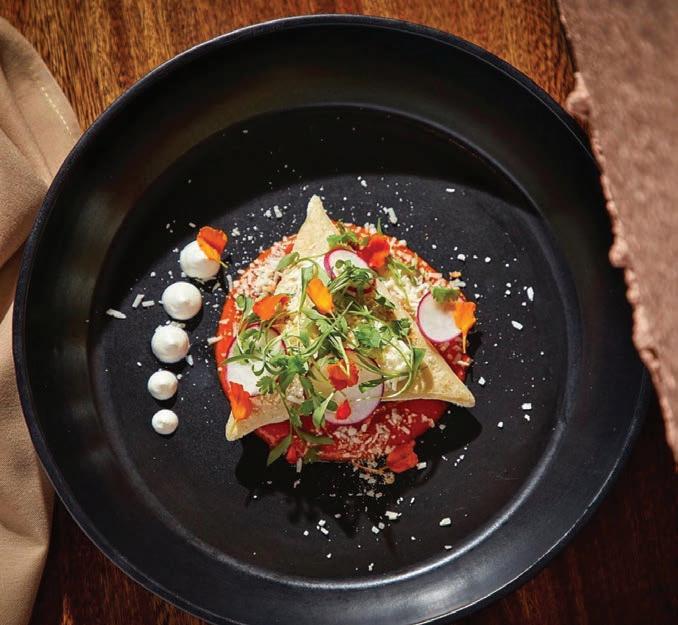
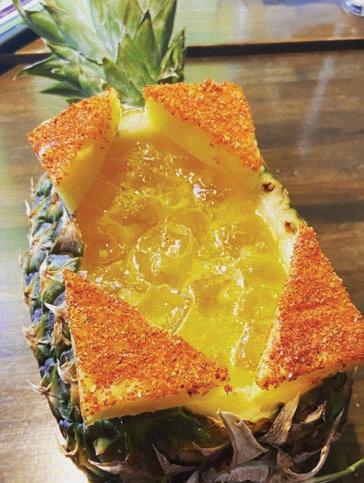
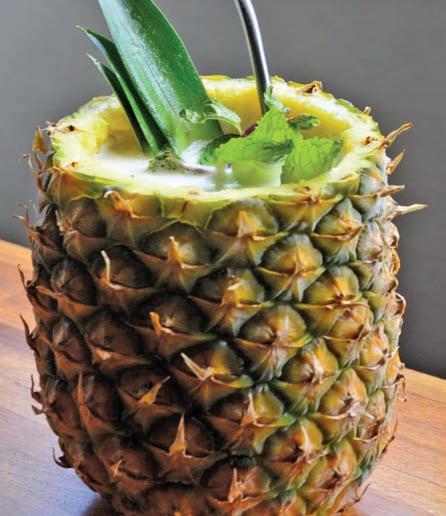
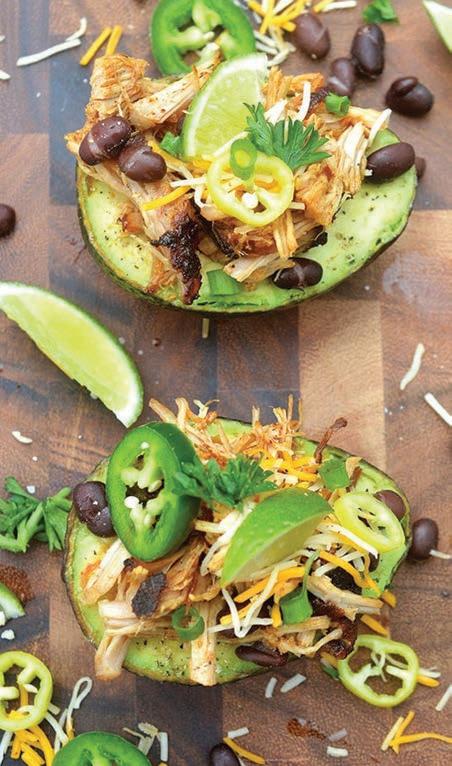
WHETHER YOU DOT IT, DRIZZLE IT, OR SWIRL IT AROUND THE PLATE OR ATOP LUCIOUS DESSERTS, SAUCES CREATIVELY USED CAN MAKE ALL THE DIFFERENCE IN PLATE PRESENTATION.



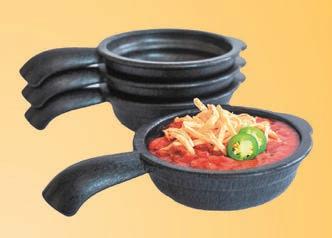
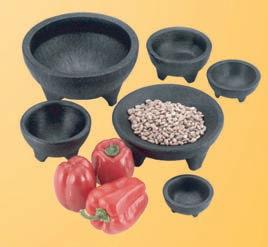
Have A Bowl! Not only will these stackable bowls save you space in
› We want to see your Instagram-worthy dishes! Email them to Editor Kathleen Furore at kfurore@restmex.com and we’ll feature them online and in upcoming issues.






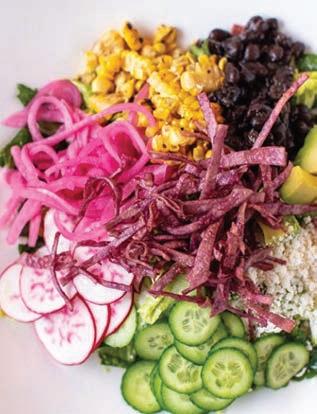
“EVERY PLATED ALMA SALAD IS A WORK OF ART PLAYING ACROSS THE COLORS OF THE SPECTRUM…” – ALMA COCINA, Atlanta, Georgia


| BY KATHLEEN FURORE | When a new dish is so delicious that the restaurant introducing it dubs it “Facebook videoworthy” and features it in close-up on an 11-second video, you know it must be something special.
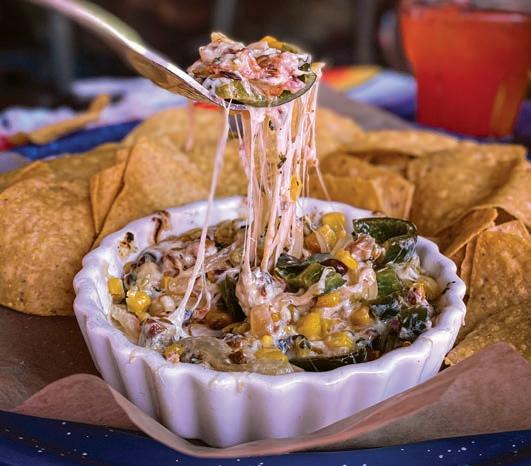
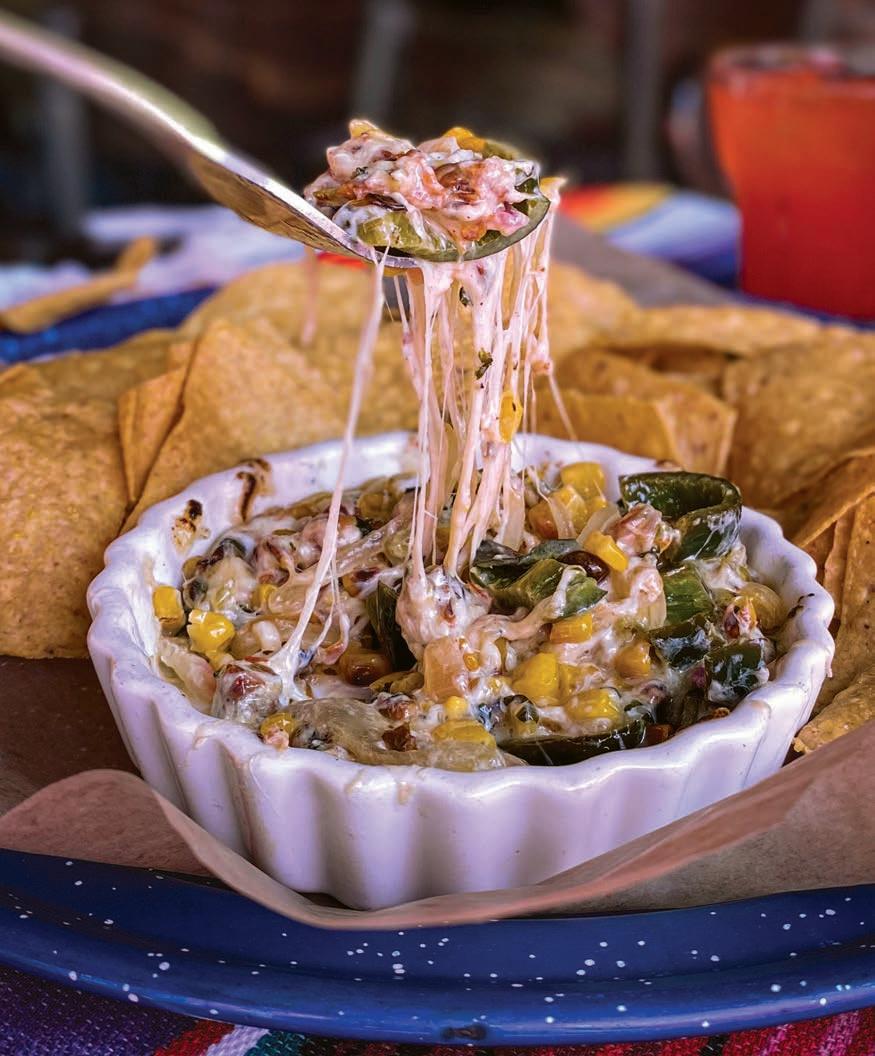
That’s just the introduction Chicago’s Broken English Taco Pub gave its Esquites Fundido shortly after its November 2020 debut.
“In queso you needed something to look forward to this weekend we’ve got something FUNDIDO for you at Broken English Taco Pub,” read the November 13 Facebook post. “Among a few new additions to the menu, we bring you the Esquites Fundido.”
The post went on to describe Corporate Executive Chef Frank Valdez’s creative rendition of a Mexican restaurant staple: “roasted corn, sautéed onion, poblano and serrano peppers and a melt-in-your-mouth Mexican cheese blend…”
Just how did Valdez come up with the idea to make what has become a customer favorite at all three Broken English locations by combining esquites with queso fundido?
“I would say it was essentially me wanting to make a dish that was vegetarian friendly yet delicious enough for meat eaters to order,” he recalls. “I think at the time, esquites was
“I would say it was essentially me wanting to make a
dish
that
was vegetarian friendly yet delicious enough for meat eaters to order. I think at the time, esquites was having its moment and popping up everywhere — and I had an ‘aha moment’ of blending esquites and fundido.”
– CORPORATE EXECUTIVE CHEF FRANK VALDEZ, Broken English Taco Pub
having its moment and popping up everywhere — and I had an ‘aha moment’ of blending esquites and queso fundido. I felt it would be a great match as the warm corn is traditionally served with mayonnaise, cheese and some sort of spice. I
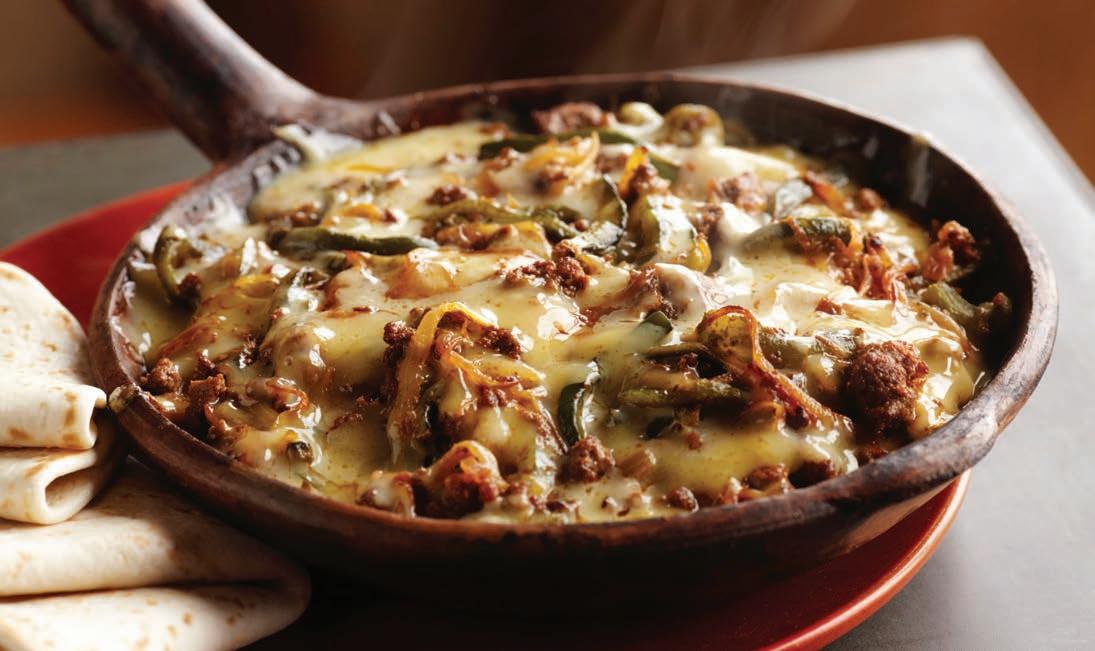
thought, ‘Why not use the corn as an alternative to the more traditional chorizo, poblano and onion queso fundido?’”
Valdez’s recipe calls for a mixture of Queso Oaxaca and Queso Chihuahua, which he says he marries to
blistered corn, poblano and serrano pepper, onion and cilantro.
“At the moment the Esquites Fundido is the only fundido that I offer at the restaurant — and there has not been push back about bringing back a more tradi-


“I
am a cheese lover. And one day I said, ‘Why not try making a tamal de queso?’ Every guest who orders it loves it. Sometimes they order it for an appetizer and then reorder it for an entrée!”
– CHEF ALFREDO SOLIS, Anafre
tional variety,” he reports.
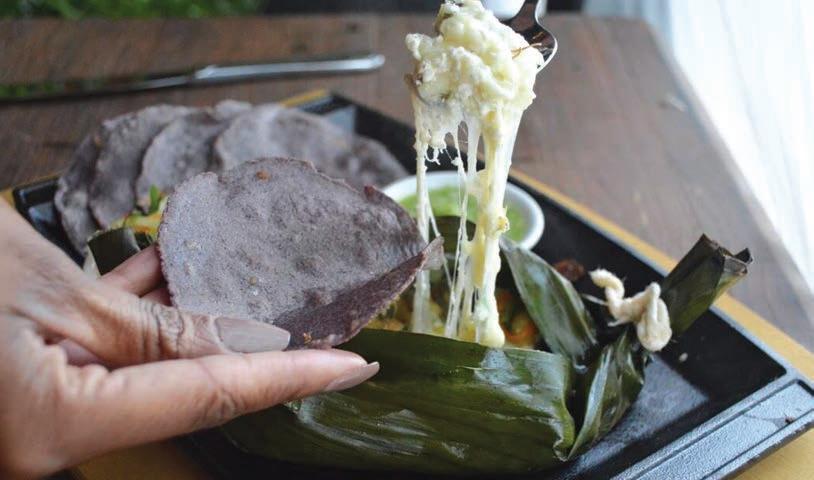
Creativity has also transformed the queso fundido at Anafre in Washington, D.C., where, as Anafre’s website explains, Chef Alfredo Solis “pulls inspiration from traditionally prepared dishes of Baja California, The Yucatán Peninsula, Acapulco and beyond with dishes like queso fundido prepared on top of the grill in a banana leaf.”
Although the restaurant pivoted to focus on Mexican pizzas during the pandemic, Solis kept about
half of Anafre’s regular menu items – and his Queso Fundido en Hoja de Plátano made the cut.
“Every guest who orders it loves it,” Solis says. “Sometimes they order it for an appetizer and then reorder it for an entrée!”
The idea for the unique presentation was born when Solis decided to combine the cooking method used in Tamales Oaxaqueños, which are cooked in banana leaves, and his love of queso.
“I am a cheese lover,” Solis says. “And one day I said, ‘Why not try making a tamal de queso?’”
The result: the Queso Fundido en Hoja de Plátano made with huitlacoche, three cheeses, corn epazote and served with tortillas.
According to Solis, mixing three kinds of Hispanic cheeses is the secret to the dish’s success: Queso Oaxaca and Queso Chihuahua are the melting quesos that give the dish its gooey, cheesy texture, while Panela

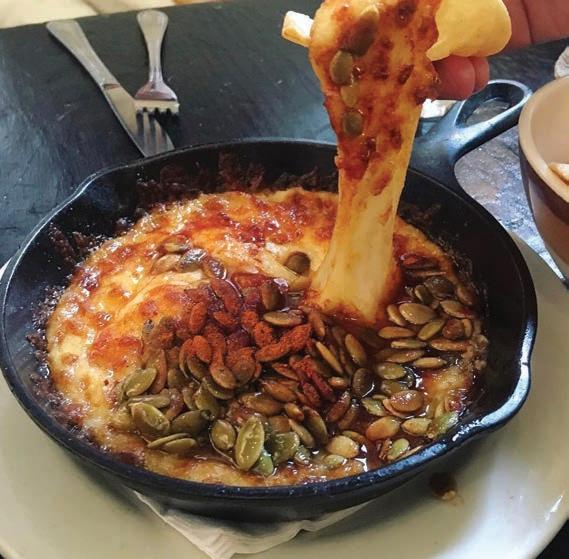
gives the mixture enough heft to be scooped out without sticking to the banana leaf, he explains Roasted pumpkin seeds are part of the queso fundido’s appeal at New York City’s La Esquina — a dish so popular that it made it into the pages of InStyle Magazine’s 2016 food feature “You’ll Want to Put This Tasty Queso Fundido On Everything” and in a 2020 Recipe Remake feature at eatingnyc.com. As Chef Adrian Ramirez told
InStyle, “What makes this queso fundido special are the layers of textures and favors, the combination of the sweetness from the agave and spiciness from the chili powder, and the crunchiness of the roasted pumpkin seeds.”
The rich, creamy goodness of bubbling hot cheese, additional ingredients that enhance the favor and texture, and accompaniments like crunchy tortilla chips or fresh tortillas combine to make queso fundido a fa-
vorite with restaurant diners. But Valdez believes it’s more than all those things; and he sums it up this way:
“I think people really enjoy breaking bread over commu-
nal appetizers such as queso fundido.”
See recipe for Queso Fundido Con Chorizo y Rajas on page 55. Kathleen Furore is the editor of el Restaurante

La Perla Spice Co., Inc. specializes in two Mayan seasoning pastes called Achlote and Bistek. They are both used as a seasoning for all types of meat.
However, they can also be used on vegetables, fsh, rice and so much more!
Make our Del Mayab favors your next culinary adventure!



| BY ED AVIS |
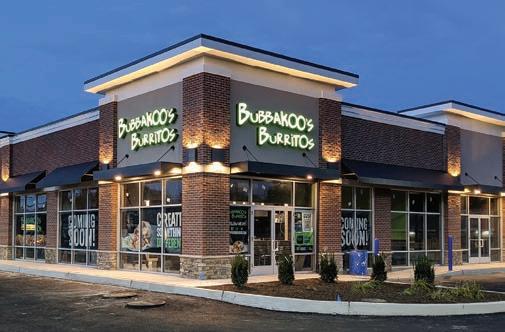
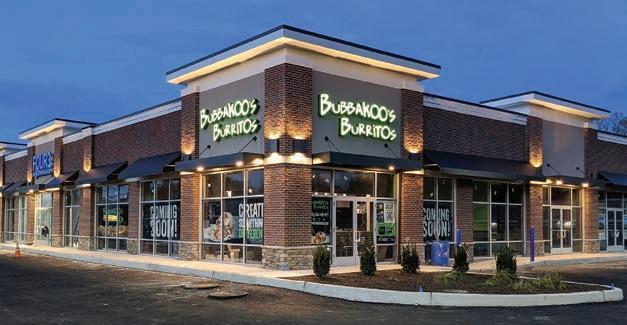
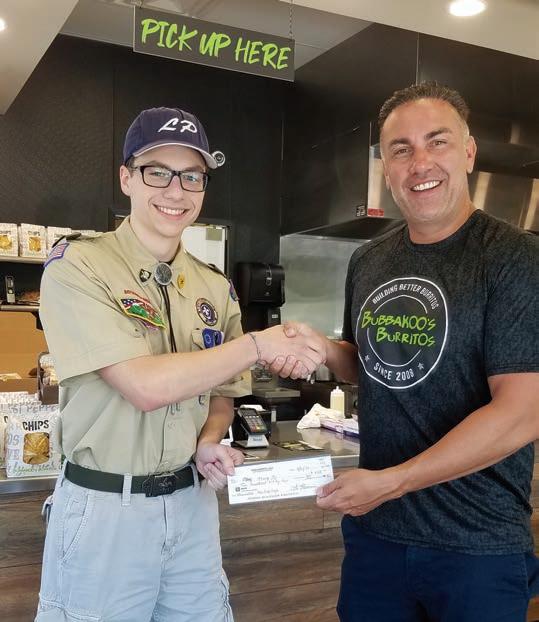
When Steve Harrison began exploring new business opportunities a couple of years ago, the experienced entrepreneur considered various options, but none seemed quite right. Then one day he and his family ate at Bubbakoo’s Burritos, a multiunit known for customized burritos, and his wife asked if he had considered opening a franchise of that restaurant.
He spoke with Bubbakoo’s owners, liked what he heard, and opened his frst Bubbakoo’s location in Lincoln Park, New Jersey in October 2020. Two more are underway.
“What I loved about the opportunity with Bubbakoo’s was that the brand is on a forward trajectory, but you can still get some of the ‘A’ and ‘B’ locations, which you can’t do with the more established brands,” Harrison says. “So, you can get some great locations, it’s in the Mexican genre, which is very hot, and you get brand equity that is already resonating with customers.”
Becoming a franchisee is one way to launch or expand a restaurant business, and
many Mexican multi-units are seeking new partners. But is the opportunity right for you? There are many things to consider, from the investment required to your own working preferences.
The overall advantage of opening a franchise versus opening an independent restaurant is that you get a template for the launch and continued management of the restaurant, which eliminates the often tedious and overwhelming decisions you would have to make to launch your own concept. After all, a restaurant typically only begins franchising once the owners have found a successful formula and worked out all the kinks.
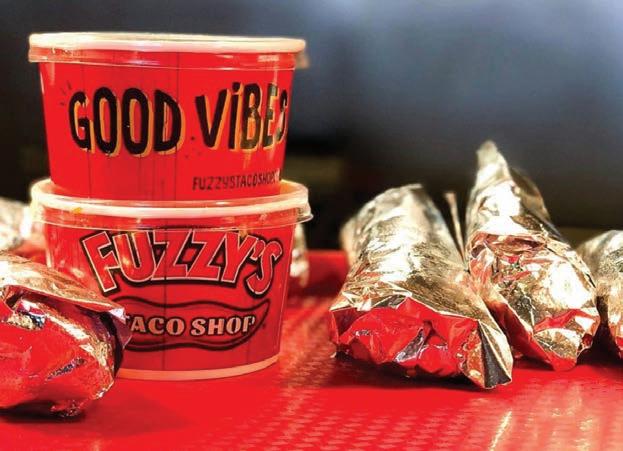
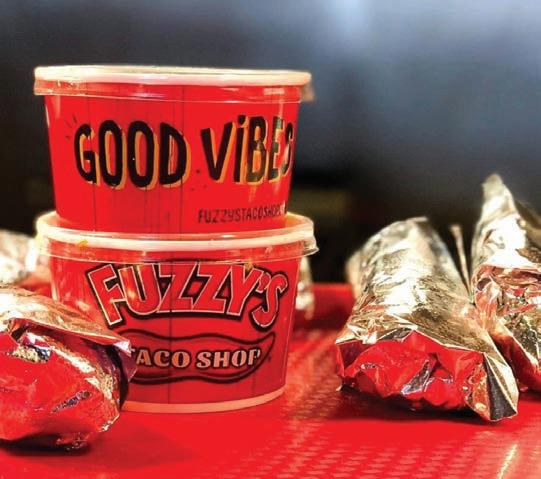
“When you invest in a franchise you’re coming into a proven concept,” explains Jessica Wescott, chief operating offcer and chief fnancial offcer of Fuzzy’s Taco Shop, a multi-unit with nearly 150 locations. “You have access to excellent recipes, design, training, brand awareness and support.”
“When you invest in a franchise you’re coming into a proven concept. You have access to excellent recipes, design, training, brand awareness and support.”
– JESSICA WESCOTT, Fuzzy’s Taco Shop
Franchises also help the franchisees fnd new locations with a good potential for success, and they provide training. And when a new location nears opening day, staff in charge of training visit for a couple of weeks to make sure everything goes smoothly. Thereafter, franchisees typically can count on fnancial coaching, regular technology updates, and help analyzing store data.
Another key advantage of owning a franchise is the buying power of a group. For example, Harrison says Bubbakoo’s franchisees get better pricing from vendors such as Pepsi and Sysco because the chain’s 55 locations combine their purchases.
“Also, because we have leverage, if there’s a shortage of something — like avocados, for example — the supplier might set some aside for us because we’re such a good
customer,” Harrison says. “So, our pricing is better and our supply chain is better.”
Being part of a franchise also means you get the benefts of their marketing. Chains such as Bubbakoo’s and Fuzzy’s run social media campaigns and regional marketing programs and help individual franchisees execute local campaigns.
Furthermore, reputable chains have good brand recognition, and that means franchisees may attract customers who want the comfort of a familiar menu and setting. People don’t eat at Taco Bell because they’re especially loyal to the Taco Bell in their town — they eat at Taco Bell because they like the food and it’s the same at every Taco Bell in the world.
“Individuals or investors explore franchising primarily to execute on systems and processes that are already in place and have a proven record of success,” says Chris Ives, Bubbakoo’s vice president of fnance and development. “When the playbook is followed and the wheels are not being re-invented, these individuals/investors are able to spend more time on execution, which should allow them to expand more rapidly.”
Naturally, a franchise is not an ideal opportunity for everyone.
The investment to get started may be a hurdle for some people — start-up costs for a Bubbakoo’s location range from $188,000 to $482,000, Ives says. Part of that fee is the franchise fee and the rest covers initial costs such as renovation of a space. Building a large restaurant from the ground up can cost more.
Franchisees also pay the corporation a percentage of their sales in royalties. For example, Fuzzy’s franchisees pay a royalty of 3.5 percent during their frst year, and 5 percent in subsequent years. They also chip in 2 percent for the advertising fund.
Training is essential for a franchisee to succeed, but that can require a chunk of time. Bubbakoo’s franchisees spend four weeks in training — and that time is not spent chit chatting around the soda fountain. Harrison says he remembers eight hours of instruction each day; the frst two weeks were a crash course on every aspect of operating a restaurant, while the second two covered the role of management.
Fuzzy’s franchisees have an even longer education commitment: “We have six weeks of training, and we require at least one franchise partner and an operator to attend,” Wescott says. “You’re learning everything from prepping to cooking to making bar drinks to being a cashier to market-
Bubbakoo’s Burritos and Fuzzy’s Taco Shop both are seeking new franchisees. Bubbakoo’s is seeking partners in the East Coast and the Midwest, and Fuzzy’s is adding locations in North Carolina, South Carolina, Arizona and Arkansas.
Franchise owners are typically excellent leaders, says Jessica Wescott, Fuzzy’s chief operating ofcer and chief fnancial ofcer. They preferably have some restaurant experience, but that’s not required.
Wescott says Fuzzy’s is looking for a diverse group of partners.
“We look for people from all walks of life,” she says. “It’s important that they are passionate about hospitality and our mission, which is to make every day ‘bad ass.’ We want franchisees who create a chill, fun vibe in the restaurant.”
Most Fuzzy’s franchisees own several units; the largest owns 10. But the company is open to partners who only want one or two locations.
Bubbakoo’s prefers operators with restaurant experience, says Chris Ives, the company’s vice president of fnance and development: “Success can be achieved much faster when you have operators who understand the business and are not fguring it out as they go.”
Ives says franchisees must share the company’s values, which means being ready to engage with the community. And Bubbakoo’s seeks operators with enough wealth and fnancial liquidity to succeed.
“Our best operators are always our hands-on operators that represent the heartbeat of their restaurants,” Ives says, adding that the company strives to have each operator own at least three locations. “Active operators understand their people, customers, and community, which is what really makes the wheels move on that bike. We provide them with a very strong structure, but to execute on the people side of the business is that intangible characteristic which divides the average from the above average.”
ing to how the supply chain works.”
But perhaps the biggest reason some independent restaurant owners opt out of becoming franchise owners is that franchisees have to play by the company’s rules.
“I speak to a lot of prospective franchisees, and if they’re already an independent restaurant owner — and we get a lot of them — usually the frst thing I say is, ‘If your idea of running a restaurant is having complete control, creating your own menu, making your own marketing plan,
and using your own recipes, the franchise model is not for you,’” Harrison says. “You are buying the playbook. If you can’t play within that, franchising is not for you.”
For many people, though, the franchise is the perfect solution. Harrison says he plans to add two more Bubbakoo’s locations after he wraps up the two already underway, giving him a total of fve. “It’s an exciting time to be with the brand,” he says.
Ed Avis is the publisher of el Restaurante.

POR ED AVIS
| Cuando Steve Harrison comenzó a explorar nuevas oportunidades de negocios hace un par de años, el experimentado emprendedor consideró varias opciones, pero nin-
guna parecía ser la adecuada. Entonces, un día, él y su familia comieron en Bubbakoo’s Burritos, una cadena de restaurantes famosa por sus burritos personalizados, y su esposa le preguntó si
había considerado abrir una franquicia de ese restaurante.
Él habló con los propietarios de Bubbakoo’s, le gustó lo que escuchó y abrió su primera sucursal de Bubbakoo’s en Lincoln Park, Nueva Jersey en octubre de 2020, otras dos están en proceso.
“Lo que me encantó de la oportunidad con Bubbakoo’s fue que la marca está en una trayectoria de avance, pero aún puedes obtener algunas de las sucursales principales, lo que no es posible con las marcas más consolidadas”, dice Harrison. “Entonces, puedes obtener sucursales excelentes, es de temática mexicana, la cual está muy de moda, y obtienes un valor de marca que ya está resonando entre los clientes”.
Adquirir una franquicia es una forma de iniciar o expandir un negocio de restaurantes, y muchas cadenas de restaurantes mexicanos están buscando nuevos socios. Pero, ¿es la oportunidad adecuada para ti? Hay muchas cosas a considerar, desde la inversión necesaria
hasta tus propias preferencias laborales.
NO EMPEZAR DESDE CERO
La ventaja general de abrir una franquicia en comparación con abrir un restaurante independiente es que obtienes un modelo para el lanzamiento y la administración continua del restaurante, lo que elimina las decisiones a menudo tediosas y abrumadoras que tendrías que tomar para iniciar tu propio concepto. Después de todo, un restaurante generalmente solo comienza a ofrecer franquicias una vez que los propietarios han encontrado una fórmula exitosa y han resuelto todos los problemas.
“Cuando inviertes en una franquicia, estás entrando en un concepto comprobado”, explica Jessica Wescott, directora operativa y fnanciera de Fuzzy’s Taco Shop, una cadena con casi 150 sucursales. “Tienes acceso a excelentes recetas, diseño, capacitación, reconocimiento de marca y asistencia”. Las franquicias también ayudan a los franquiciados
a encontrar nuevas ubicaciones con un gran potencial de éxito y ofrecen capacitación. Y cuando se acerca el día de la inauguración de una nueva sucursal, el personal a cargo de la capacitación la visita durante un par de semanas para asegurarse de que todo salga bien. A partir de entonces, los dueños de las franquicias normalmente pueden contar con asesoramiento fnanciero, actualizaciones tecnológicas periódicas y ayuda para analizar las estadísticas de la tienda.
Otra principal ventaja de ser propietario de una franquicia es el poder adquisitivo del grupo. Por ejemplo, Harrison dice que los franquiciados de Bubbakoo’s obtienen mejores precios de proveedores como Pepsi y Sysco porque las 55 sucursales de la cadena combinan sus compras.
“Además, como tenemos cierta infuencia, si hay escasez de algo —por ejemplo, aguacates— el proveedor podría reservar un poco para nosotros porque somos un cliente importante”, dice Harrison. “Entonces, obtenemos precios más bajos y una mejor cadena de suministro”. Ser parte de una franquicia también signifca que obtienes los benefcios de su mercadotecnia. Cadenas como Bubbakoo’s y Fuzzy’s llevan a cabo campañas en las redes sociales y program-
as de mercadotecnia regionales y ayudan a cada franquiciado a realizar campañas locales.
Además, las cadenas de renombre tienen un buen reconocimiento de marca, y eso signifca que los franquiciados pueden atraer clientes que buscan la comodidad de un menú y un entorno familiares. Las personas no comen en Taco Bell porque sean especialmente leales al Taco Bell de su ciudad, comen en Taco Bell porque les gusta la comida y esta es igual en todos los Taco Bell del mundo.
“Las personas o los inversionistas recurren a las franquicias principalmente para implementar sistemas y procesos que ya están defnidos y tienen una historia comprobada de éxito”, dice Chris Ives, vicepresidente de Finanzas y Desarrollo de Bubbakoo’s. “Cuando se sigue el libro de estrategias y no se tiene que reinventar la rueda, estas personas o inversionistas pueden dedicar más tiempo a la implementación, lo que debería permitirles expandirse más rápidamente”.
NO ES ADECUADO PARA TODOS
Naturalmente, una franquicia no es una oportunidad perfecta para todos.
La inversión necesaria para comenzar puede ser un obstáculo para algunas
personas: los costos iniciales para una sucursal de Bubbakoo’s oscilan entre 188,000 y 482,000 dólares, dice Ives. Parte de esta cantidad incluye la cuota de la franquicia y el resto cubre los costos iniciales, como la remodelación de un local. Comenzar un restaurante grande desde cero puede costar más.
Los franquiciados también le pagan a la empresa un porcentaje de sus ventas por concepto de regalías. Por ejemplo, los franquiciados de Fuzzy’s pagan una regalía del 3.5 % durante su primer año y del 5 % en los años siguientes, además aportan un 2 % para el fondo de publicidad.
La capacitación es esencial para que el dueño de una franquicia tenga éxito, pero eso puede requerir mucho tiempo. Los franquiciados de Bubbakoo’s pasan cuatro semanas capacitándose, y ese tiempo no se pierde charlando alrededor de la fuente de sodas. Harrison dice que recuerda que tuvo ocho horas de capacitación al día. Las dos primeras semanas
“Cuando inviertes en una franquicia, estás entrando en un concepto comprobado. Tienes acceso a excelentes recetas, diseño, capacitación, reconocimiento de marca y asistencia”.
– JESSICA WESCOTT , Fuzzy’s Taco Shop
consistieron en un curso intensivo sobre todos los aspectos del funcionamiento de un restaurante, mientras que las dos últimas cubrieron la función de la administración. Los franquiciados de Fuzzy’s tienen una capacitación obligatoria aún más extensa: “Tenemos seis semanas de capacitación y necesitamos que asistan al menos un socio y un operador de la franquicia”, dice Wescott. “Aprendes de todo, desde preparación hasta cocción, la elaboración de bebidas, pasando por la administración de la caja, la mercadotecnia y el funcionamiento de la cadena de suministro”.
Pero quizás la razón prin-
“Nuestra publicidad en la revista el Restaurante fue muy positiva.
Hemos experimentado un aumento en la demanda de nuestros productos y en el conocimiento de la marca entre restaurantes mexicanos/latino s desde que comenzamos con la publicidad,
y creemos que es el resultado directo de nuestro trabajo con el editor Ed Avis y su equipo. Siempre sentimos que el personal de el Restaurante se preocupa por nuestro crecimiento en el mercado y trabaja para beneficiar nuestro negocio.”
Gordon, Sales Manager, American Eagle Food Machinery, Inc.

cipal por la que algunos propietarios de restaurantes independientes optan por no convertirse en propietarios de franquicias es que los franquiciados tienen que seguir las reglas de la empresa.
“Hablo con muchos posibles franquiciados, y si ya son propietarios de un restaurante independiente —y tenemos muchos de ellos— generalmente lo primero que digo es: ‘Si tu idea de administrar un restaurante es tener el control total, crear tu propio menú, defnir tu propio plan de mercadotecnia
Bubbakoo’s Burritos y Fuzzy’s Taco Shop están buscando nuevos franquiciados. Bubbakoo’s está buscando socios en la costa este y el medio oeste de Estados Unidos, y Fuzzy’s está agregando sucursales en Carolina del Norte, Carolina del Sur, Arizona y Arkansas.
Los dueños de franquicias suelen ser líderes excelentes, dice Jessica Wescott, directora operativa y fnanciera de Fuzzy’s. Es preferible que tengan algo de experiencia en restaurantes, pero eso no es obligatorio.
Wescott dice que Fuzzy’s está buscando un grupo diverso de socios.
“Buscamos personas de todas las clases sociales”, dice. “Es importante que les apasione la hospitalidad y nuestra misión, que es hacer que todos los días sean impetuosos. Queremos franquiciados que creen un ambiente relajado y divertido en el restaurante”.
La mayoría de los franquiciados de Fuzzy’s son dueños de varias sucursales, el más importante tiene diez. Pero la empresa está abierta a socios que solo quieran una o dos sucursales.
y usar tus propias recetas, el modelo de franquicia no es para ti’”, dice Harrison. “Estás comprando el libro de jugadas. Si no puedes apegarte a eso, una franquicia no es para ti”.
Para muchas personas, sin embargo, la franquicia es la solución perfecta. Harrison dice que planea abrir dos sucursales más de Bubbakoo’s después de terminar con las dos que ya están en marcha, lo que le da un total de cinco. “Es un momento emocionante para estar con la marca”, dice.
Bubbakoo’s prefere empresarios con experiencia en restaurantes, dice Chris Ives, vicepresidente de Finanzas y Desarrollo de la compañía: “El éxito se puede lograr mucho más rápido cuando hay empresarios que comprenden el negocio y no están aprendiendo sobre la marcha”. Ives dice que los franquiciados deben compartir los valores de la empresa, lo que signifca que necesitan estar preparados para comprometerse con la comunidad. Y Bubbakoo’s busca empresarios con sufciente riqueza y liquidez fnanciera para tener éxito.
“Nuestros mejores empresarios son siempre nuestros empresarios activos que representan el pulso de sus restaurantes”, dice Ives, y agrega que la empresa se esfuerza por que cada empresario tenga al menos tres sucursales. “Los empresarios activos entienden a su gente, a sus clientes y a su comunidad, y esto es lo que realmente hace que las ruedas de esa bicicleta se muevan. Les proporcionamos una estructura muy sólida, pero la ejecución del negocio por parte de las personas es esa característica intangible que distingue a los sobresalientes del promedio”.
| BY JOSEPH SORRENTINO
,
writing from Mexico
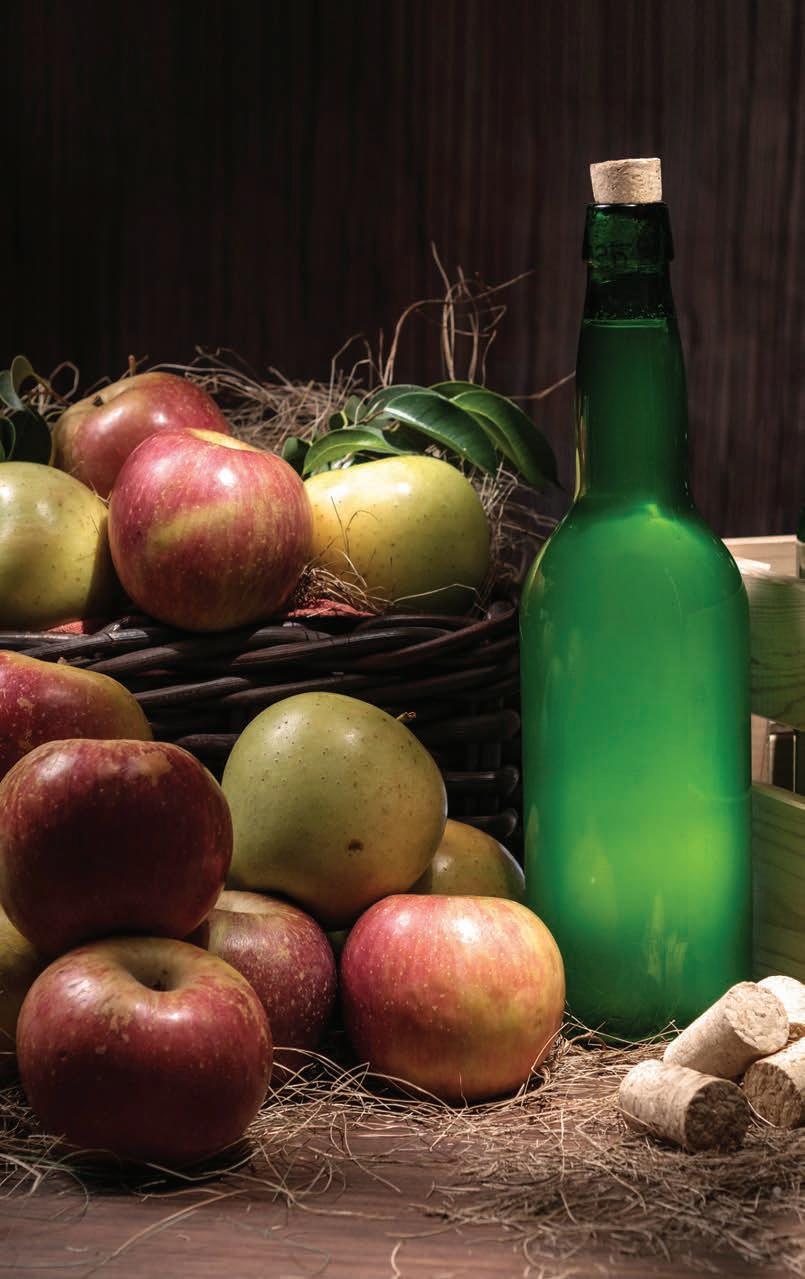
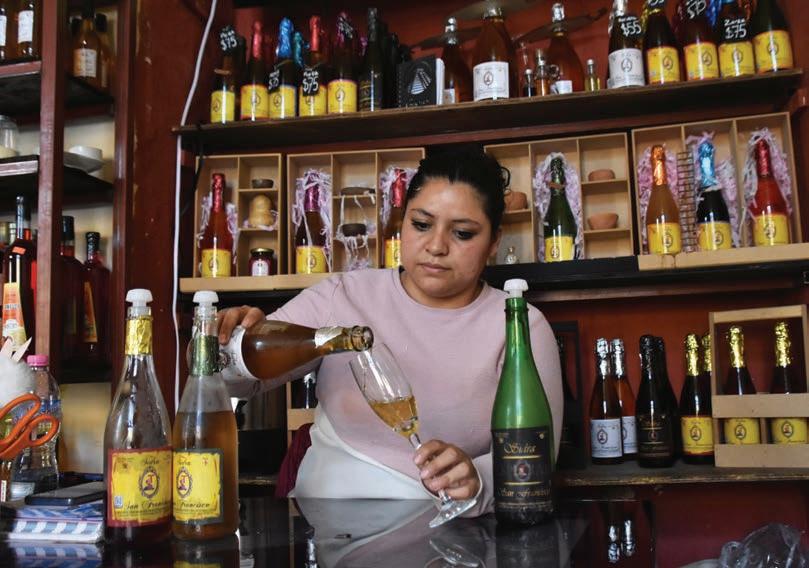
| T he smell of apples drifts out of Sidra San Francisco’s front door, enticing passersby to enter. If they do, they’ll discover a small store where Gabriel Hernandez Garcia makes sidra (hard cider), the fourth generation in his family to do so. Garcia makes his sidra in Huejotzingo, Puebla, the same city where his great-grandfather became the frst person in Mexico to learn how to make it almost one hundred years ago.
Sidra has a very long history. There’s evidence that Celts in Britain were making it as long ago as 3,000 BC. Romans discovered sidra when Julius Caesar made his frst attempt to conquer Britain in 55 BC. Caesar and his army apparently liked it so much that they brought it back with them to the continent and made the frst written record of the drink. Sidra, and sidra-making techniques, quickly spread throughout the Roman Empire and Europe. In 1927, it started taking root in Mexico.
It was during that year that Gabriel Guerrero Miruela, Garcia’s great-grandfather, learned how to make sidra from a French chef who lived in Huejotzingo.
“My great-grandfather taught his sons,” says Garcia, “and my grandmother taught me. When I was young, my grandmother transmitted this love of sidra to me.” He worked by her side for four years to fully learn the process.
“My great-grandfather taught his sons, and my grandmother taught me. When I was young, my grandmother transmitted this love of sidra to me.”
– GABRIEL HERNANDEZ GARCIA , Sidra San Francisco
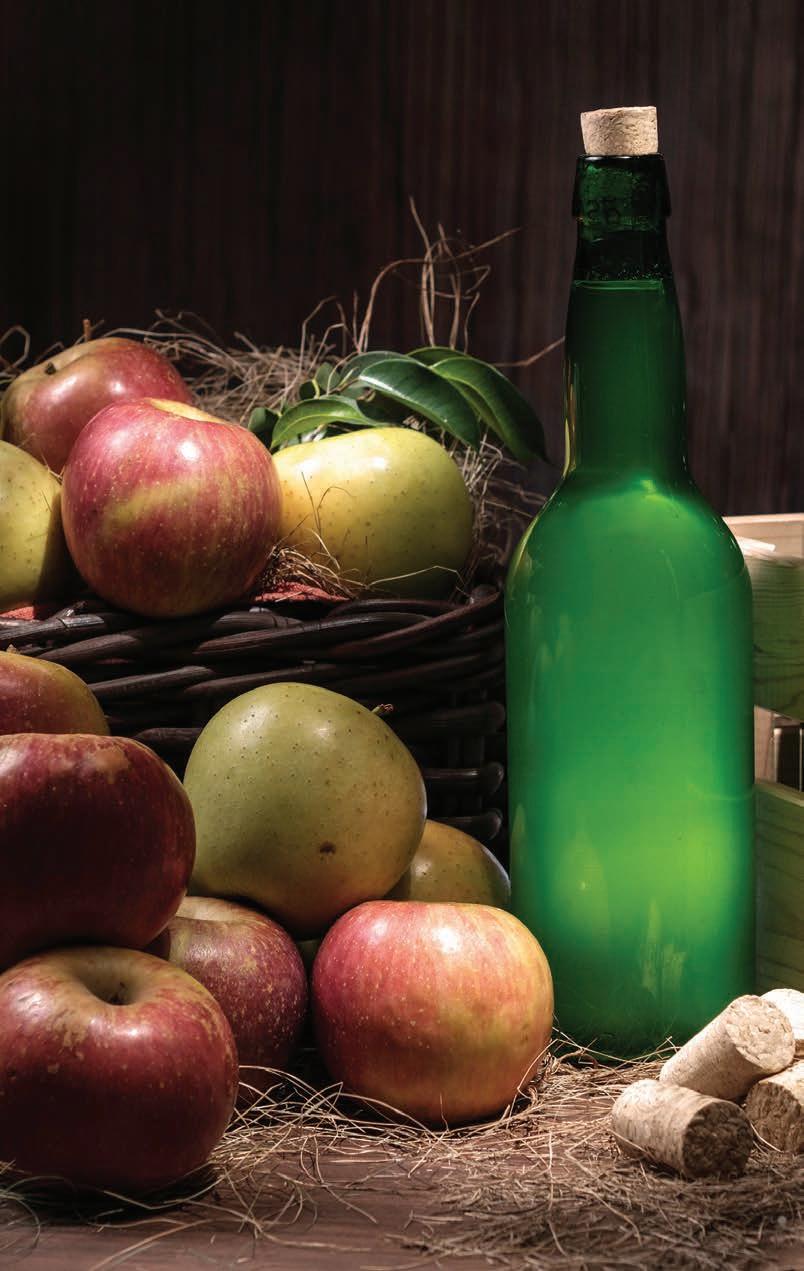
When a cocktail is so renowned that it not only makes it into local press but also into the annals of Wikipedia, you know it’s something special.
That’s just the story of the Chimayo Cocktail, created in 1965 by Arturo Jaramillo, then owner of Rancho de Chimayó restaurant in Chimayo, New Mexico. The state is one of the oldest apple-growing regions in the country.
“Legend has it that Jaramillo was looking for use for the apples that are plentiful in the Chimayó valley when he stumbled onto what would soon become the signature drink of his restaurant,” the Wikipedia listing explains. Find the recipe on page 55.
Huejotzingo has become famous for its sidra, and there are now around 30 businesses producing it.
“Seventy percent of the fabricas making sidra in Huejotzingo are family,” Garcia says. The beverage is served at many special occasions, including quincieñeras and weddings. It’s especially popular at Christmas and New Year.
Garcia makes his sidra in a tiny room at the back of his store.
“We make sidra from April through November,” says Andrea Martinez Castillo, Garcia’s wife, who also works in the store. They only use one kind of apple — perón — which are grown in the pueblos surrounding Popocatépetl, an active volcano in Puebla. “We use these apples because they have a good level of acid and
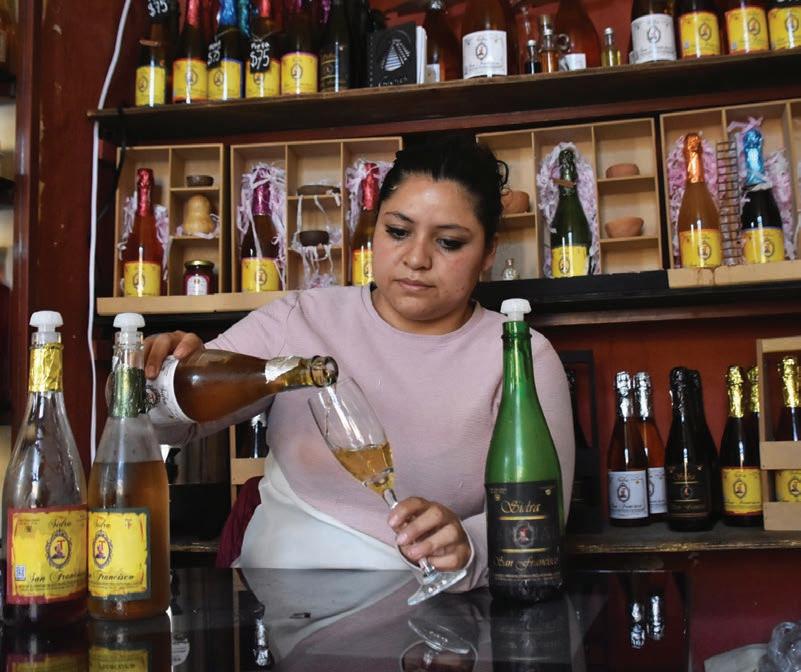
they are favorful,” she says.
There aren’t many apples available in early spring and she fgures they only use about 200 pounds a month from April through June. In July and August, production increases dramatically and they’ll use four tons a month. Their sidra is artesanal: it’s all produced by hand.
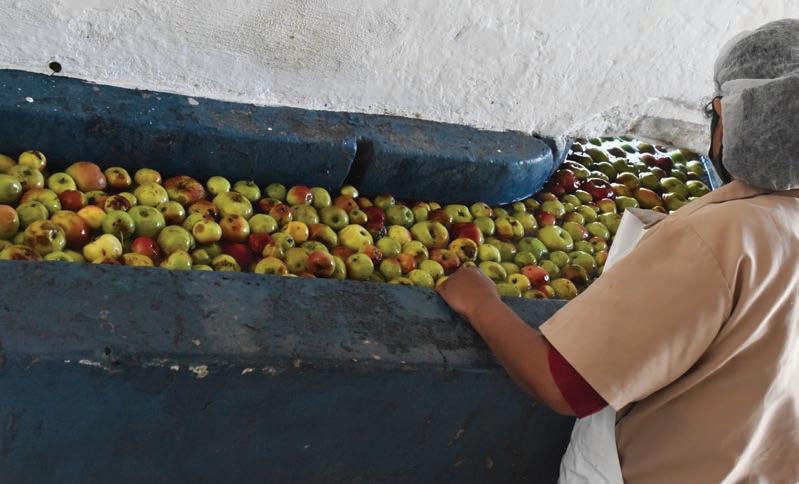
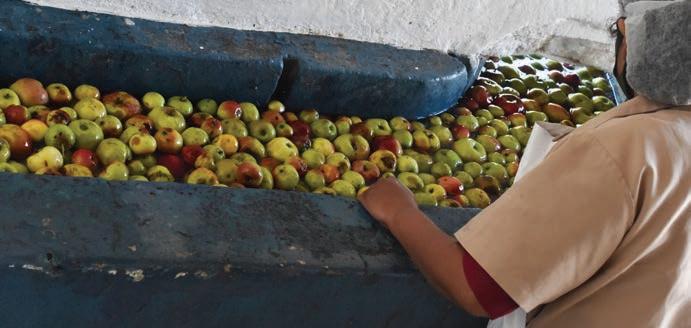
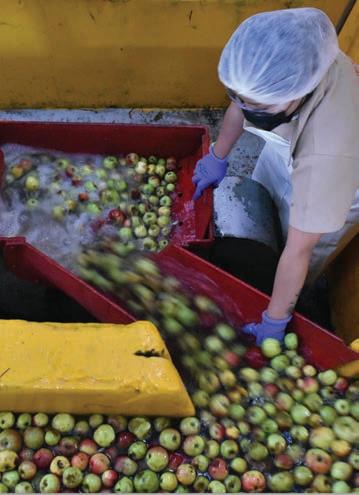
Garcia dips a small basket into the water where the apples are washing and then pours them into a grinder. The pulp is exuded onto wooden trays that are covered with a cloth. “The wood is from old apple trees or from branches that have broken,” explains Castillo. Each tray holds about 20 pounds of pulp, which Garcia gently, almost lovingly, pats down until it’s evenly spread. Once flled, the pulp is covered with a cloth and the trays are swung into position where pressure is applied. The resulting juice is collected in a plastic barrel. “In one day, in eight hours, I will grind one ton of apples,” Garcia says.
The juice is placed in 200-liter oak barrels — oak will impart to the sidra its special favor and color — where it’s left to ferment for three months. Sidra is typically 3.5% alcohol. “The apple seeds contain yeast, and this is what drives the fermentation,” Garcia explains. “When the apples are crushed, the seeds release the yeast that’s contained in its shell. We do not add yeast. We do not stop the fermentation. When the yeast has used up all the sugars in the juice, the yeast dies and precipitates.”
To be called sidra , it must be fermented apple juice. Sidra without alcohol is not sidra .”
– GABRIEL HERNANDEZ GARCIA , Sidra San Francisco
The fermented juice is transferred to other oak barrels, which are flled to the top, covered and sealed with parafn.
“All juice is aged for three years in the barrels,” says Castillo. “We give it this time to so that it reaches the notes and favors that characterize [our] sidra. When the juice matures in oak barrels for three years, it acquires a better quality, body and favor.” Those barrels are stored in a separate building. “We control the light, temperature, humidity,” says Garcia. “These barrels are in another place where they cannot be disturbed.”
After three years, the sidra is bottled. Garcia says he can bottle 1,600 a day, about 96,000 a year.
Forty miles from Huejotzingo, Copa de Oro, in San Pedro Cholula, has been turning apples into sidra since 1936. The business was started by Ramón Blanca Amador and it’s still family-owned. Copa de Oro now occupies almost an entire city block and production has been scaled up to an industrial level.
The frst trucks laden with apples arrive in late June.
“We use three types of apples for our sidra,” says Alejandra Toxqui Carranza, who’s in charge of corporate sales. “Perón, panochera and ripio.” These apples also come from the pueblos surrounding Popocatépetl.
Every day for several weeks, a stream of water propels one ton of apples down a concrete conduit to a grinder after which, like at Sidra San Francisco, the pulp is pressed. Only here, the pulp is squeezed by a huge hydraulic press.
“The liquid is squeezed out from the pulp and collected in a tank,” says Andriana Rojas, a production assis-
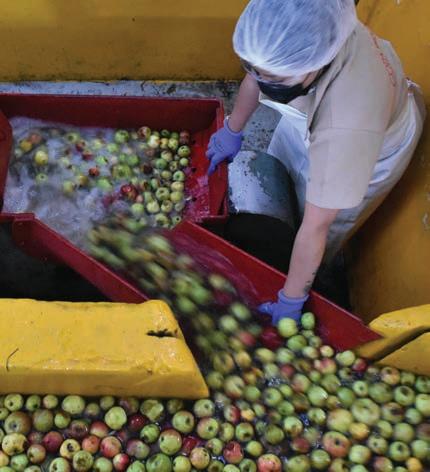
tant. “From the tank, the liquid passes through another pipe to [steel] storage tanks that are kept at 4º C (39º F).”
After two or three days, the cooled juice is transferred to huge oak barrels — with a capacity between 32,000 and 70,000 liters — for the fermentation step which, here, is 10 to 15 days. At the end of this step, the juice is transferred to another set of huge oak barrels where, depending on the type of sidra, it’s aged for two to fve years and then bottled. “We fll 30,000 bottles a day,” says Adriana Rojas, another production assistant.
“Each year, we produce 300,000 boxes each containing six bottles,” says Jaime Mancilla Salas, head of production. That’s 1.8 million bottles, a quantity that makes it virtually impossible for the sidra to be produced by hand.
“It was 15 to 20 years ago that we mechanized production,” says Heriberto Morales López, head of transformation.
Both Sidra San Francisco and Copa de Oro make several types of sidra. The most popular for both is ambar, an amber-colored cider also referred to as “champagne.” It’s a sparkling drink that’s very smooth and refreshing.
Sidra San Francisco sells several sidras mixed with other fruit juices, including pear, peach and strawberry. Both companies have sidras mixed with red wine. Copa de Oro buys its wine from Chilean vineyards, but Garcia and Castillo make their own, beginning in November.
“We make our own because we have the experience,” says Castillo. “We have experimented and determined how to make the most favorful wine.”
Copa de Oro also makes an apple beer and a non-alcoholic sidra. Garcia was taken aback when asked if he also made a non-alcoholic version.
“To be called sidra, it must be fermented apple juice,” he says. “Sidra without alcohol is not sidra.”


29,30septiembre y1°octubre
Centro Citibanamex , C DMX

| POR JOSEPH SORRENTINO , escribiendo desde México | El aroma de las manzanas sale de la puerta principal de Sidra San Francisco, tentando a los transeúntes a entrar. Al hacerlo, descubrirán una pequeña tienda en la que Gabriel Hernández García fabrica sidra, la cuarta generación de su familia en hacerlo. García elabora su sidra en Huejotzingo, Puebla, la misma ciudad en la que su bisabuelo se convirtió en la primera persona de México en aprender a hacerla hace casi cien años.
La sidra tiene una historia muy larga. Hay pruebas de que los celtas de Gran Bretaña ya la elaboraban en el año 3.000 a.C. Los romanos descubrieron la sidra cuando Julio César hizo su primer intento de conquistar Gran Bretaña en el año 55 a.C. Al parecer, a César y a su ejército les gustó tanto que se la llevaron al continente y dejaron constancia escrita de la bebida. La sidra, y las técnicas de elaboración de la misma, se extendieron rápidamente por todo el Imperio Romano y Europa. En 1927, empezó a arraigarse en México.
Fue durante ese año cuando Gabriel Guerrero Miruela, bisabuelo de García, aprendió a hacer la sidra de un chef francés que vivía en Huejotzingo. “Mi bisabuelo enseñó a sus hijos”, dice García, “y mi abuela me enseñó
“Mi bisabuelo enseñó a sus hijos y mi abuela me enseñó a mí. Cuando era joven, mi abuela me transmitió este amor por la sidra ”.
– GABRIEL HERNÁNDEZ GARCÍA , Sidra San Francisco
Cuando un cóctel tiene tanta fama que no sólo aparece en la prensa local, sino también en los anales de Wikipedia, sabes que es algo especial.
Esa es la historia del Cóctel Chimayo, creado en 1965 por Arturo Jaramillo, entonces propietario del restaurante Rancho de Chimayó, en Chimayo, Nuevo México. Este estado es una de las regiones productoras de manzanas más antiguas del país.
“La leyenda cuenta que Jaramillo estaba buscando un uso para las manzanas que abundan en el valle de Chimayó cuando se tropezó con lo que pronto se convertiría en la bebida distintiva de su restaurante”, explica la lista de Wikipedia.
Encuentre la receta en la página 55.
a mí. Cuando era joven, mi abuela me transmitió ese amor por la sidra”. Trabajó a su lado durante cuatro años para aprender plenamente el proceso.
Huejotzingo se ha hecho famoso por su sidra, y ahora hay unas 30 empresas que la producen.
“El 70 % de las fábricas que hacen sidra en Huejotzingo son familiares”, dice García. La bebida se sirve en muchas ocasiones especiales, entre ellas las quinceañeras y las bodas. Es especialmente popular en Navidad y Año Nuevo.
García elabora su sidra en una pequeña habitación en la parte trasera de su tienda.
“Hacemos sidra desde abril hasta noviembre”, dice Andrea Martínez Castillo, la mujer de García, que también trabaja en la tienda. Sólo utilizan un tipo de manzana, el perón, que se cultiva en los pueblos que rodean el Po-
pocatépetl, un volcán activo de Puebla. “Utilizamos estas manzanas porque tienen un buen nivel de acidez y son sabrosas”, dice.
No hay muchas manzanas disponibles a principios de la primavera y calcula que sólo utilizan unas 200 libras al mes de abril a junio. En julio y agosto, la producción aumenta considerablemente y utilizan cuatro toneladas al mes. Su sidra es artesanal: toda ella se produce a mano.
García sumerge una pequeña cesta en el agua donde se lavan las manzanas y luego las vierte en una trituradora. La pulpa sale en bandejas de madera que se cubren con un paño. “La madera es de manzanos viejos o de ramas que se han roto”, explica Castillo. Cada bandeja contiene unas 20 libras de pulpa, que García palmea suavemente, casi con cariño, hasta que queda uniformemente repartida.
Una vez rellenada, la pulpa se cubre con un paño y las bandejas se giran hasta su posición, donde se aplica presión. El zumo resultante se recoge en un barril de plástico. “En un día, en ocho horas, trituraré una tonelada de manzanas”, dice García.
El zumo se coloca en barricas de roble de 200 litros, el roble dará a la sidra su sabor y color especiales, donde se deja fermentar durante tres meses. La sidra suele tener un 3,5 % de alcohol. “Las semillas de las manzanas contienen levadura, que es la que impulsa la fermentación”, explica García. “Cuando se trituran las manzanas, las semillas liberan la levadura que contiene su Para llamarse sidra , debe ser zumo de manzana fermentado. La sidra sin alcohol no es sidra ”.
– GABRIEL HERNÁNDEZ GARCÍA , Sidra San Francisco
cáscara. No añadimos levadura. No detenemos la fermentación. Cuando la levadura ha consumido todos los azúcares del zumo, la levadura muere y se precipita”.
El zumo fermentado se traslada a otras barricas de roble, que se llenan hasta arriba, se tapan y se sellan con parafna.
“Todo el zumo se envejece durante tres años en las barricas”, dice Castillo. “Le damos este tiempo para que alcance las notas y sabores que caracterizan a [nuestra] sidra. Cuando el zumo madura en barricas de roble durante tres años, adquiere mayor calidad, cuerpo y sabor.” Esas barricas se almacenan en un edifcio independiente. “Controlamos la luz, la temperatura y la humedad”, dice García. “Estas barricas están en otro lugar donde no pueden ser molestadas”.
Después de tres años, la sidra se embotella. García dice que puede embotellar 1.600 al día, unos 96.000 al año.
A sesenta kilómetros de Huejotzingo, Copa de Oro, en San Pedro Cholula, lleva transformando manzanas en sidra desde 1936. El negocio fue iniciado por Ramón Blanca Amador y sigue siendo propiedad de la familia. Copa de Oro ocupa ahora casi toda una manzana de la ciudad y la producción se ha ampliado hasta un nivel industrial.
Los primeros camiones cargados de manzanas llegan a fnales de junio.
“Utilizamos tres tipos de manzanas para nuestra sidra”, dice Alejandra Toxqui Carranza, encargada de las ventas corporativas. “Perón, panochera y ripio”. Estas manzanas también proceden de los pueblos que rodean el Popocatépetl.
Cada día, durante varias semanas, un chorro de agua impulsa una tonelada de manzanas por un conducto de hormigón hasta una trituradora, tras lo cual, como en la Sidra San Francisco, se prensa la pulpa. Sólo que aquí la pulpa se exprime con una enorme prensa hidráulica.
“El líquido se exprime de la pulpa y se recoge en un tanque”, dice Andriana Rojas, asistente de producción. “Desde el tanque, el líquido pasa por otra tubería a tanques de almacenamiento [de acero] que se mantienen a 4º C (39º F)”.
Después de dos o tres días, el zumo enfriado se traslada a enormes barricas de roble con una capacidad de entre 32.000 y 70.000 litros, para la etapa de fermentación la cual, aquí, es de diez a quince días.
Introducir manzanas en el molinillo es uno de los primeros pasos en la producción de sidra.
Al fnalizar este paso, el zumo se traslada a otro conjunto de enormes barricas de roble donde, dependiendo del tipo de sidra, se envejece de dos a cinco años y luego se embotella. “Llenamos 30.000 botellas al día”, dice Adriana Rojas, otra asistente de producción.
“Cada año, producimos 300.000 cajas con seis botellas cada una”, dice Jaime Mancilla Salas, jefe de producción. Son 1.800.000 botellas, una cantidad que hace prácticamente imposible que la sidra se produzca a mano.
“Hace quince o veinte años que mecanizamos la producción”, dice Heriberto Morales López, jefe de transformación.
VARIEDADES POPULARES
Tanto Sidra San Francisco como Copa de Oro elaboran varios tipos de sidra. La más popular de ambas es el ámbar, una sidra de color ámbar también llamada “champán”. Es una bebida espumosa muy suave y refrescante.
Sidra San Francisco vende varias sidras mezcladas con otros zumos de frutas, como pera, melocotón y fresa. En ambas empresas hay sidras mezcladas con vino tinto. Copa de Oro compra su vino a los viñedos chilenos, pero García y Castillo elaboran el suyo propio a partir de noviembre.
“Elaboramos el nuestro porque tenemos la experiencia”, dice Castillo. “Hemos experimentado y determinado cómo hacer el vino más sabroso”.
Copa de Oro también elabora una cerveza de manzana y una sidra sin alcohol. García se sorprendió cuando le preguntaron si también hacía una versión sin alcohol.
“Para llamarse sidra, debe ser zumo de manzana fermentado”, dice. “La sidra sin alcohol no es sidra”.
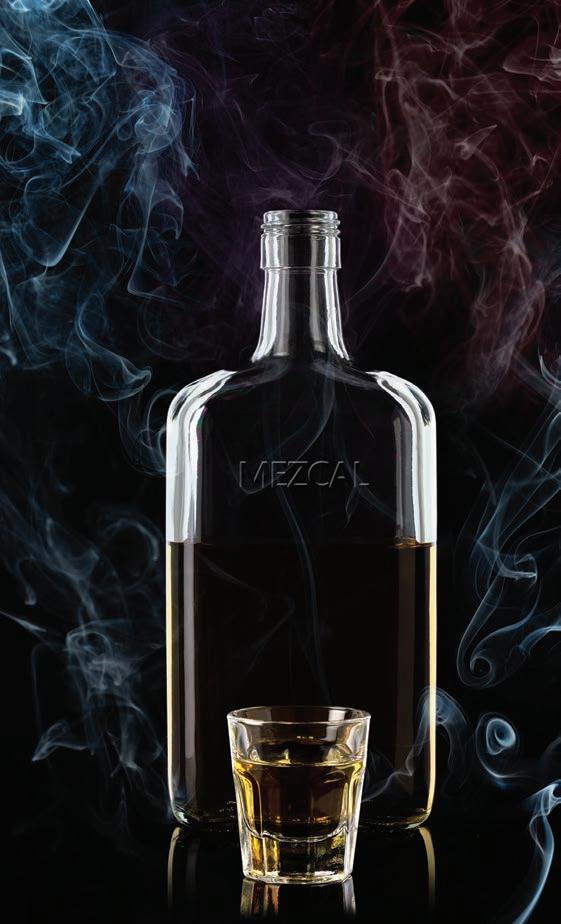
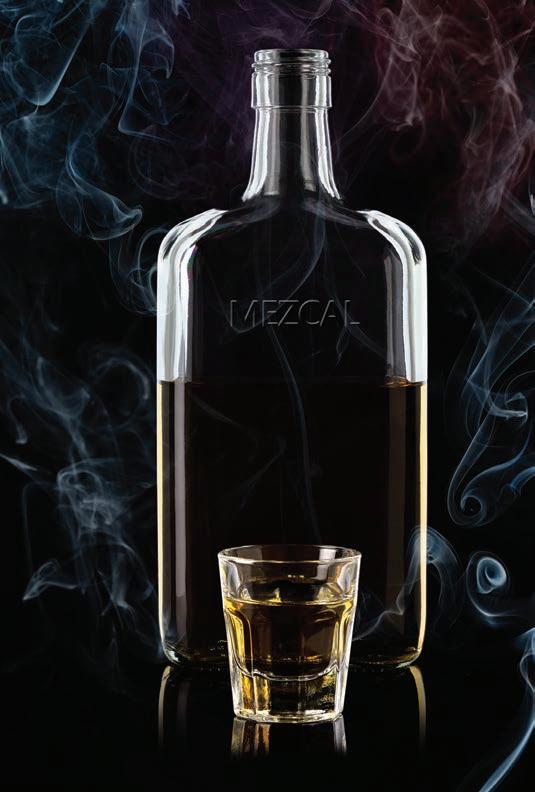
| BY ELYSE GLICKMAN | About a decade ago, mezcal—tequila’s smoky, rustic forbearer—started arousing curiosity among die-hard agave connoisseurs and bartenders. Now, it has come into its own as a spirits category — and by all indications, it isn’t going anywhere but up.
According to the North America Mezcal Market Forecast to 2027 research report, the North America mezcal market accounted for $326.29 million in 2019, and is expected to reach $521.11 million by 2027.
Premiumization is one trend driving demand — and it’s a trend Ivan Vasquez, owner of Madre! Oaxacan Restaurant and Mezcaleria is tapping into.
Vasquez has always been a fan of mezcal. As the restaurant’s website notes, he has “relied on the power of mole and mezcal to grow his restaurant empire.” The pandemic has only strengthened his commitment to mezcal.
After analyzing where he wanted his bar program to be in fve years, he shifted his focus to advancing smallbatch mezcals behind the bar at his restaurants in Torrance, Culver City, and West Hollywood, California — the latter his newest location, where 400+ bottles of rare mezcals line the shelves and agave plants from a mezcal producer enhance the outdoor garden.
Just how has mezcal become such a presence behind the bar?
Industry pros have some ideas.
“In the last couple of months, there’s been tremendous change happening in the tequila markets, and in the case of Madre!, we decided not to move forward with reposado, anejo or extra anejo tequilas,” explains Vasquez.
“Instead, we’re primarily focusing on mezcals and high proof blanco or silver tequilas, as many Mexican bars and restaurants did about 30 years ago. And we’re only promoting these high-proof blancos because we want customers to discover or rediscover that natural connection between tequila and mezcal.”
“Mezcal, as a stand-alone category, is being driven by bartenders who enjoy educating and introducing guests to a new agave favor profle,” says David Ortiz, corporate beverage director at Florida-based Rocco’s Tacos & Tequila Bar — a concept with eight locations in the Sunshine State.
Maxwell Reis, beverage director at Gracias Madre in West Hollywood and Newport Beach, California, credits consumers’ more adventurous approach to alcohol consumption with spurring the uptick in interest.
And Torrence Swain, regional sales director, East Coast, for Mezcal El Silencio, says the introduction of higher quality mezcals to the U.S. market has elevated the profle of a product many — especially members of the Baby Boom generation — considered a working man’s drink with a favor too
“The more mezcal from di ferent regions we begin to see appear, the more we f nd consumers f nding their niche in the mezcal world…and the better we become at tour-guiding a guest to f nd a style of mezcal they enjoy.”
– MAXWELL REIS, Gracias Madre


“Mezcal is not [only] about sipping or enjoying a cocktail, it is about the whole experience — the story behind the process, the plant, the palenque, the people who make it possible.”
–
smoky to enjoy.
“Boomers have been last to the party and with good reason,” says Swain, “Most of that demo’s exposure to the spirit was largely based on the industrial mezcals that prevailed in Mexico and the U.S. long before the rise in popularity of artisanal mezcal…I see more curiosity, acceptance and interaction now that artisanal, higher quality mezcal is on the rise.”
“The more mezcal from different regions we begin to see appear, the more we fnd consumers fnding their niche in the mezcal world…and the better we become at tour-guiding a guest to fnd a style of mezcal they enjoy,” echoes Reis, who sees many guests gravitating towards the fruity favor profle of mezcals from Guerrero and Michoacán. “As a culture, it’s healthy to learn to navigate
food and drink items that aren’t native to us and are unfamiliar to our palettes rather than whitewashing it until we like it…It’s our job to demonstrate the value of the spirit, and what makes it special.”
Helping customers understand the nuances of mezcal is an important step. But teaching mezcal-curious customers can be a challenge — especially if they’re only interested in exploring inexpensive varieties for their frst foray into that spirit’s world.
“Unfortunately, some bars keep low quality tequila or mezcal in the well because it is only intended to be mixed into cocktails and in with other favors,” Vasquez explains. “In a good mezcal, whether used in a cocktail recipe or fight, the smoky favor should be secondary and not the main focus of the drink.”
That’s why Vasquez curates a small collection of artisanal, high-proof tequilas alongside craft mezcals.
“When customers ask me about the differences between mezcal and tequila, I think the best way to explain it is to
put both spirits in front of them,” he says. “Instead of having 30 tequilas, we only have nine bottles on the bar now. The craft mezcals we selected are 44% ABV, which can either be enjoyed in cocktails or as a sipping spirit. This is why when you go to Madre!, you can order the cheapest mezcal and still get a good quality mezcal. Everything on our shelves is meant to show how much a priority our emphasis on quality is.“
For guests just dipping their toes into the mezcal pool, Sother Teague, beverage director at the popular bitters bar Amor y Amargo in New York City, suggests keeping a bottle of a popular, high-quality tequila nearby so you can “cut” a mezcal that’s too aggressive on its own. Alternatively, when developing a recipe, a bartender can also treat more aggressive mezcals, “as seasoning rather than the main course,” he says.
Bartenders also should become savvy about the best “entry” brands for those new to mezcal and about cocktails that can help get them accustomed to its favor, says Cesar Diaz, owner-operator of Odd Birds Cocktail Lounge & Kitchen in St. Augustine, Florida.
Sother Teague, beverage director of the award-winning cocktail bar Amor y Amargo in New York City’s East Village, says presentation and preparation are key.
“There is no right or wrong way to choose compatible fruits, vegetables, herbs or spirits to pair with mezcal, so enjoy the fun of experimenting,” Teague says. “Of course, there are some obvious clues, though, and they’re derived from terroir (origin). As mezcal is from Mexico, the frst thoughts are of items from Mexico. Limes, oranges, mango, papaya, chiles, even the famed molé sauce that consists of cinnamon and cocoa is delicious with mezcal. Try adding some cilantro to a mezcal margarita or burn some rosemary before adding it to the shaker tin. As far as spirits pairings in a recipe, tequila is obvious but try it with the herbal notes in a juniper forward gin or a caraway heavy aquavit. I’ve had some delicious results blending it with malty Genever as well.”

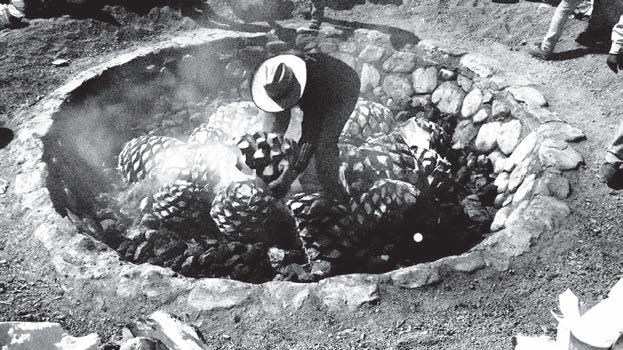
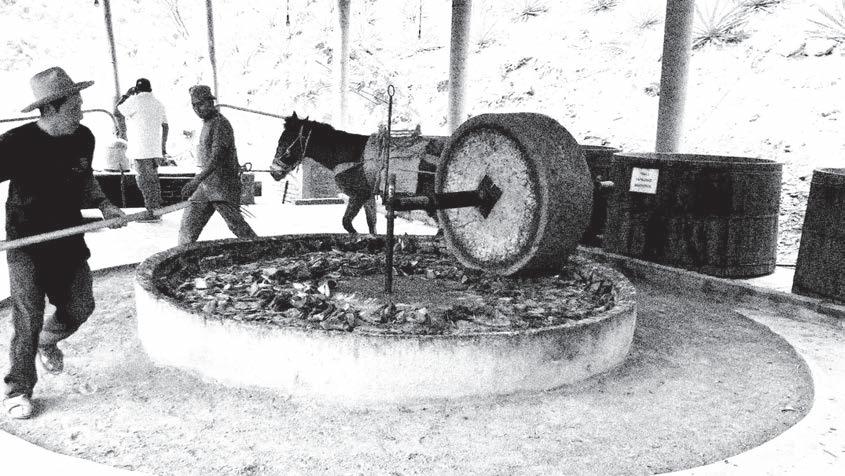
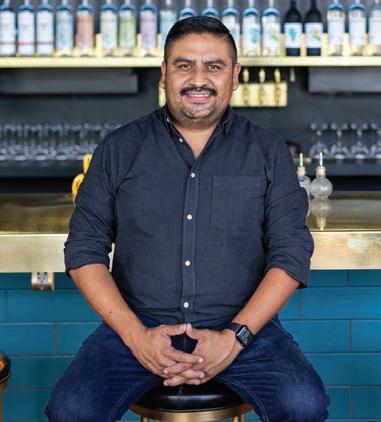
“The bartenders have to learn how to explain regions, terroir, agave variety, and taste profle in order to make it more fascinating to the consumer,” Diaz says. “Mezcal is not [only] about sipping or enjoying a cocktail, it is about the whole experience — the
story behind the process, the plant, the palenque, the people who make it possible.”
A good way to introduce customers to mezcal is with cocktails — an easy step
for Mexican- and Latin-themed restaurants since Margaritas and Micheladas are good entry points.

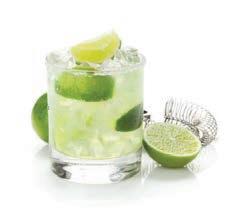

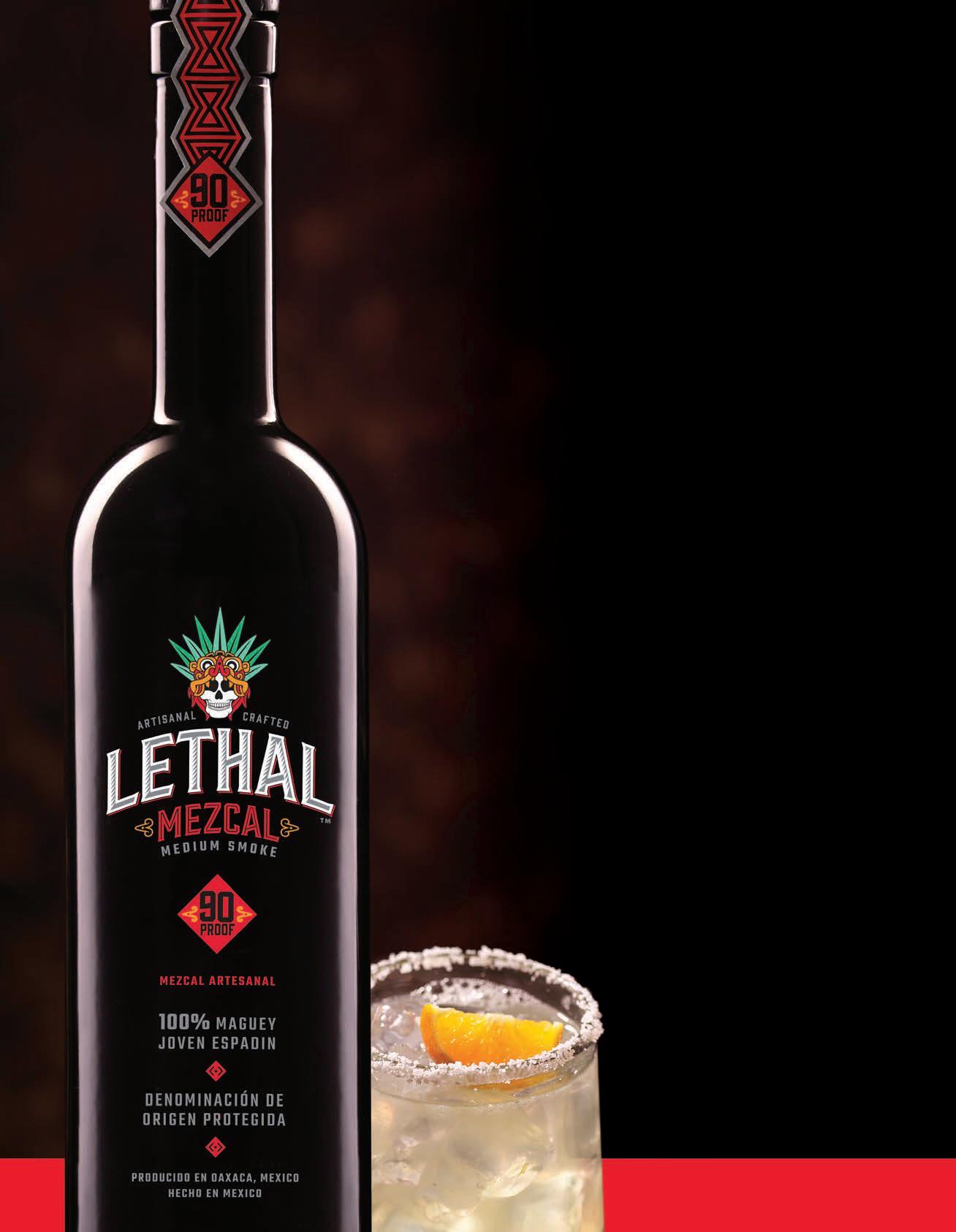
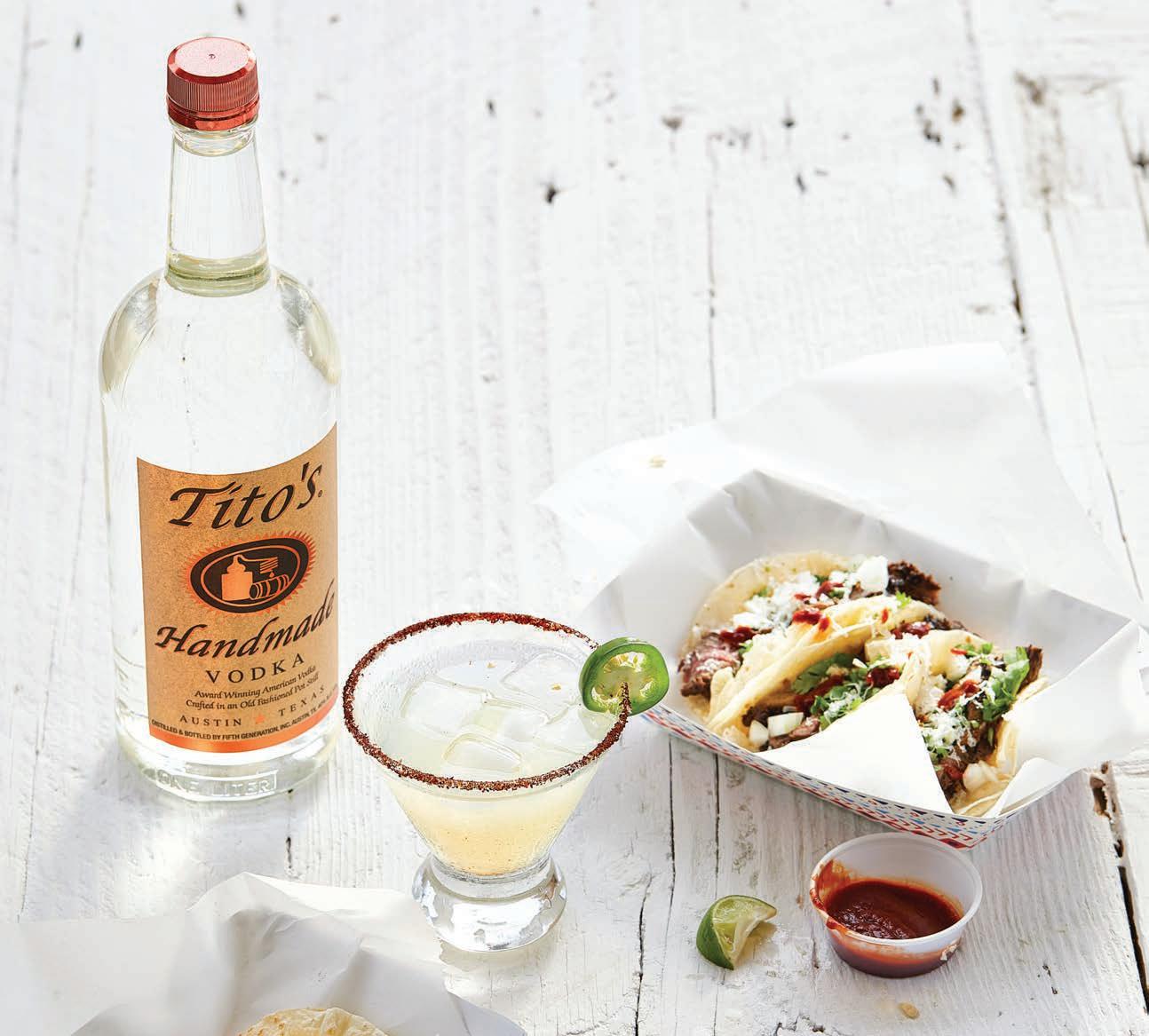
“As you can imagine we spend a lot of time working with restaurants and discussing Margaritas,” says Sean Ryan, founder of Lethal Mezcal, who says the spirit’s “long tail” and fre-roasted smoky favor profle — similar to that of an aged Scotch — work well in what’s become the signature cocktail at most Mexican restaurants. “It has a more complex taste compared to tequila and makes an absolutely amazing Margarita.”
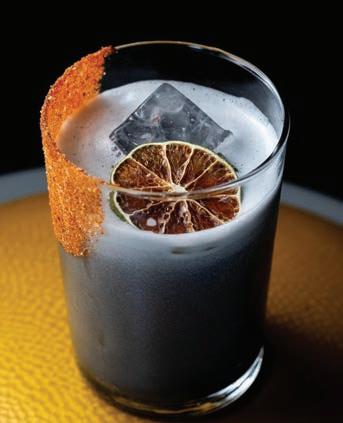
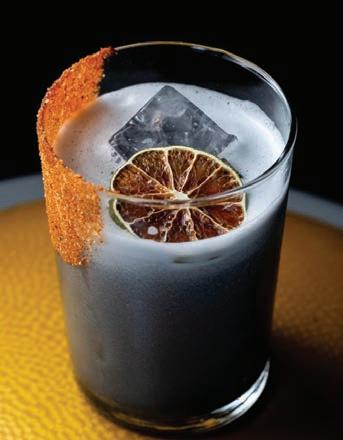
Vasquez clearly agrees, as evidenced by Madre!’s Smokey Margarita made with charcoal-infused mezcal espadin, house chili liqueur, agave, lime, and sal de gusano and the Margarito featuring mezcal espadin, green chartreuse, strawberry, agave, lime and egg white.

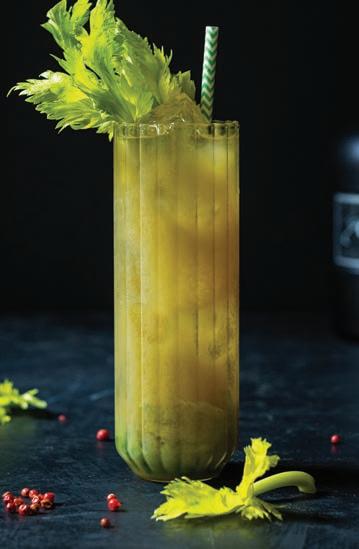
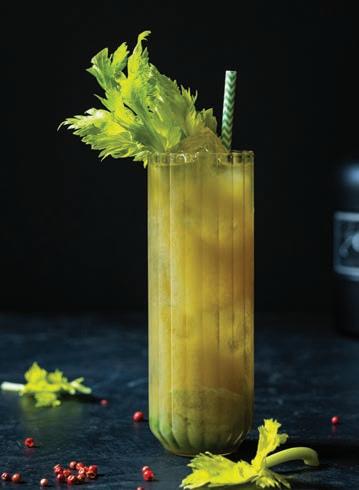
On the Michelada front, Swain pairs mezcal with muddled celery juice, Dashi and Worcestershire sauces, pink peppercorn bitters and lager in the Silencio Michelada.
Other popular Madre! cocktails include the Colada featuring mezcal espadin, strawberry brandy, coco lopez, house curacao and lime, and the Chido Wey! made with mezcal espadin infused with nanches (tiny berrysized citrusy fruit), house-made tepache, honey, lemon, and spicy bitters.
And Rocco’s Tacos menus the Homb-Rise made with with mezcal, pineapple juice, agave and pomegranate syrup.
Other basic cocktails enlivened by mezcal include Moscow Mules and Bloody Marys, Ryan of Lethal Mezcal says.




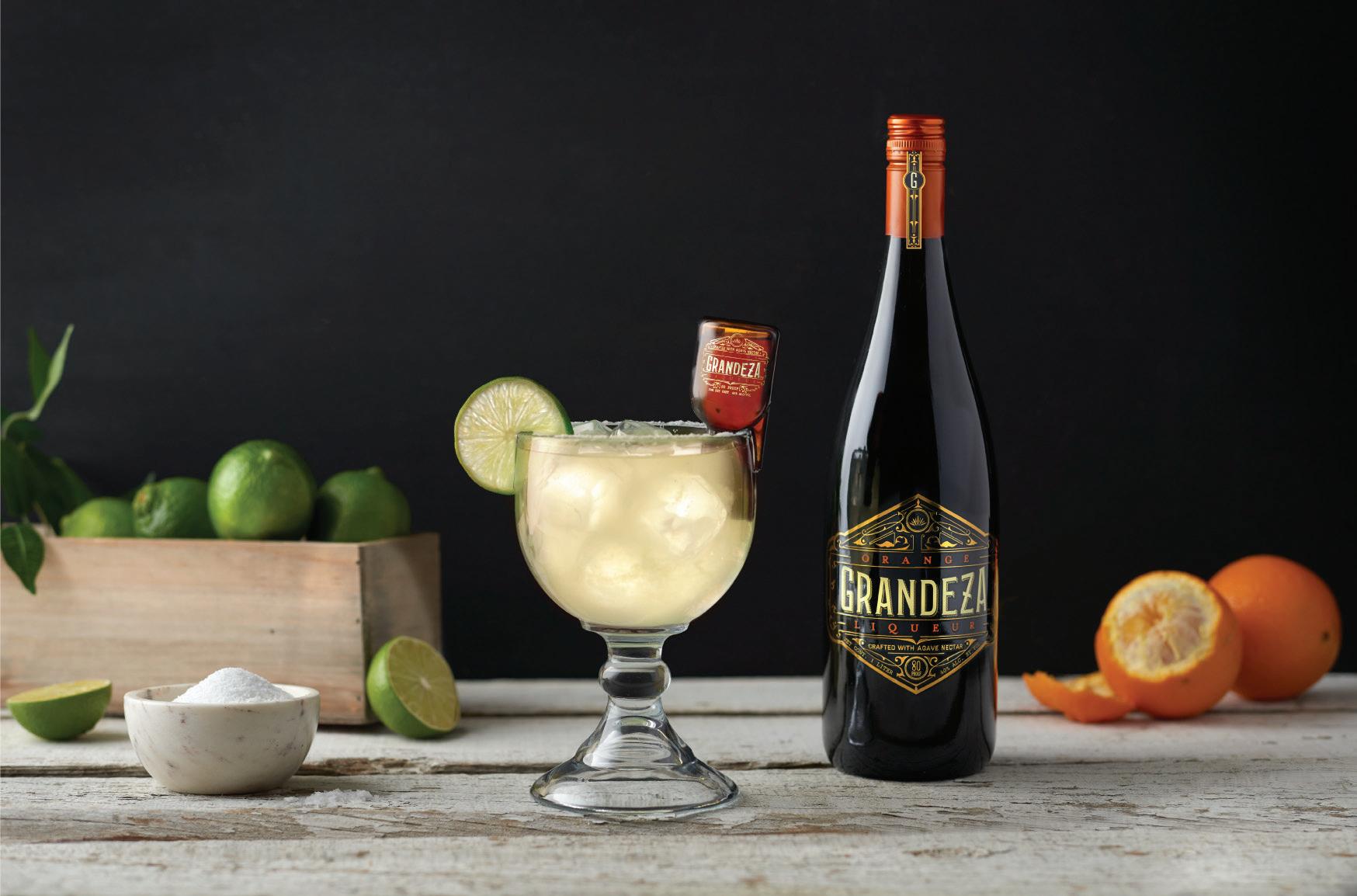


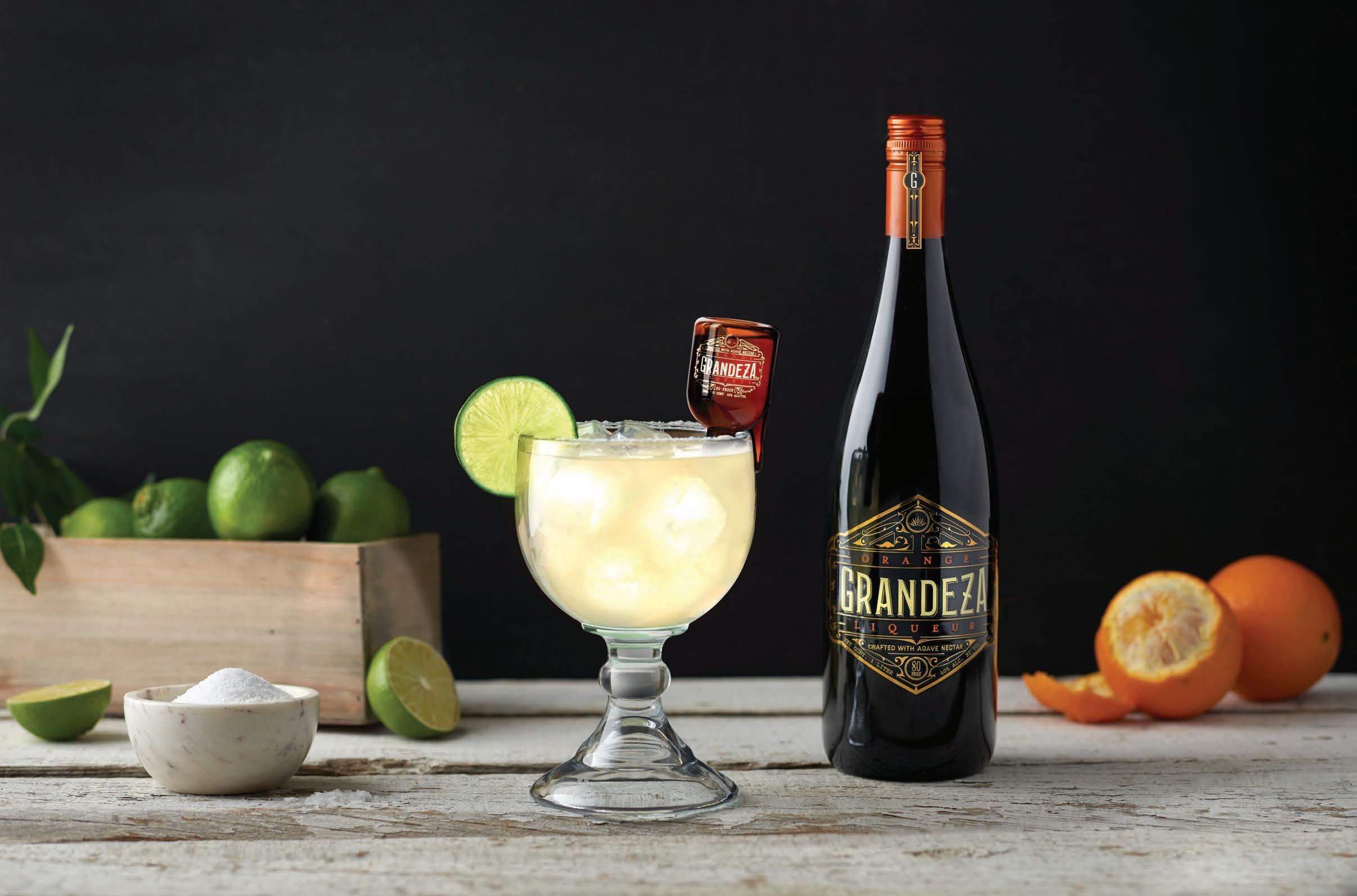
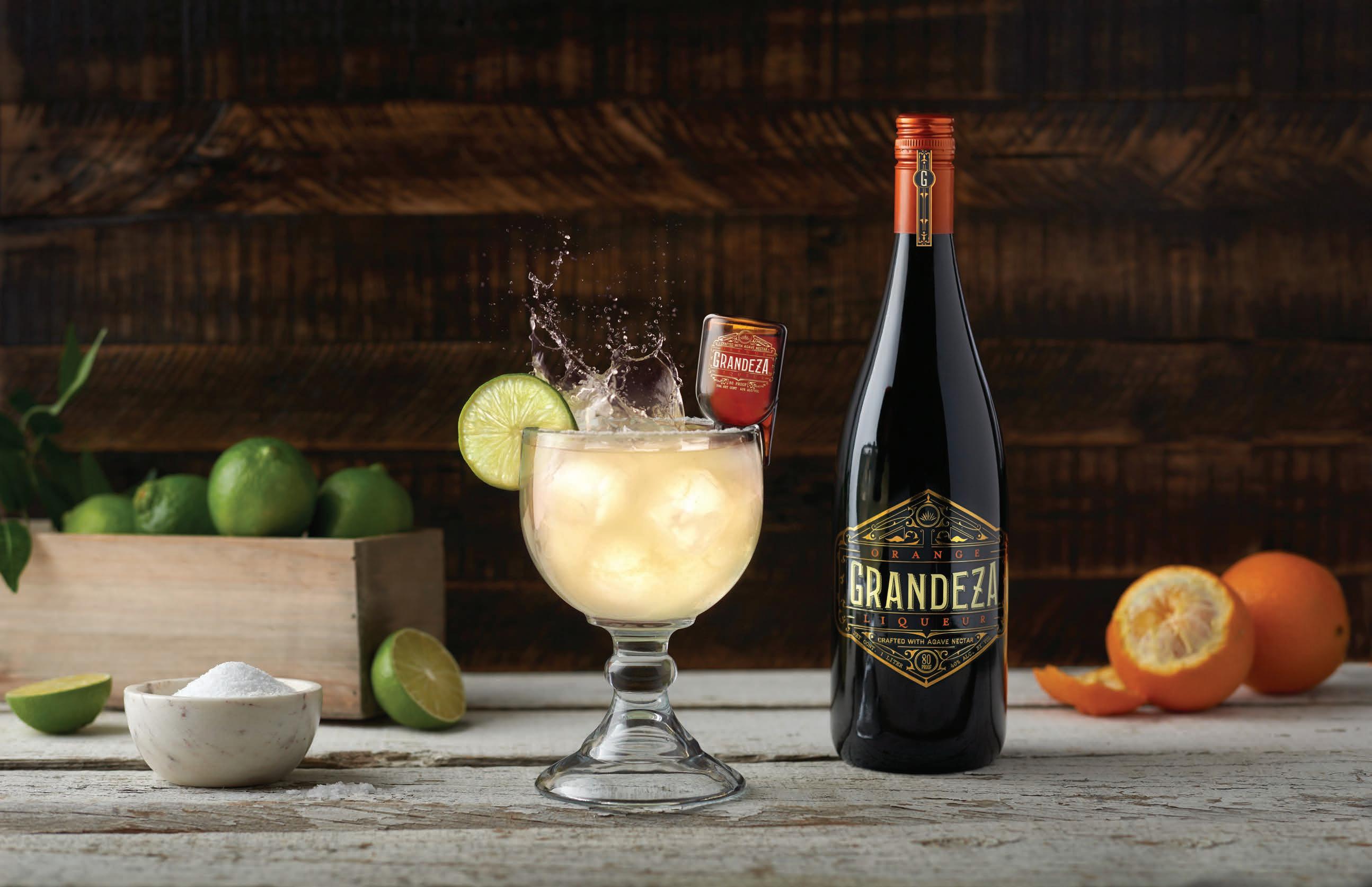
“In Moscow Mules, the heat comes from the ginger, and the smoke profle of mezcal really comes through that,” he says, noting that mezcal’s smoky profle also mixes well with the tomato favor in Bloody Marys.
Once customers have passed into more advanced mezcal “class,” getting them to sample mezcal straight up — preferably with orange wedges instead of lime — is the next lesson.
“That’s the traditional way to do it because of the smoke and the more complex favor profle,” Ryan of Lethal Mezcal explains.
Rocco’s Tacos has embraced that format and hosts Mezcal Mondays with 50 percent off mezcal cocktails, shots and fights.
With education ramping up right along with availability, the future for mezcal looks bright.
“The market has gone from, ‘What is mezcal?’ to the presence of one mezcal cocktail on the menu to a selection of mezcals on offer both in cocktails and on the backbar,” says Swain. To reap the rewards, each venue should consider “a larger presence on the back bar and menus via fights, plus inclusion on premium pour lists and a larger selection of mezcal cocktails on menus,” he concludes.
See cocktail recipes featuring mezcal on page 55.
Elyse Glickman is the At the Bar columnist for el Restaurante.
Did you know… that describing mezcal as tequila’s smoky cousin is a gross oversimplifcation of one of the world’s most diverse spirits categories? While both are distilled Mexican beverages made from agave plants, the similarities beyond this are overwhelmingly outnumbered by the factors that set them apart. Where tequila is produced in the state of Jalisco using only Blue Weber agave, mezcal production spans nine states and utilizes dozens of agave varieties.
– vinepair.com
| POR ELYSE GLICKMAN | Hace aproximadamente una década, el mezcal, que es el precursor ahumado y rústico del tequila, empezó a llamar la atención de los expertos en agave y de los bartenders. Ahora, se ha consolidado como una categoría de bebidas alcohólicas, y todo parece indicar que va en ascenso.
Según el informe del estudio North America Mezcal Market Forecast to 2027, el mercado del mezcal en Norteamérica tuvo un valor de 326.29 millones de dólares en 2019, y se espera que alcance los 521.11 millones de dólares en 2027.
La exclusividad de los productos es
una de las tendencias que rigen la demanda, y es una tendencia que Iván Vásquez, propietario de Madre! Oaxacan Restaurant and Mezcaleria, está aprovechando.
A Vásquez siempre le ha gustado el mezcal. Como lo indica el sitio web del restaurante, ha “confado en el poder del mole y el mezcal para hacer crecer su imperio de restaurantes”. La pandemia ha fortalecido su compromiso con el mezcal.
Después de refexionar sobre cómo quería que fuera su proyecto de bar dentro de cinco años, se dedicó a promover los mezcales de baja producción en la barra de sus restaurantes de Torrance, Culver City y West Hollywood, California, el último de los cuales es el más reciente, con más de 400 botellas de mezcales raros en las estanterías y plantas de agave de un productor de mezcal para decorar el jardín exterior.
“En los últimos meses, se han producido cambios importantes en los mercados del tequila y, en el caso de Madre!, hemos decidido no continuar con los tequilas reposados, añejos o extraañejos”, explica Vásquez. “En cambio, nos estamos dedicando principalmente a los mezcales y a los tequilas blancos o plata de alta graduación, como hacían muchos bares y restaurantes mexicanos hace unos 30 años. Y únicamente estamos promoviendo estos blancos de alta grad-
“Entre más mezcales de diferentes regiones empiecen a aparecer, más consumidores encontrarán su nicho en el mundo del mezcal... y mejor será nuestra capacidad de orientar a los clientes para que encuentren un tipo de mezcal que les guste”. – MAXWELL REIS,
uación porque queremos que los clientes descubran o redescubran la conexión natural entre el tequila y el mezcal”.
¿
¿Cómo ha logrado el mezcal tener tanta presencia en la barra?
A los profesionales de la industria se les ocurren algunas razones.
“El mezcal, como categoría independiente, está recibiendo apoyo de los bartenders que disfrutan educar y presentar a los clientes un nuevo perfl de sabor del agave”, asegura David Ortiz, director corporativo de bebidas de Rocco’s Tacos and Tequila Bar, con sede en Florida, un negocio con ocho establecimientos en el Estado del Sol. Maxwell Reis, director de bebidas de Gracias Madre, en West Hollywood y Newport Beach (California), atribuye a los consumidores el aumento del interés debido su consumo más aventurero de alcohol.
Por su parte, Torrence Swain, director regional de ventas de la Costa Este de Mezcal El Silencio, afrma que la llegada de mezcales de mayor calidad al mercado estadounidense ha elevado el perfl de un producto que muchos, especialmente los miembros de la generación del Baby Boom, consideraban una bebida
“El mezcal no se trata [solo] de beber o disfrutar de un coctel, se trata de la experiencia completa: la historia detrás del proceso, la planta, el palenque y la gente que lo hace posible”.
–
para obreros con un sabor demasiado ahumado como para disfrutarlo.
“Los boomers han sido los últimos en unirse a la festa, y con razón”, señala Swain. “La mayor parte de la exposición de ese grupo a la bebida alcohólica dependió en gran medida de los mezcales industriales predominantes en México y Estados Unidos, mucho antes del aumento de la popularidad del mezcal artesanal... Percibo más curiosidad, aceptación e interacción ahora que el mezcal artesanal y de mayor calidad está en auge”.
“Entre más mezcales de diferentes regiones empiecen a aparecer, más consumidores encontrarán su nicho en el mundo del mezcal... y mejor será nuestra capacidad de orientar a los clientes para que encuentren un tipo
de mezcal que les guste”, afrma Reis, quien ve que muchos clientes se inclinan por el perfl de sabor afrutado de los mezcales de Guerrero y Michoacán. “Como parte de la cultura, es bueno aprender a conocer alimentos y bebidas que no son autóctonos y que no son familiares para nuestro paladar, en lugar de modifcarlos hasta que nos gusten... Es nuestra labor demostrar el valor de la bebida y lo que la hace especial”.
Ayudar a los clientes a entender los matices del mezcal es un paso importante. Sin embargo, educar a los clientes interesados en el mezcal puede ser un reto, sobre todo si únicamente quieren probar variedades baratas en su primera incursión en el mundo de esta bebida alcohólica.
“Por desgracia, algunos bares guardan tequila o mezcal de baja calidad en el depósito porque su fnalidad es mezclarlos en cocteles y con otros sabores”, explica Vásquez. “En un buen mezcal, ya sea en una receta de coctel o en unas muestras, el sabor ahumado
debe ser secundario y no el principal toque de la bebida”.
Por eso, Vásquez ha seleccionado una pequeña colección de tequilas artesanales de alta graduación junto con mezcales artesanales.
“Cuando los clientes me preguntan sobre las diferencias entre el mezcal y el tequila, creo que la mejor manera de explicárselos es sirviéndoles ambas bebidas”, comenta. “En lugar de tener 30 tequilas, ahora solo tenemos nueve botellas en la barra. Los mezcales artesanales que seleccionamos tienen una concentración de alcohol del 44%, y pueden disfrutarse tanto en cocteles como en tragos. Por eso, cuando vas a Madre!, puedes pedir el mezcal más barato y aun así recibir un mezcal de buena calidad. Todo lo que hay en nuestras estanterías pretende mostrar lo prioritario que es nuestro interés por la calidad”.
Para los clientes que acaban de adentrarse al mundo del mezcal, Sother Teague, director de bebidas del popular bar de amargos Amor y Amargo de Nueva York, sugiere tener a la mano una botella de un tequila popular de
Sother Teague, director de bebidas del prestigioso bar de cocteles Amor y Amargo, en el East Village de Nueva York, dice que la presentación y la preparación son muy importantes.
“No hay una forma correcta o incorrecta de elegir frutas, verduras, hierbas o licores compatibles para acompañar al mezcal, así que disfruta de la diversión al experimentar”, señala Teague. “Por supuesto, hay algunas pistas muy obvias, y se derivan del terroir (origen). Como el mezcal es de México, las primeras ideas son los productos mexicanos. Limones, naranjas, mango, papaya y chiles, e incluso la famosa salsa de mole que lleva canela y cacao es deliciosa con el mezcal. Intenta ponerle un poco de cilantro a un margarita de mezcal o quemar un poco de romero antes de añadirlo a la coctelera. En cuanto a la combinación de bebidas alcohólicas en una receta, el tequila resulta obvio, pero pruébalo con los toques herbales de una ginebra con enebro o un aquavit con comino. También he obtenido resultados deliciosos mezclándolo con Genever malteado”.
alta calidad para poder “cortar” un mezcal que sea demasiado agresivo por sí solo. “Además, a la hora de preparar una receta, el bartender también puede usar los mezcales más agresivos como complemento y no como elemento principal”, afrma.
Los bartenders también deben informarse sobre las mejores marcas “de inicio” para aquellos que son nuevos en el mundo del mezcal y sobre los cocteles que pueden ayudar a que se acostumbren a su sabor, menciona César Díaz, propietario y administrador de Odd Birds Cocktail Lounge & Kitchen en St. Augustine, Florida.
“Los bartenders tienen que aprender a explicar las regiones, el origen, la variedad de agave y el perfl de sabor con el fn de que sea más atractivo para el consumidor”, dice Díaz. “El mezcal no se trata [solo] de beber o disfrutar de un coctel, se trata de la experiencia completa: la historia detrás del proceso, la planta, el palenque y la gente que lo hace posible”.
Una buena forma de iniciar a los clientes en el mezcal es con cocteles, algo sencillo para los restaurantes de temática mexicana y latina, ya que las margaritas y las micheladas son buenos ejemplos para comenzar.
“Como podrás imaginar, pasamos mucho tiempo trabajando con los restaurantes y hablando de las margaritas”, explica Sean Ryan, fundador de Lethal Mezcal, quien afrma que la “larga cola” de la bebida y el perfl de sabor ahumado tostado, similar al de un whisky escocés, se adaptan bien a lo que se ha convertido en el coctel por excelencia de la mayoría de los restaurantes mexicanos. “Tiene un sabor más complejo en
comparación con el tequila y permite preparar un margarita increíble”.
Vásquez parece estar de acuerdo, como lo demuestra la Smoky Margarita de Madre! hecha con mezcal espadín con infusión de carbón, licor de chile de la casa, agave, limón, y sal de gusano, y el Margarito con mezcal espadín, chartreuse verde, fresa, agave, limón y clara de huevo.
En cuanto a la michelada, Swain mezcla el mezcal con jugo de apio triturado, salsas Dashi y Worcestershire, amargo de pimienta rosa y cerveza, dando lugar a la Michelada Silencio.
Otros cocteles populares de Madre! son la Colada, con mezcal espadín, brandy de fresa, Coco López, curazao de la casa y limón, y el Chido Wey!, hecho con mezcal espadín con nanches (diminutos frutos cítricos del tamaño de una baya), tepache casero, miel, limón y amargos picantes.
Y Rocco’s Tacos ofrece el Homb-Rise, elaborado con mezcal, jugo de piña, agave y jarabe de granada.
Otros cocteles básicos con mezcal son los Moscow Mules y los Bloody Marys, afrma Ryan.
“En los Moscow Mules, el picor proviene del jengibre, y el perfl ahumado del mezcal realmente destaca”, afrma, señalando que el perfl ahumado del mezcal también se mezcla bien con el sabor del tomate en los Bloody Marys.
Una vez que los clientes han pasado a una “clase” de mezcal más avanzada, lograr que prueben el mezcal puro, preferiblemente con gajos de naranja en lugar de limón, es la siguiente lección.
“Esa es la forma tradicional de hacerlo por lo ahumado y el perfl de sabor más complejo”, explica Ryan de Lethal Mezcal.
Rocco’s Tacos ha adoptado ese modelo y organiza los lunes de mezcal con
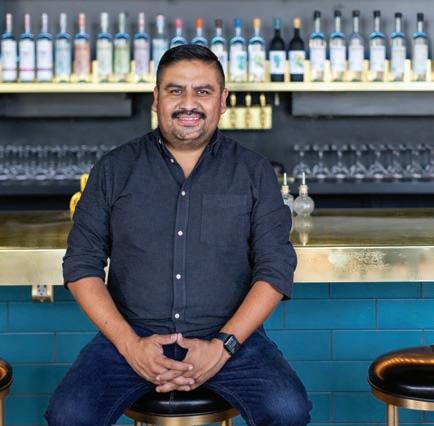
Proprietario
Ivan Vaszuez, Madre! Oaxacan Restaurant and Mezcaleria
un 50% de descuento en cocteles, shots y tragos de mezcal.
El futuro del mezcal parece prometedor, ya que la educación está aumentando al mismo tiempo que la disponibilidad.
“El mercado ha pasado de ‘¿Qué es el mezcal?’ a que haya un coctel de mezcal en el menú y una selección de mezcales que se ofrecen tanto en los cocteles como en la barra”, comenta Swain. Para aprovechar la oportunidad, cada local debería considerar “una mayor presencia en la barra y en los menús a través de muestras, además de la inclusión en las listas de bebidas prémium y una mayor selección de cocteles con mezcal en los menús”, concluye.
Vea la recetas de cócteles de mezcal en la página 55.
¿Sabías que… describir el mezcal como el primo ahumado del tequila es una burda simplifcación de una de las categorías de bebidas alcohólicas más diversas del mundo?
Aunque ambas son bebidas mexicanas destiladas a partir de plantas de agave, las similitudes más allá de esto son ampliamente superadas por los factores que las diferencian. Mientras que el tequila se produce en el estado de Jalisco empleando únicamente agave Blue Weber, la producción de mezcal se extiende por nueve estados y aprovecha decenas de variedades de agave.
– vinepair.com
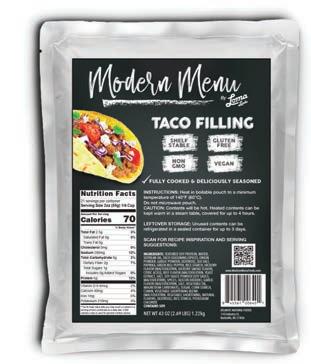
Modern Menu by Loma Linda Plant-based Taco Filling. Use this fully cooked taco “meat” just as you would any seasoned, cooked ground beef in plant-based tacos, tamales, burritos and more. Other plant-based products include the Southwest Bowl and the tuna alternative Tuno. All products are shelf-stable, glutenfree, non-GMO and vegan, too. modernmenufoods. com; email foodservice@ atlanticnaturalfoods.com
Relleno vegetariano para tacos de Modern Menu by Loma Linda Esta “carne” para tacos completamente cocida la puedes utilizar, al igual que cualquier otra carne molida sazonada y precocida, para preparar tacos, tamales, burritos y más platillos vegetarianos. Otros productos vegetarianos son el Southwest Bowl y el Tuno, un sustituto del atún. Todos los productos son imperecederos, libres de gluten y OMG y también vegetarianos. modernmenufoods.com; email foodservice@ atlanticnaturalfoods.com
Lethal Mezcal™ The bold, smooth, smokey profle of this double distilled, new 90 proof artisanal mezcal is a taste that a connoisseur craves. Made by skilled mezcaleros with the fnest Espadin agave grown high in the Oaxaca mountains, Lethal Mezcal is crafted in small batches to deliver an earthy, fre roasted smoke infused favor. Serve neat, in a cocktail or over ice. lethalmezcal.com
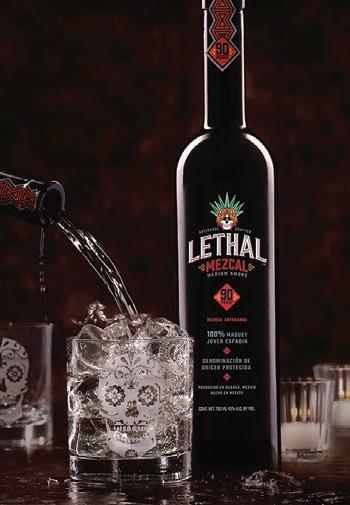
Lethal Mezcal™ El per fl audaz, suave y ahumado de este nuevo mezcal artesanal de doble destilado y 45 grados es un sabor que anhelan los conocedores. Elaborado por hábiles mezcaleros con el mejor agave espadín cultivado en lo alto de las montañas de Oaxaca, el Lethal Mezcal se produce en pequeños lotes para ofrecer un sabor terroso con una infusión ahumada de asado al fuego. Bébelo solo, en cocteles o con hielo. lethalmezcal.com
Simply Agave™ Nectar. This Spirits of the Americas GOLD Medal Winner for Best Taste is made from 100% organic Weber Blue agave that is triple fltered to guarantee a clean, consistent taste that enhances margaritas and other sweetened cocktails. Simply Agave™ is partnered with the largest spirits distributors in the nation. info@ simplyagave.com
Néctar Simply Agave™ Este producto ganador de la medalla de ORO al mejor sabor de Spirits of the Americas está elaborado con agave azul Weber 100 % orgánico, el cual se fltra tres veces para garantizar un sabor limpio y consistente que realza las margaritas y otros cocteles endulzados. Simply Agave™ se ha asociado con los distribuidores de licores más grandes del país. info@simplyagave.com
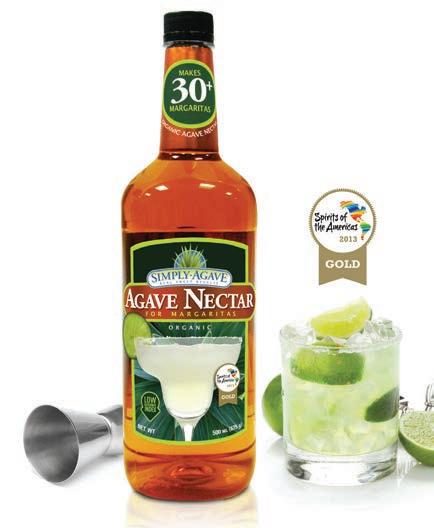
Compostable Burrito Bowls from Good Start
Packaging These eco-friendly, compostable burrito bowl containers are made from renewable plant — fully compostable natural materials with the strength to handle hot and cold items. They hold burritos, nachos, creative bowl menu items and more. Other eco-friendly food containers, tableware, cups and straws, and carry-out bags also available. (866) 971-9251; goodstartpackaging.com
Platos compostables para burritos de Good Start
Packaging Estos recipientes compostables y ecológicos para burritos están hechos de plantas renovables: materiales naturales completamente compostables cuya resistencia permite transportar artículos fríos y calientes. Se pueden utilizar para poner burritos, guarniciones variadas y más. También están disponibles otros productos ecológicos: recipientes para comida, cubiertos, vasos, popotes y bolsas para llevar. (866) 971-9251; goodstartpackaging.com
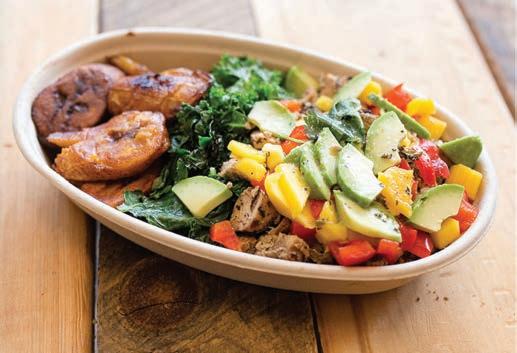
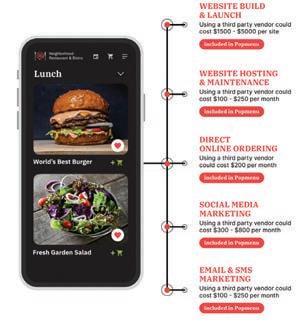
Popmenu. This easy-touse restaurant technology solution is designed to help independent restaurants engage guests, drive transactions, simplify online ordering and delivery, and build long-term guest loyalty. Features include website design, dynamic menu technology that changes the way guests interact with your menu, automated remarketing that helps build loyalty via social media and email, and more. Demos available on request. 844-POPMENU; get.popmenu.com
Popmenu. Esta sencilla herramienta tecnológica para restaurantes está diseñada para ayudar a que los restaurantes independientes atraigan la atención de los clientes, impulsar las transacciones, simplifquen los pedidos, amplíen las ventas en línea y fomenten la fdelidad de los clientes a largo plazo. Sus características incluyen el diseño del sitio web, la tecnología de menús dinámicos que cambia la forma en que los clientes interactúan con su menú, el remarketing automatizado que ayuda a construir fdelidad a través de las redes sociales y el correo electrónico, y mucho más. Demostraciones disponibles bajo petición. 844-POPMENU; get.popmenu.com
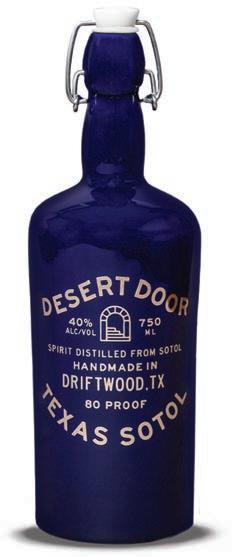
Desert Door Original Texas Sotol. Made by hand from wild-harvested West Texas sotol plants, this premium spirit has a sweet citrusy and herbal favor reminiscent of a desert gin crossed with a smooth sipping tequila. Currently available in the Desert Door tasting room and select locations in Texas, Colorado, Tennessee, Georgia and Arkansas. 512-829-6129; desertdoor.com; email info@desertdoor.com
Desert Door Original Texas Sotol. Fabricada a mano a partir de plantas de sotol del oeste de Texas, esta bebida espirituosa de alta calidad tiene un sabor dulce, cítrico y herbáceo que recuerda a una ginebra del desierto mezclado con un tequila suave. Actualmente está disponible en la sala de degustación de Desert Door y en algunos establecimientos de Texas, Colorado, Tennessee, Georgia y Arkansas. 512-829-6129; desertdoor.com; email info@desertdoor.com
Don Diego Tomatillos and Jalapeños. Whole and crushed tomatillos that are grown, harvested and packaged in rural Mexico; jalapeños nacho-sliced or in escabeche; Mexican-style hominy; chick peas; and diced, ready-to-eat red bell peppers are some of the restaurant-ready canned products available from Don Diego. 619-823-2073; dondiegoqualityfoods.com
Tomatillos y Jalapeños Don Diego. Los tomatillos enteros y triturados que se producen, cosechan y envasan en zonas rurales de México; los jalapeños en rodajas para nachos o en escabeche; la harina de maíz al estilo mexicano; los garbanzos; y los pimientos rojos cortados en cubos y preparados para el consumo son algunos de los productos enlatados de Don Diego. 619-823-2073; dondiegoqualityfoods.com
Girard’s Food Service Dressings. Products perfect for Mexican and Latin restaurants include the new Mint Lime with Tequila Dressing (spearmint, aromatic lime and citrus undertones, with chipotle pepper and tequila) and the creamy Cilantro Dressing with “South of the Border” favors including fresh cilantro and jalapeños. 888-327-8442; girardsdressings.com
Aderezos Girard’s Food Service. Entre los productos perfectos para restaurantes mexicanos y latinos se encuentran el nuevo aderezo de menta con tequila (menta verde, lima aromática y matices cítricos, con pimienta chipotle y tequila) y el aderezo de cilantro cremoso con sabores “del sur de la frontera”, que incluye jalapeños frescos con cilantro. 888-327-8442; girardsdressings.com



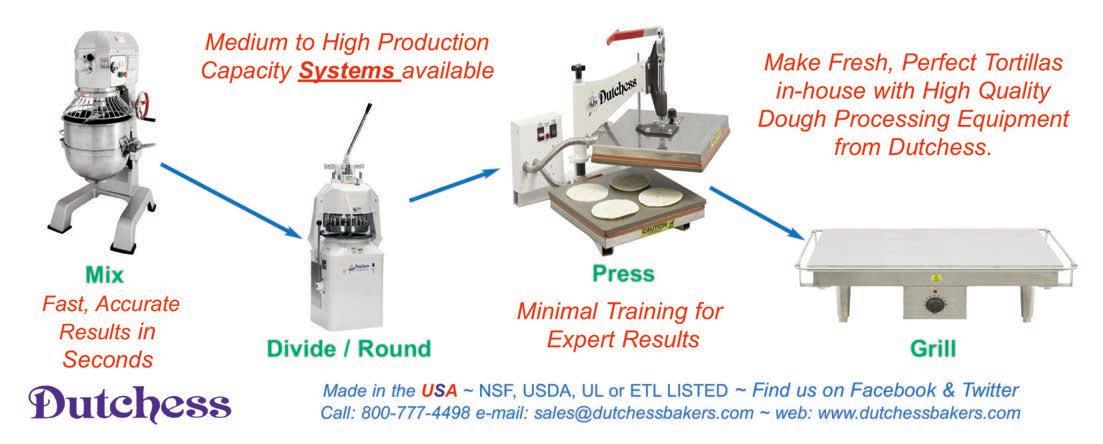


EMAIL Kathy Furore, kfurore@restmex.com, with ‘Recipe’ In the subject line



To subscribe quickly and easily online, visit www.elrestaurante.com to start your free subscription today. Or fll in all mailing information and answer the questions on the form below. PLEASE REMEMBER TO SIGN THE FORM. Mail it to el Restaurante PO Box 13347, Chicago, IL 60613, Or fax the form to 708-406-1609
Signature/Firma (REQUIRED/REQUERIDA)
Please Print Name Here / Nombre
Company Name / Companía
Street Address/P.O. Box/Dirección
City/State/Zip/Ciudad/Estado/Zip Code
Phone / Teléfono
CHECK BOXES NEXT TO ALL ANSWERS THAT APPLY. ___NO, thanks. ___Address change only. ___YES! I wish to receive/continue to receive el Restaurante FREE of charge. ___Also send Emex, our FREE email newsletter. Email Address:____________________
Date/Fecha

Our 25,000+ readers want information about your products!
Our powerful combination of print and web ads plus email promotions can deliver business-building bene f ts for your company!
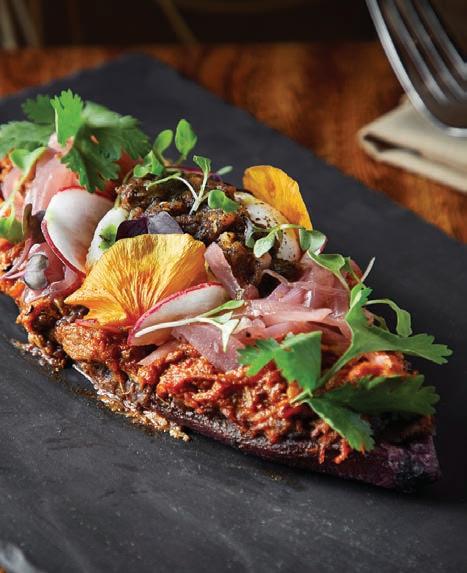
ONE MORE GREAT ISSUE IN 2021!
NOVEMBER/DECEMBER
• OUR ANNUAL BUYER’S GUIDE , with Special O fers for Advertisers!
• COVER STORY: Mole Magic
• SPECIAL REPORT: 7th Annual Independent Mexican Restaurant Report
• AD CLOSE : October 28
M ATERIALS DUE : November 2 FOR INFORMATION ABOUT ADVERTISING , call publisher Ed Avis at 708-218-7755 or email edavis@elrestaurante.com AND IN EVERY ISSUE… Hotline, Marketplace, My Favorite Recipe and more!
Queso Fundido
Con Chorizo y Rajas: Melted Cheese Casserole with Mexican Sausage & Roasted Chiles
Recipe by Rick Bayless, Frontera Grill and Topolobampo, Chicago; courtesy of California Milk Advisory Board
Makes 24 appetizer servings
8 fresh poblano chiles
1 lb. Mexican chorizo sausage, casing removed
6 c. thinly sliced white onions
Salt, as needed
2 lbs. California Chihuahua cheese or other Mexican-style melting cheese such as Quesadilla or Asadero, shredded (about 8 cups)
48 corn tortillas, preferably handmade and warm
2 T. crumbled dried Mexican oregano
Roast poblanos on an open fame or under a broiler, turning regularly until the skin is evenly blistered and blackened, about 5 minutes on an open fame or 10 minutes under a broiler. Be careful to char only the skin, not the fesh. Cover with a towel and let stand for 5 minutes. Rub of blackened skin, then pull or cut out stems and seed pods. Tear chiles open and quickly rinse to remove stray seeds and bits of skin. Cut into ¼-inch-wide strips about 2 inches long.
In a sauté pan, cook chorizo over medium heat, stirring to break up any clumps, about 5 minutes or until half-cooked. As chorizo heats, it should render enough fat to cook the meat; if the mixture seems dry, add a little oil. Add onions and cook about 10 minutes, stirring frequently, until onions are richly golden and chorizo is cooked. (If the mixture looks very oily, drain.) Stir in poblano strips and season with salt. Mixture can be made ahead and refrigerated; reheat to order.
To plate each serving, to order:
Heat ⅓ cup chorizo mixture in a small cazuela. Stir in ⅓ cup cheese. Bake in 350°F oven about 5 minutes or until cheese is just melted but has not begun to separate or look greasy. Sprinkle with ¼ teaspoon oregano and serve immediately with 2 tortillas.
Original recipe by Arturo Jaramillo; featured at Rancho de Chimayó Restaurante, Chimayó, New Mexico; recipe reprinted from Wikipedia
Makes 1 cocktail
Highball glass
1 ½ oz. tequila
1 oz. unfltered apple cider
¼ oz. lemon juice
¼ oz. crème de cassis
Pour tequila and unfltered apple
cider into glass over ice. Add lemon juice and creme de cassis and stir. Garnish with slice of unpeeled apple and serve.
Lethal Margarita
Recipe courtesy of Lethal Mezcal
Makes 1 cocktail
2 oz. Lethal Mezcal
1 oz. Simply Agave Nectar
1 oz. water
1 oz. fresh lime juice
Orange wedge, for garnish.
Combine all ingredients, pour over ice, and garnish with orange wedge.
Recipe courtesy Lethal Mezcal
Makes 1 cocktail
2 oz. Lethal Mezcal
1 oz. lime juice
4 oz. ginger beer
Lime wedge, for garnish
Combine all ingredients, pour over ice, and garnish with lime wedge.
Recipe courtesy Lethal Mezcal
Makes 1 cocktail
2 oz. Lethal Mezcal
4 oz. tomato juice
2 dashes Tabasco sauce
2 dashes Worcestershire sauce
1 t. horseradish
1 pinch celery salt
1 squeezed lemon wedge
Celery stalk and lime wedge, for garnish
Combine all ingredients, pour over ice, and garnish with celery stalk and lime wedge.
Homb-Rise
Recipe courtesy Rocco’s Tacos, Miami, Florida
Makes 1 cocktail
2 oz. El Recuerdo Joven Mezcal
2 oz. pineapple juice (ideally fresh)
1 oz. freshly squeezed lime juice
½ oz. agave syrup
¼ oz. pomegranate syrup
Pineapple frond and/or slim lime wheel, for garnish
Tajin spice mix, for rimming
Rim a highball glass with Tajin by moistening the lip with a cut lime wedge, then rolling the rim in a plate containing Tajin. Fill a shaker with ice, combine ingredients and shake. Pour into the highball glass. Finish with pineapple frond and/or slim lime wheel.
Bird
Recipe courtesy of Odd Birds Cocktail Lounge & Kitchen, St Augustine, Florida
Makes 1 cocktail
1½ oz. Bosscal Joven Mezcal
¾ oz. pamplemousse liqueur
½ oz. simple syrup
1 oz. lemon juice
3 dashes of Peychaud bitters
Dehydrated lemon wheel, for garnish
Add all the ingredients in a cocktail shaker with ice. Shake and double strain. Garnish and serve.
Fruit Cart Negroni
Recipe courtesy of Gracias Madre, West Hollywood, California
Makes 1 cocktail
1 oz. Cupreata Mezcal
½ oz. Rhinehall Mango Brandy
1 oz. cucumber-mango infused Campari
1 oz. Cocci Americano
Bar Spoon Manzanilla Sherry
Cucumber wheel, for garnish
Combine ingredients and stir. Pour into a double rocks glass with a large ice rock cube. Garnish with cucumber wheel and serve.
Silencio Michelada
Recipe courtesy of Torrence Swain, Mezcal El Silencio
Makes 1 cocktail
1 oz. Mezcal El Silencio Espadin
3 oz. celery juice
¼ oz. Dashi Sauce
One dash Worcestershire Sauce
One dash Pink Peppercorn Bitters
Juice from half a lime
Lager beer
Celery stalk, for garnish
Muddle celery juice with the Dashi and Worcestershire sauces in the glass you’re going to serve the cocktail in. Squeeze in lime juice and then add the bitters and mezcal. Add ice and stir to combine all ingredients. Top of with lager. Garnish with celery stalk.
NESTLED IN THE QUAINT NEIGHBORHOOD OF BONITA, CALIFORNIA , Romesco Mexiterranean Bistro is dedicated to serving “Mex-Med cuisine — authentic Mexican recipes prepared with Mediterranean fair.”
The man behind the menu: Executive Chef Eddie Zamarripa.
Born and raised in the city of Tijuana, Baja California, Mexico just south of San Diego, Zamarripa often helped his mother in the family’s kitchen — the place where his passion for all things culinary began. His journey toward a restaurant career started at age 13, when he took a summer job as dishwasher for his uncle, who was a chef at the time. He continued to learn and grow as his uncle’s apprentice throughout his school years and has been honing his skills ever since.
After stints at several restaurants in cities ranging from San Juan Capistrano to San Diego — and with decades of experience under his belt — Zamarripa joined the Romesco family at Romesco Mexiterranean Bistro in September 2019 as executive chef. Since joining the team, he has implemented new procedures, optimized recipes and put his passion to work preparing dishes like Grandma’s Tacos De Fideo, a customer favorite and one of many selections on the restaurant’s “Best Sellers” menu. Here, he shares the recipe for original spaghettini tacos made with Spanish chorizo and accented with fresh crema, salsa verde and queso fresco.
The Fideo Filling:
5.5 oz.chopped garlic
14 oz. chopped onion
3.5 oz. chile chipotle
1 bunch chopped parsley
3.5 oz. shallots
1 small pinch of safron
9 oz. processed Chorizo de Bilbao
3 parts chopped poached tomato
0.5 oz. thyme
3 bay leaves
1 c. white wine
1 packet Paellero Seasoning
2 oz. Tiparos Fish Sauce
1 bunch chopped cilantro
2 c. oil
4 T. chicken bouillon
1 T. fne salt
1 T. ground white pepper
1 T. sugar
3 lbs. spaghettini, broken
1 lb. shrimp peels (for liquid base)
1 gal. (16 c.) water to boil shrimp
Using a food processor, place Chorizo de Bilbao and process, then set aside.
In a pot, cook the shrimp peels in 1 gallon (16 cups) of water and set aside until reduced to about 14 cups. Cook the chorizo with the oil and the broken spaghettini in a pot, stirring constantly to avoid burning. Gradually add in the garlic, onion, shallots, safron, thyme, oregano, and bay leaf. Continue cooking over medium heat until the ingredients have slightly browned. Add the poached tomato, parsley, and deglaze with white wine. Begin to season with salt, pepper, paella powder, Tiparos fsh sauce, sugar, chipotle, and the shrimp peel liquid base. Let boil over high heat for 3 minutes, stir, cover, and lower the fre.
Let it cook for about 6 minutes until the pasta is cooked and the liquid has evaporated. Remove from heat, let pasta cool, and add freshly chopped cilantro.
To plate (per taco):
1 tortilla
2 oz. fdeo flling
Crema, salsa verde and queso fresco, for garnish
Submerge the tortilla in the oil from a deep fryer or in a cast iron pan with hot oil for a minimum of 30 seconds on each side. Take 2 ounces of the prepared fdeo flling and place in the tortilla. Fold and repeat until out of flling. Garnish with crema, salsa verde and queso fresco. Enjoy!
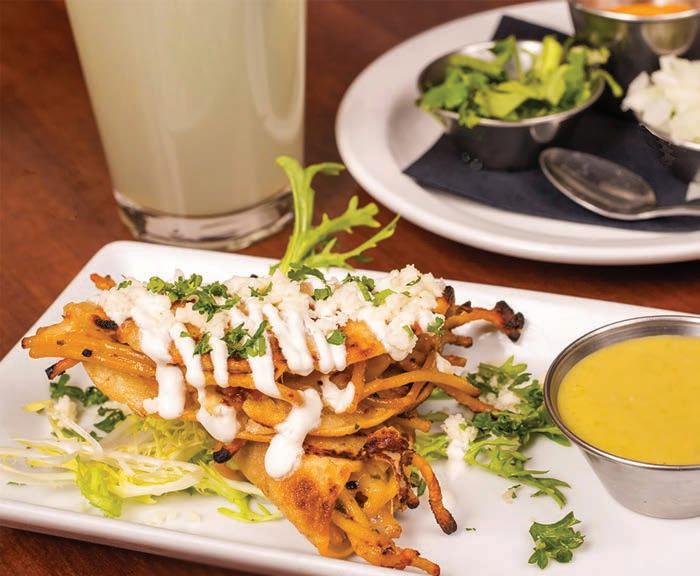

Call today for samples of our authentic Al Pastor, Pollo Adobo and Carne Asada. Available in Trompos (hand-stacked cones) and cooked-to-order IQF Strips that provide maximum flavor, yield and portion control. Now Serve Delicious Authentic Tacos EVERY DAY!