Ensuring safe, wholesome meat in the Western Cape A look inside Veterinary Public Health operations
Right to Food Partners waging war against food insecurity and malnutrition in the Swartland District
LANDBOU RADIO
RSG Landbou word elke Vrydagoggend om 5:25 vm. en Saterdae om 11:45 vm. uitgesaai.
Tydens ons programme maak ons kennis met innoveerders, boere-planmakers, asook diegene aan die voorpunt van landbou-tegnologie en navorsing. Maak gerus kontak en laat jou stem gehoor word. Ek nooi jou graag uit om stories van hoop en inspirasie met my te deel. Stuur gerus wenke en idees na Eloise Pretorius | eloise.pretorius@westerncape.gov.za
“Sien” jou binnekort op die radio!
Vir meer inligting
Meer inligting oor die programreeks is beskikbaar op www.rsg.co.za en die uitsendings kan ook afgelaai word.
Potgooie Vir aflaai van potgooie, skandeer die kode of besoek www.rsg.co.za/ rsg/page_id344/
Nou ook beskikbaar op die RSG toep!
Eloise Pretorius
Setting
A the SCENE
A Season to Share
by Dr Filicity Vries
As the year concludes, we bring you this special edition of AgriProbe, highlighting a variety of impactful services provided by the Western Cape Department of Agriculture.
World Food Day is more than a date on the calendar; it is a reminder that food security is everyone’s concern, from global leaders to local communities. In the Western Cape, this day holds special significance, as it speaks directly to the work being done every day to ensure that safe, nutritious food reaches households across the province.
South Africa, represented by Minister of Agriculture, John Steenhuisen and the National Department of Agriculture, played a significant role at the recent G20 Agricultural Ministers’ meeting. During its G20 Presidency, the country proudly endorsed global commitments on food security, guided by the ubuntu philosophy of collective action. These are practical, not abstract, commitments that reinforce our shared responsibility to build resilient food systems for both present and future generations.
The Sub-Directorate: Veterinary Public Health offers a local and practical insight into how these commitments are applied every day. A small team of highly skilled professionals oversees hygiene, animal handling and meat inspections at abattoirs throughout the Western Cape. Over the past year, their efforts translated into an 86% Hygiene Assessment System score, hundreds of inspections and millions of animals processed under vigilant oversight. This work might happen
“As the festive season of Christmas arrives, let us embrace the spirit of sharing and reflection. ”
behind the scenes, but its impact is felt in every household and every meal that reaches the table. The province’s food basket rests on the strength of such efforts – professional teams working hand in hand with broader policy commitments and international partnerships. Together, they ensure that food security is not just an aspiration but a lived reality. This World Food Day, we were reminded that food nourishes more than our bodies – it also provides trust, dignity and hope. Through the dedication of our agricultural sector and the strong partnerships that support it, the Western Cape continues to uphold its role in building a safe and secure food system for all.
As the festive season of Christmas arrives, let us embrace the spirit of sharing and reflection. It is a powerful reminder that food is a fundamental human right for everyone. While we enjoy our own celebrations, let’s strengthen our shared commitment to end hunger and ensure every person has the nourishment and dignity they deserve. AP
Dr Filicity Vries
CONTENTS
EDITORIAL
Setting the scene
A season to share
MINISTERIAL
The power of connection –Driving agricultural transformation in the Western Cape
DIARY AND EVENTS
Right to Food – Partners waging war against food insecurity and malnutrition in the Swartland District
Livestock Farmers Day in Riviersonderend
Celebrating 40 Years: The return of the class of ’84/’85
NEWS SNIPPETS
Celebrating excellence with two gold awards
PEOPLE ON THE MOVE
The Bourgogne Experience – From cellar to the world and beyond
HUMAN CAPITAL DEVELOPMENT
National recognition for a young leader
ECONOMIC NEWS
Can SA AGOA exit propel Africa’s economic renaissance?
Strengthening global partnerships –A strategic visit to Bavaria, Germany
TAKING OUR SERVICES OUT THERE
Ensuring safe, wholesome meat in the Western Cape – A look inside Veterinary Public Health operations
Crimean-Congo haemorrhagic fever –what should we know about it?
COVER INSPIRATION
ELSENBURG JOURNAL
Farming with kiwis in the Western Cape, South Africa
Incubator temperature versus eggshell temperature during artificial hatching of ostrich eggs
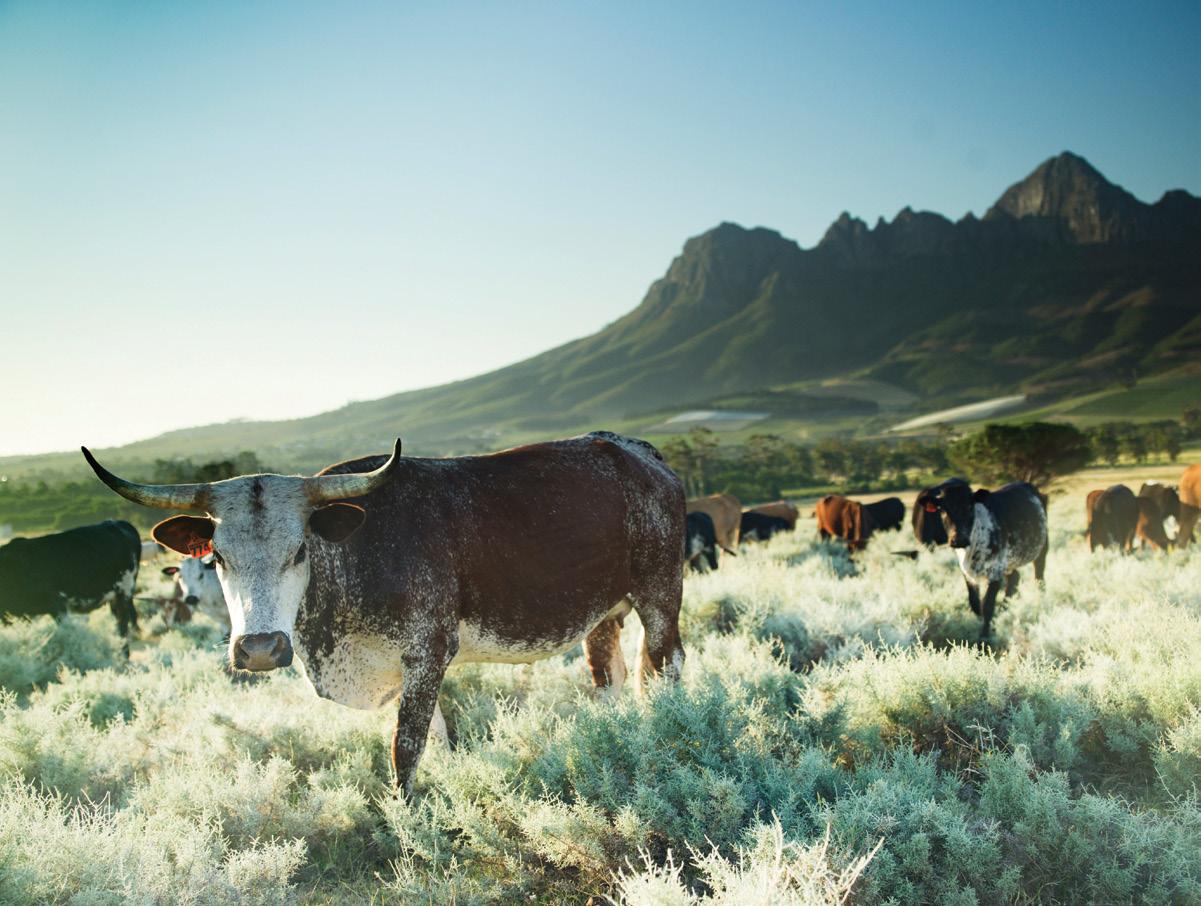
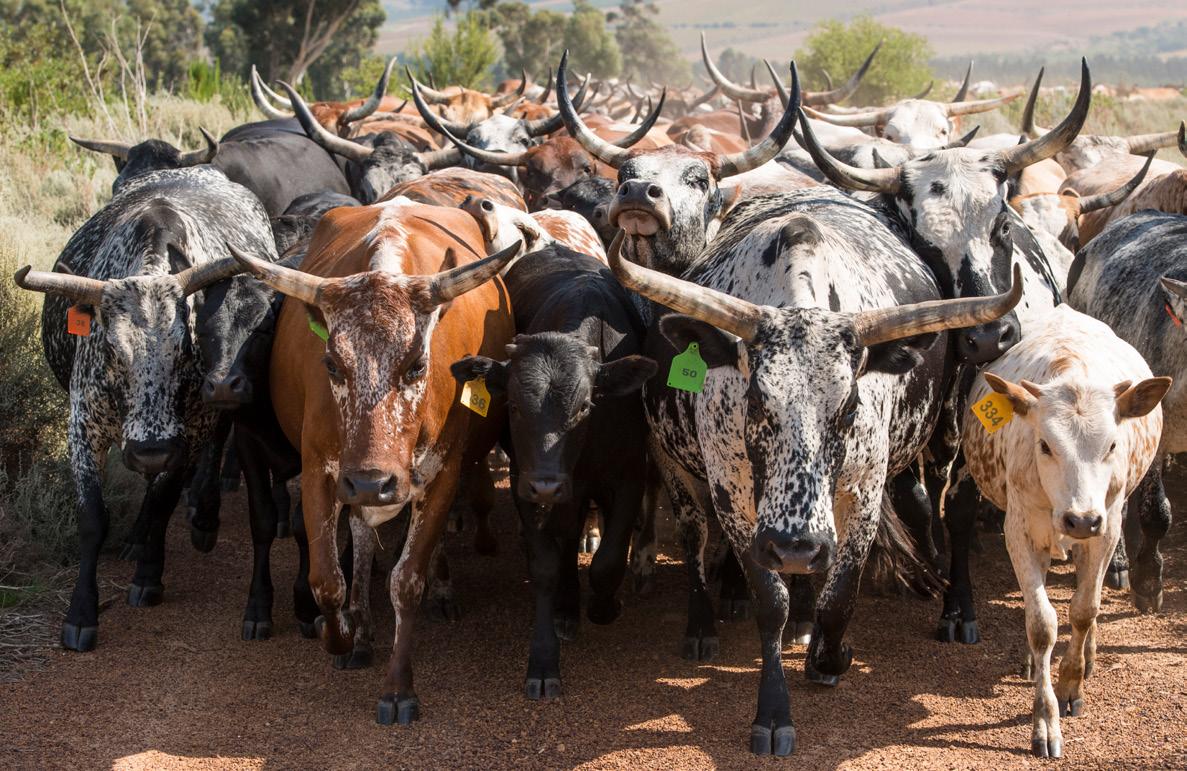
Nguni cattle: A profitable, low-risk choice for Western Cape farmers
PUBLISHING TEAM
Publisher: Erika Alberts
Layout & design: Christopher Robin Design
Copy editor: Aletta Pretorius-Thiart
Financial director: Pat Botha
For integrated communication and publishing solutions, e-mail: media@mlpmedia.co.za
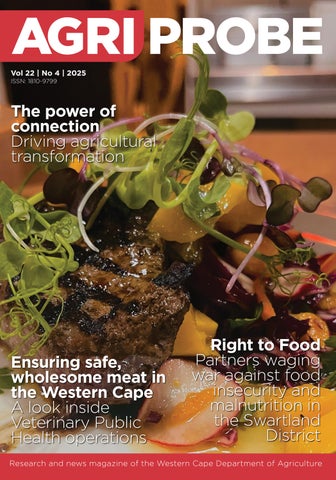
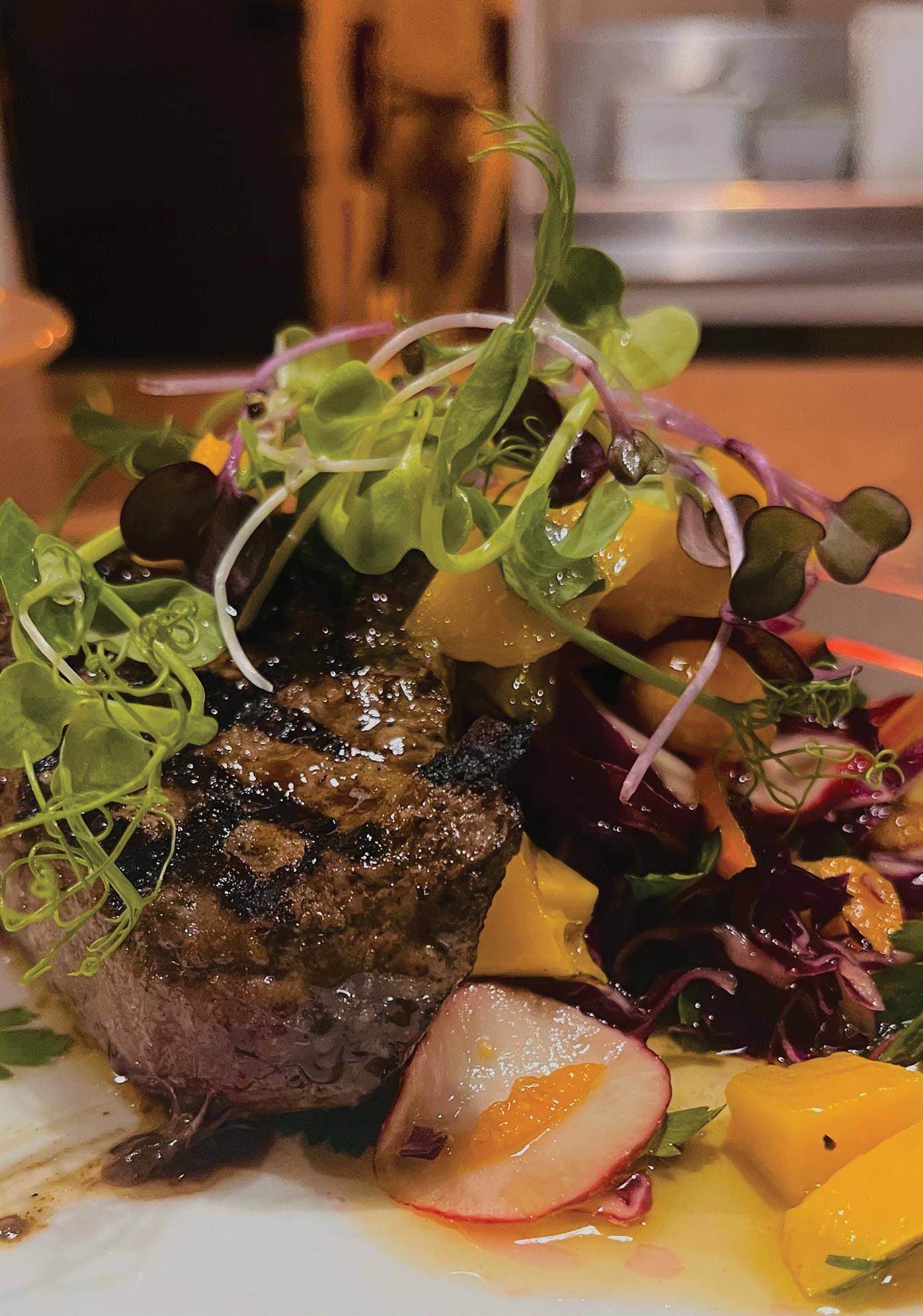
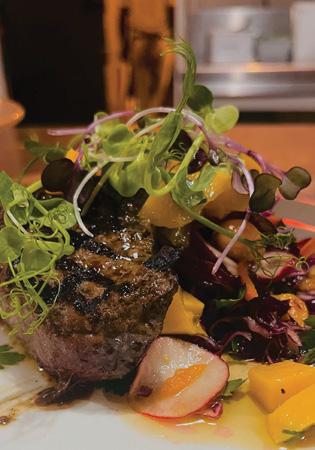
An Nguni steak cover reflects resilient herds, profitable beef production and assured meat safety, linking the value chain to food security, community wellbeing and regional economic growth.
Read more on page 59.
Photo courtesy of Nguni Restaurant, Plettenberg Bay, Western Capenguni-restaurant. co.za
AGRI PROBE
The power connectionof Driving transformationagricultural
Ensuring wholesomesafe,meat in the Western Cape A look VeterinaryinsidePublic Health operations
Right to Food Partners waging war against insecurityfood malnutritionand in the Swartland District
EDITOR
Mary James (021 808 5008) mary.james@westerncape.gov.za
VICE CHAIRPERSON
Dr Filicity Vries (021 808 5014) filicity.vries@westerncape.gov.za
SECRETARIAT
Gizelle van Wyk (021 808 5022) gizelle.vanwyk@westerncape.gov.za
EDITORIAL COMMITTEE
Arie van Ravenswaay (021 808 5085) arie.vanravenswaay@westerncape.gov.za
Juan de Lora (021 808 5383) juan.delora@westerncape.gov.za
The power of connection Driving agricultural transformation in the Western Cape
by Minister Ivan Meyer & Daniel Johnson
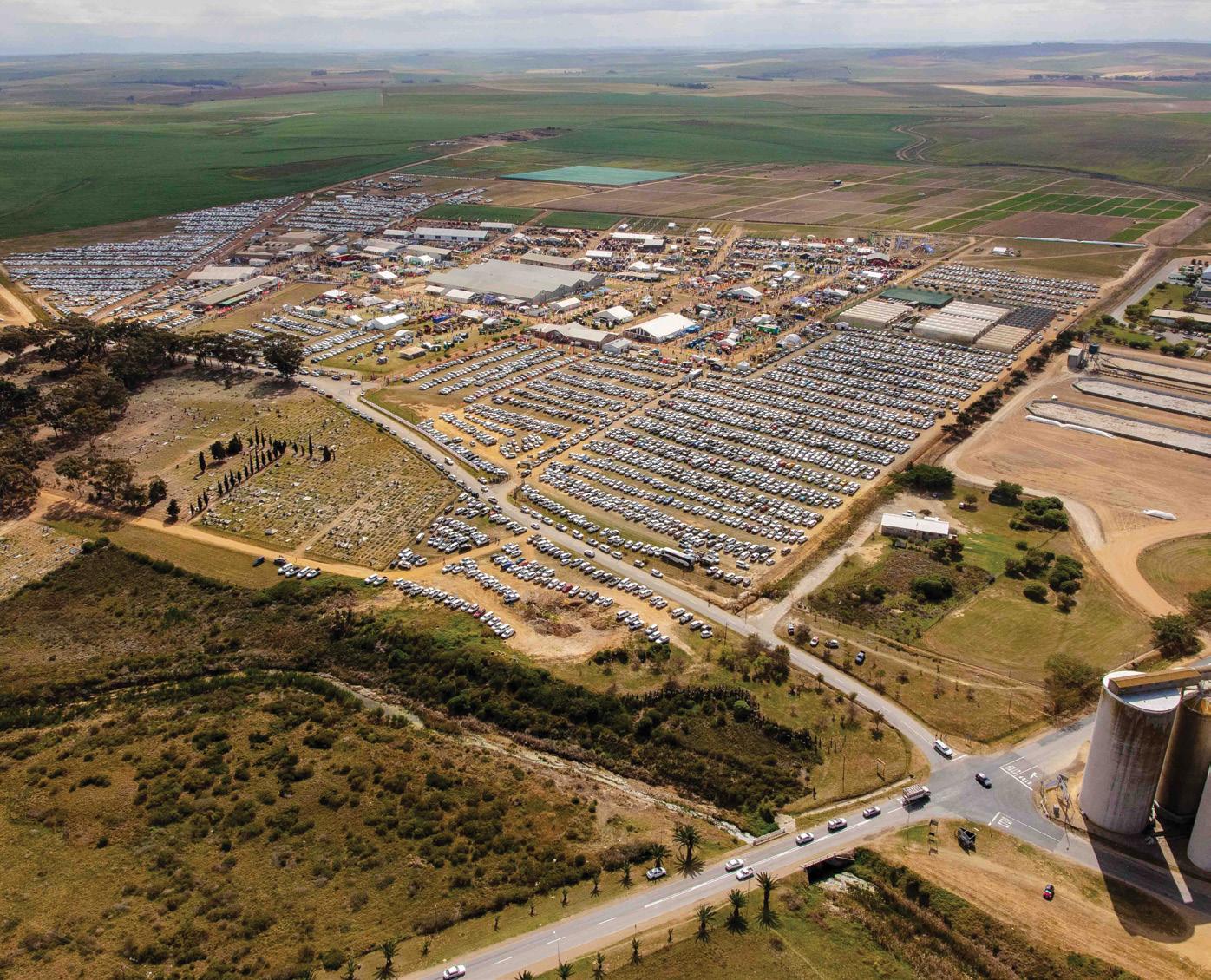
Bredasdorp, 17 September 2025 – The sixth NAMPO Cape Expo ended on a high, attracting a record 49 326 visitors and cementing its place as the Western Cape’s premier agricultural showcase.
IIn a world increasingly shaped by global challenges – climate change, food insecurity and shifting trade dynamics – the power of connection has never been more vital. At the heart of this transformation is agriculture, a sector that not only feeds nations but also fuels economies, fosters
innovation and builds resilient communities. The Western Cape’s recent engagements – from NAMPO Cape 2025 to the G20 Food Security Declaration – demonstrate how strategic collaboration, investment and diplomacy can unlock the full potential of the agricultural sector.
“NAMPO Cape 2025 was more than an agricultural expo – it was a celebration of connection.”
NAMPO Cape 2025 was more than an agricultural expo – it was a celebration of connection. With over 49 000 visitors and an estimated R25 million injected into the
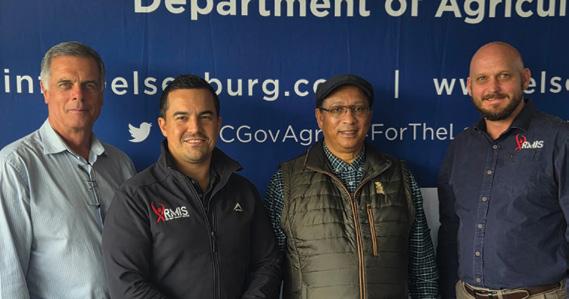
At 2025 NAMPO Cape, Red Meat Industry Services (RMIS) met with Western Cape Minister of Agriculture, Dr Ivan Meyer, to discuss joint action on training, veterinary capacity and export growth through improved traceability systems. Minister Meyer affirmed alignment with RMIS’s four strategic pillars and the need for coordinated implementation.
From left: Willem van Jaarsveld, Dr Phillip Oosthuizen, Dr Ivan Meyer and Dewald Olivier.
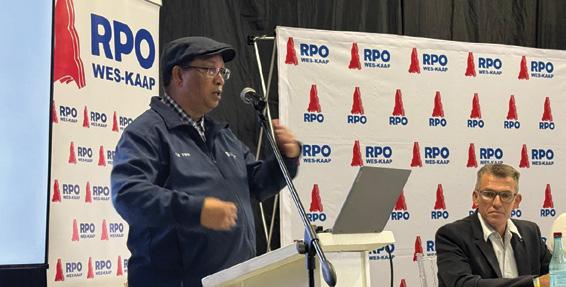
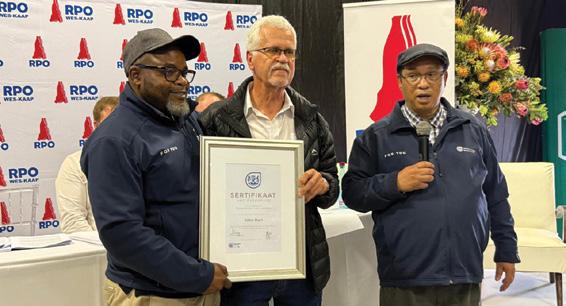
Dr Ivan Meyer addressed and presented at the RPO Western Cape Annual General Meeting. Following the opening, Minister Meyer and HoD Dr Mogale Sebopetsa, presented John Durr with a certificate of acknowledgement for his outstanding contribution to the red meat industry and the province’s agricultural sector.
Overberg economy, the event highlighted agriculture’s role as a driver of local development. Farmers, youth, agribusinesses and innovators came together to explore cutting-edge technologies, including AIenabled irrigation systems, GPS livestock tracking and solar-powered surveillance.
NAMPO Cape is a showcase of agricultural innovation and a driver of local economic development, underscoring its value in promoting youth engagement, technology adoption and market access.
Learn more!
Scan the QR code or visit shorturl.at/GlTMG Watch this!
Scan the QR code or visit tinyurl.com/y9ukmnmr to watch the video: ‘Western Cape Agriculture Minister unpacks priorities for growth and trade’. Published by Farmer's Weekly SA
Despite the sector’s dynamism, its growth is constrained by infrastructure gaps. With 39% of the Western Cape’s agricultural value dependent on exports, efficient logistics – encompassing roads, rail and ports – are critical. Collaboration with Transnet is underway, but municipal and provincial investment in bulk infrastructure remains crucial.
The Western Cape Investment Summit (WCIS) 2025, held from 5–7 November at the CTICC, offered a strategic platform to address these challenges. It showcased investment-ready agricultural projects, facilitated matchmaking between investors and entrepreneurs, and streamlined regulatory processes – all aligned with the Growth for Jobs strategy.
Learn more!
Scan the QR code or visit wcis.co.za
Global trade shifts, such as the 31% reciprocal tariffs imposed by the United States, have prompted the Western Cape to intensify its economic diplomacy efforts. Through Wesgro, the province is diversifying
its trade partnerships with regions such as China, India, the Association of Southeast Asian Nations (ASEAN) and Africa, ensuring resilience and competitiveness.
The Africa Agriculture Strategy exemplifies this approach, focusing on co-creation in economic development, job creation and food security. Africa, now the third-largest market for Western Cape agricultural exports, is central to this vision.
The Western Cape’s commitment to global food security was further reinforced through its support for the Task Force Declaration, which was endorsed under South Africa’s G20 Presidency.
Inspired by the African philosophy of ubuntu – “I am because you are” – the declaration is a testament to the power of partnership and shared responsibility, aligning global priorities with local action.
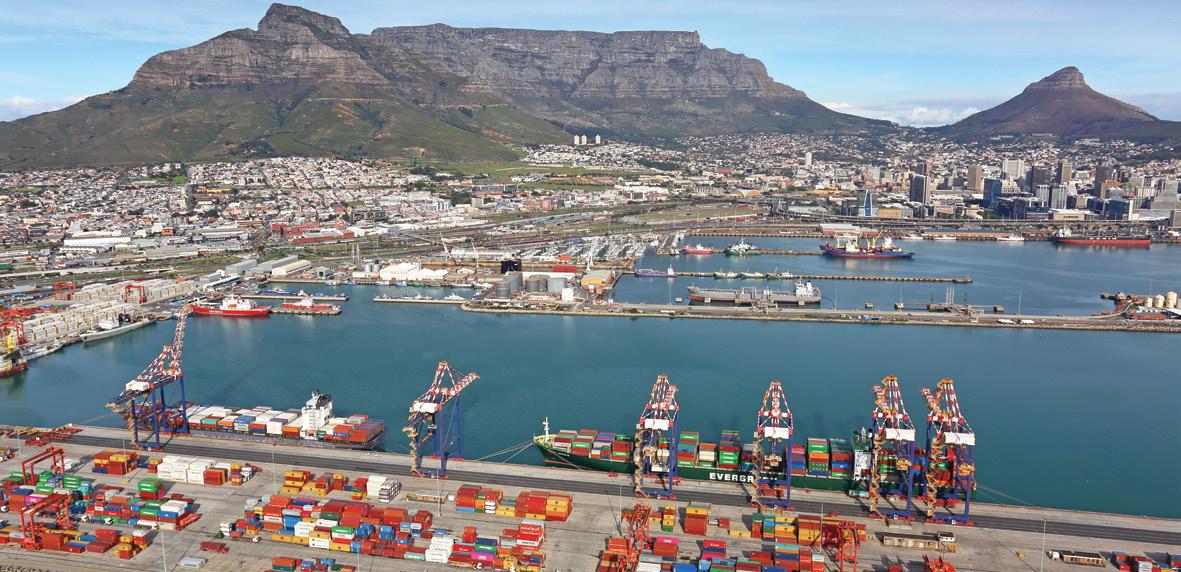
Efficient ports are essential for a thriving economy – especially in the Western Cape, where nearly 40% of South Africa’s food and beverage exports move through the Port of Cape Town.
These initiatives reflect a deep understanding that connection – between people, technologies, markets and governments – is the cornerstone of agricultural transformation.
Through structured collaboration and strategic funding mechanisms, the Commodity Approach connects farmers to resources, expertise and markets – driving transformation from the ground up and reinforcing the Western Cape’s commitment to agricultural development.
Currently, organisations such as the National Wool Growers Association, Deciduous Fruit Producers Trust, SA Wines, South African Table Grape Industry, South African Poultry Association, Potatoes SA, Raisins SA, Grain South Africa, Berries SA, Citrus Growers’ Association, South African Pork Producers’ Association, Red Meat Producers’ Association and Rooibos Producers Association are actively involved in delivering farmer support.
The Group of Twenty (G20) is an international forum of both developing and developed countries that seeks to find solutions to global economic and financial issues.
Learn more! Scan the QR code or visit g20.org
This approach complements traditional extension services by tailoring support to different categories of farmers. It emphasises hands-on empowerment, market-led sustainability and strong links to research, ensuring that extension staff are equipped with up-to-date information.
At its core, the Commodity Approach is an institutional arrangement where all stakeholders work from a unified plan to achieve shared outcomes. It ensures mentorship, market access and development opportunities for black farmers, promoting inclusive growth.
The Western Cape Department of Agriculture’s Commodity Approach exemplifies the power of connection in action. It fosters collaboration between government spheres and the private sector to support smallholder farmers and connects farmers to opportunities.
The power of connection is not just a theme – it’s a strategy. From local expos to global summits, the Western Cape is leveraging partnerships, innovation and diplomacy to build a resilient, inclusive and future-ready agricultural economy. AP
For more information, contact Daniel Johnson: daniel.johnson@westerncape.gov.za
Right to Food
Partners waging war against food insecurity and malnutrition in the Swartland District
by Vusumzi Zwelendaba and Nobulali Dili
Learn more!
Scan the QR code or visit shorturl.at/jDOq4
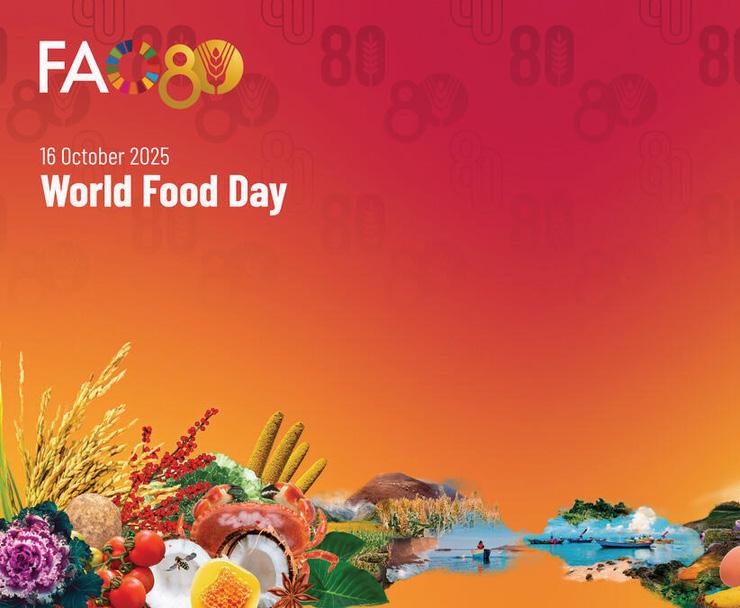
TThe Food and Agriculture Organization (FAO) of the United Nations (UN) was founded on 16 October 1945, in the aftermath of World War II. Since then, World Food Day (WFD) has been globally recognised on this date, making it one of the most celebrated events on the UN calendar.
The theme for 2025, “Right to Food
Watch this!
Scan the QR code or visit shorturl.at/bWF3k to watch the video: ‘World Food Day 2025’. Published by Food and Agriculture Organization of the United Nations.
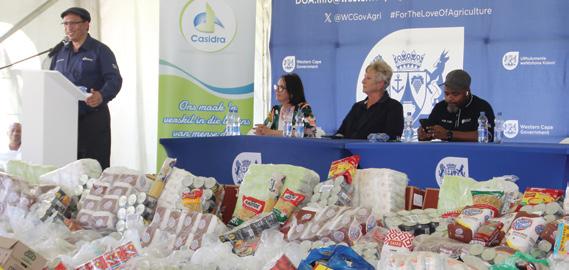
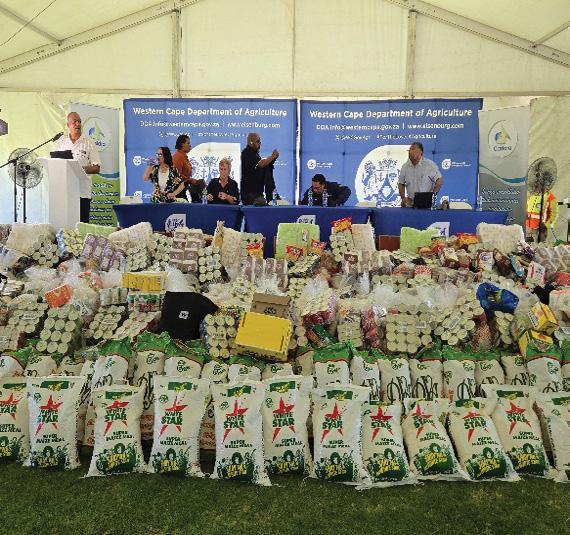
Dr Ivan Meyer, Western Cape Minister of Agriculture, addresses delegates at the 2025 World Food Day event, with a symbolic food mountain in the foreground representing community food security and nourishment.
For the Western Cape Department of Agriculture (WCDoA), WFD is a flagship event, traditionally celebrated in the first week of October to mark the beginning of Food Security Month. The department actively implements initiatives that ensure food security at community and household level, working closely with strategic partners to make a tangible impact.
On 10 October 2025, WCDoA, in partnership with the Swartland Municipality and Casidra, hosted WFD celebrations at the Gene Louw Sports Field, Moorreesburg. The initiative extended its reach to Abbotsdale, Chatsworth, Kalbaskraal, Koringberg and Riverlands, bringing food security interventions to these areas. Ahead of WFD,
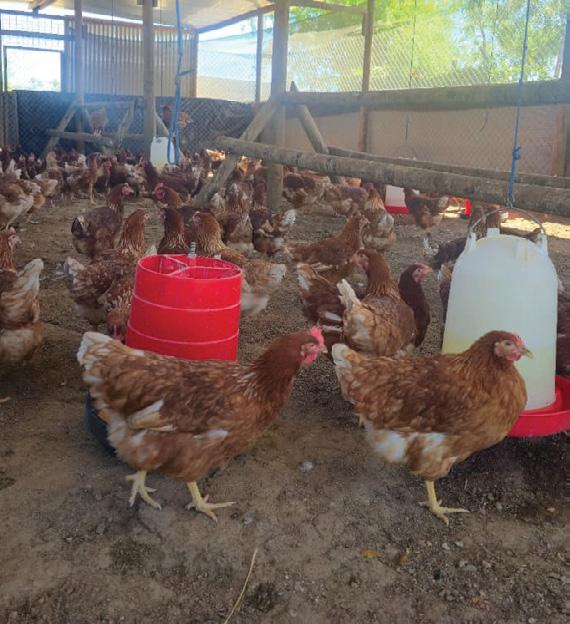
the Department implemented 203 household food gardens, i.e. Abbotsdale, Chatsworth, Kalbaskraal, Koringberg, Moorreesburg and Riverlands. In addition to this the Department implemented seven subsistence projects, namely KBL Community Garden Project (Kalbaskraal), Mila Tiya Goat Production Project (Moorreesburg), Chicken Coop Project (Moorreesburg), Hyp3r Birds Chicken Project (Moorreesburg), Imibala Grow Garden (Moorreesburg) and Diep Spoor Boerdery Project (Riverlands. Furthermore, five school food gardens were established at Moorreesburg High School, OJ Erasmus Primary (Kalbaskraal), St Michaels Primary School (Abbotsdale), Riverlands Primary and Koringberg Primary School.
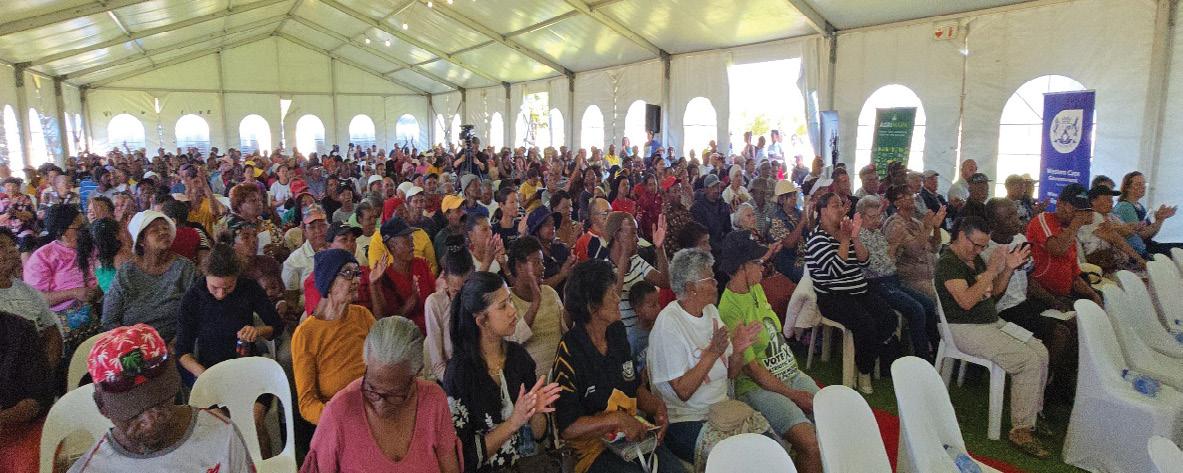
Crowds of people gathered at the Gene Louw Sports Field on World Food Day.
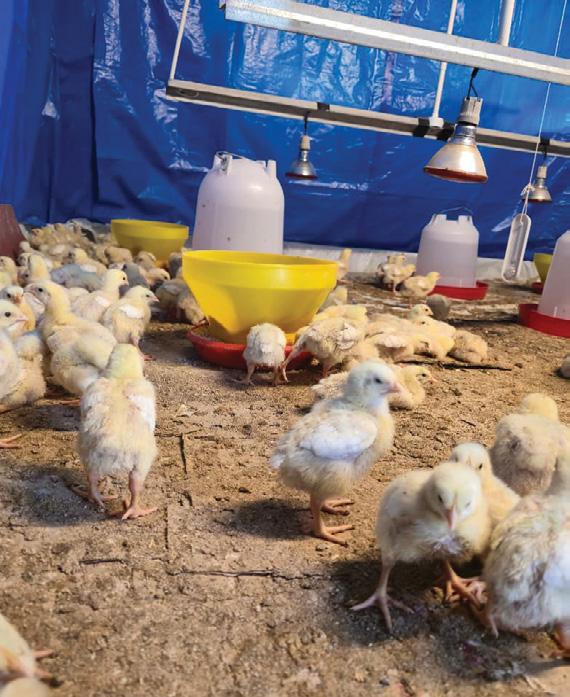
As part of Food Security Month, an additional 23 household chicken production projects will be implemented, bringing the total number of supported households to 226. This support includes infrastructure development, production inputs, equipment, training and continuous provision of extension and advisory services to ensure long-term sustainability.
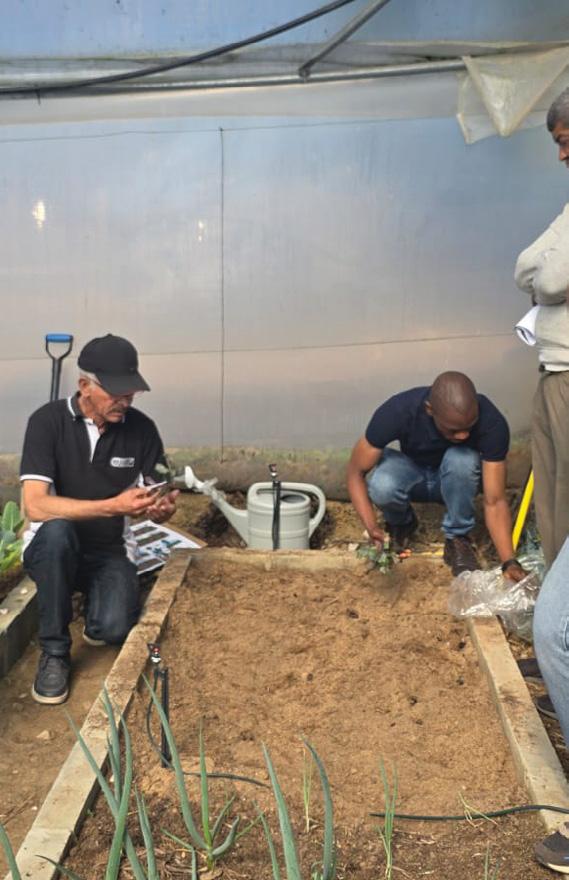
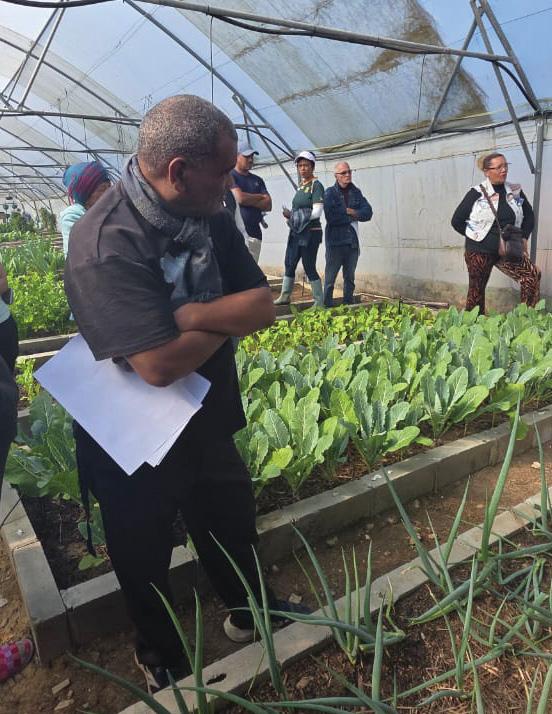
Officials and participants during the demonstration on how to establish a vegetable food garden at home held at St Michael Primary School in Abbotsdale on 12 September 2025.
Chicken Coop and Hyp3r Birds Projects – subsistence projects supported in the Moorreesburg area.
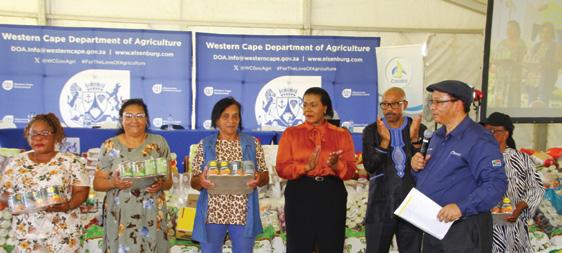
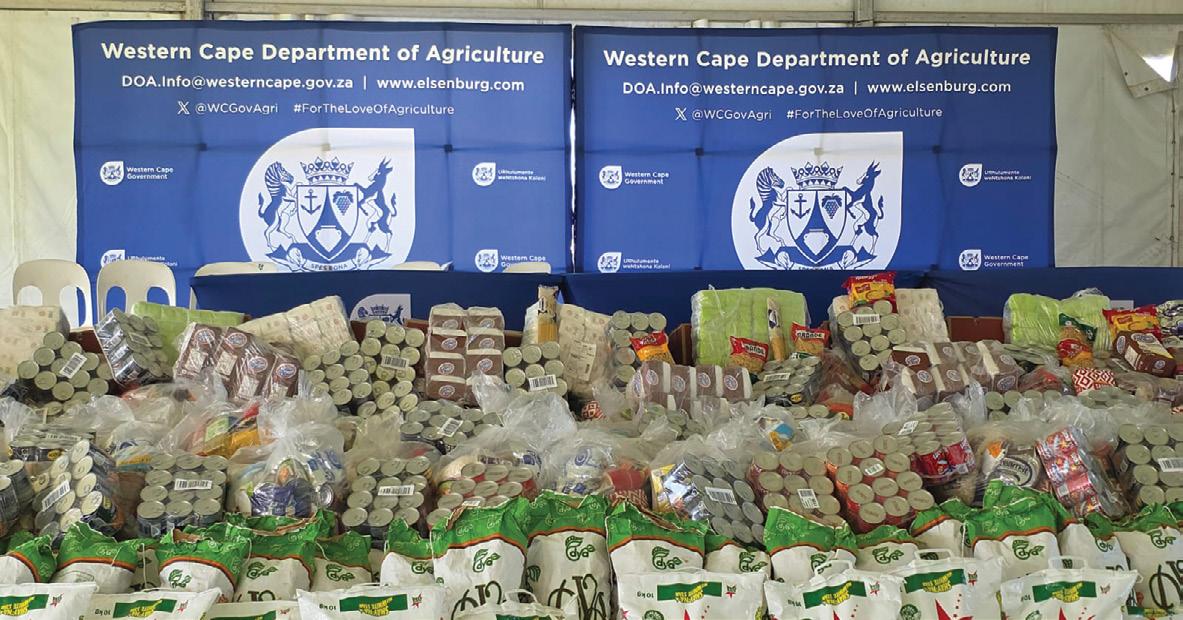
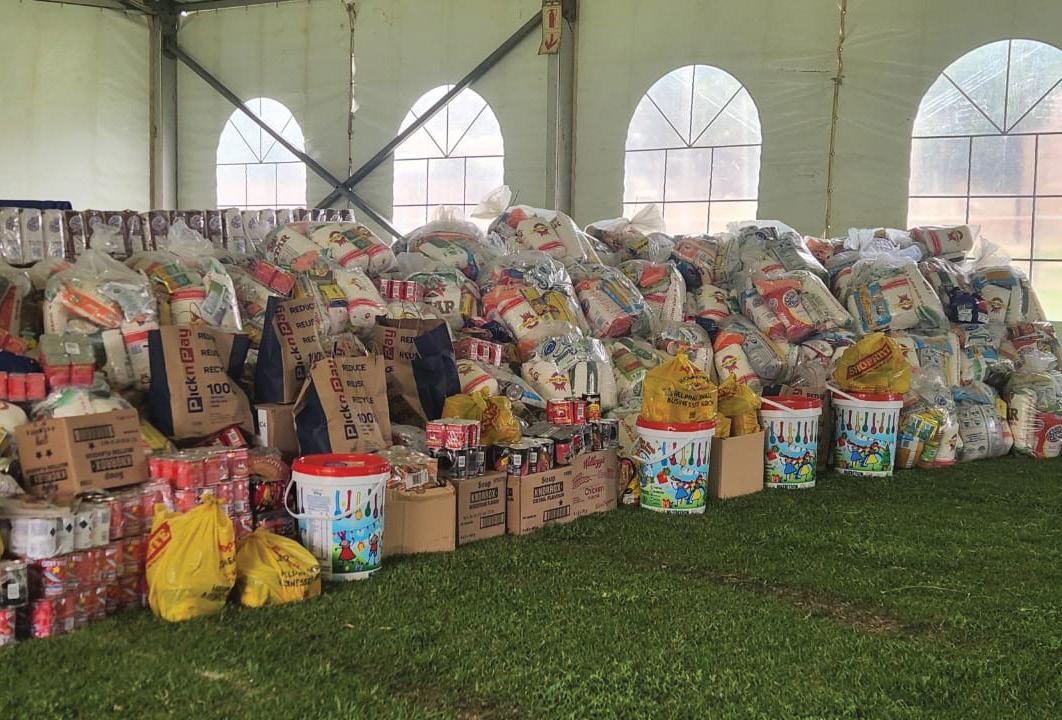
The department also provided all 203 households across the six areas with fruit trees – orange and lemon varieties to promote long-term food security and nutrition. Additionally, through staff donations and sponsorships, a food mountain was created and distributed to six local NGOs: Under His Wings (Kalbaskraal), Vuyolwethu Edu-care Centre (Moorreesburg), Eleanore se Sop Kombuis/ Eleanore’s Soup Kitchen (Abbotsdale), Marinatha Soup Kitchen (Chatsworth), New Haven Social Concerns Moorreesburg (Moorreesburg) and Lilly’s Soup Kitchen (Koringberg).
The event commenced with a briefing at Moorreesburg Town Hall, attended by the Deputy Mayor, Swartland Municipality, Dr Mogale Sebopetsa (Head of Department), councillors, senior officials from Swartland Municipality, WCDoA senior managers, Casidra representatives and sponsors. During projects visits delegations led by Minister Ivan Meyer,
Dr Sebopetsa and Darryl Jacobs (Deputy Director-General), then conducted site visits to food security projects before convening at Gene Louw Sports Field for the main event. For the first time, the event welcomed representatives from Land Bank, Old Mutual, Toyota Kuilsriver, Cape Town Fresh Produce Market, AFIL and South African Table Grapes Industry (SATI).
»
Food mountain received from our generous sponsors.
DIARY & EVENTS
This year all stakeholders agreed to wage war against food insecurity and malnutrition. They have now entered the war room and are in combat mode to tackle food insecurity and malnutrition. They have vowed to do everything possible to ensure food security and nutrition for all in the Western Cape.
Stakeholders emphasised the importance of partnerships and collaboration among stakeholders and embraced the “Triple C” approach: Communicate, Connect and Collaborate. With a shared commitment, they pledged to leave no stone unturned in ensuring food security at household level.
This year, WCDoA continued the longstanding World Food Day School Poster Competition, which aims to instil awareness about food security from an early age.
Three schools were selected to roll out the competition, which aligns with the curriculum and this year’s theme. Winners were awarded prizes on 13 and 14 October 2025, with support from the Western Cape Education Department, Western Cape Department of Agriculture (sponsored prizes for the winners), Chemuniqué (educational show on the importance of eggs in one’s diet), Kizzoo (an interactive dance and song production) and Nal’ibali (action songs and storytelling as well as sponsorship of books).
Learn more!
Scan the QR code or visit shorturl.at/Hs9SA
Scan the QR code or visit shorturl.at/ MXApj to download the Children’s Activity Book!
Watch this!
Scan the QR code or visit shorturl.at/7Z3sB
Sustainable Development Goals (SDG)
Koringberg Primary School celebrated World Food Day on 14 October 2025 with great enthusiasm, focusing on food security, sustainability and nutrition. The event began with an assembly and discussions on food waste and hunger under the theme “Right to Foods for a Better Life and a Better Future”. Learners participated in poster-making, a food drive and interactive sessions by CommuniCare about sustainable agriculture and waste reduction. Parents, local organisations and WCDoA officials joined the celebration and inspired learners to make sustainable choices and work toward a future where everyone has access to nutritious food.
“
World Food Day remains a key event on the calendar of the WCDoA. With millions of people still going to bed hungry in the Western Cape, we are reminded of the importance of food security and the impact that sustainable solutions and self-sufficiency can have on society.”
#WorldFoodDay AP
For more information, contact Vusumzi Zwelendaba: vusumzi.zwelendaba@westerncape.gov.za
Livestock Farmers Day in Riviersonderend
by Vela Gedze
34.150364 S 19.904785 E
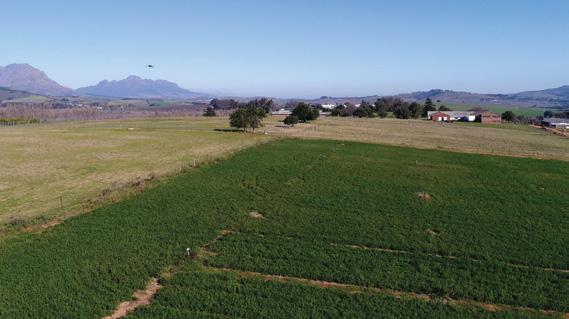
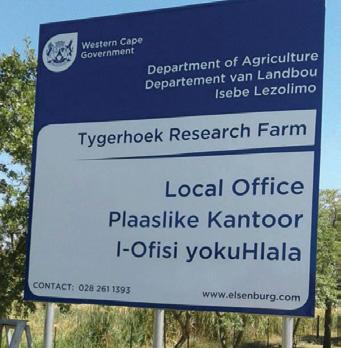
Located near Riviersonderend in the Overberg region, the Tygerhoek Research Farm covers 560.38 hectares, of which about 500 hectares are arable. Established in 1960, the farm operates within a mixed-farming, yearround rainfall area. Dryland lucerne forms part of a no-till crop rotation system, alongside research-supported production systems. Fine-wool Merino sheep and crossbreeding flocks are maintained as key genetic and production resources.
TThe Western Cape Department of Agriculture (WCDoA) hosted a livestock agricultural event at Tygerhoek Research Farm in Riviersonderend. This event was organised by Agricultural Producer Support and Development (APSD) and Veterinary Services for Riviersonderend and Botrivier farmers to share insights with various agricultural experts and endorse livestock sustainable systems.
Vela Gedze summarised the purpose of the day emphasising the importance of farmers days as well as the synopsis of the day.
Learn more!
Scan the QR code or visit https://www.elsenburg.com/ tygerhoek-research-farm/
Werner Gouws, who was the programme director, gave a presentation on livestock identification. He noted key reasons why livestock identification is important: Secure animals against loss: Livestock identification must be secure and fraudproof for efficient control or eradication of diseases and to protect farmers from
theft or loss.
The identification used must be able to support livestock business deals, prevent fraud in subsidy programmes, give surety of food safety and high-class brand name retail meat products.
Secure health and movement: There is a need to trace the origin of the animal as soon as there is an outbreak of an infectious disease. The identification of animals is important during planning and implementing disease control measures.
Dr Chantel Erwee from Zoetis gave an informative presentation on internal diseases. She highlighted factors affecting internal parasites and types of internal parasites, such as tapeworm and liver flukes. She further highlighted best practices to follow to ensure animal health and productivity.
Jannie Fourie from NWGA presented on animal handling as the most critical component in keeping your animals healthy. He provided valuable insights of animal handling, which were later demonstrated by Gerrie Maritz and his team.
Eric Smith from MSD presented on vaccination of farm animals, and he listed all the critical diseases in livestock. He introduced vaccination of animals and provided guidance on various medicines that can be used to fight disease. Farmers were equipped with knowledge on how to maintain the healthy status of livestock.
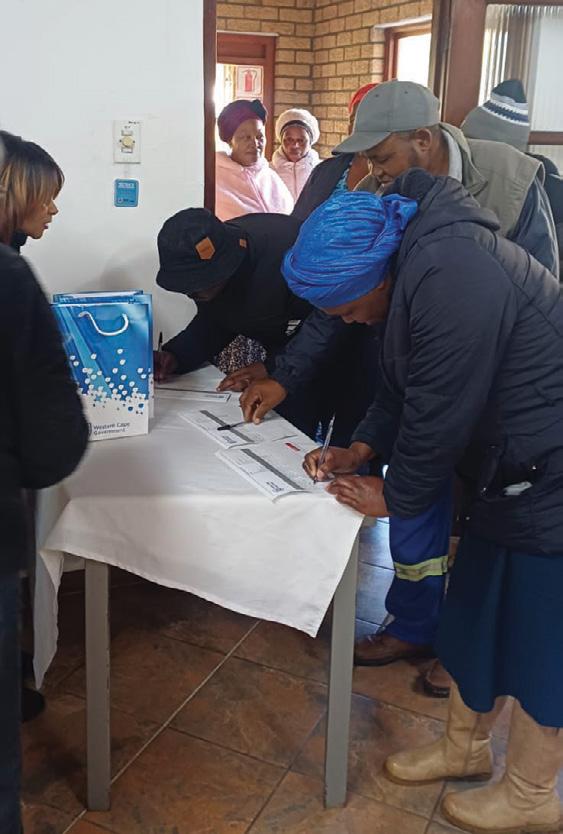
Event registration.
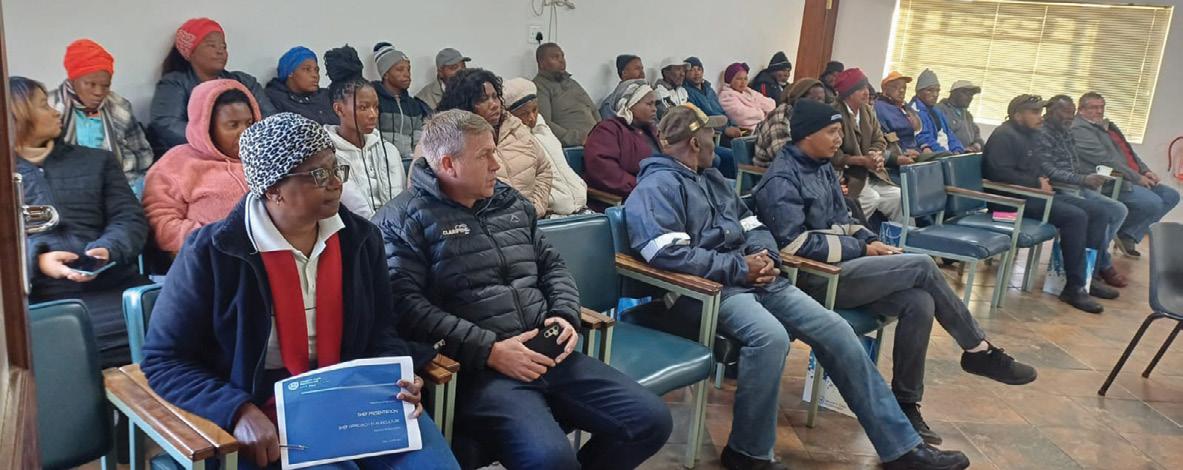
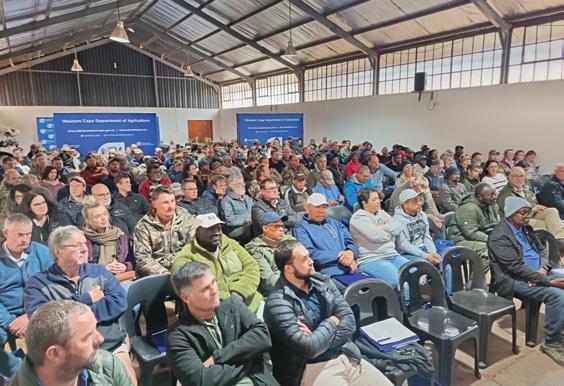
Riviersonderend and Botrivier farmers listening attentively to the presentations done by officials from different sectors.
DIARY & EVENTS
Animal specialist Steven Modiba (APSD programme) from the WCDoA presented on nutrition and noted that it is important for the health, welfare and productivity of the animal. He noted that malnutrition has a negative impact on the animal whilst good nutrition can be preventive against diseases. He further noted the importance of biosecurity, which should be practiced by the farmers and officials.
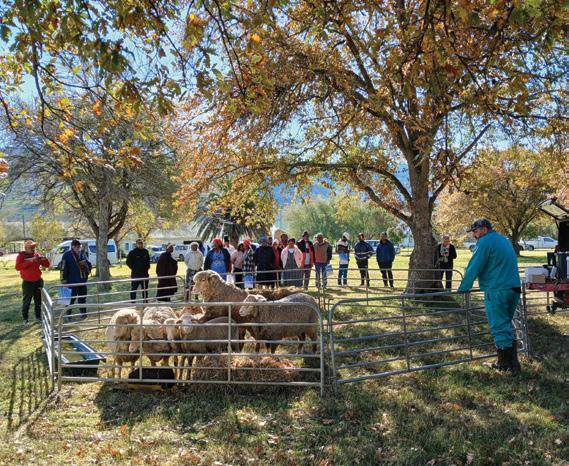
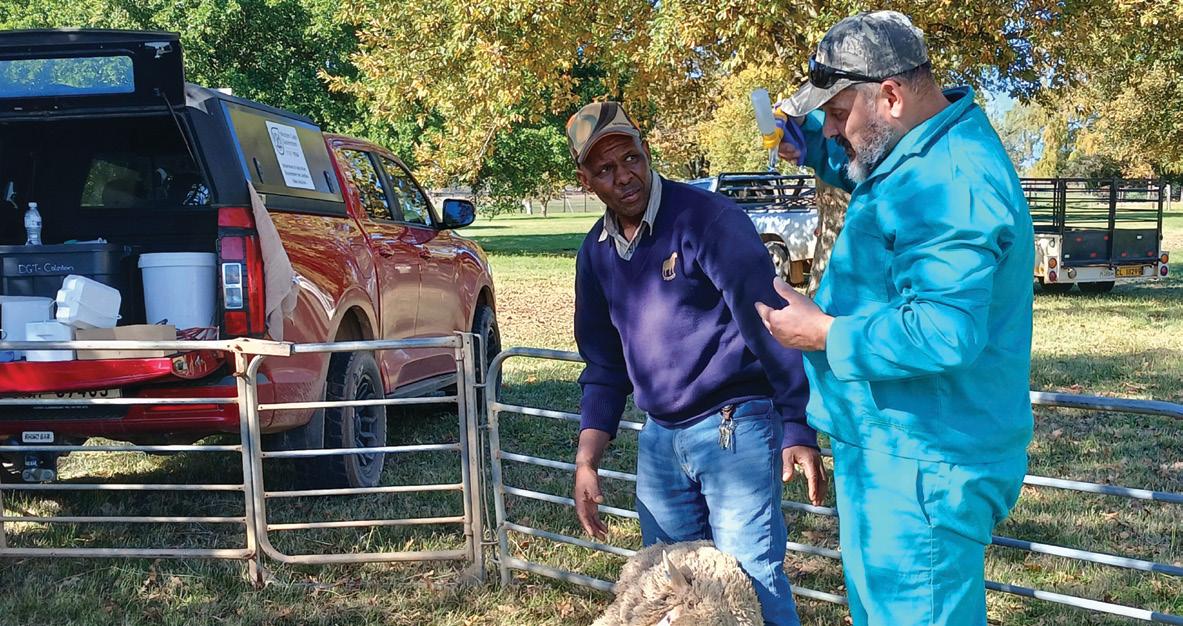
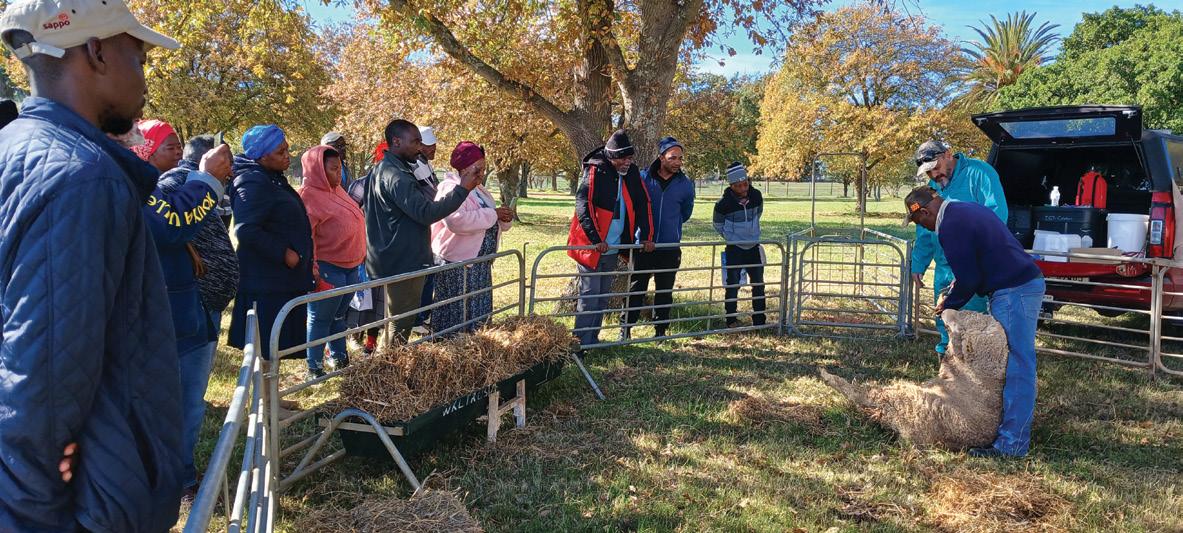
Vet official Gerrie Maritz and farm aid Desmond Ndleleni from Tygerhoek Research Farm demonstrated animal handling skills to the farmers.
Animal handling demonstration.
Vet official Gerrie Maritz and farm aid Desmond Ndleleni from Tygerhoek Research Farm demonstrating animal handling skills to farmers.
Did you know?
The Smallholder Horticulture Empowerment and Promotion (SHEP) Approach is an extension and advisory approach, aiming to help farmers to access and benefit from markets by changing their mindset from “Grow and Sell” to “Grow to Sell”. SHEP Approach has four essential steps and are as following; sharing goal with farmers, raising farmers’ awareness, facilitating farmers by decision-making, and developing farmers’ skills Learn
Economist, Mzwanele Lingani from the WCDoA presented on record-keeping and highlighted that it entails keeping a record of monetary transactions. It is easy to know your assets – liabilities, profit and loss. He further noted it is important for audit reasons and assists in maintaining control of expenses to minimise expenditure. Good record-keeping also provides important information for legal and tax purposes, and helps you keep the financial history of the business up to date. He encouraged the farmers to start practising record-keeping and the WCDoA will assist with the process. Agricultural advisor Vela Gedze gave an introduction of the SHEP Approach (Smallholder Horticulture Empowerment
and Promotion) and highlighted that this approach aims to empower smallholder farmers in their undertaking to pursue market-oriented production. This approach tries to build farmers’ capacity to undertake farming as a business. She then encouraged the farmers to be engaged in agricultural business and thus follow the SHEP principles, which will uplift the standard of their businesses.
This information day was very informative and gave the farmers from the two regions a chance to network. AP
For more information, contact Vela Gedze: vela.gedze@westerncape.gov.za
Celebrating 40 Years: The return of the class of ’84/’85
by Thirzia Daniels
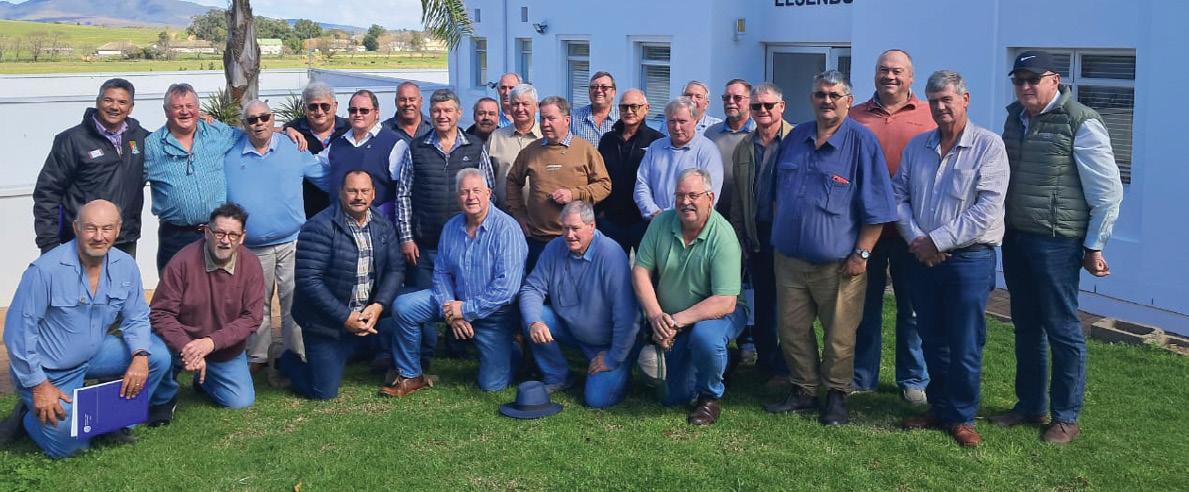
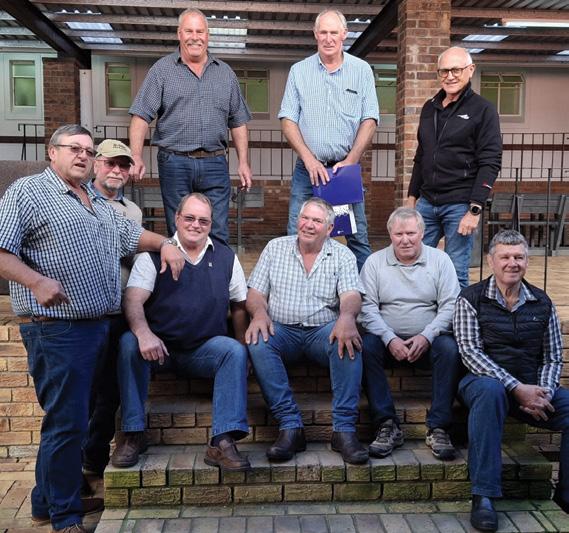
OOn Saturday, 30 August 2025, Elsenburg Agricultural Training Institute proudly welcomed back the alumni class of 1984/1985. The group was warmly received by the Principal, Mr Granville Stander, and the College management team, before being taken on a nostalgic journey down memory lane.
The programme included visits to
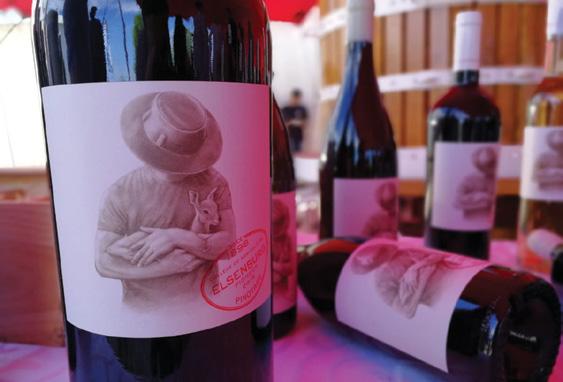
the lecture halls and hostels, evoking fond recollections of student life, and concluded with a wine tasting at the Elsenburg Pavilion. The bold, rich flavours of Elsenburg wines provided the perfect backdrop for laughter, heartfelt reminiscence and the sharing of both treasured memories and inspiring stories.
Reflections from alumni:
Andrew van der Berg
“We were very surprised and simultaneously excited regarding the state of the campus. It looked different to how we remember it, but different in a positive way as you and your colleagues have created a worldclass facility where future farmers, winemakers and agricultural scientists can be formed and prepared for their future. Elsenburg has evolved into a Blue Diamond facility, something we as alumni are extremely proud of.”
In his address, Mr Stander, remarked:
“Elsenburg embodies a proud legacy of excellence in agricultural education and stands as a world-renowned brand we are entrusted to preserve and protect. Our alumni will forever remain an integral part of the Elsenburg community and should always feel at home at their alma mater. Once an Elsenburger, always an Elsenburger!”
This engagement marks the first in a series of initiatives aimed at re-establishing and strengthening ties with the Elsenburg alumni community. Alumni remain valued partners and brand ambassadors of the institution, and their continued connection is vital in celebrating and safeguarding Elsenburg’s proud heritage.
A College Alumni Committee is being established. All past students are warmly invited to reconnect and become part of the Elsenburg Alumni Association by contacting Thirzia Daniels (PA to the Chief Director) at thirzia.daniels@westerncape.gov.za
“Together, we look forward to building a vibrant alumni network – a community of ambassadors dedicated to celebrating and advancing Elsenburg’s enduring legacy.”
For more information, contact Thirzia Daniels: thirzia.daniels@westerncape.gov.za
Celebrating excellence with two gold awards
By Giselle Terblanche
EEach year, through the Service Excellence Awards, the Western Cape Government (WCG) proudly recognises individuals and teams who go above and beyond in delivering exceptional service. These awards celebrate the dedication, innovation and commitment of WCG staff who consistently embody the core values and make a lasting impact on the communities they serve. The WCDoA received two gold awards this year. These recipients exemplify what it means to lead with integrity, compassion and a drive for continuous improvement.
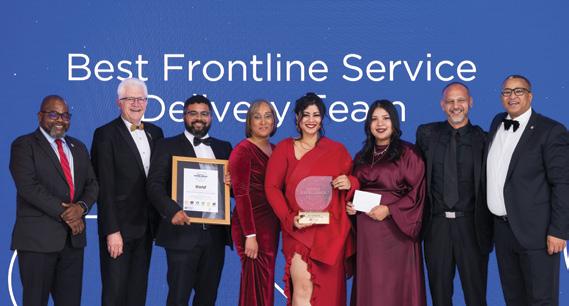
The Disaster Risk Reduction (DRR) team (Sustainable Resource Use and Management) received a gold award in the category Best Frontline Service Delivery Team.
The DRR team at the Western Cape Department of Agriculture is a powerhouse of precision, integrity and impact. With over R1 billion in disaster funding successfully managed and multiple clean audits, this small but mighty team has earned the trust of national and provincial institutions.
“Our government and province are the beacon of hope and opportunity that South Africa and its people deserve. We do not wait, we do not ask for permission – we forge ahead in doing the best we can. We innovate and strive every day to do better.”
Their work goes beyond securing resources – they ensure every intervention is swift, transparent and equitable, whether responding to droughts, floods or locust outbreaks.
The DRR team delivers with empathy and professionalism. Their commitment to ethical governance and inclusive support makes them a GOLD standard in disaster response and agricultural resilience.
Premier Alan Winde.
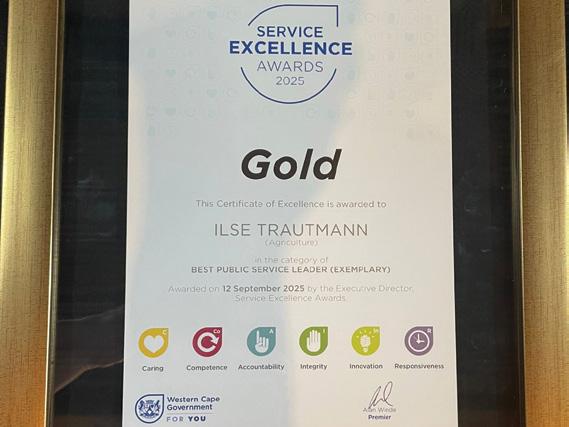
Dr Ilse Trautmann (Deputy Director General: Agricultural Research and Regulatory Services) who retired at the end of September, received a gold award in the category Best Public Service Leader (Exemplary).
Dr Trautmann embodied leadership made tangible in outcomes, legacy and lives touched. For over three decades, she transformed South Africa’s agricultural sector through science, policy and people. She stewarded the pioneering SmartAgri Plan. From “Die Kwik Styg” to COP28, her vision shaped resilience locally and globally. A mentor, trailblazer and changemaker, she redefined leadership not through power, but purpose. Her impact endures.
“
The Service Excellence Awards are designed to encourage and promote excellence in governance and service delivery and to recognise people who have lived the WCG Values: Caring, Competence, Accountability, Integrity, Innovation and Responsiveness.”
Learn more
Scan the QR code or visit seawards.westerncape.gov. za
Watch more!
Scan the QR code or visit shorturl.at/61HoT to watch the video: ‘WCG Service Excellence Awards 2025’. Published by Western Cape Government. AP
For more information, contact Giselle Terblanche: giselle.terblanche@westerncape.gov.za
Compliance to food safety
Occupational Health and Safety in the implementation of the SAGAP standard on farms
by Bukelwa Grwambi, Babalo Mbuqe, Kamohelo Mathibeli and Nonzukiso Saliwe
OOccupational Health and Safety on farms is one of the key aspects addressed under the South African Good Agricultural Practices (SAGAP) food safety standard. In this regard, the department offers training on the safe handling of chemicals, proper storage of farming tools, and the appropriate use of Personal Protective Equipment (PPE), among other topics. The aim is to protect farmers from hazards that may pose risks to their health and safety.
Learn more!
Scan the QR code or visit www.sagap.co.za
Despite the training offered, accidents still happen on farms. Farmers may accidentally ingest or inhale chemicals, leading to difficulties in breathing. They may also trip on tools lying on the floor or slip on debris or wet farmland, leading to sprains, body and/or head injuries. In such medical emergencies, people in the vicinity should be able to offer first aid to minimise injuries and to provide a state of control while waiting for assistance from professional health workers.
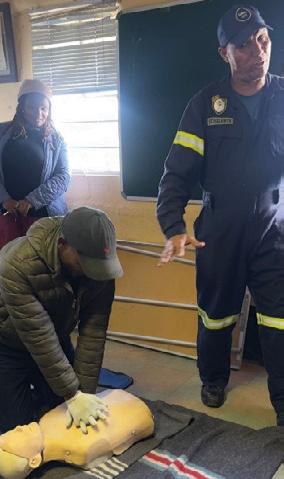
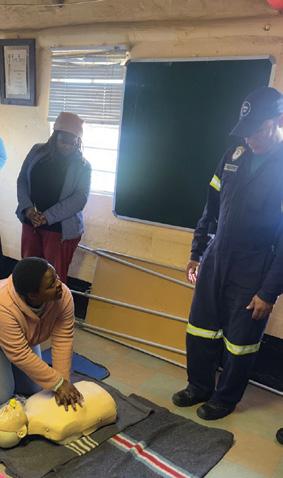
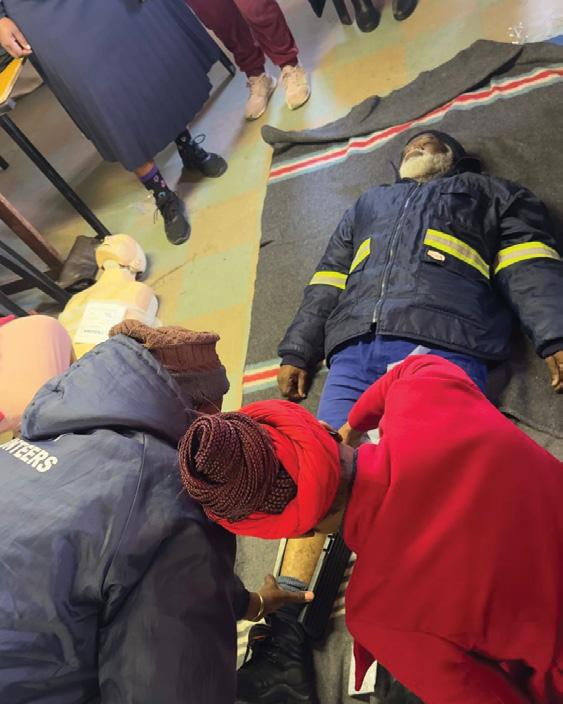
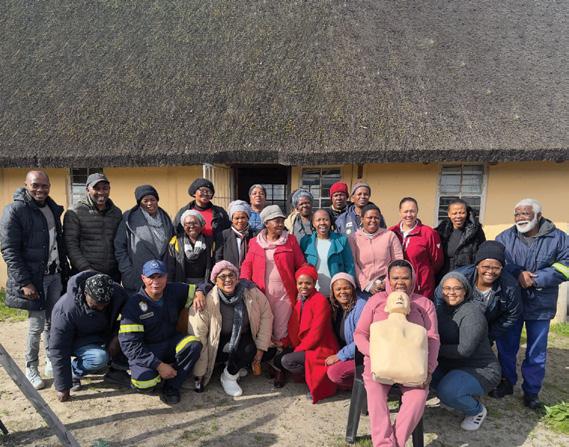
In July, 21 farmers from Khayelitsha received training over two days in performing basic life support and first aid procedures.
The training covered principles of first aid, action in an emergency, diagnostic signs, wounds and bleeding, unconsciousness, dressing and bandages, fractures and sprains and dislocations, head injury, spinal and pelvic fractures, splints, burns, cardiopulmonary resuscitation (CPR), poison and insect bites, knowledge and skills assessment, etc.
The sessions were interactive and involved the use of audio-visuals, role-plays and practical demonstrations using a CPR mannequin, splints and bandages.
Participants received certificates of competence at the end of the training.
For more information, contact Bukelwa Grwambi: bukelwa.grwambi@westerncape.gov.za
The Bourgogne Experience – From cellar to the world and beyond
by Sandile Mkhwanazi
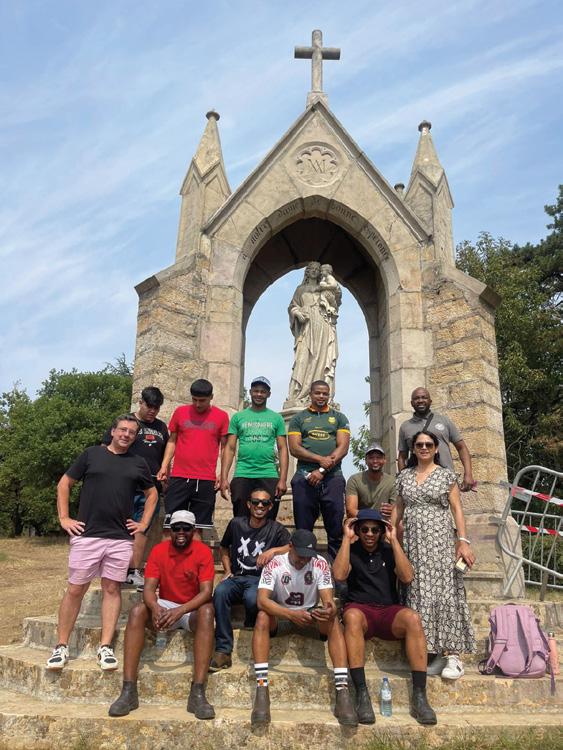
TThe Western Cape Department of Agriculture, in partnership with the Centre de Formation Professionnelle et de Promotion Agricole de Beaune (CFPPA), sent a group of seven South African cellar workers to experience the 2025 harvest in the famous wine region of Burgundy, France. With all seven having their firstever international trip, accompanied
by Viticulture and Oenology Lecturer Sandile Mkhwanazi, they would spend a month experiencing the culture as well as skill transfer from some of the best winemakers in the region. The Burgundy Exchange Programme was a transformative experience for all participants, offering exposure to French winemaking traditions, terroir and culture.
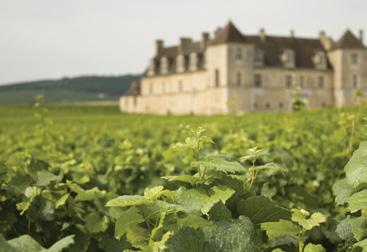
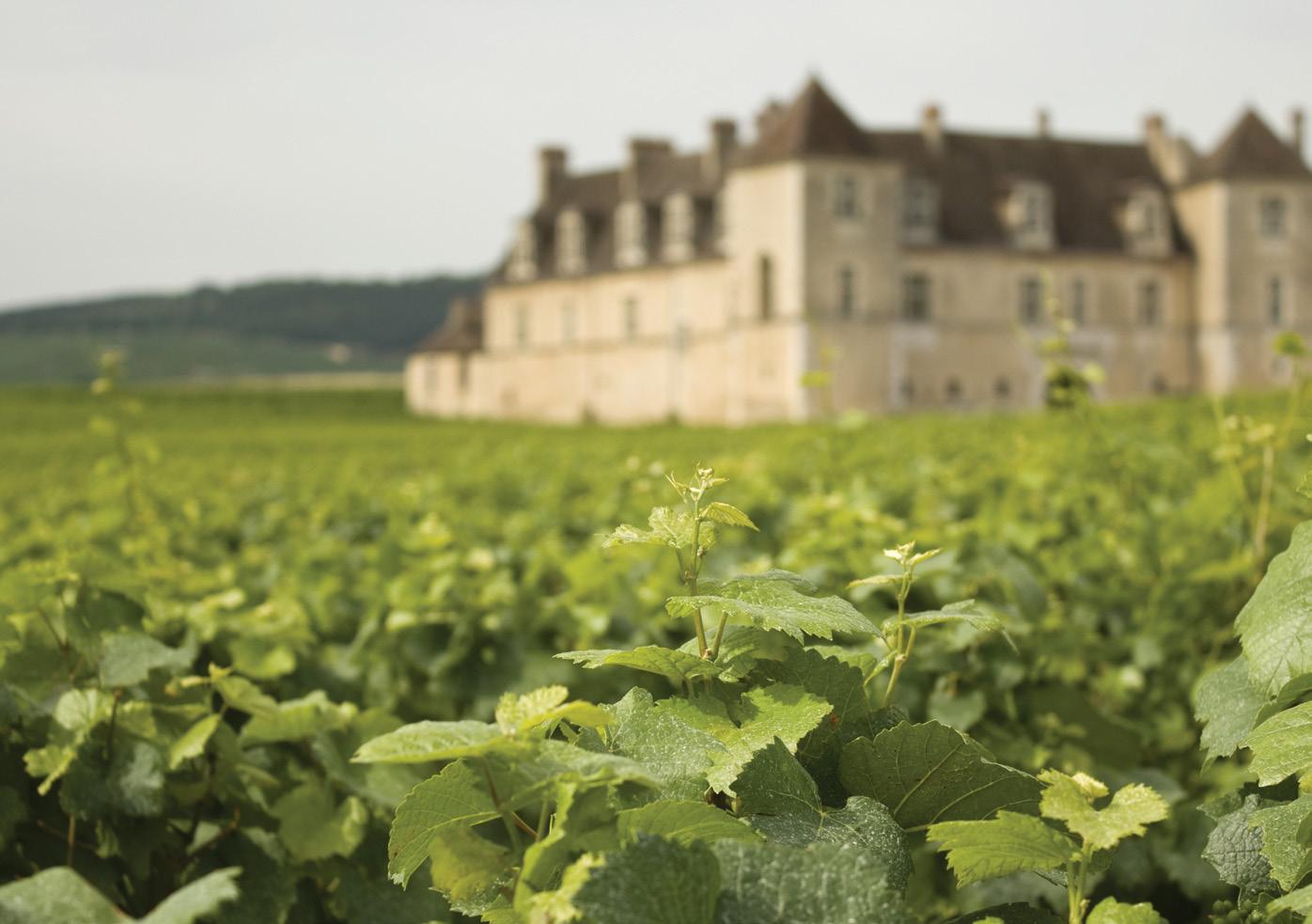
Burgundy (Bourgogne), one of the world’s most closely studied wine regions, where centuries-old viticulture underpins a global benchmark for terroir-driven wines.
2 0
2 5
Learn more!
Scan the QR code or visit shorturl.at/ScVRu
Watch this!
Scan the QR code or visit shorturl.at/F7YIs to watch the video: ‘Craftsmanship: the secrets of cooperage from father to son’
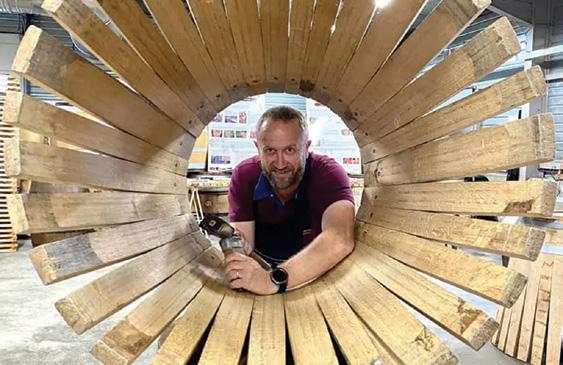
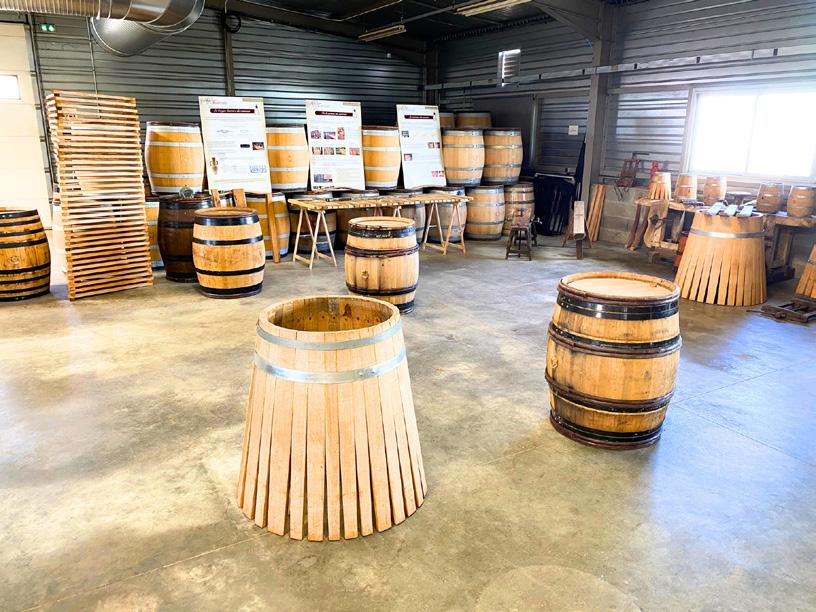
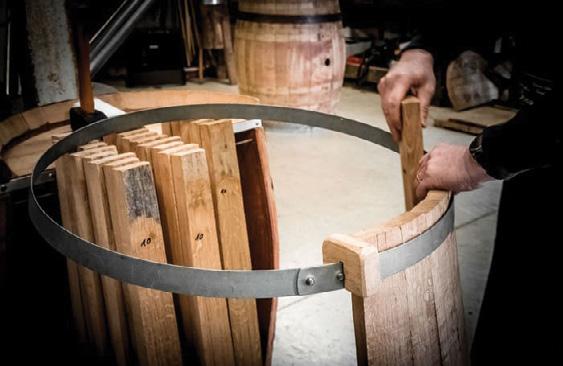
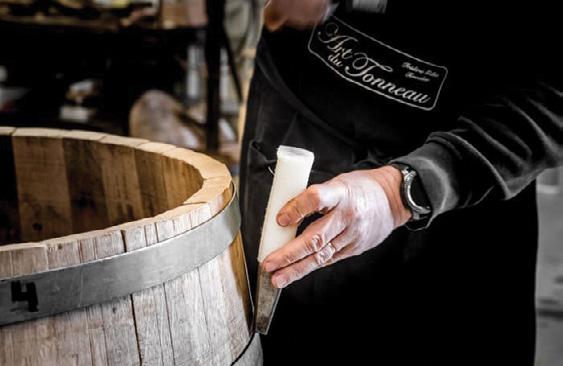
With a full week of excursion through the wine-growing regions of Burgundy, the cellar workers also had a three-day training session in barrel making and maintenance by Frederic Gillet, who owns a Tonnellierie in Meursault.
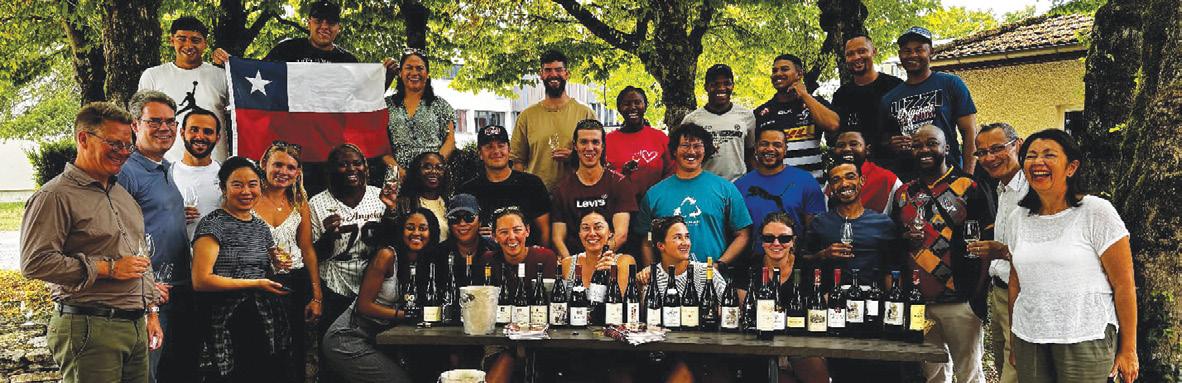
The international entourage in Beaune consisting of workers from New Zealand, South Arica, Australia, Chile and Hungary.
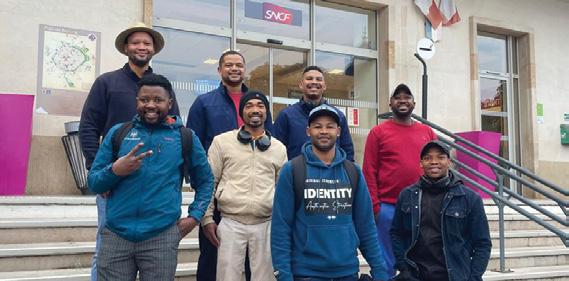
Cellar workers from South Africa at the Gare De Beaune.
Domaine de la Romanée-Conti, located in Burgundy, is one of the world’s most highly regarded wine estates, producing both red and white wines from a small collection of Grand Cru vineyards. Named after its most celebrated plot, Romanée-Conti, the estate’s wines are internationally recognised for their rarity, provenance and exceptional market value.
After the week-long programme, which included a visit to the world-famous Domaine de la Romanée-Conti, the group was placed in seven cellars across the different regions. This gave them an opportunity to be fully immersed in a family-owned wine farm as well as experience the French culture, especially during harvest.
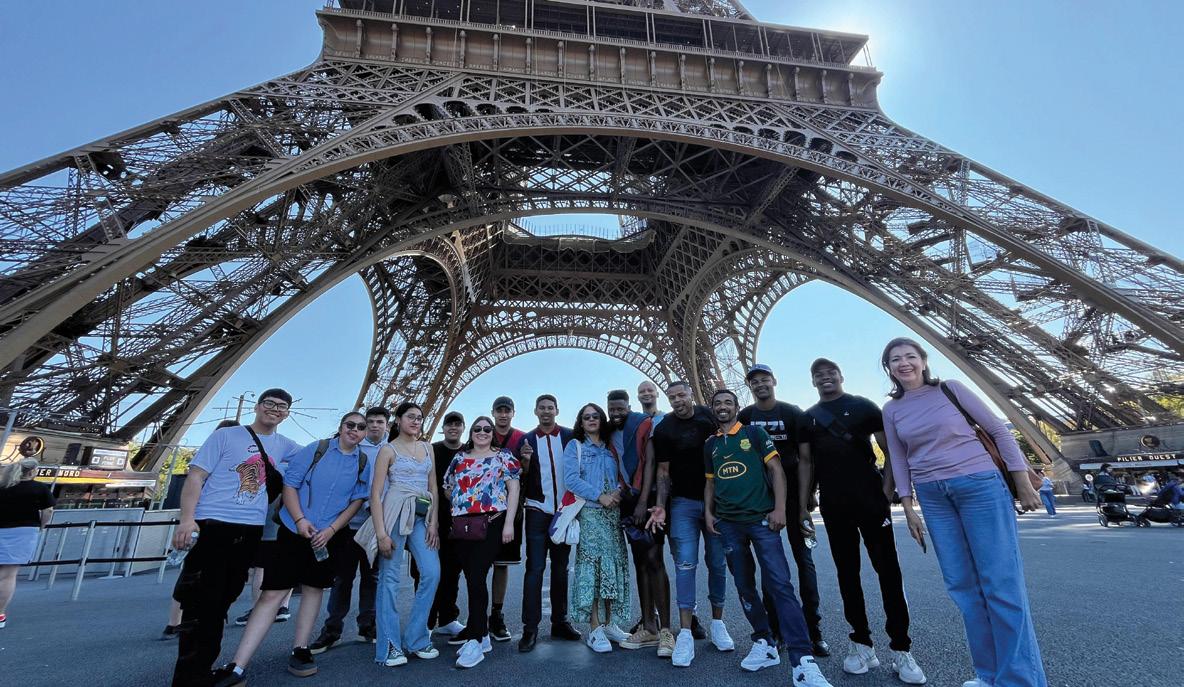
After three weeks of harvest, the cellar workers experienced Paris, with visits to all the national monuments, as well as the fastpaced transport system in the French capital. Each participant highlighted personal and professional growth through hands-on harvest work and cultural exchange.
Wilfred Fortuin – Domaine Du Cerberon: He valued visiting Domaine de la Romanée-Conti and the Eiffel Tower.
Brendin Benjamin – Domaine Launay Horiot: The programme deepened his understanding of Burgundy’s terroir and appellation systems.
Cellar workers from South Africa visiting the Cité des Climats et vins de Bourgogne.
Dewald Hoorn – Domaine D’Edouard: He enjoyed the teamwork in the vineyards and the connection to Burgundy’s rich history.
Bernard Louw – Domaine Alain Maurice Gavignet: He appreciated learning new winemaking techniques and celebrating his wedding anniversary in Paris.
Charles Matlakala – Domaine Camille Giroud: He was inspired by the passion of Burgundian winemakers and the lasting relationships he built.
Thezwill Ruiters – Domaine Ami: He considers working at Domaine Ami a major milestone in his winemaking career and hopes to return to France.
Eugene Arends – Domaine Armelle et Bernard Rion: He says the people of Burgundy were warm and kind, and the wines were splendid, bringing a new perspective and appreciation to winemaking techniques. AP
For more information, contact Sandile Mkhwanazi: sandile.mkhwanazi@westerncape.gov.za
The group of cellar workers from South Africa and Chile at the Eiffel Tower in Paris.
Paris, France.
National recognition for a young leader
Dr Rebecca Mathobela awarded the SASAE Floating Trophy for a Young Professional
by Rose Horne
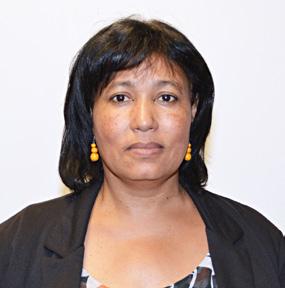
DDr Rebecca Mmamakgone Mathobela, 34, is a qualified and experienced Animal Scientist with a demonstrated history of working in the Agricultural Extension Services, Research Industry and Academic Environment. Rebecca joined the Western Cape Department of Agriculture in 2017, and she is currently working as a Senior Agricultural Advisor in the Swartland Region. She holds a PhD in Animal Science from Stellenbosch University.
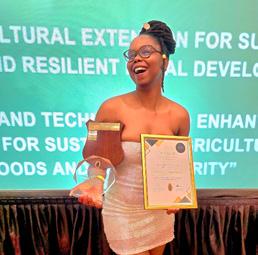
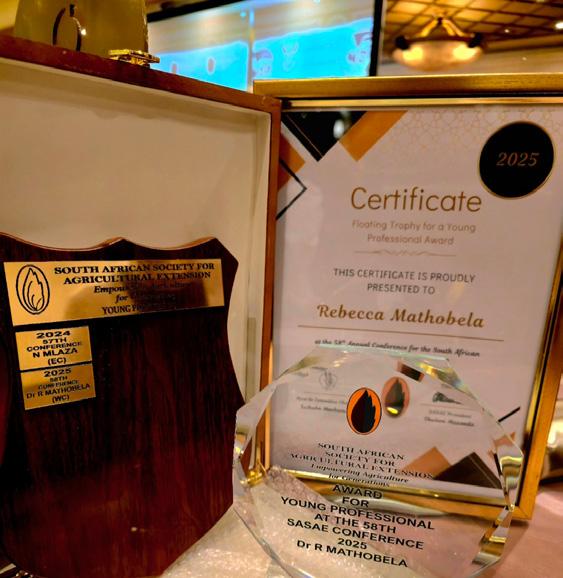
Dr Rebecca Mmamakgone Mathobela with the 2025 Floating Trophy for a Young Professional, awarded by the South African Society for Agricultural Extension at the joint SASAE Conference and Agricultural Extension Week in Kempton Park, Gauteng.
Dr Rebecca Mmamakgone Mathobela completed her PhD in Animal Science at Stellenbosch University (2020–2024). Her doctoral research focused on the characterisation of the smallholder urban pork value chain in the Cape Metropole District of the Western Cape, South Africa – providing important insights into production systems, market access and value-chain dynamics within urban and periurban livestock sectors.
Learn more!
Scan the QR code or visit www.researchgate.net/profile/Rebecca-MmamakgoneMathobela-2
Dr Rebecca received the 2025 Floating Trophy for a Young Professional during the joint 58th Annual Conference of the South African Society for Agricultural Extension (SASAE) and 1st Agricultural Extension Week that took place at Emperors Palace in Kempton Park, Gauteng in July 2025.
Learn more!
Scan the QR code or visit shorturl.at/louAo
This award is bestowed upon a young extension officer (with ten years or less service) who has demonstrated a combination of service, leadership and participation in conferences relating to agricultural extension.
The recipient of this award should have made substantial contributions to the profession, including personal commitment (demonstrating extraordinary dedication and effort in support of agricultural extension programmes, activities and services), meritorious contributions (making significant contributions to the improvement, promotion, development and progress of agricultural
extension), achievements (goal oriented, sets examples for others, has demonstrated significant accomplishments in successful extension projects/programmes and has acquired noticeable peer recognition) and conference participation (evidenced by published journal articles, papers and presentations related to agricultural extension issues and topics).
“I was excited when I got nominated for this award by my managers (Rose Horne, Vusumzi Zwelendaba and Jerry Aries), but I never thought I would bring the award home, especially since it’s a national award and I was competing with other professionals across the nine provinces of South Africa. It only began sinking in the day after the event when everyone congratulated me on my achievement,” said Rebecca.
“My plan for the future is to continue establishing a professional reputation and transfer my experiences and wisdom to those who follow in my footsteps. I would like to thank my family for their moral support and prayers,” said Rebecca.
The Swartland District is very proud of Dr Rebecca’s achievements, her openness and willingness to share her learnings and experiences with her colleagues. This award will without a doubt provide her with opportunities in her career development. AP
For more information, contact Rose Horne: rose.horne@westerncape.gov.za
Can SA AGOA exit propel Africa’s economic renaissance?
by Shelton Mandondo
TThe 7 July 2025 pronouncement by US President Donald Trump of a 30% tariff imposition on goods and produce exported from South African and other African countries (at varying rates) to the United States from 1 August 2025 on one hand signalled the end of the African Growth and Opportunity Act (AGOA), leaving behind a plethora of devastating consequences for South Africa, in particular for the Western Cape agricultural sector. On the other hand, it could be a catalyst for Africa’s economic renaissance, particularly by accelerating the
implementation of the African Continental Free Trade Area (AfCFTA).
Admittedly, AGOA has provided preferential access to the US market for over 6 500 products from 35 eligible sub-Saharan African countries. It has supported export-led growth, job creation and industrialisation, especially in labour-intensive industries. But as they say, “Nothing great will last forever.”
“A significant share of the agricultural products exported to the US market are produced in the Western Cape.”
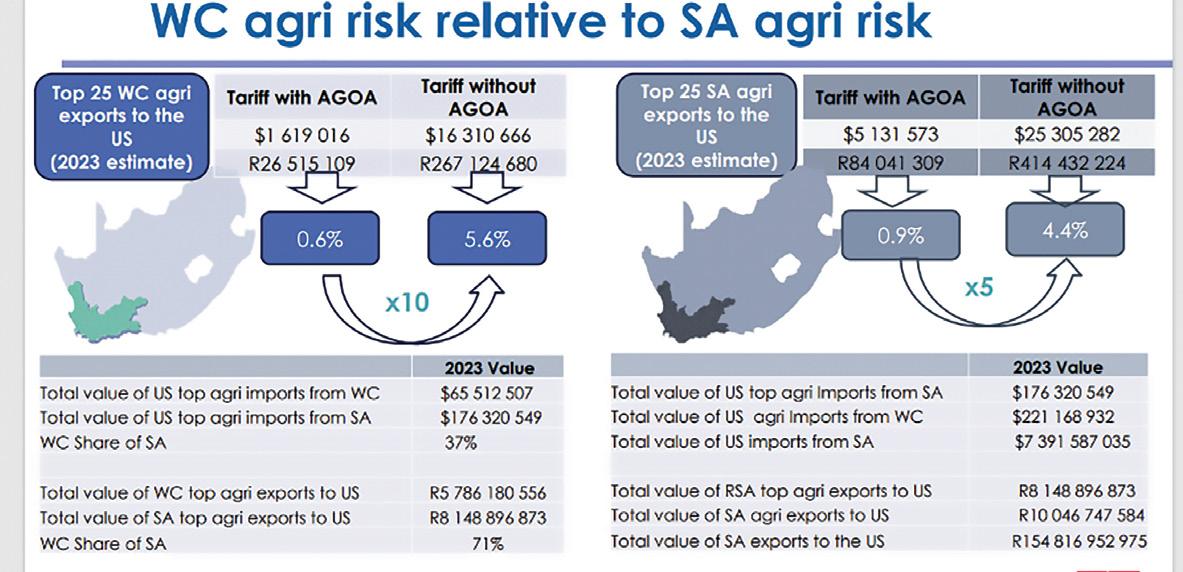
In the past five years (2019 to 2024) the Western Cape (WC) agricultural exports increased at an annual average growth rate of 21% due to competitive access to the US market under AGOA, whereas South Africa’s agricultural export growth to the US market was at an annual average growth rate of 13% for the same period. This is largely because a significant share of the agricultural products exported to the US market are produced in the Western Cape province, mostly horticultural products. Figure 1 illustrates the extent to which the Western Cape agricultural sector will suffer in exports value without AGOA in comparison to the national agricultural sector. From an agricultural perspective, the WC will disproportionately be affected by AGOA exit since its agricultural sector is largely exports orientated.
From a continental perspective there is widespread belief that the loss of AGOA would dampen export earnings, constrain job creation and disrupt supply chains that support the broader Southern African Development Community (SADC) region. It is further argued that trade diversion under the current environment is a complex undertaking. Many countries are also affected by US tariffs; the whole world is looking to divert to mitigate their risk exposure. Trade diversion is also expensive, and it is not always clear if staying in your market might be a better long-term strategy. Trade diversion requires political will. It may be a good first step to “open” a market (protocols, and sanitary & phytosanitary), but an open market at a 20% tariff is not open (especially if major competitors from the Southern Hemisphere can enter at a lower or no tariff).
Learn more!
Figure 1: Western Cape agricultural risk relative to national agricultural risk for trade under AGOA Source: (Kalaba, M. 2024 shorturl.at/cAdDI)
Learn more!
1 Out of the 54 African countries, at least 25 that trade with the United States received reciprocal tariffs. shorturl.at/mJScm
Figure 1: Western Cape agri risk relative to SA agri risk (Source: Kalaba, 2024)
Can Africa turn the tide?
On a positive note, nature abhors a vacuum. Hence the US, by creating a trade vacuum on the world stage, could be enabling its political opponents to fill the gap. Reference can be made of the Forum on China-Africa Cooperation (FOCAC), which is basically China’s way of strengthening its ties with Africa, focusing on trade, investment and infrastructure.
Furthermore, the introduction of AfCFTA offers a broader framework for intra-African trade and economic integration, potentially fostering greater resilience and self-reliance.
“The AfCFTA agreement poses a potential challenge to the continued relevance of AGOA for African nations.”
Putting it slightly differently, the AfCFTA agreement poses a potential challenge to the continued relevance of AGOA for African nations.
While AGOA provided preferential access to the US market, the AfCFTA aims to create a single, continent-wide market, potentially diminishing the need for separate trade agreements like AGOA. This shift could lead to a re-evaluation of AGOA’s role and its benefits for African countries. By unifying 54 countries with a combined population of 1.4 billion and a GDP of $3.4 trillion, AfCFTA aims to raise intra-African trade from its current level below 17%, compared to over 60% in Europe and Asia.
“On a global platform AfCFTA will provide the enabling framework for Africa to negotiate with global partners from a position of strength.”
It is further argued that AfCFTA will deepen regional value chains. Participating countries will be dissuaded from exporting raw materials and encouraged to collaborate to produce finished goods, enhance industrial competitiveness and expand employment opportunities.
Key sectors such as agriculture, textiles, processed foods, auto components and pharmaceuticals that had previously benefited from AGOA can be redirected to serve growing intra-African demand.
On a global platform AfCFTA will provide the enabling framework for Africa to negotiate with global partners from a position of strength. It reinforces the continent’s ambition to define its trade agenda based on shared prosperity, selfsufficiency and strategic alignment.
Having said all this, it should be acknowledged that implementation hurdles, such as inadequate infrastructure, non-tariff barriers, political instability and varying levels of development among member states, need to be addressed.
“AfCFTA presents a generational opportunity for our businesses. It opens access to a liberalised market across 54 countries.”
Western Cape contribution towards the continental economic renaissance
The Western Cape Department of Agriculture (WCDoA) has developed a Provincial Agricultural Africa Strategy that will lead to the achievement of provincial outcomes such as:
a) Economic growth
b) Employment creation
c) Provincial and household food security
This strategy includes levers such as:
a) Market development
b) Growth in bi-lateral trade
c) Research and knowledge exchange
Furthermore, the WCDoA has commissioned an in-depth analysis research study to unpack the potential impact of an RSA AGOA exit on the Western Cape agriculture and agri-processing sector. The desired end product is an export diversification strategy for the sector and recommendations on potential interventions that can be implemented by the department and exporters as commissioned.
In conclusion, the end of AGOA should not be construed as a death sentence to business trade opportunities for South Africa
and Africa at large. This is a short-term setback and a long-term catalyst for selfdetermination. When compared to the BRICS trading options, which has countries such as India, Brazil and China that levy higher tariffs to SA commodities, AfCFTA presents a generational opportunity for our businesses. It opens access to a liberalised market across 54 countries, offering greater scale and new customer bases. With reduced tariffs, simplified rules of origin and better logistics, cross-border trade becomes more feasible and less risky.
AfCFTA is providing businesses a streamlined platform to define a new narrative, one centred on Africanled growth, intra-continental trade and regional value chain and integration – all crafted and implemented on its terms and conditions. AP
Learn more!
Download the Western Cape Department of Agriculture Strategic Plan for 2025/26 –2029/30 at shorturl.at/Muusv
For more information, contact Shelton Mandondo: shelton.mandondo@westerncape.gov.za
Strengthening global partnerships A strategic visit to Bavaria, Germany
by Maritjie Cornelissen
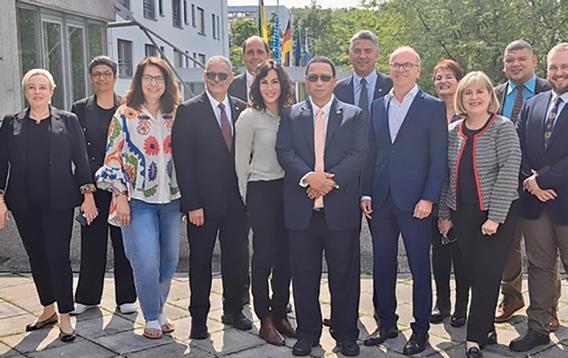
TIn August 2025, a high-level delegation from the Western Cape Government, led by Dr Ivan Meyer, embarked on a strategic visit to Bavaria, Germany. The delegation, which included Granville Stander, Principal of Elsenburg Agricultural Training Institute, and Maritjie Cornelissen, Deputy Director: Quality Assurance and Transformation, was hosted by the Hanns Seidel Foundation under the auspices of the Bavarian State Chancellery. This visit marked a significant milestone in the long-standing partnership between the Western Cape and the Free State of Bavaria, established in 1995.
The primary aim of the visit was to deepen bilateral cooperation in agriculture, tourism, education and economic development.
With a shared commitment to innovation, sustainability and skills development, the visit provided fertile ground for knowledge exchange, institutional collaboration and the exploration of new opportunities in both regions.
The delegation meets Dr Josef Widmann, Secretary General, and Dr Susanne Luther, Director of the Institute for International Cooperation at the Hanns Seidel Foundation.
A shared vision for agricultural and economic growth
The visit was anchored in the Western Cape’s strategic priorities, particularly the Growth for Jobs strategy and the Provincial Strategic Plan (PSP) 2025-2030. These frameworks emphasise economic growth, job creation and climate resilience – goals that align seamlessly with Bavaria’s own development agenda.
A key focus of the visit was the dual vocational training system, a hallmark of Bavarian education. This model, which blends theoretical learning with practical workplace experience, is being adapted for implementation at Elsenburg Agricultural Training Institute (EATI). The delegation explored how this system could be expanded to include occupational qualifications, such as Livestock Supervisor and Orchard & Vineyard Foreman, aligned with the Quality Council for Trades and Occupations (QCTO), as well as the Diploma in Agriculture, where the registered students are expected to experience workplaceintegrated learning on a fully operational
farm during their third year.
Strengthening strategic engagements and institutional partnerships was the focus of the visit, and the delegation’s itinerary was rich with engagements that spanned government, academia, industry and civil society. Each meeting offered unique insights and opened doors for future collaboration.
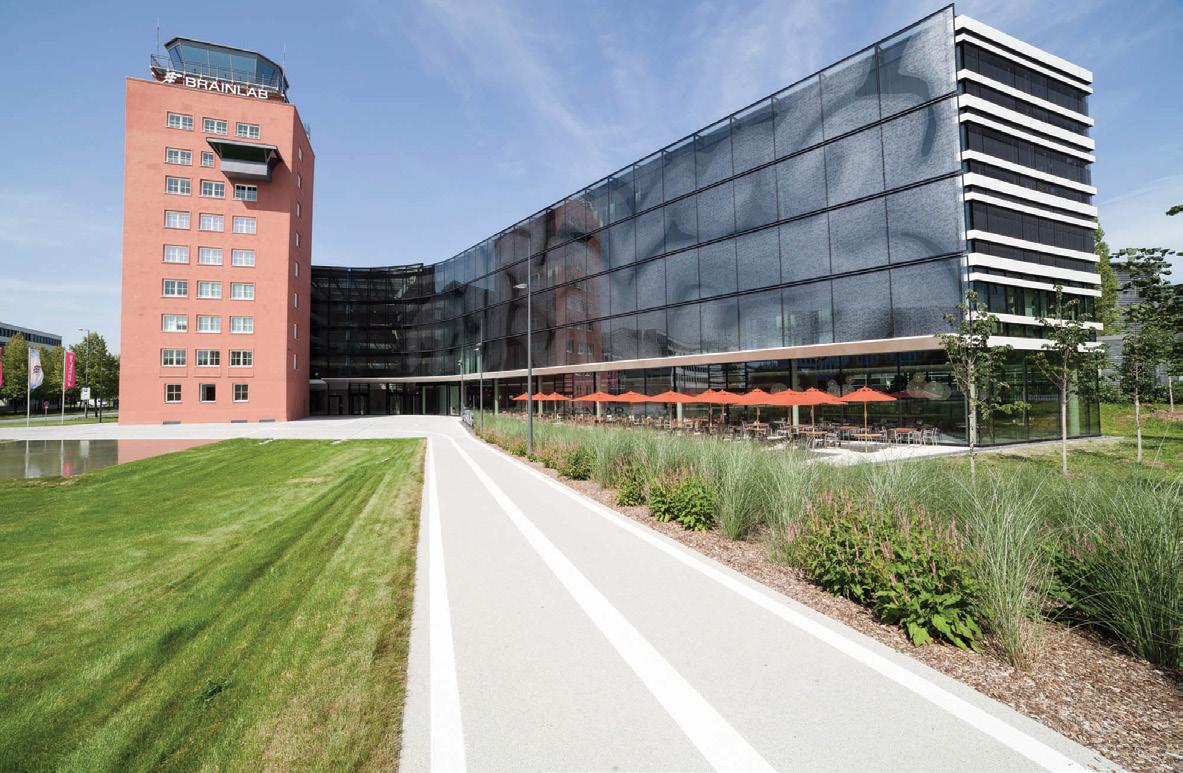
The delegation visited Brainlab, a global leader in medical technology, and explored innovations in mixed reality and surgical navigation. The visit underscored the potential for cross-sector collaboration in health tech and education, particularly in supporting students and young professionals through Brainlab’s social programmes.
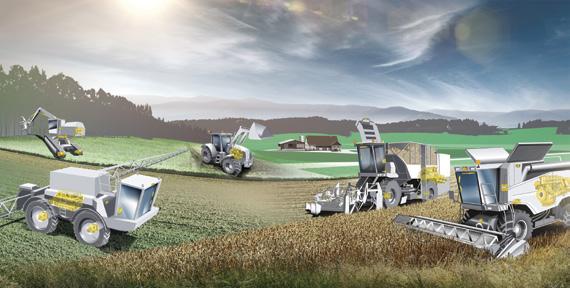
A roundtable with Bavarian industry leaders showcased cutting-edge developments in agricultural machinery, aerospace, wasteto-energy and soil testing. Companies such as SILOKING, BavAIRia and STEP Systems expressed interest in partnerships, technology transfer and participation in South African events like NAMPO 2026 and the Water Conference.
Brainlab headquarters, Munich-Riem, Germany.
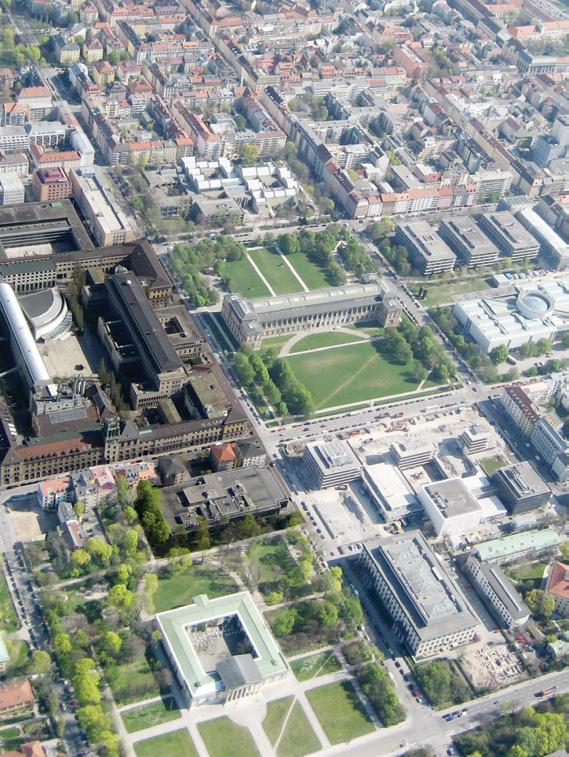
The Technical University of Munich (TUM) is a leading public research university in Munich, specialising in engineering, technology, medicine and the applied and natural sciences.
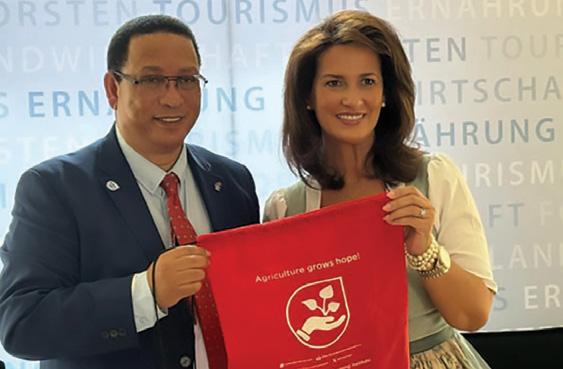
Discussions with the Bavarian State Parliament and Minister Michaela Kaniber (Food, Agriculture, Forestry and Tourism) focused on food security, water management and climate-smart agriculture. Minister Meyer emphasised the importance of supporting farmers and proposed lecturer and student exchange programmes to strengthen agricultural education. The delegation visited the Technical
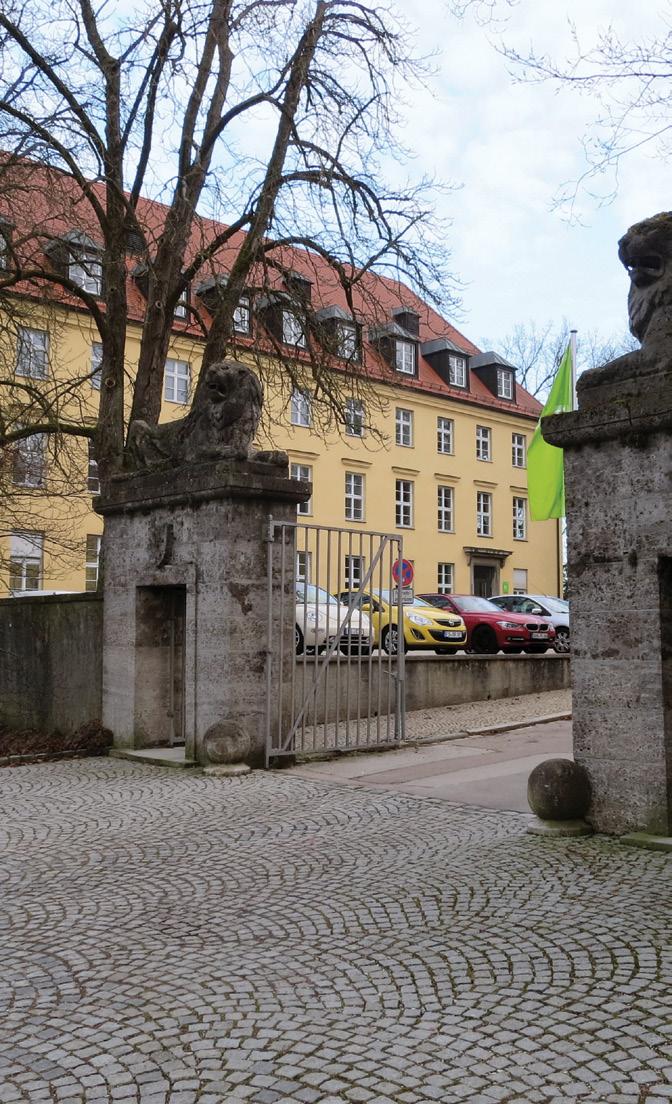
Weihenstephan-Triesdorf University of Applied Sciences – one of Germany’s leading universities for agriculture, food systems, horticulture and environmental sciences.
Watch this!
Scan the QR code or visit shorturl. at/Cdj2p to watch the video: ‘Digital Farming’. Published by Hochschule Weihenstephan-Triesdorf.
University of Munich (TUM) and Weihenstephan-Triesdorf institutions that are global leaders in applied sciences and sustainability. TUM’s Venture Labs and Weihenstephan’s curriculum development initiatives offered valuable models for replication in the Western Cape. Plans were set in motion for joint curriculum projects, bursary support and institutional agreements.
Ivan Meyer, Western Cape Minister of Agriculture, meets Michaela Kaniber, Bavarian State Minister for Food, Agriculture, Forestry and Tourism.
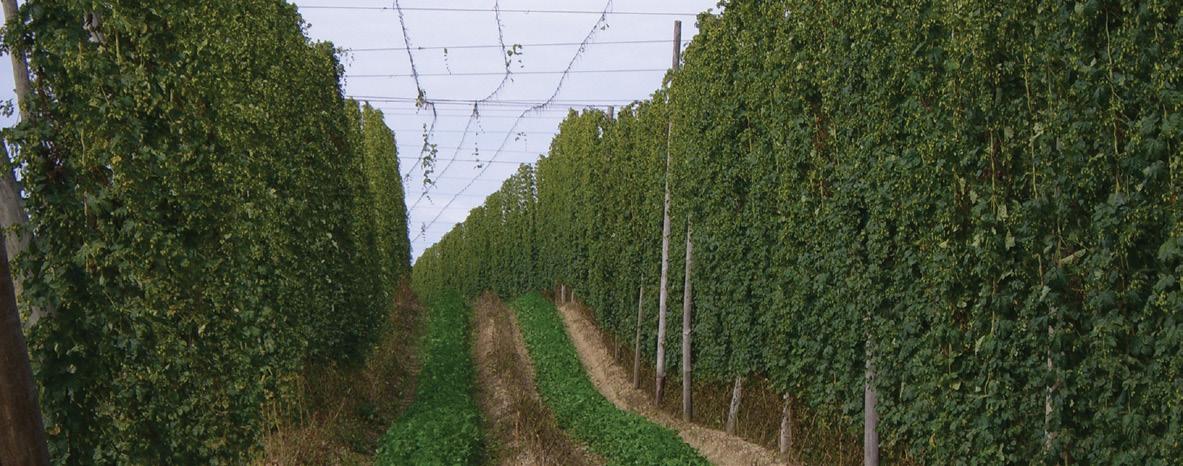
The Pfaffenhofen School of Agriculture lies in Pfaffenhofen a.d. Ilm, at the heart of Bavaria’s Hallertau region – the world’s largest continuous hop-growing area. Germany produces about one-third of the world’s hops, and more than 80% of that comes from the Hallertau.
Another highlight was the visit to an agricultural school in Pfaffenhofen, which highlighted Bavaria’s practical training approach, with students gaining handson experience in farming, hospitality and cooperative work. The school’s accessibility and focus on regional specialities like hops and asparagus resonated with the Western Cape’s own agricultural diversity.
One of the most promising outcomes of the visit was the reinforcement of the dual vocational training system. This model is being championed by the Premier’s Council on Skills (PCS) and is central to the Western Cape Department of Agriculture’s (WCDoA) vision for youth empowerment and skills development. The visit affirmed Elsenburg’s role as a hub for agricultural education and innovation.
“The visit affirmed Elsenburg’s role as a hub for agricultural education and innovation.”
Liebherr’s components division has long supplied an extensive range of products for agriculture and forestry. Its applications span the full harvesting cycle and extend to specialised equipment for timber transport and processing.
Climate-smart agriculture and environmental sustainability were recurring themes throughout the visit. Bavaria’s expertise in water conservation, renewable energy and green hydrogen aligns with the Western Cape’s ambition to become Africa’s Green Tech Hub. Discussions with companies like ACTANOL Energie and Liebherr Electronics highlighted the potential for collaboration in waste-to-energy solutions, electric drive systems and sustainable farming practices. These engagements support the WCDoA’s commitment to resource-efficient farming and the Just Energy Transition With support from Bavarian counterparts, Elsenburg is poised to expand its curriculum, integrate smart agriculture technologies and offer international exchange opportunities for both students and lecturers.
Learn more! Scan the QR code or visit: 1. actanol-energie.de/ 2. shorturl.at/l2XjD
Tourism, particularly rural and agri-tourism, emerged as another area of mutual interest. Bavaria’s “Blue Rooster” initiative, which promotes farm holidays, offers a compelling model for the Western Cape’s own efforts to diversify rural economies. The delegation explored how tourism apps, cultural integration and farm-based experiences could be adapted to local contexts.
Learn more!
Scan the QR code or visit www.blauergockel.de/
The visit yielded several tangible outcomes and action points, such as draft agreements, i.e. institutional agreements between Elsenburg and Bavarian training institutes are underway, with signing ceremonies planned for November 2025; exchange programmes: proposals for student and lecturer exchanges, internships and joint research projects are being developed; curriculum integration: an action plan is being compiled to incorporate new technologies and sustainability themes into South African agricultural curricula; event participation: Bavarian stakeholders have been invited to key South African events, including NAMPO 2026, the Water Conference and the Conservation Conference; and sectoral collaboration: opportunities in aerospace,
medical technology and dairy training are being explored, with potential for joint ventures and knowledge sharing.
The success of this visit would not have been possible without the support of the Hanns Seidel Foundation, the Bavarian State Chancellery and the many institutions and individuals who hosted the delegation. Special thanks are extended to the Provincial Minister of Agriculture and the Head of Department for their vision and leadership in enabling this international engagement.
Learn more!
Scan the QR code or visit:
1. southafrica.hss.de/ 2. shorturl.at/T6C3J
The visit to Bavaria was more than a diplomatic mission – it was a reaffirmation of shared values, mutual respect and a collective commitment to building a better future through innovation, education and sustainable development.
As the Western Cape and Bavaria continue to strengthen their partnership, the seeds planted during this visit are sure to yield a rich harvest of collaboration, growth and opportunity. AP
For more information, contact Maritjie Cornelissen: maritjie.cornelissen@westerncape.gov.za
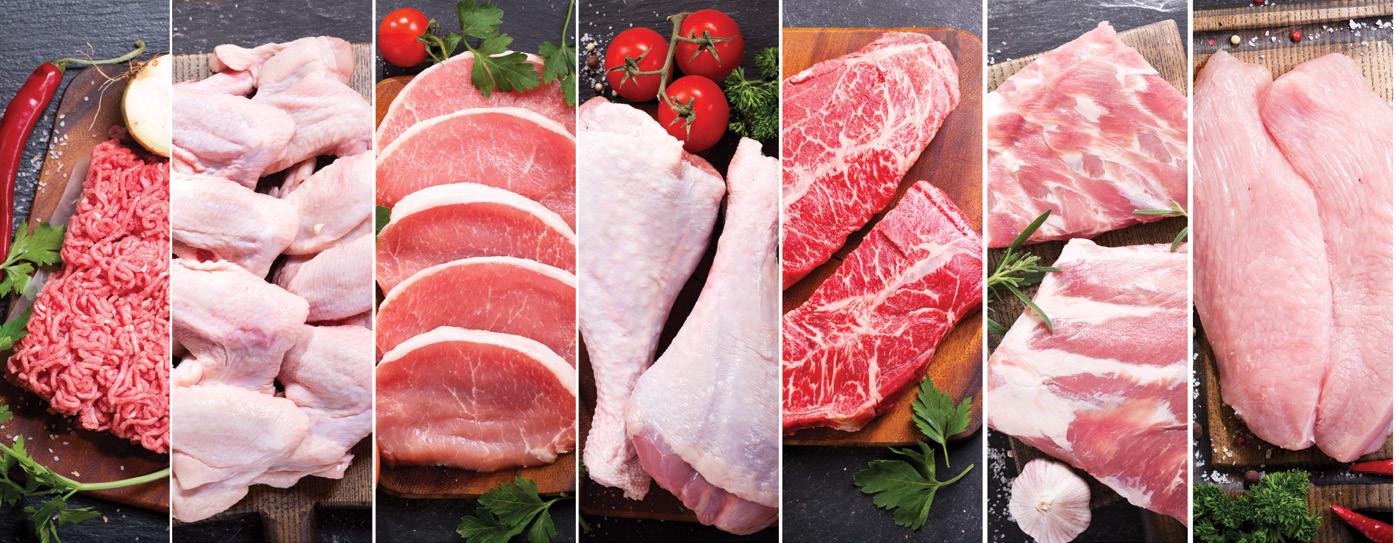
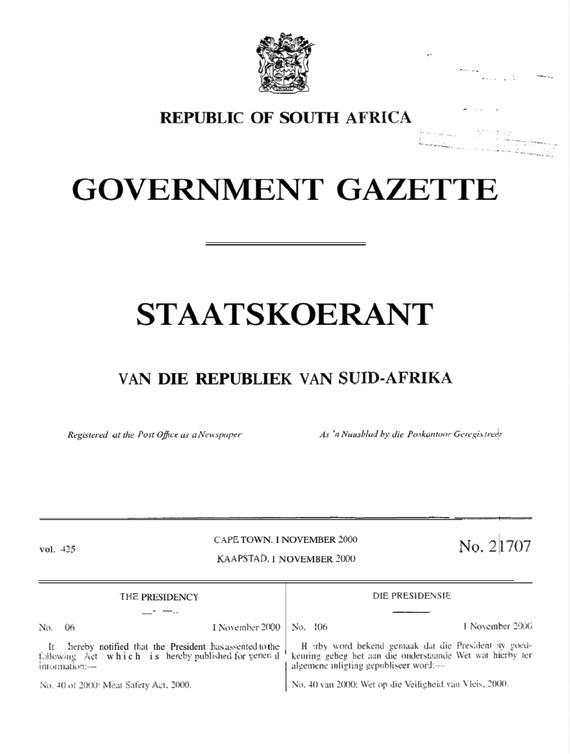
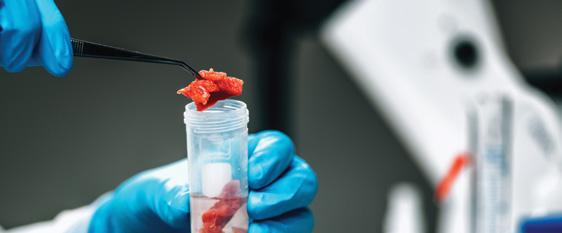
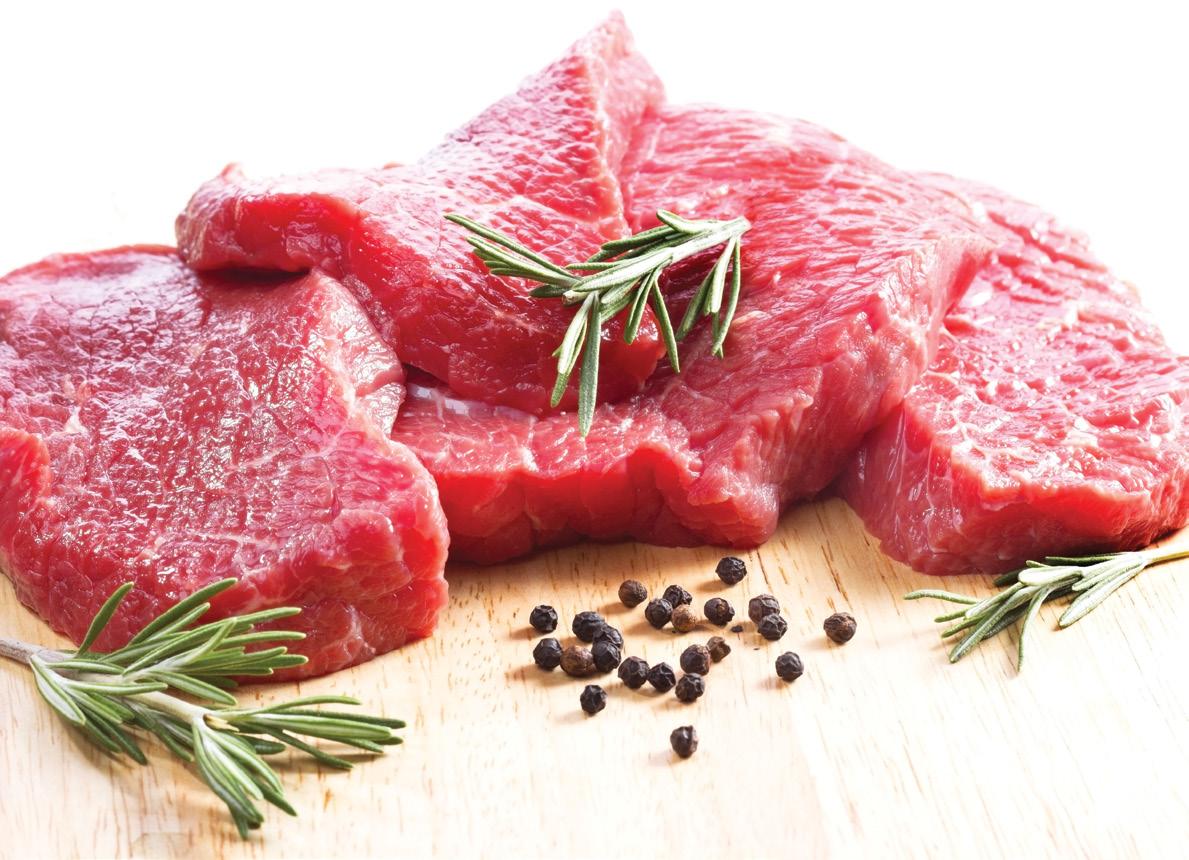
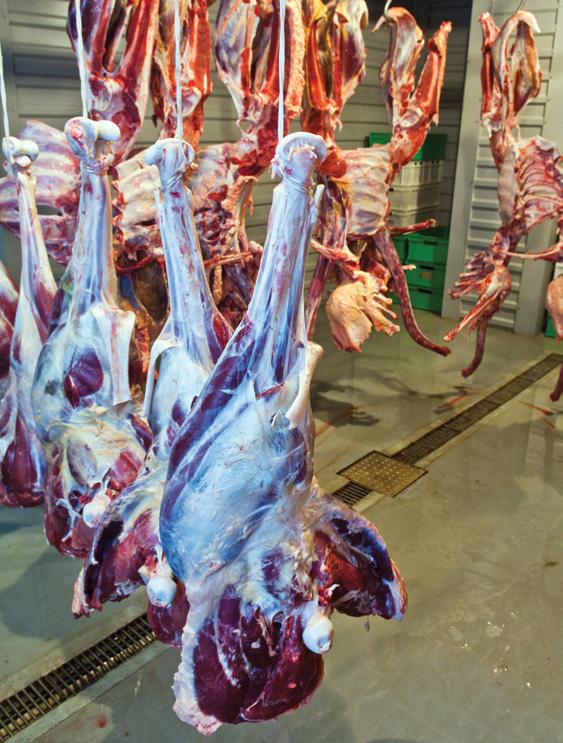
FFood safety is more than a behind-thescenes process, it’s a public necessity that affects every household in South Africa. In the Western Cape, the Sub-Directorate: Veterinary Public Health works tirelessly to ensure the meat we consume is both safe and of a high quality. Functioning under the Meat Safety Act (Act 40 of 2000), this dedicated unit regulates hygiene practices, animal handling and the inspection of meat at abattoirs across the province.
Over the past year, the Veterinary Public Health (VPH) team has once again proven its commitment to public health, food security and compliance with both national and international meat safety standards. With an 86% Hygiene Assessment System (HAS) score, hundreds of inspections and millions of animals processed under strict surveillance, their work is a cornerstone of our region’s food safety net.
Learn more!
Scan the QR-code or visit: shorturl.at/4T9Dw to download the Meat Safety Act (Act 40 of 2000)
Data interpretation:
What the numbers tell us
A team with a big responsibility
Though small, the VPH team is remarkably efficient. Made up of 13 professionals, including a Deputy Director, State Veterinarian, Control Veterinary Public Health Officer, CCS Veterinarian, eight VPH Officers and one administrative staff member, the unit oversees the hygiene and safety of all registered abattoirs in the Western Cape.
The Western Cape’s abattoir landscape
The province is home to 54 registered abattoirs, broken down as follows:
35 red meat abattoirs
11 for export
10 high-throughput
12 low-throughput
2 rural
16 poultry abattoirs
3 ostrich abattoirs
Although no game-specific abattoirs are currently operational in the province, game is still processed at export-certified facilities, ensuring compliance with national standards.
Inspections and surveillance: A critical shield
Throughout the reporting period, the VPH team conducted 826 visits to abattoirs, resulting in 667 formal inspection reports These visits are essential not only for maintaining hygiene but also for identifying and mitigating potential public health risks.
The inspections form the backbone of meat safety in the province, helping ensure that every piece of meat reaching our plates has passed through a rigorous safety net.
High
volumes, high standards
The scale of livestock processed in the Western Cape is impressive:
125 874 cattle
22 864 calves
1.45 million
sheep/goats
673 825 pigs
160 million chickens
Plus, smaller numbers of ostriches, ducks, rabbits, quail and game animals
Even at this high throughput, the rate of meat condemned as being unfit for consumption was relatively low – a strong indicator of effective safety systems:
2.57 million carcasses were condemned
4.79 million kilograms of meat were removed from the food supply chain
This proactive removal protects consumers from potentially harmful meat and underscores the effectiveness of VPH inspections.
Monitoring for diseases and contaminants
The team also keeps a close watch on diseases and food safety indicators. In the past year:
0.26% of cattle were found to have cysticercosis, a parasitic condition
1 180 food safety samples were tested for microbiological and chemical residues
While these numbers show relatively low disease incidence, they also demonstrate how focused testing helps ensure that meat remains safe throughout the processing chain.
Going beyond the abattoirs
The VPH team’s role extends beyond basic inspections. In the last year, they were involved in 571 public health activities, including:
Investigating illegal slaughtering
Evaluating infrastructure
Conducting hygiene assessments
Hosting training sessions
Auditing hides, skins and sterilisation plants
In addition, their efforts supported 55 export inspections and 34 food safety awareness campaigns, ensuring safety not only for local markets but also for international exports.
Managing imports responsibly
To meet demand, the Western Cape also imports animals from neighbouring countries.
In the past year:
49 415 animals were imported from
Botswana, Lesotho, Namibia and Swaziland (BLNS)
Including 12 929 cattle and 36 486 sheep/goats
Conclusion: A quiet force for public health
The 86% HAS score earned by the Western Cape’s VPH Sub-Programme isn’t just a number, it’s a reflection of dedicated behindthe-scenes work that benefits every resident. From farms and abattoirs to dinner tables and export ports, the Sub-Directorate Veterinary Public Health ensures that every link in the meat supply chain upholds the highest standards of hygiene and safety.
The takeaway is simple: Safe meat doesn’t happen by accident; it’s the result of strategic oversight, expert knowledge and relentless vigilance. AP
For more information, contact Dr Polly Dibetso: polly.dibetso@westerncape.gov.za
Crimean-Congo haemorrhagic fever –what should we know about it?
by Dr Joanie Thom
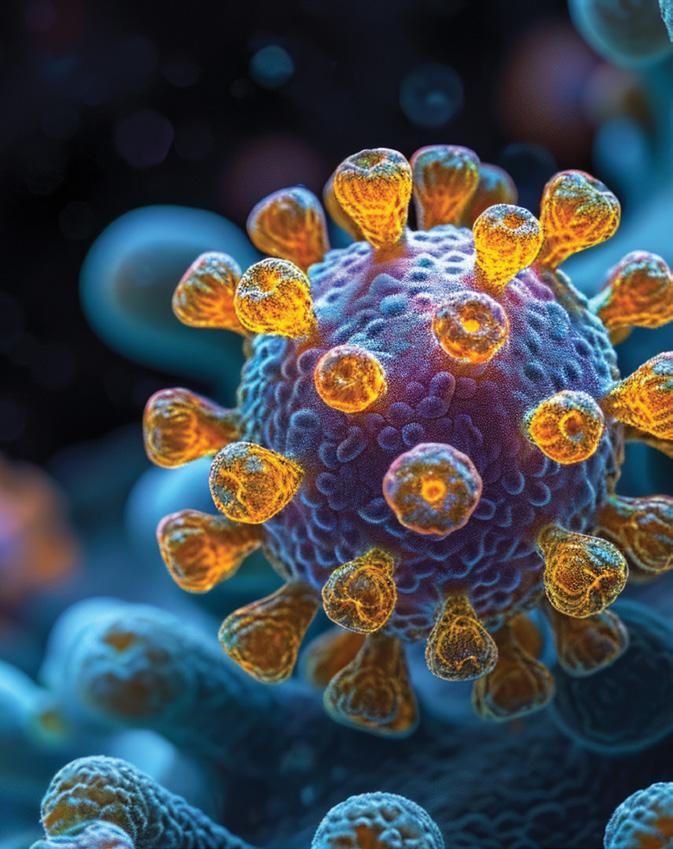
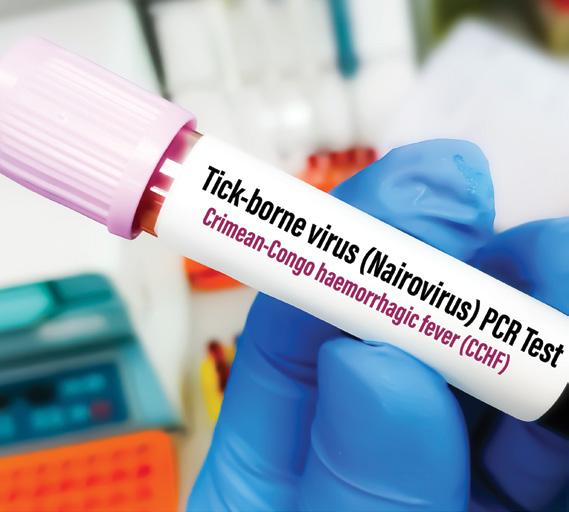
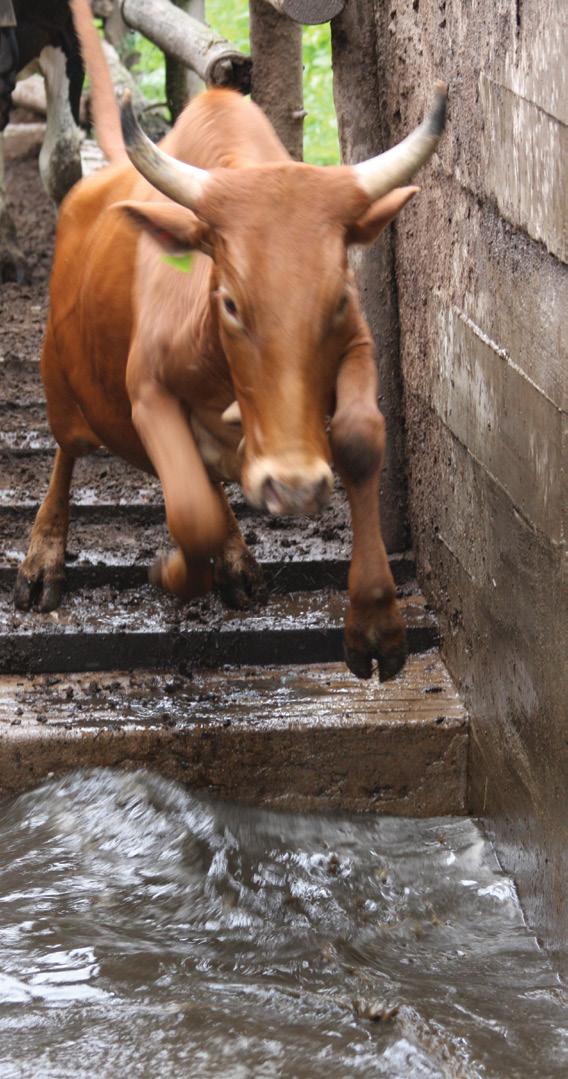
CCrimean-Congo haemorrhagic fever (CCHF) is a zoonotic viral disease that causes severe haemorrhagic symptoms in humans. It is transmitted primarily by ticks and can affect a wide range of animals, including cattle, sheep, goats and ostriches. Interestingly, the virus does not typically cause illness in animals, which means infections can often go unnoticed in livestock populations.
As adult ticks are more abundant during spring and summer, this time of year sees an increase in human cases.
How is CCHF transmitted?
Humans can become infected with the CCHF virus in several ways, including through bites from infected ticks, by coming into contact with blood or tissues of infected livestock, through close contact with infected humans, especially exposure to blood or bodily fluids, via contaminated equipment or by crushing infected ticks. Most outbreaks in groups of people have been linked to ostrich slaughter, particularly during manual defeathering in abattoirs where immature ticks may be crushed.
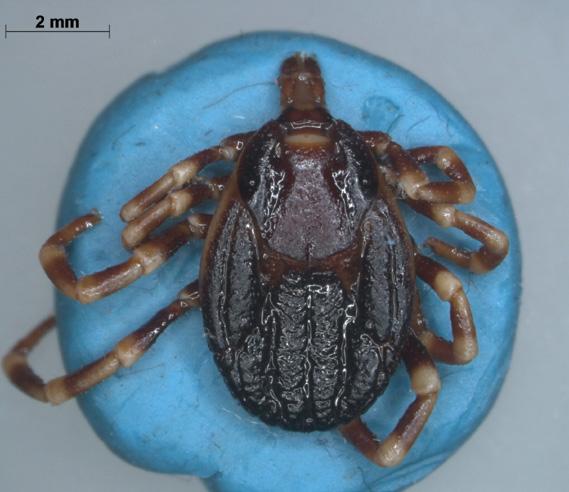
Bont-legged tick (Hyalomma truncatum), the primary vector of Crimean-Congo haemorrhagic fever (CCHF). Did you know?
Hyalomma truncatum ticks typically move by crawling on vegetation or directly on their hosts. For longerdistance dispersal, they attach to a host animal, pierce the skin with their mouthparts, and feed on blood while being carried to new areas.
Learn more!
Scan the QR code or visit shorturl.at/z6pZj
Symptoms and disease progression
People infected via tick bite typically develop symptoms within 1 to 3 days (up to 9 days). Those infected through contact with infected blood may develop symptoms up to 13 days later.
Early symptoms include:
Fever
Historical outbreak and response
In 1996, an outbreak of CCHF occurred among 17 workers at an ostrich abattoir in South Africa. In response, the South African veterinary authorities conducted a trial, which led to the European Union drafting regulations outlining minimum requirements for the importation of live ostriches and ostrich meat into EU Member States.
Key requirements included:
Treating birds with an acaricide and keeping them tick-free in rodent-proof facilities for at least 14 days prior to slaughter.
Upon arrival in the importing country, live birds must undergo serological testing and be treated again for ectoparasites.
This highlighted that CCHF is an occupational hazard, particularly for abattoir workers, and emphasises the need for heightened vigilance, especially in ostrich abattoirs during warmer months.
Muscle pain
Dizziness
Neck pain and stiffness
Headache
Sensitivity to light
These may be followed within 2-4 days by:
Nausea and vomiting
Diarrhoea
Mood swings, confusion and depression
Severe abdominal pain
Rash and internal bleeding
The disease has a high fatality rate of around 30%, with deaths typically occurring during the second week of illness. Patients who recover usually begin to improve after about 10 days.
Treatment and prevention
There is no specific antiviral treatment for CCHF – management is limited to supportive care. Prevention is therefore crucial, but challenging, due to the widespread presence of ticks and the asymptomatic nature of infection in animals.
CCHF poses a particular risk at ostrich abattoirs.
1 Preventing tick-borne transmission:
Avoid tick-infested areas where possible
Wear protective clothing (long sleeves, long trousers)
Use approved tick repellents on clothes
Perform regular tick checks on skin and clothing
Control tick infestations on animals and in their environments using approved methods
2 Preventing animal-to-human transmission:
Wear protective clothing when handling animals or their tissues
Treat animals with pesticides at least two weeks before slaughter to eliminate ticks
3 Preventing human-to-human transmission:
Avoid close contact with infected individuals or those showing symptoms suspicious of CCHF
Wear gloves and protective clothing when caring for infected people
Wash hands regularly with soap and water
In summary, CCHF is a serious, often fatal disease that poses a severe occupational risk, especially to those working with livestock or in abattoirs. Due to the silent presence of the virus in animals and its seasonal nature, increased awareness and preventive action during spring and summer are essential. The key to controlling this disease lies in education, early detection
Learn more!
and strict biosecurity measures. Fortunately, only a few people are infected every year, but it can be devastating for those who contract the infection. AP
1. Capua, I. (1998). Crimean-Congo haemorrhagic fever in ostriches: A public health risk for countries of the European Union? Avian Pathology, 117-120.
2. World Health Organisation. Crimean-Congo Haemorrhagic Fever. 2024. www.afro.who.int/health-topics/crimean-congo-haemorrhagic-fever
3. Karama, M., 2022. Zoonoses and occupational health. s.l.:Section VPH, Department Paraclinical sciences, Faculty of Veterinary Science, University of Pretoria.
For more information, contact Dr Joanie Thom: johanna.thom@westerncape.gov.za
Photo courtesy of AfriVet.
Suksesvolle boeredag op Oudtshoorn
deur Albie Storm
HHoe boer ek beter met minder? Dit is die vraag wat gevra is tydens die derde jaarlikse Oudtshoorn-boeredag wat in Mei vanjaar by die Oudtshoorn Navorsingsplaas aangebied is. Die boeredag is aangebied deur die Wes-Kaapse Departement van Landbou met die samewerking van Klein Karoo Agri en was weereens ’n toonbeeld van puik samewerking tussen die staat en die private sektor.
regte gesindheid en samewerking. Verskeie ander rolspelers het ook gehelp om die dag uiters suksesvol te laat verloop. Selfs die burgermeester van Oudtshoorn was teenwoordig en het die dorp se verbintenis tot landbou in die distrik onderstreep.
Dr. Ilse Trautmann, ons voormalige adjunkdirekteur-generaal, het die dag geopen en klem gelê om wat vermag kan word met die
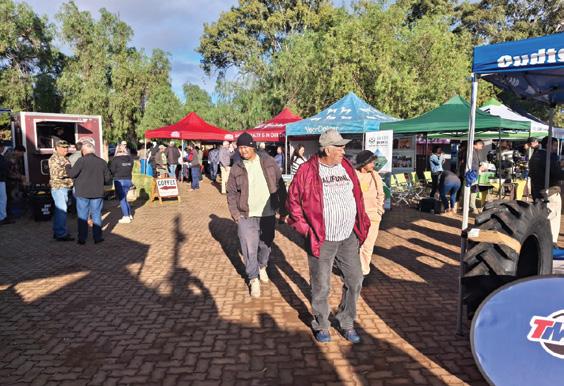
Nie eens die koue, natterige weer kon boere stuit om hierdie opwindende dag by te woon nie. Verskeie landbouprodukte is uitgestal en inligting is met belangstellendes gedeel. Die uitstalling van blinknuwe werktuie het veral aandag getrek. Die buitelugstalletjies, wat sowat 30 verskillende rolspelers vanuit die landboubedryf ingesluit het, was vir elke besoeker ’n hoogtepunt. Daar was voorwaar vir elkeen iets om te sien. Trekkers, voertuie, implemente, dieregesondheidsprodukte, hulpmiddels vir die plaas en nog vele meer het vir ’n feestelike atmosfeer op die terrein gesorg.
Benewens die 35 uitstallers wat die terrein in ’n mini-ekspo omskep het, kon die boere na heelwat insiggewende praatjies deur kundiges luister. Onderwerpe wat aangeroer is, het ingesluit:
1. “Boer volhoubaar saam met die natuur”, aangebied deur Jaco Engelbrecht van Agrofors.
2. “Verantwoordelike waterbestuur en -verbruik” deur Laubscher Coetzee van Agri Wes-Kaap.
3. “Parasiet- en siektebeheer” deur Francois du Toit van AfriVet.
4. “Tegnologie as ’n hulpbron”.
Ander puik praatjies het ingesluit ons kollegas Charles Salmon wat gesels het oor die ekonomie van bye en gevra het: “Is groter beter?”, en dr. Jasper Cloete wat gepraat het oor “Effektiewe teling
Die buitelugstalletjies het vir ’n feestelike atmosfeer op die terrein gesorg.
volstruis
en seleksie”. Verder het André Lindenberg van Industrialec se “Containerized Energy Units”-aanbieding ook baie aftrek geniet.
Boere vanuit die Klein-Karoo, Langkloof, Suid-Kaap en ook die Karoo het veral die gelukkige trekking geniet – wat is dan nou lekkerder as om nuwe dinge te sien en te leer en op die koop toe sommer ietsie te wen?
Middagete met heerlike volstruisfilette oor die kole, braaibroodjies en slaaie is aan die sowat 200 gaste voorgesit.
Almal wat die dag bygewoon het, was dit eens dat dit uiters suksesvol was en dat dit ’n groot stap in die regte rigting was om selfs ’n groter dag in die toekoms aan te bied.
Die Staatsveeartskantoor op Oudtshoorn wil graag vir ’n ieder en elk wat gehelp het, asook diegene wat die dag bygewoon het, bedank vir hulle aandeel. AP
Vir meer inligting, kontak Albie Storm: albie.storm@westerncape.gov.za
Farming with kiwis in the Western Cape, South Africa
O’Brien Perel and Tshepo Morokong
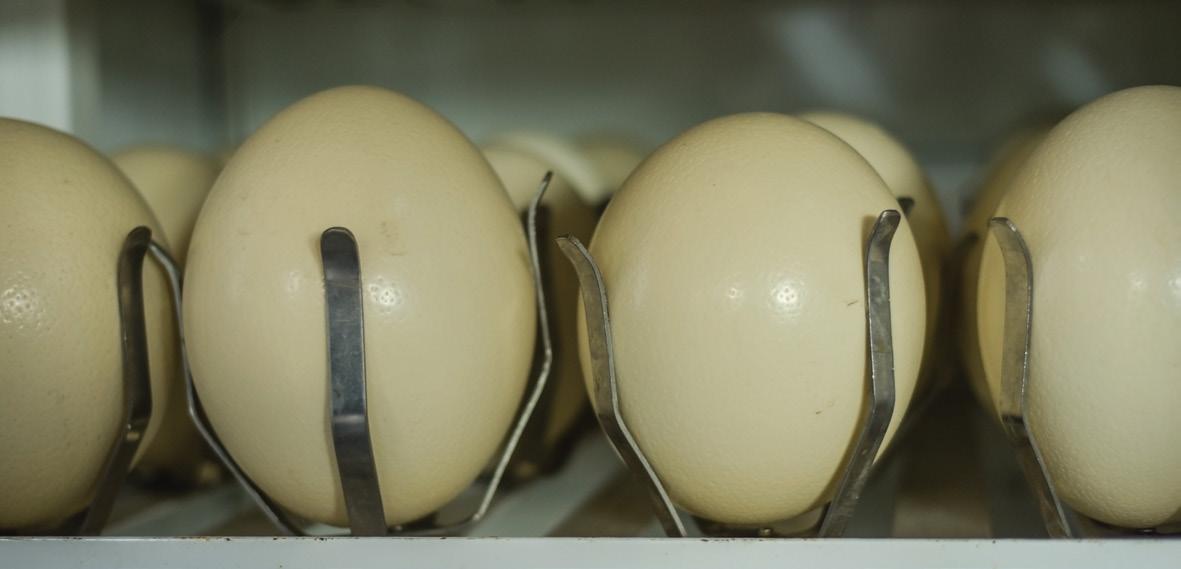
Incubator temperature versus eggshell temperature during artificial hatching of ostrich eggs
Z. Brand and S.W.P. Cloete
Nguni cattle: A profitable, low-risk choice for Western Cape farmers
Blanché Williams
Did you know?
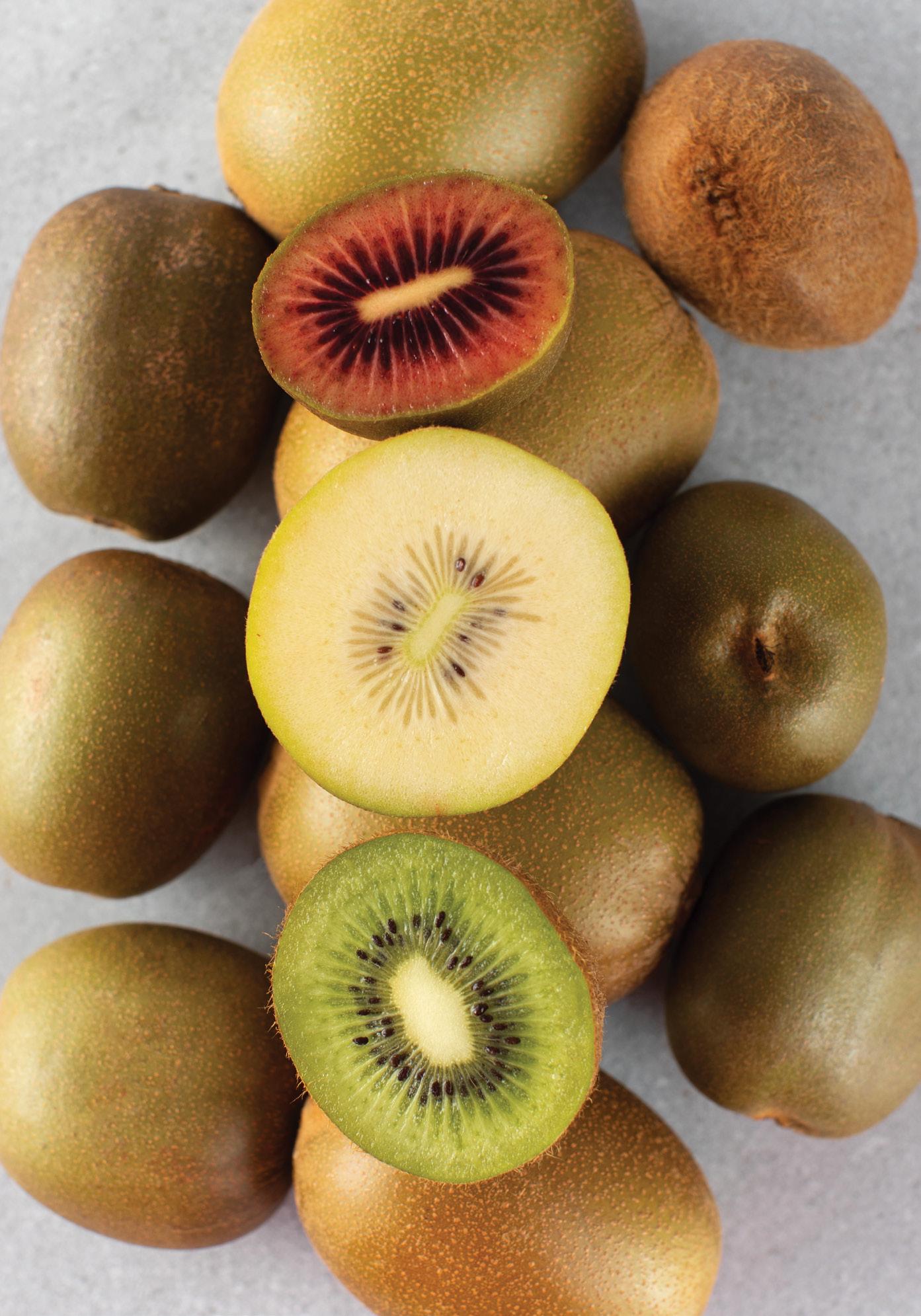
While South African growers supply green, gold and emerging red kiwifruit varieties, global trade is still dominated by major producers such as Italy, China and New Zealand. International buyers are, however, actively diversifying supply sources, creating export opportunities for new Southern Hemisphere producers.. Learn more!
Farming with kiwis in the Western Cape, South Africa
by O’Brien Perel1 and Tshepo Morokong2
1 Land Bank, High Street, Worcester, 6850, South Africa
2 Agricultural Economic Services, Western Cape Department of Agriculture, Private Bag X1, Elsenburg, 7607, South Africa
Pavan
ABSTRACT
OOver the past decade, global kiwifruit production has grown steadily, led by China, Italy and New Zealand. In contrast, South Africa’s industry remains small, with its first orchard planted around 40 years ago. Despite this, kiwifruit farming holds promise for economic growth and job creation due to its labour-intensive nature and rising demand. This study assesses the profitability of kiwifruit farming in South Africa’s Western Cape using data from questionnaires and interviews. A gross margin analysis showed that production is economically viable, although high costs – especially for labour, packaging and capital – must be managed. As interest in kiwifruit grows due to its health benefits, the industry’s expansion highlights the need for more research and knowledge sharing.
1. INTRODUCTION
Kiwi fruit (Actinidia deliciosa) is one of
the most commercialised fruits on the international markets (Satpal, et al., 2021). It is a delicious and unique fruit renowned for its nutritional richness and remarkable medicinal benefits (Jindal and Sharma, 2023). It possesses strong antibiotic properties, combating a broad spectrum of pathogenic microorganisms. It ranks second to amla (Indian gooseberry) in terms of vitamin C content. The fruit has demonstrated potential as a liver tonic and is among the top fruit sources of vitamin E, a vital nutrient for maintaining clear, healthy, radiant skin and preserving a youthful look. An additional noteworthy health benefit of the kiwifruit is its positive impact on cardiovascular health, achieved by lowering harmful cholesterol levels and consequently preventing arterial blood clot formation. Furthermore, Huang and Ferguson (2007), indicated that the kiwifruit is celebrated for its taste and high vitamin C content. It is also a climacteric fruit that exhibits a high sensitivity to ethylene.
From a botanical perspective, the kiwifruit is a berry, characterised by multiple locules filled with numerous tiny, soft black seeds. The fruit’s flesh is sectioned into three distinct regions: the outer pericarp, the seedcontaining inner pericarp and the columella, or core.
Over the past decade, there has been a consistent rise in global production volume. China, Italy and New Zealand have remained the leading producers, with China significantly outpacing the others. In 2019, China accounted for over half of the global production (50.5%), trailed by New Zealand (12.8%), Italy (12.1%) and Iran (7.9%) in terms of global shares. Both New Zealand and Chile experienced similar growth spurts in the mid-1980s, with Chile’s production quantity increasing nearly fourfold in the early 1990s, followed by Iran in the 2000s. However, the production quantities of these countries are still dwarfed by China’s output (Tridge, 2021).
From a South African perspective, the Gold Tree Farms, located just outside White River in Mpumalanga, sowed its inaugural golden kiwifruit vines in 2014. Despite the country’s first green kiwi orchards being established over four decades ago, the industry, with its 320ha in production, is still deemed nascent. The multitude of kiwi varieties allows for cultivation across diverse climates within South Africa. For instance, the proprietor of Gold Tree Farms oversees and cultivates 12 hectares of golden kiwifruit at the temperate White River farm and an additional 6 hectares in a colder region of KwaZulu-Natal through a partnership. This dual-location strategy helps manage climate-related risks and allows for comparative evaluation of different kiwifruit cultivation practices in South Africa (Botha, 2023).
The production further spread to other regions, including the Western Cape. The kiwi fruit plant can thrive in warm temperate to subtropical regions, given it receives 600 to 800 chilling hours to exit dormancy. Frost and temperatures below -2.5°C during spring and fall [referring to autumn
(Britannica, 2025)] are detrimental as they destroy young shoots and fruit buds. The plant is susceptible to frosts in late spring or early autumn due to its requirement for an extended frost-free duration of 270-300 days from budburst to commercial harvest (Ferguson & Seal, 2008).
2. MATERIALS AND METHODS
The study was conducted in the Overberg and Garden Route districts of the Western Cape. A quantitative data approach was used as primary data was required for information on income and costs. Farmers were selected through a convenience sampling method based on their accessibility and availability in the respective districts. The two main instruments used to collect data, were a structured questionnaire and interviews. The key aspects covered in the questionnaire included, production information, yield, chemicals used, labour and irrigation. Data was collected from four different farmers with a total collective kiwifruit production area of 22,6 hectares and an average of 889 trees per hectare. There are at least 104.15 hectares under kiwifruit production in the Western Cape, from which a total of 60,8 hectares are planted within the Garden Route and Overberg districts (SIQ;AOBS;WCDoA, 2023). Therefore, both districts account for a large share of 58.38% in terms of total
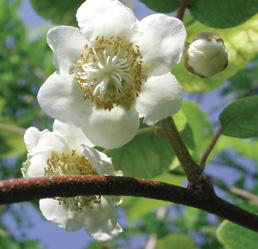
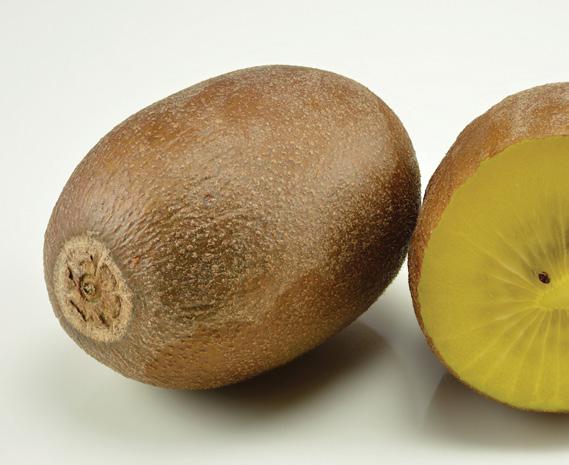
Soreli kiwifruit, a gold-fleshed cultivar developed in Italy. In the Western Cape, many producers favour the pergola trellis system for planting Soreli.
area under kiwifruit production. In line with this, farm-level data was collected in these districts for developing a farm enterprise budget. The research study used the gross margin analysis equation to determine the income and costs in the production of kiwifruit from establishment until full production for one hectare. Income refers to the revenue, and the costs refer to the inputs directly linked to the production of the fruit. The following equation was used:
The gross margin indicates the difference between revenue generated from the production of an enterprise and direct and indirect costs incurred. It serves as a measure of the profitability, determining whether the variable costs are adequately covered by the revenue.
3.1 Gross margin analysis of kiwifruit
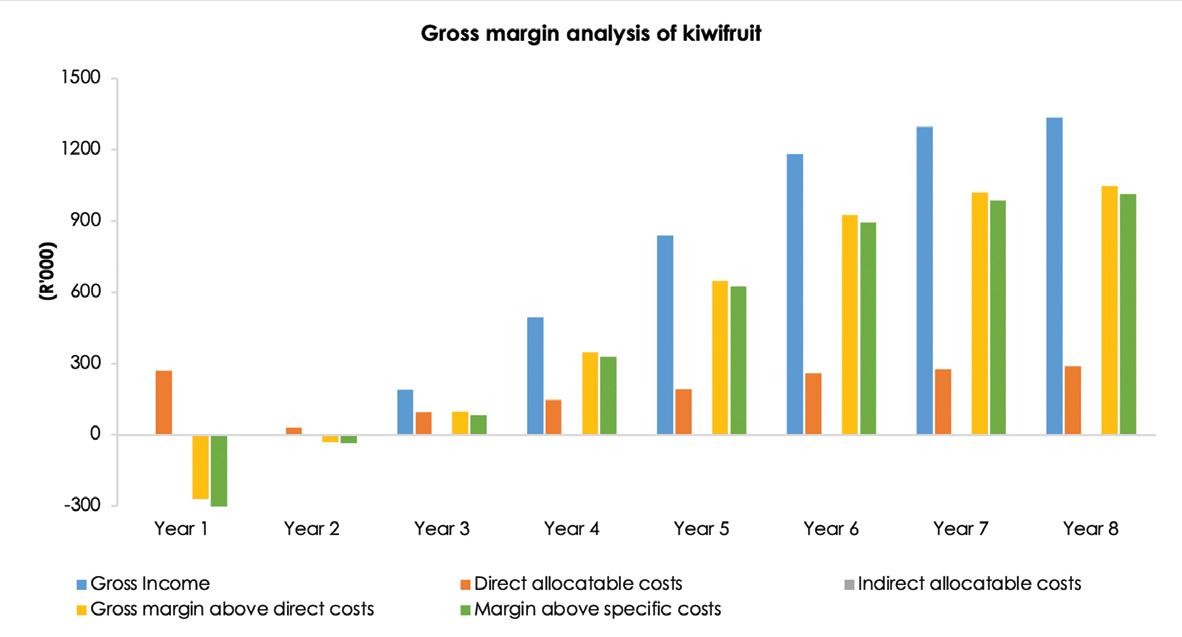
Figure 1 illustrates the gross margin analysis for kiwifruit production in the Western
Cape Province of South Africa. The analysis included variable costs, such as fertiliser, herbicides, fungicides, plant material and labour.
The kiwifruit production system that many respondents used is the pergola trellis system, planting the Soreli variety and the average size of the hectares planted were 5,65 per farm. Row spacing and plant spacing were roughly 5 meters x 2,5 meters respectively, with an average of about 800 trees per hectare. It can be highlighted that a yield of 40 tons/ha can be realised with an average of 48 kg of kiwifruit per tree.
Figure 1 shows there was no revenue in the first two years of production, while total allocatable cost amounted to R271 104 in the first year. The direct allocatable costs decreased to R30 632 in the second year and gradually increased from year 3 to R287 168,16 in year 8, which could be the result of the increase in yield over the same period. Labour and packaging costs are the two items that increased notably from year 3 to 8, to an amount of R96 447 and R193 608 respectively. Revenue is only realised in the third year at R190 750 per hectare to R1 335 250 per hectare in year 8.
Figure 1: Gross margin analysis of kiwifruit. Source: Own compilation
Source: Own compilation
3.2 The cost structure of kiwifruit production per hectare
Figure 2 illustrates the cost structure of kiwifruit production per hectare at full maturity. The total cost per hectare for kiwifruit in full production is R321,291.00, with casual labour and packaging accounting for 30.01% and 46.77% of the total costs respectively. This indicates that kiwifruit production is particularly labourintensive, especially during the harvest period. Other essential production costs include fertilisers (R27,760), herbicides (R2,260) and plant growth regulators (R4 600). Kiwifruit farmers face several challenges, including low local market prices, weather-related risks and logistical issues.
4. CONCLUSION
The gross margin analysis is a technique used to determine whether a farming enterprise is profitable and viable. The gross margin analysis was carried out for kiwifruit analysing the revenue and cost of
production. Kiwifruit has been found to be a profitable crop, although it does require a significant portion of production input cost. Revenue is realised in the third year at R190 750,00 per hectare and increases to R1 335 250 per hectare in year 8, while the total allocatable variable cost amounts to R332 751 in the same year. The margin above specific cost amounts to R965 896 with a yield of 35 tons and a price per ton of R38 150. It was also found that kiwifruit production is particularly labour-intensive with labour and packaging costs amounting to R96 447 and R193 608 respectively over the 8 years. The results from this analysis indicate that farming with kiwifruit would be profitable and that prospective producers would receive a positive return on investment. The kiwi industry is fairly new in South Africa with the first kiwi orchard established about four decades ago, and with the advent of a multitude of kiwi varieties there is potential to grow kiwis on a larger scale and subsequently for new producers to enter the market. AP
Figure 2: Kiwifruit cost structure per hectare, 2025.
References
Afiya, R. S., 2024. Advances in Production Technology of Kiwifruit, s.l.: Department of Horticulture, School of Life Sciences, Central University of Tamil Nadu.
Banda, F., Matumba, C. & Mondliwa, P., 2015. Research on Competition and Regulation: Competition, barriers to entry and inclusive growth, s.l.: Centre for Competition Regulation and Economic Development. Barth Haas Campus Concept Brewery, 2019. The Barth Report 2018/2019, s.l.: Barth Haas Group.
Botha, L., 2023. Learning through trial and error how to produce kiwifruit in SA, s.l.: Farmer’s Weekly. Britannica, 2025. Britannica. [Online]: Available at: www.britannica.com/science/autumn-season. [Accessed 13 June 2025].
Cassano, A., Donato, L. & Drioli, E., 2007. Ultrafiltration of kiwifruit juice: Operating parameters, juice quality and membrane fouling. J Food Eng, Volume 79, pp. 613-621.
Chamorro, F. et al., 2022. Valorization of kiwi agricultural waste and industry by-products by recovering bioactive compounds and application as food additives: a circular economy model. Food Chem, Volume 370.
Dias, M. et al., 2020. Chemical composition and bioactive properties of byproducts from two different kiwi varieties. Food Res. Int, Volume 127.
Dodds, K., 2017. Hops: a guide for new growers First Edition 2017, s.l.: NSW Government: Department of Primary Industries.
Eby, S., 2011. Hops, Humulus lupulus An investigation of agricultural practices and how producers are linked with business networks and consumers, Millgrove, Ontario,: Nuffield Canada – Hops.
FAOSTAT, 2022. Crops and livestock products: Kiwifruit, s.l.: s.n.
Ferguson, A. R. & Seal, A. G., 2008. Kiwifruit. In: Temperate Fruit Crop Breeding, Hancock, Jim F (ed) Germplasm to Genomics, East Lansing, MI, USA.: s.n.
Guroo, I. et al., 2017. A Review of Production and Processing of Kiwifruit. Journal of Food Processing and Technology, 8(10), pp. 1-6.
Hop Growers of America, 2018. Statistical Report 2018, Yakima, WA 98907: Hop Growers of America. Huang, H. W. & Ferguson, A. R., 2007. Actinidia in China: Natural diversity phylogeographical evolution, interspecific gene flow and kiwifruit cultivar improvement. Acta Hortic, Volume 753, pp. 31-40.
Jindal, K. K., Sharma, D. P. & Sharma, L., 2021. Hi-Tech Kiwi Fruit Production Techniques in North West and North East Himalayan States Potential for Transformation from Subsistence Farming to Sustainable Horticulture Towards Improving Livelihoods of Farmers. International Journal of Tropical Agriculture, 39(3).
Jindal, K. K. & Sharma, L., 2023. Cultivation and Neutraceutical Value of Kiwi Fruit. J. Agric. Technol, 10(1), pp. 7-14.
Kneen, R., n.d. Small Scale and Organic Hops production, s.l.: s.n.
Kuznietsova, T. et al., 2024. Case study on Ukrainian farm gross margin and direct cost analysis of wheat production s.l., s.n.
Meena, R. K. & Singh, K. K., 2021. Advanced Production Technology of Kiwifruit Under Temperate Region. In: Akshat Uniyal & Isha Sharma, (eds) Trends in Agriculture: Traditional And Modern Approaches, s.l.: s.n. On Tap Magazine 2017, 2017. South African hops make global headlines, s.l.: On Tap Magazine Parthasarathy, V. A. et al., n.d.. Fruits: Tropical and Subtropical - Vol.3, s.l.: Astral. Pinto, T., 2018. “Kiwifruit, a botany, chemical and sensory approach a review,”. Adv. Plants Agric. Res, 8(6), pp. 383-390.
Satpal, D., Kaur, J., Bhadariya, V. & Sharma, K., 2021. “Actinidia deliciosa (Kiwi fruit): A comprehensive review on the nutritional composition, health benefits, traditional utilization, and commercialization,”. J. Food Process. Preserv, 45(2).
Strik, B. C. & Davis, A. J., 2021. Growing Kiwifruit: A Guide to Kiwiberries and Fuzzy Kiwifruit for Pacific Northwest Producers, s.l.: Pacific Northwest Extension Publishing.
The South African Breweries, 2020. The South African Breweries. [Online] Available at: www.sab.co.za/post/the-sab-story/a-brief-history-of-hops-in-south-africa [Accessed 06 07 2020].
Torreggiani, D., Forni, E. & Pelliccioni, L., 1994. Modification of glass transition temperature by osmotic dehydration and kiwi color frozen stability: Research and innovation in the food industry, s.l.: Pinerolo. Tridge, 2021. 2021 Industry Report: Kiwi, s.l.: Tridge.
Truen, S., Ramkowlan, Y., Corrigal, J. & Matzopoulos, R., 2014. “Baseline study of the liquor industry, including the impact of the National Liquor Act 59 of 2003”, Pretoria: DNA Economics for the Department of Trade and Industry. Western Cape Department of Agriculture, 2023. Flyover data, Elsenburg: Western Cape Department of Agriculture.
For more information, contact O’Brien Perel: operel@landbank.co.za, Tshepo Morokong: tshepo.morokong@westerncape.gov.za or Mzwanele Lingani : mzwanele.lingani@westerncape.gov.za
Incubator temperature versus eggshell temperature during artificial hatching of ostrich eggs
by Z. Brand1# and S.W.P. Cloete2
1Directorate Animal Sciences, Western Cape Department of Agriculture, Private Bag X1, Elsenburg, 7607, South Africa
2Department of Animal Sciences, University of Stellenbosch, Private Bag X1, Matieland, 7602, South Africa
Take home message
RResults on the eggshell temperature of ostrich eggs help form a better understanding of mechanisms involved in the artificial incubation process. Developing embryos showed resistance to lower incubation temperatures, without affecting hatchability, by maintaining a constant eggshell temperature.
Background
One of the major problems in commercial
Photos courtesy Vergelegen Wine Estate.
incubators is overheating. This is mainly caused by the embryo producing metabolic heat during the second half of development, which can raise egg temperature by as much as 2°C. The incubators presently used for the artificial incubation of ostrich eggs were primarily designed for the chicken incubation industry and are thus not designed to hatch the larger ostrich eggs. Problems are likely to surface if incubators do not have sufficient heating, cooling and air exchange to accommodate the larger ostrich eggs. It is thus critical:
1. To determine whether heat is evenly distributed in incubators;
2. To establish trends in eggshell temperature (EST) and incubator temperature (IT) over the incubation period; and
3. To assess the impact of egg size on EST.
Methods
The differences between IT and EST during incubation of ostrich eggs were investigated at the Oudtshoorn Research farm, South Africa, during the 2020 and 2021 breeding seasons. The set temperature for the incubators was 36.4°C. Heat sensors were placed at different locations in the incubators to monitor heat distribution within incubators. Sensors were also placed on the nearest eggs at the same locations to be able to correlate IT with EST. Data were analysed using linear mixed models (LMMs) implemented in the R package.
Results and Discussion
Overall means for EST and IT did not differ between the two incubators studied (P>0.05; Graph 1). However, means for EST were consistently higher (P<0.05) than IT (overall means of respectively ~36°C vs. ~35.4°C) in both incubators. Graph 2 presents the difference between the means of EST and IT throughout the incubation period. At 37 days of incubation, fertile eggs were moved from the respective setters to a hatcher. The temperature in the hatcher was not monitored, explaining the shorter monitoring period for IT. After the eggs were transferred to the hatchers, a sharp increase in EST was observed. This could be attributed to an increase in embryo metabolic activity when the embryos start to align to the correct pipping position.
IT for the different incubation positions differed significantly (P<0.05) throughout the incubators (range from 35.1±0.1°C for the left to 35.7±0.04°C for the top incubator position; Graph 3). This result contrasted with EST across the different incubation positions where a relative constant EST (overall mean of 36.06±0.01°C; range 36.02 to 36.10°C P>0.05) was maintained. Results
in Graph 3 also show that there was no significant difference in the percentage for either the dead-in-shell (DIS) (between 19 and 30%) or chicks that hatched (70 to 81%) at the different positions in the incubator. This outcome could be attributed to the ability of the developing embryo to maintain a constant temperature despite the variation amounting to >0.5°C in IT.
Traditionally infertile eggs are removed during candling between 14 and 21 days of incubation, but the status of the egg might be uncertain in some instances. Graph 4 showed that the EST for infertile eggs dropped significantly (P<0.05) from around day 29 of incubation, when compared to the EST of eggs with early embryonic mortalities (EEM; ≤ 21 days of incubation) and particularly from eggs sustaining late embryonic mortalities (LEM; ≥ 21 days of incubation), as well as eggs that hatched. Eggs labelled as EEM did not have the same sharp increase in EST on day 37 of incubation after transfer from the setters to the hatcher. Eggshell temperature for LEM
eggs and eggs with chicks that hatched were very similar. Incubator position mostly did not have a significant effect on EST for EEM, LEM or eggs with chicks that hatched. The exception was at the right position in the incubators where the EST for EEM eggs were lowest and LEM eggs highest (Graph 4).
Fertile eggs (excluding EEM) were grouped into large (1 564 – 1 895g), medium (1 433 to 1 557g) and small (1 206 to 1 427g) sizes to determine if egg size influenced EST. The results showed the differences in EST were not significant between the size groups (37.3°C, 37.1°C and 36.8°C respectively on 42 days of incubation for large, medium and small eggs; Graph 5).
Conclusion
In conclusion, it was evident that heat distribution differed within incubators. However, this did not markedly influence EST of fertile eggs. Neither dead-in-shell eggs nor chicks hatched were affected by a reduction of ~0.5°C in incubator temperature, suggesting that developing embryos showed resistance to variation in
incubation temperatures. Further studies need to determine the effect of higher incubator temperatures during incubation on the EST and subsequent hatchability. The rapid increase in EST during the hatcher phase (≥ 36 days of incubation) also needs to be investigated to establish if this is only a function of metabolic activity of the embryo. AP
For more information, contact Zanell Brand: zanell.brand@westerncape.gov.za
Nguni cattle: A profitable, low-risk choice for Western Cape farmers
by Blanché Williams1 1Economic Production, Agricultural Economic Services
1. Introduction
TThe South African red meat industry has transitioned from a regulated to a deregulated sector, with significant changes in price formation, production and marketing (DALRRD, 2020). Over the past decade, beef producer prices have risen by approximately 106%, but per capita consumption has declined by 5.8% due to affordability challenges (BFAP, 2021). The drought since 2015/16
has exacerbated production costs, further impacting consumer demand. Nguni cattle, a hardy and adaptable breed, have gained popularity for their resilience to diseases and low maintenance costs (Ferreira, 2016). This article focuses on the economic viability of Nguni beef production in the Swartland and Cape Winelands districts, analysing market trends, production assumptions, capital investment requirements and financial feasibility.
Photo courtesy of Vergelegen Estate, Somerset West.
2. Markets
2.1 The Beef Industry and Nguni Market in South Africa
South Africa has approximately 14 million cattle, with 80% dedicated to beef production (BFAP, 2021). The formal beef sector is dominated by commercial farmers, while emerging and subsistence farmers collectively own around 5.69 million cattle. The beef industry contributes over 12% to the Gross Production Value (GPV) of agriculture, with Mpumalanga, the Free State and Gauteng being the largest beef-producing provinces (DALRRD, 2020). The market for Nguni beef includes local sales, auctions and exports. In 2019, South Africa exported 24 485 tonnes of beef, valued at R1.6 billion, primarily to China (22%), Kuwait (12%) and Mozambique (12%) (Quantec, 2019). Imports, mainly from Namibia (43%) and Botswana (38%), have declined by 54% due to policy changes and shifting consumer preferences. Auction sales are a significant market avenue for Nguni cattle, with March 2023 prices averaging R12 528 for a cow in calf and R17 813 for bulls (Nguni, 2023). The breed’s adaptability and market demand highlight its economic potential for beef production.
2.2 Beef Market Value Chain
The beef market value chain includes multiple stages, from production to final consumption (RainbowSA, 2017):
Simplified Beef Market Value Chain:
1. Primary Production – Commercial, emerging and subsistence cattle farmers.
2. Feedlot Sector – Around 65-70% of cattle pass through feedlots for quality assurance.
3. Abattoirs and Processing –
Approximately 430 abattoirs handle slaughtering and initial processing.
4. Distribution and Retail – Meat sold via butcheries, supermarkets, auctions and informal markets.
5. Exports and Imports – Key trade partners include China, Kuwait, Mozambique, Namibia and Botswana.
6. Consumers – Ranging from high-end premium beef buyers to general market consumers.
The beef value chain is vertically integrated, with many feedlots owning or collaborating with abattoirs, and some abattoirs engaging in direct retail sales (DALRRD, 2020).
3. Methods and Materials
Data was collected through semi-structured interviews with four commercial Nguni farmers from the Swartland and Cape Winelands districts. The data compiled information on production costs, livestock management, employment, capital investment and marketing strategies. An enterprise budget was developed for a two-year production cycle using a standard Microsoft Excel template. The financial analysis focused on gross margins, capital investment and sensitivity assessments under different market conditions.
Capital investment refers to the initial funds needed to start a business. This is a good starting point to look at when a farmer is interested in starting a business in a specific field. For the purpose of the article, the list for the capital requirement were discussed with the producers from the two regions in the Western Cape province. Approximately, five capital items were listed as the most important for the establishment of Nguni production. It should be noted that the capital investment list does not include the cost of land and size, vehicles machinery or any other implements needed. The initial funds needed to start a Nguni livestock business were estimated at R6 019 500.
Table 1: Capital Investment Cost
Source: Own compilation, 2025
Table 2: Gross Margin Analysis – Nguni
Table 1 gives a breakdown of what will be
4.3 Gross Margin Analysis
The gross margin analysis determines the profitability of the Nguni beef enterprise after accounting for variable costs. For the purpose of this article an enterprise budget was development to determine the gross margin (profitability) of this enterprise. An enterprise budget consists of the production costs needed for this enterprise associated with the revenue generated for this herd size/LSU. A herd size of 773 Nguni beef cattle was used and the Large Stock Unit (LSU) was 489. Table 2 demonstrates the gross margin analysis for Nguni beef production in year 2.
Budget Results (Year 2)
In Year 2, the gross income generated from beef weaners, culled cows and bulls was R3 139 698.15 and the value per LSU was R6 420.68. Major income contributions came from 76 794kg of weaner beef sold at R23.00/kg, 34 327,39kg of culled cow meat at R38.86/kg, and 789.57kg of culled bull meat at R50.00/kg. The total allocatable variable costs (TAVC) amounted to R1 207 912.33 per herd size and the TAVC per LSU was R2 470.18. The largest components were purchased feed and supplement costs (46.6% of total costs) with R563 445.29 (R1 152/LSU) followed by electricity with R240 000.06 (R490.80/LSU), labour with R207 318.86 (R423.97/LSU) and medicinal cost with R176 217.26 (360.36/LSU).
The gross margin above total allocatable variable costs was R1 931 785.82 per herd size and R3 950.50 per LSU, which after deducting interest on working capital, resulted in a net margin above specified costs of R1 798 915.46 per herd size and R3 678.78 per LSU. This demonstrates that once the capital-heavy investment phase is complete, Nguni cattle farming can yield positive returns, especially under efficient cost management. Maintaining feed efficiency and minimising mortality (held at 2% in this model) are key to achieving strong financial outcomes. Additionally, with a labour input of 7 517 man-hours per year, the labour intensity is modest and manageable for 3 to 4 full-time workers.
Sensitivity Analysis - Nguni Beef
Sensitivity
Source: Own compilation, 2025
4.4 Sensitivity Analysis
The sensitivity analysis evaluates how variations between beef prices and production yields impact gross income. Figure 1 indicates different scenarios: Using a baseline yield of 111 910.80kg at R28.06/kg, the gross margin is estimated at R1 789 915. These figures suggest that a 10% increase in price and 20% increase in yield can lead to a gross margin improvement of over R2 803 619. Conversely, a price
drop of 10% to R25.25/kg (at the same yield increase as previously mentioned) results in a gross margin reduction at R2 050 091. These results underscore the importance of maximising productivity per livestock unit and obtaining favourable pricing. Efficient herd management, input cost containment and timing market entry during higher price periods are key strategies to enhance profitability.
Figure 1: Sensitivity analysis – Nguni beef
5. Conclusion and Recommendation
The economic analysis of Nguni beef production in the Swartland and Cape Winelands districts demonstrates that the enterprise holds strong potential for financial viability and sustainability. With a net margin of approximately R1.8 million in the second year, the model shows that, once the initial capital investment is overcome, the operation can yield substantial returns. The breed's inherent resilience, low maintenance requirements and suitability for varied environmental conditions contribute to both operational efficiency and risk mitigation. Sensitivity analysis further confirms the profitability’s dependence on effective herd productivity and market price conditions, highlighting the business's responsiveness to market fluctuations.
It is recommended that prospective Nguni beef producers adopt a strategic, cost-conscious approach, prioritising feed efficiency, disease management and optimal market timing.
Government and agricultural stakeholders should consider offering targeted support through training, extension services and financial instruments to assist with capital investment and enterprise planning. Expanding market access, particularly for emerging farmers, and encouraging participation in auction and export channels will enhance profitability and rural economic development. The farmer’s continued monitoring of production costs, coupled with adaptive herd and land management, will ensure sustained profitability in the long term. AP
BFAP, 2021. BFAP Baseline Agricultural Outlook 2021-2030, s.l.: s.n.
DALRRD, 2020. A profile of the South African beef market value chain, South Africa: DALRRD.
Ferreira, J., 2016. Farmer's Weekly. [Online]. Available at: shorturl.at/Xa56K [Accessed 8 May 2025].
Nguni, 2020. Nguni Journal Special edition, p. 132. Nguni, 2023. Nguni Cattle Breeders’ Society. [Online]. Available at: shorturl.at/Hb22V [Accessed 8 May 2025].
Quantec. 2019. Regional Trade HST 6-digit. [Online]. Available at: shorturl.at/fGrPh [Accessed 9 May 2025].
RainbowSA, 2017. The Agri Handbook. 6th ed. South Africa: RainbowSA.
For more information, contact Blanché Williams: blanche.williams@westerncape.gov.za
S RABIES IN SEALS
Five Frequently Asked Questions
Several Cape fur seals (Arctocephalus pusillus) have tested positive for rabies in the Western Cape in June 2024. While this is an emerging situation, we wish to share a selection of answers to five frequently asked questions.
How was the seal rabies discovered?
In May 2024, a dog with rabies was reported to the state veterinarian in Cape Town. The owner suspected it had been bitten by a seal, so samples were taken from aggressive seals reported in that week and sent for rabies testing. When they tested positive, this triggered the testing of seal samples that had been taken and stored by Sea Search, an independent research organisation since 2022.
How long have seals had rabies?
The earliest positive case that has been identified so far was in August 2022 in Cape Town. It is likely that the outbreak started before this.
How did seals get rabies?
Preliminary virus sequencing results show the seal rabies viruses are most closely related to rabies viruses from other wildlife species in Southern Africa. It therefore seems most likely that the outbreak started with a seal that was bitten by another rabid wild animal, such as a jackal, on the coast.
What should I do if I am attacked by a seal?
Get to safety as quickly as possible. If you have a wound or scratch, wash it very
thoroughly with soap and water. Then go to your nearest clinic or doctor immediately and tell them you suspect you have been in contact with a rabid animal.
How can I protect myself and my community from rabies?
If you suspect an animal has rabies, report it immediately to your local state veterinarian so that it can be responded to quickly.
Make sure all your dogs and cats are vaccinated against rabies and their vaccinations are kept up to date. This is required by South African law.
Those working with seals on a frequent basis are advised to consult their health care practitioner about receiving pre-exposure rabies vaccinations.
Learn more!
Scan the QR code or visit shorturl.at/0KgfY
Watch this!
Scan the QR code or visit shorturl.at/TC8gh
AGRI PROBE
Subscription
For free subscription to this quarterly magazine, please submit your details to Magrieta de Lange. Tel: 021 808 7613
Email: doa.info@westerncape.gov.za
Contact us
Western Cape Department of Agriculture
Tel: 021 808 5111
Email: doa.info@westerncape.gov.za
Web: www.elsenburg.com
Is a quarterly magazine, distributed to subscribers at no charge by the Western Cape Department of Agriculture. You can also read your copy online and subscribe at www.zinio.com/za/agriprobe-m40279
Printing
CTP Printers (Cape Town) Tel: 021 929 6200
Digital edition
Available on the ZINIO newsstand Web: www.zinio.com
Packaging
Stellenbosch Work Centre for Adults with Disabilities
Tel: 021 887 8688
Email: jjja@sun.ac.za
Don’t forget to tune into RSG Landbou every Friday morning at 05:25am and on Saturdays at 11:45am. Listen to the highly informative programmes on the Western Cape Department of Agriculture and the Agricultural Sector in general.
If you miss it on the radio, you can also listen to the programmes of the week on www.elsenburg.com/rsg-landbou/