The Magnetite Product Guide is a reference point for industry professionals looking for information on Magnetite’s secondary glazing product range.
Window insulation is a key factor in the overall performance of a building envelope. Heat gain (or loss) through windows can dramatically affect the running costs of a building. The acoustic performance of windows can also have a dramatic impact on the health of occupants. Improving the performance of existing glazing increases comfort levels and property value.
Magnetite has developed a reputation as a leader in both acoustic and thermal window insulation. Magnetite offers tested, costeffective, proven products for reducing energy use and noise in existing buildings. With extensive knowledge and experience assessing glazing requirements, we customise solutions to achieve the best results for our clients.
Our commitment to excellence includes Green Star and ABSA accreditation, to enhance communication and help deliver the best solution for your project. We directly employ trained and licensed installers ensuring high quality, efficient installations. This attention to detail makes Magnetite the ideal partner to deliver your retrofit glazing projects.
Creating building efficiency with Magnetite.
Member of
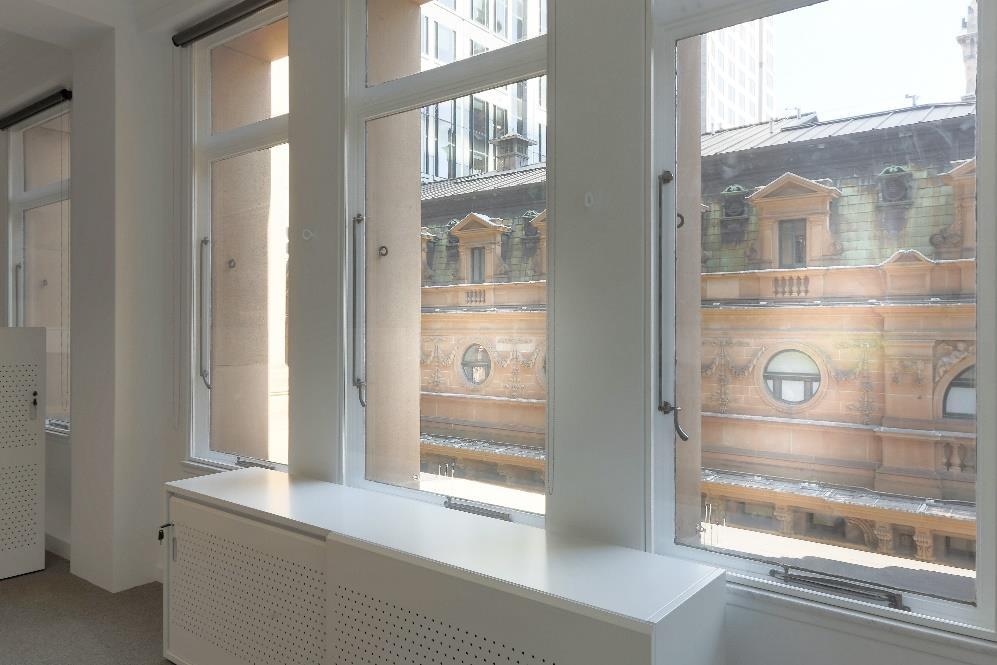
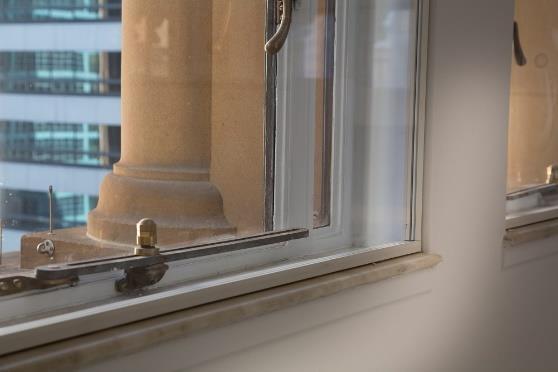
Image 1: The Money Box Building, 5 Martin Place Sydney. Interior (LHS) and Exterior (RHS)
Image 2: The Downing Centre Local & District Court, Sydney
Magnetite Key Benefits
Noise Reduction – Magnetite® and Soundtite can reduce noise through existing windows and doors by up to 70%. Our performance results are backed by independent third-party acoustic tests from NATA-approved laboratories.
Thermal Comfort – Magnetite ® and Solartite help maintain indoor temperature for year-round thermal comfort.
Energy Efficiency – Magnetite secondary glazing solution can reduce energy use in a commercial building by up to 13% (based on modeling by ARUP) through reduced HVAC cost.
Fits Existing Windows - As there are no external or structural alterations, the Magnetite solutions retain the aesthetic character of the windows and building façade, making it an ideal solution for heritage-listed property
Custom Installation – Magnetite’s solutions are tailored to your needs, ensuring optimal performance. By re-using existing windows, Magnetite creates a retrofit double-glazing solution that reduces capital expenditure and landfill.
Service and Value – Our installation can be completed without the downtime, waste, or mess associated with complete replacement existing windows. Minimal disruption provides savings for building owners and occupants as the space remains functional during installation so there is no loss of income.
Understanding Energy Efficiency
The Window Energy Rating System (WERS) is an independent body that ranks all reputable window companies in Australia. Go to www.wers.net to see star ratings that help the public to compare windows based on performance. The bar chart below reflects several key performance criteria, including the following:
U – Value (Uw)
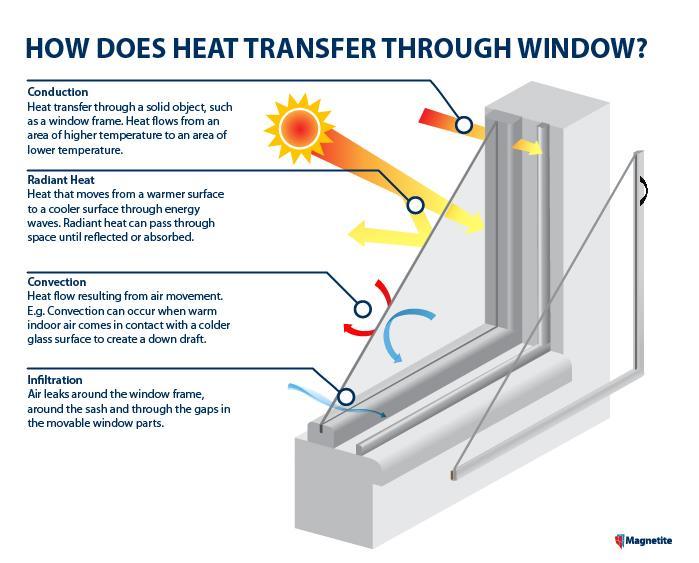
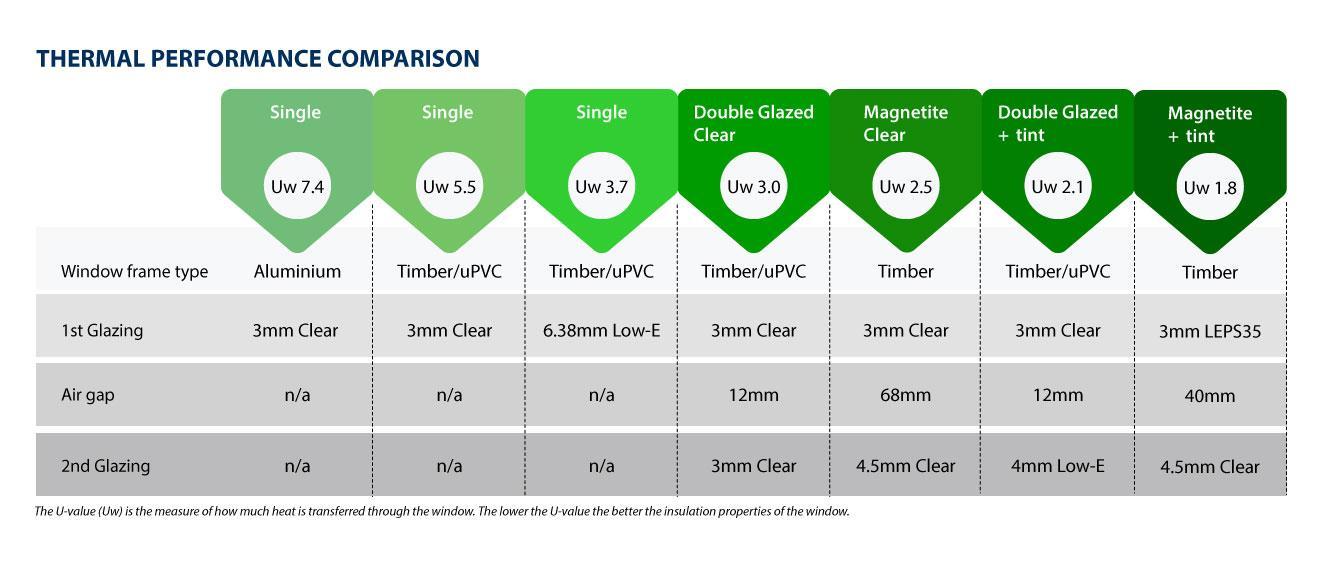
U – value (Uw) represents heat transfer through a window, irrespective of direct sunlight. The lower a window’s U-Value, the better the insulation performance. Magnetite uses acrylic glazing and PVC framing to minimise its U-value.
Acrylic glazing is up to six times more thermally efficient than glass.
Solar Heat Gain Coefficient (SHGC)
SHGC measures the solar energy that passes through glazing. The lower the SHGC, the less solar heat is transmitted through a window.
In hot weather climates, windows with a low SHGC are preferred, to minimise unwanted solar heat gain. In cold weather climates, windows with high SHGC are preferred, to increase passive solar heat gain.
In most climates, the orientation of the window will determine the requirements for SHGC. Typically, West-facing windows should have a darker shade film providing a lower SHGC, compared to South windows, which should be relatively clear. North or East facing windows have varying SHGC requirements, based on building design and climate zone.
Magnetite has a range of solar control films, (Solartite) to manage SHGC and minimise radiant heat before it enters the air cavity, delivering high-performance results.
Visible transmittance (VT)
Visible transmittance measures the amount of light a window lets through. A higher VT means more light is transmitted. A higher VT can improve energy efficiency, as less artificial lighting is required (unless glare reduction is required). Tinted glass, used to reduce solar heat gain, can also reduce the amount of visible light transmitted, which might limit natural daylight. A spectrally selective tint can help reduce solar heat gain while providing as much visible light as clear glass.
Air infiltration
Air infiltration or leakage measures the rate at which air passes through gaps in window joins and seals. The lower the air infiltration, the better a window’s energy performance. Magnetite has continuous magnetic seals, to limit air infiltration from the existing window, virtually eliminating draughts. Adding Magnetite panels will dramatically reduce air infiltration from the generic standard of 5.0L/m2 down to 0.5L/m2, a tenfold reduction in air infiltration.
Image 3: The Baird Building, Perth CBD
Understanding Condensation
What is condensation?
Ever wondered why on cold mornings you see water droplets on your window? In winter, our heating systems usually mean it’s more humid indoors. Warm air holds more moisture than cold air. At night, if the indoor temperature cools down below a given point, the air inside cannot hold as much water vapour. The vapour condenses to a liquid, becoming visible on cold, nonabsorbent surfaces like windows.
What causes condensation?
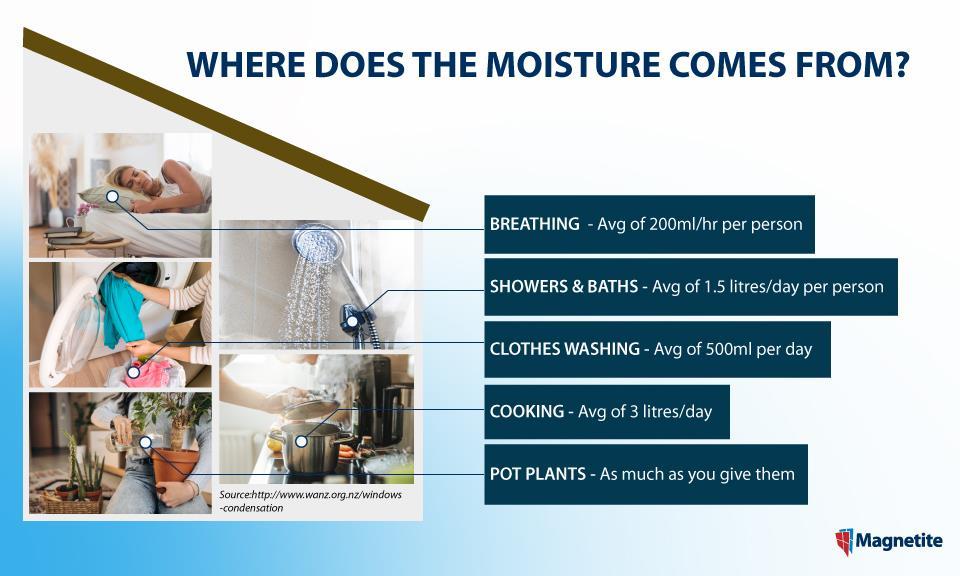
Indoor moisture causes condensation in your home. The moisture comes from daily activities inside your home including cooking, showering, clothes washing or even breathing. When less air enters the home from the outside, condensation will be more likely to occur.
Dew Point
Condensation occurs when relative humidity is too high, at what is known as the Dew Point. Dew points can be affected by even a slight drop in temperature if the moisture content in the air is high enough. While condensation is obvious on window glazing and metal frames, it is also absorbed into other parts of a building and into soft furnishings like sofas, curtains, carpets, and bed linen. This compromises air quality and can encourage mould to grow, with an impact on the health of occupants.
Activity within the home is a major contributor to moisture levels. Cooking, showering, watering plants and even breathing will create moisture. The use of clothes dryers and certain heaters can also add a significant amount of moisture. Without adequate ventilation, moisture can be trapped, increasing relative humidity and the likelihood of condensation forming.
To reduce condensation, it is important to maintain a steady temperature in the room and ensure adequate ventilation to remove excess moisture.
Reducing Condensation
Double glazing
The air cavity between two layers of glazing acts as an insulation barrier, also known as a thermal “break”. This air gap helps to keep the inside surface of the window closer to the room temperature. Maintaining a temperature difference between the inside of the home and the outside can reduce the likelihood of reaching the dew point when condensation occurs.
Thermally efficient window frames
Heat transfer (conduction) through a window frame can also lead to condensation. In winter, steel or aluminum frames will readily transfer heat from inside to the outdoors and will not hold the heat for long as timber or uPVC, so they will feel colder to the touch. Consequently, when the warm moist air inside meets a colder aluminium window frame, it will condense. Magnetite uses uPVC subframes to limit the transfer of heat transfer through frames and improve the insulation of the whole window.
Some replacement double-glazed units have an inert gas such as argon inside the air gap, to increase the level of insulation. Magnetite uses optical grade acrylic glazing, with draught seals and window frames that limit heat transfer, to improve the insulation performance of the window. This reduces the likelihood of condensation forming on the glazing surface.
Ventilation
Ventilation allows air to circulate, reducing zones of high moisture which in turn reduces condensation and helps maintain a healthier indoor environment. Ensuring that vents in bathrooms and kitchens are clean and working properly will help extract steam. If your home has poor ventilation and opening windows for fresh air is not an option, then a dehumidifier will help reduce the moisture in the air. It is also important to ensure gas heaters are properly flued and to be aware that certain blinds will affect air exchange around a window which can increase condensation
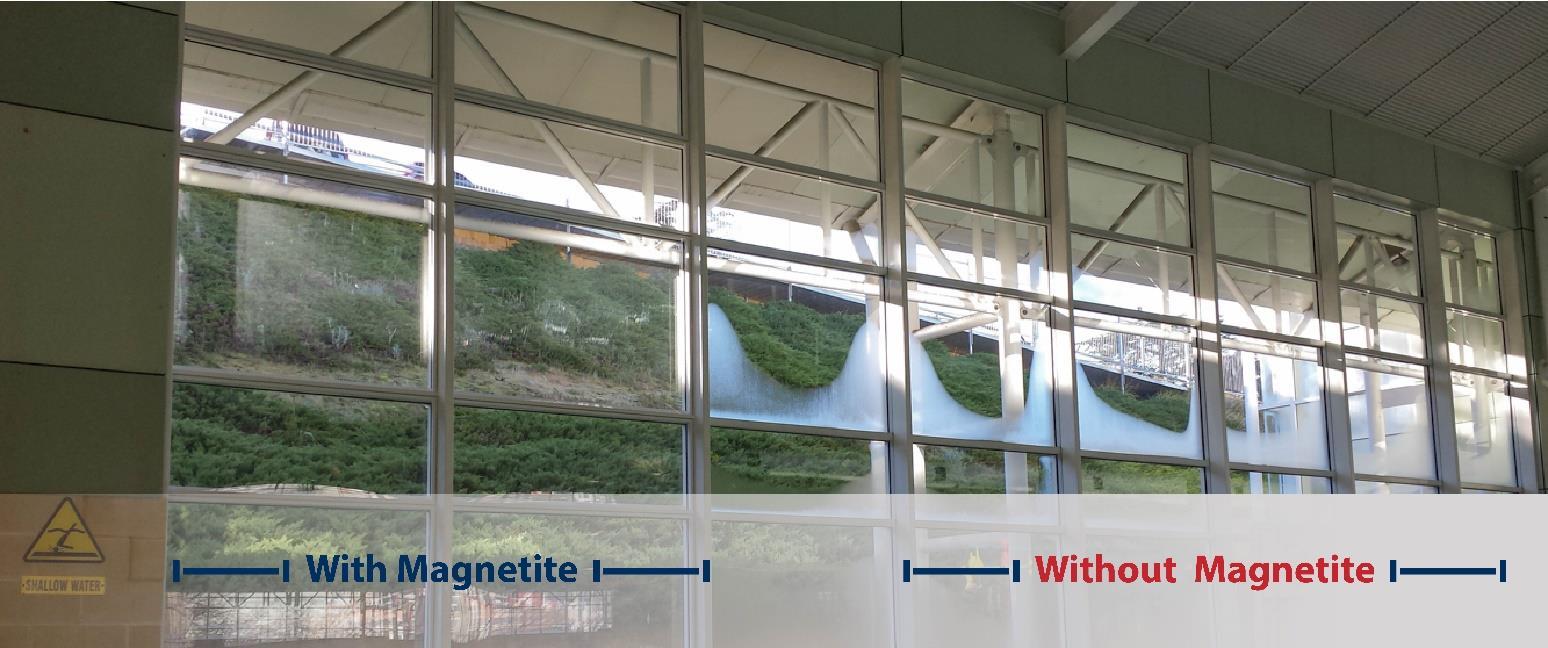
Image 4: Hobart Aquatic Centre
Understanding Noise
Sound penetrates windows through leaky seals or vibrations through the window structure. To reduce noise, a window should minimise air infiltration, hold enough weight to limit vibration and allow a large air cavity. This cavity, or air gap, is the key to secondary glazing.
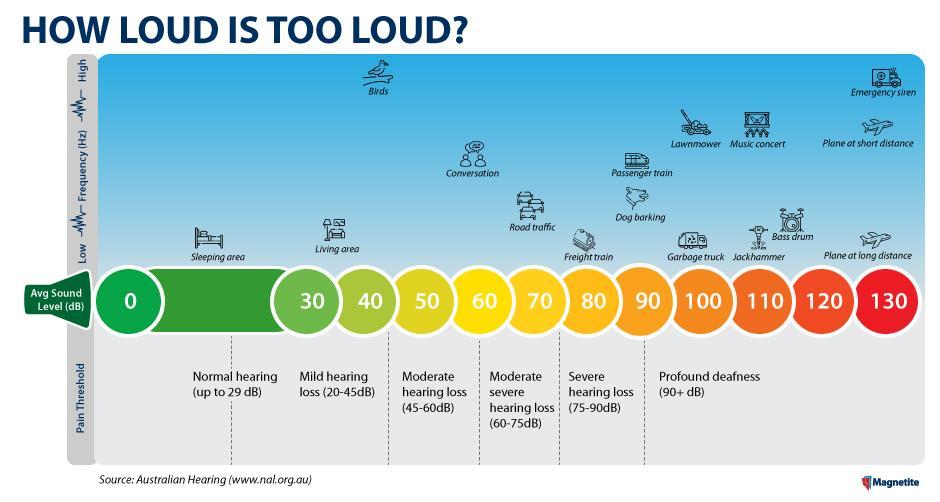
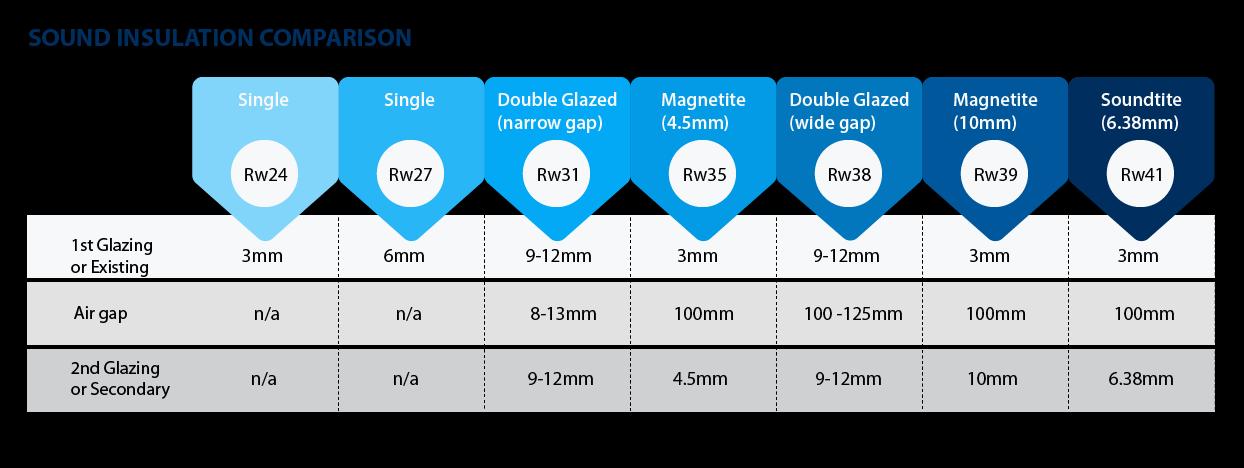
Acoustic tests produce a rating for a particular material. The Building Code of Australia (BCA) uses a Rw scale to measure external noise entering buildings. The higher the Rw number, the better the structure is at reducing noise. The human ear is less sensitive to low-frequency sound. As such noise meter readings are often adjusted to account for the perception of sound by applying an A-weighting dB (A) and measured in decibel units (dB). Improvements in the sound rating of building material (or “corrections”) can be applied to account for frequencies. The most common correction is Rw+Ctr which corrects for low frequencies.
To measure performance, it is important to look at the whole window, including frames, seals, and glazing. Often, the performance of fixed glass panels will decrease when inserted into an operational window, due to leaks in the framing. The type of frame also has a bearing in that a lightweight, hollow frame will not perform as well as a heavier, solid frame.
While it is important to understand that the rating of a window will affect the noise performance of a room, the rating of other building elements must also be considered when looking at overall building performance. (e.g. walls, floors, and ceilings)
Working with the principles of noise transfer, Magnetite and Soundtite are designed for high performance, which is achieved by combining airtight seals with the ability to maximize an air cavity and the flexibility to vary glazing thickness to suit
Essential Facts
CSIRO Research by John Davy indicated an air cavity can effectively enhance sound insulation performance. Results show a wide air gap of 100-125mm will improve sound insulation by an average of 7 dB(A) more than windows with a narrow gap of 813mm. Due to a larger air cavity, secondary window systems will reduce more noise than single-glazed windows and even traditional double-glazed units.
Image 5: The Museum of Contemporary Arts [Inside the building – RHS, Outside the building – LHS]
Magnetite is a retrofit double-glazing system that is installed on the inside of existing windows, doors, and skylights. As a secondary glazing system, Magnetite is ideally suited to the improvement of the acoustic and thermal performance of an existing building
Features and Benefits
Reduce up to 70% of noise through existing windows and doors, delivering peace and quiet.
Improve glazing performance by up to 70%, reducing the building’s heating and cooling costs.
Magnetite ® uses acrylic glazing which is 6 times more thermally efficient than glass and magnetic seals to eliminate draught, creating all-year-round thermal comfort.
Product Specification
Materials
Core Products | Magnetite ®
Image 6: Sydney Harbour Marriott Hotel
How Magnetite works
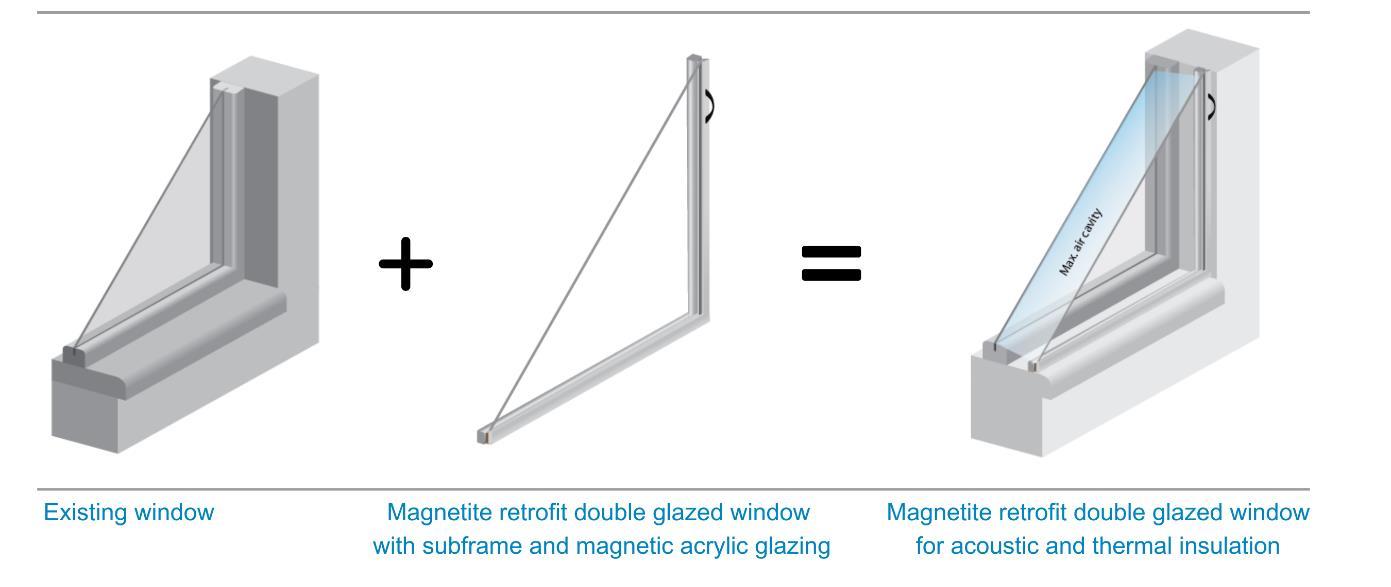
Magnetite panels can fit directly to the face of an existing window provided there is a flat co-planar surface as per diagram 1.
Alternatively, the more common method of installation is to install a subframe within the reveal. This creates an optimal air cavity and provides a thermal break from the first window (diagram 2)
The Magnetite system is custom fit for each installation to ensure optimal performance with minimal aesthetic impact for various shapes, even out-of-square windows. By customizing the installation, we can address the specific needs and requirements of each client situation.
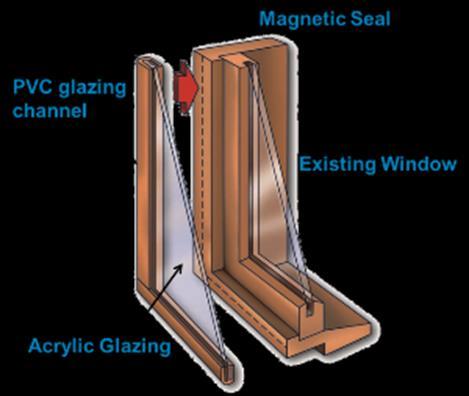
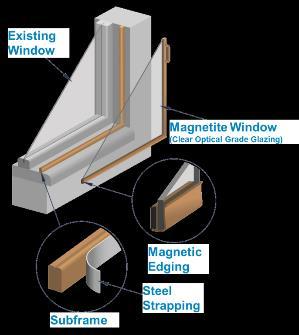
The Magnetite subframe, made from foamed PVC, acts as a thermal break between the existing window and the Magnetite secondary system. This subframe also allows Magnetite to attach to any existing window, whether timber, aluminium or steel.
The acrylic glazing panels are up to six times more thermally efficient than glass. Optical grade acrylic has similar or superior clarity to glass, ensuring no loss in visibility through the window when compared to traditional double glazing.
Solar control or low-e films may also be applied to the existing windows if a reduction in radiant heat is required. Film is applied to the inside layer of the existing glass, to reflect the heat before it enters the air cavity, for maximum performance.
The continuous magnetic seal ensures that when the Magnetite panels are in place the window insulation system has the lowest air infiltration rate of any operational window. The magnetic seal also allows the window to be easily opened for cleaning, maintenance, and fresh air when required. The magnet is embedded within our coloured PVC glazing channel so that it is not visible when the Magnetite panels are installed.
As with traditional double glazing, the air cavity acts as an insulation barrier against noise and temperature. Depending on the configuration of the existing window, we can manipulate the size of the air cavity to maximize thermal insulation, acoustic insulation, or both.
Comparison of Magnetite performance
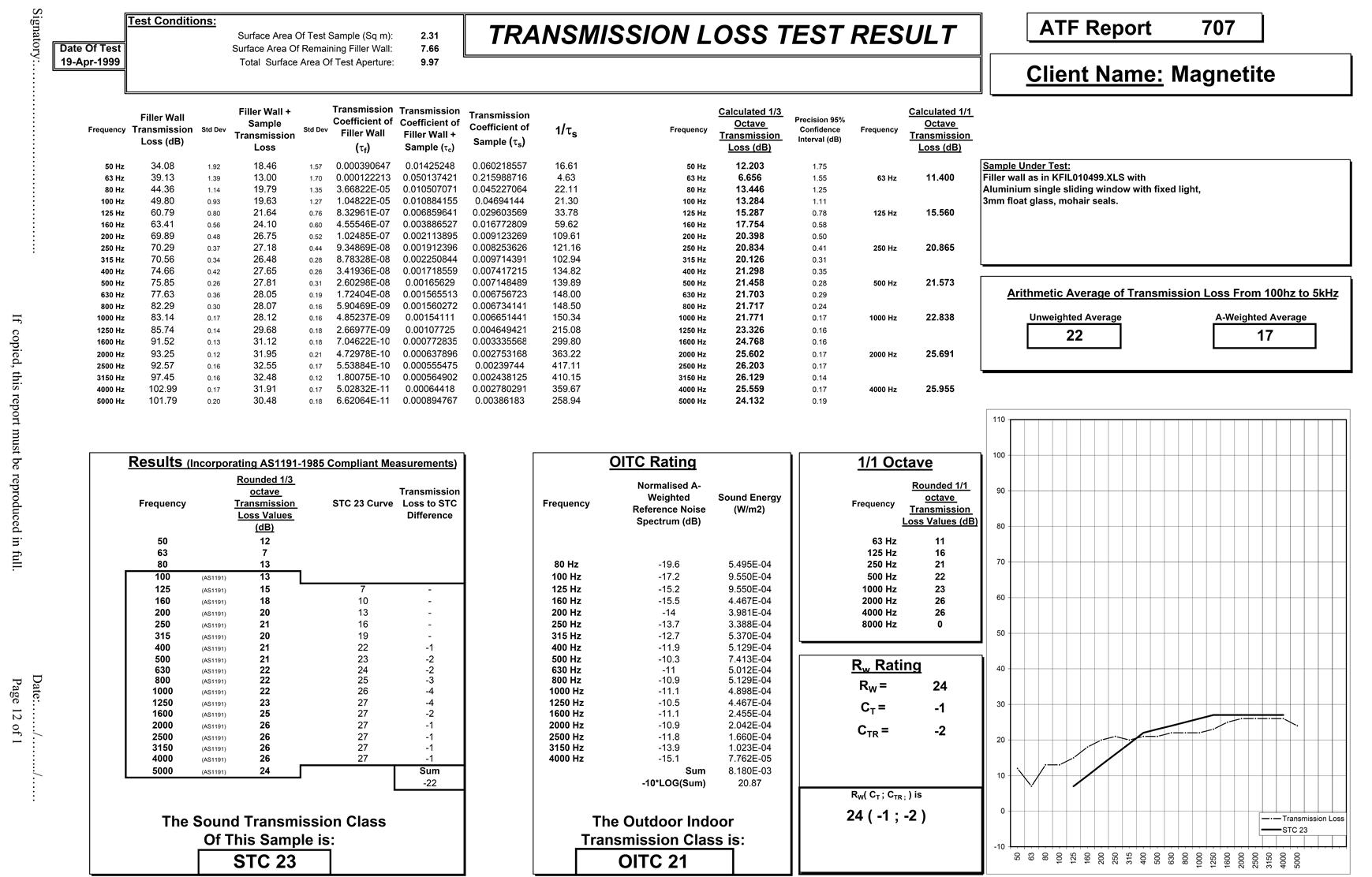
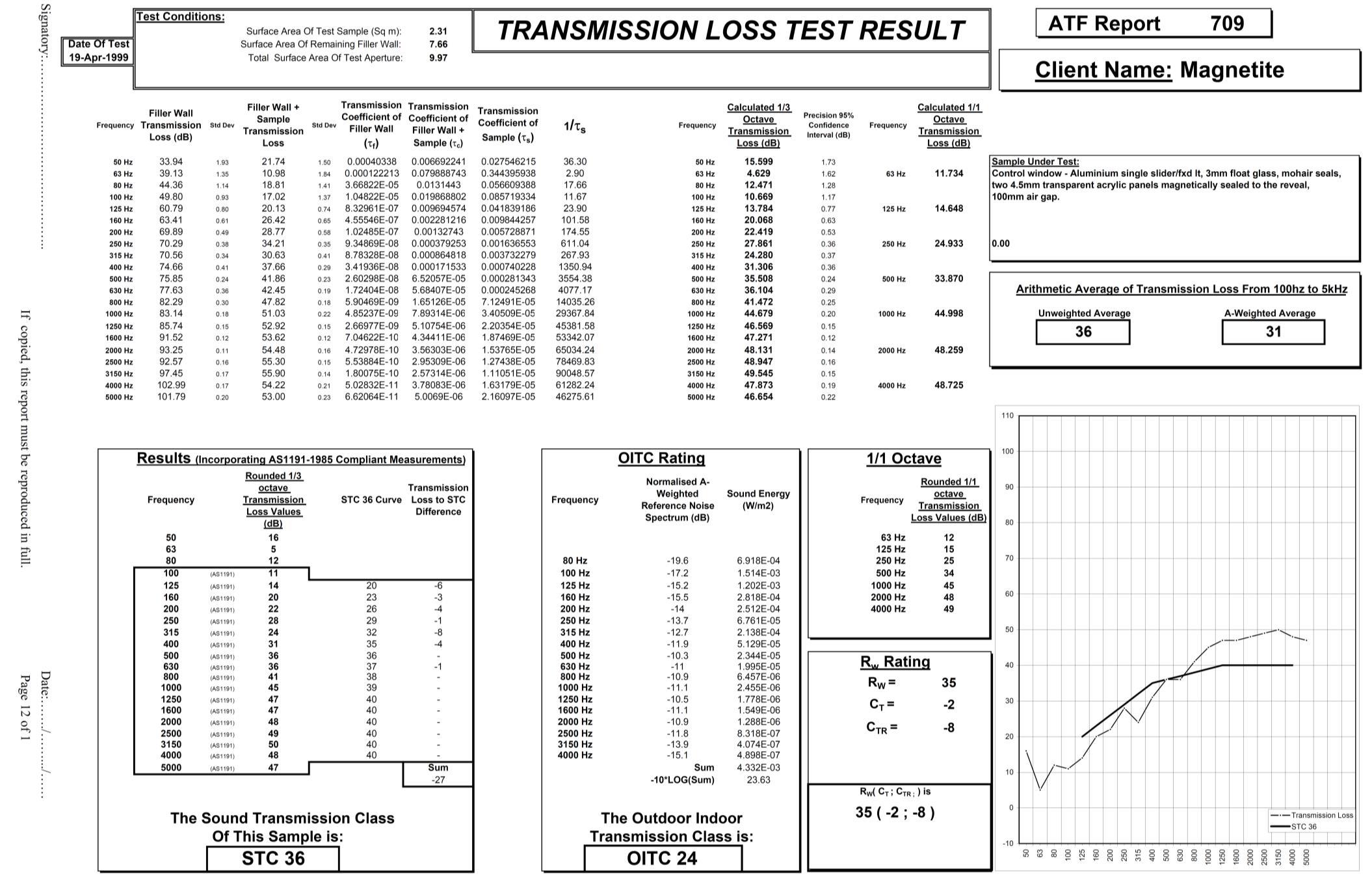
(MAG-005-07) Magnetite 4.5mm, tinted glass,
Air Infiltration
How to Specify
o Select glazing thickness – Standard 4.5mm or 10mm;
o Select model – Classic, Easyglide or Slider
o Indicate the required air cavity (narrow, wide)
Applications
The Money Box, 5 Martin Place Sydney
The 5 Martin Place project was a redevelopment of the Commonwealth Bank's iconic Money Box building. The project refurbished the existing heritage building as well as incorporated a new ten-floor office tower that cantilevers over the historic building. Magnetite was commissioned to double-glaze the existing steel-framed windows in this 1916 heritage building. The installation was awarded the 2015 AWA Design Award for Best Use of Windows and Doors in a Commercial Renovation
PARKROYAL
Darling Harbour Sydney
The PARKROYAL Darling Harbour in Sydney retrofitted its existing single glazed façade with Magnetite to reduce the noise from the nearby highway and the buzz of pedestrians, providing the best possible level of comfort for its guests. Magnetite’s slimline profile fits neatly with each of the 360 existing windows, to maintain their expansive view while reducing the maximum amount of noise. The hotel remained operational throughout the installation, with rooms returned to service the same day.
Citiclub, Melbourne
Creating building efficiency was the aim of upgrading the former headquarters of the RACV in Melbourne’s CBD. Magnetite was applied to the hotel section of the building to improve the glazing’s energy performance. The total upgrade provided energy saving in the building by 27% and increased the NABERS rating from 2 ½ stars up to 4 ½ stars, adding comfort and value.
Core Products | Soundtite
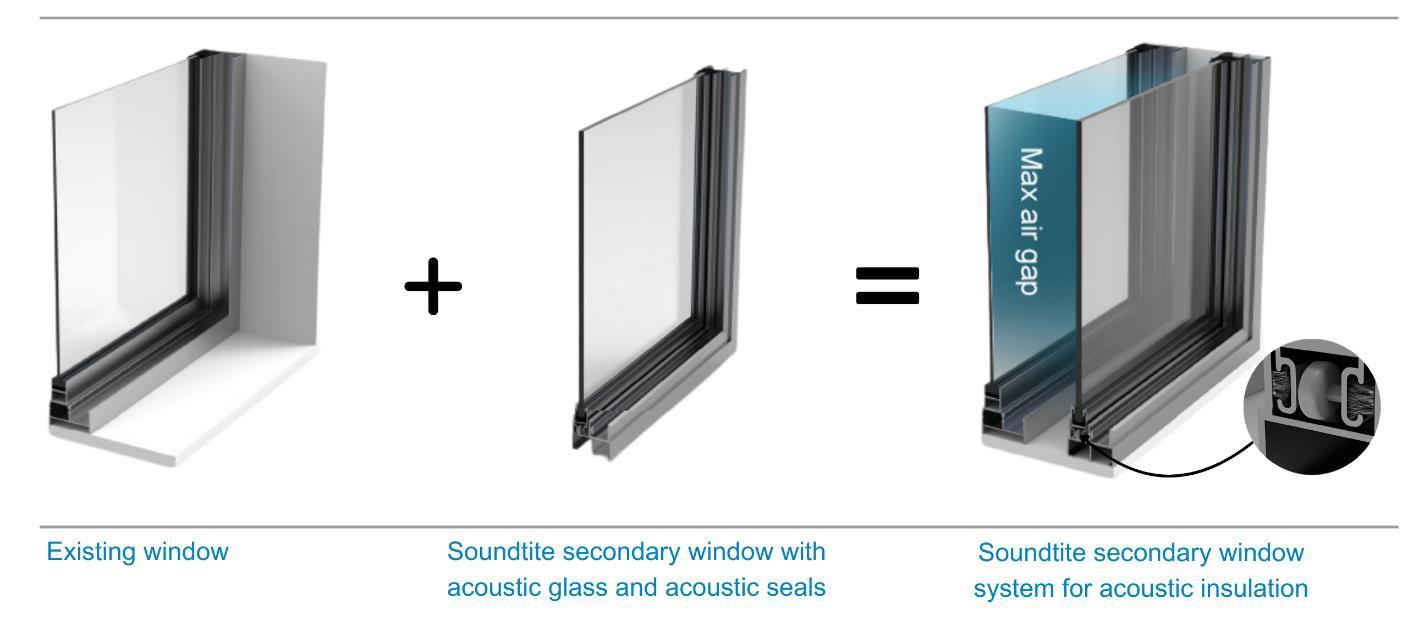
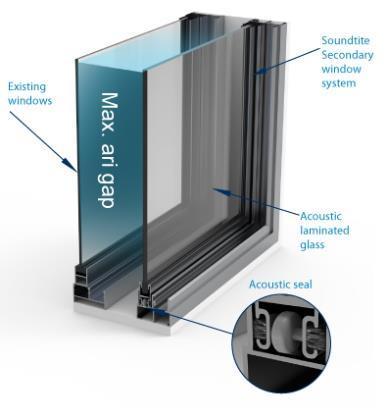
Soundtite is a secondary aluminum window system specially designed to reduce noise through an existing sliding window or sliding door. The system can be designed to slide horizontally or vertically to match the existing aluminum window function and design. As a secondary glazing system, Soundtite is ideally suited to the improvement of the acoustic performance of an existing building
Features and Benefits
Soundtite comes with acoustic glass and seals for best soundproofing solutions
The system can be designed to slide horizontally or vertically to match existing window or door, with all sashes can slide for ease of operation.
Soundtite system promises durability and performance with our seven-year warranty on workmanship
Product Specification
Materials Frame Aluminium
Glazing Channel Aluminium
Glazing
Standard Laminated Glass
Special Order Colour matching
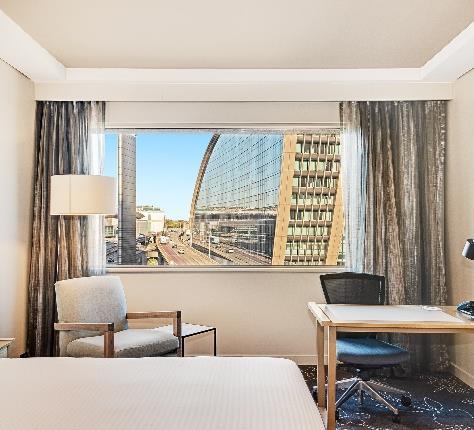
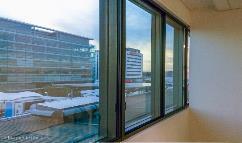
Image 7: Park Regis, Sydney
How Soundtite works
Soundtite’s aluminium frame is installed to the inside of the existing window or door. A maximum air cavity is created between your existing windows or doors and the Soundtite system, which will act as a barrier to insulate against the noise. The acoustic seals around the Soundtite panels will further enhance noise reduction. The aluminum frame can be powder coated to match existing windows or doors, to ensure your view is maintained. Soundtite’s acoustic glass comes in various thicknesses to suit the type of noise you want to minimise – 6.38mm, 6.52mm, 10.38mm or 10.52mm. All window sashes can slide for ease of cleaning or operation.
Comparison of Soundtite performance
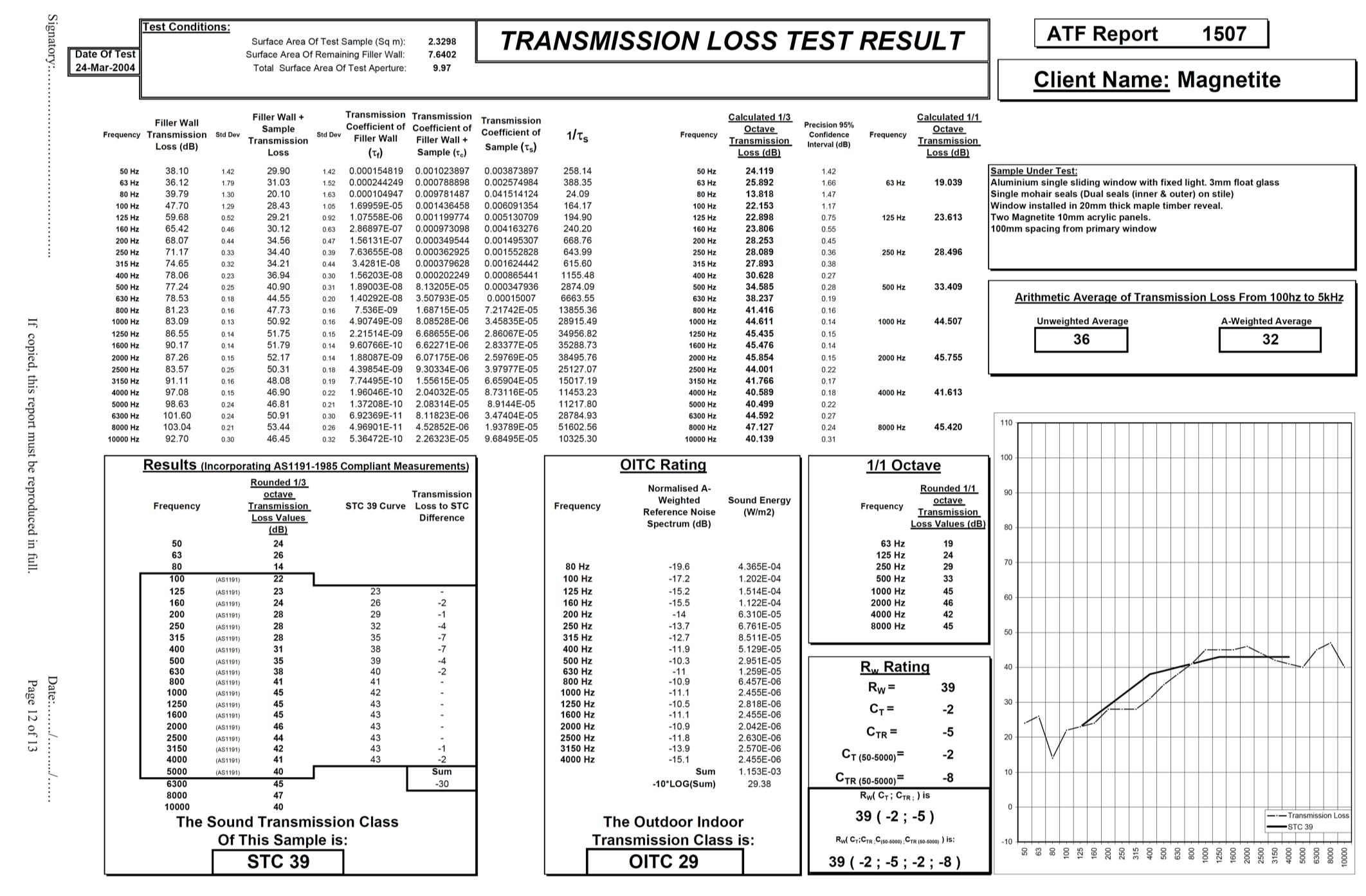
Acoustic
Rw (C;Ctr) 6.38mm Soundtite Door, 100mm air cavity
How to Specify
o Select glazing thickness – Standard 6.38mm, 6.52mm, or 10.38mm; Special order 12.38mm
o Select sliding type – vertical, horizontal.
Applications
RMS Kirribilli Office, Sydney
Being built into the Cahill Expressway viaduct, the offices are partially below the road level. The combination of noise and vibration was unavoidable and became the key challenge in converting this “bunker” into a comfortable and modern office space. Magnetite installed 60 Soundtite windows to insulate windows on both ground level and first level office. A 12.38mm laminated glass was specified by the acoustic engineer to enhance the soundproofing and minimize vibration. Working in partner with Pyrotek, all air cavities were lined with sorberfoam PU, an acoustic absorption foam to help reduce more vibration.
Sydney Airport Services Department, Sydney
Magnetite was called in during the redesign for the SACL (Sydney Airport Corporation) office in the Sydney International Airport. The key task was to reduce the noise and improve the comfort level for occupants. Magnetite retrofitted Soundtite secondary aluminium system to 20 windows. Using 6.38mm laminated glass and a maximum air cavity, Soundtite created a buffer which deliver optimum soundproofing.
Core Products | Solartite
Solartite is a range of high-performance solar control films. Working with Magnetite retrofit double glazing, Solartite offers a solution for existing windows that require a reduction in radiant heat. Applying film to the inside layer of the existing window means we can reflect heat, for optimum performance. Solartite films come with a scratch-resistant coating.
Features and Benefits
Solartite can reduce radiant heat through existing glazing, making your space more comfortable during hot days.
Solartite makes your space more thermally comfortable without the need to crank up the air, meaning less energy use and more savings on energy bills.
The installation is relatively quick and can be completed within a few hours, providing an immediate comfort in your premises
Product Specifications
914, 1219, 1524, or 1829mm
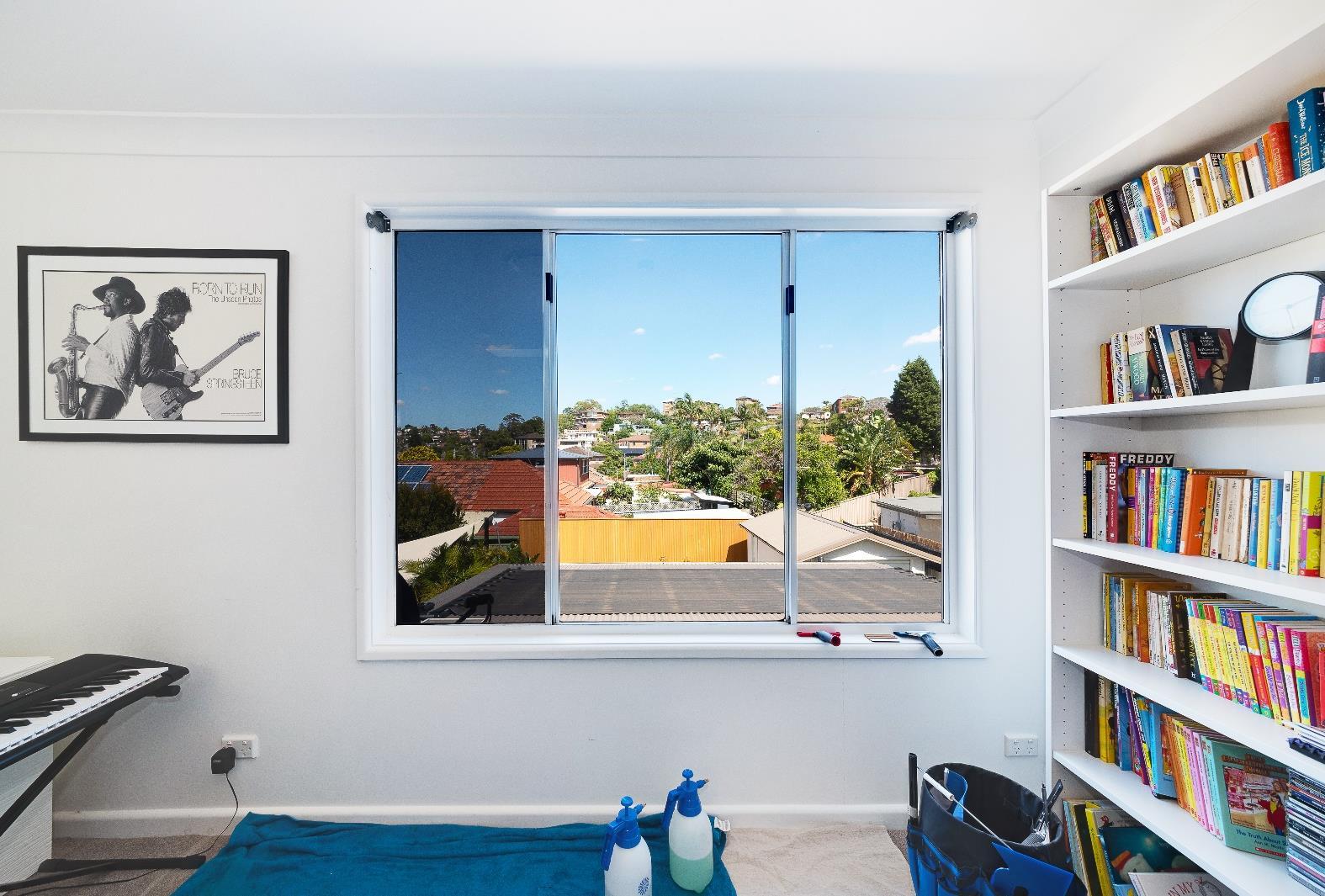
Image 8: Residential Job, Earlwood
How Solartite works
Solartite window tinting can only be applied to the existing window glazing. The window tinting will manage the solar heat gain, reduce glare and minimise radiant heat before it enters the room, keeping the room cool during summer. Solartite, in conjunction with Magnetite retrofit double glazing, will transform your standard, generic glass window into a high-performance glazing system. Testing through the Window Energy Rating Scheme (WERS) ensures that our customised solar control window films and film solutions can provide the best results for your home or office
Solartite offers three ranges of window films to cater for any combination of building style, orientation, privacy, and appearance:
Heritage - These films are low sheen with a neutral to grey window tint. Ideal for older, period style, or heritage homes, they are not overpowering and maintain the character of your home.
Modern - These films are low sheen, with a neutral to bronze window tint. Ideal for a face-lift or renovation, strata buildings or homes with views since they have low internal reflection at night.
Ultra - These solar films are high-sheen, high-performance films for maximum heat rejection. Ideal for laminated glass and westerly-facing windows which take the brunt of the sun's heat.
Comparison of Solartite performance
Applications
Liverpool Hospital Neonatal Intensive Care Unit
Premature babies are susceptible to changes in temperature and noise, so the management staff decided to create and maintain a stable interior environment for up to 30 babies in their Newborn Care facility. Solartite was applied to the West-facing windows to reduce radiant heat and Magnetite panels were then installed. This created a large air cavity to reduce outside noise and maintain indoor temperature. Solartite combined with Magnetite provided optimum performance to meet and exceed EPA standards.
Core Products | Sealtite
Sealtite is a range of acoustic and weather seals that will improve the insulation in your home or office. This solution enhances the performance of existing windows and doors by applying suitable draught-proofing strips that is appropriate for the window or door style and maintain easy operation.
Features and Benefits
Window or door seals can give up to 3dB of noise reduction across both high and low frequencies, providing enhanced soundproofing With draughts through windows and doors accounting for 15%25% of heating and cooling, Sealtite is an effective way to insulate your home in winter and summer. The installation is relatively quick and can be custom fir to your existing timber door and windows, providing immediate soundproofing.
How Sealtite works
Magnetite can retrofit seals to all styles of doors and windows both timber and aluminium. Sealing your home is an easy and cost-effective way to improve the comfort of your home and office. Our methods and techniques allow us to fit seals and cater for gaps large and small without changing the operation of the window or door meaning this solution is a must for leaky and rattly doors and windows.
Sealtite is available in various models to suit your requirements and existing windows or doors including perimeter seals and automatic bottom drop seals.