FUELING DISCOVERY
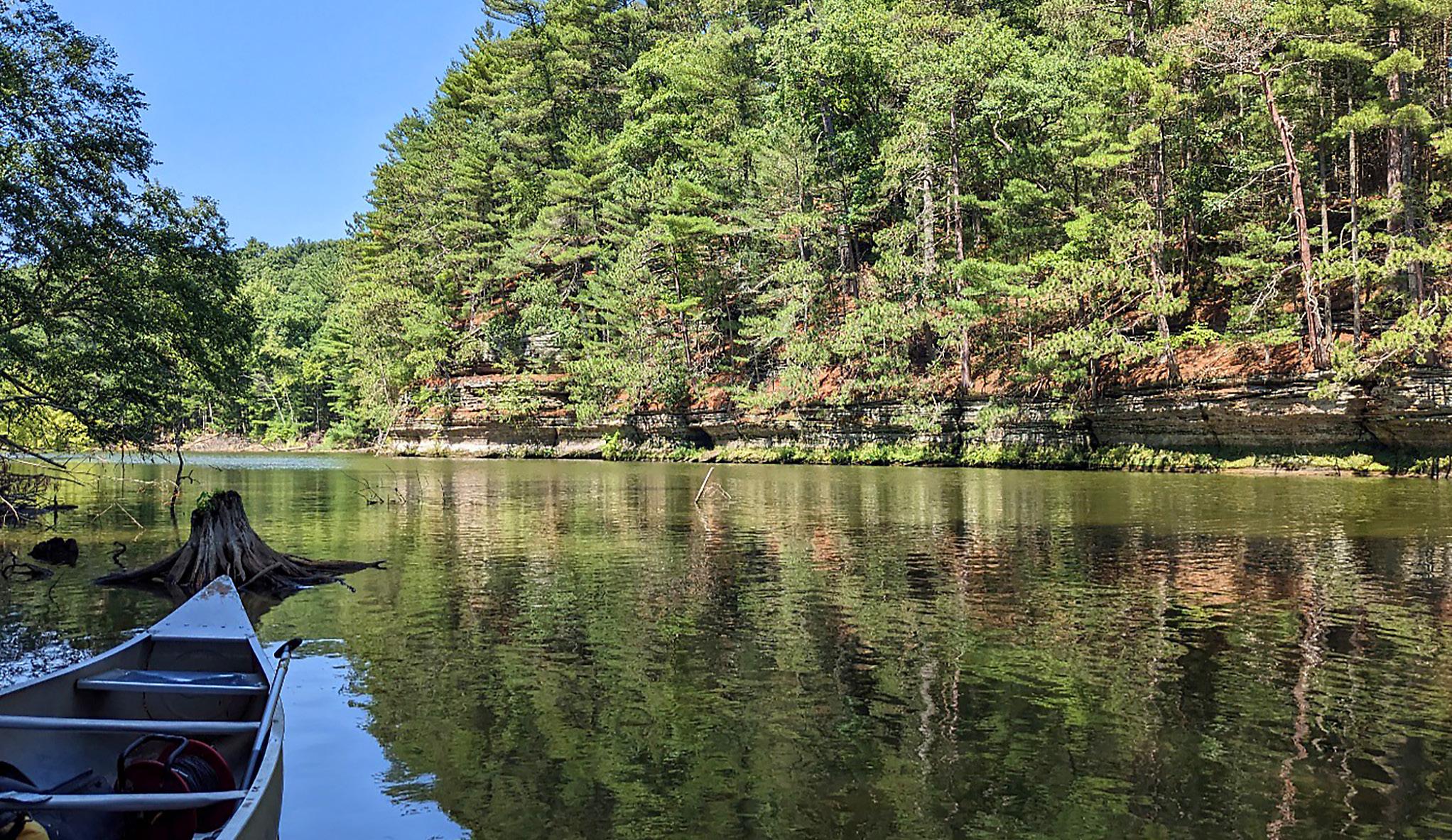
• Photo by Chris Zahasky (UW–Madison)
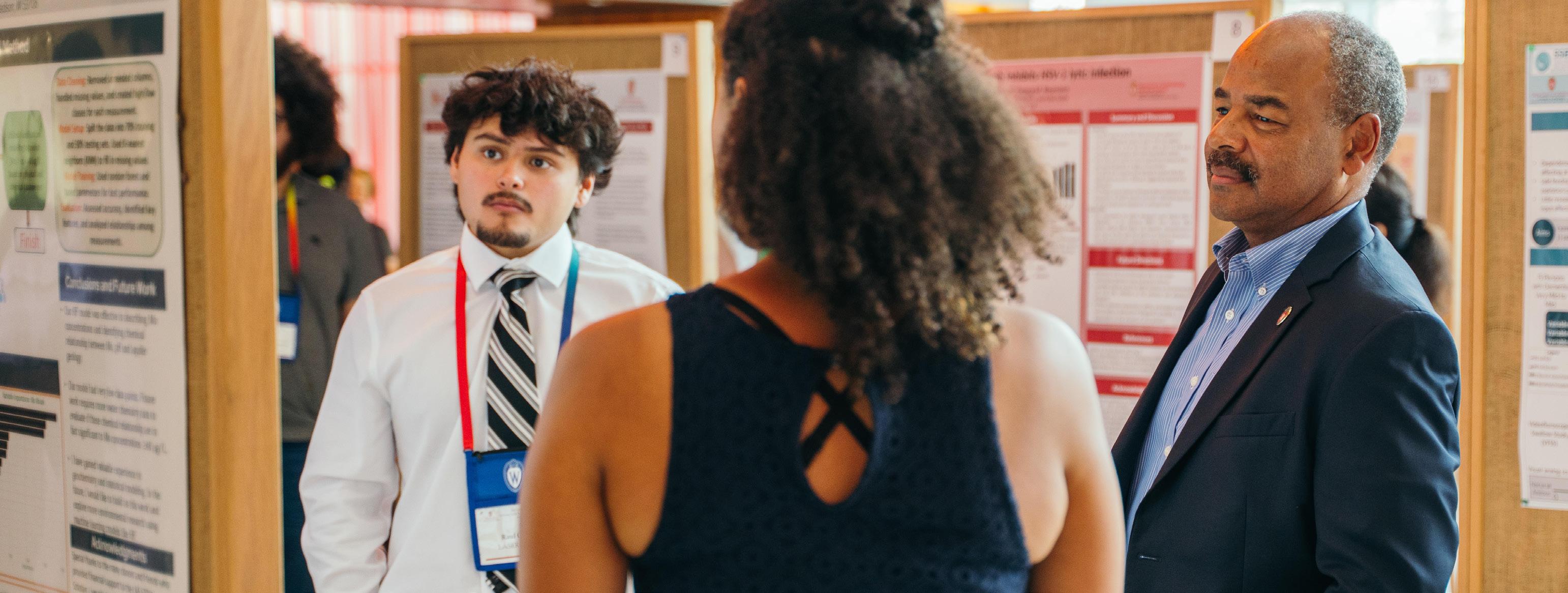

In the College of Letters & Science, we center our work around the Wisconsin Idea. This is the promise that the education and research at UW–Madison should have an impact that stretches beyond campus to directly improve the lives of citizens, benefit communities and inspire us all. As a land-grant institution, this is our mission, but as scientists and humanists it is our passion.
One major way that we put these words into action is by prioritizing curiosity-driven research. Our students, faculty and alumni are driven by questions of how and why. We seek to understand the natural world we inhabit, from the inner workings of the human body to the vastness of space. We think deliberately about how our brains run and how we as humans interact with one another as individuals and as societies. We care about how this exchange has changed the course of human history — and how that history was passed down, written and told. L&S research is also informed by thinking about our political systems and our cultures and the sometimes difficult truths this thinking reveal. As technology continues to shape the word and the way it operates, we look for the impact — both positive and negative — for society as a whole, but also its effects on the individual lives of workers, families and everyday citizens. This curiosity leads us down winding roads with unexpected discoveries along the way, as we pursue answers to some of life’s biggest questions.
Our university is among the top research institutions in the world, and as a result, the campus is buzzing with inquisitive energy. Each year, Fueling Discovery celebrates the work done within this powerful research engine and the ways L&S researchers are making an impact. In these pages, you will read about the changing trends in aircraft turbulence, the power of quantum computing, the impor-
tance of understanding what’s in our groundwater and much more. Each of these faculty members are leaders in their field, driving change that will propel us toward a better future. You’ll also hear from students, who are studying everything from the gas exchange of plants to confidence judgments in early childhood. Seeing our undergraduate students in the lab doing hands-on research is especially meaningful to me, because it is these types of experiences that propelled me when I was a student. And the skills they learn here on campus will shape them as learners and leaders throughout the course of their life.
This year’s issue of Fueling Discovery comes at a time when research continues to face significant headwinds. For 80 years, the federal government has been the primary supporter of this crucial work, bringing about scientific advancement through partnerships. The weather satellite technology we rely on every day was the direct result of one such partnership between the National Oceanic and Atmospheric Administration (NOAA) and researchers in our Department of Atmospheric and Oceanic Sciences. It’s discoveries like this that have pushed our society forward. But the landscape has shifted, and today that support remains uncertain. Still, we are resolute in our belief that moving research forward is crucial and necessary.
As the liberal arts college of a major research university, L&S is uniquely positioned to foster the kind of interdisciplinary research that leads to transformative discoveries. The work that happens here is possible because we embrace a broad, integrative approach to knowledge — one that values connections between the sciences and humanities. By fueling discovery today, we are investing in our future and that of our children and the world they will inherit.
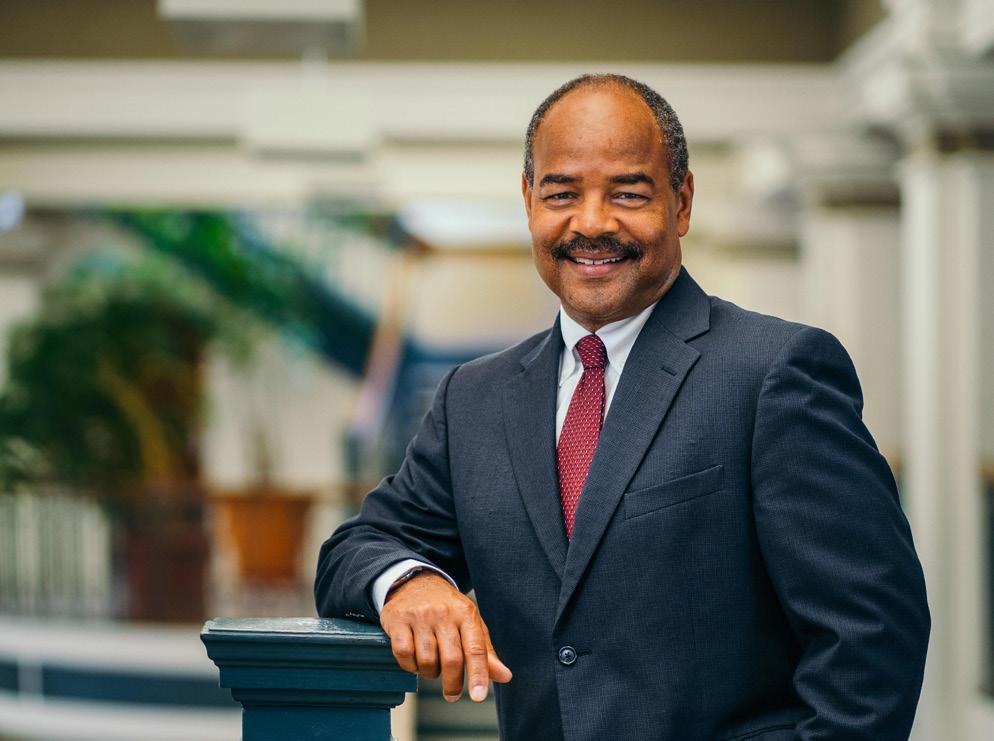
Eric M. Wilcots is the Dean of the College of Letters & Science and the Mary C. Jacoby Professor of Astronomy in the Department of Astronomy, his home department since 1995. Starting on May 17, he will serve as the Interim Chancellor for the University of Wisconsin–Madison. As Dean, Wilcots has championed the value of a liberal arts and sciences education, prioritized the undergraduate experience and encouraged researchers to tackle the tough questions of our time.
ERIC M. WILCOTS
Dean and Mary C. Jacoby Professor of Astronomy, College of Letters & Science
CHRIS ZAHASKY
Associate Professor, Department of Geoscience
MAYRA I. OYOLA
Ned P. Smith Distinguished Chair of Meteorology and Assistant Professor, Department of Atmospheric and Oceanic Sciences
ALFONSO MORALES
Vilas Distinguished Achievement Professor, Department of Planning and Landscape Architecture
GRANT NELSESTUEN
Associate Dean for Arts and Humanities and Professor of Classics, College of Letters & Science
JESSICA LEE STOVALL
Assistant Professor, Department of African American Studies
LYN VAN SWOL
Associate Chair and Professor, Department of Communication Arts
MATTHEW OTTEN
Assistant Professor, Department of Physics
THERESA DELGADILLO
Vilas Distinguished Achievement Professor and Director Chicanx/e & Latinx/e Studies Program, Department of English
JEFFREY CHURCH
Professor, Department of Political Science
MONICA MACAULAY
Ada Deer Professor, Language Sciences Program
KAYLIN DEHART
Undergraduate Student in Botany and Neurobiology
IZZY SUNBY
Undergraduate Student in Political Science and Spanish
MEREDITH SERRANO
Undergraduate Student in Psychology and Neurobiology
KATIE KRUSE RATHER
Associate Vice President and Managing Director, Wisconsin Foundation and Alumni Association
Letters & Science Dean: ERIC M. WILCOTS
L&S Assistant Dean of Strategic Communications and Advancement: DENISE P. HICKEY
L&S Editor and Content Strategist: ALLI WATTERS
L&S Creative Services Specialist: CARLIN G. SOOD
L&S Advancement Manager: SCOTT A. CARTER
L&S Senior University Relations Specialist: AARON R. CONKLIN
L&S Student Photographer: JAKE PIPER
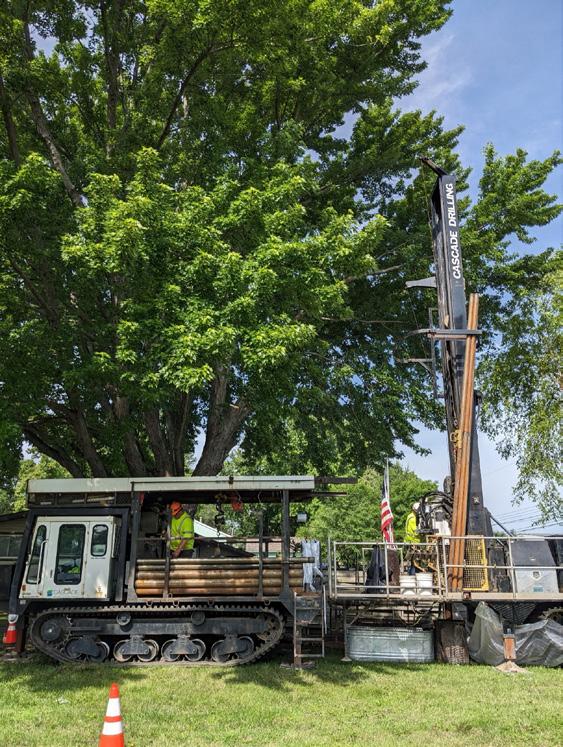
Groundwater is recharged into the aquifers beneath our feet through precipitation, snowmelt and surface water exchange. These processes are often slow, occurring over years, centuries and sometimes even millennia.
The straight-six Ford engine roared to life. In the confined space of the pump house, the noise was deafening as we watched the water pump kick on. This pump was pulling groundwater up to the surface, headed for filtration and iron treatment before entering the municipal distribution lines in Footville, Wisconsin. Normally, the Ford motor is quiet — it’s only used as a backup generator when the pump house loses power. We had never come across this type of “hot rod” backup generator, but it illustrates both local ingenuity and how vital groundwater access is as a source of drinking water for the residents. My research focuses on the array of challenges facing groundwater quality and quantity across Wisconsin.
The reason my students and project collaborators were standing in a pump house in Footville is because while the water is treated for excessive iron and manganese, it isn’t treated for excessive radium. Radium is one of several harmful geogenic contaminants often found in groundwater throughout Wisconsin. Geogenic contaminants occur naturally in the rocks beneath our feet, and when we pump out groundwater, these contaminants may be present in the water. The research project that took us to Footville is focused on understanding how radium is mobilized in groundwater so that we can better understand how to construct wells and manage aquifers to minimize the expensive treatment that is otherwise necessary to provide safe drinking water.
The vast majority of people in Wisconsin rely on groundwater for drinking water, and Footville is by
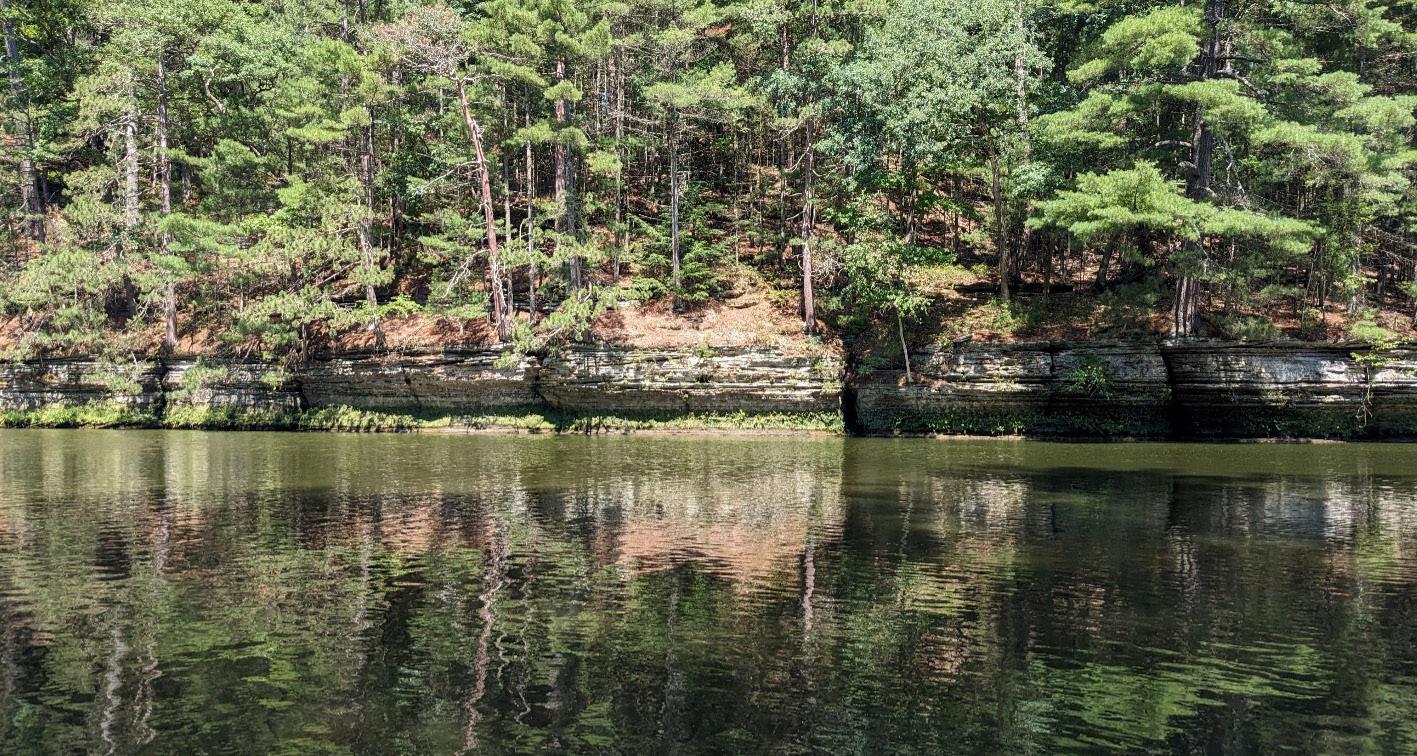
no means alone when it comes to groundwater quality issues. In addition to geogenic contaminants, my group studies the movement and fate of anthropogenic contaminants introduced by human activity, including PFAS, nitrate and phosphorus. For example, a graduate student in my group is building a model to understand future risks of PFAS contamination to new municipal wells being installed on French Island in the Mississippi River near La Crosse. Another graduate student is measuring how phosphorous in the Wisconsin River is stored in riverbank sediments to understand how these release mechanisms may contribute to algal blooms.
Water quality, however, is not the only concern impacting drinking water availability. As Wisconsinites, we are accustomed to feeling that water is an abundant resource because lakes and rivers are everywhere that we look. Below the surface, however, the story can be quite different. In many areas of northern and north-central Wisconsin, much of the groundwater is present in aquifers made up of the thin layers of sediments deposited during the last ice age. When this water gets contaminated — or when those sediments are too clay-rich to yield sufficient water — the wells are often drilled and hydraulically fractured deep into the crystalline rock below. Even then, wells may not provide enough water and can run dry for extended periods of time. A new project near Marshfield is working with dairy operations and other industrial users whose wells are not supplying the necessary volumes to sustain operations. With improved understanding of how
water moves through these complex aquifer systems, we aim to provide drillers, operators and regulators with new approaches to optimize water use in areas of the state where groundwater is scarce.
Groundwater is recharged into the aquifers beneath our feet through precipitation, snowmelt and surface water exchange. These processes are often slow, occurring over years, centuries and sometimes even millennia. As a result, the decisions that we make today about land use, waste management and groundwater withdraws will impact groundwater resources for years to come. As a sixth-generation Wisconsinite and faculty member at the University of Wisconsin–Madison, I get to study these groundwater systems while training the future scientists and regulators who will manage them, helping ensure our long-term access to clean, dependable groundwater across the state.
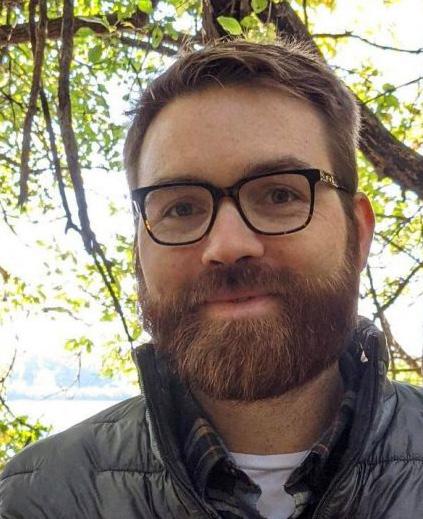
CHRIS ZAHASKY is an associate professor for UW–Madison’s Department of Geoscience. His research focuses on using experimental, analytical and numerical methods to improve understanding of fundamental physics and mechanisms of fluid, gas and solute transport in complex aquifer systems.
I study the invisible structure of the air that aircraft move through. Most people think of turbulence as random shaking, but it’s not random.
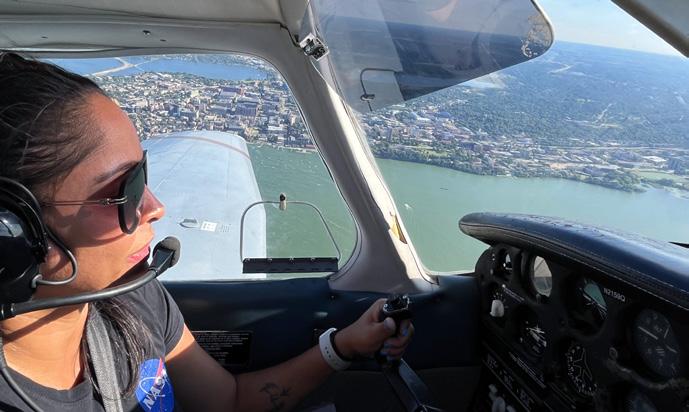
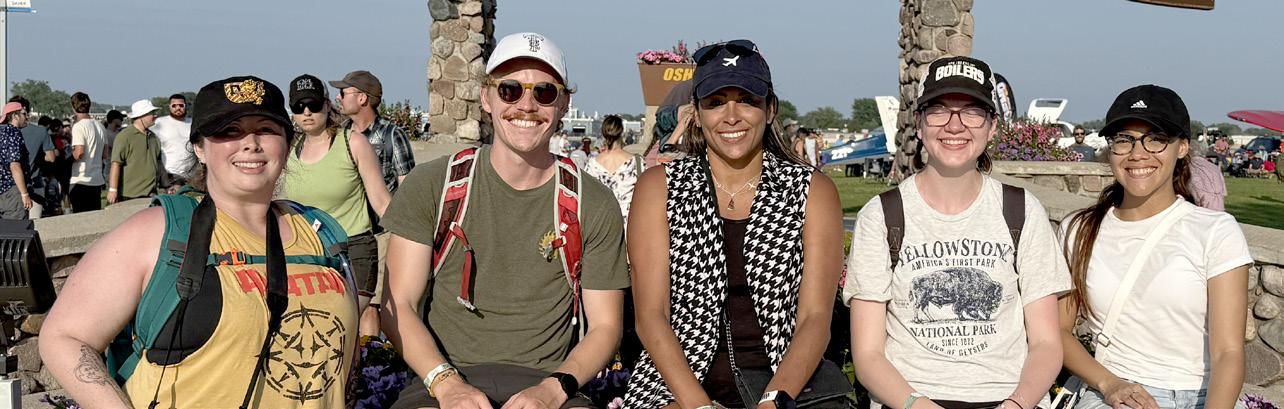
With a research specialty in severe weather and aviation hazards, it might surprise you to know that I didn’t step onto my first airplane until I was 20 years old. Growing up in rural Puerto Rico, airplanes represented movement and possibility, but they belonged to a world that seemed far removed from my own. Becoming a pilot or a scientist felt distant — even unrealistic. That distance is not so different from what many young people in rural Wisconsin experience. In communities rooted in land and resilience, opportunity can feel just out of reach, and education becomes the bridge between circumstance and possibility. It was for me. Today my research investigates the changing trends in aircraft turbulence with the aim of making flights safer. Plus, I’m in training to become a pilot myself.
After becoming a first-generation college graduate, I went to work as a scientist for the Department of Defense and then NASA, before moving to Wisconsin for a professor job at UW–Madison. I knew of the University’s strong research reputation and vibrant community, but what came as a pleasant surprise was the discovery that Wisconsin has one of the most aviation-centered communities in the world. In this state, flight is woven into history, economy and identity. Billy Mitchell, who played an instrumental role in the creation of the U.S. Air Force, made the argument that air power would shape the future while standing on Milwaukee soil. Truax Field in Madison is the base where pilots trained for World War II. That story did not fade, it evolved. Today more than 100 public-use airports serve communities across the state, including rural airports carrying medical flights and agricultural
aircraft. Dane County Regional Airport connects the capital to major cities, and each summer in Oshkosh, half a million visitors and thousands of aircrafts from around the world descend on Wittman Regional Airport, making it the busiest airport in the world for one week. Yes, here in our backyard.
Witnessing that was not abstract to me. The child who once watched airplanes from a distance now lives in a state where flight defines community. My research exists inside that context.
I study the invisible structure of the air that aircraft move through. Most people think of turbulence as random shaking, but it’s not random. High above us, powerful rivers of fast-moving air called jet streams move across the country. Along the edges of those rivers, winds change speed or direction abruptly, and those sudden shifts are called wind shear. When aircraft cross those boundaries, the air can become unstable, sometimes violently so. When a commercial flight encounters severe turbulence and makes national headlines, our field works to understand what the atmosphere was doing at that moment and how we can prevent that from happening. Where was the jet stream positioned? How sharp were the wind changes? Was there an unstable layer of air that allowed energy to cascade downward? These are not abstract questions. They determine whether flights remain safe. Closer to the ground, winds matter just as much. When wind blows strongly across a runway instead of along it, pilots must compensate constantly to stay aligned. Those
crosswinds can turn an ordinary landing into a challenging one, especially for smaller aircraft. In my lab, students analyze how often those conditions occur at regional airports like Madison and how they vary seasonally. They learn that atmospheric science is not just theory, it directly impacts safety at the airports that serve this state.
As a student pilot myself, I feel this every time I fly. Every takeoff depends on wind, and every landing depends on stability. What looks like calm air from the ground often contains structure that only instruments and science reveals. For me, airplanes and atmospheric science are inseparable. The sky that once symbolized distant possibility now represents responsibility. In Wisconsin, that responsibility is shared across generations, from the state’s aviation pioneers to the students in my lab and to the child standing along the runway fence in Oshkosh, looking up.
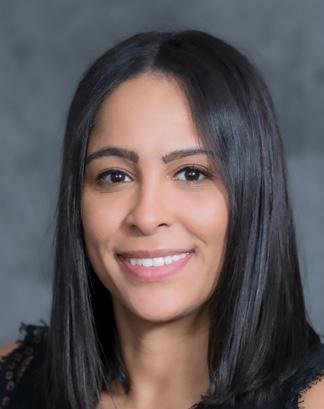
MAYRA I. OYOLA is an assistant professor and the Ned P. Smith Distinguished Chair of Meteorology, Atmospheric and Oceanic Sciences at the University of Wisconsin–Madison. A former Department of Defense and NASA scientist, she studies aerosols and weather processes using atmospheric modeling and satellite remote sensing. She also leads research on aviation weather, turbulence and flight safety.
Across rural and urban communities alike, we have consistently observed limited access to healthy food.
Since 2011, a team of UW–Madison researchers and community collaborators have secured $5.3 million in U.S. Department of Agriculture (USDA) and National Science Foundation (NSF) funding to support local food systems and farmers markets around the country. About $2 million of that came directly to Wisconsin, especially supporting the central parts of our state. These projects increase access to healthy food by expanding the use of Supplemental Nutrition Assistance Program (SNAP) dollars at farmers markets. Now, with support from the Wisconsin Department of Health Services, we are leading a statewide effort to expand these benefits across the state.
Let me share how this work began.
I joined UW–Madison 21 years ago, when my spouse Manuela Romero was hired to lead a statewide initiative to increase bachelor’s degree attainment among underrepresented domestic students in STEM fields. Since starting, I have dedicated my career to amplifying the voices and impact of farmers and farmers markets across Wisconsin, throughout the United States and internationally.
In 2008, I served on an expert team advising the newly formed Farmers Market Coalition. We surveyed 8,000 farmers market managers nationwide to better understand their needs. Their primary request was clear: They needed tools for data collection to help tell compelling, evidence-based stories about the economic, ecological and community impact of local food systems. From 2011 to 2014, I used a $500,000 grant from USDA to develop what is now Farm2Facts in collaboration with the Farmers Market Coalition, student employees and UW–Madison’s Teaching & Research Application Development office. This toolkit has since been used in 20 states by hundreds of farmers markets, equipping market managers and organizations with the tools to measure and communicate their impact.
Across rural and urban communities alike, we have consistently observed limited access to healthy food. Through our partnerships, we have helped communities better understand how local farmers and markets strengthen local economies and improve food access. Wisconsin markets began adopting Farm2Facts in 2016, starting with Fond du Lac. In 2018, we expanded into Central Wisconsin. Over the past seven years, our work has helped improve access to healthy food, support entrepreneurship and empower market leaders to communicate their value within their communities.
Associate Professor Edna Ely-Ledesma joined my department in 2019 and became part of the Kaufman Lab (named in honor of a late colleague) in 2021. Together, with more than 100 student alumni from the lab, we have supported farmers markets across multiple states, expanding healthy food access while evaluating and strengthening market programming. Ely-Ledesma is now the director for the lab, co-leading with the healthy retail state specialist for the UW–Madison Division of Extension, Kelly Hammond, a statewide effort to incentivize farmers market purchases in ways like successful programs in Michigan, Minnesota and Illinois.
As for me, I continue to lecture across Wisconsin through Badger Talks, as well as nationally and internationally, on the importance of local food systems, farmers markets and vendor entrepreneurship. With students in my lab, we have expanded opportunities in food and farm entrepreneurship and strengthened pathways for economic mobility.
Most recently, we are developing a new software platform: Food Equity Access Simulation Technology (FEAST). Creating this tool involves students, stakeholders across Wisconsin and the UW–Madison Data Science Institute. The tool will help local governments and organizations, such as Feeding America, model the impacts of

corporate and policy decisions on food access. For example, FEAST can simulate the effects of grocery store closures or changes to SNAP benefits. It can also model how retail shifts, such as Kwik Trip expanding local food offerings, affect food availability within communities.
I am especially proud of the students I have had the privilege to support. And there are countless examples of alumni pushing this work forward after graduation and exemplifying the impact of leadership in this field, including Chloe Green (assistant director for policy at the American Public Human Services Association), Lauren Suerth (lead strategy consultant for American Family Insurance), Dantrell Cotton (director of talent development at Attentive), Lihlani Skipper Nelson (deputy director of the Center for Agriculture and Food Systems at Vermont Law and Graduate School), Michael Stein (chief counsel to the House Agriculture Committee Washington, D.C.) and Lindsey Day Farnsworth (assistant dean and director of the Community Development Institute at the University of Wisconsin Division of Extension).
I hope those who read this feel pride in this great university and in the remarkable students and collaborators who make this work possible. Together, we are helping farmers, markets and communities become more entrepreneurial, more food secure and more resilient.
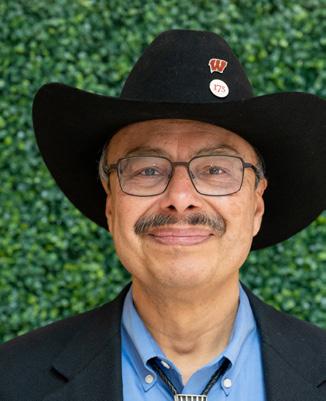
ALFONSO MORALES has worked his entire career in food systems and public marketplaces. He is a Vilas Distinguished Achievement Professor in the Department of Planning and Landscape Architecture at UW–Madison, and he is interested in applying science to support society and to help produce social goods.
I reflect on the work The SoulFolk Collective is doing. I know I am still here, grappling with this radical place-making work, but now with a collection of students who inspire me.
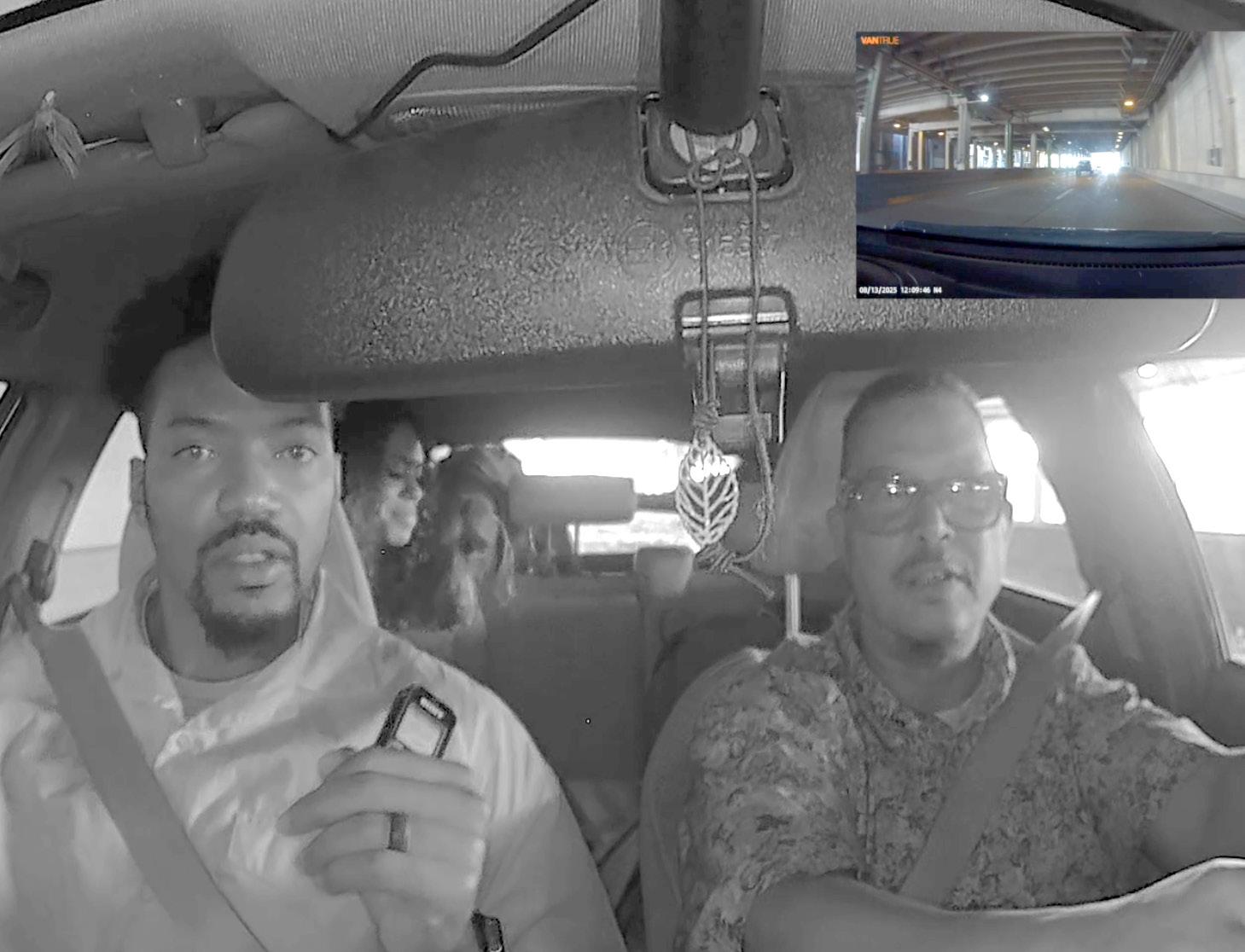
On a sunny day in August, I sat in the backseat of Brian Benford’s Honda Hybrid while he drove us down South Park Street in Madison, Wisconsin. In the passenger seat next to Benford sat Curtis O’Dwyer, then a third-year doctoral student in curriculum and instruction. Before the trip began, I had snuck an allergy pill because tucked up next to me panted Duke Ellington, a German Shorthaired Pointer, who would occasionally whine and pause his heavy breathing to rest his head on my shoulder. While Benford, a former alderman, drove around Madison, he shared stories about the inspiring education happening in the local community centers, as he has worked every community center in the city of Madison since he moved here in 1979.
This go-along interview was part of my first research project as a new faculty member in the Department of African American Studies at UW–Madison. Over this past summer, my research team, The SoulFolk Collective, conducted 75 interviews with Black Madison residents to understand which places are Black-affirming in the capital city. Participants had the opportunity to choose a go-along interview style, where they drove us to their chosen sites to share space and stories with us, or a traditional face-to-face interview. We spoke to residents as young as 11 and as wise as 95 and endeavored to hear from the diverse and beautifully complex range of the Black diaspora. In addition, as the historical archive has historically excluded Black folks, the traditional interviews are accessible on the Wisconsin Historical Society website. On our lab website (soulfolkcollective.com), you can interact with a map of Madison and hear why Black residents chose these spaces. Understanding and collecting the experiences of my community members has been the root of my being for the last 20 years.
In 2002, I was a bright-eyed UW–Madison freshman who huffed up to the top of Bascom Hill to meet with the provost. I was the diversity committee intern of the Associated Students of Madison (ASM), the student government. There, I was the Speak Up campaign chair: I gleaned stories and testimonials of harassment and discrimination at UW–Madison to implore the administration to take action to improve campus climate. Twenty-three years later, as a faculty member, in most ways, this is my dream job. Yet, I notice how little the campus climate has changed. The school’s Black student population has never risen above 3%, and Black students tell me about the racial isolation and microaggressions they face. Returning meant that place-making in Madison would take intentional co-creation of the affirming learning environments that all students at UW–Madison should experience.
Last year, with the support of the most incredible undergraduate and graduate students, we created The SoulFolk Collective, which we affectionately call “SoCo.” Drawing inspiration from W.E.B. DuBois’ seminal work, The Souls of Black Folk, we are a family of qualitative researchers dedicated to conducting community-engaged and solution-based research that centers Black voices in our scholarly inquiry. We conduct research in the language of hope, tending relationships and trust with the community and each other. I have learned hope from the careful cultivation of stories from the Black community in Madison. From Benford, I learned about the UW Odyssey Project, which has been transforming lives by removing economic barriers to education. I also learned that he is still searching for a place to really call his own. Across interviews, Madison residents mentioned temporary Black-centered spaces,
like Juneteenth or Africa Fest, but that implementing regular programs and spaces in Madison has historically been a struggle.
Motivated by these stories and our investment in education, I am collaborating with SoCo to create the SoulFolk Saturday School, a Freedom School program for high school students that we will pilot in January 2027. As I taught high school English for 11 years, I am energized by the opportunity to create learning opportunities that center Black histories and joy, to cocreate radically generative spaces for Black students to bring all of who they really are. As I reflect on what it means to make a home in Madison, I think back to my 2002 self, anxious to use stories as a catalyst to make the campus and community better for all. When I walk across the bottom of Bascom Hill on my way to my office, I reflect on the work The SoulFolk Collective is doing. I know I am still here, grappling with this radical placemaking work, but now with a collection of students who inspire me.
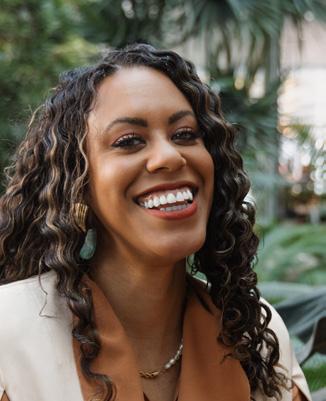
JESSICA LEE STOVALL is an assistant professor of African American Studies at UW–Madison, where she also holds affiliate positions in curriculum and instruction and education policy studies at UW–Madison’s School of Education. As the director of The SoulFolk Collective, her qualitative research lab rests at the intersection of Black Studies and Education. Stovall is an alumnus of UW–Madison, earning her bachelor’s in education in 2007.

The fundamental question is simple but profound: How do we live well in an age when machines increasingly mimic human reasoning?
Artificial intelligence is transforming our lives at an unprecedented pace, raising urgent questions about fairness and justice, knowledge and power, creativity and trust. How can we build and deploy AI systems that treat people and communities fairly? Who should decide when important decisions are handed over to algorithms? Are there areas of human life that should never be automated? Can AI reduce problems like misinformation and political polarization rather than worsen them? And when AI generates art, music, film and writing resembling the products of human creativity, how should we understand these outputs and the value we assign them?
The fundamental question is simple but profound: How do we live well in an age when machines increasingly mimic human reasoning, judgment and creativity?
Launched in January 2026 within the College of Letters & Science, the Center for Humanistic Inquiry into AI and Uncertainty confronts these questions head-on. The Center draws on the humanities to examine the meaning and ethics of AI technologies and their impact on society and culture. Its goal is to help shape a more human-centered future — one in which human values guide the development, deployment and use of AI.
A key theme across the Center’s work is uncertainty. While uncertainty is often treated as a technical problem — something to be reduced through better data or more powerful algorithms — the Center approaches it differently. In this context, uncertainty refers to the many ambiguities surrounding AI technologies and their evolving role in human life.
AI systems may be marketed as tools that remove doubt by predicting outcomes and automating complex tasks. Yet they also introduce new uncertainties. Questions arise about the data used to train AI models, the reliability of the outputs they generate and the accountability of those who design and use them.
For example, deepfake videos blur the line between real and fabricated images, making it harder to trust what we see on our screens. Similarly, the growing use of decision-making algorithms in fields such as healthcare and finance raises concerns about biases embedded in the often opaque data sets used to train them. These uncertainties are not merely “bugs” that better programming can fix. They are fundamentally ethical and social challenges that shape how we experience technology and live our lives.
This is where the humanities play a vital role. Fields like philosophy, history, communication arts and literature are uniquely equipped to examine ambiguity, understand social and cultural change, and address deep questions about human values, agency and responsibility. As AI reshapes our institutions and daily practices, human-centered inquiry becomes all the more essential for understanding its impact and guiding its future.
The Center brings together leading researchers who study the ethical, political, social and cultural implications of AI. Its steering committee includes faculty from philosophy, the information school, history and communication arts. Each year, the Center also hosts a new cohort of fellows whose research introduces fresh ideas and questions about the role and future of AI in human life.
Every year, the Center produces a white paper examining current and emerging developments at the intersection of AI, uncertainty and society. Drawing on research from fellows and faculty, the paper identifies pressing ethical and societal challenges and proposes frameworks for using AI in fair and responsible ways.
In keeping with the Wisconsin Idea, the Center’s mission extends beyond the bounds of campus. It hosts public forums, workshops and community discussions, bringing together scholars, policymakers, industry practitioners and members of the public from across Wisconsin. This approach ensures that debates about AI include a wide range of voices and perspectives.
By placing human values and ethical reflection at the center of AI research, the Center ultimately asks not only what AI can do, but what it should do. In a world increasingly shaped by algorithms, wisdom, responsibility and respect for human dignity have never been more essential.
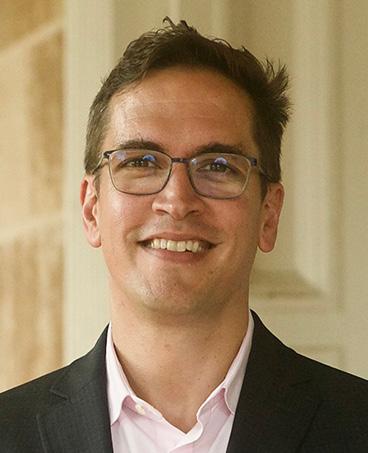
GRANT NELSESTUEN is the associate dean for arts and humanities at UW–Madison’s College of Letters & Science and a professor of classics. His research focuses on Roman political thought and cultural history, late Hellenistic intellectual history and the literature of the late republic and early empire.










Earning a credential, certificate, or degree has the power to transform lives. It can lead to financial stability, a fulfilling career, and a stronger community. We work to elevate opportunities so learners from low-income backgrounds can experience that transformation.
Through our national education philanthropy, we fund systemic change to ensure learners from low-income backgrounds have a path to upward mobility available to them.
As a student and employee success solutions provider, we support colleges and employers in promoting academic achievement, long-term financial wellness, and student loan repayment success.
In our role as an education impact investor, we invest in education-focused companies that create and develop innovations to improve learner outcomes.
In our PFAS research, we found that people aren’t just looking for definitions; they want solutions.
When Green Bay played the Bears in the playoffs, were you rooting for the Packers so much that you were certain they would win? This tendency to believe our favorite teams and groups are more likely to win is called “wishful thinking bias.” While it’s fun to anticipate a win, this bias can cloud our judgment and make us dismiss valuable advice from people who don’t share our loyalties. Yet my research suggests that listening to the “other side” is exactly what we need to do to make better decisions.
I study advice communication and persuasion at the University of Wisconsin–Madison. Generally, people benefit from taking advice, but they are often reluctant to do so, especially from those they view as rivals. To test this, I conducted a study in which Packers fans talked face-to-face about an upcoming game with either a fellow fan or a fan of an opposing team (in this case, Vikings or Bears fans). We also ran a similar study during the Big Ten football season, in which Badgers fans received written forecasts and advice about the game either from fellow Badgers fans or fans from the opposing Big Ten team. In both cases, we asked them to forecast the game’s final score.
We found that interacting with an outgroup rival significantly reduced wishful thinking and increased the accuracy of the forecasts. While a fellow fan might just reinforce your hope for a blowout, a rival forces you to consider risks and factors you might have ignored. Because the opponent has their own opposite bias, their advice often brackets the truth, which usually lies somewhere in the middle. By seeking advice from the people we disagree with most, we can identify our own blind spots and find a more balanced path forward.
While football scores are a fun way to measure bias, the stakes of how we process advice are much higher when it
comes to our health and environment. I apply these same principles of persuasion to help Wisconsin residents understand messages about “forever chemicals” (PFAS) in their drinking water and protect our natural resources.
In our PFAS research, we found that people aren’t just looking for definitions; they want solutions. Using search analysis tools, we discovered that people search for “how to remove PFAS” much more frequently than “what is PFAS.” Our surveys showed that messages highlighting high-efficacy solutions — such as using specific water pitcher filters — significantly increased people’s intention to take action. People want actionable advice, rather than explanations.
However, the way we deliver this advice must be tailored to the audience. In a study of municipal water users in Wisconsin, we oversampled Latino residents and found they perceived PFAS as a significantly higher risk than non-Latino residents. When we tested these messages on social media, we found a fascinating split: while English-language posts about “how-to” solutions (efficacy) got the most clicks, our Spanish-language posts were most successful when they highlighted the “risk” (threat) of the chemicals. This suggests that for some communities, highlighting the seriousness of the threat is the most effective way to increase interest in the message.
We see similar patterns in other contexts, such as protecting our waterways from invasive species. When presenting messages to trout anglers about cleaning their gear to stop the spread of New Zealand mud snails, we found that scaring them with the consequences was often not effective. Instead, providing clear, manageable steps — increasing their self-efficacy —
was far more effective. Likewise, when encouraging landowners to plant trees, we found that beginners responded best to narratives (stories about their neighbors), while experienced landowners just wanted effective next steps, like the technical facts about tax abatement programs.
My research doesn’t stay in a lab; it directly informs my teaching. I lead a course at UW–Madison called “Persuasion and Social Influence,” where students develop their own communication campaigns to reduce PFAS exposure. By applying these real-world theories, they learn how to translate complex science into messages that truly help their neighbors.
To ensure this work has an impact beyond campus, my team has held workshops with state foresters, Menominee Nation tribal leaders and the Department of Natural Resources. By understanding the psychology of advice and persuasion, we can provide public communicators with the tools they need to give advice that sticks, ultimately protecting the environment and the health of everyone in Wisconsin.
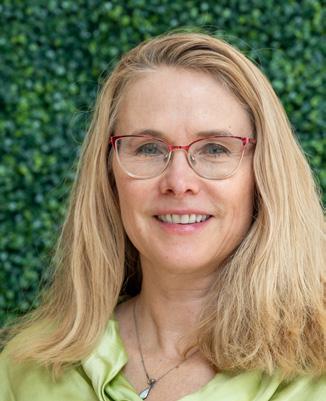
LYN VAN SWOL is a professor of communication science at UW–Madison and the associate chair for the Department of Communication Arts. Her research focuses on the theme of examining what factors are likely to increase acceptance of information during an interaction.
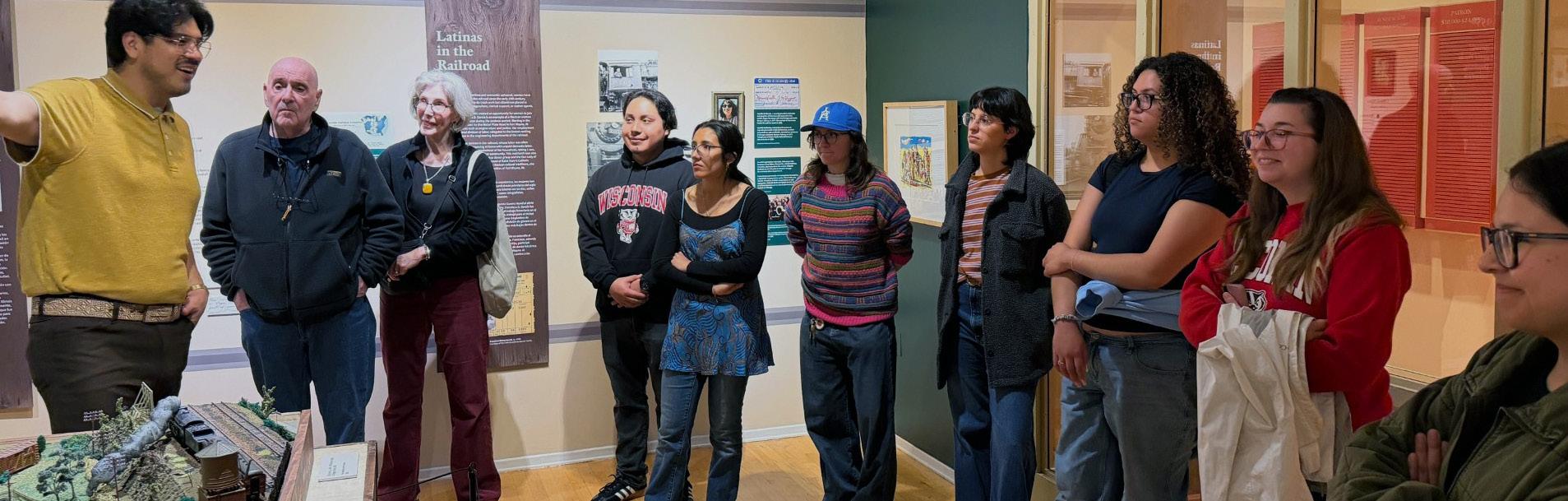
A recent visit to the National Museum of Mexican Art in Chicago reminded me of the power of Latinx studies. I went with students to see the “Rieles y Raíces” (“Tracks and Roots”) exhibit, which is all about the Mexican American workers who built railroads in the U.S. in the 20th century. This engaging and carefully researched exhibit shed new light on the long-untold histories of Latinx peoples in the U.S. You know what else was great about this exhibit? It was co-curated by UW–Madison graduate Ismael Cuevas, an alum of the program at UW–Madison where I now teach and research: Chicanx/e and Latinx/e Studies (CLS).
My research and teaching in English and CLS focus on Latinx literatures and visual cultures, so seeing “Rieles y Raíces” reminded me of the work of Latinx creative writers such as Tomás Rivera, Ana Castillo, Sandra Cisneros, Hugo Martínez-Serros, Luis Rodriguez and Fred Arroyo who offer us rich portraits of the perspectives and lives of Latinx agricultural workers, janitors, waitresses, cooks, upholsterers, assembly-line workers and steel workers in the Midwest. The exhibit is part of a broader shift in the last 20 years within Latinx studies to recognize, document and analyze the histories and cultural expressions of Latinx in this region. I have been fortunate to have been a participant in this shift through my work with colleagues across the Midwest on Building Sustainable Worlds: Latinx Placemaking in the Midwest, The Latina/o Midwest Reader and a book that I authored in collaboration with several Milwaukee Latina leaders titled Latina Lives in Milwaukee. Latina Lives in Milwaukee offers a history of Milwaukee Latinx peoples across the 20th century through a series of life stories by a selection of its Latina residents. These women tell us about the lives of those who arrived as immigrants between the 1920s and the 1960s. They describe how communities and families changed,
what opportunity looked like and what opportunities were foreclosed, what it took to keep a family or business together and how they participated in building and supporting Latinx communities. Building Sustainable Worlds brought together scholars across the Midwest to study the role of cultural expression in sustaining communities among multiracial Latinx populations. We looked at ethnic festivals, literature, performance, art, and spiritual and religious gatherings and found in these varied cultural expressions evidence of persistence, survivance, growth and transformation.
All of this work on thinking about the cultural dimensions of migration, and racial and ethnic diversity among Latinx peoples, also led me to consider this hemispherically. My recent book, Geographies of Relation: Diasporas and Borderlands in the Americas, focuses on Latinx, Latin American and African American film, fiction and performance. This work departs from a regional or national framework to examine the significance of relational thinking in forging fluid bonds and cultures across borders and nationalities among Black, Indigenous and mixed-race peoples in the Americas.
Since much of my research agenda centers on topics and issues that are of interest beyond academia, I seek ways to share as much Latinx studies research as possible beyond the university setting. Geographies of Relation is, therefore, an open-access publication, available for free to anyone across the globe who wants to read it. My deep interest in open access publishing goes back to 2011, when I founded an online academic journal now known as Latinx Talk. Dedicated to publishing short-form research and commentary in Chicanx and Latinx studies in a variety of formats made possible by digital publication, we publish research articles, audio and photo essays, reviews, commentary, video interviews and roundtable
exchanges on topics from multiple fields within Latinx studies. Recently, we have published multiple series including “Deportation and Coerced Return in the Americas” and “Latinxs and the Right.” We’re also publishing interviews with scholars and writers and articles on Puerto Rican art, early 20th century support for Mexican migrants in Kansas, the war against Venezuela and more. Plus, we’re working on a DIY stickers project for ethnic or social studies teachers.
UW–Madison students have worked on and published with Latinx Talk, as the site has expanded opportunities for undergraduates to share their research. When I began this publication more than 15 years ago, there was little information about Latinx studies available online. Latinx Talk has been a part of changing the digital information landscape by making peer-reviewed and engaging short form research about the diversity of Latinx populations in the U.S. widely available at no cost. Built through collaboration and a practice of mentoring, our site now has international and national reach. This year we were selected by the LYRASIS Open Access Community Investment Program as a diamond open-access publication deserving of support.
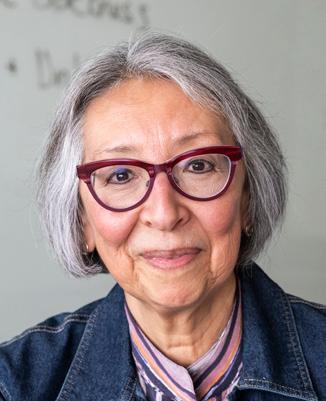
THERESA DELGADILLO is the Vilas Distinguished Achievement Professor of English and Chicanx/e and Latinx/e Studies. She is the founder of the academic journal Mujeres Talk and the co-founder and current board member of Latinx Talk, an interdisciplinary academic open access publication specializing in short-form research.
On a winter day in Wisconsin, you can watch chemistry at work. Road salt and moisture roughen a car’s frame. Steel structures slowly turn to rust. At the same time, we burn fuels that release carbon dioxide, and we rely on fertilizer to grow food — fertilizer that still takes a huge amount of energy to make.
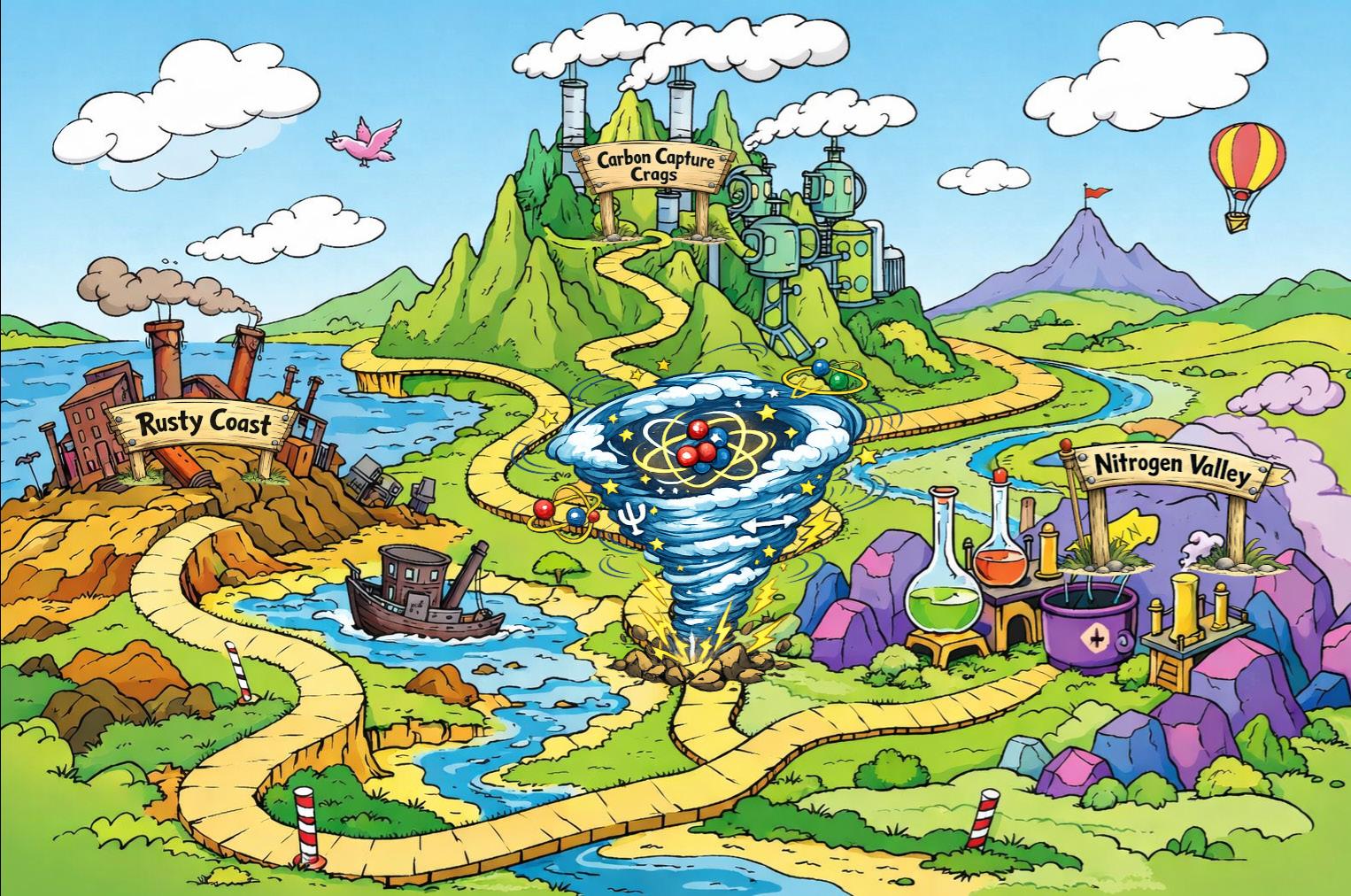
Corrosion, carbon capture and fertilizer sound like separate problems. In my research as a physicist, I think of them as three stops on the same road trip, because all three are controlled by the same tiny actors: electrons. Electrons decide whether metal stays strong or crumbles. They rearrange when a catalyst turns CO₂ into something useful. And they govern nitrogen chemistry, including the reactions that produce the nitrogen-containing compounds that modern agriculture depends on. In the figure on the right, you can see “Rusty Coast,” “Carbon Capture Crags” and “Nitrogen Valley,” with the swirling tornado of electron correlation halting our path to useful solutions.
If we could reliably predict what electrons will do in complex materials and molecules, we could design better alloys, better catalysts and better chemical processes with far less trial and error. The catch is that electrons follow quantum mechanics. When many electrons interact strongly, the number of possibilities explodes, and even our best classical computers can struggle. Classical simulation tools are powerful and often spectacular, but some of the most important cases remain stubbornly hard.
That is why I work on quantum computing for chemistry and materials. A quantum computer processes information using quantum effects. Because electrons are quantum, it’s natural to hope a quantum computer can simulate them more directly than a classical machine can. In the best cases, this could speed up calculations dramatically.
But it’s not automatic. Today’s quantum devices are still at an early stage: impressive, but noisy and limited. For many useful simulations, we will need future, fault-tolerant quantum computers that can run long calculations while continually catching and correcting errors (think of it as built-in proofreading). My job is planning for that future: figuring out what problems are worth targeting, what algorithms make sense and what it would really take to run them on a real device.
A big part of my research is building resource estimates. These are end-to-end budgets that connect a scientific question to an engineering plan. We start with a concrete target, like a reaction step on a catalyst surface or an electron process relevant to corrosion. Then we choose a quantum algorithm, translate it into the operations the hardware can perform, account for the overhead of error correction and fold in realistic hardware assumptions. The output is something anyone can argue about productively: How many hours it will take? And what are the key bottlenecks?
When I look at rust, carbon and fertilizer, I see three everyday challenges tied together by electrons. I also see three opportunities.
Sometimes the answer is “too long,” and that’s valuable. For the kind of chemical accuracy industry needs, today’s best classical methods can still outperform today’s small quantum processors. Knowing that helps us focus. It tells us where classical computing is the right tool and where quantum methods might eventually be uniquely useful. Other times, the estimates show why people are excited. Improvements across the stack compound. Better algorithms reduce the work, better compilation reduces overhead, better error correction reduces hardware needs and better hardware reduces the time per step. In one of our co-design studies on a CO₂-utilization catalyst, coordinated advances across these layers changed the projection by orders of magnitude, turning something that once looked like a multi-decade calculation into something closer to a day on a carefully designed future machine.
Students are at the center of this. My graduate students do the research themselves, testing ideas, writing code, working with collaborators who build hardware and modeling real materials and molecules. Teaching is part
of the mission, too, because the quantum workforce is expanding fast. I’ve helped develop new courses in physics for UW–Madison’s quantum computing master’s degree on quantum algorithms and error correction. I also run a hackathon focused on one of the most practical questions students can ask: “What does it actually cost to use a quantum computer for science?”
When I look at rust, carbon and fertilizer, I see three everyday challenges tied together by electrons. I also see three opportunities. If we can harness quantum computers as they mature, we may be able to design materials and chemical processes with a new level of predictive power. That will translate fundamental physics into real benefits for people in Wisconsin and beyond.
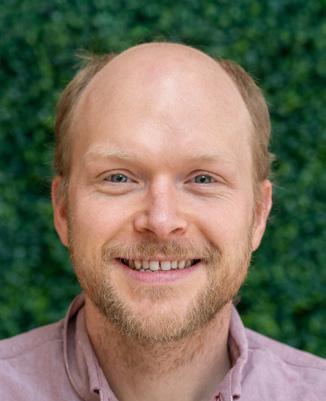
MATTHEW OTTEN is an assistant professor in UW–Madison’s Department of Physics and the principal investigator for the Otten Group, which researches theoretical quantum information science. His research mission is to make utility-scale quantum computing a reality.

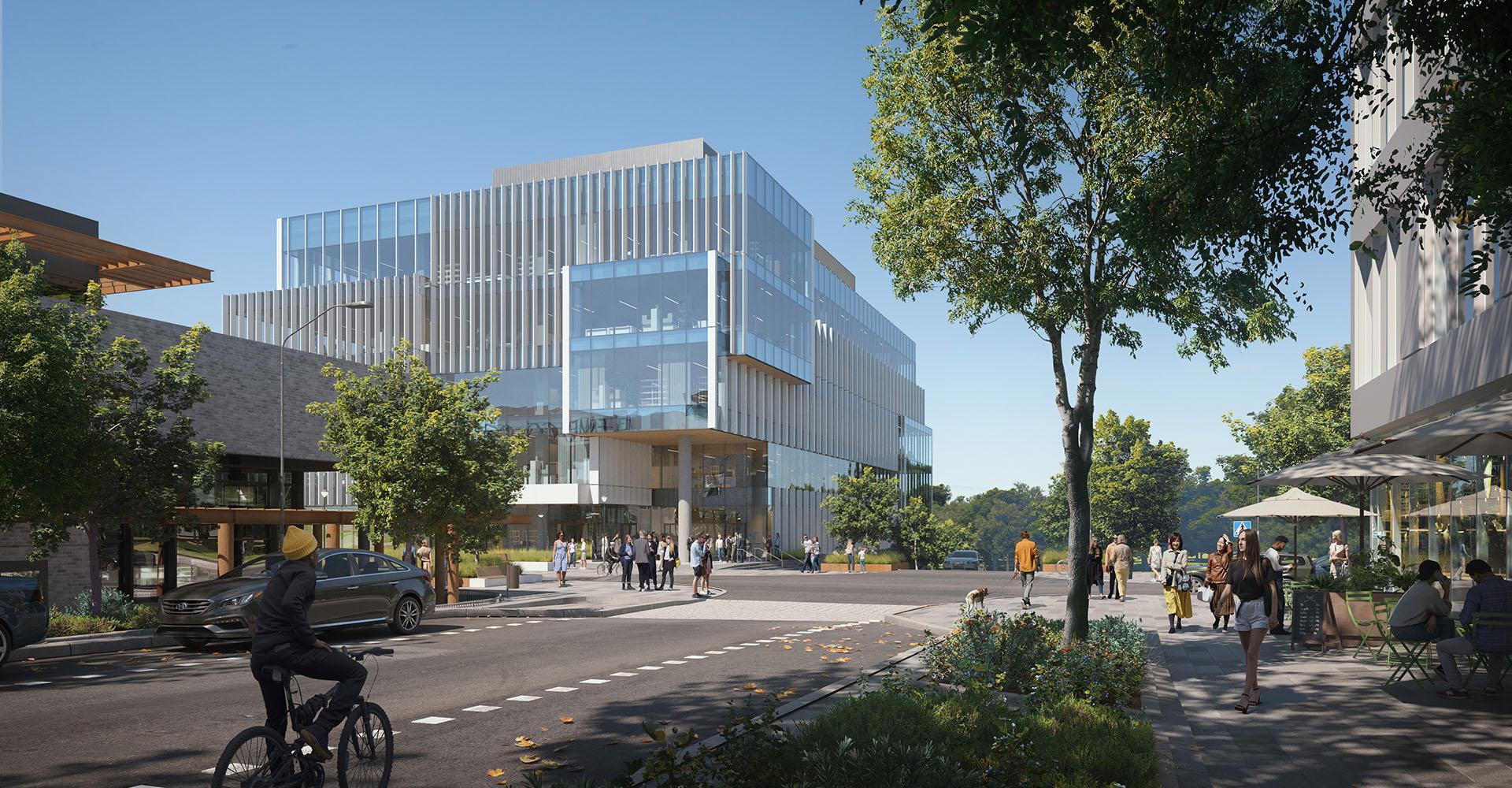
Where IDEAS collide, PARTNERSHIPS form and BREAKTHROUGHS accelerate

Since 2014University Research Park has been evolving from our original suburban-style business park toward a more dynamic innovation district.
Element District represents our commitment to that vision becoming reality.


ELEMENT COLLECTIVE APARTMENTS Coming Fall 2027
University Research Park | 608.441.8000 | universityresearchpark.org
What is “academic freedom” and is it worth keeping? Amidst all this controversy, there is little agreement about what the concept means, let alone whether it is of value.
In recent months, “academic freedom” has been all over the news. A professor at Texas A&M University was asked to remove a text by Plato from his syllabus amidst a general tightening of restrictions on classroom discussions about race and gender. Another instructor was fired after a student objected to the presentation of material on gender in a “Literature for Children” class. Recent pro-Palestinian protests at many U.S. universities have raised the question of the limit of what professors can and should utter in the classroom and in public about hot-button contemporary issues.
What is “academic freedom” and is it worth keeping? Amidst all this controversy, there is little agreement about what the concept means, let alone whether it is of value. Many observers point out that academic freedom is distinct from general free speech protections under the First Amendment. The First Amendment protects all citizens from government restrictions on free speech, so it is particularly relevant at public universities. Academic freedom, by contrast, is a right specific to faculty (and students) at universities to pursue truth wherever it leads and thereby serve the distinctive mission of a university. Beyond this basic distinction, however, it is difficult to find common ground today.
My research is in the history of political thought, so I study influential thinkers such as Plato, Aristotle, Machiavelli, Marx and others whose work has fundamentally shaped how we understand government and society. In my recent work, I have been examining the origins of the idea of academic freedom in early 19th-century German political thinkers. By returning to the origins of this idea, I hope we can gain a deeper understanding of the concept that might begin to bridge the divide in our contemporary disputes.
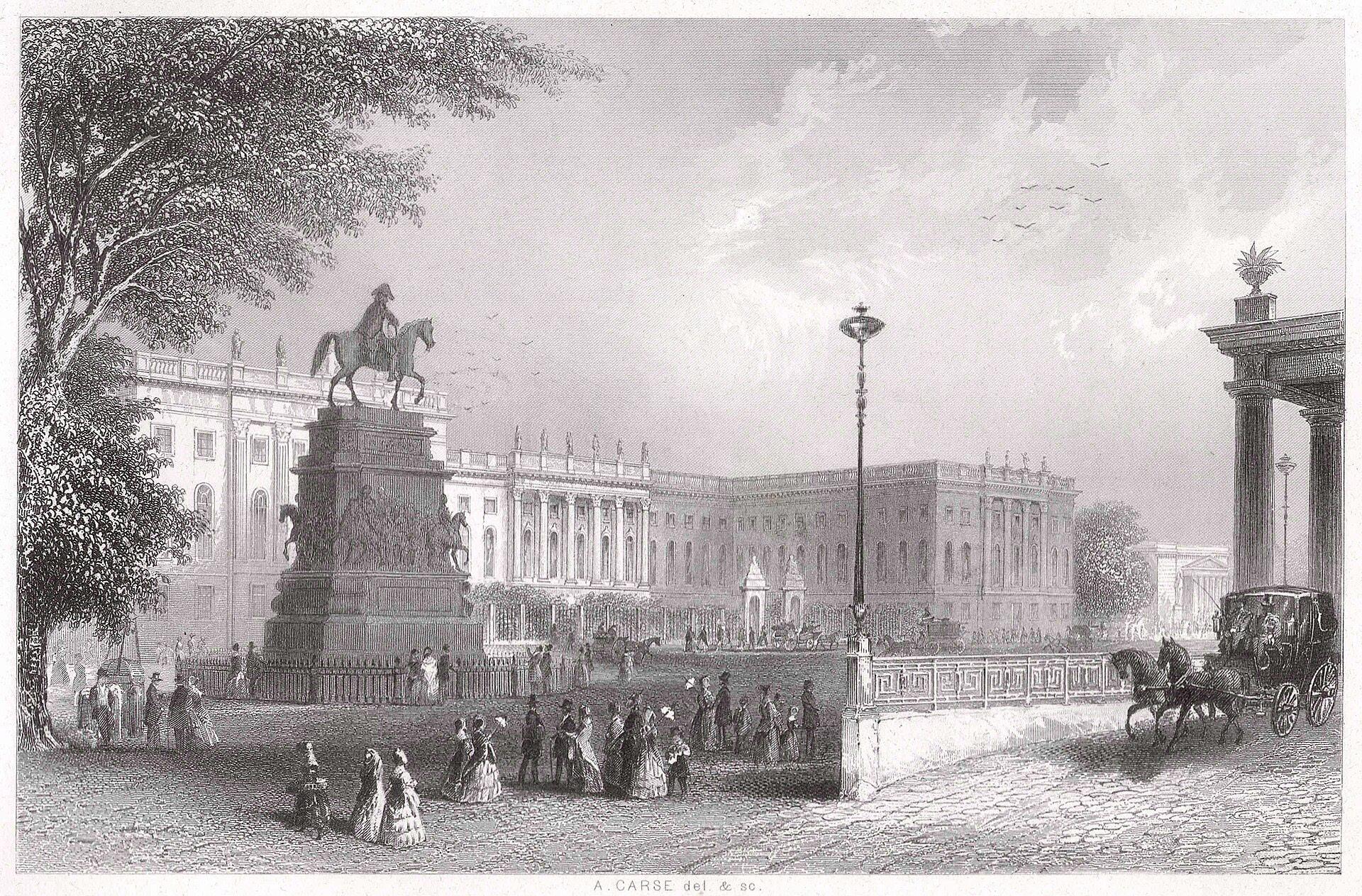
As an institution, the history of the university stretches far back into the Middle Ages and was largely dominated by religious authorities and served religious purposes. Most scholars locate the origin of the modern secular research university to the 19th century in Germany, specifically with the founding of the University of Berlin. The founding father of the university, Wilhelm von Humboldt, conceived of its purpose as the comprehensive education of students in a well-rounded way, or what thinkers at this time referred to as “Bildung.” Humboldt commissioned other major philosophical minds at the time to weigh in on the purpose of the university and the value of academic freedom in serving that purpose. Thinkers such as J.G. Fichte and Friedrich Schleiermacher saw in the university the vehicle for the enlightenment of human beings, an escape from the dominance of religious and aristocratic authorities, and an installation of scientific reasoning as the sole guide for human beings.
The German philosophers made the case for academic freedom as a necessary condition for the University of Berlin. They understood academic freedom to be the right of the scholarly community to jointly pursue truth and advance knowledge unimpeded by the powerful forces of the day, whether religious, political or economic. However, these thinkers were well aware that this new form of scientific thinking was not always popular. For this reason, they emphasized academic responsibility alongside academic freedom. In their view, scholars had the responsibility to advise society’s leaders on ways that would advance the common good of the entire community. The vocation of the professor in Berlin was not simply to retreat into dusty old books, but to use their knowledge to improve the outlook for Prussia. The Prussian government,
then, saw more value in the university than they otherwise would, as it held out the promise of increasing its prestige and power at the very time when its independence was challenged under Napoleon. Religious figures and moneyed elites, too, saw in the university the possibility that its commitment to reason and truth would produce graduates who would help them.
Of course, these philosophers recognized that reason and truth may sometimes clash with the interests of government, religion and money. But often enough, they held, academic responsibility and the broader powers in society could align, ensuring academic freedom.
The philosophy behind, and model of, the German university was imported into the United States in the 19th century, in thinkers such as John Dewey and in universities such as Johns Hopkins. At some point along the way, however, the German origins of the university receded from view, and with it some of this careful consideration about the nature and purpose of the university and the role and responsibilities of the scholar within it. In my view, our contemporary discussions could be enriched by a fuller understanding of the historical roots of academic freedom.
JEFFREY CHURCH is a professor of political theory at the University of Wisconsin–Madison. His research is on the history of political thought, particularly German political theory from Immanuel Kant through Friedrich Nietzsche. He examines themes of individuality, the good life, education and morality as they relate to the modern liberal political order.
It’s a common misconception that linguists run around judging people’s grammar (we don’t!). What we actually focus on is the scientific study of language.
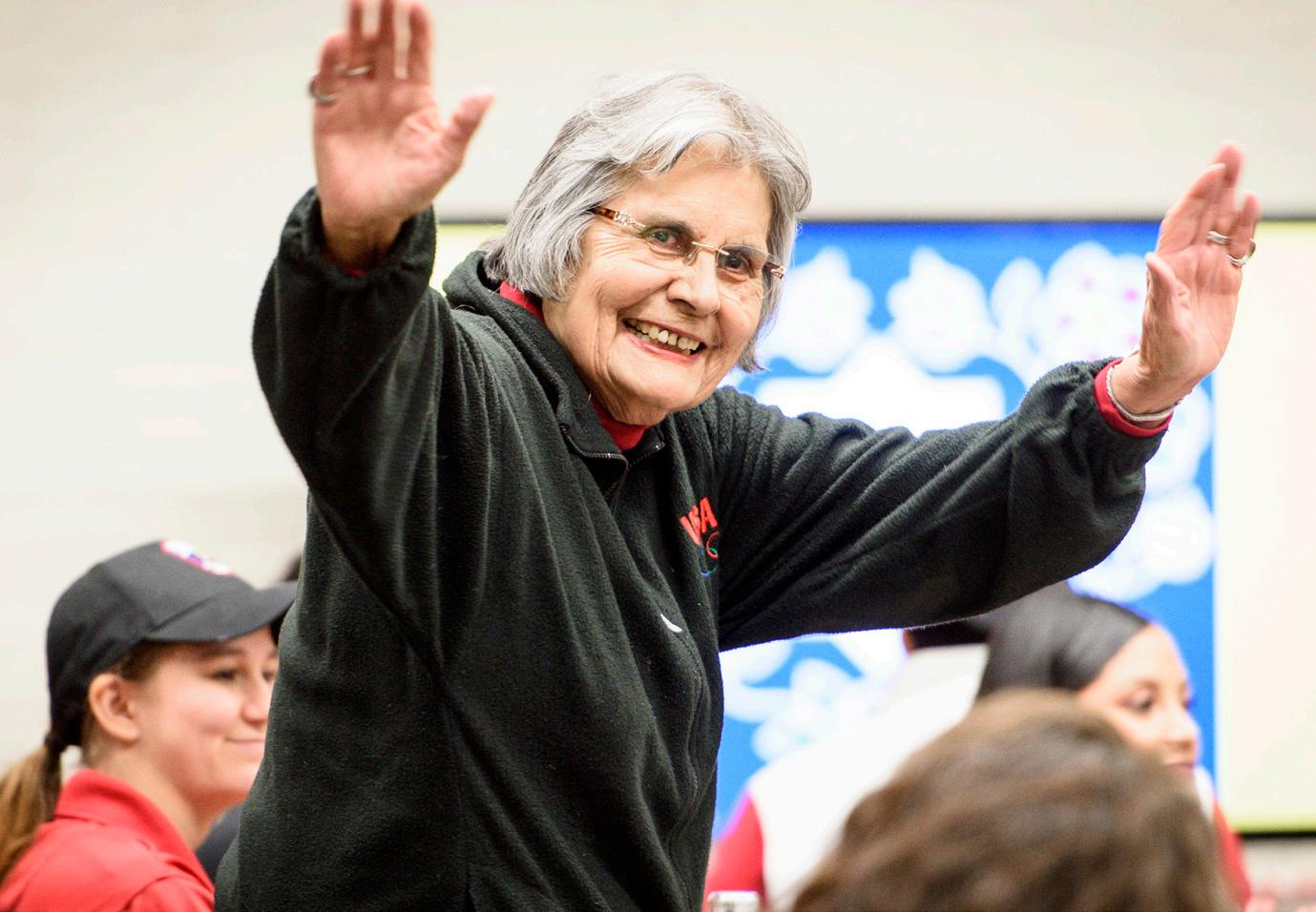
I started teaching at UW–Madison in 1996. At the time, I had been focused on Mixtec, a Mexican Indigenous language, but wanted to find something closer to home. So, when I moved to Wisconsin, I started looking around, trying to make contacts. Eventually I met the late, great Ada Deer, a groundbreaking Menominee leader, activist and educator who reshaped Native American policy and representation in the United States. She took me to the Menominee Reservation, and my heart has been there ever since.
It’s a common misconception that linguists run around judging people’s grammar (we don’t!). What we actually focus on is the scientific study of language. Specifically, I’m a morphologist, meaning that I’m a word nerd. Researching Native American languages is an ideal specialty for someone like me, because most of these languages use long, complex words that can take a full English sentence to translate. Unfortunately, most of these languages are highly endangered, and many no longer have any of the first-language speakers still alive.
There are lots of reasons that Indigenous languages become endangered. A major factor in the U.S. and Canada was the appalling assimilationist policies of the government and various missionary groups. But linguists like me have not, historically, been much help either. For a long time, linguists thought the incredible multiplicity of Native languages was doomed, and their goal was just to get as much down on paper as fast as they could. But we finally started listening to the people whose languages we study, and now we (or at least most of us) understand that the most important action is to partner with communities and respond to their needs and wishes concerning their languages.
And the thing that makes me the happiest is that I’ve seen the narrative transition from one of doom and gloom to one of hope. The Menominee are a phenomenal case in point. There is likely only one remaining elder first-lan-
guage speaker — and she’s 99 years old. But for years now the Menominee have been training adults to speak the language in an innovative immersion format. Each cohort spends about a year using the language together as much as they can. Their teacher starts out with the basics and builds up to more complex constructions. Of course it’s hard at first, but with time it gets easier and easier. They’re making new speakers! One couple who went through the program has two children, and they’re trying to raise them in the language. Menominee baby talk can now be heard on the reservation for the first time in almost a century.
One of the most exciting developments has been the establishment of a non-profit called Menomini yoU, housed in the beautiful Wāqsecewan Language Campus. The founders, Muqsāhkwat (Ron Corn Jr.) and Kcheyonkote (Burton Warrington) offer language classes, sponsor language and culture-related events and continue to train adults using immersion methodology. An overall goal is “normalization,” that is, creating an environment where use of the Menominee language in public spaces is once again the norm and not surprising or exceptional.
My role in the work has transitioned, too. Back when there were several first-language elders still alive, I worked with them, documenting the language. I wrote numerous scholarly papers on topics in the language but also helped create dictionaries and other learning materials. In the last couple of years, in addition to helping out where I can, I have focused on writing a grammar of the language. I finally have a full draft and am starting the editing process. The goal of the grammar is to present the structure of the language in a way that language teachers and other non-linguists can understand. To borrow a phrase from the Breath of Life language revitalization program, I’m trying to provide “grammar without tears.”
Overall, I am extraordinarily fortunate to have spent the last 25 years in the company of the Menominee people.
I think of it as my post-PhD education because they have taught me to use my skills in the service of the needs of their community. I look forward to continuing to learn from them. As Muqsāhkwat says in his TEDx Talk, “Language is the key to everything.”
ABOUT THE RESEARCHER
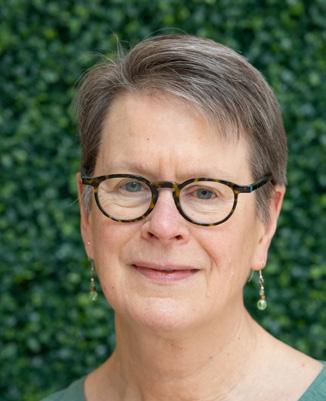
MONICA MACAULAY is the Ada Deer Professor of Language Sciences at the University of Wisconsin–Madison and the co-director of the Wisconsin Indigenous Languages Lab. Her research specialties include morphology, American Indian linguistics and language revitalization.
As a scientist, you can’t be afraid of the unknown, because that really hampers your ability to discover anything.
Kaylin DeHart didn’t tour UW–Madison before enrolling. She knew she wanted to go to the flagship university in her home state, and the institution’s reputation for research spoke for itself. So, when she first stepped onto campus for freshman orientation, she was on a mission: DeHart wanted to join a research lab first thing. She started by reaching out to Mary Halloran, professor and chair of the Department of Integrative Biology, who launched her undergraduate research career by involving her in a study on the neurobiology of fish. Now a graduating senior majoring in neurobiology and botany, DeHart has worked in research labs for two departments that are combining forces to form the new Department of Biology. Her work is a model for why studying across disciplines can build a broader understanding of the science of life. Why did you choose to double major in neurobiology and botany?
I started with neurobiology, because it gave me so many options. After graduating, I can go to medical school, I can go into academic research, I can go into corporate science or any number of things that keep me on a path that interests me. I added botany after taking a plant class on a whim, and I really enjoyed it and wanted to see it through. I knew it would be a commitment to add a second major, but the whole field of biology cracks open when you add in plants, which creates a whole ecosystem you can dip your fingers in for career choices.
What was your first research experience on campus?
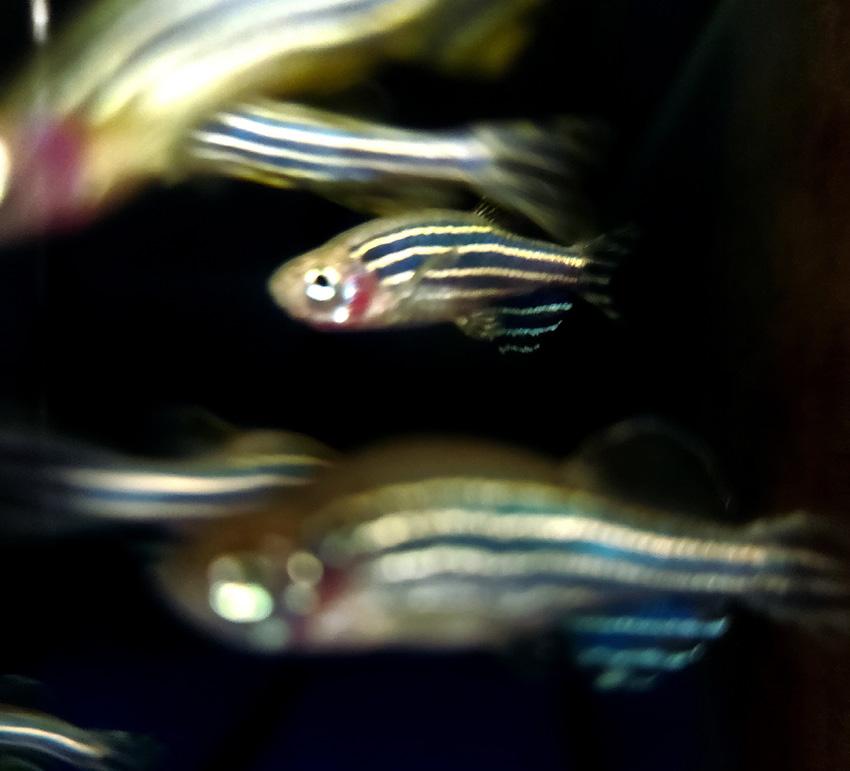
In Mary Halloran’s lab, I’ve been working with zebrafish. I started by just helping with feeding them — and I still feed them — but eventually I started lab research focused on understanding kinesin light chain mutations through reverse genetics. I would perform polymerase chain reaction (PCR) tests and analyze the visible phenotypic differences in the neural branching of mutated zebrafish
embryos. The lab focuses on understanding the basis behind neuronal branching through zebrafish models to provide insight on human disease and developing nervous systems.
And what was your botany research lab about?
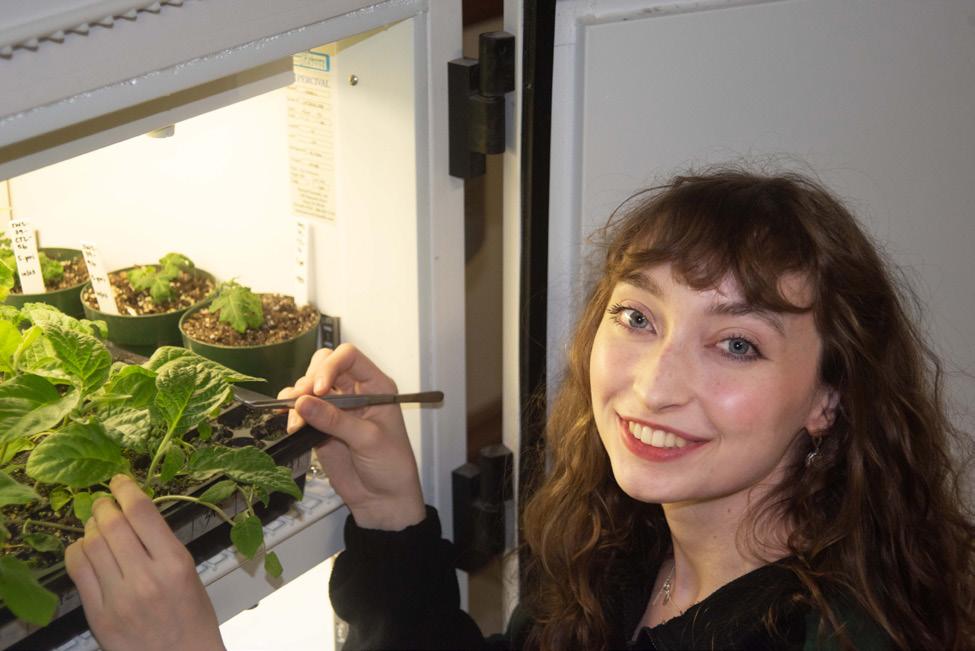
I am currently conducting research in Jack Satterlee’s lab counting plant stomata on the leaves of tomatoes and other solanums to understand a plant’s gas exchange efficiency when grown in different environments. His lab is interested in the genetic and molecular basis of prickles on solanum plants. This research matters particularly to agricultural communities in Wisconsin and around the globe. We want to develop knowledge on how plants change based on the environment that they’re in.
Why was it valuable to study two different disciplines of the biological sciences?
I enjoy the intersection of this work. I have the opportunity to look at two sides of biology because
of my experiences working in different labs and with different mentors. The cool part is I can see the connections between them both. And that’s what I have really enjoyed about college, seeing all of my science classes come together and start merging.
How has doing undergraduate research impacted your college experience?
This experience has really helped my confidence, because it was humbling to be thrown into an environment where you have no idea what’s happening. But I think the undergraduate research experience is representative of what research is as a whole, because you’re throwing yourself into the unknown and discovering things about yourself and the world around you. As a scientist, you can’t be afraid of the unknown, because that really hampers your ability to discover anything. You have to make mistakes to learn something and make discoveries that are new and novel. It’s pretty cool that the university focuses so much on getting undergraduate students research experience, because it sets us up to be prepared for whatever comes next.
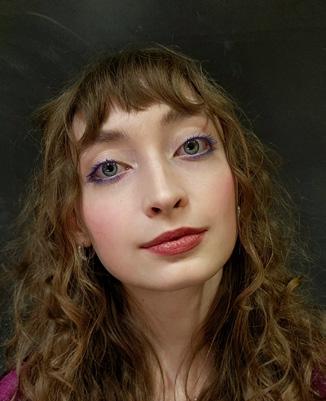
KAYLIN DEHART is a senior at the University of Wisconsin–Madison majoring in neurobiology and botany in the College of Letters & Science while also pursuing a certificate in leadership. In addition to research and classes, DeHart has participated in an entomology club, the Student Leadership Program team and classical vocal lessons. She also has an oncampus internship at the Wisconsin Union.
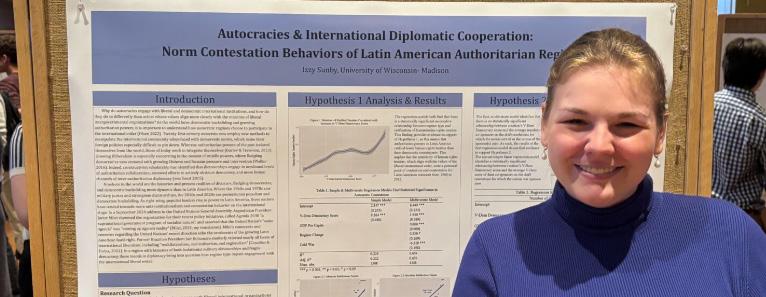
Often, when Americans think about politics, their mind goes to Democrats, Republicans and the state of affairs in the United States. For Izzy Sunby, it’s different. Her mind turns to democracies, autocracies and how international governments develop foreign policy. As a senior at UW–Madison majoring in political science and Spanish, her research has taken her on thought journeys about Latin America, China and the United Nations. This work inspired her thesis as she prepared for graduate school — she was just accepted into a PhD program at Harvard University — while also opening her eyes to some unexpected realities of global affairs.
What is your research about?
My research is on comparative authoritarianism and authoritarian foreign policy in international organizations and the international economy. More generally, it’s about how authoritarian regimes decide to engage with other countries and the elements of their domestic politics that make that advantageous for them. The first project that I did through my sophomore research fellowship was on how Latin American autocracies collaborate with each other in the United Nations and how they, through the ratification of United Nations (UN) treaties, contest, disagree and show their disagreement with liberal norms. Now, my current senior honors thesis project is on how China uses their foreign aid projects to enshrine stability in autocracies that receive their aid but that don’t help stability in democracies.
Why did you choose your topics?
The first topic stemmed from my involvement in Model UN. I was doing a lot of engagement in these diplomatic
My research is on comparative authoritarianism and authoritarian foreign policy in international organizations and the international economy. More generally, it’s about how authoritarian regimes decide to engage with other countries and the elements of their domestic politics that make that advantageous for them.
discussions. And you can see, even in simulated UN discussions, that people who are not representing democracies clearly have a different method about how they are going about speaking about their politics and their level of domestic constraints. That made me think, how are people in the real UN representing these autocracies collaborating with one another if they’re not acting like democracies? And then my current project stemmed from my growing interest in China that developed through a Chinese politics class that was part of my Chinese certificate.
What have you learned?
Contrary to popular belief, China isn’t this rogue actor that is giving malicious aid to different countries to try to make them autocratize. That’s not like what I’m finding at all. Through reading, I’ve learned about the way that China provides aid to different countries. I’ve also learned a ton about Latin American domestic politics and how that influences the way that they trade with other countries and the way that they receive aid.
How did you get involved in this kind of research?
I started in a research position my sophomore year. I just reached out to a bunch of professors in the political science department to see if anyone needed a research assistant. First, I did some data management wrangling for Professor Tana Johnson in the La Follette School of Public Affairs. And then after a year as a research assistant with her, I completed a sophomore research fellowship, which is a project that ended up being my writing sample for graduate school. And then that made me really excited about conducting my own research. And from that,
I applied for a Hilldale Undergraduate/Faculty Research Fellowship for my senior thesis in political science.
How has doing undergraduate research impacted your college experience?
It’s changed everything about my college experience. Being able to do research and get that experience set me up for grad school really well, because it would be much more intimidating to go into a research grad program without this background. I also think it has given me such a great sense of community. In the political science department, we have a fantastic group of us who are writing theses in political science, and there’s a seminar that we have every Monday. And so, I have made great friends and received helpful feedback from many of my peers there. It also just deepens faculty contact, because it’s one thing to go to office hours and chat about course material. But to come in with your own questions and be discussing, “How do we go about this? How does this relate to the other questions that are being asked? And how do I market this in a way that really matters?” It helps you develop faculty connections, and I’ll have those connections for the rest of my life.
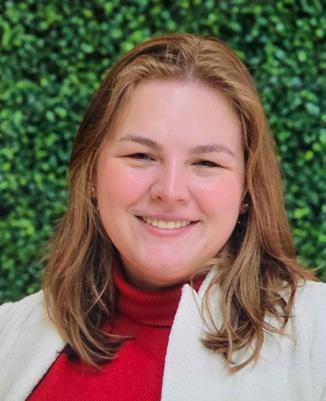
IZZY SUNBY is a senior at the University of Wisconsin–Madison studying political science and Spanish with certificates in Chinese professional communication and statistics. After graduation, she will go to Harvard University to pursue a PhD in the Department of Government.
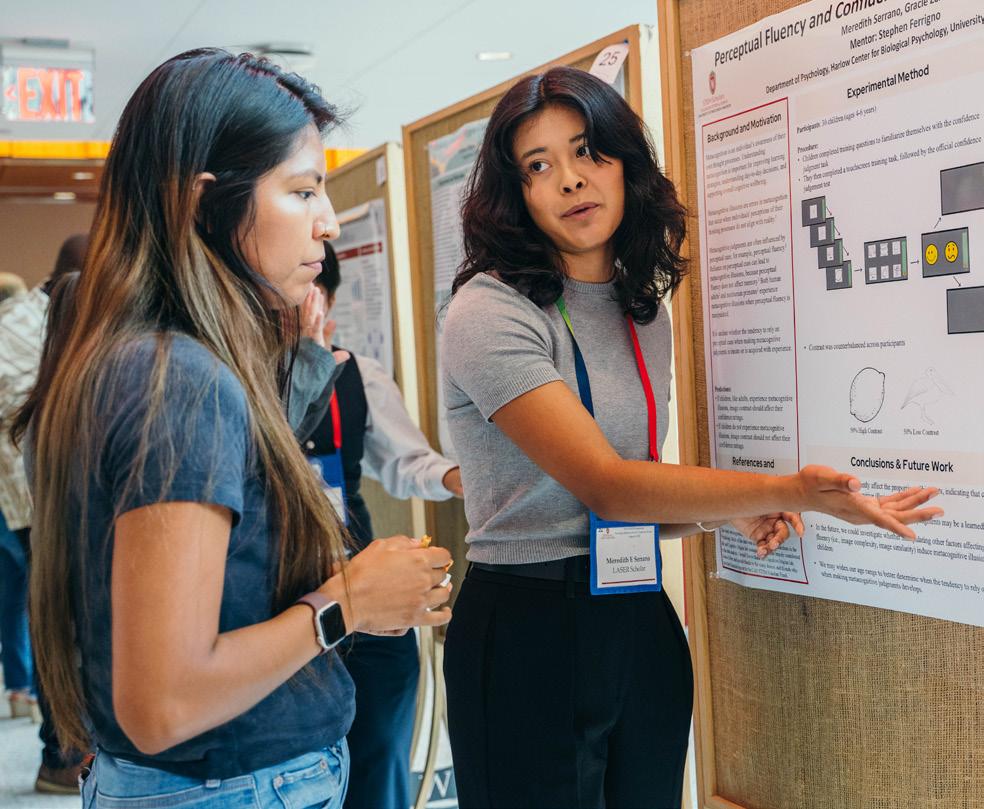
As a sophomore, Meredith Serrano has already built an impressive research resume. Through College of Letters & Science programs like Undergraduate Research Scholars (URS) and Letters & Science Summer of Excellence in Research (LASER), she has had the opportunity to work in multiple labs and professionally present her findings. URS opened the door for Serrano, who is double majoring in psychology and neurobiology. She started in a psychology lab researching the benefits of sensory, motor and cognitive environmental enrichment with Allyson Bennett, a professor of psychology. Then, as part of the LASER program, she moved on to study evolutionary cognitive processes through a lab with Stephen Ferrigno, an assistant professor of psychology. When the summer of research ended, she continued her work at the lab investigating perceptual fluency and confidence judgements in early childhood and the development of the approximate number system. She has also joined the McNair Scholars Program where she is gaining more research experience in preparation for graduate school.
What was the LASER program like for you?
The LASER program brings together a group of students with different majors, backgrounds and passions. There was beauty in the unity of my cohort brought together by an interest in research. It was a privilege to discover a new way of connecting with others through this program both within my cohort and my lab. I made some beautiful memories and friendships, and I would do it all over again if I could. This experience has helped me feel confident in stepping outside of my typical introverted nature to make those connections that I now cherish. I have learned
The LASER program brings together a group of students with different majors, backgrounds and passions. There was beauty in the unity of my cohort brought together by an interest in research.
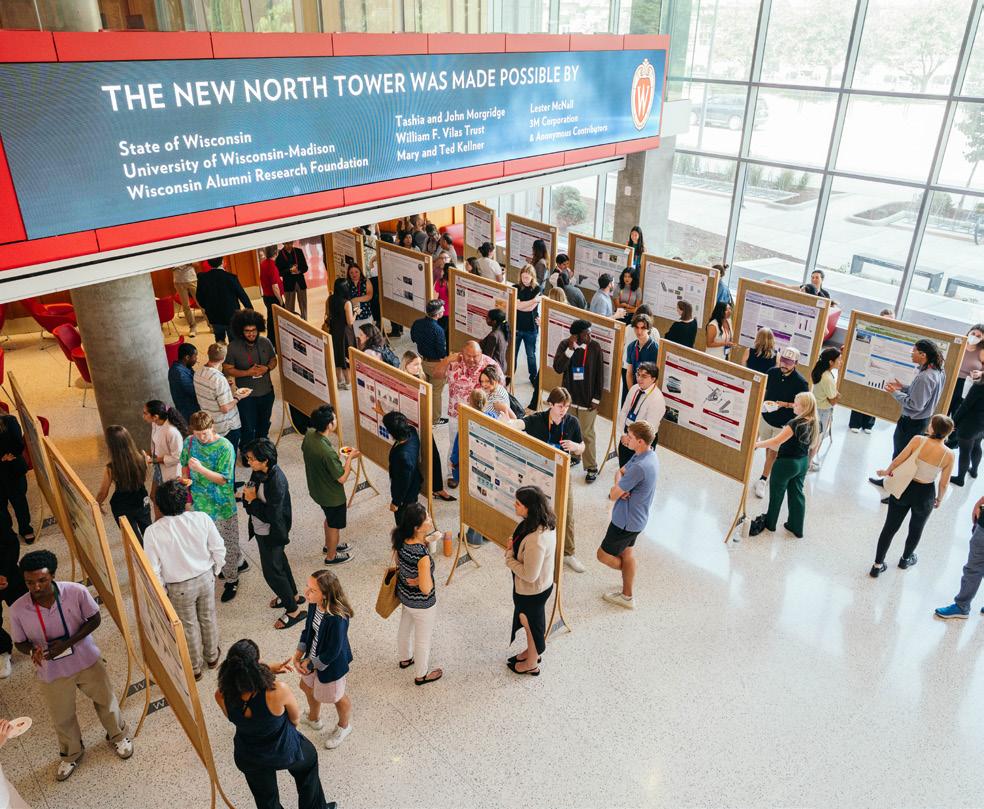
that in research, just like most things in life, you get what you put in and you’re never alone. The skills I developed while completing my summer research project, which was on perceptual fluency and confidence judgments in early childhood, will continue to aid my success as I continue research within my lab and other future endeavors.
What’s your current research about?
In the Cognitive Origins Lab, we study the evolutionary origins of human cognition by comparing human abilities with those of children, adults from different cultures and non-human animals. A lot of my current focus is on the development of the approximate number system, with the hope of finding ways and interventions to potentially help children in mathematics and learning of that nature.
What’s it like working in a lab?
I always enjoy my time in lab, especially because of my amazing lab mates. We have weekly lab meetings, where we get to present different updates on each of our research projects and share reviews about the recent papers that are related to any of the research that we’re doing. We also do participant testing, but it really depends on the week. It’s always something different, and we’re always learning something new.
What have been some of the milestones in your research journey?
When I joined the lab, I knew nothing about cognitive psychology. I had been looking more at psychopathology, and I still find that very interesting. Exposure to this field and learning more about it, in addition to the
metacognition project, was a milestone. We were able to make a poster by the end of the LASER program, where we all presented at the symposium. And I really got to dive deep into the project and get a full understanding of our data, which was very exciting. I was able to learn more about something that I initially knew nothing about. I definitely wouldn’t have reached these milestones if it weren’t for these research programs, my mentors and my lab manager Gracie Zeller.
How have your research experiences prepared you for your future?
It’s confirmed my passion for supporting others’ wellbeing, which is why I want to pursue a PhD in clinical psychology. Working as a research assistant and peer wellness coach has shown me the value of interpersonal work, and I hope to continue as a clinical psychologist in the future. Time at the Cognitive Origins Lab has also solidified my interest in working with kids.
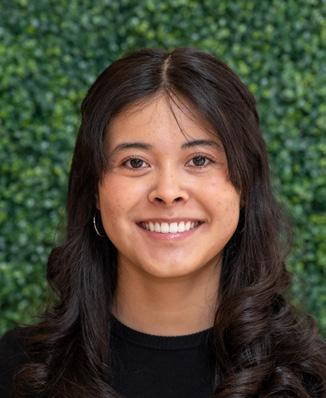
MEREDITH SERRANO is a sophomore at UW–Madison majoring in psychology and neurobiology while also pursuing a certificate in Chicanx/e & Latinx/e Studies. In addition to her studies, Serrano also serves as a peer wellness coach and dances in Grupo Folklorico, a traditional Mexican dance group on campus.
The University of Wisconsin–Madison is changing lives. I see it when students light up talking about their experiences in the classroom and in the lab. I hear it from alumni who share how a professor believed in them and altered their path for the better.
The University of Wisconsin–Madison is changing lives. I see it when students light up talking about their experiences in the classroom and in the lab. I hear it from alumni who share how a professor believed in them and altered their path for the better. I feel it when faculty spanning the social sciences, arts and humanities, natural sciences and computational sciences describe their pathbreaking research that helps us better understand the world in which we live.
My work to raise philanthropic resources for UW-Madison is both deeply personal and incredibly inspiring. As an alumna of this institution who was shaped by my professors, courses and classmates, I want to pay it forward for the next generation of students and leaders. The mission of the College of Letters & Science motivates me every day: to provide a first-rate education to students and pursue innovative research that tackles humanity’s greatest issues. Despite the challenges and rapid changes shaping our world, walking around campus gives me a sense of hope. Students are seeking out majors that will help
them make a difference, and they are launched with the communication and critical thinking skills necessary to be effective leaders of tomorrow. Professors and graduate students are passionate about their research and share what they learn so that it may improve people’s lives across the state and beyond.
None of this work happens on its own. It takes people who believe in the power of education and who believe that research can push society forward. It takes people who value having a world-class university in Wisconsin and see it as an asset to our state and everyone who calls it home. These visionary supporters help us provide scholarships to students and retain faculty who are both making an impact in the classroom and pursuing breakthrough discoveries. Life-changing programs that you read about in this issue of Fueling Discovery, including Undergraduate Research Scholars (URS) and Letters & Science Summer of Excellence in Research (LASER), are made possible by people like you who want to see our communities thrive.
Please consider joining us in moving this work forward. Philanthropy helps us ensure that students across the state have access to an exceptional education right here in Wisconsin. Gifts enable researchers to tackle questions that could reshape the way we think about science, technology and the human story. Now is the time to make an investment in higher education and the future of our state. Donations of every size send a message and make a difference (supportuw.org/giveto/FuelingLS26 ).
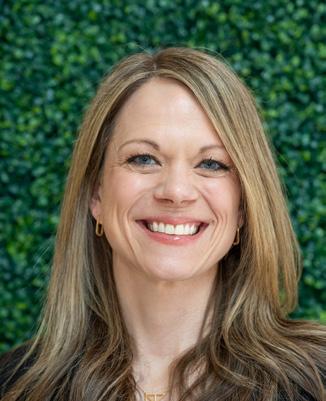
KATIE KRUSE RATHER is an associate vice president and managing director for the Wisconsin Foundation and Alumni Association. She received her graduate degree from UW–Madison’s La Follette School of Public Affairs and is a passionate alumna of the College of Letters & Science.
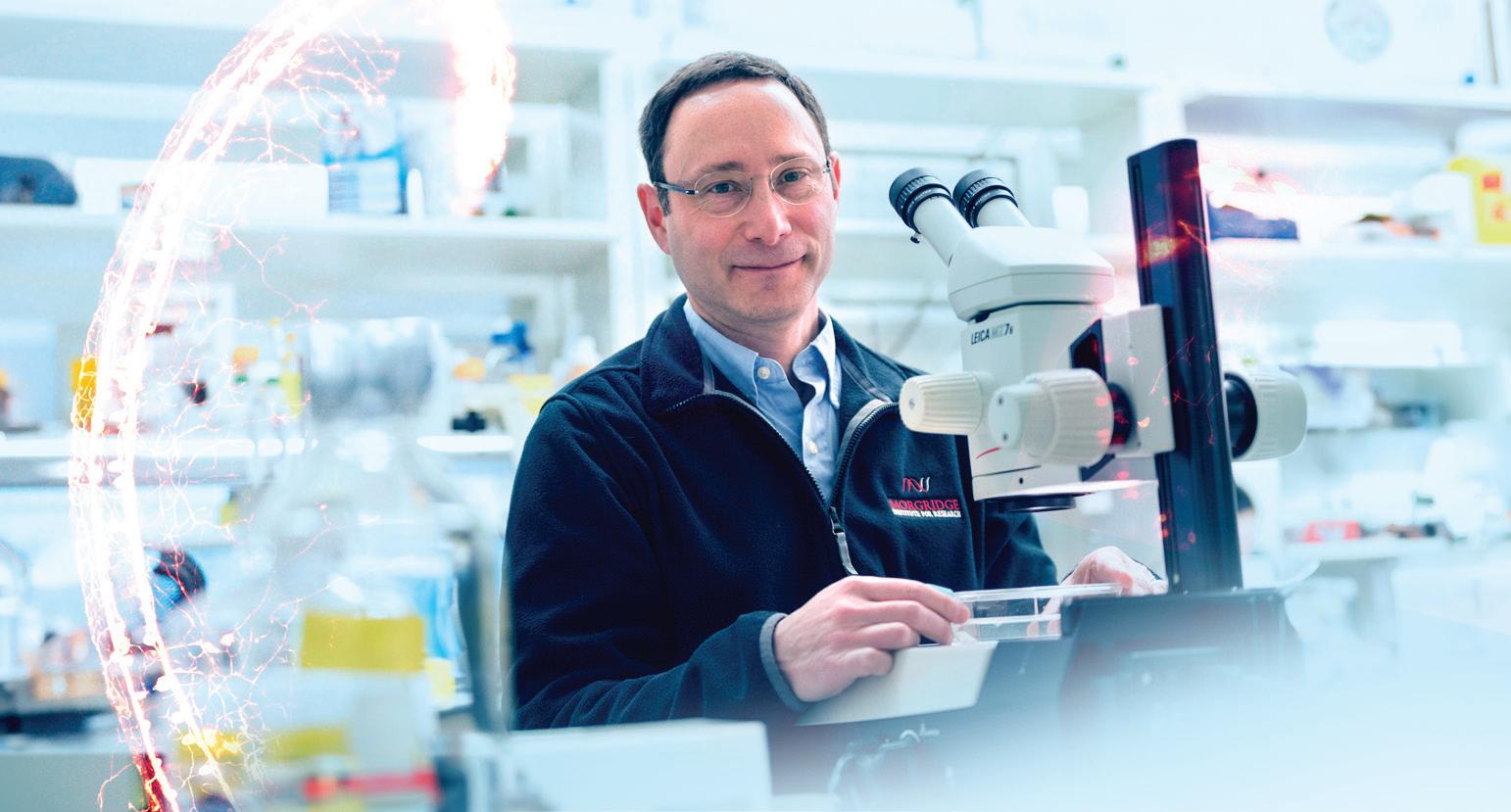
Curiosity-driven science allows us to ask questions about how the world works. When we do that, we don’t know what we’re going to find. Most major breakthroughs in human health came from exploring unexpected places.
— Phil Newmark, regenerative biologist