To advertise in Bar & Kitchen magazine or online, contact: hello@barandkitchenmagazine.com
Published by
Cogent on behalf of Unitas Wholesale
The Fold, Spencer St Leamington Spa CV31 3NE
For Cogent
Creative, Design & Artworking–Sam Armistead, Ben Walton, Julie Taylor
Managing Editor–Becky Aitken
Editor–Cath Lyon
Contributor–Jim Levack
For Unitas Wholesale
Laura Rowell 01302 249 909 unitaswholesale.co.uk hello@barandkitchenmagazine.com
Social: @barkitchenmag
Further information
Bar & Kitchen is published by Cogent Elliott Ltd on behalf of Unitas Wholesale Ltd. All rights reserved. Reproduction in whole or part prohibited without permission. All information was correct at time of going to press. The magazine is printed in the UK by IMA Group using sustainable sources. To make a contribution to the magazine, please email editor@ barandkitchenmagazine.com
Welcome.
Here comes high season!
For On Trade and Foodservice, this issue is coming at one of the (hopefully) biggest sales peaks of the year. For school caterers, it’s a time of planning and preparation. That’s why we’ve got lots of recipes and tips to help everyone make the most of summer.
For educational catering teams worried about upcoming School Food Standards changes, we’ve got experts to advise you on how to balance nutrition, cost and practical needs on page 35.
There are few busier or more hectic kitchens than those at festivals. The owners of festival food business Lils tell all about how to cope with the pressure on page 27. The Burnt Chef Project also offers advice on protecting your mental resilience over the summer from page 22.
Plus, we’ve got advice on managing energy bills (page 46), tips on using sustainability to upsell (page 18) and plenty of delicious recipes.
Wishing you all a great summer.
Philip Dawson Trading Controller
Are you following us on social media yet? Find us on X and Instagram for special offers from brands, product recommendations and inspiring stories
“I always look forward to the influx of new pupils. At the start, they’re very shy and coy. By the end of the year, they’re asking lots of questions and getting excited about food”
Erin Ward, Executive Chef at Holmer Green School
“I’m looking forward to working with more businesses to get their cost base in shape ahead of the second half of the year. Energy in particular remains volatile, so taking stock now and putting the right strategy in place should help avoid any nasty unwelcome surprises later on”
Sean Connaughton, Director at carbon, energy and procurement solutions company Auditel
In good company
What’s on your to-do list as summer slips into autumn?
“We rotate our guest and craft lines to constantly surprise our regulars and new guests, so we’ll be sourcing exciting beers to extend the summer sun vibe while also trying out unusual seasonal stouts”
Jack Carnduff, General Manager at The Drawing Board
“After four months of working round the clock at festivals as well as the food and admin prep beforehand, we can’t wait for autumn for a holiday, often to Turkey. Not just to relax and recharge, but to explore local restaurants, discover new dishes and flavours, and reconnect with the ingredients and food culture that inspires the Lils menu”
Jon Edmeade, Co-founder of festival food business Lils
10 3 recipes, 3 ways… make
16 Crisp & crunch… four ways with Lutosa’s Ultra-Crunchy Fries
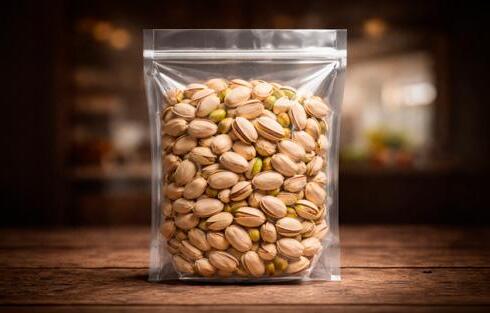
21 Max it out… make the most of pistachios
27 Festival food... how one caterer tackles summer’s big events
06 Calendar… don’t miss key dates this summer season
18 Upsell sustainability… mark out your menu’s green credentials
32 Chef spotlight... stories and inspiration from Steven Bennett
35 Back to school… set your kitchen’s priorities for the new year ahead
40 Bar watch… drinks and tips to mark International Beer Day
42 A new era… learn the story behind the Carlsberg-Britvic partnership
48 Feed Your Eyes… this issue’s big winners share their recipes
“ It’s usually quite busy in the kitchen so I often dip in and out of Bar & Kitchen when I can to keep an eye on new ingredients, recipes and trends. It’s got a nice mixture of quick advice pieces and longer reads, like the one about our hotel, which was featured a few editions back. It’s got a really nice blend of content and is unlike anything else in the sector”
Fancy your own chances at winning a £50 Amazon voucher? Share a photo of your best dish on Instagram with the #FeedYourEyes and tag @barkitchenmag
See page 48
Steven Bennett, Chef Patron and MD of the Healing Manor Hotel near Grimsby, Lincolnshire
Beer, bakes and British produce
What better way to spend a summer than eating and drinking the best the UK has to offer?
23 JULY-2 AUG
Commonwealth Games
Held in Glasgow, athletes from across the world, including the UK, will be competing for podium finishes across ten sports. Run brunch events and let everyone enjoy the bowls. Hold a ‘gin and gymnastics’ special offer hour in the evenings. Or maybe run your own event and serve up a menu of healthy dishes afterwards to get everyone in the sporting mood.
JULY-OCT
7AUG
International Beer Day
IPAs, stouts, lagers, ales… Beers of all kinds, origins and strengths can be celebrated (and tasted) on this day. Get some local specials on tap, offer tasting flights to get customers trying something new, or offer happy hours with pennies off pints to get punters excited. For some fresh beers and new ideas from Attic Brew Co., turn to page 40.
Start Here
SEPTEMBER
Organic September
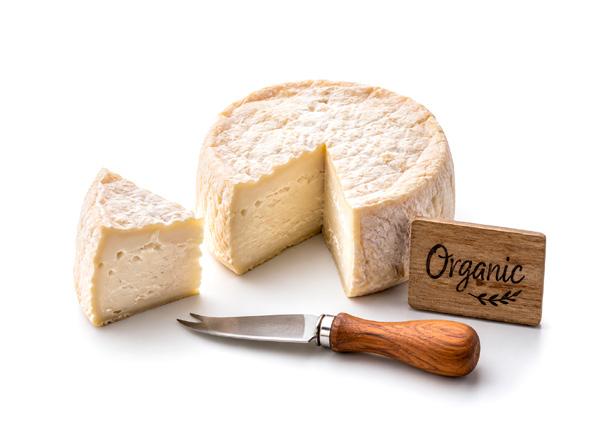
An initiative run by the Soil Association, Organic September raises awareness of this farming and food production system. With no artificial input, organic farming is designed to protect the health of ecosystems, soils and people. Highlight some organic produce, food and drink on your menus and use it as an opportunity to educate diners about sourcing and the environment.
Three days of sunshine is never guaranteed, but make your holiday a long weekend of fun for everyone with a schedule of special events. Daytime is family time, so put on child-friendly activities like drawing, lawn games and bouncy castles. Then, venues can switch into night-time mode. Book plenty of live music, put on special offers and stock up well to keep profits flowing.
1 SEP
New School Year
As the new school year rolls round, so do fresh menus and new government guidance on nutrition. A range of measures have been brought in to support children’s health, cut obesity and tooth decay. New free breakfast clubs are also being rolled out in 750 schools. To help you get to grips with these changes, we’ve interviewed top chefs to get their advice (see page 35).
19 SEP -4 OCT
Oktoberfest
PROST! Don your lederhosen and raise your glass for one of Germany’s biggest celebrations. Now a popular day or night event in the UK, it’s a great opportunity to get big groups into your venue. Hire a local oompah band, set out your benches and stock up on Deutschland lagers ready for a noisy, fun (and profitable) evening!
25 SEP
Raise money and awareness by hosting a Macmillan Coffee Morning. A great way to bring people together, it’s also an opportunity to showcase your baking skills. Set up a donation box, get the tea and coffee stations set up and invite regular guests or customers. With one in two of us now likely to get cancer, you’re sure to gather plenty of funds and support.
26 SEP -11 OCT
British Food Fortnight
If you love local produce, this is the time to showcase it at its best. Sourcing from nearby suppliers doesn’t just guarantee fresh, quality produce, but is a more sustainable approach too. Use this fortnight as an opportunity to highlight your closest suppliers and their goods. Tell their stories on menus, promote their businesses and get customers trying their food or drink with specials or offers.
Macmillan Coffee Morning
NO DAIRY, STILL CREAMY
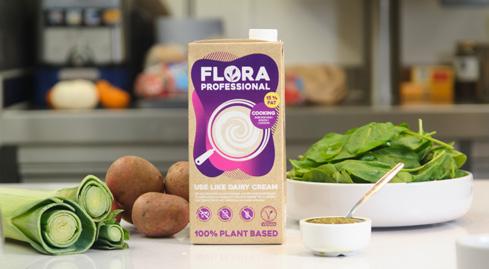
Get all the texture and flavour of dairy cream while making your dishes vegan-friendly with Flora 15% Cooking Cream. Whether savoury or sweet, hot or cold, use this product just like dairy cream. Versatile, heat- and acid-stable, it is free from allergens, including gluten and soy, and doesn’t contain palm oil. Plus, Flora 15% Cooking Cream has a 60% lower climate impact than dairy cream, making it an ideal choice for eco-conscious kitchens and customers.
GO LARGE ON MEXICAN FLAVOURS
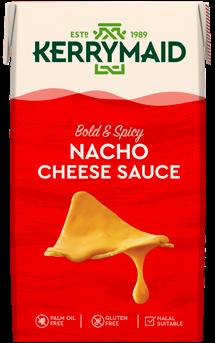
Want to get maximum Mexican taste with minimal effort? Kerrymaid is launching a new Bold and Spicy Nacho sauce on 1 July. Free from gluten and palm oil, it’s also suitable for vegetarian and Halal menus. Plus, it’s stable and easy to cook with in bain maries, microwaves and high-speed ovens.
Available in a convenient, easy to use 1kg ambient format, simply stock in your walk-in to bring instant flavour to your Tex Mex creations, including loaded fries, nachos or dipping pots.
INDUSTRY
What’s new?
A glance at the latest Foodservice and On Trade news and products
FREE SCHOOL MEALS EXPAND
From the beginning of the 26/27 school year, the free school meals (FSM) scheme will expand to all households that receive Universal Credit. The £7,400 net earnings threshold is being removed. So are the protections which allowed a child to have FSM, even if their circumstances changed. This means schools and local authorities will now need to check which children meet the FSM criteria before every school year.
UKHOSPITALITY ASKS FOR SUPPORT WITH ENERGY BILLS
Worried about the impact of global instability, the industry body has called on the government to provide ‘targeted measures to support the hospitality sector’. It has proposed a six-point support plan which includes measures like giving venues new contracts, capping deposits and non-commodity charge relief. For further advice on energy bills, turn to page 46.
3recipes 3 ways
Keep your diners cool and their tastebuds satisfied with these fresh, delicious dishes
STARTER
Pair with Pepsi MAX – its caramel notes complement this dish’s sweetness perfectly! GOOD
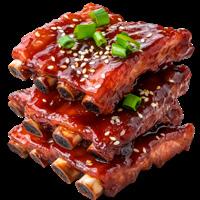
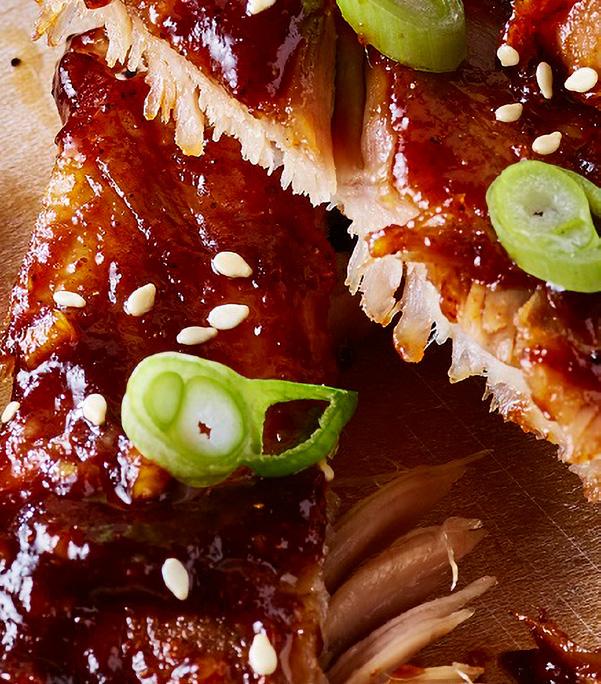
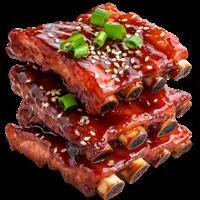
Chinese Sticky Ribs
Serves: 4 Skill rating: EASY
Ingredients
2 tsp Tate & Lyle Dark Muscovado Sugar
65ml soy sauce
55ml hoisin sauce
1 tbsp sweet chilli sauce
2 tsp sesame oil
• 2 garlic cloves, peeled and crushed
• 1.5kg pork loin rack of ribs
Method
1. Combine the sugar, soy, hoisin and chilli sauces with the sesame oil and garlic in a shallow tray. Add the pork ribs and coat in the marinade. Cover and marinate in the fridge for at least an hour, turning occasionally.
Double up the recipe to make a bigger sharing portion
2. Preheat the oven to 170C.
3. Roast the ribs for an hour with humidity setting turned on, or with a roasting tin half-full of water beneath. Brush the ribs every 15 mins with the marinade and turn. Watch for the last 10 mins to avoid too much caramelisation.
4. Remove and rest. Slice and serve.
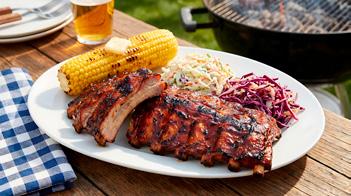
Serve as a platter with sides like corn on the cob, coleslaw and onion rings
SCAN HERE
Serves: 10 Skill rating: MEDIUM
Ingredients
For the prawns
5g Kashmiri chilli powder
5g cumin powder
2g turmeric powder
• 30ml water
• 1kg king prawns, peeled and deveined
Method
Pair with Carlsberg Danish Pilsner is light and crisp, softening the chilli heat of this spicy dish
Use defrosted prawns, onions and peppers to save on costs and prep
For the chilli fry
40ml vegetable oil
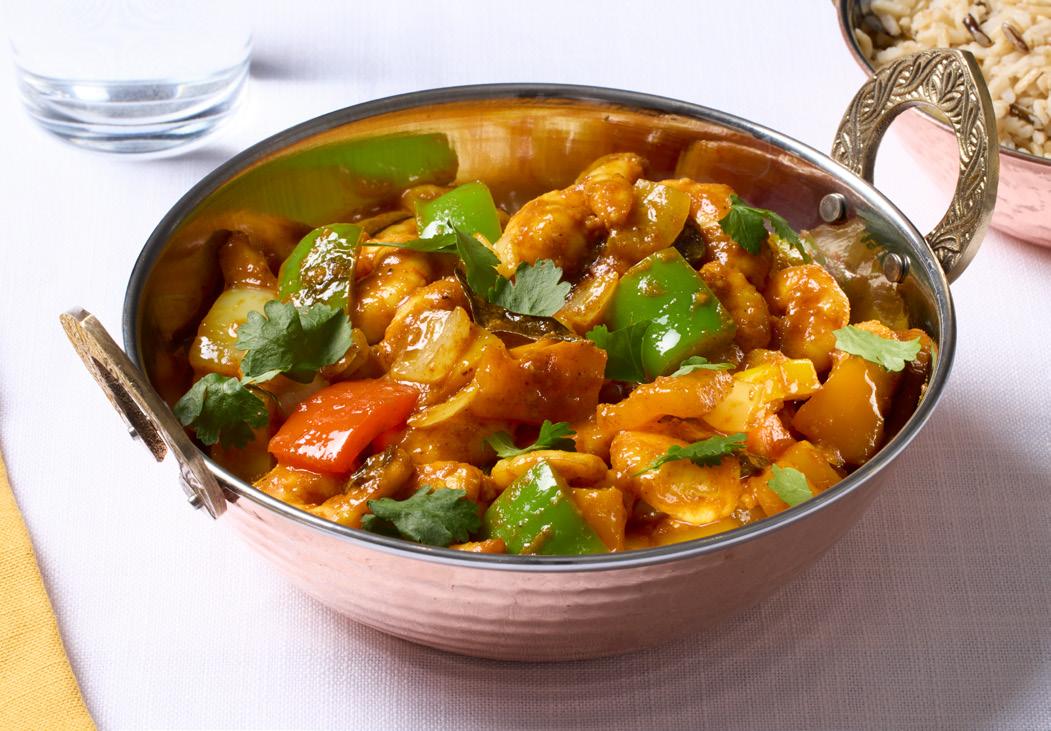
5g curry leaves
380g onion, diced
• 380g mixed peppers, diced
• 20g ginger purée
• 100ml water
• 100ml MAGGI® Hot & Sweet Sauce
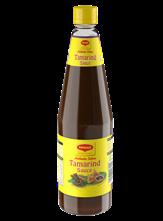
• 50ml MAGGI® Tamarind sauce
• 10g coriander, finely chopped
10g green chillies, thinly sliced
1. To prepare the marinade, mix the chilli powder, cumin, turmeric and water to form a smooth paste. Add the prawns and coat evenly. Cover and allow to marinate for 10-15 mins at room temperature.
2. Heat half the oil over a medium-to-high heat. Add the marinated prawns and sear for 3-4 mins until just cooked. Remove and set aside.
3. Add the remaining oil to the same pan. Toss in the curry leaves and allow them to crackle for 10-15 seconds. Add the diced onions and peppers; sauté until the onions turn translucent and the peppers soften slightly. Stir in the ginger purée.
4. Add the water and MAGGI® Hot & Sweet Sauce. Bring to a gentle boil. Return the prawns to the pan and toss for 1 minute to coat evenly. Add the MAGGI® Tamarind Sauce, mix well and remove from the heat.
5. Spoon onto serving plates and garnish with the chopped coriander and sliced green chillies.
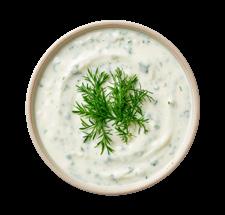
Serve with a cooling raita dip and a side of rice
Dessert
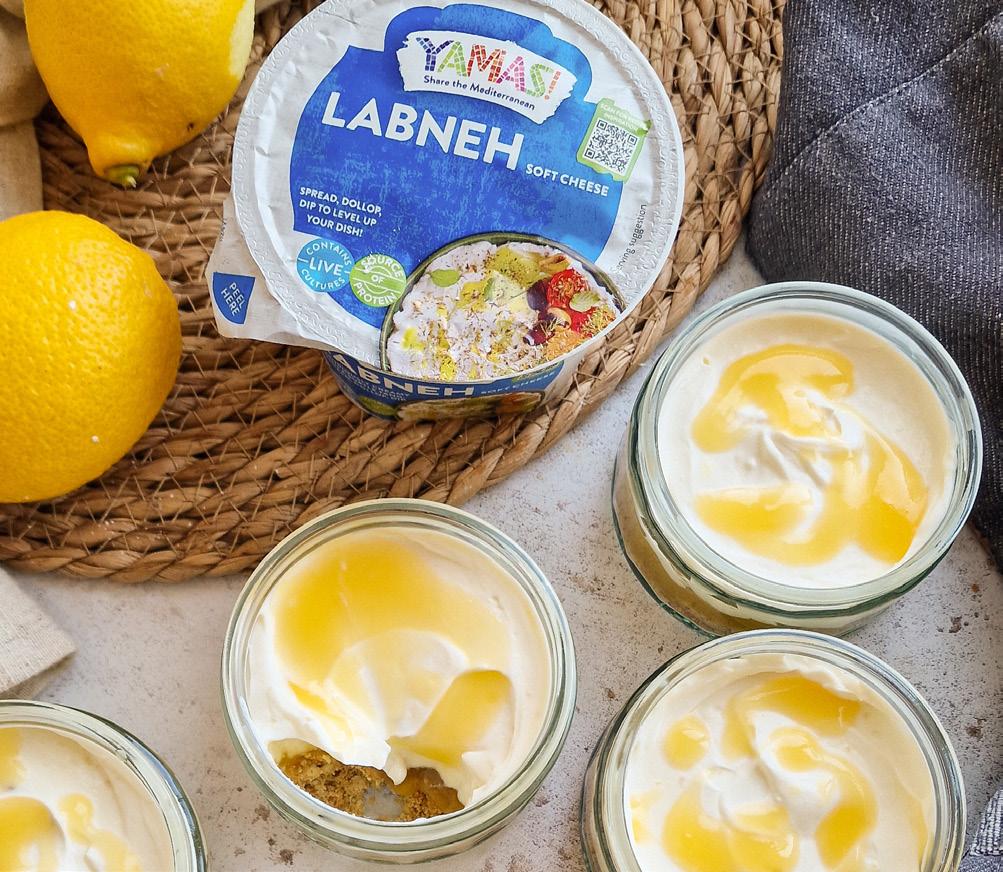
Labneh and Lemon Cheesecake Pots
Serves: 6 Skill rating: EASY
Ingredients
• 8 digestive biscuits
• 25g melted butter
• 6 tsp lemon curd (plus extra for the topping)
• 200g YAMAS! Labneh 120g double cream
½ lemon, zested and juiced 30g icing sugar
Method
1. Blitz the digestive biscuits in a processor. Pour in the melted butter and stir until coated. Divide between 6 ramekins. Press down gently with the back of a spoon until you have a level layer.
2. Add 1 tsp of lemon curd to each pot and carefully spread it out over the crumb.
3. Add the YAMAS! Labneh, double cream and the lemon juice and zest to a mixing bowl. Sieve the icing sugar into the bowl and blend with an electric whisk for 30 seconds to 1 minute until combined and thick.
4. Divide the mixture between the 6 pots and smooth the top until level. Mix a tablespoon of lemon curd with a few drops of boiling water. Drizzle a little over the top of each pot.
5. Refrigerate for a couple of hours before serving.
Recipe Credit
Amy Sheppard @amysheppardfood
Pair with
The London Essence Company’s White Peach & Jasmine
Soda complements with delicate floral notes
Switch the lemon curd for a different curd such as passion fruit
Make one large cheesecake and slice it just before serving
5 smart ways to
win customers on Facebook
Facebook may not be the newest platform but it’s one of the most effective for hospitality – particularly for reaching local, higher-spending and repeat customers. According to hospitality marketing experts SideDish Media, Facebook is especially powerful for driving events, community engagement and returning visits when used strategically. With more than three billion monthly active users globally and a strong presence among over-25s, it remains a key channel for Out of Home venues.
1
Build your business around Events
Facebook Events is still a major discovery tool, with tens of millions of users engaging with events daily. For pubs and venues, it outperforms standard posts for visibility –especially for quizzes, live music and seasonal activations.
3
2
Prioritise local relevance in everything you post
Facebook’s algorithm favours local and community-driven content, particularly posts that generate comments and shares. Tag your location, reference local events and create content that speaks directly to your nearby audience.
Turn your page into a conversion tool
More than one billion people message businesses on Facebook each week, making Messenger a key route to bookings and enquiries. Ensure your page has clear CTAs (book now, message, call) and respond quickly to convert interest into visits.
4 Use Groups and community engagement
Sources:
DataReportal, Hootsuite, Facebook, Statista
Facebook Groups has more than 1.8 billion monthly users, and local groups are highly active. Engaging with local neighbourhood groups can significantly increase visibility among nearby customers.
5
Boost what’s already working
With organic reach declining, small paid boosts can make a big impact. Facebook ads reach more than two billion people monthly, and even modest budgets can amplify highperforming posts to a local audience.
Used consistently, Facebook can help hospitality venues build a strong local presence and turn community engagement into repeat footfall.
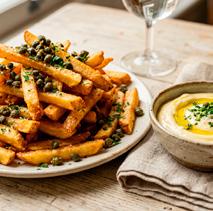
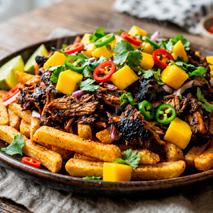
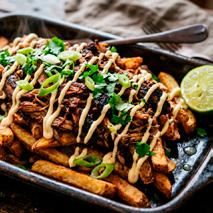
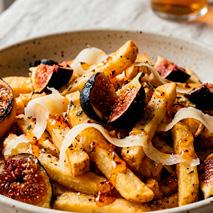
4 WAYS WITH
ULTRA-CRUNCHY 10MM SKIN-ON FRIES
With a coating that keeps each fry crunchier for longer, here are some ideas for side dishes, starters or sharers that are a textural treat
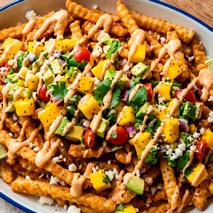
MANGO AND AVOCADO FRIES 1
Mix salsa Dice mango, avocado, red onion, chopped coriander and lime juice. Season and set aside.
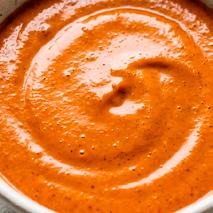
Make sauce Stir chipotle paste and soured cream together to create a saucy drizzle.
Layer and serve Cook the fries and plate them with the salsa spooned generously over the top. Finish with the sauce.
SCAN HERE Scan here to get the full recipes with Lutosa fries Discover the dishes
2 WILD GARLIC AIOLI FRIES
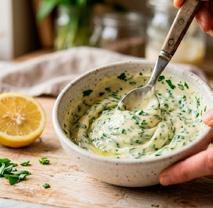
Get garlicky Stir mayonnaise, chopped wild garlic (or roasted garlic purée if out of season) and lemon juice together.
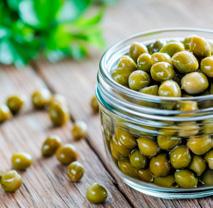
Fry capers Sizzle capers in a little oil until they’re golden and crisp. Set aside to drain.
Scatter and serve
Cook the fries and serve the aioli alongside. Scatter the crispy capers and chopped parsley on the dish.
Fry and season
Cook the fries, season generously and tip into a sharing basket.
Add toppings
Pile on the pulled jerk chicken. Scatter with diced mango, sliced chilli and fresh coriander.
Drizzle
Finish with scotch bonnet mayonnaise and a lime wedge ready to serve.
Did you know?
Combining Belgian tradition with modern innovation, Lutosa’s Ultra Crunchy range delivers the ultimate fry experience, irresistibly crunchy on the outside, light and fluffy on the inside, and crafted to the highest quality standards.
Discover recipe inspiration, menu trends, serving ideas, and more on Lutosa's Instagram @lutosa.uk
Arrange fries
Cook the fries and arrange them on a board or a wide sharing plate.
Scatter garnishes
Top with a handful of rocket, torn slices of prosciutto and quartered fresh figs.
Finish
Add shaved pecorino, a drizzle of chilli honey and a squeeze of lemon before serving.
Ways to upsell sustainable sourcing
If you’re making the effort to reduce your environmental impact, you should reap the full benefits. Sourcing more sustainably and shouting about it is a great upsell opportunity
If you have a local supplier that can offer goods sourced from Britain or the UK, then this will help you cut down your impact. It’ll also make you more attractive to customers, with 39% saying they expect Foodservice providers to prioritise local sourcing.
68% of customers view sustainable food positively
Source: Sodexo UK
Buy local or certified products
When buying goods, keep an eye out for the following labels to guarantee their origin and ethical production:
• Country of origin: this label tells you where the goods were produced. Made in or packaged in labels only tell you where goods were manufactured, so don’t tell you the product source
• Red tractor or RSPCA Assured: these guarantee food safety, traceability and animal welfare standards across their life
• Blue MSC ecolabel: identifies that fish or seafood has been caught in a sustainable way, as certified by the Marine Stewardship Council
Call out your sources
When you’ve gone to extra effort to source your ingredients sustainably, you need to let customers know. For 34% of customers, transparency in labelling and certification is expected from Foodservice businesses. This signposting also helps build trust and reassure customers that your menu is high-quality.
You can highlight the source of ingredients by:
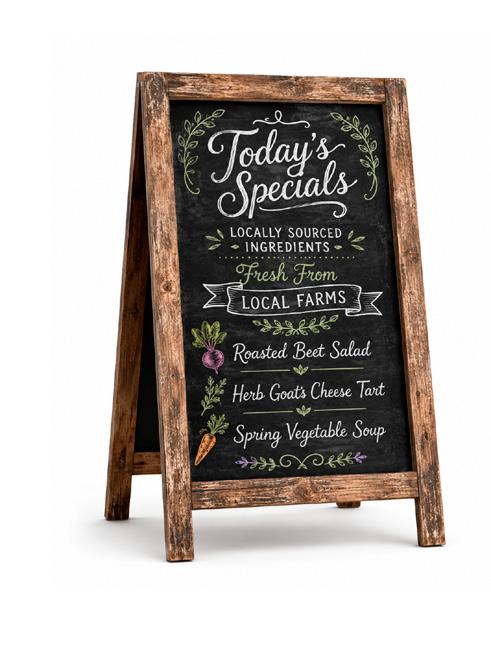
• Adding a note under each of the dishes on the menu
• Shouting out your suppliers on in-venue signage and social media Putting supplier logos on your product packaging and labels
Highlight ingredient quality
More than a third (35%) of customers see sustainable food as more nutritious. Press this point by highlighting the health benefits of dishes. As well as describing the flavour profiles and textures, use descriptions to push the nutritional value of your products to attract health-conscious customers.
You can also showcase ingredient quality by:
• Pulling out key nutrients in dishes e.g. high in protein or fibre
• Using clear packaging so customers can see the freshness of ingredients
• Displaying the percentage of premium ingredients e.g. 30% salmon
Create a crumb
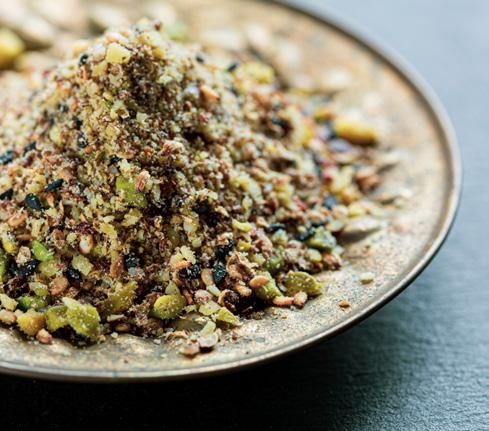
Make the most of pistachios’ unique texture and colour by blitzing them into a crumb. Add seasonings if desired, spread the crumb out on a tray and bake at 160C for 6-10 mins (check halfway through and shake). Then use the crunchy topping to coat proteins, top muffins or mix into dairy desserts. Will keep in an airtight container for four weeks.
Top dishes
Mix with pomegranate seeds to add crunch and colour to salads or rice dishes. Whizz in a blender with toasted sesame seeds, cumin and coriander to make a dukkah blend that can be used to top dishes or dip bread in. For sweet dishes, create a praline from leftover nuts and use it to decorate cakes or ice cream.
Pistachios add a delicate nutty flavour and crunchy texture to savoury and sweet dishes. Use up every gram with these tips
Make butter
Forget almond or peanut, pistachio butter packs in plenty of flavour while retaining the signature green colour. Toast or blanch the nuts to retain their shade and taste, then use a food processor to blend them into a thick, smooth consistency. Add a pinch of salt to bring out all the flavours.
Prep and freeze
Extend the shelf life of any excess pistachios by storing them in the freezer. Whole raw pistachios can be kept shelled or unshelled for a year or more if they’re frozen in an airtight container. Alternatively, blitz them into a pesto, portion into cubes in silicone trays and freeze. Serve individually when needed.
STAY MENTALLY RESILIENT THIS SUMMER
For hospitality teams, the summer isn’t a relaxing time. It’s hot, busy and full of challenges. To help colleagues cope, we asked CEO of The Burnt Chef Project Kris Hall for some advice
Summer places huge strain on hospitality professionals. Increased demand and longer hours mix with hot working environments. If the kitchen temperature rises above 45C, it can cause dehydration and physical fatigue for those working in it.
These factors directly impact mental wellbeing. Dehydration alone can reduce cognitive function, impair decision-making and increase
irritability. Add in overworking and insufficient rest periods, and this creates the perfect conditions for acute stress and burnout.
Reduced staffing levels due to economic pressures can make this even worse by placing extra workload on already stretched teams. Without proper recovery time, individuals are at a greater risk of decline in both physical and mental health.
STAY HYDRATED AND COOL
In hot, intense environments, hydration needs can effectively double. Staying hydrated supports mental clarity, reduces fatigue and helps regulate mood. Try to drink half a pint of water every 20 minutes to stay well. After two hours, you should also have an electrolyte drink to replace the salts lost through sweat.
Avoid having too many caffeinated or sugary drinks and don’t switch to alcohol too early post-shift, as this can affect your rehydration. Keep an eye on your wee – if it’s dark in colour, that means you’re dehydrated. Keep ice lollies and wet cloths in the freezer to cool off during your breaks.
BE MINDFUL OF COPING HABITS
Relying on caffeine, alcohol, nicotine or other substances can worsen dehydration and anxiety. It's easy to default to coping behaviours, like reaching for sugary foods, when our bodies are in fight-or-flight mode. Recognising these signs and maintaining balanced habits will better support long-term resilience and performance. Try noting down two to three healthy things your body and brain need daily and build them into your routine to keep you on track. Think of it as a personal mise en place.
TAKE BREAKS SERIOUSLY
Breaks are not optional during peak periods. They’re essential for sustained performance and reduce the risk of illness or time out of the business. Stepping away, cooling down and getting fresh air can significantly reduce stress levels and prevent overheating.
Staying active on your days off also helps, particularly if you can do activities outdoors. Getting some time in for a brisk walk, a run, padel, bike riding or swimming are all key to boosting serotonin and dispelling the stress built up during services.
4 IN 5
CHEFS REPORT EXPERIENCING AT LEAST ONE MENTAL HEALTH ISSUE
Source: The Burnt Chef Project
79% OF US CHEFS CONSIDERED LEAVING THE PROFESSION IN 2025
Source: The Burnt Chef Project
SIGNS OF BURNOUT
• Increased irritability or workplace conflict
• Careless mistakes or reduced performance
• Physical and emotional exhaustion
• Withdrawal or disengagement from colleagues
• Increased reliance on caffeine, alcohol, smoking or other substances
DON’T CARRY ALL THE LOAD
One person can't carry the load of others. This is especially true for general managers and business leaders who sometimes take on others' burdens to their own detriment. If you feel there isn't enough time in the day and you've already taken on more than you should, it's time to set healthy boundaries and look at other options rather than taking it all on yourself.
GET EXTRA SUPPORT
The Burnt Chef Project continues to provide accessible, practical support to hospitality professionals worldwide. This includes:
• Free, 24/7 text-based support services
• Access to therapy and life coaching
• E-learning modules covering hydration, nutrition, sleep, digital wellbeing and communication
• Training for teams and leaders to better recognise and respond to mental health challenges
During high-pressure periods like summer, these services become even more critical to give individuals somewhere to turn for support, guidance and recovery.
5 TIPS TO KEEP YOUR TEAM RESILIENT
Protecting staff wellbeing is not just a moral responsibility. It reduces absenteeism, errors and long-term burnout. Plus, it builds a more supportive culture in the workplace. Managers play a critical role in highpressure periods. Here are five practical tips to help them support their team…
Make breaks mandatory
Keep an eye on working hours
Where possible, you want to prevent excessive overtime, as this can build up into burnout. So review each colleagues’ working hours regularly.
Give access to support
Whether internal or external, having support on-hand for when colleagues need it will help them get through this busy period, without you needing to take on their problems.
Put structured breaks in place and make sure they are actually taken, even if your team member says they don’t need it.
Spot stress early
Understand what stress looks like, keep a close eye on your colleagues and have clear processes in place for intervention.
Be flexible where possible
Even if that means temporarily simplifying menus or operations, giving your team a better work-life balance will help them get through the busy period.
FEStIVAL time GET for
Jon Edmeade and his wife Diana are co-founders of Lils, a regular food stand favourite with vegetarians, vegans and meat eaters at UK music festivals
This year, their distinctive brand of Middle Eastern food with a Mediterranean twist is at all the big ones, including Download, Isle of Wight, Leeds, Creamfields, Love Supreme, Bloodstock and TRNSMT.
We asked Jon to share a few of the secrets to his success that could help you run your own mini-festival – or go big like Lils.
Good food has a way of bringing people together. That’s at the heart of everything we do
Jon & Diana
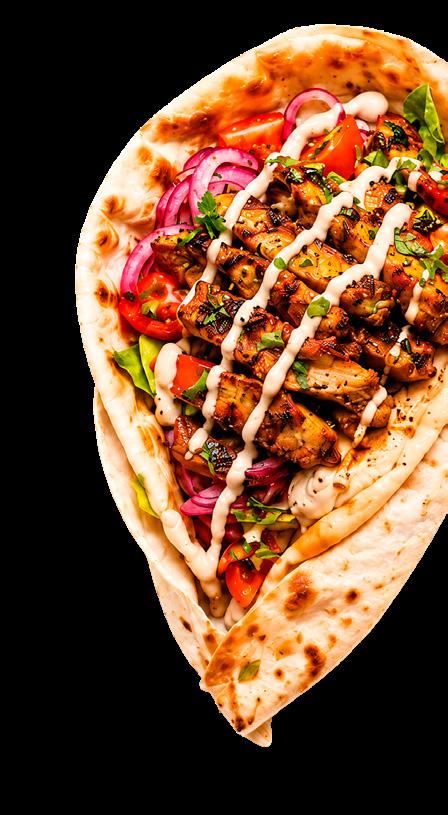
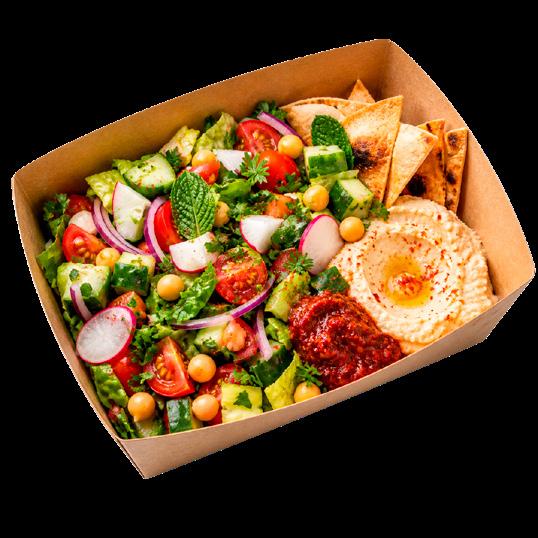
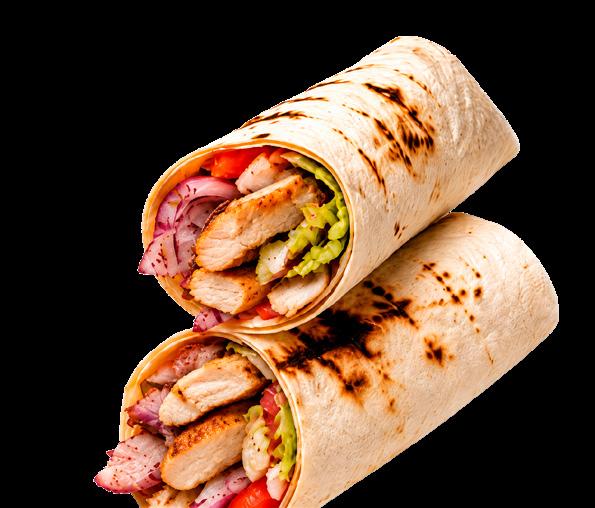
Made with marinated chicken, tahini, pickled veg, fresh herbs and a kick of sumac
HOW LONG HAS LILS BEEN RUNNING?
We started it in 2017 as market traders in London’s Soho with a stall open from Tuesday to Friday with clear principles and a vision of what we wanted to do.
HOW DID YOU GET IN TIME OUT’S LIST OF BEST LONDON STREET FOOD TRADERS?
We focused on good quality food and a desire to be really inclusive because a decade ago there wasn’t much in the way of vegan and vegetarian street food.
WHY MIDDLE EASTERN STREET FOOD?
It’s Middle Eastern in style but with Mediterranean flavours, so lots of fresh salad, fresh herbs, spices and colourful. We wanted food that felt fresh, healthy and satisfying.
The Lils founders work “flat out” for six months applying for festivals, prepping and researching the freshest ingredients
HOW IMPORTANT IS VALUE?
We want customers to feel like they’ve had a slightly bigger portion or pricing that’s a little bit lower. Because we make everything ourselves from scratch, our margins are different to someone buying ready-made falafel or chicken. It’s more work for us, but it means we can control the quality, price and offering.
IS AUTHENTICITY IMPORTANT?
Definitely. We use chicken thighs from one trusted supplier, our chickpeas, halloumi, tahini and spices are all imported from Turkey. Our specialist ingredients come from specific suppliers and we don’t move away from them.
DO YOU HAVE A MOTTO YOU OPERATE BY?
Fast, fresh, healthy and satisfying food on the go. Our total focus is summer events, private events and UK festivals, so we have to be clinical and hit that every time. Customers don’t want to wait ages for food, but at the same time, whatever you’re serving has to be really good.
HOW IMPORTANT IS IT TO SCALE UP AND BUILD-IN UPSELLS?
The idea is to get the average sale to a certain point, but we still want people to feel they’re getting value. Everyone chooses either a wrap or a salad box, then chicken or falafel. The wraps sell more, but the boxes are important because they give gluten-free customers a proper meal. Add-ons like chips and halloumi can go inside the wrap or box.
HOW DO YOU KEEP THINGS FRESH AND AUTHENTIC?
We’re careful with the condiments and ingredients. We use a lot of mint, parsley and fresh, high-quality veg. The quality of the herbs and spices is crucial because ingredients like that are what bring that authentic feel to the food.
HOW DO YOU BALANCE HIGH FOOTFALL WITH MAINTAINING QUALITY?
It’s trial and error. We’ve made lots of mistakes and worked out how to do it. For fast service, it’s all about organisation. Every member of the team needs to know what they’re doing, what goes into each dish and the method. We’re hands-on and both of us will always be at the event.
DO YOU LIKE SEEING BIG QUEUES?
Some stalls encourage them to look popular but I don’t like seeing queues because I wouldn’t want to be in one myself. Some people see a queue and assume the food is good. But we want to serve people as quickly as we can, so they eat and judge us on that.
Fresh and packed with flavour
HOW DO YOU KEEP THINGS MOVING?
Generally we have two people taking orders and payments and two people preparing dishes. If it gets busy, we increase the number of people taking orders and making food. It’s all about putting staff where they’re needed.
HOW MANY ORDERS DO YOU TAKE ON A GOOD DAY?
We try to target at least a thousand portions a day and often hit that. But the biggest challenge is unpredictability – you can lose power, lose gas or stock. Those are the things you can’t always rely on and they’re out of your control.
HOW DO YOU KEEP MARGINS UP?
Quality and consistency are crucial. That’s why we stick with the same suppliers, even when prices change. We had a significant price increase on halloumi recently, but the quality was the same so we accepted it. We know how it tastes, how it behaves, how it cooks. In a fast-paced festival environment, the smallest deviation can mess things up.
HOW DO YOU MAKE THE STAND FESTIVAL-FRIENDLY?
Lighting. You have to be well seen and visible and it has to be clear what you’re selling. People need to know what you’re about from a distance as they browse.
HOW MUCH DO YOU NEED TO PREP IN ADVANCE?
We do it based on targets for the day and experience from previous festivals. If we’ve done an event before, we know how long it took last time and how each day can play out. Thursday is different from Saturday, for example. But we don’t bulk cook anything. Everything is hand-made and cooked to order.
WHAT IS THE BEST STAND SET-UP FOR SPEED?
Front of house and back of house are very clear. People don’t tend to move from their station once they’re in it. It’s repetitive, but we have a great team and everyone doing the same thing repeatedly keeps things moving.
HOW DO YOU DECIDE WHAT MAKES IT ONTO THE MENU?
We don’t change it much now because we know what works and what’s popular. Sometimes we might test a new dish, but that’s very rare
FRESH, BOLD, MADE WITH LOVE
HOW DO YOU GET A SLOT AT A FESTIVAL?
It’s a lengthy application process. Experience helps, but we go into detail and include information about our food, process, sustainability and environmental policies. We don’t write what we think the organisers want to hear. It’s genuinely what we believe in.
HOW DO YOU STAY CONSISTENT UNDER PRESSURE?
Process, ingredients and team. We keep the same process and the same trained team as much as possible. Everyone has Level 2 food safety qualifications and everything else we teach them ourselves.
WHAT SURPRISED YOU MOST AT A FESTIVAL?
An environmental health officer said she’d put a flag on our company because we were the only one of 50 traders using raw meat. That was when I first realised most were buying ready-made, cooked or prepared dishes and just warming them up.
Fresh chicken wraps cooked from scratch are Lils’ bestsellers
Trusted by Chefs, loved by customers.
The high-flying chef
Steven Bennett dreamed of being a pilot.
Instead, he’s hitting the heights as Chef Patron and MD at Healing Manor in Lincolnshire, after a roller-coaster childhood and career
Where did your passion for food begin?
My mum had a bakery and my uncle ran the butchers. From the age of six I’d be making bread, meringues, Eccles cakes, then go over and help butcher lambs and pigs… so it’s in my DNA. I wanted to join the RAF but life got in the way and I fell into cheffing.
What are your key career achievements?
I did my industry placement in London but came back to my hometown of Louth at 18 and became head chef of the Brackenborough at 22. I didn’t really think about it at the time, and I’ve never looked at it like an achievement because cooking is just an opinion. Chefs aren’t gods so who am I to say what’s right and what isn’t?
What shaped you outside the kitchen?
I mucked around as a child, got kicked out of grammar school, ended up at college and messed that up as well. I was dyslexic, labelled the naughty kid and I played up to it. It’s not been an easy ride, but it’s shaped me and made me resilient.
How did you get into professional cooking?
I went to college for hotel management, not cheffing. Failed that and fell into the cheffing side and realised it was my calling. The kitchen was more of a team… people wanted to teach you and I had a great mentor who took me under his wing. That’s when it clicked.
Where did you train and develop your skills?
At Michelin-starred Winteringham Fields in Scunthorpe. It was a very French kitchen, no one spoke English and I’d got
an F in French, so that was interesting. You’d work from 7am until 1am and it was brutal, but that’s how you learn. I never thought I was a great chef but I could outwork people and I’ve got a good memory, so I’d just take it all in.
How would you describe your cooking style?
Classically French at its core, as per my training. But I’m British, so it’s about adapting that to see how you can take French techniques and apply them to British food. That’s always been my thing.
What drives your approach to food?
Protein needs to taste like protein. If you’re buying lamb, make it taste like lamb. I don’t get why you’d take salt marsh lamb and cover it in harissa. Put those flavours elsewhere, in the veg or the garnish. Enhance it, don’t mask it.
What role does Lincolnshire play in your cooking?
The county is one of the biggest growers of veg in the country so I love to localise dishes right down to the county. Customers love that provenance – you don’t need to go far when it’s all here.
What kinds of dishes define your menus?
I don’t believe in signature dishes and we don’t have specials because they’re never special. Soup of the day is actually soup of the week. We change menus six times a year and follow proper seasonality even down to the micro-seasons.
What’s an example of that approach?
At the minute there’s loads of British octopus and no one is using it, so I’ll do something like ‘beans on toast’ with barbecued octopus. It’s still rooted in something British, but you just twist it. That’s how I think about food.
What ingredients do you love working with most?
I don’t have favourites. I work off what’s in season. I’ll look at what veg is in, then build everything around that by seeing what protein’s right, what fits. It all starts there.
What dishes are you known for?
We always have a Scotch egg on, but it’s always different. I’ve been doing them for 20 years. One menu it’ll be a lamb biryani one of braised lamb with rice and poppadom crumb, and next it might be lobster with a Thermidor emulsion and parsley sauce. It changes all the time.
What’s your favourite dish?
I don’t have one. If something gets popular on the menu, I take it off. Cooking’s an opinion and I’m not saying mine’s right.
What’s your guilty pleasure?
A bowl of cereal or brown bread, really good dried ham, not quite ripe tomatoes, mayonnaise, a bit of sea salt and some Pringles. That’s me done.
One ingredient you can’t be without?
Sea salt. It’s the baseline of everything so you need to get it right. Doesn’t matter if it’s lamb, carrot or potato, it all starts there.
What values define you as a chef?
Resilient, hard-working, professional and I like a laugh. I’m fiercely loyal. And I don’t like people thinking their opinion is gospel, because it’s not. It’s just food.
Get ready for
Reset andRefresh for the new term!
The upcoming September term is a great chance to reset and refresh. With the demands this year brings, it could also feel stressful. We’ve got tips from school catering experts to help you feel prepared
As you start building next year’s menus, there is a lot to consider. Thinking about what your children will find appealing and enjoy eating is always front of mind. Now, you also need to balance this with nutritional compliance, tighter costs and the practical needs of your kitchen. Here’s some advice and recipes to get you started.
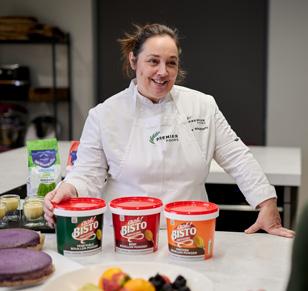
Louise’s top tips
Reinvent, don't Remove
Louise Wagstaffe, Senior Culinary Adviser at Premier Foods, says that although the changes to School Food Standards may feel daunting, you don’t need to reinvent your whole menu or remove items to meet them. She explains: “The principle is simple: keep the dishes students love, just make them work harder nutritionally. Take a classic like cottage pie. By moving to a 50/50 blend of beef and lentils, enriching the sauce with vegetables, and using Bisto gravy, you maintain flavour, improve fibre, and reduce costs all without changing the dish identity.”
• Plant-based isn’t just a trend, it’s practical. Pulses, grains and vegetables can help save on cost and boost fibre in dishes like lentil bolognese, chickpea curry or veg fried rice. Don’t label them ‘vegan alternatives’ just ‘good food’
• Sugar reduction is high on the agenda but removing desserts risks cutting meal uptake. Work with fruit to create a treat that feels familiar but meets new nutritional standards
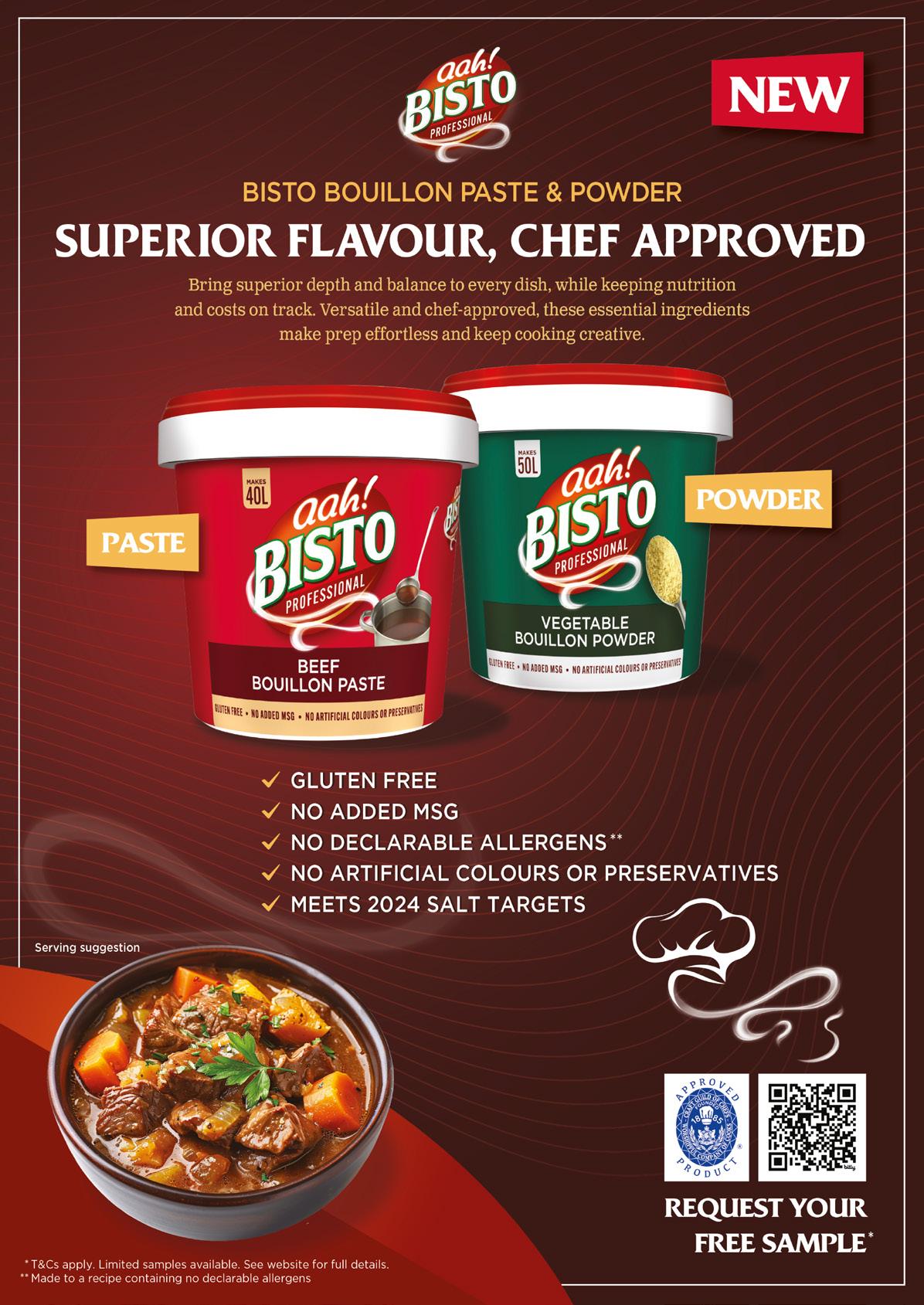
• Flavour drives uptake. This needs to be bold but controlled enough to meet standards. This is where products like a Sharwood’s Katsu Cooking Sauce and Bisto Vegetable Boullion Paste or Powder come into their own
Angel Delight Strawberry Shortcake
Serves: 20 Skill rating: MEDIUM
Ingredients
• 200g softened butter
• 200g caster sugar
• 4 eggs
• 200g self-raising flour
• 1 tsp baking powder
• 2 tbsp milk
• 80g McDougalls No Added Sugar Strawberry Jelly
• 500ml boiling water
• 150g No Added Sugar Angel Delight Strawberry Whip
• 500ml water
• Fresh strawberries, sliced lengthways
Method
1. Preheat the oven to 170C. Line a 33cm x 22cm baking tin with baking parchment.
2. Cream the butter and sugar until pale. Beat in the eggs one at a time. Fold in the flour, baking powder and milk. Mix until you have a smooth cake batter.
3. Place into the tin, spreading evenly so it rises evenly. Bake for 25 mins. Allow the cake to cool fully, then slice horizontally.
4. Mix the McDougalls No Added Sugar Strawberry Jelly into boiling water, then divide between two clean 33cm x 22cm tins.
5. Pour the water into a large mixing bowl. Add the No Added Sugar Angel Delight Strawberry Whip and whisk for 30 seconds on low speed. Scrape down, then whisk for 4 mins on high speed.
6. Pour on top of the set jellies, reserving a little for decoration. Top each jelly with a layer of sponge, then place in the fridge for 30 mins to set.
7. To serve, turn out so the sponge layer is on a board. Cut each one in half, then into fingers. Garnish with extra Angel Delight Strawberry Whip and chopped fresh strawberries.
Deep-fried foods will no longer be served
High-fat items like pizza and sausage rolls won’t be available every day
Most days, fruit will replace sugar desserts new school standardsfood what’s changing?
work hard to tackLe waste
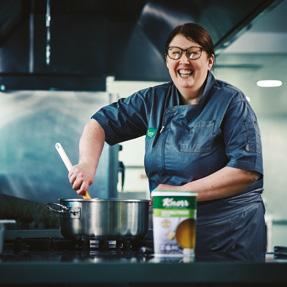
Kath Breckon, Knorr Professional Education Ambassador, says that, especially while costs are tight, making the most of all your stock should be a priority for school kitchens. It can also help boost the nutrition in your dishes.
She says: “Having worked in school catering for over 30 years, I have seen first-hand how much food can go to waste. Because of this, throughout my career, I have been working to create flavoursome, healthy and enjoyable dishes while actively maximising ingredients and reducing food waste.”
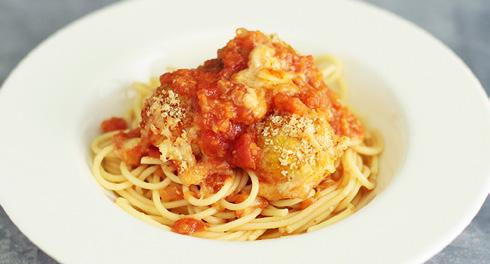
Beetroot and Mushroom Meatballs
Serves: 10 Skill rating: MEDIUM
Ingredients
• 600g spaghetti
For the meatballs
• 500g onions
• 500g mushrooms
• 50g margarine
• 1kg beetroot
Kath’s top tips
Make more from your peelings. Vegetable peelings can be finely chopped and added to cake mixes or stir-fries. Potato peelings make great homestyle crisps, baked with a drizzle of oil and seasoned with Knorr Professional Powder Bouillon
• If you have veggies left over that haven’t been served, turn them into flavoursome chutneys, marmalades or salsas. They can also be pickled, blended into a pasta sauce or used to bulk out dishes
• Get your staple ingredients working harder. Freeze any leftover eggs or bread (clearly labelled) ready to use later. Bread can then be blended with Knorr Professional Powder Bouillons to make breadcrumb toppings for pasta dishes
• 30g KNORR Professional Vegetable Powder Bouillon
• 380g fresh breadcrumbs 50/50
• 150g grated cheddar
For the sauce
• 1l water
• 160g KNORR Professional Bolognese Sauce Mix
Method
1. To make the meatballs, roughly chop the onions and put into a blender with the mushrooms. Blitz to small dice, then sauté in the margarine for 5 mins. Once softened, pour into a mixing bowl and allow to cool.
2. Peel and grate the beetroot. Squeeze out some of the juice and put in a bowl with the KNORR Professional Vegetable Powder Bouillon, breadcrumbs and cheese. Mix with the mushrooms and onion. Shape into meatballs and chill for 30 mins.
3. For the sauce, bring the water to the boil and mix in the KNORR Professional Bolognese Sauce Mix. Simmer for 2 mins and cover until needed.
4. Place the meatballs onto an oven tray lined with parchment paper and bake at 170C for 20 mins.
5. Pour the bolognese sauce onto cooked pasta and gently mix to ensure all the pasta is coated. Then add the meatballs and spoon into serving dishes.
encourage uptake with excitement
Erin Ward, Executive Chef at Holmer Green School, believes that although seasonality and sustainability are very important, to really engage children, you need to give your dishes a ‘hype’. She says: “I’m always thinking of ways to encourage students to try stuff they’re fearful of. This starts with bringing the team onboard to get the kids excited about what they’re eating. We don’t want them to think ‘ugh spag bol again’, we want them to shout ‘yay, it’s pasta day!’”
erin’s top tips
• We do a lot around theme days, similar to what you’d do in a restaurant but child-friendly. When we had fish and chip day for British Food Fortnight, I put an inflatable seagull in the canteen. The kids went mad!
• We promote special menus around the school. We put up posters in and around the canteen and advertise them across the school through the TV screens. That way, the students can look forward to what’s coming
• We want the kids to learn about what they’re eating too. We sometimes sacrifice a couple of portions to make tasters, or put seasonal vegetables out the front with a sheet to encourage them to try something new
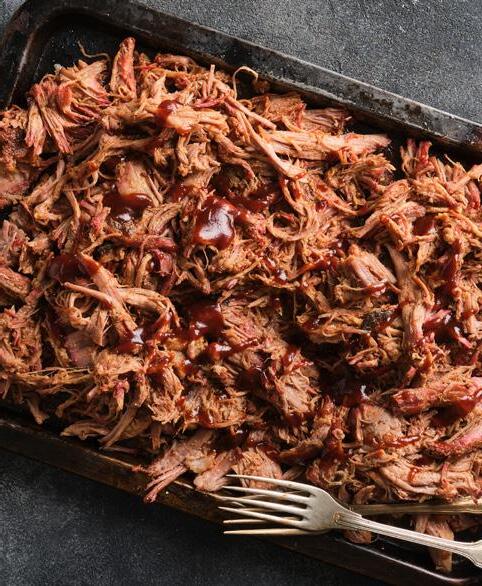
Chipotle Pulled Beef
Serves: 35 Skill rating: EASY
Ingredients
• 30g chipotle spice rub
• 75g dark brown soft sugar
• 10g salt
• 2kg beef brisket
• 1l water
• 1.5kg onions, thinly sliced
• 100g Bisto Gluten Free gravy Granules
Method
1. To season the beef, rub the chipotle spice, brown sugar and salt into it and leave to marinate in the fridge overnight.
2. Place the beef in a deep gastro, half fill with water and cover with a lid. Cook in the oven for around 3 hours at 150C.
3. Once cooked, remove the tray. Lift the beef into a bowl, allow to cool a little then pull by hand.
4. Fry the onions until soft, pour in the cooking liquor from the beef tray and thicken with the gravy granules.
5. Place the pulled beef back in the gravy, stir well and serve.
SCAN HERE
Bar WATCH Serve, surprise and secure tomorrow’s regulars
Put margin chasing on ice to showcase what makes your venue special this International Beer Day
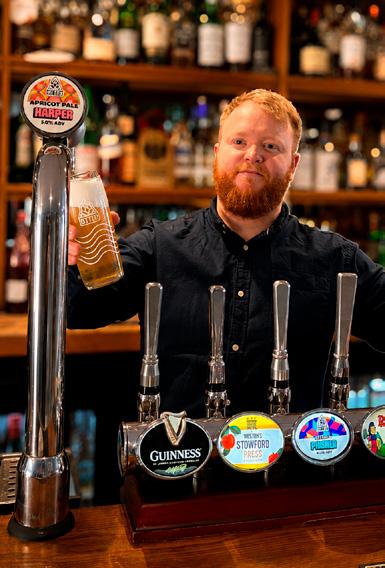
Jack Carnduff loves to surprise drinkers at his vintage comic book-inspired pub.
The General Manager of The Drawing Board in Leamington Spa, known for its quality craft ales, tapas and Sunday roasts, says balance is everything.
“You don’t want to stray too far from firm lager or ale favourites but it’s good to throw in new and exciting IPAs, a 9% sour, the odd really weird stout or something totally different,” he says.
“Give customers what they know and love but keep them guessing and thrill them so it’s never dull.”
Excite your customers
“Try guest lines alongside your dependable, trusted core range to bring the energy. Limited releases or unusual styles create excitement and encourage people to try new beers,” adds Jack. “Even if they’re not permanent, it’s the mix of familiarity and surprise that keeps people engaged.”
Tempt guests to explore
Jack’s bar menu reflects the fact that craft ale drinkers are driven by discovery: “We’ll offer a wide range – from a tropical, easy-drinking pale to something more distinctive like an apricot IPA.
“We’ve got a 2.7% ale that’s shocked customers because it packs a punch, and it’s making them think differently about things.”
Jack carnduff
The result is a line-up that feels fresh, even for regulars, because “people like to feel like they’ve explored a bit, even if they come to the same pub every time.”
Don’t be afraid to push the price Jack says customers accept a small premium if the value is clear. “They’re happy to pay a little extra for the atmosphere and knowledgeable staff who can advise on the beer and set high standards for proper line cleaning and cellar care. The payoff is a noticeably better pint.”
Window shopping
Treat the day as a trial rather than a profit driver. Jack says: “Drop the price, put extra stuff on. You might not make the most money that day, but you will tempt people back.
“It’s an opportunity to showcase range, bring in new customers and remind regulars what you can do.
“One day won’t make or break your year, but you could set yourself up to do well for the rest of it.”
Mix it up
Pair lighter, summery 3.5% session IPAs with one or two beers you want guests to keep drinking into autumn and winter. Jack says: “On the day itself customers will still want to pretend it’s warm, but encourage them to try something different and they’ll return long into autumn and beyond. The goal is simple. Keep things interesting, exciting and fresh and customers will return.”
Harper Apricot Pale
The perfect summer beer, this classic pale ale has a surprising juicy apricot twist. Tropical and brewed with US hops, it’s a veganfriendly pint that’s best sipped in the sunshine.
Hazy Pale Intuition
Attic’s flagship beer is a session strength pale full of juicy flavours, including pineapple and ripe peaches, and a pithy bitter finish. Vegan-friendly, it’s a Great Taste award winner.
Lager Pilsner
Inspired by Birmingham’s 1,000 trades, this beer draws from the German and Czech brewing styles. A light, refreshing and crisp lager with a complex flavour, it’s vegan and gluten-free.
Manager at The Drawing Board, Leamington Spa
Probably… the best of all worlds
One supplier, every occasion – the drinks partnership rewriting the rule book
Certain adverts have a habit of worming their way into everyday language.
Carlsberg’s “probably the best lager in the world”, went on to be used to describe many other things that were close to perfection.
That and Britvic 55’s ad proposing summer afternoons with a glass of something cold and fruity, became part of Britain’s cultural furniture – warm, witty and memorable.
That emotional capital, built over decades, is part of what makes the merger last year of Carlsberg and Britvic such a compelling one.
Small acorns, mighty oaks
A two-century love affair began in the 1800s, when Essex chemist Mr Rawlings set up a soft drinks firm which would become the British Vitamin Product Company, and then Britvic in 1971.
Carlsberg’s story began in 1847 in Copenhagen, where JC Jacobsen founded a brewery that would one day become one of the most recognised names in the world.
Both brands were built on craft, consistency and stubborn commitment to quality – factors that attracted a steady growth of customers, trusted partnerships and category leadership.
Britvic became the UK’s go-to soft drinks supplier, with an enviable portfolio of household names alongside exclusive long-term bottling partnerships. Carlsberg, meanwhile, strengthened its position through brewing heritage, a formidable distribution network with deep roots in the on trade.
Better together
Carlsberg’s acquisition of Britvic was a game-changer for the UK drinks market: a single, genuinely multi-beverage business operating at scale across both beer and soft drinks.
Carlsberg Britvic is now the UK’s second-largest total beverage supplier, with a turnover of £2.3bn, five production facilities and a national logistics network serving grocery, wholesale and hospitality customers across the country.
Significant investment in the supply chain in 2025 has further strengthened capacity and service resilience.
Rather than managing multiple supplier relationships across categories, customers now have a single multibeverage interface which allows for broader category conversations and cross-portfolio insight all under one roof.
Its first year as a combined business has brought a structural and commercial transformation that’s delivering innovation and operational strength without compromising service.
This breadth in our portfolio gives us a unique advantage
Ben Parker, VP Sales - Off Trade
“A total drinks strategy across beer, cider, carbonates, energy, juice, mixers and functional drinks means we can respond to macro trends such as premiumisation, moderation, flavour exploration and health across the entire range at once.”
From Tango, J2O, London Essence, Plenish, Jimmy’s Iced Coffee and Lipton Ice Tea through to its trademark Danish Pilsner and Birrificio Angelo Poretti, described as the fastest-growing world lager brand, its strength lies in its one-stop shop capability.
Alcohol-free options are expanding too, with 1664 Bière 0.0, Carlsberg 0.0, Poretti Alcohol Free and Brooklyn Special Effects all reflecting the shift in how customers drink.
Always part of the conversation
But it’s not just nostalgia that keeps the two brands on the tip of people’s tongues. It’s their ongoing appeal in so many everyday moments with a touch of humour often thrown in.
Tango leans into internet culture with its cheekily titled ‘Thirst Trap’ launch and the bold, confrontational energy of Tango Sours while Carlsberg builds on its cultural platform with genuinely moving activations.
More STAR products
Long-term PepsiCo agreements cover Pepsi MAX®, 7UP®, Rockstar Energy and Lipton Ice Tea.
‘Signs of Unity’, a shared British Sign Language rendition of You’ll Never Walk Alone at Liverpool FC’s Anfield, brought modern fans together in a way no TV ad could.
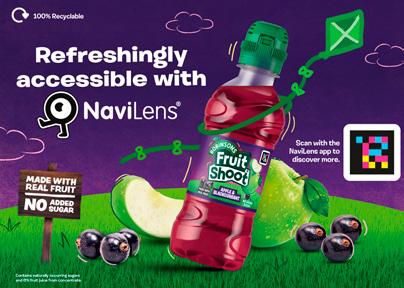
Robinsons teamed up with Star Wars: The Mandalorian and Grogu to bring a bit of theatre to squash occasions, while Fruit Shoot championed accessibility with its innovative NaviLens packaging for blind and partially sighted shoppers.
Innovation is central to building resilience in a rapidly evolving market where habits change constantly. Pepsi’s Strawberries ‘N’ Cream and Cream Soda range was the most successful cola NPD of the past five years, and the latest additions – ice creaminspired Cherry & Vanilla and Raspberry Ripple Zero Sugar flavours, launching now – are reaching a younger generation of shoppers into intentional treating.
On the beer side, serves include Carlsberg Danish Pilsner and 1664, Brooklyn Brewery, Hobgoblin and Birrificio Angelo Poretti.
J2O Sparkling in Apple & Raspberry and Apple & Mango for younger nonalcohol drinkers seeking something that still feels celebratory.
Brewing a better tomorrow
Sustainability sits at the heart of Carlsberg Britvic’s long-term strategy. Guided by the Carlsberg Group’s Brewing Tomorrow framework, the business is focused on cutting carbon, protecting nature, inspiring better choices and empowering people with a net zero value chain target by 2040. It’s an ambition that extends to the brands themselves.
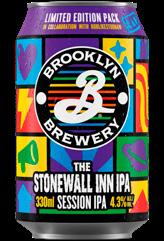
Brooklyn Brewery is marking Pride 2026 with a limited-edition Stonewall Inn IPA can design created in collaboration with emerging artist @RobLikesToDraw and the Queer Youth Art Collective – a reminder that in today’s market, what a brand stands for matters as much as what’s in the glass.
For customers across hospitality, wholesale and retail, Carlsberg Britvic’s offer is straightforward – scale, breadth and a genuine partnership model built on 170 years of knowing what people want to drink.
You could say it’s the best of both worlds… probably.
7 ways to take back control
Act decisively, review costs, protect margins and stay resilient in the face of volatile energy prices. Sean Connaughton, Consultant at carbon, energy and procurement solutions company Auditel, explains how
1. Make it visible
Before making changes, get a clear picture of how energy is used across your site. The biggest wins often come from simply identifying waste.
Many businesses don’t realise when or where they’re using energy inefficiently, so review it during trading and non-trading hours.
Check overnight consumption and identify spikes linked to specific equipment or shifts. Even basic monitoring can uncover inefficiencies that can be fixed quickly.
2. Eliminate no-cost energy waste
The fastest way to reduce bills is by tackling waste that requires no investment. Businesses can be unknowingly wasting energy overnight so that’s one of the quickest areas to address without spending a penny.
Turn off unused kitchen and bar equipment, ensure extraction systems aren’t running unnecessarily, maximise natural light and introduce clear shutdown procedures. These small operational changes can deliver immediate savings.
3. Optimise your biggest costs
Heating is typically the largest energy expense in hospitality, so it’s a key area to control.
The smallest adjustments – reducing thermostat settings slightly, servicing boilers regularly, avoiding heating unused areas and using zoning to control temperatures across spaces – can have a huge impact.
4. Take control of your energy contracts
Many operators don’t know when their energy contracts renew – and missing notice periods can mean being locked into costly extensions.
Create a contracts register for gas and electricity that includes supplier details, end dates and notice periods. These often differ, so visibility is key.
A quick annual review – set an afternoon aside to do it – can prevent automatic renewals and give you the opportunity to renegotiate or switch to better rates.
5. Benchmark the market
Staying with the same supplier without testing the market is a common mistake.
Regularly benchmark your energy costs and remind yourself what competitive pricing looks like. Going out to tender with just two or three suppliers can uncover better rates and improved contract terms. It’s not just about price but also flexibility and certainty in a volatile market.
6. Use brokers wisely
Energy is one of the hardest costs to manage, and a good broker can add real value by monitoring the market, running tenders and advising when to lock in rates. We’re seeing savings of between 9% and 27% against previous costs because they help venues avoid bad timing and bad contracts.
But the market is unregulated, so it’s wise to seek trusted or affiliated recommendations and to understand how brokers are paid, so you can ensure you have full visibility before signing any contract.
7. Make energy everyone’s responsibility
Long-term savings depend on behaviour, too. Staff habits around equipment use and shutdown routines play a critical role in reducing consumption. Clear processes, accountability and regular reminders can make a significant difference without affecting service.
Businesses that embed energy awareness into daily operations will be far better positioned to handle future volatility.
Your energy checklist
A long-term mindset from staff and management is vital to beat soaring prices
Staff
• Assign energy responsibility to a team member
Create simple opening and closing checklists
Share energy-saving goals with the team
Encourage and reward efficiency ideas
Management
• Invest in energy-efficient equipment when upgrading
Install monitoring tools for better data insights
Explore low-carbon and efficiency technologies
Build energy management into your overall business strategy
Scan the QR code to discover more ways to cut your energy bills
WIN A£50GIFTCARD Plusachancetopromoteyourbusiness
#feedyoureyes
Most chefs love to share their culinary triumphs, so why not get your venue known to thousands of Bar & Kitchen readers by letting us know your best starter, main or dessert? The best win a £50 Amazon gift card… and a big shout out in the next issue
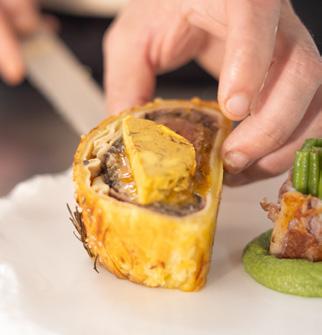
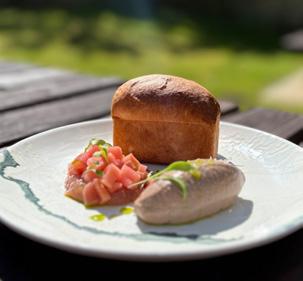
“A classic with a modern twist, I learnt to make this during training, and I’ve refined and perfected it over the years. The accompaniments bring a fresh seasonal element that make it both nostalgic and contemporary”
Sam Taylor
@chefsamtaylor Head Chef, The Angel Inn, Wangford
Sponsored by:
How to enter
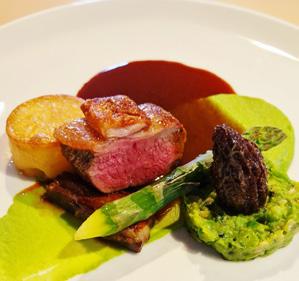
Spring Lamb Trio of Seared Loin, Sous Vide Breast & TartareStuffed Morel with Fondant Potato, French-style Peas, Denhead Asparagus & Lamb Jus
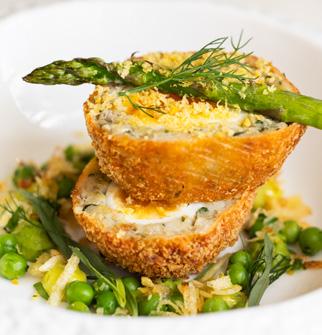
“My inspiration was to try and capture the essence of spring on a plate. The customer reaction was incredibly positive with lots of good feedback.”
James McMahon
@jimmer_mcmahon
Sous Chef, Glenmorangie House, Tain
Sponsored by:
To be in with a chance of winning, post a photo of your best dish on X or Instagram, and tag #FeedYourEyes and @barkitchenmag
Toasted White Chocolate Brûlée, Elderflower Ice Cream, Dark Chocolate Tuille
“The dish was inspired by local foraged elderflowers and the tuille pattern represents the countryside surrounding the village and restaurant. It’s been our best-selling dessert from the moment it hit the menu.”