






If demolition once thrived on brute force and bravado, 2025 made one thing abundantly clear: the industry’s most powerful tool is no longer the wrecking ball, it’s the algorithm.
The UK demolition sector, now valued at approximately £1.3 billion with over 800 active businesses, is entering a period of steady growth. Yet, it’s not without pressure. Labour shortages, tighter margins, and regulatory scrutiny are forcing a rethink of how we dismantle the built environment. Technology, as ever, plays the part of both disruptor and saviour.
Remote-controlled plant and robotic demolition systems are rapidly moving from novelty to necessity, particularly on high-risk sites where human exposure must be minimised. Industry forecasts suggest these tools could become standard practice on major UK projects in 2026, so watch this space to see if that comes into play. Meanwhile, drones and AI-driven analytics are transforming site surveys and hazard prediction, turning intuition into data, and data into safer outcomes.
But perhaps the most profound shift is less visible.
Digital tools such as BIM and material passports are quietly redefining demolition as a data-rich, circular process. With construction and demolition waste accounting for over 60% of the UK’s total waste stream, the ability to track, recover, and reuse materials is no longer a “green” add-on, it’s a commercial imperative. And yet, for all the talk of innovation, the UK still lags behind global peers in adopting robotics at scale. The question, then, is not whether technology will reshape demolition, but whether the sector can move quickly enough to keep pace with its own potential.
Because this isn’t just about smarter machines. It’s about a smarter mindset.
In an industry built on tearing things down, the real challenge for 2026 and beyond may be this: how do we dismantle our old ways of working before they become the next structure that needs bringing down?
Happy reading!
Rebecca Phillips Managing Editor


is published by
Machine Power Media Ltd.
St Johns House, St Johns Street, Chichester, West Sussex, PO19 1UU 07779 405885
Machine Power Media Ltd. © 2026 all rights reserved.
Reproduction in whole or part is prohibited except with permission in writing from the company.
Note to contributors: articles submitted to the Editor for consideration must be the original work of the author.
Where photographs are included that are not the property of the company or contributor, permission to reproduce them must have been received from the owner of the copyright. Any views or opinions expressed within this magazine are not necessarily those of the company. Registered in England No: 16081082
All advertisements are accepted subject to Machine Power Media’s standard of insertion.
For a copy of Advertising Terms & Conditions, please write to:
Darren Shelton, Machine Power Media Ltd.
St Johns House, St Johns Street, Chichester, West Sussex, PO19 1UU
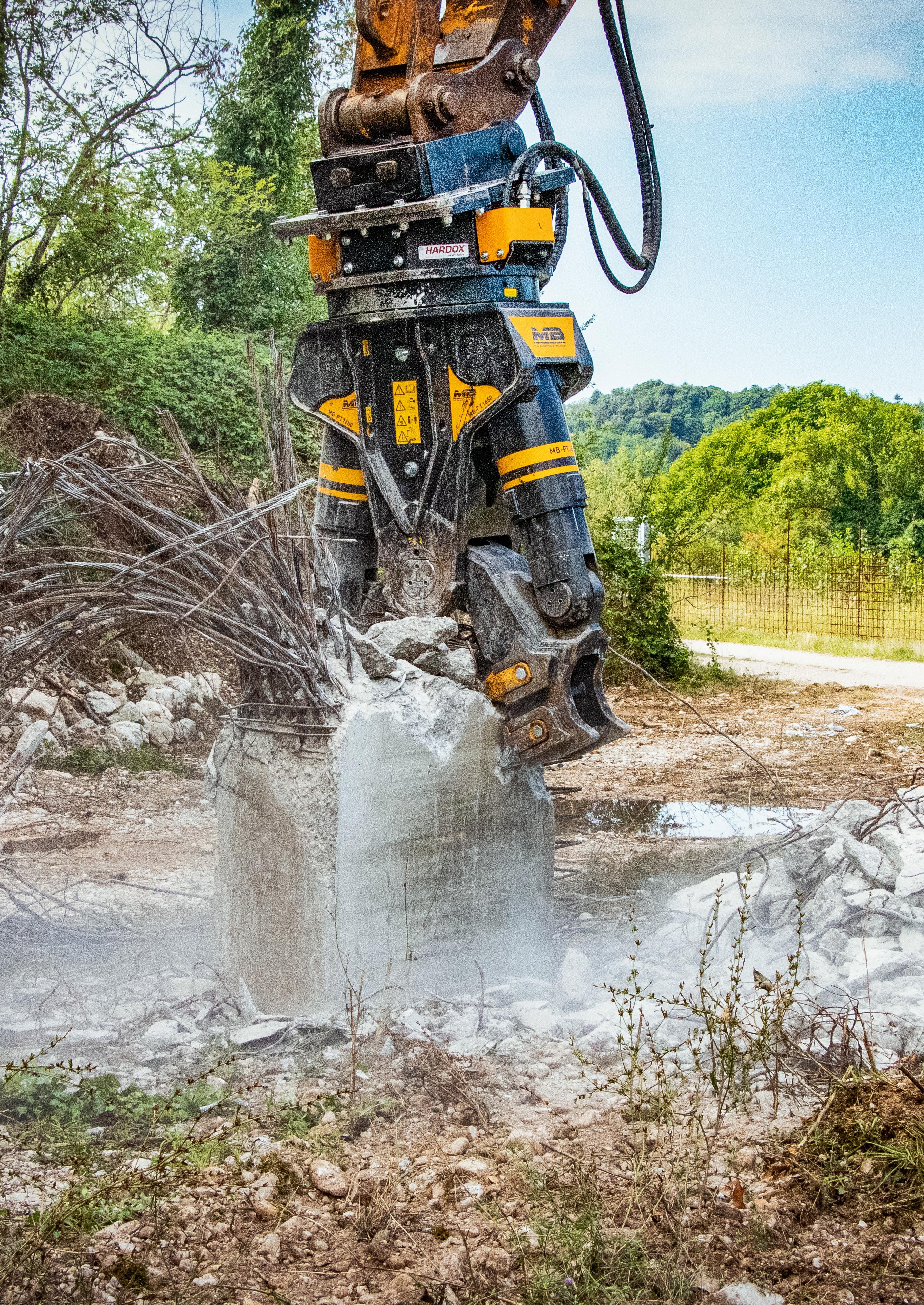
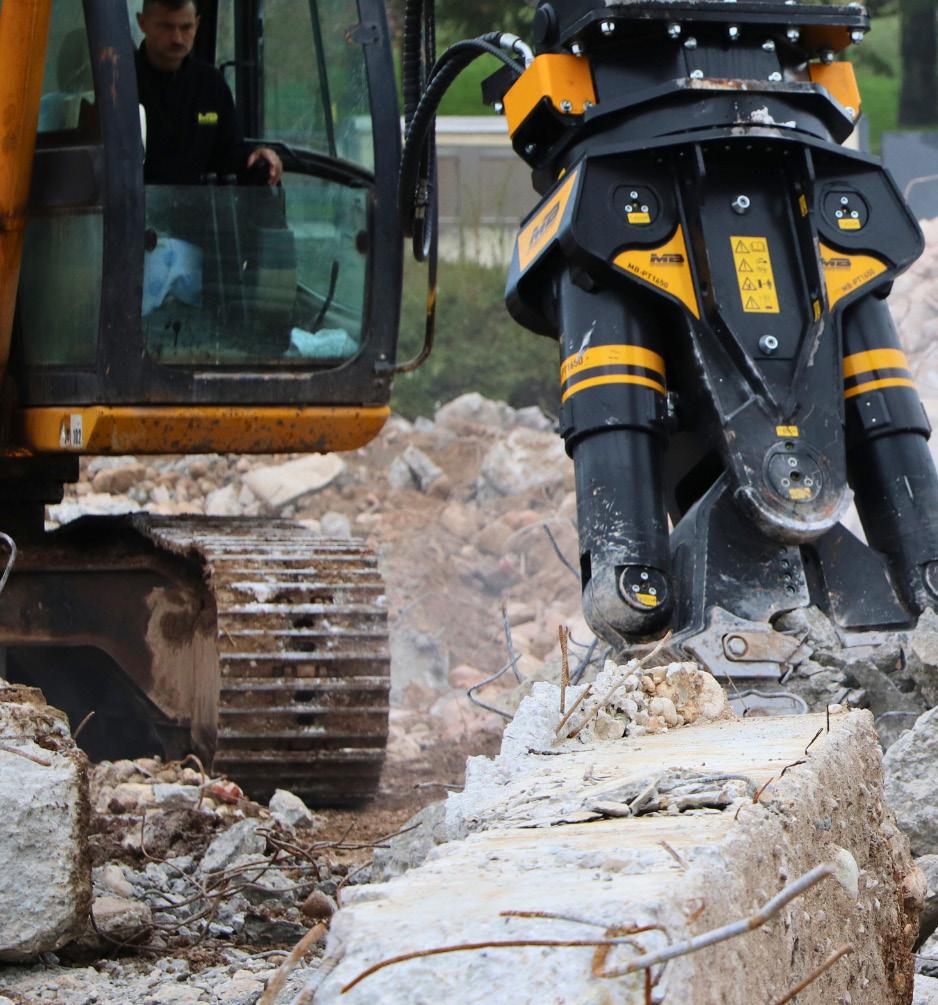
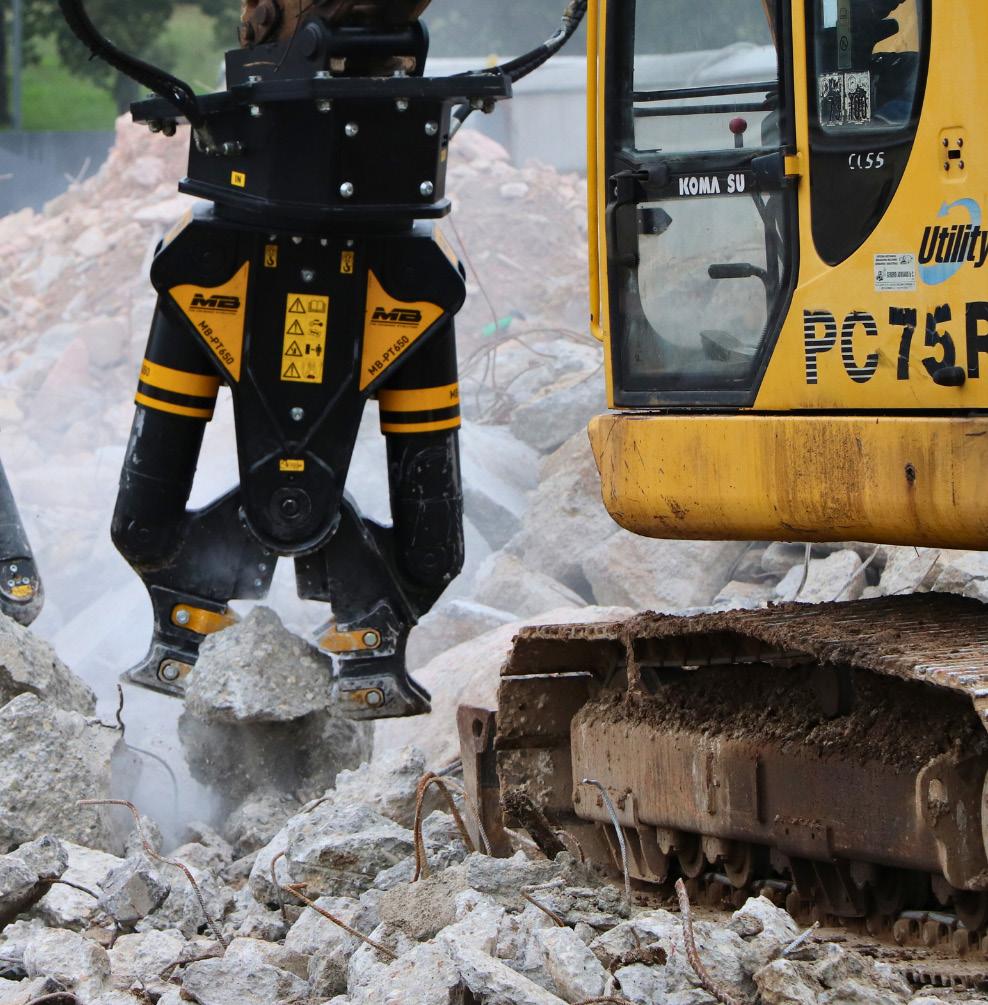
There are solutions that improve a process, and solutions that change it entirely. The crusher bucket belongs to the second category?
8 // Latest news
The latest news from the plant machinery industry over the past two months.
34 // Event Preview
RP Jones Groundworks undertake a wide range of groundworks and construction work both locally and nationwide.
42 //
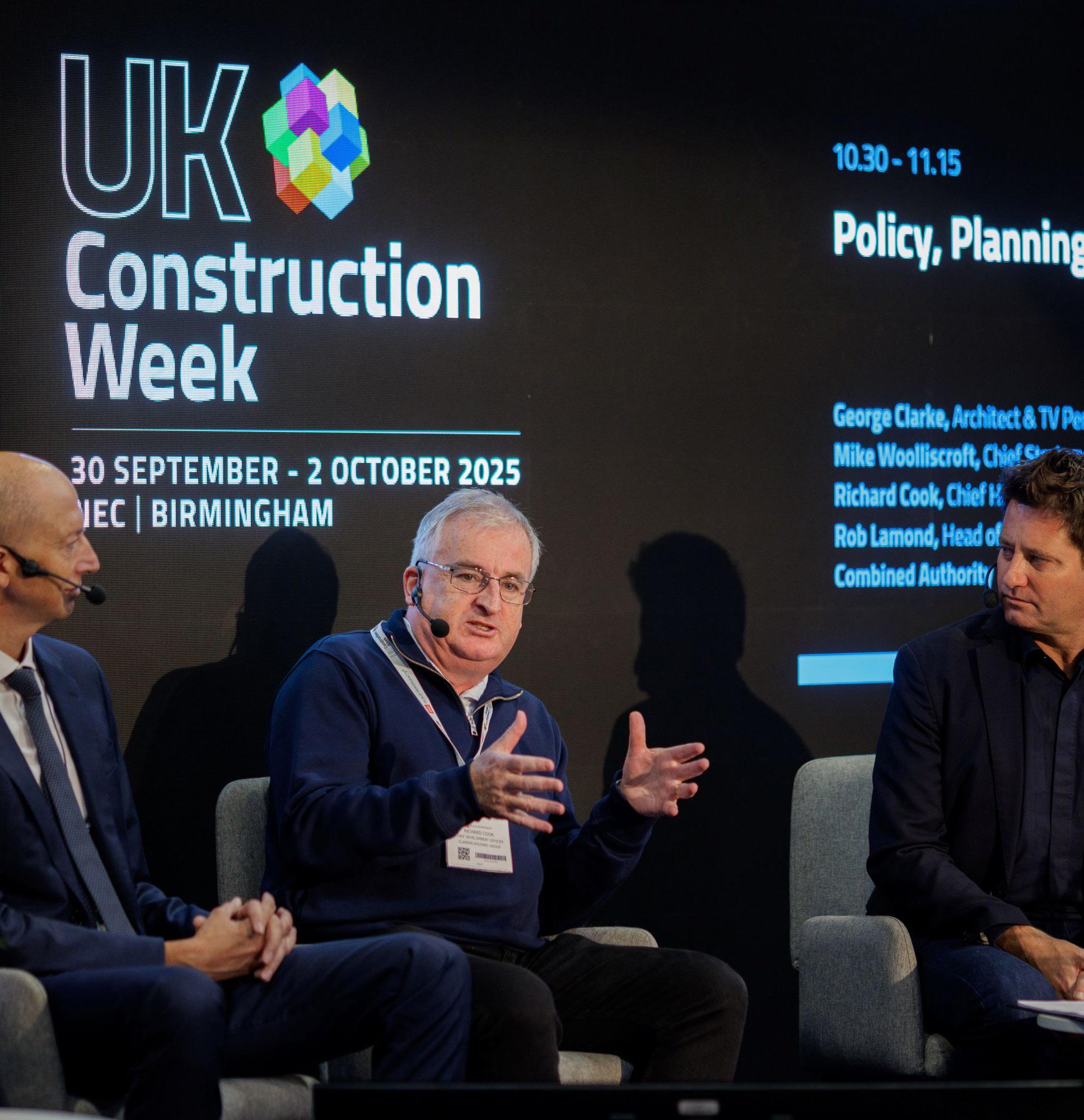
UK Construction Week (UKCW) returns to Excel London from 12-14 May with this year’s event set to be the biggest yet.
// case study
From ashes to ambitious redevelopment, Alex Cox looks into the demolition of the Tricorn Centre in Portsmouth.
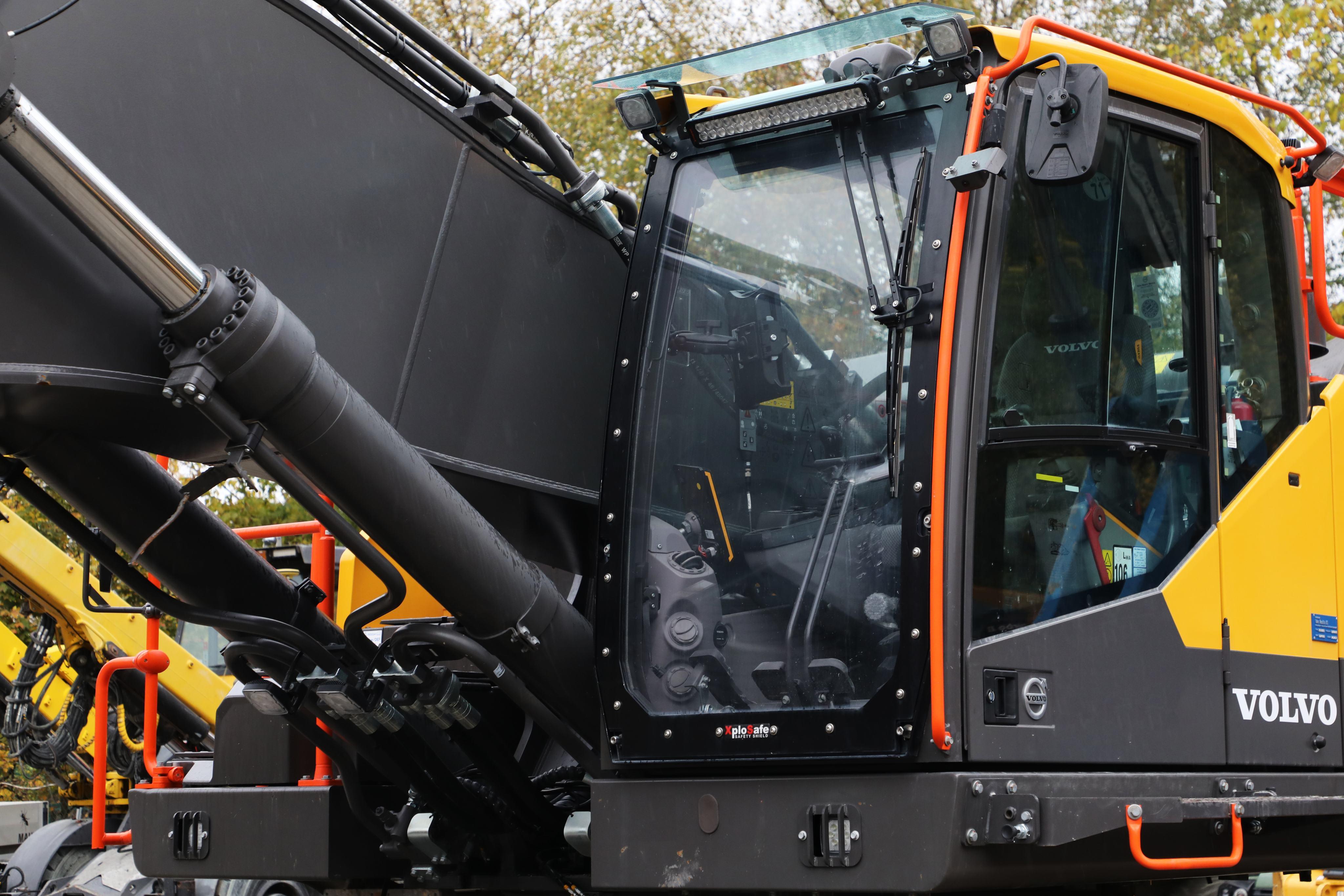
Reduced downtime, lower costs, and improved safety with Xplosafe. 68 // Company Profile
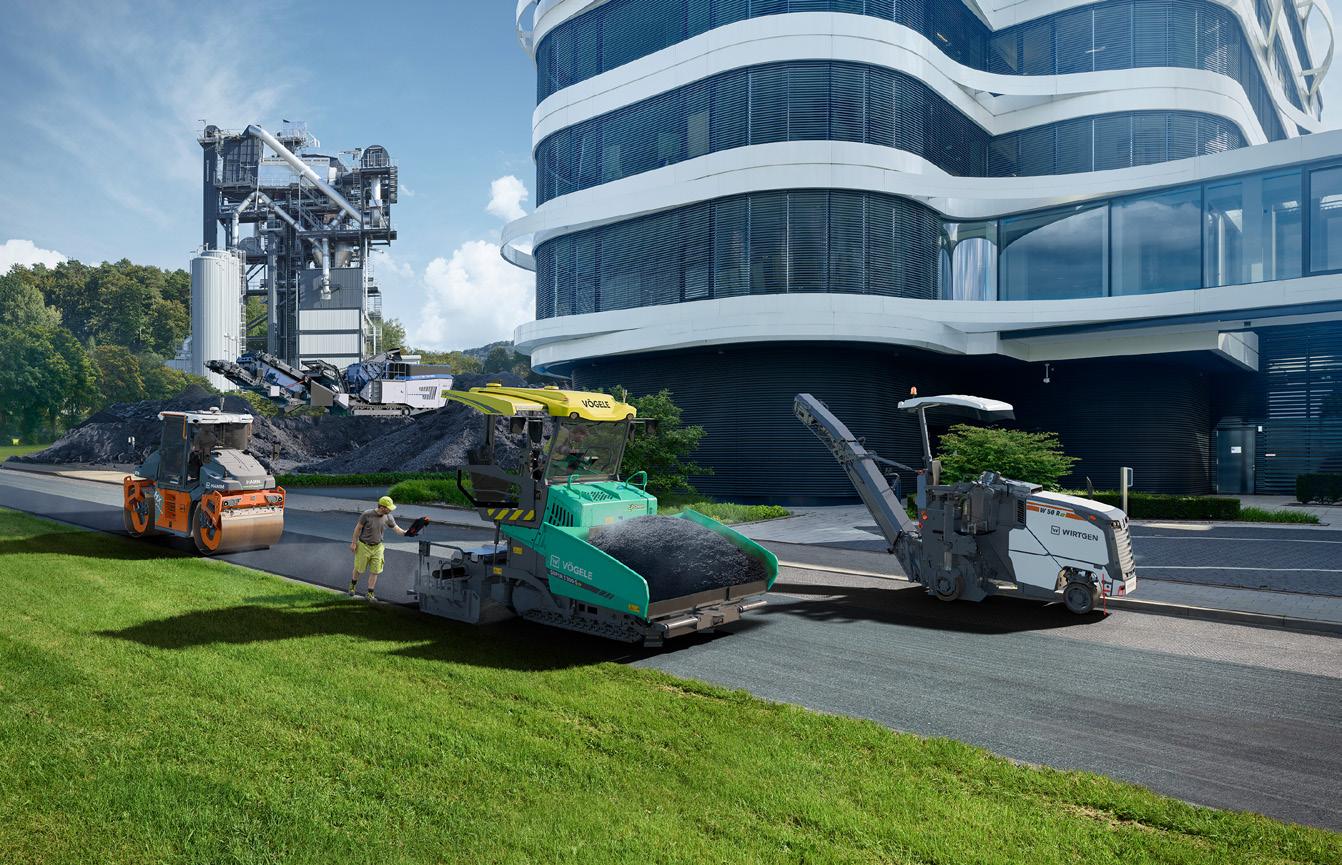
The Wirtgen Group at Hillhead 2026: You’ll never crush alone.

64
68

DARREN SHELTON MANAGING DIRECTOR

CHRIS HART SENIOR SALES CONSULTANT

PHIL EVERY GROUP SALES DIRECTOR

MARTINA TONELLI MARKETING SPECIALIST

REBECCA PHILLIPS MANAGING EDITOR
ALEX COX JOURNALIST & CONTENT CREATOR

STEVE WILSON DESIGN MANAGER
ALESSIA VALERIO MB CRUSHER
MELANIE HULL WIRTGEN GROUP LTD
SILVIA NAVARRO NFDC
ALEX COX FABLE KRAFT
PAULA CASTILLO EUROPEAN DEMOLITION ASSOCIATION
DAVID SHUTE INMALO
For all content related queries, contact editor@demolitionspotlight.co.uk
For all sales related queries, contact chris@machinepowermedia.co.uk
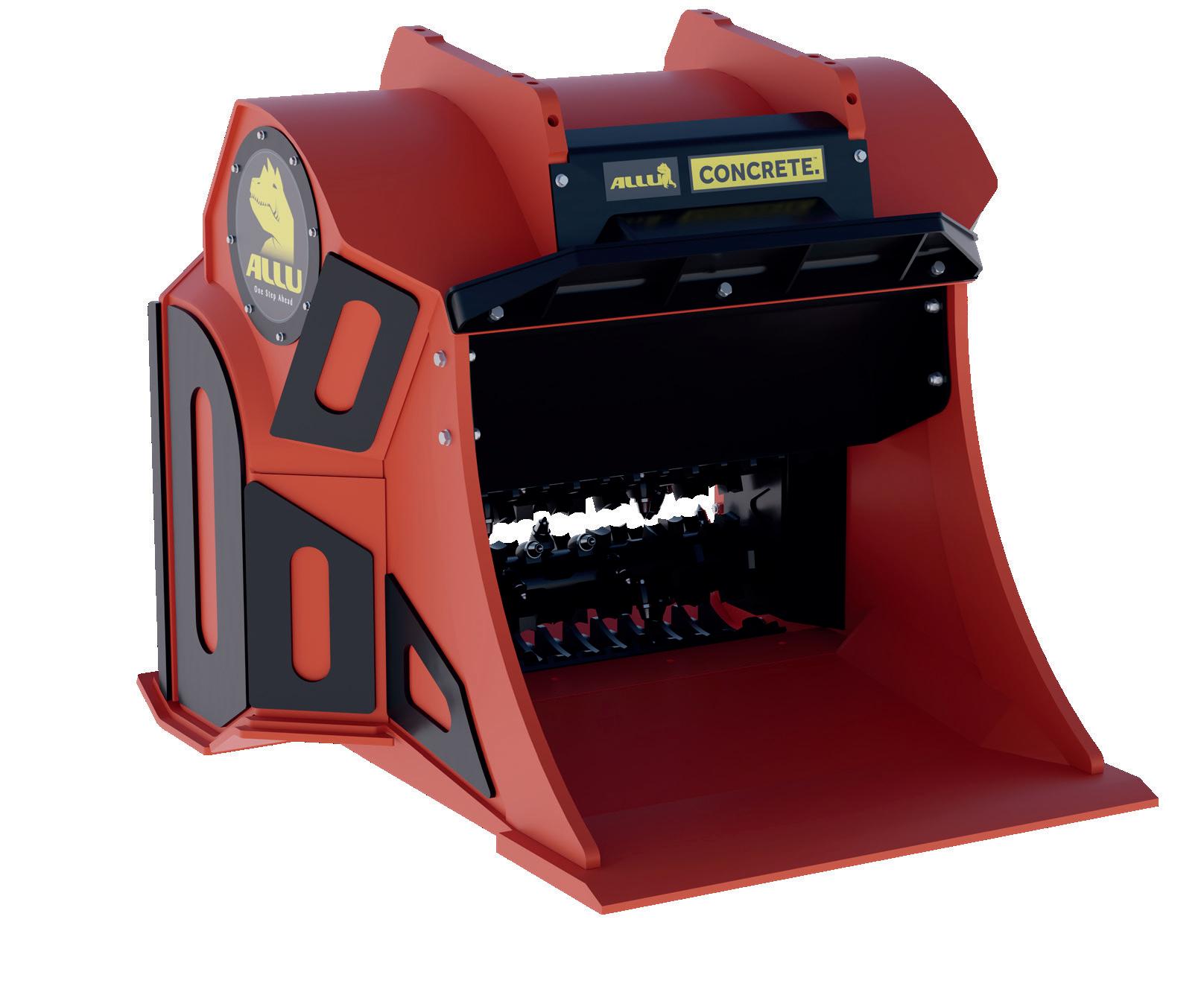
Tight demolition sites don’t leave room for extra machines. When access is restricted or it’s simply impossible to bring a mobile crusher on site, the ALLU Concrete Bucket lets you crush and screen concrete and brick right where it’s generated - using the excavator you already have.
And if your material is fines-heavy, you’ll appreciate this: the bucket is designed for exceptional production capacity with high fines content, helping keep material moving in conditions where jaw crushers often slow down.
Built for real demolition feed: it’s designed handle steel rebar or other steel objects and they won’t cause damage, so rebar doesn’t turn into downtime.




Production up to 100 t/h
Handles rebar and steel
50 mm and 100 mm output
Less hauling, more savings


In the demanding world of demolition, precision, power, and flexibility are key to getting the job done efficiently and safely.
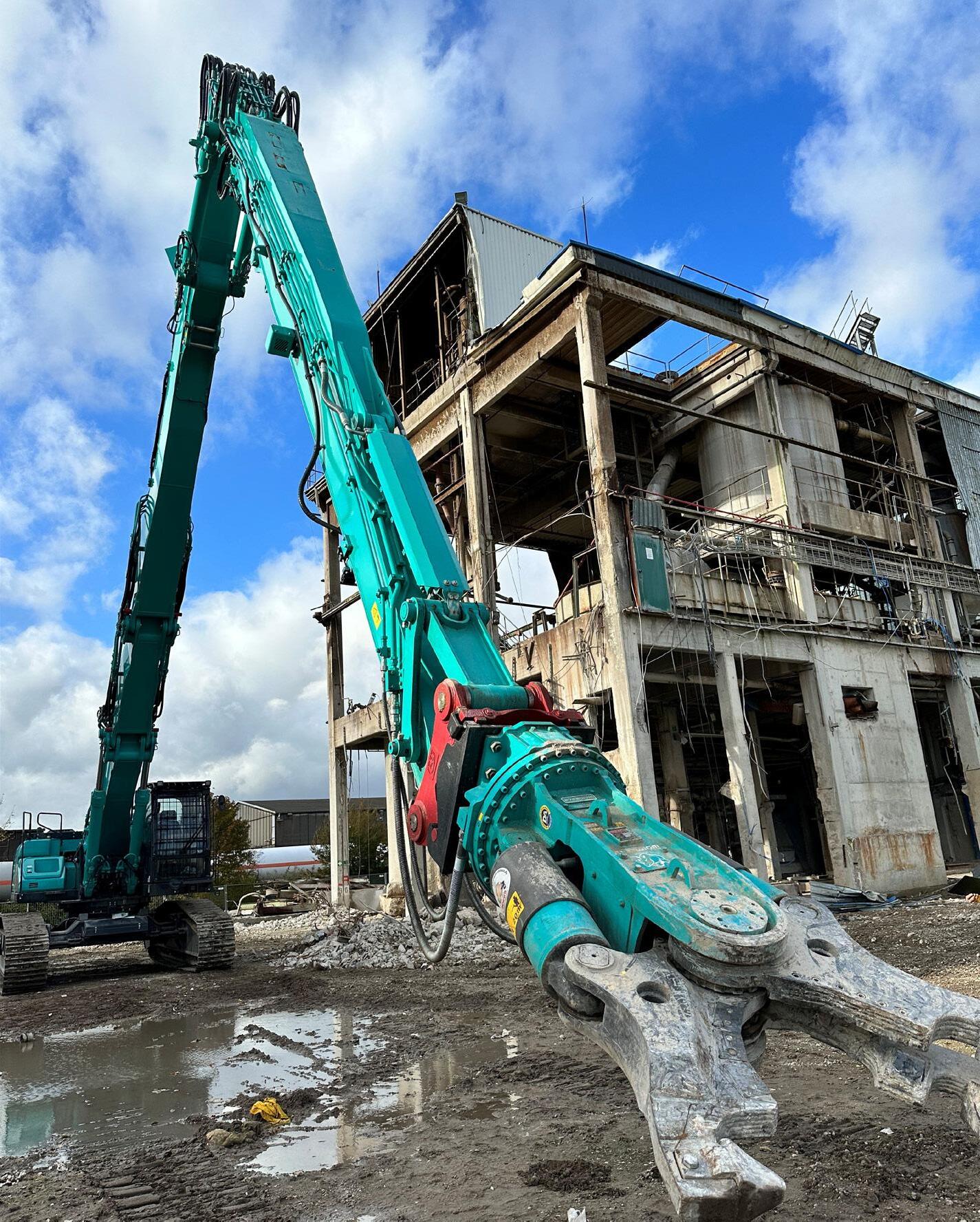
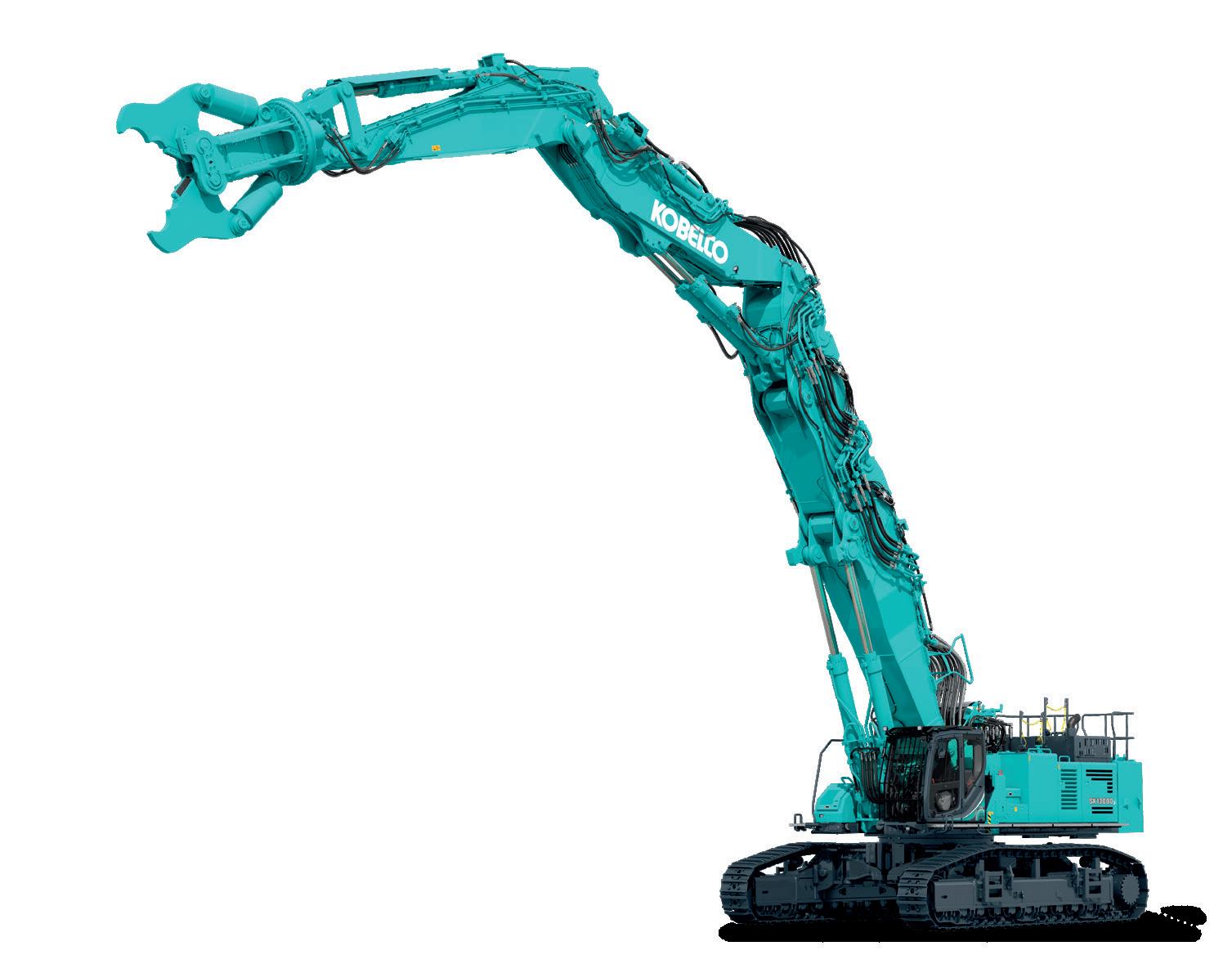
KOBELCO Construction Machinery has revolutionized the industry with its line of demolition machines, which are specially engineered to meet these exact needs. At the heart of their design lies the innovative NEXT system, which is helping to push the boundaries of what is possible in modern demolition practices.
KOBELCO’s NEXT system is the foundation of its demolition machine lineup. This groundbreaking system allows operators to quickly assemble and disassemble key machine components, such as booms and attachments, right on the job site. One of its most significant features is the modular NEXT joint system, which allows for smooth and fast assembly and disassembly of the machine’s boom structure. This enables the demolition machines to switch between configurations easily—whether for highreach demolition work or heavy-duty foundation-breaking tasks.
For operators, this means more flexibility and less downtime. Being able to adapt the machine to different stages of a project without the need for extensive manual labour and extra transport makes the demolition process faster and more cost-effective. With the NEXT system, the machines can be transported more efficiently due to their modularity. Transport restrictions can often be a hassle in the demolition business, but KOBELCO’s design significantly minimizes these barriers.
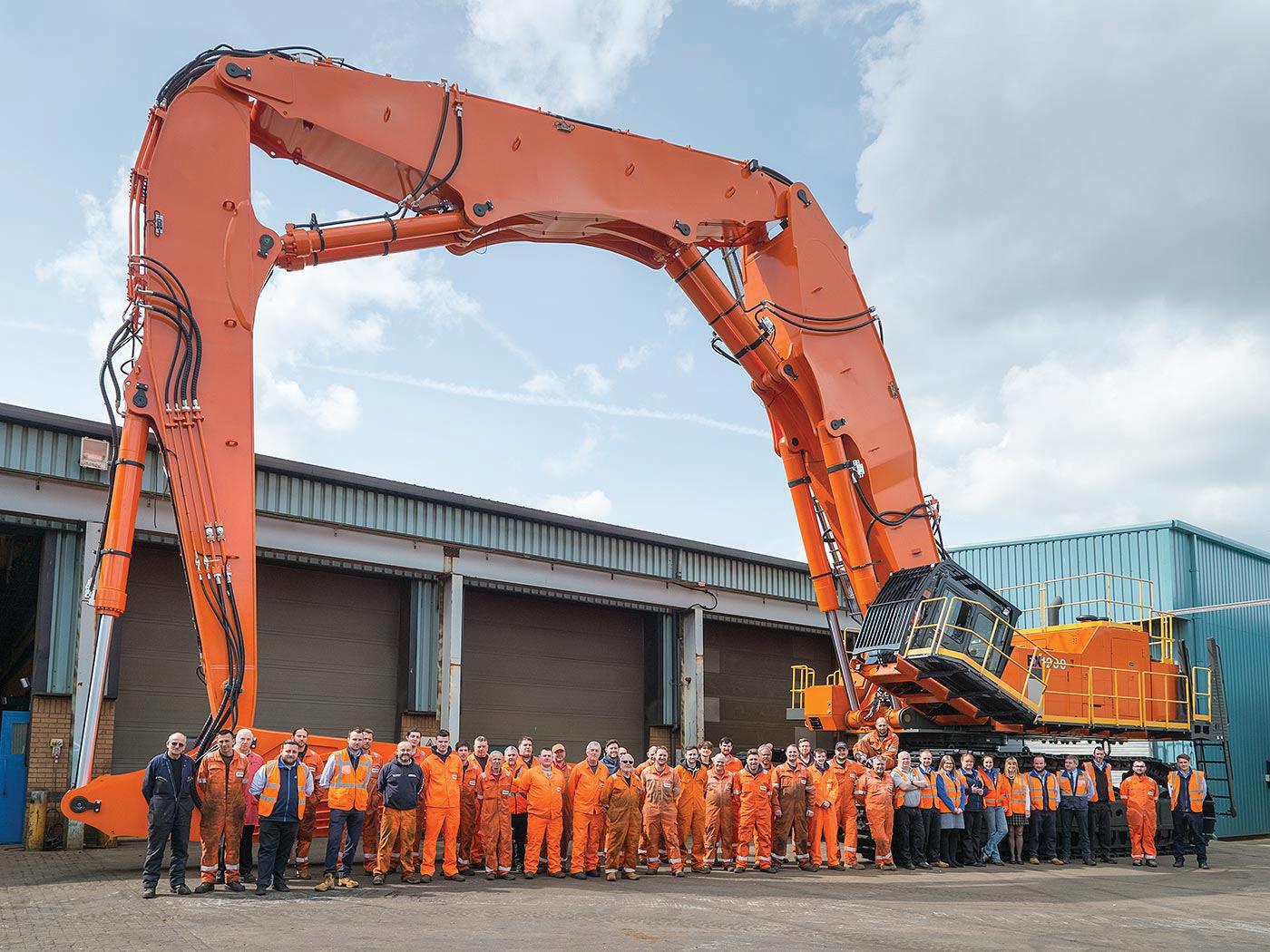
KOBELCO’s demolition machines are designed for both finesse and brute strength. The machines feature multiple boom options, including a highreach boom that can extend up to 40 metres, making it perfect for high-rise building demolition. When it’s time to break through foundations or handle larger debris, these machines can be configured to handle the most heavyduty work with ease.
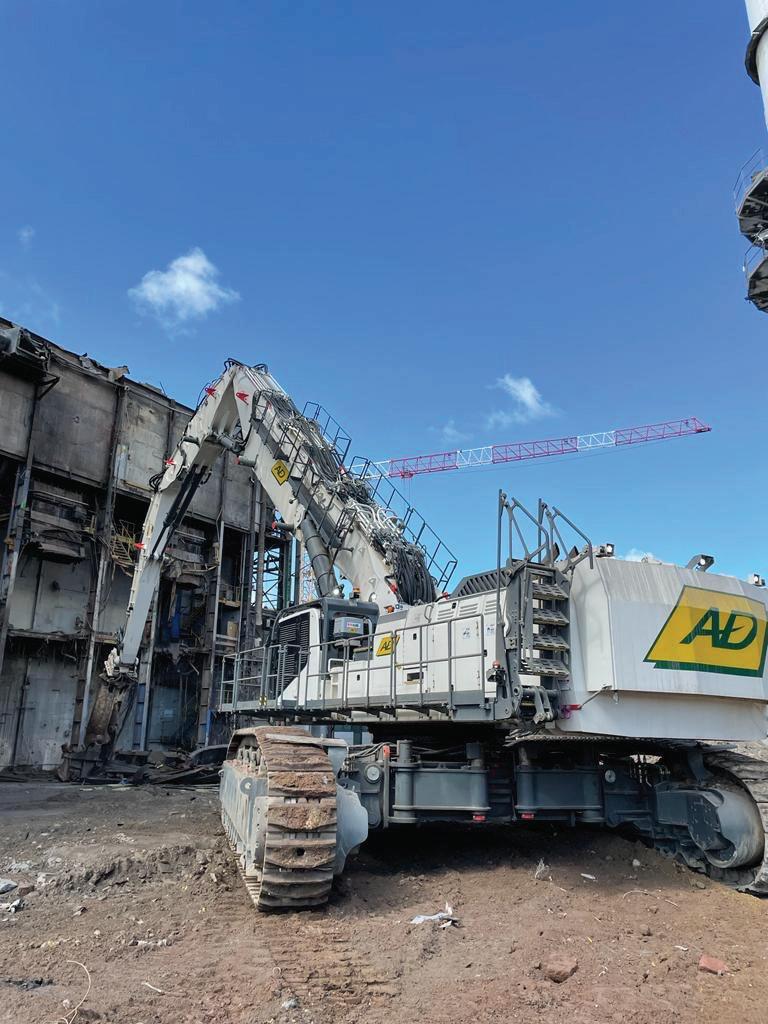
Their demolition machines are built to last. Whether working with the SK400DLC-11E or the heavy-duty SK550DLC-11E, or the tallest model the SK1300DLC-11, all their machines are equipped with sidemounted piping to reduce wear, ensuring
that even in the most extreme demolition environments, operators can count on reliable performance.
Safety and ease of use are paramount in demolition projects. To ensure operator safety, KOBELCO has integrated features that allow the machine’s attachments and boom parts to be assembled from ground level. This eliminates the risks associated with having to climb to elevated positions, making the process safer while reducing the chance of accidents on-site.
The NEXT system not only streamlines operations but also simplifies maintenance. The demolition machines are designed to be easily accessible, allowing operators and technicians to quickly perform maintenance checks or make adjustments without having to dismantle the machine. This extends the longevity of the machines and reduces the likelihood of mechanical failure on-site, helping demolition companies maintain a tight schedule and cut down on repair costs.
KOBELCO’s demolition machines have been built with the European market in mind. European demolition projects often face stricter regulations concerning safety, environmental standards, and transport restrictions. By designing machines that are flexible, efficient, and compliant with these regulations, KOBELCO has positioned itself as a leader in the European demolition sector.
Designed and manufactured 100% in Japan, their machines are adaptable to the unique challenges faced by European contractors, from the tight urban spaces of historic cities to the need for sustainable solutions in new developments. KOBELCO’s commitment to meeting these challenges head-on is evident in their continuous innovation, making them a top choice for demolition contractors across the continent.
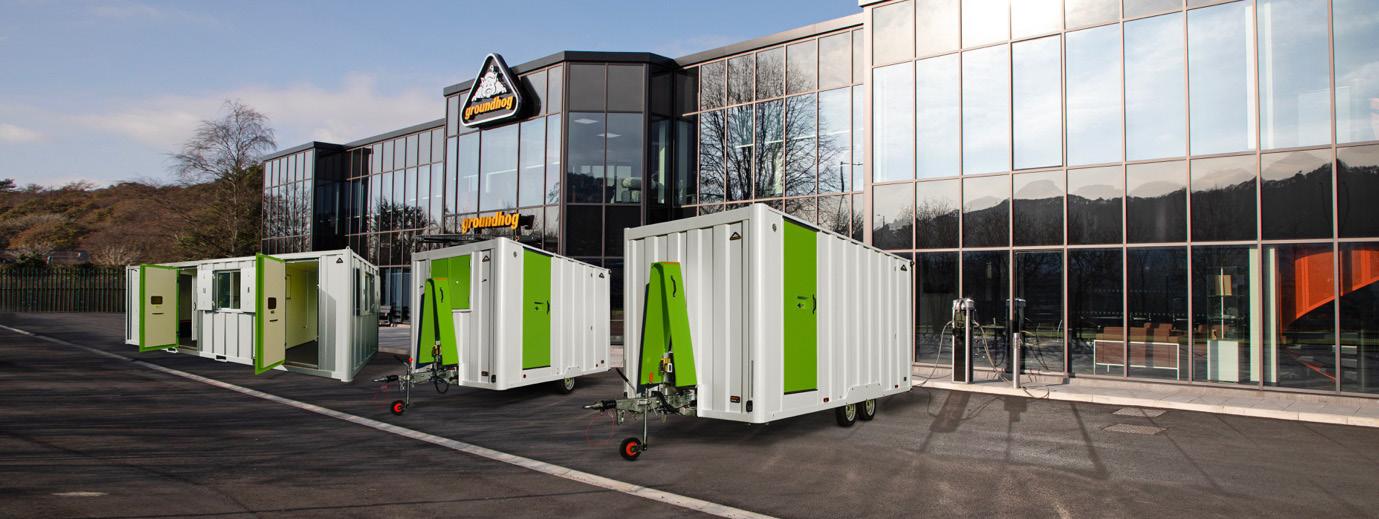
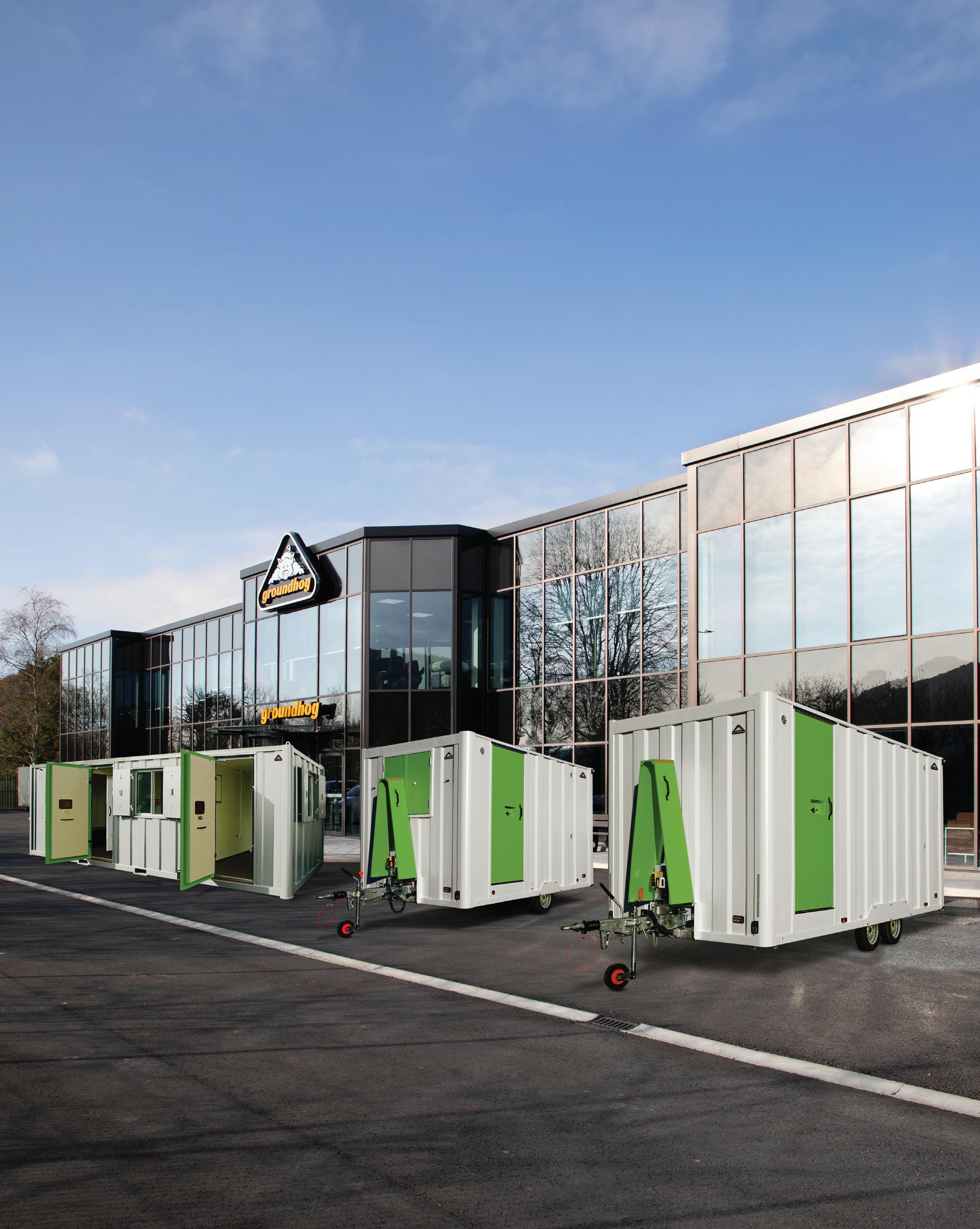
Groundhog is a privately owned, long-established company with a modern, purposebuilt manufacturing facility in South Wales. Since 1987, when our first mobile welfare unit rolled off the production line, we have specialised in high-quality site welfare accommodation, including mobile, static, and toilet units. Our products serve a wide range of sectors, including construction, rail, civils, and utilities, and have earned a strong reputation in both the rental and enduser markets for their durability, ease of use, and longevity.
We place a strong emphasis on continual development, ensuring our units meet client needs and comply with the latest welfare regulations. Our range includes standard mobile and static units, as well as bespoke and specialist options. All Groundhog units are manufactured in South Wales to ISO9001:2015 standards
and fully comply with CDM, HSE, and VCA regulations.
Sustainability at the Core Innovation and environmental responsibility are central to our approach. In 2023, we launched the iRange, a functional, eco-friendly welfare unit capable of operating through summer months without using its onboard power unit, cutting carbon emissions by up to 100%. Solarpowered battery charging reduces running costs while maintaining the robust, user-friendly design Groundhog is known for. Fusion Pulse units also offer hybrid solar efficiency, giving sites a more sustainable way to deliver welfare accommodation.
Safe use and maintenance are a priority. Groundhog offers a comprehensive range of training sessions at our factory or on client premises. Courses include safe-use and maintenance training,
as well as hire desk and sales product awareness, ensuring our customers are confident and fully compliant in using our units.
We are committed to helping the UK meet its NetZero carbon target by 2050. Many of our customers share this goal and are actively reducing carbon emissions in their supply chains. As part of our commitment, we have taken a significant step towards understanding and reducing our environmental impact by producing an indicative sustainability plan for our products and manufacturing.
Groundhog’s innovative products and commitment to sustainability have been recognised through multiple industry awards. These accolades highlight our dedication to pushing boundaries and delivering welfare accommodation that is reliable, cost-effective, and environmentally responsible.
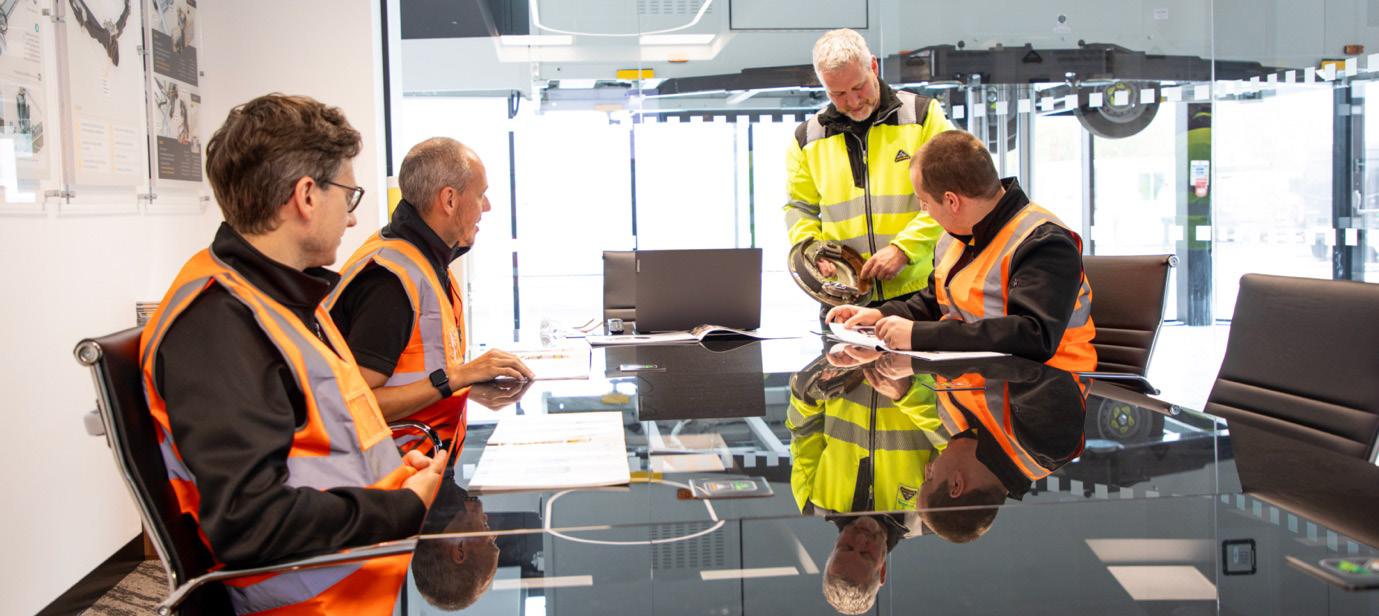
At Thomas Attachments, we live by three key words: Experience. Knowledge. Trust. These are instilled at the heart of everything we do. From Scrap Shears to Crushing Buckets, we here at Thomas Attachments are a national supplier of hydraulic attachments. A multi industry company, we supply to companies in the demolition, recycling, scrap metal, forestry, construction and civil engineering industries situated within the UK and Ireland.
Why Choose Thomas Attachments?
Our services go beyond the standard sales and hire. We ensure we have a huge stock of attachment spare parts and scrap shear blades for industry leading brands as well as outstanding aftersales support, which includes technical advice and parts servicing and repairs. Factory trained engineers in our fully equipped workshop and on the road,
have extensive specialist knowledge of attachments and plant machinery. This is on top of service and repair vehicles on hand at all times to attend sites preventing any dreaded downtime.
With a product range as extensive as our service, as we are UK Distributors for some of the world’s leading excavator attachment suppliers:
FRD Furukawa
Trevi Benne
MTB
Dynaset
Steelwrist
Auger Torque
Rockzone
Dipperfox
And many more!
Part of the Thomas Group of Companies including Plant hire, Tool Hire, SOS Hoses, Manton Forklifts, Contracting, Armco crash barriers, Ongrade machine
controls and cabin hire, we have 12 depots nationwide giving us complete coverage of the UK.
Our Customer Reviews Speak for Themselves!
‘It’s not often that Furukawa breakers need attention or spare-part replacements; they cause us very few problems and offer maximum reliability. It is also reassuring to know Thomas Attachments have us backed up with their excellent service and spare parts response.’ John McManus, Malcolm Construction
‘Thank you for your professionalism and support. Some weeks ago, we disassembled both of the reconditioned breakers you sold us and we saw that they were in good condition, as you assured us they were. I look forward to doing more business with you in the future.’ José Miguel, Koyitsu
Come and See Us!
Cereals: The Arable Event 2026
When: 10-11 June
Where: Diddly Squat Farm, Chadlington Stand: We are exhibiting alongside Dipperfox on stand 763
Hillhead 2026
When: 23-25 June
Where: Hillhead Quarry, Buxton Stand: M21
Please come along, say hello and grab yourself some freebies! We will be offering huge discounts on any of the attachments we sell at these events, so don’t miss out!
Contact Us Today:
Email: info@thomasattachmentsltd.com
Telephone: 01925 269900
Website: www.thomasattachmentsltd.com





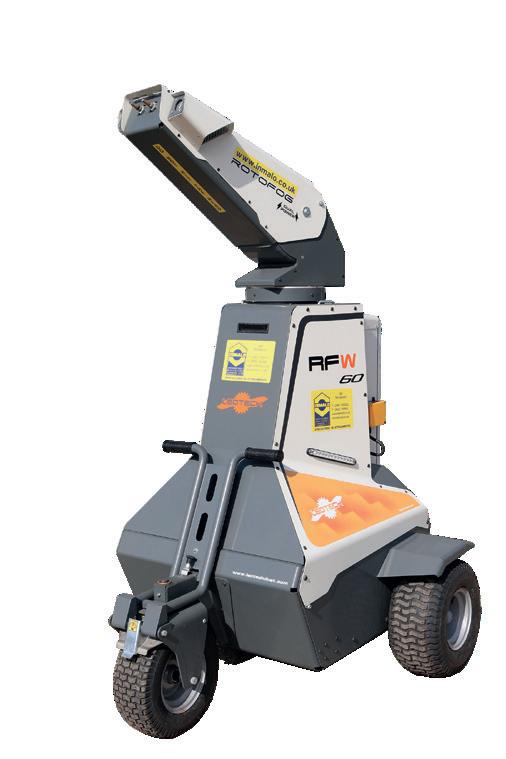


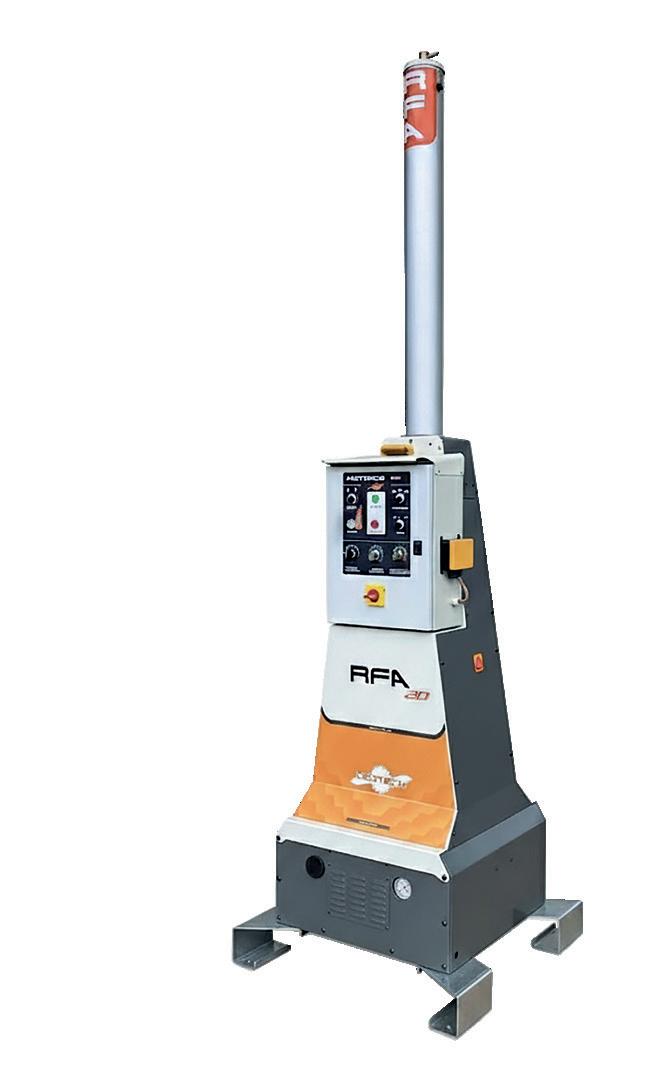








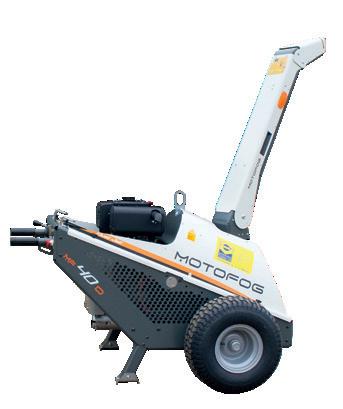

Respirable Crystalline Silica (RCS) remains one of the most significant long-term health risks in the demolition sector. Found in materials such as concrete, brick, mortar and stone, silica dust is released whenever these materials are cut, crushed or disturbed. On demolition sites, where high-impact activities are routine, exposure is almost unavoidable unless properly controlled.
Under the Control of Substances
Hazardous to Health Regulations 2002 (COSHH), the Workplace Exposure Limit (WEL) for RCS is 0.1 mg/m³, averaged over an eight-hour period. This is not a target but a strict legal limit. In practice, exposure must be reduced as far as reasonably practicable, placing dust suppression at the centre of both compliance and duty of care.
The risk lies in the size of the particles. Respirable silica dust is fine enough to penetrate deep into the lungs, where it can cause irreversible conditions such as silicosis, chronic obstructive pulmonary disease (COPD), and lung cancer. These risks are cumulative, and even short bursts of high exposure, common during demolition, crushing or grinding, can significantly increase long-term harm.
While air monitoring plays an important role in assessing exposure, the most
effective protection comes from controlling dust at source. Engineering controls are widely recognised as the best solution, preventing dust from becoming airborne. This is where specialist equipment becomes critical.
ACE Plant has established itself at the forefront of dust suppression technology, offering systems designed specifically for demolition environments. Its fleet includes high-capacity bowser-based units such as the 2,250L to 9,000L with rain gun as an option on larger volume tanks, which provide consistent water flow across active work zones. These mobile units are particularly suited to larger sites, where flexibility and wide coverage are essential.
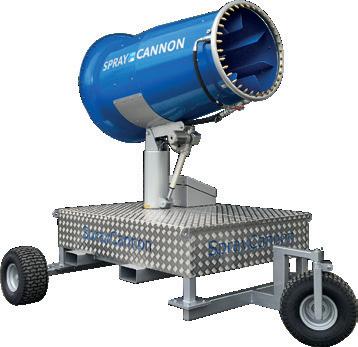
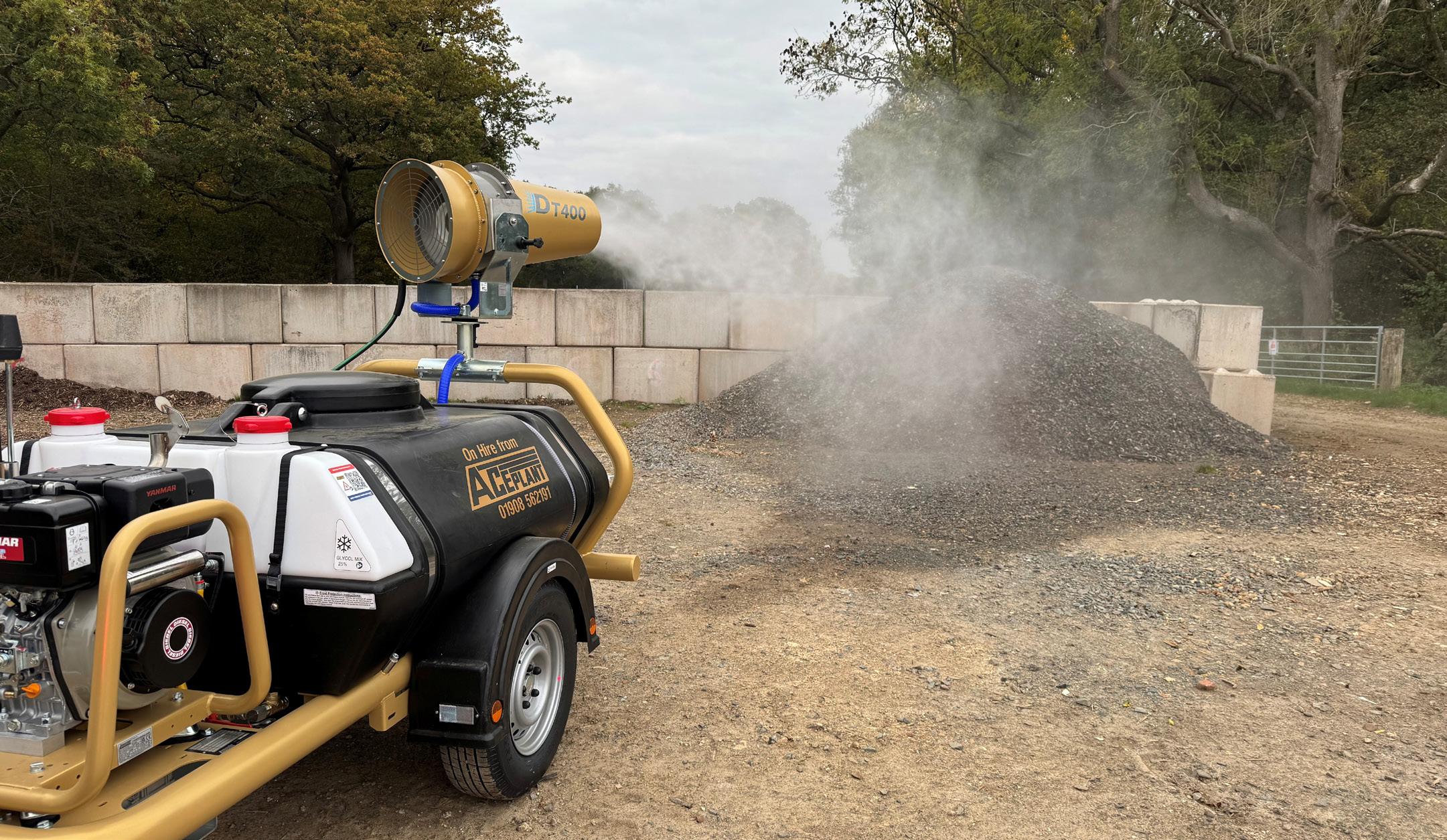
For more demanding applications, ACE Plant supplies advanced mist cannon technology through its Dust Fighter range, including the new DT400 series pressure washer bowser with atomising head, giving site flexibility and dual capability of pressure washer and dust cannon. These machines atomise water into a fine mist that captures airborne particles and brings them safely to the ground.
Their ability to project mist over a wide radius makes them highly effective during structural demolition, crushing, and material handling. However, equipment alone is not enough. Effective
dust control requires disciplined site practices alongside the right technology. Avoiding dry sweeping, using wet cleaning methods or M-class and H-class vacuums, restricting access to high-dust areas, and maintaining equipment properly all contribute to reducing exposure.
Respiratory Protective Equipment (RPE) remains an important safeguard, but it should be considered the last line of defence rather than the primary solution. When dust is controlled effectively at source, reliance on RPE is reduced, improving both safety and comfort.
For demolition contractors, staying well below the WEL is about more than compliance. Poor dust control can lead to enforcement action, delays, and long-term liability. In contrast, effective suppression supports productivity, protects workers, and demonstrates a commitment to best practice.
In an industry where many risks are invisible, dust suppression is one of the clearest indicators of professionalism. With the right approach and equipment, contractors can take control of silica exposure.
Ace Plant Ltd
T: 01908 562191
E: hire@aceplant.co.uk
W: www.aceplant.co.uk
The Growth Guarantee Scheme (GGS) was launched in July 2024 as a way for small businesses to more easily secure investment in, for example, equipment, new products, sustainability projects, and working capital, helping them plan confidently for the future.
In this Q&A we take a closer look at how it works, eligibility and other aspects of the scheme.
Q1: What is the GGS?
The GGS is a UK Government-backed initiative launched as the successor to the Recovery Loan Scheme. It aims to help small and medium-sized businesses (SMEs) access finance for growth, investment, and cashflow management. The scheme has been extended to 31 March 2030 and is administered by the British Business Bank through accredited lenders.
Q2: How does the scheme work?
• Government Guarantee: Lenders receive a 70% government-backed guarantee on eligible loans, reducing their risk and encouraging lending
• Borrower Liability: Businesses remain 100% liable for repayment
• Products Covered: Term loans, overdrafts, asset finance, invoice finance, and asset-based lending
• Facility Size: Up to £2 million per business group (or £1 million for businesses under the Northern Ireland Protocol)
• Term Lengths: Typically three months to six years, depending on the product
Q3: Who is eligible?
To qualify, businesses must:
• Be UK-based and actively trading
• Have a turnover of up to £45 million
• Demonstrate financial viability and not be in insolvency or financial distress
• Use funds for a legitimate business purpose (e.g., investment, working capital)
• Comply with subsidy limits (especially for Northern Ireland and certain sectors like agriculture)
Q4: What are the key benefits for SMEs?
• Improved access to finance: Easier approval due to reduced lender risk
• Flexible options: Loans, overdrafts, asset finance, and invoice finance
• Supports growth: Enables investment in equipment, expansion, and sustainability projects
• Continuity and confidence: Helps businesses plan long-term with government-backed security
Q5: Are there any limitations or considerations?
• It is not a grant: GGS is a loan scheme; businesses must repay in full
• Interest rates: May be higher than standard commercial loans, reflecting the guarantee structure
• Personal guarantees: Allowed at lender discretion, but principal private residences cannot be taken as security
• Better terms possible: If lenders can offer a commercial loan on better terms, they will do so instead of using GGS
Q6: How do businesses apply?
• Apply through accredited lenders listed on the British Business Bank website
• Provide a business plan, financial statements, and meet lender credit checks
Q7: What sectors benefit most?
While open to most SMEs, GGS is particularly useful for:
• Capital-intensive industries (e.g., manufacturing, brewing, distilling)
• Businesses needing equipment upgrades, sustainability improvements, or working capital for seasonal peaks
Quick facts recap
• Launch: July 2024
• End Date: March 2030
• Guarantee: 70% to lender
• Max Facility: £2m (£1m NI)
• Eligibility: UK SMEs, turnover less than £45m
• Purpose: Growth, investment, cashflow
• Administered by: British Business Bank
For more information on the scheme or to find out if it can work for your business, get in touch with Close Brothers by visiting: closeassetfinance.co.uk/enquiry
The availability of lending, products and services are subject to eligibility, status and our lending criteria. The right to decline any application is reserved, terms and conditions apply.

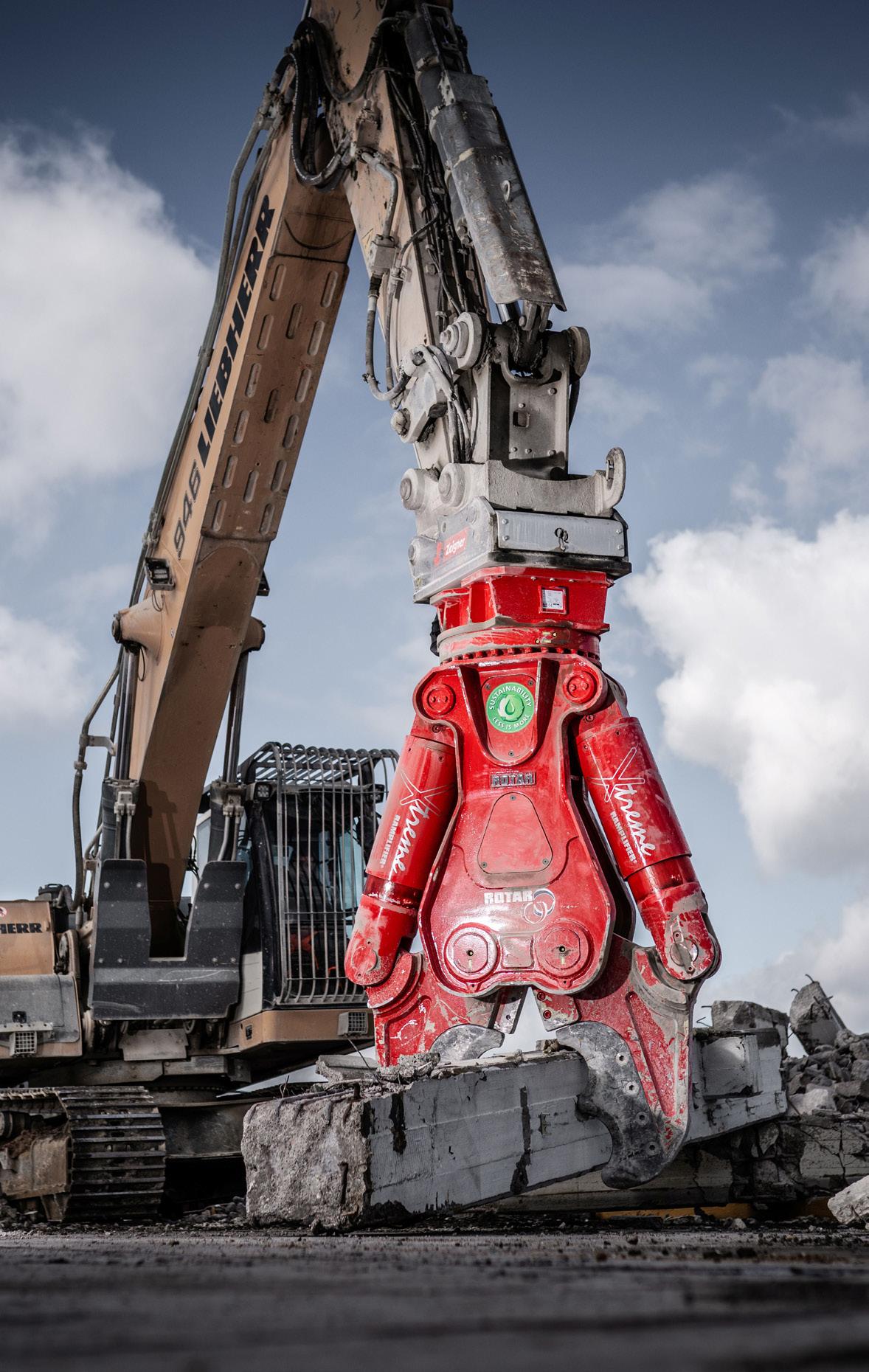
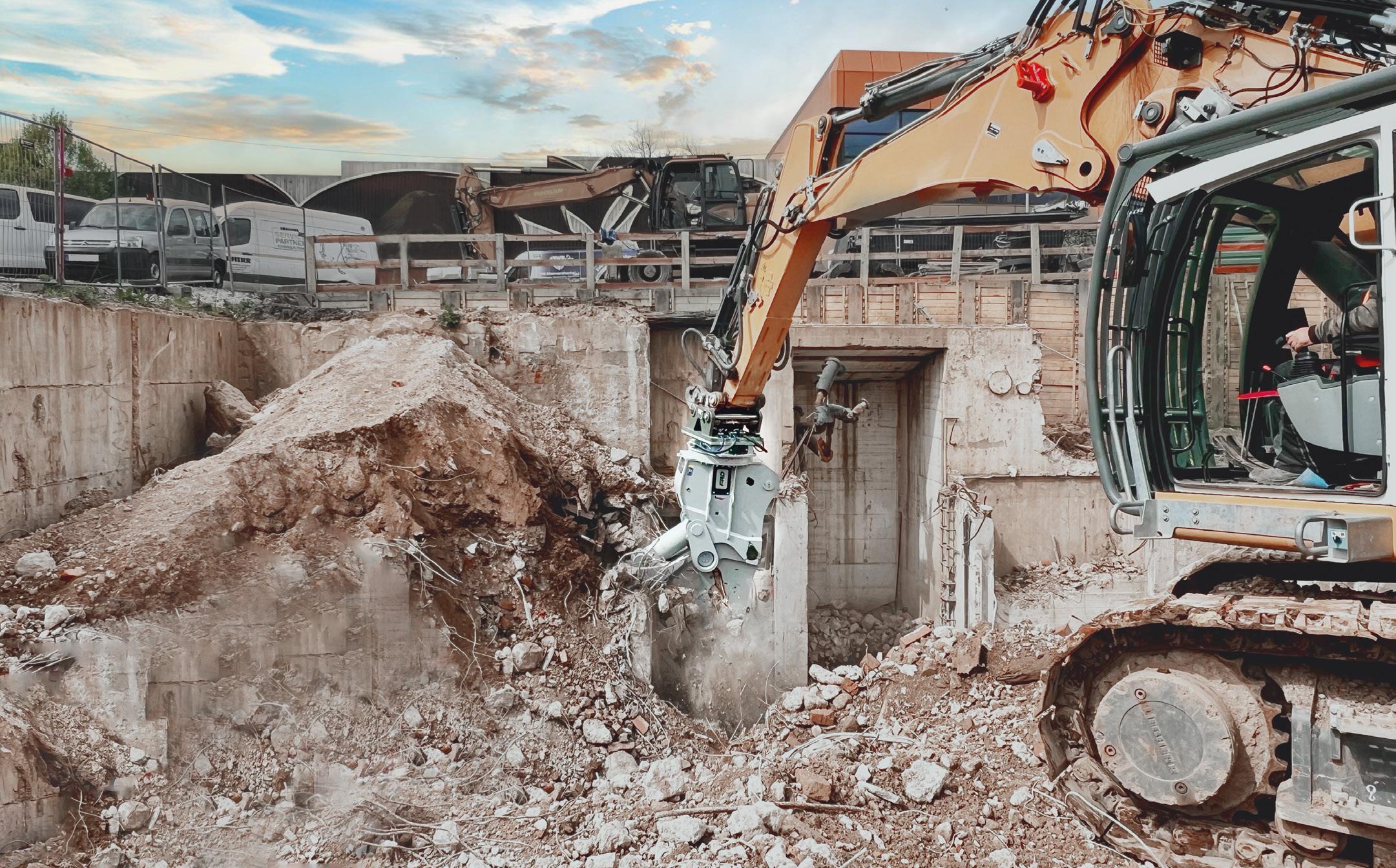
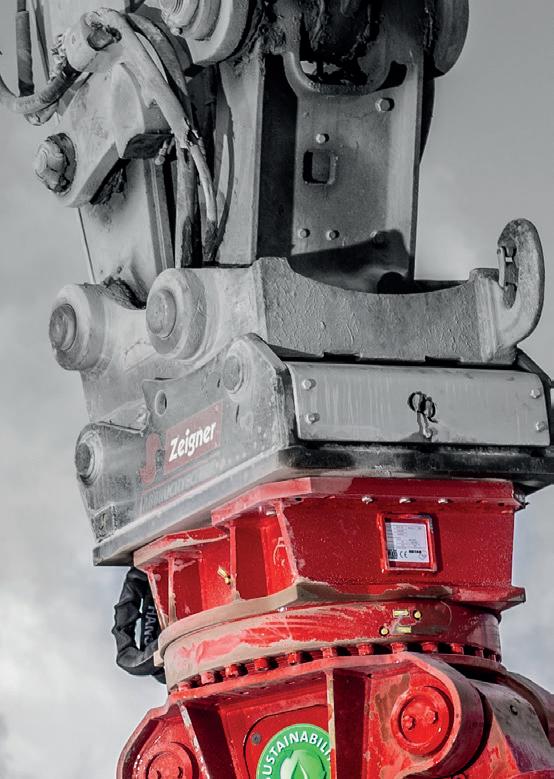
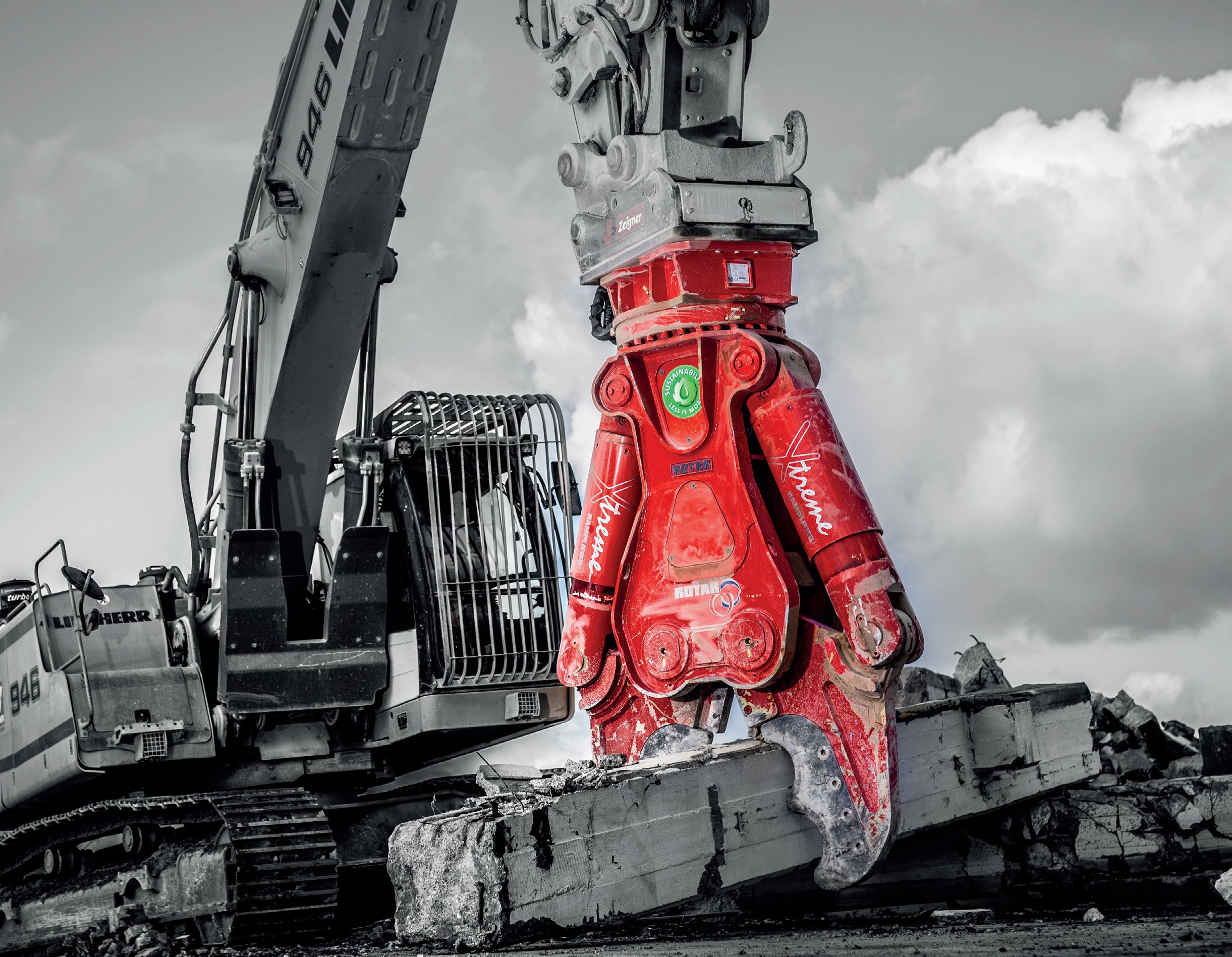
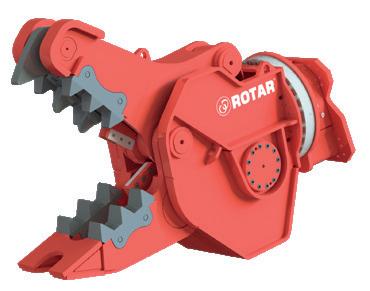
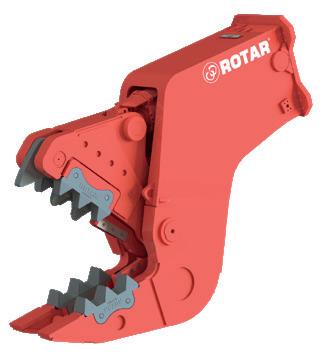
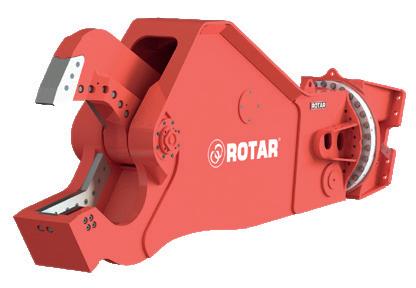
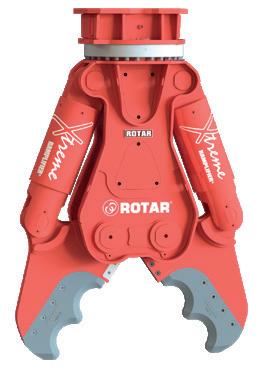
ROTAR, a well-known Dutch manufacturer of attachments for demolition and recycling, has expanded its RCC series of concrete cutters with brand-new XL models. They feature the in-house developed ‘Ramplifier technology,’ which doubles cylinder power on demand and leads to extra-high cutting forces that easily put up with the hardest constructions.
For more than 40 years, ROTAR offers high-quality attachments for demolition and recycling that convince both the entrepreneur and the operator, because they lead to great performance on site and are very easy to handle. As requirements in the industry are getting more demanding, it is in the DNA of ROTAR to keep optimizing each attachment to always offer the best and most up-to-date solution to the customers.
When it comes to the demolition industry and the concrete cutters it needs, engineer Rick de Jonge explains, ‘Quite often demolition companies have to deal with extremely harsh conditions, e.g., with infrastructures or pillars of multi-story buildings. These structures are loaded with tons of reinforcement and the hardest concrete.’ For this application, Rotar introduced new XL versions for the RCC 20, 25, 30, and 45 models, which redefine what’s possible in modern concrete demolition and recycling.
The new XL models feature a 100 mm wider jaw opening and longer cutting edges deeper in the throat. These improvements make it easier to handle large sections of reinforced concrete, increasing productivity on demanding demolition sites. Operators can work faster and more efficiently, reducing cycle times and boosting throughput.
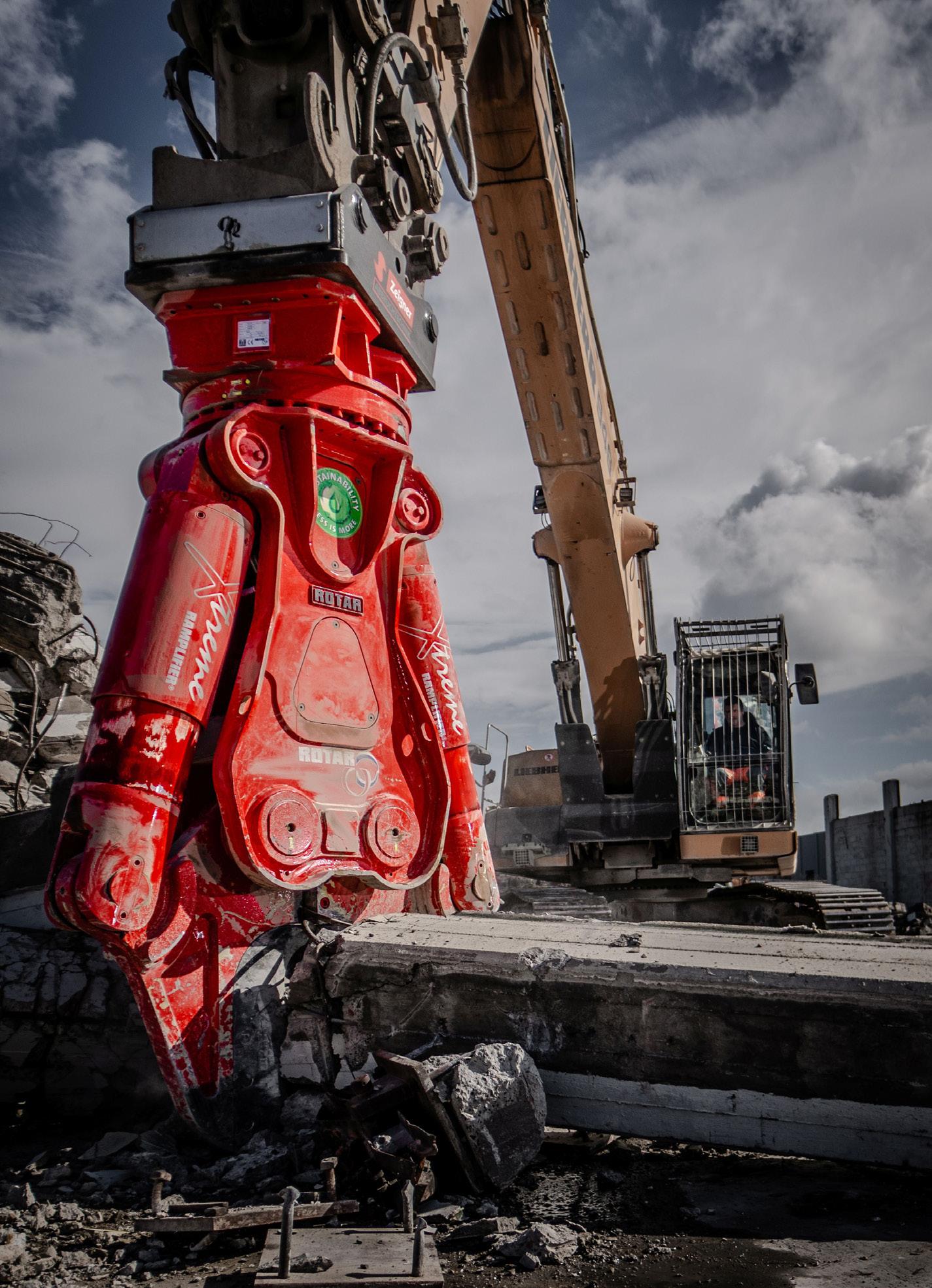
At the heart of every Rotar RCC concrete cutter lies the exclusive Ramplifier system—a self-regulating force amplifier that delivers up to 700bar of hydraulic pressure precisely when it’s needed most. The Ramplifier automatically senses material resistance and activates additional force within milliseconds. ‘Like that, even the heaviest and hardest constructions are no longer safe,’ explains Louis Broekhuizen, Managing Partner for ROTAR. Once the material breaks and resistance drops, the attachment seamlessly reverts to standard cylinder mode. This smart, responsive design ensures maximum cutting power only when required, optimising both speed and efficiency.
Thanks to the Ramplifier, Rotar RCC concrete cutters match the performance of tools a full class heavier, while maintaining compact dimensions and lower operating pressures. The system’s unique configuration keeps all high-pressure components safely contained within the cylinder—meaning the machine’s hydraulic system never experiences more than 350bar. This ensures maximum protection, minimal wear, and exceptional reliability of the device.
Flexible rotation options and easy maintenance
The RCC series is available with either fully hydraulic rotation or mechanical “Hide & Turn” rotation based on an advanced friction clutch system. Dealers can easily convert from mechanical into hydraulic rotation at any time—ideal for customers upgrading their excavators or adjusting to new site requirements. This flexibility ensures the RCC remains a long-term, future-proof investment.
As a unique feature for these tools, all Rotar RCC models are fitted with replaceable crusher teeth and cutting blades, which are quick and simple to replace, which leads to less downtime and lower maintenance costs for the machine. This modular wear part concept also protects the cutting jaws, drastically reducing the need for welding, hard-facing, or structural repairs.
Combining unmatched performance, intelligent power management, and a robust, low-maintenance design, the Rotar RCC-series with Ramplifier technology represents a true game changer in concrete cutting. With the new XL range, Rotar continues to push the boundaries of performance, durability, and sustainability in the industry of demolition.
MAXIMUM PERFORMANCE
LOWEST OPERATIONAL COSTS
HIGHEST RELIABILITY
At Hillhead 2026, Arden Equipment will showcase a selection of solutions on outdoor stand Y2, designed to meet the performance, safety and profitability requirements of industry professionals.
For over 50 years, Arden Equipment has been designing and manufacturing robust and innovative attachments for the construction, demolition, recycling and material handling sectors. The company relies on close collaboration with end users to develop solutions adapted to real-world site conditions and to ongoing market developments.
With an established international presence, Arden Equipment operates through a network of subsidiaries, ensuring proximity, responsiveness and strong customer support.
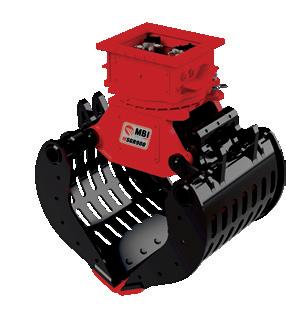
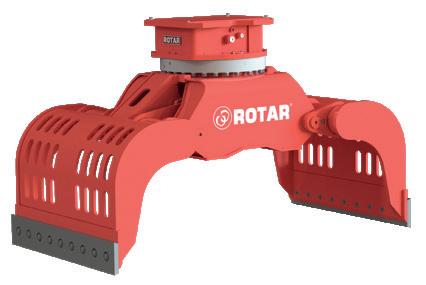
Among the flagship products presented at Hillhead, the sorting and demolition grapples stand out for their versatility and ability to adapt to a wide range of applications. Whether for sorting, demolition, recycling or loading, they offer high flexibility through multiple shell configurations, with or without rotation.
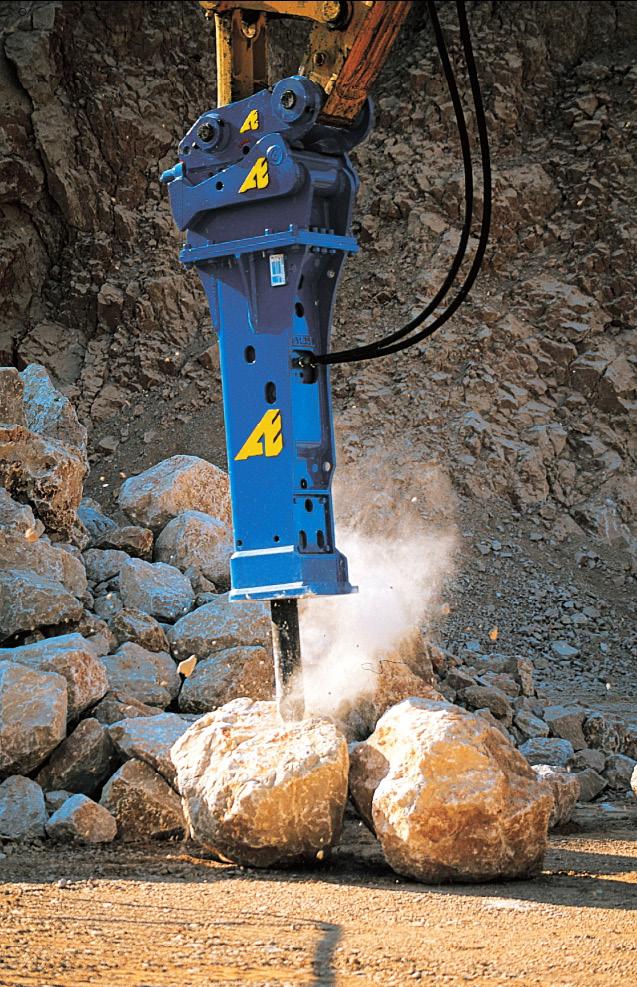
Their robust design ensures long service life, even under intensive use, while guaranteeing safer and more efficient operations.
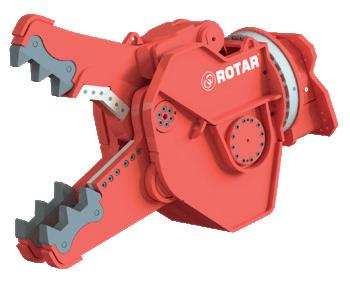
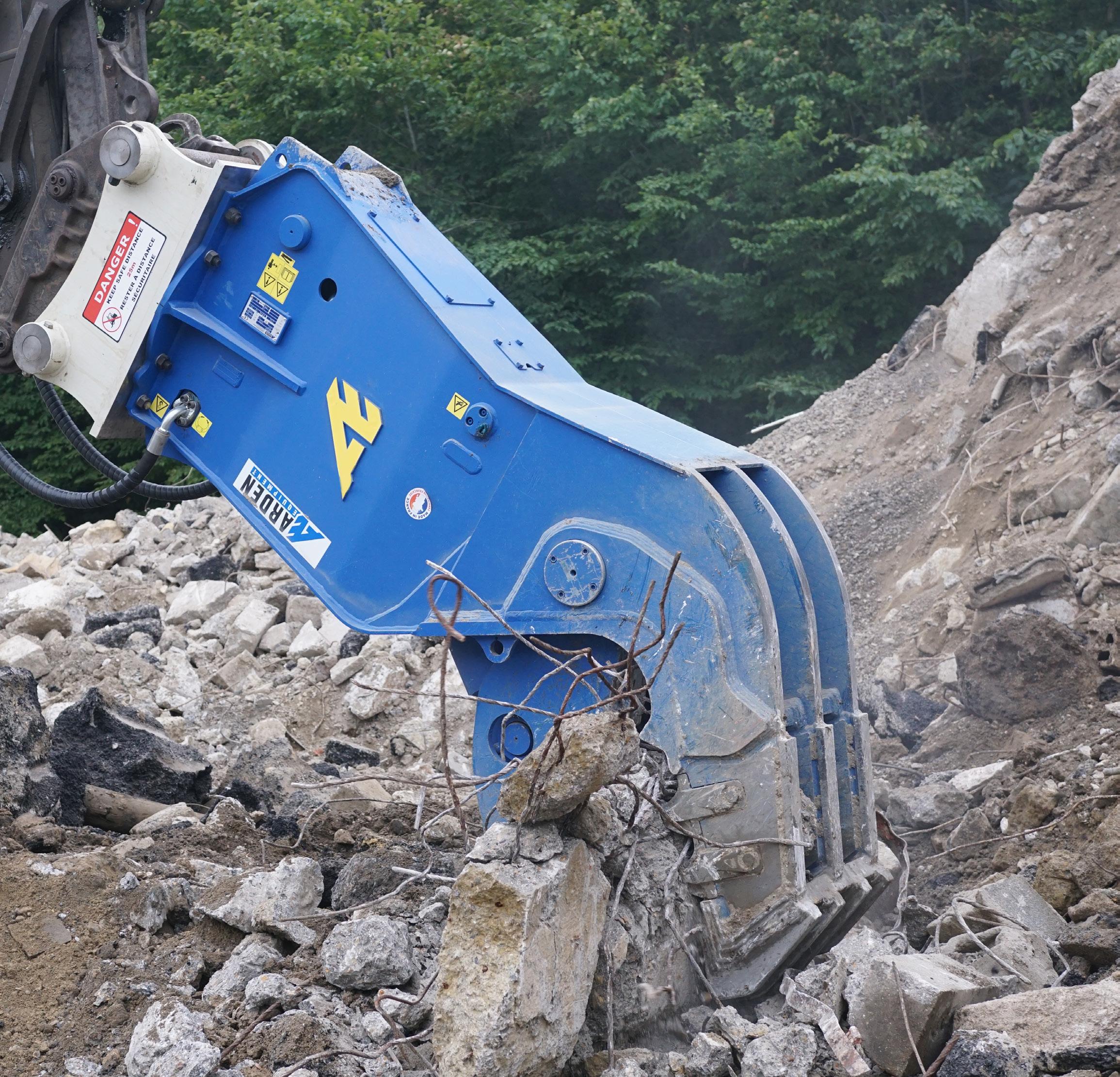
The hydraulic concrete crusher meets the needs of secondary demolition with high production capacity. Its wide jaw opening enables fast material processing, significantly reducing on-site intervention times. Its abrasion-resistant steel design and reinforced teeth ensure strength and durability, while the ease of wear-part replacement helps maximise machine uptime.
The scrap shear is specifically designed for cutting metals, sheet metal and scrap, delivering high levels of safety and performance. Its inverted cylinder effectively protects the rod from impacts and debris, while its high-strength steel reinforced jaws ensure clean, controlled cutting even in demanding conditions. It can be equipped with options such as centralised greasing, further improving productivity and maintenance efficiency.
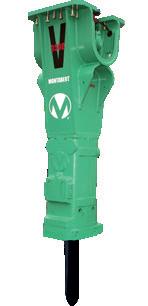
The range of hydraulic breakers complements this offer with tools designed for a wide variety of demolition and breaking applications. Engineered for power, reliability and operator comfort, they feature dust protection systems as well as optimised lubrication solutions, helping extend service life and reduce maintenance requirements.
Finally, the earthmoving clamshells perfectly illustrates the drive for onsite efficiency. Designed to facilitate loading and unloading operations in all configurations, it reduces machine repositioning and optimises working cycles, thanks to a wide range of shell options allowing adaptation to different job sites and material densities.
Its structure, available in cast steel or welded high-yield steel (HYS) construction, combined with wearresistant shells, ensures excellent abrasion resistance and enhanced durability. Optional features available on certain models, such as autonomous centralised greasing, an ejector system or depth extensions, allow the tool to be adapted to specific site conditions.
All Arden Equipment attachments reflect a shared philosophy: designing solutions based on field feedback and a deep understanding of operators’ real needs. Innovation is expressed through technical options and equipment designed to improve productivity, reduce downtime and enhance on-site safety.
See us at stand Y2
The Arden Equipment teams will welcome visitors at outdoor stand Y2 to present their solutions and discuss the current challenges facing the construction, demolition and recycling industries.
In industries where time is critical and downtime can be costly, having a reliable partner is essential.
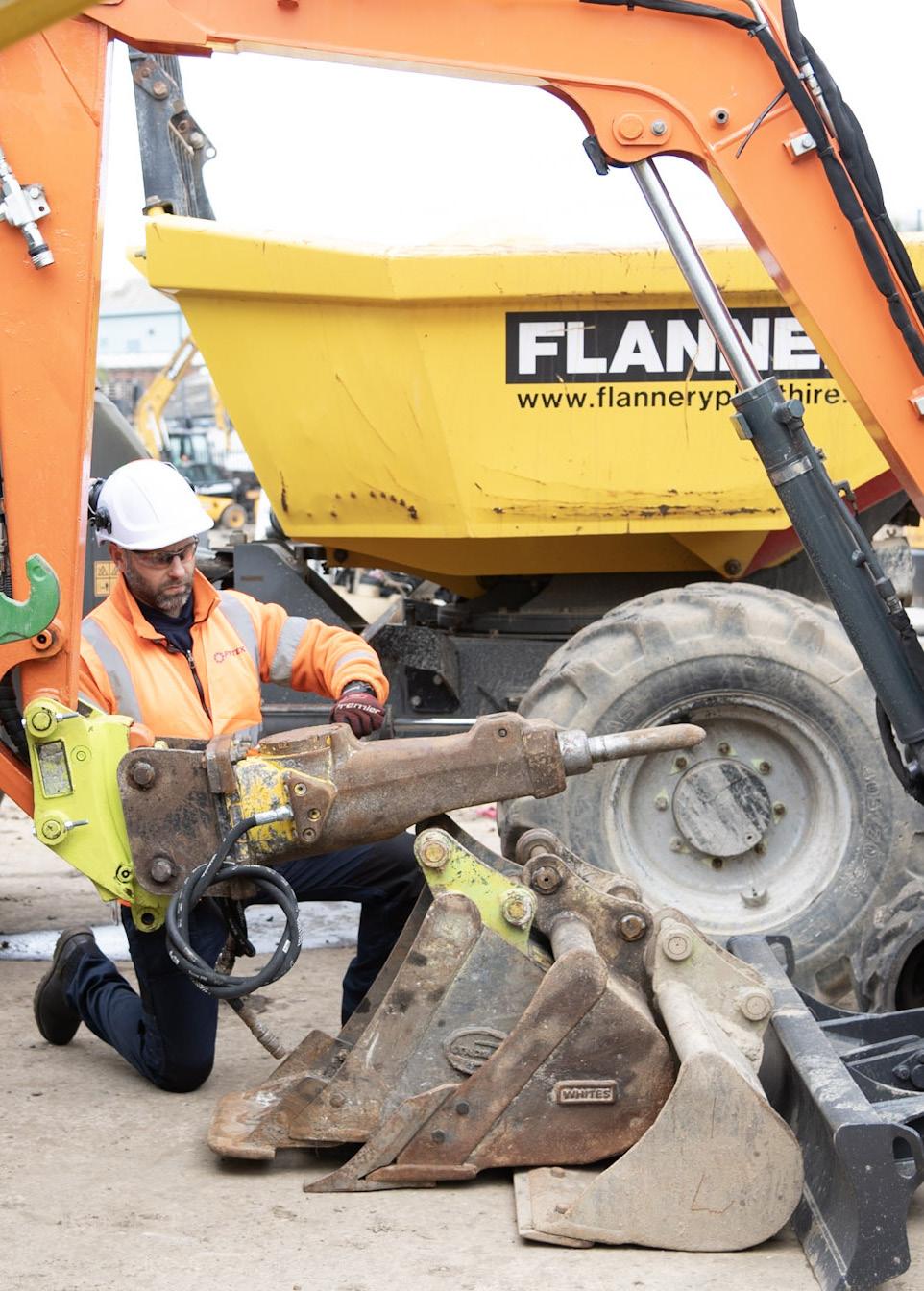
Pirtek has built its reputation on keeping businesses moving, providing fast, dependable hydraulic support whenever and wherever it’s needed.
At the core of Pirtek’s service is its 24/7, 365-day emergency hydraulic hose replacement. When equipment
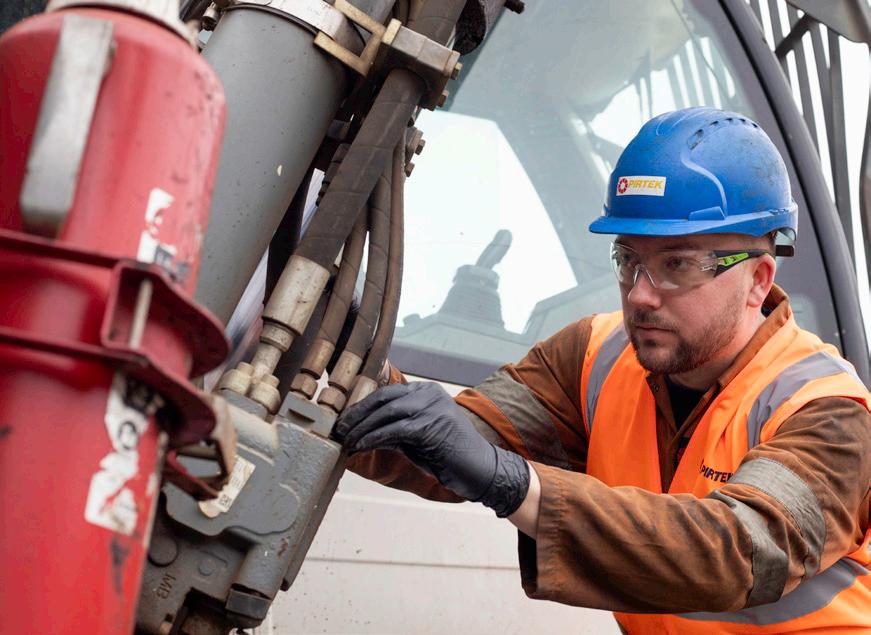
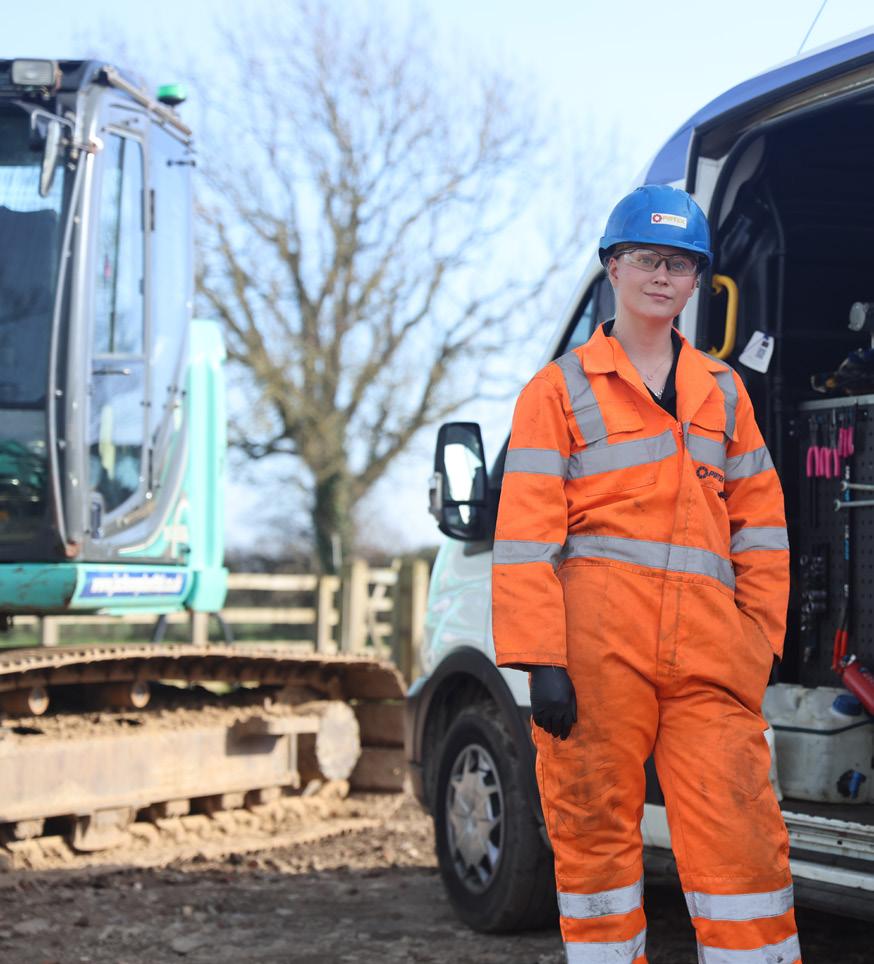
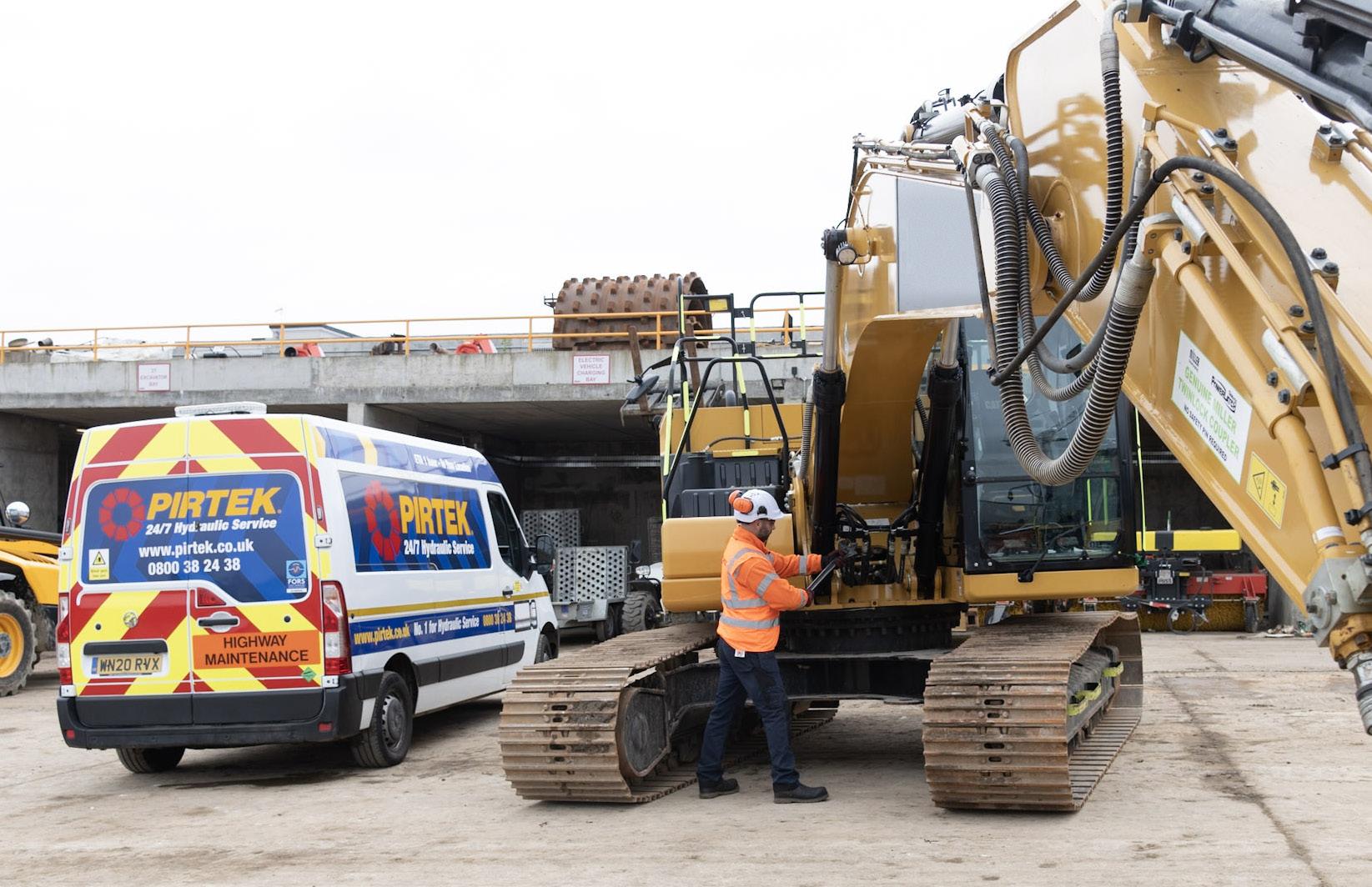
fails, response time is everything. With nationwide coverage and a one-hour ETA for most locations, Pirtek ensures that expert help is never far away. Every job is carried out by fully employed, City & Guilds trained technicians, never subcontractors, guaranteeing consistent quality, safety, and professionalism on every call-out. Equipped with a wide range of high-quality components from leading manufacturers, Pirtek technicians are able to complete most repairs on-site, minimising disruption and getting operations back up and running quickly.
Pirtek’s offering goes beyond emergency response. Increasingly, businesses are recognising the value of preventative maintenance in reducing unexpected failures and improving overall efficiency. Pirtek supports this through a range of planned services designed to extend equipment life, improve safety, and reduce long-term costs.
Pirtek’s Total Hose Management (THM) programme provides a proactive approach to hose maintenance, helping identify potential issues before they result in failure. Additional services such as hose flushing, pressure testing, and hydraulic system maintenance ensure that systems continue to operate at peak performance. Pirtek
also offers component repair solutions, providing a comprehensive approach to hydraulic system care.
Supporting these services is Pirtek’s industry-leading Customer Portal, giving customers full visibility and control over their assets, service history, and job tracking, helping to streamline maintenance processes and improve operational planning.
With ISO 9001, 14001 and 45001 accreditations, NEBOSH-qualified health and safety support, and recognition as a BFPA accredited training provider, Pirtek operates to the highest industry standards. Whether responding to an emergency or supporting long-term maintenance strategies, Pirtek remains committed to one goal: keeping your operation moving, 247, 365.
Contact your local Pirtek centre to book a job or make an inquiry. 0800 38 24 38
www.pirtek.co.uk
tel : 01639 641166 | email : sales@groundhog.co.uk
tel: 01639 823484
www.groundhog.co.uk
www.groundhog.co.uk

Committed to delivering innovation, quality, reliability and service across our extensive range of site welfare units, groundhog® are proud to be recognised as one of the UK’s leading manufacturers of welfare accommodation.



Eighty years in business is no accident. It’s built on trust, consistency and delivering what customers need, every time. That’s exactly what INMALO will be celebrating at Hillhead 2026..
For eight decades, INMALO has supported the demolition, construction, waste recycling and quarrying sectors with high-quality equipment and, just as importantly, dependable back-up. Long-standing relationships with both customers and leading manufacturers have been central to that success.
The company’s partnerships span industry names such as Mantovanibenne, Montabert and MB Dust Control. These relationships, some stretching back decades, reflect INMALO’s reputation as a reliable, knowledgeable supplier that customers return to time and again.
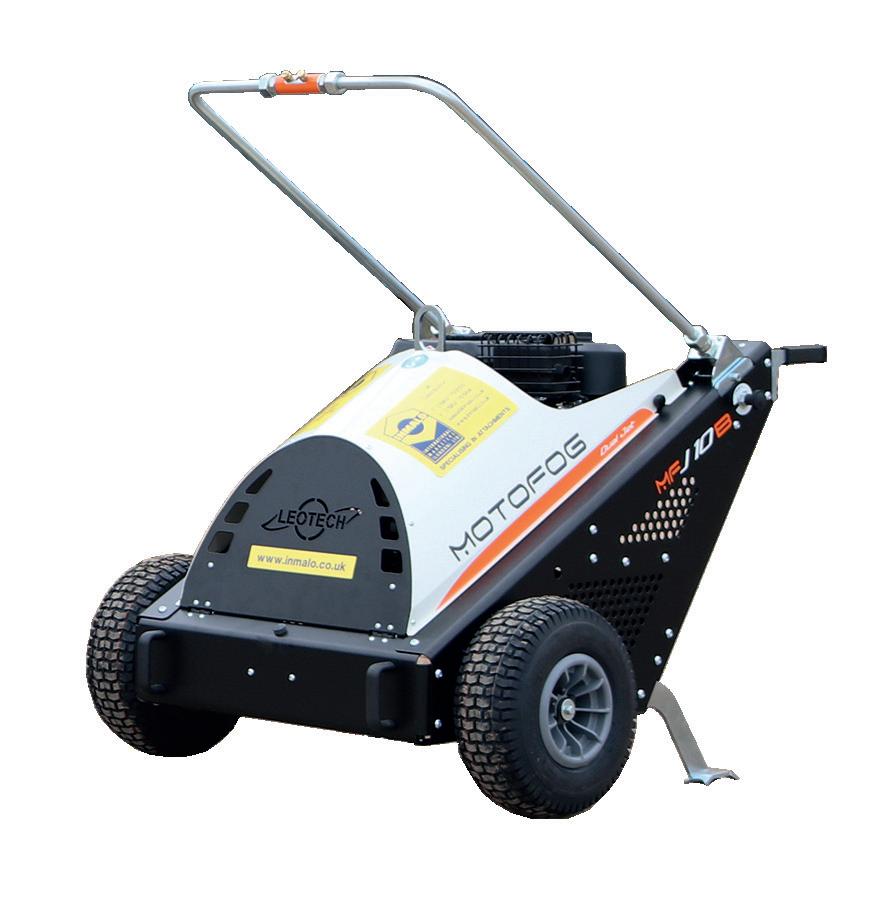
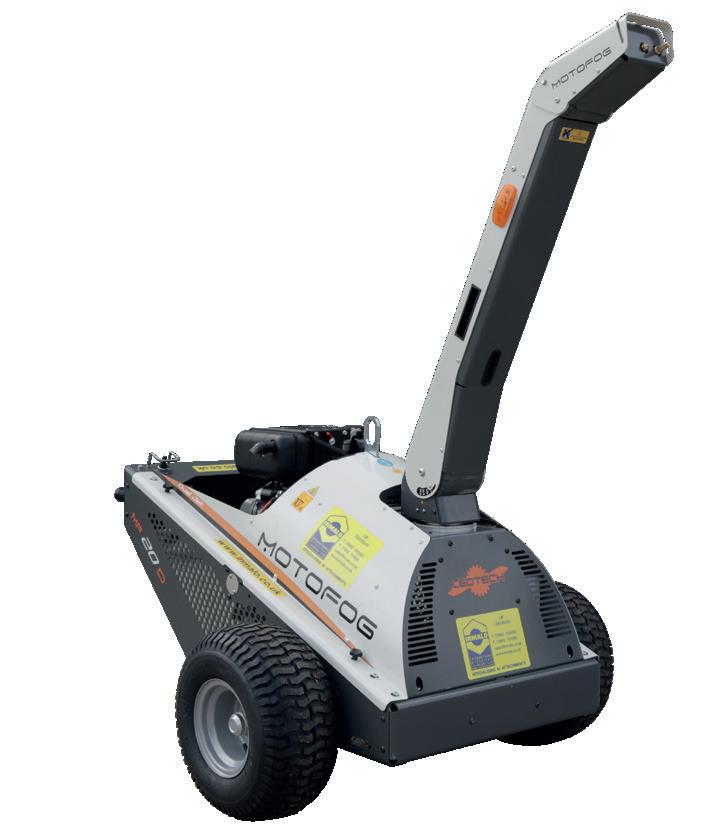
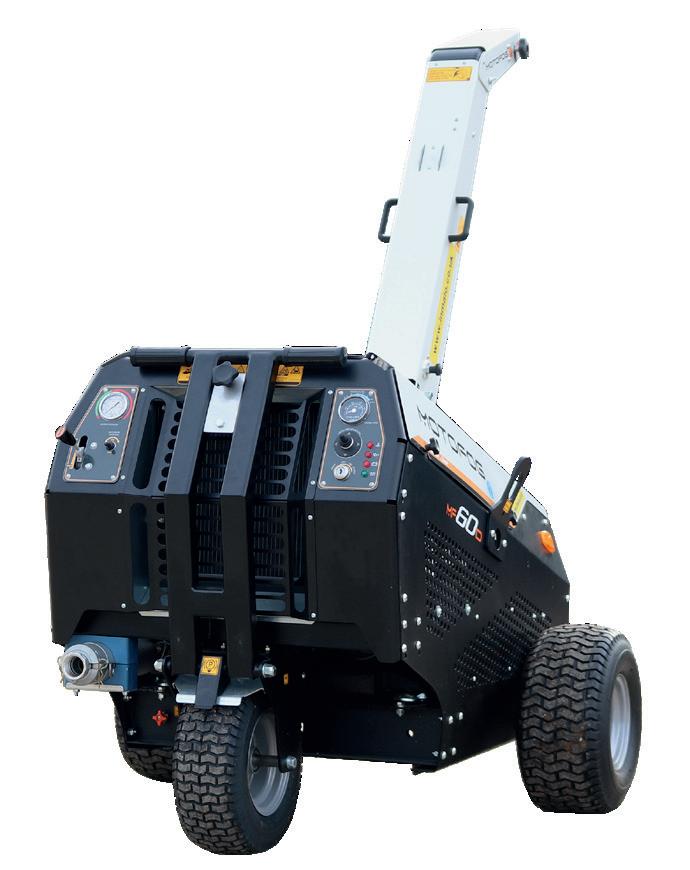
Visitors to Hillhead will see that strength first-hand. Equipment on display will include the latest from Leotech alongside MB Dust Control dust suppression systems, which will be demonstrated live at the show.
INMALO’s offering is built around performance and reliability. From demolition attachments to dust suppression solutions, every product is selected to help contractors work efficiently, safely and with minimal downtime. That’s backed by strong stock availability, a dedicated hire fleet, and fast, responsive service support.
It’s this combination of quality equipment, long-term partnerships and excellent aftersales that has kept INMALO at the centre of the industry for 80 years.
And at Hillhead, that legacy continuesSee us on Stand A37.

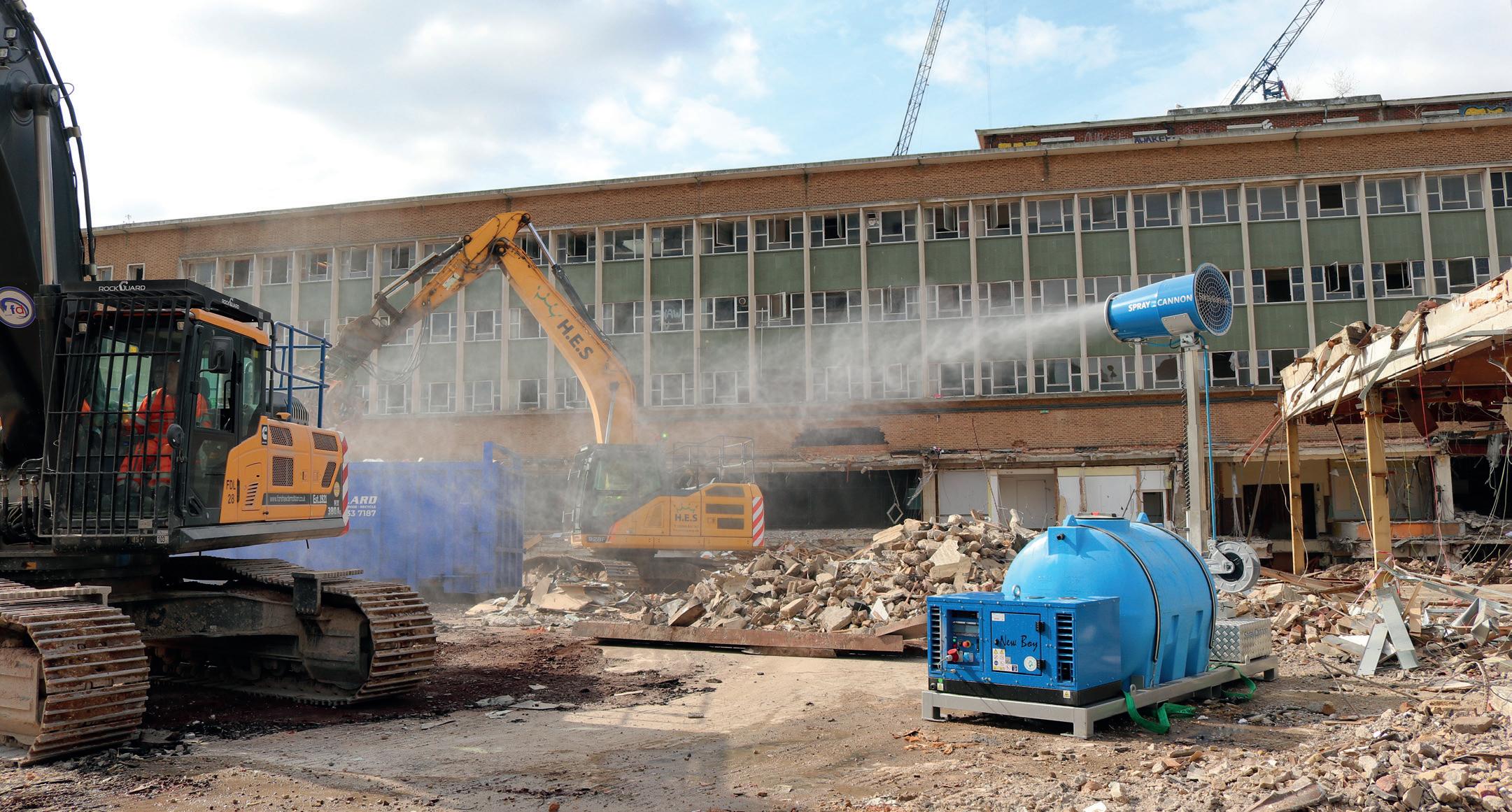
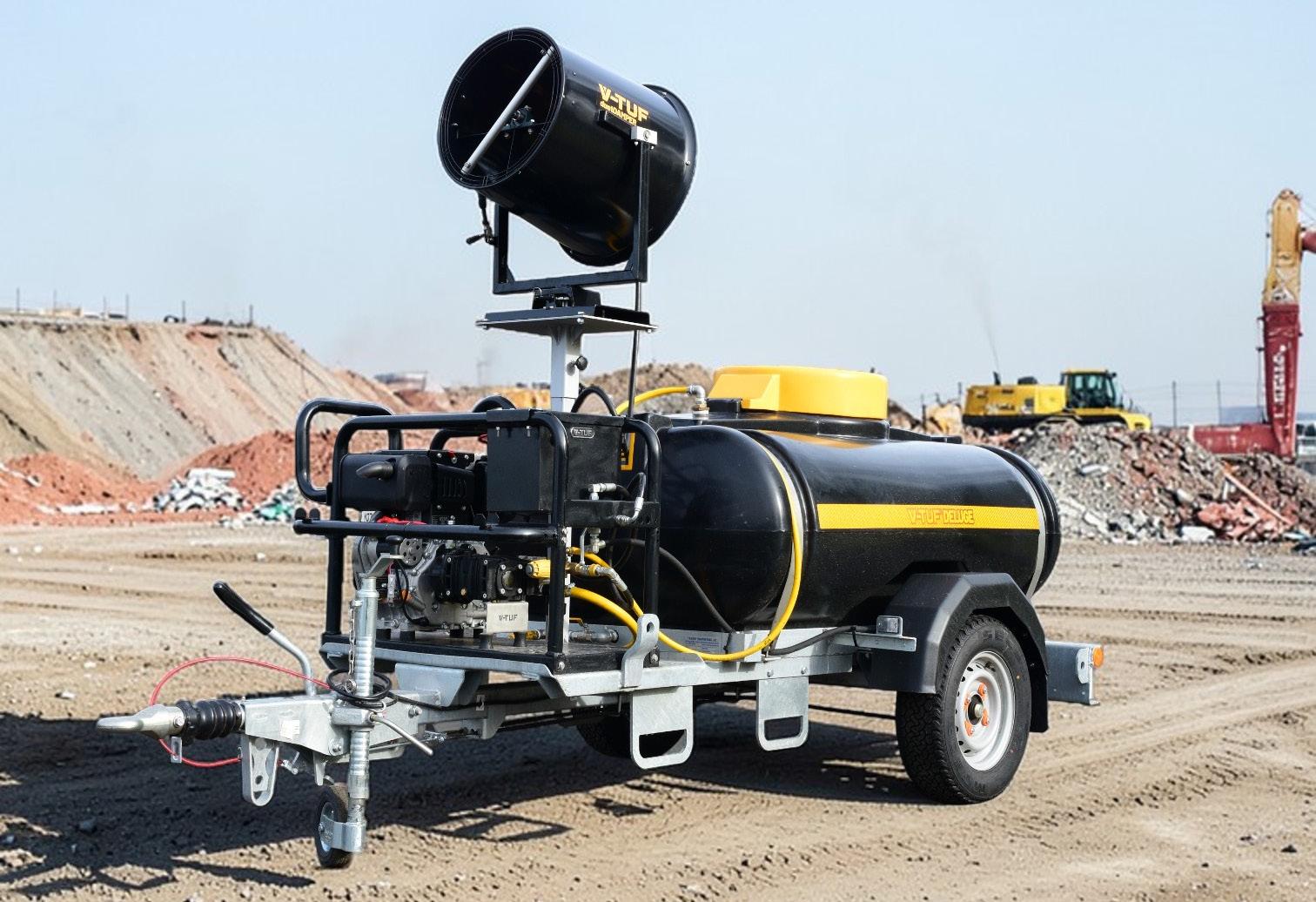
As part of their ongoing commitment to tackle airborne dust, V-TUF have unveiled their next evolution in rugged, hireready dust suppression – the DELUGE DSC. Engineered to give contractors a tougher, smarter and more mobile solution for on-site dust control.
On busy construction and demolition sites, dust isn’t just a nuisance, it’s a serious health, environmental and regulatory challenge that demands serious management. From earthworks and material handling to demolition and regrading, airborne dust particles can travel great distances, reduce site visibility, aggravate respiratory conditions and breach strict environmental standards. Ensuring effective dust suppression is more than just responsible site management; it’s a competitive advantage that protects workers, equipment, neighbouring communities and a project’s bottom line.
Construction-generated dust can contain a wide range of particulates, from harmless soil to crystalline silica and heavy minerals that are hazardous when inhaled. Prolonged exposure to fine dust is linked to respiratory disease, reduced lung function and increased absenteeism among workers; risks that are now being heavily regulated on UK sites.
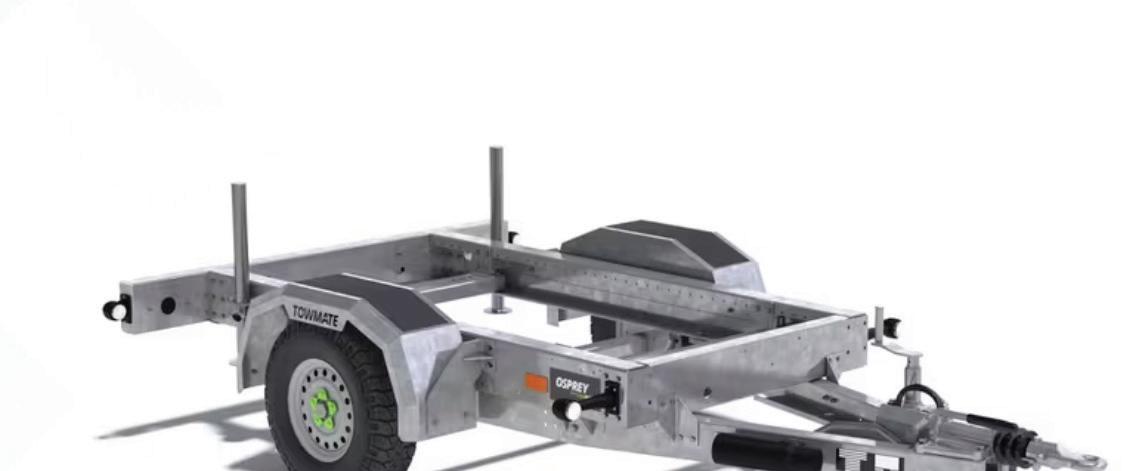
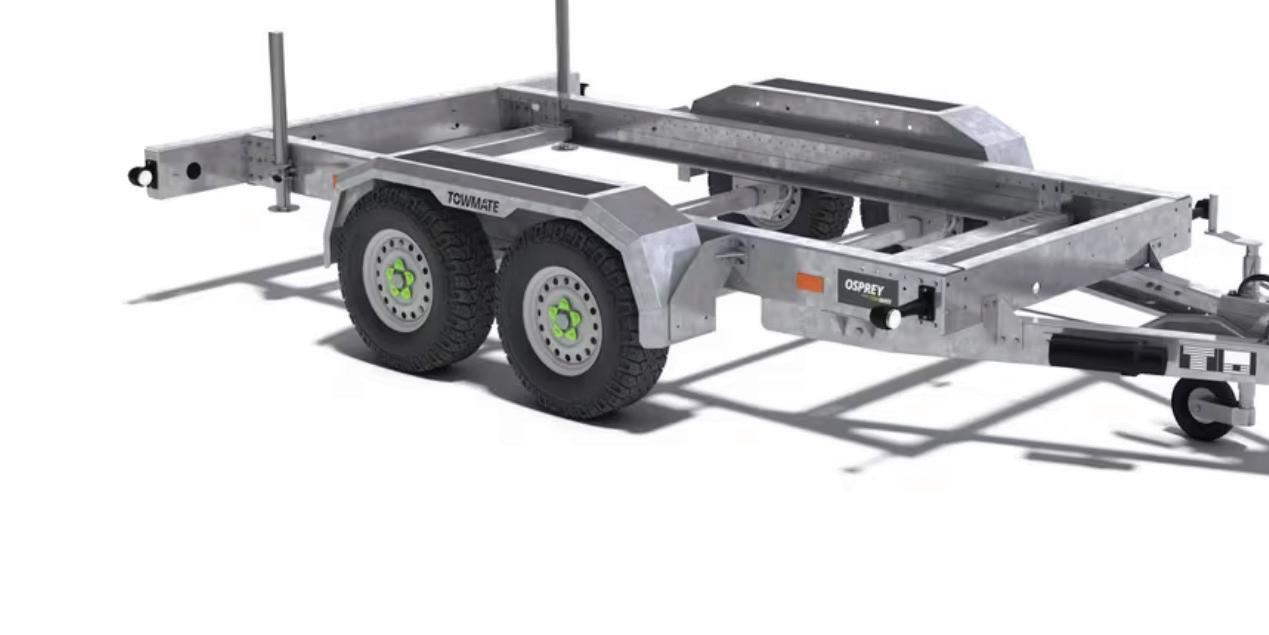
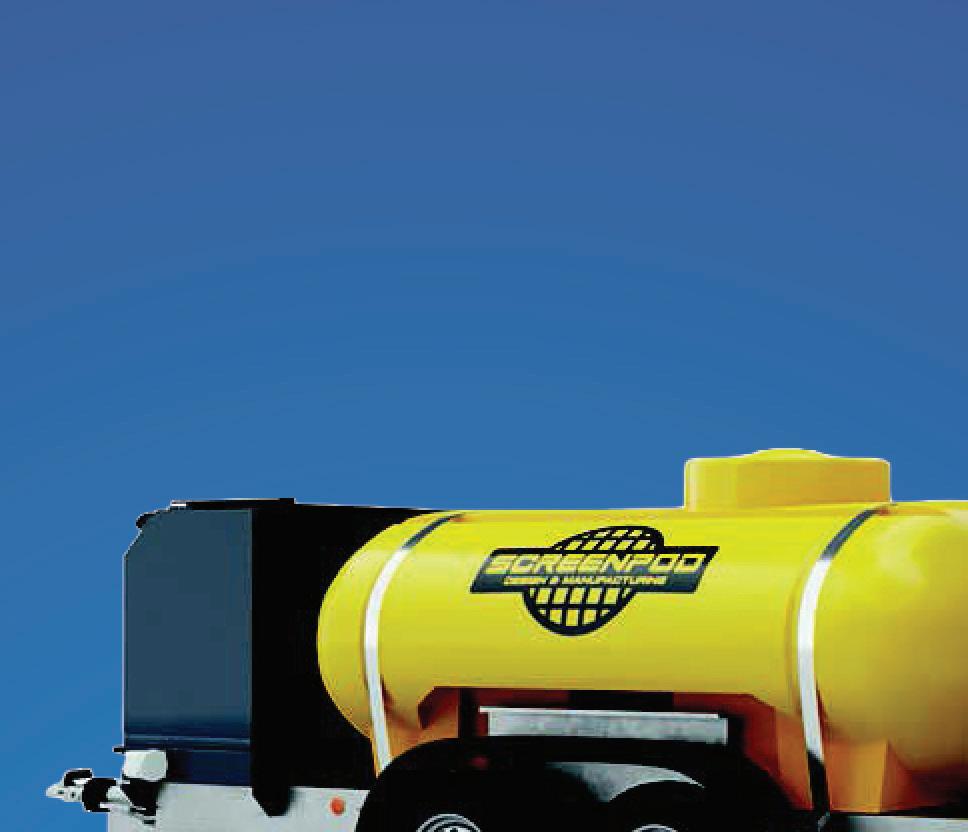
Recognising this pressing industry need, V-TUF developed the DELUGE DSC, a mobile dust suppression solution that combines powerful water delivery and high-pressure cleaning with advanced dust control in one rugged package. At its core, the V TUF DELUGE DSC is built around a 1125 litre trailer bowser pressure washer, combined with an integrated dust suppression system, tailored specifically for the outdoor construction and demolition sectors.
The base unit starts with a heavy-duty, hot-dipped galvanised T-frame trailer chassis and a 1125-litre high-density polyethylene water tank with internal baffling for safe towing across rough terrain. Powered by a Yanmar diesel engine and gearbox-driven 200 bar pressure washer, 15 L/min industrial pump, the DSC delivers sustained cleaning power for site equipment, vehicles and surfaces. Forklift pockets, auto-reverse braking and full highwayready lighting make it perfect for hire fleets as well as long-term rental fleets.
Where the DSC truly stands out is its dust suppression integration, mounted with a rear spray bar for ground-wetting and a dust suppression cannon for wide area. Operating effectively in a minimum pressure range of around 15–30 MPa
with comparable flow rates, this cannon sprays a high-velocity mist that captures fine airborne dust and drives it to the ground before it can disperse further.
Capable of spraying up to 20–40 metres depending on configuration and site conditions, the dust suppression cannon features a 360° adjustable base and up to 60° pitch angle, making it ideal for targeting dust near breaking walls, stockpiles and vehicle motion corridors.
By integrating high-pressure water delivery with strategic misting and dust control capabilities, the V-TUF Deluge DSC offers a highly flexible and mobile dust suppression platform. Whether tackling demolition dust, implementing environmental controls during excavation, or conditioning stockpiles prior to removal, this all-inone solution helps contractors meet both performance and compliance goals with confidence.
In an era where occupational health, environmental stewardship and efficiency intersect, smart dust management is more crucial than ever before, and with the V-TUF DELUGE DSC, sites can now deploy a robust tool that addresses these needs head-on.

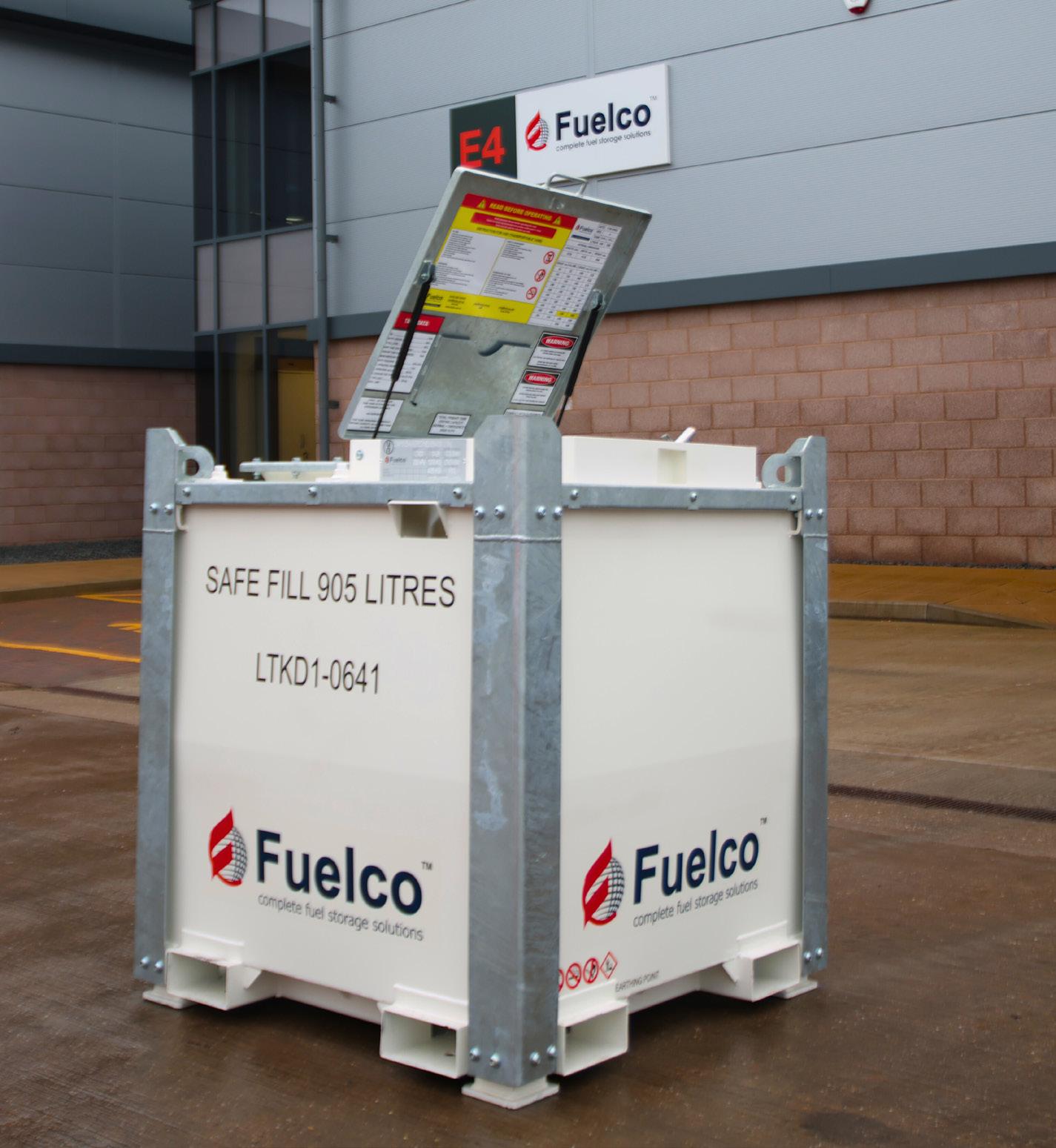
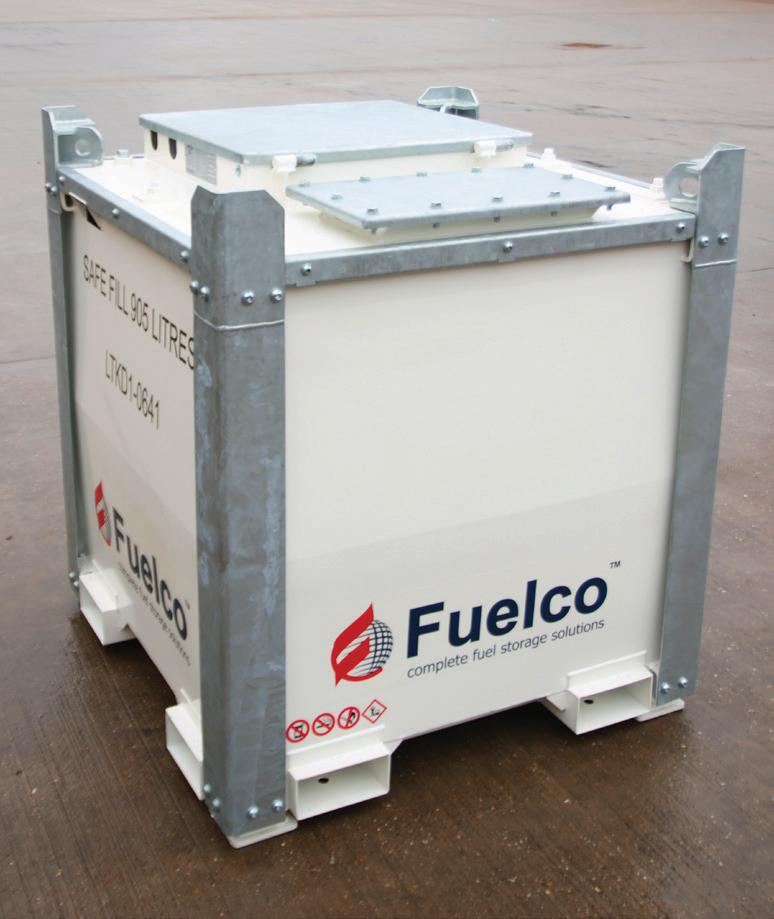
Our Qualified engineering, design and compliance team have the technical capability to offer international project and engineering management, meeting standards around the world. Fuelco, through a network of service agents across the globe, provides after-sales service and repair. We offer tailored preventative maintenance programs to reduce breakdowns and expensive unplanned repairs. We also stock an extensive range of parts and accessories that comply with relevant global standards.
In November 2016, Fuelco was acquired by the Eredyne Group, bolstering its modular approach to fuel storage tank capability and expanding its footprint into Oceania, Asia, Africa, Middle East, South America and Europe, making Fuelco a truly global organisation.
Since January 2026, Fuelco has seen close to 300% growth in the UK market alone, and intend to continue this growth as the year progresses. With multiindustry applications, we design, supply and install complete modular storage solutions capable of withstanding extreme operating conditions.
Industry applications include:
• Transport and Logistics
• Fuel Distribution and Retail
• Fuel Farms
• Mining
• Oil and Gas
• Power Generation
• Data Centres
• Aviation
• Construction
• Government and Defence
• Farming and Dairy
• Schools
• Hospitals
• Golf Clubs
Our Core Values: Take Ownership, Act with Integrity, Enthusiasm and Passion, Mutual Respect and Social, Safety and Environmental Responsibility.
Our Vision: To be the preferred choice for the design and development, manufacture, installation and service of fuel and lubricant storage systems and dispensing equipment.
Our Mission: To foster a healthy, vibrant workplace, understand customer needs and deliver solutions, and to build strong, ethical partnerships.

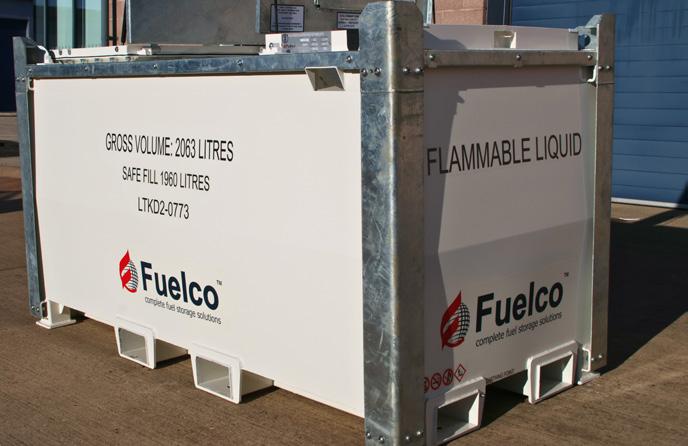
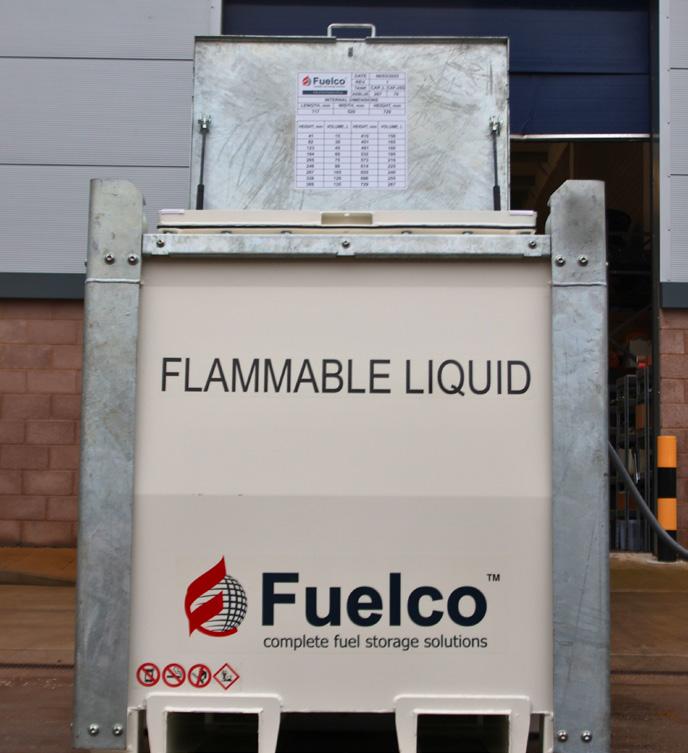
Engineering and Design: Fuelco provides full system design, regulatory compliance and customised solutions for bulk petrochemical facilities.
• Bulk fuel and retail facility design
• CAD Design Capability – Solidworks, AutoCad, Inventor
• Hydraulic Models – FluidFlow
• Finite Element Analysis
• Process design including facility automation
• Pump station and pipeline design
• Safety in Design
Project Management: In-house project management capabilities that will provide complete turnkey solutions:
• Project design and management –We ensure all bulk fuel facility projects are managed to the highest possible standard by assigning a highly experienced project manager at the onset
• Our collaborative approach means we work with you to ensure that our projects remain on schedule, on cost, on scope, every time
• Regular project updates and communication with clients to ensure they are up to date
• Approvals, quality control and documentation
• Complete refuel systems for any application
• Installed and commissioned with minimal resources and risk
























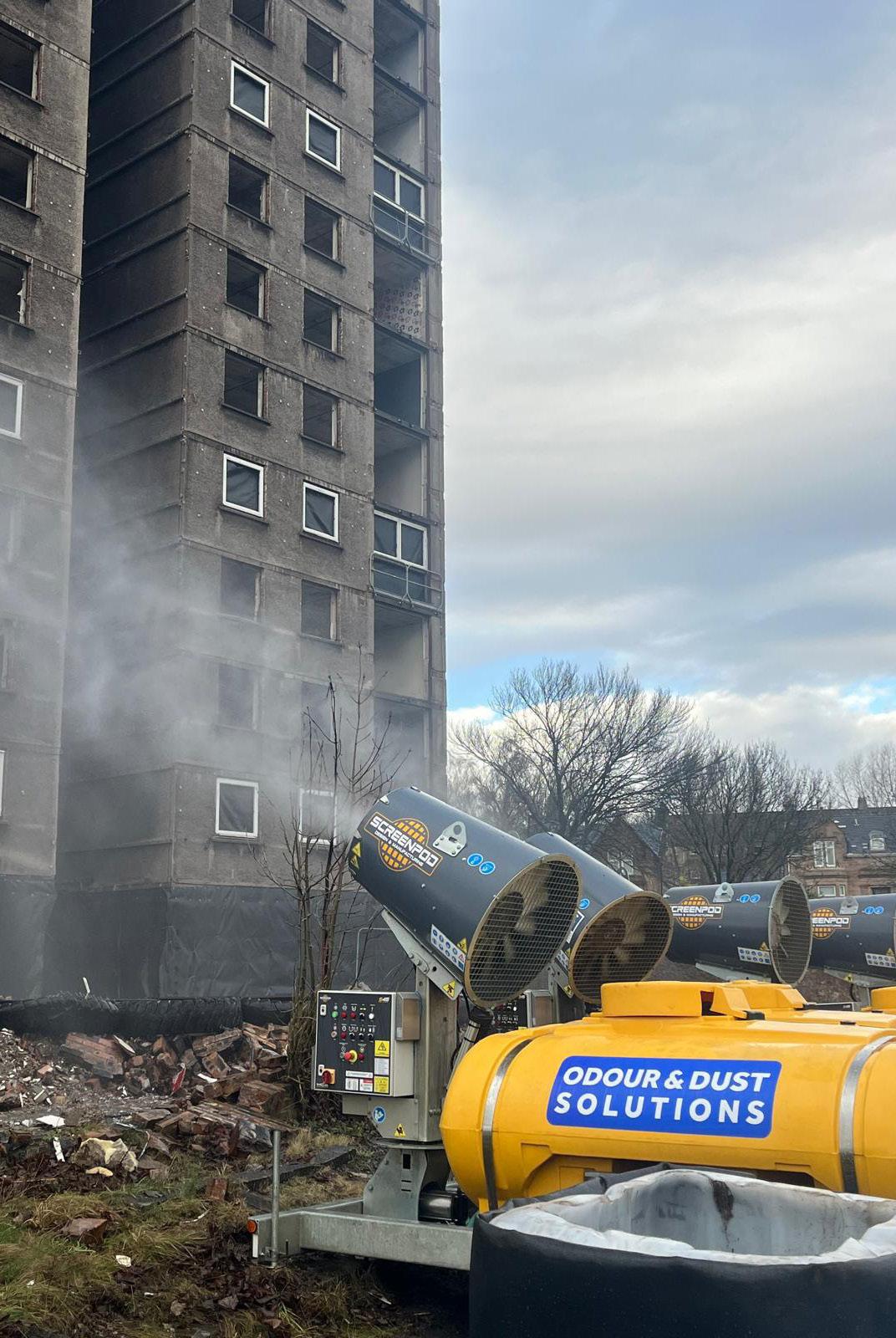
Odour and Dust Solutions (ODS) is your trusted partner for Demolition work, we create cleaner, safer, and more comfortable environments. With growing awareness around air quality, workplace safety, and environmental responsibility, controlling dust and odours has never been more important.
That’s where we come in.
ODS specialise in delivering tailored solutions that effectively manage airborne particles and unpleasant smells, helping you maintain compliance, workforce protection, and improve overall operational efficiency. Whether you operate in demolition, construction, waste management, manufacturing, or industrial processing, our expertise ensures that your specific challenges are met with precision and reliability.
Our dust suppression systems are designed to minimise airborne particles at the source, reducing health risks and improving visibility on-site. By preventing dust from spreading, we help protect equipment, reduce maintenance
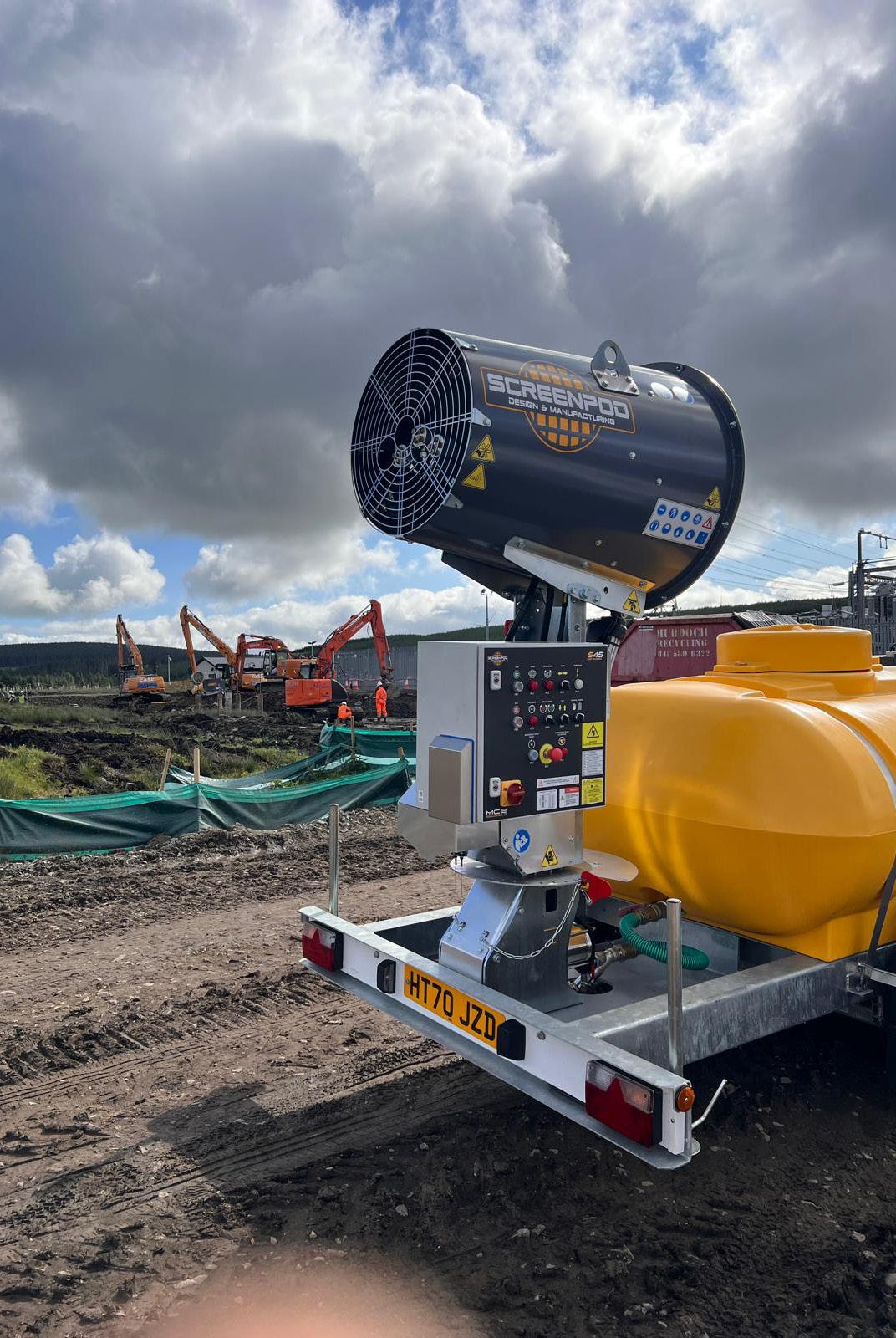
costs, and create a more productive working environment. From fog cannons to atomisers to sprinkler systems to high-performance suppression units, our technology is both efficient and environmentally conscious.
In addition to dust control, we offer industry-leading odour management solutions that neutralise and eliminate unpleasant smells rather than simply masking them. Our products are carefully formulated to tackle even the most persistent odours, ensuring a fresher and more pleasant atmosphere for employees, customers, and surrounding communities. This is especially vital for businesses looking to maintain a positive reputation and meet regulatory standards.
What sets Odour and Dust Solutions apart is our commitment to innovation and customer satisfaction, we don’t believe in one-size-fits-all approaches. Instead, we work closely with each client to assess their needs, recommend the most effective systems, and provide ongoing support to ensure optimal performance.

Our range of services include:
Fog Cannons
Nozzle Systems
Atomisers
Foam Systems
Sprinkler Systems
Dust Monitoring
Cabin Pressure Systems
Bespoke Systems
We supply and deliver nationwide, ensuring fast and reliable delivery wherever our customers are based, we offer flexible hire options and competitive sales for those looking to invest long-term. By combining nationwide coverage with both hire and sales services, we provide a convenient, all-in-one solution tailored to suit a wide range of requirements.
Choose Odour and Dust Solutions for cleaner air, better working conditions, and peace of mind.






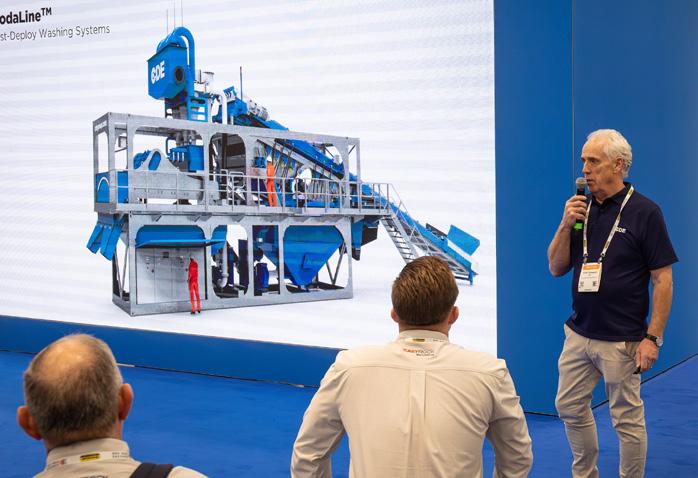
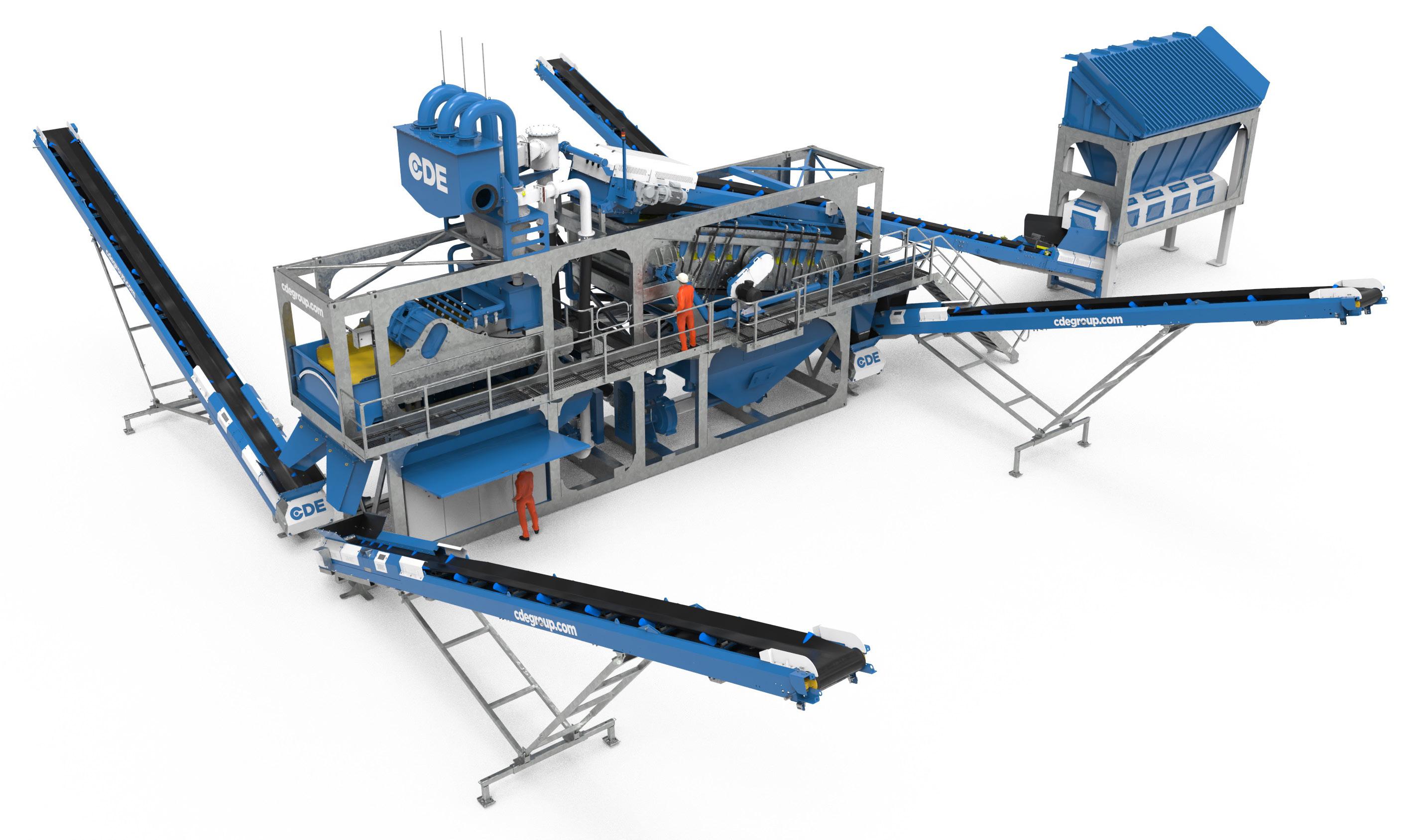
In a revolutionary move, CDE, a global leader in the wet processing of recycled and natural materials, has revealed its latest innovation, the ModaLineTM, the first in a new series of containerised sand washing solutions designed for plug-and-play operation unlike ever before.
The ModaLine can help materials processors get their operations up and running faster thanks to its unique and transportable design that reduces on-site build time by upwards of 60 per cent compared to similar scale washing solutions.
“We’re taking plug-and-play to the next level,” CDE’s chief engineer, Kevin Vallelly, said.

“This is a site-ready solution unlike anything that has come before it. We’ve packed 35 years of CDE engineering excellence into a fast deploying unit that is simple for dealers to sell and for customers to operate.”
Featuring CDE’s proven dual-pass cyclone with integrated InfinityTM dewatering screen, Sand blending chute, high-capacity sump, single point connection for process water, an onboard control panel and the flexibility to add your own stockpile conveyors, the ModaLine offers the full gamut of CDE’s sand washing technologies in an effortlessly portable, pre-configured unit that delivers consistent results.
Uniquely, it is constructed within a robust steel frame designed to ISO container dimensions for easy shipping and installation. The first models in the line offer feed capacities of up to 250 and 450 tonnes per hour.
CDE’s head of partnerships, Jullian Fegan, said ModaLine has been developed with equipment dealers in mind.
“We’ve removed the complexity involved in the commissioning of the typical wash plant. ModaLine is pre-wired, pre-tested and pre-assembled with fixed spec, so
by the time it rolls onto site the hard work is done. For our dealers that means fewer variables allowing for rapid, lowrisk commissioning, and for materials producers it means your solution is on site faster than before and running material sooner rather than later with the same high degree of efficiency expected of any CDE plant.”
Tom Childs, Business Development Manager at Goodfellows, one of CDE’s partners in North America, has hailed the ModaLine as a ‘gamechanger’.
“We’re really excited about the new ModaLine. It opens up genuine opportunities for plants that need the flexibility to move in and out quickly and operate at remote job sites. The simplicity of the installation is a major advantage, and we see this as a product that will add real value to our customers’ operations.”

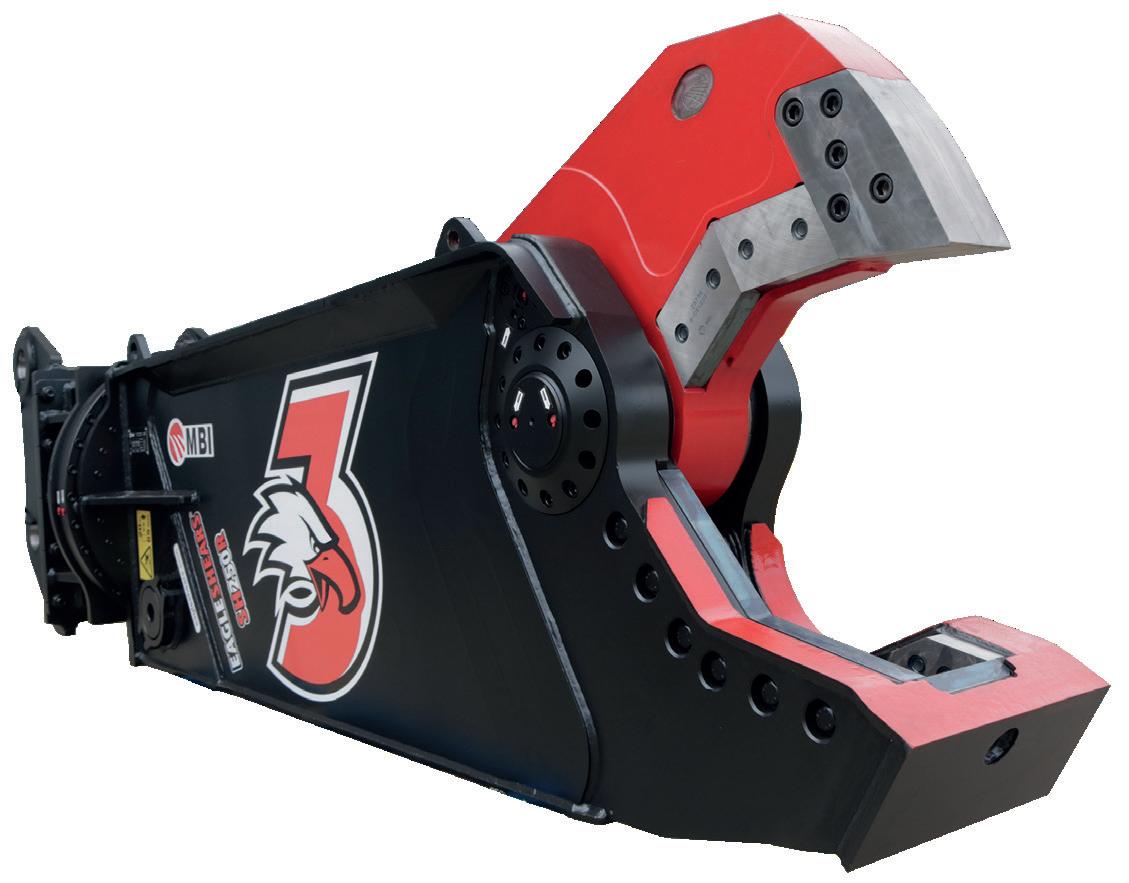
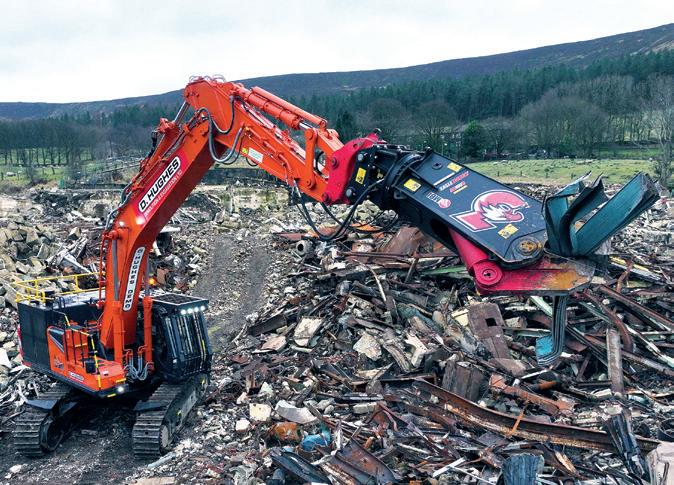
As Japan’s leading manufacturer of demolition equipment, we know what it takes to perform in the world’s toughest market. We combine proven engineering excellence with long experience and a hands-on approach, ensuring that we understand your challenges. This is how our expertise becomes your confidence, and our heritage drives your success.

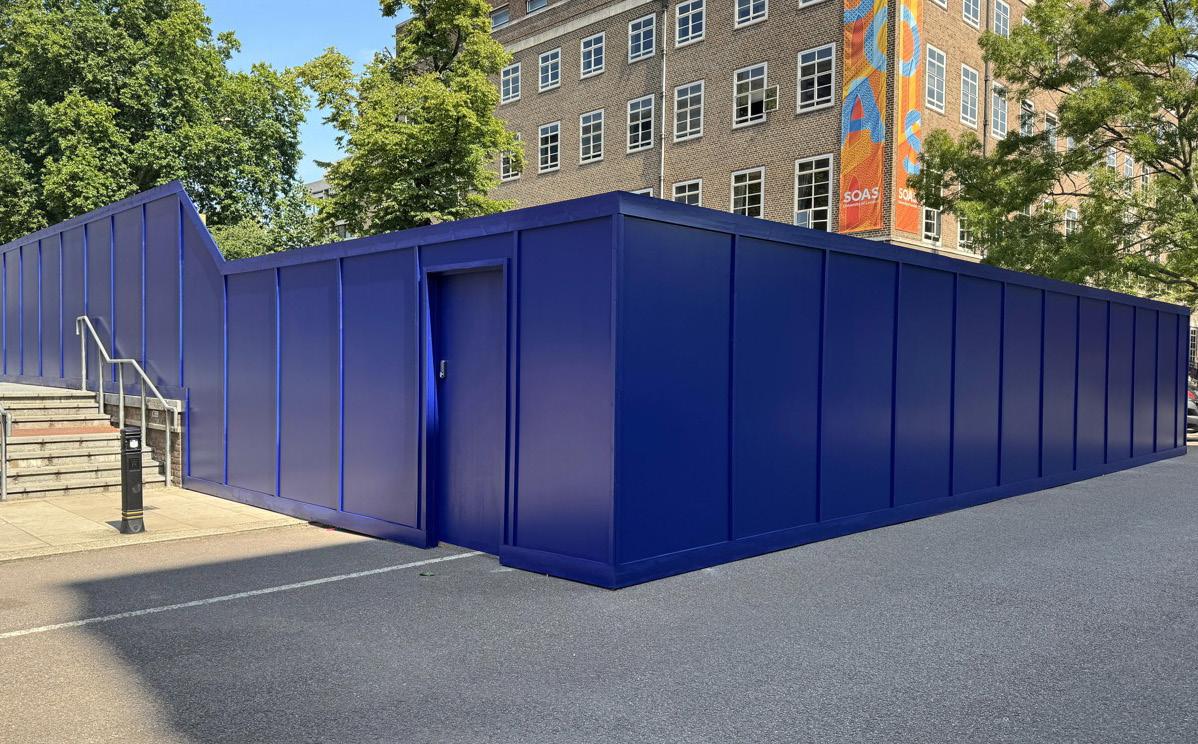
City Hoardings was founded in 2002 with a straightforward idea. Construction sites needed better perimeter solutions, and the market was full of companies doing it badly. Twenty three years later that idea is still the driving force behind everything the business does, just at a scale and standard that looks very different to where it started.
Based in Surrey, City Hoardings operates across London and South England as a specialist timber hoarding contractor. The business is owner managed, with Paul Benewith at the helm since day one. When you deal with City Hoardings you’re dealing with someone who has been on the tools, read the programmes, walked the sites and understands exactly what a demolition contractor needs from a perimeter package before the first machine moves.
City Hoardings holds a full suite of accreditations from Constructionline Gold and SSIP to PASMA and IPAF which reflects the level of compliance and quality management that clients across Tier 2 and Tier 3 contracting expect as standard. It isn’t a box ticking exercise. It’s the foundation that every project is built on.
The service is genuinely turnkey. Temporary work design, concrete blocks, branding design and printed ACM panels, building wraps, pedestrian doors, vehicle gates, capping, skirting and waste management.
One contractor, one point of contact, one team that shows up and delivers a compliant, professionally branded site boundary ready for your programme. No chasing multiple subcontractors. No version control issues on graphics. No delays because someone didn’t read the brief.
For demolition contractors specifically, the proposition is simple. You are typically first trade on site and the pressure to establish a safe, compliant perimeter quickly is immediate. City Hoardings has built its entire operation around being ready for that moment. Early engagement is built into the workflow. The team plans around your programme, not the other way around.
That approach was recognised in 2024 when City Hoardings was named AFI UK Site Hoarding Contractor of the Year, an award that sits alongside over two decades of repeat business from some of London’s most active demolition and construction teams.
If your pipeline has demolition projects coming through in the next quarter, the time to have the hoarding conversation is now, not the week before mobilisation.
Call Paul directly on 0203 411 2188, email paul@citysitehoardings.co.uk or visit citysitehoardings.co.uk to discuss your project and get a quote that works around your programme.
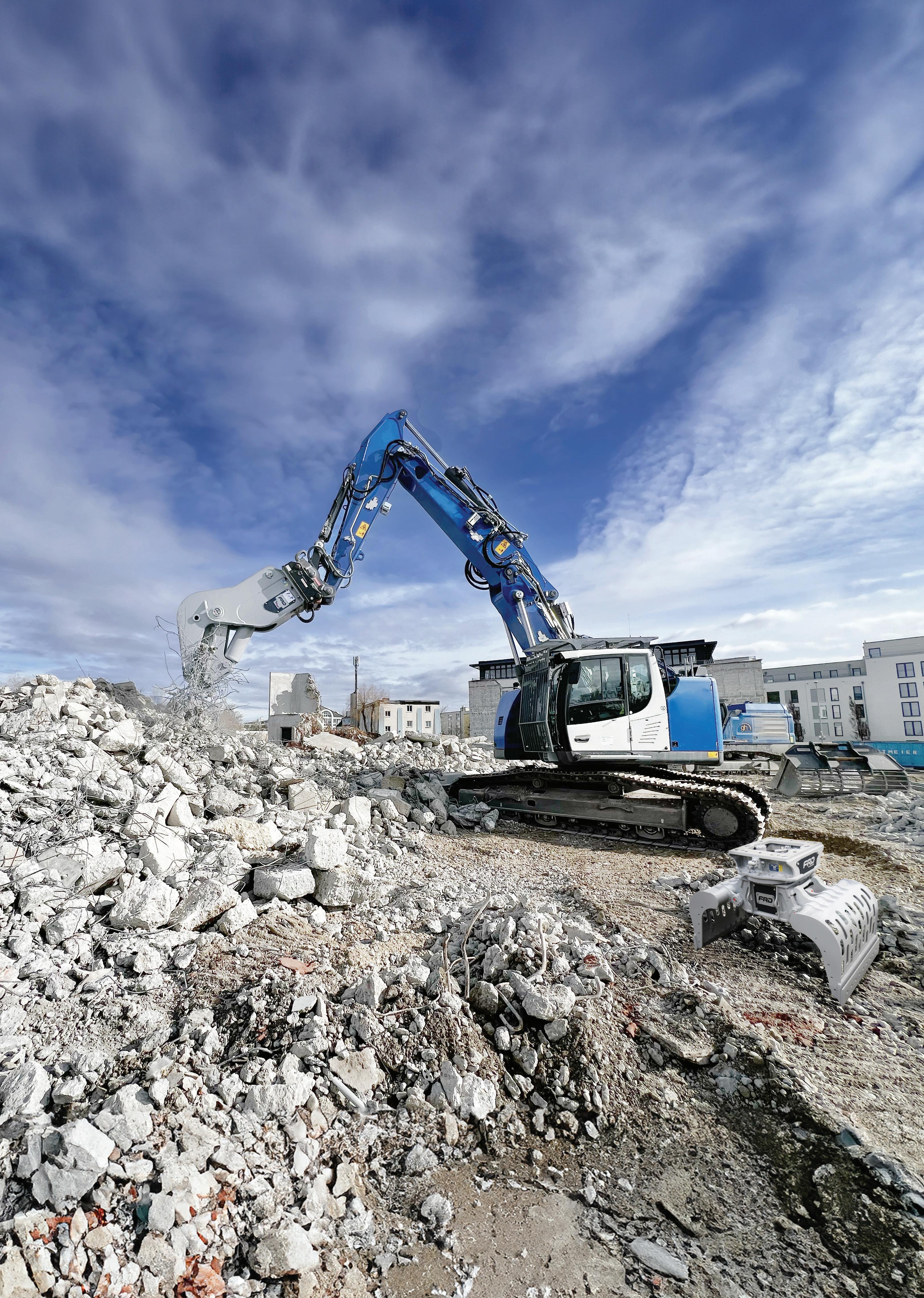
We sell, hire and service all hydraulic excavator attachments, including all Dynaset Hydraulic accessories.
UK Distributors for some of the world’s leading excavator attachment suppliers.
12 depots nationwide giving us complete coverage of the UK.
Outstanding aftersales support and Factory trained engineers in our fully equipped workshop and on the road.
Service/repair vehicles on hand at all times to attend sites preventing any downtime.

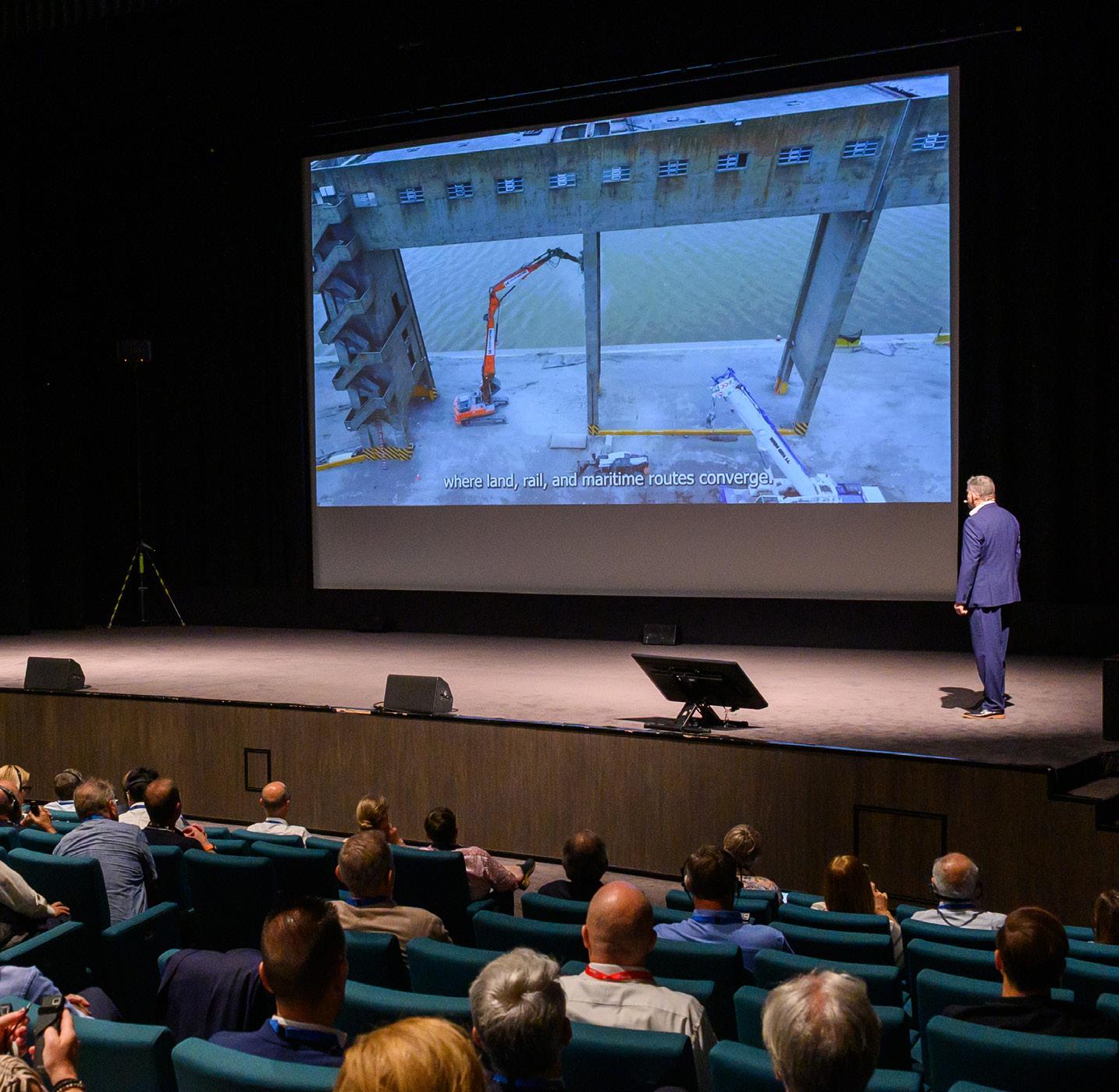
The European Demolition Association has officially revealed the program for its Annual Convention 2026, set to take place from 10 to 12 June in Dublin.
Widely regarded as one of the key gatherings for the demolition, decontamination and recycling (DDR) sector, the Convention will once again bring together professionals from across Europe and beyond for three days shaped by technical exchange, practical insight and meaningful connections.
This year’s program reflects the evolving priorities of the industry, combining hands-on workshops, international case studies, and forward-looking discussions.
The opening day, on 10 June, will feature a series of specialist workshops designed to encourage participation and dialogue. Topics will range from circular economy principles in nuclear decommissioning to hazardous insulation materials, explosive demolition practices, and equipment standards, setting the tone for an event grounded in real-world challenges and shared expertise.
On June 11, the core conference sessions will take place, offering a broad perspective on the sector. From landmark demolition projects in the UK to an overview of the U.S. market, and other conferences about circular certification schemes in the Netherlands, regulatory and environmental challenges in Ireland, and France. The program brings together diverse experiences and approaches.
One of the highlights of this edition will be a special case study linked to a NASA project, offering a rare opportunity to explore large-scale decommissioning from a unique angle.
Moreover, the Convention will also provide multiple opportunities for networking, including the traditional Welcome Cocktail and dedicated breaks within the exhibition area. These moments are an essential part of the EDA Annual Convention, reinforcing its role as a platform for knowledge sharing and a meeting point for the international DDR community.
With a strong line-up of speakers and a program built around practical value, the EDA Annual Convention 2026 is set to be an essential stop for professionals looking to stay informed, exchange ideas, and strengthen connections within the sector.
Discover the full technical program
Demolition of Coursington, Allen, and Draffen Towers
Mr Stephen McCann – PERSES (UK)
Current state of the U.S. demolition market
Mr Ben Hayden – NDA and HAYDEN WRECKING CORPORATION (USA)
Success of the Dutch Circular Verification Scheme for demolition and PDA. Certification System in VERAS association
Mr AD Schaap – VERAS (Netherlands)
Demolition in Ireland: Challenges and opportunities
Mr Martin Walsh – IRISH ASSOCIATION OF DEMOLITION CONTRACTORS & Walmac Demolition (Ireland)
Lesson learned on the French waste management system for CDW
Mr Mathieu Hiblot – SEDDRe, SYNDICAT DES ENTREPRISES DE DECONSTRUCTION DEPOLLUTION ET RECYCLAGE (France)
Environmental challenge (vibration, dust, noise) in demolition from a practical point of view according to the French regulation
Ms Sophie Duclos – CATM (France)
The use of digital technologies in European Nuclear Decommissioning projects
Mr Joseph A. Ridao – KARLSRUHE INSTITUTE OF TECHNOLOGY (KIT), INSTITUTE OF TECHNOLOGY AND MANAGEMENT IN CONSTRUCTION (TMB), DECONSTRUCTION AND DECOMMISSIONONG OF CONVENTIONAL AND NUCLEAR BUILDINGS (Germany)
Industrial and Environmental transformation of the site Alteo Gardanne
Mr Olivier Corrège – ENVIRONMENTAL RESOURCES MANAGEMENT (France)
Optimizing Offshore Platform Decommissioning: AEM-Based
Demolition Analysis of the Northern Producer Platform
Mr Ahmed Amir Khalil & Mr Phil Peberdy – Applied Science International LLC & LIBERTY INDUSTRIAL
NASA Case Study: In-depth
Mr Austin Hays, TARGET CONTRACTORS
Participants are invited to explore it and join EDA in Dublin this June!

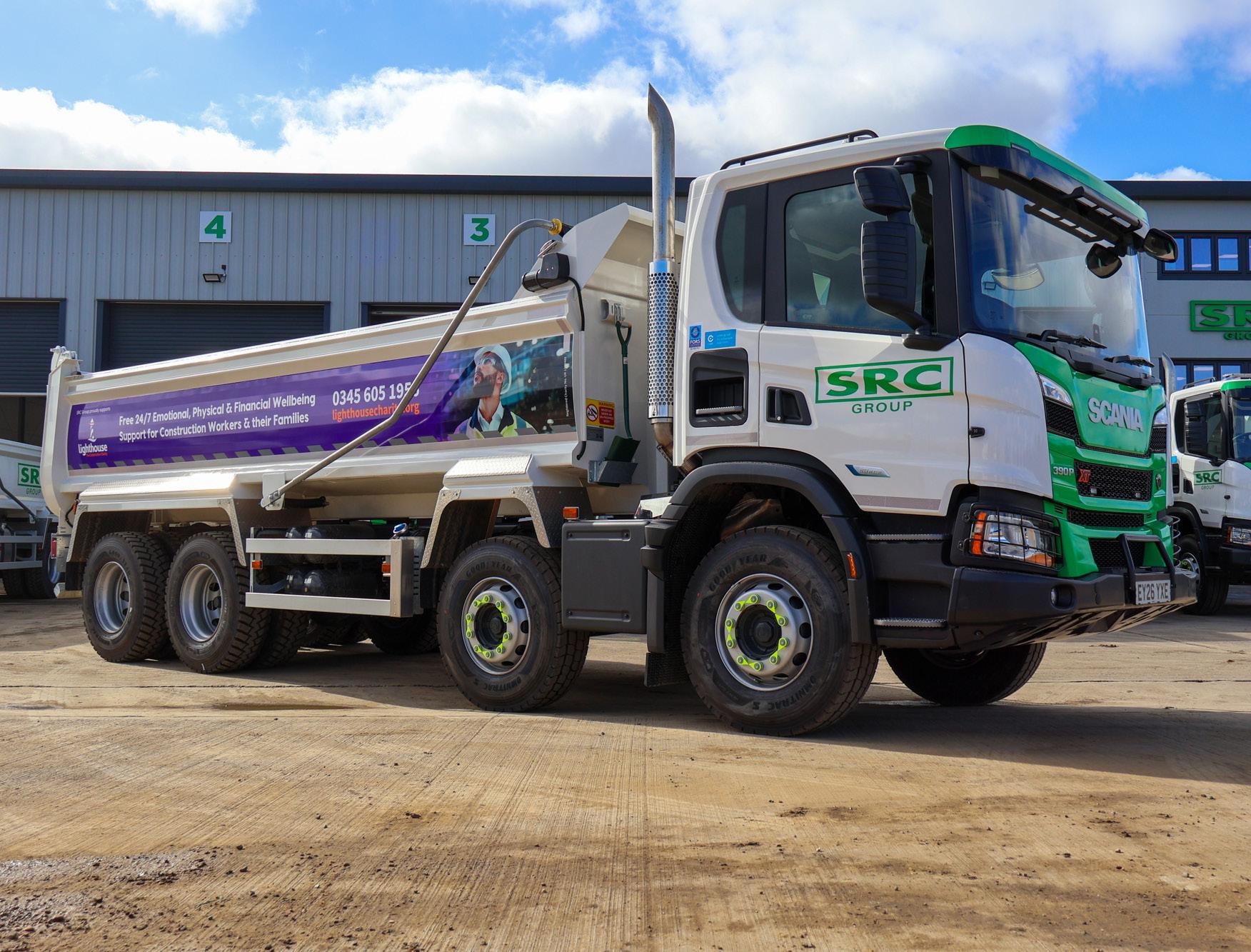
SRC Group is extending its support to its charity partner, the Lighthouse Charity and has introduced a newly branded tipper featuring the charity’s logo and helpline number, helping raise awareness of the vital support the charity provides to construction workers and their families.
The vehicle will be based at the company’s Barking site and will operate across London and the wider region, carrying the charity’s message directly into the communities and construction sites the industry serves every day.
Within the construction industry, long hours, demanding working environments and time away from home can place significant pressure on workers and their families. The Lighthouse Charity plays a vital role in ensuring those working across the sector have access to confidential support when they need it most.
SRC Group is proud to support the Lighthouse Charity and play a small part in helping raise awareness of the support available to people across the industry.
Oliver Rees, Managing Director at SRC Group, said: “The Lighthouse Charity does incredibly important work supporting people across our industry and their families. Construction can be a tough environment and it’s vital that people know there is somewhere to turn if they need support.
“Having the charity’s message travelling around on one of our vehicles felt like a simple but effective way of helping raise awareness across the areas we operate in.”
Sarah Bolton, CEO of the Lighthouse Charity added, “We are absolutely delighted with this amazing gesture from SRC Group. What better way to extend the message of support to our construction community, than by sharing
our charity information proudly on a specially branded tipper. It’s incredibly eye catching and I have no doubt that this will be the talk of every site that it visits. Thank you to everyone at SRC for making this possible.”
By carrying the Lighthouse Charity message out on the road each day, SRC Group hopes the vehicle will help keep the charity visible within the industry and encourage more people to learn about the support available.
If you or anyone you know is struggling, reach out for 24/7 free and confidential support now;
24/7 helplines; 0345 605 1956 (UK) 1800 939 122 (ROI)
Live chat www.lighthousecharity.org
Text HARDHAT to 85258 (UK) or 50808 (ROI)
Find out more at
www.lighthousecharity.org

EMOTIONAL WELLBEING
MENTAL HEALTH RELATIONSHIPS
LONELINESS
TRAUMA SUPPORT
BULLYING
LOSS & BEREAVEMENT
SUICIDAL THOUGHTS

PHYSICAL WELLBEING
ILLNESS
INJURIES
ADDICTIONS
SLEEP
DIET & NUTRITION
EXERCISE
HORMONE SUPPORT
FINANCIAL WELLBEING
FINANCIAL SUPPORT BENEFIT ENTITLEMENT BUDGETING DEBT MANAGEMENT
TAX & CIS
LEGAL ADVICE
TRAINING & CSCS FEES

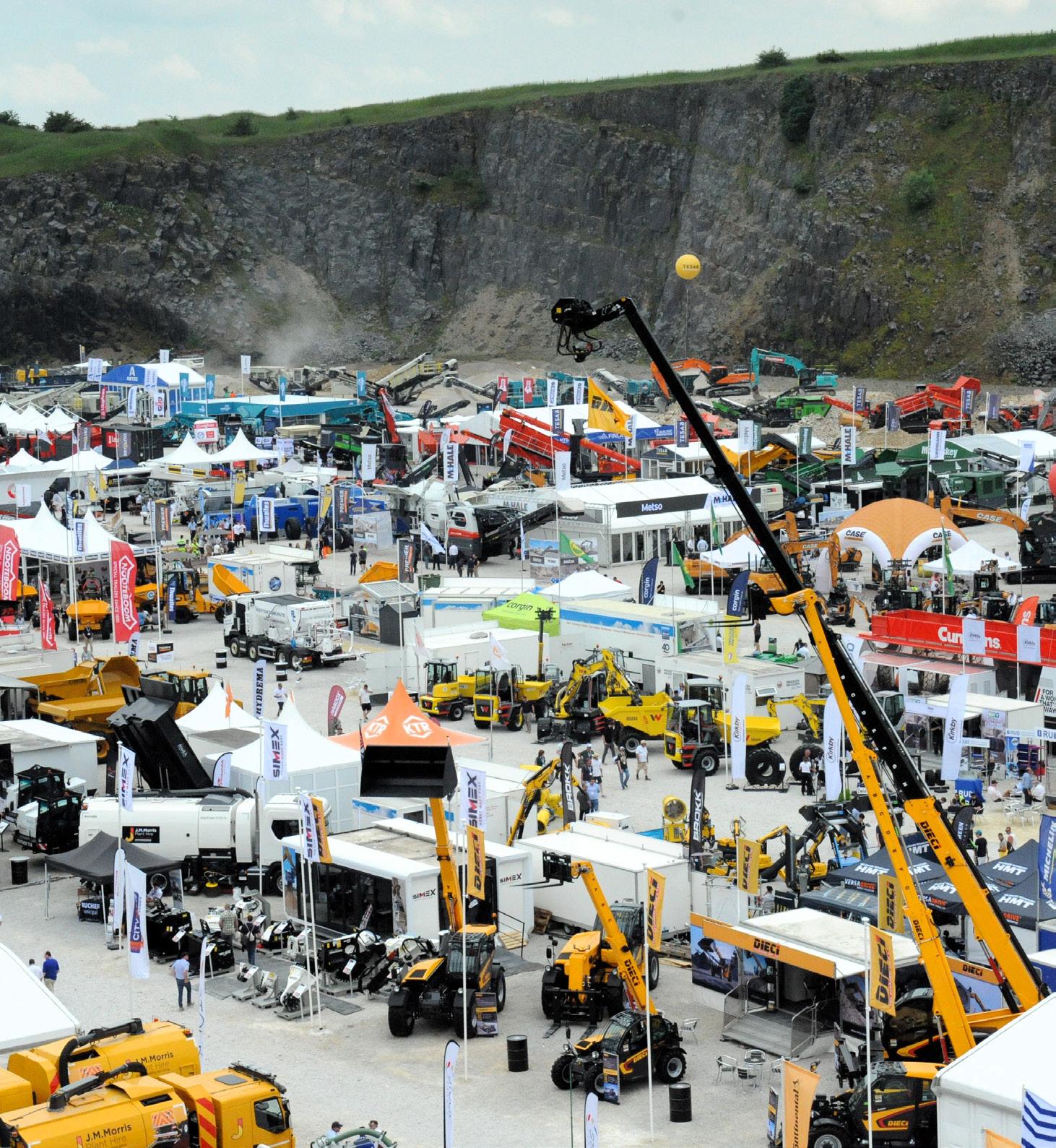
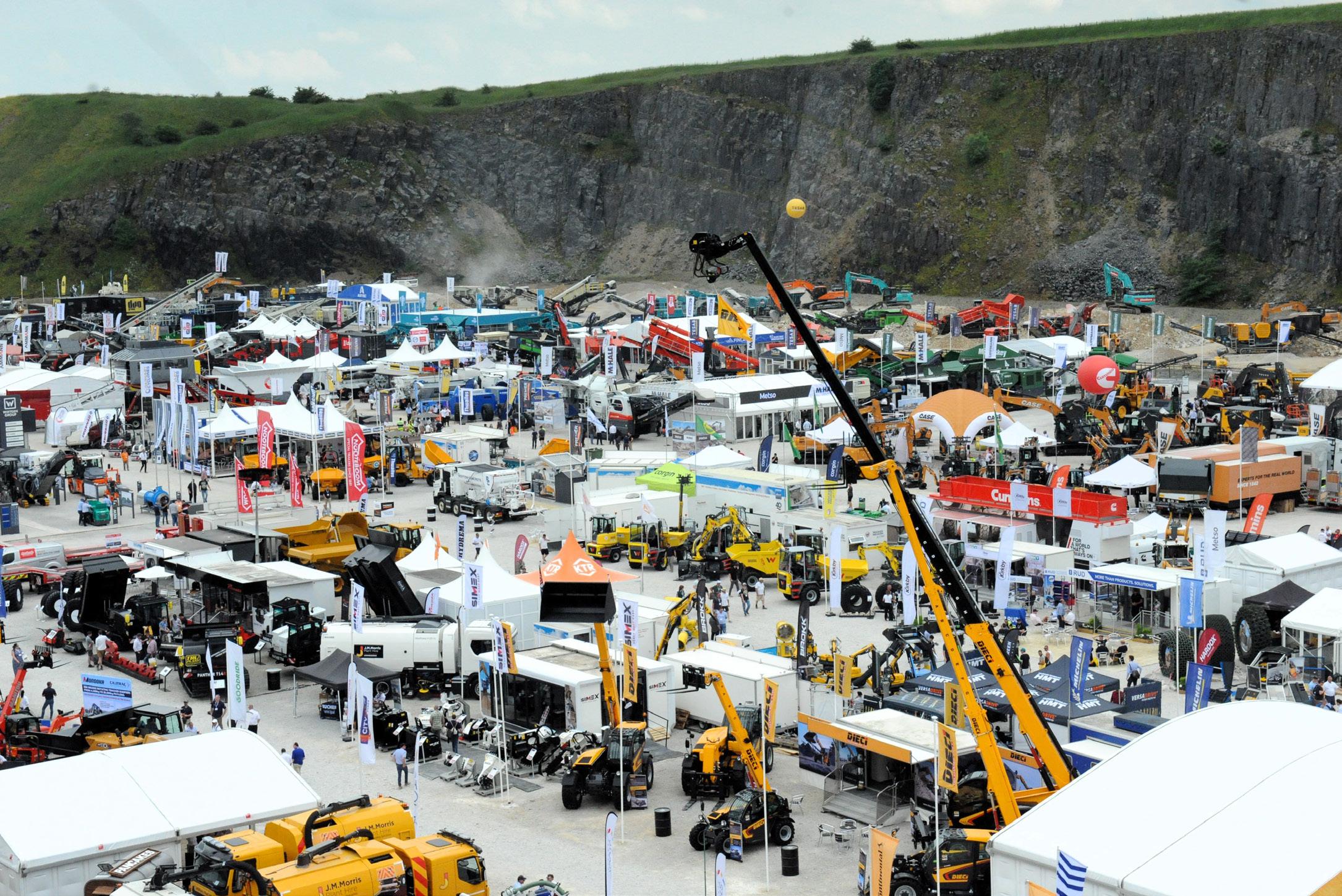
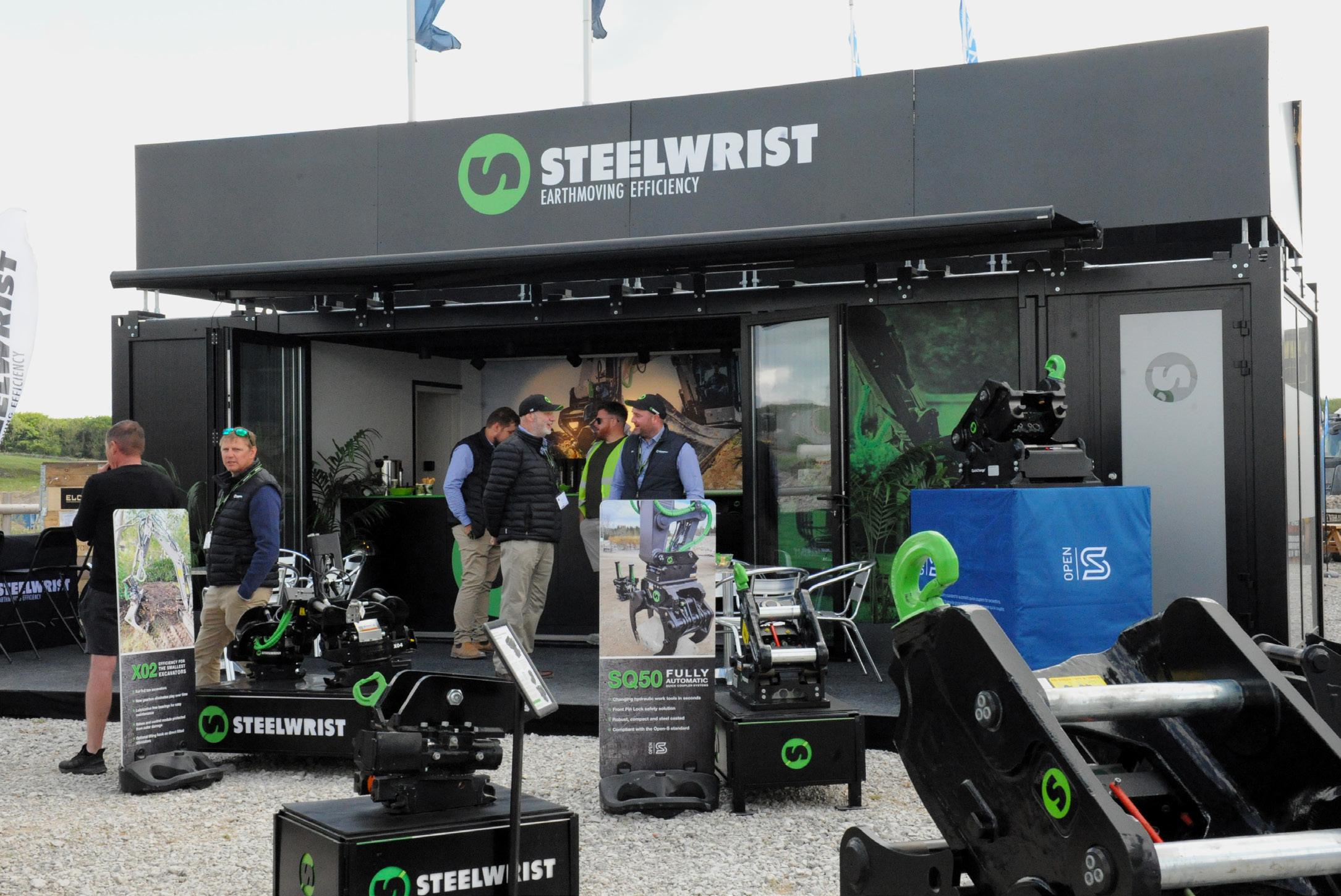
When the doors open at Hillhead 2026 this June, the UK demolition sector will once again find itself at the heart of one of the industry’s most influential live events. Set against the dramatic backdrop of a working quarry in Derbyshire, Hillhead has long been synonymous with quarrying and aggregates, but in reality, it has evolved into something far broader.
For demolition contractors, plant managers and recycling specialists, it is now one of the most important dates in the calendar.
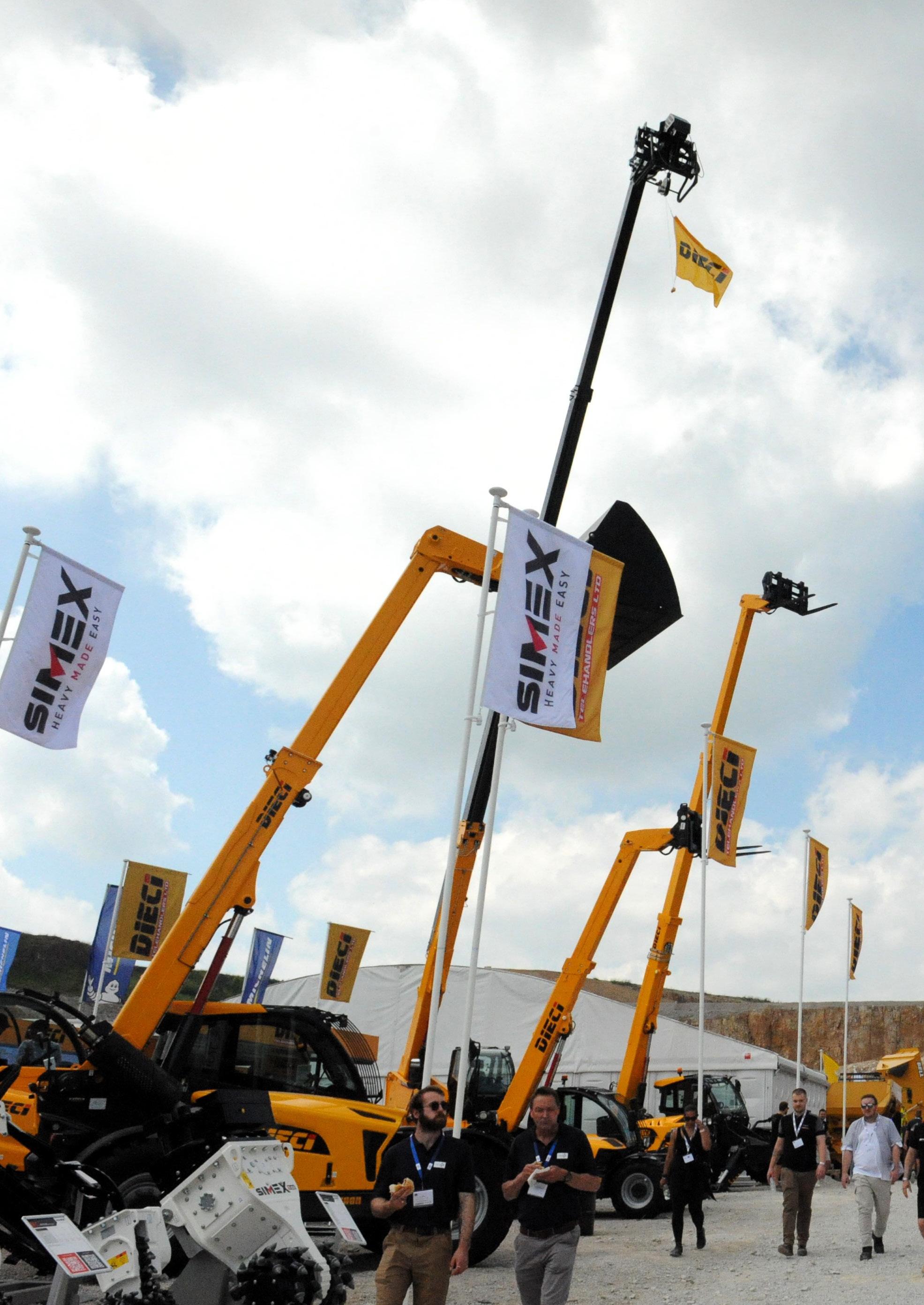
The 2026 edition, running from 23rd-25th June, is shaping up to be the largest in the show’s history! With more than 600 exhibitors expected and visitor numbers forecast to push beyond 20,000, the event is not just growing—it is accelerating. For a sector navigating rapid change, from decarbonisation pressures to material reuse demands, Hillhead offers a real-time snapshot of where the industry is heading.
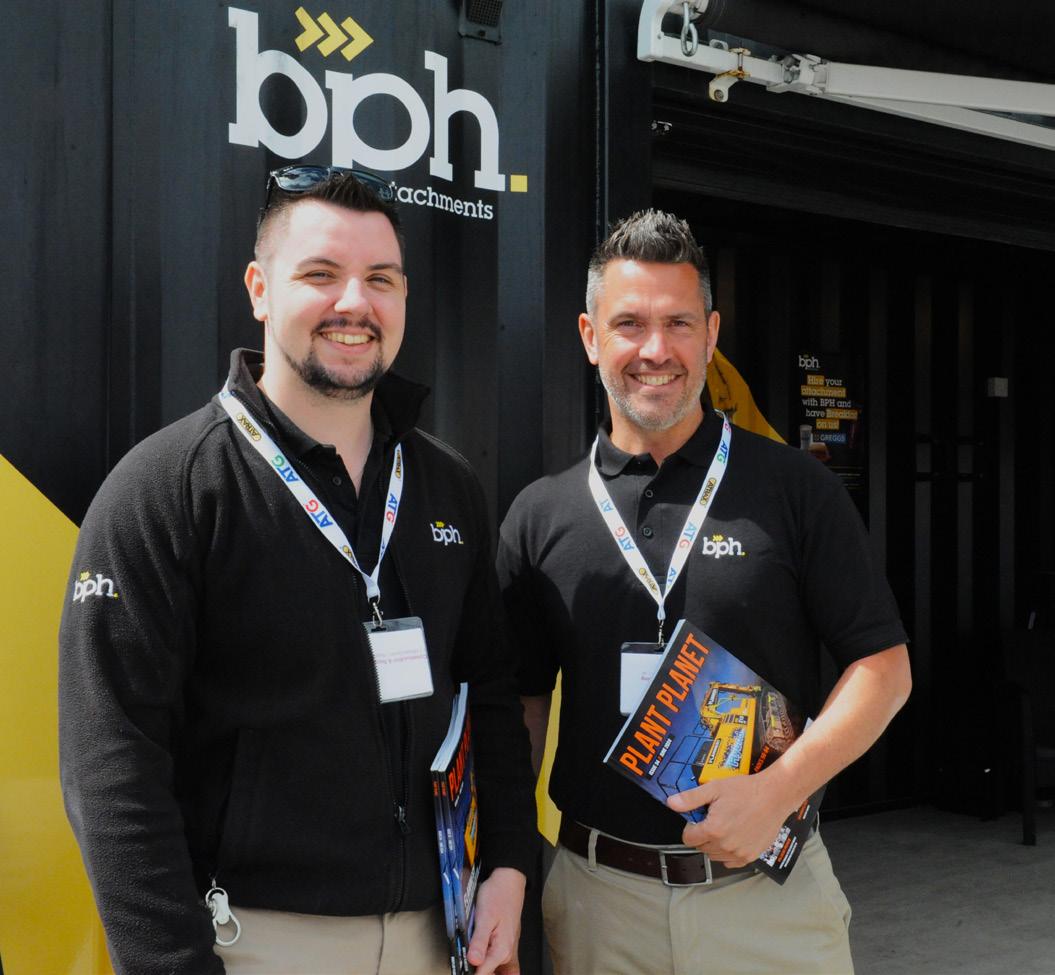
For us here at Demolition Spotlight, there is a little bit of nostalgia and emotion thrown into the mix. Hillhead 2024 was where we debuted ourselves as a mini mag attached to our sister magazine, Plant Planet. This year, we are thrilled to be going back as a fully fledged industry leading magazine.
We will be bringing you multimedia updates from the biggest demolition exhibitors as well as an in depth show review to boot!
So, let’s take a look at why Hillhead 2026 is worth the visit…
To understand the scale of 2026, it’s worth looking back at Hillhead 2024. The last edition attracted nearly 19,600 visitors and just under 600 exhibitors, alongside more than 60 live demonstrations. Those numbers alone cemented Hillhead’s position as the UK’s largest event of its kind.
2026 however, is already set to blow these numbers out of the water.
Organisers have reported exceptionally strong demand for space, with the showground nearing capacity well in advance. Infrastructure upgrades, which include expanded visitor registration areas, have been introduced to cope with the anticipated increase in footfall.
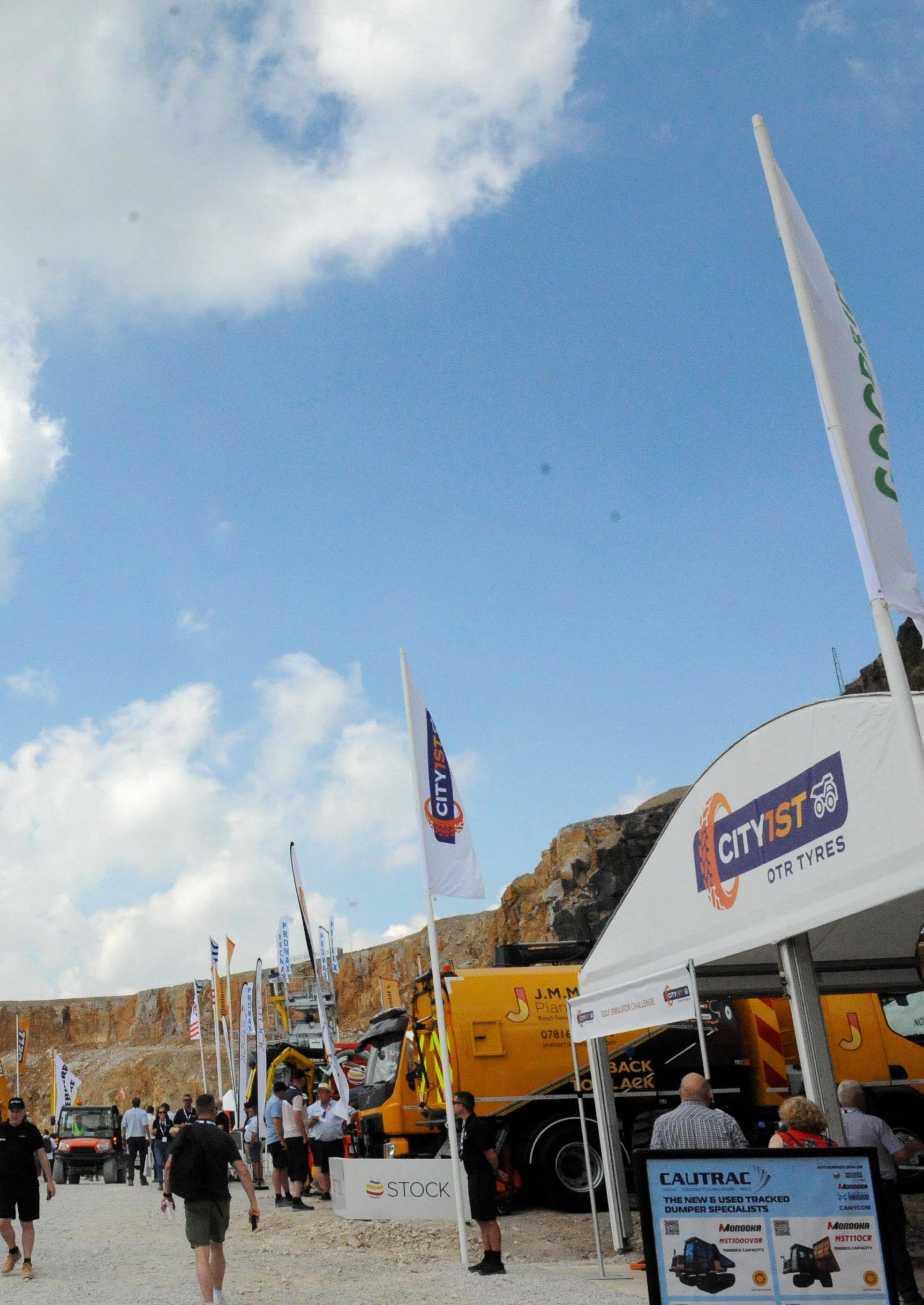
The Hillhead website reports this quote from Operations Director, Harvey Sugden: “This year, we look forward to welcoming almost 300 indoor exhibitors — more than ever before — as the momentum generated by the 2024 extension of the Showground Pavilion has driven record demand and paved the way for even further expansion in 2026.”
For demolition professionals, this growth matters. It reflects a buoyant market where investment in plant, technology and processing capability remains strong despite wider economic pressures. In short, Hillhead’s expansion is a proxy for confidence across construction, aggregates and, crucially, demolition.
While Hillhead’s heritage lies in quarrying, its relevance to demolition has never been greater. The reason is simple: modern demolition is no longer just about dismantling structures.
It is about managing materials.
Crushing, screening, sorting and recycling now sit at the core of demolition operations. And these are precisely the technologies that dominate Hillhead.
Walking the showground and you will find:
• Mobile crushers and high-capacity screeners
• Excavators and material handlers configured for heavy-duty applications
• Attachments including shears, pulverisers and grapples
• Dust suppression and water management systems
• Digital monitoring and fleet optimisation tools
In effect, Hillhead represents the entire downstream lifecycle of demolition materials—from initial breakage through to final reuse. Few other UK events bring that ecosystem together in one place.
If there is one feature that sets Hillhead apart, it is its live demonstration format.
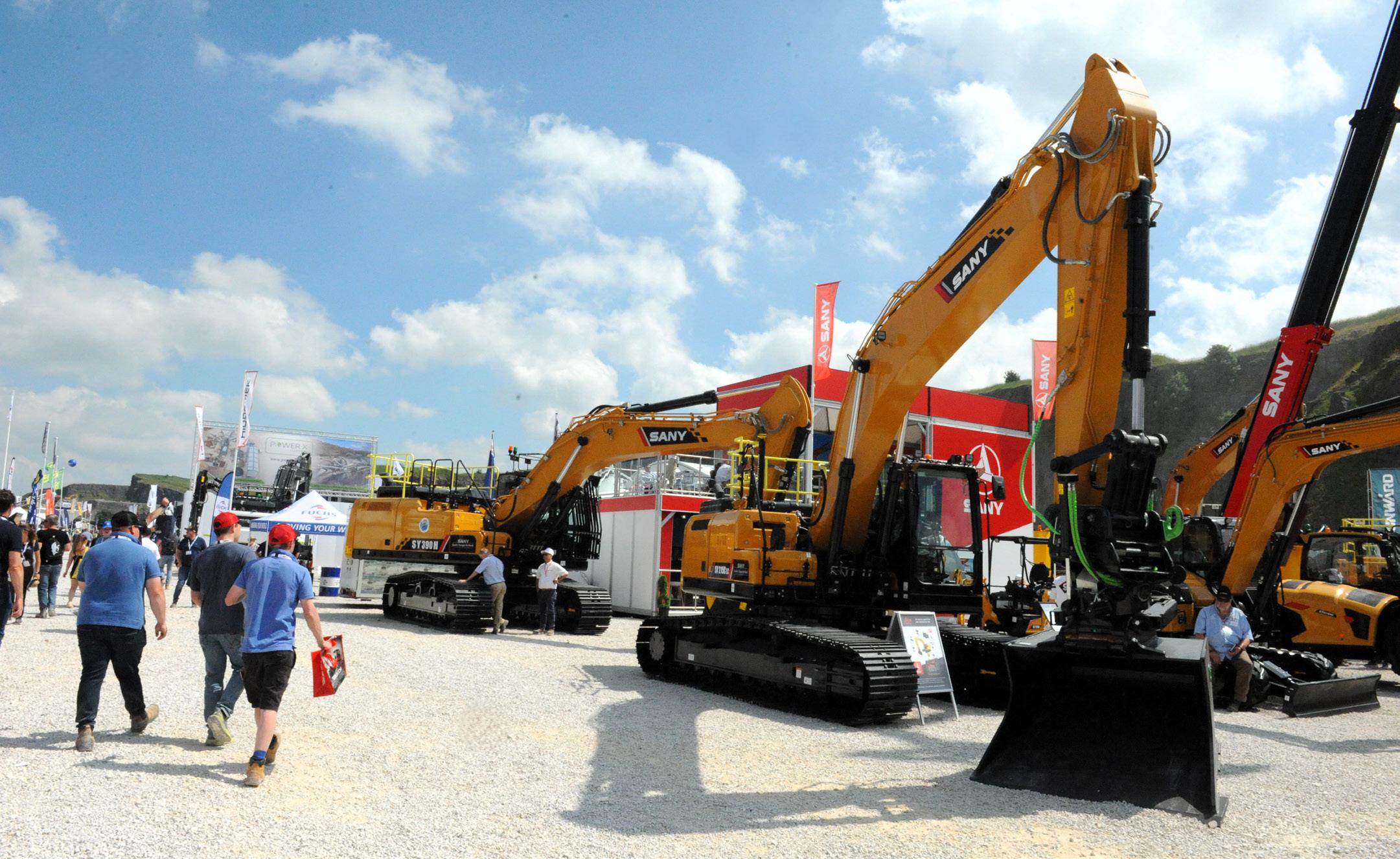
Unlike traditional exhibitions, where machinery sits static on stands, Hillhead puts equipment to work in a real quarry environment. Across multiple demonstration zones, including the flagship quarry face, visitors can see full production trains operating in real time. Crushers feed into screeners, excavators load and sort material, and manufacturers showcase equipment under genuine working conditions.
For demolition contractors, this is invaluable. It allows…
• Direct comparison between competing machines
• Real-world assessment of productivity and efficiency
• Insight into full material processing workflows
In an era where capital investment decisions can run into hundreds of thousands, even millions of pounds, seeing equipment perform live is a significant advantage.
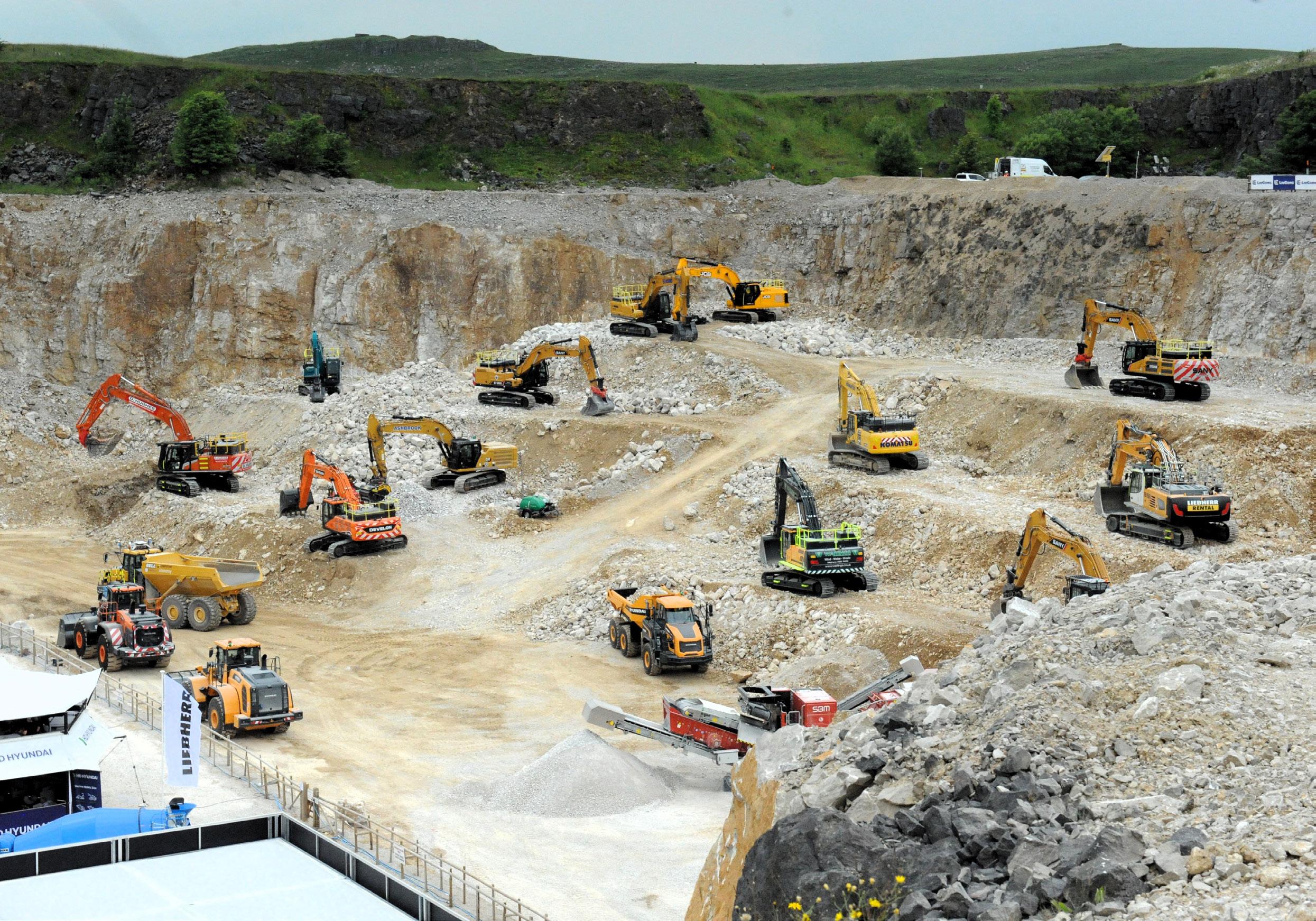

Hillhead has become a key launchpad for new technology, and 2026 will be no exception. Early exhibitor announcements already point to several developments with direct relevance to demolition.
Screening and materials processing specialist Haver & Boecker Niagara is set to showcase new screening media, including Ty-Wire and Flex-Mat systems, alongside its Pulse condition monitoring platform. The latter reflects a growing shift towards real-time diagnostics, enabling operators to monitor equipment health and performance remotely.
Meanwhile, EDGE Innovate will present its SCREENPRO S16, a high-capacity screener designed for demanding applications. For demolition firms dealing with increasing volumes of recycled material, such machines are central to improving throughput and profitability.
These launches are indicative of a broader trend: the convergence of mechanical performance and digital intelligence. Equipment is no longer judged solely on output, but on how effectively it integrates with data-driven workflows.
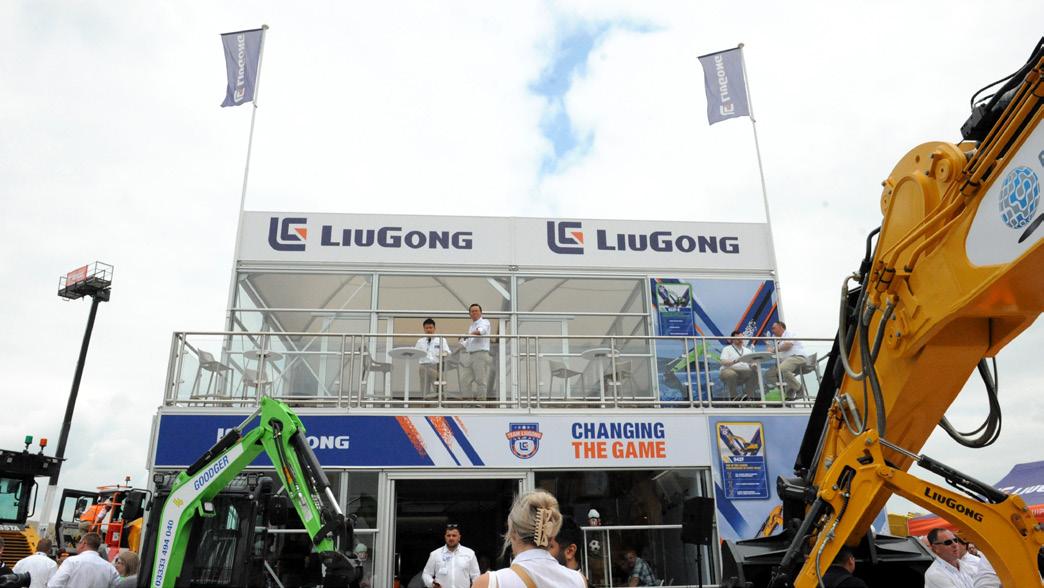
One of the defining themes of Hillhead 2026 will be digitalisation. From condition monitoring systems to AIpowered tools designed to match visitors with relevant exhibitors, the show is embracing technology at both operational and organisational levels.
One such company is EPC-UK, who specialise in drilling, blasting and commercial explosives. Their upgraded EXPERTIR blast-design software is now a key component of EPC’s growing digital ecosystem. The platform supports engineers in planning and executing safer, more efficient and optimised blasts, delivering greater precision and control across operations.
For demolition businesses, this shift is significant. The adoption of smart technologies offers:
• Predictive maintenance, reducing downtime
• Improved fuel efficiency and lower operating costs
• Enhanced safety through real-time monitoring
• Better decision-making based on data insights
As margins tighten and project complexity increases, these capabilities are becoming essential rather than optional.
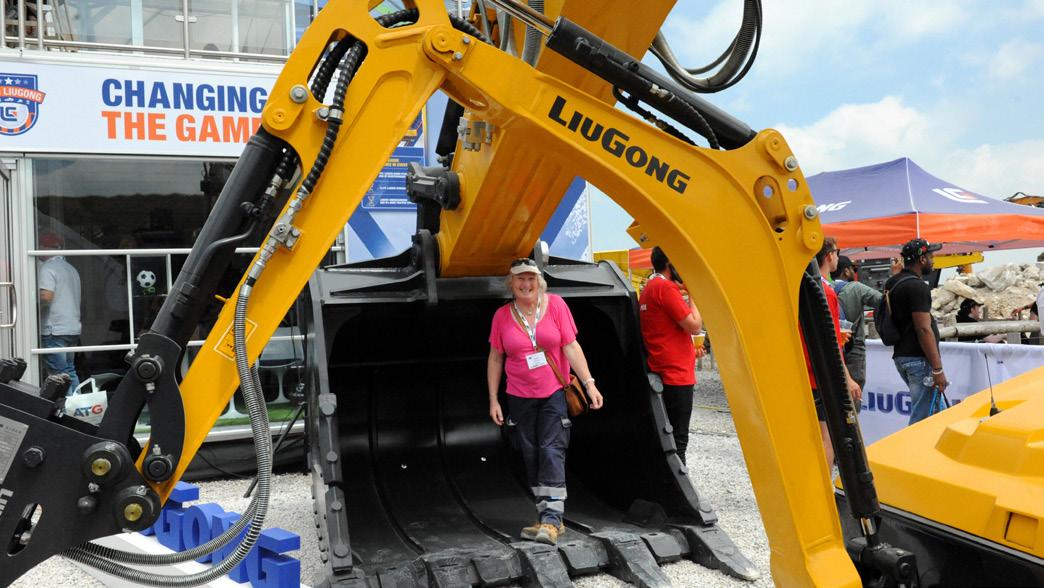
Sustainability is another major driver shaping the 2026 event. Organisers have committed to implementing internationally recognised standards, while exhibitors are increasingly focused on low-emission and environmentally conscious solutions.
This aligns closely with the direction of the demolition sector, where regulatory and client pressures are pushing firms to:
• Reduce carbon emissions
• Increase material recovery rates
• Minimise waste sent to landfill
Equipment on display is expected to reflect this shift, with a growing emphasis on:
• Electrified or hybrid machinery
• Advanced dust suppression systems
• Technologies that maximise material reuse
In many ways, demolition sits at the intersection of construction and sustainability, and Hillhead 2026 provides a clear view of how that intersection is evolving.
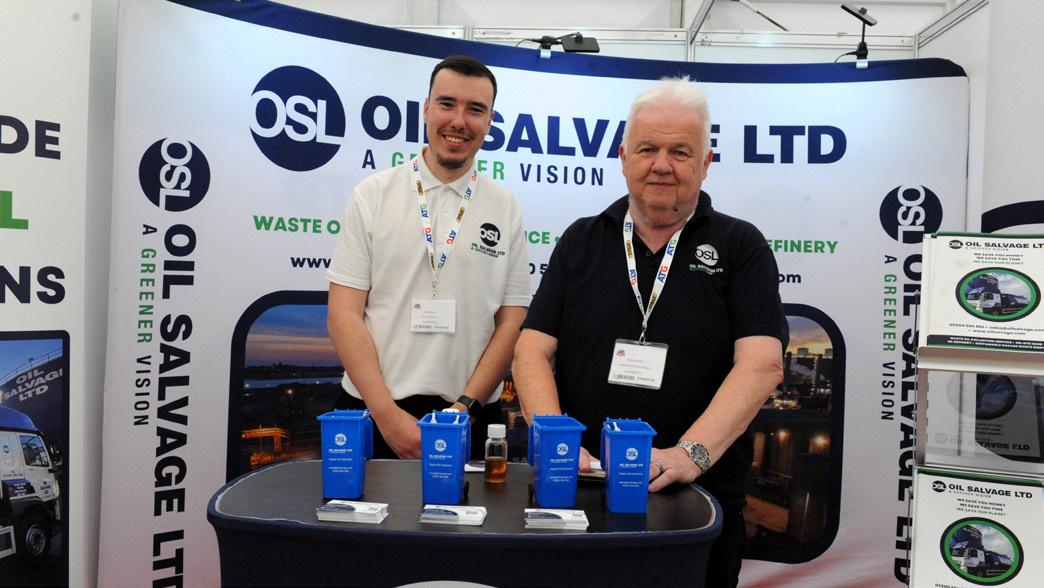
Perhaps the most important trend underpinning Hillhead’s relevance to demolition is the transformation of waste into resource.
Where demolition waste was once a disposal challenge, it is now a revenue stream. Recycled aggregates, reclaimed materials and processed waste products are increasingly valuable commodities.
The equipment on show—from crushers and screeners to conveyors and sorting systems—enables this transformation. For contractors, investing in on-site processing capability can:
• Reduce transport costs
• Generate additional income
• Improve environmental credentials
• Strengthen competitiveness in tenders
Hillhead’s focus on materials processing places it squarely at the centre of this shift.
The diversity of Hillhead’s audience is another key strength. Attendees range from quarry operators and civil engineering contractors to plant hire companies and recycling specialists.
For demolition firms, this creates opportunities beyond equipment procurement. It is a chance to:
• Build relationships across adjacent sectors
• Explore new business models
• Understand broader market trends
With around 20,000 visitors expected, the show offers a concentrated environment for networking and knowledge exchange.
For those planning to attend, a focused approach will be essential. Key areas to prioritise include:
1. Processing equipment
Crushers, screeners and conveyors remain central to modern demolition operations.
2. Attachments and tools
Advances in shears, pulverisers and grapples can significantly impact productivity.
3. Digital solutions
Condition monitoring, telematics and AI-driven systems are becoming critical differentiators.
4. Sustainability technologies
Dust suppression, water management and low-emission equipment will play a growing role in compliance and competitiveness.
5. Live demonstrations
Arguably the most valuable aspect of the show—providing real-world insight that cannot be replicated elsewhere.
Ultimately, Hillhead is more than an exhibition—it is a barometer for the health and direction of the industry. Its continued growth signals confidence, while the technologies on display highlight the priorities shaping the future.
For the demolition sector, those priorities are clear:
• Greater efficiency through technology
• Increased emphasis on recycling and material recovery
• A shift towards lower-emission operations
• Integration of digital tools into everyday workflows
Hillhead 2026 brings all of these elements together in one place.
As the demolition industry continues to evolve, events like Hillhead provide a crucial touchpoint. They offer not only a chance to see the latest equipment, but to understand the bigger picture; how different technologies, trends and market forces are converging.
For demolition professionals, the message is simple: Hillhead is no longer optional. It is essential.
Whether you are investing in new plant, exploring ways to improve efficiency, or simply seeking to stay ahead of the curve, Hillhead 2026 is the place where those conversations begin.
If you would like to book a media visit from our team, please contact Chris Hart to discuss the options available: chris@machinepowermedia.co.uk
When downtime isn’t an option, Pirtek is the partner you can trust, keeping your equipment working whenever and wherever you need us.
Fast, reliable response when it matters most
– 24/7, 365-day emergency hydraulic hose replacement
– Nationwide coverage with one-hour ETA for most locations
– Fully employed, City & Guilds trained technicians – no subcontractors
– Wide product range from leading manufacturers, fitted on-site
More than emergency response
Our planned and preventative services help reduce downtime, improve safety, and extend equipment life through maintenance services.
Trust Pirtek
– ISO 9001, 14001 & 45001 accredited
– NEBOSH-qualified Health & Safety support
– BFPA accredited training provider

UK Construction Week (UKCW) returns to Excel London from 12-14 May with this year’s event set to be the biggest yet.
After celebrating its 10th anniversary last year, UKCW has joined forces with Futurebuild and Stone & Surfaces Show to create the UK’s Built Environment super event, where every stage of a project gets decided. Now the largest and most comprehensive construction event in the UK calendar, the show will bring together 25,000 industry professionals, 600+ exhibitors and 700+ speakers across six dedicated stagesall under one roof.
Sponsored by Zurich Resilience Solutions, Hotel Planner, Build Warranty, Wyre, Sage, Retinue Workforce Solutions and SolarEdge, UKCW London will feature over 300 leading brands; over 25 trade bodies and associations, including the National Federation of Demolition Contractors.
A must-visit for anyone involved in the demolition sector, a range of key issues will come under the spotlight at UKCW, including the Building Safety Act, the rise of AI-driven construction workflows and the growing role of robotics and real-time data in improving site visibility, safety and efficiency.
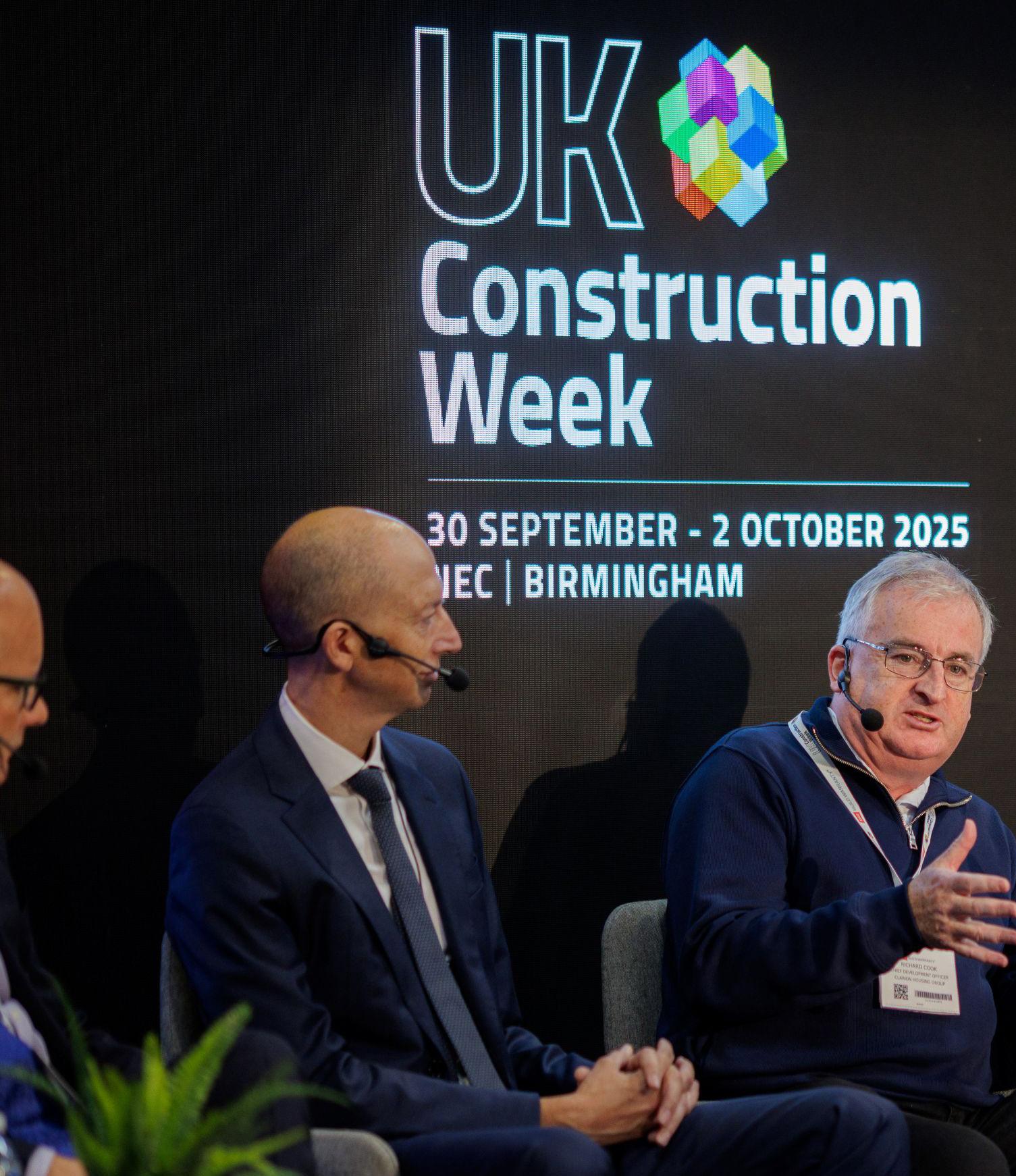
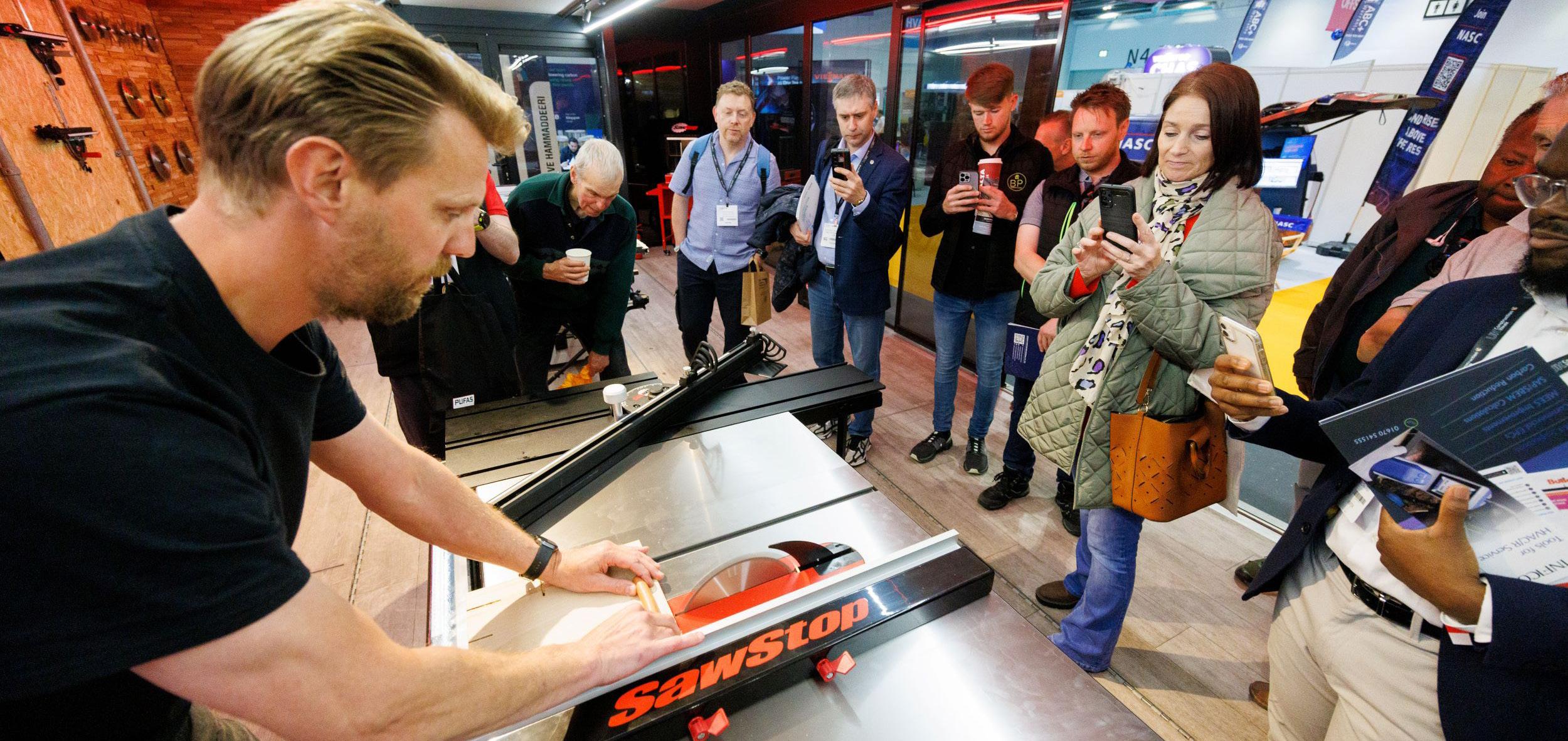
This year’s show promises to be our biggest and best yet!


UKCW London will feature four key specialist areas:
Equipment, Tools & Hire - A dedicated hub for professionals who keep projects moving, this section spotlights the latest machinery, tools, and on-site solutions that drive efficiency, enhance safety, and streamline workflows across all stages of construction.
Construction Services - A focus for the expertise, advisory services, and professional solutions that keep projects compliant, efficient, safe, and on track. From training and workforce development to health & safety, building control, risk management, and environmental services, Construction Services shines a spotlight on the partners who help deliver better outcomes across the built environment.
ConTech & AI - Bringing together the brightest minds and the most forwardthinking technologies transforming the built environment. As digital adoption accelerates across the sector, this is where groundbreaking ideas become practical tools, driving efficiency, improving safety, cutting carbon and reshaping how we design, build and operate.
Live Demo Stage - New for 2026, the Live Demo Stage will bring innovation to life through live, practical demonstrations from top brands, including industry leader Hilti. It allows visitors to experience solutions up close, ask questions and understand how innovations can be applied on site and across the whole supply chain.
Opened by architect and Channel 4 presenter George Clarke, UKCW London attracts exhibitors from across the globe with big names such as WOLFF Onsite and Hird set to showcase their latest products.
Sam Patel, Divisional Director, Construction, said: “UKCW continues to be the largest and most influential construction event of the year. Now joined with Futurebuild, the event has become the ultimate platform for collaboration, knowledge sharing and discovering practical solutions that make a real difference on site. This year’s show promises to be our biggest and best yet!”
The schedule of talks includes:
Tuesday 12th May
Culture Change & Skills Stage, 2.30pm Competency Under the Building Safety Act
New competency frameworks emerging under the Building Safety Act are reshaping expectations across the construction industry. This panel examines what these requirements mean in legal terms, how skills, knowledge, experience and behaviours must now be demonstrated, and where liability sits if standards are not met.
Speakers: Amanda Long (Chief Executive, Construction Product Information), Chris Partington (Managing Director, Zebra Architects), Gill Hancock (Head of Technical Content, Association of Project Management), John Cousins (Managing Director, National Association of Air Duct-Specialists UK)
ConTech & AI Stage, 4pm
Beyond the hype: Building AI-ready for the digital built environment
This session will move past the surface level excitement surrounding AI technologies and focus on practical strategies for integrating intelligent systems into construction workflows. Gain an insight into the organisational, cultural and technical transformations required to develop teams capable of leveraging AI effectively. Speakers will address challenges such as skill gaps, change management and aligning AI initiatives with broader business objectives, while also highlighting successful case studies from leading projects.
Speaker: David Philp (Chief Value Officer, Bentley Systems)
Thursday 14th May
ConTech & AI Stage, 10.30am
New horizons: How robots are transforming progress tracking from the ground and the sky
Construction is moving from reactive reporting to real-time, AI-driven decision making. In this session, learn how Progress AI is already transforming site visibility today – automatically tracking work completed, highlighting deviations, and turning drone and reality capture data into actionable insights for project teams. Attendees will see how combining aerial, ground, and robotic capture with intelligent workflows can reduce rework, improve safety, and unlock a truly autonomous job site over the coming years.
Speakers: Evan Reilly (Solutions Engineer, DroneDeploy)


There are solutions that improve a process, and solutions that change it entirely. The crusher bucket – conceived, engineered, and brought to market by MB Crusher – belongs to the second category. It is not simply a tool that refines an existing workflow, but one that fundamentally redefines how materials are handled, processed, and reused in the construction and demolition sectors.
Since 2001, MB Crusher has changed the way demolition and construction professionals approach waste, logistics, and on-site efficiency. What began as a practical idea in Breganze, northern Italy, has grown into a product range trusted across job sites on every continent, from dense urban environments to remote infrastructure projects.
Over the years, MB Crusher has not only expanded its product offering but has also contributed to a shift in mindset across the industry. The concept of managing materials directly on site – once considered impractical or inefficient – has become increasingly central to modern construction practices. This transformation reflects broader changes in the sector, including rising environmental awareness, stricter regulations, and the constant need to optimize time and costs.
MB Crusher’s story begins on the job site, shaped by hands-on experience and real operational challenges. The five founding siblings grew up working with earth-moving
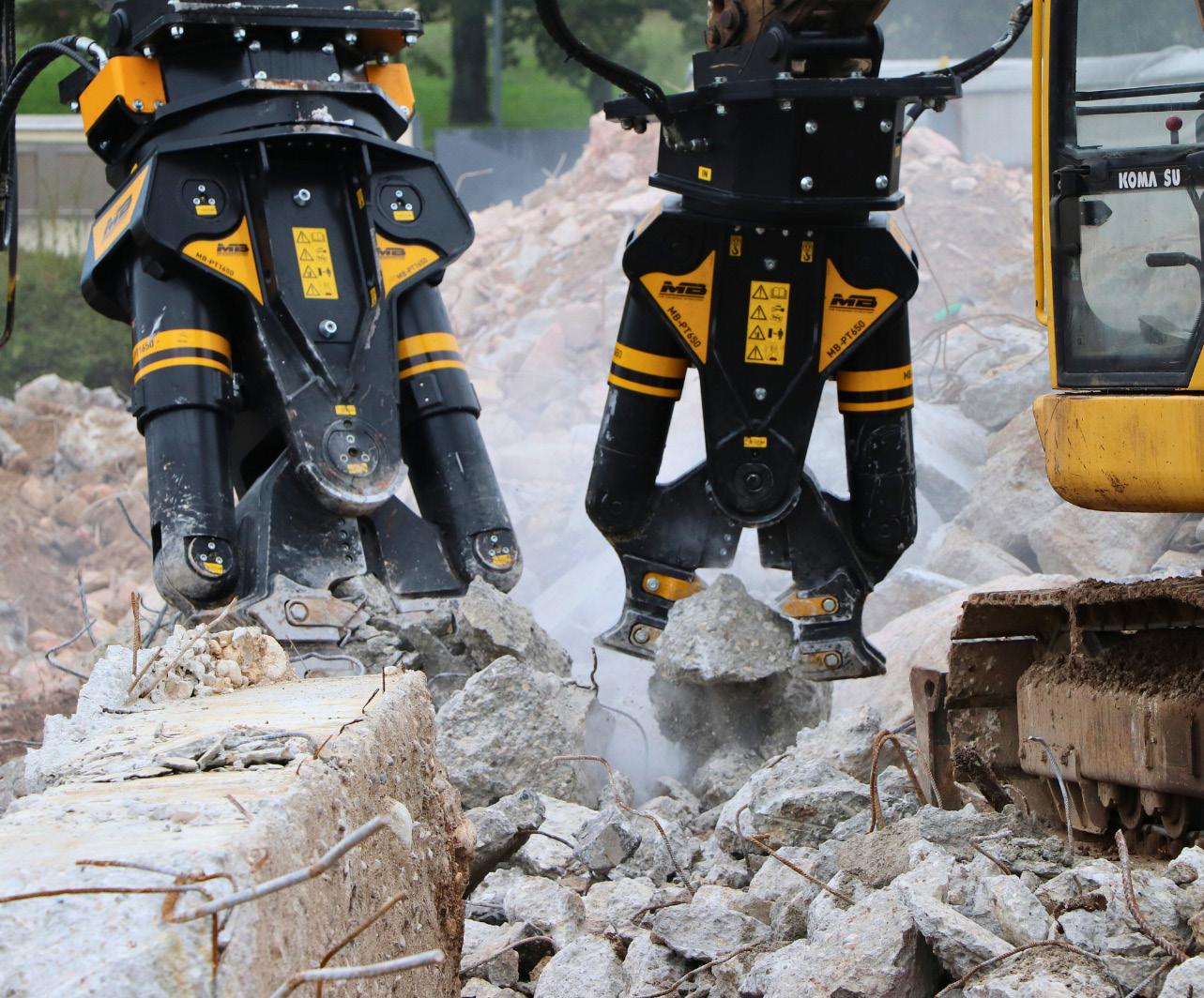
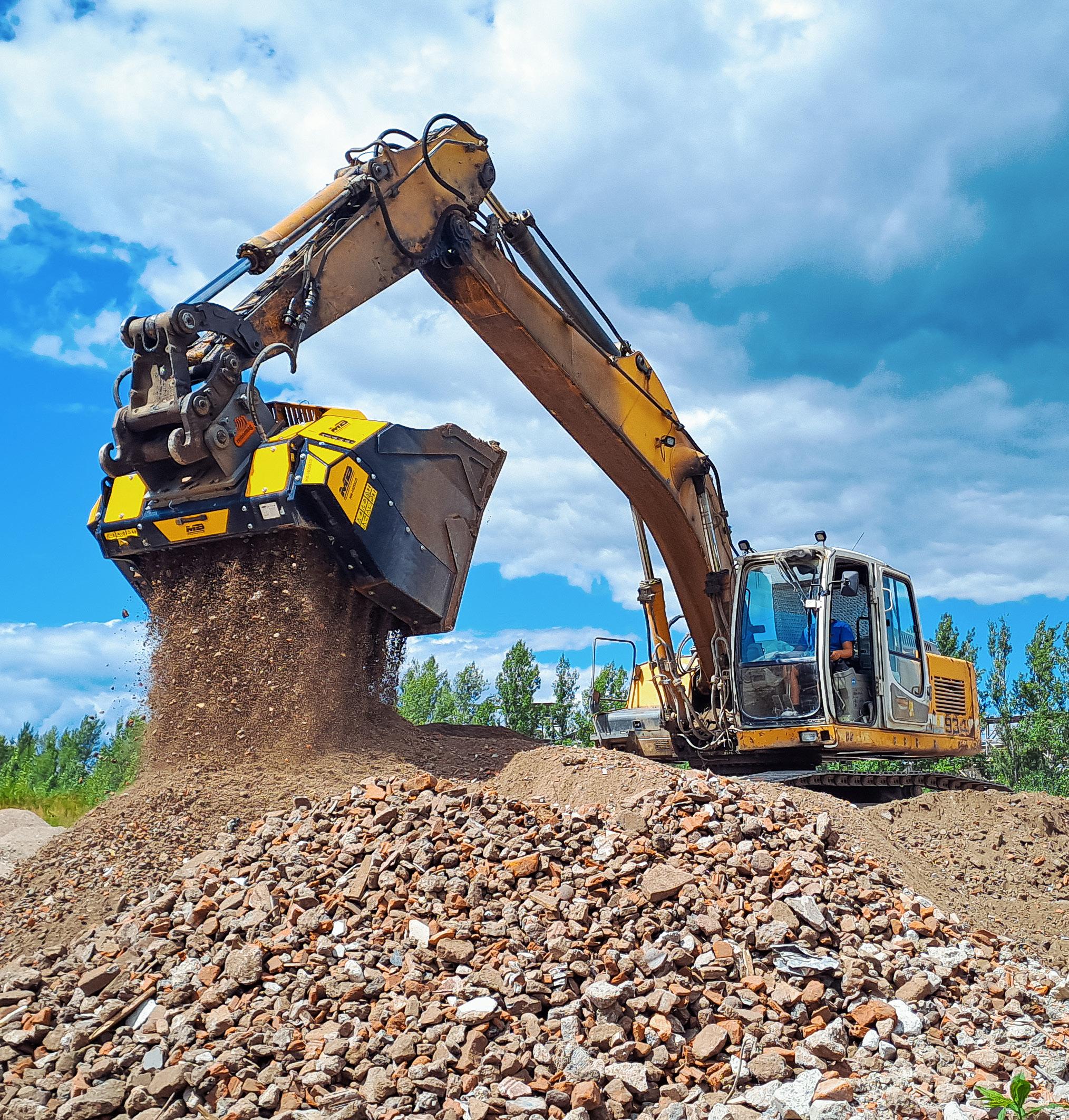
machinery and were deeply familiar with the realities of construction work. Day after day, they encountered the same inefficiency: valuable inert material was transported away at significant cost, only to be replaced with purchased aggregate brought back onto the site. This cycle was not only expensive but also time-consuming and environmentally unsustainable.
Existing solutions at the time failed to address this issue effectively. Machines capable of crushing material were often large, difficult to transport, and required dedicated operators. They were not suited for smaller job sites, urban areas with limited space, or remote locations where logistics were already complex. In many cases, the cost and effort required to use such equipment outweighed the benefits.
The breakthrough came from a simple yet powerful idea: excavators were already present on virtually every construction site, so why not make them do more? Why not transform a single machine into a multifunctional tool capable of performing multiple tasks without the need for additional equipment?
This line of thinking led to the development of the first crusher bucket, a patented attachment that allows a single machine and operator to dig, crush, and recycle material directly on site.It was a solution rooted in practicality, designed not in a laboratory but in response to real-world needs. That product launched a company. That company has since become synonymous with an entirely new approach to demolition waste – one that prioritizes efficiency, sustainability, and autonomy.
While the crusher bucket remains at the heart of MB’s identity, the company has evolved into a full-range attachment manufacturer. Over time, it became clear that the same principle applied to crushing could be extended to other stages of material handling and processing.
Today, the portfolio is designed to cover every stage of on-site material processing, using the same core principle: maximize the potential of the carrier machine. Rather than relying on multiple specialized machines, operators can equip a single base machine with different attachments, adapting it to a wide variety of tasks.
The crusher bucket line itself has expanded into a comprehensive offering. Different sizes and configurations are available to suit machines of varying capacities, from compact
equipment used in small-scale projects to heavy excavators employed in large infrastructure works. Dedicated versions for loaders, skid steers, and backhoes ensure compatibility across virtually any job site configuration.
Low hydraulic demand, compact design, and balanced weight distribution allow these attachments to operate efficiently without placing excessive strain on the host machine. This is a critical factor, as it ensures that performance gains do not come at the expense of increased wear or maintenance costs. Installation is straightforward, and all operations are managed directly from the cab, allowing operators to maintain full control without interrupting workflow.
This approach not only simplifies operations but also reduces the need for additional personnel, contributing to overall cost savings and improved site coordination.
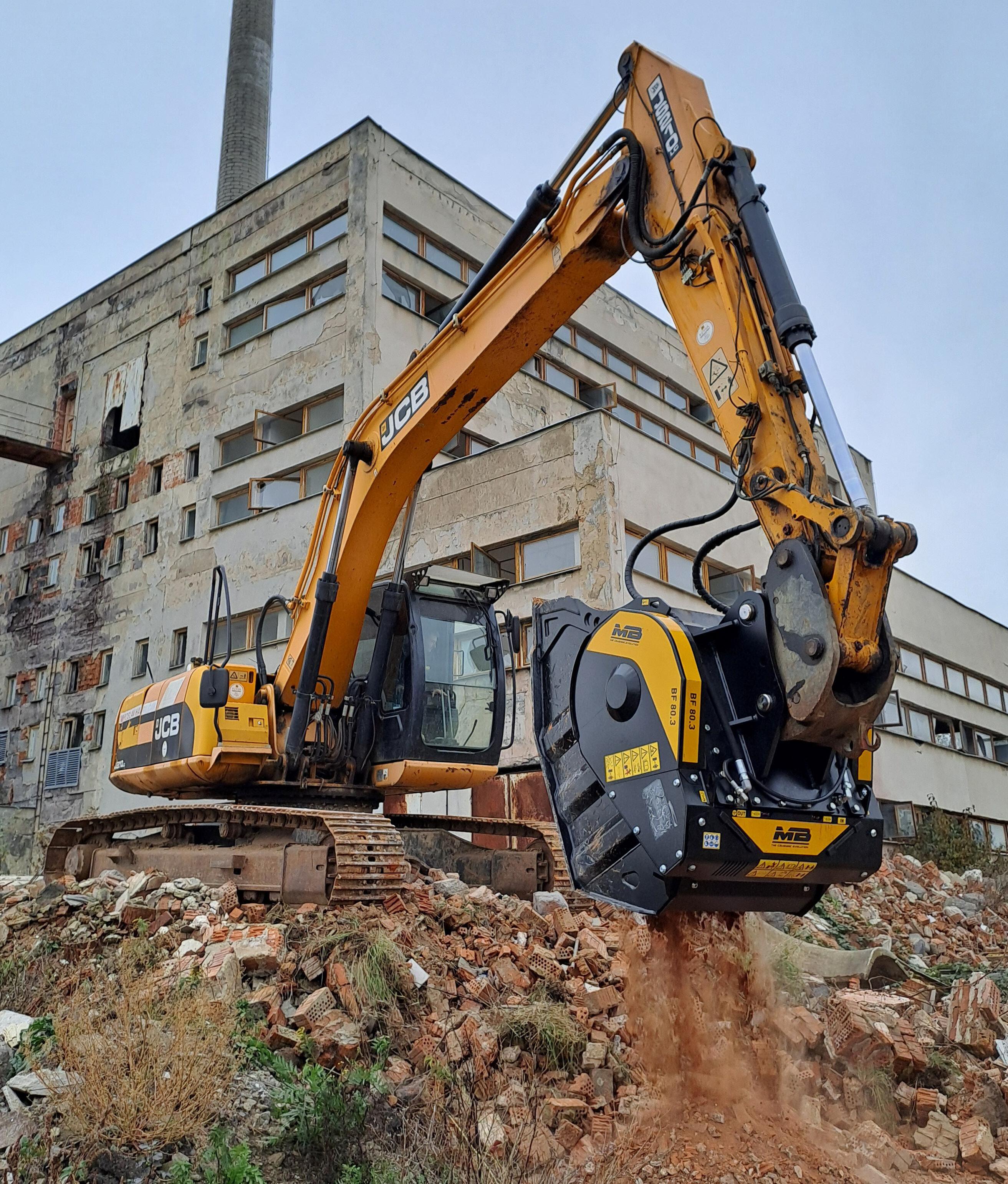
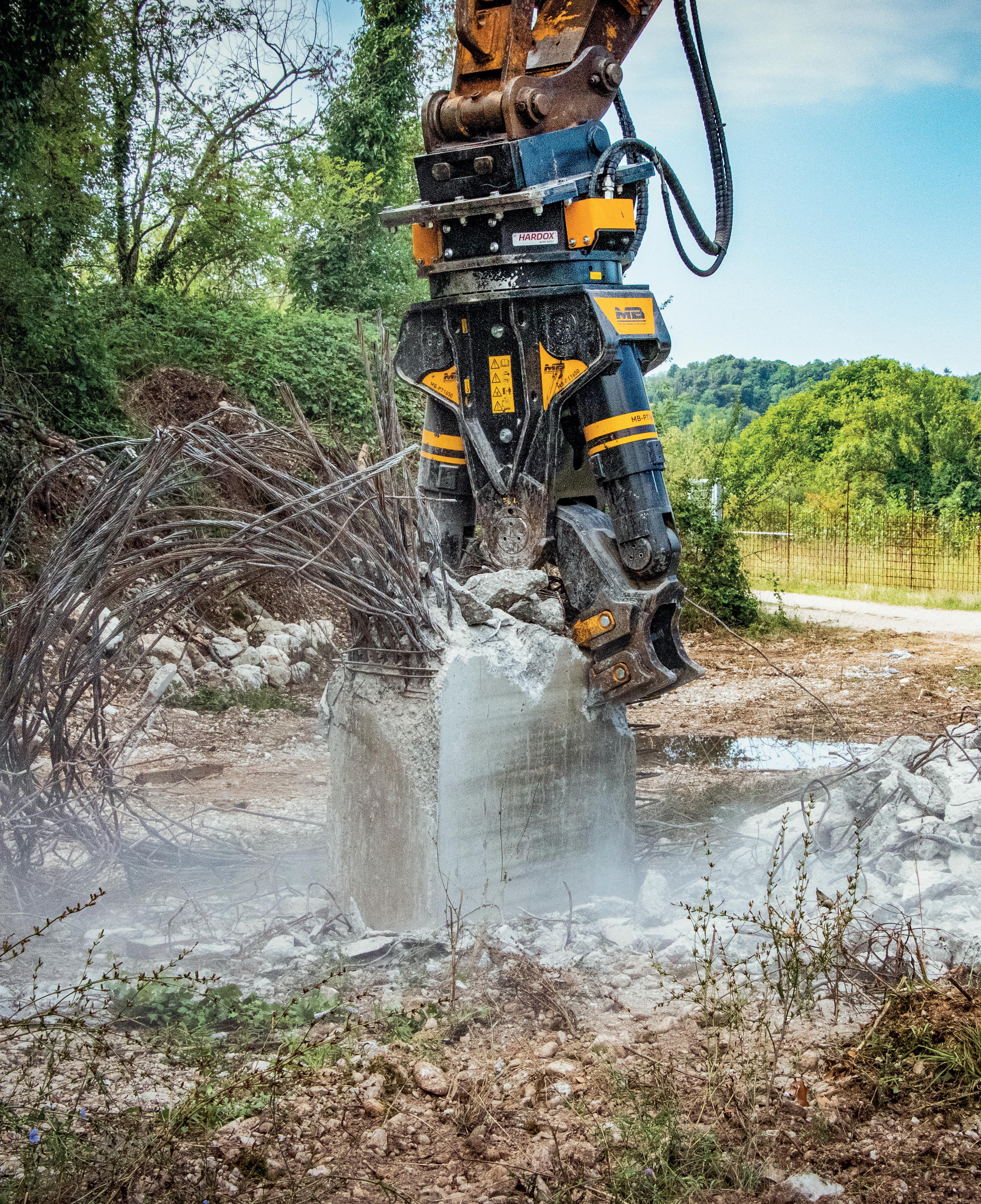

MB Crusher’s strength today lies in its ability to support the entire material cycle on site. Each product line extends the same logic introduced by the crusher bucket: one machine, one operator, multiple functions. This integrated approach enables a continuous workflow in which materials are processed, sorted, and reused without ever leaving the site.
Screening buckets are designed to separate and refine material quickly and cleanly. Their design ensures consistent output, even when working with heterogeneous materials. Operators can adapt to different requirements through interchangeable components, making it possible to switch between applications with minimal downtime. The result is a flexible solution that performs reliably across varied conditions, whether dealing with soil, debris, or recycled aggregates.
Drum cutters offer a controlled alternative for excavation and demolition work. Unlike traditional impact tools, which can be aggressive and difficult to manage, drum cutters focus on precision and stability. This makes them particularly suitable for applications where accuracy is essential, such as trenching, tunneling, or working near sensitive structures. Their controlled operation also reduces vibration and noise, contributing to safer and more efficient working conditions.
For material handling and sorting, the grab range provides accuracy and durability. Built to withstand demanding conditions, these attachments allow operators to move, select, and position materials safely and efficiently. This is especially important in complex environments where different types of materials must be separated or where space constraints require careful handling.
The padding bucket series introduces a different approach to shaft screening. Designed for versatility, these attachments can process a wide range of materials, including wet or sticky substances that might pose challenges for other equipment. At the same time, their design protects the host machine from excessive stress, helping to extend equipment life and reduce maintenance requirements.
Finally, the demolition pulveriser range addresses the challenges of reinforced demolition. Breaking down structures that contain steel and concrete requires both strength and precision. These tools are engineered to deliver both, allowing operators to dismantle structures efficiently while maintaining control over heavy materials. This improves safety on site and ensures that materials can be processed and reused effectively.
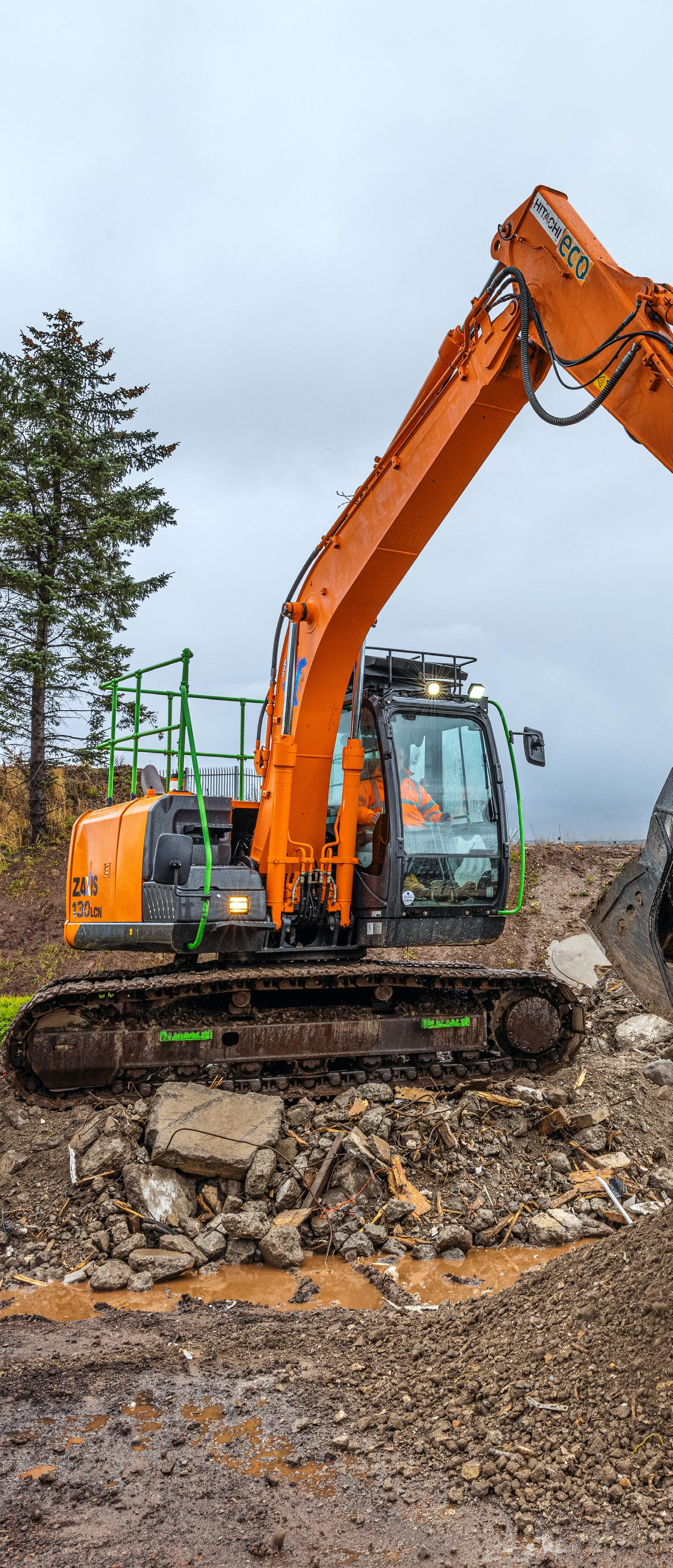

Across all products, the goal remains consistent: transform waste into usable material directly on site. What was once considered waste becomes a resource, ready to be reintegrated into the construction process.
This shift has significant implications. Environmental regulations are tightening, and disposal costs continue to rise. Transporting materials to and from the site not only increases expenses but also contributes to emissions and logistical complexity. At the same time, the demand for efficiency is increasing, with projects often operating under tight deadlines and budget constraints.
MB Crusher attachments respond to both pressures by allowing operators to process and reuse material immediately, without relying on external logistics. This reduces the need for transportation, lowers costs, and minimizes environmental impact. It also provides greater flexibility, as materials can be processed according to the specific needs of the project rather than being constrained by external suppliers.
In many cases, what was previously a cost – waste disposal –becomes an opportunity to create value. Recycled material can be reused on site, reducing the need for new resources and contributing to a more sustainable construction process.
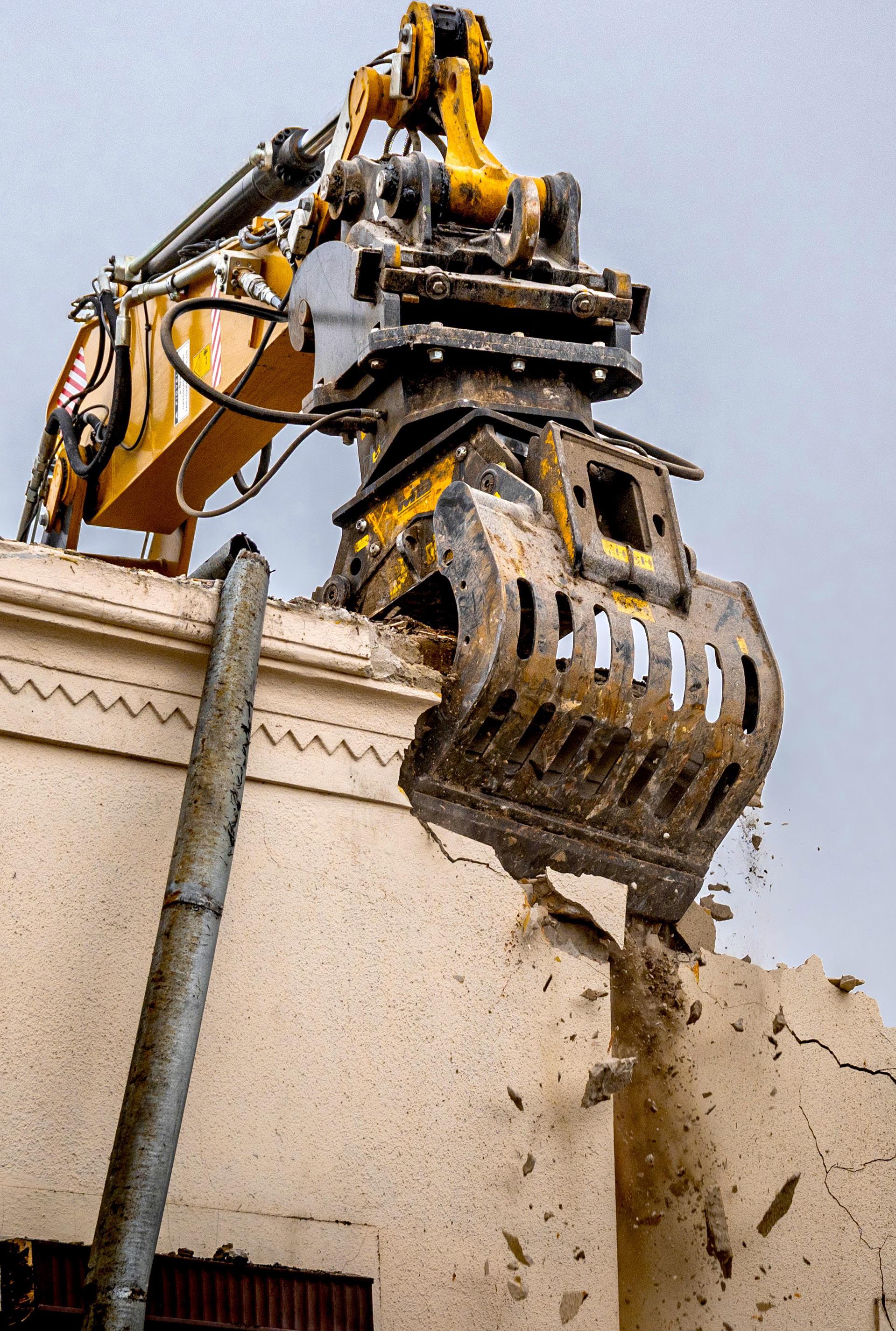
Despite the breadth of the product range, the operating philosophy remains unchanged. Every MB attachment is designed to work seamlessly with the host machine, without adding unnecessary complexity. The focus is always on simplicity, reliability, and ease of use.
One machine. One operator. A continuous, self-contained workflow.
This concept has proven to be highly effective in an industry shaped by tighter margins, stricter regulations, and demanding timelines. By reducing the number of machines and operators required, it simplifies site management and improves overall efficiency. At the same time, it gives operators full control over their materials and processes, allowing them to respond quickly to changing conditions.
The ability to manage every stage of material processing on site – from excavation to crushing, screening, and reuse – represents a significant advantage. It eliminates delays, reduces dependency on external factors, and ensures a more predictable workflow.
The crusher bucket may have started it all, but today it is part of a broader system – one that continues to redefine how work gets done on site. As the industry continues to evolve, the principles that guided its creation – innovation, practicality, and efficiency – remain as relevant as ever.
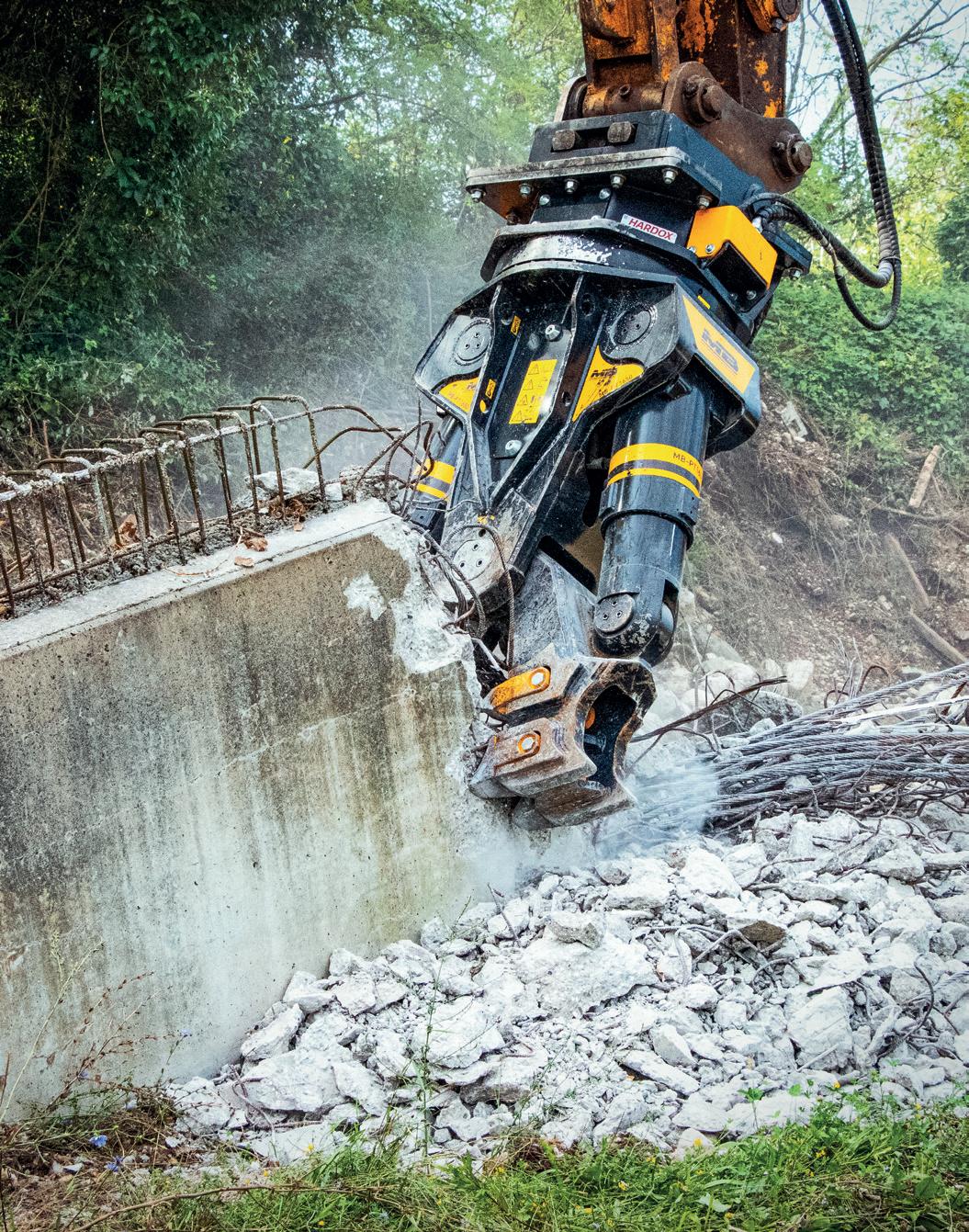
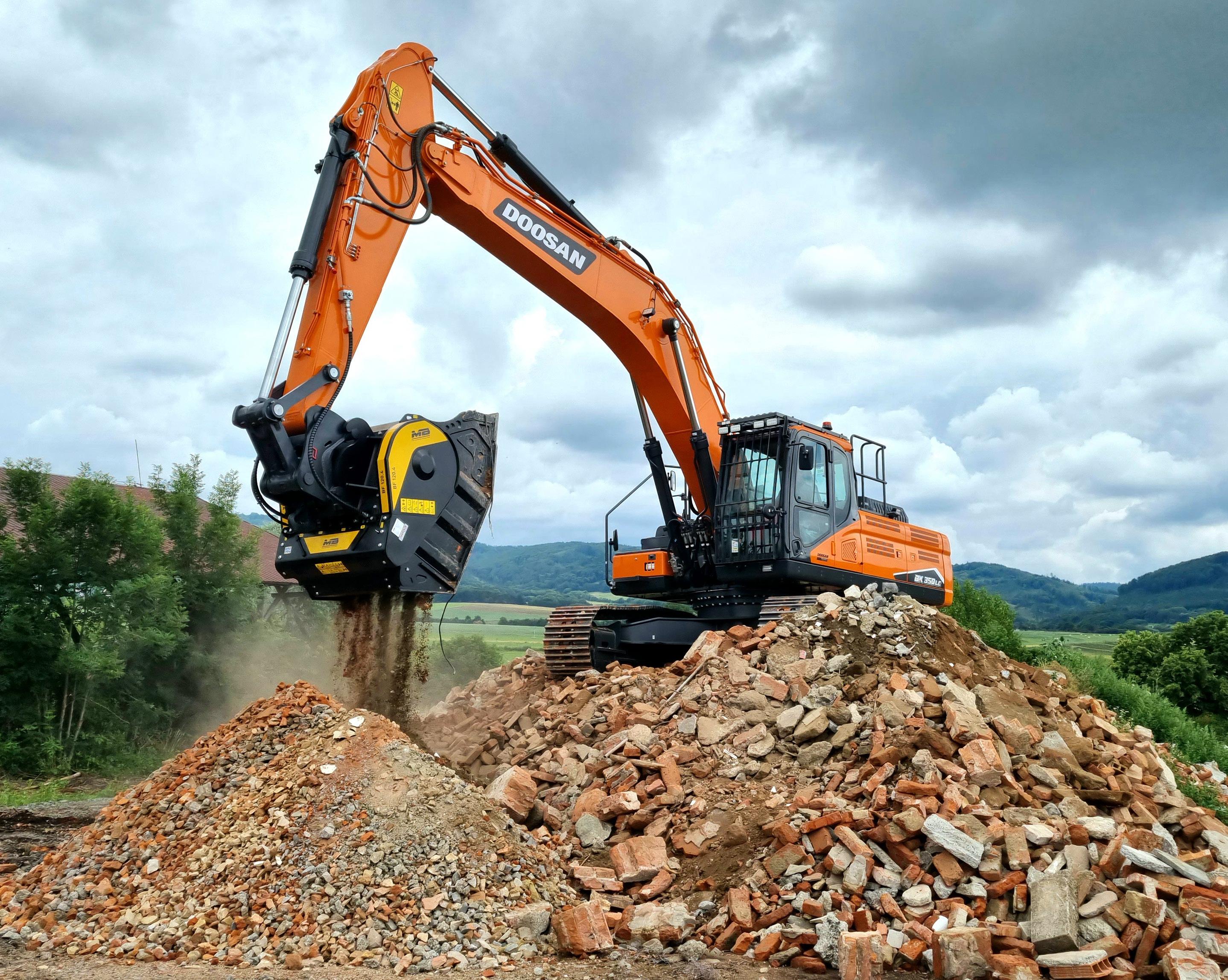

fantastic feedback from last year’s programme. In partnership with the HSE and IDE, the series equip construction professionals with the must-have knowledge to plan safe, successful, and compliant demolition works.
Learn from the best – Hear directly from the NFDC, HSE and IDE experts.
Know your responsibilities – Understand your legal obligations as a client.
Choose wisely – Discover what to look for in a reliable demolition contractor.
Get informed – Know the skills, training, and certifications that matter.
Whether you’re a project manager, developer, designer or planner, if you’re involved in pre-construction or demolition procurement, you can’t afford to miss this.



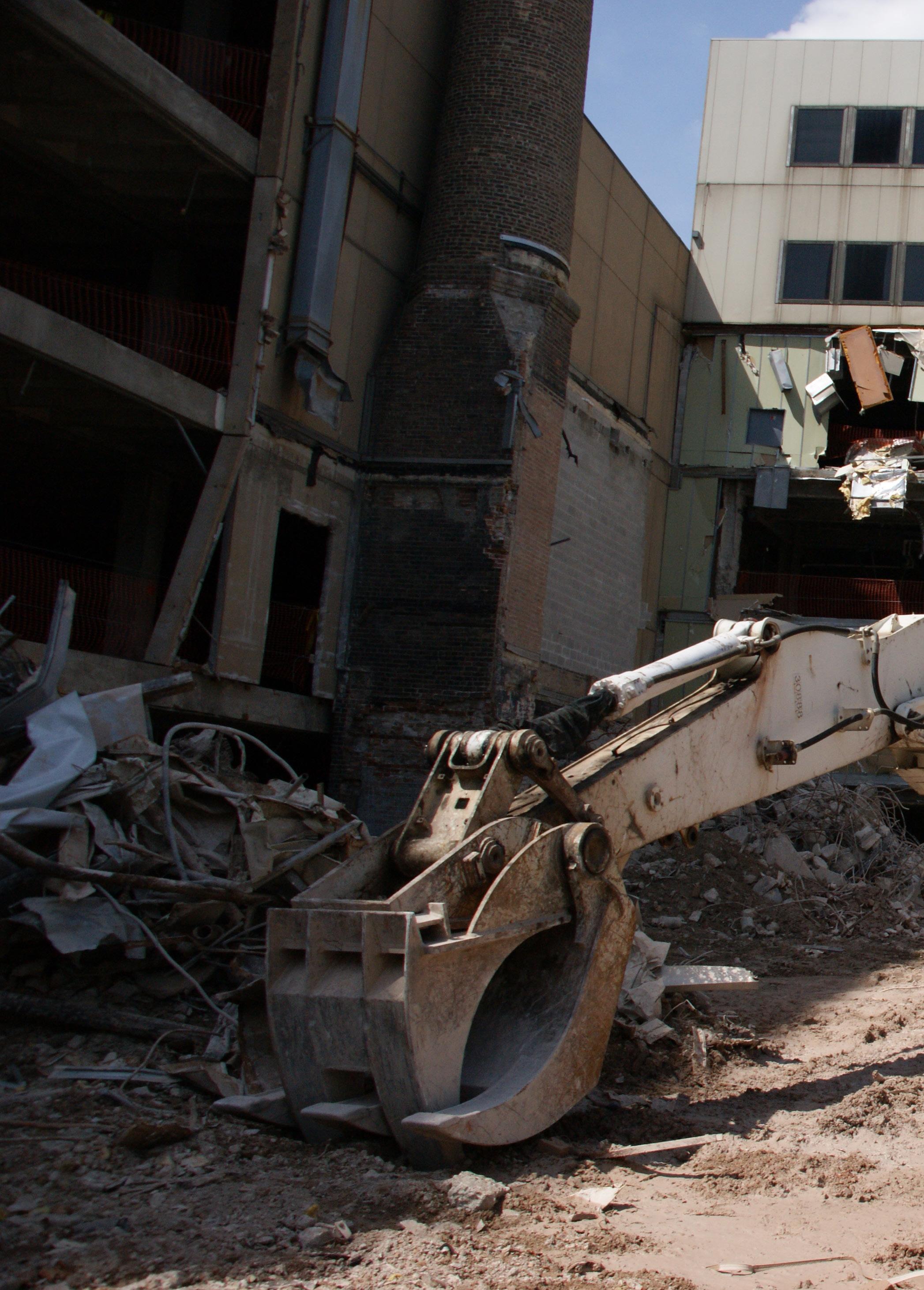
For as long as people have been constructing buildings, we have also been demolishing them.
Since ancient times, materials recovered from demolished buildings have often been reused in new construction whether through the repurposing of stone, timber, or metals. While not universal, it is only in relatively recent industrialised history, that the remains of demolished buildings came to be viewed as a troublesome source of waste to be disposed of.
However, the rising costs, environmental pressures, and regulatory frameworks of today are driving a return to this time-honoured and resource-efficient practice, albeit formalised under a modern term: the circular economy.
In its simplest form, the circular economy takes the traditional linear “take, make, dispose” model of production and replaces “dispose” with “reuse, recycle, and recover”. This creates a continuous closed-loop cycle rather than a single-use process.
For demolition, this means no longer viewing buildings purely as objects to be removed, but instead treating them as sources of materials to be extracted, separated, and returned to the supply chain.
This includes concrete, steel, brick, timber, and fixtures, all of which retain value once reclaimed and, depending on condition and the economics of recovery, can be used to offset the cost of future construction.
Consequently, the success of a project is no longer measured purely by how quickly a site is cleared, but by how efficiently those materials are recovered, and how much is saved from landfill.
While all materials recovered from demolition would be reused in an ideal world, the reality is that some degree of waste is unavoidable. Understanding where recovery does and doesn’t work is essential for improving performance, but also for avoiding accusations of another relatively new term: greenwashing.
Typically, concrete makes up the bulk of material recovered from modern demolition projects, but is also one of the most recyclable.
Once crushed, it becomes Recycled Concrete Aggregate (RCA) and can find a second life in any application that doesn’t require stringent freeze-thaw resistance, such as

sub-base, backfilling and landscaping. In some cases, it can even be used as ballast in the production of new lightweight concrete. The environmental benefits are significant, but the best results are usually achieved when processing takes place on-site, where conditions allow. This reduces transport requirements, lowers emissions, and improves overall project efficiency.
Steel is another abundant resource likely to be found on a modern demolition site. It benefits from being one of the most recoverable resources available, and is able to be recycled repeatedly without significant loss of quality. The scrap value of steel also provides a direct financial incentive, making steel recovery both environmentally and commercially attractive.
Brick recovery sits somewhere between concrete and steel. Particularly with older buildings and lime mortar, bricks can be cleaned and reused. However, they are more likely to be crushed for aggregate, with their reprocessing relying heavily on labour costs and the condition of the recovered bricks.
Timber recovery is more limited. While some structural elements can be reclaimed, factors such as condition, contamination, and treatment often mean that most recovered wood is chipped for biomass or lower-grade applications.
Alongside these bulk materials, soft strip elements such as copper cabling and glass can also be recovered, often with high value when cleanly separated. While soft stripping is a slow first stage of demolition, it dramatically improves recovery rates.
However, hazardous materials such as asbestos and Polychlorinated Biphenyls (PCBs) cannot be recovered, and must be removed by specialists under strictly controlled conditions. Early identification and careful removal are critical, both to protect worker health and to prevent contamination of otherwise recoverable materials.
Ultimately, while modern demolition can achieve high levels of material recovery, it is not a zero-waste process. Recognising recovery limitations and transparently reporting them is essential to ensuring that sustainability claims reflect reality and avoid accusations of greenwashing.
To ensure optimal material recovery can be achieved, careful planning must be carried out long before the first machines are delivered to site. Pre-demolition surveys and a thorough review of existing building records form the foundation of this approach. Together, they provide a clear picture of the types and quantities of materials present, allowing contractors to identify risks early while also estimating the potential value of recovered materials. This, in turn, informs decisions around methodology, sequencing, and equipment selection.
During structural demolition, the choice of equipment and attachments becomes critical. High-reach excavators, pulverisers, and shears allow operators to work selectively, processing materials at source rather than creating mixed waste streams that are harder and more costly to separate later.
However, even with careful planning and the right equipment, site constraints can often be the biggest limiter to what can realistically be achieved. Available working space, particularly on dense urban sites, can restrict on-site processing, storage and transport logistics, which adds cost and puts pressure on how far recovery efforts can be taken.
For demolition contractors, this means material recovery is rarely about maximising a single outcome, but about balancing efficiency, value, and practicality within the constraints of each individual project.
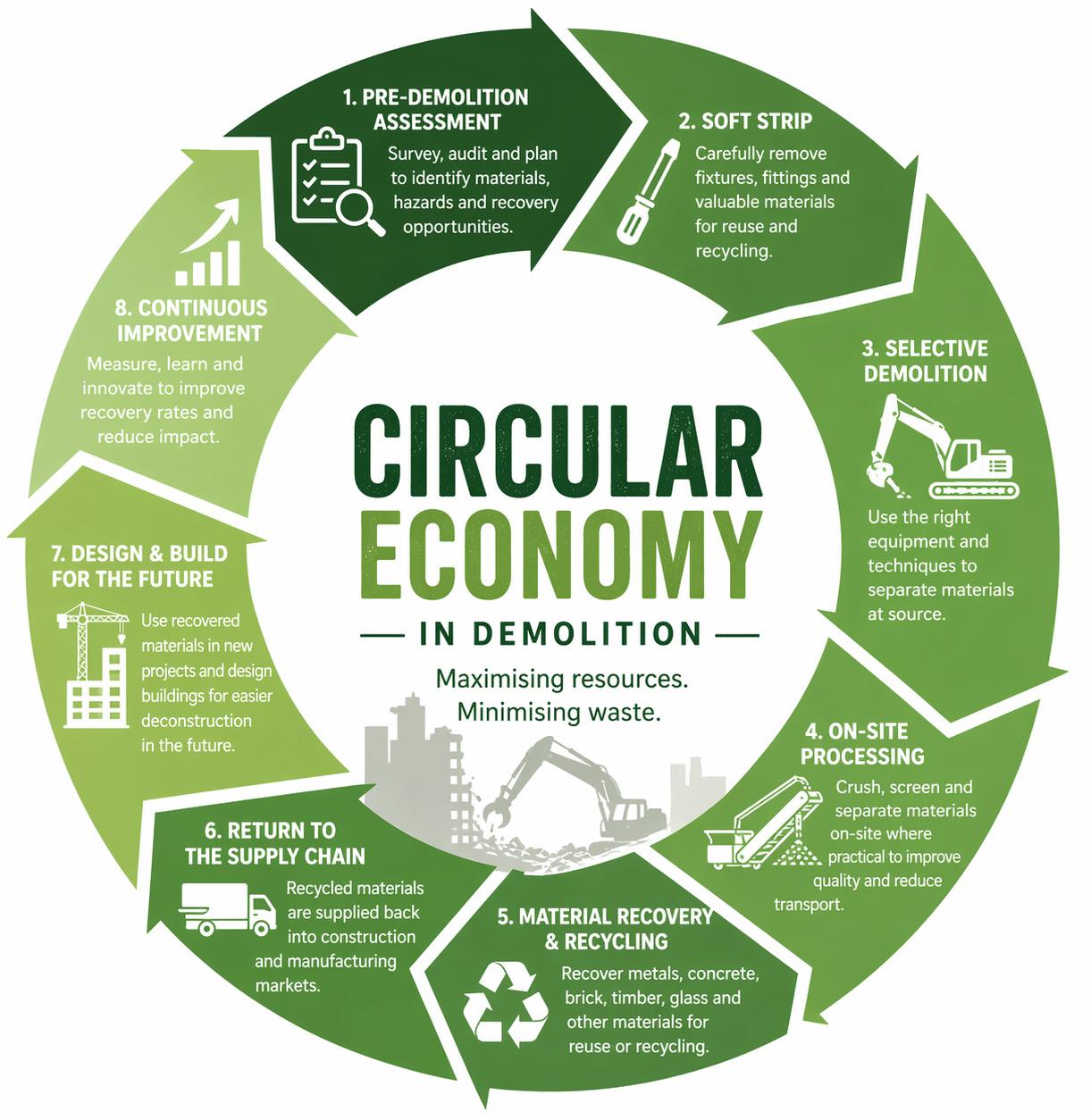

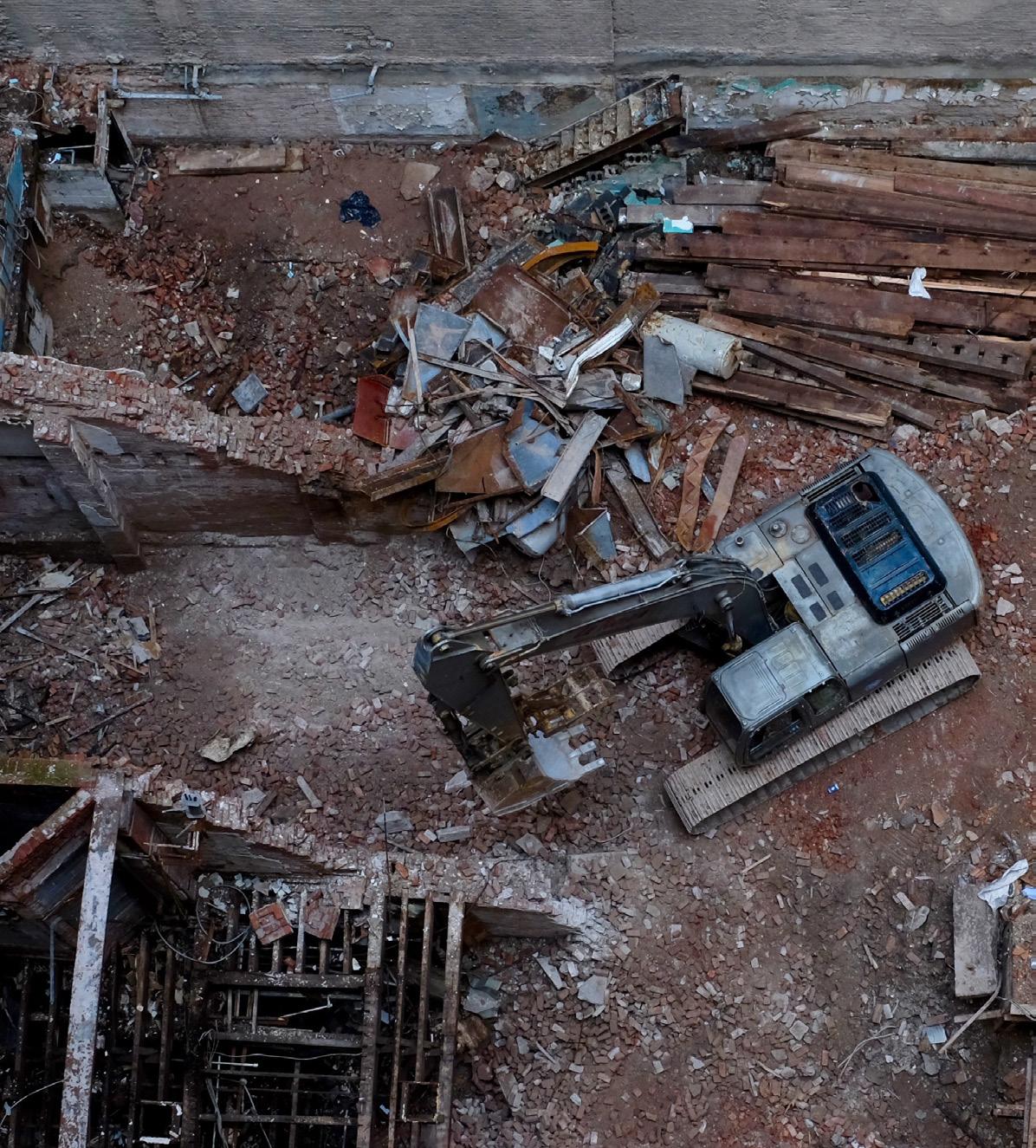
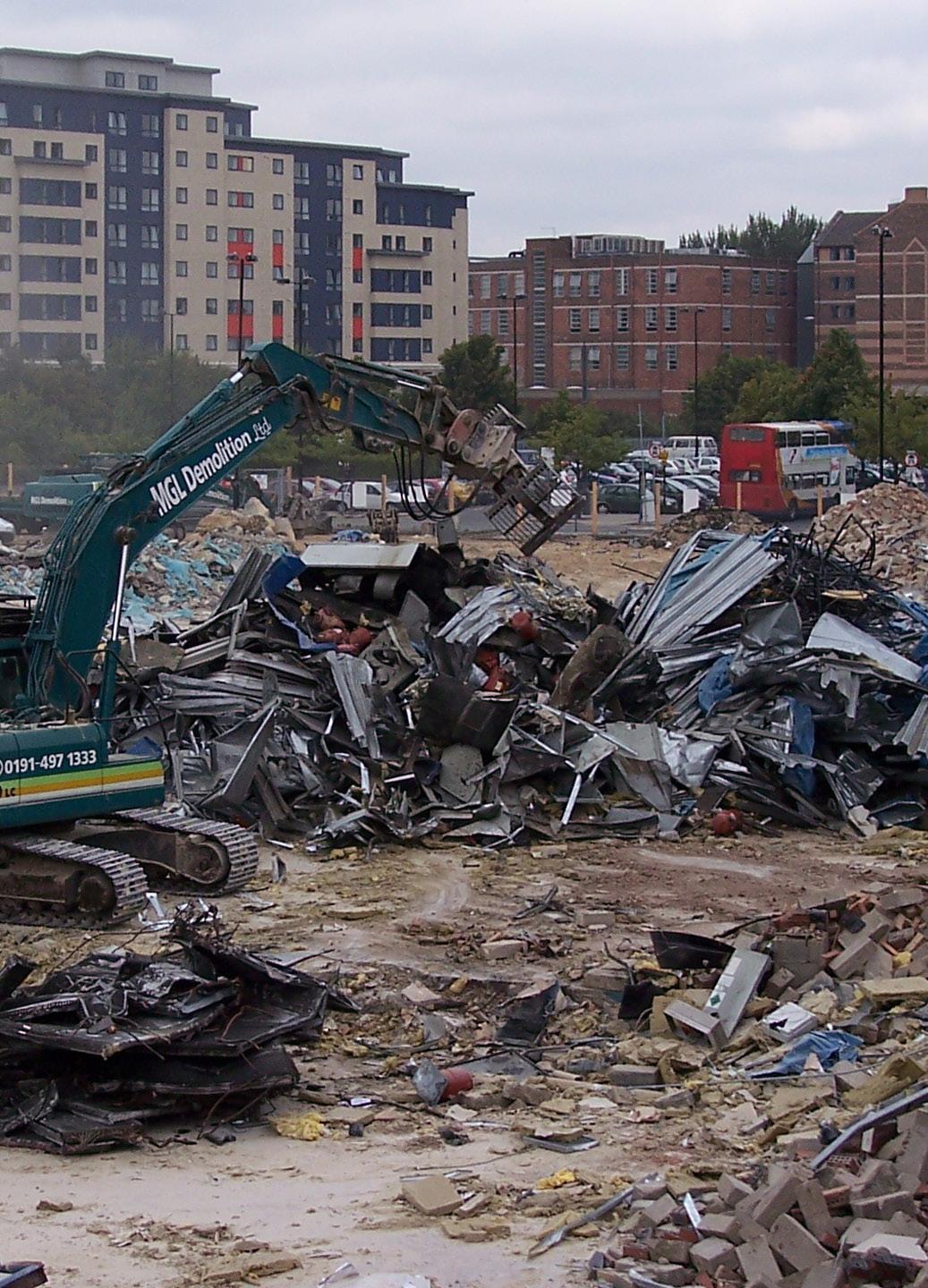
The shift towards circular economic practices in demolition is not driven by environmental considerations alone. In many cases, it is underpinned by strong and pragmatic financial incentives.
Landfill tax in the UK has fundamentally changed how waste is handled financially, making disposal the least attractive option in many cases. The cost of virgin materials has also risen, increasing demand for recycled alternatives. Steel scrap retains consistent value, while even lower-grade materials like crushed concrete can offset project costs.
Clients are also applying pressure. Environmental, Social, and Governance (ESG) requirements are increasingly embedded in contracts, with targets for waste reduction and material recovery. For contractors, demonstrating strong performance in this area is no longer optional, but a source of competitive advantage.
In this sense, the circular economy for demolition is not simply an environmental initiative, but a commercially driven approach that rewards efficiency while punishing waste.
While the circular economy is a well established conceptual principle, real-world considerations can quickly limit what is achievable in practice.
Safely removing known hazardous substances is an essential first stage of any demolition project, but contamination of recovered materials by substances missed during surveying and soft stripping can have disastrous financial and time consequences.
Volatile market conditions also introduce further uncertainty. The value of recycled materials can fluctuate over the course of a project, especially when carried out over several years, meaning that justifiable recovery strategies agreed upon at the outset of a project can become less financially viable as time goes on.
As a result, demolition projects often require ongoing reassessment. Contractors must balance recovery targets against time constraints, overall costings and individual site limitations, making adjustments where necessary as conditions change. In practice, this means that material recovery is not a fixed outcome, but one shaped by a range of variables that extend beyond initial planning.
As the demolition sector rapidly moves away from the mindset that site clearance should be carried out as quickly as possible, and embraces the idea that buildings represent a rich source of recoverable resources, advancements in building design, material tracking and digital modelling are likely to further improve recovery rates.
On the whole, while demolition represents a single piece of the wider puzzle, it plays a critical driving role in enabling the construction industry to embrace the circular economy.


By the early ‘60s, Portsmouth City planners were provided with a rare opportunity to radically redevelop their city into a modern and diversified centre for retail and leisure on England’s South Coast.
At the centre of this ambitious undertaking was the Tricorn Centre, which pushed the limits of architectural ambition. But what the city received was a crumbling cautionary tale for what can happen when form is prioritised over function.
Bearing the brunt of sustained Luftwaffe bombing, Portsmouth was among the hardest-hit UK cities during the Blitz. Considerable effort was expended on destroying the Royal Navy’s historic home, leaving its centre devastated.
By the late ‘50s, bomb sites, temporary buildings and gaps where streets once stood still formed part of everyday life. Reprioritised post-war defence spending and advances in naval technology requiring fewer personnel also placed increasing strain on Portsmouth’s traditional economy.
While these combined factors put considerable pressure on Portsmouth City Council, it provided its planners with a perfect opportunity for ambitious redevelopment. Traditional reliance on naval employment was radically redrawn into plans for a modern city centre focused on retail, services and commercial activity, all underpinned by car accessibility.


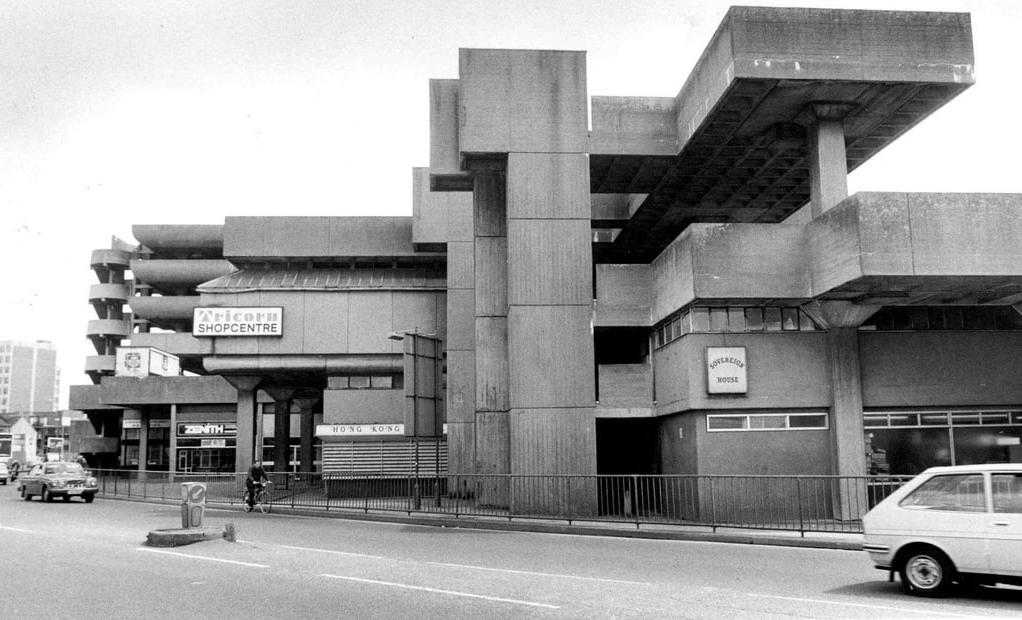
One of the flagship projects of this vision was the Tricorn Centre.
Designed in the early ‘60s by architects Owen Luder and Rodney Gordon, the Tricorn Centre was conceived as a bold multi-level mixed-use urban hub, consisting of a shopping centre, housing, offices, a nightclub, public houses and multistorey car park.
Completed in 1966 at a cost of £2 million, the Tricorn Centre employed the Brutalist style, presenting a sprawling network of elevated walkways and vast expanses of exposed concrete, which were deliberately left blank for store tenants to provide their own branded colour and character.
In general, Brutalist architecture’s bold geometric forms were widely seen at the time as modern and forward-looking. However, Tricorn’s complex and unconventional design proved immediately divisive with the public.
Almost immediately upon completion, Portsmouth’s harsh coastal climate complicated maintenance of the Tricorn Centre. Salt-rich sea air accelerated reinforced concrete corrosion, causing staining, cracking and spalling, which gave the structure an early appearance of deterioration and neglect.
For visitors, what had been envisioned as an innovative layout was often frustrating and confusing. Interconnected walkways and split levels created disorienting routes, while poor lighting contributed to a perception of insecurity. It was originally hoped by the City Council that Tricorn would attract premium store tenants, but the complex became increasingly separate to the city centre’s main retail developments. Consequently, more prestigious brands moved into the city elsewhere, leaving Tricorn’s units to be filled by smaller, less prestigious businesses.
By the ‘80s, many shops stood empty and the flats were abandoned. During this time, it was also famously described
Despite several attempts to secure listed status in the ‘90s, deterioration had reached dangerous levels, with structural elements visibly corroded and mineral deposits forming stalactites on ledges.
Little interest had been shown in refurbishing or repurposing Tricorn over the years, but this was further undermined in 2001 by the opening of Gunwharf Quays. The mixeduse waterfront development quickly achieved many of the ambitions Tricorn had struggled to realise, removing much of the case for further investment.
A further blow came that same year when BBC Radio 4 listeners voted Tricorn “the most hated building in the UK”, cementing its reputation as a failed redevelopment.
With no viable alternatives available, the decision was taken to demolish the Tricorn Centre in early 2004.
Due to the dense urban surroundings and irregular structure of the Tricorn Centre, explosive demolition was quickly ruled out. Contractors instead opted to carry out a methodical topdown demolition using high reach excavators equipped with pulverisers and hydraulic breakers.
Work began on 24 March 2004 with the soft-stripping of all non-structural elements, followed by structural demolition of the ramps, walkways and split levels in sections.
The layered and interconnected design of Tricorn made the project complex. The unpredictable nature of the heavily deteriorated concrete and corroded steel also made the demolition process slower than usual.
The demolition reportedly generated over 50,000 tonnes of concrete, which was crushed on-site into recycled aggregates for applications such as sub-base, backfill and landscaping.
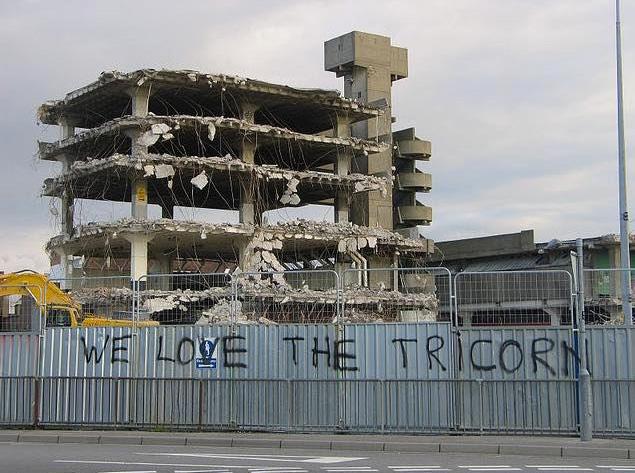

Large quantities of rebar were also recovered, processed on-site and sent away for steel recycling.
Demolition took approximately 9 months to complete, with all but a single section of ramp that incorporates an adjoining Argos’ fire escape being what remains of Tricorn. The site was turned into an open-air car park with the promise of future redevelopment into a new retail and leisure zone.
While many major developments of the ‘60s enjoyed at least a brief period of public approval, the Tricorn Centre stands out as a rare example of a major development being perceived almost immediately as a failure.
Conceived as the centrepiece of Portsmouth’s post-war transformation, it was intended to embody an ambitious vision of a modern diversified city. However, its unconventional stylings, poor suitability for a coastal environment and prioritisation of architectural ambition over long-term accessibility and usability greatly limited its ability to succeed.
Although designed much later with the benefit of hindsight, Gunwharf Quays serves as the antithesis of the Tricorn Centre’s design, with complex radical stylings abandoned for clear and flexible accessibility.
More than 20 years since its demolition, perhaps the most enduring legacy left behind by the Tricorn Centre is that its site is still today used as an open-air car park, which some may argue was the biggest benefit the complex ever provided for the people of Portsmouth.

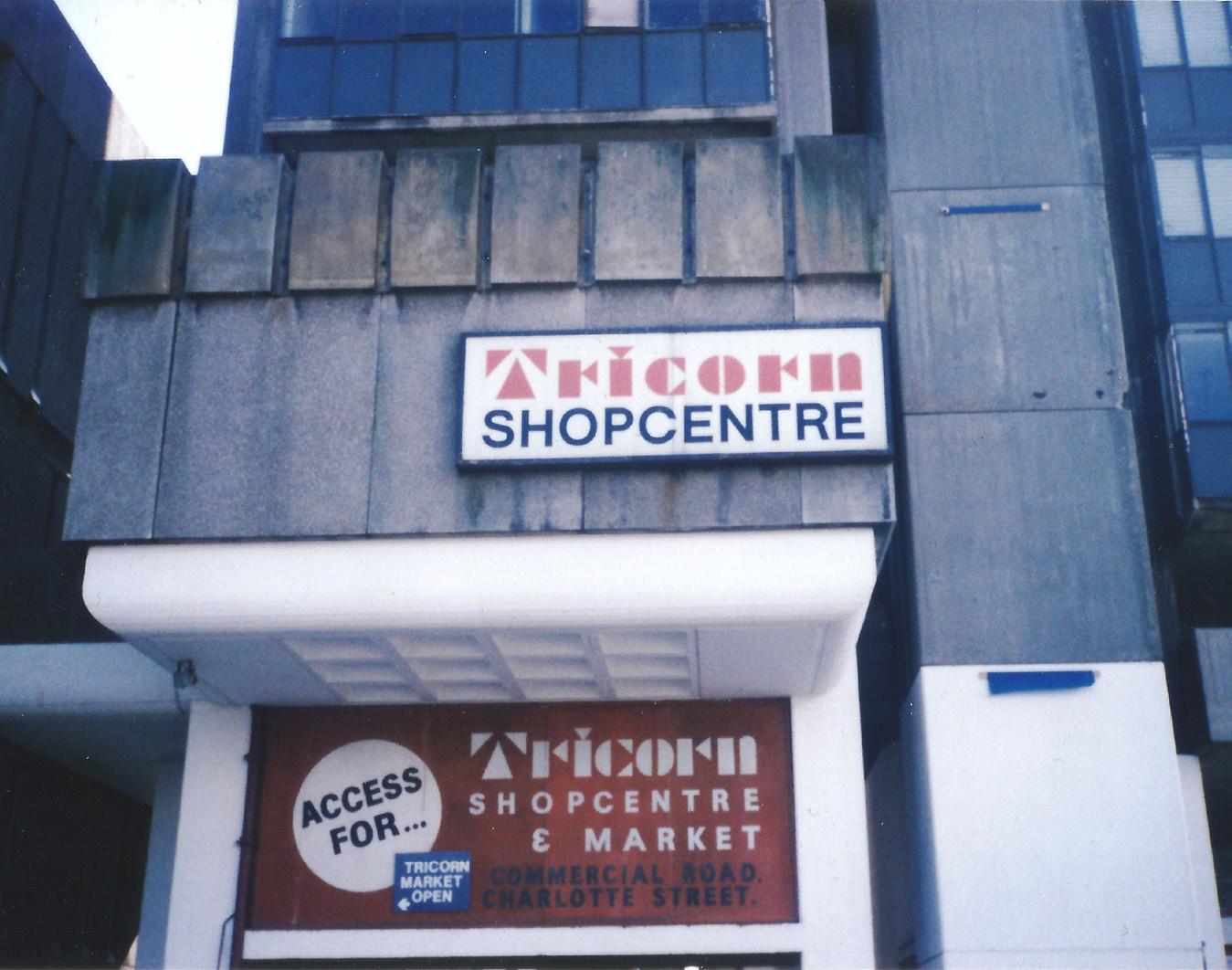




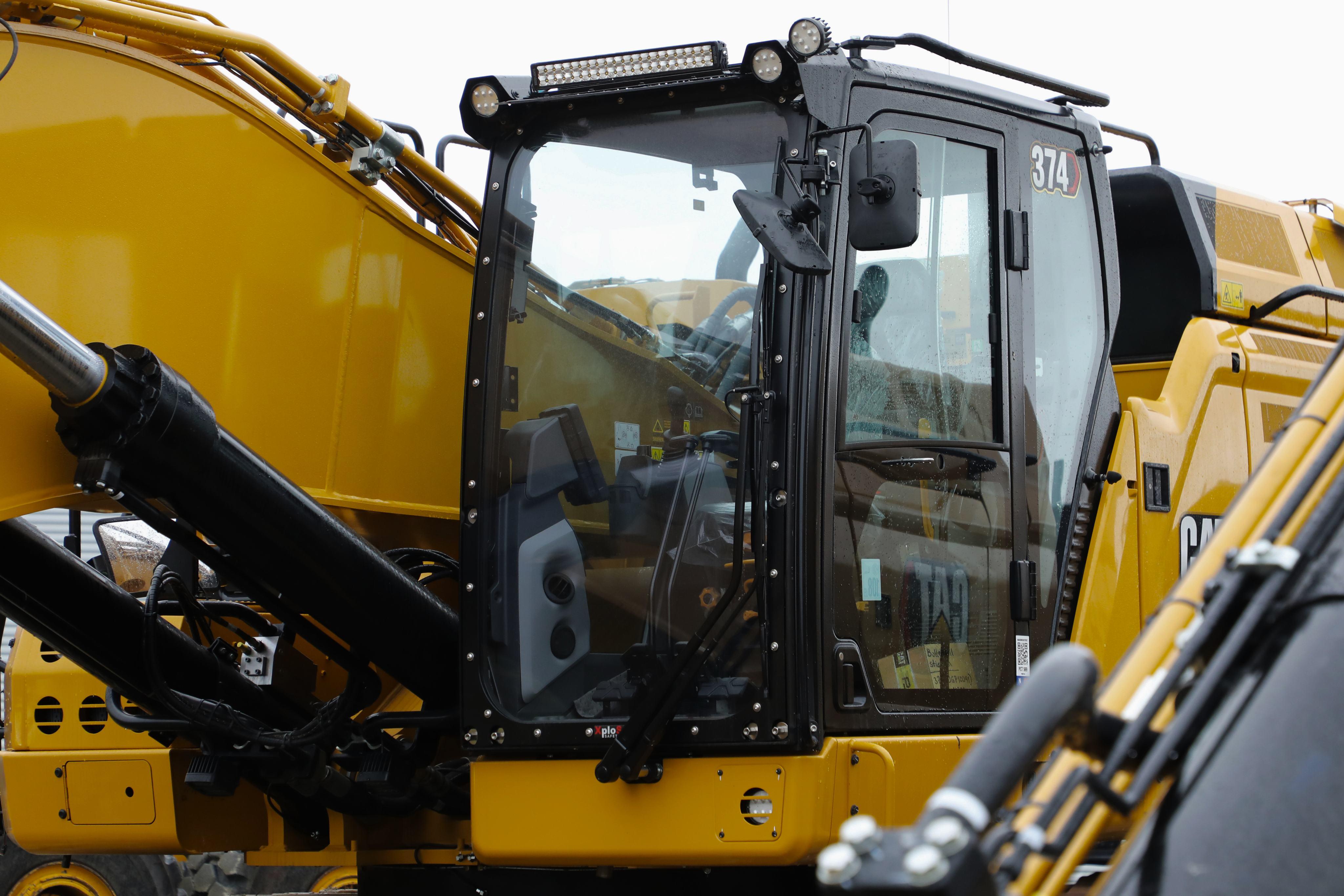

Alan Gow, managing director Gow Group (Scotland based)
1. Can you briefly describe your role and the type of work you do?
I’m a Managing Director, and we mainly build wind farms. A lot of our work involves handling oversize rock in borrow pits, often in hard rock conditions.
2. What challenges do you typically face on site?
One of the main challenges is fly rock from oversize material, which can strike the cab windows while passing between protective bars. This creates both safety risks and operational disruptions.
3. How did you previously handle protection in the cab (e.g. grilles or similar)?
We previously used protective bars with marguard fitted in front. However, this setup made cleaning difficult and led to significant downtime.
4. What was your first impression of XploSafe?
It was very easy to install and swap between machines. It also provided much better visibility compared to traditional bar systems.
5. How has it changed your day-to-day work on site?
It has significantly improved visibility for operators and made window cleaning much quicker. This has helped streamline daily operations.
6. How easy was it to implement XploSafe on site, and how has the service been?
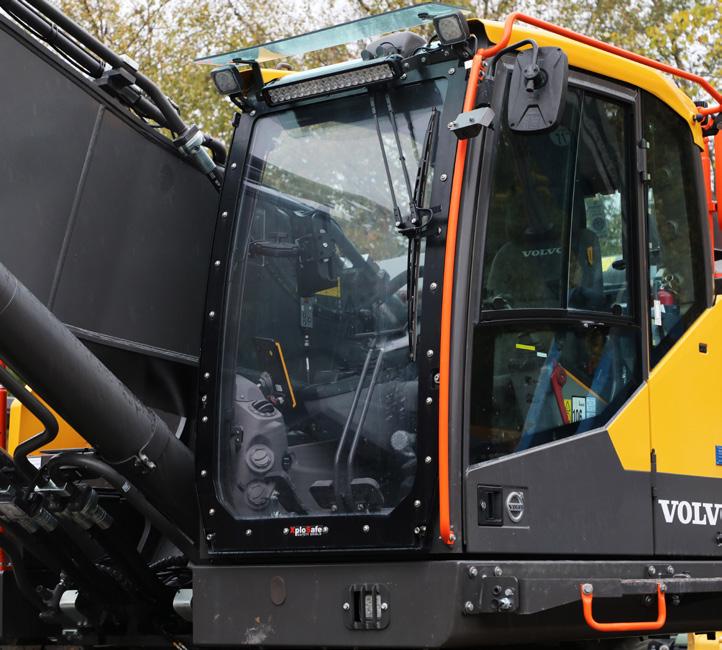
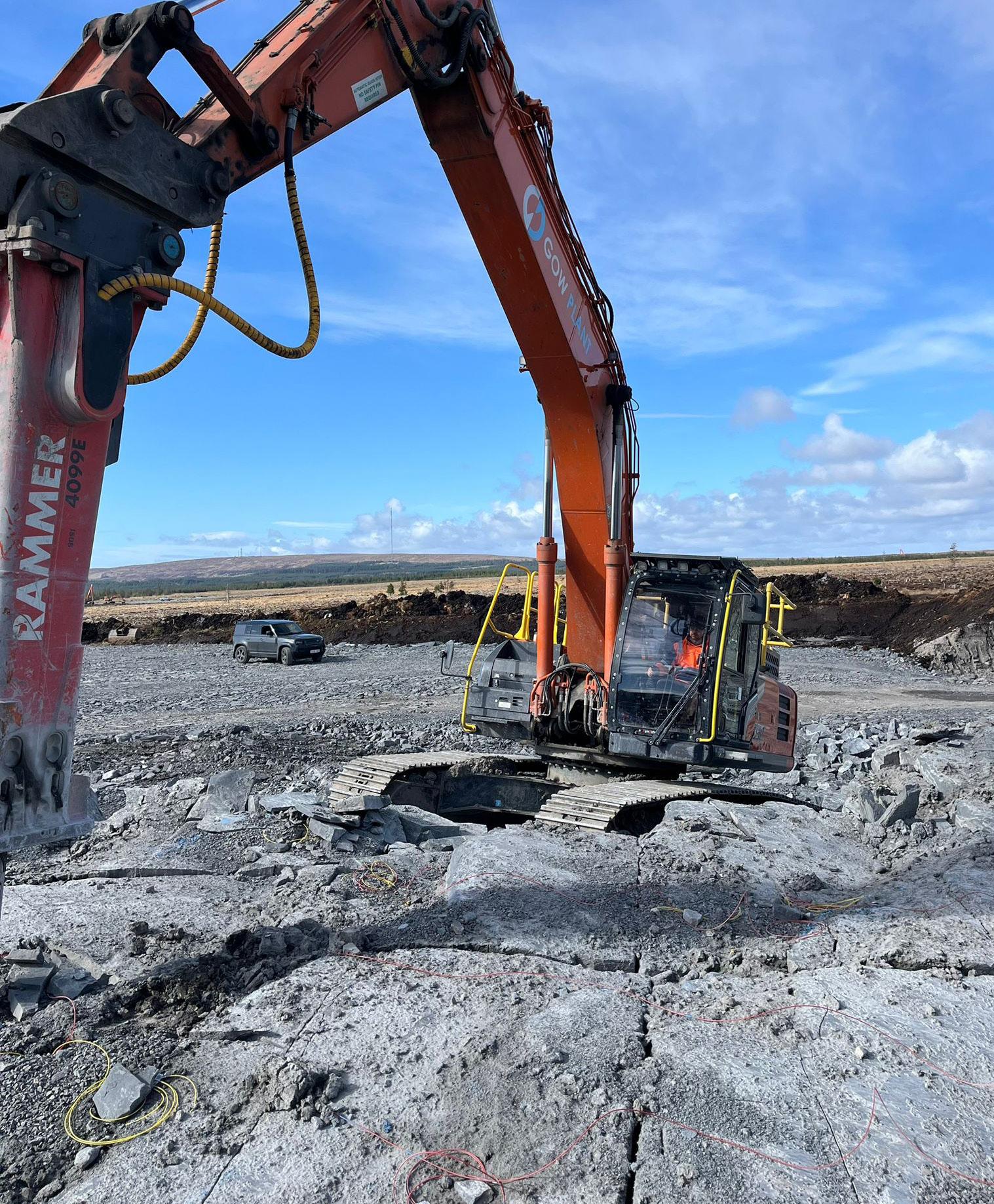
Implementation was straightforward – it’s easy to fit and move between diggers. Overall, it’s been a simple and efficient solution to integrate.
7. If you could sum up your experience in one sentence, what would you say?
XploSafe has reduced downtime, eliminated broken windows since installation, and made the cab a safer environment for operators.
“XploSafe has reduced downtime, eliminated broken windows, and made the cab a safer environment for operators.”






































































































































































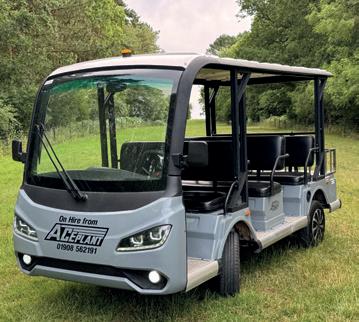

01908 562191 info@aceplant.co.uk www.aceplant.co.uk

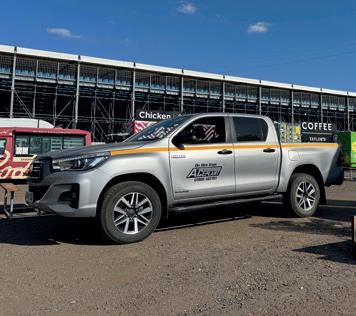
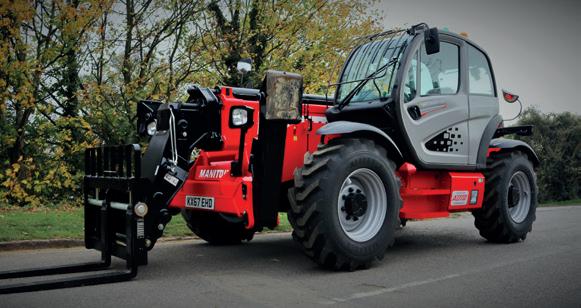
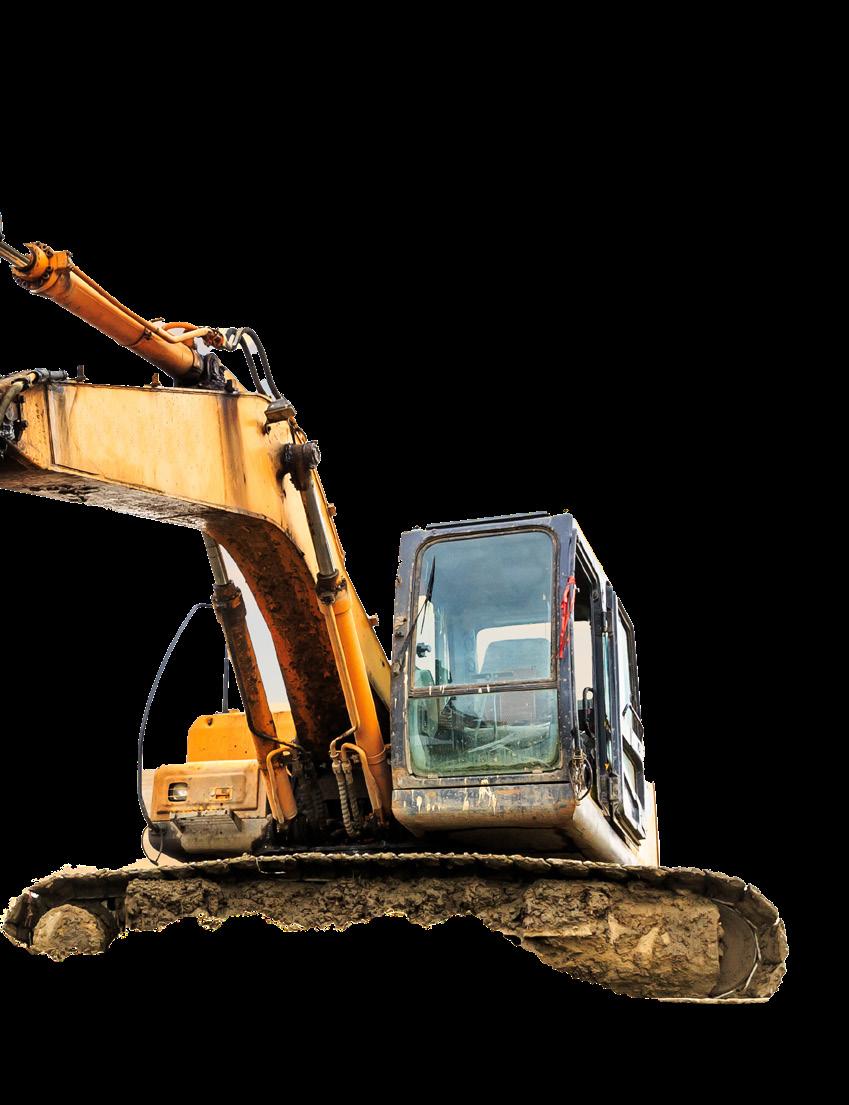

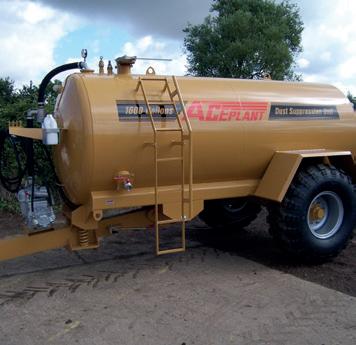


A production system for road construction with zero operating emissions and three marketpremières are the highlights of the appearance at the show
Under the motto ‘You’ll never crush alone’, the Wirtgen Group sets the focus at Hillhead 2026 on end-to-end solutions for materials processing with five crushers and screening plants from Kleemann. Also appearing at Booth Q1 at the show in Buxton is a purely battery-electric production system for road rehabilitation with zero operating emissions.
Smart jaw crusher for a wide range of applications
A landmark product for the UK market is the MOBICAT MC 110 EVO2 jaw crusher, which combines a smart operating concept with high efficiency. The plant is the ideal choice for pre-crushing almost all kinds of quarried stone and numerous recycling tasks. The plant is characterised by compact dimensions, efficient prescreening, a simple handling concept
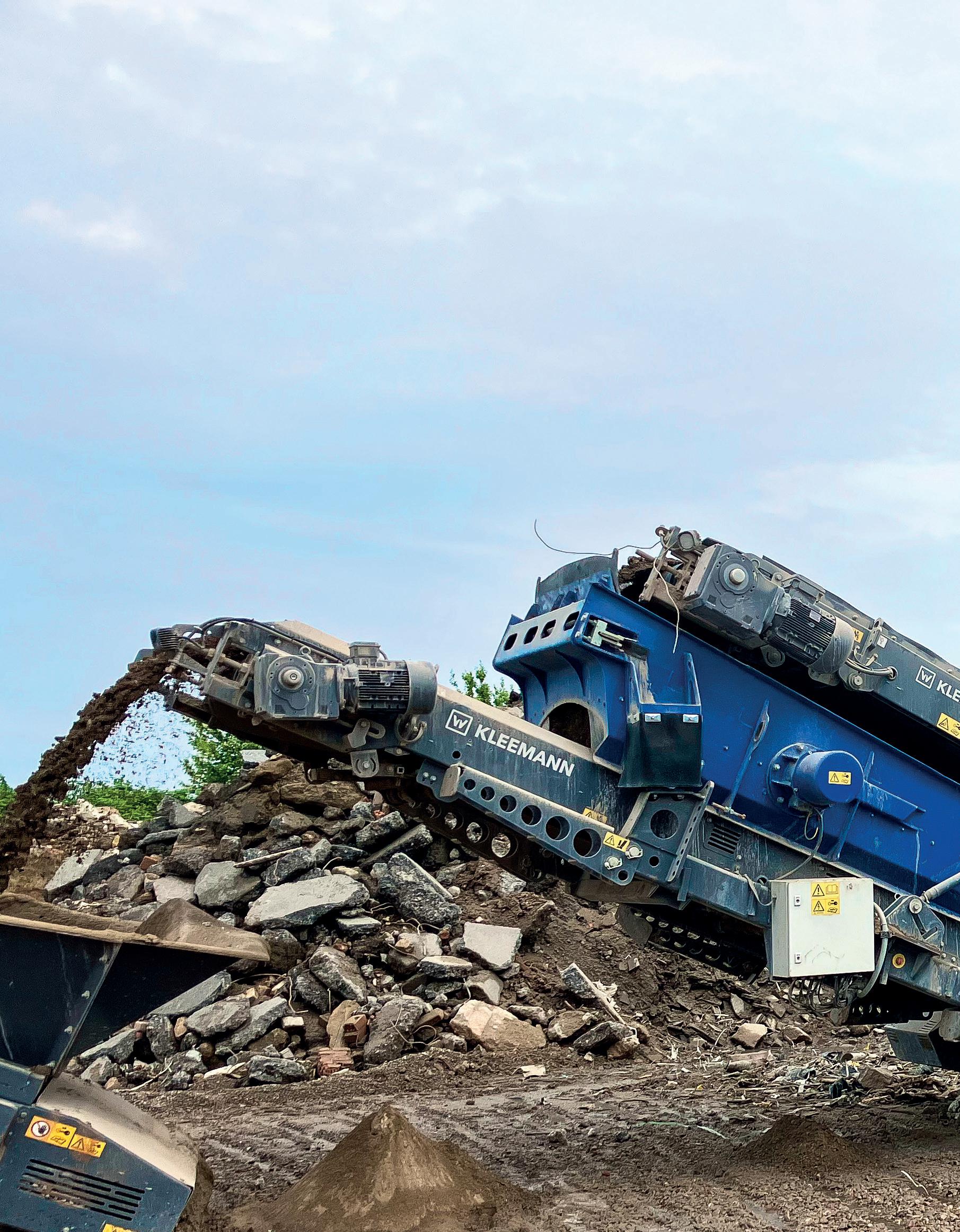
with SPECTIVE und SPECTIVE CONNECT and high plant performance. Innovative control and overload systems, the continuous feed system, and an independently vibrating double-deck prescreen optimise material flow and increase the plant’s utilisation rates and the overall performance of the jaw crusher.
Combined impact crusher and screening plant from Kleemann With its all-electric E-Drive drive concept, the compact MOBIREX MR 100 NEOe impact crusher unites flexibility, low transport weight and a wide range of potential applications in the processing of demolition material, concrete, reclaimed asphalt, and soft to medium-hardness quarried stone. Together with the MOBISCREEN MSS 502 EVO scalper, the plant presented at the booth forms the basis of a perfectly coordinated production system for asphalt recycling. Both the MOBIREX MR 100 NEO and the MOBISCREEN MSS 502 EVO can be operated electrically with the aid of the Dual Power option. This means, for example, that milled material for use in the production of new asphalt mixes in asphalt mixing plants can be processed in place with zero operating emissions.
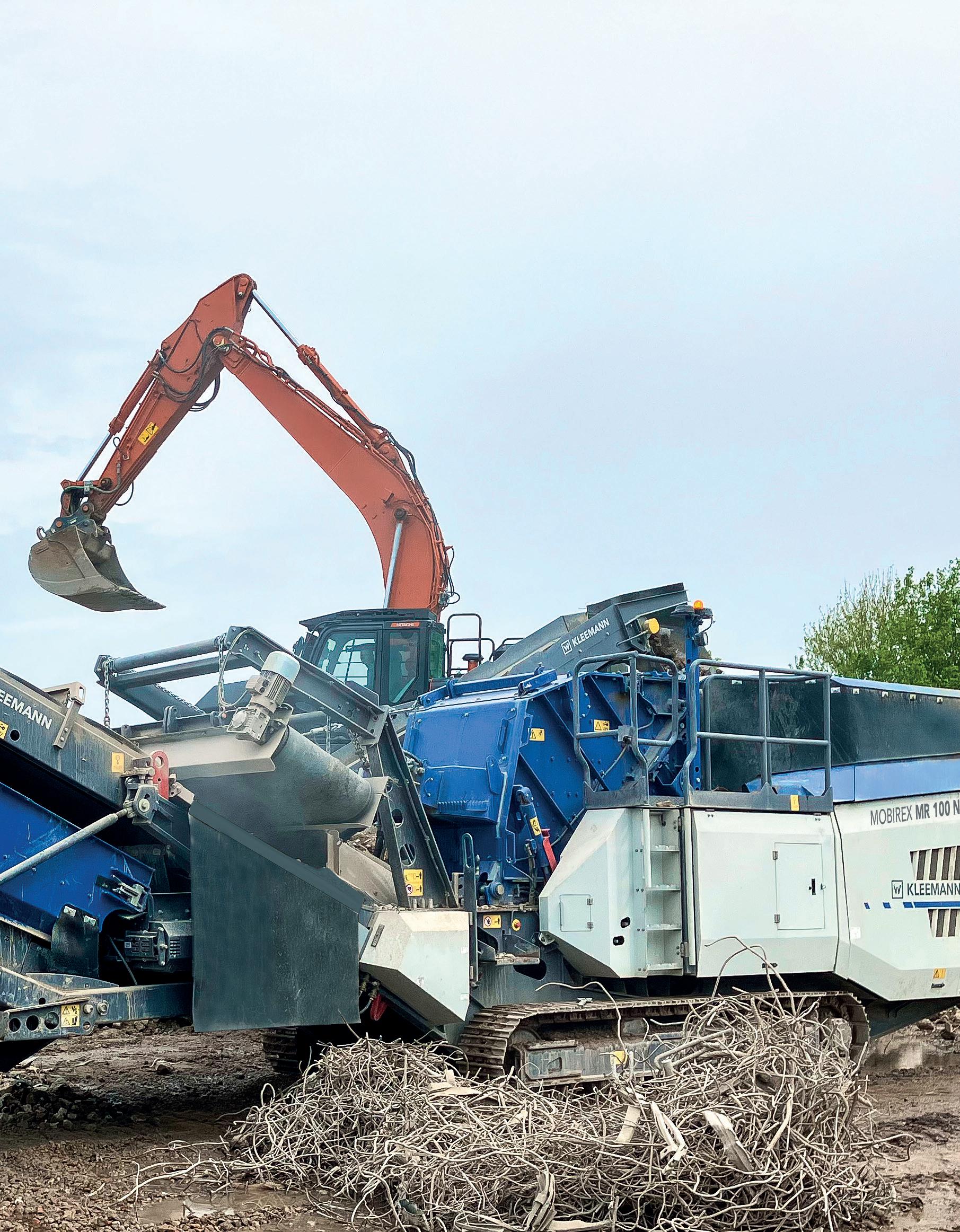
Extensive portfolio of extremely adaptable screening plants
With the MOBISCREEN MSS 502 EVO and MSS 802 EVO scalpers and the MOBISCREEN MSC 702 EVO classifying screen, Kleemann is showing a representative sample of its portfolio of screening plants. The plants stand for cuttingedge screening technology and outstanding versatility that enables them to adapt to a wide range of materials processing applications. Thanks to their Dual-Power drive option, they can also be operated entirely with electric power. A large selection of screen media, flexibly adjustable screening parameters and an intuitive plant control concept increase process reliability and, not least through correct use, also improve occupational safety.
A production system for zero operating emissions on construction sites and three UK-market premières
Urban road construction is primarily characterised by the repair and maintenance of existing infrastructure on small construction sites. With the Wirtgen cold milling machine W 50 Re, the Vögele SUPER 1300-5e road paver and the Hamm HX 70e tandem roller, the Wirtgen Group has developed a production system that is based on a consistently batteryelectric drive concept and is celebrating its UK-market première at Hillhead. Here, standardised components for all construction machines result in common service components, high availability of drive system components and a universal, simple operating concept. For the first time, this modular concept offers road construction contractors an end-toend production system that enables the realisation of road construction projects with zero operating emissions. Solutions from a single source also mean high operational reliability and perfectly coordinated processes in all machines and telematics solutions.
production with green hydrogen
At Hillhead, the company group is also presenting the new MULTI JET burner from Benninghoven. With the world’s first burner for asphalt mixing plants that can also be fired exclusively with green hydrogen, the drying and heating process for virgin material and reclaimed asphalt pavement (RAP) is also CO2 emission-free. In addition to the burner, the new burner control system and a feed system with a patented pressure regulating section are also part of the perfectly coordinated all-in-one solution.
Rental machines round off the exhibits at the show
The Wirtgen Group presents two rollers from compaction specialist Hamm especially for the rentals market – the new 2.5 t HD 12 G VV tandem roller and the extremely versatile HC 70i VIO compactor, which enables compaction with both vibration and oscillation.
Industry experts from the Wirtgen Group provide insights into digital transformation
The Wirtgen Group product portfolio at the show in Buxton offers much more than construction equipment on tracks and wheels. Applications-expertise, a dense customer service network and digital solutions are essential building blocks with which the Wirtgen Group supports its customers in their daily work. “Our group of companies is also a driver of innovation in the digital transformation of our industry,” says Paul Holmes, Managing Director of Wirtgen Ltd., the UK subsidiary of the Wirtgen Group. Here, he specifically refers to the topics of Jobsite Intelligence and Smart Automation. Jobsite Intelligence means making better decisions with the aid of validated data and better information. ‘The Wirtgen Group Performance Tracker helps our customers to make use of performance data to react quickly, adapt plans or document their work. These data can also be analysed to transform them into knowledge and, at the end of the day, into profitability’, explains Paul Holmes.
Smart Automation means the maximisation of performance and precision with digital solutions such as Smart Level Pro, Smart Pave, Smart Compact Pro, AutoPilot 2.0, SPECTIVE CONNECT etc. “With the aid of digital assistance systems or automated machine functions, even inexperienced machine operators can achieve results as precise as those delivered by an experienced operator. The consequence: refinishing work and material usage are reduced, which in turn increases quality and cost efficiency,” adds the Managing Director.
At Booth Q1 at the show, product and application experts from Wirtgen Ltd. are available to answer questions from trade visitors on this and other topics from the worlds of materials processing and road construction.
For more information, please contact us at: 03452 412770 sales.gb@wirtgen-group.com www.wirtgen-group.com/gb
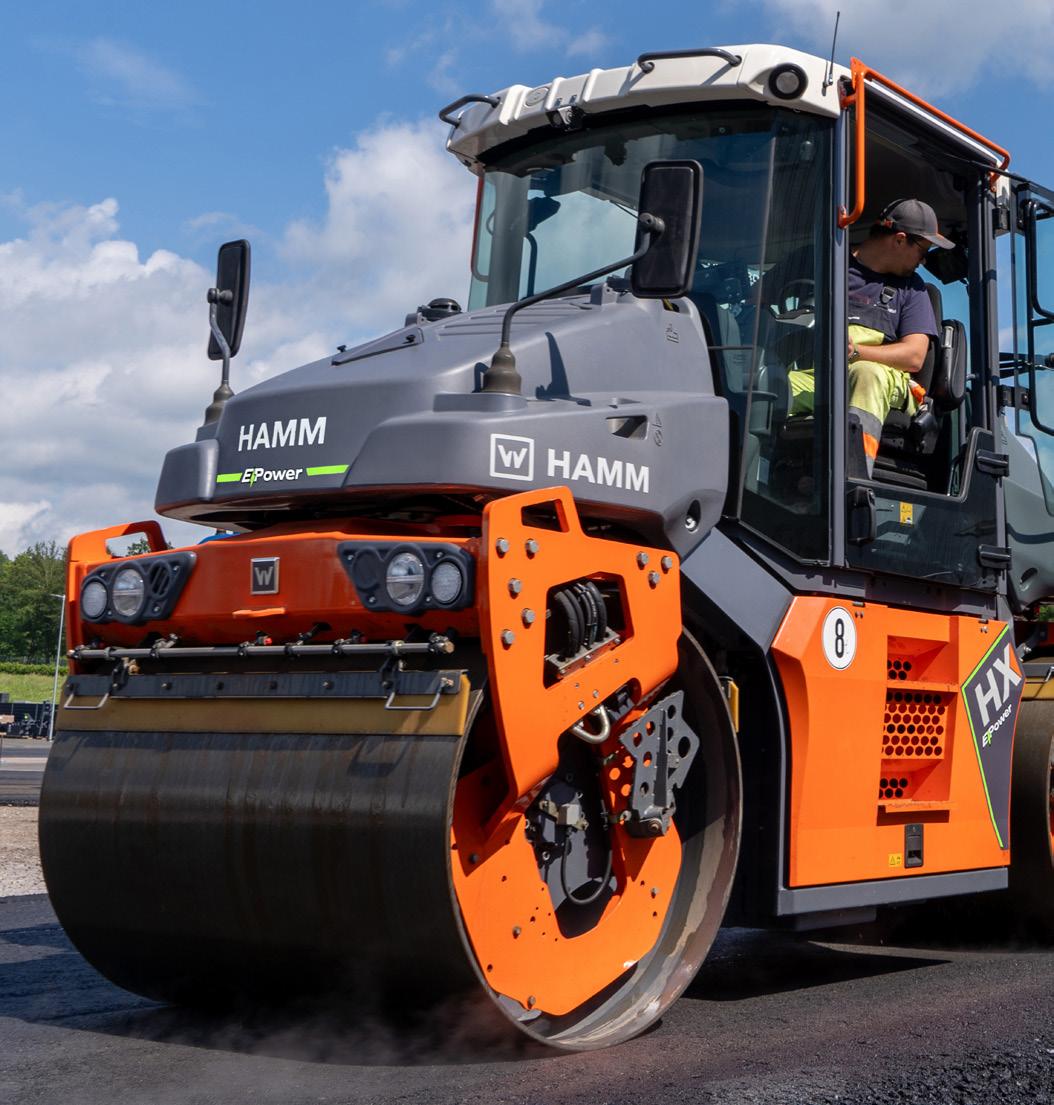












Following an exceptionally strong Post-WW2 recovery, Birmingham was prosperous, powerful and looking to project its economic, educational and municipal achievements.
The story of Birmingham Central Library starts with somewhat dubious beginnings, as the city had seen two prior central libraries come and go. The original library was constructed in 1860, but was devastated by a fire in 1879 while in the midst of a much-needed expansion.

A larger neoclassical replacement library was built in 1882, but this too rapidly reached its capacity, and was subsequently demolished in 1973 to make way for a significantly larger replacement. Local architect John Madin was appointed by the Birmingham Corporation to design the new Central Library. Drawing on the modernist stylings of the nearby newly built Rotunda and Alpha Tower, Madin designed a vast inverted concrete ziggurat in the Brutalist style.
Designed as part of a greater civic centre scheme named Paradise Circus, the new Central Library was originally intended to form part of a complex that would include schools for music, drama and art, as well as offices, shops and a public house, with transport facilitated by a 500-space car park and a bus interchange. Construction of the new Central Library was completed by 12th January 1974.


While the Brutalist design of the new Central Library made a strong statement, it was not one that was universally accepted by the residents of Birmingham. The extensive use of exposed concrete, stacked terraces and inward-facing mass read to most as defensive and oppressive, which starkly contrasted to the inviting and ornate neoclassical nature of the former library.
Rising construction costs, a change in political priorities and budget cuts by Birmingham City Council in the late 60s also meant that only the Central Library, School of Music and public house were constructed. Consequently, the original vision of Paradise Circus as a publicly owned civic centre was never fully realised.
Failing to construct the bus interchange also helped to create inaccessibility and isolation issues, especially in the face of the ever-encroaching car-centric urban planning approach that dominated Birmingham City’s post-war planning.
By the late 80s, Brutalism had greatly fallen out of favour with public perception. Brutalist buildings once celebrated

for their bold modernity were now seen as ugly and costly mistakes. Where Councils throughout the UK had experienced economic decline from the early 70s, maintenance issues and visibly weathered concrete made many Brutalist buildings gain a reputation as symbols of neglect.
The Birmingham Central Library was no exception. Its own image issues were brought to the fore of public attention in 1989 when the then Prince Charles described the building in his documentary A Vision of Britain as resembling “A place where books are incinerated, not kept.”
In 1999, further issues arose when a small piece of concrete from one of the pre-cast concrete cladding panels fell and nearly struck a pedestrian. This led to concerns over the overall condition of the other cladded panels, and resulted in external netting being installed to mitigate issues from further erosion.
That same year, Birmingham City Council sold the Paradise Circus site to Argent Group, and planning permission for the newly redeveloped site was approved by December 2013.


Before demolition could be carried out, the project had to wait until the completion of the new nearby Library of Birmingham, which was completed in April 2013. Subsequently, the Central Library’s collection was transferred to the new building.
Commencement work was carried out with asbestos removal, followed by the soft stripping of all fixtures, fittings and nonstructural elements of the building in the summer of 2015.
By November, high-reach excavators commenced external demolition, and a section of the A38 Queensway road tunnel running underneath the building, which was originally intended to be the location of the bus interchange, was permanently closed.
The majority of the main structure had been demolished by August 2016, and work had already commenced on phase one of the Paradise redevelopment plan.

While the £500m three-phase Paradise redevelopment plan has already provided Birmingham City residents with an award-winning library, and promises to deliver much-needed investment and vitality to the city centre, there were some conservation and campaign groups sorry to see the Central Library go.
Following the Argent Group’s acquisition of Paradise Circus, English Heritage applied unsuccessfully twice in 2002 and 2007 to have the Central Library Grade-II listed.
Groups such as Friends of the Central Library, Twentieth Century Society and World Monuments Fund also campaigned fiercely and presented alternate redevelopment plans to retain the building. Consequently, Birmingham City Council successfully applied for a Certificate of Immunity from Listing in 2009, sealing the building’s fate for demolition.
Ultimately, while Birmingham Central Library allowed the Corporation to deliver the powerful post-war statement they intended at the time, financial difficulties and shifting political priorities meant their vision of building a civic centre for the betterment of the city’s residents was never truly realised. Ironically, it may be through the demolition of the building so central to this original plan that the Corporation’s vision may finally be realised over 50 years later.
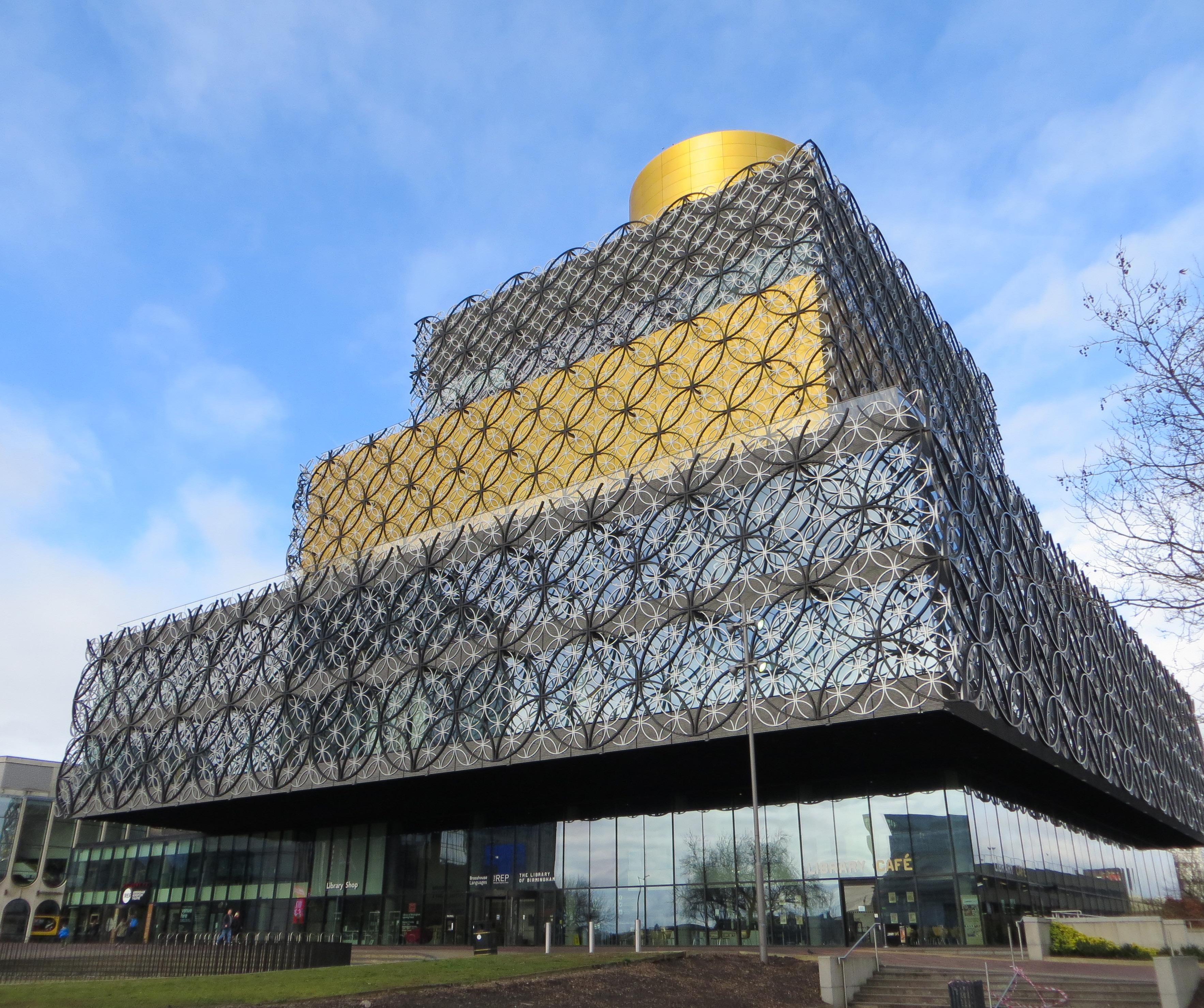

Demolition moves fast. The last thing you need is the perimeter holding you back.
City Hoardings delivers turnkey timber & printed hoardings and site compliant pedestrian and vehicle access, installed ahead of your programme, every time.