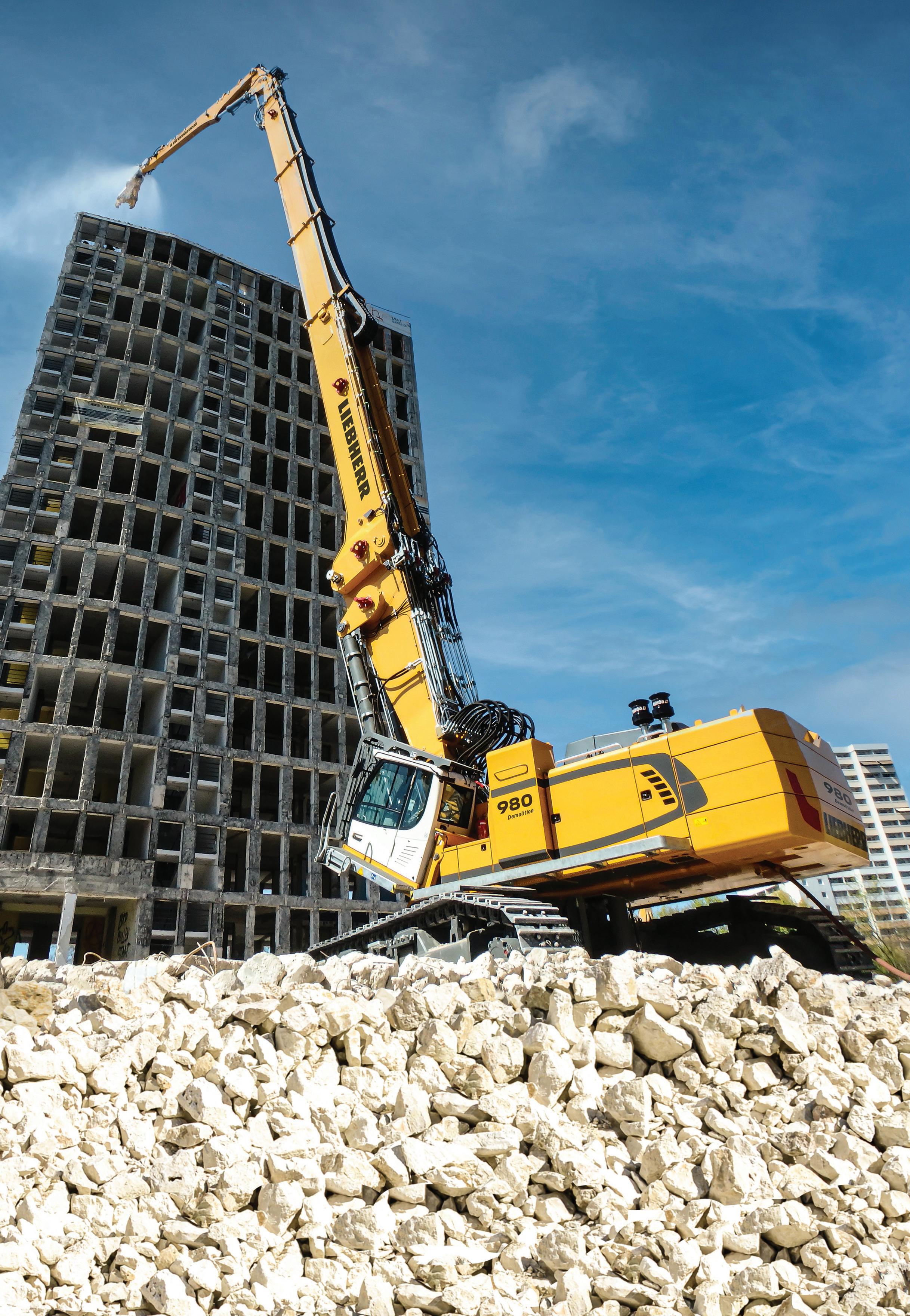
Liebherr’s range of high-reach demolition excavators equips customers with everything they need for a successful project. The full line-up is now available in a choice of configurations that allow you to work at even greater heights and with greater precision. Anywhere.
As we bring you this dedicated issue on crushers and screeners, it’s clear that material processing remains one of the most dynamic corners of the demolition industry. With demand rising for machines that not only perform to the highest standard but also deliver sustainability and versatility, manufacturers and operators alike are pushing boundaries across design, efficiency and application.
One of the biggest industry moments so far this year was CONEXPO-CON/ AGG 2026 in Las Vegas, where several major brands showcased their latest innovations, including MB Crusher who doubled their presence with two interactive demo zones to highlight heavy-duty attachments and compact crushers! And speaking of shows, we bring you the low down from one of the first big events of the year, The Executive Hire Show!
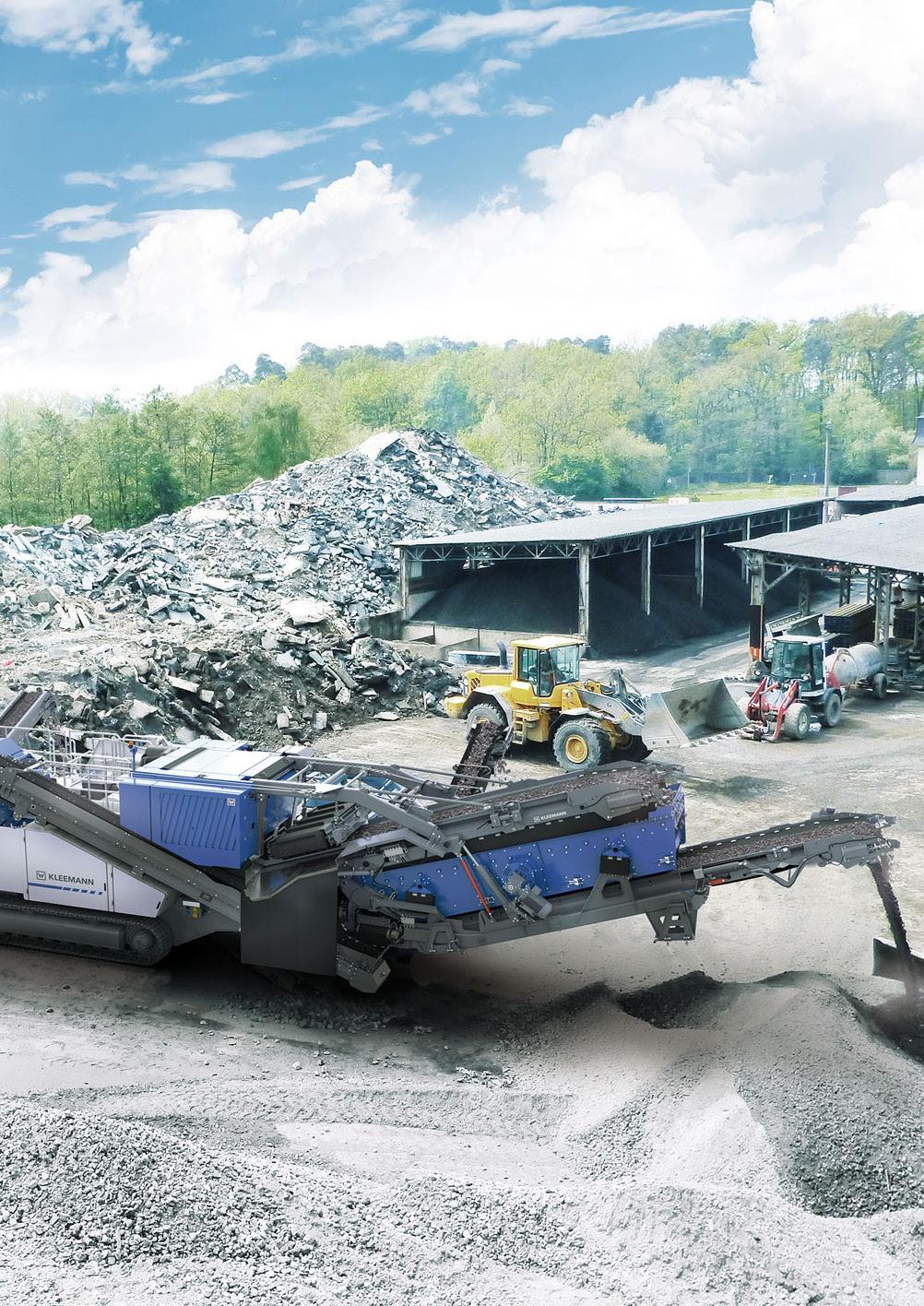
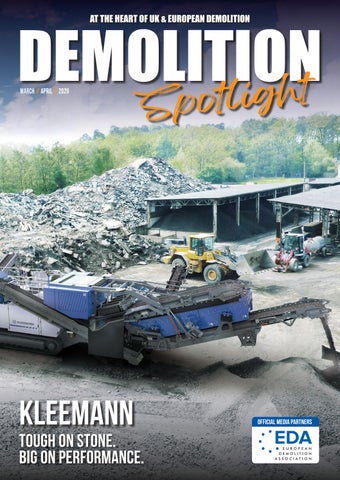
Showcasing their incredible innovations on our front cover is none other than Kleemann, who detail exactly why they might be the solution for you! Alongside the latest demolition news from INMALO, EDA and NFDC, we also have Case Studies from Liebherr and Marsh Machinery, as well as incredible feature articles from Paul Argent and Alex Cox.
This issue, we also decided to mix things up and look at a deeply emotive subject: The Didcot Demolition Disaster. 10 years on from an incident that cut the demolition industry to its core, we take a look at what we have learned from one of the longest ongoing investigations in the history of demolition.
Whether you’re interested in the latest mobile machines on the horizon or how crushers and screens are reshaping onsite recycling, this is an exciting time to be in the material processing business.
Happy reading!
Rebecca Phillips Managing Editor


is published by
Machine Power Media Ltd.
St Johns House, St Johns Street, Chichester, West Sussex, PO19 1UU 07779 405885
Machine Power Media Ltd.
© 2026 all rights reserved.
Reproduction in whole or part is prohibited except with permission in writing from the company.
Note to contributors: articles submitted to the Editor for consideration must be the original work of the author.
Where photographs are included that are not the property of the company or contributor, permission to reproduce them must have been received from the owner of the copyright. Any views or opinions expressed within this magazine are not necessarily those of the company. Registered in England No: 16081082
All advertisements are accepted subject to Machine Power Media’s standard of insertion.
For a copy of Advertising Terms & Conditions, please write to: Darren Shelton, Machine Power Media Ltd.
St Johns House, St Johns Street, Chichester, West Sussex, PO19 1UU
38 // Feature Article
How has the Didcot Disaster affected the community and what have we been able to learn from it?
8 // Latest news
The latest news from the plant machinery industry over the past two months.
28 // Feature Article
RP Jones Groundworks undertake a wide range of groundworks and construction work both locally and nationwide. Paul Argent 30 // review
A closer look at EHS 2026!
46 // case study
Alex Cox 50 // case study
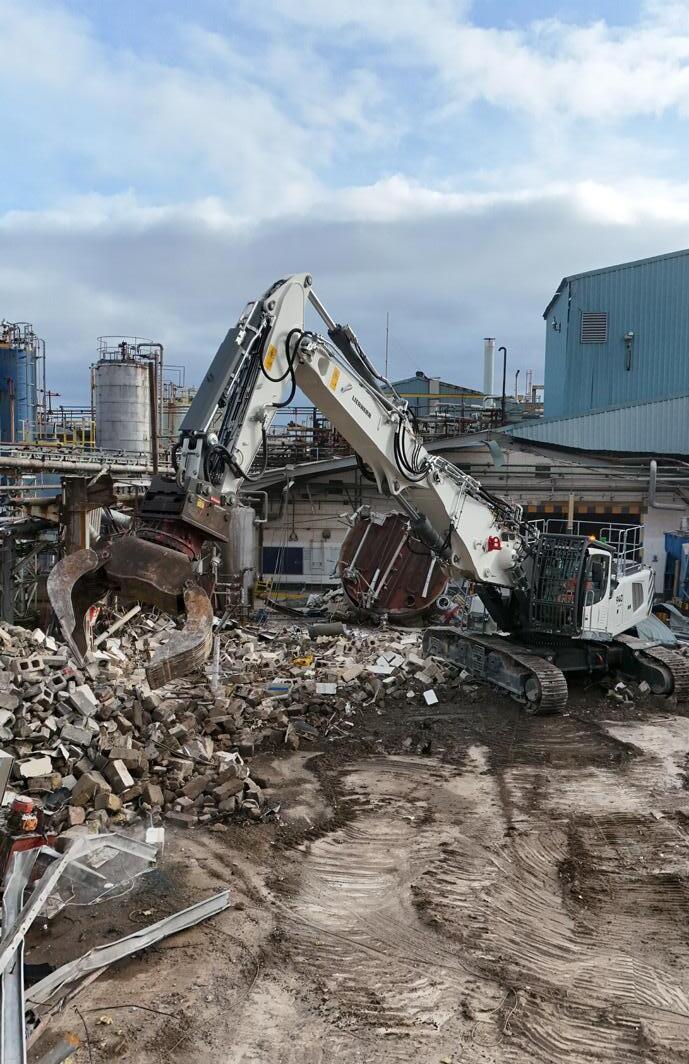
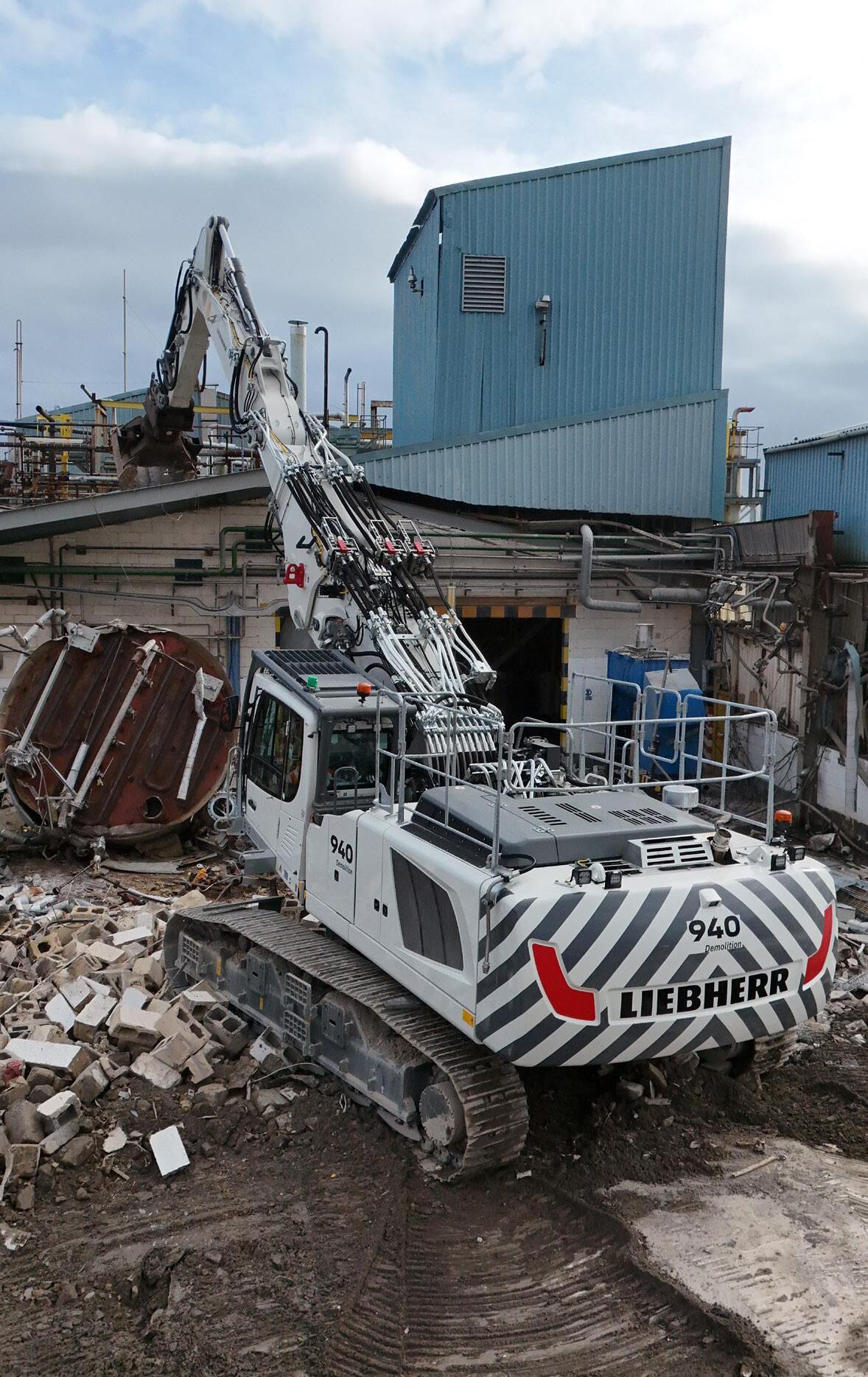
Burnley based Skillings Crushing has added the first R 940 Demolition machine to enter service in the UK
55 // case study
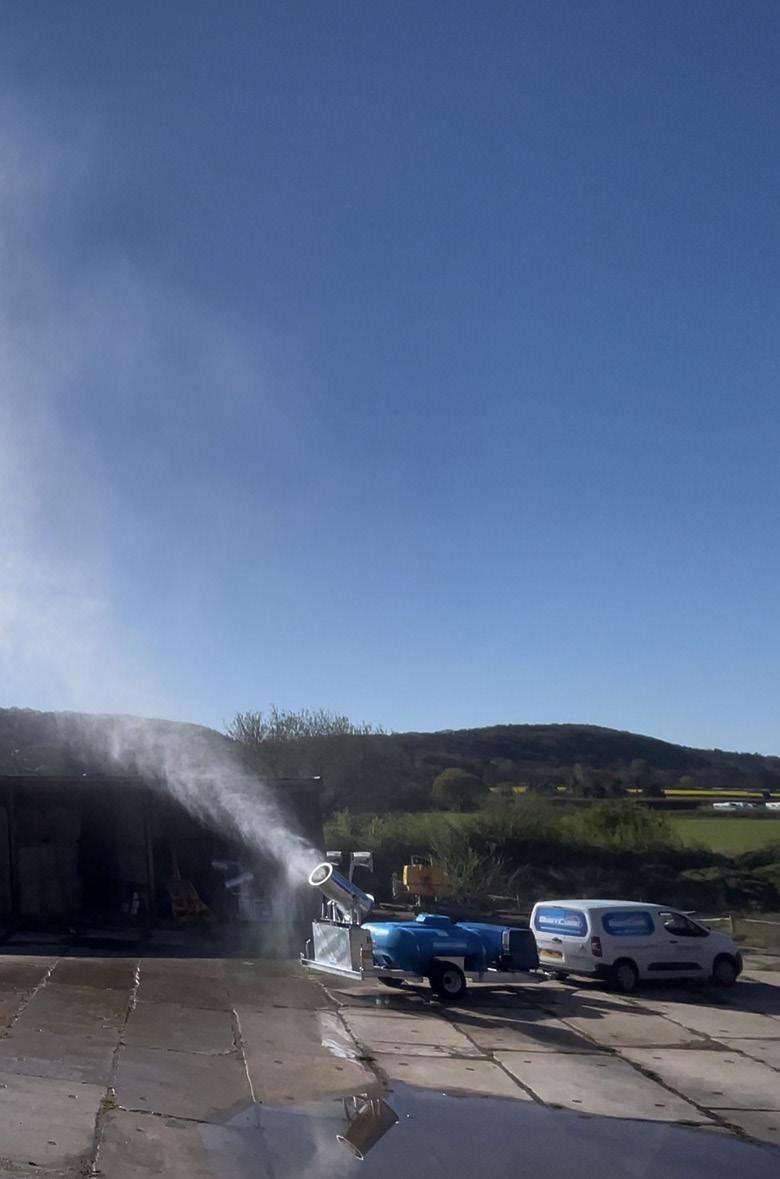
Capturing Smaller Airborne Dust Particles Using 20-Micron Atomised Water: Impact and Significance in Dust Suppression. 64 // Feature Article

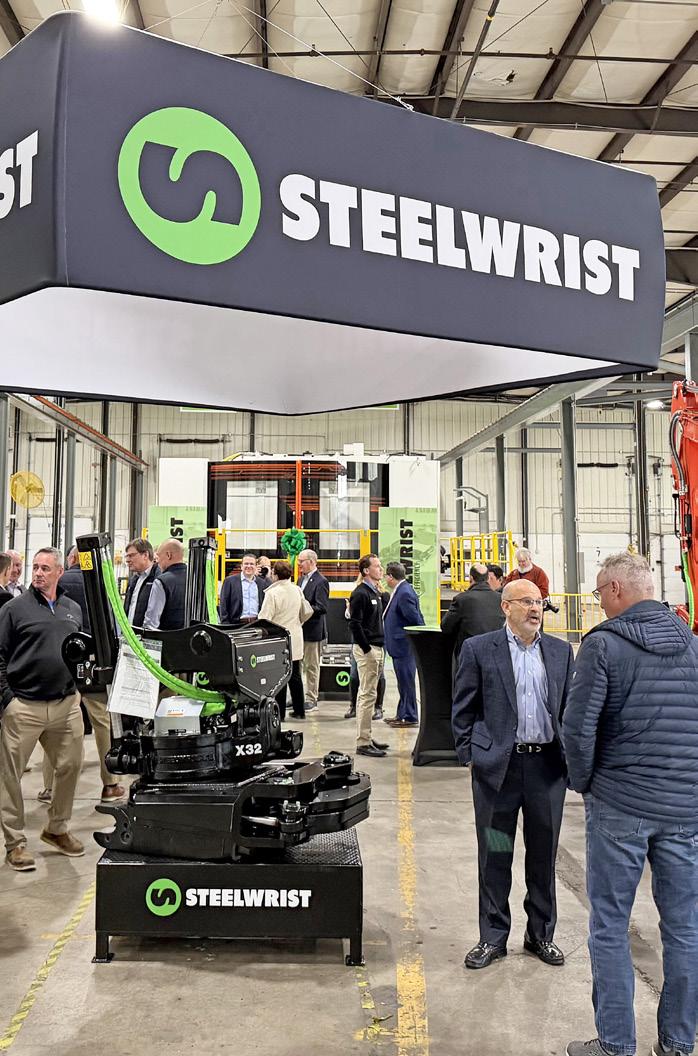
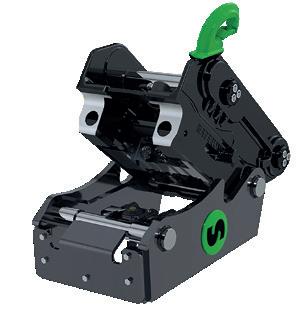
Steelwrist Expands North American Operations in Connecticut, Strengthening Local Assembly and Testing Capabilities.


DARREN SHELTON MANAGING DIRECTOR

CHRIS HART SENIOR SALES CONSULTANT

PHIL EVERY GROUP SALES DIRECTOR

CHARLOT LANE SENIOR SALES CONSULTANT

REBECCA PHILLIPS MANAGING EDITOR

MARTINA TONELLI MARKETING SPECIALIST
ALEX COX JOURNALIST & CONTENT CREATOR

STEVE WILSON DESIGN MANAGER
ALESSIA VALERIO MB CRUSHER
MELANIE HULL WIRTGEN GROUP LTD
LYNNE SALMON MARSH MACHINERY
SILVIA NAVARRO NFDC
ALEX COX FABLE KRAFT
PAULA CASTILLO EUROPEAN DEMOLITION ASSOCIATION
DAVID SHUTE INMALO
For all content related queries, contact editor@demolitionspotlight.co.uk
For all sales related queries, contact chris@machinepowermedia.co.uk
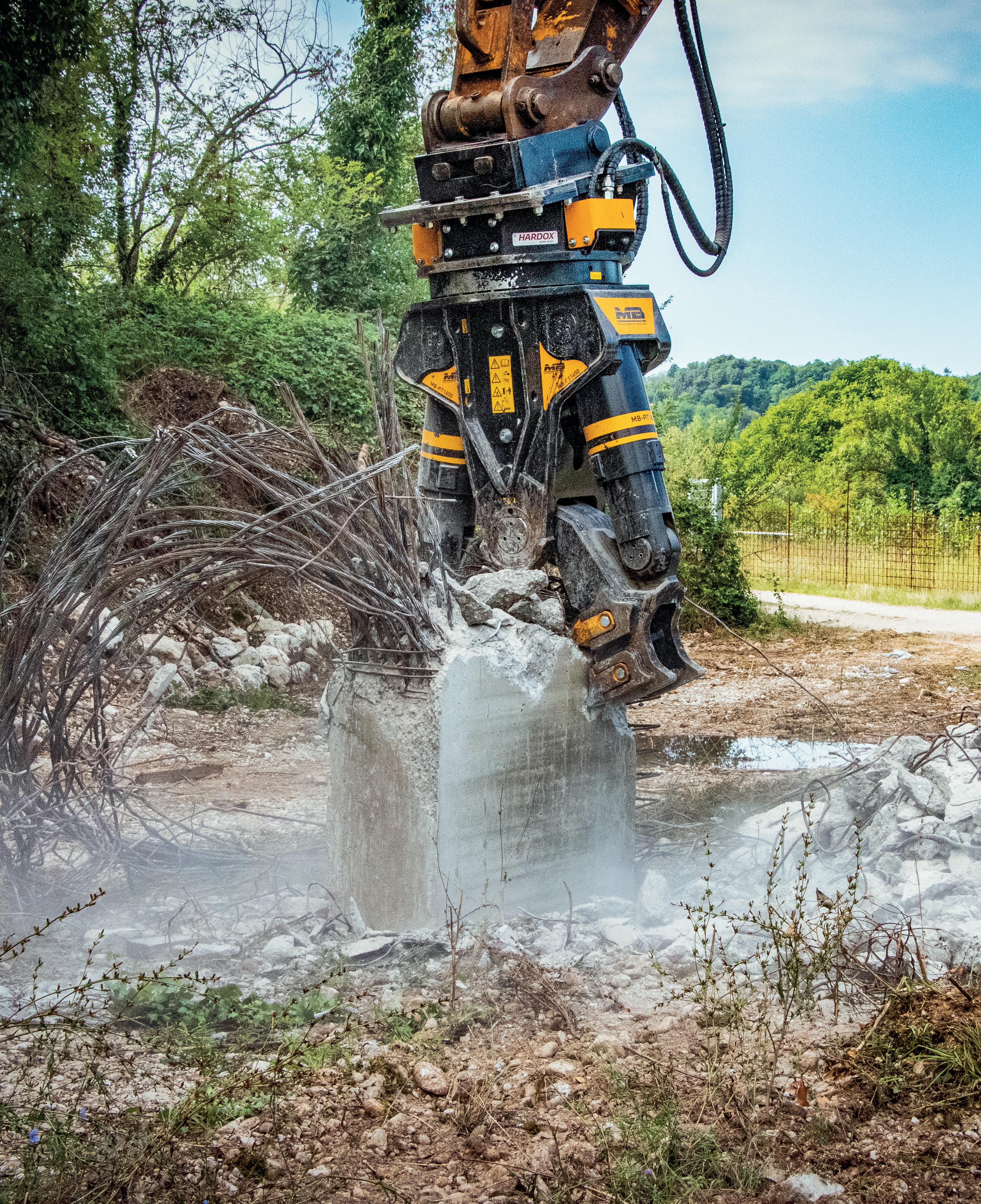

Recovering steel directly on site: the single cycle that compresses time, costs and operational steps
Demolition sites have a critical point that rarely appears in quotations yet directly affects margins: reinforcing steel, or rather, how it is managed.
When the process multiplies costs
For years, reinforced concrete treatment has been based on a fragmented sequence: demolition, transport, crushing and steel separation at external plants. A long, costly and logistically complex chain that brings extended timeframes, multiple handling stages and a gradual loss of material value.
On sites where reinforced materials are the norm, this setup directly impacts contract profitability.
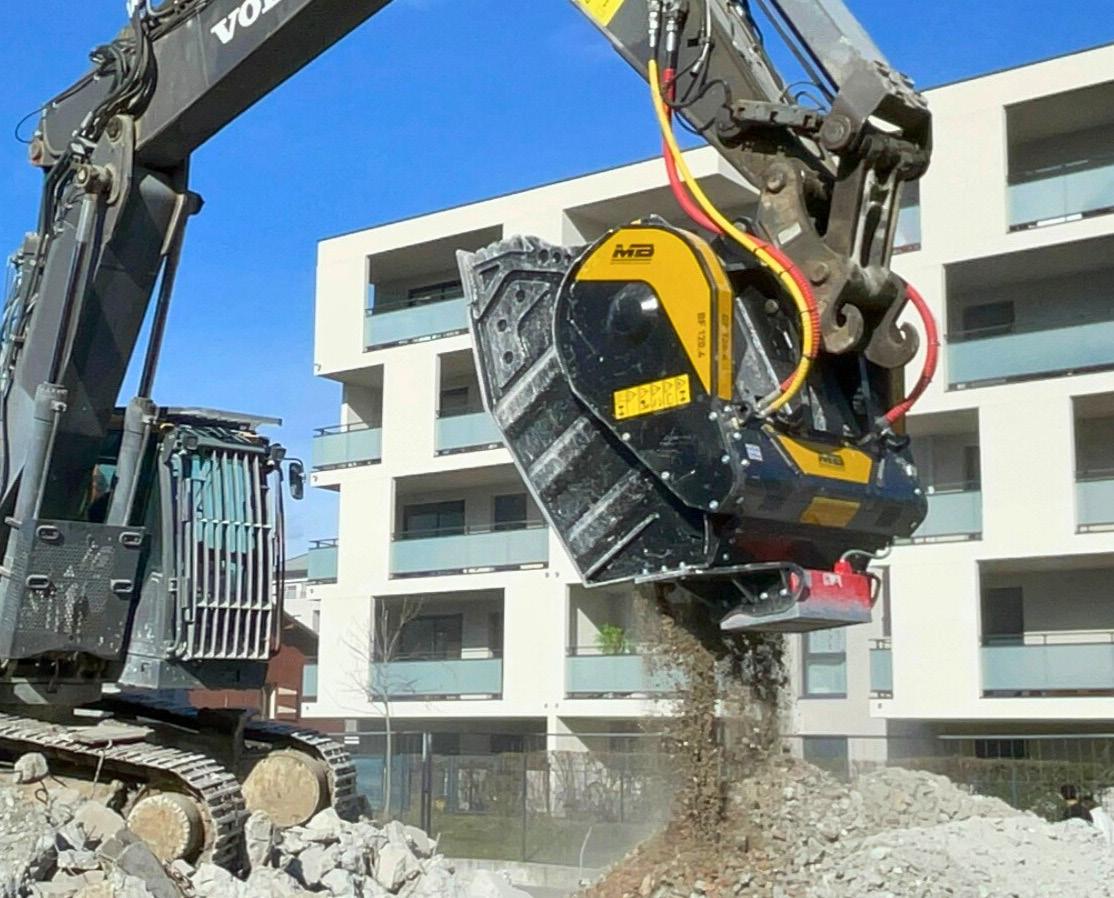
A single operation instead of three MB Crusher proposes a different approach: with a jaw crusher fitted with a 24 V iron separator, demolition materials can be crushed and steel recovered directly on site, reducing numerous stages to just one.
At the output, two distinct streams: clean aggregate ready for reuse and recovered steel destined for the recycling chain. This is not about adding another machine, but about eliminating unnecessary and costly steps.
European sites: when the single cycle works
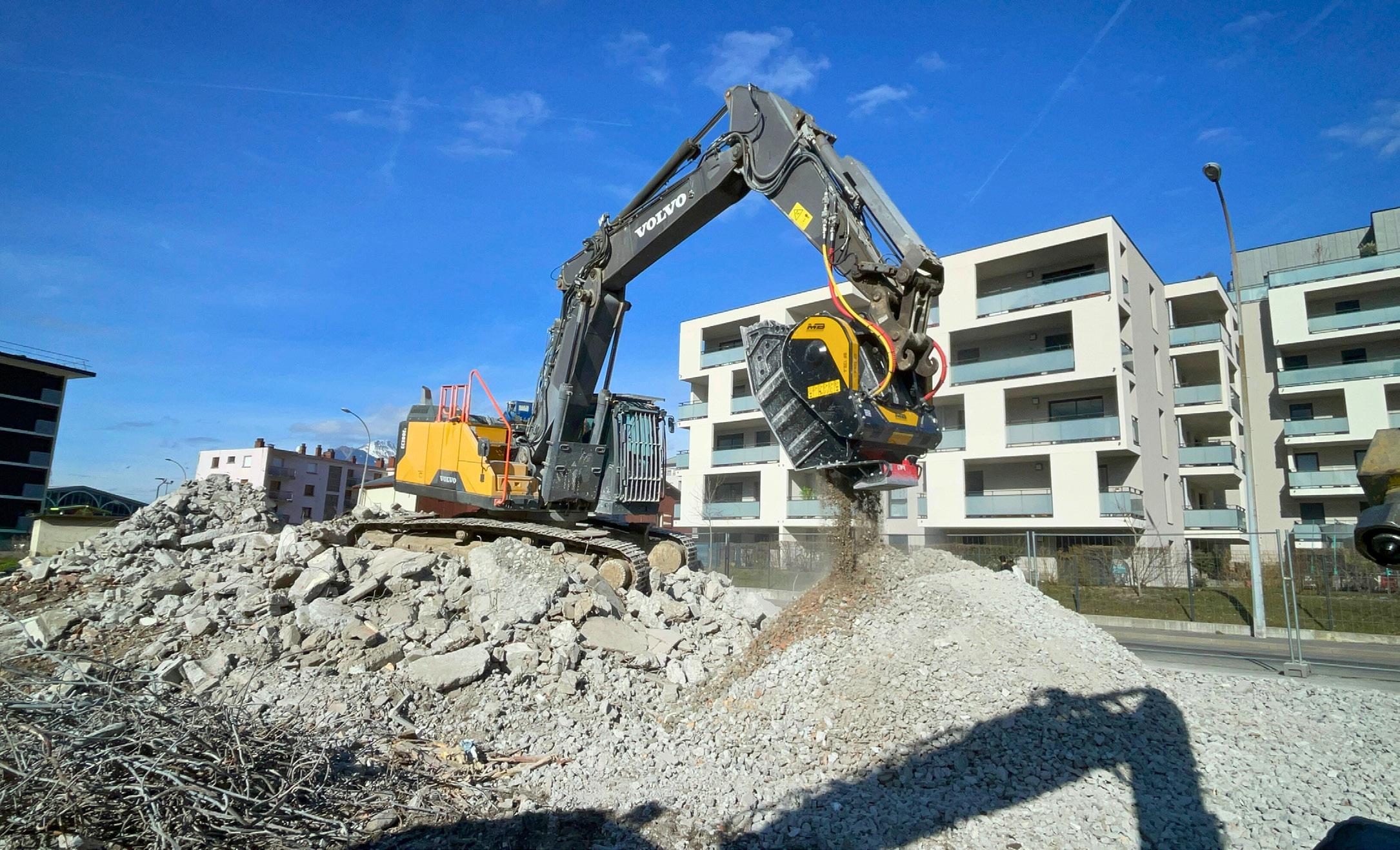
In Sweden, one of our clients operating in the demolition sector processes reinforced concrete using the BF90.3 crusher bucket. The equipment allows material to be crushed directly on site, while the integrated iron separates the rebar. In this way, not only is the volume to be handled reduced, but a quality aggregate ready for reuse is also obtained, turning a problematic material into a tangible resource.
https://vimeo.
com/1042906332?share=copy
In Arad, western Romania, the demolition of a former industrial plant follows the same logic: no material left the site perimeter. Reinforced concrete was crushed, again using a jaw crusher, separated on site and reused 100%, while the recovered steel became an active balance-sheet item.
https://vimeo.
com/960190160?share=copy
Finally, in Alta Savoia, on a residential site with limited space, the single cycle made it possible to avoid transport and intermediate stages. The material crushed by a BF120.4 crusher bucket,
cleared of ferrous components, was immediately reused for preparing new foundations.
https://vimeo. com/927091011?share=copy
Recovering steel to protect margins and timelines
Separating steel at the very moment the material is processed means drastically shortening timeframes while preserving the quality of recycled aggregate. The crushed material remains on site, ready to be reused. Scrap metal, meanwhile, becomes a resource that can be monetised. The advantage is not only environmental, but also operational and economic.
From technical choice to operating standard
In a market where time and margins are increasingly compressed, the difference is not made by those who move more, but by those who eliminate superfluous steps. Recovering steel directly on site is becoming an operating standard for companies that want to maintain control over costs and timing.
Today the question is no longer whether to recover scrap metal? The question is: how much does it cost not to?
DYNASET has been working for a better world of machinery for 40 years. During that time the company has been creating unique and innovative solutions to improve the productivity of customers’ machinery. Last year, DYNASET brought a new generation electric product family to the market to meet the evolving needs of the machinery industry. These products are engineered for superior performance and reliability, enhancing productivity across the industries. One of the product family members is a dust suppression system for electricpowered work machines.
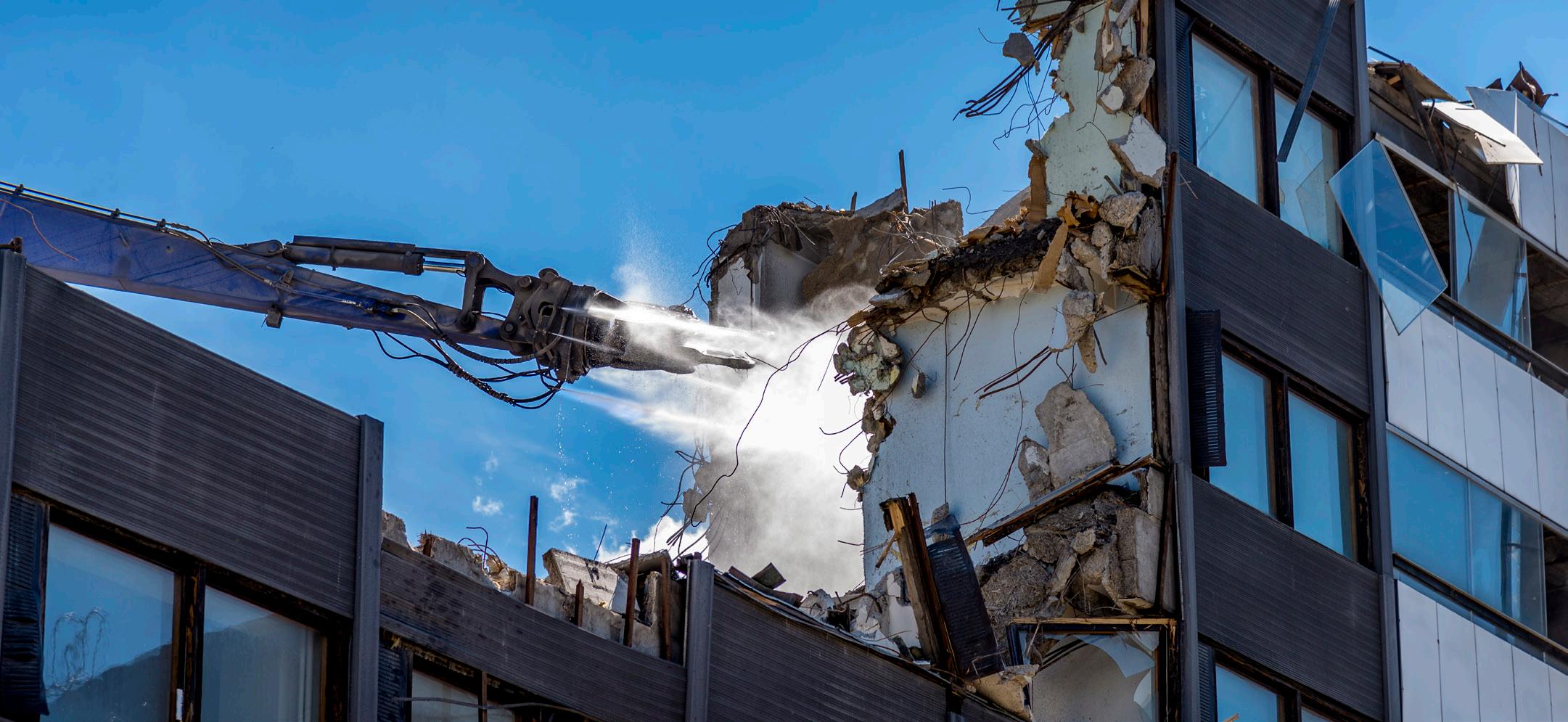
As urban landscapes continually evolve, demolition activities have become a common sight in cities worldwide. Yet the environmental and health impacts associated with these operations require a need for effective dust control.
DYNASET EPW-DUST High Pressure Dust Suppression System is specifically designed for electrical machinery. With options for both AC and DC power ranges, this system provides versatile dust suppression solutions for mobile and static applications alike. Combining advanced technology with practical design, the EPW-DUST system is engineered to meet the demands of modern industrial operations.
The EPW-DUST High Pressure Dust Suppression System harnesses the power of the DYNASET EPW Electric High Pressure Water Pump, transforming electric energy into a high-pressure
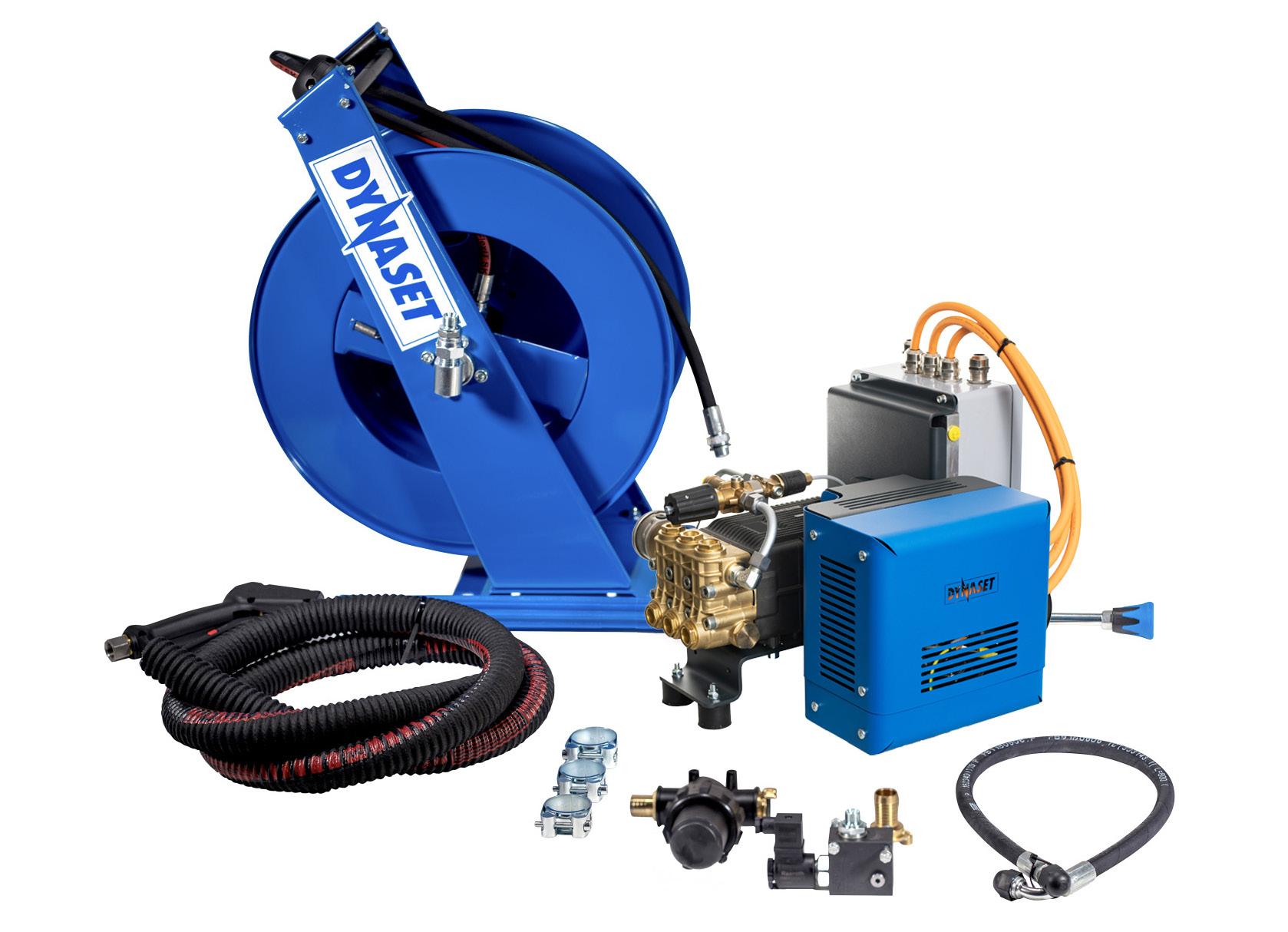
water mist. Designed for maximum efficiency, the system is enhanced with specialized components tailored for effective dust suppression. Through precision-engineered nozzles, the water is atomized into a fine mist, capturing and neutralizing dust particles directly at their source.
DYNASET offers dust suppression solutions in both DC and AC versions to meet different application needs: The DC version is ideal for dust suppression in mobile work machines, such as electric excavators. The AC version is designed for stationary applications, such as dust suppression in crushers.
By offering both AC and DC power options, the EPW-DUST High Pressure Dust Suppression System adapts seamlessly to a variety of work environments. It integrates easily into mobile equipment, such as electric
excavators, and fixed installations, like crushers. Its compact design and dependable performance make it suitable for industries including mining, construction, demolition, material processing, and waste management. With robust materials and IP-rated components, the EPW-DUST system is built for consistent performance, even in the most demanding conditions.
The EPW-DUST system combines electric operation, efficiency, and easy integration, providing a reliable dust control solution for both mobile and stationary work environments. Whether managing dust in dynamic operations or stationary setups, the EPW-DUST High Pressure Dust Suppression System offers a reliable and efficient solution. Its flexibility and adaptability make it an invaluable tool for modern industries embracing the electrification of machinery.
In an industry defined by constant change, few companies can claim eight decades of continuous service. In 2026, INMALO marks 80 years of supporting the demolition, construction and waste recycling sectors — a milestone built on family values, trusted partnerships and an unwavering commitment to service and reliability.
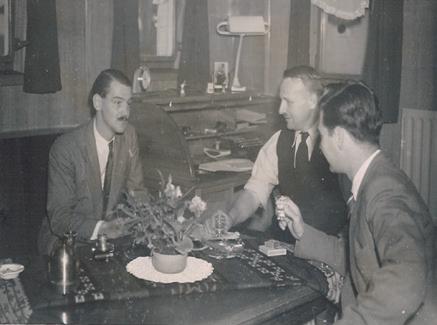
INMALO’s story began in 1946, when Lt. Col. Arnost Polak, served in the Free Czechoslovakian Air Force within the RAF during the Second World War. With Britain’s cities scarred by war, the demand for earthmoving and demolition equipment was immediate and urgent. Arnost recognised the opportunity and founded International Marketers (London) Ltd — INMALO.
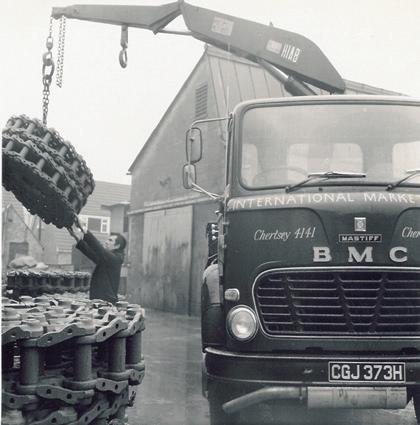
From modest beginnings operating out of a living room, the business expanded rapidly. As the demolition industry evolved, so too did INMALO, establishing a purpose-built warehouse in Chertsey. The company’s early focus on undercarriage systems expanded into demolition equipment, reflecting the changing needs of contractors on site.

The arrival of John Polak in 1975 marked a pivotal chapter. As demolition techniques advanced and hydraulic technology transformed the sector INMALO adapted, expanding its product offering to meet the growing complexity of demolition projects. The company remained firmly independent and familyowned — a rare constant in an industry experiencing consolidation and rapid technological change.
The third generation joined the business in 2011, when Charles Polak came on board. With a strong focus on product quality and manufacturer relationships, Charles helped further expand INMALO’s attachment range while responding to increasing scrutiny around health, safety and environmental performance. Dust suppression, once a secondary consideration, became central to safe demolition practices and INMALO emerged as a UK specialist in dust control solutions.
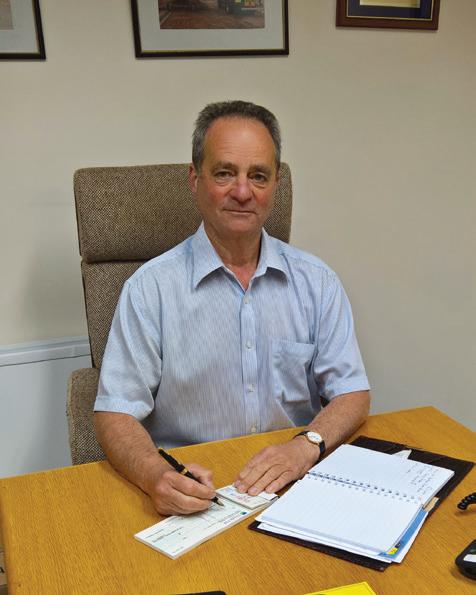
In 2025, after 50 years in the business, John Polak stepped back, passing leadership to Charles as Managing Director. Today, INMALO remains a well-established and respected supplier, known not just for the equipment it provides, but for the support and service that follows.
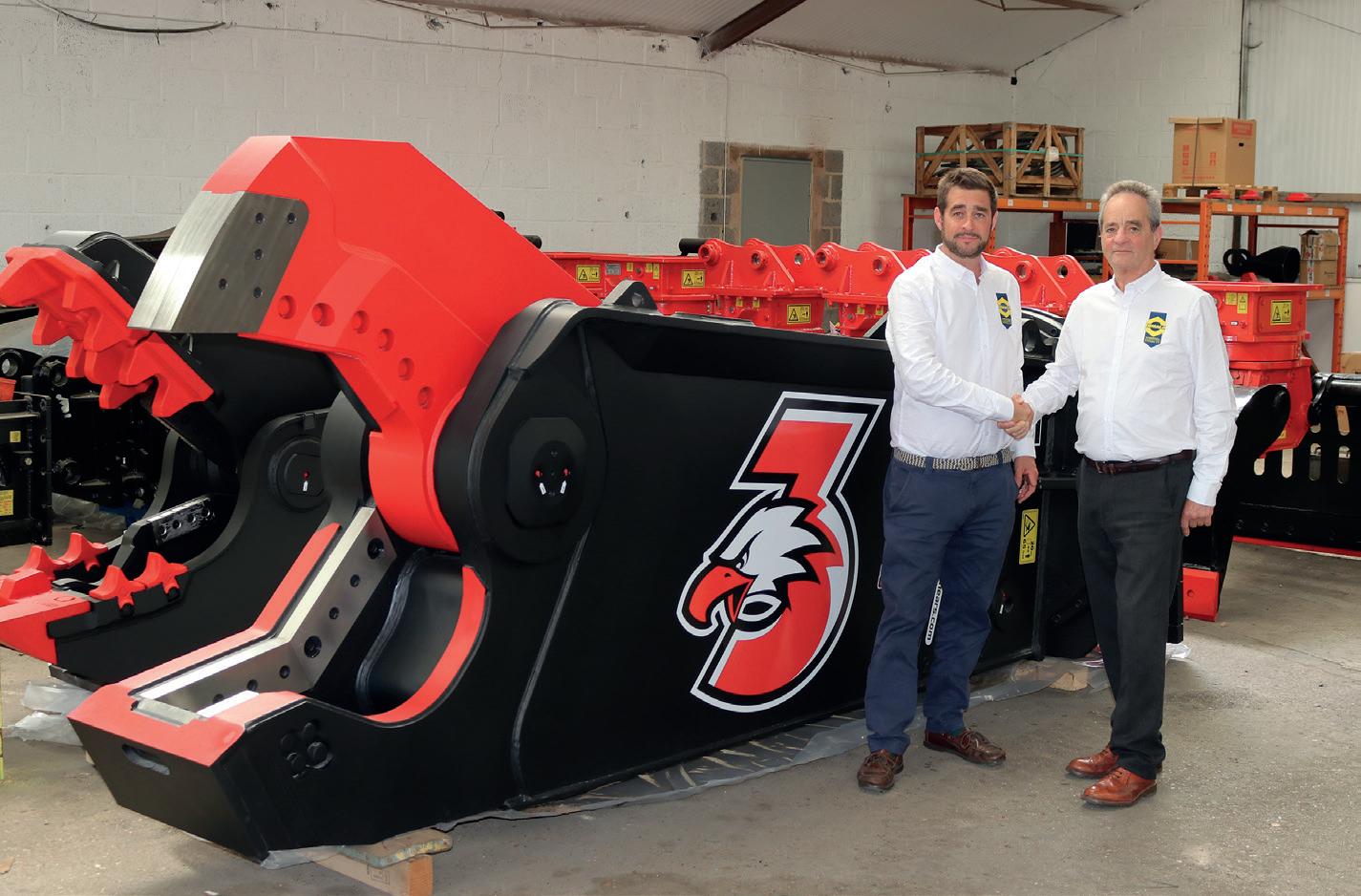
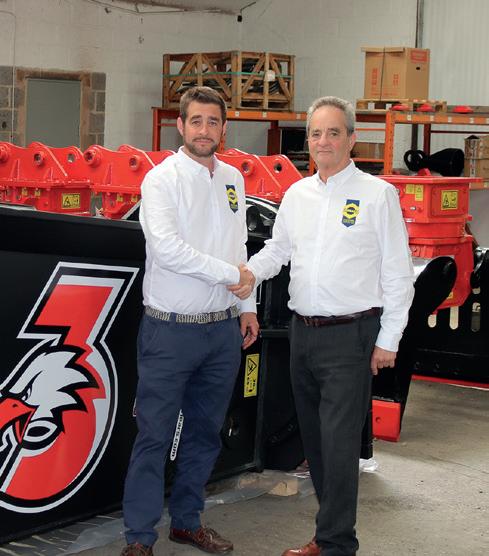
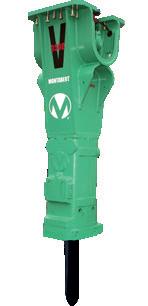
Long-standing partnerships with manufacturers such as Mantovanibenne, Montabert, Leotech and GI-DA underpin the company’s reputation. With over 25 years as a Mantovanibenne dealer, INMALO continues to lead the field in attachment performance, productivity and reliability, backed by training, service and aftersales support.

With a large attachment and dust suppression hire fleet, significant stock holdings and an experienced team, INMALO remains focused on what it has always done best, enabling contractors to perform difficult jobs more efficiently and safely.
Eighty years on, the company’s values remain unchanged. As Charles Polak looks ahead, the mission is clear: honour the past, support the industry today, and build a business ready for the next generation.
“We’re incredibly proud of our history, but even more excited about the future,” says Charles Polak. “Our focus remains exactly where it’s always been — supporting our customers with robust equipment, expert knowledge and dependable service.”







Alkaline waters are a common and persistent challenge in demolition and land remediation. When water contacts cementitious materials, limestabilised soils, or demolition trommel fines, pH levels can rapidly exceed regulatory discharge limits—often rising above pH 12.
Such elevated alkalinity threatens receiving waters, disturbing soil chemistry, and downstream treatment systems. For environmental engineers, managing high-pH effluent is therefore not simply a matter of compliance; it is central to robust risk control and sustainable site design.
Mineral acid neutralisation remains widespread and technically effective, yet it introduces operational constraints. Hazardous storage and handling, corrosion of plant and pipework, dosing inaccuracies, and the need for trained operatives can complicate deployment on fast-moving industrial sites. These factors increase health and safety exposure and risk undermining otherwise well-structured environmental management strategies.
CO₂-based neutralization systems are increasingly recognised as a bestpractice alternative. By dissolving carbon
dioxide into alkaline water, CO₂ forms carbonic acid, providing controlled, self-buffering pH reduction, eliminates the risk of over-neutralisation below environmental threshold and supports the use of automated, continuous treatment systems, well suited to the variable flow regimes typical of remediation works.
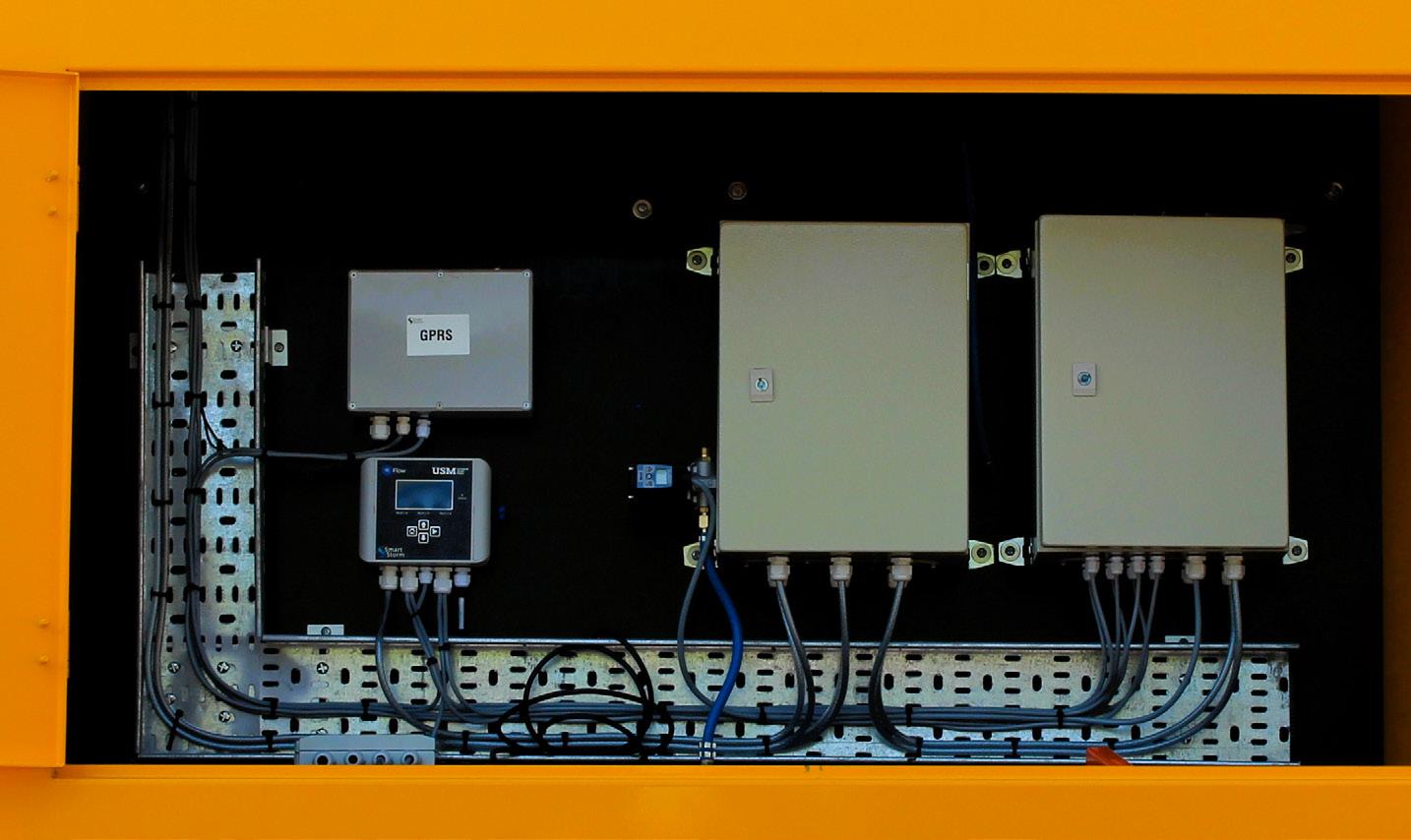
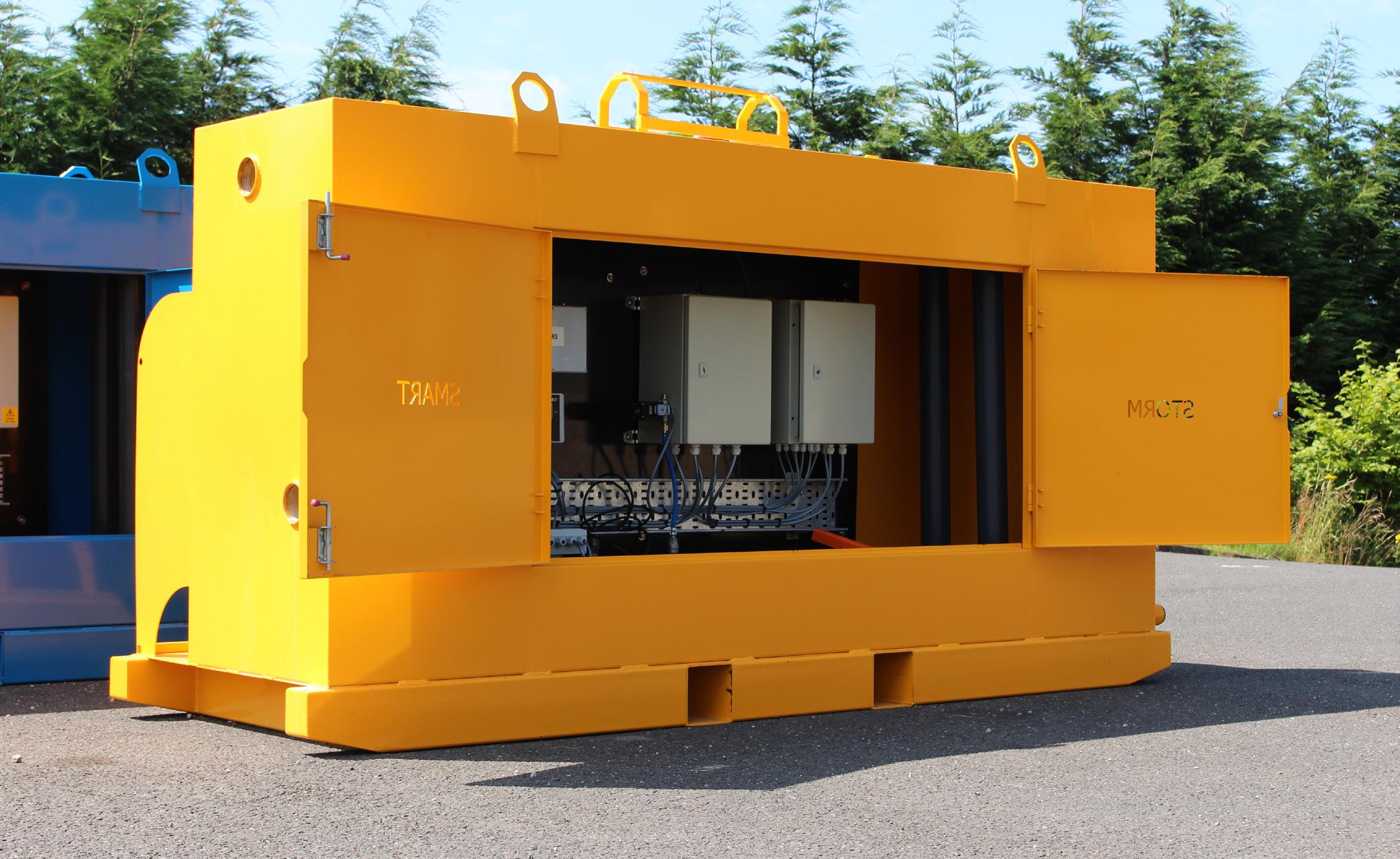
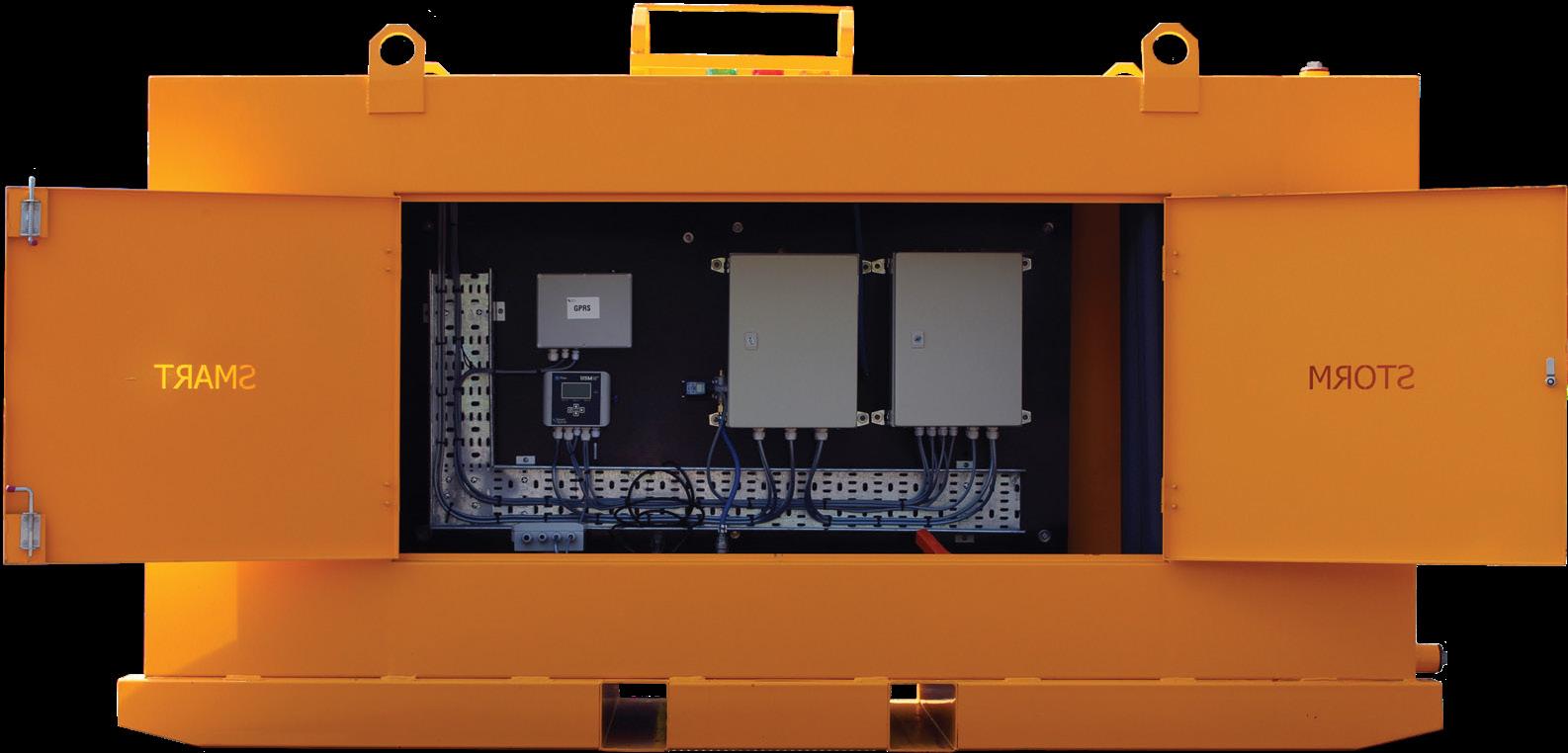
Systems such as the Smart Storm Industrial Neutralizer, a mobile, inline, CO₂ pH balancer, offer modular deployment, and seamless integration with settlement or filtration controls.
Early adoption enhances compliance certainty, reduces safety risks, and supports more resilient, sustainable remediation outcomes for brownfield remediation programmes.
• Unit has a flow meter
• pH meter
• Suspended solids meter
So you can monitor any site discharges.
+44 (0)1422 363462 enquiries@smartstormgroup.com www.smartstormgroup.com
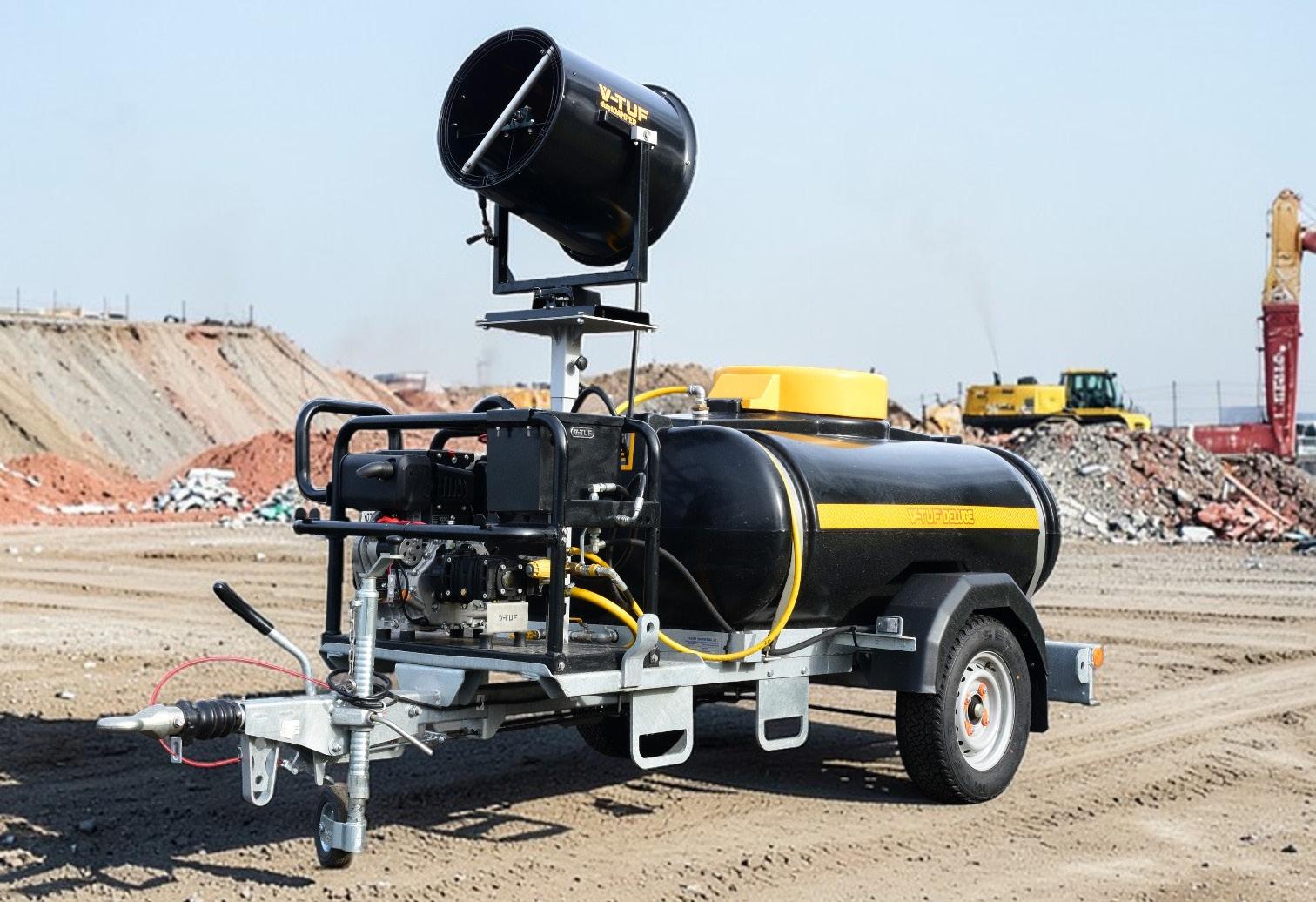
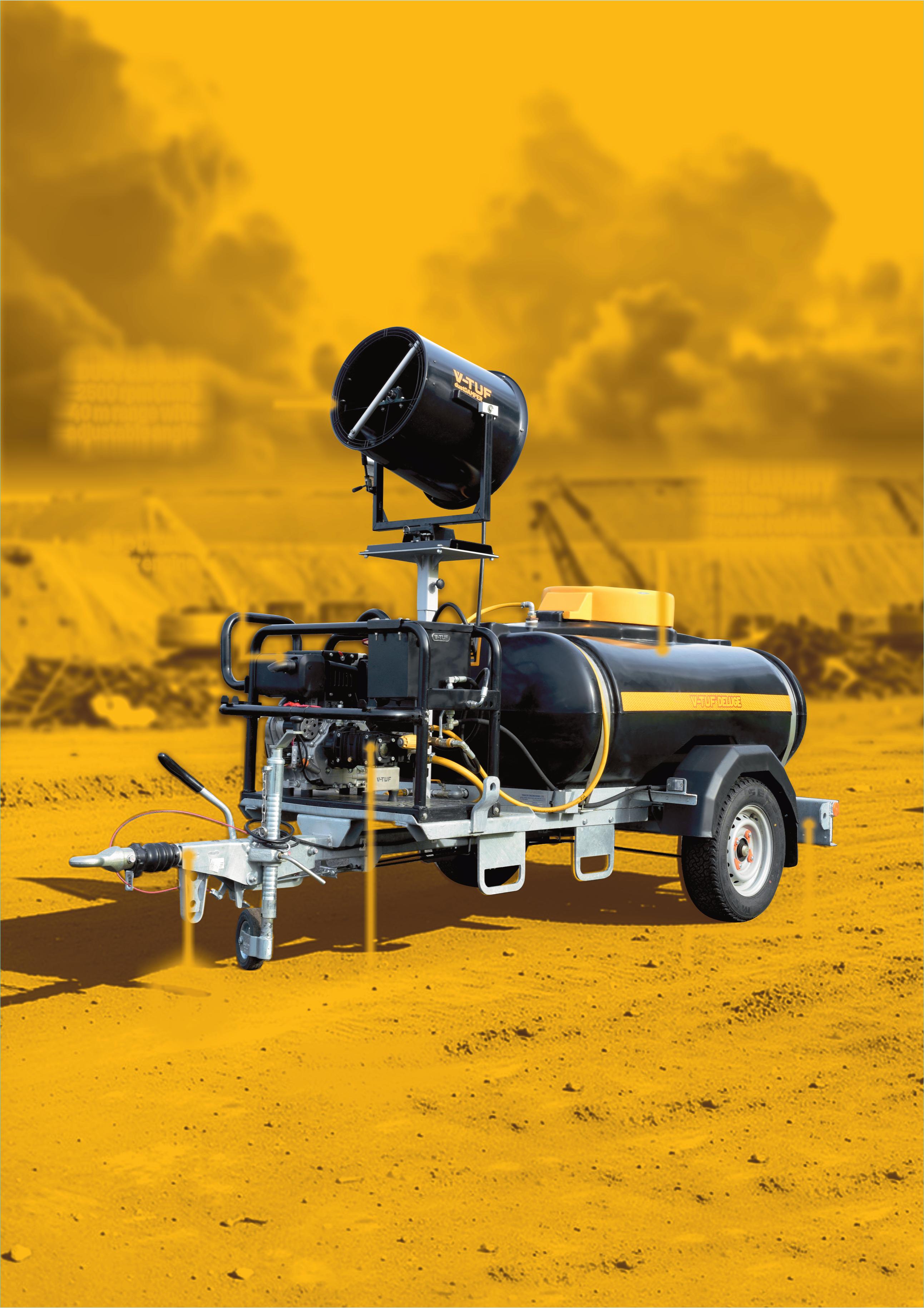
As part of their ongoing commitment to tackle airborne dust, V-TUF have unveiled their next evolution in rugged, hireready dust suppression – the DELUGE DSC. Engineered to give contractors a tougher, smarter and more mobile solution for on-site dust control.
On busy construction and demolition sites, dust isn’t just a nuisance, it’s a serious health, environmental and regulatory challenge that demands serious management. From earthworks and material handling to demolition and regrading, airborne dust particles can travel great distances, reduce site visibility, aggravate respiratory conditions and breach strict environmental standards. Ensuring effective dust suppression is more than just responsible site management, it’s a competitive advantage that protects workers, equipment, neighbouring communities and a project’s bottom line.
Construction-generated dust can contain a wide range of particulates, from harmless soil to crystalline silica and heavy minerals that are hazardous when inhaled. Prolonged exposure to fine dust is linked to respiratory disease, reduced lung function and increased absenteeism among workers; risks that are now being heavily regulated on UK sites.
Recognising this pressing industry need, V-TUF developed the DELUGE DSC, a mobile dust suppression solution that combines powerful water delivery and high-pressure cleaning with advanced dust control in one rugged package. At its core, the V TUF DELUGE DSC is built around a 1125 litre trailer bowser pressure washer, combined with an integrated dust suppression system, tailored specifically for the outdoor construction and demolition sectors.
The base unit starts with a heavy-duty, hot-dipped galvanised T-frame trailer chassis and a 1125-litre high-density polyethylene water tank with internal baffling for safe towing across rough terrain. Powered by a Yanmar diesel engine and gearbox-driven 200 bar pressure washer, 15 L/min industrial pump, the DSC delivers sustained cleaning power for site equipment, vehicles and surfaces. Forklift pockets, auto-reverse braking and full highwayready lighting make it perfect for hire fleets as well as long-term rental fleets.
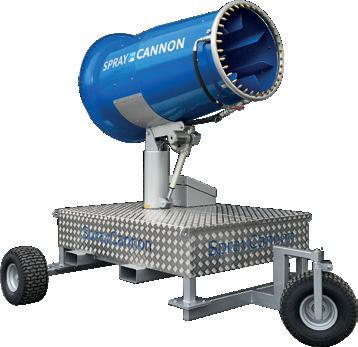
Where the DSC truly stands out is its dust suppression integration, mounted with a rear spray bar for ground-wetting and a dust suppression cannon for wide area. Operating effectively in a minimum pressure range of around 15–30 MPa
with comparable flow rates, this cannon sprays a high-velocity mist that captures fine airborne dust and drives it to the ground before it can disperse further.
Capable of spraying up to 20–40 metres depending on configuration and site conditions, the dust suppression cannon features a 360° adjustable base and up to 60° pitch angle, making it ideal for targeting dust near breaking walls, stockpiles and vehicle motion corridors.
By integrating high-pressure water delivery with strategic misting and dust control capabilities, the V-TUF Deluge DSC offers a highly flexible and mobile dust suppression platform. Whether tackling demolition dust, implementing environmental controls during excavation, or conditioning stockpiles prior to removal, this all-inone solution helps contractors meet both performance and compliance goals with confidence.
In an era where occupational health, environmental stewardship and efficiency intersect, smart dust management is more crucial than ever before, and with the V-TUF DELUGE DSC, sites can now deploy a robust tool that addresses these needs head-on.

In a world where construction sites are becoming more complex, flexible locations and demands for efficiency and performance are higher than ever, so you need partners you can rely on!
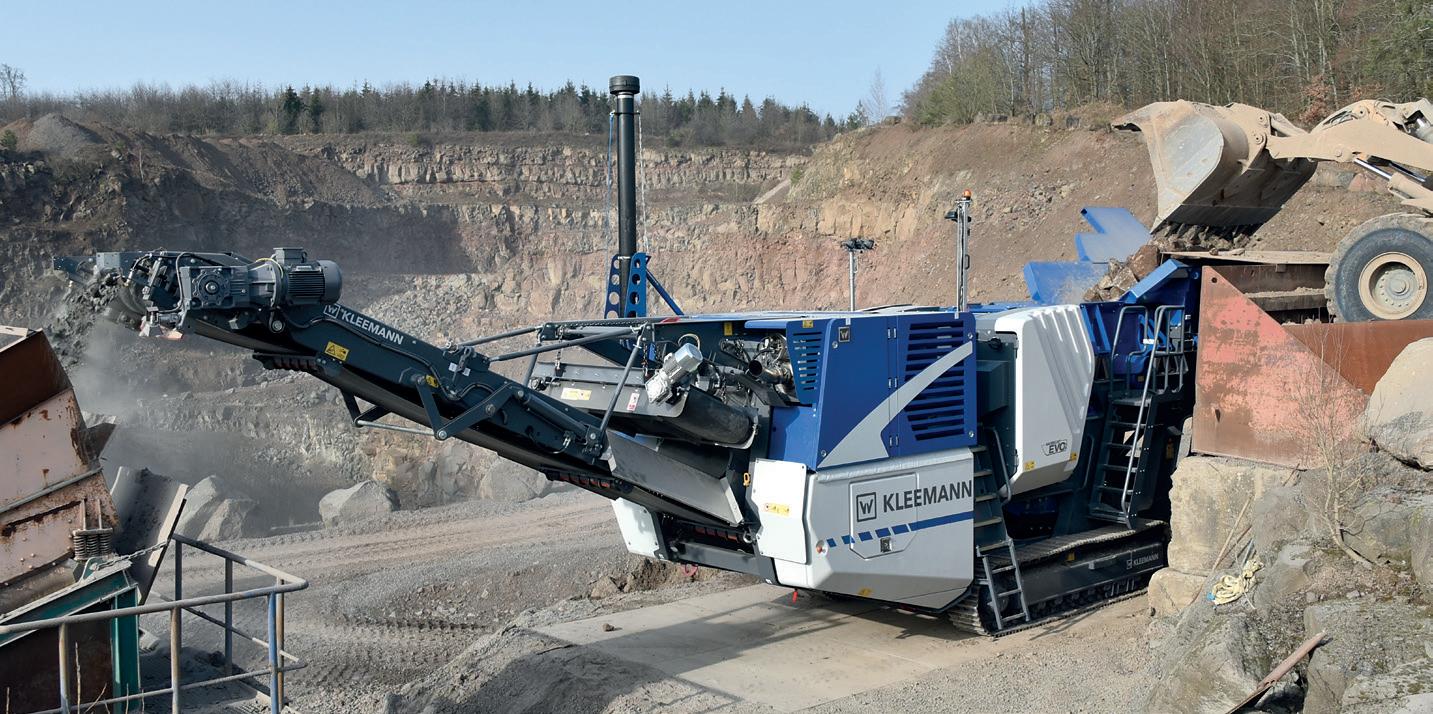
For decades, KLEEMANN has stood for precisely that: technological expertise, innovative strength and high quality in the processing of natural stone and recycled materials. With our extensive range of mobile jaw, cone and impact crushers, screening plants and stackers, we can offer machines that are perfectly matched and develop their full potential when working together, to achieve the best results on every project.
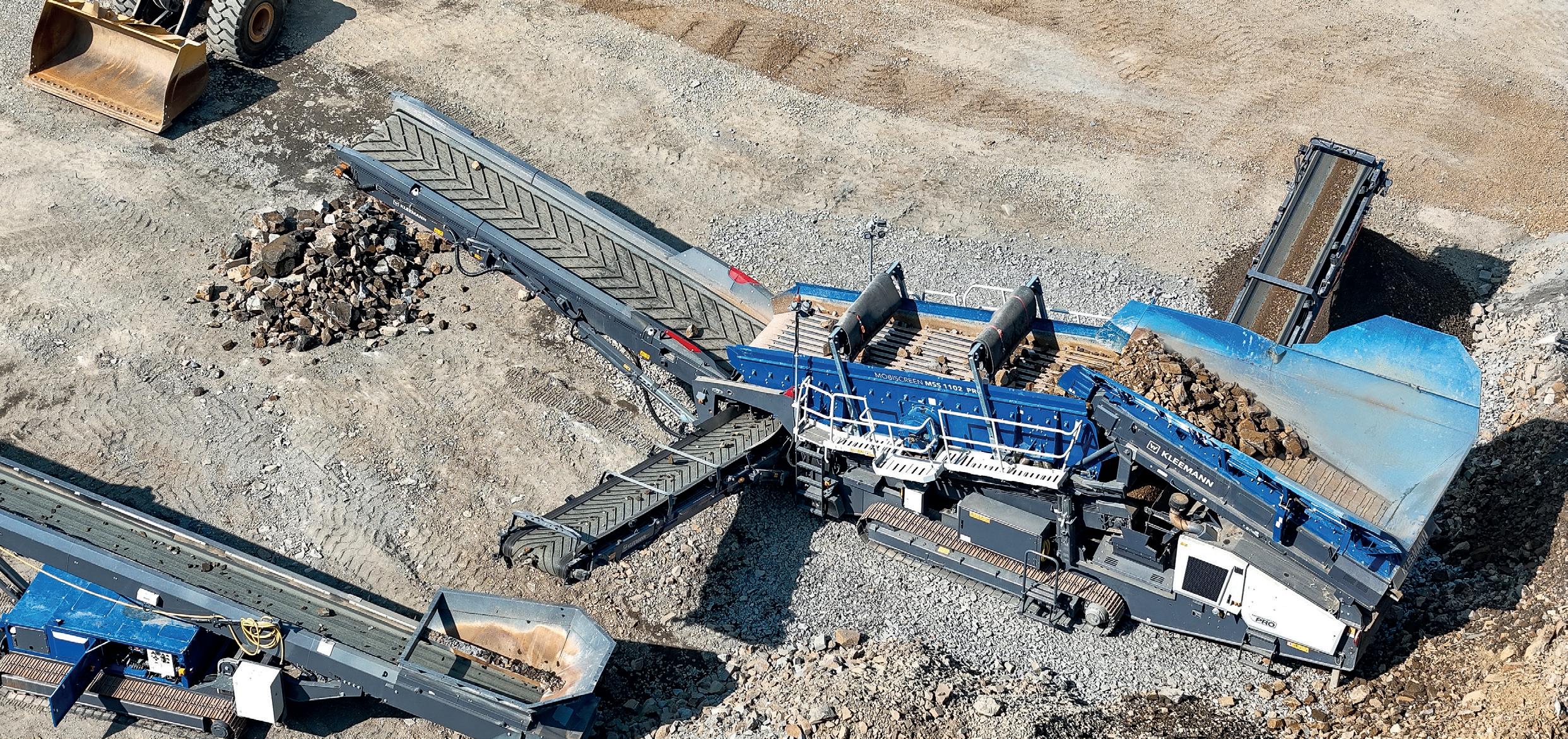
A striking example of this is the new MOBISCREEN MSS 1102 PRO – a mobile coarse screening plant that demonstrates how modern screening technology can be implemented today. It combines high performance with ease of operation and excellent ergonomics, which makes everyday work much easier. Thanks to the optional dual-power drive, purely electric operation is also possible.
With a wide range of screening media and flexibly adjustable screening parameters, the MSS 1102 PRO is perfectly equipped for a variety of applications. The intuitive plant control also reduces the risk of operating errors and contributes to increased work safety. As the newest member of the coarse screening product family, the MSS 1102 PRO together with the other members, covers a very wide range of applications in material processing.
The MOBIREX MR 100 NEOe mobile impact crusher also sets important standards in the compact class. As the first model in the NEO line, it is characterised by its compact design, low transport weight and high flexibility –features that are particularly advantageous in confined spaces or when frequently changing locations. Whether working with construction waste, concrete, asphalt or soft to medium-hard natural stone, the MR 100 NEOe illustrates how versatile mobile impact crushers can be in everyday material processing.
A fully hydraulic gap adjustment and overload system, a powerful 4-ledged rotor and the reduced and intuitive SPECTIVE operating unit support efficient and safe operation. The E-DRIVE version also enables economical and low-emission operation.
With the MOBICAT MC 110 EVO2, the KLEEMANN portfolio includes a mobile jaw crusher that combines an intelligent operating concept with high efficiency. The plant is used for pre-crushing almost all natural rocks in numerous recycling applications. Compact dimensions,
efficient pre-screening, simple operation via SPECTIVE and impressive production capacities characterise this efficient key player.
SPECTIVE CONNECT also provides the operator with all essential information at any time on their smartphone or tablet. Innovative control and overload systems, the Continuous Feed System and the independently vibrating double-deck prescreen help to optimise material flow and significantly increase the availability and overall performance of the jaw crusher.
The examples from the current portfolio show how diverse the requirements in material processing can be – and how precisely the corresponding solutions are tailored to them. This is exactly what sets KLEEMANN apart - practical technology that supports operators in their everyday work and paves the way for an efficient future in material processing.
For more information please contact: Wirtgen Limited 03452 412770
Sales.gb@wirtgen-group.com www.wirtgen-group.com/gb
That is our mission, as we continue to deliver our quality assured, safe and, environmentally conscious demolition and decommissioning services around the world.
Whilst we are proud to be at the forefront of Health and Safety in our industry, we are always striving to go that one step further. Through our initiatives, such as Safe Hands, we are committed to backing up the company ethos, to further train and educate individuals regarding Health and Safety practice.
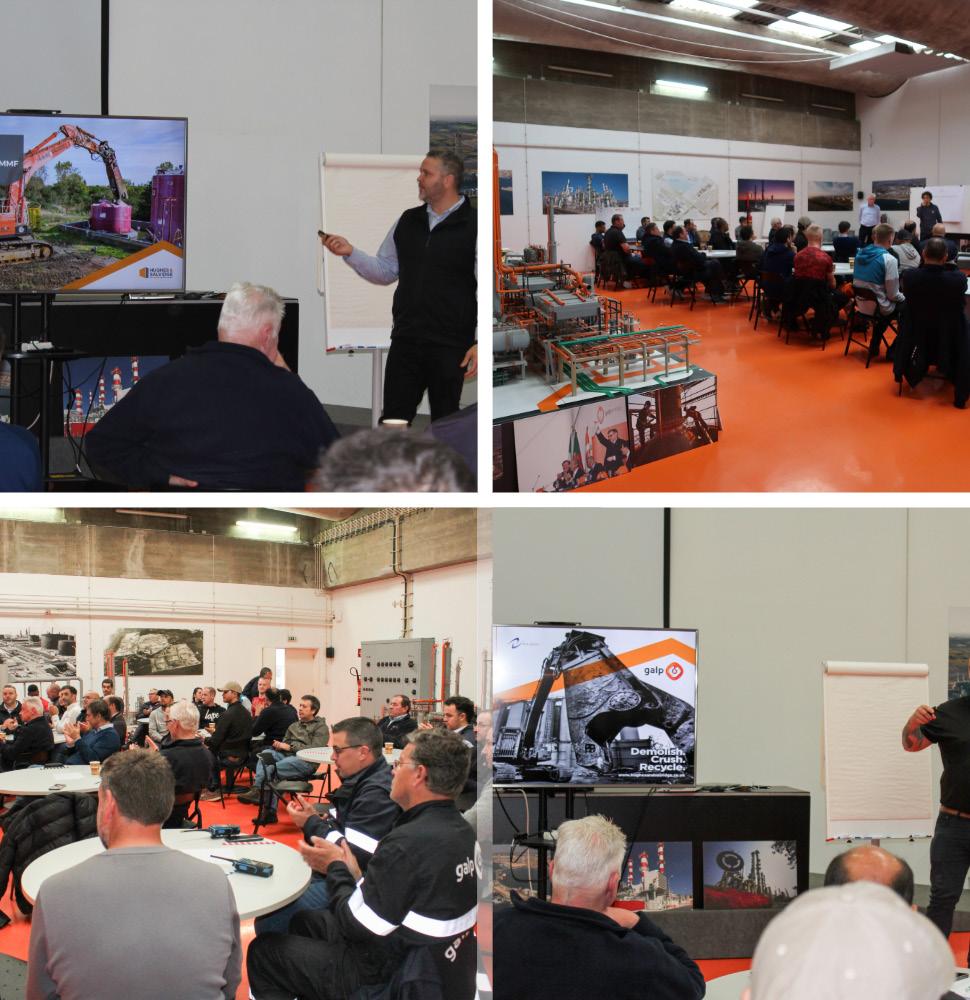
Having clocked over 70,000 man-hours with a zero-injury rate, it was great to host a Safety Leadership Event on our project in the Matosinhos Refinery, Portugal. At the end of 2025, the on-site team sat down with our partners to discuss common aims, and celebrate globally recognised, best in class safe working practices.
Moments like this reinforce what strong safety leadership really means: working collaboratively across teams, openly sharing best practices, and constantly challenging ourselves to do better every day. We are proud to deliver teams that puts safety first, always.
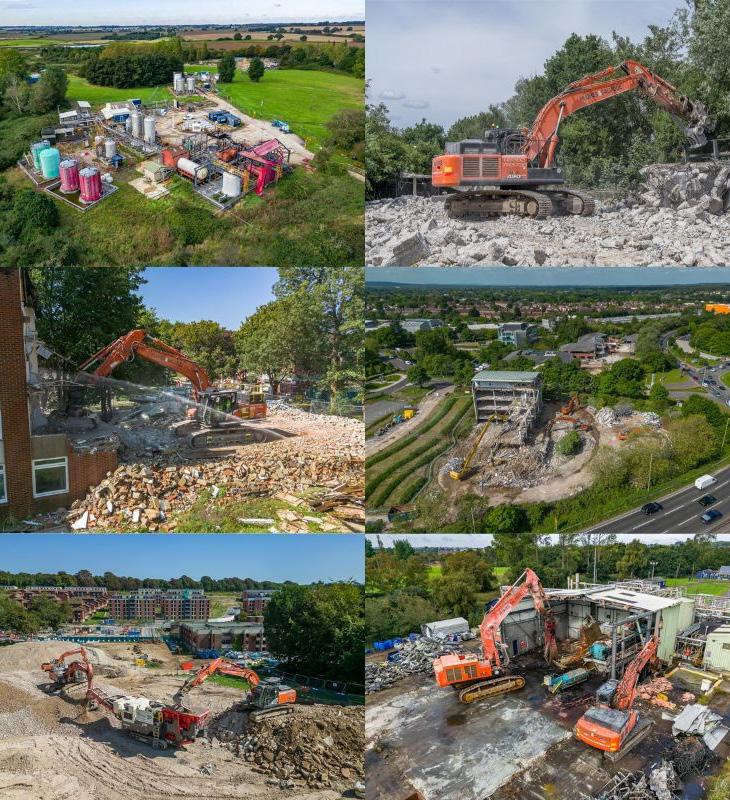
Operating Standards that Drive Excellence
In a complex, high-risk sector like demolition and decommissioning, operating excellence isn’t just a competitive advantage, it’s a fundamental requirement. From industrial and chemical facilities to aerospace and power stations, clients trust us for quality, compliance, and performance.
A core element of that trust is the company’s commitment to internationally recognised management standards, including ISO 9001 (Quality), ISO 14001 (Environmental), and ISO 45001 (Health & Safety), upheld through a robust integrated management system and verified annually by external auditors.
By embedding ISO principles into daily operations, we prioritise employee safety and environmental stewardship. We see these as essential attributes in our sector where risk and ecological impact are high.
We continue to be committed to supporting environmental and charitable projects with a clear focus on keeping our staff and clients safe. Coupling Social Value, Environmental Initiatives and having a Health and Safety focus across the business will help us support communities moving forwards.
Apowerful, professional dust suppression system engineered for demolition, crushing, remediation, recycling, and bulk handling environments. The S45 Mobile Trailer Fog Cannon delivers high performance dust and odour control with exceptional mobility, reliability, and coverage.
1. 45m throw distance provides wide area coverage for large and complex demolition sites.
2. High speed fan and large volume pump generate a dense, fine mist that captures airborne dust at the source, dramatically improving air quality.
3. Adjustable water output allows operators to tailor mist levels to site conditions, reducing water waste and preventing ground saturation.
1. Heavy duty rough terrain trailer, stabiliser legs, and galvanised chassis ensure safe, stable operation on uneven ground.
2. 6000 litre water tank and 20kVA generator provide full autonomy—ideal for remote or power restricted sites.
3. 350° automatic rotation and electrical elevation maximise coverage without constant repositioning.
1. Intuitive electrical control panel for quick setup and easy operation.
2. Pump run dry protection and inlet water filtration reduce maintenance and extend equipment life.
3. Designed for fast deployment, making it ideal for short term hire, long term projects, or rapidly changing demolition phases.
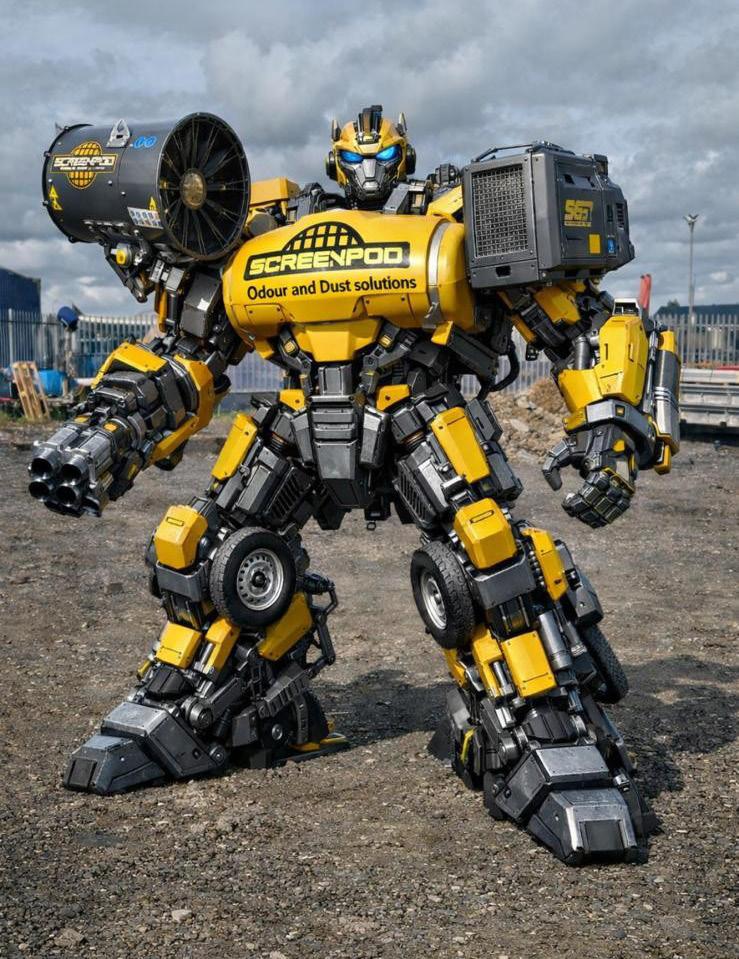
1. Reduces respirable dust, improving worker safety and visibility.
2. Minimises dust migration to neighbouring properties—ideal for urban demolition.
3. Supports compliance with environmental regulations and reduces public complaints.
The S45 Mobile Trailer Fog Cannon from Odour & Dust Solutions delivers industry leading performance, rugged reliability, and unmatched flexibility—keeping your site cleaner, safer, and fully compliant.
Using Odour & Dust Solutions fog cannons in the demolition industry delivers a measurable improvement in site safety, environmental compliance, and operational efficiency. Fog cannons work by projecting a fine mist of water droplets that bind with airborne dust particles, causing them to fall quickly to the ground. This simple principle creates a powerful set of benefits for demolition contractors, clients, and surrounding communities.
Demolition generates high volumes of respirable dust, including silica, asbestos residues, and general particulate matter. Fog cannons significantly reduce airborne concentrations, helping protect workers from long term respiratory harm and reducing the likelihood of acute exposure incidents. Cleaner air also improves visibility on site, lowering the risk of accidents involving plant, vehicles, and personnel.
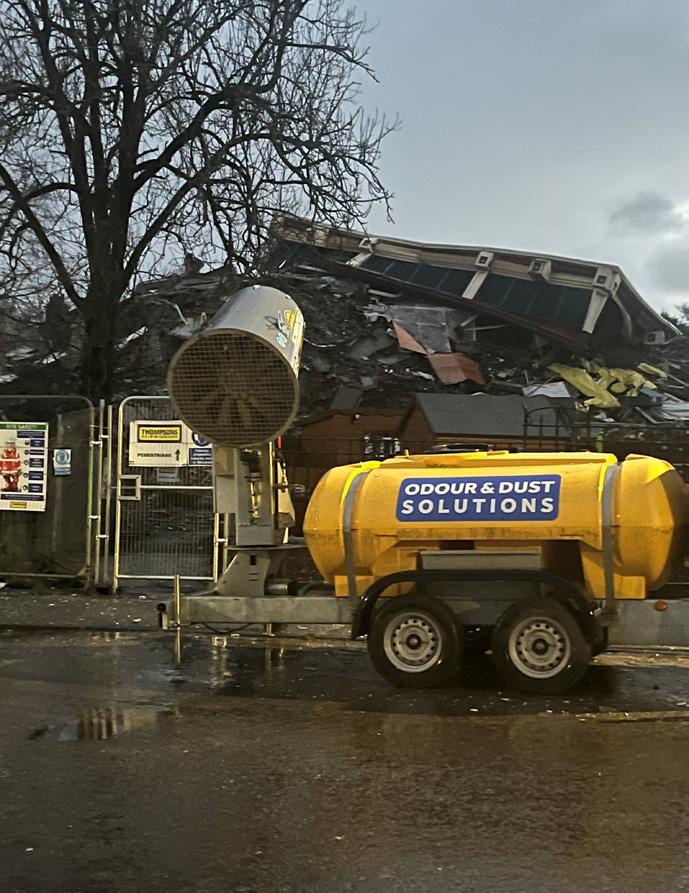
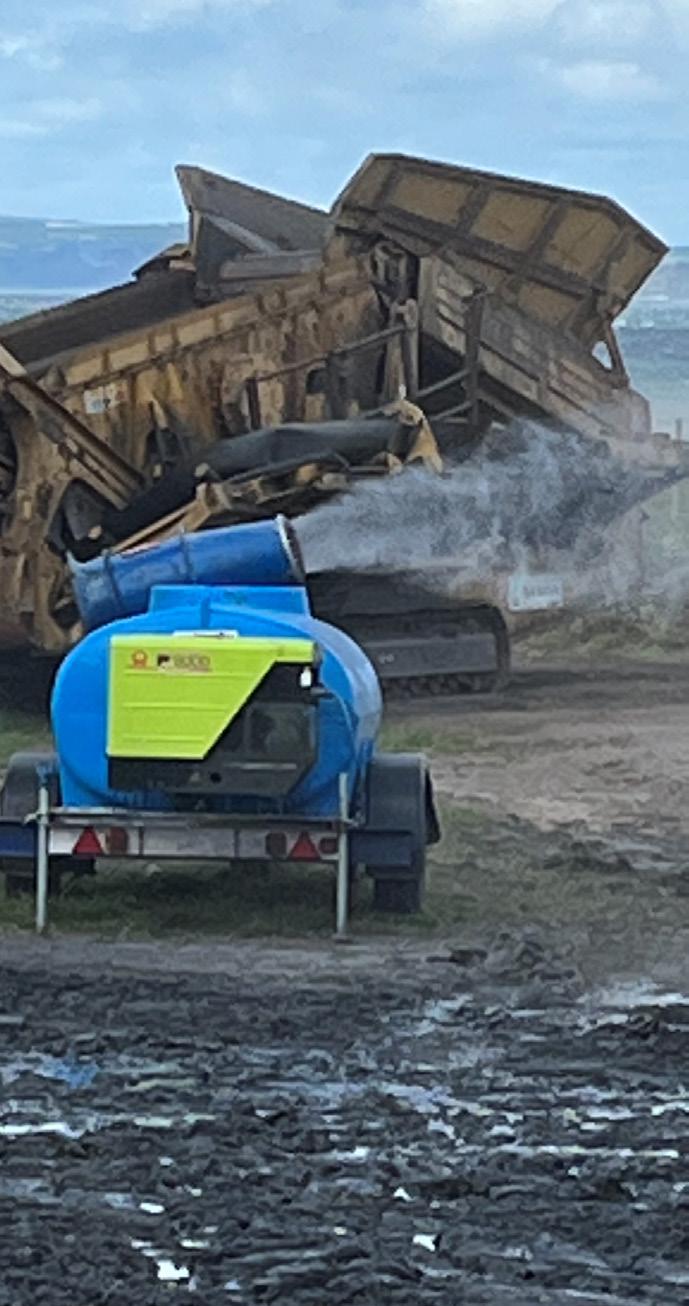
Urban demolition projects often sit close to homes, businesses, and public roads. Fog cannons help prevent dust migration beyond the site boundary, supporting compliance with environmental regulations and minimising complaints from neighbours. By controlling odour as well as dust, they are particularly effective on sites involving waste, contaminated materials, or industrial residues.
Compared with traditional hose or sprinkler methods, fog cannons use water far more efficiently. Their targeted misting reduces oversaturation of the ground, prevents unnecessary runoff, and avoids creating muddy, unsafe working conditions. This efficiency translates into lower water consumption, reduced labour requirements, and fewer interruptions to demolition progress.
Fog cannons can be mounted on trailers, skids, or towers, allowing rapid repositioning as demolition phases progress. They can be automated, remote controlled, or integrated with site power and water systems, making them suitable for both small scale and large industrial projects. Their ability to cover wide areas with minimal manual intervention makes them ideal for dynamic, fast moving demolition environments.

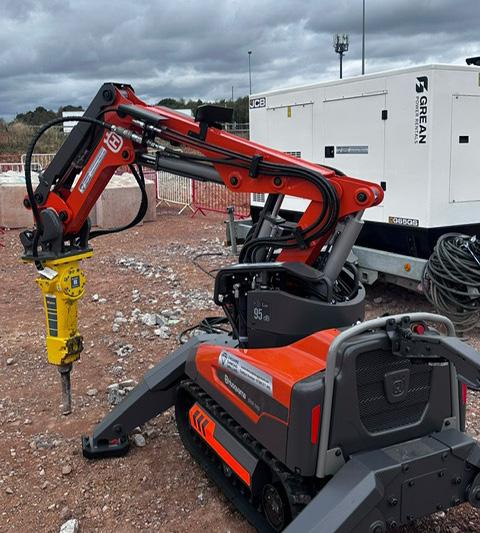
Precision cutting and drilling play an increasingly important role in modern demolition and structural alteration projects. As contractors look for safer, more controlled ways to modify structures, specialist services such as diamond drilling and robotic demolition have become essential tools on site. Cheshire Diamond Drilling has built a strong reputation in this space, delivering reliable drilling and cutting solutions to support demolition contractors, construction firms, and refurbishment specialists across the UK.
With more than 25 years of experience in the industry, the company provides a range of services designed to assist with structural modification, controlled removal, and enabling works. Diamond drilling in particular has become a key technique for demolition projects where accuracy and minimal structural disturbance are critical. Unlike traditional percussive methods, diamond drilling is non-vibrational, allowing contractors to create clean, precise openings in reinforced concrete, brick, masonry, and other hard materials without causing unnecessary damage to surrounding structures.
This precision is particularly valuable on demolition and refurbishment projects in occupied buildings, city centres, and complex industrial environments where disruption must be kept to a minimum. Cheshire Diamond Drilling regularly works alongside demolition contractors to create service penetrations, structural openings, and access points required during strip-out or structural modification phases.
The company’s capabilities range from small diameter core drilling for utilities and services to larger openings required for structural alterations. Cheshire Diamond Drilling can drill holes from as small as 12mm up to 750mm in diameter, accommodating a wide range of applications across demolition, construction, and refurbishment projects.
For larger structural openings, stitch drilling provides an effective alternative to traditional breaking methods. This process involves drilling a series of overlapping holes to remove sections of concrete or masonry with a high degree of control. The method is particularly useful for creating doorways, windows, or large penetrations in reinforced concrete walls and floors, while reducing
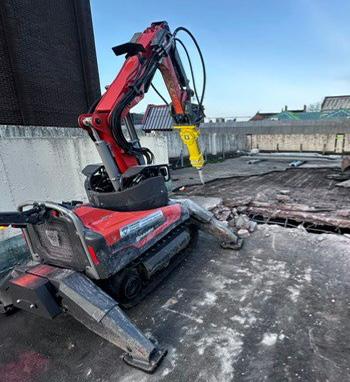
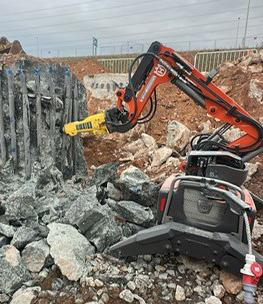
vibration and maintaining structural integrity in surrounding areas.
Alongside drilling services, Cheshire Diamond Drilling also offers robotic demolition, using remotely operated machinery to carry out controlled structural removal. Robotic demolition technology allows operators to work safely from a distance while maintaining precision and efficiency when removing concrete structures, walls, or floors. This approach can significantly reduce risk on site while improving productivity and project timelines.
Health and safety remain central to the company’s approach, with trained operators and specialist equipment ensuring work is completed efficiently and to the highest standards. Cheshire Diamond Drilling’s team holds NVQ Level 2 qualifications in diamond drilling and floorsawing, reflecting their commitment to professionalism within the sector.
As demolition and refurbishment projects continue to demand greater precision and control, specialist contractors such as Cheshire Diamond Drilling are playing an increasingly vital role in helping projects progress safely, efficiently, and with minimal disruption.
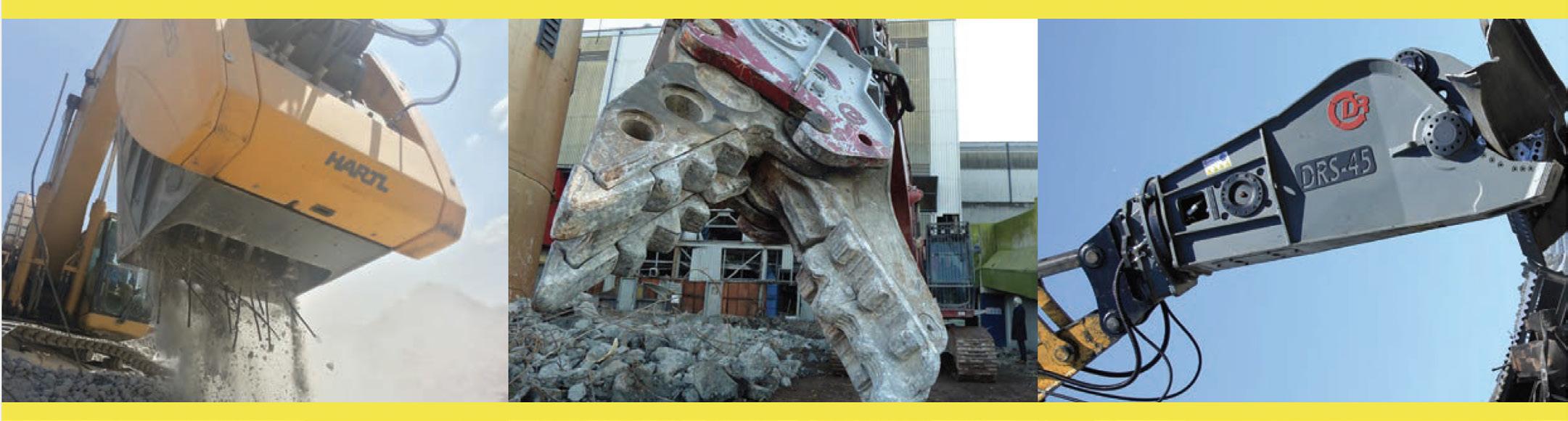
Yarwoods are specialists in Excavator Attachment Sales, Hire, Service and Repair. We also carry an extensive range of new and used attachments for sale.
Yarwoods are dealers for TOKU, KINSHOFER & Demarec products
TOKU Hydraulic Breakers
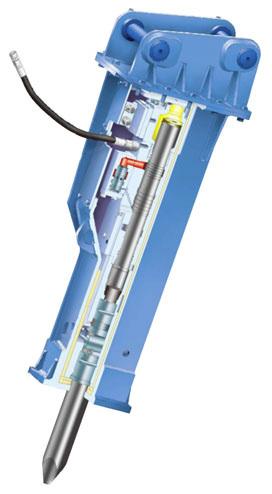
Yarwoods are the only authorised UK importer of TOKU Hydraulic Hammers, which are designed and manufactured in Japan. TOKU have just celebrated their 60th year of building breakers, so you can be re-assured of their high quality and typically Japanese, they are a product built to last for many years, in fact it’s not till they get a few years older that you realise how good they are, down time is very rare with TOKU hammers!
TOKU Hydraulic hammers are suitable for 0.8 ton to 80 ton excavators, and at first glance the TOKU hammers look much the same as other breakers, it is the materials they are made of that makes the difference.
TOKU are great performing breakers their reputation continues to grow as
operators having tried TOKU brand for a couple of years are now specifying them. Yarwoods are fully commitment to this first class product and offer an excellent back up service. Yarwoods are proudly building a loyal TOKU customer base throughout the UK and now can name many blue chip companies that realise the value of longevity and service, and Yarwoods are all about that! Our satisfied customer comments speak volumes, “you can send a TOKU breaker out to work in total confidence” this customer is still running TOKU breakers in their hire fleet that are more than 10 years old.
KINSHOFER & Demarec Demolition and Recycling Equipment
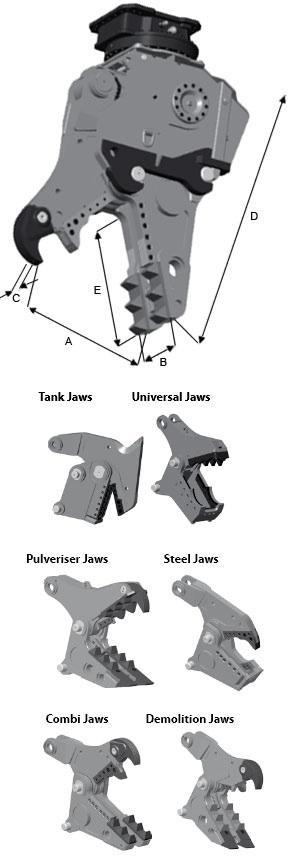
Yarwoods and KINSHOFER the German manufacturer of specialist excavator attachments for the Demolition, Scrap, Recycling, and Railway Industries have signed an exclusive supplier dealership to cover all of Scotland and the North East of England down to Derbyshire. The range of products includes; Dedicated Shears, Multi Quick Processors, Pulverisers and Selector Grabs.
Yarwoods currently stock a large range of both KINSHOFER and Demarec products in their hire fleet and some clients who have been hiring this range of equipment have seen the benefits and are now looking to buy for their own use. To meet this demand, Yarwoods have now put in place a sales, service and stocking facility of both KINHOFER and Demarec products where they will carry out repairs and servicing in house and have committed to an ongoing training programme for their service engineers and sales staff. The advantage of both the KINSHOFER and Demarec products apart from innovative designs, is the power to weight ratio and cycle times that increase productivity , this and the renowned Yarwoods service and back up makes us a strong contender in this field, be it for hire, sale, service or repair.
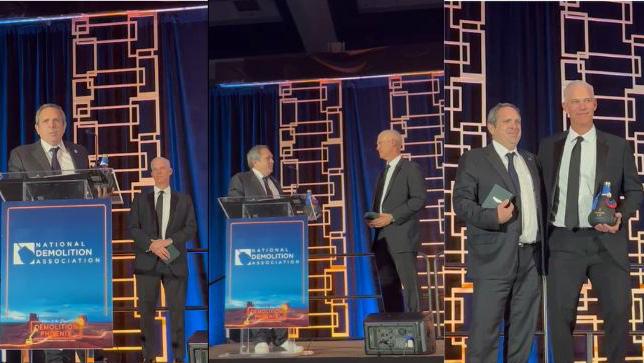
From February 4th to 7th, the NDA Convention, the Annual event of the National Demolition Association, took place, and EDA was there, symbolizing the strong cooperation between the two associations.
The event brought together more than 1,200 demolition professionals and specialists from across the sector, and the EDA President, Patrick Frye, and Secretary General Jose Blanco were present on behalf of the association.
Addressing delegates, Mr. Frye emphasized the shared purpose between the two associations: “Even if we come from different countries, we do the same job, a demanding job that requires experience and trust. This convention shows the strength of our industry. What I feel here in Phoenix is
exactly what I feel in Europe, the strong community, shared values, and people who understand each other.”
To mark the occasion, Mr. Frye presented a commemorative gift symbolizing continued cooperation across borders.
Everything is ready for the EDA Convention, which will take place in Dublin from June 10th to 12th. We have closed the Call for Papers, and in March the professional programme for the event will be unveiled.
What will we see there?
• A programme with presentations on the demolition, decontamination, and recycling sectors by worldwide
professionals that will give their point of view and perspective on the industry.
• The Circular Economy Awards for students, an initiative designed to recognize and promote innovation in demolition, decontamination, and recycling that aims to highlight the pivotal role these activities play in advancing the circular economy in the construction sector, while also encouraging the next generation of
professionals. The awards are open to students enrolled in Bachelor’s, Master’s, or PhD programs from educational institutions across Europe.
Ready?
Save your seat by registering: www.europeandemolition. org/activities/eda-annualconvention-2026#joinus

Demolition is part of construction but the skills are specialised.
In construction, a CSCS card may get you on site, but in demolition, only a CCDO card demonstrates you’re competent to carry out the work.
At NDTG, we train the UK’s demolition workforce to the highest accredited standard, from labourers to managers, ensuring every CCDO card represents proven competence and safer working.
Choose the right card for the right job.
Find your course at demolition.training or call 01442 217 144 to speak with our training team.


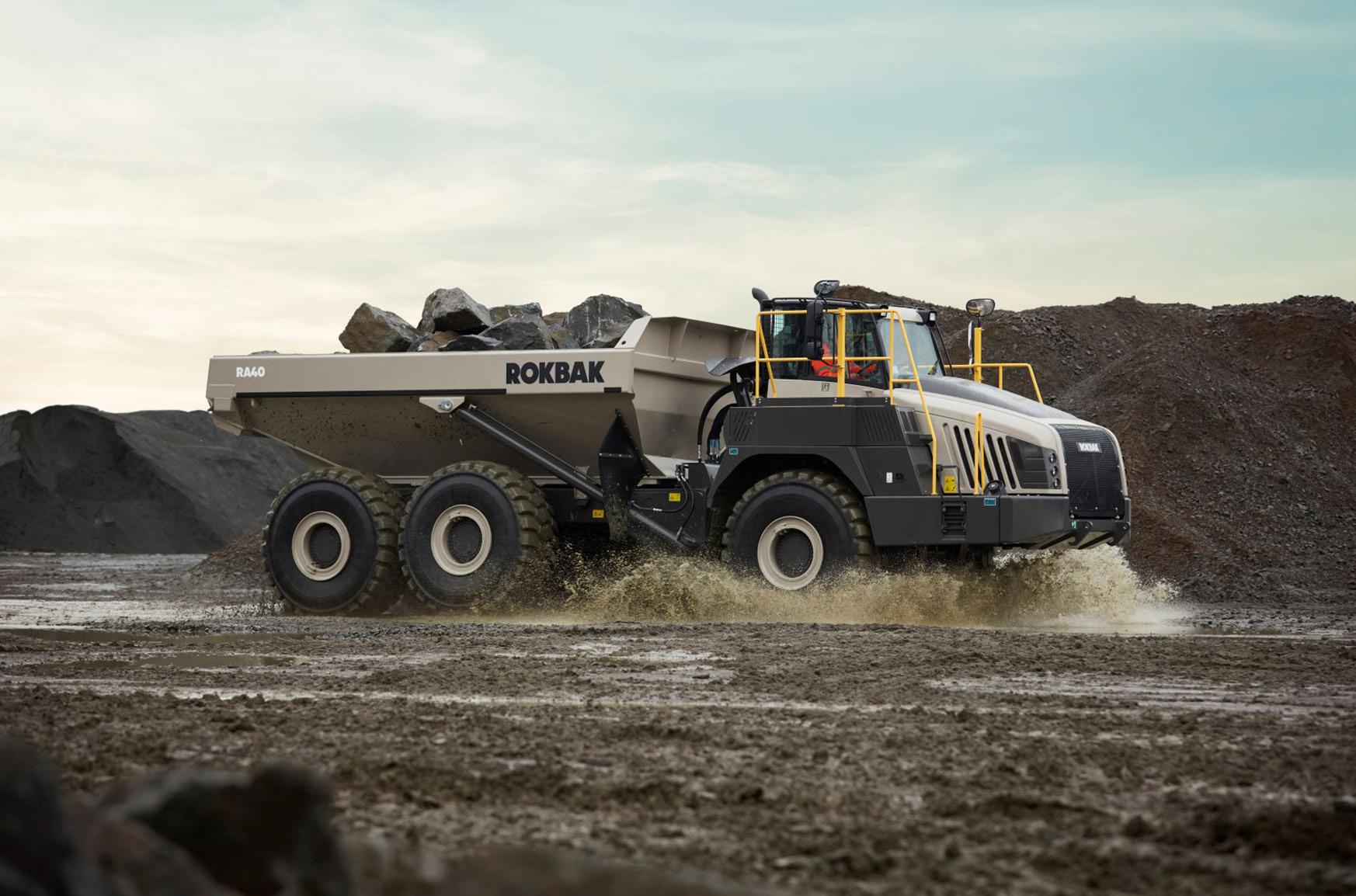
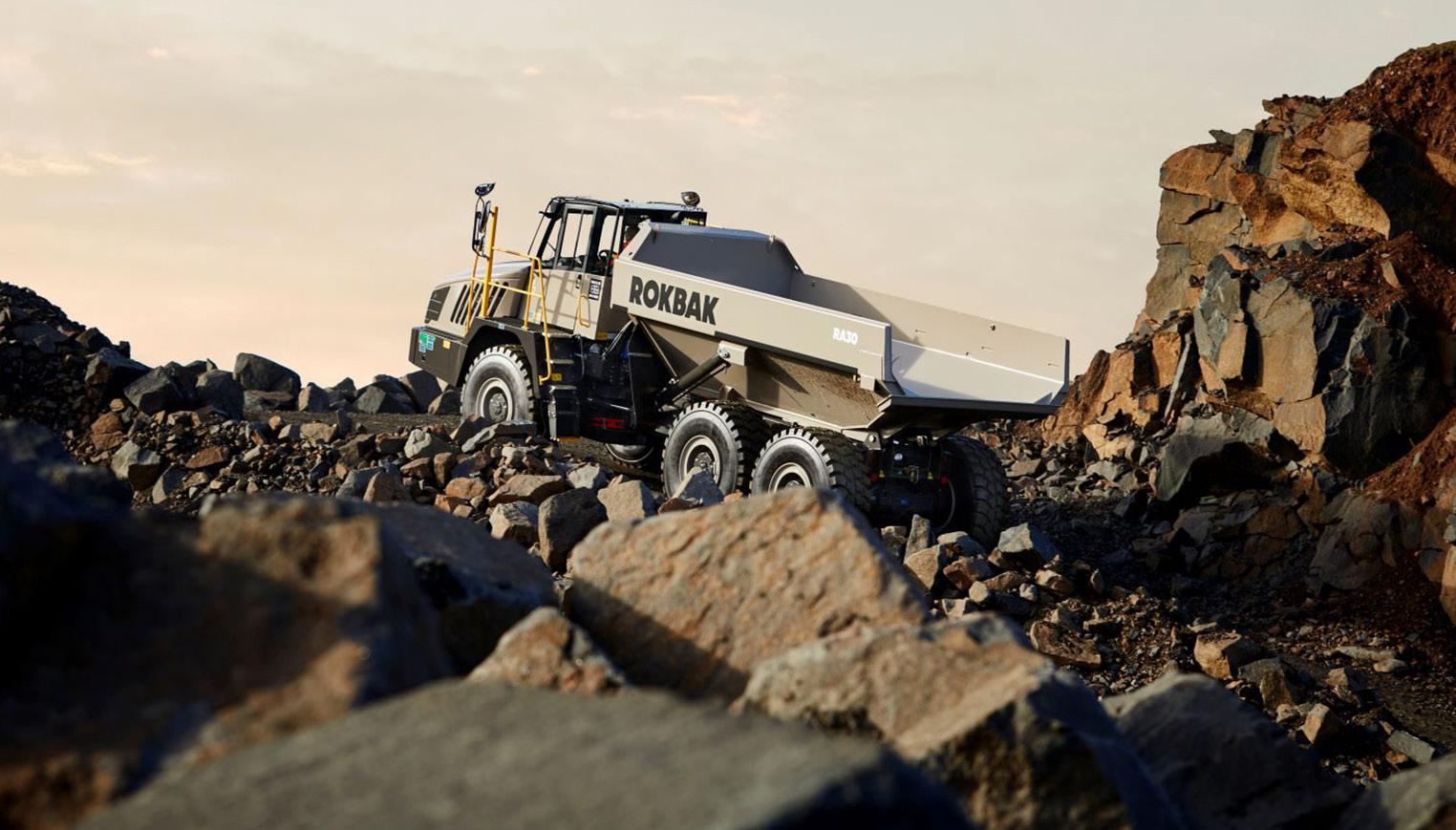
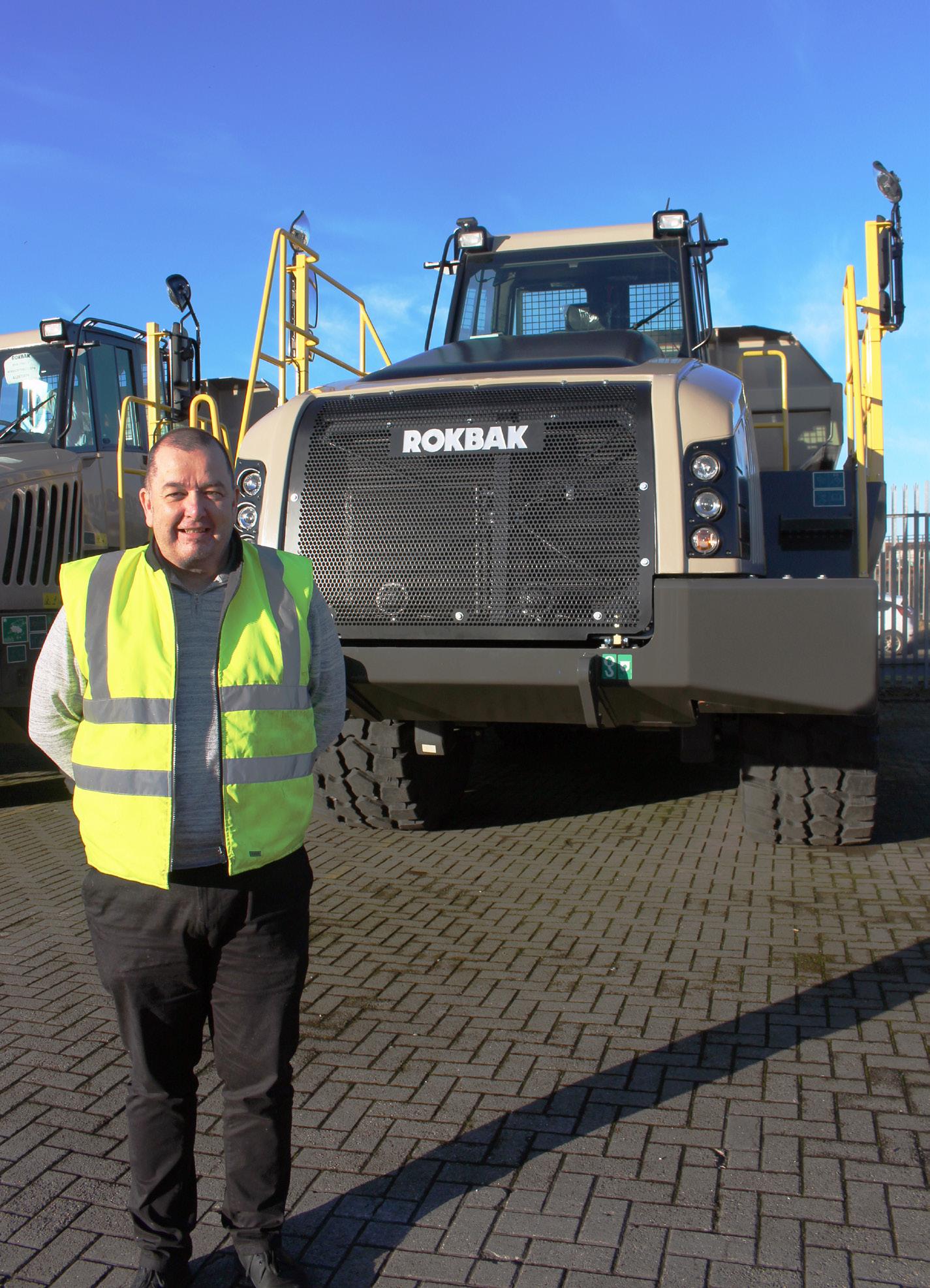
Rokbak articulated haulers are known for their durability, reliability and fuel efficiency. But how do the trucks achieve this winning combination? Scott Pollock, Rokbak senior product manager, explains the secrets behind designing and manufacturing the robust trucks, covering everything from uptime to performance and total cost of ownership.
The British Metals Recycling Association At Rokbak, our approach is to focus on what brings value to our customers. We’re in constant contact with our customers and dealer partners to find out their needs, and we put these points at the centre of everything we do. As we only design and manufacture haulers, we are extremely focused on being the experts in our field.
Uptime is one of the most important things to customers. If a truck isn’t working then it isn’t earning them money, which means their return on investment will go down and total cost of ownership increases. Reliability and durability are built into our articulated haulers, and as such they have high physical availability. Our current RA30 and RA40 trucks consistently return very low levels of warranty claims, proving that the products are robust and reliable, working with minimal faults.
From a design perspective, the foundation of Rokbak haulers is robust structures that are properly designed and thoroughly tested for their intended duty cycles. Long-term durability comes from a whole-machine approach. Structural integrity isn’t just about the frame, it’s about how the entire truck works together in extreme conditions. We carefully select suppliers and integrate proven components such as engines, gearboxes, axles and hydraulic systems that are known to perform in challenging environments and tasks. These components are then validated as part of the complete truck to ensure they deliver both longevity and consistent performance.
Component integration is critical. Truck performance is a collaboration. Fuel efficiency, productivity and durability are all influenced by how well the different elements work together. Fuel is one of the highest costs for customers and has a direct impact on profitability, so every design decision considers its influence on efficiency without compromising durability or productivity.
Rokbak haulers have one of the lowest rates of fuel consumption on the market, so the operational cost of running Rokbak trucks is low – which is a huge benefit for our customers.
Maintain your uptime
One thing I always emphasise to people is that a truck is only as productive as the care it receives. That’s why aftermarket preparation, maintenance planning and correct operation are all critical.
Once the truck is working, it must be properly maintained by trained personnel, using the right tools and verified spare parts. As well as good dealer and OEM support, this also means things like keeping fluids replenished, ensuring components are properly greased and making sure filters are clean. Doing this will prolong component life.
By keeping trucks productive for longer periods and reducing unplanned downtime, customers can move more material at a lower operational cost, which directly improves their margins. Extending maintenance intervals has been a focus area for us. Using modern fluids and filtration systems allows longer service periods for transmissions and hydraulics, reducing both scheduled downtime and maintenance costs. For example, transmission service intervals have been extended from 2,000 to 4,000 hours on the RA30 and up to 6,000 hours on the RA40, with 4,000-hour hydraulic service intervals.
Another benefit comes from reduced maintenance material disposal – such as used filters and fluids – which reduces environmental impact. Ultimately, the longer a truck can operate without scheduled stops, the more productive it is and the lower its lifecycle cost to the customer.
Easy to operate and maintain
Operating equipment correctly will help you achieve the best performance and productivity. If an operator doesn’t know how to correctly operate or maintain a machine, it will underperform and it could potentially result in unscheduled downtime. At Rokbak, we design and build trucks that are easy to operate and maintain and this is something that is appreciated by our customers and sets us apart from other truck manufacturers. Customers like the fact that the RA30 and RA40 are straightforward and intuitive.
Rokbak trucks are designed with the understanding that they will operate in extreme environments, moving heavy payloads and on challenging ground conditions. That means robust structures, proven driveline components, effective cooling systems and traction control designed specifically for articulated hauler applications. There are Rokbak trucks operating around the world in applications including quarries, mines and infrastructure projects. Regardless of location, the same principles for success apply: correct specification, validated design and proper support ensure consistent performance in demanding environments worldwide.
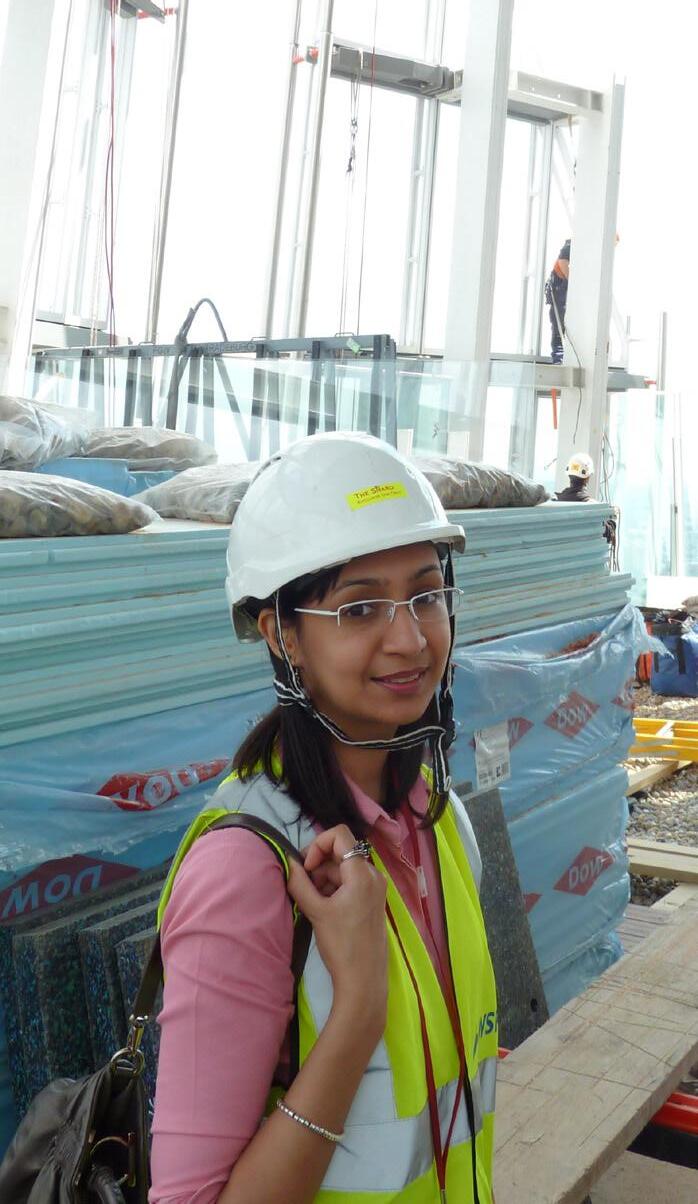
Lighthouse Charity speaks with Roma Agrawal MBE, Structural Engineer, Author and Broadcaster
Roma Agrawal has spent her career shaping the built world and cites her career highlight as the six years she spent working on the tallest building in Western Europe - the Shard, designing the foundations and the iconic spire.
She was also part of the transformation of Crystal Palace station. She continues to influence the way we talk about engineering itself, so as part of the Lighthouse Charity’s Women in Construction Week campaign, we spent time with Roma, discussing the challenges of overcoming perceptions and stereotypes and encouraging a diverse workforce in construction. Her journey hasn’t been straightforward, and that’s exactly why her story resonates with so many people in our construction community.
I’m a structural engineer,” she begins. “I worked for the first ten years of my career in a design office, designing buildings and bridges.”
Over time, she stepped into roles in design management, business development, procurement, and even a bit of project management. She’s seen construction from every angle. But Roma’s path wasn’t the typical one.
Roma studied physics at university, not engineering, something she felt straight away when she entered the sector. Learning codes, standards and meeting expectations took time. But applying the maths and physics she loved helped her find her groove.
More than the technical learning curve, the environment itself created challenges.
“When I started back in 2005, there were very few women on site. In the office, it wasn’t quite as bad, but it still wasn’t great. I could see I was in a minority, and it affected my confidence,” she says.
Her experience reflects what many women still face today, even as the industry makes progress. And that’s why her voice in this campaign matters.
As Roma grew in her career, she began exploring what she truly enjoyed: communicating engineering, but in a human way. She wanted to help clients, architects and the public understand how buildings come to life.
But finding a role that blended technical expertise with communication wasn’t simple. “I found it trickier and trickier to find a role that suited me,” she shares.
Eventually, she made a bold change. For the last six years, Roma has worked full-time as a writer, speaker and broadcaster, promoting engineering to young people, especially girls and those from diverse backgrounds.
Her goal is simple: help others see themselves in construction.
The Retention Problem No One Can Ignore
When we talk about women in construction, it’s easy to focus on attracting more women into the sector. Roma believes that’s only half of the story.
“Construction is still a male dominated industry for sure. But it is changing. And I think what’s really important is retaining women once they’ve joined,” she says. “So many women I know left their full time jobs in their mid to late 30s, just when they should have been getting their next promotion.”
Why? Because many workplaces weren’t built with diverse needs in mind.
Roma believes we need a cultural shift, not just a recruitment drive. She wants the industry to recognise there’s no one way to be a leader, and no one way to succeed in construction.
To young women thinking about joining the sector, Roma’s message is both hopeful and practical:
“Have a goal. There are lots of firms trying to accommodate people from different backgrounds; find one of them. If you’re struggling where you are, look for support from others, even at different
companies and seek advice from mentors and stay on the path.”
She reminds us that construction isn’t just hard hats and building sites. There’s creativity. There’s communication. There’s teamwork.
Using Engineering to Shape Society Roma hasn’t stepped away from engineering; she’s expanded it.
She’s now writing her sixth book, exploring how the tools we use affect the society that we live in, both in making progress but also in exacerbating inequality. “How can we make it better for everyone?” is the question running through all her work. This will be out in 2028, the thinking and research, she says, takes time, but it’s worth it.
Why Roma’s Story Matters to Our Community
Roma’s honesty cuts through the noise and her journey shows:
● You don’t need a traditional background to thrive.
● Confidence grows when you see people like you in the room.
● Retention is just as important as recruitment.
● Creativity and communication are core construction skills.
● There is no one ‘right’ way to succeed in this industry.
Her message reflects what construction can, and should, be: a community where everyone feels supported, valued and able to build a future that works for them.
The Lighthouse Charity, the UK’s leading construction charity supporting the wellbeing of the construction community and their families, and Ripple Suicide Prevention, the charity pioneering online safety through crisis intervention technology, are launching their new partnership via a live webinar to drive positive change across the construction sector.
The partnership aims to encourage open conversations around mental health and suicide prevention, increase awareness of the support available to construction workers, and help employers build safer, more supportive workplaces.
Construction remains one of the highest-risk industries for suicide in the UK. Suicide is the leading cause of death for men under 50, and for those working in construction, the risk is four times greater. While pressure, pace, and resilience are often seen as strengths within the sector, these same characteristics can make it harder for individuals to speak up or seek help.
The new partnership brings together two complementary approaches to suicide prevention, encompassing both individuals and workplaces. The Lighthouse Charity provides confidential, in-person, online and telephone support delivered by trained professionals with deep sector expertise.
The Ripple technology adds an extra layer of protection for at-risk individuals by intercepting harmful online searches related to suicide and self-harm, and signposting users to free, 24/7 support. It is provided to individual users and educational institutions at no cost through the Ripple Suicide Prevention charity and is deployed in workplaces via Ripple For Business.
Alice Hendy MBE, Founder and CEO of Ripple Suicide Prevention and Ripple For Business, said: “Suicide prevention cannot rely on a single approach. Some people will reach out, others will not, and many experience crisis online before speaking to anyone. Partnering with the Lighthouse Charity allows us to connect our digital crisis intervention tool with trusted, human support. Together, we can reach people who might otherwise be missed and create a stronger safety net for those working in the construction industry.”
Sarah Bolton, CEO of the Lighthouse Charity, added: “Our partnership with Ripple will ensure that there are even more pro-active measures in place to protect our workforce from harm. Using digital technology to intercept harmful online searches means that at risk individuals can be supported through their immediate crisis and signposted to our 24/7 helpline team who can deliver expert help and guide people to a safe space.”
As part of the launch, the organisations will co-host a live webinar bringing together leaders and lived experience voices from across construction to share insights relevant to all industries.
The webinar will be moderated by Alice Hendy MBE and bring together Sarah Bolton, CEO of the Lighthouse Charity, Claire Wilkinson, HR Lead - Wellbeing & ED&I at AECOM, and Andy Bishop, Lighthouse #MakeItVisible Tour Team and Ripple Advisor.
Date: 4 March 2026
Time: 11:00am to 12:00pm UK Register: Building Better: Mental health and suicide prevention learnings from the construction sector
If you or anyone you know is struggling, reach out for 24/7 free & confidential support.
24/7 helplines; 0345 605 1956, (UK) 1800 939 122 (ROI)
Live chat www.lighthousecharity.org
Text HARDHAT to 85258
Find out more at www.lighthousecharity.org

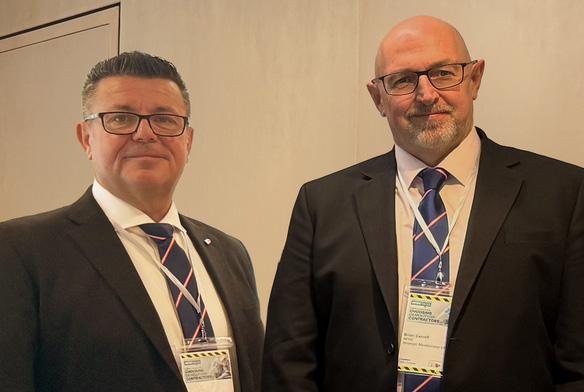
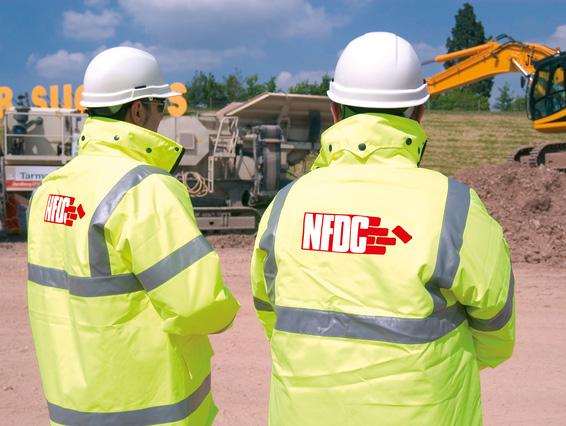
The National Federation of Demolition Contractors (NFDC) is proud to be partnering with UK Construction Week London, taking place 12–14 May 2026 at ExCeL London, to help strengthen industry collaboration and shine a spotlight on the vital role demolition plays in enabling safe, sustainable construction.
As the UK’s leading trade association for professional demolition and dismantling companies, the NFDC will be at the show to champion demolition, share best practice, and support the wider supply chain with practical insight on safety, competence, skills and training.
Visitors can meet the NFDC team throughout the event at Stand L72, come and say hello, learn more about NFDC membership, and discuss how to plan and deliver demolition works responsibly and compliantly.
NFDC speaking programme at UK Construction Week London 2026 Alongside its stand presence, the NFDC will contribute to the conference programme with two speaker sessions:
1) Demolition Planning in Cities: Preparing Brownfield Sites for New Housing
• Where: Housing Action Hub
• When: Wednesday 13 May 2026 | 12:30 – 13:15
• Speaker: Adrian Corrigan, President, NFDC
• Session focus: How early-stage demolition planning helps unlock brownfield land for housing by managing risk, logistics, neighbours and site constraints, supporting a smoother transition into remediation and redevelopment.
2) CCDO Scheme Explained: The Competence Route for Demolition Teams - What It Means for Contractors and Clients
• Where: Culture Change and Skills Hub
• When: Tuesday 12 May 2026 | 15:15 – 15:50
• Speaker: Brian Carroll, NFDC Strategic Membership Officer & NDTG Trainer
• Session focus: A practical guide to the CCDO competence pathway “the right card for the right job” and how it supports safer delivery, stronger workforce standards, and greater confidence for clients and principal contractors.


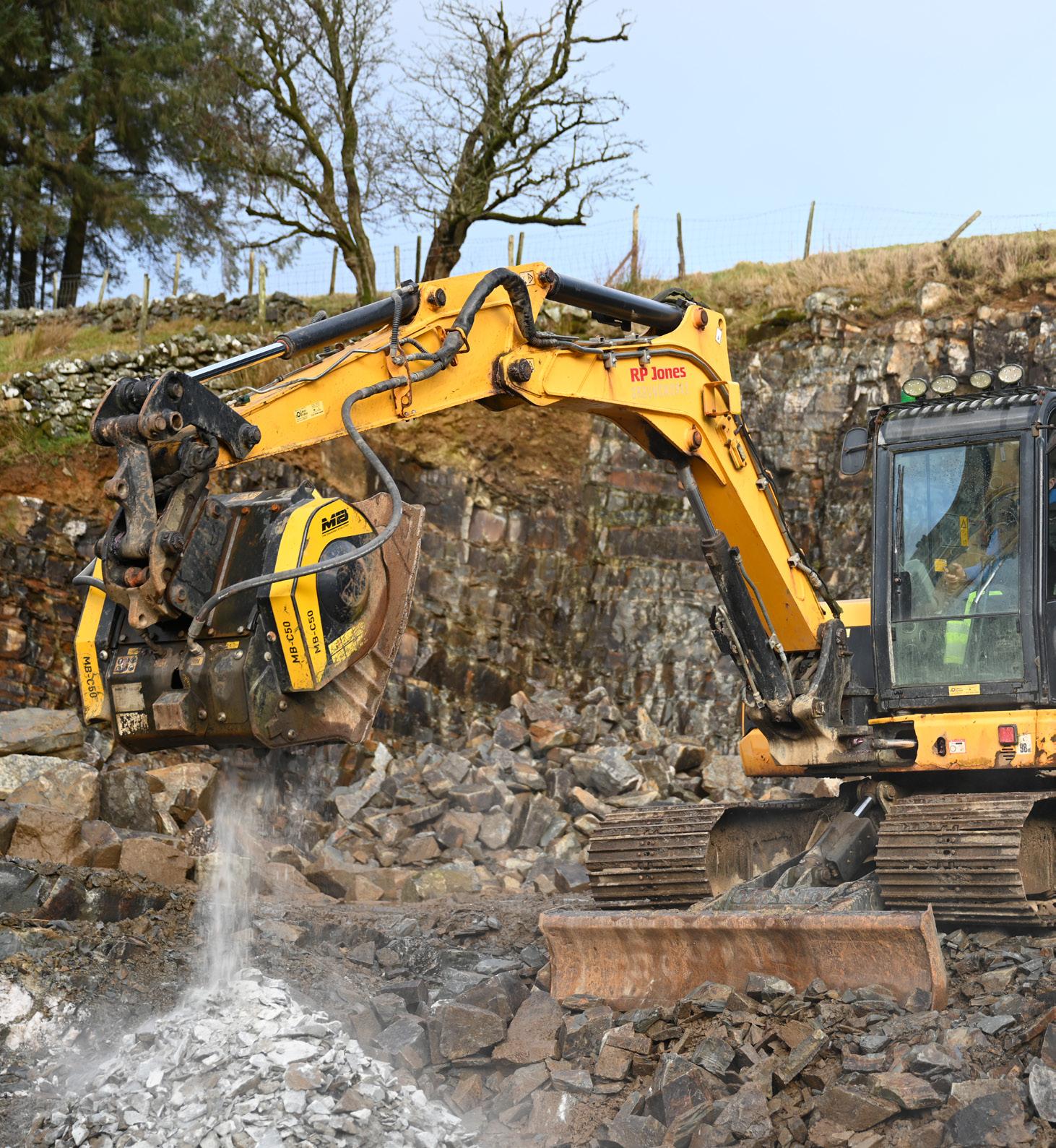
Situated on the edge of the Snowdonia National Park, RP Jones Groundworks undertake a wide range of groundworks and construction work both locally and nationwide. One of their main bodies of work is that of maintenance, redevelopment and construction of caravan parks.
The family business headed by Rhodri Jones started working for local caravan park owners in the region alongside its original work within the community. Building on their high levels of workmanship, the company has seen gradual expansion in the caravan park work taking it to all corners of the country.
“The work we have on the caravan park is seasonal with most of the planned works taking place in just a few short autumn and winter months,” Rhodri commented. “During the other parts of the year we have a range of jobs on the go closer to home which can include anything from drainage to demolition.”
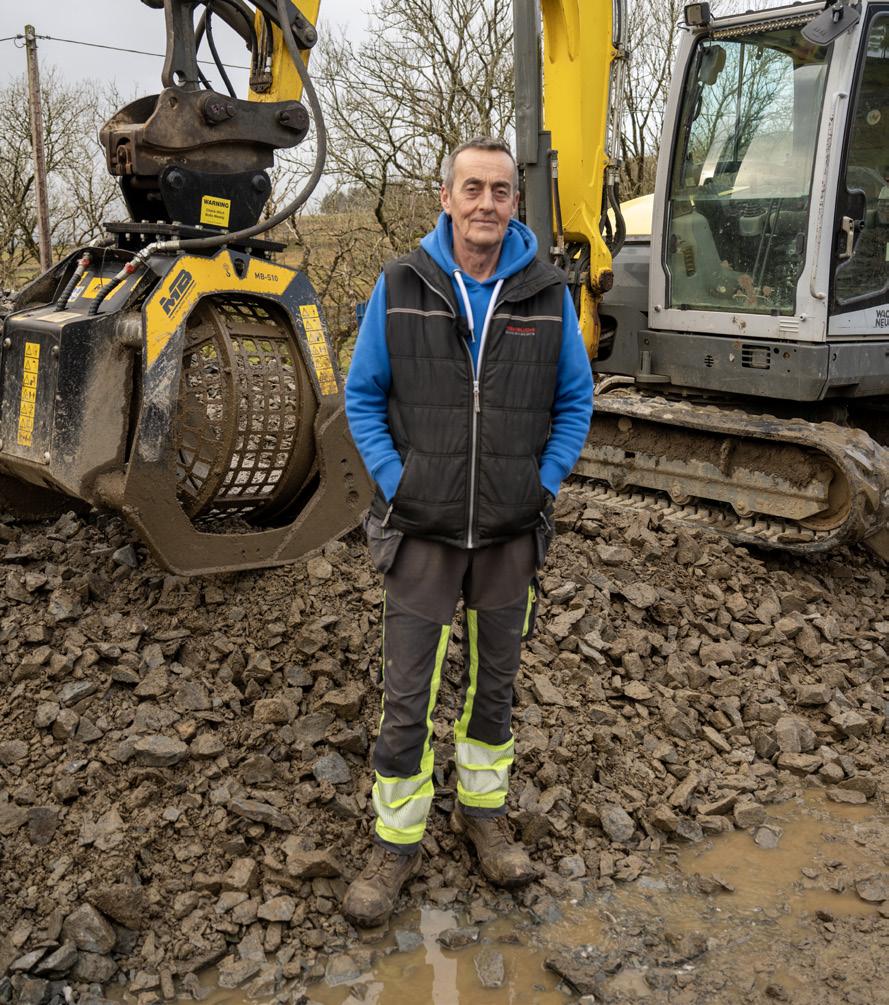
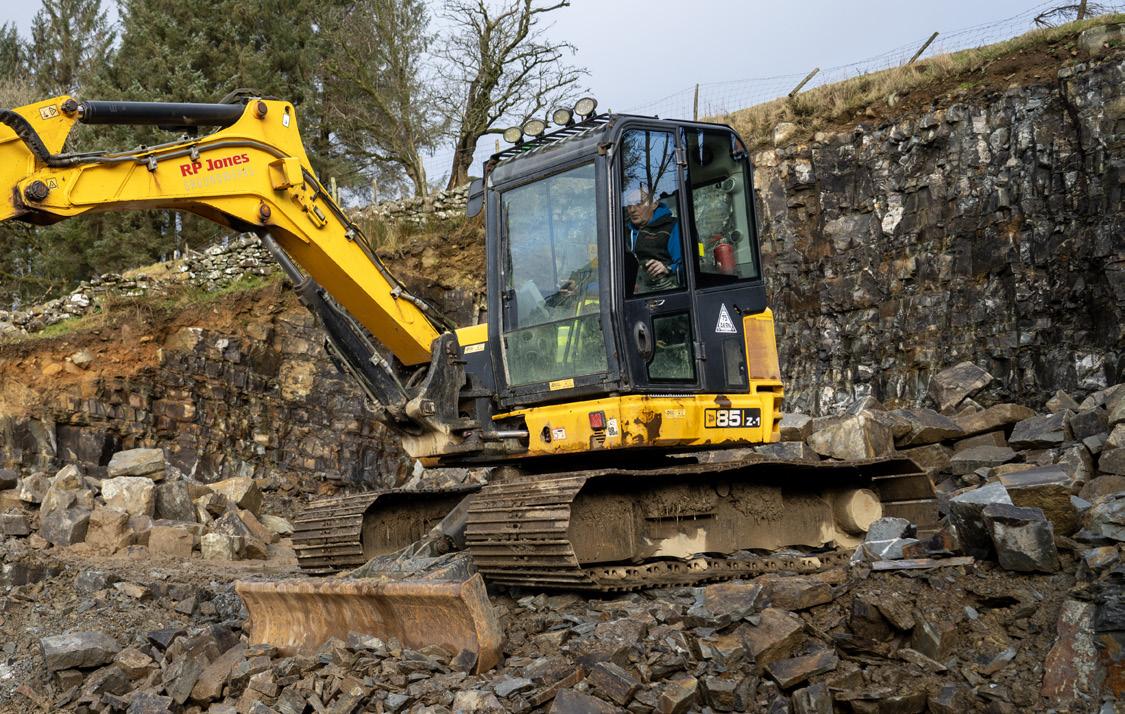
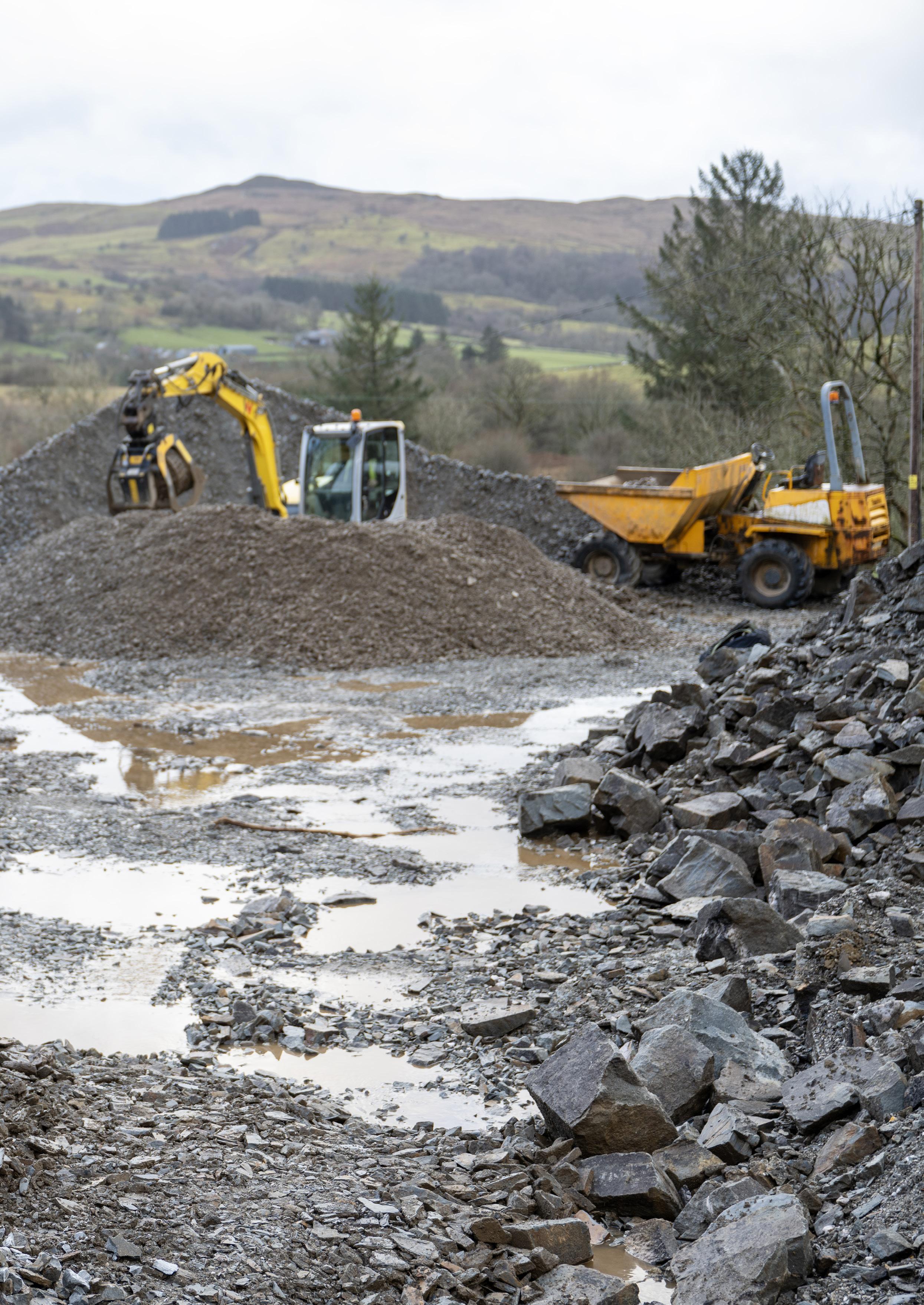
Rhodri’s small fleet excavators sit across three brands, JCB, Kubota and Wacker Neuson and range from 1.7 tonnes up to 13 tonnes. “Most of our work is on a caravan park or residential, both of which don’t give us masses of room in which to operate,” Rhodri comments. “The smaller excavators provide us with exactly what we need most of the time. For any larger jobs, we’ll hire in as required.”
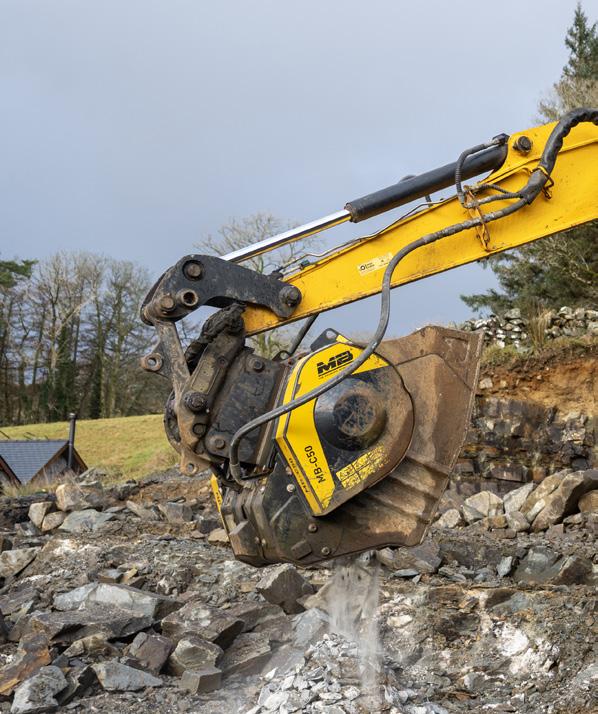
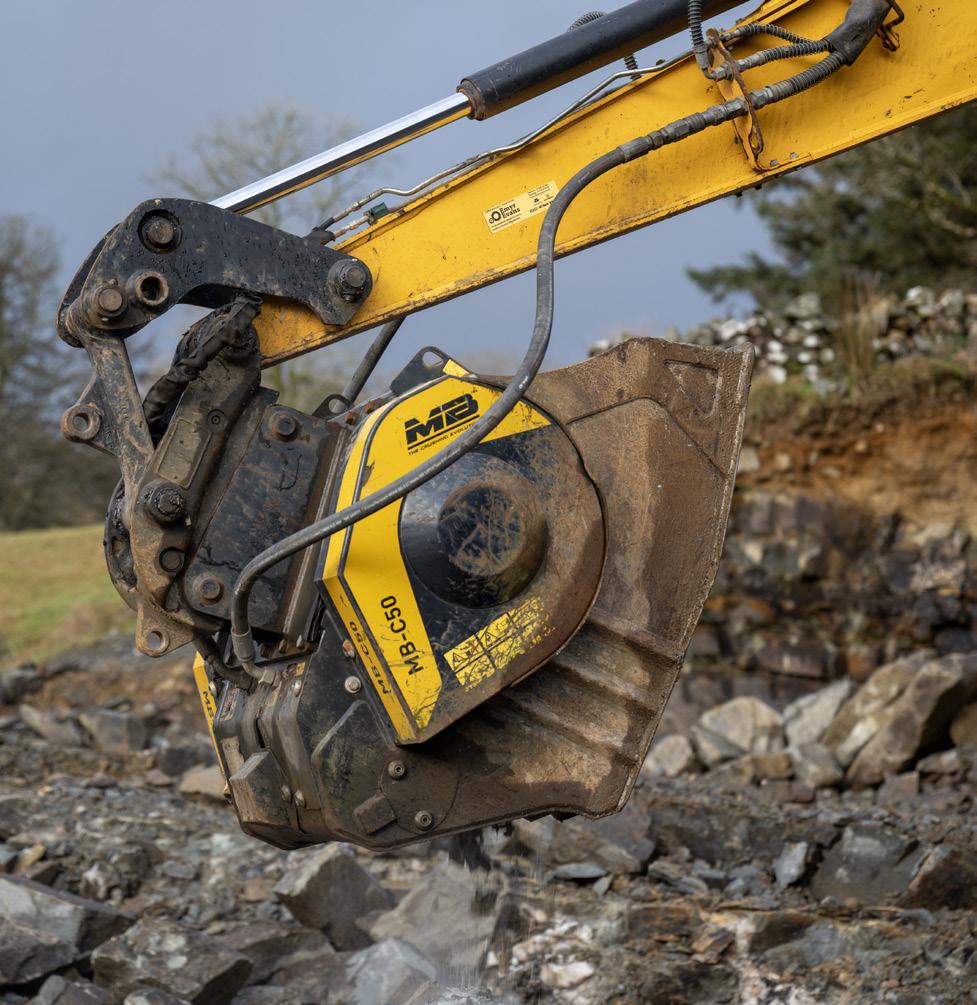
Rhodri has been using an MB-C50 crusher bucket for over five years in the business and in this time, it has performed extremely well and has proved to be value for money. Whilst on the caravan parks, the work he undertakes includes the redevelopment of static plots. This entails the removal of certain plots to allow more access for fire regulations around each caravan. “We have very little space in which to work when redeveloping certain areas,” Rhodri explains.
“We have also calculated the tipping costs for getting rid of the concrete bases and bringing in fresh stone for the new plots to be around £50 per tonne. Using the crusher bucket to process each existing base and line the new bases with the crushed material saves us both time and money and means we crush exactly what we need for each base.”
The MB-C50 is just one of 12 models in the Italian manufacturer’s range. With an operating weight of 750kg, the compact unit sits perfectly on Rhodri’s JCB 85 Z-1excavator. “We usually have the bucket on the 85 but it will work just as well on our 6.5 tonne Wacker Neuson too,” he explains. The C50 boasts jaw opening dimensions of 540mm by 250mm and uses a low-maintenance design to achieve fast and effective size reduction for a variety of materials. “We have found that the bucket can quickly handle concrete with very little effort,” Rhodri commented. “Even the blue granite we are excavating at home for a new barn won’t stop it crushing.”
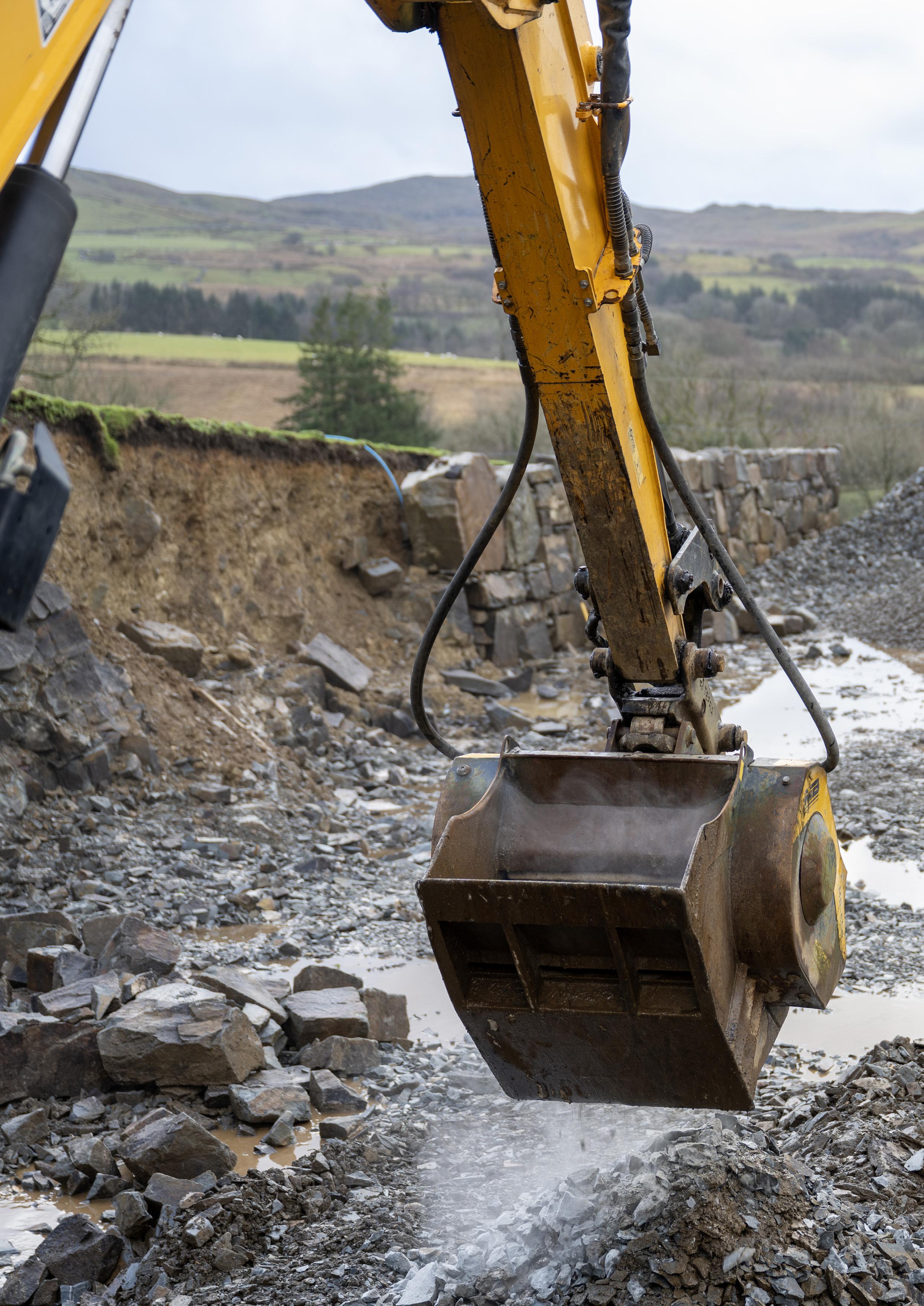
With a variety of projects constantly on the go, Rhodri has recently purchased a new MB S-10 rotary screening bucket. “The project at home doesn’t allow us to put a standard three-way screen in place to screen the material we have excavated,” he comments. “We regularly encounter material which when screened, can give us good, recyclable material we can us on site. Purchasing the screening bucket made sense to us straight away.”
The MB S-10 is another tool capable of being mounted on both the 8.5 tonne JCB and the 6.5 tonne Wacker Neuson excavators. With a weight of just under 400kg, the rotary screener looks just like a heavily engineered washing machine spinning stone around pushing smaller material from the sides of the removable screen mesh. “We have taken a 50mm and 20mm mesh which will allow us to produce clean drainage stone as well as smaller drainage and fill material,” Rhodri comments. The circular mesh can easily be swapped over in around 30-40 minutes making the single bucket a valuable multi-purpose screener capable of handling a wide variety of materials. The powerful hydraulic motor mounted to the rear of the drum rotates it one way for several rotations before switching direction and spinning the opposite way in order to fully clean and screen the material to the correct size.
Working with a stockpile of material the MB S-10 was producing around 20 tonnes an hour for Rhodri with a supply of 90mm to 50mm stone quickly filling the waiting dumper.
“We know that both the crusher bucket and screening bucket are not going to match traditional self-propelled models for productivity,” Rhodri comments. “But for us, producing and processing small volumes of material at a time, they are an invaluable part of our business and have added huge flexibility to our day to day operations.”
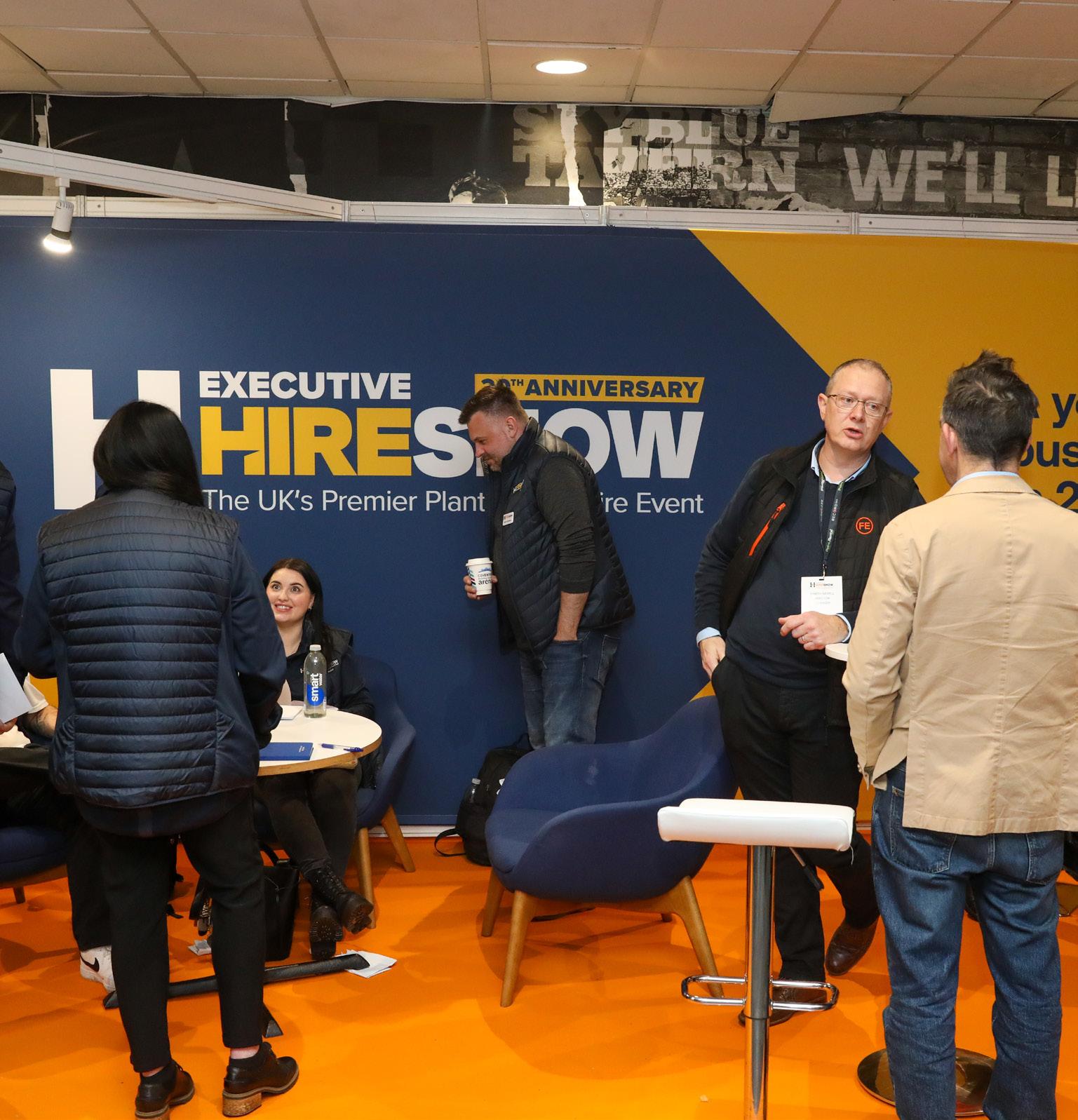
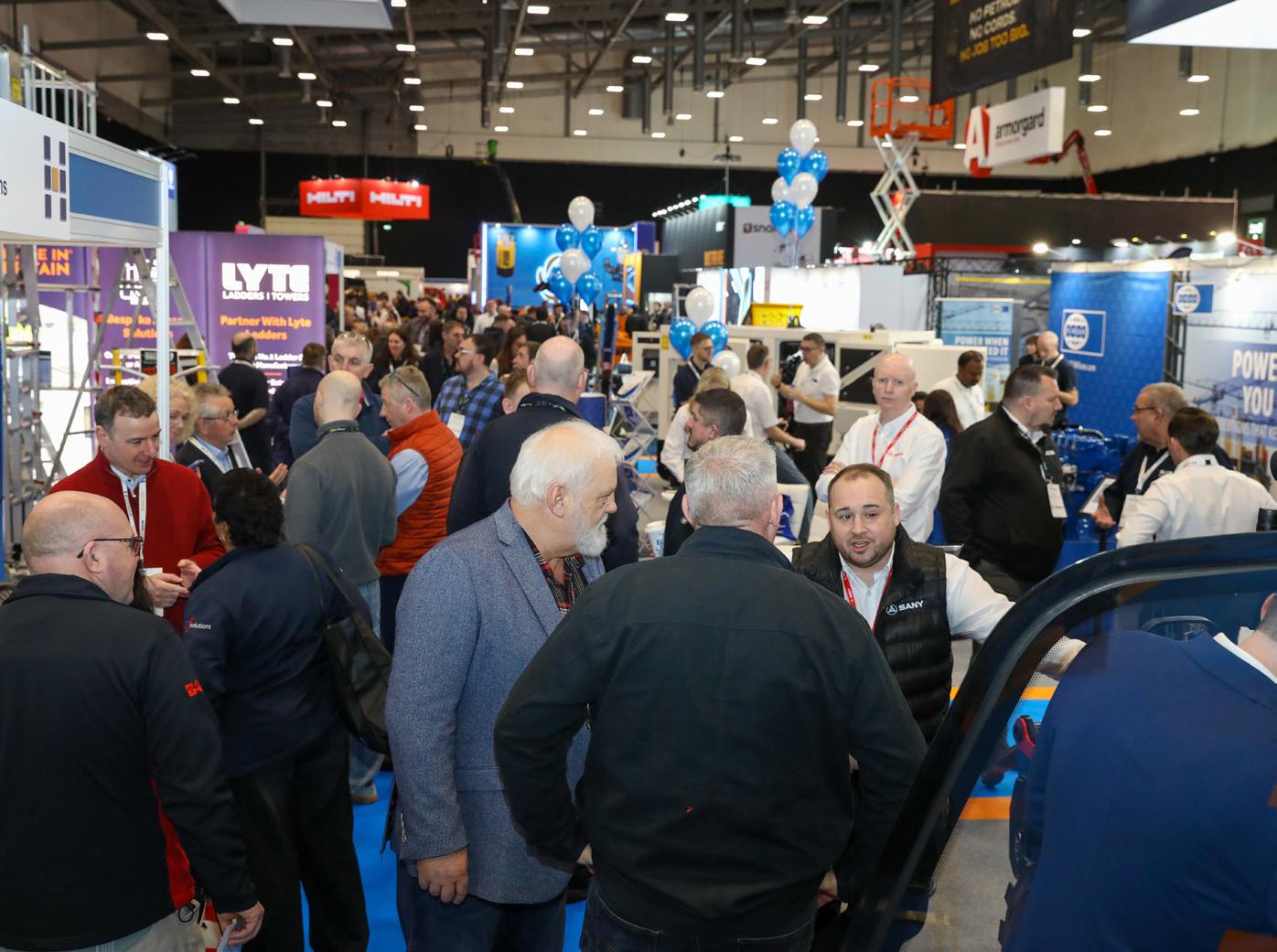
Executive Hire Show 2026 delivers business, innovation and record engagement at CBS Arena
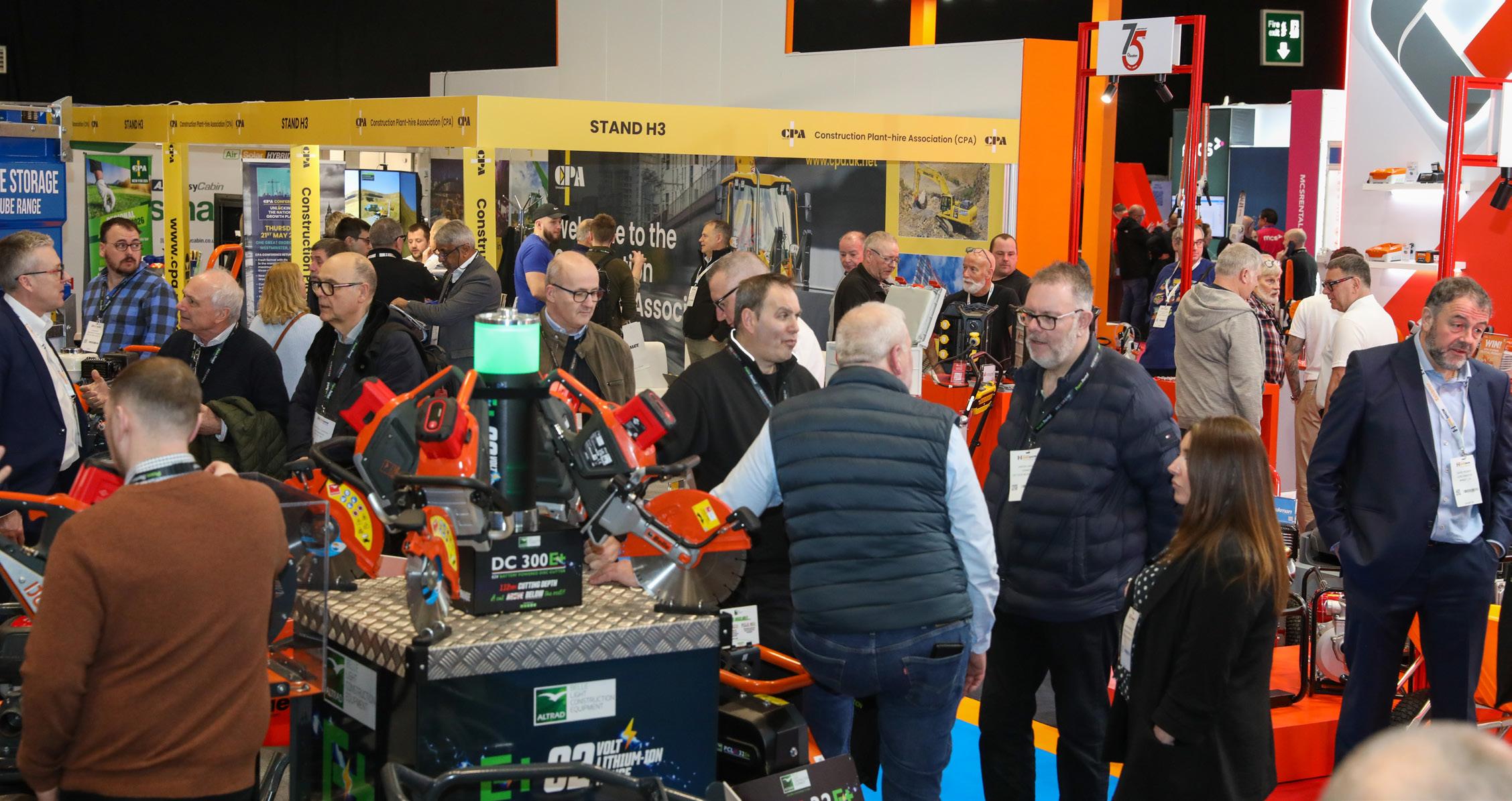
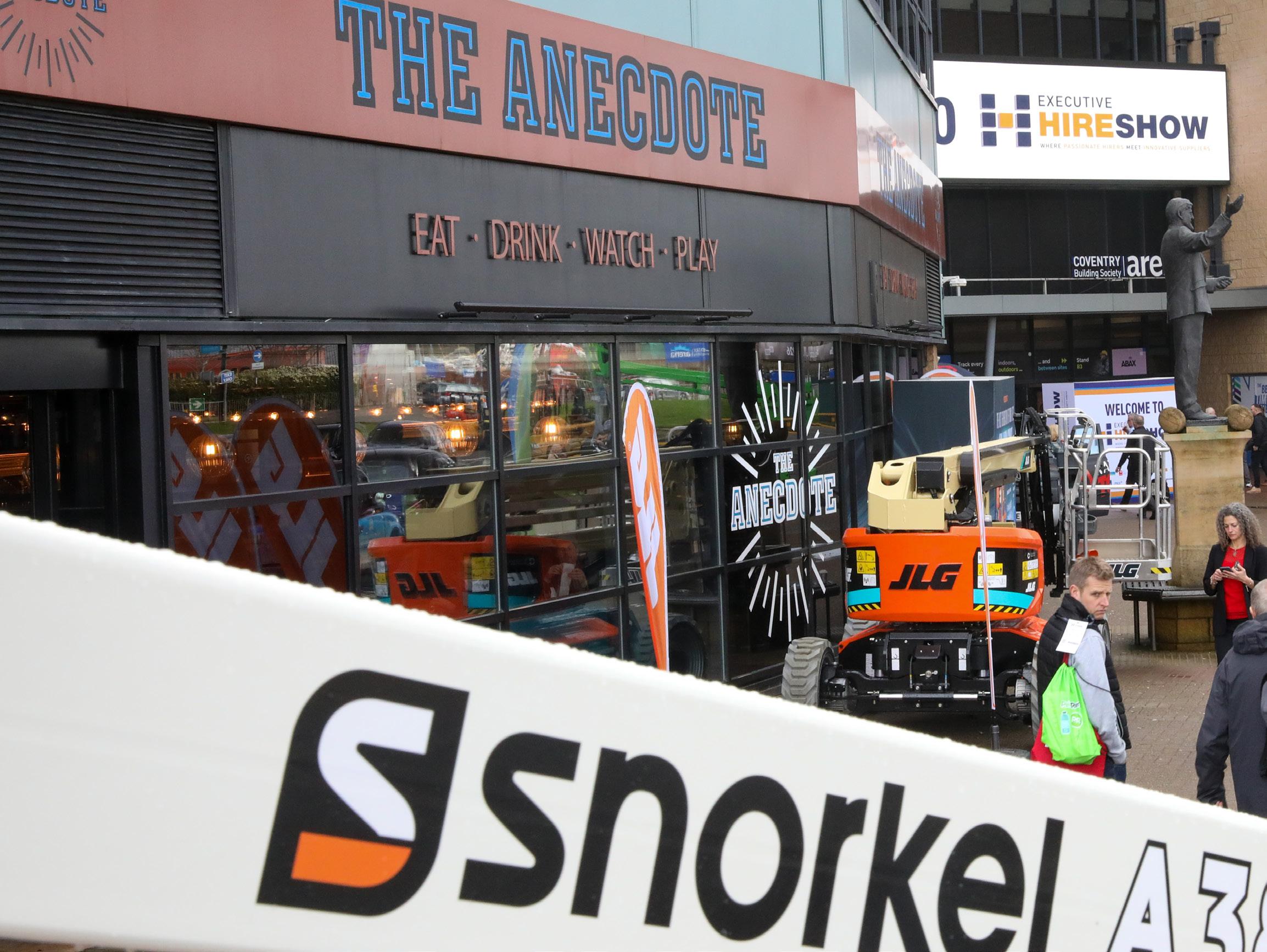
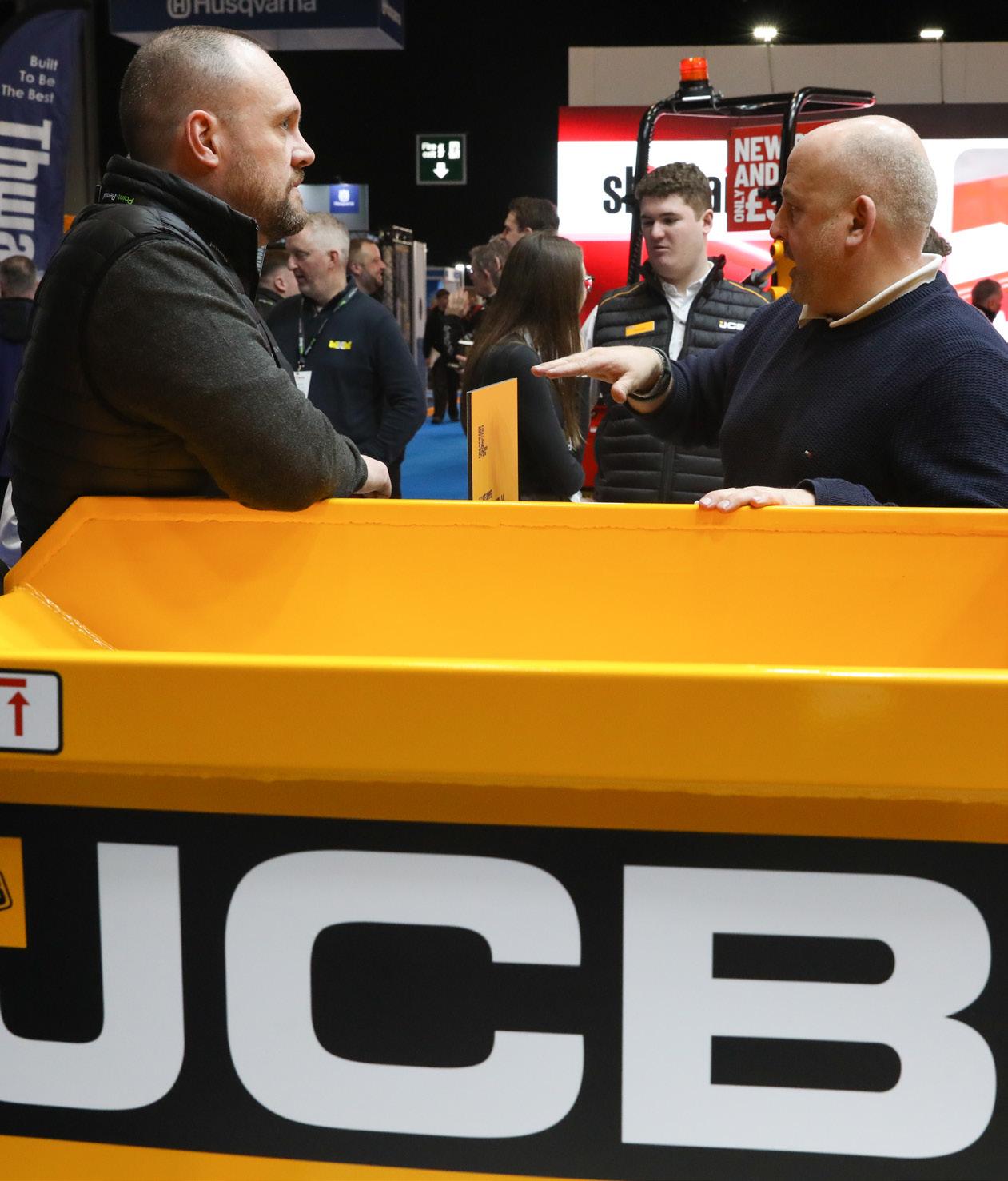
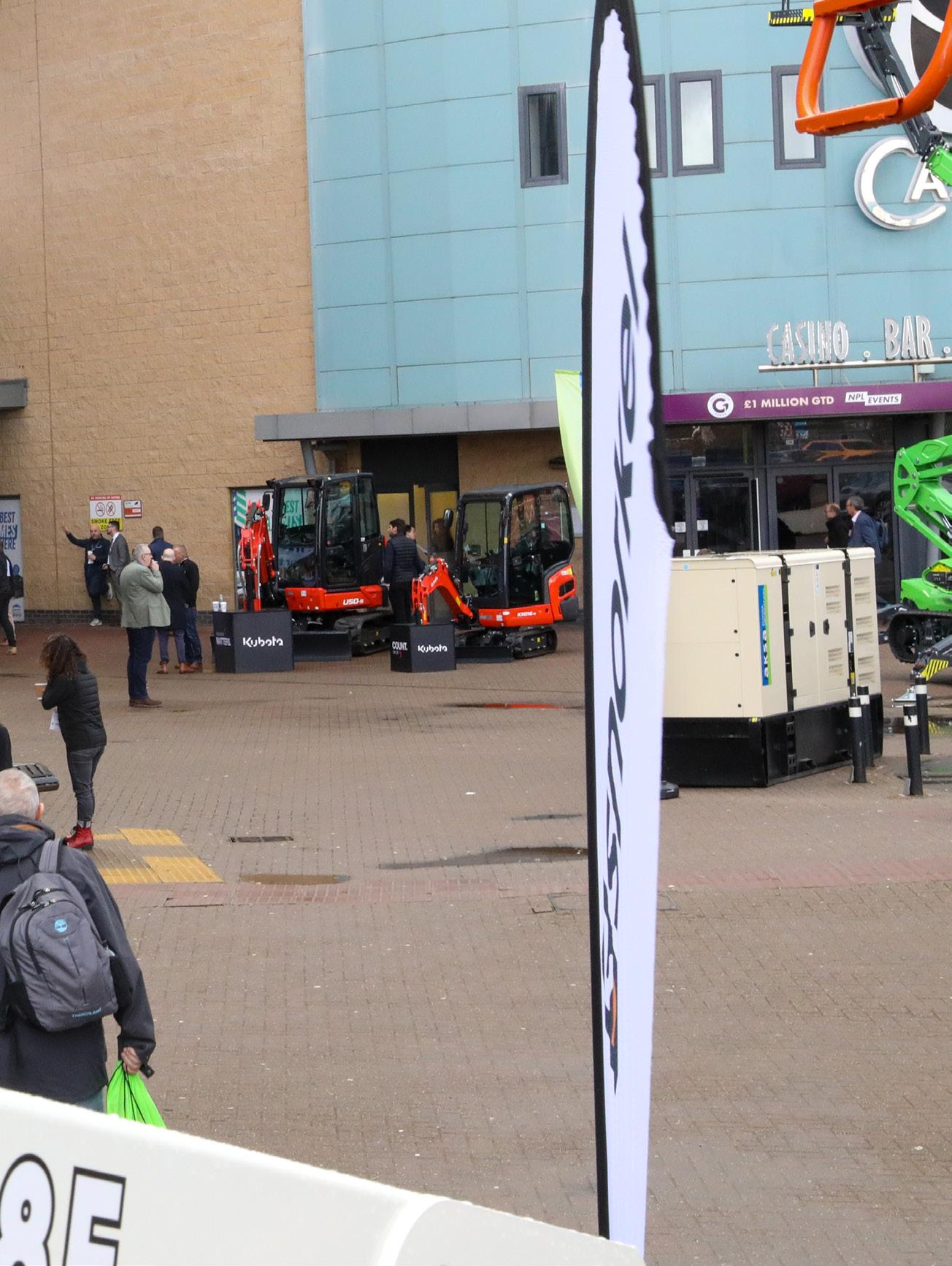
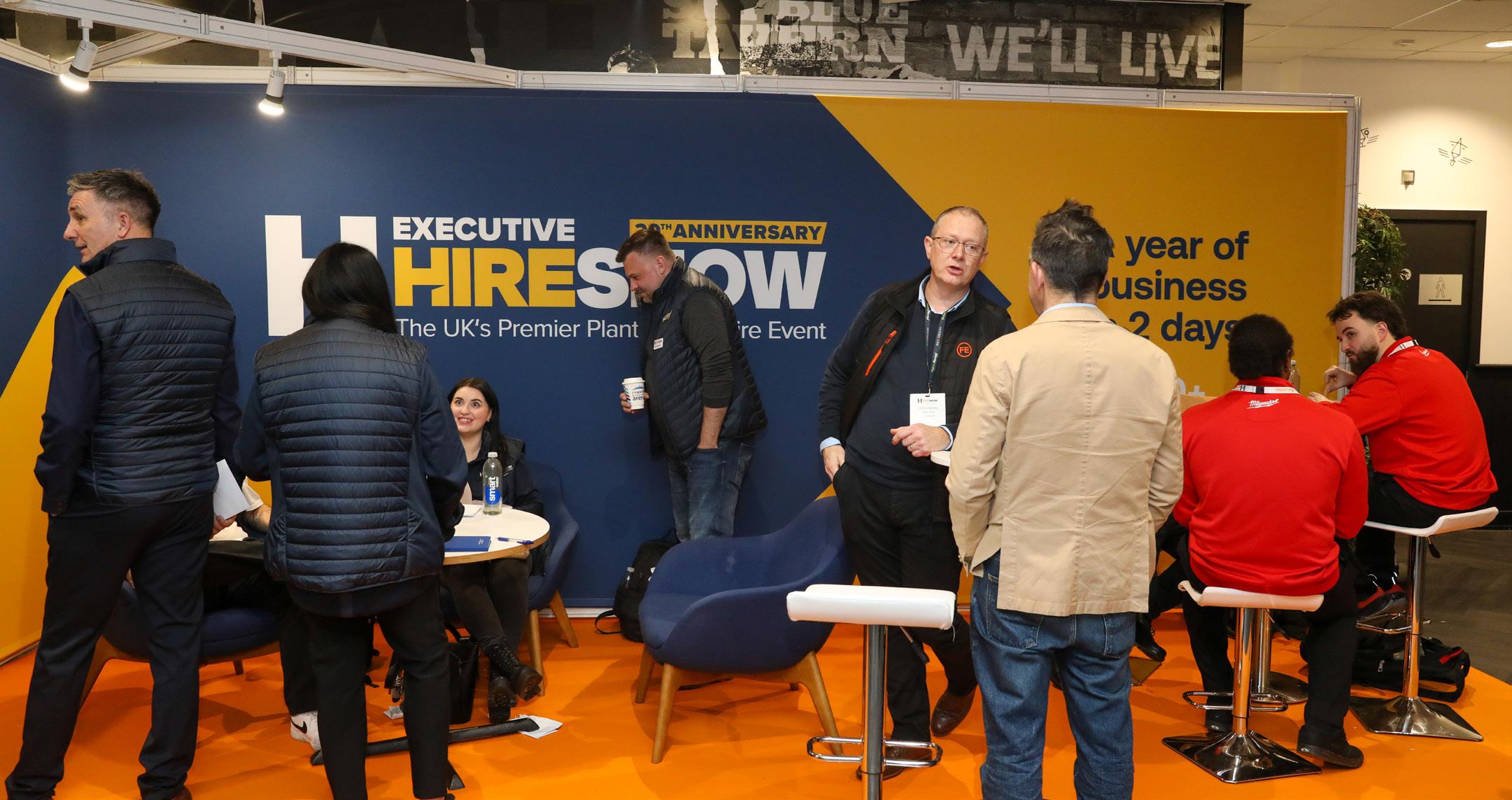
The Executive Hire Show returned to the Coventry Building Society Arena on 11 and 12 February 2026 and, by every measure, delivered another highly successful event for the hire industry.
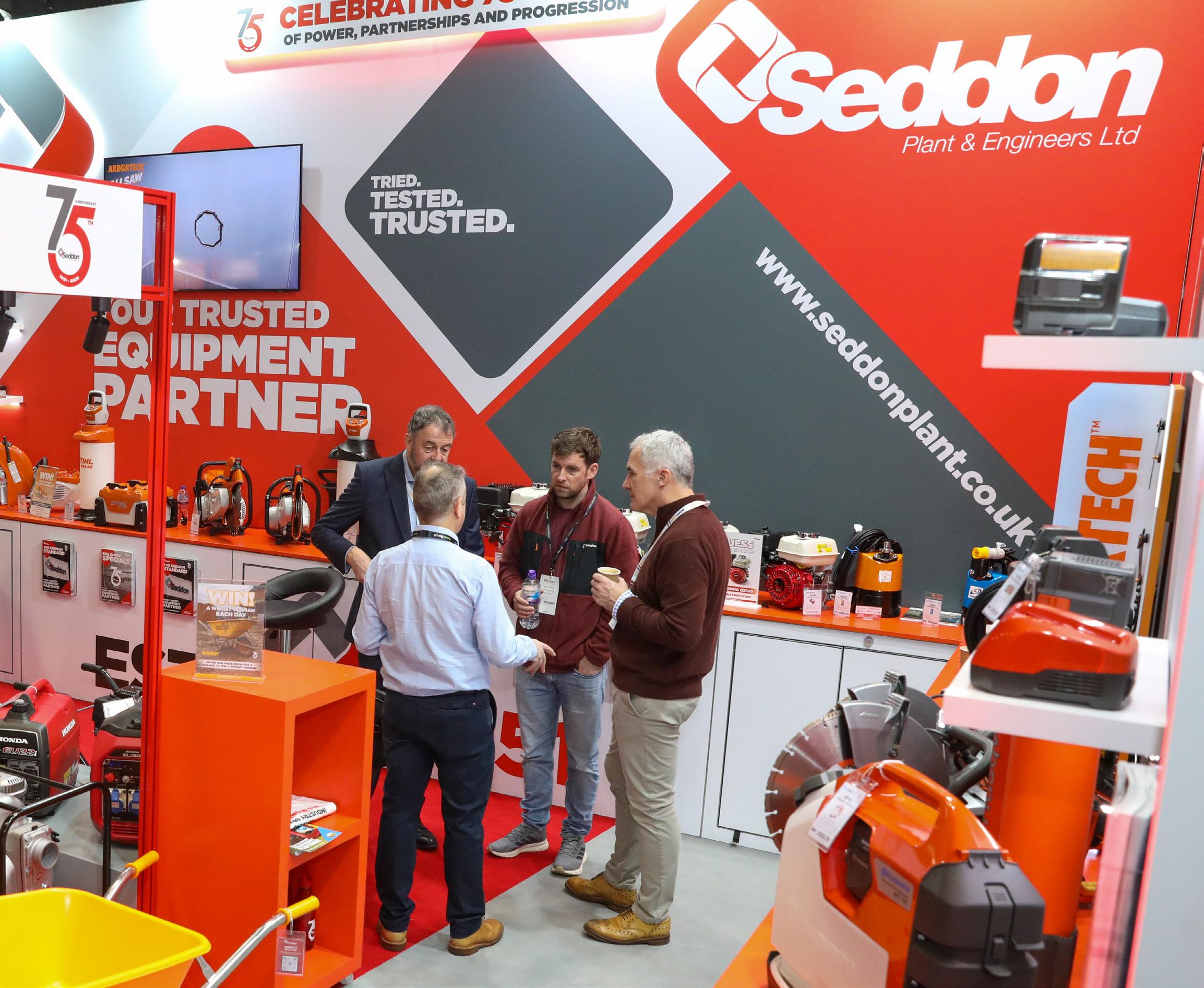
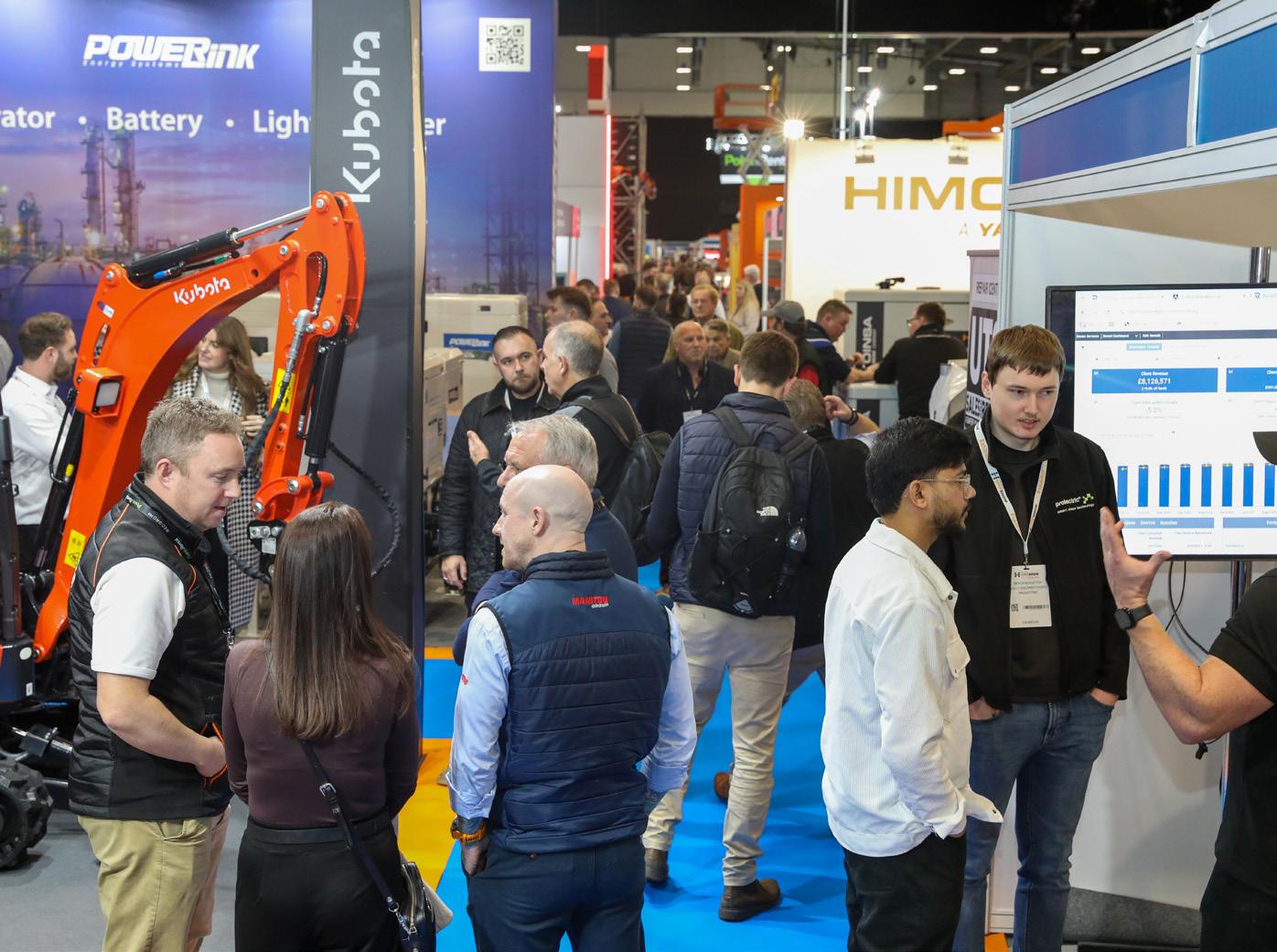
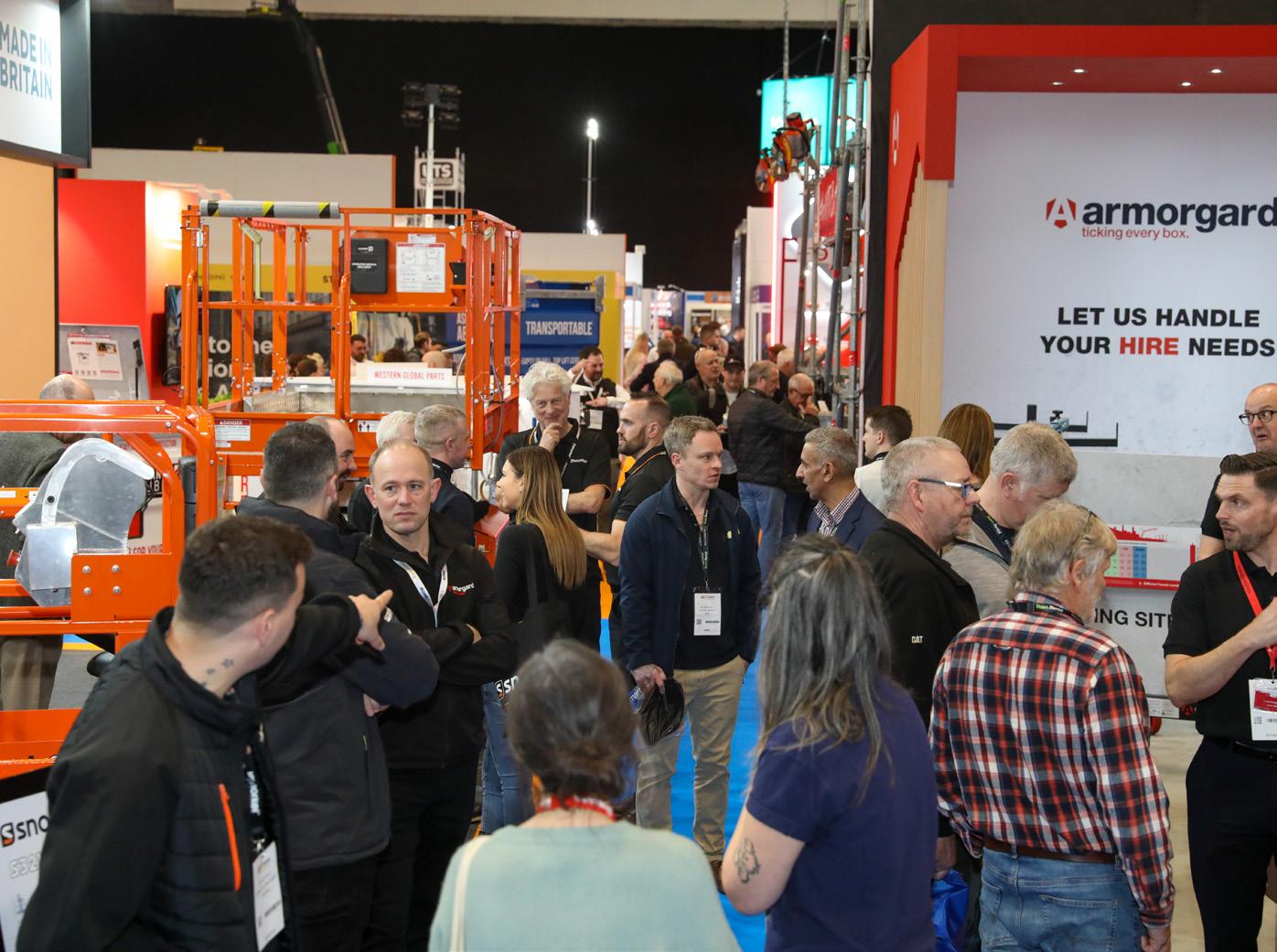
While the final audited figures will be confirmed in the coming weeks, the early results already point to a strong year for the show. A total of 2,116 budget-responsible hire industry professionals attended across the two days, with 153 exhibitors on the show floor, including 30 companies exhibiting for the first time. Audience targets were exceeded compared to the 2025 and 2024 events, underscoring the show’s continued draw for the sector.
Visitor numbers were up year-on-year, but just as importantly, the quality of the audience stood out. The halls were busy with decision-makers who came with a clear purpose: to see the latest innovations, place orders, and make the most of the many show-only deals on the latest tools, machinery, and solutions. Exhibitors reported strong, focused conversations throughout both days, with many pointing to tangible business being done on the stands.
Innovation was a clear theme across the show, with a wide range of new products, technologies, and solutions on display, including developments that support more efficient operations and decarbonisation. The Innovation Trail once again proved popular, helping visitors quickly identify new products and solutions across the show floor. Peter and Lucas Haddock interviewed the ten selected companies, with all of the ‘Top Ten’ videos available to view on the Executive Hire Show website.
At the heart of the Executive Hire Show is the strength of relationships across the industry, and few illustrated that better than Daniel Koranteng from Premier Plant Hire Africa, based in Accra, Ghana. Daniel travelled to the UK specifically to attend the show and to meet with SANY UK & Ireland, the major plant supplier to Premier Plant & Tool Hire Limited in London. As he develops a mini-excavator hire market in Ghana, Daniel has found his relationship with SANY and Paul Kuebler particularly valuable in building both his knowledge and his business in Africa.
The show also attracted a number of well-known industry voices and content creators, underlining its role as a key meeting point for both buyers and the people shaping conversations across the sector. Among those attending were Nick Drew Digger Man Blog, Ollie Gunns and Ben Wade, better known as Ben the Operator.
Ollie Gunns, content creator and owner of Gunns Contractors, said: “Trade shows are great for lots of reasons. They get you off-site for a day, give you the chance to catch up with people across the industry, and let you get hands-on with the latest equipment before committing to buy. I always come away with something to think about, a new idea for the business, or a conversation that could lead to future opportunities. It was well worth the visit to the Executive Hire Show this year.”
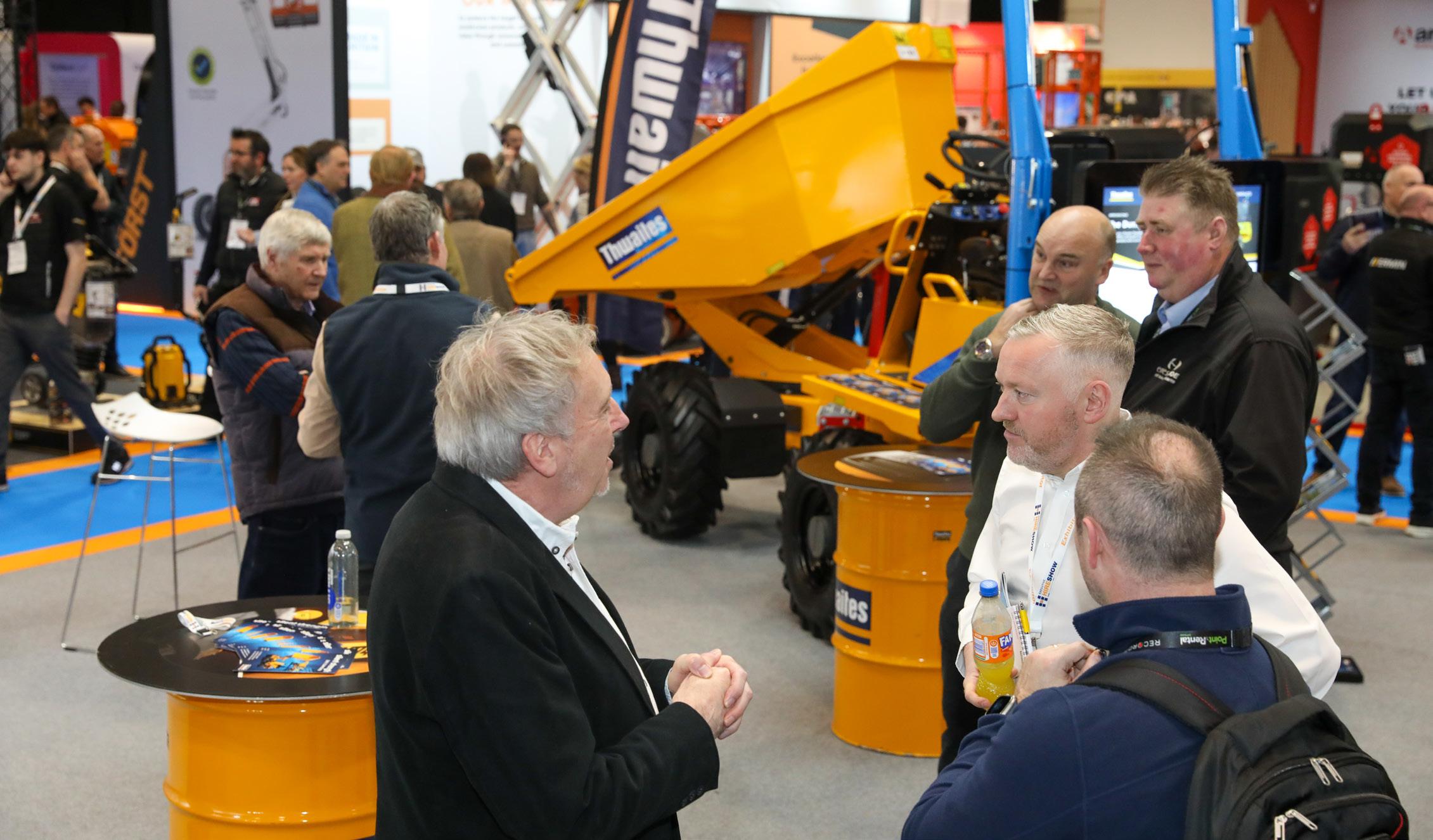
From a commercial point of view, the show floor reflected a strong appetite to do business. Will Redmann, Distribution Manager North at Thwaites, said: “It was great to welcome John Harding, National Sales Manager at KHD Brokk Hire, to the Thwaites stand. KHD are among the first UK hirers to take delivery of two 2-tonne Hi-Swivel all-electric dumpers, in a deal with BTE Plant Sales.”
John Harding, National Sales Manager at KHD Brokk Hire, added: “It was a real pleasure meeting the team at Thwaites at the Executive Hire Show. We’re delighted to be the first company in the UK to take delivery of the Electric Hi-Tip Swivel Dumper and we’re looking forward to working together. We’re already planning to take another electric dumper in the near future.”
That momentum was echoed elsewhere on the show floor, including a major order by Stuart Energy Limited for 20 FG Wilson Pro Range Stage V diesel generators (20–60kVA) to strengthen its rental fleet. The agreement was signed by the Stuart siblings – Mark Stuart, Lee Stuart and Jane StuartPuttnam – continuing a long-standing relationship with FG Wilson that now spans 40 years.
Mark Stuart said: “Signing this deal at the Executive Hire Show makes it even more special for us. FG Wilson has been a trusted supply partner for 40 years, and that relationship really matters. These generators will go straight into our rental fleet to support our customers with reliable, modern kit. The Executive Hire Show is where the industry comes together and where proper business gets done — and this deal is a great example of that.”
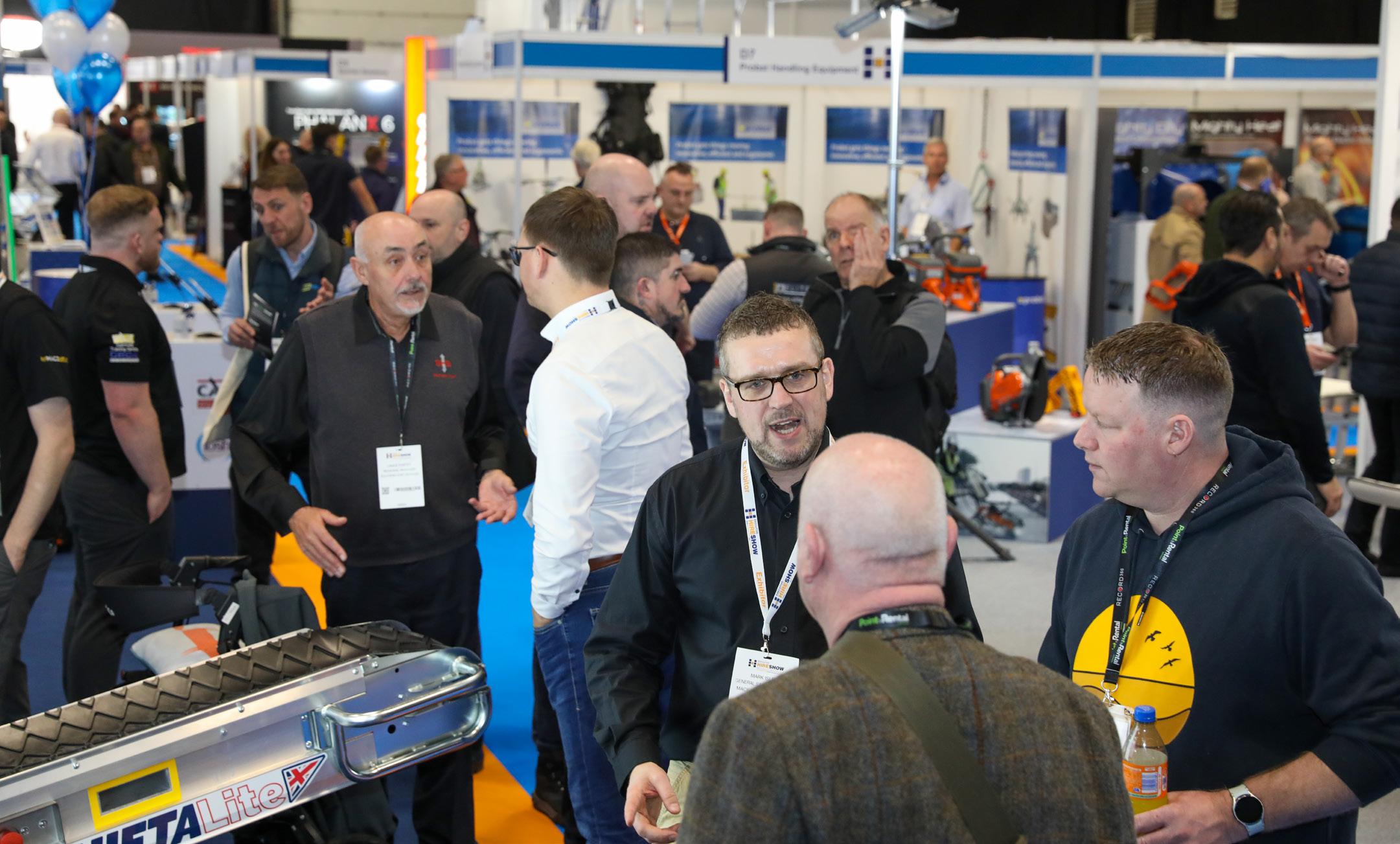




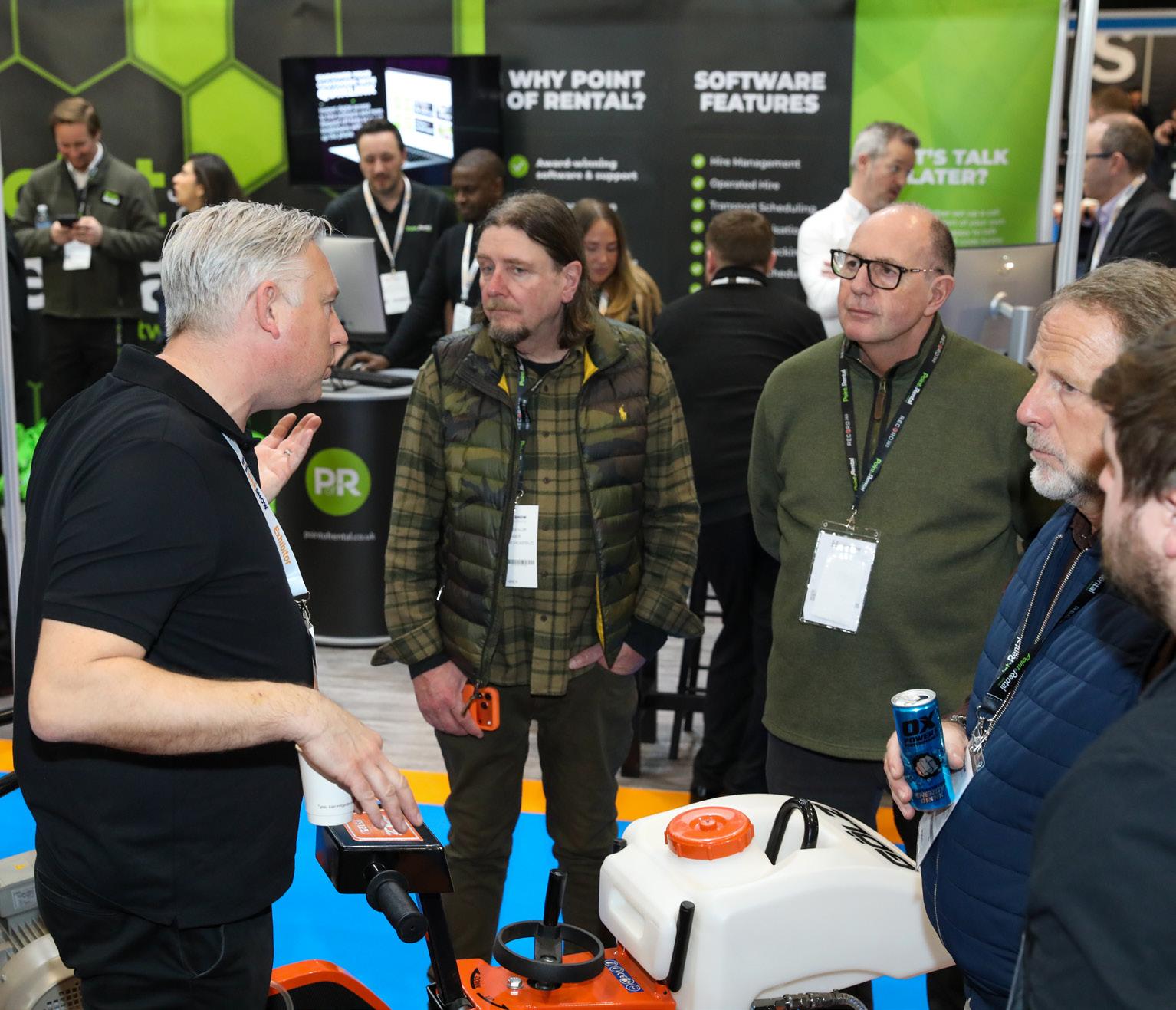
Andy Munford, Managing Director at Shindaiwa, said: “This was certainly one of the best Executive Hire Shows yet. It’s always a real highlight in our calendar and this year delivered on every front. We had a great couple of days in Coventry and would like to thank everyone who took the time to visit the stand and place orders. We’re already looking forward to next year.”
Julie Houston Smyth, Managing Director at LOLEX Ltd, said: “We had a great two days at the Executive Hire Show with our supplier, Navigator Lifts. The stand was busy throughout, with strong interest from customers. The Ranger low level access mast and the Navigator 6.0 both attracted a lot of attention, with the Navigator 6.0 standing out as the only fully manual, power-free push-around scissor platform on the market.”
Klint Mills, National Sales Manager at Fuelco UK & Ireland, part of the Eredyne Group, said: “The Executive Hire Show was a great success for us at Fuelco and a really worthwhile event for the team.”
Peter Beach, Director of Marketing at Groundhog, said: “I’d like to thank everyone at the Executive Hire Show for organising another successful event. It was brilliant to catch up with hire professionals from across the sector, and we really appreciated the number of visitors who took the time to come and talk to us about Groundhog.”
Steve Smith, Area Sales Manager at Skyjack UK, said: “After a busy few days at the Executive Hire Show, the Skyjack Europe team would like to thank everyone who visited the stand. We really value the relationships we have with our customers and friends, and we appreciate their continued support.”
Damian McCabe, CEO of DyMac Global, said: “Thank you to everyone who took the time to visit us at the Executive Hire Show 2026, and a big thank you to the EHS team for putting on a great show.”
From a visitor’s perspective, the business value of the show was just as clear. Will Gough, Managing Director at Dudleybased Will Hire Ltd, said: “It was a really good trip to the Executive Hire Show. It was great to catch up with suppliers and fellow hire companies, and we’ve got fleet purchases inbound as a result.”
Anthony Rees, Managing Director at Rees Plant Services, added: “What an excellent day at the Executive Hire Show. There were lots of new products and new ideas on show, and we also came away having done an excellent deal with Gunn JCB.”
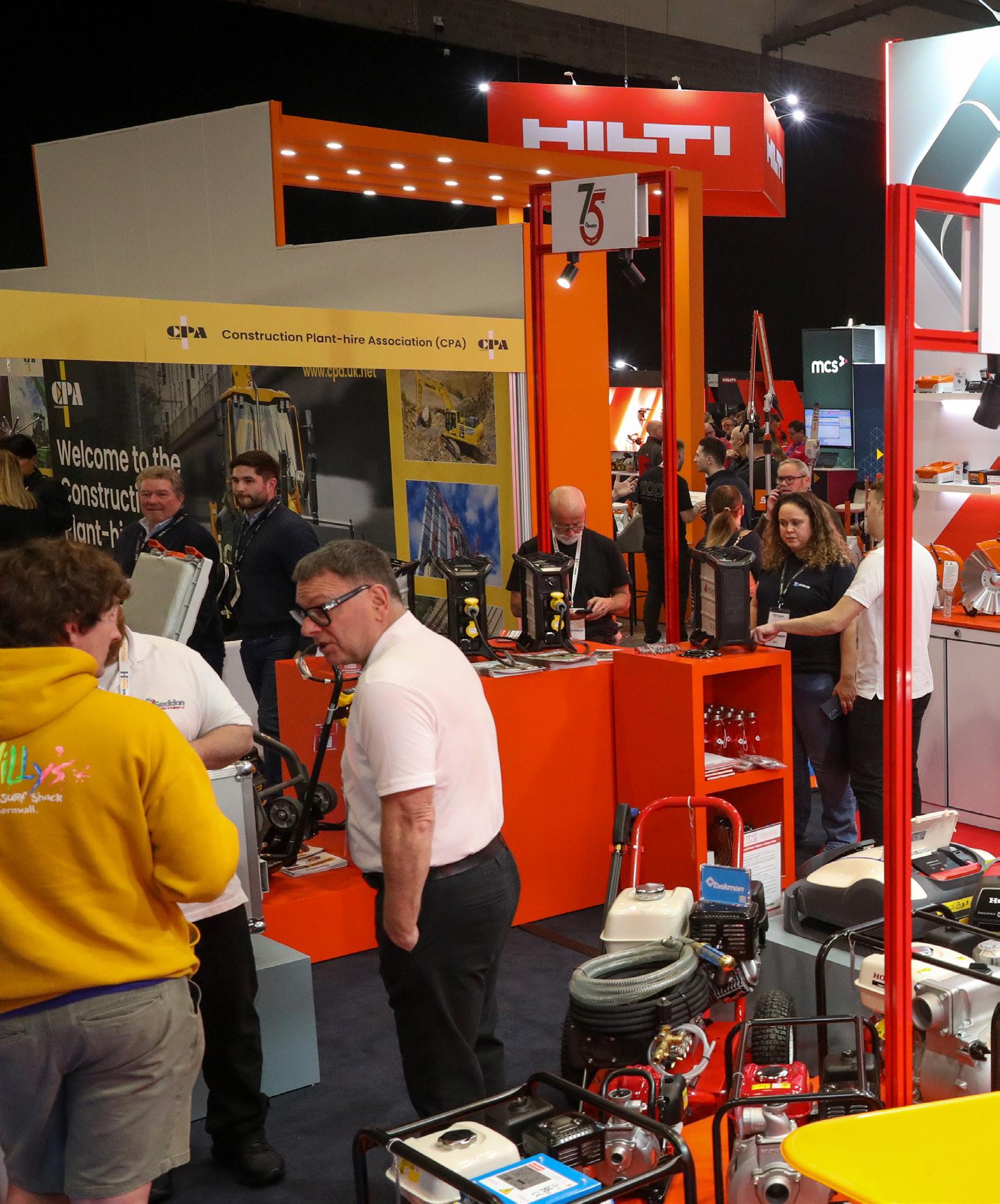
Brian Jones, Chairman of the Construction Plant-hire Association (CPA), said: “We had a great show at the Executive Hire Show at the Coventry Building Society Arena. It was excellent to catch up with so many CPA members and contacts, and to make some new connections. Thanks to the organisers for putting on such a strong event.”
Roger Verallo, Managing Director at Euro Towers Ltd and past Chairman of PASMA, said: “What a fantastic two days. It was a really great show and brilliantly organised. Our team would like to thank everyone who stopped by our stand – the support and interest we received made the whole event a major success. Well done to everyone involved.”
Jade Allen, Sales Manager at International Platforms, said: “The Executive Hire Show 2026 proved to be a highly productive and insightful event for our team. As the first major date in the industry calendar, it really does set the tone for the year ahead, and it gave us a great opportunity to meet face-to-face with suppliers, manufacturers, customers and colleagues all under one roof.”
The first day of the show also saw the return of the Passionate Hirer Awards, held on Tuesday 11 February and attended by around 200 exhibitors and senior figures from across the hire sector. Hosted by England rugby star David ‘Flats’ Flatman, the ceremony took place in front of a packed room. Alide Hire and Hire Services Southern took top honours on the night, while Josh Llewellyn, Chairman of the Gaia Group and MHM Group, received both a Special Recognition award and the ‘Industry Legend’ award.
Reflecting on the event, Chris Moore, Publishing and Event Director, said: “What stood out this year was not just the volume of business being done, but the breadth of new products and ideas being brought to market. Across the Show, we saw genuine innovation, from new equipment and technologies through to solutions supporting decarbonisation and more efficient operations. Just as importantly, the continued loyalty of both exhibitors and visiting hire companies shows the Executive Hire Show remains a trusted meeting place for the industry. The conversations and partnerships that start here extend well beyond the two days of the event, and that is what gives the show its real value.”
Looking ahead, the Executive Hire Show will return to the Coventry Building Society Arena on 10 and 11 February 2027, marking the show’s 20th anniversary at the home of hire.
How has the Didcot Disaster affected the community and what have we been able to learn from it?
When you go to work, you always expect to come home at the end of the day.
I know it shouldn’t need to be said, but in certain lines of work, a normal expectation such as this becomes more of a question. In routine modern demolition though, you wouldn’t necessarily think about such a thing.
And yet that became the reality at Didcot in 2016.
Any accident in demolition certainly has the community in a vice like grip. But when one makes national news, even all these years later, it is certain to leave a much bigger trail of devastation in its wake.
So, what was the Didcot Demolition Disaster, and how did it come about?
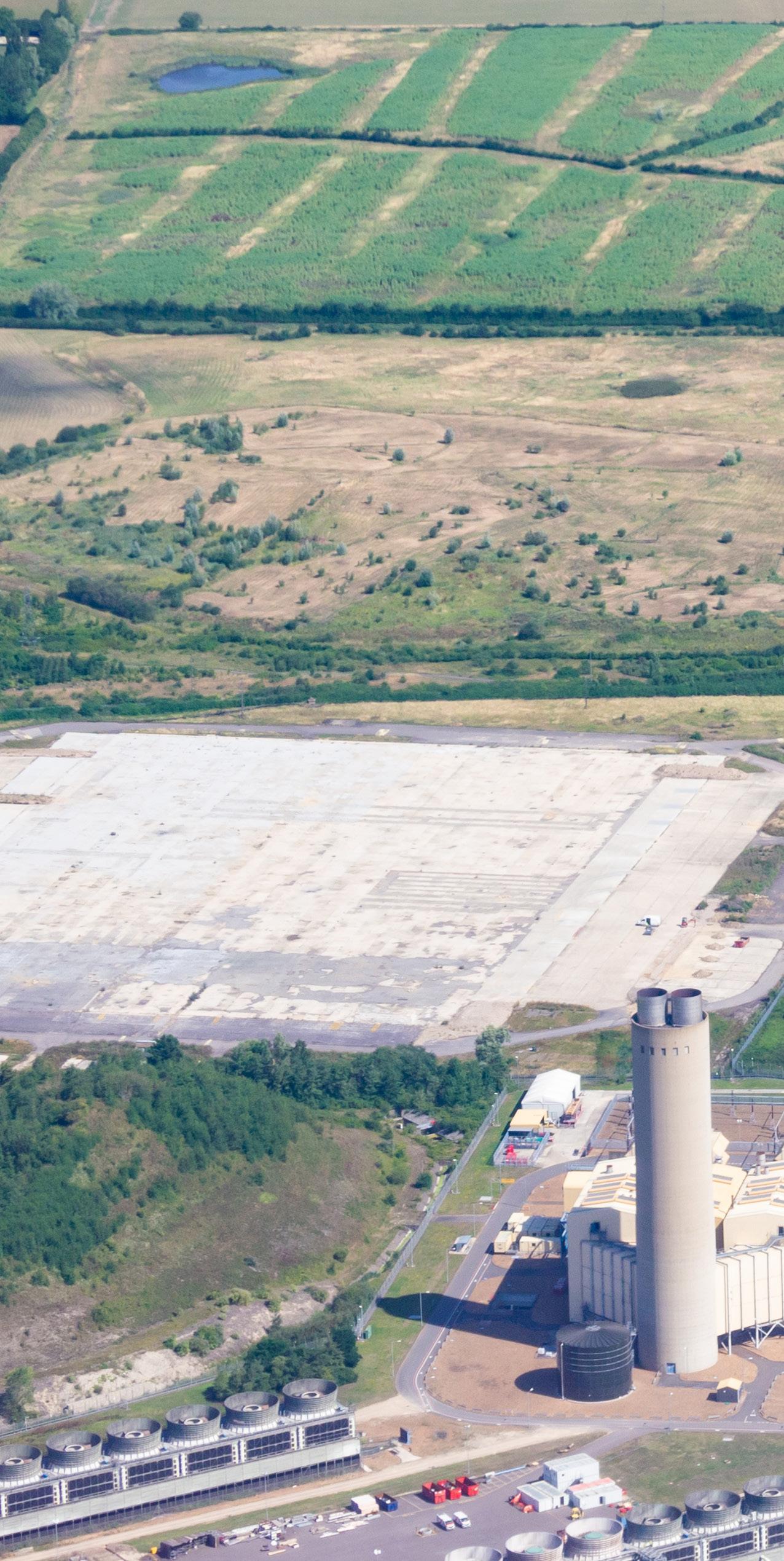
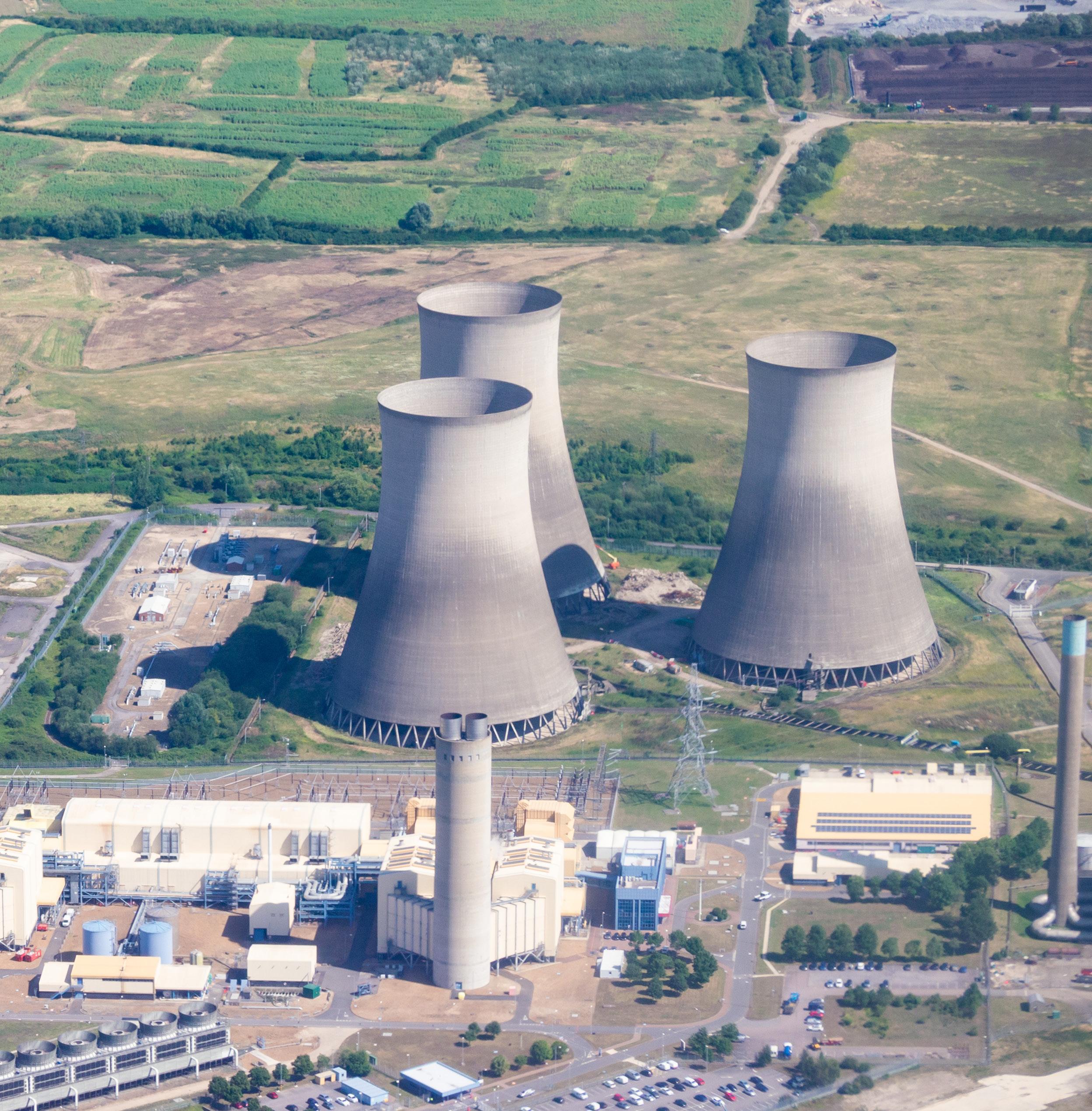
Didcot power station (formally Didcot B Power Station) is a natural gas powerplant in Sutton Courtenay, Oxfordshire. To this day, it remains an active power station, though it’s not the one that lives in infamy.
Didcot A was the first station on the site, which was a combined coal and oil power plant designed by Frederick Gibberdand that opened its doors in 1970. Despite local opposition to the building of the £104 million project, it was ultimately believed that it would bring about more jobs for the residents of Sutton Courtenay and the surrounding areas. Defamation certainly seemed a keen companion to the power station, as 30 Green Peace protesters broke onto the site in 2006, asking for its closure due to being ‘the second worst power station for pollution in Britain.’ A similar protest happened again in 2009. Eventually, in 2013, Didcot A ceased operations altogether.
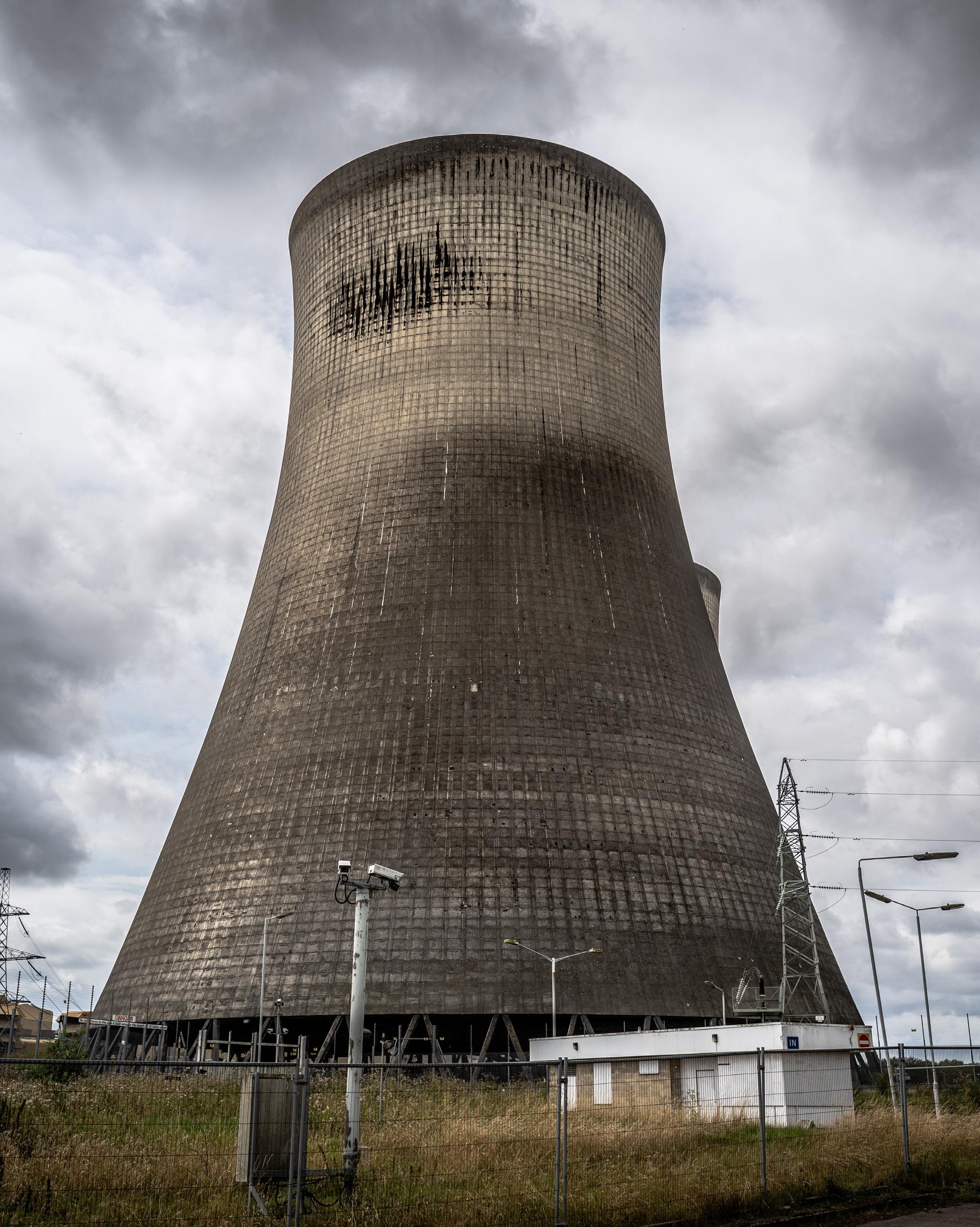
The demolition of Didcot A began in 2014 and finished in 2020. All six of the hyperboloid cooling towers were eventually demolished, the first three in 2014 and the final three in 2019.
It would be the boiler house that would be its undoing.
What followed demonstrates why the title ‘Didcot Demolition Disaster’ was earned.
23rd February 2016 should have been a routine day. It shouldn’t have lived on as a day of mourning for the families and community. The disaster never should have happened.
This was the day that a large section of the boiler house unexpectedly collapsed and killed four men.
As for any project in controlled demolition, the structure was being weakened by cutting into the steel frame. This is to enable the explosives to bring the building down safely and succinctly. The building itself had the boilers suspended from the superstructure and above ground level to allow for their expansion, so required expert knowledge to know the safest way to continue preparations.
What followed demonstrates why the title ‘Didcot Demolition Disaster’ was earned.
Tragically, Michael Collings, aged 53, was killed outright and his body recovered the same day. A further three people were listed as missing presumed dead: Ken Cresswell (57), Christopher Huxtable (34), and John Shaw (61). Another five people were injured, three of whom sustained serious injuries, and an additional 50 people were treated for dust inhalation.
To further add to the chaos and devastation, the rubble from the collapse was nine metres high and completely unstable. This, combined with the instability of the remaining half of the building, still standing, completely hampered search efforts. In fact, the impact was so great, many local residents actually believed it to be an explosion, with Thames Valley Police declaring it as a ‘major incident’ shortly after its collapse at 16:00 GMT.
Months would pass before the missing men were found.
Months that the aggrieved families of the missing men had to wait to even lay their relatives to rest. Months of those injured looking for answers. Months where the trauma only continued to build. Work to recover the bodies of the three men claimed by the Didcot power station collapse was initially halted because contractors had reached a ‘50-metre exclusion zone.’ So far, they had only been able to pick through the wreckage to see if these men could be salvaged, but site owner RWE npower put a stop to it stating that it was too dangerous to continue the search at this time.
“A plan is being drawn up so the recovery operation can restart as quickly and as safely as possible,” a spokesman said.
Sandra Huxtable, the mother of one of the missing men was quoted as saying this in an interview with Sky News:
“You are on hold every minute of your life because you are waiting for that phone call to say they have found Chris, but now we will not have that phone call. Give them some dignity and get these men out. There will be nothing left of them.”
It wouldn’t be until 17th July 2016, when what remained of the structure was demolished in a controlled explosion by Alford Technologies. This all took place while the bodies of the missing men were still trapped beneath the rubble. Robots were used to place the explosive charges due to the danger it posed to humans, and the rest of that particular site was demolished just after 06:00AM in the morning (BST). This brought even more distress to the families of the missing men for fear they would never recover the remains of their loved ones intact, stripping them of dignity after first stealing their lives.
Once the controlled demolition had taken place, the search continued.
It would take until 31st August 2016, to find the first body, when specialist teams were called into place to recover him. Finally, on 3rd September the body was identified as Christopher Huxtable. More days passed, and on 8th September 2016, police were able to confirm that they had found one more body. On 9th September, it was formally identified as that of Ken Cresswell. On that very same day, John Shaw was also recovered from the wreckage. All three men were finally returned to the care of their loved ones.
“You are on hold every minute of your life because you are waiting for that phone call to say they have found Chris, but now we will not have that phone call. Give them some dignity and get these men out. There will be nothing left of them.”



Despite all of this, it wouldn’t be until 2018 when demolition contractor Coleman and Company would step down from their position and hand over the remaining demolition work to another company.
In February 2024, an investigation by Thames Valley Police and Health and Safety Executive into the collapse was said to be “continuing to look at possible corporate manslaughter, gross negligence manslaughter and health and safety offences.”
10 years on from such tragedy, 2026, and the investigation remains ongoing.
Many quite rightly see this as an insult to the many lives that were affected to such a considerable lack of planning and forethought. The ever-pervading thundercloud of delay hangs over the Didcot disaster and ultimately has become the lingering bad taste in everyone’s mouths. Leaving families suspended in grief over and over again ultimately seems cruel; at what point will a line be drawn in the sand? When is enough, enough?
Due to the fact it remains an ongoing investigation (one of the longest in the history of demolition), there is very little detail that we can garner about the buildup of events and how it could have been prevented. The facts we do know are these:
• The investigation is a joint venture between Thames Valley Police and the Health and Safety Executive (HSE) into potential offences, which include Corporate manslaughter, Gross negligence manslaughter and Health and Safety at Work Act violations.
• Thousands of exhibits and tens of thousands of digital media artefacts have been analysed.
• Over 180 hours of witness and suspect interviews and 2,800 statements taken.
Thames Valley Police have expressed confidence that the investigation is entering its final stages, but whilst they expect to seek a charging decision soon, the damage done by the disaster is absolute.
The ever-pervading thundercloud of delay hangs over the Didcot disaster and ultimately has become the lingering bad taste in everyone’s mouths.

4 men died in the incident: Michael Collings, Ken Cresswell, Christopher Huxtable, John Shaw
5 people were injured, 3 of which were serious
50 people were treated for dust inhalation
The potential charges include corporate manslaughter, gross negligence manslaughter and Health and Safety at Work Act violations
The investigation remains on going to this day
Thames Valley Police have expressed confidence that the investigation is entering its final stages.
While the public does not have the full inner workings of the case and build up to the incident, what the demolition industry has done is seek to tighten its procedures to mitigate this sort of unnecessary and wholly tragic risk. The Guardian reported that the demolition contractor responsible, Coleman & Company, had supposedly never demolished a power station before when awarded the contract. Even though after the disaster, Coleman & Company disclosed a £1.3 million provision for disaster costs and further emphasized the need to improve safety practices and risk management in complex demolition, the majority agree that such revelations came far too late.
Nowadays, Didcot has become a footnote to every discussion on the risks of large-scale industrial demolition, and evidence for the need for proper prescriptive risk assessments, thorough structural analyses and rigid safety protocols. Moreso, the disaster has influenced wider debate on how and why demolition contracts are awarded and scrutinised, especially for large complex structures and industrial powerhouses.
So, what can we learn from this?
Best Practice isn’t simply a box to tick; it is a lifesaving necessity. Laws and protocols sit in place for a reason and using survivor bias to say ‘I’ve always done it this way’ or perhaps cutting corners to ‘save on time’ could be a potential death sentence.
An emotive response? Yes.
An overexaggeration? Absolutely not.
Perhaps if you ever find yourself thinking it is, simply repeat these four names. Michael Collings, Ken Cresswell, Christopher Huxtable, John Shaw.
An emotive response? Yes. An overexaggeration? Absolutely not.


EMOTIONAL WELLBEING
MENTAL HEALTH
RELATIONSHIPS
LONELINESS
TRAUMA SUPPORT
BULLYING
LOSS & BEREAVEMENT
SUICIDAL THOUGHTS

PHYSICAL WELLBEING
ILLNESS
INJURIES
ADDICTIONS
SLEEP
DIET & NUTRITION
EXERCISE
HORMONE SUPPORT
FINANCIAL WELLBEING
FINANCIAL SUPPORT
BENEFIT ENTITLEMENT BUDGETING DEBT MANAGEMENT
TAX & CIS
LEGAL ADVICE
TRAINING & CSCS FEES

For over seventy years, the twin silhouettes of the Tinsley Cooling Towers dominated the eastern skyline of Sheffield. Rising above the M1 motorway, they were among some of the most recognisable industrial landmarks in Britain.
Their eventual destruction in 2008 marked not just the end of two structures, but the dramatic symbolic conclusion of the heavy industrial era for the city of Sheffield.
Constructed in 1938 as part of the Blackburn Meadows power station complex, the Tinsley Cooling Towers were designed to cool the 30 megawatt coal-fired power station. The majority of the power generated by this facility was used to supply Sheffield’s rapidly expanding steelmaking and heavy industry which, at the time, was one of the most important industrial centres in Europe. Consequently, its energy demands were immense.
Each tower stood approximately 250 feet tall, and was constructed from reinforced concrete using the hyperbolic form that was becoming standard for large natural-draught cooling towers. Their distinctive hourglass shape was designed to maximise airflow while minimising material usage.
When completed, they were among the largest cooling structures in the country, and some of the earliest examples of hyperbolic form towers. Together, they performed the vital role of venting vast plumes of steam from the power station.
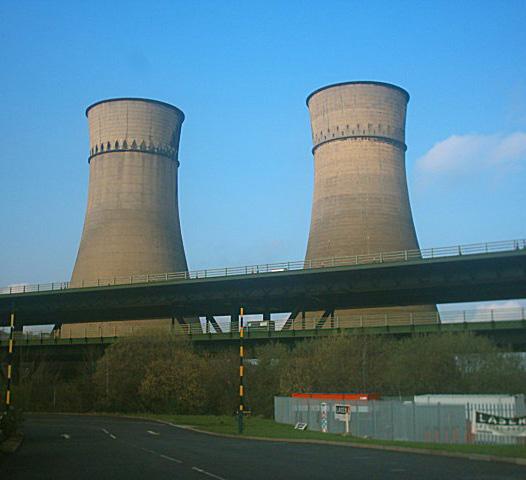
Unlike many of the industrial structures that populate UK skylines, the Tinsley Towers were never widely hated in the way many industrial structural remnants are. On the contrary, they became a beloved local landmark to both the residents of Sheffield and travellers on the M1 motorway.
However, following the collapse of the UK steel industry in the 70s, the Blackburn Meadows power station rapidly became surplus to requirements, and was largely wound down. By 1980, the site had been demolished, with the two Tinsley Towers only spared due to safety reasons derived from their vast scale and close proximity to the motorway, which made demolition complex, costly and risky.
While they remained structurally sound for many decades following their decommissioning, their disconnection from an active power station made them functionally redundant, and increasingly costly to maintain. Many plans were put forward by local residents to save the towers from demolition, including turning them into a giant art installation, which gained significant public support. However E.ON, who owned the towers, declared them structurally unsound by 2005, and the decision to demolish them was finalised.
Demolition planning began years in advance. Given their size, location and condition, the towers required a controlled explosive demolition rather than mechanical dismantling.
Work to strengthen the Tinsley Viaduct, which carries the M1 motorway, also had to be carried out in order to ensure it would survive the demolition of the two towers.
Before explosives could be placed, extensive preparatory work was carried out. Any residual hazardous materials were cleared, and all internal pipework, metal fixtures and remaining equipment was stripped.
Structural surveying was carried out to determine the precise failure points required to ensure an inward collapse. Engineers then designed a blast sequence that would cause the towers to fold into themselves rather than risk them falling outward toward the Tinsley Viaduct or nearby buildings.
In August 2008, controlled explosive charges were placed at the base of both towers. Hundreds of shaped cutting charges were installed in pre-cut slots around the lower circumference of each structure, designed to remove critical load-bearing sections.
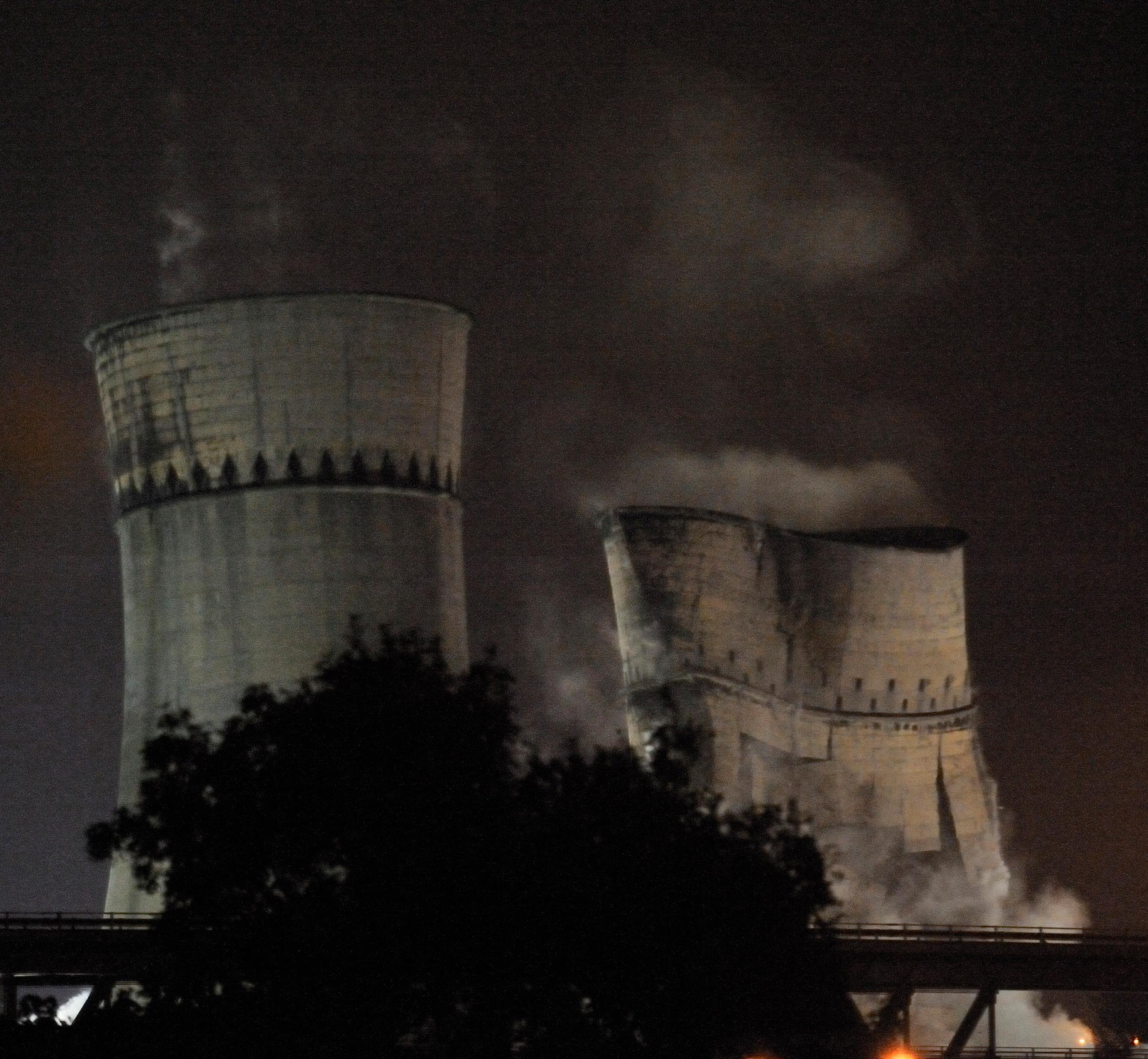
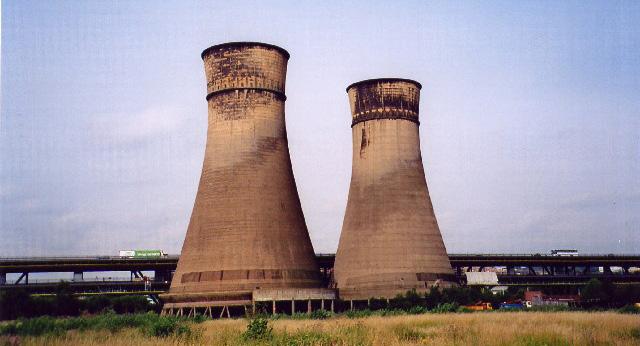
On 24 August 2008, thousands of spectators gathered nearby to witness the event. At precisely 03:00am, the charges were detonated in a carefully timed sequence. Within seconds, both towers buckled at their bases and collapsed almost vertically, generating enormous dust clouds visible across the city.
The demolition was widely regarded as a success, with both towers falling as planned. However, approximately a third of the north tower remained standing briefly before collapsing into its footprint.
Following the demolition, extensive safety inspections were carried out on the Tinsley Viaduct by the Highways Agency, who confirmed late that evening that no damage had been sustained.
The collapse produced tens of thousands of tonnes of rubble, comprised primarily of crushed concrete and steel reinforcement. The majority of this material was processed on site, with the concrete crushed and recycled as aggregate for road construction and redevelopment projects in the region, while the steel rebar was separated magnetically and sent for re-smelting.
Following the removal of the Tinsley Cooling Towers, E.ON constructed a ‘renewable energy park’, which included a biomass power station.
The new power station was completed in 2014 at an estimated cost of £120m. Using waste wood as a fuel source, the site has an operating capacity of 30 megawatts, and the waste heat generated is captured to provide district heating to nearby residents.
Affectionately dubbed the ‘Gateway to Yorkshire’ and ‘Salt and Pepper pots’, it is rare for the demolition of industrial structures to generate genuine despondence from residents local to them, especially after fierce local attempts to have them preserved.
However, the Tinsley towers represented more than the robust remnants of a former power station to the residents of Sheffield. They became a tangible representation of Sheffield’s proud industrial identity, and their dramatic removal marked the final moment for Steel City to move on to a modern and diversified post-industrial future.
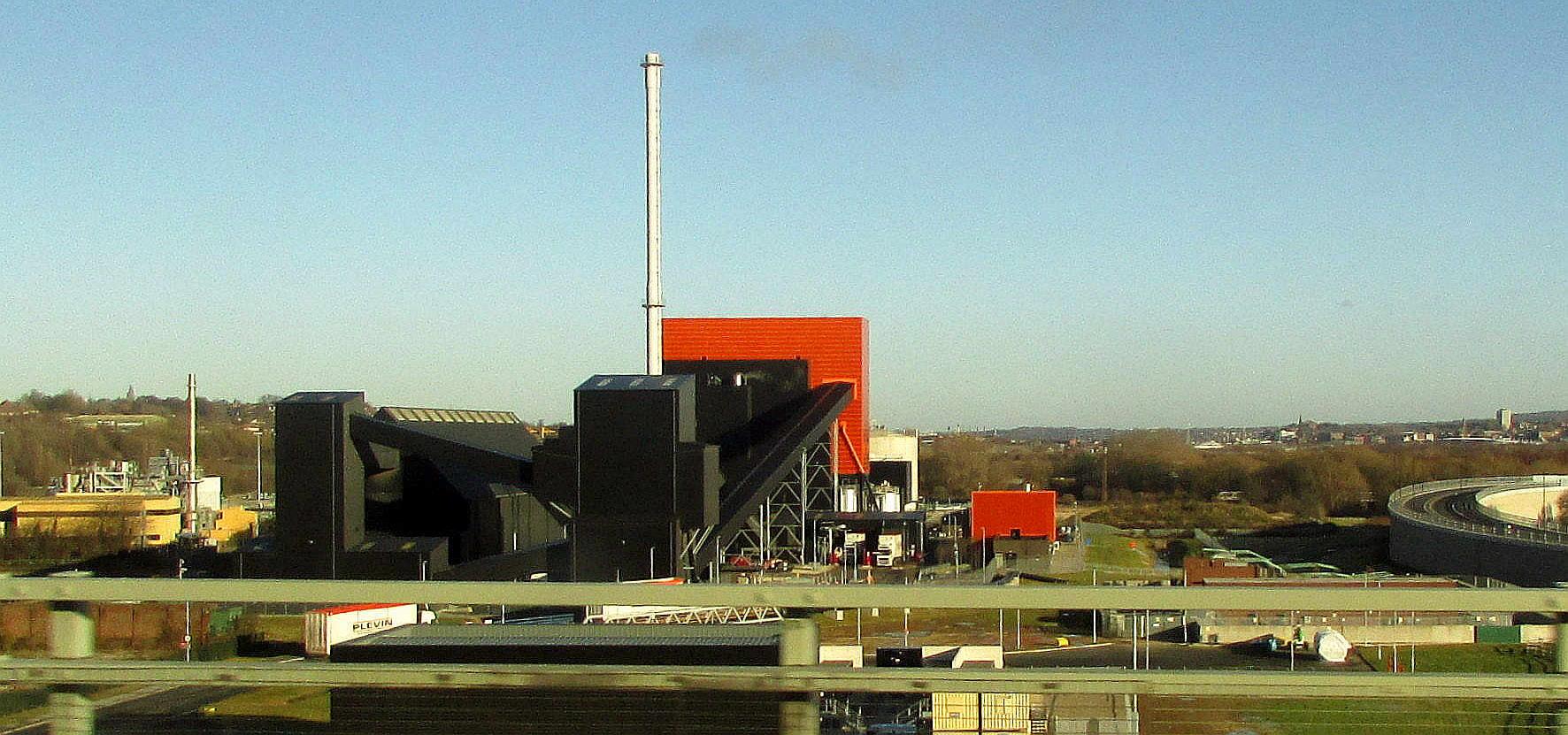
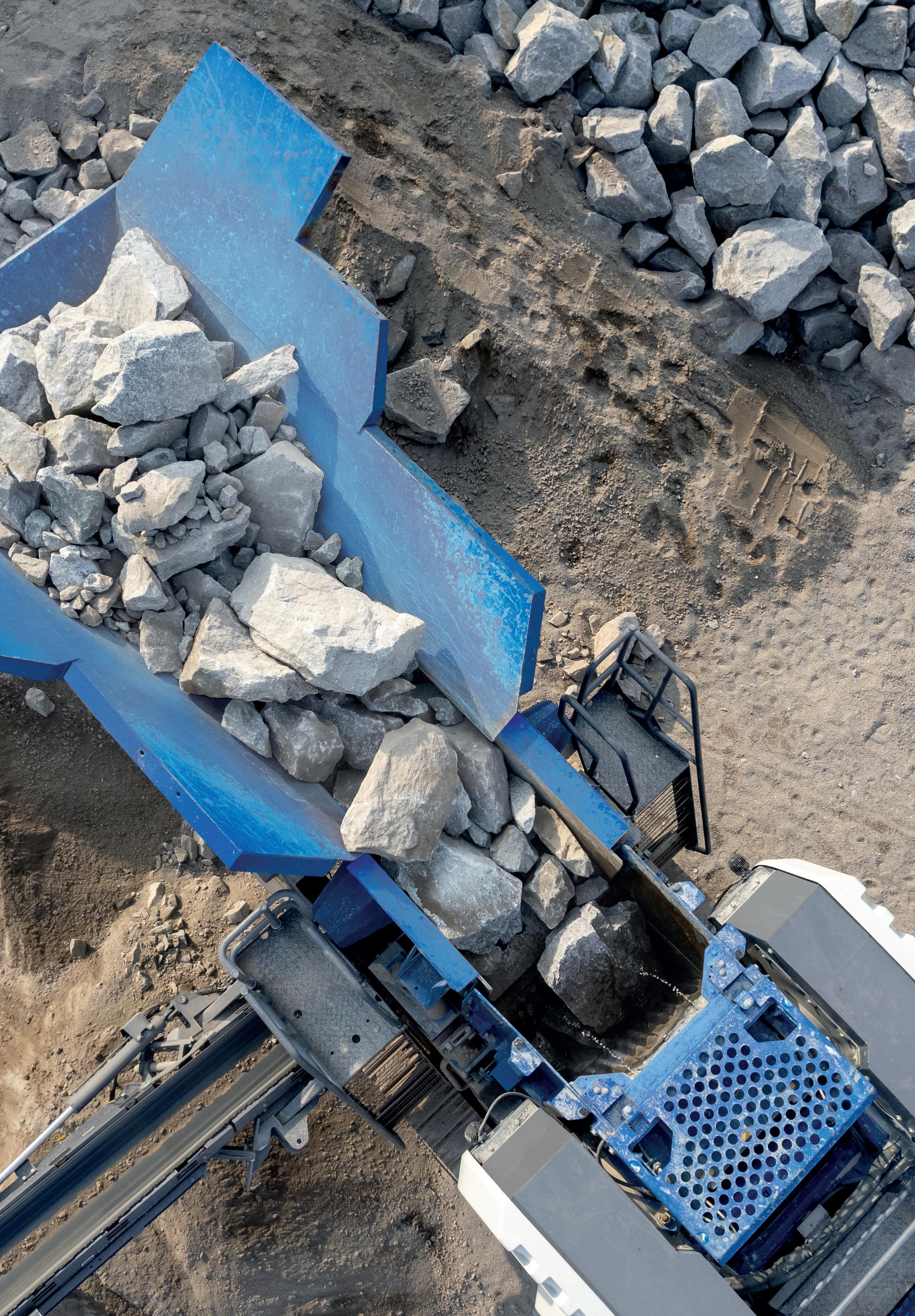
Already boasting an impressive fleet of Liebherr machines within its demolition and remediation fleet, Burnley based Skillings Crushing has added the first R 940 Demolition machine to enter service in the UK.
The R 940 Demolition is currently the smallest dedicated demolition machine in Liebherr’s range, which includes three larger models: the R 950, R 960 and R 980, the latter tipping the scales at almost 200 tonnes. Designed and manufactured at the company’s Colmar facility in the Alsace, France, the dedicated range of demolition machines is complemented by a wide range of options available on all crawler excavators enabling them to operate safely within this specialist industry.
The R 940 Demolition, like the entirety of the demolition range, is constructed around tried-and-tested components designed to deliver a combination of reliable and powerful operation, robust build quality and long-term durability.
Centred around the Generation 6 excavator platform, the R 940 Demolition is powered by Liebherr’s D944 A7-25, fourcylinder diesel engine producing 272hp. While this output may not sound huge for a machine tipping the scales at around 68 tonnes, it is the marriage of the engine and hydraulic pumps that delivers class-leading flows and pressures, while at the same time providing Liebherr’s trademark smooth operating characteristics. This allows the operator to confidently undertake multiple operations simultaneously. Powering a pair of 315 l/min pumps supporting the front-end equipment and travel drive, alongside a 205 l/min pump for the swing drive, the engine still delivers class-leading fuel consumption figures, averaging just 21.37 l/h.
Like all Liebherr excavators, the R 940 Demolition is available with a wide range of options for owners to choose from at the build stage. Starting with the undercarriage, four configurations are available: LC, NLC, LC V and VH HD. The latter has been selected by Skillings, as it offers increased low-mounted weight and helps deliver a greater working range across all applications. The VH HD undercarriage features hydraulic width adjustment, taking the outside width of the 600 mm tracks from a travel configuration of 2,980 mm to a working width of 3,930 mm. It also includes three top rollers and a series of individual bottom roller guards.
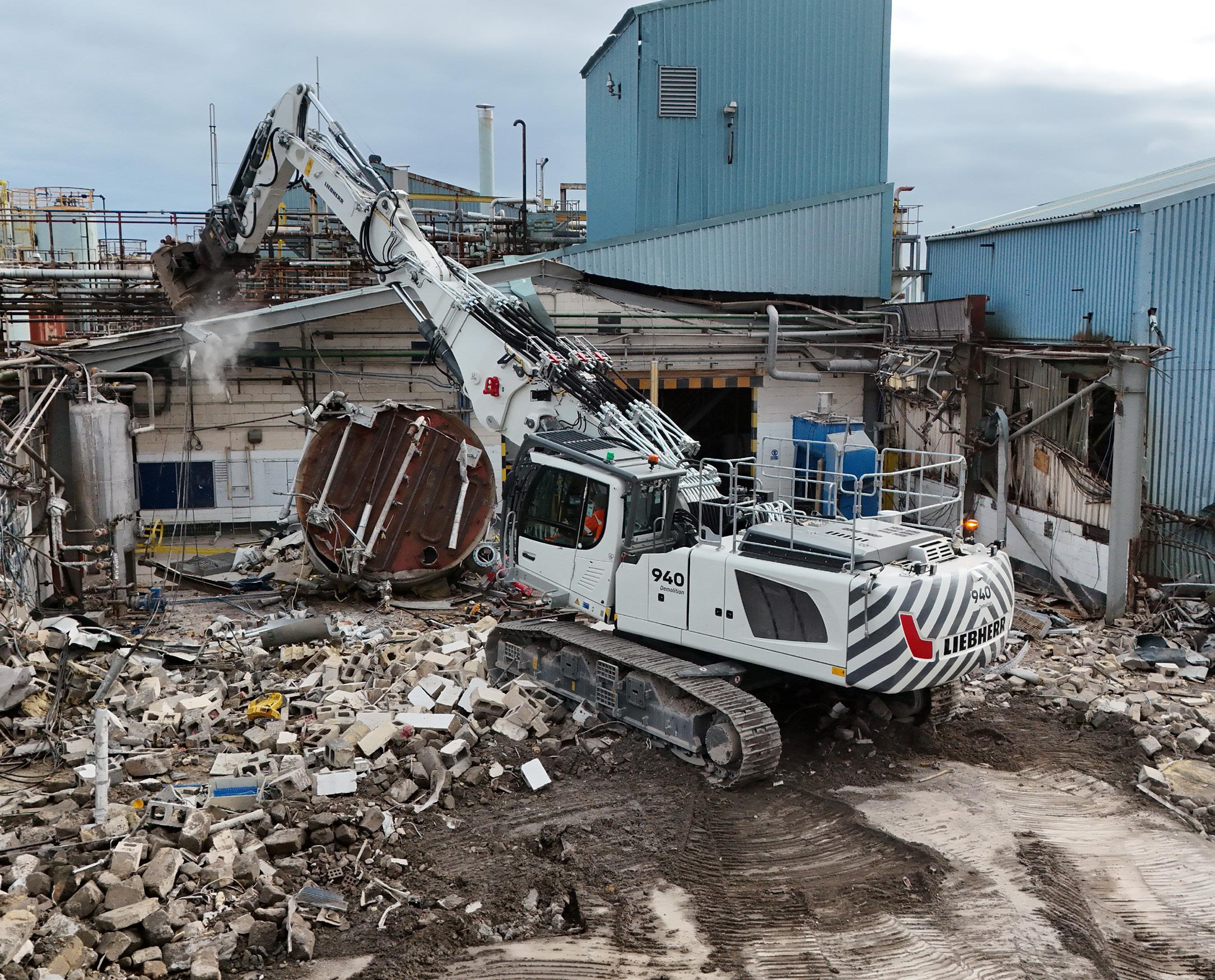
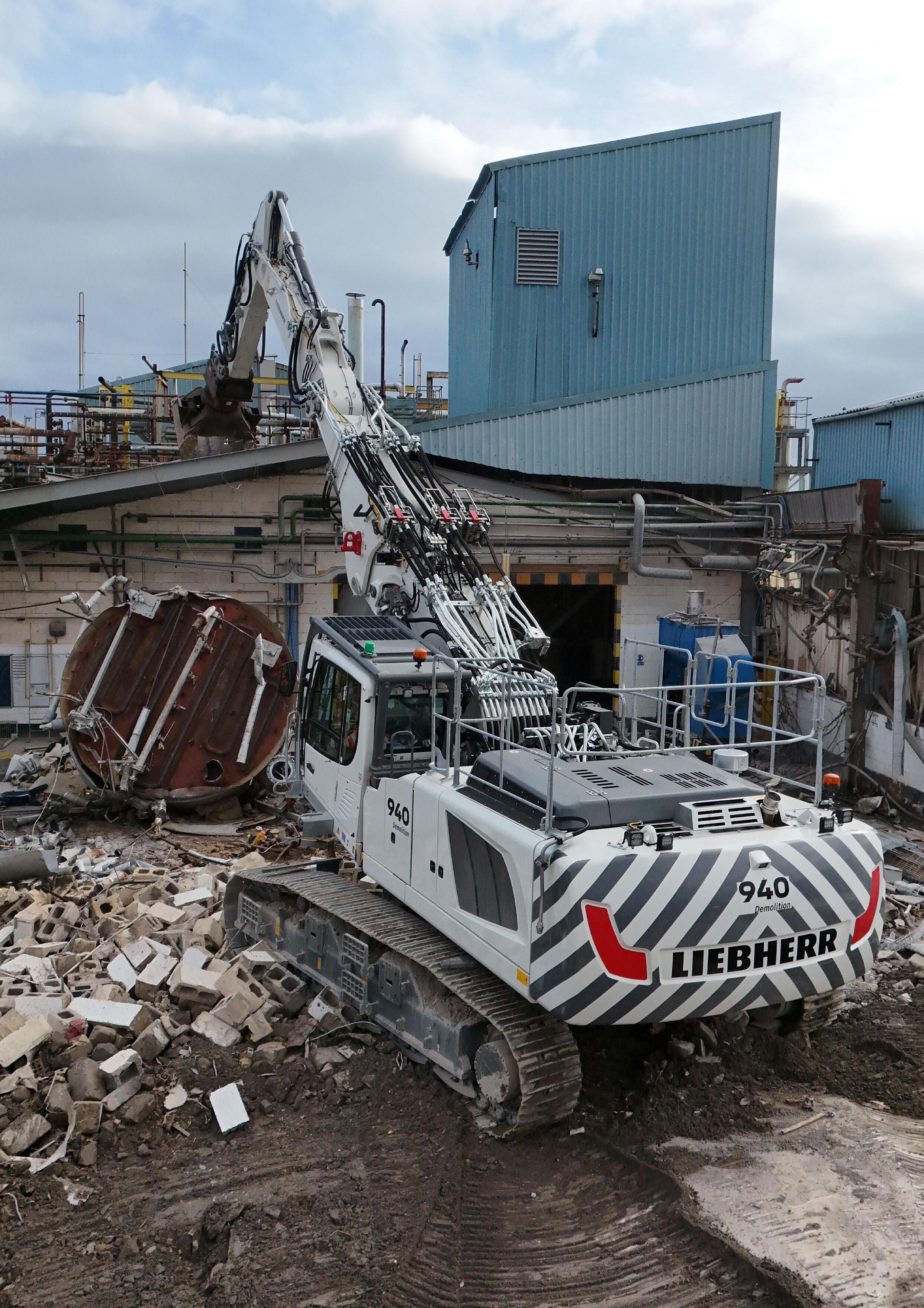
The side frames are fitted with individually foldable steps which lock into position to reduce transport width. At the rear of the upper structure sits the large 11 tonne counterweight. This unit is fitted with a connection for the on-board dust suppression system, allowing hoses to be connected easily and safely from ground level. While the upper structure is fitted with a boxing ring, access to the engine is gained via a conveniently located service walkway behind the operator’s cab. The standard Demolition range cabin tilts rearwards by 30°, enabling the operator to maintain a clear view of the working area. FOPS protection includes a heavy-duty cab roof and front grille, with removable front sections allowing damaged components to be replaced easily and cost-effectively.
An innovative cab feature is the use of high-pressure air jets to clear dust from the top window. Traditionally, a washer/ wiper system would be used, but Liebherr found that the initial wipe can trap abrasive dust particles, scratch the glass and eventually impair visibility.
Inside the cab, the control layout mirrors that of Liebherr’s highly regarded standard excavators. An additional LDC (Liebherr Demolition Control) screen provides continuous visual confirmation of the boom position relative to the upper structure and undercarriage, while also displaying the available safe working envelope. The award-winning LDC system limits the machine’s range of movement, ensuring it remains within
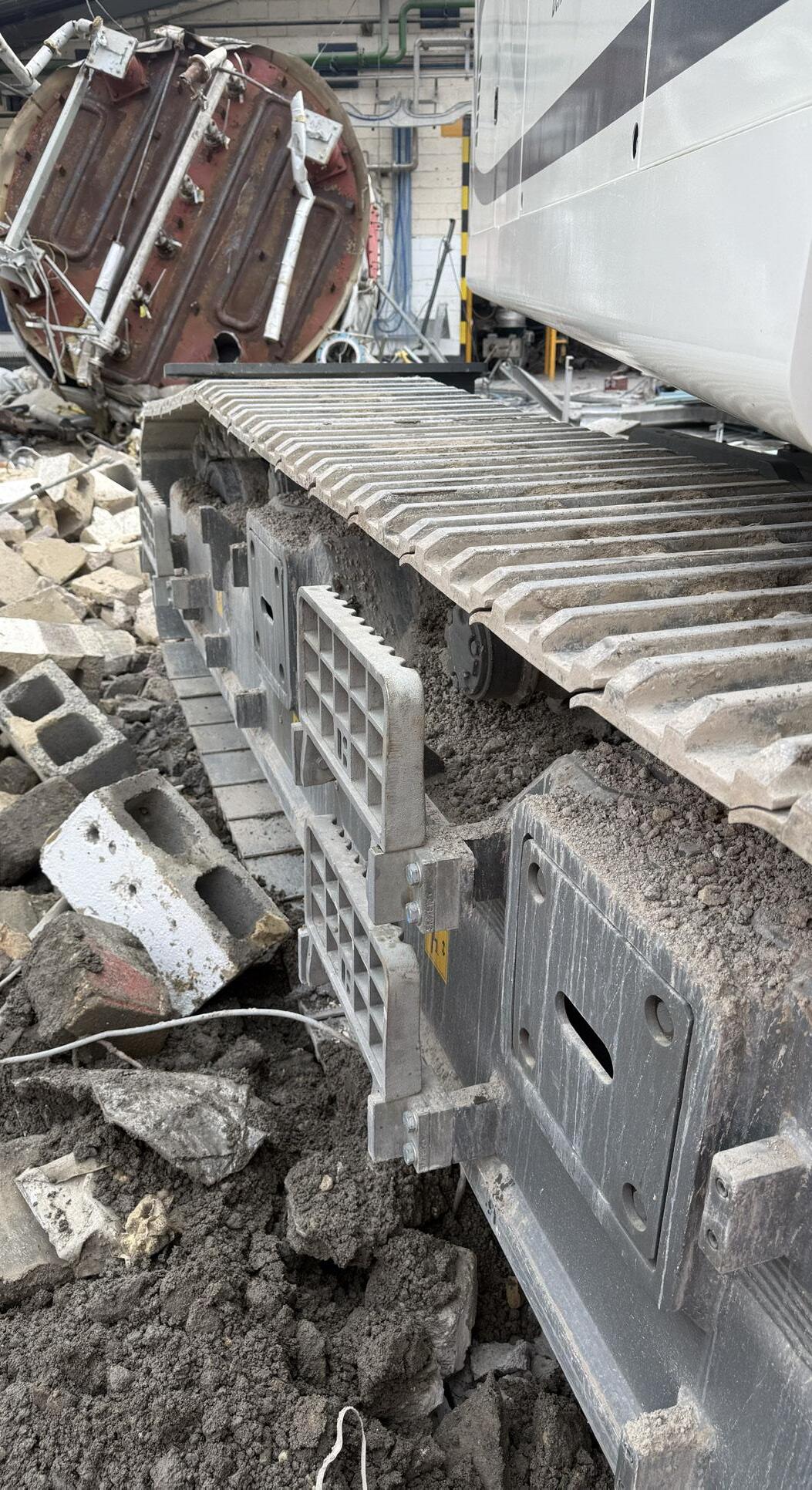
safe operating parameters while allowing work across a wide range of radii. Completing the package is a comprehensive LED lighting system mounted on the cab, boom and upper structure, delivering excellent visibility and safety at all times.
Externally, the R 940 Demolition features a heavy-duty boom base designed to accept the full range of high-reach and digging boom options. The mass of hydraulic, electrical and water connections mounted on the top of the boom foot are all within easy reach when it comes to connecting the boom up from the respective stowage modules supplied with the booms. Liebherr utilises a convenient quick-coupler system for all hydraulic connections, ensuring positive location of the male and female ports and leak-free operation. Thanks to the simplicity of the system, swapping between the base machine and a new boom section can be completed in just a matter of minutes.
The standard high-reach boom options available for the R 940 Demolition are 23 m and 25.5 m. Skillings opted for a bespoke 21m configuration but retains the option to add an additional plug-in boom section in the future should greater reach be required. The high-reach demolition arm comprises a 6.0 m main boom, a 2.25 m intermediate boom and a 7.3 m stick. The plug-in boom section can also be used with the standard digging boom option, effectively transforming the high reach demolition machine into a conventional excavator for earthmoving and basement demolition work.
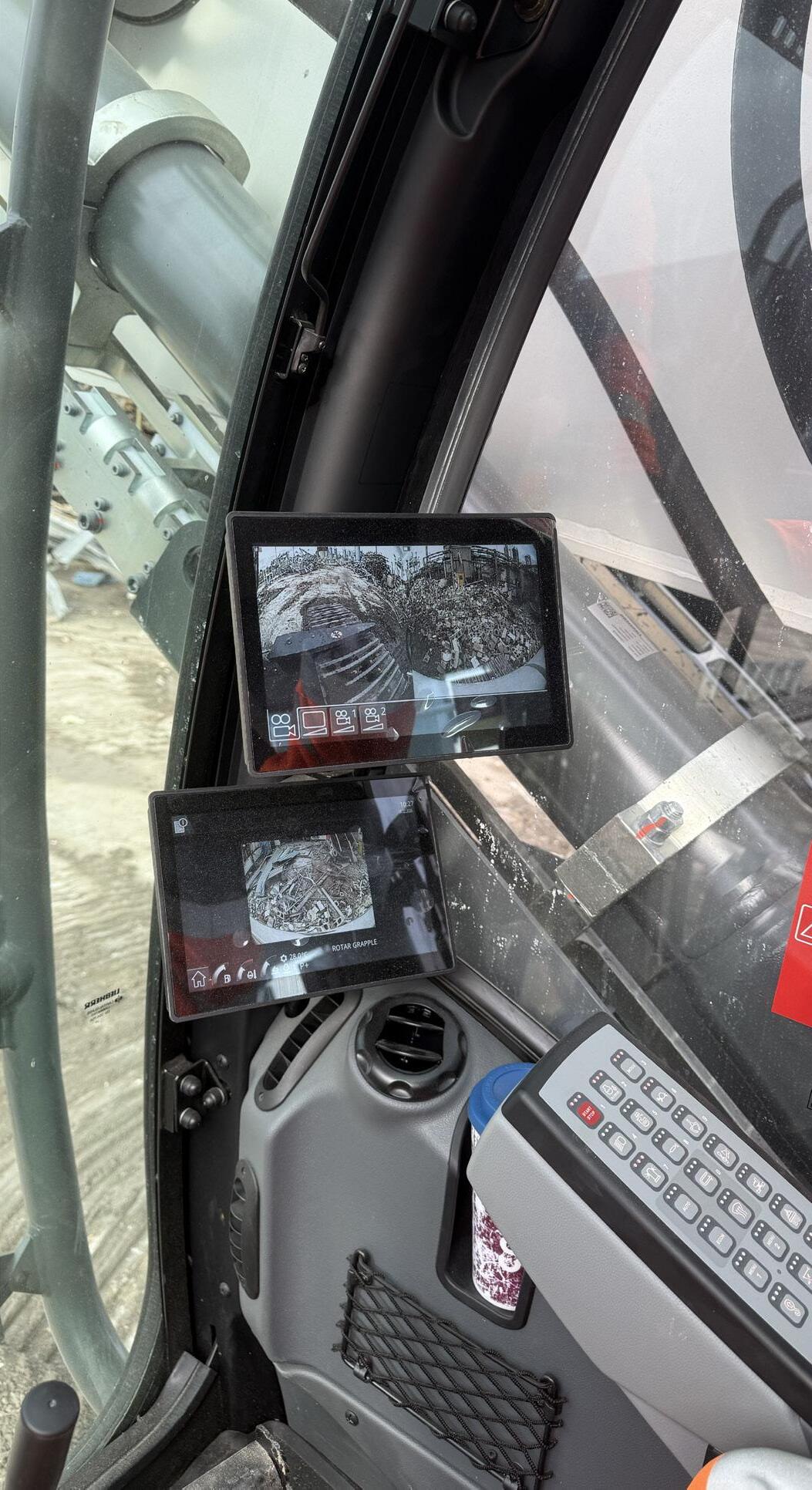
Skillings chose not to specify this digging boom, instead selecting a bespoke two-piece boom designed specifically for mid-height demolition applications. Utilising a heavy, cast boom foot fitted with a large diameter hydraulic cylinder, the two-piece boom uses the 2.9m base section pinned to a 4.3m mid-section and finished with a 2.5m stick from an R 930 excavator. When fully stretched out, this combination gives a working pin height of 15m and is capable of carrying a 4-tonne tool. Like the high reach arm, the two-piece combination carries a full suite of hydraulic lines and is completed with an OQ70 from OilQuick.
Both the two-piece and high-reach boom configurations are equipped with OilQuick hydraulic hitches, a system Skillings uses across its entire excavator fleet. “We’ve standardised on OilQuick for many years,” commented David Skillings. “It’s a very good system, more than capable of handling the stresses of the industry, and it allows us to use the correct tools at all times, reducing damage and downtime.”
The first project for the new arrival was the demolition of a redundant chemical plant in Middlesbrough. The Seal Sands site was one of many dedicated to the chemical industry over several decades. Following years of inactivity, remediation works commenced under Green Earth Developments. With all tanks and pipework cleaned and tested prior to Skillings’ arrival, the team quickly began work on the lower structures
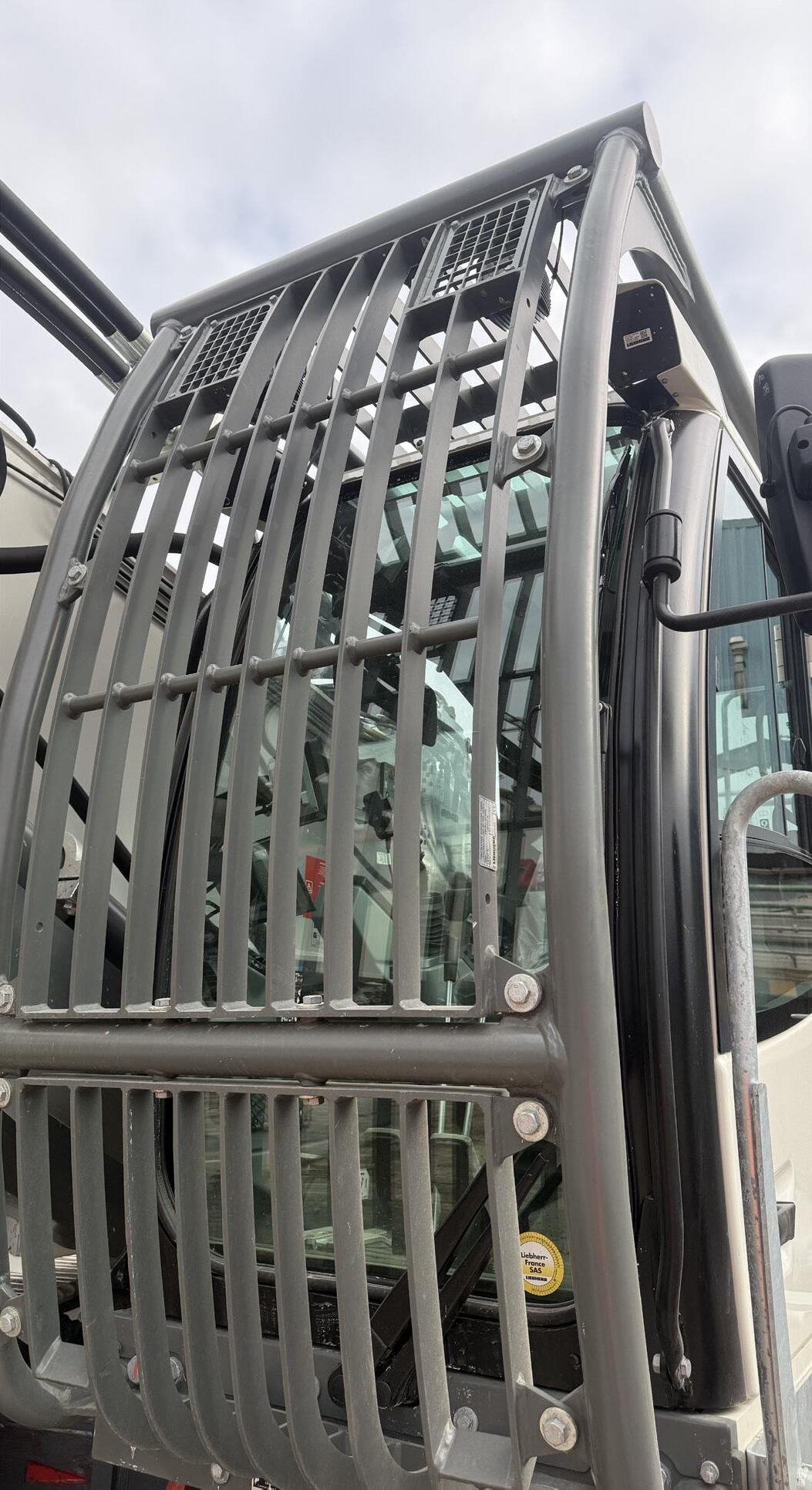
using Liebherr R 938 G8 and R 945 G8 excavators. Alternating between shear and selector grab, the machines carefully stripped away metal cladding before exposing the underlying steel framework. As each bay was removed, the internal pipework, cable runs and ducting could be dismantled. Careful material segregation ensured different grades of steel were recycled together, maximising the project’s overall return.
The two taller sections of the plant were left for the R 940 Demolition to tackle. Using the two-piece boom, experienced operator Scott Chamberlain fitted a Shearcore FS35 shear before selectively reducing the height of the towers, carefully dropping material to one side for processing.
With its shorter boom configuration allowing it to carry a larger attachment, the R 940 Demolition proved more than capable of handling the building’s steel framework. “It’s just like the R 945 I’ve come off,” Scott commented. “It has plenty of power when you need it, but with so much feel and precision, you can accurately cut exactly what’s required.”
The addition of the R 940 Demolition brings a second Liebherr high-reach machine into the Skillings fleet, joining the existing R 950 Demolition. “We like the Liebherr product and the backup we receive,” David added. “The machines are built exactly how we want them and are very capable performers in the demolition sector.”
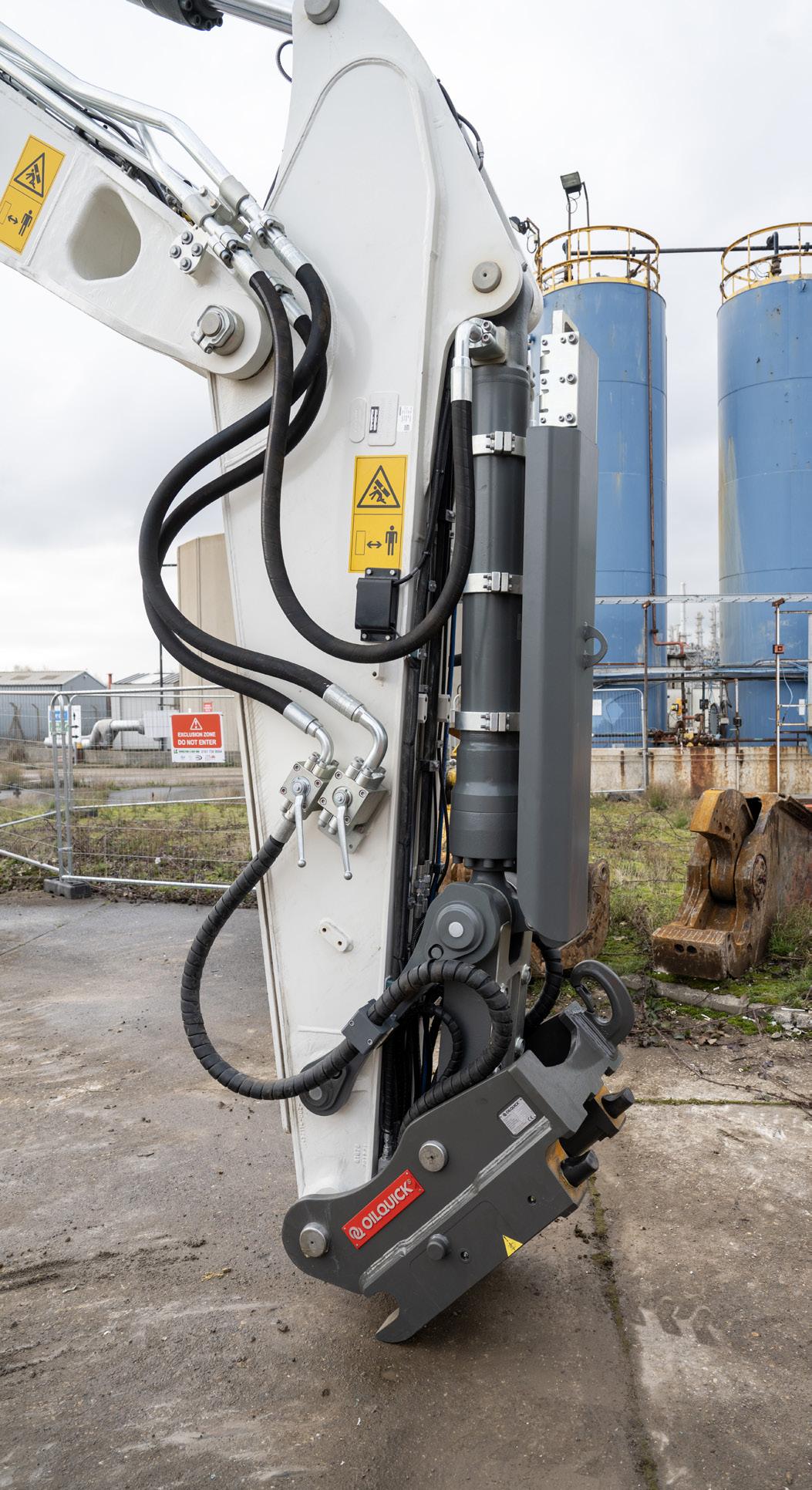
Yarwoods Excavator Attachments Limited has evolved over the last 30 years to become one of the largest independent hirers of plant attachments in the UK.
We provide a nationwide service of hire and sales of excavator attachments from our network of depots in Airdrie, Newcastle and Bar nsley to industries as varied as Plant Hire, Civil Engineering and Demolition to Quarrying, Scrap and Waste Recycling, as well as Forestry and Rail to name but a few Quality of service, professionalism and reliability is our trademark
sayi
3 to 5 year
unscheduled downtime
We know po o r service costs you mone y Please contact any of our Depots listed below

Airborne dust particles, particularly fine particulate matter (PM2.5 and PM10), are a major concern for air quality, human health, and industrial safety.
Controlling these particles is challenging due to their small size and dynamic behaviour, which keep them suspended in the air. Among advanced dust suppression techniques used by DustCube, using atomised water with droplets sized around 20 microns has proven to be particularly effective. This targeted approach not only improves dust capture efficiency but also minimises resource consumption, making it a valuable tool in various applications.
Our DustCube Dust suppression systems generate an ultrafine mist of atomised 20-micron water particles for effective management of airborne contamination.
Fine dust particles pose several challenges:
Persistence in Air: Particles smaller than 10 microns remain suspended for long periods due to their light weight and sensitivity to air currents.
Dynamic Movement: These particles are affected by Brownian motion, which makes them hard to settle.
Health Risks: Fine particles can penetrate deep into the lungs, causing respiratory issues and cardiovascular problems.
Traditional dust suppression methods, like spraying water from a hose or using nozzle technology, struggle to address these challenges effectively. Atomised water, especially at a droplet size of around 20 microns as mentioned, offers a revolutionary solution. This is why all DustCube dust suppression units use an atomiser over nozzle technology.
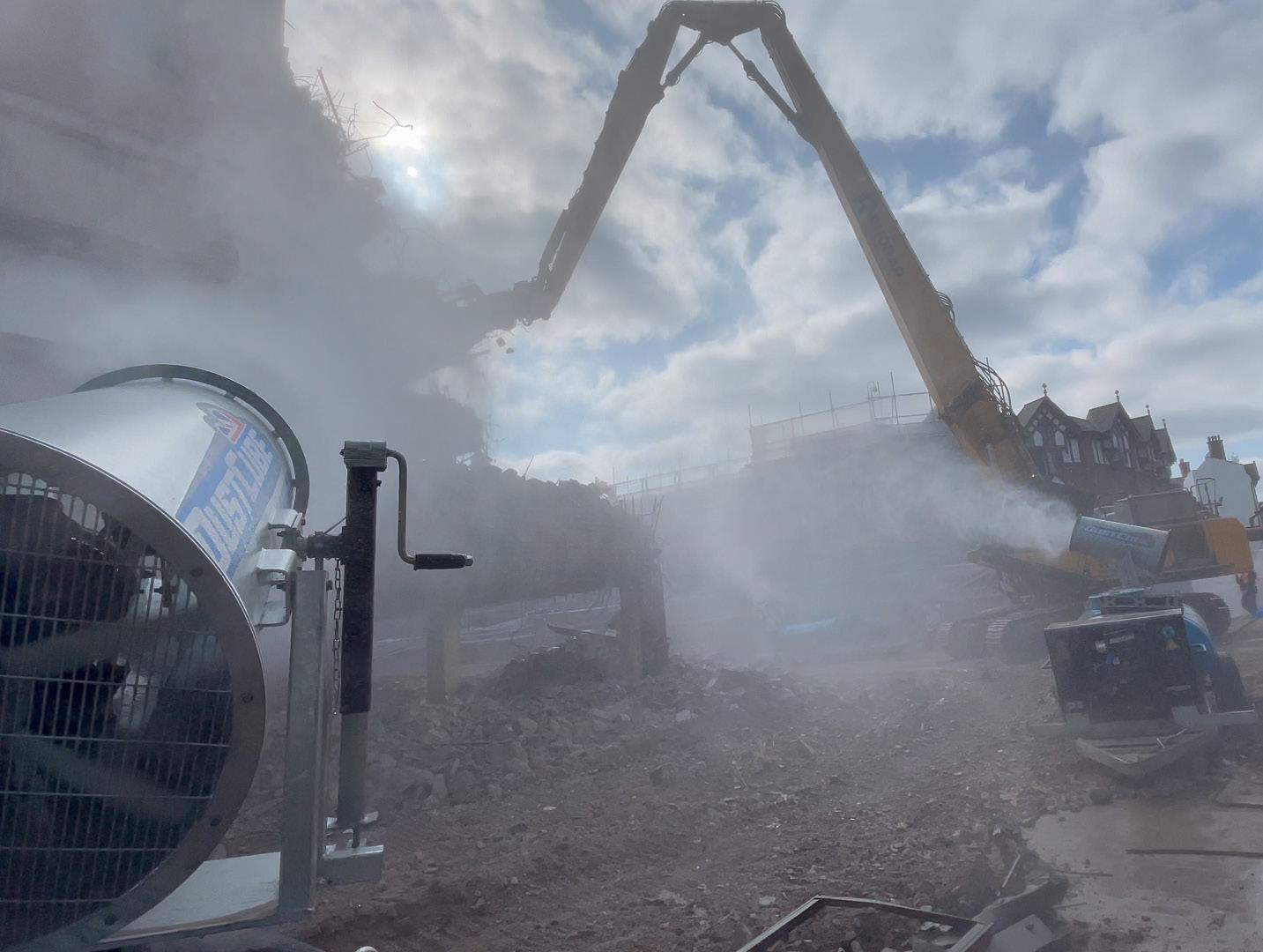
Atomised water refers to water broken down into fine droplets. A droplet size of 20 microns strikes an ideal balance between effectiveness and efficiency in dust suppression:
Droplet Size and Dust Interaction: At 20 microns, the droplets are small enough to interact with fine dust particles yet large enough to avoid immediate evaporation.
High Surface Area: The droplet size maximises surfacearea-to-volume ratio, allowing more interactions with airborne particles.
The effectiveness of 20-micron droplets in dust suppression is based on several key principles:
Optimal Droplet-Particle Interaction: A 20-micron droplet closely matches the size range of many airborne dust particles, enhancing the likelihood of collisions and adhesion.
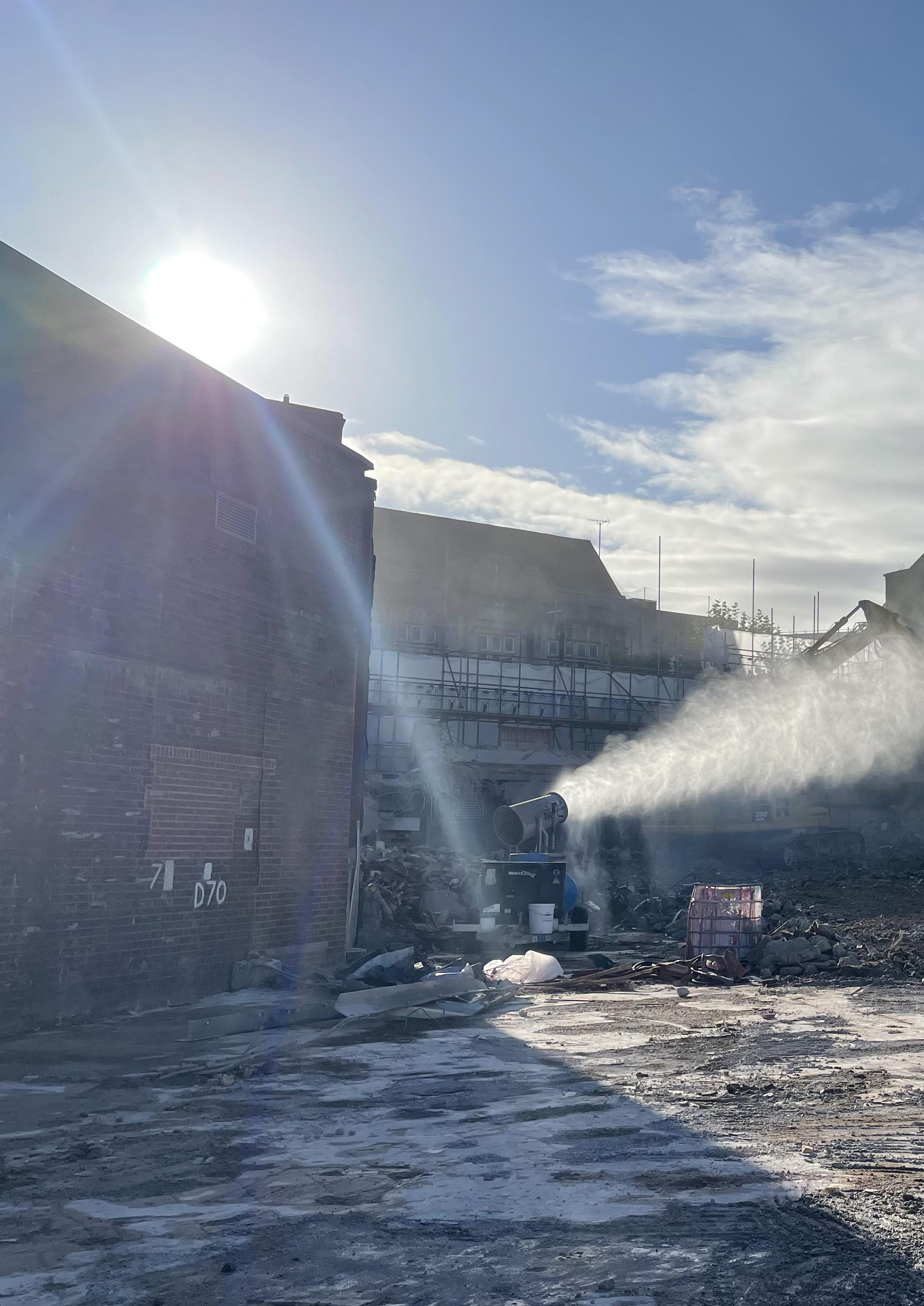
This size ensures droplets are light enough to stay airborne for longer periods while targeting fine dust particles effectively.
Electrostatic Attraction: Dust particles often carry an electrostatic charge. Atomised water droplets can neutralise this charge, causing particles to adhere to the droplets and forming heavier agglomerates that settle out of the air.
Agglomeration and Settling: When 20-micron droplets collide with dust particles, they form larger clusters through adhesion. These clusters are heavier than individual particles or droplets, enabling them to fall to the ground.
Minimised Evaporation Loss: Droplets smaller than 20 microns tend to evaporate quickly in warm or dry conditions, reducing their effectiveness. The 20-micron size resists rapid evaporation while maintaining efficient interaction with dust.
Enhanced Brownian Motion: Smaller particles, influenced by random motion, are more likely to collide with droplets in the 20-micron range. This leads to more effective capture compared to larger droplets.

The choice of 20-micron atomised water droplets has several notable advantages:
Improved Dust Suppression Efficiency: The droplet size directly targets fine particles (PM2.5 and PM10), capturing them more effectively than traditional water sprays with larger droplets. This reduces the overall dust concentration in the air.
Reduced Water Consumption: Compared to conventional methods that use larger droplets, 20-micron droplets require less water to achieve the same level of dust suppression. This is particularly important in water-scarce environments.
Energy Efficiency: Systems optimised for producing 20-micron droplets use less energy than those designed for ultra-fine mist or larger spray systems, contributing to cost savings and sustainability.
Minimised Secondary Issues: Larger water droplets can create runoff, pooling, and oversaturation, which can disrupt work environments. The controlled size of 20-micron droplets minimises these issues while maintaining high suppression efficiency.
Health and Safety Benefits: By effectively capturing fine particles, 20-micron atomised water systems reduce exposure to hazardous dust, improving health outcomes for workers and nearby communities.
The use of effective Dust suppression from Atomised systems approach has been adopted across various industries and settings:
Mining and Quarrying: The use of 20-micron droplets helps suppress fine dust generated during drilling, blasting, and material transport, creating safer working conditions and reducing environmental impact.
Construction/Demolition Sites: Construction activities often generate significant amounts of fine dust. Portable atomised water systems producing 20-micron droplets are highly effective in reducing dust levels, ensuring compliance with air quality regulations.
Manufacturing and Industrial Facilities: Industries such as cement, chemicals, and textiles benefit from using 20-micron atomised water systems to control emissions and maintain clean air within facilities.
Agriculture and Livestock Management: Atomised water droplets reduce dust generated by soil erosion, ploughing, and animal activity, promoting healthier environments for workers and animals.
Coal Crushing: During coal crushing, 20-micron droplets capture fine coal dust particles, minimizing airborne hazards and preventing the accumulation of dust in processing areas.
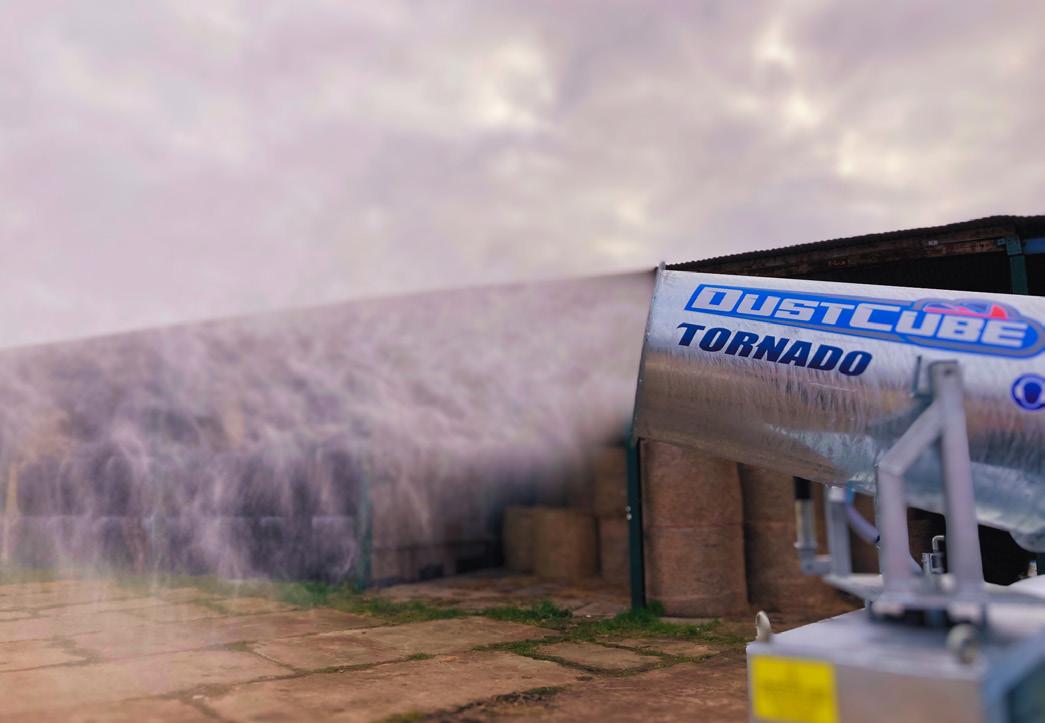
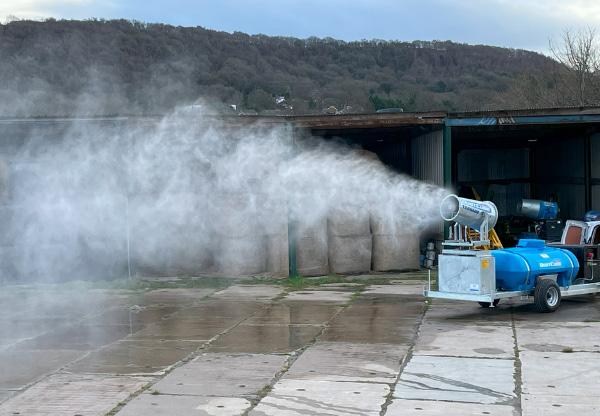
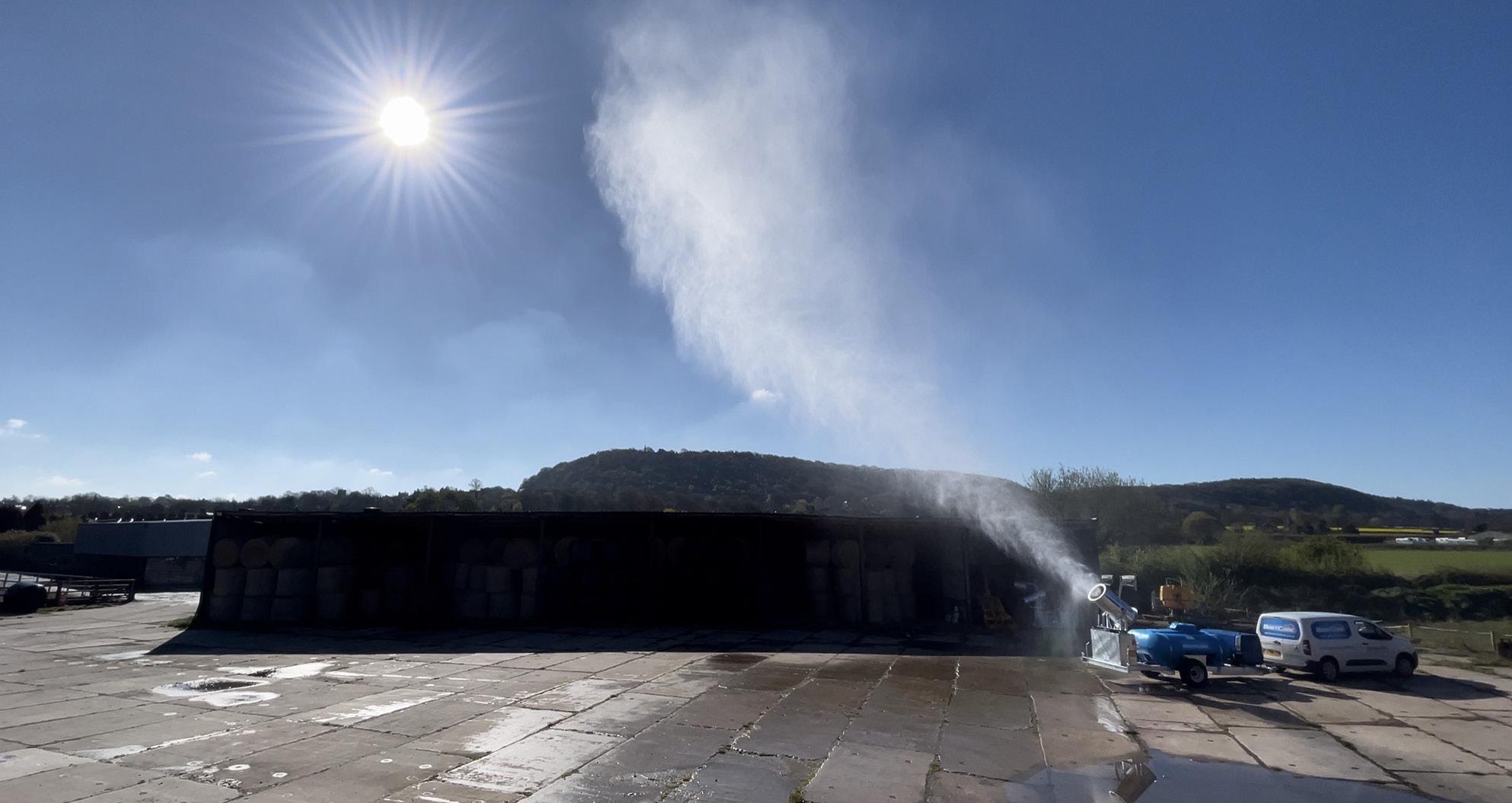
Odour Control: Atomised water systems producing ultra-fine droplets neutralise odour molecules, which are smaller than dust particles. The mist binds to volatile organic compounds (VOCs) and particulate matter in the air, suppressing odours and improving ambient air quality.
Asbestos Removal: 20-micron atomised water droplets are critical in asbestos removal, as they weigh down hazardous asbestos fibres, preventing their dispersion into the air and ensuring compliance with stringent safety protocols.
Biofuel: The use of 20-micron atomised water droplets is essential in controlling fine dust during various stages of biofuel production. For example, in wood chipping operations, the atomised mist captures airborne wood particles generated during chipping, ensuring safer air quality for workers and reducing the risk of combustible dust explosions.
Metal Processing and Recycling: Dust from metal cutting, grinding, and recycling processes is effectively managed with mist systems to protect workers and reduce emissions.
Cement Production: Cement manufacturing involves dust generation during clinker grinding, material conveyance, and storage. Mist systems help control emissions, ensuring compliance with environmental standards.
The adoption of 20-micron atomised water systems is set to expand as innovations continue to enhance their efficiency and sustainability:
Smart Control Systems: IoT-enabled devices can adjust droplet size and spray intensity based on real-time air quality monitoring.
Biodegradable Additives: Environmentally friendly additives can increase dust-binding capacity, further enhancing the effectiveness of 20-micron droplets.
Energy Optimisation: Advances in pump and atomiser design will continue to reduce energy consumption.
Using our DustCube 20-micron atomised ultra fine water mist for dust suppression is a breakthrough in environmental control, offering significant advantages in efficiency, resource conservation, and health protection. This targeted approach addresses the persistent challenge of fine airborne dust particles, ensuring cleaner air in industrial, urban, and agricultural settings. As technology continues to evolve, 20-micron atomised water misting systems promise even greater impact in improving air quality and protecting public health worldwide.
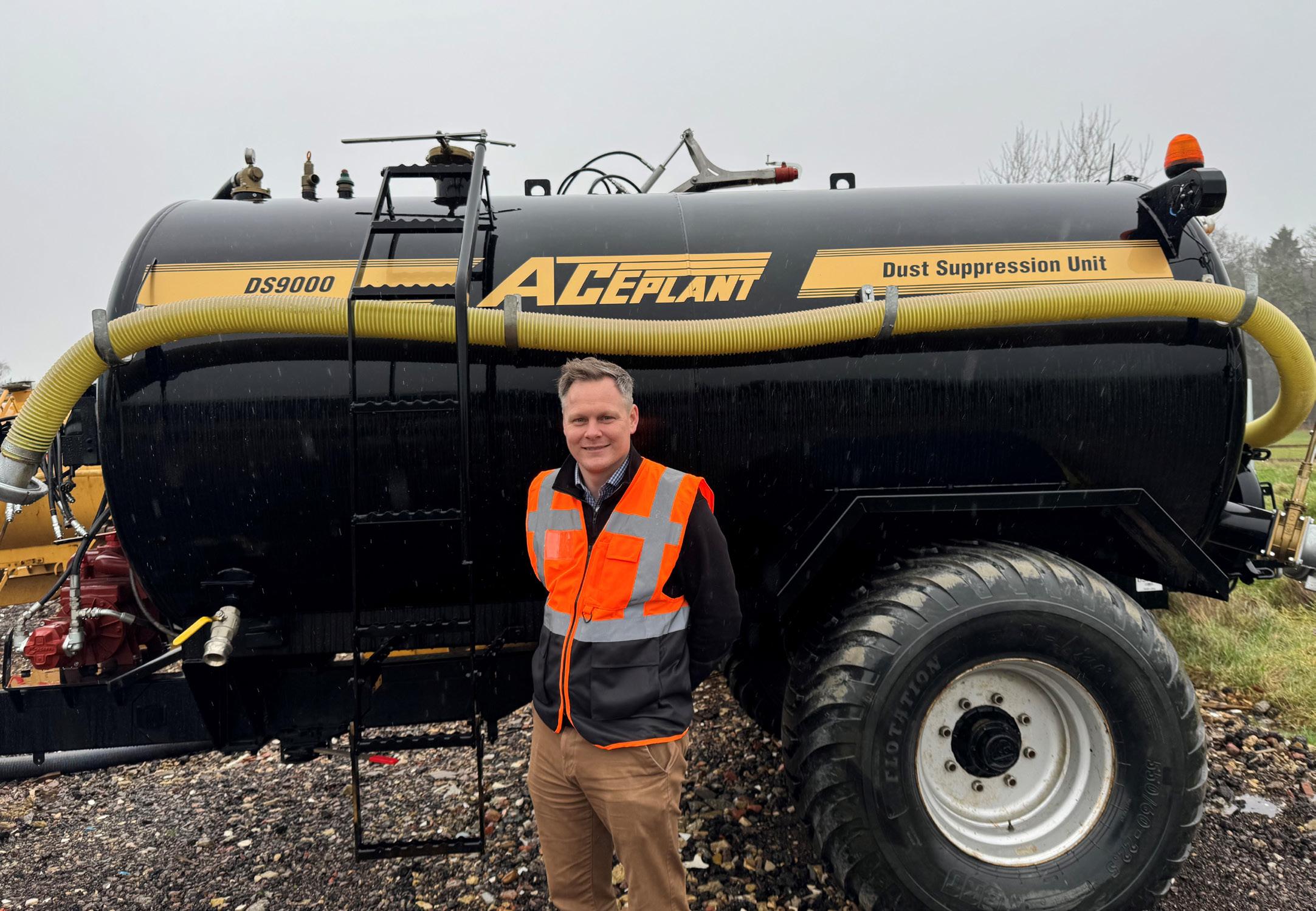
Why 2026 Is a Pivotal Year for Construction and Workforce Health & Wellbeing as ACE Plant Leads Whole Body Vibration (WBV) Campaign
Whole Body Vibration (WBV) is rapidly emerging as one of the most significant occupational health challenges facing the UK construction industry over the lats 50 years. While vibration has been regulated for many years, 2026 is shaping up to be a defining moment, as enforcement tightens and expectations increase around monitoring, documentation, and long-term workforce health.
“Whole-body vibration is no longer a background issue,” said Neil Hedley, Operations Manager at ACE Plant Hire. “With longer operating hours, increased use of heavy plant, and a stronger focus on occupational health, WBV has become a front-line compliance issue. As a hire company, we believe we have a clear duty of care to help the industry understand and manage this risk properly.”
“As a leading UK rental specialist ACE Plant Ltd is leading an industry-wide campaign to raise awareness of WBV risks, support customers with practical solutions, and help benchmark best
practice across major infrastructure projects.”
Understanding the Risk - Wholebody vibration occurs when operators sit or stand on vibrating machinery such as excavators, dumpers, rollers, telehandlers, and dozers for extended periods of time. This exposure has been linked to back pain, spinal damage, fatigue, reduced concentration, and long-term musculoskeletal disorders.
Under the Control of Vibration at Work Regulations 2005, employers must assess and control vibration risks wherever exposure occurs. For wholebody vibration, measured over an eighthour working day, the Exposure Action Value is 0.5 m/s² and the Exposure Limit Value is 1.15 m/s². Once the action value is reached, employers must introduce controls, and the legal limit must never be exceeded.
- ACE Plant Ltd believes hire companies occupy a unique and influential position in managing vibration risk. They select, supply, maintain, and replace the equipment used daily on construction sites and have visibility of how machines perform in real operating
conditions across multiple projects.
“As a rental specialist, we influence the quality, condition, and suitability of the plant being used,” Hedley explained. “That gives us a responsibility not just to supply compliant machines, but to help customers and operators understand how vibration exposure builds up in real working conditions.”
Communicating with Customers and Operators - As part of its WBV campaign, ACE Plant Ltd has developed a structured programme of communications aimed at raising awareness and providing practical guidance to those hiring and operating its machines, as well as the wider industry.
These communications include clear, accessible advice for operatives using hired plant, guidance for customers responsible for planning work and managing exposure, and wider industry-facing content designed to improve understanding of WBV risks and controls. The focus is on helping users recognise higher-risk activities, understand the importance of exposure time, and know when and how to report concerns.
“Operators are the people most directly affected by vibration exposure,” said Hedley. “If we can help improve awareness at the point of hire and on site, we can make a real difference to long-term health outcomes.”
Testing and Benchmarking with Major Projects - To support this approach, ACE Plant Ltd is carrying out vibration testing and data-led benchmarking with major clients and infrastructure projects.
“By measuring WBV exposure across different machines, ground conditions, and operating methods, ACE Plant Ltd is helping contractors move beyond assumptions and base vibration controls on evidence from live operations. This supports stronger risk assessments, clearer RAMS, and better-informed decisions around plant and work planning.”
“Whole-body vibration is part of construction,” Hedley concluded. “Uncontrolled vibration is not. By working together, hire companies, contractors, and operators, the industry can protect its workforce and stay ahead of tightening enforcement as we move into 2026.”
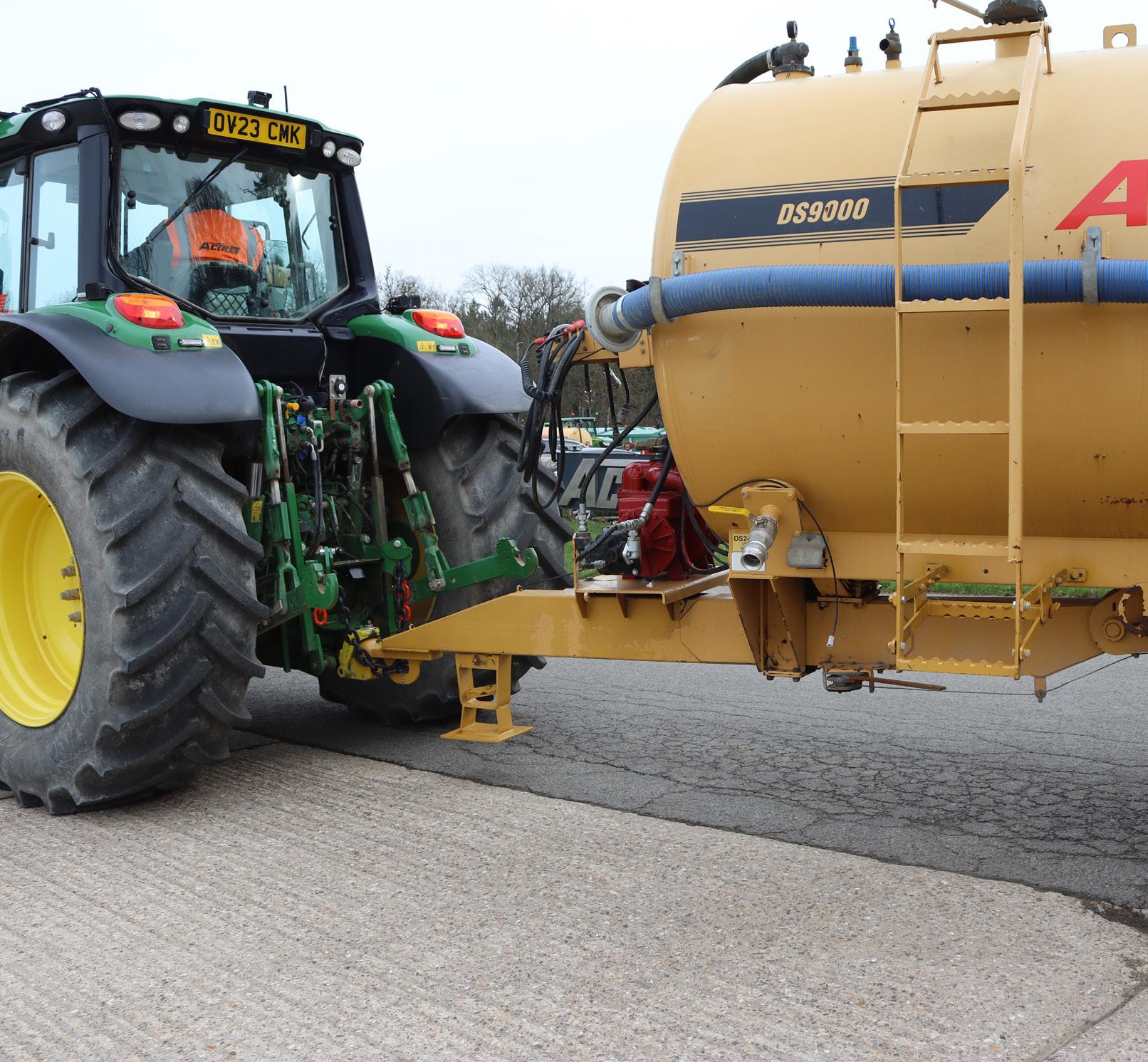
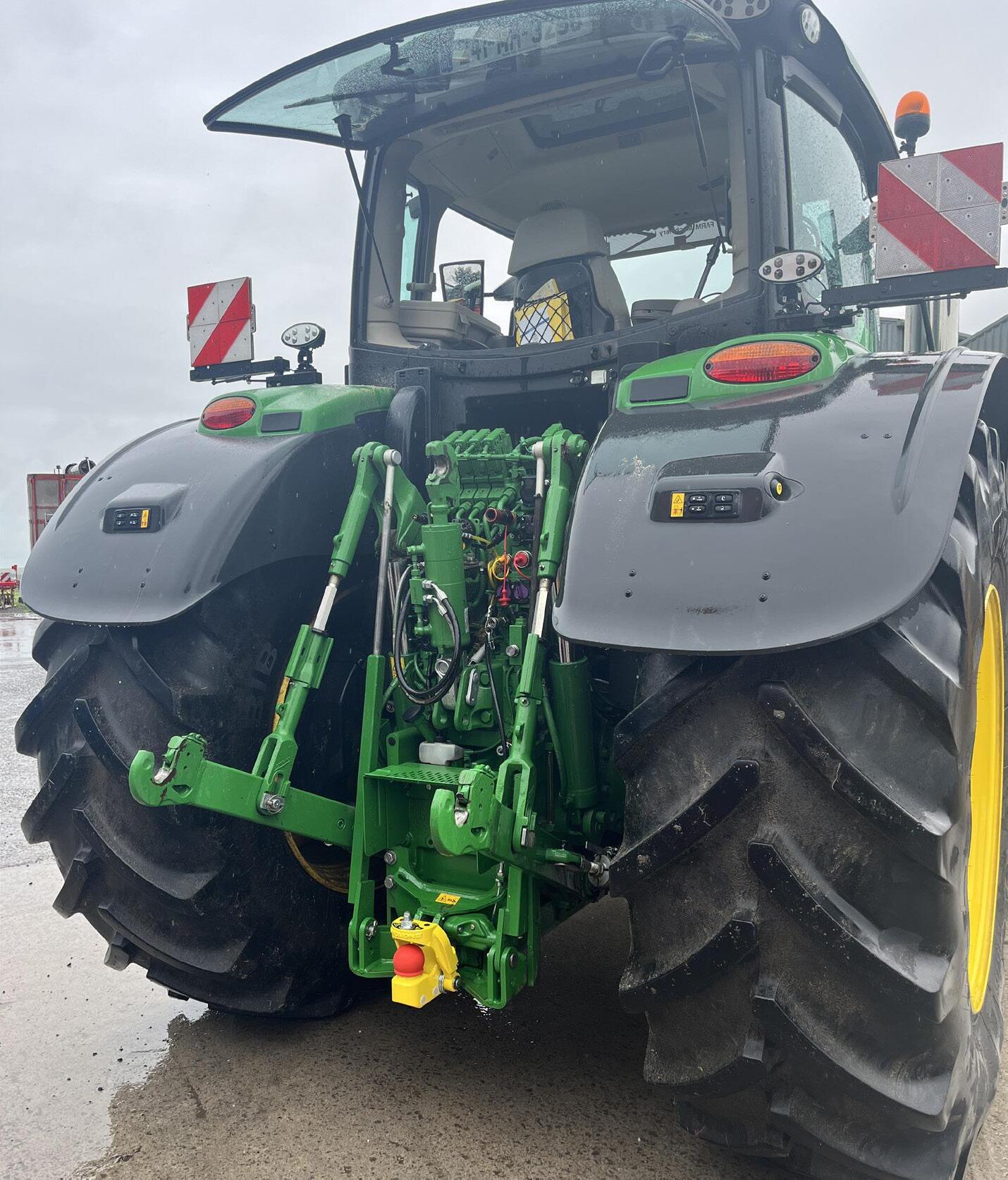
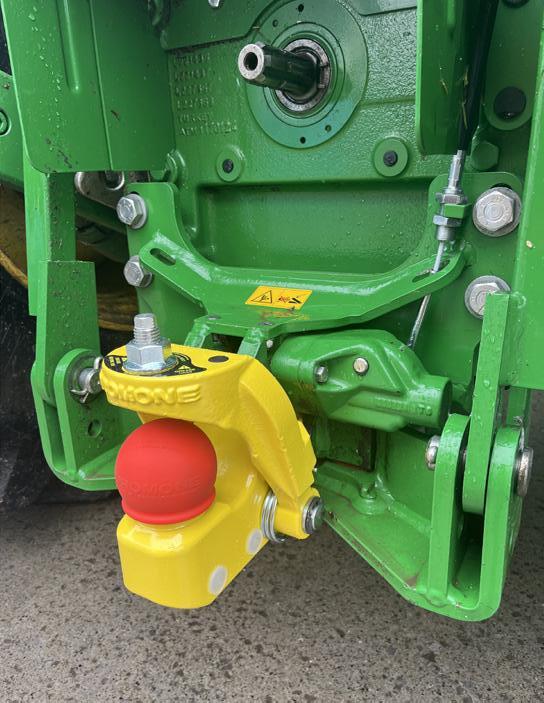
Looking Ahead to 2026 - While the regulations themselves are unchanged, expectations are shifting. Regulators are placing greater emphasis on occupational health, long-term exposure, and documented evidence of control.
Innovation News from ACE Plant
ACE Plant Ltd is pleased to announce the introduction of the Dromone D80 Ball & Spoon Hitch system across its towable plant fleet. Designed to significantly improve towing safety and reduce the risk of trailer breakaways, the system also helps minimise exposure to poor towing practices that can lead to longterm health issues.
Supplied through Lynx Engineering and tailored specifically for ACE Plant’s construction equipment, the D80 represents a major step forward in operational safety and operator wellbeing. Improper hitching and towing techniques are a common cause of musculoskeletal disorders, including chronic back pain, spinal strain, and fatigue. The Dromone D80 addresses these risks through intelligent engineering that enhances coupling security, stability, and ease of use.
By integrating the D80 system, ACE Plant is future-proofing its fleet while setting higher standards in safety, compliance, towing performance, and operator welfare for its rental customers.

ATS Group UK has cemented its position as one of the South’s leading construction and civils training providers, celebrating a significant achievement as CEO Allan Smith is named Entrepreneur of the Year at the prestigious Thames Valley Business Awards. The accolade reflects exceptional business growth, community commitment and the organisation’s expanding impact on the region’s workforce development.
Founded in 2019 as a family-run venture, ATS Group UK has grown from two employees to a team of more than forty specialists. Today, the company is a respected CITB Approved Training Organisation, delivering accredited training across construction, civil engineering, utilities, highways, energy, and health & safety. Its rapid expansion is closely linked to its mission: to equip people with the skills needed for long‑term careers while supporting employers facing acute labour shortages.
A cornerstone of ATS’s success is the outstanding performance of its Skills Bootcamp team, which has played a vital role in driving the company’s growth and regional influence. The programme is led operationally by Manager Louise Milliken‑Orr and Co‑Owner Natasha Smith, whose leadership ensures high-quality delivery and strong learner outcomes. They are supported by Case Worker Sacha England, who provides each learner with comprehensive support and practical assistance, ensuring individuals are fully equipped to progress into employment.
ATS continues to deliver meaningful social value by working closely with local charities, the Department for Work and Pensions, ex-forces organisations and initiatives supporting those from disadvantaged backgrounds and the justice system. These partnerships help open pathways into employment for individuals who often face significant barriers, while enabling employers to access a diverse and motivated workforce.
Further strengthening the organisation’s reach is ATS’s Business Development team. Michael Barclay leads comprehensive employment support—coordinating interviews, job placements and progression opportunities—while Stewart Johnstone has been instrumental in building partnerships with major infrastructure schemes and tier-one contractors across the region.
These partnerships include the Welborne project with the Buckland Group, the M3 Junction improvement scheme with VolkerFitzpatrick, and ongoing collaborative work with Morgan Sindall & Circet to deliver funded Skills Bootcamps and employment pathways.
ATS’s training is underpinned by extensive access to government funding, enabling courses to be up to 90% funded, with CITB grants frequently making training free for employers and individuals. Bootcamps are delivered exclusively at the organisation’s dedicated training centres in Welborne and Tadley, Hampshire - with additional training delivered in Brands Hatch, Kent, and further options available nationwide.
With its combination of funded training, inclusive recruitment support and strong employer partnerships, ATS Group UK continues to make a measurable impact-empowering communities, tackling the skills shortage and shaping the workforce of tomorrow.
PARTNER WITH ATS TODAY AND SHAPE THE CAREERS OF TOMORROW.


Steelwrist, the global manufacturer of tiltrotators, automatic quick couplers and work tools for excavators, today announced the expansion of operations at its North American headquarters in Newington. The investment further strengthens the company’s long-term commitment to the U.S. market and positions Connecticut as a strategic hub for advanced manufacturing and assembly within the construction equipment industry.
The expanded facility enhances Steelwrist’s machining, local assembly and product testing capabilities, enabling the company to deliver products that are assembled and tested in the United States. This development marks an important milestone in Steelwrist’s North American growth and reinforces its ability to serve customers with shorter lead times, increased flexibility and high product availability.
The expansion was officially inaugurated on February 19 during a ceremony at the Steelwrist Newington facility. The event brought together company leadership, including CEO Stefan Stockhaus, along with representatives from the State of Connecticut and local partners to mark the milestone and celebrate the company’s continued growth in North America. The inauguration underscored Steelwrist’s long-term commitment to Connecticut and highlighted the state’s role as a key partner in supporting advanced manufacturing investment, job creation and regional economic development.
Since entering the North American market in 2017, Steelwrist has experienced strong growth as contractors increasingly adopt tiltrotators and fully automatic quick coupler systems to improve safety, productivity and machine utilization. The Newington facility serves as the company’s North American headquarters, housing
warehousing, technical support, training and now expanded machining, manufacturing and assembly operations all under one roof.
Connecticut has played a central role in this growth journey. Its strategic location in the Northeast provides excellent access to key markets, ports and transportation infrastructure across the United States and Canada. Equally important, the state offers a highly skilled and experienced workforce, particularly within advanced manufacturing and precision assembly.
“Ten years ago, as I was travelling across various states in the US looking for the future location of our North American headquarters, I was searching for strong infrastructure, a talented workforce and a collaborative business environment. I was also asking myself where I would like to live, if I were to live in the US. Now, ten years later, I am really happy that we took the decision to go for Connecticut,
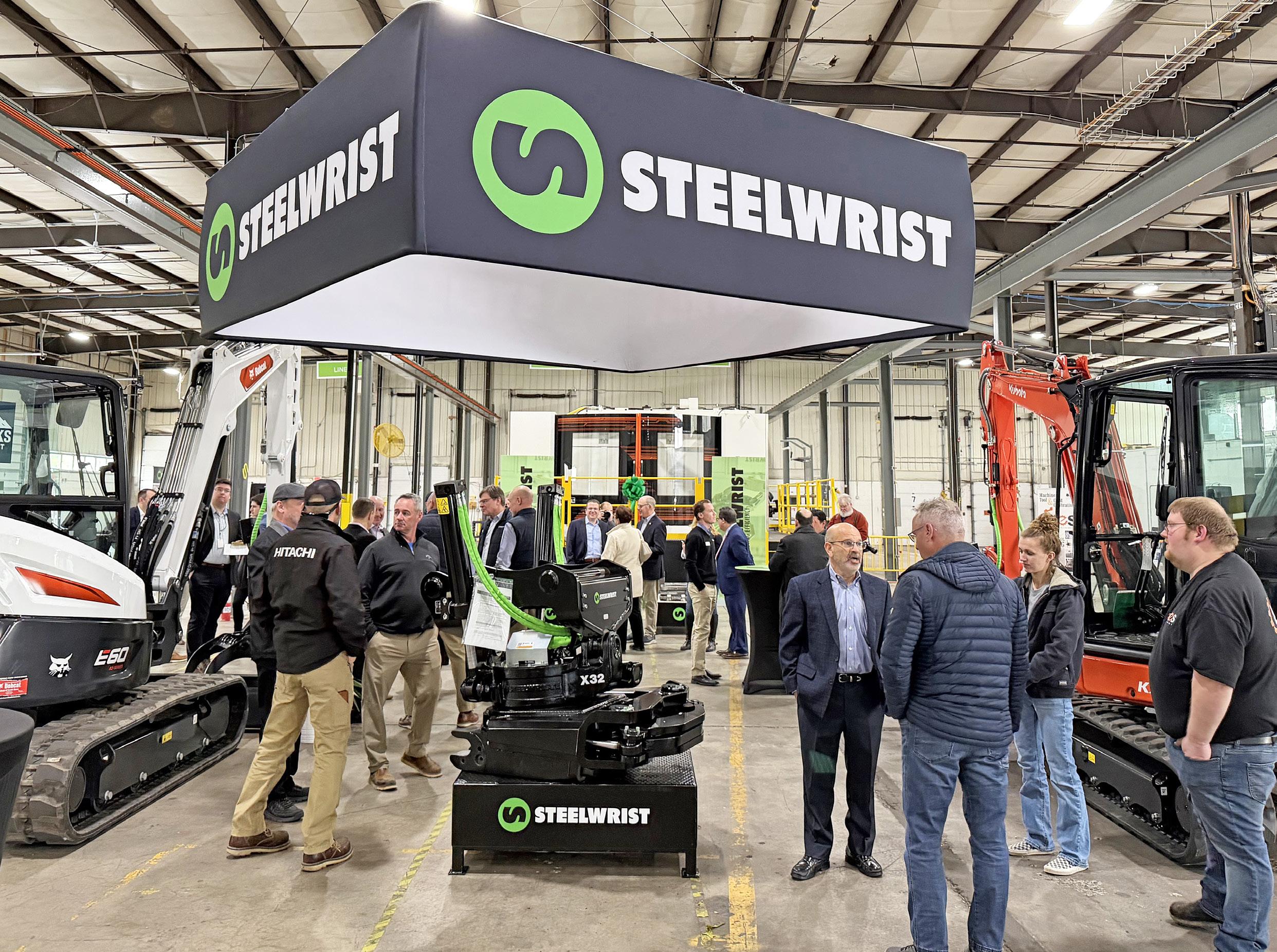
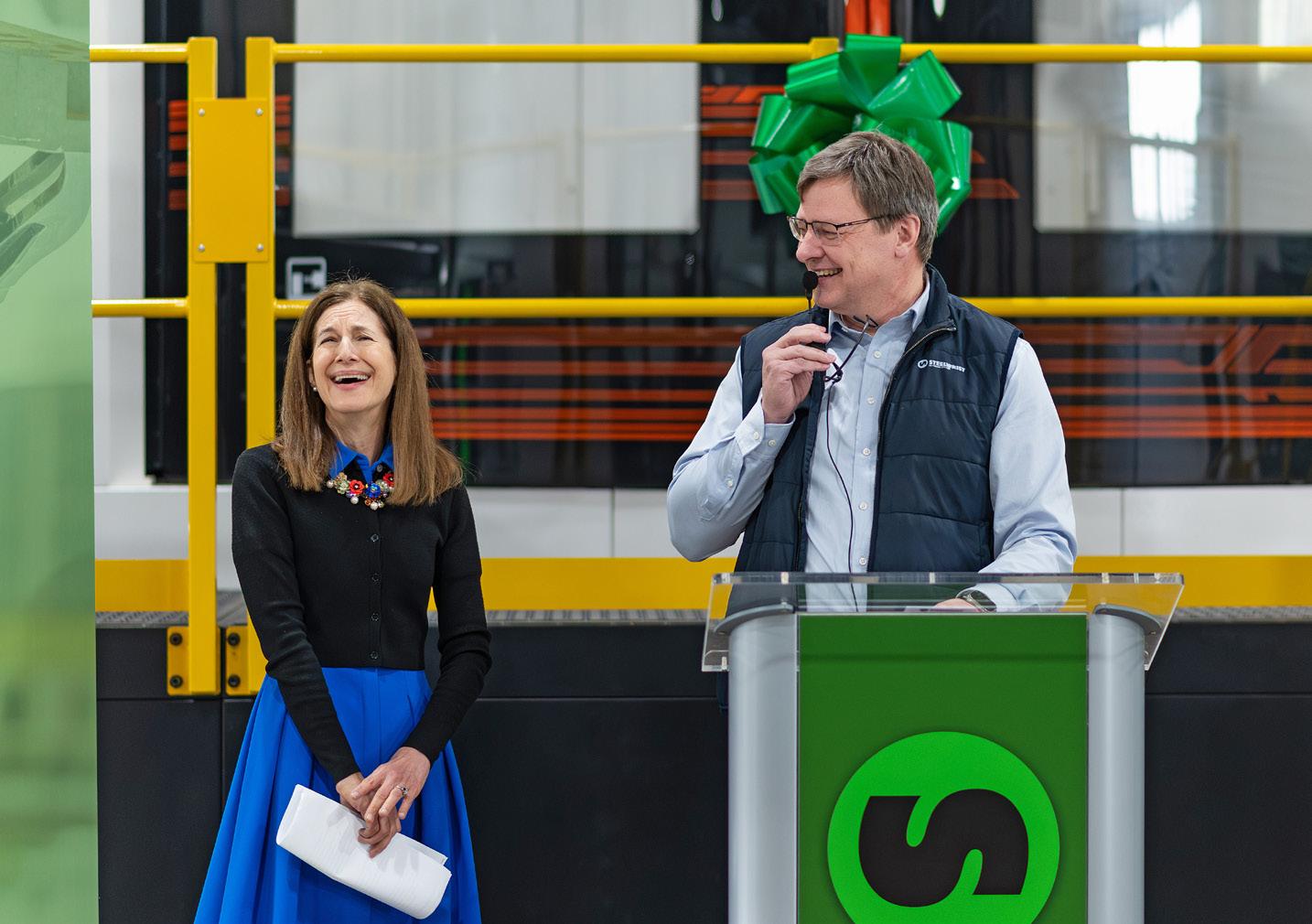
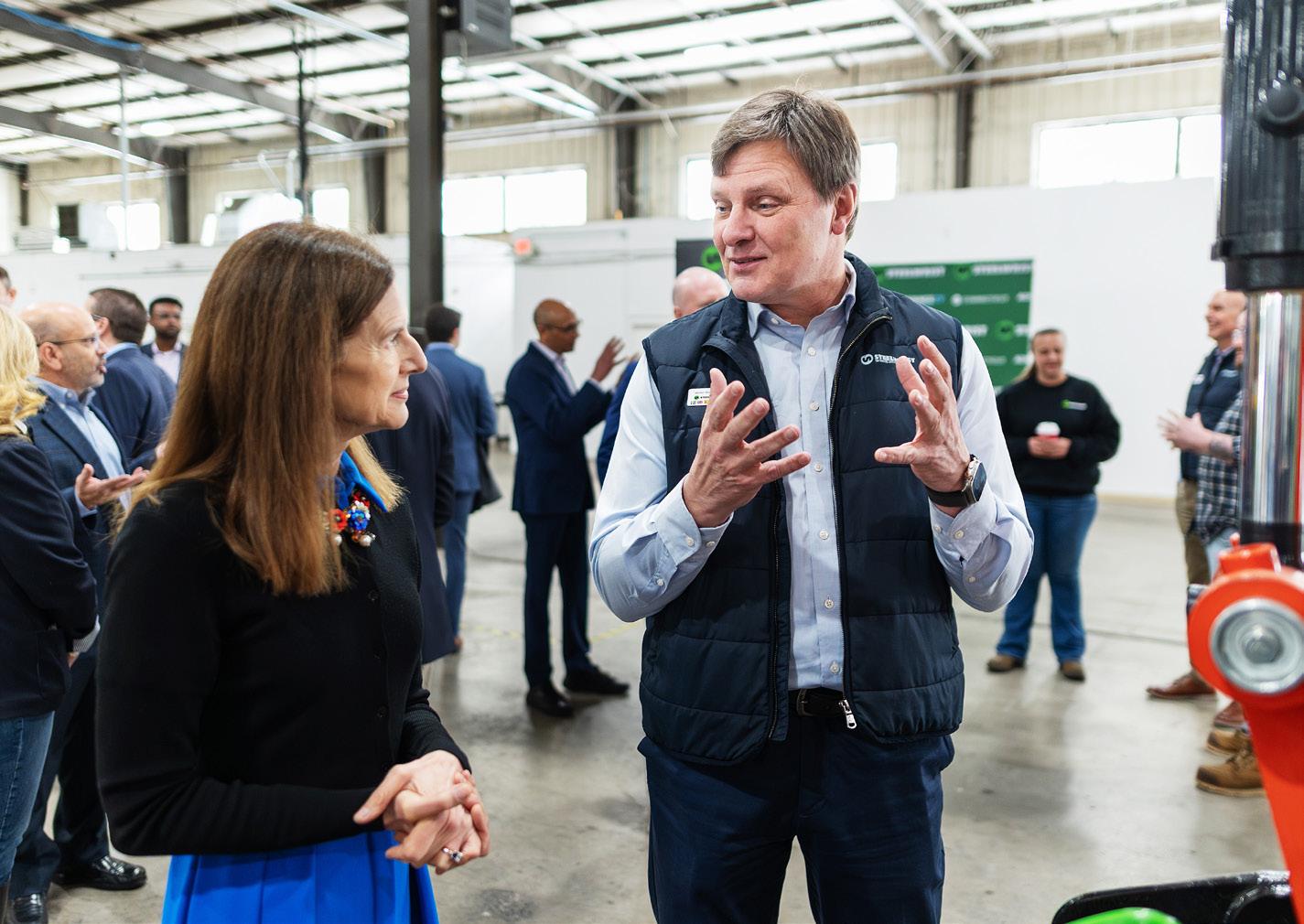
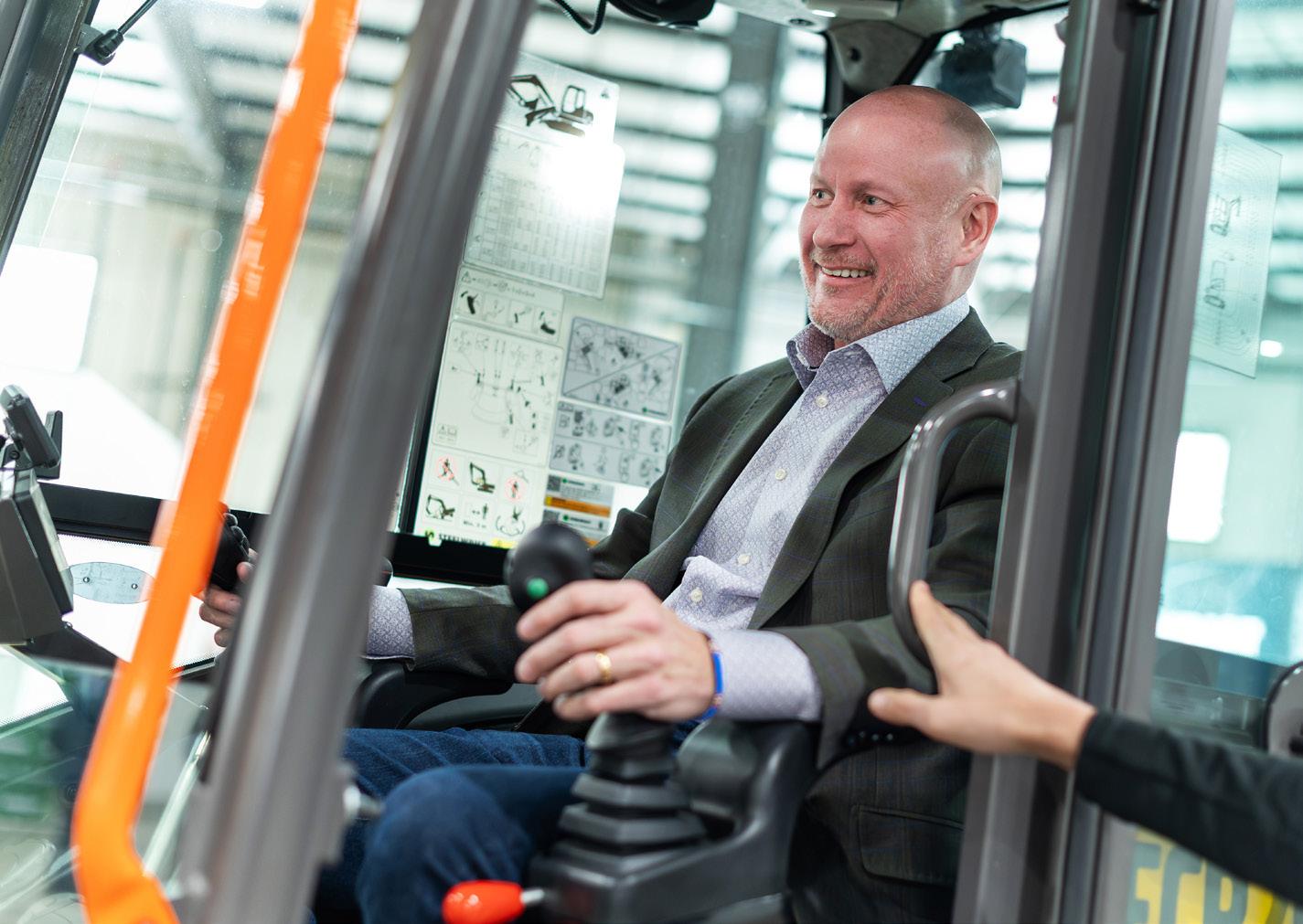
which indeed has exceeded our expectations. With the expansion of our operations in Newington we will now be able to support our growing customer base in North America while ensuring that products are assembled and tested here in the U.S. This investment reflects both our confidence in the market and our long-term commitment to growth in the region,” says Stefan Stockhaus, Steelwrist CEO.
The expansion also supports job creation in Connecticut, with new roles in assembly, testing, logistics and technical support. Steelwrist reports that recruiting skilled employees for these positions has been a smooth process, reflecting the depth of manufacturing competence in the state.
“Steelwrist’s decision in 2017 to establish its North American headquarters in Connecticut—and to expand that presence today—speaks volumes about the strength of our state’s advanced manufacturing ecosystem,” says John Bourdeaux, President & CEO of AdvanceCT, Connecticut’s nonprofit business development organization.
“This expansion not only reinforces Connecticut’s reputation as a premier destination for manufacturers, but also solidifies our state’s role as a hub for companies serving customers across North America and beyond. We are proud to partner with Steelwrist as they continue to invest in their operations and people here and look forward to building on this momentum together for many years to come.”
By increasing local assembly and testing capacity, Steelwrist strengthens its ability to align production with regional demand and further shorten lead-times to customers. Products assembled in Newington are tailored for North American customers and supported by local technical expertise, enhancing responsiveness and service levels across the continent.
The investment in Connecticut complements Steelwrist’s broader focus on growth in North America, which also includes an expanding dealer network and strong OEM partnerships. At the upcoming CONEXPO-CON/AGG show in Las Vegas, March 3 to 7, this commitment to growth in North America will be visible as Steelwrist will show several new products. As adoption of tiltrotators and fully automatic quick couplers continues to accelerate across U.S. job sites, local production capacity becomes a critical enabler of further expansion.
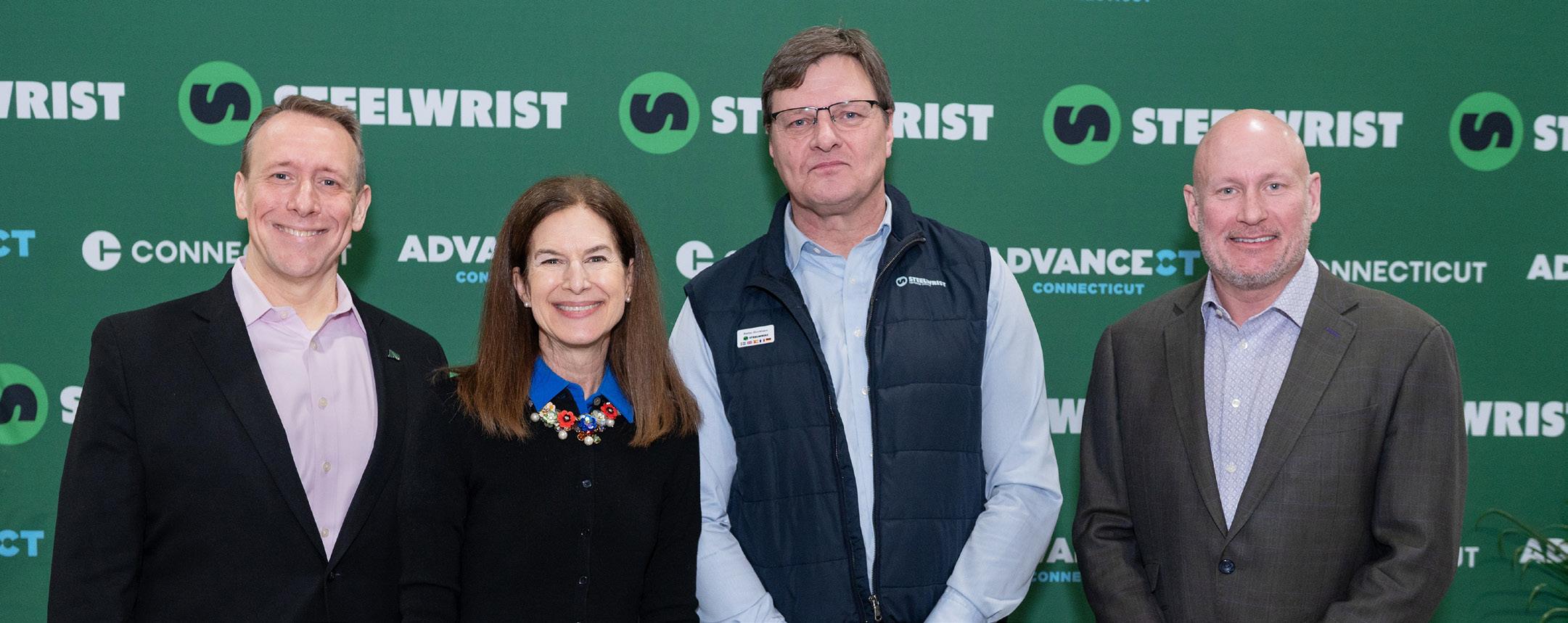
With its expanded Newington operations, Steelwrist reaffirms Connecticut’s role as a key partner in its North American success story— combining advanced manufacturing capabilities, skilled talent and strategic location to support the next phase of growth.
Steelwrist is a global manufacturer of tiltrotators, quick couplers and work tools for excavators with headquarters in Sweden. A determined focus on robust and modern products, combined with fast service has been appreciated by an increasing number of customers worldwide. For more information about Steelwrist, please visit steelwrist.com.
For more information please contact:
Stefan Stockhaus VD
stefan.stockhaus@steelwrist.com
Tel +46 709981321
Karl Serneberg
VP OEM Sales & Marketing
karl.serneberg@steelwrist.com
Tel +46 702619811
AdvanceCT is a business-driven nonprofit that works to engage, retain, and recruit businesses to Connecticut. AdvanceCT collaborates with the Department of Economic and Community Development (DECD) and our partners to implement high impact, equitable economic development. Our team advocates for and promotes Connecticut as a location for companies to compete and grow. For more information, please visit advancect.org.
Ben Dwyer
Associate Director, Marketing bdwyer@advancect.org
Tel: +1 860-571-6211
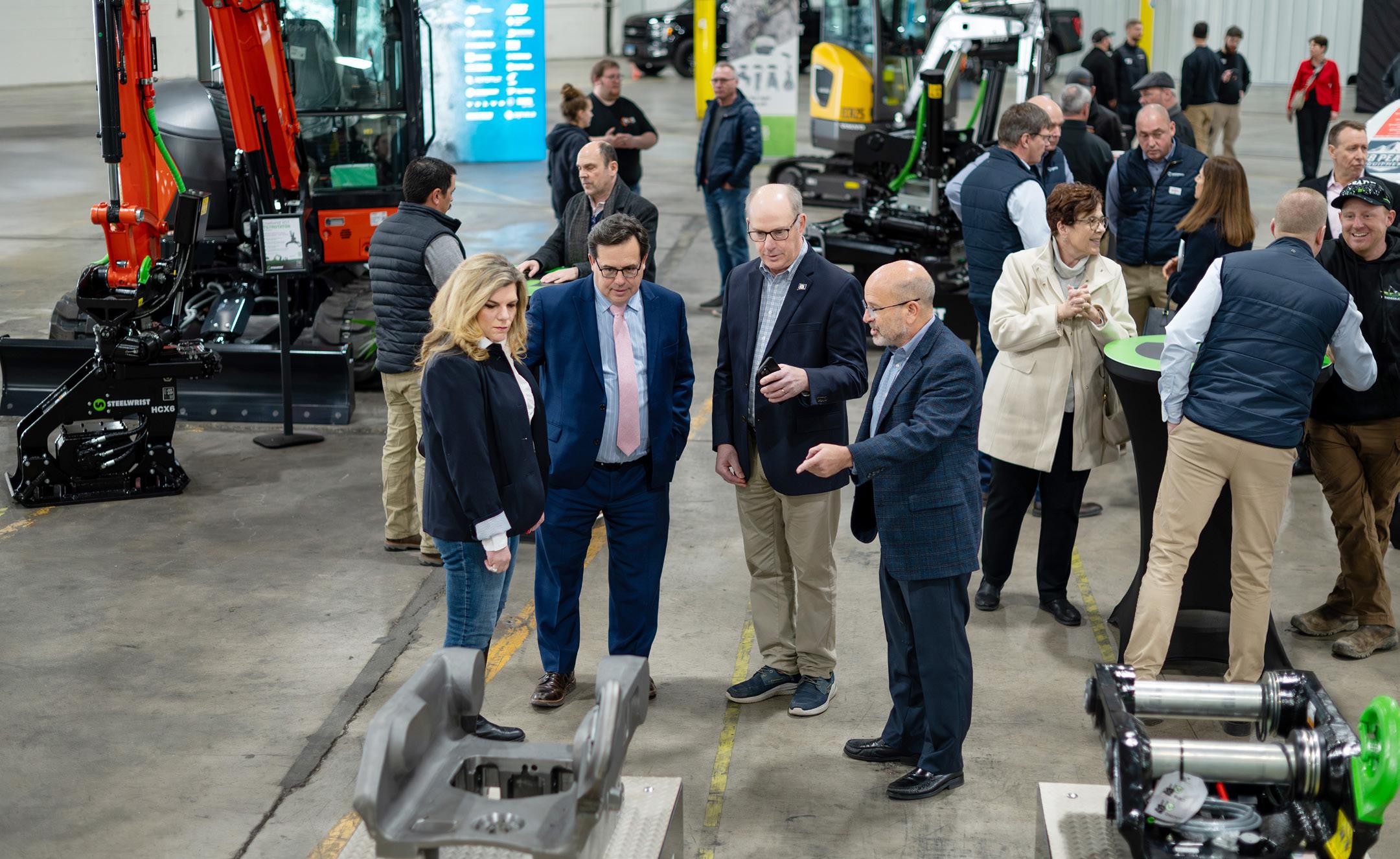
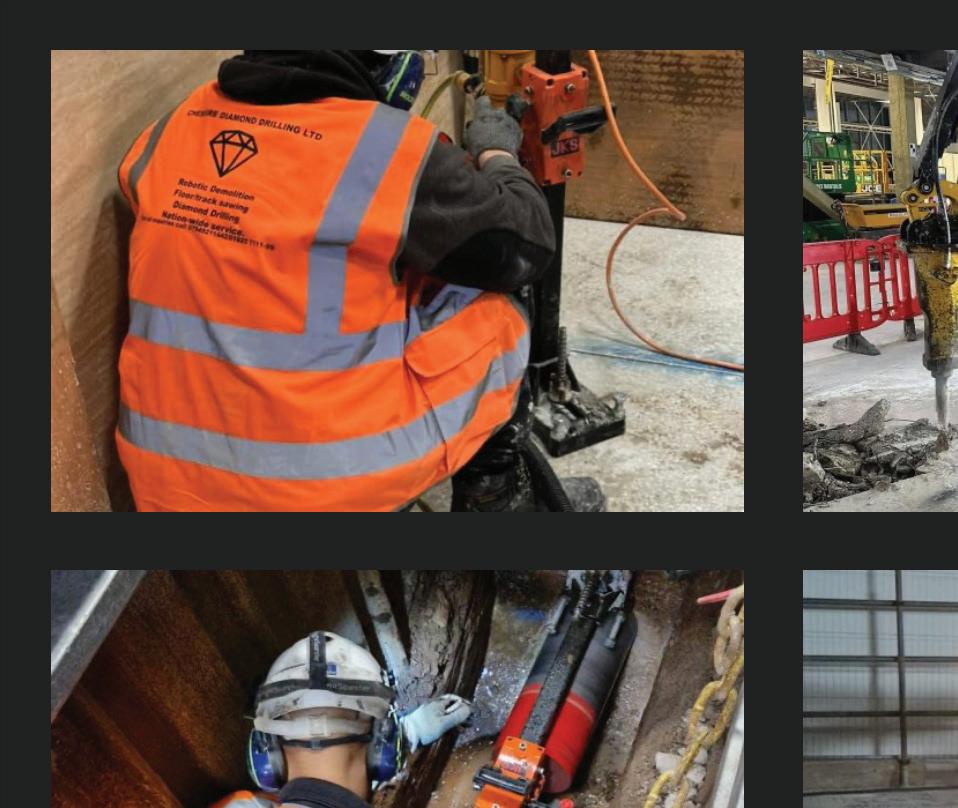
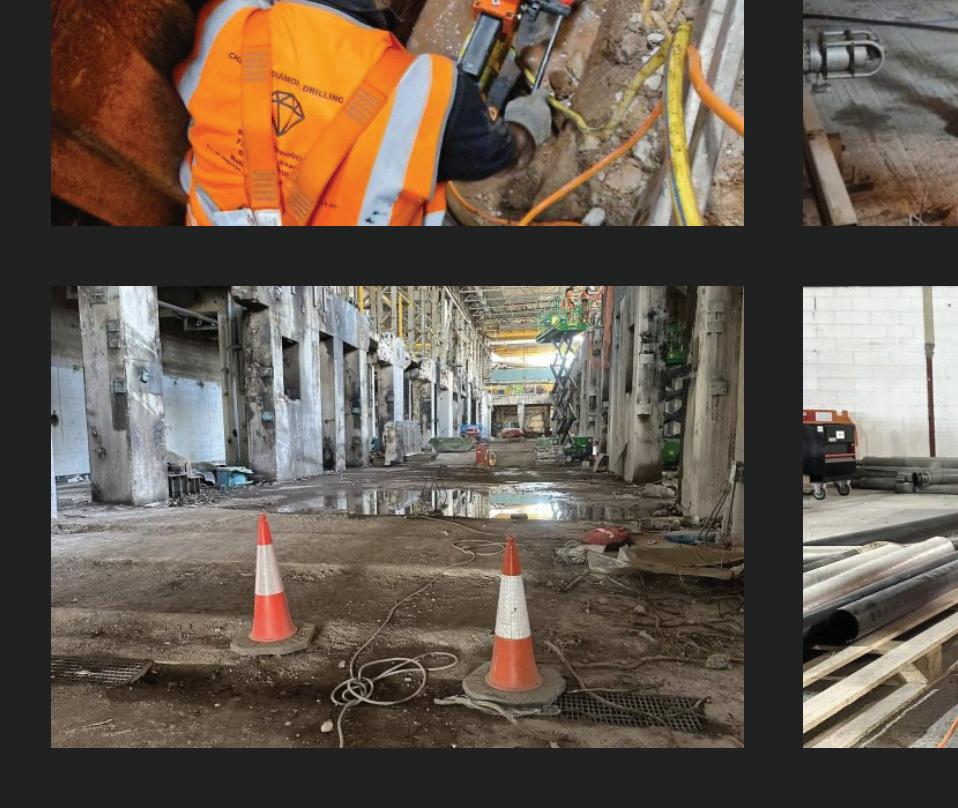
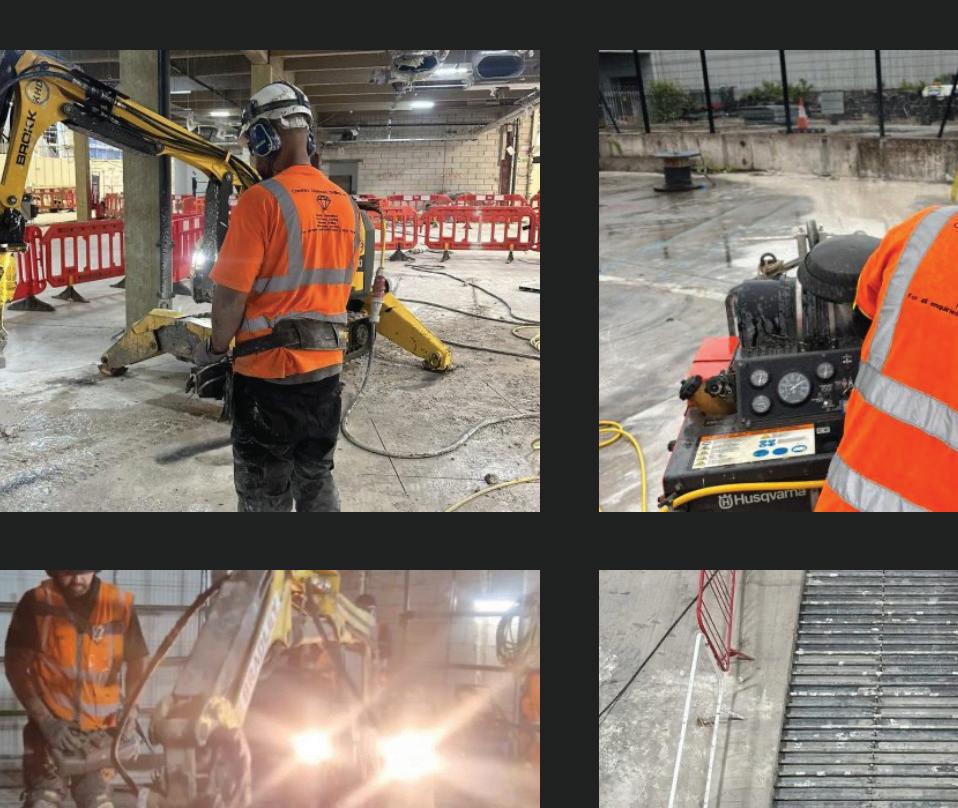
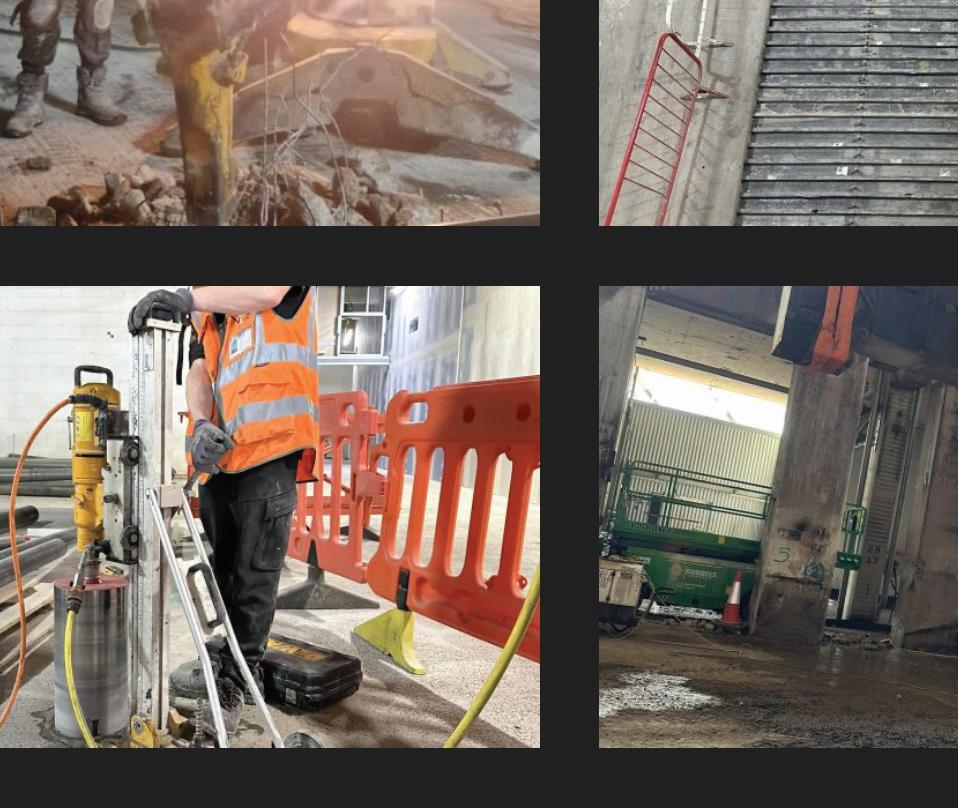
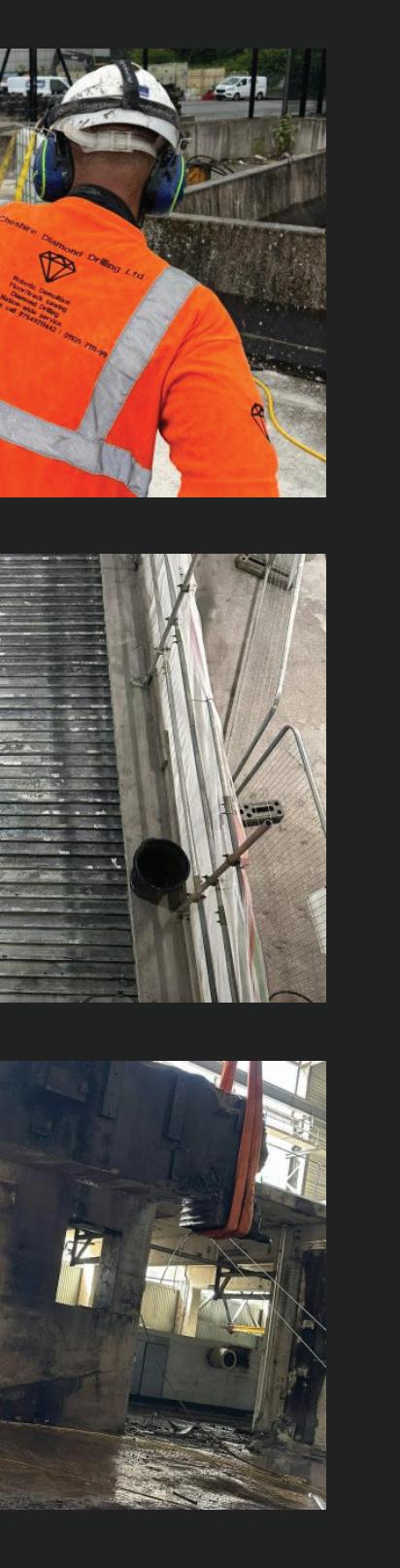





Experience the most innovative dust control system! A powerful, targeted mist to suppress the dust with a single touch from the cabin. Minimize airborne particles, improve air quality, and maximize safety on the demolition site.
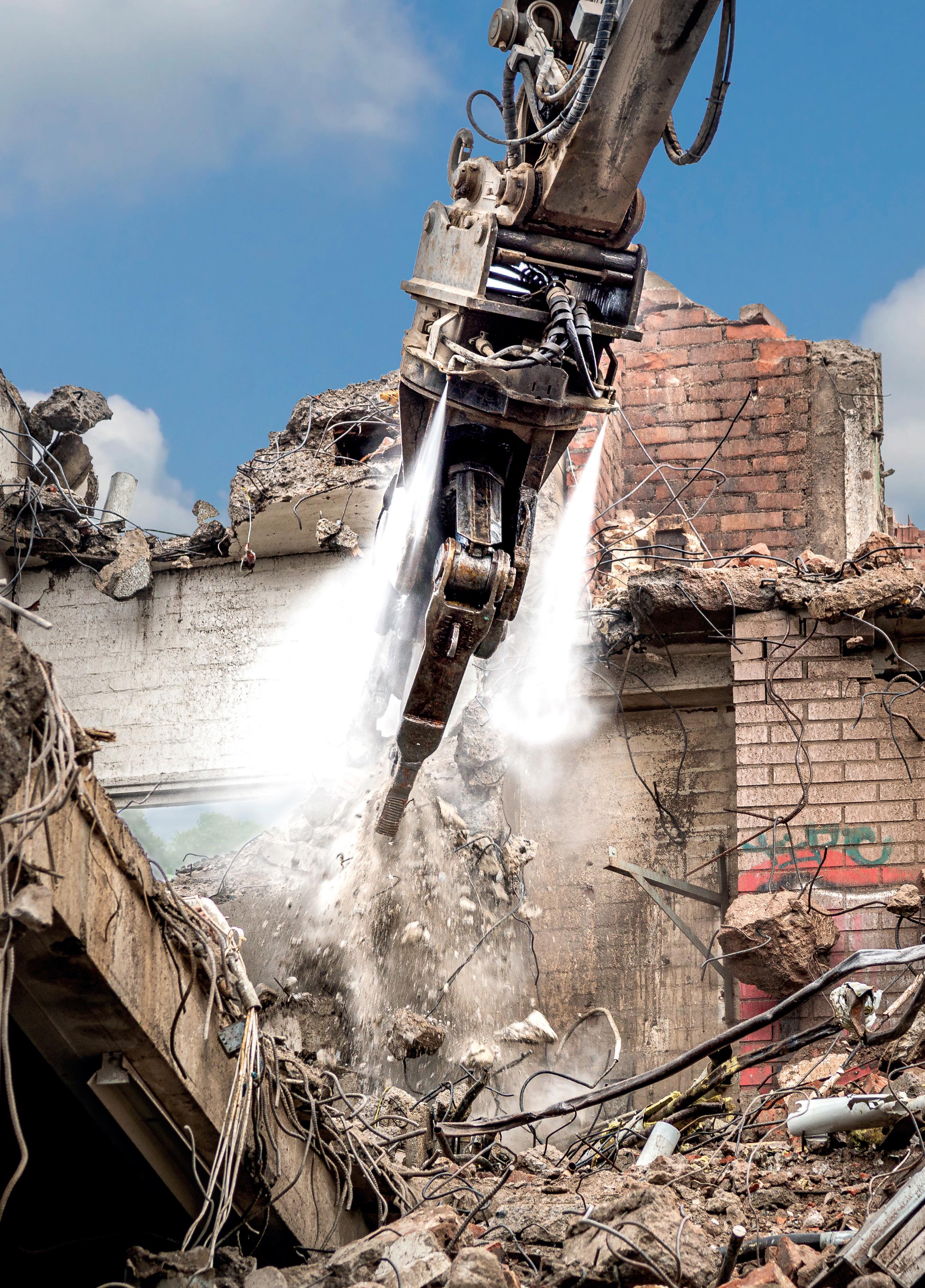
5 Reasons to Choose HPW-DUST High Pressure Dust Suppression System