Detail-oriented and creative student with a passion for architectural design. Skilled in conceptual development, modeling, and project presentation, with a strong emphasis on problem-solving and innovative design solutions. Interested in research-focused design and contributing to a collaborative team environment. Eager to learn, grow, and develop well-rounded, impactful designs.
3D and 2D design:
• Revit
• Rhino
• Grasshopper
• Wasp
• SketchUp
• AutoCAD
Rendering and AI programs:
• Lumion
• Midjourney
• PromeAI
Post Production:
• InDesign
• Photoshop
• Illustrator
[EDUCATION]
University of Texas at Arlington College of Architecture, Planning, and Public Affairs
*Bachelors of Science in Architecture expected May 2025*
RESEARCH BASED NARRATIVE MAPPING | RIVER ANALYSIS
DATA DRIVEN DESIGN BASED IN ALASKA, US | RESEARCH CENTER
SOUNDSCAPE DESIGN BASED IN NEW ORLEANS, LA | MUSIC VENUE
MERGING PUBLIC + PRIVATE REALMS BASED IN DALLAS, TX | LIBRARY + ART STUDIO
A COLLECTION OF ACADEMIC WORKS

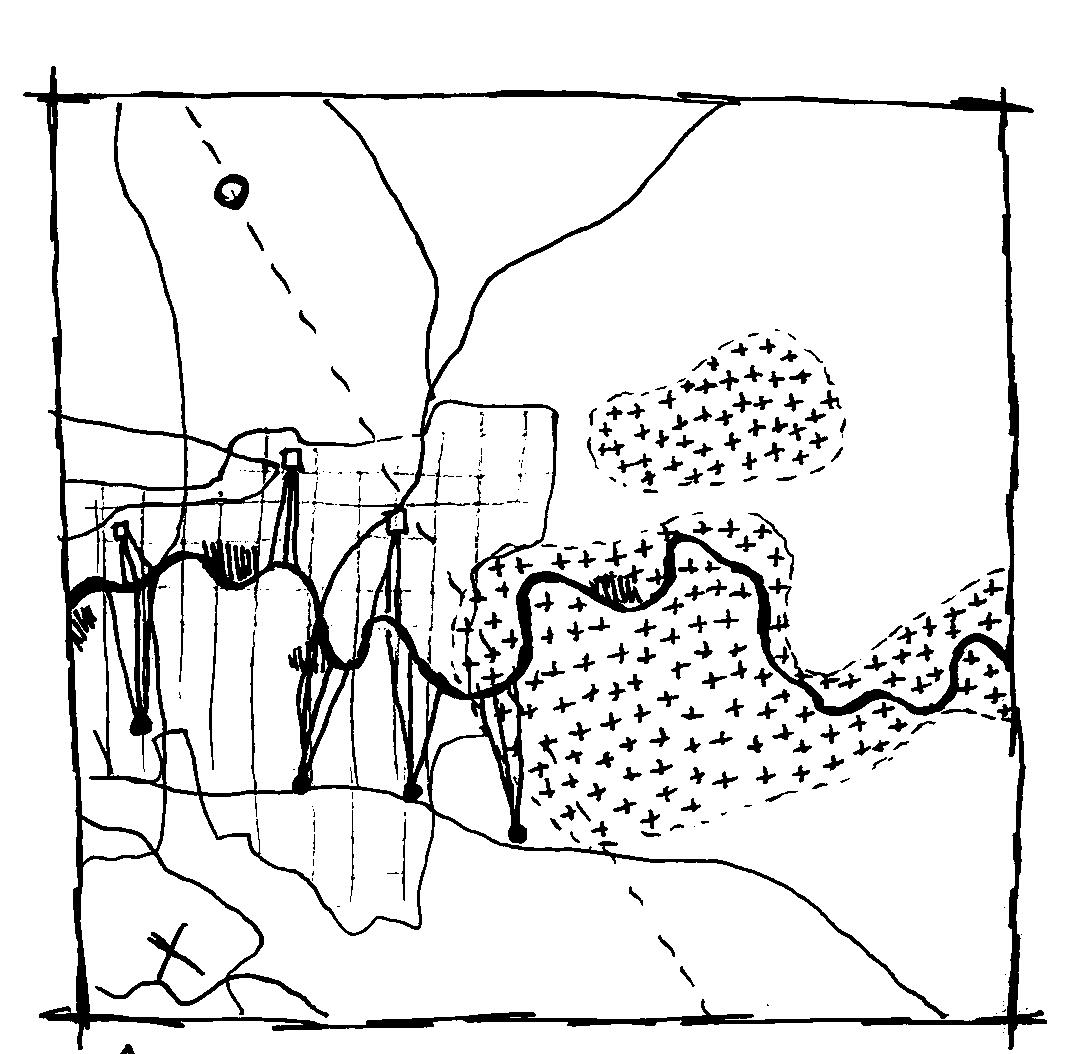
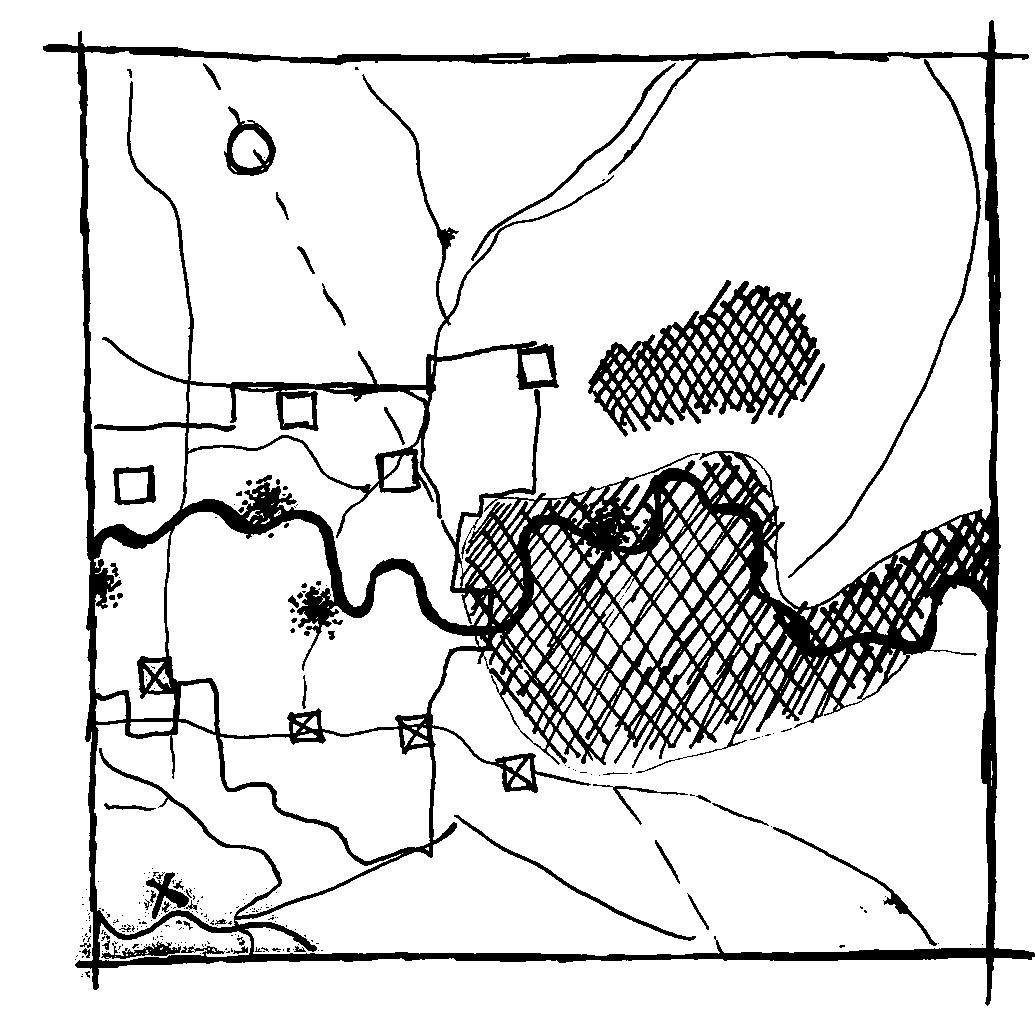
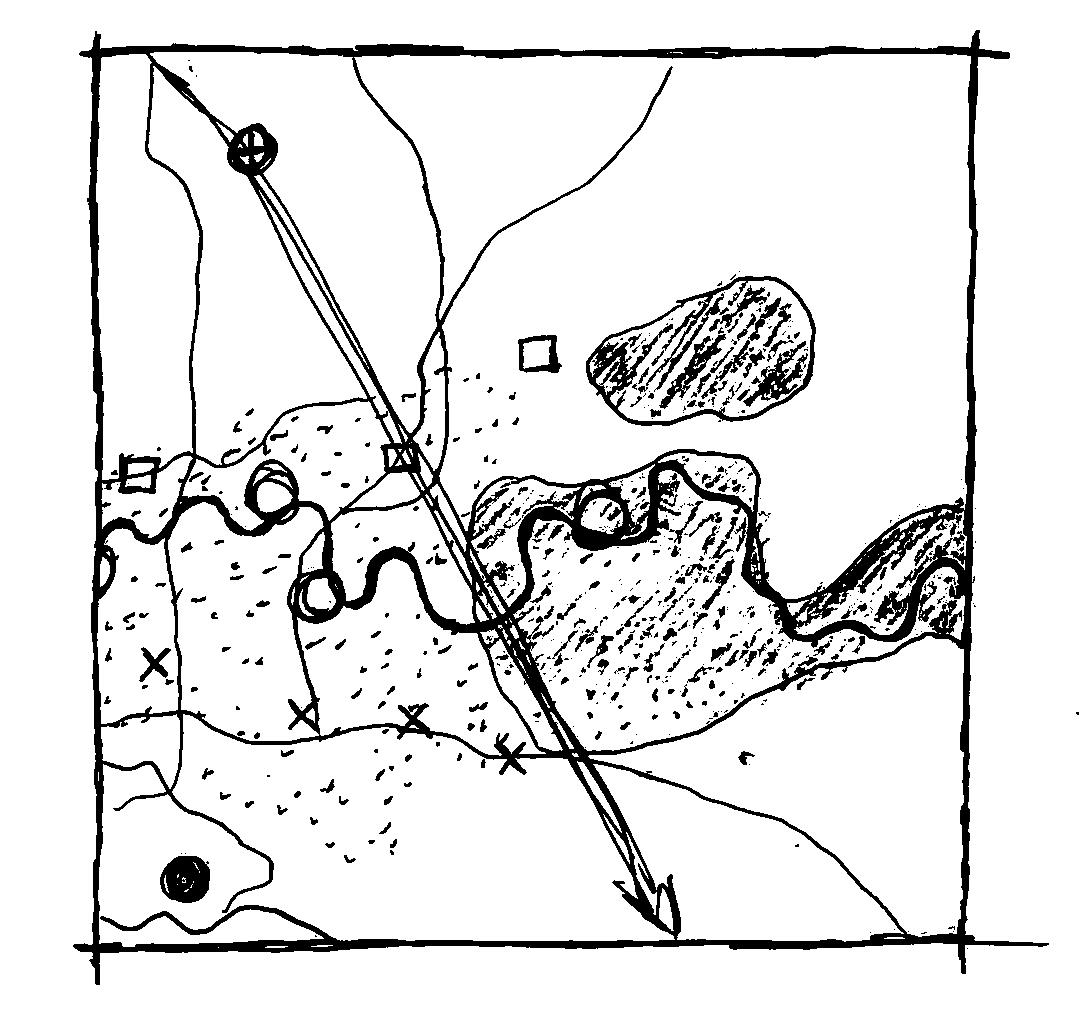
The Chena River is a significant waterway located in Interior Alaska, primarily flowing through Fairbanks. It originates from the Chena Hot Springs area and travels approximately 100 miles before merging with the Tanana River. The river is known for its scenic beauty and recreational opportunities, including fishing, kayaking, and hiking along its banks. It plays a crucial role in the local ecosystem and serves as a vital resource for both wildlife and human activities. Like many rivers, the Chena River faces challenges related to pollution. Sources of pollution include urban runoff, industrial discharges, and agricultural activities. Contaminants can enter the river through stormwater runoff, which carries pollutants downstream. This project focuses on the relationship between urban development and the river’s water quality; highlighting sources of contaminants and their proximity to the river. This project aims to bring attention to pollution and tell a story of the quality of water as it travels downstream.

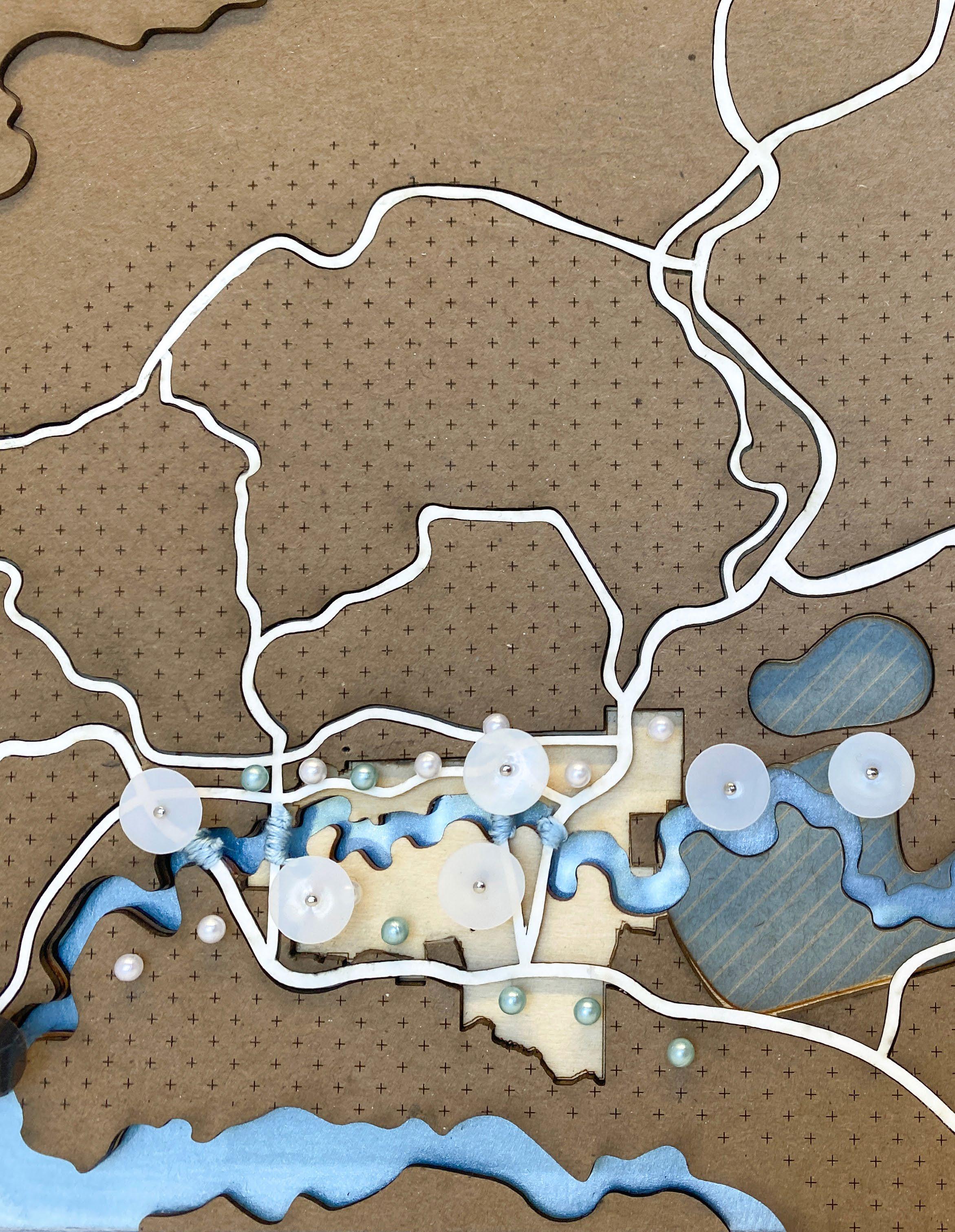
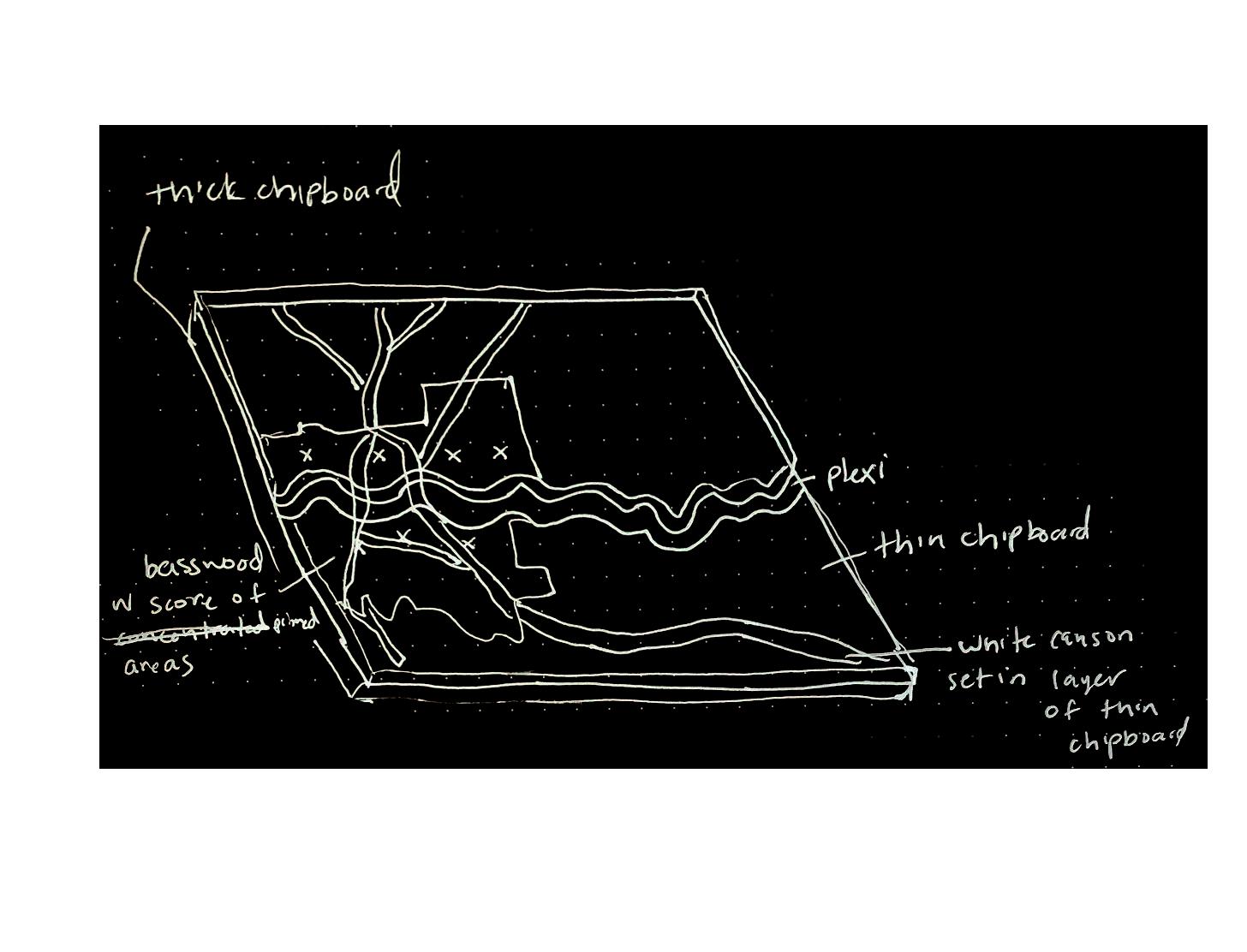
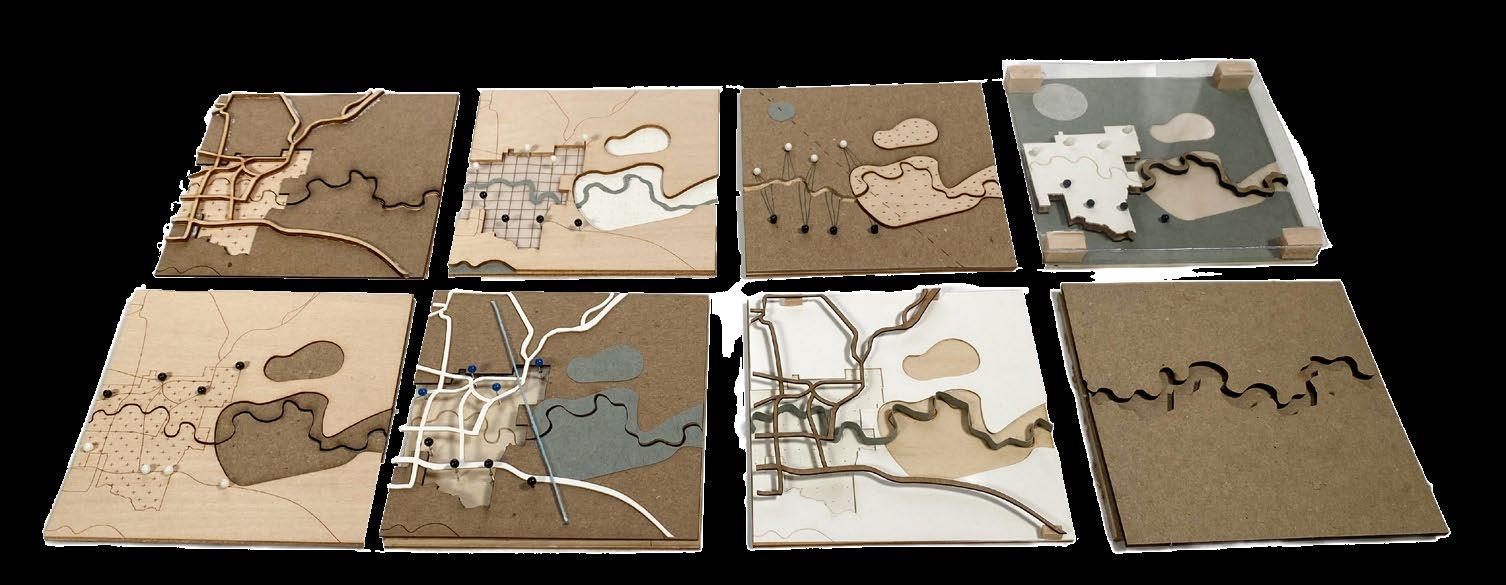
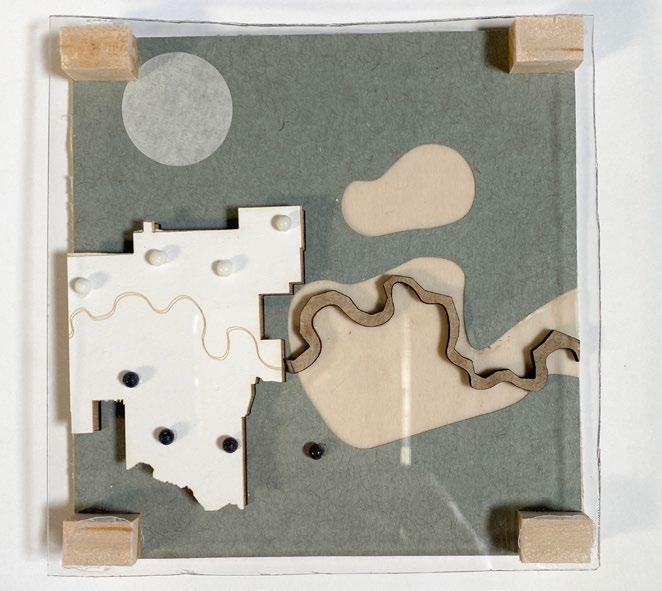
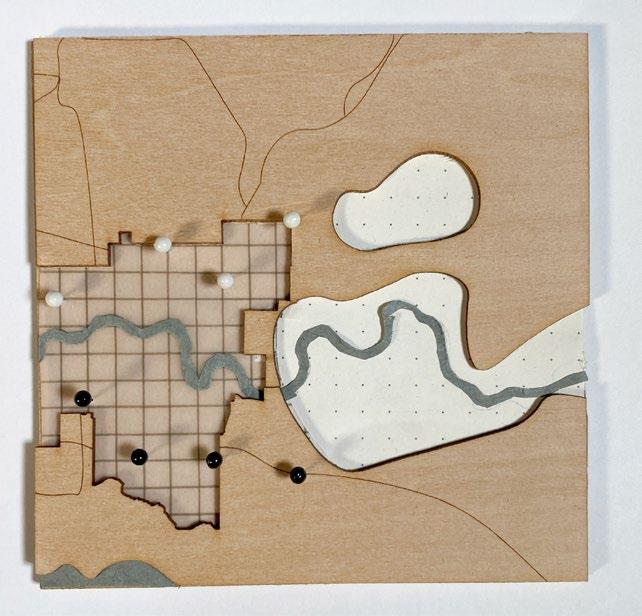
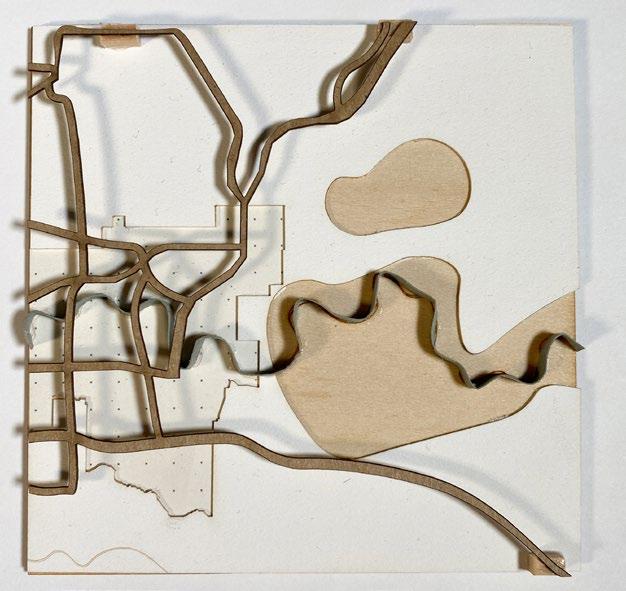
Through a process of iterative physical modeling, mapping, and diagramming, these studies examine the intricate relationship between rivers and human activity, weaving a narrative that illustrates the profound impact of urbanization on living waterways. This project specifically investigates how urban expansion influences river water quality over time, highlighting the dynamic interactions between environmental and anthropogenic factors. The models presented serve as exploratory visualizations, demonstrating different ways to interpret and communicate data.

Study models played a crucial role in the research process, allowing for a deeper understanding of the river’s conditions and the identification of its specific needs. A key focus of the investigation was mapping the connection between the river and areas of contamination, providing critical insight into environmental stressors and their impact on water quality. The documentation of this data was essential in shaping the design process, serving as both an analytical tool and a foundation for developing informed, responsive interventions that address the river’s ecological challenges.
Through these studies, a compelling narrative emerged, tracing the journey of the water as it flowed through the river’s landscape. This unfolding story, shaped by natural and human influences, provided a foundation for an architectural response that not only acknowledges the river’s dynamic conditions but also seeks to engage with its complexities. By understanding the river’s path, challenges, and transformations over time, the design intervention becomes an extension of its story.
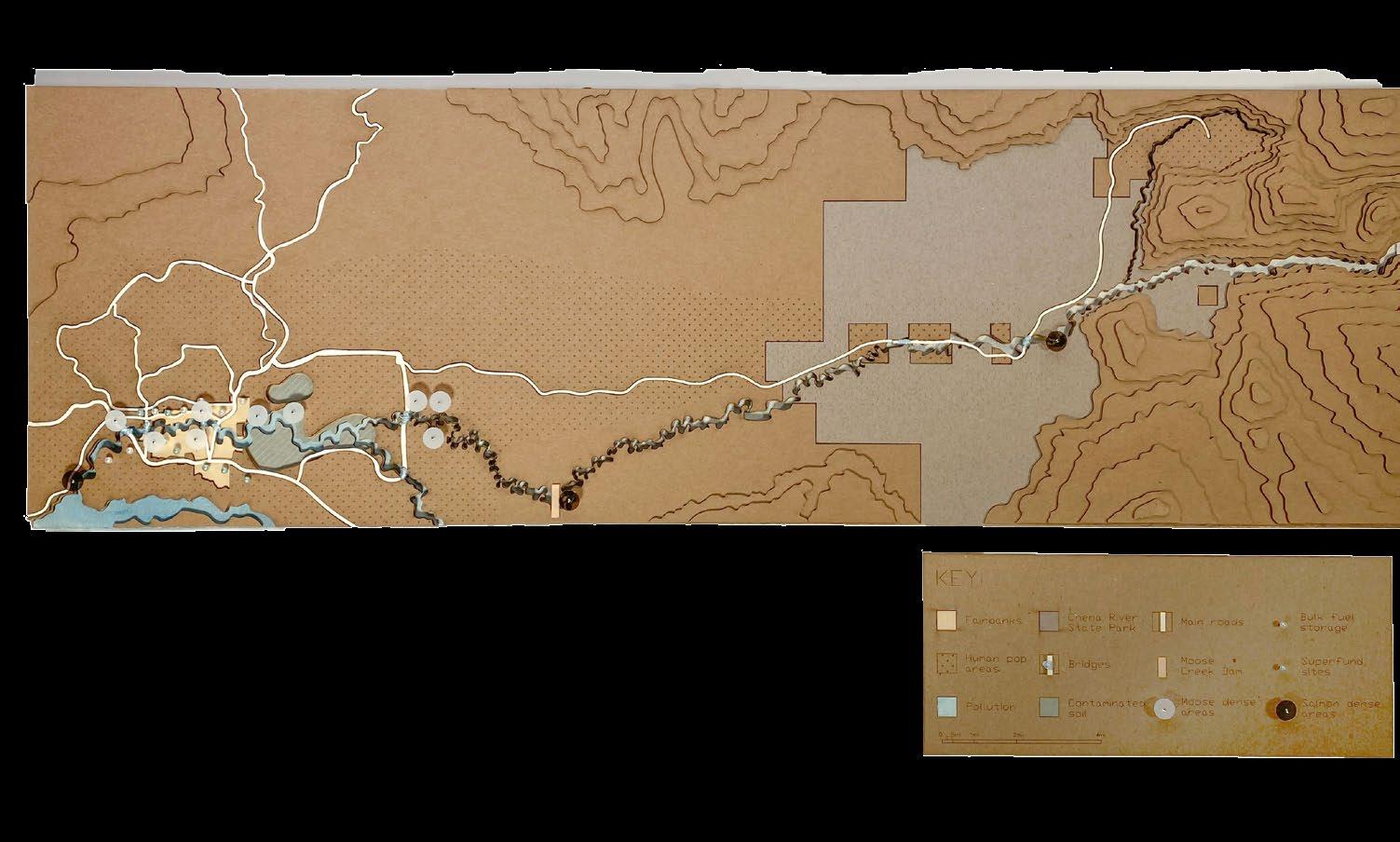
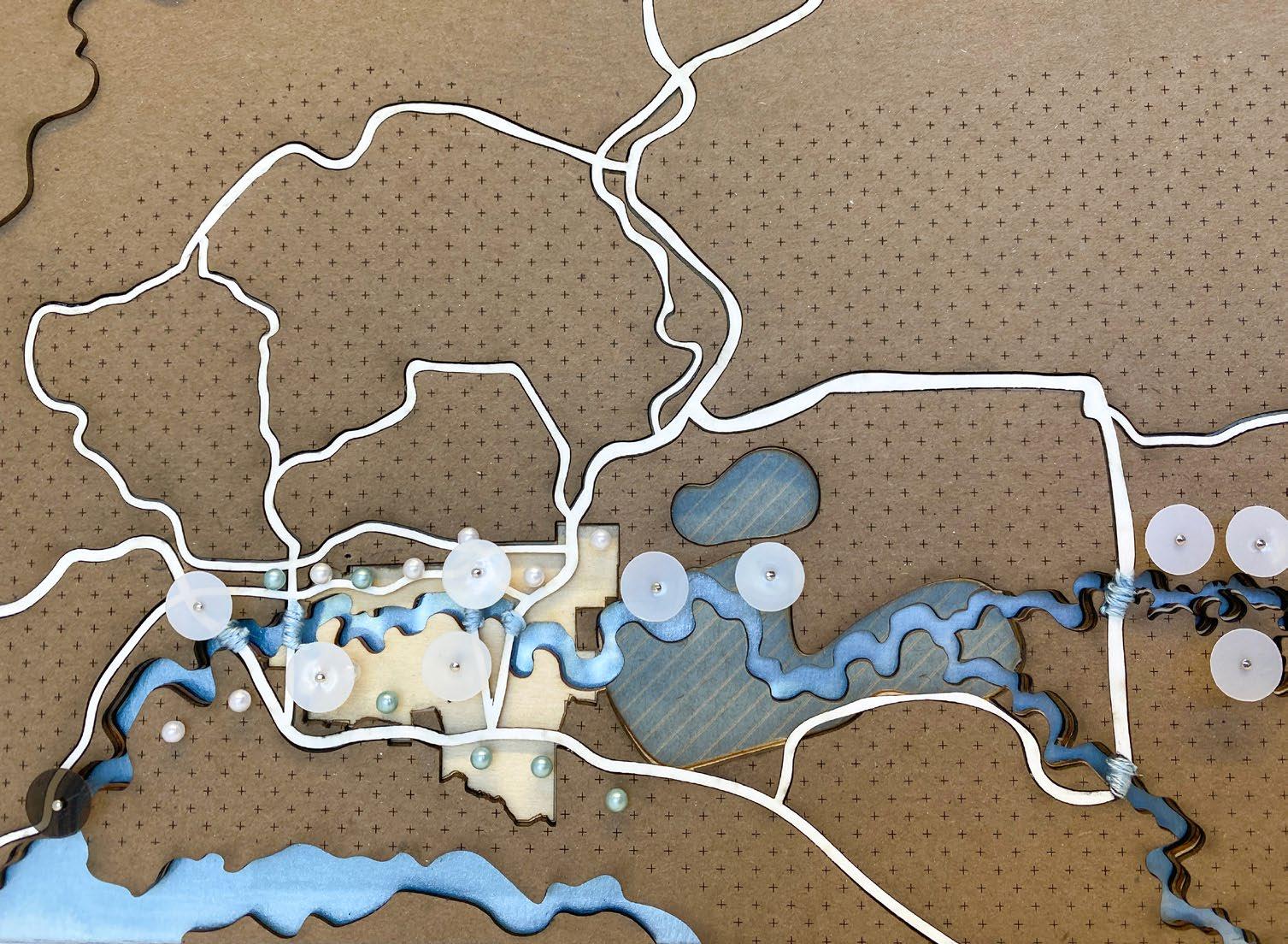
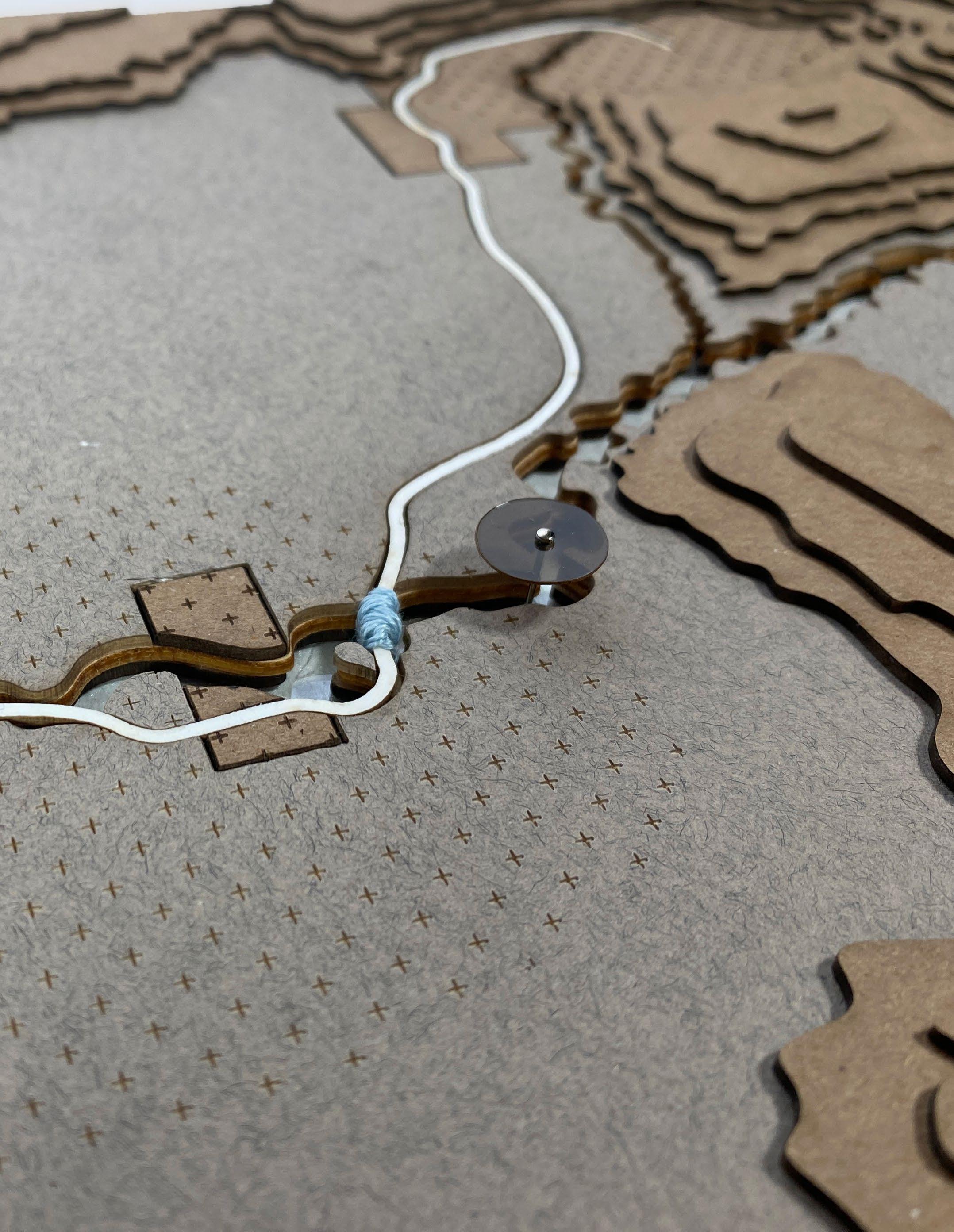
Documenting the water’s journey along the Chena River revealed a clear correlation between urbanization and the increasing levels of pollution affecting the river’s ecosystem. This research served as the foundation for an architectural response, leading to the conceptualization of a research center located at the western end of the river.
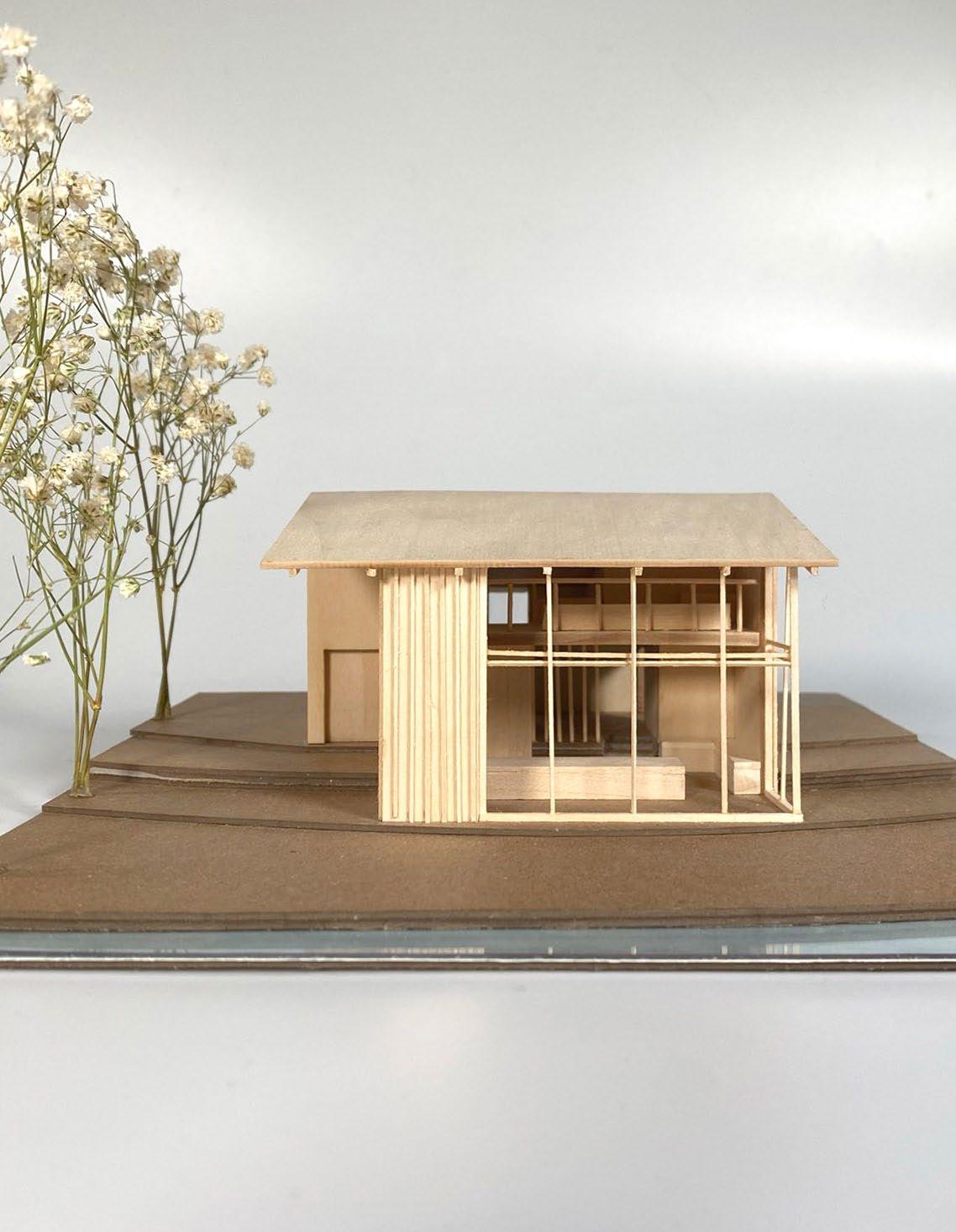
Designed to support the University of Alaska Fairbanks, the center would serve as a dynamic hub for ecological research, fostering collaboration among students, faculty, and environmental scientists dedicated to preserving the river’s water quality. As an extension of the university’s environmental science research program, the facility aims to provide resources for water quality monitoring, sustainable ecosystem management, and innovative conservation strategies. Through its design, the research center not only facilitates scientific exploration but also embodies a commitment to environmental stewardship, creating a space where education, sustainability, and architecture
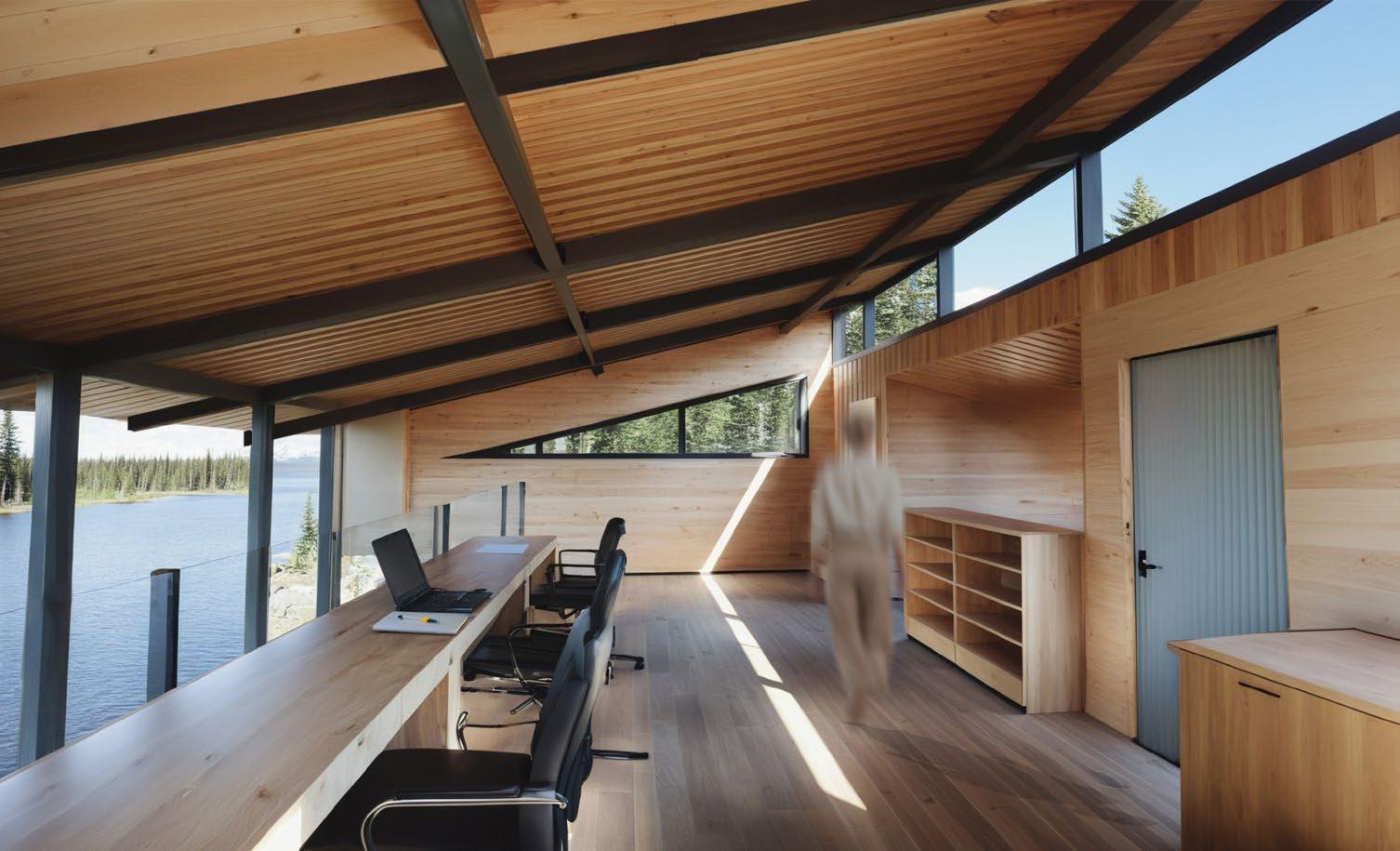
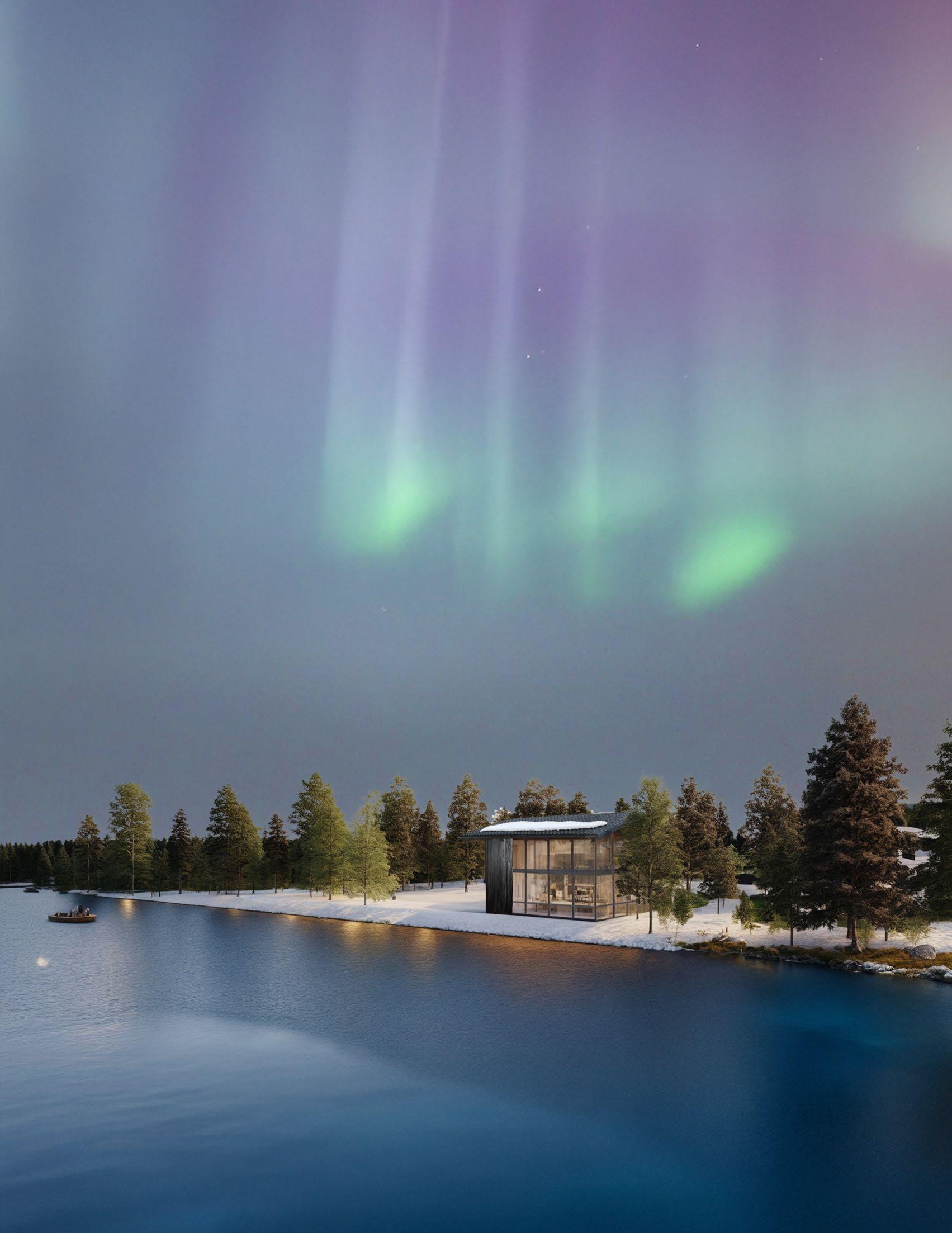
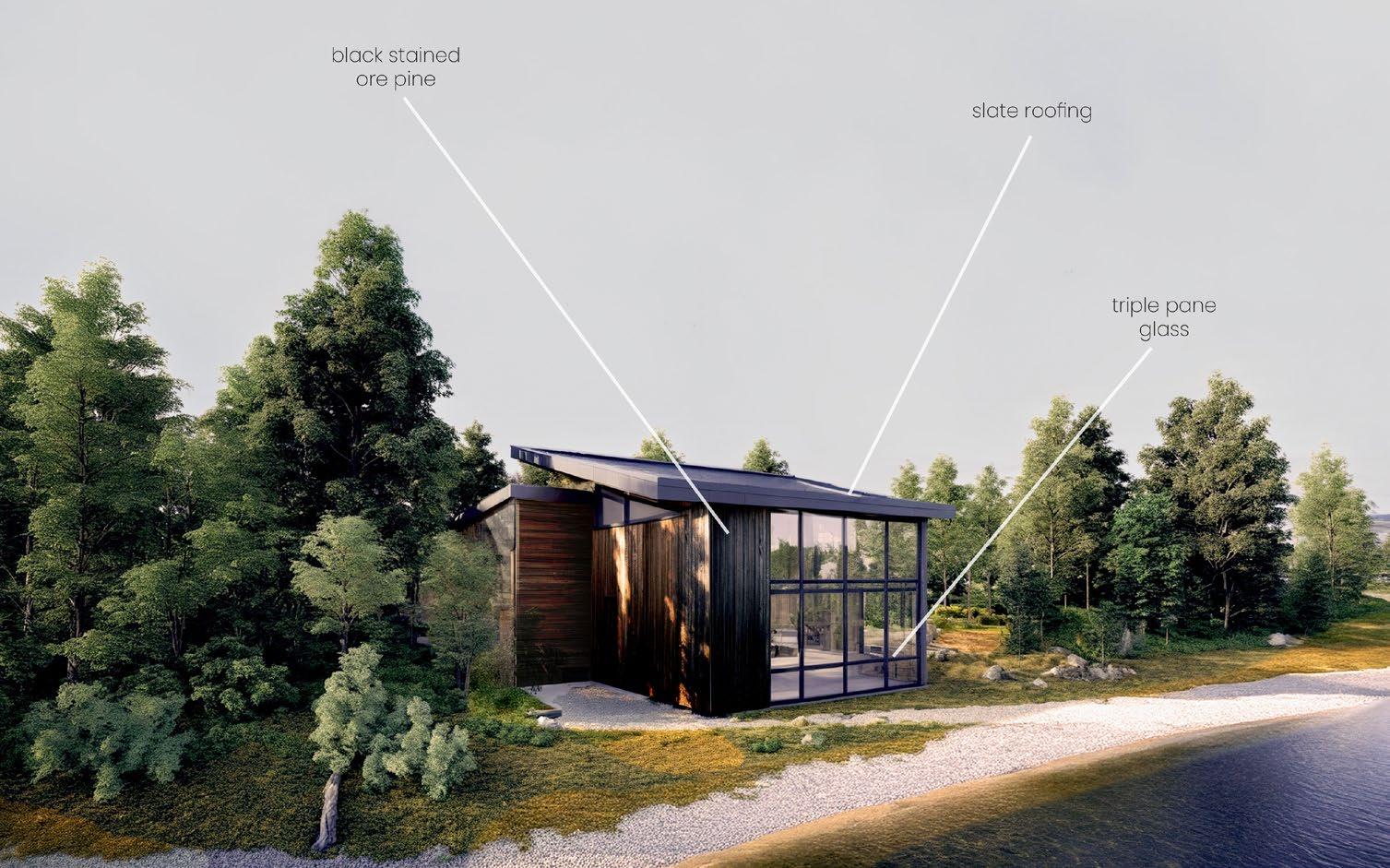

The dynamic shifting of two architectural forms creates intentional voids that serve as entry and exit points, facilitating smooth circulation throughout the space. The West facade, composed of expansive glazing, maximizes natural light, creating a bright and inviting atmosphere. This design not only enhances the spatial experience but also optimizes functionality, allowing researchers to seamlessly transition from data collection to analysis in a well-lit, efficient environment.
[THE
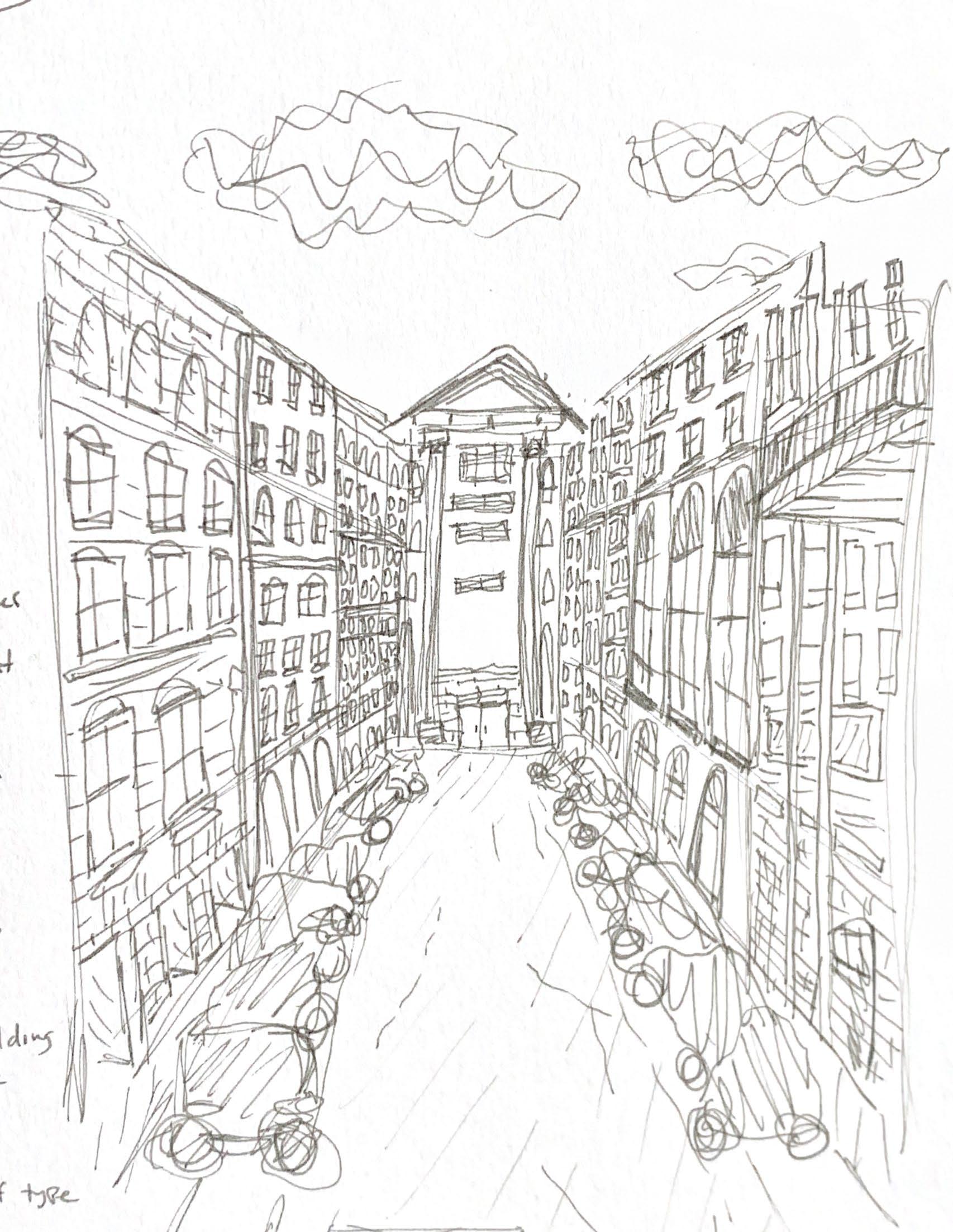
In New Orleans, courtyards are more than just architectural features—they are cultural spaces where traditions come to life. These dynamic gathering places serve as the heartbeat of the city, fostering social connection and celebrating its deep-rooted heritage.
Drawing inspiration from the abundance of courtyards throughout New Orleans, this project reimagines the courtyard as the foundation for a multipurpose music venue that embodies the city’s spirit. Designed to promote community engagement, artistic expression, and cultural preservation, the venue seamlessly integrates indoor and outdoor spaces, creating an immersive environment for live performances, festivals, and social gatherings. By embracing the essence of New Orleans’ architectural and cultural identity, this project seeks to honor the city’s musical legacy while providing a contemporary space for creativity and connection.
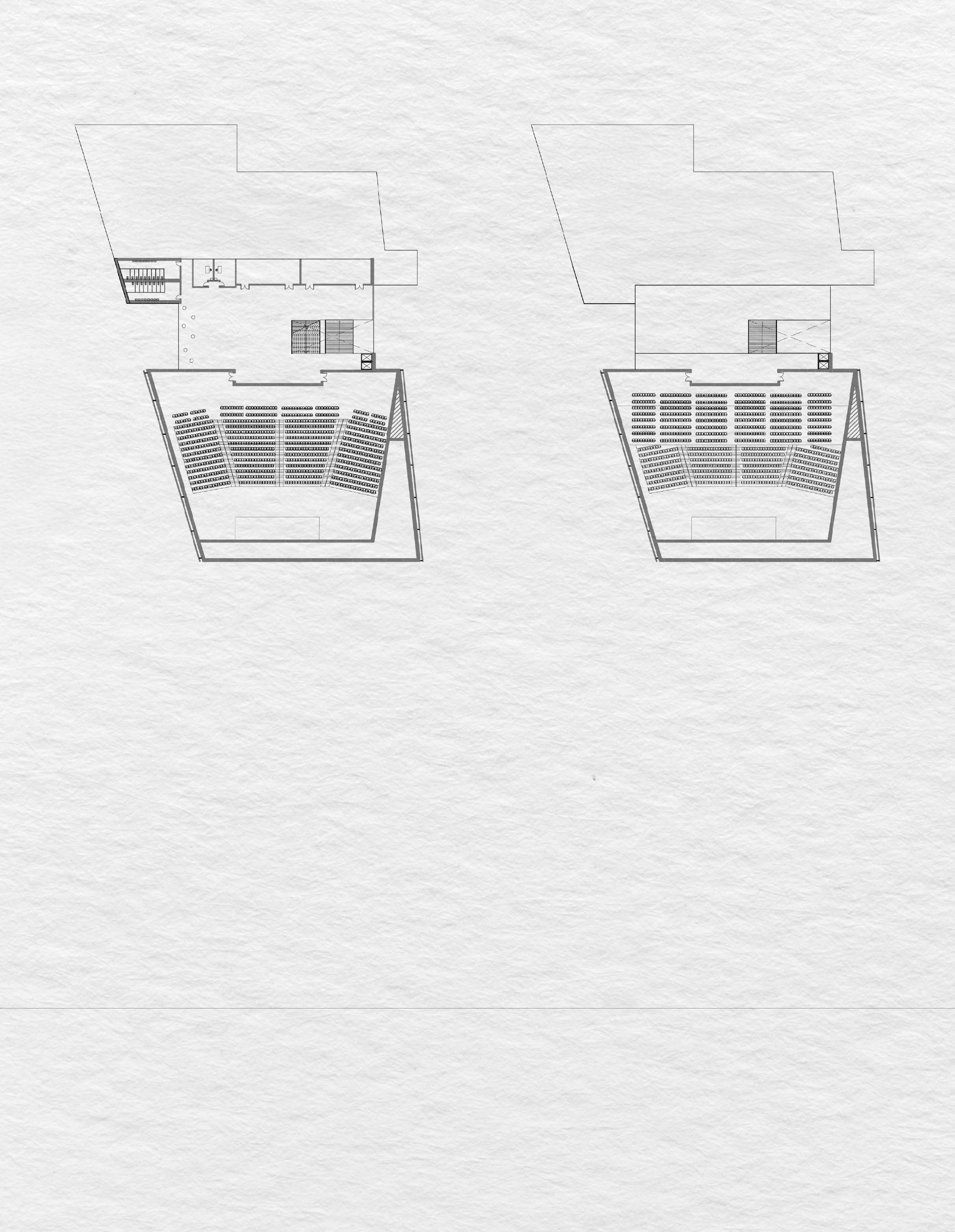
The main theater is strategically positioned at the rear of the building, encouraging guests to engage with the surrounding public spaces before performances. This layout fosters a dynamic and immersive experience, allowing visitors to seamlessly transition between moments of interaction and relaxation. The venue is designed to embrace an interactive environment that harmonizes both activity and leisure, creating a fluid balance between pause and play. By thoughtfully integrating these elements, the design achieves a cohesive and engaging atmosphere that enhances the overall guest experience.
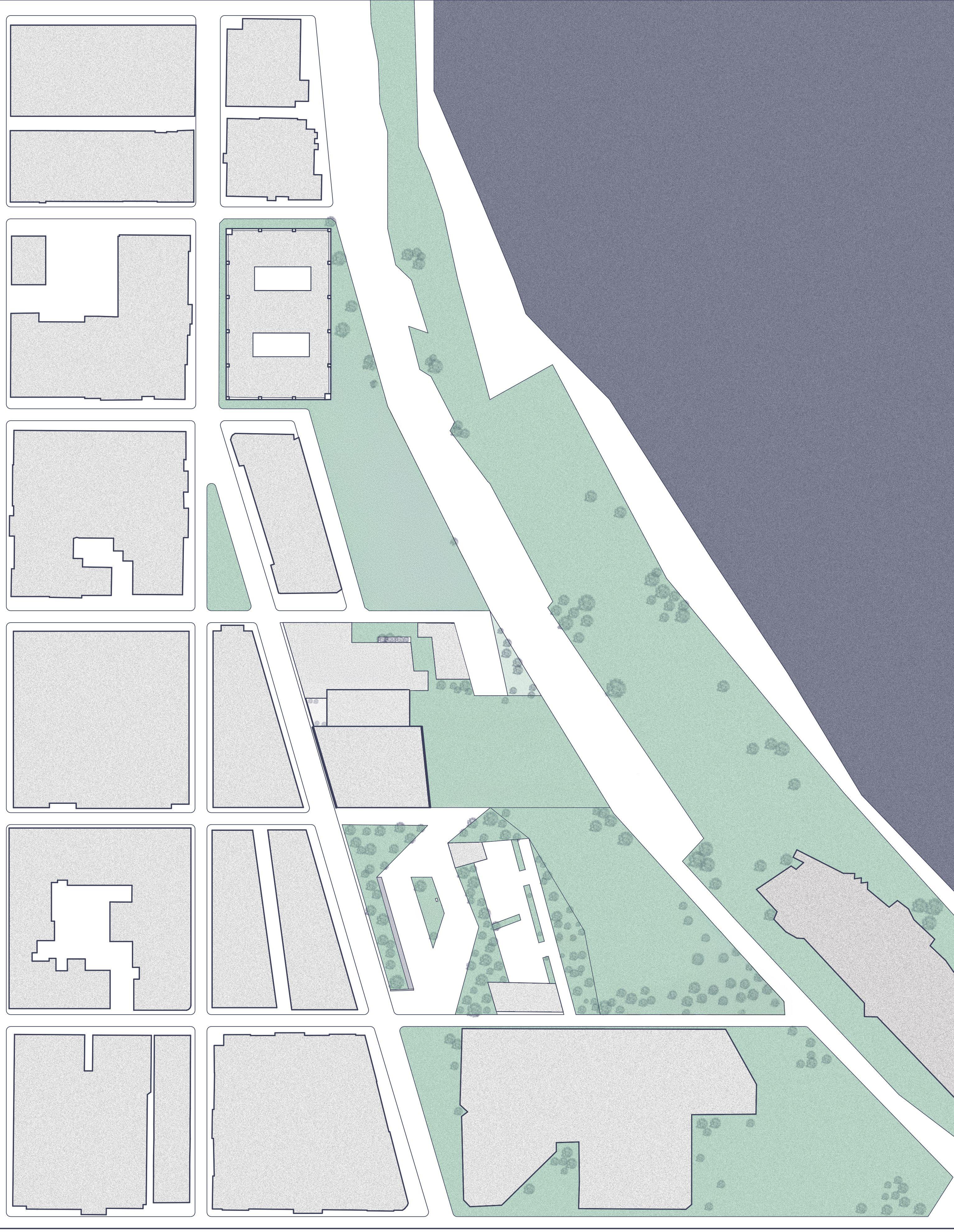
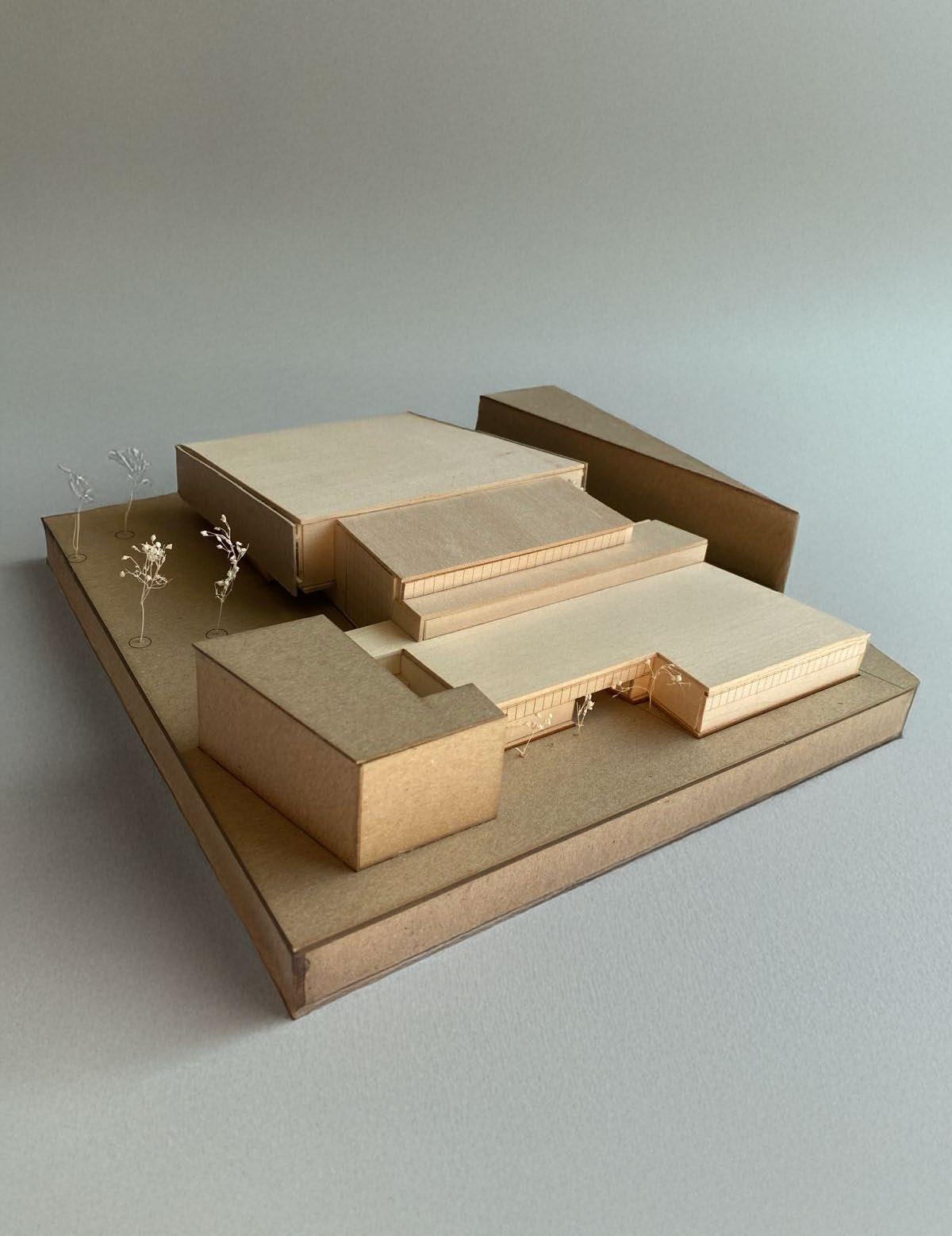
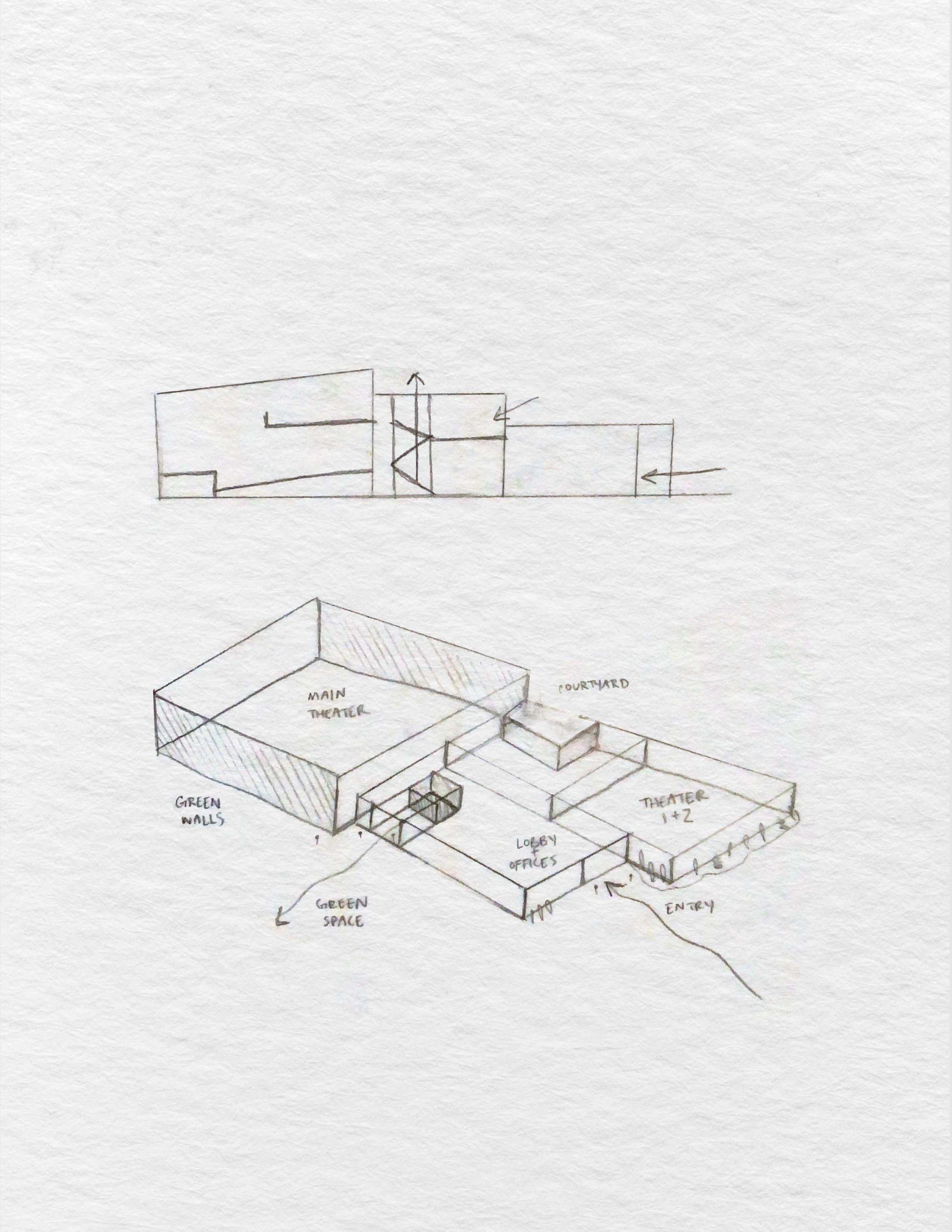
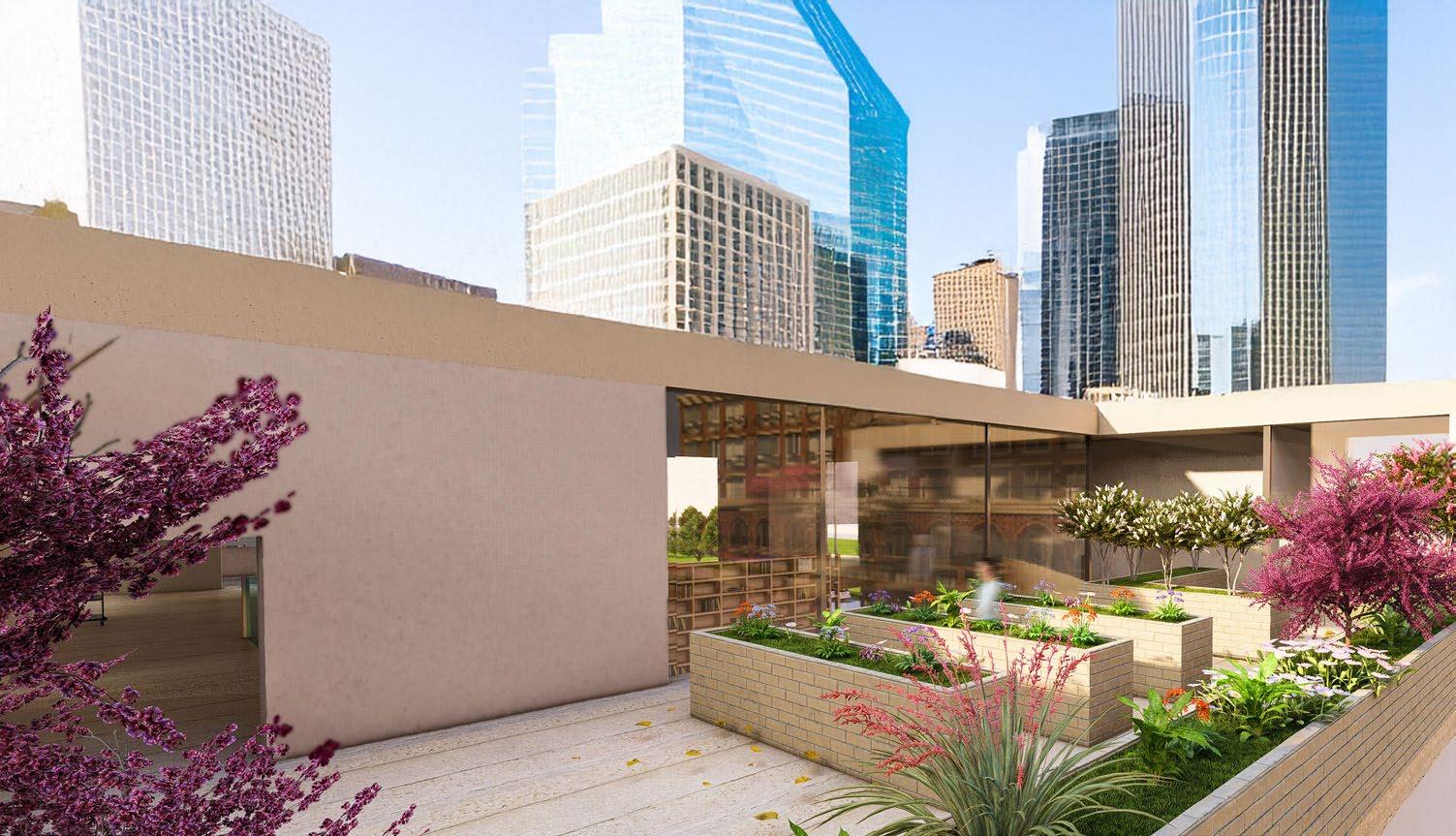
This project brings together two distinct yet complementary programs, integrating civic, cultural, and institutional functions with commercial activity. Specifically, the design combines a public library with a mercantile space, creating a dynamic environment where knowledge, creativity, and commerce intersect. The project investigates innovative ways to merge these traditionally separate functions, exploring how a shared space can accommodate both intellectual engagement and commercial enterprise.
By placing a library alongside an art supply store that includes workshops and painting classes, the design fosters a seamless interaction between learning and hands-on creativity. The result is a multifunctional hub that not only serves as a repository of knowledge but also as an active marketplace for artistic expression and community engagement, redefining the boundaries between public and private space.
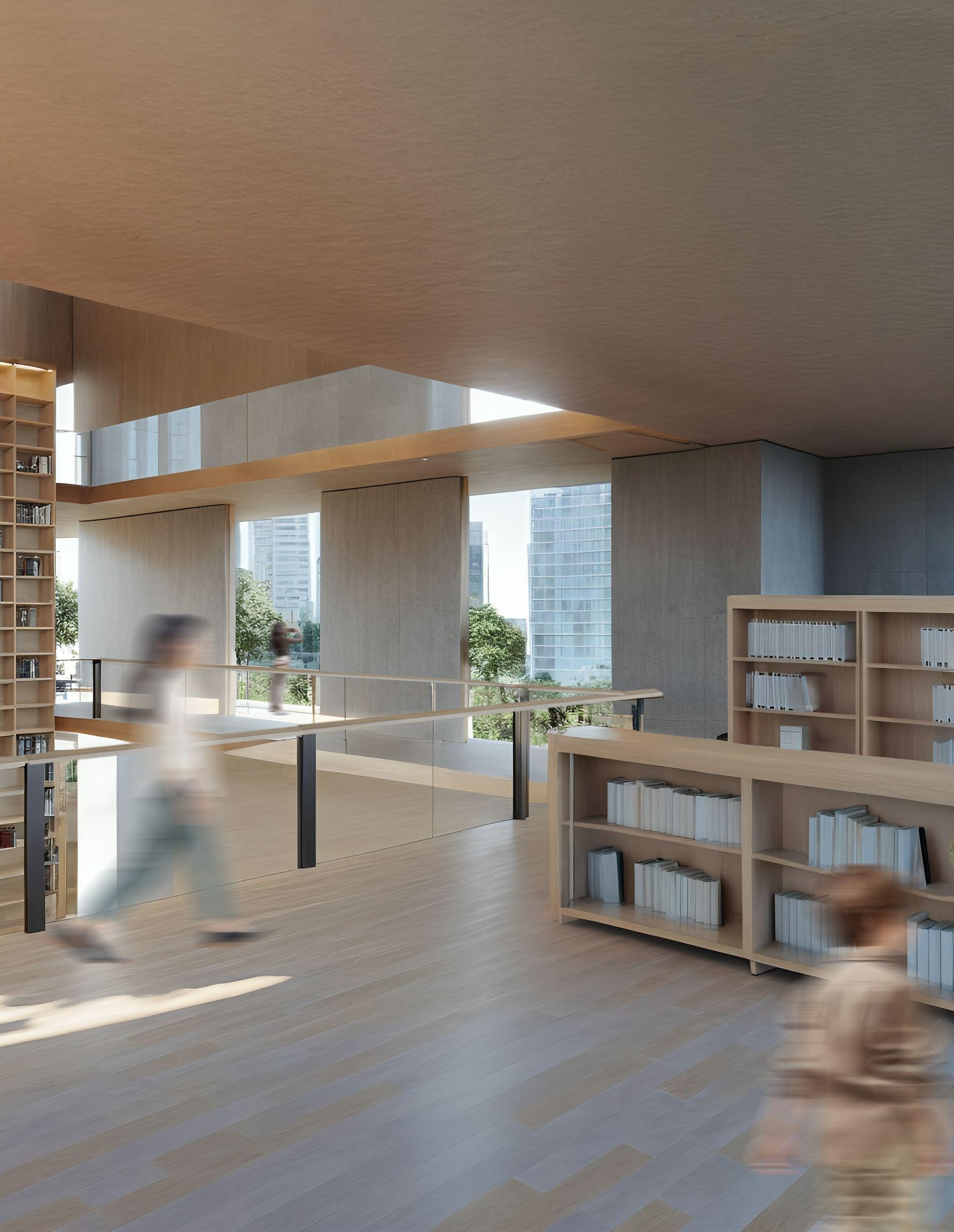
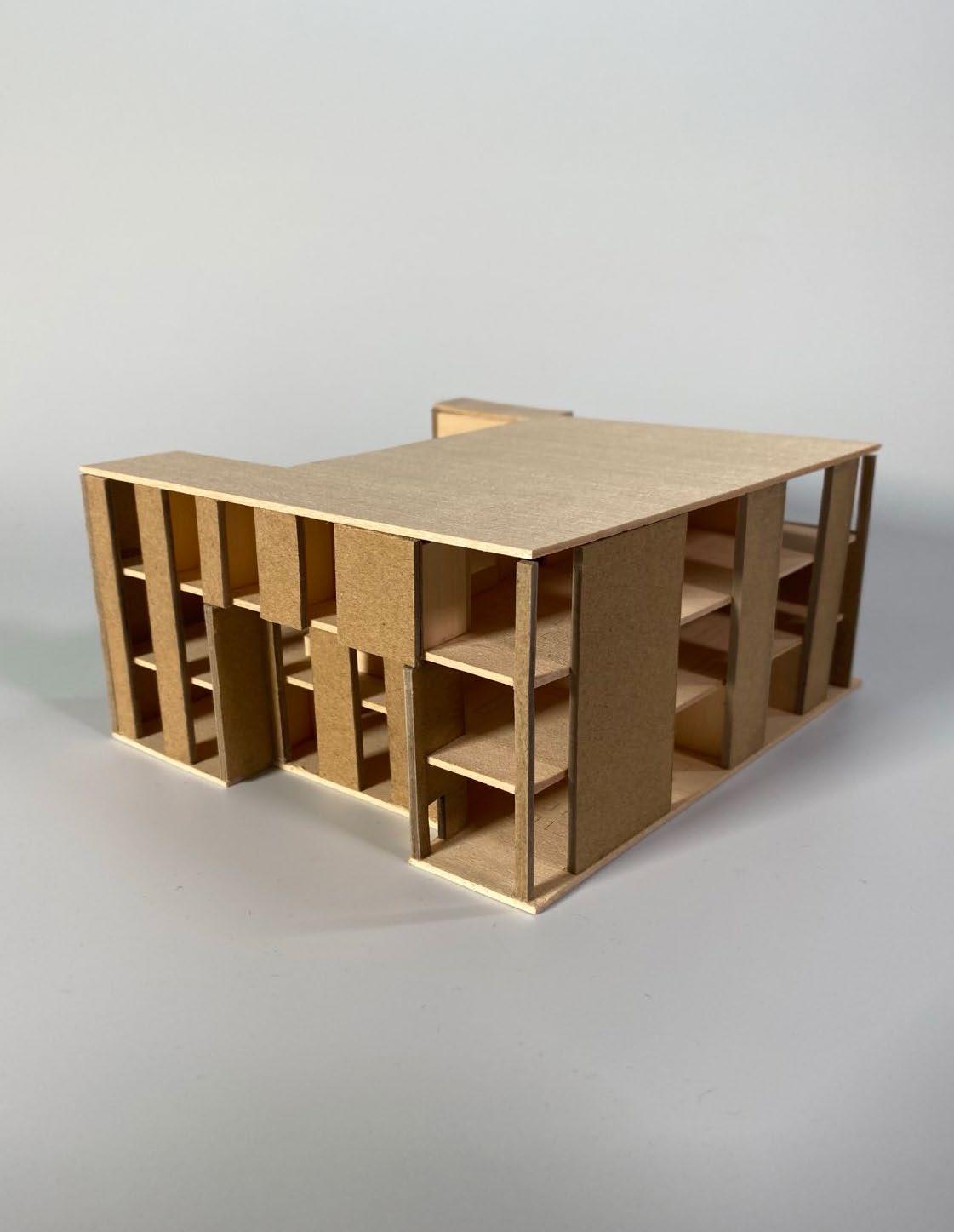
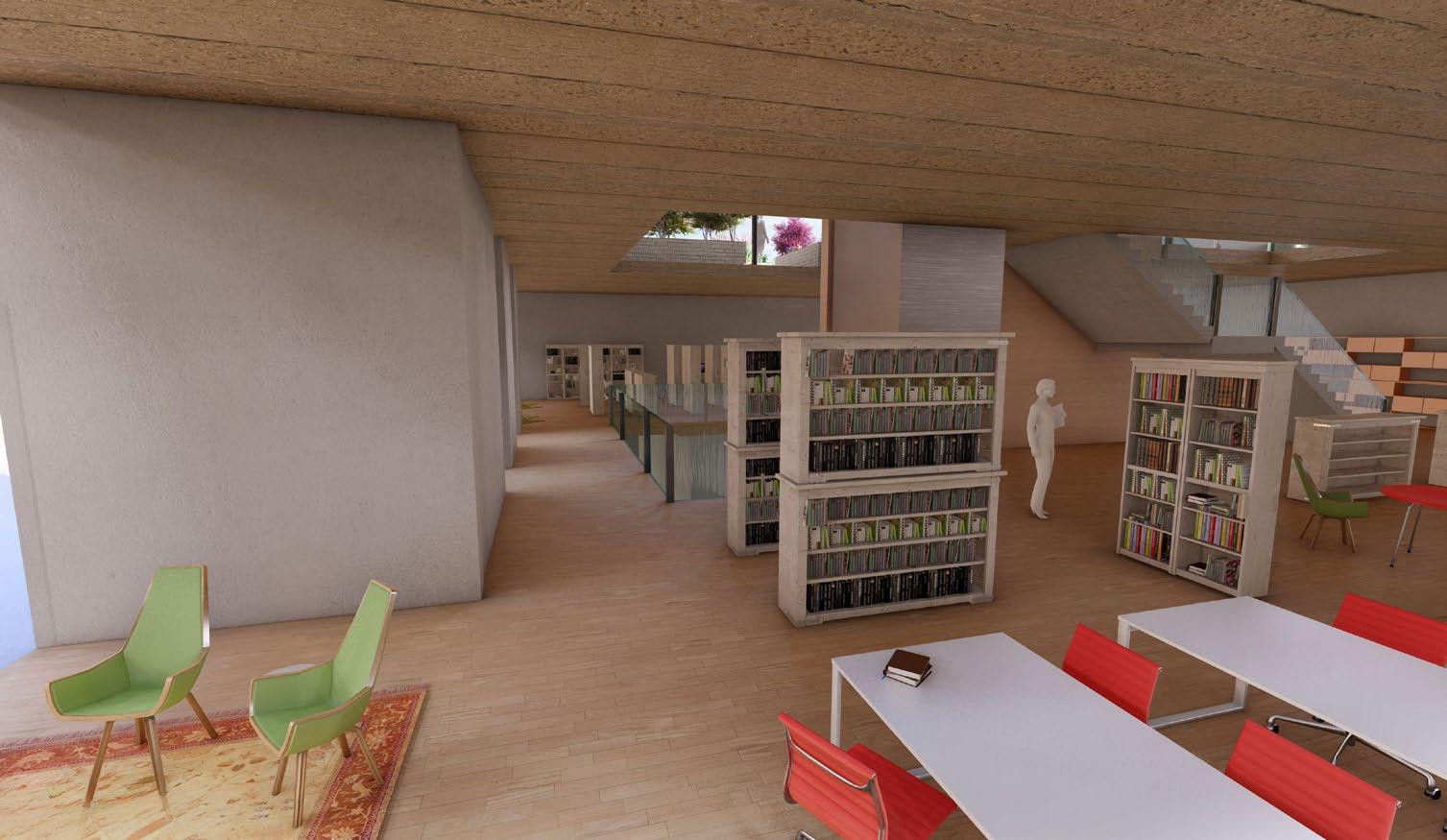
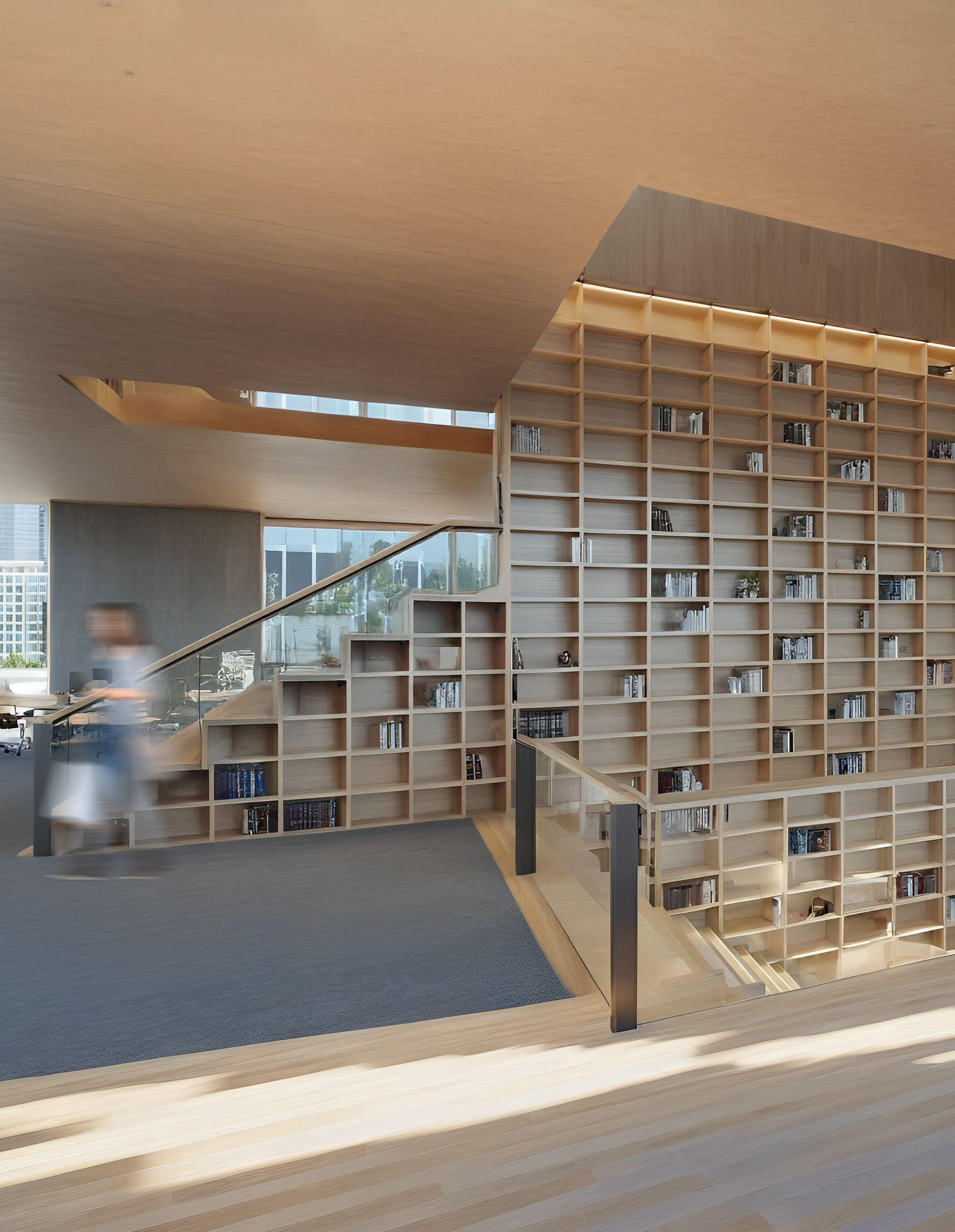
The main circulation is centered in the core of the building connecting each floor through the grand staircase and book shelf. The idea of connecting these forms explores how these two spaces can be merged and serve as two functioning services under the same roof.
[EXPLORATIONS]
The following collection showcases a diverse range of undergraduate works, including architectural drawings, design explorations, and personal experiences. These projects represent a journey of discovery, where each exploration contributed to a deeper understanding of form, concept, and materiality. Through iterative design processes, handson experimentation, and analytical studies, these works reflect a growing proficiency in translating abstract ideas into tangible spatial compositions.
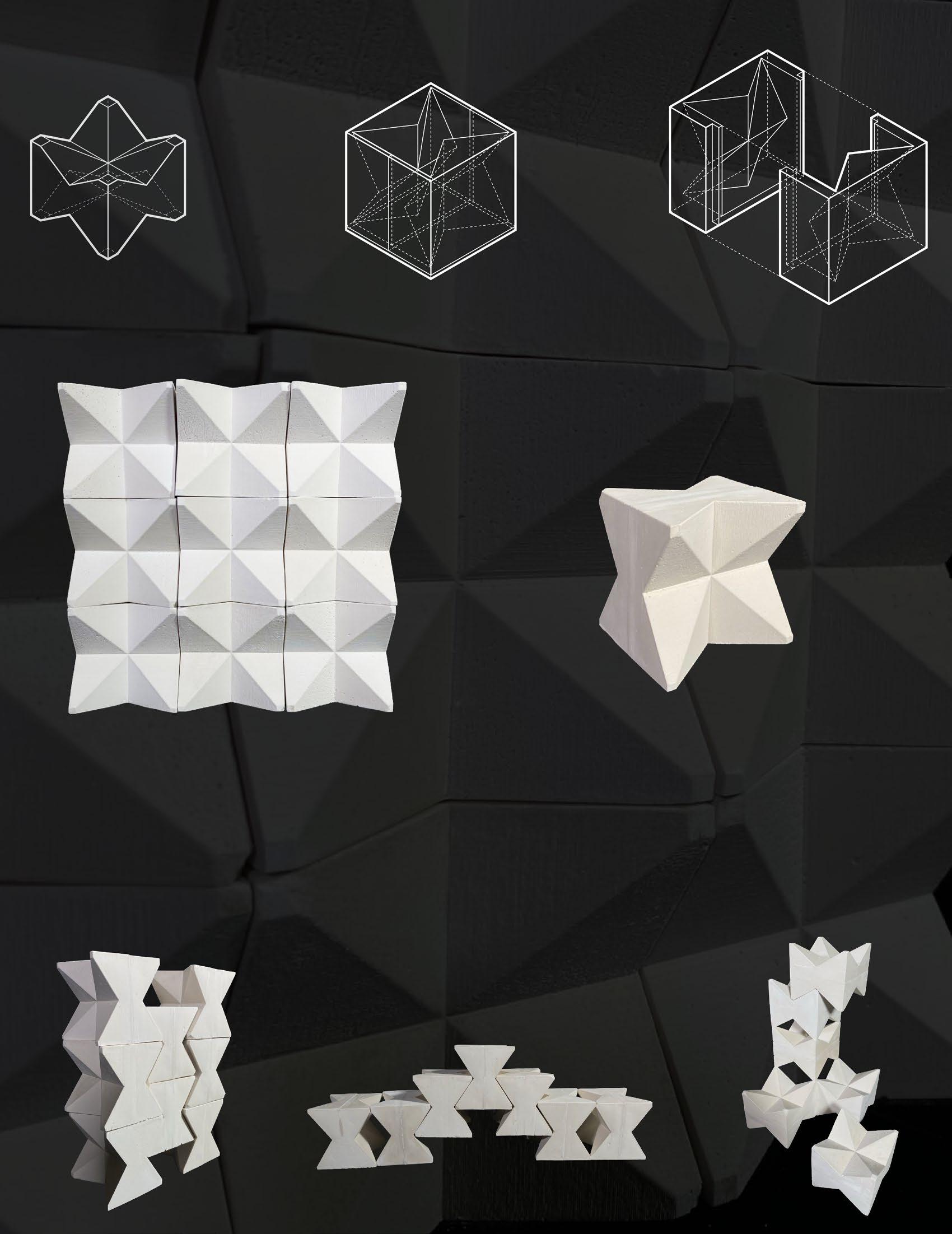
The fortune teller, is a design inspired by oragami, specifically a fortune teller. The form can be connected along the falt surfaces as well as counterbalanced to create unique configurations. The geometry can also be used as a fascade and uses light and shadow to detail the depth of the geometry.
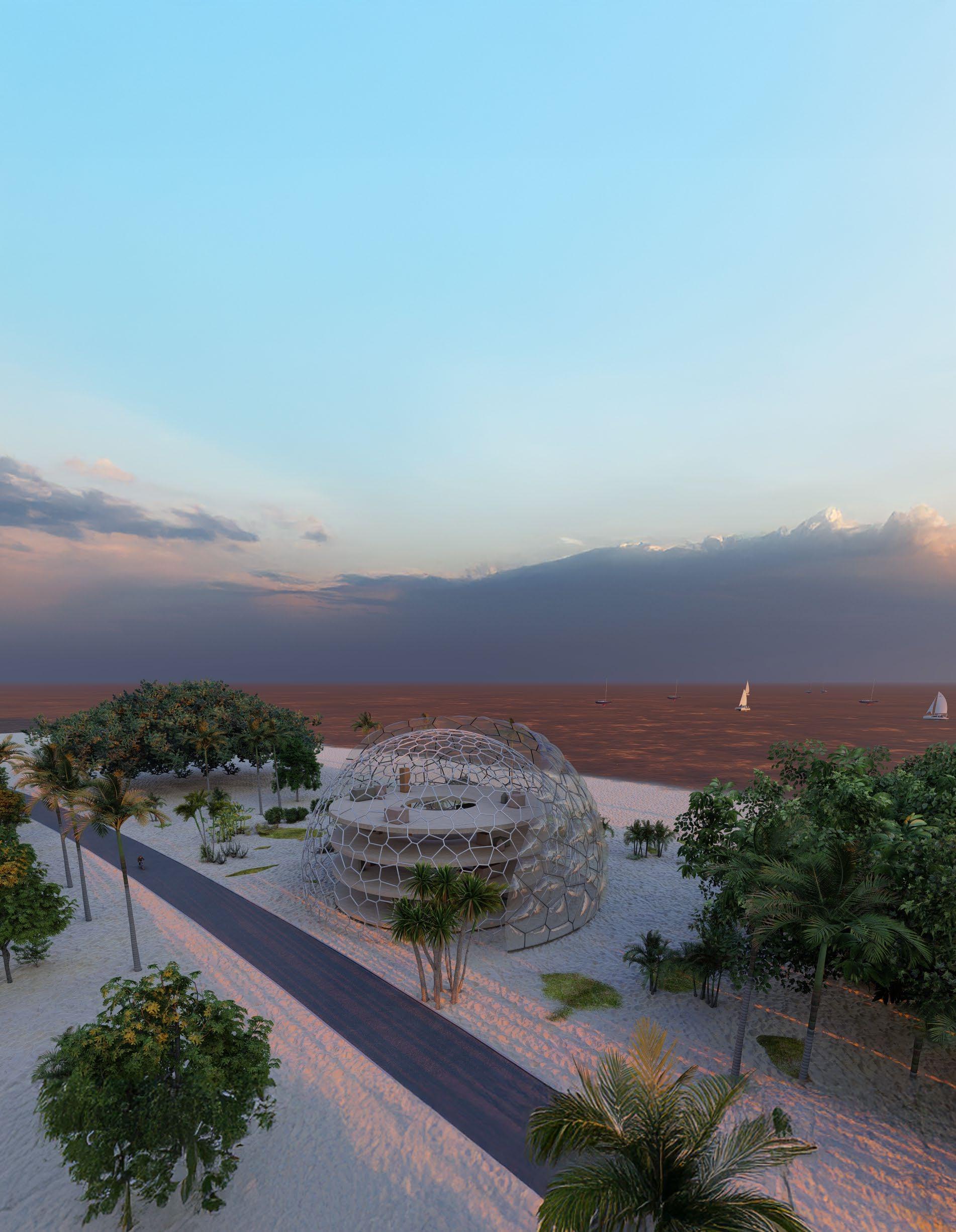

With the growing use of AI into the design world, this project explores the capabilities of AI integrated design. This project aimed to recreate an AI-designed structure using a selection of digital graphic software. Several tools were utilized in developing this project, including Rhino, Grasshopper, Midjourney, Illustrator, Chat GPT, and Lumion. The project recreated is titled “Sanctuary Above the Tomb”; this AI-generated project was first created by Xueer Wang in 2022. All renders, diagrams, and midjourney creations (shown in portfolio) are created by Lyene Lenartowicz using AI tools. This project served as a design challenge to use AI to reimagine architecture and explore AI rendering capabilities.
This project integrates the programmatic elements of a traditional Japanese Tea House and a classical Greek Theater. While these structures differ greatly in form and purpose, the challenge was to harmonize their opposing functions within a single cohesive design. The solution was to create a kinetic building, one that employs simple mechanical movements to transform and adapt its spaces dynamically. By incorporating movable components, the structure fluidly transitions between intimate, contemplative settings and expansive, performance-driven environments, allowing it to respond to varying needs and activities with ease.
MOVEMENT DIAGRAMS
Pause and play refer to the balance between spaces designed for stillness, reflection, or relaxation (pause) and those that encourage movement, interaction, or activity (play). This concept helps create dynamic environments that cater to different human needs and
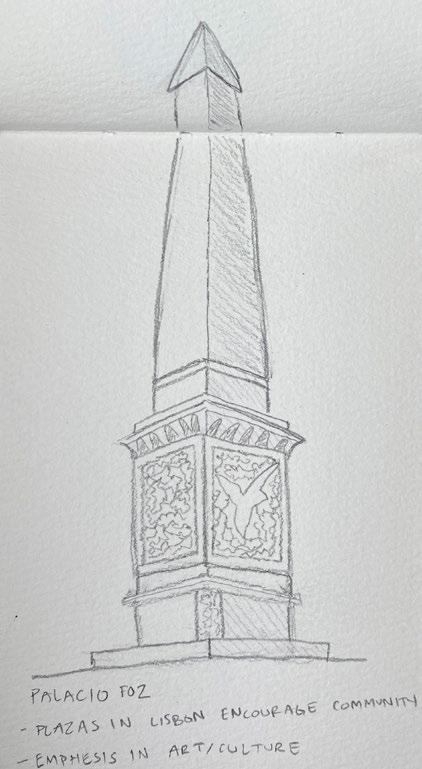
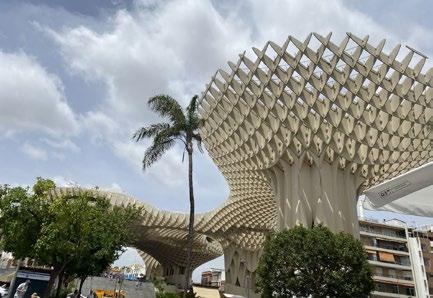
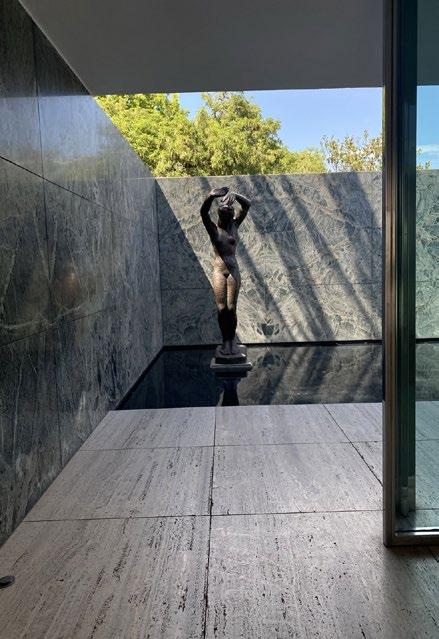
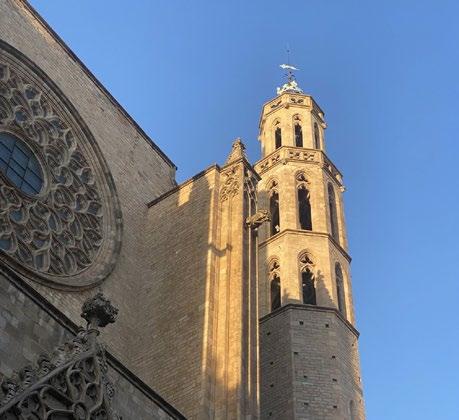
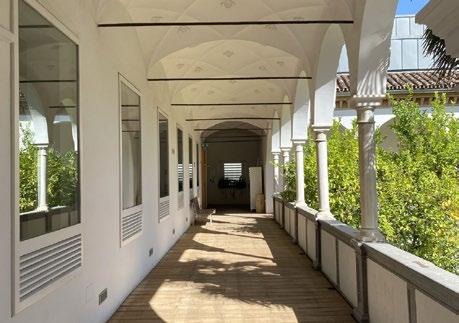
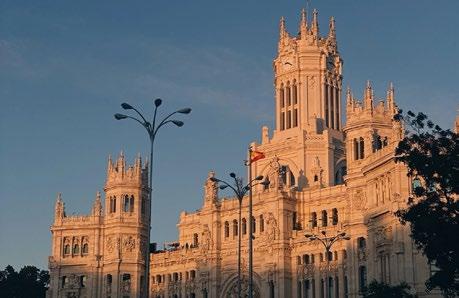
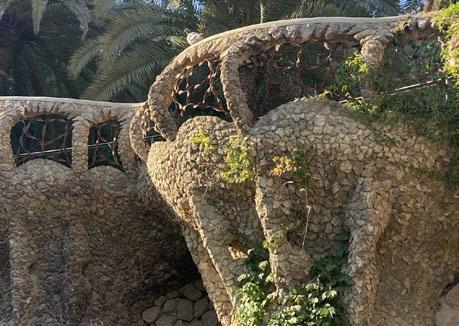
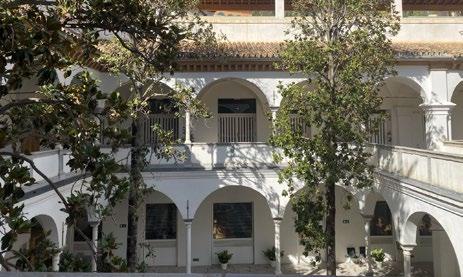
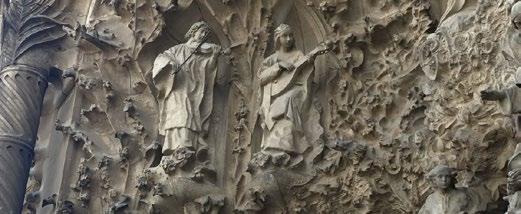
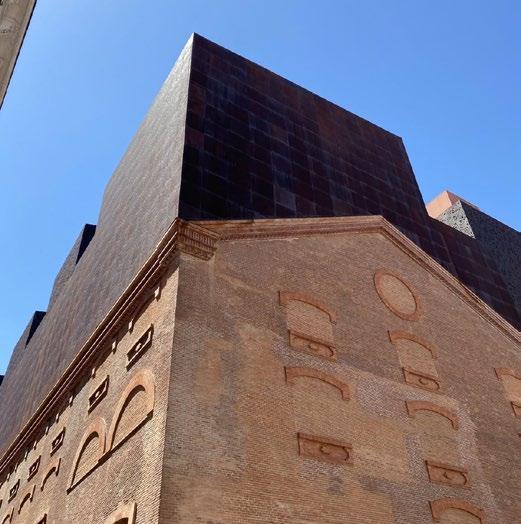
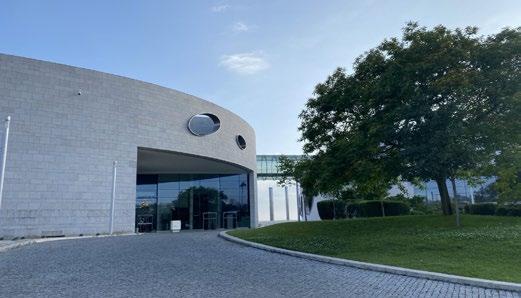
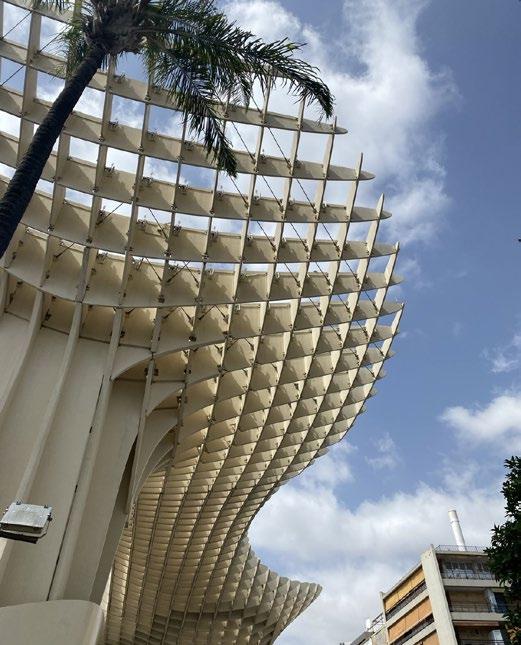
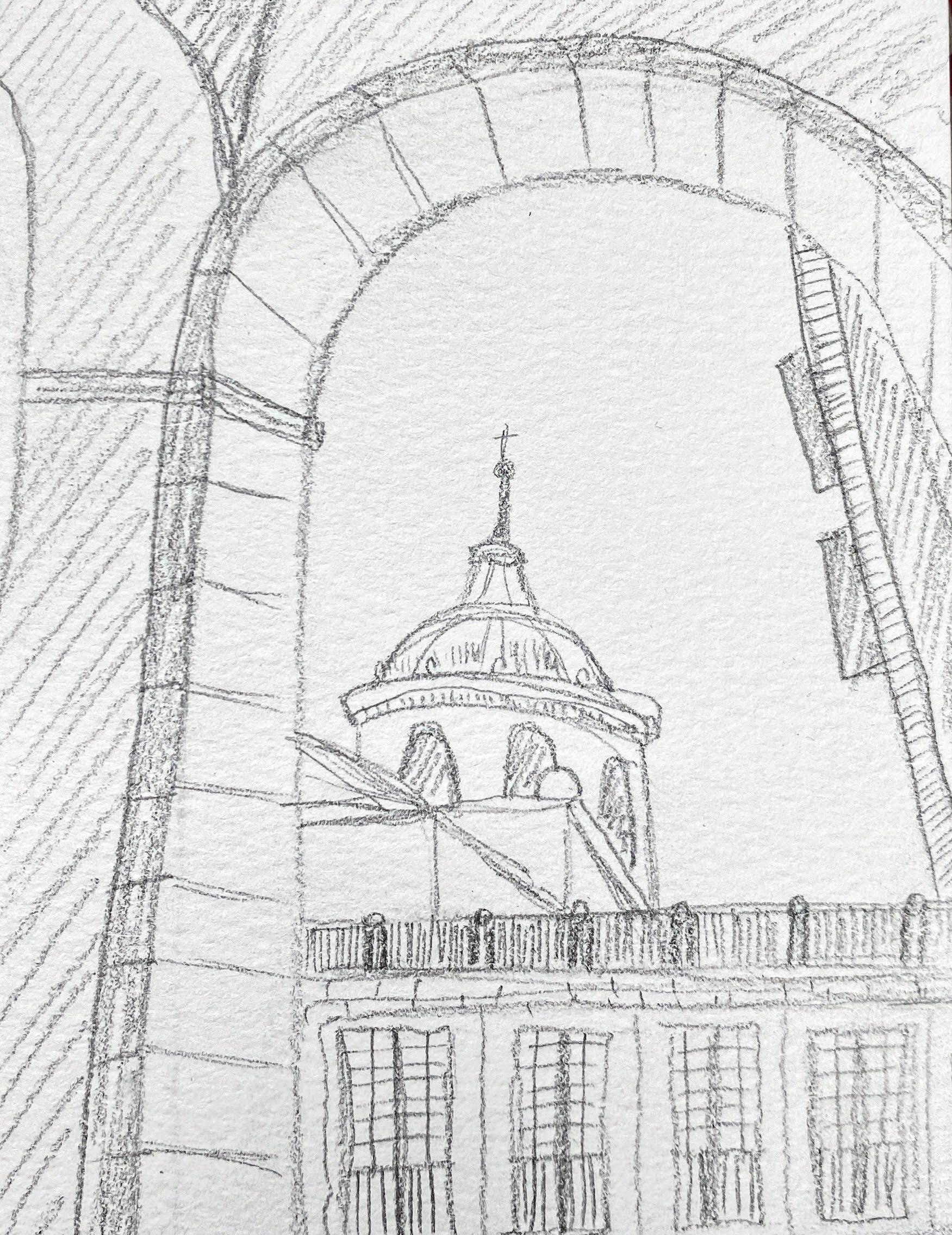
The following images are photographs taken from studying abroad in Spain and Portugal in the summer of 2024.