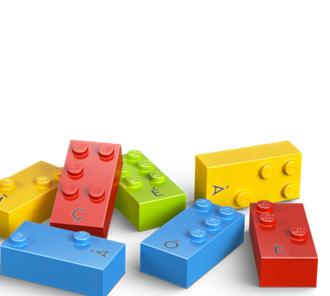
It all started with a brick.

The LEGO group has been a staple of children’s playtime since 1932, when it was founded by Ole Kirk Kristiansen.
LEGO is an abbreviation of the two Danish words leg godt– play well. And, as the name implies, the company and its products have inspired creative, interactive play through generations.

From a small carpenter’s workshop to a global manufacturer of toys, the company has become centered around the LEGO brick, launched in 1958.
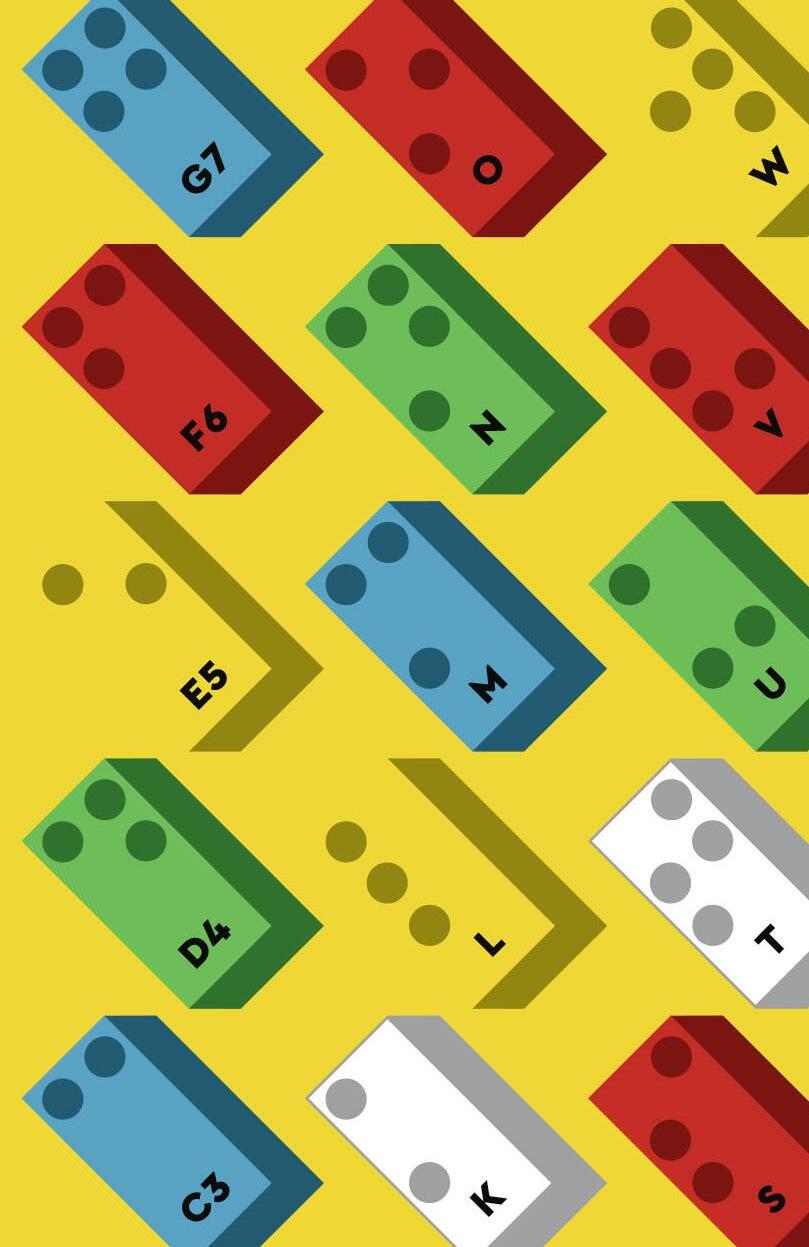
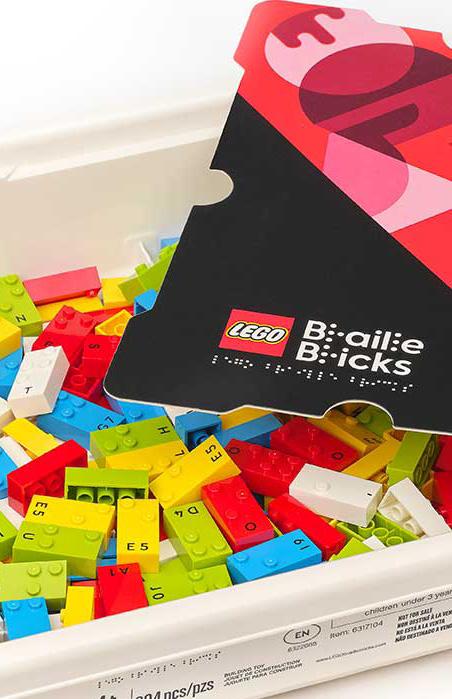
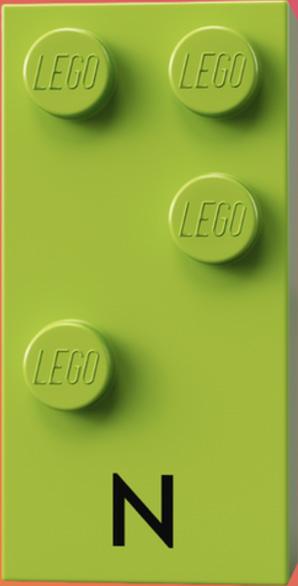
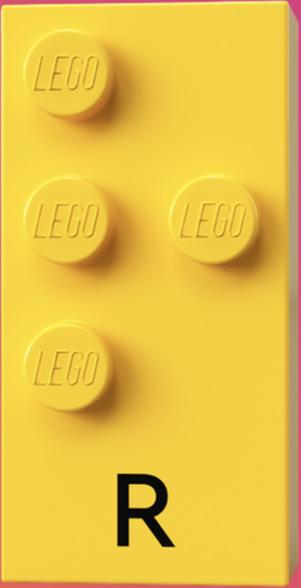
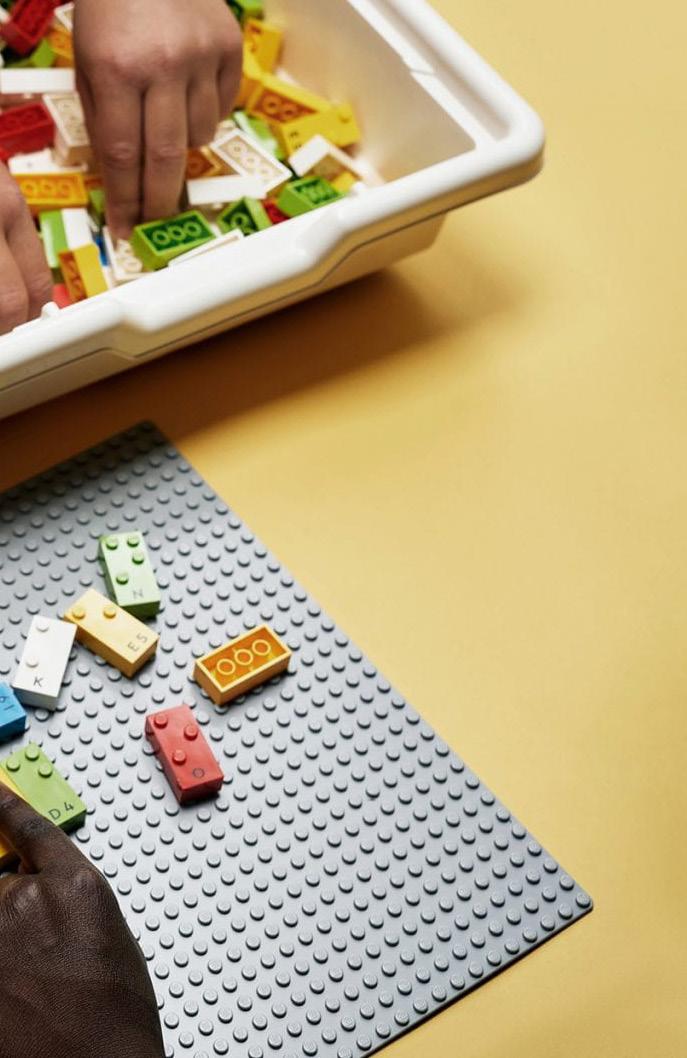
In 2020, the LEGO Foundation and the LEGO Group launched the LEGO Braille Bricks to bring play-based learning to children and users with vision impairment.

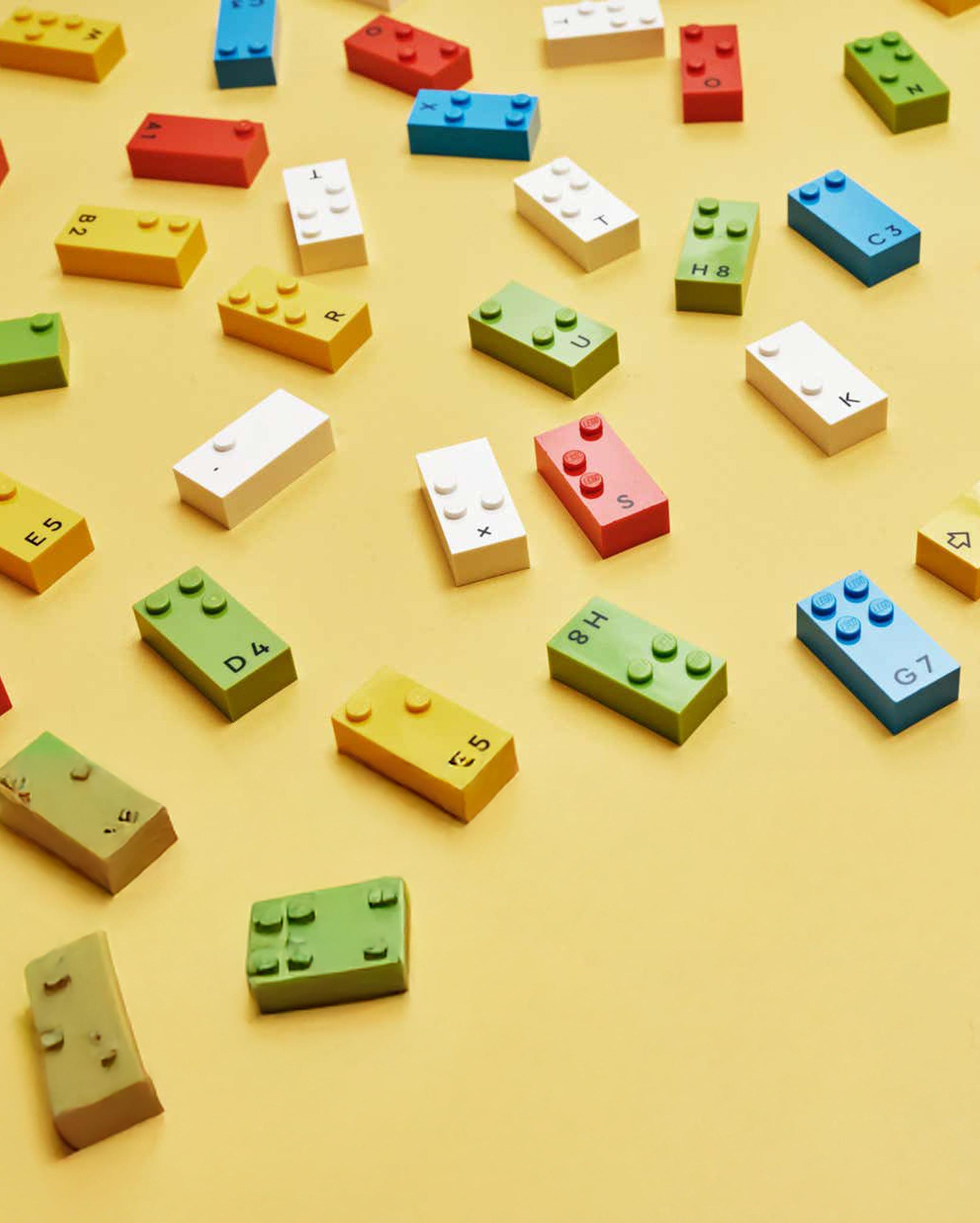




This design opens the possibilities of environments the braille bricks can be used, allowing sighted teachers and classmates to interact on equal terms with blind or visually impaired children. This allows the bricks to be academic tools, placing the Braille Brick and LEGO alongside pen and paper.
The concept of the Braille Brick is based on five key characteristics to teach Braille through inclusive, playful experiences.
The experience must be:





Along with the physical bricks, the product is meant to go along with an auxiliary online activity and teaching program. This method of teaching allows children to work through academic and visual impairment skills.
The toys are used as tactile tools for basic literacy and Braille activities, as well as traditional building blocks for users to develop tactile awareness and other basic concepts needed for future learning through manipulation and orientation. They are for all skills and age levels and are accessible in all senses of the word.

If most toys on the market are visual and based in sighted settings, those with visual impairments not only cannot connect with the object itself, but also may be uncomfortable in social situations that include non-verbal communication.
However, the Braille Brick is designed as an open invitation at all, addressing through simple, clean design that accesibility is not out of our reach.