

Building a Neuroinclusive Workforce
A guide to help employers build high performing, neuroinclusive teams in hospitality.
Introduction
Hospitality has a mission to create truly diverse, inclusive and brilliant teams. Every one of us is unique and our sector wouldn’t and couldn’t be what it is, without all the differences that make us who we are.
At LTC, we value and celebrate these differences. We recognise that hospitality workplaces can be challenging for people for many reasons, but for neurodivergent individuals the fast-pace, high-sensory nature of the sector can sometimes feel overwhelming. When there isn’t the right support in place, this can lead to burnout, withdrawal and a sense of not belonging.
We’ve developed this guide as a practical resource for hospitality businesses, managers, supervisors, and teams. Its purpose is to build a shared understanding of how we can all build truly neuroinclusive cultures that help everyone to thrive.
Neuroinclusion is vital for an engaged and productive workforce. By building a culture of psychological safety and respect for every employee, hospitality businesses can create stronger teams, increase retention, and ultimately improve overall performance.
This is the second edition of LTC’s Neurodiversity Guide which has been created in partnership with neurodivergent individuals and reflects the latest information on creating neuroinclusive workplaces.

What is Neurodiversity?
Neurodiversity is a way of saying that everyone’s brain is different. Just as people have unique personalities, strengths, and challenges, they also have unique ways of thinking, learning, and experiencing the world – and that’s neurodiversity.
Neurodivergent describes an individual whose way of thinking falls outside of what is considered ‘typical’. Someone who is not neurodivergent is often referred to as ‘neurotypical’.
Neurodivergence is not a one size fits all; it’s a spectrum of experiences where individuals may have overlapping traits from different conditions (e.g. having both ADHD and dyslexia).
Neurodivergence exists at every level of a hospitality business.
In the UK, approximately:
• 1 in 7 people are neurodivergent.
• 1 in 100 people are autistic.
• 2.5 million people are estimated to have ADHD, including those without a current diagnosis.
• 10% are believed to be dyslexic.

In a recent survey, LTC, in partnership with KAM, polled individuals across varied role types who are working in licensed hospitality.
The survey highlighted that:
58% of individuals identified as neurodiverse
13% had less than 3 years’ experience in the sector
14% had more than 3 years’ experience
12% were Front of House/ Back of House
12% were in HR/Admin
25% were a Manager/Owner
People who are neurodiverse often think about and see the world differently making them a big asset to businesses and teams that want to improve how they do things and deliver excellent services.
The Benefits of a Neuroinclusive Workspace
Neuroinclusion is the way in which we create environments, particularly workplaces, that actively support, value, and accommodate neurodivergent people.
It’s how we encourage belonging, reduce stigma, and celebrate the unique strengths of neurodivergent individuals rather than viewing differences as deficits.

Stuart Green, The Cabbage Patch

“Having offered placements and jobs to more than 250 people with different needs, my experience is that neurodivergent individuals are fully engaged in whatever task you have asked them to do.
There is a vast amount of talent out there just waiting for an opportunity, and our industry can lead the way in providing this.”
Hospitality businesses with a strong focus on neuroinclusion report more cohesive and stronger teams. With individuals bringing many different perspectives to a task or challenge, teams become more adept at problem-solving, spotting new opportunities and finding innovative solutions.
Your customers come from all walks of life, so having a diverse team means you can connect with them in unique ways, most importantly showing that you offer an inclusive and welcoming environment.
For the individual
• Increased confidence
• Better self-esteem
• Ongoing career development
For the business
• Access to a wider talent pool
• Improved staff wellbeing
• Reduced absence levels and employee turnover
• Creative and innovative workforces
• Improved performance
• Cohesive and solutions-focused
• Competitive advantage For the team
• Strong attention to detail
• Delivering excellent services
• Customer-centric approach
Being known for taking a neuroinclusive approach to recruitment will open your business to a more diverse range of candidates. Employing people with varied skills creates safe spaces, with regular bookings from friends, family and local communities increasing.
You can find out more about best practice on page 9.
Visit Page 9
Insight from Tsvetin
Tsvetin Stefanov, Policy and Insights Officer at British Beer and Pub Association (BBPA)

Inclusion is at the heart of a thriving pub, where every customer feels welcome and every team member is supported to do their best. As central parts of British communities, pubs have a unique role in leading by example, embedding accessibility and understanding into everyday practice.
Simple, thoughtful changes, whether improving physical spaces, training staff, offering flexibility or creating quieter environments, can make a meaningful difference. These actions enhance experiences, build loyalty and unlock potential for both customers and colleagues.
Inclusion goes beyond compliance. It strengthens teams, deepens customer relationships and opens up access to a significant, often overlooked market.
By embracing neurodiversity, supporting people with disabilities and fostering respectful, inclusive environments, pubs do not just meet expectations, they raise the standard for hospitality.
In doing so, they create spaces where everyone can feel they belong, connect and thrive.
Employer Commitment
Creating a neuroinclusive workforce requires time, thoughtful recruitment, onboarding and retention strategies. To embed neuroinclusion into your business, focus on these key areas:
Best Practice
• Check your organisational policies and guidelines. If you don’t have one already, consider developing a policy to help you introduce and manage consistent standards of neuroinclusion.
• Ensure you are training managers to give a clear picture of what individuals may need on the job, while also helping to dispel any misconceptions. Neuroinclusive training opportunities can support with this.
Visit ACAS
• Explore diverse recruitment channels to include individuals with varied abilities and aptitudes and offer different ways to complete the application. Consider receiving applications via video message, social media platforms, or a LinkedIn profile link, which are accessible for all candidates, including those without a formal CV.
• Actively work to reduce stigma within your organisation, promoting inclusion for all workers.
• Recognise that neurodiversity exists at every level of a hospitality business. Encourage senior workers to be open about their own experiences with neurodiversity to reassure more junior workers who might be unsure about sharing their neurodivergence.
• Use positive language and hold open conversations. Ask how people would prefer to be described and learn how your team likes to work and accomplish tasks.

Communication
• Use straightforward language and clearly outline expectations, tasks, and deadlines. Avoid jargon.
• Use short sentences and paragraphs, break information down using clear headings.
• Consider providing information in multiple formats (e.g., written summaries, visual aids).
• Allow time for processing and encourage clarification.
• Respect individual communication preferences, such as written notes or advance meeting questions.
• Promote a supportive environment for all employees and create space for feedback.
• Promote an organisation-wide culture of inclusion and understanding.

Adjustments
• Deliver an environment that everyone in the team feels comfortable in. Adapting the workplace makes the most of someone’s strengths and offers support for things they may find difficult.
• As people experience the world differently, the adjustments that suit one person might not help someone else. Listen to the individual when discussing reasonable adjustments and make suggestions where appropriate e.g.:
– Offer flexible work arrangements, such as staggered start times for quieter commutes.
– Modify workspaces, like providing noise-cancelling headphones that remove external sensory noises, access to quiet areas away from distractions or lighting that can be adjusted.
Legal Considerations
• Be aware that employees do not have to disclose.
• Not all neurodivergent people will consider themselves to have a disability. However, being neurodivergent is likely to meet legal definitions within the law under the Equality Act 2010.
• This makes it unlawful to discriminate against disabled persons in the workplace and reasonable adjustments must be made so that no-one is disadvantaged when doing their job.
• If you have an HR team, consult them for guidance and support or refer to ACAS for further information.
Visit ACAS
By embracing these principles, you can build a neuroinclusive team where everyone contributes their strengths.
Insight from Ahsoka
Ahsoka Wallace is a Head Bartender and a passionate advocate for Equality, Diversity, Inclusion and Wellbeing within the Hospitality Industry.

I have worked in the Hospitality industry for 10 years and believe it to be one of the most welcoming and supportive communities there is. I have lived experience of autism, dyspraxia and dysgraphia.
In the past, I found it difficult to work in noisy environments and regularly found myself getting over stimulated during my shifts. Over the past two years, I have realised that my neurodivergence is an asset and this has given me the courage to choose to work in environments that better suit me and play to my strengths.
Hospitality employers can help to create neuroinclusive workplaces by spending time with neurodivergent individuals to understand what they need to support them in their jobs. It is important to remember that when you bring a new team member into your workforce, you can’t expect them to know exactly what they will need. A good onboarding process is vital. There should be a proper structure and processes in place to help them thrive from the outset, and plenty of time should be given to help them learn and understand how to carry out new tasks.
Offer flexible working patterns wherever possible and let people have a break outside of their hours - don’t contact them on WhatsApp on their day off if they don’t want to be contacted.
Evaluate Your Recruitment Processes
When taking positive action to build a neuroinclusive team, ensure your recruitment processes are accessible for everyone. Making reasonable adjustments during the hiring process will enhance the chances of success for all candidates.
Make it clear on the job description that applicants can ask for these adjustments and that you can provide interview questions in advance. It’s helpful to think about the requirements of a certain role ahead of time and whether the tasks and responsibilities associated with it could be carved differently to attract a broader talent pool.
Being more flexible in your thinking around shift patterns, grouping of tasks, job shares, and identifying whether technical and/or people skills are the priority, can help build a team that embraces difference and thrives.
Things to think about include:
The Role
• What are the competencies required by the vacancy?
• Can you recruit for attitude and upskill an individual?
• Can you consider flexible working or is there a job share option?

• Can the role be filled by someone coming in for 1-2 hours, 2-4 times a week? e.g. tasks to assist the chefs during prep, waiting staff pre-service, responsibility for maintaining outside areas?
Simplify Job Descriptions
• Use clear language and avoid jargon (e.g., see www.plainenglish.co.uk).
Visit Plain English
• Clearly outline the role, highlighting which skills and experiences are essential for the role and which are only desirable.
Application Process
• Keep it straightforward and accessible.
• Extend deadlines to reduce pressure.
• Consider online, print, video, social media applications to remove barriers.
Inclusive Advertising
• Actively encourage applications from diverse backgrounds.
• Advertise through non- traditional channels to reach varied candidates from different backgrounds.
• Use visuals, such as icons and pictures, to make ads more accessible.
Work Experience Opportunities
• Offer paid, on-the-job experience to help candidates build their CVs and assess mutual fit.
• Approach colleges, learning centres and schools near you with a view to offering work experience and to find

The Interview
• Ensure interviewers are trained on neuroinclusion.
• Be clear on the timeframe and offer reasonable adjustments to minimise anxiety and stress e.g. provide interview questions in advance.
• Allow more time for the interview than usual. This allows the candidate to process and think before answering questions.
• Hold the interview in a suitable, quiet space away from other distractions
• Focus on potential by asking about their strengths, preferences, and areas of discomfort.
• Consider alternatives to interviews, such as short paid work trials or practical assessments.
By keeping job descriptions simple, broadening advertising methods, and providing accessible interviews, you can attract and support a diverse range of talent.

Insight from Monique
Monique Samra, Fuller’s People Experience Manager
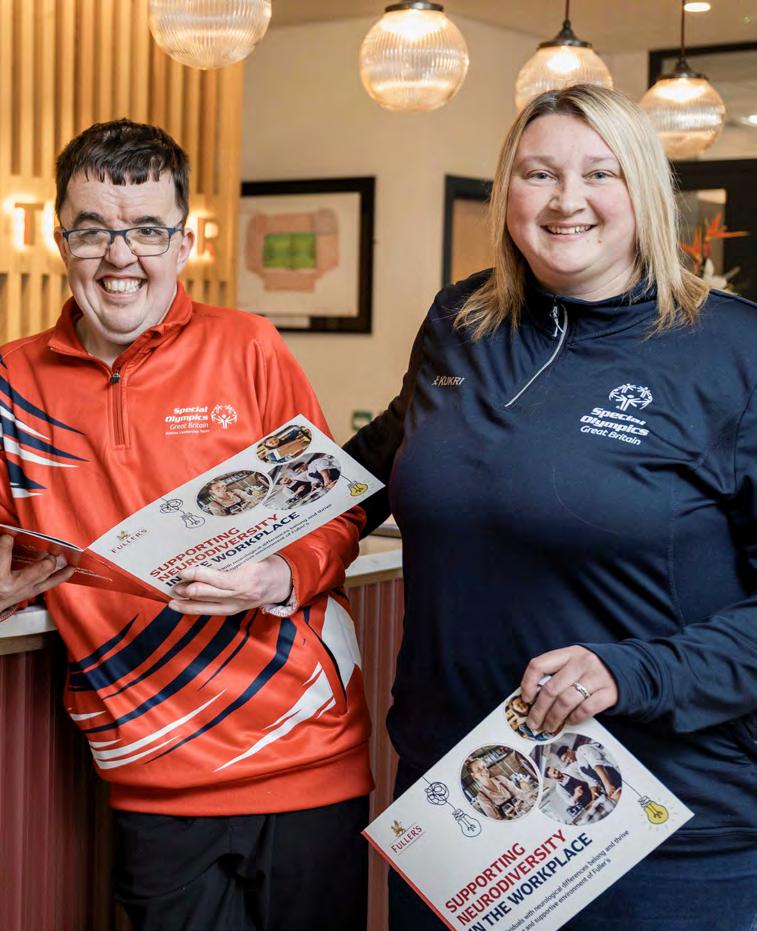
We believe work experience gives people the opportunity to develop the skills that are needed in the workplace, as well as making new friendships and gaining confidence. In being given one opportunity, they then believe in themselves and learn to be part of a team.
At Fuller’s we believe in welcoming people with different skillsets and strengths, because it creates really productive and highly performing teams.
It’s something we are passionate about, and we are actively working to attract more neurodivergent people into the business.
Onboarding
When welcoming a new colleague, a strong onboarding process is crucial for employee engagement and long-term success.
Things to think about include:
Pre-Onboarding
• Provide a clear overview of the role, working hours, dress code, and workplace norms.
• Outline what to expect on day one (e.g., security pass, uniform).
• Ask how they’d like to be introduced to the team.
• Ensure the team is prepared with the training and support needed.
•
First Day
• Keep things simple and allow plenty of time for induction and training.
• Remember guidance on communication .
• Use quiet, distraction-free spaces for initial conversations.
• Break tasks into clear, manageable steps.
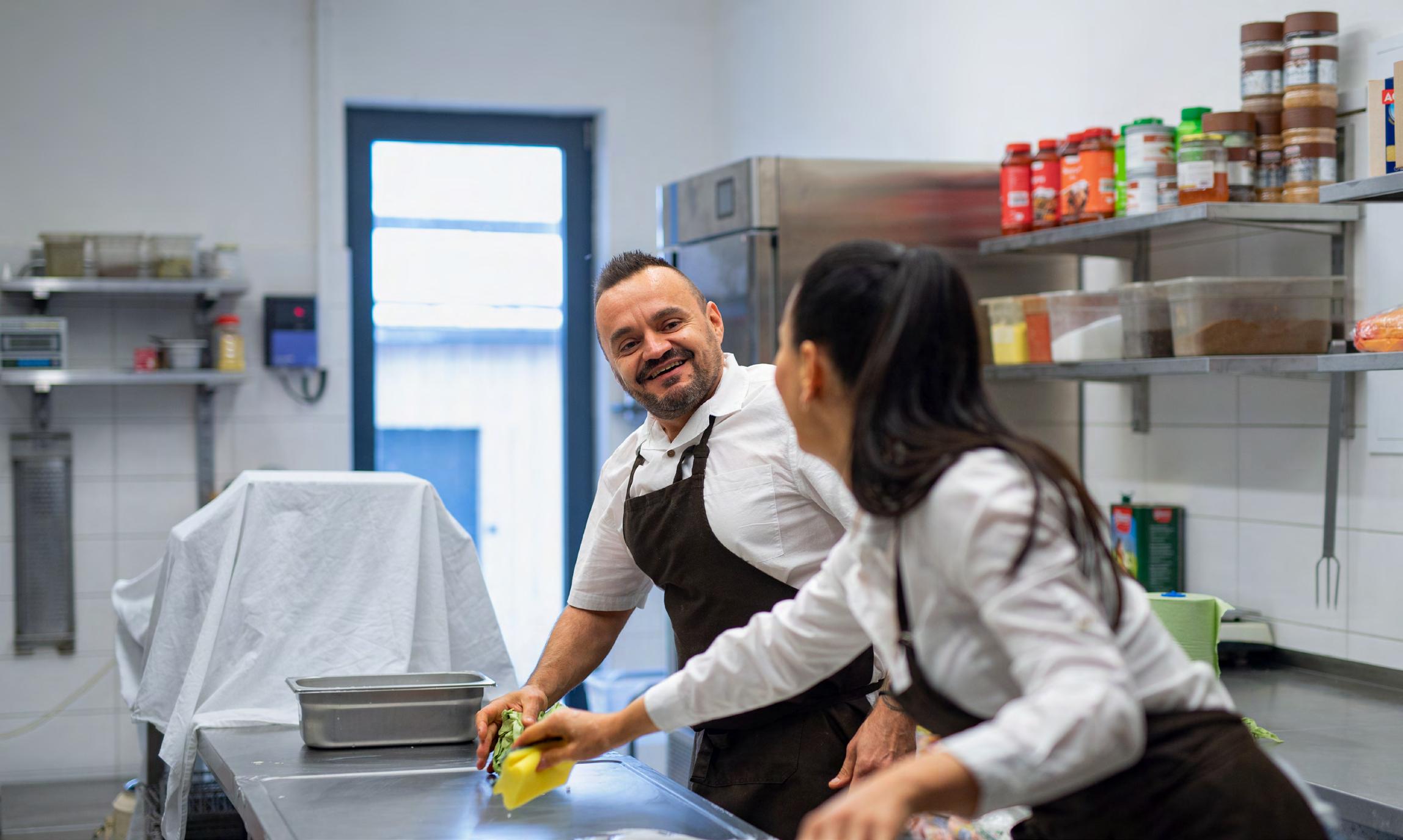
Introduction to Team
• Respect privacy; share working preferences only with permission.
• Help build rapport by finding common interests.
• Ensure all new team members receive an equal, inclusive welcome.
Training
• Use mixed formats with clear communication.
• Include visual aids, like pictorial reminders, for tasks and organisation.

Be Specific, Avoid Ambiguity
“I’m
just dying for a cup of coffee”
Literal interpretation: An individual may think that you’re saying you are about to die from the lack of coffee.
“Spill the beans”
Literal interpretation: An individual may think that you want them to tip the beans out.
Adjustments
Adapting the work environment and processes helps all colleagues thrive by aligning with their individual communication and learning preferences.
Verbal Communication
Use clear language, avoid jargon and ambiguity.
Break down instructions into clear steps.
Talk through written information. Ask questions gently and respectfully.
Managing Sound
Address sensitivity to noise by scheduling quieter shifts or providing noise cancelling headphones or quiet spaces for breaks. Consider placing speakers at a lower level, preferably below ear level or nearer the floor to reduce overwhelm.
Visual Support
Encourage note taking to aid understanding.
Provide software to support with reading or writing, for example, a screen reader or a speech-to-text programme.
Use different coloured backgrounds for documents and signs.
Give extra time to read information and complete tasks.
Sensory Overload
Be mindful of sensory overload and sensitivities to loud noises, taste, smell, light, or temperature.
Offer a private, quiet space to go to for regular breaks.
Think about changes to dress codes or uniforms e.g. consider softer materials or calmer colours.
Provide noise-cancelling headphones. Use computer screen filters to reduce brightness.
Give plenty of warning about changes at work and offer extra time to process them.
Retention
Understanding and valuing all team members means your team is more likely to stay and thrive.
Things to think about include:
Planning & Time Management
• Set realistic and achievable to-do lists. Giving anyone more than they can easily achieve will cause anxiety and stress.
• Help by breaking tasks into clear, manageable steps.
• Ensure you have concrete systems and processes in place to reduce anxiety
Maintaining Focus & Attention
• When setting a task, give clear and simple instructions and talk through written communication to clarify understanding.
• Ask for confirmation (repeating back or taking notes) that your colleague has understood.
• Be patient with interruptions or

In Work Support
• Regular check-ins on how work is going.
• Provide planners that visually highlight things like deadlines and appointments and give extra reminders.
• If supported by a carer or another person, they may wish that person to be copied into all correspondence. But, as you would for all other employees, you must seek their permission first.
• Assign a line manager, mentor or work buddy who can provide ongoing guidance.
Managing Change
• Once a colleague has been in post for a while, changing routines or processes can sometimes be difficult.
• Discuss any change in advance and give plenty of time to adjust. Provide an opportunity to see or handle any new items.

Building Long-Term Skills
Gradually expand responsibilities with clear role definitions and goals to build confidence and efficiency.
For example, to be responsible for all vegetable preparation during lunch service:
• Week 1. Peel and chop potatoes. Clear away peelings and tidy work area.
• Week 2. Peel and chop potatoes. Prepare broccoli. Clear away peelings and tidy work area.
• Week 3. Peel and chop potatoes. Peel and slice carrots. Clear away peelings and tidy work area.
• Week 4. Peel and slice carrots. Prepare broccoli. Clear away peelings and tidy work area.
• Week 5. Peel and chop potatoes. Peel and slice carrots. Prepare broccoli. Clear away peelings and tidy work area.
Review your career progression processes.
Ensure that team members are not missing out on opportunities for development.
By offering structured support, recognising progress, and celebrating successes you can sustain a motivated and engaged team.
Celebrate successes
Big or small, celebrate the wins of everyone in your team to build confidence and loyalty.

Masking & Sensory Overload
Neurodivergent workers might mask their condition.
Masking means hiding parts of a condition to fit in better. Someone might not be aware they’re doing it. Masking can make someone feel exhausted, isolated and like they cannot be themselves. It can lead to mental health problems if left unchecked.
Signs can include forcing eye contact (even when uncomfortable), using a rehearsed script for social interactions, severe fatigue, high levels of stress, or a decline in work quality despite appearing ‘fine.’ In more severe cases, individuals may experience sensory overload.
Sensory overload is categorised by an intense feeling of overwhelm when the brain gets too much information from the senses – taste, touch, sight, sound, or smell – and cannot process it. This can trigger stress, anxiety, and panic.
To support, employers can take steps to understand and accommodate the specific needs of the individual, providing a ‘safe space’ away from sensory triggers or giving them time away from the

Insight from Liam
Liam McKeown, The Drayton Court Hotel, Ealing

Francesc is a key part of our team here and watching him gain confidence has been hugely rewarding.
His presence on the team also brings everyone together, as working with someone facing extra challenges creates an environment where everyone wants him to succeed.
Francesc has gone from clearing tables to taking control of our 1,000-cover beer garden and he handles all new team member inductions – he’s brilliant and keeps our food service in order.
One of our managers here, Zoe, is his pointof-contact and they have regular meetings. If he’s stressed out on a particular day, needs a break or just a chat, she’s there for him.
Team Training
Encouraging a neuroinclusive work environment benefits both your team and customers.
Things to think about include:
Promote Understanding of Neuroinclusion
Promote understanding of neuroinclusion within your organisation to help make talking about it feel normalised and comfortable. Ensure the whole team understands what a neuroinclusive workplace looks like.
Encourage Empathy & Respect
Highlight differences in communication and working styles using examples.
Emphasise the importance of avoiding judgment or assumptions.
Create a Supportive Work Environment
• Identify potential sensory challenges and discuss how to minimise their impact.
• Encourage team collaboration to reduce stress (e.g., offering help during busy times).
• Champion flexibility in tasks and rotas where possible.

Reinforce Legal & Ethical Responsibilities
Ensure the team understands antidiscrimination law and how they can help create an inclusive workplace.
Highlight the benefits of inclusivity for team morale, customer satisfaction, and the business’ reputation.
Ongoing Support & Review
Regularly review team feedback and address concerns.
Encourage continuous learning through additional resources or refresher training.
Demonstrate Leadership Advocacy
• Encourage senior leaders to act as role models and to speak or blog about neurodiversity in the organisation and be open about their own lived experiences.
• Set up a staff network for neurodiversity.
• Include neuroinclusion as part of your regular training schedules to highlight your commitment to a neuroinclusive workplace.
By prioritising understanding and respect, you can create a workplace where everyone thrives.

Leadership & Neurodiversity
Neurodivergence exists at every level of a hospitality business from supervisor to founder:
At Supervisor level | At GM level | At Head of / Director level | At Founder level
Neurodivergent leaders bring highly valuable strengths and fresh perspectives to an organisation, particularly when navigating complex and fast-paced environments. Their unique abilities to problem solve and challenge the status quo can be a real competitive advantage to businesses that are looking to strengthen outcomes.
Here’s some examples of how neurodivergent traits can be extremely beneficial for hospitality organisations within a leadership context:
Neurodivergent Trait
Pattern recognition
Leadership Skill
Identifying operational inefficiencies
Systems thinking Improving multi-site performance
Hyperfocus Delivering complex transformation projects
Lateral thinking Creative commercial strategy
Detail orientation Governance and risk management
To nurture these strengths and unlock the competitive advantage at leadership level, consider your senior leaders and ensure you are talking to them regularly to understand if there are any adjustments that might be needed to ensure they thrive. This will mean moving beyond standard policies towards a tailored, strengths-based approach.
Provide Support Mechanisms Where Possible:
• Allow for flexible working patterns to match natural rhythms.
• Offer tailored development opportunities to grow unique strengths.
• Provide software and assistive technology for note taking or project management tasks.
• Encourage senior leaders to speak openly about their lived experience and talk about how neurodiversity benefits their leadership and the wider business.
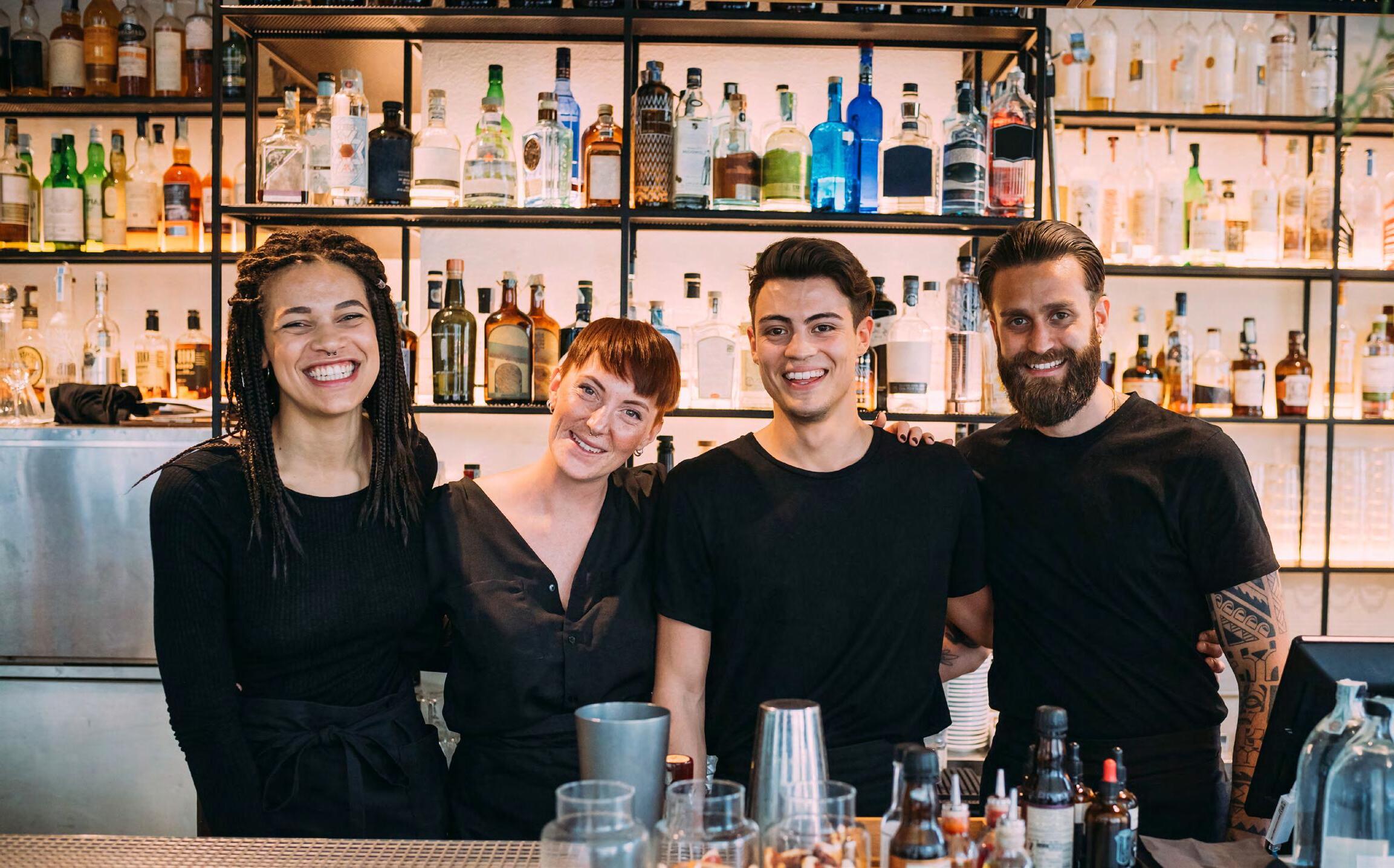
How to Measure Progress
Track your progress towards a neuroinclusive culture by focusing on your recruitment, retention and training strategies.
Ensure you are closely measuring results e.g.:
Recruitment
Onboarding
Adjustments
Training
Retention
Have you simplified your job descriptions?
Are you advertising through non-traditional channels? Are you seeing a range of candidates? Is that tracking through to agreed hires?
Are your onboarding processes clear, are you allowing enough time for training?
Are individuals coming to you and asking for adjustments, are you making the adjustments required, is this having a positive impact on productivity, do you need to consider additional measures?
What does the neuroinclusivity training uptake look like in your organisation, are managers and the wider team comfortable with the core principles of neuroinclusion, is this having a positive impact on teams and the wider culture?
Are you retaining team members, are they engaged, are you regularly reviewing team feedback and addressing any concerns, are you holding exit interviews where appropriate to gain insight for continuous improvement?
Insight from Mike
Mike Phillips, Head of Talent Attraction, Nightcap
I am both dyslexic and autistic, and I genuinely believe I am in the position I am today because of, not despite, those traits.
My ASD allows me to see patterns others miss, think systemically and focus intensely on solving complex problems. I’m comfortable operating in detail and strategy simultaneously, which is invaluable in a fastmoving hospitality environment.
I work particularly well in the grey, in ambiguity and with imperfect information, which is often where hospitality leadership sits. I’m comfortable making decisions without having every data point, because I can identify themes and risks quickly.
My dyslexia drives lateral thinking. It means I challenge assumptions, simplify complexity and look for smarter, more efficient ways of doing things. It also makes me highly attuned to clarity. I value structure and precision because I understand the cost of confusion.
Hospitality suits me because it’s fast-paced, commercially driven and constantly evolving.
Neurodivergence hasn’t held me back, it’s shaped how I think, how I lead and how I build high-performing teams. For me, it’s a competitive advantage.

Additional Resources
There are many additional resources available, here are just a few that we recommend:
Organisations
LTC Wellbeing Platform Visit
Offers access to a number of helpful resources.
ACAS Visit
Practical, employer-focused advice.
Access to Work Visit
Access to funding for coaching, specialist equipment and practical workplace adjustments.
National Autistic Society Visit
Employer Hub – strong practical guidance and structured toolkits.
ADHD Foundation Visit
Particularly useful for understanding strengths-based approaches in the workplace.
BPAA Accessibility in Pubs Guide Visit
A guide outlining many practical steps pubs can adopt to strengthen their accessibility.
British Dyslexia Association Visit
Helpful around communication adjustments and accessible documentation.
LTC Helpline
Call LTC free of charge 24/7 on 0808 801 0550 for wellbeing support, practical advice and financial assistance.

More resources we recommend:
This is Dyslexia, Katie Griggs Find out More
Kate has put ‘Dyslexic thinking’ on the world stage and encouraged LinkedIn to include ‘dyslexic thinking’ as a skill on the platform.
Unmasked, Eddie Middleton Find out More
Ellie has built the unmasked community for neurodivergent individuals and works with global brands to change the narrative on neurodiversity.
Different, Not Less, Chloe Hayden Find out More
A practical guide to being neurodivergent with advice for living with meltdowns and shutdowns.
Books Podcasts
The Hidden 20%, Ben Brandon Find out More
Autistic/ADHD entrepreneur Ben Branson speaks with leading experts and lived experience voices to uncover the true scale and potential of neurodiversity.

Worksheets
Implementing worksheets such as these examples can help to support members of your team who are neurodiverse work more confidently and efficiently.
Today’s Tasks
Tick each task when you have finished it
1. Put your apron on and wash your hands
2. Get potatoes, peeler and a container to put potato peelings in
3. Peel and chop all the potatoes
4. Put the potatoes in the saucepan that has the water in it
5. Put the peelings into the container and then empty the container in the food waste bin
Worksheets
Confidence Ratings
Put a tick next to the smiley face that best shows how you feel about the tasks.
1. Peeling and chopping potatoes
2. Peeling and slicing carrots
3. Preparing broccoli
4. Preparing all the vegetables for lunch service
Please visit www.licensedtradecharity.org.uk to access more resources that can help you support your team.
Just to Recap...
Neurodiversity is a way of saying that everyone’s brain works differently. Approximately 1 in 7 adults in the UK are estimated to be neurodivergent.
Some well-known types of neurodivergence are:
Dyslexia
Impact
• Difficulties with spelling, reading fluency and reading speed
• Slower verbal processing speed
• Reduced verbal memory and working memory
Strengths
• Ability to view things from an alternative perspective
• Problem solving skills
• Creativity
• Visual/good pattern recognition
Dyscalculia
Impact
• Difficulty understanding numbers
• Difficulty with estimating numbers
• Slow to perform calculations
• Difficulty counting backwards, remembering maths facts and procedures
Strengths
• Ability to view things from an alternative perspective
• Problem solving skills
• Strategic thinking
Autism
Impact
• Difficulty interpreting verbal and non-verbal language, such as tone of voice, facial expressions, body language and therefore may avoid social interactions
• Literal understanding of language
• Difficulty in understanding the perspective of others
• Sensory sensitivity
• Anxiety
• May exhibit repetitive or routine behaviours
ADHD
Impact
• Poor attention to detail or hyper focused on stimulating tasks
• Poor time management/prioritisation skills
• Impulsiveness
• Difficulty relaxing
• Excessive talking
Strengths
• Attention to detail
• Ability to view things from an alternative perspective
• Problem solving skills
• Good at following protocols/ guidelines
• May enjoy repetitive tasks
Strengths
• Can hyper focus on tasks and be extremely productive
• Creativity
• Ability to view things from an alternative perspective
• Problem solving skills
• Energetic
• Hardworking & enthusiastic
• Interested in novel things
Insight from Melanie
Melanie Waller, Vice Principal, LVS Oxford Zach, Student, LVS Oxford
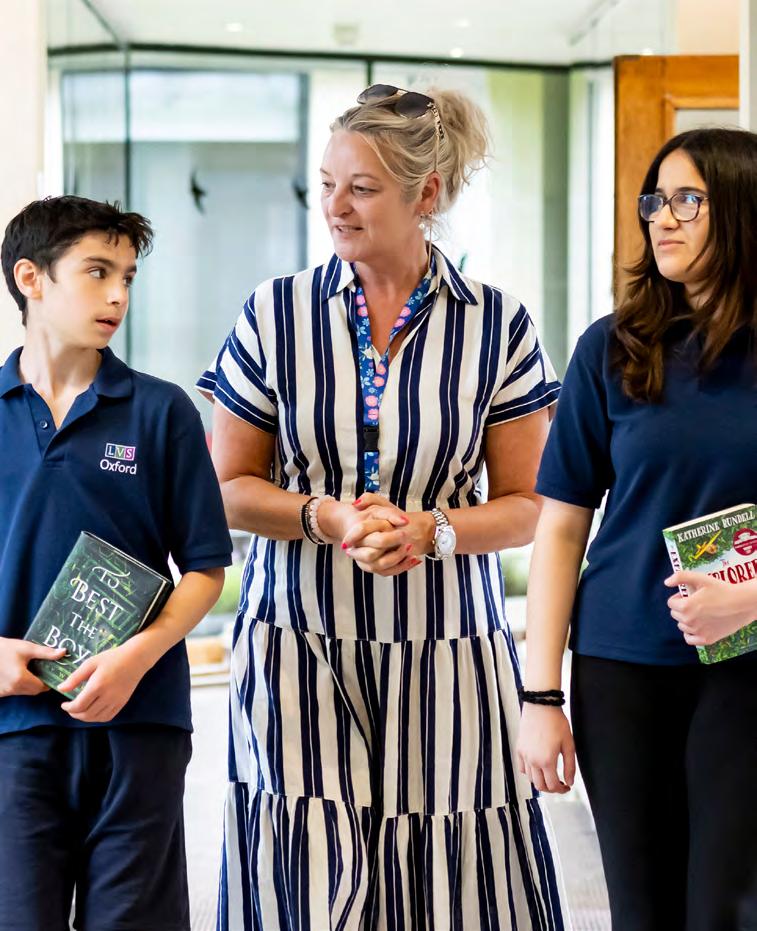
Melanie works closely with neurodivergent students at LVS Oxford.
Students like Zach, who recently left the school to start his Level 2 Apprenticeship in Customer Service at Blenheim Palace, having successfully completed two years’ work experience while still at school;
“It’s something I thought I would never be able to do, because you are always having to serve different people” Zach explains.
“But LVS Oxford has been a bit like a pair of training wheels on a bike. You get better and better, and when they’re taken off, you almost don’t notice but are able to do so many more things.”
Melanie adds: “Work experience not only makes a significant impact on our students’ lives but also exemplifies the positive change that organisations bring about when they prioritise inclusivity and embrace the unique strengths and talents of all individuals.”
Licensed Trade Charity
The Licensed Trade Charity (LTC) is committed to helping hospitality professionals create neuroinclusive workforces in the licensed hospitality sector.
The LTC has five schools, three of which are exclusively for children with a diagnosis of autism, LVS Hassocks in West Sussex, LVS Oxford in Oxfordshire and Kennington School which will open in September 2026.
LTC believes work experience facilitates the development of students’ skills and empowers them to overcome challenges and become more confident in a

Thank you
With thanks to Mike Phillips, Head of Talent Attraction, Nightcap and Ahsoka Wallace, for their insight and contributions to the creation of this guide.
The LTC Wellbeing Platform offers access to a number of resources to support neurodivergent individuals and provides further advice about creating neuroinclusive workplaces.
Licensed Trade Charity, Heatherley, London Road, Ascot, Berks SL5 8DR
Registered Charity Number 230011
Call the free 24/7 Helpline on 0808 801 0550 or look up licensedtradecharity.org.uk