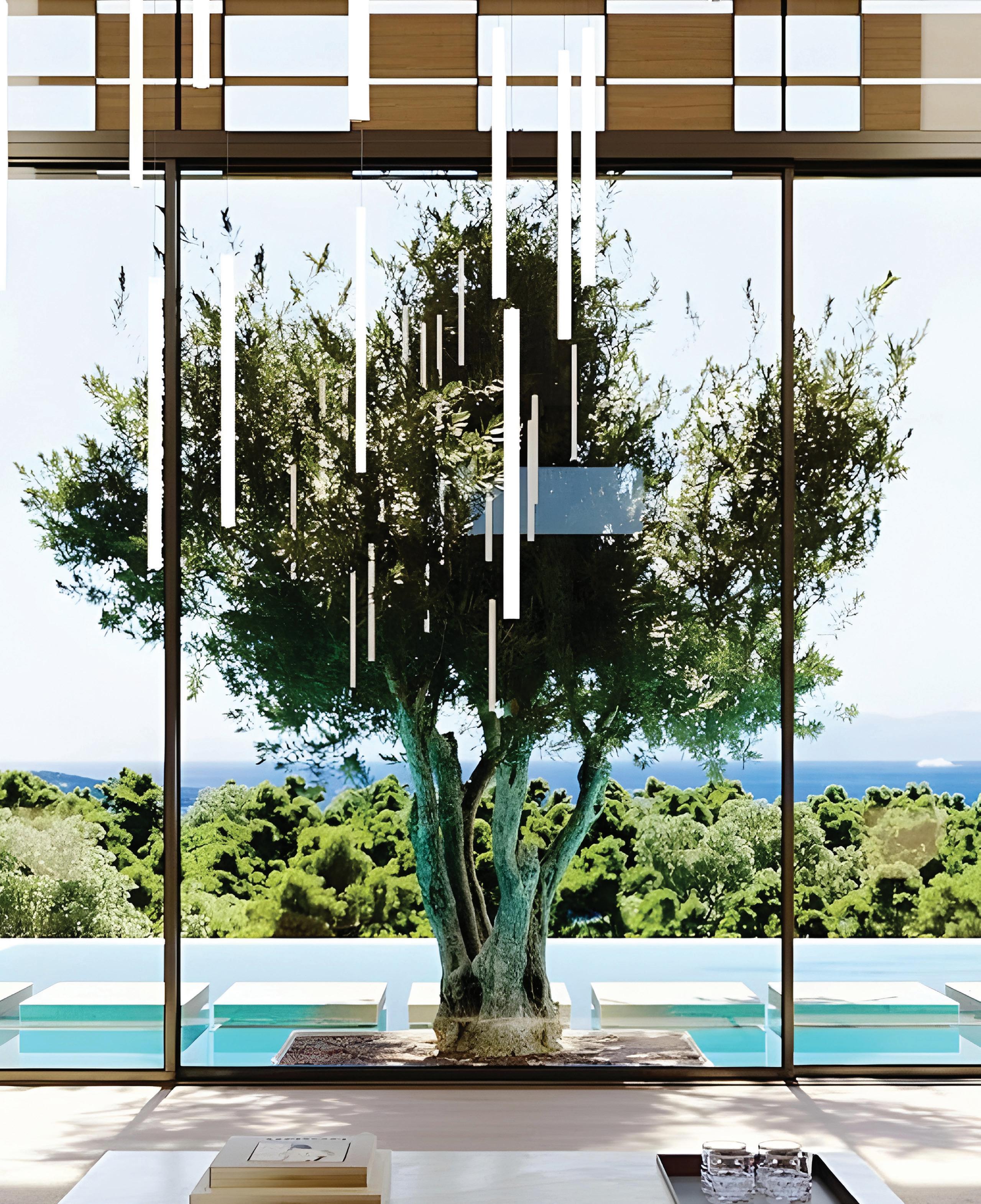
VOULIAGMENI, GREECE | EUR €27,000,000
LUXURY HOUSING MARKET
VOULIAGMENI, GREECE | EUR €27,000,000
LUXURY HOUSING MARKET

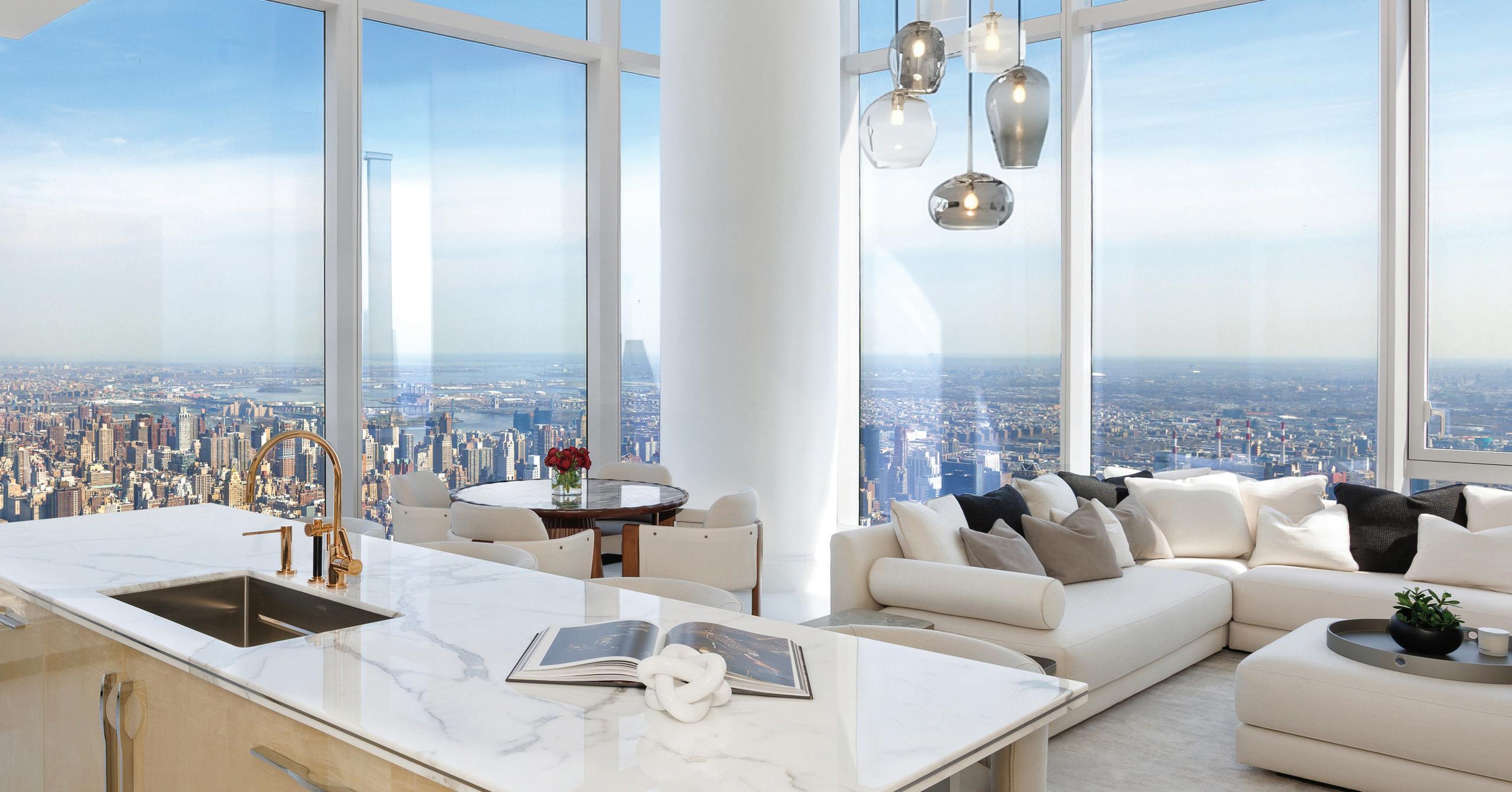
| USD $135,000,000
Luxury has had a near reckoning. Across fashion, hospitality, automotive, and retail, the category that relies empires on the promise of aspiration has spent the last two years quietly questioning relevance. LVMH posted its first revenue decline in years. Gucci is reportedly searching for its cultural grip. The quiet luxury aesthetic, a soft shrug from those who no longer needed to prove anything, swept through culture not as a trend, but as a new pronouncement.
Conspicuous consumption didn’t go out of style. It’s just no longer embraced by an entire generation of newly conscious consumers, visible wealth can carry a social cost it never did before.
And yet, luxury real estate didn’t just survive the moment. It grew through it. Celebrating it. While the broader housing market staggered under the weight of elevated interest rates, constrained inventory, and buyer paralysis, the luxury segment has written an entirely different story.
Ninety-three percent of affluent Americans say they are interested in purchasing, building, or renovating a luxury home in the next five years. Not someday. Definitively. Ninety-three percent: with 63% wanting to buy a new primary luxury home; 71% wanting to renovate the one they already have; and 54% of those who want to renovate plan to begin within the next twelve months.LPI
93%
Affluent AmericansLPI are interested in purchasing, building, or renovating a luxury home in the next five years
63% WANT TO BUY A NEW PRIMARY LUXURY HOME LPI
71% WANT TO RENOVATE THEIR CURRENT HOME LPI
54% WILL RENOVATE WITHIN THE NEXT 12 MONTHS LPI
LPI Luxury Housing Market: Trends and Truths, produced by Luxury Portfolio International® in partnership with The Center for Generational Kinetics
THE MARKET IS NOT RETREATING.
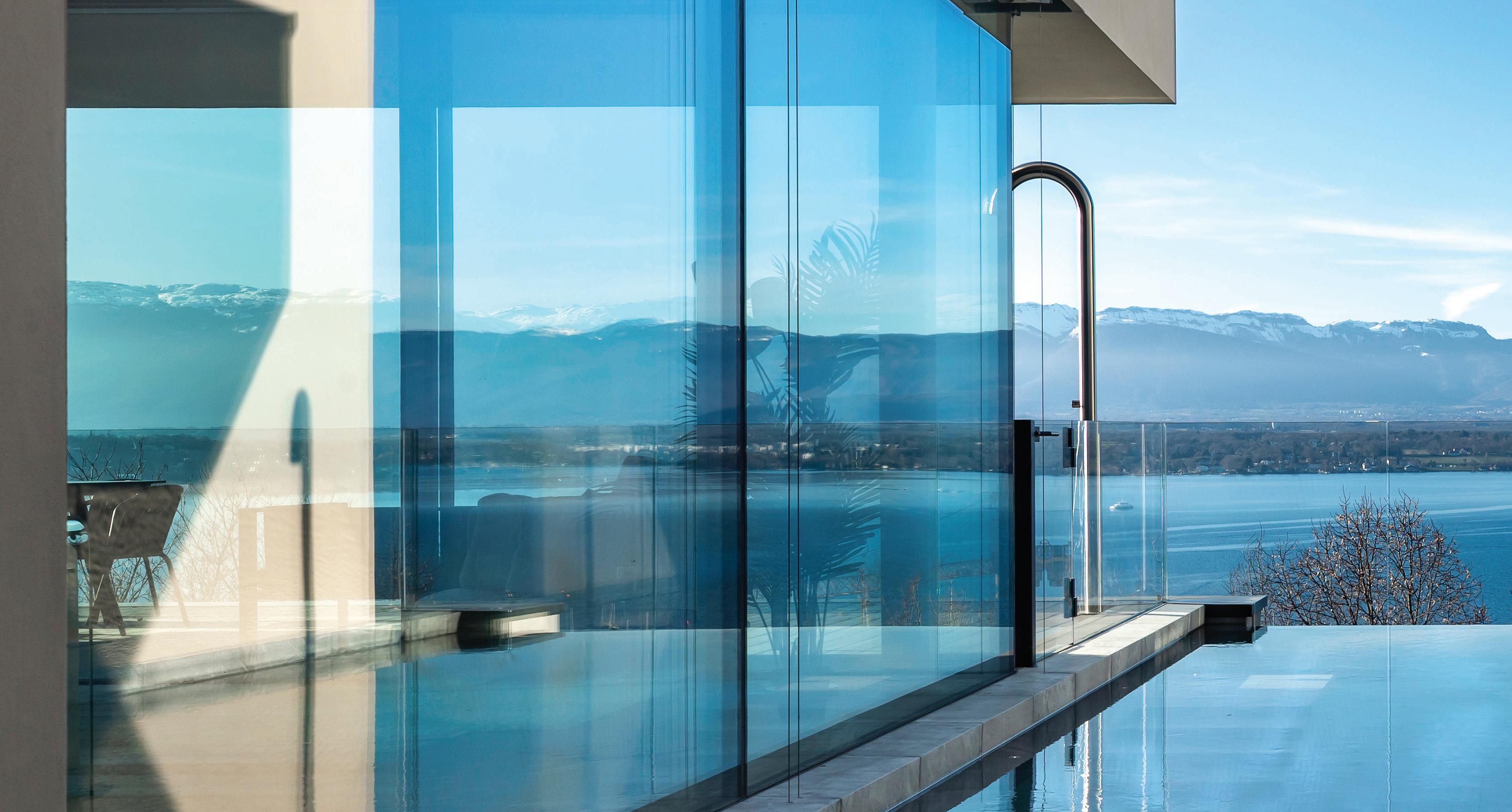
COLOGNY, SWITZERLAND | PRICE UPON REQUEST
What’s happening in luxury real estate right now has no precedent. The forces reshaping it are not the familiar levers often leaned on, such as interest rate cycles, inventory shifts, and population migrations from city to suburb and back again. Those traditional variables have been omitted. The signal is something deeper, a fundamental reordering of what luxury means inside the sacred walls of a home. And the current generational transfer of purchasing power is rewriting that definition in real time.
We have a legacy in this space spanning decades. In that time, we’ve watched markets contract and expand, watched wealth consolidate and disperse, watched taste evolve from ornate to restrained and back again. But what we are witnessing now is different in kind, not just degree. This is the most powerful luxury real estate market in a generation, and it is simultaneously in the midst of the most profound identity shift the category has seen.
The old luxury home was a declaration. Grand staircases. Formal dining rooms. It was a pronouncement of achievement. It was a
The new luxury home is a
It optimizes It recovers. It connects and retreats.
It grows food, filters air, and adjusts its lighting to your circadian rhythm.
It houses your parents, your home office and your cold plunge.
Four truths emerged from that data with unmistakable force. They are not incremental observations. They are structural shifts. The kind of shift that reshapes how homes are designed, how markets are chosen, how technology is deployed. And critically, the relationship between the affluent home owner and luxury real estate broker has become a stronger, ongoing, necessary constant. FOUR TRUTHS REVEALED IN THE RESEARCH
Our research, conducted in partnership with The Center for Generational Kinetics, one of the most rigorous generational research firms in the world, surveyed 500 affluent Americans across every major region of the country, capturing the attitudes, priorities, preferences, and behaviors of the buyers who are actively shaping this market right now. What we’ve discovered rewrites several assumptions the industry has long held as its foundation.
LUXURY IS NO LONGER ABOUT SCARCITY. IT’S ABOUT OPTIMIZATION.
WELLNESS ISN’T AN AMENITY. IT’S A PROXY FOR STATUS.
LOCATION IS STILL KING. BUT EXPERIENCE WEARS THE CROWN.
DESIGN AND QUALITY DON’T SCALE. THAT’S THE POINT.
What follows isn’t a market update. It’s a field guide to luxury real estate — a category in the process of becoming something new. Read it as a brief and don’t mistake what’s happening for a cycle. This is a transformation.
CUSTOM 27-QUESTION STUDY
$250,000
Minimum Total Annual Household Income
$500,000
Minimum Total Investable Assets (Not Including Primary Residence)
12% YOUNGER MILLENNIALS Ages 30–36
27% OLDER MILLENNIALS Ages 37–45
37% GEN X Ages 46–59
22% BOOMERS Ages 60–78
2% TRADITIONALISTS Ages 79–83
30% WEST
15% MIDWEST
20% SOUTH
35% NORTHEAST
SOMETHING STRUCTURAL HAPPENED WHILE EVERYONE WAS WATCHING INTEREST RATES.
The broad housing market stalled. Affordability cratered. First-time buyers retreated. Mortgage rates sat stubbornly above six percent. J.P. Morgan put the national housing shortage at approximately 2.8 million units in Q4, 2025, and estimated it could take a decade to resolve.¹ Compared to pre-pandemic norms, luxury listings are down nearly 50% from 2015 levels.² By every conventional measure, this was supposed to be a constrained, cautious, cooling market.
To understand why, you have to stop looking at interest rates and start looking at something far more consequential: four structural forces that arrived simultaneously. Each one reshaping a different dimension of who buys luxury real estate, where they buy it, why they buy it, and what they want it to do for them. This isn’t a cycle. It’s a convergence. And it’s been building for years.
The luxury segment didn’t receive the memo.
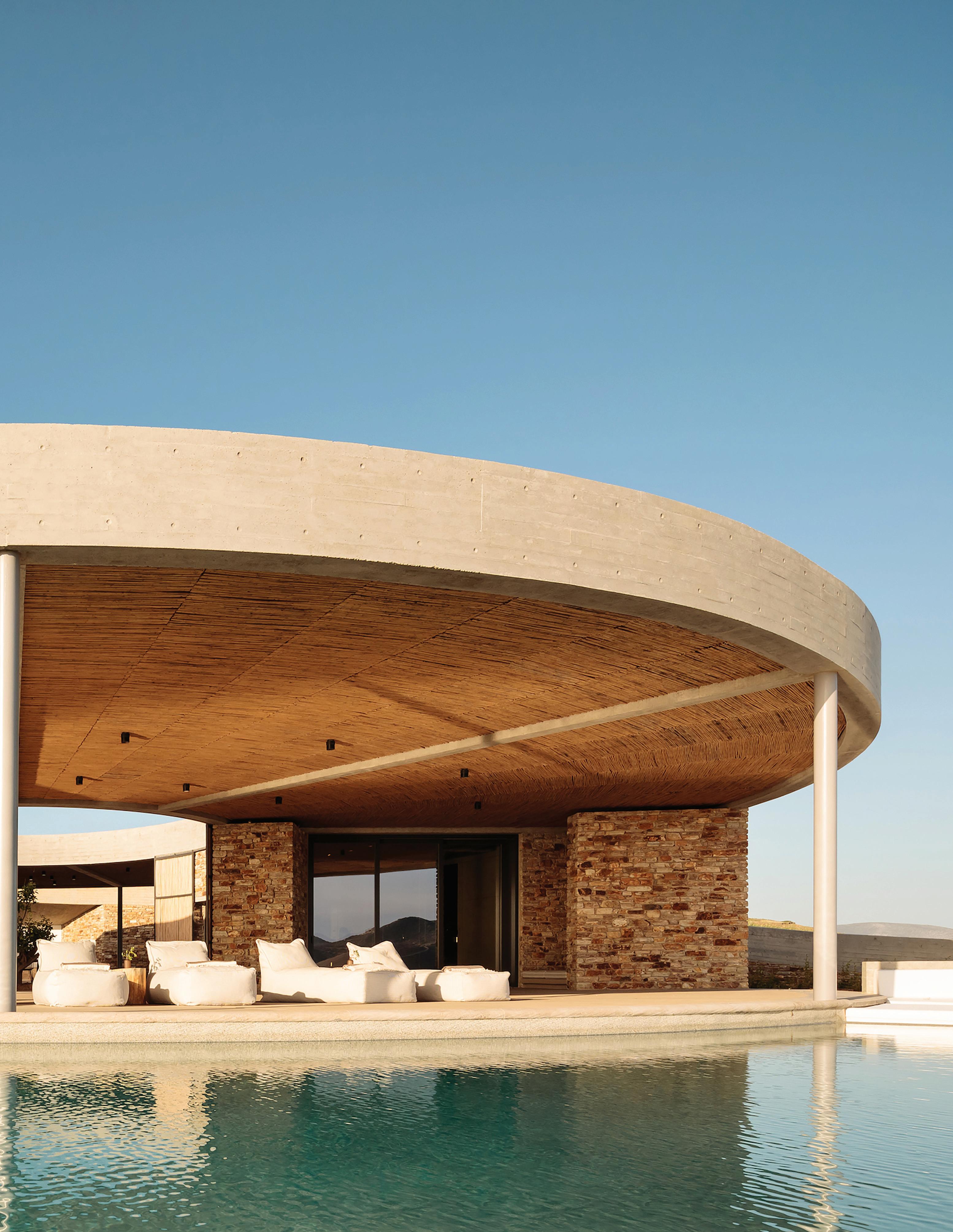
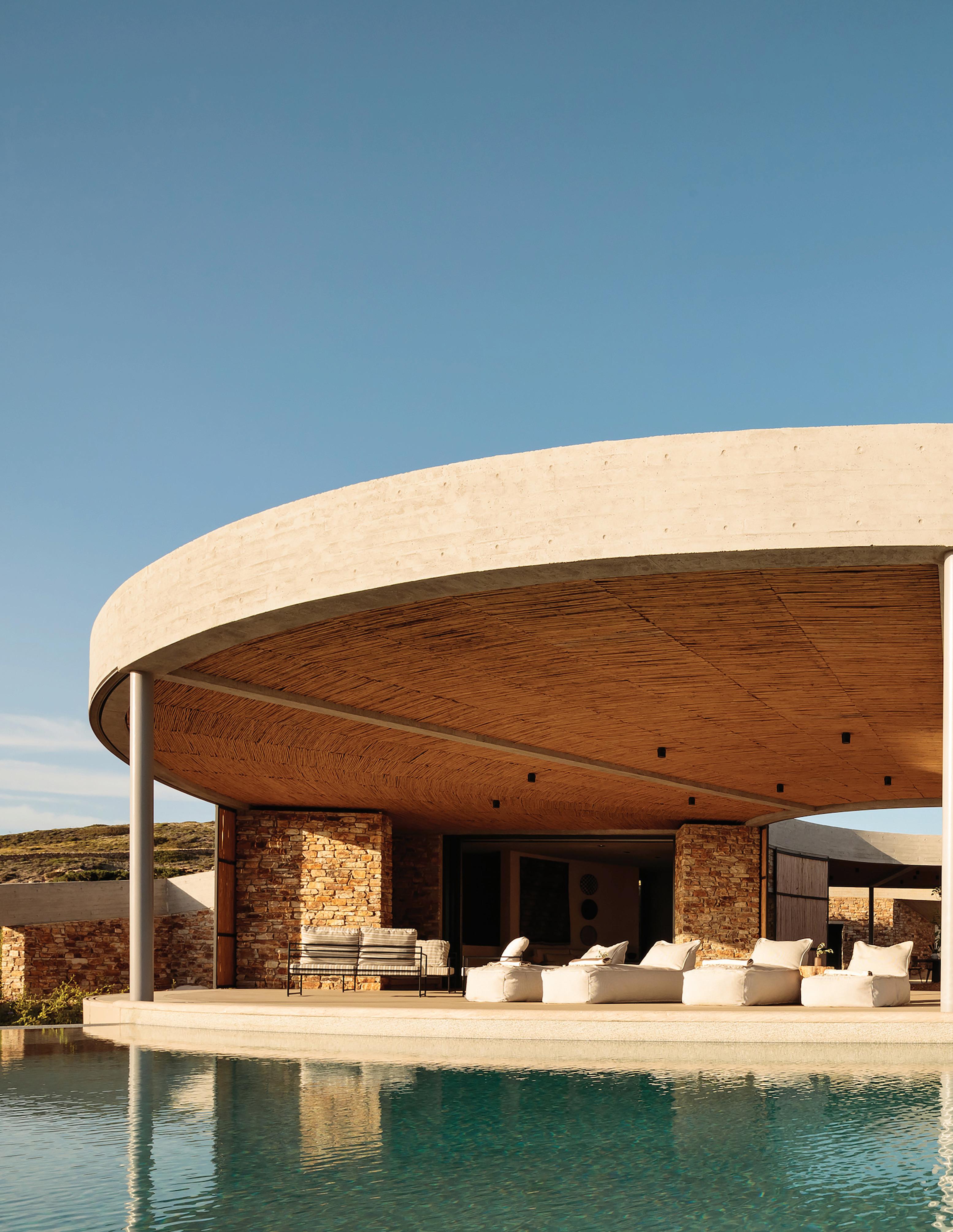
ANTIPAROS, GREECE | EUR €7,500,000
THE PRESENT TENSE IS ARRESTING
Global high-net-worth individual wealth grew 4.2% in 2024. The ultra-high-networth segment (those with $30 million or more) expanded 6.2%.³ The U.S. drove the majority of that growth, adding 562,000 new millionaires in a single year and bringing its total high-net-worth (HNW) population to 7.9 million.³ North America as a whole saw its HNW population rise 7.3%, the strongest regional performance in the world.³ The U.S. now controls 34% of global liquid private wealth and houses 37% of the world’s millionaire population.4
THE FUTURE TENSE IS EVEN MORE SIGNIFICANT
Nearly $124 trillion in assets will move from Baby Boomers and older Americans to their heirs by 2048.5 Millennials will receive $46 trillion of that total. Gen X will receive $39 trillion.5 Real estate sits at the center of that transfer: Gen Xers and Millennials are set to inherit $4.6 trillion in global real estate over the next decade alone, with individuals holding net worths between $5 million and $30 million projected to drive nearly two-thirds of U.S. property transfers.6
WHAT GETS MISSED
The great wealth transfer isn’t just moving money. It’s moving the definition of luxury itself. The recipients of this wealth are younger, more mobile, more experiential, and more demanding than any cohort of affluent buyers that has come before them. They’re not inheriting their parents’ taste.
They’re
inheriting
the capital to pursue their own. And their own looks nothing like a grand foyer and a formal dining room.
WEALTH TRANSFER TIMELINE THE $124 TRILLION
The largest intergenerational wealth transfer in history is underway — moving from Baby Boomers to Millennial and Gen X heirs over the next two decades.
l BOOMERS | Ages 60–78
l GEN X | Ages 46–59
l YOUNGER MILLENNIALS Ages 30–36
2035–2045 Millennials inherit the largest share
In global real estate changing hands in the next decade
BROKEN MARKET BELOW CREATES URGENCY ABOVE
The mass-market housing crisis is, paradoxically, one of the most powerful drivers of activity at the luxury tier. Here is the mechanism — approximately half of U.S. mortgage borrowers are locked into sub–4% rates.7 They have no financial incentive to sell, move, or trade up. The inventory that would ordinarily feed market movement at every price point is frozen. The result is a system-wide constraint that, below a certain threshold, paralyzes buyers and sellers alike.
Above that threshold, different physics apply.
However, affluent buyers are largely insulated from rate sensitivity. Roughly one-third of all U.S. home purchases in the first half of 2025 were all-cash.8 That share rises to approximately half for sales between $2 million and $5 million, and exceeds 65% for properties between $5 million and $10 million.8 The median price of a U.S. luxury home reached $1.26 million in September 2025, up 4.8% year-over-year, while non-luxury homes rose a modest 1.8% over the same period.²
That divergence has been widening for two consecutive years, and the luxury housing market is now projected to exceed $338 billion by 2030.9
4.8%+
LUXURY HOME PRICE ROSE YEAR-OVER-YEAR
1.8%+
NON-LUXURY HOME PRICE ROSE YEAR-OVER-YEAR
The dysfunction below is concentrating the energy of mobile, cash-ready, HNW buyers into a supply that cannot keep pace. Land scarcity, elevated development costs, and a construction sector that has not returned to pre-2008 output are doing the rest. The result is a market where anything genuinely distinctive, impeccably designed, or experientially compelling commands a premium that would have seemed implausible a decade ago.
WHERE TO LIVE BREAKS FREE OF OLD CONSTRAINTS
For most of the twentieth century, where a HNW person lived was largely determined by where they worked. The finance executive lived in Greenwich. The tech founder lived in Atherton. The law partner lived in Lincoln Park. Prestige addresses were largely functions of prestige employers, and prestige employers clustered in a handful of cities.
That logic has been dissolving for five years, and it shows no sign of reversing. Prime working-age adults (those between 25 and 54) are the most likely to have flexible work arrangements. Roughly 43% were working remotely in 2025, while nearly 60% reported wanting to do so.10 For affluent professionals, the implication is profound: Where you live is no longer a constraint. It’s a decision.
And when it becomes a decision, the criteria change entirely. Proximity to the office drops in priority. Proximity to healthcare, green space, waterfront, and community rises. Tax environment enters the calculation. Secondary markets that never competed for wealthy residents find themselves suddenly, genuinely competitive. Sun Belt cities absorbed this wave first and most dramatically. But the phenomenon is broader than geography. It’s a fundamental reordering of what location means to the people who buy luxury real estate.
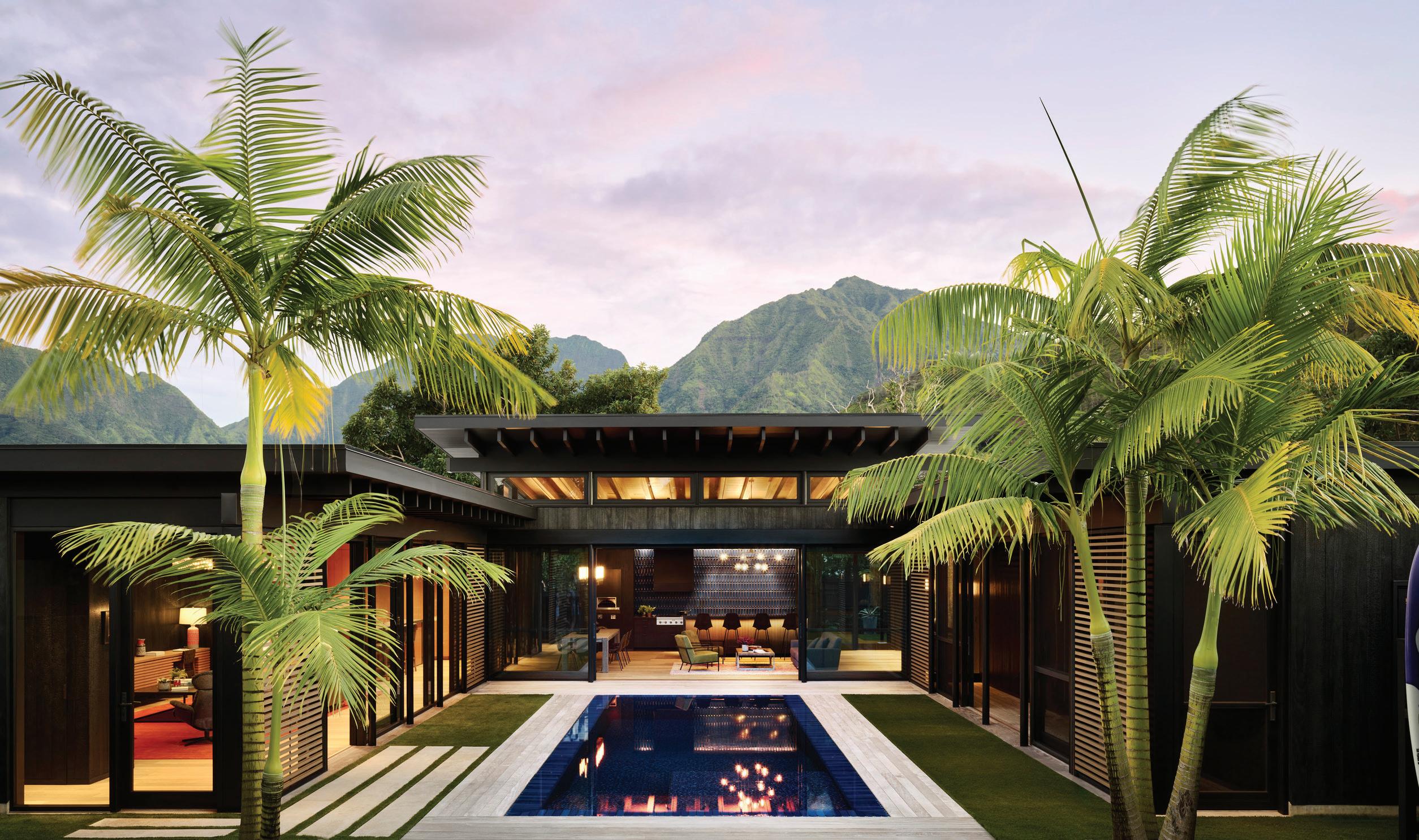
HANALEI, HAWAII, USA | USD $19,500,000
CONSPICUOUS CONSUMPTION LOST ITS APPEAL
The conventional wisdom of old (shrugged off with nonchalance) was that luxury was luxury, so what happened to handbags and watches would eventually happen to homes. The data says otherwise, and understanding why reveals something defining about what real estate has become.
Overall global luxury spending totaled €1.44 trillion in 2025, a marginal decline from the prior year that marked the continued normalization of the post-COVID boom.¹² More significantly, Bain noted that this was the first time in 23 years of their tracking that the luxury market actively lost customers. Roughly 20 million consumers exited, driven primarily by aspirational buyers who had been progressively priced out.¹² Gucci saw revenue drop 25% in the first half of 2025. The aspirational luxury buyer, as J.P. Morgan put it without ceremony, has “virtually disappeared.”¹³
First, aspirational luxury, the category that depended on people stretching to signal status they hadn’t quite achieved, ran headlong into economic reality and cultural skepticism. Conspicuous consumption didn’t just slow down. It became, for many consumers, genuinely embarrassing. Second, and more telling, the spending didn’t disappear. It redirected. Experiential luxury categories, including travel and hospitality, grew 8% to $103.4 billion in 2025, even as personal luxury goods stalled.14
Consumers didn’t stop wanting luxury. They stopped wanting things.
THE ULTIMATE EXPERIENCE HAS AN ADDRESS
Real estate sits at the exact intersection of what luxury consumers migrated toward. It’s the most permanent, most experiential, most deeply personal category of luxury spending that exists. It combines investment value, lifestyle expression, wellness infrastructure, and identity in a single asset that cannot be mass-produced, knocked off, or rendered irrelevant by next season’s collection. At a moment when visible luxury has lost cultural authority, the home that quietly, powerfully optimizes how you live has become the defining luxury object of our time.
THE MOST POWERFUL LUXURY
IN A GENERATION— RESHAPING ITSELF AS IT RISES
These four forces did not simply create favorable conditions for luxury real estate. They created a mandate. When wealth expands, when mobility liberates buyers from geography, when the broader market freezes below a certain threshold, and when every other luxury category starts shedding customers it can no longer justify, the pressure on real estate to become something more than property becomes immense. It has now earned its primacy.
And what our Trends and Truths research reveals in the responses of 500 affluent Americans surveyed at the exact moment this convergence peaks, is that luxury real estate is doing exactly that, by transforming into something the category has never quite been before. Not a symbol. Not a statement. A system.
What follows are our four Truths that define that system.
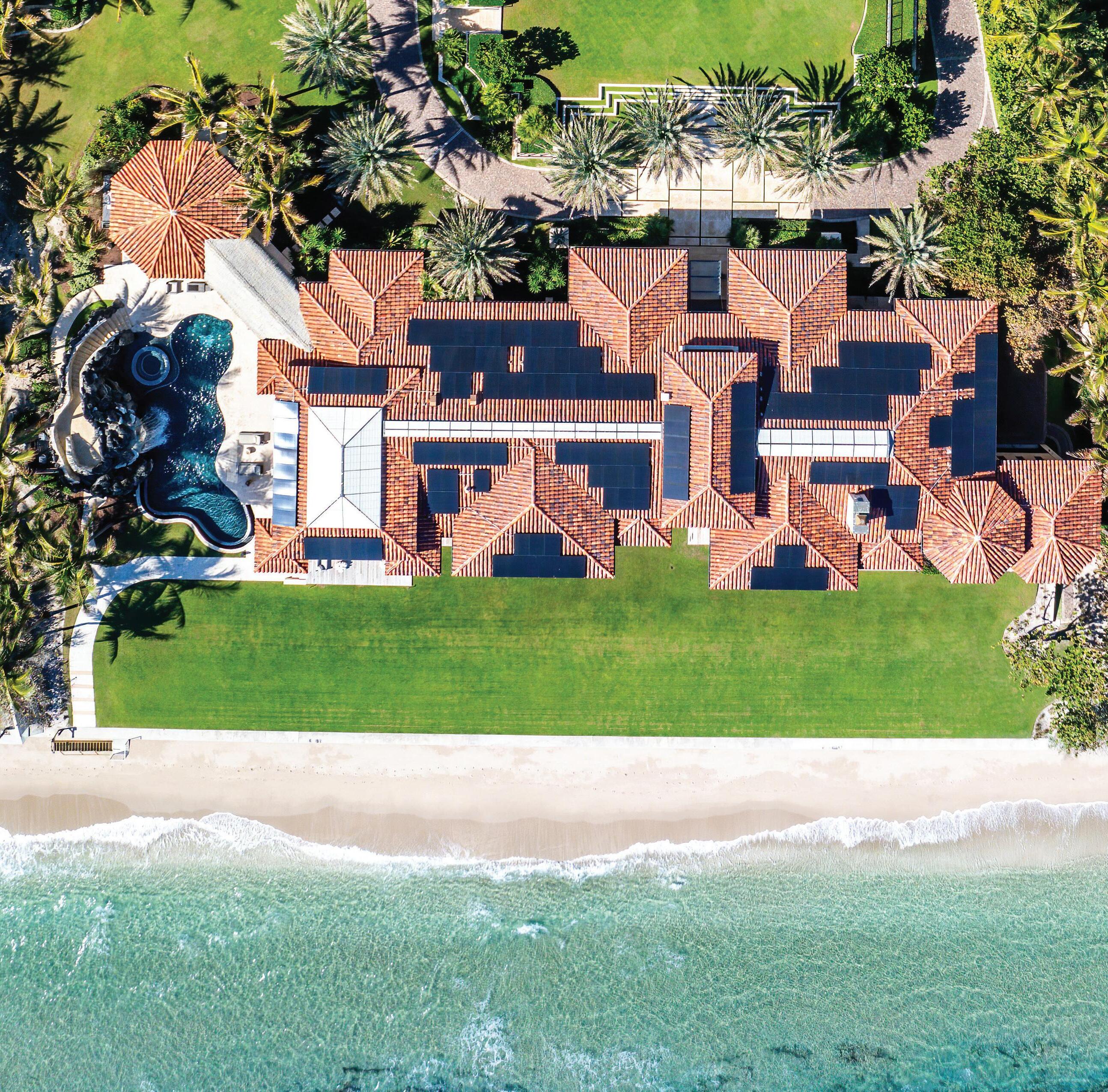
MANALAPAN, FLORIDA, USA | USD $135,000,000


02
03
04
LUXURY IS NO LONGER ABOUT SCARCITY. IT’S ABOUT OPTIMIZATION.
WELLNESS ISN’T AN AMENITY. IT’S A REQUIREMENT FOR STATUS.
LOCATION IS STILL KING. BUT EXPERIENCE IS THE CROWN.
DESIGN AND QUALITY DON’T SCALE. THAT’S THE POINT.
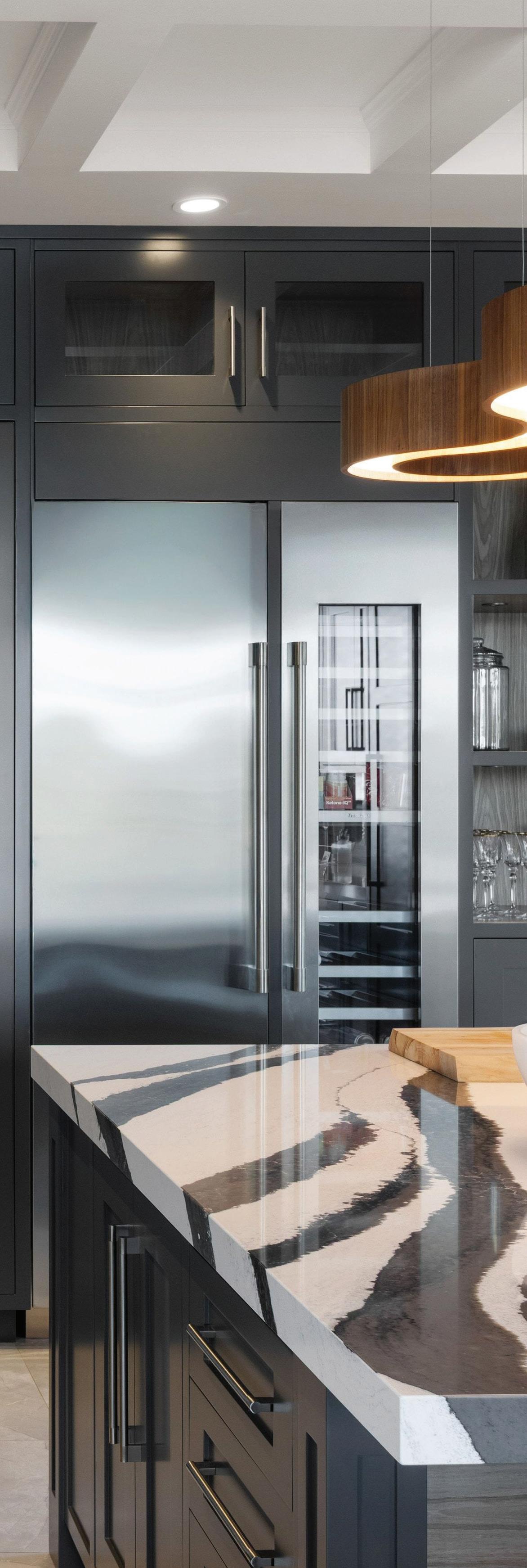
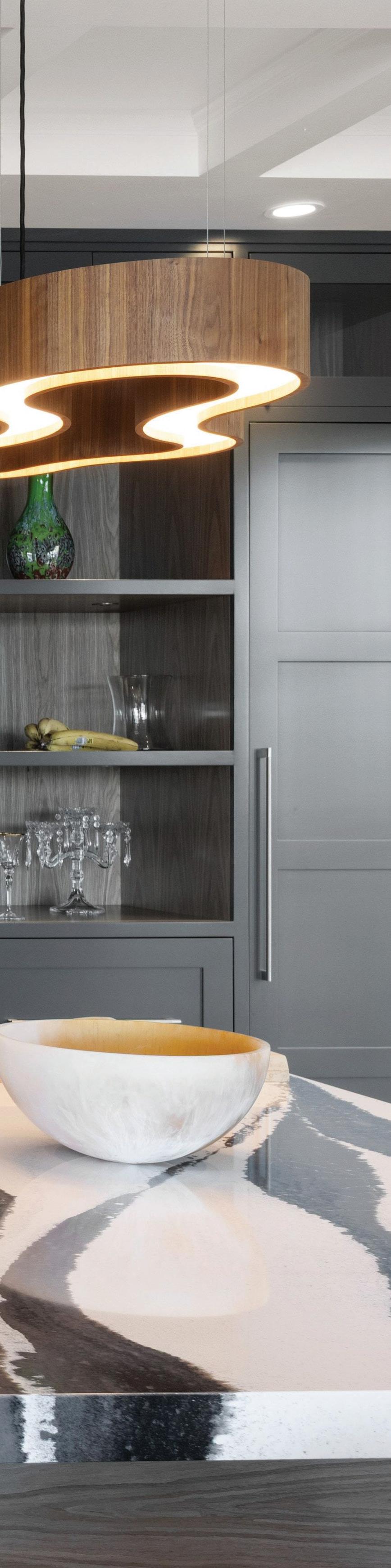
For all our lives, the luxury home had one primary job: to announce. The grand foyer, the formal dining room that seated 16, the circular driveway, the acreage. None of it was about how you lived. It was about what you had arrived at. The luxury home was a noun. It sat there, performing status on your behalf, while you got on with the actual business of your life somewhere else.
The affluent buyer of 2025 doesn’t want a home that announces. They want one that delivers. The new luxury home is a VERB. It works. It educates children and houses aging parents in the same building without anyone losing their mind. It functions as a headquarters for a business, a training facility for a fitness routine, and a venue for the kind of entertaining that used to require a restaurant. It may even earn rental income while its owners travel. It’s not a backdrop for a life welllived. It’s the infrastructure of one.
This is the shift from value opportunized from scarcity to value scaled from optimization. And it’s the most consequential behavioral change we have observed in this research. Buyers don’t just want more from their home, but rather they have fundamentally reimagined what the home is for. Where previous generations measured luxury in exclusivity — rarity of location, impossibility of replication, the velvet rope of price — today’s affluent buyer measures it in performance.
How many ways does this home work for me?
How many functions does it serve?
How many problems does it solve?
How does it amplify pleasure?
How does it support my relationships?
How does it uplift my personal wellbeing?
The experience economy, which Pine and Gilmore first identified in the Harvard Business Review in 1998, argued that economic value was migrating from goods to services to experiences. What luxury real estate is undergoing right now is the logical endpoint of that arc: the home has become the ultimate experience platform, the one purchase that doesn’t just provide an experience but generates, hosts, and amplifies every other experience aspect in a buyer’s life.
THE SCARCITY MODEL PROMISED
ONE THING — I HAVE IT AND OTHERS DON’T.
THE OPTIMIZATION MODEL DELIVERS EVERYTHING — IT WORKS ON MY BEHALF.
And that distinction is reshaping what buyers want, what brokers sell, and what architecture produces.
The data from our Trends and Truths research of 500 affluent Americans does not suggest this shift is happening. It confirms it’s already complete.
Ninety-three percent of affluent Americans are interested in buying, building, or renovating a luxury home in the next five years.LPI That is not a market expressing tentative interest. That is a category in full motion. But what is more telling than the headline number is the pattern of intent beneath it. Buyers are not pursuing a single transaction. They are assembling a portfolio of domestic function.
63%
want to purchase a new primary luxury home
71%
want to renovate the one they already have
50%
want a luxury investment property for rent or resale
46%
want a non-primary luxury home — a second or third property
27% are actively considering purchasing in a different countryLPI
These intentions are not alternatives. For many affluent buyers, they are simultaneous.
The motivations confirm the optimization thesis with striking clarity. Buyers are driven by income growth, long-term investment returns, lifestyle changes, multigenerational living needs, and wellness priorities, often all at once. Among Younger Millennials specifically, 31% cite a change in personal lifestyle as motivation to purchase a luxury investment property, and 27% cite increasing family size, including marriage, children, and multigenerational arrangements, as a driver for an additional home purchase.LPI
The multigenerational finding deserves particular attention. From 1971 to 2021, the number of Americans living in multigenerational households quadrupled to nearly 60 million people, according to Pew Research Center. In 2024, 17% of all homes purchased in the U.S. were bought for multigenerational households, the highest share since tracking began.15 The luxury home is not immune to this trend. It’s where its most sophisticated expression lives: homes designed not for one life stage but for the full arc of a family’s evolution.
USD
AND THEN THERE IS THIS: 53% of affluent Americans prefer new construction over historic or character-rich properties.LPI Among households earning $1 million or more, that figure rises to 78%.LPI New construction preference is, at its core, an optimization preference. A newly built home can be engineered from the ground up for the way its owners actually live, not adapted from a floor plan designed for a century-old idea of domestic life. It performs from day one.
GENERATIONAL DIFFERENCES
Our Trends and Truths research shows Younger Millennials lead every single category of luxury purchase and renovation intent.
88%LPI
want to purchase a luxury home
83%LPI
want to renovate
86%LPI
want a luxury investment property
59%LPI
are considering a purchase in another country
44%LPI
say they would prefer a home that is Instagram-worthy over an understated traditional estate — compared to just 15% of Boomers
The contrast with Boomers reveals the generational fault line most clearly. Boomers are still highly active: 50% want to renovate, 50% want a non-primary purchase.LPI But their calculus is different. They are redirecting equity, rightsizing, and making moves shaped by retirement, healthcare proximity, and life stage. They are not optimizing for expansion. They are optimizing for meaning.
Gen X sits precisely between these poles: they are the sandwich generation in the most literal sense, managing aging parents and adult children simultaneously, with 65% wanting to purchase in a different city or state.LPI Their optimization is about freedom. Geographic, financial, and personal.
GEOGRAPHY & MOBILITY
When the home is an asset class and a lifestyle platform simultaneously, geography becomes a strategic decision rather than a practical one. Our Trends and Truths research shows 59% of affluent Americans would consider a luxury home in a less traditional or secondary market if it offered better design and value, rising to 69% among Younger Millennials LPI Don’t think of it as a compromise, but more of an arbitrage. More home, better design, equal or greater investment performance, minus the premium of a marquee address.
The short-term rental (STR) market has accelerated this calculus considerably. Luxury STR demand continues to grow, capturing 13.9% of total travel accommodation demand in 2025, with demand growing 6% year-over-year even as traditional hotel demand contracted.16 A second home that can also earn income when you’re not in it is not a vacation property. It is a performing asset. Buyers know this, and it’s changing where they look.
The smart home has graduated from novelty to necessity, as 79% of all affluent Americans say technology integrated into luxury homes is a strength of the market today. And 45% say they would prioritize the latest smart home technology over architectural uniqueness when buying a luxury property. Among Younger Millennials, that figure rises to 59%. Among households earning $1 million or more, it reaches 78%.LPI
THE WEALTHIER THE BUYER, THE MORE TECHNOLOGY WINS OVER ARCHITECTURE.
% who would prioritize the latest smart home technology over architectural uniqueness when buying a luxury property
AFFLUENT AMERICANS
All affluent Americans
HHIncome > $250K
Investable assets > $500K
What’s changing is not the presence of technology in the home, but rather the role technology plays. Smart systems are no longer features to be listed in a brochure. They are the operational layer that makes multi-functional homes manageable, allowing a single property to shift from primary residence to rental-ready to recovery space to working environment, sometimes within the same week.
ARCHITECTURE & OPTIONALITY
The architecture of optimization is, above all, the architecture of flexibility. The dedicated home office or study, wanted by 86% of affluent buyers, is the most requested general amenity in this entire study. The outdoor kitchen and entertainment area (wanted by 77%), the fitness room or home gym (75%), the smart home automation system (78%), the guest or pool house (70%).LPI These are not amenity add-ons. They are purpose-built infrastructure for specific life functions.
%
New construction preference (53% overall, 78% among $1M+ earners) is the architectural expression of optimization: a home engineered from scratch for the way a family actually operates, with no legacy floor plan to work around. Modern exterior styles dominate (59%) precisely because the aesthetic language of the optimized home is clean, unencumbered, and forward-looking.LPI
When you are approaching a luxury home as a platform, not just a place to live but a place that earns, hosts, recovers, and adapts, the person you choose to work with matters in ways that go well beyond market knowledge.
As many as 70% of affluent Americans say human real estate brokers remain critical in an era of AI and technology change.LPI That number makes sense when you consider what the optimized home purchase actually involves. You’re not just buying square footage. You may be evaluating short-term rental income potential in a secondary market, assessing whether a floor plan can accommodate both a home office and an aging parent’s suite, modeling long-term appreciation against a primary residence you may also want to generate income from. These are not questions an algorithm can answer.
The right advisor for this moment is one who thinks in scenarios, not transactions. One who can help you map a property against multiple uses, not just the most obvious one. And one who understands the regulatory, financial, and design implications of each.
Expected Outcome: Success is measured by a solid relationship that earns every deal that follows.
Primary home, rental asset, wellness infrastructure, multigenerational solution all in one
Buyer at any life stage, any geography
Relationship begins at close Broker as architect of possibility
70% say human brokers remain critical in the era of AILPI
Expected Outcome: Success measured by close
Single Transaction/Single Buyer Need:
One property, one purpose
One buyer, one life stage
Transaction ends the relationship
Success measured by close
OWNER–BROKER CONNECTION
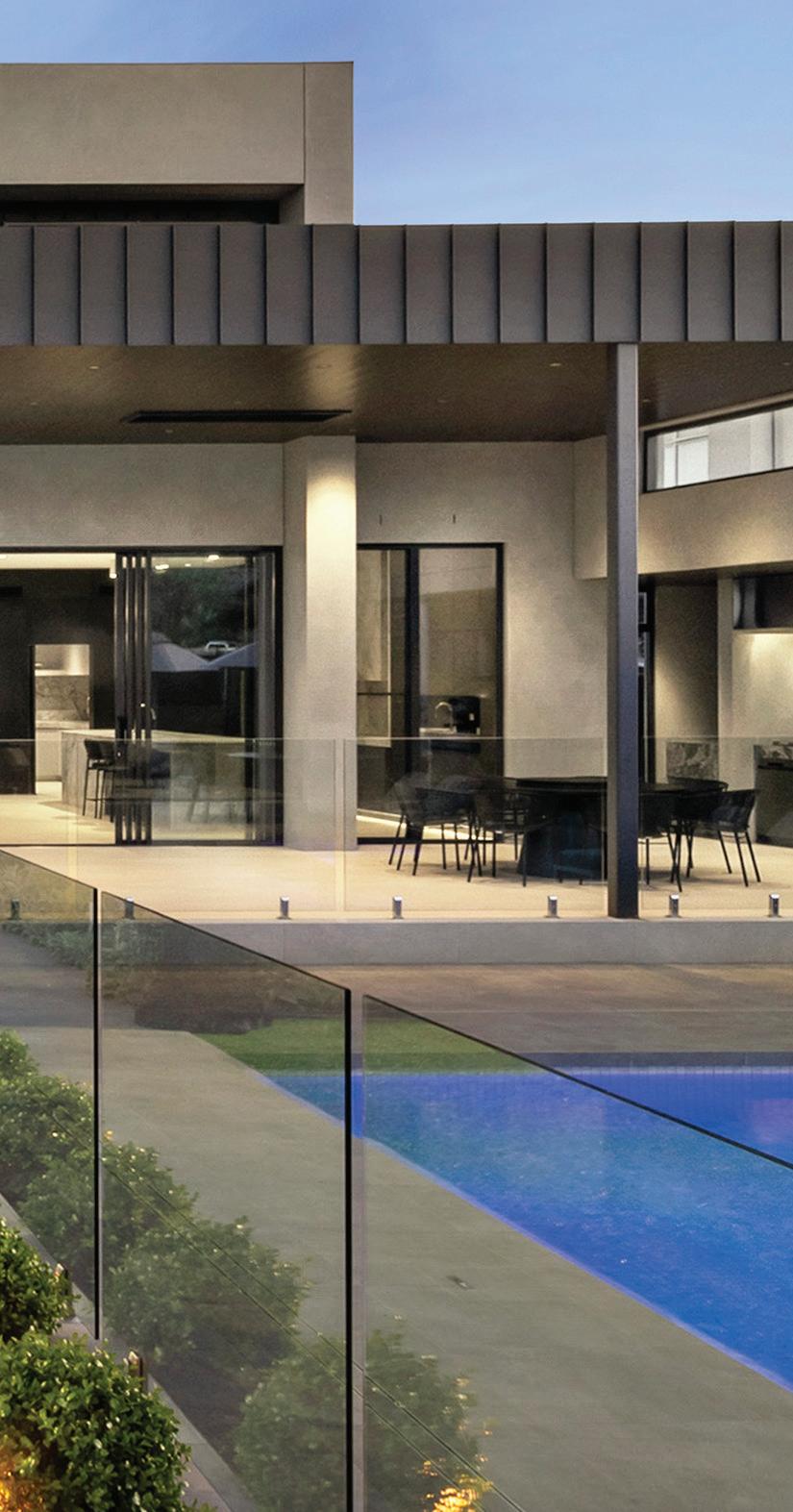
VICTORIA, AUSTRALIA PRICE UPON REQUEST
WELLNESS ISN’T AN AMENITY. IT’S A REQUIREMENT FOR STATUS.
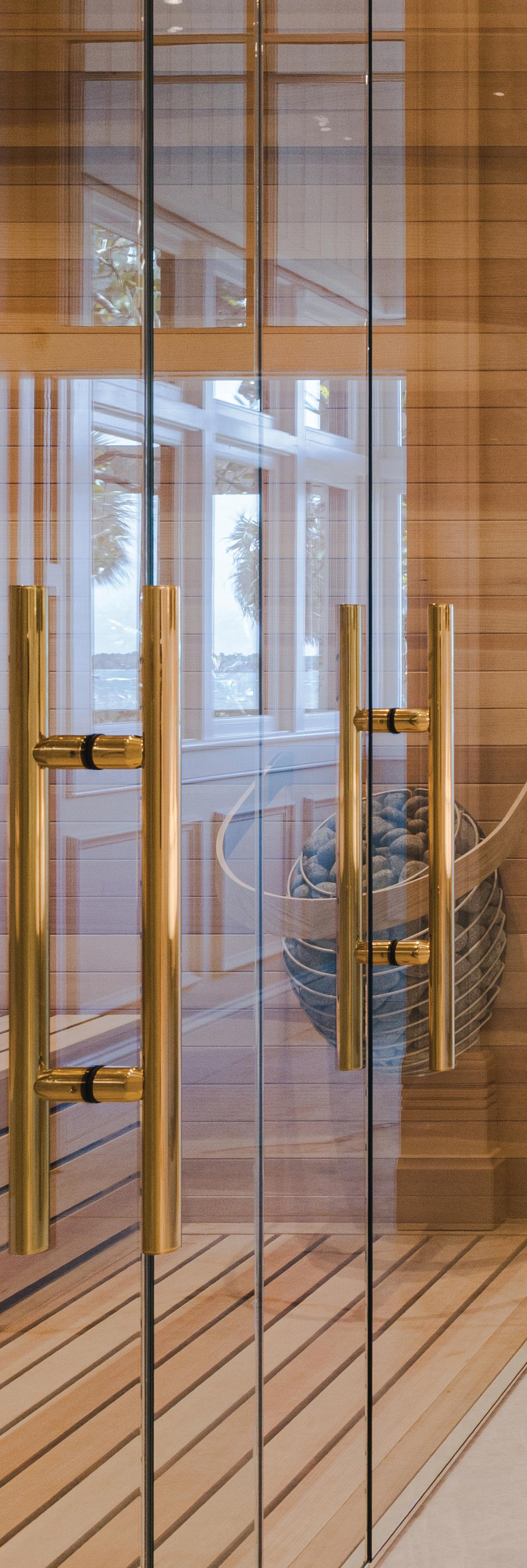
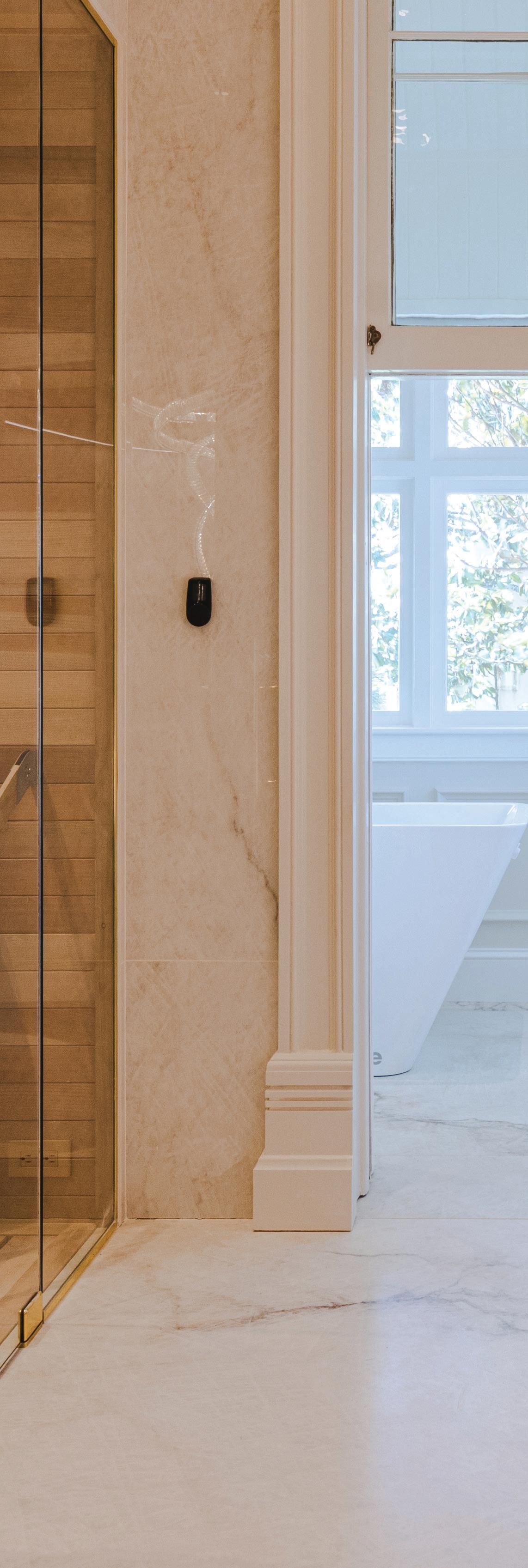
There was a time when the primary bathroom told you everything you needed to know about a luxury home. Double vanities. A soaking tub positioned for the view. Imported marble that cost more per square foot than most people’s rent. The bathroom was the room that said: serious people live here.
Now look at what that bathroom has been replaced by.
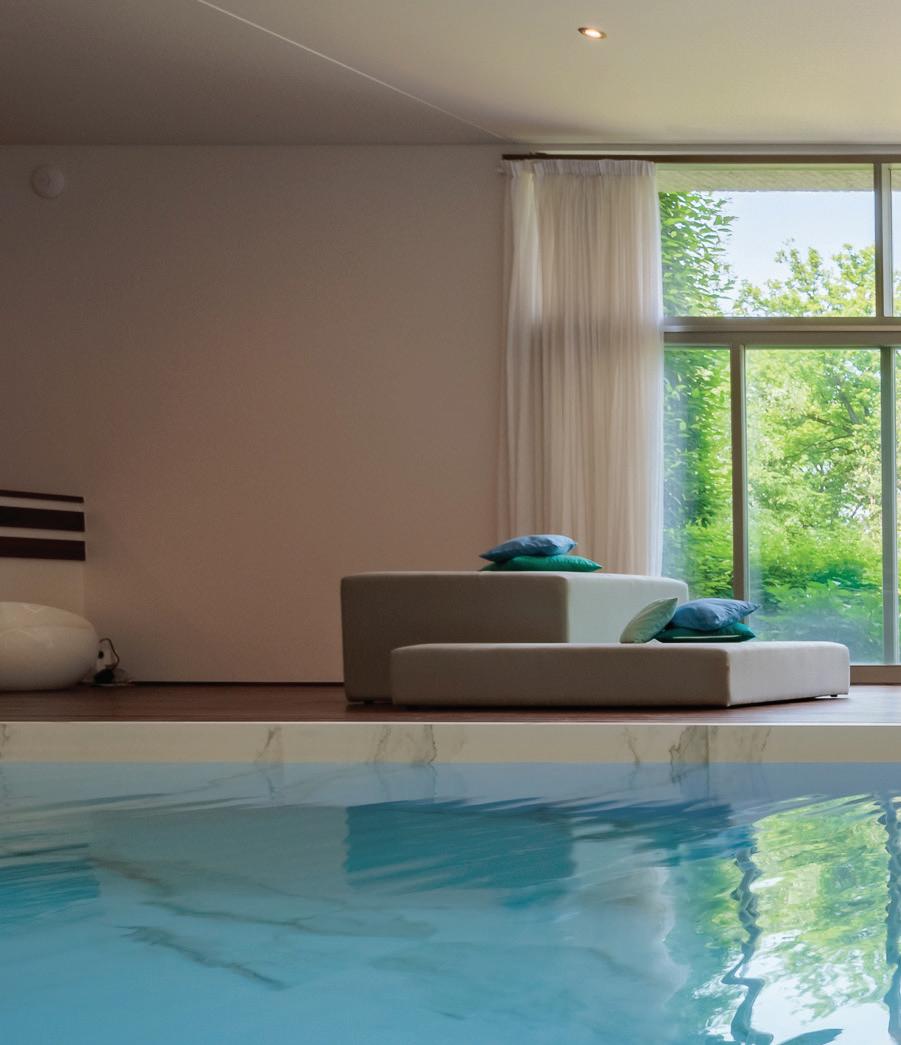
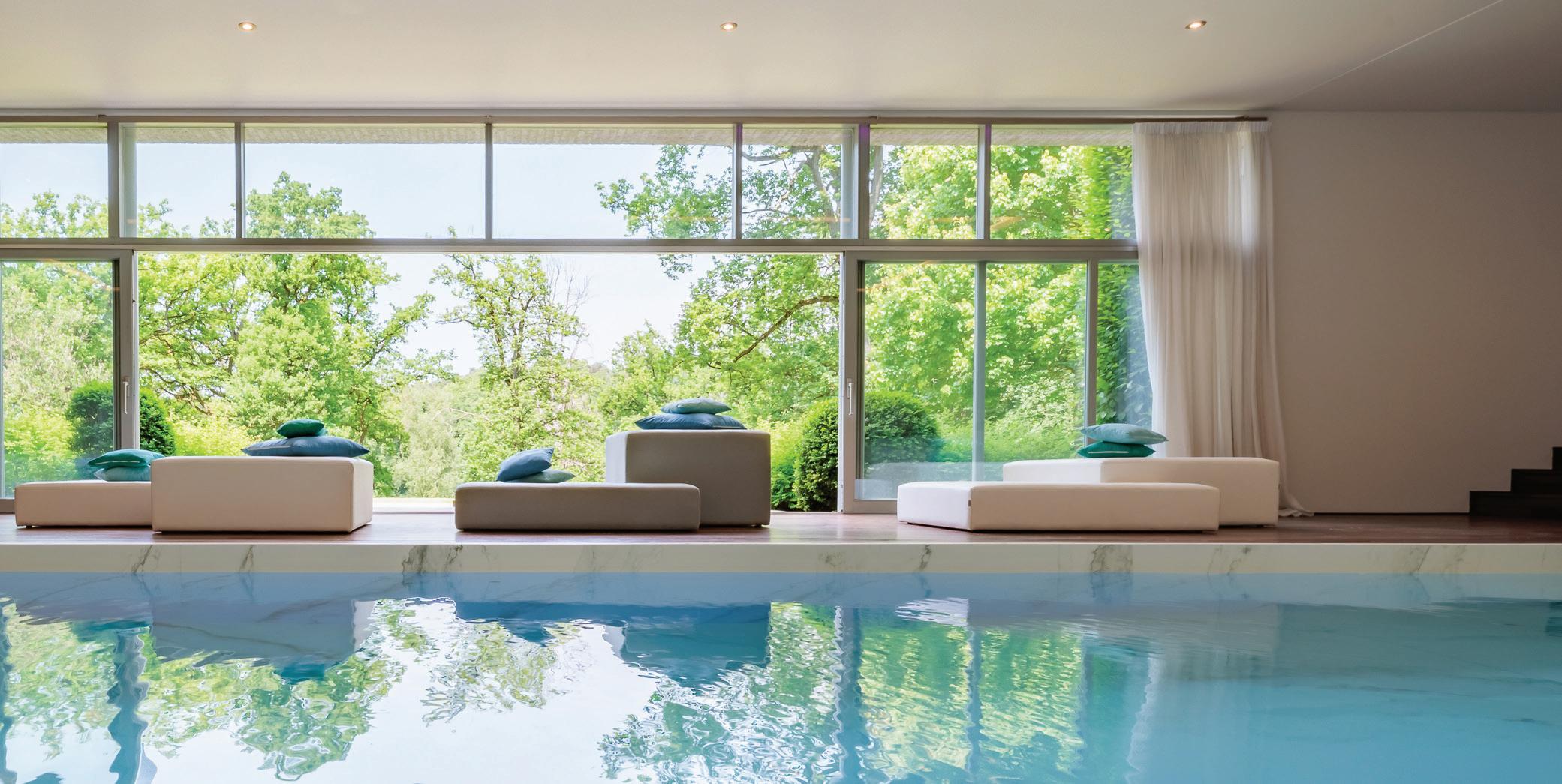
The cold plunge sits adjacent to the infrared sauna. The circadian lighting system adjusts the room’s color temperature as the day progresses, calibrating your cortisol response before you’ve thought about breakfast. The meditation studio has acoustic panels and a dedicated HVAC zone. The fitness room is not a gym. It’s a performance environment with multi-media access: with oxygen monitoring, rubber flooring engineered for joint protection, and mirrors positioned for biomechanical selfcoaching. And somewhere in the lower level, there’s very likely a room that used to be called a wine cellar and is now called a recovery suite.
This
is a fundamental reassignment of what status looks like in a home.
The old status signal was decorative. It said: “I can afford beauty.” The new status signal is infrastructural. It says: “I have engineered my environment for performance.” And that shift — from beautiful to functional, from aspirational to clinical, from amenity to imperative — is the most culturally consequential thing happening in luxury real estate right now.
Here is the uncomfortable truth underneath it. Wellness has always been what the HNWers did privately, at the Four Seasons or the Aman Resorts or the private clinic in Zurich. What has changed is the address. The affluent no longer leave home to access clinical-grade recovery. They’ve imported it. The home spa is not a luxury upgrade. It’s the private hospital suite that signals, more precisely than any chandelier ever could, that you are someone who takes the long game seriously.
Nearly half of Americans earning over $250,000 annually say they would spend the majority of their disposable income on health and lifespan-enhancing measures.17 Funding for longevity-focused startups surged to $8.5 billion in 2024, a 220% increase from the prior year.18 The biohacking market is projected to reach $63 billion by 2028.18 More than 60% of consumers now consider it “very” or “extremely” important to purchase products and services that support healthy aging.19 Wellness didn’t sneak into the luxury home. It took over.
WHEN THINKING ABOUT BUYING A LUXURY HOME, HOW IMPORTANT IS EACH WELLNESS AMENITY TO YOU?
80%LPI
Swim-in-place spa or jacuzzi
80%LPI
Natural light therapy or circadian lighting system
60%LPI
Home yoga or meditation studio
65%LPI
Cold plunge pool or ice bath
The global wellness economy reached $6.8 trillion in 2024, growing 7.9% in a single year, more than double its size since 2013, and now larger than global IT, tourism, sports, and the green economy combined.20 Of its eleven sectors, the single fastest-growing is wellness real estate, expanding at 19.5% annually from 2019 to 2024, more than three times the rate of overall global construction.21 Wellness-focused residential properties at the middle and upper market tiers now command a price premium of 10–25% over comparable non-wellness homes.21
Our Trends and Truths research confirms that this macro shift has fully penetrated the preferences of affluent American buyers. The wellness amenity data in our research isn’t a wish list, but rather an impatient specification sheet.
63%LPI
Traditional Finnish or infrared sauna
58%LPI
Aromatherapy or oxygen bar
73%LPI
Spa treatment/ massage room
TOTAL ANNUAL HOUSEHOLD INCOME l $1M+ HHI
50%LPI
Indoor saltwater float tank or sensory deprivation chamber
64%LPI
of affluent Americans want a swim-in-place spa or therapeutic hydro therapy
69%LPI
want a spa treatment/ massage room
51%LPI
want a natural light therapy or circadian lighting system — and among $1 million-plus earners, that figure rises to 80%LPI
67%LPI
want a circadian lighting system
65%LPI
of $1M+ earners want a cold plunge pool or ice bath,LPI with cold plunge searches grew 70% year-over-year as of April 202522
56%LPI
want a cold plunge pool
Let’s go back to the home office: 86% of affluent Americans want a dedicated home office or study with built-ins.LPI That figure sits in this trend chapter, not the optimization chapter, deliberately. Work-life integration is not a productivity concept for this generation, but rather a wellness concept. The ability to control your environment, your schedule, your inputs and recovery cycles, that is what 86% of affluent buyers are expressing.LPI They are not building a home office. They are building a control room for their own performance.
EUR €6,450,000
GENERATIONAL DIFFERENCES
The generational data in our Trends and Truths research draws a clear line between a generation that treats wellness as a preference and one that treats it as architecture.
YOUNGER MILLENNIALS lead every single wellness amenity category by significant margins.
78%LPI
want a jacuzzi or swim-inplace spa
80%LPI
want a natural light therapy system
58%LPI
want a cold plunge pool
56%LPI
want an aromatherapy or oxygen bar
53%LPI
want a sensory deprivation chamberLPI
OLDER MILLENNIALS are not far behind. And their top wellness priorities (home office at 88%, jacuzzi at 65%, natural light therapy at 55%, home sauna at 51%) reveal a different dimension of the same instinct: the home as a place of disciplined, intentional restoration.LPI
65%LPI
want a jacuzzi or swim-inplace spa
55%LPI
want a natural light therapy system
42%LPI
want a cold plunge pool
36%LPI
want an aromatherapy or oxygen bar.
38%LPI
want a sensory deprivation chamberLPI
GEN X LEADS with quality above trends, and their wellness preferences reflect durability over novelty.
63%LPI
want a jacuzzi or swim-inplace spa
44%LPI
want a natural light therapy system
31%LPI
want a cold plunge pool
28%LPI
want an aromatherapy or oxygen bar
27%LPI
want a sensory deprivation chamberLPI
BOOMERS, whose healthcare access is a top proximity priority (92% want to be close to healthcare facilities), aren’t rejecting wellness infrastructure, they’re expressing it differently, through proximity and community rather than in-home equipment.LPI
50%LPI
want a swimin-place spa or jacuzzi
78%LPI
want a natural light therapy system
22%LPI
want a cold plunge pool
24%LPI
want an aromatherapy or oxygen bar
18%LPI
want a sensory deprivation chamberLPI
The wellness imperative does not just shape what buyers want in a home. It shapes where they look for one. When 85% of affluent Americans say proximity to healthcare facilities is important for their next home, and 80% say the same about parks and green spaces, and 57% about fitness and wellness centers, location decisions are being made along a wellness axis that did not exist in mainstream luxury buying a decade ago.LPI
The Northeast (51%) and West (49%) lead on home yoga or meditation studio preferences, while the Northeast (41%) leads on cold plunge interest, a geographic wellness personality map that has direct implications for which secondary markets are rising and why.LPI Buyers are moving for the built environment’s capacity to support their recovery protocols.
TECHNOLOGY & INNOVATION
The smart home of 2020 was about convenience. Remember our delight as lights that dimmed on command, thermostats that learned your patterns? The smart home of 2025 is about biology. Circadian lighting systems that adjust spectral output to align with your cortisol and melatonin rhythms. Air filtration systems with real-time particulate monitoring. Cold plunge tubs with app-controlled temperatures and biometric recovery tracking. Saunas with Bluetooth integration and humidity precision down to single percentage points.
Sixty percent of consumers cited “improves my health and wellness” as the number one reason they want specific features and technologies in their homes, up 17% from two years prior.23 The technology-wellness intersection is where the most significant residential innovation is currently happening.
HOW WOULD YOU DESCRIBE EACH ELEMENT OF THE LUXURY HOUSING MARKET TODAY?
Technology integrated into luxury homes l VERY INTERESTED l SOMEWHAT INTERESTED
ARCHITECTURE & OPTIONALITY
OWNER–BROKER CONNECTION
The wellness home requires spatial commitment that the amenity home never did. This is why new construction preference — 53% overall, 78% among $1M+ earners — matters so acutely in this trend.LPI You cannot easily build a wellness ecosystem into a home designed around a different theory of living. The architecture of the wellness home has to be intentional from the ground up. Dedicated wellness zones with separate entrances. Humidity-managed environments adjacent to outdoor spaces. Recovery rooms positioned for natural light. The floor plan is the wellness plan.
Wellness infrastructure is one of the most expensive things to add after the fact, and one of the easiest to get wrong at the point of purchase.
A circadian lighting system is an electrical architecture decision. A sauna requires dedicated HVAC and moisture barriers. A cold plunge has drainage and structural floor load implications. If the home you’re buying was not designed with these in mind, the retrofit cost can be significant, and in some cases, structurally impossible. That means the wellness conversation must happen before you walk into a property, and having the expertise of a trusted real estate professional is critical in making informed and aligned decisions with your wellness brief.
What our Trends and Truths research also shows is what buyers want from the people they work with. Strong local market knowledge matters to 95% of affluent buyers. Sixty-four percent say they would be more likely to purchase if the buying experience felt as personalized as shopping for high-end goods, rising to 81% among Younger Millennials. And 43% say the single thing that would most motivate them to recommend a broker is that the broker was trustworthy, honest, and transparent throughout.LPI
WELLNESS ISN’T AN AMENITY. IT’S A REQUIREMENT FOR STATUS
The first rule of real estate has never changed: location, location, location. Quietly, structurally, and with gathering speed, what has changed is what location actually means.
For most of the twentieth century, location was a proxy for two things: prestige and proximity. The right address signaled achievement. The right zip code meant a short drive to work, to school, to the office of your wealth manager. Location was geography in service of obligation, dressed up as aspiration.
That logic has not disappeared. But it’s been fundamentally complicated by something that cannot be undone: the wholesale redefinition of what a desirable environment actually feels like to live in.
Today’s affluent buyer does not evaluate a location by its prestige hierarchy alone. They evaluate it the way they evaluate everything else that matters to them: by the quality of the experience it delivers. Can I walk to something worth walking to? Can I recover from something here? Can I eat well, breathe well, age well, raise children well, entertain meaningfully, and connect with a community that reflects who I am and how I want to live?
That is not a soft question. It’s a specification. And it’s reconfiguring the luxury real estate map in ways that established market hierarchies are still reckoning with. McKinsey’s longitudinal consumer spending data shows that Americans’ expenditure on “experiences” has grown 60% since 1959 in real terms, while spending on “things” has declined by the same measure.24 The global experience economy is now projected to reach $2.1 trillion by 2032.25 Roughly six to seven in ten Millennials say they prefer spending on experiences rather than physical goods.26
And the high-earning consumer, specifically, sways even more strongly toward experiential spending: 44% of households earning $100,000 or more increased their spending on experiences in 2025, compared to 37% who increased spending on non-essential products.27
What luxury real estate’s location story reveals, when read through this lens, is that the address is no longer the point. The experience of the address is.
The most arresting single finding in our research on location is not about where affluent buyers want to go, but rather what they are willing to give up to get there.
Fifty-nine percent of affluent Americans say they would consider a luxury home in a less traditional or secondary market if it offered better design and value. That figure rises to 69% among Younger Millennials, the cohort that will drive luxury real estate activity for the next three decades.LPI This is not fence-sitting. This is strategic flexibility applied to geography. When the experience of the place is the primary criterion, the prestige of the address becomes negotiable.
Forty-five percent of affluent Americans say they value the prestige of a property’s location and community more than the quality of its construction or layout, including 55% of all Millennials and 55% of $1 million-plus earners.LPI Location still wins the primary evaluation. But the criteria for what makes a location prestigious have expanded well beyond zip code and school district into a richer, more experiential calculus.
That calculus produces some revealing proximity priorities. When asked our Trends and Truths study what they need to be close to for their next home, affluent Americans ranked:
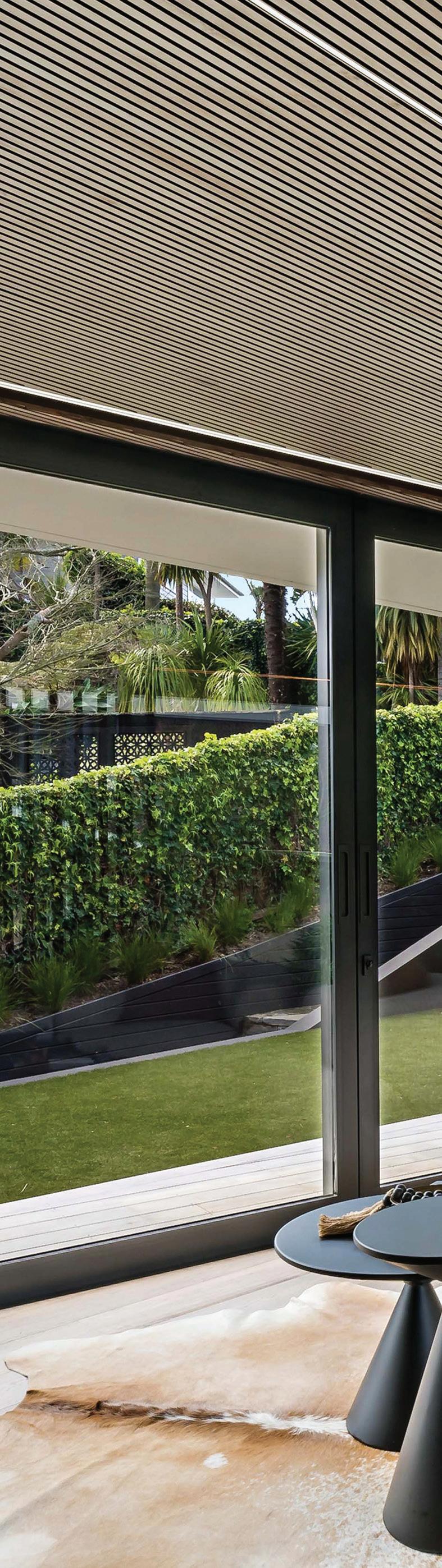
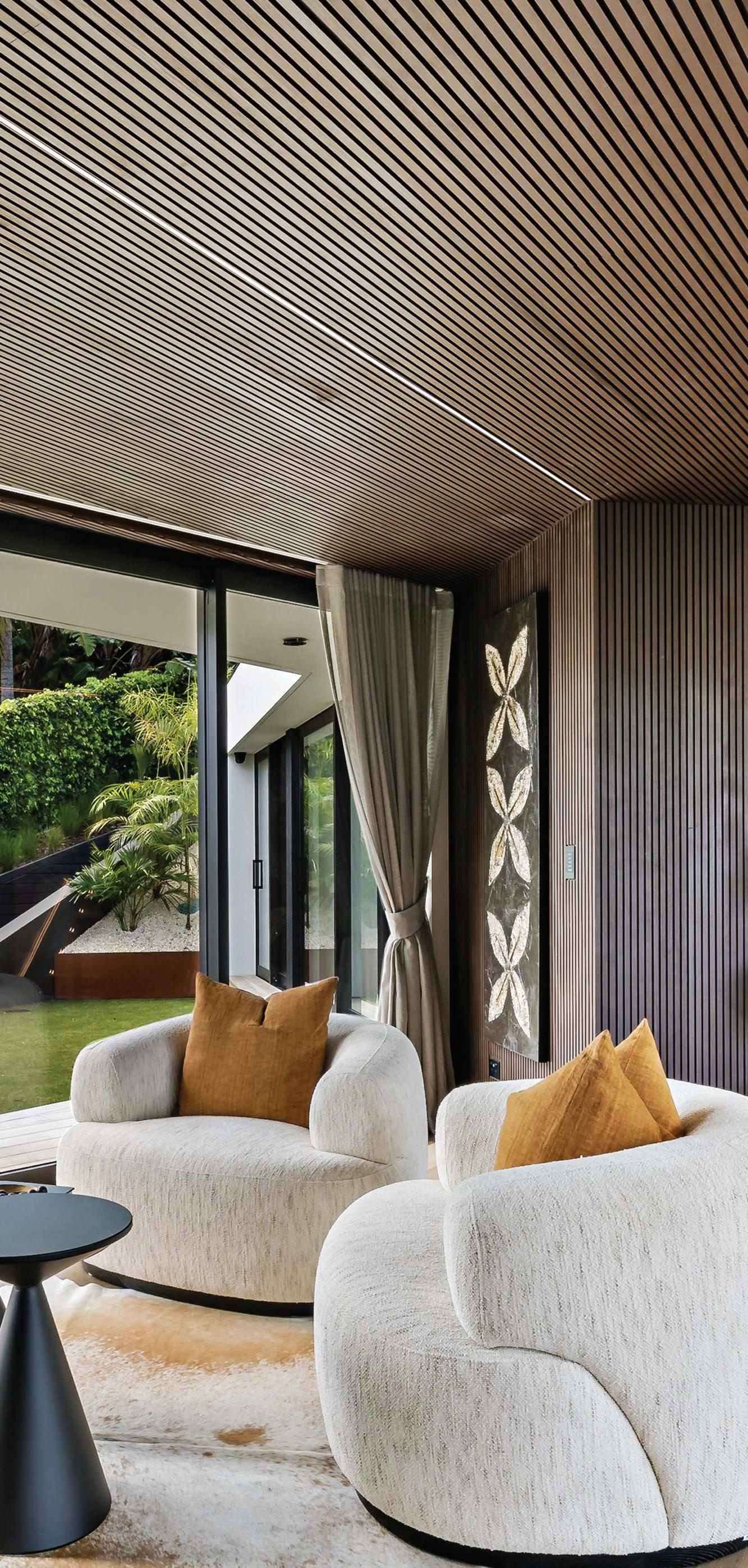
AUCKLAND, NEW ZEALAND | PRICE UPON REQUEST THE SECOND HOME STORY
If given the choice, 45% of affluent Americans would choose a beachfront or coastal location for a second home — the overwhelming numberone preference, unchallenged. But the data reveals layers beneath that top line:
28%LPI
want a gated or private luxury community
25%LPI
want a countryside or rural retreat
24%LPI specifically want a location in an income-tax or investment-friendly state
These are not romantic preferences, but lifestyle architecture decisions. The purchase of a specific daily experience, a specific quality of nature, a specific financial environment.
And the international appetite for purchasing a luxury home in another country over the next 5 years?
59%LPI of Younger Millennials
48%LPI of Older Millennials
46%LPI of Gen X
23%LPI of Boomers
The generational gradient is steep, and it points toward a generation of luxury buyers for whom geography is genuinely global.
GENERATIONAL DIFFERENCES
The generational data in this Truth reveals not one location market but four running simultaneously, each calibrated to a different life stage and value system.
YOUNGER MILLENNIALS are the most geographically adventurous generation in this study by a significant margin. Fifty-nine percent are considering an international purchase.
69%LPI
would consider a secondary market
80%LPI
say proximity to restaurants and bars matters for their next home
71%LPI
say proximity to downtown or town center matters
These are urban and cosmopolitan priorities expressed at a global scale, a buyer who wants the world to be their address book.
OLDER MILLENNIALS are more anchored but no less experiential.
75%LPI
say proximity to work matters
72%LPI prioritize schools
GEN X has mobility built into its profile.
65%LPI
want to purchase in a different city or state
BOOMERS are the proximity generation.
92%LPI
want to be near healthcare
BUT…66%LPI also want airports and major transport hubs, signaling a generation that still moves for career reasons but wants optionality preserved
58%LPI
want to be near beaches or waterfront
34%LPI
want their second home near family and friends
They are the one cohort for whom the experience of location is primarily relational rather than recreational.
WHEN THINKING ABOUT YOUR NEXT HOME, HOW IMPORTANT IS IT FOR YOU TO BE CLOSE TO OR HAVE EASY ACCESS TO EACH?
Healthcare facilities
Parks, hike and bike trails, green spaces
Restaurants and bars
Friends and family
Beaches, lakes, or waterfront areas
Cultural and entertainment venues
Airport or major transportation hubs
Downtown or town center/shopping area
Fitness and wellness centers
Work
Good schools
Country clubs, golf courses, or resort-style amenities
Rural area
Equestrian, polo, boating, ski facilities
GEOGRAPHY & MOBILITY
The Sun Belt’s rise to dominance in luxury real estate is the most visible expression of experience-driven location logic in action. Dallas topped Urban Land Institute’s “Emerging Trends in Real Estate” rankings for 2025 for the first time in the report’s history.28 Miami, Houston, and Tampa followed, completing a top-four sweep by Sun Belt cities. The Southeast is now projected to be the fastest-growing region for luxury residential real estate through 2031.29
When affluent Americans describe what they need to be close to for their next home, healthcare ranks first at 85%, parks and green spaces second at 80%, and restaurants and bars third at 76%, all of which Sun Belt and secondary markets are delivering with increasing sophistication.LPI Those markets are not winning on prestige. They are winning on the daily experience of being there.
The Sun Belt is projected to add more than 20 million new residents by 2030, with over half of Millennials already living in the region.30 Secondary markets (the Carolinas, the Tennessee corridor, Bozeman, coastal South Carolina, North Florida) are competing with established luxury destinations not on address but on experience depth. And 59% of affluent Americans say they are open to that competition, rising to 69% among Younger Millennials.LPI
But our second home data tells a more precise story about what experience actually means when affluent buyers are choosing entirely for themselves, unconstrained by work or obligation. Forty-five percent would choose a beachfront or coastal location. Thirty percent want lakefront or riverfront. Together, that’s an overwhelming majority oriented toward water. And sitting directly alongside those preferences: 28% want a gated or private luxury community.LPI
These three choices are not aesthetically similar. What they share is something more fundamental. Seclusion. Security. The deliberate removal of intrusion. Water doesn’t just offer a view; it offers a perimeter. It creates natural separation from density, from noise, from the frictionless proximity of other people that defines tier-one city living. The gated community does the same thing through architecture that water does through geography. What connects all three top second-home preferences is…sanctuary. These are not location choices. They are, as our research framed them, a place of mind.
IF YOU WERE TO PURCHASE AN ADDITIONAL HOME, WHERE WOULD YOU WANT IT TO BE?
Beachfront or coastal location
Lakefront or riverfront location
Gated or private luxury community
“In an income tax-friendly or investment-friendly state “
Countryside or rural retreat
Major city
Near family or friends
Near a vacation/resort hub
“Suburban community outside a major city”
Mountain or ski destination
Technology hasn’t changed where people ultimately want to live. But it has fundamentally changed how they discover that a place is worth wanting. Social media has physically expanded the definition of luxury home and luxury market for an entire generation of buyers. Our Trends and Truths research shows that 71% of Younger Millennials say social media has expanded their definition of luxury home options, compared to 45% of Gen X and just 29% of Boomers.LPI
LUXURY HOME BUYING REIMAGININED BY GENERATION
The implication for secondary markets is profound. A property in Bozeman or 30A or the Texas Hill Country that would once have been invisible to a buyer in Boston or Chicago is now discoverable, contextualizable, and aspirational through a well-composed photograph at golden hour posted to a platform with two billion users. The experiential marketing of place is already happening organically. Secondary markets that understand this are winning buyers they were never previously in the consideration set for.
ARCHITECTURE & OPTIONALITY
When experience drives location, location shapes design. And when buyers arrive in a market with strong design expectations, the built environment rises to meet them. That’s precisely what’s happening across secondary luxury markets right now.
EXTERIOR PREFERENCES
The architectural preferences in our research tell a story of convergence and divergence simultaneously. Modern exterior architecture dominates nationally at 59%, consistent across all four geographic regions, ranging from 55% in the Midwest to 62% in the Northeast. But the meaningful regional variation sits in the layers beneath modern. Craftsman ranks second nationally at 37%, with the Midwest indexing particularly strongly at 43%. The West leads on Mediterranean at 37%. The South indexes higher on French Provincial at 31%, a style that signals a specific regional character rather than a generic luxury aesthetic.LPI
59%
of affluent Americans prefer modern exterior architecture — consistent across all four regions
INTERIOR PREFERENCES
Inside the home, modern again leads at 52%, followed by transitional at 45% and coastal at 44%. But the generational split on coastal is the most telling data point in this section: Boomers (51%) and Gen X (47%) strongly prefer coastal interiors, while Younger Millennials index at just 25% for that style and are nearly twice as likely as Boomers to prefer Mid-Century Modern at 36% versus 19%.LPI The buyers arriving in coastal secondary markets want the coastal location, the perimeter, the sanctuary, the experience of water, wrapped in a design language that is entirely their own.
36%
of Younger Millennials prefer Mid-Century Modern interiors — nearly twice the rate of Boomers at 19%
AMENITY PREFERENCES
The amenity data reinforces how location and design are increasingly inseparable. Outdoor kitchen and entertainment areas matter to 77% of affluent buyers, a feature that only functions at the quality level buyers expect when the property has space, climate, and natural setting to support it. Resort-style or infinity edge pools matter to 62% overall and to 70% of $1M+ earners, a feature that belongs to a specific typology of property in a specific kind of place. The safe room, wanted by 57% of affluent buyers and by 75% of $1M+ earners, is the most architectural expression of the sanctuary thesis: security not just as a feature but as a spatial commitment built into the structure of the home.LPI
36%
of Younger Millennials prefer Mid-Century Modern interiors — nearly twice the rate of Boomers at 19%
When location is experiential rather than hierarchical, the search process changes. You’re no longer just evaluating a property. You’re evaluating whether a place can sustain the quality of life you are designing for. And that requires a different kind of intelligence than knowing the price per square foot.
The proximity data in our research is a useful starting framework. Healthcare at 85%. Green space at 80%. Restaurants and bars at 76%.LPI These are not abstract preferences, they are the daily texture of a life well-lived, and they should be evaluated on the ground, not on a map. A broker who knows which secondary markets are genuinely delivering on experiential quality (not just projecting it) is a broker who can help you avoid spending significant money on a location that looks right in the listing but feels wrong by Thursday of your second week.
Forty-nine percent of affluent Americans say they would find their broker through a referral from family or friends, more than any other method.LPI For location-driven purchases in markets you’re less familiar with, that relational intelligence becomes even more valuable. Someone who has put clients into that market, who knows what the community is actually like to live in, what has been oversold and what has been undersold, is worth more than any data platform. Forty-three percent of affluent buyers say they would consider a broker part of their inner circle if that broker found them their dream home — including 63% of $1 million-plus earners.LPI The broker who understands that an address is not just a location but an experience being purchased earns that relationship.
OWNER–BROKER CONNECTION

Back to the luxury goods sector’s recent implosion…because it contains a lesson worth borrowing. When the major houses scaled aggressively, raising prices while expanding distribution, chasing volume while diluting the very craftsmanship they were selling, the clients who understood what they had been paying for…simply left. McKinsey had named the mechanism precisely: overexposure weakened the core value proposition.31 The lesson is not complicated. When you scale craft, it stops being craft.
Luxury real estate can’t make that mistake. Not because it’s morally superior, but because it’s structurally incapable of it. Every site is unique. Every material choice is made once. You cannot mass-produce a hand-laid stone floor or factory-replicate the proportions of a room that was designed by someone who understood light. In a world where everything else can be templated, and reproduced at scale, the evidence of a human hand in a home is the one luxury signal that genuinely cannot be faked.
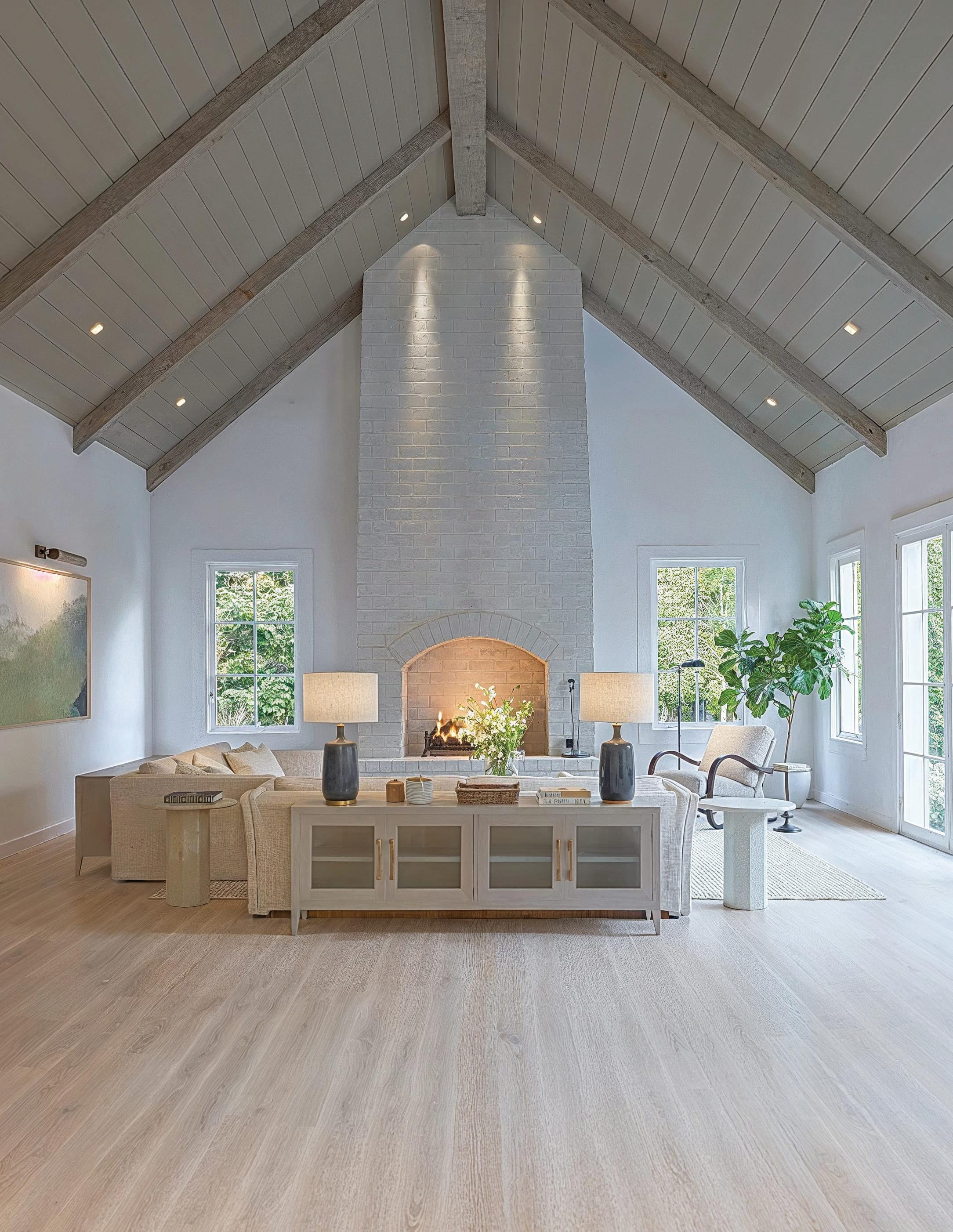
In a category where every unit is different, every site is unique, every material choice is made once and lives in that structure for decades — design and quality can’t be faked, commoditized, or algorithmically reproduced. This is the one luxury domain where the evidence of a human hand is not a marketing claim, but rather a physical, structural, permanent fact. You can feel it in the weight of a door. You can see it in the way a stone floor was laid. You can run your hand along a beam and know whether someone cared.
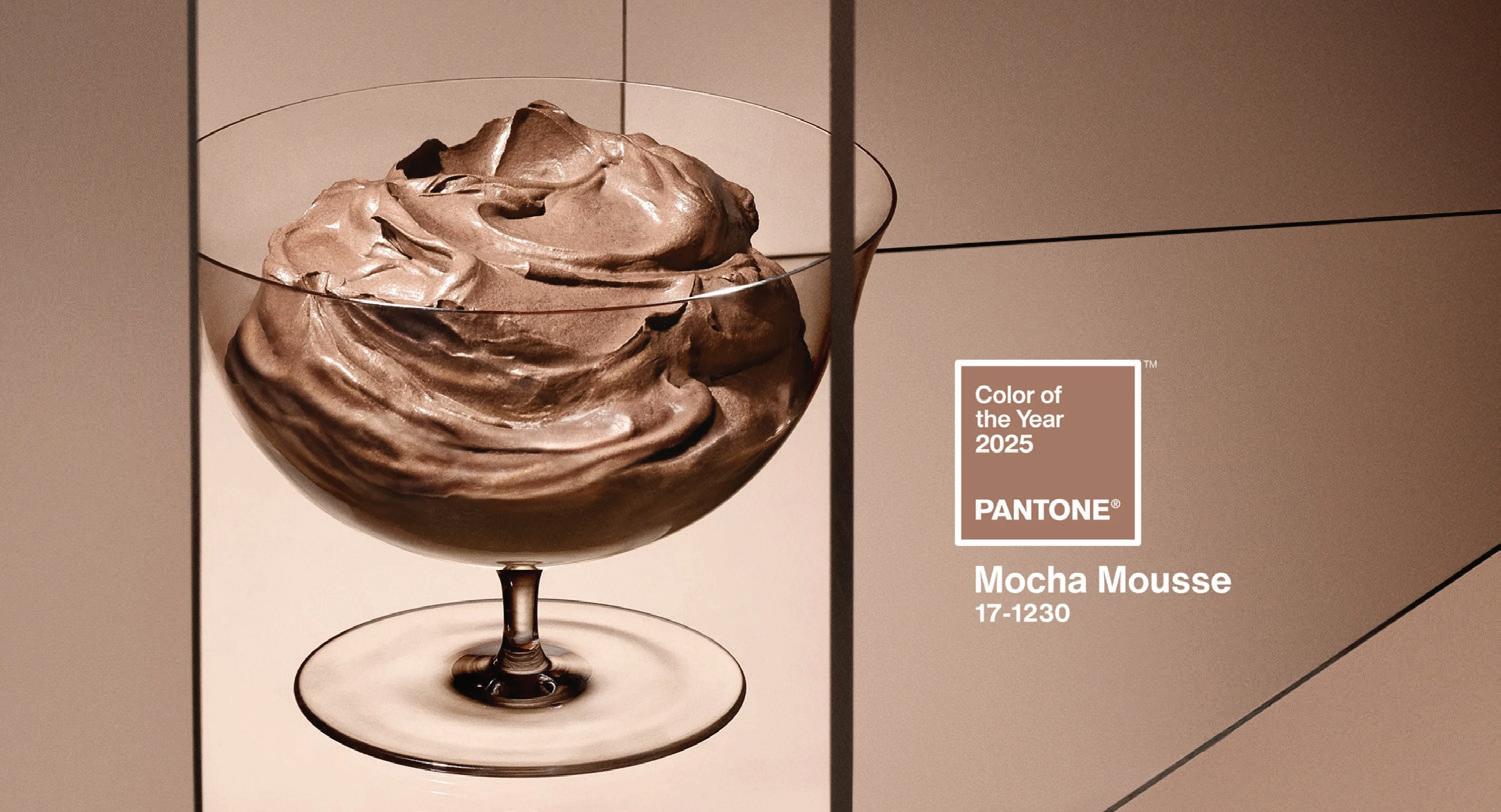
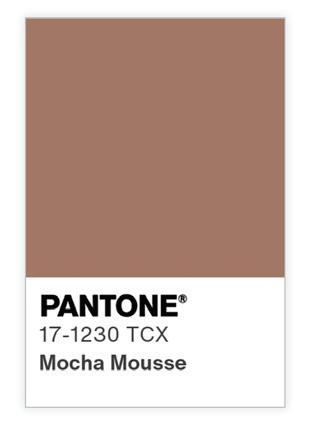
Pantone named Mocha Mousse, a warming, rich brown evoking natural materials, warmth, and what its Color Institute called “thoughtful indulgence” — as its 2025 Color of the Year, marking the first time in the program’s history that a brown had been chosen.32 The Pantone View Home + Interiors 2026 forecast doubled down, with seven palettes all emphasizing earthy tones, material depth, and what it called “homeostasis,” the balance of warmth and authenticity.33 The interior design world named the same thing from a different angle. Quiet luxury, defined by material integrity, craftsmanship, and timeless design rather than visible branding, saw Google searches for the term increase by 614%, with related terms “stealth wealth” and “old money aesthetic” rising 990% and 874% respectively.34 All despite consumer luxury brands desperately trying to make “New Maximalism” happen. The culture has been trying to say something for several years now. Our research confirms that affluent buyers of luxury real estate have already heard it.
The data in this section does something the other three trends cannot quite do. It does not describe a shift. It describes an absolute.
When 500 affluent Americans were asked what describes their idea of a luxury home, two attributes stood above everything else—above prestige, above smart technology, above sustainability, above premier buildings — with a consistency that left no room for interpretation. Attention to detail was cited by 87% as completely or mostly describing their idea of luxury. Quality of materials was cited by 86%.LPI Not as preferences. As definitions.
HOW BUYERS DEFINE A LUXURY HOME:
Attention to detail
Quality of materials
This isn’t buyers expressing what they want in a dream home. This is buyers telling you what luxury means. And what it means, to the 87% of the most affluent Americans in the country, is that someone cared enough to get the details right. Not the size. Not the amenities. Not the address. The details.
When the same buyers were asked to allocate their priorities across all major home features (design and detail, space, style, layout, technology, amenities), design and detail ranked first at 19%, ahead of every other consideration.LPI That gap is small, but the direction is unambiguous. In a field where space, technology, style, and amenities are all competing for priority, the human craft of the thing comes first.
The renovation data makes the same argument from the inside out. Forty-three percent of affluent Americans said the primary reason they would renovate is to update the style, design, or finishes to match their taste, making it the second-most cited motivation behind increasing home value—even ahead of creating more space (28%), adding technology (25%), or improving energy efficiency (24%).LPI They’re not renovating for more room. They are renovating because the design of what exists doesn’t match the standard they hold.
The global arts and crafts market (defined as things made with “one’s own hands and skills”) is projected to reach $74.3 billion by 2033, up from $45.3 billion in 2024.35 The global handmade industry has been called a trilliondollar force, driven by consumer demand for authenticity, uniqueness, and small-batch artistry. The home is the largest canvas for that impulse.
WHEN THINKING ABOUT RENOVATING YOUR HOME, WHAT WOULD YOU CONSIDER THE BIGGEST BENEFIT OR POSITIVES?
Increasing the value of my home
Updating style, design, or finishes to match my taste
more usable space or improving the layout
safety, security, or durability
the home to my family’s current needs
Adding modern technology or smart home features
GREENWICH, CONNECTICUT, USA | USD $28,500,000
DESIGN AND QUALITY DON’T SCALE. THAT’S THE POINT
GENERATIONAL DIFFERENCES
The generational data on design and quality reveals a split that is less about intensity and more about expression. Younger Millennials and Boomers both care deeply about design, but they speak entirely different dialects of it.
Younger Millennials lead on every amenity and feature category, and their design vocabulary is modern, visual, and unapologetically self-expressive. Forty-four percent say they want a home that is Instagram-worthy over an understated traditional estate — compared to just 15% of Boomers. They prefer modern exteriors (from the CGK data), Mid-Century Modern interiors at 36% versus Boomers at 19%, and index higher on customization and personalization as a luxury marker. For them, design is identity made spatial.LPI
Boomers tell a different story. Their prestige scores are the lowest of any generation. They’re not trying to signal arrival. They are looking for quality that holds. Craftsmanship not trends.
Gen X mirrors this: lead with quality above all, our research notes. They have the experience to know the difference between what looks right and what is built right, and they are not easily fooled by either.
What connects all four generations is not the style they choose. It’s the conviction that design and quality matter; that they’re the primary language of luxury in a home, regardless of what shape that language takes.
HOW MUCH DOES EACH DESCRIBE YOUR IDEA OF A LUXURY HOME?
l YOUNGER MILLENNIALS | Ages 30–36
l OLDER MILLENNIALS | Ages 37–45
l GEN X | Ages 46–59
l BOOMERS | Ages 60–78
The regional design data in our Trends and Truths research is one of the most quietly provocative findings in the entire study. Modern architecture dominates nationally at 59%, but the margin across regions is narrow, ranging from 55% in the Midwest to 62% in the Northeast.LPI
Each of these styles is, at its core, a commitment to the evidence of skilled making. Craftsman architecture, with its exposed beams, covered front porches, natural stone and wood, the visible structure of the thing, was born from the American Arts and Crafts movement as a direct reaction against mass production. Mid-Century Modern, experiencing a revival with staying power increasing from 43% to 66% year-over-year among designers surveyed, is rooted in the same principle: the honest expression of material and structure, without ornament for its own sake.36 MIDWEST
Here is the tension that this trend lives inside: 45% of affluent buyers say they would prioritize smart home technology over architectural uniqueness. Among $1 million-plus earners, that figure rises to 78%.LPI Technology isn’t competing with design and quality. It’s being demanded alongside it.
The buyers who care most intensely about craftsmanship and material quality are the same buyers — at $10M+ in investable assets — who are significantly more likely to prioritize technology and automation as a major home feature. These aren’t contradictory values. They’re additive. The home that earns the highest valuation in this market isn’t the most technologically sophisticated one, nor the most beautifully crafted one. It’s the one that manages to be both simultaneously, where the smart systems are invisible within a structure of genuine quality, where the automation serves the experience rather than announcing itself.
ARCHITECTURE & OPTIONALITY
Design and quality, in the context of the luxury home, aren’t aesthetic decisions. They’re structural ones. And the structural decision that signals this trend most clearly in our data is the one that combines two apparently contradictory preferences into a single coherent argument.
Fifty-three percent of affluent buyers prefer new construction — but 40% of $10M+ asset holders prefer Historic architecture, including Tudor, Italianate, and Greek Revival.LPI That’s not a contradiction, but rather a clarification. Buyers at the very highest wealth tier are not choosing between new and old. They seek out proven craft, whether it was executed a century ago or is being executed right now. The $10M+ buyer who prefers historic architecture isn’t buying nostalgia. They’re buying the most rigorous standard of material and construction that exists, which in certain categories means looking backward.
For new construction, the implication is clear: the homes that will command the premiums this trend predicts are the ones where craft is built into the specification from the start: the builder’s choice of materials, the quality of joinery, the provenance of stone, and the standard of finish are decided before the foundation is poured. Wellness-focused residential properties already command a price premium of 10–25% according to the Global Wellness Institute.37 Buyers are willing to pay more for homes where they can feel the difference between what was done and what was merely adequate.
$250K–$400K HHI MARKET STANDARD
Finishes passable. Materials spec-grade. $500K–$999K HHI ELEVATED EXECUTION
Materials matter. Craft is visible.
$1M + HHI DELIBERATE CRAFT
Every detail elevated. Materials have provenance.
$10M + ASSETS BUILT WITH INTENT
Human Touch. Craft is the point. Artisans and authenticity.
Design and quality are the hardest attributes to evaluate from a listing. A photograph can make a mediocre finish look acceptable in the right light. A floor plan cannot tell you whether a door closes with the kind of solid weight that signals genuine craftsmanship or the hollow resistance that signals it doesn’t. And a price per square foot tells you absolutely nothing about whether the people who built this home were trying to do something exceptional or merely trying to finish on time and on budget.
THIS IS THE LENS IN WHICH THE BROKER’S JUDGMENT IS MOST IRREPLACEABLE.
87%
of affluent buyers define luxury by ATTENTION TO DETAIL
OWNER–BROKER CONNECTION
What this Means for How you Buy
86%
of affluent buyers define luxury by QUALITY OF MATERIALSLPI
The buyers who most strongly hold these values — $1M+ earners, $10M+ asset holders, discerning Gen X buyers who lead with craftsmanship not trends — are also the buyers who are most likely to be paying premium prices for what they expect to be premium execution. The gap between expectation and reality, in this category, is where disappointment lives.
The broker who can walk a property and tell you honestly what has been done well and what has been compromised, who can identify the difference between a builder who cares and one who cuts corners behind the walls, is providing a service that no algorithm can replicate.
Every number in this report came from a real person. Someone with a clear, specific, often urgent set of convictions about what they want from the most consequential purchase of their lives. They told us luxury real estate isn’t what it used to be. Not because it has declined. Because it has evolved into something more demanding, more purposeful, and more alive than the category it replaced.
These are not trends. They are values. And values compound.
The forces that shaped this moment are structural. The wealth expansion. The geographic liberation. The collapse of aspirational consumption everywhere except real estate. The generational transfer of both capital and taste. They do not reverse when sentiment dips. They have been building for a decade. They are now fully, irreversibly, here.
What we are looking forward to isn’t a market opportunity, though it’s that too. It’s something less quantifiable and more worth having.
WE’RE LOOKING FORWARD TO THE RELATIONSHIPS THAT GET BUILT. Between luxury real estate brokerages and buyers who now speak a common language about what a home is actually for. Between Luxury Portfolio International members and their clients whose conversations go deeper and last longer because the brief is richer. Between the research we have done and the decisions it will shape.
WE’RE LOOKING FORWARD TO THE LIVES THAT GET IMPROVED. The family that finds the secondary market no one told them to consider. The buyer who insists on the recovery suite and finds it changes how they feel every morning. The couple who chooses the home with the hand-laid stone floor and lives, for decades, inside something built by people who were trying to make something that lasts.
Luxury real estate has always been the physical expression of how someone believes a life should be lived. That belief has never been stronger, or better informed, than it is right now.
¹ J.P. Morgan Private Bank, A Shortage of Supply: The Housing Market Explained, October 2025.
² Redfin, Luxury Home Segment Defies U.S. Market Slowdown, September 2025.
³ Capgemini Research Institute, World Wealth Report 2025, June 2025.
4 Henley & Partners, USA Wealth Report 2025, May 2025.
5 Cerulli Associates, U.S. High-Net-Worth and Ultra-HighNet-Worth Markets 2024, as reported in Fortune, July 2025.
6 Altrata and Cerulli Associates, as compiled in Luxury Market Report, January 2026.
7 Realtor.com analysis of FHFA National Database Q3-Q4, 2025.
8 Mordor Intelligence, 2025.
9 Mordor Intelligence, Luxury Real Estate Market Report, 2025.
10 McKinsey Global Institute, Flexible Work's Enduring Appeal Affects Workers, Employers, and Real Estate, May 2025.
LPI LPI/Center for Generational Kinetics, Luxury Housing Market: Trends and Truths, October 2025. Primary research, N=500 affluent U.S. adults.
12 Bain & Company, Finding a New Longevity for Luxury, 2025.
13 Kering First Half Results + Michael Zakkour, as reported in CNBC, Luxury Could Diverge Further in 2026, December 2025.
14 Bain, Fondazione Altagamma, Luxury Good Worldwide Study, 2025.
TRUTH 01
15 National Association of Realtors 2025 Home Buyers and Sellers Generational Trends Report
16 AirDNA/Rabbu, Short-Term Rental Market Demand Report, 2025.
TRUTH 02
17 Indulge Global, Forever Young: Biohacking in Billionaire Circles, 2025.
18 Longevity: Technology. Annual Longevity Investment Report, 2025.
19 McKinsey & Company, The Trends Defining the $1.8T Global Wellness Market, 2024.
20 Global Wellness Institute, Global Wellness Economy Monitor 2025, November 2025.
21 Global Wellness Institute, Build Well to Live Well: The Future, June 2025.
22 Google data via Glimpse, 2025
23 Kantar America at Home Study, January 2026.
TRUTH 03
24 McKinsey analysis of U.S. Bureau of Economic Analysis data, Are You Experienced?
25 Empower/MASDAQ analysis, Experience Economy Market Projection, 2024.
26 Harris/CNBC, 2026.
27 Morning Consult, The Experience Economy Is Resurgent Among Select Consumers, June 2025.
28 PwC/Urban Land Institute, Emerging Trends in Real Estate 2025, October 2024.
29 Mordor Intelligence, U.S. Luxury Residential Real Estate Market Report, January 2026.
30 Clarion Partners/Moody’s Analytics, Sun Belt Real Estate Boom, 2024.
TRUTH 04
31 McKinsey & Company/Business of Fashion, The State of Luxury 2025, January 2025.
32 Pantone Color Institute, Color of the Year 2025: Mocha Mousse, December 2024.
33 Pantone View Home + Interiors 2026 Forecast, as reported in kitchenstudioofnaples.com, July 2025.
34 Google Trends data on "quiet luxury" search volume increase, as cited in Accio market analysis, 2025.
35 Business Research Insights, as cited in Artsy, The Biggest Interior Design Trends for 2025, June 2025.
36 Apartment Therapy/New York Design Center designer survey, 2025.
37 Global Wellness Institute, Wellness Real Estate Research, 2025