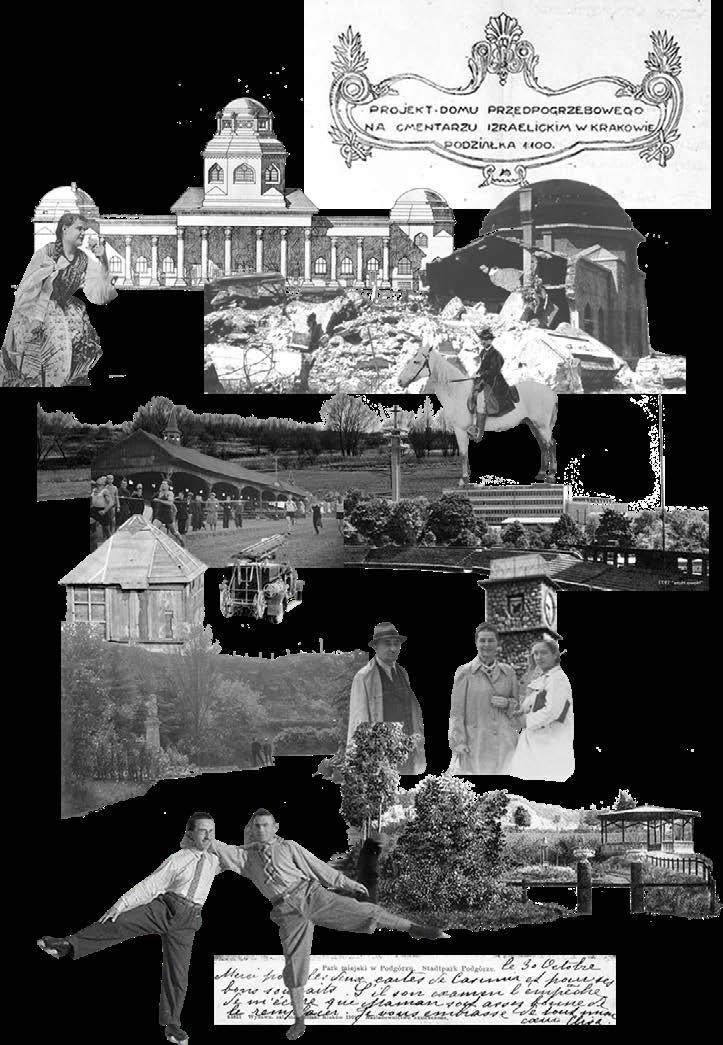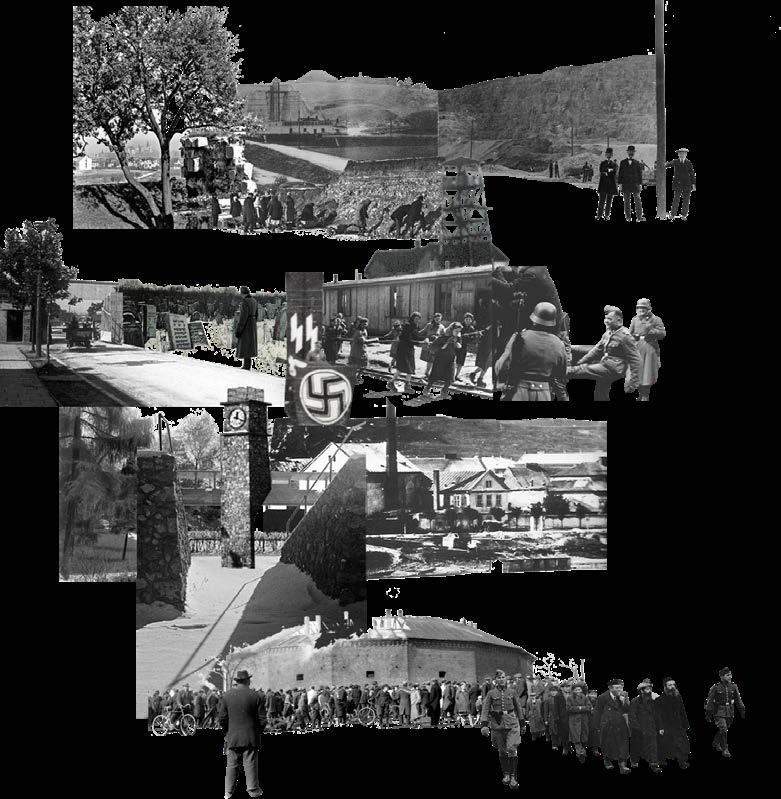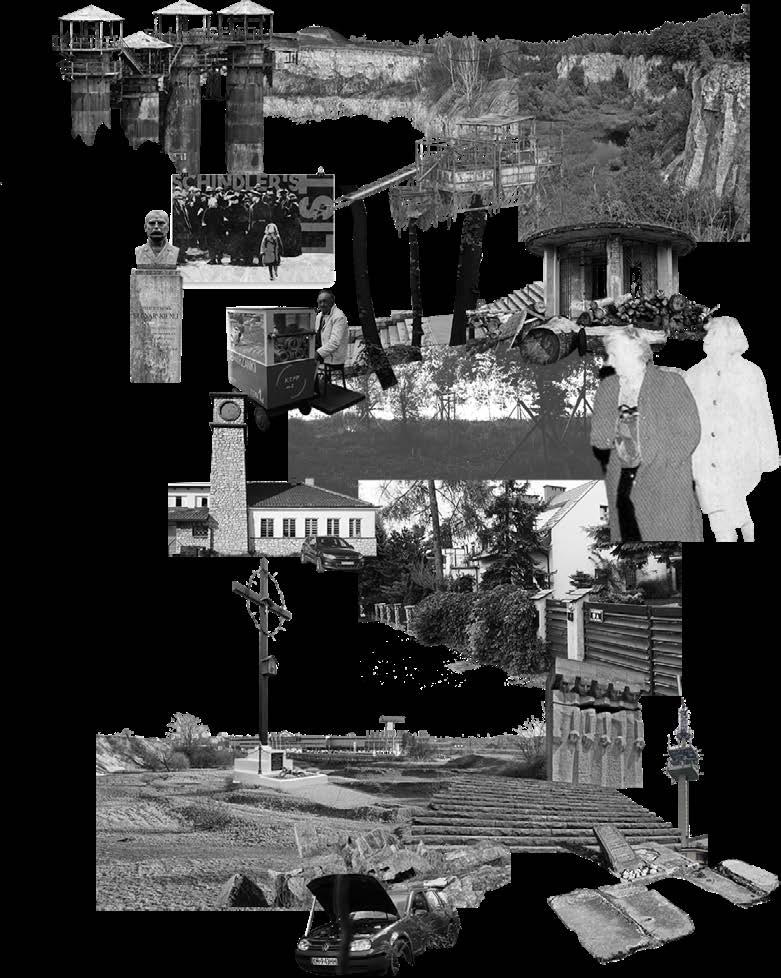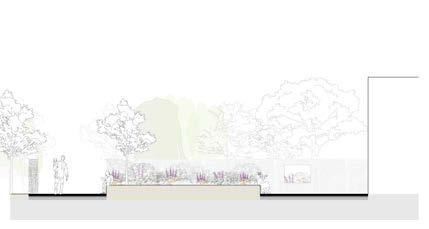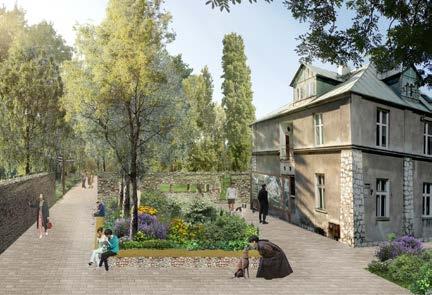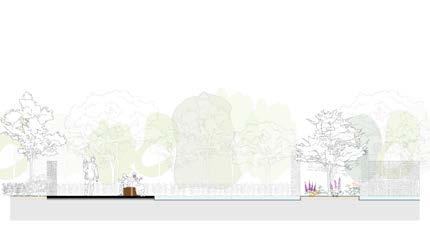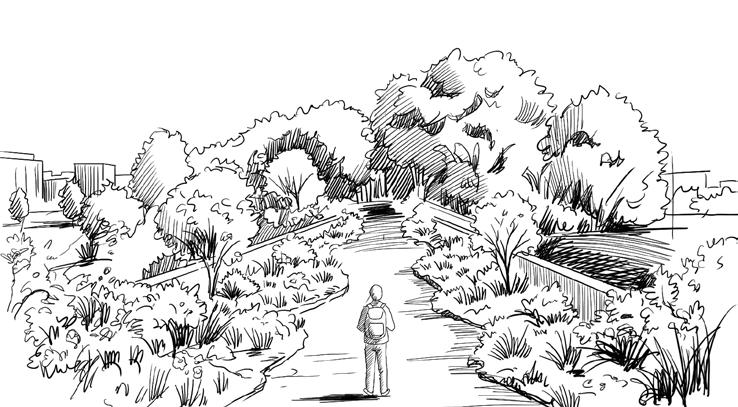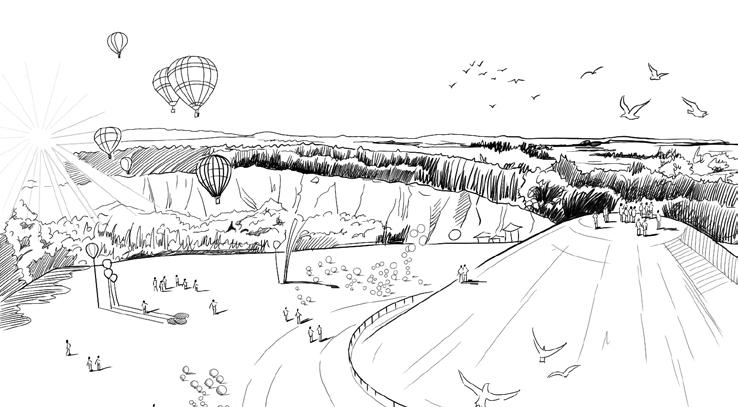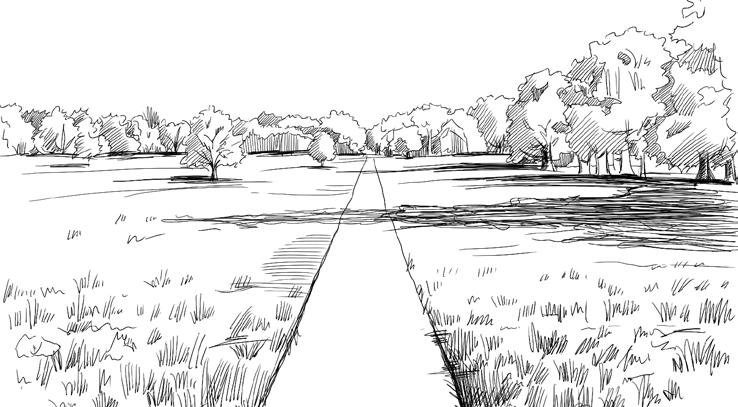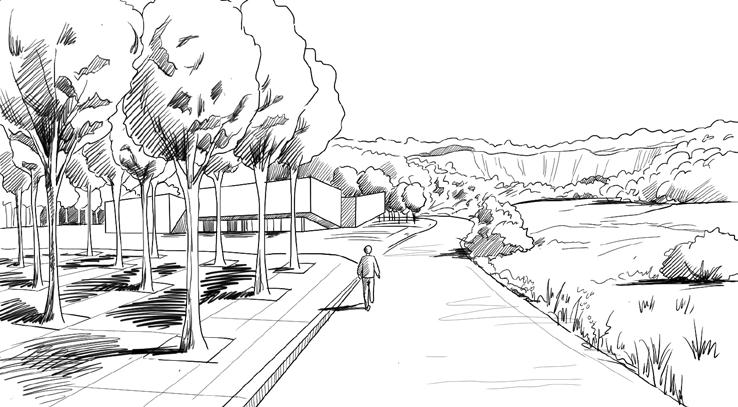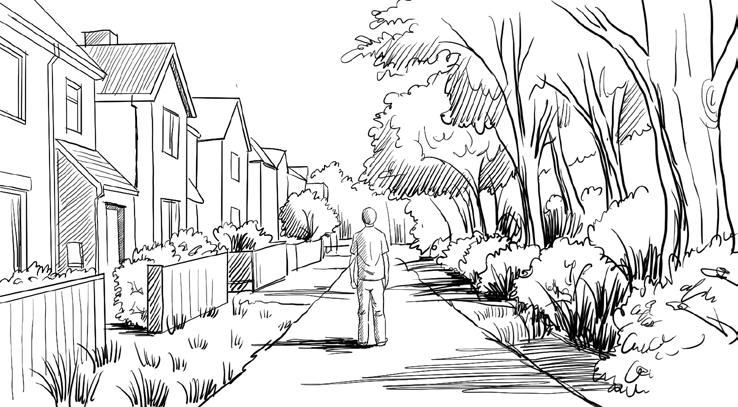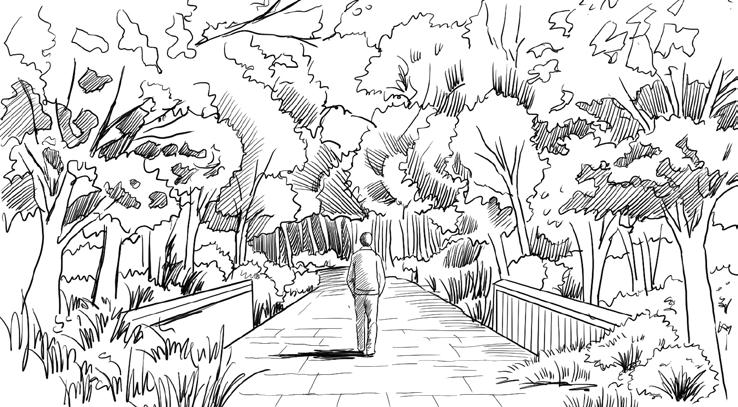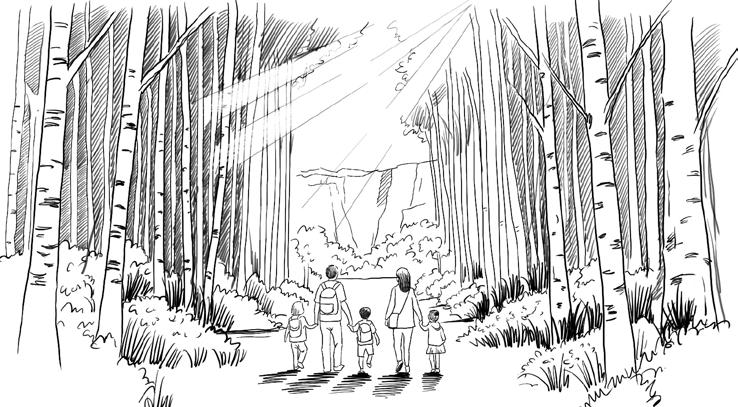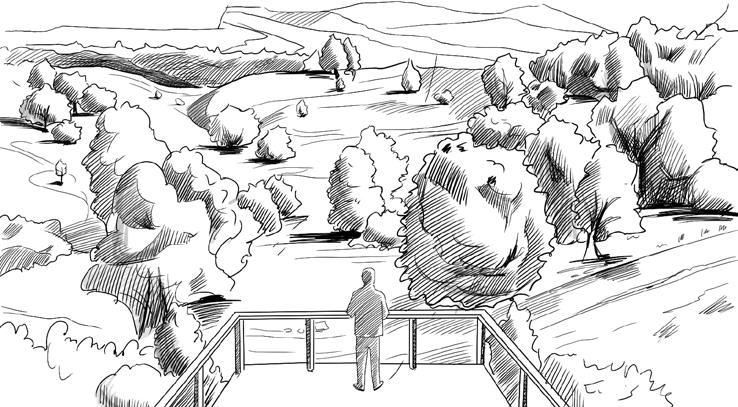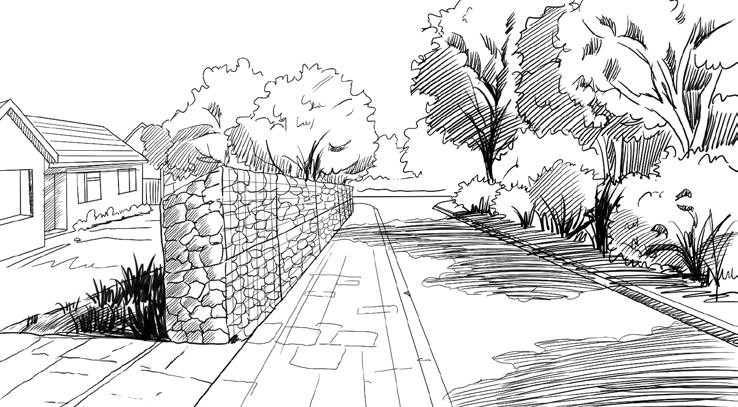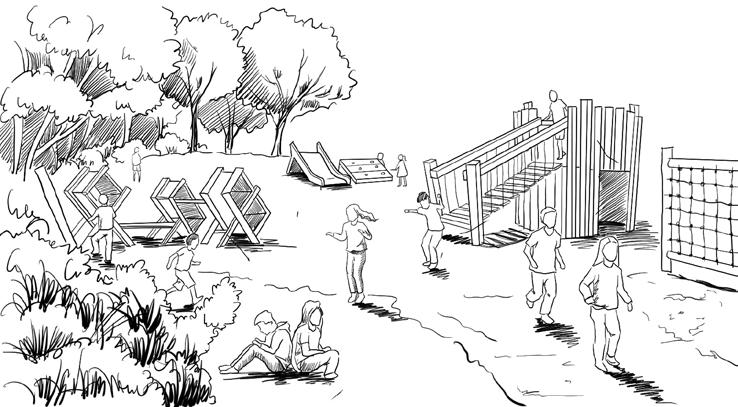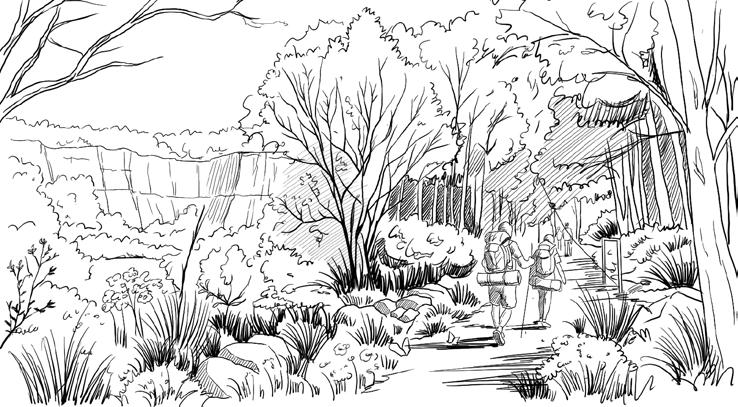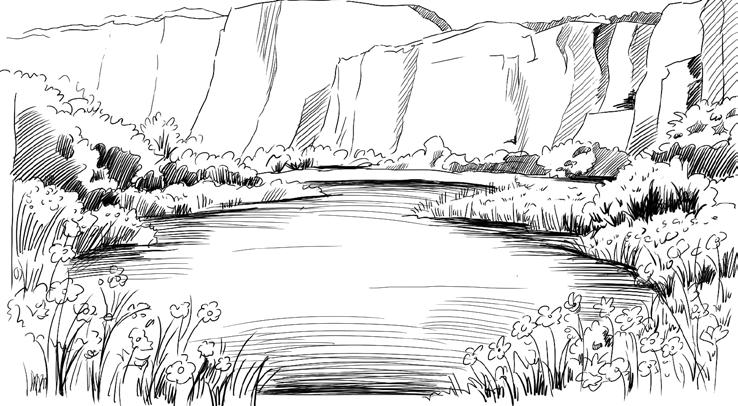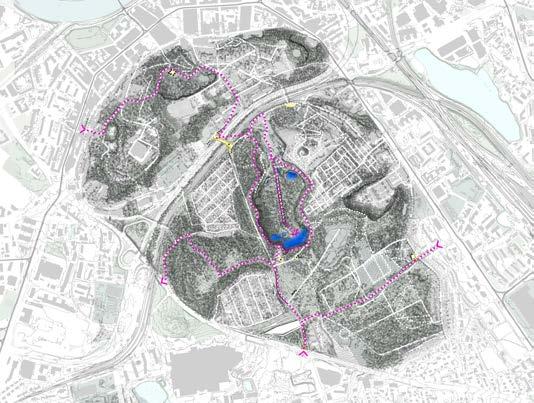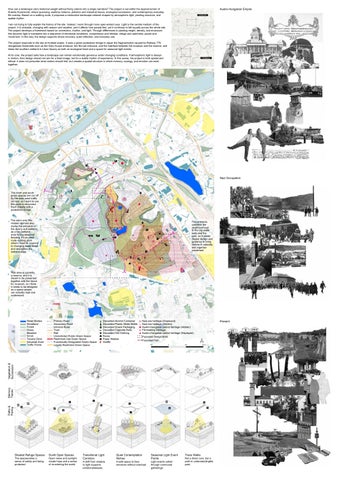
How can a landscape carry historical weight without fixing visitors into a single narrative? The project is set within the layered terrain of Kraków Krzemionki, where quarrying, wartime violence, pollution and industrial traces, ecological succession, and contemporary everyday life overlap. Based on a walking route, it proposes a restorative landscape network shaped by atmospheric light, planting structure, and spatial rhythm.
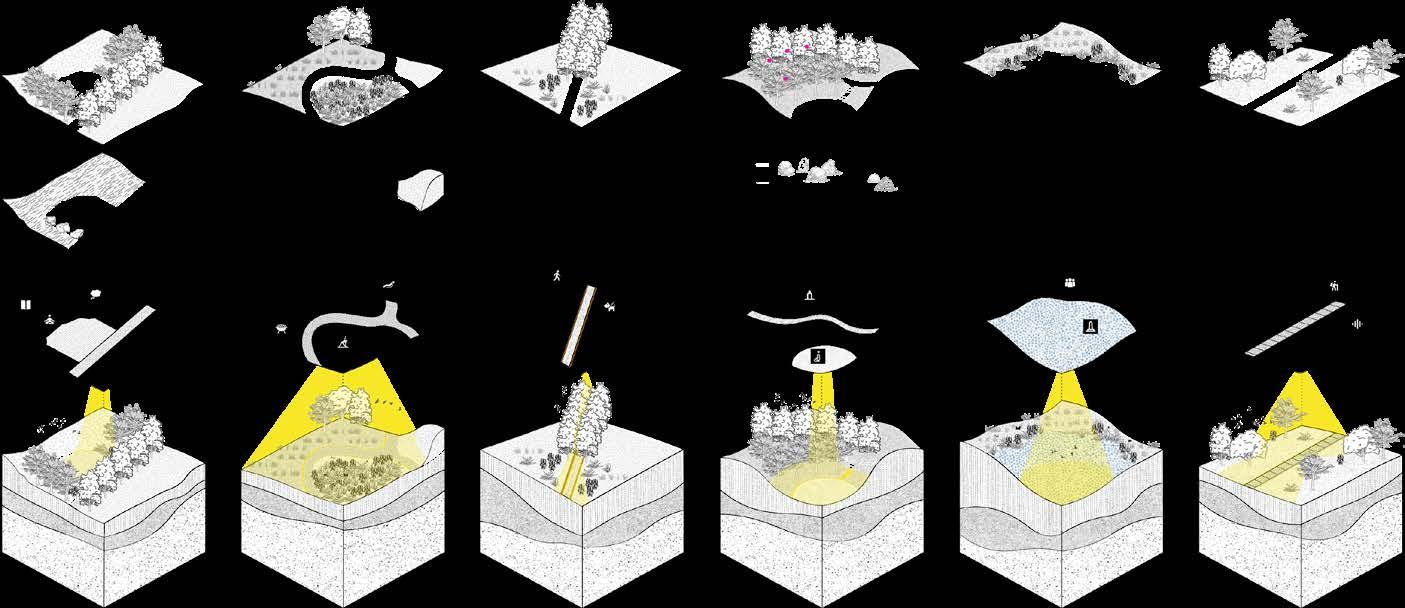
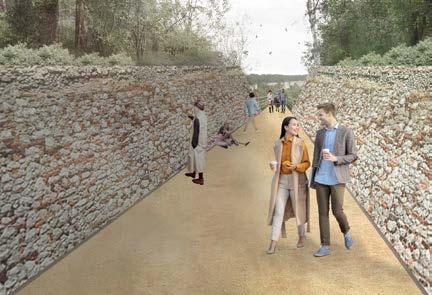
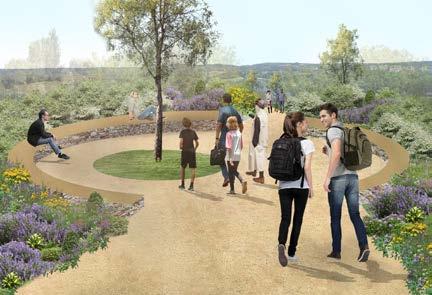
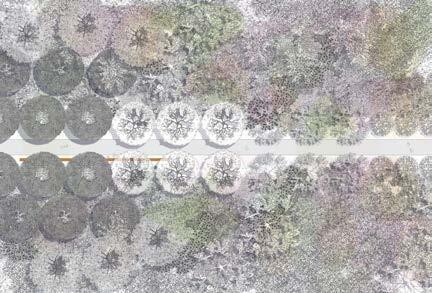
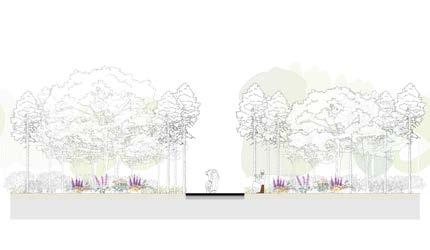
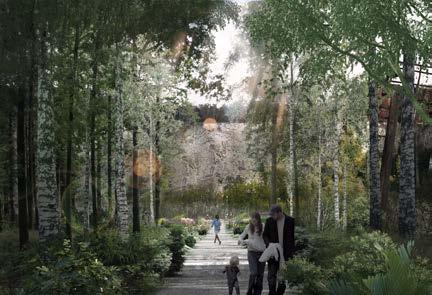
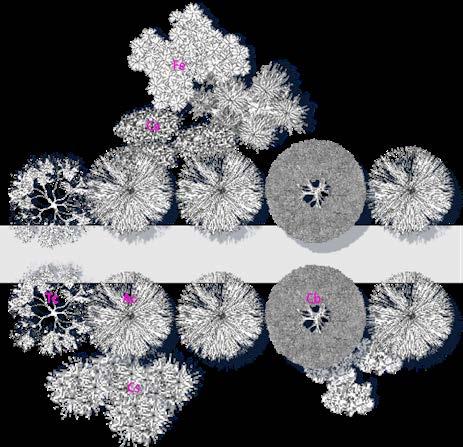
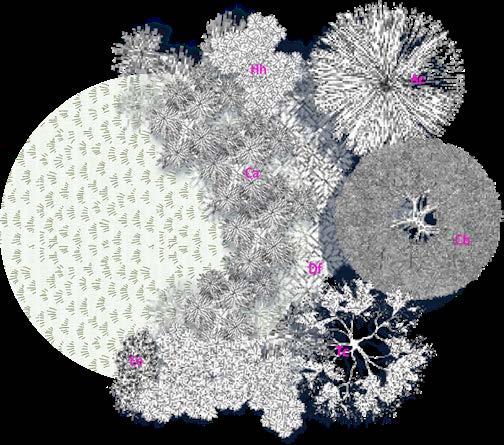
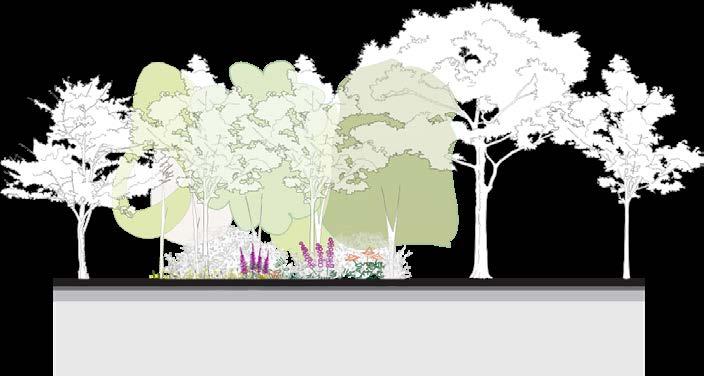
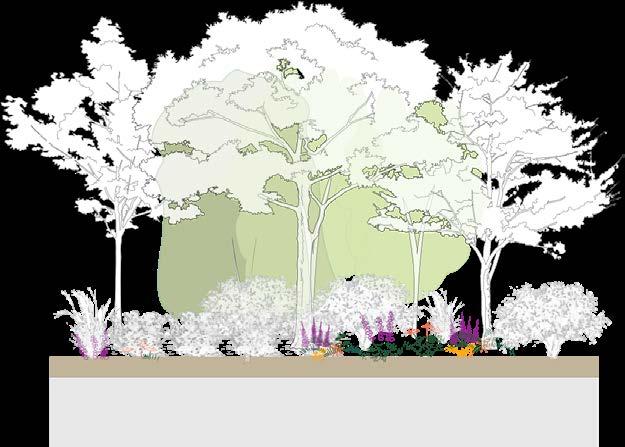
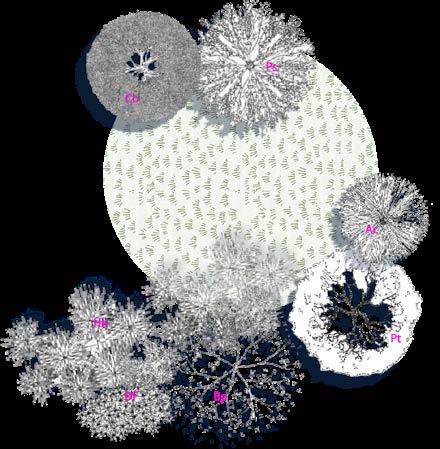
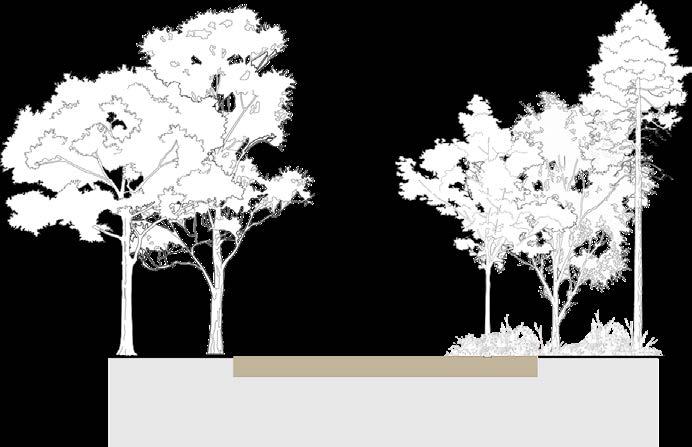
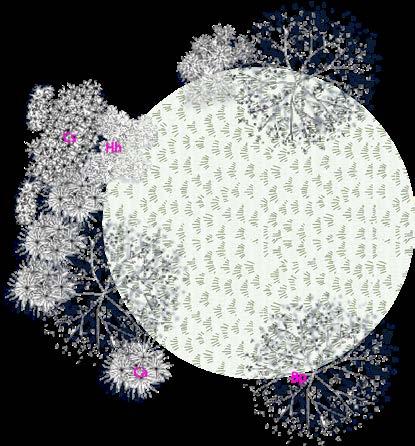
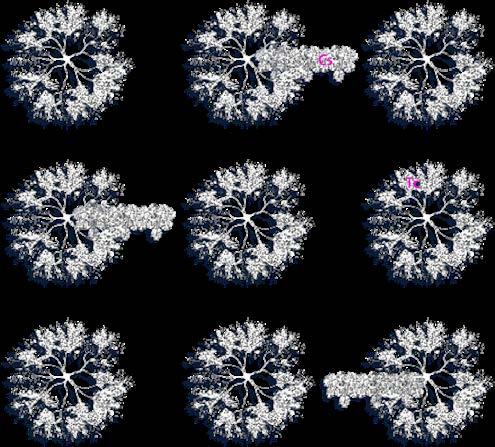
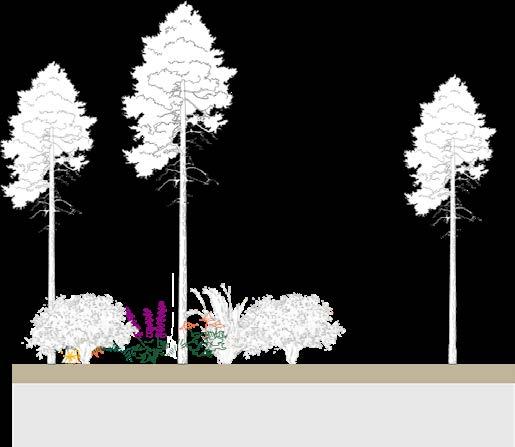
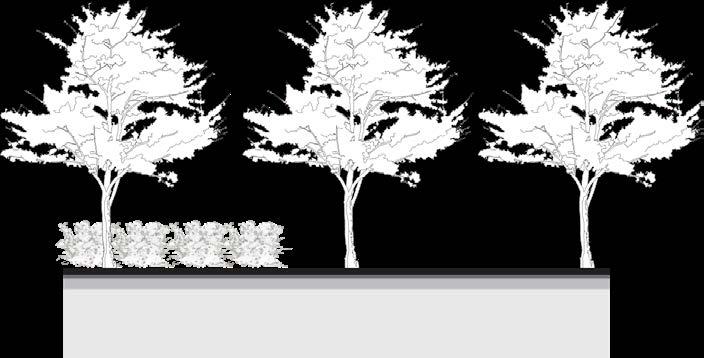
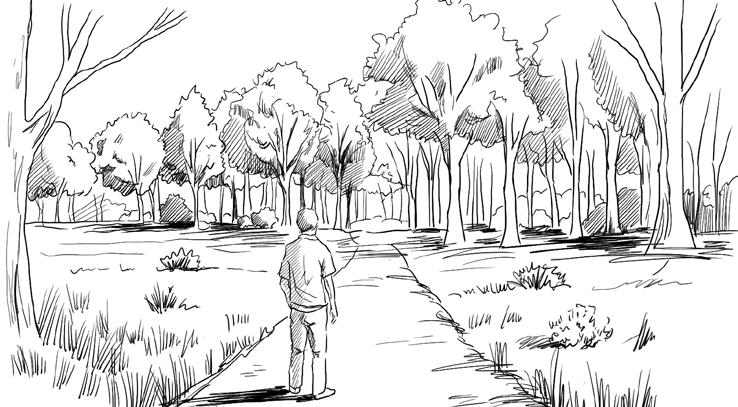
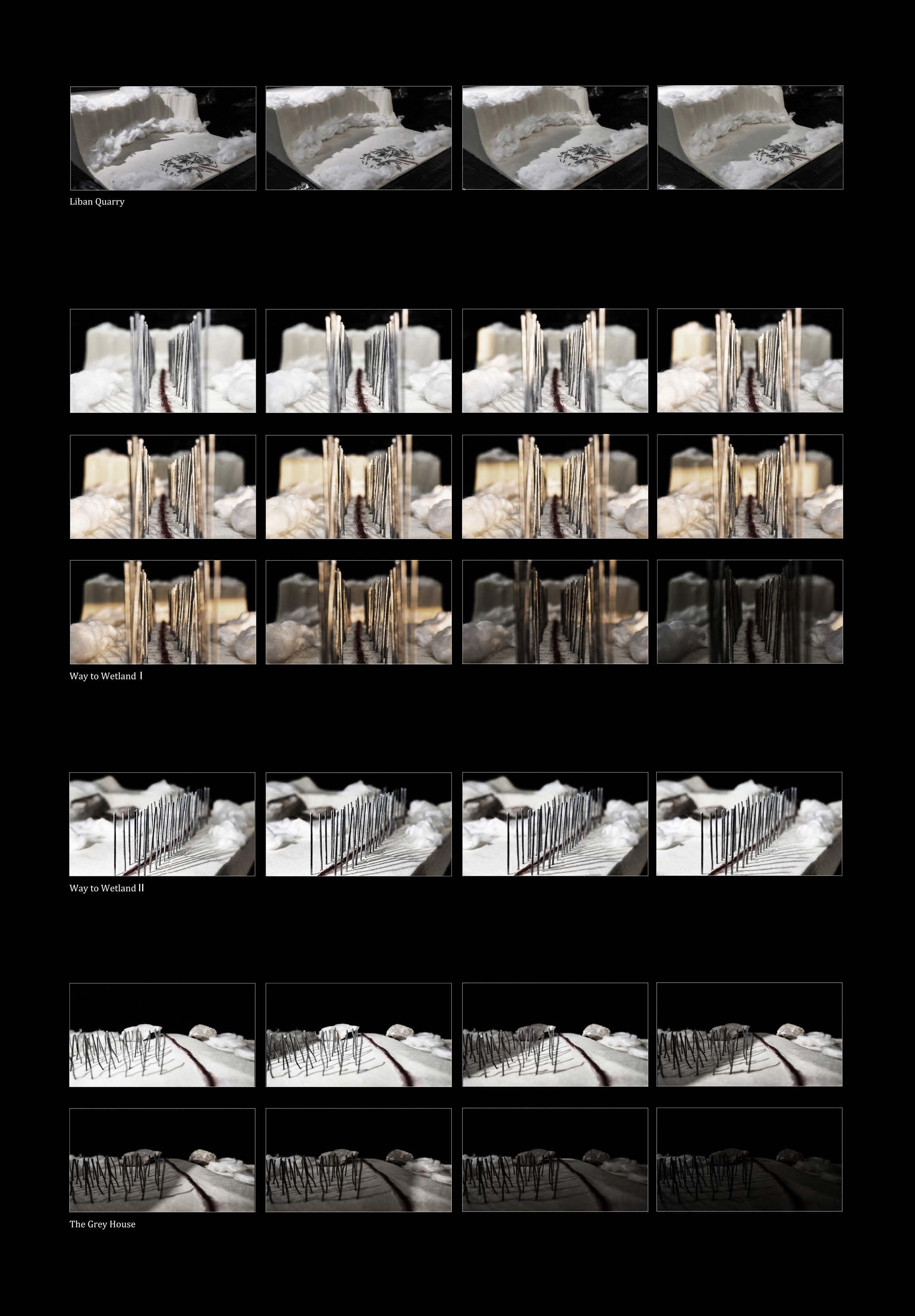
I am not trying to fully explain the history of the site. Instead, I work through more open-ended cues. Light is the central medium of the project: it is unstable, changing with season and weather, and it affects how people feel, yet it continues to fall equally across the whole site. The project develops a framework based on connection, rhythm, and light. Through differences in planting height, density, and enclosure, this dynamic light is translated into a sequence of emotional conditions: compression and release, refuge and openness, pause and movement. In this way, the design supports stress recovery, quiet reflection, and everyday use.
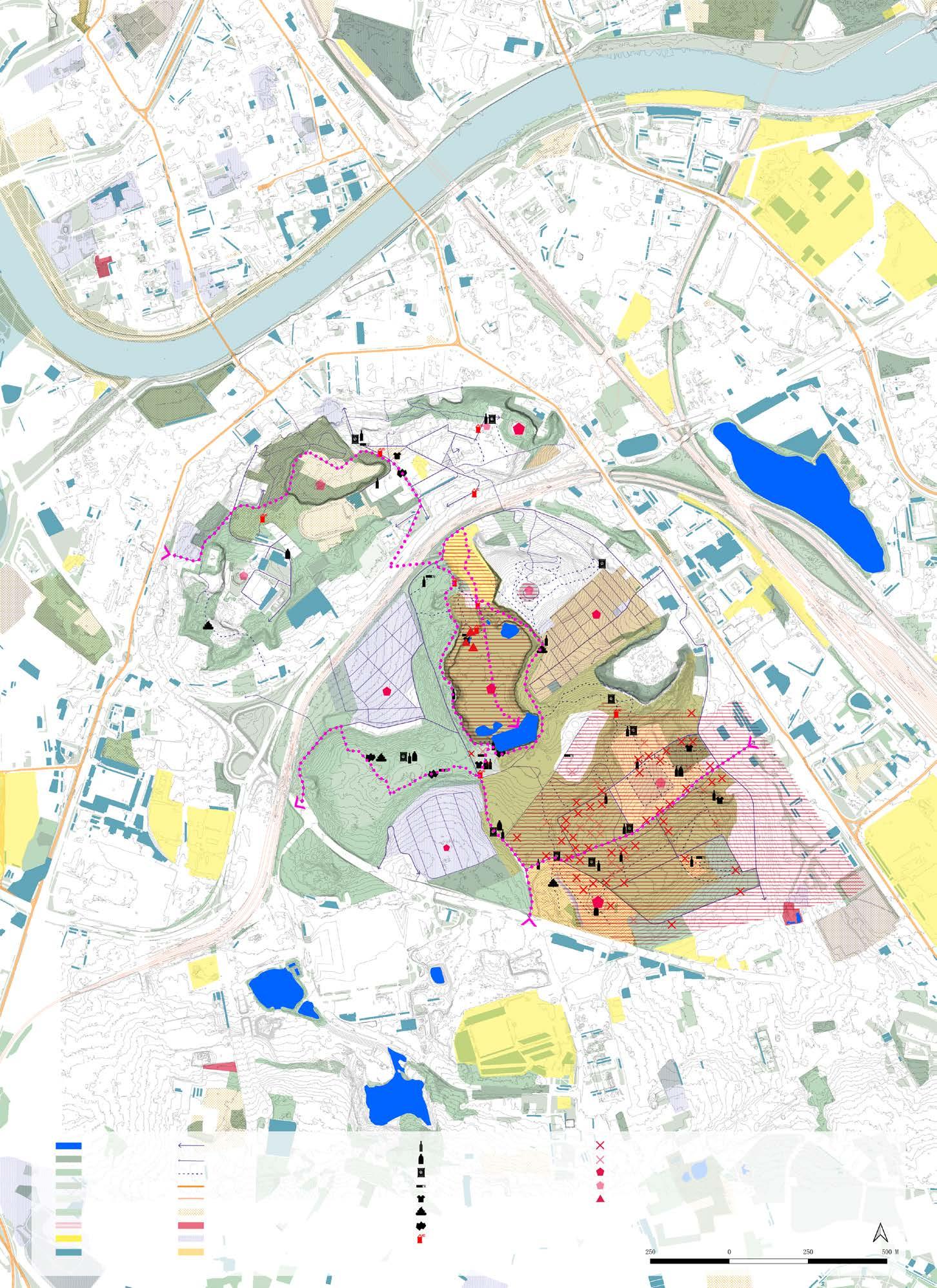
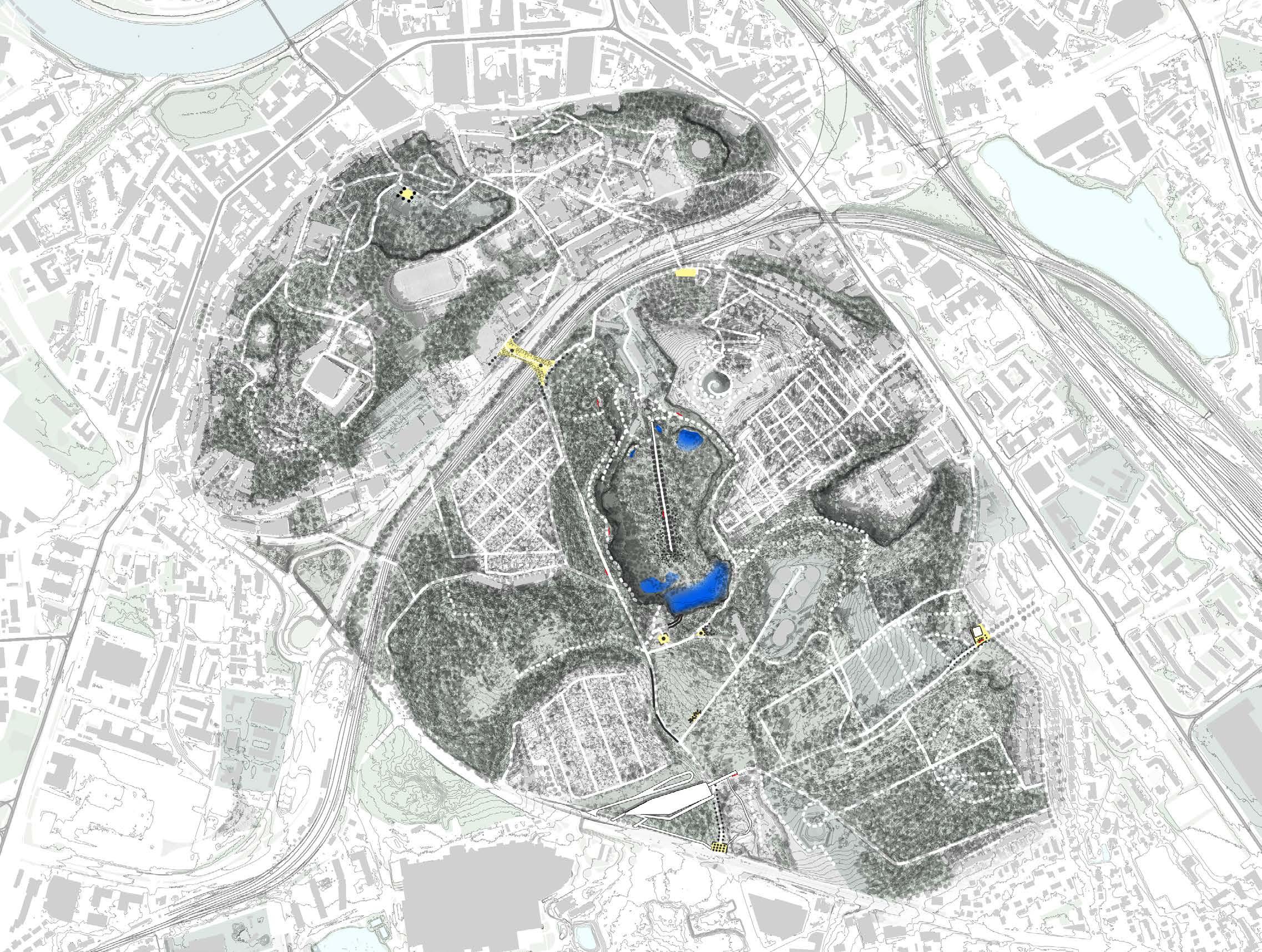
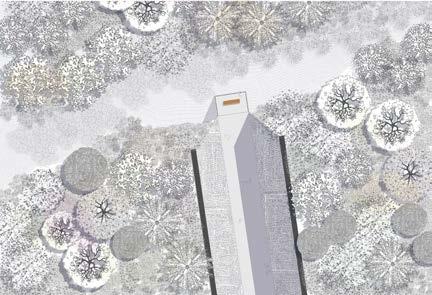
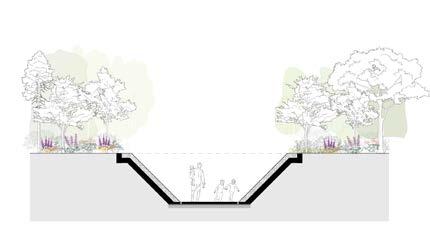
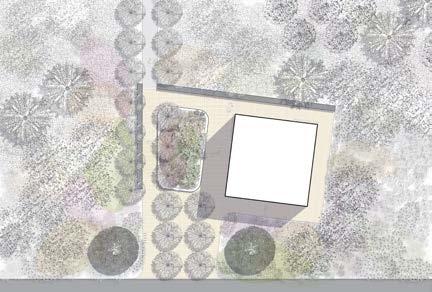
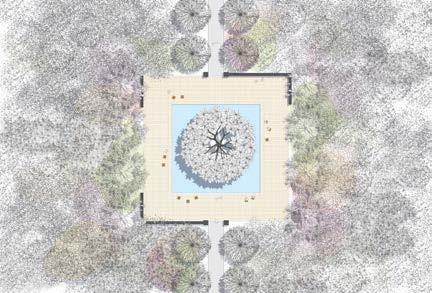
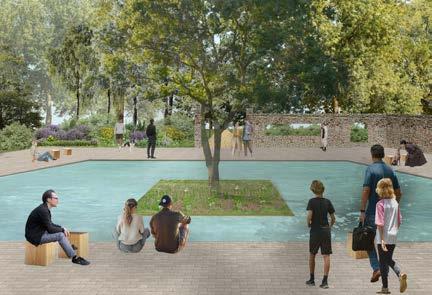
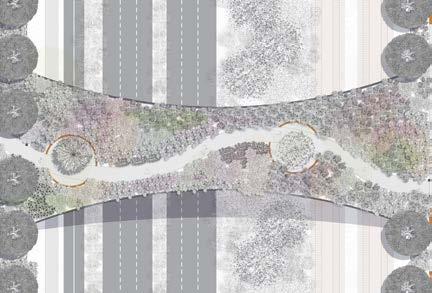
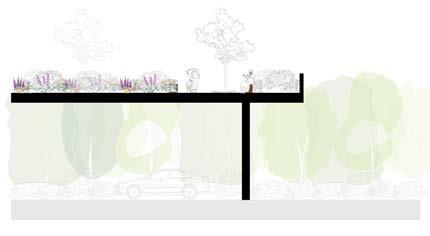
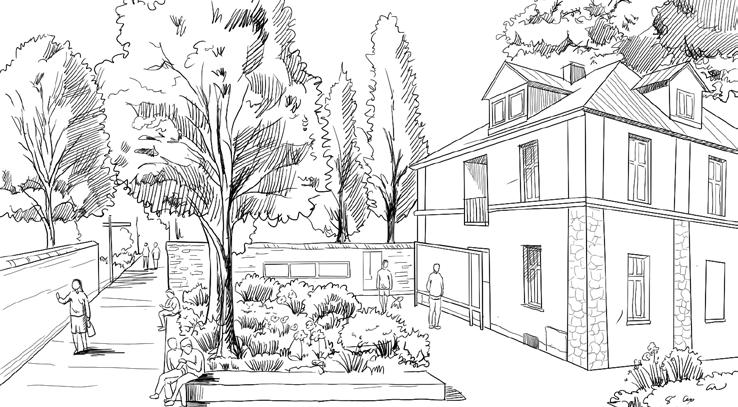
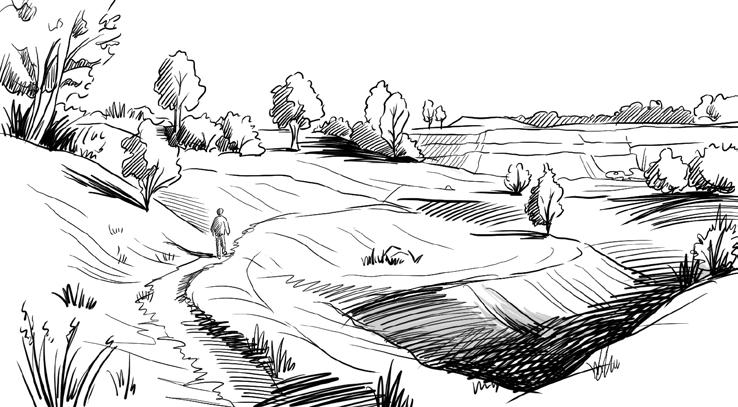
The project responds to the site at multiple scales. It uses a green pedestrian bridge to repair the fragmentation caused by Railway 776; reorganises thresholds such as the Grey House entrance, the film-set entrance, and the interface between the museum and the reserve; and treats the southern wetland in Liban Quarry as both an ecological heart and a space for seasonal light events. At its core, the project asks how a landscape can remain emotionally generous under changing conditions. If atmospheric light is always in motion, then design should not aim for a fixed image, but for a stable rhythm of experience. In this sense, the project is both spatial and ethical: it does not prescribe what visitors should feel, but creates a spatial structure in which memory, ecology, and emotion can exist together.