FORWARD 2026
Echoes of Schumann

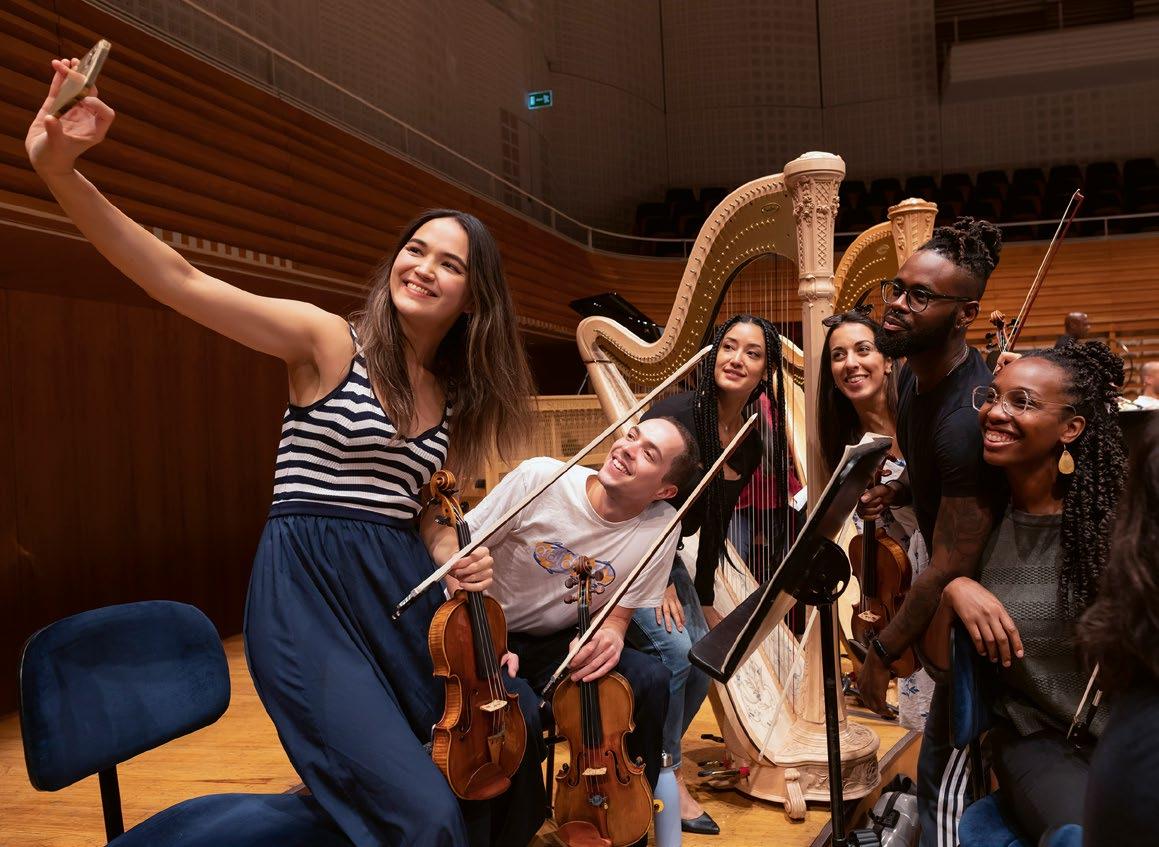
Before, during, and after the festivals, we engage our audience online through videos, podcasts, blogs, playlists, concert streams, and much more.
lucernefestival.ch/en/magazin
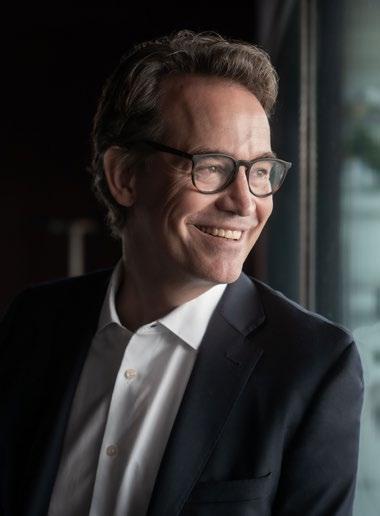
Sebastian Nordmann Executive and Artistic Director Lucerne Festival
One of my first steps as Executive and Artistic Director of Lucerne Festival was to turn to Jörg Widmann, the fantastic musician, composer, and curator. I wanted to entrust him with the leadership of the Lucerne Festival Academy, as successor to his teacher Wolfgang Rihm. I could not imagine anyone better than Jörg for this challenging task. He has an enormous knowledge of music history and the generosity of spirit to present a wide variety of styles — quite independently of his own compositional aesthetic — and to reflect what is currently happening in the new music scene.
In November 2026, Jörg Widmann will also lead Lucerne Festival Forward, our extended weekend devoted to contemporary music. We soon agreed to develop the existing format further and to add new points of emphasis. We will have our first concert in Vitznau’s acoustically outstanding chamber music hall, where Jörg Widmann will perform with pianist András Schiff and violist Antoine Tamestit. We will also use the KKL Lucerne Concert Hall in a somewhat different way than usual. In Johanna Summer’s Late Night event, for example, the audience will sit both onstage and in the organ loft, creating an especially intimate setting. You can also experience Jörg Widmann’s brilliance as a communicator when he gives a lecture at the piano. The topic is Robert Schumann and his influence on contemporary music, with many musical examples.
And that brings us to the underlying programmatic idea. We have named the 2026 edition of Forward “Echoes of Schumann.” We want to bridge the gap between the old and the new, to show how modern Schumann was and how much today’s generation can still benefit from him. Because without the past, there is no future.
We look forward to seeing you.
Warmly,

“Echoes of Schumann”: Jörg Widmann on his first Forward Festival
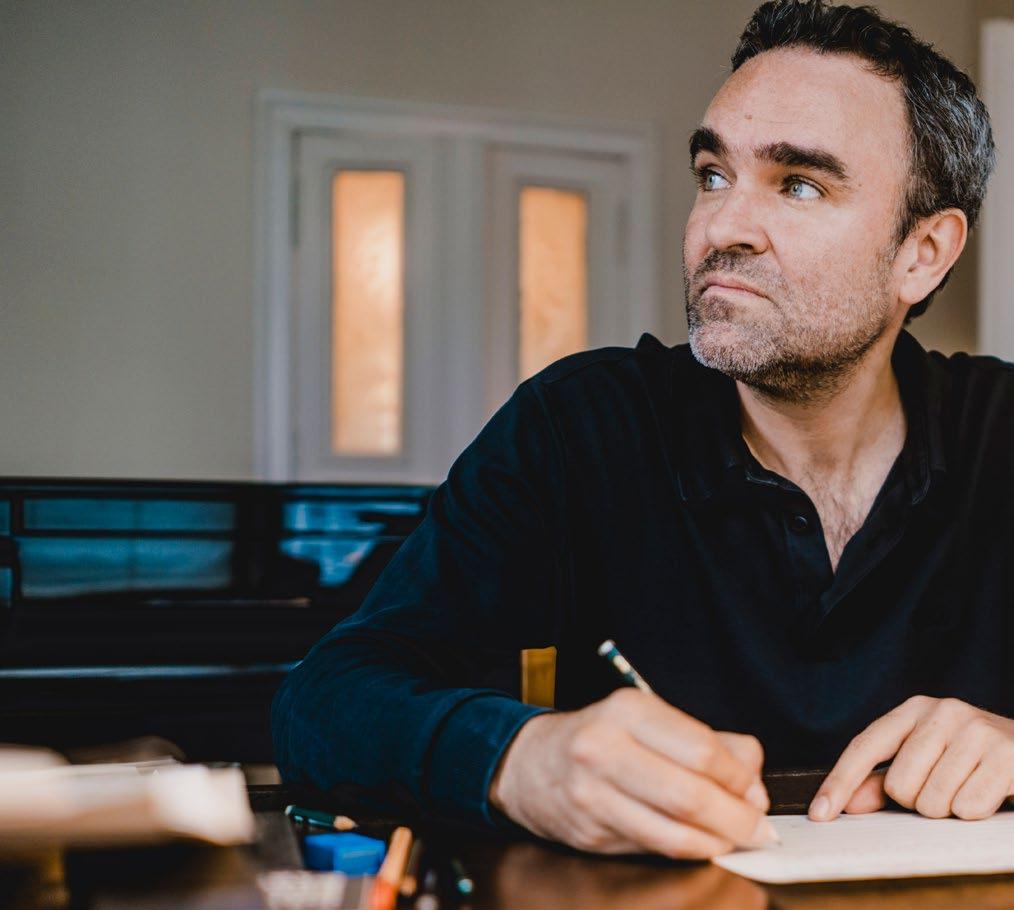
Jörg Widmann, this year you became Artistic Director of the Lucerne Festival Academy, and you are also helming Lucerne Festival Forward, the fall festival focused on new music. You have kept the name but added a programmatic subtitle: “Echoes of Schumann.” “Forward” points to the future, while “Echoes” suggests resonances from the past. How do the two concepts fit together?
Jörg Widmann: They are not mutually exclusive. Quite the opposite: they depend on each other. When I speak with my colleague Helmut Lachenmann, for example, it’s normal for us to discuss new
developments in music, but we also talk a great deal about Schubert. Or take Arnold Schoenberg, who revolutionized music history as few others have — perhaps only Beethoven. Schoenberg always made a point of saying that, in essence, he was doing nothing different from Johannes Brahms. So the question is: where do we come from and where are we headed? Is the music of the past still relevant to us? How do we, as people living today, respond to what already exists? These are all important questions. As the philosopher Odo Marquard so aptly put it: “The future needs a past.”
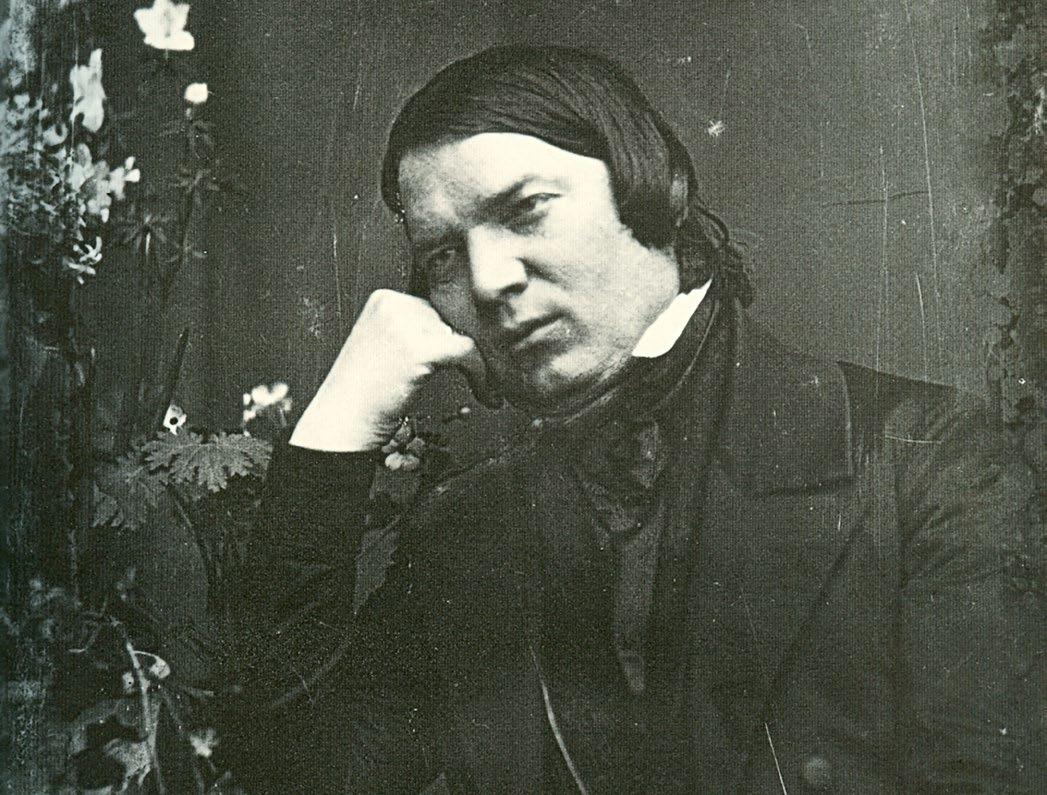
You are not the only one in whose work Robert Schumann resonates. At the Forward Festival, audiences will also hear echoes of Schumann in music by György Kurtág, Heinz Holliger, Christian Jost, and Aribert Reimann. How do you explain Schumann’s powerful hold on us today? I think it has to do with the fractured, torn quality of his music: one moment ecstatic, the next plunged into despair. As Charles Baudelaire put it: The abyss hovers above him. It is this sense of the abyss that still makes Schumann so compelling — because it is modern and simply very, very much of our time. I also sensed this in my conversations with Kurtág, Holliger, and Jost, all of whom have spent their lives engaging with Schumann.
Just as you yourself have done. Schumannliebe is the title of one of your pieces that will be performed at the festival. To put it more basically: when and how did your own love of Schumann actually begin? I fell in love with Schumann’s music when I was perhaps eleven or twelve years old. At the time, I had a wonderful Argentine clarinet teacher, Raul Alvarellos, who rehearsed Schumann’s Fantasiestücke, Op. 73, with me — he at the piano, I on clarinet. Perhaps it was still a little early for me, but the music seized me after just a few bars. How could it be otherwise for a young person encountering music of such incredible rapture? Once you get a taste of that, you’re hooked on Schumann for life. That love endures, and it only grows stronger.
What especially fascinates you about Schumann?
I like to describe his melodic writing as resembling a fever-chart — something I don’t know in quite this way from any other composer. These peaks and valleys, this swelling and ebbing, blossoming and fading in the most confined space — sometimes even on a single note. You find it even in Schumann’s piano writing: countless swells on individual notes, even though the instrument isn’t actually capable of them — great pianists cer-
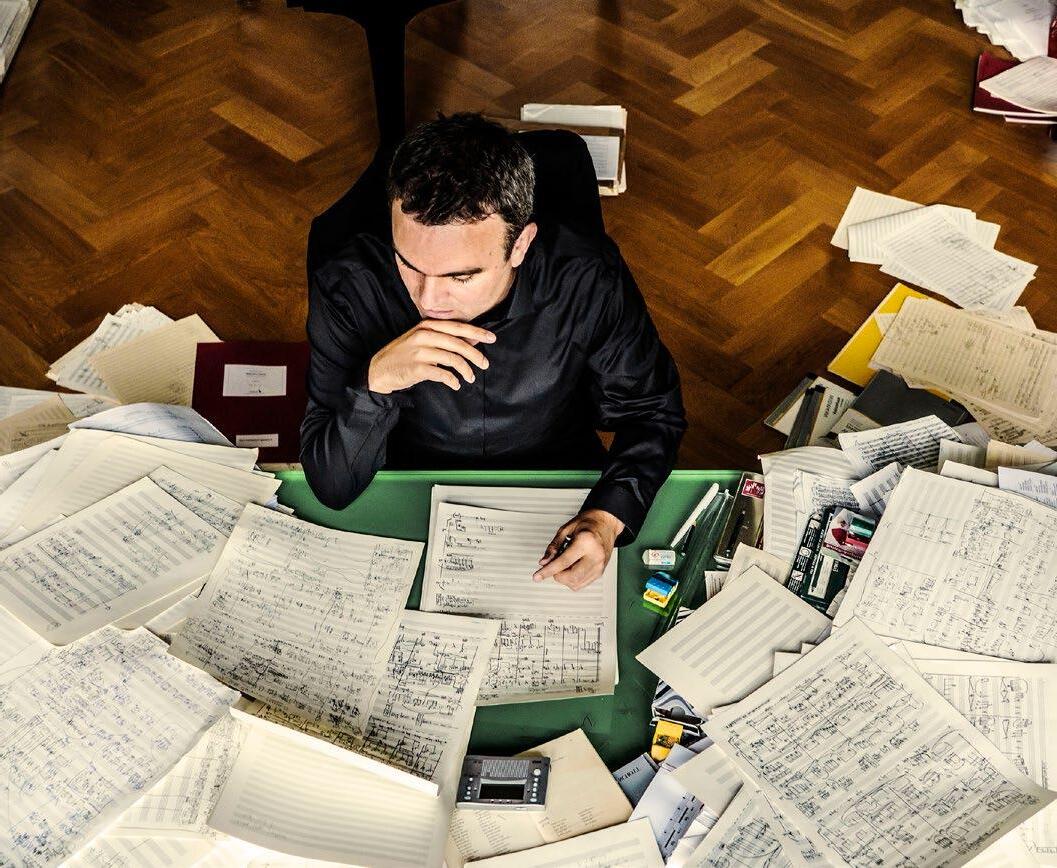
tainly are, however. I even wrote a piece of my own about this phenomenon, my Fieberphantasie for piano, string quartet, and clarinet, which we’ll perform during my lecture with an ensemble from the Lucerne Festival Contemporary Orchestra. It is precisely about this feverish, glowing quality that you also find in Schumann’s Fantasiestücke. Or take the tempo markings: Schumann writes a movement that is already fast, then calls for “even faster,” then “as fast as possible” — and a page later, again, “faster.” Schumann pushes beyond the limits, and that fascinates me deeply.
But there is another side to Schumann that we want to explore in the opening concert with Antoine Tamestit and András Schiff: the very strange language of his late Märchenerzählungen and Märchenbilder You find it throughout his chamber music following the failed revolution of 1848-49. It would be easy to say that Schumann was an escapist who fled from the real thunder of cannon fire for the world of fairy tales. But that would be completely wrong! If you look, for example, at the middle section of the final Märchenerzählung, you will notice how the viola and the clarinet are chained together, as if they were a single voice. Together they intone a dangerously simple, almost harmless melody — but the piano is playing an entirely different piece alongside it, a threatening, pulsing beat. There is something schizophrenic and broken about it, something that pushes us as performers to our limits and challenges us in completely new ways.
How do you take this up in your own “Five pieces in fairy-tale style”? Quite literally. Like Schumann, I am fascinated by fairy tales as such. Long before Hans Christian Andersen, fairy tales had stopped portraying a world still whole and innocent. Fairy tales are psychologically highly complex because they also reflect experiences of suffering, fear, and loss. Think of Schumann titles like First Loss, Almost Too Serious, or Frightening
I expanded on this in my Es war einmal … (“Once upon a Time …”) by setting the second movement in an Eastern fairy-tale land. I titled it Fata Morgana, and this fata morgana is, from an Eastern perspective, Schumann’s Central European world. Schumann’s pieces and mine also share the fact that individual phrases could be set directly to words: “And if they have not died . . ” [a traditional fairy-tale ending].
Was it Robert Schumann who also had a hand in bringing together this illustrious trio: András Schiff, Antoine Tamestit, and Jörg Widmann?
Yes, though that also has to do with the limited repertoire for our combination of
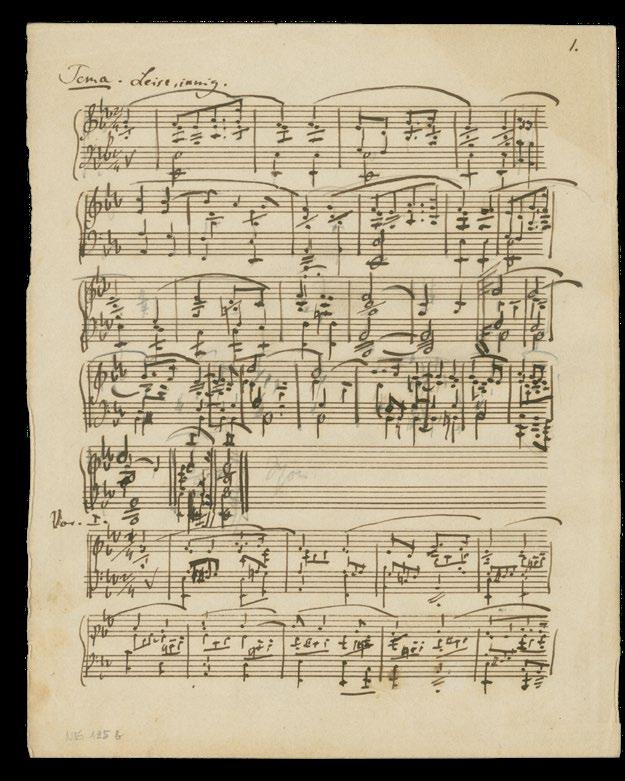
instruments. The nucleus of the genre is, of course, Mozart’s Kegelstatt Trio, yet Schumann’s Märchenerzählungen, with their enigmatic hermeticism, are the work in this genre whose resonance reaches furthest into modernity. There are not many great works for this instrumentation, but with the Märchenerzählungen we are indeed richly blessed.
On the second evening, two works for voice and ensemble will be performed: Christian Jost’s Dichterliebe and your own Schumannliebe, which is likewise based on Schumann’s Dichterliebe. Jost and Widmann: What distinguishes your approaches to adapting and expanding the original?
I found it especially appealing to program these two works together because they could hardly be more different. Of course, we both love Schumann very much, but Christian Jost takes a much freer approach to Dichterliebe than I do. His work is a soaring fantasy: he takes individual cells from Schumann’s song cycle and adds long preludes and postludes, freely spinning out Schumann’s music even as it remains present in the vocal line. I also find it beautiful that we are performing Jost’s version of Dichterliebe here with a female voice, which further enhances the in-memoriam character in relation to his wonderful late wife, Stella Doufexis. My Schumannliebe, by contrast, is intended for a baritone. Strictly speaking, it is first and foremost an orchestration of Dichterliebe. With very few, but important, exceptions, I have adhered strictly to Schumann’s vocal lines. The freedom lies in the ensemble part — for example, in the postlude to Ich grolle nicht, where I wanted the orchestra to growl all the more.
You also invited Johanna Summer to your first Forward Festival — a jazz pianist who improvises on Schumann. Yes. Before her performance, she will listen to the concert featuring the two treatments of Dichterliebe by Jost and me, and perhaps afterward she will even take up something from Jost’s and my Schumann
reflections and mirror it. So: a third level of Dichterliebe as a late-night event.
How spontaneous can an improvisation like that be?
When I began composing as a child, I initially thought composing meant writing down what had been improvised. I still find that a beautiful definition. Of course, with our enormous contemporary scores, composing has become much more complex. But we want to recall the roots. Naturally, every improvisation has a basic framework in place beforehand. What then develops from it happens freely, in the moment.
On the final Sunday of the Forward Festival, you open with a Schumann lecture titled “Ver-Rückungen” — which might
be rendered in English as “Dislocations.”
What do you mean by that?
First of all, I am thinking of the many dislocations and rhythmic displacements in Schumann’s music. Of course, the word “mad” [German verrückt] is also contained there, and with it, Schumann’s end in the psychiatric hospital. The adjective “mad” is often used far too carelessly, whether in the case of Schumann or Hölderlin, about whom Pierre Bertaux wrote a defense arguing that he was all sorts of things, but not mad.
And how do you see it in Schumann’s case?
Oh yes… Most people even seem to know exactly when Schumann became “mad” — perhaps starting with the Gesänge der Frühe, Op. 133, or perhaps as early as the
Märchenerzählungen, Op. 132? I would say: if at all, then he was already “mad” in his Opus 1!
But back to the lecture.
I will sit at the piano and use musical examples to present Schumann’s “Ver-Rückungen”: the sharpened dissonances, for instance — the ninths and sevenths that he uses as if they were the most natural thing in the world. Or the fact that, at the very beginning of Dichterliebe, he pairs a C-sharp and a D in completely different registers within the tightest possible space — they do not belong on top of each other. Later, these became almost cliché intervals in new music, incredibly mod-
ern, and that’s what I want to highlight. It was quite different with Johannes Brahms, by the way: for him, even a fourth could sometimes amount to heavy lifting — as in the melody for solo violin and horn in the First Symphony. Certainly, Brahms was friends with Schumann, but their music could hardly be more different.
Madness also plays a central role in the subsequent concert, which features the Lucerne Festival Contemporary Orchestra and Heinz Holliger. Yes, also because we’ve included Aribert Reimann in the program. He had a very personal connection to Schumann and his final two years in the psychiatric hospital
in Bonn-Endenich. In the estate of an uncle who was a psychiatrist, he discovered Schumann’s medical records and made them available to the Berlin Academy of Arts — and thus to the public. Since then, we have known how Schumann was treated at the time, and also how wrongly he was treated. The records show the swings he was subject to, the forces tugging at him. You can also hear this in Schumann’s final pieces, which were composed in the psychiatric hospital. They sound almost chorale-like, and you get the impression that Schumann is manically trying to hold on to the bar lines.
In the final concert, you’ll perform Reimann’s Seven Fragments in memoriam Robert Schumann. How close or distant are the two composers in their musical language?
This is absolutely Reimann’s music. Even more than Jost, he focuses on small Schumannian sonic cells. It is a piece of contemporary music. But Reimann has the gift of inventing figures entirely out of Schumann’s spirit. I am also proud that, in the final concert, we are able to welcome the greatest living admirer of Schumann, someone who simply cannot be absent from our festival: Heinz Holliger. He is himself a fantastic musician and a composer who conducts, and even at an advanced age he is as present as ever. Heinz is a walking encyclopedia when it comes to Schumann. He arranged the Gesänge der Frühe, which shook and thrilled me so deeply as a teenager when I heard them on the radio.
How does Holliger negotiate closeness to and distance from Schumann?
We hear the sound of writing on tape, and then the Schumann theme enters — but already defamiliarized. Heinz handles Schumann masterfully, and yet the work is pure Holliger. It is shot through with hidden references and tone symbols — the kind Schumann himself was fond of using. And because Holliger’s score calls for a choir, we decided to open the concert with Schumann’s wonderful Nachtlied. The whole program forms a beautifully rounded arc from the opening to the finale. We set out in search of traces and do not treat the contemporary pieces as something separate. This is the approach shared by all of the composers we will hear.
The interview was conducted by Susanne Stähr.
Video: Jörg Widmann in conversation with Sebastian Nordmann (in German) lucernefestival.ch/en/forward
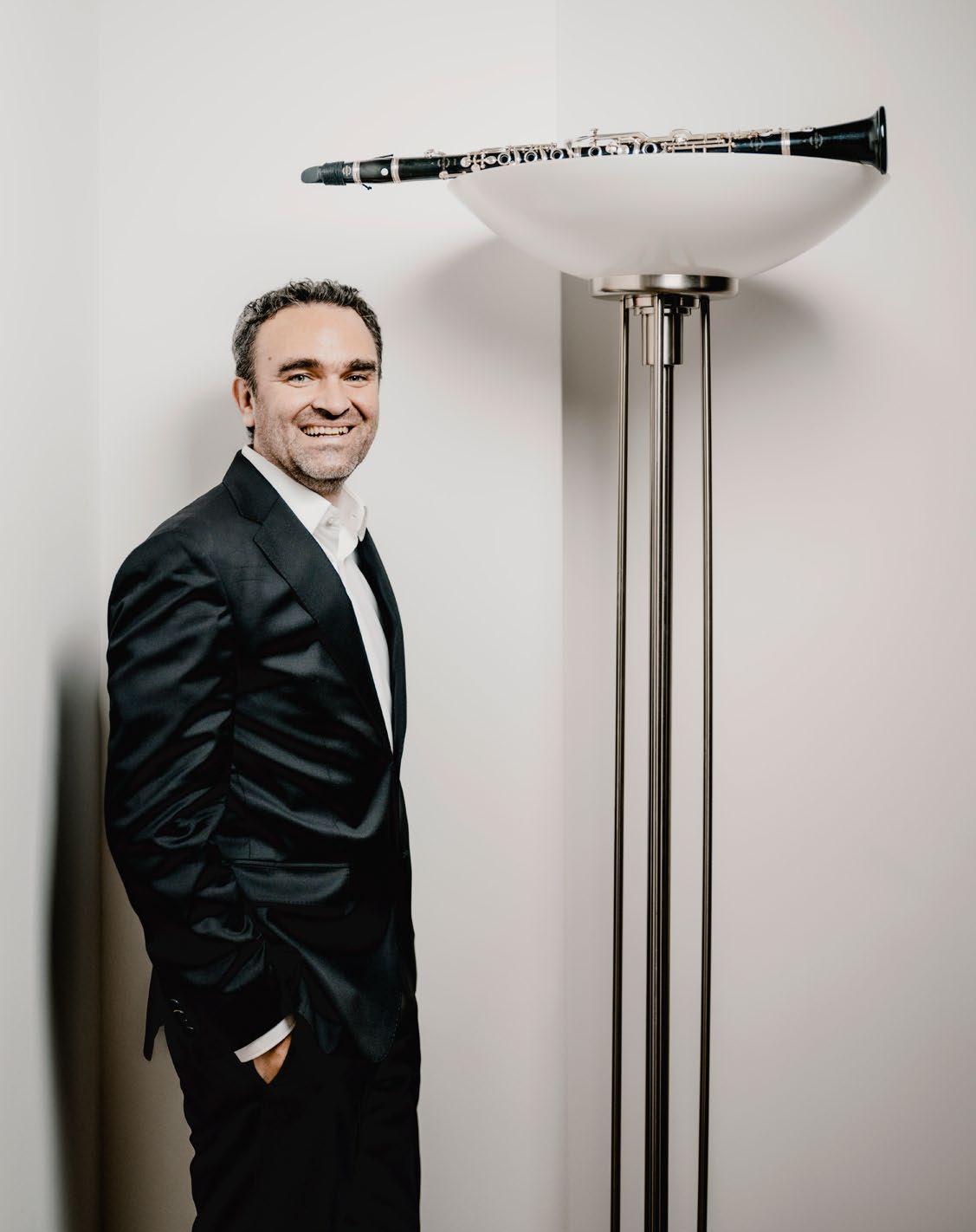
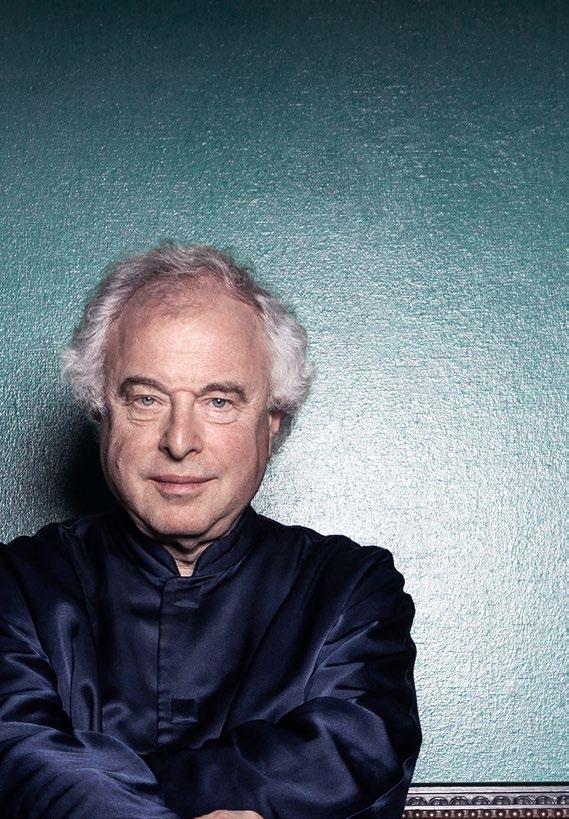
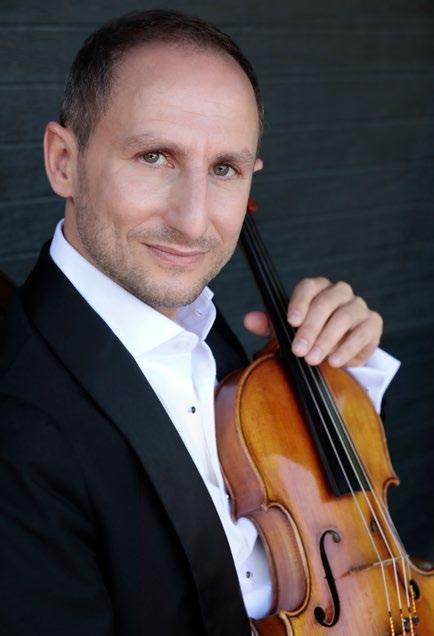
Once upon a time, there were three great musicians, and they were all passionate about Robert Schumann. So Sir András Schiff, Antoine Tamestit, and Jörg Widmann decided to join together to play his music. Two late chamber works bear witness to the Romantic fascination with fairy tales, though Jörg Widmann sees the Märchenerzählungen in particular as a “disjointed, contemporary work.” Indeed, he views fairy tales as a “seismograph of humanity’s underlying primal fears and desires.” Which is why Widmann understands his own cycle Es war einmal . . . (“Once upon a Time”) not as a “sentimental, nostalgic flight into the distant past,” but as “a naive and fantastical alternative concept to our real world, with all its upheavals.” György Kurtág, too, took up Schumann’s unusual scoring for a trio of clarinet, viola, and piano, paying tribute to the composer’s various alter egos and fantasy figures — from the eccentric Kapellmeister Kreisler to the wise Master Raro. The program also includes the Geistervariationen, the work Schumann was writing immediately before his suicide attempt and mental collapse: angels were said to have sung the theme to him.
Fri 20.11.
Schumannliebe 1
19.30
Chamber Music Hall KKV, Vitznau
Jörg Widmann clarinet
Antoine Tamestit viola
Sir András Schiff piano
Robert Schumann
Märchenerzählungen, Op. 132
Four pieces for clarinet, viola, and piano
16 min
Theme and Variations in E-flat major, WoO 24 Geistervariationen (“Ghost Variations”)
10 min
György Kurtág
Hommage à R. Sch. for clarinet, viola, and piano, Op. 15d 10 min
Robert Schumann
Märchenbilder, Op. 113
Four pieces for viola and piano 16 min
Jörg Widmann
Es war einmal .
(“Once upon a Time . .”)
Five pieces in fairy-tale style for clarinet, viola, and piano
29 min
CHF 120

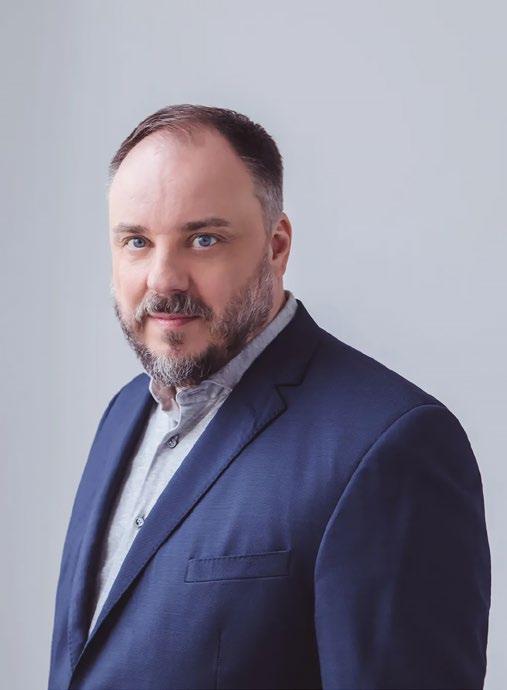
Robert Schumann’s Dichterliebe tells a love story. It blossoms hopefully “in the wondrous month of May” and ends in bitter disappointment. For Christian Jost, these sixteen Heine settings are “the tonal realization of the imaginings of a torn soul”; for Jörg Widmann, they are “the highest achievement ever produced in the combination of language and music.” Both have sought to create new compositions based on the famous song cycle, translating it into the present in entirely different ways. Jost adds his own interludes to Schumann’s melodies, embedding them “like islands” in “a tonal stream of the subconscious.” Widmann stays closer to the original, creating motivic connections between the individual songs while opening up a new sound world of his own with his original instrumentation, extended playing techniques, and expansive use of percussion. Later on the same evening, the German pianist Johanna Summer will add another echo of Dichterliebe — one born in the moment .
Sat 21.11.
Schumannliebe 2
17.00
KKL Luzern, Concert Hall
Ensemble of the Lucerne Festival
Contemporary Orchestra (LFCO)
Christian Jost conductor (Jost)
Jörg Widmann conductor (Widmann)
Fatma Said soprano
Matthias Goerne baritone
Christian Jost
Dichterliebe for soprano and ensemble after Robert Schumann’s Dichterliebe, Op. 48 65 min
Jörg Widmann
Schumannliebe for baritone and ensemble arrangement of Dichterliebe, Op. 48 37 min
CHF 90
Schumannliebe 3
21.00
KKL Luzern, Concert Hall
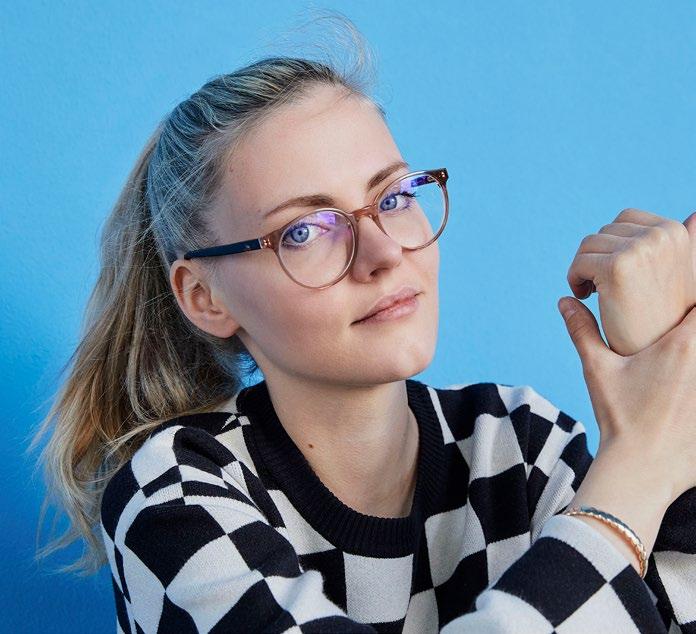
Johanna Summer piano
“Echo Dichterliebe”
Johanna Summer began her career with Robert Schumann. Six years ago, she released her debut album Schumann Kaleidoskop, on which she reimagined the Romantic composer through improvisation: his pieces became “standards” for spontaneous pianistic excursions somewhere between classical music and jazz. Summer now turns to Dichterliebe, while in her late-night performance she also responds to the two new compositions by Christian Jost and Jörg Widmann based on Schumann’s song cycle, which will have been heard in the preceding concert. In Dichterliebe, Summer explains, there are “many moments in which you seem to find yourself in a kind of in-between world, between dream and reality. Will Schumann dare to make the leap into another tonality, or will he linger a moment longer in the present atmosphere? Similar tensions constantly occupy me when I improvise: can an emotion best be expressed with a particular classical vocabulary? Or has a groove just emerged that supports Schumann’s musical gesture, perhaps even enriching it with tone colors from other musical cultures?” Sat 21.11.
Improvisations on Robert Schumann’s Dichterliebe, Op. 48
75 min
This concert has no intermission.
CHF 50
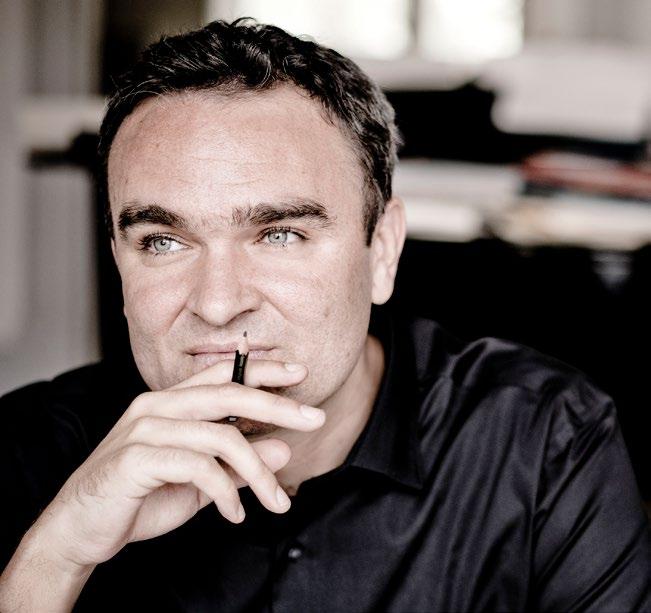
When he was a young clarinet student, Jörg Widmann fell under the spell of Robert Schumann’s music. That love has lasted to this day and is more intense than ever — something attested by titles such as Humoreske, Kreisleriana, and, of course, Schumannliebe, but above all by his countless musical references. What is it that so fascinates Widmann about Schumann, about the music and the man? In a musical lecture, he speaks about his veneration of the Romantic composer while at the same time demonstrating it at the piano. The focus is on Schumann’s “Ver-Rückungen”: the harmonic and rhythmic shifts so characteristic of this composer, his many musical innovations, but also his tragic end in the psychiatric hospital at Bonn-Endenich. The event concludes with Widmann’s Fieberphantasie, which draws on Schumann’s distinctive melodic writing — something Widmann likens to a fever chart: “nervous, flickering, feverish, an infinite number of small and large wave crests and troughs within the principal line.”
Schumannliebe 4
16.30
KKL Luzern, Concert Hall
Jörg Widmann lecture at the piano
Soloists of the Lucerne Festival Contemporary Orchestra (LFCO)
“Ver-Rückungen” (“Dislocations”)
Reflections on the music of Schumann (in German), with musical examples at the piano
Jörg Widmann
Fieberphantasie (“Fever Fantasy”) for piano, string quartet, and clarinet
This event will end at approximately 17.45 and has no intermission.
CHF 30
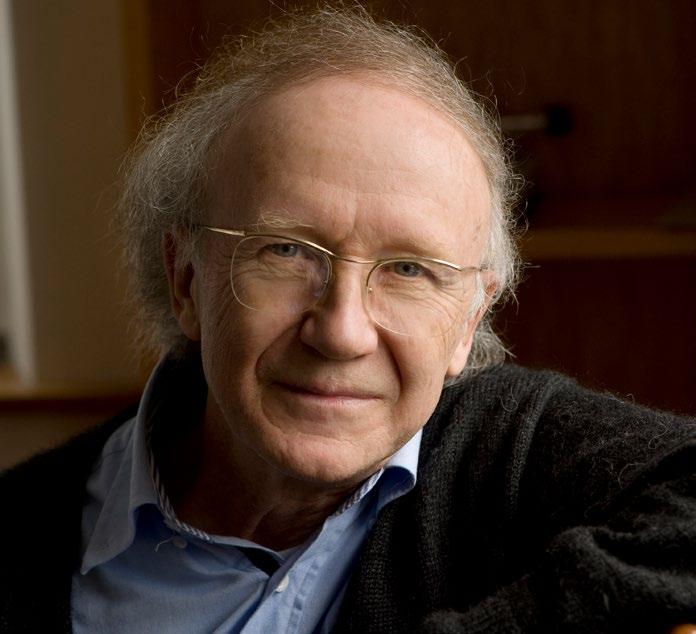
Schumann was “almost always at the center for me,” says Heinz Holliger. The same holds for Friedrich Hölderlin, another artist marked by crisis whom society labeled “mentally ill.” For Holliger, however, neither was mad in the least. “Rather, they were visionary. They simply had far more antennae.” In his Gesänge der Frühe, he takes up Schumann’s late piano cycle of the same name and combines it with poems, diary entries, and letters by Hölderlin, as well as the autopsy reports of the two artists, to create an unsettling psychogram. Aribert Reimann, who died in 2024, in turn was a distant relative of the psychiatrist then treating Schumann and inherited the composer’s medical records from the psychiatric hospital in Bonn-Endenich — and in an orchestral work, he grappled with Schumann’s final phase of life. Also included are orchestral versions that Holliger made of three solo pieces by György Kurtág — a tribute to Kurtág on his 100th birthday. The program includes an original Schumann work as well: Nachtlied (“Night Song”), which Holliger draws on in his Gesänge der Frühe, evokes the threatening side of night before sleep draws its “protective circle.”
Sun 22.11.
Schumannliebe 5 18.30
KKL Luzern, Concert Hall
Lucerne Festival Contemporary Orchestra (LFCO)
SWR Radio Choir
Heide Müller chorus master
Heinz Holliger conductor
Robert Schumann
Nachtlied for chorus and orchestra, Op. 108 10 min
Aribert Reimann
Seven Fragments for orchestra in memoriam Robert Schumann 14 min
György Kurtág/Heinz Holliger
Heinz Holliger
Three Little Pieces for large orchestra orchestral transcriptions of the pieces . for Heinz . ., In memoriam Anna Holliger and Anna Holliger in memoriam world premiere 7 min
Heinz Holliger
Gesänge der Frühe after Schumann and Hölderlin for chorus, orchestra, and tape 28 min
CHF 90/60/30
for the Lucerne Academy!Festival
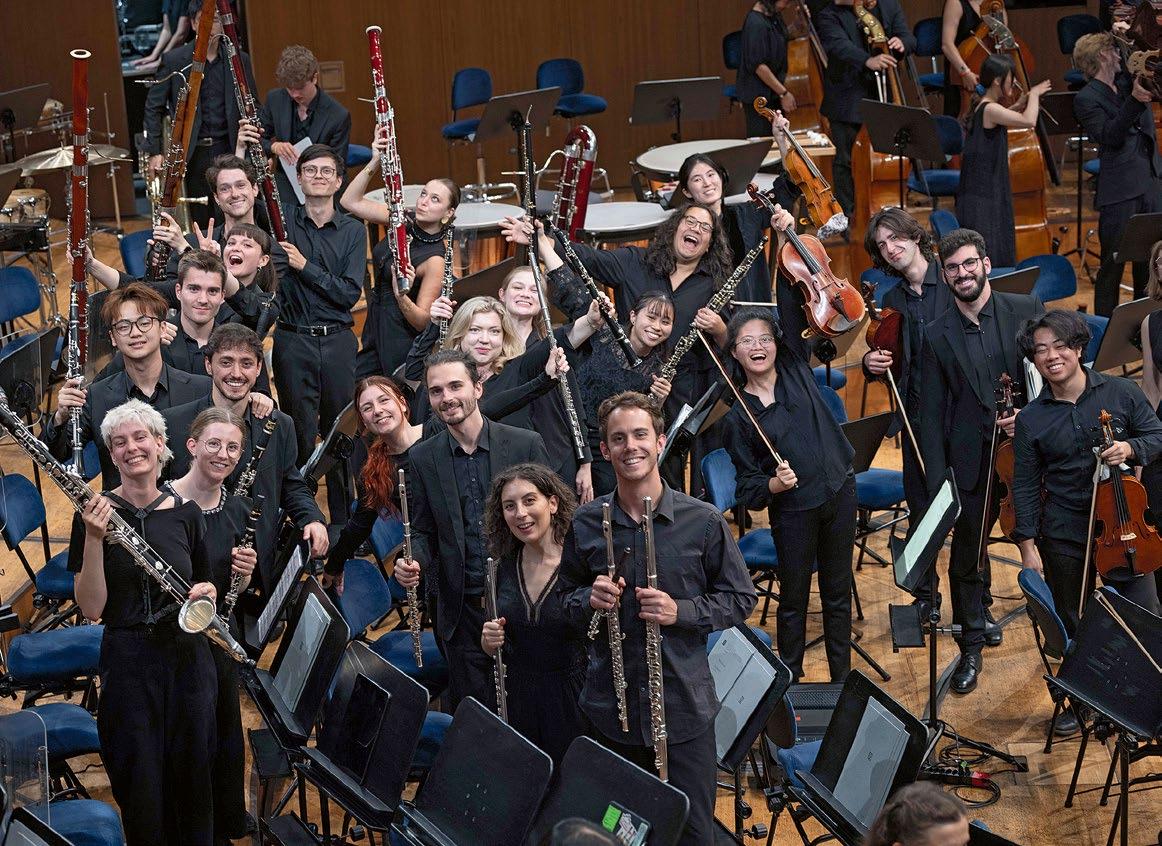
A unique masterclass in contemporary music and a laboratory for the future: each summer for more than 20 years, the Lucerne Festival Academy has attracted some 100 outstanding young talents from all over the world to immerse themselves in the music of the 20th and 21st centuries.
As the Lucerne Festival Contemporary Orchestra (LFCO), they offer audiences thrilling musical adventures — both during the Summer Festival and at Lucerne Festival Forward.
For information, concerts, and registration, visit: lucernefestival.ch/en/academy
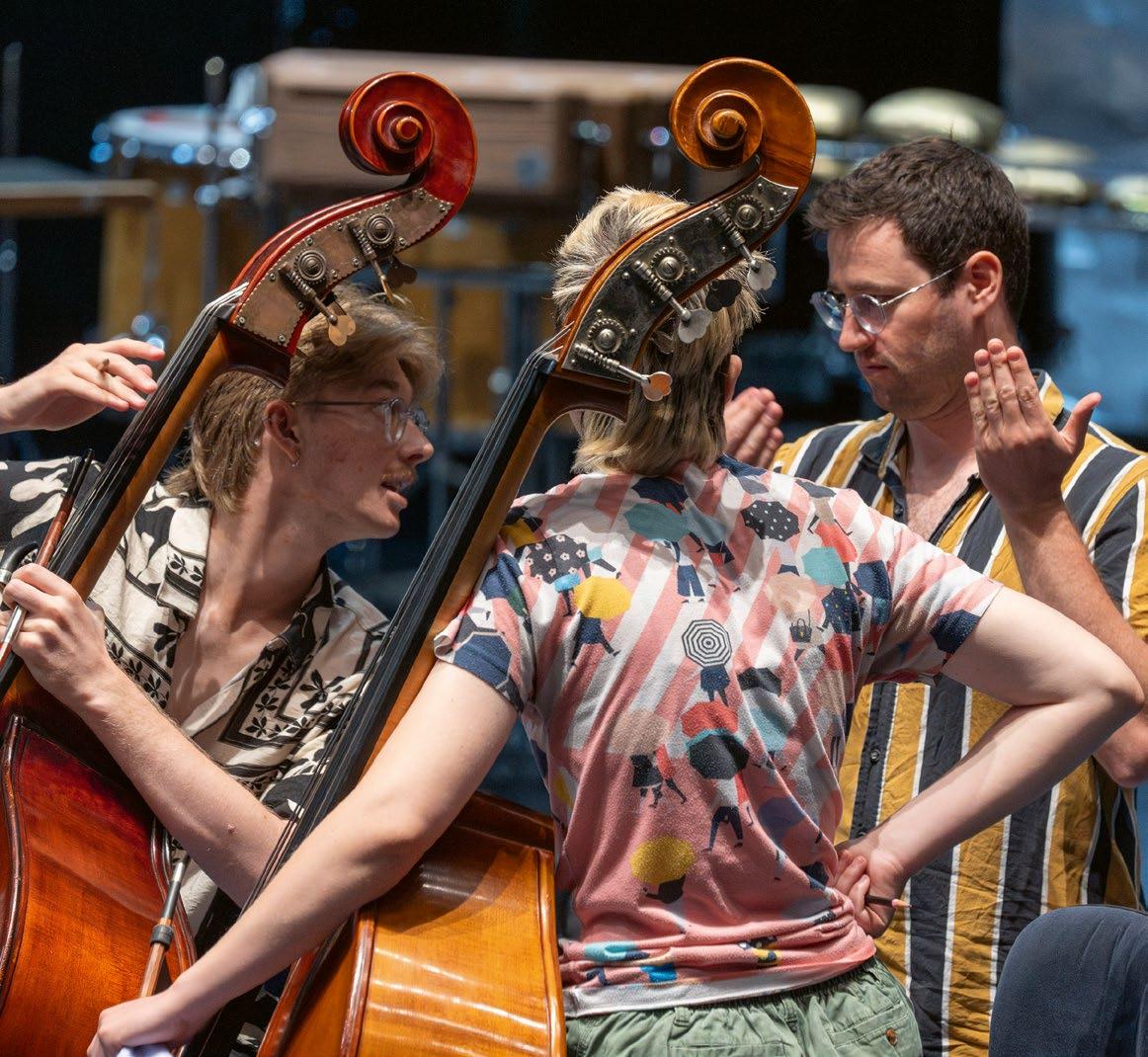
Concert tips, fascinating background stories, ticket-sale announcements, and special offers: our monthly newsletter keeps you up to date and brings you even closer to the Festival.
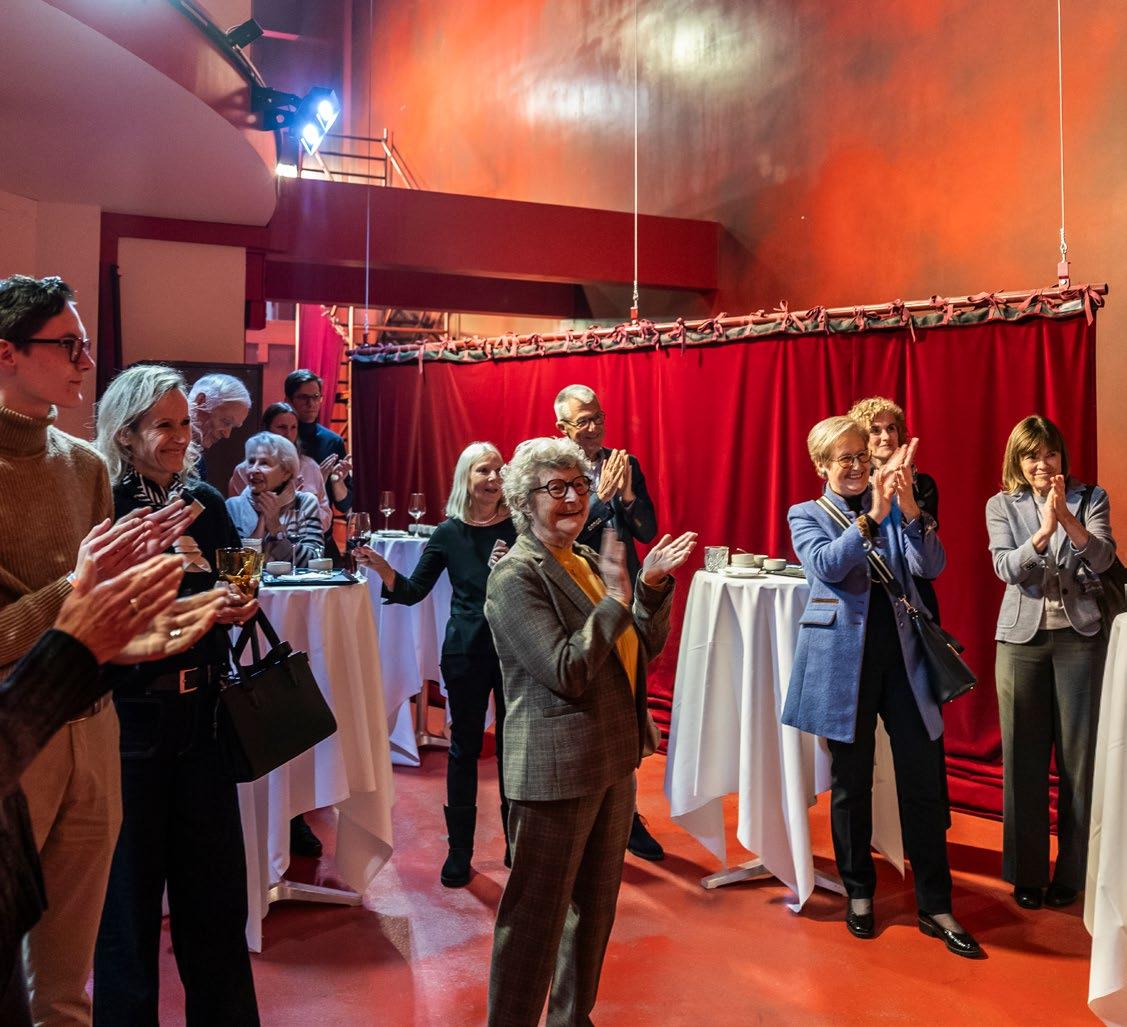
New music experiences need strong partners with vision. We sincerely thank our Partners for their forwardlooking commitment!
Partner
Carla Schwöbel-Braun | John and Patricia B. Ziel | Stiftung Melinda Esterházy de Galantha | Walter B. Kielholz Foundation
Cooperation Partners
Canton and City of Lucerne, Grants and Subsidies | KKL Luzern, Event Partner | Luzern Tourismus | MetaDesign, Partner in Communication | Radio SRF 2 Kultur, Media Partner
Many thanks also go to the Lucerne Festival Friends and to all those supporters who do not wish to be mentioned by name.
Lucerne Festival is a member of
Mobility Partner
Tickets available starting 4 August 2026, at 10.00 am (Swiss time)
Online
lucernefestival.ch
By telephone
+41 (0)41 226 44 00
Mon–Fri from 10.00 am to 12.00 noon (Swiss time); throughout the festival (including the week when the festival begins), extended telephone hours also include between 2.00 and 4.00 pm. We are also available by telephone on weekends (Saturday and Sunday) while the festival is under way.
Purchased tickets cannot be returned or exchanged. Changes in programming or performers do not entitle the ticket holder to a refund or exchange.
Special offers for events that are not sold out will be available for grade school, university, and vocational students up to the age of 29 as well as for KulturLegi holders. Detailed information can be found at lucernefestival.ch/young-adults.
The main concert hall of the KKL Luzern has wheelchair spaces with a good view of the stage, which are available on special terms. Wheelchair spaces are also available at the Chamber Music Hall KKV in Vitznau. Wheelchair spaces cannot be purchased online. To book a wheelchair space, please contact our ticket office by phone at +41 (0)41 226 44 00; on 21 and 22 November 2026, you may also visit the Lucerne Festival ticket counter at the main entrance of the KKL Luzern (lake side). Additional information for people with disabilities can be found at lucernefestival.ch/accessibility.
The main KKL Concert Hall opens 30 minutes before the beginning of the concert. For events at one of the venues outside the KKL, if applicable, access will start shortly before the beginning of the event. For the sake of the musicians and the audience, latecomers will not be admitted until intermission or at the discretion of the Concert Hall staff. In certain instances, concerts will have no intermission and allow no latecomers. If the concert is missed on account of tardy arrival, tickets will not be refunded.
The General Terms & Conditions may be found at lucernefestival.ch/en/gtc.
Lucerne Festival P.O. Box | CH–6002 Luzern t +41 (0)41 226 44 00 ticketbox@lucernefestival.ch lucernefestival.ch
Arrival by Public Transportation — at a 50% discount
Your concert tickets entitle you to a discount of 50% (1st or 2nd class) for a round trip to Lucerne. (Concert tickets must be presented upon inspection.) This special ticket must be purchased before beginning your trip: either at a Swiss Rail ticket counter, or by calling the SBB Contact Center at 0848 44 66 88 (CHF 0.08/minute in the Swiss telephone network), or online at sbb.ch/lucernefestival.
The KKL Luzern is located right next to Lucerne’s main train station. Owing to the parking and traffic situation, we recommend using public transportation during the Festival season. Guests who travel by car are advised to observe the city’s parking guidance system and to take the
bus from the parking garages to the KKL Luzern. For information on parking facilities, please visit parkingluzern.ch.
The venue, Kultur Kulinarik Vitznau, is accessible by public transportation, including by bus; the stop is “Vitznau, Station.” Please check the SBB online portal for connections: sbb.ch.
By car: Parking is available near Kultur Kulinarik Vitznau in the garages at Neuro Campus Hotel (Seestrasse 75), Seestrasse 64, and Altdorfbachweg 6.
More information can be found at k-k-v.ch/ anreise-parken
Lucerne Festival
Hirschmattstrasse 13 | CH–6003 Luzern
t +41 (0)41 226 44 00 info@lucernefestival.ch | lucernefestival.ch
Sales & Visitor Services
Lucerne Festival | P.O. Box | CH–6002 Luzern
t +41 (0)41 226 44 00 ticketbox@lucernefestival.ch | lucernefestival.ch
Publisher Foundation Lucerne Festival
Executive and Artistic Director Sebastian Nordmann
Content and Editing Susanne Stähr, Malte Lohmann
English-language Editor and Translator Thomas May
Proofreading Antje Reineke
Corporate Design Concept MetaDesign Zürich
Layout and Execution Flavia Gämperle, Siri Hafner
Advertising Dimitrij Würsch
Printing Engelberger Druck AG, Stans
Image Credits p. 1, 2, 6, 8, and 12: Marco Borggreve – p. 4: Beethoven-Haus, Bonn –p. 5: Robert-Schumann-Haus, Zwickau – p. 9 left: Nadja Sjöström –p. 9 right: Lisa Marie Mazzucco – p. 10 left: Simon Fowler – p. 10 right: Marie Staggat –p. 11: Gregor Hohenberg – p. 13: Priska Ketterer – p. 17: Patrick Hürlimann
This program was published in June 2026 and is subject to alteration without prior notice. Printed prices are subject to correction.
Follow Lucerne Festival on
This printed material has been prepared using a sustainable and carbon-neutral process according to the guidelines of FSC and Climate Partner.
Printed in Switzerland | © 2026 by Lucerne Festival
FOUNDATION
LUCERNE FESTIVAL
Board of Trustees
Markus Hongler, Chairman *
Dr. Christian Casal, Treasurer *
Prof. Dr. Michaela Dickgiesser
Dr. Christoph Franz *
Dr. Patrick Frost
Regula Gerber *
Andrea Gmür-Schönenberger
Dr. Armin Hartmann
Dr. Christian Keller
Iqbal Khan
OVERALL MANAGEMENT
Sebastian Nordmann, Executive and Artistic Director
Alexandra Lankes
Executive Management
Sebastian Nordmann
Danièle Gross
Christiane Weber
Press & Public Relations
Nina Steinhart, Press Spokesperson
Sponsoring & Friends
Miriam Lüthold Lindén, Director
Alexandra Buholzer | Katja Fleischer | Isabelle Köhler
Dr. Hariolf Kottmann
Michel M. Liès
Gianfranco Lot
Giovanna Maag
Anne-Sophie Mutter
Dr. Thomas Schinecker
Anne Schwöbel *
Isabelle Welton *
Beat Züsli
*committee member
Honorary Chairman
Jürg R. Reinshagen
ARTISTIC OFFICE
Christiane Weber, Director Artistic Office
Lea Greiner | Susanne Stähr, Dramaturgy
Lucerne Festival Contemporary
Jonathan Graf, Co-Director | Mark Sattler, Co-Director & Dramaturgy | Alissa Davidson
Editorial
Susanne Stähr, Director
Nadja Keller | Lea Greiner | Malte Lohmann
FOUNDATION LUCERNE FESTIVAL FRIENDS
Board of Trustees
Markus Hongler, Chairman
Dr. Christian Casal, Treasurer
Dr. Franz Egle
Andrea Gmür-Schönenberger
Elisabeth Oltramare
BUSINESS AREAS
Danièle Gross, Business Director
Finance, Human Resources, Sustainability & IT
Marcel Kaufmann | Stephanie Murray-Robertson | Fabian Zemp | Felix Baumann
Communications
Sylvia Battegay, Director
Sereina Kubli
Marketing & Digital Development
Bettina Jaggi, Director
Ralph Wagner | Dimitrij Würsch |
Jason Planzer | Sascha Wilczek
Sales & Visitor Services
Tina Keller, Director
Felix Baumann | Brigitte Keller | Regina Meyer | Alexandra Schädlich | Francesca Sorrentino | Anna Zihlmann