INNOVATIVE FLOOD PREVENTION
SMART SOLUTIONS FOR A RESILIENT FUTURE
Presentation By : Restorationers
INTRODUCTION
UNDERSTANDING THE NEED FOR FLOOD PREVENTION
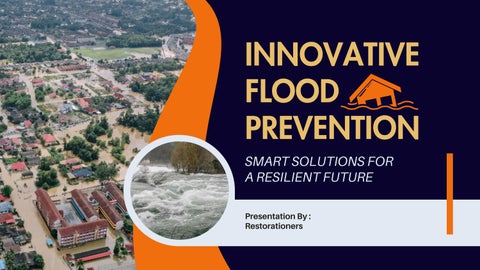
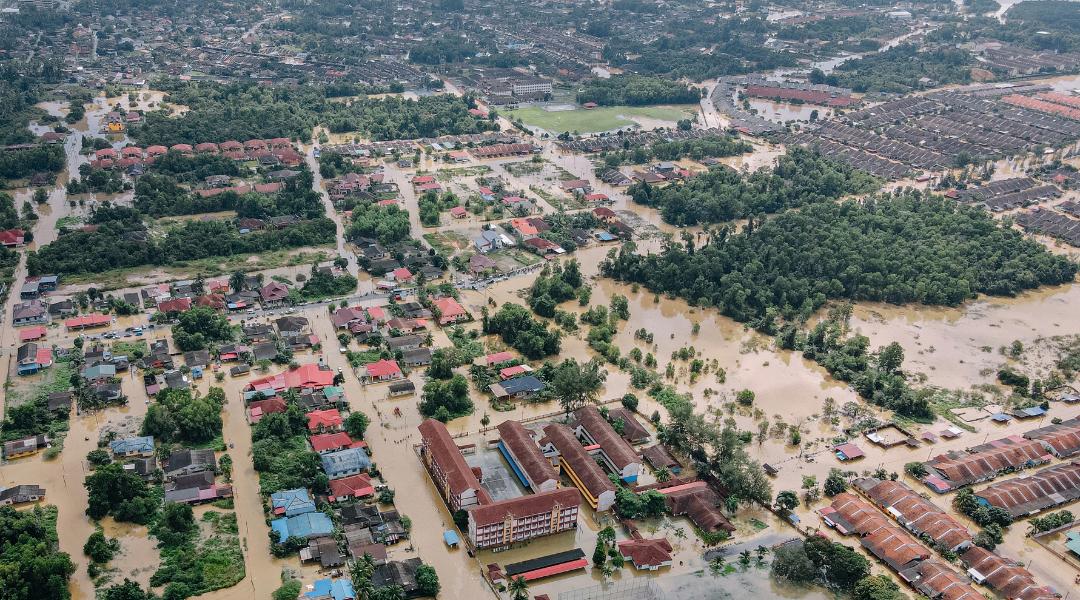
Floods continue to rank among the most devastating natural disasters, displacing communities, destroying infrastructure, and threatening ecosystems across the globe. As climate change accelerates and urban development expands into flood-prone areas, the need for effective mitigation becomes more urgent. While traditional defenses like levees and drainage systems remain important, they often fall short in the face of increasingly unpredictable weather patterns. Cities must now integrate smart flood monitoring systems, resilient building designs, and green infrastructure to minimize impact. Equally vital is comprehensive flood damage restoration, which ensures rapid recovery, reduces health hazards, and strengthens community resilience after disaster strikes. Investing in both prevention and restoration is key to safeguarding our urban future.
CAUSES OF FLOODING
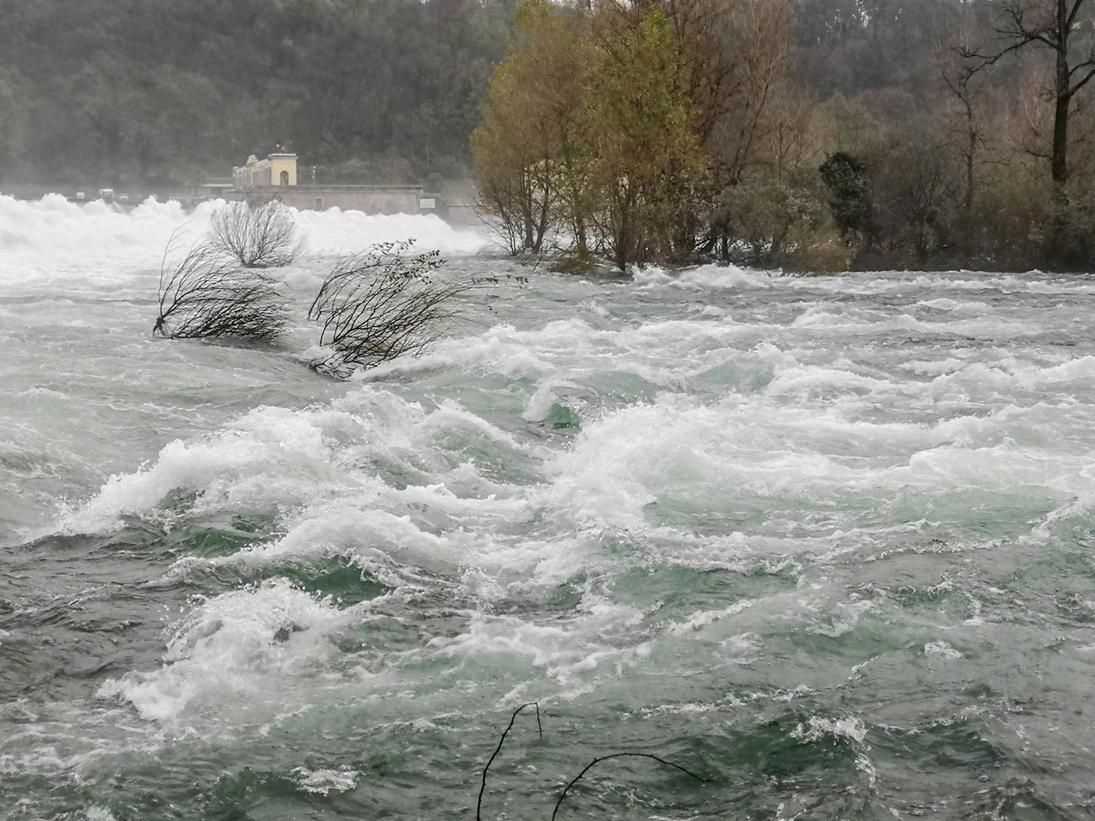
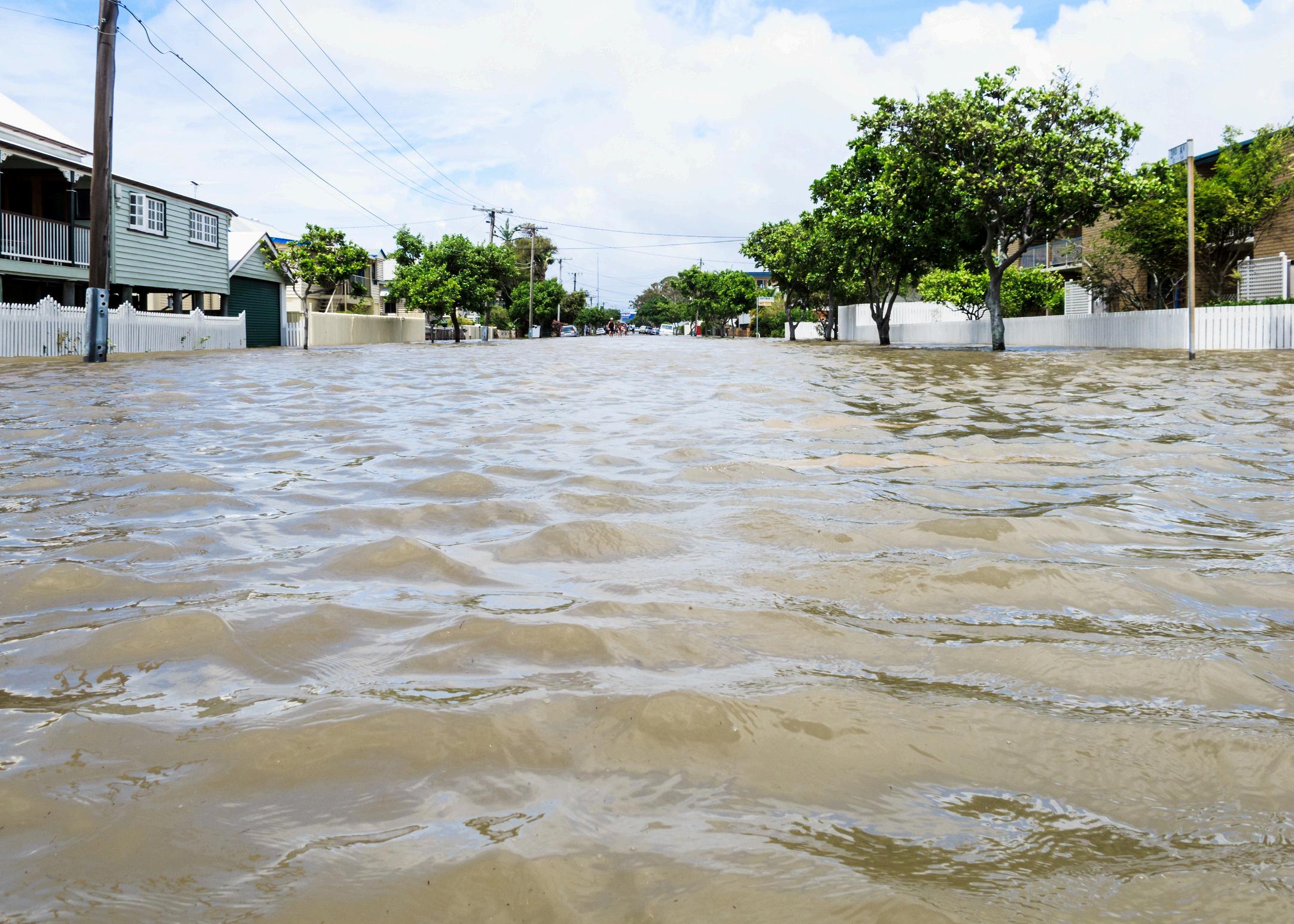
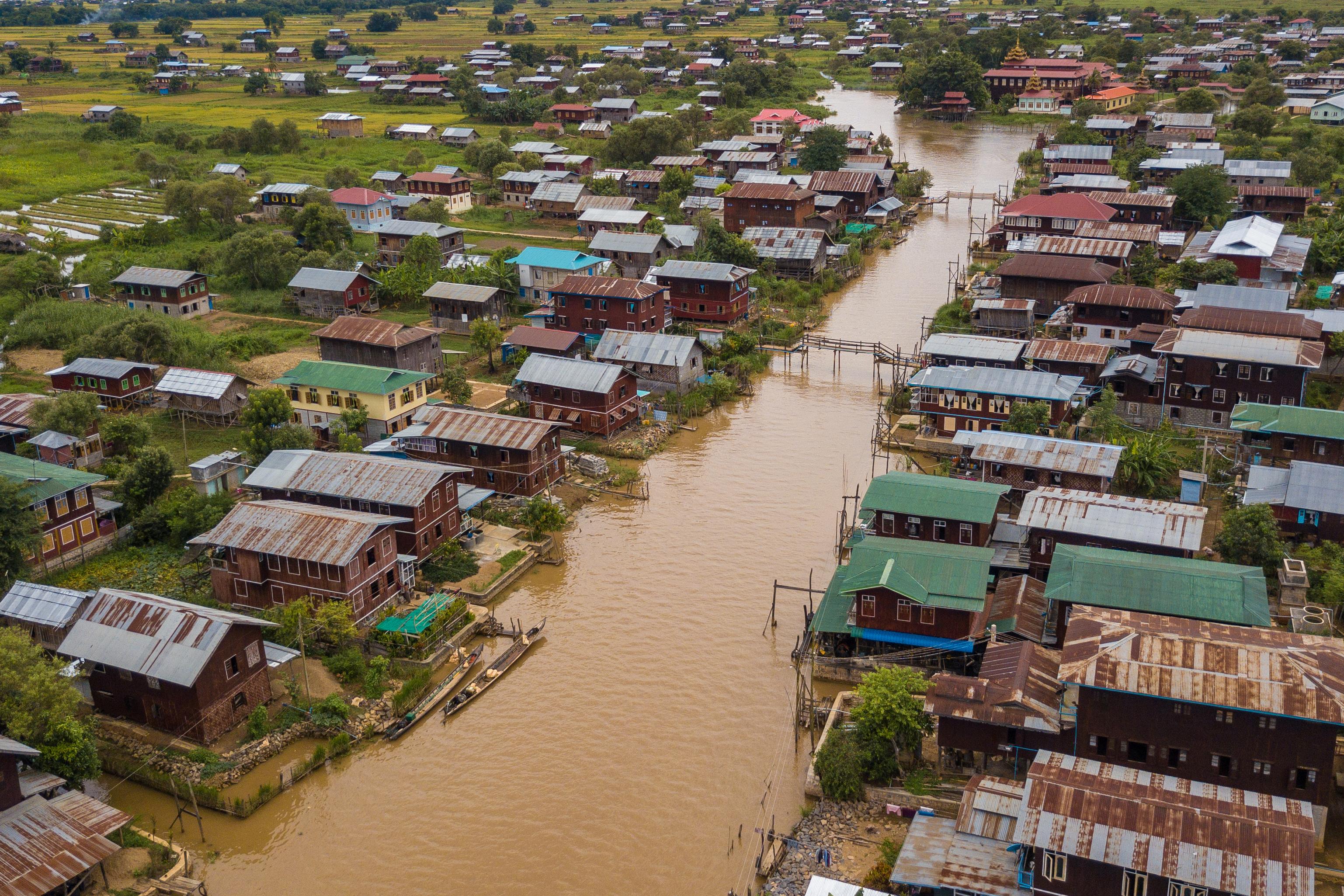
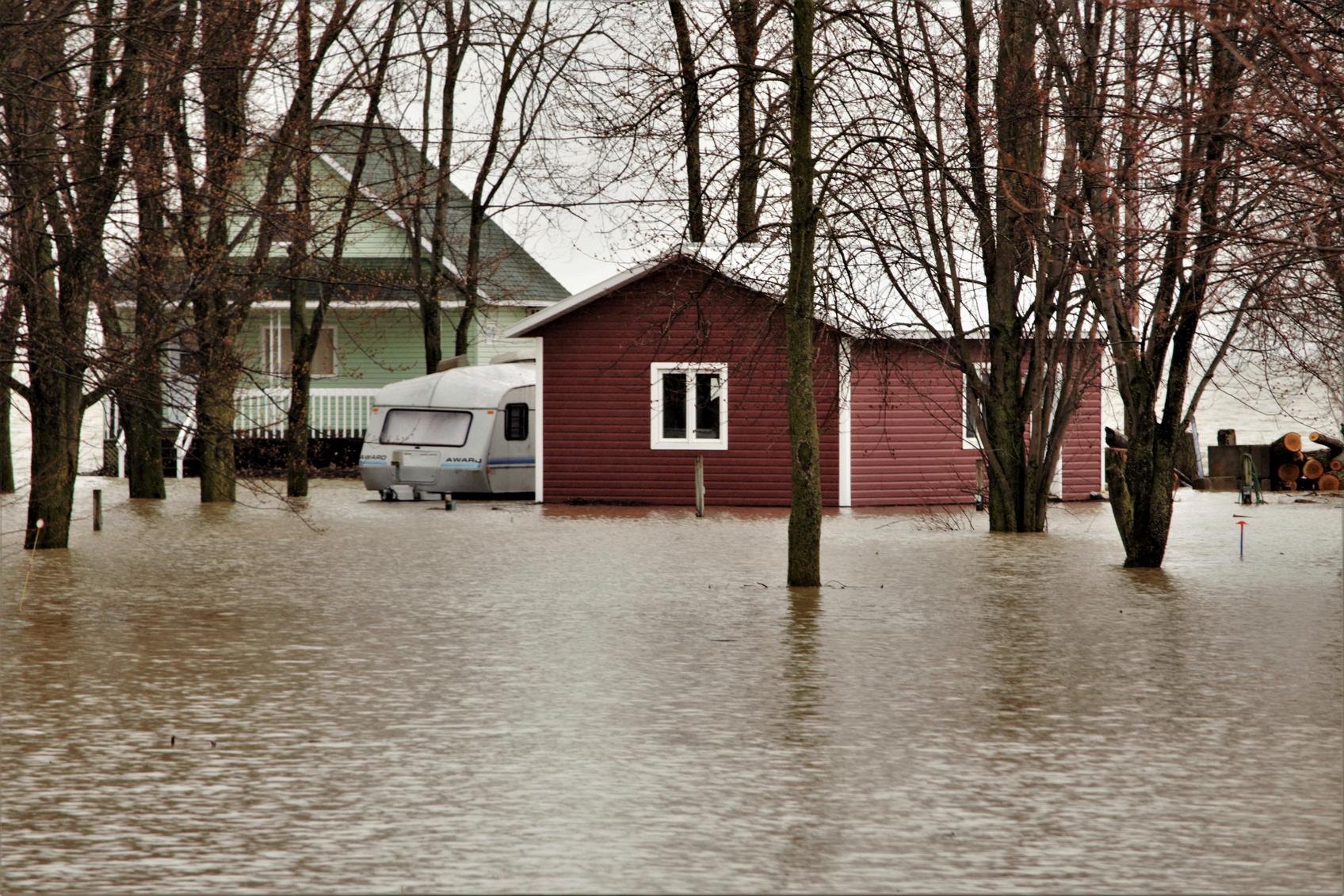
Floods occur due to a combination of natural and human-induced factors, often leading to devastating consequences. Understanding these causes is essential for developing effective flood prevention strategies.
Heavy Rainfall & Storms
Coastal Storm Surges
Urbanization & Poor Drainage
Deforestation And Climate Change
TRADITIONAL FLOOD PREVENTION METHODS
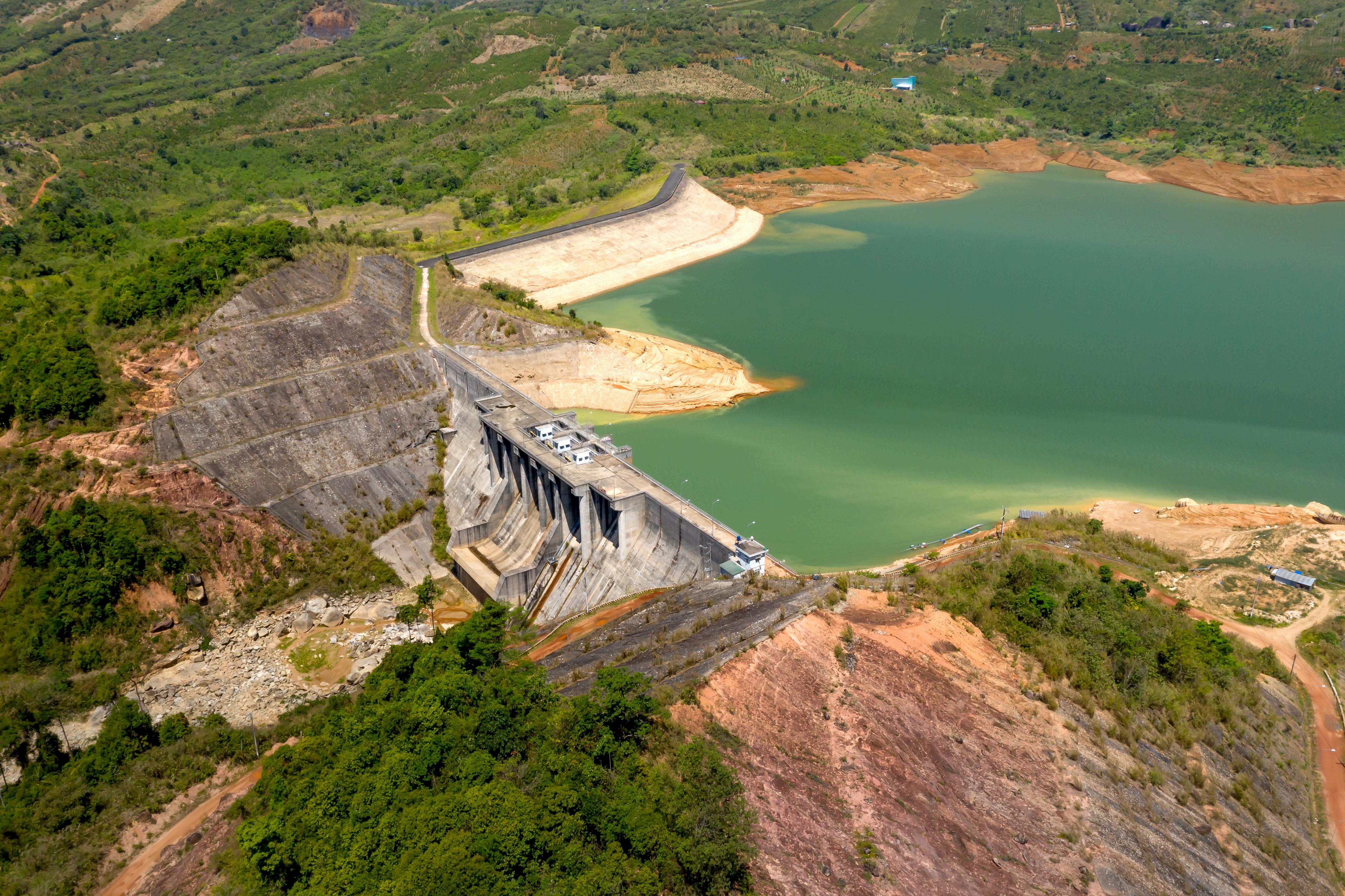
DAMS & RESERVOIRS
Storing excess water to prevent downstream flooding. Storing excess water to prevent downstream flooding.
LEVEES & FLOODWALLS
DRAINAGE SYSTEMS & CANALS
Barriers built along rivers and coastlines to contain rising water levels. Directing excess rainwater away from urban areas. Directing excess rainwater away from urban areas.
INNOVATIVE FLOOD PREVENTION TECHNOLOGIES
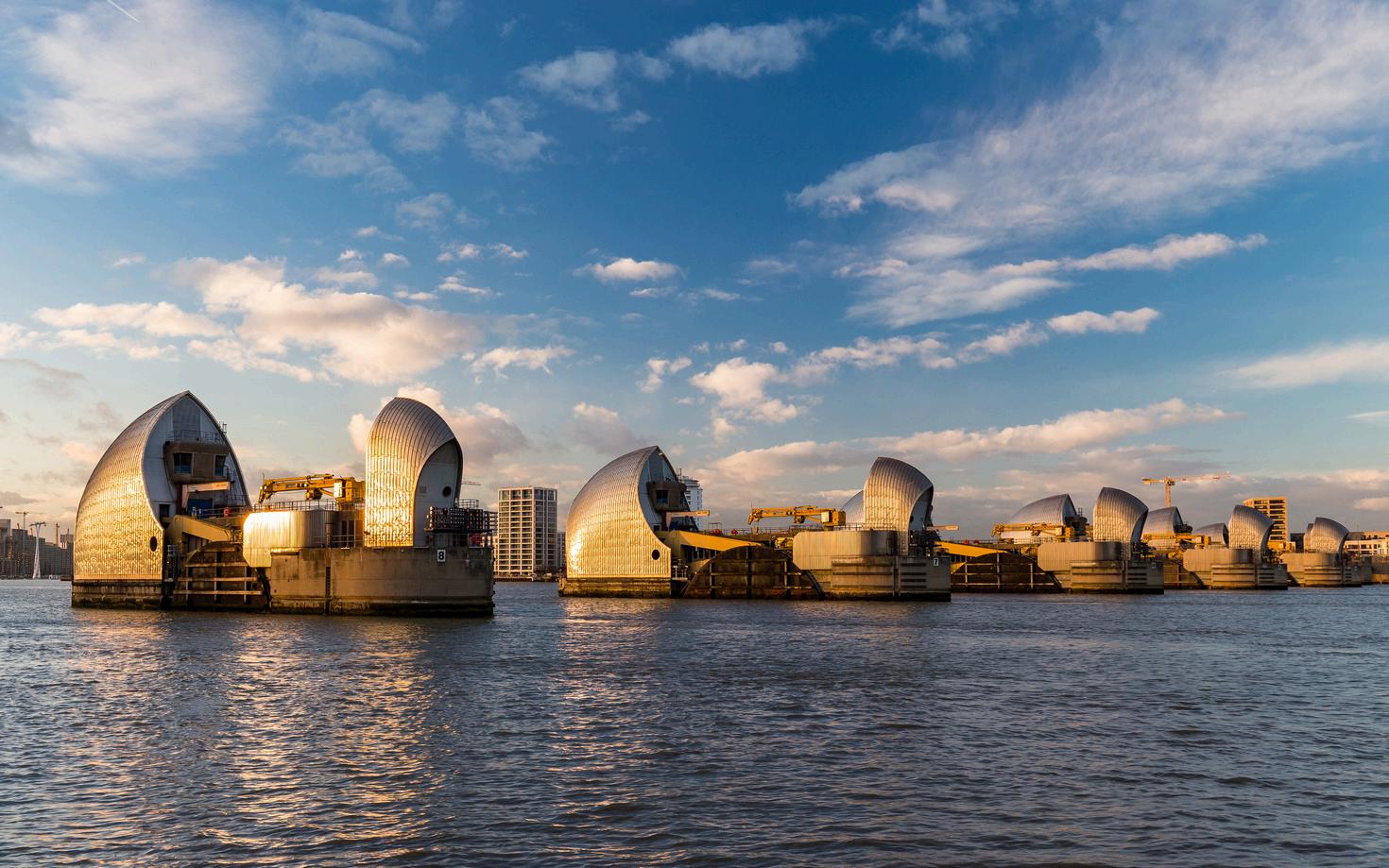
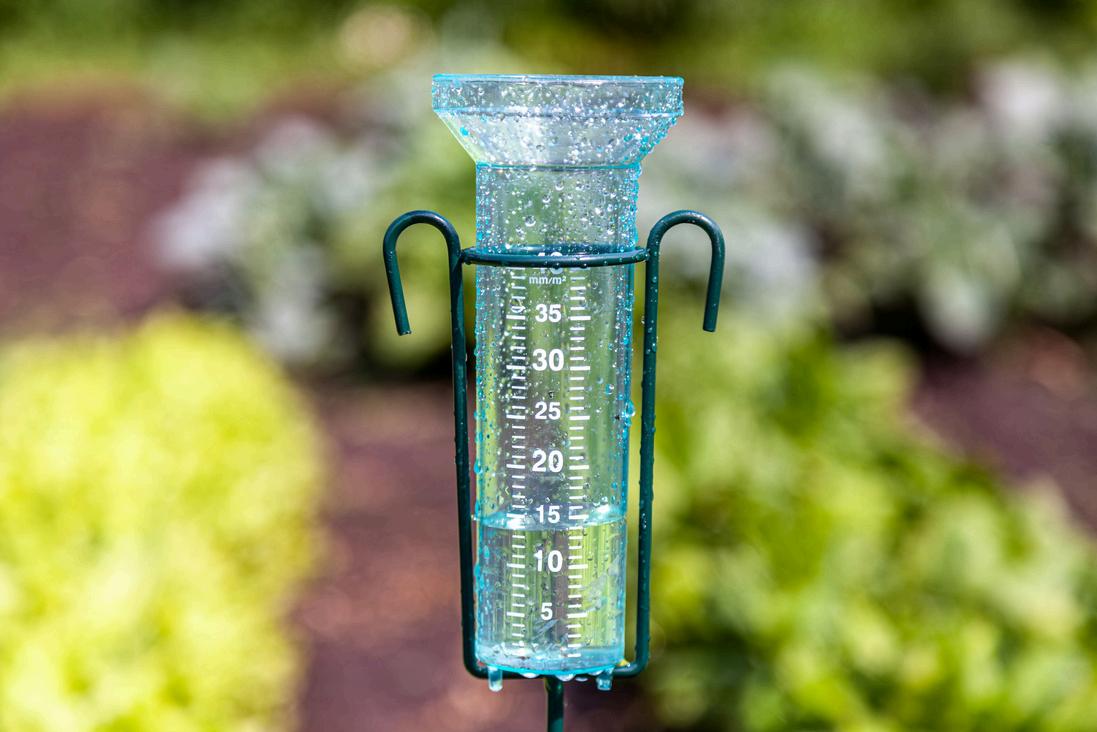
Advancements in technology have led to more efficient and sustainable flood prevention strategies. These modern solutions integrate data, engineering, and nature-based approaches to mitigate flood risks.
Early Warning Systems Permeable Infrastructure Floating Architecture
Smart Flood Barriers Green Roofs & Rain Gardens
NATURE-BASED SOLUTIONS
WETLAND
RESTORATION
COASTAL
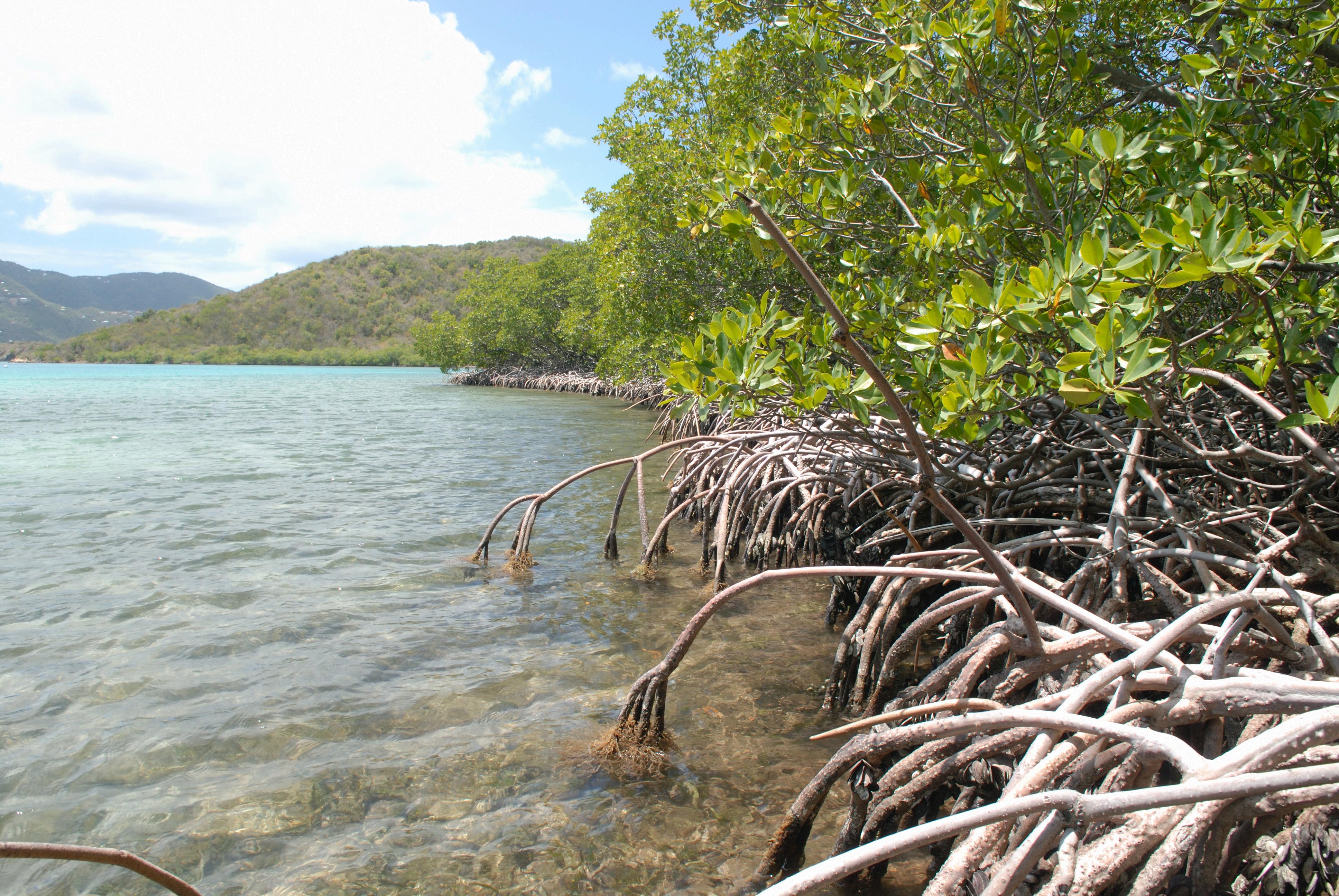
MANGROVES & REEFS
Wetlands act as natural sponges, absorbing excess water and reducing flood risks. Mangrove forests and coral reefs buffer storm surges and protect coastal communities.
RIVER
RESTORATION
Reconnecting rivers to floodplains helps slow water flow and prevent flash floods.
SOCIAL & ECONOMIC IMPACTS OF FLOODING
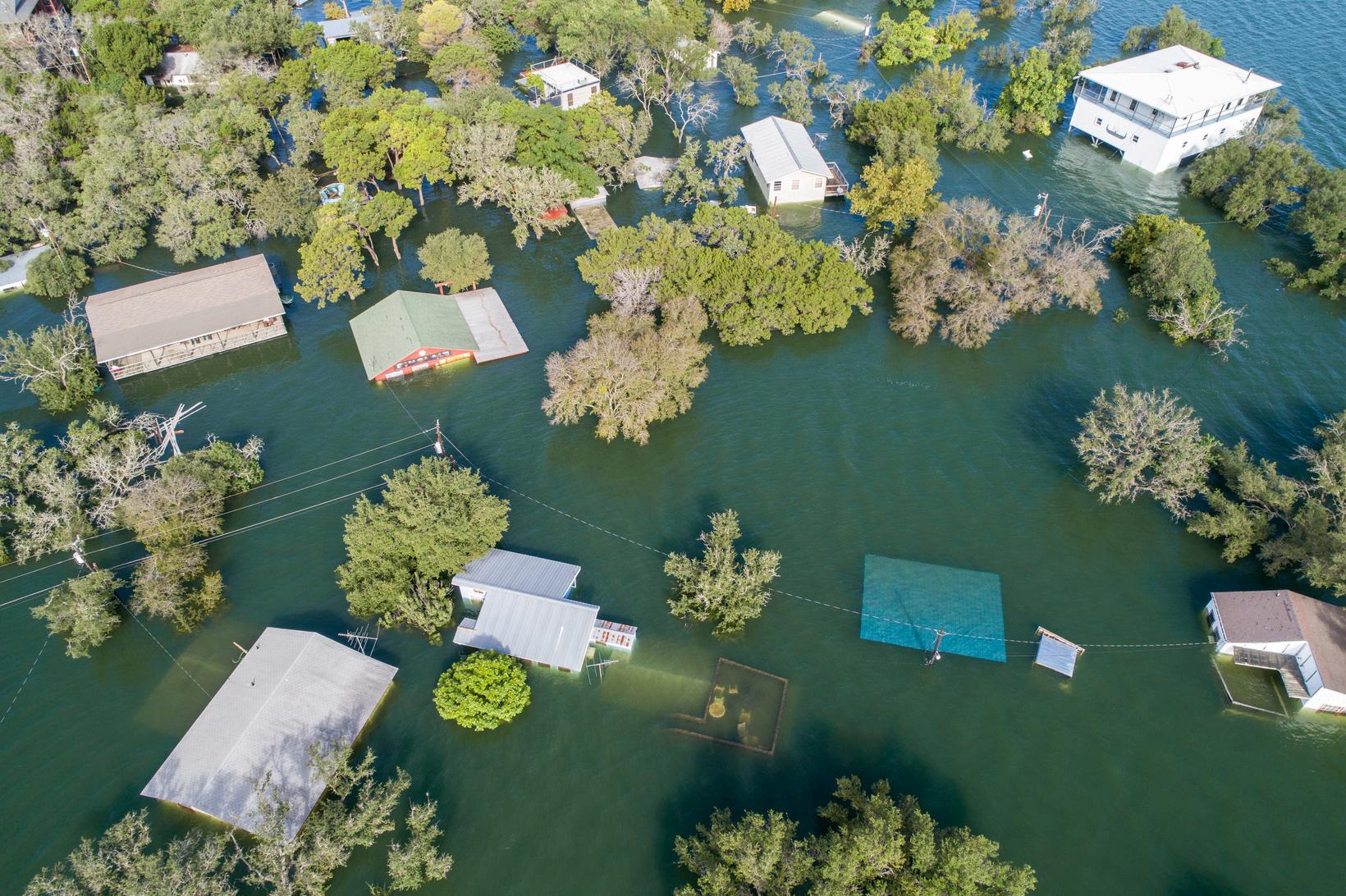
Flooding is not just an environmental issue, it has devastating social and economic consequences. Without proper prevention, communities face long-term financial burdens, displacement, and health risks.
Economic Damage Disrupted Public Services
Displacement & Homelessness Health Risks
Neighborhood
Flood Planning
Community
Infrastructure Projects
LOCAL ACTION FOR GREATER RESILIENCE
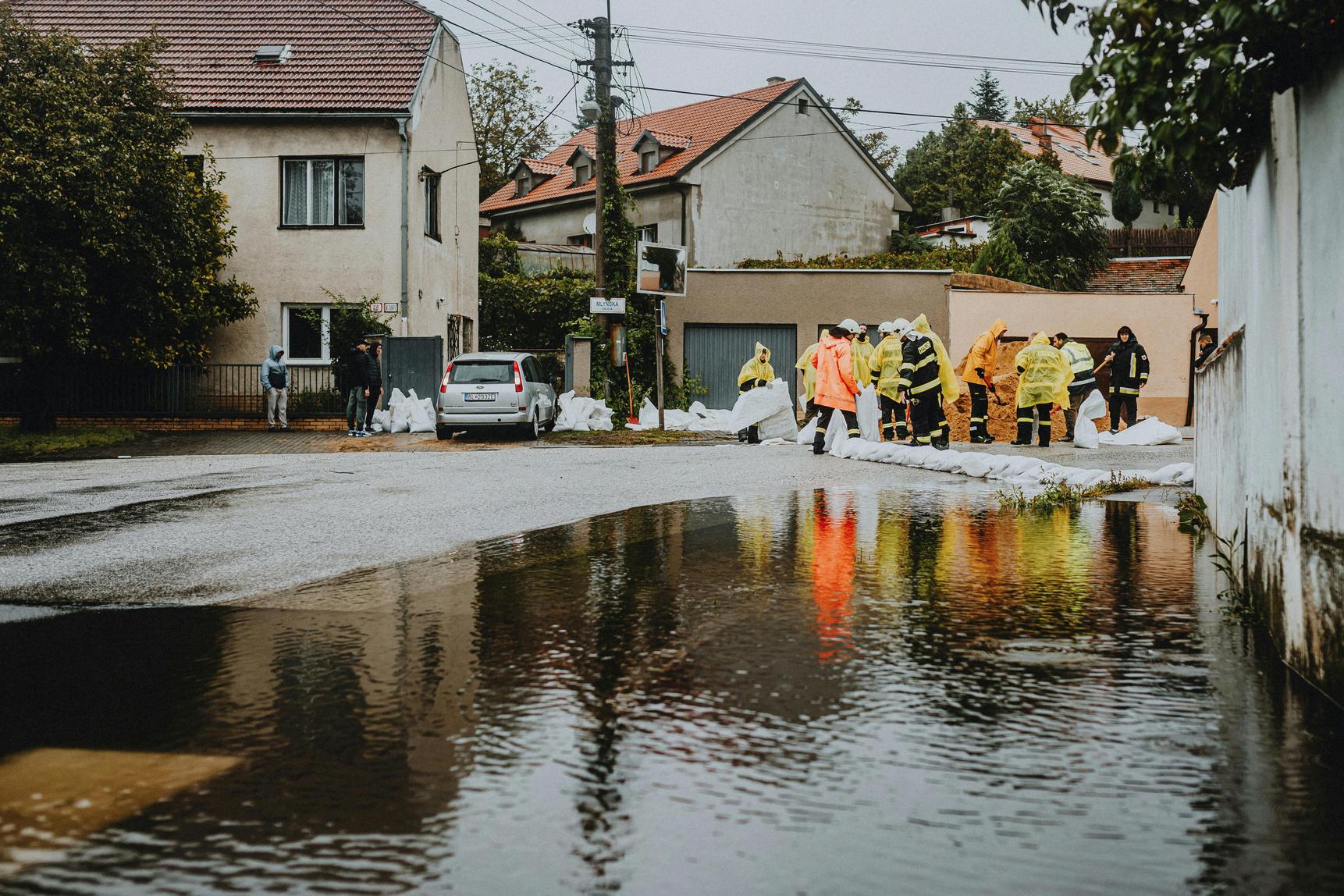
Engaging local communities is essential in reducing flood risks and strengthening long-term resilience. When residents are actively involved, they become more aware of vulnerabilities in their surroundings and are better equipped to respond during emergencies. Community-driven initiatives—such as neighborhood watch programs, flood awareness campaigns, and localized preparedness drills—help foster a culture of readiness.
These grassroots efforts not only enhance public safety but also support faster recovery and more effective flood damage restoration. By encouraging collaboration between citizens, local governments, and emergency services, communities can take meaningful action toward preventing disasters before they happen.