Heavy Equipment Transport
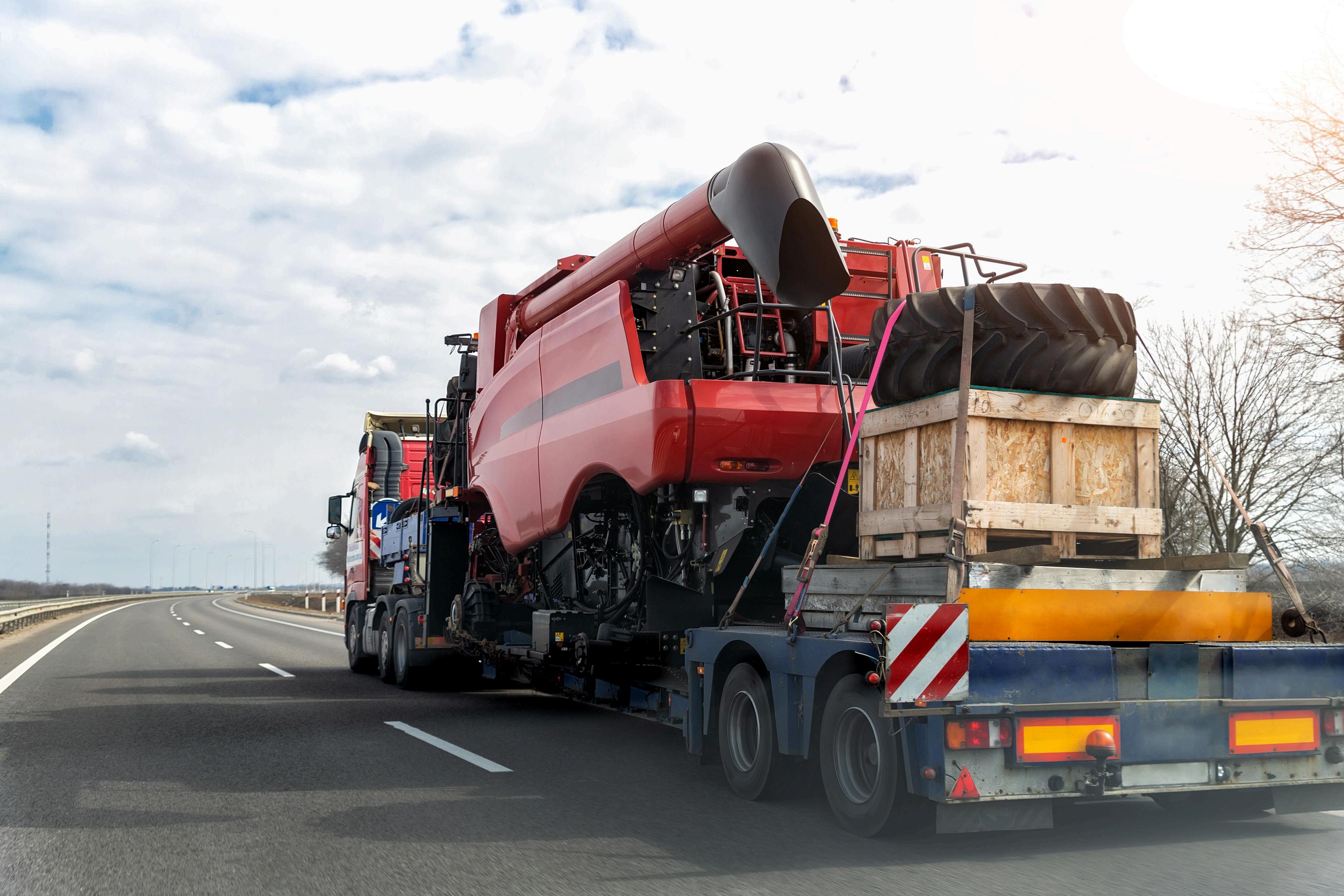
What is Heavy Equipment Transport?
Heavy equipment transport involves the safe and efficient movement of large machinery. It plays a crucial role in construction and industrial sectors, ensuring timely delivery and operational efficiency across various job sites.
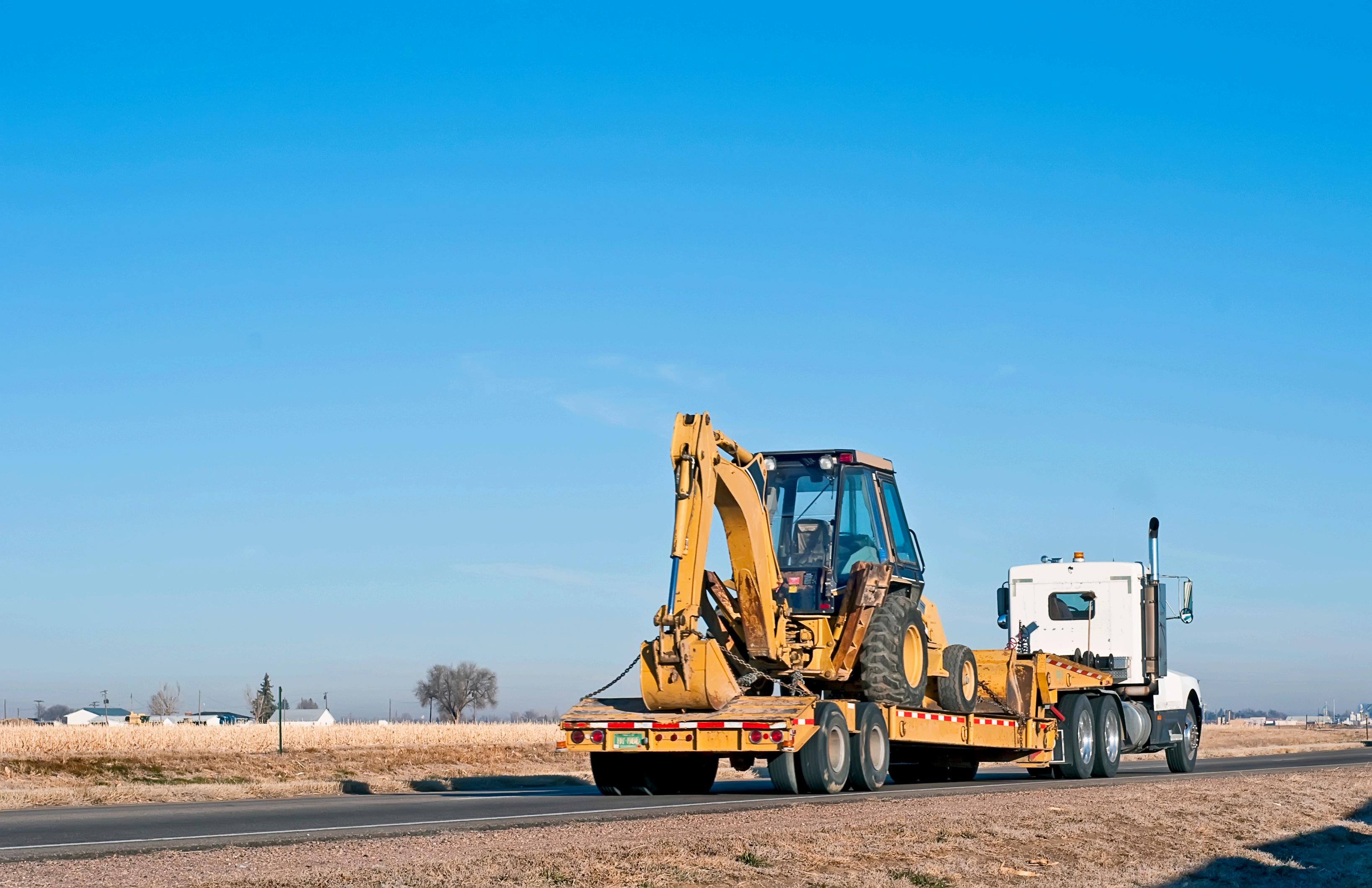
Types of Heavy Equipment
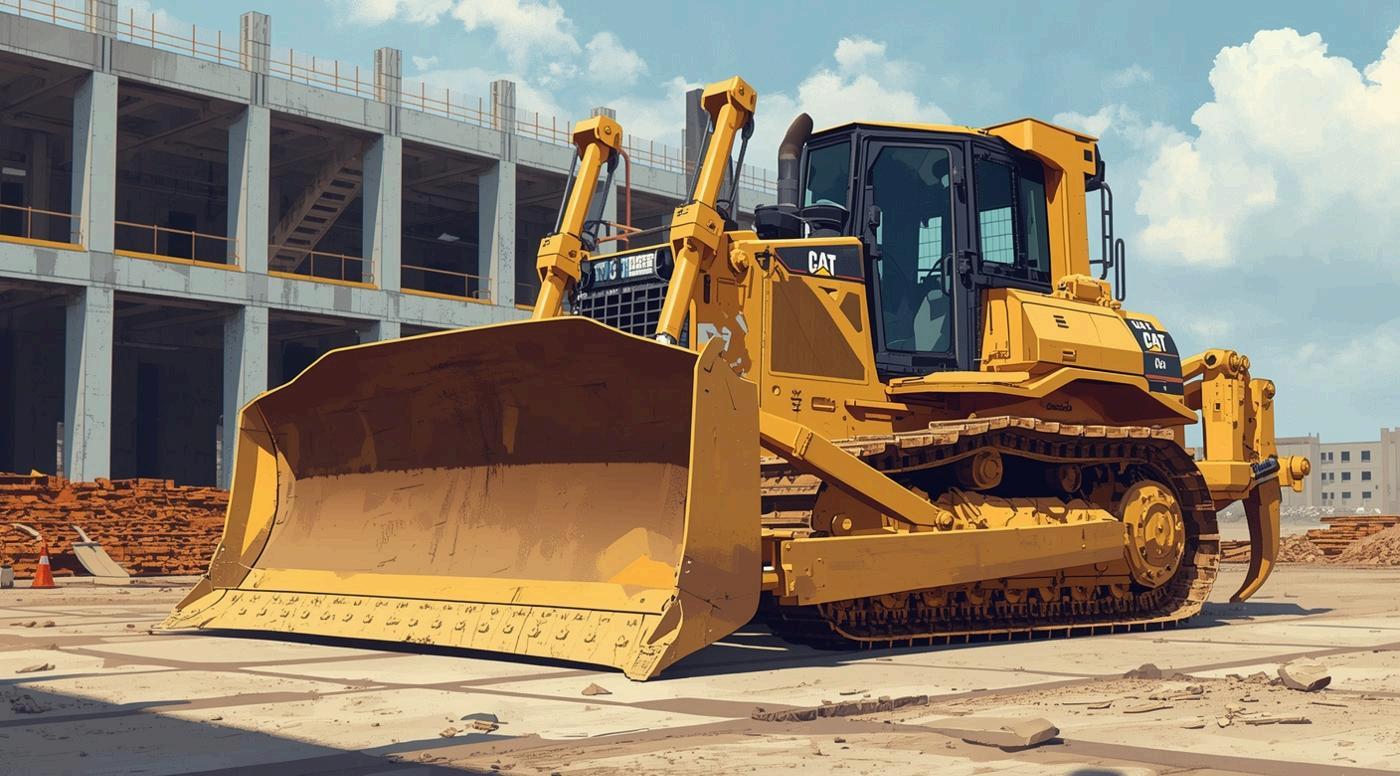
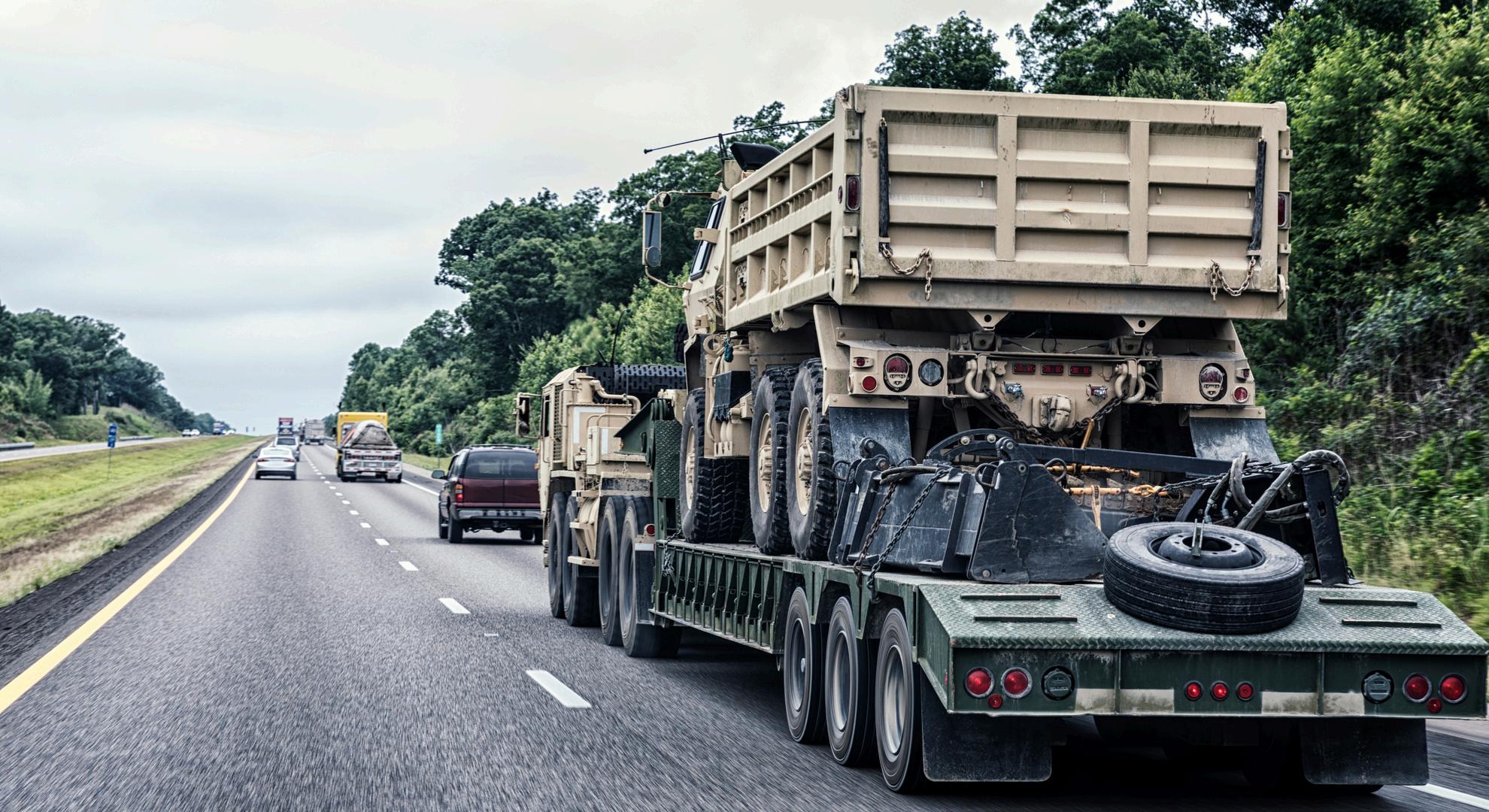
Common Transport Methods for Heavy Equipment
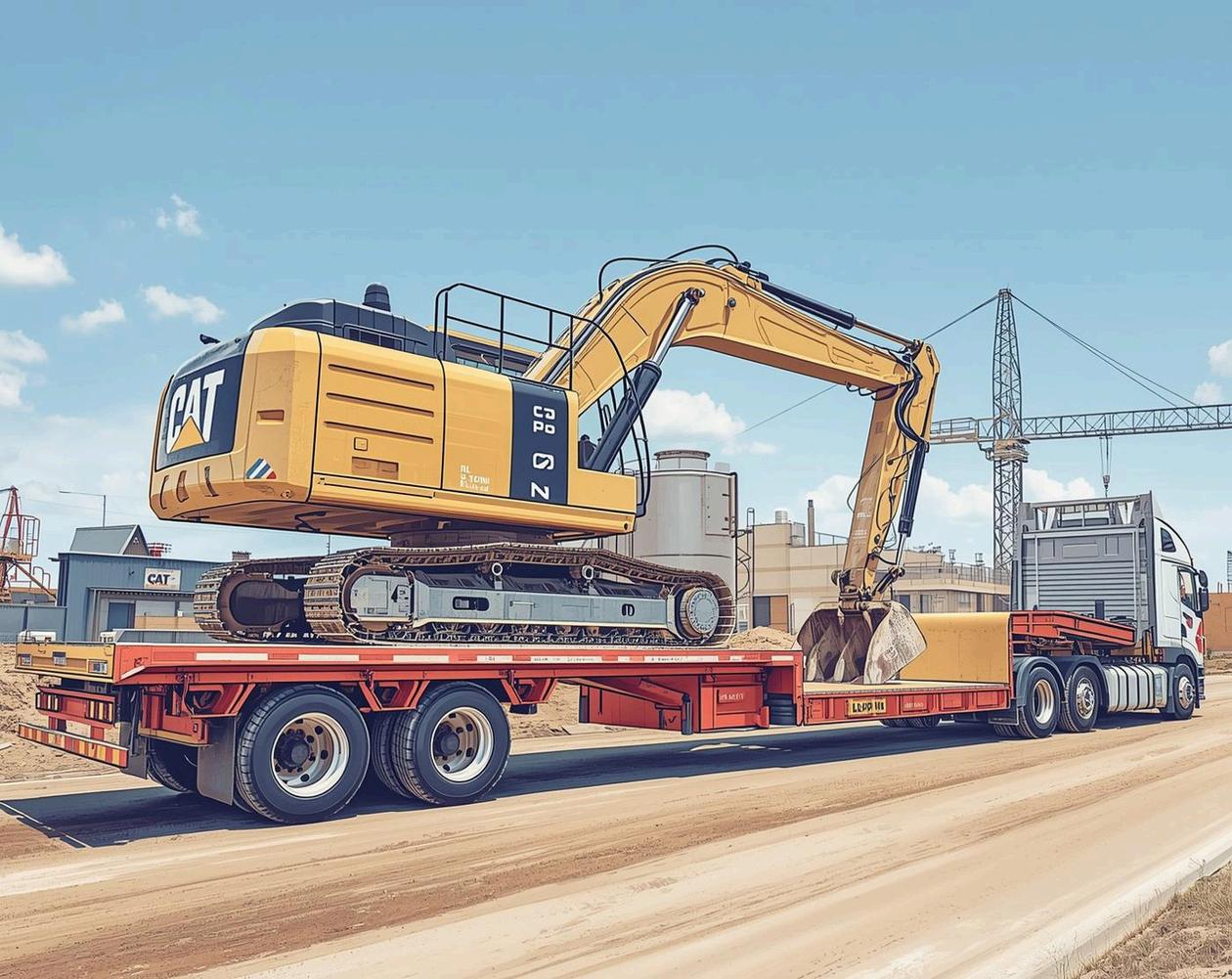
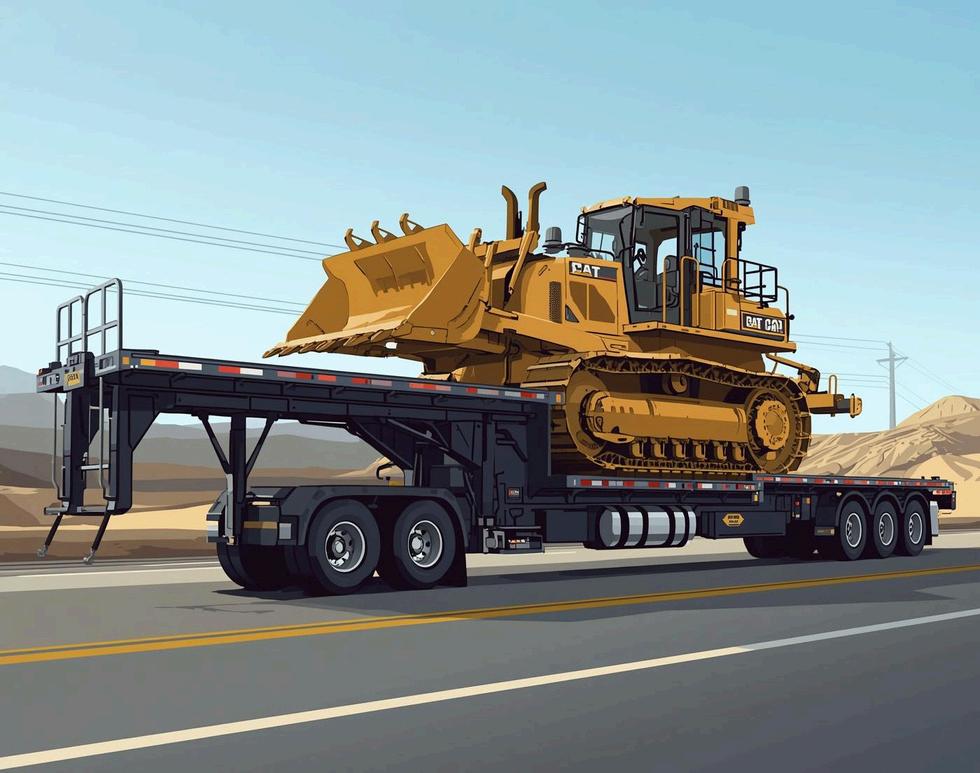
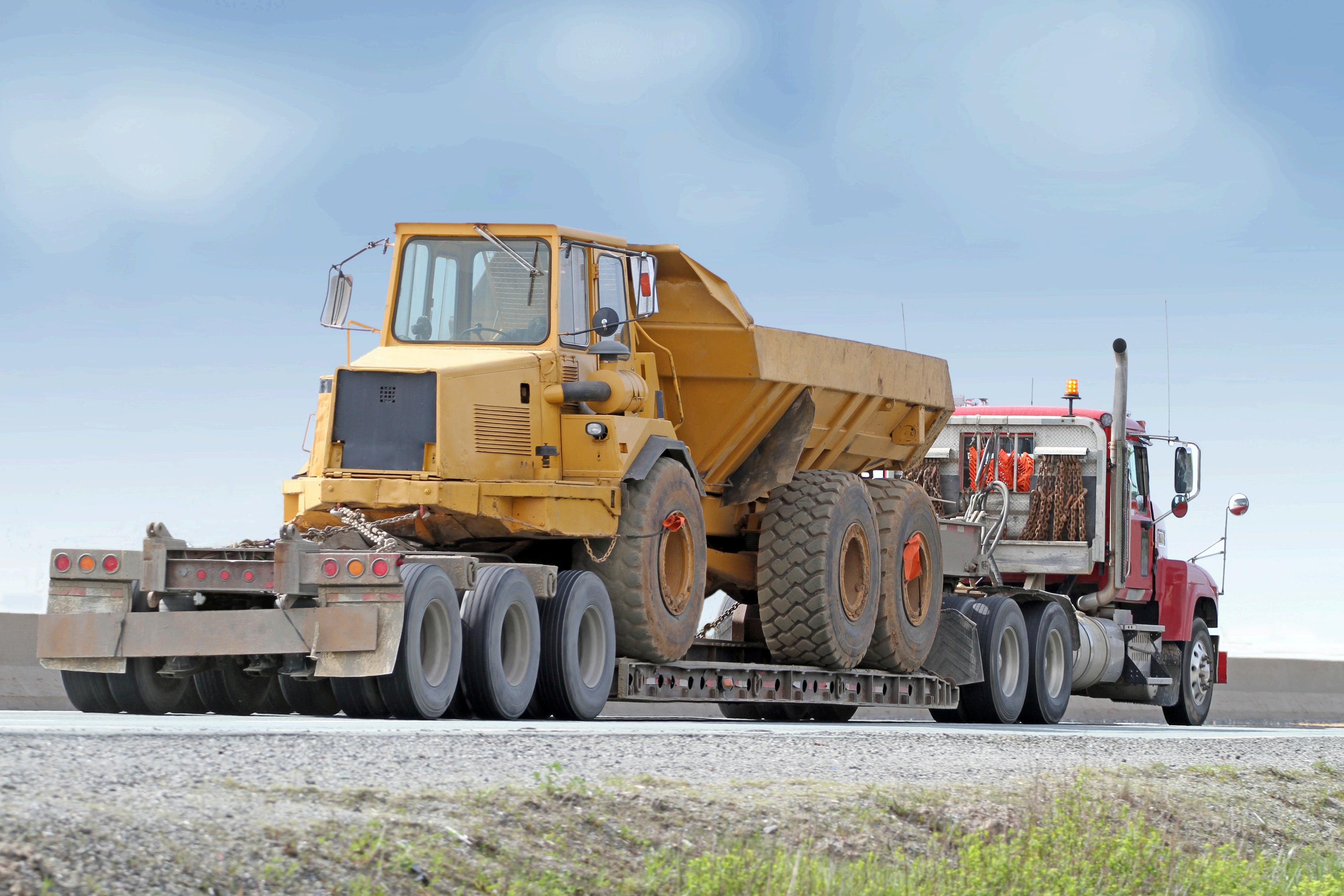
CommonTransport Methods for Heavy EquipmentTransport include flatbed trucking, lowboy trailers, step-deck trailers, and heavy haul specialized carriers.Flatbeds work well for standard oversized loads, while lowboy trailers handle tall or extremely heavy machinery like excavators and bulldozers.Step-deck trailers allow for easier loading and increased height clearance.For the largest, heaviest, or irregular-shaped equipment, heavy haul trucking companies use multi-axle or modular trailers designed for safe, compliant transportation.
Factors Affecting Costs
Understanding Key Elements inTransport Pricing
Distance
Weight and Size
The distance the machinery must travel significantly impacts transportation costs, as longer hauls require more fuel and time, increasing overall expenses for the transport service providers.
Heavier and larger equipment incurs higher costs due to the need for specialized transport vehicles and permits, which are essential for safely moving oversized cargo on roads.
Permits and Regulations
Compliance with permits and regulations can add to costs, as each state may have different requirements for transporting heavy machinery, necessitating careful planning and additional fees.
Cost Breakdown
Understanding
the expenses involved
Fuel Costs
Fuel costs can significantly impact transport expenses, often depending on the distance traveled and the type of heavy machinery being transported, affecting overall budget planning.
Labor Costs
Permit Fees
Labor costs encompass the wages of skilled operators and support staff necessary for loading, transporting, and unloading heavy equipment, essential for successful and safe operations.
Permit fees are required for transporting oversized or heavy loads, varying by state and locality, ensuring compliance with regulatory standards and avoiding potential fines during transport.
Permits and Regulations Overview
Understanding state and federal regulations is crucial for transporting heavy equipment. Compliance ensures safety, minimizes legal issues, and facilitates smooth transport operations across different regions and jurisdictions.
The Importance of Insurance
Securing insurance for heavy equipment hauling is crucial.It protects your investment against unforeseen damages and provides liability coverage, ensuring peace of mind during transit and operation.
Finding Heavy Equipment Transport Services
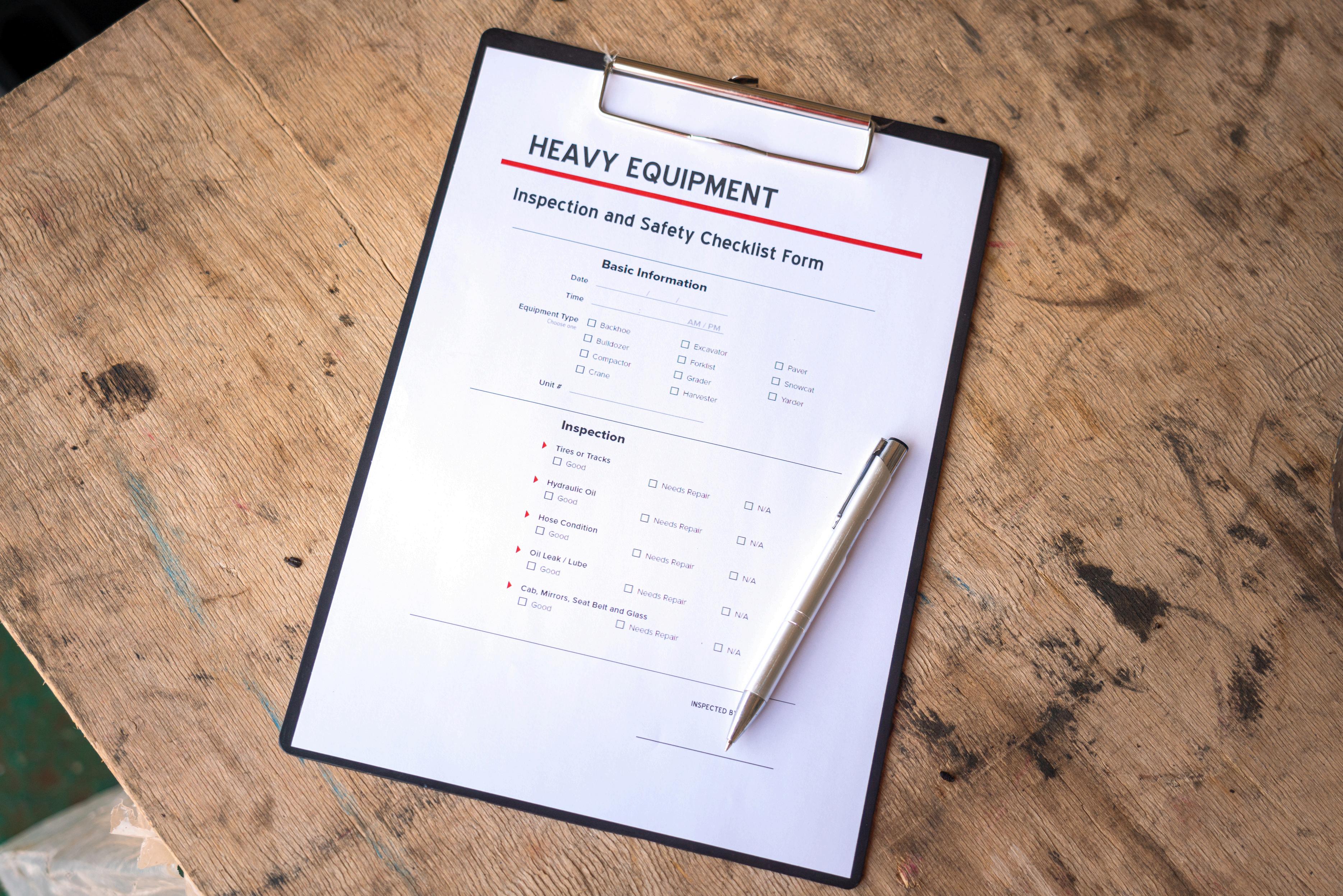
To find reliable heavy equipment transport services, research local providers online, compare quotes, check customer reviews, and ensure they have the necessary experience and licenses for safe transport.